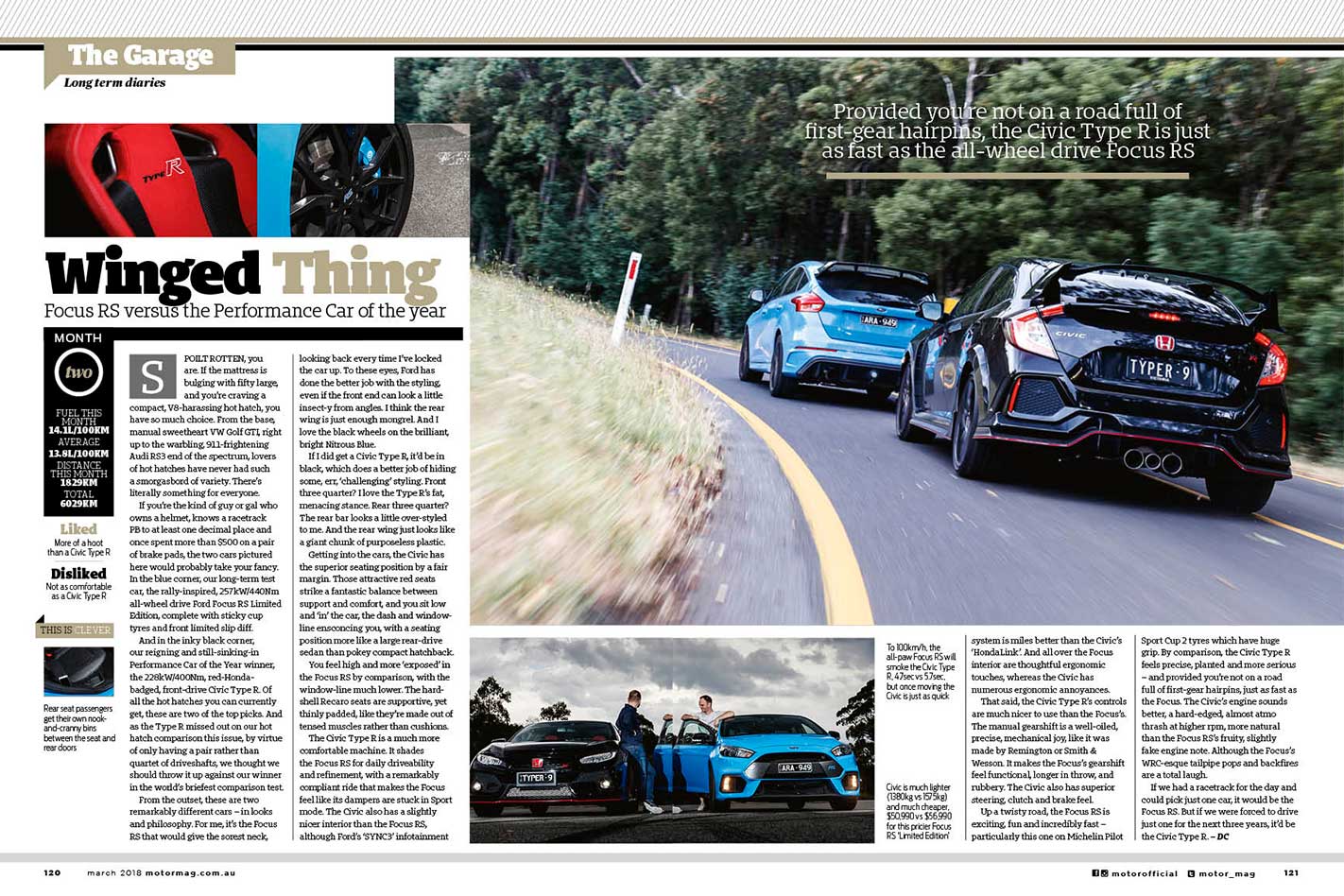
Our Performance Car of the Year winner has ruffled some feathers.
According to numerous letters and messages, we’re all smoking something here at MOTOR, or it was Honda that left a seriously fat envelope in the glovebox for us to give the gong to its bewinged, $51K Civic Type R. It’s the most controversial winner of Australia’s leading performance car award since the S15 200SX beat the 911 Turbo in 2001.
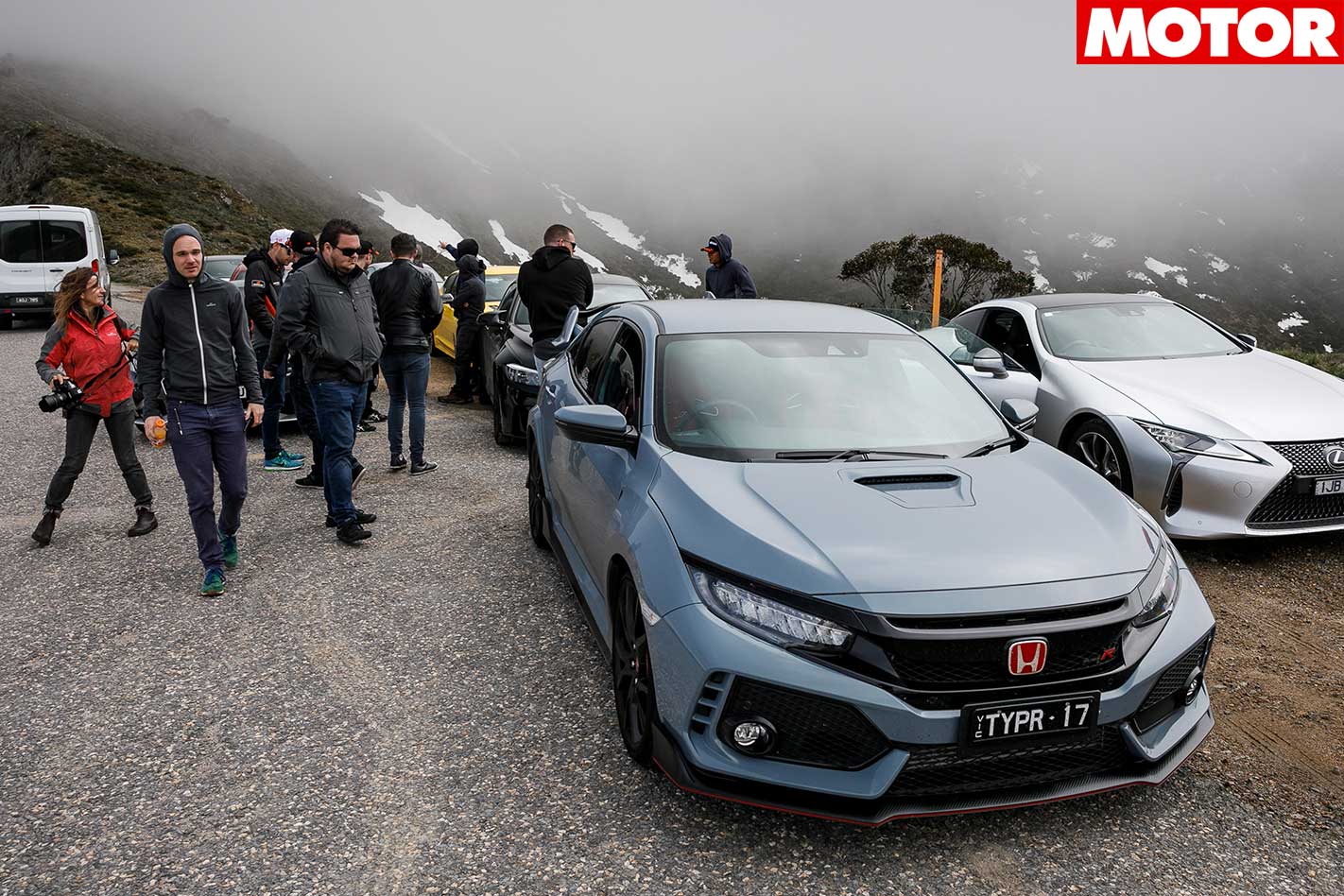
Yet, there the Type R is on the top step of the podium, a place it deserves to be.
Now, I don’t feel the need to defend our decision. We know what we’re doing, we drive hundreds of new performance cars every year on road and track, every new model, and between us we have decades of testing experience.
We love brilliant performance cars and we know one when we drive one, and the Civic Type R is one of those. I’ll confess, I had low expectations before driving it.
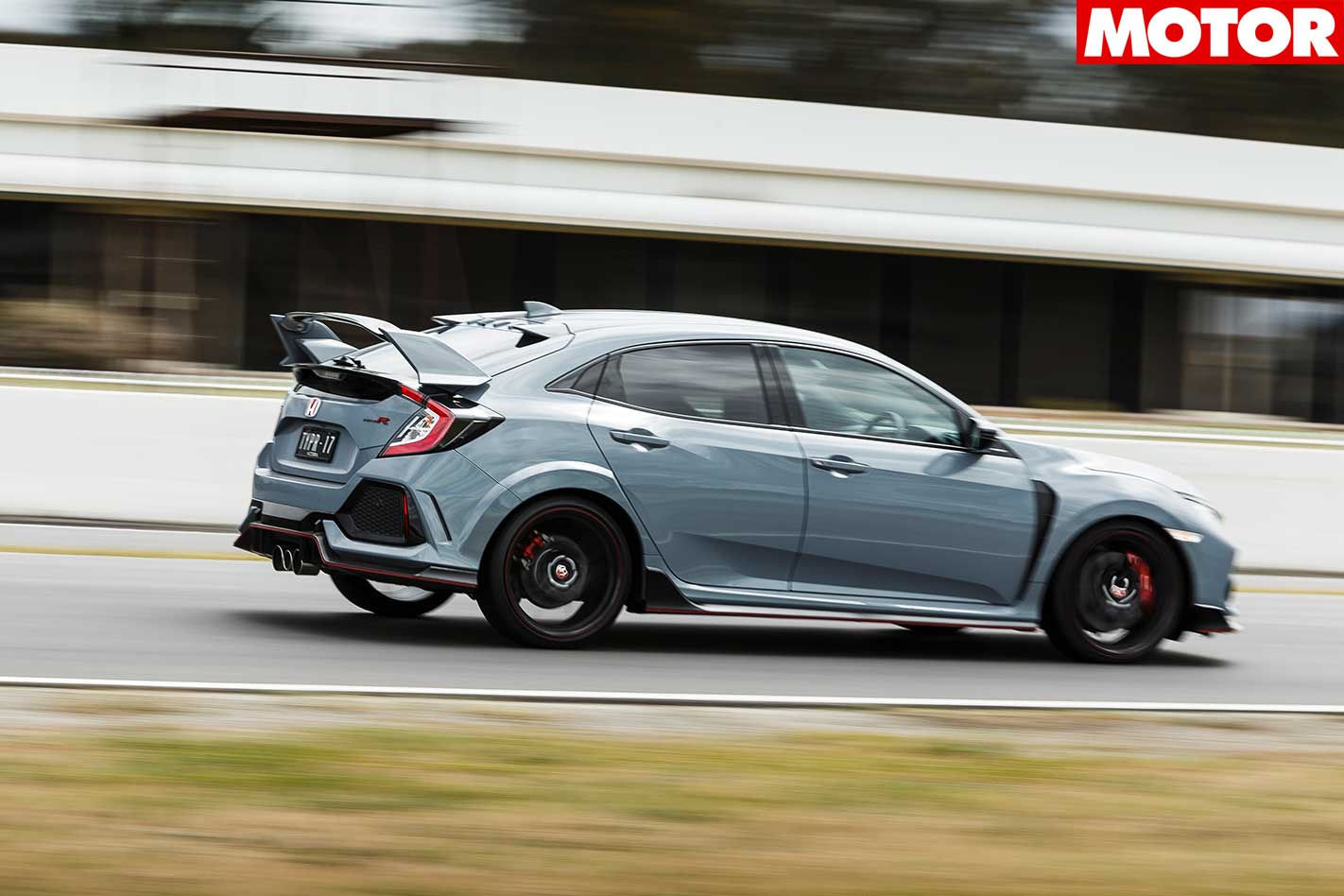
Frankly, I thought I’d drive it once or twice at PCOTY and then spend most of my time in other things. “Holy crap, that Honda is good!” I remember David Reynolds exclaiming with a puzzled look on his face.
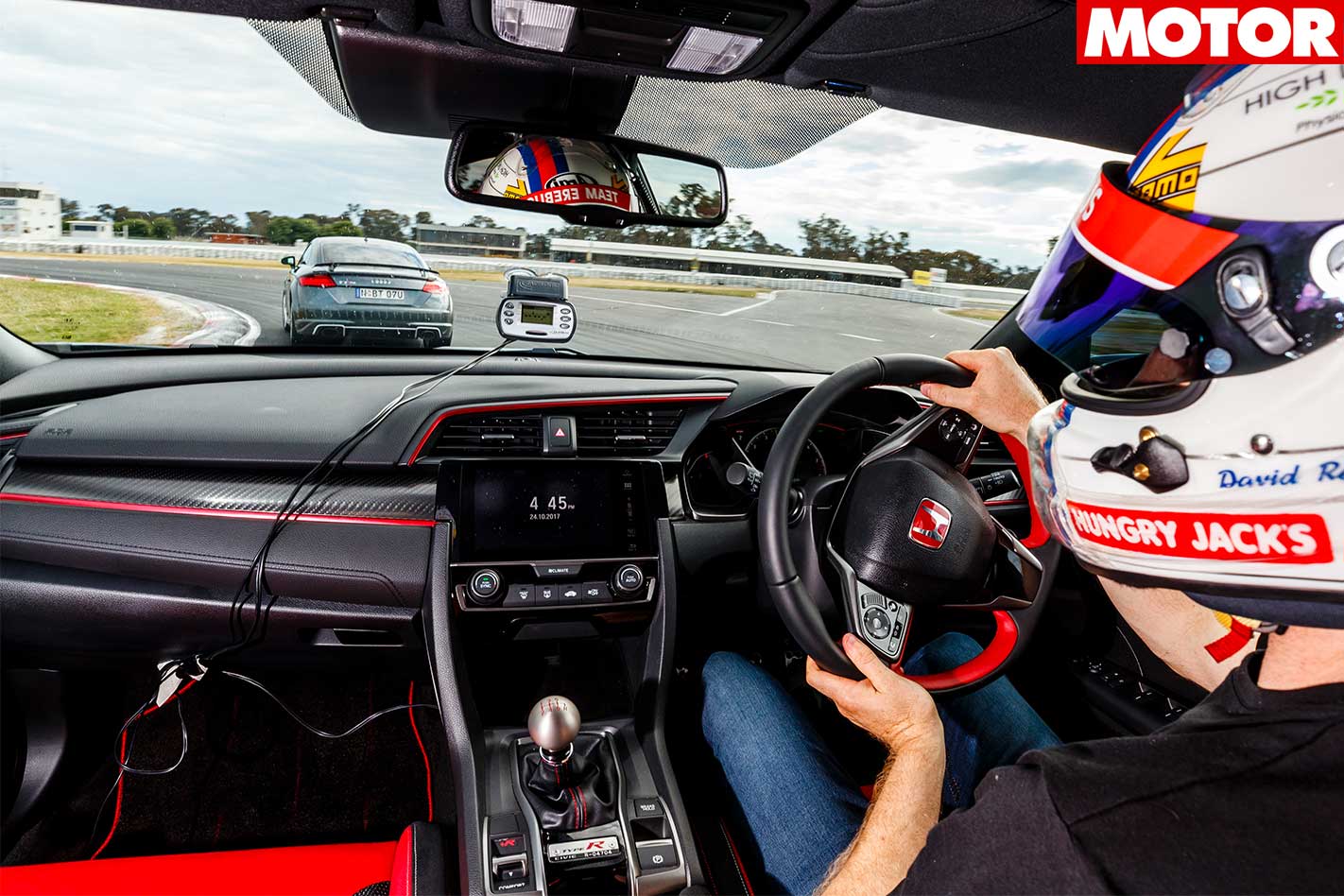
He’d just booted it up our road-test loop. It was my turn next. And I will never forget the feeling of having learned a lesson in keeping an open mind, because the fast, frenetic yet composed and cool Civic Type R was so far off my expectations, I was blown away. And the fact I rated it so highly had nothing to do with the yawning expectation gap – this is a truly fantastic, fast, satisfying and fun performance car.
Don’t think it’s worthy? Go drive one. Wear a blindfold and have someone lead you to the driver’s seat if you must. Take the blindfold off, obviously.
MERCEDES-BENZ has confirmed a three-strong line-up for its third-gen CLS four-door coupe’s Australian debut later this year.
First to arrive will be the Mercedes-Benz CLS450 in the third quarter of 2018, priced from $155,900. Joining it before the year runs out will be AMG’s first electrified vehicle, the CLS53 at $179,900, and an entry-level CLS350 priced from $136,900.
All three cars feature 48-volt mild hybrid technology and internal combustion engines from the German marque’s family of recently launched turbocharged inline four- and six-cylinder powerplants.

The 48-volt system adds an electric starter/generator, dubbed EQ Boost, to assist the petrol engine. The electric motor nudges on-demand performance for short bursts – by 10kW/150Nm for the four-cylinder units, and by 16kW/250Nm for the sixes.
The CLS53 uses a conventional exhaust-driven turbocharger and takes performance a step further with an auxiliary 48V electric compressor used to add low-range boost, helping to improve fuel economy and acceleration figures. The 1905kg AMG will hit 100km/h in 4.5sec. Drive a bit more conservatively, and the average official fuel use on the euro cycle is 8.7L/100km.

Self-levelling air suspension is standard in all Australian-delivered CLS models, though only the CLS53’s ride is controlled by AMG-specific calibrations across three modes: Comfort, Sport and Sport+. The CLS450 and CLS350 will run a less performance-focused version.
AMG has made further changes under the skin of the CLS53 including special steering knuckles and tougher joints optimised for rigidity, and a more aggressive wheel alignment with extra negative camber on both axles for increased lateral grip when cornering.

The CLS53 gets a unique AMG wheel design and will be visually distinctive via a twin-blade radiator grille that is specific to the ‘53’ range that will also include E53 Coupe and E53 Cabrio models. Wireless smartphone charging, and seats with active bolsters that flex during cornering, are standard. AMG has also chosen the CLS53 to introduce a new “Performance” steering wheel already used on the C43 that will also roll out to all future vehicles.
A three-seat rear bench in the E-Class-based third-gen CLS means it is now a five-seater for the first time, rather than limiting the space to four. Boot space is 520 litres, which can be expanded by folding the 40/20/40 split seat-back.

For example, cars fitted with the more premium Burmester stereo system gain speakers fitted inside the roof liner for a ‘3D’ surround sound experience that can be directed at specific seats.
A GPS-sensitive climate-control system called Thermotronic uses map data to recognise tunnel entrances, and can automatically switch the air-conditioner to recirculation mode to maintain air quality inside the cabin.

Customers have a choice of three car keys for their CLS, plus the option of using a smartphone as a key through the car’s connectivity app and Bluetooth-like technology.
The CLS gets model-specific seats that are heated, ventilated and have massage functionality, rather than lifting an existing design from an E- or S-Class. Mercedes-Benz has built its Energizing wellness program into the CLS450 and CLS53, which links comfort functions such as music, massage, climate control fragrance, ambient light colour (including around the afterburner-style air vents) and cabin temperature to influence the mood of occupants.

You can order a CLS450 or a CLS53 now. An entry-level model with a diesel powertrain is expected to flesh out the Australian line-up at a later date.
What stands out?
The Wrangler is the only current Jeep that can trace a lineage back to the Jeep that saw service in World War II, a brilliantly effective and world-changing brainchild of the US Army. In the spirit of that go-anywhere vehicle, the Wrangler is comfortably the most off-road capable Jeep. The Wrangler Rubicon is arguably the most off-road capable 4WD, in standard trim, from any maker.
What might bug me?
How much attention you have to give the steering on bumpy roads. You will be correcting it frequently in any Wrangler, and more frequently in a two-door version.Wind noise at highway speeds, from turbulent airflow at the top corners of the windscreen.Getting at stuff in the back. To open the upper tailgate, you must first open the lower tailgate.That your rugged two-door Wrangler can’t tow a big trailer: the legal limit is just 1000kg. (Four-door Wranglers can tow at least 2000kg.)
What body styles are there?
Two-door or four-door SUV-style soft-top wagon, with an optional hard top. A Wrangler 2-Door has seating for four. A Wrangler 4-Door is longer and can seat five. In the past, Jeep has named its Wrangler 4-Door the Wrangler Unlimited, and in some places it continues to do so. It’s the same vehicle.All Wranglers have part-time four-wheel drive, which means you can drive all four wheels but on soft or otherwise slippery surfaces only. You use a lever to select rear-wheel drive for driving on normal sealed roads, or 4WD for driving off road. Additionally, for off-road driving you can select low-range gears, which make it easier to drive very slowly.The Wrangler is classed as a large SUV, lower priced.
What features do all Wranglers have?
A six-speaker audio system with a radio and CD player, which can be controlled by voice and from buttons on the leather-wrapped steering wheel. Aux and USB inputs, and Bluetooth-connected mobile phone functions.Cruise control, operated from buttons on the steering wheel.Climate-control air conditioning (which maintains a set temperature).Wheels made from polished aluminium alloy, which look nicer than steel wheels. A matching full-size spare tyre, mounted on the lower tailgate and protected with a vinyl cover.Front and rear fog lights, which make the car more visible in inclement weather.A full-length vinyl soft-top roof, which can be folded down manually or removed altogether.Leather wrapped steering wheel.Removable doors. Once the soft top is down, you can take out the doors to give an even more open-air feel. The upper tailgate can also be removed.Wash out interior for when you get as muddy as your Wrangler in the bush.Steel plates under the car that protect vital components such as the fuel tank from damage off-road.Electronic traction control, which helps prevent wheelspin on slippery roads and off-road.Four airbags, and electronic stability control. (For the placement of airbags, and more on the Wrangler’s safety systems, please open the Safety section below.)The Jeep Wrangler has a five-year, 100,000km warranty.
Which engine uses least fuel, and why wouldn’t I choose it?
The diesel engine uses the least fuel, consuming 8.8 litres/100km in the official government test (city and country combined). This 2.8-litre four-cylinder is a modern European design, with plenty of responsive power. In real-world driving it uses about 10 or 11 litres of fuel every 100km, depending on the driving environment and your driving style.One reason you might not choose the diesel is that you want a Wrangler 2-Door or a Wrangler Rubicon, none of which offer that engine. Another could be that you want a Wrangler 4-Door with a manual gearbox: the diesel is available only as an automatic.A third reason could be that you want to save some money on the initial purchase price of your Wrangler 4-Door, and want some extra power for overtaking on the highway.The standard engine in all Wranglers is a powerful petrol V6. Wrangler 4-Doors with this engine cost less than they do with the diesel. But they also use more fuel: in real-world driving, any petrol-engined Wrangler will use about 13 to 14 litres/100km.The less costly of the petrol-engine Wranglers, the Wrangler Sport 2-Door and 4-Door, are available with either a six-speed manual gearbox or a five-speed automatic. The more expensive Wrangler Overland 2-Door and 4-Door, the Wrangler Rubicon, and all diesel Wranglers, come only with the five-speed auto.
What key features do I get if I spend more?
The least costly Wrangler is the Sport 2-Door, which comes with the petrol V6. Spend more for a Sport 4-Door and you get convenient access to the rear seat, seating for five rather than four, and additional luggage space. You also get the option of paying more again for the diesel engine.Having selected any Wrangler Sport, you can also pay extra for a Renegade option pack. This brings you a removable three-piece hard-top roof, finished in black, which allows you to lock up the car more securely than you can with the soft roof. You also get a better audio system with a six-CD stacker, a mobile-phone audio jack, and a sub-woofer for improved bass response. And you get sidesteps, which make it easier to get in and out of the car.A second option pack available with a Sport adds a hard-drive for storing your music, and satellite navigation via a 6.5-inch touchscreen. The touchscreen can also be used to control the audio system, phone connectivity, and cabin comfort.Move on to the Overland, which is available only as an automatic, and you get what is effectively a fully optioned Sport but with extras. Those extras include leather trim, heated front seats, headlights that switch on automatically when it gets dark, and fancier 18-inch wheels in place of the Sport’s 17-inchers. The Overland also gets a body-coloured, but still removable, hard-top roof.For about the same price as an Overland 4-Door, you can opt for the Rubicon. The Rubicon, which comes only as a 4-Door automatic, matches the Sport for wheel size and general features but has in addition a removable black three-piece hard-top roof, automatic headlights, and the better audio system with the sub-woofer. More significantly, the Rubicon has a number of mechanical features that enhance its off-road ability.These include front and rear differential locks, and front suspension with an off-road mode (operated via a dashboard switch) that provides more wheel travel, all of which helps the car maintain progress over extremely rough ground. The Rubicon also has special front and rear differentials that are stronger than those on other Wranglers and allow you to drive even more slowly off-road. Finally, the Rubicon has extra underbody protection to minimise damage.You can spend more on your Rubicon by adding the touchscreen, satellite navigation, leather trim, heated front seats and a body-coloured hard–top roof – all standard features on an Overland.
Does any upgrade have a down side?
The diesel engine, which is more expensive, has less outright performance than the cheaper petrol engine – something you would notice mainly when attempting swift overtakes on the highway.Four-door Wranglers aren’t as manoeuvrable or agile in tight off-road going as the two-door models due to their extra length. The four-door models are also heavier, which means less performance and poorer fuel economy.Only white or black paint is standard. All other colours attract an extra cost.
How comfortable is the Wrangler?
It’s a big step up into the high-riding Wrangler. Getting in is difficult without the optional sidesteps, due to the absence of an appropriately placed assistance handle.Once inside, the upright seating position, slab-fronted dash and flat, upright windscreen give the Wrangler more of the feel of an old-fashioned truck than of a modern passenger car.Contrasting with that are the Wrangler’s nicely detailed interior fit and finish, modern and easy to use switchgear, intuitive touchscreen on the models thus equipped, and excellent audio system even at the base specification. The front seats are comfortable too, although short drivers might wish for more height adjustment to improve visibility over the high dashboard.With its old-design chassis, effectively that of a light truck, the Wrangler has sloppy steering and gets pushed around by rough roads – bumps adjust your direction of travel, and you need to compensate with the steering wheel. It feels much better on smooth roads, however. Two-door models move around more on the bumps than four-door models, which gain some stability from their longer wheelbase.The petrol V6 engine is smooth, powerful and responsive, and works better with the automatic gearbox than the manual. The diesel isn’t as smooth and quiet as the petrol engine but is more responsive at normal road speeds when you first press the accelerator pedal. (The petrol develops more power if you hold your foot down.)
What about safety in a Jeep Wrangler?
All Wranglers have four airbags: two directly in front of the driver and front passenger, and one alongside each front occupant to protect the head and upper body.Wranglers also have electronic stability control, which can help you bring a skidding car back under control and is mandatory on all new cars.However, no Wrangler has a reversing camera, and none has sophisticated active safety features such as autonomous emergency braking (which will apply the brakes automatically if it thinks you are about to drive into something), blind spot monitoring, or lane-departure warning.The Australasian New Car Assessment Program (ANCAP) awarded the Wrangler 2-Door four stars for safety in October 2012, from a maximum of five. ANCAP has not rated the Wrangler 4-Door.
I like driving – will I enjoy this car?
The Wrangler is more than a car. It’s an automotive icon and is special to drive for that reason alone. Its heritage can be traced directly back to the very first Jeep, created by the US army during World War II and still in military use. That Jeep inspired the original Land Rover, the Toyota LandCruiser and the Nissan Patrol. Without question it sparked the love for 4WD vehicles that continues today around the world.The Wrangler’s removable three-piece hard-top roof or fold-down soft-top roof, combined with its removable doors and upper tailgate, allow it to be configured with a fully closed body or – much like the original Jeep – as an open-air vehicle, to provide a unique driving experience.Modern and effective engine and gearbox combinations add to the pleasure available from driving a Wrangler. The petrol engine is responsive right across the engine-speed range, and gives very good overtaking ability on full acceleration. The diesel is actually more responsive at low speeds than the petrol engine but can’t match the petrol’s overtaking ability at highway speeds.Best of all, the Wrangler is ready to go off-road straight from the showroom floor, tyres and all, and is very effective once you get there. The Rubicon is a standout in this regard, and as good as it gets off-road for a showroom-stock 4WD vehicle.Part of the reason a Wrangler works so well off-road is its truck-style chassis, which at each end suspends the wheels on a heavy solid axle running between them across the full width of the car. The downside of this is that on the road the Wrangler does not ride, handle or steer as well as most other 4WDs, which at least at the front mount their wheels on shorter, lighter, hinged arms that allow them to move independently. Wrangler 2-Doors in particular need almost constant steering corrections on bumpy roads, especially at open-road speeds.
How is life in the rear seats?
Four-door Wranglers seat two adults and a child comfortably in the rear seat, the tall cabin providing good headroom and leg room. The Wrangler is also a good height for getting children in and out of car seats, although the rear doors could be a bit wider.Two-door Wranglers can seat only two people in the rear, and while the space is adequate for two adults the access is very awkward.
How is it for carrying stuff?
When it comes to carrying stuff, the two-door and four-door Wranglers are very different. The Wrangler 2-Door has a very small luggage space. But its two-person rear seat can be removed easily to provide a very good luggage space – at the expense of retaining seats only for the two people in front.The longer four-door model has good luggage space with five seated. The Wrangler’s square-box body helps with cargo volume, as does its carrying the spare wheel outside on the tailgate.Unusually, the horizontally spilt tailgate requires the lower section to be opened before the upper section, which isn’t as convenient as the usual method of being able to open the top by itself.Two door models are rated to tow only 1000kg, which is very low for a 4WD. Four-door models have more respectable ratings of 2000kg for the petrol V6 and 2300kg for the diesel.
Where does Jeep make the Wrangler?
Jeep Wranglers sold in Australia are made in the USA.
What might I miss that similar cars have?
Three-row seating, for up to seven people, as provided by 4WDs such as the Toyota Prado and Fortuner, Ford Everest and Isuzu MU-X.Smoother on-road handling, as provided by most other 4WDs, including all of those above.Full-time 4WD, as offered by the Prado, the Everest, and the Mitsubishi Pajero and Pajero Sport, for example.A reversing camera, which is now almost a universal fitment on 4WDs.Among other cars you might consider is the Toyota LandCruiser 76 Series Wagon.
I like this car, but I can’t choose which version. Can you help?
The Rubicon is the pick of the range. It’s comfortably the best Wrangler off road, and it doesn’t sacrifice on-road handing or comfort to other Wranglers. Unfortunately, it is not available with the diesel engine.
Does Jeep plan to update the Wrangler soon?
The current Wrangler dates back to 2007 but was upgraded with a new petrol engine and gearboxes in 2012.A new-generation Wrangler has been revealed, with new powertrains and improved road handling, and is expected to enter production late in 2017, and to go on sale in 2018.
What stands out?
On-road handling and stability are strong points for the Mitsubishi Pajero compared with other dual-range 4WD wagons, and yet it still offers serious off-road ability. All models seat seven, and have 7.0-inch touchscreens that can mirror your phone.
What might bug me?
Noise, from both the engine and the road. And the ride feels harsh sometimes.Having to plug in your phone to get satellite navigation – but if you have a recent Apple or Android phone, the maps will display on your touchscreen.That passengers riding in the Pajero’s third-row seats are not protected from side crashes by airbags. The Pajero’s side-curtain airbags extend past the first two seat-rows only.
What body styles are there?
Five-door, seven-seat 4WD wagon is the only body style.All models have dual-range (high and low speed) four-wheel drive, and the Pajero is classed as a large SUV, lower priced.
What features do all Pajeros have?
Cruise control, Bluetooth phone connectivity with voice control, and a 7.0-inch touchscreen.Smartphone Link Display Audio, which puts your phone on the touchscreen via a USB cable and Android Auto or Apple CarPlay. Compatible smartphone apps – including mapping – display on the car’s screen and can be controlled from the screen or by voice.Leather trim on the steering wheel, and buttons for operating the cruise control, audio system and your phone.A reversing camera. Daytime running lights illuminated by very long-lived LEDs.Climate control air-conditioning (which maintains a set temperature), with separate rear controls.Daytime running lights (which make the car more visible), foglights, and self-levelling HID headlamps, which are more effective than conventional halogen headlamps.Sidesteps, which help you get in and out of the vehicle, and sporty-looking 18-inch wheels made from aluminium alloy.Six airbags: two located in front of the driver and front passenger; two outside the driver and front passenger to protect their upper bodies; and two side-curtain airbags protecting heads in the first and second seat rows.Electronic Stability Control, which helps prevent the car from skidding out of control. This is mandatory on all passenger cars.Electronic Traction Control, which helps the car maintain drive on slippery surfaces. It is especially helpful in difficult conditions off road.A driver-switched rear-differential lock, which adds even more off-road ability.All Pajeros come with a five-year, 100,000km warranty.
Which engine uses least fuel, and why wouldn’t I choose it?
Only one engine is available in the Pajero, a 3.2-litre four-cylinder turbo diesel. This engine appeared in 2002, so it is an old design, updated in 2006 and again in 2008. It offers good performance but it is not as quiet or as smooth as most diesels developed more recently.In the official combined-cycle fuel-economy test it uses 9.0 litres/100km. In the real world, the consumption is about 12 litres/100km, although fuel use will vary with your driving style and conditions.All Pajeros come with a five-speed automatic gearbox.
What key features do I get if I spend more?
Step past the least costly Pajero, the GLX, and spend more for a Pajero GLS and you get heated and power-adjustable front seats, and extremely bright, HID, headlights that switch on automatically when it gets dark. Windscreen wipers operate automatically when it rains, and rear parking sensors augment the reversing camera. A cargo blind hides whatever you have stored behind the rear seats.The most expensive Pajero, the Exceed, builds on the GLS equipment with a power operated sunroof, and part-leather trim for the seats. There is a premium Rockford Fosgate audio system with 12 speakers (other Pajeros have six). Headlamps dip automatically for oncoming traffic.
Does any upgrade have a down side?
The Exceed is a little heavier than the other models due to its extra equipment. The sunroof places more weight higher in the car, and reduces head room marginally.White is the only standard colour. The others are pearl or metallic, and are extra-cost options.
How comfortable is the Mitsubishi Pajero?
The Pajero offers a spacious, comfortable and high-riding cabin that has good vision for the driver and passengers. The front seats are particularly comfortable, but the steering wheel adjusts only for tilt and not for reach.The Exceed model, with its leather seats and sunroof, brings a touch of luxury, whereas the other models, especially the GLX, have more of a utilitarian feel.The Pajero’s engine is noisy compared with the more modern diesels powering some similar vehicles. Likewise, the five-speed automatic gearbox doesn’t shift as smoothly as more recently developed automatics.At low speeds on rough roads, the Pajero’s ride is also on the harsh side. On broken bitumen and on gravel roads the car is quite noisy.
What about safety in a Pajero?
All Pajeros have six cabin airbags, a reversing camera, electronic stability control, and bright LED daytime running lights.The Pajero’s side-curtain airbags, which protect at head level from side-crashes, extend past the front and middle seat-rows only, however. Third-row passengers aren’t covered.GLS and Exceed Pajeros add auto-on headlights (which make it more likely you will be seen in poor light), auto wipers (which reduce fatigue in wet weather), and rear parking sensors (which augment the reversing camera, and might draw your attention to a person in a vulnerable place behind the car).The Australasian New Car Assessment Program (ANCAP) awarded the Pajero five stars for safety, its maximum safety score, most recently in February 2013.
I like driving – will I enjoy this car?
The Pajero may be an older design but it still handles very well by 4WD standards. Part of its secret is its fully independent suspension, a better arrangement for handling and stability than the solid rear axle fitted to alternatives such as the Toyota Prado and Ford Everest. The more expensive Land Rover Discovery also has fully independent suspension.The Pajero has a unique 4WD system that allows you to use 4WD on all surfaces, including dry bitumen roads, but also lets you select rear-wheel drive only. In effect it combines elements of traditional part-time 4WD systems and more modern full-time 4WD systems, and gives the driver more choices than either.The Pajero is competent and capable off-road but it’s not as comfortable on rocky and rough trails as the Prado and Everest. For off-road performance it about matches its younger sibling the Mitsubishi Pajero Sport.
How is life in the rear seats?
The Pajero has a big and comfortable rear seat that’s sufficiently wide for three average-size adults, but a little tight for three large adults. There are airconditioning vents for rear passengers, who have their own ventilation controls.The third-row seat is suitable only for children, although adults could squeeze in for short distances.
How is it for carrying stuff?
The Pajero has a generous cargo area. The third-row bench-style seat folds flat into the floor, and so does not impinge on luggage space when it’s stowed away. With the seat upright, luggage space is very limited.The second-row seat has a 60/40-split fold.The luggage space is accessed via a single side-hinged rear door that carries the spare wheel. It is heavy to open on a slope, although it does have a lockable stay to prevent it from closing accidentally.The Pajero is rated to tow 3000kg, which is 500kg more than the current Prado and on a par with most other competitors.
Where does Mitsubishi make the Pajero?
All Pajeros are made in Japan.
What might I miss that similar cars have?
If you have driven one, perhaps the softer ride and quieter cabin of the Toyota Prado. More expensive Prado models also have more luxury and safety equipment than the top-spec Pajero, although at a much higher price.Active cruise control – which can match your speed to that of a car ahead on the highway. The Ford Everest offers this, for example, as does the most expensive Prado, the Kakadu.Autonomous emergency braking (which can brake the car automatically if you are in danger of crashing into a vehicle in front). This too is available on the Prado Kakadu, but you can also get it on a Mitsubishi Pajero Sport – which is smaller inside than the Pajero, but still offers seven seats.Perhaps a forward collision warning, which will alert you to an obstacle in front – even if you have to apply the brakes yourself. The Everest and Holden Trailblazer offer this, for example.Possibly side-curtain airbag coverage for passengers in the third row of seats. The Pajero Sport offers this, for example, as do the Prado, Everest, Trailblazer, and the Toyota Fortuner.The Pajero Sport, Everest, Trailblazer and Fortuner are all ute-based 4WD wagons, whereas the Pajero feels more like a passenger car to drive.
I like this car, but I can’t choose which version. Can you help?
The base-spec GLX is the pick. More costly models offer more luxury but no more performance and only marginally more safety.
Are there plans to update the Pajero soon?
The Pajero is well overdue for a generational change. Whether and when that will happen is anyone’s guess. It received styling tweaks, extra sound insulation and some fresh equipment for the 2015 model year. In September 2015, the 7.0-inch touchscreen was extended to the least costly model, and connectivity was upgraded with Smartphone Link Display Audio – which enables Apple CarPlay and Android Auto.
1.85 Seconds. That’s all it takes for the latest creation from Croatian hypercar manufacturer Rimac to blast to 100km/h. And it does it without the drama of internal combustion.
The C_Two is powered by four electric motors that together deliver 1408kW and 2300Nm, and propel the car to a claimed top speed of 412km/h. The drivetrain features all-wheel torque-vectoring (R-AWTV) that can shift torque to the front or rear wheels and even support drifting.The front wheels are fed via two single-speed transmissions, while the rear has dual, two-speed gearboxes. According to Rimac, the 120kWh lithium-manganese-nickel battery pack provides a 650km range and can be charged to 80 percent in just 30 minutes.
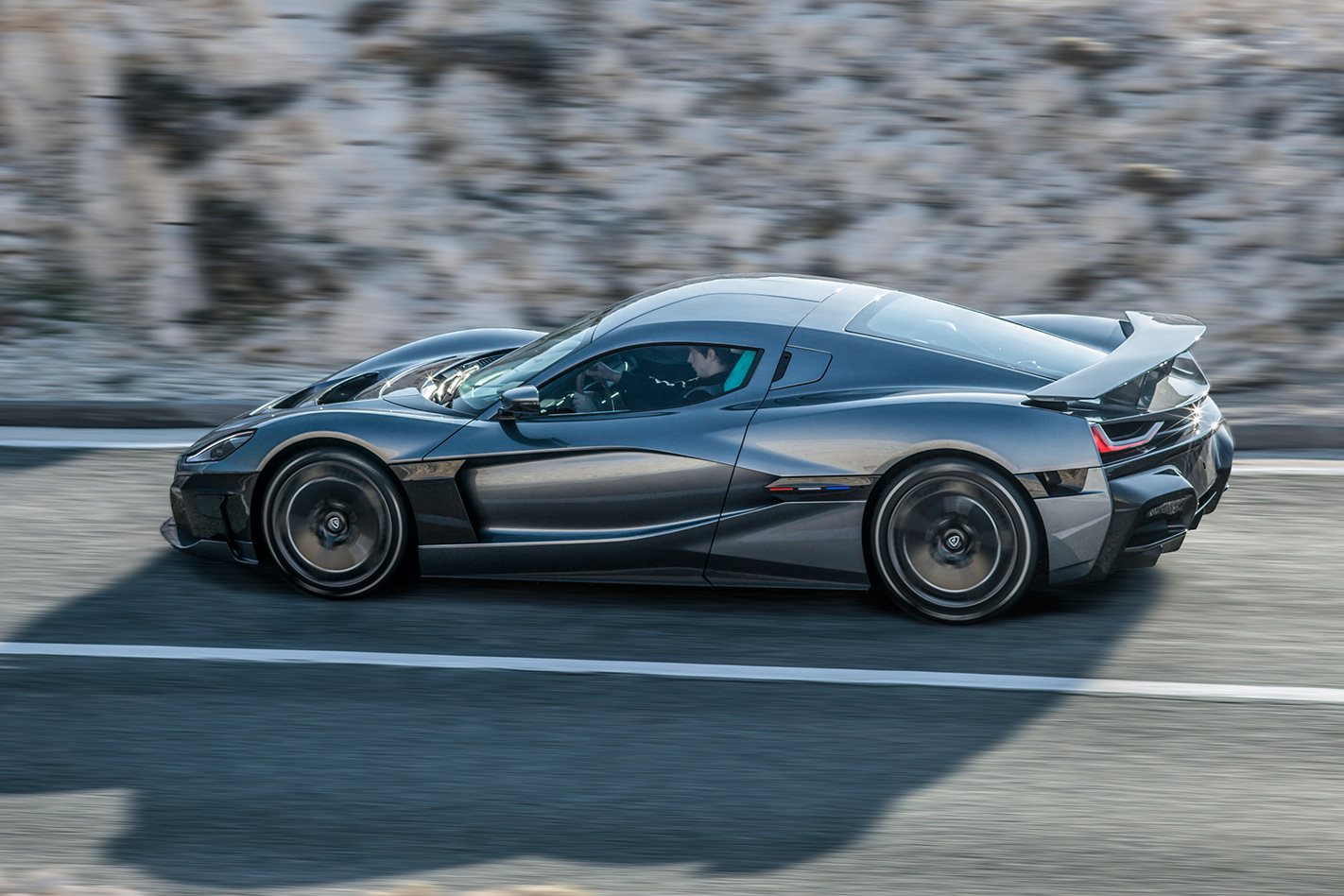
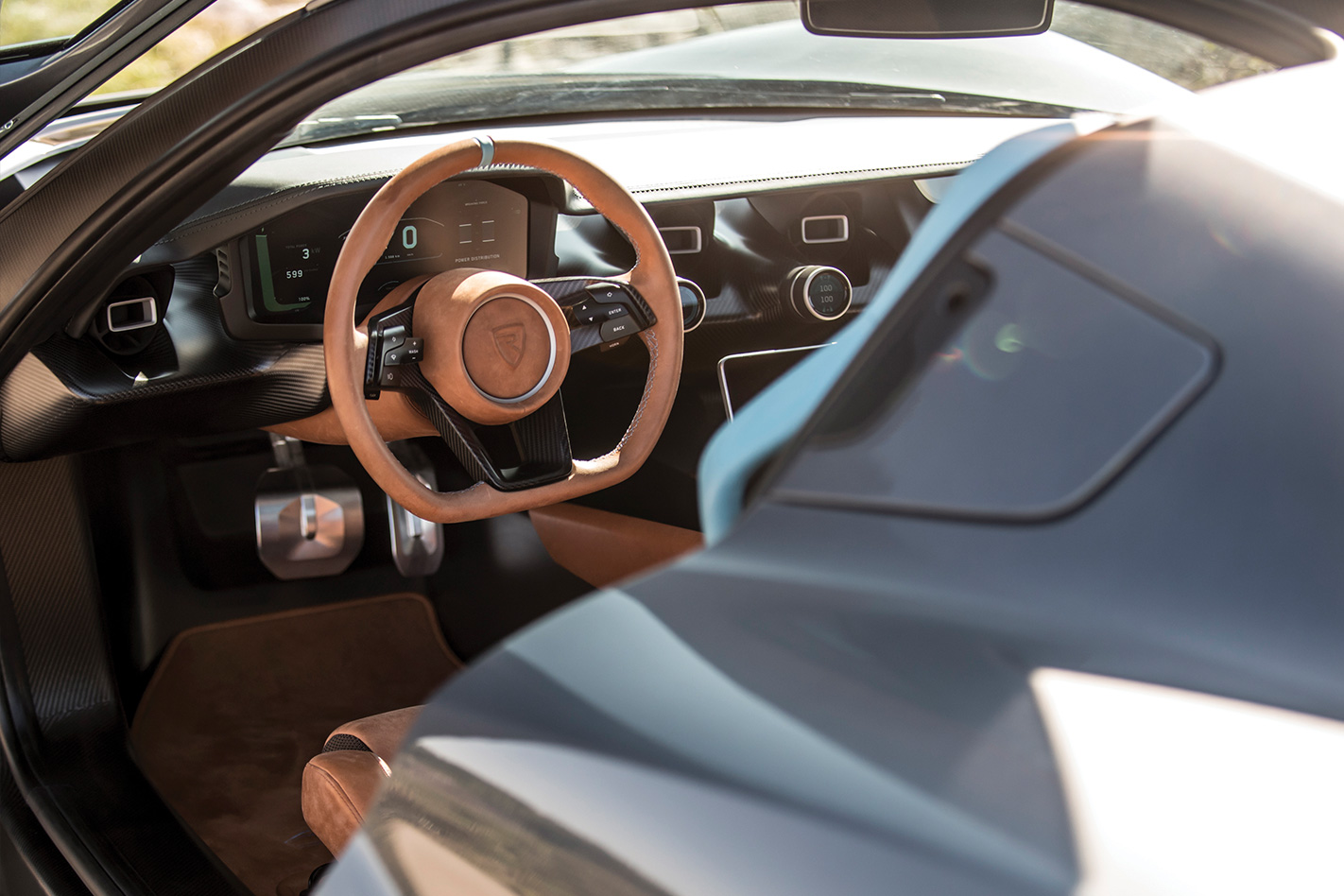
Tech wise; the C_Two includes facial recognition, voice control, telemetry data recording and even a virtual driving coach that can display racing lines and braking points in real-time on whatever racetrack the car is on. Furthermore, Rimac also claim the car has “level 4 autonomous technologies”, which in layman’s terms means it can drive itself.
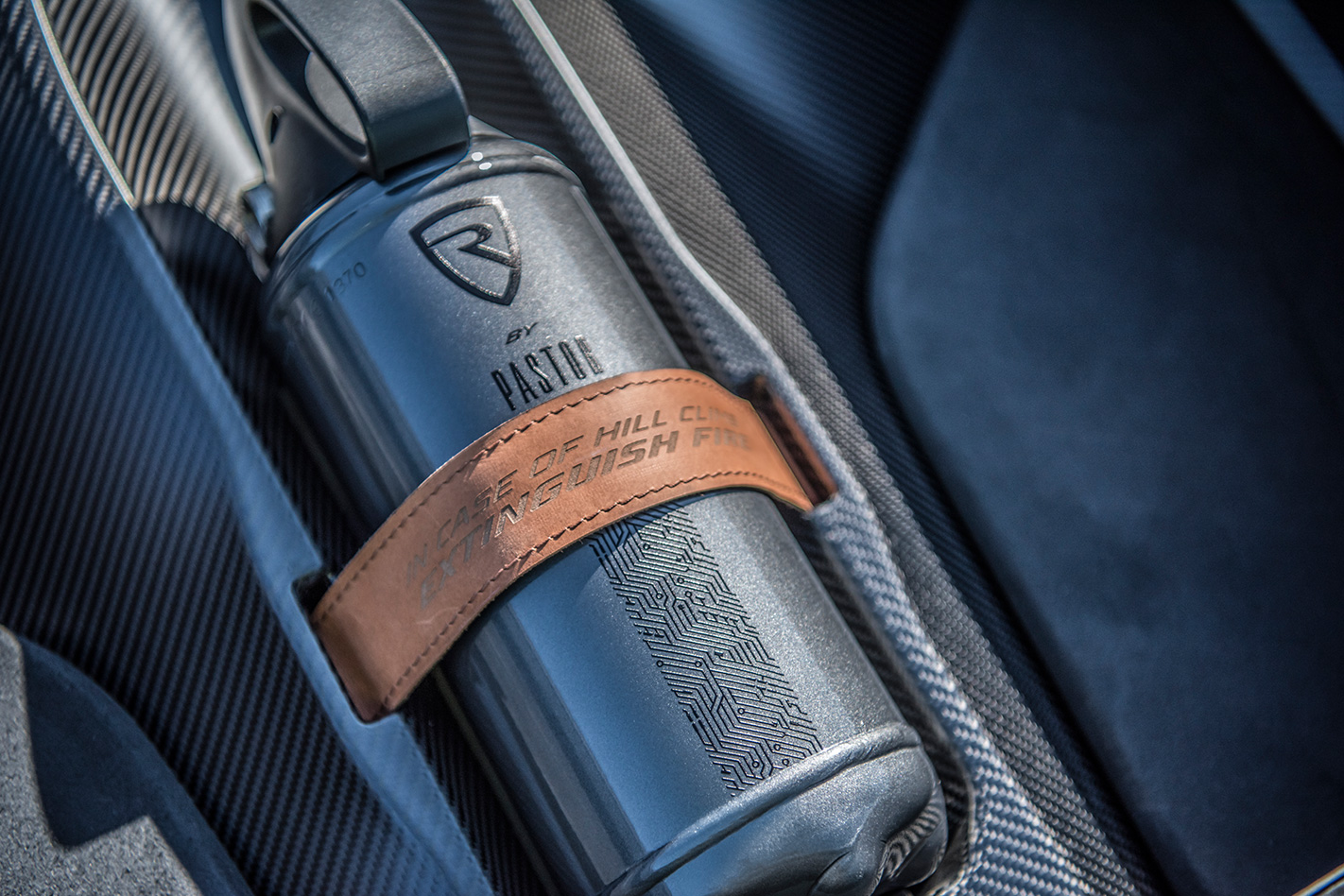
Rimac has also a sense of humour. The high-profile crash of their breakout model, the Rimac Concept One at the Hemburg Hill Climb in Switzerland by Grand Tour presenter Richard Hammond, saw the vehicle burn to the ground. This has prompted the inclusion of a fire extinguisher in the C_Two, with a small plaque that says: “IN CASE OF HILL CLIMB, EXTINGUISH FIRE”.
Unlike the Concept One, that was limited to just eight production models and two track-only variants, the C_Two will have a production run of 100 vehicles. The price is yet undisclosed but expect a multi-million-dollar price tag.
If you were a little disappointed by the lack of a big, grunty engine in the Ford Ranger Raptor, this could be for you.
Queensland-based firm Performax has announced it’s going to build right-hook versions of the Tuscany Black Ops Ford F-250.
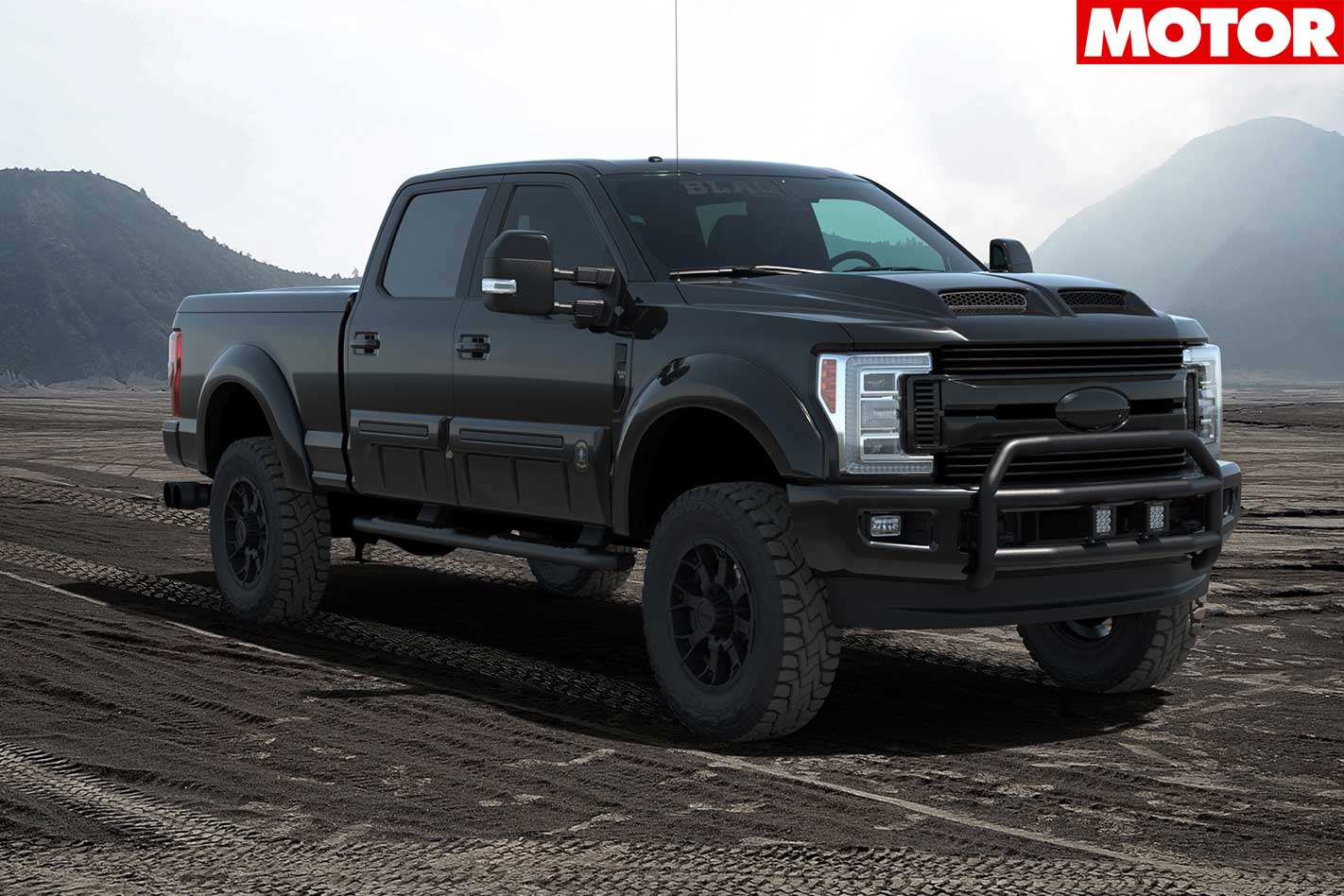
It also comes with a tough look thanks to a 6-inch suspension lift, 20-inch wheels and 37-inch tyres, and all-black paintwork, badging and external hardware.
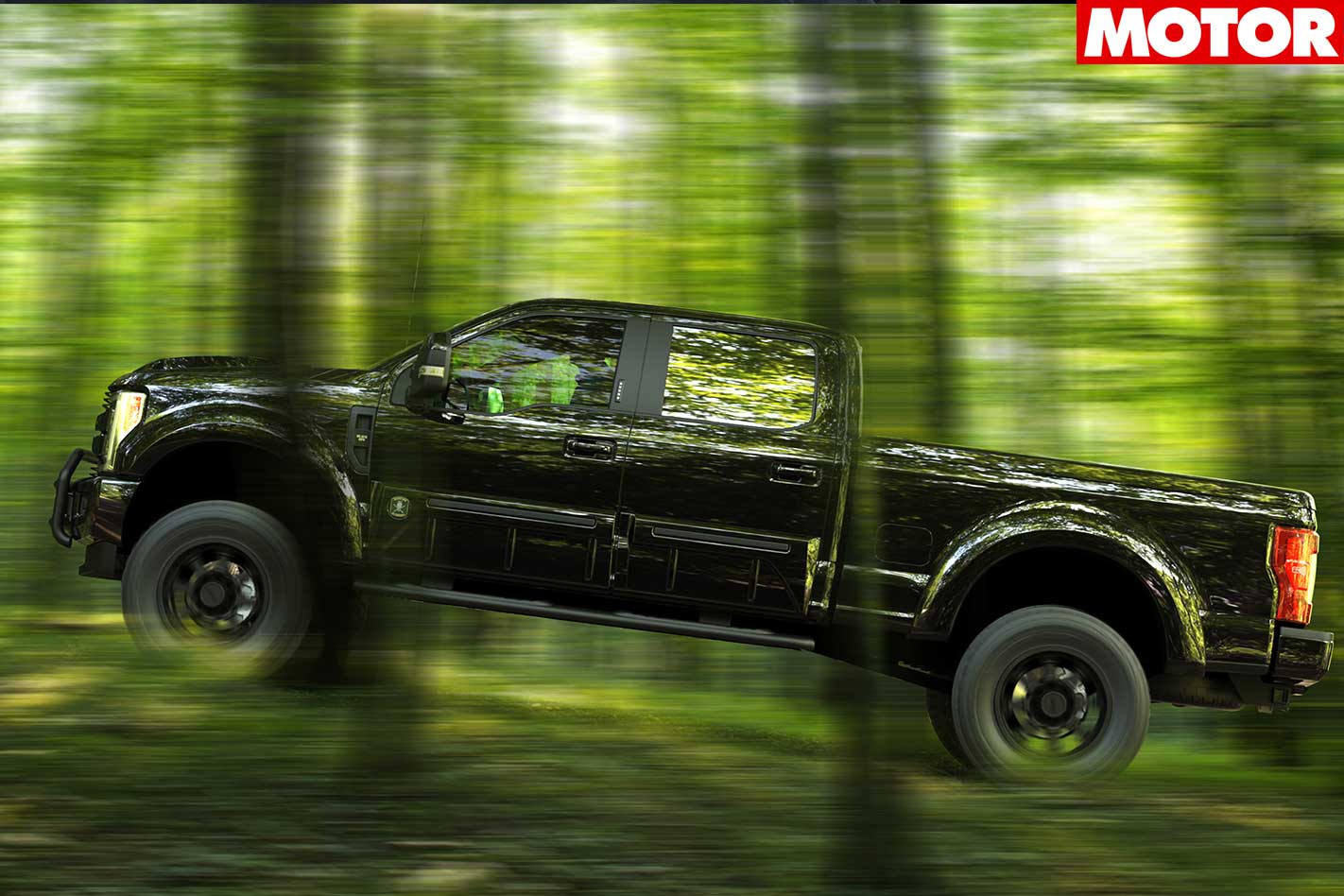
Performax will be debuting the Tuscany F-250 Black Ops at the upcoming National 4X4 & Outdoor Expo in Brisbane on March 16-18, with the Black Ops to be available after that from Performax dealers.
Performax reckons it has the right ingredients to take on the Australian market, pointing out the advantages of ‘excess’ over more standard 4X4s.
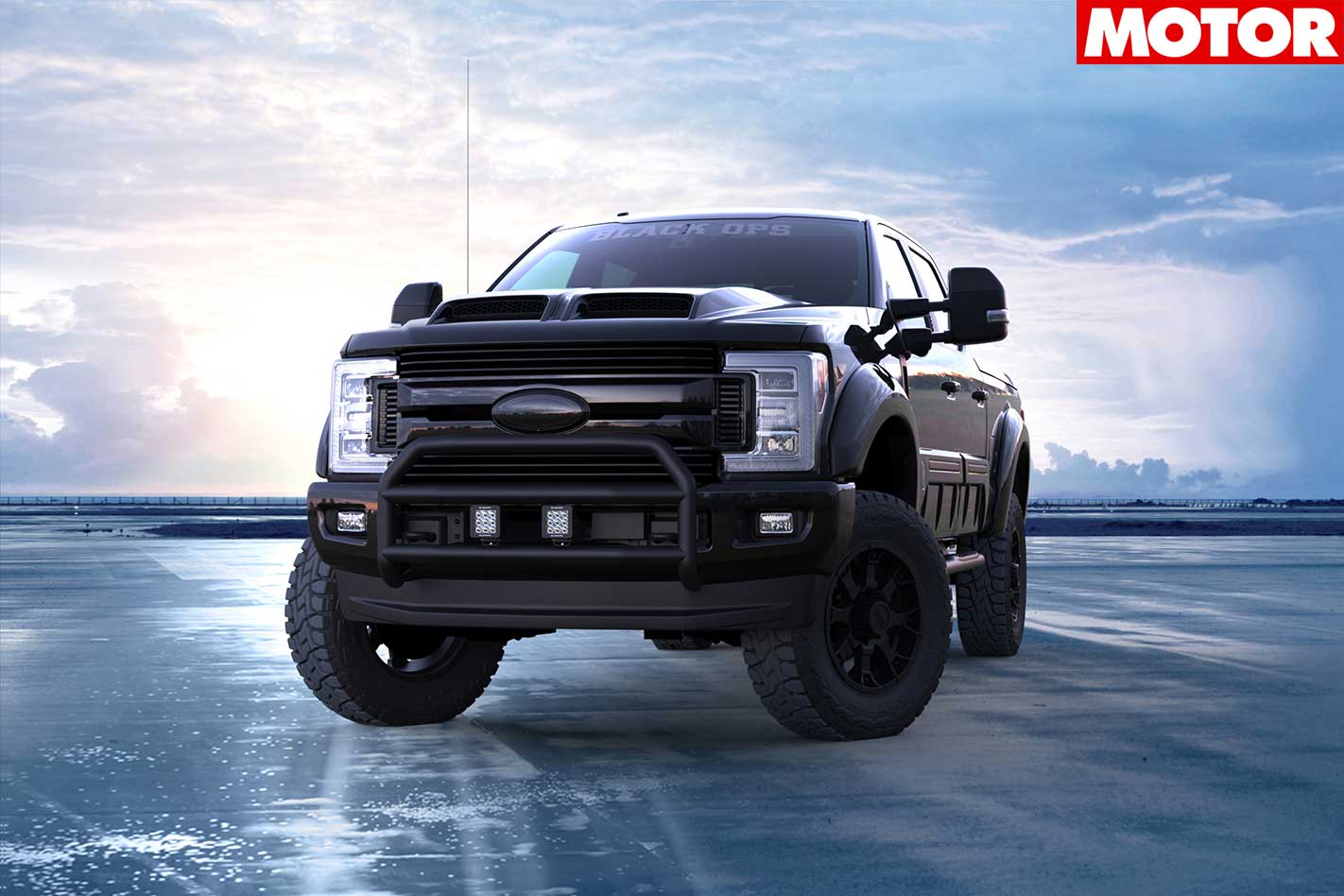
“An imposing presence and luxurious interior mean the Performax Tuscany Black Ops offers style, comfort and ability like nothing else on or off Australian roads.”
Performax also builds right-hand drive Silverados, GMC Sierras, and other US market trucks, all with a 3-year, 100,000 km warranty.
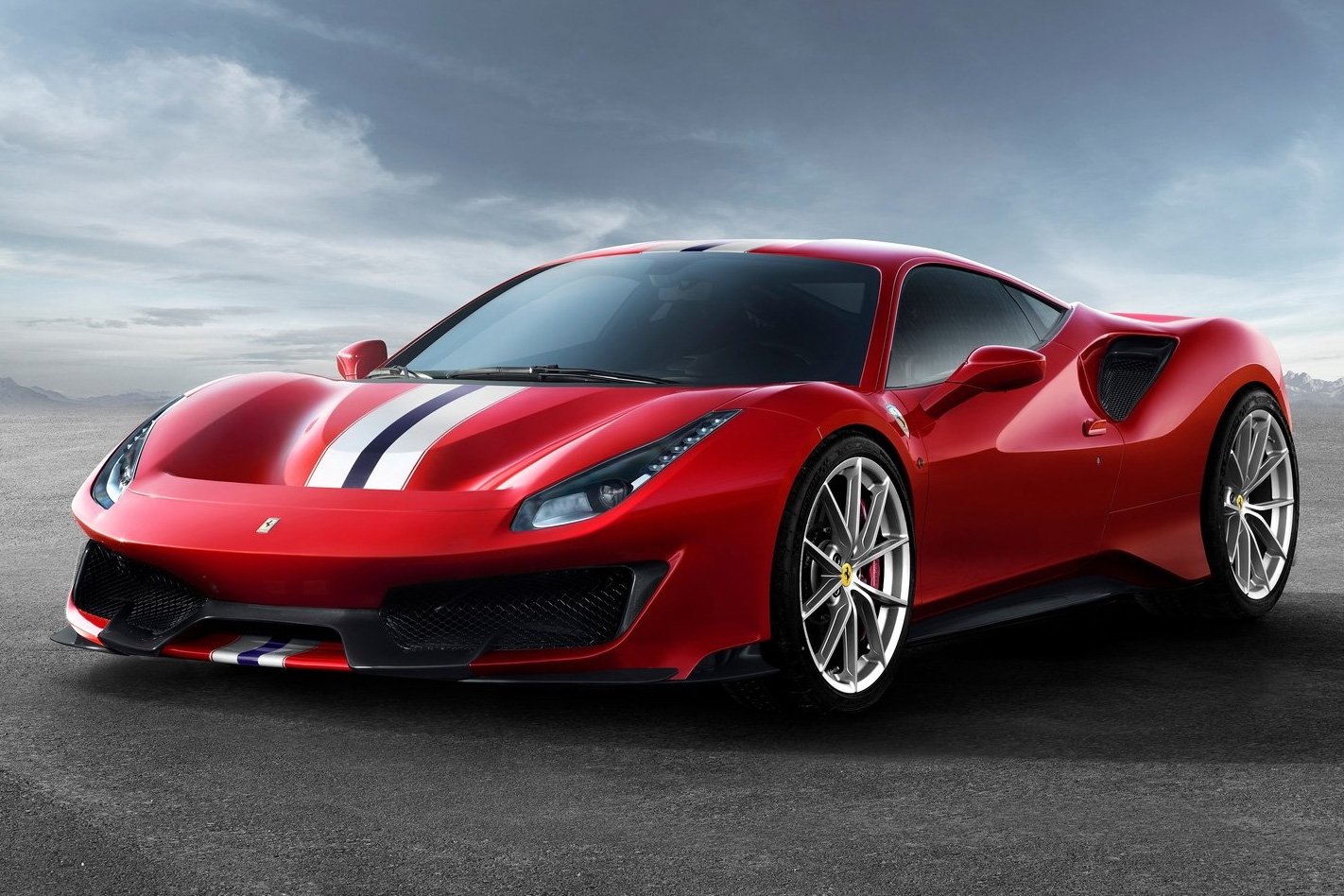
CARBON Revolution, the Australian company which has mastered the art of carbonfibre wheels, will supply the rims for Ferrari’s most powerful V8-powered road car, the 488 Pista.
The Geelong-based operation has developed and supplied wheels for both Ford’s reborn GT road car, and the hardcore Mustang GT350R.
The announcement was made at the Ferrari 488 Pista’s official reveal at the Geneva Motor Show in Switzerland.
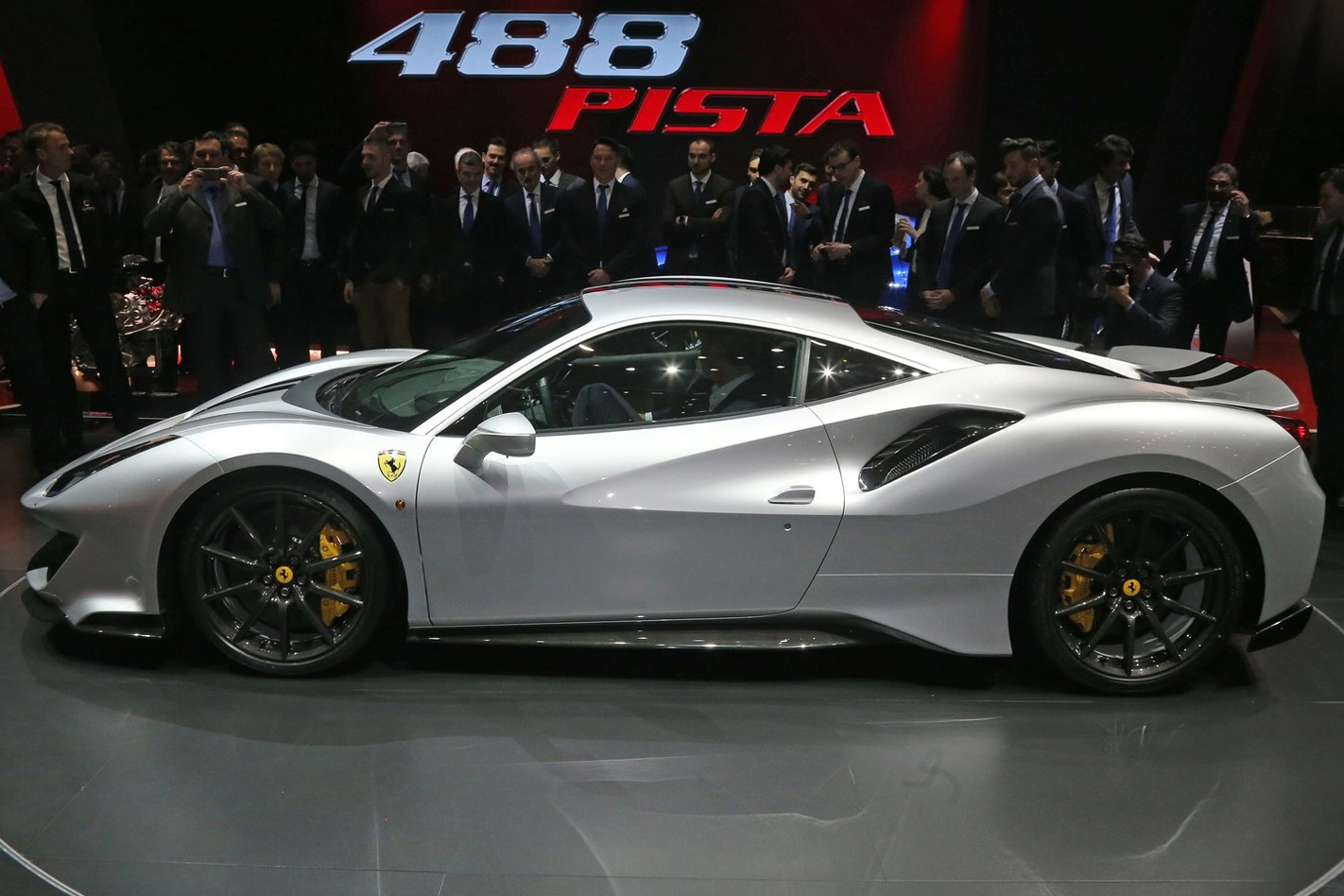
The 488 Pista will wear a $645,000 driveaway pricetag when it arrives on Australian shores later this year, but the entire allocation has already been sold out.
Ferrari claims the Carbon Revolution-made wheels are 40 percent lighter than those worn by the regular 488 GTB.
Speaking from Geneva, the Carbon Revolution’s chief executive said the company was proud to get the Ferrari seal of approval, but also hopes to have its products under more mainstream vehicles.
“So it’s a really strong signal in terms of technology and it’s a great achievement for us to meet their requirements.”
He said the company has “multiple committed programs” with car manufacturers around the world, which includes providing wheels for an SUV.
Carbon Revolution is currently planning to increase its production capacity to 250,000 wheels a year.
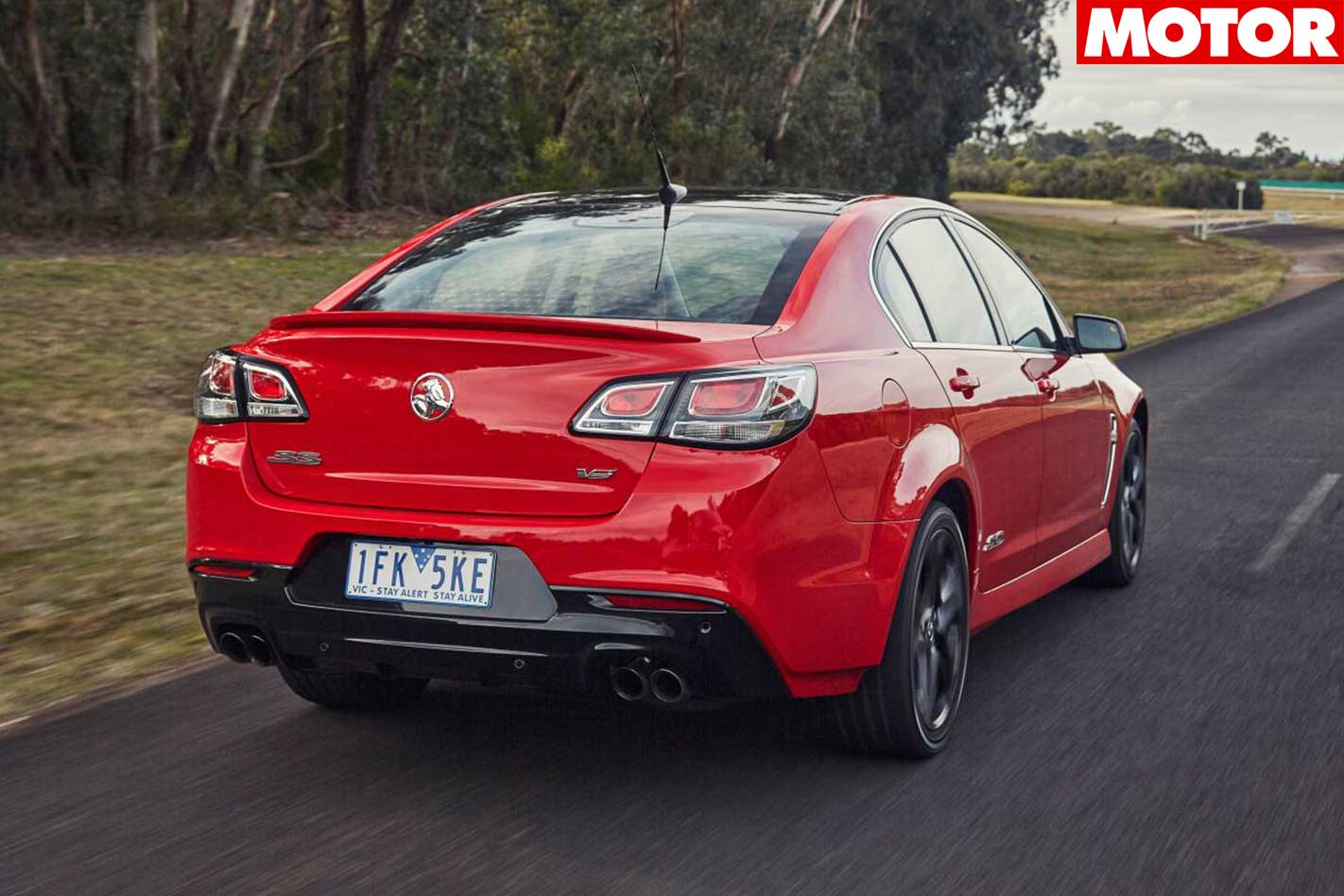
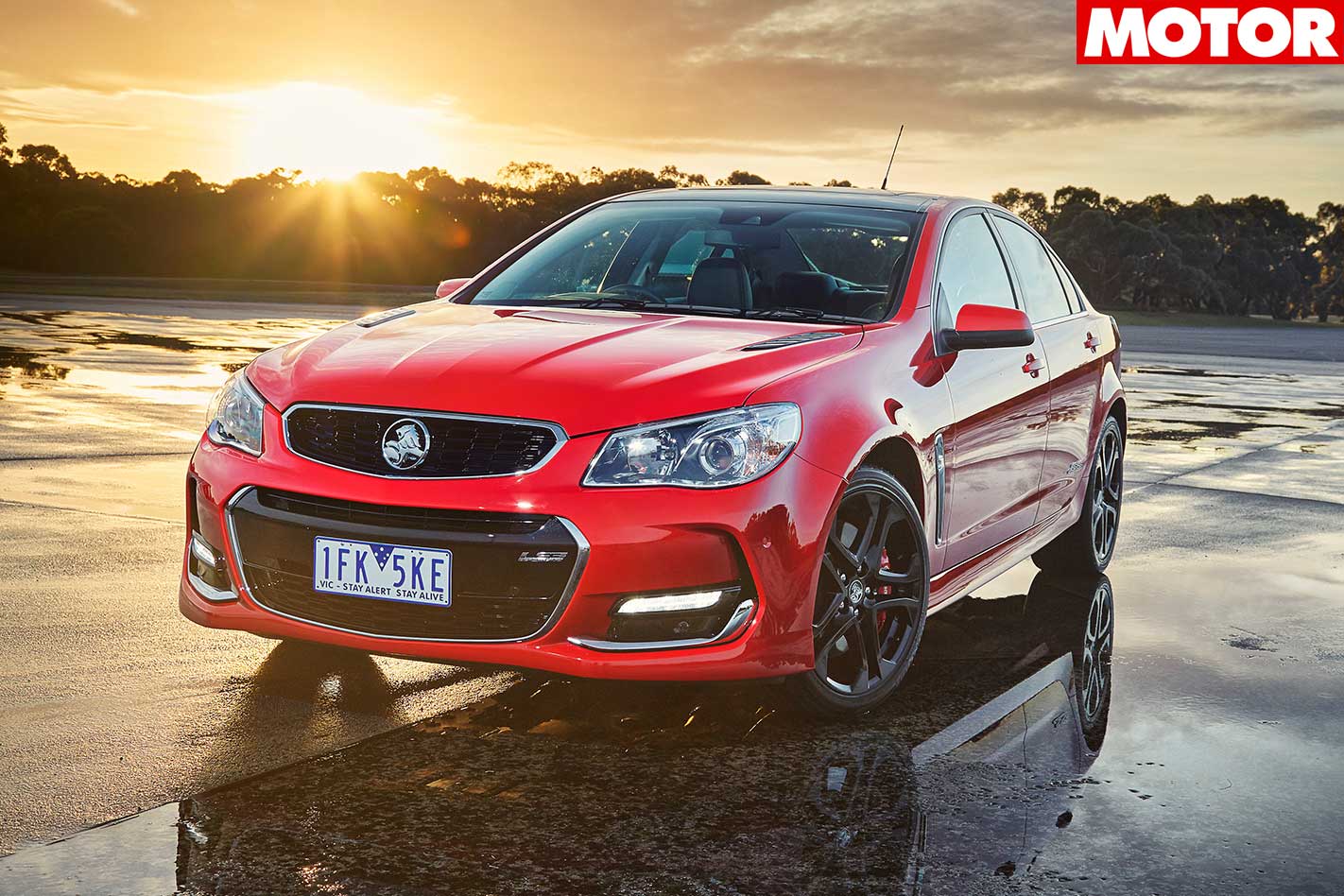
Holden notched up one of its worst sales performances in February with just 4689 vehicles sold, however some dealers are continuing to mark up final-ever Commodore V8 stock.
Holden may have been caught short on the switch from VF Series II Commodore stock to the new ZB Commodore arriving in showrooms, with the large car nameplate managing just 737 sales compared with double (1566) in the same month last year. But according to dealer inventory hundreds of V8-powered SS V Redlines in particular remain in stock nationwide.
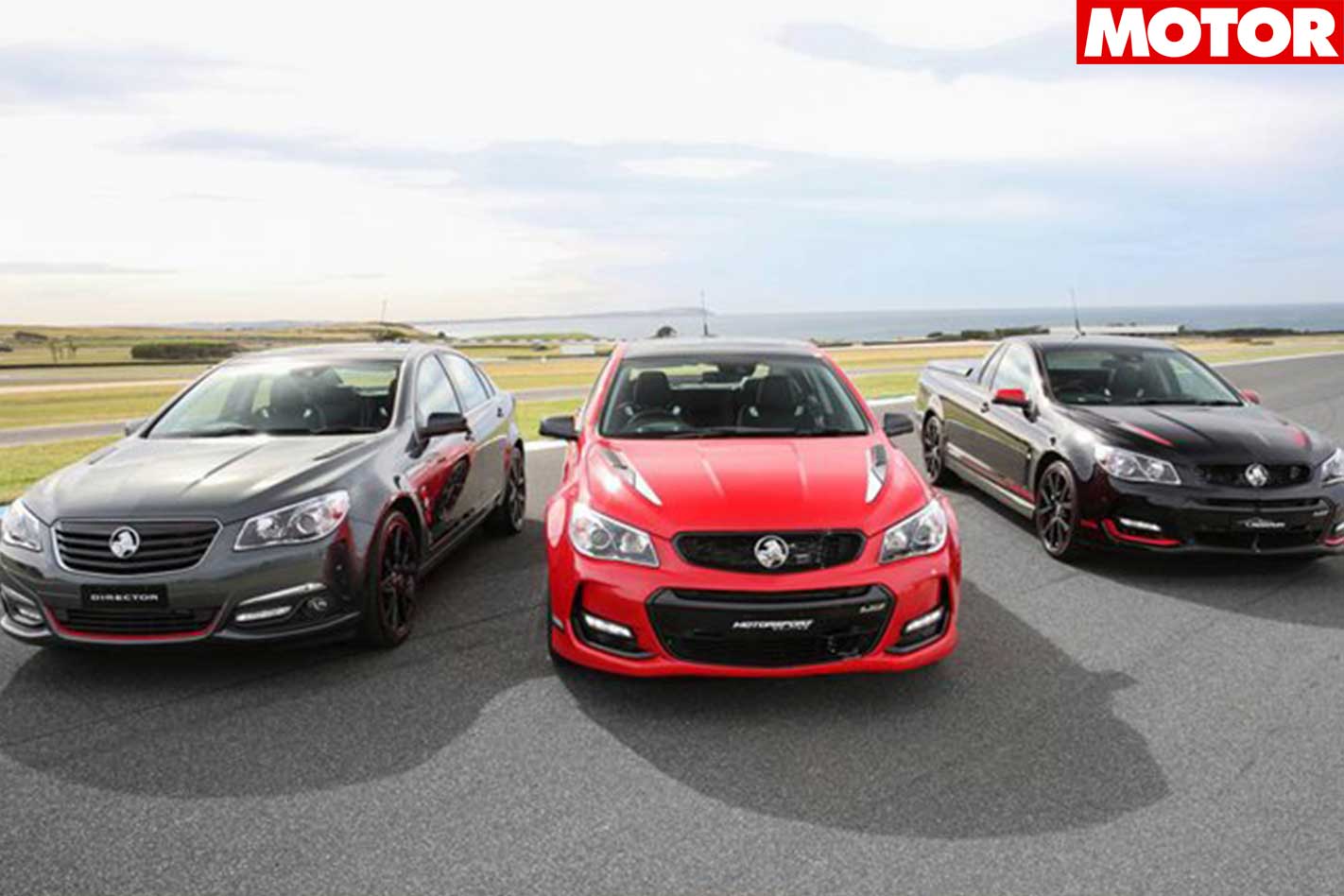
HSV has ‘hundreds’ of GTS & GTSR models left for sale
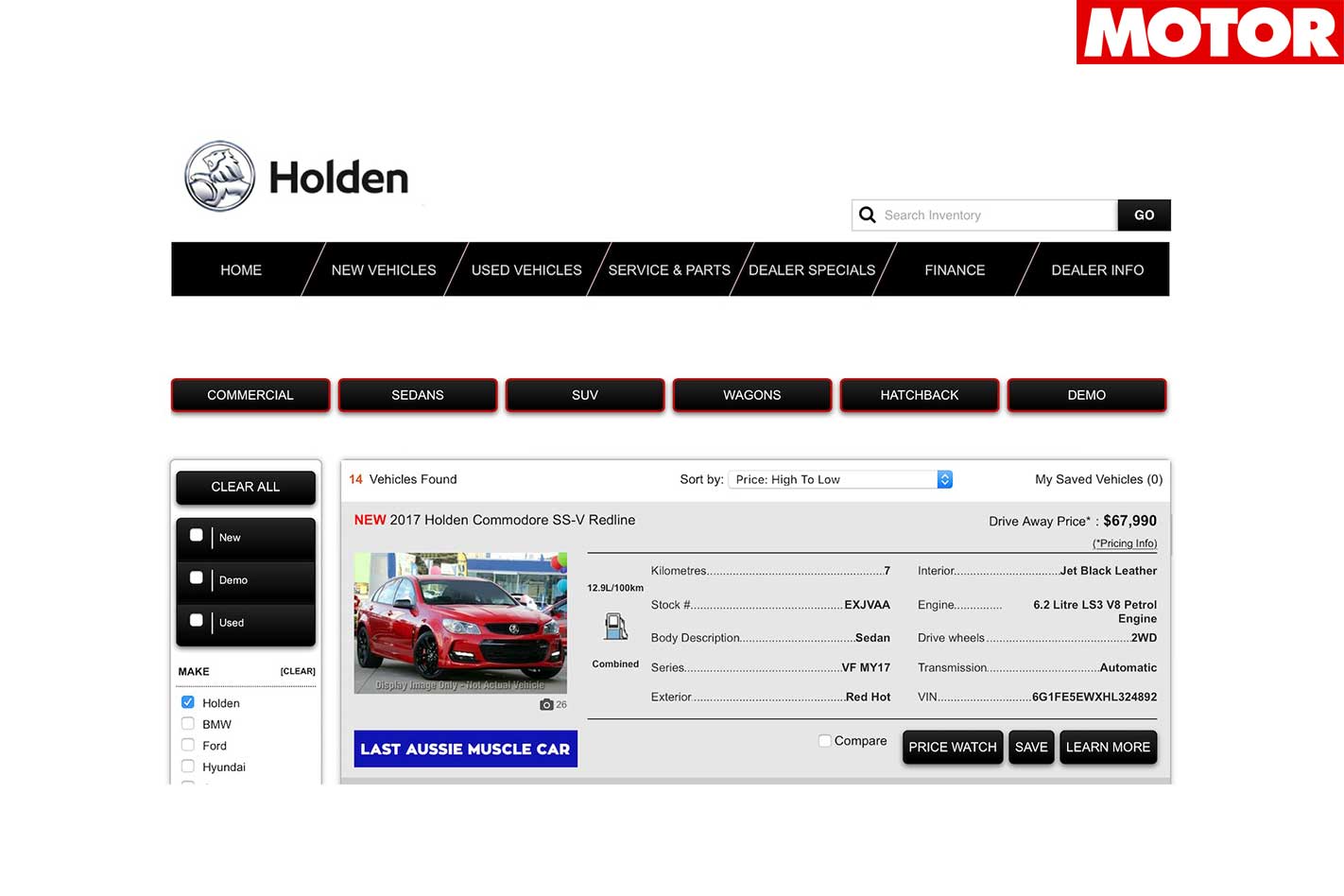
Holden has removed the VF Series II Commodore from its website, but prior to doing so an SS V Redline manual or automatic wore a recommended retail price (RRP) of $54,990 plus on-road costs or according to its own online calculator, in NSW, $60,144 driveaway.
Both that dealer and another NSW dealer cost up versions with an auto at $67,990 driveaway, when the original extra charge was $1700.
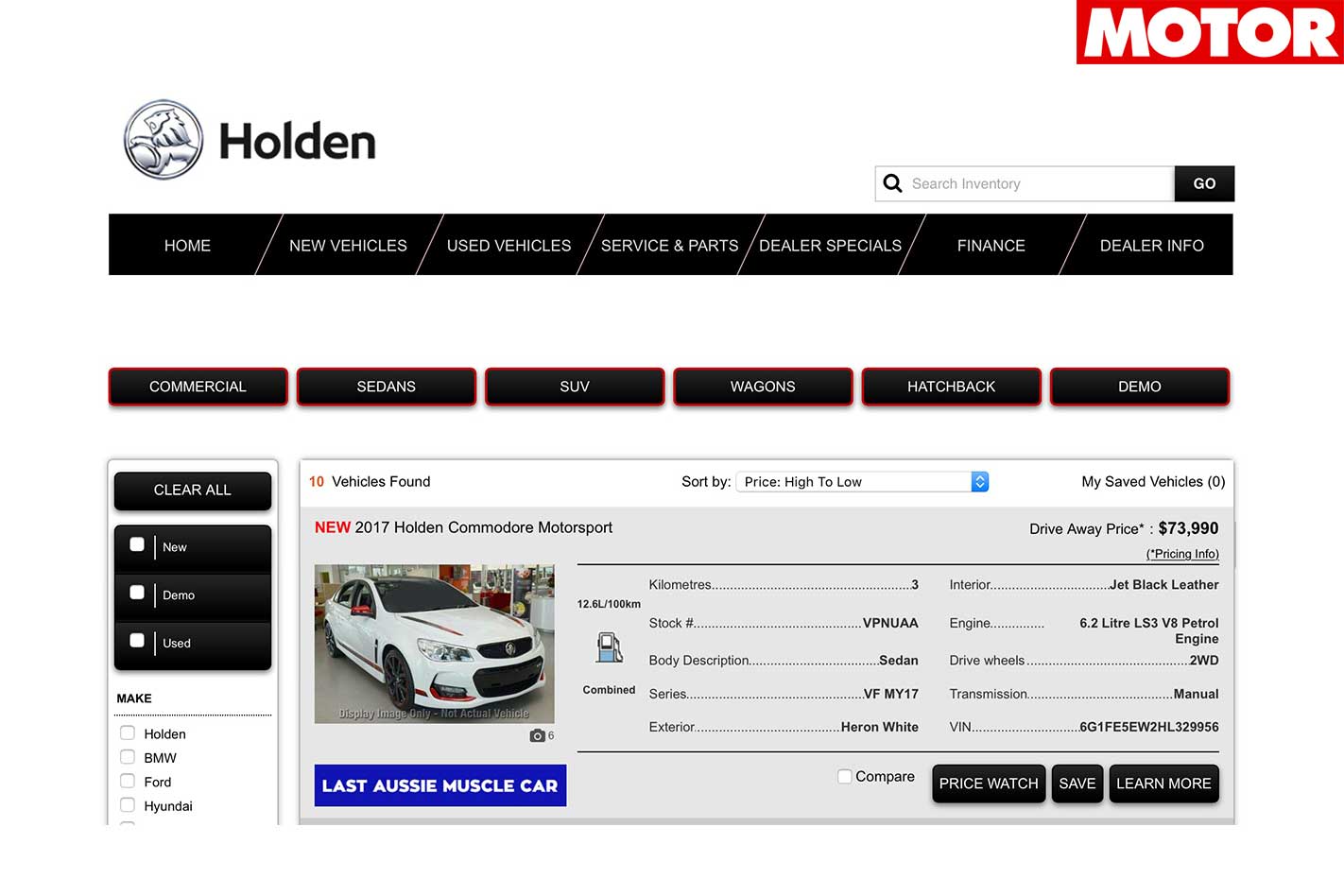
Almost six months after Holden closed its Elizabeth, South Australia, production facility, that dealer also has six Motorsport Edition sedans in stock, according to its online inventory, one of which is priced at $73,990 driveaway – much higher than its $61,790 plus on-roads RRP.
Another Sydney dealer is also asking the same $73,990 driveaway for one of its three remaining Motorsport Edition sedans, while a Central Coast dealer is asking a staggering $83,888 for a Director sedan.
“Holden, as a manufacturer, has no VF Commodore stock left however there is still some stock available in some dealerships,” Ms Betts said in a statement.
“We have previously reminded dealers of their obligations to ensure customers are treated in a way to maximise customer satisfaction, including when in-demand cars are involved.
“We know our dealers are as committed to their customers as we are.”
But with hundreds of VF Series II Commodores remaining in stock, and the Lion brand’s market share falling dramatically so far this year, it seems that several dealers remaining unwilling to allow SS V Redline and Motorsport Edition models to help boost the total haul.
A FRESH-LOOK Nissan Juke will arrive in Australia later this year featuring tweaked looks and a number of customisable cosmetic upgrades to help new owners personalise their ride.
Due in Australia in the second half of this year after being revealed at the Geneva Motor Show, the slicker Juke – we’ll say that until you make up your own mind about its polarising double-stacked light array – also adds the option of a more premium Bose sound system – an important feature in a lifestyle-focussed model.
Most notable is the work done around the front of the Mazda CX-3 rival. The nose is now darker, including the charcoaled chrome grille, headlights and wing mirrors. Some versions of the car sold in Europe also migrate to LED foglights.
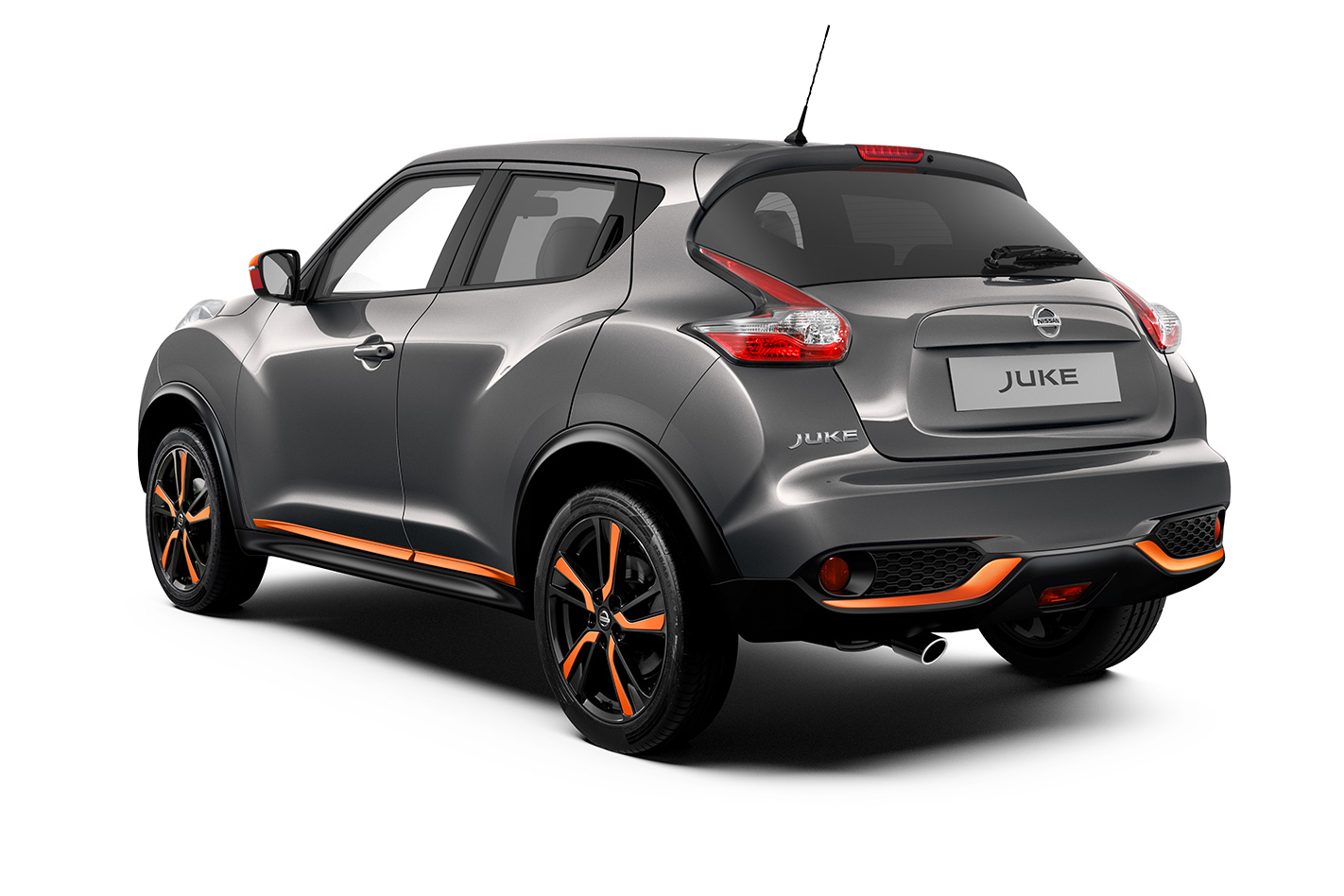
But the big gain for buyers who want to express a bit of themselves in the car they drive are a number of coloured body inserts available to the range. Changes can be made to the front and rear bumper finishers, doors side sills and mirror caps, and even the wheels.
That’s not the only colour change, with buyers also able to choose from a pair of new external hues: Vivid Blue and Chestnut Bronze. Inside, they now have the choice of Energy Orange or Power Blue colour themes that add a splash of life to the centre console, air vents, door inserts and seat upholstery. Keeping it all black is still an option.
The beefier six-speaker Bose audio system uses speakers built into the driver’s seat headrest, in what Nissan claims as a unique feature in the segment.
The Juke also gains a higher-quality leather for variants that use cow hide on their steering wheels, while the trip computer font drops back to white on black rather than orange on black to improve readability.
Here’s your first look at the new issue of MOTOR Magazine!
You might already have yours if you’re a subscriber, but if you aren’t you can become one at MagShop, subscribe digitally on Zinio (where you can also buy individual issues) , or you can find issues of MOTOR in newsagents and stores around Australia.
Want to know what you’ll get in the March issue? Let’s get started…
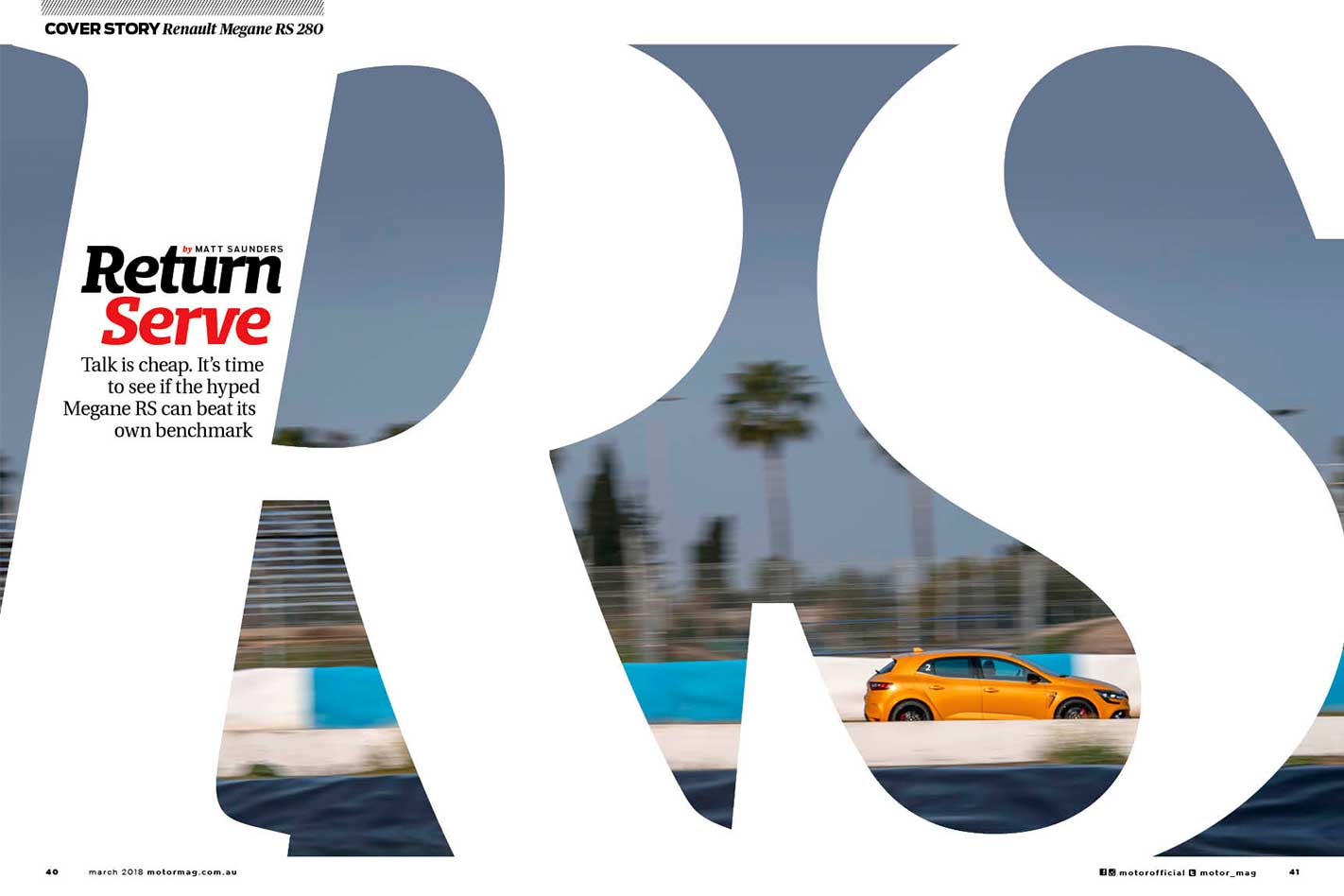
RETURN SERVE – THE NEW MÉGANE RS: Renault has brought its hot hatch hero back to fight for the crown. Is it better than everything else available? We find out.
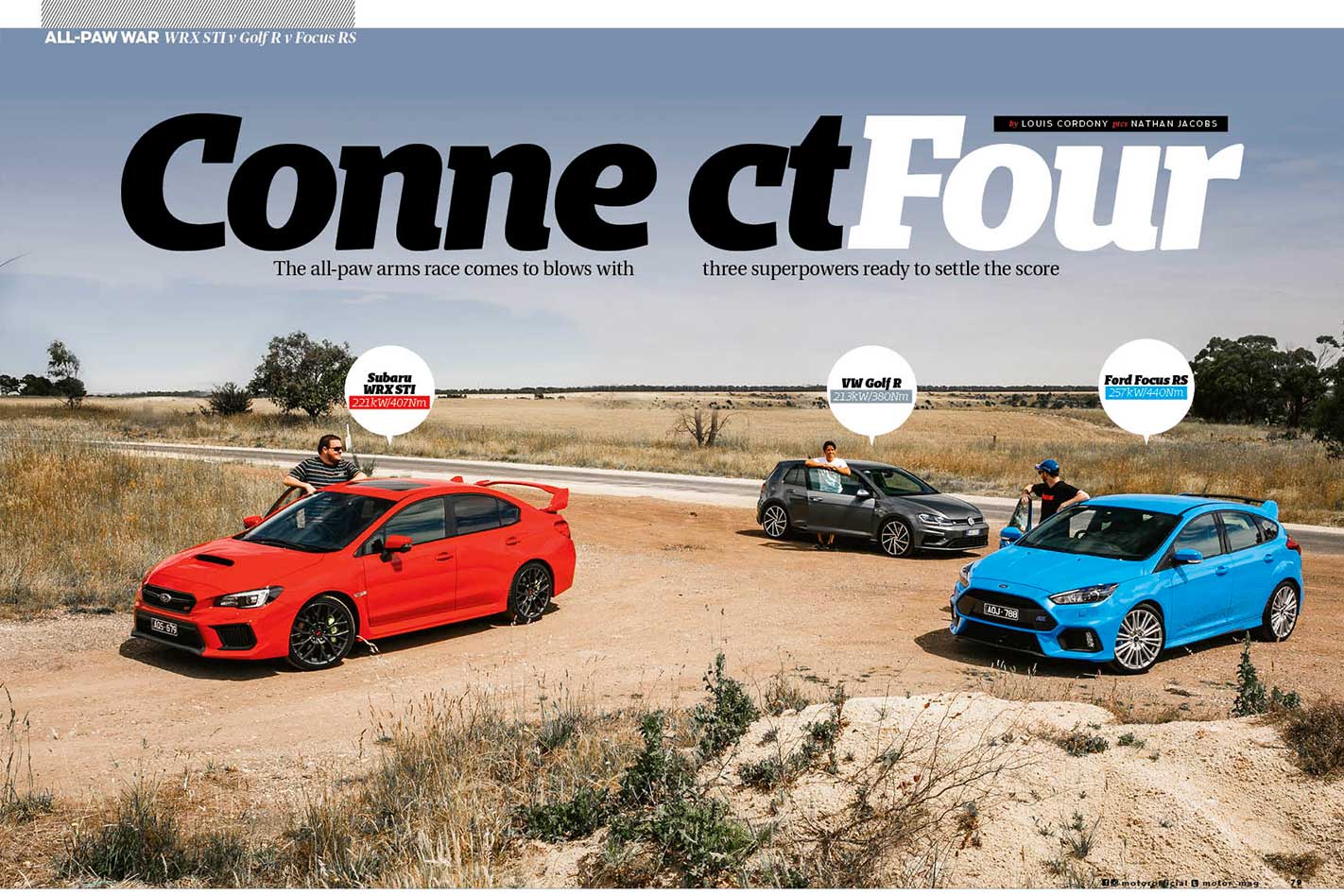
ALL PAW WAR – FOCUS RS v GOLF R v WRX STI: Three AWD legends go head to head to sort out which is the best of the best.
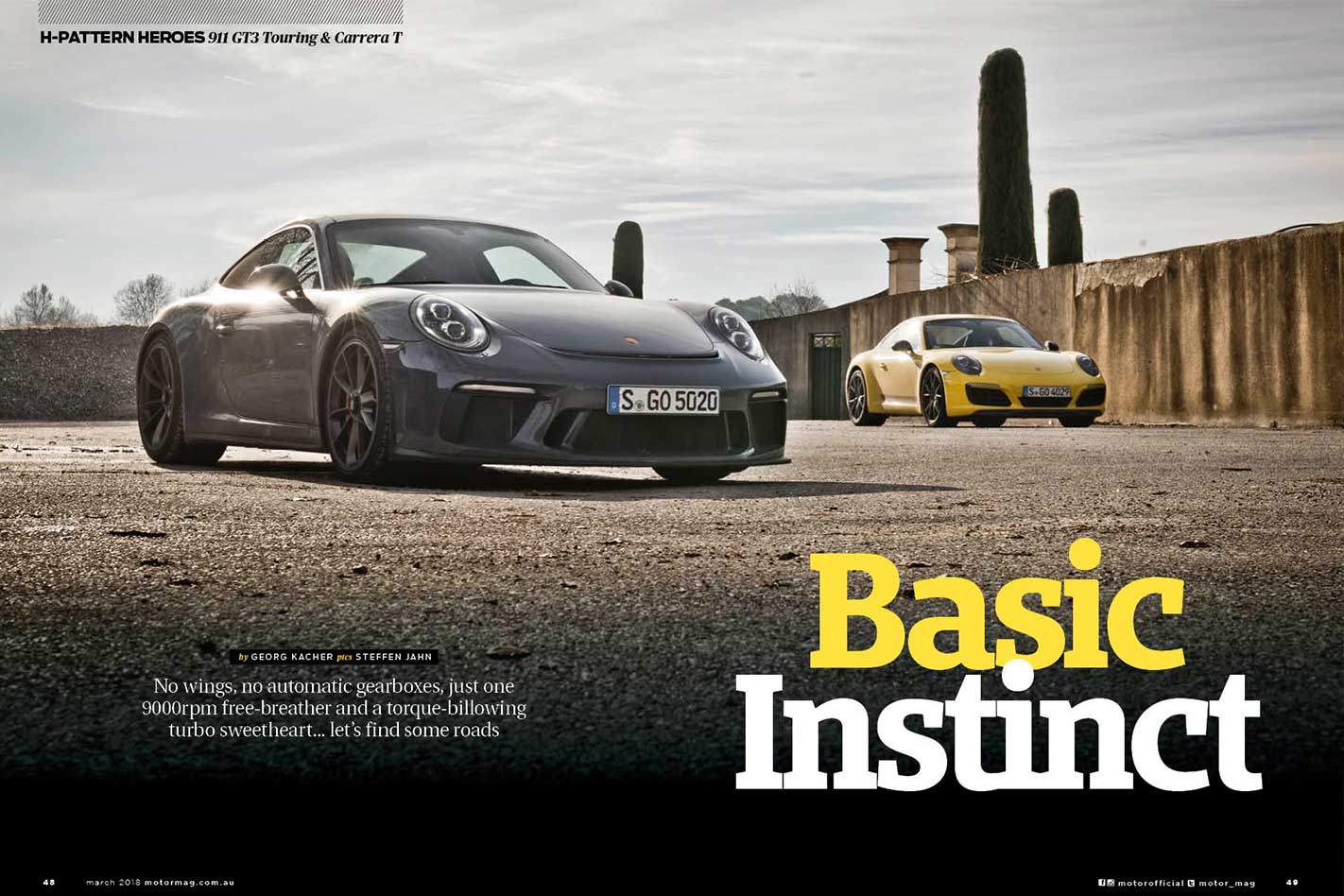
BASIC INSTINCT – PORSCHE 911 GT3 TOURING & PORSCHE 911 CARERRA T: They might look similar, but the T and Touring approach the 911 from different angles.
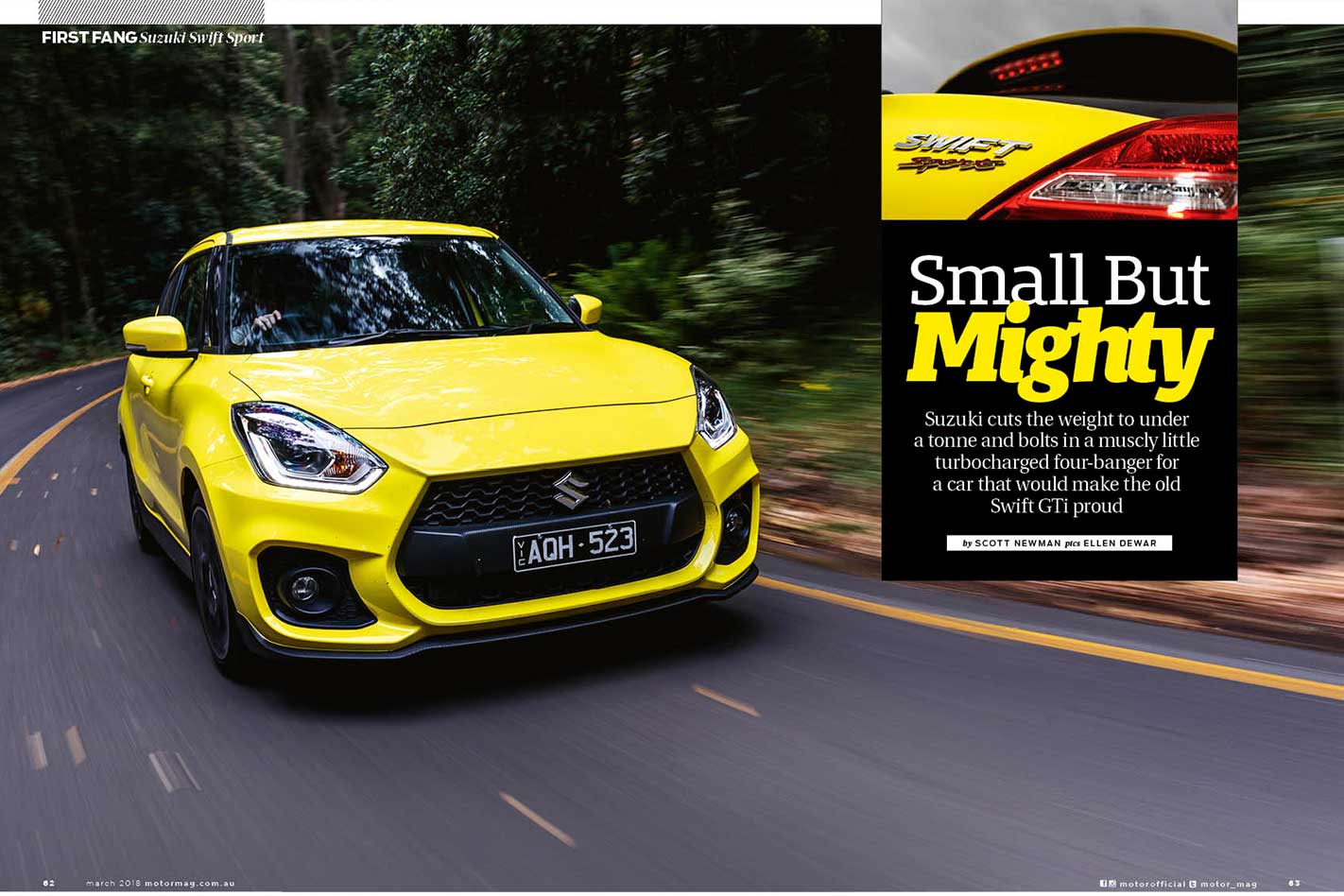
CHEAP THRILLS – MINI HOT HATCHES: We take Suzuki’s new Swift Sport out for a blast, while Euro correspondent Matt Saunders drives the new Polo GTI.
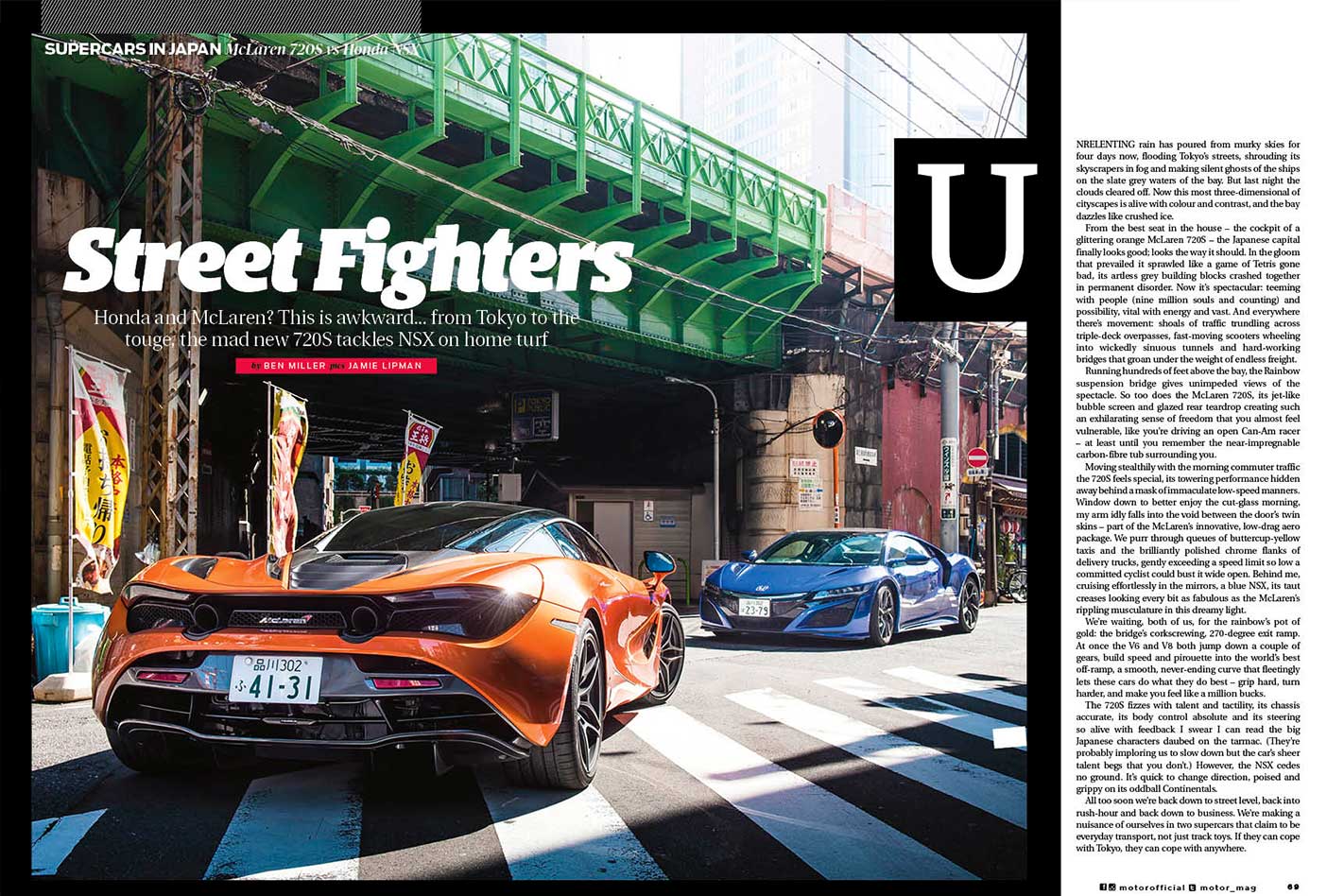
STREET FIGHTERS – MCLAREN 720S v HONDA NSX: Honda and McLaren… this is awkward. From Tokyo to the touge, these two supercars tackle the NSX’s home turf.
ADVANTAGE ASTON – ASTON MARTIN VANTAGE V8: A deep-dive into the reasons why Aston Martin’s new Vantage V8 should make Jaguar very, very scared.
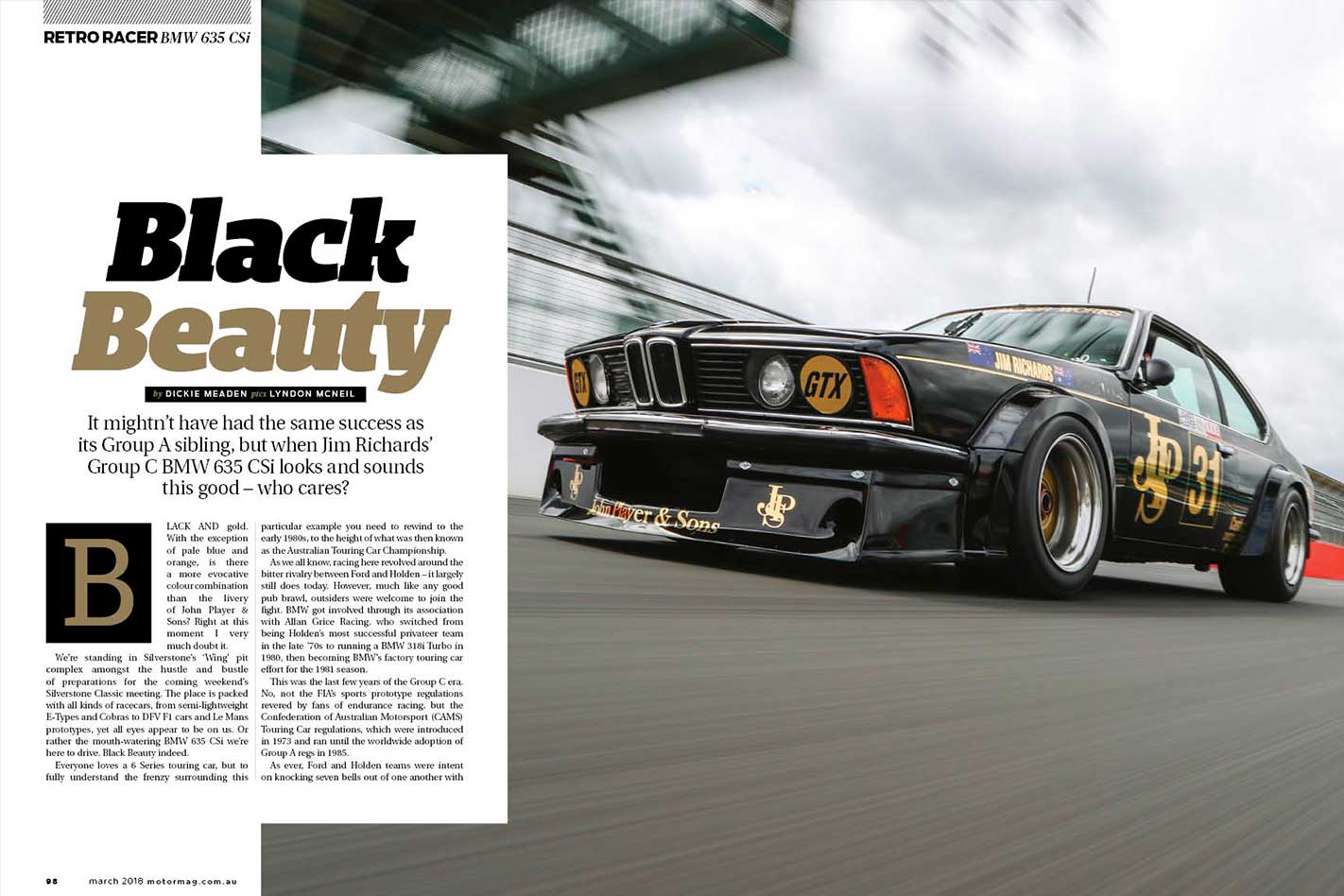
BLACK BEAUTY – JPS BMW 635CSi: Uncorking Jim Richards’ black-and-gold monster from Australia’s Group C era… at Silverstone.
HEAVY ARTILLERY – AUDI RS6 AVANT TUNED BY BWA: The RS6’s twin-turbo V8 never needed more power, but that’s exactly what BWA has gone and done.
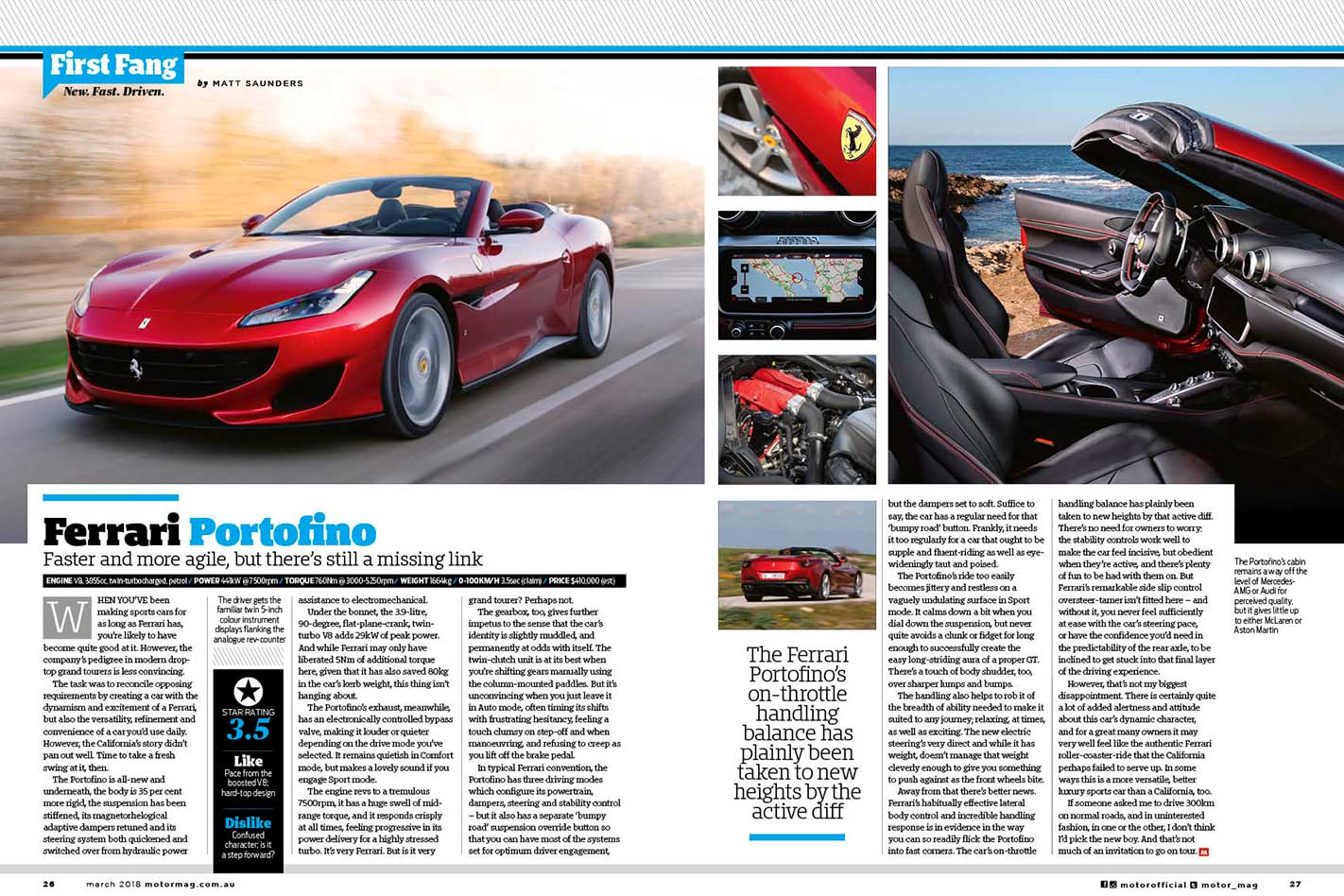
FIRST DRIVES: We find ourselves in the driver’s seat (not all at once) of Ferrari’s California replacement, the Portofino, plus we get to grips with the new Holden Commodore. Can ZB trump VF?
AND MORE: From Our Garage to Geek Speak, we bring back all of MOTOR’s staple ingredients on last time before we mix it all up, throw in some new bits, and give you what we’ve been working on for quite some time… the all-new MOTOR Magazine.