FIAT Chrysler Automobiles (FCA) will continue to offer diesel-powered vehicles in its diverse line-up of SUVs and passenger vehicles despite sliding global sales and controversy, but the car maker has forecast the beginning of the end for compression ignition in Europe.
Diesel power occupies a broad range of segments worldwide, including the United States where large pick-ups are popular with six and eight-cylinder diesels, while in Australia the popular one-tonne ute and large SUV markets account for the majority of diesel sales.
Europe has traditionally adopted diesel power in smaller vehicles however, according to FCA CEO Sergio Marchionne, diesel power will be forced out of Europe by increasingly strict emissions regulations.
Speaking at the North American International Auto Show (NAIAS), Marchionne said electrification would take the lead as new carbon emissions standards become impossible to achieve with combustion power alone.

“I think it’s losing its significance in Europe because diesel was a large portion of small vehicle powertrain solutions, which given the technology requirements in Euro 6, becomes absolutely unpalatable from a cost standpoint.”
That switch to hybrid and pure EV power would be exponential said Marchionne as the unit cost of electrified vehicles was driven down by increasing popularity.
“So an alternative to diesel involves utilisation of gas (petrol) and some electrification to try and bridge us over. I think in that case we will see prices of the technology drop due to the technology requirements in Europe.”
The shockwaves from the Volkswagen diesel emissions scandal continue to be felt throughout the industry and are likely to influence consumer and manufacturer behavior for many years to come, and Marchionne said FCA was working hard to rebuild the reputation of diesel as a fuel.

Globally, diesel sales are in decline as the efficiency and torque characteristics of the latest petrol engines creep up on oil-burner performance, but Marchionne explained that the company would continue to back diesel power as long as there is a market, albeit smaller.
“It is my view that diesel continues to hold a place, maybe not the most significant place. I think it needs to be done with purpose and intent and it needs to be monitored carefully given its history now”.
Mercedes-Benz has released a special City Edition pack for its A-Class hatch, featuring extra kit to sharpen the look of its entry-level A180, A200 and A200d variants.
The A180 City Edition comes with: 18-inch AMG alloy wheels in high-gloss black over the standard 17-inch rims; high-gloss black grille and beltline trip (just below the window); black exterior mirrors and dark-tinted rear privacy glass.
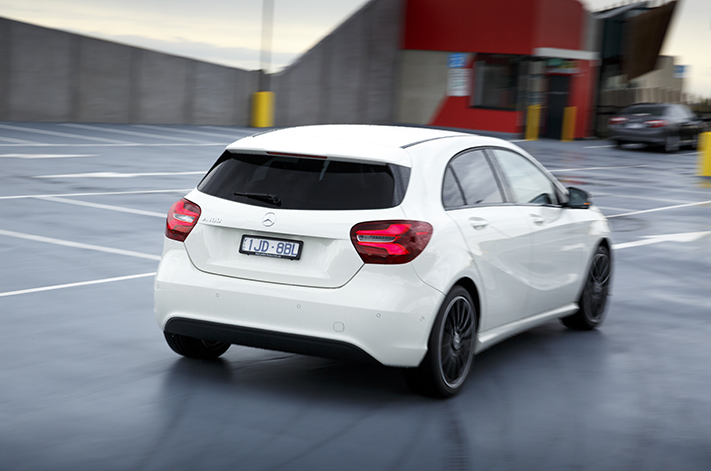
In addition, all external lights are long-lasting LED including the headlights, daytime running lights and rear taillight cluster.
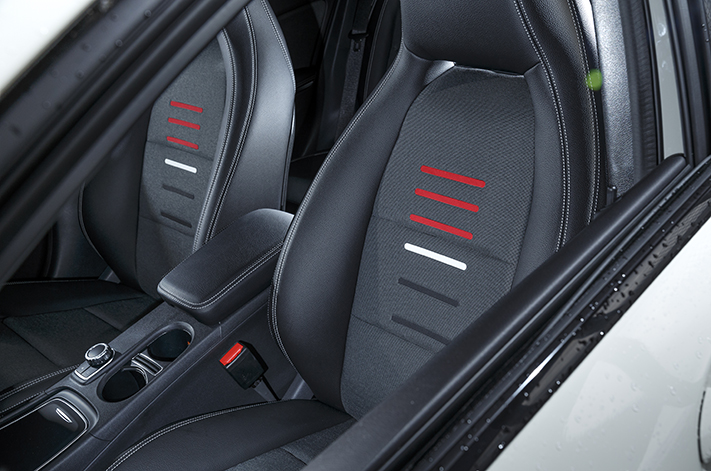
Inside gets a choice of black sports seats in Messancy fabric with Artico synthetic leather trim with either red or green trim.
The City Edition package adds $1925 to the A180’s $38,700 retail price, plus on-roads, however Mercedes-Benz is offering the lot for $39,990 drive-away if purchased by February 28 this year.
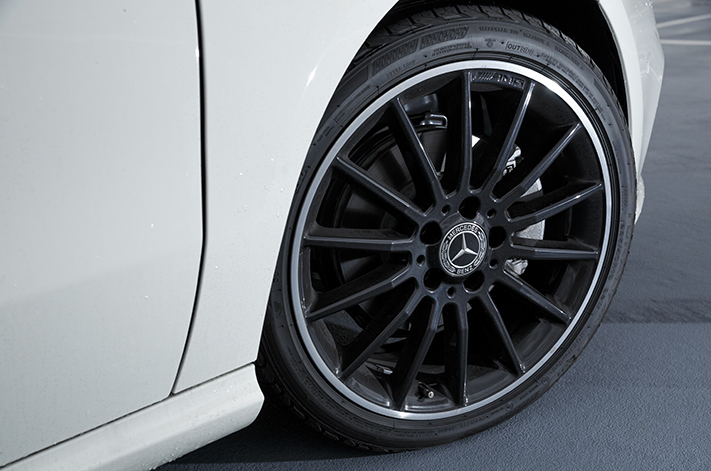
The A200 City Edition features the same features A180 City Edition plus a host of extras including lowered sports suspension, Sports Direct-Steer system and Mercedes-Benz branded brake calipers with perforated front brake discs.
It also gains black and silver diamond grille and AMG body styling on the front/rear aprons and side-sills and Artico man-made leather/microfiber sports seats with red contrasting stitching, which also appears in the steering wheel and armrests.
Finishing the look is a three-spoke, flat-bottomed leather steering wheel, carbon-fibre look trim, AMG floor mats and brushed aluminium pedals.
The A200 City Edition pack adds $2370 to the retail prices of the A200 ($44,300) and A200d ($44,800). Unlike the A180 City Edition there is no driveaway-price deal.
Both City Edition packs will be available until stocks run out.
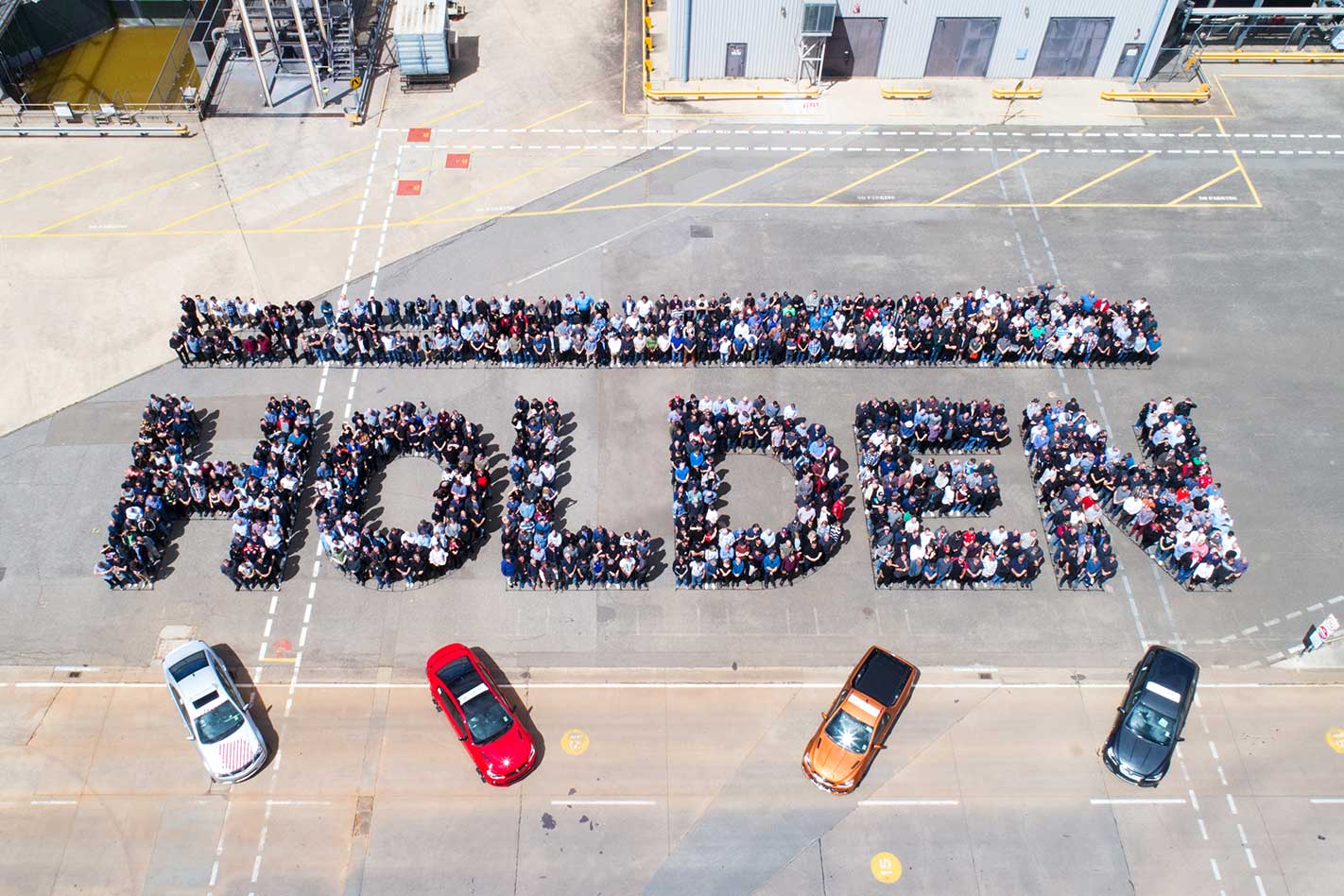
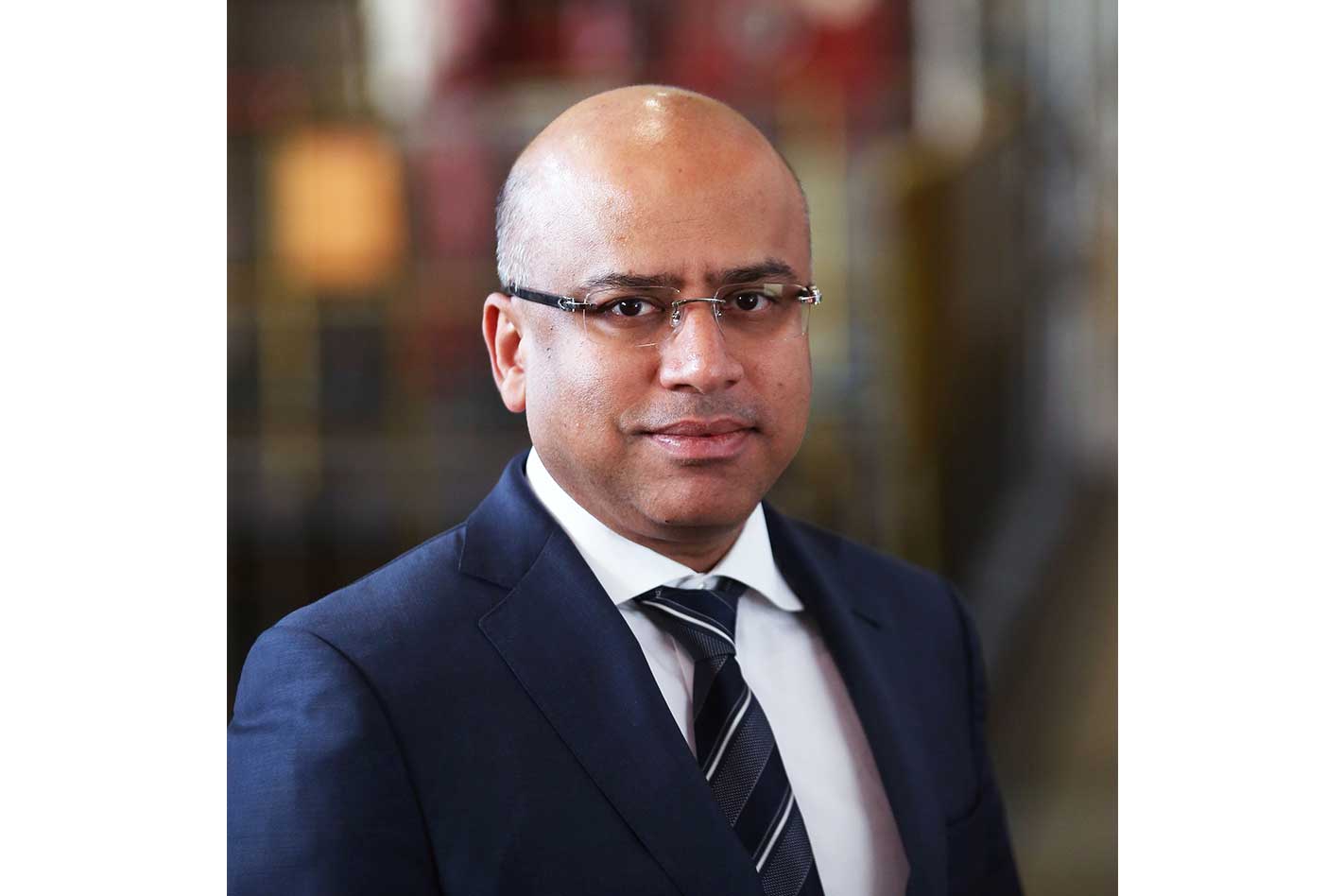
CEO of GFG Alliance Sanjeev Gupta has reportedly expressed interest in starting up (or restarting) vehicle manufacturing in Australia.
His sights are set on Holden’s Elizabeth plant, according to South Australian Treasurer Tom Koutsantonis.
Koutsantonis told the ABC today that Gupta hopes to build electric cars in the plant, re-booting Australia’s vehicle manufacturing industry.
“What Mr Gupta is realising, like the rest of the world, is that electric vehicles … are the way of the future.
“We think we can manufacture a number of high-tech goods [but] if we could get back into automotive manufacturing, that would be great.
“Ultimately this is a question between Sanjeev Gupta and General Motors Holden.”
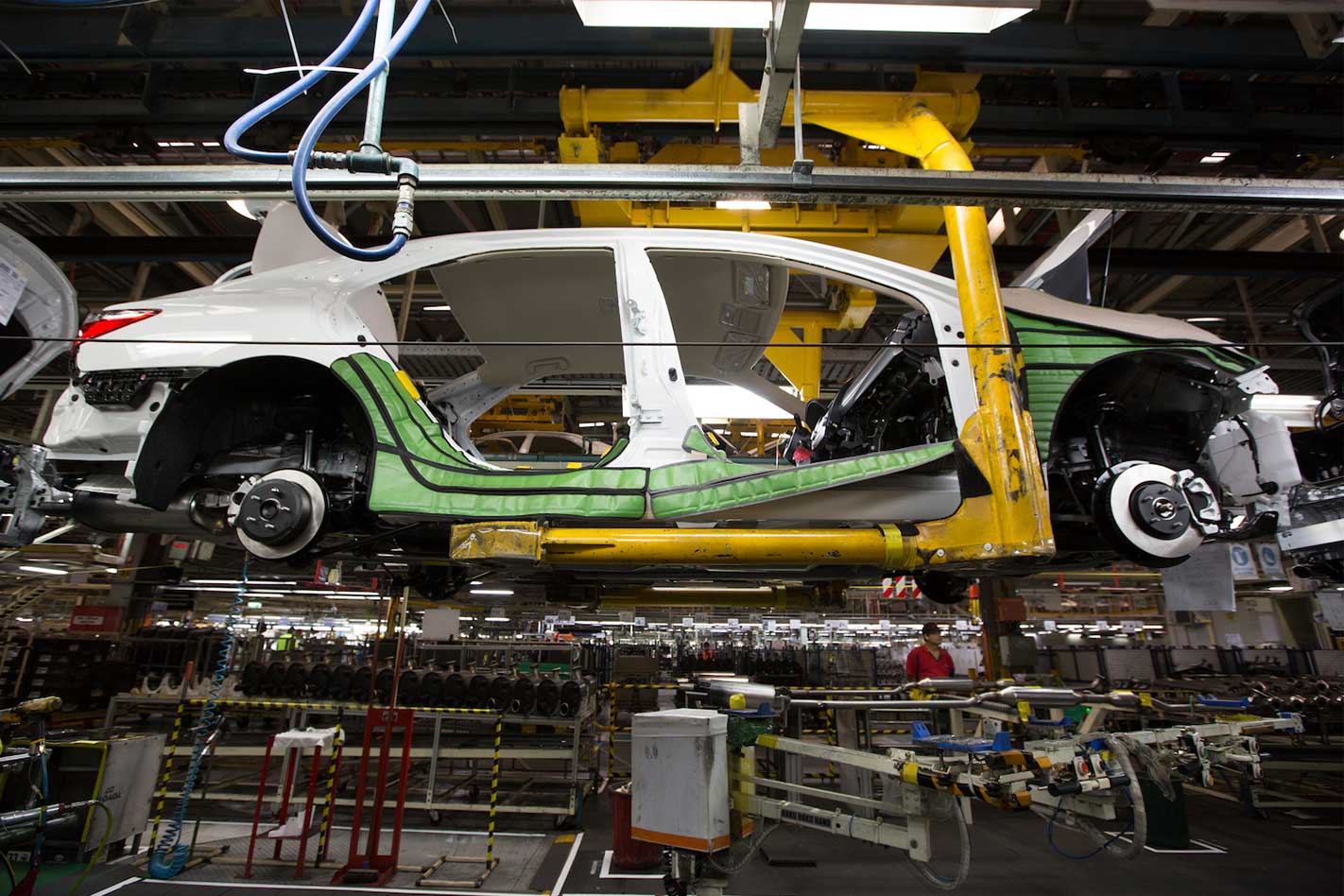
This provides an environment in which GFG Alliance would be able to set up a manufacturing operation, even if smaller than Holden’s previous establishment.
Sanjeev Gupta and his company is known for bringing struggling companies back from the brink, with the likes of the Whyalla steelworks having been revived by GFG Alliance’s purchase of Arrium, the company in charge of the steelworks.
“Our wish for the future of the site has always been that it continues to create jobs for Elizabeth and the surrounding area and we believe that Pelligra’s master plan for the site is positioned to achieve this,” Goodwins said.
Stop-start engine systems are one of those technological features that are becoming more common in cars to meet stronger emissions regulations rather than any strong customer demand.
Also known as idle-stop, they cut the engine when the car is not moving, such as at a red light, to save fuel that would otherwise be wasted with the engine running while waiting for the light to turn green.
Auto stop-start systems are proven to save fuel by up to 10 percent in heavy traffic conditions, and have their pros and cons, but how do they work?
As above video from tech website CNET shows, auto-stop start does a lot more than simply turn the ignition off for you. It has to stop the engine without cutting power to other systems and then has to restart quickly and smoothly allowing you to drive off without delay.
This is an electronic process, which turns off the spark to the ignition and the fuel flow to the cylinders, moments after you press the brake to come to a stop. When you take your foot off the brake the power is restored and the engine is restarted by the starter motor.
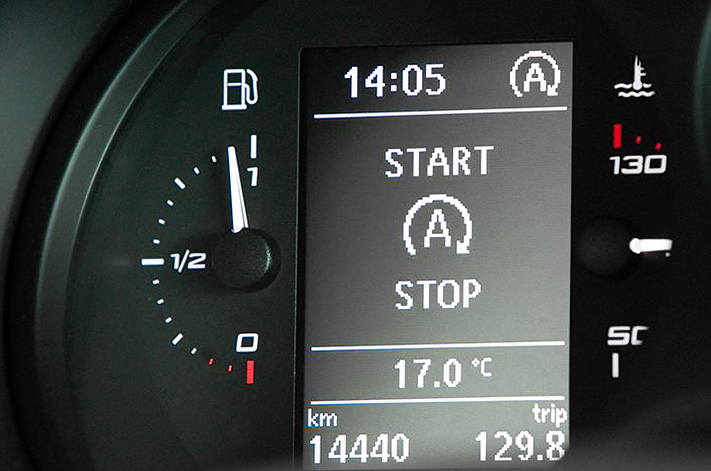
All this is done without cutting power to the rest of the car, meaning lights, infotainment and air-conditioning will continue to operate.
For auto stop-start to work properly, it needs systems such as power steering and pumps to be electric driven, not via belts which only work when the engine is turning.
The system also requires a tougher starter motor, which will be operating a lot more than usual, and a more high-tech battery, designed to run down and recharge. Some cars even have a second battery for this purpose.
And the engine itself needs harder and have smoother workings to reduce friction when starting and increase durability.
What to look for
As the video shows, not all Auto Stop-Start systems are created equally so make sure you assess its operation as part of your test drive.
The best Auto-Stop start system is the one you barely notice, so you want a fast restart, with the engine back up and ready to go in the time it takes you to move your foot from the brake pedal to the accelerator.
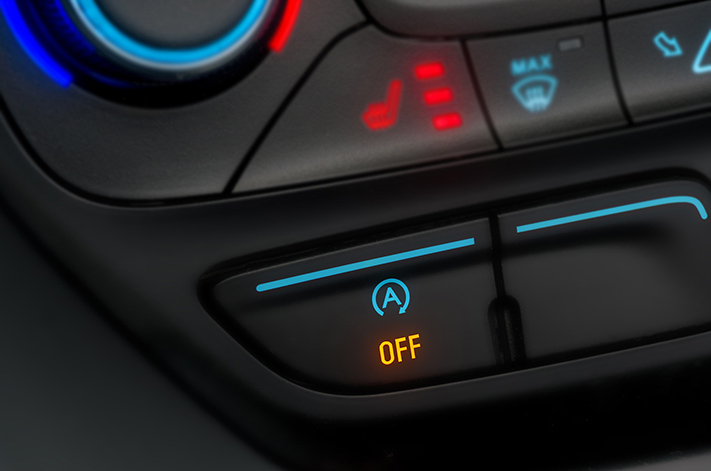
This means the engine needs to restart with minimal turning over. As well as starting quicker this reduces engine vibration making restart seamless. Well-designed engine mounts will also help reduce vibration.
And finally, you should be able to override Auto Start Stop, preferably with the push of a button and not hidden somewhere in the car’s setup menu.
Customers will be able to add the all-new BMW X2 small SUV to their garage for under $60K when it arrives in showrooms locally from March.
The luxury crossover will arrive with a single launch variant, the X2 sDrive20i, which will wear a $55,900 asking price.
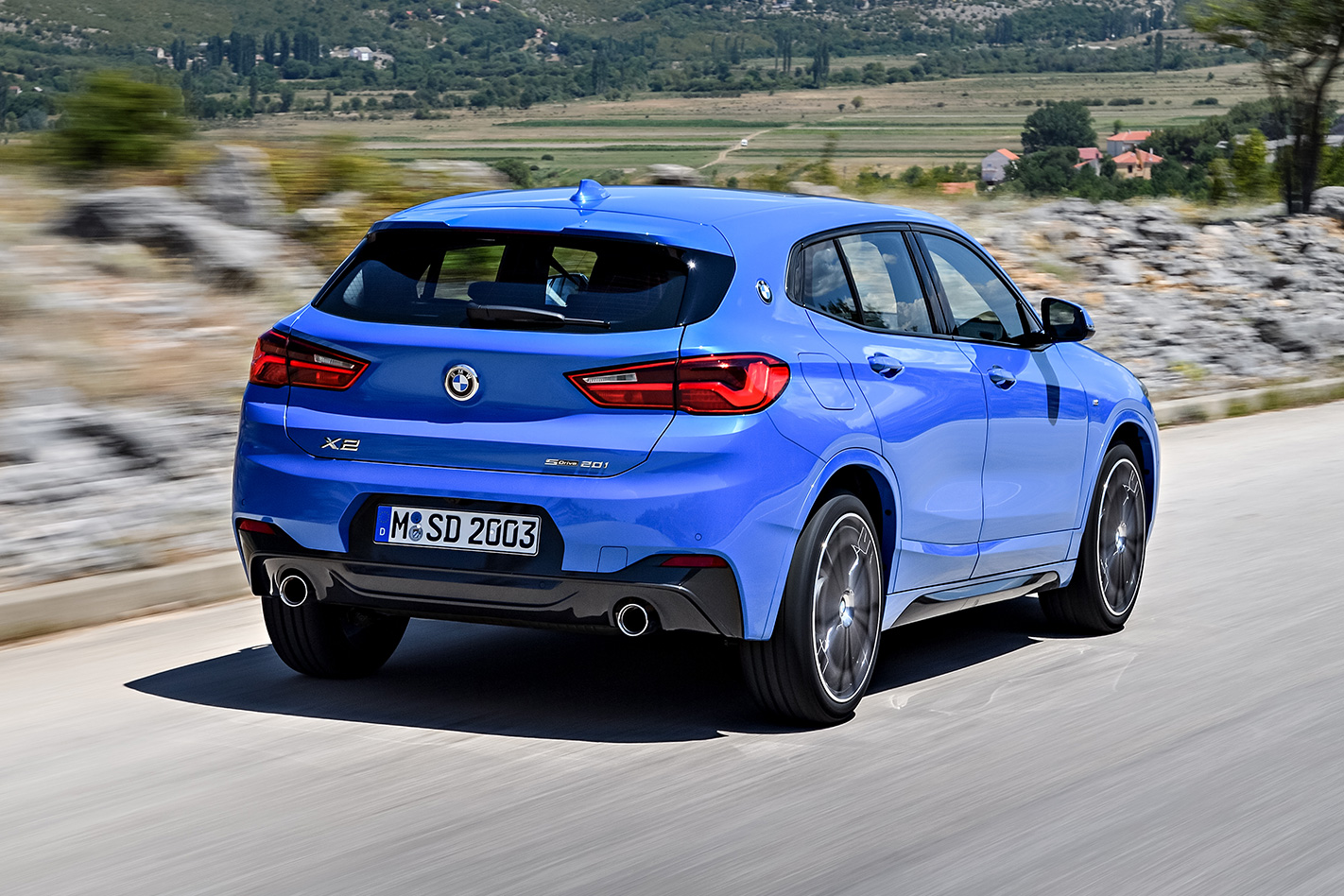
With a 2.0-litre turbo four-cylinder petrol engine, the sDrive20i sends 141kW and 280Nm to the front wheels via a seven-speed dual-clutch transmission.
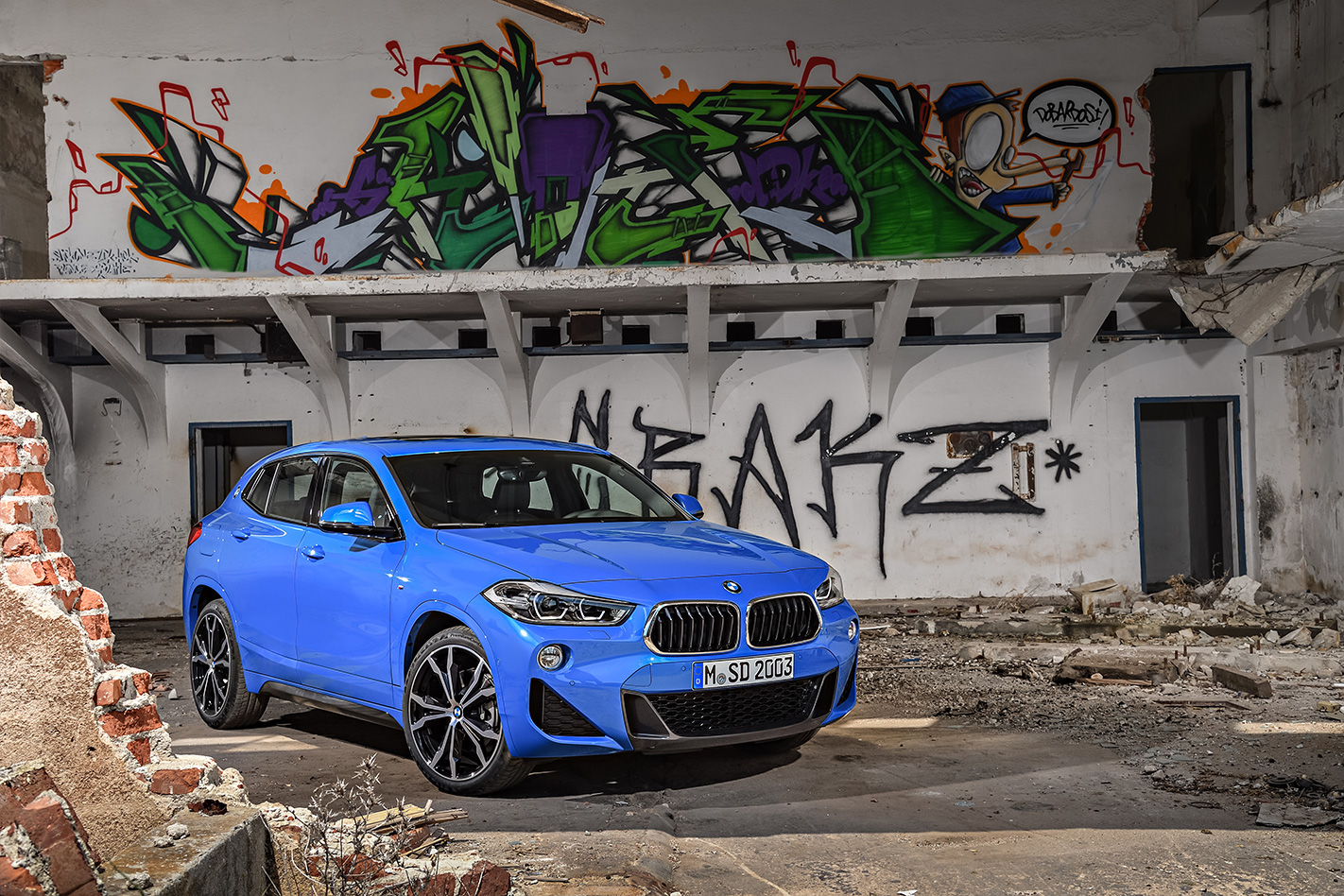
The X2 has the same wheelbase as the BMW X1 (which it is based on), but is shorter, wider, and lower overall.
The interior is fitted with ‘Alcantara Anthracite cloth’ upholstery as standard, and features a 6.5-inch touchscreen infotainment unit, with an 8.8-inch screen available as an option.
The X2 sDrive20i will come with an M Sport X package, which makes its debut on the X2.
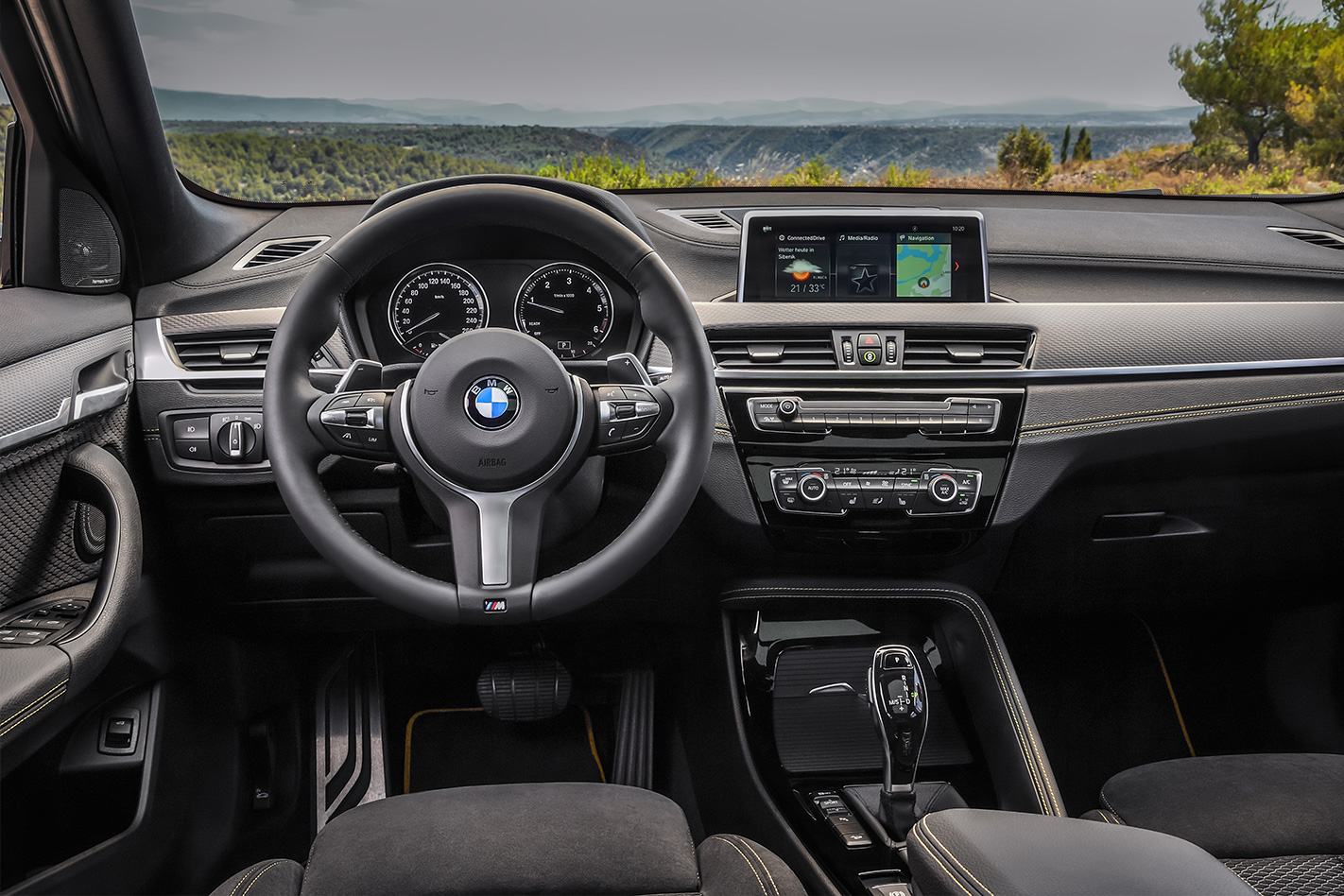
Fitted as standard, the M Sport X package adds contrasting lower exterior cladding, 19-inch alloy wheels, and yellow contrast stitching on interior trim.
Meanwhile a traditional M Sport package is available as a no-cost option, which adds an exterior M Aerodynamics Package, different 19-inch alloy wheels, and blue interior stitching.
The X2 sDrive20i comes with a full suite of safety technology, including active cruise control, parking assistant, and driving assistant featuring speed limit info, lane departure warning, pedestrian warning with city brake activation and forward collision warning.
A number of option packages are available, starting with the Innovations package, costing $2600, while Comfort and Style Plus packages will set customers back $2700 and $3300 respectively.
BMW Australia has so far only confirmed the initial offering, but is considering adding other variants that WhichCar understands includes diesel and all-wheel drive models.
HSV is no more. Well, not as HSV by the end of 2020 at least. Confirmation has finally been passed down that the company will rebrand to become GMSV, continuing its partnership with GM in bringing products to Australia and converting them for local use.
The Chevrolet C8 Corvette is on the list, of course, but we will always have a fondness for the cars HSV was so closely associated with for 30 years. Fast Commodores.
This article was first published in 2018, but has been updated for 2020.
Not long ago, the Commodores stopped rolling out of the doors at HSV’s Clayton HQ in Melbourne, ending a three decade long stretch of modifying Holden’s flagship.
Since MOTOR has been there for the whole story, who better to decide the best of the best than… well, us!
HSV confirms transition to GMSV
So, here goes.
5. HSV VT II GTS 300
300kW! In 1999! What a revelation!
Even today, the triple century is a big figure from an atmo donk. Consider that it took some time for the LS3-powered VFII Commodore SS to catch up with 304kW.
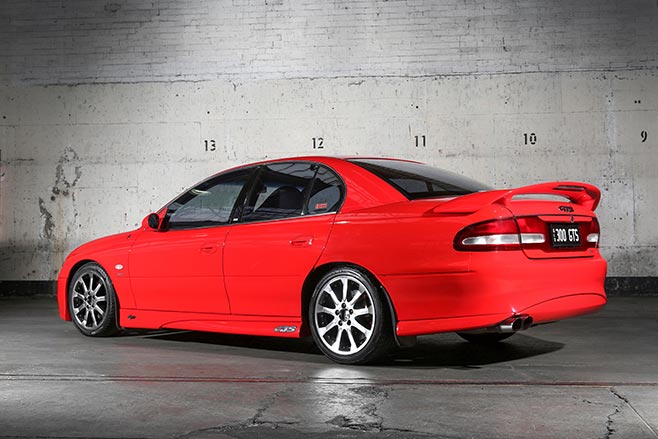
The 5.7-litre Callaway V8 was capable of punting the VTII GTS to 100km/h in just a tick over 5 seconds, even if the thing weighed 1740kg.
As David Morley puts it, already an experienced scribbler and MOTOR regular by the time the GTS was released, “Back at the turn of the century, this was a headline grabber of the highest order – and deservedly so.”
HSV VT Series 2 GTS Specs:
Engine: 5665cc, V8, OHV, 16-valve Power: 300kW @ 6000rpm Torque: 510Nm @ 4800-6000rpm 0-100km/h time: 5.1sec (claimed) Weight: 1740kg Price when new: $95,379 Years on sale: 2000-2002
4. HSV W427
With its name in cubic inches (that’s 427 of them, for those struggling to keep up), the W427 is a naturally-aspirated legend that was born in the wrong moment.
During what might be the worst of the financial crisis of the late noughties, the beastly atmo belter never actually made it to its intended production run of 427.
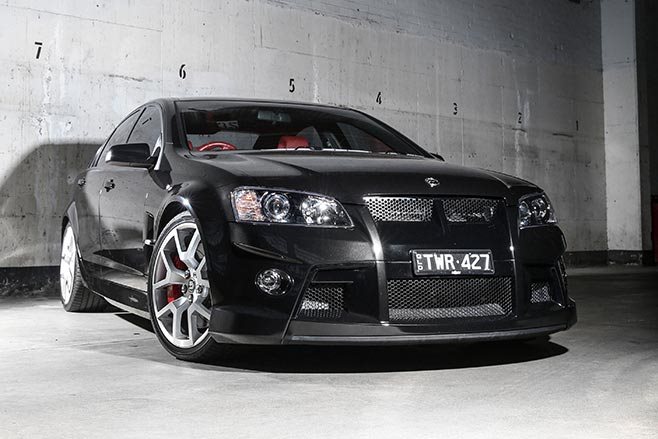
Instead, only 138 were made, including the pre-production show car. This can be chalked up to its asking price of $155K, which is verging on W1 RRP territory.
Still, one of the 375kW/640Nm monsters got to wear the build number 427, even if HSV had to skip a few to get there.
HSV W427 Specs:
Engine: 7008cc V8 OHV 16-valve Power: 375kW @ 6500rpm Torque: 640Nm @ 5000rpm 0-100km/h time: 4.7 sec (claimed) Weight: 1874kg Price when new: $155,000 Years on sale: 2008-2009
3. HSV VS GTS-R
In 1995, 215kW and 475Nm from a 5.7-litre V8 was enough to keep most muscle car fans happy, even if the colour scheme and styling turned a few of them away.
The colour, ‘XU-3 Yellah’, was unfortunately also chosen by Victoria’s taxi fleet at around the same time, so you can imagine the verbal quips from Ford fans were quite easy to come up with.
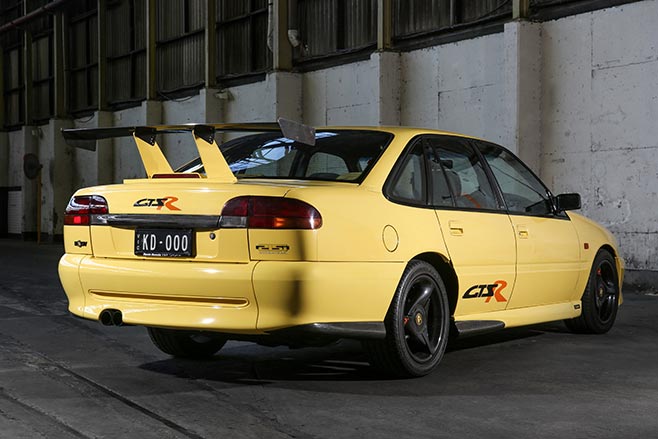
But if you wanted to complain about the way the VS GTS-R’s seats looked, you’d have needed to bring it up with now Jaguar design head Ian Callum.
The car also came with a matching jacket (no wing though) and a paid-for trip to Melbourne to see the HSV production line.
HSV VS GTS-R Specs:
Engine: 5737cc V8 OHV, 16-valve Power: 215kW at 4800rpm Torque: 475Nm at 3600rpm 0-100km/h time: 5.0sec (as-tested OR claimed) Weight: 1619kg Price when new: $76,000 Years on sale: 1995
2. Holden VL Group A Walkinshaw
The original HSV isn’t necessarily the best, or the fastest, or the sharpest, but it deserves to be on this list for its historic value. Without it, the rest of this list doesn’t exist.
Nowadays 180kW is hot hatch territory, and the lower end at that, but in 1988 that was more than enough. Helping it along was the fact the thing only weighs 1340kg.
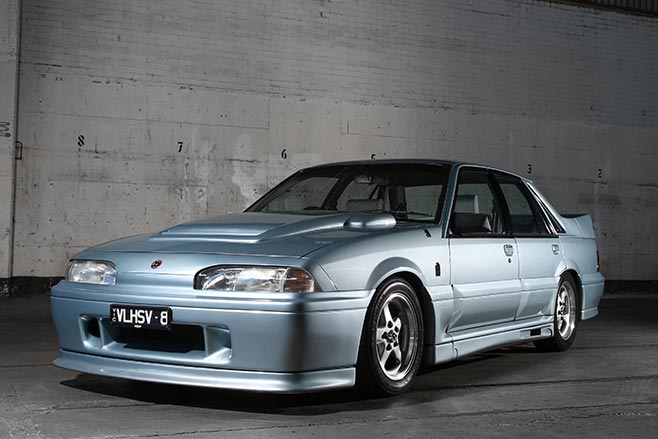
Its 5.0-litre bent eight could pull the ‘plastic pig’ (mean, we know) along to 100 clicks in 6.5 seconds with the aid of a well-geared 5-speed manual.
But a lot of people couldn’t see past the bodywork, possibly literally considering the height of the rear wing, so dealers were known to pull it all off and even repaint the things.
But under all of that, the Walky was probably HSV’s biggest improvement over the car it was based on.
HSV VL Group A Walkinshaw Specs:
Engine: 4987cc, V8, OHV, 16-valve Power: 180kW @ 5200rpm Torque: 380Nm @ 4000rpm 0-100km/h: 6.5sec (claimed) Weight: 1340kg Price when new: $45,000 Years on sale: 1988-1989
1. HSV GTSR W1
What else was it going to be?
Not only is this arguably the most impressive Australian production car ever built (cue ‘But Phase III!’), it’s also the most powerful… and the one most rapidly gaining value.
With only 298 built in the production run, and the first and last of those remaining with HSV, the W1 has quickly become the most sought after muscle car of the moment – even if that moment has just about passed already.
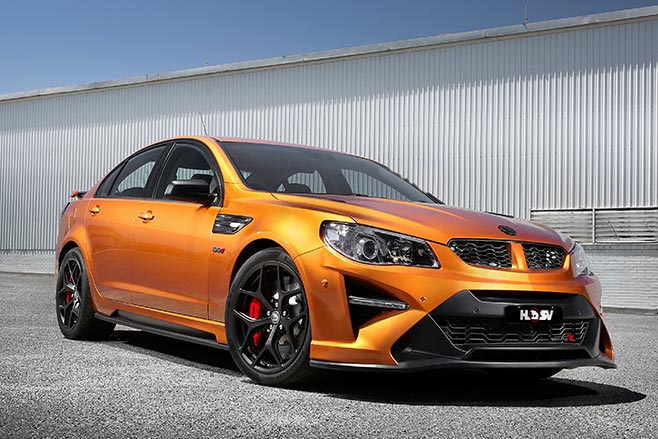
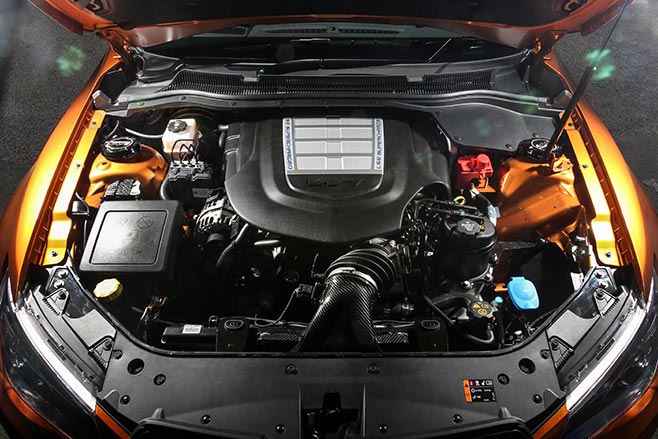
Something very few – even among owners – will ever get to enjoy is the sound of its 474kW/815Nm supercharged LS9 winding up in second gear as it approaches 100km/h. The thing sounds mental.
Its Pirelli Trofeo Rs will also do a good job of holding onto the road, once they’re warm… and dry.
If you ever see one in the wild, snap a photo. With most of them likely wrapped up in a temperature-controlled garage somewhere, it might be the only chance you get.
HSV GTSR W1 Specs:
Engine: 6162cc V8, OHV, 16v, supercharger Power: 474kW @ 6500rpm Torque: 815Nm @ 3900rpm Weight: 1895kg 0-100km/h: 4.2sec (claimed) Price: $169,990
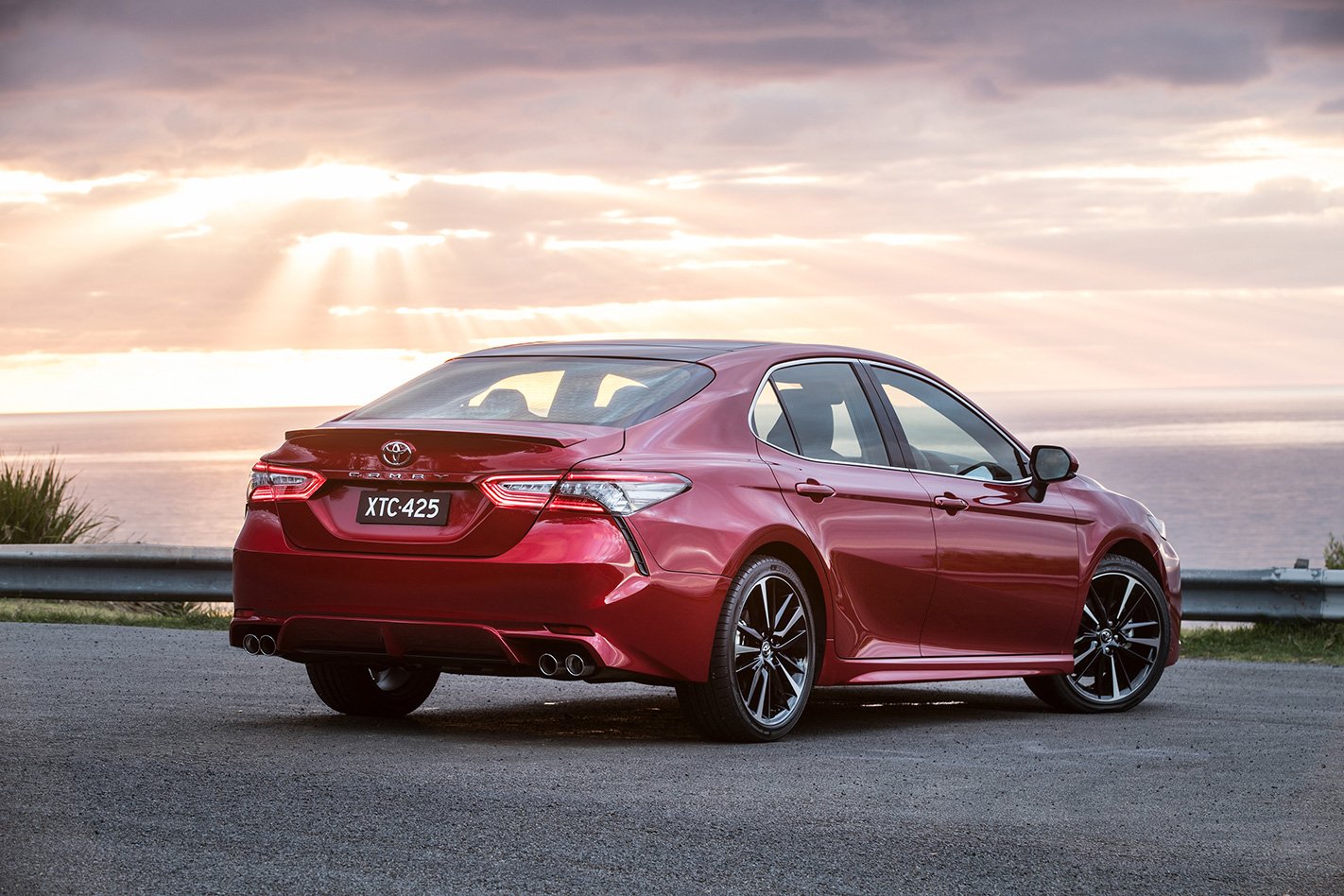
The top of the line Toyota Camry brings plenty of V6 grunt to the party
TELL ME ABOUT THIS CAR
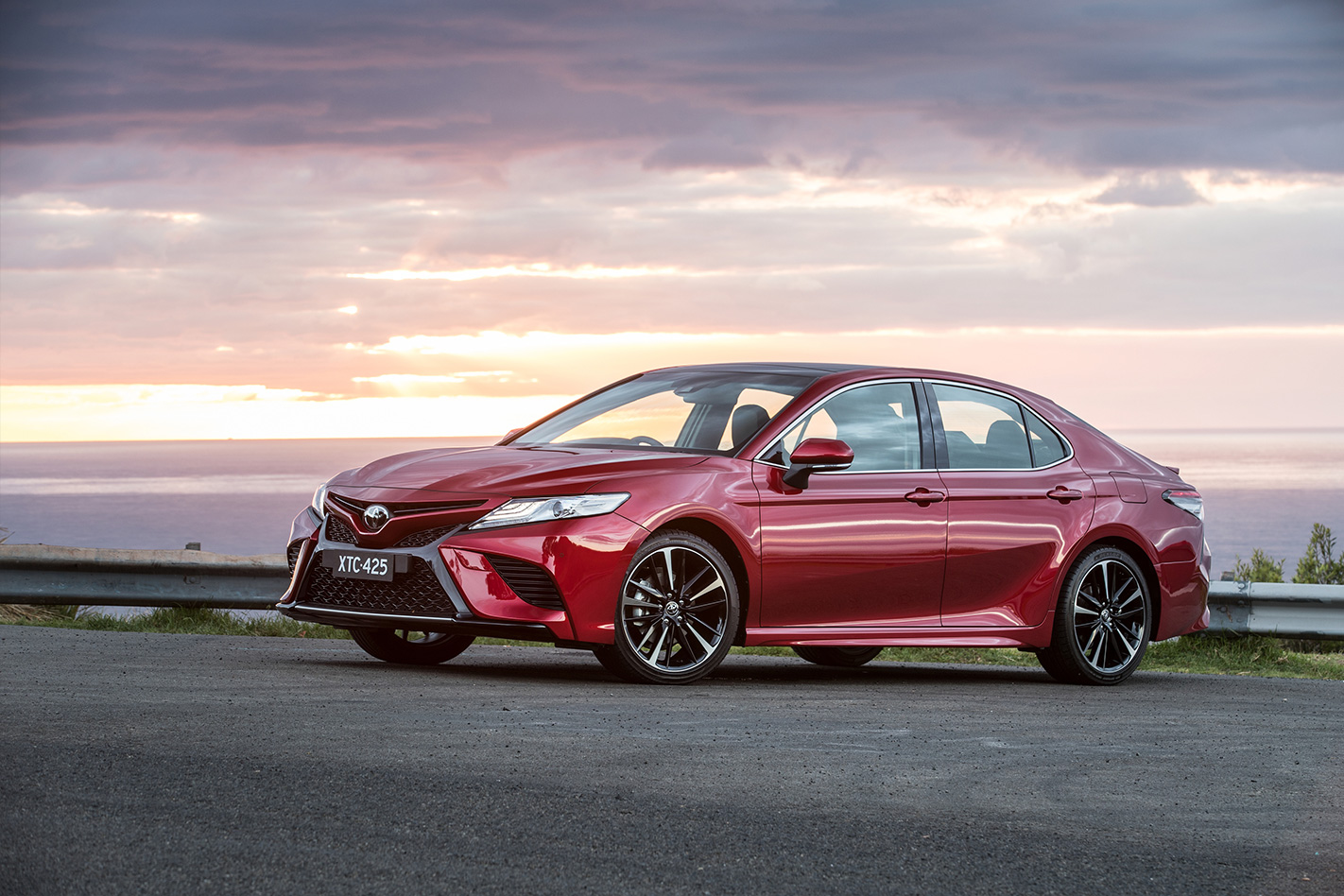
The first fully-imported Toyota Camry in decades, replacing the Aussie-built version. The Camry V6 SL ostensibly fills the hole left by the departure of the Aurion, and sits atop the family tree as the flagship model.
STRENGTHS
- Ride. Toyota has done great work improving the suspension and handling of the new Camry over the previous generation. Passengers are kept comfortable and isolated from bumps in the road, making the SL a commendable highway cruiser. The V6’s suspension is slightly firmer than others in the range, but still supple without wallowing.
- Power. With 224kW and 362Nm, the 3.5-litre naturally-aspirated V6 has a nice punch to it. It’s not a performance car, but plant the right foot, and it will shift impressively.
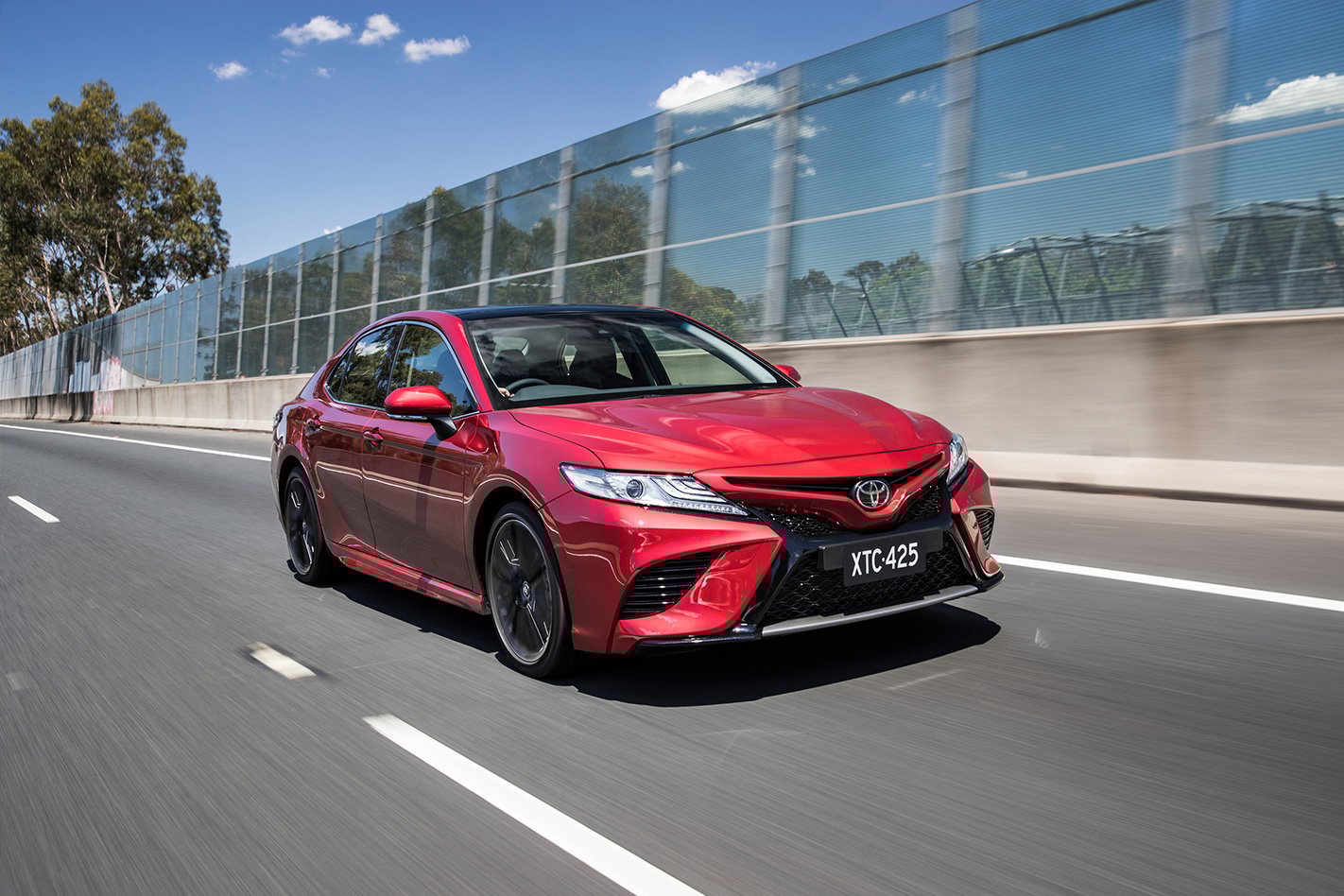
- Value. The flagship Camry will set you back $43,990, and while it doesn’t have some of the treats of certain rivals (hello, seat heaters), it is well equipped for the price and Toyota’s reputation for reliability exists for good reason.
- Infotainment. A new Linux-based infotainment system in the Camry is a delight.
WEAKNESSES
- Not as engaging as hoped. Toyota promised the new imported Camry would be the ‘most dynamic yet’. While it is a solid improvement over previous models, the V6 SL still falls short for enthusiasts. The front can feel heavy upon corner turn-in, and the eight-speed automatic gearbox is reluctant to hold gears, or humour manual shifting with wheel-mounted paddles. But that’s not the Camry’s primary function, is it?
- Seating position/rear headroom. Electrically adjustable front seats are comfortable, with good cushioning and soft leather. However they don’t lower far enough for taller drivers, leaving you feeling perched in the cabin. Rear headroom is also significantly hampered by the impressive moon-roof. Six-foot plus passengers will have copious legroom in the back, only to have to tilt their heads.
- Appetite for fuel. The V6 has a nice boost in power, but won’t be sipping its fuel like a teetotaler. Official figures are 8.9L/100km, but you can expect that to swell in to double figures easily.
ANY RIVALS I SHOULD CONSIDER?
Yes, lots! The Volkswagen Passat, Mazda 6, Skoda Octavia, Honda Accord, Kia Optima, Ford Mondeo, Hyundai Sonata, new ZB Holden Commodore, and Subaru Liberty are all rivals to the Camry.
I know I’ve mentioned this before, but it still amazes me that some people will blindly continue down a particular consumer path regardless of the warning signs. I speak, of course, about those who wear misguided brand loyalty as a badge of honour.
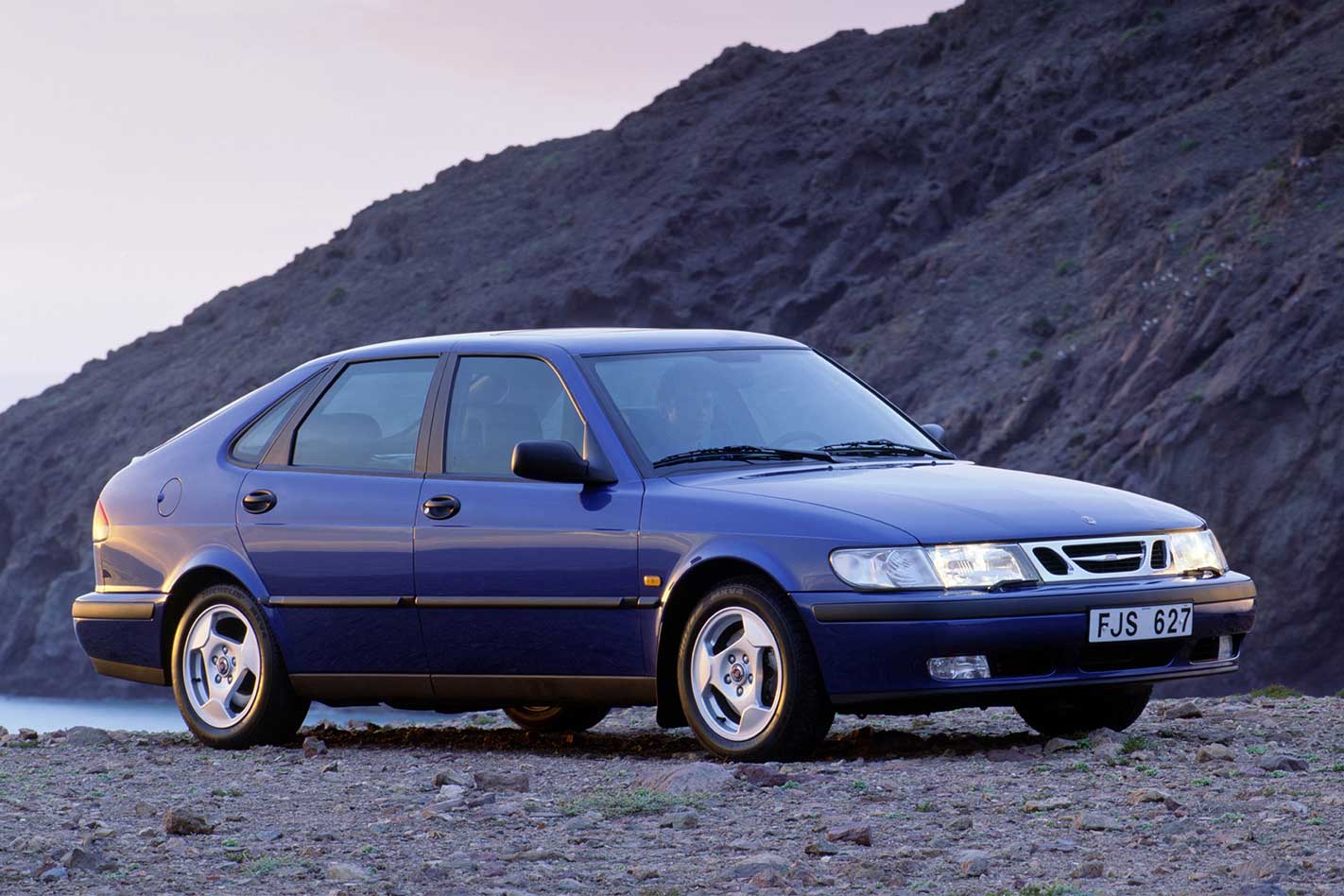
The example I used last time was that of a colleague of mine who continued to buy Saabs, long after the product had become a sick parody of itself and a cruel joke on those stupid enough to swap otherwise useful cash for it.
Now, I’ve nothing against Swedish fantasies. But if I was to develop one, I’m pretty certain it would involve the blonde dame from ABBA, a hose-out hotel room and a 44-gallon drum of moose fat. Possibly the brunette, too.
It would almost certainly not involve some tarted up Vauxhall Vectra with a Saab badge stuck on with chewing gum.
However, just as this sort of behaviour is ripe for a kicking, it should also make us examine our own views on a particular subject. And, on the subject of brand loyalty, I freely admit that I possess no such thing.
But why would that be? Why wouldn’t I have attached myself to a particular tribe at some stage and then stuck with it through thick and thin? Again, two answers keep presenting themselves.
(A), I’m not, despite the views of a dozen ex-girlfriends, a moron. Incapable of putting the lid back on the milk bottle, yes. But an actual, clinically diagnosed moron, no. And (B), I can’t forget some of the hilarious highs and lows committed by various car companies over the three decades I’ve been doing this stuff.
Now, any company can get it right and wrong along a particular timeline. I mean, in the 1990s, you had Ferraris that would fly apart like a steak sandwich sitting on an air-bag (you’ve seen the online videos, of course).
But that same company then came back and gave us the fabulous 488, which not only survived PCOTY 2017, it also survived the Bathurst 12-Hour with a bunch of Supercar drivers trying to kill it for the full half day in 30-plus ambient. In fact, the Fazza not only survived, it won the damn race. I know, ’cos I was there.
Nope, any company can get it right then wrong like that. But what really is amazing is the way some mobs can get it right and wrong concurrently.

But almost in the same breath (certainly the same year) Holden saw fit to force the VL Turbo to share showroom space with the entirely repulsive little Piazza. A weird-burger little Isuzu with an underdone turbo engine and a wonky chassis, the Piazza was a Gemini that won Tatts; a true turd rolled in glitter.
And – you couldn’t make this up – it was also $9000 more expensive than a VL Executive Turbo. Yet, here was Holden, telling us all how both were wonderful cars and deserving of our hard-earned. And you wonder why I’m a bit cynical these days.
EVERY once in a while Ferrari gathers a select group of special customers and dealers and clues them in as to what’s in the pipeline.
Journalists are not welcome. Nor, come to think of it, are people with smartphones who take pictures of the presentation and post them online.
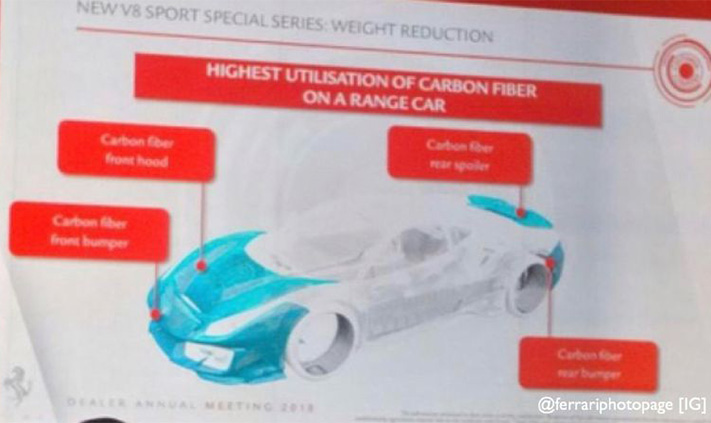
Whoever did this might well be on some sort of list now at Maranello. But we have them to thank for giving us a glimpse of a faster, lighter, more extreme Ferrari 488 that’s expected to arrive at the Geneva motor show in March.
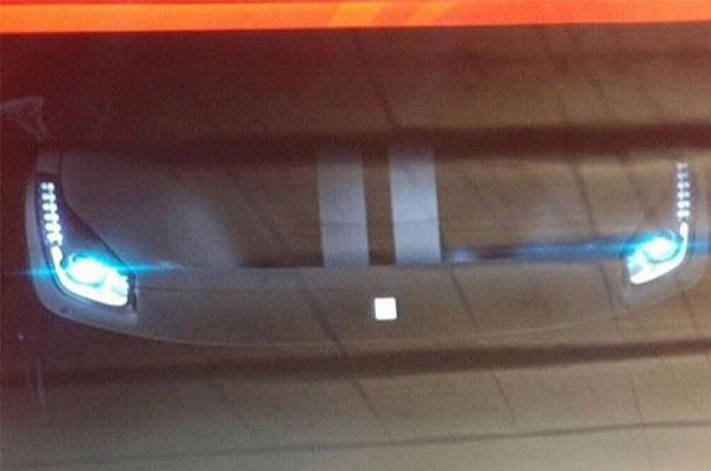
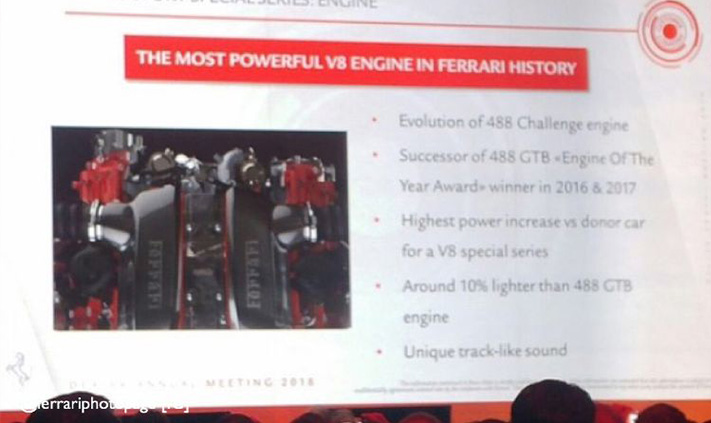
In other words, expect power to jump from the 488 GTB’s current 492kW to somewhere in excess of 522kW. It’s hard to see Ferrari being able to resist topping the 537kW output of the McLaren 720S, especially as Woking is known to be working on an even quicker version of that car. The Ferrari’s engine is set to be a development of the 488 Challenge car’s lump. This is some ten percent lighter than the production car motor, and the presentation promised a “unique track-like sound.”
Given that the Huracan Perfomante leveraged much of its ability through smart aero work, Maranello have been working the wind tunnel hard with this car. A GTE-look rear diffuser and more efficient front ducting help increase aero efficiency by a claimed 20 percent. In addition to this, other dynamics have been tweaked such as an even sharper steering ratio, a more aggressive transmission calibration, and the ESC has been revised to offer track day drivers more options at the limit of grip.
Electric and hybrid performance cars are underperforming in Australian-market resale values across a variety of segments, particularly those at the upper-end of the market where traditional petrol V8 grunt is most clearly dominating newfangled battery power.
With the first electric and hybrid performance cars now tallying three years old – the resale benchmark for new vehicles – values expert Redbook has given its verdict on how the likes of the BMW i8, Porsche Panamera S E-Hybrid and Tesla Model S P85D are performing compared with their internal combustion engine (ICE) equivalents; all with circa-35,000km.
And the news isn’t good for lovers of the environment.
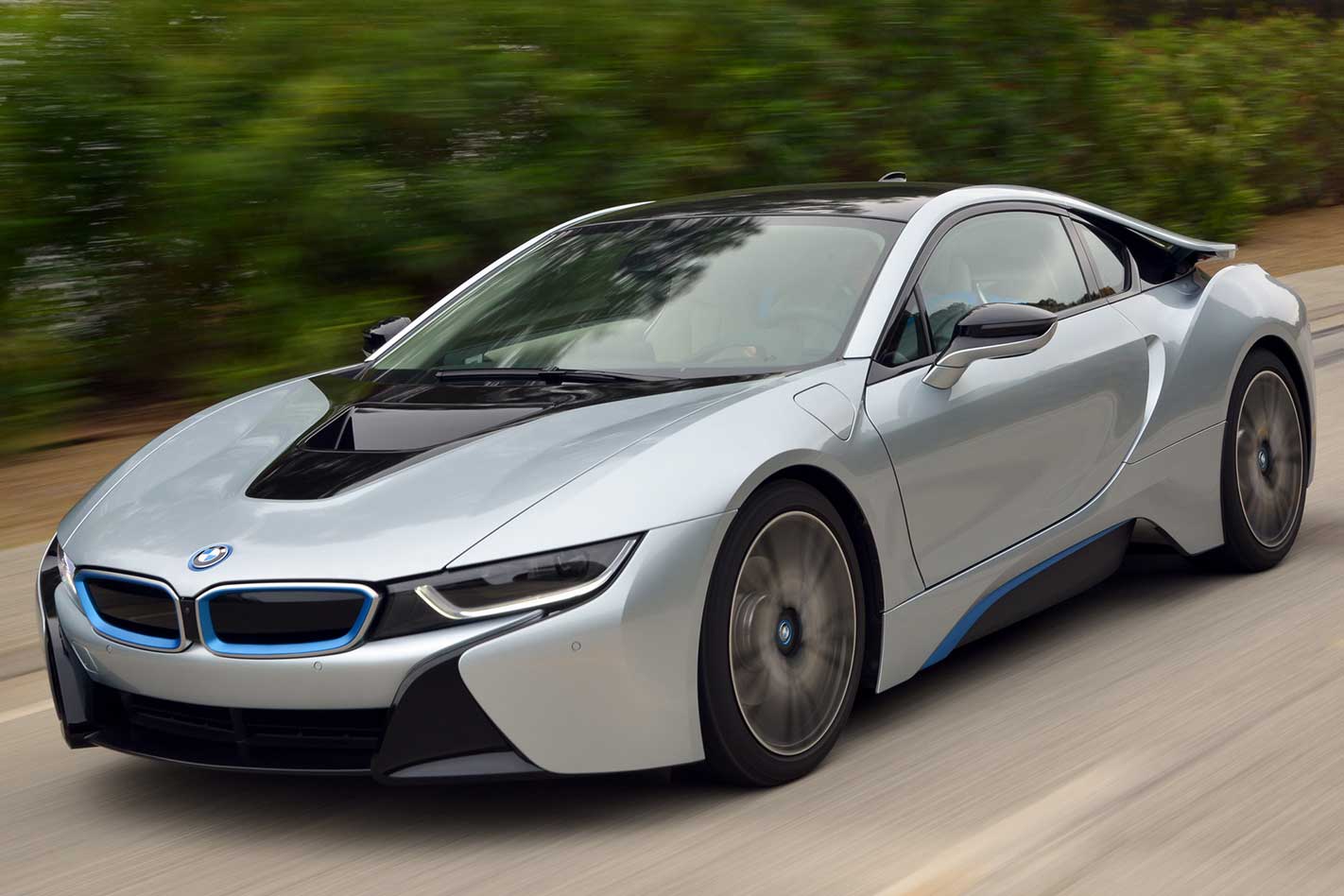
BMW’s futuristically styled i8 cost $299,000 when new three years ago, but according to the values expert it has retained less than half its purchase price – just $145,500 when sold privately, or a staggeringly low $128,700 for a trade-in.
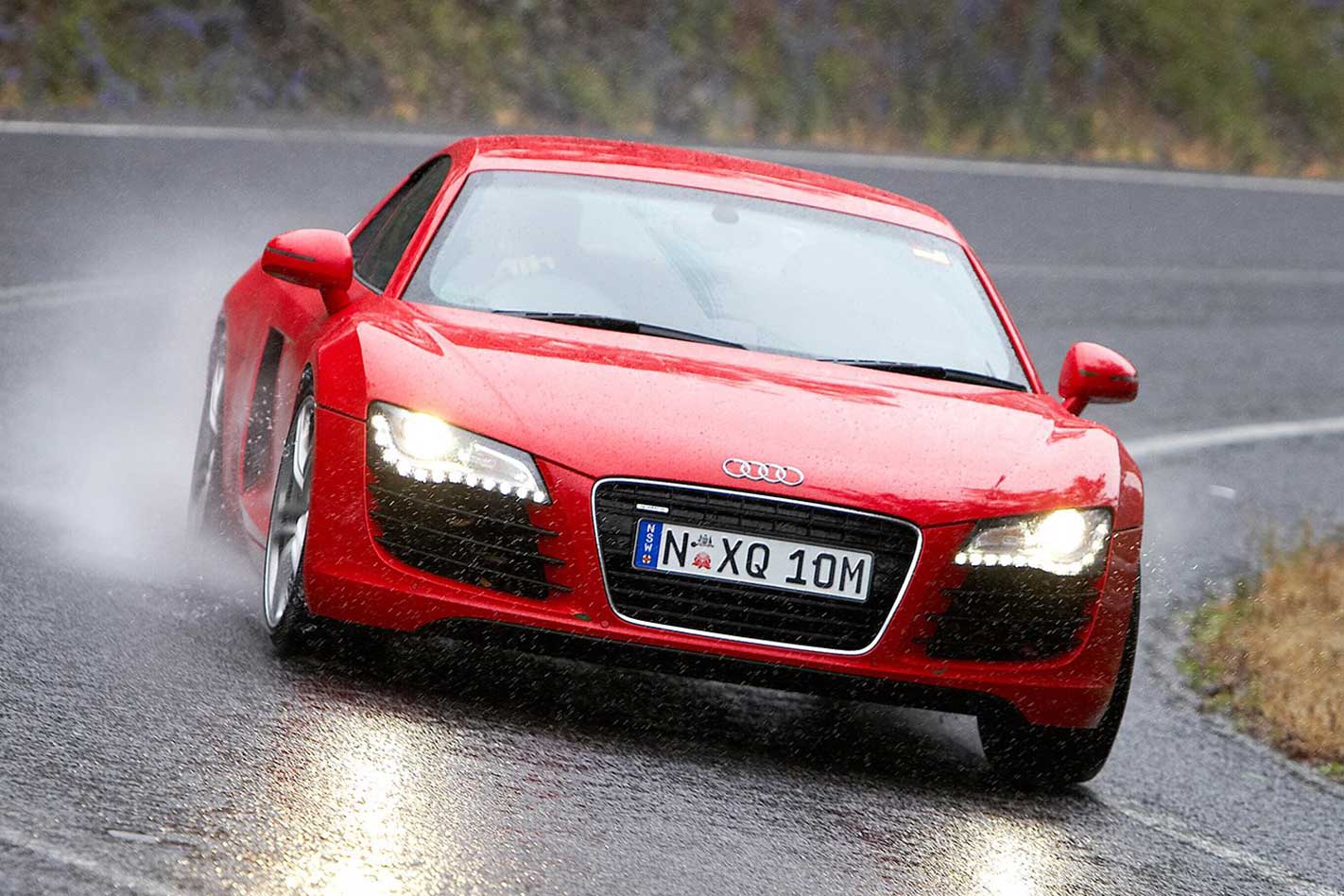
However, Audi’s previous-generation R8 asked $308,010 when new in 2015, and Redbook tells that it will still fetch $176,900 privately or $159,700 in a trade.
Despite costing only $9000 more than the i8 when new, the 4.2-litre naturally aspirated V8-engined manual supercar has kept up to $31,400 more in its coffers compared with the BMW. And that’s a lot of money to be saved to fill a model rated at 14.4L/100km and 337g/km of CO2…
But this resale trend continues in Porsche showrooms, too.
A 2015 Panamera S E-Hybrid asked $285,300 new, with its 3.0-litre blown V6 and electric motor spurring it to 100km/h in 5.5sec while using 3.1L/100km and emitting 71g/km of CO2.
But privately it will now have kept just $126,600 – and if you’re planning a trade-in, expect to have retained just 40 per cent of the original price at $114,200 according to the Redbook.
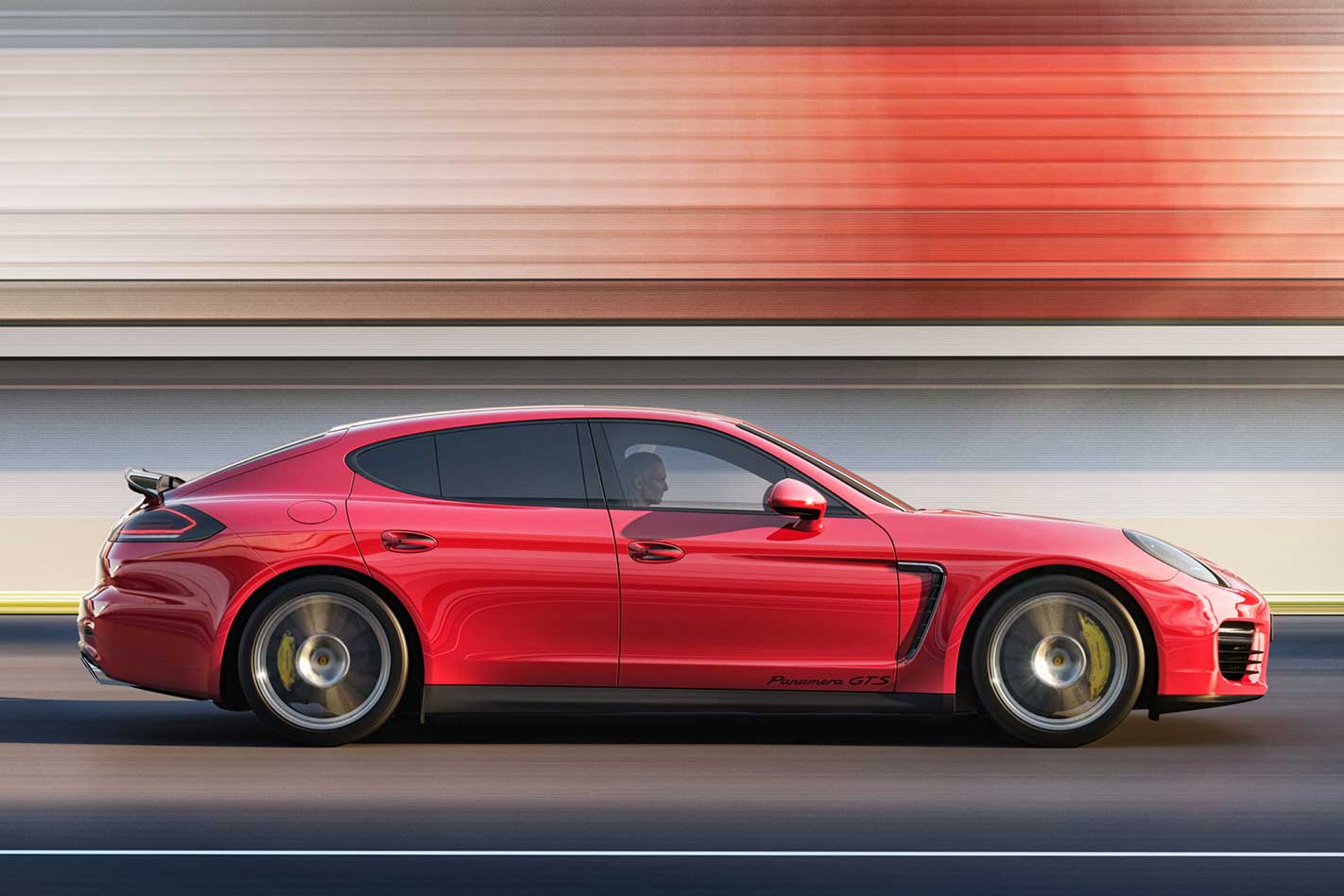
Let’s compare the pair, shall we? A 2015 Panamera GTS needed $320,100 new, or $35K more than the hybrid, with its 4.8-litre naturally aspirated V8 soaring to deliver 4.4sec 0-100km/h performance, gulping 10.7L/100km and spitting out 249g/km of CO2.
Meanwhile the darling of the electric brigade, a 2015 Tesla Model S P85D, gets closest to matching its performance-ICE equivalent. New? $181,500. Sale three years on? $115,400 private, $103,800 trade-in, with 64 per cent and 57 per cent retained respectively.
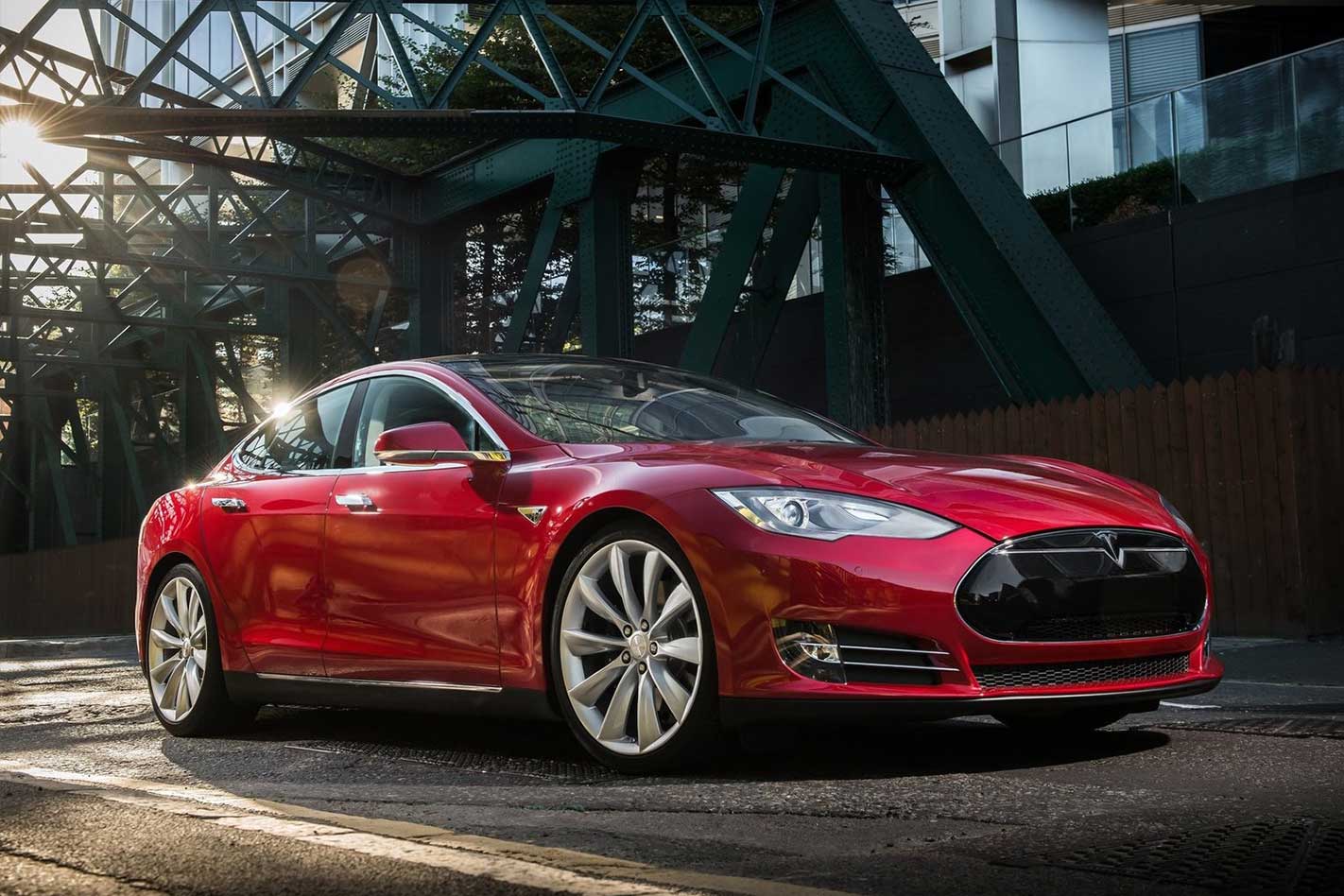
Now it will return $97,100 privately and $85,500 trade, reducing the gap to $18K at today’s values. So essentially a C63 S buyer has had $7K extra to spend on premium unleaded in three years.