
Mark Webber, one of Australia’s most internationally renowned race drivers, is to be inducted into the Australian Motor Sport Hall of Fame.
As Webber has been retired from his primary motorsport career for two years, this is the first year Webber has been eligible for the honour.
He will join the likes of Sir Jack Brabham and Peter Brock as the 52nd inductee into the Hall of Fame, after presenting his friend and motorcycle Speedway world champ Jason Crump with an inductee medal last year.
“For me to join the list of other inductees is very, very special,” says Webber, “obviously the list includes a lot of heroes of mine.
“99% of my racing was done overseas and I am proud of that, but it is nice to be recognised for what we achieved and some of the results along the way.”
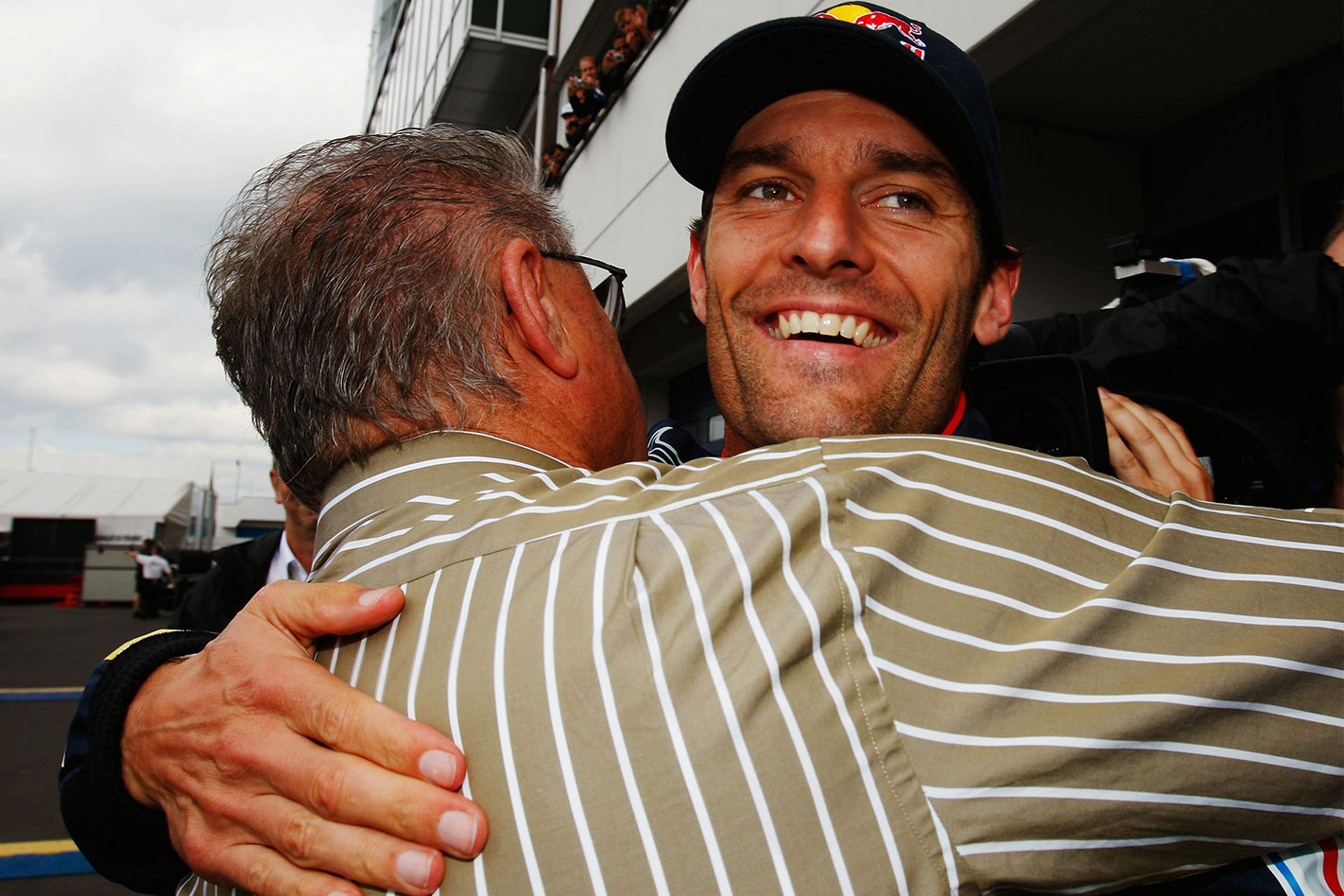
He then went on to win eight more F1 Grand Prix, including Monaco twice.
““I had some pretty good people around me and everyone that has success has that story,” Webber adds. “I am honoured, there is absolutely no question about it.”
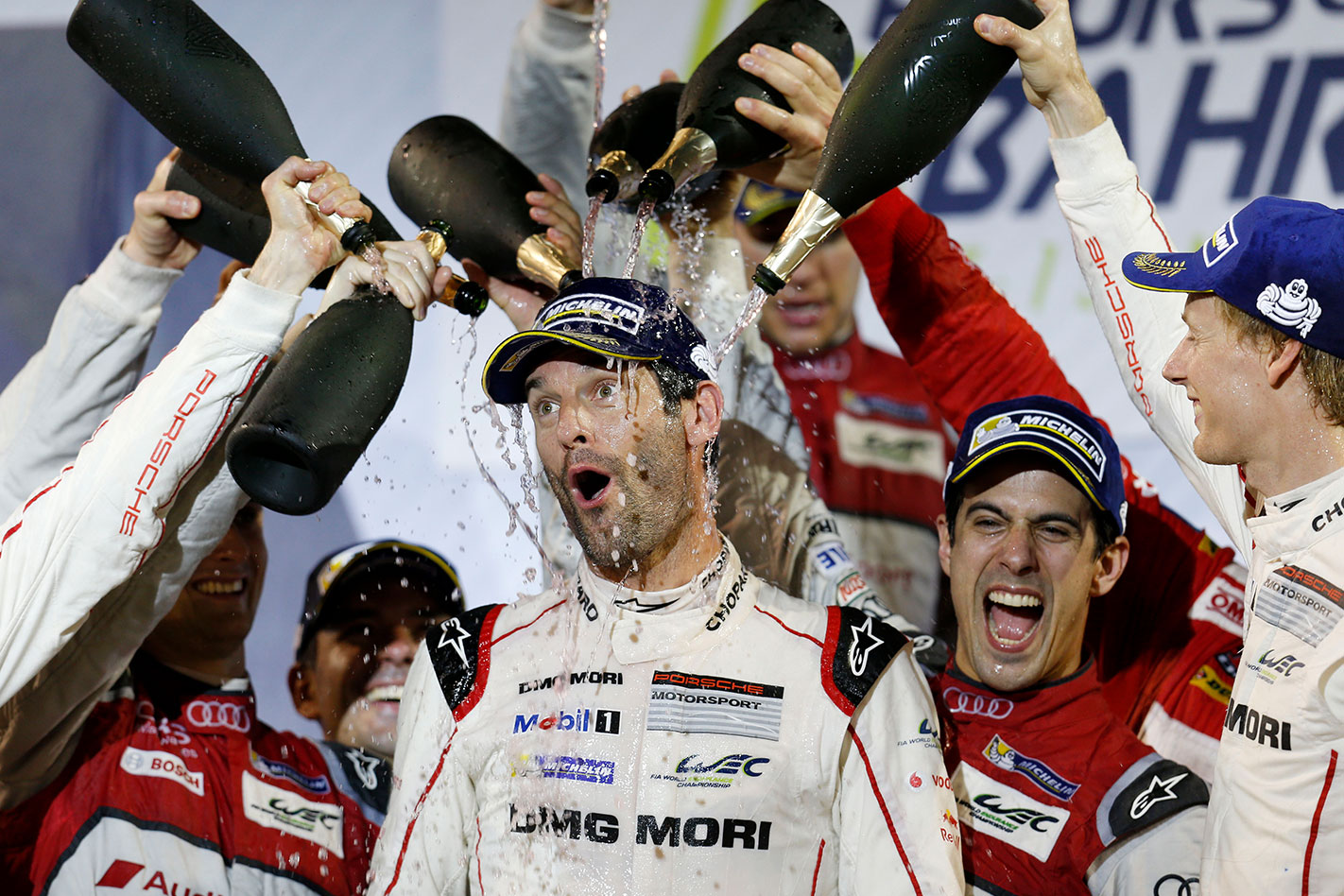
His time in the FIA World Endurance Championship marked the beginning of a continuing relationship with Porsche, the brand for which he is now ambassador after having taken over from the legendary Walter Rohrl.
Chairman for the Hall of Fame Garry Connelly says Webber’s commitment to motorsport has more than qualified him for induction in his first year eligible.
“Mark has been a tremendous ambassador for our sport and country for many, many years and it is a pleasure that we welcome him into the Hall of Fame,” says Connelly.
“He deserves his place alongside the greats that have flown the Australian flag.
“You don’t have a nickname like ‘Aussie Grit’ unless you have earned it with a total commitment to your craft.”
HOLDEN’S Australian proving ground is likely to be affected by a plan by Cadillac to reveal prototypes earlier in a bid to accelerate the development process, but the lion-badged brand is staying tight lipped about local implications for now.
Cadillac president Johan de Nysschen told journalists at the Los Angeles Motor Show last week he wanted to speed up the validation process for new Cadillac models yet to be introduced to the US — some of which are being developed at Holden’s top-secret proving ground — by pushing them into the public eye, without camouflage, a lot earlier. That would include handing the keys of development vehicles to staff for them to experience and provide all-important feedback.
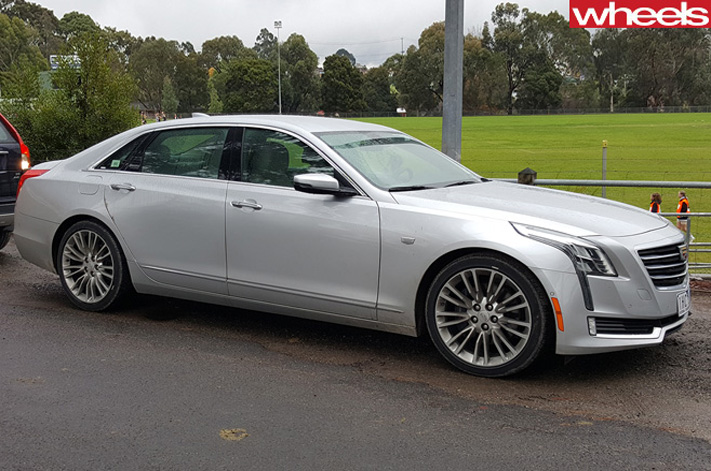
Holden has openly said it is working on engine and gearbox calibration for brands as diverse as Buick, Cadillac, Chevrolet and GMC.
Spokesman Mark Flintoft said GM’s Australian outpost did “a heap of testing out at Lang Lang and on local public roads for a number of GM brands, one of which is Cadillac”.

However, Flintoft wasn’t able to say if de Nysschen’s keenness to push soon-to-launch US products into the public eye meant Australia would get a look-in before the rest of the world. “We can’t really comment on Cadillac’s global development and launch plans as it’s not our brand,” he said.
Holden has a history of sending its engineering evaluation vehicles out into the public sphere. It currently has a fleet of fully imported Commodores wearing light disguise to indicate they are more-production vehicles — with inconsistencies such as wrongly sized panel gaps and mismatched design elements — showing that some of the focus on international models is also swinging to the locally sold ones.
Flintoft said Holden had already tried a similar concept to de Nysschen’s idea. “When Holden launched Spark, some of the everyday testing, known as ‘captured test fleet’, was given to non-engineer Holden employees,” he said. “As many as 10 cars were tested by Holden’s employee target market (young 18 to 21-year-olds). It proved very useful for us.”
AUTONOMOUS cars are coming to our roads. But while the first self-driving road car could take a decade or more to become reality, there’s a faster version that’s poised to replace humans much sooner.
Lucas di Grassi is a factory Audi racing driver, and chief executive of Roborace, the company pushing to develop the world’s first autonomous racing series.
Roborace has already tested what it dubs ‘Devbots’ at rounds of the Formula E world championship. The cars aren’t breaking any speed records, but have successfully lapped various circuits without a driver behind the wheel – although, there have been a few metal-bending mistakes along the way, just like human drivers.
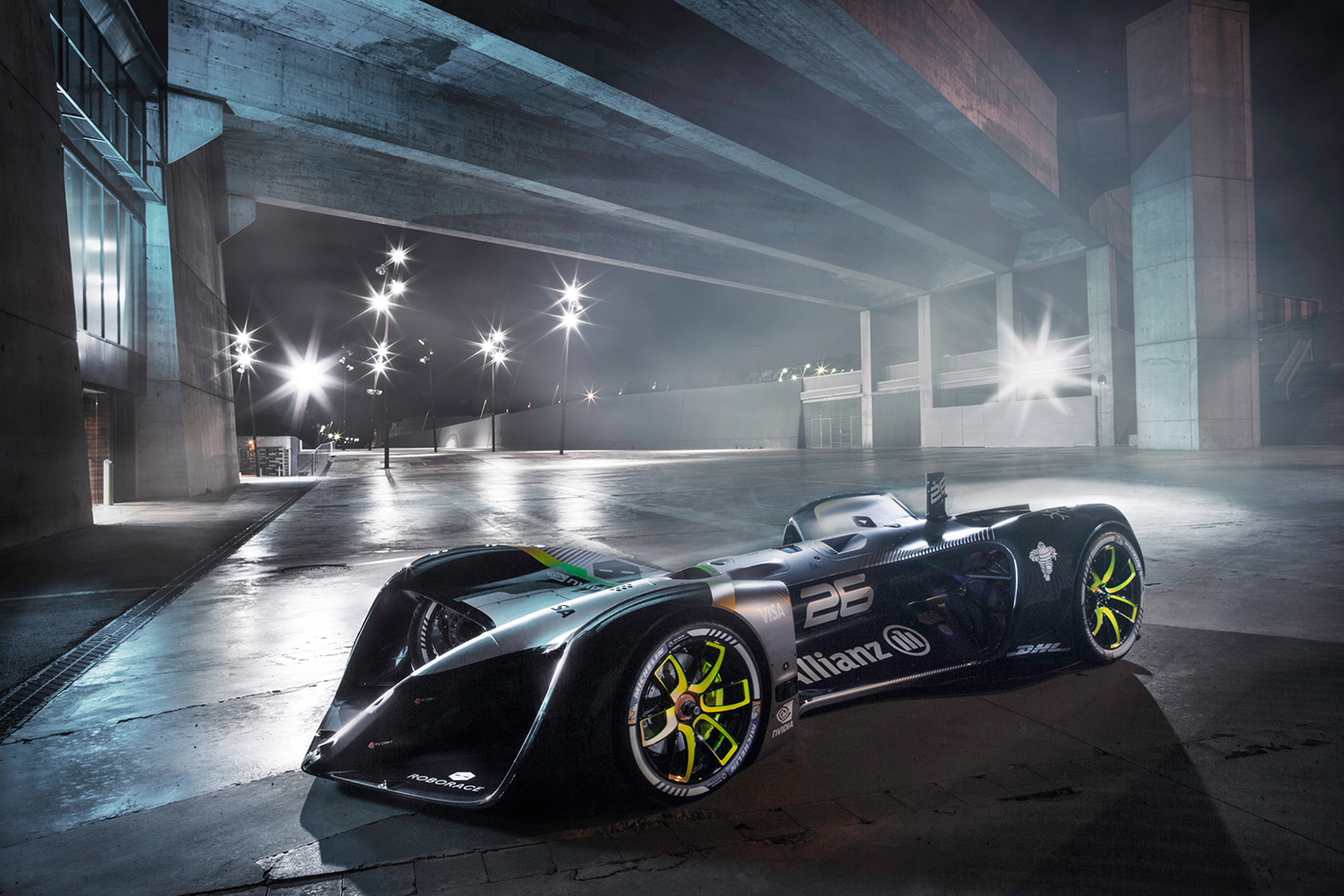
di Grassi said removing the driver from the equation meant the robotic racers could then push the limits of what could be done in motorsport without risk to human life – one of the elements that makes motorsport so dangerous and exciting.
“I don’t believe in racing with them,” he told TopGear.com. “I believe you can go completely crazy.
“When there are no lives at stake, you can really go and do any kind of challenge you want.”
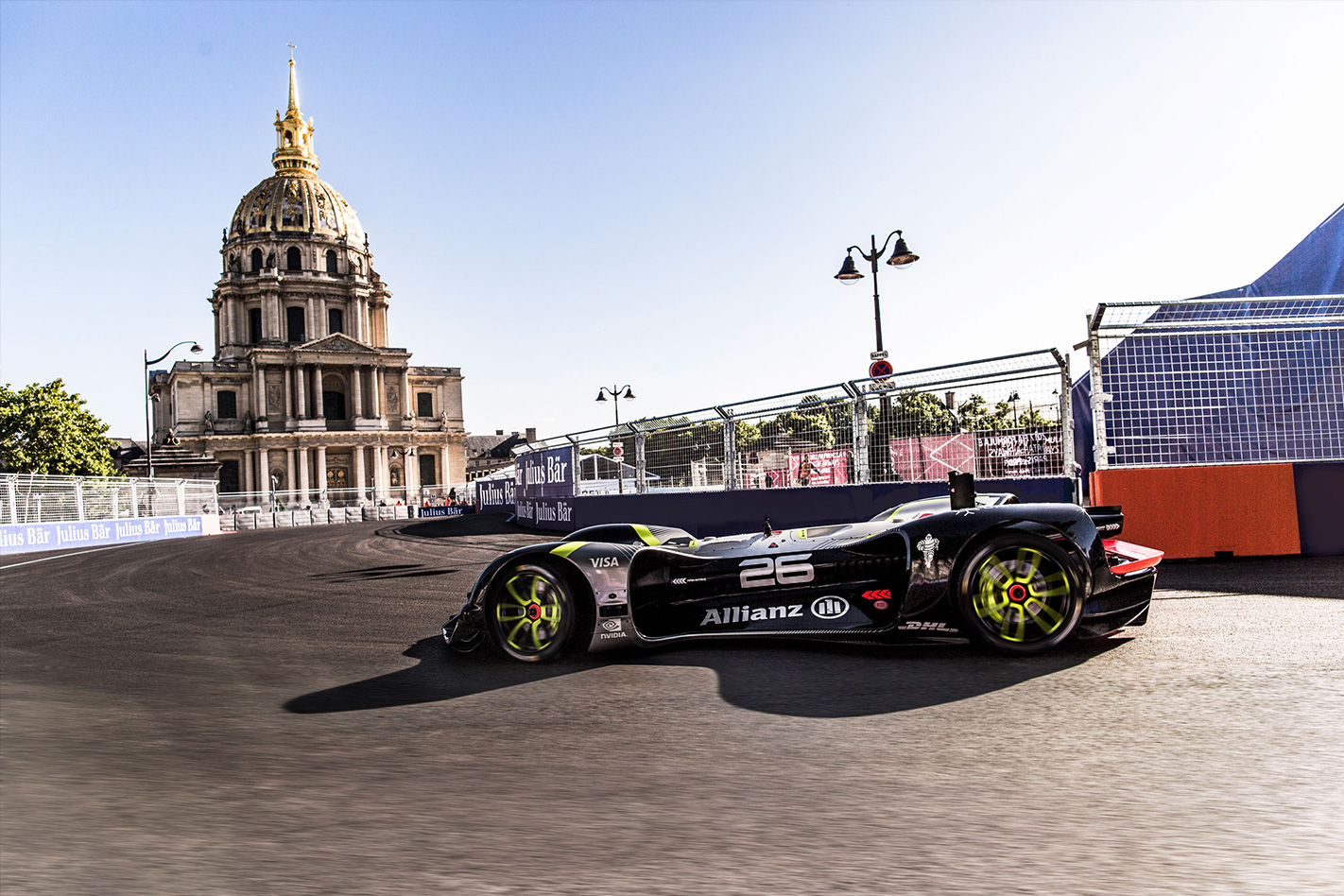
“I don’t believe it would be exciting to the public to watch AI race itself,” he added. “But I think it would be exciting to see what AI could do in extreme scenarios. Basically, anything that motorsport cannot do, to showcase how precise and good this AI technology is.”
Motorsport without real-world relevance runs the danger of suffering a short shelf life, as viewers and manufacturers give it the cold shoulder. But di Grassi sees benefits for consumers from the development of capable, and importantly fast, self-driving race cars.
“You have so many cars on the market that have more than 1000bhp [476kW],” di Grassi said. “I drove the LaFerrari, the 918, the P1… all of them, the acceleration – after two seconds you’re over the speed limit.
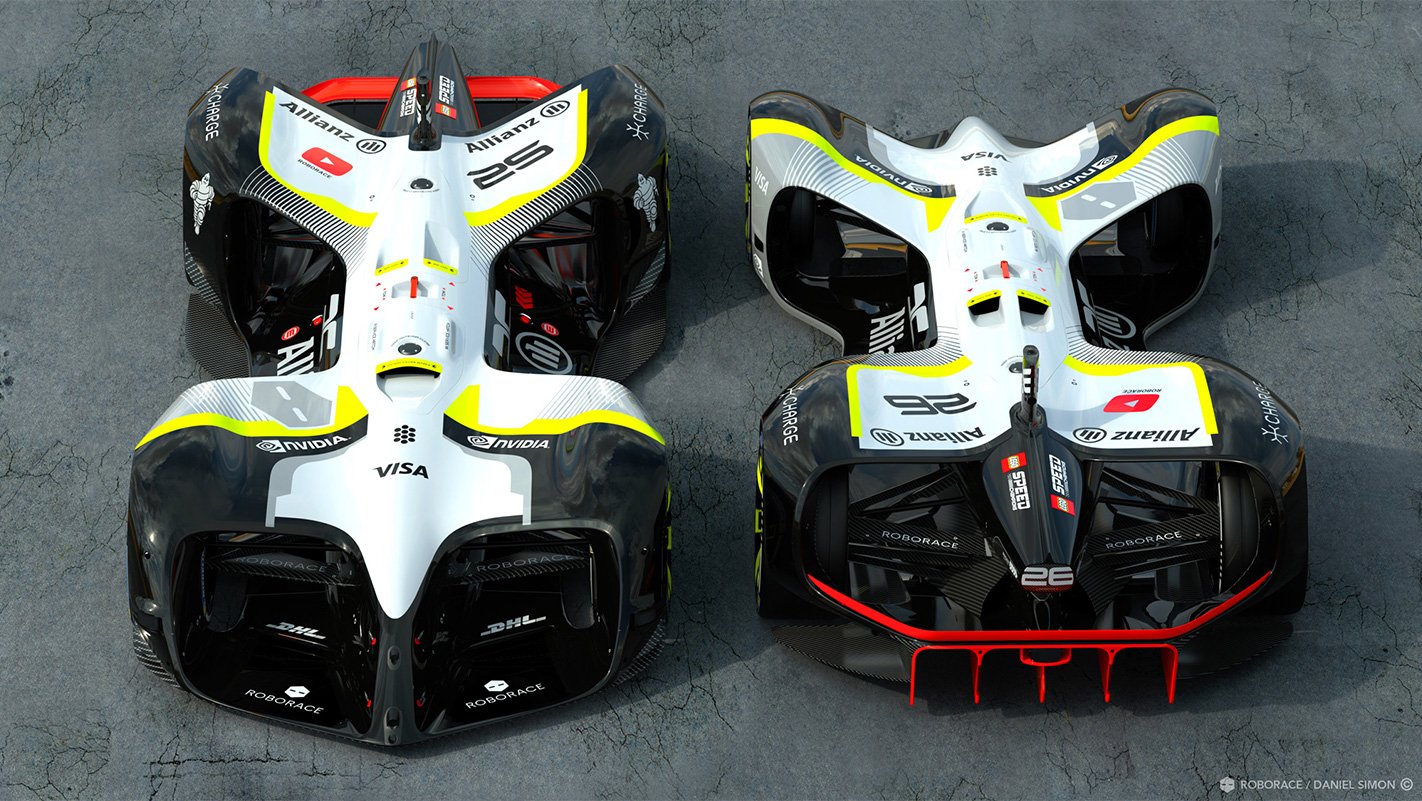
Motorsport and road car technology have been intrinsically linked for as long as manufacturers were pouring money into going fast. di Grassi doesn’t see that changing any time soon.
“The industry in the long term will have a lot of autonomous cars. I believe that we need a niche in motorsport to promote this kind of technology,” he said.
This can already be seen in the likes of niche electric hypercar manufacturer Nio, which set an autonomous lap record – one that’s yet to be contested – at the Circuit of the Americas.
But don’t let reactionaries and nay-sayers fool you. The autonomous race series that di Grassi hopes to develop won’t leave regular racing drivers out of business, but instead allow manufacturers to invest in racing further, and develop road-going tech on the track.
HSV is beginning a metamorphosis. After 30 years of assembling vehicles based predominately on locally made Commodores, the Aussie operation is stepping into 2018 with a dual cab trade ute. It’s called the Holden Colorado SportsCat by HSV, and it is a massive departure for the brand.
UPDATE 11 Feb, 2018: Pricing has been confirmed by HSV at $60,790 for the regular SportsCat and $66,790 for the SportsCat+.
First, the elephant in the room; the HSV SportsCat makes no more power than the standard Colorado Z71 Crew Cab on which it is based. It features the same 2.8-litre turbo-diesel four-cylinder making 147kW and 500Nm, when mated to a six-speed auto. Take 60Nm off that peak torque figure for models fitted with a six-speed manual.
A lack of added engine performance – and the fact it’s a trade ute – will come as a surprise to long-time followers of the brand, but HSV is confident about its strategy to tap into one of Australia’s most lucrative market segments.
“I don’t think we’ve ever defined ourselves as the rear-wheel drive V8 car company,” says HSV managing director Tim Jackson.
“It’s about making exciting product, and that’s not just 474kW [GTSR] W1s. All sorts of product excites us that’s not necessarily defined purely by power level. We’re actually pretty comfortable after being through the process for two years that [SportsCat is] going to stack up really well.”
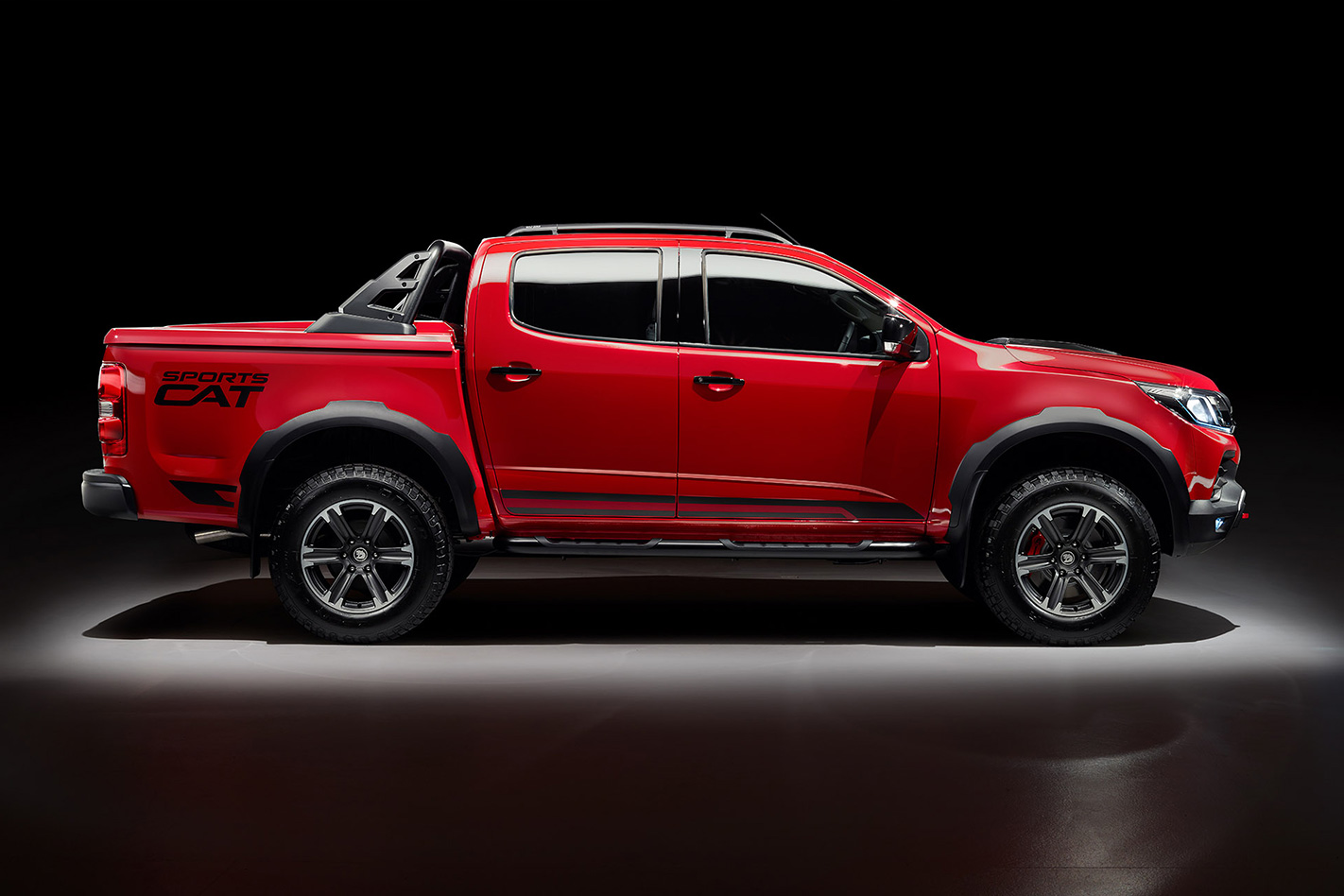
Two versions of the ute will be offered from January next year; a regular SportsCat, and the SportsCat+. HSV expects more than 50 percent of buyers to go for the more expensive SportsCat+. Pricing isn’t confirmed yet, but expect the figures to end up around $60K for the SportsCat, and roughly $65K for the SportsCat+.
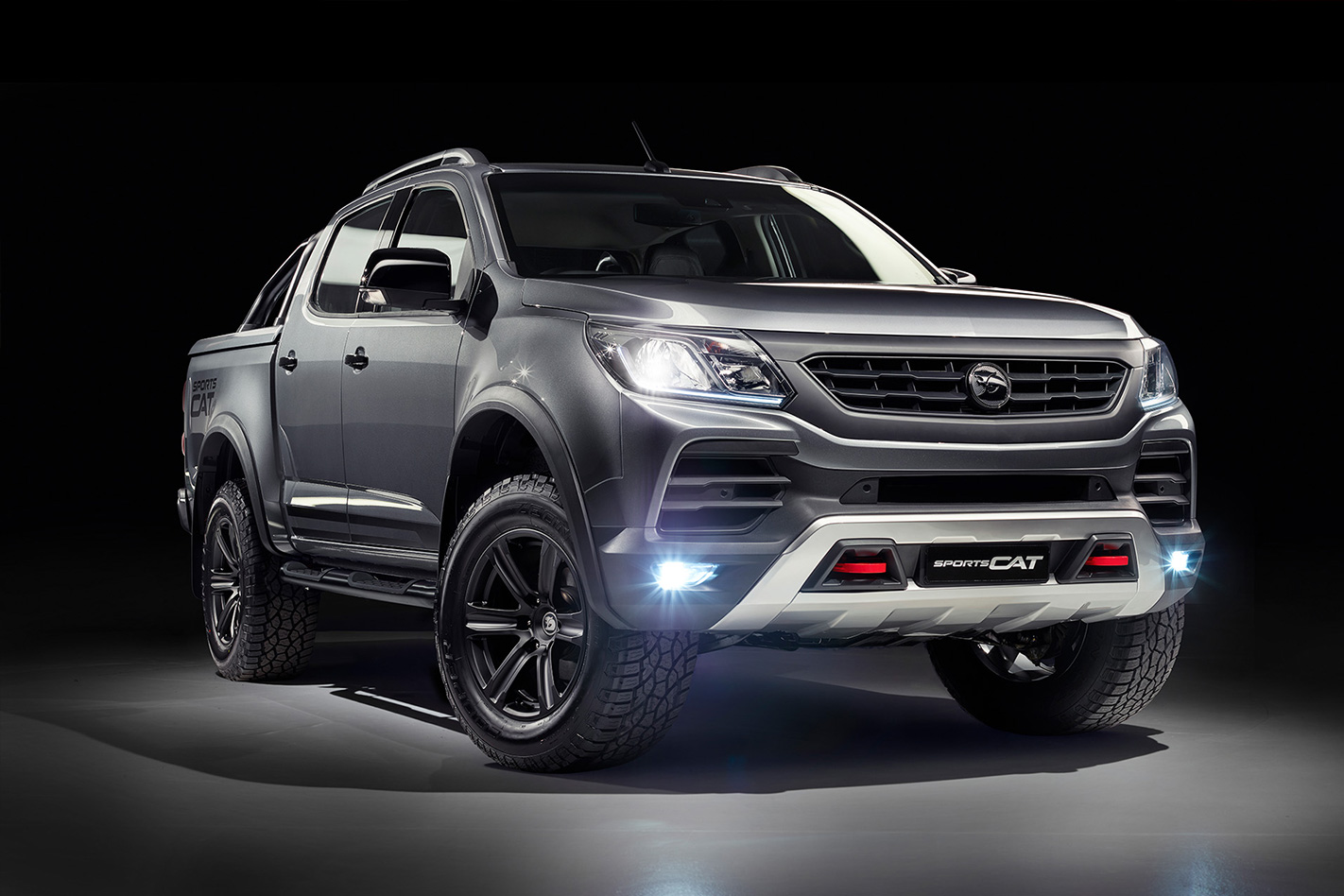
For that spend both SportsCat models offer a lot more visual presence than a regular Colorado. The normal SportsCat (pictured in silver) presents a cleaner, more integrated design with a sleeker front grille and bumper intakes. SportsCat+ (pictured in red) is the most purposeful to look at and features its own front-end treatment and more heavily stylised add-ons, including a non-functional bonnet bulge and a rear sail-plane inspired by ski boats. Up front a lower bash plate, LED lamps and twin tow hooks on both models add utility as well as road presence.
Each SportsCat is taller than standard thanks to a 25mm front suspension lift and an all-new 285/60R18 Cooper tyre, developed with HSV, that adds another 20mm of ground clearance for a total of 251mm. Arch extensions either side of the ute house 18×10-inch forged alloys and keep the 30mm wider track within check. Strut bracing inside the arches adds rigidity.
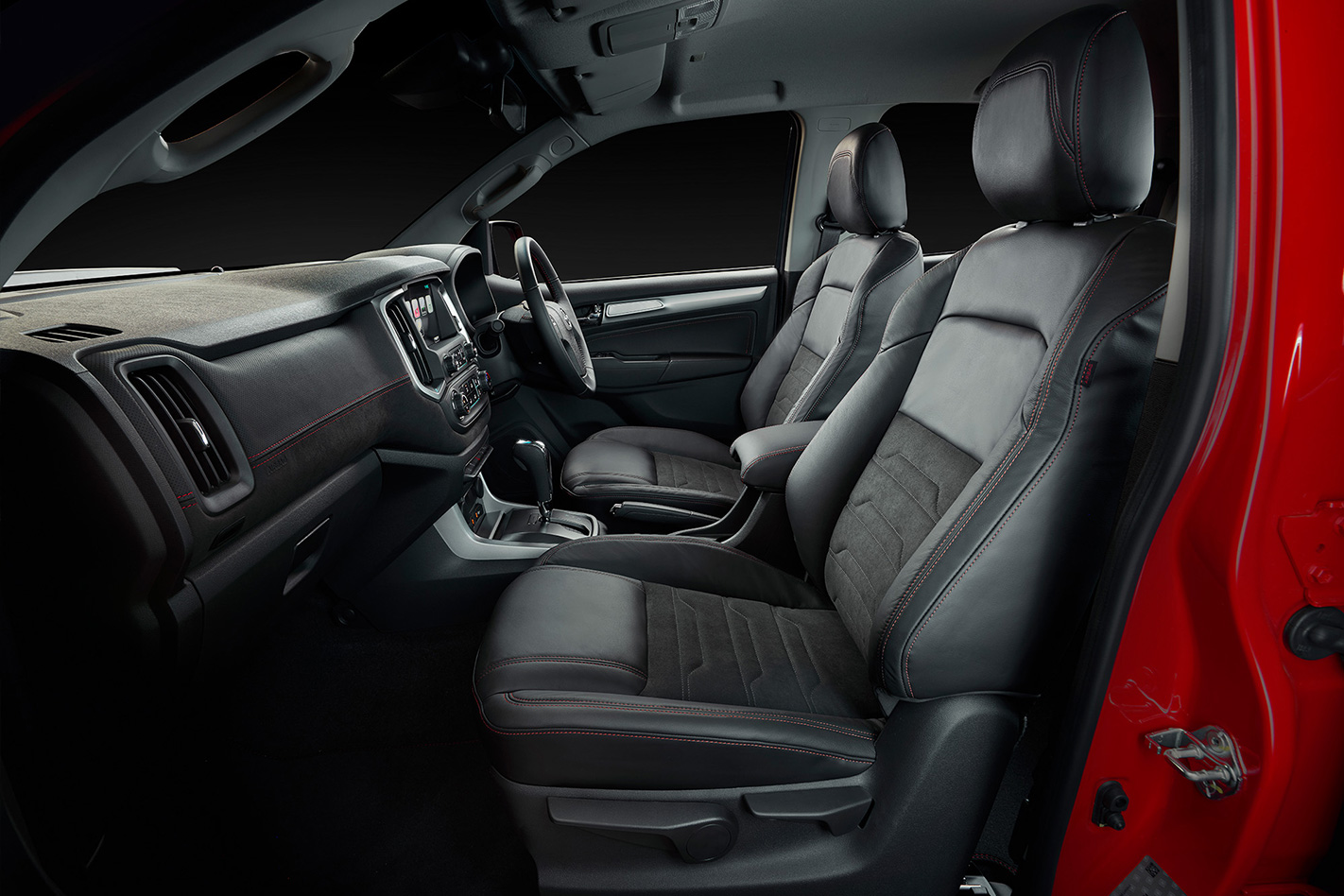
Sports seats inside use a unique HSV seat base with larger bolsters, and are trimmed in leather and suede with red stitching. Perforated leather and suede highlight the dashboard. It’s otherwise standard Colorado Z71 fare, with the same level of specification that includes Apple CarPlay and Android Auto, an 8.0-inch screen, a reversing camera, lane departure warning and remote start.
HSV threw us the keys to a handful of SportsCat prototypes, and opened up the Mt Cotton Driver Training Centre to have a play. It’s difficult to make any decisive verdicts about the ultimate success of the SportsCat program based on pre-production vehicles and closed course conditions, but the initial impression of the work HSV has carried out is positive.
On the road course the handling improvements are clear, with far better body control than is expected when cornering in this class of vehicle. A larger (33mm) swaybar across the front axle helped with cornering support, and in SportsCat+ models the presence of a rear swaybar (22mm) was noticeable with further improved roll control.
The increased front spring rate working in tandem with upgraded MTV dampers fitted front and rear hasn’t imposed on ride comfort in a pronounced way. Optional SupaShock suspension with external oil reservoirs is available for SportsCat+, and is similar to that first seen in the HSV GTSR W1.
That standard rear swaybar in SportsCat+ electronically decouples when low-range is selected to allow for full rear-axle articulation when off-road. Both SportsCat versions boast increased approach and departure angles of 32 and 24 degrees respectively, and handled a deeply rutted and rocky section of climbing with relative ease.
Avoidance manoeuvres under brakes on a wet skidpan highlighted the ESC improvements made by HSV, with the SportsCat maintaining composure despite both ends trying their best to get out of shape.
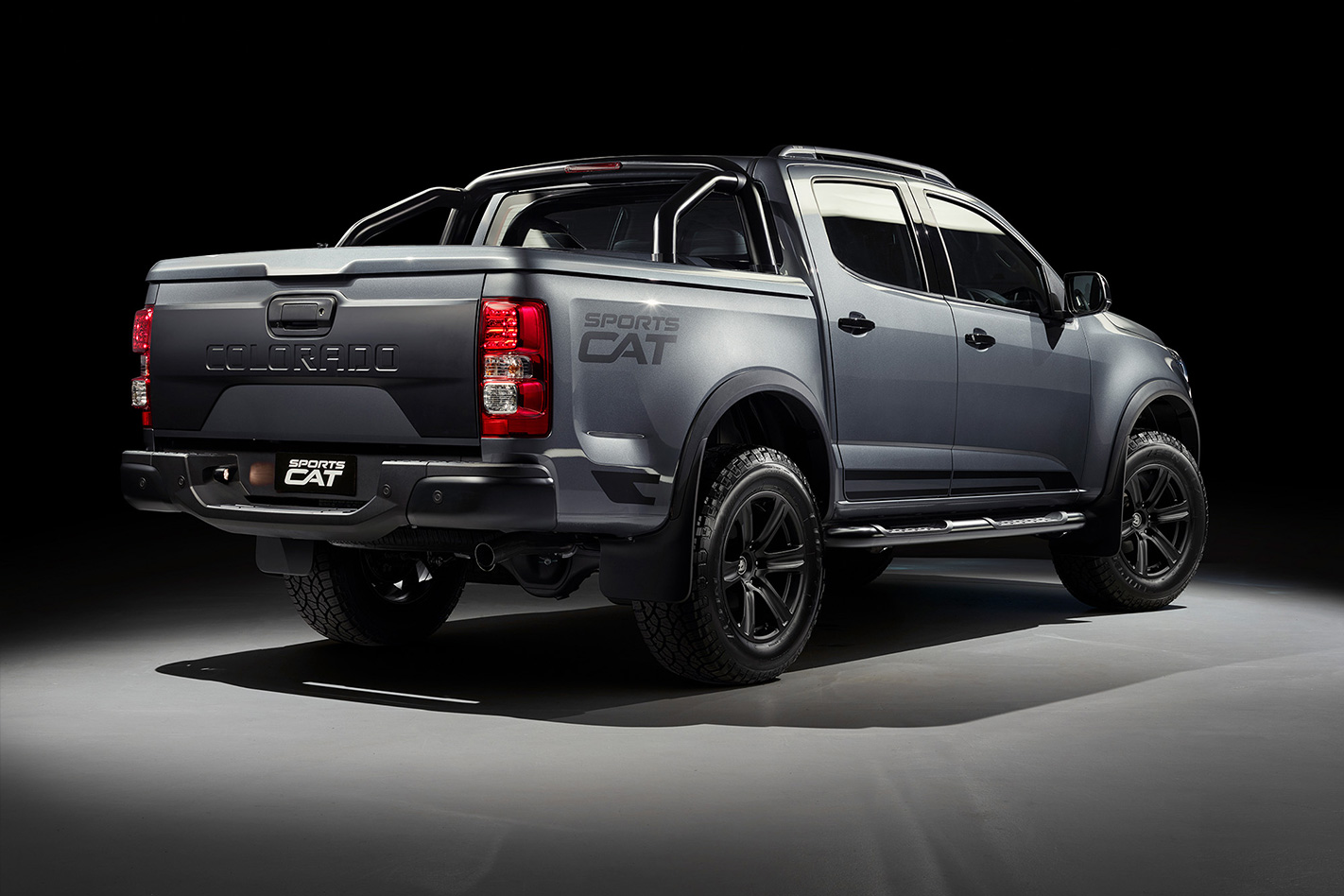
Unique personalisation options will be offered for SportsCat including a tub liner, load master and roof rack. Integrated rails on the hard tonneau cover and inside the tray accommodate a variety of accessories. Production will begin at HSV’s Clayton facility from the start of next year.
The Holden Special Vehicles brand is set to depart Supercars in 2018, according to HSV Managing Director Tim Jackson.
While Walkinshaw Racing and Holden Special Vehicles are separate companies operating under the Walkinshaw umbrella, the race team ran as the Mobil 1 HSV Racing Team in 2017 with prominent HSV branding following the loss of Holden factory status at the end of 2016.
However, with Walkinshaw Racing switching to the Holden ZB Commodore for next season and HSV’s 2018 product portfolio consisting of a modified Colorado ute and converted Chevrolet Camaro and Silverado, there is no longer any synergy between road and race cars.
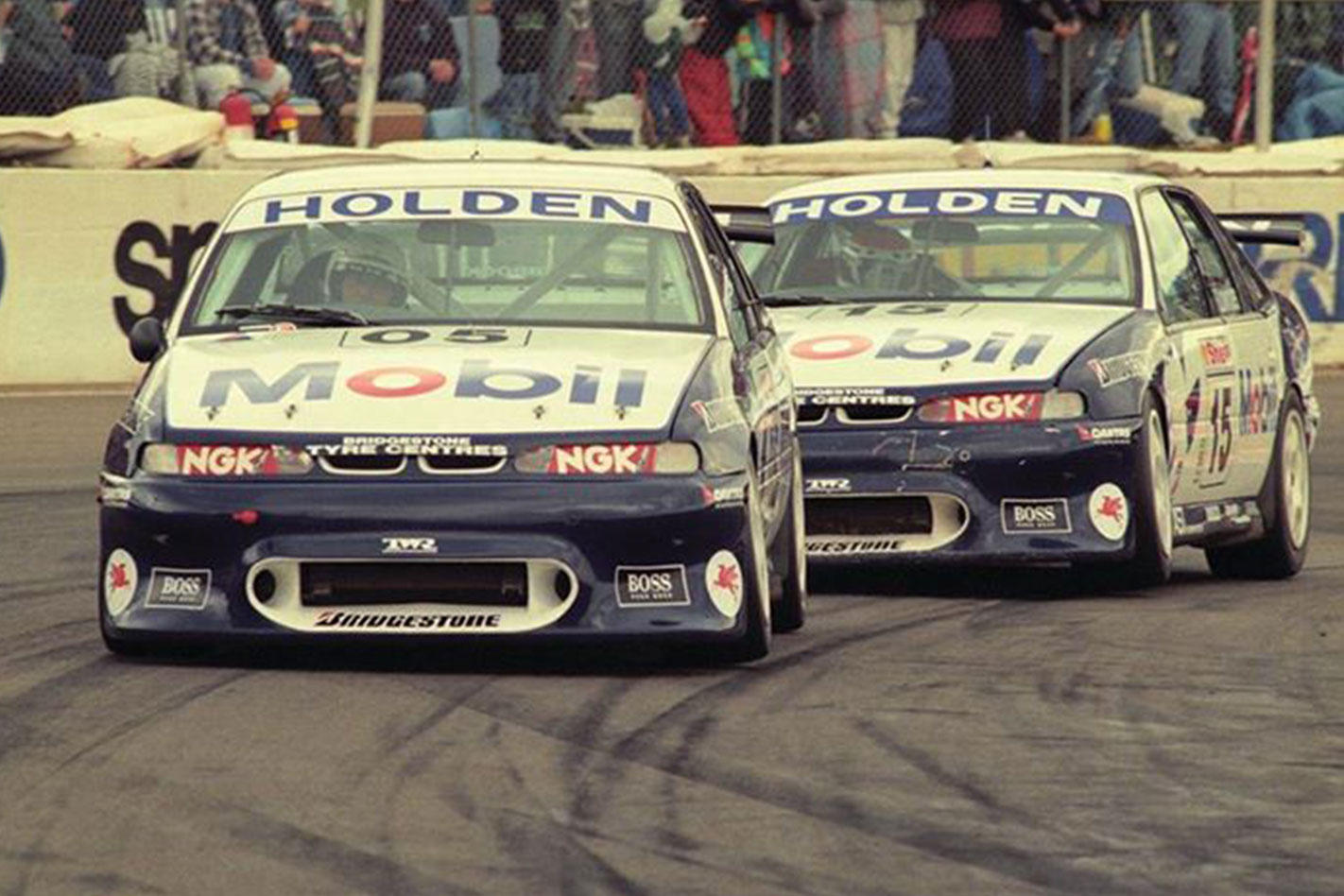
In October 2017 Walkinshaw Racing announced an alliance with Andretti Autosport and United Autosports, with Michael Andretti buying-in to the team and United Autosports, run by McLaren F1 boss Zak Brown, holding a minority share.
Motorsport.com reported Walkinshaw Andretti United is keen to bring a new manufacturer into Supercars, but it will continue to run the ZB Commodore in the short-term.
Walkinshaw’s ties with GM and the ability to run the Chevrolet Camaro under Supercar’s Gen2 regulations would make it the obvious choice, however, according to Holden and HSV there are currently “no plans at this point to be looking at Chevrolet race cars.”
Holden Special Vehicles has completed the engineering work to convert the Chevrolet Camaro to right-hand drive for the Australian market, with the first examples to be offered in mid-2018.
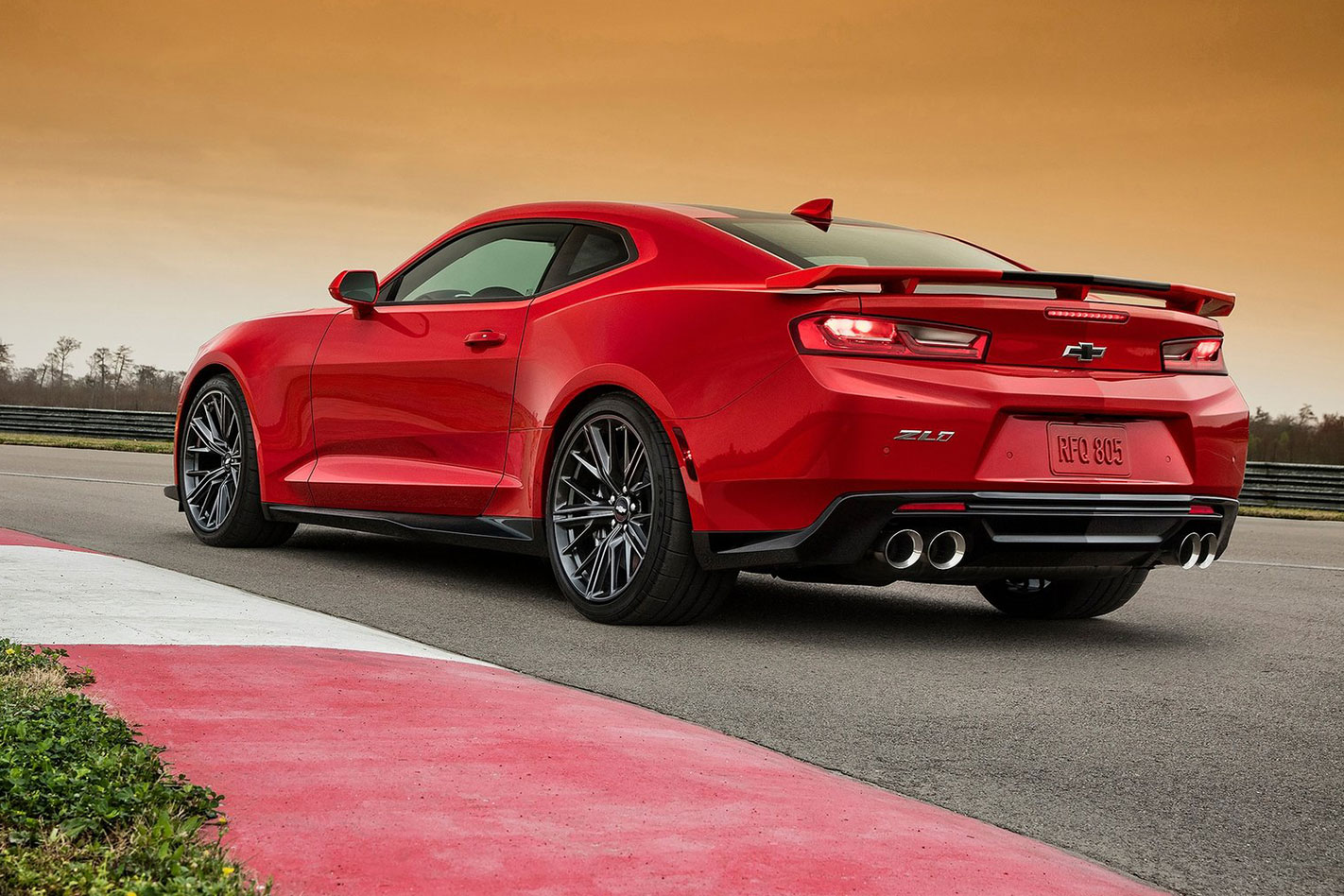
This raises the tantalising prospect of hotter Camaro models, such as the 485kW/881Nm supercharged ZL1, making their way Down Under in an official capacity.
The assumption that most of the engineering work completed for the regular Camaro is applicable to more potent models is sound, with HSV Managing Director Tim Jackson confirming “a lot it it is carryover.”
Australia’s current minimum emissions standard is ADR 79/04, which is based on Euro V standards, but while the heavy vehicles’ standard (ADR 80/03) accepts equivalent US or Japanese standards, ADR 79/04 does not.
“Typically the biggest challenge comes down to emissions,” explained Jackson, “whether the vehicle has already got Euro emissions compliance is the underlying factor. How quickly and how much it might cost, typically sits in an emissions space.”
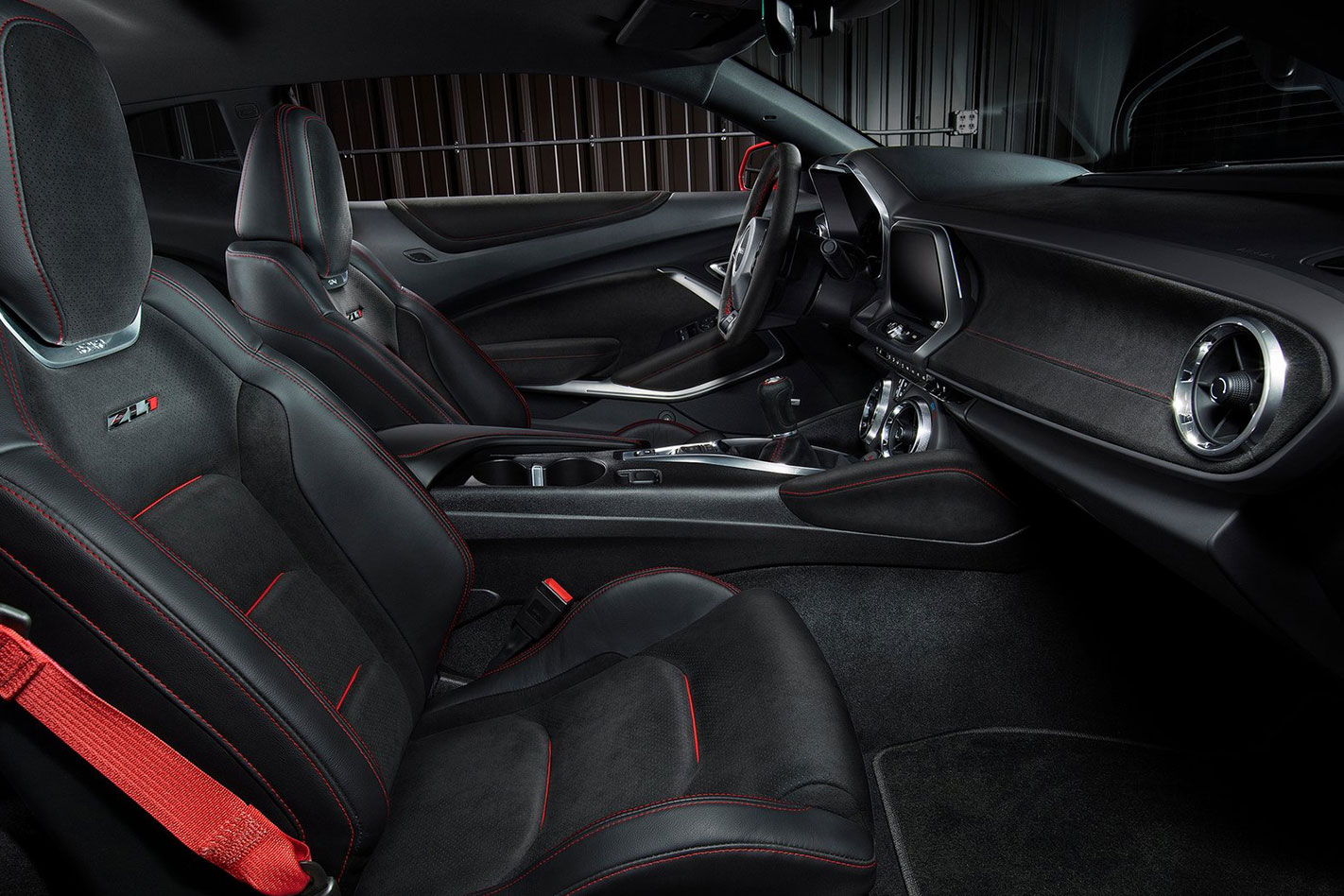
There is undoubtedly a number of Australian enthusiasts who would be willing to shell out big money for the ultimate Camaro, however, whether there is enough to justify the time and expense of certifying the LT4 engine is yet to be determined.
Should Australia change its regulations to accept equivalent emissions standards, the picture would change radically as compliance costs would be much reduced.
AT LONG last, the legendary Chevrolet Camaro will be sold in Australia and New Zealand in right-hand drive, starting July next year, as part of an expanded partnership between Holden Special Vehicles and GM Holden.
Under the deal HSV will import new Camaros from the United States and convert them to meet local road laws before placing them in its dealerships, which will be updated to carry Chevrolet branding as well as a new HSV logo.
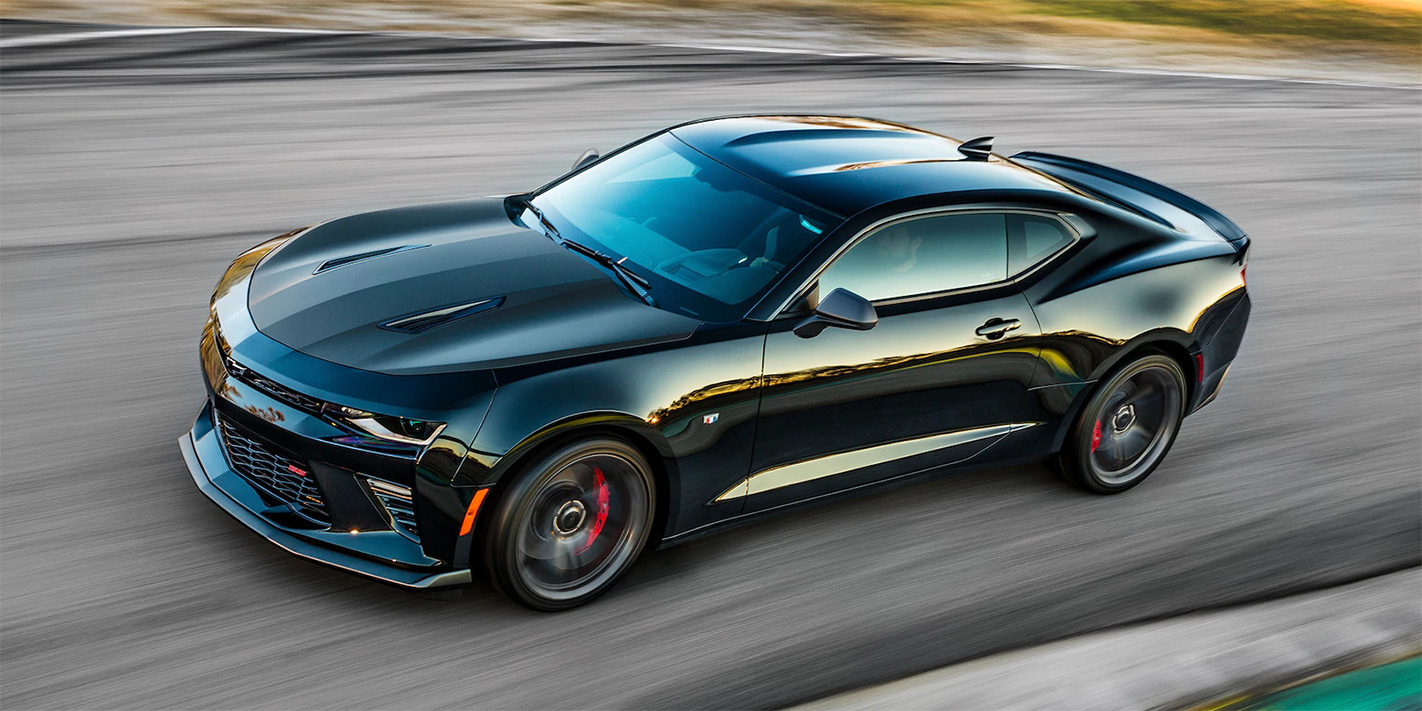
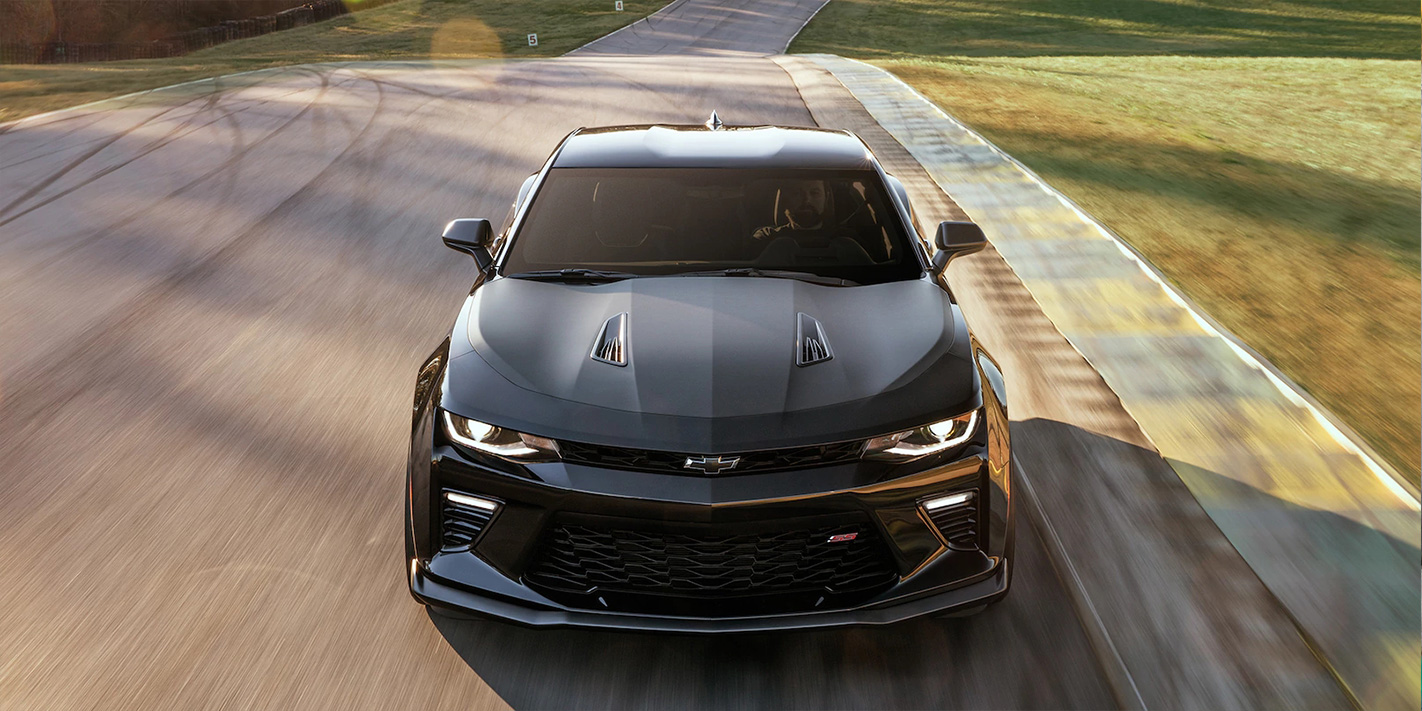
The vehicles will be based on a single highly equipped variant called the Camaro 2SS Coupe, powered by GM’s LT1 engine – a 6.2-litre direct-injected V8 producing up to 340kW and 615Nm, though peak figures for Aussie cars may be slightly different following ADR compliance.
An eight-speed automatic transmission is confirmed for launch vehicles, though HSV management is planning for manual transmission vehicles to be offered from the same time.
A head-up display is part of the 2SS package in the US, though keeping it in vehicles prepared for sale in Oz presents a challenge for HSV, and it may be deleted due to the costs involved.
As it stands, retail pricing is expected to land around $90,000. An official announcement on that is yet to be made. HSV has said that sales are projected to be in the region of 1000 units per year for the next three years.
Four left-hand drive vehicles are currently kicking around HSV’s facility in Clayton for assessment. At this stage the company says it has no plans to sell versions of the Camaro upgraded in typical HSV fashion.
“Because of our history and heritage [Camaro] is nice. It keeps us grounded a little bit in where we’ve traditionally been. But the job here isn’t to enhance Camaro, the job is to get the steering wheel from the left-hand side to the right-hand side in a way that you don’t notice,” said Tim Jackson, managing director HSV.
“[HSV is] going into the next frontier, the next chapter much like Holden. We need a proven partner to bring us right-hand drive capability for some of these exciting products that we may not otherwise have access to,” said Mark Harland, director of marketing GM Holden.
There are currently 58 HSV dealerships in Australia and a further six in New Zealand that will rebrand to include Chevrolet and accommodate Camaro.
“We’re going to market clearly as Chevrolet. You couldn’t put a Holden badge on these. People wouldn’t believe it. These are iconic Chevrolet products, so we’ll go to market as Chevrolet,” said Harland.
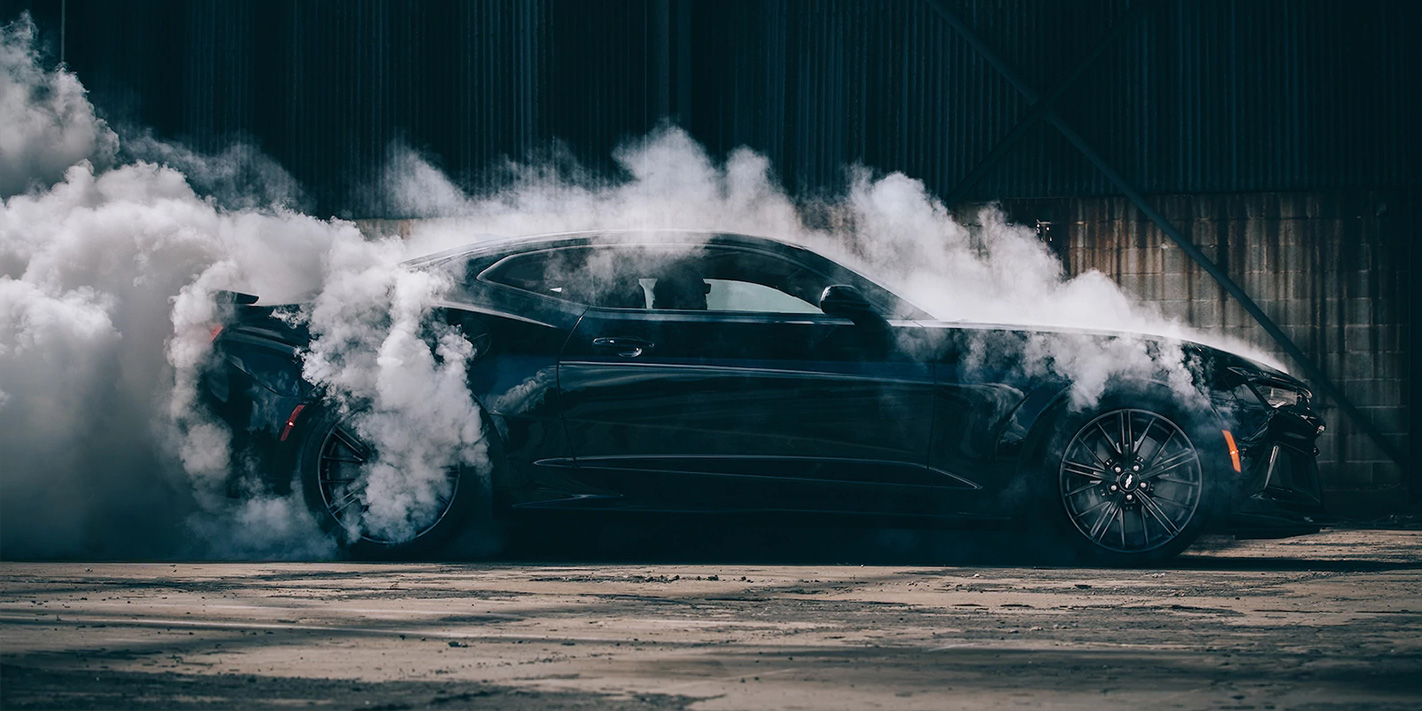
As for the other questions this raises – such as whether we might see a Chevrolet racing in Supercars, or right-hand drive Corvettes on our roads in the near future – both parties are tight lipped.
Australia’s muscle car ranks are set to receive a boost with HSV confirming it will convert the Chevrolet Camaro to right-hand drive.
Expected to be available from July 2018, HSV will import and convert the high-spec 2SS model, which is loaded with equipment such electrically-adjustable heated and ventilated seats, nine-speaker Bose premium audio, head-up display and HID headlights.
Under the bonnet is the latest Gen V 6.2-litre LT1 V8 developing 340kW and 615Nm, though these numbers may change slightly once local certification has been completed, with the option of an eight-speed automatic or six-speed manual.
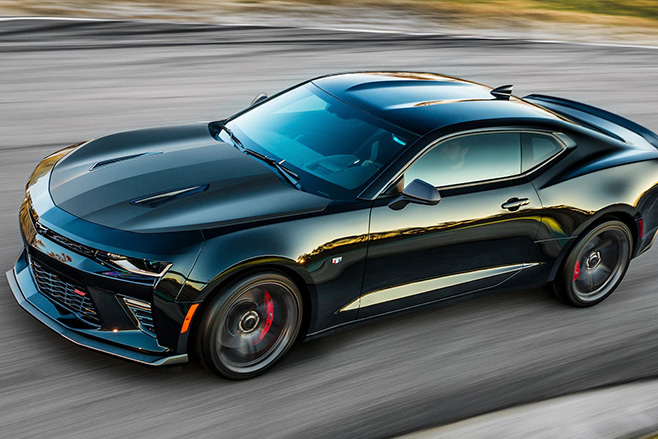
Brembo brakes are standard, as is Chevrolet’s sports-tuned suspension, however there’s no word as yet whether the optional MagneRide dampers available in the US will be offered on Aussie cars.
Camaros will be converted at HSV’s new headquarters in Clayton and sold through Chevrolet dealerships, which will primarily be current HSV dealers converting to Chevrolet branding.
Pricing has not yet been confirmed, however MOTOR understands HSV is aiming for the $80-85,000 region. Key to this project’s viability has been the support of General Motors with both engineering and financial assistance, HSV securing preferential pricing in order to keep costs down.
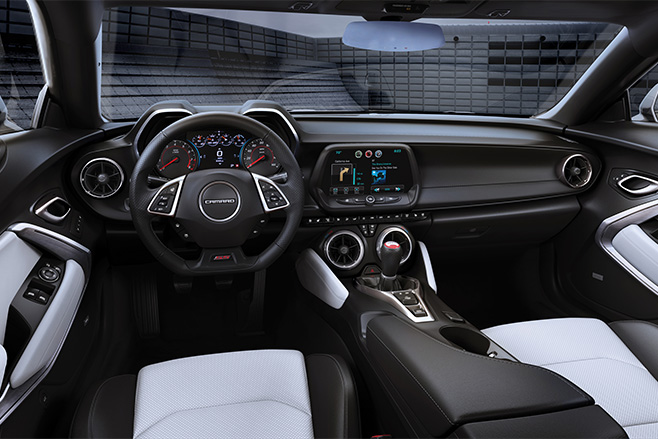
HSV Managing Director, Tim Jackson, said in a statement: “This marks a whole new era for HSV and Holden and I hope our customers are as excited as we are. HSV is moving beyond simply ‘hotting up’ existing models and customers will see two product streams from HSV over the next few years.”
Holden’s Chairman and Managing Director, Mark Bernhard, added: “For a number of years we’ve been talking about bringing customers the best vehicles from around the GM world…Our partnership with HSV means we’re able to bring the iconic Chevrolet Camaro to customers in Australia and New Zealand.”
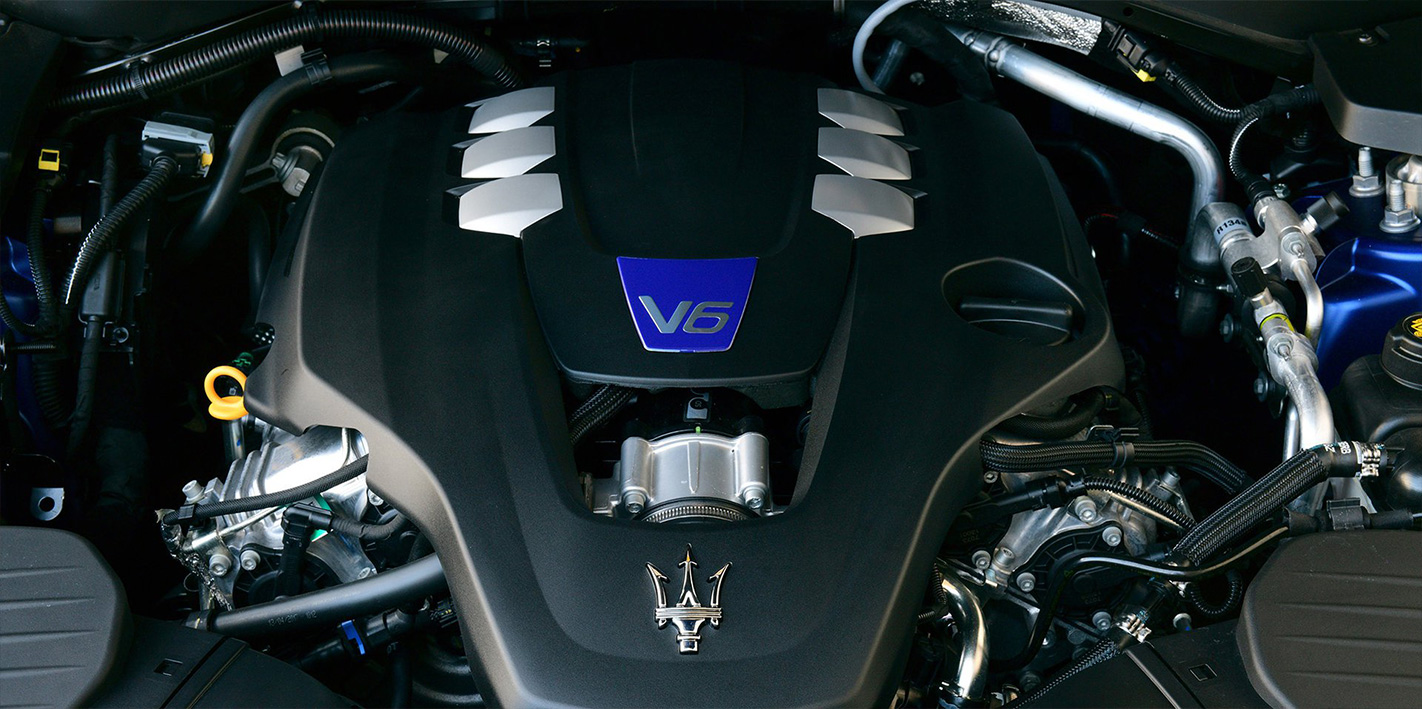
Maserati has added highly desired petrol variants to its Levante SUV range – powered by a Ferarri-built twin twin-turbocharged V6 engine.
The 321kW/580Nm 3.0-litre engine will power new S variants, which provide an alternative to the 205kW/650Nm 3.0-litre V6 turbo-diesel engines that arrived with Maserati’s first SUV earlier this year.
Similar to the diesel models, the Levante S will come in three grades, S, S GranSport and S GranLusso. Equipment will be the same, including the eight-speed automatic transmission, though the petrol engine commands a whopping $30,000 premium from the base model, and $20,000 over the diesel GranSport and GranLusso.
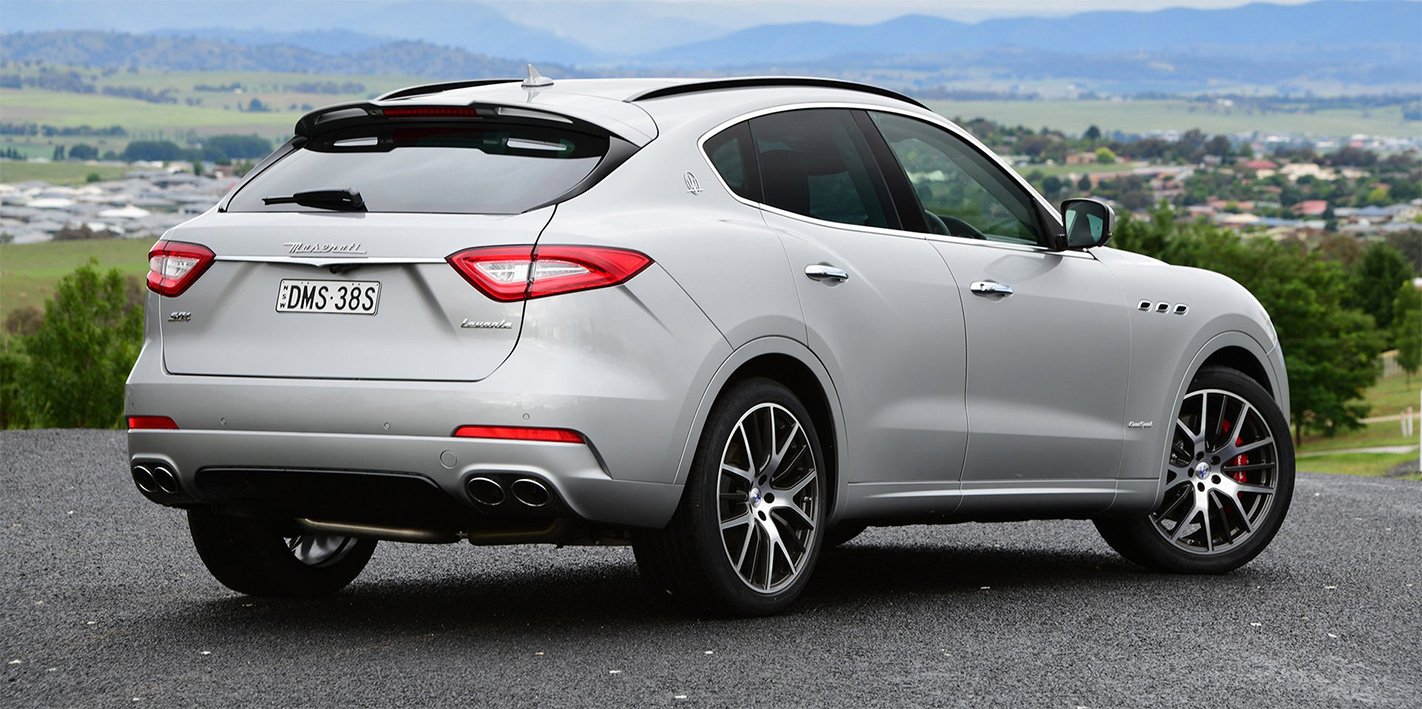
Apart from the Ferrari cred and a decent soundtrack befitting the Trident brand, that $30K brings a 5.2-second 0-100km/h sprint, 1.7 seconds quicker than the diesel.
Claimed combined fuel use is 10.9L/100km, compared with the diesel’s thrifty 7.2L/100km.
The diesels retain their pricing for the 2018 model year despite gaining extra standard features also found in the petrol models.
This includes a 360-degree camera, lane keeping assist, highway assist, blind-spot assist monitoring and mitigation, and traffic sign recognition on top of existing advanced driver assistance technology including adaptive cruise control with stop and go function, park assist and forward collision warning.
External changes include a ‘Black Piano’ front grille for GranSport models along with body-coloured rear sports spoiler and red brake calipers, while interior enhancements include 12-way adjustable power sports seats, adjustable power sports steering wheel, paddle shifters, brushed-steel sports pedals and a 900-watt, 14-speaker Harman Kardon sound system.
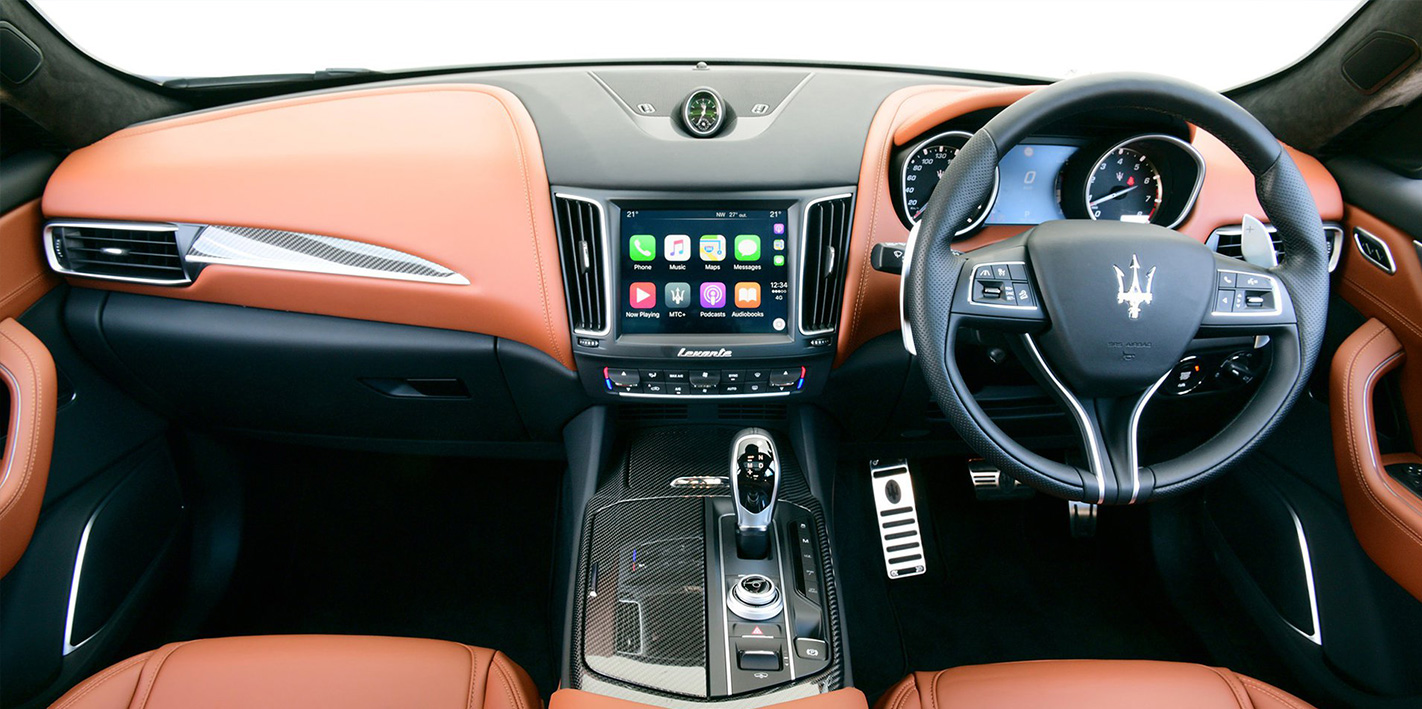
The luxury-focused GranLusso models are distinguished by a chrome front grille, black brake callipers and panoramic sunroof, and a plush interior decked out with premium leather upholstery with Zegna silk inserts and 12-way power adjustments, wood interior trim and the 14-speaker sound system.
There are also five new wheel designs.
The 2018 Maserati Levante range, including the new S models is now on sale.
2018 Maserati Levante pricing
- Levante Turbo Diesel – $139,990
- Levante GranSport Turbo Diesel – $159,990
- Levante GranLusso Turbo Diesel – $159,990
- Levante S – $169,990
- Levante S GranSport – $179,990
- Levante S GranLusso – $179,990
Hearing an Audi Quattro’s five-pot on the limit is something that creates responses in us that we probably can’t write about, and this compilation is maybe one of the best we’ve seen.
We watch a lot of hillclimb, motorsport, and drift videos here at MOTOR, but this is definitely in the top picks for the week.
YouTuber HillClimb Monsters is a reliable go-to for our Group B-era car fix, with the likes of the Audi Quattro, Ford RS200s, Lancia Deltas, and early hot-hatches showing up regularly.
What the uploader has done now, is grab all the best-sounding clips of Audi Quattros, both S1 and S2, and mashed them up into one mega-compilation lasting 11 minutes.
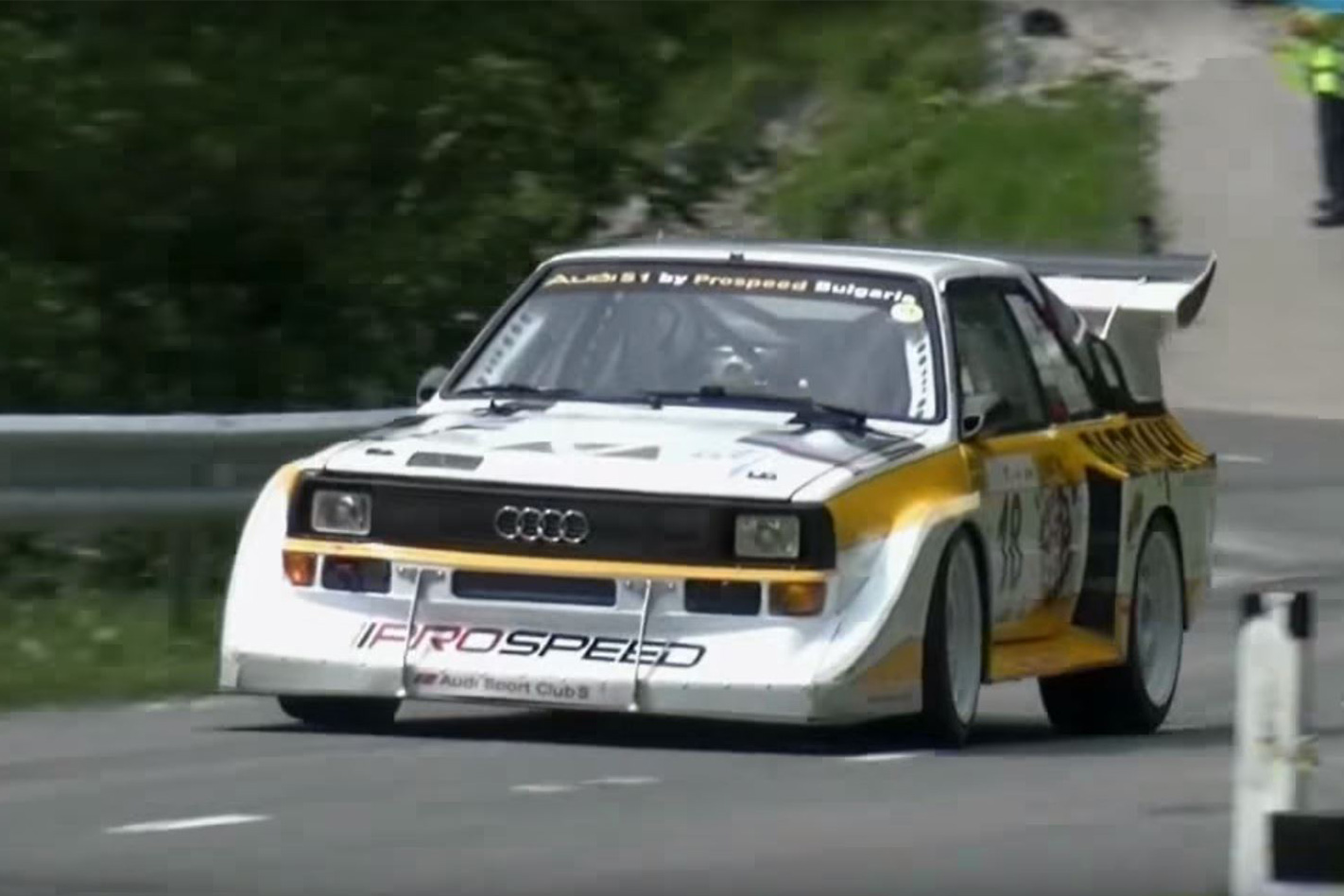
However, one of the cars which features heavily in this video also has its own dedicated clip which is definitely worth a look.
An Audi Quattro S1 replica with 575kW, built by a Bulgarian outfit called ProSpeed, looks and sounds absolutely incredible.
The yellow and white monster would be easy to spot, even if you couldn’t already her it a few minutes before it appeared.
Driven right on the limit by apparent fan favourite driver (according to the uploader) Nikolay Zlatkov, the S1 doesn’t fail to draw that same response we can’t write about.
Lastly, an interesting battle took place this year between the ProSpeed S1, and a more modern tribute, built from a current Audi S1.
The Quattro S1 vs S1 quattro battle is confusing to write about, but awesome to watch. We still feel like we’re always going to pick the old-school belter as the better car.
Group B cars never fail to excite.
