Even Peter Brock is being a little circumspect.
This article was first published in MOTOR Magazine’s December 2005 issue.
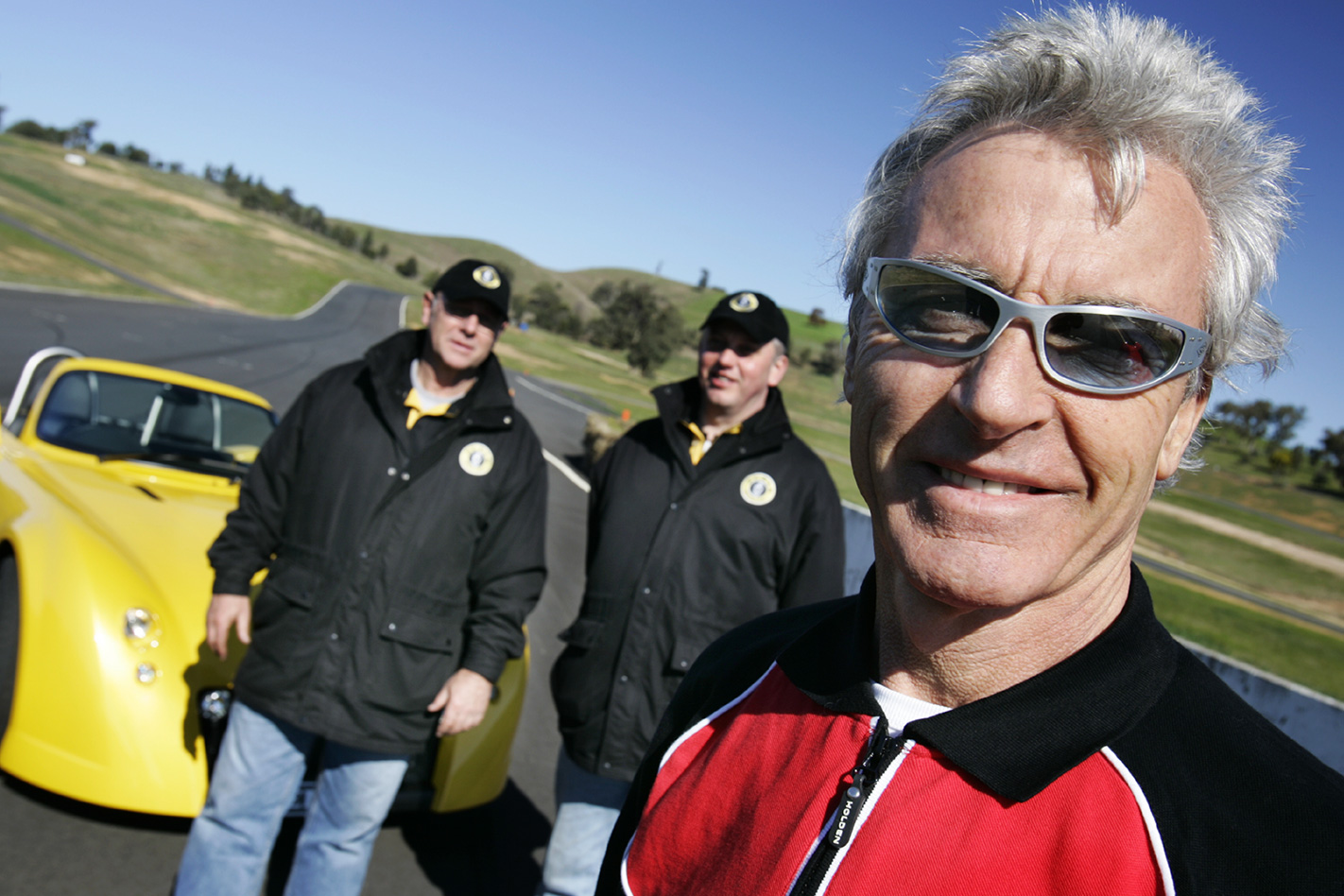
Snugly strapped into the Elfin MS8 Streamliner’s form-fitting cabin, the Bathurst legend is deftly feeling for the limits of the Gen III-powered roadster at ridiculous speeds. Invited out by Elfin for a fang and some feedback, Brock is also doubling as MOTOR’s road tester and slide maestro and it only takes him a few flat-out corners to find the outer limits of the Elfin Streamliner’s adhesion.
Behind the D-shaped steering wheel, though, Brock is working hard and finding out that what looks the business on a motor show stand doesn’t always work as well in the real world, or at least in Brock’s world. Every time he cranks on opposite lock, he bashes his right elbow on the Elfin’s clever little flip-up door.
And he’s having trouble heel-and-toeing on down changes, because the pedals are just too close together for his size 13 clodhoppers (they are actually adjustable – the pedals, not the size of his feet). Still, he makes it look easy; drifting away like some crazed Japanese turbo-kid.
The cutesy fenders of the Clubbie make way for fibreglass muscles that just contain wide 235/40 R18 rubber. With its gaping black grille, cooling vents, raked wrap-around windscreen and rollover bars, it’s a waist-high wild thing that can swivel heads, especially in the test car’s loud, canola-field yellow.
Brock is sold on its looks. “When I first saw the Streamliner, I had mixed feelings,” he says, rubbing his chin. “It was very quirky, very out there, but would it be functional, would it really work? But it made a real statement and it has grown on me.”
If the Streamliner’s Sunset Strip looks have grown on Brock, there are elements of the Elfin he would change, given a chance, like the suspension setup. The basics are already there – beautiful chrome-moly A-arms front and rear, Eibach springs and fully adjustable Koni shocks – but PB reckons they could do with a tweak.
“It needs a bit of work on rear shock control, to reduce lift-off oversteer, and the rear springs are probably stiffer than what it needs. It should have a bigger back tyre so that if you do lift off (mid-corner), it can take the (sudden) weight transfer.”
He has no complaints about the straight-line speed or grunt of the lightweight 1090kg Streamliner, though, and it effortlessly shortens the already short straights at the State Motorcycle Complex, in Broadford, blurring by at more than 180km/h. “It’s a fast car, no doubt about it; it’s got plenty of zot,” he grins.
“I had trouble confidently double de-clutching, so I would leave it in third in a corner and use the torque instead of plucking second gear.” Brock’s right there, with 465Nm you don’t need to shift as often, which is a blessing because the six-speed Tremec ’box, with its stubby shifter, can be just as recalcitrant in the Elfin as it can be tucked inside a Holden Commodore SS.
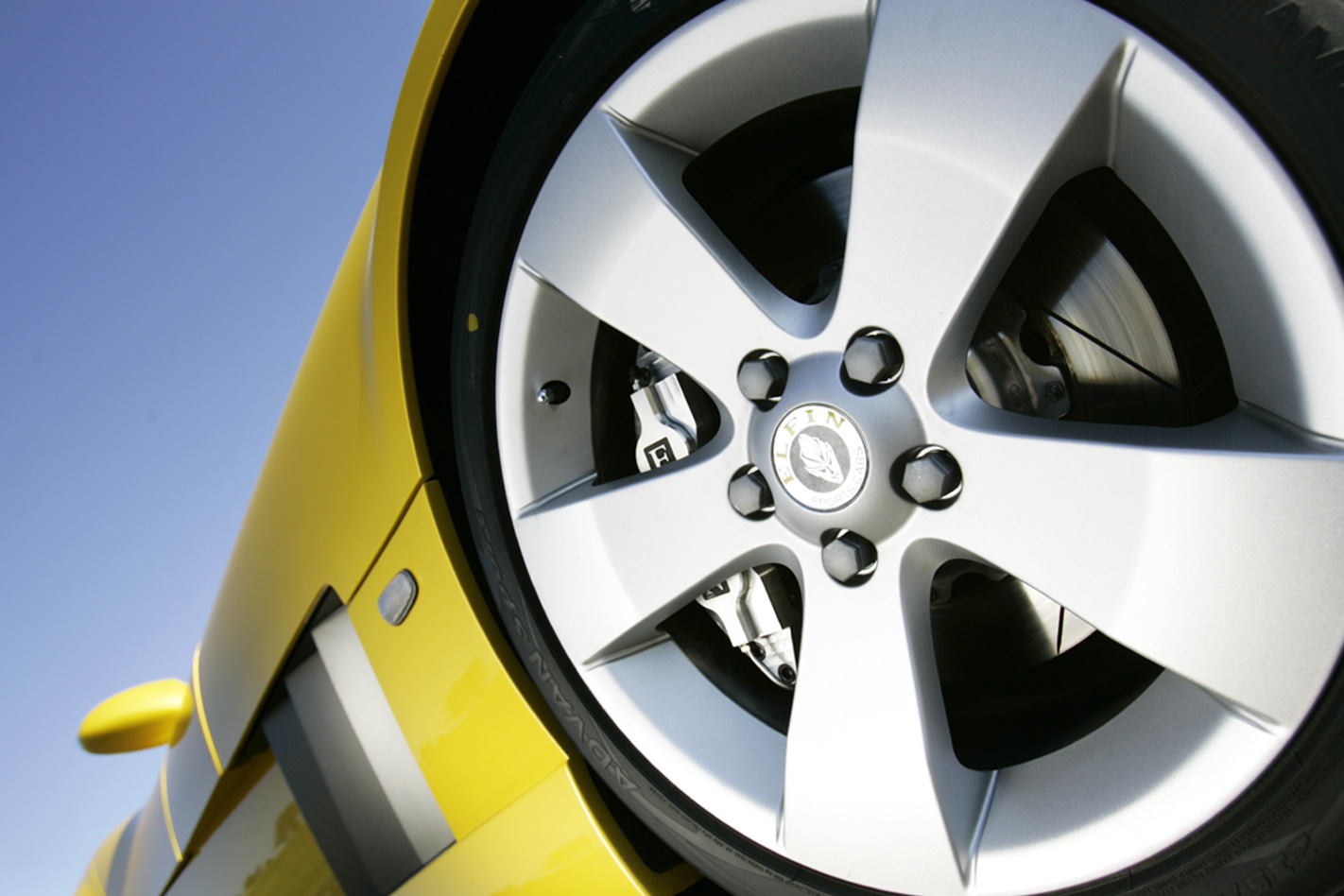
“I’d have a system that is totally linear, with a pedal you can modulate – the harder you push the harder it stops. You want to be able to smash the brakes at any time, you don’t want to be pushing (the pedal) harder. You’ve got to have a car that can operate as fast as you can think.
“As for the steering, you want to be able to just think a direction change and for the car to respond. The steering did load up mid-corner and if you did dial in more negative camber and more castor (for the track) it would get even worse, therefore you need a very well controlled boost system.”
Brock’s standards are high, and allowing him to test the car on a racetrack means he naturally slips into a race mentality, but his comments, particularly about handling are valid for the road too, and Elfin has taken notice of his and MOTOR’s feedback and subsequently added power assist to the steering and brakes to make the car more friendly to drivers who haven’t won a record nine Bathurst 1000s.
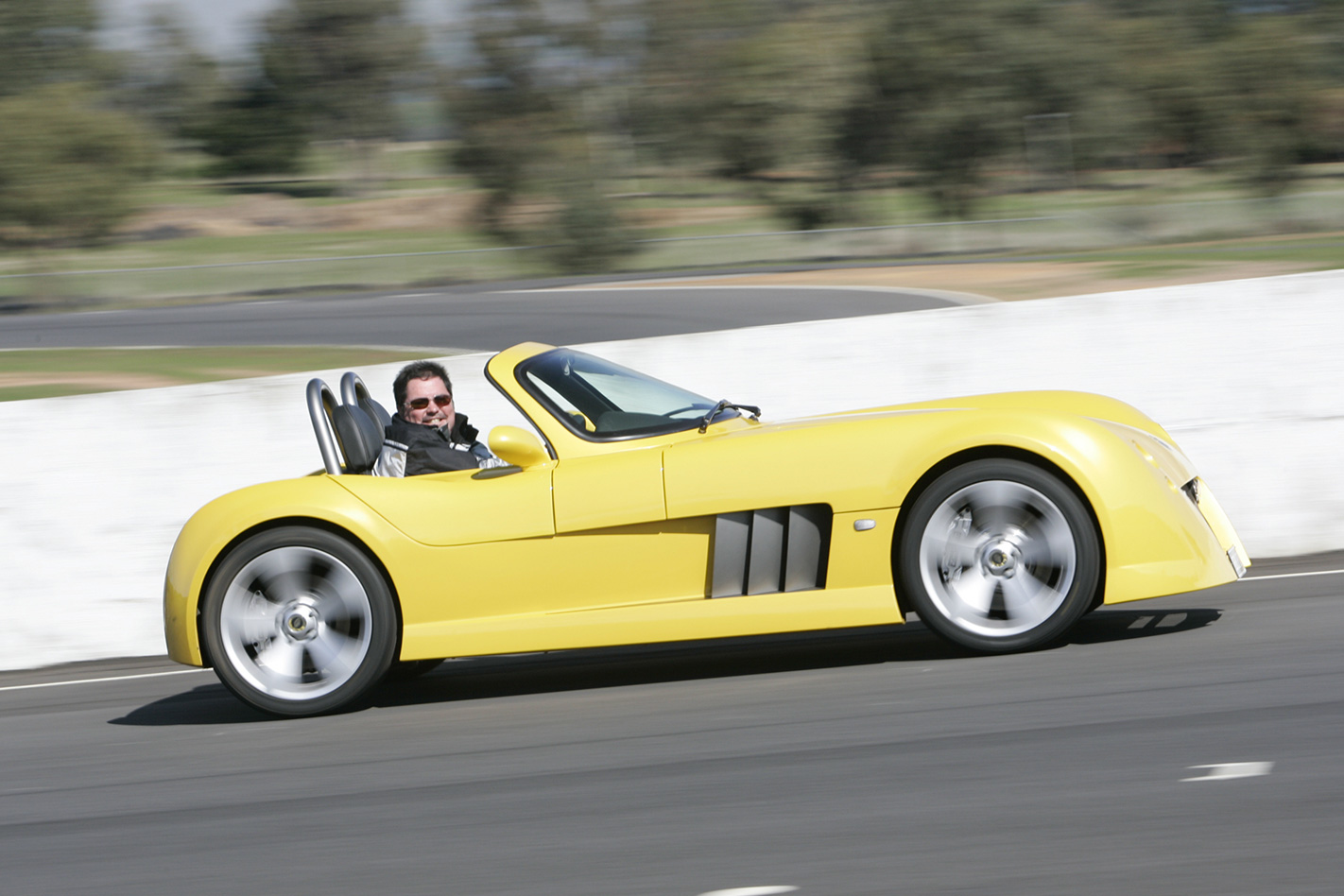
It is beautifully built and finished, stylish, fast, and most importantly, from the perspective of potential owners, as rare as hens’ teeth. “I’d love to do something with the car in competition because it deserves success,” Brock says, angling for a drive.
“It’s damn near there and in the eyes of many, it is there already as a café racer sort of machine. But I demand a bit more; I demand 10 out of 10. Right now it’s pretty damn good and I’d give it eight out of 10.
“On the track, it’s about a seven, but you could turn it from a seven into a 9.5 relatively easily, because it has all the potential right there, built in, it just needs a bit of fine tuning. Elfin has done a damn good job.”
Tuned by Brock
He made Bathurst his own, but Brocky also helped kickstart the hot Holden craze. His baby, HDT Special Vehicles, was started in 1980 with the aim of building road versions of the race cars running in the Aust Touring Car Champs.
Before the doors closed in 1987 about 4246 cars benefitted from being tweaked by Brock. The company even had a slogan: “Body by Holden. Soul by Brock.”
Elfin’s past
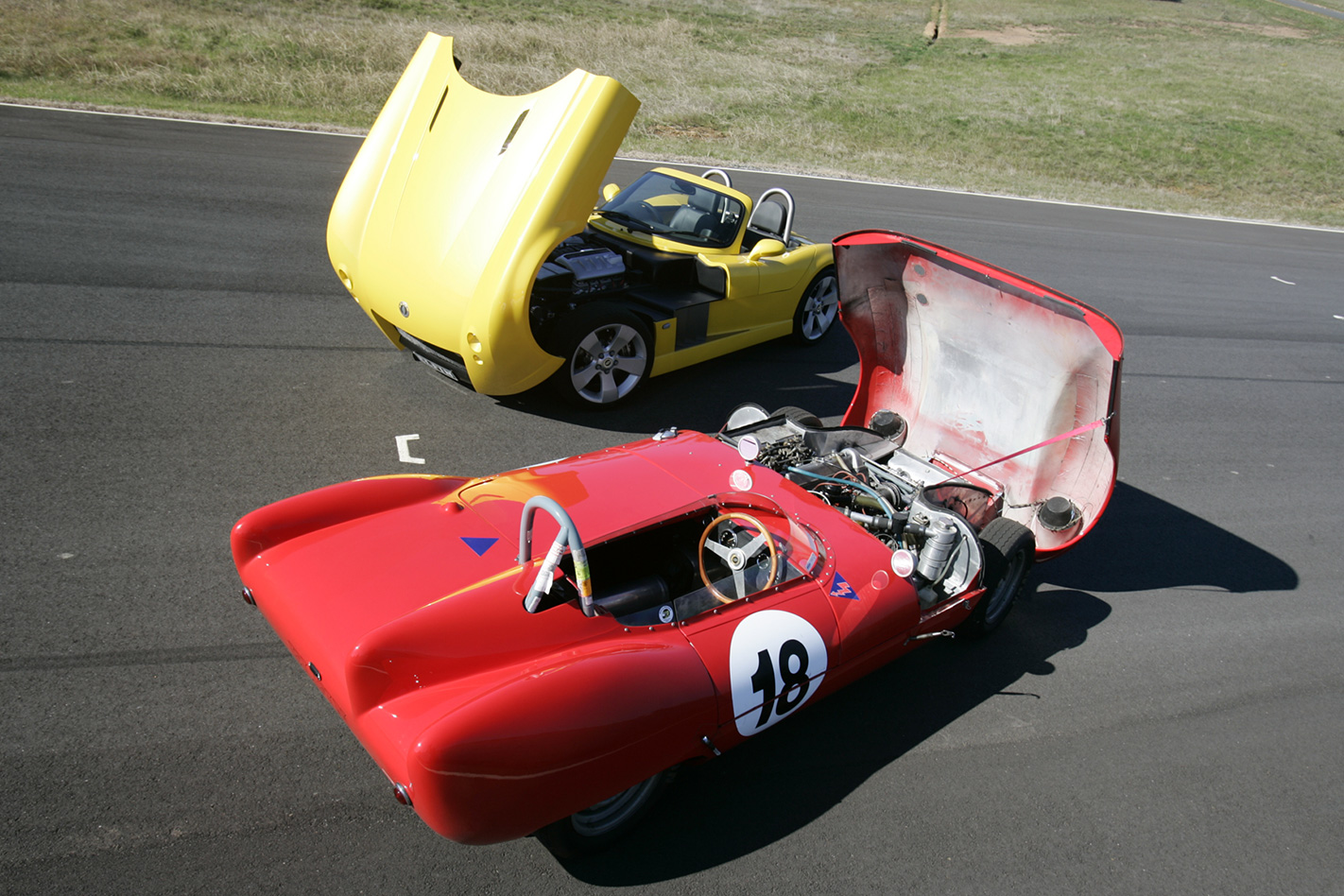
Elfin has been producing sports cars and open-wheelers since the ’50s. From the 1959 Streamliner to Formula Vees to the MR9 Formula 5000 of the 1980s.
Quick spin in the Elfin
The Streamliner is on track when I arrive and a fellow journo, who has already driven it, gives me some good advice: make sure I hit the brake pedal HARD. Okay, I’ll bear that in mind. Watching the little roadster circulate, it’s clear that it’s damn fast.
While I like its classic, long-nose profile, I’m less impressed with the styling of the nose, the tiny projector headlights barely giving ‘eyes’ to the MS8’s face; it looks blind, but with that greedy grille and twin pipes, one thing it’s definitely not is mute.
With a light clutch, and all that torque, it’s easy to get the Streamliner off the line and right away you’re left in no doubt that it’s a quick little mutha. When the first corner looms I jump on the brake pedal and nothing happens.
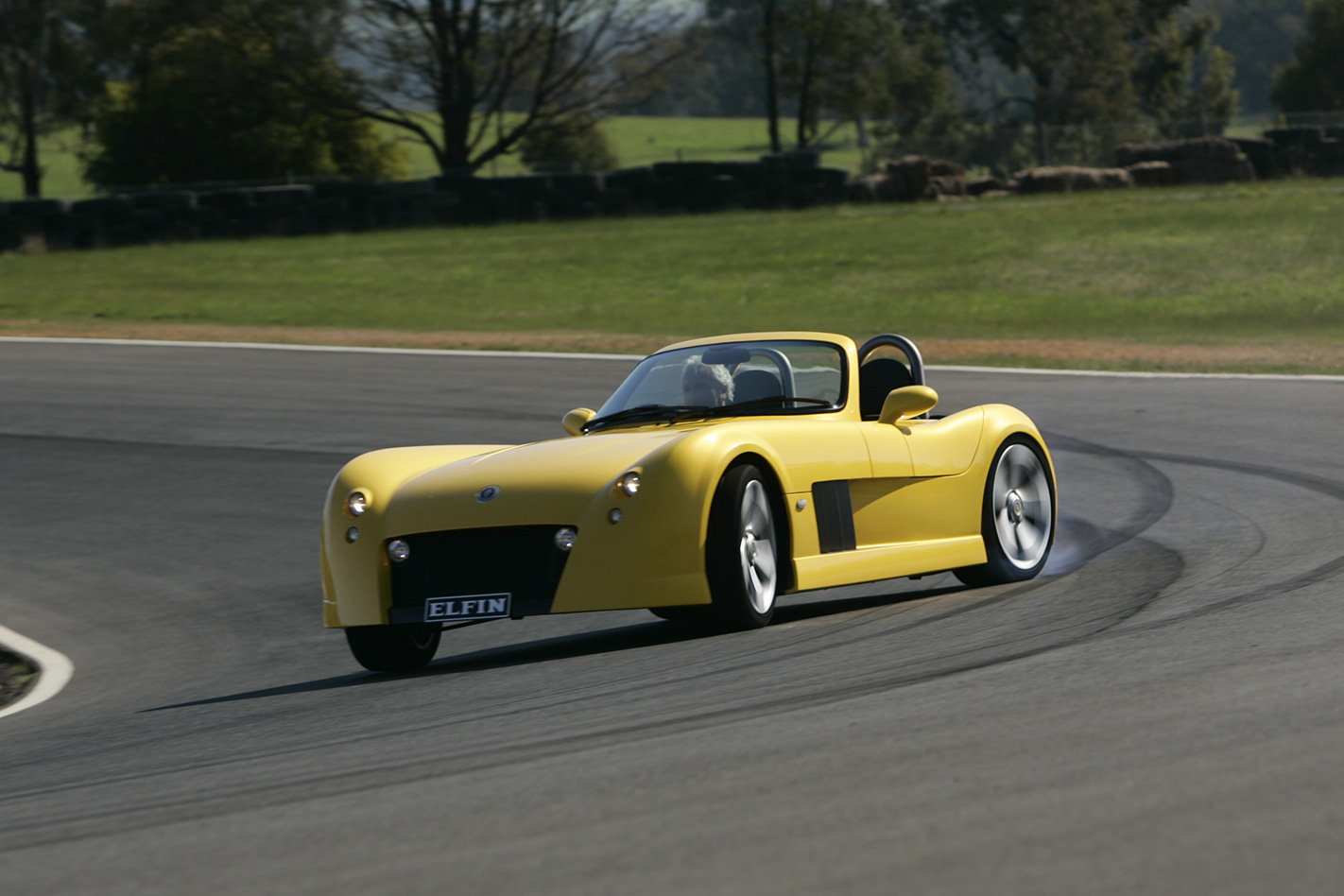
But it’s stiff; particularly the rear end, and you need to be accurate and smooth. After one lap, I’m called in, petrol is spilling from the side-mounted filler cap (it will subsequently be repositioned on top of the boot) then off I go again, this time pushing a little harder.
But the brakes are still worrying me, I just don’t seem to be able to stop the MS8 with confidence and, like Brock, I’m having trouble heel-and-toeing, and I occasionally miss a downshift. The State Motorcycle Complex is just that, complex. There’s hardly a visible apex or an on-camber corner and, as it’s made for bikes, it’s not particularly wide.
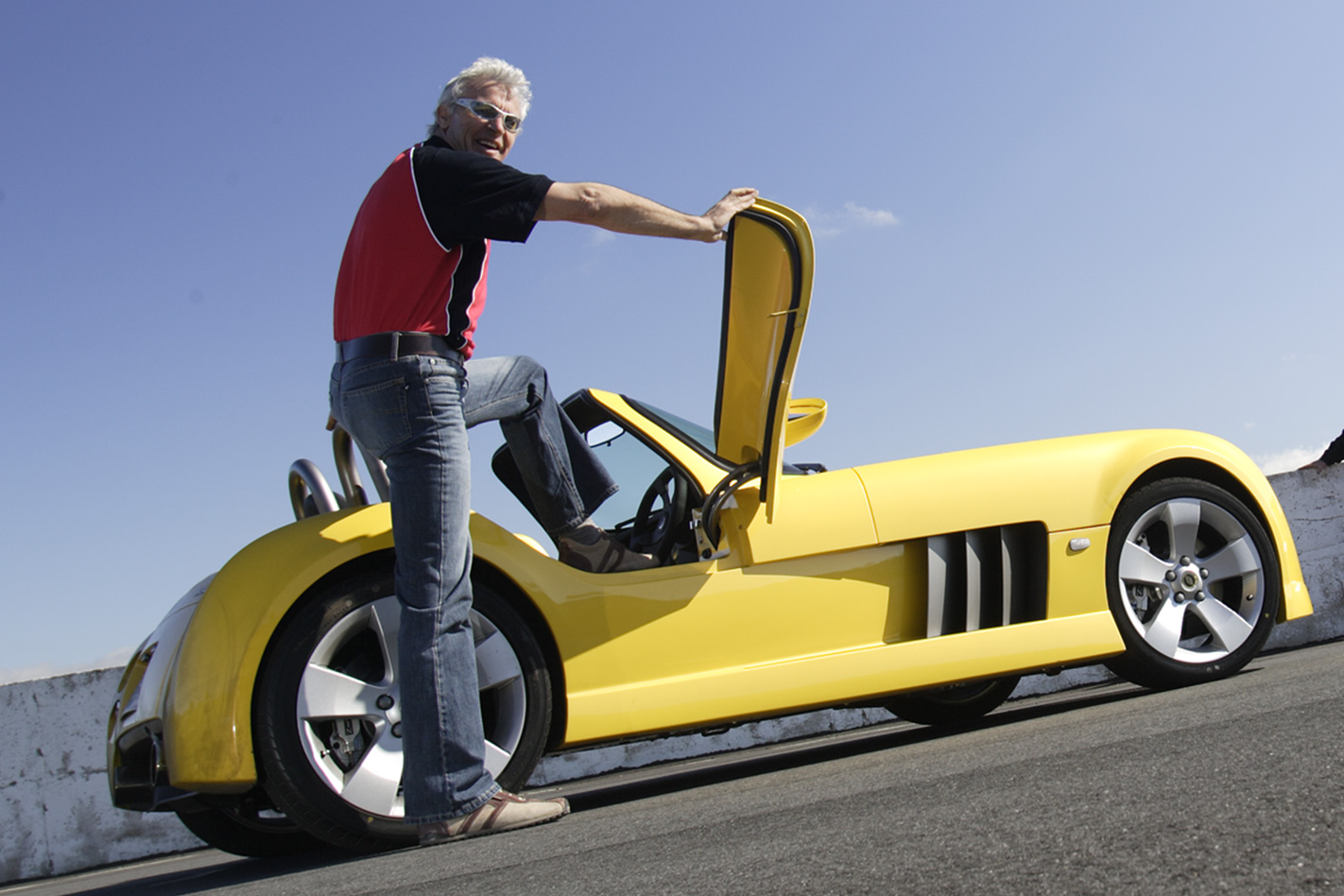
With photographer Graeme Neander directly in my sights, some 50-odd metres away, I lift slightly to try and settle the nose but in an instant the MS8 snaps into oversteer, and does a 720-degree spin on the grass. Neander, meanwhile, runs.
I’d like to think it was skill, but when the world stops rotating, I’m back on the bitumen, pointing in the right direction, so I pop the clutch and get into it again, blasting past a standing ovation from my fellow scribes. Evidently, my pirouettes looked pretty speccy.
One more lap then I pit and give Bill and Nick from Elfin my two bob’s worth. A few weeks later, Bill rings to say they have added power assist to the steering and brakes, which he says transforms the car, and he offers me another drive. I can’t wait.
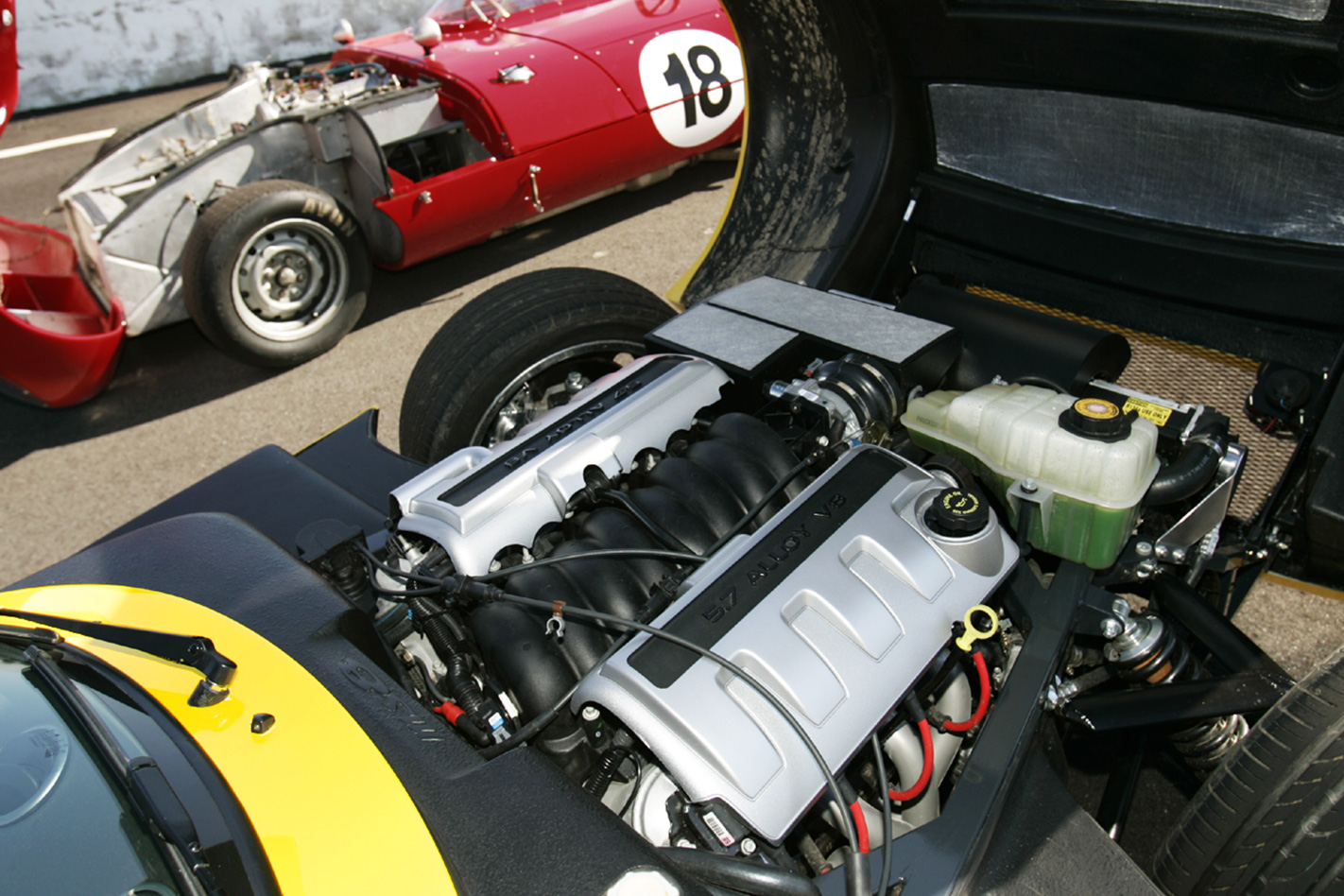
Elfin MS8 Streamliner Specs: ENGINE: front-mounted 5.7-litre, 16-valve pushrod V8 POWER: 245kW @ 5600rpm TORQUE: 465Nm @ 4000rpm WEIGHT: 1090kg TRANSMISSION: six-speed manual PRICE: $135,850
An engine looking for a better chassis.
This review was first published in MOTOR magazine’s December 2005 issue.
That was the general consensus about the Renault Sport Mégane 225, released late last year. With WRX rivalling power and speed, when it found a bend, sadly it turned into a bit of a dog.
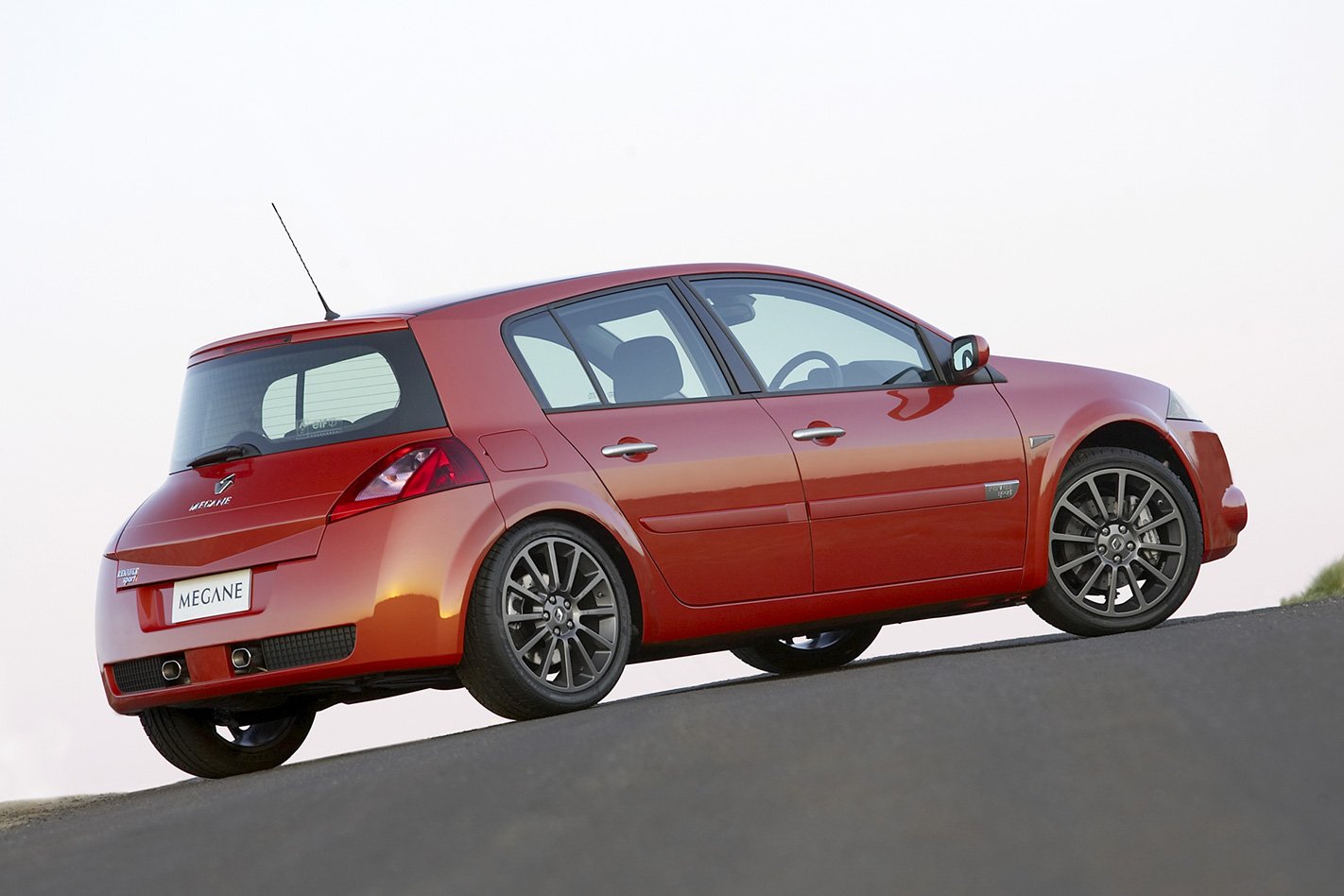
Its torquey, smooth 2.0-litre turbo four deserved more. And that’s what Renault is offering. Following international criticism, engineers worked on problem areas. And while Mégane 225 is still available in unchanged trim, with a $2000 price drop to $39,990, the new model joining it is firmer, harder and sharper: welcome the Mégane Cup, and its cache of problems solved.
Renault Megane RS coming early to Australia
Criticism 1: Dead steering. Mégane’s electrically assisted steering was lifeless around centre, and had not much feel away from it. Cup loses a flexible joint in the steering shaft, and gets reprogrammed software. The result is more precision and feel through the bend and a bit more weight around centre. Tick.
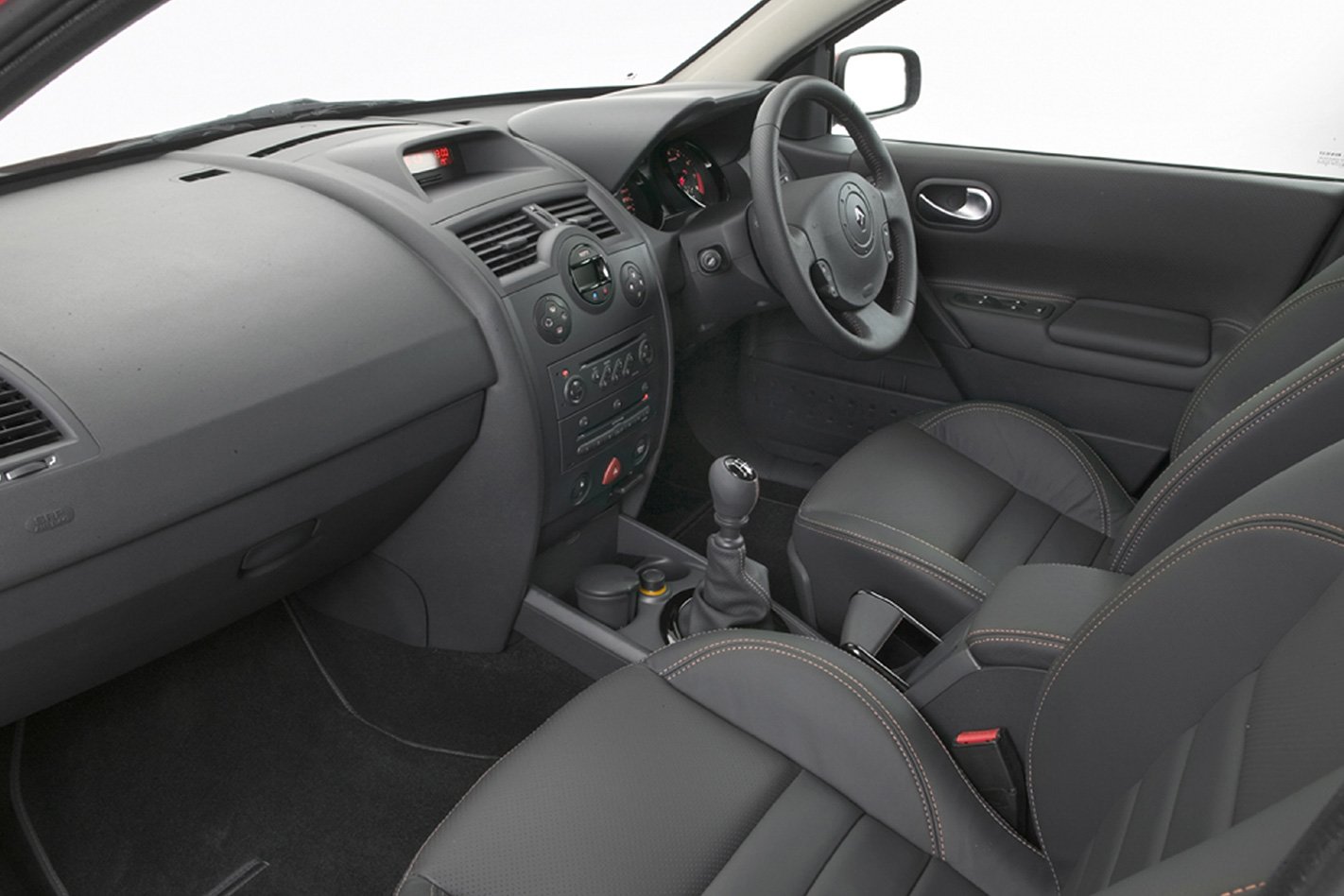
Criticism 3: Intrusive ESP. Our pet hate from PCOTY and Bang this year, the Mégane 225’s ESP can be deactivated, but at 60km/h, it reactivates itself. And the level of intrusion is verging on rude, traction control not only prematurely cutting power at the merest sniff of wheelspin, but painfully slow to release its grip.
Exit a tight corner, and Mégane’s intervening ESP allows bugger-all hard acceleration. ESP is the biggest improvement; it’s still there, but even when on, it intrudes way less. Better still, once deactivated, it stays that way, only intervening when it senses a near catastrophe.
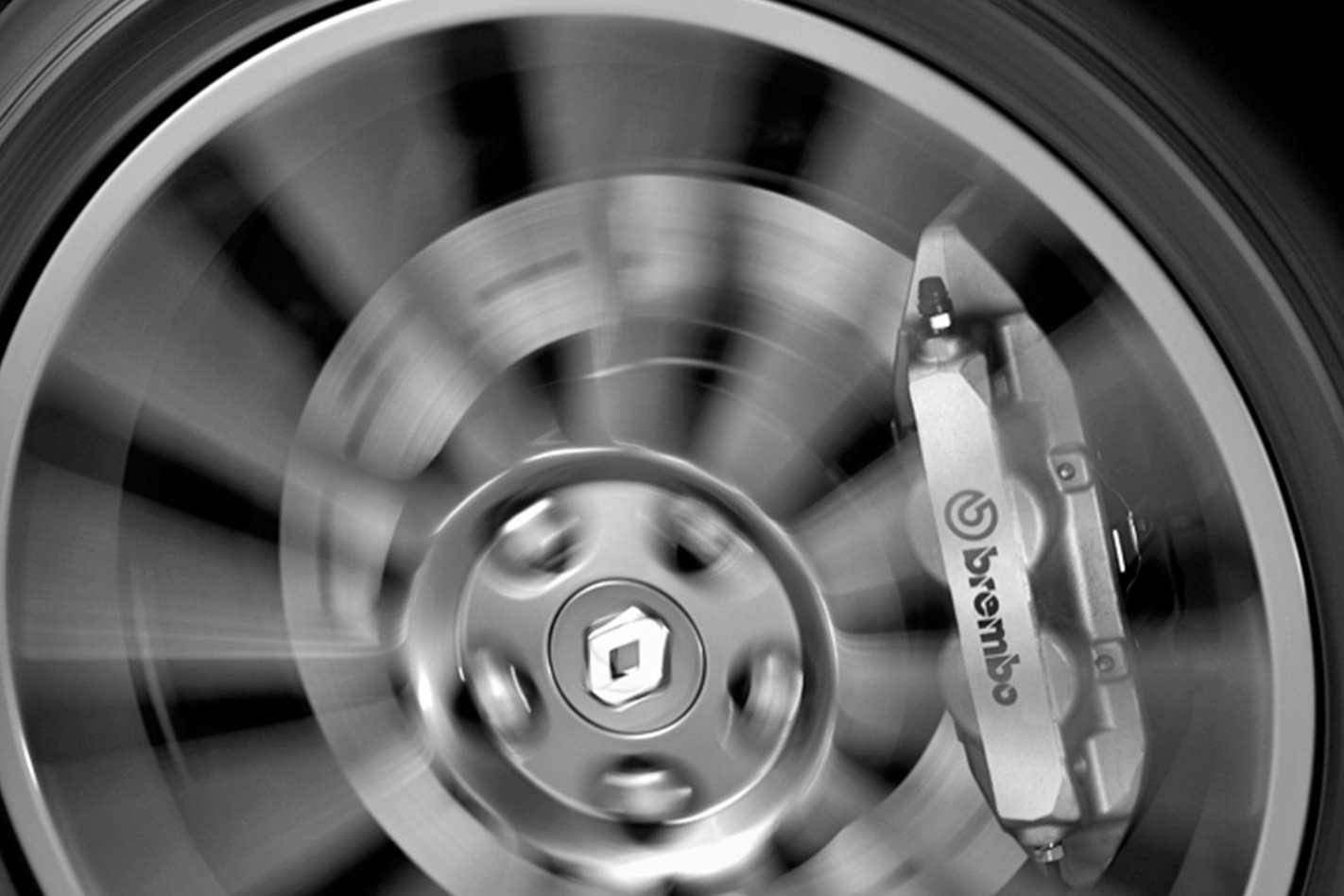
There’s also a one-inch wheel and tyre upgrade, to 18-inch alloys that are a combined 6kg lighter than the 17s. On grippy Dunlop SP Sport Maxx tyres, with the revised ESP and firmer suspension, at last there’s a capable chassis that can channel the unchanged 165kW/300Nm engine.
From 3000rpm it’s strong and surging to 7000rpm, with thick dollops of torque and driveability in between on a mild 0.75bar (11psi) boost. Mégane’s Cup make-over is much-needed, and a valuable addition with a price that slots it into competition with the new WRX and Golf GTI DSG. Sounds like a shootout is on the cards.
2005 Renault Sport Mégane Cup specs: Engine: 2.0 DOHC, 16-valve intercooled turbo four-cylinder Power/weight: 165kW/1361kg Drive: front-wheel Price: $42,990
I’ll admit I’d been winding up Lucky Bastard for the previous two days. Mercilessly, according to some.
This article was first published in MOTOR Magazine’s March 2005 issue.
So I guess it came as no surprise when he lined me up in the pits at Winton, poked me in the chest and delivered a statement that will surely haunt him. “I don’t care,” said Lucky Bastard through gritted teeth, “if Santa doesn’t come this year as long as I kick your arse out on the track today.”
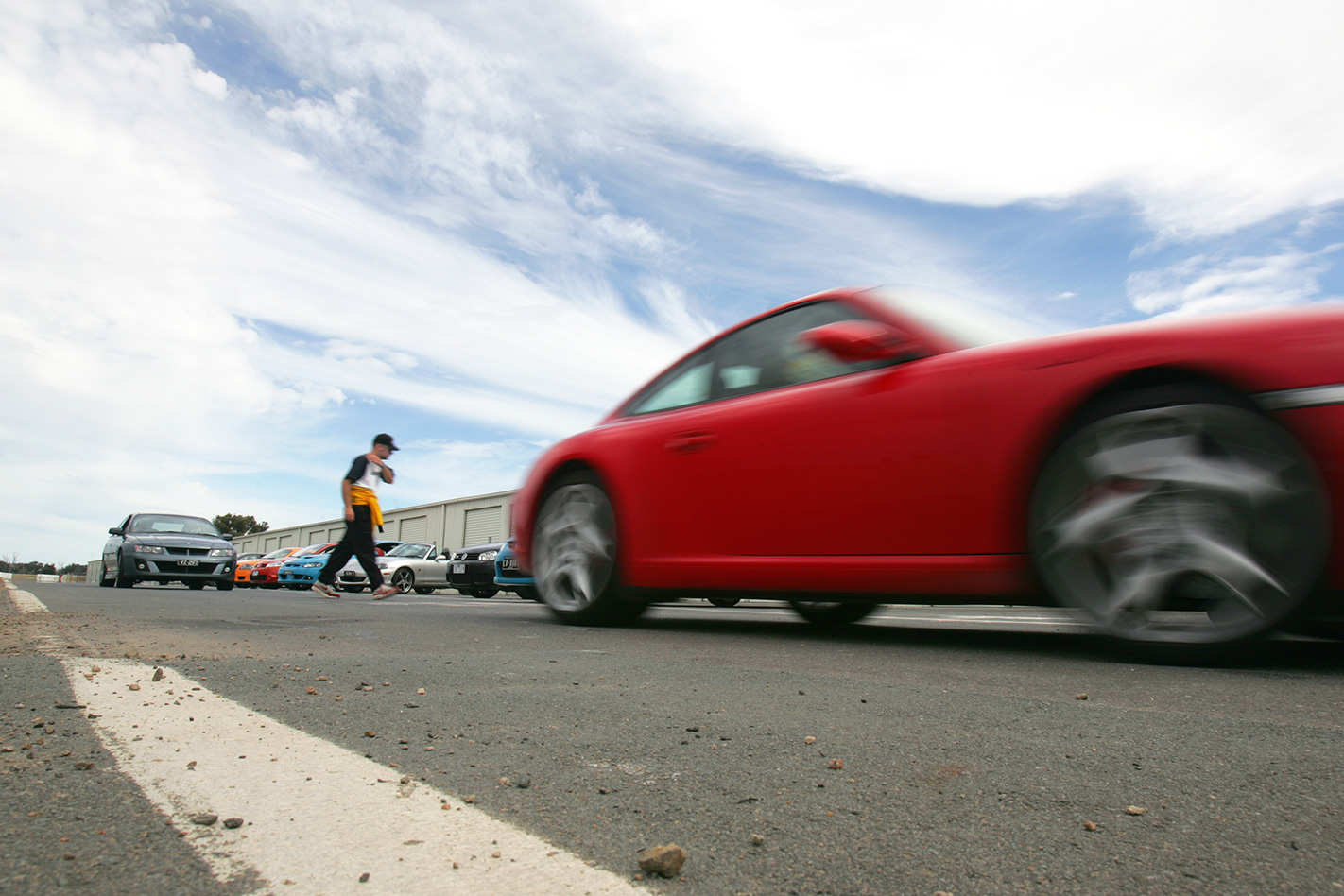
Winton is no respecter of reputation, road-smarts or law degrees (right Lucky?). That’s for sure. And it paid scant regard for the on-road abilities of close relatives the Audi TT and VW Golf R32.
Okay, so the Haldex-clutch, on-demand nature of the all-wheel drive set-up in both cars has never given many racetracks any real scares, but man, did it let this pair down. To be fair, both the TT and R32 remain very neutral when the corners start rushing up at Winton speeds, but they sure as hell move around in the process.
Both engines are fit, although the Golf’s second gear is a fraction too short even for Winton’s short straights. And the Audi’s DSG six-speeder features twice the clutches and half the fun of a proper manual. But lap-times?
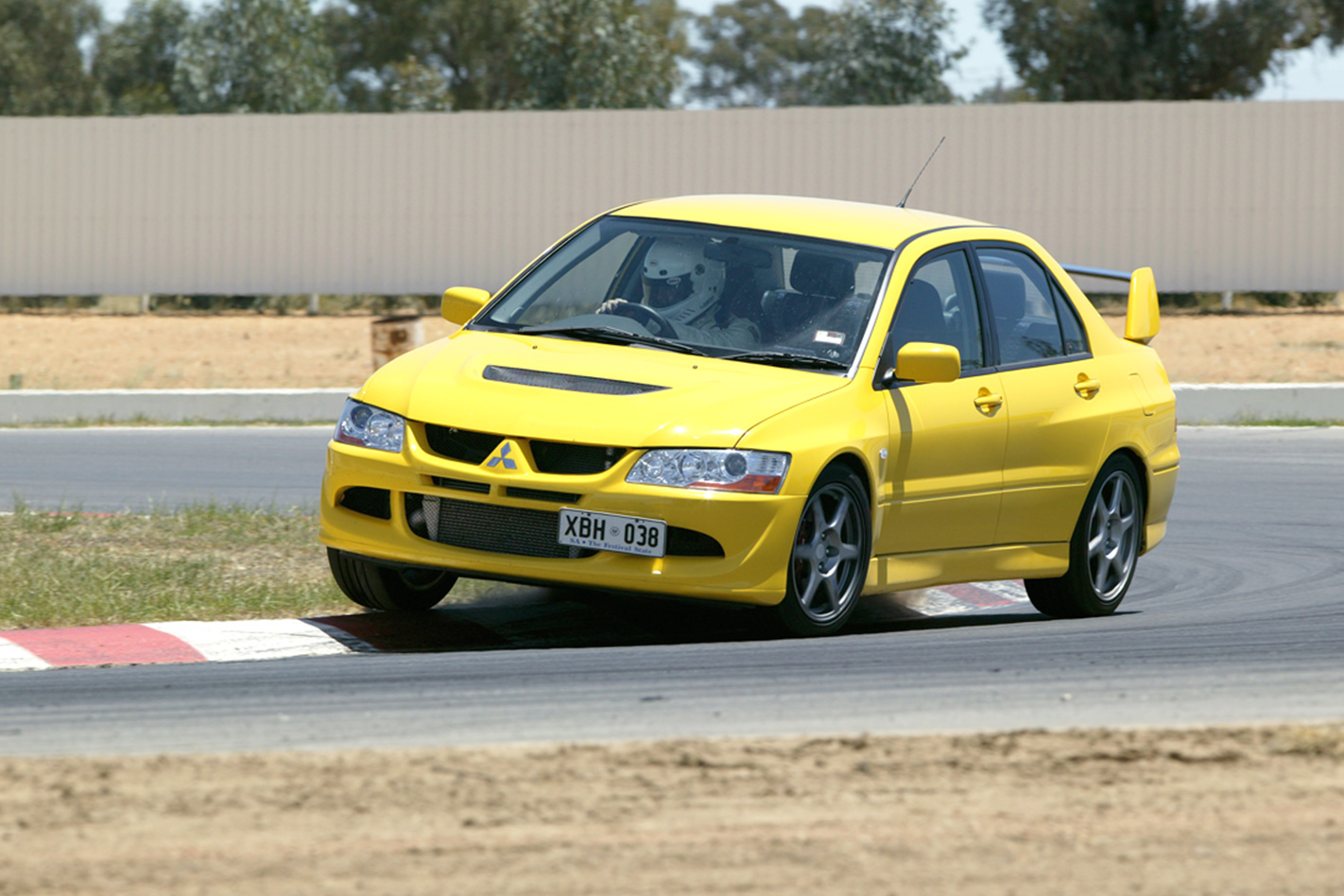
And it’s hard to know what to be impressed with most; the tremendous grip or the stonking engine that just doesn’t know when to quit. Upshifts in lower gears were a bit clunky and the gearbox got notchier as the oil got hotter (a very tired example, this), but while ever the tyres last, the EVO hangs in there, punching hard all the way.
Performance Car of the Year 2005 – Airport
An active centre-diff got the STi into the game again this year and it has changed the car dramatically. It’s still a bit more understeery than the Lancer and it isn’t as keen to tuck its nose back in on a trailing throttle, but it’s an absolute revelation in faster turns like Winton’s notorious sweeper.
The gearing is a bit short and that’s probably deliberate to mask the engine’s chronic torque hole below 4000rpm, but you don’t notice that on the track and the WRX has six gears compared with the Lancer’s five.
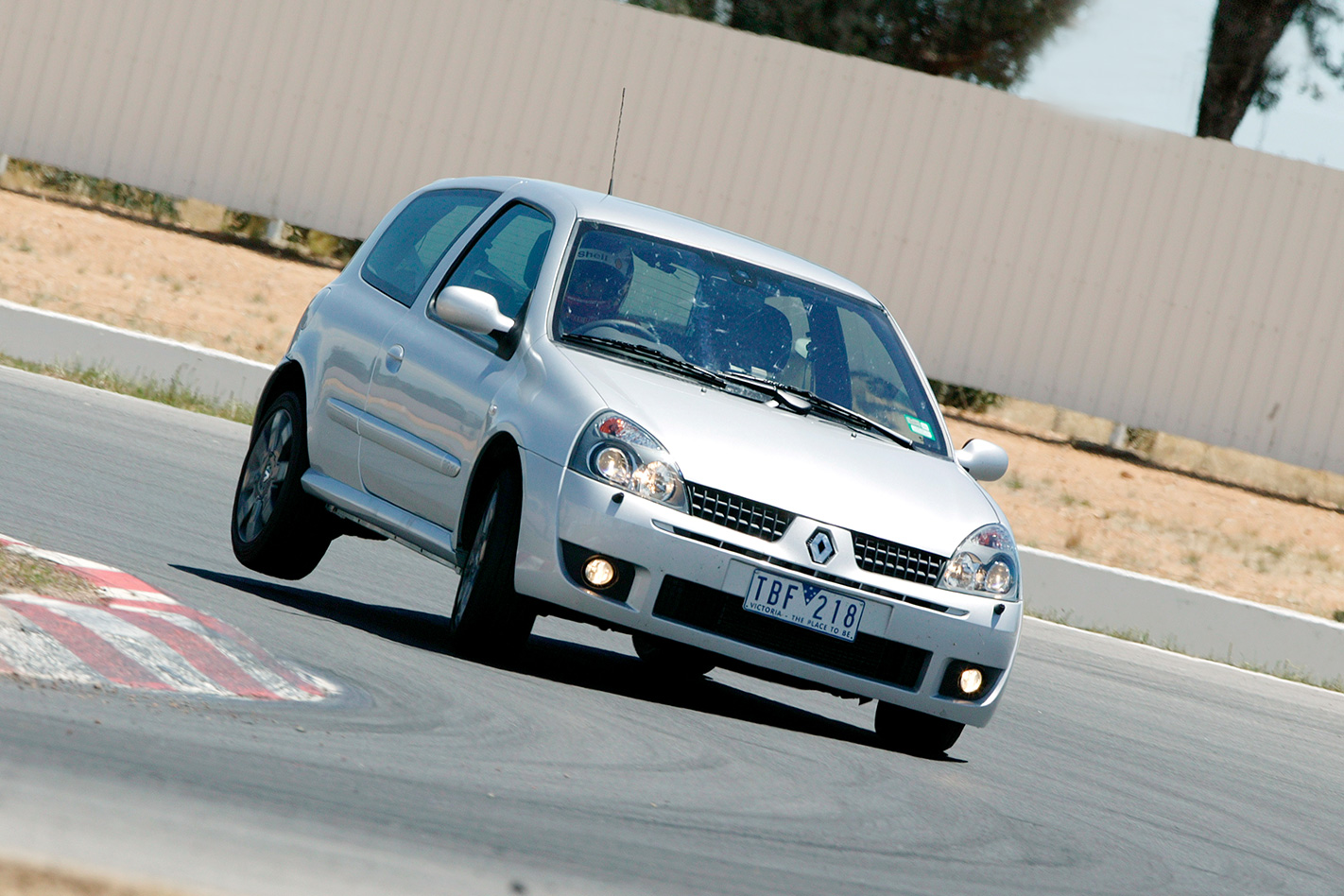
The problem with punting ordinary tail-draggers around a circuit is that the front end often loses all feel and accuracy and with it goes power-down and feedback. Not so in the Clio which just got better the harder we hammered it. Ultimately, you’ll build a small amount of push into things, but the Clio’s chassis is so throttle sensitive, it’s easily corrected.
Okay, so 1:47.16 isn’t brilliant, but the Clio honestly felt more fun than that time suggests, and that’s really the point. The biggest let down was the braking package which worked fine but lacked a little feel, especially during those moments of desperation that a track like Winton seems to produce.
Perhaps closest to the Renault in concept (if not execution) is the MINI Cooper S. The MINI must have had the sharpest, pointiest steering of this year’s field. Sometimes, you actually found yourself winding off a little lock to find the line again.
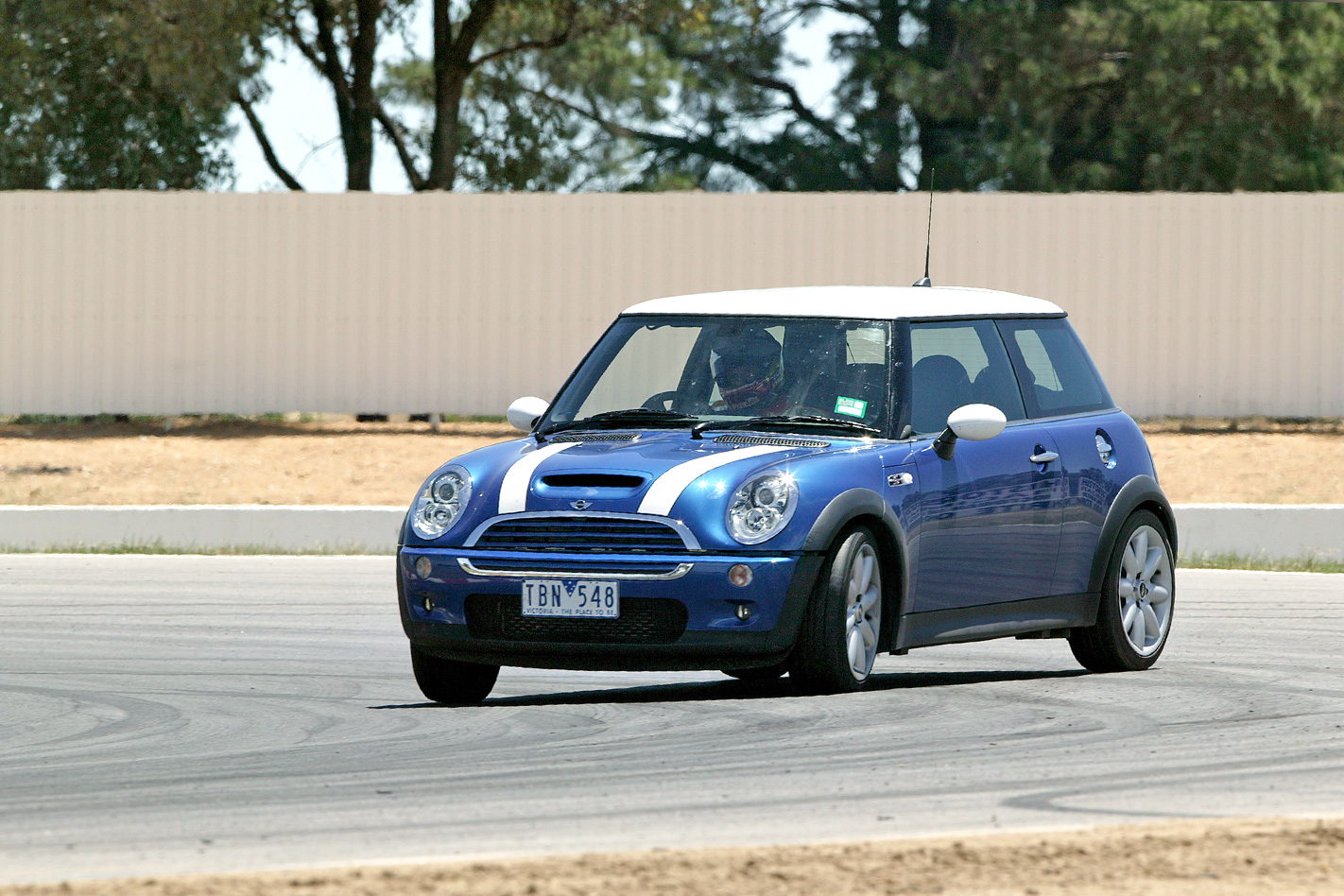
The gearbox is good with a quick, positive shift and while the supercharged engine is better with every new example of the MINI Cooper S we sample, it still feels a bit flat on the circuit. In the end, the Cooper is more or less as quick as the Renault with a 1:47.74.
The Clio’s stablemate was big bro, the Sport Mégane 225 and here was a genuine unknown quantity. There’s lots of body roll and while it’s fun up to about eight-tenths, beyond that it becomes hard work. Okay, so you’d expect something with front-drive and 300Nm to understeer at Winton, but even so, a lap-time of 1:47.53 is nothing special.
Meanwhile, you’ve got to struggle with the dead steering, a clutch pedal that is too light and similarly lacks feel and brakes that are way too over-assisted making them feel powerful, but a tad unpredictable when you were having a big go. The other front-driver this year was the Integra Type S.
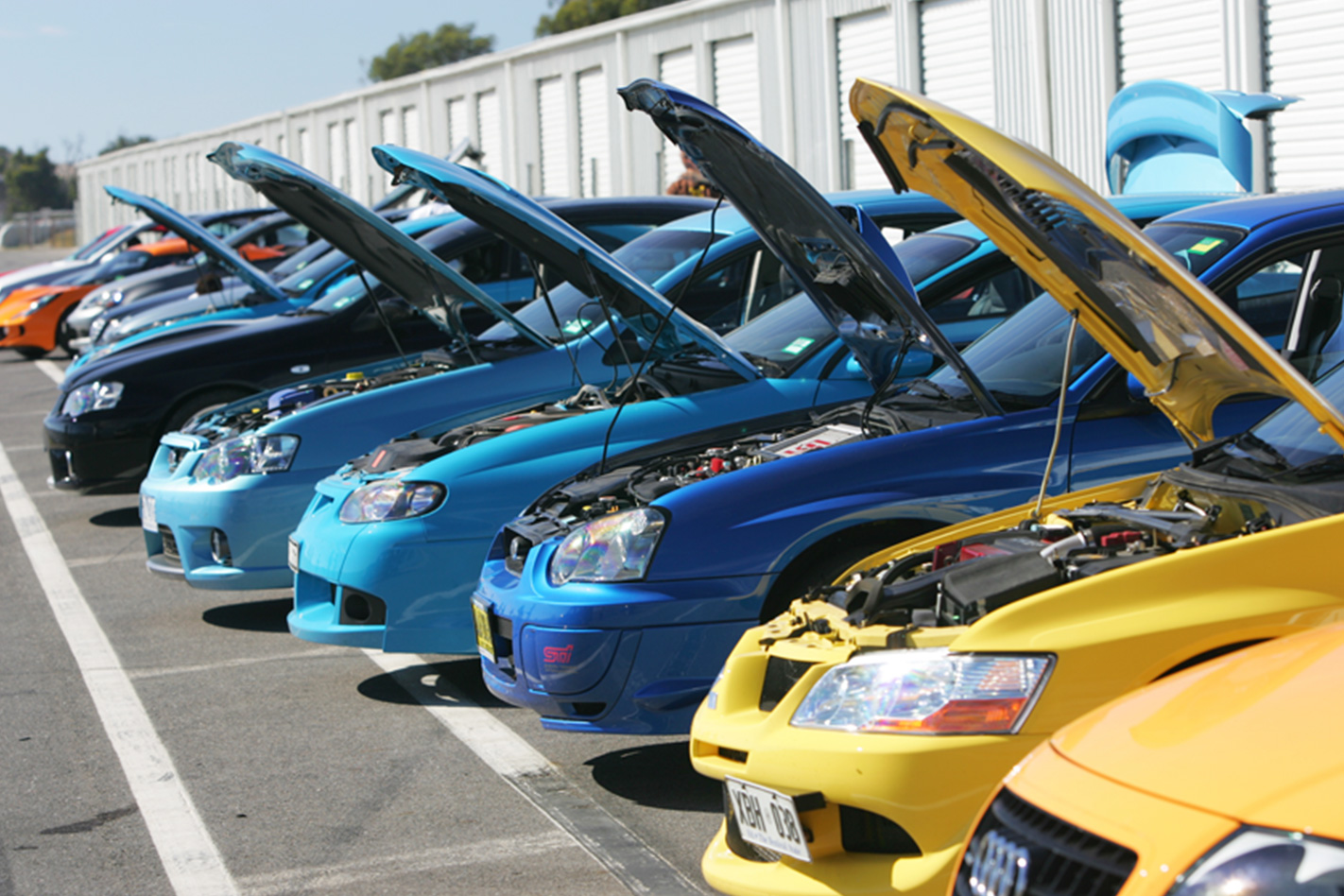
Big, heavy Benzes never have (and possibly never will) work terribly well around tight circuits. Even so, with that Newton-kilometre of torque at its disposal, the CL65 at least had the potential to be a different story. Unfulfilled potential, as it turned out.
The throttle-by-wire technology lacks feel and feedback but, more importantly, the accuracy to really let you modulate the grunt. Turbo-rush means it wheelies out of corners just when you don’t expect it to and the ESP isn’t completely switchable.
It has the same lack of gearbox override hassles that other Benzes have had over time and its lap-time of 1:43.94 is due almost entirely to the sledgehammer V12 . It might be packing only about five-eighths the power and half the torque of its much bigger brother, but the C55 was actually a much more entertaining partner at Winton.
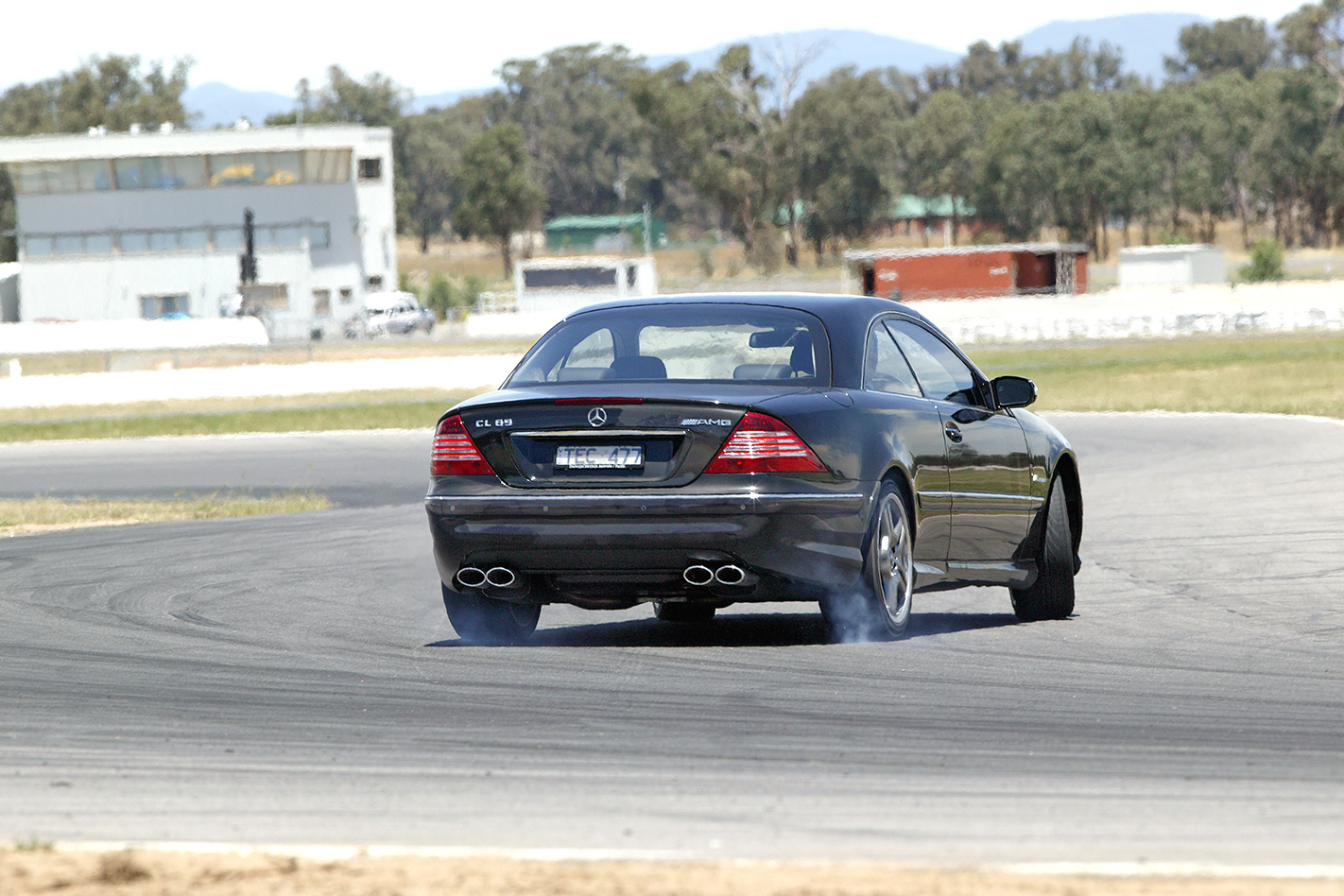
See, for many of us, that recalcitrant auto simply made the job too hard and really not worth the bother. Why is it that the German stuff we attract to PCOTY is always big-dollar gear? Then again, who gives a monkey’s when it’s as good at Winton as the new 997 version of the 911.
Actually, that’s the point, really: It might cost an arm and a leg, but the 911 is so proficient on the track, you’ll come away swearing to yourself that it’s worth every shekel. Despite tyres that were well shagged, the Carrera S belies the model’s reputation for twitchy handling.
Yes, it does still move around at the back a bit, but it gives heaps of warning and then never really goes on with the nasty stuff anyway. Our only complaint would be the active damping, which is possibly less relevant on a racetrack than on the road (and yeah, I know it’s a road car first and foremost) and seems to have stolen a fraction of that legendary 911 steering feel.
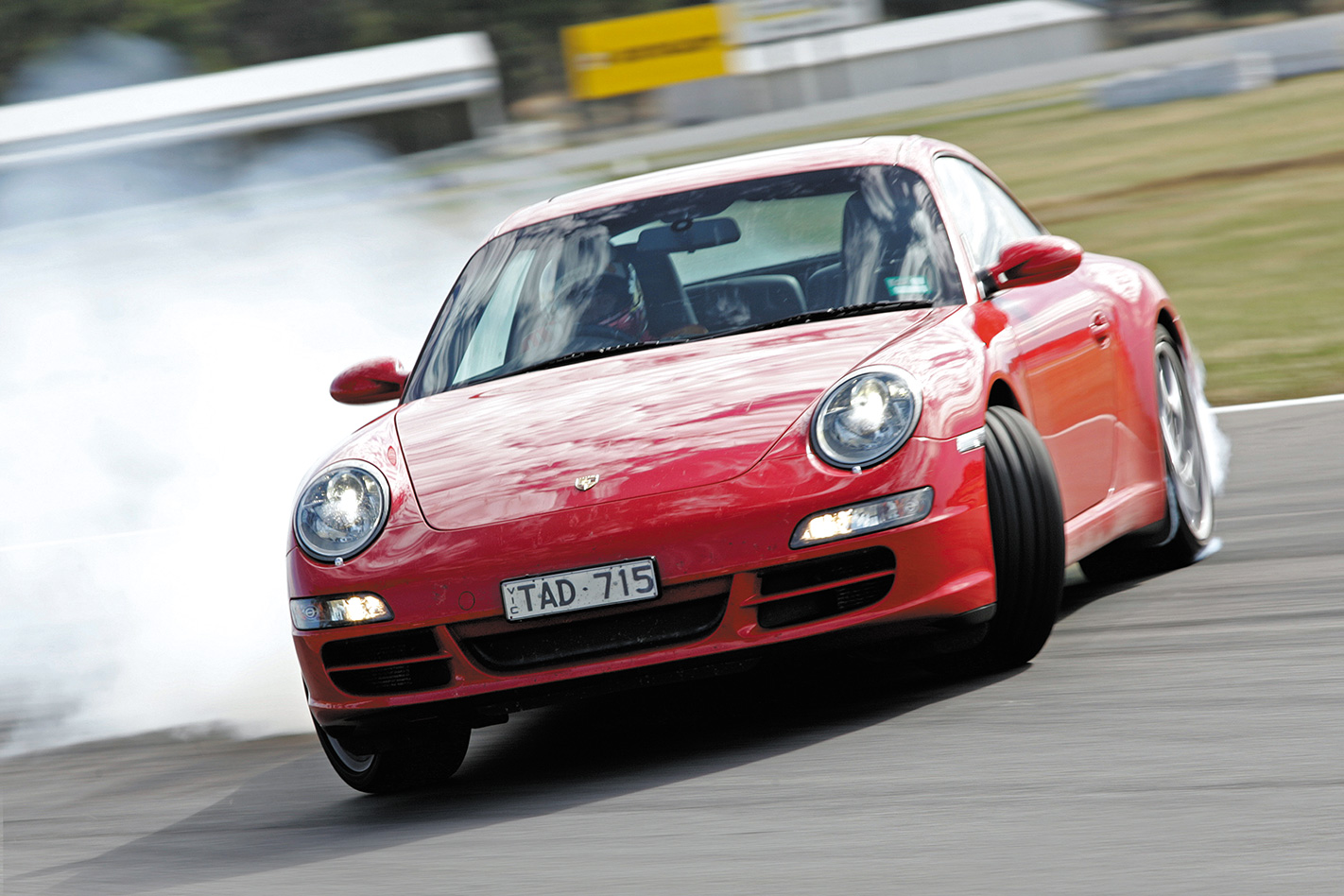
Combine that with just 887kg, and even if the Lotus didn’t handle, it’d still be entertaining. In any case, it does handle – boy does it handle – and on the smooth hotmix at Winton, the Exige is truly, utterly in its element.
It feels even more hard-edged than the Elise (if that’s possible) and all the Lotus hallmarks like the tiny tiller, non-assisted steering or brakes, alloy floor panels and ultra-mechanical feeling shifter add up to a pretty intense experience. It could just about be the perfect track day tool.
It’s tight, neutral and totally grippy, both in a tyre and a general sense and refuses to give up, even after you’ve gone in way deeper than you might have intended. A lap-time of 1:39.17 confirms that much. The fact that, 70 or 80 years ago, all sports cars were convertibles is still reflected at PCOTY where we usually end up with a soft-top or two.
And that mood continues throughout the vehicle which just generally feels a bit dulled on a track like Winton. It’s probably still better than most people would give it credit for, and it’s completely neutral in, through and out of a corner, but the responses it feeds back aren’t exactly vibrant.
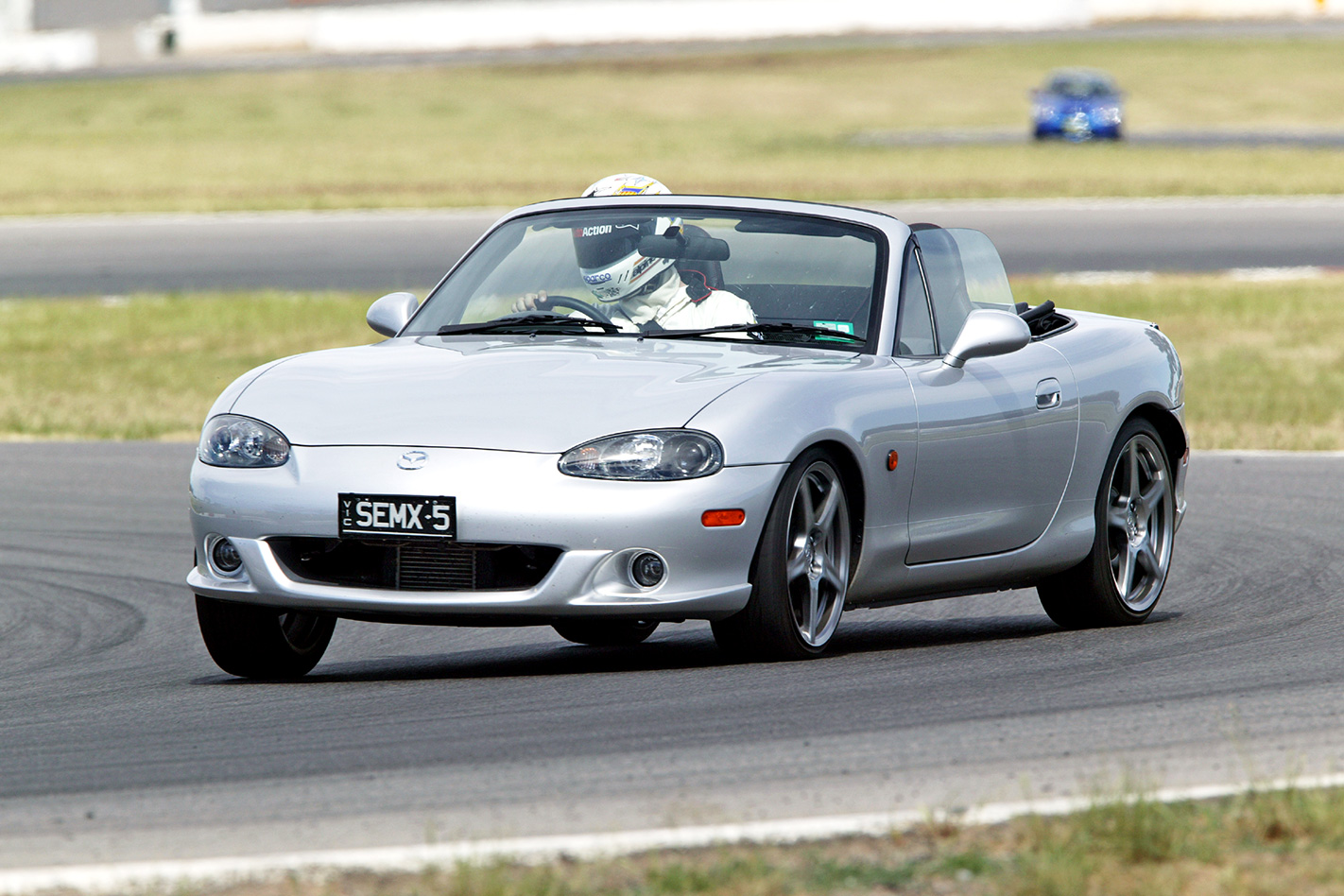
The brakes are also dead feeling, the gearshift is sticky and a bit heavy and the clutch is clunky and rubbery. But here’s the catch, with a 1:44.35, it’s quicker than a Falcon GT-P. Spooky. The other drop-top is a more conventional customer and Mazda’s MX-5 SE is the last in a long, long line of little sexpots to bear the MX-5 tag.
But that’s the point; in a lot of ways, the Mazda is really starting to show its age and the flexy body (relatively speaking, you understand) non-adjustable steering column and cramped cockpit are the clues that the SE can trace its roots right back to about 1989.
Of the big locals, the CV8 was perhaps the real surprise package. Given that the SS was a DNF, the Monaro was left to carry the flag for the Gen III brigade. The interesting thing is the way the CV8 felt sharp and responsive in the front end (much better than the SS, despite the four-door’s full VZ specification) and yet had plenty of power-down and grip at the noisy end.
It could be hurled around as well as any other full-sized Holden we’ve sampled and it was actually a fair bit of fun into the bargain. Maybe it’s just because we’re now getting used to the urge of the Gen IV, but the Monaro’s engine felt like it really needed to be wrung right out to deliver full satisfaction.
Making it scream right up to about 6000rpm was the key, although it hardly felt like you were treating the thing with much respect in the process. The brakes were a bit of a disappointment, too. They felt weedy and could be coaxed into starting to fade, the first symptom being a wooden feel through the pedal.
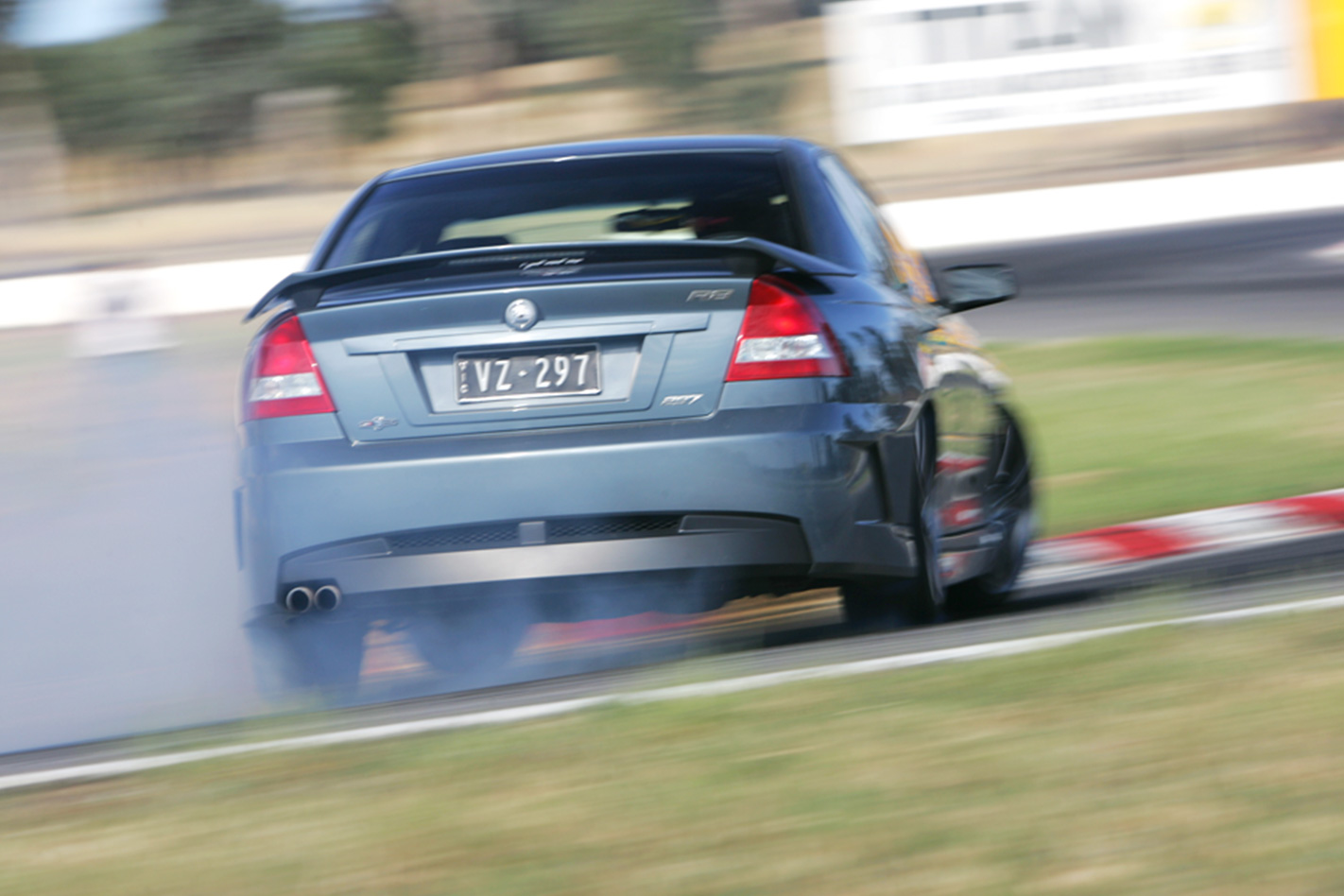
The big fella isn’t super agile, and it does continue to feel pretty weighty, but the flip-side is better than average steering feel and accuracy. And while the big tyres and general set-up confer good grip, there’s always enough grunt on tap to overcome that.
The front pews seem to have lost a lot of the lateral support that made the previous model’s so damn good, but that couldn’t stop the R8 posting a 1:44.07. And while the addition of a power-steering cooler should have fixed the woes in that department, we still managed to boil the fluid once the engine had been shut down back in the pits.
By comparison with the Clubbie, the HSV GTO just didn’t rise to the challenge. A 1:45.62 is well off the pace for a Gen IV-powered vehicle, and is over a second off the pace recorded by the allegedly humbler Monaro CV8 which has neither the big mutha mill nor the HSV badges.
Whether it was just an off-colour car we don’t know, but we can tell you the thing – even compared directly with the R8 – just felt heavy, slow and unresponsive. Dull, probably covers it.
The segment that provides the most metal for your money is no longer Australia’s favourite, but there are still plenty of compelling cars to tempt SUV-averse buyers looking for lots of space.
1st: Holden Commodore Evoke
For our local Lion, going out at the top of its game beats fading into obscurity hands down. Not only is the VFII a superbly honed version of a locally developed legend that’s been around for more than a decade, it still stacks up as great value.
The entry-level Evoke V6 starts by being a bit less costly than its podium mates, and backing that with slightly better resale. Predicting the actual future values of the last Aussie-built, rear-drive Commodores is potentially tricky.
Will used values slump when the new model arrives? We think so. But will they rise again long-term? Ditto, though perhaps more for a mint SS-V than a base car. Then again, a rising tide lifts all boats… or, erm, cars.
Meantime, the big Holden’s strengths lie in low-cost insurance, reasonable annual fuel cost, and an odd nine-month service interval that matches the Aurion but not the Superb.
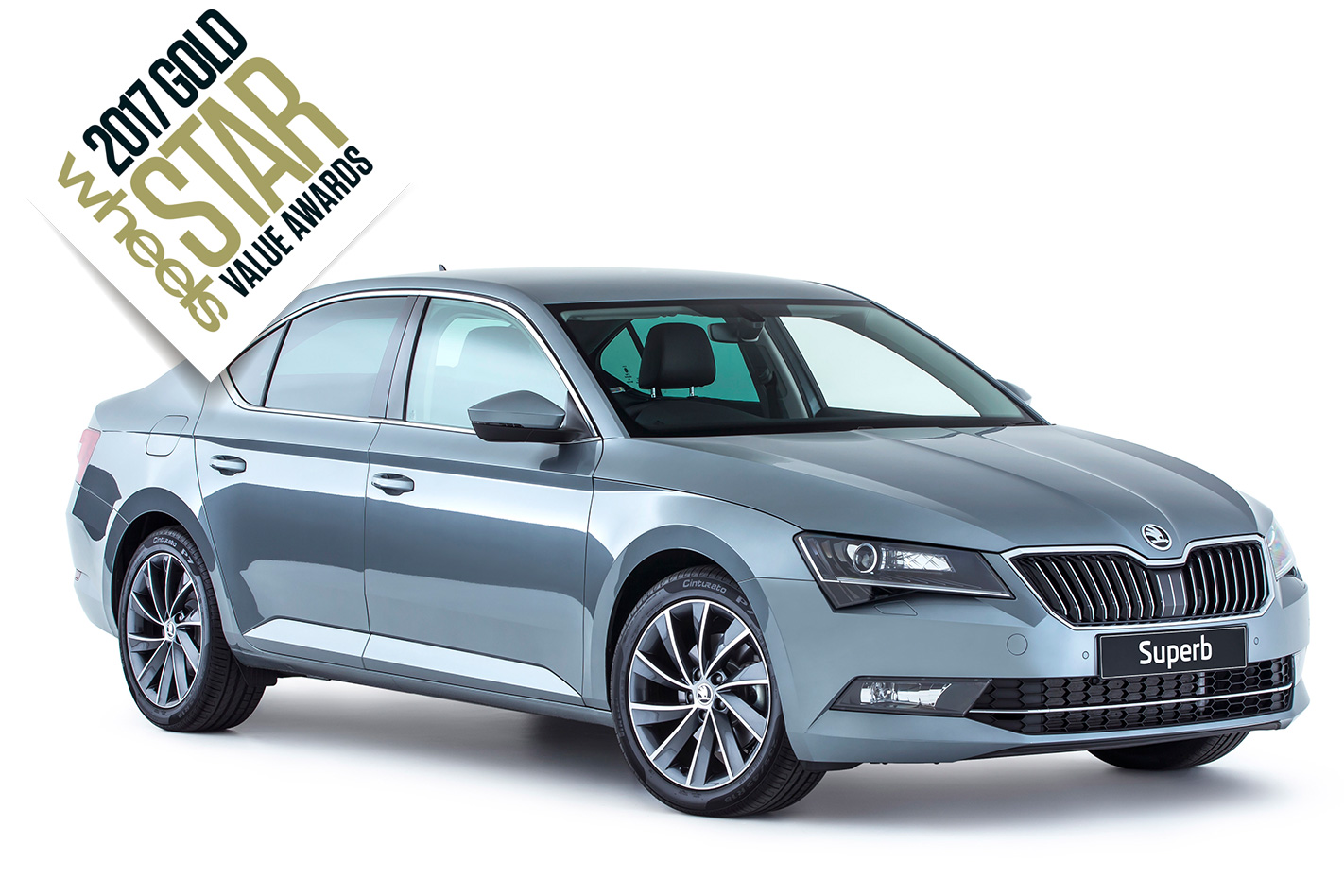
2nd: Skoda Superb 162 TSI
The Skoda Superb is a small fish in sales terms, yet represents The New Guard. This is today’s way of doing big cars, based on modular engineering, front-drive and a downsized turbo engine, the latter helping it do its best work in the fuel-cost column.
3rd: Toyota Aurion AT-X
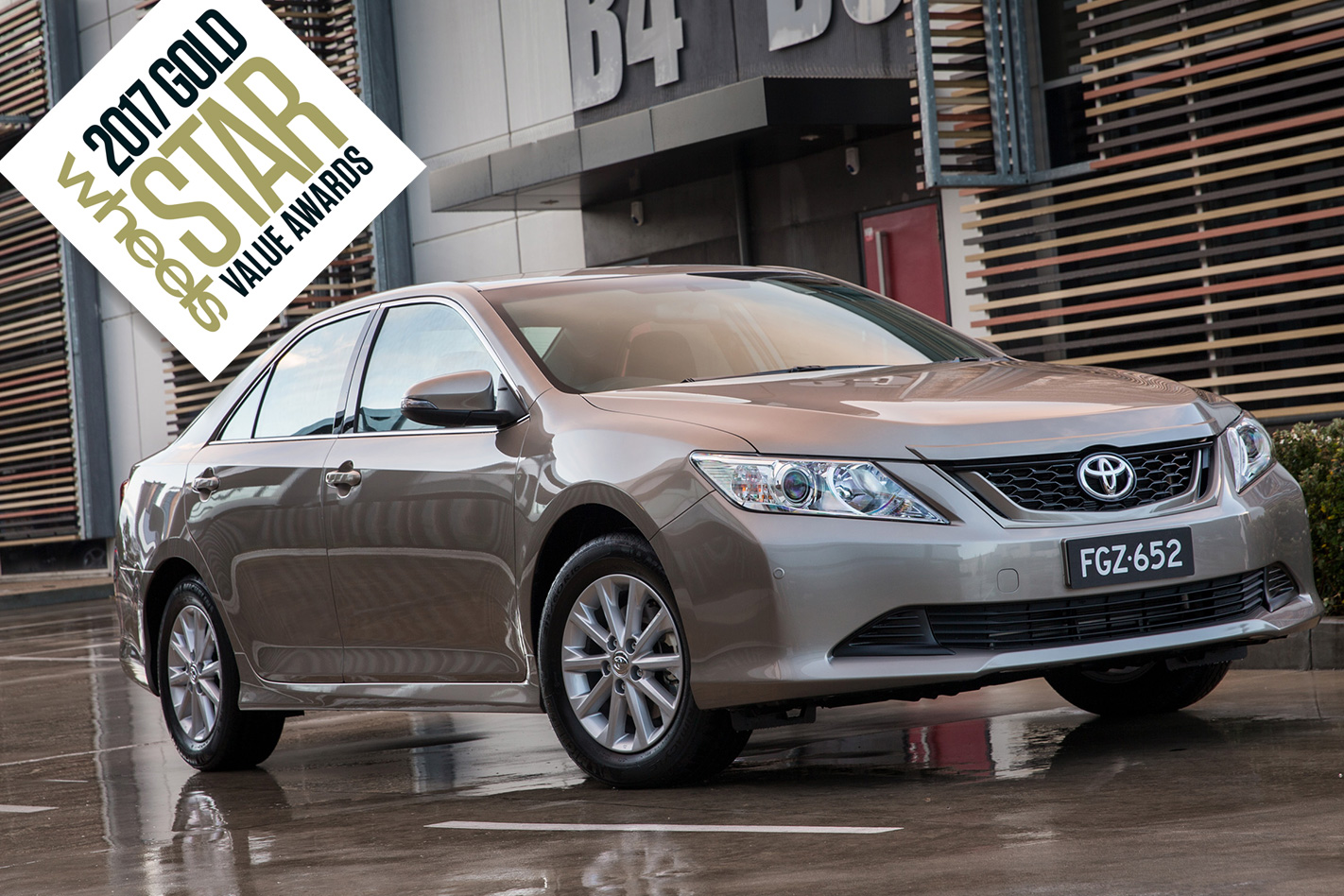
A Toyota sedan remains a rock-solid ownership proposaition, though big cars have never been great at holding their value, as the Aurion’s 31 percent three-year Glass’s resale figure illustrates. The $776 annual insurance is 11 bucks less than the Commodore Evoke’s.
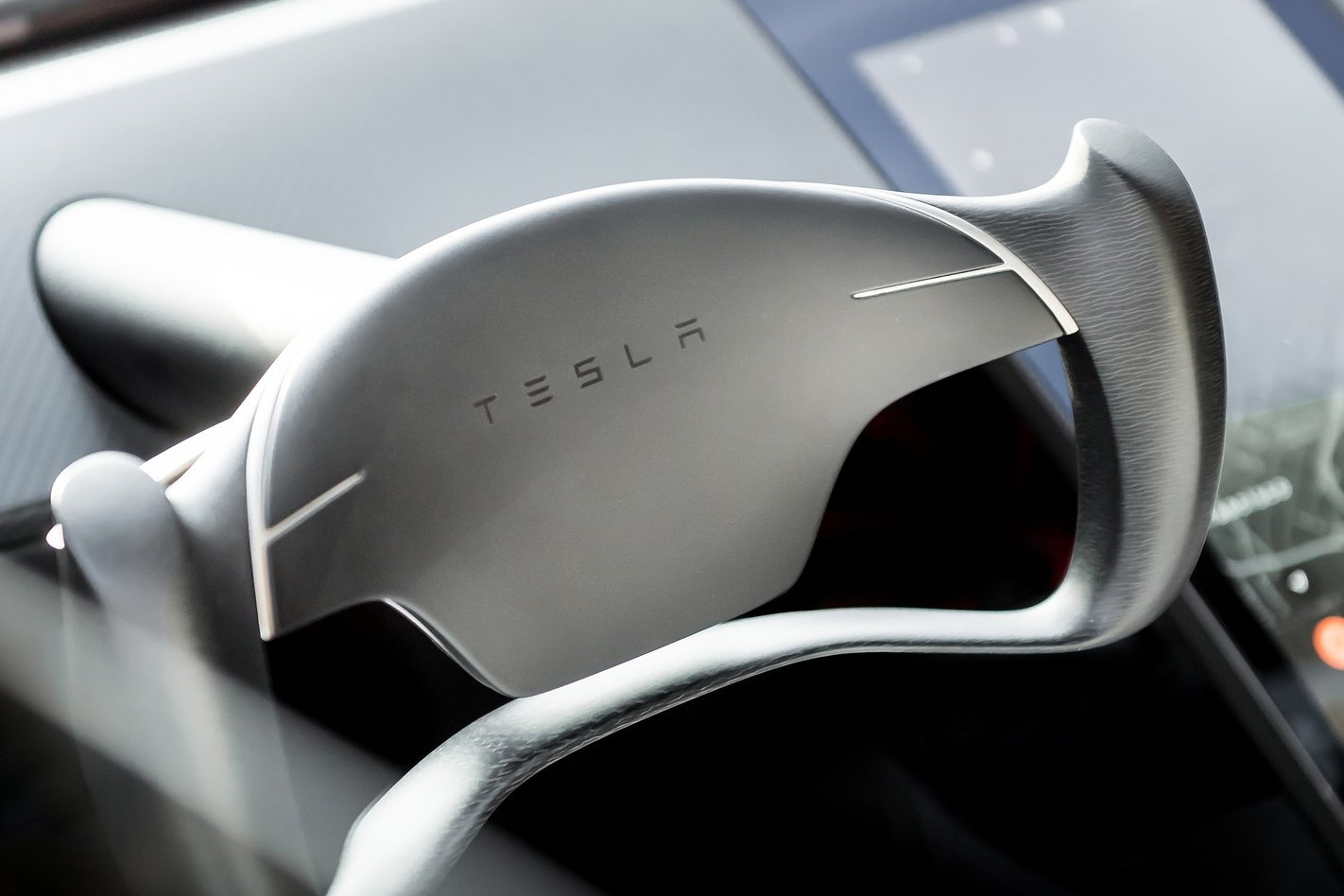
If what Tesla claims its new Roadster can do is true, customers will be in for a huge treat.
In fact, that may be the case even if the claims fall a little short.
VIDEO: Tesla Model S P100D vs Lamborghini Aventador SV drag race
Revealed during the unveiling of Tesla’s electric truck, the Tesla Roadster rolled out of the trailer and suddenly the truck didn’t seem very important.
With a claimed 0-97km/h run of just 1.9 seconds, 0-160km/h in 4.2, and a top speed Tesla says will top 402km/h, the electric Roadster has a lot to live up to.
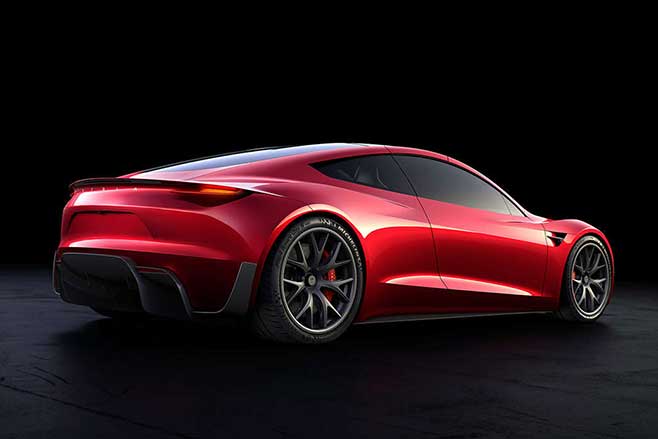
That’s what Tesla says. 10,000Nm.
An 8.8 second quarter mile run is another appealing claim from Elon Musk’s company, especially for a car that’ll have a base price of $200,000 USD, which equates to $265,000 AUD.
Obviously other factors will push that price up, but if the Roadster does ‘what the box says’, then we’re not talking ridiculous money.
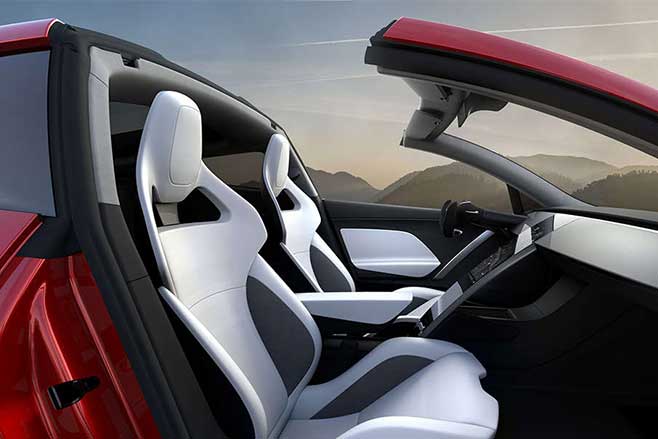
So a four-seater convertible with 10,000Nm, an 8.8 second quarter-mile and a claimed charge range of 1000km? Elon Musk is putting a lot on the line.
In addition, a limited number of special edition Tesla Roadsters called the ‘Founders Series’ will be available, though for an extra $50,000 USD.
Chances are, most of the 10,000 units will be spoken for in a short while.
IT’S not uncommon to see images of exciting new cars gracing the pages of Wheels wrapped in intriguing disguises that either conceal details or entire designs, but have you ever considered just how lucky the fast-fingered photographers must be to consistently be in the right place at the right time?
And doesn’t it seem extraordinary that, with all the expertise, information, resources and intelligence that mainstream brands have, they should drop their guard in hotspots known to be hideouts for spy snappers?

Surely if Mercedes-AMG wasn’t ready for the world to see its latest sportscar, then its test driver would have picked something else to go and get lunch in?
And if Bentley really wanted to keep its next-gen machine under wraps wouldn’t it confine all testing to within the Volkswagen Group’s sprawling Ehra-Lessien test facility? With a no-fly zone above it and almost impenetrable security, if VW doesn’t want you to see something, it doesn’t get seen.
There’s a simple explanation here. These ‘spy’ shots may depict cars dressed in enticing camo with badges unconvincingly taped up, but despite their air of secrecy, these cars are meant to be seen.
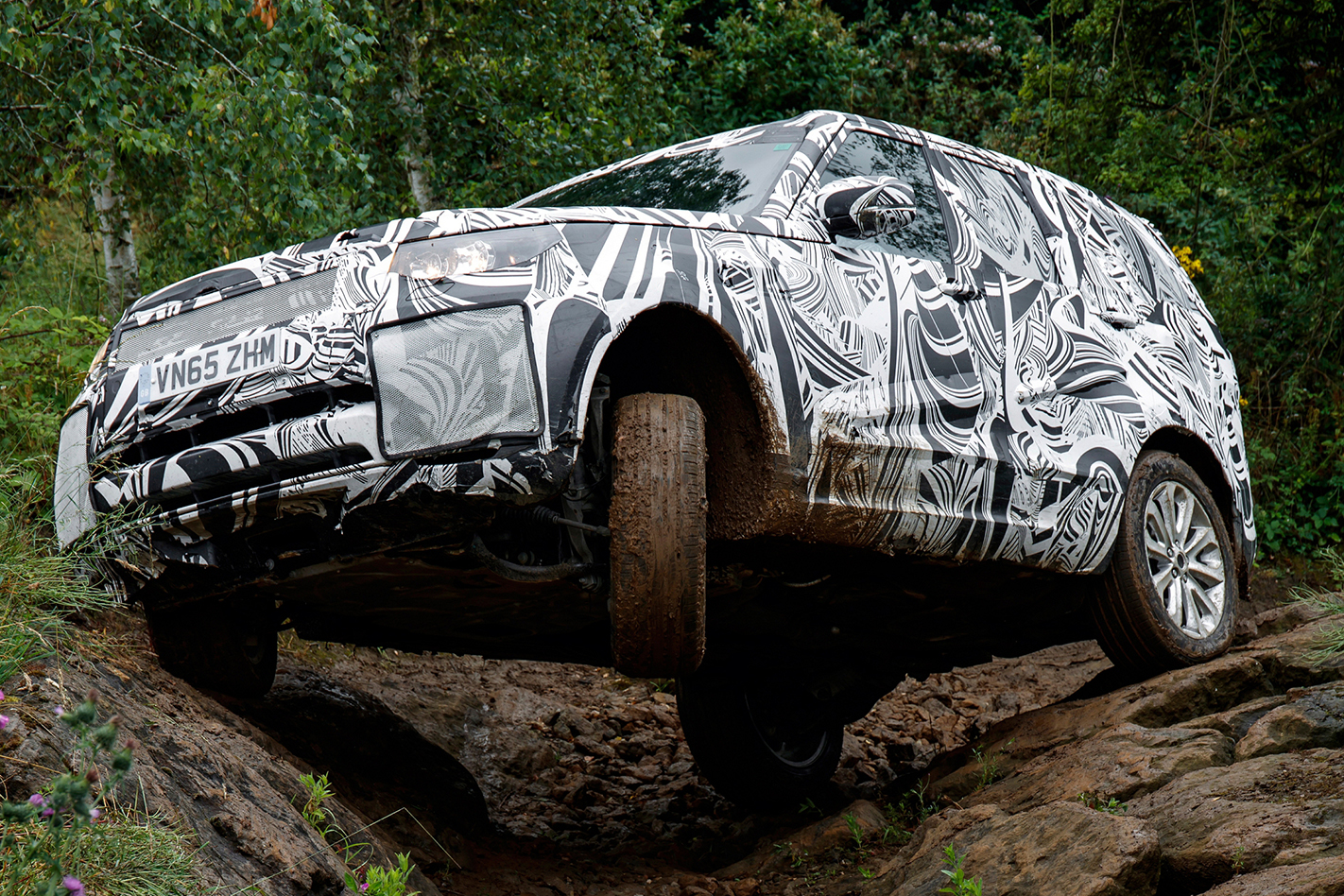
In the case of the occasional blurry shot of some previously unknown model, snapped by a lucky punter with their smartphone, there is still the odd convincing surprise, but in almost all other instances the photographer is being given exactly what they came for.
Not convinced? If there was any doubt that manufacturers want you to see their ‘secret’ projects, Aston Martin has set a new benchmark by actually selling advertising space on the flanks of its forthcoming Vantage.
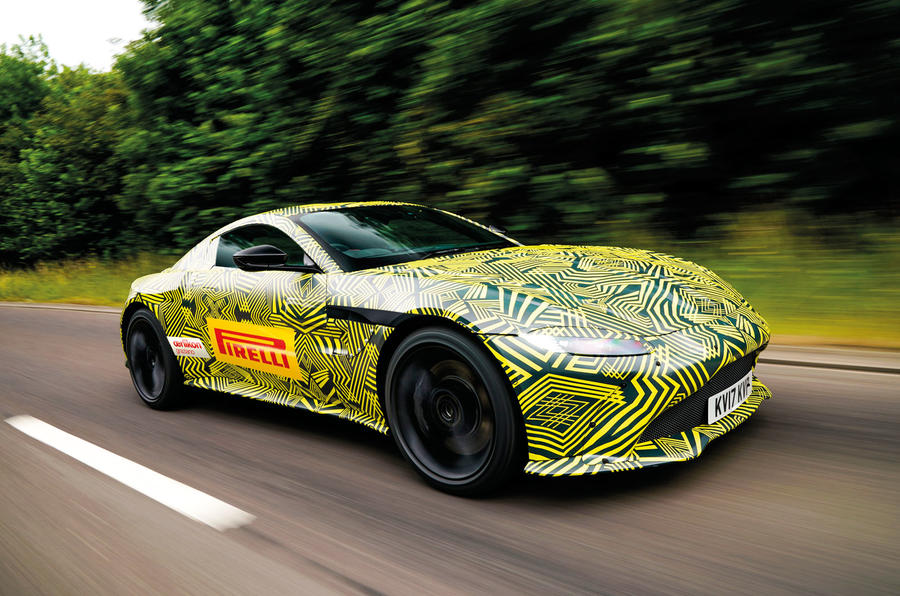
Spied at the Nurburgring – one of the most unsurprising and obvious places to test a prototype car and a track virtually lined with camera-brandishing car nuts – the as-yet unseen sportscar was photographed wearing swirly green camouflage… and a Pirelli banner on its door.
The British car follows an emerging trend for car makers to actually decorate their supposedly secret hardware with messages and even hashtags, implying that not only do they want people to see it, they want them to tweet about it as well.
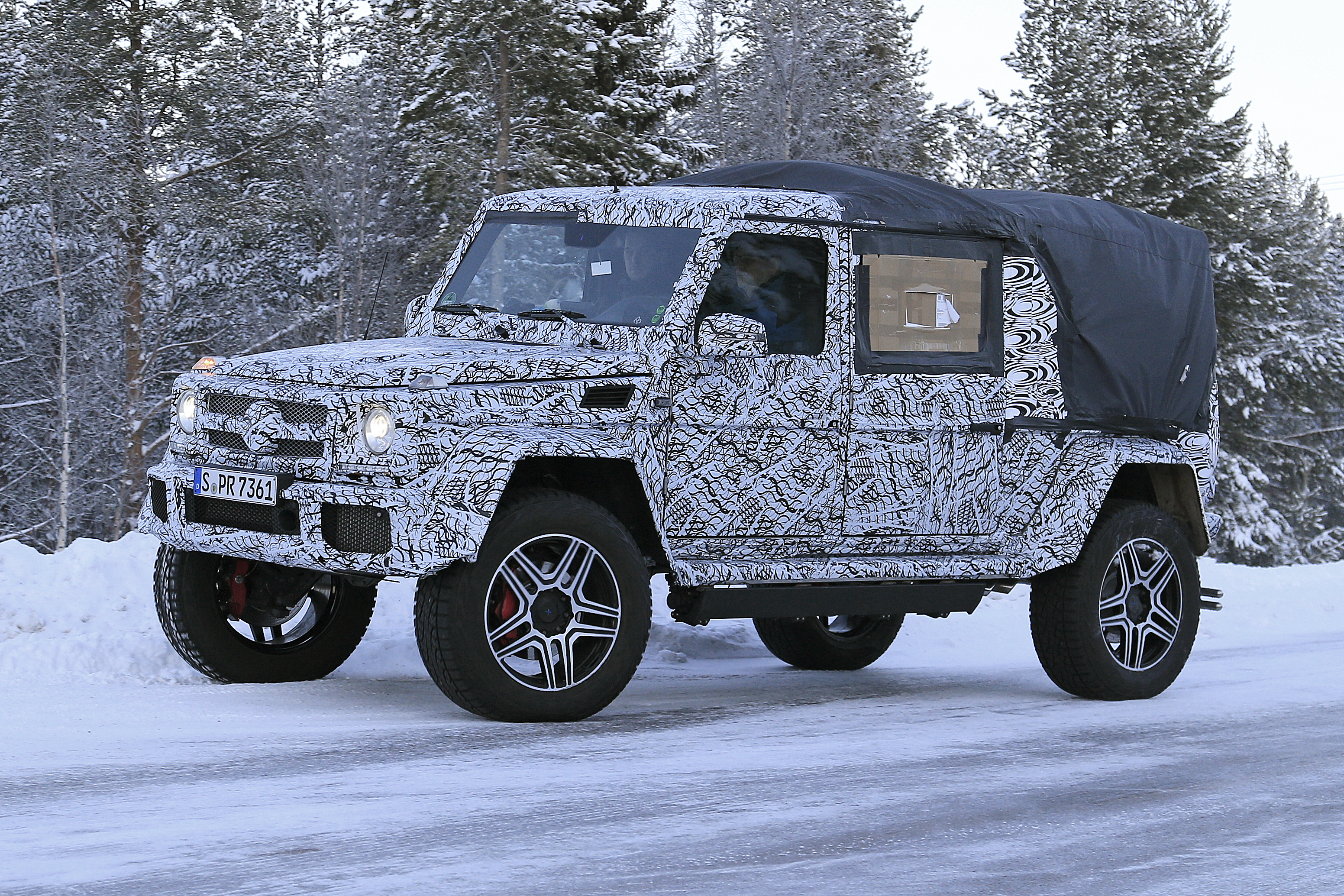
In fact, a source at a well-known car brand told Wheels that on average, for every ten cars “spied” in the wild, only one wasn’t supposed to be seen.
Recently, Ford’s new Focus has been photographed in a snazzy wrap bearing the hashtag #TimeToFocus. Jaguar even applied the hashtag #XFSportbrake to the flanks of a cammed-up prototype, removing any doubt about what was lurking under the disguise.
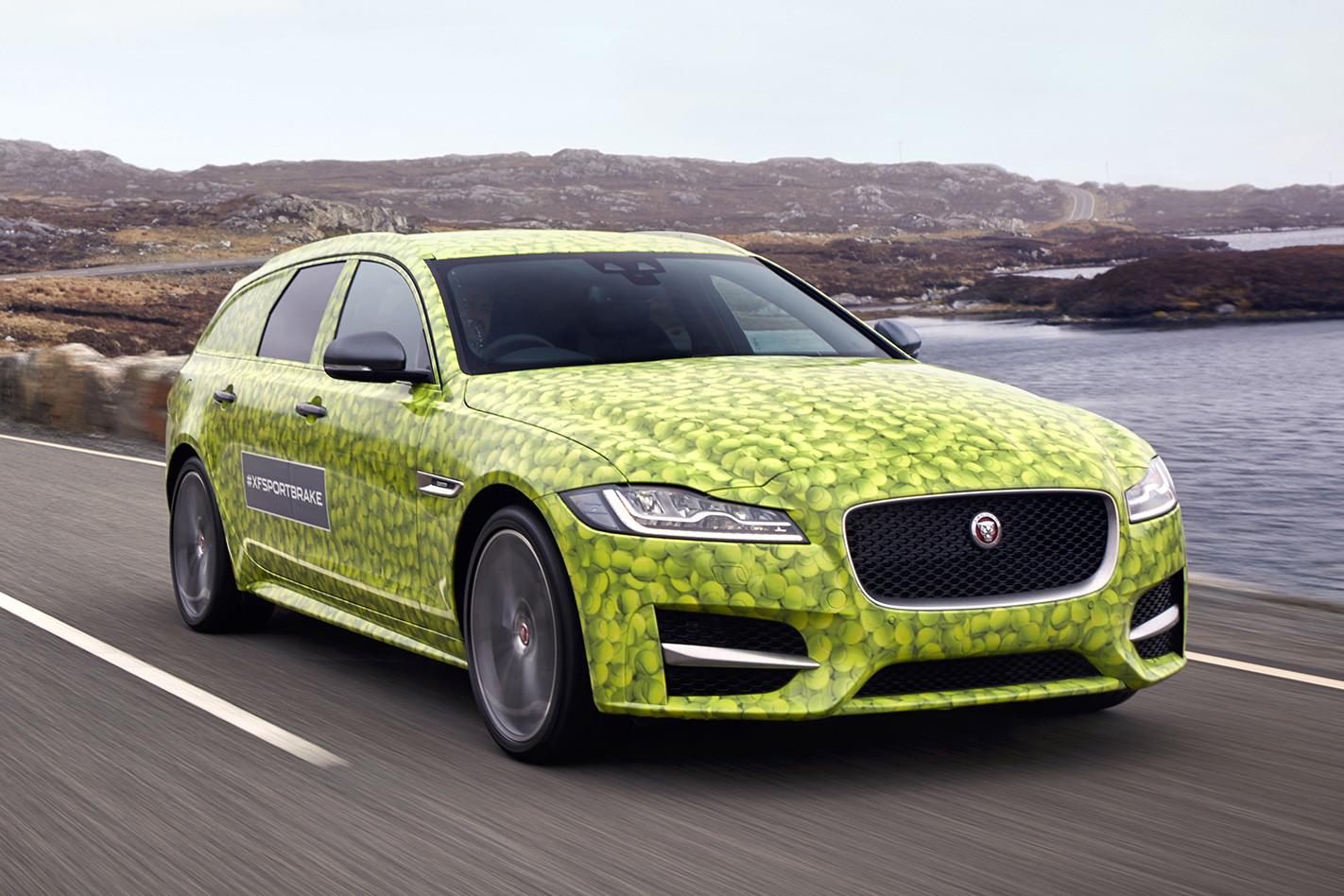
It’s probably about time the motoring fraternity toned down its smug tone whenever it “catches” a car maker with its camouflaged pants down. By publishing or clicking on these supposed leaked, secret or scooped pictures, we’re all just doing the bidding of their respective marketing departments.
AS PROMISED, Aston Martin has delivered a lighter, more powerful version of its not-exactly-tame Valkyrie hypercar that can only ever be let loose on the race track.
The Valkyrie AMR Pro is the work of Aston’s recently forged Aston Martin Racing skunkworks division which first turned its road-car tuning hand to the swansong Vantage, sending the model off with a bigger bang, before turning the aero up on the track-only Vulcan.
For the Valkyrie however, AMR has been given an even longer leash and was freed from the restrictions normally associated with road cars. The result, says Aston Martin, is a vehicle that can lap a race track as fast as “recent Formula 1 cars”.
The British car maker is going light on specifics at this stage with no concrete performance figures released for either track AMR Pro or street versions, but the latest Valkyrie variant can reportedly pull 3.3G in cornering – three times more force generated than the mighty Nissan GT-R Nismo.
That staggering corner-carving ability is thanks in part to a greater focus on aerodynamics and downforce, with the AMR Pro treated to larger front and rear wings and “revised aerodynamic control strategies tailored for the demands of track driving”.
The changes are immediately obvious from the outside when compared with its road-going sibling.
Interestingly, the track version rolls on smaller 18-inch wheels compared with the road version, but the downsizing was to allow the use of special Michelin race tyres – the same fitted to LMP1 cars. Braking is also the stuff of thoroughbred racers with carbon discs in each corner, inspired by F1 equipment, says Aston. Stopping force tops out at 3.5g allegedly.
Without the constraint of a road car exhaust system, AMR was able to extract more power and torque from the Cosworth V12, in addition to recalibration work and a revised Rimac Energy Recovery System.
Significant weight reduction was also performed for the AMR Pro including the ditching of the cabin heater, information screens and entertainment system. The glass windscreen and side windows were swapped out for polycarbonate, the cabonfibre body was lightened, suspension wishbones are crafted from more carbonfibre and the adjustable seats are replaced with moulded race versions.
A full V-max run has not yet been carried out, but the car’s maker predicts a top speed in the region of 400km/h despite its significant downforce.
Tempted to put your hand in your pocket? Calm down. Even if you did have the budget of about $5.2m to splash on a car that can’t be driven on the road, all 25 examples have already been sold to some of Aston Martin’s most loyal and valued customers.
Those lucky enough to get in on the highly exclusive production run will enjoy a number of extras included in the price that go beyond the customary tank of fuel and a baseball cap.
Each owner will be coached through an “intensive and comprehensive driver development programme” with access to the same facilities as Red Bull Racing F1 drivers, including simulators, instructed track time and a fitness program.
After the owners have been prepared for the extreme capabilities of the AMR Pro, they will be invited to participate in a number of driving events at a “some of the world’s most prestigious race tracks”.
Until now, the Mercedes-AMG Project One appeared to be the only natural rival to the Valkyrie, but in its new AMR Pro clothing, the Aston might be the homologated track champion of the world.
Dallara might carry clout in most race paddocks in the world. But there’s a good chance no one’s heard of them at the pub.
The chassis specialist is heavily involved in all forms of open-wheel racing and builds the monocoque for high-end hypercars like, oh, the Bugatti Chiron.
So it knows what it’s doing when it comes to speed. And now, it’s breaking into the road cars game.

At its core is the firm’s specialty, a carbon-fibre tub. So it weighs 855kg dry. While on the outside it has, as you might notice, no doors. Less to homologate, maybe.
It’s leaned on Ford for means of combustion, with a Mustang 2.3-litre turbocharged four nestling behind the driver. It thrums with 298kW at 6200rpm and 500Nm from 3000rpm to 5000rpm.

Electronics giant Bosch is behind the engine and chassis electronics. The suspension is designed in-house. And the tyres come from Pirelli.
Much like McLaren does with its carbon-fibre tub, the bodywork around the Stradale’s can be changed to suit different tastes.
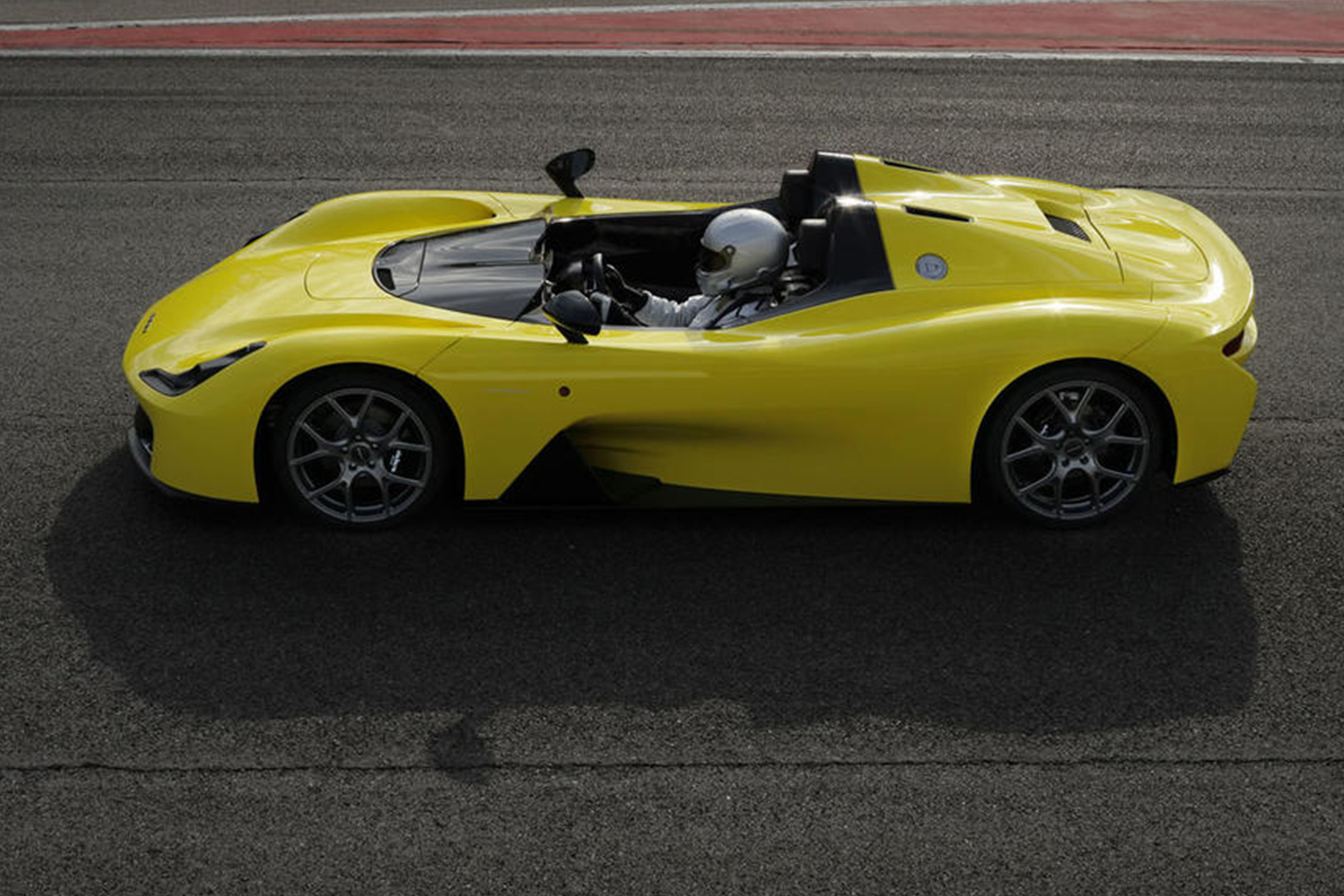
The car’s flowing form is backed by impressive aero statistics. Downforce is quoted at 820kg, at its 278km/h top speed, which helps it produce up to 2g in lateral acceleration.
Other options for drivers will be lower performance suspension and a higher downforce wing.
How much will it cost? The street Stradale is only approved for USA, Europe, Britain, and Japan for now. Let’s hope that last mention bears fruit for Aussies.
Pictures: Dallara via Motorsport.com
HERE’S a story that’ll bring your general sense of optimism for the world down a notch or two.
It’s been reported overnight that Canadian police picked up a driver who thought it was perfectly reasonable to attach not just one screen, but two, to his steering wheel.
Both a tablet and smartphone were attached to the wheel using string. If you can’t see what is wrong with this, do us all a favour and pop your licence through the shredder please.
The kicker? Technically our Canadian mate’s setup isn’t illegal under local laws. While the tech genius was fined by police, it was for not having his driver’s licence on him, not the clear and present beacons of distraction he’d affixed to his wheel.
Thankfully, if this was Australia, the offender would be facing a couple hundred dollar fine and several points lopped from his licence depending on where he was nabbed.
In most Australian states it’s legal to use some of a phone’s function while driving, but only if it is “secured in a commercially designed holder fixed to the vehicle”. Some string isn’t going to cut it.
But it seems Australian aren’t getting the message either and local authorities admitted to Wheels earlier this year they are losing the battle against smartphone use in cars too.
We rank fourth in the world for smartphone ownership, and studies have shown Aussie drivers just can’t resist the urge to use phones while driving.
While the rate of tickets issued for smartphone use while driving has fallen in Victoria, the state’s top cop Doug Fryer puts this down to police tactics not being able to keep up with offending methods.
But more importantly, don’t be like our Canadian friend. Put all your devices away when at the wheel, and don’t be an idiot. This story’s ending could have been very different.
TESLA has dropped a bombshell at the end of its battery-powered prime mover reveal, rolling out an unexpected model, the Roadster 2.0.
It’s the first sports car from the all-electric manufacture since the California electric car maker’s first vehicle, 2008’s original Roadster.
Elon Musk claims the two-door targa-topped 2+2 coupe will be the quickest production car ever, claiming the Roadster 2.0 will be able to sprint to 60mph (98km/h) in 1.9sec, before pushing past 100mph (160km/h) in 4.2sec. The quarter mile can disappear in 8.9 seconds – dedicated drag car territory.
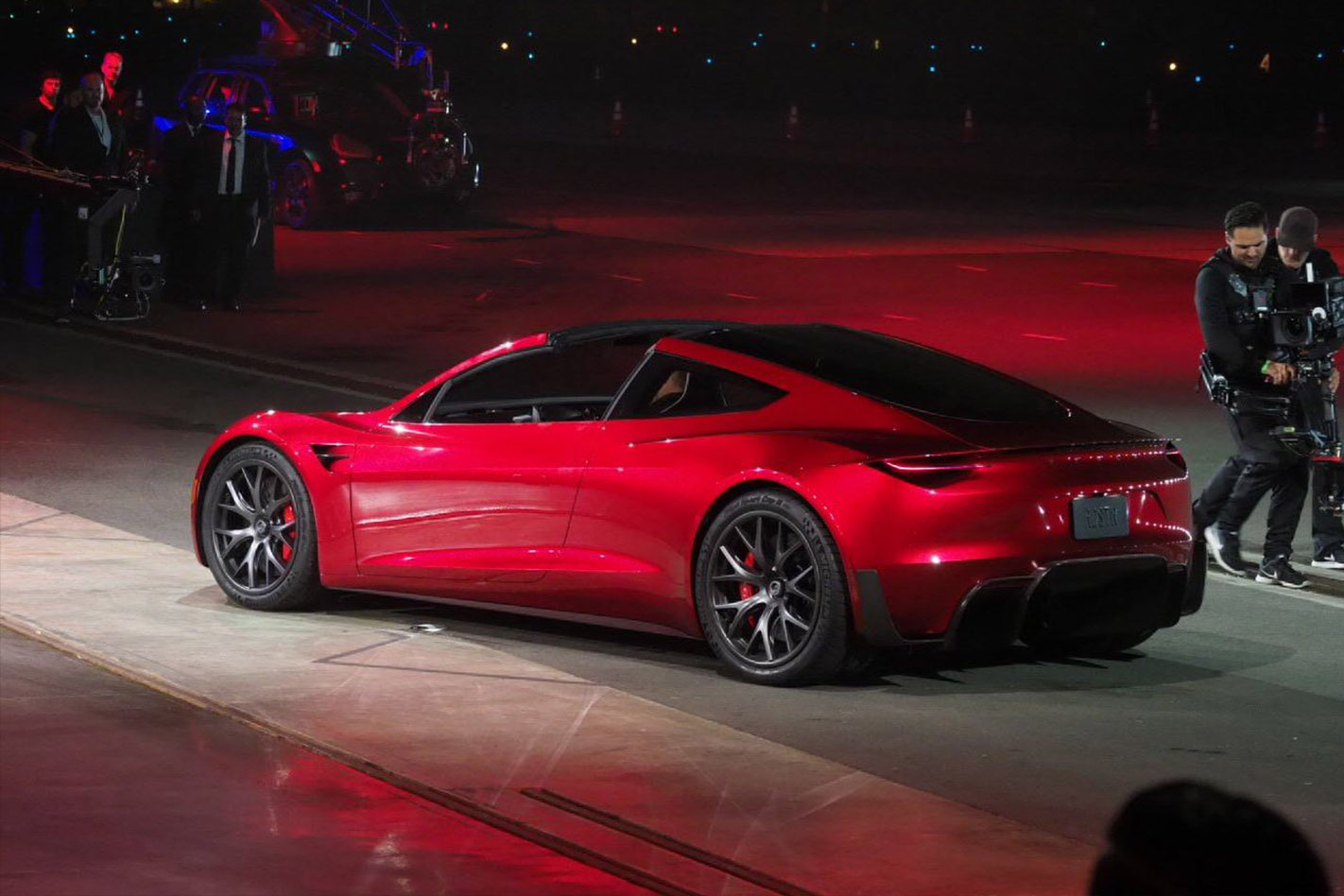
Top speed is claimed to be more than 250mph (402km/h), meaning Tesla has leapfrogged straight into supercar territory, and aimed directly at roof-down hypercars such as the Koenigsegg Agera as competition.
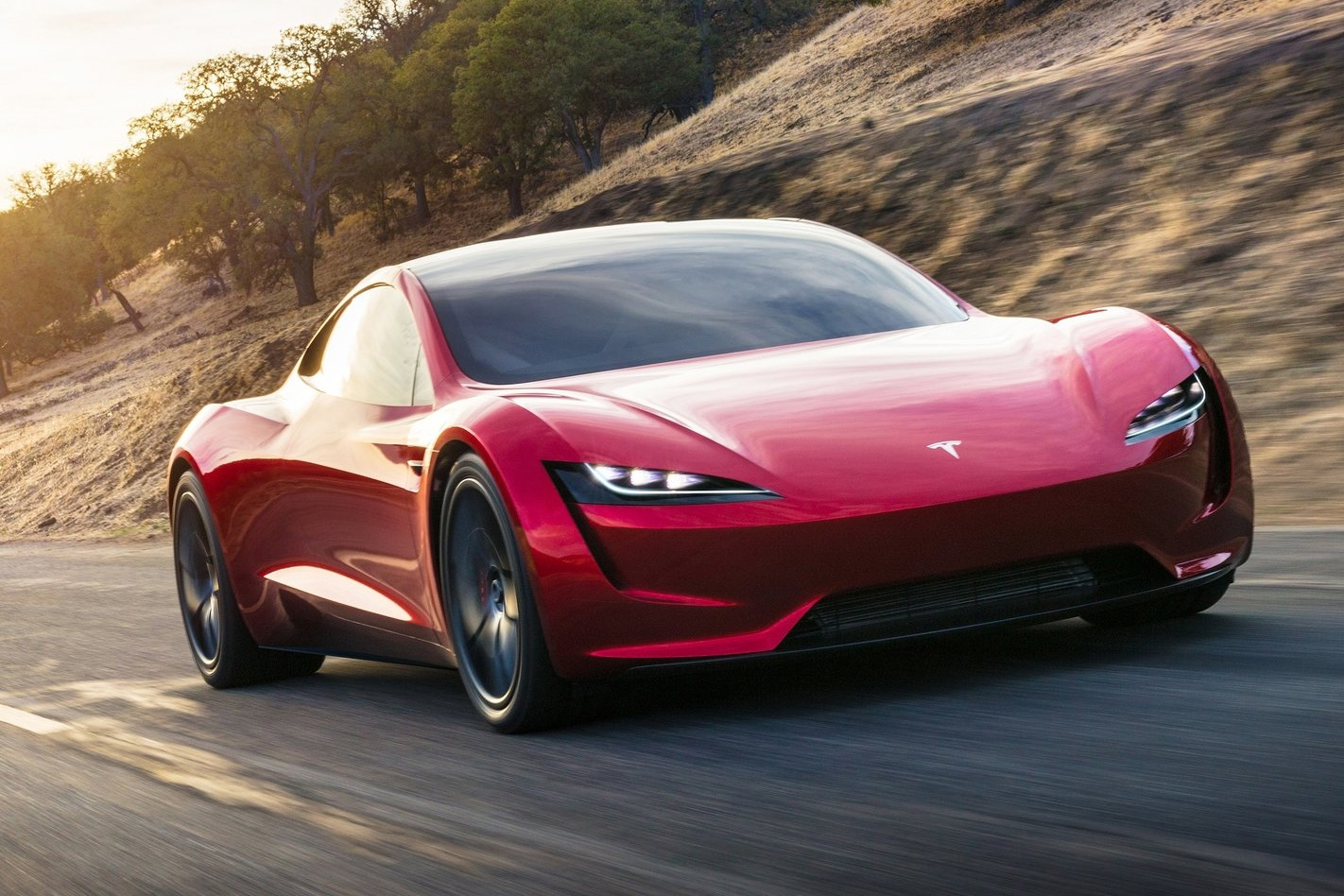
The two-door prototype sports a sleek, low-slung styling, with visual cues similar to other Tesla models.
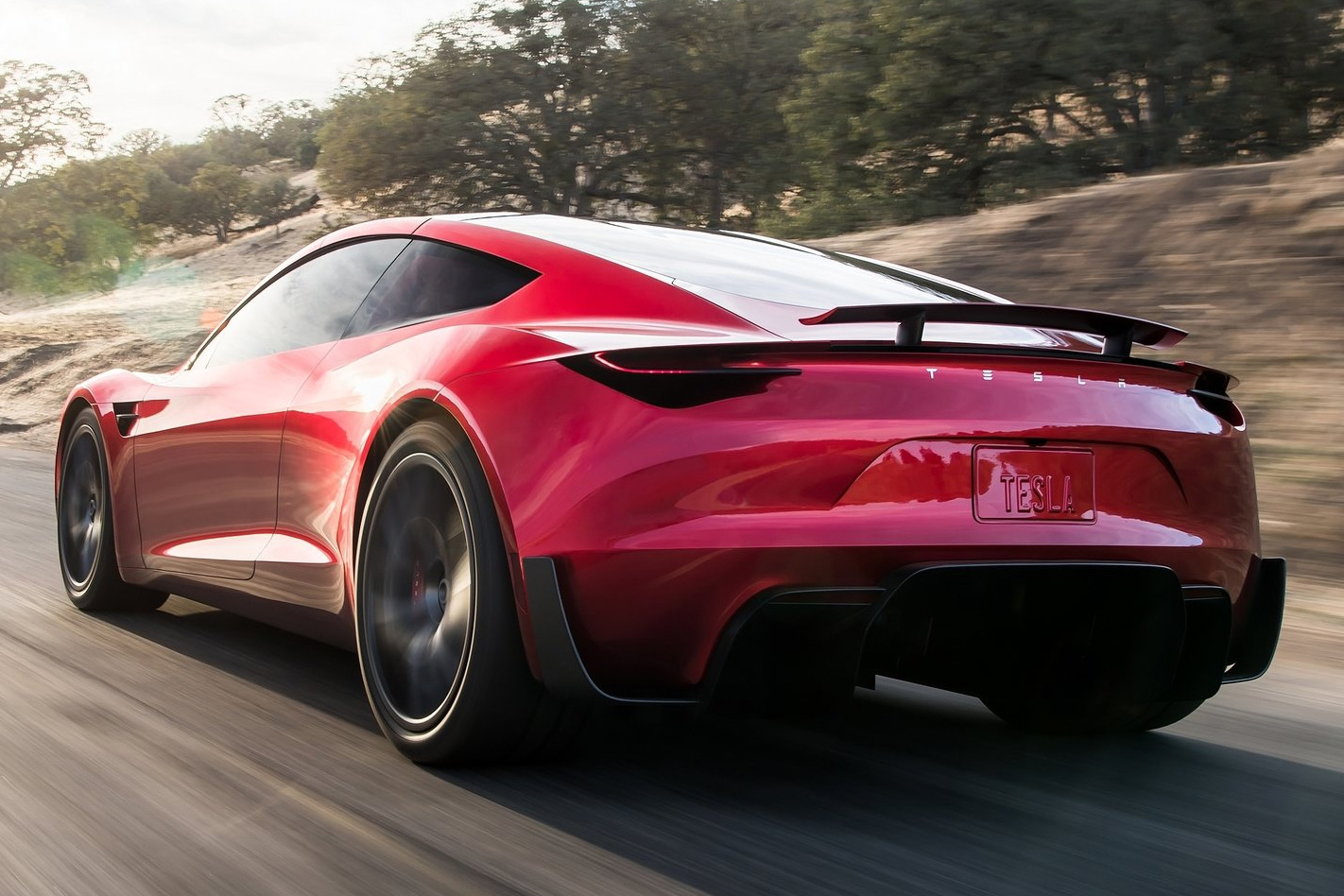
More to come