
As we’ve seen from its newest models like the new ZS Hybrid+ and the MG3, MG continues to build well-rounded products that improve with every update.
The HS mid-size SUV is one of the brand’s most recent updates and is now in its second generation. Is the new HS worthy of consideration in the crowded mid-size SUV segment?
Pricing for the HS range starts at $33,990 plus on-road costs for the entry-level Vibe, with even the top-spec Essence asking only $40,990 drive away.
The HS range is well equipped with even the Vibe including features such as 18-inch alloy wheels, dusk-sensing automatic LED lighting, rain-sensing automatic wipers, a six-way electric driver’s seat, a 12.3-inch touchscreen with wired smartphone mirroring and DAB+ digital radio.
There’s also a full suite of active safety features including a front centre airbag, AEB, adaptive cruise control, lane keep assist, blind-spot monitoring and rear cross-traffic alert.
| Model | Price (drive-away) |
|---|---|
| MG HS Vibe | $33,990 |
| Excite | $36,990 |
| Essence | $40,990 |
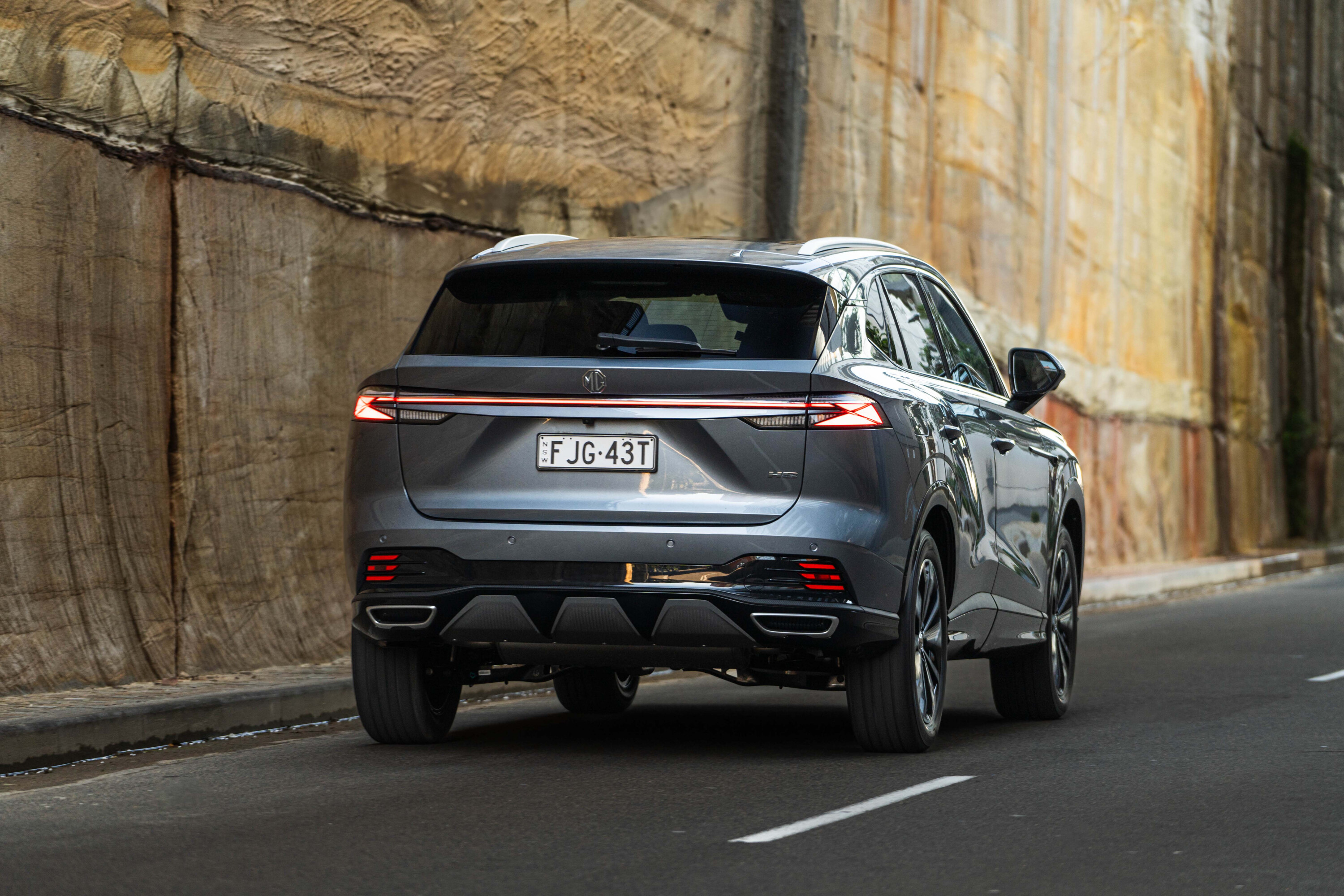
The mid-range Excite adds larger 19-inch wheels, synthetic leather upholstery, a 360-degree camera, satellite navigation and access to MG’s ‘iSmart’ online services, while the top-spec Essence further adds a panoramic sunroof, a wireless phone charger, heated front seats with driver’s memory functionality, dual-zone automatic climate control, front parking sensors and auto-folding mirrors.
We think it’s very well equipped across the range, though it would be nice to see automatic climate control and a wireless charger in the Excite and wireless smartphone mirroring across the range.
For now, the HS range uses a 125kW/275Nm 1.5-litre turbocharged four-cylinder petrol engine that sends its power to the front wheels via a seven-speed dual-clutch automatic transmission.
Fuel consumption is rated at 6.9L/100km on a combined cycle, with claimed CO2 emissions of 156g/km. It uses premium unleaded fuel, and has a 55-litre fuel tank.
| 2024 MG HS 1.5T specifications | |
|---|---|
| Engine | 1496 4cyl, DOHC, 16v, turbo |
| Max power | 125kW @ 5000rpm |
| Max torque | 275Nm @ 3000-4000rpm |
| Transmission | 7-speed dual-clutch |
| Weight | 1685-1630kg |
| Economy | 6.9L/100km |
| 0-100km/h | 9.4sec |
| Price | $33,990-$40,990 |
| On sale | Now |
Those wanting more powerful and more efficient options will be happy to learn that hybrid options – including a plug-in version – are set to arrive later in 2025.
While sportier options exist in the mid-size SUV segment, the driving experience of the HS is refined and comfortable. Even on the larger 19-inch wheels of the Excite and Essence, the ride quality is compliant and while the handling is not the most engaging, it’s still satisfying to drive.
The refinement is excellent, even on coarse chip roads. MG’s active safety suite – called ‘MG Pilot’ – is well calibrated and an improvement on the previous-generation system, though its driver monitoring and lane keeping assistance can still be a bit sensitive.
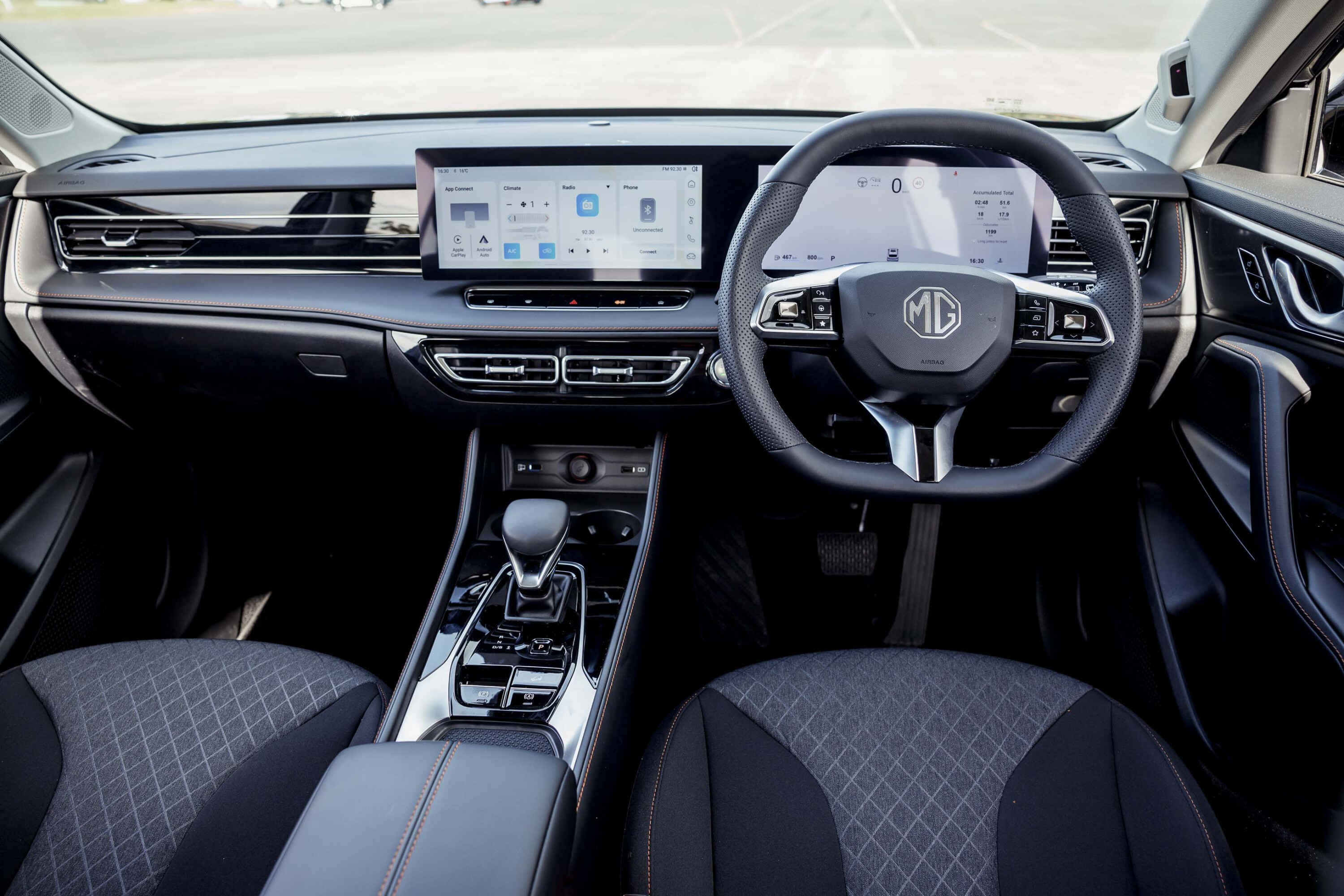
The cabin of the HS has received a more contemporary design, higher quality materials and easier tech integration that makes its interior one of the more pleasant options in the segment, regardless of price.
It’s practical too with big door bins, deep cupholders, a big box underneath the central armrest and even a wireless charger on the top-spec Essence.
Centre of the cabin is a new 12.3-inch touchscreen that uses the same software as the new ZS and MG3a. It’s night-and-day compared with the previous HS’ system: there’s more functionality, it’s much quicker and the screen quality is better as well. The menu system is far easier to use, though some functionality is still buried in the system and could be easier to find.
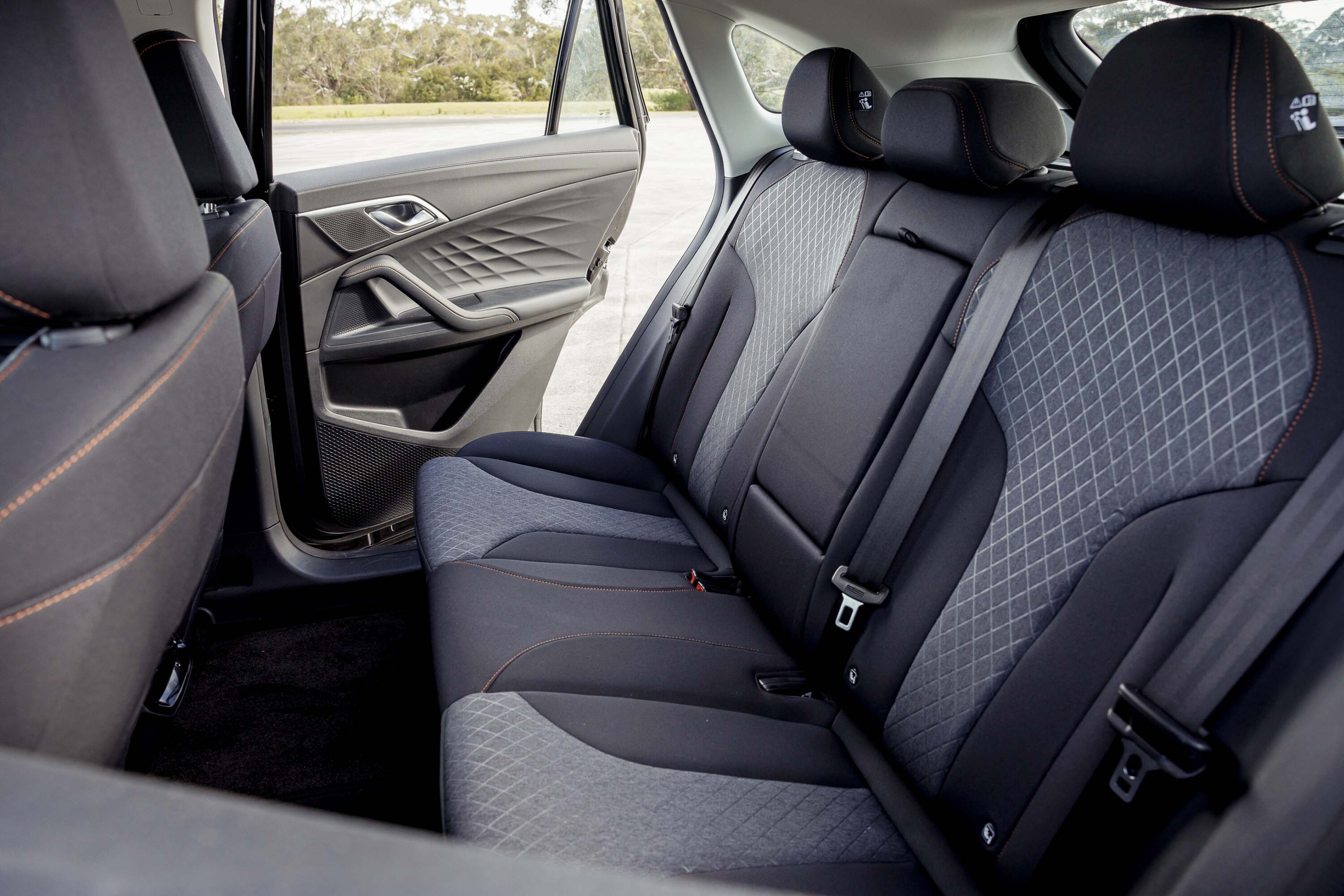
The rear seat is spacious for the segment, with ample legroom that’s enhanced by the almost-flat floor. Features include a central armrest, door pockets, air vents and two charging ports.
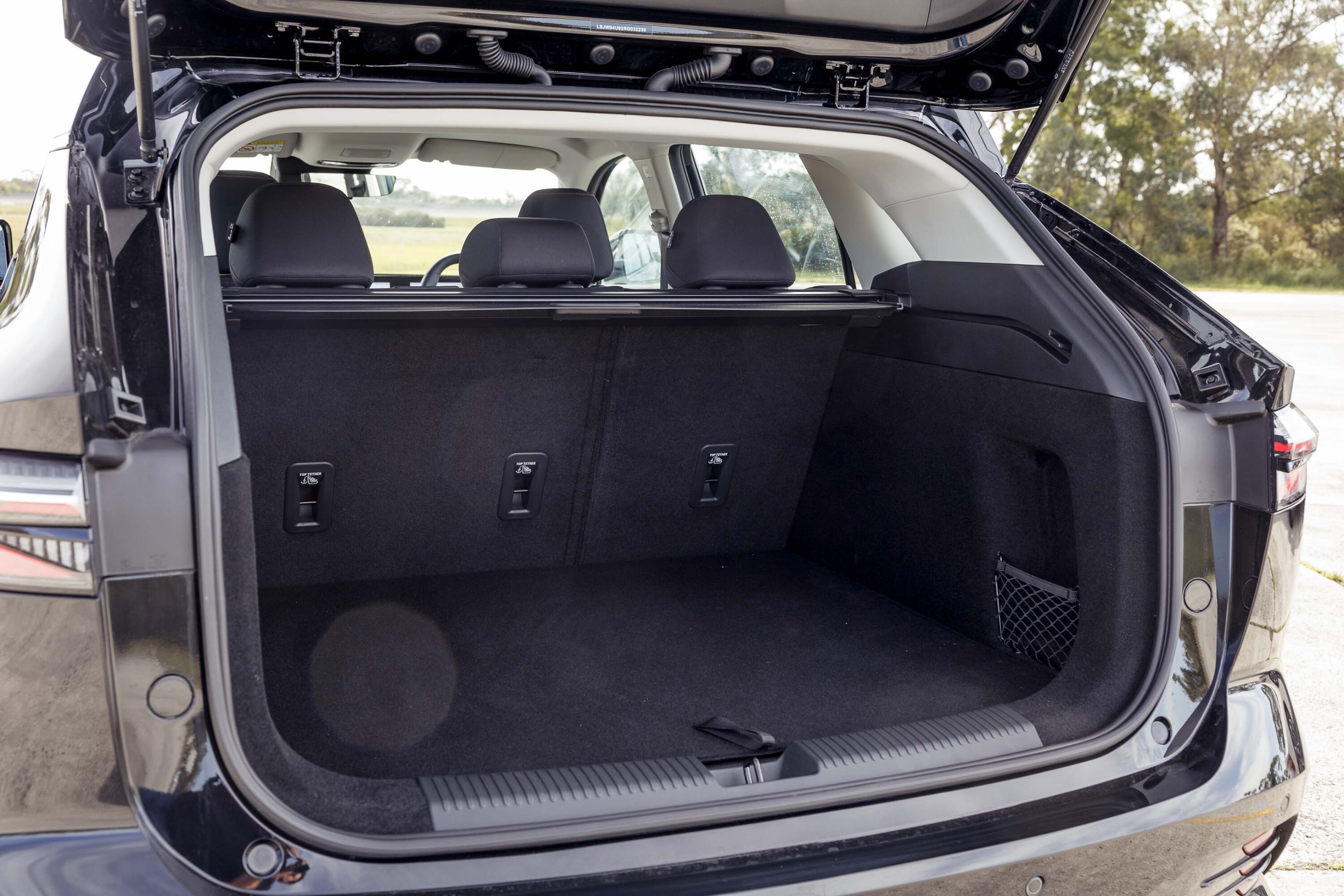
The boot of the new HS measures 507 litres with the seats up, and 1,484L with them folded – larger rivals in the segment offer more space, but the HS features more cargo space than the very popular Mazda CX-5. Under the floor is a space saver spare wheel.
MG’s industry-leading 10-year/250,000km warranty covers the HS and five years/75,000km of servicing costs $2,354 or $470 annually.
Overall, the new MG HS feels like a multi-generational change compared with the model it replaces. It has gained a handsome look inside and out with better quality and tech. Its growth spurt has gifted it more interior space as well, while revamped dynamics mean that it’s also more satisfying to drive than the previous model.
Add in the value that MG is famous for, plus its 10-year warranty, and it’s clear that the new HS should be under serious consideration for mid-size SUV buyers.
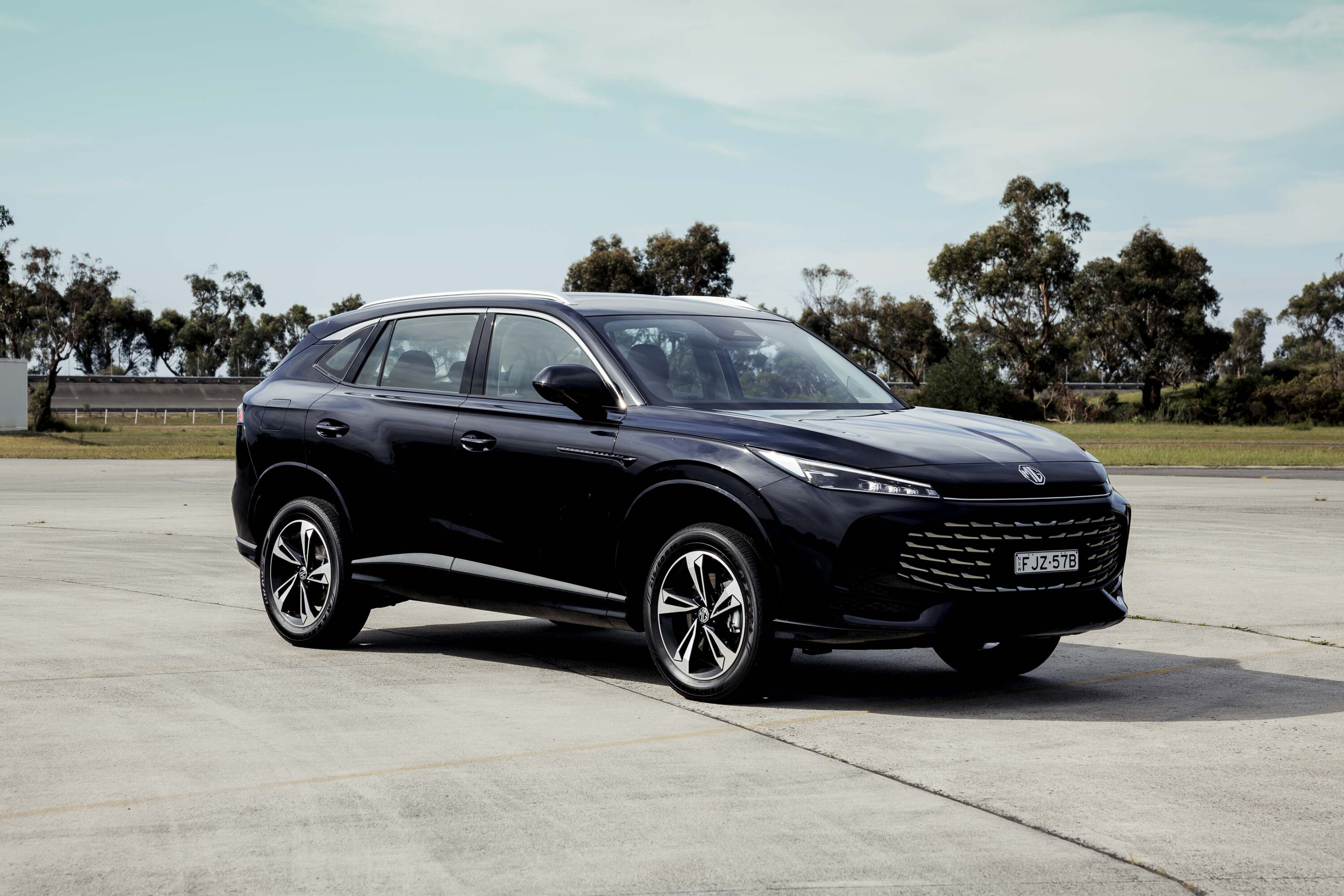
Hyundai Australia has expanded the N Australia customer activities with the announcement of N Club Track Days in 2025, with seven track day events across Australia available to N owners with N vehicles.
N Club Track Days will allow N owners to experience the capability of their cars in a safe and controlled environment on the track, as well as honing their driving skills with personal tuition from expert instructors.
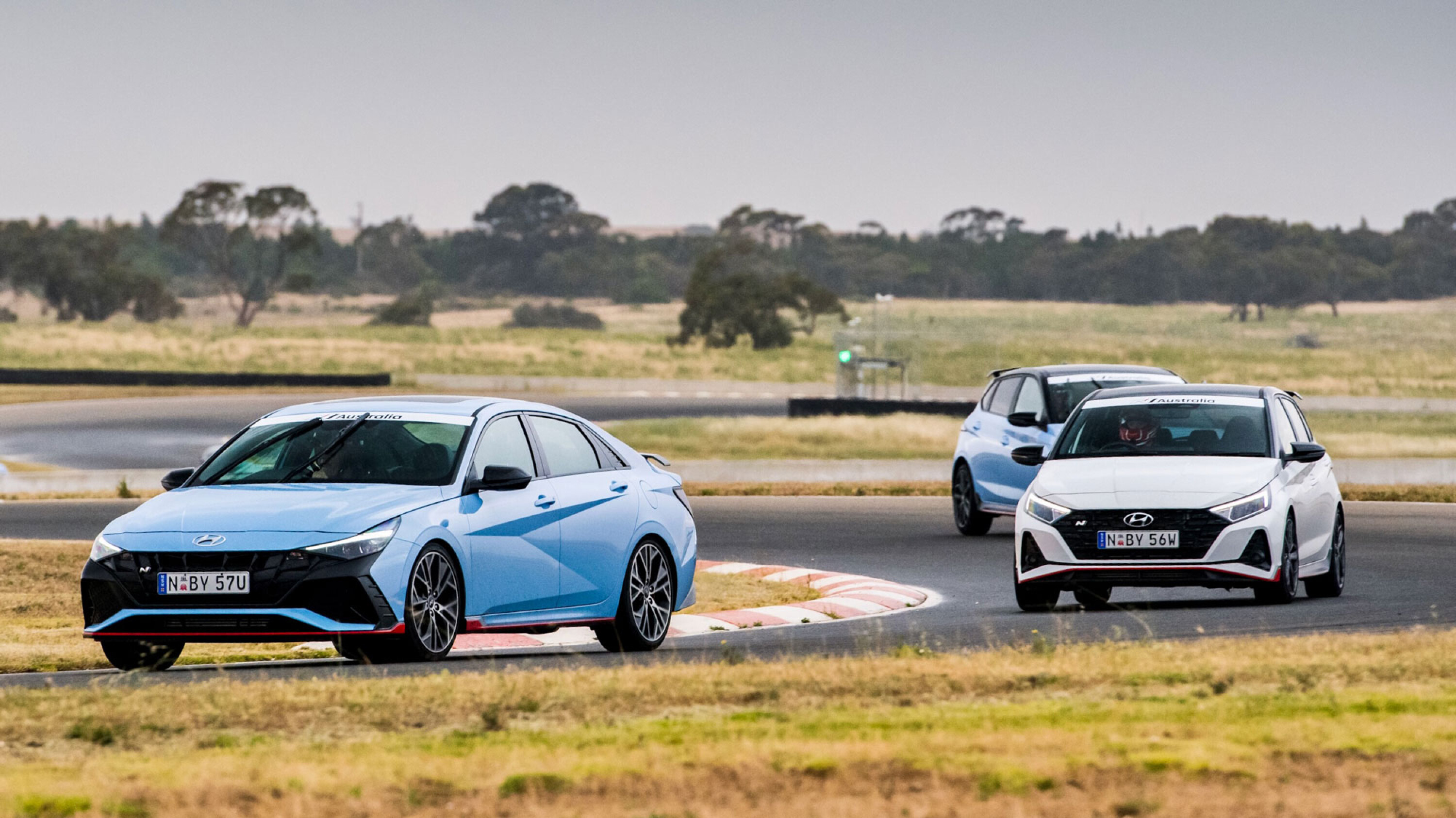
Hyundai’s race and rally N Ambassadors will also be on hand to provide passenger rides with two-time TCR Australia Champion Josh Buchan, rally ace Brendan Reeves and former Hyundai WRC driver Chris Atkinson all available.
According to Hyundai, participants will be provided with N Tech support from Hyundai technicians, and a discount on their next genuine service.
The N Club Track Days will take place at some iconic Australian racetracks, including Morgan Park Raceway in Queensland, Sydney Motorsport Park in New South Wales, Baskerville Raceway in Tasmania and The Bend Motorsport Park in South Australia.
Hyundai has also organised other N Club events such as N Drive Meets and the seventh annual N Festival, which will be a three-day event at Winton Motor Raceway in Victoria on November 21-23.
“We are extremely proud of the engaged and enthusiastic performance car community we have fostered since launching the N brand in Australia,” said Ted Lee, outgoing Hyundai Motor Company Australia Chief Executive Officer. “It was a natural next step for our N Australia program – dedicated track days for dedicated N-thusiasts.”
Check Hyundai’s N Australia Facebook page for more details.
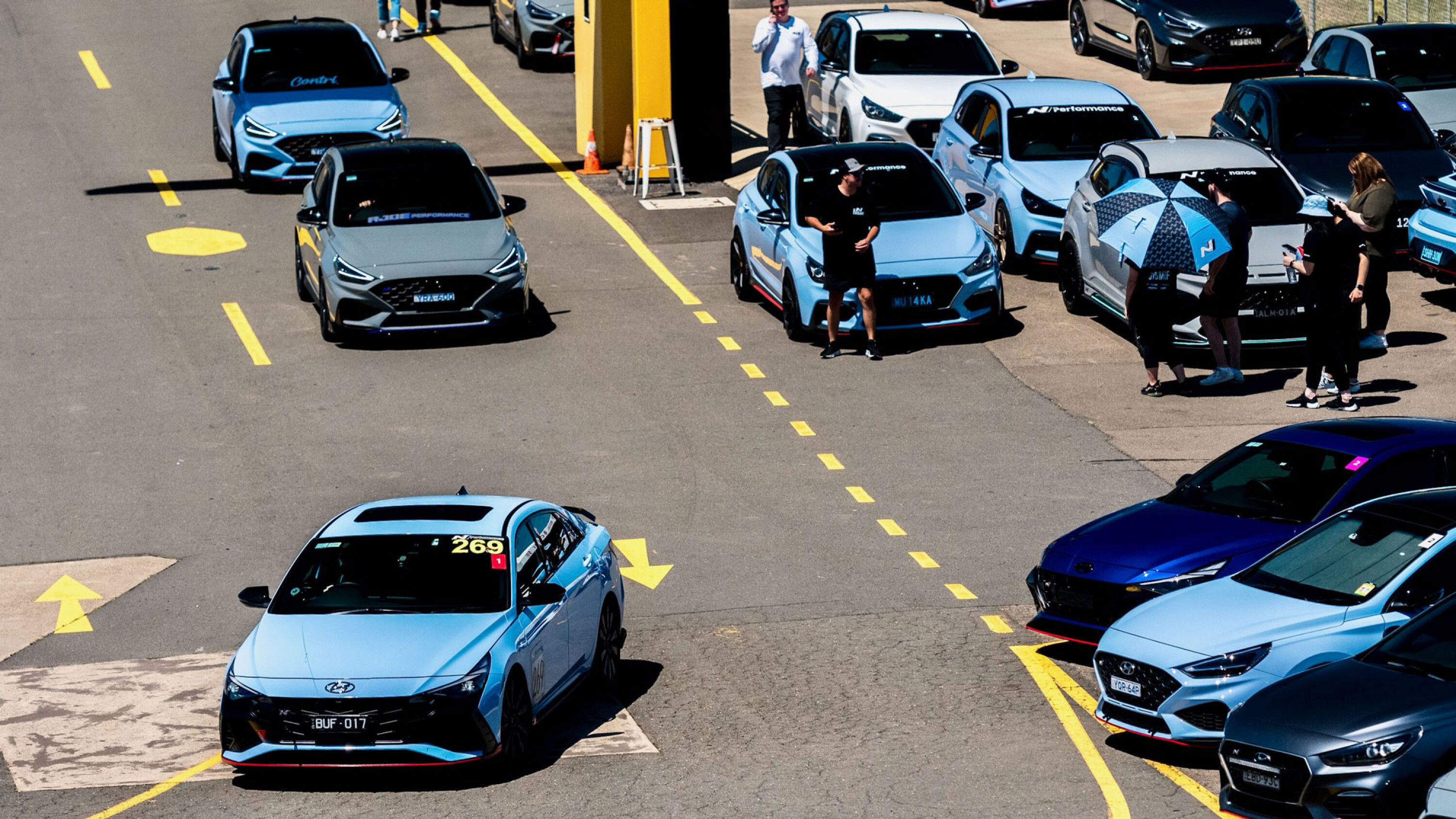
N Club Track Days 2025:
| Date | State | Racetrack |
|---|---|---|
| 30 March | Queensland | Morgan Park Raceway |
| 21 April | New South Wales | Sydney Motorsport Park |
| 18 May | Tasmania | Baskerville Raceway |
| 22 June | South Australia | The Bend Motorsport Park |
| 27 July | New South Wales | One Raceway |
| 30 August | Western Australia | Barbagallo Raceway |
| 21 September | Queensland | Morgan Park Raceway |
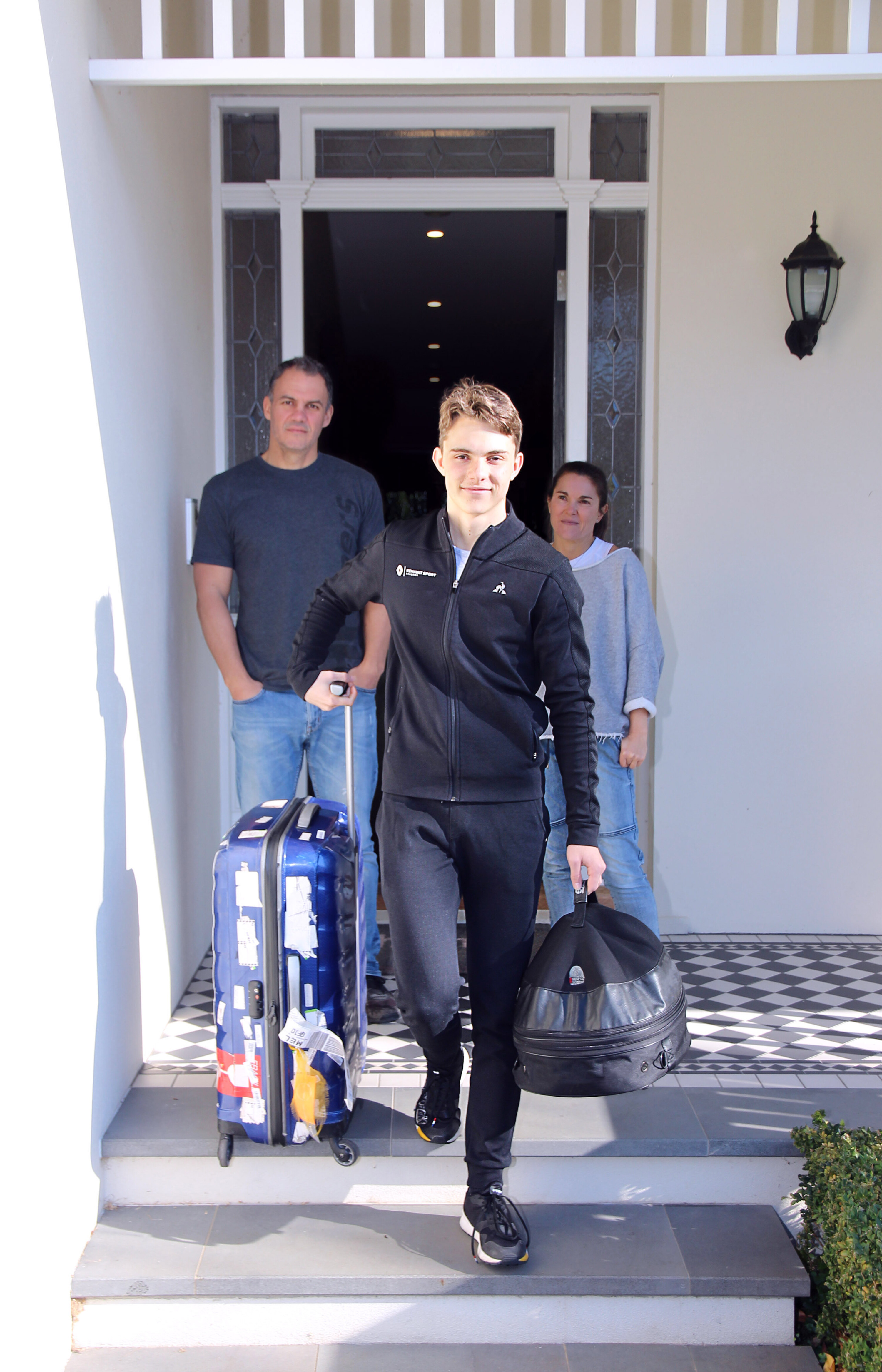
Oscar Piastri looks like a kid. In pictures with his girlfriend Lily Zneimer, they could be heading to their Year 10 formal.
Yet there is incredible maturity in Australia’s grand prix youngster. He has speed and commitment, with intelligence and inner steel to match. Piastri will be a genuine contender through the 24 stops on the 2025 Formula 1 World Championship tour, right from the get-go when the field for the Australian Grand Prix lines up just a couple of suburbs across from the Piastri family home in Brighton East.
“Fighting it out at the front. Winning. Another step up in level from last year,” Piastri tells Wheels in a pre-season chat about the year ahead.

The 23-year-old proved his potential last year when he won his first Formula 1 races with the resurgent McLaren team and, for a time in the mid-season, out-scored everyone at the top end of grand prix racing.
Those second-season successes could have triggered wild, childish celebrations, but Piastri stayed calm and composed. He appeared more like French five-time world champion Alain Prost, who was nicknamed ‘The Professor’, than his emotional and mercurial countryman Daniel ‘The Shoey’ Ricciardo.
He is joined for the 2025 season by Jack Doohan, son of the legendary MotoGP champion Mick, as Australia maintains its two-driver contribution to the starting grid. New Zealander Liam Lawson will also be part of the pack, facing the giant challenge of racing as team-mate to the super-focused four-time champion ‘Mighty’ Max Verstappen at Red Bull.
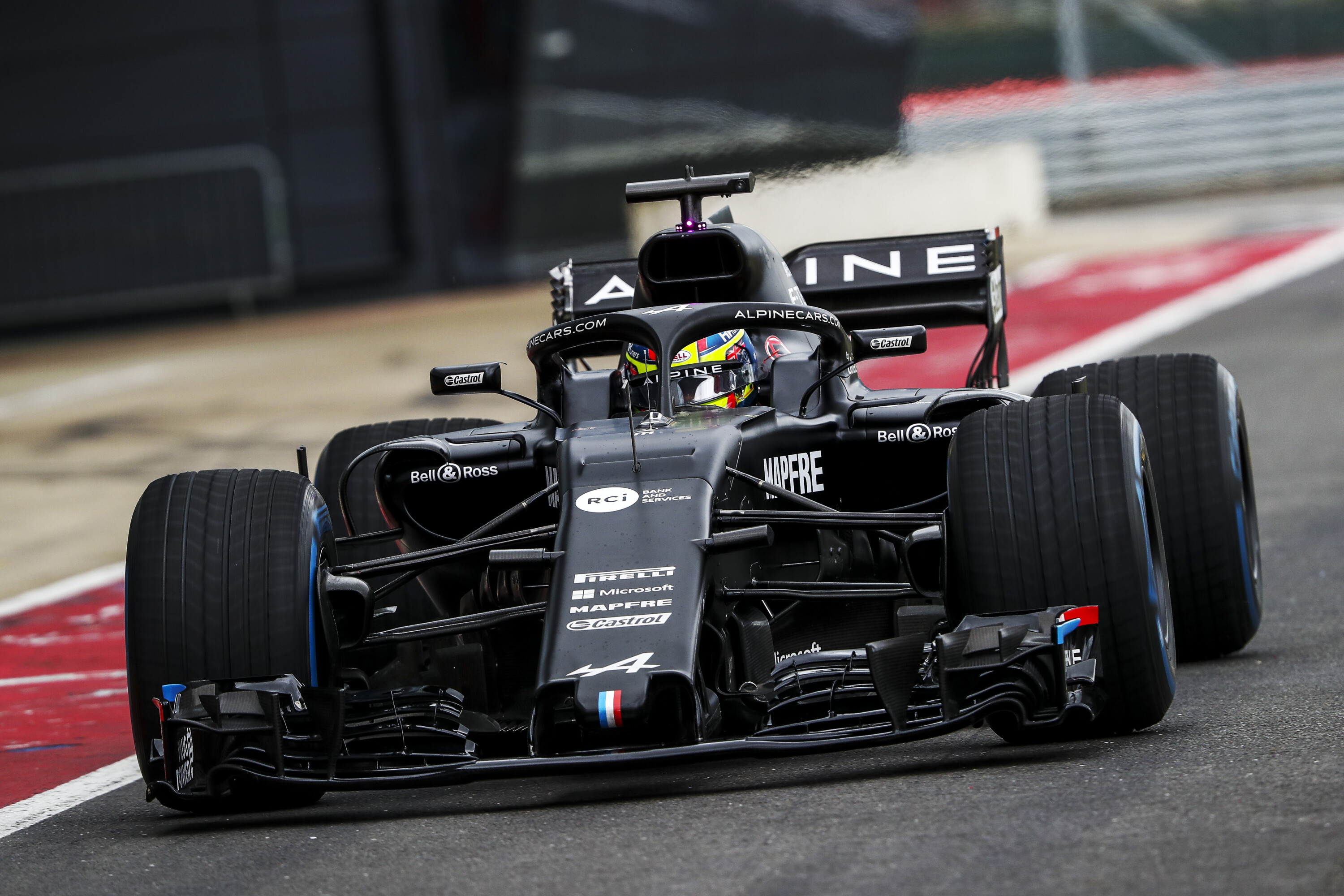
Doohan’s future at Alpine is not clear, with rumours swirling around the team’s Machiavellian boss Flavio Briatore, who guided both Michael Schumacher and Fernando Alonso to world titles but was punted out of F1 after a cheating scandal. Doohan has a multi-year contract but Briatore is impatient and ruthless.
Things are different for Piastri, who is rock-solid at McLaren alongside Lando Norris and would be a hot property if there was any chance of him defecting before the conclusion of his current contract at the end of 2026.
For anyone who has followed Piastri’s fledgling career, season 2024 was just the next step on an inexorable drive to the pinnacle of world motorsport.
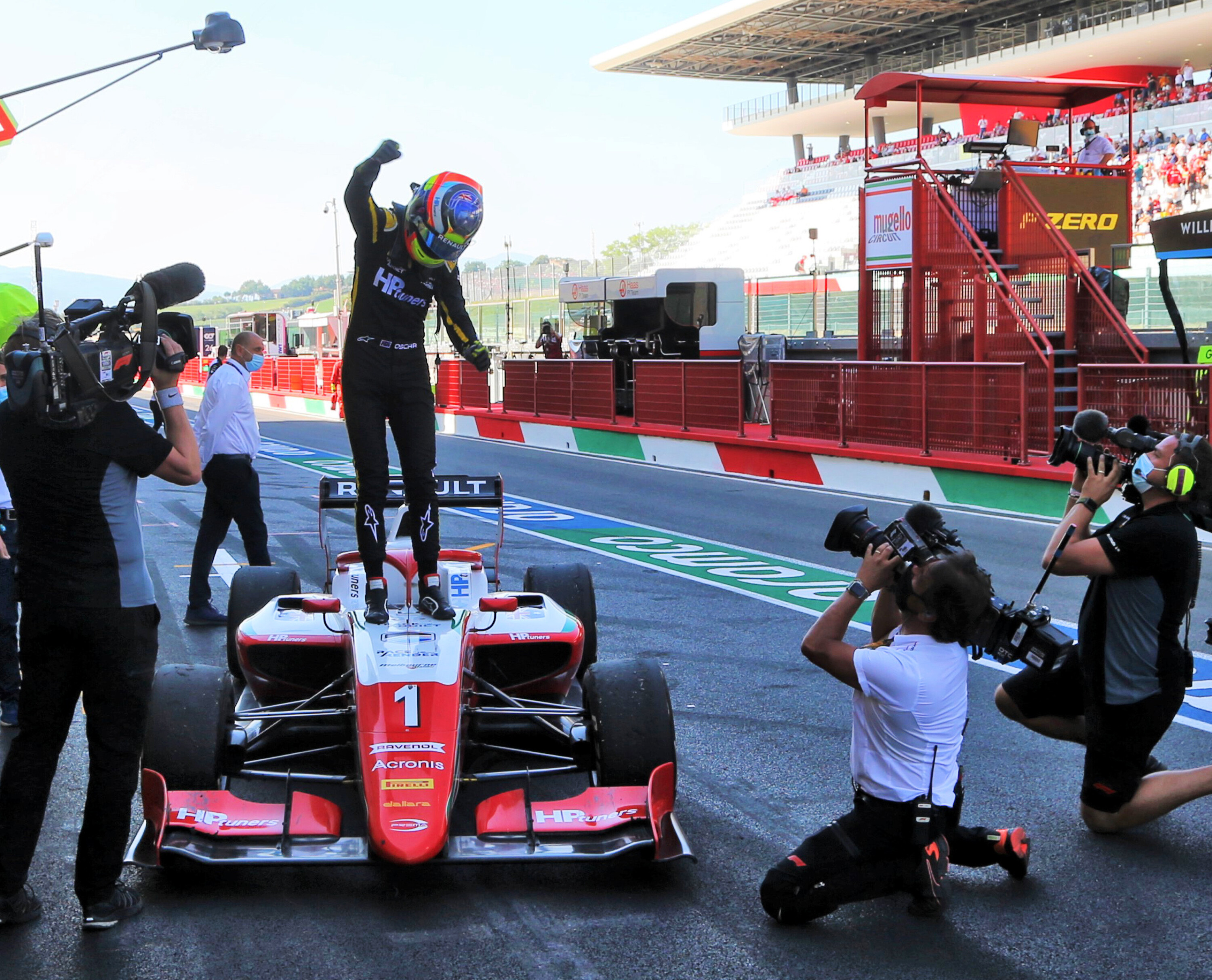
After early victories over adults in remote-controlled miniature race cars, it really began when 14-year-old Piastri moved to an elite boarding school in Britain – where he later met Lily – to pursue his grand prix dream.
He was a winner from the get-go in junior single-seater racing and, almost from the start, was tipped for greatness.
“He is one of the future champions of Formula One,” the then-head of Alpine F1, Laurent Rossi, told me after he signed Piastri as the French team’s reserve driver at the start of 2022.
Piastri proved Rossi was right as he rocketed through back-to-back title wins on the final two steps to grand prix grids, the FIA Formula 3 and Formula 2 championships. Anyone who can do that – including seven-time champion Lewis Hamilton – is very, very talented. But Piastri proved he was something special when he lifted both the F3 and F2 crowns in his rookie seasons.
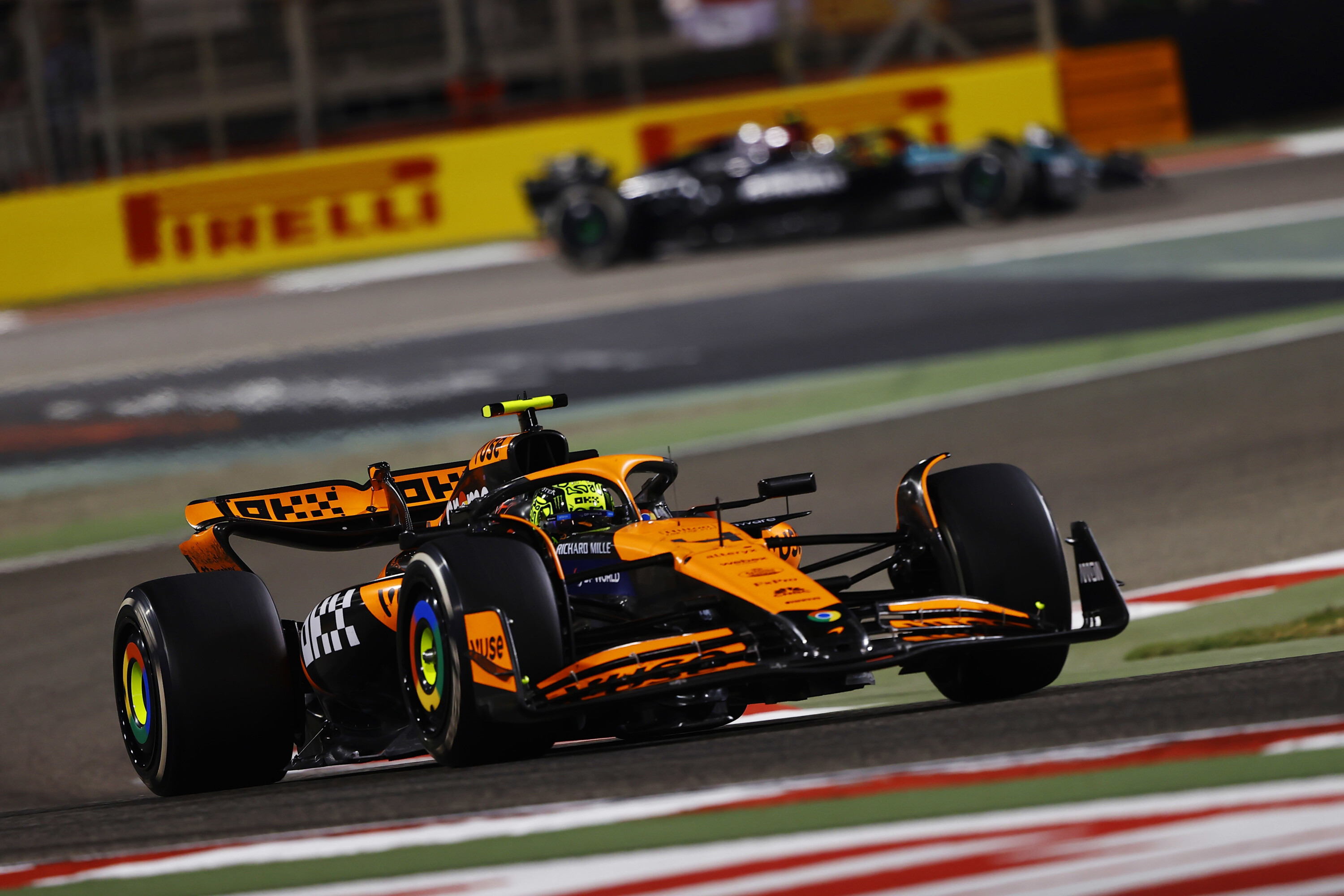
Now it’s 2025 and Piastri is a challenger for the Formula 1 world championship with McLaren.
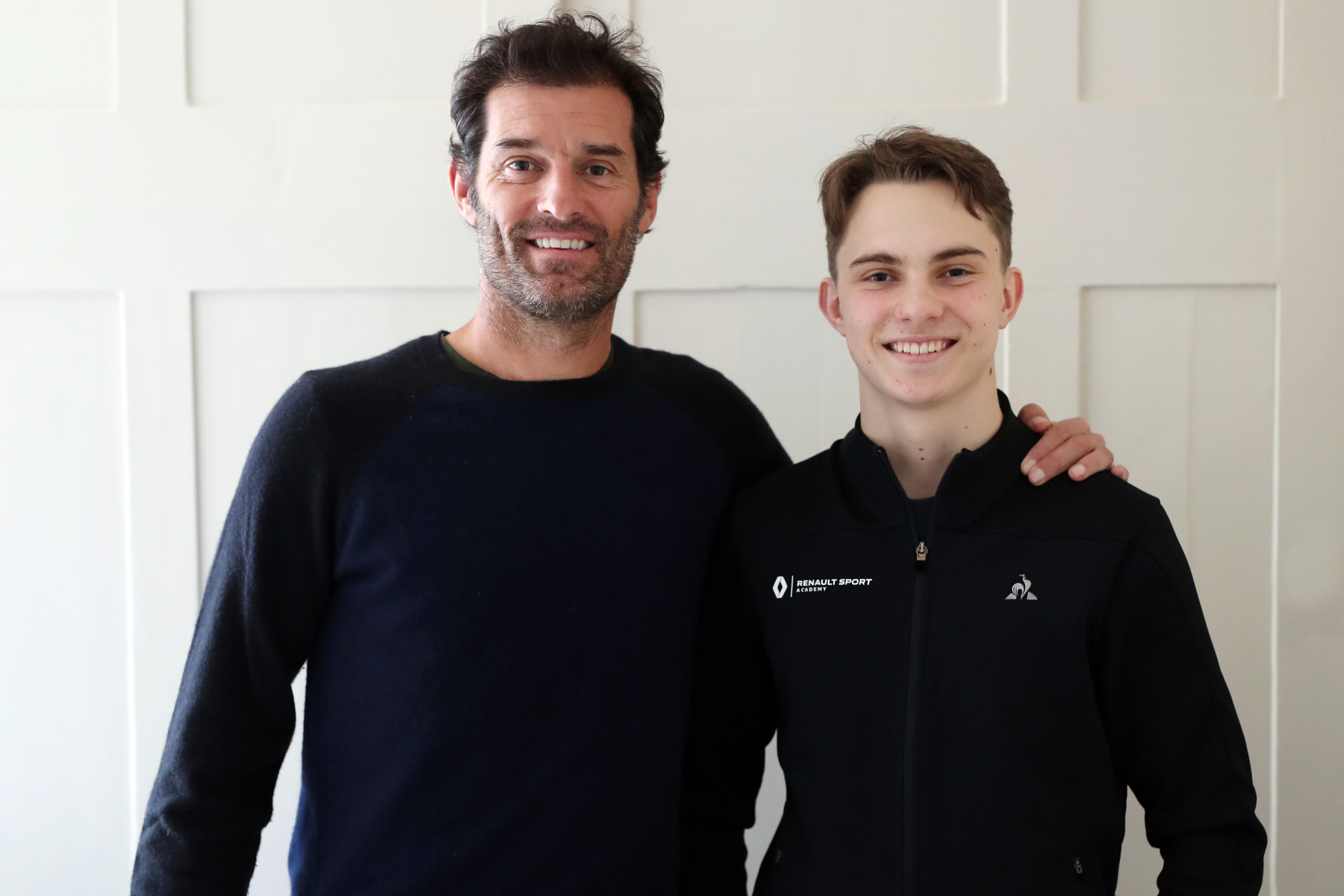
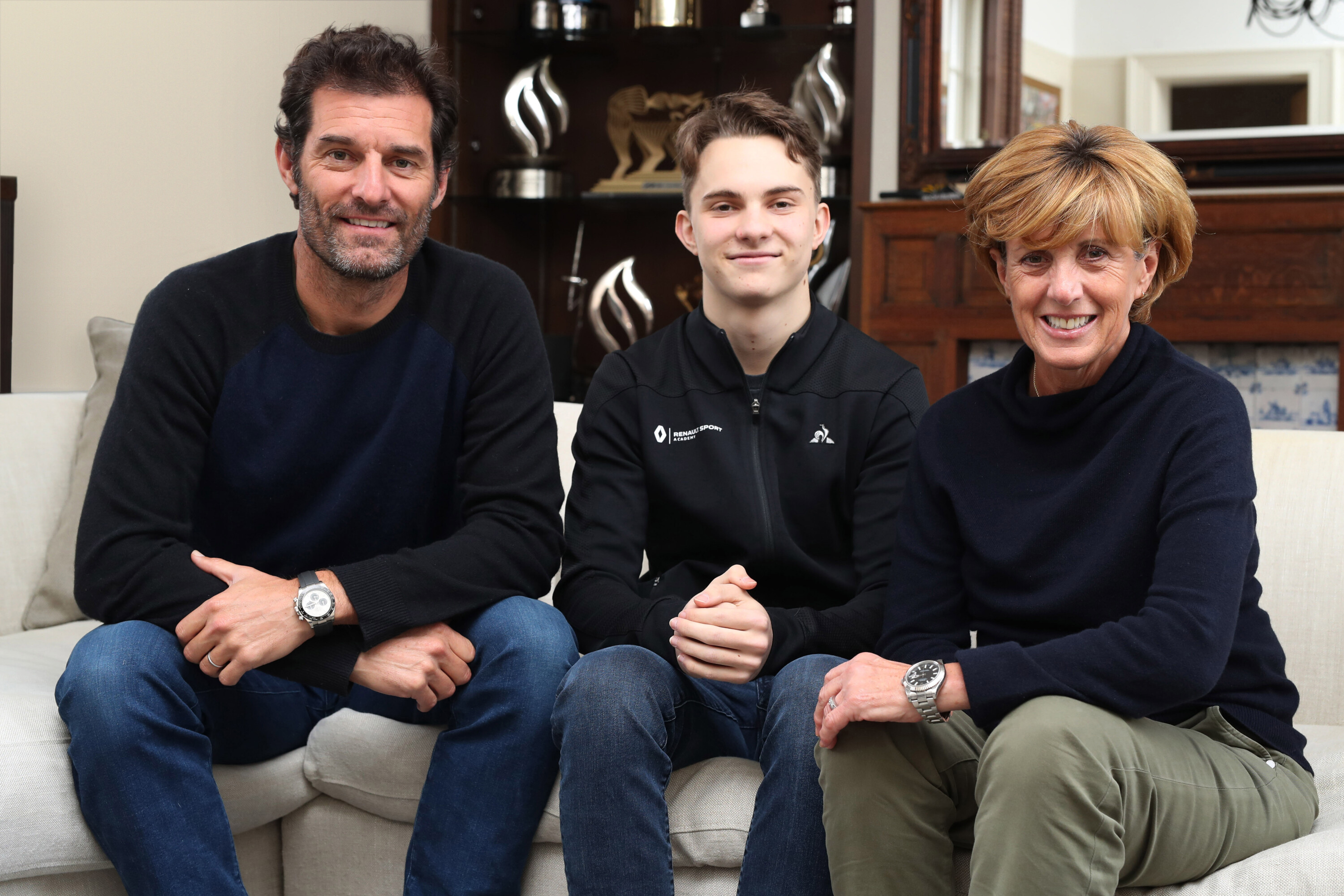
“He got his first grand prix wins last year which are massive milestones and he’s ready to fight it out at the sharp end again,” says Mark Webber, the carbon fibre-tough Aussie who is using his own experience in F1 to guide the youngster. He will be at 18 or 19 races, taking care of business as “Oscar’s eyes and ears and representing his interests”.
Webber raced nose-to-nose with Fernando Alonso and four-time world champion Sebastian Vettel as he got within one race of the world title in 2010, so he is ideally placed to help guide Piastri’s career and avoid the mistakes and mis-steps of his own time in F1.
He proved his multi-million-dollar management expertise when he led Piastri away from Alpine to McLaren, after the papaya team had sacked the under-performing Ricciardo, in one of the smartest switches in recent F1 history. McLaren was the top-rated team in 2024, Alpine only sixth.
Webber would make an excellent poker player and some of his emotionally-controlled approach to F1 is reflected in Piastri, who often seems – apart from his baby face – much older than those 23 years.
“We’re very proud of how phenomenally well Oscar has performed in his first two years in F1. He’s shown fantastic progression, he’s proving himself in great fashion and he’s incredibly hungry for more,” says Webber.
“We know there’s still even more room for him to improve and that is very exciting.”
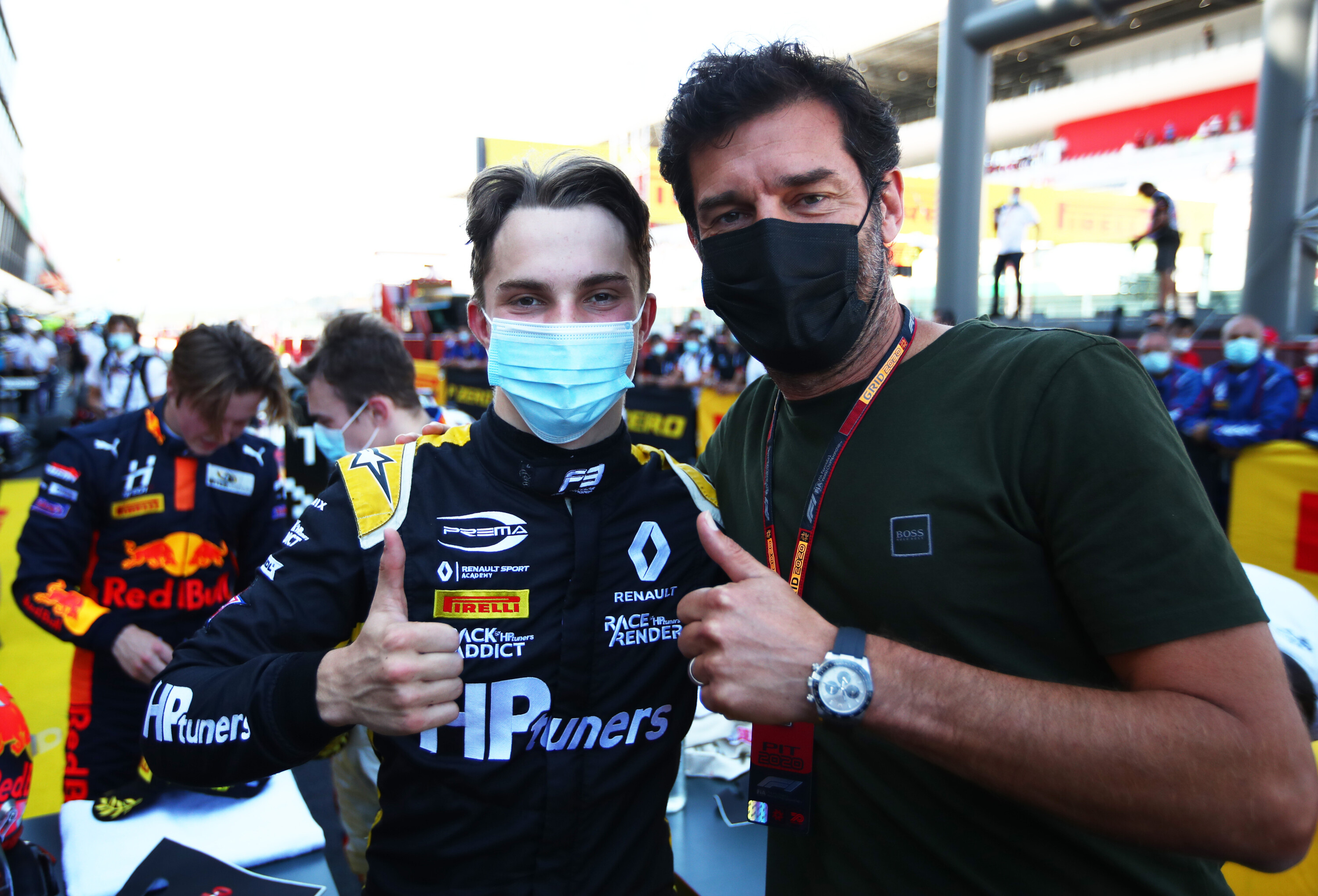
Clearly, Webber is talking about a world title and says he saw the potential in the youngster when he was in Formula 3.
“His F2 year was extremely impressive. Many drivers do the last two races of the previous season to help their first year in F2 but Oscar did not have this luxury due to budget, and so went straight into round one as a genuine rookie in what proved to be a championship-winning season for him.”
Piastri is already more than just another F1 driver and showed he has become Australia’s newest sporting superstar when he was escorted onto the Melbourne Cricket Ground for a guest appearance during the Australia-versus-India test match series. He and Lily also got a special welcome at the Australian Open tennis.
Star treatment might be fun, but Piastri is not letting it blunt his laser-sharp focus on success. His goal is clear – to improve on his stellar 2024 season.
Comparing Piastri with Australia’s two F1 champions, Sir Jack Brabham and Alan Jones, highlights the similarities and the differences.
Brabham was a gritty tradesman who ground out his three world titles with an engineer’s brain and the instincts of a speedway brawler who learned his craft on Sydney dirt tracks after World War II.
Jones showed flashes of brilliance on the track to Formula 1, then cashed-in his commitment – he rented rooms in his London home to make money for racing – when he got the ground-breaking Williams FW07 to punish his rivals.
Piastri can be as aggressive as Jones and as unflappable as Brabham, something he proved when he stole the lead from Charles Leclerc at the Azerbaijan Grand Prix in 2024, before successfully defending first place to the chequered flag despite relentless attacks by the Ferrari star. He rates it as his favourite moment of the season.
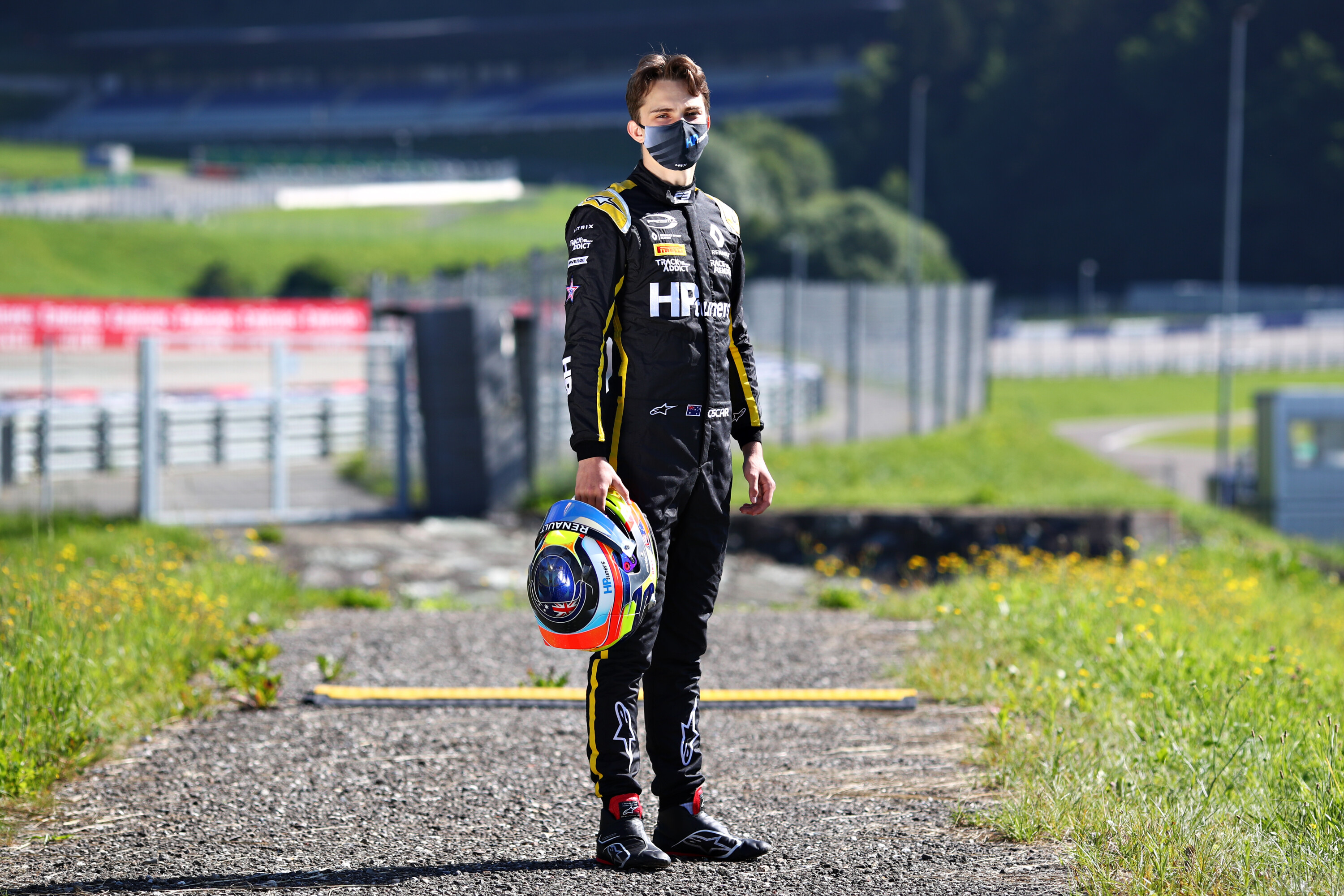
“It was a high-commitment move but it’s what won me that race,” he recalls. “After the pitstop, I knew I had one chance and had to take it. I wouldn’t really classify myself as the ‘just send it’ type, but I think my racecraft is pretty good. I’d say I’m pretty calculated, weighting up the risk-versus-reward and being consistent in all aspects of my racing.
“Thankfully, I pulled it off. It was a stressful afternoon from then onwards, but that moment stands out. It was certainly a very special victory for me.”
There were many other landmark moves as he polished his craft and learned to fight with the F1 pace-setters, including his team-mate Norris.
“I think my racecraft developed another level in 2024, especially in the middle part of the season. I was very happy with my performances and consistency,” he says.
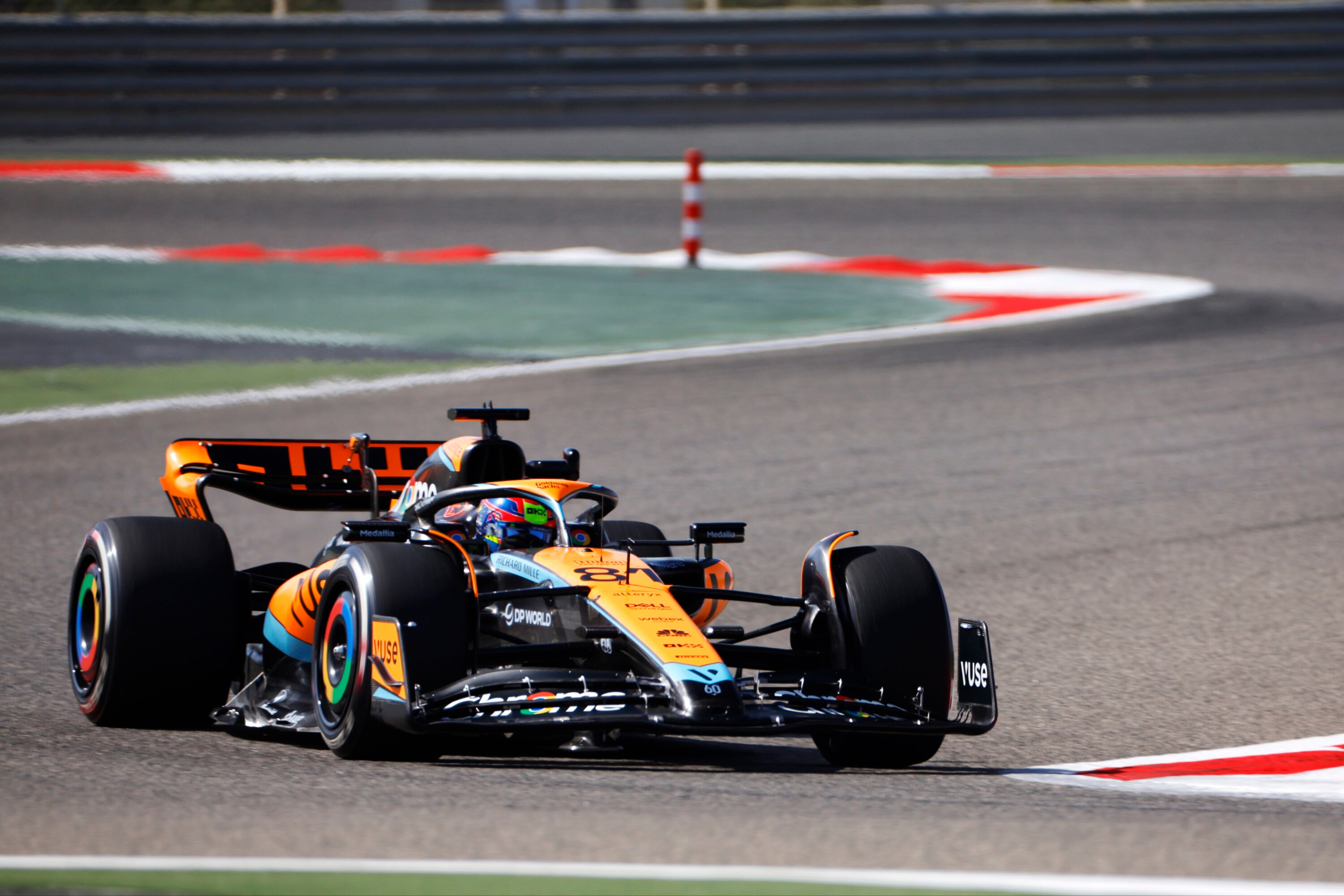
“I’ve still got learning and improving to do, but I feel like I developed a lot of important tools to compete at the top. Also, of course, strategically both the team and I had some sensational learnings which we’ll be deploying in 2025.”
His learning and improving coincided – was it a coincidence, or did Webber already know? – with McLaren racing back to the front of F1, scoring its first manufacturers’ world title since 1998.
“At the last race of 2024, the two McLarens locked out the front row of the grid in Abu Dhabi. With the same regulations going into 2025, we remain optimistic but never over-confident as we know in Formula 1 the margins are extremely tight, and we respect our opposition,” says Piastri.
“We need consistency at every circuit, exceptional reliability and be strong in all conditions.”
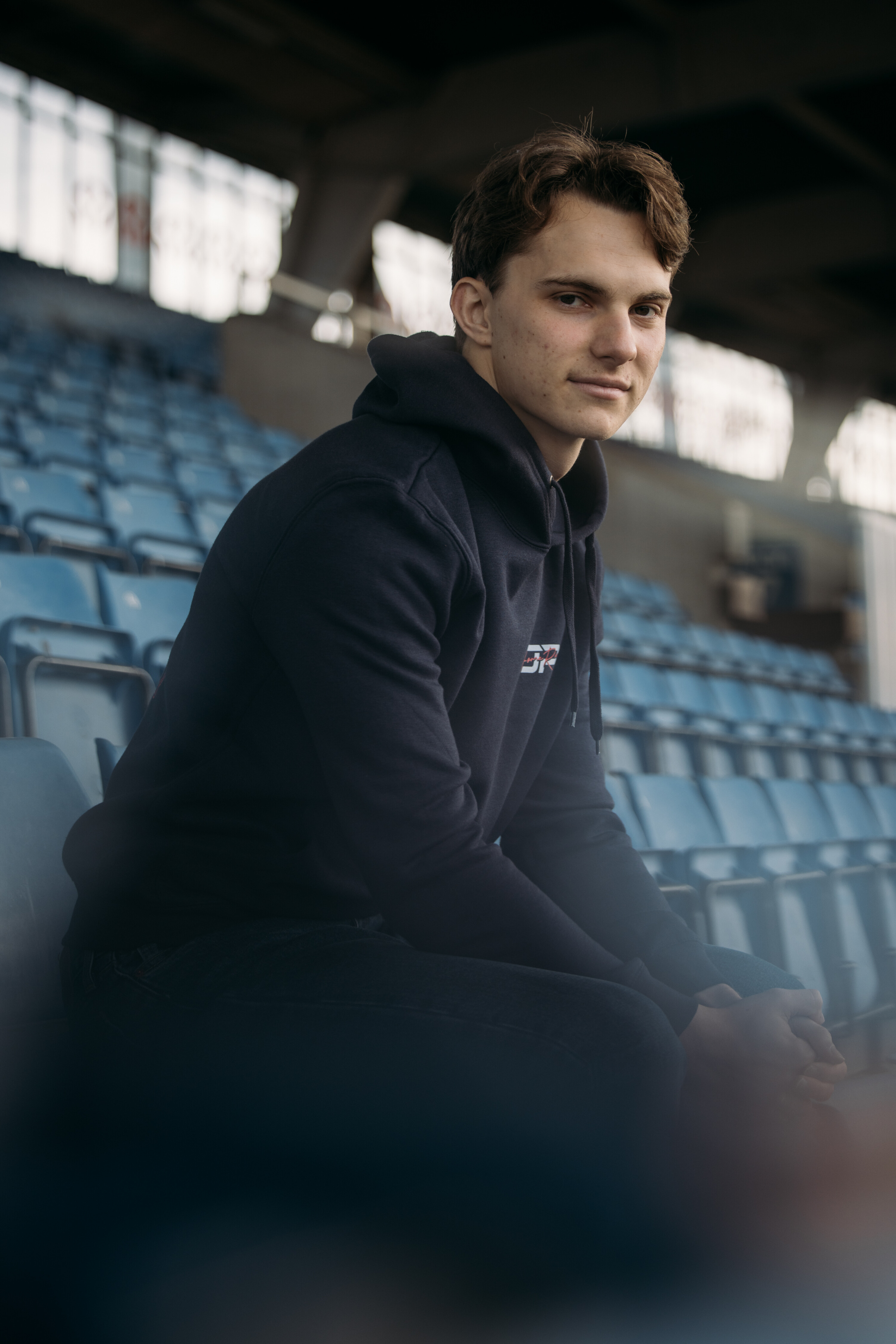
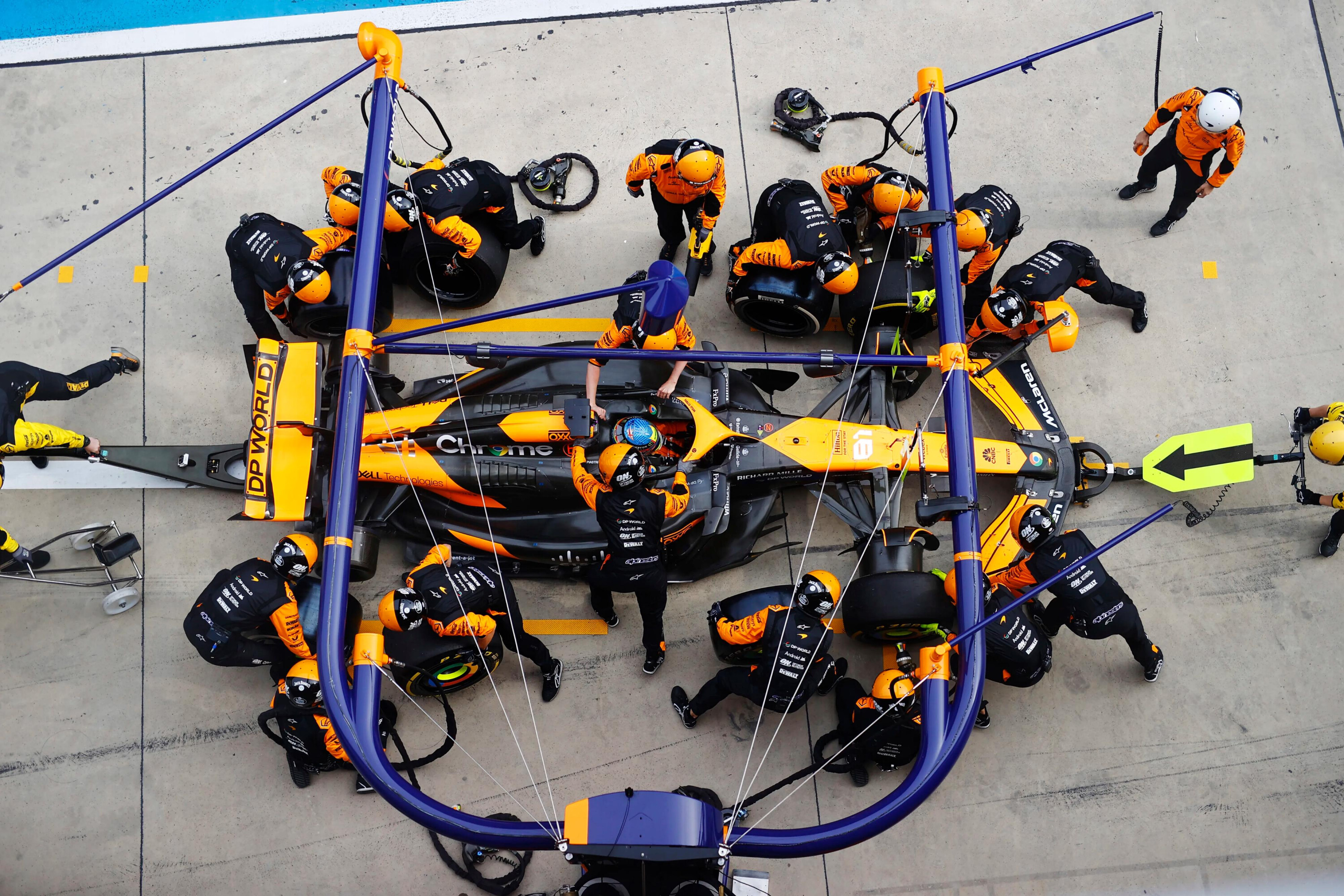
McLaren says it has not gone conservative with its new car, the MCL39, instead pushing for the tiniest gains in every area. It’s the same for Piastri, as it has been since he left home and Australia nearly 10 years ago.
“Obviously, going into boarding school was a bit of a shock. Maybe not a shock, but not what I was used to. But I actually found it very positive away from the track as it gave me something to focus on.”
It also helped that Piastri was not just an ordinary student, just as Zneimer achieved super-high grades and a qualification in engineering.
“For me it was all pretty positive. I was pretty bright at school and I did maths, physics and science as my A-level (school leaving) subjects.
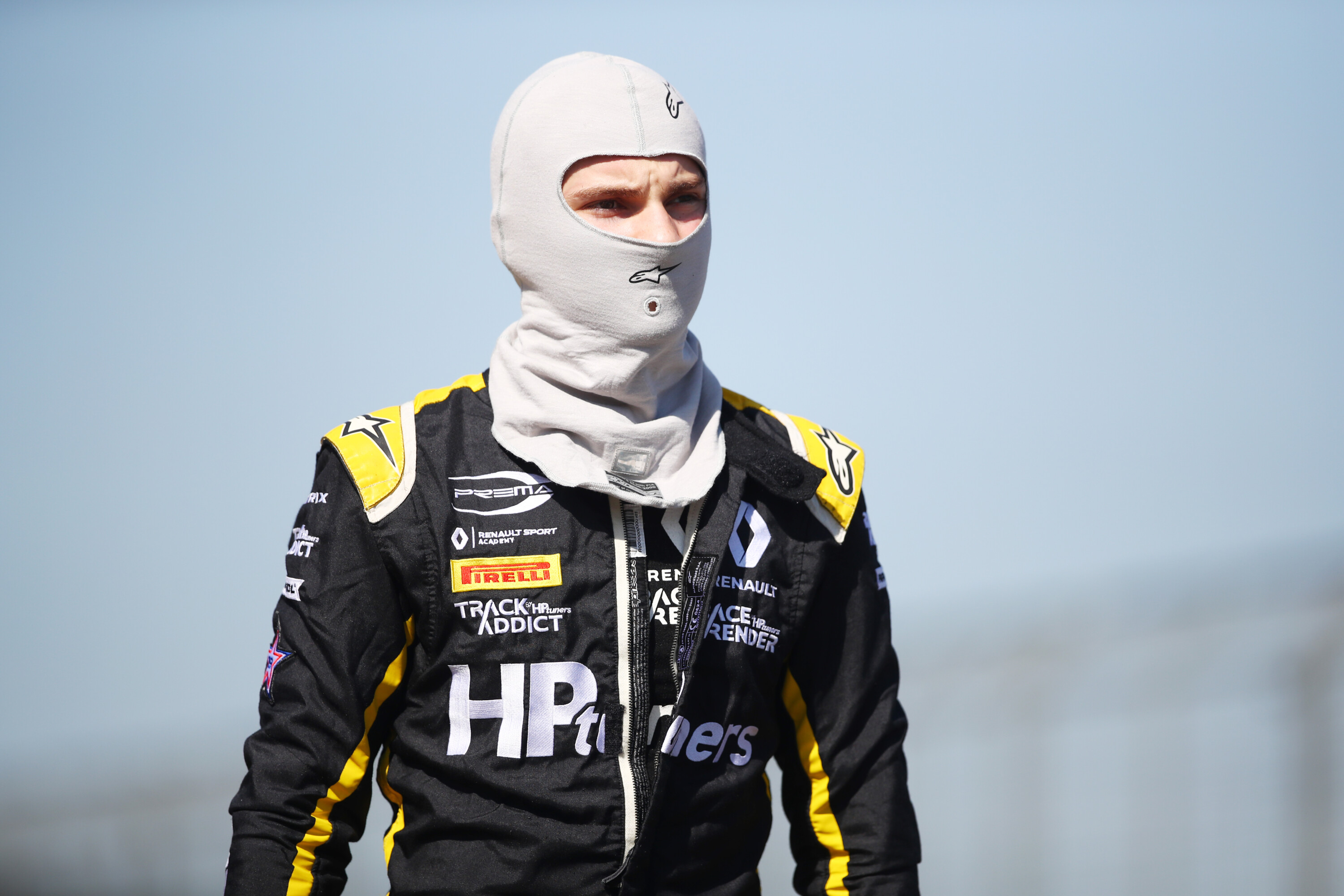
“If I wasn’t a driver, I’d probably want to follow something along the engineering pathway. It’s always interested me and, even being a racing driver, knowing what set-up changes you can make is good.”
The common thread through the Piastri story is his dedication to the job, and the ability to deliver on promises. Even as a teenager.
“It mostly comes from me. I set the standard. You’ve got to be doing it for yourself more than anyone else,” he says.
But he also has McLaren and Webber, as well as another key member of Team Piastri, Ann Neal. She was Webber’s manager from his early days in Formula Ford and was alongside for his nine grand prix wins, then into his Le Mans sports car career with Porsche, eventually becoming his wife.
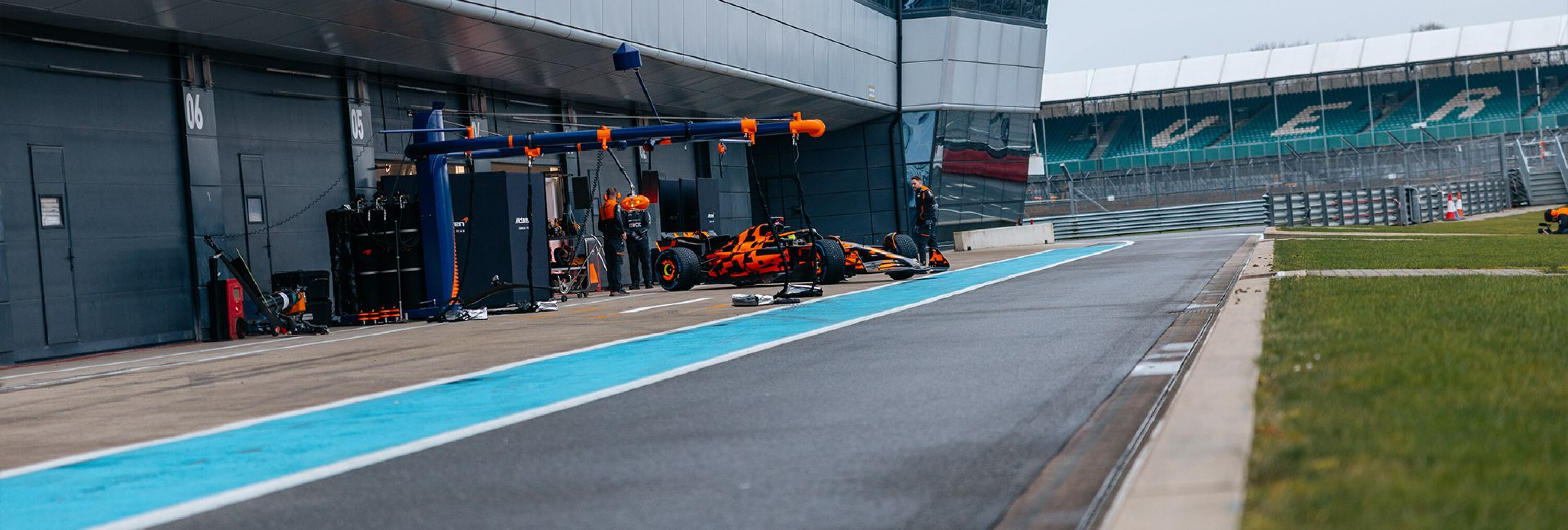
Now her job is making life easier for Piastri.
“It’s full time. I’m extremely involved on a daily basis, co-ordinating and managing the support team and service providers around Oscar,” she says.
“It’s very different to when Mark was competing as the sport has become so huge. It’s a very rewarding project being involved in Oscar’s career.”
She believes Piastri has one great strength.
“His composure. Unflappability,” she says.
With so much at stake, and so much ahead, Piastri tells Wheels he has a bunch of learnings to roll into season 2025.
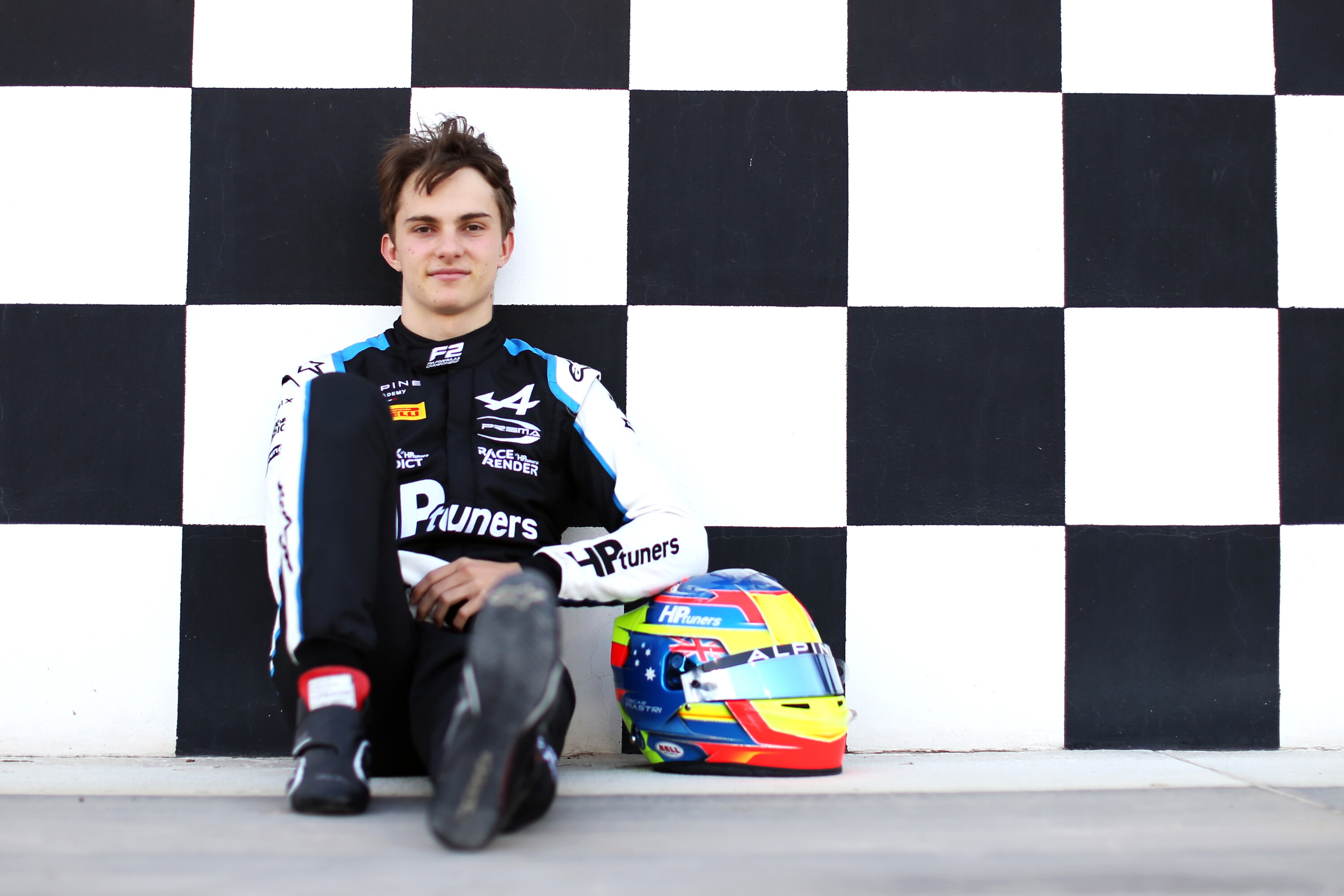
“There are so many facets I’m continuing to build on,” he begins. “Generally, I think I showed pretty clear progress from my rookie year so it was a good improvement but there is still room to go. I think I made big strides forward with race tyre management last season which was pleasing. Of course, finishing every single racing lap was a pretty good bonus along the way as it’s not always easy to achieve.”
Taking a break from Formula 1, there is more to discover about Piastri. For a start, there is his taste in music.
“I’m actually into house music, which surprises most people. I like artists like Sammy Virji and Fisher and tend to have them on in the car or when I’m training.”
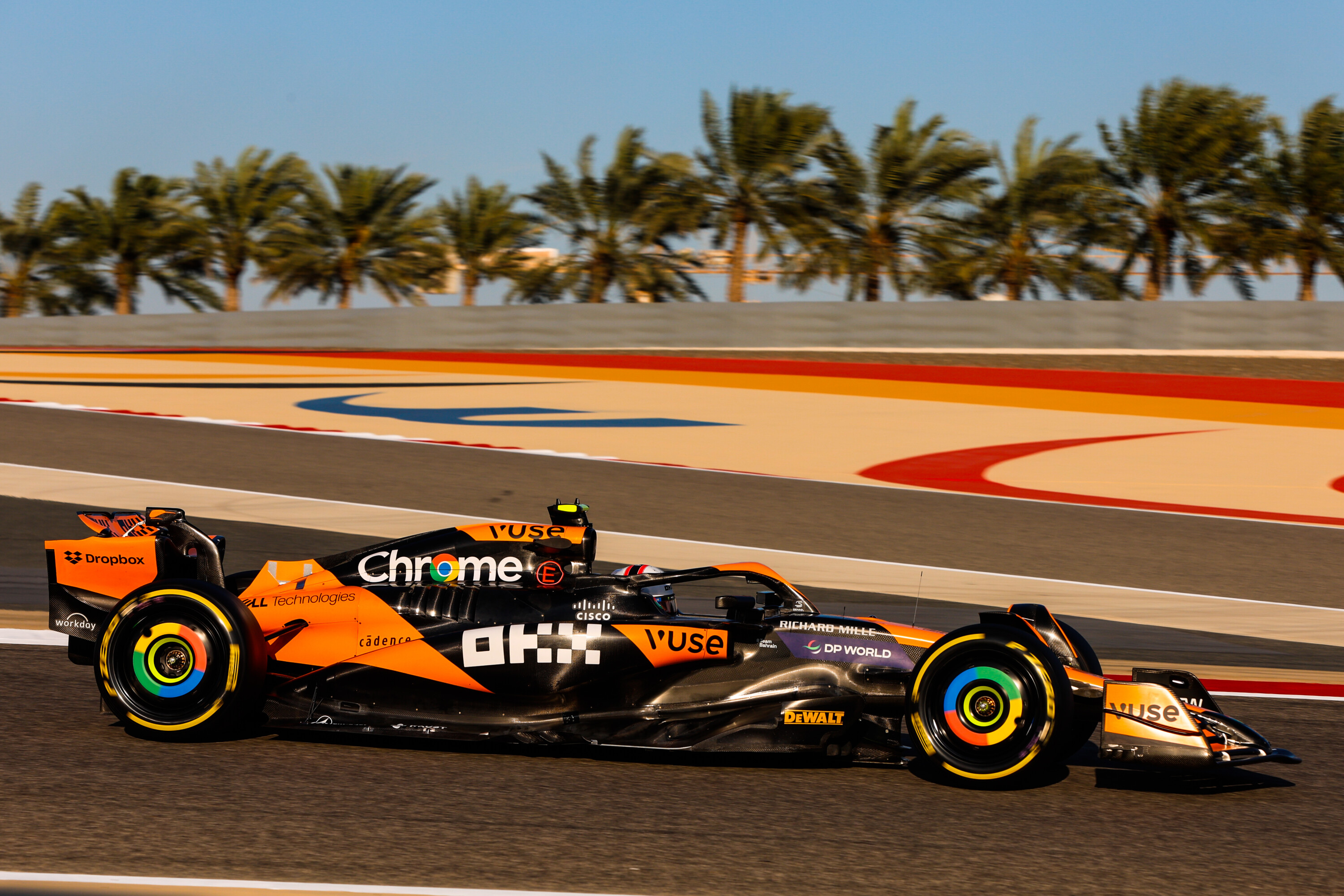
And what makes him laugh?
“Alex Albon’s padel technique,” he says of a mini-tennis sport which has become popular with many of the drivers, including the Williams racer. But it doesn’t take long and we’re back to racing, and the start of the season at Albert Park.
“Being a Melbourne boy, it’s always a special race for me. But it’s even more special being the season opener this year. The support I receive there is incredible and it’s a great feeling to see all the Aussie fans in the grandstands. I’m really looking forward to it and hopefully I can start the first race of the season with a strong result on home soil.”
He cannot hide the prime emotion leading into the AGP.
“Excitement,” Piastri says.
“After a few months away from racing, having a break and spending time with friends and family, I’m really looking forward to getting going again and seeing what I can achieve. Every year in Formula 1 is massive. I’m looking forward to my third year and, of course, I’ve never had more experience than now which gives me confidence.”
That confidence is reflected in his driving, but also the way he has coped with competing in a British team alongside Norris, who is a new British hero together with George Russell at Mercedes-AMG. While Norris can be moody and petulant, and complained over the McLaren radio when he thought Piastri was getting an advantage at times last year, the Australian has stayed calm and focused.
Still, the inner steel is obvious when Piastri talks about his drive and ultimate ambition in Formula 1.
“I love the competition and enjoy being at the business end of the grid,” he says. “Being the pinnacle of motorsport, naturally this comes with plenty of responsibility which, of course, I’m aware of so it’s always a balance between enjoyment and the critical role I have with the team.
“Fighting for wins and championships has been my dream since I was a little kid and I’m determined to give it everything.”
Mercedes-Benz Australia has announced local pricing and specifications for its new 450kW plug-in hybrid AMG E 53, which is now available to order ahead of local deliveries arriving soon.
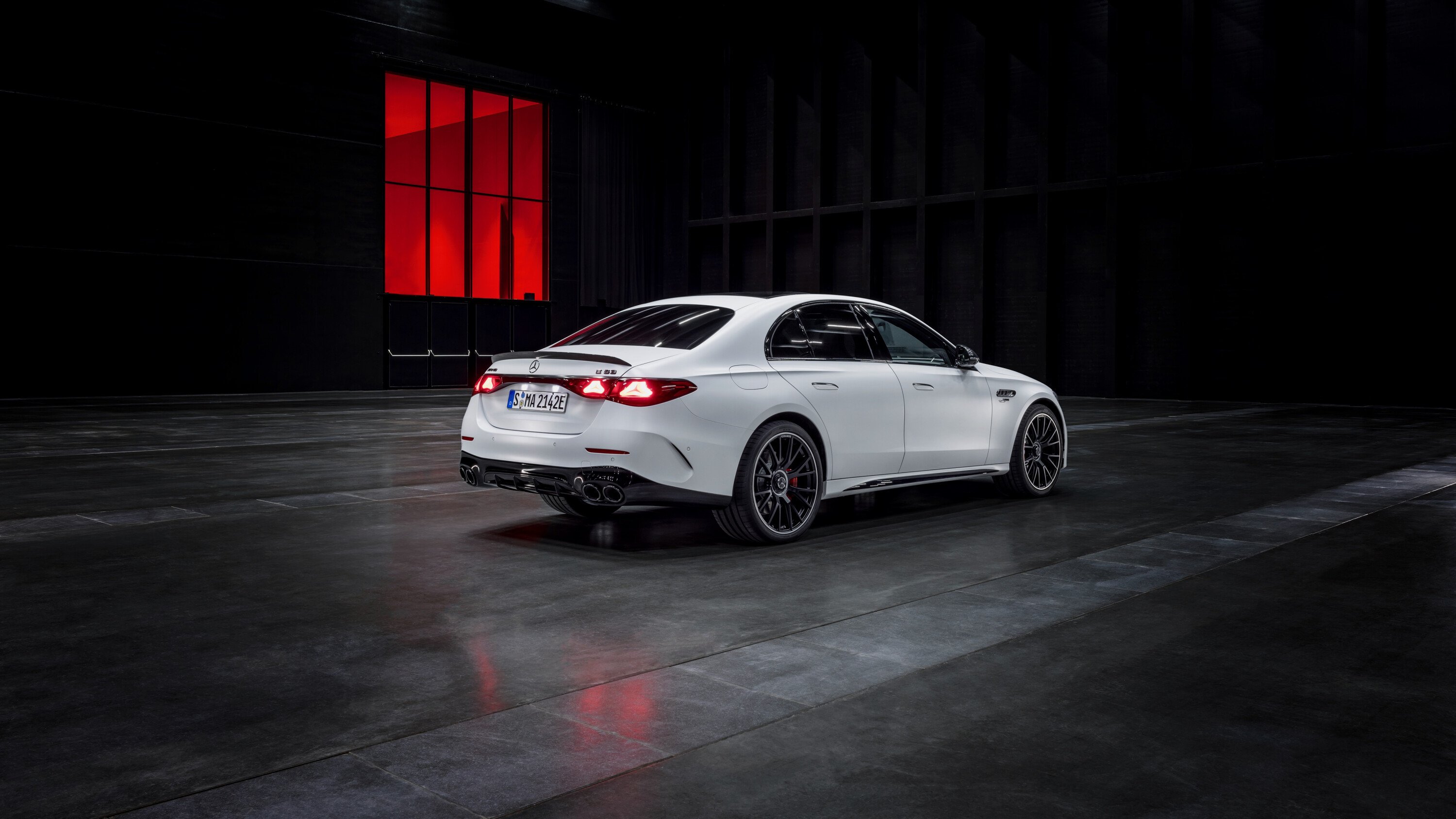
The exterior of the E 53 adds a number of AMG details to the E-Class, including an 11mm-wider track, a new AMG-specific radiator trim with high-gloss chrome vertical slats, bigger air intakes for added cooling and a more aggressive stance, and new 20-inch alloy wheels with 21s available as an option. The E 53’s rear features a lip spoiler, a rear apron with a diffuser and two round double tailpipes on each side.
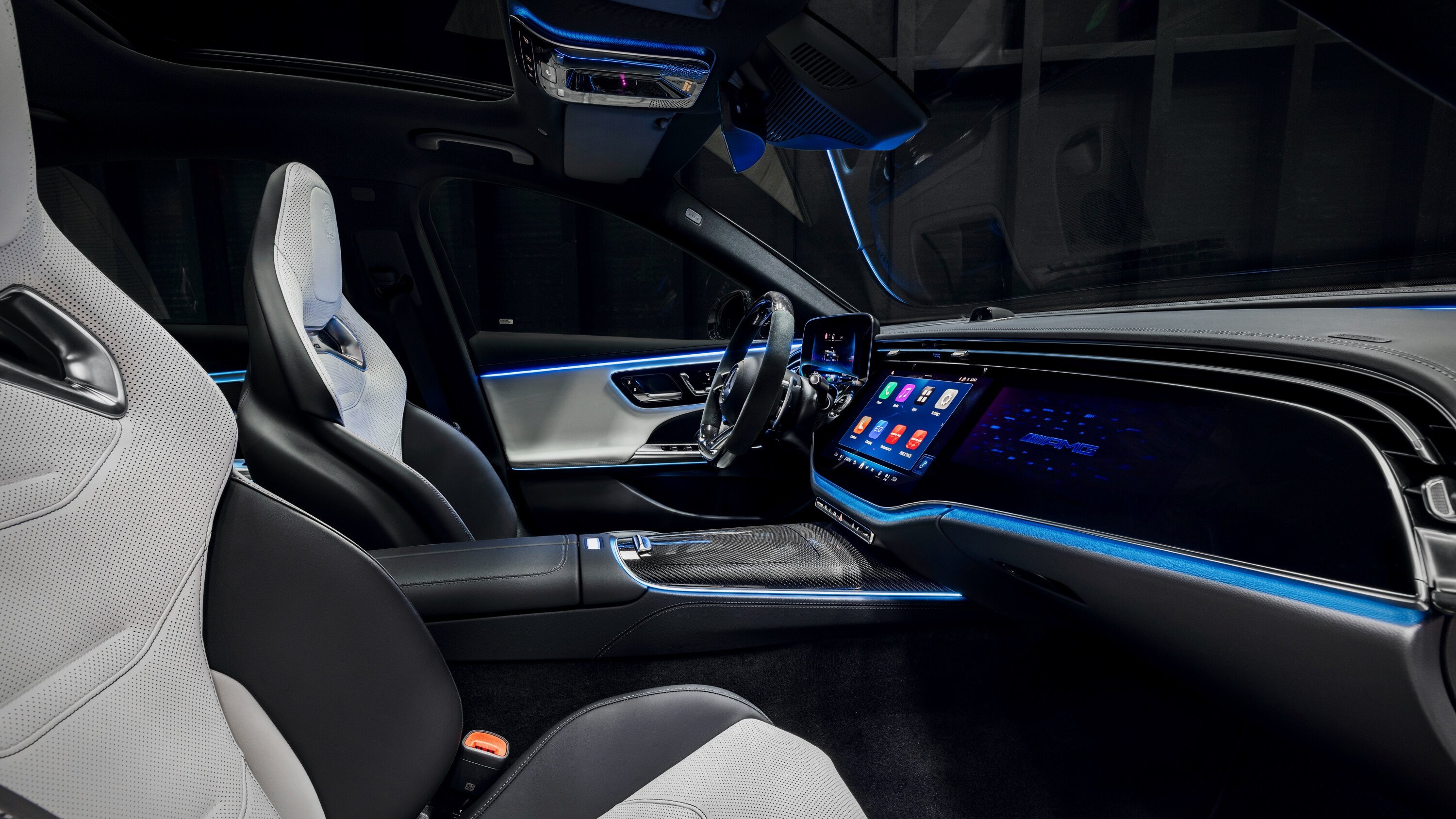
The interior of the E 53 builds on the standard E-Class with electric and climatised AMG Sports seats with Nappa leather upholstery and an embossed AMG emblem on the head restraints. Nappa leather extends to the AMG steering wheel as well.
That builds on to the standard E-Class’ interior with features such as the immersive MBUX Superscreen with a 14.4-inch central touchscreen and 12.3-inch digital driver’s display, ambient lighting, quad-zone climate control and a 17-speaker Burmester 4D sound system.
Central to the E-Class’ AMG transformation is a turbocharged 3.0-litre inline six-cylinder petrol engine combined with a 120kW/480Nm electric motor that’s integrated into the nine-speed automatic transmission. The total outputs for the E 53 are 450kW/750Nm, and it sprints to 100km/h in a claimed 3.8 seconds.
The 28.6kWh (21.2kWh useable) battery allows for a claimed 100km of electric driving range on the NEDC cycle, while it can be charged at up to 11kW on an AC charger. The combined fuel consumption for the E 53 is just 1.7L/100km (if charged) – down significantly on its non-hybrid predecessor (9.2L/100km).
Adaptive dampers are standard equipment for the E 53, with three levels of firmness: comfort, sport and sport+. All-wheel drive is standard, as is active rear-axle steering that steer in the opposite direction of the front wheels up to 100km/h or in the same direction above that.
The 390mm brake discs, six-piston callipers and electronically controlled rear axle locking differential are also standard for even better handling.
AMG’s Dynamic Select driving modes are standard equipment and in addition to the well-known driving programs comfort, sport, sport+, smoothness and individual, two hybrid-specific driving programmes are added in the new E 53: electric and battery hold.
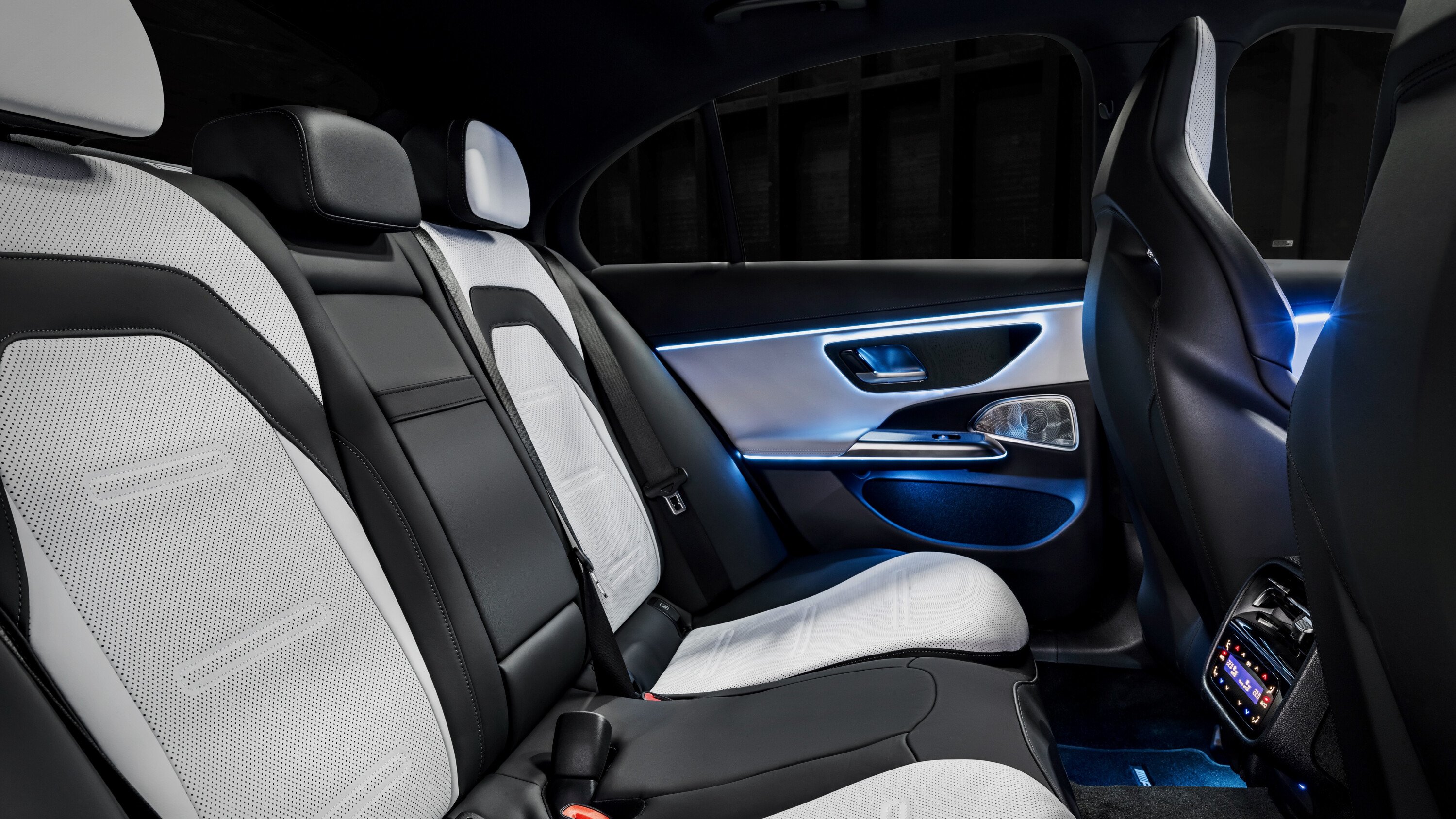
The E 53 always starts in electric mode when the electric motor is switched on, while in battery hold mode, it keeps the battery charged.
A few option packages are available for the E 53, including the AMG Night Package with gloss black and black chrome exterior elements, as well as the AMG Carbon Fibre Package with carbon fibre exterior and interior elements like the mirror caps, lip spoiler, centre console and steering wheel inserts.
The AMG Performance Seat Package adds AMG Performance seats with integrated head restraints, and the Energising Package Plus adds multicontour front seats with comfort front and rear head restraints, heated front armrests and rear seats, and an integrated fragrance.
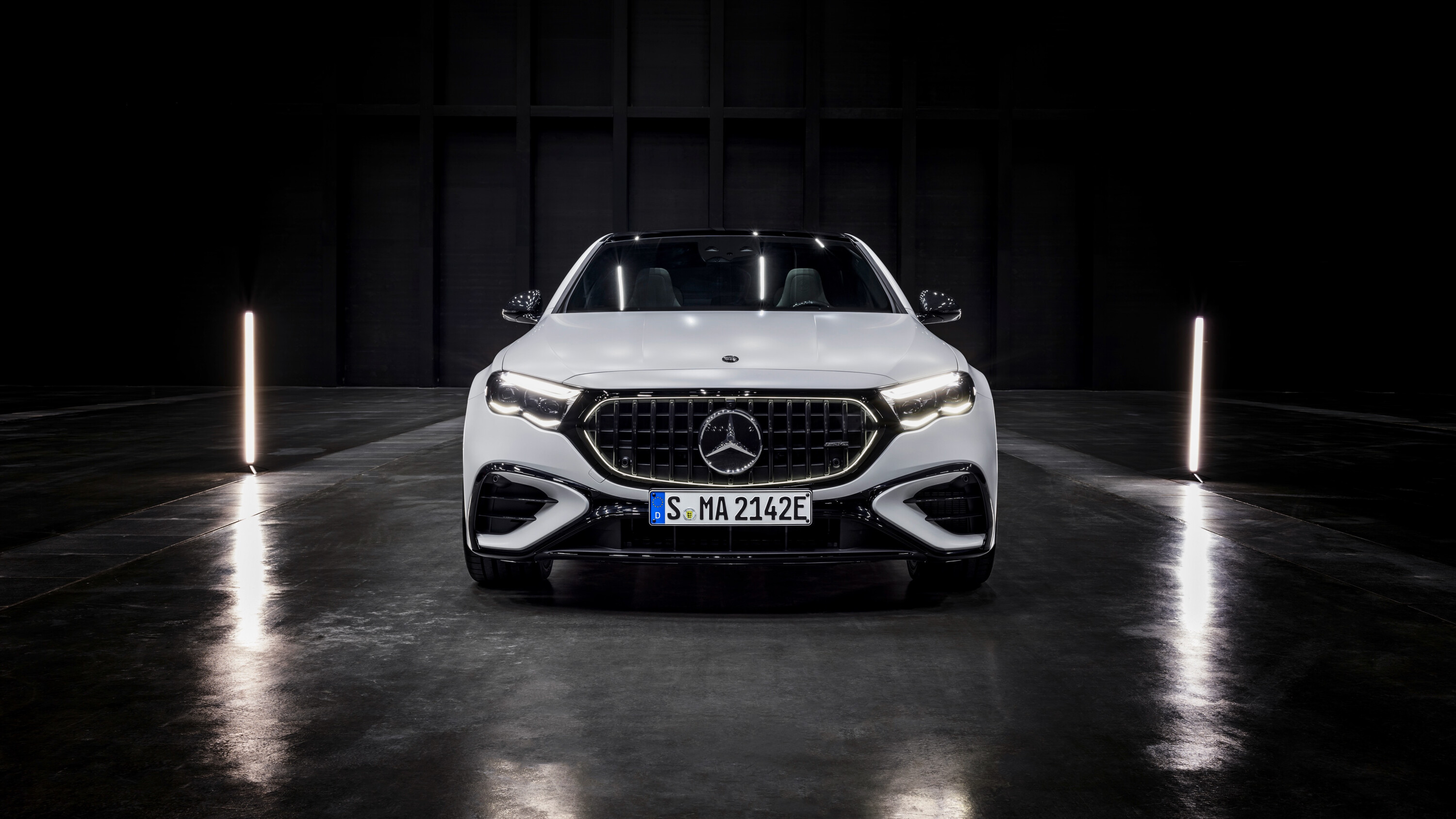
| Mercedes-AMG E 53 pricing (plus on-road costs): | |
|---|---|
| E 53 Hybrid 4Matic+ | $199,900 |
| Option pricing: | |
|---|---|
| AMG Night Package | $3000 |
| AMG Carbon Fibre Package | $6000 |
| AMG Performance Seat Package | $5000 |
| Energising Package Plus | $5300 |
The Mercedes-AMG E 53 is now on sale in Australia, with local orders due to arrive soon.
It has been a little over two years since Toyota’s new CEO Koji Sato promised to ramp up the company’s EV plans.
Following last year’s new Urban Cruiser, the C-HR+ is our latest glimpse at how the plan is going.
Snapshot
- Electric C-HR+ debuts with up to 600km range
- AWD model delivers potent 252kW performance
- Australia not confirmed, but very likely in the plan
Revealed today for the European market, the electric C-HR+ is largely unrelated to the C-HR with which it shares 80% of its name.
Indeed, the C-HR+ is not only distinguished from the C-HR by its coupe-like roofline, distinct front to rear styling and overall bigger proportions, but it’s also an entirely different machine beneath the skin.
Peel back the C-HR+’s sheet metal and you’ll find it packs more of the BZ4x EV‘s gear than anything else, making it an important new companion to that larger and more family-oriented model.
MINI MATCH-UP: BZ4x vs C-HR vs C-HR+
| BZ4x | C-HR+ | C-HR | |
|---|---|---|---|
| Wheelbase | 2850mm | 2750mm | 2640mm |
| Length | 4690mm | 4520mm | 4360mm |
| Width | 1860mm | 1870mm | 1830mm |
| Height | 1650mm | 1595mm | 1558-1564mm |
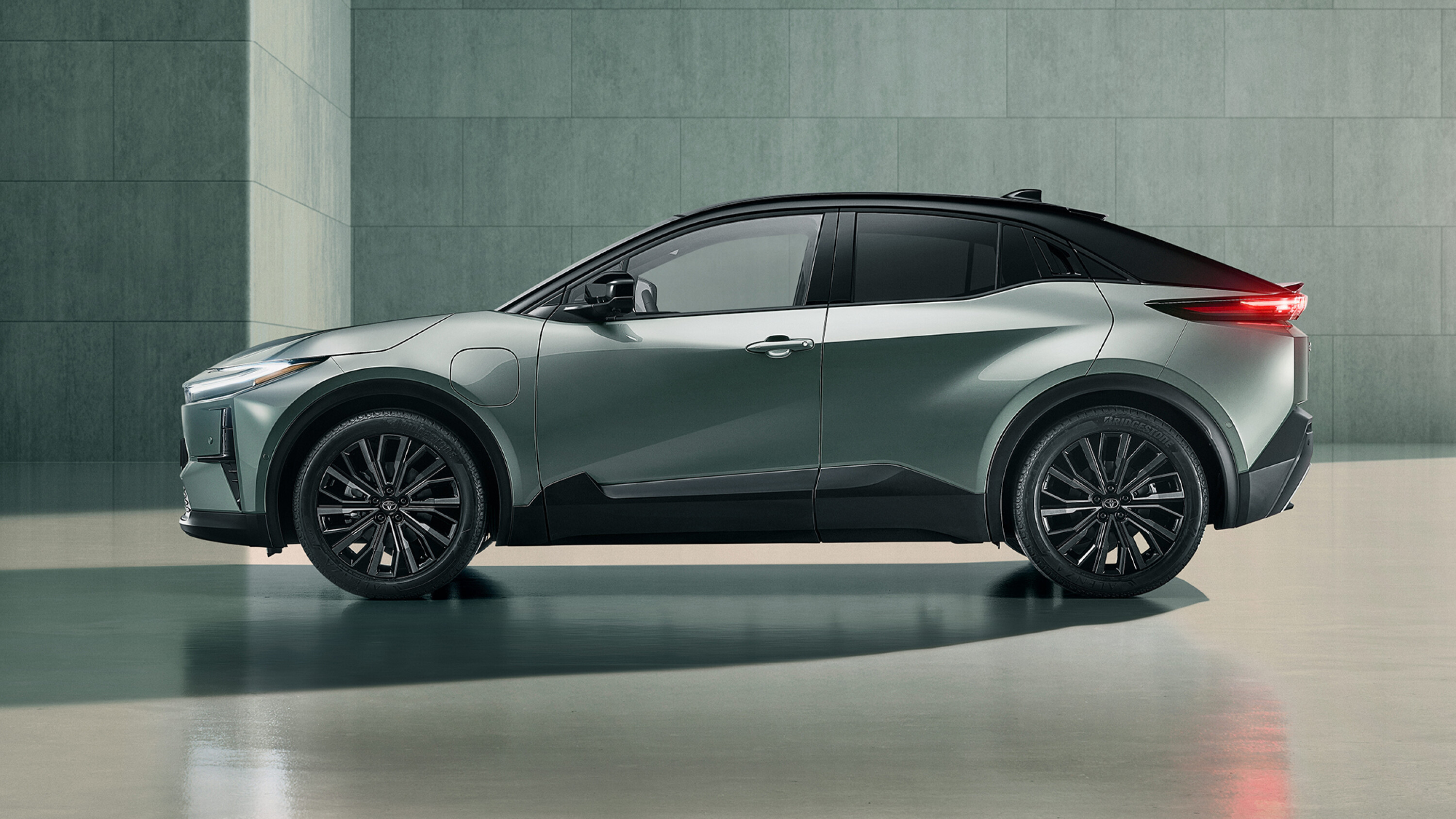
If the C-HR+ look familiar, it’s because our first look came back in late 2022 with the BZ Compact SUV concept.
Toyota has unveiled other similarly styled models in the time since, in the form of the BZ3C and BZ3X. Those models are only expected to be offered in China, although we could see versions launch in the west over the coming years.
We also saw a BZ2X concept unveiled in late 2023 as a more compact model that debuted in December as the new Urban Cruiser (below), representing a rival to the Hyundai Kona EV and the newly launched Kia EV3. (If only the Urban Cruiser were as cool as the 2021 Compact Cruiser concept…)
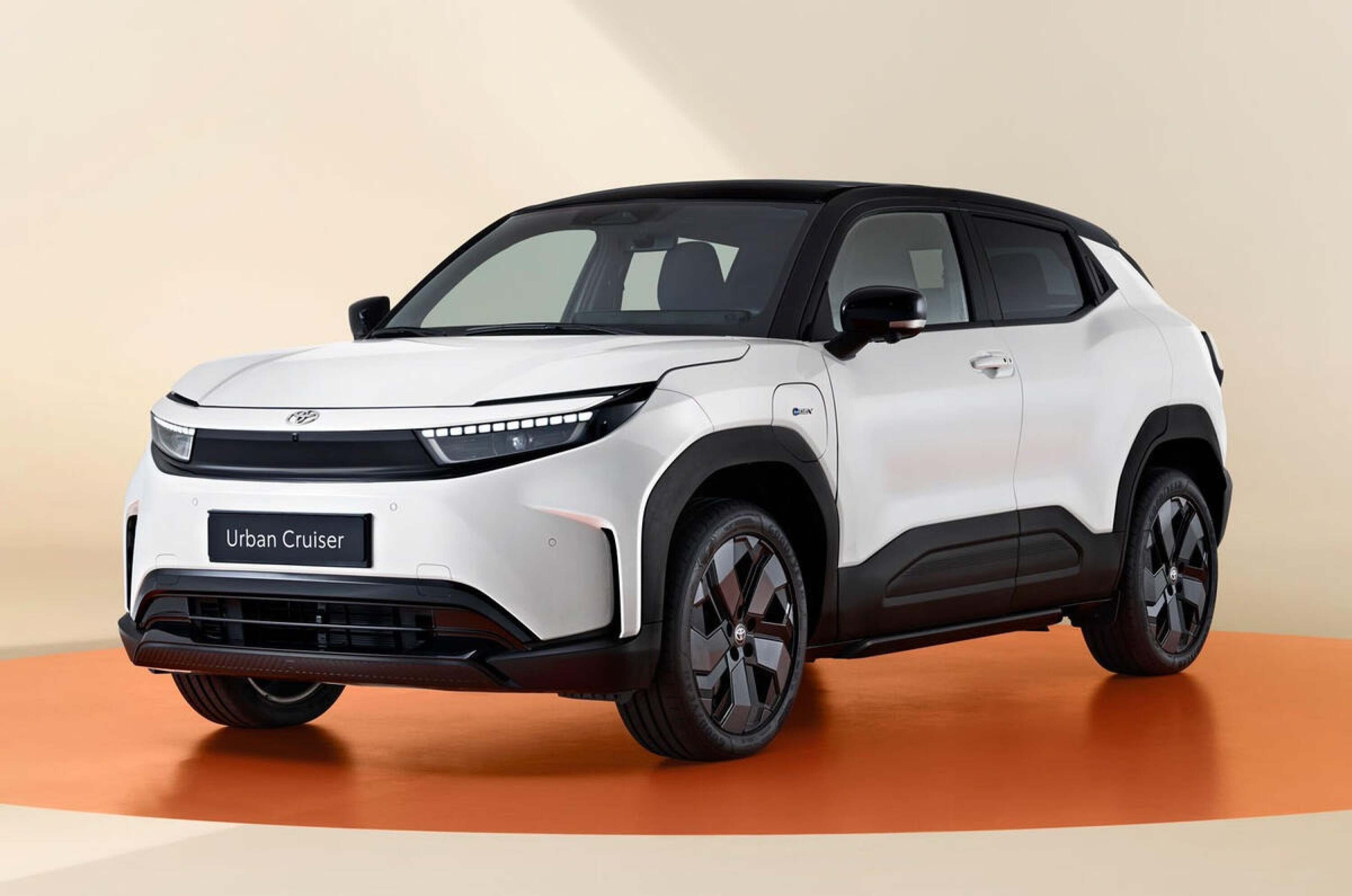
Apart from their styling, the common theme to these models and concepts had been in their name: BZ (styled bZ), which stands for ‘Beyond Zero’.
It was announced in 2021 as Toyota’s EV-specific line, but a generally poor market reception to the confusing ‘BZ4X’ (styled bZ4X) name has brought us to here.
‘Here’ being the reborn Urban Cruiser name and a ‘C-HR’ that shares little to nothing with the C-HR, but we can call it progress.
Speaking with the UK’s Autocar, Toyota Europe marketing boss Andrea Carlucci said the return to more conventional-ish names is the result of “a clear request from Europe that was very much heard and followed by Japan.”
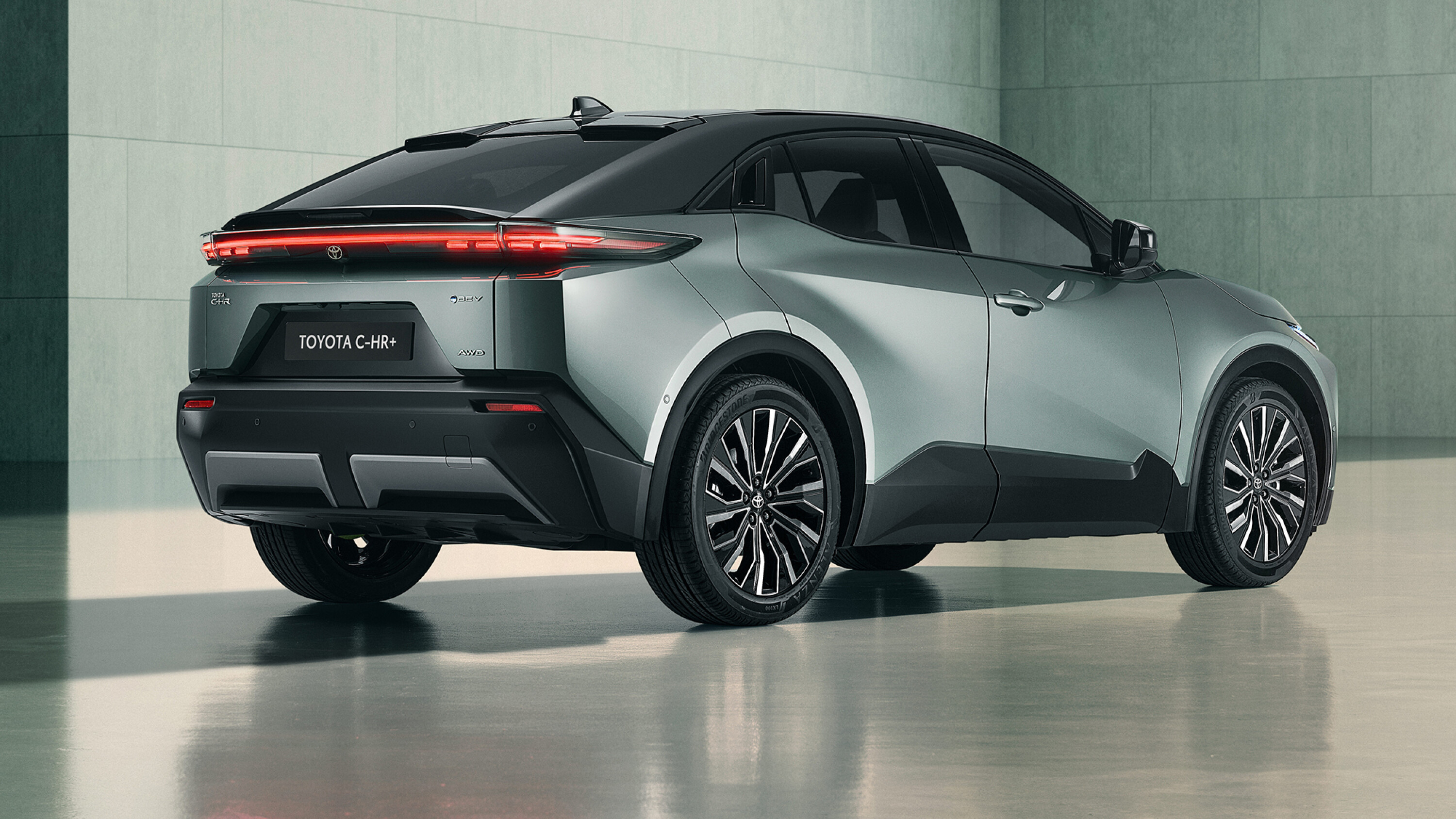
The C-HR+ will go on sale in Europe later this year, with both front- and all-wheel-drive models and two battery options for competitive pricing.
And, like the related BZ4X, the C-HR+ supports up to 150kW DC fast charging.
C-HR+ FWD basics
- Standard Range: 57.7kWh battery, 455km range, 123kW, 8.6sec 0-100km/h
- Long Range: 77kWh battery, 600km range, 165kW, 7.4sec 0-100km/h
C-HR+ AWD basics
- AWD: 77kWh battery, 525km range, 252kW, 5.2sec 0-100km/h
For those keeping score, the C-HR+ AWD represents Toyota’s most powerful model in Europe that doesn’t wear a GR badge – but that would likely be one worth waiting for, if it comes.
Toyota’s decision to use the C-HR nameplate for its EV aims to simplify its model lineup and reduce customer confusion.
As Toyota Europe’s marketing and product development director, Andrea Carlucci, explained, “We wanted to rationalise this,” seeking to “avoid this inflation of nameplates for the simplicity of the consumer.”
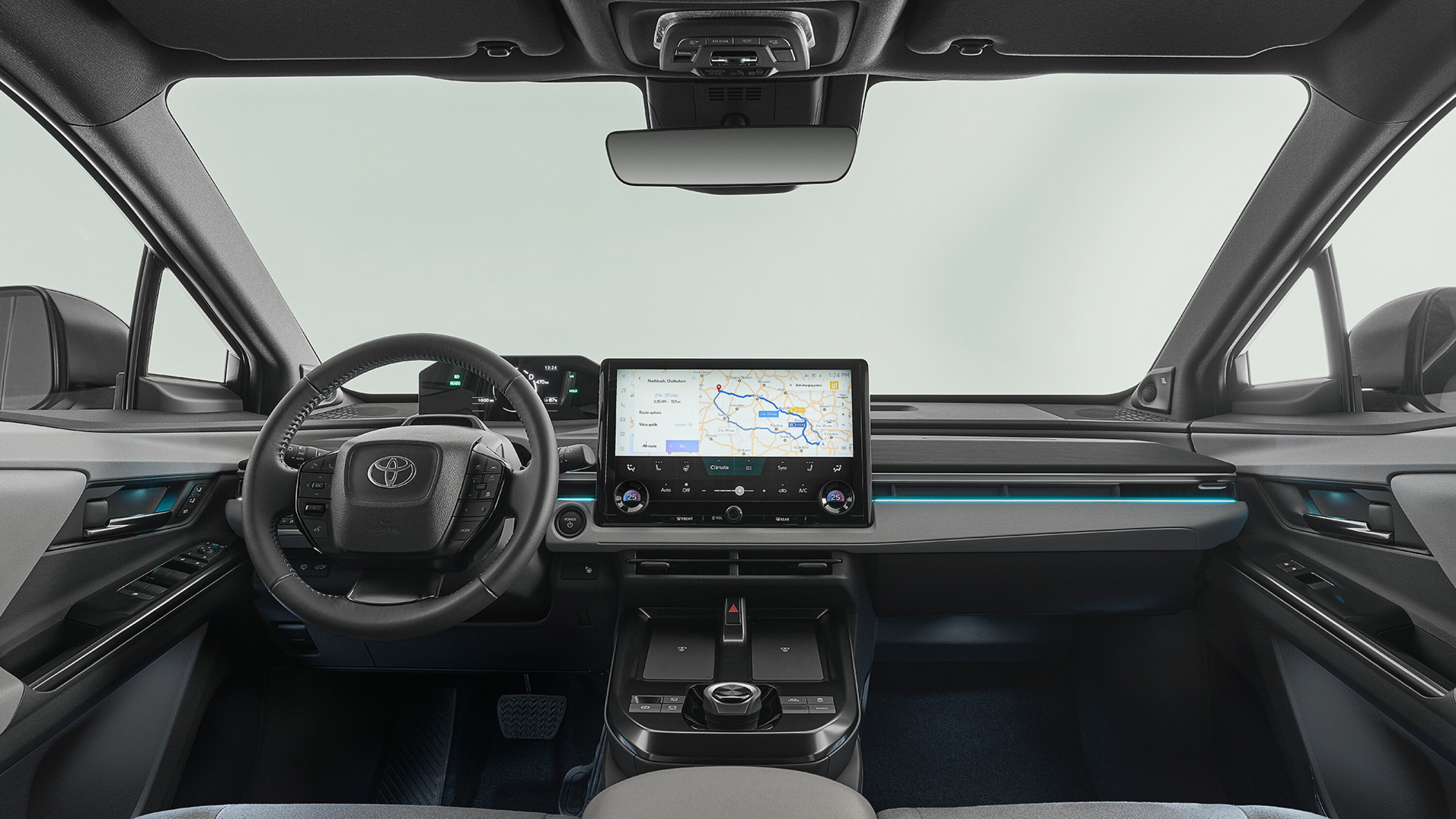
While European markets will see the C-HR+ launch in late 2025, sitting above the Urban Cruiser, Australian release details remain unconfirmed.
Toyota Australia never comments on models it has not already announced, but it’s expected the C-HR+ will be one of the two remaining Toyota EVs promised for our market. The Urban Cruiser could be the third, but something larger – like China’s BZ3X – would likely suit Toyota’s plans better.
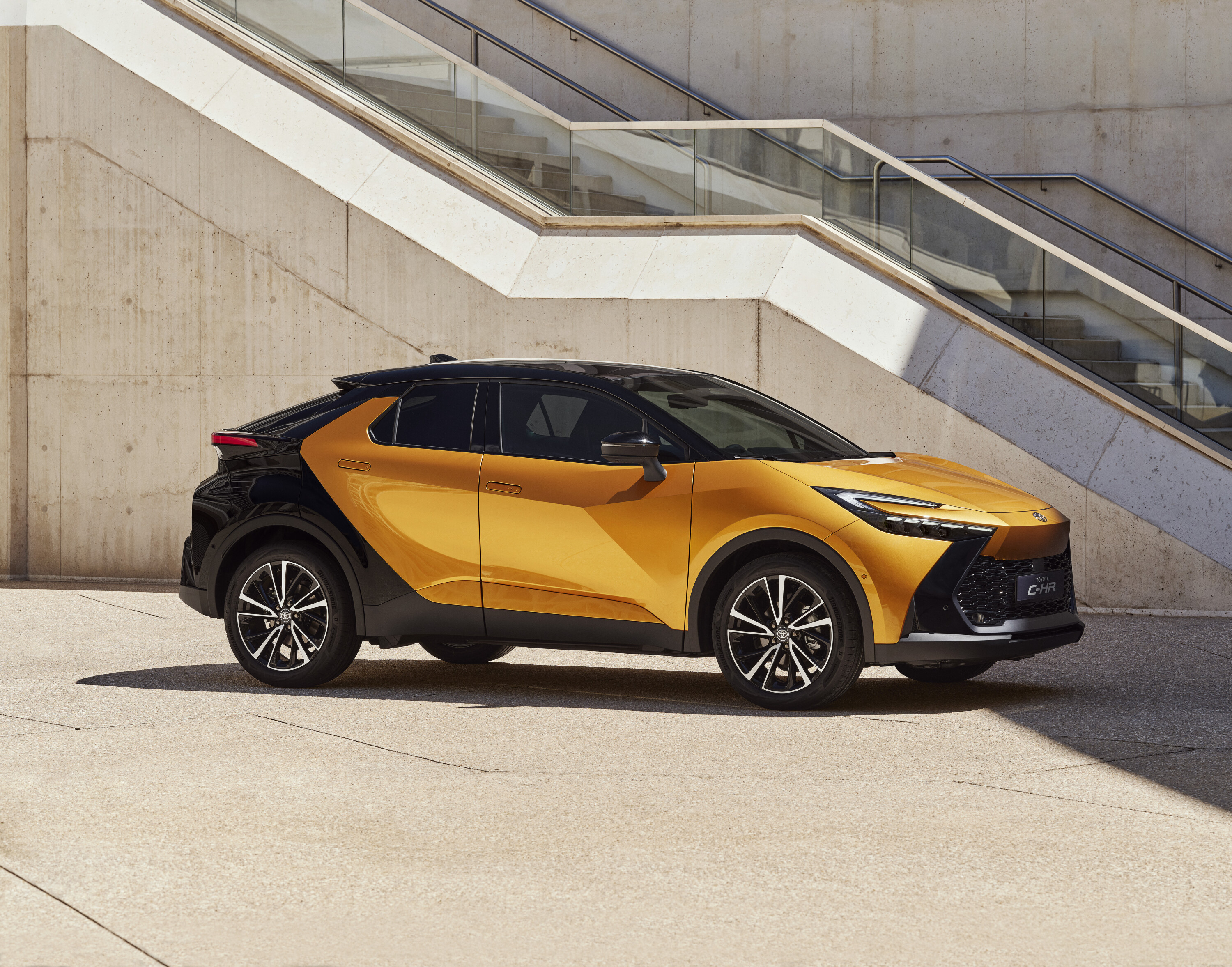
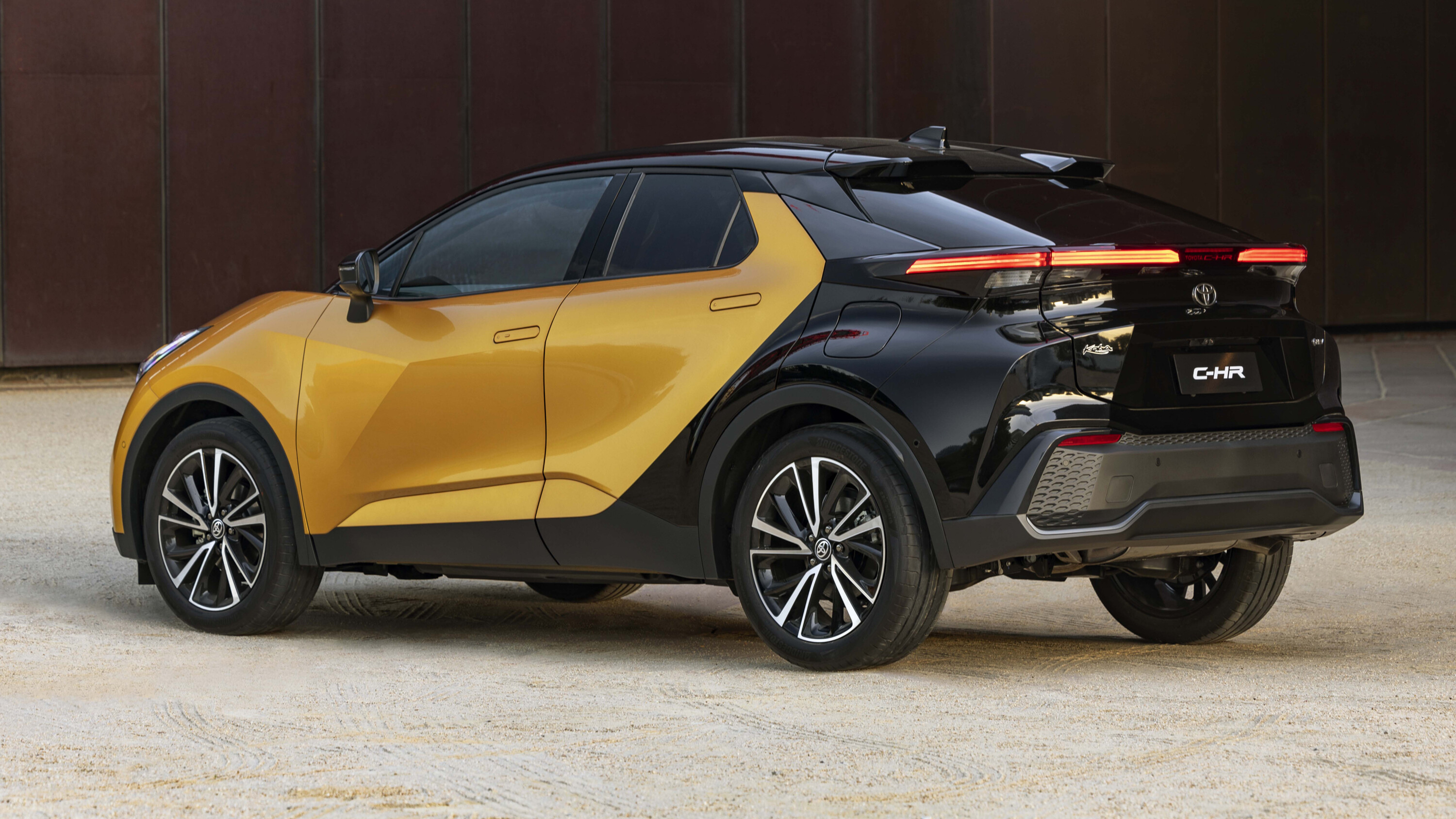
BELOW: The regular C-HR
The all-electric Lexus RZ, which first reached Australia back in 2023, has been given a significant performance-focused update for 2025.
Snapshot
- RZ gains power, new F Sport model
- Battery and charging improvements increase range
Among the upgrades for Australia are the new RZ 500e to replace the 450e we got at launch, and a new RZ550e F Sport flagship.
The refreshed range will reach Australia later this year, bringing not only those new variants but also a number of performance-oriented improvements to boost the RZ’s appeal with power-hungry Aussies.
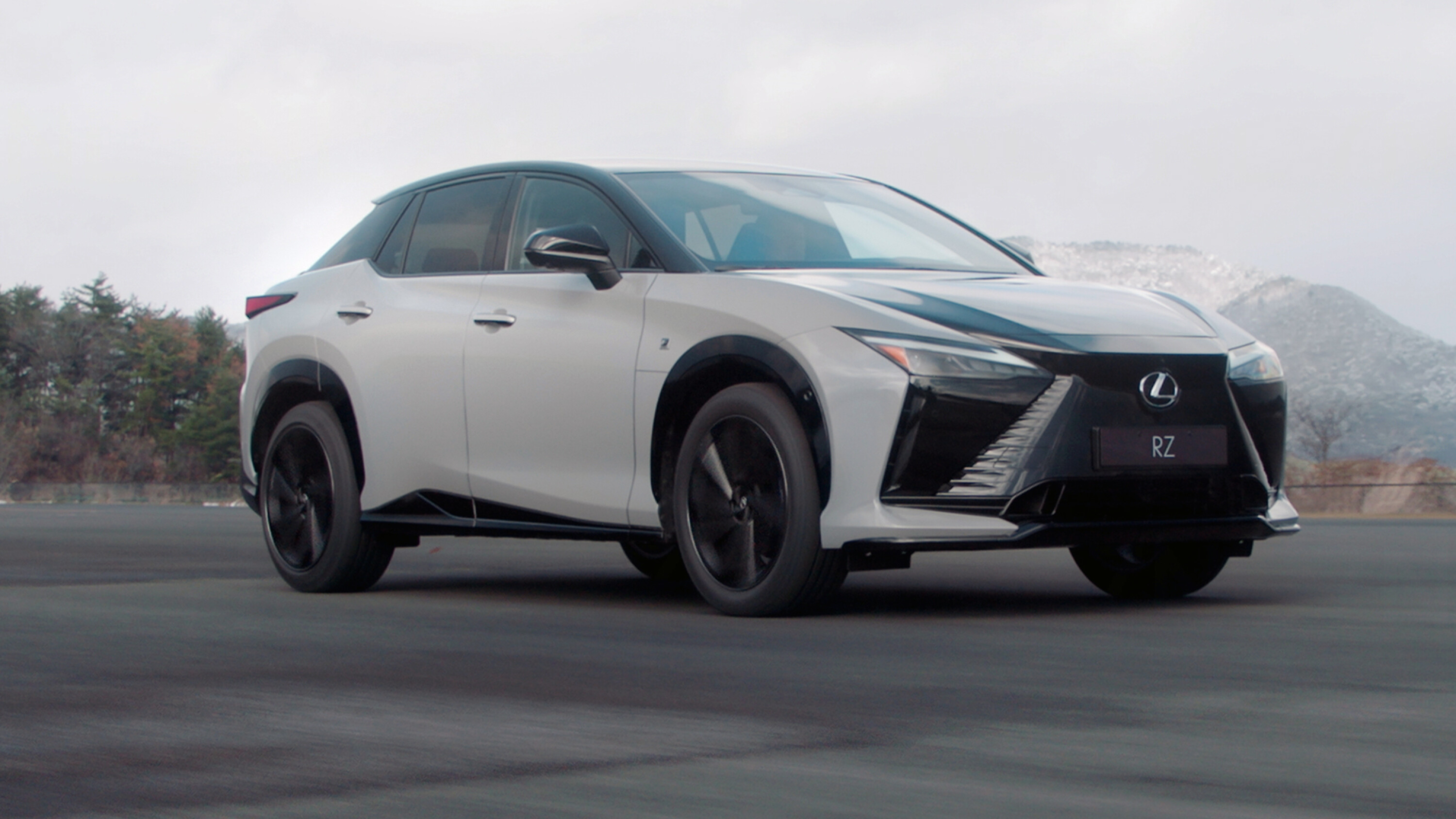
To that end, the RZ 500e is 50kW more powerful than its predecessor, making for a new peak output of 280kW and a claimed 0-100km/h time of 4.4 seconds. The RZ 550e bumps that to 300kW, giving it a slightly sharper 0-100km/h time of 4.4 seconds.
Both models list the same front and rear motor outputs, but Lexus has clearly dialled the total system power up just a touch on the 550e.
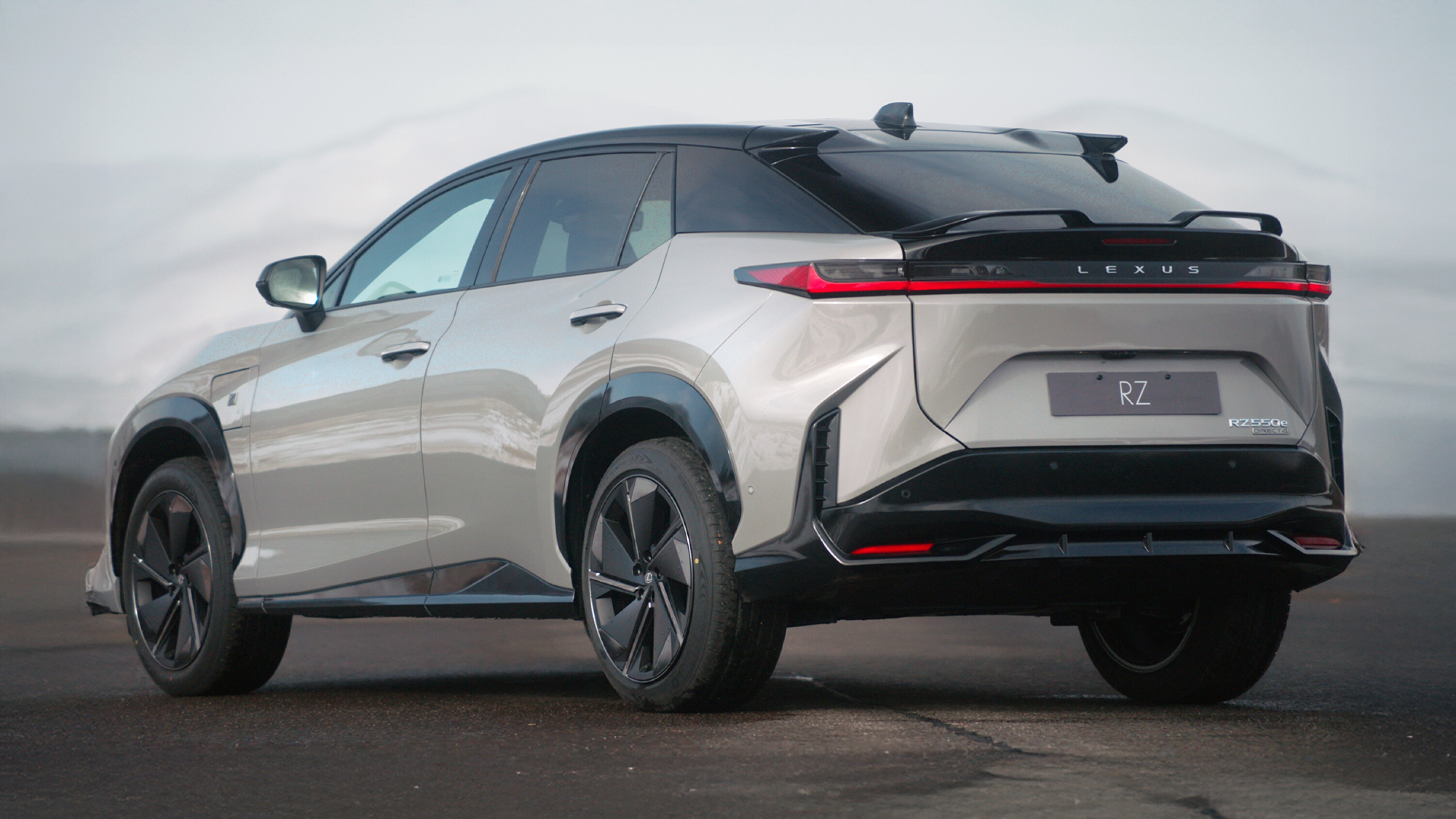
Both models use a dual-motor setup for all-wheel drive, but the F Sport badge is your first hint that the 550e is a little more special than its seemingly minor power and acceleration enhancements.
The standout upgrade unlocked with the 550e F Sport is Lexus’s new Interactive Manual Drive, simulating a manual transmission with eight virtual gears controlled from the steering-mounted paddle shifters.
And yes, like the Wheels COTY winning Hyundai Ioniq 5 N, the system synchronises acceleration and deceleration with an engine-like sound. You can hear it in the short video below, provided by Lexus parent Toyota.
(As to whether it’ll feel as authentic as what Hyundai’s N division achieved with the the Ioniq 5… we’ll have to wait and see, but the video’s soundtrack is arguably not too inspiring.)
2025 Lexus RZ: Battery and driving range
Being an EV, performance isn’t the only focus of this week’s announcement. Lexus promises improved driving range, too.
That’s thanks to a redesigned battery system with a higher-capacity lithium-ion battery, increasing capacity to 76.96kWh.
The Japanese luxury brand claims this change, combined with improved inverter efficiency, extends the driving range of the RZ 500e by 14 per cent.
Claimed driving range (WLTP)
- RZ 450e: 470km (retired)
- RZ 500e: 500km
- RZ 550e F Sport: 450km
Charging time
The 0-100% charging time for the MY25 Lexus RZ is claimed to be reduced by up to 30 minutes, due to an optimised onboard charger.
Lexus doesn’t specify any specific times for the updated model, but the 450e claimed a 0-80% time of around 30 minutes on a DC ulta-fast charger.
The RZ 500e has a listed energy consumption of approximately 166Wh/km, and the RZ 550e F Sport approximately 184Wh/km. In local-market terms, this should translate to 16.6kWh/100km and 18.4kWh/100km. By comparison, the newly launched and similarly sized Audi Q6 E-Tron lists 17.0 – 19.6kWh/100km.
The ‘yoke’ is here at last, and all-wheel drive gets an upgrade
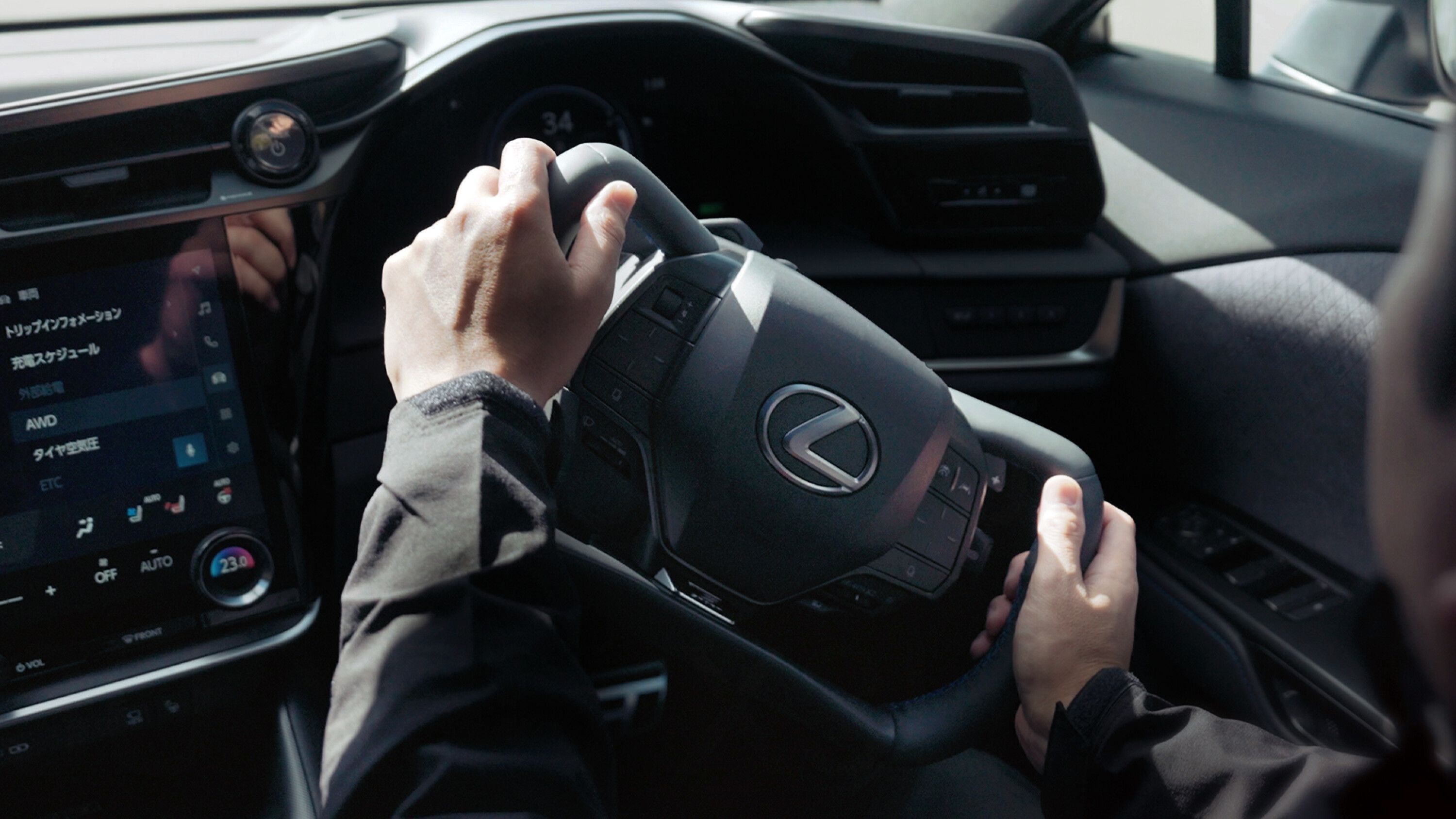
Another enhancement specific to the RZ 550e F Sport is an upgraded steer-by-wire system, coupled with the yoke-style steering ‘wheel’ we were impressed by (in prototype form) back in 2023.
This system provides around 200 degrees of steering rotation and adjusts the steering gear ratio based on vehicle speed. The system is designed to reduce unwanted road vibrations.
What else is new?
The Direct4 all-wheel drive system has also been refined for the updated RZ line, gaining new higher-output motors and a new eAxle.
The system adjusts torque distribution between the front and rear axles based on driving conditions, with the aim of improving traction and stability. The Vehicle Dynamics Integrated Management (VDIM) system integrates with Direct4 to enhance ride stability and handling.
Suspension updates include increased low-frequency absorber damping force in the front suspension and an expanded damper range in the rear suspension. Body rigidity has been improved through strengthening the front radiator support area and adding a rear brace.
In the cabin
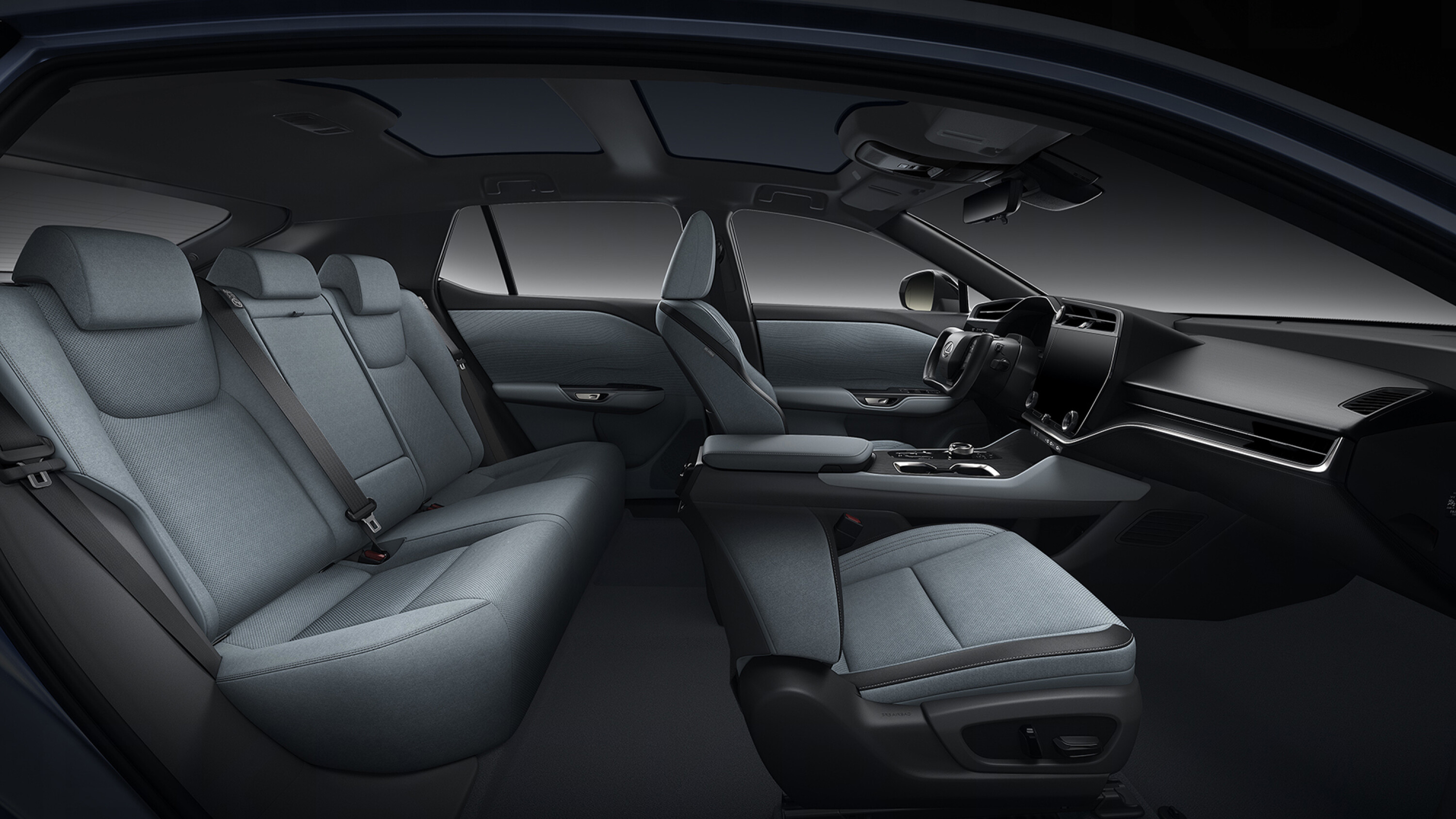
Interior features include an optional dimmable panoramic roof and door trim surfaces made with Ultrasuede containing around 30 per cent plant-based materials.
Noise reduction improvements are packed in too, including a rear floor silencer, soundproofing materials in the door trims, and a sound-absorbing tonneau cover.
2025 Lexus RZ specs: The basics
The RZ 500e has a listed weight of 2100 to 2155kg, and the RZ 550e F Sport weighs between 2135kg and 2180kg.
Both models feature a 2850mm wheelbase, are 4805mm long, 1895mm wide, and 1635mm high.
The RZ 500e is equipped with 20-inch wheels, while the RZ 550e F Sport offers 18-inch to 20-inch wheel options. Both models utilise the CCS2 rapid charging standard.
| Spec | RZ 500e | RZ 550e F Sport |
|---|---|---|
| Length | 4805mm | |
| Width | 1895 mm | |
| Height | 1635 mm | |
| Wheelbase | 2850 mm | |
| Weight | 2100 u2013 2155kg | 2135kg u2013 2180kg |
| Wheels size | 20-inch | 18-20 inch |
| Driving Range | approx. 500kms | approx. 450kms |
| Consumption | approx. 166Wh/km | approx. 184Wh/km |
| Total Electric Power | 76.96kWh | |
| Rapid Charging Standard | CCS2 | |
| Front Motor max. Output | 167kW | |
| Front Motor max. Torque | 268.6Nm | |
| Rear Motor max. Output | 167kW | |
| Rear Motor max. Torque | 268.6Nm | |
| System Maximum Output | 280kW | 300kW |
| 0-100 km/h acceleration | 4.6 secs | 4.4 secs |
When will the updated 2025 Lexus RZ go on sale in Australia?
That key detail eludes us for now, but Lexus Australia says it will release pricing and further details on local specs in the coming months.
Toyota has revealed the mid-life facelift for its bZ4X electric mid-size SUV with freshened styling and more range thanks to a larger battery – due on sale in Australia in the fourth quarter of this year.
Centre of the updated bZ4X is a larger 74.7kWh battery, which is joined by more powerful motors: the front-wheel drive model now makes 165kW (up from 150kW) and the all-wheel drive a much healthier 252kW (up 92kW on the pre-facelifted model).
Because of the extra power, the all-wheel drive model’s 0-100km/h time is now just 5.1 seconds.
Along with the increase in battery size, the bZ4X’s battery thermal control and pre-conditioning have been upgraded for better charging in cold temperatures, and AC charging up to 22kW is now available – the DC fast charging limit of 150kW remains the same as before.
Overall, the WLTP-rated range for the front-wheel drive bZ4X in European-spec has increased to 573km – Australian specifications are yet to be confirmed.
The all-wheel drive bZ4X’s towing capacity in Europe has also been doubled to 1,500kg.
European models have also added a new 57.7kWh battery option with a 123kW front-wheel drive layout, but that’s yet to be confirmed for Australia.
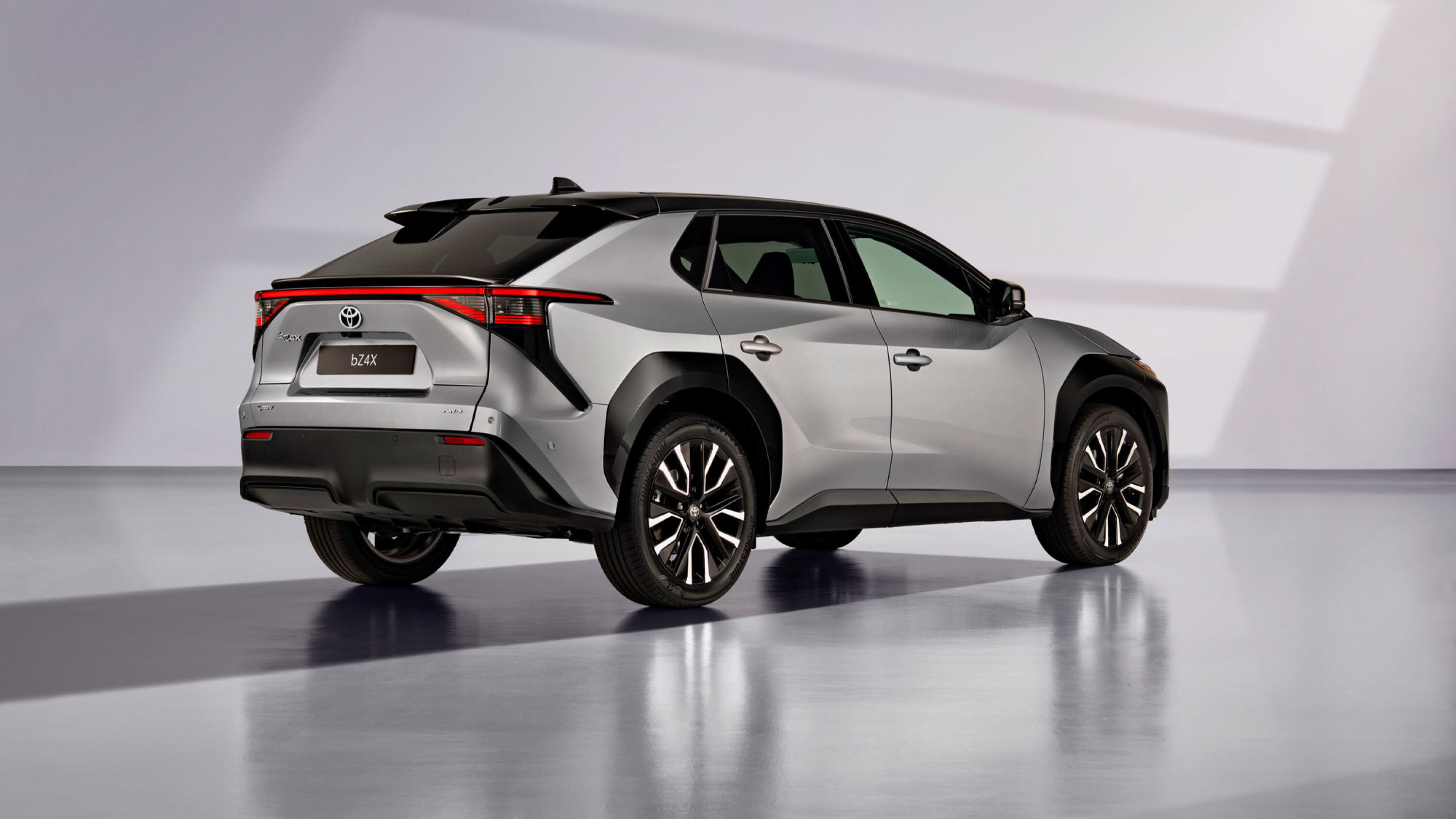
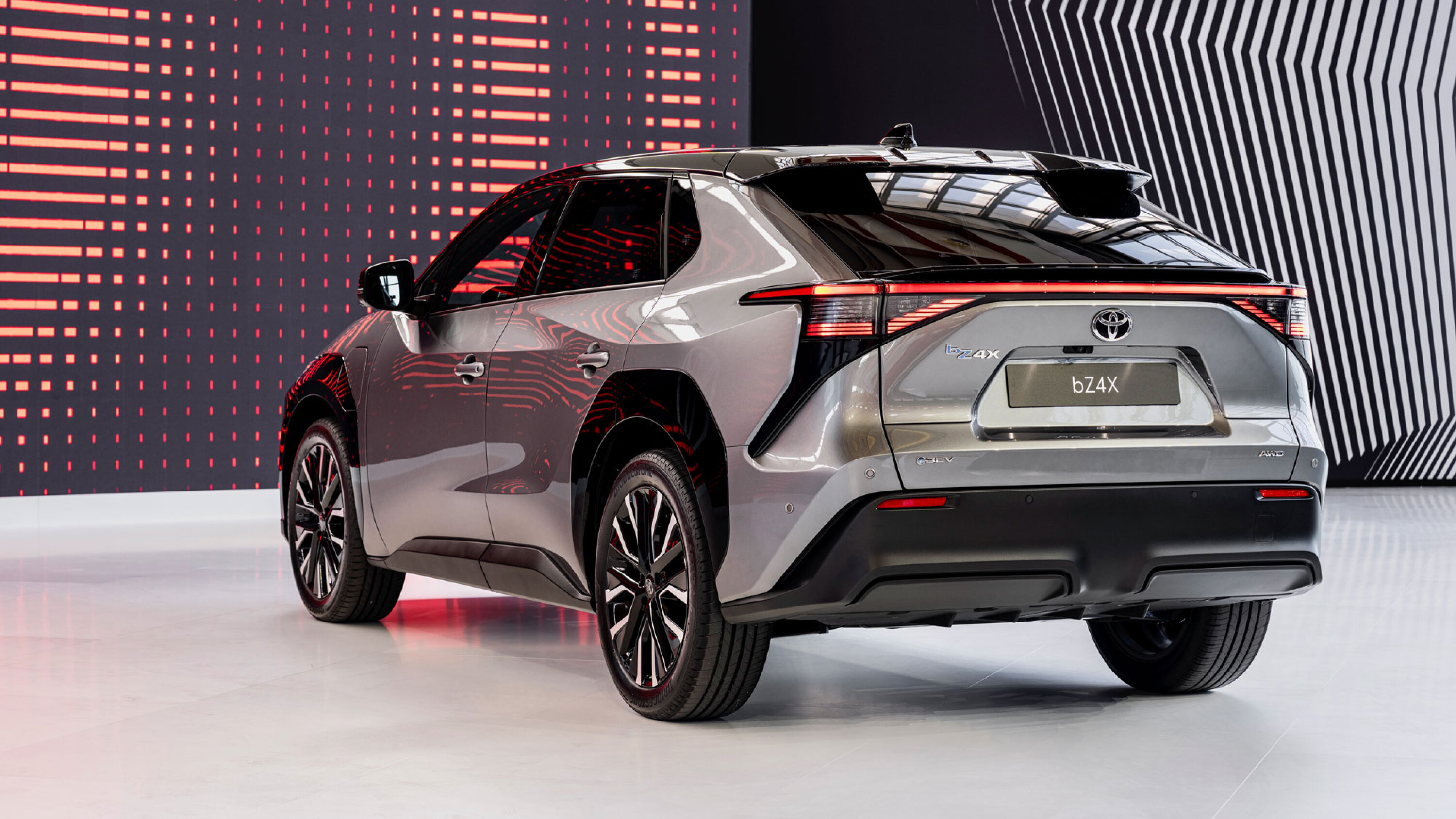
Elsewhere in the bZ4X update is a new front end that fits in with other new Toyotas such as the new Camry and the company’s latest ‘Hammerhead’ design language, while the wheels and rear end have also been updated.
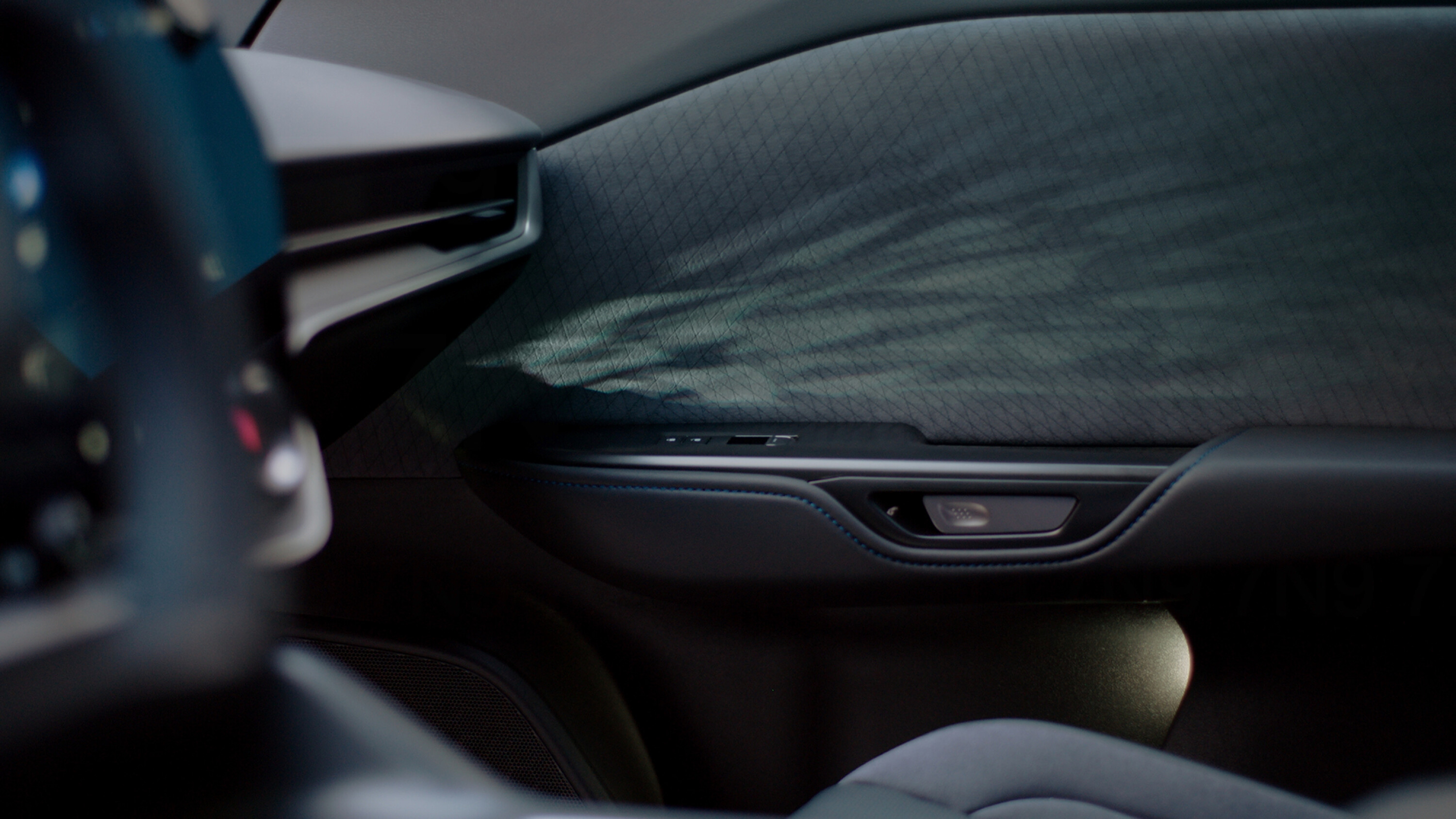
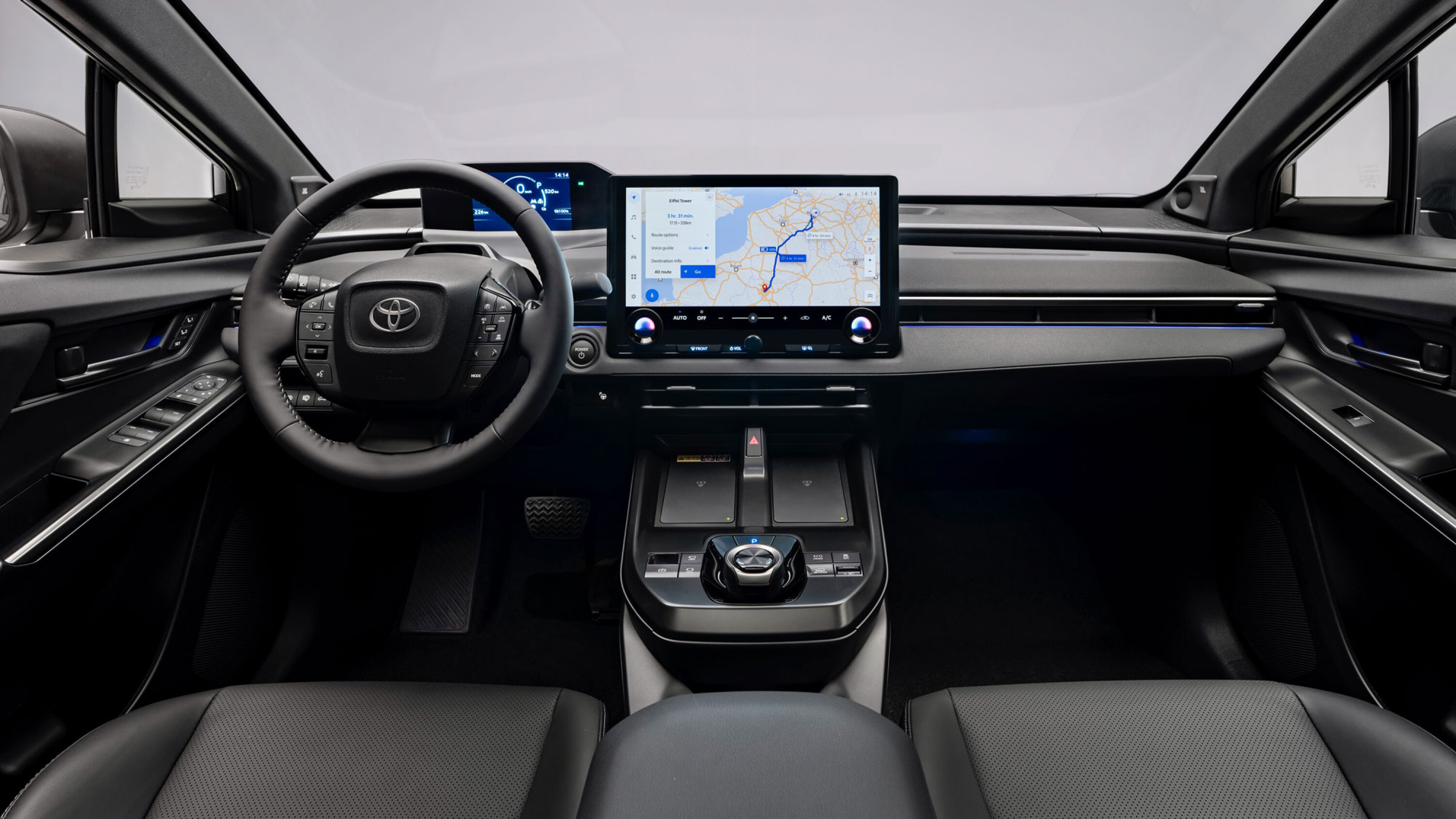
The interior has gained a new 14.0-inch touchscreen, as well as a new centre console design with dual wireless phone chargers.
Toyota has also reportedly improved the suspension setting and bodywork, giving the bZ4X lower road noise levels and improved comfort and driving dynamics.
Toyota has confirmed that the facelifted bZ4X will launch in Australia in the fourth quarter of 2025, with local pricing and specifications to be announced before then.
Australian pricing has been announced for the new Geely EX5, which is now on sale. Priced from $40,990 plus on-road costs – or from $42,707.45 drive away – for the entry-level Complete, the EX5 undercuts all of its main rivals like the Leapmotor C10, Kia EV5 and Tesla Model Y.
The EX5’s pricing also undercuts smaller electric SUVs such as the Kia EV3.
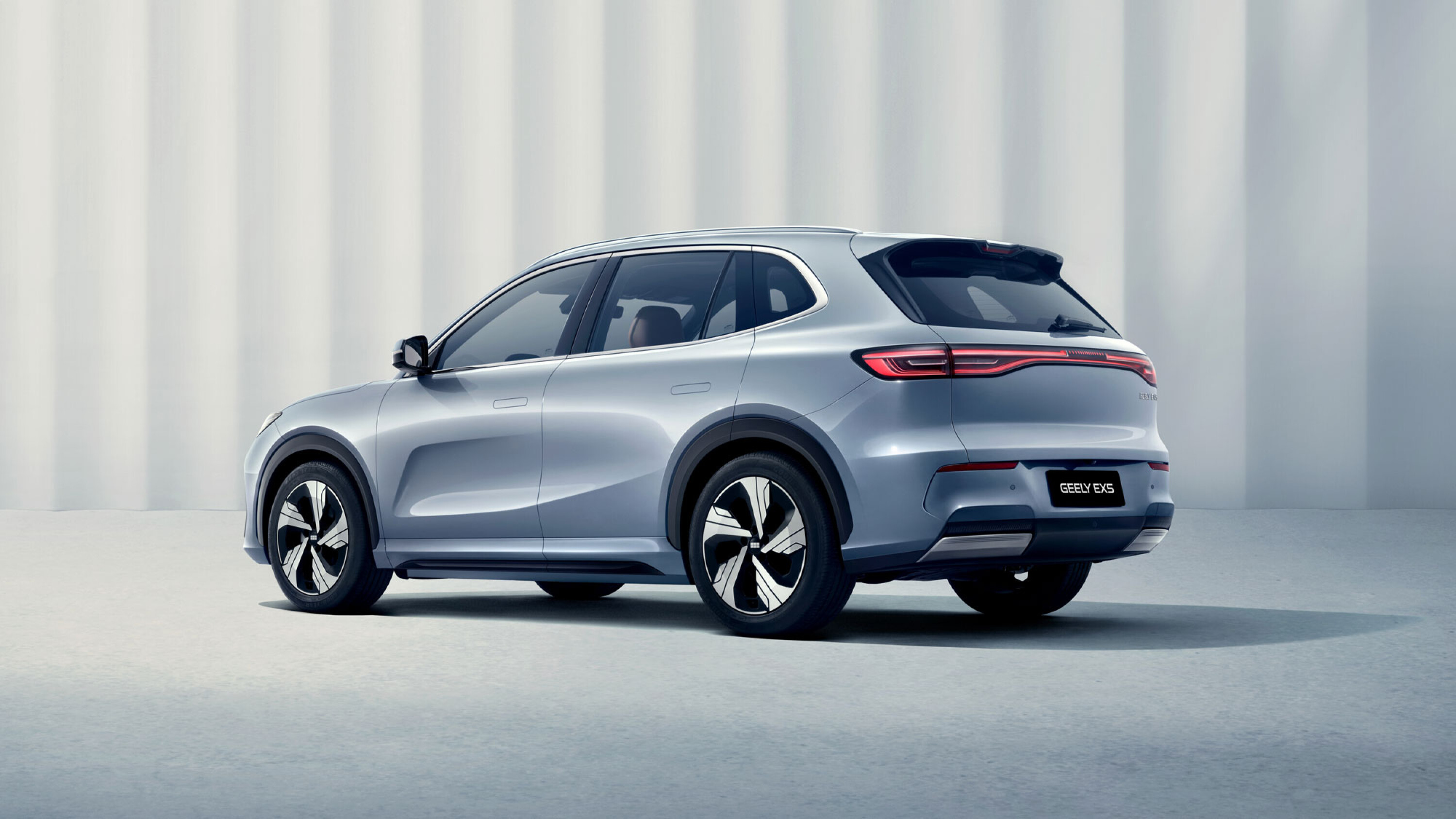
For deliveries before April 30th, EX5 buyers can also take advantage of a bonus offer that includes 12 months of complimentary charging, a complimentary 7kW home charger (excluding installation), a 3.88 per cent comparison finance rate, an upgrade to premium paint and even three years of scheduled servicing.
Sitting on Geely’s new ‘GEA’ platform, the EX5 is powered by a front-mounted 160kW/320Nm electric motor that draws power from a 60.22kWh lithium-iron-phosphate (LFP) battery pack. The claimed WLTP-rated driving range is 430km for the Complete and 410km for the Inspire.
Geely claims that the EX5 will be able to travel up to 430km of range on the WLTP cycle, and charge as high as 100kW on a DC fast charger for a 30 to 80 percent charge in 20 minutes, or 11kW using an AC charger. The EX5 also features vehicle-to-load and vehicle-to-vehicle charging at up to 3.3kW and 6kW respectively.
The EX5 measures 4,615mm long, 1,901mm wide, 1,670mm tall and rides on a 2,750mm-long wheelbase, making it identical in length to the aforementioned EV5. The claimed bootspace is 410 litres with the seats up and 1,877L with the rear seats folded.
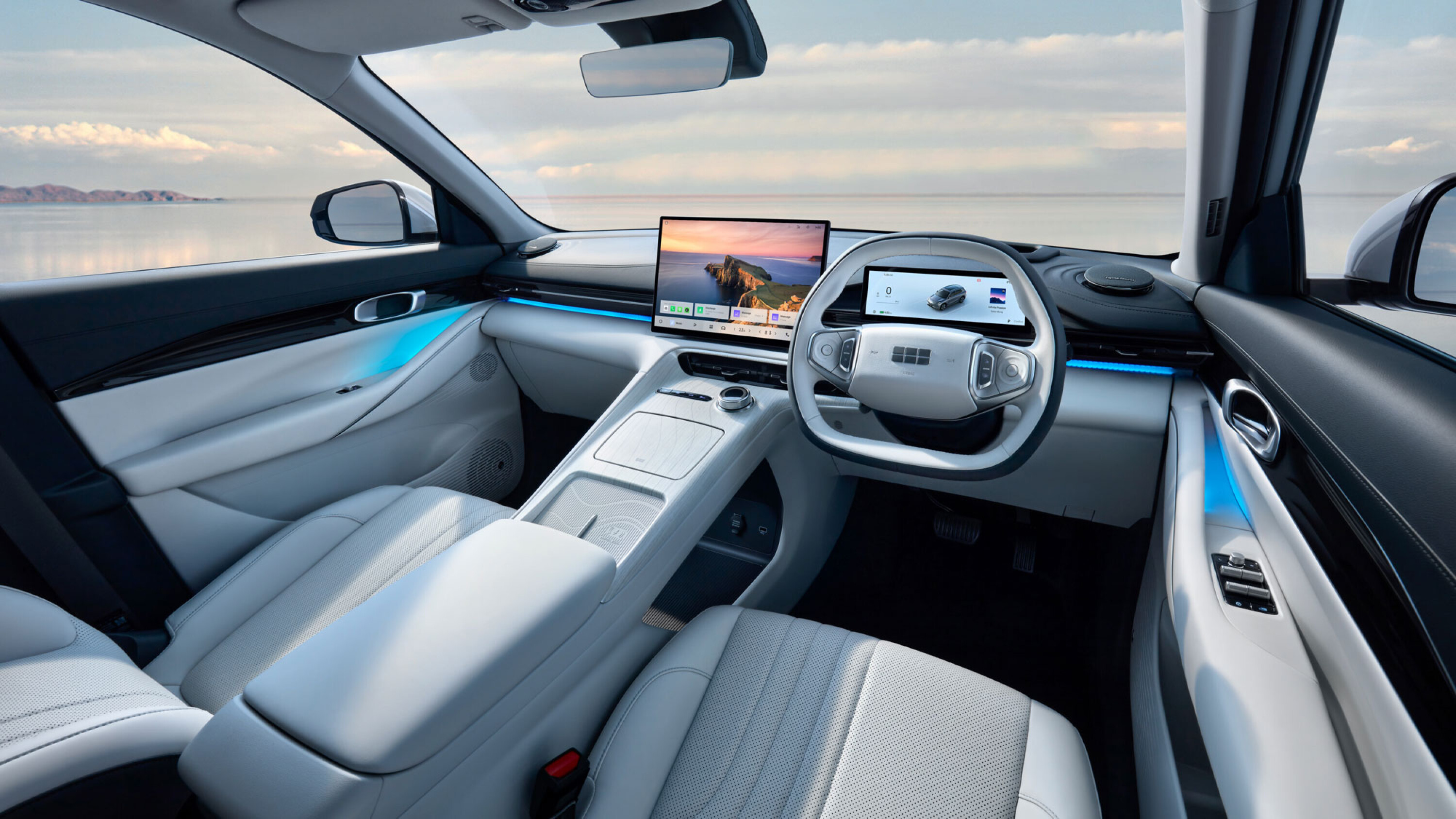
Geely EX5 pricing (plus on-road costs):
- Complete: $40,990 (from $42,707.45 drive away)
- Inspire: $44,990 (from $46,707.45 drive away)
Geely EX5 Complete standard features:
- 18-inch alloy wheels with a tyre repair kit
- Dusk-sensing automatic LED exterior lighting
- Rain-sensing automatic wipers
- Roof rails
- Heated and power-folding mirrors
- Rear privacy glass
- Keyless entry and push button start
- Leather steering wheel with ‘anti-virus technology’
- Synthetic leather upholstery
- 6-way driver/4-way passenger electric front seat adjustment
- Heated front seats
- Automatic climate control with rear air vents
- Heat pump
- 10.2-inch digital driver’s display
- 15.4-inch touchscreen with inbuilt connected services
- Wireless Apple CarPlay and Android Auto (coming via over-the-air update later in 2025)
- Six-speaker sound system
- 15W wireless phone charger
- FM/DAB+ digital radio
- Satellite navigation with live traffic
- 4x USB ports
EX5 safety equipment:
- Seven airbags (including a front central unit)
- Autonomous emergency braking (AEB)
- Lane keeping assistance with lane departure warning
- Auto high beam
- Traffic sign recognition
- Blind-spot monitoring
- Front and rear cross-traffic alert (rear with braking)
- Evasive manoeuvre assist
- Driver attention monitoring
- Adaptive cruise control
- Low-speed front and rear auto braking
- Door open warning
- Rear parking sensors
- 360-degree camera
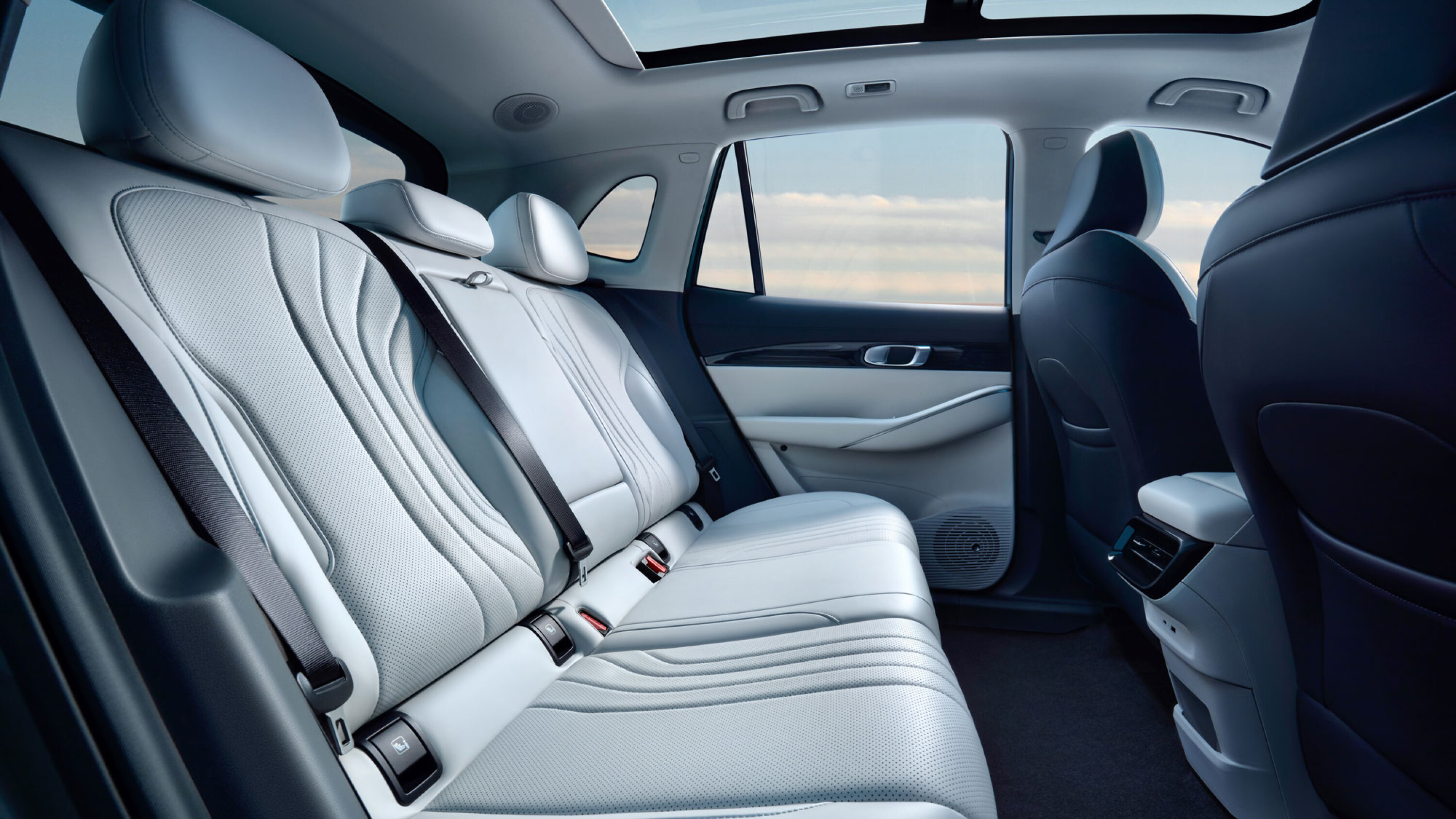
EX5 Inspire adds:
- Larger 19-inch alloy wheels
- Panoramic sunroof
- Ventilated and massaging front seats with driver’s memory and a front passenger electric foot rest
- Electric tailgate
- Front parking sensors
- Illuminated front vanity mirrors
- 256-colour ambient lighting
- 13.4-inch head-up display
- 1,000-watt 16-speaker sound system
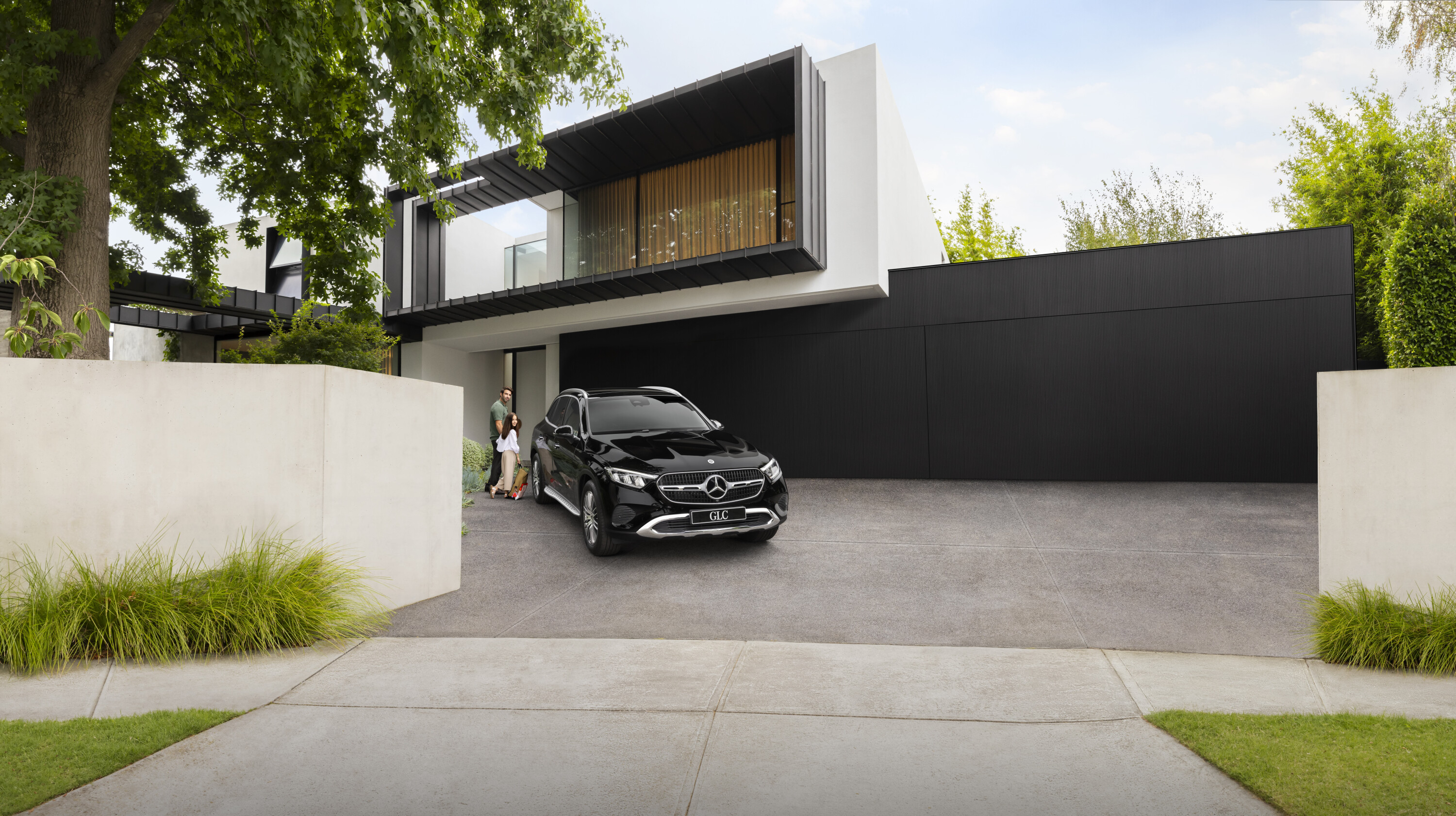
Mercedes-Benz has announced its new mid-size GLC 200 4MATIC SUV will come with a manufacturer’s recommended price of $89,000 (MRLP).
An alternative to the popular GLC 300 4MATIC SUV, the new GLC 200 4MATIC SUV will be offered with all-wheel drive in Australia for the first time.
The GLC 200 is powered by a 2.0-litre four-cylinder engine that produces up to 150 kW of power and 320 Nm of torque, with a 9G-TRONIC automatic transmission to facilitate acceleration from 0 to 100 km/h in around 7.8 seconds.
Generous standard features include a panoramic sunroof, privacy glass, heated front seats with memory function, head-up display, and a parking package with 360° camera.
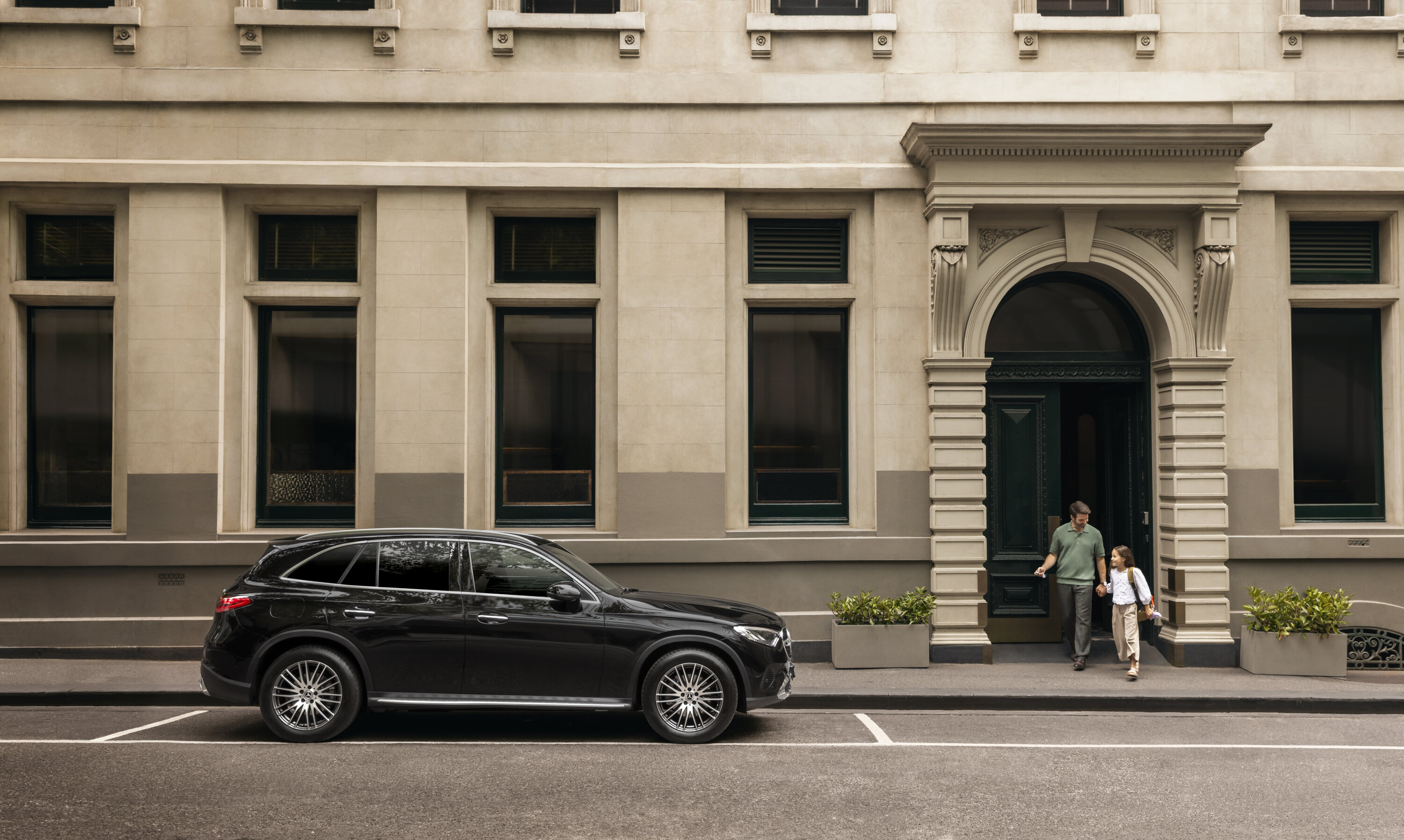
Slickly styled exterior
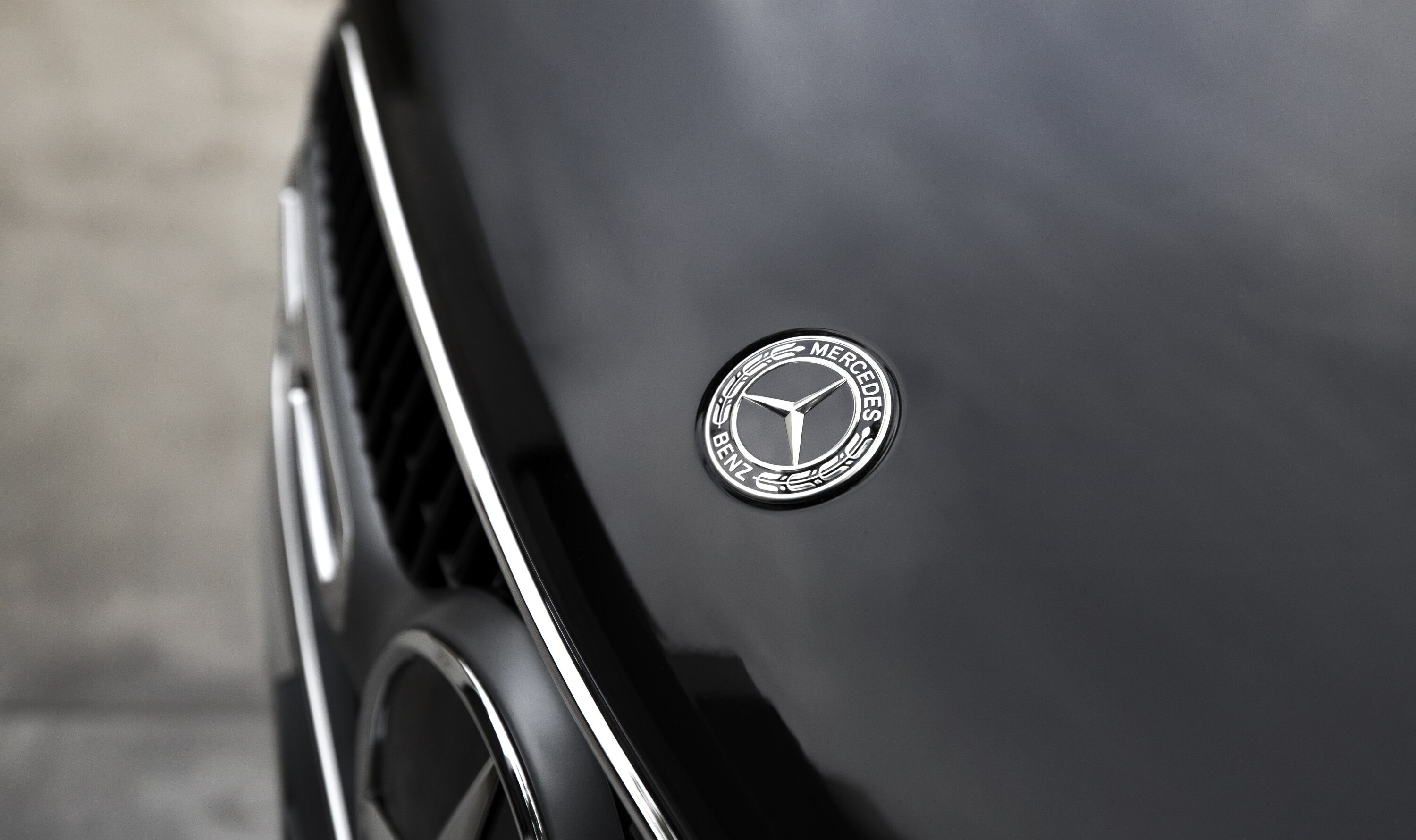
Exterior highlights include 19-inch 10-twin-spoke light-alloy wheels in tremolite grey with a high-sheen finish, aluminium-look running boards with rubber studs and LED high performance headlamps with Adaptive Highbeam Assist.
The panoramic sliding sunroof is complemented by heat-insulating dark-tinted glass, set against aluminium roof rails, while the standard parking package includes 360-degree camera with Active Parking Assist and the unique Transparent Bonnet feature to help the driver discern the terrain ahead.
An auto-dimming rear view mirror, electrically folding exterior mirrors and ambient lighting with a projection of the Mercedes-Benz logo are part of the standard mirror package.
Feature-rich interior
Inside, a silver-grey diamond-pattern trim on dash and high-gloss black on the centre console is complemented by ambient lighting and illuminated door sill panels with ‘Mercedes-Benz’ lettering.
The comfort seats in ARTICO upholstery in the front provide four-way lumbar support, while many vehicle controls can be operated via the multifunction sports steering wheel in leather. Convenient smartphone integration through Apple CarPlay and Google Android Auto is complemented by the wireless charging system for mobile devices in the front, and there is two-zone climate control.
The GLC 200 offers luggage capacity of 620 litres, and there are nine airbags and a suite of driver assistance technology, including Active Lane Keeping Assist, Blind Spot Assist, Traffic Sign Assist and Merecedes-Benz’ PRE-SAFE System.
Pricing
The all new GLC 200 4MATIC SUV will be priced at $89,000 (MRLP, excludes on-road costs and dealer delivery). As part of a limited launch campaign, the national driveaway price for base specification models with non-metallic or standard metallic paint will be $95,500. This price is available on vehicles ordered by 30th April 2025 (terms and conditions apply).
| Optional packages: | |
|---|---|
| Plus Package | $7600 (MRLP) |
| Sport Package | $6000 (MRLP) |
| Night Package (only in conjunction with Sport Package) | $1300 (MRLP) |
| Standard metallic paint | $1100 (MRLP) |
| MANUFAKTUR paint | $2700 (MRLP) |
The GLC 200 4MATIC SUV can be ordered at Mercedes-Benz retailers from March 12, 2025.
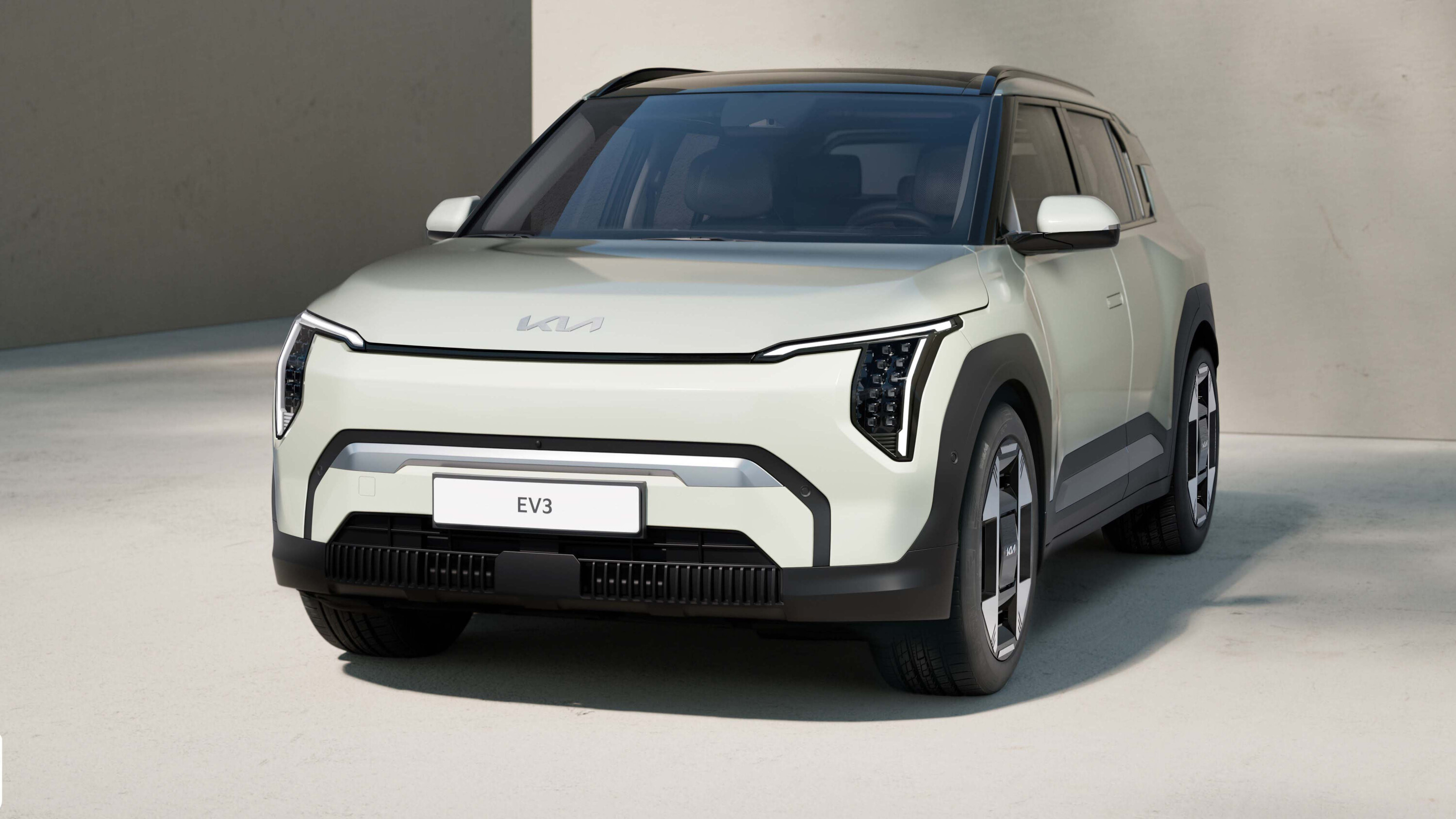
Kia’s expanding EV range grows again this week, with the Australian arrival of the new 2025 Kia EV3.
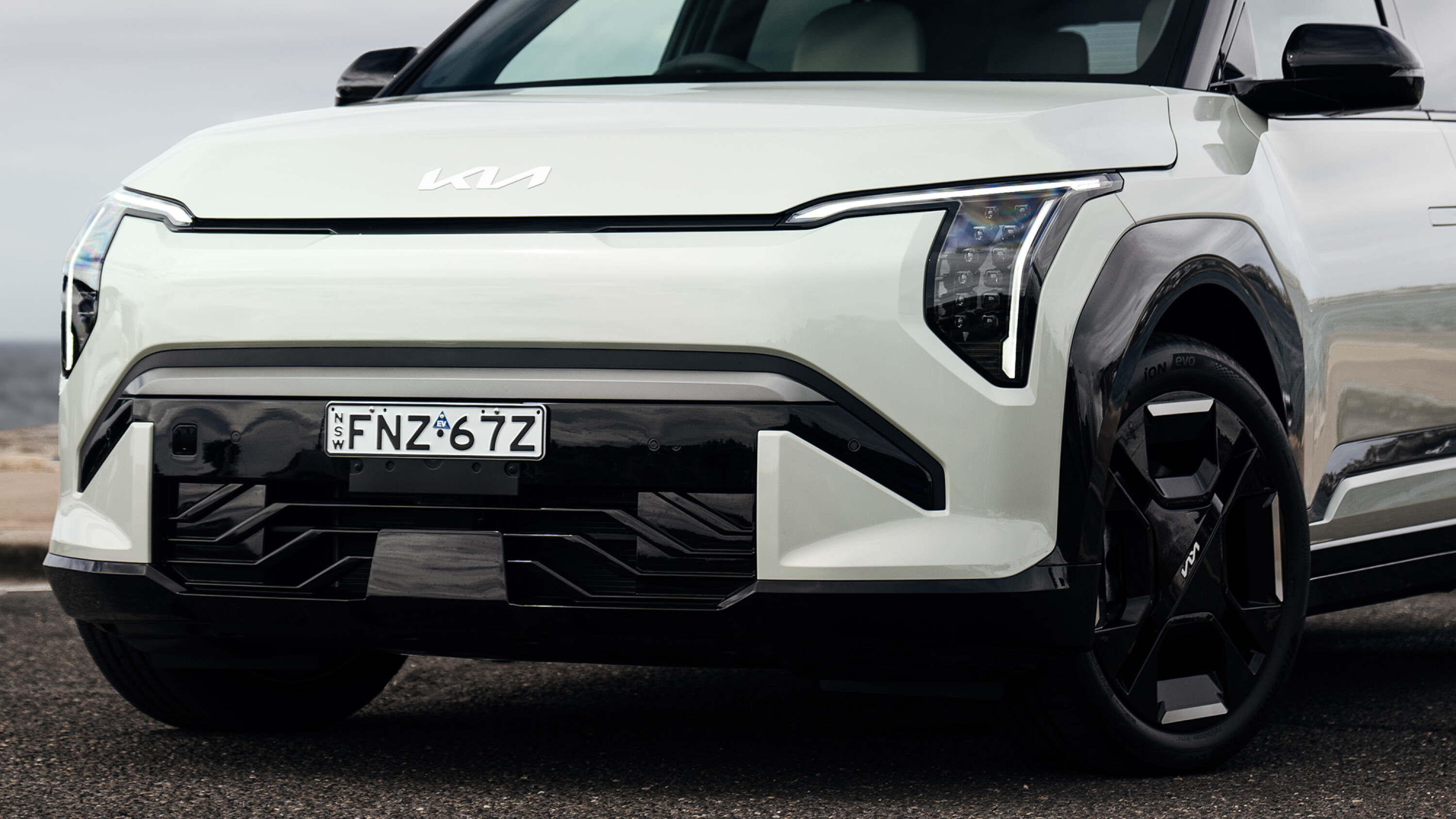
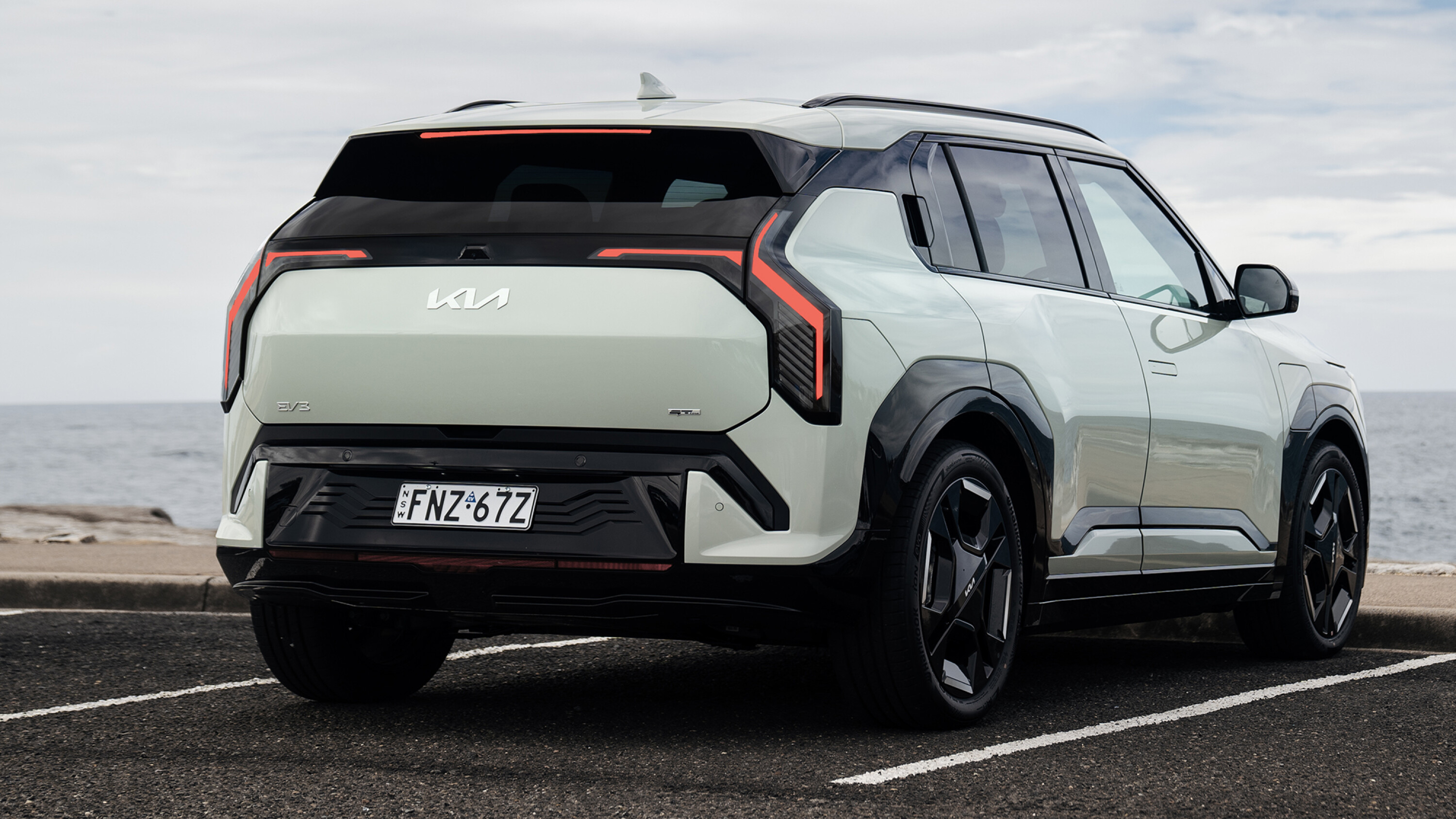
Built on a new ‘simplified’ 400V version of the brand’s E-GMP platform, the EV3 will be offered in three trim levels: Air, Earth, and GT-Line.
Snapshot
- Powertrain: 150kW/283Nm front-wheel drive single motor
- Battery: 58.3 kWh (Standard Range), 81.4 kWh (Long Range) lithium-ion
- Driving Range: 436km (Standard), up to 604km (Long Range, WLTP)
- Price: $48,990 (Air Standard Range) to $70,490 (GT-Line Long Range) drive-away
2025 Kia EV3 pricing
Debuting as a rival to models like the Hyundai Kona and Volvo EX30, the EV3 gives Australian buyers another fresh option at the smaller end of the market – if not so much the ‘affordable’ part.
The entry-level EV3 Air Standard Range is priced at $47,600 (RRP), with drive-away costs of $48,990 (excluding Western Australia) and $49,990 (in Western Australia).
Stepping up to the EV3 Air Long Range increases the price to $53,315 (RRP), with drive-away figures of $56,490 (excluding WA) and $57,490 (WA).
The EV3 Earth Long Range is priced at $58,600 (RRP), with drive-away costs of $62,690 (excluding WA) and $63,690 (WA).
The top-tier EV3 GT-Line Long Range reaches $63,950 (RRP), with drive-away prices of $68,490 (excluding WA) and $70,490 (WA).
Drive-away pricing for the Australian Capital Territory is available only for the Air Standard Range variant, at $48,990.
| Model | EV3 Air Standard Range | EV3 AirLong Range | EV3 Earth Long Range | EV3 GT-LineLong Range |
|---|---|---|---|---|
| Battery | 58.3 kWh | 81.4 kWh | ||
| Powertrain | 2WD Single Motor | |||
| Power/Torque | 150 kW / 283 Nm | |||
| WLTP Range | 436 km | 604 km | 563 km | |
| RRP | $47,600 | $53,315 | $58,600 | $63,950 |
| Drive-Away(Except WA)# | $48,990 | $56,490 | $62,690 | $68,490 |
| Drive-Away (WA) | $49,990 | $57,490 | $63,690 | $70,490 |
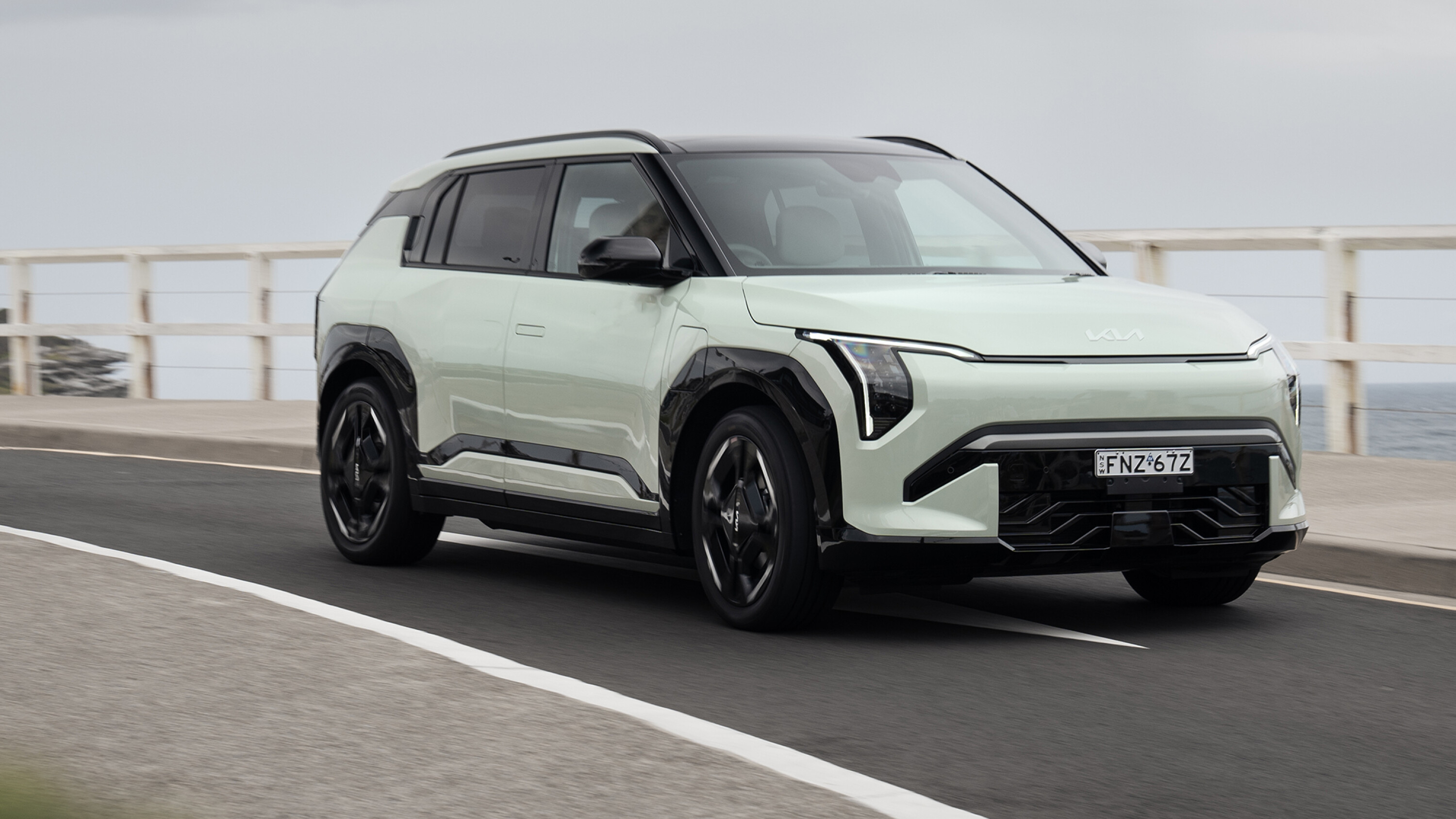
Battery, driving range and power
All EV3 variants are front-wheel drive, but two battery capacities are available, allowing for driving range estimates and pricing points to meet buyer needs.
The entry-level Air variant is available with two battery options: a 58.3 kWh Standard Range and an 81.4 kWh Long Range.
The Earth and GT-Line models are equipped exclusively with the 81.4 kWh Long Range battery. All battery systems are lithium-ion.
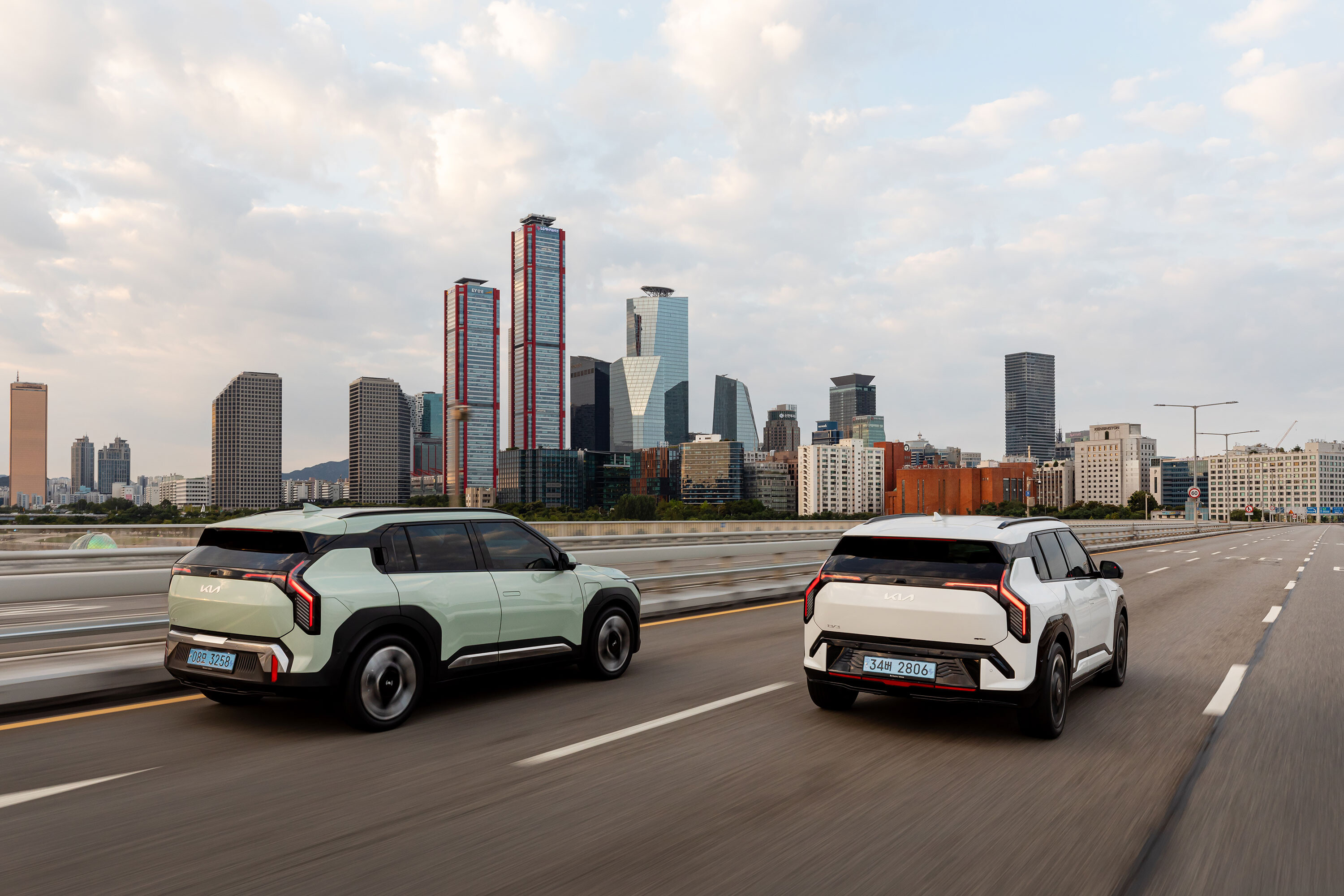
The EV3 Standard Range battery delivers a claimed WLTP-tested driving range of 436 kilometres.
The Long Range battery achieves 604km in the Air configuration, and 563km in the Earth and GT-Line configurations.
Helping to achieve its range claims is a new iPedal 3.0 regenerative braking system, enabling one-pedal driving with adjustable regenerative braking levels.
According to Kia, the EV3 has a low drag coefficient of 0.263 Cd – compared to 0.27 for a Kona Electric, 0.28 Cd for an EX30 or 0.33 for a Seltos – with a full three-dimensional undercover.
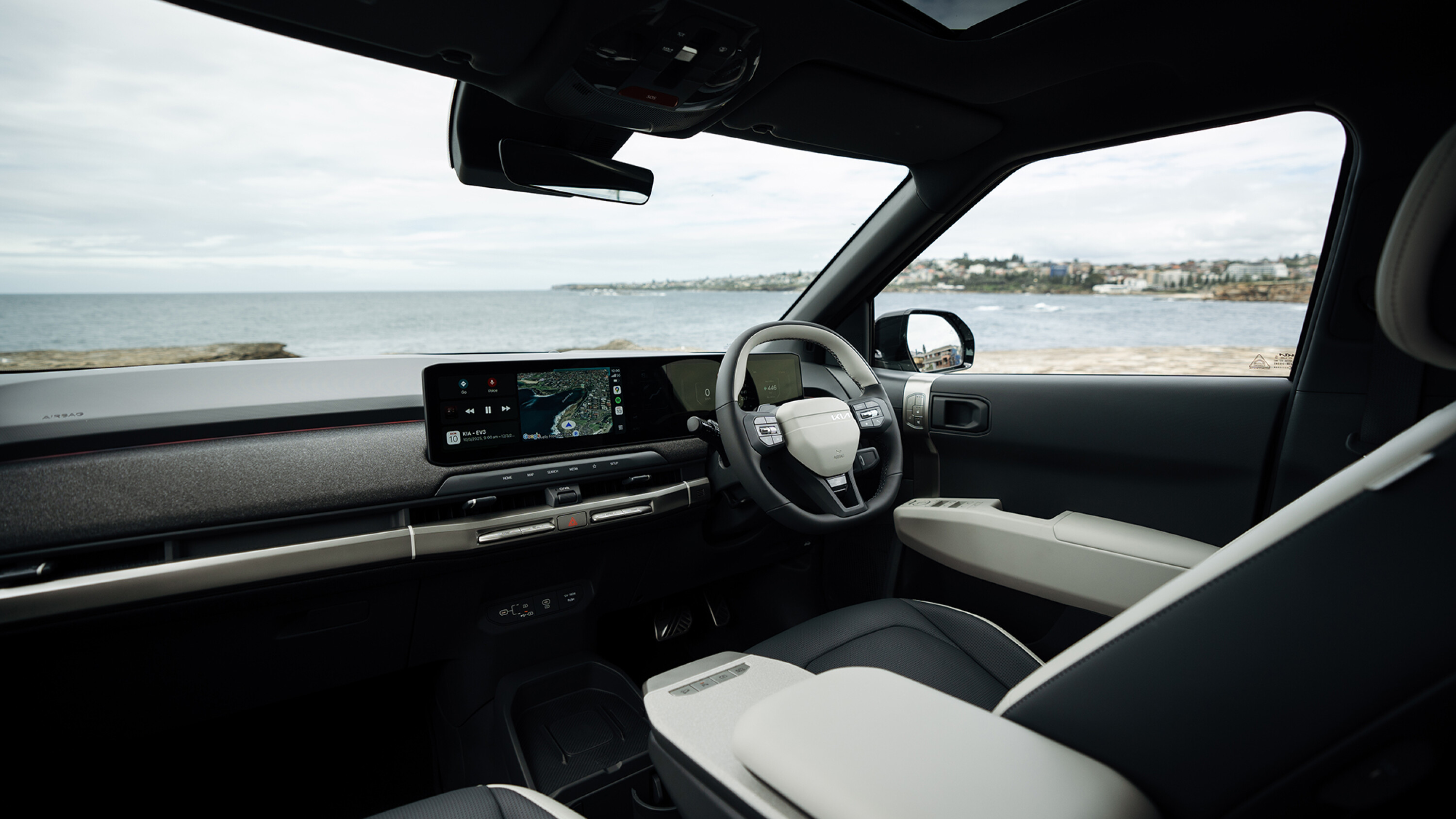
Kia EV3: Features and equipment
On the outside, all models feature flush door handles, and trim-specific alloy wheels: 17-inch wheels on the Air, and 19-inch wheels on the Earth and GT-Line.
The interior features a 12.3-inch digital driver cluster, a 5.3-inch climate monitor, and a 12.3-inch touchscreen infotainment system with Kia’s ccNC interface and the latest GUI.
Unlike other electric vehicles from brands such as Tesla and Volvo, Kia has retained physical controls for key functions like cruise control, entertainment, navigation and drive mode – plus traditional stalks and a column-mounted gear selector.
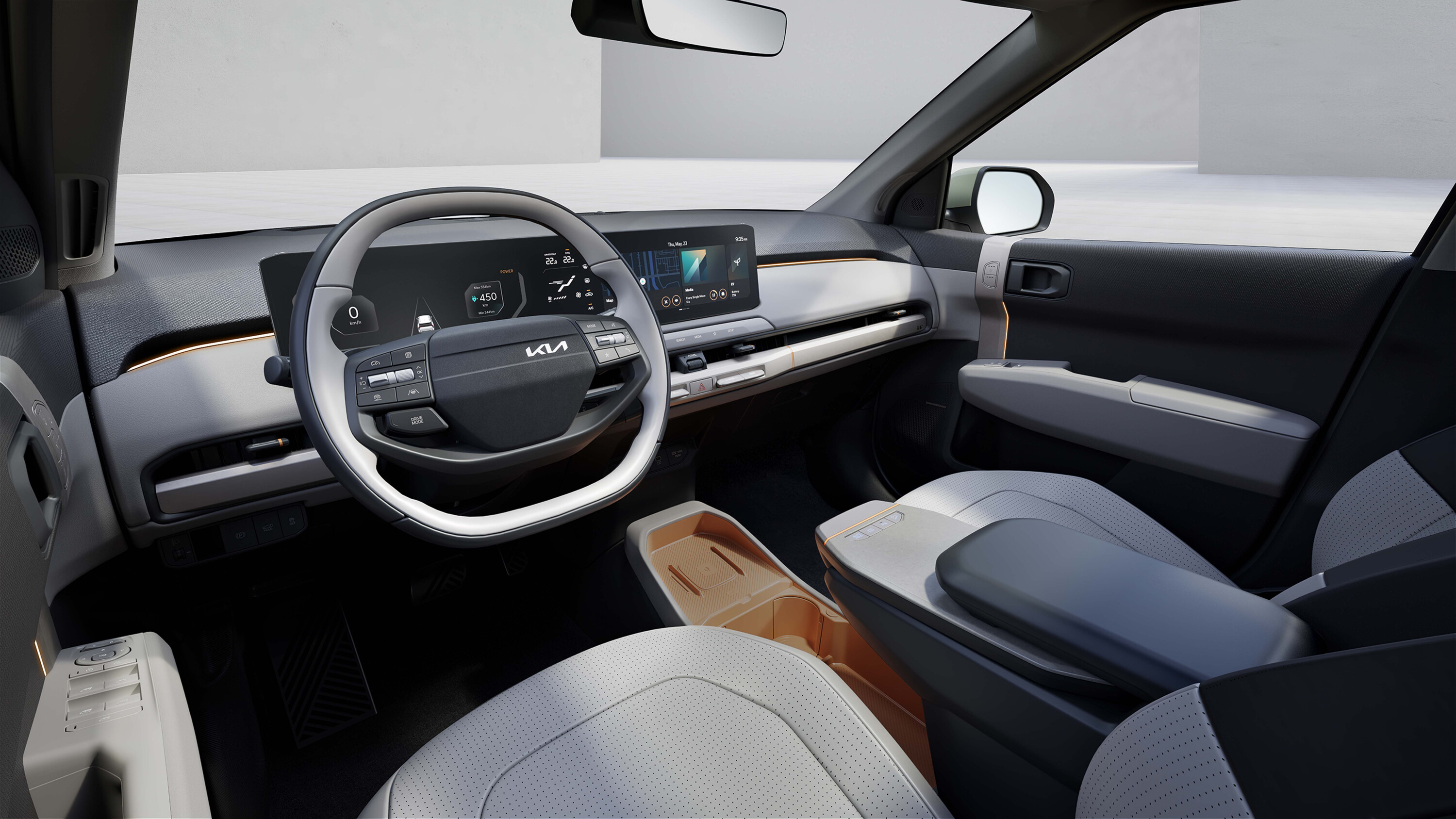
Standard features across the range include:
- Kia Connect remote access
- Over-the-air updates
- Apple CarPlay and Android Auto (both wireless)
- Wireless phone charging
- Vehicle-to-load (V2L) functionality with a connector kit
- A column-mounted shift-by-wire gear selector
The GT-Line variant includes
- A head-up display
- A sunroof with a safety function
- An eight-speaker Harman Kardon sound system
- Highway Driving Assist 2 (HDA 2)
- A centre side airbag
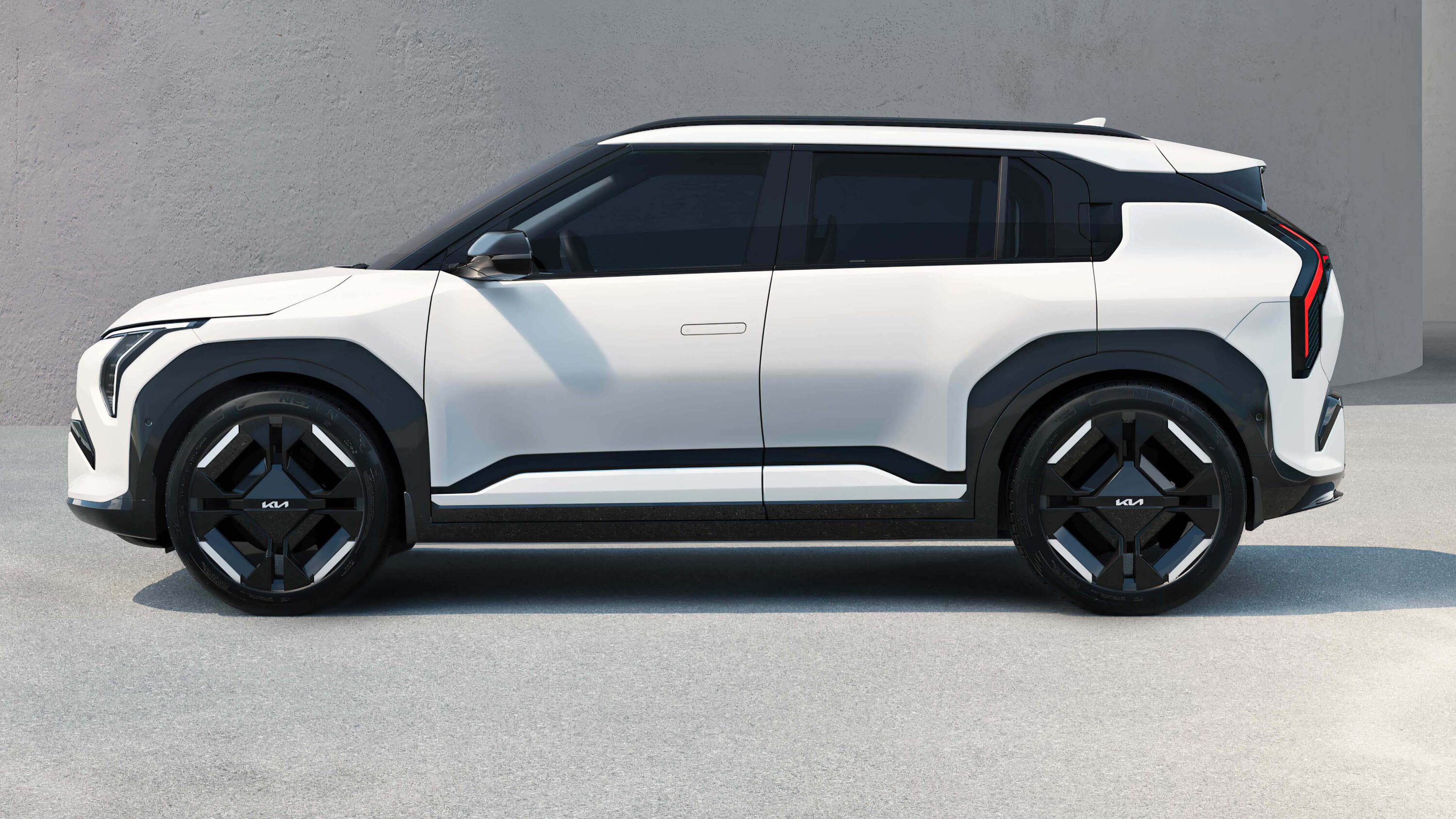
The EV3 is available in eight exterior colours and three interior colour schemes. Air models feature cloth trim, while Earth and GT-Line variants use artificial leather.
The Earth trim offers a choice of Subtle Grey or Light Warm Grey artificial leather, with differing console tray colors depending on the seat trim selection.
Kia has used recycled materials for the dashboard and door trims, as well as polyethylene terephthalate – said to be “among the most easily recycled plastics in the world” – for the seats, headliner, floor mats and luggage board.
EV3 storage space
Interior cargo space includes 460 litres in the rear with the back seats upright, and an additional 25 litres in the front storage area.
The EV3 also boasts a two-tier storage board in the rear, allowing for 140 millimetres of load height flexibility.
By comparison, you’ll find 466 litres in the Hyundai Kona, 318 litres (plus 7 up front) in the Volvo EX30, 440 in the BYD Atto 3, 475 in the older Kia Niro and 433 litres in the petrol-powered Kia Seltos.
Mini matchup: Kia EV3 v Hyundai Kona v Volvo EX30 v BYD Atto 3 v Kia Seltos
Note: List scrolls horizontally.
| Model | Kia EV3 | Hyundai Kona Electric | Volvo EX30 | BYD Atto 3 | Kia Seltos |
|---|---|---|---|---|---|
| Length | 4300mm | 4355mm | 4233mm | 4455mm | 4385mm |
| Width | 1850mm | 1825mm | 1836mm | 1875mm | 1800mm |
| Height | 1560mm | 1580mm | 1549mm | 1615mm | 1635mm |
| Wheelbase | 2680mm | 2660mm | 2650mm | 2720mm | 2630mm |
| Boot space | 460L | 434L | 318L | 440L | 433L |
| Front storage compartment (frunk) | 25L | u2013 | 7L | u2013 | u2013 |
