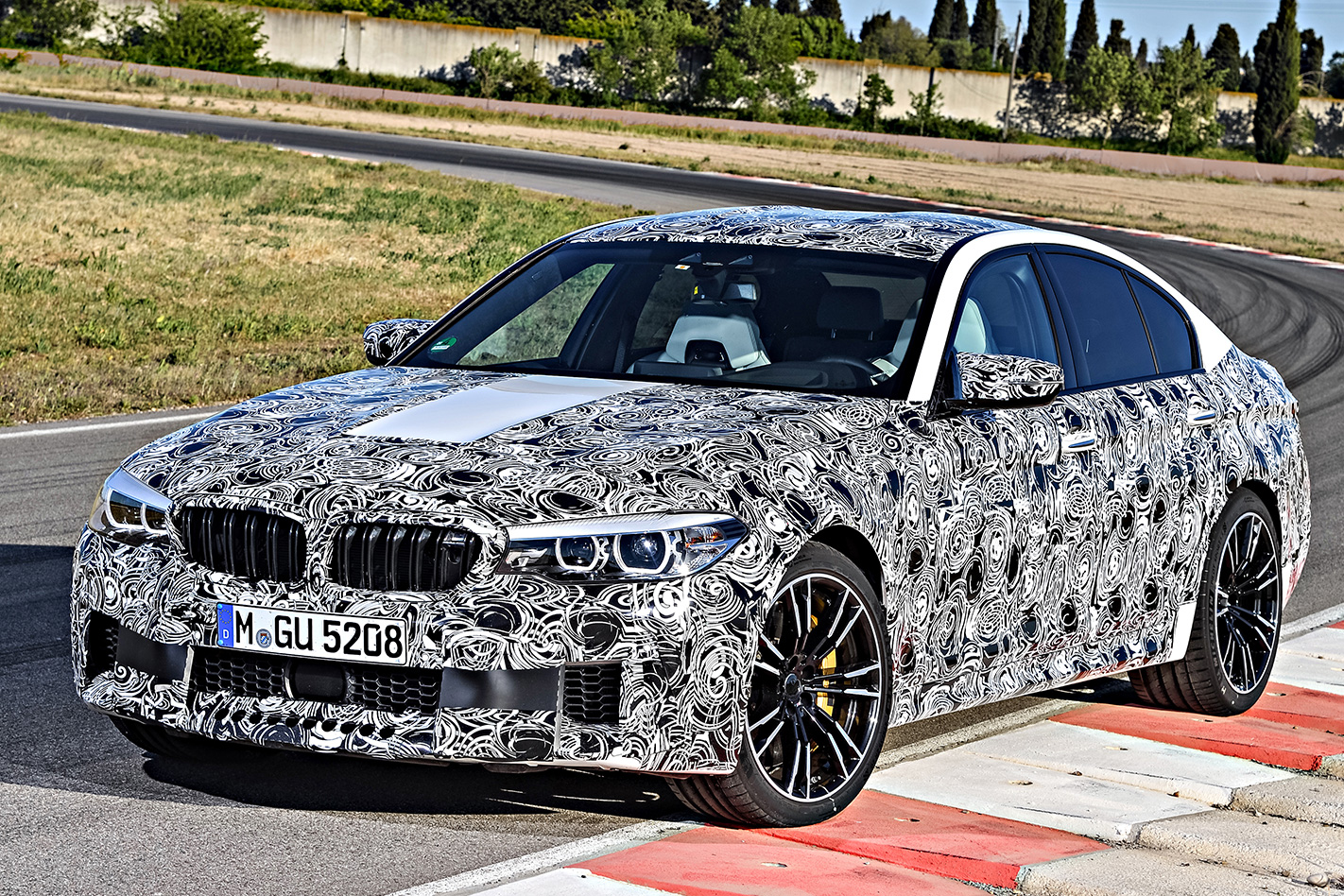
Even with a camouflaged exterior, BMW isn’t fooling anyone.
With imposing proportions and menacing quad tailpipes, it’s easy to see this isn’t the new 518d. Instead, the four-door sedan obscured by swirling decals is the hyped sixth-generation M5.
While it’s slated for debut at the Frankfurt Motor Show in September (before going on sale in March 2018), we’ve snared a pre-production prototype to see what this new era of 5 Series performance has to offer.
The headline news for the F90 M5 is a shift to all-wheel drive, the system known as M xDrive. Despite the extra driveline gubbins, the new M5 is 35kg lighter than the vehicle it replaces, the weight distribution is now better balanced and the active torque split always apportions more grunt to the wheel with the most traction.
Under the bonnet, the 4.4-litre twin-turbo V8 has been upgraded for more oomph and less thirst, though just how much extra grunt is yet to be confirmed.
Grapevine scuttlebutt predicts that the new engine will develop around 450kW between 6000-6500rpm with maximum torque registering at 750Nm from 3000-5000rpm.
Interestingly, the seven-speed DCT gearbox has been replaced by an eight-speed M Steptronic transmission.
While this is a conventional automatic, the M Division wizards have dialled in almost seamless shifts, more evenly spaced ratios, converter lock-up from the get-go and multiple downshifts on the run.
Thanks to the extra traction and grunt, the 0-100km/h figure drops to a claimed 3.5 seconds – that’s six-tenths quicker than the current 441kW M6 coupe.
And the big forward push continues, as the 200km/h mark passes only 9.2 seconds later. While the top speed is again limited to 250km/h, extra money buys the M Driver’s Package, which lifts the peak velocity to 317km/h. However, on-paper figures are only half the story. Let’s drive it.
While only a handful of people outside M Division (including this scribe) have seen the exterior of the F90 M5, even fewer have sampled it behind the wheel – until now.
Thankfully, the seat next to me is occupied by Frank van Meel, head of the M Division, a keen driver and M5 expert. He knows, blindfolded, which button to push to what effect and he takes me through the motions from pussyfoot to hooligan.
MOTOR‘s 30 years of BMW M3 special
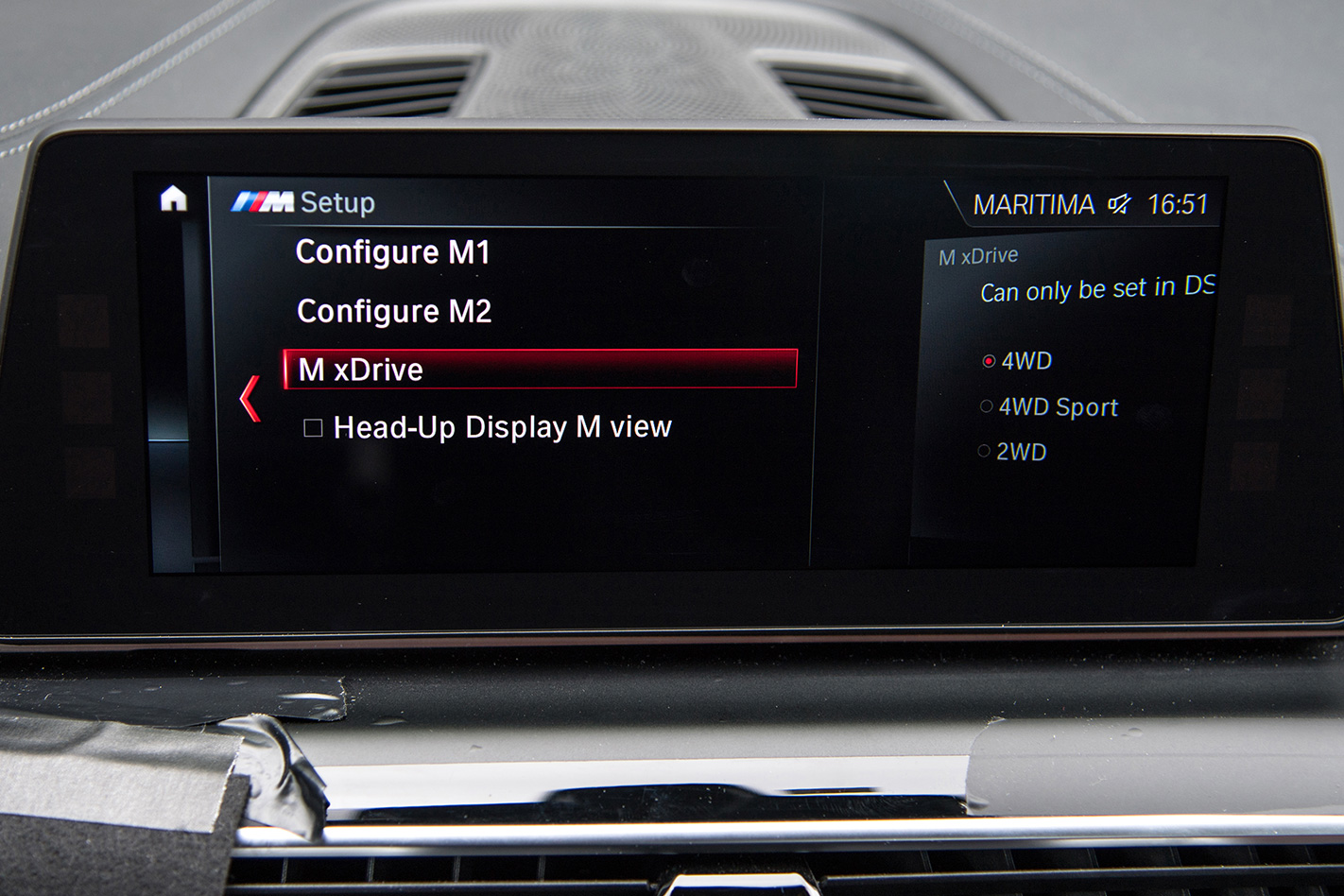
The M1 and M2 buttons activate two different personalised set-ups for the throttle and gearbox response, shock-absorber tuning, steering calibration, DSC mode and head-up display content.
In addition, there are three direct-access buttons for drivetrain, dampers and steering, plus a DSC off sub-menu listing M xDrive options: 4WD, 4WD Sport and 2WD. It’s a lot to get your head around.
When you fire up the modified V8 engine, dubbed S63B44T4 within BMW, by hitting the starter button, all systems sheepishly assume the least aggressive calibration. It’s hardly sedate, but neither teeth nor fangs are bared as the new all-wheel drive system is programmed for optimum grip and stability while the electronic nannies remain on.
That’s fine for the commute home from the airport in heavy traffic. After all, this is a 5 Series and it needs to cover the commute as well.
However, we’re at a racetrack and the M5 has MDM to select – that’s M Dynamic Mode in BMW-speak. The system channels more torque to the rear wheels and permits more slip, however it conveys a sanitised experience.
Predictably, 4WD Sport pushes the handling balance one step further to the rear wheels and, as you can imagine, offers the kind of manic power oversteer of the F90’s rear-driven forebears.
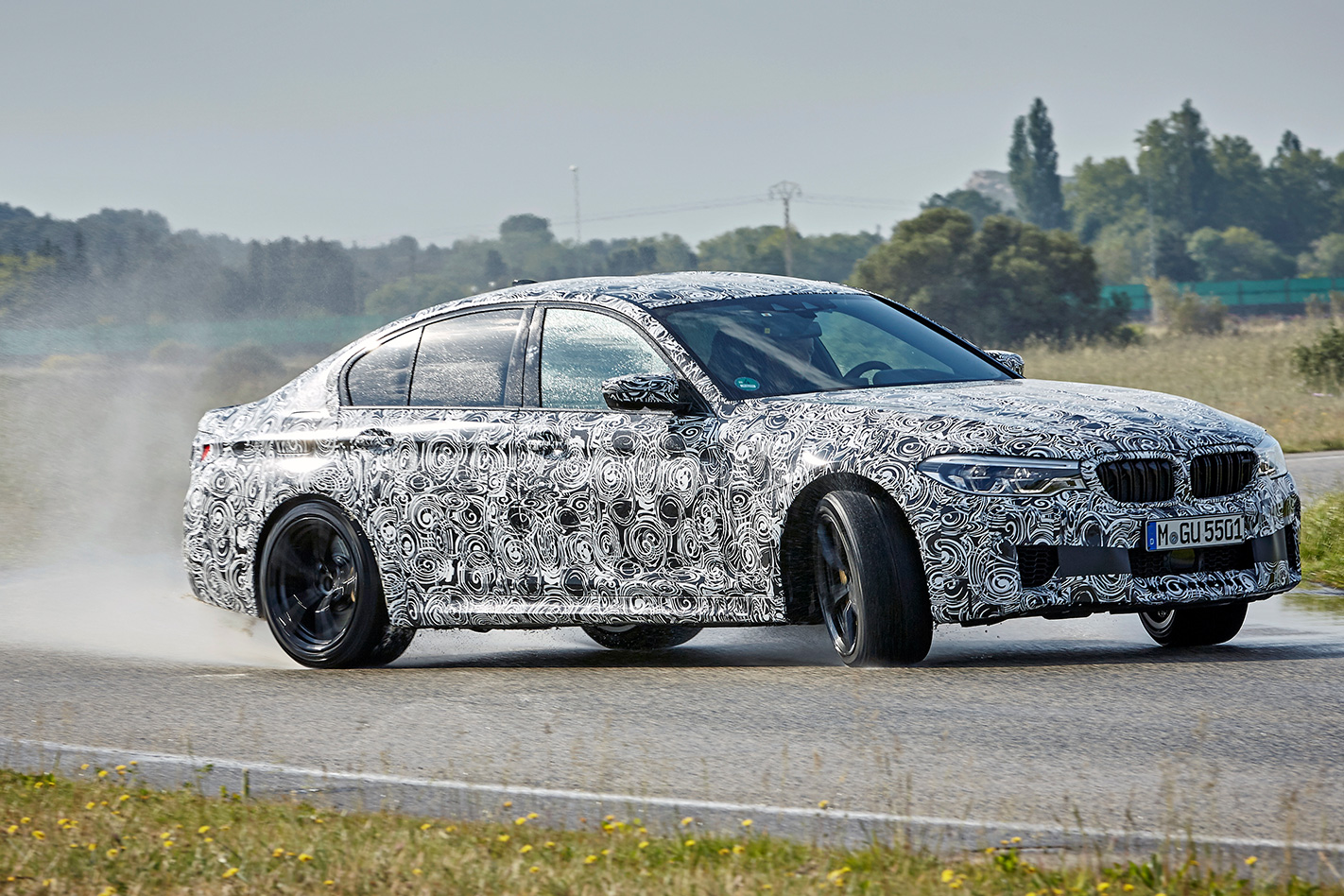
And according to the glimpses of Timo Glock ahead, he, too, is no longer hanging around. Admittedly he has a power deficit and a lack of all-wheel traction, but the racing driver ahead fails to skip away from the journo hack. This goes to show that on wet tarmac, the extra grip afforded by the new all-wheel drive system can be a priceless advantage.
Although finding the difference between MDM (DSC on) and M xDrive (DSC off) remains an unanswered question. Are the nuances in terms of north-south and east-west torque distribution too subtle for my clumsy senses?
Mercifully, I get the hang of it. It’s the old ‘turn in late, step on the gas early’ routine. In the outgoing M5 you had to wait endlessly before you could give it stick, trying everything possible to negate setting the the rear tyres alight which always seemed to end in more smoke than traction regardless. Not so anymore.
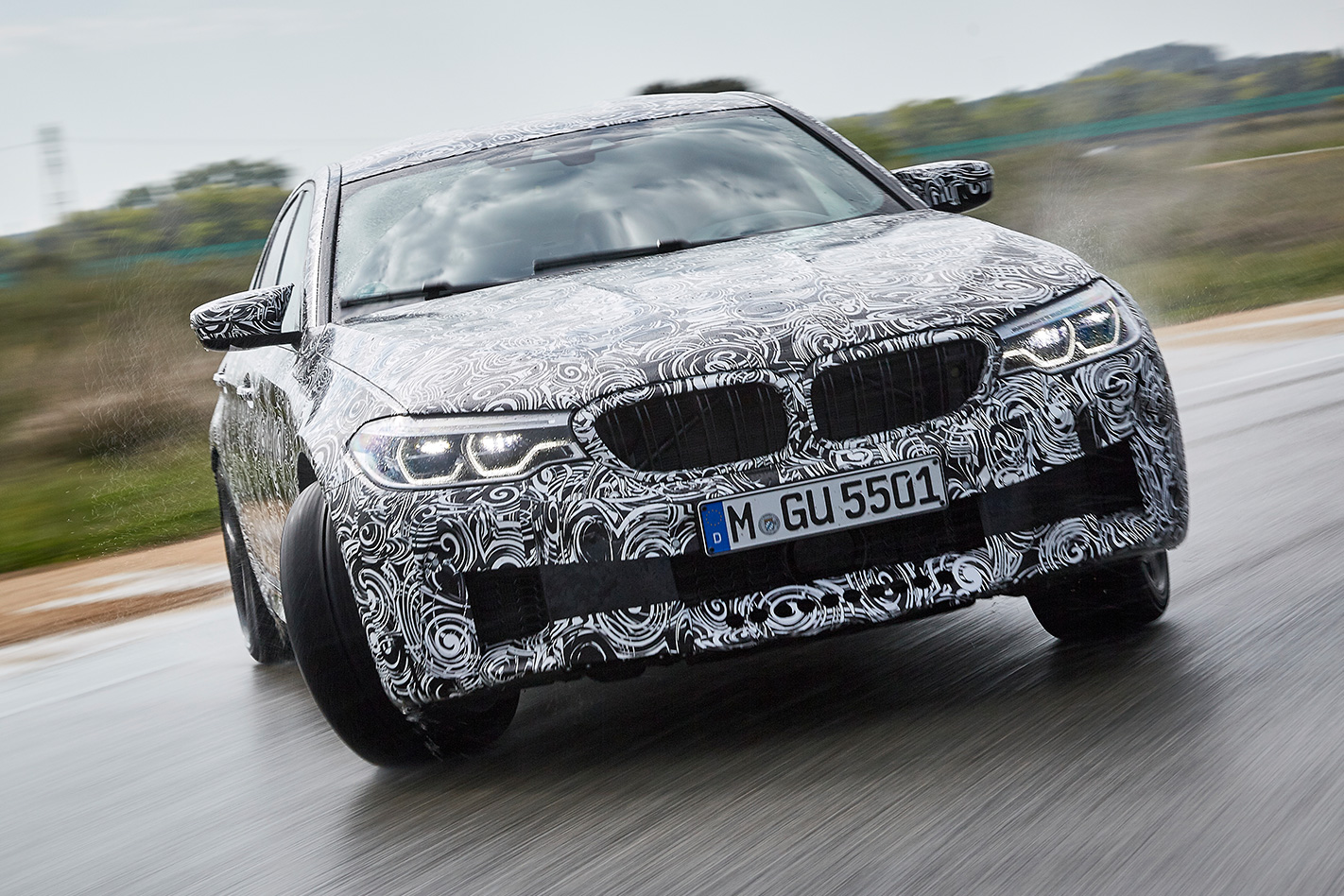
The faster cornering speeds are one thing, but gaining more control is the clincher – and a refreshing discovery compared to the old rule book.
he key is in the flow which paves the way for fluid motions, well-mannered drifts, and intuitive interaction. Less drama and more fun is indeed a compelling new formula and, for better or worse, relegates the M3 and M4 to old-school tools. There is no doubt about it, the way the M Division has set up its all-wheel drive system makes drifting more manageable, effortlessly elegant and more rewarding.
Then there’s the other end of the scale. DSC off beckons. It’s the most extreme guise and allows you to select “2WD”, which naturally shifts all the torque to the rear wheels.
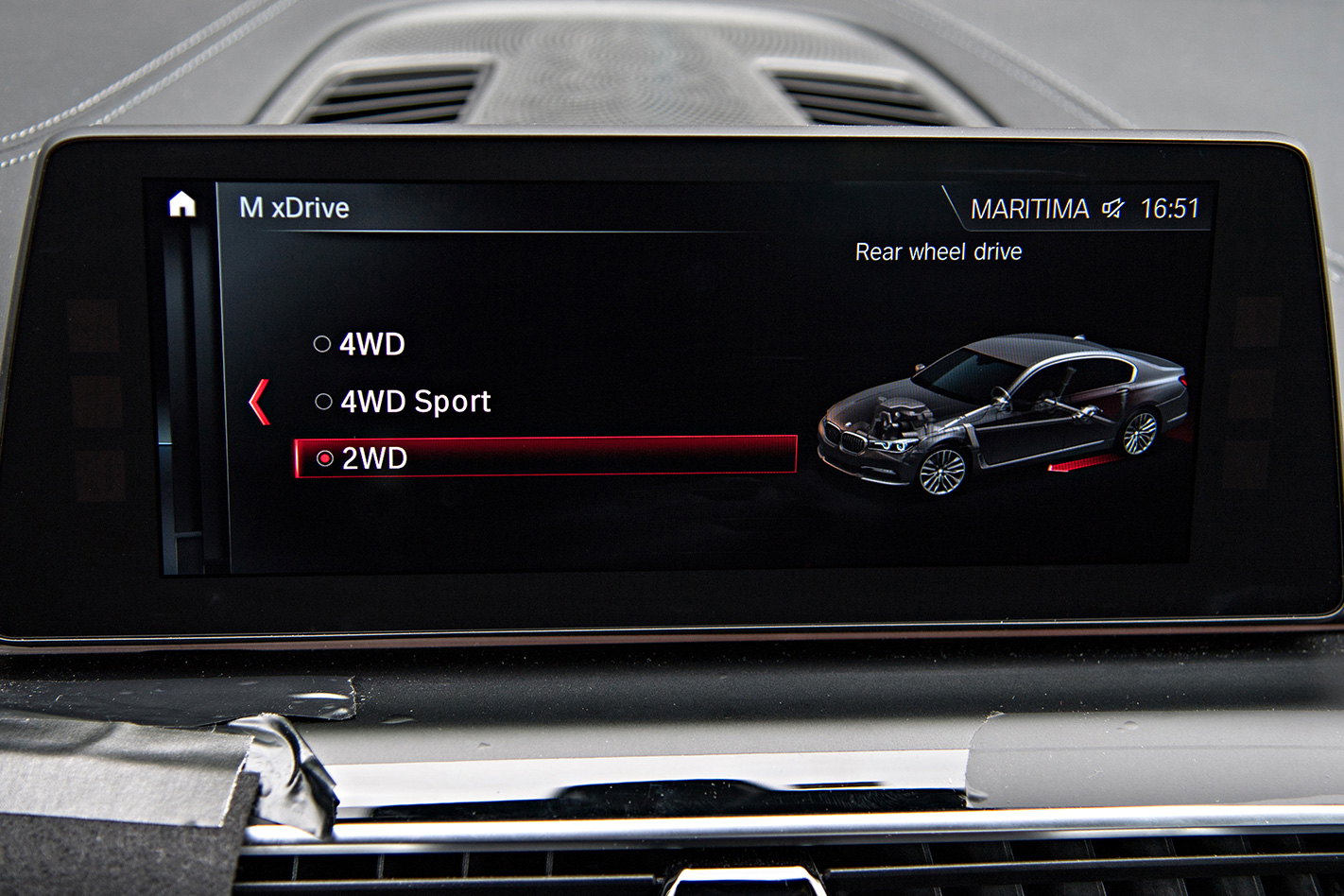
“We assume that buyers who select 2WD want all the fun and no supervision,” says van Meel.
With all stops pulled out, the high-end 5 Series feels as if there’s a battalion of hornets packed under the rear seat, all collectively sharpening their stings at every stab of the throttle. “It works fine,” van Meel declares in the most appeasing tone he can muster, “but you have to be quick – very quick”.
It once again takes me time to adjust to the spiciest set-up. The dialogue is now strictly between steering and throttle, with the brake separating one act from the next.
To keep a lid on that hornets’ nest, a precautionary third gear turns out to be a better option than second through slower bends. Likewise, fifth certainly beats fourth through high-speed changes of direction given the might underfoot.
In Sport mode, the auto ’box holds the chosen gear no matter what, changes the shift pattern from leisurely to attack to make sure every full-throttle upshift is a kick in the butt.
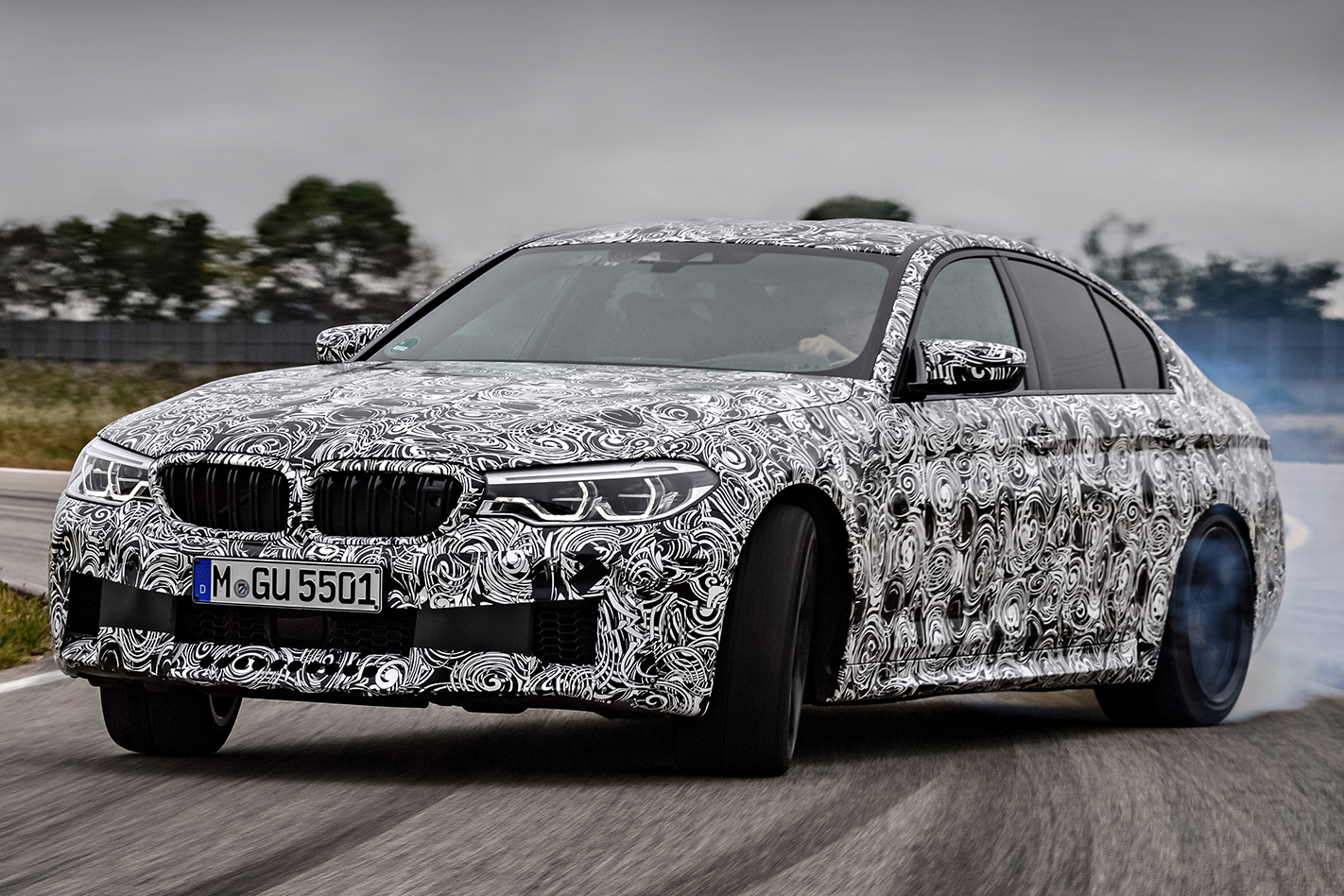
There are no kerbs and zero run-off space. We brace ourselves for a circus of aquaplaning given the drenched surface is akin to an ice rink. Sounds grim and like hard work, but thanks to the low friction coefficient, the cornering speed is slow, manageable and eventually becomes confidence inspiring.
On this rain-swept terrain 4WD quells too much of the fun, DSC off is like walking a tightrope and 2WD evokes cries for help. The best compromise is MDM, which allows a long leash until you overdo it as the safety net of DSC brings everything back under control.
Although we won’t have a final verdict for another year, what the M5 already lacks here and now is some form of hybridisation.
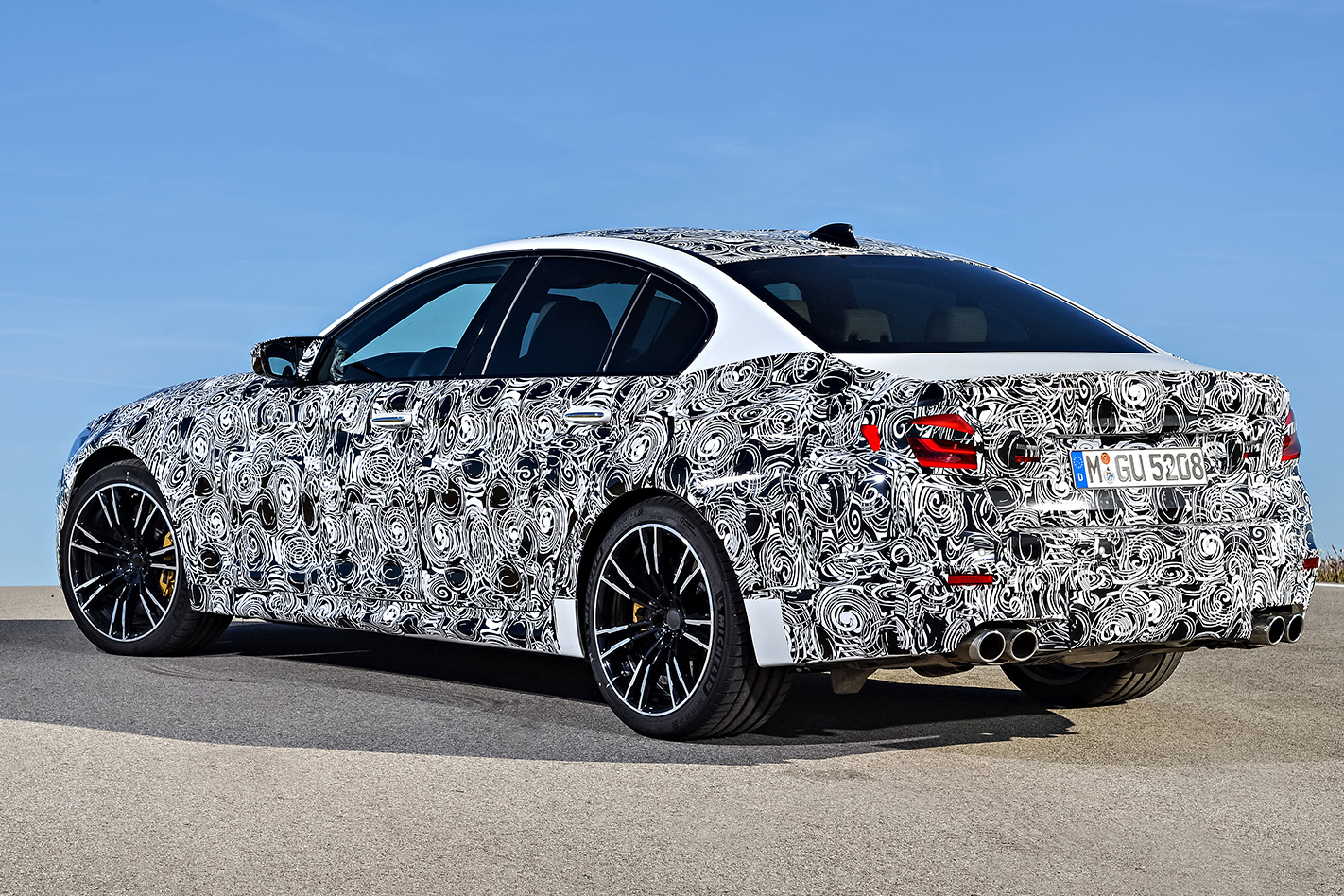
The sportiest sedan ever conceived at BMW could have ended up as the big brother to the M3, but despite certain similarities like the carbon fibre roof, Active Differential and the on-demand power oversteer, the new M5 has carved out its own niche instead.
Sadly there will be no cool wagon (Touring) to rival the likes of the RS6, but there will be an awesome M8 coupe.
If the first outing on the proving ground is anything to go by, the V8-engined four-door sedan wants to be more of a muscular GT, a family-sized driver’s car and a high-speed, long-distance executive express all in one.
Who would have guessed that the man who runs one of the most fascinating car companies in the world is himself fascinated by cars?
Most people, probably.
Jay Leno’s Mind-Blowing Garage: In pics
But Zak Brown’s personal garage isn’t just full of McLarens, it’s a trove of motoring history from both the road and the track.
Okay, so there are a couple of McLarens… but who can blame him?
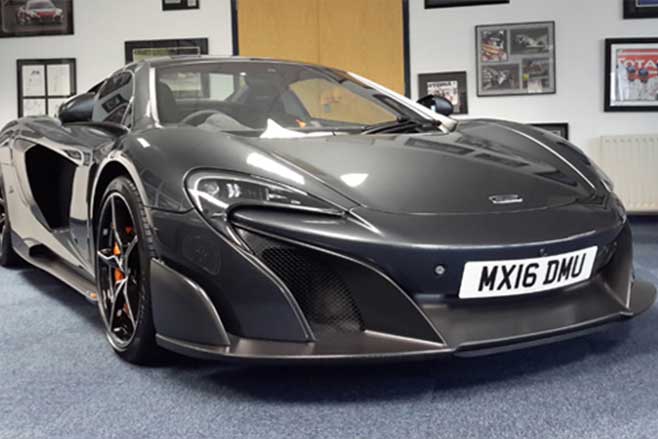
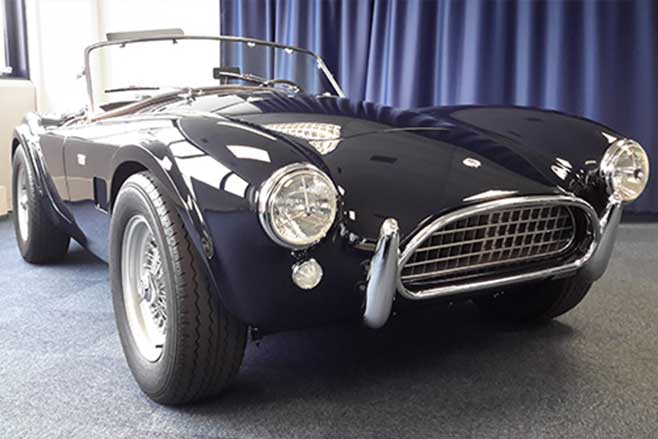
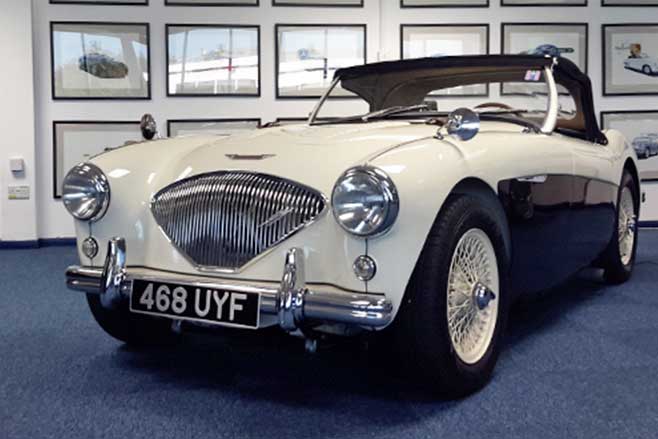
Most of his older cars are roofless (or convertible), such as the Austin Heally 100M, his Merc 190SL Roadster, and even a Porsche 356C (with the “mighty” 71kW 1.6-litre engine).
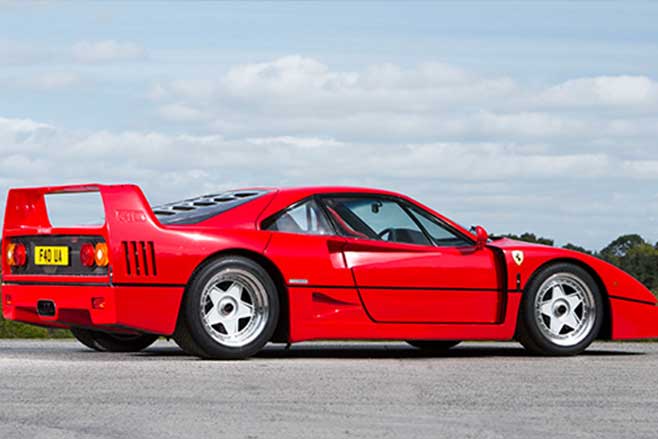
He’s also got one of 337 Porsche 959s, and a 1994 Bugatti EB110, one of 139.
There are some things that are true one-offs, and most of those are race cars.
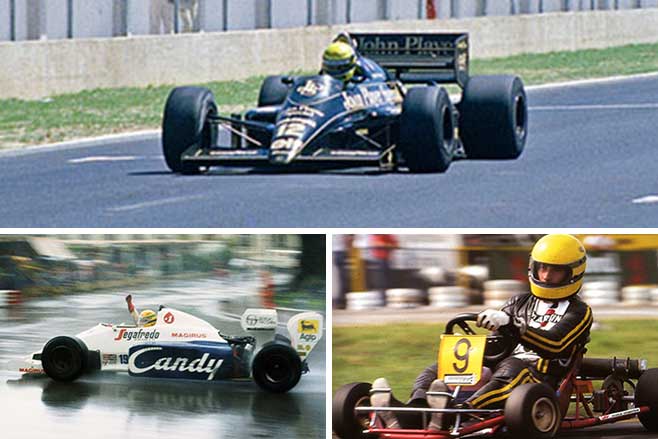
The Senna cars are his Toleman TG-184, which was Senna’s first F1 car, and the Lotus Renault raced in 1986.
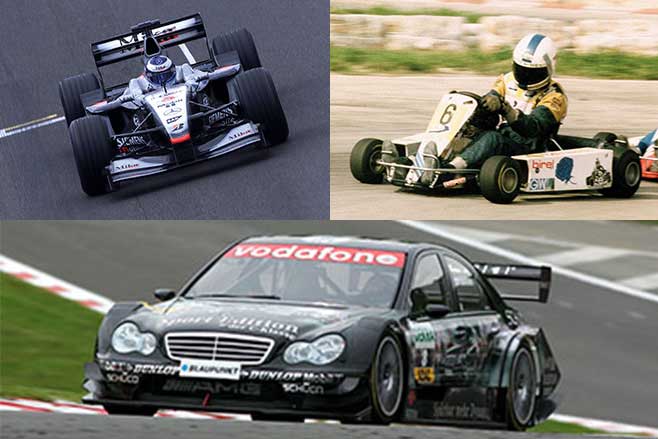
He’s also the custodian of Hakkinen’s 2001 McLaren MP4-16A, the last F1 car steered by the Finn, as well as an AMG DTM Touring Car Hakkinen won the 2005 Spa-Francorchamps in.
We’ve barely scratched the surface, so if you want to see the rest, check out his collection gallery on his website.
TOYOTA has begun selling off industrial machinery from its Altona factory ahead of its shutdown, with the sale sheet including sophisticated robots, sheetmetal presses, gantry cranes and enough catering gear to run a 200-person cafeteria.
Expressions of interest for the items have been advertised on auction website Grey’s Online with equipment from most sections of the huge factory, located in Melbourne’s western suburbs, up for grabs including the paint shop, resin shop, engine assembly line and welding shop.
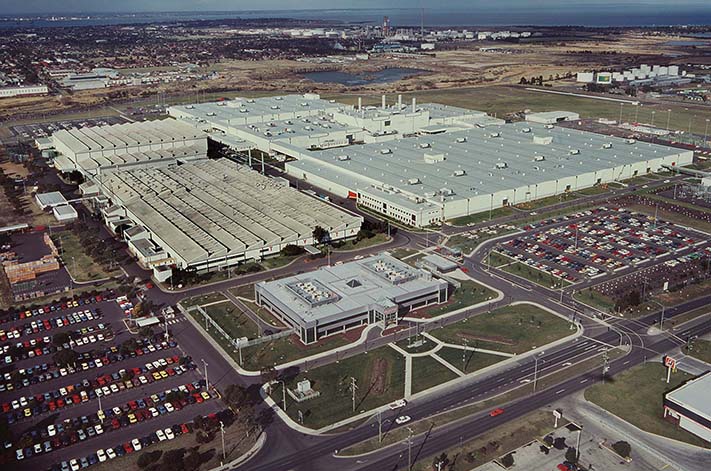
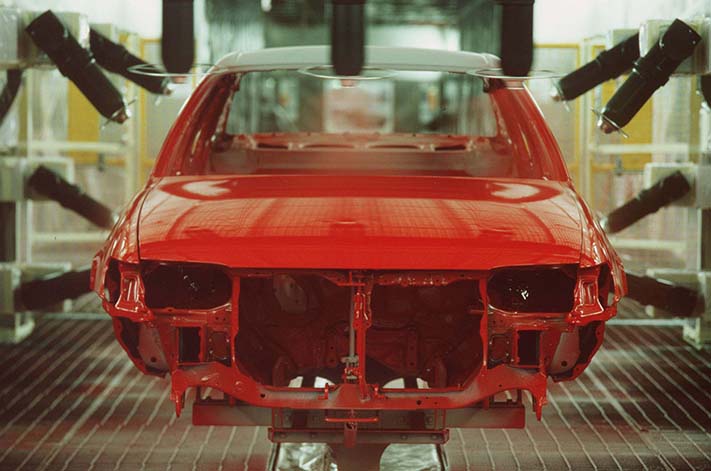
Highlights include the overhead carriers that moved cars through certain stages of production, an emissions lab and a veritable army of robot featuring painting, welding and assembly bots, plus more cranes than the Melbourne skyline.
There’s also general factory plant equipment and some serious kitchen gear such as deep fat frying stations and commercial ovens.
Offers for all equipment close on October 3, which happens to be the day Toyota shuts up shop bringing to an end 54 years of local production.
Australia was the first country outside Japan that Toyota chose to build cars, with operations beginning at 1963 in Port Melbourne – the site where Toyota Australia’s head office will relocate to once local manufacturing ceases. Currently, Toyota’s local arm is headquartered in Caringbah, Sydney.
The Altona factory started as an engine plant in 1978 and switched to full vehicle assembly in 1994 after the construction of a brand new facility.
The plant became the first and only one in Australia to produce a hybrid vehicle, with production of the Camry Hybrid commencing in 2009.
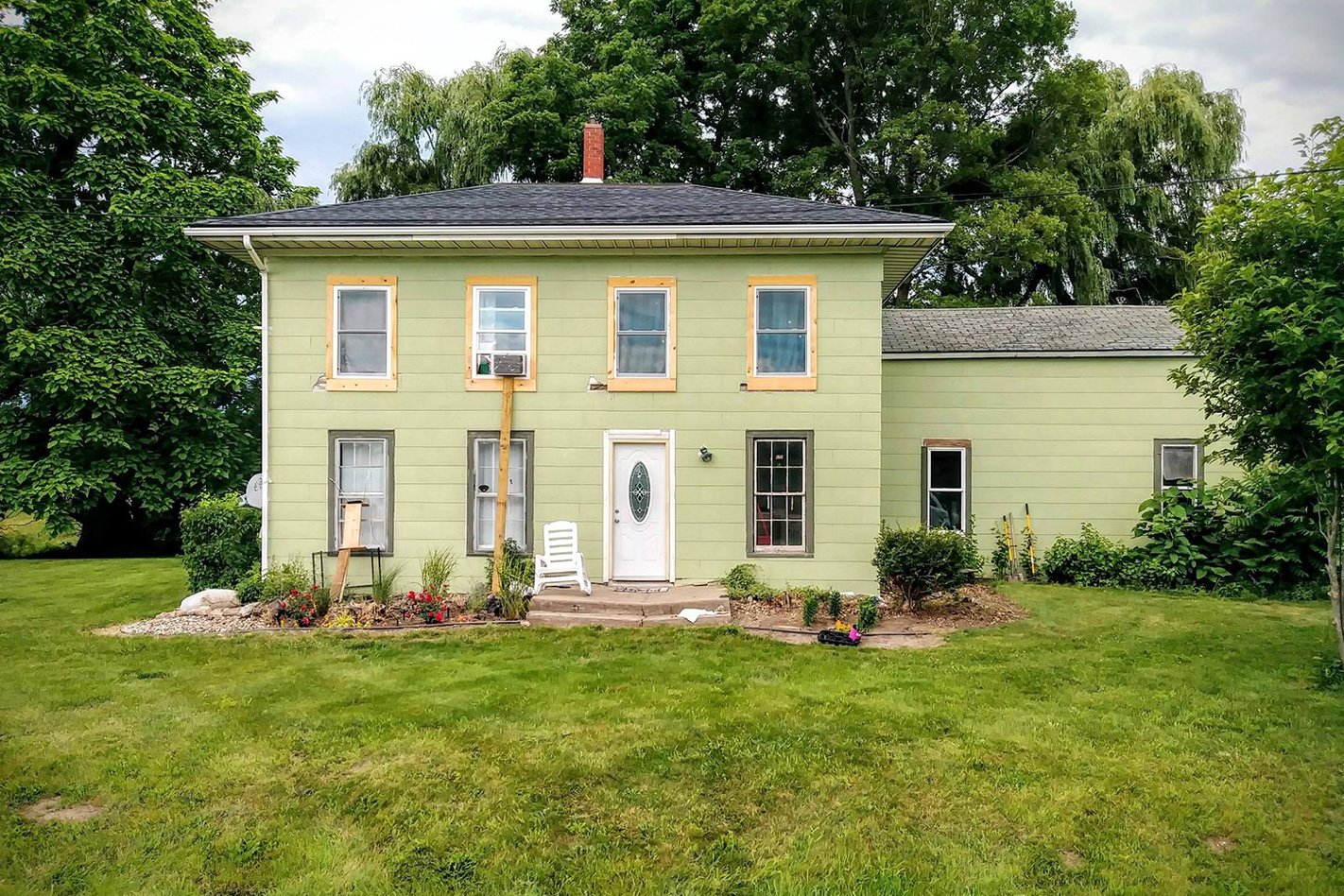
IF PROPERTY prices in your city are getting you down, maybe it’s time to pull up stumps and move to this house on a racetrack in one of Michigan’s lakeside towns.
Gingerman Raceway is selling a four bedroom, two bathroom fixer-upper within circuit grounds for AU$895,000, and if that sounds like a lot of money even with a racetrack on your doorstep, consider the $2.7 million being asked for this trackside property in Bathurst and it doesn’t seem so bad.
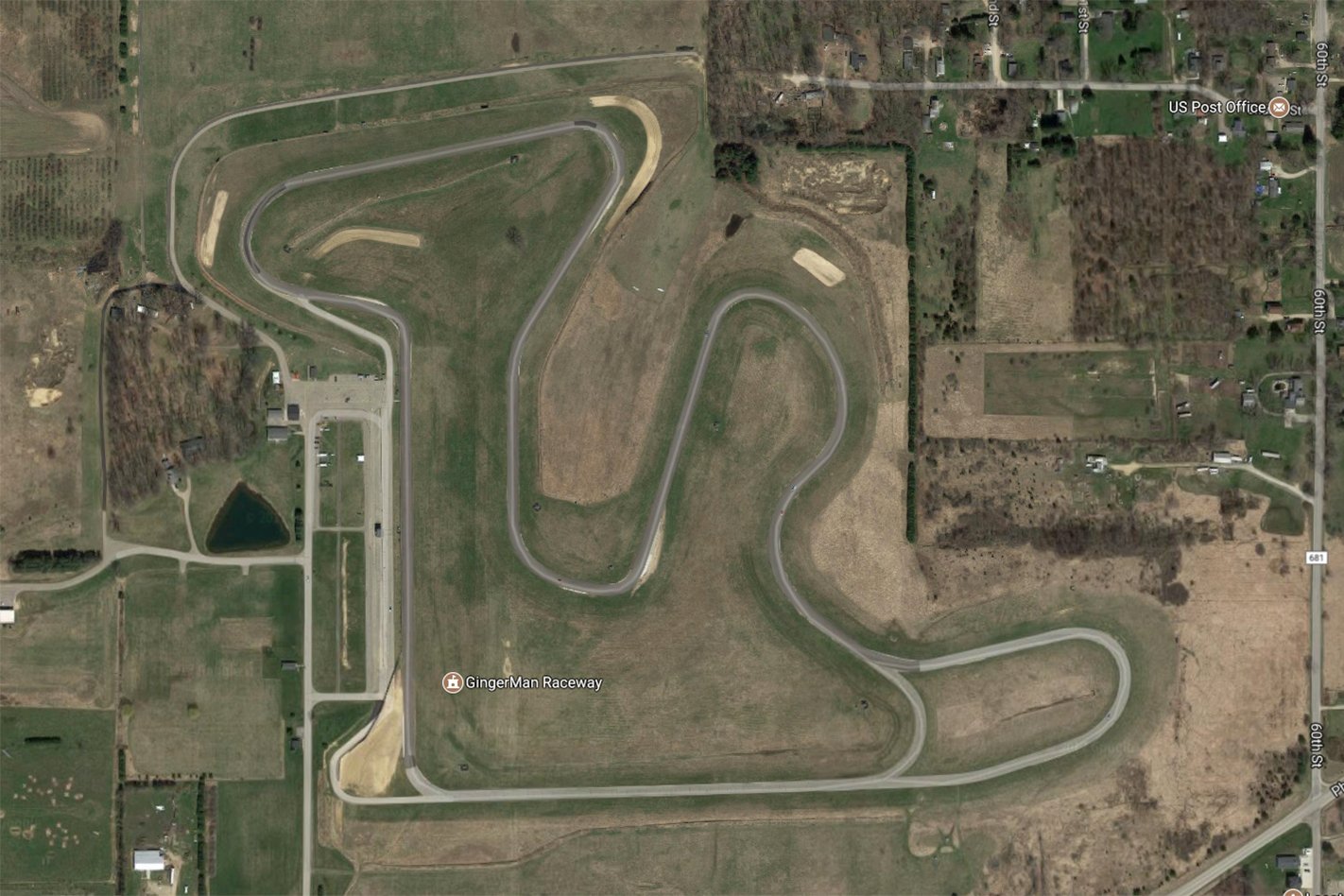
The original Gingerman circuit is 3.1km long and was built in 1995. A development in 2009 added an extension to one of the corners and created a second, 3.6km configuration.
According to the track’s owner, Dan Schnitta, the house has been standing since around 1850. It was on the land he bought for his motorsport venue when he purchased it, and has been lived in by an on-site mechanic until recently. That bloke is now marrying Schnitta’s daughter and moving out.
“This is your once in a lifetime chance to own your own house on our race track,” says a post by Schnitta on Gingerman’s Facebook page.
“Never again will you get this chance!”
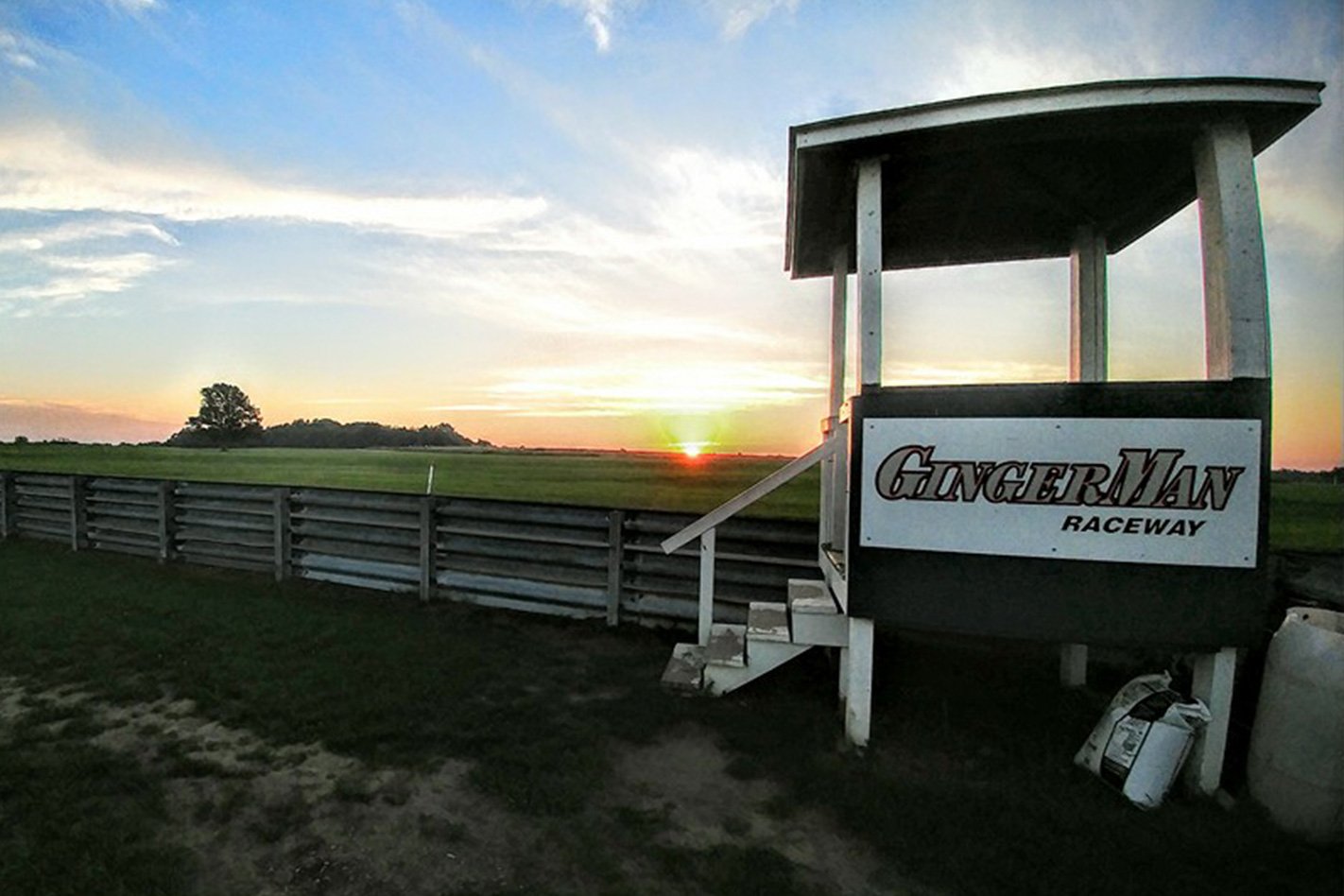
All in all, this old house makes buying property in Sydney look like a fool’s errand. Location, location, location!
AFTER previously scoring a two-star crash safety rating that was labelled as “shocking” by crash test authority ANCAP, the Ford Mustang has improved its game by adding more driver safety aids and new airbags.
Re-tested by Euro NCAP, the facelifted 2018 Ford Mustang dramatically improved its performance in the driver assistance technology and pedestrian protection categories – however the result is a mere one-star improvement.
The revised rating is largely thanks to the addition of new electronic aids like autonomous emergency braking, lane-keep assist, forward collision warning and pedestrian detection.
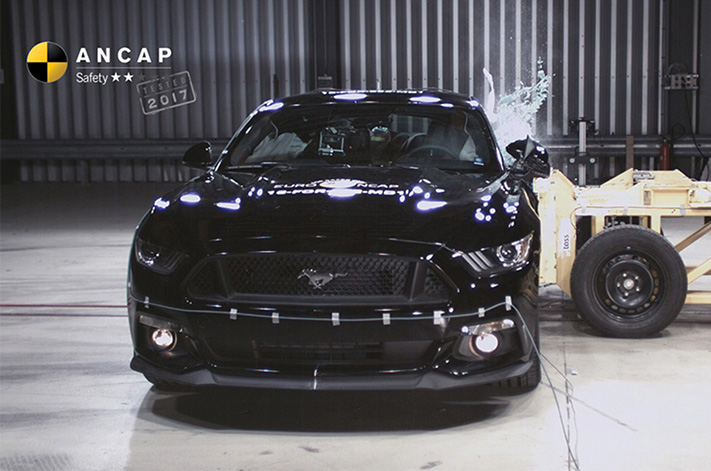
However, despite the fitment of revised airbag hardware designed to eliminate issues with airbag deployment in a previous test, which saw the driver’s head able to contact the steering wheel, occupant protection scores remain at 72 percent for adults and 32 percent for children.
Euro NCAP cites the absence of any significant structural changes to the Mustang’s bodyshell as the reason for the carry-over occupant protection scores.
Despite negative press surrounding its crash test performance, the Mustang continues to be a big seller for Ford Australia. More than 5000 Mustangs have found owners since the start of this year alone, with 11,256 sold in total since it made its local debut at the start of 2016.
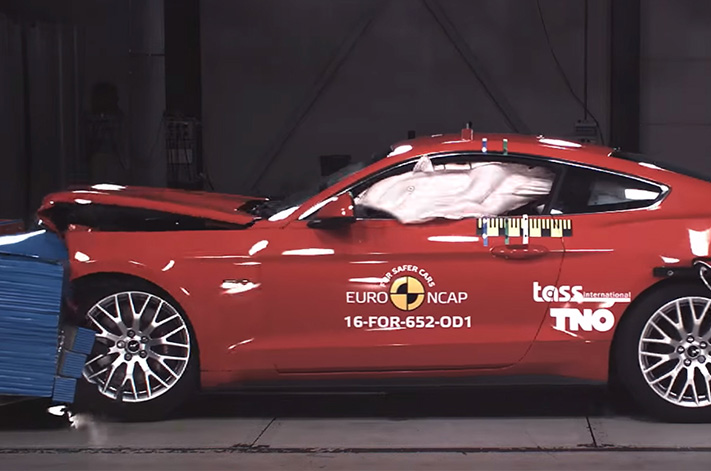
Improvements in supply have Mustangs entering the country at a faster rate than ever, slashing waiting list times from 12 months to around 90 days, however if the ‘Stang’s poor showing in crash testing has put you off buying one you may have a long wait for the updated model’s extra safety gear.
The facelifted Mustang, which will also pack powertrain improvements, new body plastics and a 10-speed automatic alongside the fleshed-out active safety suite, isn’t set to arrive in Australia until mid-2018 at the earliest.
TELL ME ABOUT THIS CAR
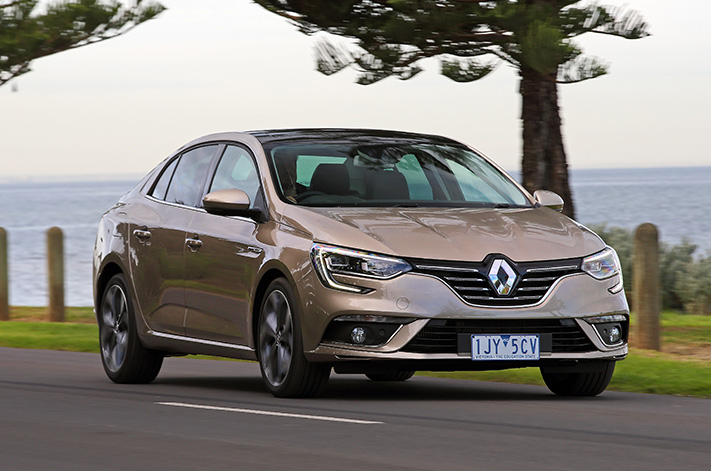
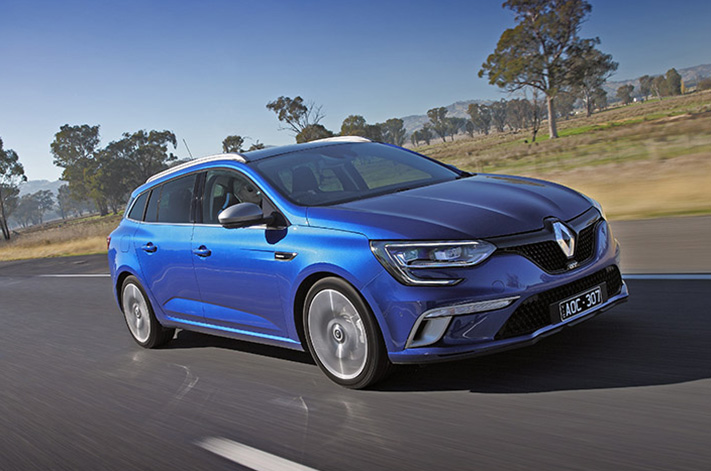
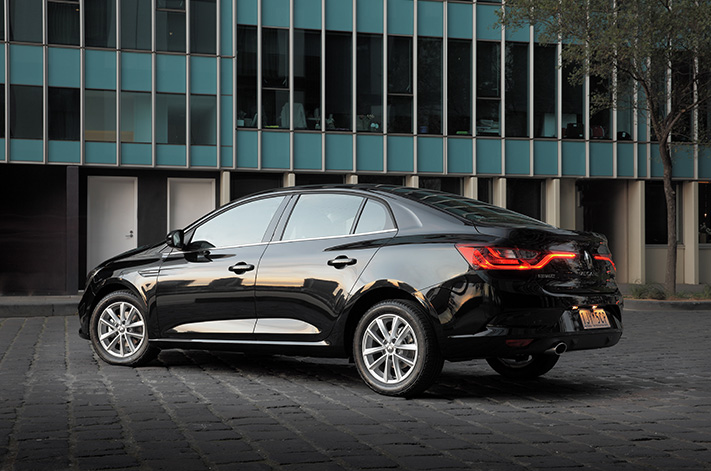
Renault has expanded its Megane range with sedan and wagon variants to join its likeable hatch. This is the first time all three Megane body shapes have been sold in Australia at the same time, and the occasion also welcome an all-new variant in the form of the Megane Intens, which is only available in sedan form.
The Intens is one of two sedan variants and sits above the entry level Zen, with extra equipment including the advanced driver assist pack, 8.7-inch portrait touch screen, leather interior, easy park assist and hands-free opening boot lid.
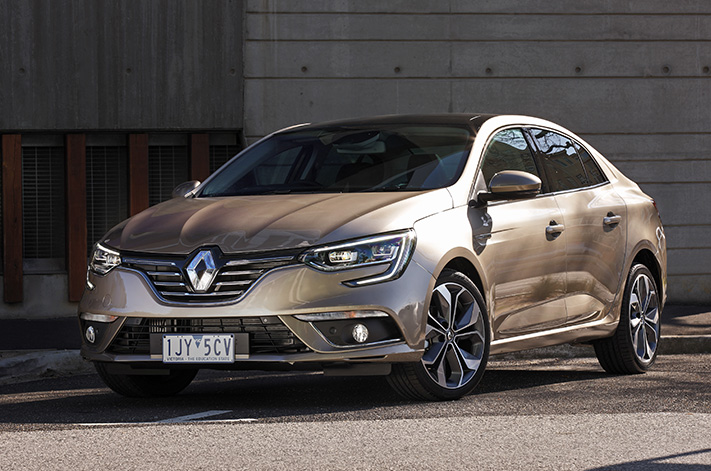
Like all non-GT Megane variants it is powered by a 1.2-litre turbo petrol engine coupled with a seven-speed dual-clutch automatic transmission.
The Megane Intens retails for $31,990 with a guaranteed driveaway price of $36,590.
STRENGTHS
- Like the new Megane wagon, the sedan is 269mm longer than the hatch with an 11mm longer wheelbase, resulting in 37mm more rear legroom (216mm). You’d have to be pretty tall to touch the front seats.
- Extra space allows for the rear seat backrest angle to be relaxed for more comfort compared to the hatch.
- Attractive dark charcoal leather upholstery has a premium feel as do soft touch materials on other surfaces, including the Nappa leather steering wheel.
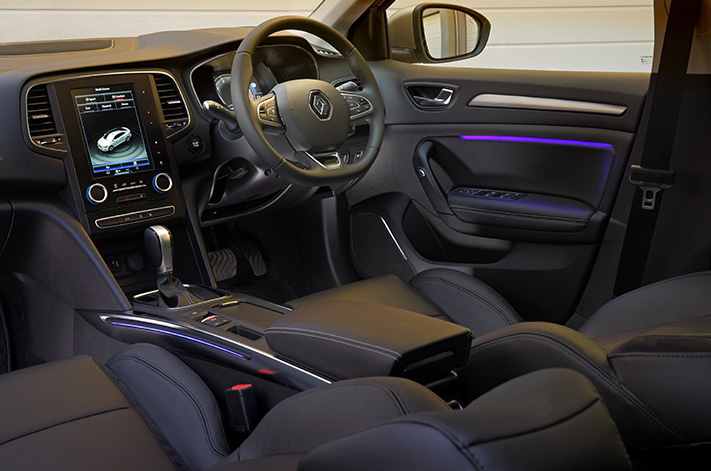
- The Intens comes standard with Renault’s portrait orientation 8.7-inch multimedia tablet featuring the R-Link 2 infotainment system, which includes satellite navigation.
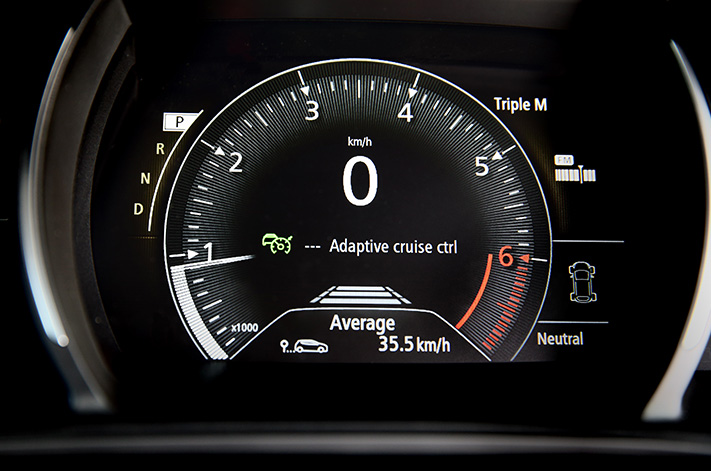
- Megane Intens comes with an advanced driver assistance pack featuring adaptive cruise control, automatic emergency braking up to 150km/h, lane departure warning, and blind-spot warning. This is a $700 option in the Zen variant.
- The sedan shape works well with the Megane’s attractive design language including C-shaped LED daytime running lights at the front and a W-shaped LED tail-lamp graphic that runs across the lip of the boot lid.
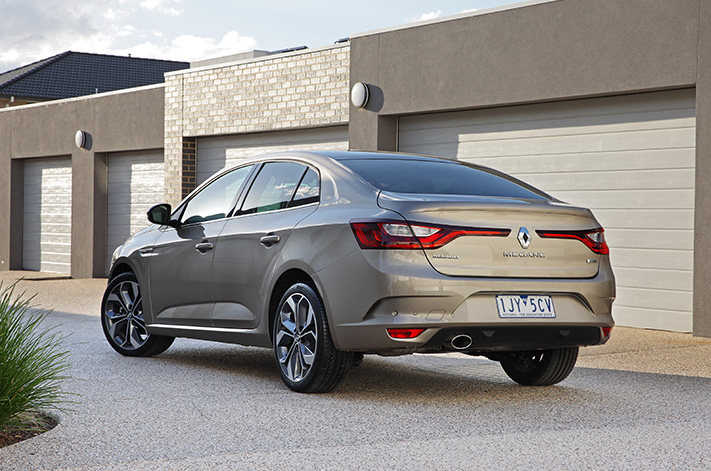
- The boot can be opened automatically by waving your foot under the back of the car, which is handy if your arms are full.
- The boot holds a substantial 503 litres and while it lacks a little in height, it is very deep. With the 60/40-split rear backrest folded down it holds 987 litres.
- The 97kW 1.2-litre turbo engine isn’t the most powerful in its class but its 205Nm gives it enough oomph to keep up with traffic.
- It has five driving modes – Neutral, Sport, Comfort, Perso and Eco – which modify engine response, steering weight and gearing accordingly.
- Fuel economy is a respectable 6.0L/100km.
WEAKNESSES
- The infotainment still doesn’t have Apple CarPlay or Android Auto smartphone mirroring.
- The glovebox is small as are the front cupholders, which are more suited to holding short macchiatos rather than large lattes.
- The gear stick is a little too far forward for using in manual mode.
ANY RIVALS I SHOULD CONSIDER
Other similarly priced and equipped sedans include the Ford Focus Titanium, Holden Astra LTZ, Honda Civic VTi-LX, Mazda 3 SP25 Astina, Peugeot 308 Allure, Subaru Impreza 2.0S and Volkswagen Golf 110TSI Comfortline.
Renault has announced national driveaway pricing for its expanded Megane range, which now includes all-new sedan and wagon variants.
Renault Australia’s Managing Director Justin Hocevar said standard driveway pricing will make it easier for potential buyers wherever they are in Australia.
“Automotive manufacturers were obliged to communicate driveaway pricing in the market and in addition we all know that our customers are out there researching driveaway pricing as that’s what really impacts upon them,” Hocevar said.
Speaking at the Australian launch of Renault Megane wagons and sedans, Hocevar said driveaway prices often vary by region so manufacturer support is required to ensure competitive pricing is maintained in areas that incur higher delivery charges.
“Hopefully as a result you can see that were are being very sharp with the pricing of the Megane range.”
As well as the new all-inclusive pricetags, the Megane range comes with Renault’s five year, unlimited kilometre warranty and capped price servicing for the first three scheduled services.
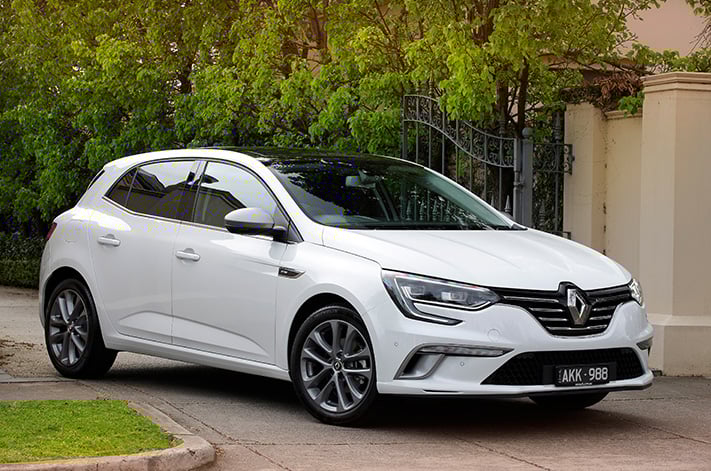
This is the first time all three Megane body shapes will be sold concurrently in Australia, with the previous-generation sedan making its first appearance here back in 2010 but being discontinued before the arrival of the wagon.
2017 Renault Megane – List Price/Driveaway Price
- Life hatch, manual – $22,490/$22,990
- Life hatch – $24,990/$25,990
- Zen hatch- $27,490/$28,990
- Zen sedan– $27,490/$29,990
- Zen wagon – $28,490/$30,990
- Intens sedan – $31,990/$35,990
- GT-Line hatch – $32,490/$34,990
- GT-Line wagon – $33,490/$36,490
- GT hatch – $38,990/$40,990
- GT wagon – $39,490/$42,490
A RACE-WINNING Mercedes-AMG Formula 1 car driven by Lewis Hamilton is up for sale, and ready to scare the living daylights out of an extremely rich buyer.
It is advertised with no price guide through the prestigious All Time Stars dealership, based at the Mercedes-Benz museum in Stuttgart.
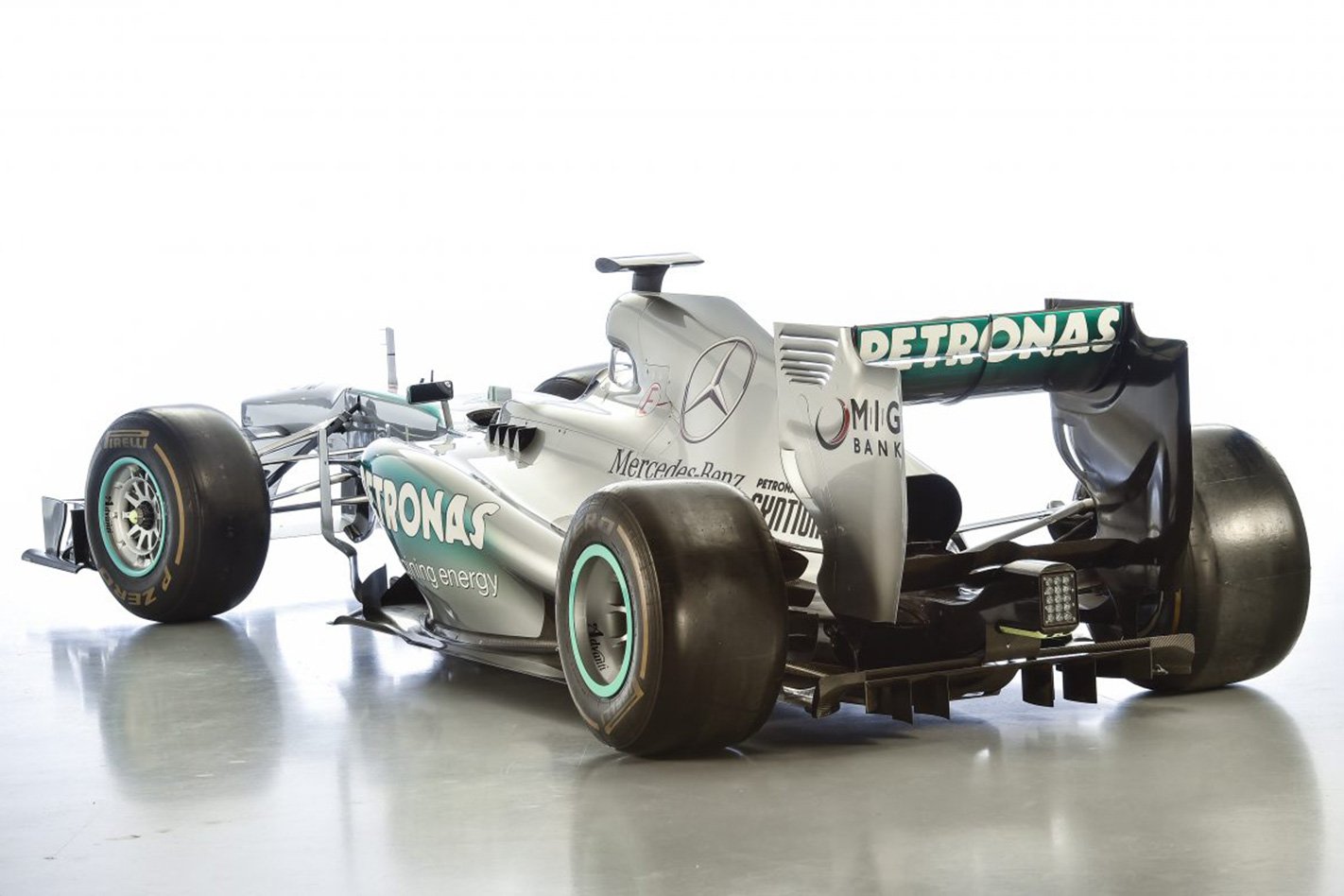
It was built for the last season of Formula 1’s V8 era and remains powered by a 2.4-litre naturally aspirated V8 engine producing 610kW, according to the Mercedes-Benz Classic listing.
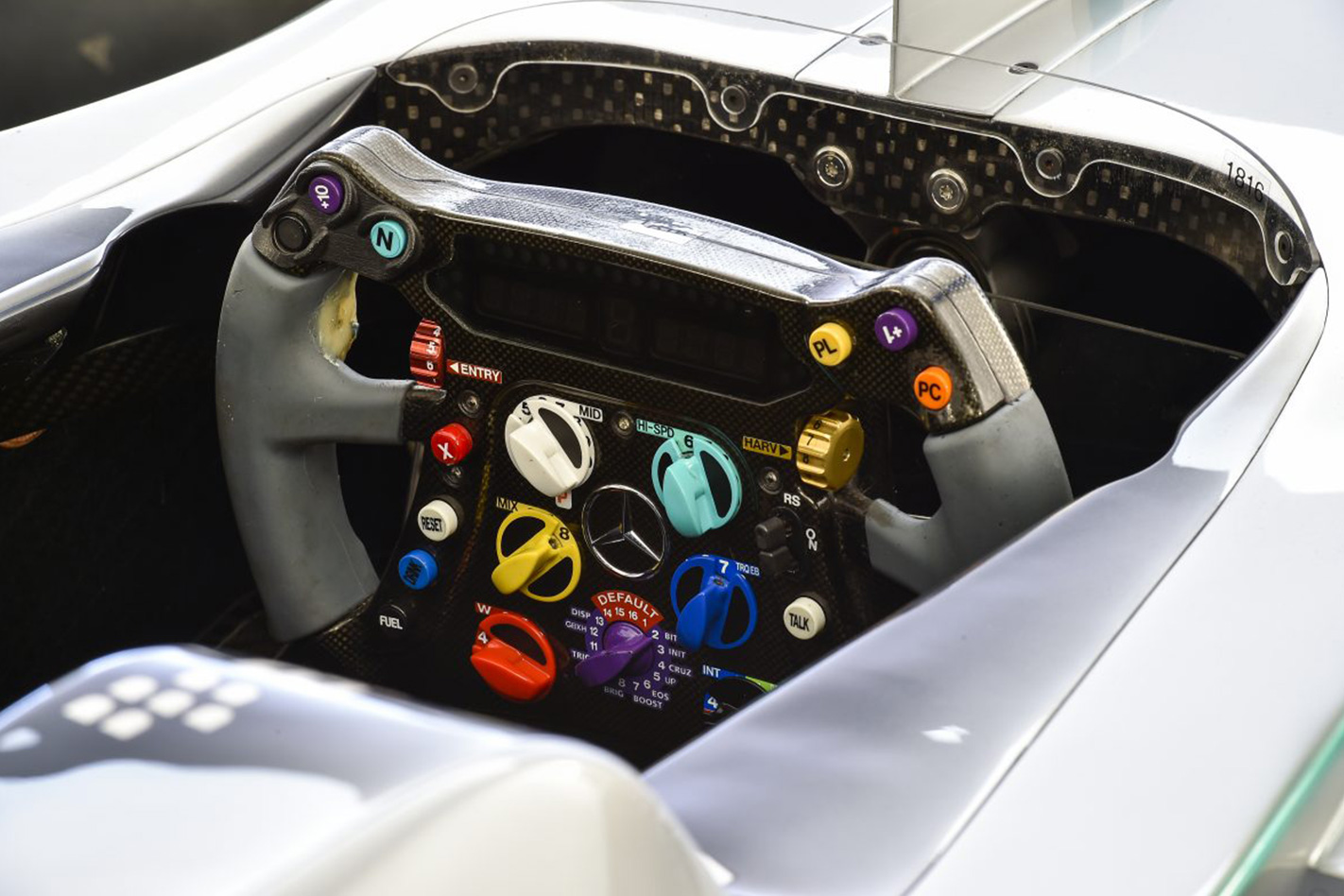
The W04 did away with its predecessor’s stepped nose-cone design, covering it up with a vanity panel for a minor aerodynamic advantage and less ugliness.
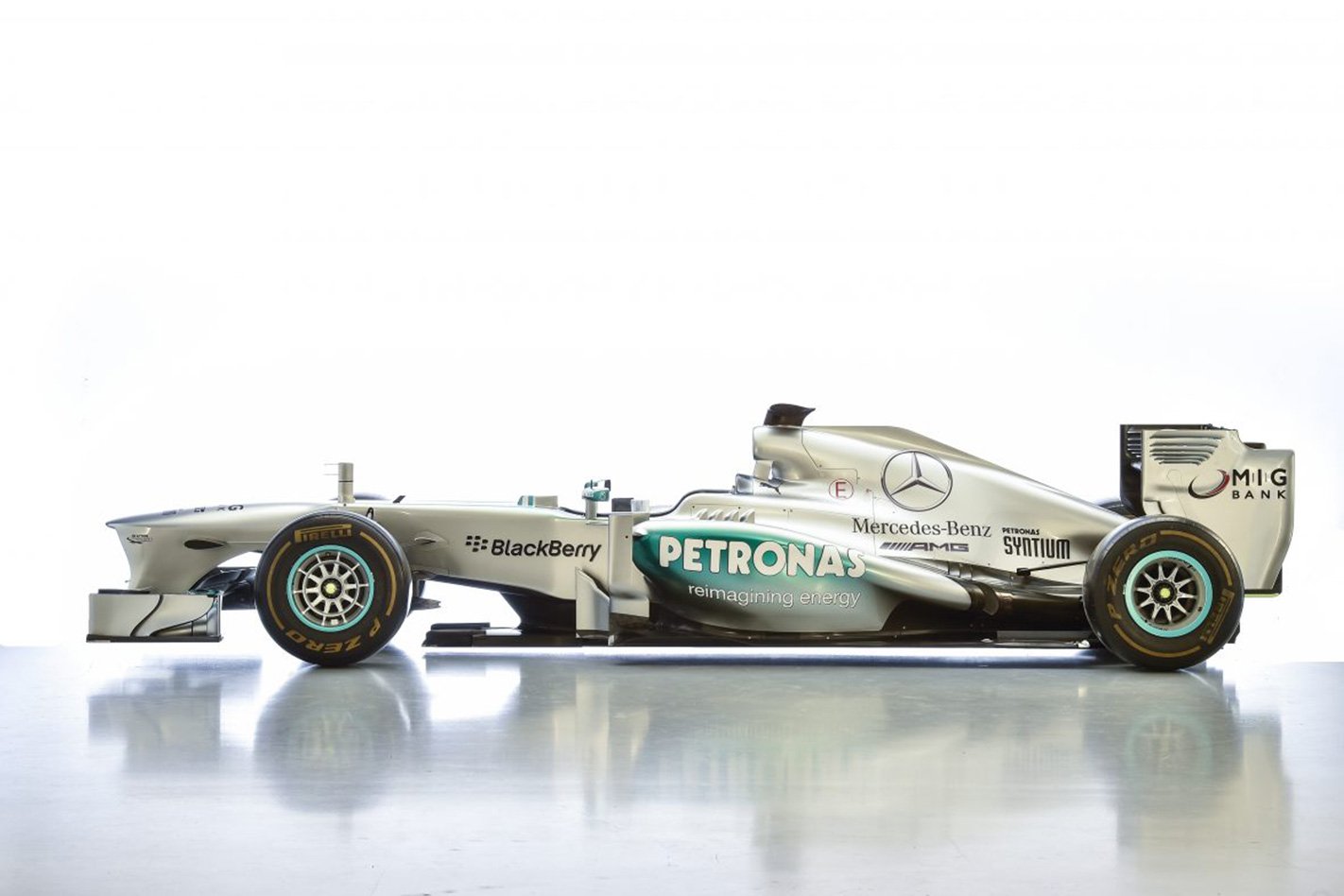
Mercedes-Benz kindly points out in the advert that the car is not roadworthy, and does not come with a sunroof, central locking, seat heating, air conditioning, ABS, or airbags, and that it has just one previous owner.
As for that price? If you have to ask…
It was 1977, and a legendary victory for Ford had just taken place on The Mountain.
Crossing the line in first place, ahead of the likes of Brock and Perkins (and way ahead of Brabham), was Allan Moffat in an XC Falcon, with Colin Bond right behind him in another.
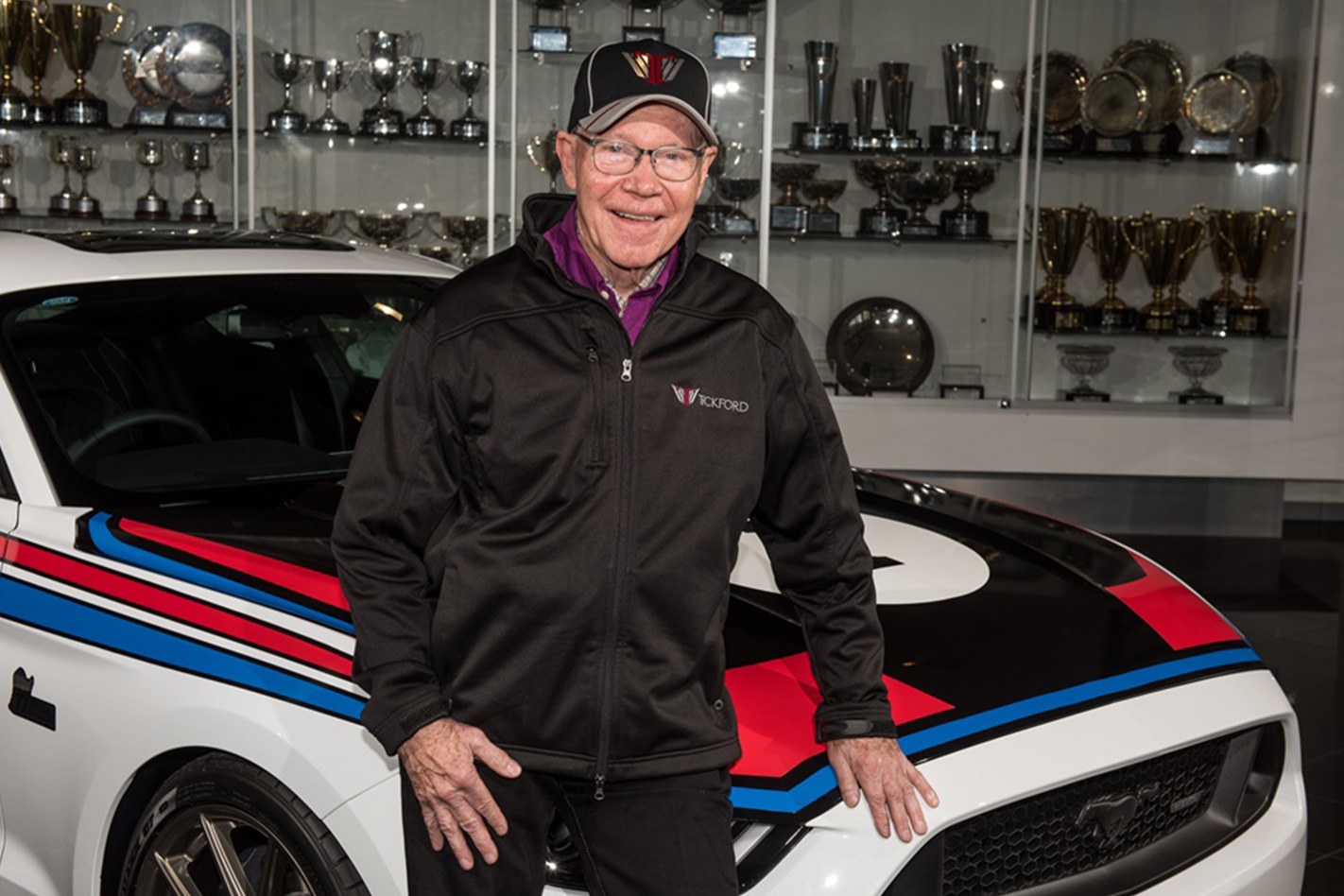
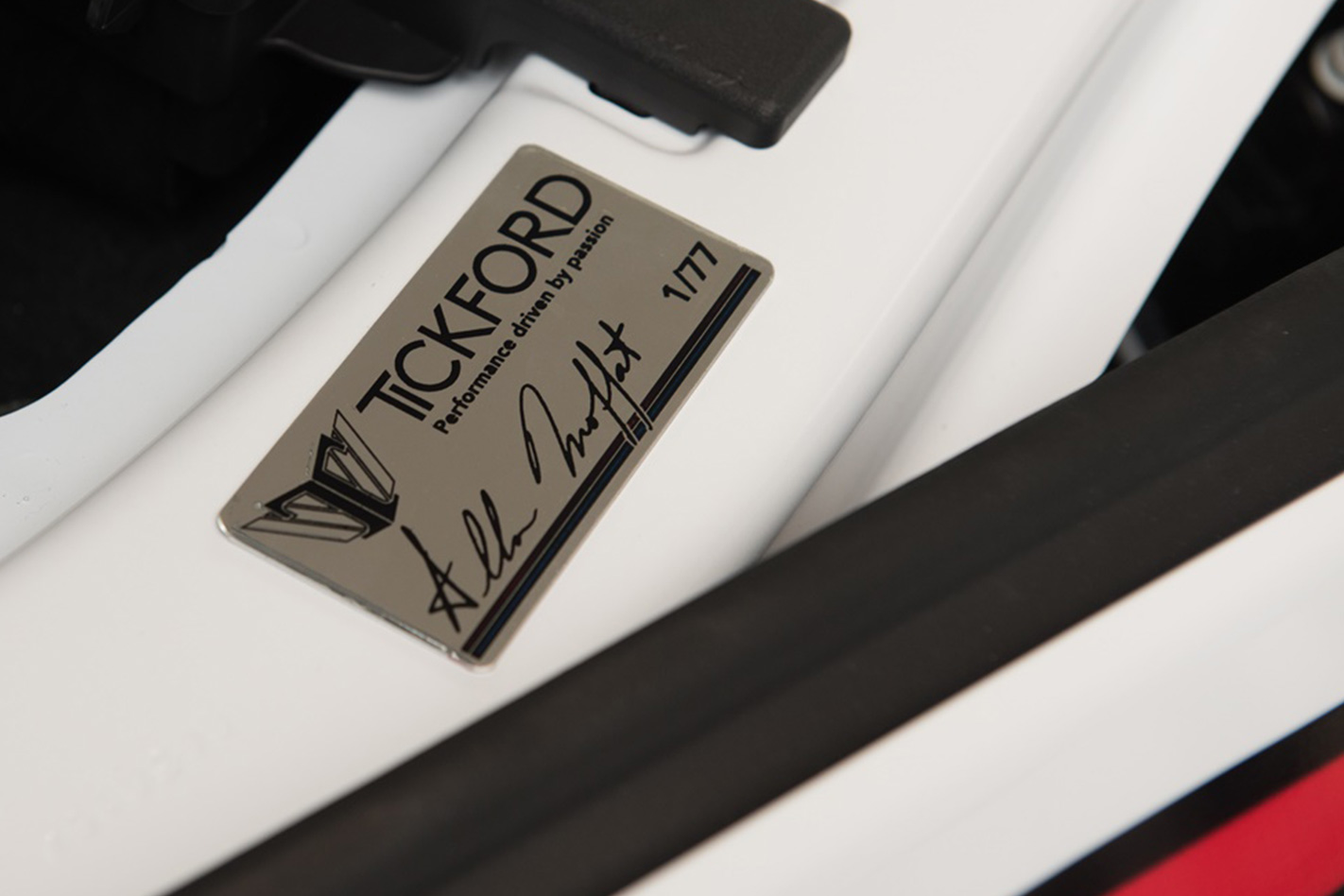
No more than 77 Mustangs will be built with a paintjob based on the livery from the two winning XCs, as well as a supercharger and a unique wing, all numbered and endorsed by Moffat himself.
1967 Ford Mustang: Gone in 60 Seconds’ “Eleanor” for sale
“It is hard to believe it has been 40 years since Colin and I finished 1-2 at Bathurst but while I recall the race as if it were yesterday, it is nice to know it holds such a special place with so many people all these years on,” the Bathurst ’77 (and ’70, ’71, ’73) champ says.
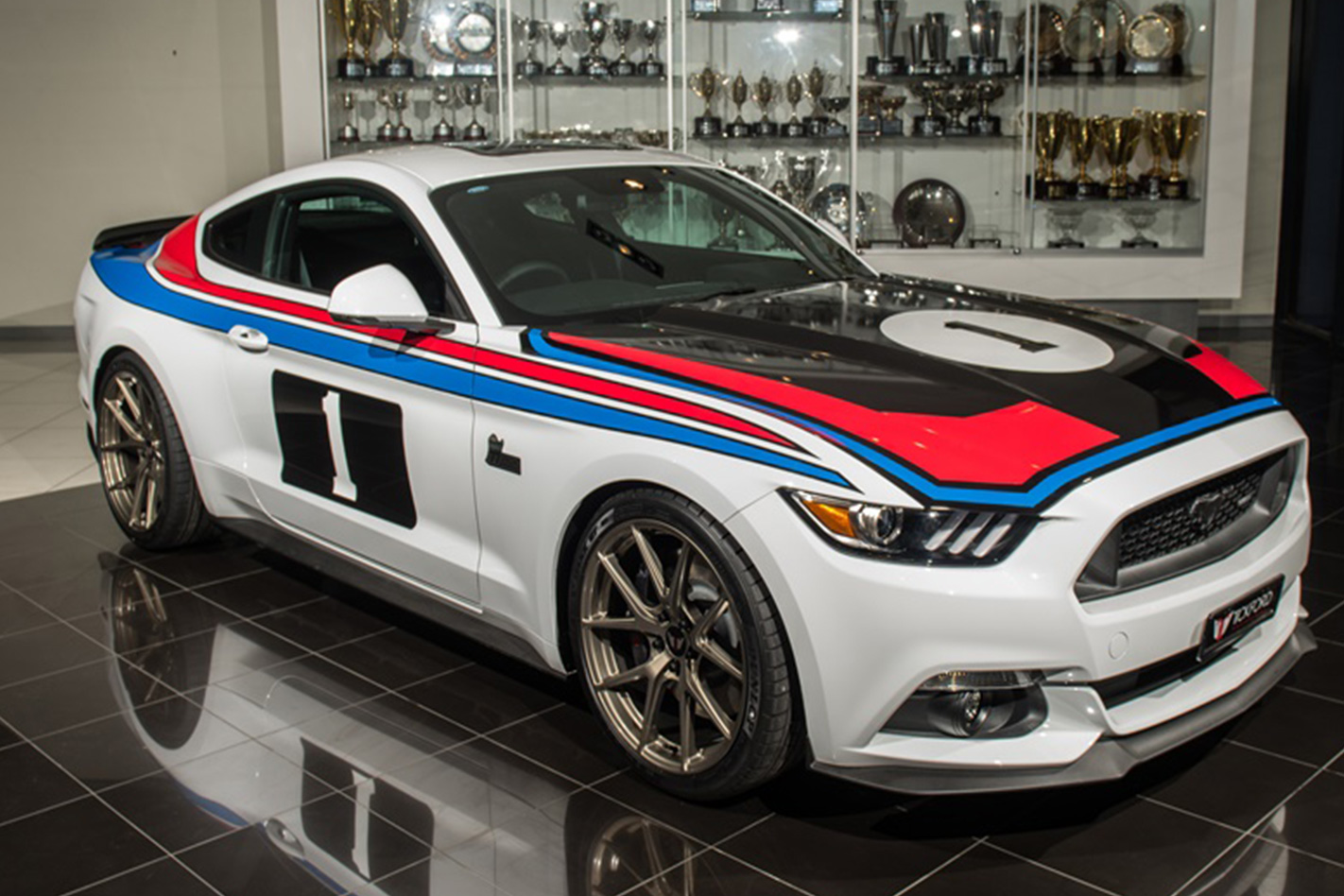
“While the Falcon has sadly been consigned to the history books, the Mustang was always one of my favourite cars to race and I had considerable success in them.
“Ford have done a great job with the latest one,” says Moffat who, in a bizarre coincidence, is also 77 years old.
They’ll also get special 20-inch alloy wheels, finished in a similar fashion to those on the original XC.
Ford Mustang: Your Upgrade Options
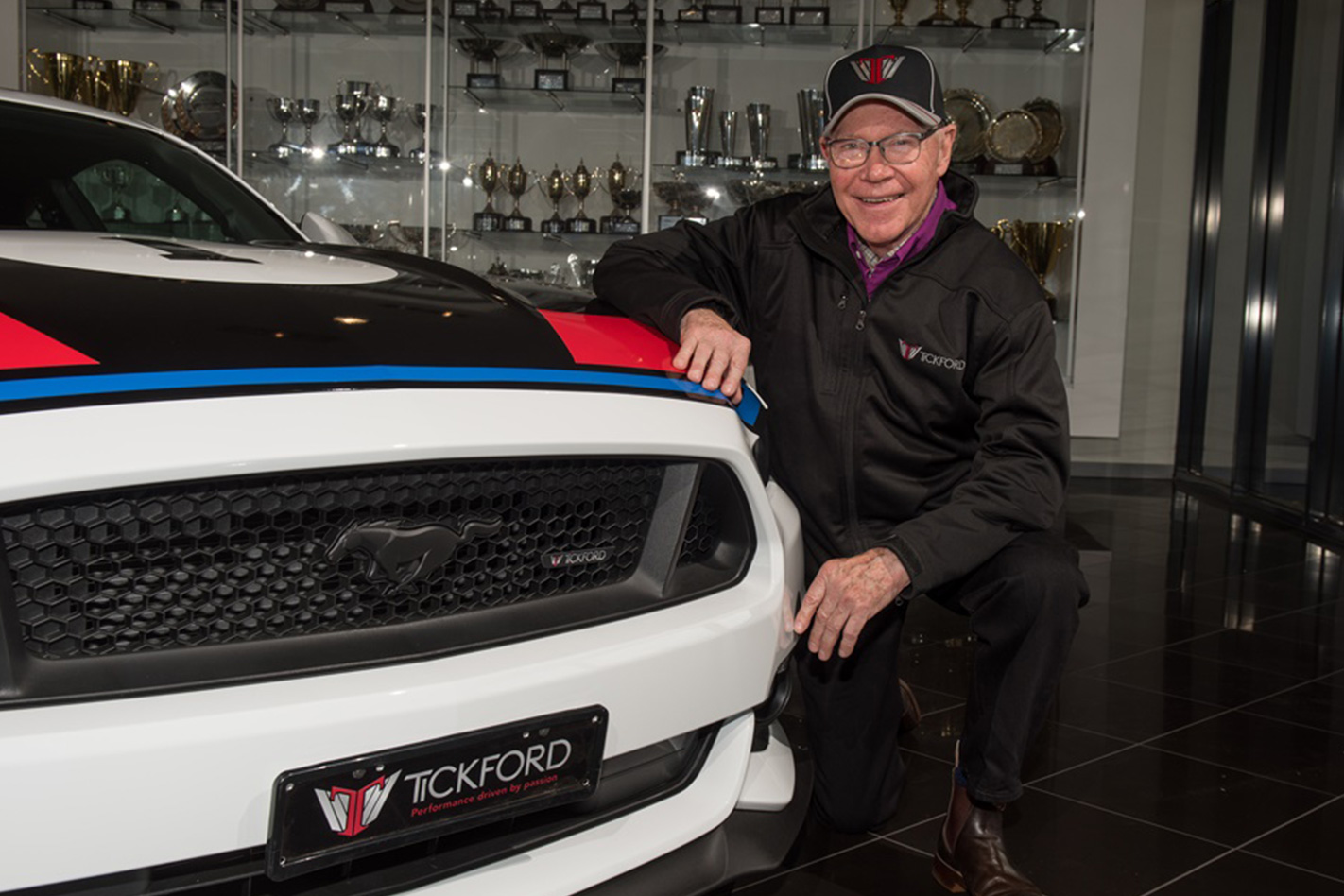
“We are privileged to be working with Allan Moffat to create a modern V8 hardtop that pays tribute to his famous winning machine.
“The fact Allan endorses the program and has worked with our project team from initial concept stage to provide input into the Mustang’s development only adds to its status.”
MERCEDES-BENZ revealed the stonking performance specs for its new AMG-ified GLC63 S SUV wagon and coupe duo, which the company claims are the fastest accelerating SUVs available in the country.
With a 4.0-litre twin-turbo V8 propelling both variants from 0-100km/h in just 3.8 seconds, they are mighty quick, and they’re set to go on sale with a starting price of $164,900.
But do Mercedes’ bullish claims stack up?
To see how the GLC63 S goes against the local set of powerful wagons-on-stilts, here are the five quickest SUVs you can buy here in Australia.
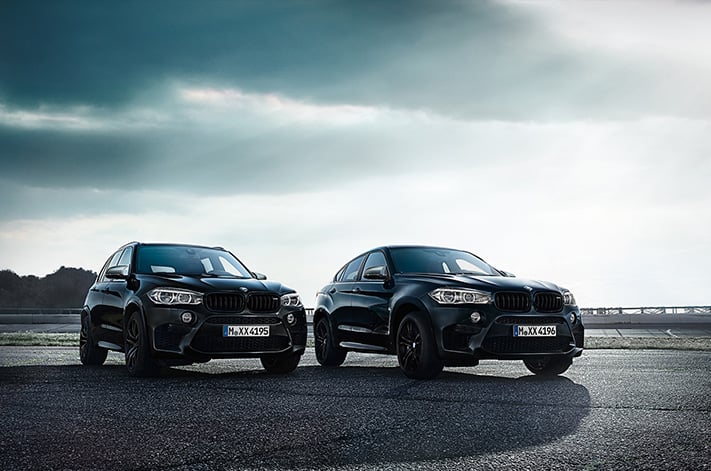
5. BMW X5 M and X6 M – 4.2 seconds
By cramming 4.4-litre twin-turbocharged V8s from the old M5 under their bulging bonnets, BMW’s M division transformed these mechanically-linked twins into a pair of powerhouses. They might be last on this list, but a low 4-second sprint to 100km/h is sharp enough to frighten a lot of dedicated performance cars.
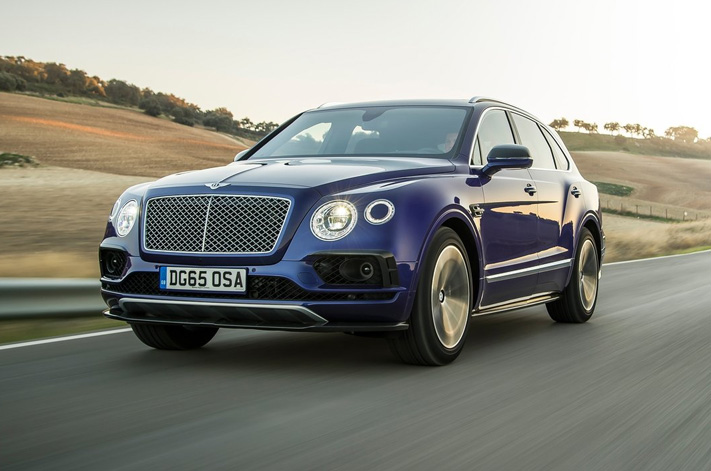
4. Bentley Bentayga W12 – 4.1 seconds
Although performance isn’t the Bentley Bentayga’s focus, with luxury taking the front seat, this 2440kg behemoth still manages to haul itself from 0-100km/h in a surprising 4.1 seconds. Don’t think for a second though that this level of performance and luxury comes cheap – at $427,300, the Bentayga is the most expensive SUV on this list.
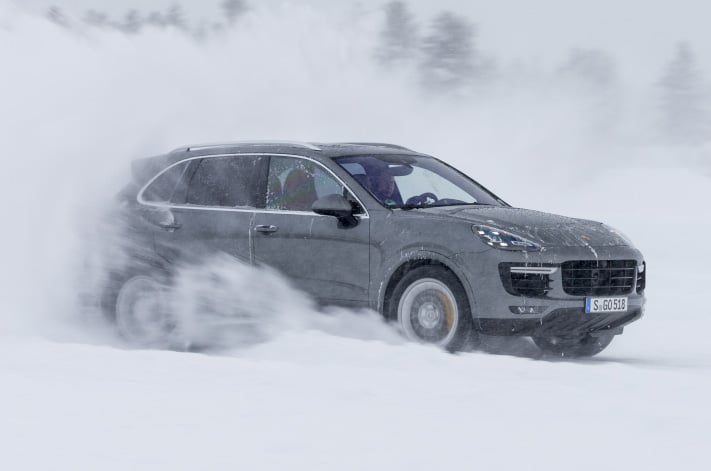
3. Porsche Cayenne Turbo S – 4.1 seconds
Named after a chili, you’d expect the Cayenne to be hot, and in Turbo S guise it certainly is. It matches the Bentayga’s time of 4.1 seconds, but does so with a smaller engine, less power, and at much less expense.
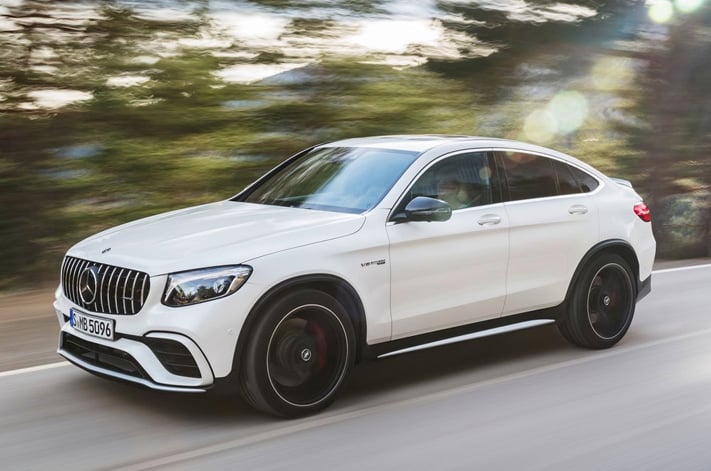
2. Mercedes-AMG GLC63 S (SUV and Coupe) – 3.8 seconds
AMG’s GLC63 S siblings are unique in this list for their relatively compact mid-size dimensions, but they will be only the second quickest SUVs in the country when they land later this year, despite initial claims. Regardless, their performance is astonishing, especially as the cheapest vehicles in the top five. For what it’s worth, the pair will be the quickest petrol-engined SUVs you can buy…
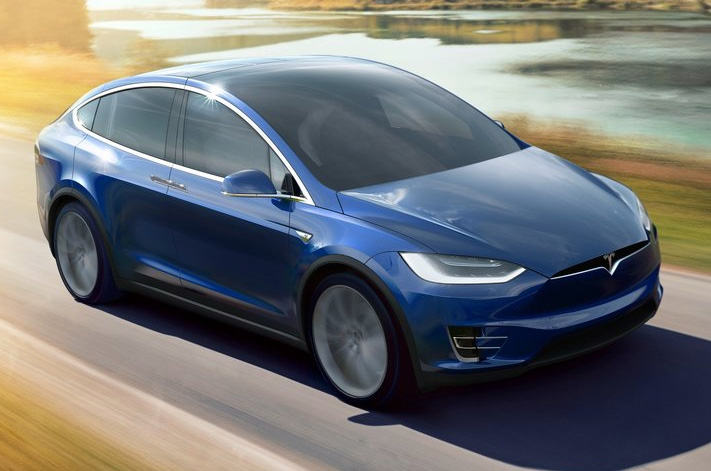
1. Tesla Model X P100D – 3.1 seconds
It would seem Tesla may have slipped the collective mind of Mercedes-AMG, as the top-spec Model X’s reported 0-100km/h time of just 3.1 seconds puts it on the top rung for SUV acceleration. Though there has been some doubt surrounding these numbers in the real world, Tesla’s falcon-winged electric bus with its mega electric torque is the SUV sprint victor on spec.