
THERE’S a problem for car makers when things are going well for Aussie buyers. Cheap fuel prices and a roaring economy, combined with record-low interest rates, means anyone shopping around or a new car can afford to splash out a bit more.
That’s somewhat reflected in the micro car class – the playground of baby hatchbacks including the Suzuki Celerio, Mitsubishi Mirage and the Euro-chic Fiat 500 – where sales have struggled to grow. Why buy a tiddler when the next size up – the likes of the strong-selling Hyundai Accent, Toyota Yaris and the Mazda 2 – are but a short stretch of the budget away?
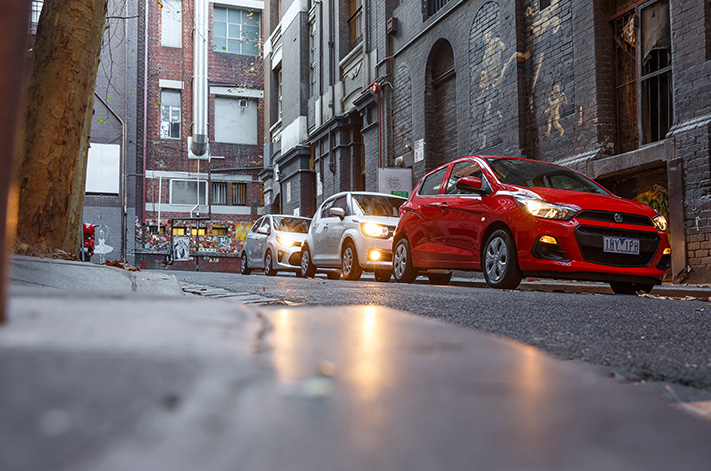
This year, there are a couple of new players in the tiny tot sandpit. What’s different? An all-new Kia Picanto has arrived, looking fresh-faced and classy in its third-generation form. And then there’s the equally box-fresh Suzuki Ignis, classed as an SUV in official numbers due to its tall, squared-off shape and the badge’s high-riding hatch heritage, but here we’re going to call it what it really is – a snug-sized, city-friendly hatchback.
In this comparison, we’ll put them up against the best of last year’s breed, determined by Wheels as the Holden Spark. Wheels staffers were very impressed with how far forward the Spark moved the compact city car game, but last time around it only just nudged out the previous-generation Picanto. Has the game now moved forward even further?
PRICE AND EQUIPMENT | WINNER: KIA PICANTO
There’s a large spread of prices in this segment, starting with the cheapest, the Holden Spark. The LS tested here, fitted with a slick-shifting five-speed manual gearbox, is priced from $13,990 and introduces a soft-touch hatch release, reversing camera and cruise control – features that even a couple of years ago were firmly on the options list in this class. However, jump in the back seat and you’ll notice wind-up windows, not electric.

All cars here come with a five-speed manual gearbox, digital trip meters, colour touch screens for the multimedia system, reversing camera, air-conditioning, cloth seats, flip-forward anti-glare rear vision mirrors, electric side mirror adjustment, central and remote locking, luggage space covers and rear-window demisters.
At $14,190, the Kia Picanto S is slightly less than $300 more expensive than the Holden. The Picanto betters the Spark by including powered rear windows, rear disc brakes replacing the lower-cost drums, adding distance sensors to the reversing camera, an auto-up driver’s window, rear window locks to keep kids’ fidgety fingers at bay and a speed limiter function to the cruise control. The big difference, though, is an extra four years of warranty over the Holden, providing seven years of cover.
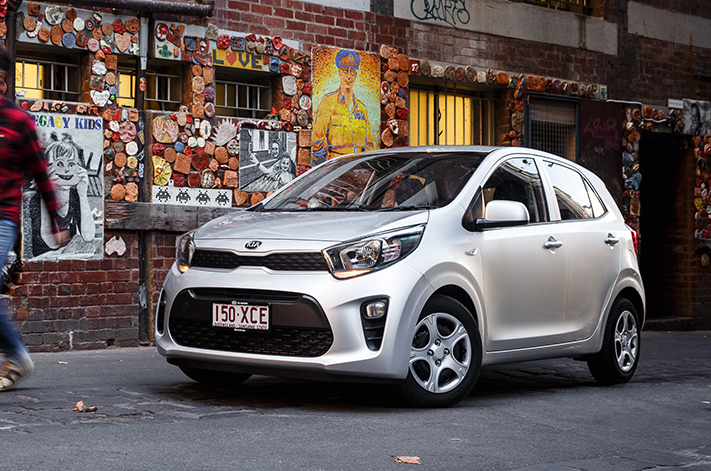
The Suzuki Ignis GL is almost $2000 more expensive, priced from $15,990. But rather than have to rely on plugging in a smartphone, the Ignis has in-built satellite navigation (although like the other two here, you could still use either Apple CarPlay or Android Auto’s nav function). It also uses drums for the rear wheels, but the steering wheel – which, like the Picanto, includes cruise control with a speed limiter function – is wrapped in leather, not plastic.
Add to that, the Ignis looks like nothing else on the road, it also includes reversing sensors, and under the bonnet there’s a turbocharged engine – the only performance-enhanced four-cylinder powerplant among this lot.

And it’s the only one here, too, with a couple of disappointing old-school throwbacks; a non-flip key, and mechanical lever-style hatchback release. The Ignis matches the Spark’s three-year, 100,000km warranty.
INTERIOR AND VERSATILITY | WINNER: KIA PICANTO
The Kia Picanto and the Holden Spark have some of their dimensions in common. They share the same 3595mm length and 1595mm width. Where they differ is in height, where the Picanto sits 9mm higher, and the distance between the front and rear wheels, where the Picanto is again 15mm longer.
All are comfortable behind the wheel, although none of these cars have steering reach adjust, only height. The Spark has a great driving position, and the Picanto and the Ignis good. The Ignis and Spark have the speedo central in the instrument cluster with a smaller tacho to one side; the Picanto has a more traditional layout of same-size tacho on the left and speedo on the right.

Small item storage in each of these cars is better than some of the larger hatchbacks out there. The Holden Spark has nifty Volkswagen-style flip-out cupholders, the Ignis a strange, shallow slot in the dash for the front seat passenger, and the Picanto has buckets of stash space.
In terms of layout, the Spark feels the most conservative of this lot, featuring oh-so-yesterday chrome trim and cookie-cutter layout. In contrast the Picanto’s interior feels freshly designed, while the Ignis’s edgy looks – ours had optional orange and white inserts offsetting the black plastics – goes with a more playful theme.
Big differences appear when you open a rear door. Compared with the Picanto, rear-seat space in the Spark is very tight, not helped by a sea of dark plastics and noticeably more road noise. There’s adequate toe room, but the front seat will rub up against all but the smallest passengers’ knees, and the upright, flat seat back offers little support. In contrast, the Picanto’s rear pew is supportive, includes bright faux brushed aluminium highlights and is more reclined, with adequate room even if it does have the same very knees-up attitude as the Spark.

But it’s the Picanto’s tall, airy seating position that’s the best of the nosebleed sections here, largely thanks to a 105mm length, 65mm width, 110mm-plus height and 35mm-plus wheelbase advantage. While this sounds good, the reality is that it is marred by a too firm and flat cushion, and a too upright seat back that, over rough roads, doubles the rear-seat passengers’ spines as shock absorbers.
It’s also the easiest to get in and out of thanks to that extra height and doors that open almost to a right angle. The Picanto does well, with big rear doors that swing wide of the body. The Spark is well behind the game, though, with a small aperture and sharply angled door openings hampering access.
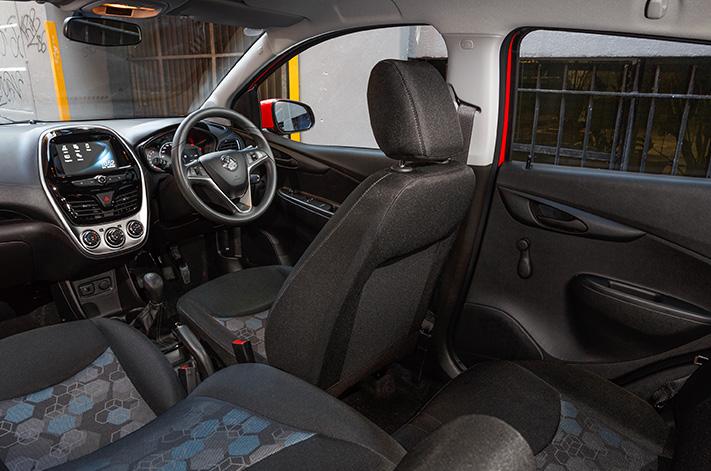
Back-seat passengers in all three of these cars will have to fight over the single cupholder available to them.
The Holden Spark has the smallest boot at 185 litres, which expands to 985L when the rear-seat cushions are flipped forward and the rear seatbacks split-fold to provide the only flat load space here. The Kia is better at 255L/1010L but doesn’t give a flat load space, while the Ignis’s 271L/1101L load space – again lacking a flat load space – crushes the opposition.
PERFORMANCE AND ECONOMY | WINNER: SUZUKI IGNIS
At just 1.2 litres naturally aspirated, the Suzuki’s engine is the smallest one here. Producing only 66kW and 120Nm of pulling power, it measures up as strong performer of this lot. It returned the skinniest fuel figure on test, too; just 6.4L/100km in a mix of driving against an official combined figure of 4.7L/100km. Thank its low mass for that – it’s the lightest and thus most spritey of this lot, meaning that on paper and in real life it’s in with a chance of winning the traffic light sprint despite modest output.
There’s not much to separate the Spark’s all-new 73kW/124Nm 1.4-litre engine and the smaller 63kW/120Nm 1.2-litre one powering the Picanto. But the Spark engine lacks just that, falling a bit flat low in the rev range where you need it most in gear changes, while the Picanto’s very linear acceleration outshines it even though it’s a significantly smaller engine.
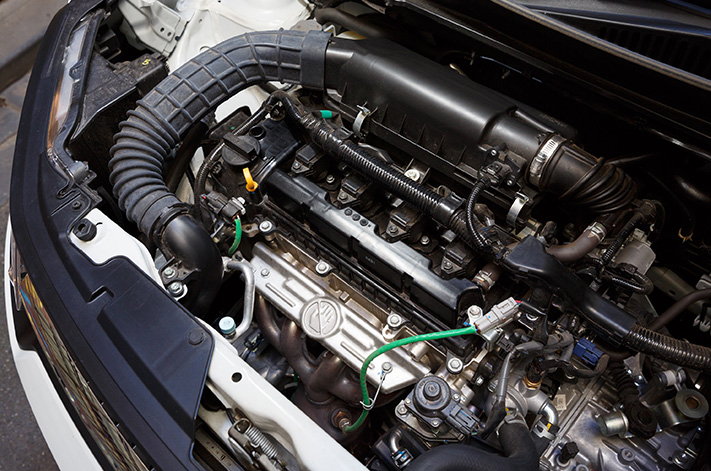
The Picanto did well on test, recording a 6.6L/100km fuel used against an official 5.3, while the Spark posted a slightly disappointing 6.9L/100km on test, well up on its official 5.2L/100km combined average.
All had sharp-shifting manual gearboxes. The Spark’s clutch pedal lacked feel, though, making it a bit difficult to find the bite point.
RIDE AND REFINEMENT | WINNER: HOLDEN SPARK
What impressed us last time about the Holden Spark was its big-car feel on the road. Despite its tiny proportions, the smallest car on test gives you the impression you’re driving something much larger. It’s also had significant work from Holden to Australianise how it soaks up the road, and it’s all the better for it, even if road noise, particularly from the rear, is borderline unacceptable.
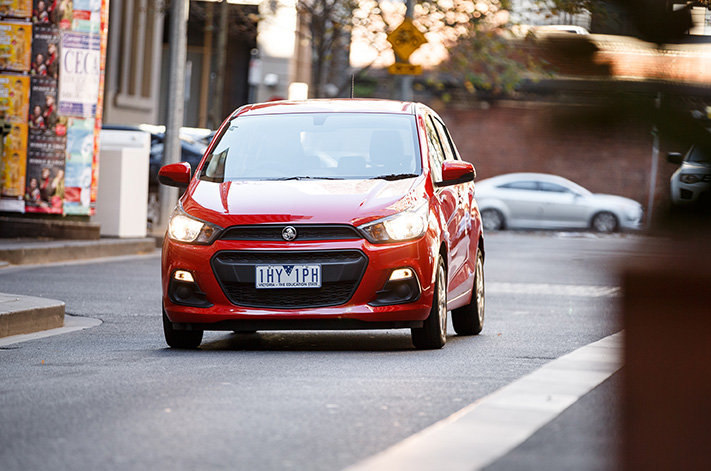
Likewise, the Picanto feels light and alert, but not to the same extent as the Spark.
The standout here is the Ignis, and not for good reasons. The front suspension takes the rough and tumble of Aussie roads in its stride, but the back end struggles, particularly under load. Fill the back seats and hit a big bump, and you’ll feel the rear suspension kiss the bump stops.
STEERING AND HANDLING | WINNER: KIA PICANTO
The easiest way to sum up the Spark’s steering is to call it fluid, measured and balanced. It’s all part of that big-car feel we discussed a bit earlier. It feels well-planted on the road, and corners on its skinny 14-inch Continental tyres with confidence and predictability.
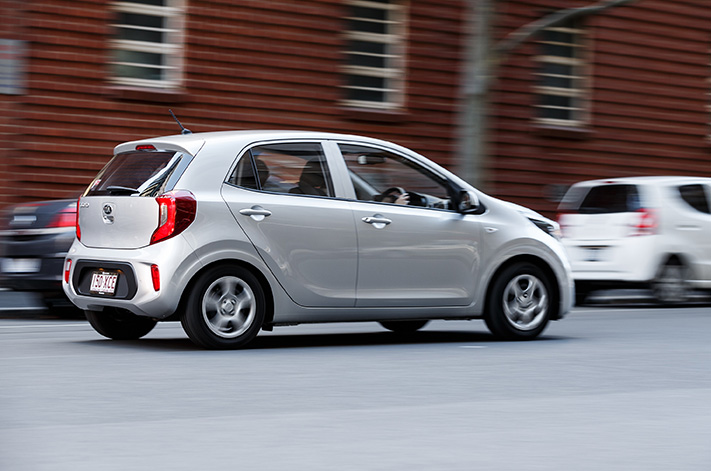
The Kia Picanto feels much the same as the Spark, but somehow lighter on its feet via the 14-inch Kumho tyres, more agile and with less road roar bouncing around the cabin. If you like driving, it’s a real bonus.
Again, the Ignis stands out alone, and not for a good reason. Its steering is slow, needing more turns to get around a tight corner, and the grip from its 14-inch Dunlop low rolling resistance tyres – all the cars here were wearing the harder-wearing rubber – was significantly behind the other cars tested.
VERDICT | WINNER: KIA PICANTO
After years of churning out cheap and somewhat cheerless product, Kia seems to be turning a corner.
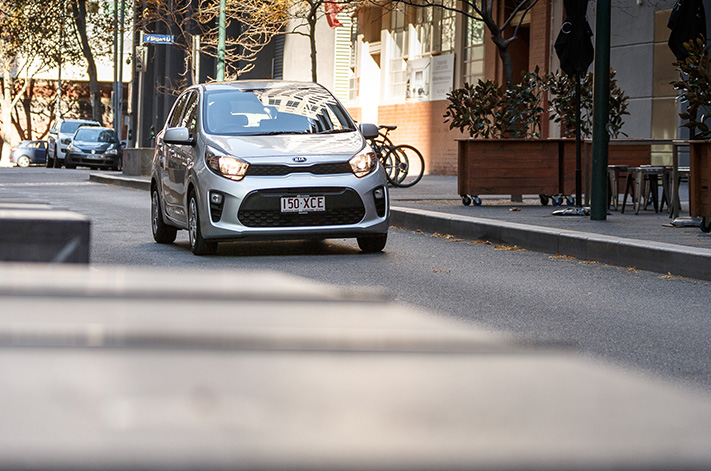
While the Kia Picanto is not quite as polished on the road as the Holden Spark, it is thriftier on fuel, has roomy rear seats, suppresses more road noise and is better-equipped. Not only that, but the seven-year warranty extends four years and many more kilometres beyond those of its rivals. The benchmarks the Spark set last year have already been overtaken.
The next generation of Indycar design has been revealed to the world, and it’s a vast improvement over the current model.
With a focus on sleek bodywork and a reduction of chunky bulges and guards, the new Indycar design looks like it will rival Formula 1 in terms of aesthetics.
In a statement, the Indycar sanctioning body says the manufacturer has not yet been decided.
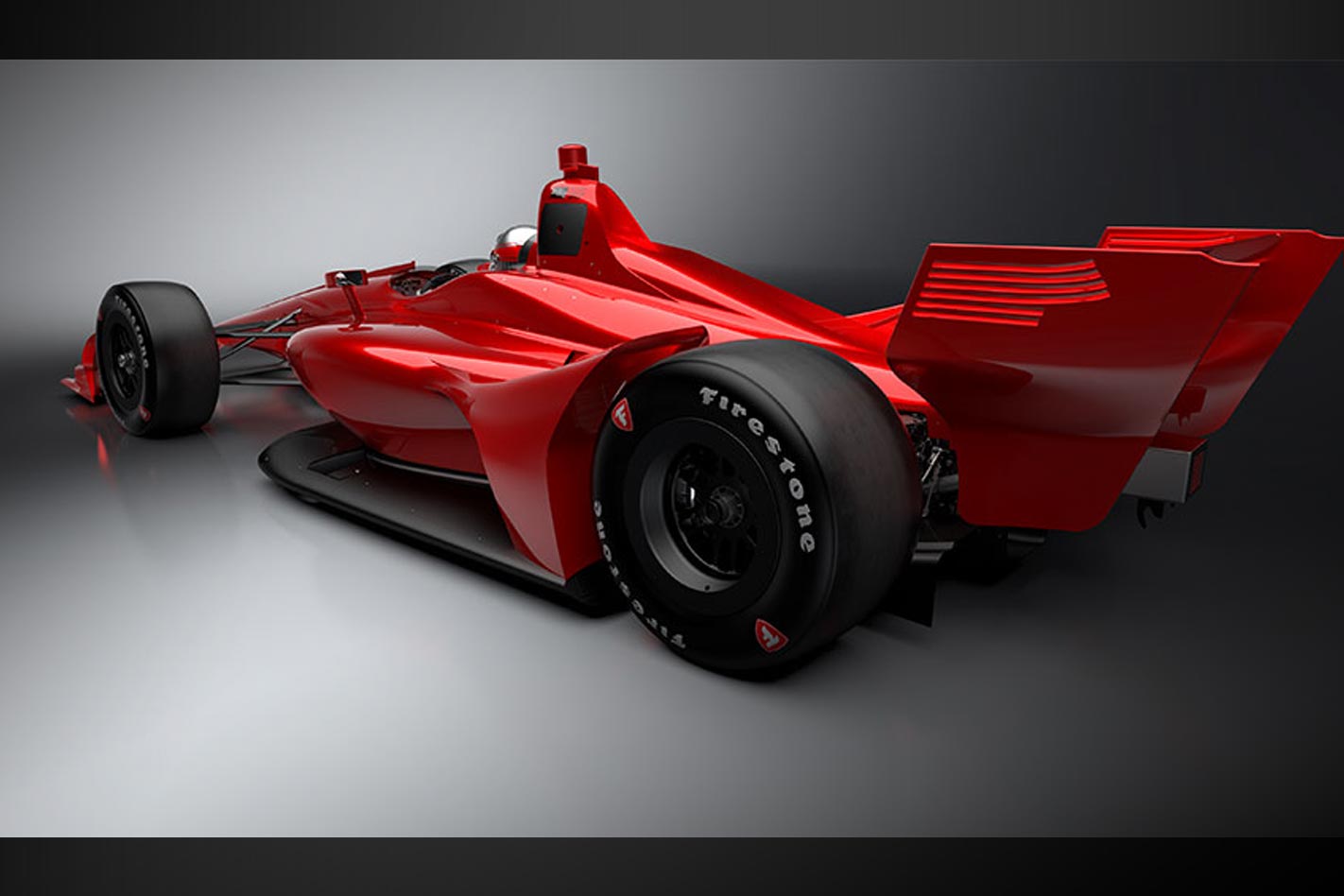
“As with the current aero kits provided by Chevrolet and Honda through the end of this season, the universal car will come in two configurations: one for superspeedway ovals and the other for street courses, road courses and short ovals.”
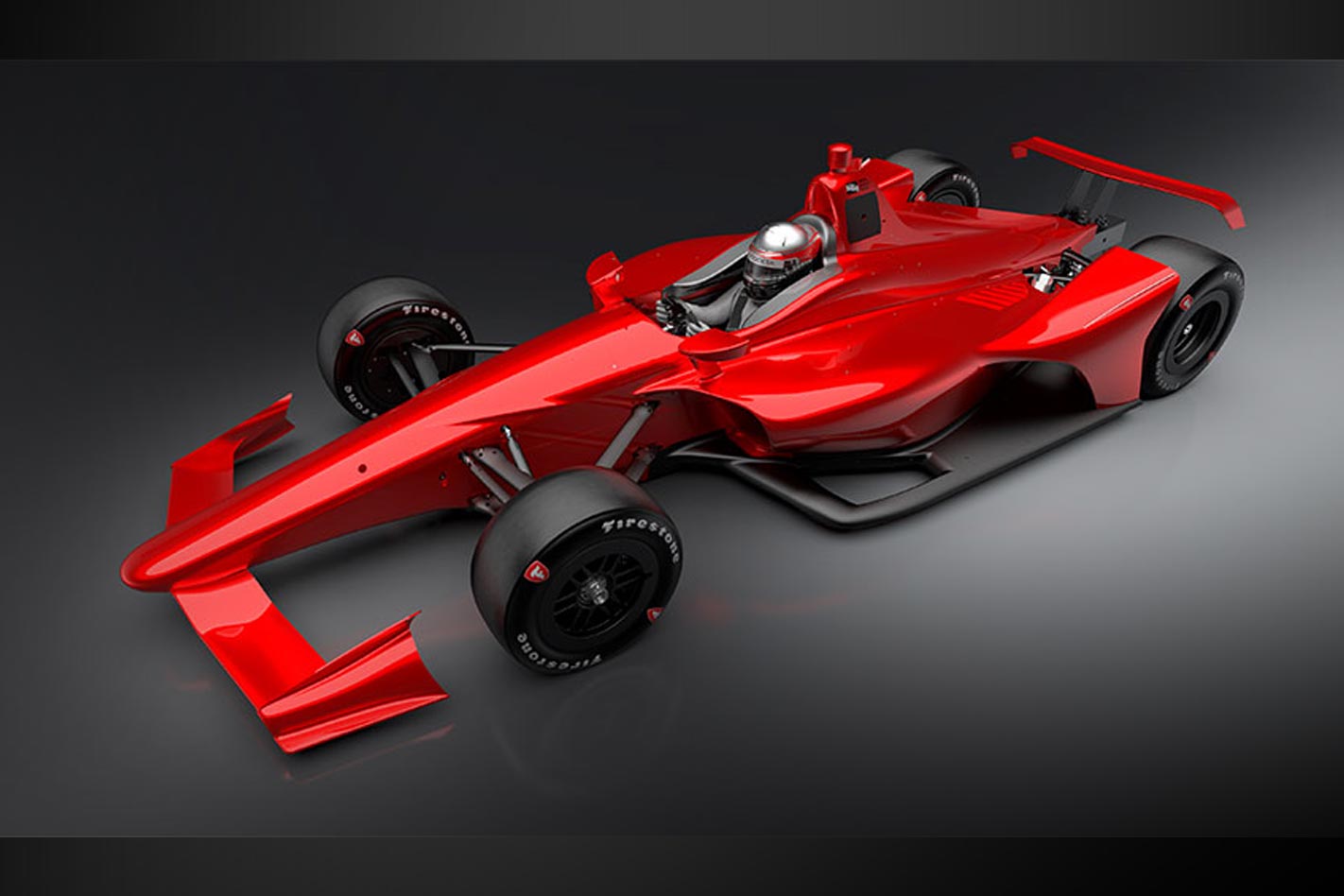
With safety still at the forefront of design, enough guard had been retained between the front and rear wheels to prevent cars from interlocking and launching into the air.
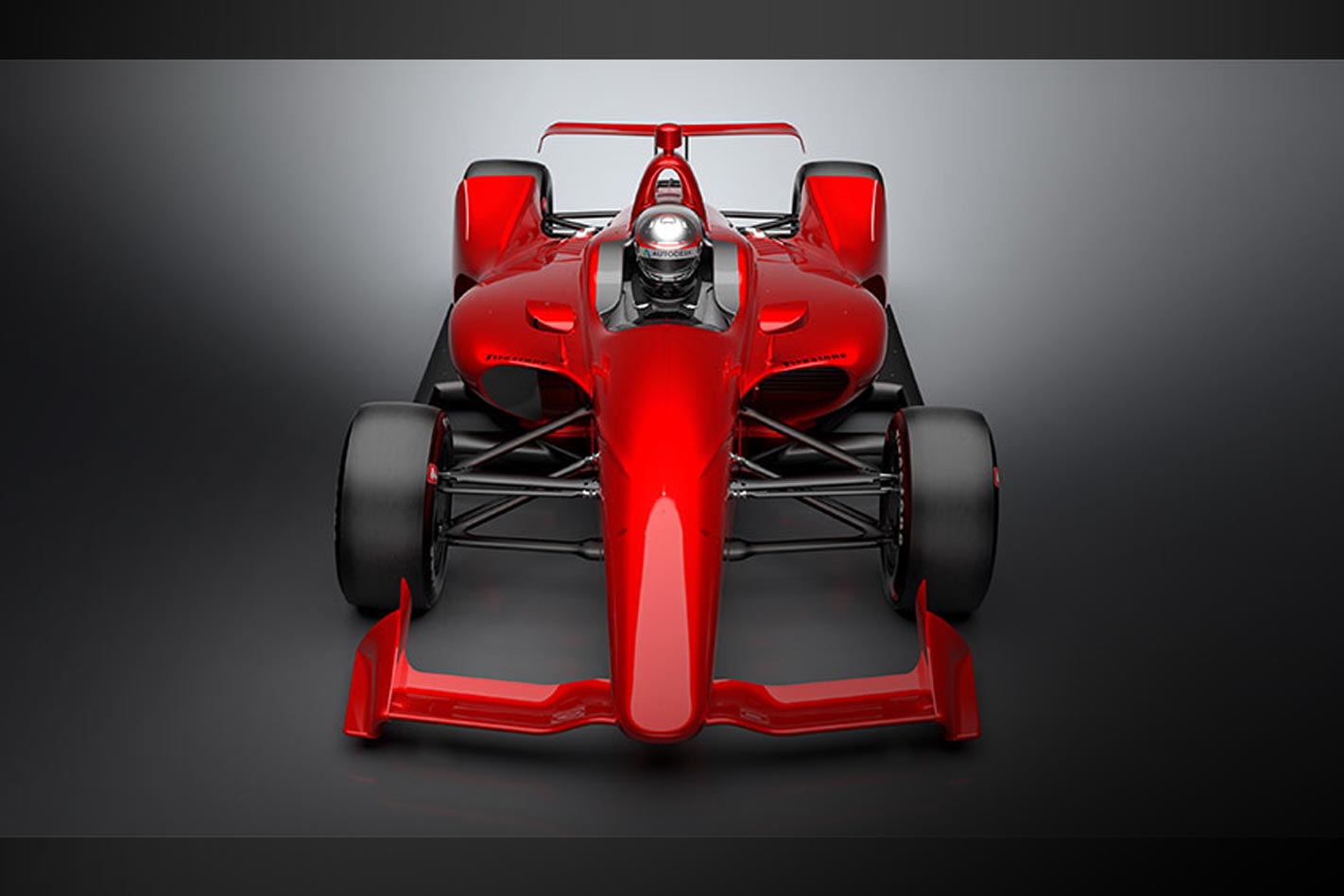
“Verizon IndyCar Series teams will still choose between Chevrolet and Honda engines for competition in 2018.”
After the current season of Indycar wraps up in September, it’ll be a six-month wait until we see the new cars in action.
TELL ME ABOUT THIS CAR
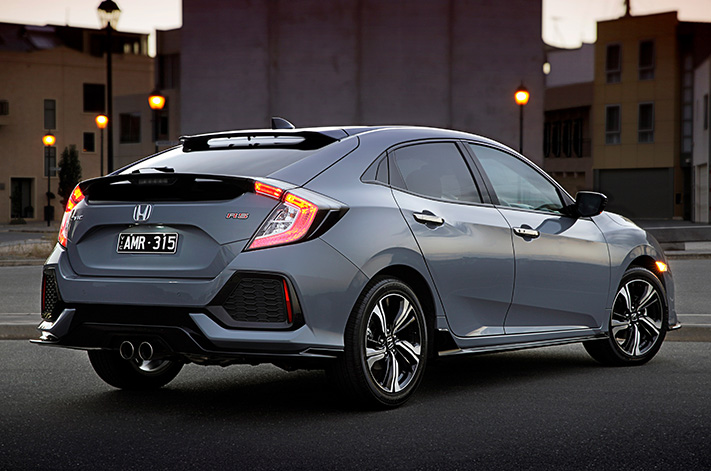
The 2017 Honda Civic RS sits below the range-topping VTi-LX and shares many of its features, albeit in a sportier package that includes unique central twin exhaust pipes and edgier bodywork add-ons. Priced at $32,290 it comes with a standard equipment which includes leather appointed seat trim, 17-inch alloys and a premium infotainment system incorporating DAB+ digital radio and Apple CarPlay and Android Auto smartphone mirroring.
STRENGTHS
- The 1.5-litre turbo engine provides a healthy 127kW and 220Nm and is particularly zippy in Sport mode. Steering wheel-mounted paddle shifters also provide a way of overriding the CVT gearbox if the road demands it.
- It’s pretty fuel efficient – around 7.0L/100km even in its perkier Sport mode and down to low 6.0L/100km region in Eco mode.
- Handling is impressive without compromising refinement. It corners nicely thanks to multi-link rear suspension while grip and body control remain true even through the tightest bends.
- While the RS; sporting credentials are mostly cosmetic, its nimble steering is worthy of a hot hatch thanks to a quick steering rack ratio and brake torque vectoring that ensures it goes exactly where you point it.
- It’s roomy inside and you’re certainly not short for storage space up front thanks to a huge centre console bin, cup holders and under-dash storage ‘shelves’.
- The rear seats are comfortable with adequate leg room helped by the indent at the rear of the front seats. Rear storage isn’t as ample as up front but there is a map pocket, centre armrest with cup holders and small door bins.
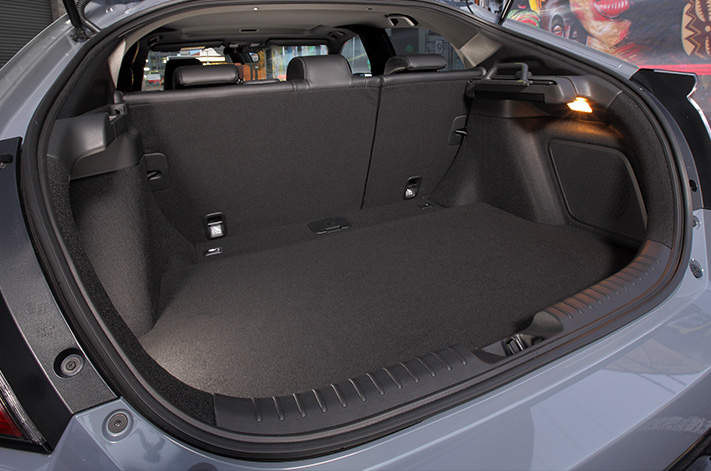
- The boot capacity measures a generous 414 litres against the sedan’s 519 litres, which makes it one of the best in the small hatch segment. The space is deep and a side-mounted sliding cargo barrier doesn’t get in the way of big items. Rear seats fold back 60/40 to help carry larger cargo.
WEAKNESSES
- Despite the $32,290 price tag the Civic RS doesn’t come with any advanced driver assistance technology, such as autonomous emergency braking, forward collision warning or lane departure warning.
- The busy, angular exterior design is polarising and it will be interesting to see how it dates.
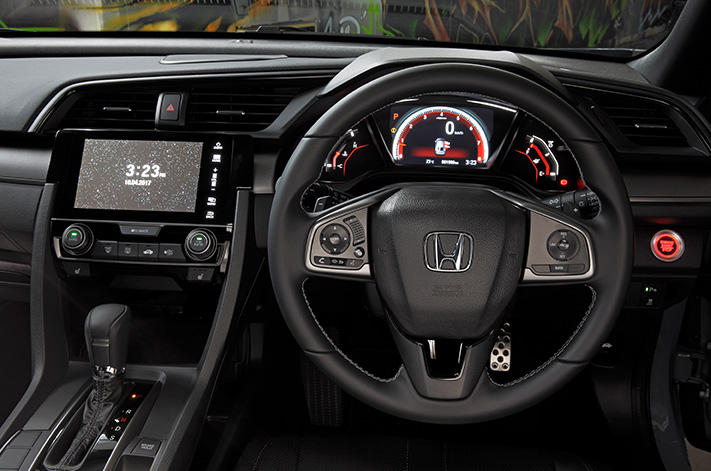
- This car deserves better transmission options than just CVT, not least a manual. Even a conventional automatic would help impart a more lively feel to its driving performance
- No more Magic Seats. The ultra-useful seats that still feature in the Honda Jazz and HR-V allowed you to flip the rear seat bases up vertically so you could use the full height of the cabin to carry tall cargo? Unfortunately the Civic’s new underpinnings couldn’t accommodate them.
ANY RIVALS I SHOULD CONSIDER?
The small-car segment is brimming with models, most of which have warm-hatch variants such as the Holden Astra RS, Hyundai i30 SR, Toyota Corolla ZR, Ford Focus Sport and Mazda 3 SP25.
FANS of quirky compact performance cars rejoice – Hyundai is readying another generation of its Veloster sports coupe-slash-hatch, and development prototypes spotted undergoing public road evaluation signal that it’s on track for a late 2017 reveal.
Hyundai will persist with the current car’s unique three-door/four-door liftback design for the second-gen Veloster, which puts a single door on the driver’s side and two doors on the passenger side. It’s a configuration that allows a sporty coupe-like profile on one side and a more pragmatic layout on the other which eases entry to the rear seats.
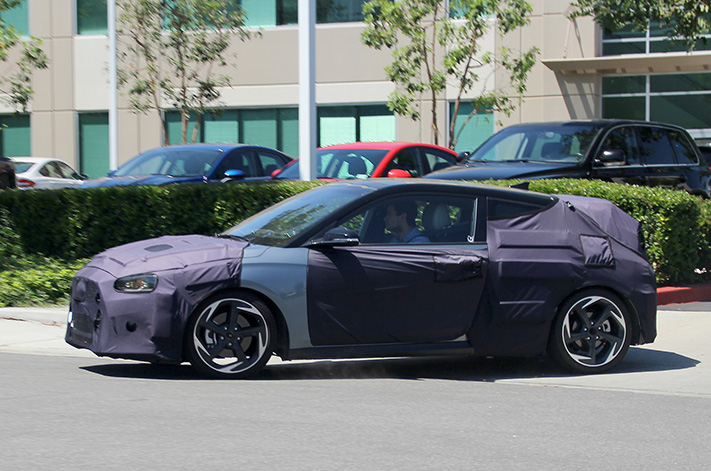
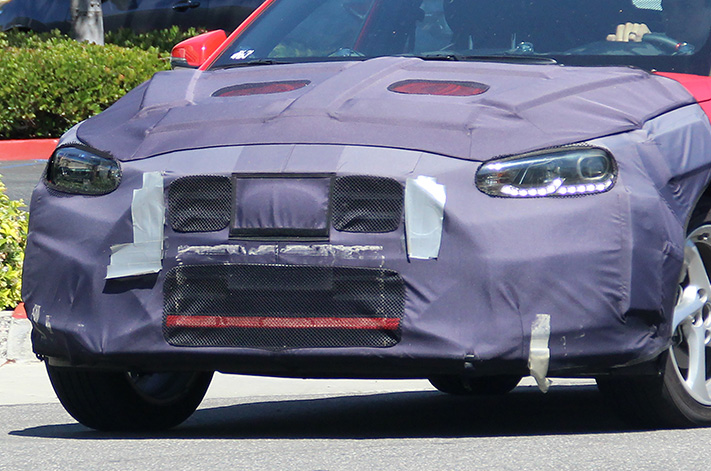
Camo covers up the snout and tail, but we can see that the new Veloster’s side sheetmetal will be slightly more subdued. While the current model flaunts engorged wheelarches to give it a fat, planted stance, its replacement will dump those features in favour of a smoother, more mature design language. The A-pillar blackout graphic also appears to have been nixed for gen 2.
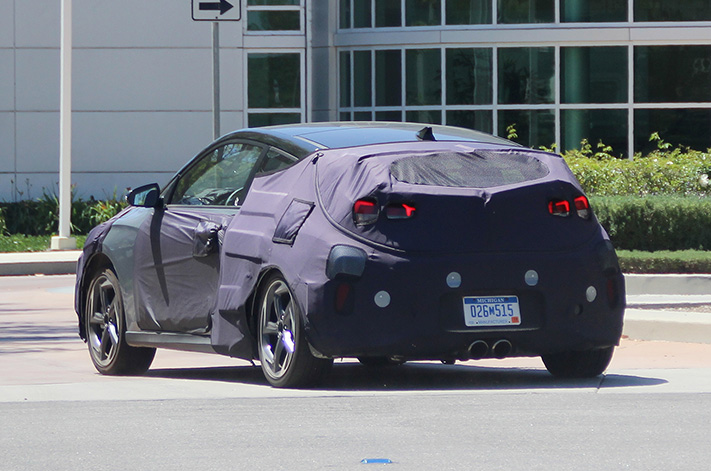
There are, however, rumours that Hyundai will introduce an even hotter N-badged variant to sit above the Veloster Turbo, which will borrow elements from the upcoming i30 N hot hatch to help turn up the heat. Odds are high that the i30 N’s turbocharged 2.0-litre four-cylinder engine will be one of those elements.
THE Worthersee Treffen car event is one of the biggest gatherings of the year for VW fans around the world, with owners travelling from across Europe to shores of Lake Worthersee in Austria in their own modified Volkswagens.
This year the carmaker joined in on the action, building a 300kW hybrid all-wheel drive Golf GTI, with the help of a team of young apprentices – the oldest of which is just 28.
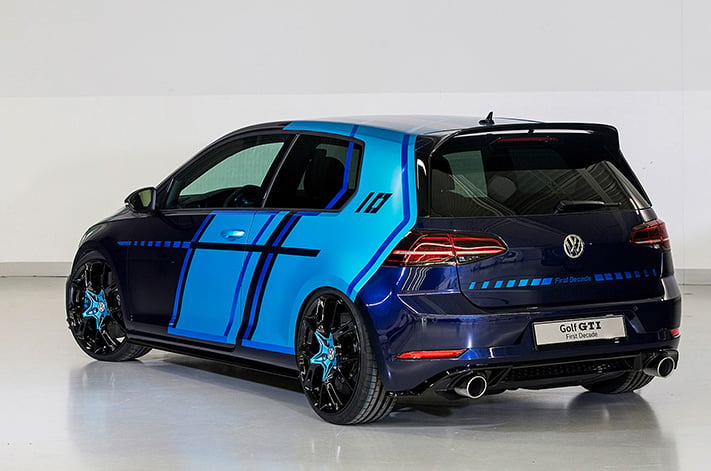
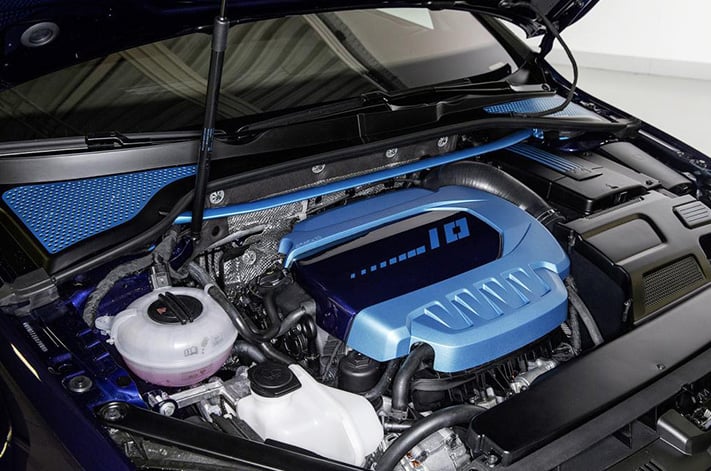
Power comes from a combination of a conventional petrol engine for the front wheels, and a 12kW 48-volt electric motor driving the rear wheels.
Drive modes can be selected on a tablet, or in the car’s infotainment system.
Worthersee isn’t just a regular car show like New York or Geneva. This is a custom car event, and as such the GTi First Decade comes with some outlandish additions.
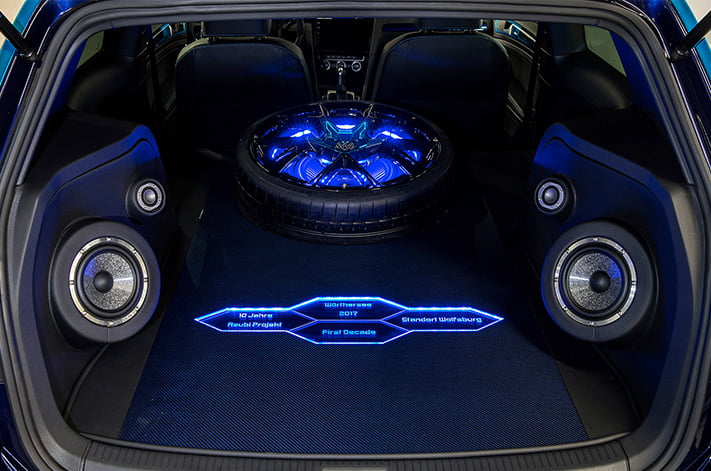
A total of 13 apprentices built the car (five women and eight men) from six vocations within the German manufacturer, and its seat-building subsidiary Sitech.
The team put the car together in just nine months.
Want to see the car in the flesh? Well, you might have to buy a quick ticket to Europe.
A harder, faster and even more focused version of the Lamborghini Huracan could be on the way, with company bosses confirming they see potential for “something more extreme”.
The new model would sit above the just-launched Huracan Performante and boast an even greater track focus with technology lifted from Lamborghini’s Super Trofeo motorsport program.
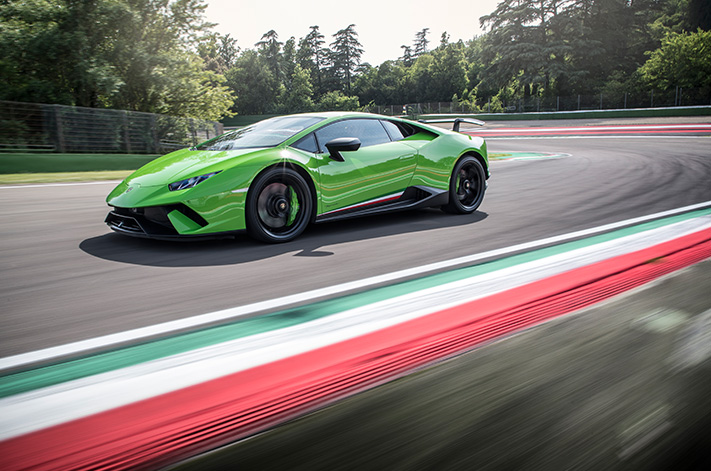
“So yes, there could be another version that is even more naked for example, even stiffer and just for the track.”
Lamborghini insiders hinted the new Huracan will be even more extreme in philosophy than track-focused rivals like the Ferrari 458 Speciale and Porsche 911 GT3 RS, though don’t expect to see it any time soon.
The new model isn’t due to appear until later in the Huracan’s life cycle (a facelifted version is due within 18-24 months) to ensure Performante customers don’t feel shortchanged.
“It is different to what we have achieved with the Performante,” said Foschini. “With the Performante we did a whole approach that was different to the previous Gallardo Superleggera.
“You drive the Performante on the road and it is the same as the regular Huracan. On the track it is a car that works with you, it is always in the right place.
“So to overcome this performance will not be easy. But we can always go stiffer and create something faster for the track.”
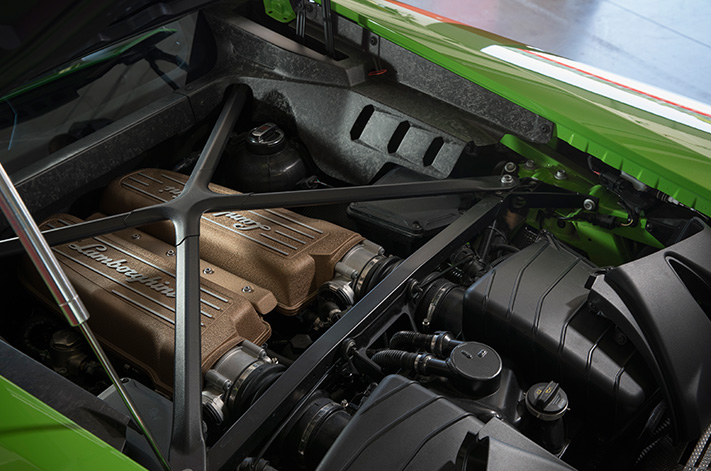
As for what the most extreme road-going Huracan will be called?
“I’m not telling you, but it has to come from motorsport,” said Foschini.
“I’m not saying this car would have more power [compared to the 470kW/600Nm Performante] it just would have a different focus.”
Holden’s all-new Astra sedan has received a five-star ANCAP safety rating across the range, despite missing out on the Astra hatchback’s autonomous braking tech.
Developed in Europe alongside the Opel-sourced hatch but assembled in Korea, the rebadged Chevrolet Cruze that will come here as the Astra sedan will arrive with an advanced driver assistance pack featuring ‘Holden Eye’ camera-based active safety functions. Like the hatch, this will include Lane Departure Warning, Lane Keep Assist, Forward Distance Indicator and Forward Collision Alert, but no actual autonomous emergency braking functions.
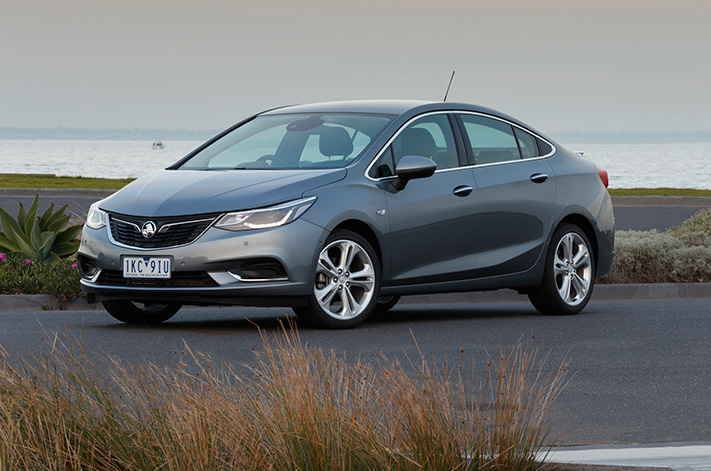
While these and the Astra sedan’s active and passive safety features were enough to earn the top ANCAP rating across the range, ANCAP CEO James Goodwin said it was disappointing that AEB was not available, but was hopeful it will be one of the last Holden models not to feature the potentially life-saving technology.
“As our requirements become more stringent next year, it will not be possible for new models to achieve a 5 star ANCAP safety rating without an effective AEB system fitted as standard.”
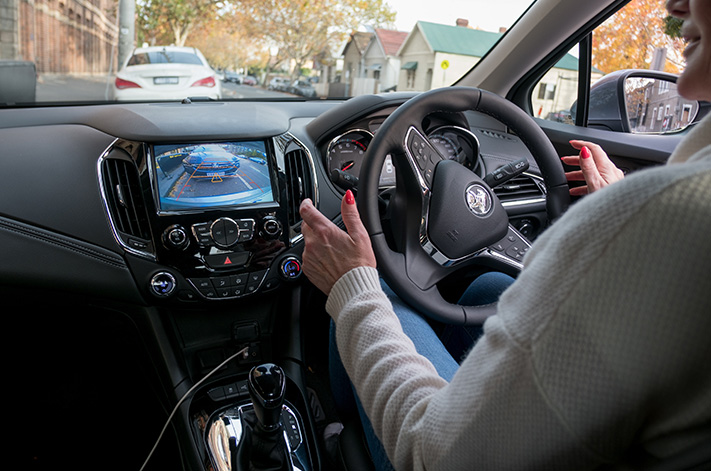
All Astra sedan variants will come with reversing camera, rear parking sensors and auto high-beam as standard.
As with the Astra hatch, the active safety pack will be included in the upper-spec LT and LTZ variants while being a cost option in the entry-level LS. The LT and LTZ variants will also come with front parking sensors , blind spot monitoring and park assist. Rain-sensing wipers will be available only in the LTZ.
Interestingly, the LS gained the five-star ANCAP rating without the safety pack, but the similarly equipped entry-level Astra R hatch remains unrated because Holden was unwilling to sacrifice one for separate crash testing.
Passive safety features including a high-strength steel safety cage and two ISOFIX child seat attachments also helped the sedan earn its five-star safety rating ahead of its June launch.
As well as the lack of AEB, the Astra sedan will be powered exclusively by the 1.4-litre turbo engine used in the entry-level Astra R hatch, missing out on the peppier 1.6 turbo of the Astra RS and RS-V.
On the plus side, that means a lower starting price that’s expected to be around $20,000, while Holden promises it the Astra sedan will also boast its own unique features not found in the five-door.
As the 991 Porsche GT3 RS was released in August last year, it was greeted by demand that far outstripped its global supply.
Packing a 368kW flat-six, a telepathic PDK transmission and a $387,700 price tag; the most potent, track-ready iteration of Porsche’s flagship sports car sold out in quick order.

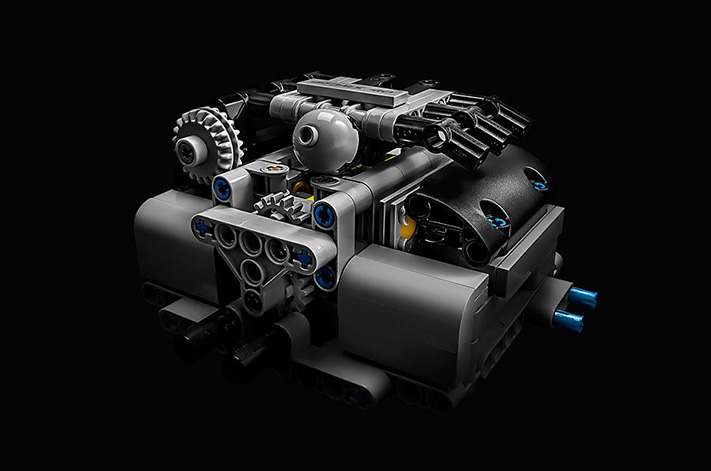
But what should happen to your plastic miniature men should they careen off the dining table at home? Well German organisation ADAC (the Deutsche equivalent of our RACV or NRMA) built a scale version of a real crash-test simulation, and put the Lego world’s most popular sports car to the test.

And hey, if you think about it: the spectacle of smashed flying parts is actually a very smart and effective way to dissipate force and energy produced in a sudden collision. This Lego Porsche really isn’t that dissimilar to a Lamborghini Aventador, whose carbon fibre monocoque is designed to detach from the engine on impact to protect the “life cell” and its occupants.
We’d advise against slinging any of your Lego creations against a wall given the time investment involved in creating them (plus the fact that Lego shrapnel is unkind to unprotected feet), but if you’ve ever wondered how a Lego car would handle an impact at speed, watch the footage below.
High demand for DB11s and a refinancing operation have helped put Aston Martin in the black for the first quarter of 2017.
Revenue has more than doubled from £92.6m to £188.3m in Q1, making it the first time the company has turned a first-quarter profit in over a decade.
Sir Roger Moore’s best car moments
This has been helped by generally strong retail performance and market share gains, particularly in the UK and China.
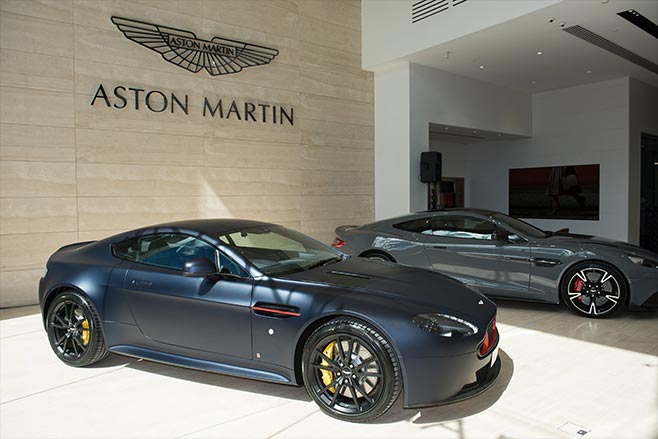
“The group has made a strong start to the year. We are delivering on our ‘Second Century’ transformation program and building sustainable profitability.
“Forthcoming models including the new Vantage and Vanquish will expand on our recent growth, underpinned by the financial resources and operational discipline of a true British success story in luxury car production.”
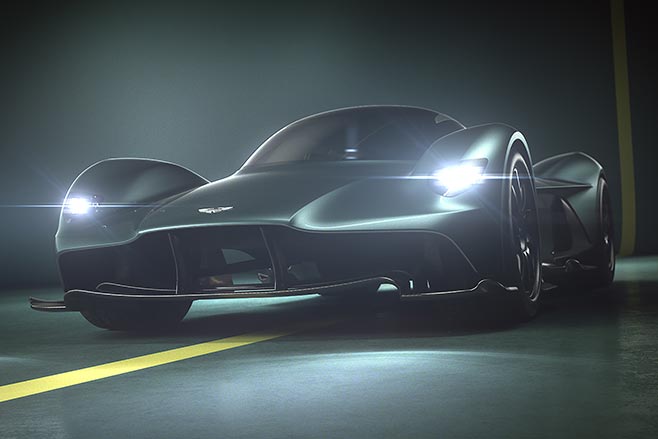
Company CFO Mark Wilson says Aston can continue to grow and develop new cars thanks to forecasted savings, despite the company only having been profitable in two years of its 104-year history.
“The refinancing is expected to result in annual income statement interest savings of more than £10 million and strengthens our capital structure,” Wilson says.
“As our operational performance improves, we now have a solid financial platform on which to continue to grow.”
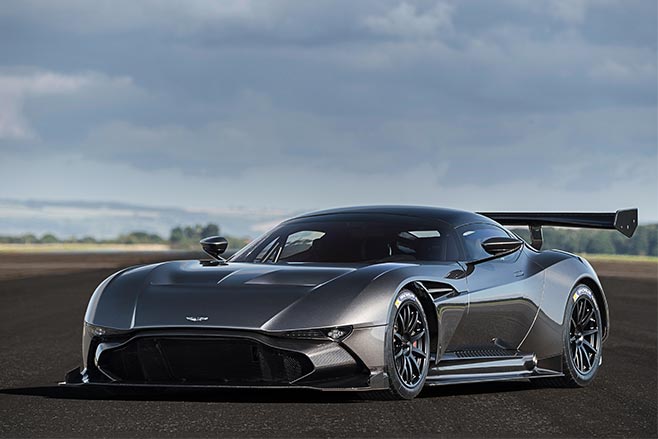
Speaking to MOTOR earlier this year, Palmer said: “I don’t give a shit whether we go bankrupt in the process, we’re not sending crap cars out to the customers.”
That attitude would appear to be part of the reason for Aston’s profit jump.
Wonder is pervasive when we’re young, but life seems to chip away at our unabated curiosity.
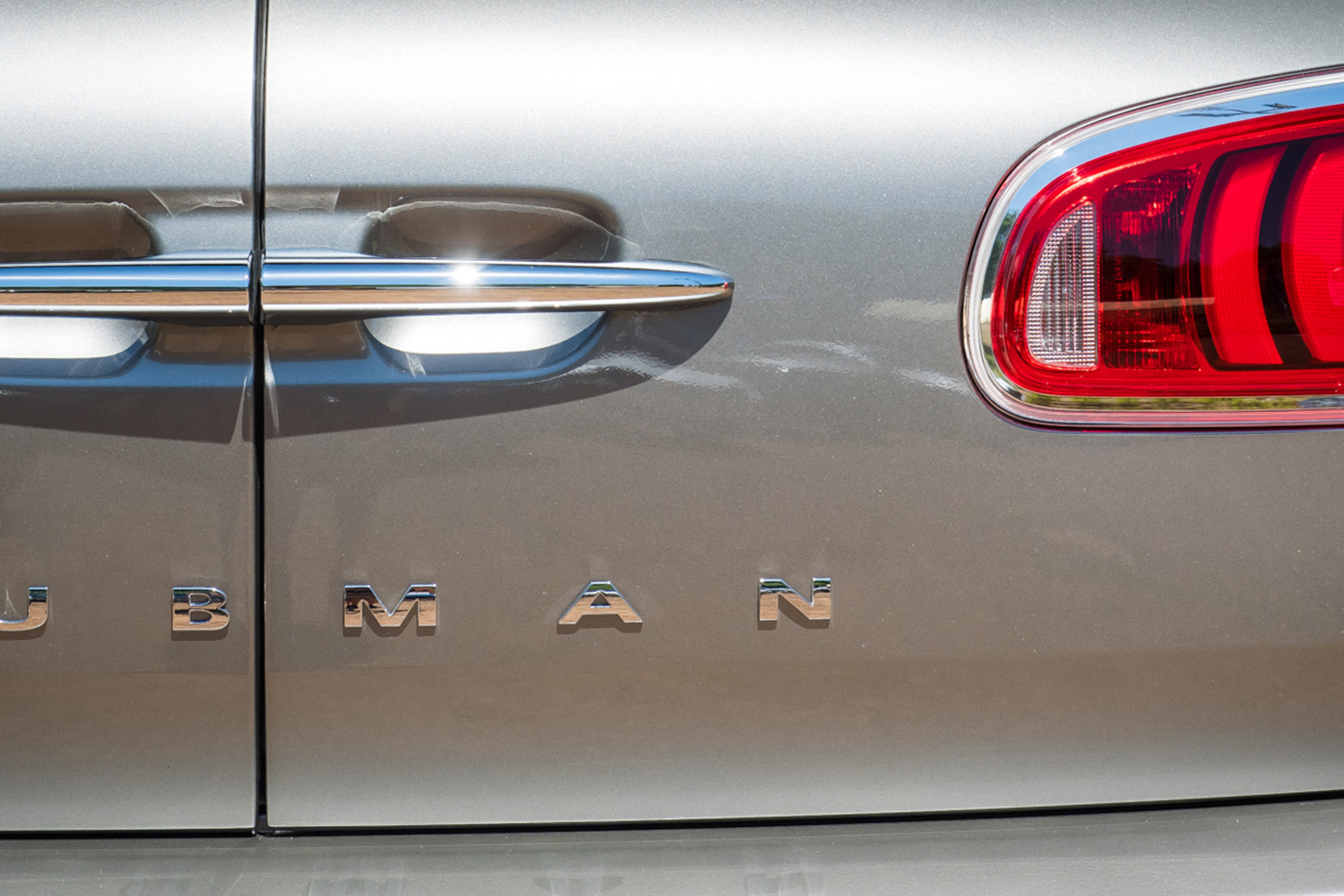
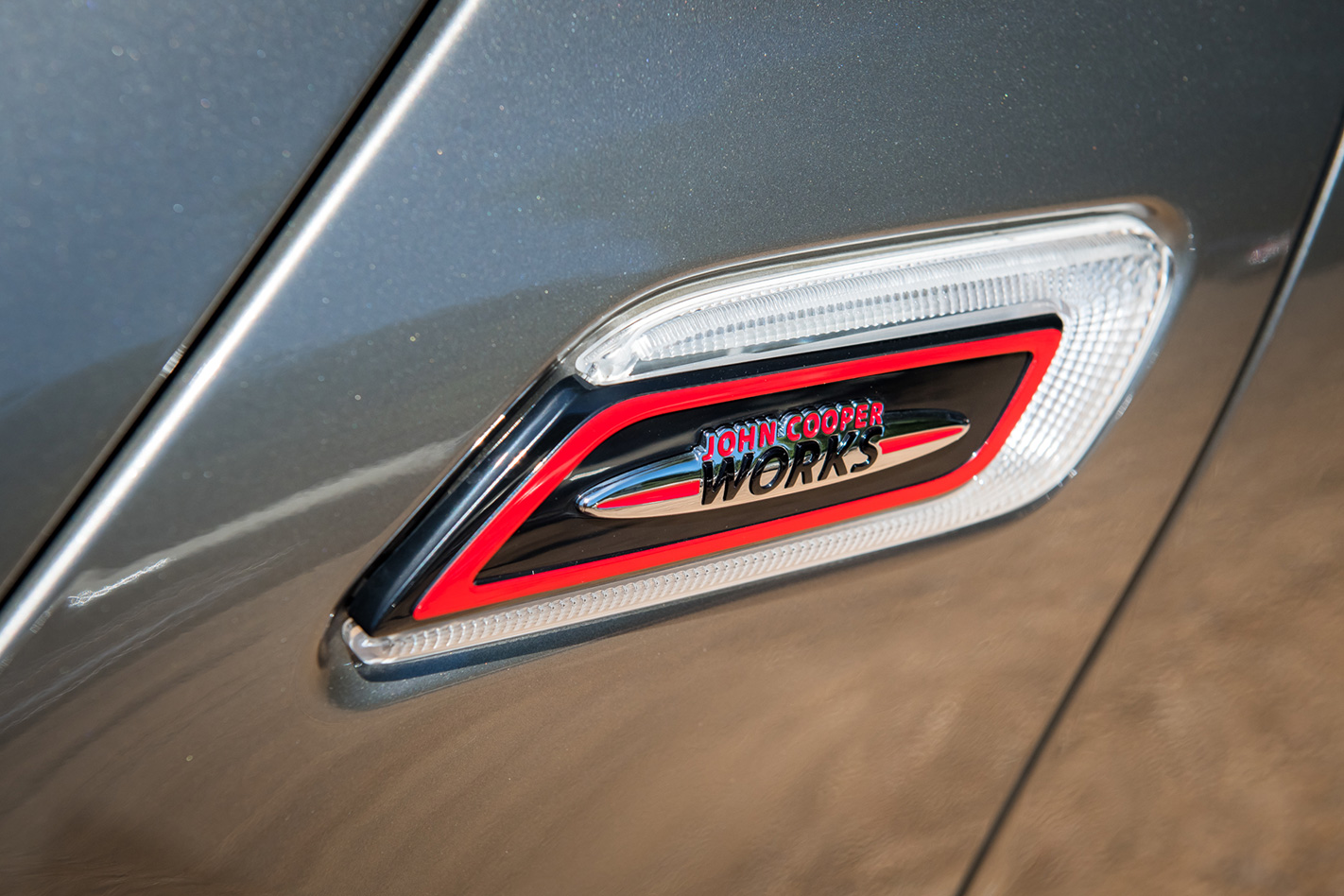
We can still catch a glimpse of our inquisitive, childlike nature though, when zeroing in on the Melting Silver Mini. Or should we say its supersized and racy sibling, the Mini Clubman JCW. It’s a sign of just how much this iconic, reimagined design remains a silhouette of intrigue.
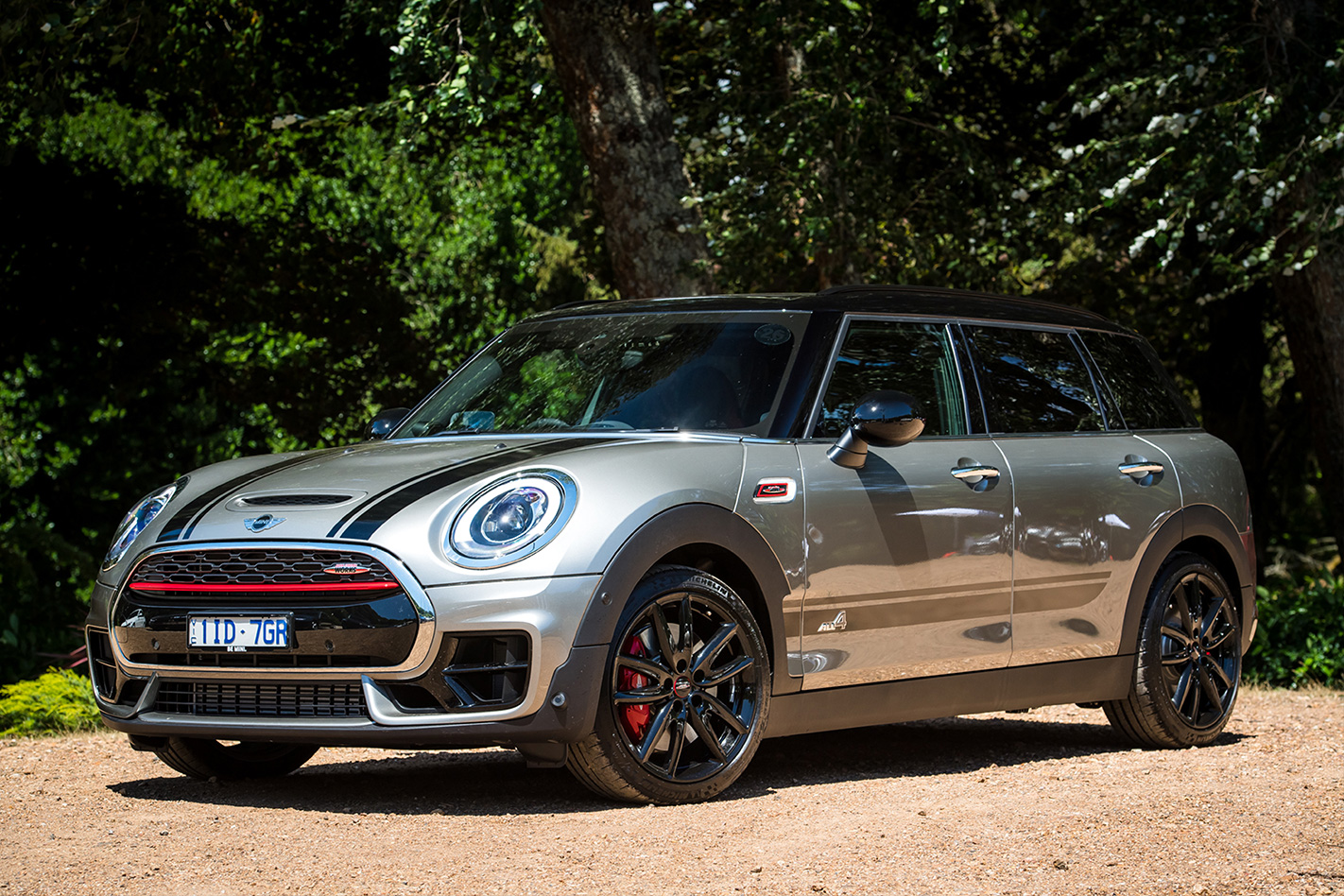
That’s the most Newtons yet to endow a petrol Mini, and considering its 1475kg heft, it’s needed. Still, it reaches 100km/h in 6.3 seconds with either the eight-speed auto or the no-cost option six-speed manual tested.
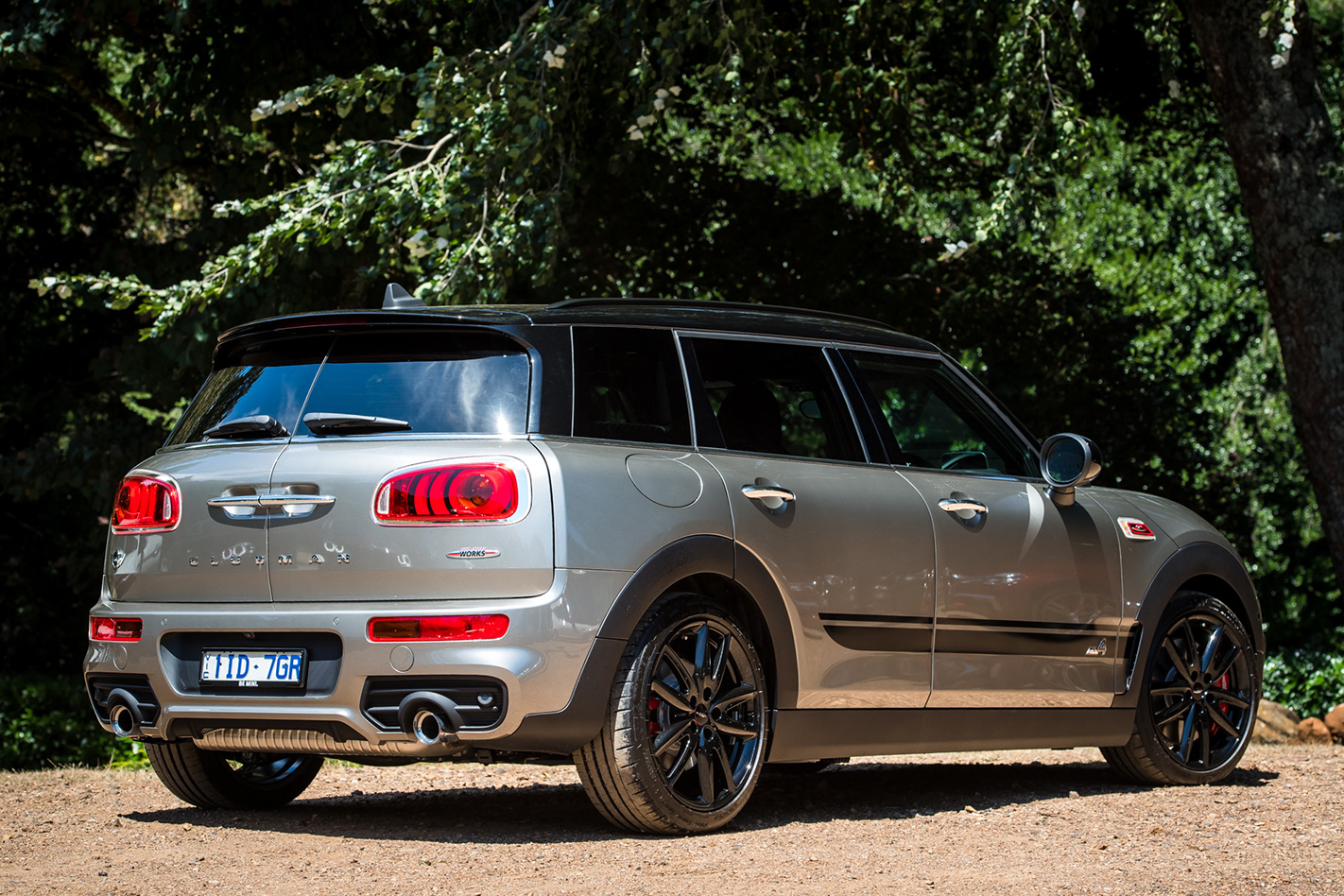
Instead, the longer wheelbase of the Clubman inspires confidence while still retaining positive turn-in and impressive agility, especially with changes of direction.
However, attaining this dynamic prowess is all about selecting the right extras and playing with the buttons correctly. Yes, the 19-inch alloys (with 10mm lowered suspension) might add visual appeal, but the optional 18-inch hoops are superior. That’s because you don’t get run-flats; instead, grippy Michelin Pilot Super Sport rubber features.
Selecting the no-cost-option Dynamic Damper Control is a must. Also, being able to dissect Sport mode’s parameters to keep the sharpened throttle response – including the hilarious overrun histrionics and throttle blipping on down shifts – while disbanding the over assisted steering and harsher damper setting, proves invaluable.
At first the Clubman JCW’s personality seems somewhat confused. Yes it’s packed with kit, but at $59,000 as tested, it isn’t cheap. Plus, the manual ’box has a long throw, the brake pedal is numb and the cabin remains confusingly kitsch.
However, as a Mini, the chameleon Clubman manages to endear itself and makes the most sense. It’s the grown-up, pragmatic pick with a perky performance persona. The JCW is for the young at heart who still like to see the world with wonder when life affords the chance.
