
LOTUS, the exotic British sports car brand, has new owners. And guess what? They’re not British.
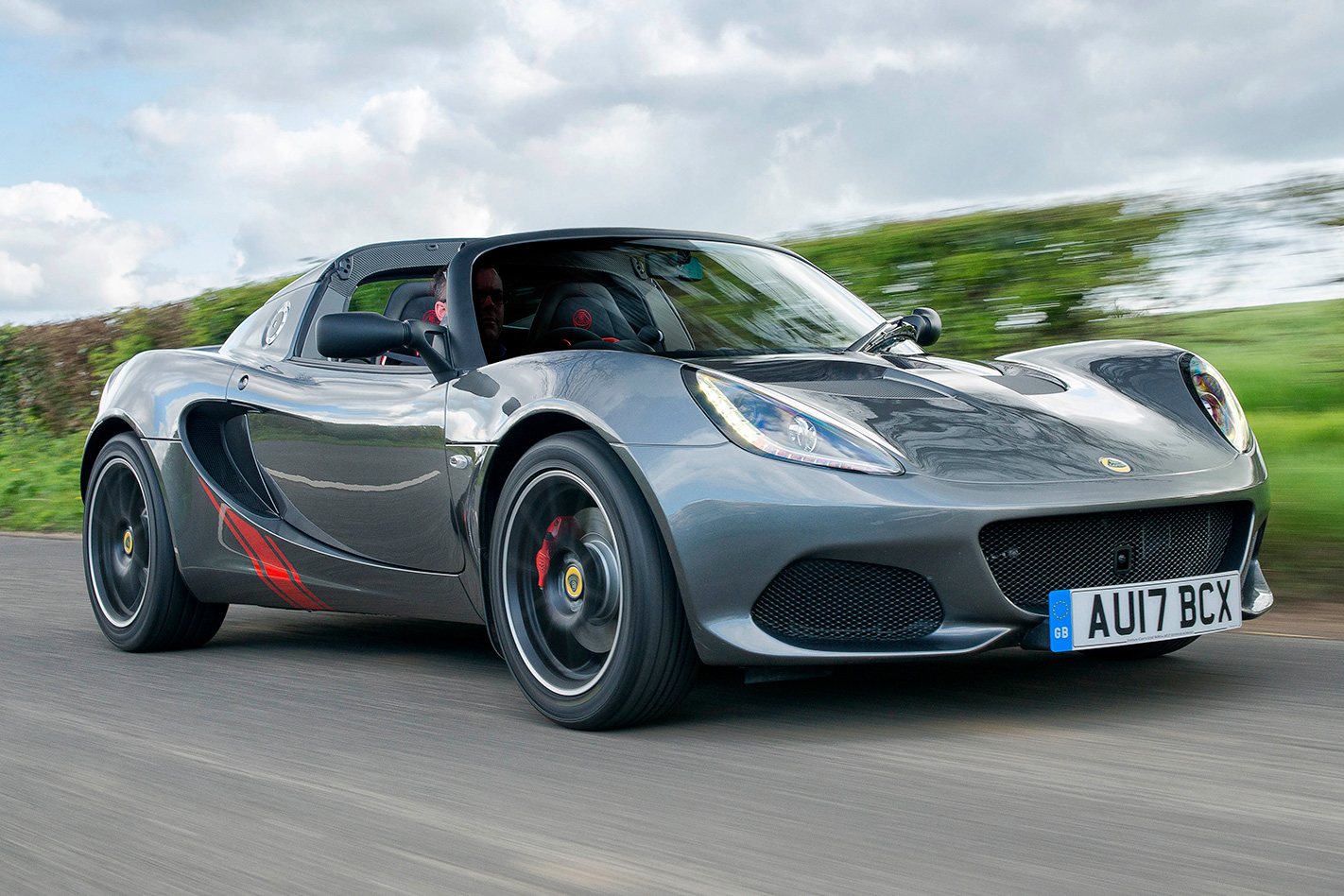
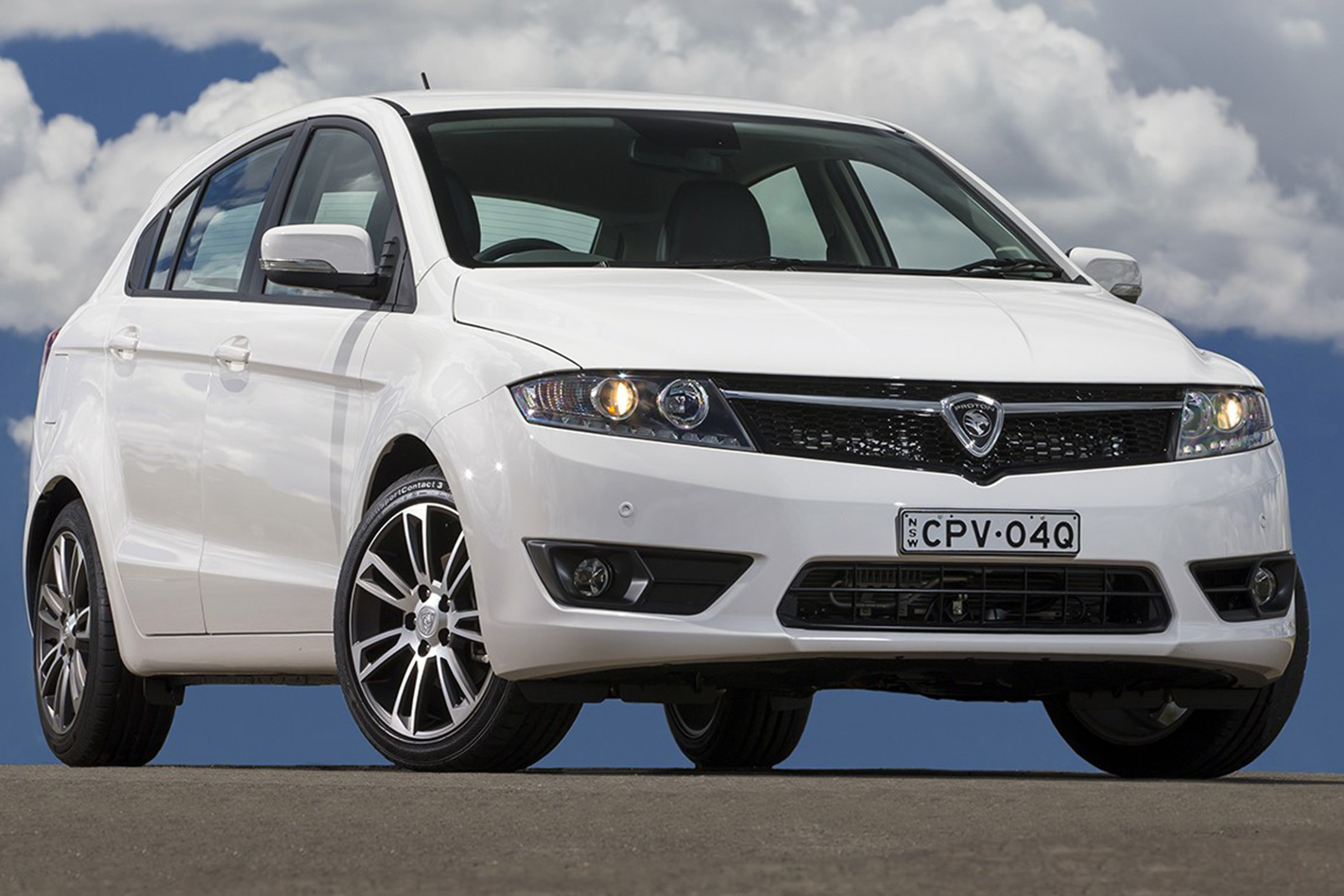
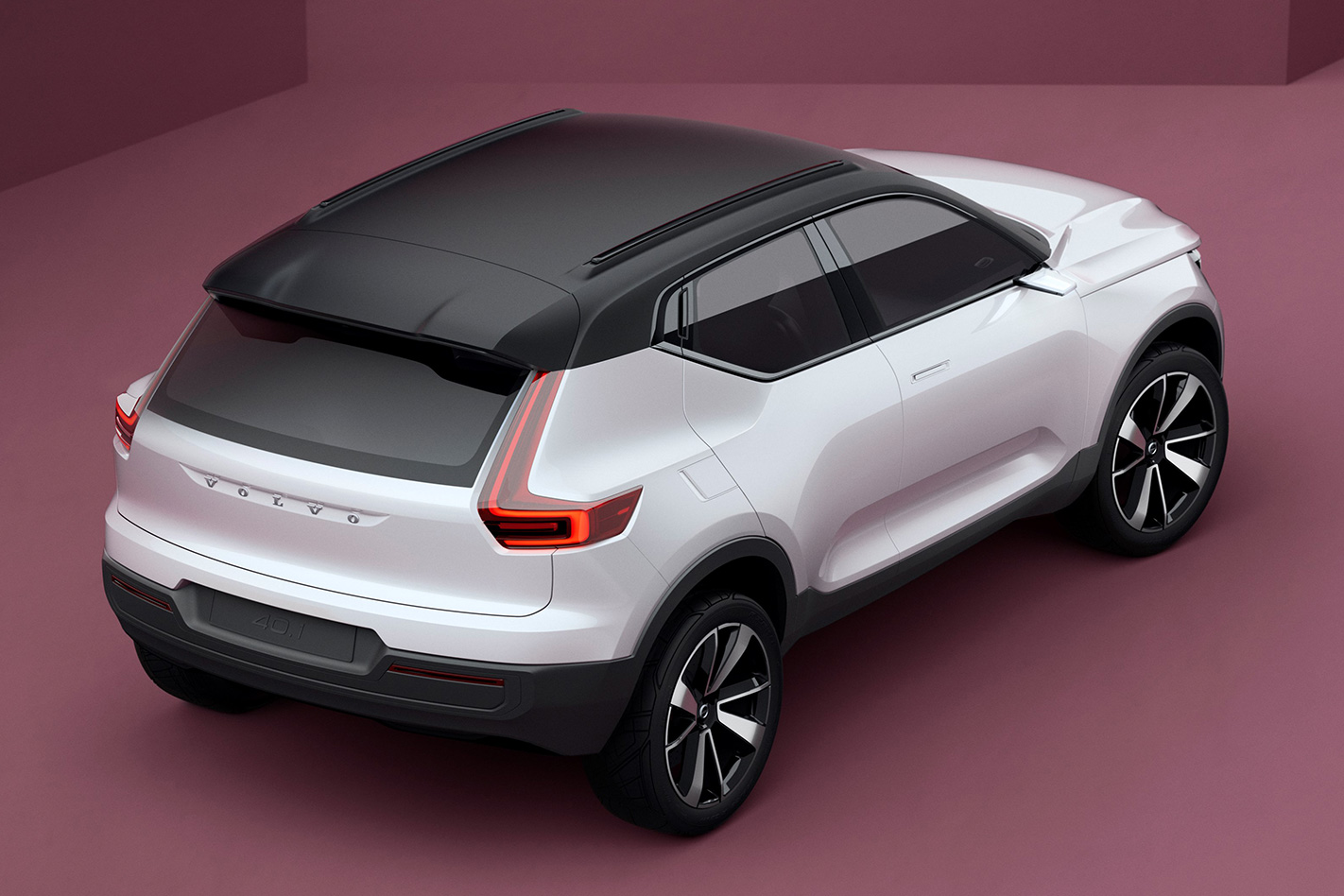
Both parties expect to sign the definitive agreement in July.The fresh cash injection means the troubled 30-year-old Proton brand gains a stay of execution, and can even potentially one day spin off a more premium sub-brand similar to the Geely-owned Lync and Co that will use Volvo’s latest compact modular architecture underpinnings to build luxury SUVs.The deal also gives Geely access to all the background work on attempts to hybridise the Lotus platform, an idea foreshadowed by five stillborn concept cars including a reborn Evora that were revealed in 2010 and something of an area of expertise for Volvo.The cash-heavy Geely – last year it attracted $US400 million to help it build electric taxis in the first-ever foreign fundraiser by a Chinese car maker – will also gain instant access to key south-east Asian markets, as well as tapping into the Proton/Lotus research and development centres, and manufacturing facilities.
WHAT is the most famous street in Australia?
Perhaps it’s Chapel Street in Melbourne, or maybe it’s Pin Oak Court in Vermont South, the real-life location of Ramsay Street.
For anyone with an ounce of oil in their veins, the answer is Conrod Straight; the 1.916-kilometre stretch of bitumen (including The Chase) that connects Forrest Elbow and Murray’s Corner at Mount Panorama.
Famed for its high speeds, Conrod Straight is one of the most iconic pieces of racetrack, from Australia’s most famous circuit.
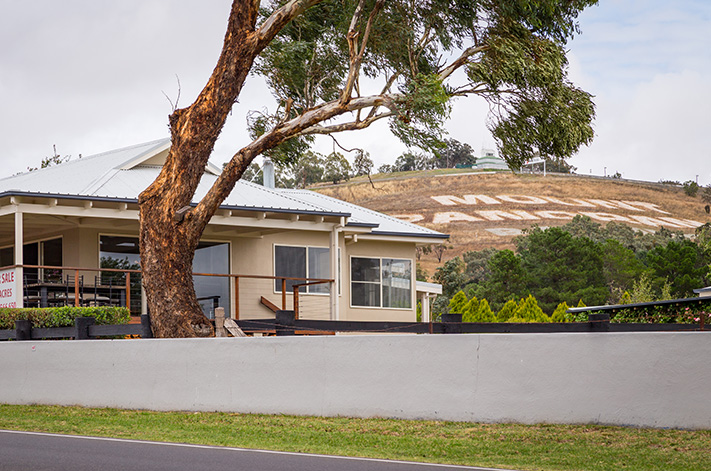
While it moonlights as a 300km/h battleground on select weekends each year, for the most part Conrod Straight is a quiet residential street (save for some local teenagers with ambitions of being racecar drivers, ala Editor Inwood).
Property on the legendary stretch of tarmac doesn’t become available very often, but last November, we wrote about the sale of 505 Conrod Straight. Judging from the interest at the time, there are plenty of people out there who would move in immediately if they could afford the $2.7 million asking price.
To help shed some light on what it would be like to live at Australia’s most renowned racetrack, we talked to the man who has spent the last 15 years of his life sleeping at 505 Conrod Straight.
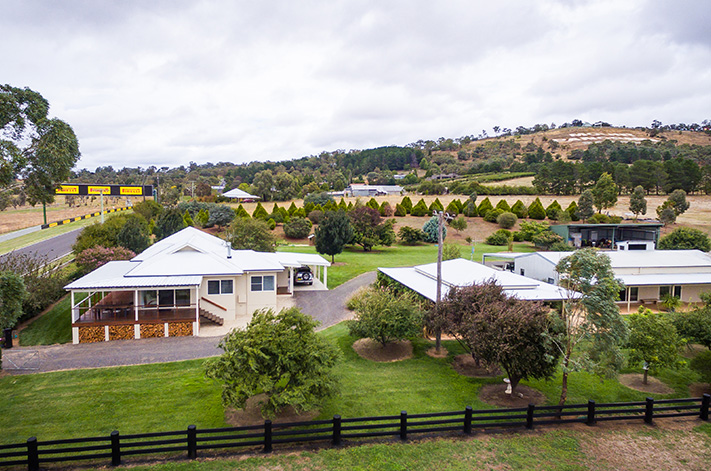
Simon Montgomery works as an earthmover, and says there is no better place to live.
“You wouldn’t hope to live in a better place in Bathurst. Everyone wants to live on the Mountain, whether they are interested in motorsport or not,” he told Wheels.
Simon says the iconic street name has resulted in some interesting interactions with the local constabulary.
“I’ve been pulled over by a few coppers, and they are more interested in where you live than why they pulled you over,” he explains with a chuckle.
So why move now? Well, as Simon explains, it’s all for the kids.
“It’s something I wish we didn’t leave, but I am from further out West, and we would like to return out that way with my children before they grow up and decide where they want to live out the rest of their lives.”
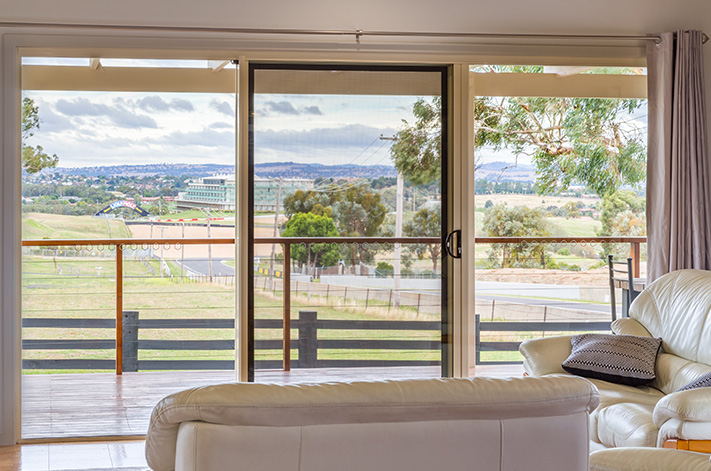
However, even when they leave, the Montgomery family will remain a vital part of the home’s history.
“My father is an architect, so he had a big part to play in designing the house and everything that has been touched on the property,” Simon says.
He explains that despite not being a huge motorsport fanatic when he purchased the property in 2002 (for just $255,000), he is now well and truly converted.
Of course, the highlight of the year is the famed October weekend, when the Bathurst 1000 rolls into town.
“It is like the NRL grand final for the week before and the week of the races. It is pretty full bore,” Simon says.
“Everybody is pumped up, and the atmosphere is great. It’s a ripper time, and I always look forward to it. I’ll be coming back for the races after we move.
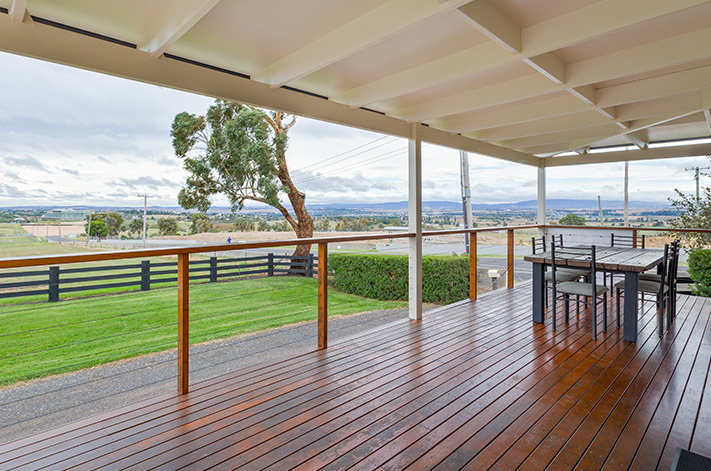
“It is just a fantastic place to be when the races are on, you are right in the heart of things. You more or less have the action going around 360 degrees, and you can watch it all rain, hail, or shine.
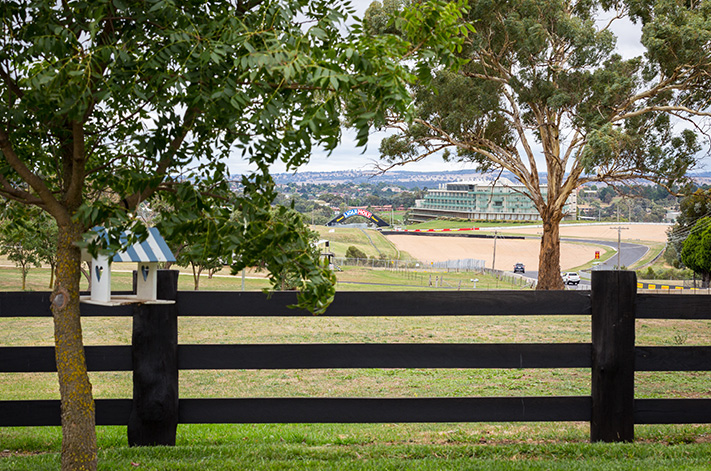
“I don’t think there are many places on The Mount that offer what this place has got. You are on the fastest part of the track, you have 170-metres of Conrod Straight frontage, and from here you can look right down over the chase until they go under the bridge heading to Murray’s Corner.
“We’ve got internal access 24/7, so you are not restricted when the races are on.”
Simon says there has been some parties interested in purchasing the property, but he is sticking by his $2.7 million asking price, saying he is “not in a rush to sell, as it is a great place to live”.
“I would have had hundreds of phone calls, and a lot of interest,” he adds.
“I don’t believe you put a price on it that you are prepared to take less for.”
Whoever the eventual owner may be, we are sure they will be the envy of the motorsport community. Oh, and can we come around for a BBQ, maybe sometime in October?
Mini Australia has announced local specifications and pricing for the new-generation Countryman JCW, its biggest model to ever wear a John Cooper Works badge on its tailgate, and the fastest SUV from the BMW-owned British marque.
It’s also cheaper than before – provided you’re shopping for an auto-equipped model. While the outgoing Countryman JCW automatic retailed at $59,250, its 2017 successor (which sports an eight-speed automatic rather than a six-speed) lands at a more reasonable $56,900 before on-roads – the same as the outgoing manual-equipped variant.
The new-gen Countryman manual retains a $56,900 price tag, meaning buyers will no longer be slugged a surcharge for opting for the auto.
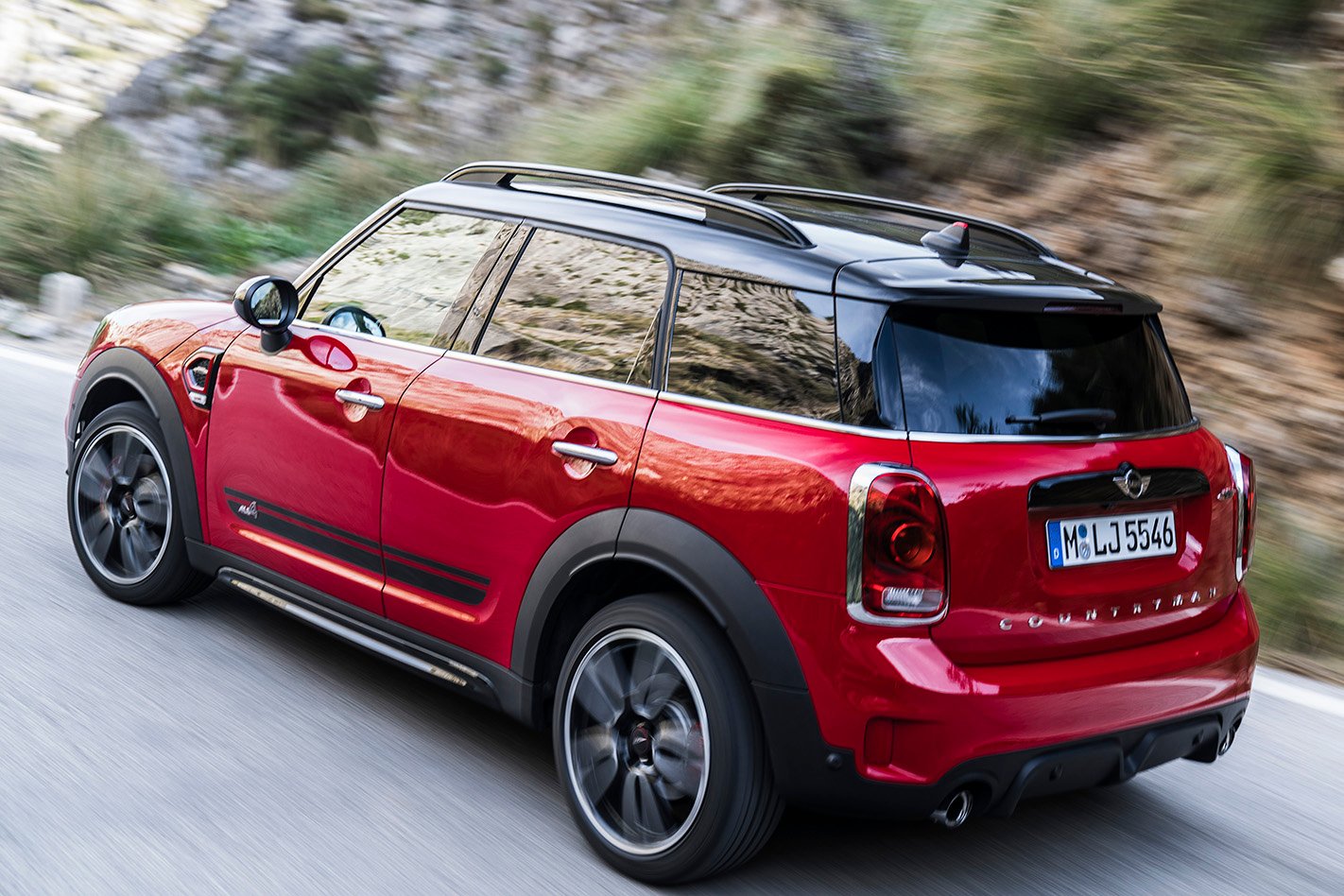
Standard specification levels are high, building on the already-generous feature list of the regular 2017 Mini Countryman range.
A head-up display, 19-inch JCW alloys and Brembo brake package are factory-issue on all Countryman JCWs, as are unique-to-JCW sports seats in leather/microfiber upholstery, a 12-speaker Harman/Kardon premium audio system, LED headlamps, Mini’s higher-spec infotainment system and integrated satellite navigation.
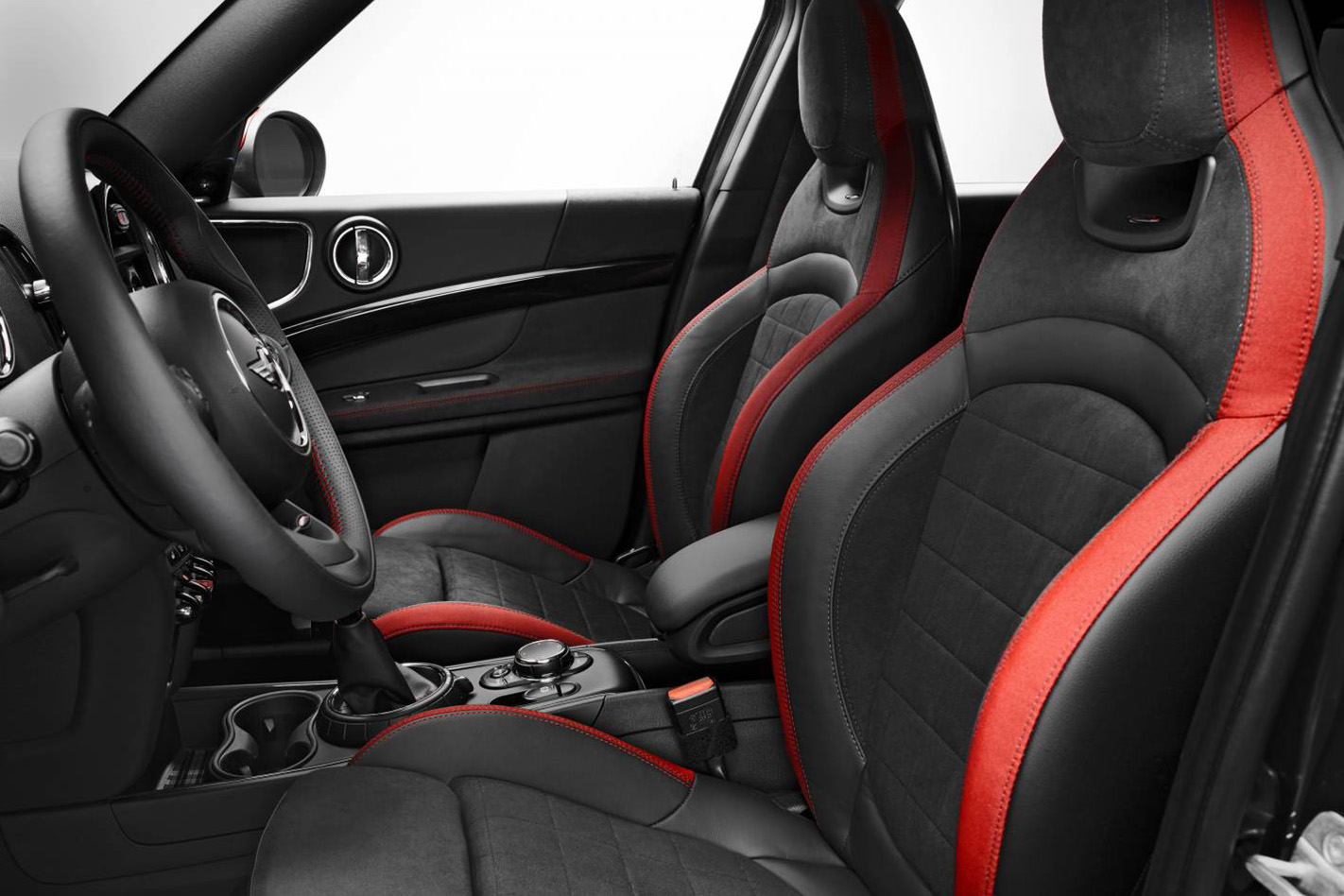
Creature comforts include adaptive cruise control, keyless entry and ignition, dual-zone climate control, a powered tailgate and front and rear parking sensors – features shared with garden-variety Countryman variants.
With both manual and auto able to sprint from zero to 100km/h in 6.5 seconds, the 2017 Mini Countryman JCW is half a second faster to 100km/h than its predecessor and boasts hot-hatch speed in a small-SUV form factor. For those keeping score, that’s just 0.2 seconds behind the much smaller Mini JCW hatch’s zero-to-hundred time.
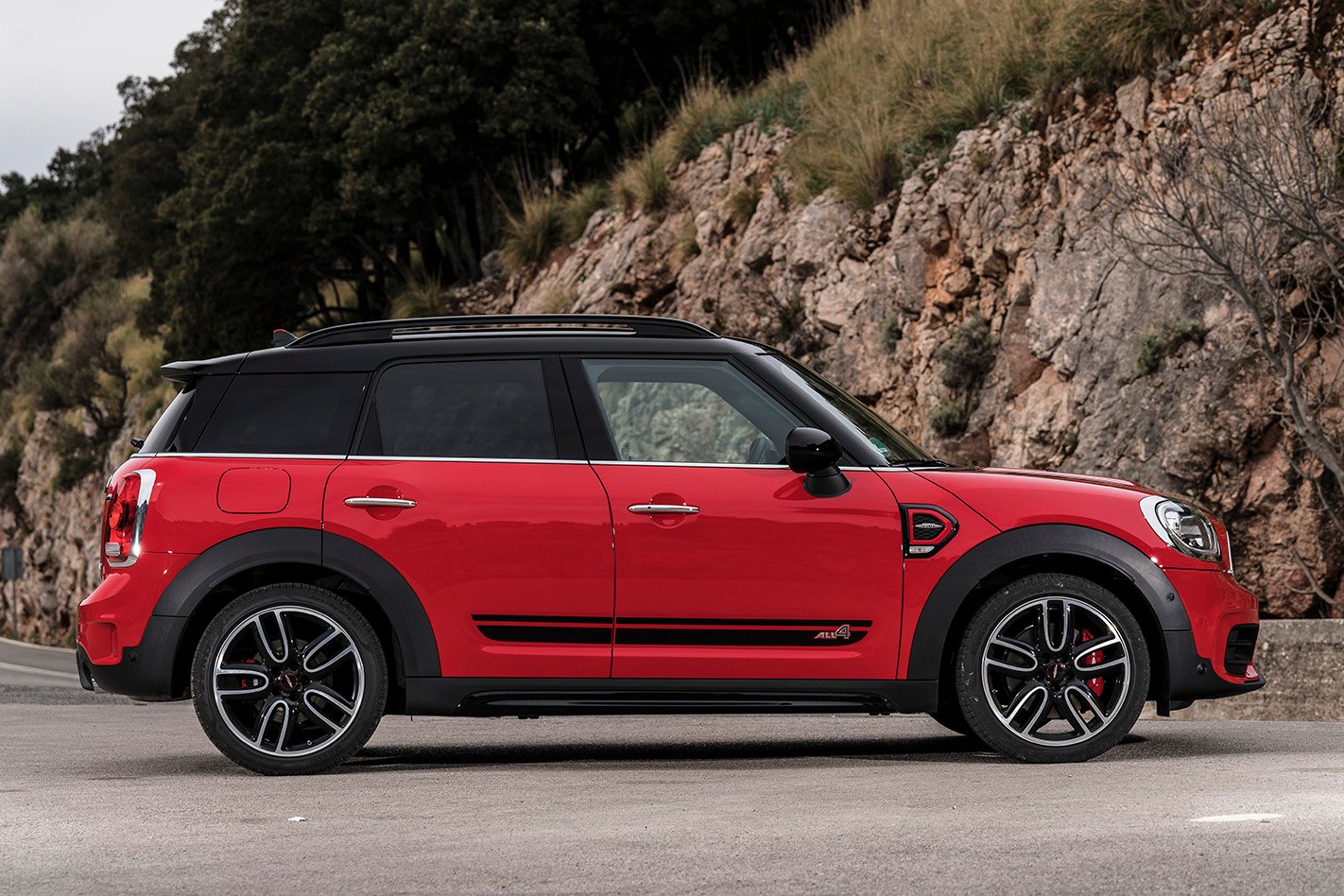
Powered by the same 170kW/350Nm 2.0-litre turbocharged petrol four-cylinder engine as the Mini Clubman JCW, the Countryman JCW’s grunt goes to the ground via Mini’s All4 AWD system, which is specially tuned to help reduce understeer and enhance cornering performance.
Fuel economy is a claimed 7.8L/100km for the manual-equipped Countryman JCW, and 7.4L/100km for the automatic.
Deliveries of the 2017 Mini Countryman JCW are expected to begin in late June, with retail pricing as follows:
- Mini Countryman John Cooper Works 6-speed manual: $56,900 Mini Countryman John Cooper Works 8-speed automatic: $56,900
Kia has introduced a new variant of its Sorento seven-seat SUV, with $3000 worth of extras over the entry-level Si for no extra drive-away cost.
The Sorento Si Limited bridges the gap between the Si (pictured) and mid-range SLi. It’s essentially the Si with extras – including 18-inch machine finish alloy wheels, leather appointed seats, a premium steering wheel with wood-look trim and exclusive Limited badging.
The additional $3000 value is reflected in the increased manufacturer’s list price over the Si, but Kia Australia points out they are then absorbed into the dealer fees resulting in no extra drive-away cost.
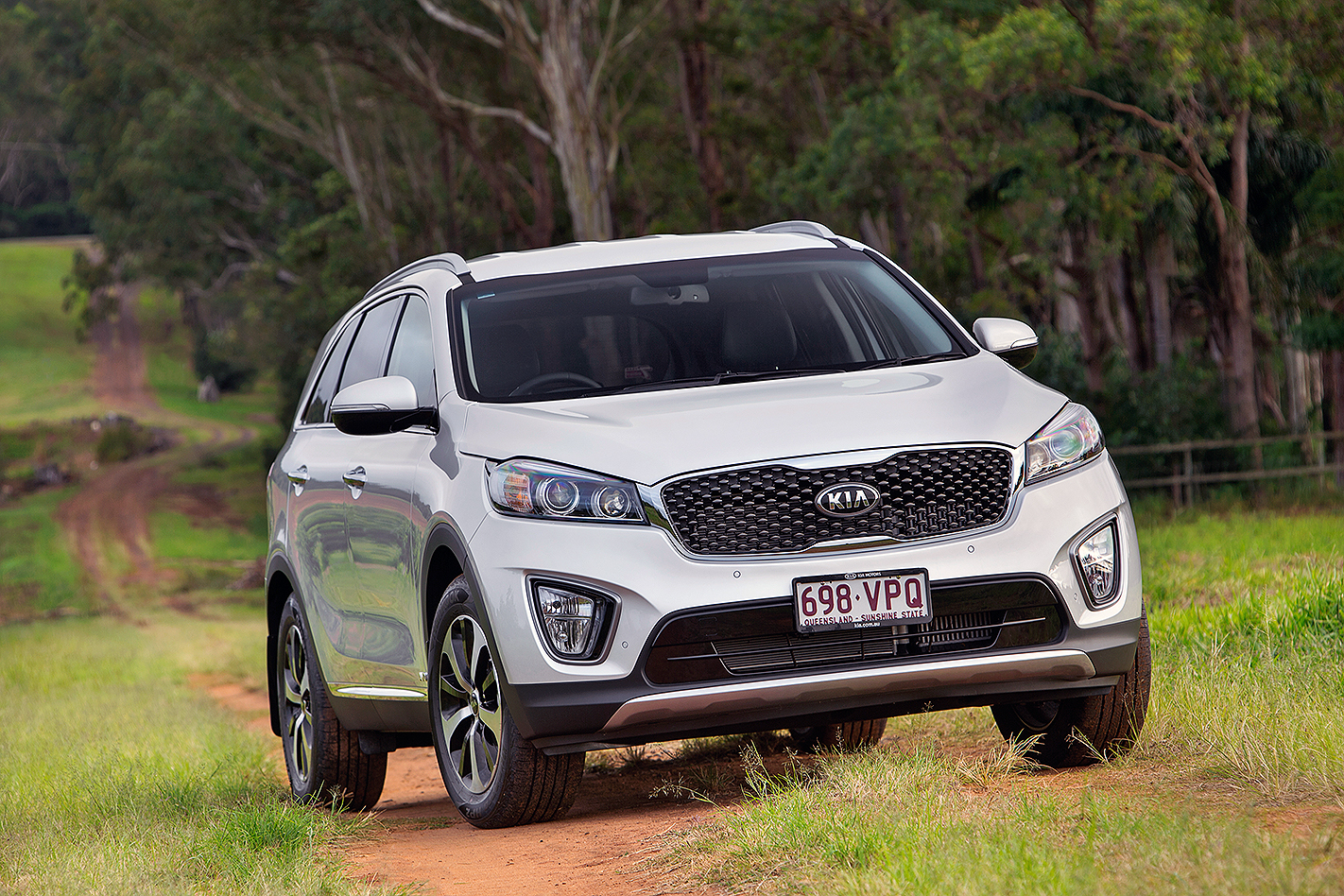
Like the Si and SLi, the Si Limited is available as a 3.3 litre V6 petrol model with front-wheel drive or 2.2 litre four-cylinder diesel and all-wheel-drive, both with a six-speed automatic transmission.
It is available in Clear White or three premium colours; Aurora Black, Silky Silver and Snow White Pearl, for an extra $595.
Kia Sorento pricing*
- Sorento Si V6 petrol FWD – $40,990
- Sorento Si diesel AWD – $44,490
- Sorento Si Limited V6 petrol FWD – $43,990
- Sorento Si Limited diesel AWD – $47,490
- Sorento SLi V6 petrol FWD – $45,990
- Sorento SLi diesel AWD – $49,490
- Sorento Platinum diesel AWD – $56,990
- Sorento GT Line diesel AWD – $58,490
The world’s fastest quarter-mile production car will cost $84,995 USD.
That may seem like a lot of money to pay for a Dodge, especially considering that turns into $113,900 here in Oz. Not that we’ll likely see any of them.

“The Demon Crate and the performance parts it holds are valued at $6,140, but Challenger SRT Demon owners can buy the entire package for $1.”
The interesting move to make the main extras – also including the front passenger seat, rear seat, and trunk carpet – all cost $1, is down to Dodge wanting to maintain the value in purchasing one.
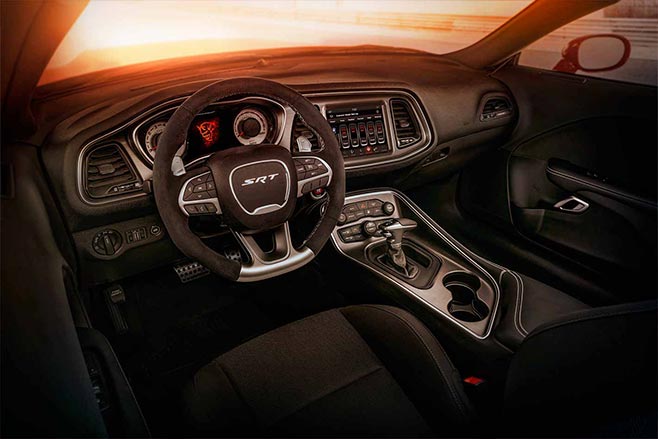
“We worked very hard to build as much value into the Challenger SRT Demon as possible – features, performance and exclusivity that simply can’t be duplicated with a goal of maintaining, and possibly even growing, as much future value as possible.”

In the US autumn, or our fall, the 3300 Demons will start rolling out of dealerships. Be ready for some crazy dragstrip videos.
Volkswagen Australia has taken an all-or-nothing approach with its all-new Arteon luxury sedan by only bringing out a highly-featured 206TSI R-Line model to Australian showrooms.
The fastback sedan will come almost fully-specced with the only options being premium paint, panoramic glass sunroof, Dynaudio Premium Sound System and 20-inch Rosario alloy wheels (pictured).
On announcing local specifications, Volkswagen Australia General Manager of Marketing and Product Ben Wilks says such a car “should include the highest level of standard specification”.
To that end the Arteon 206TSI R-Line will come here with long list of features, including Volkswagen firsts such as head-up display, “Emergency Assist 2 Proactive” and VW’s “Occupant Protection System”. Emergency Assist 2 detects when a driver is incapacitated and turns on the hazard lights before autonomously coming to a safe stop in the inner-most lane, while Proactive Occupant Protection System detects a rear collision threat and reacts by turning on the hazard warning lights, closing the windows and pulling the seatbelts tight to reduce the likelihood of injury.

Other standard features in the Arteon 206TSI R-Line include:
- Reversing camera with Area View
- Dynamic Light Assist
- Three- colour Ambient Interior Lighting
- LED headlights with Dynamic Light Assist
- Frameless side windows
- Heated front and rear seats
- 19″ Montevideo Alloys
- Unique R-Line seats
- Nappa leather upholstery
- Active Info Display
- Adaptive Cruise Control (ACC)
- Front Assist with City Emergency Braking
- Side (lane changing) Assist
- Rear Traffic Alert
- Lane Keeping Assist
- Park Assist
- Adaptive Chassis Control
- Driving Profile Selection
- Discover Pro 9.2″ Infotainment System with Gesture Control
- Keyless access and push button start
It has a 50mm longer wheel base than the regular Passat, which translates to 45mm more leg room (to 1016mm) and 95mm extra headroom.
The Arteon 206TSI R-Line will be powered by a 206kW/350Nm 2.0-litre, four-cylinder turbo petrol mated to the new DQ381 7-speed DSG automatic transmission and 4MOTION all-wheel-drive drivetrain. Volkswagen is yet to publish fuel economy figures though it has revealed a 0-100km/h time of 5.6 seconds.
Volkswagen Australia will reveal Arteon 206TSI R-Line pricing closer to its Australian launch, though expect a price tag between $60,000 and $70,000.
At age 89, Sir Roger Moore has passed away after decades of bringing charm and excitement to cinemas and screens.
Best known as the second major James Bond after Sean Connery, Moore’s Bond took on car chases far wackier than we remembered.
Today, we chose a couple of Moore’s best (and weirdest) moments behind the wheel on film.
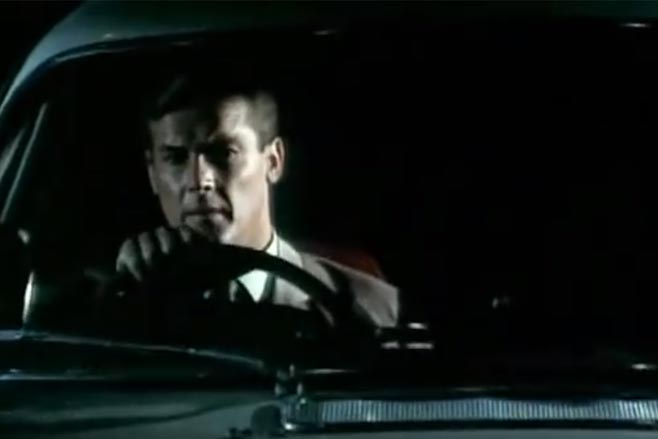
It’s worth starting at the beginning, so we decided that Sir Roger’s stint as Simon Templar in The Saint is a good place to do that.
Though it wasn’t his first role, it’s the earliest well-known one, and we can’t let his time steering a gorgeous Volvo P1800 go unmentioned.
The car is luxury, performance, and reliability all at once, and made a perfect counterpart to the suave spy who probably launched a great actor into the spotlight.
A year later in 1973, he became Bond in Live and Let Die, before going on to star in The Man with the Golden Gun.
The former featured a bus chase. Yes, you read that correctly. A double decker bus chase.
It was around this time that the Bond films started to get cheesy, after the (usually) fairly straight forward storylines and action embarked upon by Connery’s Bond.
| Jaguar’s supercar revived for James Bond
Which brings us to…
Though it was let down by the slide whistle soundtrack, the AMC Hornet corkscrew jump from that film cemented Moore’s place as Bond.
It wasn’t an Aston, a BMW, or even a particularly exotic car at all, but if Moore could make an AMC look that cool, he could do anything.
| 2017 Aston Martin Vanquish S review
Like drive a Lotus Esprit underwater. He did that, too.
Though the underwater scenes were mostly shot with a miniature replica, and the car was later destroyed, the submarine Esprit known as “Wet Nellie’ is iconic.
Since Bond is part of the reason a lot of us are so passionate about cars, it seems only fair we pay our respects to one of the greats.
Here’s to you, Sir Roger Moore.
ROGER Moore, the actor best known for playing fictional super spy James Bond, has died overnight aged 89 after a short battle with cancer.
He famously portrayed the British spy in seven of the franchise’s movies, introducing a dapper and witty edge that built on the role left by his protege, Scottish actor Sean Connery.
Like those before him, Moore’s take on Bond was known for rotating through a range of automotive exotica; an underwater Lotus Esprit, a Ford Thunderbird, and even a Citroen 2CV spring to mind.
But it’s one rotation in particular – performed by a stunt double rather than Moore himself – that will live on in history: the full 360-degree corkscrew jump performed in an American Motors Corporation Hornet in 1974’s The Man with the Golden Gun.
The movie jump – with Bond behind the Hornet’s wheel and Sheriff JW Pepper of the Louisiana State Police riding shotgun as they chase down assassin Francisco Scaramanga’s flying AMC Matador – was based on one developed for a car stunt show that did the rounds of the US in the early 1970s.
Adapted for the film, the leap across the canal was believed to have been performed in one take, using anywhere between six and eight cameras depending on who’s account of the feat you read.
It’s also widely believed to be the first jump to have been based on a computer simulation. Unfortunately, though, the slow-motion footage of the feat was accompanied in the film by a sliding whistle that makes light of what the stunt achieved – a move that the film’s music director, John Barry, admitted he later regretted doing.
There’s also some Aussie history on show; during the chase scene in the lead-up to the jump, the fruit of our burgeoning export program is visible via a Holden LC Torana that appears in a couple of the scenes, and a Holden HG Kingswood that appears in three.
AMC-badged cars featured prominently throughout the film, but unfortunately the brand faded into obscurity a little more than a decade later, mired in debt after US car-buying tastes swung to increasingly larger vehicles.
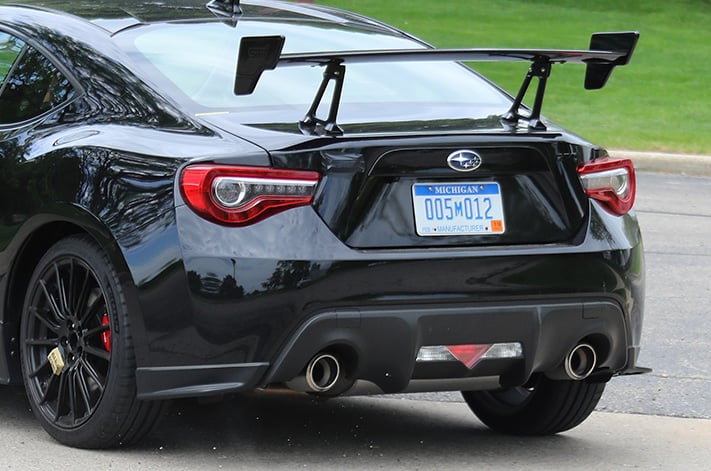
A RACY prototype spied lurking outside Subaru’s North American headquarters has raised hopes that the Japanese automaker is prepping a track-ready version of its BRZ sports car as an end-of-life special edition.
Camouflage is minimal, but Subaru has taken time to mask up the car’s cheek vents, fender accents and cover over an STI badge on the bootlid. The rest of the bodywork is standard BRZ fare augmented by STI sideskirt extensions and a front lip spoiler, while the rear wing is the most prominent addition.
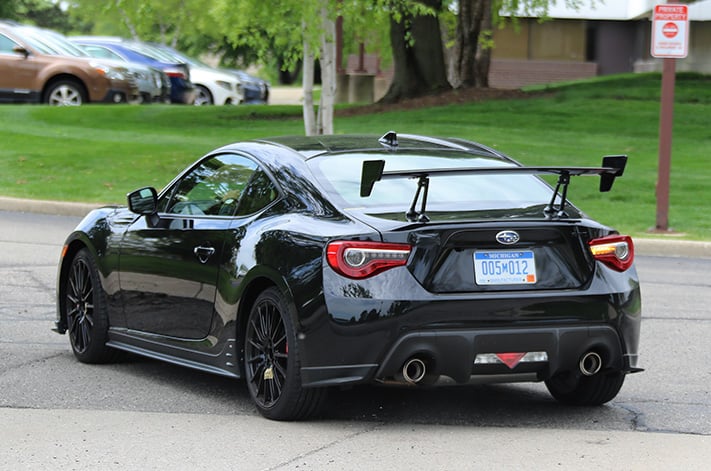
The wheels appear to be an iteration of existing rolling stock from the STI option catalogue, and are wrapped in Michelin Pilot Sport 4 tyres that offer more grip than the standard Michelin Primacy rubber. The presence of stickier hoops is a telling signal that this car is pitched at track day junkies rather than garden-variety enthusiasts.
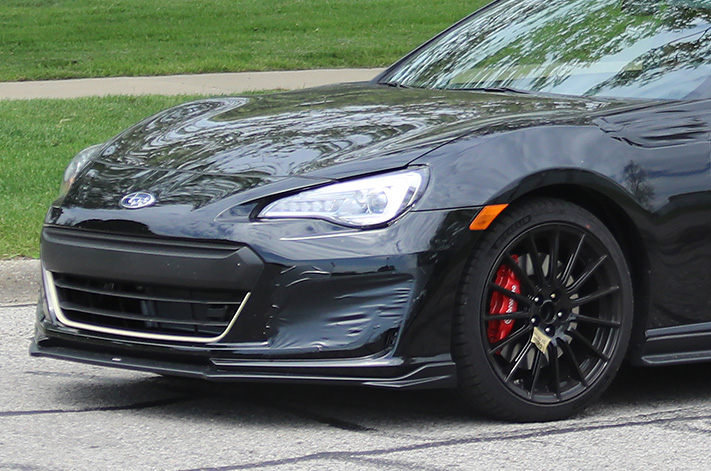
This isn’t the first time Subaru has bolted on some race-style enhancements and a lairy wing to its sole rear-wheel drive offering either. The company sold the BRZ tS in Japan in 2015, with that car sporting a similar treatment with the same wing (albeit with smaller end plates), big brakes and stickier tyres. The formula has yet to be replicated outside of Japan, though.
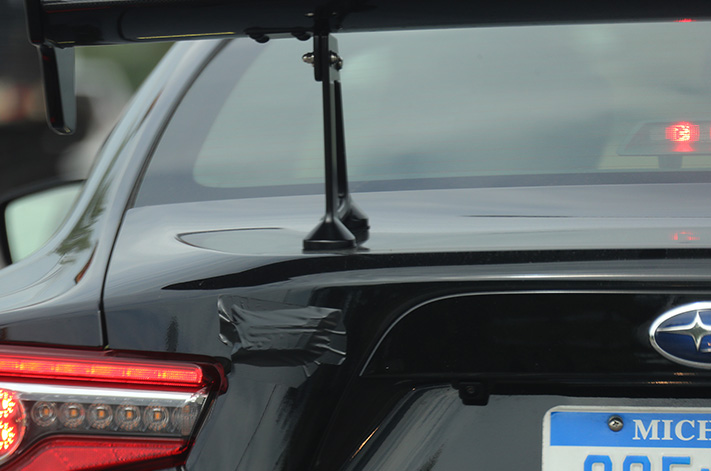
Its presence on American roads hints that an STI-enhanced BRZ is on a trajectory for US showrooms, but it’s unclear whether it will come here. Subaru’s local operation told Wheels that though there’s no timeline in place for a harder-core, big-winged BRZ for this market, sales of the MY17 model are already healthy enough with year-to-date sales growth of just under 42 percent. Track day specials simply aren’t on its radar just yet.
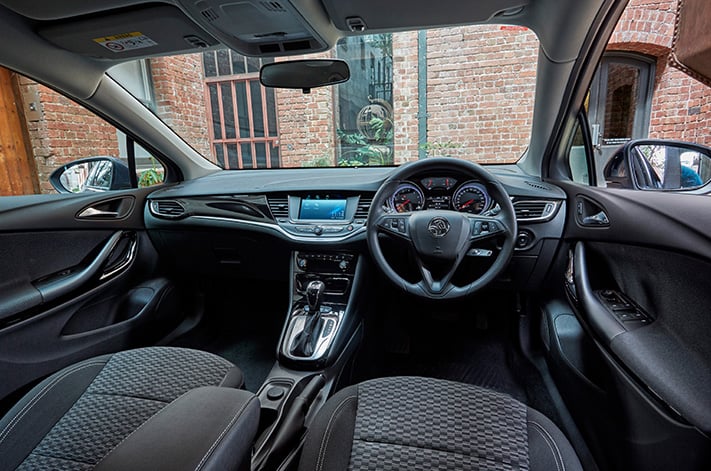
The German designed but Polish-made Holden Astra is an attractive, nicely finished five-door hatchback that’s brimming with features including automatic emergency braking. It drives and handles very well and offers a choice of a 1.4- or 1.6-litre turbocharged petrol engines mated to either a six-speed manual or six-speed automatic transmission.
Variants
The Holden Astra comes in three model grades; R, RS and RS-V (compare specs here). The entry-level R, priced from $21,490, comes with cruise control with a speed limiter, 7.0-inch infotainment screen with Apple CarPlay or Android Auto, reversing camera, rear parking sensors, digital radio, dusk-sensing headlights, a Sport driving mode, 17-inch alloy wheels, and a hill-start assistance system.
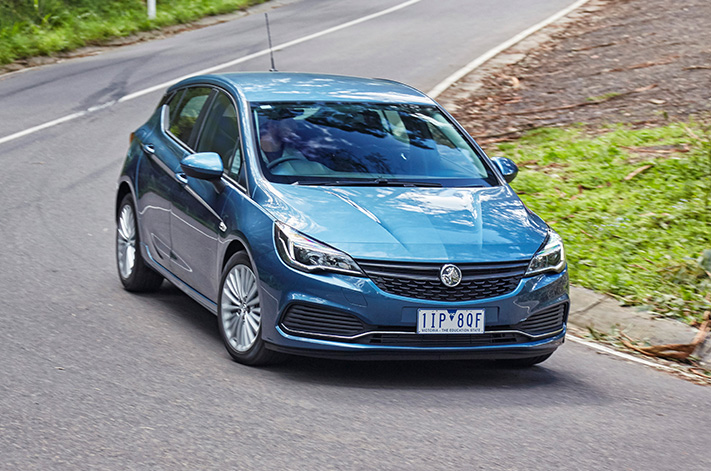
The $26,240 RS graduates to the more powerful 1.6-litre engine and comes with an advanced driver assistance pack (which becomes standard from the $22,740 R+ up) featuring forward collision warning, autonomous emergency braking, and lane-keeping assistance. It also comes with steering that helps you into a car park, blind spot monitoring, rain-sensing windscreen wipers and a leather-wrapped steering wheel.
The range-topping $30,740 RS-V has all that plus a sportier look including LED taillights and lower profile tyres wrapped around 18-inch alloys. Inside gets leather-trimmed seats, dual-zone climate control, front-seat lumbar support, a heated steering wheel and a larger 8.0-inch touchscreen with in-built satellite navigation.
- Astra R manual – $21,490
- Astra R auto – $22,490
- Astra RS manual – $26,240
- Astra RS auto – $27,240
- Astra RS-V manual – $30,740
- Astra RS-V auto – $31,740
Our pick – Holden Astra RS
One of the safest cars in its class, the Holden Astra RS is a lot of car for less than $30,000 – the quick-shifting manual in particular provides great value. Apart from mostly cosmetic enhancements it doesn’t lack much compared with the RS-V, and we prefer the RS’s more supportive cloth seats and its smoother ride on the smaller 17-inch wheels. The tractable 1.6-litre turbo engine provides plenty of oomph for highway driving, and giving a combined fuel economy of 6.1L/100kms.
If you mostly drive around town the Astra R+, which is a 1.4-litre Astra R with the $1250 optional advanced driver assistance pack patched on, is also an excellent choice and is one of the best equipped cars on the road — in terms of active safety — priced from less than $25,000.
Available options
- Advanced Driver Assistance Pack [R only] – $1250
- Premium paint – $550
- Touring pack [RS-V only] with powered sunroof and adaptive cruise control – $1990
- Innovations Pack [RS-V only] is the Touring Pack with adaptive LED headlights – $3990
- Sill plates – $190
- Alloy pedal covers – $230
- Tailored carpet mats – $155
Options to consider
Adding the Advanced Driver Assistance Pack makes the Astra R+ an excellent choice.
