
We’re performing some scheduled maintenance on our newsletter, so we’ll be out of action for the next few weeks!
In the meantime, make sure you follow us on Facebook, Youtube, and Instagram to stay up to date.
Don’t worry, we’ll be back with our regular newsletter soon!
Wheels team
A fast-shooting photographer has captured the first full-frontal images of Hyundai’s newest compact SUV, revealing the Kona in all its glory during a promotional shoot in Portugal.
The sneaky pics that were published by Autoweek confirm expectations that the little high-rider will wear a striking design to set it apart from other strong rivals in the competitive market, including the Mazda CX-3, Honda HR-V and more recent Toyota C-HR.
An exact Australian arrival date is yet to be confirmed but the latest addition to the Hyundai stable is expected in the third quarter of this year, which cannot come soon enough for the South Korean car maker, which is very late to the potentially lucrative party.
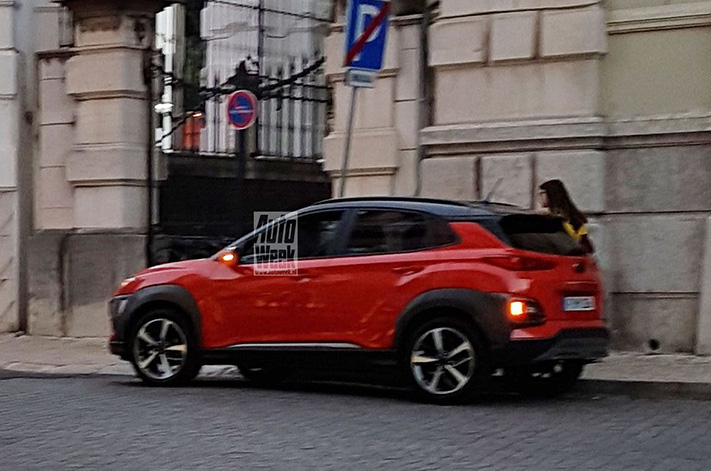
The release of unofficial photos breaks the monotony of the company’s teaser campaign that had already revealed two shady and inconclusive images, including views of split headlights with slim LED daytime running lights, the Hyundai cascading grille and the Kona’s nose, which has a Jeep Cherokee-esque feel.
Taking design cues from its Mazda CX-3 competitor, plastic cladding will frame the front and rear wheels and lights, and a contrasting roof follows the small SUV trend already seen in the Suzuki Vitara and Toyota C-HR.
| 2017 Hyundai Kona spy images
Hyundai already has a small SUV offering in other markets, but the Kona will be the first for the Western market, and is expected to be based on the all-new Hyundai i30, with the SR variant’s 1.6-litre direct injection four-cylinder turbo a hopeful inclusion.
Hyundai has previously confirmed the Kona will offer a two-wheel drive and four-wheel drive variant.
The Kona is anticipated to have more generous proportions than its fellow small SUV challengers, and “offer customers a true SUV experience,” as previously stated by the carmaker.
A global reveal was previously expected in weeks or months, but given the appearance of these new images, the company may decide to bring the official proceedings forward to an earlier date.
QUESTION – SARAH (QUESTION FROM 17/4/2017):
I’m looking at the 2017 Honda CR-V VTi 4WD and the 2017 Subaru Forrester 2.5i-L. The boot needs to be large enough to carry landscaping requirements, so I’ll need easy access and decent size. Most driving will be city based, but I’ll make the occasional long-distance trip home. Mainly on-road so I’m not really fussy about off-road performance. I would like it to have enough grunt to be able to react to any unplanned situations on the highway if needed and I’d like to ‘drive’ a car rather than just steer, although I am looking to buy an automatic in this instance (I used to have a XRZ manual). Generally, I carry no more than three people in the car and am looking at a mid-$30,000 price point.
BUDGET:
$40,000
ANSWER – NATHAN PONCHARD:
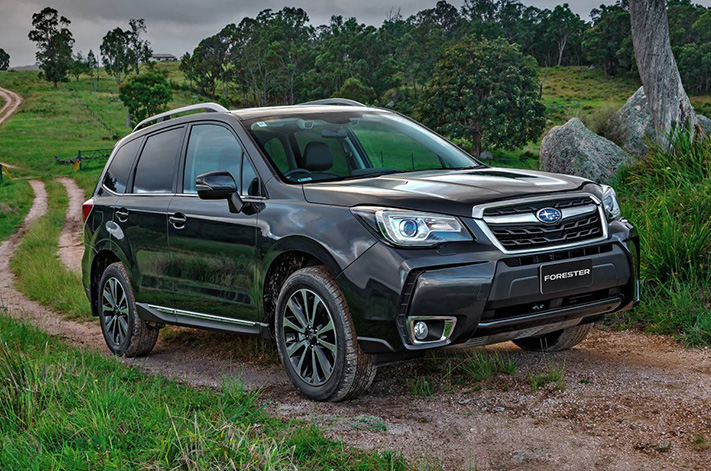
Please avoid the current Honda CR-V. It’s a roomy car with decent engines and build quality, but it’s a shadow of Honda’s former excellence. Its ride, handling and steering are absolute bottom of its class and it is both vague and uncomfortable to drive. An all-new model launches in July, but seeing as we haven’t driven it yet, we can’t comment on whether it’s a winner or a loser.The Forester, on the other hand, continues to charm with its superb ride and unbeatable vision. The $30-35K bracket is littered with front-drive options but the Subaru is exclusively AWD across the board. It performs well, is fun to drive and has a peerless reliability and resale-value reputation. About the only real negatives are the size of its boot (Aussie Foresters get a full-size spare under the floor that eats into some luggage space) and the homeliness of its styling. The Forester is no superficial beauty; its attractiveness lies beneath the surface.
| Compare these cars hereEither way, both those models will be more than $35K once you put them on the road, which leaves the CX-5 Maxx front-drive auto ($30,690 RRP) as potentially the best for your budget. The 2.0-litre loves to rev hard and the CX-5 is a fun handler, making the driving experience an engaging and enjoyable one – far more so than the CX-5 model that was just superseded.Like the Subaru, the Mazda enjoys excellent reliability and resale reputation, so should provide many years of faithful, affordable service.
We’re performing some scheduled maintenance on our newsletter, so we’ll be out of action for the next few weeks!
In the meantime, make sure you follow us on Facebook, Youtube, and Instagram to stay up to date.
Don’t worry, we’ll be back with our regular newsletter soon!
Motor Magazine team
Formula 1 has always succeeded in spite of itself. The racing has never really been riveting and domination has been the rule rather than the exception. What sustained interest in F1 was the off-track glamour and intrigue.
The glitz in the pits and the wars behind doors fuelled fascination like a soap opera. Here was a serial drama involving privileged people, big money, even bigger egos and high stakes for success.
The power plays, in-fighting, back-stabbing and political machinations were way more absorbing than the racing. They kept F1 in the spotlight and, like a cringeworthy reality TV show, you were compelled to keep watching against your better judgement.
Years ago, I dubbed it “Hollywood On Wheels”. F1’s allure was addictive and its flaws were forgotten amid on-going controversy and scandal. It defied perpetually predictable outcomes on the track to thrive and grow. But not anymore.
After three years of crushing Mercedes-Benz domination, F1 has finally jumped the shark. A precipitous decline in attendances and viewers signals mass disaffection. Even hardcore F1 fans are deserting in droves.
And no wonder. The racing is rubbish and as a sporting spectacle, its sucks. It’s no coincidence, either, that the fall has coincided with the cars sounding like strangled animals rather than ear-splitting banshees.
The problem is that F1 is now so far up its own arse it can’t see the obvious failings. The much-vaunted changes for this season have only made things worse.
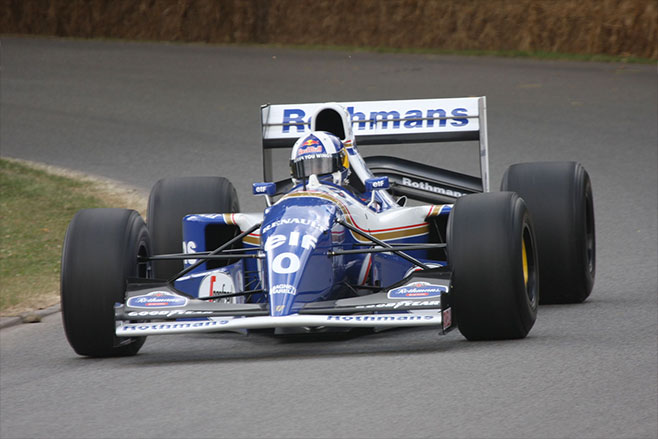
Sure, the more muscular cars look better, are faster and more physical. But with a wider, lower stance and fatter tyres, they couldn’t fail to be more imposing than the previous narrow-gutted eyesores. They are a long way from the aesthetic appeal of the low, lithe and unadorned machines of the late ’80s and early ’90s. And they’re aurally awful. It’s not the lack of volume that offends so much as the discordant drone of the turbo-muffled hybrid powertrains. They sound like dying sheep.
The so-called road car-relevant technology is a crock. It’s irrelevant and exorbitantly expensive. Screaming V10s and shrieking V12s that hurt your ears and raise the hairs on the back of your neck are what fans want.
F1 is about being mean, not green. Bring back the raucous racers and much of the appeal will be restored.
While they are quicker, the new cars have fallen short of predictions that they would be the fastest F1 racers ever. But as predicted, increased aerodynamic downforce and grippier, more durable tyres have made overtaking even more difficult.
The cars are more sensitive to aero wake, which combined with shorter braking distances, mitigates against passing moves into corners. And fewer pit stops because the tyres are maintaining grip longer removes a strategic variation.

The only glimmer of improved competition provided by the AGP was that Ferrari has re-emerged as a credible threat to Mercedes and that Sebastian Vettel will engage in an enthralling fight with Lewis Hamilton for the title.
Let’s hope so because Daniel Ricciardo and Max Verstappen aren’t looking like threats. The Red Bull RB13 isn’t yet the aero wonder that was expected from chassis design genius Adrian Newey, stifling the super-talents of ‘Our Dan’ and ‘Mad Max’.
How the rule-makers have got it so hopelessly and expensively wrong – yet again – is beyond belief. Except it isn’t because they let the boffins decide. The solution is actually simple, but the process of change is prohibitive.
The best hope long-term is Ross Brawn, the new sporting boss of F1. He is the classic poacher-turned-game keeper, having been the technical mastermind of the world championship successes of Benetton, Ferrari and his eponymous team (the basis of the all-conquering Mercedes AMG squad).
If anyone knows how to cure the sport’s racing ills, it’s Brawn. But to do it, he’ll have to overcome F1’s convoluted regulatory system. That will be no easy feat given the vested techno-centric interests involved. For F1’s sake, wish him luck. He’ll need it.
VOLKSWAGEN has committed itself to an all-electric future, but says it still has plenty left in the tank for future petrol- and diesel-powered engines.
Speaking at the group’s annual general meeting in Germany overnight, Volkswagen chief executive Matthias Mueller revealed the car maker’s conventional engines could still squeeze out significant fuel savings.
“The internal combustion engine primarily is part of the solution, not part of the problem,” he told shareholders attending the meeting. “One hundred and twenty-four years after it was invented, the diesel engine still has plenty of potential.
“And we intend to exploit that potential. By 2020, we will have made our internal combustion engines between 10 and 15 percent more efficient, and therefore also cleaner,” Mueller said.
“This will help protect the environment and conserve resources.”
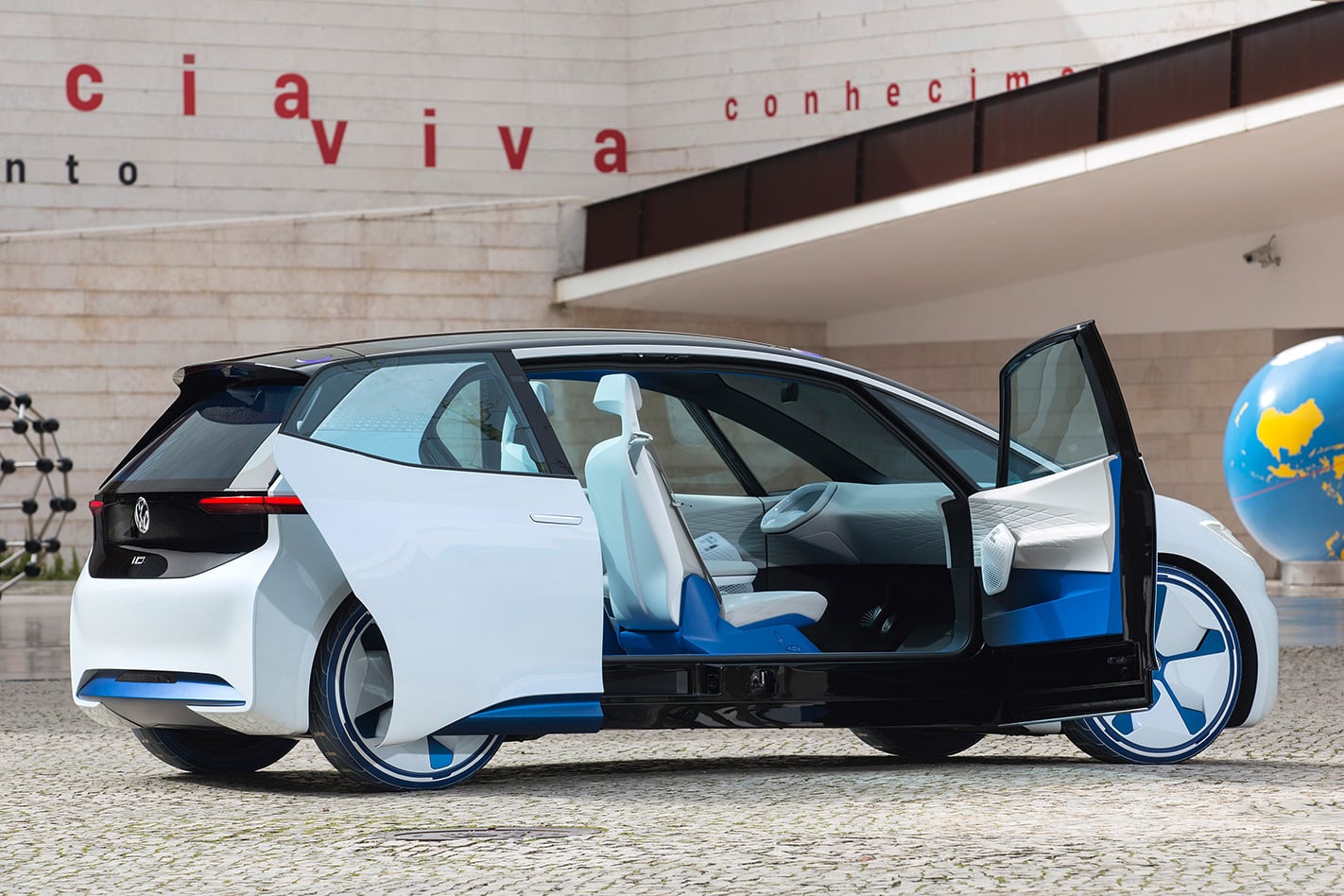
Volkswagen has already given buyers an indication of how its electric future is taking hold. It has shown several electric concepts using the “ID” sub-brand, including a retro-styled people mover and a sharp-looking, SUV-proportioned five-door hatchback that it plans to put into production by 2020, along with another two as-yet unidentified models. It has even teased a self-driving pod as it imagines a transformation from a car maker to a transport solutions provider.
The group also revealed it is currently in talks with European and Chinese battery cell and module makers over a partnership to help fuel the EV expansion. “You will soon be hearing more about this,” Mueller said.
VW Group has accelerated its electric future in the wake of the Dieselgate scandal, recognising the financial burden of paying for the emissions cheats it built into cars would seriously affect its ability to meet the challenges of dwindling fossil fuel reserves.
It has flagged that all Volkswagen brand vehicles will have their Dieselgate fix – some are just updates to the vehicle’s software to remove the cheat, while others need changes made to parts of the engine – “by the end of the year”.
The group said fixes had already been applied to 2.6 million vehicles in Europe, where more than half the affected cars had received a software update. In Australia, Volkswagen says it has a fix available for about 80,000 of the 90,000 cars affected here – it is awaiting regulatory approval before rolling out a fix for the remaining cars.
How do you follow a car like the Veyron? With the 1103kW, 420km/h Chiron – excess is only the starting point.
It’s the calm before the storm. On a blurry-eyed Sunday morning on the outskirts of Lisbon, the gleaming two-tone piece of automotive art is dormant on a cobblestone driveway. Even more so than the Veyron, Bugatti’s second hypercar effort is a statement of extreme technology and mind-boggling wealth. Now more than two-metres wide without wing mirrors, but only 1212mm tall, the mighty mid-engined Chiron automatically switches all six senses into overload.
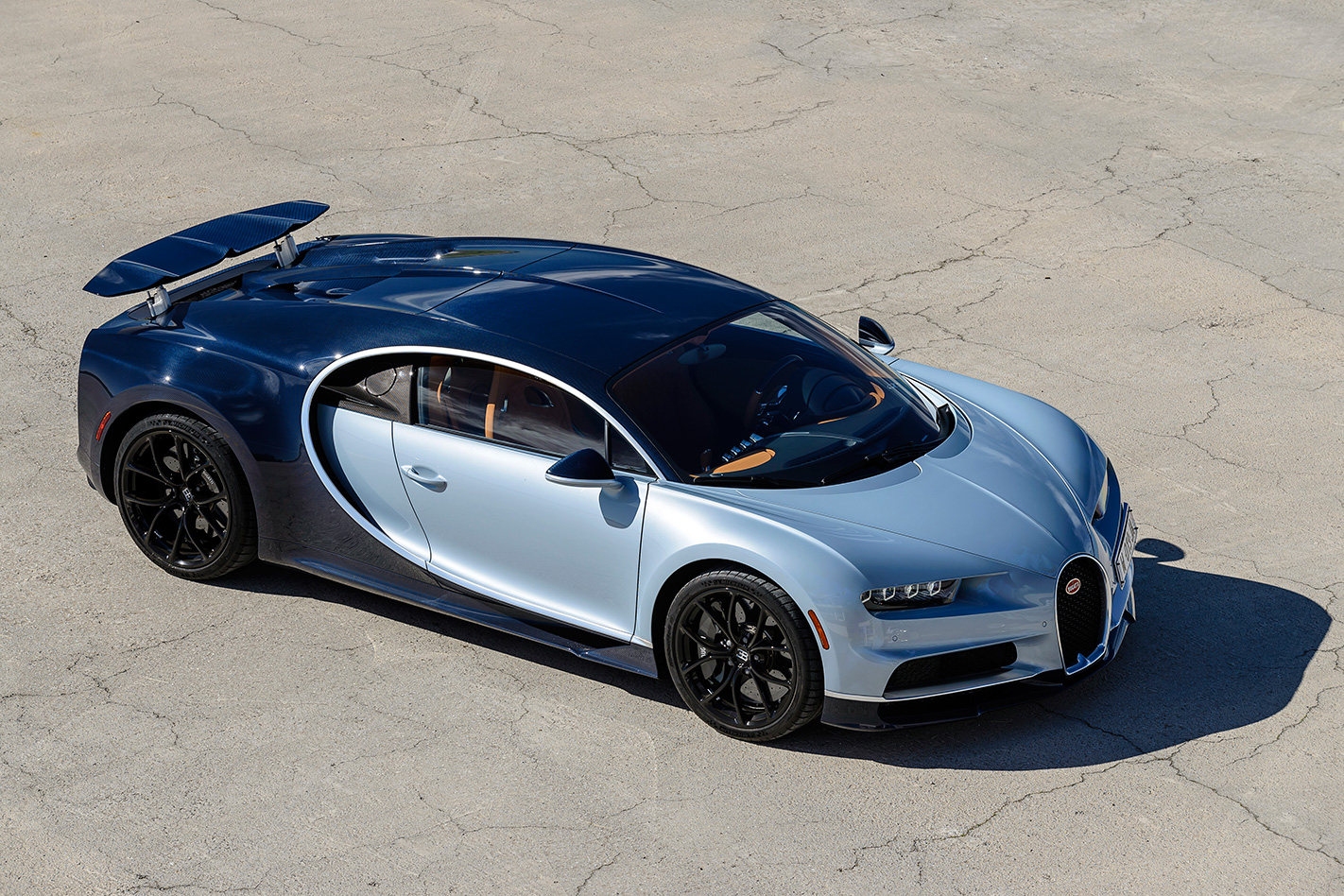
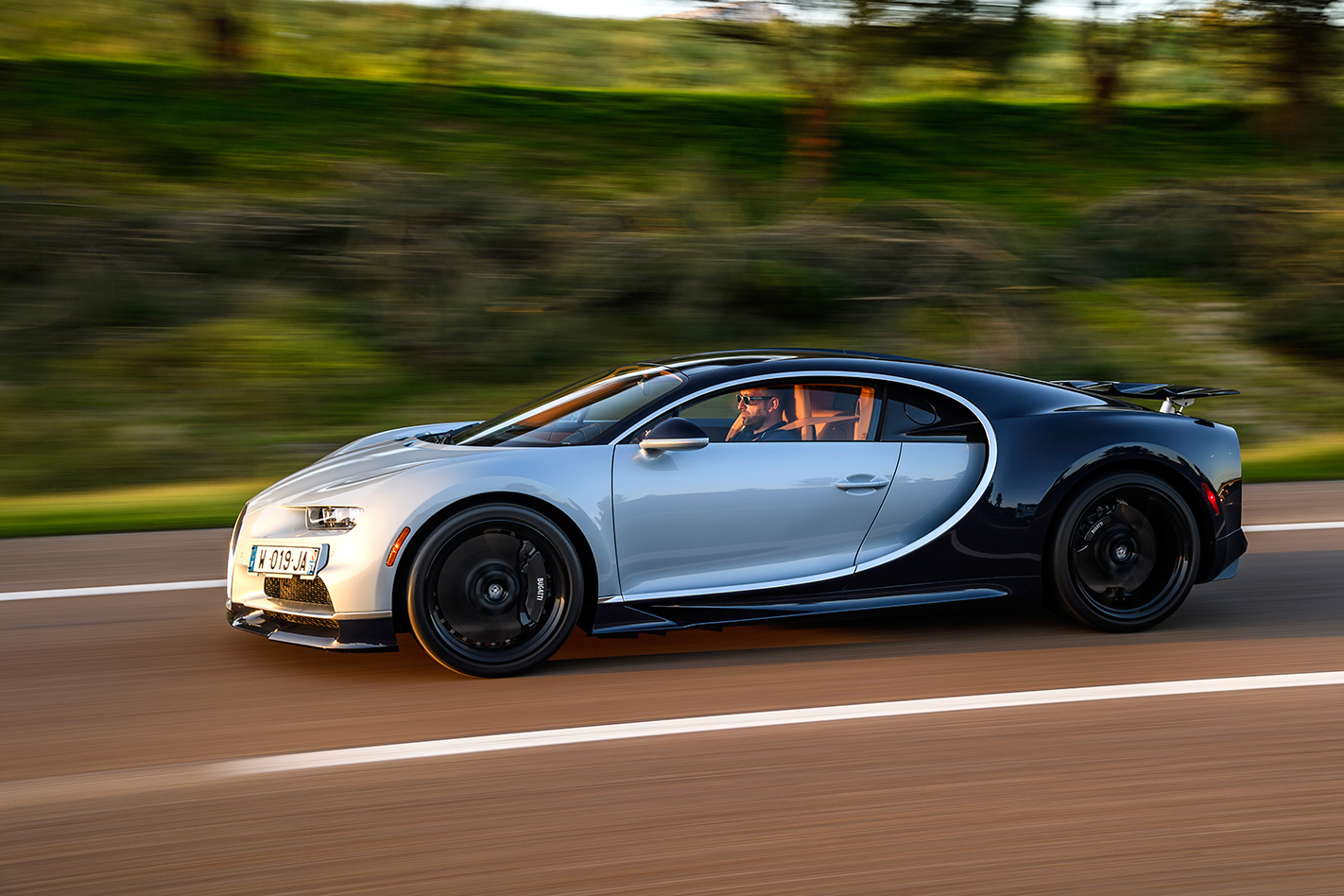
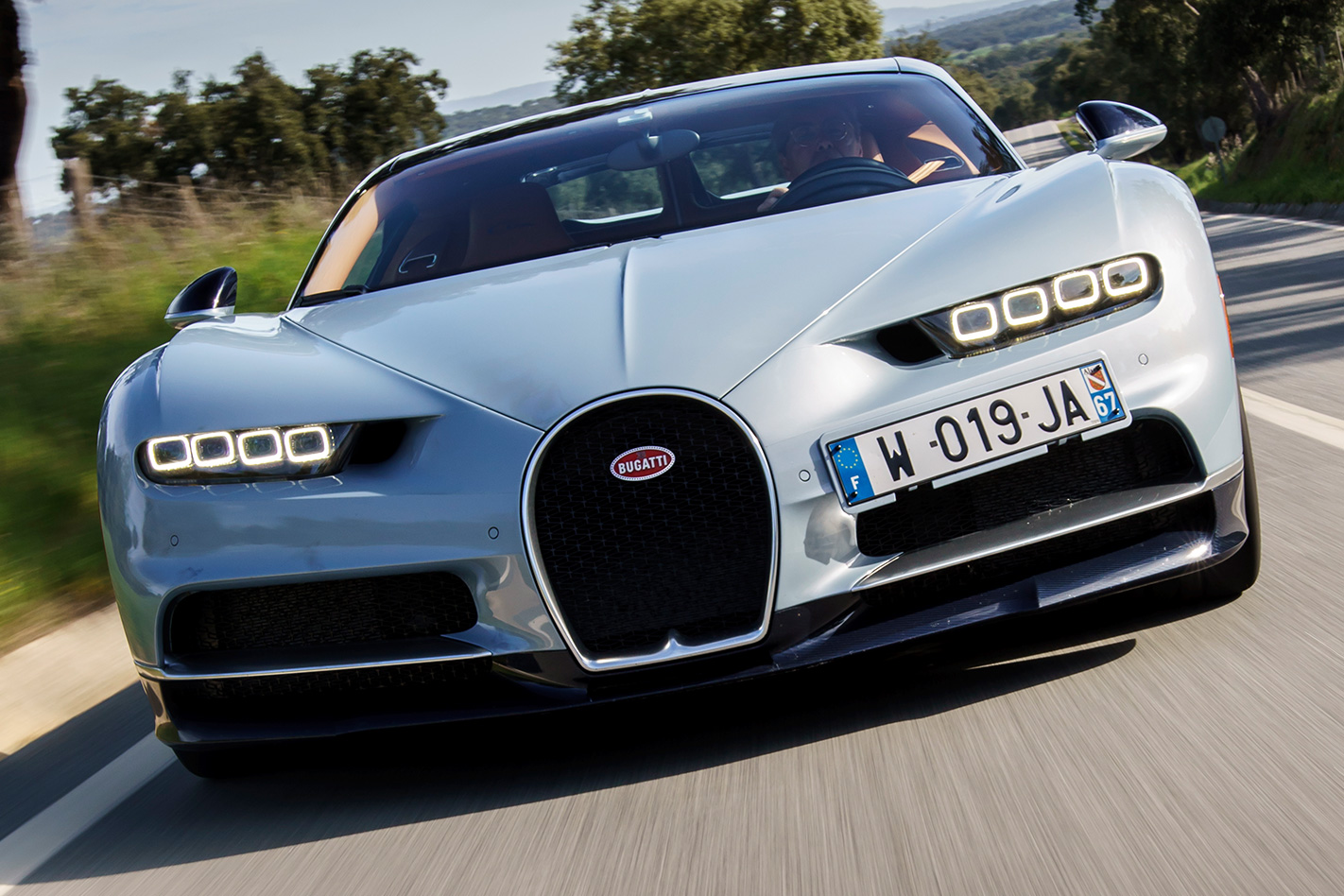

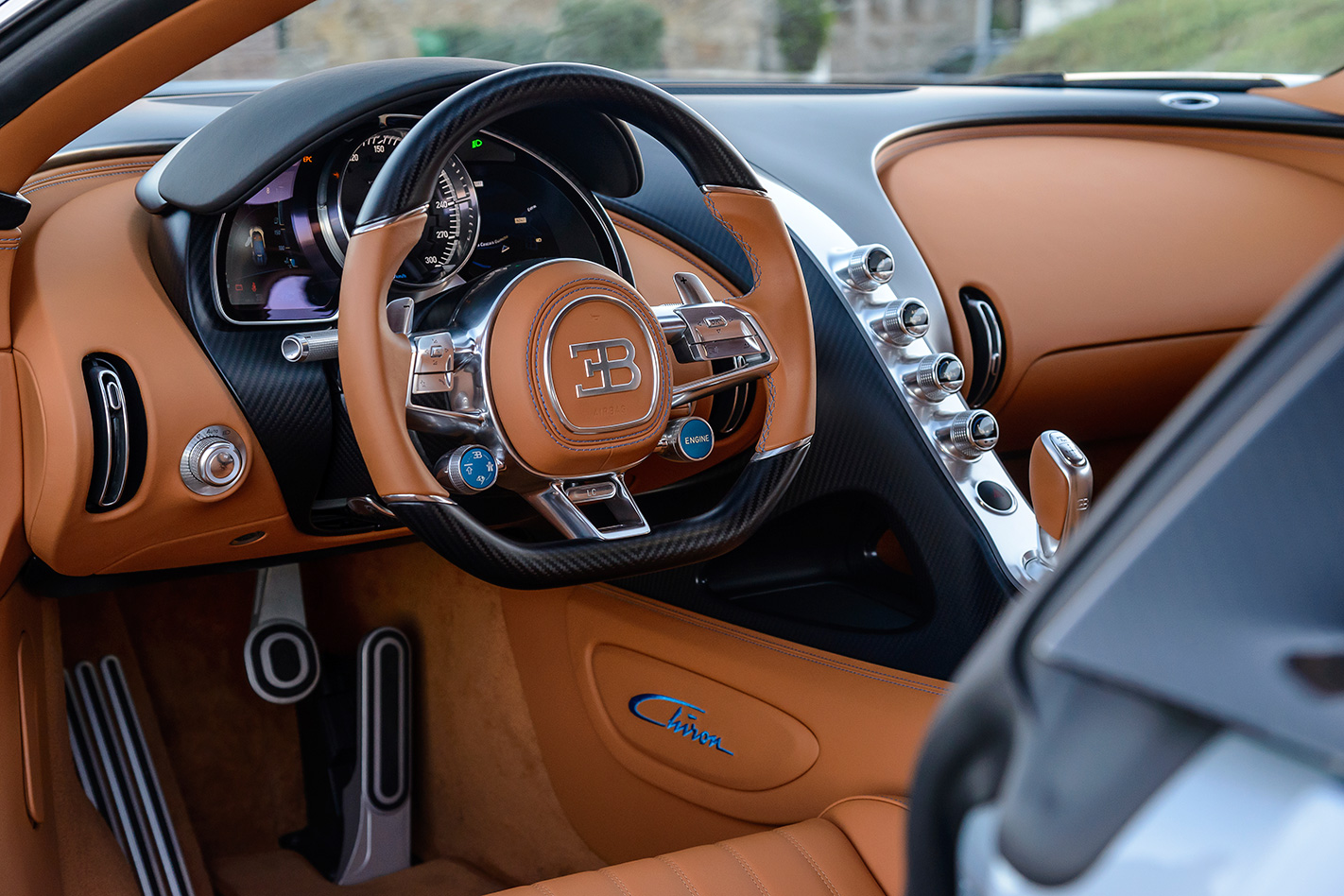
As soon as you give the Chiron some stick, however, the only target your eyes must concentrate on is the road. A head-up display would be nice to have given the ferocious pace, but assistance systems in general are conspicuous by their absence. “In a puristic driving machine like this, less is more,” CEO Wolfgang Dürheimer says, and there isn’t the faintest trace of a smile on his face.
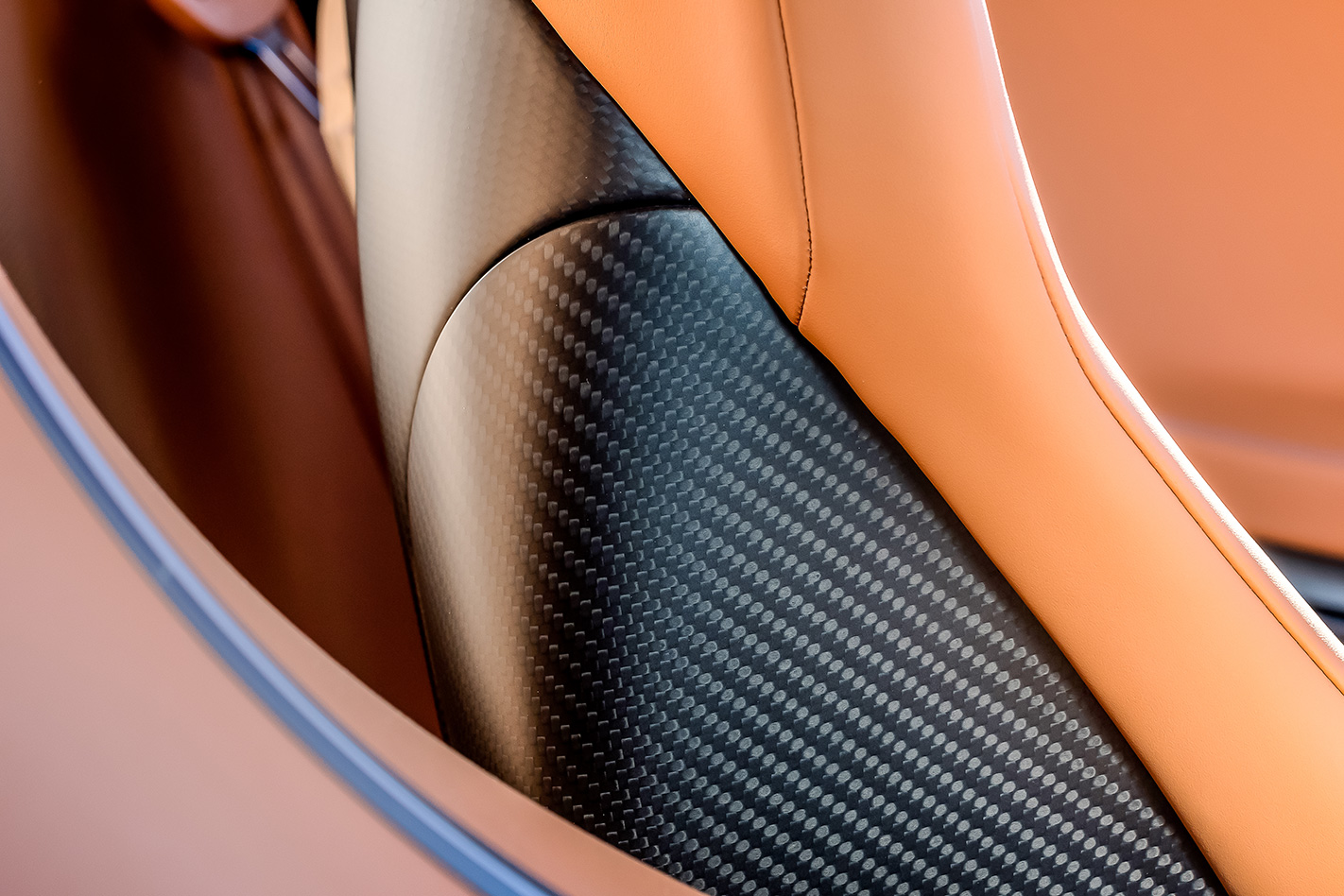
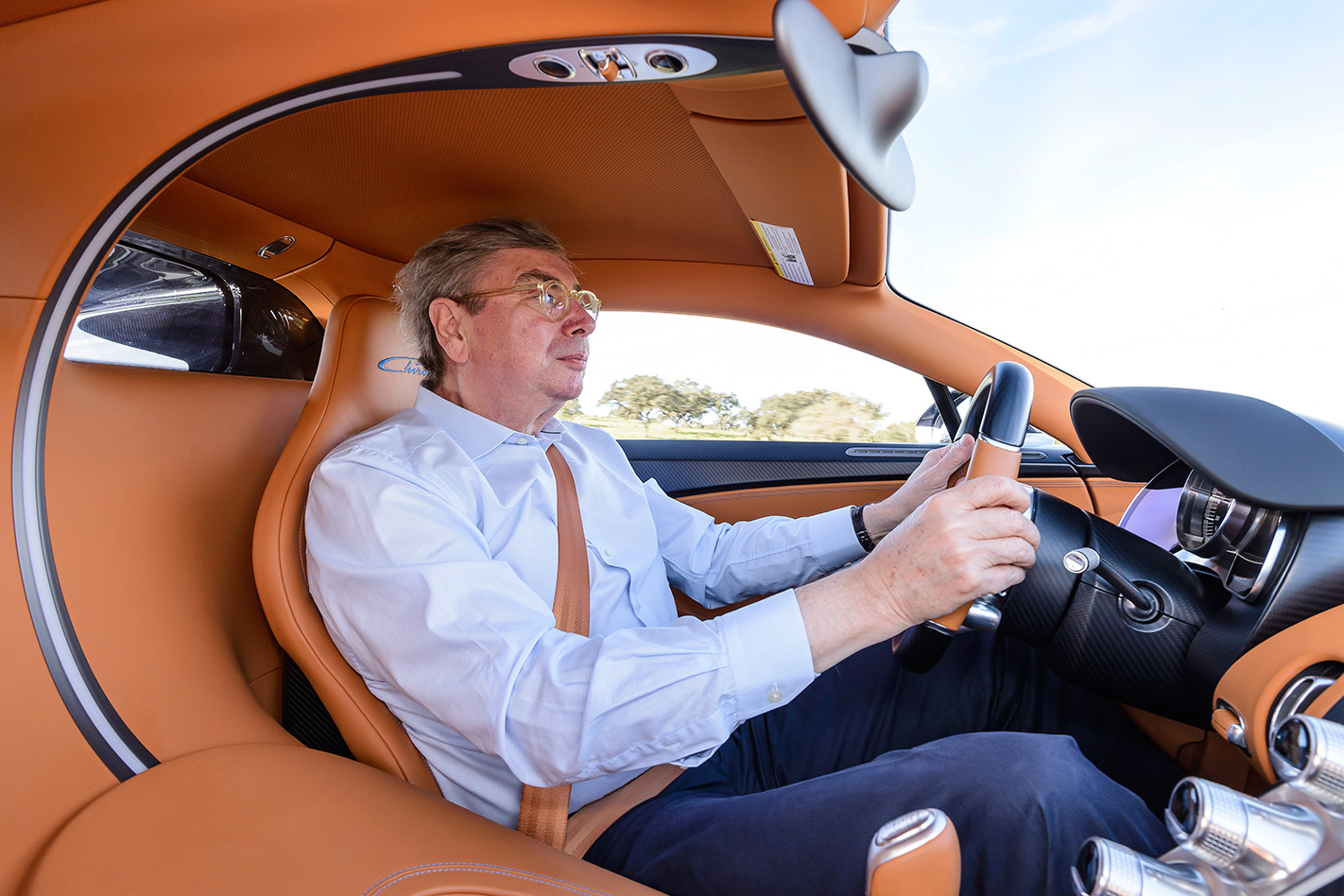
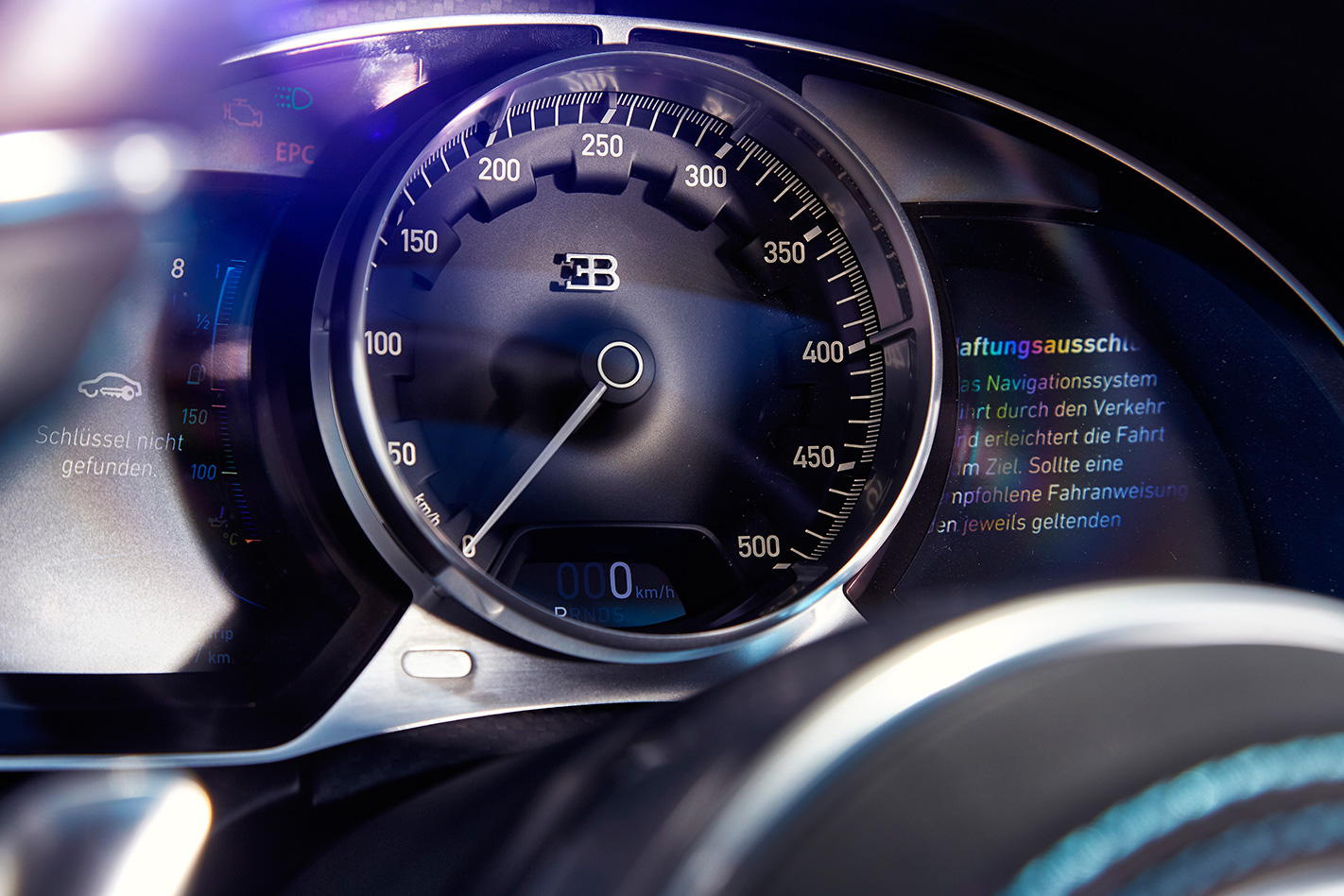
“Give it a try again once we’re past exit 12,” I hear from my eager side kick. I don’t need to be told twice. When it does come into sight, the straight is shorter than expected, but I tell myself, ‘what the heck, let’s do this’. The fast, blind left hander leading on to it tugs on the neck muscles – 265km/h and still going strong. A couple of seconds later the road opens up again, but at 325km/h and counting, even the widest road narrows fast. One small camber change is all it takes for the Chiron to briefly straddle the dotted line. You see, at 350km/h progress is a funnel-shaped experience, becoming increasingly blurred on both sides of the flight path. Objects are coming and going almost too fast for the human eye to comprehend.
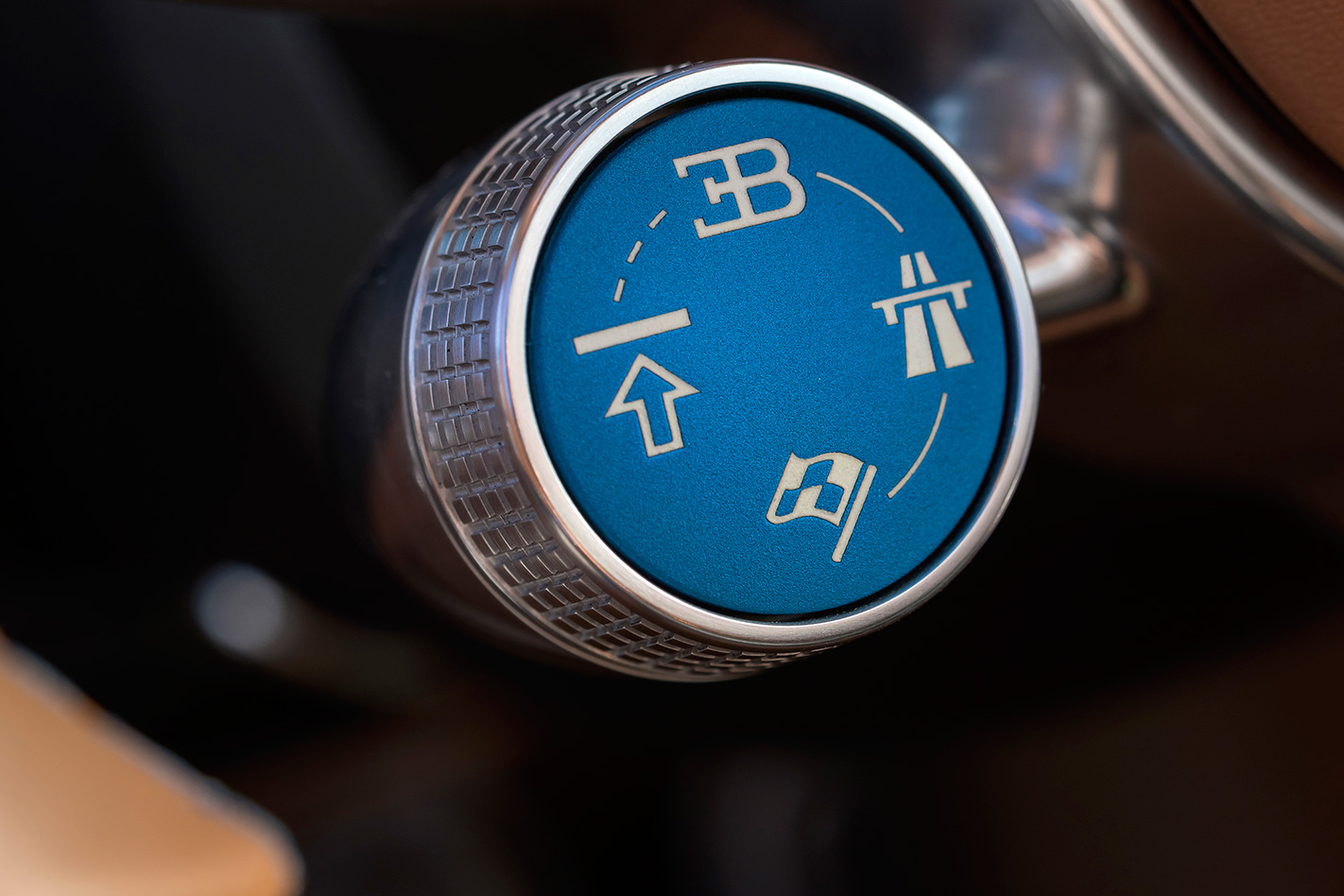
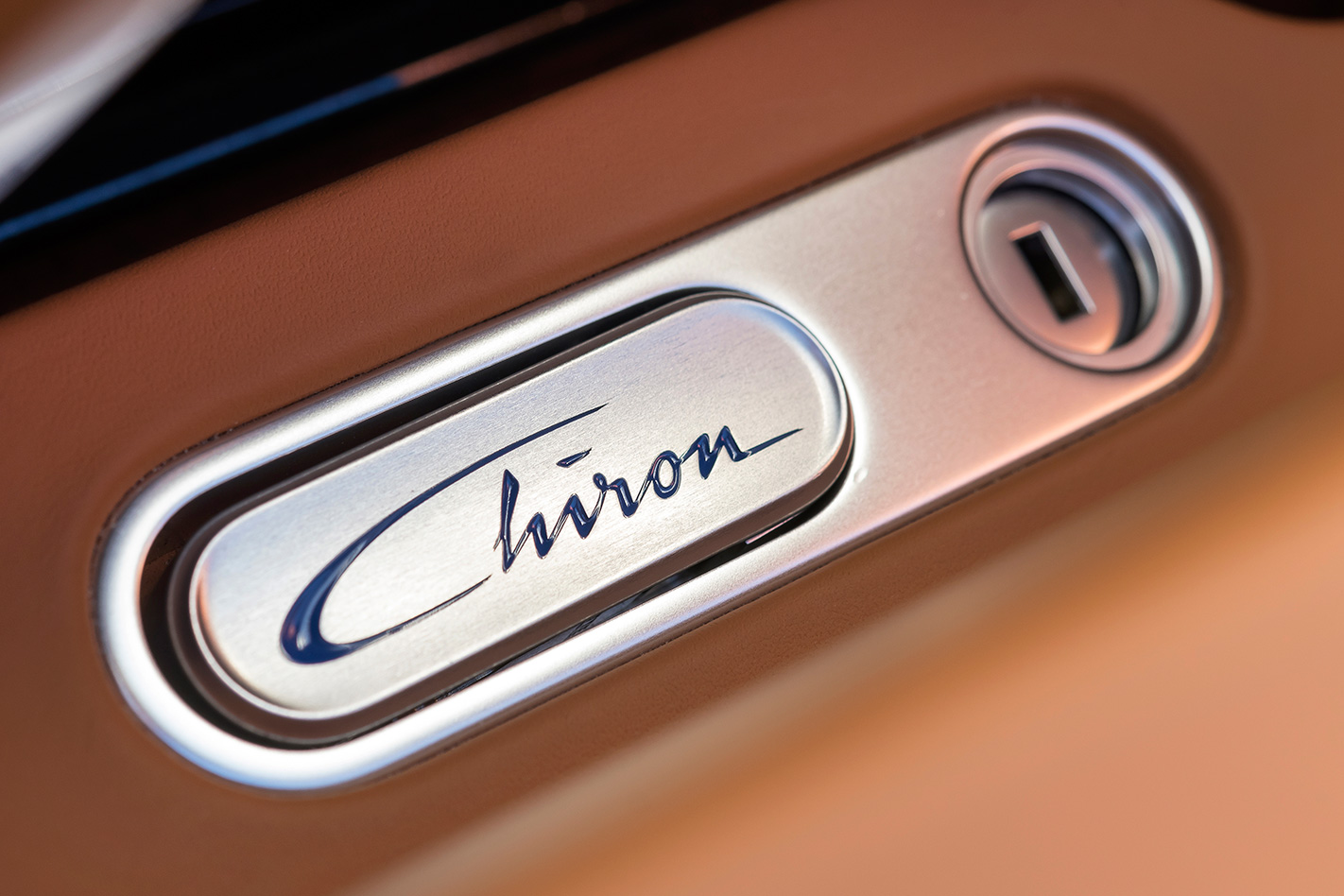
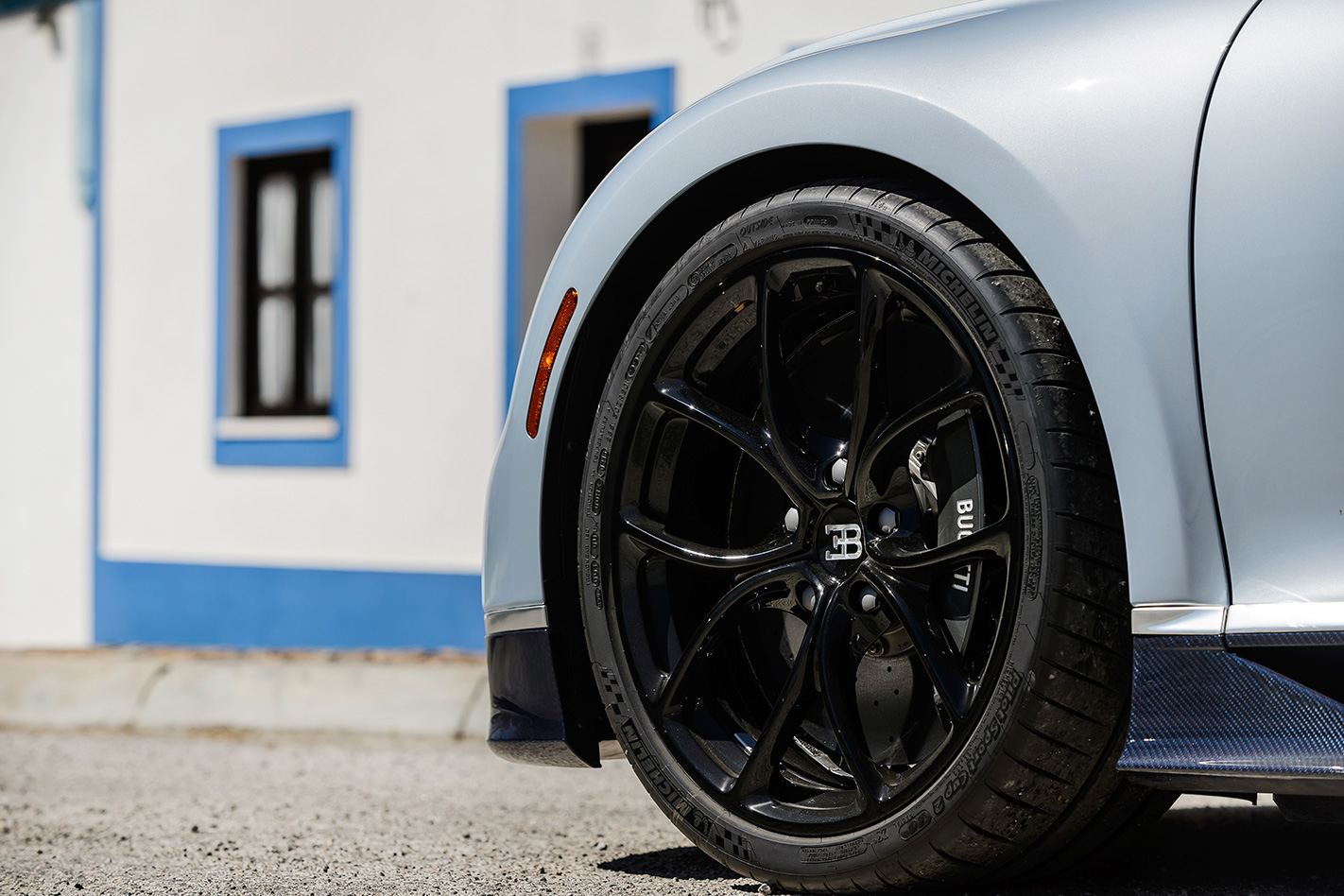
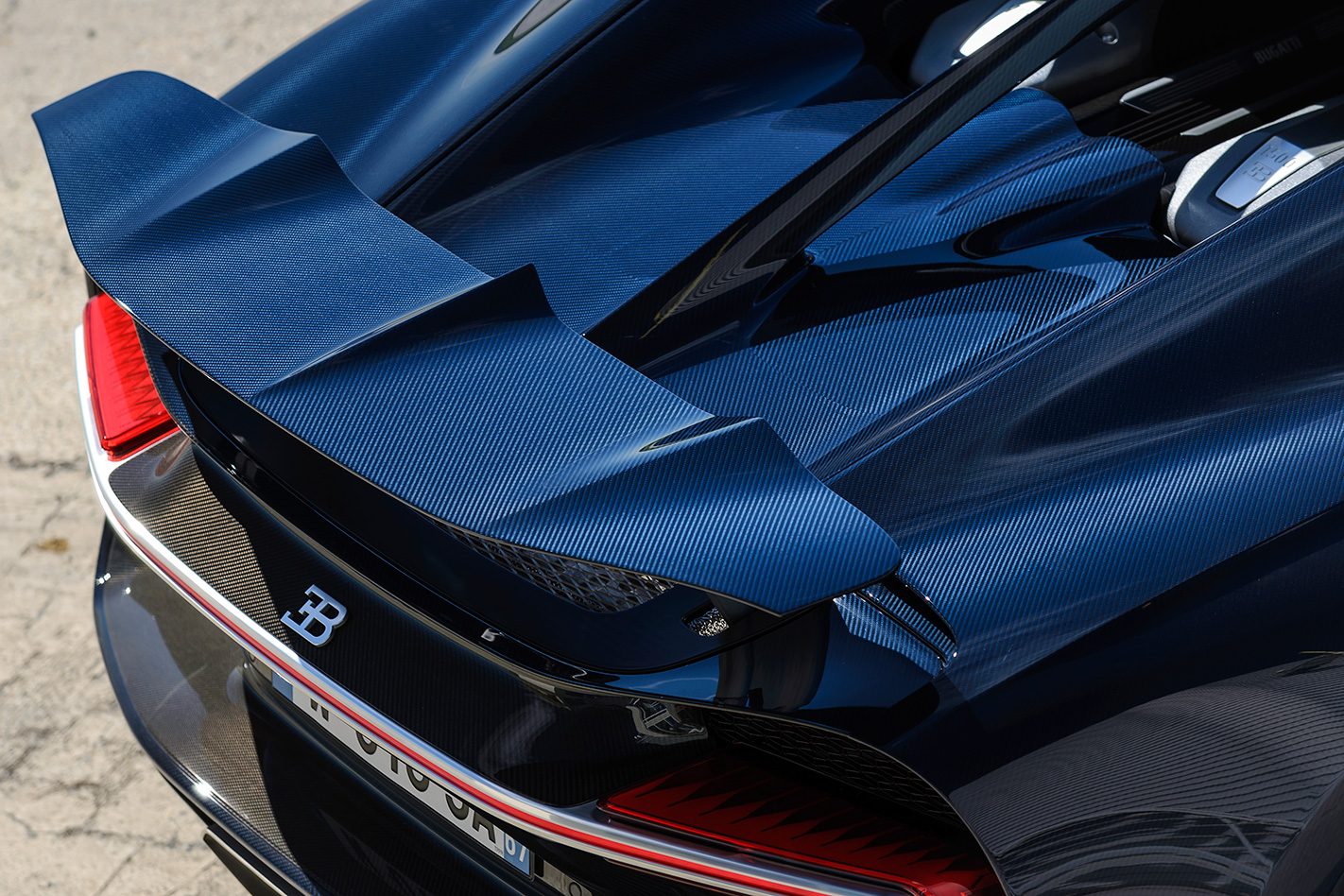
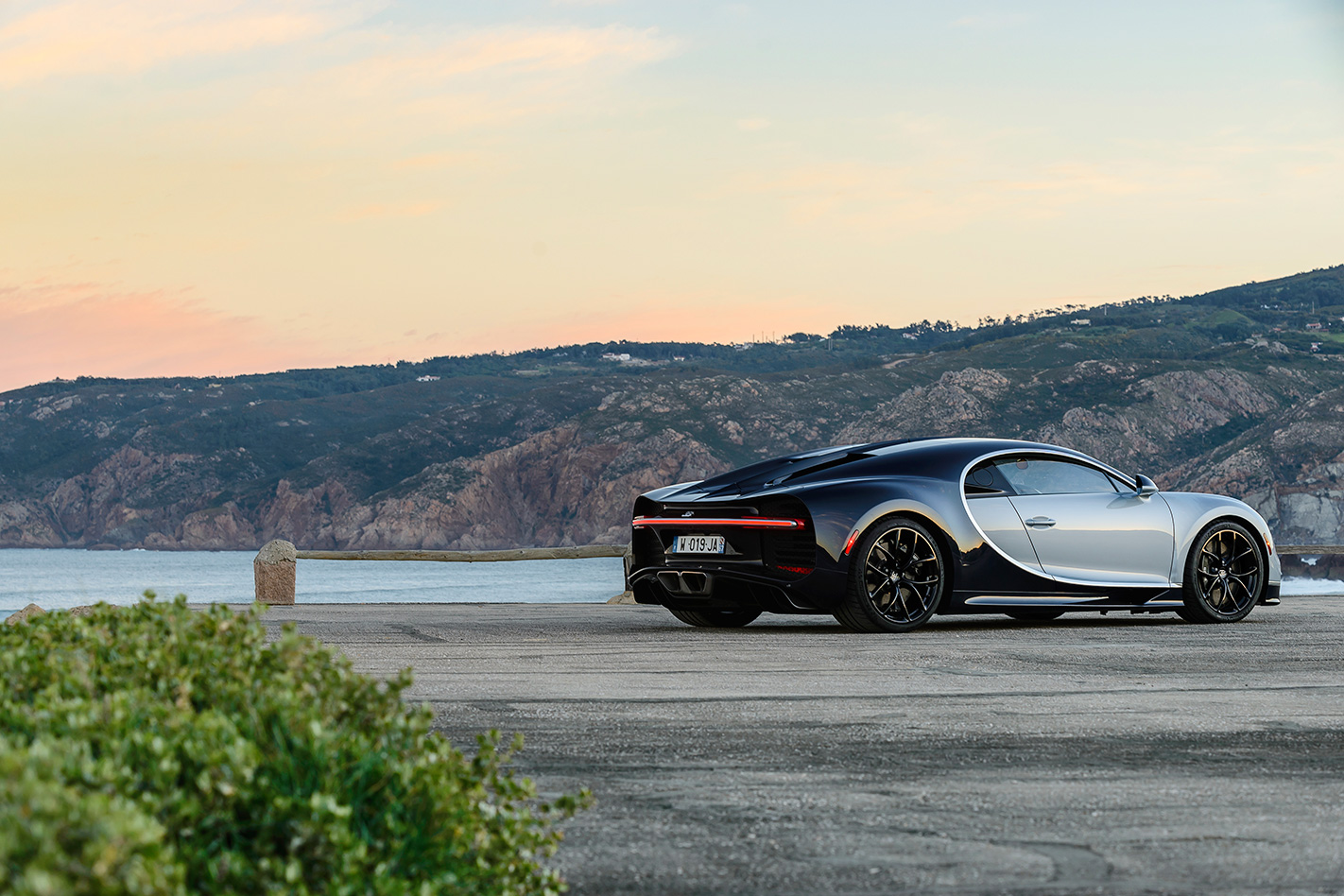
And yet, all you hear are the slight sneezes from the turbos and their wastegates, the rolling thunder of the Michelins, the grinding noise of the brakes and the quadrophonic full-throttle upshifts. The twin-clutch is energetic, but not ruthlessly so, the ride is firm, but at all times sufficiently compliant and the ergonomics are intuitive – it works as a car, not just a supercar.
Of the 500 Chirons, more than 260 are already spoken for. Order one today, and chances are you will take delivery of a modified and more powerful version. The only available options are of the cosmetic kind, like a full carbon fibre exterior in the tint of your choice, which costs $350K extra. But then, money is no object to the typical Bugatti customer. Ultimately, true speed junkies must do whatever it takes to climb behind the wheel of this epic piece of machinery.
BUGATTI CHIRON
Star Rating: 5 Stars
Body: 2-door, 2-seat coupe Drive: all-wheel drive Engine: 7993cc W16, DOHC, 64v, quad-turbo Bore/Stroke: 86.0 x 86.0mm Compression: N/A Power: 1103kW @ 6700rpm Torque: 1600Nm @ 2000-6000rpm Power/Weight: 553kW/tonne Transmission: 7-speed dual-clutch Weight: 1995kg Suspension: double wishbone, adaptive dampers, anti-roll bar (f/r) L/W/H: 4544/2038/1212mm Wheelbase: 2711mm Tracks: N/A Steering: electrically-assisted rack-and-pinion Brakes (F): 420mm ventilated carbon-ceramic discs, 8-piston calipers Brakes (R): 400mm ventilated carbon-ceramic discs, 4-piston calipers Wheels: 20.0 x 8.5-inch (f), 21.0 x 11.0-inch (r) Tyre Sizes: 285/30 R20 (f), 355/25 R21 (r) Tyre: Michelin Pilot Sport Cup 2 Price: AUD$3.5m (estimated) Pros: Unlimited power; engaging handling Cons: Weight; price; thirst
QUESTION – RAHUL (asked on 23/4/2017):
I am planning to buy a seven-seater SUV. This is my first SUV and I’m currently driving a sedan. My current car is five year’s old and I have only driven 62000kms. I have a couple of SUVs to choose from: Mazda CX-9, Kia Sorrento, Ford Everest, Toyota Kluger or Mitsubishi Pajero. I’m also trying to decide if I should buy a petrol or diesel.
BUDGET:
$70,000
ANSWER – BYRON MATHIOUDAKIS:
Of the five SUVs you mention, the best one by some margin is the Mazda CX-9. It is the most sedan-like to drive, very comfortable, commendably refined, roomy, practical and very pleasant inside. Plus its 2.5-litre turbo petrol engine is surprisingly efficient as well as deceptively quick. And every variant falls within your budget. The Mazda is our reigning Car of the Year with good reason.
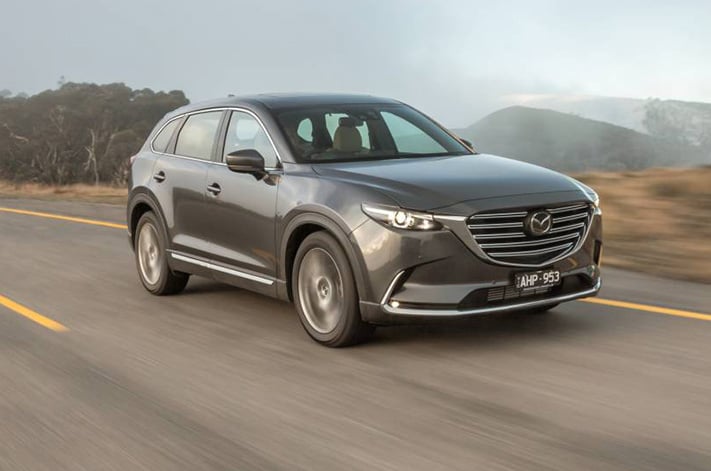
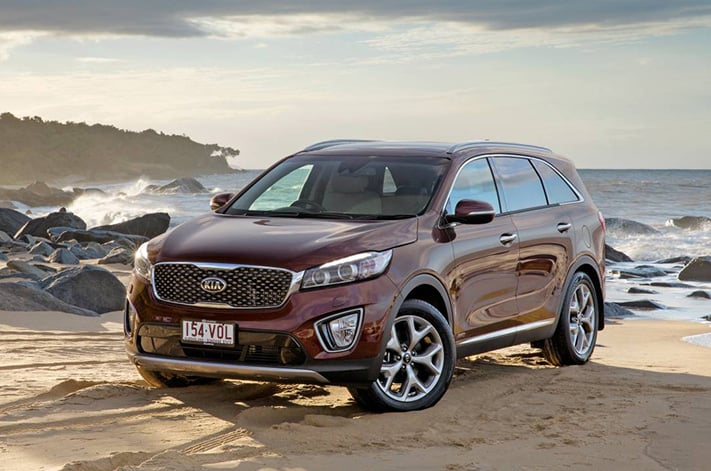
If you are leaning towards a diesel, then the next best option (since the CX-9 is a petrol-only proposition) is the Kia Sorento CRDi AWD, because it is spacious, comfortable, well equipped, easy to drive, practical and has a seven instead of three year warranty.
| Compare the Mazda CX-9 Azami and Kia Sorento GT-Line here
The main advantage with diesel is exceptional highway economy, though it appears you don’t really do that many kilometres annually to really justify the 10 percent or so premium required. Plus, diesels are noisy and smelly, and though emit fewer levels of carbon dioxide, they are much worse for nitrogen oxides (NOX). Our advice is to stick with petrol and go for the Mazda.
As for the others, the Toyota Kluger is too thirsty (and firm riding), the Ford Everest is a little bit too truck-like, and the Mitsubishi Pajero too old and unrefined.
Lastly, if you’re after a third option, then consider one of the last remaining Ford Territory TDCi diesels. Though now out of production, there is still some stock left in Ford dealerships for this comfortable, roomy and capable car-based SUV. And it’s still the only SUV to ever be designed, engineered and built in Australia specifically for our conditions. Though released way back in 2004, the 2011 update did keep the Territory in contention as one of the best SUV buys right up to the very end. It is also likely to become a collector’s item, though that won’t happen for many years.
As the mercury sinks in the southern states and winter takes its toll on your car, the battery is one of the components that can be hit hardest. Not only is it working harder with the alternator to keep more vehicle electrical systems going such as lights and heaters, the cooler temperatures can also impact battery capacity and function.
Here are some tell-tale signs that your battery may need replacing but first, a look at how your battery lives and dies.
The underlying design principle of the battery in your car has essentially remained unchanged for more than a century. A number of separate (but electrically connected) cells contain lead plates which are submerged in a strong liquid or gel acid (most commonly sulphuric).
A reaction between the metal and acid called electrolysis produces electricity when needed, while a reversal of the reaction recharges the battery when the engine’s alternator is producing more charge than the various electrical systems need.
Over time, the lead plates are eroded or calcified by many charge and discharge cycles, while abuse or repeated flattening of the battery can warp or deform the plates which will cause the failure of one or multiple cells.
That’s the key point here. Because of the modular design of a battery, it is more likely to fail progressively and not suddenly so spotting the first signs will allow you to act before you are left with a dead battery.
One of the most obvious ways to tell that your battery is losing punch, and a symptom you might notice without prompting, is a slower engine cranking speed when starting from cold.
The symptom is often more noticeable when the engine is cold and during cooler weather which slows the reaction inside the battery and lowers power output. Cranking the engine is the largest normal load on a battery by a long way so this is when most degradation becomes apparent first.
A slow engine crank is not by any means exclusively caused by a failing battery and can be the result of low charge or more viscous engine and transmission oil that is harder to pump when cold. If your battery is healthy but low on charge, it is important to find out why.
Headlights are another major consumer of electricity and can be used to test an underperforming battery. Switch on the full beam headlights and without the engine running and observe their brightness. Then start the engine and check the lights again. There should be only a minor difference if any in the brightness. If there is a big difference, this could again indicate an unhappy battery or low charge level.
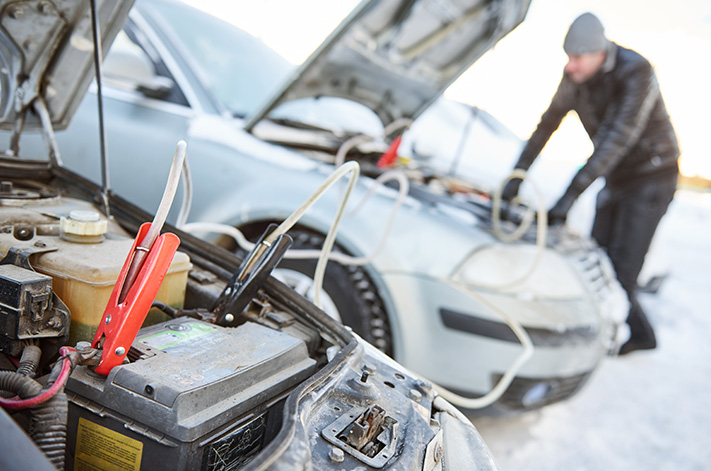
In more modern vehicles, sophisticated electrical system management computers monitor the battery level and are capable of a clever charge preservation trick that can offer a clue when something isn’t 100 per cent.
If the system detects that the charge is getting low, the most advanced systems will progressively shut down non-essential electrical functions such as central locking or the radio to reserve battery power for the most important roles including engine starting.
If you find that one or more electrical systems mysteriously stops working but then reactivates once the car has started this could offer another early warning.
All of the above symptoms can be caused by a low battery charge which may be a result of another problem such as a ‘leak’ where a small electrical component is draining the battery over time, or a failing alternator, which does not top up the charge sufficiently. So how can you tell the difference?
When it comes to diagnosing charge system faults there are two essential tools and the most readily available of these is a simple multimeter, which can be used to measure battery voltage if you are confident using the device.
Most passenger vehicle electrical systems are 12-volt which is what a serviceable battery should push out as a minimum with the engine turned off, although 12.6 volts are optimum. When running, that measurement should increase to between 13 and 15 volts.
But this still won’t necessarily give you a definitive answer whether it is the battery that is to fault or something else.
| 8 tips for looking after your battery
If you are still in doubt, you will need to enlist the help of a mechanic who will most likely use a heavy discharge tester or a more accurate electronic load tester which can gauge whether your battery is performing as it should under heavy demand.
If you are experiencing any of the above early symptoms it might pay to get your car’s electrical system checked out and bear in mind that a good quality battery is expected to last a minimum of four or five years depending on its application.
YOU’RE about to sign the bottom line for your new luxury car, and all of a sudden someone you don’t know comes up, grabs your wallet or purse, and rifles through it.
Moments later, your bank account is missing tens of thousands of dollars, and you have no idea where it has gone or what it will be spent on. Welcome to the luxury car tax.
Since the introduction of the Goods and Services Tax in 2000, the tax has been a constant irritation to cashed-up new-car buyers looking to reward themselves.
LCT is the government’s gift that keeps on giving; it can change every year, it’s levied on cars you wouldn’t consider luxury, and dates back to the protectionist mentality that was supposed to keep Ford and Holden building locally designed and developed Fairlanes and Caprices.
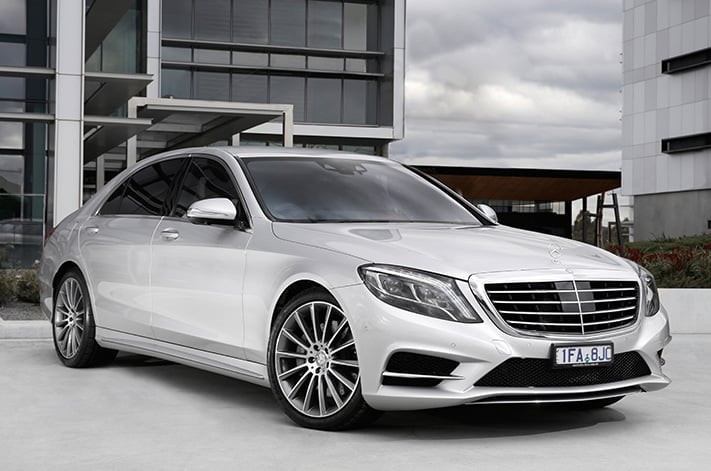
Let’s start with a history lesson. Decades ago, when real news was served up on dead trees and inboxes were made of plastic, there was a running joke in the media every time a new Federal Budget was rolled out.
It’s the headline “Beer, cigs up”, a phrase that beautifully captured the Australian psyche – and the revenue-heavy focus of the Australian government – of the time.
The joke behind that headline stems from every time a new Budget was presented before parliament, the two groups that always suffered the most seemed to be beer drinkers and smokers. And there’s a reason for that.
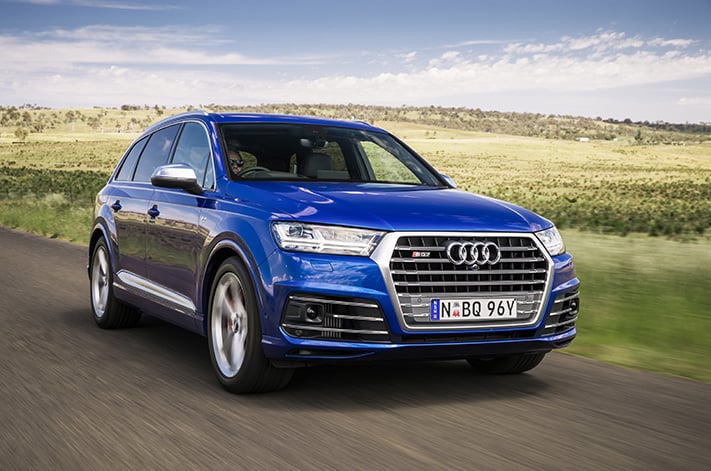
But here’s the nub: every time excise on alcohol or tobacco rose, so did excise revenue. Beer drinkers would grumble into their glass and smokers would sneer when they butted out their last durrie, but they’d continue to booze on and puff up at the same rate, despite the extra cost and all to the government’s benefit.
It’s a similar thing with our fuel excise. Few will be aware that as of 2014, every six months the Federal Government will sit down, run the numbers over the economy’s performance, and use the result to adjust the rate of fuel excise we pay for at the pump, on top of GST. Fuel prices go up and we might furrow our brow and catch the train a bit more, but slip in an excise adjustment and no one notices.
And just like beer, cigarettes and petrol, the luxury car tax – which we should add is levied on a commodity that carries no more social ills than a cheap car, and isn’t applied to other luxury goods including champagne, yachts or gold watches – is the gift that keeps on giving.
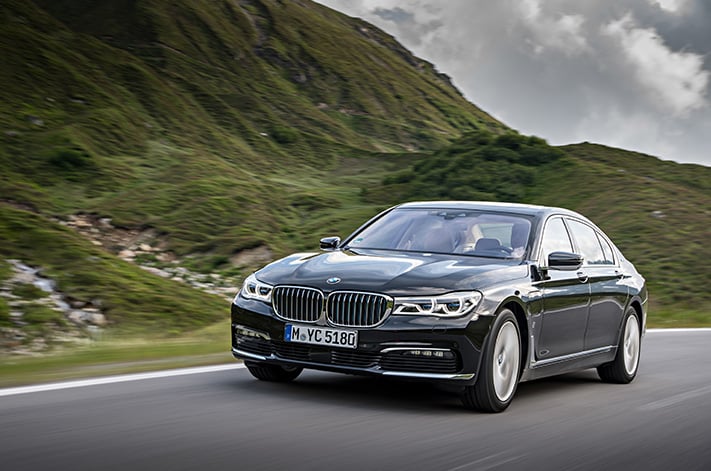
Let’s jump back in time again to the 2008-09 global financial crisis. Even in the most dire part of the economic meltdown, new car sales fell 7.4 percent overall. But some corners of the showroom did better than others.
The numbers showed something of a bloodbath for mainstream passenger cars as mum and dad sales plunged. But for some reason, sports cars costing more than $80,000 ended the year in positive territory after leaping almost a staggering 50 percent in December alone.
Yes, sales across both mainstream and luxury cars both fell, but mum and dad buyers retreated from the market at a much faster and higher rate than luxury buyers, whose numbers dipped rather than fell.
By the end of 2010, sports cars costing more than $200,000 ended the year up almost 25 percent, while large luxury car sales ended December with a 160.5 percent leap – that’s no typo – compared with the same month in 2009.
Jump to today, and our civic leaders see no sign of our appetite for luxury motoring abating. “LCT receipts are forecast to grow by 7.9 per cent in 2016-17, consistent with strong sales of vehicles subject to LCT,” the government crowed in the Budget papers released last night.
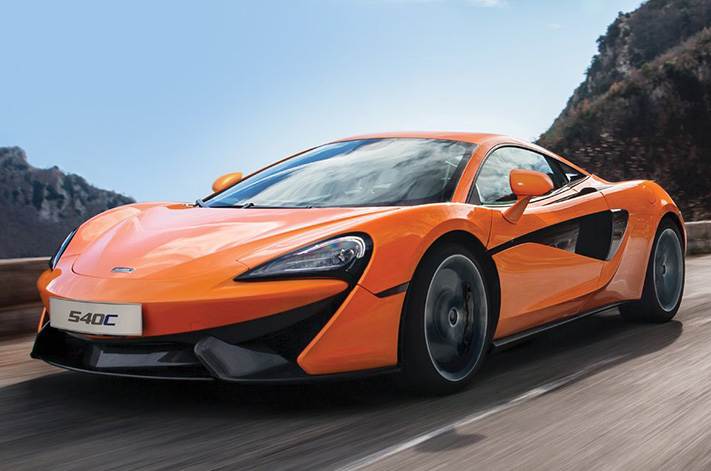
Luxury cars, then, appear to be something of a recession-proof commodity. Sure, if the economy goes down, the tax will dip slightly, but history shows us it will not by as much as mainstream passenger cars. It’s a bloody good little earner.
The tax is expected to raise about $650 million next financial year, up around $10 million on mid-year forecasts made late last year. A softer start to 2017’s new-car market appears to have the government slightly spooked, with a prediction of just a $640 million return for the 2018-19 financial year.
From then on, though, it’s back to boom times; figures of $690 million and $710 million sum up the government’s most forward-looking estimates – a rise of more than 9.0 percent over where we are now. That’s a better return than money in the bank.
Since its introduction in 2000, the tax has already earned the government’s coffers more than $6.2 billion dollars. By the end of the 2020-21 financial year, the government is counting on that figure to balloon to just shy of $9.0 billion.
And that’s nine billion reasons why it’s here to stay.
