
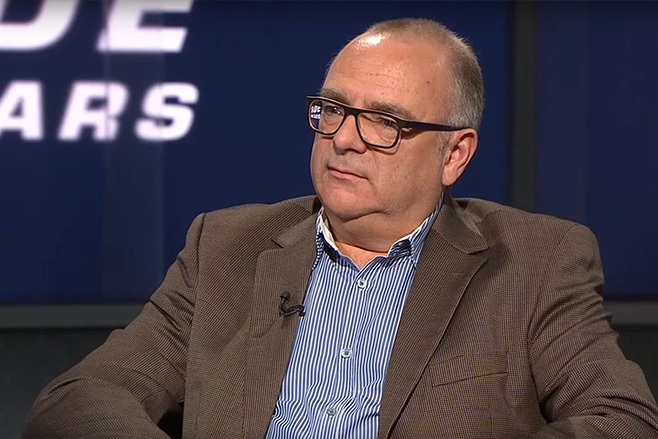
The only Supercars squad that Triple Eight supremo Roland Dane fears is DJR Team Penske. And with good reason. Dane is a big fish in a small pond. Roger Penske is the biggest fish in an ocean.
Dane is smarter, richer, better organised, more driven and has greater influence than any of the other Australia-based team owners. He also eats UK-based Ryan Walkinshaw for breakfast – at least on the track. But even Dane is out-gunned by Penske on all levels, except perhaps competitive spirit and hands-on involvement. Penske is a multi-billionaire American industrialist who owns the USA’s most successful racing operation.
Team Penske is a powerhouse in IndyCar and NASCAR. Add Trans-Am, Can-Am, sports cars and, briefly, F1, and in 50 years the organisation has won more than 400 races. Outside of F1, they don’t come any bigger or better presented.
Team Penske’s standards of preparation and organisation are legendary. They reflect Roger Penske’s personal attention to detail in everything he does – and his commitment to success. It is known as ‘The Penske Way’ and with some local fine tuning, the approach has transformed Ford folk hero Dick Johnson’s struggling outfit into what Dane now regards as Triple Eight’s most formidable opponent.
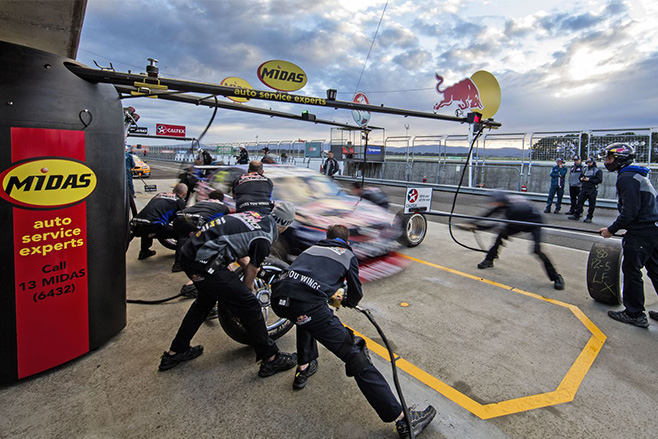
DJRTP looks a worthy contender. There is stronger racing management under biz whiz team principal Dr Ryan Story, led by ex-T8 design guru Ludo Lacroix. Future super star Scott McLaughlin is alongside fellow Kiwi Fabian Coulthard in a deeper driver pairing. And Shell is back as the team’s title sponsor for longer than a race-by-race deal.
Penske expects the team to establish its pair of Falcons at the front, regularly vying with Triple Eight’s trio of Commodores. Like Dane, he races to win and after two years of costly reorganisation, ‘The Captain’ expects race victories this season, if not the championship. No excuses.
Penske may present as an avuncular figure, but the reality is, he’s an iron fist in a velvet glove. He demands success in business and in racing, it’s just that he carries himself with such composure and style. His ability to remember names is uncanny. If he’s ever met you, chances are he’ll recall who you are, even years later. He can greet many thousands of Penske Corporation’s past and present employees personally, knowing at least their first names.
At 80, Penske is 20 years older than Dane, but no less competitive or passionate. He presides over the $26 billion worldwide Penske Corporation during the week, then attends IndyCar and NASCAR events on the weekends.
While keeping Triple Eight is Dane’s primary focus among his international business interests, DJRTP is run by Penske’s racing lieutenants on both sides of the Pacific. But that doesn’t mean Penske is an absent landlord. He conducts regular conference calls late at night Detroit time with senior staff at Stapylton and keeps himself remarkably well-informed. He also comes to two or three Supercars events each year.
Penske is committed to making DJRTP successful and Dane is motivated to prove himself against another heavyweight player. There is respect, but also intense rivalry between them. Make no mistake, this really is a clash of motorsport’s titans. May the best mogul win.
In our Fast Facts series, WhichCar delves deep into the history of automotive brands to bring you fascinating facts and intriguing information. Here we focus on Jaguar, a company started by two bike enthusiasts before transforming into a brand renowned for sporty sedans and sports cars.
TWO-WHEELED BEGINNING A 21-year-old with an eye for business – William Lyons – joined forces with motorcycle sidecar specialist William Walmsley in 1922 to form the Swift Sidecar & Coach Building Co based in Blackpool, England.
FIRST CARS Five years later they expanded into cars, producing bodies for the Austin Seven two-seater, followed by a sedan version in 1928 – the same year the company moved to what would become a famous home in Coventry. Its first proper cars were the 1931 SS1 and SS2 – low-bodied, long-bonneted models – and the company changed its name to SS Cars in 1934. An open-seater variant called the SS1 Tourer was the first taste of motorsport, competing in the 1933 Alpine Trial.
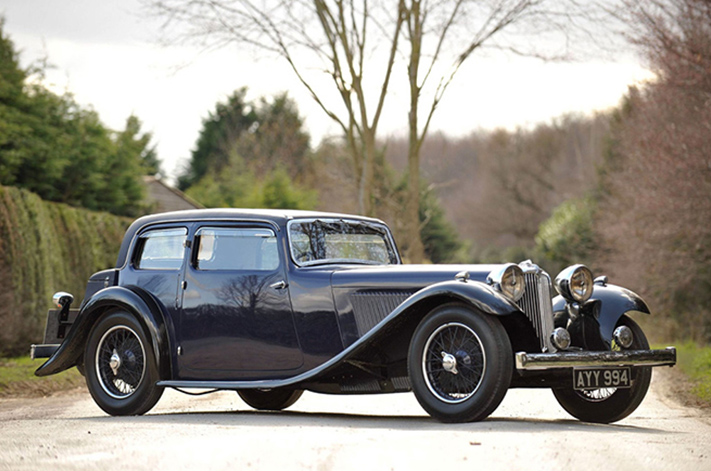
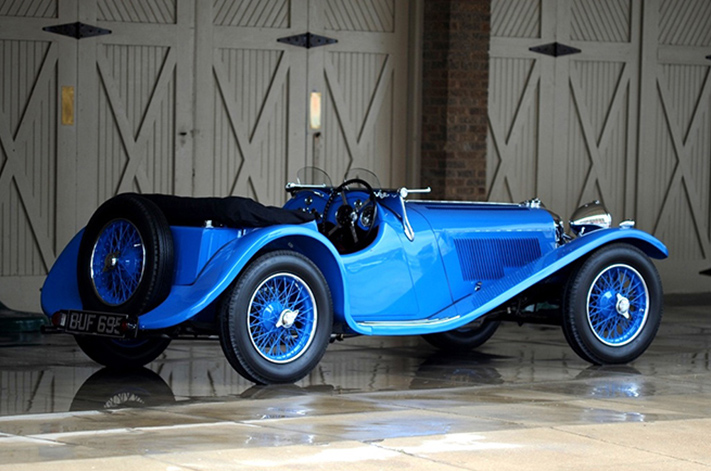
BIG CAT’S FIRST PROWL Today’s brand name made its debut on the 1935 SS Jaguar sedan – an advertising agency’s suggestion said to have been reluctantly adopted by Lyons. The SS90 became the first proper sports car, though it was the SS100 that became a 1930s legend – with 100mph (160km/h) top-speed performance derived from the biggest engine, a 3.5 litre. It won the UK’s premier rally, the RAC Rally, though the winning SS100 was run by a privateer rather than one of the three factory teams entered.
A GIANT LEAP The company changed name again in 1945 – from SS to Jaguar Cars – to avoid undesirable Nazi connotations. After Jaguar built a new straight six-cylinder engine codenamed XK, it was complemented by a sporty body inspired by BMW’s pre-war 328 roadster to create the 1948 XK120. Named after its top speed (in miles per hour), Jaguar demonstrated its performance to the media on a closed dual carriageway in Belgium – where it clocked 126mph to establish itself as the fastest production car in the world. It became a huge export success to the US.
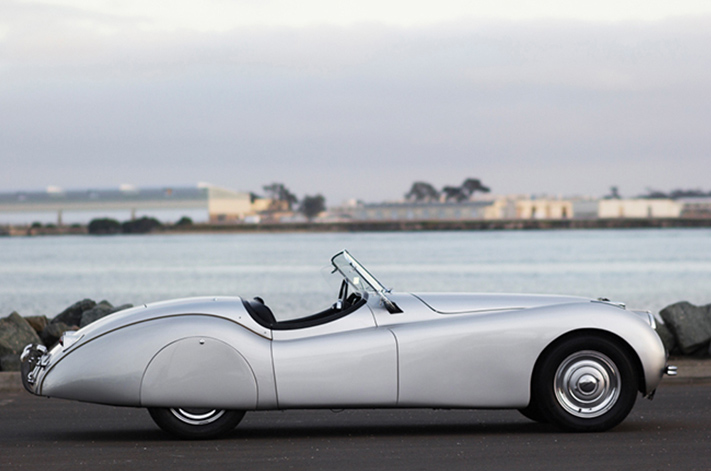
TYPES CAST A racier version of the XK120 focused on lighter weight, more effective aerodynamics inspired by the aircraft industry, and stopping capability with disc brakes – and the resulting car succeeded at the Le Mans endurance race: first in 1951 driven by privateers before the XK120C became the C-Type and won in 1953 as an official factory entry. The successor D-Type switched to more advanced monocoque construction with a magnesium-alloy tub, and further improved resistance to drag. Notable for its rear tail-fin, it won Le Mans three years straight, from 1955 to 1957, before Jaguar exited motor racing as a company. Remaining D-Types were turned into road-going models badged XKSS, though nine of the 25 that were in the process of construction were lost in a 1957 fire at Jaguar’s Browns Lane factory.
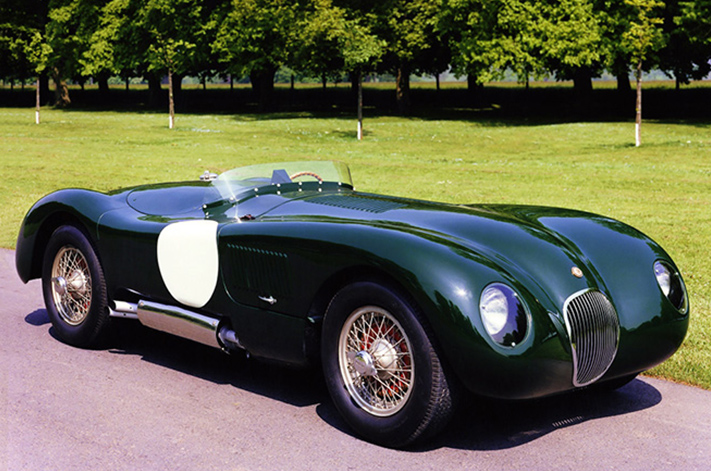
GRACE, PACE AND SPACE Jaguar’s reputation for sport yet refined luxury sedans blossomed in the 1950s, starting with the Mark VII that was accompanied by what would become a famous advertising slogan: “Grace, pace and space”. Another classic Jaguar was born towards the end of the decade when the MkII debuted in 1959. When fitted with a 3.8-litre version of the company’s XK engine, the sports sedan was one of the fastest four-doors on the road in the early 1960s.
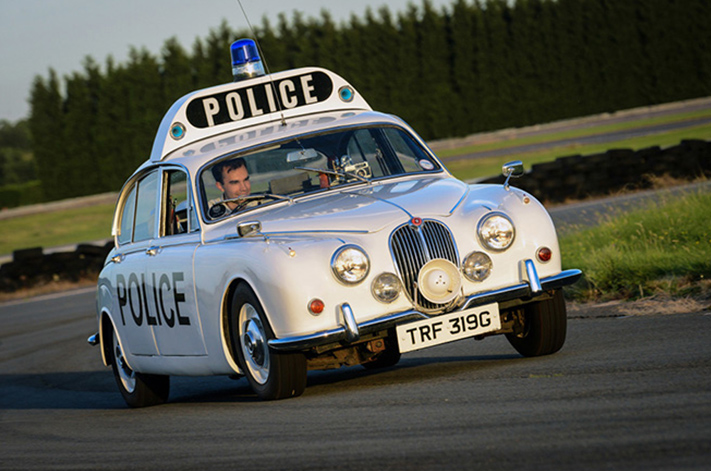
E FOR ELECTRIFYING The XK was a hard act to follow, yet at the 1961 Geneva motor show Jaguar unveiled a new sports car combining sensuous curves, elongated bonnet, and a new independent rear suspension: it was called the E-Type. Available in both coupe and roadster form, it’s still regarded as one of the most beautiful cars ever designed. But it wasn’t just sexy. It could accelerate from standstill to 97km/h in 6.9 seconds, and reach a top speed of 240km/h. A 2+2 seater model joined in 1966.
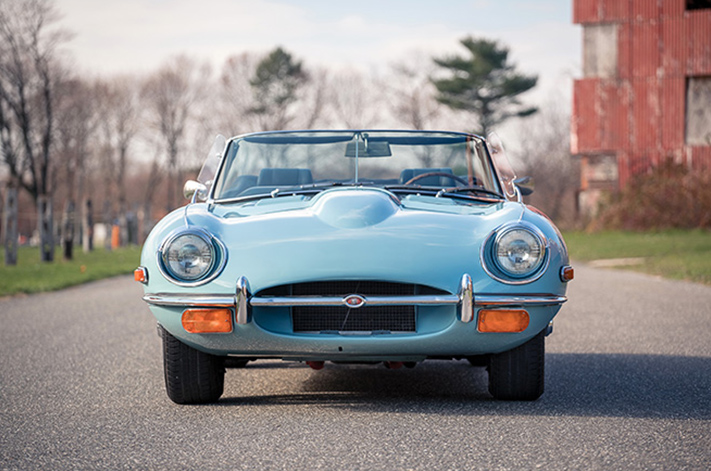
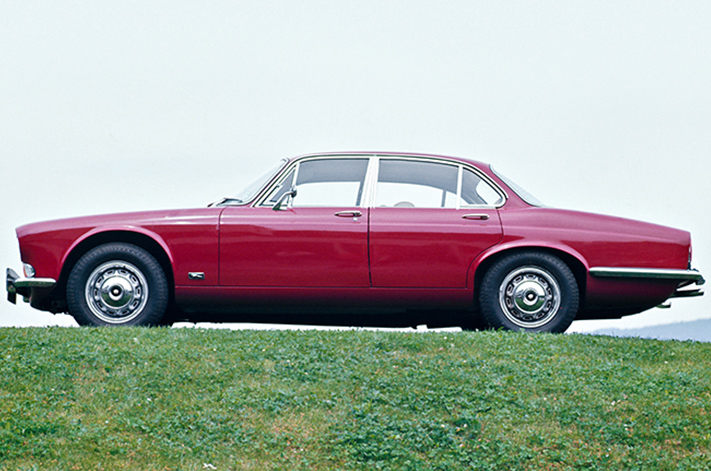
XJ – THE EXALTED ONE In 1968 Jaguar reset the template for luxury sedans with the XJ6 which featured a remarkable blend of refinement, ride comfort, handling, and six-cylinder performance. It was the last car designed by William Lyons. It was joined four years later by the XJ12, powered by a V12 borrowed from the E-Type. Quality issues for the Series 3 model aside, the XJ series was overall a success until its discontinuation in 1987. It also spawned a controversially designed successor to the E-Type, in the form of the XJS coupe (and eventually cabriolet). The coupe’s flying buttresses betrayed the fact the car was meant to place its V12 behind the driver, though prohibitive costs meant it was forced up front like the closely related XJ12.
| Jaguar F-pace: 7 Things You Didn’t Know
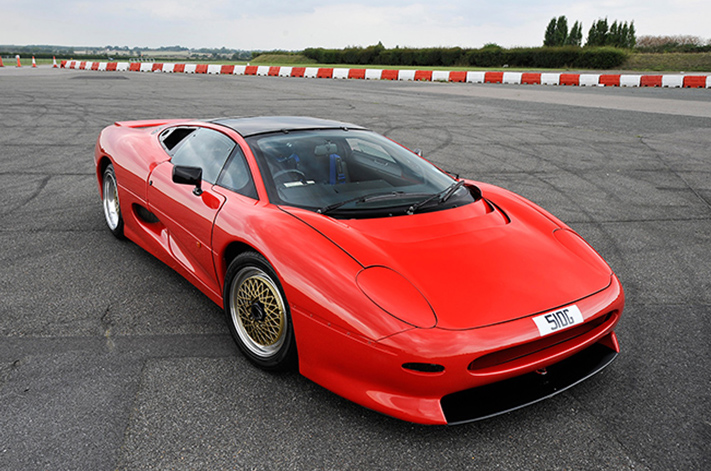
WORLD’S FASTEST CAR. BRIEFLY Before the McLaren F1 blew everything away, Jaguar briefly boasted the world’s fastest production car with its 1992 XJ220 supercar – conceived originally as an unofficial project by a ‘Saturday club’ of Jag engineers wanting to build a Ferrari F40 rival. After 1500 orders were received following its unveiling at the 1988 British motor show – the same year Jaguar won Le Mans – the company ended up producing it in conjunction with the Tom Walkinshaw Group of HSV fame. Some clients were lost, however, when the V12-powered, all-wheel-drive concept turned into a twin-turbo V6 rear-drive model by the time it reached the road.
THE FORD ERA Jaguar lost its independence in 1966 when it merged with British Motor Corporation to form British Motor Holdings, which then joined with Leyland Motor Corporation to form UK giant British Leyland. The company went alone again in 1984, though with little success of note was picked up by Ford six years later. The Ford Motor Company, which had beaten rival bidders believed to include General Motors and Daimler-Benz– placed Jaguar in a Premier Automotive Group that also included Aston Martin, Land Rover, Volvo and its own luxury brand Lincoln.
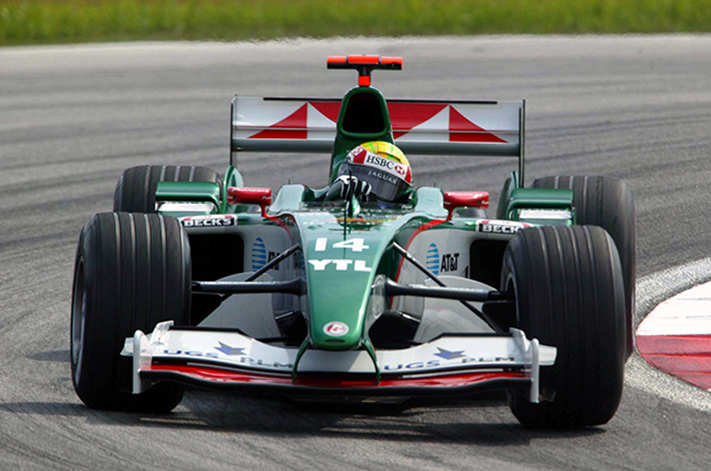
BOTCHED FORMULA In 1999, Ford bought Jackie Stewart’s eponymous Formula 1 team – for which it had supplied engines – and rebranded it Jaguar for the following year. Hopes of adding to its motorsport successes at Le Mans were soon dashed as the team struggled to be competitive – achieving just two podium finishes in 85 races across five seasons. Australia’s Mark Webber scored almost half the team’s total 49 points during his 2003 and 2004 seasons, before Jaguar Racing was sold to energy drink company Red Bull.
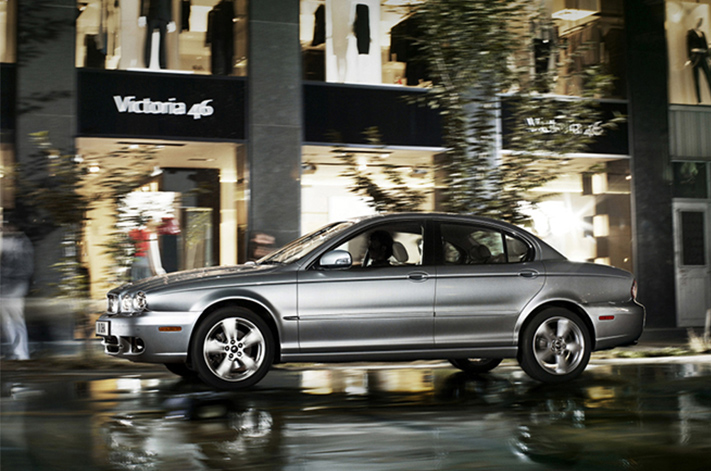
NEW IS OLD AGAIN Ford’s ownership of Jaguar was largely unsuccessful – epitomised by the 2001 X-Type compact luxury sedan. It may have become the brand’s best-selling car, but its more ambitious targets were thwarted mainly by styling still derived from 1960s Jaguars when the car needed to attract the young executives buying the BMW 3 Series. It also wasn’t helped by the fact it was based on a humble Ford Mondeo. The X-Type was eventually axed in 2009.
INDIAN SUMMER Indian industrial giant Tata bought Jaguar in 2008, the same year a much-needed rejuvenation of the product line-up was started with the XF. The brand has been on a roll ever since – returning to profit, releasing a modern-day successor to the E-Type with the F-Type, and launching its first ever SUV, the F-Pace, with immediate success.
SO you need a toy. The guidelines aren’t too strict, but you’ve got $30K and plan a track day each quarter.
Whatever it is, it must make you grin. A Blue Oval on the front wouldn’t hurt, either. Keeping all this in mind, there’s plenty on offer – particularly in the world of pre-loved performance. Exhibit A: the BA Falcon-based FPV GT. The reborn legend.
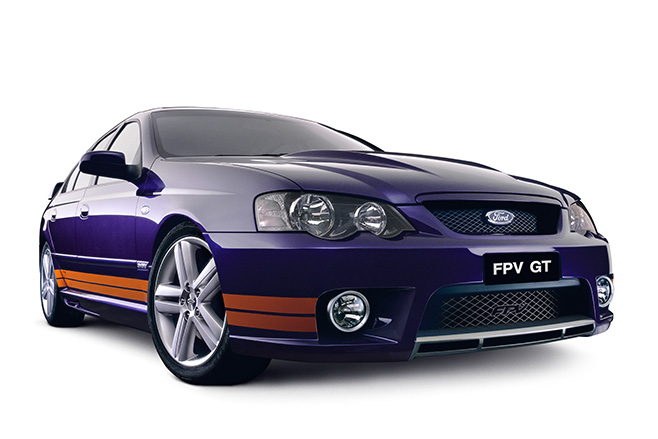
The Clubbie was known for being more progressive and communicative on the limit, but it was what happened beyond that envelope that mattered. Critics of the day lauded how easy the GT was to drift. Balance, stonk, and loads of steering lock were its weapons. And while it lacked a little mid-range, it could storm on to 254km/h, far beyond its 230km/h limiter.
Obviously you can’t buy a new Falcon GT anymore, but the good news is, Ford still knows how to make a car that’ll put a whopping big grin on your face. Like the Fiesta ST.

Yes, some of you might think it has half an engine – driving the wrong axle – and not enough doors, but pedal one fast and we dare you not to get out and want another go. It is one of today’s best value performance buys.
| SPECS | 2004 FPV GT | FORD FIESTA ST |
| Engine | 5408cc V8, DOHC, 32v | 1596cc inline-4, DOHC, 16v, turbo |
| Power | 290kW @ 5500rpm | 134kW @ 5700rpm |
| Torque | 520Nm @ 4500rpm | 240Nm @ 5000rpm |
| Weight | 1825kg | 1172kg |
| 0-100km/h | 5.81sec (tested) | 7.5sec (tested) |
| Price | $59,850 (new) | $27,490 |
Here’s one we found on Trade Unique Cars
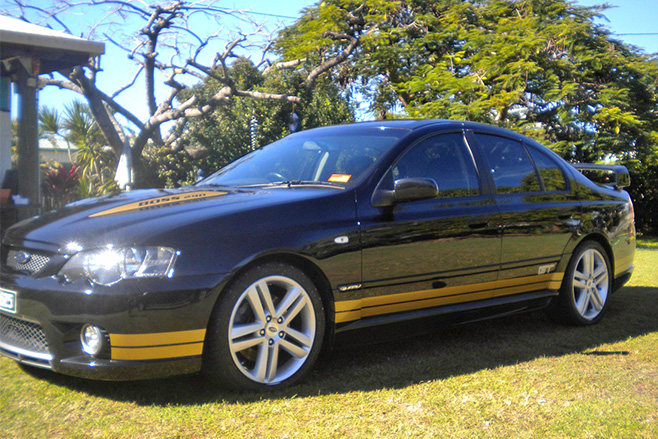
2004 FPV GT
75,000km, automatic, $28,500
OKAY, so it’s a four-speed auto (boo), but according to reviews at the time, the five-speed manual wasn’t much chop either. Consider the Fiesta ST as scoring points if you really must have a third pedal.
There are plenty of things which improve with modernisation: medicine, construction, efficiencies and, of course, automotive technologies.
But there are some changes that leave us craving a time-machine and wishing we could travel back to the time of black-and-white movies, driving gloves and Elvis.
For many Mini enthusiasts, BMW’s modern-version of the Mini is missing that classic sweet-spot.
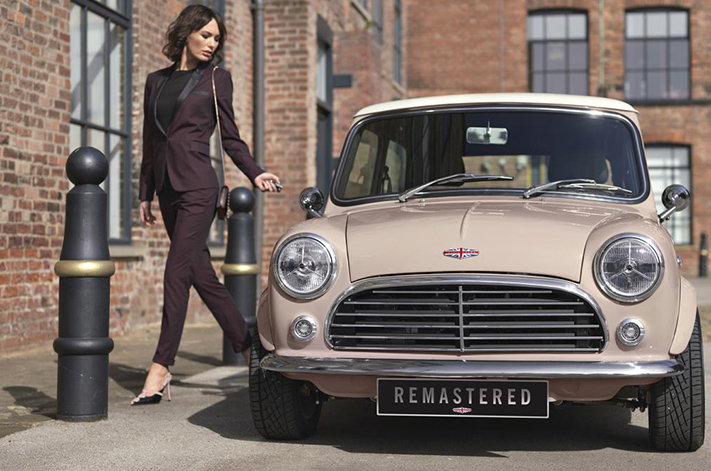
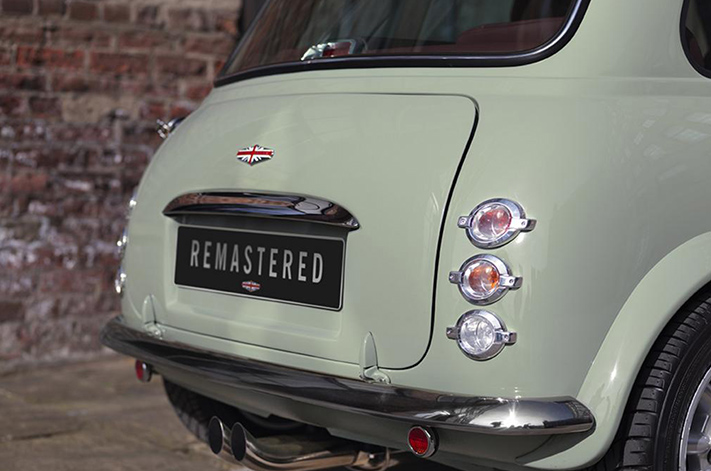
That’s why the UK’s David Brown Automotive has created 100 models of the Mini Remastered – a handcrafted version of the original Mini with a modern twist.
As the David Brown Automotive’s brochure on the car states: “Our story is simple. Embrace the DNA of a design classic, then skilfully and respectfully remaster it to meet the demands of modern day life.”
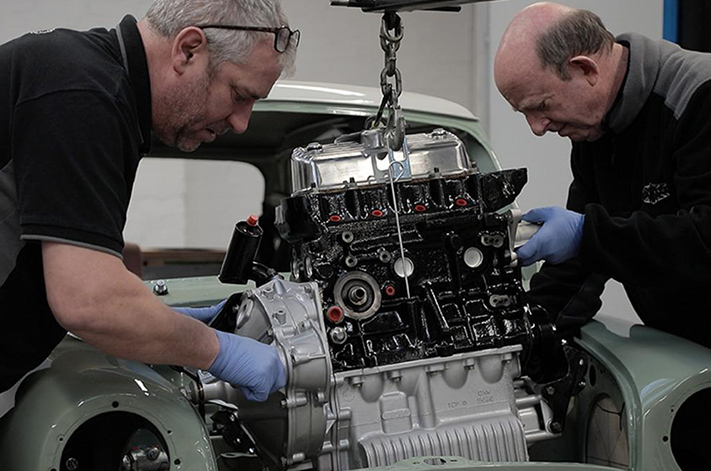
The MINI Remastered is hand built, offers a bespoke chassis, body and interior, and, according to UK motoring site Auto Express, takes more than 1000 hours to produce.
It is the same size as the classic Mini with each panel built to mirror it and looks like it’s straight out the original Italian Job, albeit with a discrete modern touches including a 7-inch touchscreen and infotainment system with Bluetooth, Apple CarPlay and Android Auto, remote central locking and keyless stop/start.
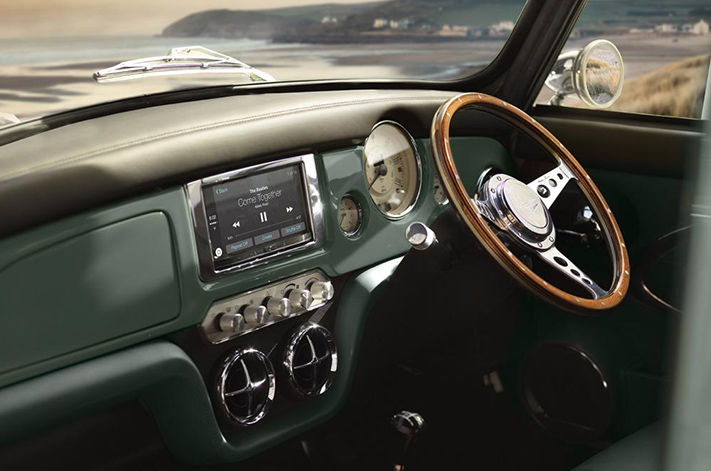
Clients can have unique customisation to the exterior and interior of the Mini Remastered, with a number of colour, trim, feature and accessory combinations.
A choice of 13 body colours is available, and black or white can be selected for the roof. Other options include seven wheel designs, leather-upholstery tones and eight trim colours, including black or white.
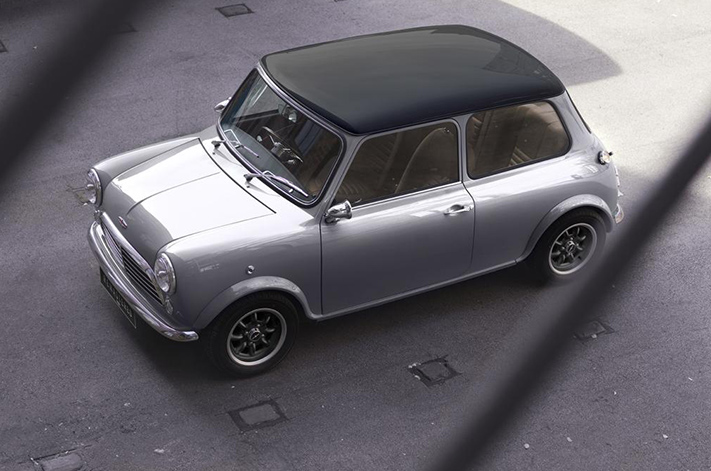
Adding to its modernisation is an aluminium grille, LED headlights and Mini’s signature puddle lights.
Under the bonnet, the original Mini’s classic 1275cc engine has been remastered to produce a claimed 50 percent more power. This is mated to a four-speed gearbox.
The bespoke beauty can be purchased from £50,000 ($82,842) or £70,000 ($115,922) for the top-spec models), if you live in the UK. For us Aussies, we’ll just have to admire it in pictures.
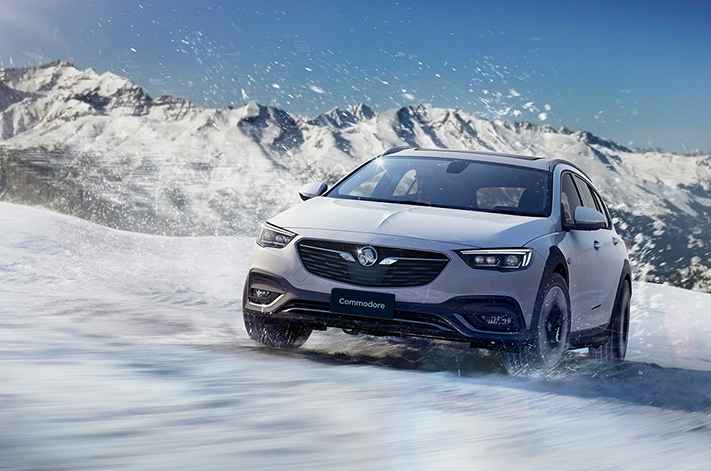
Holden has confirmed it will be adding an all-wheel-drive, high-riding variant to its all-new 2018 Commodore line-up, dubbed the Tourer.
Based on the Opel Insignia Country Tourer, the crossover wagon is the third body style confirmed for the European-built NG Commodore, which will replace the locally built VF II next year.
The Tourer’s off-road capability will be partly imparted by the GKN Twinster AWD system also underpinning the more on-road focused V6 versions of the NG Commodore sedan.
So far the only confirmed engine option is the 230kW/370Nm 3.6-litre naturally-aspirated V6 mated to a nine-speed automatic transmission.
The Commodore Tourer is 110mm longer than the Commodore sedan and 20mm longer than the Commodore Sportwagon. Ground clearance grows by 20mm, and black plastic trimmings on the wheel arches follow the lead of cars like the Subaru Outback for a more rugged appearance.
Interior highlights include front seats with heating, ventilation and massage functions, heated rear seats, a powered lift-back and active noise cancelation.
With SUV sales now outstripping traditional passenger cars, the Tourer could give Commodore some extra fight in the showroom battle.
Like its sedan sibling, the Tourer will feature AEB, adaptive cruise control, lane departure warning, and lane keep assistance as standard.
While mild off-road wagons are common in Europe it will be the first time Holden has dabbled with the concept since the Holden Adventra, based on the VYII-VZ Commodore wagon offered between 2003 and 2006.
The Commodore Tourer will launch locally at the same time as the next-generation sedan and Sportwagon in early 2018.
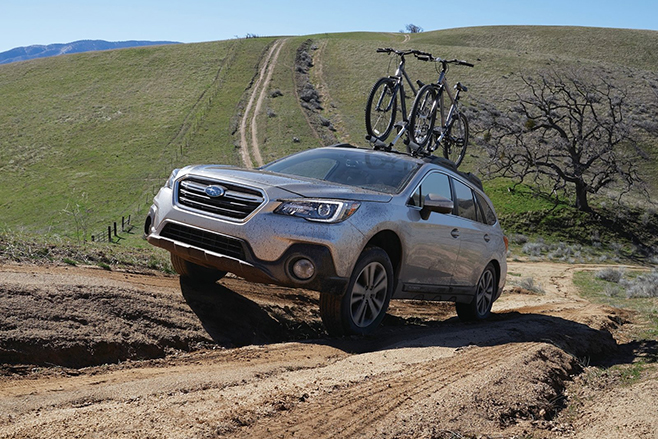
The fifth generation Subaru Outback has undergone its second facelift since its 2014 release, with subtle exterior and interior revisions, added ride refinement and upgraded safety and multimedia tech.
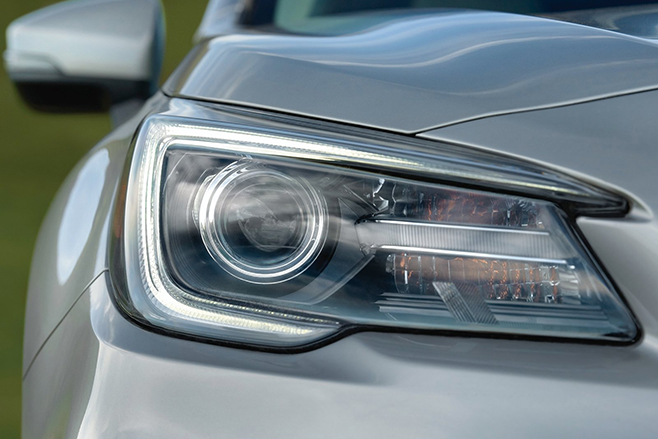
Aesthetic tweaks are mostly confined to the front, which have been redesigned to provide more protection from mud and stones with thicker cladding along the bottom, resulting in a bolder look that’s further emphasised by blackened grille and bash plate, and revised bumper and headlight designs.
The 2018 Outback gets the latest STARLINK Multimedia system with Apple CarPlay and Android Auto and improved voice activation compatible with multiple languages. The system also comes with a range of apps including eBird, which advises of local bird sightings and locations to really reinforce the Outback-driver stereotype.
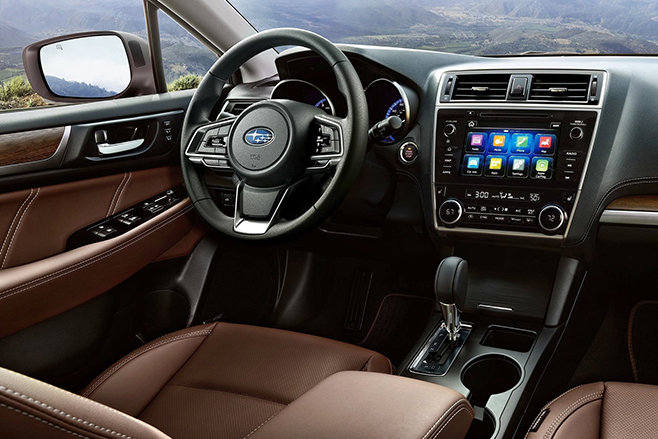
Subaru says handling has also been enhanced with the chassis, suspension, steering and braking all tweaked for a smoother and more responsive ride.
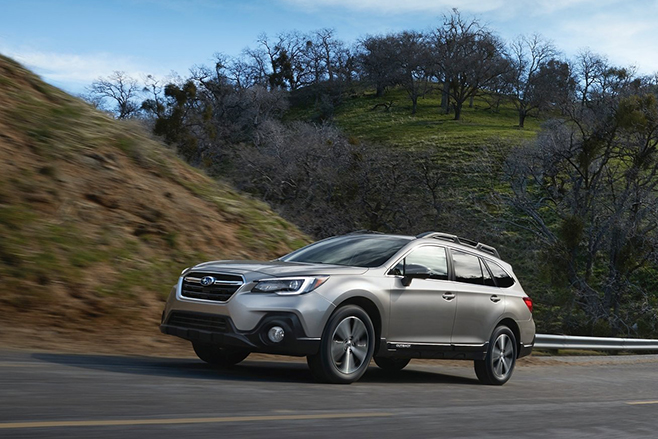
Safety enhancements include Lane Keeping Assist now activing at 60km/h, predictive steering guidelines on the reversing camera display, steering responsive headlights and reverse automatic braking (RAB) which can objects in the vehicle’s path while reversing and convey audible warnings to the driver, showing distance and position of the object in the centre display screen.
THE HUNT for the greatest Muscle Car built on Aussie soil continues, and this time we’re delving into the decade that’s arguably most synonymous with the muscle car genre – the 1970s.
Our 1960s poll is closed, with almost a third of the votes going to the Ford XW Falcon GT-HO Phase I. The 1969 Bathurst winning car was closely followed by the Holden HT Monaro GTS 350 and HK Monaro GTS 327.
But that is old news, and we have arguably the strongest field of contenders with these muscle-bound disco era sleds.
Included in this decade are legends such as the Ford XY Falcon GT-HO Phase III and Holden Torana LH SL/R 5000. Two giants of the Australian automotive scene, and evergreen favourites of the Blue and Red camps.
But there are so many more than just those two – a whopping 24, in fact. To determine which one you think is not only the best of the 1970s, but is also potentially worthy of the title of all-time greatest Australian muscle car, vote in the poll below!
AYRTON SENNA has his name etched alongside four different all-time records in the Formula One history books.
However, there is one achievement by the Brazilian which you won’t see officially recognised, and that is the greatest single opening lap of an F1 Grand Prix.
While that may be a subjective call, it is widely accepted that Senna’s efforts in the opening lap of the British Grand Prix at Donington in 1993 is the best history has seen.
Qualifying for the British Grand Prix had run under dry conditions that year, and Senna could only manage fourth on the grid, behind the Williams-Renaults of Alain Prost and Damon Hill, and the Benetton-Ford of Michael Schumacher.
McLaren switched to Ford power for the 1993 Grand Prix season, and Senna’s once dominant car was outgunned by his rivals – namely former teammate and staunch opponent Alain Prost.
In typical British fashion, the dry conditions of Saturday made way for rain and drizzle come race day. This played into Senna’s hand, who was a driver known for his skills in the wet. However, Prost was also adept at racing when conditions worsened.
Aryton Senna’s greatest F1 victory used to inspire Olympians
At the drop of the flag, Senna lost another position, dropping to fifth. But then he dug deep and completed one of the most awe inspiring laps ever completed in an F1 car.
The Brazilian carved his way past the first four drivers with ease, passing around the outside in the wet, making it look easy. Before chasing down Prost, and dispatching him with pleasure.
Senna would go on to win the race, thanks to a brave strategy of staying out on slicks in wet conditions while his rivals continued to pit to change tyres.
2017 Formula One Grand Prix: Ferrari dominates drama-packed season opener
Oh, and for those that are curious about Senna’s official records. He is currently recognised for the most consecutive wins at the same Grand Prix (five, Monaco ’89-’93), most consecutive pole positions (eight), most pole positions pole positions at the same Grand Prix (eight, San Marino ’84-’94), and most races where he led every single lap (19).
As we wait for the Demon to be released, we look back at all the information we’ve been given so far and try to build a picture of Dodge’s souped-up Challenger Hellcat before it’s seen at the New York Auto Show.
Dodge has been feeding the media information on its new machine over the past couple of months, but we know its release will also coincide with the premiere of The Fate of the Furious, after Vin Diesel accidentally told the world we’d see the Demon in his new flick.
Though we would still struggle to fill out a specs sheet at this point, it’s based on the Challenger Hellcat, so expect the Demon to pack a 6.4-litre supercharged Hemi V8 with a slight lift over the regular Hellcat’s already crazy 527kW/881Nm.
What we do know, however, is that the Demon will be more than 90kg lighter than its Hellcat sibling, which just tops the two-tonne mark at about 2030kg.
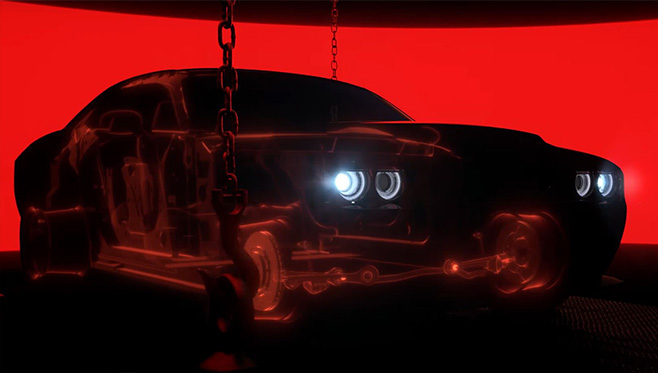
Dodge explains, “The 2018 Dodge Challenger SRT Demon’s unique exhaust note is the result of an advanced torque reserve launch system, the first ever designed for a drag race application on a production car.
In addition to the Demon’s torque reserve, launch will be assisted from the driver’s seat by the flick of a finger.
“The SRT Demon’s TransBrake feature provides improved reaction times and more consistent launches by utilizing the steering wheel paddle shifters as a launch trigger,” Dodge says.
“Using the driver’s finger to trigger launch of the SRT Demon results in a 30 per cent reaction time advantage over foot-brake launches.”
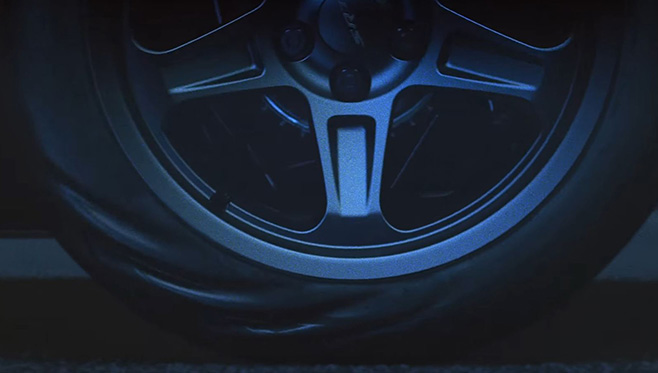
Continuing with the Demon’s desire to be the ‘first’ or ‘best’ of something, it’s “Air Grabber” will be the largest cold air intake hood ever installed on a production vehicle at more than 45-inches2 (290cm2).
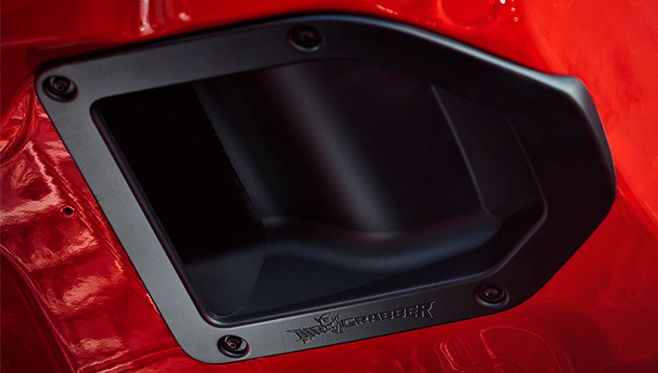
It’s a bit of a mouthful, but colder air is better air.
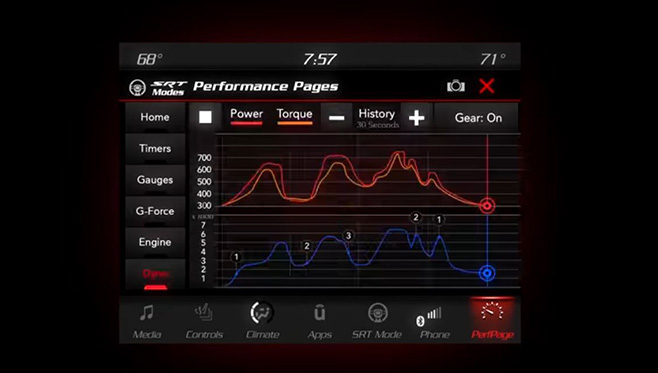
Will the hype stack up to a car that can destroy its opponents on the strip? We have less than a week of waiting until we find out…
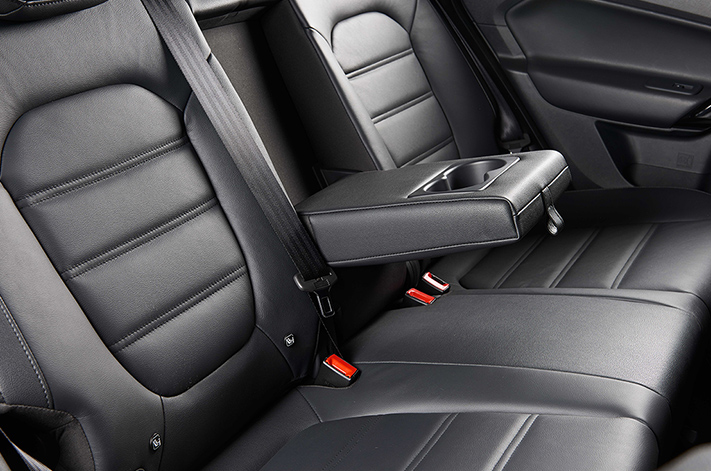
THE recently launched MG GS offers the most convincing entry price for the medium SUV segment in recent times. Shoppers driven by value should take note.
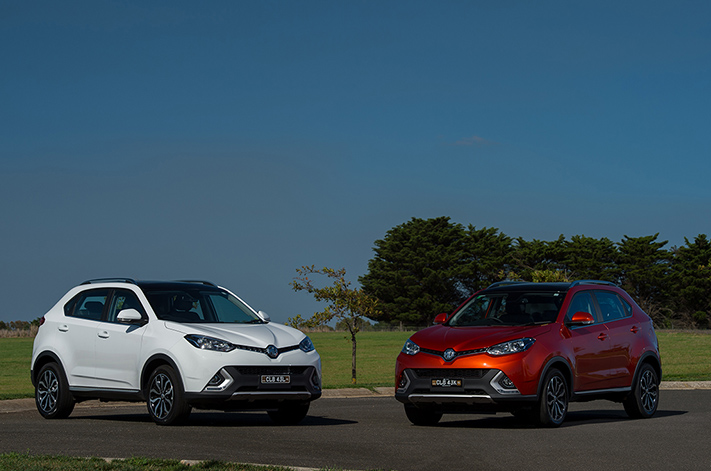
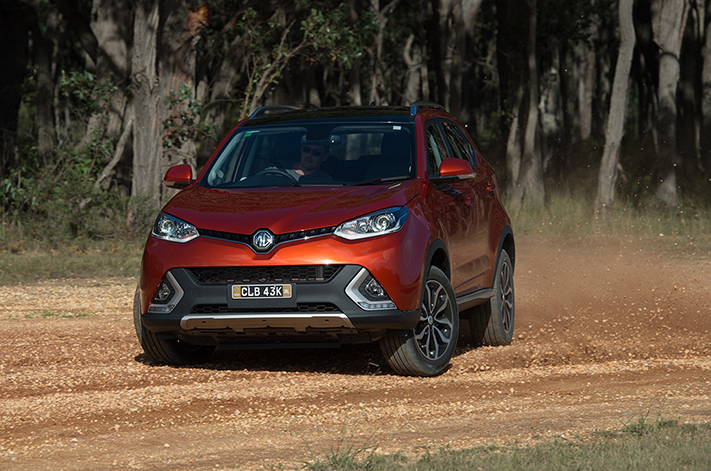
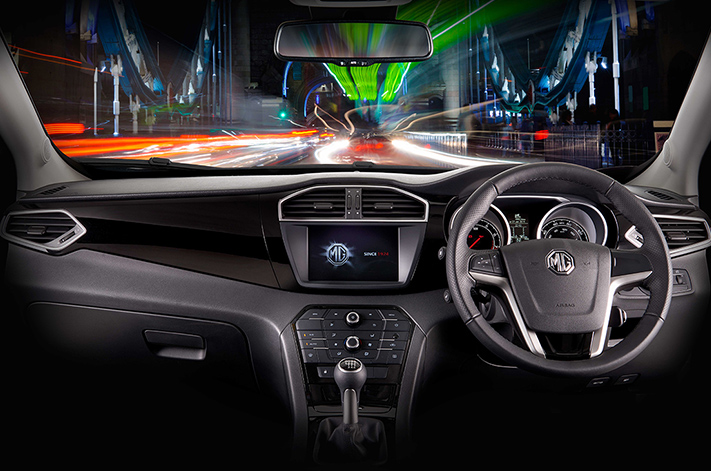
Equipment gained with the Essence X includes Xenon headlamps, active rollover protection, hill descent control and a sunroof.
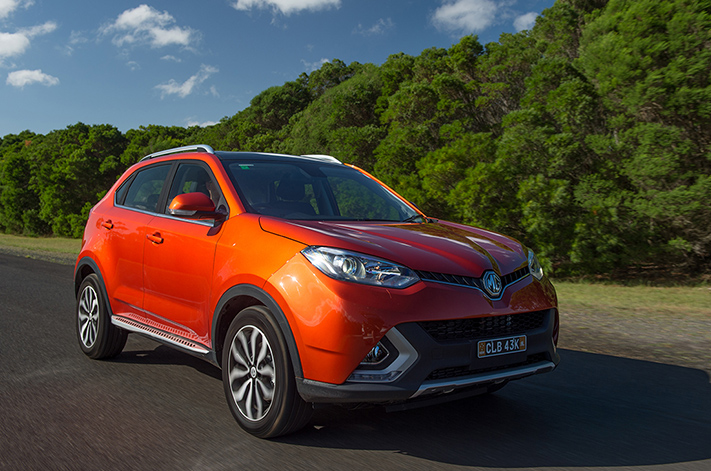
MG GS Vivid – $23,990 MG GS Core – $25,990 MG GS Soul – $27,990 MG GS Essence X – $34,990
