
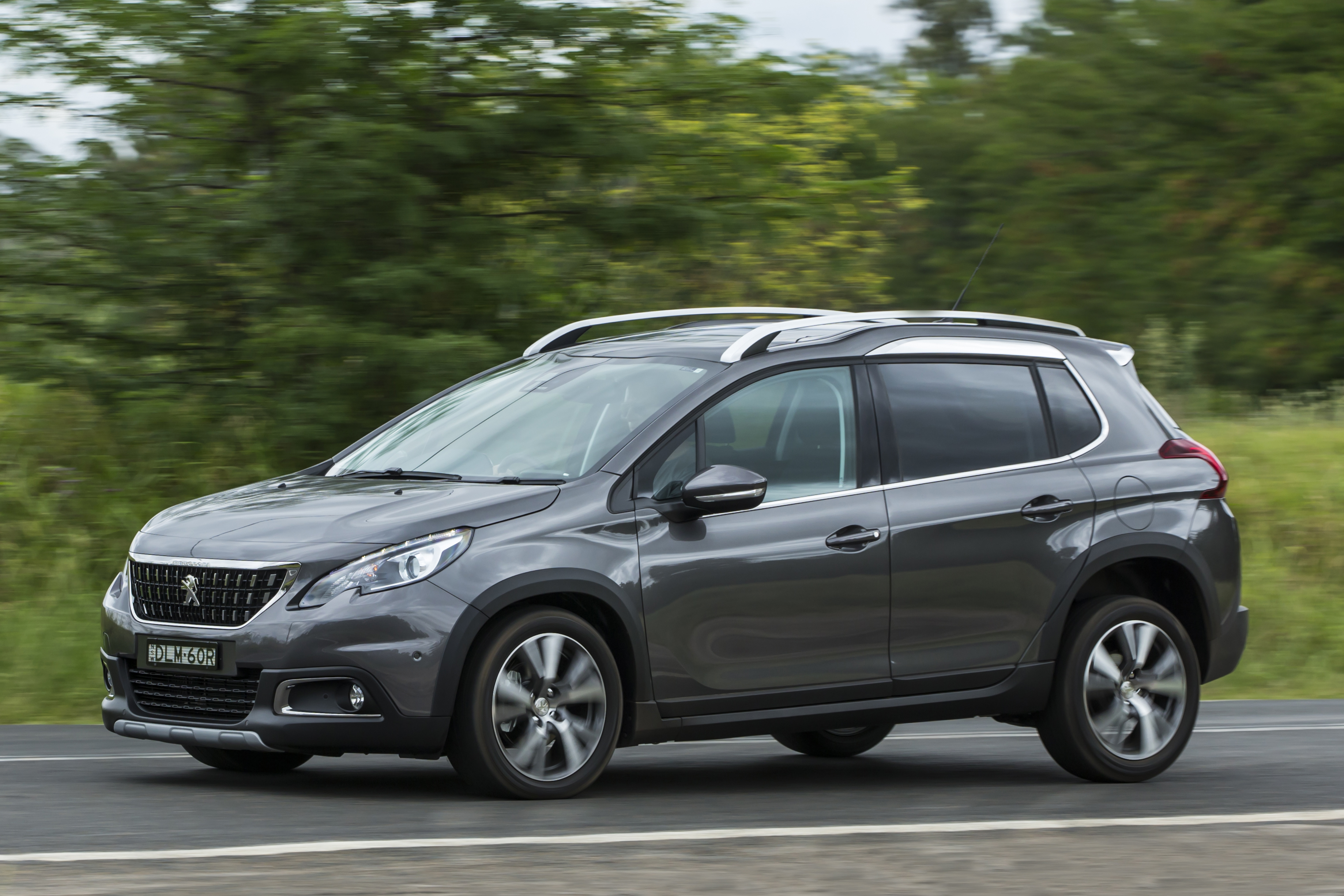
Based on the zippy Peugeot 208 light hatch, the 2008 brought practicality, dynamic handling and excellent interior to the mix but was undermined by a lacklustre powertrain. Its mid-life facelift has changed all this thanks to the zippy 1.2-litre three-cylinder turbo engine mated to a Toyota sourced six-speed automatic transmission that makes it hard to believe you’re driving the same car.
While the previous model barely made an impact here against the likes of the segment leading Mazda CX-3, Mitsubishi ASX and Holden Trax, the 2017 Peugeot 2008 sets a new standard in terms of performance, handling and comfort while being an affordable European alternative.
Price and features
The Peugeot 2008 currently comes in two variants, the Active and Allure both powered by the new tiny, but gutsy, 81kW PureTech e-THP engine.
The entry level Active is priced from $26,490 and comes with more standard features than before including a new central touchscreen with Apple CarPlay and reversing camera plus rear parking sensors, cruise control with speed limiter, electronic folding door mirrors, and 16-inch alloy wheels.
The $30,990 Allure comes with extras including satellite navigation (a $1500 option in the Active), automatic parking, ‘Grip Control’ traction enhancement for driving on mud, snow, and sand, 17-inch alloys, and autonomous emergency braking (active city braking).
Both variants come with automatic transmission, with manual modes via the gear shift if you feel like providing more input.
Pros and cons
Performance is excellent for such a small engine. The 81kW/205Nm 1.2-litre three-cylinder turbo provides far livelier acceleration than its tiny capacity suggests, with more than sufficient oomph for quick getaways and effortless highway cruising. It’s also very efficient, with a diesel-like combined fuel economy rating of just 4.8L/100km.
Unlike the drab 1.6-litre engine it replaces, the new powertrain makes the most of the 2008’s excellent chassis. Smooth and responsive handling is enhanced by the suspension that provides a comfortable ride that seems tuned for Australian conditions.
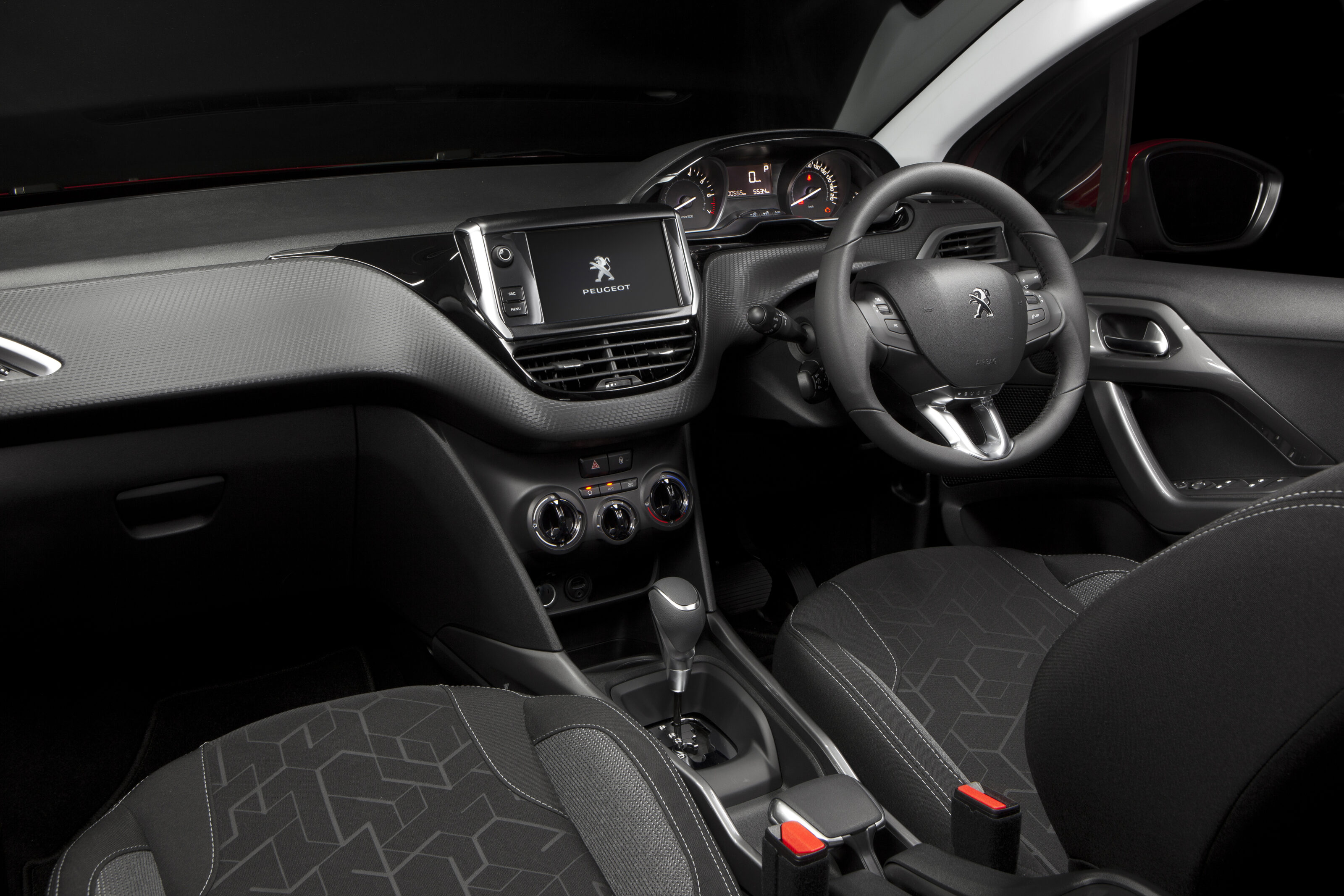
The cockpit is ergonomically designed with a low steering wheel that sits under the gauges rather than around them. This is a little disconcerting at first but it helps you read the gauges without having to take your eyes off the road, which, combined with the comfortable front seats, helps reduce fatigue. Everything is elegantly designed, a highlight being the ‘cobra’ shaped handbrake lever.
As well as being a joy to drive, the Peugeot 2008 is pleasant for passengers with a spacious, light-filled cabin. The rear seats are excellent and seat two adults comfortably. There’s plenty of legroom and unlike some small SUVs there’s an unobstructed side view and good vision over the front seats. Not many crossovers make for good family cars, though this would be more than adequate with a couple of kids in tow.
On the minus side, the base model doesn’t come with the active city braking. And there’s no manual option, though the automatic is still an enjoyable car to drive especially in manual mode.
And while it has undergone a facelift it still looks a little bland compared to the CX-3 and new Toyota C-HR which totally belies the fact that this is such a great car to drive – it’s like Cinderella minus the ball gown.
If you’re quick you’ll get a five-year, unlimited kilometre warranty, however this is a limited offer meaning any 2008 sold after June 1, 2017 will only be covered Peugeot’s regular three-year, 100,000km warranty.
The one to get
Not much separates the two variants, but the Allure’s extra kit including the Grip Control, active city braking and cruise control makes it capable car. If you can afford an extra $1000, the panoramic glass roof with opaque sunblind and LED lights adds a heap more atmosphere and wow factor to the cabin.
CAR ownership and road trips go together like adolescence and raging hormones. You can’t really have one without the other.
An electric vehicle is still a car, and as such, the ability to go on a road trip in one is a natural prerequisite.
It’s fitting then, that the first day of our Tesla ownership test would see the big saloon staring down a 900 kilometre blast from Melbourne to Sydney, before completing the return trip a week later.
For electric vehicles such as the BMW i3, or Nissan Leaf, this would prove to be a large, timely hurdle. With charging times blowing what is traditionally a 10-12 hour drive (depending on the number of drivers available and stops made), to something that could take up an entire weekend.
But, as you are probably well aware by this point, Tesla has peppered the Hume Highway with a series of its Supercharging stations.
Despite knowing this, I still felt the pangs of what I realised was ‘Range Anxiety’ in the days before I picked up the big red beast. Deep down I knew the nervous waves were illogical, the P100D has the largest range of any EV on sale in Australia, and numerous Tesla owners had done this before. But, what if I ended up in the middle of Victoria, with a $314,000 electric vehicle and a dead battery?
I doubt Mr Inwood would be impressed.
Yet, in reality, there was actually nothing to worry about. I’ll save you a kilometre by kilometre account of how it went– mainly because it would be more boring than the drive up the Hume itself.
On the solo trip north I made just two 45-minute stops at Wodonga and Gundagai. Both superchargers are located near food options that aren’t the greasy artery cloggers you’d normally associate with road food. This meant I returned to the car rested and feeling fresh, instead of having the onset of meat sweats.
Driving the Tesla from Melbourne to Sydney on your lonesome is really no different than it would be with any other conventional car. I never felt delayed by the charging, instead the breaks reminded me of the importance of stopping to fight off driver fatigue.

If you had two drivers that could share the load behind the wheel, the longer stops for charging may become slightly irksome. But for the most part only those on an extremely tight schedule, or masochists who don’t like sitting down to eat or stretching their legs for 10 hours, will find taking the Tesla on an interstate roadtrip between Melbourne and Sydney via the Hume a drag.
My range anxiety had well and truly abated by time I arrived in Sydney. The Tesla had arrived at each charging station within a percent or two of 10 percent range (equivalent to roughly 50-odd kilometres depending on how your right foot is feeling), and only once suggested I to drop the cruise control from 110km/h to 105km/h for an extended uphill section.
If you are a particularly anxious person, there are a total of four charging stations between Sydney and Melbourne to choose from, and 10-minutes with the supercharger gives the battery a decent top up.
Having said that, the ability to drive between Melbourne and Sydney in a perfectly reasonable amount of time is a particularly low bar to set for a car, which costs well over a quarter of a million dollars. Where the Tesla actually gains ground over the rest of the vehicular field is just how bloody comfortable it is to spend long periods inside of.
The weakest link inside the cabin is the seats, which you tire of around the seven-hour mark (a decent amount of time, none the less). The pews gain back some favour being heated in both the front and back, and cooled for the forward-most passengers.
Now, a Tesla isn’t silent (as much as some outlets may say it is), but it is remarkably quiet inside the cabin. Wind noise is minimal unless you start getting to speeds which will worry Mr Plod, and road noise is admirable seeing as the P100D is rolling on fat, low-profile rubber. It’s only coarse-chip sections which will be bothersome.
A unique quirk to the Tesla is the wing mirrors, which sit on extended stalks for better airflow. The chrome finish on said extensions looks nice while stationary. But for an hour before and after midday, depending on what direction you are driving, they will beam sunlight directly into your face – an annoying design oversight to say the least.
For owners that joined the church of Tesla before January 15 this year, the use of supercharging stations is free for life. Everyone else gets a 400kWh no-cost allowance annually (roughly 1600 kilometres). After that, it’ll cost you $0.35 per kWh. That means for the P100D I drove, it’d cost $35 for a full charge from dead flat.
Tesla is continuing to expand its charging network, meaning soon a drive between Adelaide and Brisbane is going to be possible without a drop of fuel, and that’s a good thing.
Now, for those of you readying your fingers to hastily remind me that the electricity injected into the Tesla’s batteries during the stops still comes from coal-burning power stations (take that, greenies!), not so fast. That’s a different conversation which I’ll be getting to in a later instalment.
Stay tuned, because in our next instalment we debate if the hypercar-slaying P100D is a performance car at all.
Ferrari turns the ripe old age of 70 this year.
To celebrate the occasion, the most famous of all car makers has released 70 liveries which will be applied just once to each model in the current range: California T, 488 GTB and Spider, GTC4 Lusso and F12 Berlinetta.
There are no mechanical modifications, with each car identified by its unique paintwork, 70th Anniversary logo and ID plate with the name of the model that inspired it. Nonetheless, in the current collector car market, no doubt Ferrari aficionados will be clambering over one another in an effort to secure these models.
Below you’ll find the 10 liveries inspired by Ferrari models from 1954-1957. Let us know your favourite in the comments below.
11. 1954 Ferrari 500 Mondial Pininfarina Spider


12. 1954 Ferrari 375 MM Pininfarina Berlinetta


13. 1954 Ferrari 375 America
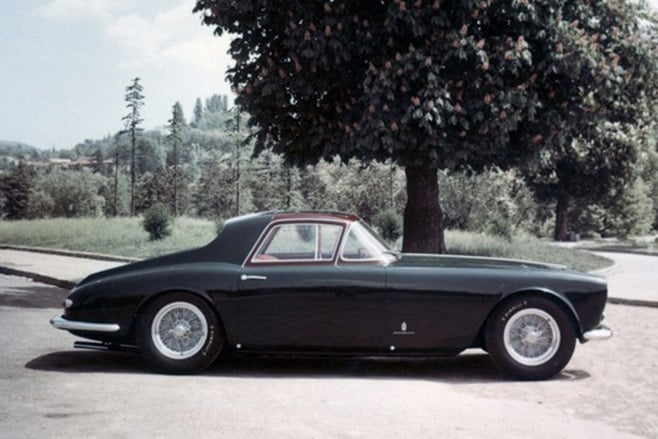

14. 1956 Ferrari 250 GT Pinninfarina Coupe


15. 1956 Ferrari 250 GT Berlinetta Scaglietti

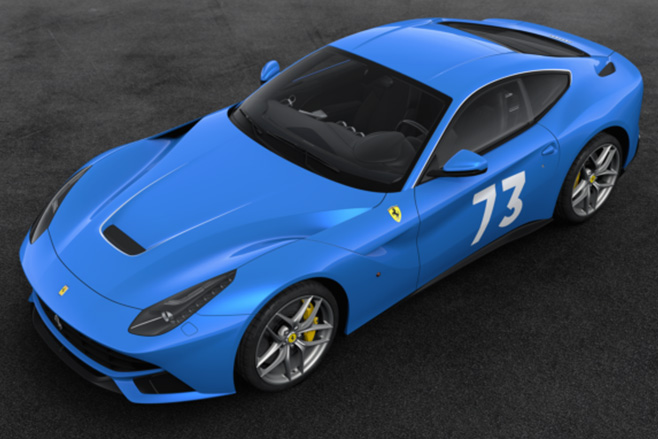
16. 1956 Ferrari 410 Superamerica
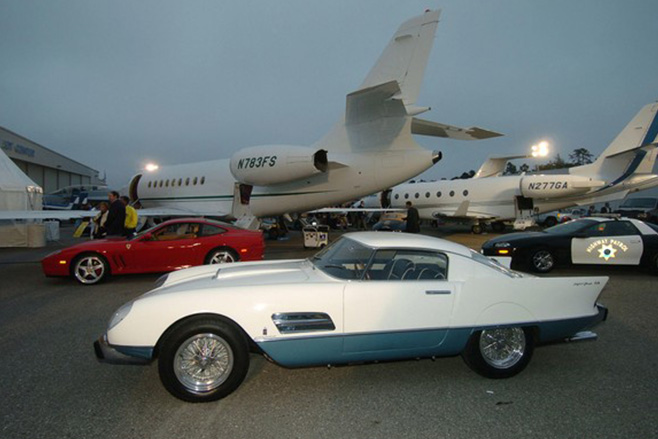
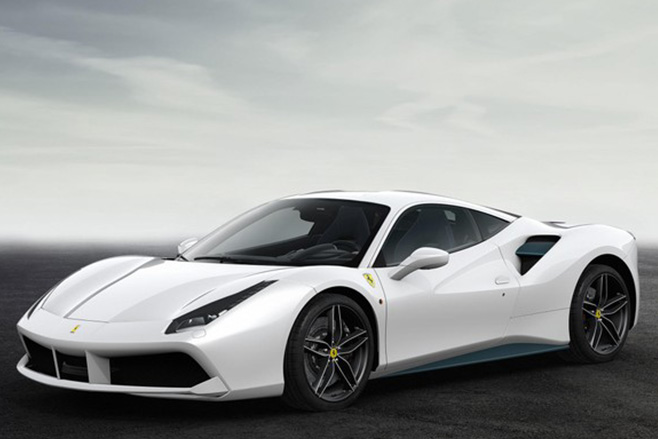
17. 1956 Ferrari 250 GT Boano Coupe


18. 1956 Ferrari 290 MM

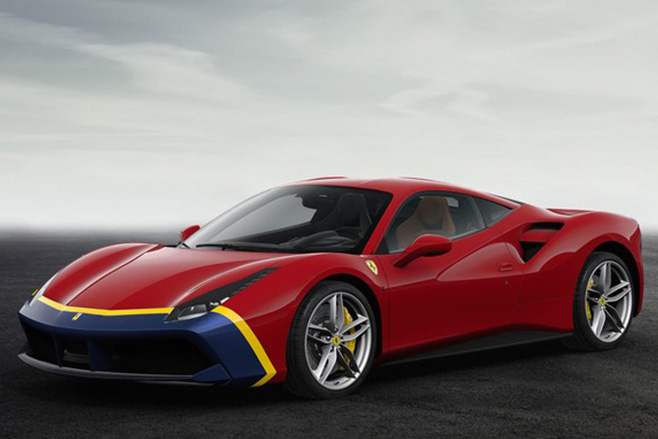
19. 1956 Ferrari 410 Superamerica Pininfarina Coupe
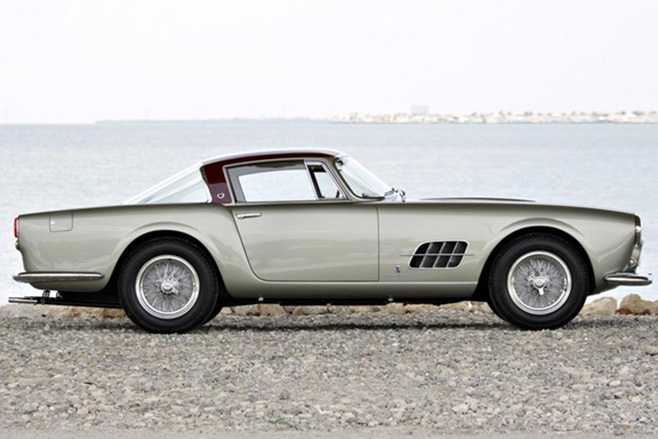

20. 1957 Ferrari 250 Testa Rossa
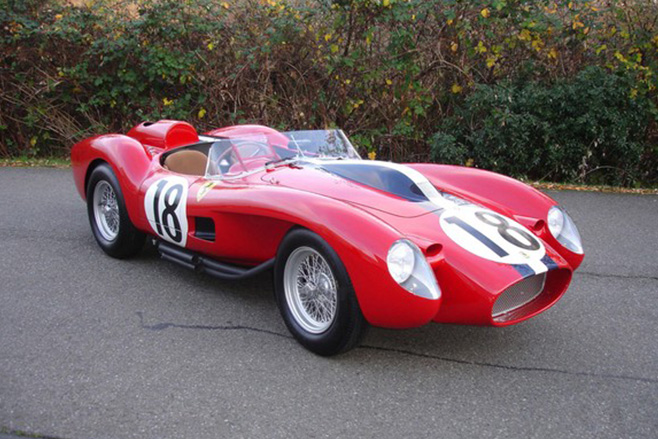
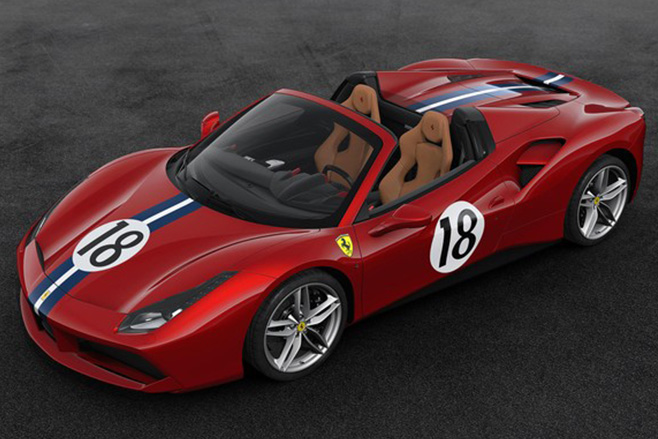
View more 70th Anniversary limited edition liveries inspired by past Ferrari models.
In our Fast Facts series, WhichCar delves deep into the history of automotive brands to bring you fascinating facts and intriguing information.
Here we focus on Hyundai, the Korean industrial giant that only built its first homegrown car in 1975 but has become one of the biggest automotive players in the world.
FORDS FIRST
Hyundai’s industrial empire was established in 1947, yet it took another 20 years before it created an automotive subsidiary – the Hyundai Motor Company. The first cars weren’t Hyundais, either. HMC started vehicle manufacturing with models for Ford – the Cortina from 1968, followed by the mid-size 20M a year later. The Ford Granada luxury sedan would join them on Hyundai’s Ulsan assembly line in 1978.
MODERN NAME
Hyundai is the Korean word for ‘modernity’ or ‘modern era’. Its slanted H logo represents a satisfied customer shaking hands with a Hyundai representative.
PONY UP
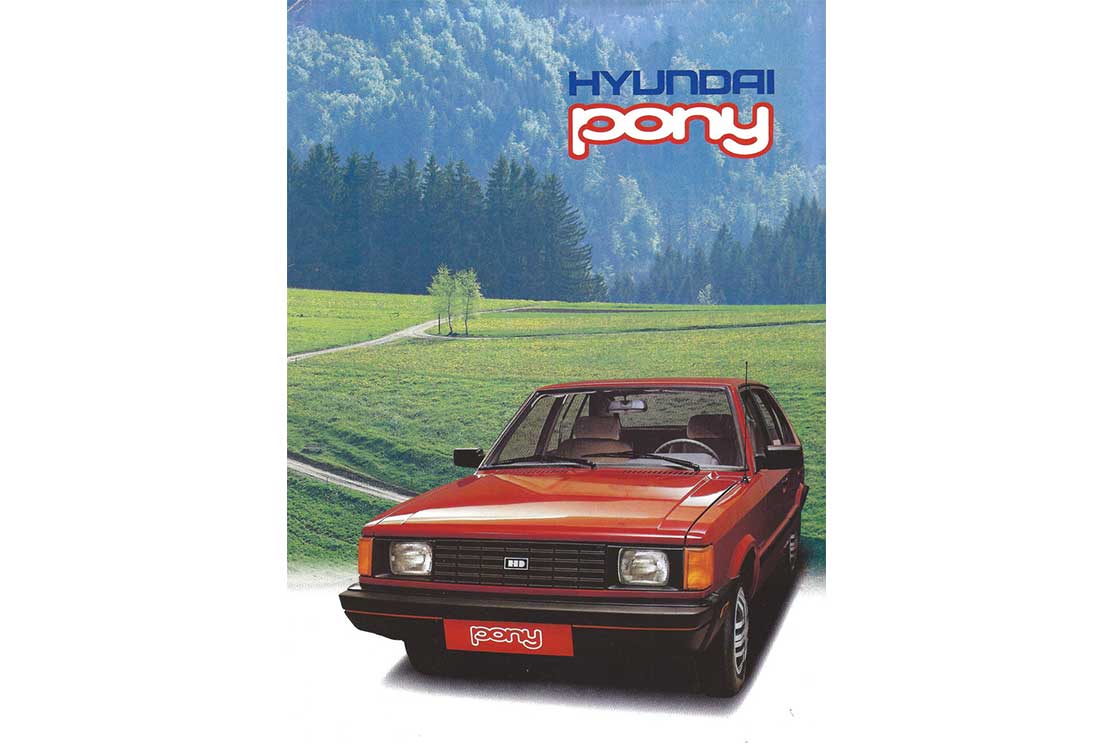
The company’s first in-house vehicle was the 1975 Pony. It may have been an economical, five-door small car, yet it was penned by legendary Italian designer Giogetto Giugiaro – famous for models such as the 1972 Lotus Esprit, 1974 Volkswagen Golf, 1978 BMW M1 and the 1981 DeLorean DMC-12.
THE EXCEL THAT DIDN’T EXCEL
Giugiaro was also responsible for the styling of the follow-up Pony Excel in 1985 that became known simply as the Excel in overseas markets, where its bargain pricing helped it sell in big numbers – including the US. An independent local distributor asked Australia to say “Hi to Hyundai” with a brand launch campaign in 1986 – and a $9990 price tag. Not surprisingly, the model was hugely popular, though it also proved problematic – harming Hyundai’s reputation for quality for years.
NO MORE TO PAY
In the mid to late 1990s, a much-improved, third-generation Excel started the rehabilitation of the Hyundai brand in Australia. The three-door Sprint variant also introduced the market to “driveaway no more to pay” pricing that was a revolutionary move at the time – dispensing with the hidden dealer charges and on-road costs. For a time, there was also free air-conditioning offered – all helping to make the Excel the most popular four-cylinder car in Australia at the time.
WORLD’S BIGGEST PLANT
Hyundai’s Ulsan facility is the world’s biggest single automotive plant. It was first constructed in 1968, just a year after the Hyundai Motor Group’s formation. Comprising five independent plant facilities, it spans an area covering five square kilometres – leading it to be known domestically as the ‘industrial city’.
A BIT OF AUSTRALIA IN YOUR HYUNDAI
Hyundai imports millions of tonnes of iron ore to produce its own steel for its vehicles – and more than half of it comes from Australia. Our country is also the source for about half of the brown coal used to fire the blast furnaces involved in the metal production process.
SISTER ACT
In 1998, Hyundai took a controlling 51 per cent stake in fellow Korean car maker Kia, which had been struggling with significant debts. Hyundai’s bid for Kia beat competition from another major Korean car maker – Daewoo.
CEO SCANDAL
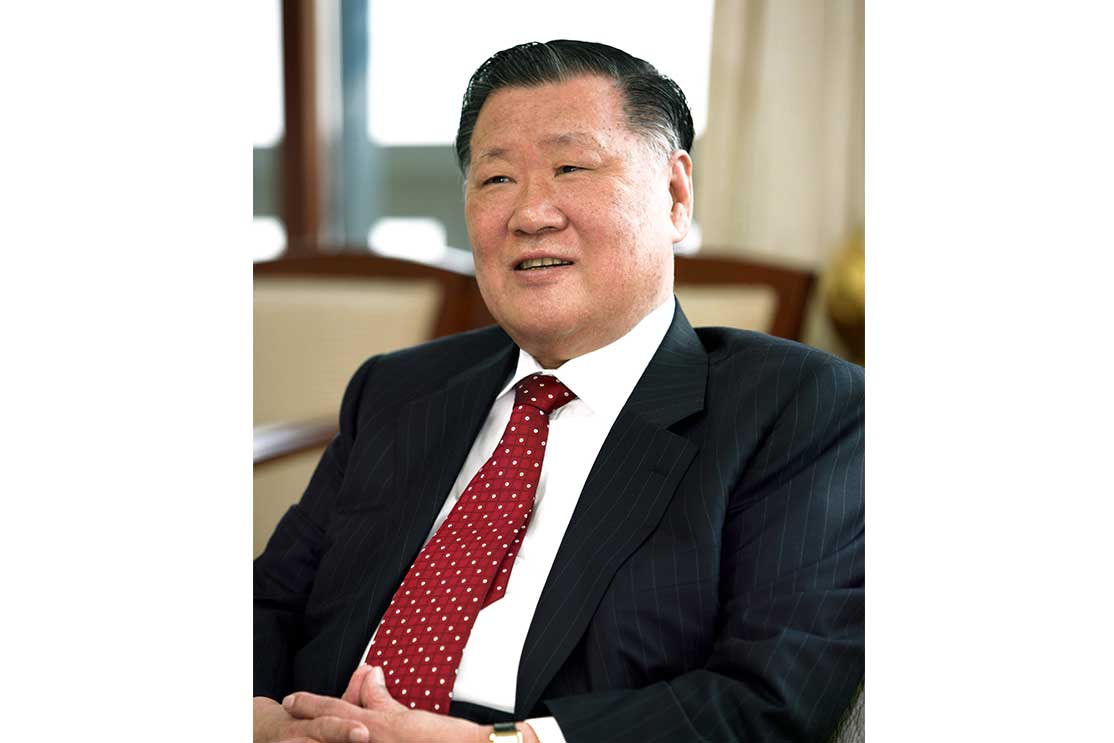
Current Hyundai (and Kia) chairman Chung Mong Koo was convicted of fraud and embezzlement in 2007 but after receiving a suspended three-year sentence was pardoned the following year by the South Korean president.
SECOND TO SAMSUNG
South Korea’s powerful, family-controlled business conglomerates are known as ‘chaebol’. Hyundai is the second largest chaebol in the country, behind electronics giant Samsung.
SPORTY START
Hyundai built a model called the Sporty in 1985, though it was merely a three-door hatchback. The company’s first true foray into sportier cars was with the 1996 Tiburon, a curve-crazy coupe that adopted the simple Coupe name for some markets including Australia. The second-generation version kept the Tiburon name locally, and offered a choice of four-cylinder and V6 engines.
N FOR NAMYANG
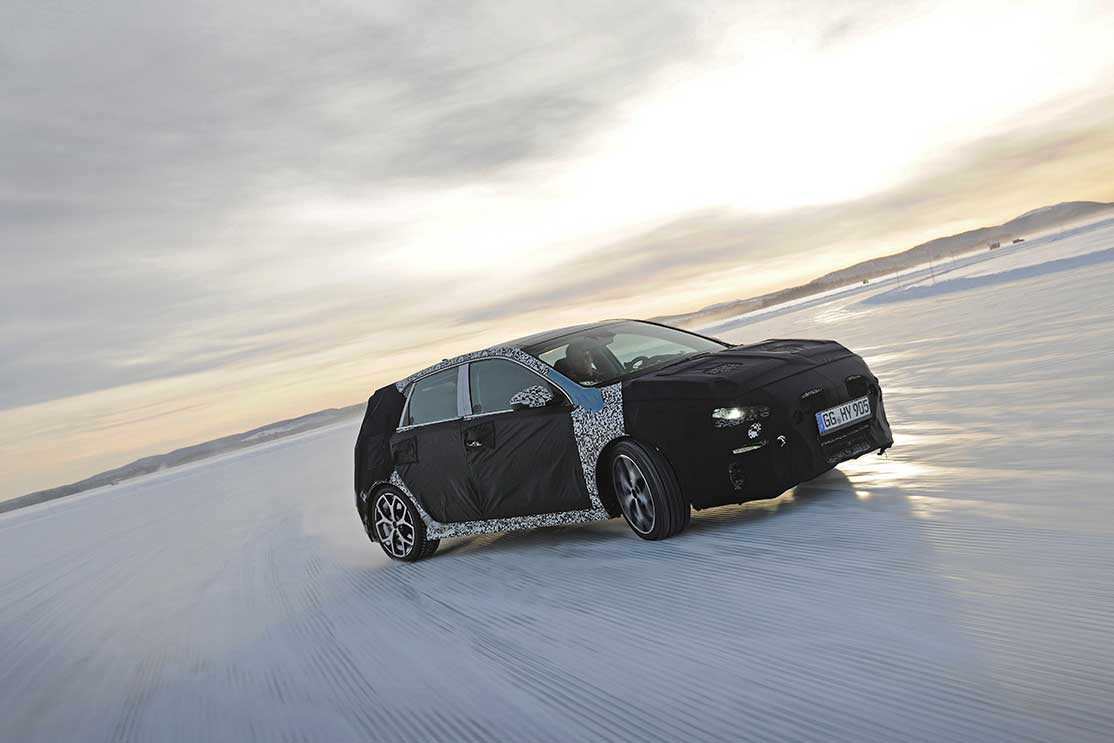
Late 2017 will see the introduction of a hot-hatch version of Hyundai’s big-selling small car, called the i30 N. The N represents Namyang – the name of the company’s domestic research and development facility. The i30 N is the start of a new range of performance models.
THE BEGINNING OF GENESIS
Hyundai first dabbled in luxury cars in the late 1990s with the Dynasty and Equus limos.
More serious efforts came in 2008 and 2009 with, respectively, the Genesis and second-generation Equus, the latter of which had moved from front-wheel drive to rear-drive. Both were exported to the US, with the Genesis in 2009 becoming the first Hyundai to win the North American Car of the Year award. The second iteration of the Genesis was introduced to Australia in 2014, albeit with limited success. In 2015, Hyundai announced it would create a separate luxury car division called Genesis – under which the Genesis and Equus models would be rebadged G80 and G90.
Carmakers of the world, I have an important announcement. If you’re working on autonomous vehicles, please, stop what you’re doing. Why? They’ve already evolved to exactly where they need to be.
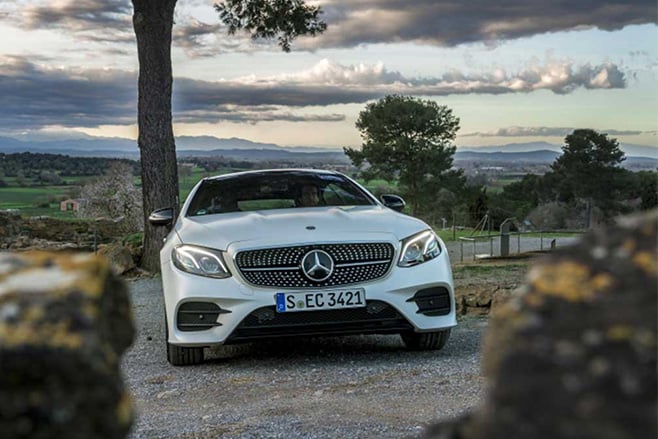
A case in point is the new Mercedes-Benz E-Class, a car that has just passed through the Wheels garage. It is wrapped around one of the most advanced driver assist systems on the planet, and you know what? It already ticks all the self-drive boxes we, the driving community, need.
I have one of the longer commutes to Wheels HQ in Melbourne’s leafy eastern suburbia. As a consequence, I spend a long time behind the wheel experiencing everything from high-speed freeway running to the hell that is peak-hour suburbia.
It doesn’t matter if I’m behind the wheel of a half-million-dollar Bentley or a bargain-basement Proton, at times the slog to and from work can bring out the worst in me. But strangely, not during my time in the E-Class.
The E300 saloon I’m driving now includes technology called Mercedes-Benz Intelligent Drive. It’s not full self-driving technology, but it walks a fine line between monitoring what the driver does behind the wheel, and removing the driver from the equation where it feels it necessary. It’s the halfway point between the need to have, and not have, a bag of meat behind the wheel.
Let’s run through a list of what it does:
● Distronic, which automatically adjusts the speed and distance to the car in front while I concentrate on steering ● Adaptive braking, which will hold the E-Class steady on a slope, checks to see if they have pressure and wipes them lightly when it’s raining to keep them sharp ● Active Brake Assist that will pull the E-Class up for you if it senses a collision with the car in front or a pedestrian is about to happen ● A cross-traffic function that watches for cars passing through an intersection and stops you nosing out in front of them ● Active Blind Spot Assist that will watch for traffic in your blind spot and steer away from danger if you attempt to merge dangerously ● Attention Assist that monitors for signs that you’ve fallen asleep behind the wheel and reacts accordingly and fires up its warning systems ● Brake Assist that’s so smart, it can tell if you haven’t hit the brakes hard enough in an emergency and step on them for you ● Drive Pilot that can read road markings and follow the car in front at speeds of up to 210km/h, and steer the E-Class back into its lane ● Electronic stability control that even keeps the E-Class true even if it is being buffeted by severe crosswinds
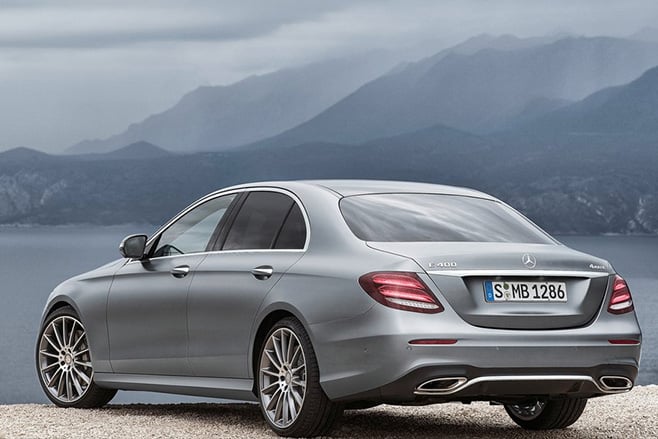
I commuted with all these functions switched on, and after finding confidence in the E-Class’s safety support systems’ safety net, I reckon I became a better driver. One thing I noticed was that I was head-checking for longer before making a decision to change lanes, trusting in the ability of the lane-keeping function to keep the car steady as I looked behind.
I left most of the tedious bits of driving up to the Benz. I still had to cover the brakes and keep a hand on the steering wheel – just in case – but the big Merc pulled up, accelerated, and cruised, while the steering wheel nudged and bumped its way through traffic. All the time I sat there noticing almost as much of the world around me as I would had I been the front-seat passenger.
The only bit of tech I couldn’t get used to, though, was the lane-change assistant that helps the E-Class merge with traffic. If the blind-spot indicator signals the road behind is clear, the E-Class will take control of the steering wheel and help to execute the manoeuvre. It always felt, well, slightly alien as the car took subtle control of the wheel and guided it against the pressure of my hands
But the big take-home for me is the realisation that with a car like the E-Class, the race to autonomy is already waving the chequered flag. It’s now comfortably unobtrusive, and acting more like a guardian angel than a virtual chauffeur. And that’s where it should stop.
I’m no Luddite – I like my technology – but when I can’t trust my smartphone to work all the time, do I really want to put my life entirely in the virtual hands of the car’s neural network: the automotive equivalent of about 60 smartphones all vying for attention? I don’t think so.
Late last year I fired off a question to Dr Peter Harrop, the chairman of the global forward-looking technology group IDTechEx. I wanted to know if we really needed self-driving cars, or carmakers were just under the illusion we did.
“Is the industry feeding off its own hubris in the race for autonomy? Yes to the extent that automakers and tier one suppliers sometimes predict large purchases by private individuals,” Harrop said. “[We doubt] if that will happen.”
Instead, he predicts the fight worldwide to rid cities of privately owned cars will set the direction in which full autonomy will move. The idea of self-driving taxi services becoming the future of urban transport is more likely, he says.
As for the car as we know it? Harrop points to BMW’s statement that even in the fully autonomous age, there will still be people who enjoy driving, and won’t be willing to pay more to have a self-driving car. Instead, those people willing to pay for fully autonomous tech are likely to be “some wealthy younger people … so they can tap on their phone non-stop”.
But the future of the car is under threat, he says: “From China to everywhere, most of the next generation do not aspire to own a car.”
A facelift of the Mercedes-Benz S-Class due later this year will also usher in an autonomous leapfrog past the E-Class. It will allow the driver to pre-set the route in the sat-nav system, and then the car will take care of all the accelerating and braking. The driver will need to do little more than sit there and move the steering wheel.
But back to today. I reckon the best thing about Benz’s current system is, find a nice, twisty stretch of road, and almost every bit of tech that interferes with the process of driving turns off with the press of a button.
Just like that, it’s back to being all about me and the car, just the way I like it.
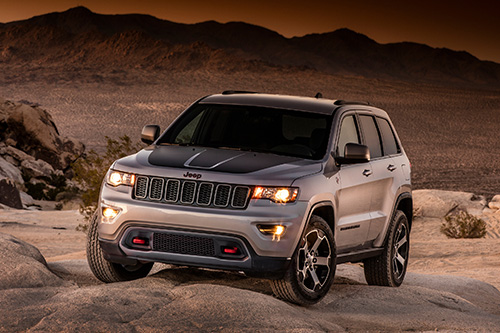
The Jeep Grand Cherokee has been updated for 2017, with changes spearheaded by a new Trailhawk variant with an even sharper off-road focus.
America’s famous 4WD brand has priced the Grand Cherokee Trailhawk at $74,000, placing it in the middle of a range that comes with some price increases of between $500 and $1000.
The Grand Cherokee already has established off-roading credentials but the Trailhawk earns its ‘trail-rated’ badge with features including a more advanced all-wheel-drive system, air suspension that allows even higher ground clearance, all-terrain tyres, an electronic rear limited-slip differential, four underbody protection plates, and uphill cruise control.

There’s also an anti-glare black bonnet plus recovery tow hooks.
The Trailhawk’s extras are available on diesel versions of the Overland and Laredo 4×4 models as part of an optional Off-Road Adventure Group package.
The Grand Cherokee joins the Renegade and smaller Cherokee as Jeeps offering Trailhawk variants.
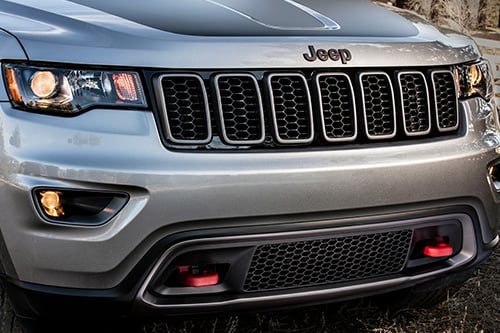
All updated Grand Cherokees now sport a new look to their front, comprising a new mesh grille, reshaped headlights, new fascia, and LED foglights. New alloy wheels ranging between 18- and 20-inches in size are also introduced.
Inside, a subtle makeover includes a new steering wheel, a digital instrument cluster, and revised centre stack – featuring Fiat Chrysler’s 8.4-inch colour touchscreen on all but the base Laredo rear-wheel-drive model.
Also across the range comes new electric power steering, an Eco mode, plus an updated eight-speed automatic gearbox with claimed improvements in durability and shift quality. There’s barely any change in fuel consumption for the carry-over engines despite the Eco mode. The 3.6-litre V6 petrol improves slightly from 10.1L/100km to 9.9L/100km in the base model, or to 10.0L/100km in 4×4 variants.
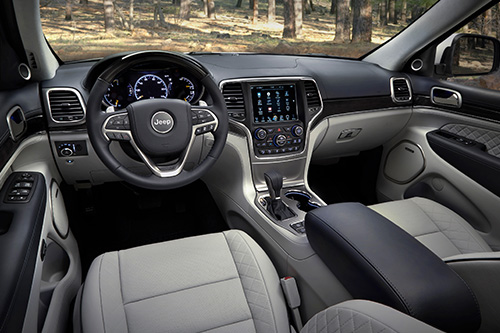
The 3.0-litre V6 turbo diesel remains at 7.5L/100km, and the 6.4-litre V8 ‘Hemi’ engine powering the flagship is unmoved at 14.0L/100km.
Jeep’s luxury-focused Overland model is now available only with the turbo diesel, dropping the V6 petrol option. For now, the full bells-and-whistles Summit model is also dropped.
The range is covered by Jeep’s new There & Back Guarantee, which comprises five-year warranty and lifetime roadside assistance.
Here’s WhichCar’s quick guide to the new Jeep Grand Cherokee Range.
LAREDO V6 RWD – HIGHLIGHTS
- V6 petrol engine
- 18-inch alloy wheels
- 5.0-inch touchscreen
- 7.0-inch instrument display
- Front and rear sensors plus camera
- Dual-zone climate
- Electric and heated front seats
- Keyless entry and ignition
- V6 petrol or V6 turbo diesel with Quadra-Trac II AWD
- Selec-Terrain Control
- Hill descent control
- 8.4-inch touchscreen
- V6 petrol or V6 turbo diesel with Quadra-Trac II AWD
- 20-inch alloy wheels
- Navigation
- Capri leather seats
- Alpine audio system
- Auto tailgate
- Privacy glass
- Heated steering wheel
- Heated rear bench
- V6 turbo diesel with Quadra-Drive II 4×4 system
- Quadra-Lift Air Suspension
- Rear electronic limited-slip differential
- Selec-Speed with Hill-ascent control
- Underbody skidplates x 4
- 18-Inch off-road-style alloy wheels
- All-terrain tyres
- Nappa leather seats with suede Inserts
- Ventilated Front Seats
- Recovery tow hooks (front)
- Black anti-glare bonnet decal
- V6 turbo diesel with Quadra-Trac II AWD
- Quadra-Lift Air Suspension
- Dual-pane panoramic sunroof
- Blind spot monitoring
- Full-speed Forward Collision Warning
- Adaptive Cruise Control
- Lane Departure Warning Plus
- Parallel & Perpendicular Park Assist
- Nappa leather seats with ventilated front seats
- Wood/leather-wrapped steering wheel
- 344kW 6.4-litre V8 with Quadra-Trac Active on Demand 4×4 System
- Brembo performance brakes
- Adaptive suspension
- SRT flat-bottom steering wheel
- SRT leather/suede seats
- Nappa-leather door trim
- Active noise-cancelling system
- Launch control
- Performance instrument cluster
- Laredo V6 RWD $47,500 (+$500)
- Laredo V6 $52,500 (+$500)
- Laredo TDV6 $59,000
- Limited V6 $62,500 (+$500)
- Limited TDV6 $69,000
- Trailhawk TDV6 $74,000 (New model)
- Overland TDV6 $80,000 (+$1000)
- SRT $91,000 (+$1000)
AUDI is offering an in-kind goodwill gesture to Australian customers affected by the Dieselgate controversy as it rolls out a fix for about 10,000 of the 16,058 Audi-badged cars scooped up in the scandal.
The German luxury brand this week updated its website to say it had gained government approval to fix another batch of vehicles using 1.6- and 2.0-litre versions of its EA189 four-cylinder diesel engines affected by claims that they included defeat devices to pass strict US emissions laws.
To keep Australian owners happy, Audi is offering an extra two years of roadside assistance and, if their car is still inside its three-year warranty period, an extra two years of cover.
Audi has implemented a fix for affected vehicles that takes about 45 minutes, and may include a hardware upgrade that corrects an air flow rectifier, Audi Australia spokeswoman Anna Burgdorf told Wheels.
“To date, 26 percent of customers have had the free technical update performed on their vehicle,” Burgdorf said. “We’re anticipating to get approval by later this year to fix the remaining cars.”
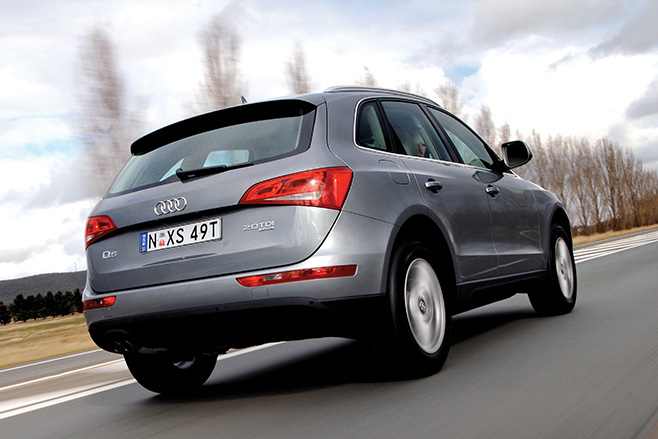
If the Dieselgate fix doesn’t fit in with an owner’s busy schedule, Audi’s dealer network will offer them a loan vehicle. When they return it, they will find their car “fully cleaned and washed inside and out”, said Burgdorf.
Audi’s German parent company, Volkswagen Group, has come under heavy criticism from Australia’s consumer interest group, Choice, over claims the carmaker had attempted to “avoid, confuse, and deny” claims relating to the scandal, and its refusal to compensate owners.
The group has consistently said it has not broken any laws here by including the cheat devices on its cars.
In a further blow, last week Australia’s competition watchdog, the Australian Consumer and Competition Commission, added Audi as a co-defendant in its Federal Court action against Volkswagen, alleging it had also engaged in misleading owners – a claim both brands have denied.
About 80,000 other Volkswagen Group vehicles in Australia have already had a fix approved, including 2.0-litre versions of the Volkswagen Golf, Passat, Jetta, Tiguan and Caddy, and 2.0-litre versions of the Skoda Superb, Octavia and Yeti.
Ford has teamed up with Canadian auto-supplier specialist Magna to develop a carbonfibre subframe for improving the fuel efficiency and dynamic ability of future vehicles.
The carbonfibre-reinforced composite subframe is claimed to reduce weight by more than a third compared with one constructed from stamped-steel.
Magna said the subframe reduces the number of parts required by 87 per cent – replacing 45 steel parts with just four metallic parts plus two moulded parts held together by adhesives and rivets.
The company says subframe prototypes are now being tested in vehicles after computer-aided engineering analysis pointed to successful chassis integration.
Magna says the testing phase will “evaluate corrosion, stone chipping and bolt load retention, which aren’t currently measured by CAE”.
“We must continue to work hard to achieve these lightweight solutions at the most affordable costs,” said Mike Whitens, Ford Research and Advanced Engineering’s director of vehicle enterprise systems.
“Magna and Ford working together on this carbonfibre composite subframe is a great example of collaboration on advanced materials.”
Related statements from Ford and Magna speak exclusively to the efficiency advantages of bringing down vehicle mass, though removing front-end weight has inherent performance benefits such as reduced understeer and sharper cornering.
Subframes play a crucial role in a vehicle’s construction – commonly used for attaching the engine and wheels, and contributing to overall rigidity and crash resistance.
Carbonfibre was once considered prohibitively expensive for mainstream car makers but its use is becoming increasingly popular in an era of ever-tightening emissions regulations.
Magna and Ford previously collaborated on a carbonfibre grille opening reinforcement for the previous version of Blue Oval’s hotter Mustang, the Shelby Cobra GT500 (the latest GT350R model features carbon fibre wheels from Australian company Carbon Revolution).
VOLKSWAGEN Golf GTI and R buyers and enthusiasts will be offered optional performance parts and more special editions as the German brand capitilises on the appeal of its go-fast hatches.
VW Australia has this month introduced body kits from long-time VW tuning masters Oettinger.
The Oettinger Performance aero kits for both the Golf GTI and R comprise splitter and spoiler up front, side skirts for the flanks, and a motorsport-inspired diffuser lower bumper with quad exhaust system – doubling the number of pipes traditionally seen on the GTI.
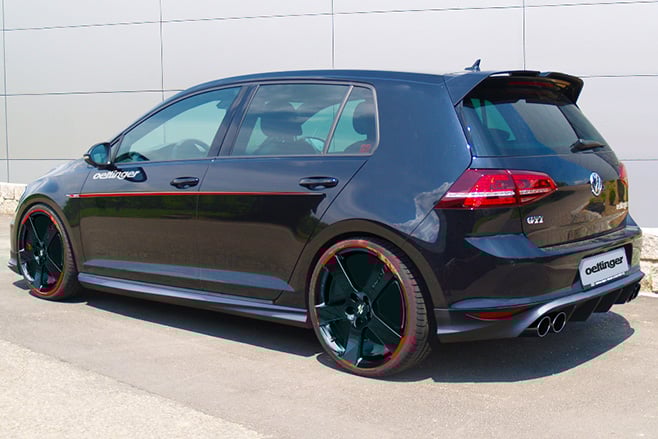
“We’re well aware that a great many customers look to enhance their GTIs visually and in terms of performance,” said VW Australia spokesman Paul Pottinger. “These new Oettinger kits are a sign of a direction we’re taking. They could come to be part and parcel of the GTI experience.
“We will certainly get every GTI model we can lay our hands on.”
Since the Mark V version declared a welcome return to form for the iconic hot hatch, the GTI has regularly accounted for about one in four Golf sales locally.
Special editions have included the GTI Pirelli, GTI Adidas and anniversary models including the latest, the GTI 40th that in 2016 marked the 1976 original.
And VW Australia exclusively used the Wolfsburg Edition name for the wagon variant of the R hatch it imported in 2015 with market-specific extras.
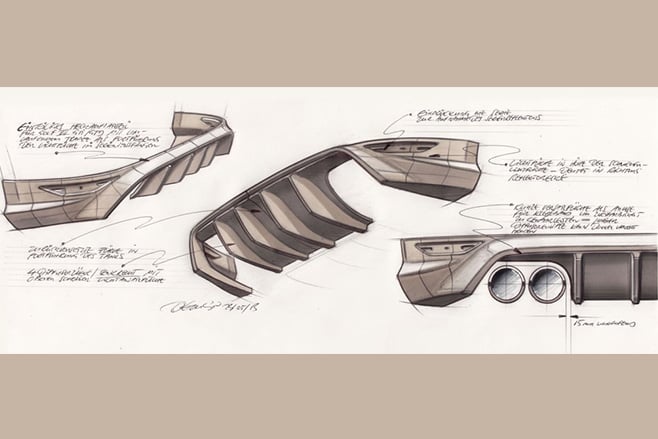
An official “R Performance” video released this week also promotes an upcoming faster variant of the all-wheel-drive flagship Golf. Enhancements featured in the video included an Akrapovič titanium exhaust system, black wheels, roof lip spoiler, and ‘air curtain’ side intakes borrowed from the GTI 40th model.
The video also suggests top speed will increase from an electronically limited 250k/h to 267km/h.
The Mark 7.5 versions of the Golf GTI, GTI Performance and Golf R go on sale in August – each bringing more power, speed and technology. The 213kW R has reduced its 0-100km/h time from 5.0 to 4.6 seconds when equipped with the optional DSG auto.
The R Performance is expected to follow at a later point. A return of the Wolfsburg Edition name also can’t be ruled out.
%MCEPASTEBIN%
The facelifted Ford Mustang due in Australia next year will lift technology from the Fiesta small car that will allow it see pedestrians in the dark, and automatically brake for them.
Ford announced overnight that both its small city hatch, due late this year, and the facelifted Mustang – criticised heavily in recent independent crash test ratings for not having any driver assist systems – will include auto-braking tech that will help to stop the cars from wiping out an unwary person stepping off the footpath.
Last year, 117 pedestrians died on Australian roads posted with speed limits of 60km/h or less, with another 10 already killed in similar urban speed zones over the first two months of this year.
The European New Car Assessment Program earlier this year slugged the Ford Mustang with a shock two-star crash rating out of a possible five, largely for lacking driver assist systems such as automatic emergency braking (AEB). It was also scored down for offering what Euro NCAP assessed as poor child protection in the rear seats.
Ford has since said that a significant mid-life makeover of the Mustang on sale in the US in a few months’ time – but not due here until early next year – would include an AEB system.
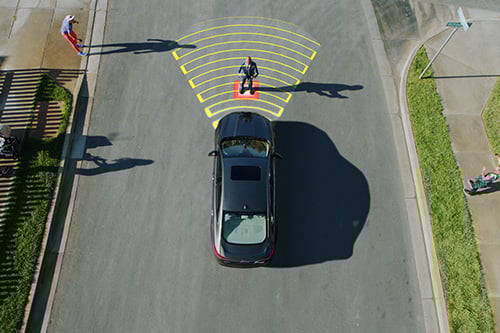
Ford’s breakthrough with its pedestrian detection system over some rivals is that it can detect pedestrians picked out in the dark by the car’s headlights, as well as in daylight.
It uses a front bumper-mounted radar and a camera housed near the rear-vision mirror to watch the road ahead, and compare what it sees with a database of pedestrian “shapes” to ensure it isn’t confusing them with things such as trees and road signs.
Once it spots someone and works out that a collision is likely, the system will sound an alert and flash a warning signal in the driver’s eyeline. If the driver doesn’t react, the car will automatically jump on the brakes.
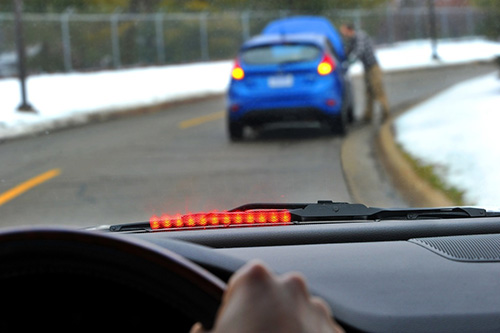
Despite its two-star crash rating, the Mustang scored reasonably well for pedestrian impacts in its Euro NCAP assessment, although it was marked down for not having an auto-braking function that would automatically stop for them.
The car on sale today does come fitted with an active bonnet that uses sensors hidden in the front bumper to recognise if the Mustang is hitting a pedestrian. It can then automatically raise the trailing edge of the bonnet to create a bigger safety buffer over harder parts in the engine bay such as the engine and front suspension towers.
The reborn Mustang – built for the first time ever in right-hand drive – has become roaring success in Australia. Ford anticipated it would sell about 1000 of the turbo four-pot and V8 sports cars locally in 2016, and instead it sold more than 6000.
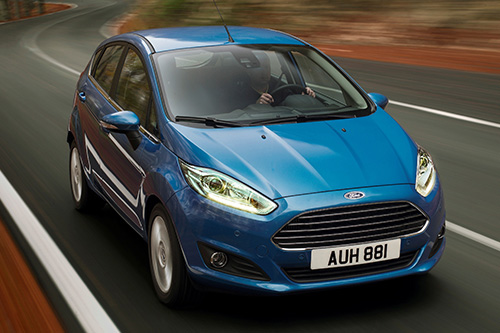
Ford has claimed its next-generation Fiesta will be the world’s most technologically advanced small car when it goes on sale. However, like the updated Mustang, it’s likely to be next year before we see the smallest Ford in the Australian line-up replaced here.
European versions of the Fiesta will include two cameras, three radars and 12 ultrasonic sensors surrounding the vehicle that can detect hazards and alert the driver.
It is likely to include a 103kW turbocharged 1.0-litre engine mated to a new six-speed automatic transmission.
Despite its decent ride and handling, and Euro design influence, the current Fiesta is a minor player in Australia’s light car segment dominated by the Mazda 2, Toyota Yaris and the Hyundai Accent, each with about a 15-20 percent slice of the market that is struggling to maintain once-healthy levels of sales.
In contrast, the Fiesta commands only a 3.5 percent market share.
Ford Australia announced shortly after its 2013 decision to shutter Australian manufacturing that it would be introducing 20 new or updated models to the Australian market by 2020.
