
Five years ago, the affordable end of the performance-car market was a bleak and desolate place.
If your budget topped out at $35,000 and you wanted a set of wheels that was fast and/for fun, really your only option was the Volkswagen Polo GTI. If you wanted driven rear wheels, you’d need to keep saving for a $45K Mazda MX-5 or Holden SS ute.
Then came a bombshell, a lightweight, naturally aspirated, rear-wheel drive coupe that wouldn’t require a second mortgage to own, but few would’ve put money on Toyota being the company to re-ignite the sector.
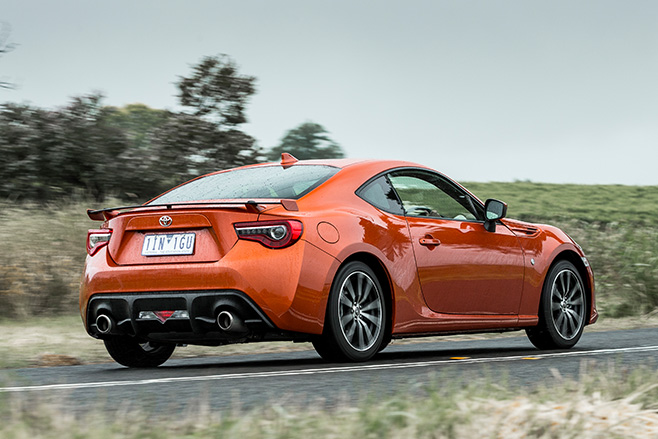
Even so, few were prepared for just how big an impact the 86 would have. I remember the air of dismay from assembled hacks at the 86 launch when Toyota’s then-PR boss announced the starting price wouldn’t start with a ‘three’. I’m sure I wasn’t alone at this point in thinking that this new coupe was going to struggle with a $40K price tag, no matter how talented it turned out to be.
However, this dismay quickly turned to stunned disbelief when it was revealed that the starting price would actually start with a ‘two’.
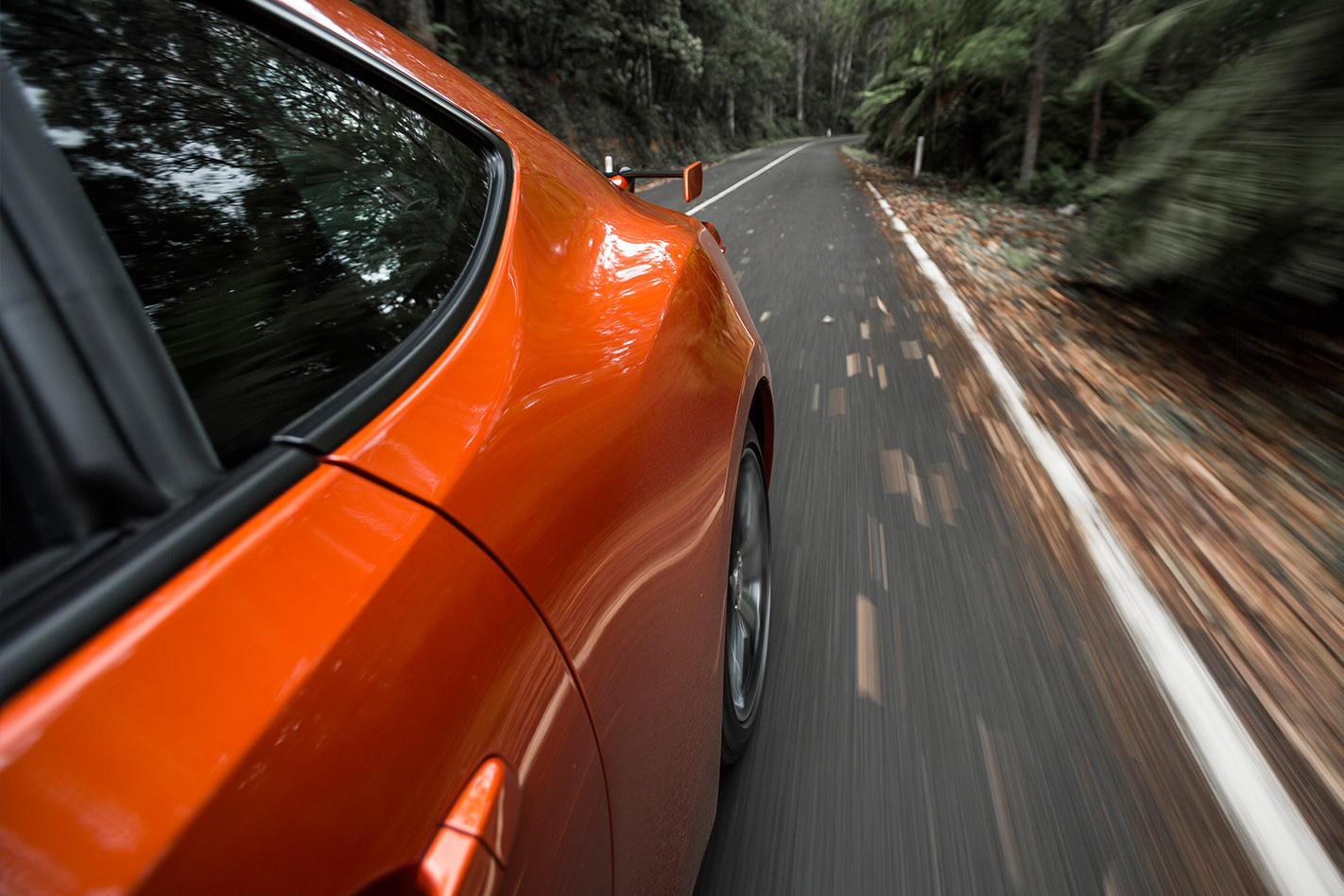
But the budget end of the fast-car market is a very different place to that entered by the 86 four and a half years ago. Ford redefined affordable performance with the superb Fiesta ST, Renault slashed the price and broadened the appeal of its Clio RS, VW’s Polo GTI has gone from strength to strength and Mazda went back to the drawing board with the latest iteration of its iconic MX-5.
In short, consumers are now spoiled for choice, and with 86 sales slowing the facelift has arrived at an opportune time.
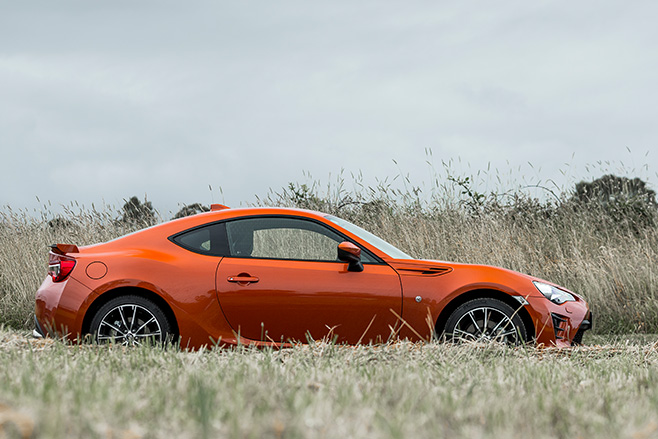
However, the 86 has primarily focused on substance over style, letting the driving experience create the biggest impression. On paper the facelift tweaks seem relatively minor, with a stiffer body structure courtesy of extra spot welding at the rear, revised suspension and a new stability control system.
It’s important to put these comments into context. No doubt to Tada and his team the differences are glaringly obvious, but we’re talking very subtle changes here and even long-time owners are going to need a long and varied drive to feel the effects. Thankfully, as mentioned, there wasn’t a lot wrong with the 86 to begin with, so we’re still talking about one of the more enjoyable driver’s cars around.
The steering is borderline perfect in terms of its weighting and rate of response and offers the sort of feel that thoroughly disproves the theory that electrical assistance is inferior to hydraulic. Even at straight ahead there’s snippets of textural feedback, with none of the on-centre dead zone that so often afflicts electrically-assisted systems.
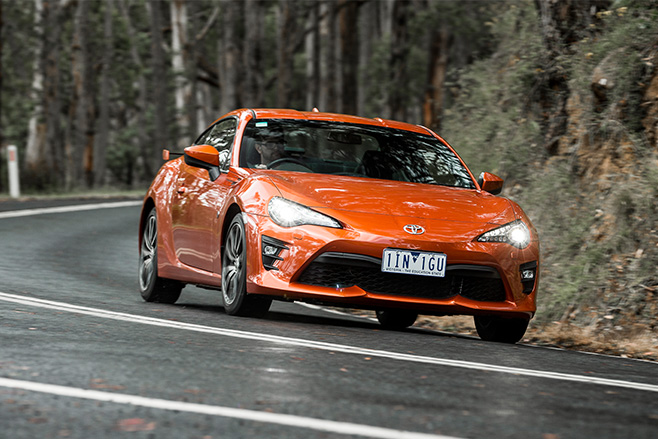
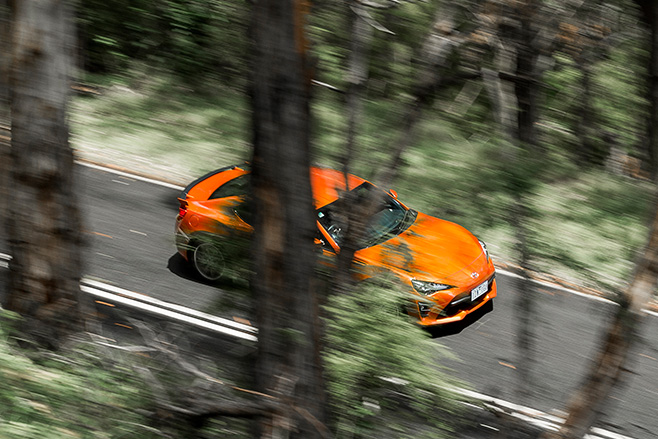
You quickly feel ‘at one’ with the car on a spirited drive; if that sounds a bit too metaphysical, essentially it means that the 86 does exactly what you want, when you want. If the previous 86 had a dynamic flaw, it’s that it could ‘fall’ into oversteer quite abruptly, followed either by a clumsy graunch from the ESP system or a rapidly elevated heart rate if you were driving unaided.
The new car retains this oversteer bias – it’s easier to unstick the rear than the front – but feels more progressive in the way it loses grip. We’re not talking wild, smoking slides here – the 86 needs commitment, momentum and a racetrack to do those – rather a few degrees of oversteer from apex to corner exit.
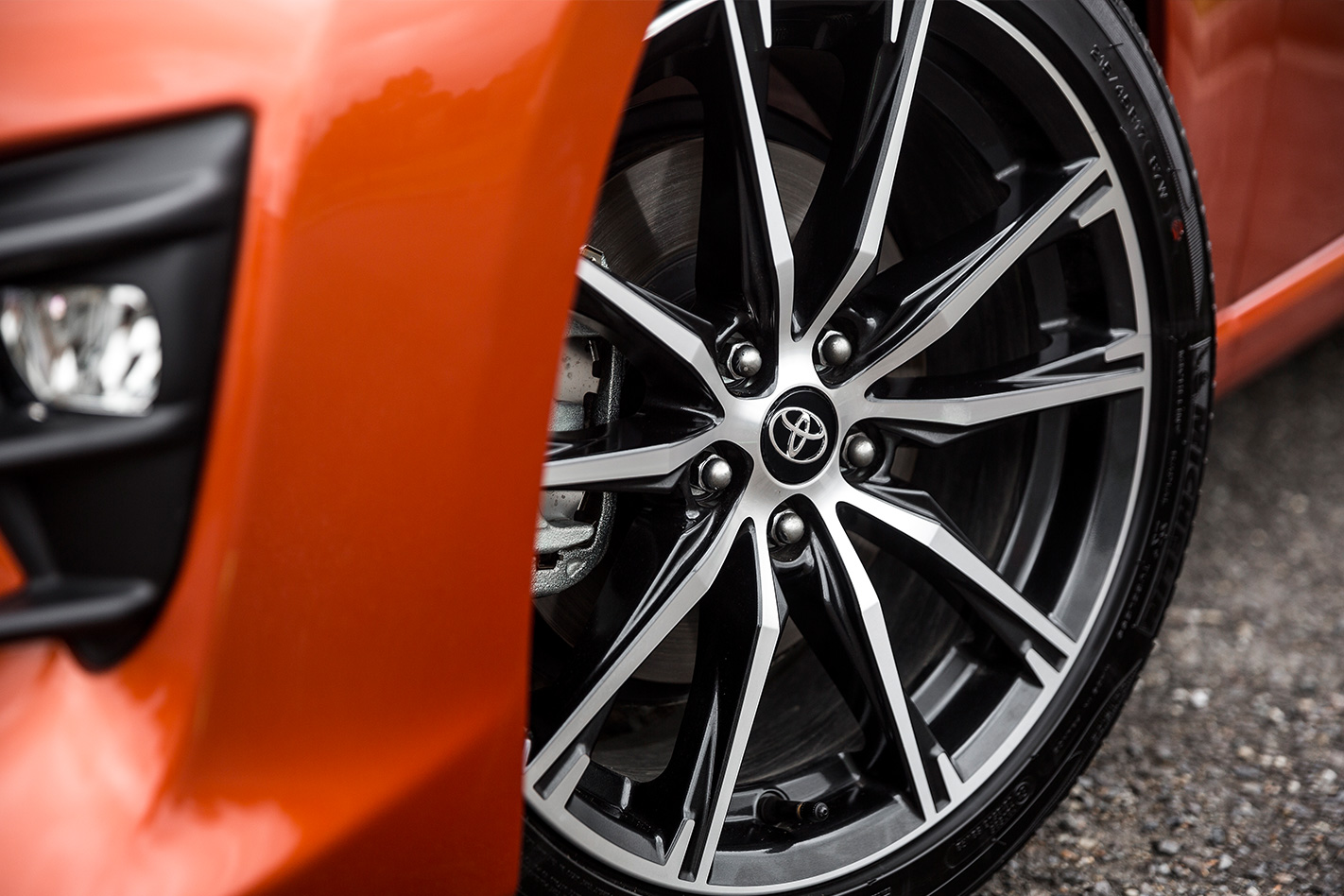
We’re still not completely sold on the eco tyre concept. Low outright grip levels are fine, but the tyres are simply unsuited to high-performance driving, particularly under heavy braking, making it all too easy to trigger the ABS. Unusually, the two cars driven, a GT and a GTS, displayed quite different braking characteristics.
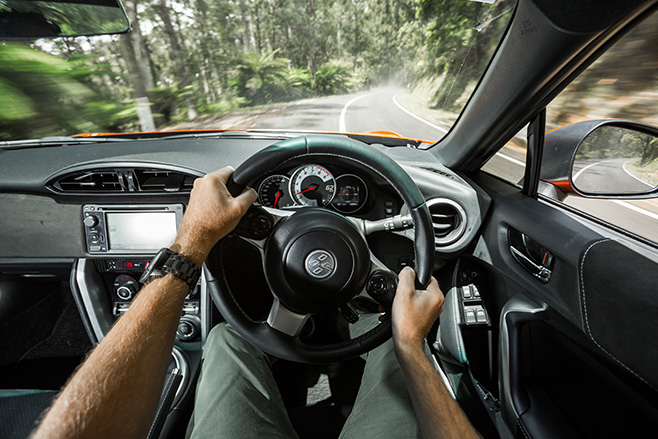
This focus extends to the cabin, with a perfect driving position and great seats, though the interior has little else to recommend it. The base model GT, now $800 more expensive as a manual ($30,790) and $600 more as an auto ($33,090), is a bare-bones affair, almost refreshing in its simplicity. It’s a novelty these days to need to twist a key to start the engine, but the infotainment system is simply out of date, though it’s simple enough to use, partly because it doesn’t do very much.
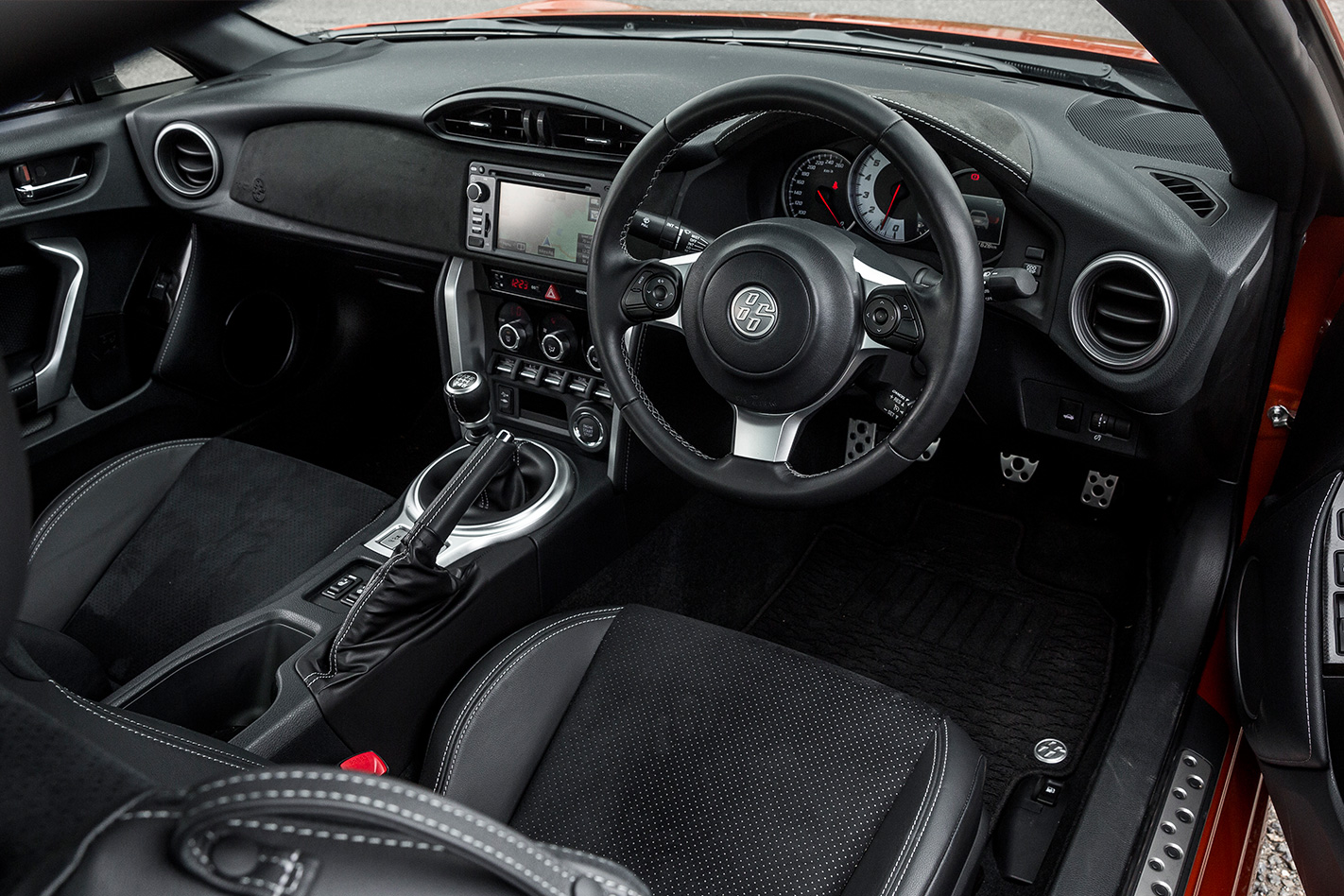
There’s a nifty new digital readout in the instrument cluster, which can display information such as power and torque graphs, g-force, lap times and the like, but to be honest it’s of little use bar novelty value, and we’d gladly trade it for a more upmarket infotainment system.
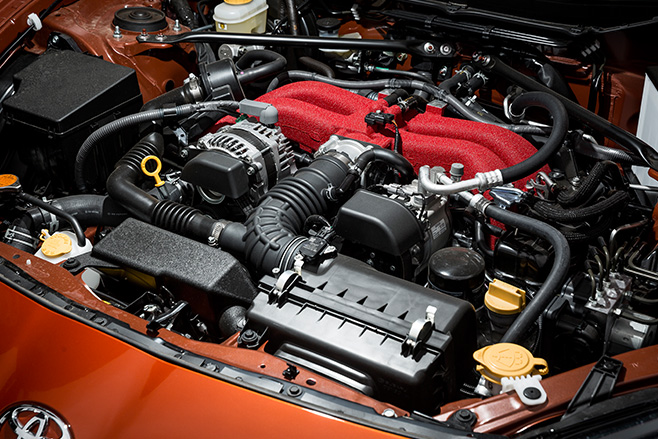
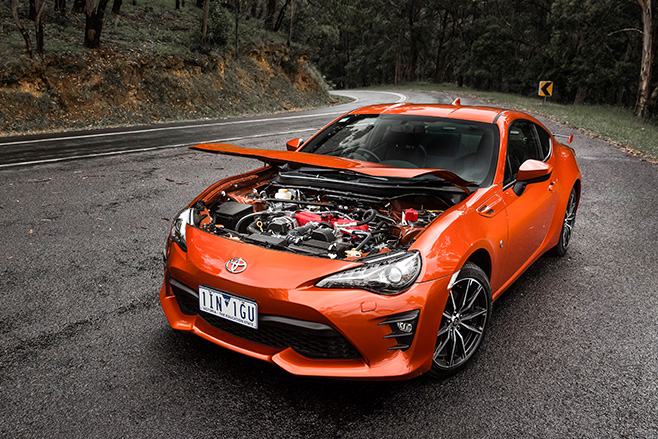
No, the issue is that the 86 feels so much slower than it is. Toyota has revised the intake and exhaust systems on manual cars to liberate an extra 5kW/7Nm, which apparently necessitated a reinforced block and modified pistons, while also shortening the final drive from 4.1 to 4.3:1, but the changes have had little impact on the seat-of-the-pants experience. In fact, the car is likely to actually be slower to 100km/h, as shortening the final drive means third gear is now required at 95km/h rather than 99km/h.
Amusingly, the new power/torque readout in the digital display graphically illustrates the scale of the problem. To make serious progress on a twisty road you have to row the gearbox – good fun to use, though still very notchy when cold – to stay in this narrow 5500-7200rpm power band, but even then the 2.0-litre flat-four never feels particularly energetic. The similarly sized engine in the new MX-5 feels both more muscular and more enthusiastic.
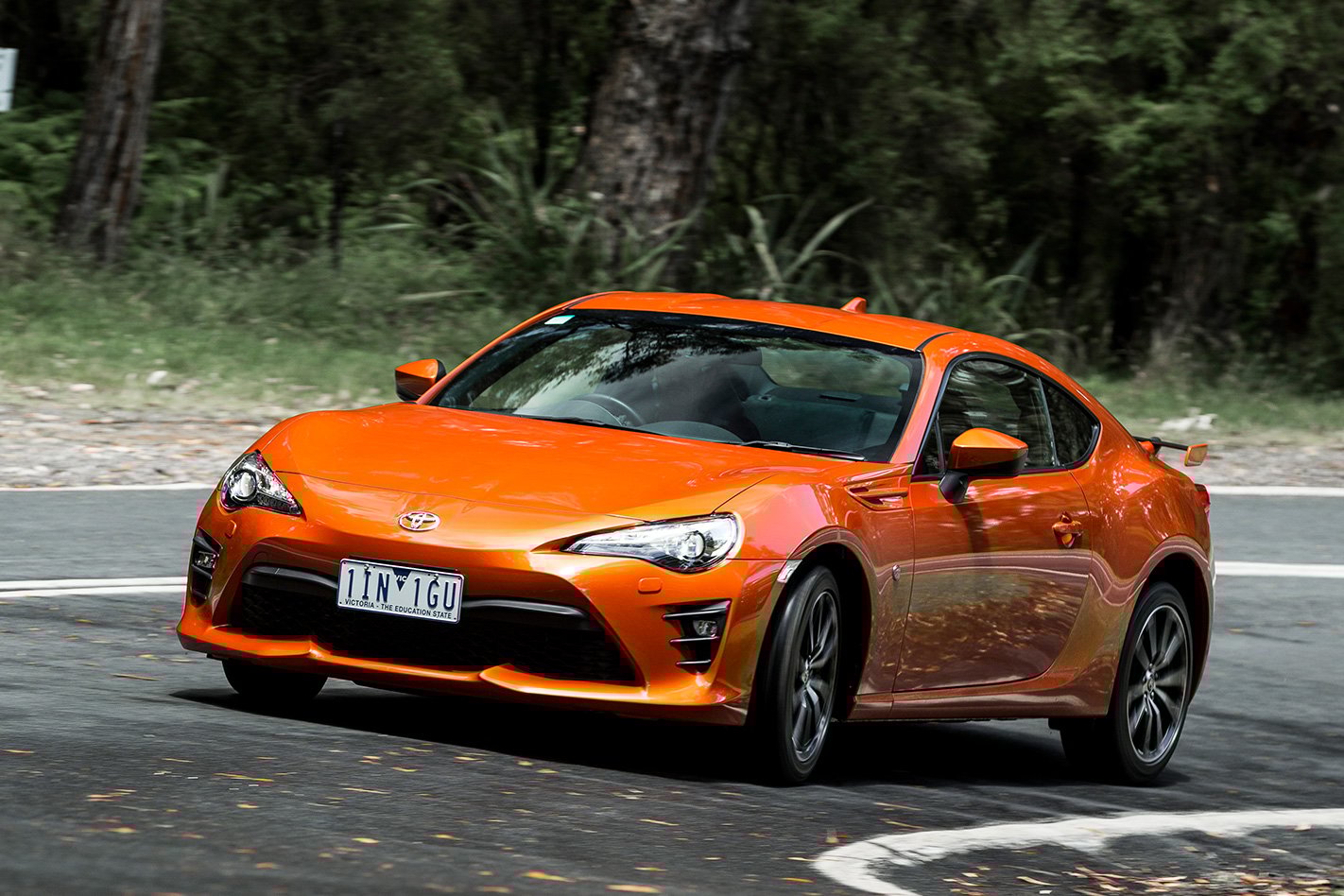
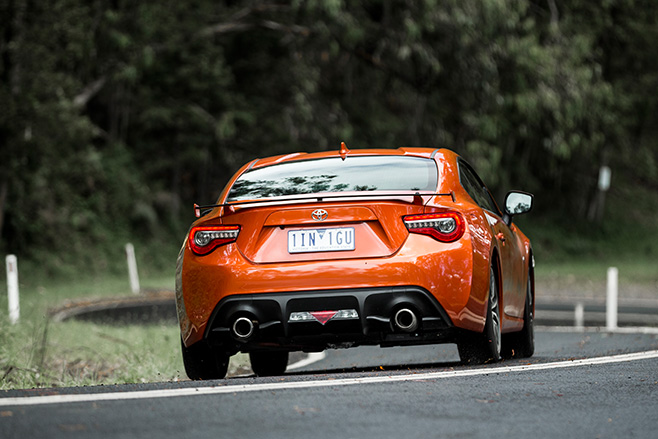
The pace of performance-car development is relentless though, and the chinks in the new Toybaru’s armour, most notably its sub-standard interior and lacklustre engine, will quickly become cracks if not addressed.
The budget performance car landscape might now be rich and thriving rather than bleak and desolate, but in such an environment it’s those that can adapt quickest that will reign. In next month’s issue the Subaru BRZ takes on the MX-5 2.0 and Abarth 124 Spider to see which affordable rear-driver is top dog.
An EVEN faster version of the fastest Volkswagen Golf could be on the cards for Australia after it was teased in an official video.
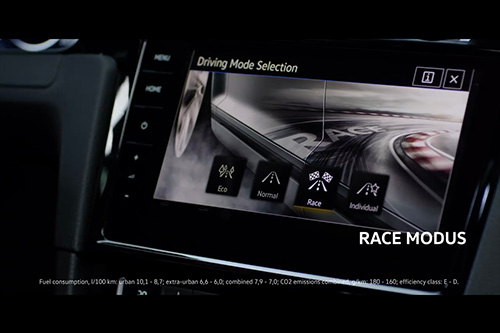
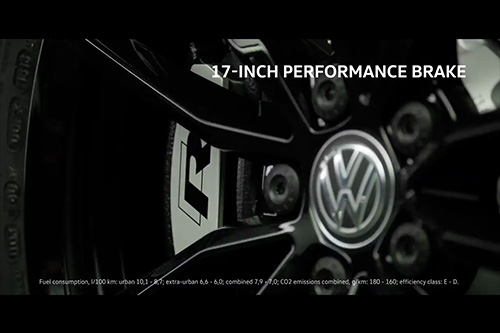
Volkswagen posted a video titled ‘Golf R Performance’ on its YouTube channel, highlighting several extra features for the hot hatch to be “introduced at a later date” as part of a package.
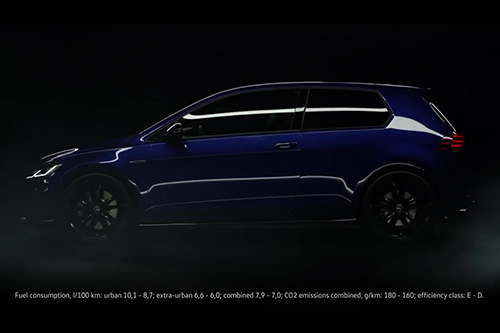
It describes the model as: “Even rawer, even less compromising, even more strong-willed.”
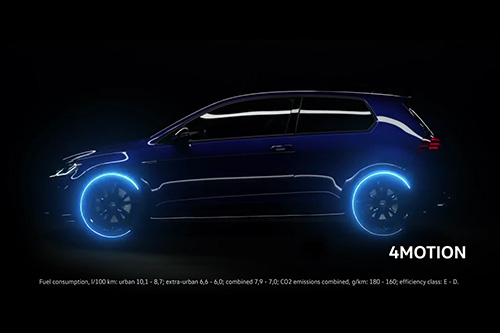
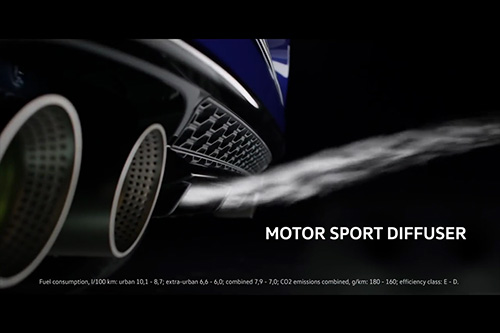
Features not included on the ‘regular’ Golf R that will reach Australia in August in updated form include ‘air curtain’ side intakes borrowed from the GTI 40th Anniversary Edition, V-spoke wheels in black rather than silver, black roof lip spoiler, and a titanium exhaust system from specialists Akrapovič.
The additions for the all-wheel-drive Golf follow the move for the front-wheel-drive Golf GTI hot-hatch. The latest GTI Performance offers more power and torque – up 11kW to 180kW and 20Nm to 370Nm – as well as larger brakes.
It’s not yet clear whether the special exhaust system will liberate any extra power for the R’s 213kW/380Nm 2.0-litre turbocharged four-cylinder engine.
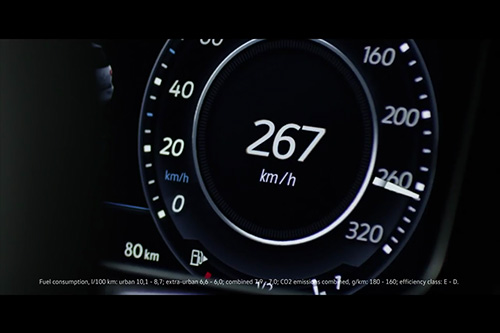
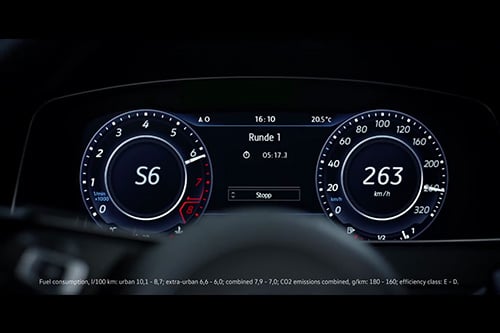
The video suggests the Golf R Performance will only match the regular version’s 0-100km/h acceleration of 4.6 seconds, though a clip of the digital speedo reaching 267km/h suggests its top speed will be slightly higher.
VW Australia spokesman Paul Pottinger wouldn’t be drawn on the R Performance teased in the video but says Australia couldn’t ignore the popularity of hotter Golfs.
“We do very well with the R, and periodically it has outsold the GTI. If you ask whether we would consider different R versions created for Australia, yes, too right we will. It’s a niche in which we’re very much interested.”
In 2015, Volkswagen Australia introduced a $58,990 wagon-based Golf R Wolfsburg Edition, which included various features and appointments exclusive to this market.
THE wildest Volkswagen Golf you can buy has been tweaked for 2017, still featuring outrageously wide bodywork and proper racing pedigree.
VW’s Motorsport division introduced the GTI TCR last year as an affordable means of motorsport for serious punters as well as professional teams, and revisions include a more affordable DSG variant.
The TCR’s blistered wheel-arches contribute to a body that’s 15cm wider than that of the production Golf, and are now squared off and feature prominent wheel-housing vents to improve aerodynamics.
The model developed for the TCR international touring car series again features a front splitter, multi-adjustable chassis, with the prominent rear wing switching from carbon fibre to aluminium.
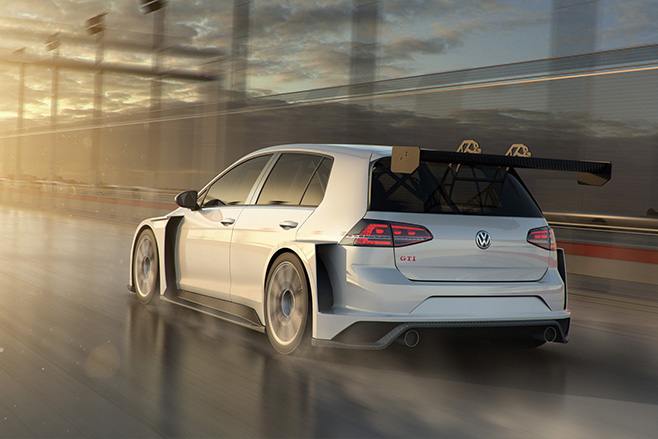
The TCR looks even more aggressive than VW’s 2013 Design Vision GTI, though it can’t quite match that 370kW twin-turbo V6 concept’s quoted 0-100km/h acceleration of 3.9 seconds.
Instead, the TCR continues with a 2.0-litre four-cylinder turbo engine producing 243kW but torque lifts by 10Nm to 420Nm. Its 5.2-second 0-100km/h time is a full second quicker than the upcoming, updated 180kW Golf GTI Performance.
The biggest drivetrain change is the introduction of a production-style DSG dual-clutch auto as a cheaper alternative to the six-speed sequential transmission. VW says it has also improved the sequential gearbox and electric power steering.
VW Motorsport is charging 90,000 Euros ($126,000) for the TCR DSG, which it recommends for 24-hour endurance races only, where the motorsport-style gearbox version asks 110,000 Euros ($154,000).
The TCR was developed with the help of VW’s Spanish brand SEAT, using its experience with the Leon Cup Racer.
Volkswagen plans to deliver 30 TCRs in 2017 – 10 more than last year.
VW Australia says nobody locally has ever asked to buy one, but if you’re daydreaming about a different sort of track car and your pockets are deep enough for a toy such as this, nothing is impossible.
EVERY driver knows the temptation of an empty, winding mountain road. In our daydreams we all look as heroic behind the wheel as professional drift ace Chris Forsberg, who has lived out our fantasy in this one-take video full of torched tyres and opposite lock.
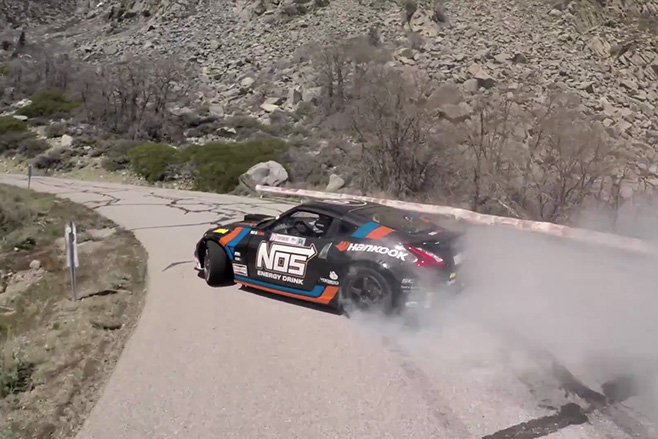
The spectacular, snow-lined road he’s blazing along sits in Onion Valley, California. Sections of it are lined with absolutely nothing to separate a wayward Z from a long-distance plummet.
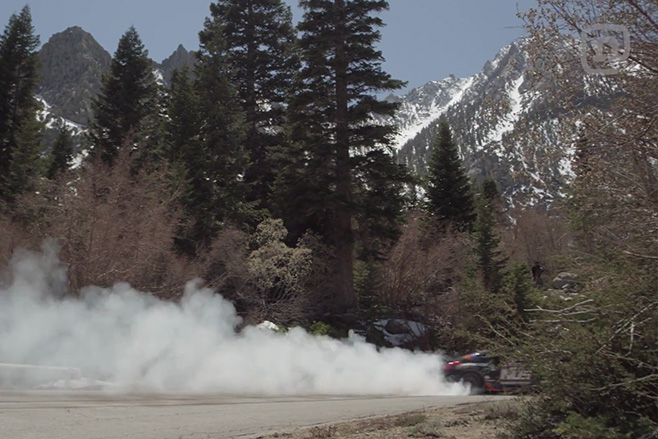
The purpose-built, championship-winning Z is caged up and stripped back to the bare essentials, including a hydraulic handbrake and sequential shifter. Its modified 5.6-litre naturally aspirated V8 is derived from the same engine found in the locally delivered Nissan patrol, though we’ve never seen a Patrol make the same sort of smoke show at more than 9000rpm.
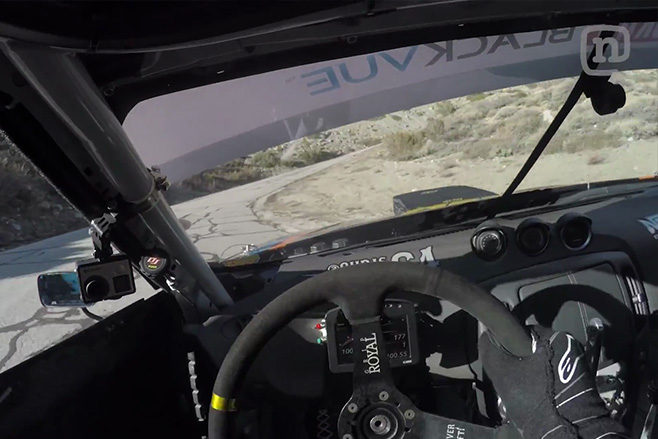
Forsberg reckons it produces 1000hp (745kW) with the nitrous oxide system. All we can see is sensory assault, and just the right car for the job.
Please enjoy.
IT WAS a trip many of us only dream about: an all-new Italian sports sedan with three pedals and 375kW, three whole days and unlimited access to some of the best mountain roads that Italy has to offer.
Yet that was exactly the opportunity presented to Englishman, and Wheels scribe, Mike Duff in late 2016 when he grabbed the keys to a white Giulia QV in Turin.
It was our first real chance to bag some decent miles in Alfa’s new sports sedan flagship, and first impressions were Australia isn’t missing out on much through FCA’s decision not to engineer the Giulia with a manual gearbox for right-hand-drive markets.
“Its combination of a high-biting clutch and an awkward shift action make it impossible to get a smooth low-speed change,” wrote Duff of his manual Giulia.
More impressive was the engine. With a 1500km round trip and 10,000 metres of vertical ascent waiting, Duff delved deep into the ‘Ferrari-inspired’ 2.9-litre twin-turbo six.
“It’s bloody impressive,” he wrote. “The blue touchpaper moment is about level with the ‘4’ mark on the tachometer. Until then it feels quick, though not exceptionally so, but from that point onwards it pulls with brutal enthusiasm all the way to the 7250rpm rev-limiter while making the sort of angry noises you’d normally have to taser a lion for.”
The chassis was up to the task as well, carving through hairpin turns and high-speed sweepers with assured precision. Better news is we now know the QV’s supple chassis and assured ride translate to Aussie tarmac – you can read our full local 2017 Alfa Romeo Giulia QV review here.
Ferrari turns the ripe old age of 70 this year.
To celebrate the occasion, the most famous of all car makers has released 70 liveries which will be applied just once to each model in the current range: California T, 488 GTB and Spider, GTC4 Lusso and F12 Berlinetta.
There are no mechanical modifications, with each car identified by its unique paintwork, 70th Anniversary logo and ID plate with the name of the model that inspired it. Nonetheless, in the current collector car market, no doubt Ferrari aficionados will be clambering over one another in an effort to secure these models.
We’ve separated the cars by decade, so below you’ll find the 10 liveries inspired by Ferrari models from 1947-1956. Let us know your favourite in the comments below.
1. 1947 Ferrari 125 S

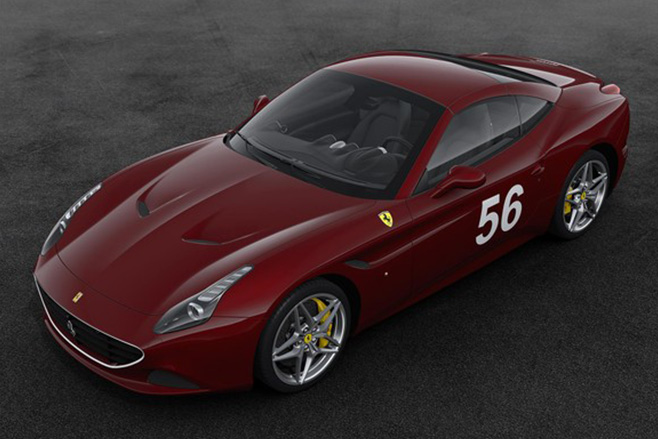
2. 1950 Ferrari 195 S Touring Berlinetta


3. 1950 Ferrari 166 MM Touring Barchetta
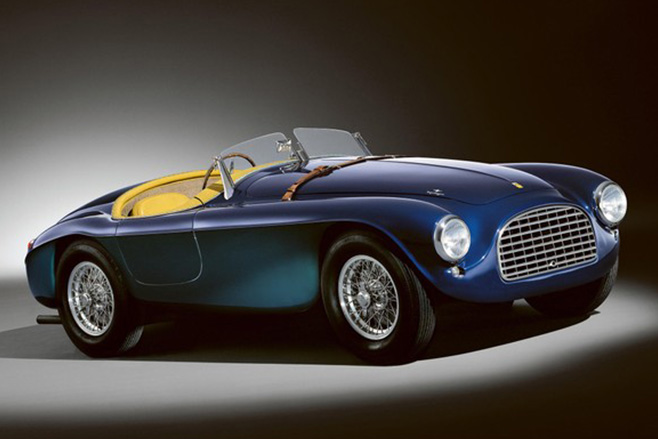
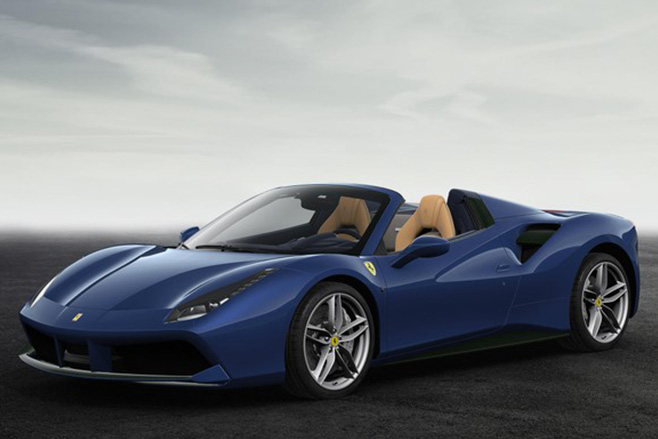
4. 1950 Ferrari 195 Inter Touring Coupe
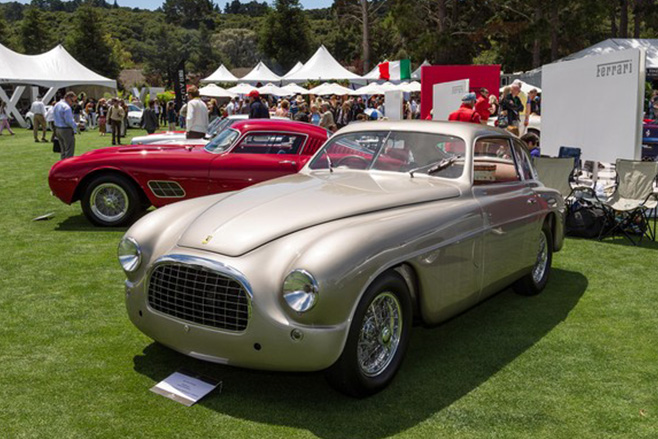
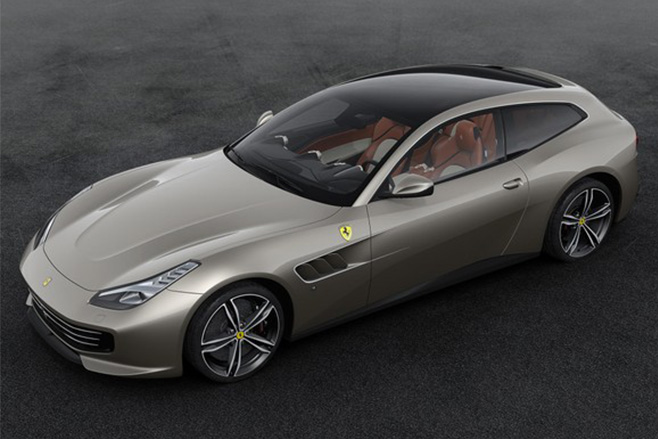
5. 1951 Ferrari 340 America Barchetta
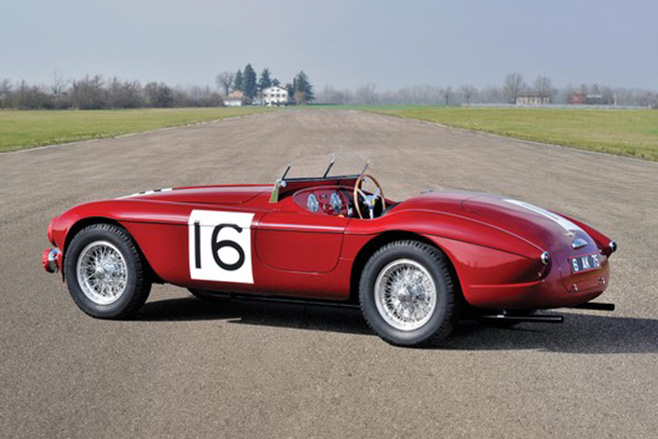

6. 1951 Ferrari 212 Inter Vignale Cabriolet
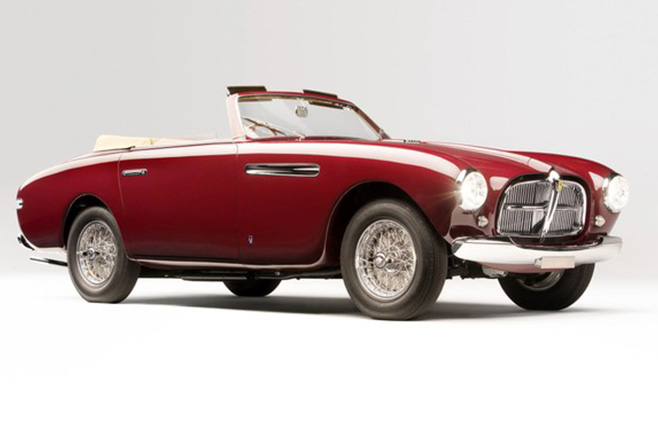

7. 1952 Ferrari 212 Inter Vignale Coupe

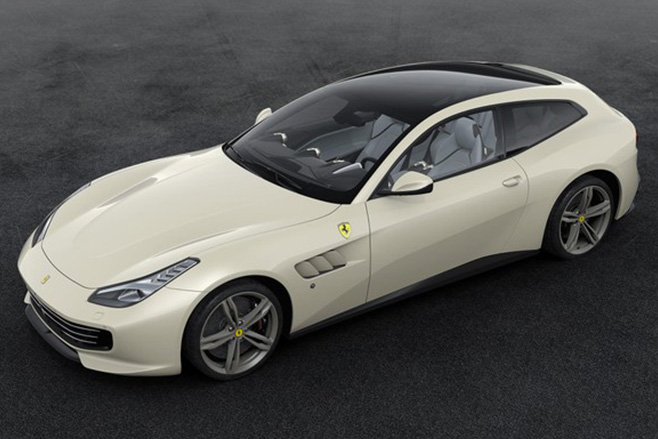
8. 1953 Ferrari 340 MM Vignale Spider
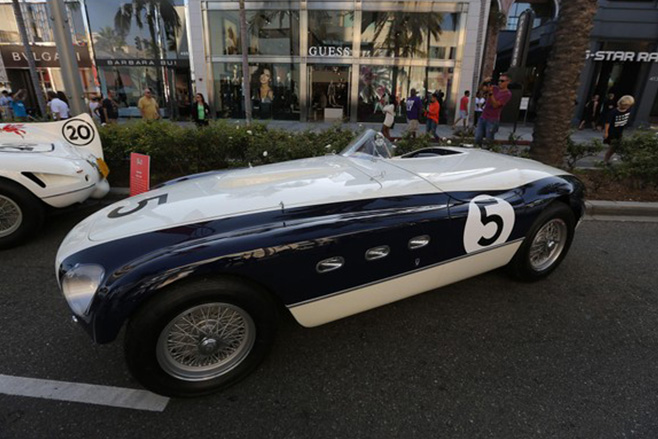
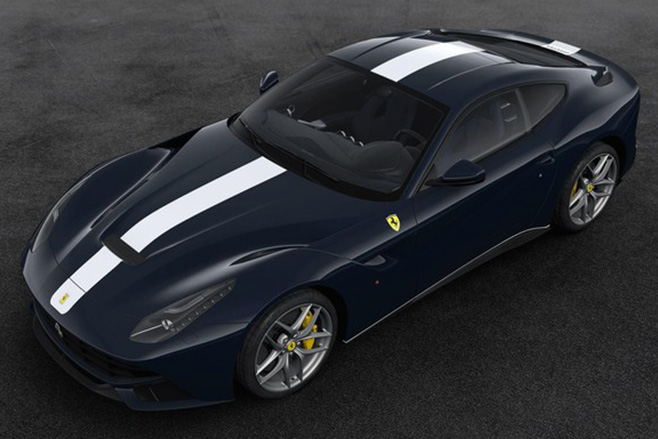
9. 1953 Ferrari 375 MM Pininfarina Spider


10. 1953 Ferrari 250 Europa Vignale Coupe


View more 70th Anniversary limited edition liveries inspired by past Ferrari models.
Have you ever wanted to steer the direction of Australia’s premier performance car outlet?
Now’s your chance. We want your feedback on what you like and what you don’t so we can deliver what you want to read about.
Complete the survey below and go in the draw to win:
- Major Prize: 1 x $500 Visa Gift Card
- Runner Up Prizes: 5 x $100 Visa Gift Cards
Terms and conditions apply. The promotion commenced 00:01am (AEDST) 10/03/2017 and closes 23:59pm (AEST) 23/04/2017. The promotion is open to Australian residents aged 18 years or over. The draw will be at 11:00am (AEST) 05/05/2017. Click HERE for full terms and conditions. Click HERE for our Privacy Notice.
Tesla is believed to be about to unveil what could become its most popular model yet, with reports emerging that the Californian electric carmaker is readying an affordable compact SUV.
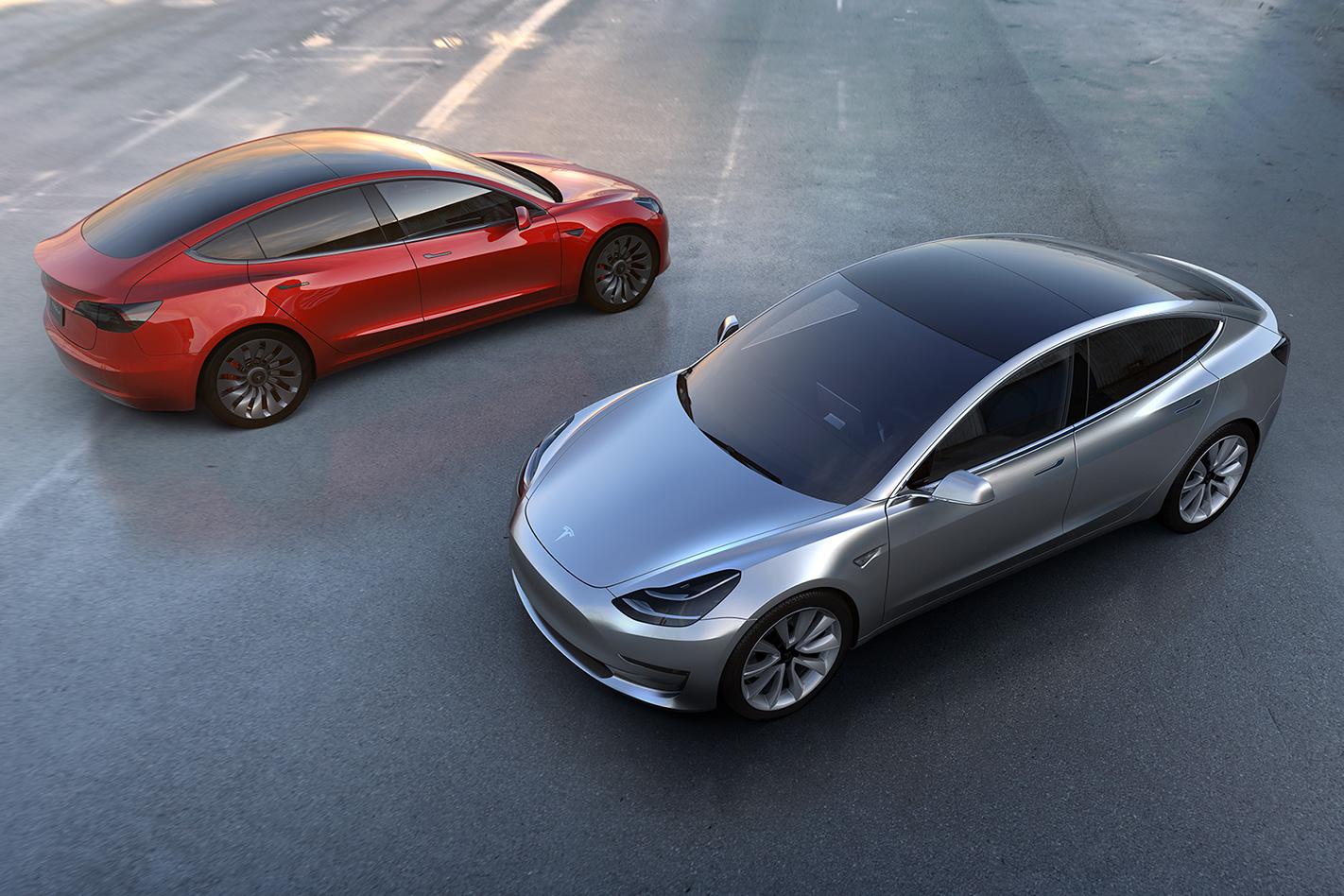
The so-called Model Y is said to be based on the soon-to-be released Model 3 platform, which itself is poised to carry the mantle as Tesla’s most affordable model aimed at the widest audience until the arrival of the Model Y.
Though unconfirmed, the new all-electric SUV is expected to carry a slightly higher price tag than the Model 3’s $US37,000 ($A49,000) starting point, a number many are estimating to be somewhere around $US45,000.
Reports also suggest the yet-to-be announced SUV is likely to feature Tesla’s latest driverless technology, though mooted to be an optional extra until regional regulations allowing a driver to take their hands off the wheel for an extended period catch up.
The new system includes up to 12 sensors and eight cameras, as well as a new forward-facing radar system. It can supposedly tell the difference between sheets of driving rain and more solid hazards – an issue that it, and similar systems, has struggled with.
The Model Y is also rumoured to feature Tesla’s top-hinged falcon doors, mimicking the carmaker’s larger Model X SUV.
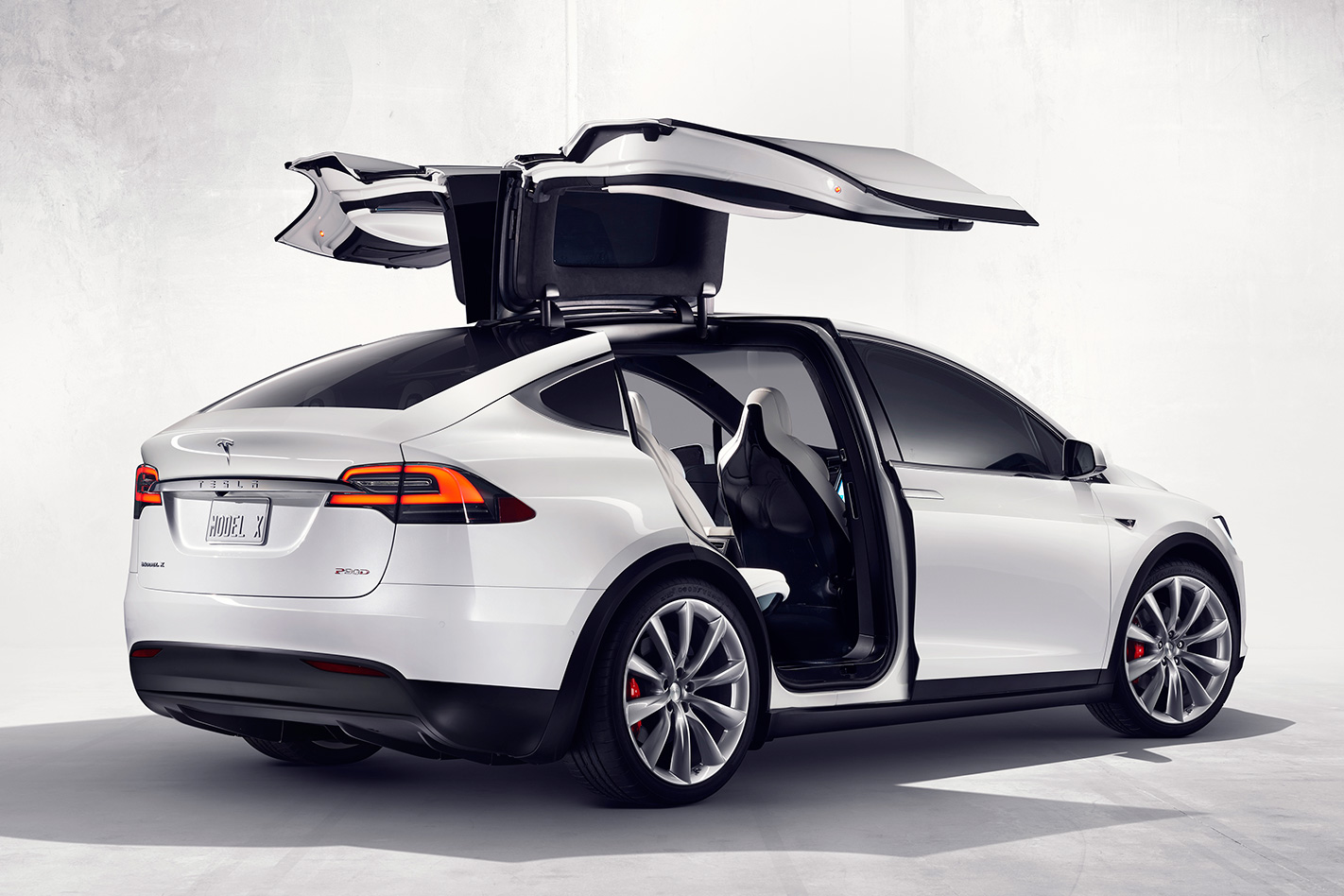
The Model 3, meanwhile, boasts a 350km-plus range; the size and timing differences between it and the Model Y is likely to mean an improvement on that figure when the SUV reaches production, which could be as early as the latter half of next year.
Expect to see an official unveiling of the all-electric compact SUV by the middle of 2018.
News of Tesla’s new baby SUV comes a month after Australian sales of SUVs overtook passenger cars for the first time, according to official figures released by the Federal Chamber of Automotive Industries.
Australians bought 35,497 new SUVs in February compared with 34,740 passenger cars, largely due to a 12 percent slump in passenger car sales for the month.
UPDATE: Honda has revealed that the car photographed is not, in fact, a sub-NSX sportscar, but simply a three year-old concept that was being moved out of a Honda facility and into storage. Nothing to see here folks, move along.
A SLEEK roadster believed to be the Honda ZSX has been spotted ahead of its rumoured debut at next month’s New York motor show.
Talk that Honda was intending to build a mini version of its NSX supercar returned last year when the Japanese automaker applied to trade mark the ZSX name in Europe.
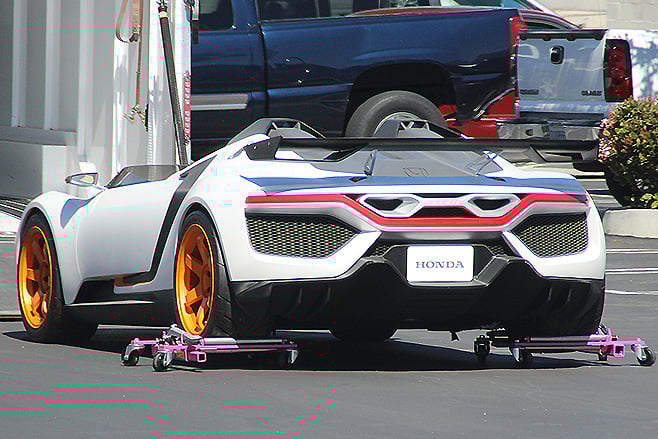
Details of the slippery looking roadster concept are sparse, though it’s certainly mid-engined going by the short nose and gaping air intakes behind the doors.
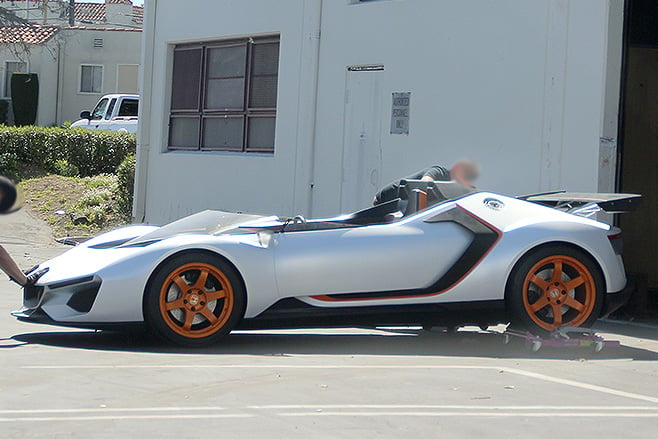
The two-seat roadster looks very similar to images of a two-seat sports coupe released by Honda in August last year.
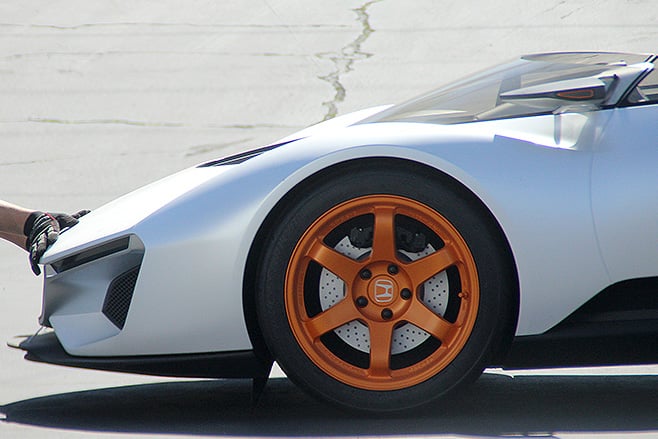
While that didn’t occur, these new pictures suggest it’s on track for a Big Apple reveal.
Automoto’s source, who also provided the speculation surrounding the possible powertrain, said the ZSX will be offered first as a coupe, followed by a roadster version with a folding/removable hard top.
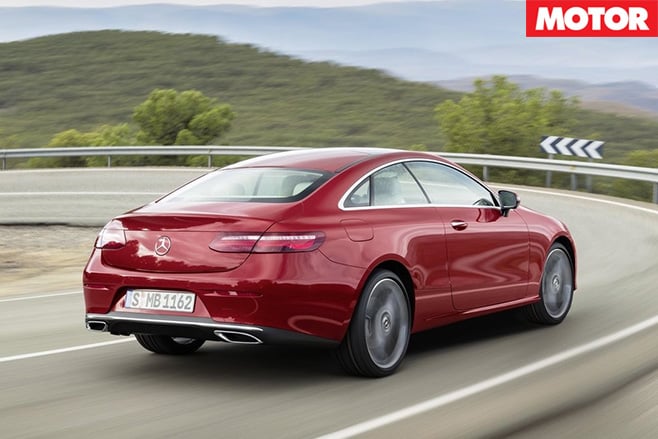
Mercedes-AMG will not build an E63 S coupe to squeeze between the widened, hardcore C63 S and more expansive, expensive S63 AMG coupe, the company has revealed.
It was widely expected that the Affalterbach offshoot of Mercedes-Benz would take the sexy B-pillar-less design of the new E-Class coupe, then pump the guards to make a more aggressive version of the E63 S sedan that goes on-sale locally mid-year.
After all, that is exactly what the company did with the C63 S sedan to prime it for duty as one of the most sporting Mercedes-AMG models ever.
“At this stage AMG have said that they won’t be building an E63 coupe,” he revealed.
The E63 S sedan will debut one of the most sophisticated all-wheel drive systems seen in a production car, complete with the ability to disengage the front driveshaft to perform long, smoky burnouts when in Race mode. It even has a Drift Mode.
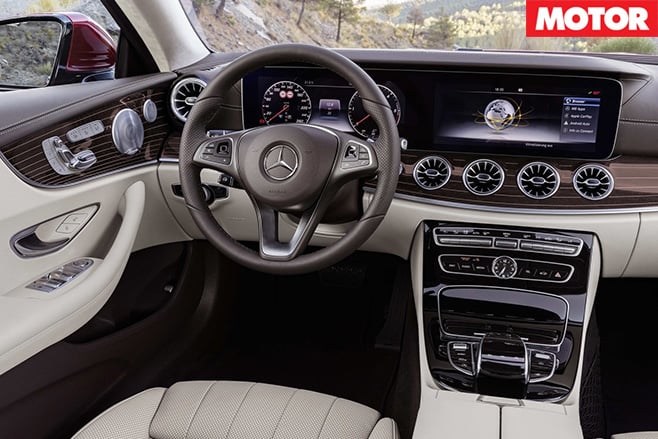
Compared with its sedan sibling, the C63 S coupe is also 64mm wider at the front and 66mm broader at the rear, with a 60mm-longer aluminium bonnet. Perhaps such engineering changes were a step too far for the smaller volumes of the E-Class platform.
While there is greater chance of a Mercedes-AMG E43 coupe, Stamoulis said: “We don’t have any further information on a ‘43’ type model.”
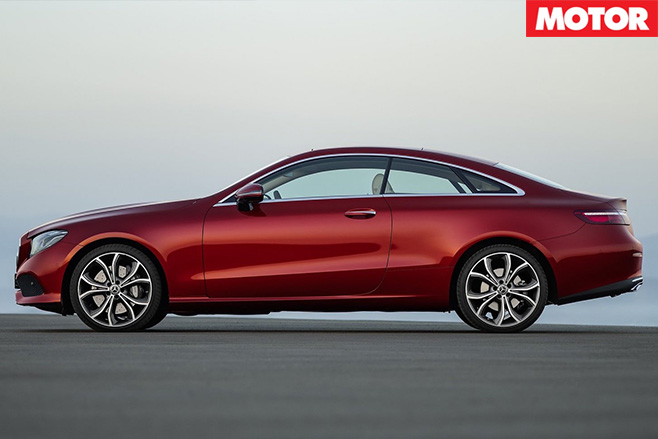
The E-Class coupe range finally sheds its ties with the old C-Class coupe platform, becoming a larger, sexier model in the process. And more expensive. For now, the top coupe model will be the E400 4Matic coupe at $145,900 plus on-road costs – $6K more than the sedan – with a nine-speed automatic, 245kW/480Nm 3.0-litre turbo V6 and 5.4-second 0-100km/h.
