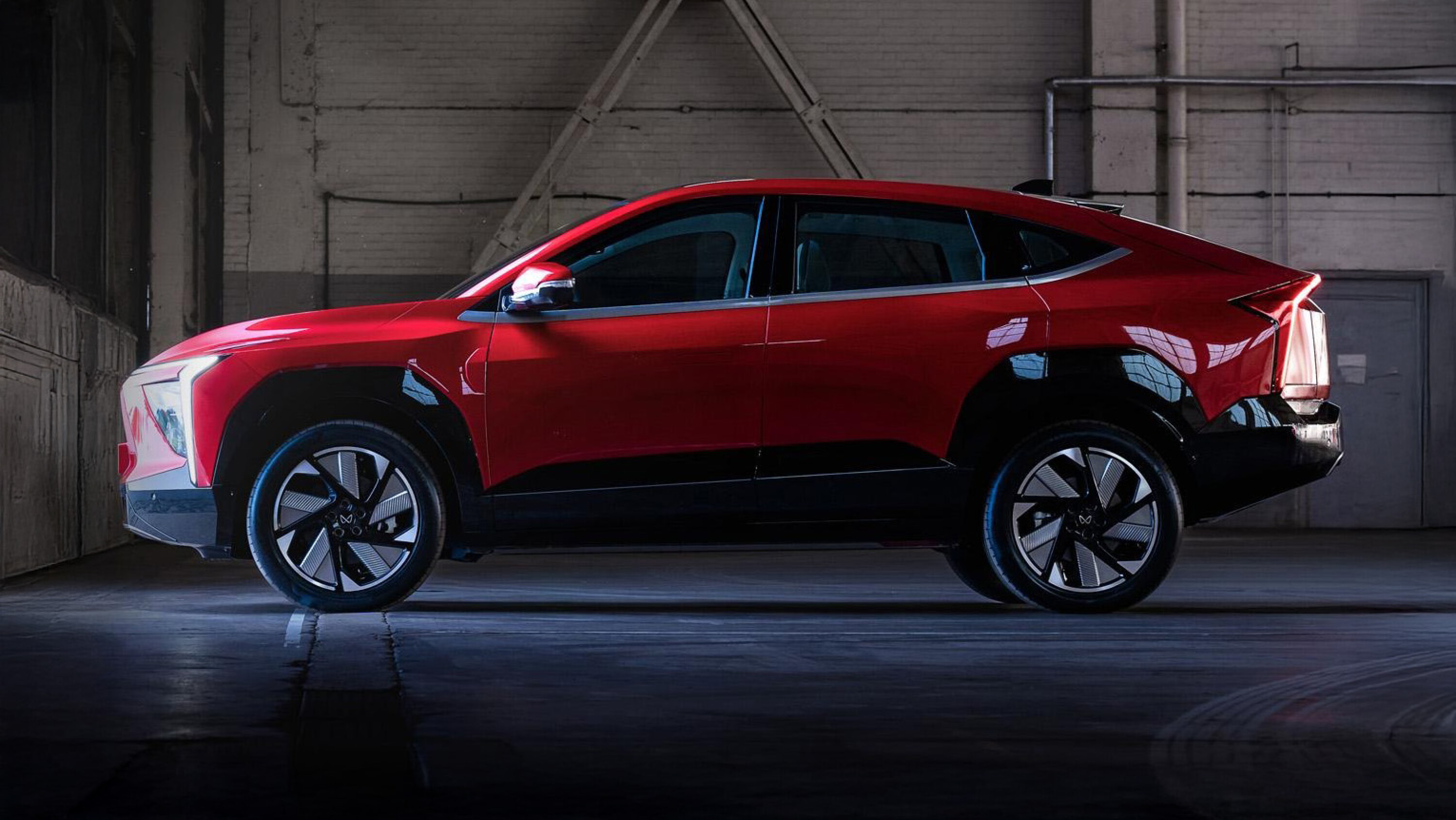
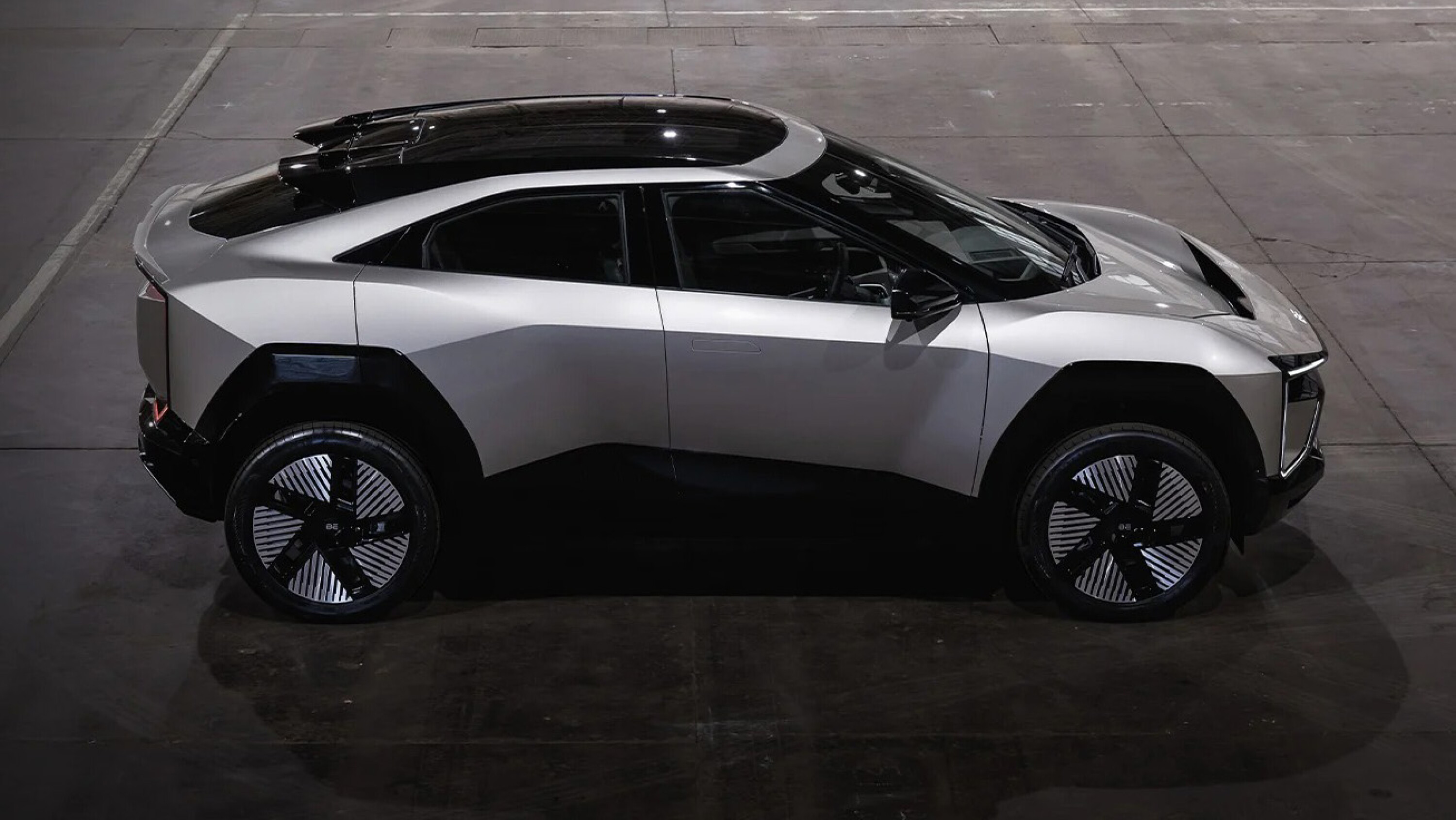
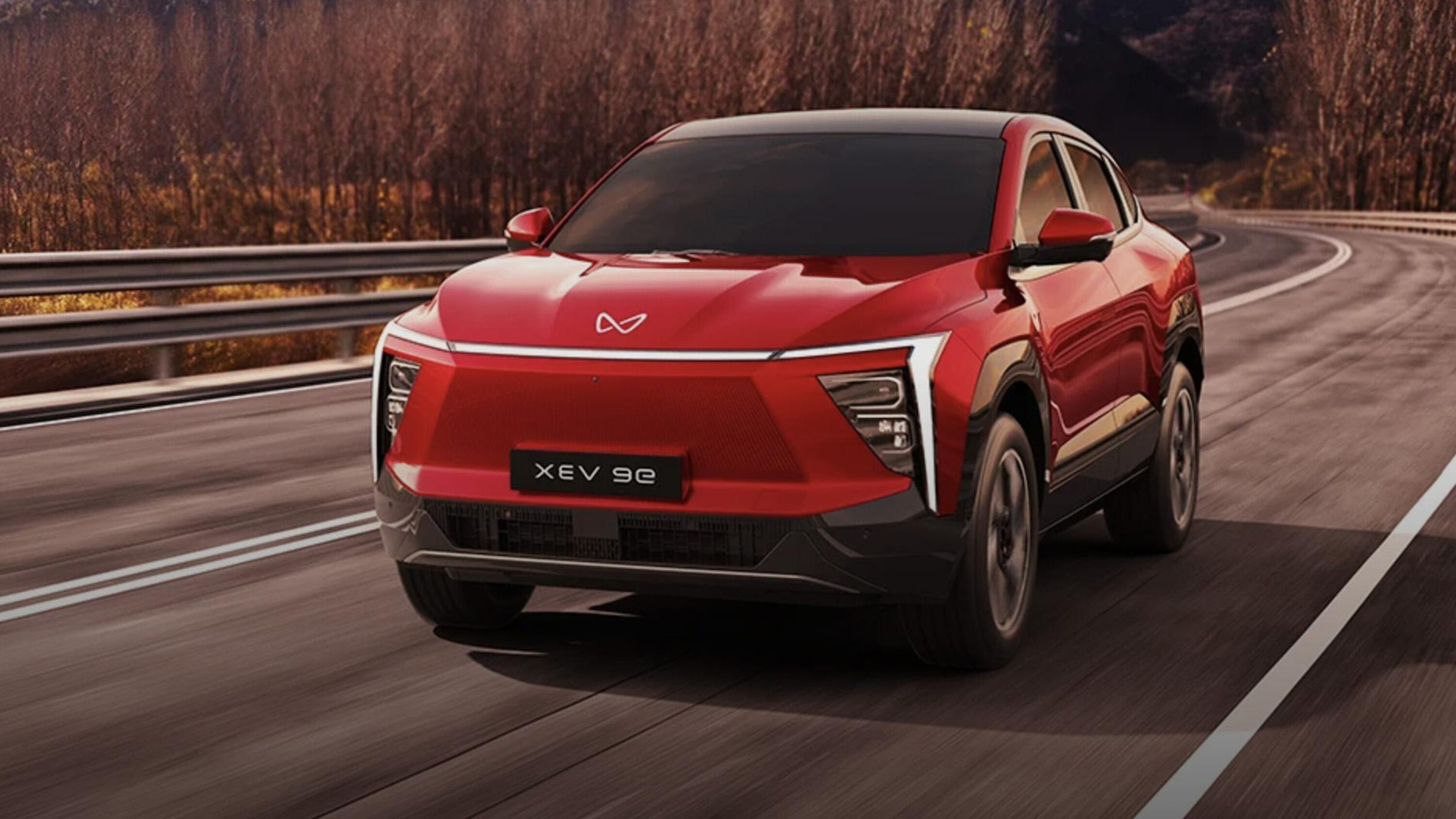
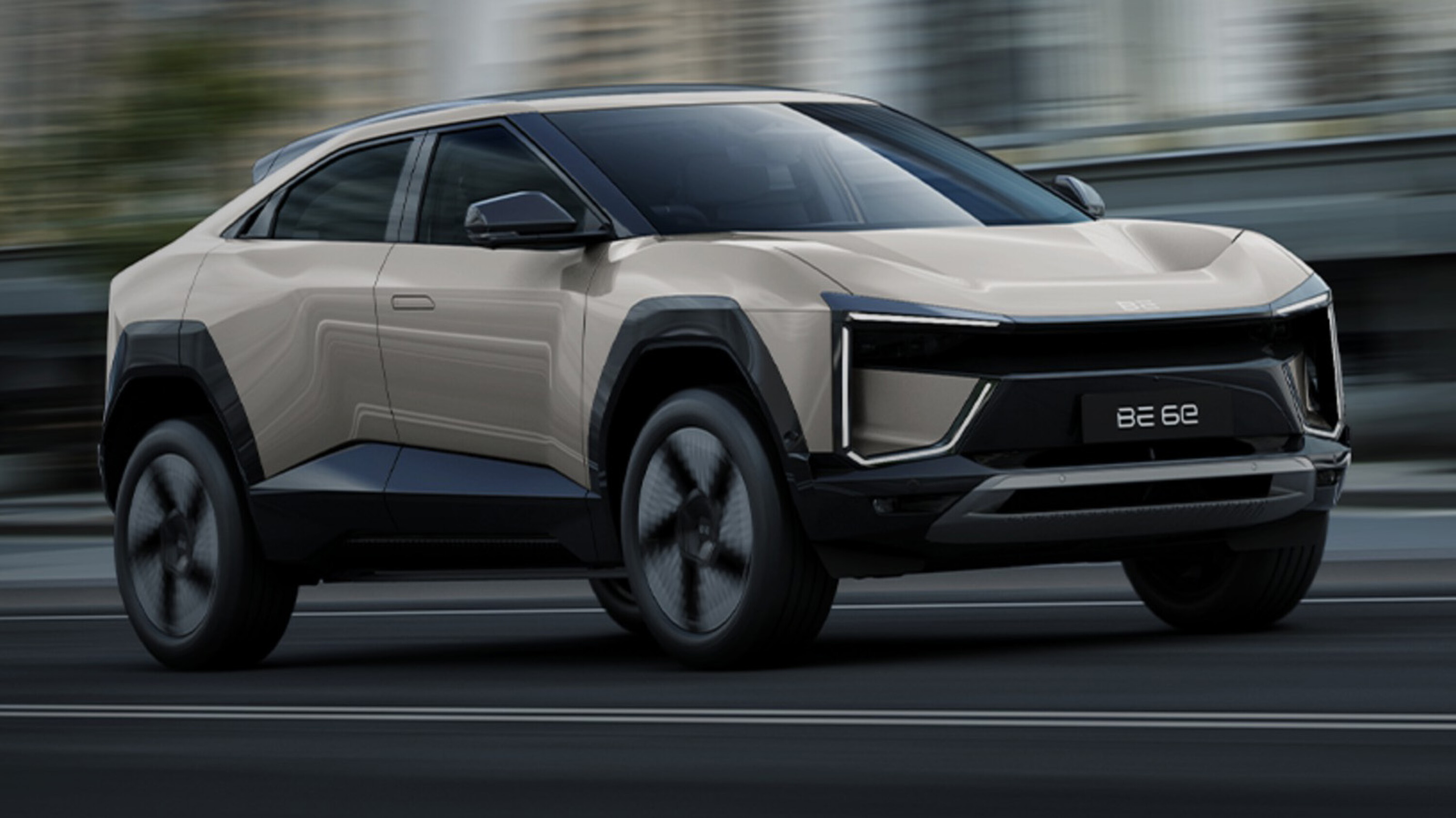
Mahindra & Mahindra has introduced two electric SUVs, the XEV 9e and BE 6e, as part of its ‘Electric Origin’ series.
Snapshot
Built on the INGLO platform, the SUVs feature rear-mounted motors with outputs of 170kW or 210kW
Battery sizes of 59kWh or 79kWh deliver ranges between 535u2013682km (BE 6e) and 542u2013656km (XEV 9e)
Indian deliveries begin in early 2025, with prices starting from ~AUD $35K
Mahindra has not confirmed an Australian release but plans to provide updates in the future
1
As India-focused models, these two EVs could prove critical in the country’s efforts to expand the presence of electric vehicles.
EV sales there have grown significantly, reaching around 1.9 million units between November 2023 and October 2024 – but, given the size of the Indian market, EVs still only represent about 2% of its 4 million annual car sales.
The Indian government aims to increase this share to 30% by 2030.
Dimensions and Platform
The two new Mahindra EVs share a wheelbase of 2775mm and a width of 1907mm.
The XEV 9e measures 4789mm in length and 1694mm in height, while the BE 6e is 4371mm long and 1627mm tall.
For local context, the Hyundai Ioniq 5, a midsize-to-large electric SUV, has a wheelbase of 3000mm, a length of 4635mm, a width of 1890mm, and a height of 1605mm. 
The Tesla Model Y, another competitor, features a wheelbase of 2875mm, a length of 4694mm, a width of 1933mm, and a height of 1443mm.
1
Powertrain and Performance
Each of the new Mahindra EVs is equipped with a rear-mounted electric motor, offering power outputs of 170kW or 210kW, delivering 380Nm of torque.
Battery options include 59kWh and 79kWh packs.
Mahindra says the BE 6e will rip from zero to 100 km/h in 6.7 seconds, followed closely by the XEV 9e at 6.8 seconds.
1
Range and charging
The BE 6e claims a driving range between 535km and 682km, while the XEV 9e offers between 542km and 656km, depending on battery size.
It should be noted that these figures are based on India’s MIDC combined test cycle, which is generally considered less stringent and thus more generous than the WLTP system used in Europe – and increasingly promoted in new-model marketing for Australian-delivered cars.
Both models support AC charging up to 11kW and DC fast charging up to 175kW.
Key Points About MIDC
Laboratory-Based: Like other test cycles, MIDC figures are derived under controlled lab conditions, which often result in optimistic efficiency and range claims.
Urban Focus: The test cycle simulates urban and suburban driving scenarios, making it less comprehensive for high-speed or long-distance driving conditions.
Higher Claims: Vehicles tested under MIDC often show higher fuel efficiency or electric range figures than real-world performance due to its less demanding parameters.
Comparisons to Other Standards
WLTP: Introduced to replace the older NEDC, the WLTP provides more realistic figures by accounting for various driving conditions, including urban, suburban, and highway scenarios.
EPA: Used primarily in the United States, the EPA test is considered among the most stringent and reflective of real-world usage.
1
Chassis and suspension
The XEV 9e and BE 6e are equipped with MacPherson struts up front and five-link independent rear suspension with semi-active dampers to automatically adjust for ride comfort.
1
Interior features
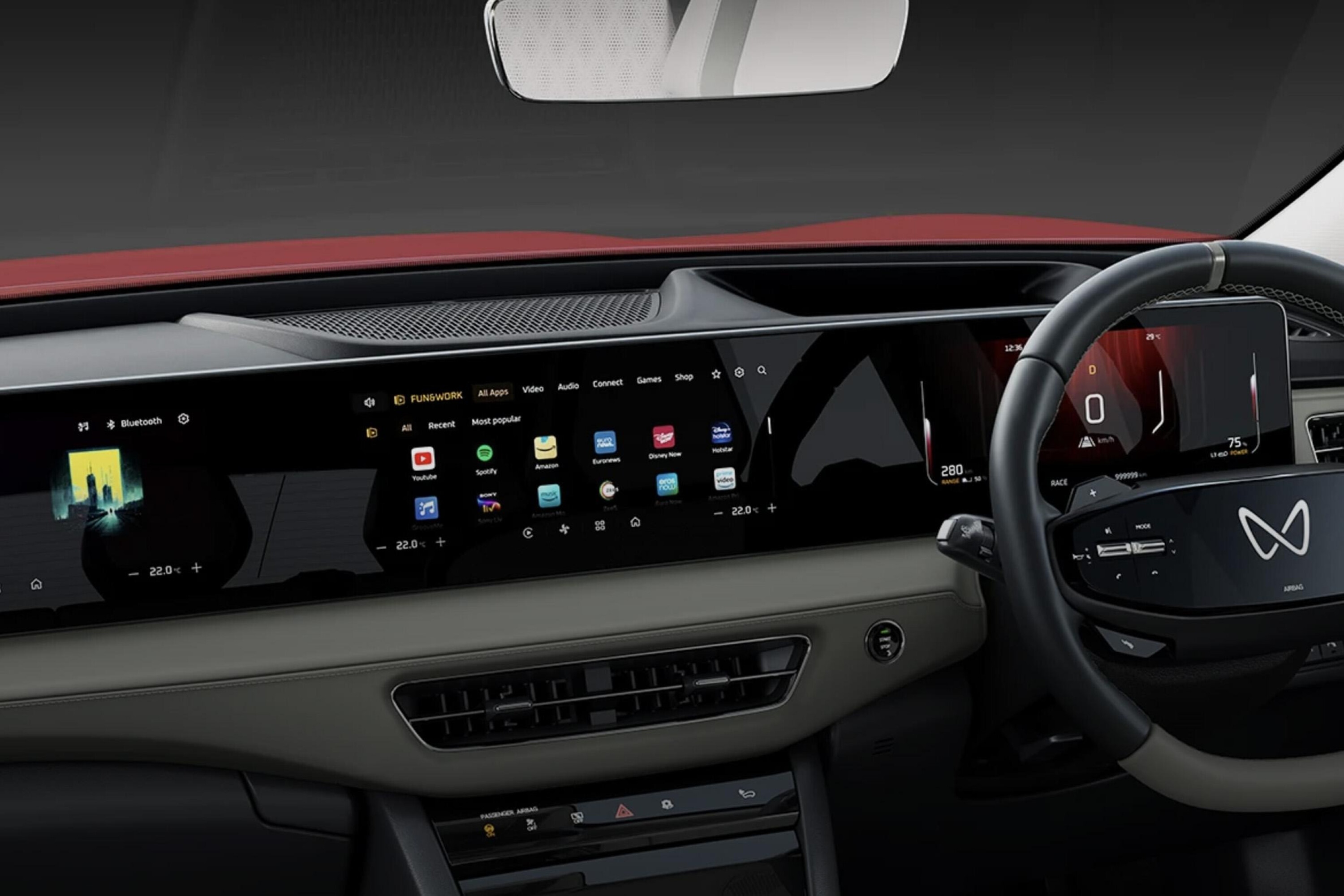
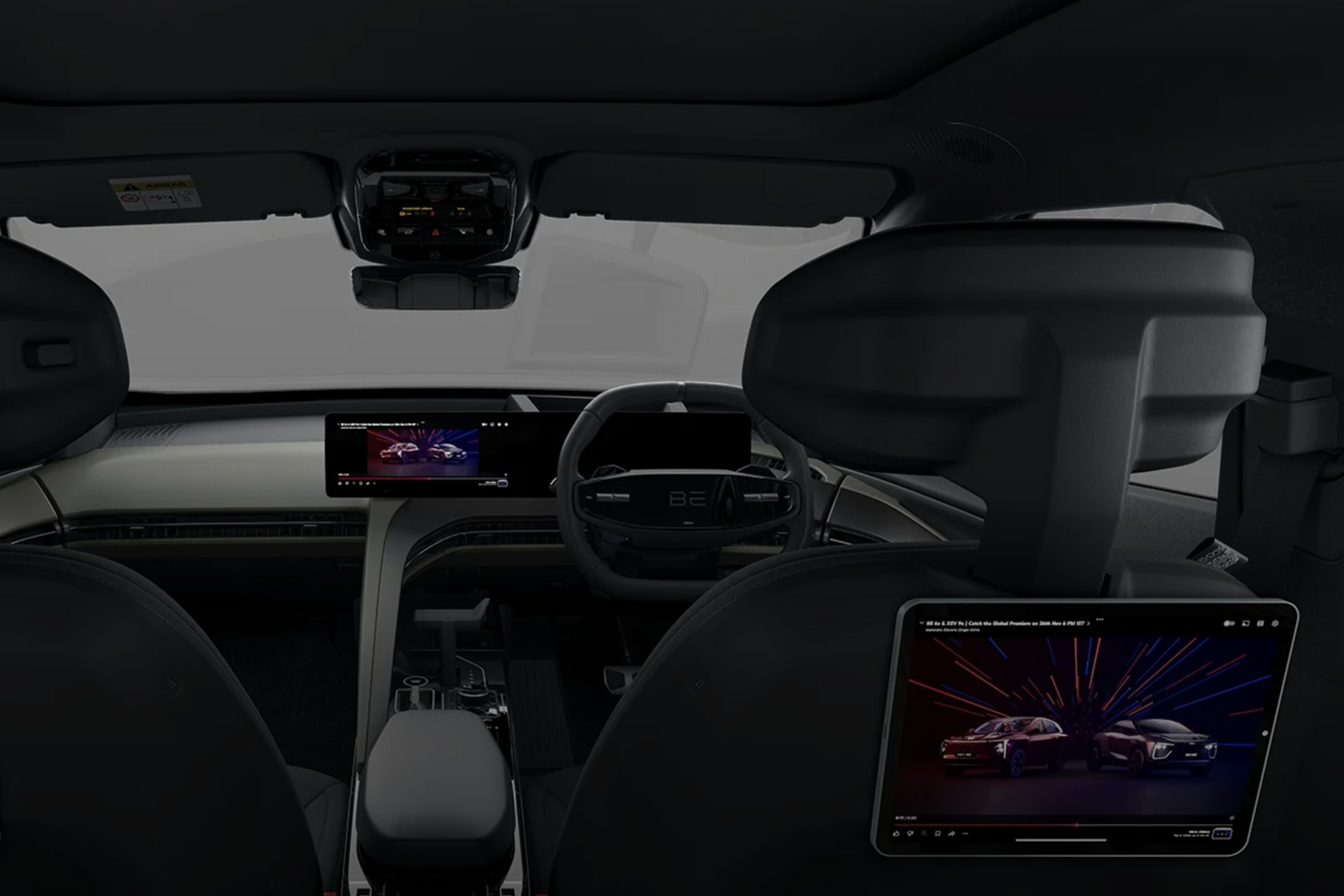
The XEV 9e’s cabin boasts three 12.3-inch displays to form a 43.3-inch widescreen view, integrating the digital instrument cluster, infotainment system, and a passenger screen.
The BE 6e sticks with ‘just’ two screens, again measuring 12.3 inches each.
Both models offer a 16-speaker Harman Kardon sound system and three interior themes: calm, cozy, and club.
1
Autonomous driving
Both new Mahindra EVs are equipped with ‘Level 2+’ semi-autonomous driving capabilities, utilizing five radars and a vision camera.
They feature a surround-view camera system capable of recording the vehicle’s exterior surroundings, with footage accessible via a mobile app.
The company has not yet offered word on local plans, but the local office is keen to see them here and has said it will provide updates as soon as they become available.
Deliveries to Indian customers are expected to begin in late February or early March 2025. The BE 6e is priced from approximately AUD $35,000, and the XEV 9e starts at around AUD $40,000.
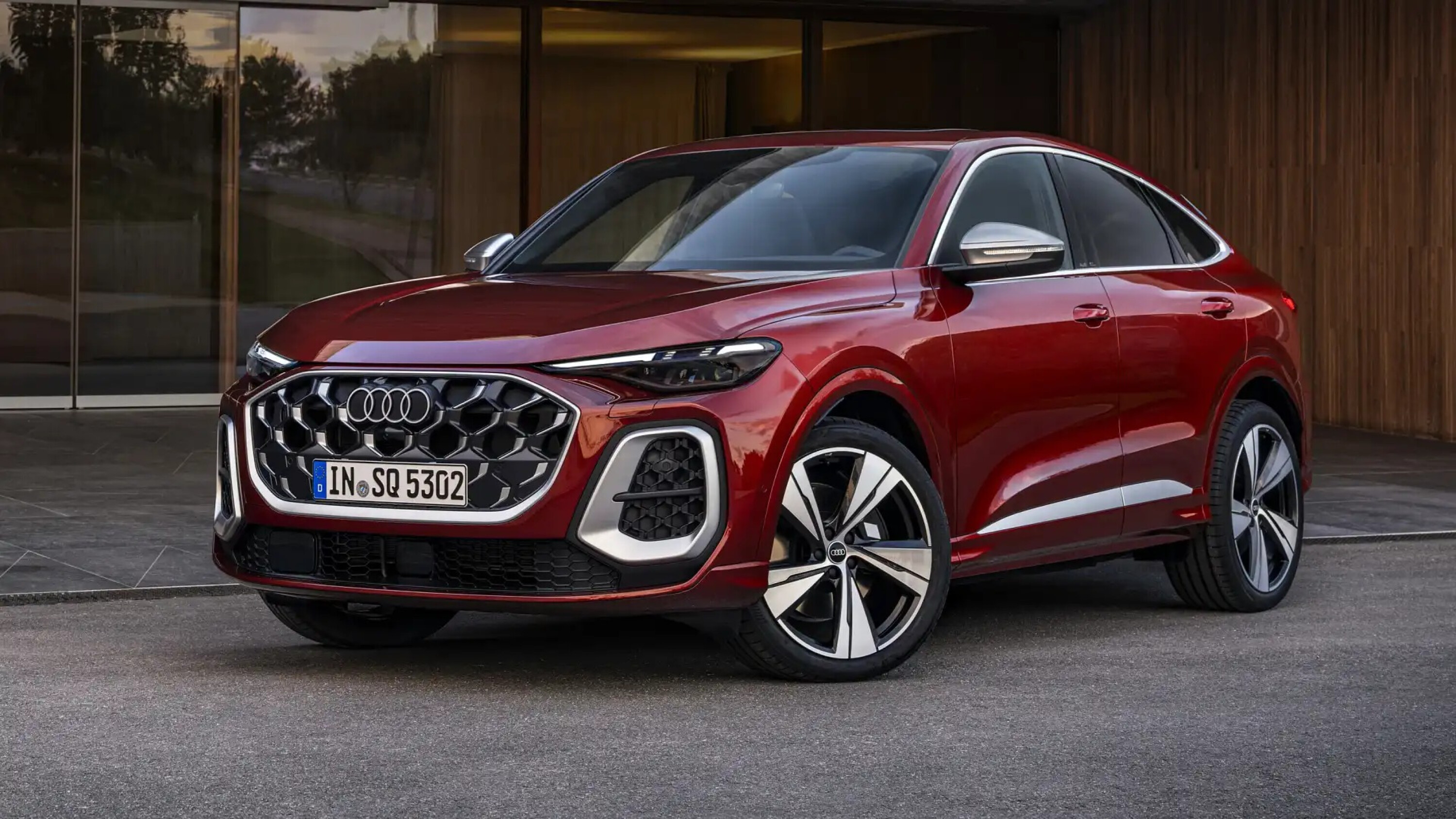
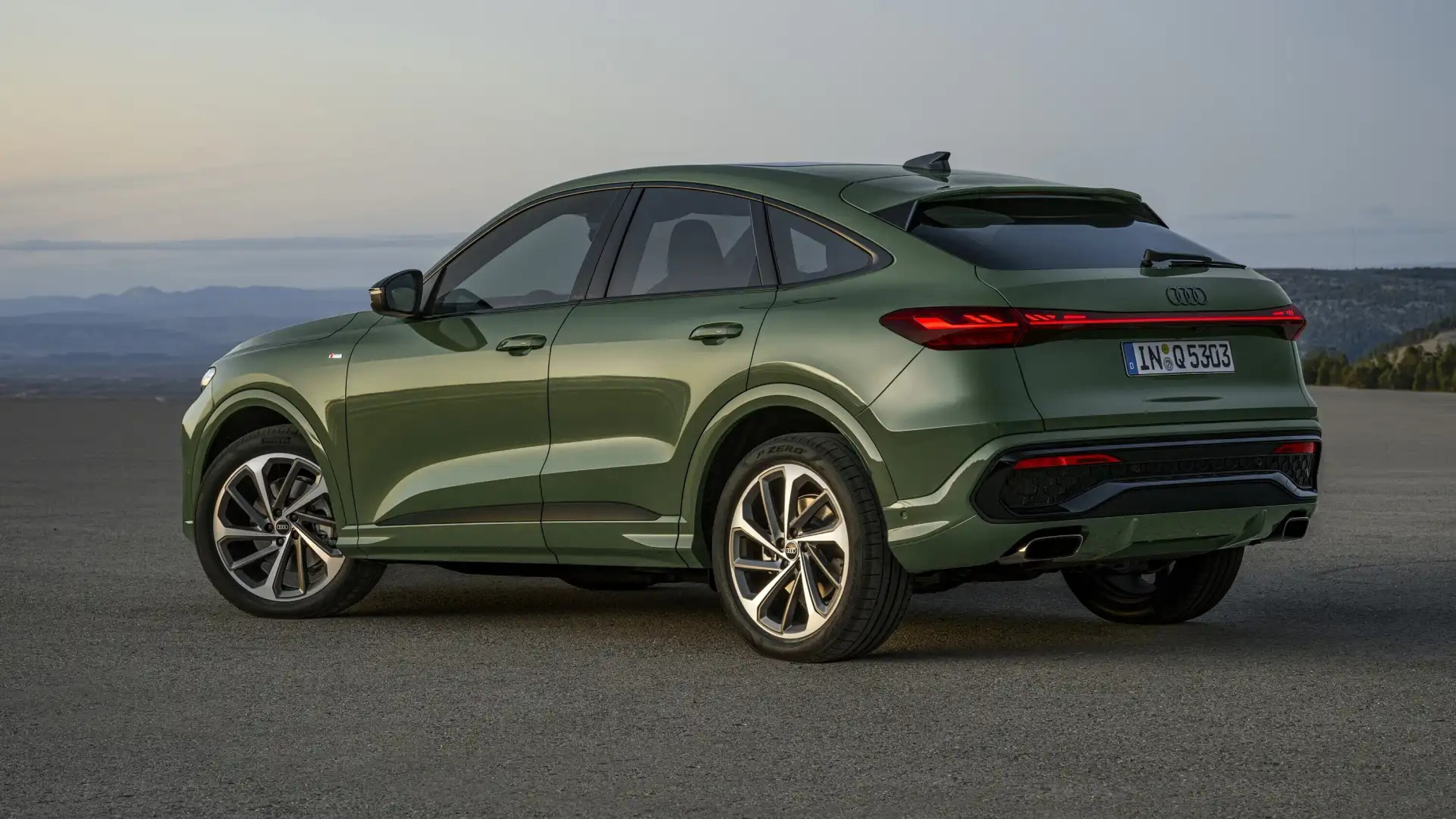
Audi has unveiled the 2025 Q5 Sportback and SQ5 Sportback this week as coupe-inspired counterparts to the Q5 SUV, with both due in Australia late next year.
Despite their familiar coupe-like roofline, he Sportback models again share much of their core architecture, technology, and powertrains with the regular Q5.
Both the Sportback and standard Q5 are built on Audi’s Premium Platform Combustion (PPC), with powertrain options including the same 2.0-litre four-cylinder petrol and diesel engines, both producing 150 kW (204 PS).
These are paired with a 48-volt mild-hybrid system that provides an additional 18 kW (24 PS) through a 1.7 kWh battery.
1
1
The SQ5 Sportback mirrors the SQ5 SUV with a turbocharged 3.0-litre V6 petrol engine delivering 270 kW (367 PS) and 550 Nm.
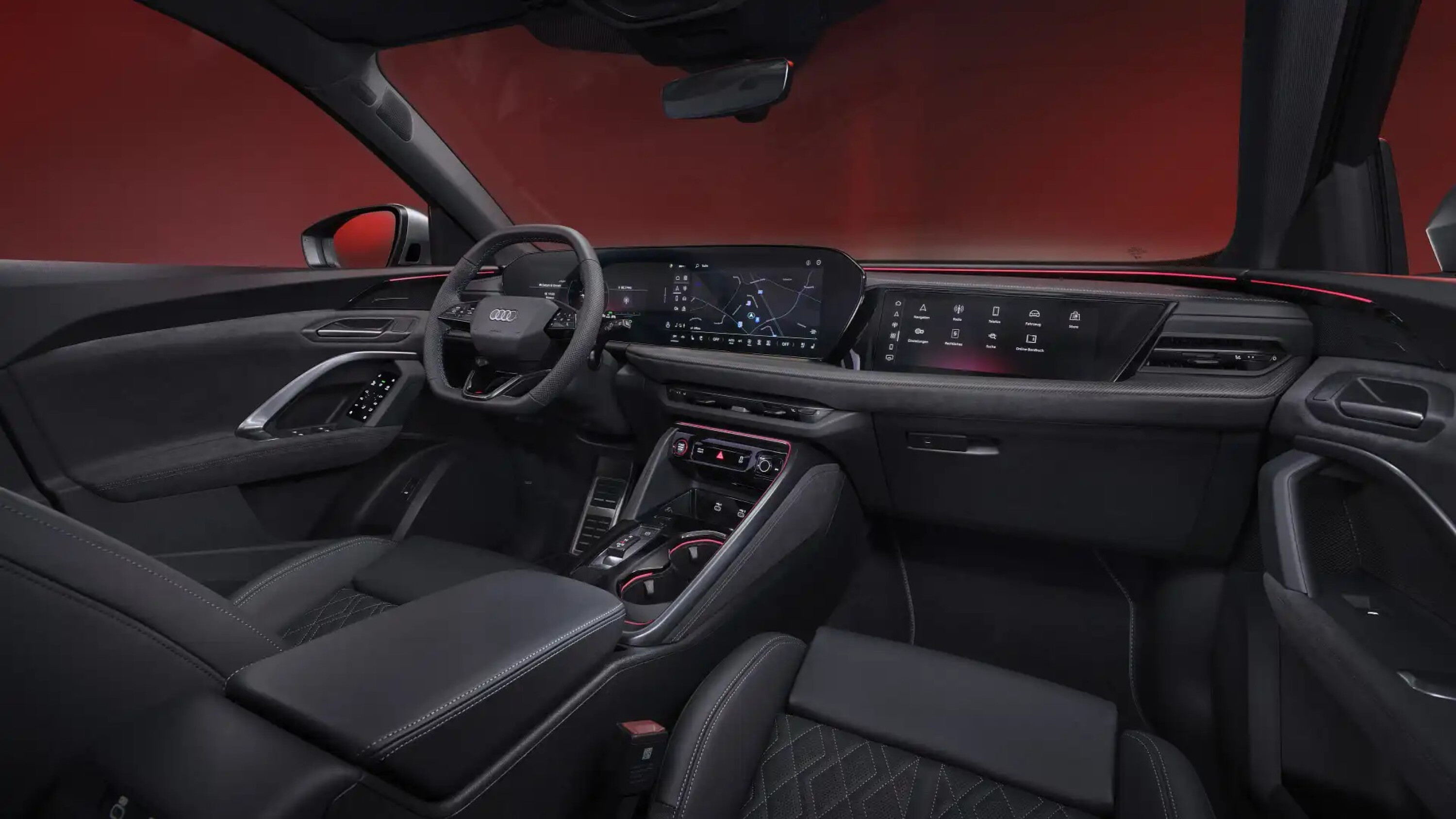
Inside, the Sportback models carry over the Q5’s digital cockpit and infotainment suite, including an 11.9-inch driver display and 14.5-inch central touchscreen.
Options such as a 10.9-inch passenger display and sustainable materials like Cascade fabric and Dinamica microfibre are also available, mirroring the standard Q5’s offerings.
The main difference lies in the Sportback’s exterior design, with a sloping roofline and revised rear end that create a sportier silhouette.
Despite the change in shape, practicality is minimally affected, with 515 litres of cargo space compared to the regular Q5’s 550 litres. Folding the rear seats expands capacity to 1415 litres.
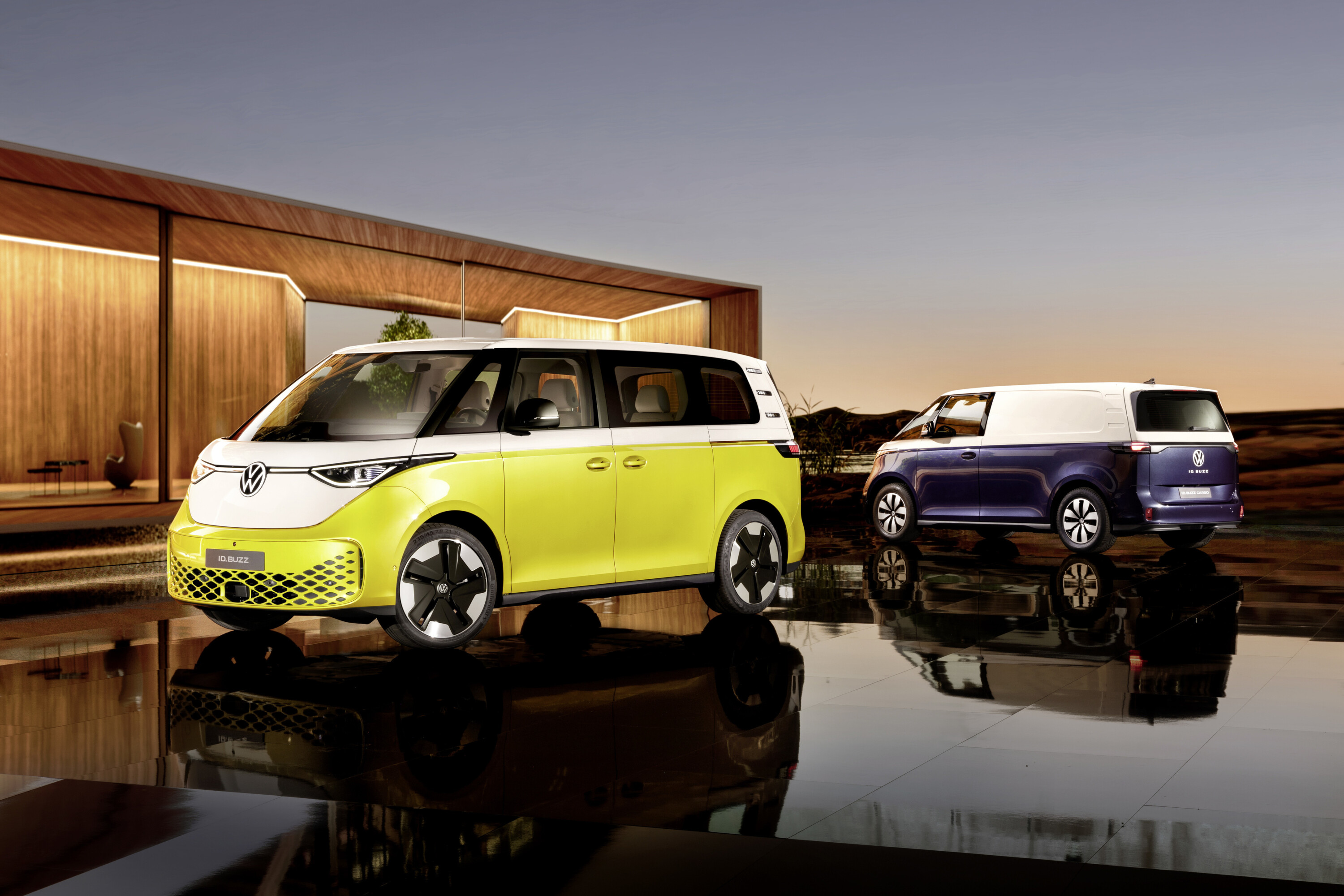
VW has revealed plans to redesign its ‘ID’ EV line-up, introducing a more traditional aesthetic inspired by the brand’s historical designs, according to the UK’s Autocar.
Snapshot
VW’s ID range to adopt styling from the updated ID.2all design, including ID.3, ID.4, and ID.7
ID.2all redesign reportedly more in-line with familiar Golf and Polo look
Battery and range: ID.2 hatchback to offer a 57kWh battery and 450km range
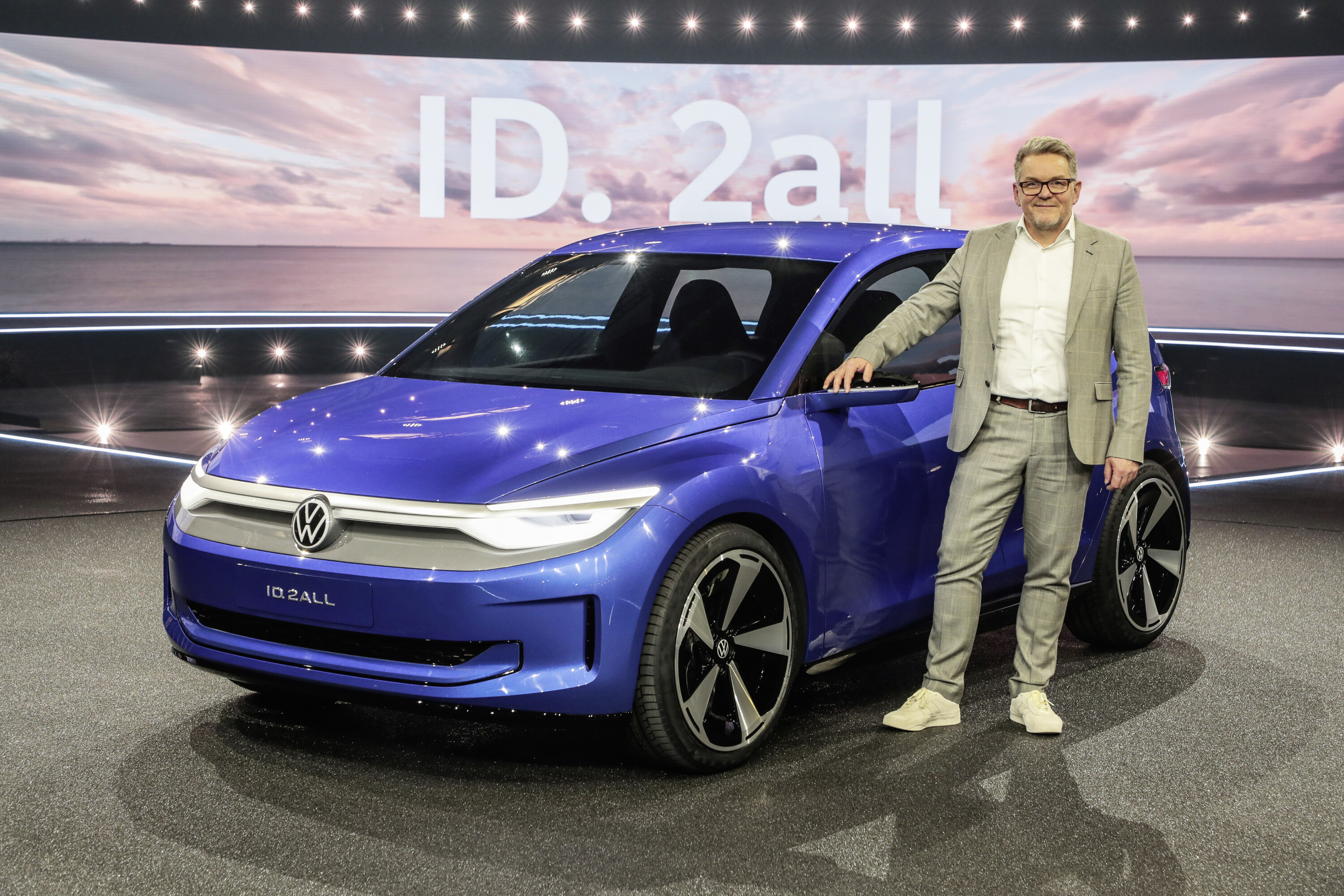
The updates, set to roll out in 2026, will take cues from the production version of the ID.2all concept.
It remains to be seen how much ‘heritage’ is in the design themes, then, because while the ID.2all concept looked more like a conventional VW, it is still clearly a modern design.
According to Autocar, VW design chief Andreas Mindt confirmed recently that the production version of the ID.2 has evolved from the original concept, describing the final design as “even better.”
1
He noted that the model incorporates styling elements reminiscent of the Golf and Polo, reflecting Volkswagen’s shift back to its design roots.
All of this likely reinforces that the ID brand’s future look will skew more towards conventional VW rather than the more curvaceous styling we’ve seen applied so far.
Early MEB-based models such as the ID.3 hatchback and the ID.4 and ID.5 SUVs will be among the first to adopt the updated design language, according to comments by Kai Grünitz, Volkswagen Brand Board Member for Technical Development, to Autocar. While the ID.7 sedan is also expected to receive updates, the ID.Buzz van is likely to retain its already retro-themed current styling.
1
Volkswagen will complement these visual updates with technical enhancements to the MEB platform, Grünitz explained.
These upgrades will include improved performance, reduced battery costs, and new functionality, ensuring the platform remains competitive until the introduction of the next-generation Scalable Systems Platform (SSP).
Volkswagen also plans to expand its over-the-air software update capabilities, a development Grünitz attributed in part to inspiration from Rivian. He highlighted Rivian’s agility in software development as a model Volkswagen aims to follow.
1
As its name and size suggest, the ID.2 hatchback will serve as the entry point to the redesigned ID line-up.
Volkswagen has confirmed it will feature a 57kWh battery, offering a claimed driving range of 450km. Pricing is expected to start below €25,000 ($40K AUD) in Europe, with production scheduled to begin in late 2025.
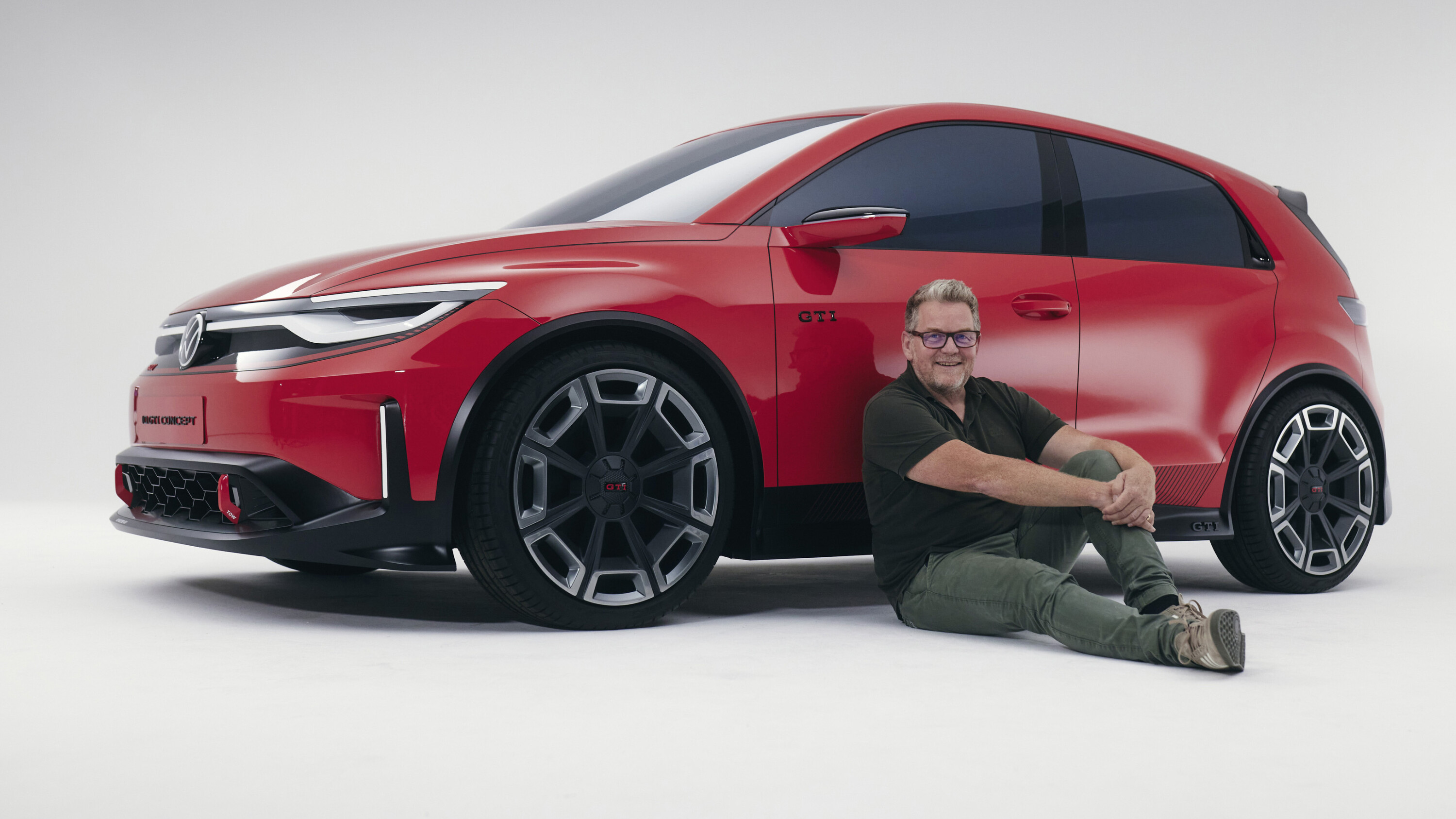
Following this, Volkswagen will introduce an ID.2-based electric GTI and a compact SUV on the same MEB Entry platform.
November: New BMW iX3 rendered accurately from earlier patent filings
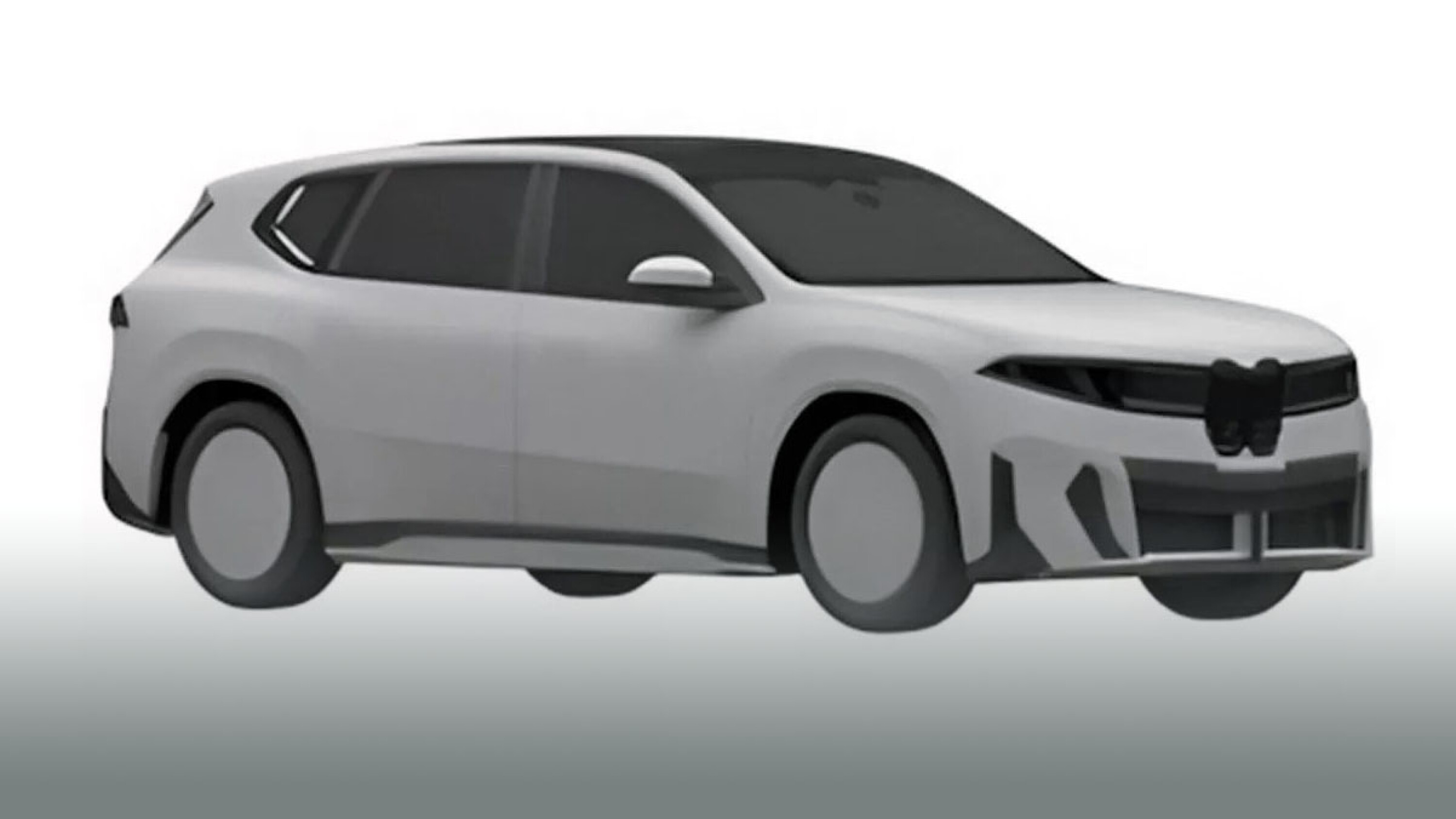
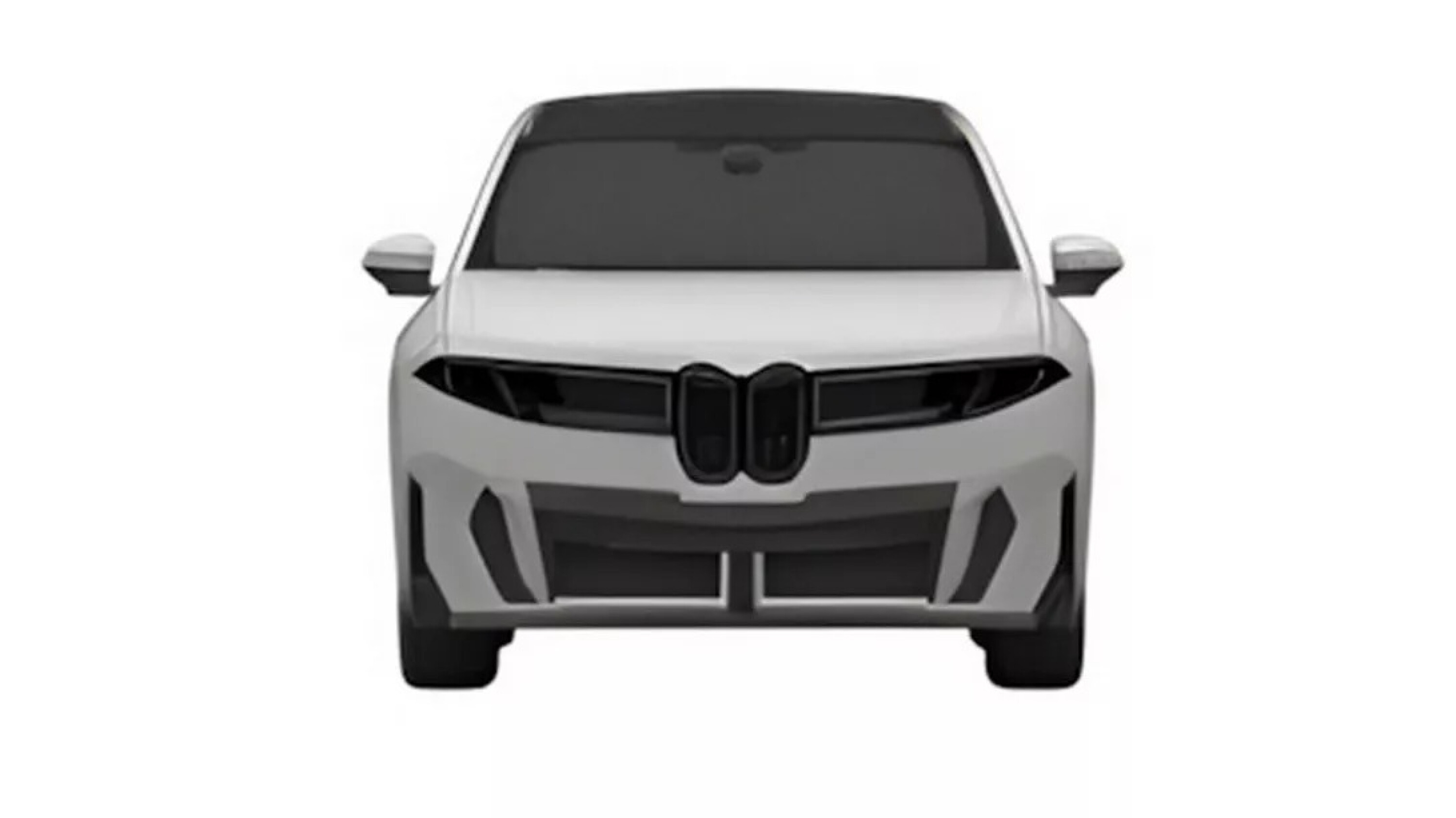
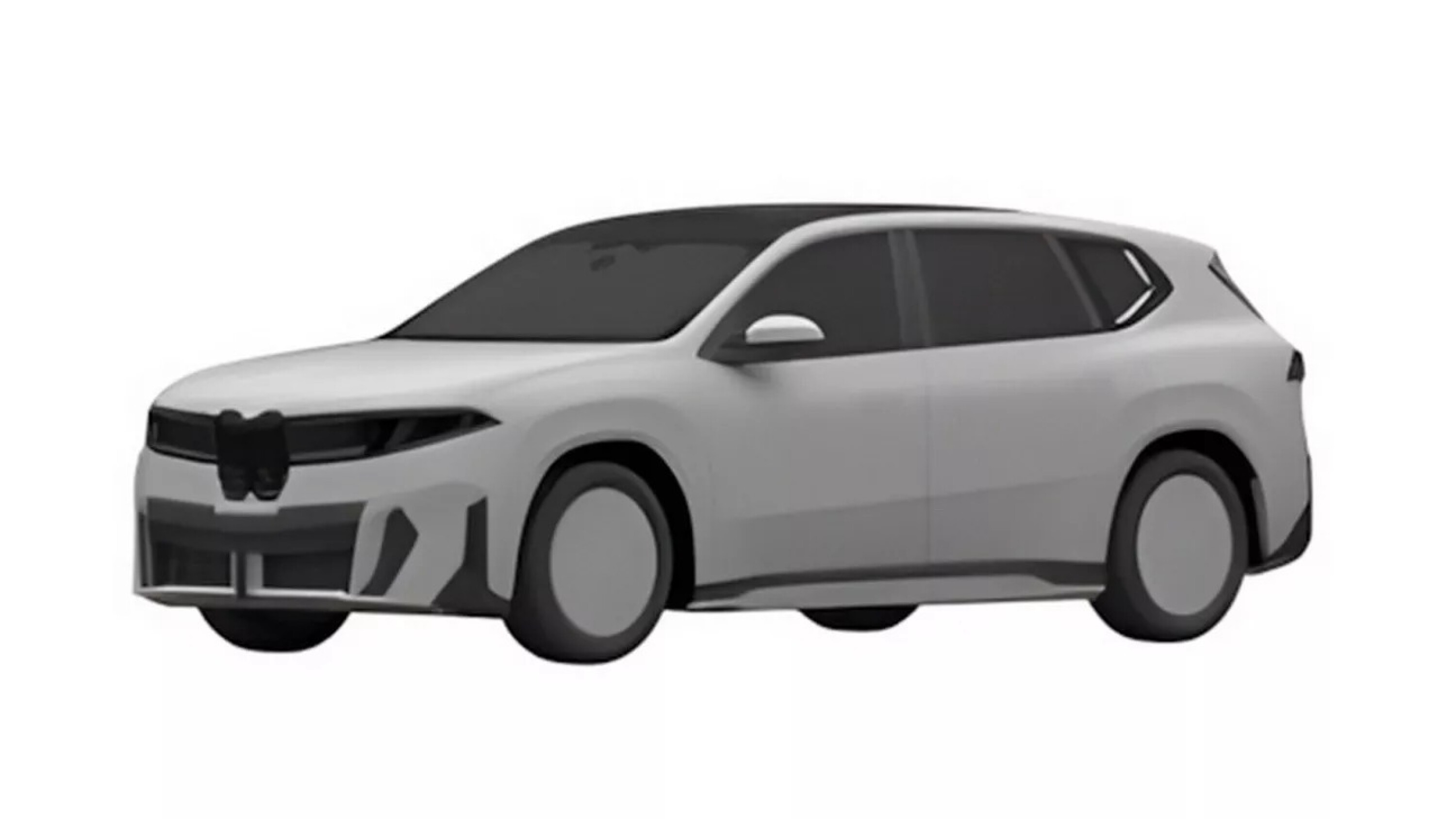
Last week, patent drawings revealed the upcoming BMW iX3, providing a closer look at the electric SUV’s design ahead of its expected 2025 release.
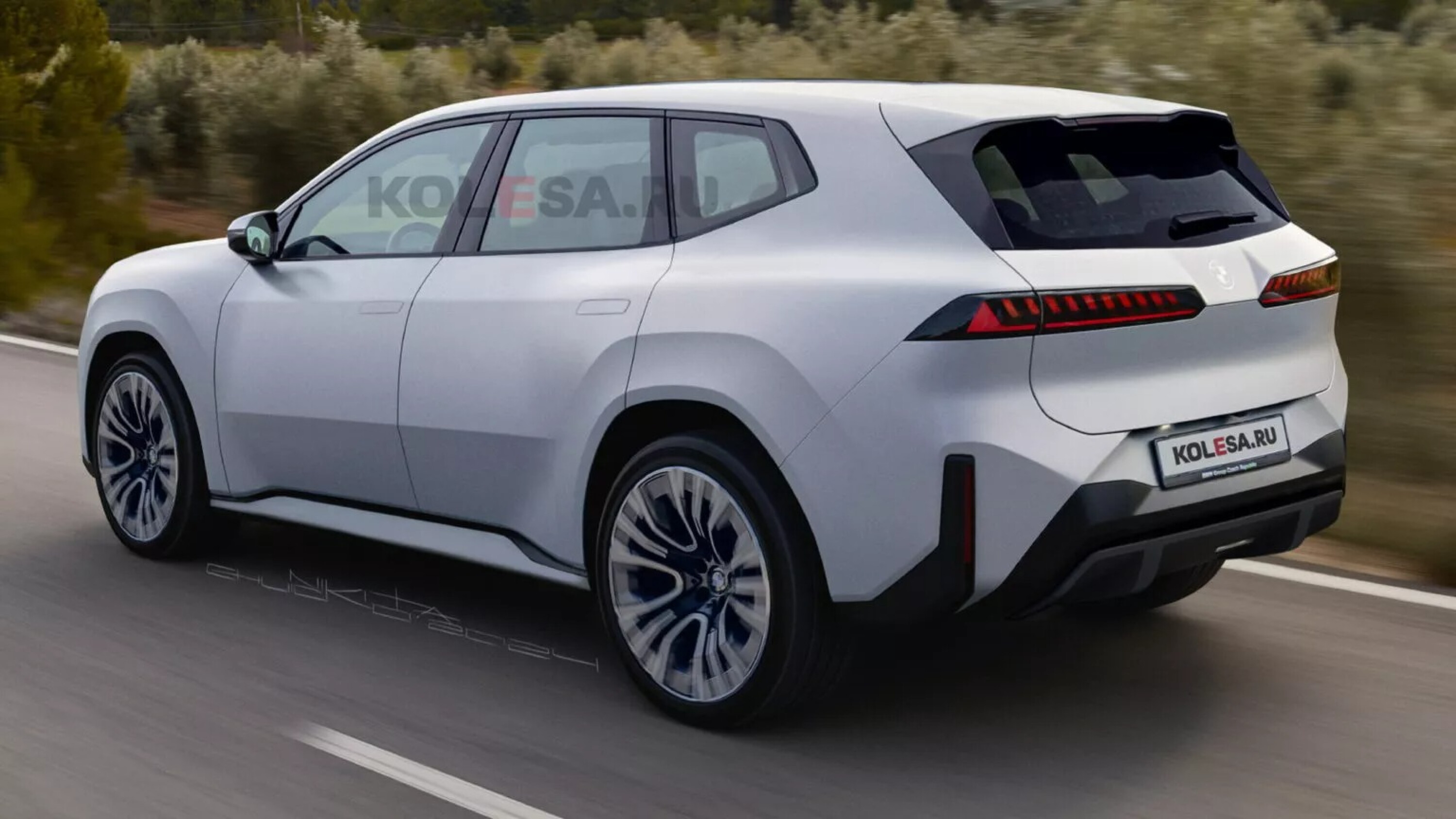
Now, thanks to Russian artist Kolesa, we have a clearer look at how the patent images could evolve into the final production model, still clearly inspired by the Vision Neue Klasse X concept.
The iX3 adopts a vertically oriented double kidney grille, paired with slim headlight units that emphasise the brand’s latest design language. Its proportions feature short overhangs and a long wheelbase, contributing to its modern silhouette.
1
Practical details such as pop-out door handles and traditional side mirrors replace more experimental elements seen in earlier concepts.
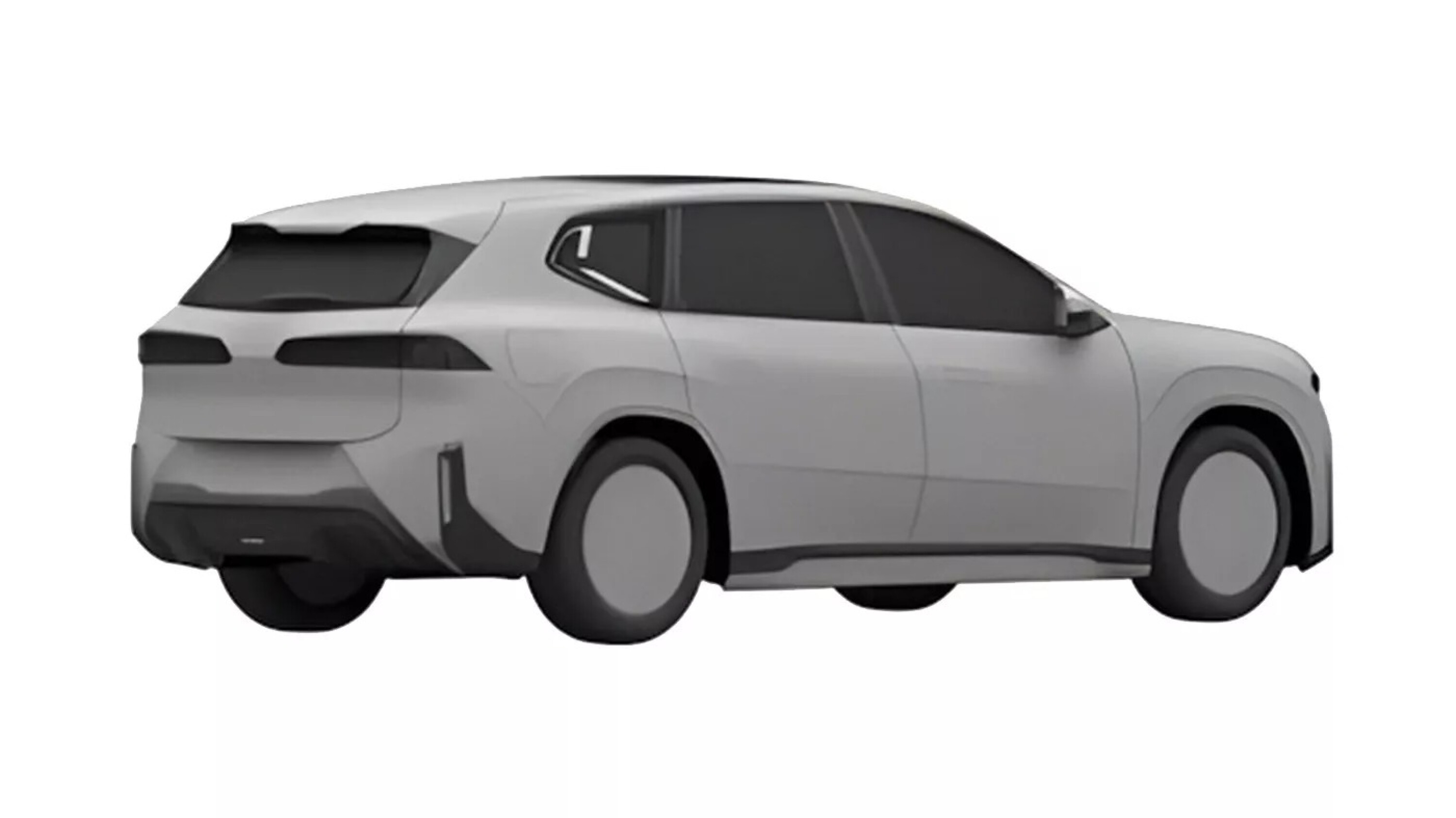
Distinctive features like the Y-shaped element in the rear side windows carry over, maintaining continuity with the concept’s styling cues. These visual touches suggest a focus on blending futuristic design with functional elements.
BMW has not revealed interior details through these filings, leaving speculation open regarding the final execution of its cabin design and technological features. Further details are expected as the iX3 moves closer to its production debut.
1
November 2024: New iX3 revealed with Neue Klasse styling
The next-generation 2026 BMW iX3 has made an unscheduled debut this week, revealed in design patent files — usually required to be publicly accessible as part of any standard trademark and patent search.
While the current iX3 is largely identical to the regular G01 X3 that launched in 2017, this new generation of the popular electric SUV will stand apart with its own unique styling and platform, moving away from the new G45 X3 range that launched with petrol, diesel and PHEV powertrains this year.
1
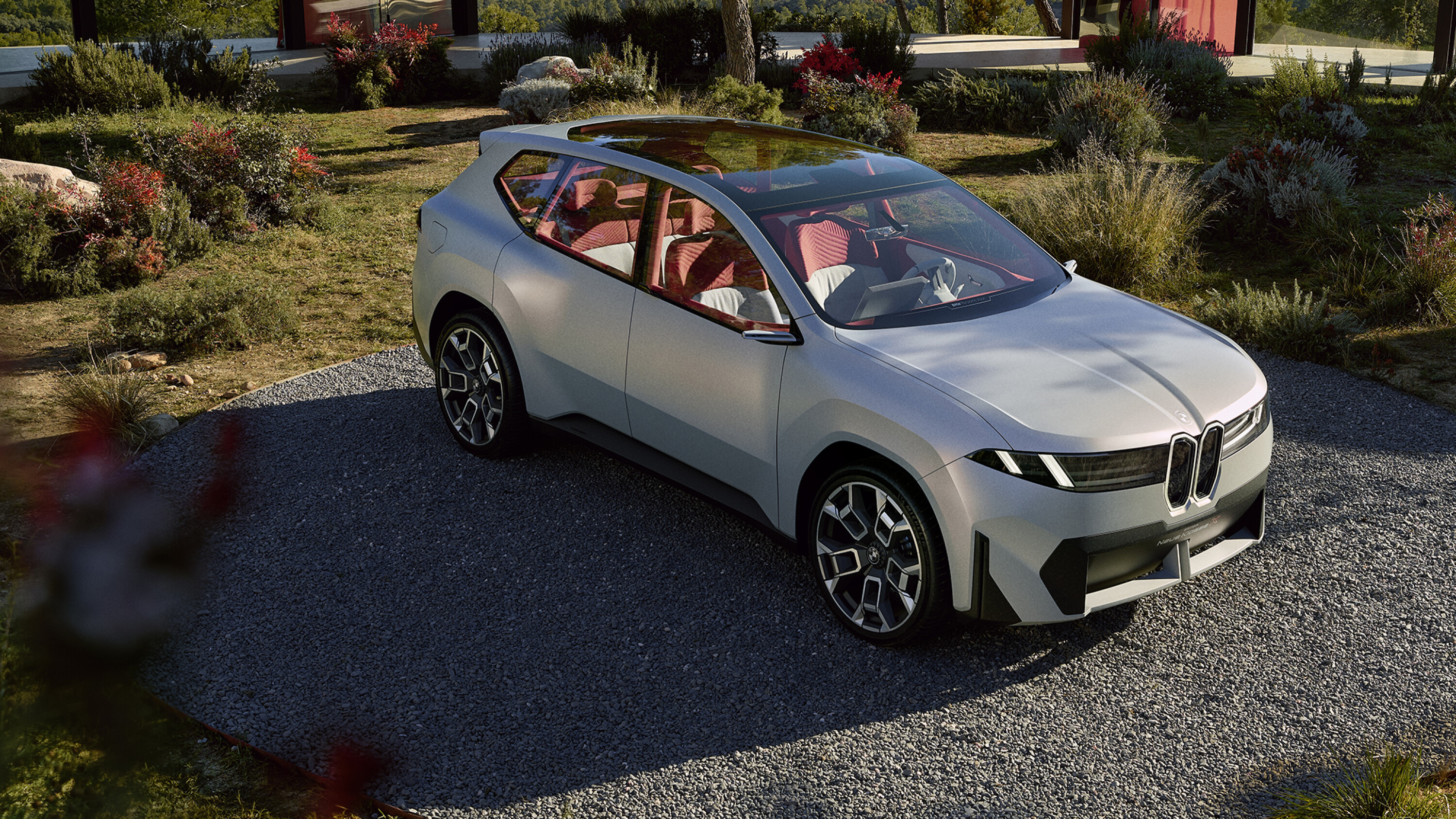
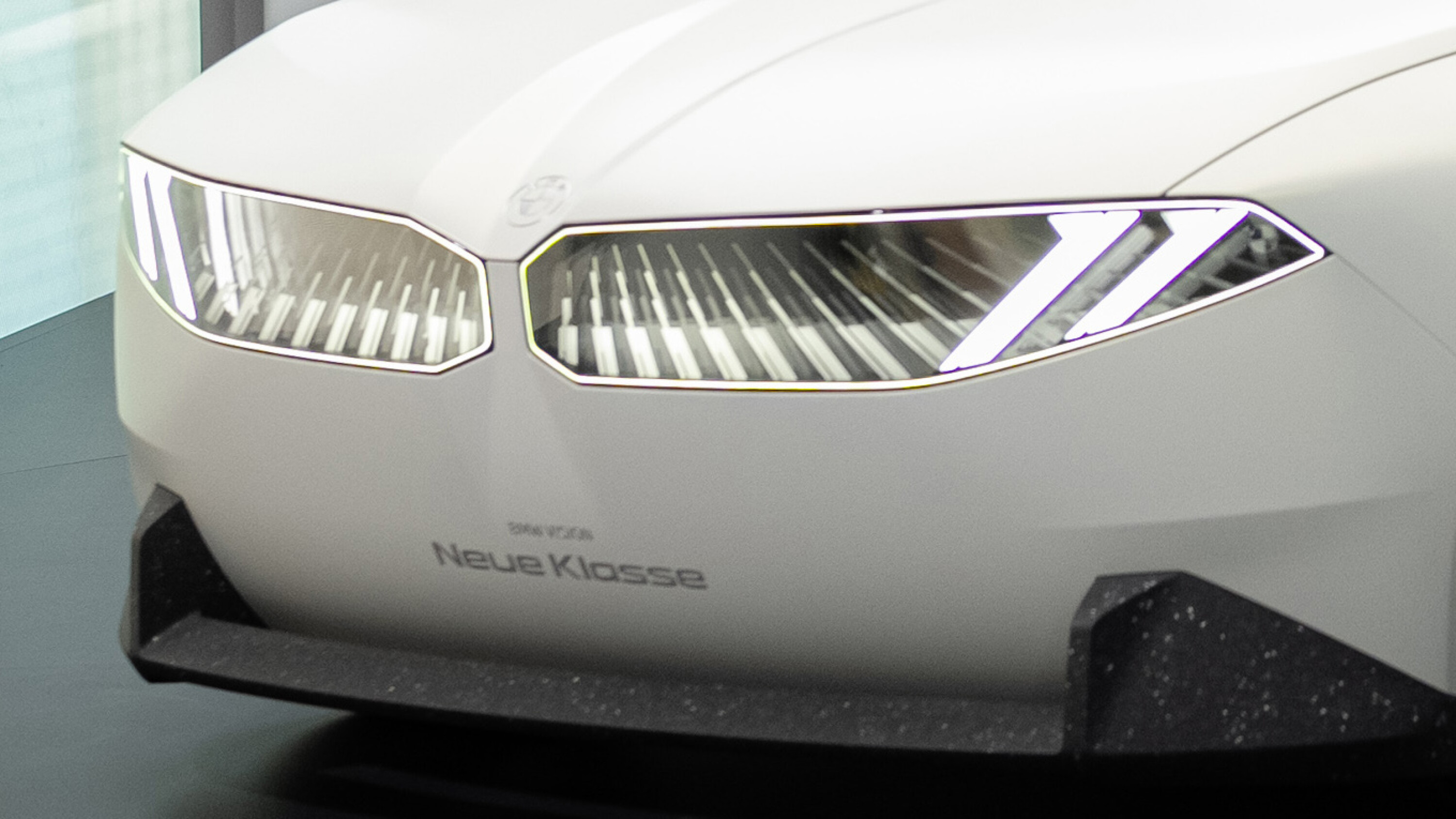
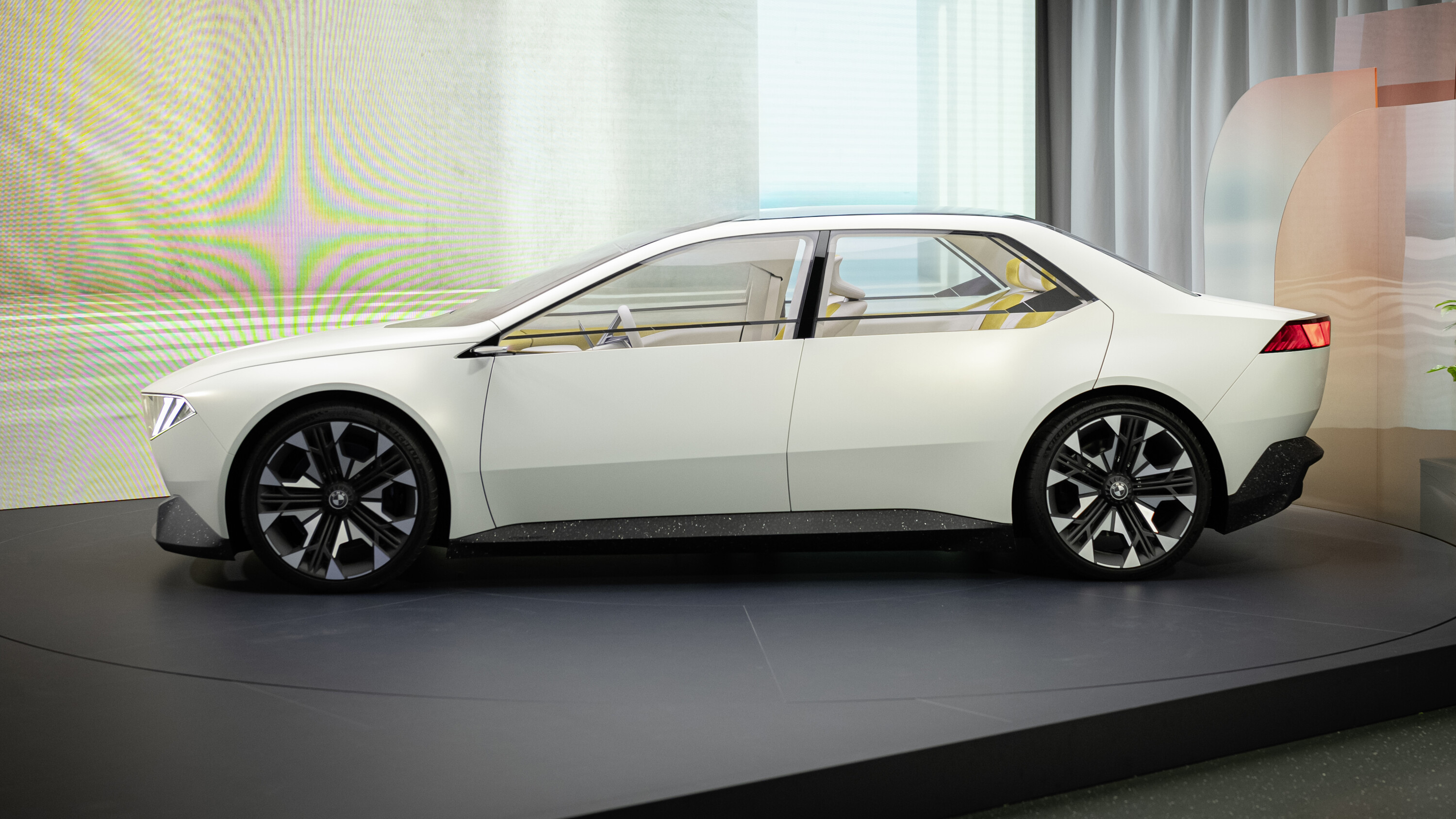
As these classically dull but detailed patent images show, the new iX3 will take its styling cues from the Neue Klasse (New Class) X concept revealed in March this year.
The Neue Klasse X concept showcases another reimagined take on BMW’s iconic split grille layout (known colloquially in the past as a ‘kidney’ design), this time referencing early BMW models with a smaller and narrower design than we’ve seen in recent years.
1
Indeed, even the Neue Klasse sedan concept revealed in 2023 has its own distinct grille design, with a wing-like shape spreading out across the boxy sedan’s face. The X concept features the same ‘wings’, but with that new compact grille at their centre. It’s a look that quickly evokes thoughts of the iconic 2002.
In its upcoming iX3 production form, the X concept’s compact ‘grille’ appears to carry over largely unchanged — if more as a signature faceplate now than an actual functional opening.
The broader design themes of the concept can likewise be identified in the patent image, but without the overall muscly lines and proportions of the show car, as is often the way with any concept’s transition to production.
1
What do you think of the look?
Patent images, necessarily dull and unflattering, should never be taken as a fully accurate depiction of a final production, of course.
With that in mind, tell us in the comments below if you think it’s a good look or a fail!
When will the new 2026 BMW iX3 go on sale?
Exactly when we’ll see the new iX3 make its official debut is unclear. Our earlier information, detailed below in Georg Kacher’s original story, pointed to an unveiling sometime in 2024.
But, as the year’s end closes in, a 2025 reveal for a ’25 or ’26 model year seems likely. Any Australian launch after mid-year is likely to come badged as a 2026 model.
1
2023: iX3 due in 2024, i3 sedan and wagon to follow in 2026
Georg Kacher
Key Points
i3 sedan not due until late 2026
I3 Touring due six months later, alongside the next 3 Series u2013 which will continue on the CLAR platform
The X3 will reportedly be badged X320 and X330, next to iX330, iX340 and iX350.
This raises the question of whether the X-badged Neue Klasse SUVs will share the horizontal front-end grille design with the sedan – or whether there is a new SUV-specific signature in the making.
While the iX3 taps the NK tech cluster, the next X3 remains loyal to the CLAR WE DNA. The different underpinnings suggest different dash-to-axle ratios, but the styling between ICE and EV will again be almost identical – repeating the strategy chosen for the new 7 Series & i7, and the upcoming three-door Mini.
1
The same scheme will allegedly be repeated for the future 3 Series and the Neue Klasse-based i3, expected in late 2026. The electric i3 Touring wagon and its ICE sibling are due to follow six months later.
“Design can speed up change,” states the man in charge, styling boss Adrian van Hooydonk. “The Vision Neue Klasse is so progressive it looks like we skipped one model generation.”
The new mid-liner still displays must-have design elements like big 21-inch aero wheels, set-back greenhouse, monolithic proportions and extra-clean surfaces.
While we can understand that BMW does not want to create a two-class society like Mercedes has done with the combustion-based E-Class and electric-only EQE, the cab-backward silhouette of Vision NK does not seem to be the logical first choice for an EV which has no need for an engine bay.
1
Wouldn’t the i3 be better off with a longer wheelbase, as in part compensation for the massive underfloor battery pack which pushes up the H-point by however small a margin, compromising the already tightish packaging?
To which extent, and where exactly, does the identikit design have a negative effect on cabin space? And how does the saloon fare in this respect vis-à-vis the stacked iX3?
BMW to update its model naming
Applications filed with the EU trademark authorities suggest a pending change of nomenclature which will likely kick off with the Neue Klasse launch.
While the X3 will reportedly be badged X320 and X330, the iX3 goes on sale as iX330, iX340 and iX350.
1
The same formula is valid for the rest of the range with the 560, 660 and 760 monikers gracing the top-of-the-line models.
According to the unofficial launch schedule, the new iX4 will be introduced at the same time as the i3. In the third quarter of 2027, insiders expect the second-edition iX1, one more Neue Klasse offspring.
Towards the end of the same calendar year, the fully electric i1 five-door hatchback is due to see the light, filling the void left wide open by the departing A-Class.
While the future of the 2 Series coupé is said to be iffy, the 2 Series GranCoupé prevails as i2 only in long-wheelbase guise which suggests it will be sold exclusively in China.
1
2028 is the tentative launch window for the i4 coupé, convertible and the MkII i4 GranCoupé.
Rounding off the first wave of NK entries is the i7 replacement informants pencil in for 2029. In the sequel to this piece, we are going to tell you what the M division and the new Alpina subbrand have up their high-voltage sleeves.
While it is not clear whether Mini will at some point also join the NK faction, the mould-breaking lead car of the Bavarian electric revolution – the full-size iX – will almost certainly bite the dust at the end of its first and only life cycle in 2028.
1
The final surprise of the day concerns the X5, X6, X7 and XM which will, contrary to common belief, not just yet switch to the Neue Klasse platform.
Instead, the large SUVs continue to ride on the CLAR WE components set in ECE and EV guise well into the next decade.
How come? Because packing constraints are not such a big issue for full-size models and because it is logistically wiser to roll out the transformation in two waves.
November 26: Brand responds to online backlash and ridicule
“We had to break rules and do something that would get us cut thru (sic)”, a spokesperson told the BBC this week.
Speaking with the Financial Times, Jaguar brand boss Rawdon Glover said the response online has been filled with “vile hatred” and “a blaze of intolerance”. Extreme words, but also not far off the truth, from what we’ve seen.
“We need to reestablish our brand and at a completely different price point, so we need to act differently,” Glover said, insisting that the brand has to “move away from traditional automotive stereotypes”.
Some more amusing posts included:
1
1
1
“There’s no such thing as bad publicity,” the saying goes, and Jaguar appears happy to lean into that thinking this week.
Indeed, as former F1 racer now commentator Martin Brundle said: “I have no idea what this is all about, but it’s genius. Everyone is talking about Jaguar in a moment of time when they’re not actually making cars.”
Tesla owner and retroactively inserted ‘founder’ Elon Musk, who can’t resist a minute of the day that doesn’t include a tweet of his, posted: “Do you sell cars?” – which, well, touché.
Moving away from Elon and the varied experts of social media, Lee Rolston, an actual design expert and head of branding agency Jones Knowles Ritchie, suggested the response online was predictable – given it has so far brought an unusual logo campaign but no new cars.
2
“Don’t ever just launch a logo – when people see a logo they tend to subjectively respond to it. It’s always good to show as much as you can,” Rolston told the BBC.
“Unless you want that response. Maybe Jaguar did actually want this kind of response.”
He concluded: “They have taken a very brave route – it’s one that very, very few brands ever do take because it’s very risky, but time will tell.”
In the meantime, Jaguar has asked people online to “trust and reserve judgement” until its first new concept car is unveiled on December 3.
November 20: Jaguar reveals massive rebrand and multiple new logos
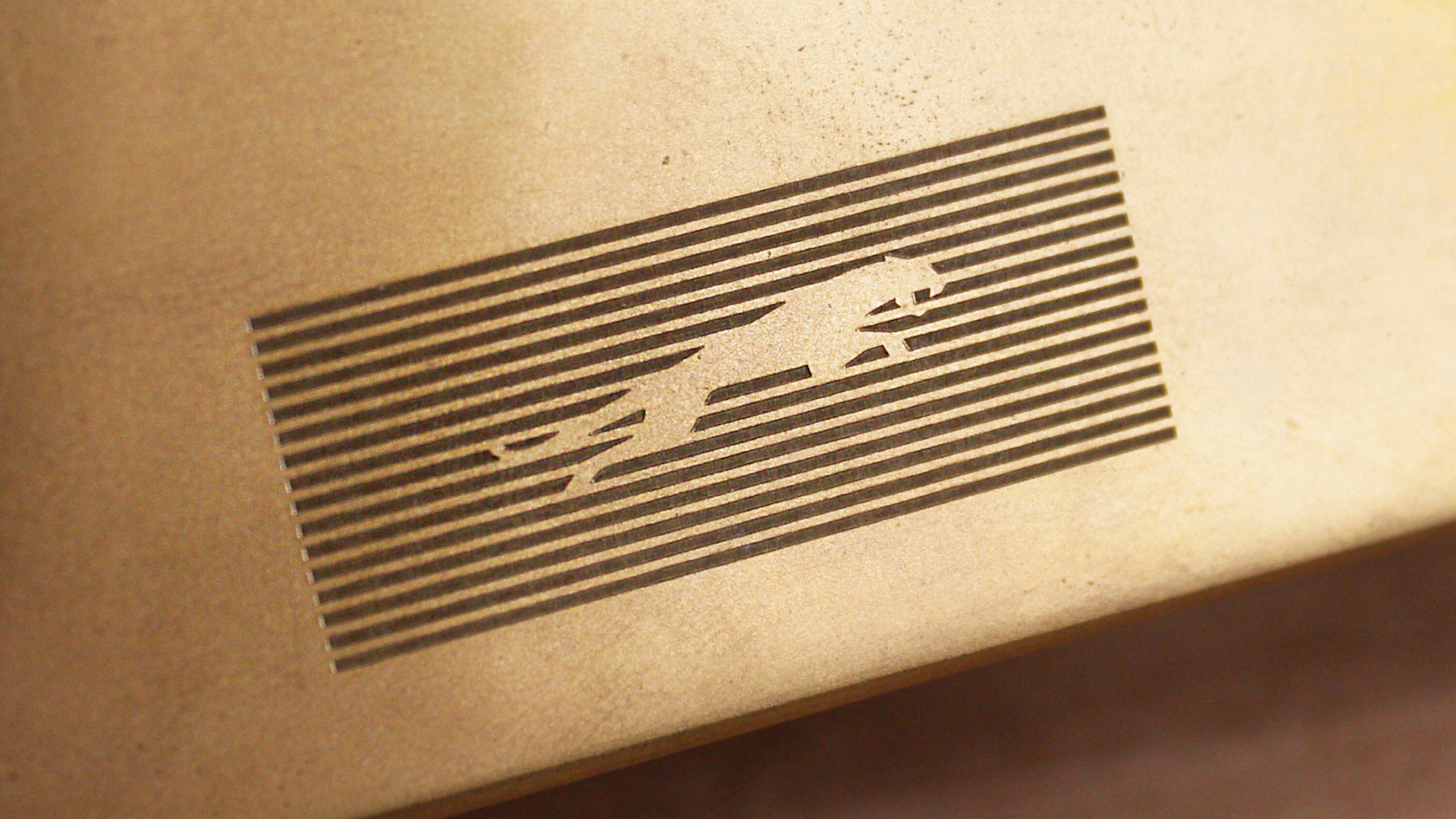
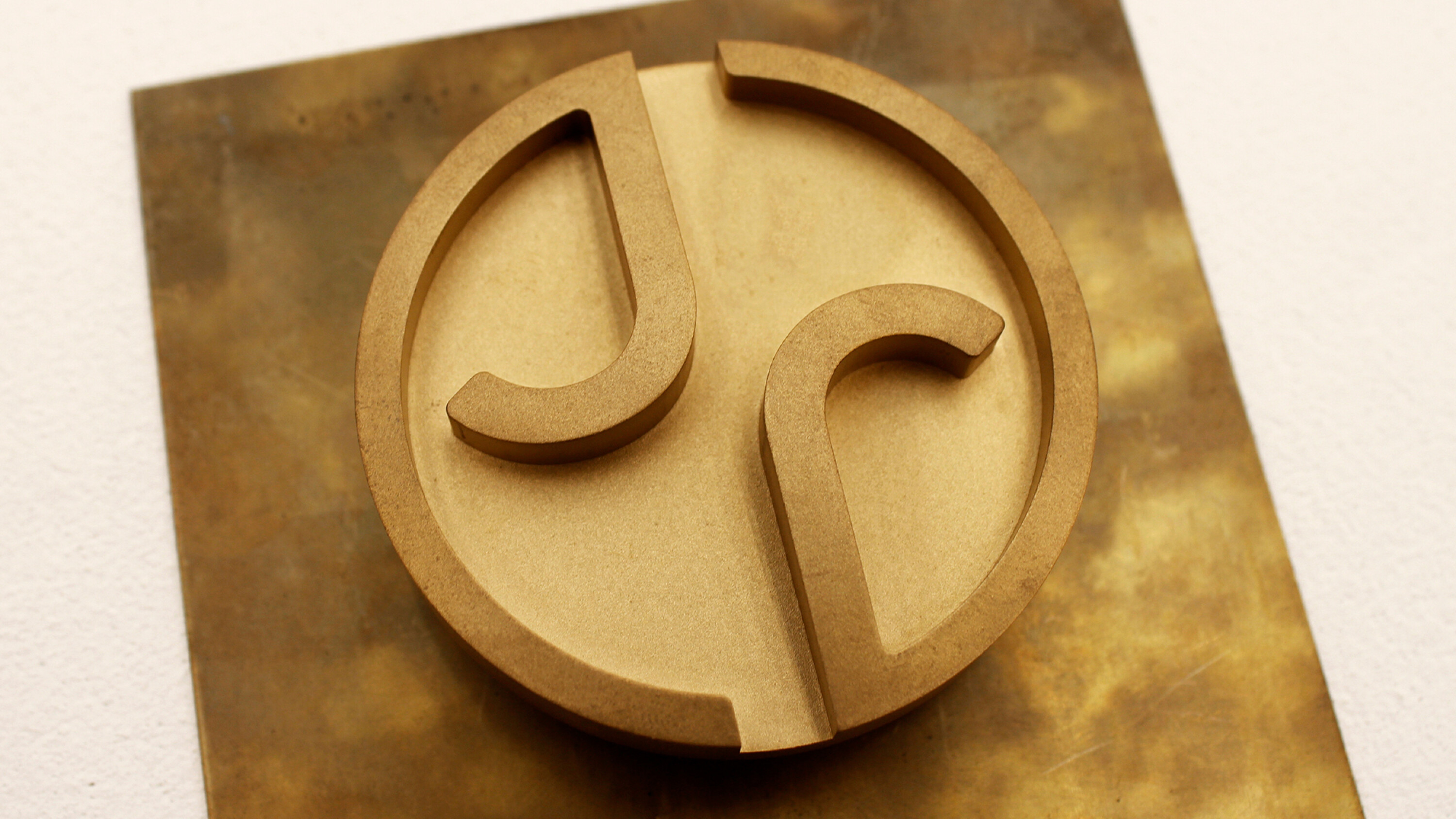
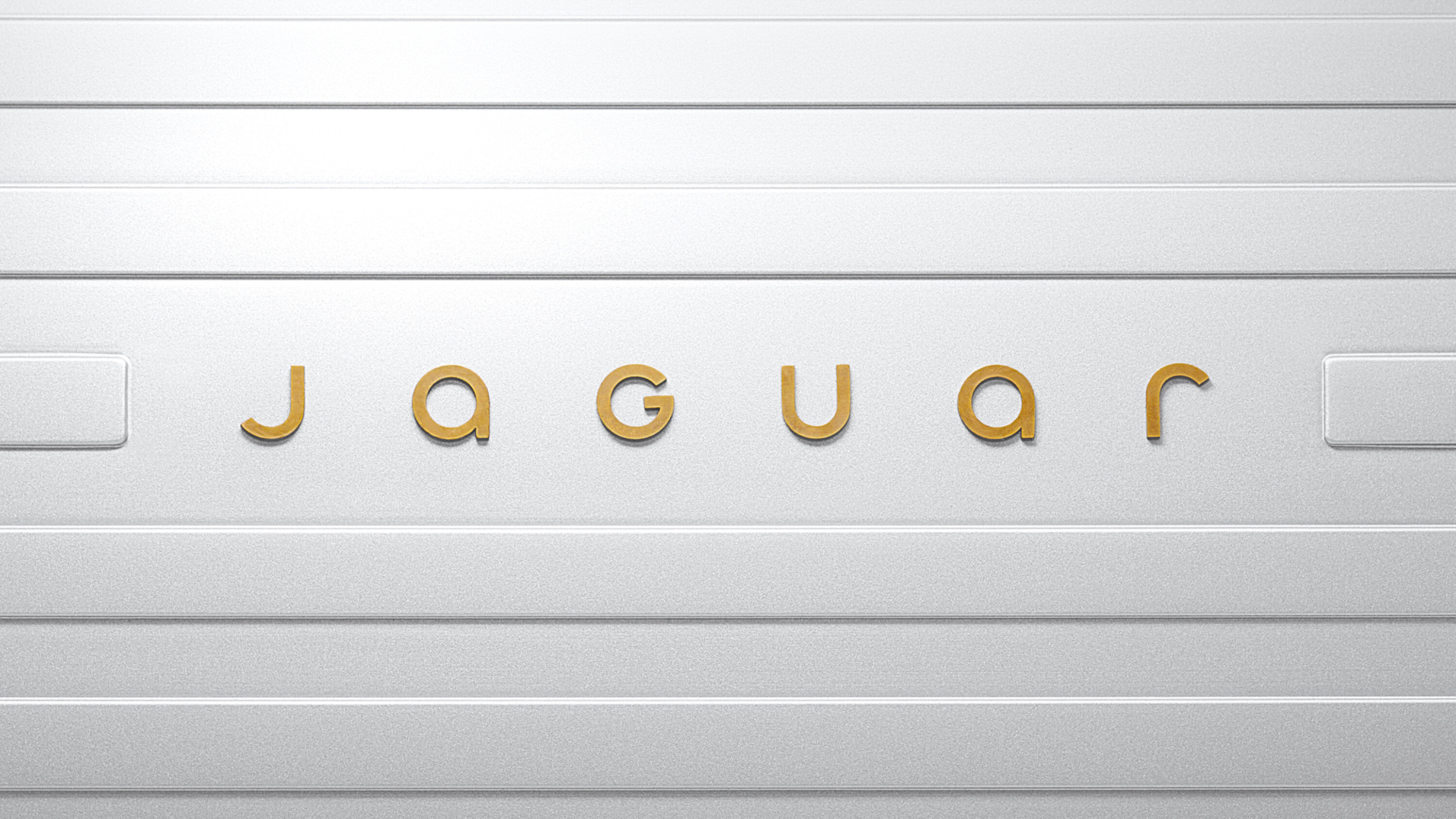
Jaguar has a new logo. Well, three of them, with a super-modern new font, a new take on the classic leaper, and a wholly new monogram. For what?
For its coming all-electric era, that’s what.
As it teased early last year and then revealed in some detail this past March, the company has dumped its elderly line-up of combustion models (and the seven-year-old, once revolutionary I-Pace EV) in favour of three new electric models. To start with.
1
1
Carmakers can’t just reveal everything at once, of course, and so our first introduction to the new Jaguar is its new JaGUar wordmark and two new “Maker’s Marks” – a fresh take on the classic ‘leaper’ cat, and a new JR monogram that looks ready to seal a royal decree in hot wax.
Up next will be the reveal of an actual car, albeit in Design Vision concept form, on December 3 at the Miami Art Week.
3
2
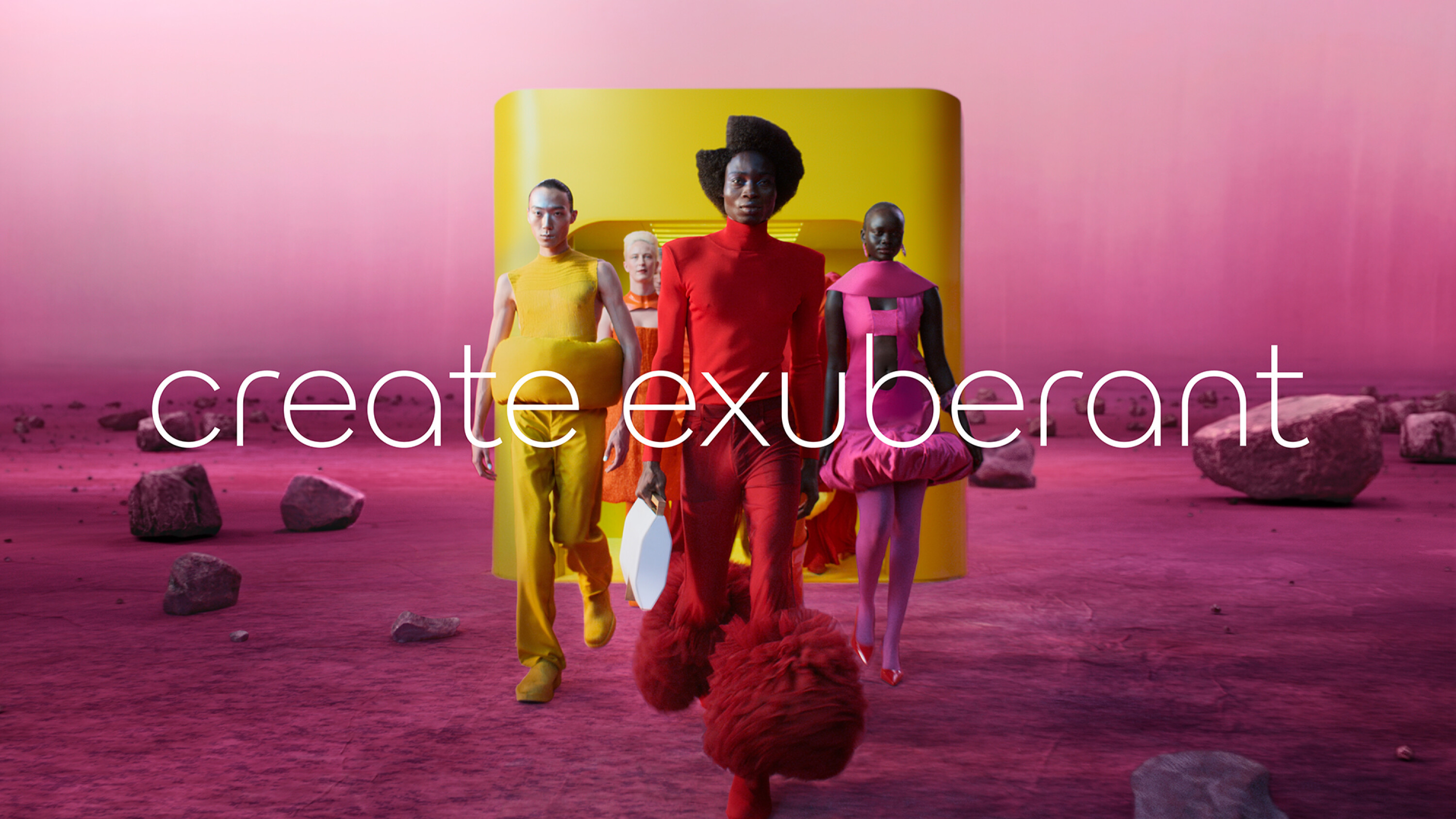
Until then, we get a new branding manifesto built around the notion of ‘Exuberant Modernism’, and there’s more than a little of Apple’s “Think Different” about its reborn “Copy Nothing” mantra.
Did you spy the one with the sledgehammer? Jobs would be flattered, if the ‘Think Different’ line weren’t already another way of saying ‘A copy of nothing’.
Like something out of The Hunger Games, the campaign’s commercially diverse models are draped in ostentatious statement garb with haircuts to match, leaving one to wonder what this means on the actual product end of it all.
1
Time will tell, whether on December 3 or later, although this piece by Car Dealer Magazine UK‘s James Baggott suggests the brand is all-in on a seemingly Balenciaga-inspired level of extravagance and chic excess.
Baggott writes:
“Jaguar’s passionate team spoke for most of the day about how they plan to ‘delete ordinary’ and ‘live vivid’. Whatever that means…
“In what, at times, felt like a drunken dream, Jaguar personnel walked journalists through its plans to ‘reimagine’ the much-loved brand over the next few years.“Calling it a ‘complete reset’, McGovern at one point told journalists that his team had ‘not been sniffing the white stuff – this is real’.”
2
The Germans can have minimalism; Jaguar is here for the hedonistic maximalists? If nothing else, it’s probably goodbye to Jaguar’s traditional buyers. But, hey, maybe the classic Jaguar buyer is coming into their experimental era?
In all, it’s a bold rebrand that looks to the bleeding edge of fashion for its cues. Legacy luxury auto brands have arguably been fairly stagnant in their approach to brand, trapped, as McGovern describes. He says Jaguar has “not been allowed to be unique,” but its new look will “stir the emotions once again” – and “make you feel uncomfortable”.
Presumably he means uncomfortable in a more encouraging way than the strange feelings that mixed-case JaGUar logo is giving me…
Features a 4.0-litre twin-turbo V8 and electric motor delivering 588kW and 950Nm
Equipped with a 19.2kWh battery offering an electric-only range of 48km (WLTP)
Priced from $457,834, with new orders set for 2026 delivery
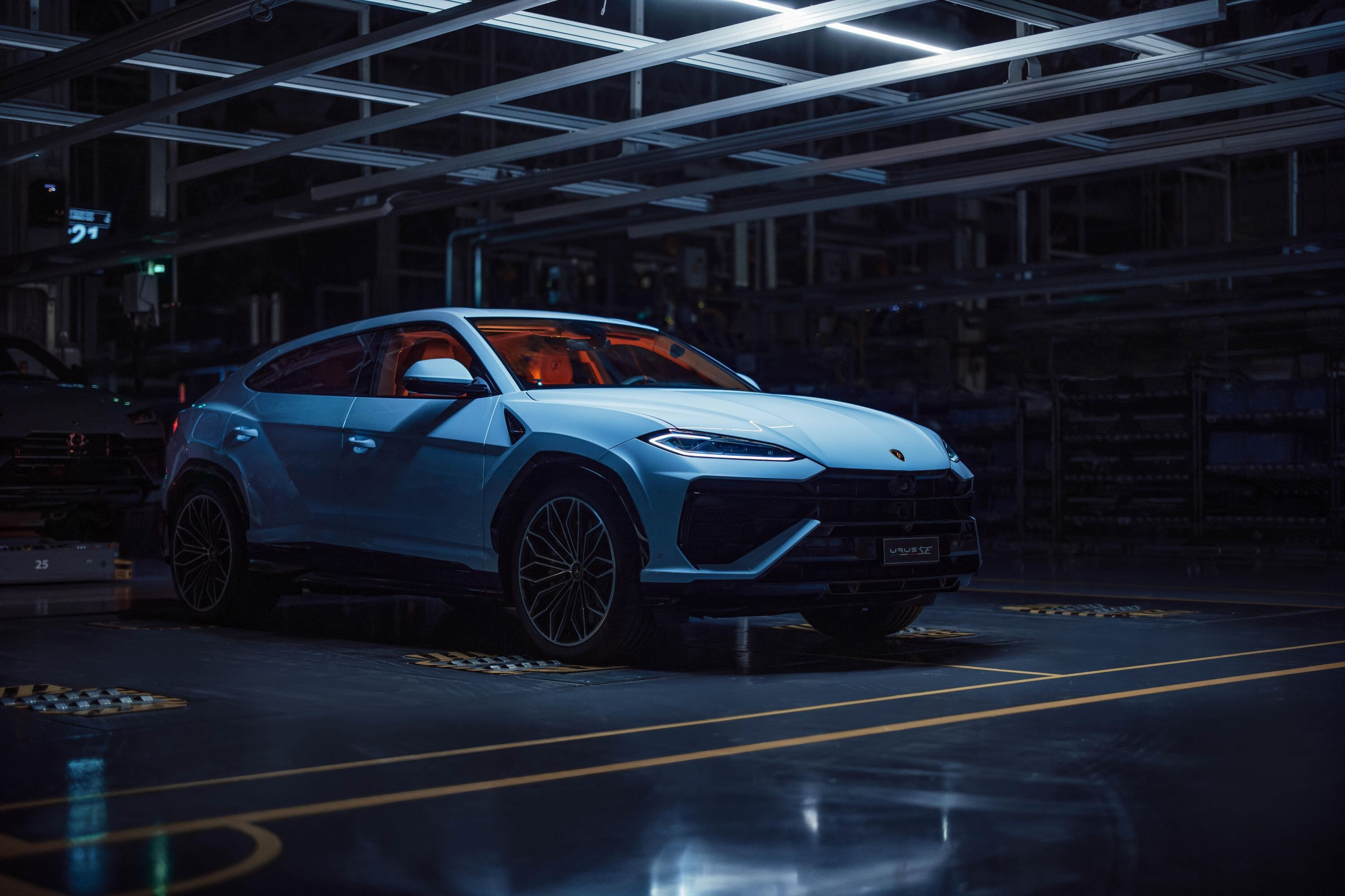
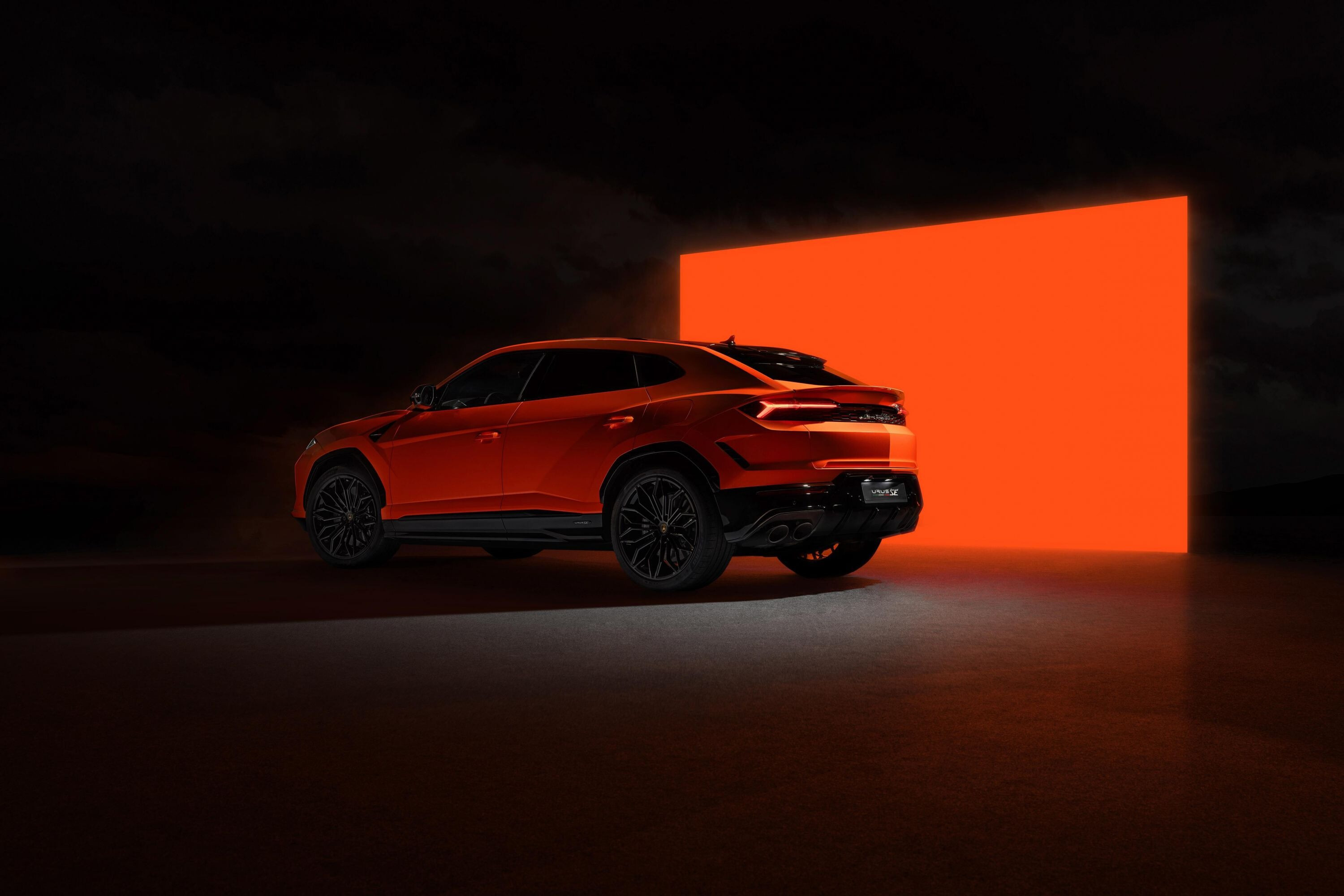
Lamborghini has introduced the Urus SE plug-in hybrid SUV to the Australian market, priced at $457,834 plus on-road costs.
This SE replaces the previous petrol-only Urus and is now available for order, with the 2025 allocation fully booked and deliveries extending into 2026.
The Urus SE is powered by a 4.0-litre twin-turbocharged V8 engine producing 456kW and 800Nm, paired with a 141kW electric motor delivering 483Nm.
Combined, the system outputs 588kW and 950Nm, claiming acceleration from 0-100km/h in 3.4 seconds and a top speed of 312km/h. The hybrid system also facilitates a 0-200km/h sprint in 11.2 seconds. 
Drivetrain: All-wheel drive with Haldex centre differential
Seating capacity: Up to 5 occupants
Availability: 2025 allocation sold out; new orders scheduled for delivery in 2026
1
The Urus SE features an all-wheel-drive system utilising a Haldex centre differential, distributing torque between the front and rear axles based on traction requirements.
The exterior design retains the distinctive aesthetic of its predecessor while incorporating updated body panels, headlights, and taillights.
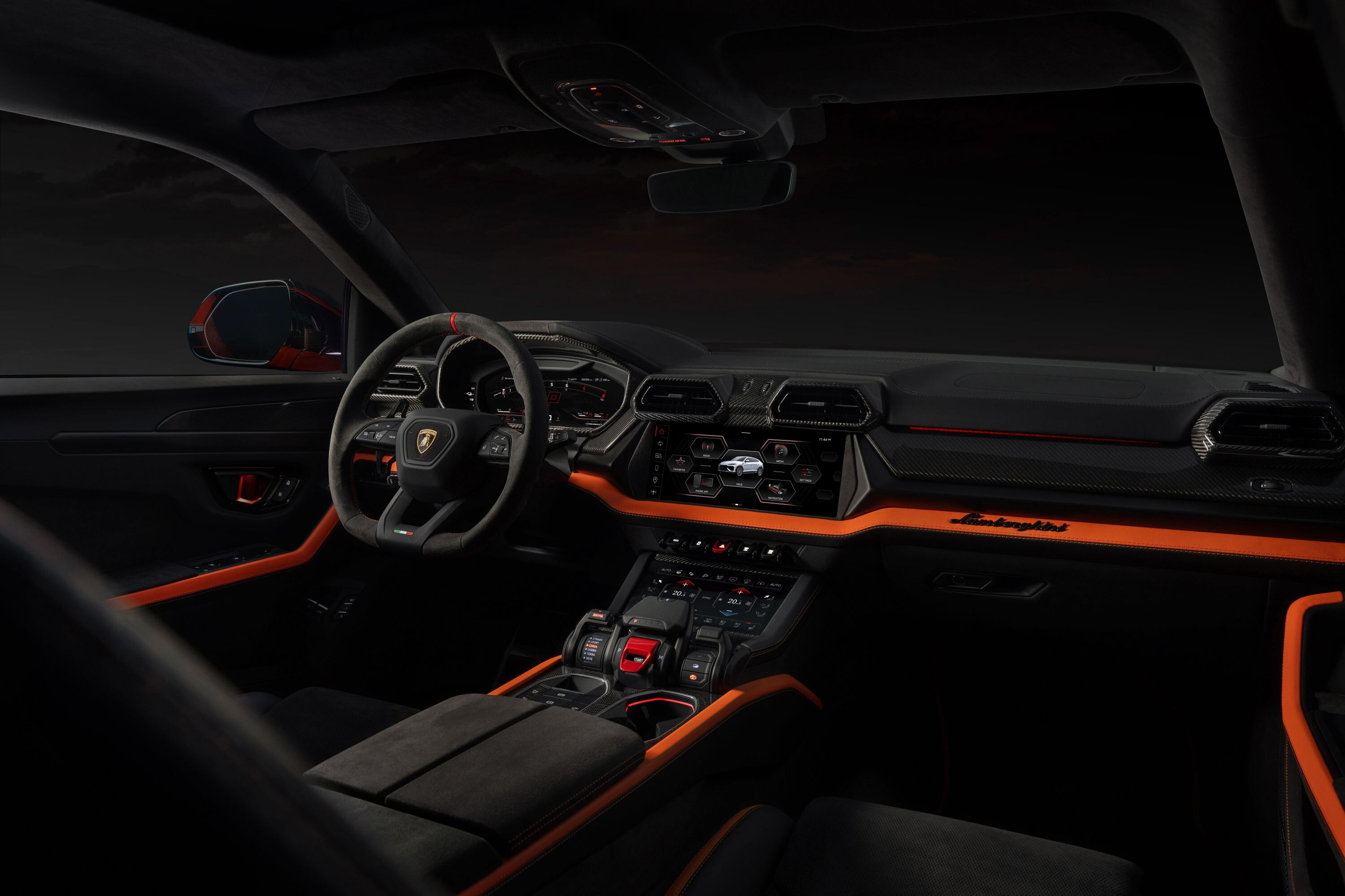
Inside, the Urus SE offers seating for up to five occupants, with options for customisation to suit individual preferences.
2
The launch of the Urus SE aligns with Lamborghini’s ongoing hybridisation program, initiated in 2023.
The company aims to electrify its entire model range, with each vehicle featuring distinct hybrid technologies tailored to its specific performance and design objectives.
Prospective buyers should note that the 2025 allocation for the Urus SE is fully subscribed, with new orders being scheduled for delivery in 2026. This reflects strong demand for the model in the Australian market.
As buyers wait to hear more on the updated E-2008 electric SUV, there’s now at least this: the 2025 2008 Hybrid.
Snapshot
Powered by a 1.2-litre turbo petrol engine & 48V hybrid system
Starting price of $42,490, with deliveries expected from Q1 2025
Fuel efficiency rated at 4.4L/100km
1
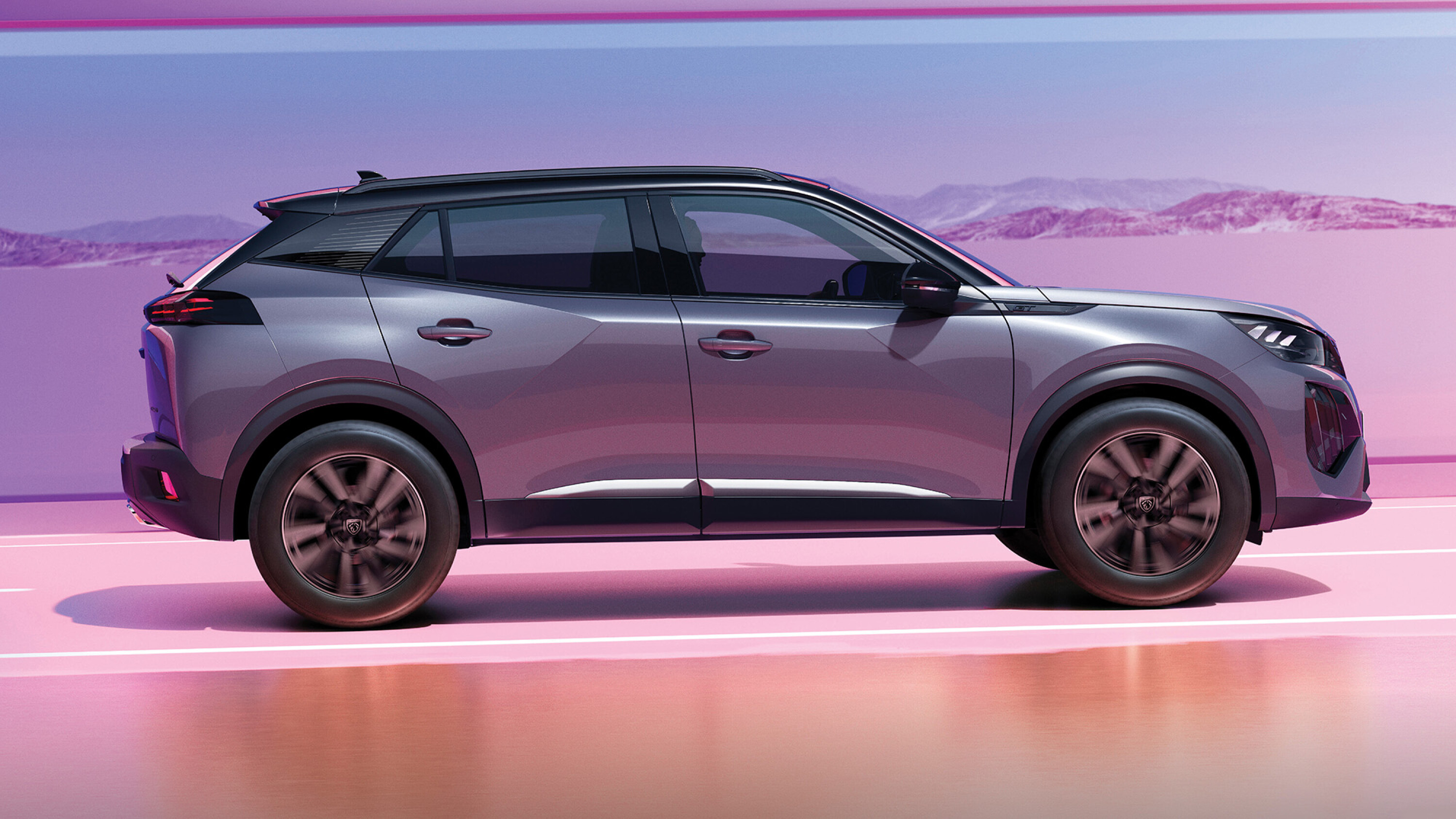
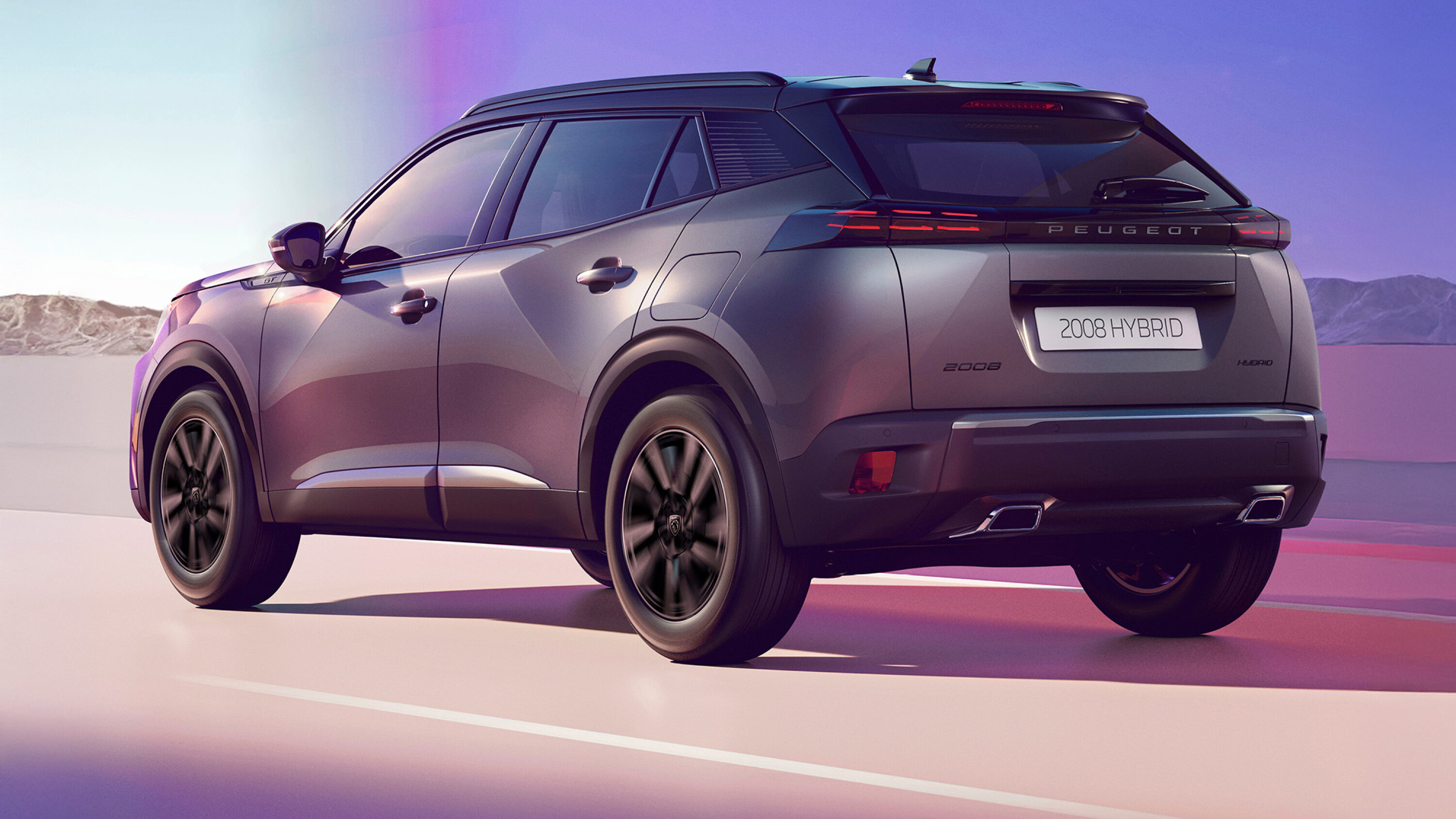
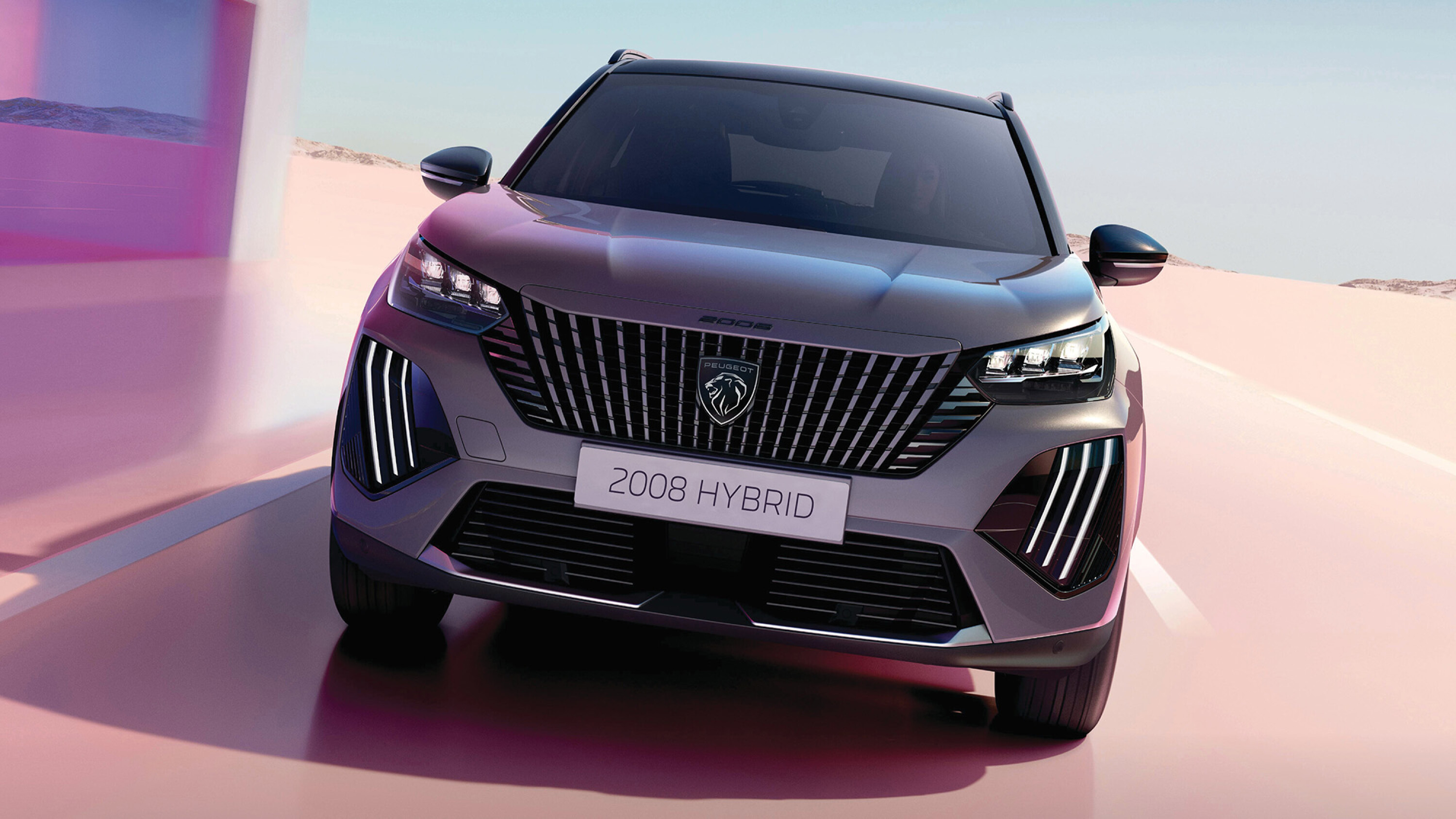
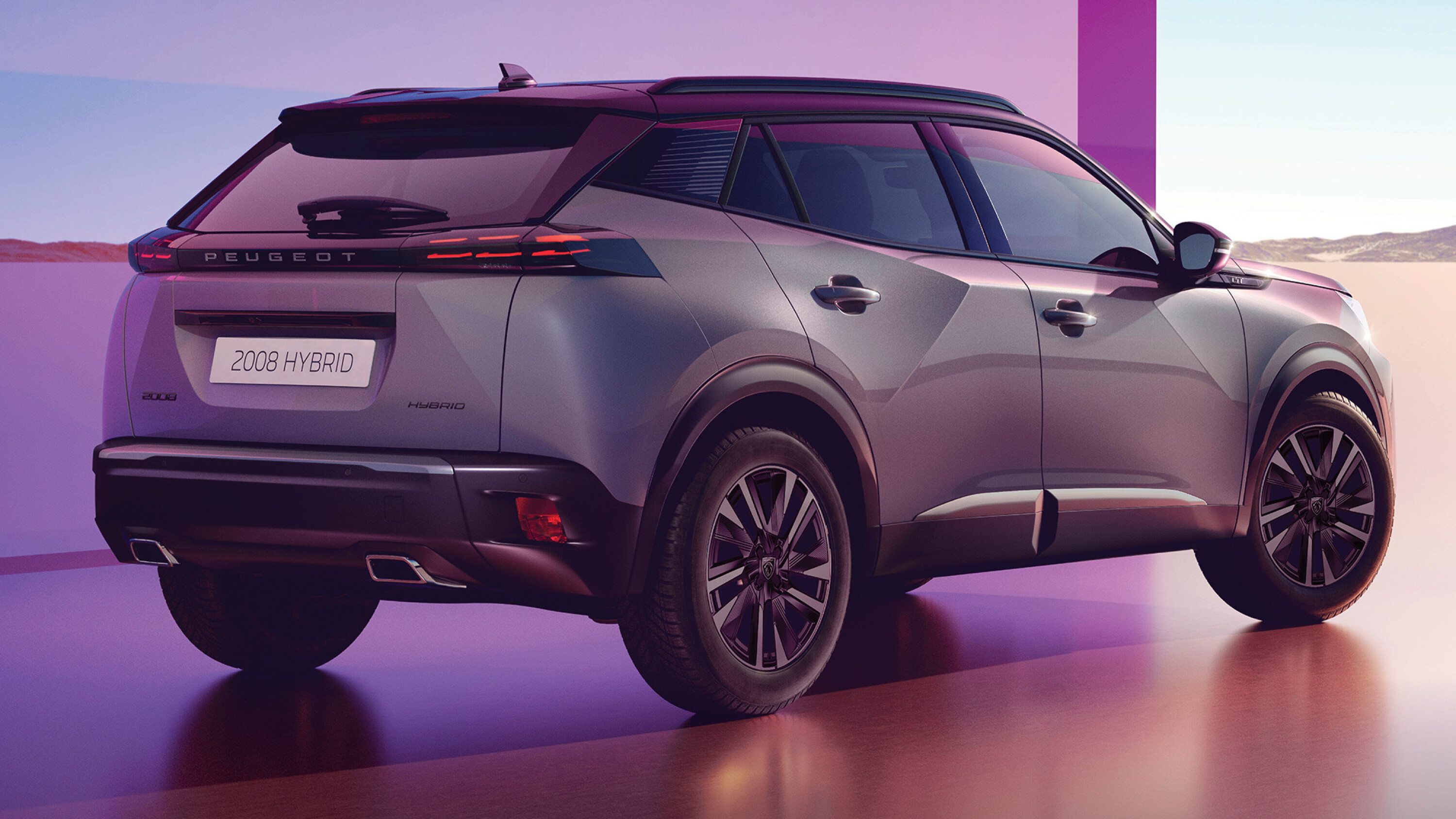
Peugeot has introduced the 2008 Hybrid to its Australian line-up, featuring a 1.2-litre turbocharged petrol engine paired with a 48-volt hybrid system.
This compact SUV offers two trims: Allure and GT, with deliveries expected to commence in the first quarter of 2025.
Pricing starts from $42,490 for the Allure and $49,490 for the GT, excluding dealer delivery and statutory charges.
The hybrid powertrain combines a turbo petrol engine with an electric motor, producing 100kW of power at 5500rpm and 230Nm of torque at 1750rpm.
A six-speed dual-clutch automatic transmission is standard. Fuel efficiency is claimed at 4.4L/100km, with CO2 emissions rated at 99g/km, reflecting significant reductions compared to Peugeot’s outgoing ICE-powered 2008 models.
The system also incorporates regenerative braking technology, allowing the battery to recharge during deceleration.
Peugeot 2008 Hybrid: The basics
1.2-litre turbo petrol engine with 48V hybrid system
Outputs: 100kW @ 5500rpm, 230Nm @ 1750rpm
6-speed dual-clutch automatic transmission
Fuel efficiency: 4.4L/100km
CO2 emissions: 99g/km
Regenerative braking
1
Standard equipment
Allure Hybrid
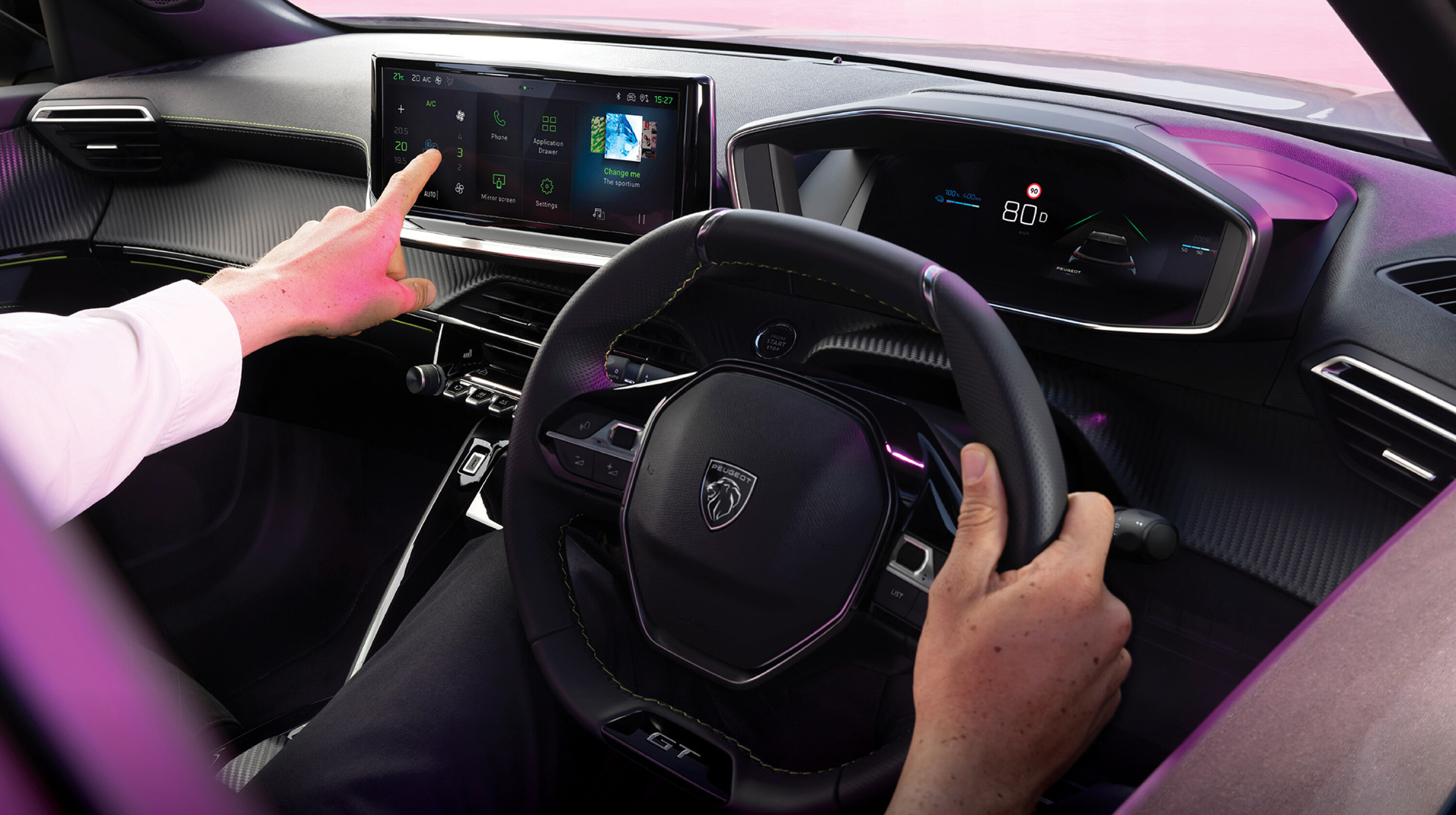
10-inch high-definition touchscreen
Wireless Apple CarPlay and Android Auto compatibility
Wireless phone charging
LED headlights and rear lights with Peugeot’s claw design
Blind-spot detection and 360° HD cameras
Interior highlights include fabric seats with leather-effect trim, diamond stitching, and supportive contours.
1
GT
The GT adds premium features such as:
18-inch diamond-cut alloy wheels
Configurable 3D digital driver cockpit
Adaptive cruise control with stop-and-go
Alcantara and leather-effect seat trim with heating for front seats
Panoramic glass roof
GT buyers also gain a driveru2019s seat massage function with electric lumbar adjustment and unique styling elements, including a diamond black roof and rear spoiler.
1
Warranty and servicing
Peugeot backs the 2008 Hybrid with a five-year, unlimited-kilometre warranty.
Pre-paid service plans are available in three- and five-year packages, offering a structured approach to scheduled maintenance.
Jaguar is on one heck of a cull. We recently featured the F-Type in Driven To Extinction, but the knife’s going way deeper than the coupe and roadster.
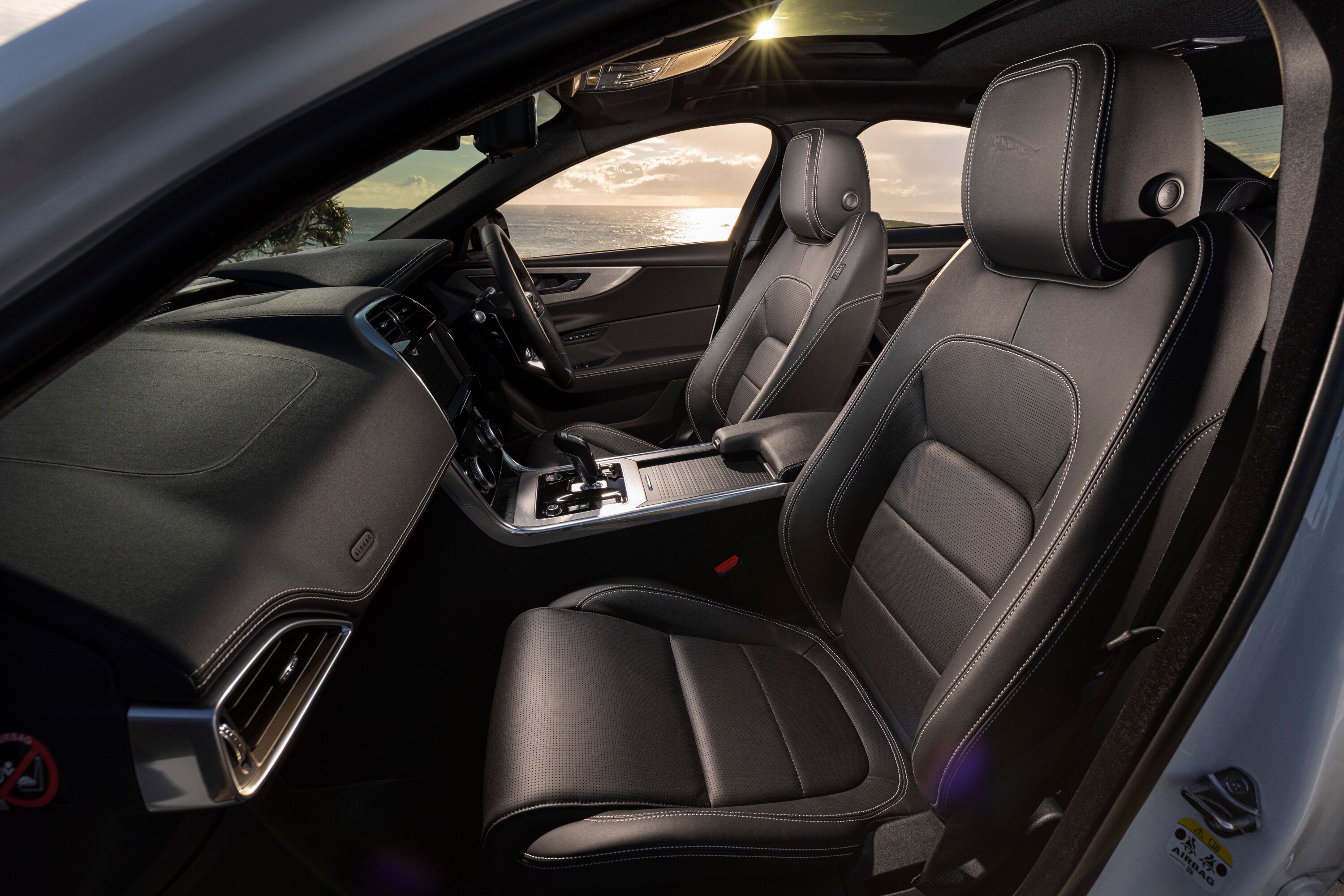
Shortly after revealing its F-Pace 90th Anniversary model in May, Jaguar’s Castle Bromwich plant had already assembled the very final examples of not only the F-Type but also the XF Sportbrake and the car you see here, the pert XE sedan.
JLR’s CEO, Adrian Mardell, went on to inform analysts that Jaguar would axe everything but the F-Pace SUV within the year with the withering comment: “none of those are vehicles on which we made any money.” Indeed, in the most recent quarter, 86 percent of JLR group sales were accounted for by the LR bit, Jaguar contributing a paltry 14 percent.
The plan is to push upmarket towards Bentley with an all-electric line-up based on the long-wheelbase JEA EV platform. The company is targeting a production figure of less than 50,000 per year, ditching what Mardell described as “lower-end products”.
For a lower-end product, the Jaguar XE was certainly conceived with some ambition. Targeting the BMW 3 Series, the Audi A4 and the Mercedes- Benz C-Class, the XE featured expensive aluminium suspension componentry and a bonded and riveted aluminium unitary chassis, making its rivals appear somewhat proletarian.
“AT LAST! A Jaguar good enough to rival the Germans” screeched our July 2015 headline on our first full test of the XE. John Carey was clearly taken with the Ian Callum-styled car: “Now that we know that the XE drives as well as it looks, we’re ready to call this car the beginning of a bright new era for Jaguar. It’s simply too good to ignore.”
Carey was both right and wrong. The XE was a gem of a premium sedan, finishing second at COTY 2016. Heck, with a better-finished interior it might well have pipped the Mazda MX-5 for the crown that year. It deserved better than it got, and the sales figures make for some fairly sorry reading. Take 2018 as an example. With just 524 registrations here in Australia, the XE was outsold by the Alfa Romeo Giulia. The Audi A4 sold 1625 units, the 3 Series 3079 units and the C-Class a whopping 5055 units.
Like many of Jaguar’s products, it benefited from a huge initial investment, but then somewhat withered on the vine. Ingenium engines replaced the Ford-based units in 2017, but otherwise it enjoyed little in the way of updates. Vanity projects like the 300-unit SV Project 8 weren’t the answer. The XE’s best year was 2016, when it registered 44,095 global sales. By 2022, it was selling less than 600 units annually in Europe and 12 brave punters stepped up that year in the US.
Why did it fail? It tried to take on the industry’s biggest players with a fraction of their development budgets. It looked and drove brilliantly, but then Jaguars always did. Doing that while providing great ergonomics, reassuring build quality and electronic architectures that stayed ahead of the pack is an altogether tougher brief. Ultimately, it’s one that Castle Bromwich could never hope to answer.
1
Aussie sales
2015: 580
2016: 1524
2017: 791
2018: 524
2019: 394
2020: 196
2021: 144
2022: 56
2023: 58
2024 (YTD): 45
The almost win at COTY 2016
There are some COTY runners-up where the judges can barely point to a single shortcoming. The Jaguar XE was not one of them. John Carey’s report spoke of an underwhelming interior, awkward access through the rear doors, an underwhelming and thirsty 3.0-litre V6 that spoilt the handling balance, a
lack of interior storage, cruise control that would overspeed downhill, short service intervals on the four-cylinder engines and so on. Perhaps we really wanted to believe.
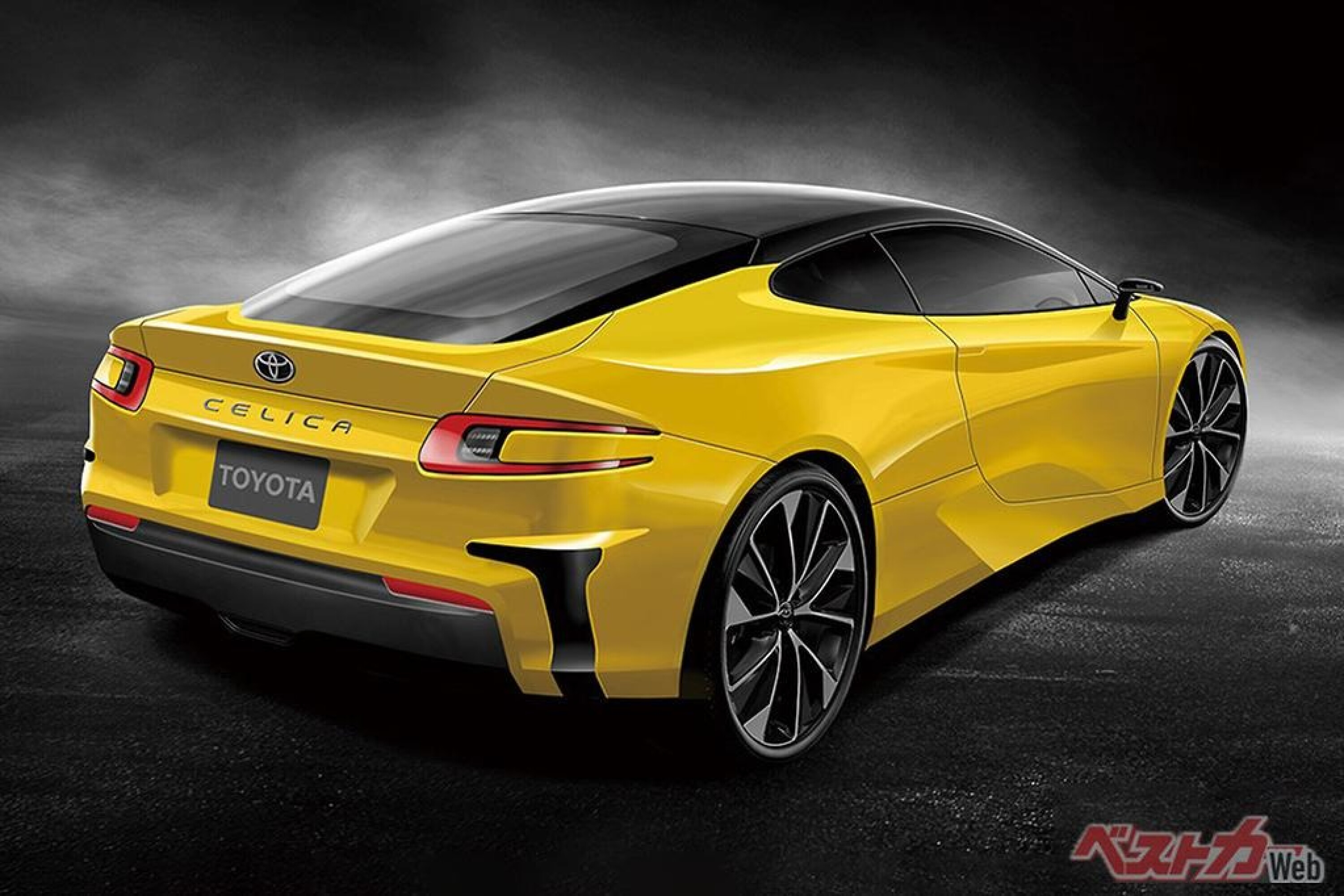
A senior Toyota executive speaking at this past weekend’s 2024 Rally Japan is understood to have confirmed comeback plans for the Celica name.
The confirmation emerged unexpectedly during a Q&A session, when Toyota Chairman Akio Toyoda was asked directly about the possibility of reviving the Celica.
Toyoda deflected the question – asked by Best CareditorJin Hongo – to his Executive Vice President Yuki Nakajima, who is understood to have responded with the following, which we’ve translated here with Google Translate.
“To be honest, there is no sign of it right now. However, there are many people within the company who are eagerly awaiting the Celica. So…I’m not sure if it’s okay to say this in a public forum, but we’re doing the Celica!”
1
It’s no formal announcement, but this is nonetheless the first time Toyota has offered any official comment confirming plans for a new eight-generation Celica.
Speaking further – as he often does and as so few of his fellow Japanese automotive executives ever do – Toyoda tempered expectations by pointing out potential challenges in the development process, advising not to assume specifics just yet.
Below: We wouldn’t mind if the Celica looks a bit like this MR-E concept our mate Theottle created in 2023.
After this surprising statement, Chairman Toyoda followed up with some banter towards Nakajima and the audience together:
“Is this okay? There are a lot of challenges. Best Car wrote that Toyota is making the Celica, but you shouldn’t believe that,” to which Vice President Nakajima humorously replied, “I didn’t say when it will be released—it might even be next year.”
We wonder: Will it be front-wheel drive like its 1985-onwards generations, though, or return to its earlier rear-wheel-drive form?
We’ll look forward to an announcement – hopefully in the new year.
Questions about the next GR86
The event also included audience-driven Q&A, where fans asked about the next-generation GR86.
Questions ranged from the possibility of a turbocharged engine to whether the car would retain a rear-wheel-drive layout.
Kazuya Oshima, a racing driver and team leader for ORC ROOKIE Racing, confirmed that development work for the next GR86 was ongoing, particularly focusing on track performance.
Toyoda stirred the pot again, asking Nakajima to take the microphone once more, seemingly leading him towards…
…the future of Toyota’s engines
Reflecting on Toyota’s engine development strategy, Nakajima referenced Toyoda’s previous remarks at the 2024 Tokyo Auto Salon, where the chairman expressed admiration for Subaru’s boxer engines and Mazda’s rotary engines.
Nakajima: “At this year’s (2024) Tokyo Auto Salon, Mr. Morizo (Chairman Akio Toyoda) was asked, ‘What’s your favourite engine? What engine do you want to leave for the next generation?’ He answered, ‘Subaru’s horizontally opposed engine and Mazda’s rotary engine.’
“But there wasn’t a Toyota engine! This fired up all of Toyota’s engine developers. We are determined to create an engine that Morizo would want to leave behind. It’s not about whether it can or cannot be released or whether it will or won’t be preserved. We will release it!”
While the Japanese are known to be capable of enthusiastic conversation, you’ll rarely see any of their executives provide such detailed comments to western media – so we’ll have to take the Best Car team’s word that it went quite like that…
November: 2025 Polestar 4 Australian photos added
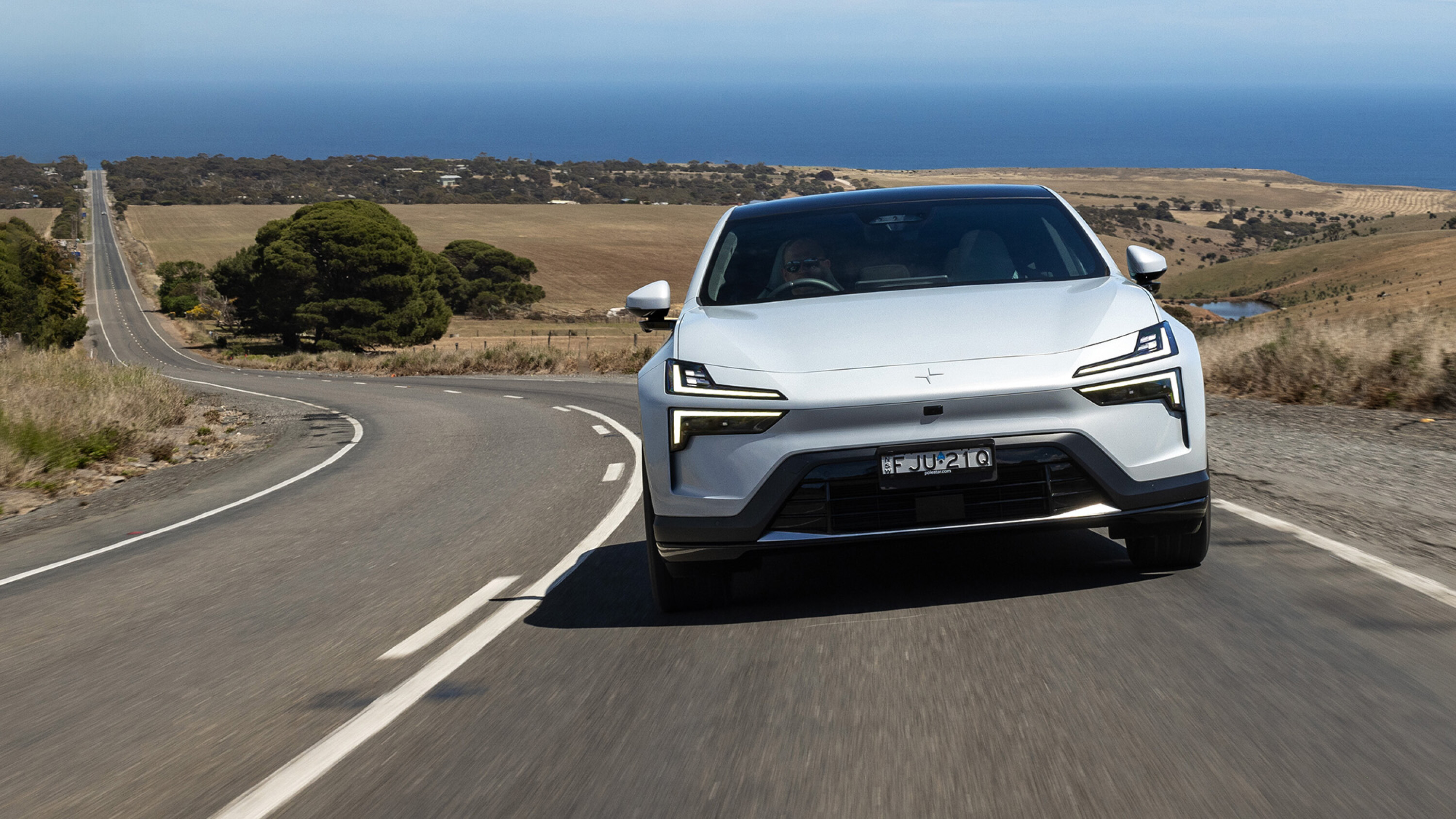
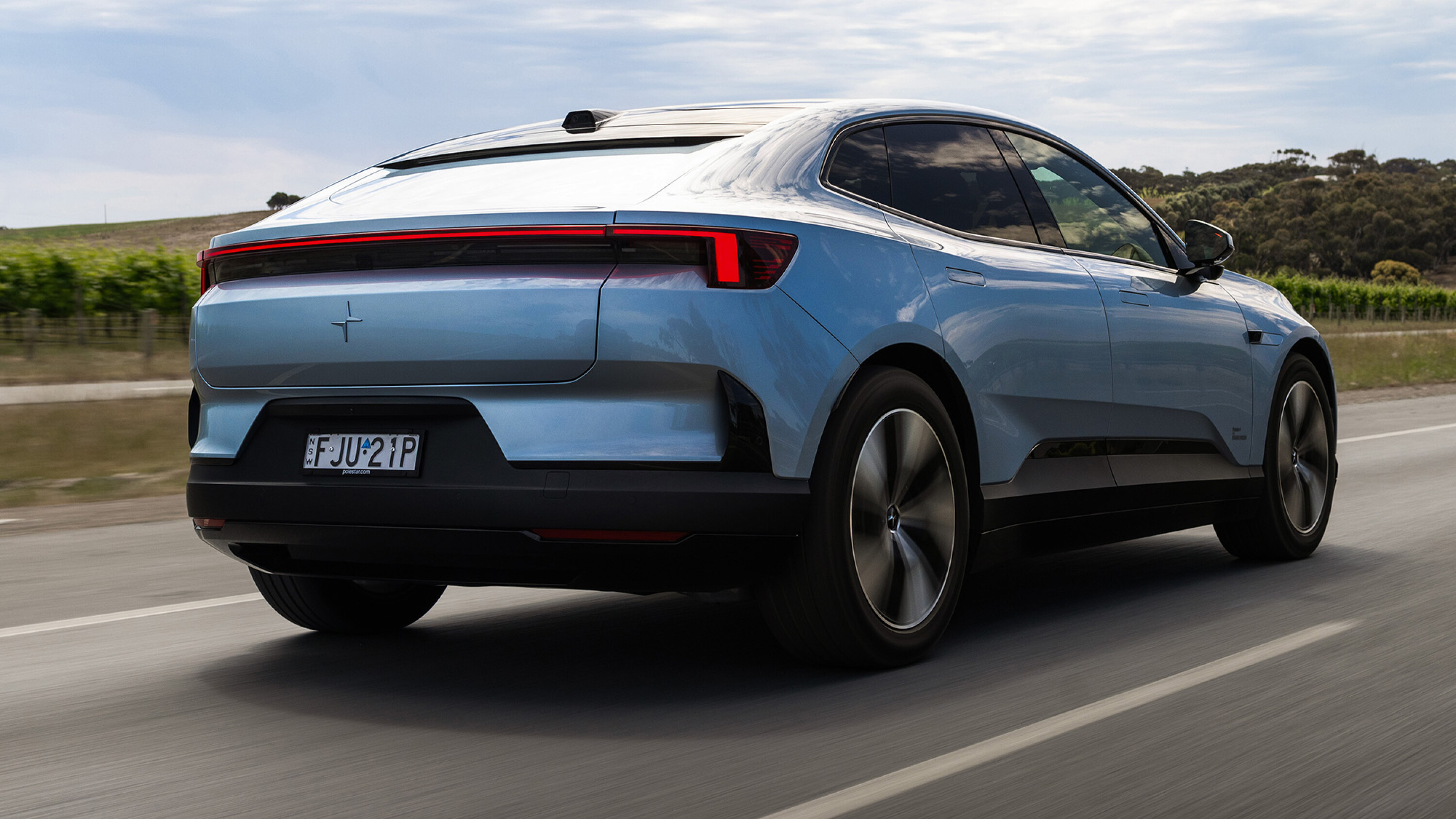
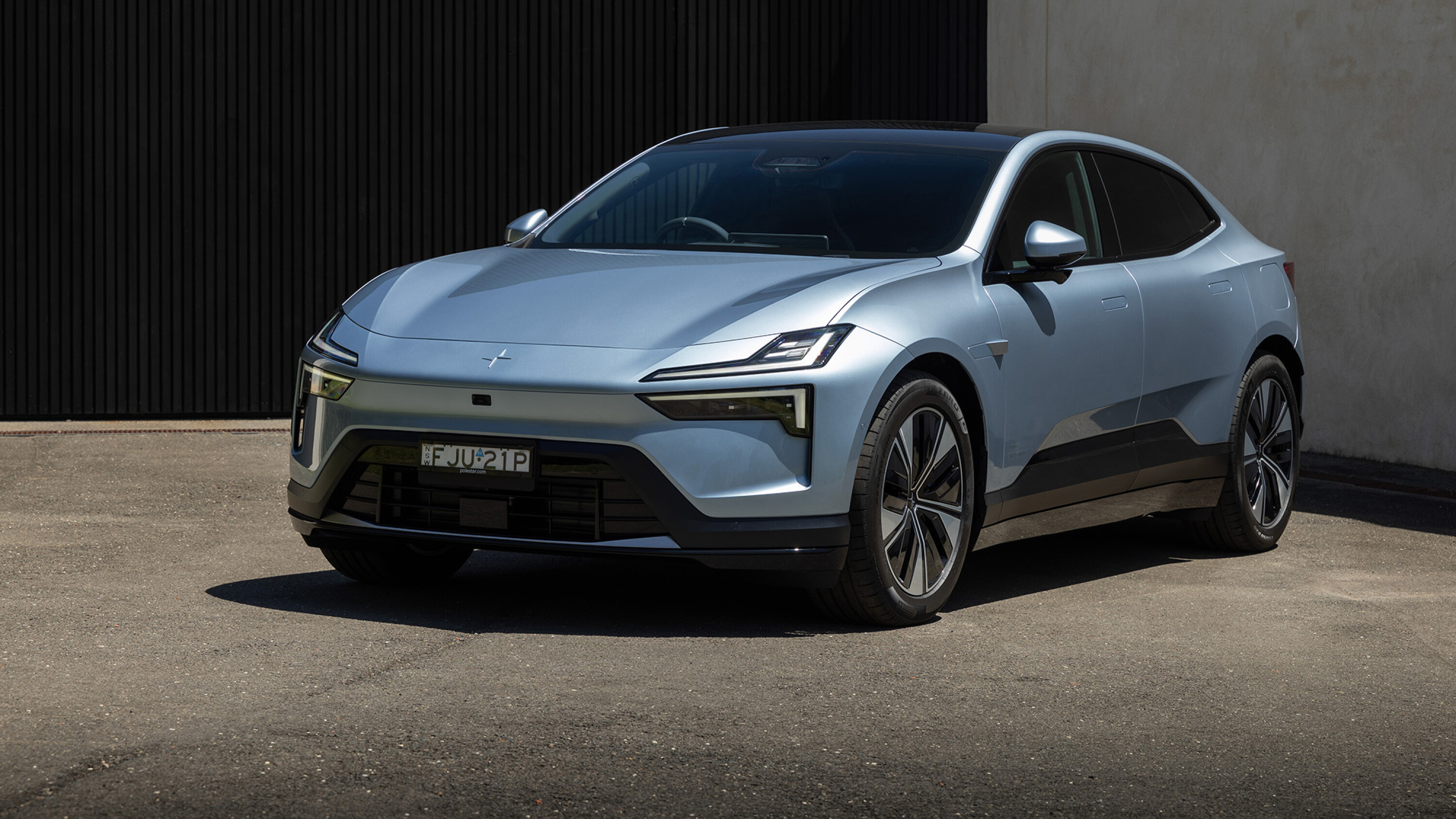
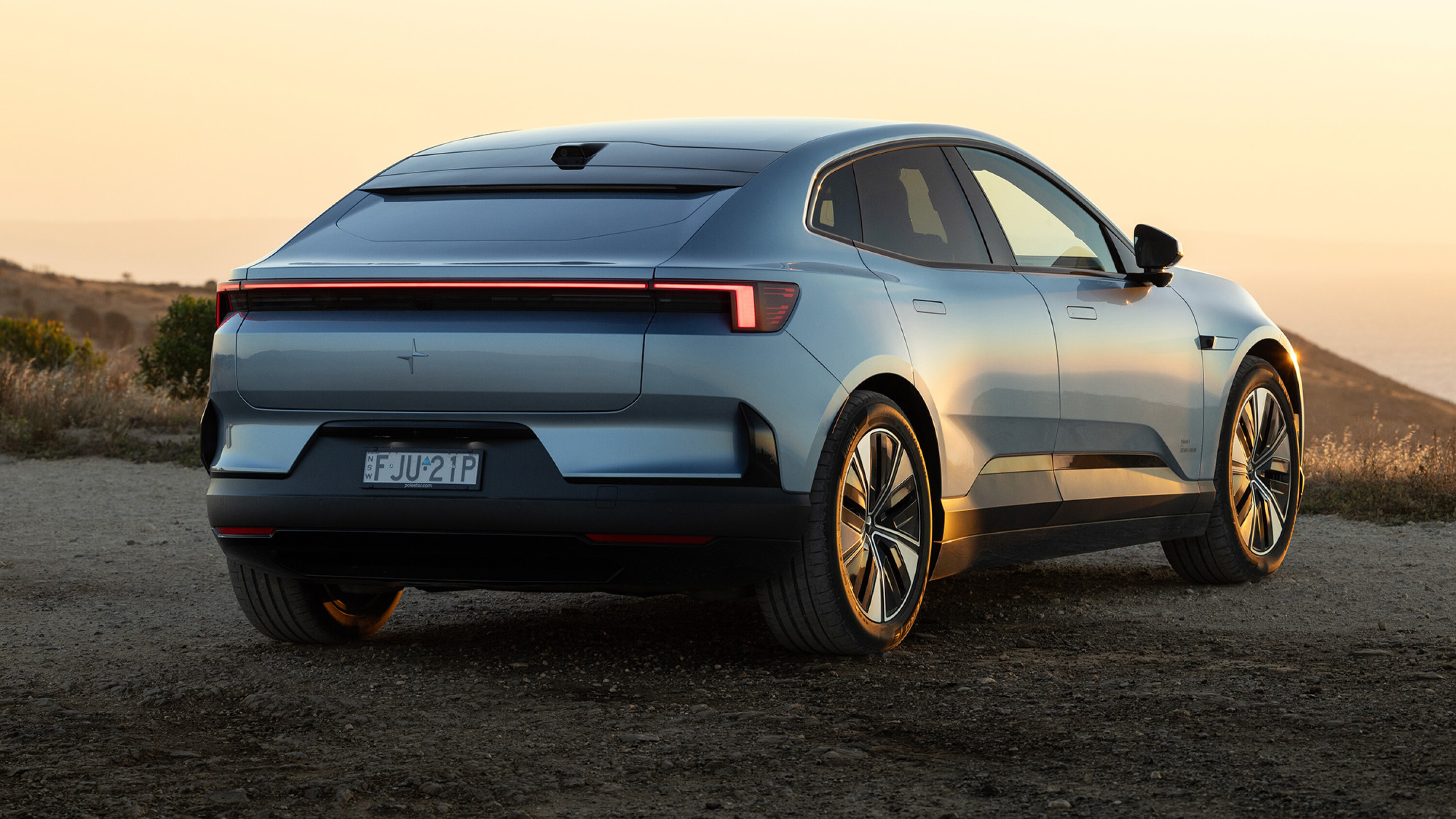
As the Polestar 4 closes in on its Australian launch, at last, the company has released local photos.
Pricing has also improved recently, compared to the numbers released in February.
At in its initial announcement in February, the 2025 Polestar 4 was listed with an opening price of $81, 500 before on-road costs for the Long Range Single Motor (LRSM) variant.
In September, that starting point was reduced to $78,500 before on-road costs, and that’s where it remains now.
The more powerful Long Range Dual Motor (LRDM) also fell in price, reduced from $93,080 to $88,350, again before on-road costs.
Importantly, the LRDM slipping below the luxury car tax threshold for low-emission vehicles ($91,387) means both variants now benefit from savings in on-road costs.
Production for Australia is scheduled to start in mid-2024 following deliveries in China kicking off late last year.
Local arrivals are expected to commence in August following the launch of Polestar 3.
Polestar hasn’t messed with the 4’s pricing since we first saw it, the Long Range Single Motor (LRSM) is still $81,500 before on-road costs and the Dual Motor (LRDM) remains at $92,150.
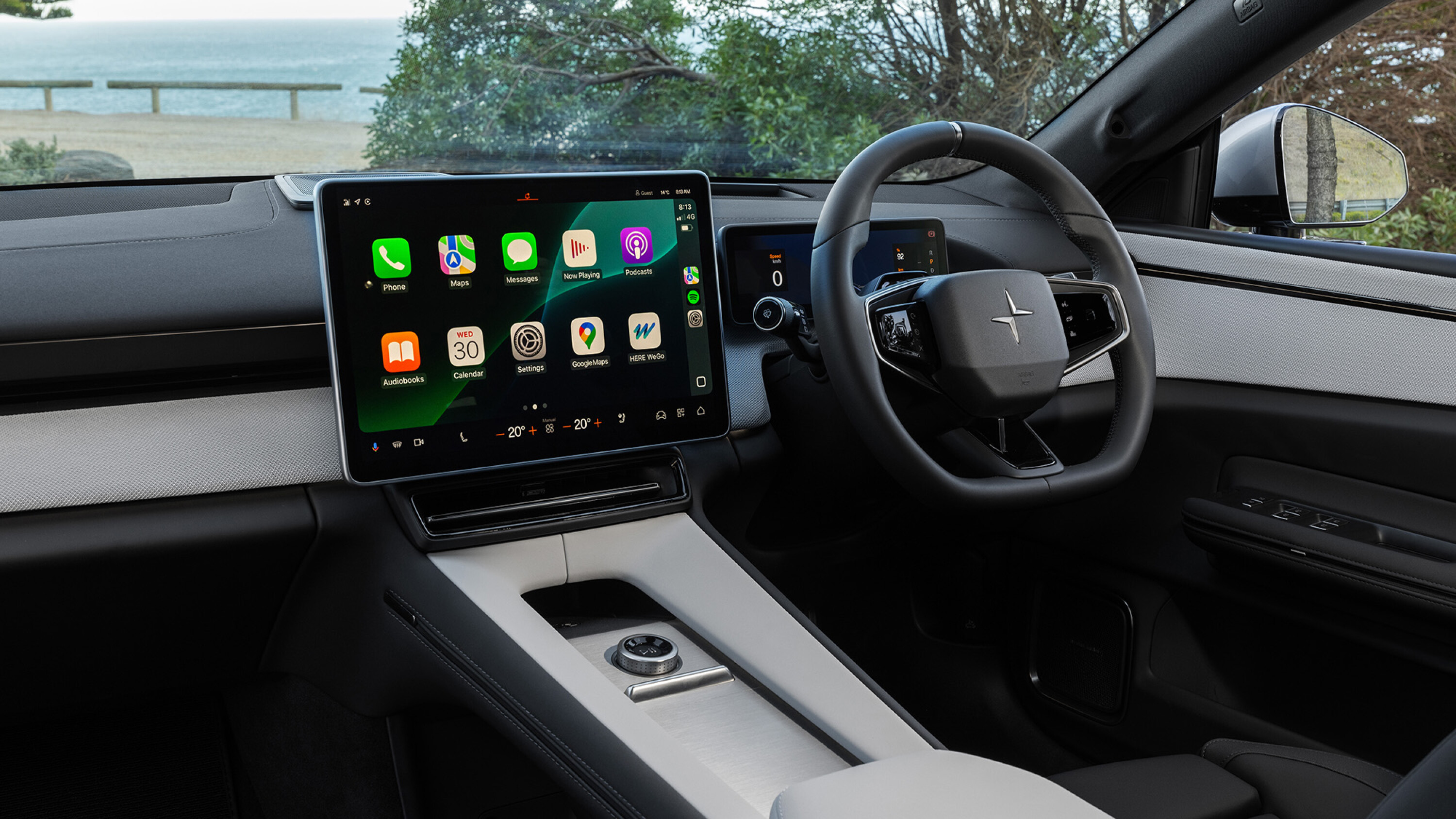
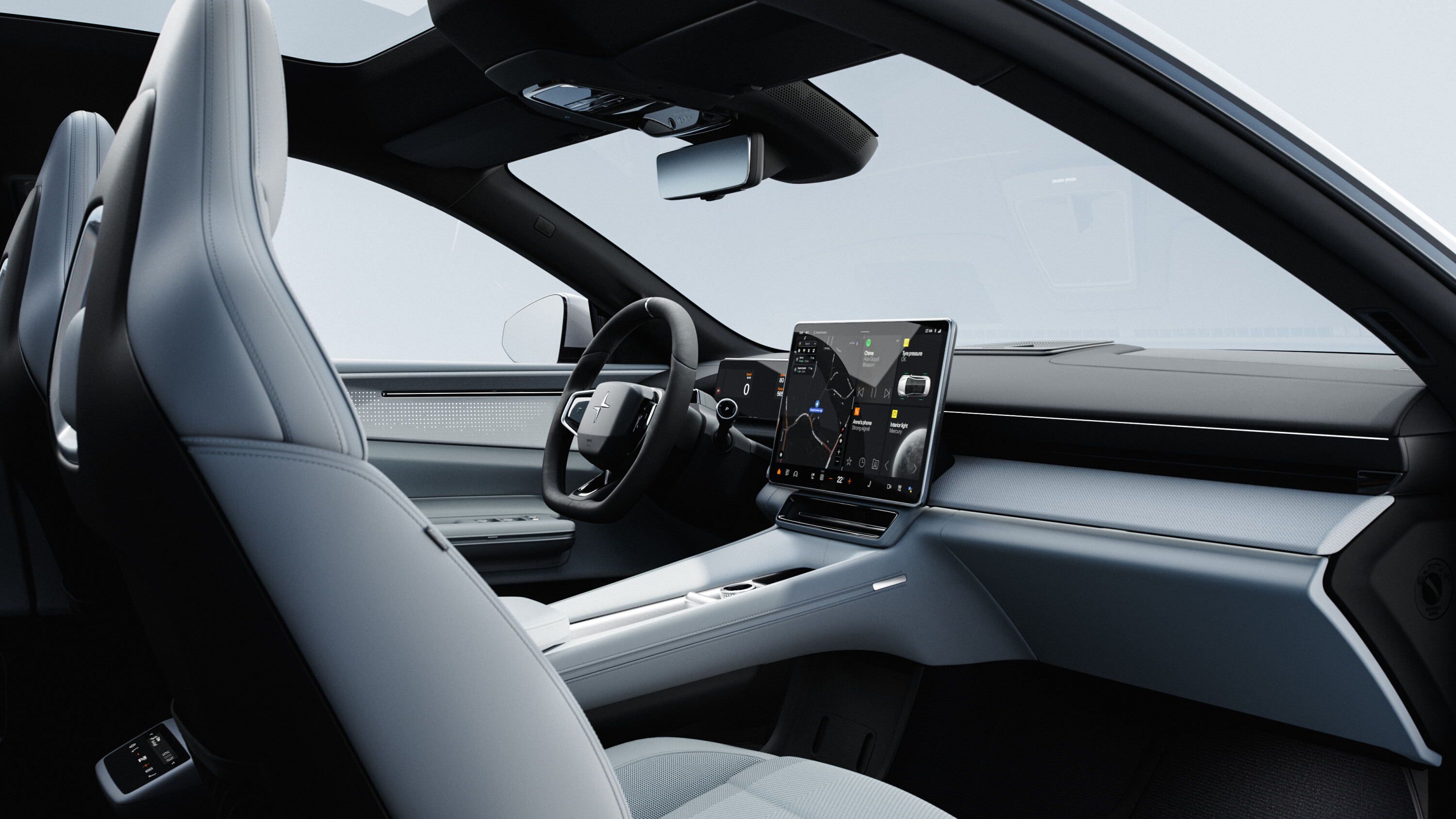
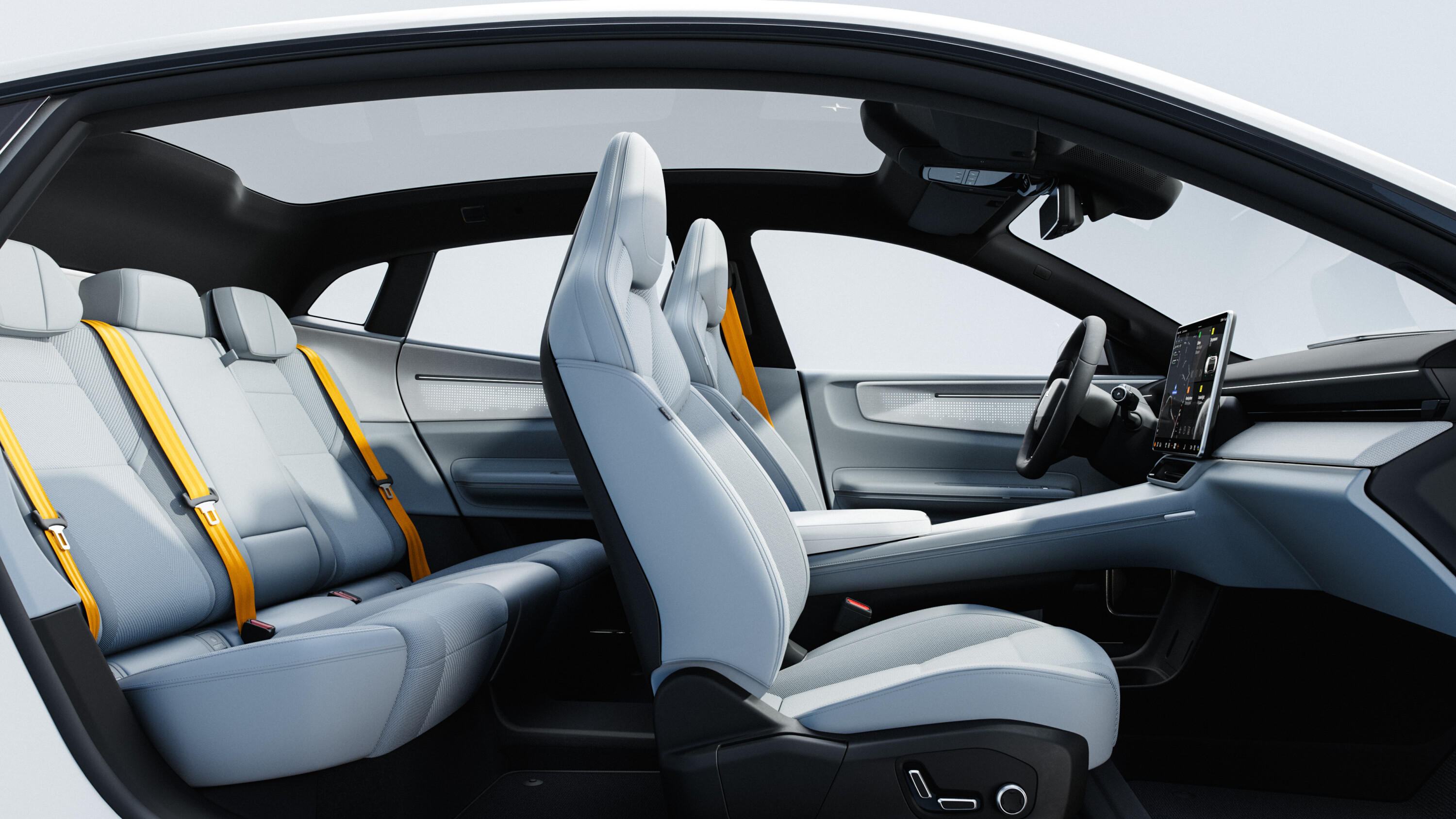
The standard specification includes 20-inch alloy wheels, Tailored Knit upholstery made from recycled materials, a 15.4-inch touchscreen running Android Automotive operating system, rear seat touchscreen, the Pilot Pack, and more.
20-inch alloy wheels
Power seats with driver’s memory
15.4-inch landscape touchscreen
10.2-inch digital driver’s display
Android Automotive operating system with built-in Google Assistant, Maps, Play Store, with downloadable apps, OTA software updates, and wireless Apple Carplay
Animal mode
Built-in dashcam and 4x USB-C connectors
100% recycled plastic ECONYL textile floor mats
Cleanzone climate control with heatpump
15W wireless charging pad
Tailored Knit upholstery
Eight-speaker sound system
Polestar app with vehicle functionality and smart home integration, digital key, NFC card, key fob
LED headlights with active beam
Retractable door handles
Full-LED rear light bar with persistent light signature, automatic dimming
Illuminated Polestar emblem
4 cup holders (2 front, 2 rear)
1
There have been changes to the cost of Polestar’s packs, with pricing for the Plus, Performance and Nappa Packs all dropping.
Plus Pack $8000
14.7-inch head-up display
Tri-zone climate control with air quality monitoring
14-speaker Harman Kardon premium audio
Rear climate control and entertainment screen
Pixel LED headlights with Adaptive High Beam
Heated rear seats
22 kW AC charging limit
Heated steering wheel
Powered steering column with profile memory
Automatic dimming side mirrors
Easy ingress/egress
Star Knit illuminated interior deco
Extended electric adjustment settings for front seats
MicroTech upholstery in Charcoal, or Tailored Knit upholstery in Mist, with Zinc deco
Electric reclining rear seats
Hands-free operation for powered tailgate
Performance Pack (requires Plus Pack) $7200
Polestar Engineered chassis tuning
Brembo performance brakes in Swedish gold
22-inch Performance forged alloy wheels
Swedish gold valve caps, seat belts
Pirelli P-Zero 265/40R22
Nappa Pack (requires Plus Pack) $7000
Perforated Bridge of Weir Nappa leather, animal welfare-secured, in Zinc or Charcoal
Rear comfort headrests
Ventilated front seats with massage
Brushed textile headliner
Additional headrest speakers for Harman Kardon audio
Standalone options
Premium metallic paint
$2300
Painted body cladding (requires Plus Pack)
$1400
21-inch Sport wheels (not available with Pro Pack)
$2500
Electric folding tow bar
$2900
Electrochromic panoramic glass roof
$2700
Privacy glass for rear side windows
$700
AC charging cable
$360
1
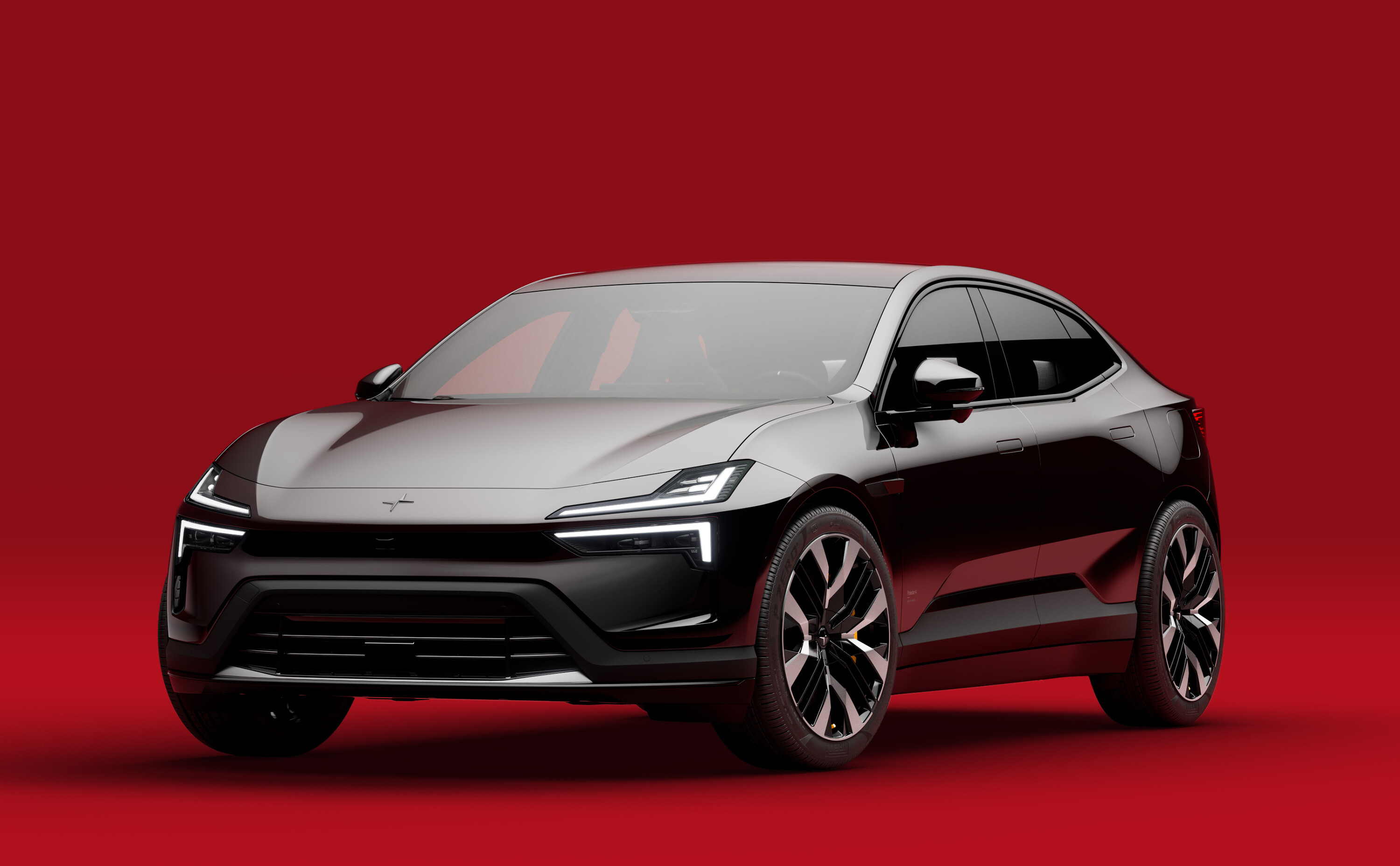
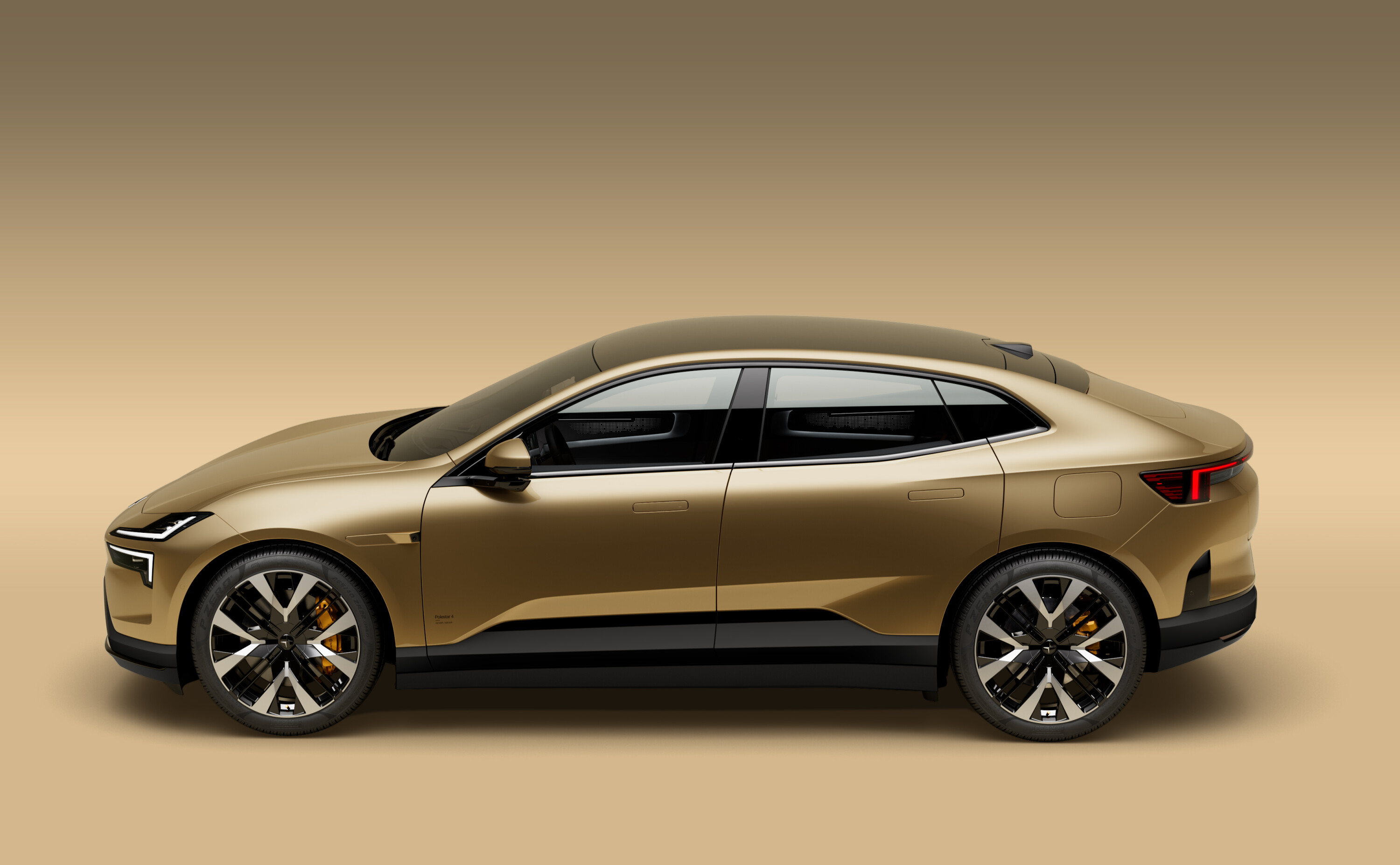
The Polestar 4 is the latest model in the range and continues to draw inspiration from the brand’s Precept concept car.
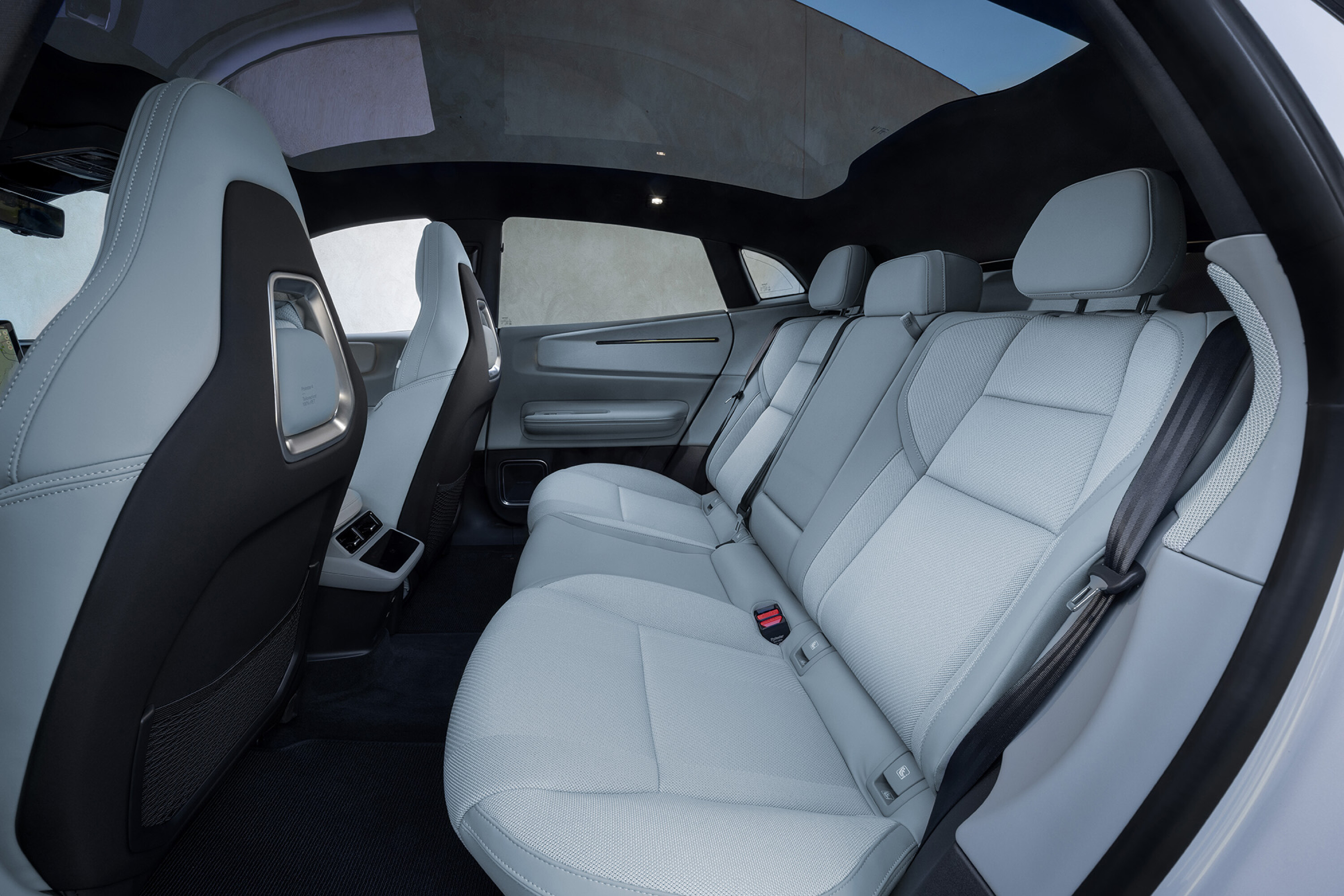
There are new interior materials and colours including Mist (inspired by fashion and sportswear trends), with fresh paint colours to reflect the brand’s continued development.
Recycled and sustainably sourced materials, with blockchain ensuring Polestar knows where its materials come from, contribute to a calculatable cradle-to-gate CO2 output from 19.9 tons of CO2 for the base car to 21.4 of CO2 for the dual motor.
1
The LRSM develops 200kW and 343Nm, with a claimed 0-100km/h sprint of 7.1 seconds.
It’s outshone by the twin-motor LRDM which essentially doubles every stat, making 400kW and 686Nm while cutting the standard sprint claim to 3.8 seconds.
Polesatar’s WLTP range target is 610km for the LRSM and 580km for the LRDM (without Performance Pack) from the 94kWh (usable) NCM battery pack.
DC fast-charging peaks at 200kW (DC) for a 10-80% charge in 30 minutes, while AC can come on board at 22kW for flat-full in 5 hours and 30 minutes.
Our original story, below, continues unchanged.
32
December 2023: Polestar 4 initial pricing and features revealed
The Polestar 4 will join the list of rivals trying to beat Tesla’s Model Y in 2024 with an entry point of $81,500.
Long Range Single Motor and Dual Motor models confirmed
0-100km/h in 3.8 seconds!
Pricing for the coupe-style SUV has been released on industry data site Redbook, with Polestar Australia yet to officially confirm details ahead of the model’s release in the third quarter of next year.
Although the Polestar 4 will be positioned as one of many Model Y alternatives, the company has again tucked a number of features into expensive options packs, as outlined below.
10
Polestar 4 models and pricing
Two models are listed, with the $81,500 Long Range Single Motor rear-wheel-drive Polestar 4 joined by a more powerful Long Range Dual Motor that costs from $92,150.
The Single Motor model brings outputs of 200kW and 343Nm, with a claimed 0-100km/h time of 7.4 seconds. The Dual Motor doubles those outputs to 400kW and 686Nm, with Polestar quoting a sprint time of 3.8 seconds.
Output and performance
Long Range Dual motor
Long Range Single motor
Power
400kW
200kW
Torque
686Nm
343Nm
Top speed
200km/h
180km/h
0-100km/h*
3.8 seconds
7.4 seconds
Efficiency
Long Range Dual motor
Long Range Single motor
Energy consumption*
16.7-16.8 kWh/100km
14.8-14.9 kWh/100km
Range target (WLTP)*
Up to 560km
Up to 600km
Drag coefficient
0.269 Cd
1
Features
Standard equipment for both models, based on Redbook data, will include 20-inch alloy wheels, partial-leather upholstery, dual-zone climate, glass roof, and electric seats.
According to the Redbook site, an extensive list of options includes big items such as a panoramic roof, 21-inch wheels, “animal welfare” Nappa-leather interior upgrade, and various packages.
A $10,400 Plus Pack adds a long list of niceties, including electric seats front and rear, heated rear seats, rear colour display, hands-free tailgate, head-up display, and a premium audio system.
1
Dimensions and weight
Wheelbase
2999mm
Length
4839mm
Height
1544mm
Width incl. mirrors
2139mm
Ground clearance
166mm
Turning circle kerb to kerb
11.6m
Kerb weight
2232-2351kg
Weight distribution
50:50
Front storage compartment
15 litres
Rear luggage capacity
500 litres
Rear cargo capacity
1536 litres
Towing capacity
2000kg (dual), 1500kg (single)
Tongue weight limit
100kg
Roof load limit
75kg
1
A $9360 Performance Pack incorporates 22-inch wheels, high-performance tyres, and performance brakes.
The Polestar 4’s pricing positions it closely to the $78,400 Model Y Long Range, though the Tesla features all-wheel drive, while the higher-specced (GT-Line) rear-drive version of the Kia EV6 large electric SUV costs from $79,550.
Polestar 4 will sit between the Swedish brand’s first model, the Polestar 2 sedan, and the slightly larger Polestar 3 SUV due mid 2024 – tripling the size of the local line-up.