
Worried that M has lost its way? Don’t be. The M2 takes the very best of what made M great, adds a dash of ‘up yours, Jack’ and distils it into an intoxicating blend of powerful rear-drive juju that makes you laugh like a loon every time you turn it over.
It’s got the best steering of any BMW of the last five years, and its retro touches balance well with the punk-kid-on-steroids feel of the overblown exterior.
And it goes. Boy it goes. It’s at home on the circuit or carving through a mountain detour, and it sounds amazing in both instances. Hopefully the nanny-state self-blipping gear shift thing will disappear in the next facelift, because it’s so close to perfect it’s not even funny.
Solemnest Farewell of 2016: Ford Falcon and Mitsubishi Lancer Evolution
The Falcon and MOTOR go way back – it’s impossible to know how many words and pics we’ve penned and snapped of the Falcon family, including Tickford and FPV – in our 56-year history together. The FPV F6 Typhoon even claimed a PCOTY gong in 2006.
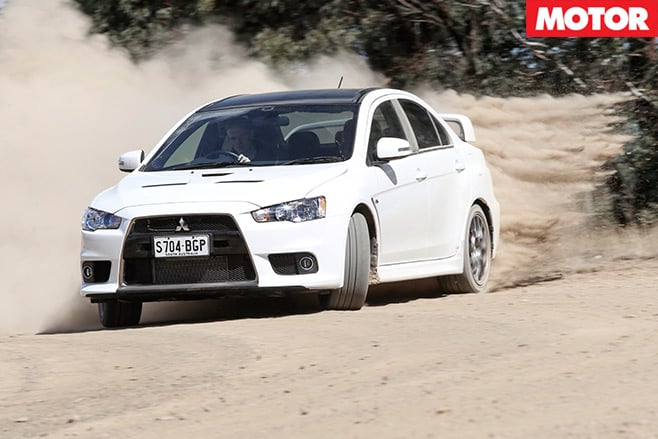
The same goes for the Evo, which first featured in these pages as a Lancer GSR (an Evo III by any other name) in 1993, before bursting into our hearts as the Evo VI Tommi Makinen of 2001. Thanks, lads. We’ll miss you.
QUESTION – LLOYD: I am looking to buy a new car. I only use my current car to shop, go to bowls, church, doctor’s, etc. My present car is a 2008 model and I’ve only done 30,000kms.The new car won’t be used for long trips. I will always have it serviced each year, and it will not be a work horse.
Brands and models that I might try are Mazda 3 and Suzuki Baleno. What else should I consider?
BUDGET: $25,000
ANSWER – SAMANTHA: There are quite a few compact cars to choose from in this genre, but three we would recommend given your circumstances would be the Ford Focus Trend, the Mazda 3 Maxx, and the Toyota Corolla SX.
All three have good fuel economy, excellent safety, are affordable to keep long-term, and have great standard features.
The Ford Focus Trend trim at $24,390 is an excellent car; dynamic, sturdy, with super ride and handling characteristics, plus servicing is affordable. Its 1.5L turbo four is swift to respond but economical, and the gearbox is extremely smooth. You don’t pay any extra for a sedan bodystyle; same with the Mazda.
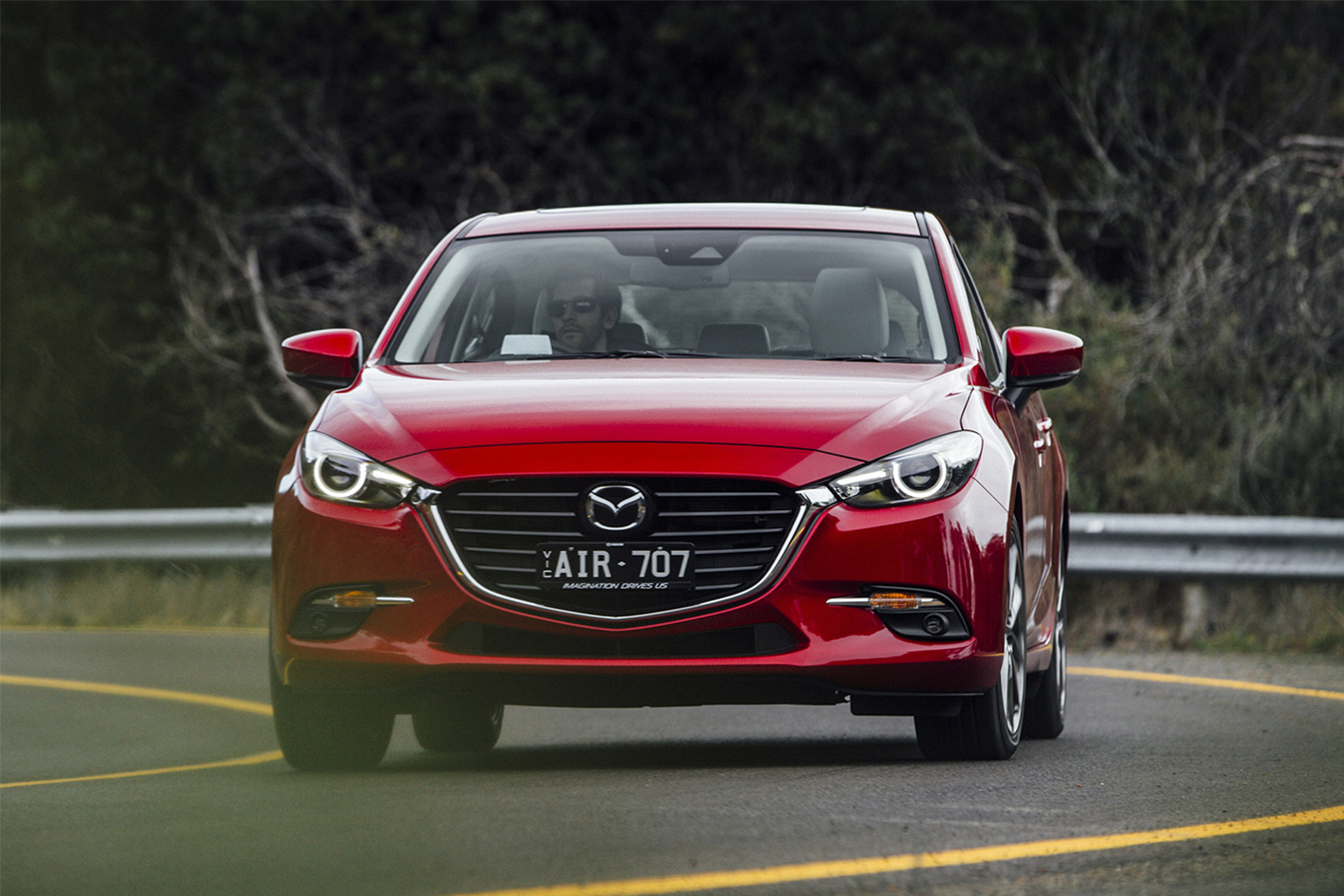
The Mazda 3 in Maxx trim at $24,890 offers a punchy little 2.0L engine with a six-speed automatic; it has the best fuel economy of the three (5.8L/100km), has a good level of standard equipment, and is affordable to keep in terms of servicing and parts.
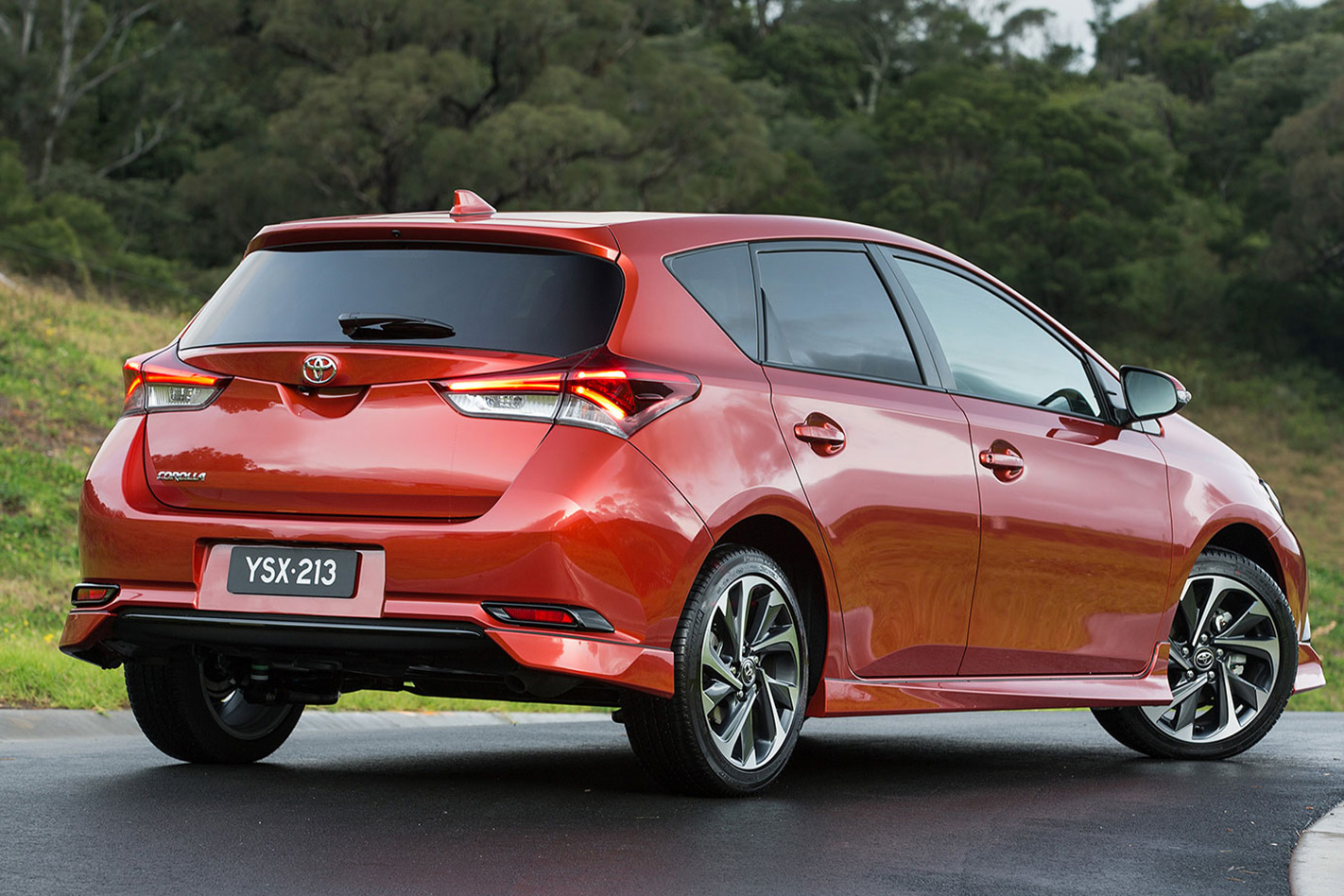
The Toyota Corolla is an excellent vehicle, and offers the cheapest servicing of the three, and the best resale value. While it would be one of many on the road, they are built to last and are super-reliable. The SX is just a smidge over your budget at $26,000 (RRP), but it is worth stretching to as the lower-priced Ascent is a little bare-bones. The SX is more in line with the abovementioned Focus and Mazda (though it misses out on satellite navigation).
As for the Suzuki Baleno you mentioned; while it has the dimensions of a larger car and some nice features for a small car price, there are questions over its safety rating. It received four stars out of five in Euro NCAP crash testing, and is yet to be tested in Australian testing (ANCAP).
Ultimately, it will come down to your finances and your personal preferences. We recommend you test drive your shortlist back-to-back to truly feel comfortable with your choice.
The flagship HSV Commodore has a 6.2-litre supercharged V8 which produces 430kW. It’s the fastest car ever to be produced in Australia, though it’s worth noting it will soon concede top spot to the HSV W1 when it’s goes on sale in 2017.
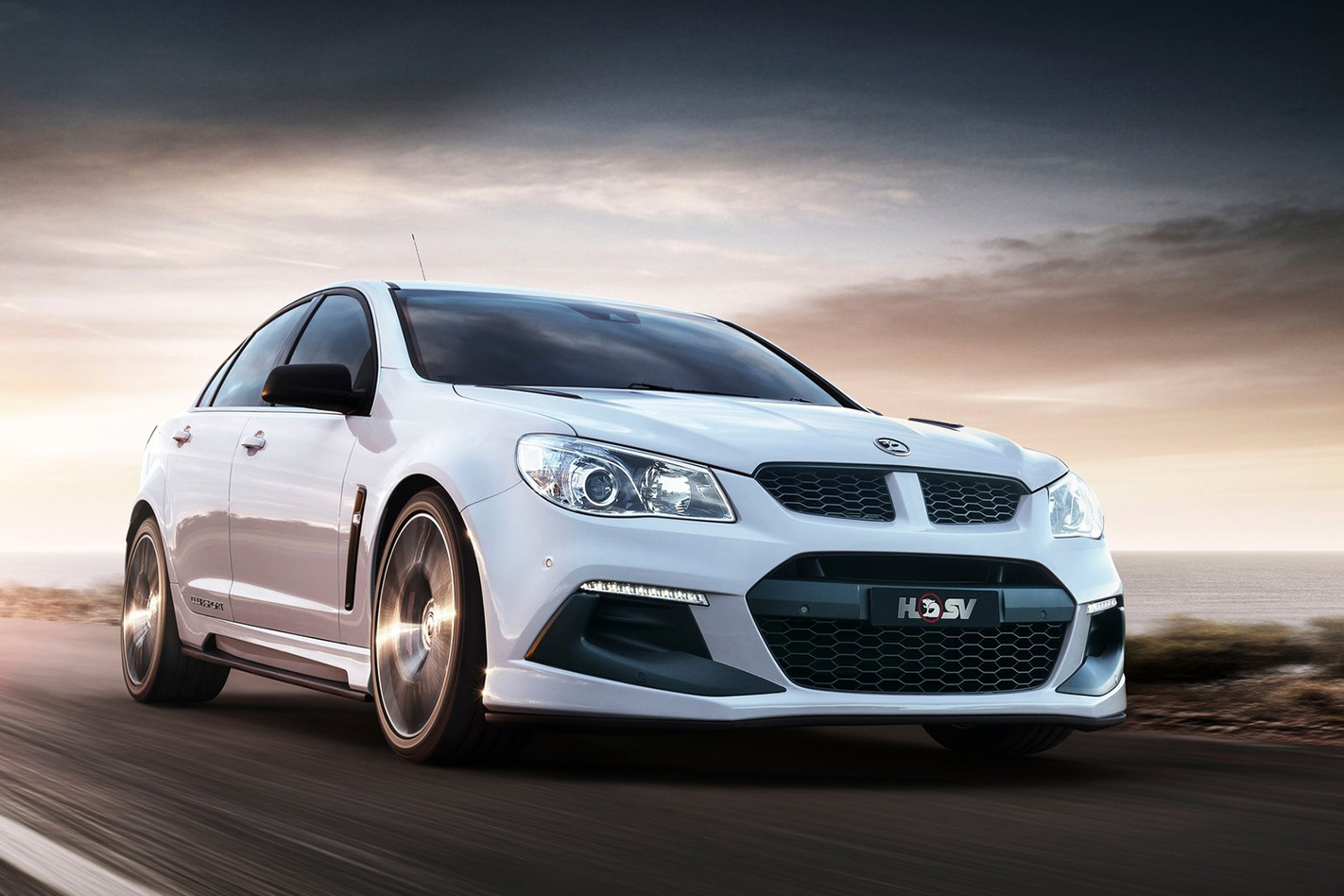
The ClubSport has a detuned version of the GTS’s LSA engine which brings power down to a still formidable 400kW, giving you almost as much fun for around $16,000 less. Fantastic dynamics and plenty of rear-end traction add to the appeal of the big four door.
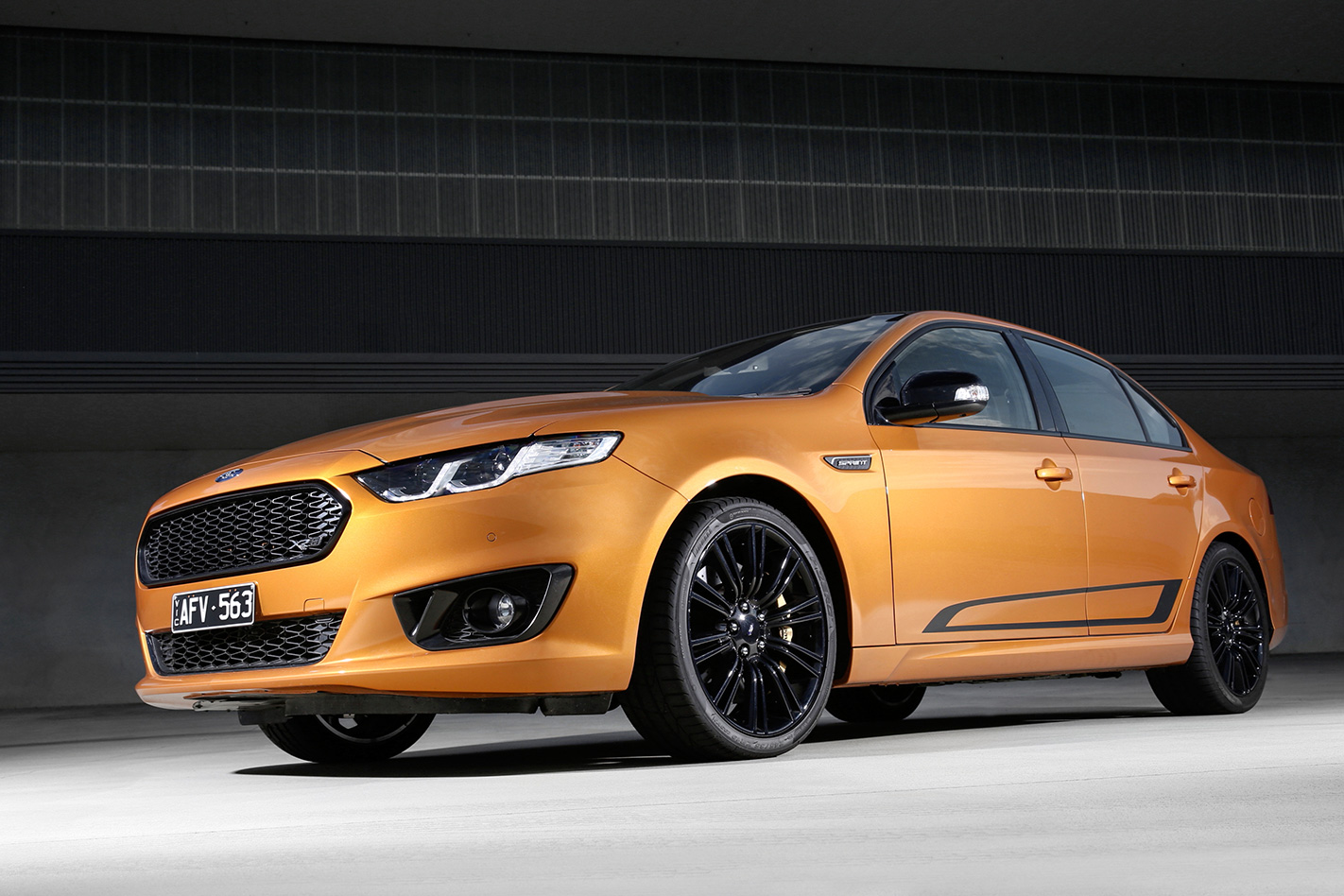
The Sprint’s 345kW from its supercharged 5.0-litre V8 is just 6kW shy of the most powerful Falcon ever, the FPV GT-F. Seat of the pants feel suggests there’s nothing in it. Get one while you still – if you can still find one for sale, that is.
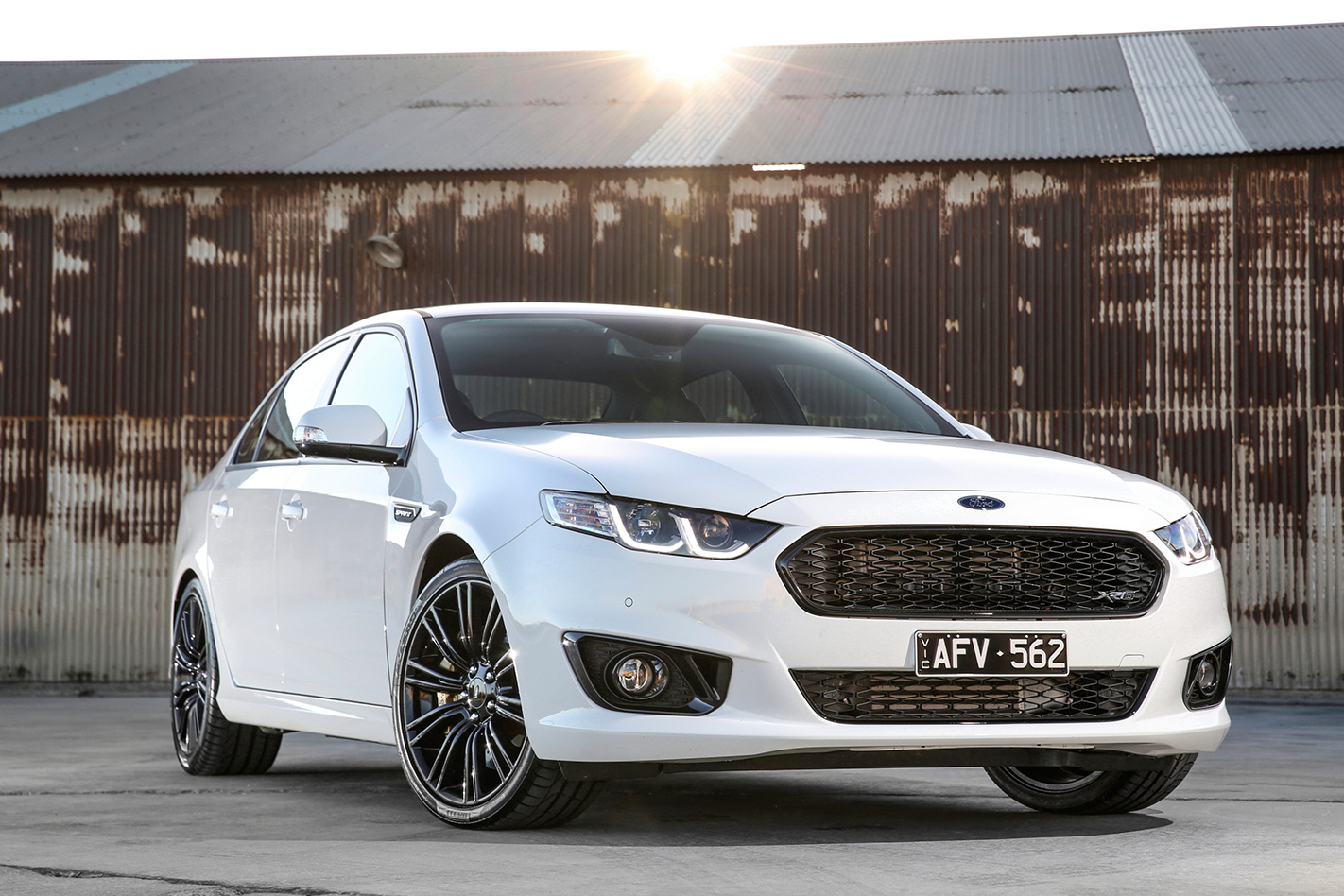
Finding any Falcon Sprint in dealerships will be a challenge now production has well and truly wound up. If you can find one, the 4.0-litre turbo inline six of the XR6 Sprint is a wonderful engine to experience and at 325kW is the most powerful six ever from Australia – and the most powerful engine to ever be entirely designed, engineered and manufactured in Australia.
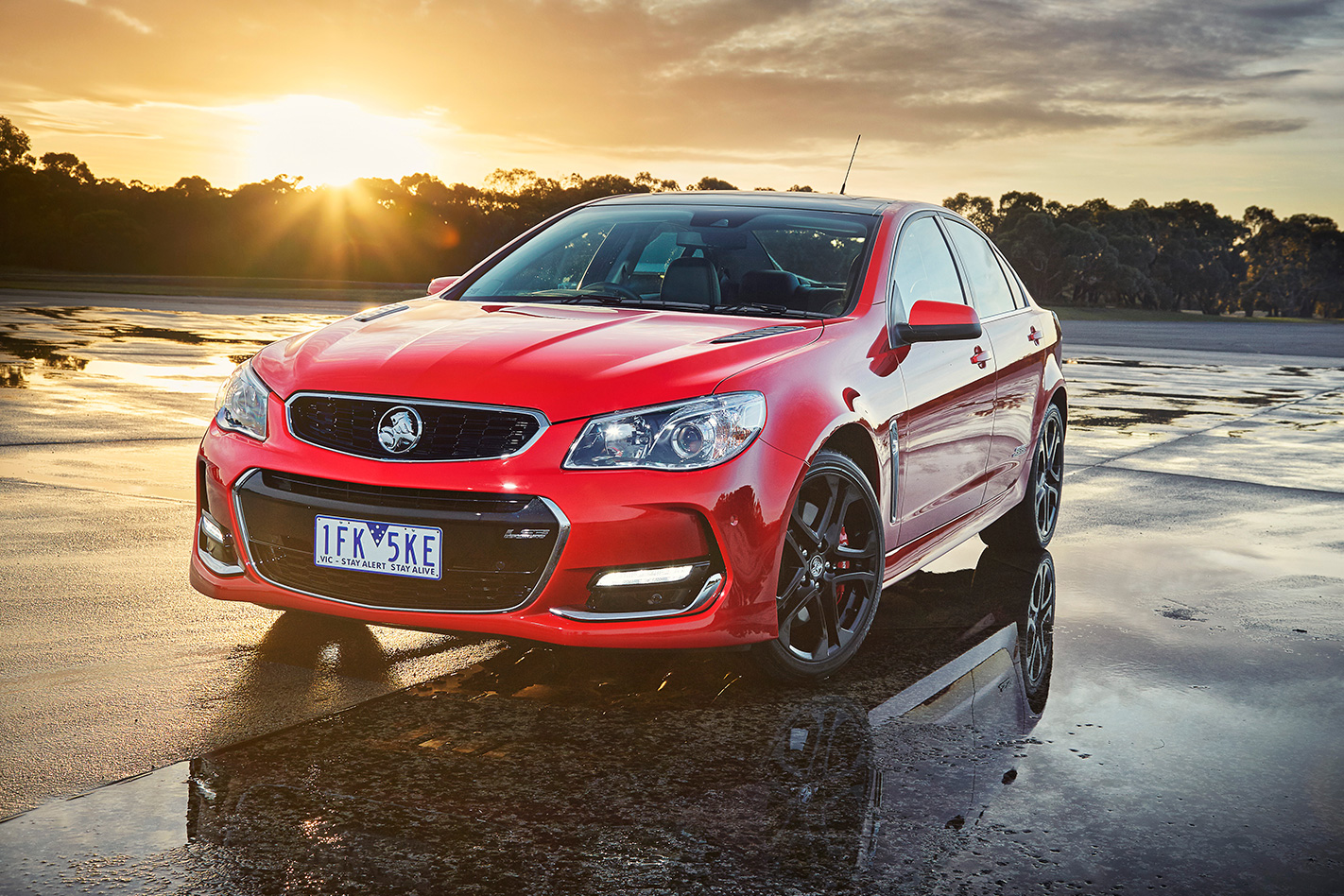
The only naturally aspirated engine on the list and the last application of the LS3 V8 which in this guise produces 304kW. A fantastic soundtrack, great tractability and superb value for money make the SS Commodore a genuine performance bargain at $44,990.
Top 5 most powerful Aussie made cars
| HSV Gen-F2 GTS | $95,990 |
| HSV Gen-F2 ClubSport | $80,990 |
| Ford Falcon XR8 Sprint | $59,990 |
| Ford Falcon XR6 Sprint | $54,990 |
| Holden Commodore SS | $48,490 |
Motoring journos tend to be suspicious types, and for good reason. Too often, the cheapo econoboxes, people-movers and dribblers of the Australian motoring marketplace are described as ‘sporty’, ‘stylish’ and ‘dynamic’. In reality, this can be wildly inaccurate, but unfortunately, there’s no law that says car companies must stay within the boundaries of objective truth.
So it’s refreshing – disconcerting, even – to stumble across a car maker whose vehicles do exactly what the tin says. I’m standing among a keen band of customers at Queensland’s Morgan Park Raceway for the launch of Skelta’s 2009 range of sports cars. And even after a cursory glance, the most cynical scribe would have to admit that there’s no arguing with its claim of “pure performance, no compromise”.
Pleasingly, the whole reason for the G-Force SC’s existence is to out-perform just about any production car you care to name. You see, Skelta’s founder, Ray Vandersee, wants victory in Targa Tasmania. Really, really badly. After winning the 1977 Queensland Rally Championship in his Torana XU-1, Vandersee was soon forced on a 15-year hiatus from motorsport, due to a lack of finances. However, he returned hungrier than ever and entered his own Lotus 7 Clubman prototype in the 1999 Targa Tasmania. Over the next few years, he developed it to a point where he was regularly competing with Porsche GT2s and Nissan GT-Rs.
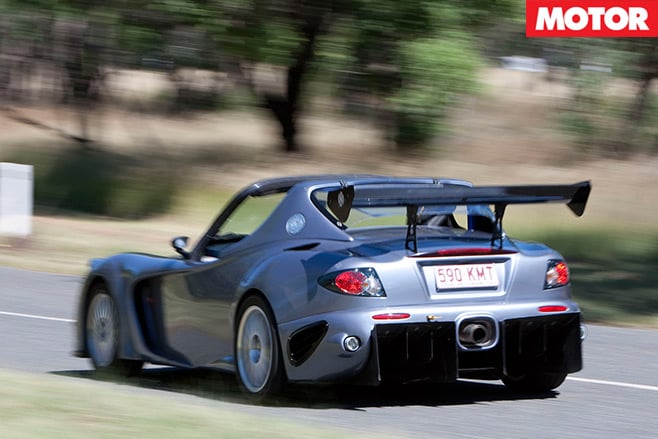
This year, three Skelta G-Force Mk II SCs challenged for victory: one driven by Vandersee, the other pair by customers. In the SC, the same Honda FC20 S2000 is mated it to a Rotrex supercharger, lifting peak power to 230kW at 8500rpm. With only 725kg to haul, the G-Force SC boasts a terrifying power-to-weight figure of 317kW/tonne. That’s an extra 126kW/tonne over the Lotus Exige S PP and 65kW/tonne more than the track-only Lotus 2-Eleven. Sure, the G-Force SC costs a mighty $160,000, but it also has ADR compliance, so it can be road-registered.
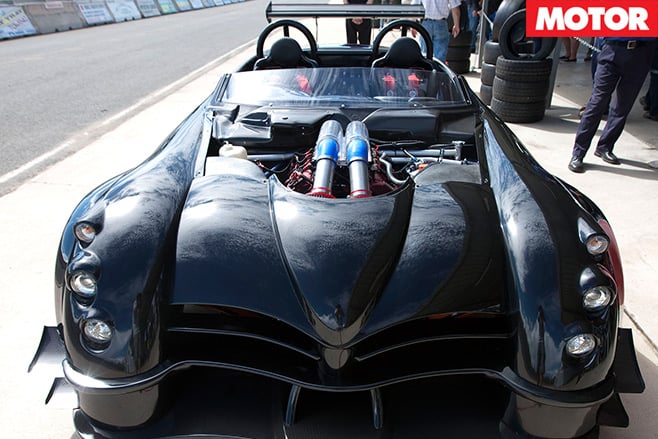
Performance, then, isn’t a problem. But with all this firepower, you’d expect this wayward beast to fling you at the scenery the moment you turned the key, wouldn’t you? “As a driver, you want predictability in your handling,” says Vandersee. “You don’t want to be going into a corner, finding you’re going a little too fast, back off, and suddenly find yourself spinning.” This is where the Skelta’s dubious styling comes into play.
By any measure, the G-Force is an ugly car. The centre nose has receded into the bonnet in the Mark II, but the bulky front tusks either side of the front splitter remain. From a side-profile view, the 17-inch front and 18-inch rear wheels look puny, dwarfed by the various lumps that make up the rear bulkhead. And as for the rear – well, you be the judge. But there’s a reason for the car’s awkward appearance, and it’s all down to aerodynamics. Remember: pure performance, no compromise.
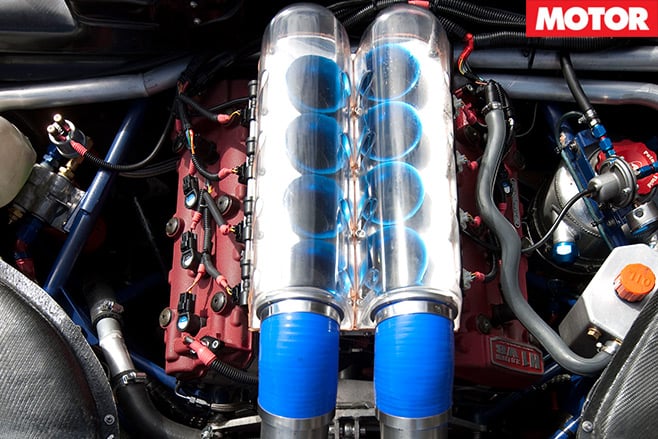
Eager to experience what all this grip feels like, I’m invited to climb into the G-Force and experience it first-hand. Luckily, our car only has a half roll-cage installed for easy entry. Lowering myself into the G-Force, I’m surprised by my surrounds. A Lotus Elise seems like a limousine in comparison – there’s absolutely nothing but the essentials. Air-con? Um, there’s not even a heater…
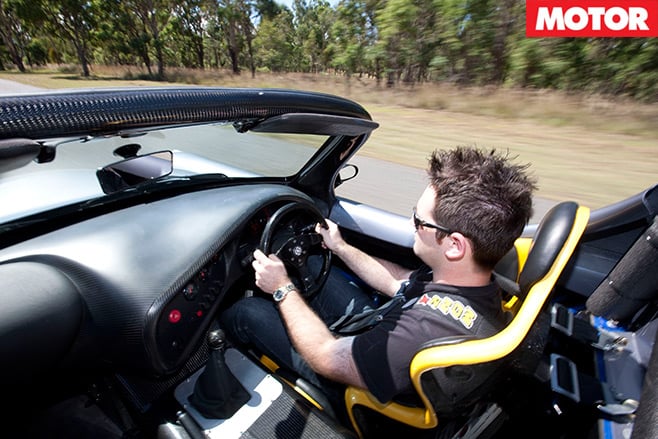
It’s impossible to forget that figure as the starter whirls and the engine fires. I recognise the flouro green digital dash as another lift from the Honda S2000, and prepare to move off. The racing clutch’s take-up is sudden, but it’s reasonably easy to modulate and, thankfully, I roll away in front of the attending crowd without kangarooing or stalling. I gently brake before I leave pitlane and even with my helmet on, I cringe at the piercing screech as cool brake pads clamp on even colder discs. But I quickly forget about it as soon as I power out onto the racetrack and snick easily though the short-throw S2000 gearbox. Before I know it, I’m approaching a blind sweeper I’ve never driven through before, far too fast. I gently squeeze the brakes and turn-in as softly as I can, not wanting the rear-end to break loose – there’s an uninviting concrete wall on outside of the corner. The Skelta laughs at me … it’s not even trying.

“To win Targa Tasmania would give me a great deal of self-satisfaction,” says Vandersee. “Really, the last guy to have tasted international success in his own car was Sir Jack Brabham. We’re certainly not claiming the same level of success, but Sir Jack’s definitely been an inspiration.”
By the time you read this, the event will be over, and the results will show if Vandersee’s latest bid has been successful. No doubt, he’ll go close. After all, a Skelta is all about pure performance, no compromise.
A track-ready Italian convertible that set Hollywood alight.
IF FERRARI once fashioned its road cars as being built equally for commuting and competing, it was perhaps never better expressed than in the 250 GT SWB introduced, in coupe form, in 1959. Indeed, Enzo Ferrari himself said of this model: “These are cars that the sporting client can use on the road during the week and race on Sundays.”
In this, he may have been getting a hurry-up in both arenas from the likes of Mercedes-Benz, Jaguar, Aston Martin, Porsche and even the new Chevrolet Corvette in the booming US market.
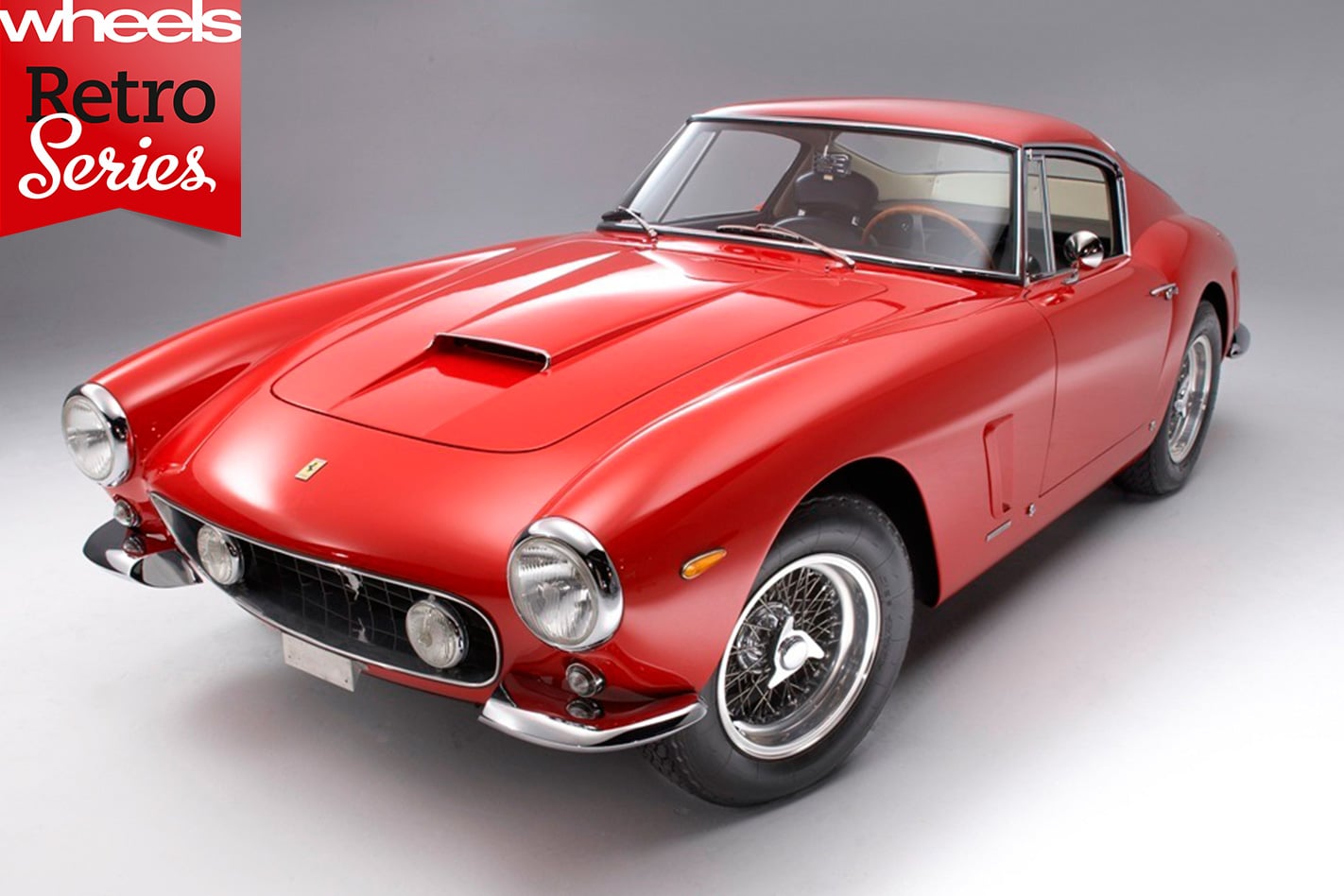
These Ferrari 250 GT Pininfarina cabriolets, in Series I and II guises, were well equipped and praised for their touring comfort. Several hundred were built.
Concurrently, however, there was the California Spyder, also on the 2600mm wheelbase, but with less equipment, various body panels in aluminium, and mechanicals derived from the more highly tuned 250 GT Tour de France coupe.
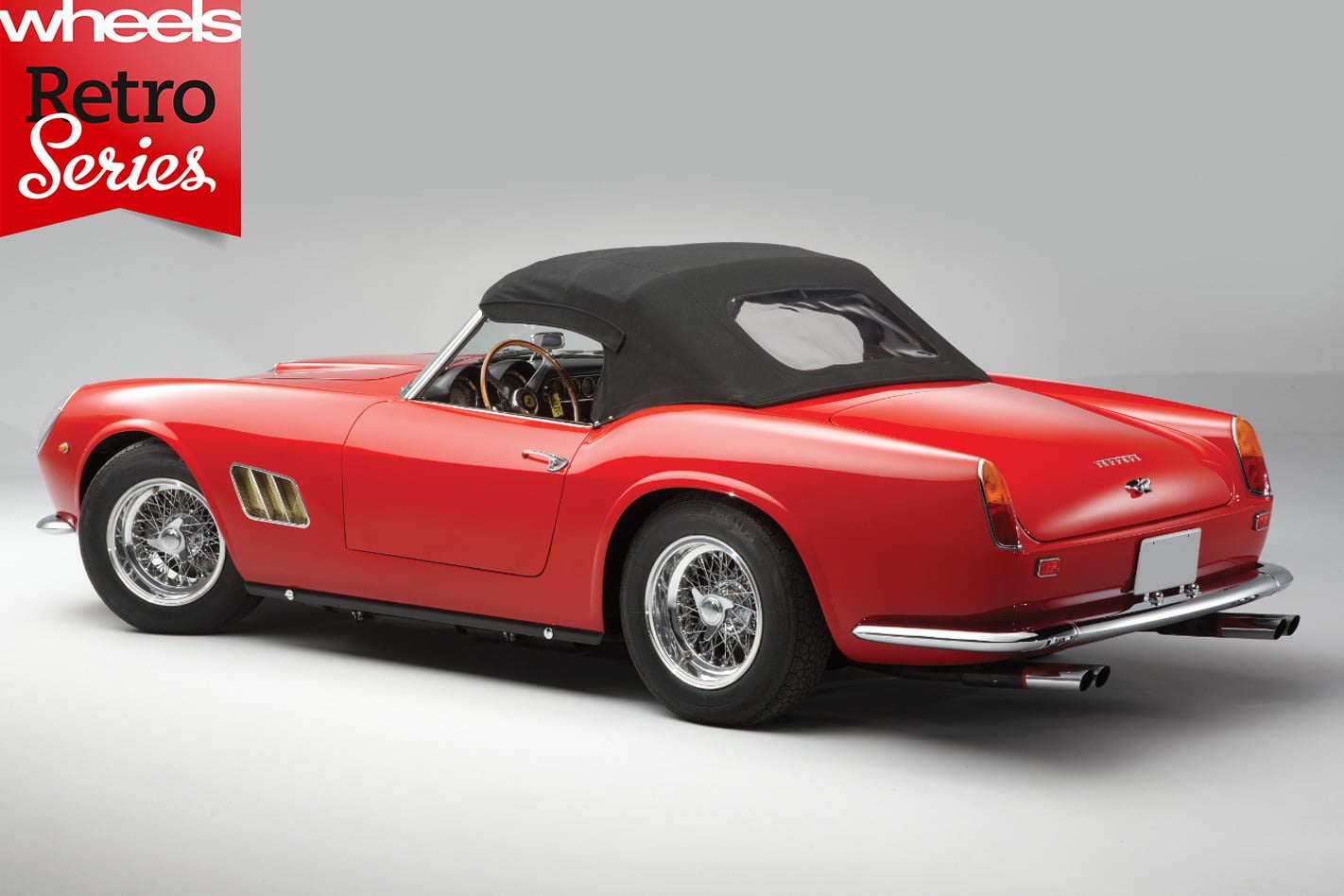
For all that success, it was one of the most tumultuous times in Ferrari’s history, the increasing meddling of Mrs Ferrari eventually leading to the late-1961 ‘palace revolt’ in which three of the company’s top engineers abandoned the company.
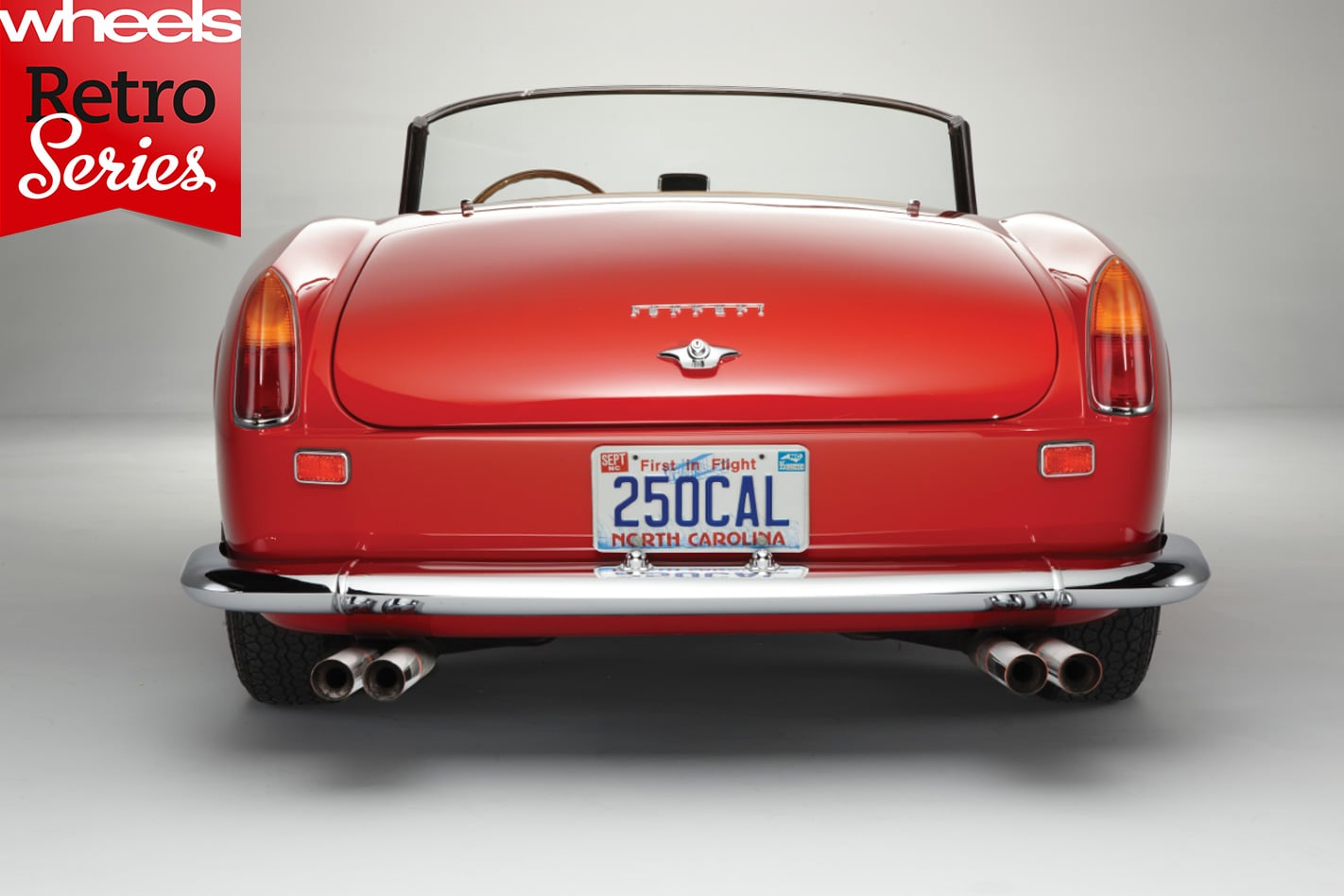
The rare 250 SWB California Spyder is today among the most sought-after of classic Ferraris – ironically, with no small thanks to a fibreglass-bodied replica with a 1963 Ford V8 and MG-B tail-lights that met an unfortunate, aviating end in the 1986 hit movie, Ferris Bueller’s Day Off.
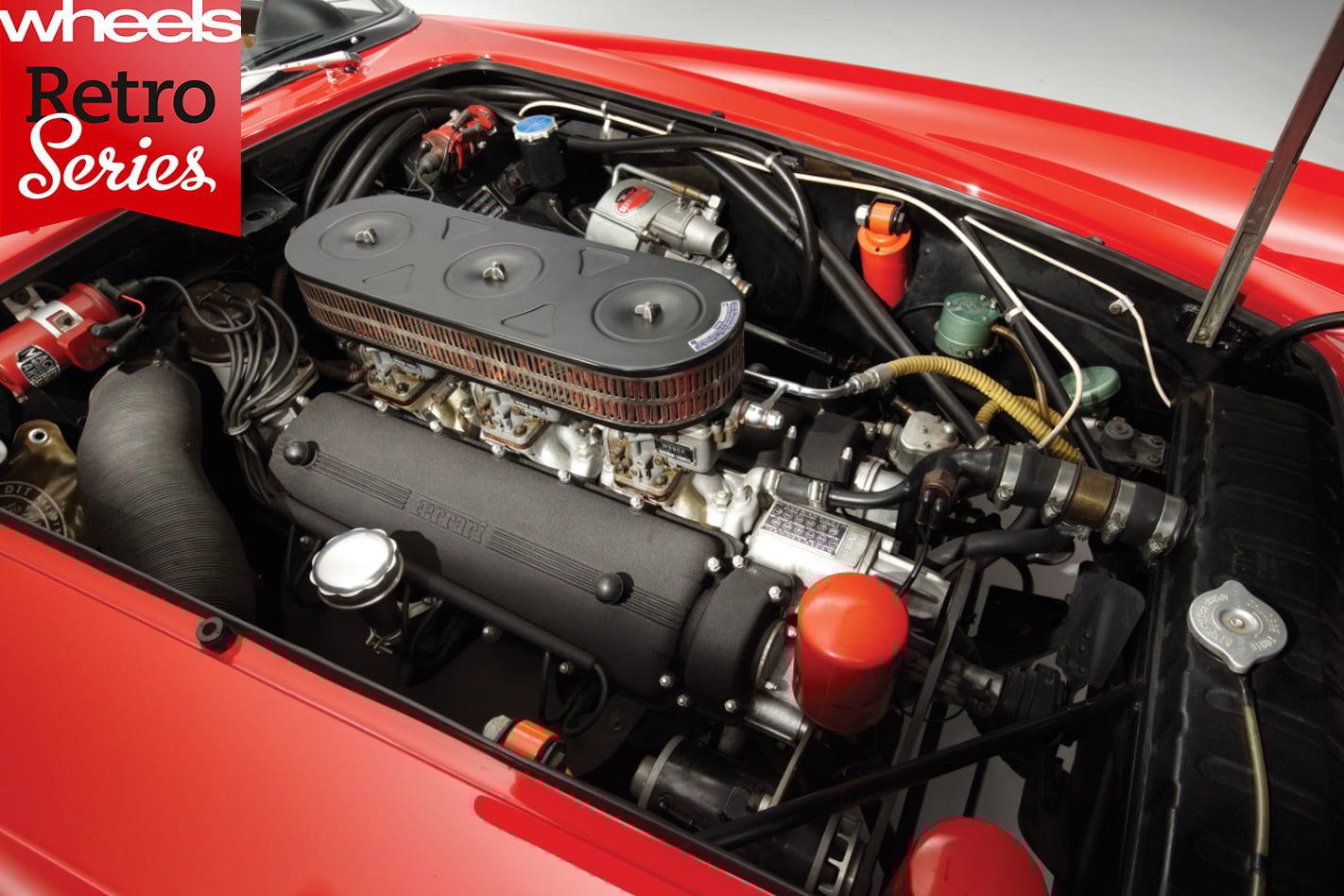
Magical V12
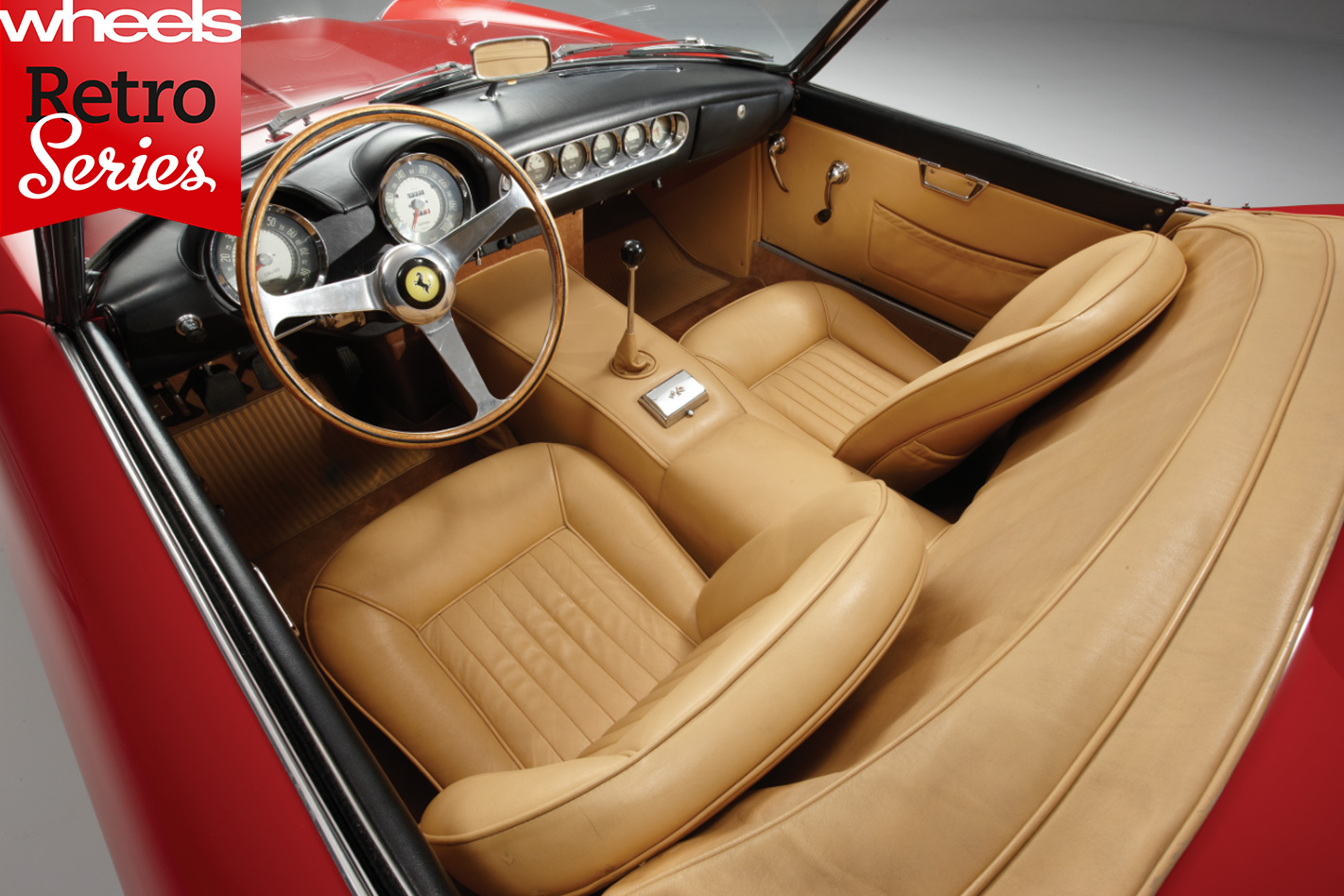
Artisan style
Matter of length
Ferrari’s 250 series was made in two wheelbases, 2400mm (SWB) and 2600mm (LWB). The California Spyder here shared the short wheelbase with its famous sibling, the Ferrari GTO Berlinetta. The simplicity of a steel tube spaceframe, front-mounted engine, coil/wishbone front and leaf-sprung rear kept even the convertible light (less than 1200kg) and fast. Four-wheel discs hid behind 15-inch Borrani wire wheels.
Fast & factual
1. Dough nut
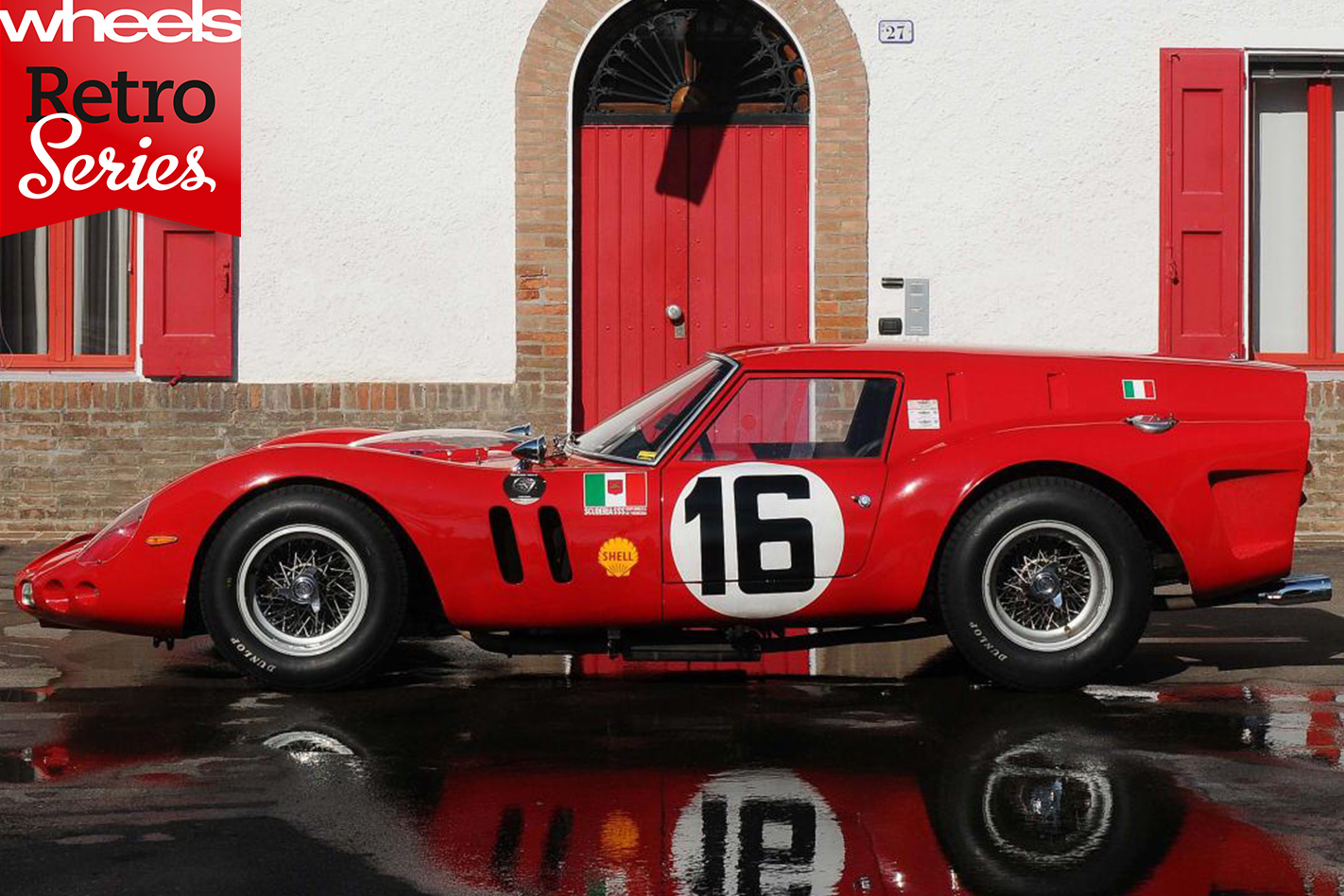
A very close relative of the 250 SWB California Spyder is the bold and bizarre 250 GT ‘Breadvan’ 1962 race car
It’s one of the 1980s’ most famous film cars, but director John Hughes’ original Ferris script called for a “Mercedes AMG”
3. The price is… what!
Like what you see? This ’62 car was sold by RM Auctions in 2012 for $US8.6m; a ’61 model fetched $US15.9m in 2015 and another $US17.2m in 2016
4. Fast and famous
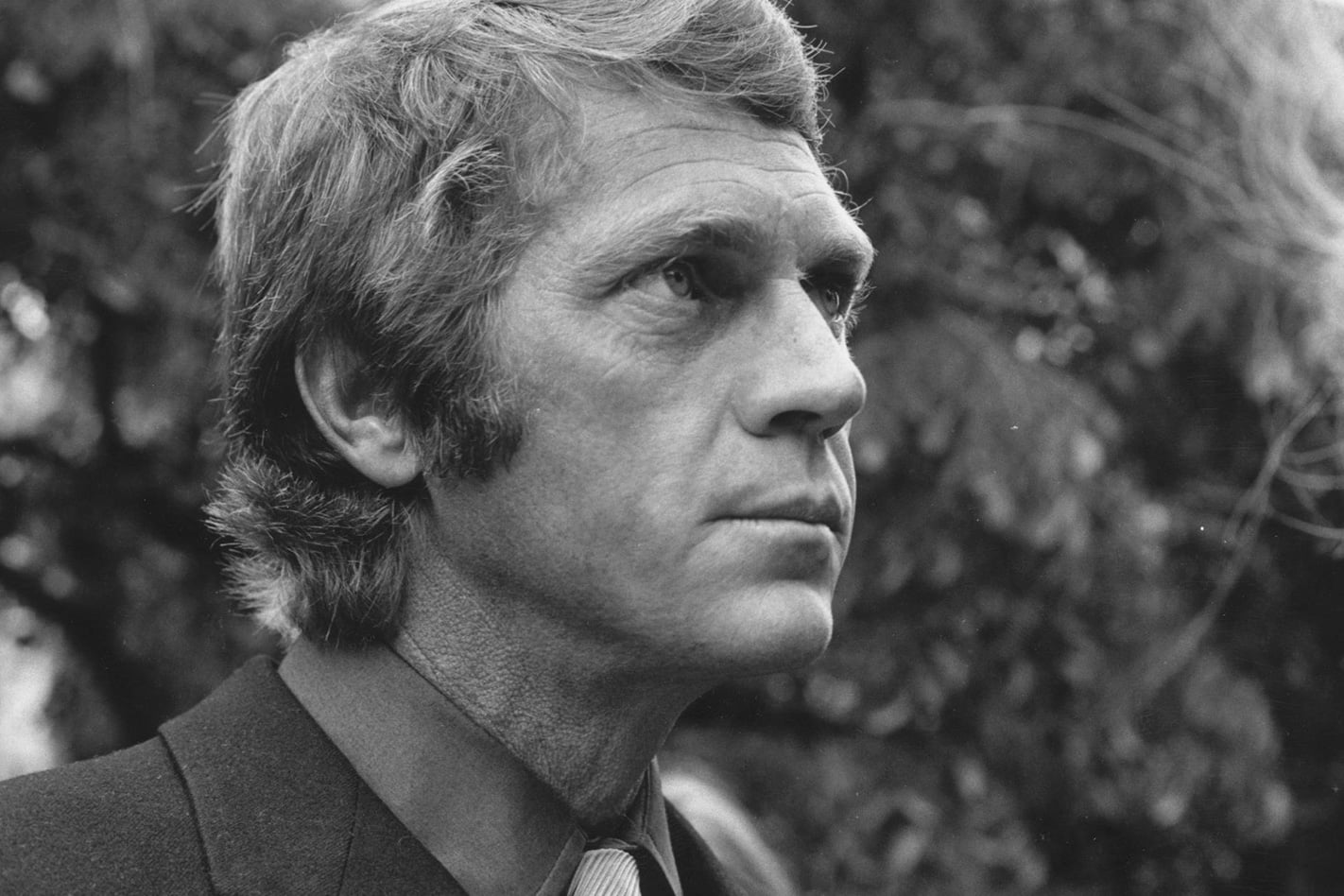
Talk about a who’s who of cool: 250 SWB California Spyders were owned by Steve McQueen, Clint Eastwood and James Coburn
The Ferris replica Modena Spyder was designed by Bob Webb, who’d earlier worked on the famous Roger Penske/Bruce McLaren Zerex Special
Supercars don’t just go fast, they evolve quickly as well. Just look at McLaren, which has come a huge way in fewer than five years.
Mind you, things didn’t get off to a great start. At the 2011 press presentation of the clumsily named McLaren MP4-12C, McLaren boss Ron Dennis assured journos it would be the best-handling car in the world “because we’ve got the numbers to prove it”. It was a fascinating insight into the way Ron’s mind tries to quantify things, but also a tacit confirmation of the lack of ultimate soul we found when we did get a chance to properly fang it.
For all its staggering speed, the 12C really struggled with the whole emotional appeal of supercar ownership. Its twin-turbo V8 sounded like an angry food-blender when worked hard, build quality was distinctly iffy, and the styling was bland enough to make the new Macca look more like a windtunnel testing buck than a finished car.
Yet McLaren responded quickly to early criticism, and the company has continued to adapt at a similar pace.
What was meant to be a mid-life facelift was turned into a more serious revision, turning the 12C into the far better-looking McLaren 650S. Ron was kept away from journalists and – after a bust-up saw the sudden departure of MD Anthony Sherriff in 2013 – the company scored an outstanding ambassador in the form of new CEO Mike Flewitt, a former senior Ford exec.
But the crucial change was to the product, with new models offering far more right-brain appeal. The part-hybrid P1 was a genuinely dizzying achievement, a 674kW megacar that managed to make the Porsche 918 feel a bit too sensible.
Things have improved dramatically further down the order as well. For me, the transformation was encapsulated when I got to drive both the ‘entry level’ 570S and track special 675LT back-to-back earlier this year. Both feel vastly more accomplished than the early 12C, and also completely different from each other. Not bad considering all three cars share the same core architecture.
But you don’t need to be a thrill-seeking millionaire to feel grateful to the boffins in Woking. We all owe some gratitude for the way it pretty much dropped a depth charge into the supercar segment, causing an arms race as Ferrari and Lamborghini struggled to keep up with its rate of technical development.
Mainstream makers often try to credit new performance innovations to their expensive race programs, but the truth is that competition tech almost always makes the transition to the road through a top-end supercar, where high costs can be offset against high prices and buyers wanting the latest and best. This is the segment that gave us carbonfibre bodywork, composite brakes, adaptive suspension and active aero – all of which have subsequently moved into cheaper cars. Now they are leading the way on the high-output hybrid systems that will transform the next generation of performance cars. Would the new NSX be a hybrid if it wasn’t for the pioneering efforts of Porsche, Ferrari and McLaren?
McLaren’s ongoing commitment to invest a third of its revenue into R&D means there are plenty more goodies on the way, not least the prospect of the company’s first pure EV.
Who wins in a fight between supercar-makers? That’s an easy one – we all do.
Apple takes a bite?
Rumours that Apple was set to take over McLaren sent the internet into a tizzy in September, and were quickly denied by the company. The truth is more interesting. Ron Dennis attempted to find new investors willing to buy out the stake in McLaren owned by long-term collaborator Mansour Ojjeh, the two having apparently fallen out. Ron didn’t succeed and it now looks as if he’ll be ousted himself, reports suggesting his contract as chief exec isn’t going to be renewed when it runs out next year. If that’s true, the motor industry will lose one of its great characters, if not one of its best communicators.
The helm, office, cockpit, whatever you call it – when it comes to driving fast you wanna make sure your workstation is up to scratch.
You might not only spend over 200 hours in it commuting each year, but as the crucial interface for driving a car, it needs to be good. So the Bentley Bentayga’s sumptuous abode takes the gong and we all can go home, right? Err, not exactly. When the pace quickens, you’ll find pedal placement becomes a lot more important than carpet thickness.
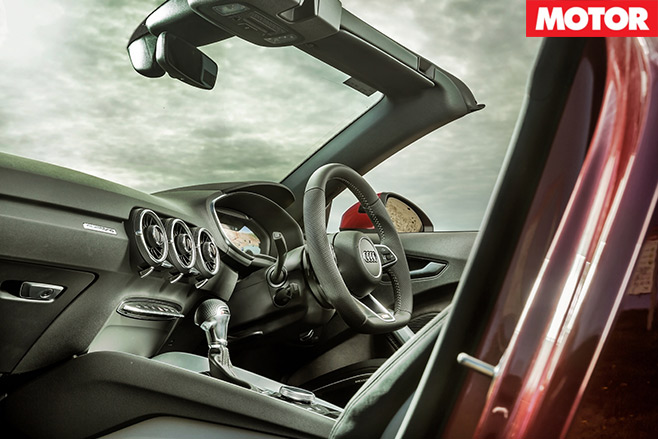
One car interior that excels in the area of full-berry-giving is Audi’s new TT. The moment you drop onto its quilted pews you feel like the centre of attention. Everything curls around you – the vents, the dead pedal and centre console. And the centrepiece, a nicely-sized steering wheel hangs like an ornamental present, whispering ‘drive me’.
With the Porsche 718 Cayman’s engine stowed behind the driver your feet stretch out into its nose as if your toes could tickle the underside of the bonnet. Its central analogue tacho also sits higher, thrust further into driving view than the Audi’s virtual cockpit, while its A-pillars are thinner, even if marginally.
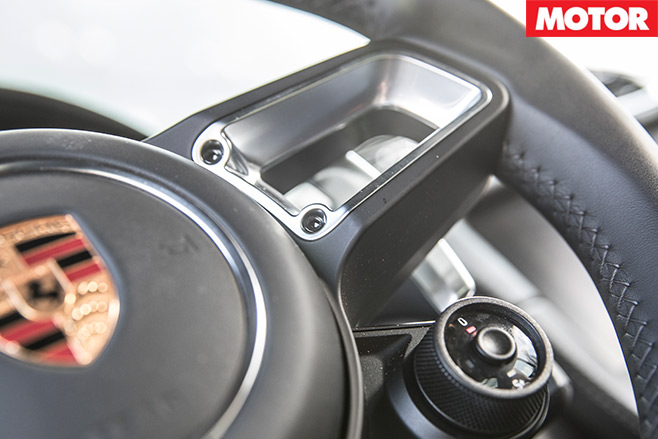
Both interiors teach you a lesson in ergonomics, yet the Cayman’s touchpoints deliver the silver bullet. Those shell-style doorhandles allow your right hand to open the driver’s door, whereas the Audi’s spoke-like items force your left hand to reach across. Ditching PDK shift buttons, Cayman’s new bow-like paddles are also superior for both purpose and feel. And for the steering requirements outside those boring 200 hours, it’s these extra details that raise the 718 Cayman’s interior as this year’s most satisfying place to sit.
Worried about gearbox reliability? We look at the options to get you the most life out of your purchase
QUESTION – IVAN: I am looking at a dealer demo 2015 Ford Focus Ambiente. I like the car, but people keep telling me about transmission problems.
Can you enlighten me about this and what my options are? Thanks
BUDGET: $20,000
RESPONSE – BYRON: Assuming you are talking about a 2015 Ford LW II Focus Ambiente, yes, the six-speed dual clutch transmission known as Powershift has a reputation for alleged unreliability, and is the subject of a class-action lawsuit from a group of LW Focus Powershift and WT/WZ Fiesta Powershift owners.
Note that, with the Focus, this affects the petrol-powered versions only, and not the TDCi models fitted with the 2.0-litre turbo-diesel/Powershift combination. On the subject of the lawsuit, Ford’s response is that it cannot “…comment on litigation”, according to one media report. As a result of this uncertainty, we cannot recommend you purchase a 2015 Focus Ambiente Powershift.
However, your $20,000 budget should be able to accommodate a demo 2015/2016 Ford LZ Focus Trend automatic. This is the updated (and current) version of the Focus that has dispensed with the Powershift for a conventional (and presumably more reliable) six-speed torque-converter automatic transmission. Our fairly extensive experience with the LZ Focus is very positive, and so it comes with a big thumb’s up.
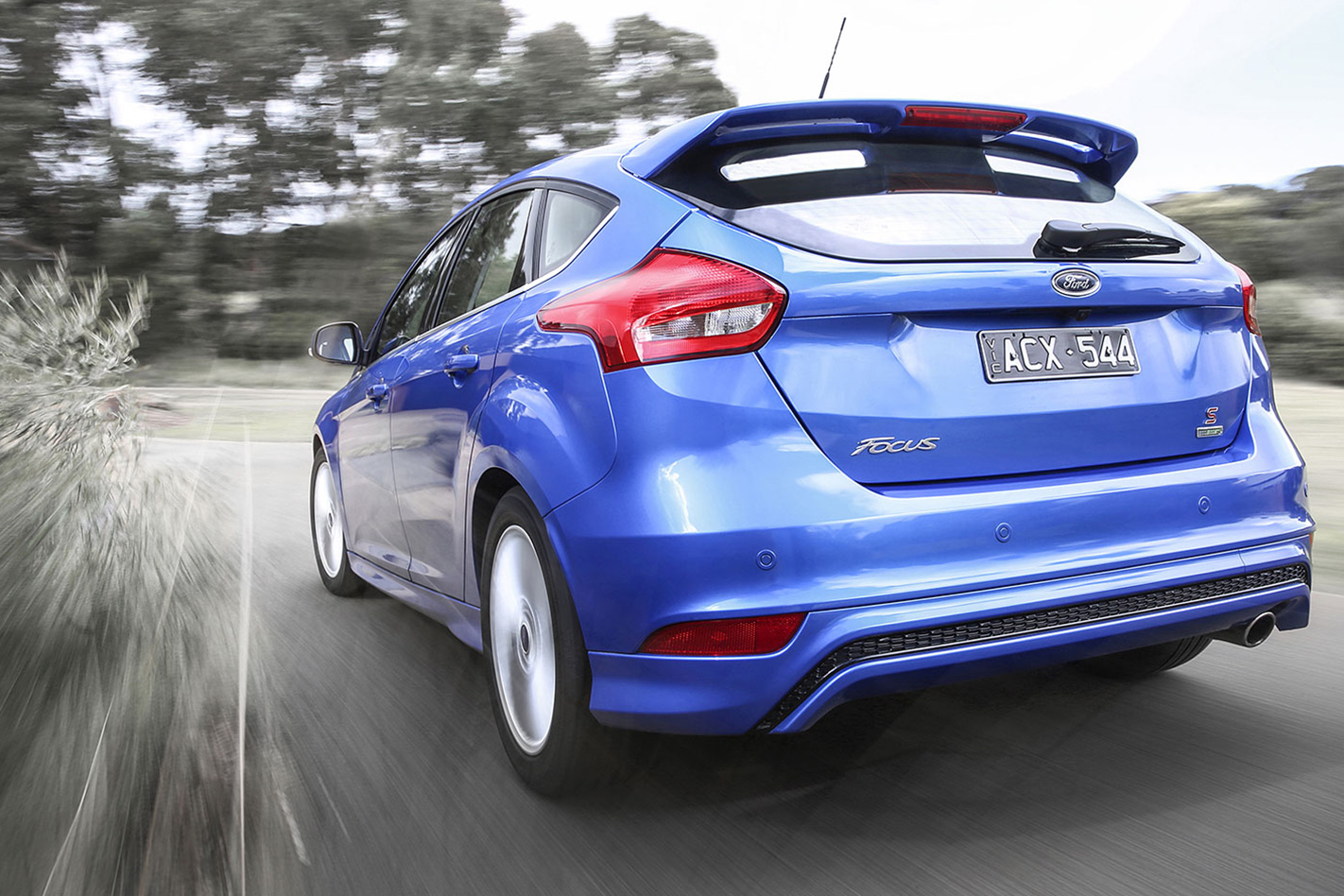
Two more alternative demonstrators we also recommend are the 2015/2016 Mazda 3 and 2015/2016 Peugeot 308. Both feature excellent Japanese-built six-speed torque-converter automatic transmissions. A quick spot of research for all three vehicles has revealed several examples of each within or very close to your budget. A little bit of negotiation should be able to seal a deal.
A car without an engine is just a soulless box, and though the future of motoring looks like it will be dominated by electron-powered appliances the good news is that there’s still plenty of exciting machines for us to enjoy in the present day.
Here are some of the more noteworthy engines to make their debut over the past 12 months, and just to show that our low-emissions future might not look so bleak after all, there’s even a hybrid that made the cut.
BMW M4 GTS
3.0-litre twin-turbo inline six petrol 368kW/600Nm
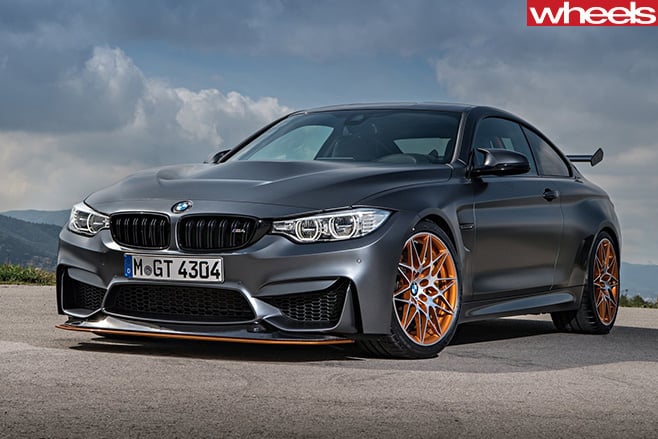
Thanks to a clever water injection setup and a few other engine tweaks, BMW’s M-car geniuses have managed to extract a further 51kW more power and 50Nm more torque from the standard M4’s turbocharged 3.0-litre six. Result: a three-tenth reduction in 0-100km/h time to just 3.9 seconds.
How does it work? By spraying a mist of water into the cylinders, the GTS’ engine thus runs cooler and can tolerate an air-fuel mixture that produces more power, but generates far more heat. On top of that, the M4 GTS also scores a lightweight titanium exhaust to help shed pounds and improve engine sonics. Tasty.
Mercedes-AMG C63 S
4.0-litre twin-turbo V8 petrol 375kW/700Nm
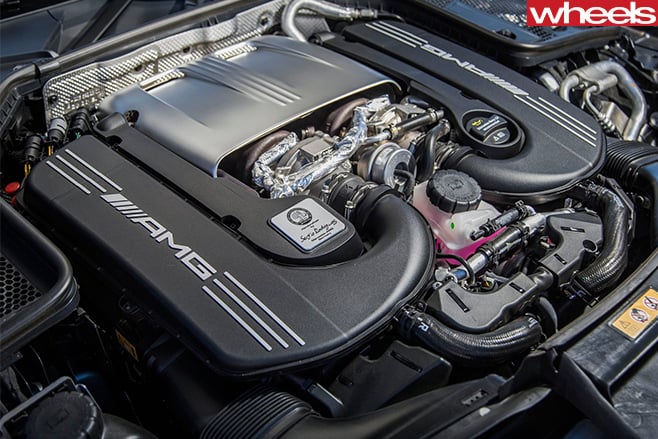
Landing on our shores in the C63 S and AMG GT S, Benz’s new high-performance bent-eight delighted us with its strongman character and cacophonous exhaust crackle.
Developing 375kW of power and 700Nm of torque in the C63 S, this engine might be missing some of the old big-cube 6.3’s charm, but it compensates with near-endless thrust and almost lag-free response.
Mazda CX-9
2.5-litre turbo inline four petrol 170kW/420Nm
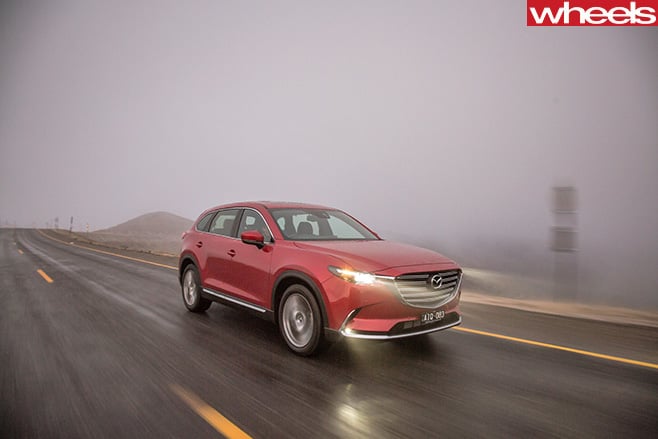
But Mazda reckons their petrol-only, turbo-only strategy will pay off for the CX-9 thanks to some clever technology. Tuned to produce the bulk of its 420Nm torque output low in the rev range, like a diesel, the CX-9’s engine avoids having to rev hard and thus keeps thirst at bay.
Does it work? In Wheels comparison testing, the CX-9 impressed us with its ability to drink substantially less than all of its petrol-powered 7-seat rivals – including the top-selling Toyota Kluger
Audi SQ7
4.0-litre triple-turbo V8 diesel 320kW/900Nm
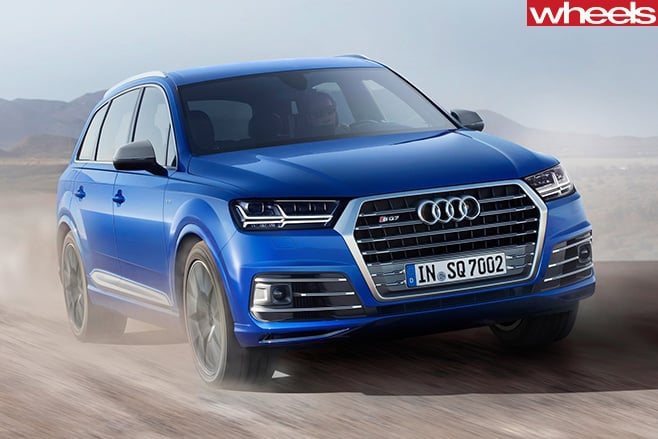
And it’s a clever triple-turbocharged diesel V8 that makes it all possible. By using an electrically-assisted turbocharger to deliver positive pressure before the two conventional turbos have spun up, the SQ7’s V8 oiler boasts a wider power and torque band than similarly-sized diesels. Supremely complex, but also extremely fast.
Honda NSX
3.5-litre twin-turbo V6 petrol hybrid 427kW/550Nm
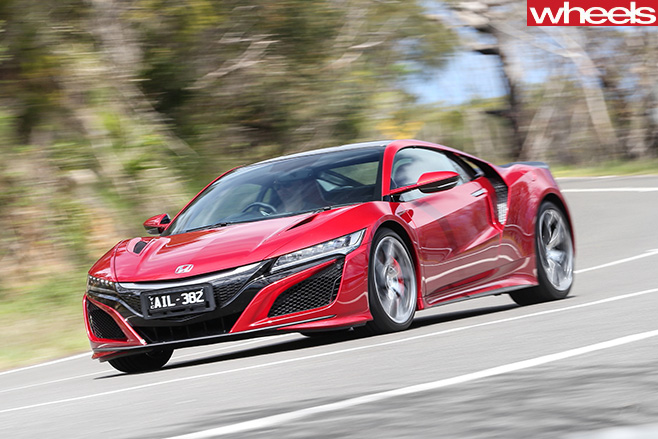
Marrying a 373kW 3.5-litre twin-turbo petrol V6 with a trio of electric motors (two on the front axle, another assisting the petrol engine at the back), the 2017 Honda NSX is the first hybrid supercar to be sold in Australia, and is capable of both running on battery power alone or blasting to 100km/h in roughly three seconds with all four motors lit up.
Its engine is completely bespoke too, there’s no repurposed Accord V6 lurking under the NSX’s rear deck lid. With a 75-degree V angle to enable a low profile, close-coupled turbochargers, dry-sump lubrication, fully variable valve timing on inlet and exhaust and both direct and port fuel injection, the NSX’s V6 is the most advanced engine ever built by Honda.
Porsche Boxster S
2.5-litre turbo flat four petrol 257kW/420Nm
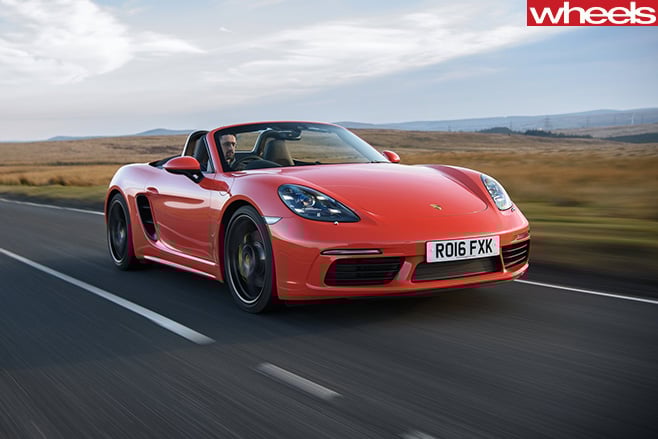
The 718 Boxster also controversially lost a pair of cylinders in the process. Is the Boxster worse off for the loss of a yowling atmo flat six behind the seats? Experience has shown that isn’t the case.
Instead, the Boxster – and the 2.5-litre Boxster S specifically – now boasts substantially more grunt than before. Crucially, the Boxster S’ torque figure jumps by 60Nm – much of it accessible from low in the rev range. It’s more tractable and muscular than before, yet thanks to a variable-geometry turbocharger (a rarity in a petrol performance car) it’s pleasingly lag-free.
MORE power, sharper handling but the same comfort for Aston’s super-GT range-topper.
WHAT IS IT? The Vanquish is Aston Martin’s most expensive series-production car, a V12 GT based on the old DB9’s VH architecture but featuring all-carbonfibre bodywork, a slug of extra power and a revised chassis. The new Vanquish S turns all that up a notch, replacing the car that was first launched in 2012.
WHY WE’RE TESTING IT The 2012 Vanquish was a great GT, but it wasn’t quite as thrilling as it might have been. New bloods Andy Palmer (CEO, formerly of Nissan) and Matt Becker (chief engineer, formerly of Lotus) have tasked the 2017 Vanquish S with retaining all its predecessor’s GT refinement while taking excitement to another level. We’ve got a day at the wheel to see if they’ve succeeded.
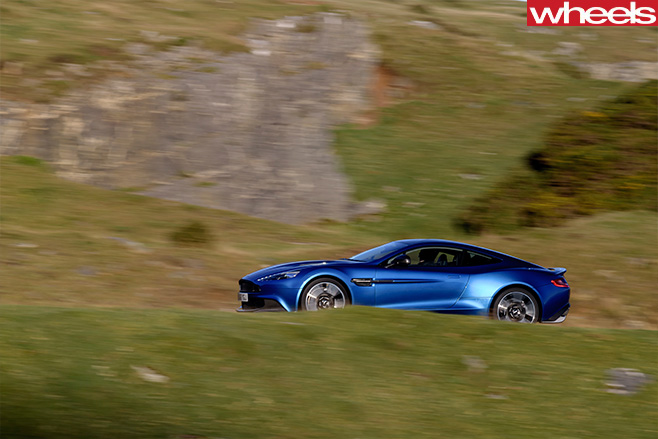
MAIN RIVALS Aston Martin DB11, Ferrari F12, Bentley Continental GT Speed, Mercedes-AMG S65 S Coupe, Maserati GranTurismo MC Stradale
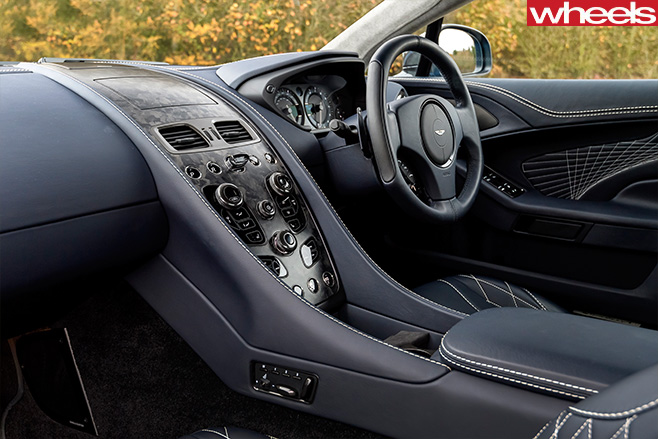
THE WHEELS VERDICT It’s mission accomplished for Vanquish S. It’s just as satisfying on a long-distance trek as it’s always been, but there’s much more attitude when you give it some stick: more performance, more noise, more precision too.
PLUS: Noise, design, ride quality, handling performance MINUS: DB11 newer, cheaper, equally powerful, torqueier; rock-hard seats
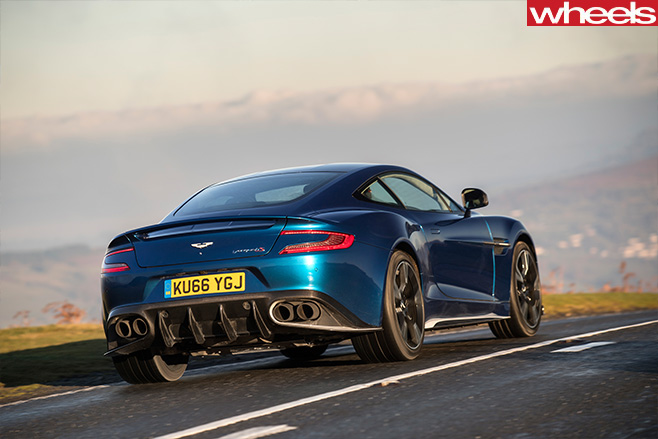
THE WHEELS REVIEW NO WONDER the Aston Martin Vanquish felt insecure. Based on the DB9, last year the carbonfibre-bodied super-GT watched from the sidelines as Aston’s DB9 replacement, the cheaper, more powerful and similar-of-concept DB11, stole headlines. The Vanquish had to pick up the slack, especially with new boss Andy Palmer and chief engineer Matt Becker arriving in town.
The Vanquish was a very good car, refined, comfortable and great to drive too, but it didn’t leave you breathless on a back-road fang. Becker tried to retain all the good GT stuff while adding more driver engagement.
An induction system with bigger lungs helps pump the V12’s power from 424kW to 441kW, and while peak torque remains unaltered at 630Nm, there’s a more generous wodge of it buttered through the mid-range. A zero-backlash coupling, borrowed from DB11, reduces slack in the driveline too, allowing the eight-speed auto to be recalibrated for more incisive feeling – if not actually /faster/ – shifts.
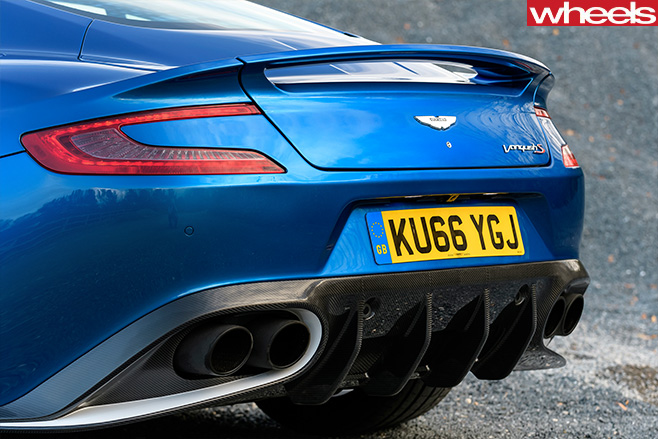
New quad exhaust outlets means the V12 sounds even more thunderous when it fires, and although the sub-3000rpm performance might have you craving the DB11’s subterranean turbo torque, its visceral response to throttle inputs and the way it climaxes at a now-350rpm-higher 7000rpm reminds you why good ol’ natural aspiration is the purists’ choice. The gearbox’s extra shot of espresso underlines that sense of connection, and even calling for fourth from eighth via the paddleshifters doesn’t have it calling strike action at the unreasonableness of it all; you get the gear and get it quickly.
The chassis mods are if anything more vital in the transformation from Vanquish to S. Becker describes wanting to move the yaw centre forwards, for a more compact, agile feel with less understeer. Reducing lift over the front axle – the new front splitter cuts it 66kg to 18kg – also helps.
Improved body control is immediately noticeable, the Vanquish S blending flat, all-of-a-piece composure with an elasticity between you and the road. Flick the steering left and right and you’ll feel the chassis’ sharper reflexes, but also a subtle change to the hydraulically assisted steering –and that’s despite hardware, tuning and tyres carrying over. Though still light and user-friendly, the steering is meatier off-centre and tingles with extra feedback too, the by-products of a slightly stiffer chassis.
No doubt about it, the Vanquish S is an all-round better car, retaining all the suppleness and usability of its predecessor, while injecting it with a dose more attitude. But the cheaper, newer DB11 continues to cast a shadow, so too the 2018 Vanquish replacement it’ll spawn.
The Ferrari F12 is more thrilling still, but perhaps the Vanquish S’s biggest rival comes from within: the DB11 is built on an all-new platform with a fresher design, better interior – including the switch to much-improved Mercedes infotainment, and much more comfortable seats –plus a twin-turbocharged V12 with the same power and even more torque. That it also costs almost a quarter less and lays foundations for a Vanquish replacement in 2018 provides two strong reasons not to buy the extremely impressive Vanquish S.
SPECS Model: Aston Martin Vanquish S Engine: 5935cccc V12, dohc, 48v Max power: 441kW @ 7000rpm Max torque: 630Nm @ 5500rpm Transmission: 8-speed auto, rear-wheel drive Weight: 1739kg 0-100km/h: 3.5 sec Economy: 13.1L/100km (combined) Price: $TBD On sale: 2017
