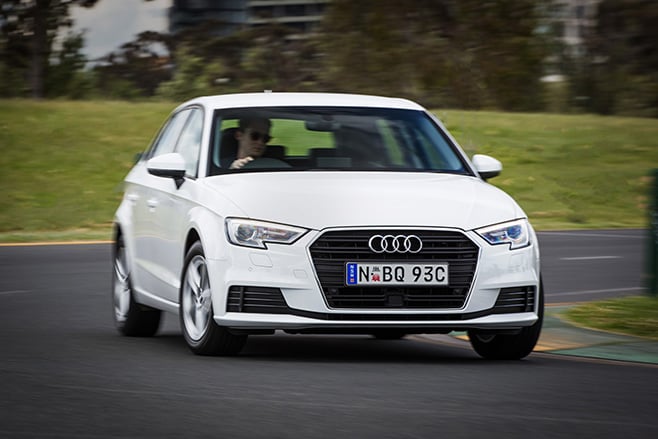
Now halfway through its life cycle, the Audi A3 has come in for a freshen-up, both inside and out. Its exterior plastics have been massaged at the front to mimic the crisp design of the new-gen A4, and there’s now more equipment included as standard.
Prices have been fiddled with too resulting in a drop in the price of entry to $35,900, but more significantly Audi has brought out a 1.0-litre three-cylinder engine for its A3 1.0 TFSI base model – the first A3 to be sold in this country with less than four cylinders.
TELL ME ABOUT THIS CAR
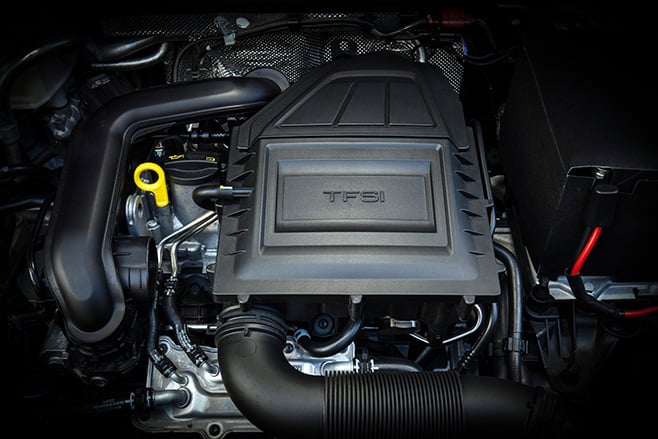
The Audi A3 1.0 TFSI Sportback is powered by an 85kW/200Nm turbocharged petrol 1.0-litre three-cylinder engine, developed from the smaller A1 hatch’s three-pot.
There’s also one other substantial mechanical difference at the other end of the car: the A3’s multi-link rear suspension has made way for a less complex (and cheaper to manufacture) torsion beam axle.
So it’s basic, yes, but equipment levels are healthy considering the 1.0 TFSI’s bottom-rung position in the A3 line-up – especially when it’s lined up against key rivals like the Mercedes-Benz A180 and BMW 118i.
STRENGTHS
Equipment levels are strong. The A3 1.0 TFSI’s leather-wrapped steering wheel is new for the 2017 model year, feels great to grip and has better switchgear than the model it replaces; there’s dual-zone climate control as standard; automatic emergency braking is part of its standard safety suite (as it is in all A3 models from now on) and integrated satellite navigation is also factory-fit.
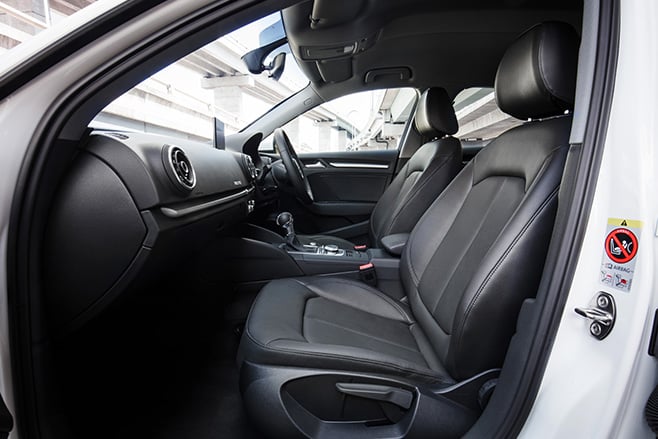
Comfort. It doesn’t suffer for cabin comfort, though its cloth upholstery does mark it out as being the cheapest model in the A3 family – all other A3 models get leather as standard. However, with superb material quality, supportive front seats and a rear bench that’s roomier than those in an A-Class or 1 Series, the A3 1.0 TFSI’s interior is a nice place to be.
Driveability. A single litre of displacement may not sound like much, but the 1.0 TFSI’s 200Nm peak torque figure enables it to punch well above its weight when it comes to driveability. All of that torque is available between 2000rpm and 3500rpm, which is where the engine spends most of its time when being driven normally. That results in relaxed performance that, while not exactly brisk, is more than adequate for day-to-day duty.
Slick gearbox. The A3 might get a simplified engine, but its dual-clutch seven-speed automatic gearbox is cutting edge. Lightning-fast shifts and improved off-the-line refinement deliver near-seamless performance, and with seven ratios to choose from it enables the car to extract the most from its little 1.0-litre motor.
Ride comfort. With a torsion beam axle at the back, you’d expect the A3 1.0 TFSI to have compromised ride quality compared to its independently-sprung siblings. Happily, few will find much fault with how the 1.0 TFSI rides. It soaks up big bumps easily, and there’s enough sidewall compliance on its fat tyres and 16-inch alloys to iron out smaller-amplitude imperfections.
WEAKNESSES
It’s no powerhouse. Yes, it may be easy to drive around town, but overtaking at highway speed requires plenty of space to account for the three-pot’s relatively relaxed acceleration. Bear that in mind before pulling onto the wrong side of the road to get ahead of slower traffic.
Tyre noise. Although fitted with small 16-inch alloys and high-profile tyres, the A3 1.0 TFSI has more tyre noise than we expected on coarse-chip highways. It’s not cacophonous, but it’s elevated considering the compliance of its rolling stock and its luxury positioning.
Start-stop refinement. Like all A3s, the 1.0 TSFI is equipped with automatic engine start-stop as standard. It shuts the engine down when the car is stationary (such as when sitting at traffic lights) and re-starts it when the driver lifts their foot off the brake, however the engine shudders as it fires back into life in a way that is at odds with its otherwise smooth-running nature.
No three-cylinder sedan. If you’re attracted to the idea of an Audi small sedan with triple-cylinder power, you’re fresh out of luck: the 1.0 TFSI engine is limited to the five-door A3 Sportback only. And that’s a shame, not only because the A3 Sedan is one of the more attractive small sedans on the market, but because it would also have allowed Audi to drop the A3 sedan’s price of entry somewhat.
ANY RIVALS I SHOULD CONSIDER?
Luxury small hatch competitors for the A3 Sportback 1.0 TFSI include the Mercedes-Benz A180, Lexus CT 200h Luxury and the BMW 118i, however all are priced higher than the A3.
In the mainstream market, cars like the top-grade Mazda3 SP25 Astina and Volkswagen Golf 110 TSI Highline offer more power and equipment for similar cash to the A3 – but with less badge cachet.
An SUV that’s nimble enough to traverse the city-scape, but with added utility.
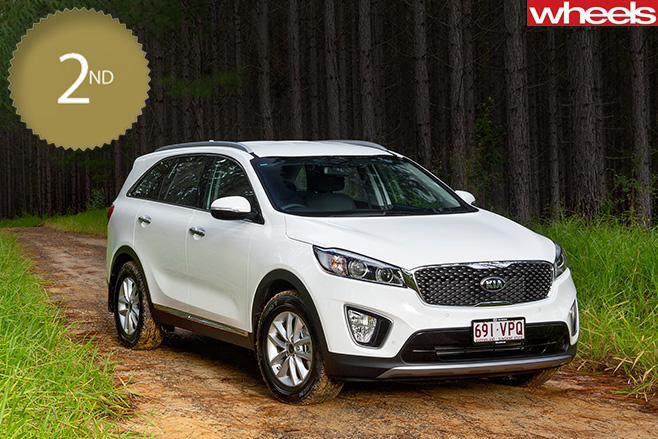
Kia Sorento Si FWD
The criteria of seven seats shakes up the Medium SUV ranks because some brands only offer seven-seaters in up-spec variants, while others don’t give you the option at all. Kia’s Sorento crests the value summit by giving buyers seven seats and big petrol power for entry-level front-drive money. Not having to fork out for a diesel saves cash up front, but you do pay for it over time, courtesy of the 3.3-litre V6’s 9.9L/100km consumption. But that’s about the only area in which the Kia costs more than the average rig to run. It has stout resale (54 percent), is inexpensive to insure, has a convenient 12-month service interval and a generous seven-year warranty.
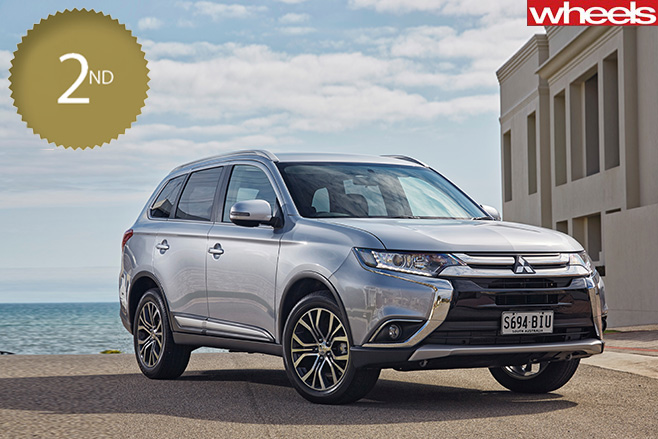
Mitsubishi Outlander XLS
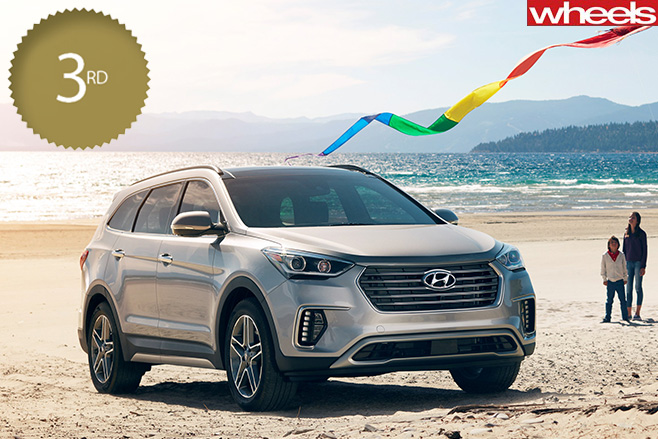
Hyundai Santa Fe Active
MORE GOLD STAR COVERAGE
WHEELS GOLD STAR VALUE AWARDS
What if someone could expose the hidden costs, crunch the numbers, present the data, and draw conclusions about how to best spend your hard-earned on a brand new car? Enter Wheels’ annual Gold Star Value Awards.
Find out more
BEST MEDIUM SUV $45K to $65K
If you want it all: the label, the space, and all the tackle then the Kia Sportage, Hyundai Tucson and Range Rover Evoque are worth a look.
View the results
BEST LARGE SUV/4WD
A large SUV or 4WD is a great solution for those with a sense of adventure.
View the results
A large SUV or 4WD is a great solution for those with a sense of adventure.
Hyundai Santa Fe Active CRDi
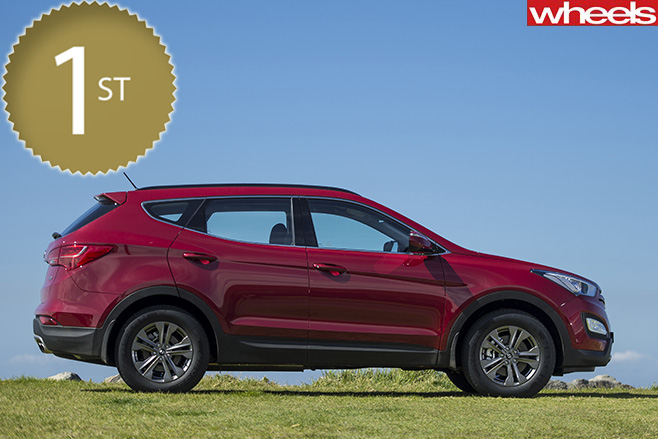
Then there’s the Santa Fe’s superior 56 percent three-year retained value – though there’s only four percentage points between the top three – and its class-cheapest insurance premium. The only field the Hyundai doesn’t have its Korean kid brother’s measure is warranty, but five years is hardly stingy.
Kia Sorento Si
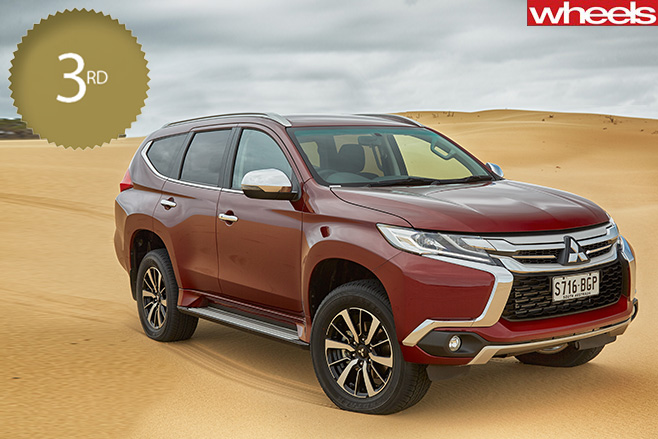
Mitsubishi Pajero Sport GLX
MORE GOLD STAR COVERAGE
WHEELS GOLD STAR VALUE AWARDS
What if someone could expose the hidden costs, crunch the numbers, present the data, and draw conclusions about how to best spend your hard-earned on a brand new car? Enter Wheels’ annual Gold Star Value Awards.
Find out more
BEST MEDIUM SUV $45K to $65K
If you want it all: the label, the space, and all the tackle then the Kia Sportage, Hyundai Tucson and Range Rover Evoque are worth a look.
View the results
BEST MEDIUM SUV 7-SEATER
An SUV that’s nimble enough to traverse the city-scape, but with added utility.
View the results
AUTONOMOUS car technology, and the wild and unforgiving rally stages of the World Rally Championship.
They seem like very strange bedfellows, but not for Toyota, who is using its 2017 factory entry in the WRC to develop its self-driving tech.
Though melding autonomous cars with the ultra-fast, ultra-risky world of WRC might seem like mixing oil and water, the pairing makes sense when Toyota explains the connection.
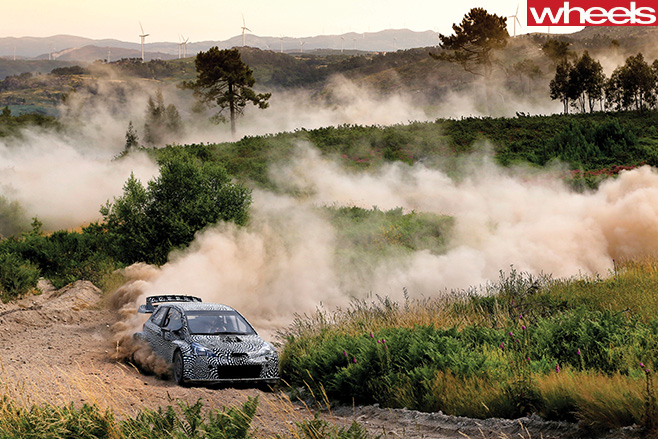
“Right now the biggest technical difficulty [for autonomous driving] is that on the road you cannot expect everything,” Saga told Autocar.
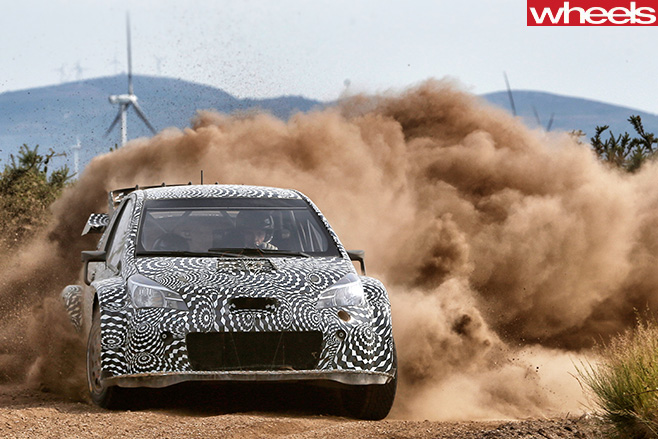
“We also put our sensors on to our rally cars and they can, for example, predict a rock that is in the road in front of the car. When the sensors become capable of dealing with those obstacles at the speed of a rally car, we can enhance the level of sensor technology as a whole.”
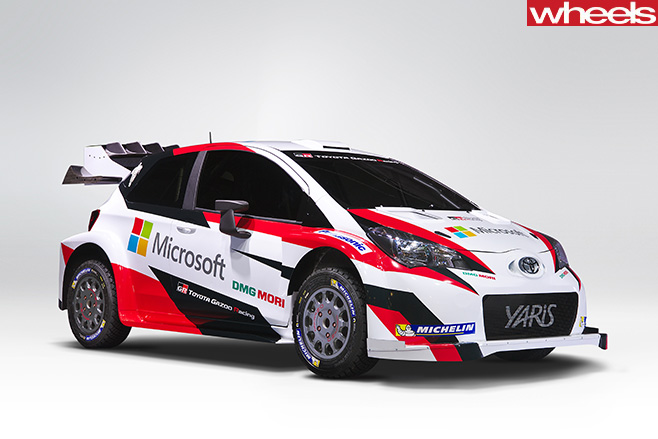
The factory Toyota team currently has a partnership with Microsoft, which will help collate and analyse the countless gigabytes of data the Toyota Yaris WRC cars will generate on the world’s rally stages.
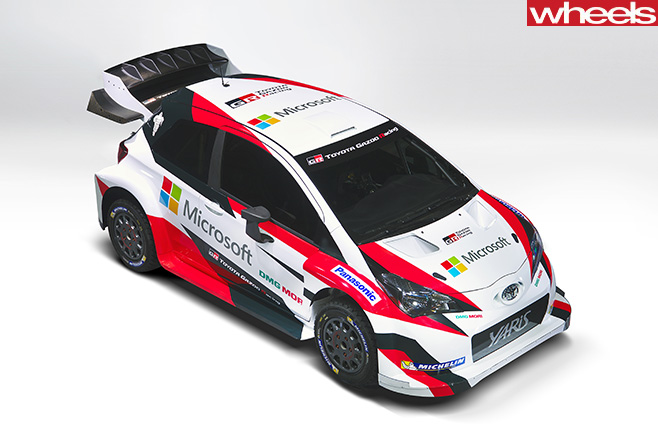
The sensors in the WRC car won’t be used for any performance advantage – the technology would clearly be unable to keep up with the lightning-quick reflexes of a professional rally driver – instead being used to passively observe, and learn.
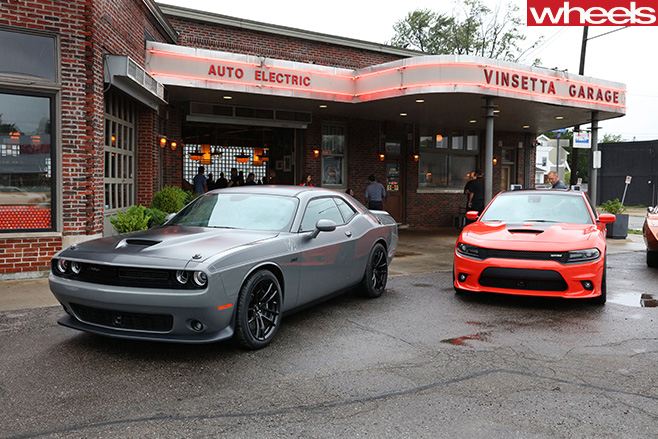
AUSTRALIA’S love affair with the Ford Mustang could open the door to a right-hand-drive version of the next-generation Dodge Charger and Challenger, the company behind the 1970s-era of the same name says.
Fiat Chrysler Automobiles Australia has revealed it has closely monitored the Mustang’s popularity since the US muscle car’s launch here last year.
Ford’s two-door coupe and convertible has risen to become Australia’s best-selling sports car priced less than $80,000, and is the brand’s third best-selling model this year behind the Ranger ute and the now extinct Ford Territory SUV.
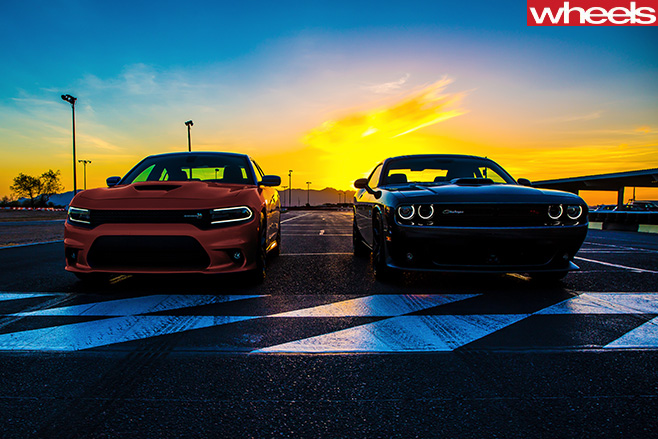
Speaking to Australian journalists at the LA Auto Show this week, recently appointed FCA Australia chief executive Steve Zanlunghi said he believed the demise of the locally made Ford Falcon and Holden Commodore could leave cheap performance car holes in the Australian market.
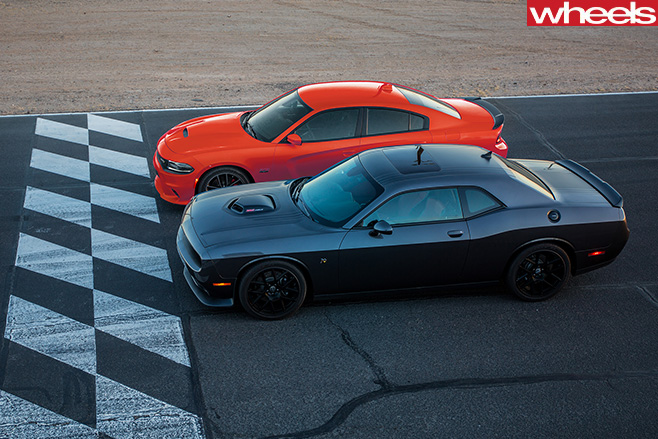
“We are constantly searching for new opportunities in the marketplace, and that’s one of them, especially now that we’ve lost the Falcon and going to lose the (Zeta-based) Commodore.
“So if we can make a business case out of it, then I think you’ll see those vehicles in Australia.”

“If the decision (for right-hand-drive engineering and production) was made, it would be made for the next-generation platform on the vehicle,” Manley said.
“And that actually is going to help Steve’s case, because as you move towards the next-generation platform, they tend to be more global, and therefore they tend to be much more easy to package.”
“(Giorgio) is a great example of a global platform… because of the strength of that platform. When I think about next-gen for any of our vehicles, elements of that platform are going to find their way into other vehicles… (but) there are not the things that create that unique driving experience for that Alfa.”
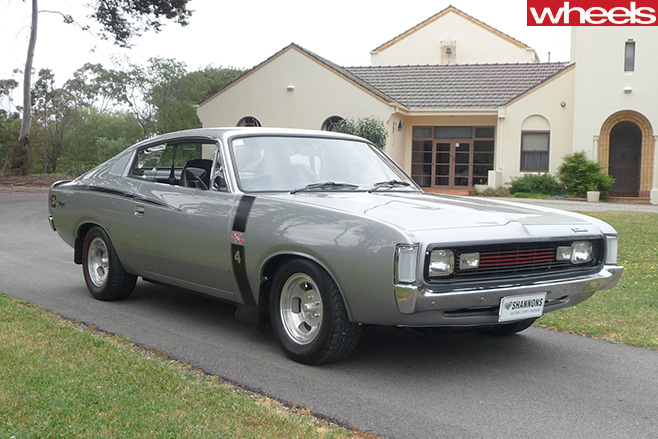
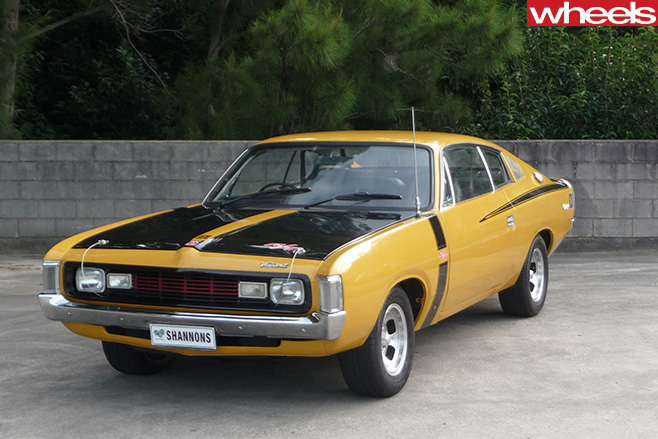
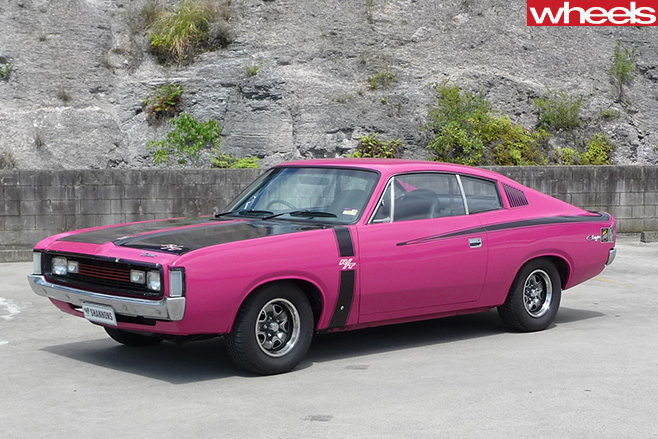
The last time the Charger name was used in Australia was for a two-door version of the 1970s-era CL Valiant.
FCA Australia has retired the Dodge badge after re-introducing the brand in 2006 while it was still part of German carmaker Daimler.
The brand struggled from the outset, with a lacklustre line-up of products that included the Caliber small hatch, the Avenger mid-size sedan and convertible, the Nitro small SUV and its best-seller, the Journey people mover.
POWER! It’s what the true blue Aussie muscle car enthusiast needs to get going in the morning. For decades Australians have desired maximum grunt from their super sedans and sports coupes, and we’ve built some crackers.
The following is a list of the most powerful Aussie cars of each decade between 1960 and the present. No doubt the final, special HSVs will reset the high watermark that currently rests with the HSV GTS, but until then let’s take a look back at the equivalent performance heroes from generations gone by.
If there are any we’ve forgotten, let us know in the comments.
2010 – Present: HSV Gen-F2 GTS – 430kW
Perched high on the tree of almighty grunt is the current HSV Gen-F2 GTS (pictured top), launched in 2015. For the time being, its 430kW and 740Nm make it the most powerful car ever built in Australia. It’s unlikely to hold onto that mantle for too much longer – the final locally-sourced HSVs will eclipse it next year – but it should long be remembered for how brilliant it is as a whole, not only for the brute force of the LSA 6.2-litre supercharged V8.
2000 – 2009: HSV W427 – 375kW
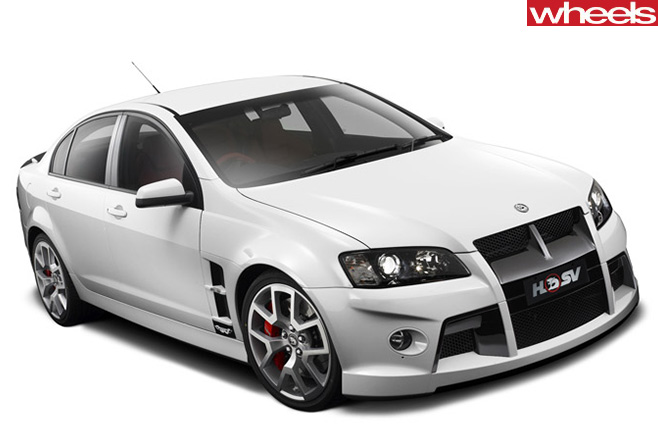
That fat stack of cash bought you 375kW and 640Nm from an LS7 7.0-litre naturally aspirated V8. The car featured a unique-to-HSV six-speed manual gearbox, and HSV intended to sell 200 of them, before the GFC struck and it only managed to shift 137 through its showrooms between 2008 and 2009.
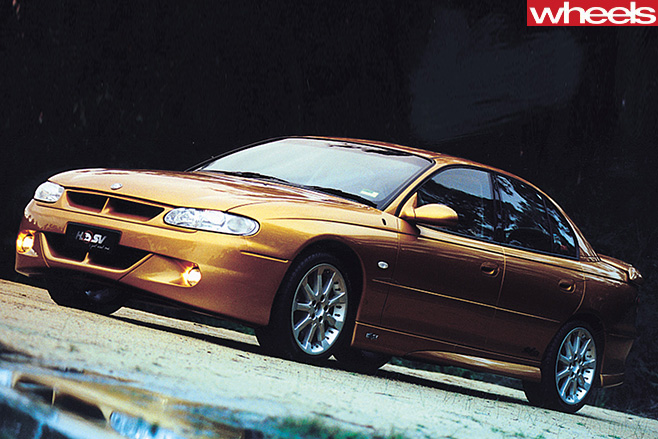
1990 – 1999: HSV VT2 Clubsport/Senator/R8 – 250kW
1980 – 1989: HSV VN SV5000 – 200kW
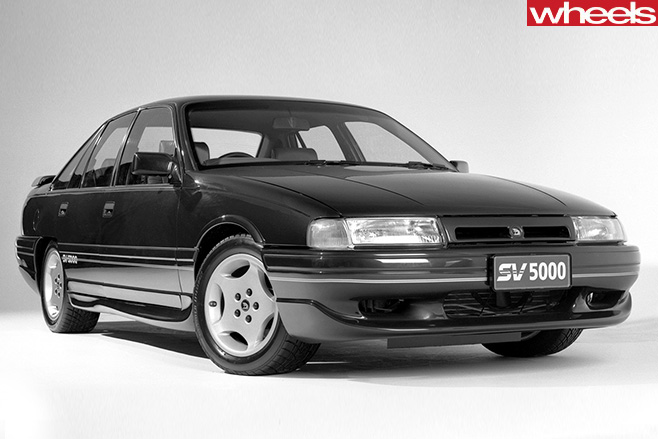
Prior to that, power figures were recorded according to SAE measurements, which involved testing engines with no ancillaries, open exhausts and no air filters. The SV5000 is significant to this list, because its 5.0-litre V8 is the last all-Australian engine to reach the top of the pops before engines sourced from the United States came back to the fore.
1970 – 1979: Ford XY Falcon GT-HO Phase III – 224kW(ish)
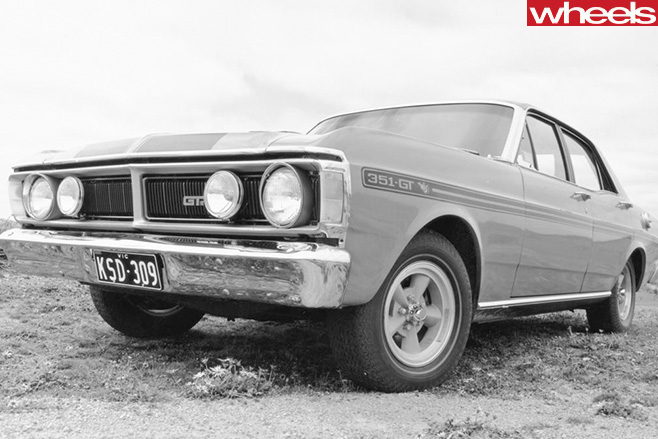
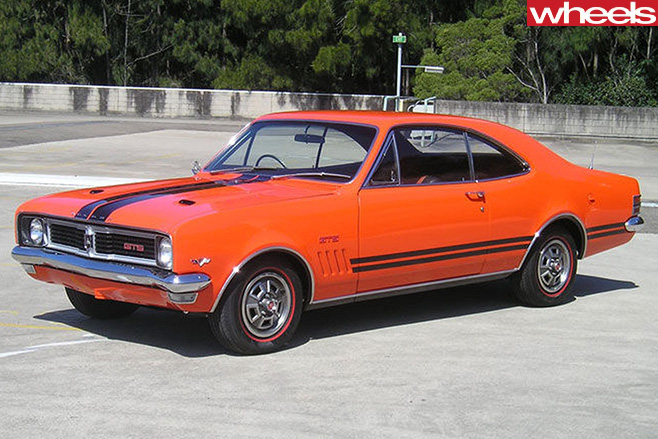
If we’re to go strictly by the books, then the XY Falcon GTs would tie with other cars making 300hp in the 1970s, including the Chrysler VH Charger E49 and the Holden HG Monaro GTS 350.
1960 – 1969: Holden HT GTS 350 – 224kW
THERE CAN only ever be one first. Edmund Hillary. Chuck Yeager. Neil Armstrong. Falcon XR GT. And just as we know what it was that Messrs Hillary, Yeager and Armstrong did first, we all know that the XR GT was the first proper Australian muscle car. And that’s why it’s here.
The XR model itself was the first of the second generation Aussie Falcons and while the sleek first-gen cars were lookers, they couldn’t match the ‘Mustang-bred’ XR for macho appeal. The Coke-bottle hips, the bold face and long bonnet; they all added up to a car that stood out.
By this stage of the game of course, the importance of winning the annual Bathurst classic was beyond question. Local car-makers had already started messing about with Bathurst specials, including Holden with its EH S4 and Ford with the Harry Firth-designed Cortina GT. But it was the bloke running Ford Oz at the time, Bill Bourke, who invented the four-door muscle car.
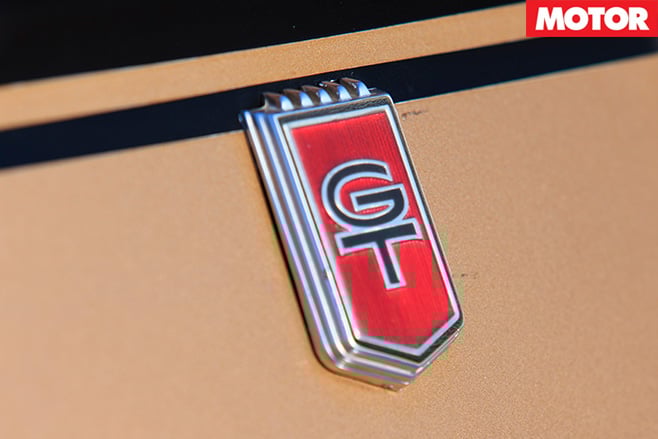
Back when heaters and disc brakes were still options on your family-spec Falcon, the XR GT had not only front discs but a floor-shifted manual trans, schnazzy wheel trims, a genuine-artificial woodgrain tiller with a big, padded boss, extra gauges, bucket seats and, wonder of wonders, a 289 cubic-inch V8. Have mercy! The Aussie Bathurst special had come of age.
Of course, the XR was the model that introduced us to the joys of a V8 powerplant in a Falcon, and unlike the earlier Valiant V8 option, you could spec the Ford V8 in everything from a Falcon 500 up.
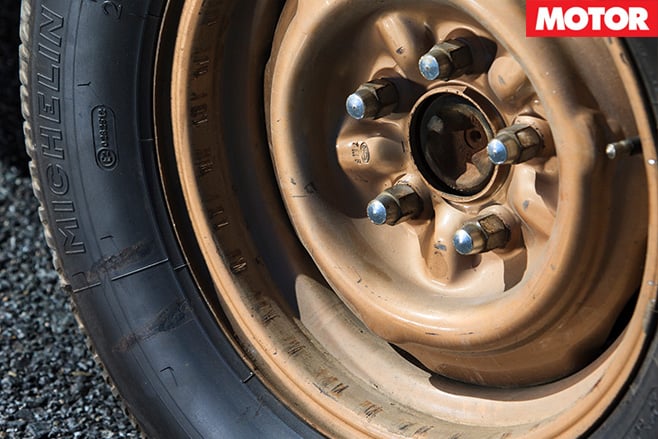
It’s probably quite easy to underestimate what a sensation the XR GT was in the day. But it’s impossible to downplay the effect it had on the type of cars we aspired to and bought.
Bathurst? Well, the XR GT absolutely lived up to its design brief there. Harry Firth and Fred Gibson claimed the 1967 Mount Panorama silverware in an XR with the Geoghegan brothers second, making it a GT one-two. Even in 1968, the year that Holden’s new GTS327 Monaro took the big prize and Ford had switched to the XT GT, the first Falcon GT home was the XR of Ken Stacy and Brian McIntyre in seventh outright.
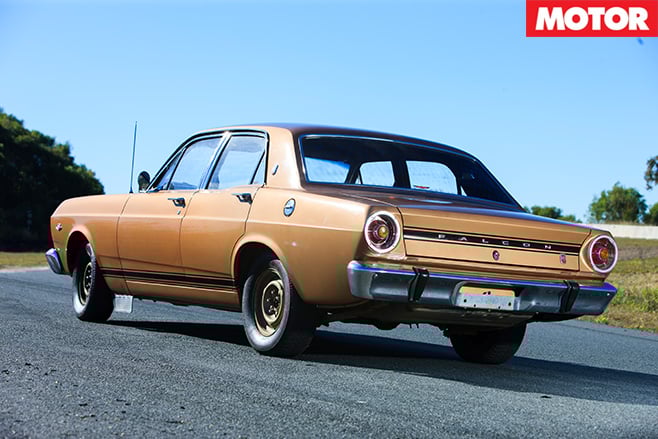
Nope, just like Edmund Hillary, the XR GT was the first – they just had different mountains that made them famous.
IN DETAIL Engine: 4727cc V8, OHV, 16v Outputs: 168kW/414Nm Weight: 1429kg Price: $3890
What’s our fave Falcon? Check out MOTOR’s take on the top 10 Fast Ford Falcons ever made here.
UPDATE: Amazon has, at the 11th hour, opened up the taps on its Amazon Prime streaming service, unlocking The Grand Tour – and other shows – for Australian viewers. That’s right: there’s no VPN needed, no visits to questionable torrent sites required to get your fill of the world’s most highly anticipated car show. Enjoy.
JEREMY Clarkson, Richard Hammond and James May’s new Amazon Prime show, The Grand Tour looks like it is set to launch in Australia sooner than originally expected.
The trio announced earlier this week that the video wouldn’t land in Australia until next month, alongside 199 other countries, mentioning no details on specific dates or on what platform, but all signs point to an early local launch of Amazon’s new $250 million car show.
- Opinion: Why the new Top Gear sucks
Those exceptions are shows that Amazon has already licensed the rights to in Australia, such as Transparent, which is already available in Australia through rival online video streaming service Stan.
Adding weight to the speculation is Amazon’s refusal to answer any questions relating to if and when The Grand Tour will air in Australia as part of its global roll-out. Despite numerous requests to provide more details relevant to the show’s potential Australian airing, an Amazon Prime spokesman would only respond: “We have nothing to announce at this time.”
The Grand Tour is set to launch tomorrow in the US, Britain, Germany and Japan and without any local rights signed in Australia, it can be assumed that the show will also be available to Australians who sign up to a trial for the Amazon Prime service.
US streaming giant Netflix used a similar tactic when it launched in Australia, with its original shows such as House of Cards and Orange is the New Black previously airing on pay TV service Foxtel, and then later on Amazon Prime rival Netflix once the exclusive rights expired.
Netflix announced in January that it was launching its service worldwide with its original content, and judging by the systems Amazon is testing, it appears it will be looking to launch something very similar with The Grand Tour as its flagship program.
New episodes of The Grand Tour are set to appear weekly on Amazon Prime starting from tomorrow. We will have to wait until then to see if Australians can access it; however if its other shows are anything to go by, it’s pointing to a yes. Or it’s also entirely possible Amazon is just doing a soft launch of its international distribution ahead of The Grand Tour‘s official launch in Australia in December. Only time will tell.
ASK a non-car person to describe a supercar, and they will come up with something along the lines of a scarlet-red convertible, with swooping lines, and a prancing horse on the bonnet.
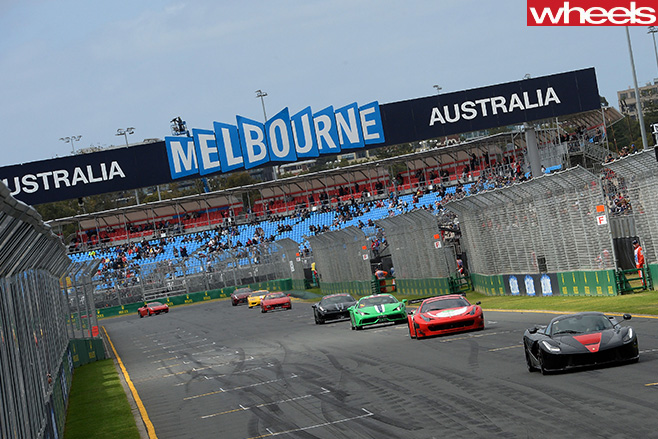
For decades, Ferrari has been the go-to status symbol for the rich and famous, and it appears Australians are putting a Prancing Horse in their stable at a rate that eclipses any other market in the world.
A story in the Financial Review reports Australia has the highest percentage of first-time owners relative to the rest of the world – even beating booming economic regions like China and the Middle East.
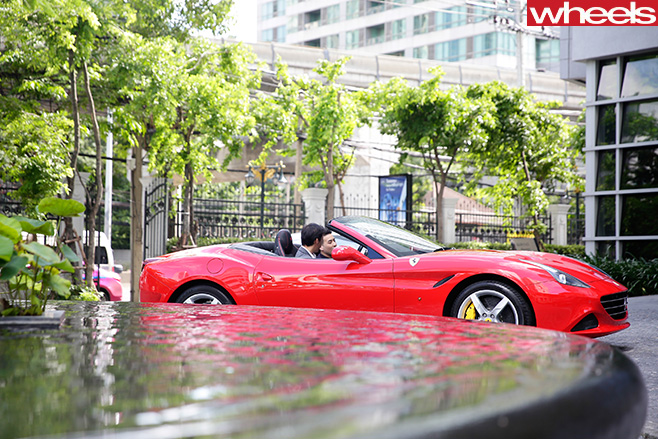
For us, it’s been a supercar boom,” he told The Australian Financial Review.
Lamborghini has also experienced a continued uptick in local sales.
Despite refusing to disclose sales figures for the Australian market, the Supercar manufacturer reports it is now consistently breaking sales records each month in terms of global sales.
“This represents a sales growth of 28% compared to 2014 and 2.5 times the sales of the year 2010.
“Our trajectory continues to rise. In the first six months of the 2016 fiscal year, we again broke new sales records and are on track to surpass last year’s exceptional result.”
Ferrari’s Appleroth claimed the boom was the result of skyrocketing property prices in Australia.
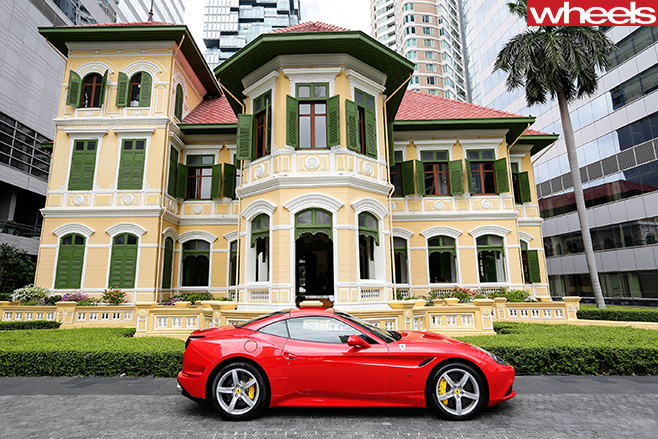
The Financial review reports median house prices in Sydney have almost doubled since 2009 and in Melbourne are up 80 per cent, but in inner suburbs the rise has been much sharper.
“There has been a huge net wealth increase.”
While Australia is booming in terms of first-time Ferrari owners, other countries are seeing a rising trend in second and third-time buyers.
SEMA’s done it again.
This year’s delivered another dose of wild, wacky, and wonderful.
But while we’ve already covered standouts like the Roush Performance Focus RS, Mustang GT4, and Toyota’s 354km/h LandCruiser, there are still plenty of cars we believe deserve mention.
Cue our list of favourites from this year’s show. Far from comprehensive, don’t take it as a gospel top-12, but rather a highlight reel of the best MOTOR-head cars this year.
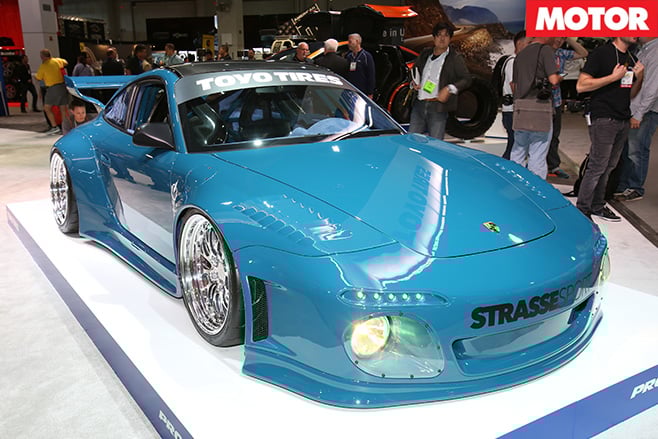
1. Slant-nose 997-series 911
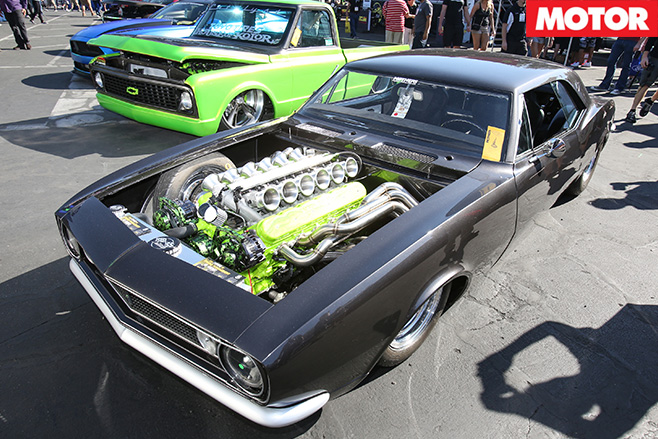
2. V12 LS Camaro
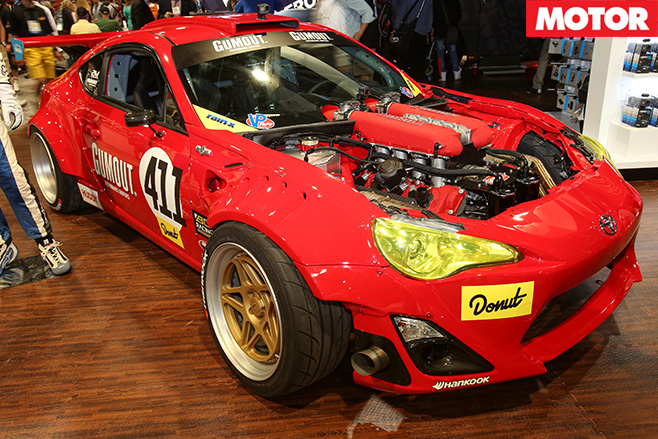
3. Ryan Tuerck’s GT4586
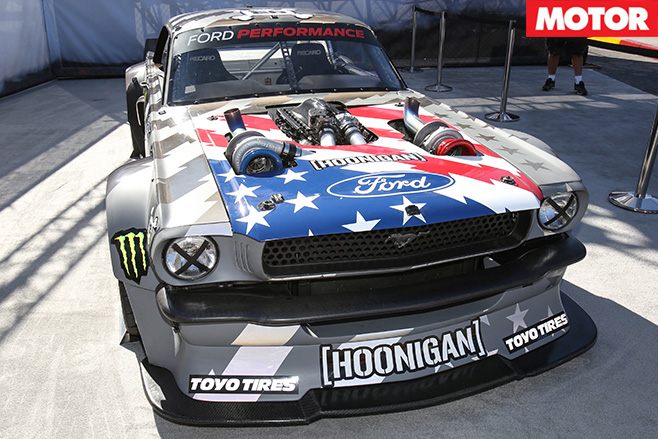
4. Hoonicorn Mustang V2
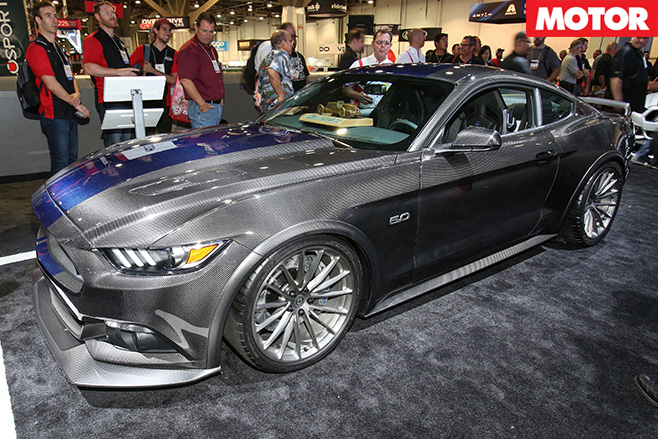
5. Carbon-fibre Mustang
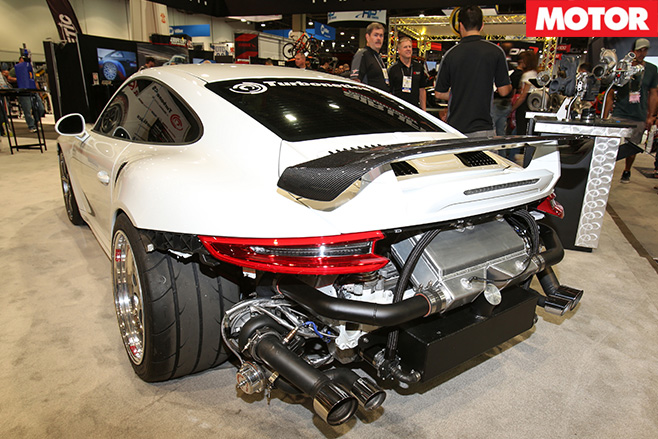
6. Turbonetics 911 Turbo S
7. Tucci Hot Rods Fiesta ST
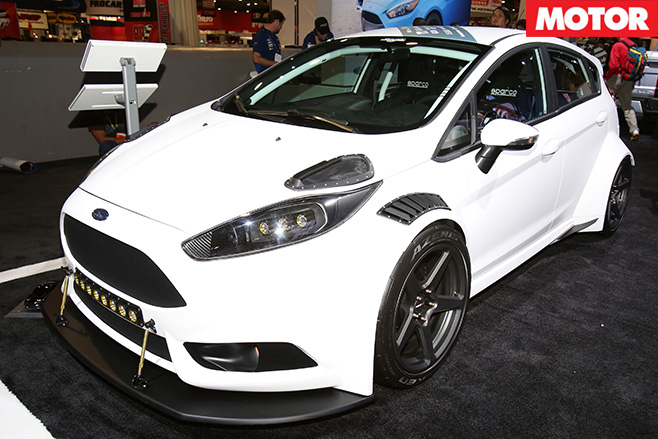
8. Bisimoto tuned Hyundai Sante Fe
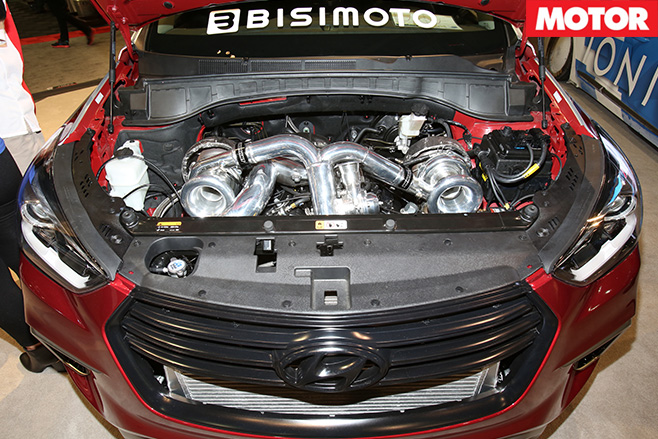
9. Rocket Bunny FD
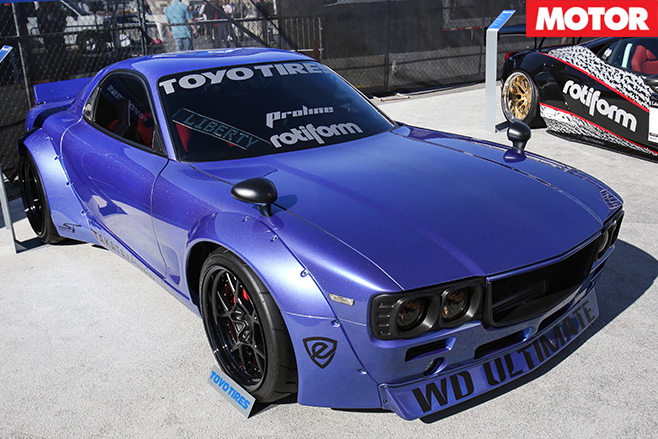
10. Mustang bodied GT-R
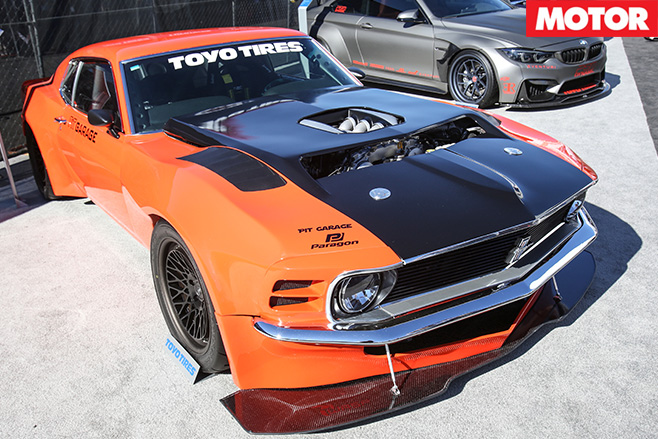
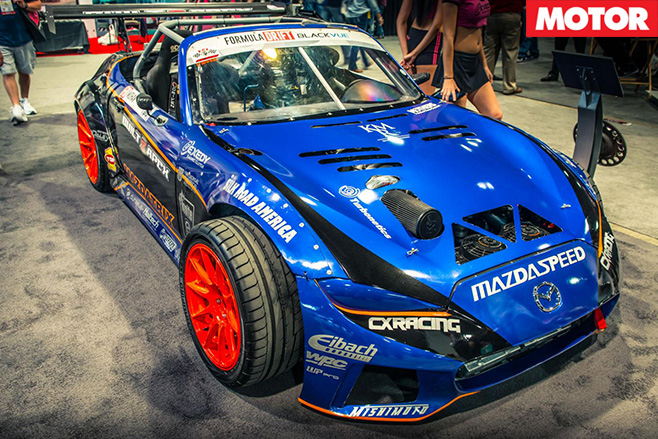
11. Formula D ‘Miata’
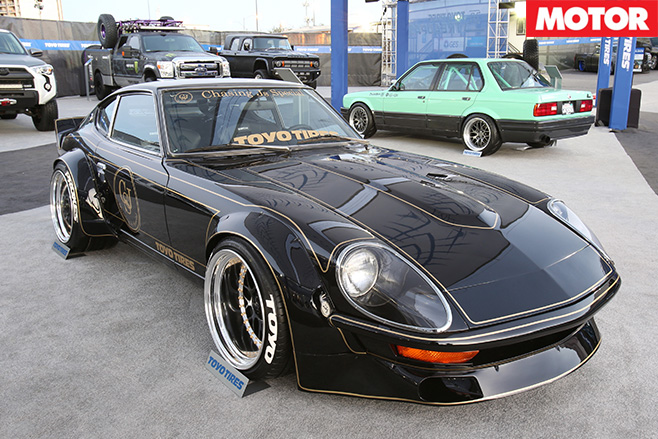
12. JPS liviered 260Z