
THE world’s focus may be about to swing to the rising stars of the 2016 Paris Motor Show, but that doesn’t stop you going out and buying an ex-show star.
Here’s the second of our two rundowns of the show-stoppers unveiled at 2014’s Paris Motor Show that you can go out and buy today.
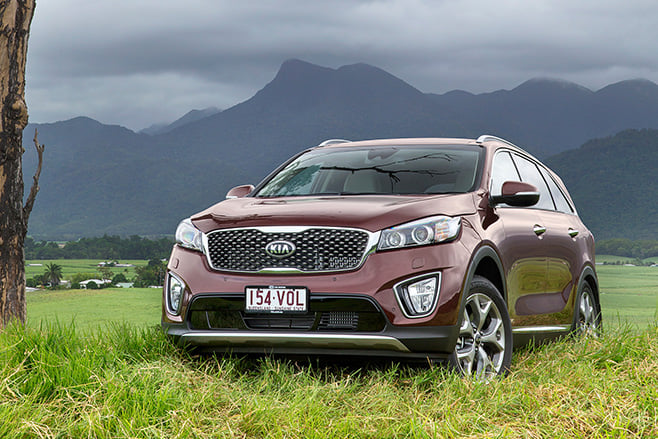
KIA SORENTO
It was a good-looking jigger when we first saw it at Paris, and that impression wasn’t lost in translation when it arrived here. As well as its sharp suit, the Sorento was quick to establish itself as the class leader in the big seven-seat SUV sandpit, winning a Wheels comparison – the first time a Kia-badged car has had the honour.
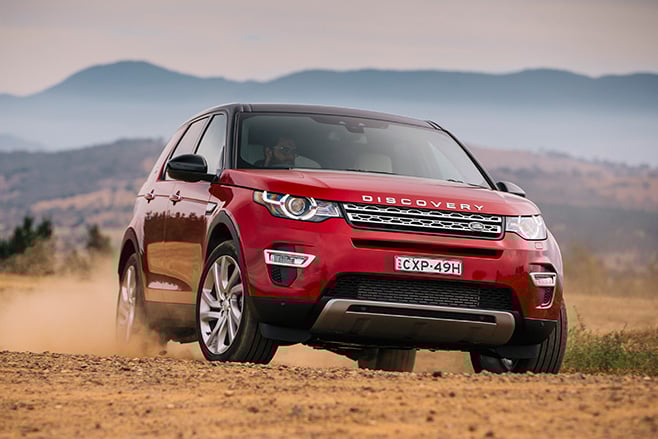
LAND ROVER DISCOVERY SPORT
The all-new Land Rover Discovery Sport was introduced as a direct replacement for the Freelander – not to be confused with the bigger Land Rover Discovery unveiled for this year’s show. The smaller Disco Sport looks good, sports a classy cabin with decent space for five, and sharp handling. It’s available with either a petrol or diesel engine, priced from $56,355.
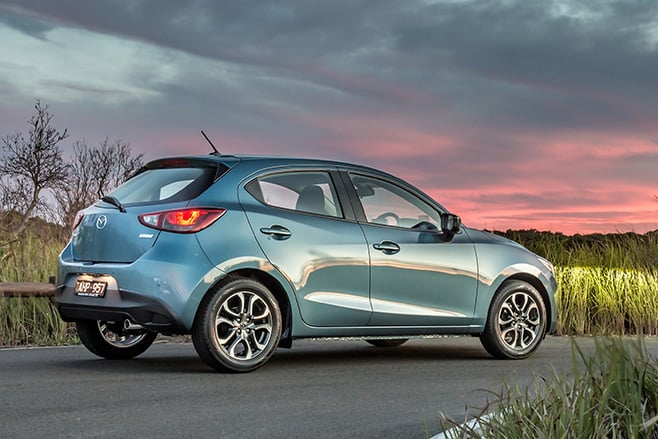
MAZDA 2
This is the fourth generation of Mazda’s city runabout, introducing the latest suite of the carmaker’s Skyactiv fuel-saving technologies that run across everything from shedding weight to minimising friction in engines. Alongside the likes of the Volkswagen Polo and Renault Clio, it’s a stand-out in its class. Prices start from $14,990 – and you can even add a boot for free, as the sedan is the same price as the hatch.
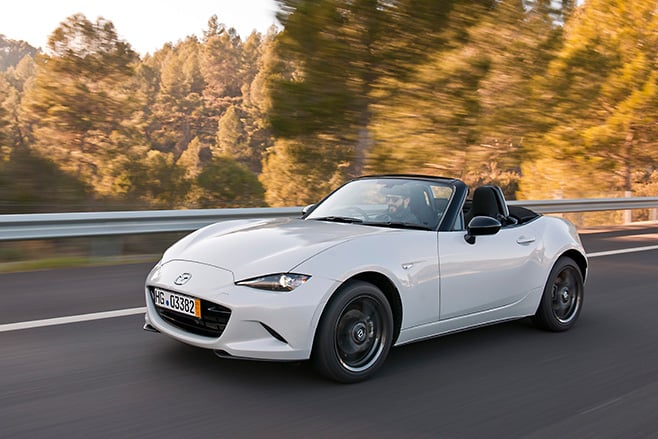
MAZDA MX-5
The fourth generation of Mazda’s two-seat roadster unveiled at Paris turned out to be so good it was awarded the 2016 Wheels Car of the Year title – the third time a Mazda MX-5 has taken the top gong. Spirited, fun to drive, and relatively low-cost, the Mazda MX-5 is a fun little car to own – as long as you’re not using it to cart all the kids for the school run. It also has a Fiat-badged version arriving soon, called the 124 Spider. The Mazda MX-5 starts from $31,990.
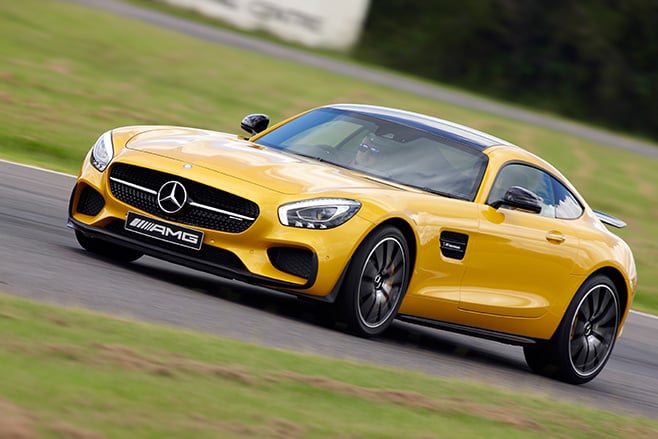
MERCEDES-BENZ AMG GT S
Another Wheels Car of the Year finalist after it lobbed in Australia last year, the AMG GT is everything a sports car should be. A long bonnet, stretched wheelbase and low cab-rearward design all wrap up into the fastest road car that Mercedes-AMG, Mercedes-Benz’s performance skunkworks, has ever turned out. At $294,325 it’s a bit out of most people’s reach, but we can all dream.
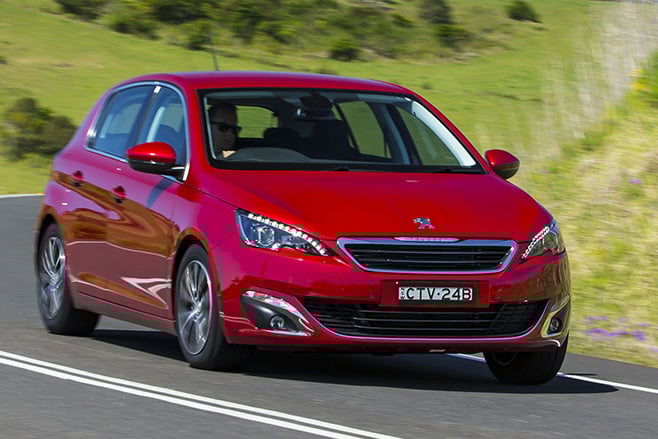
PEUGEOT 308 GT
A warmed-over version of Peugeot’s small hatch is a definite winner in the style stakes. Introduced as a new variant to the 308 range, the GT is a more powerful, better handling and more richly equipped flagship for the 308 line-up. There’s a bit of a trade-off, with the sportier ride of the GT taking just a little bit of the shine from the base 308’s decent ride and handling, but it’s a small compromise to live with. It starts from $41,990.
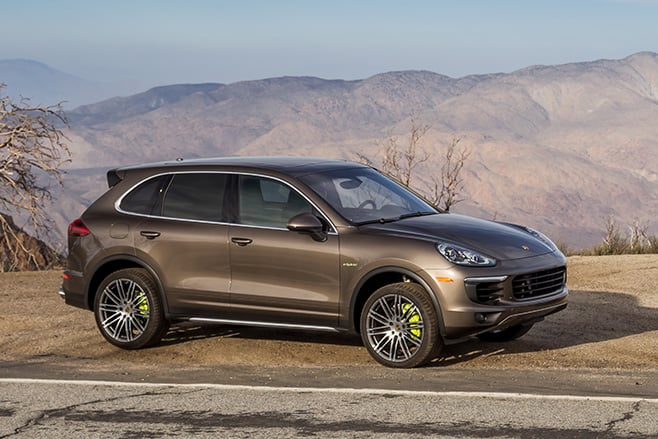
PORSCHE CAYENNE PHEV
Porsche is all about performance cars, so what’s this plug-in SUV? It’s the first of a fleet of ultra-frugal future Porsches, soon to include a Panamera four-door saloon that’s also on the hunt for a wall socket. Despite the green tinge, the battery-and-petrol-fuelled Cayenne will sprint to 100km/h in just 5.9 seconds. Yours for just $143,055.
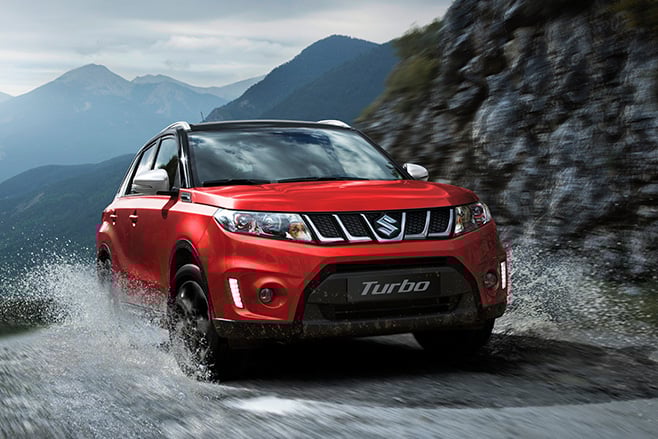
SUZUKI VITARA
We first saw the new Suzuki Vitara as a concept car in Germany in 2013, and 2014’s reveal of the showroom version didn’t come as much of a surprise. What was, though, is how good it looks and drives. Although it uses a small 1.6-litre engine (a turbo version has arrived that adds a bit more poke under the bonnet), inside it’s spacious and comfortable, it will happily tackle corners, and for the more adventurous it includes some off-road ability. The range kicks off from $21,990.
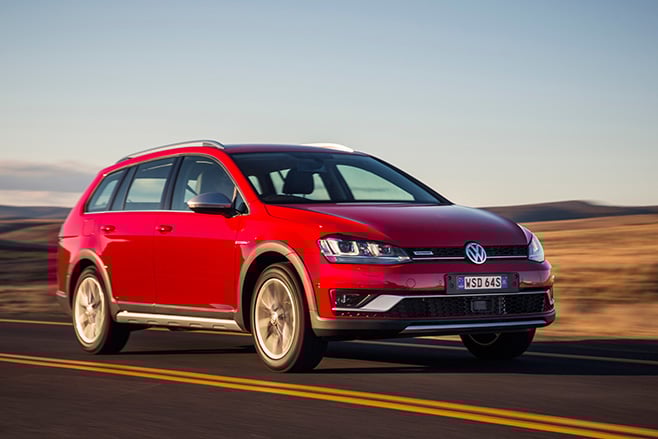
VOLKSWAGEN GOLF ALLTRACK
If you like the SUV looks but aren’t fond of the extra height, Volkswagen’s Golf wagon-based soft-roader has the answer. It has all the comforts of the regular Golf, all-wheel drive with an off-road function, a more practical boot than a high-riding SUV, but only sells with a 1.8-litre turbo petrol engine under the bonnet. It’s priced from $38,340.
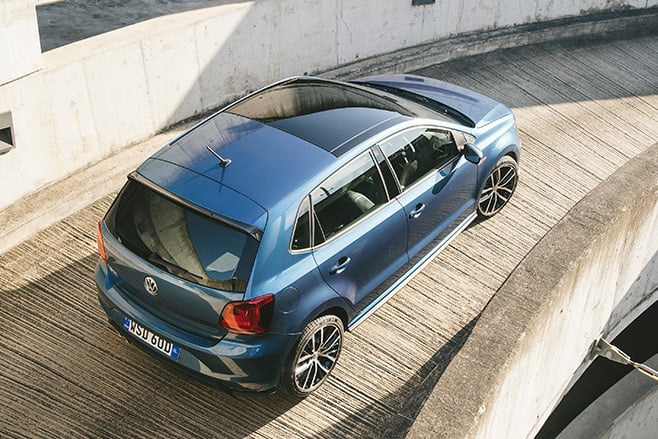
VOLKSWAGEN POLO GTI
The go-fast version of the smallest VW-badged hatchback you can buy shocked the world when it was revealed by featuring a manual gearbox – flying in the face of a more widespread shift to automatic transmissions. The result is a polished performer that brings acute dynamics together with a willing, muscular engine that can play hard yet maintain its manners around town.
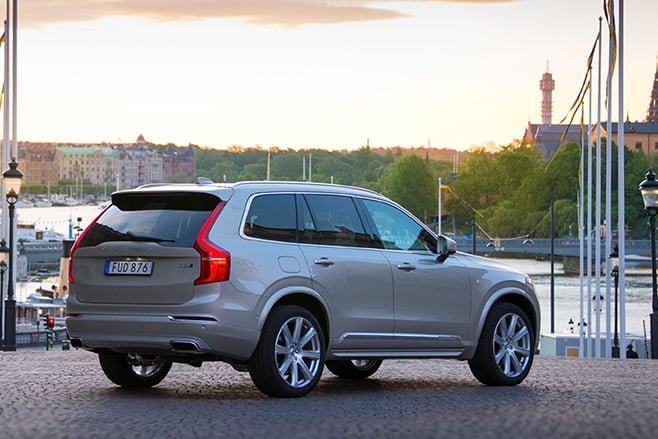
VOLVO XC90
The tall, long Swede has evolved into one of the best-looking seven-seat SUVs on the market. Another one of our Wheels Car of the Year finalists, it’s Volvo’s first completely new product post-Ford ownership, ushering in a new platform, a new generation of engines and fresh design language under former VW designer Thomas Ingenlath. It’s just soggy dynamics and German prices that let the package down.
Citroen has revealed the car it hopes will revive its WRC dominance, the C3 WRC.
Built to the more liberal 2017 WRC regulations and based on the new C3, it produces around 280kW from a 1.6-litre turbocharged four-cylinder, roughly 50kW more than the unit that’s powered the DS3 WRC since 2011.
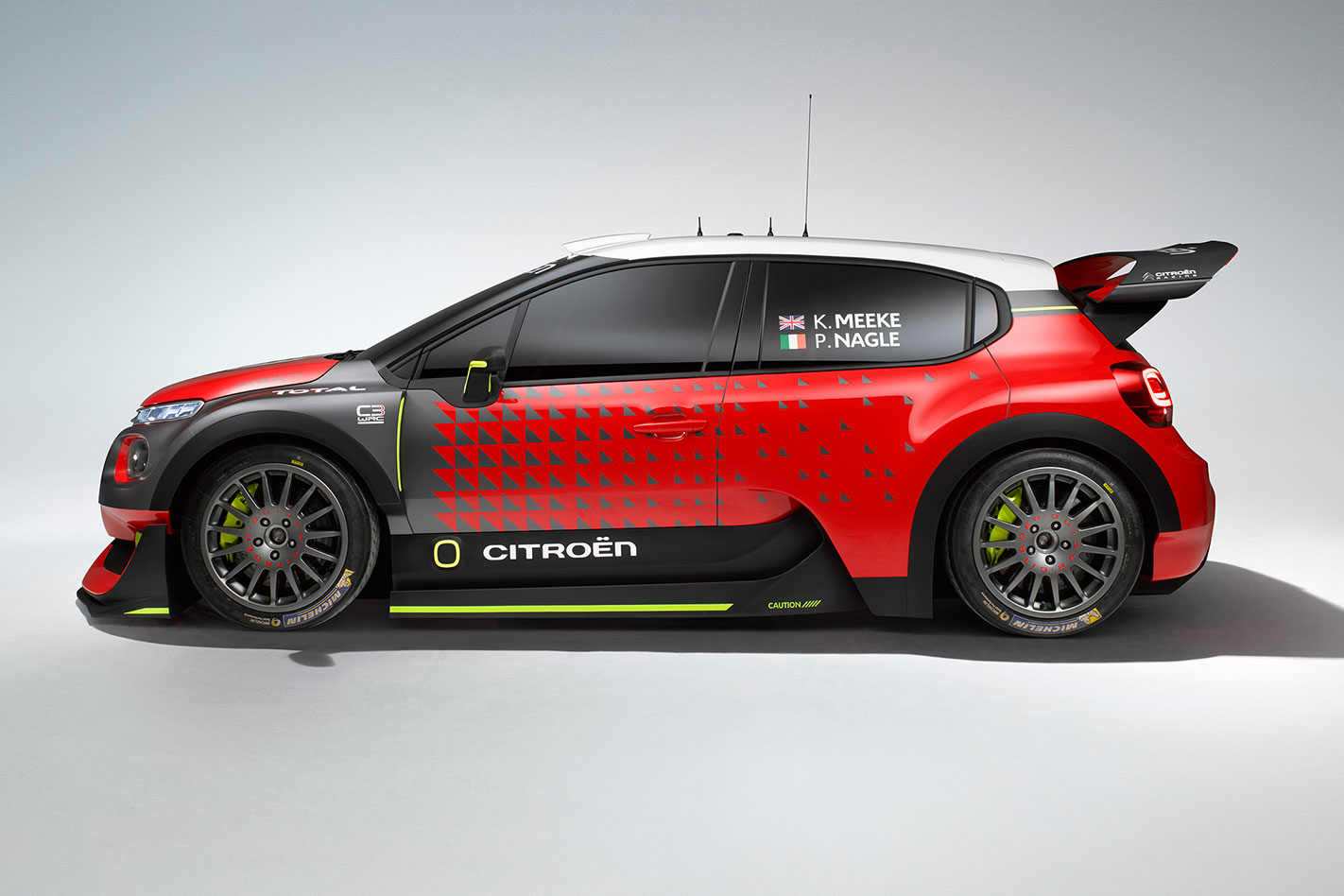
Minimum weight has decreased by 25kg to 1175kg and electronically-controlled centre differentials have returned following their ban in 2010.

Citroen is the most successful manufacturer in WRC history with 96 victories, winning a record nine consecutive driver’s titles with Sebastien Loeb between 2004 and 2012. It returns as a factory team in 2017 following a successful foray into the World Touring Car Championship.
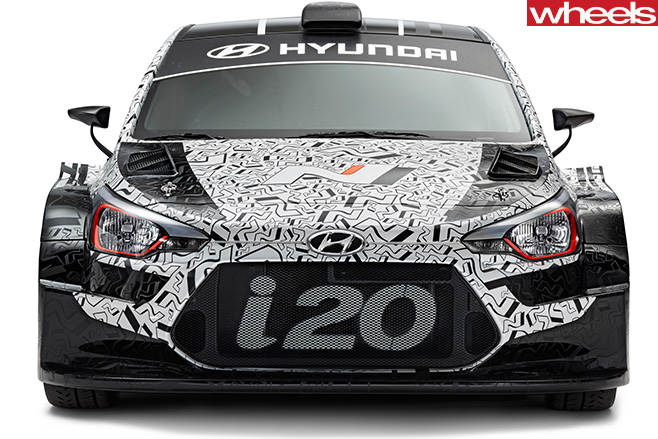
Hyundai has pulled the covers off its new i20 World Rally Car at the Paris Motor Show.
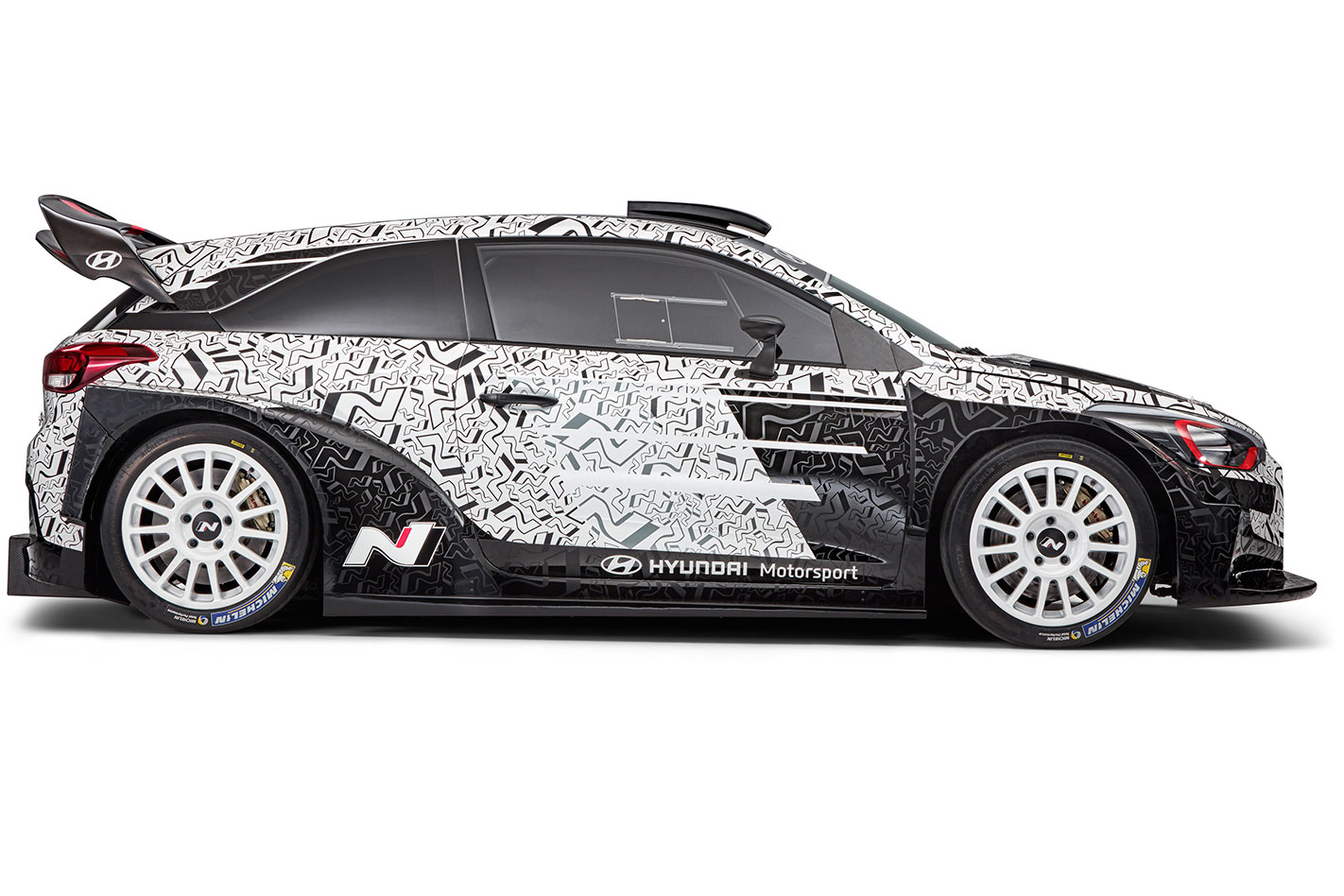
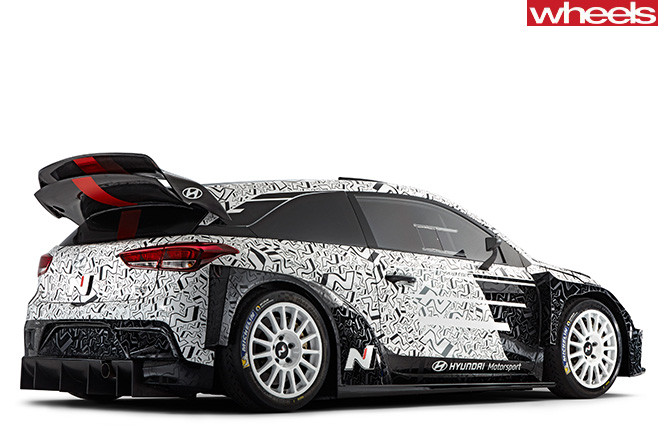
Greater aerodynamic freedoms have allowed Hyundai to fit much larger wings as well as a huge rear diffuser and front splitter, while a 55mm increase in allowable with means the i20 WRC wears massively flared guards to cover its wider tracks.
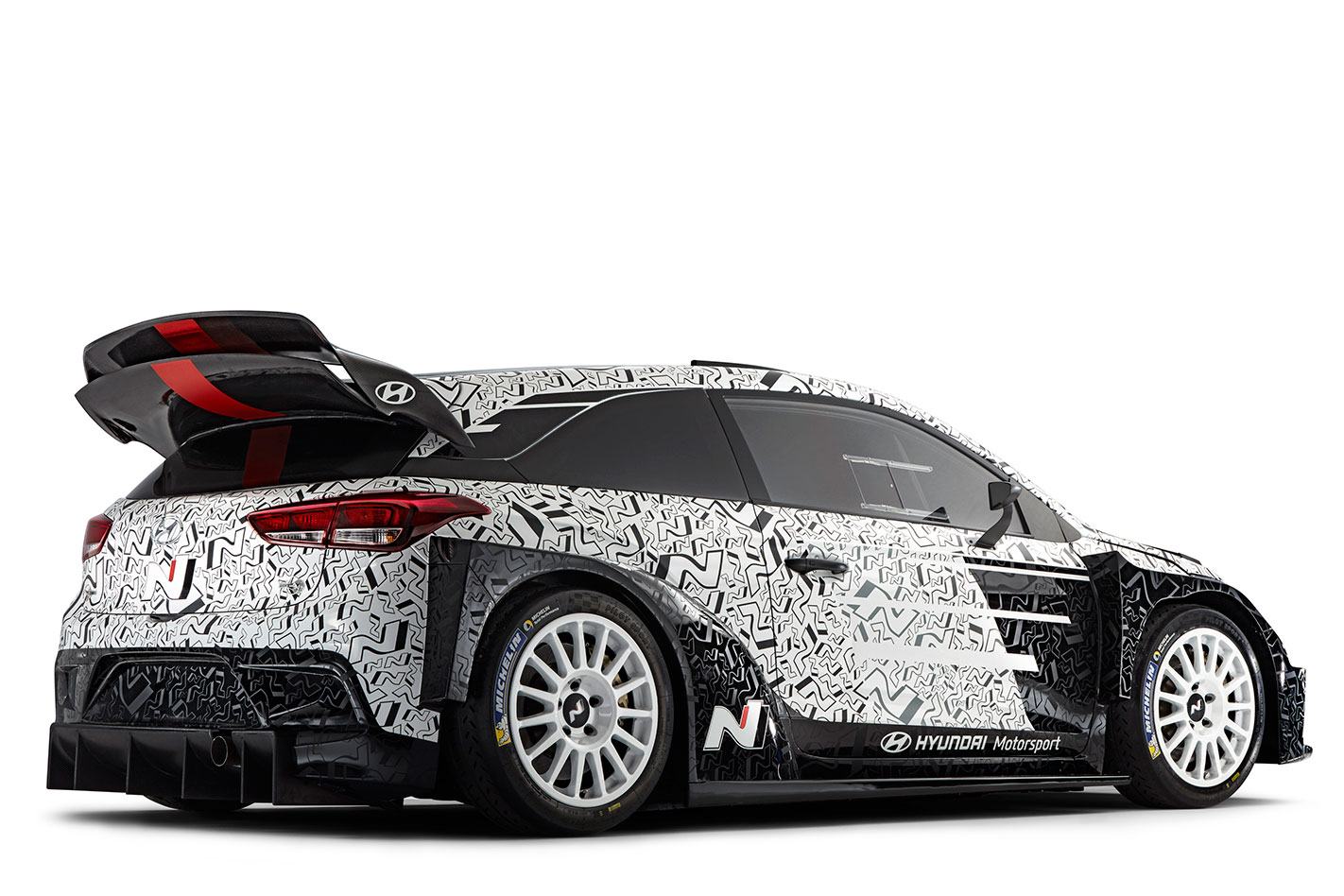
Hyundai currently has New Zealander Hayden Paddon and Spaniard Dani Sordo confirmed as drivers for next year, with its third driver Thierry Neuville currently embroiled in negotiations between Hyundai and Citroen.
The Hyundai i20 WRC has been undergoing an extensive test program on all surfaces since April with the car’s final homologation specification to be finalised in the near future.
The finished car will be revealed in December before the 2017 WRC season kicks off in Monte Carlo on January 20.
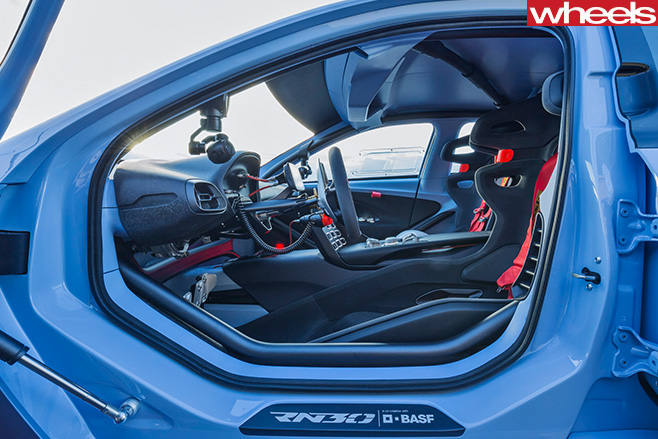
Hyundai has given a sneak peek of the potential of its upcoming N range of performance cars with the RN30 concept at the 2016 Paris motor show.
Sporting a 2.0-litre turbocharged engine delivering 280kW (or 279.5kW, to be precise) and 451Nm of torque, the RN30 is a track-inspired version of the just-revealed i30 hatchback and is designed to show off the performance potential of the upcoming i30N that is set to go into battle with the Volkswagen Golf GTI, Renault Megane RS, Subaru WRX and Ford Focus RS, among other hot hatches.
The new 2.0-litre turbo features a forged block for added durability over the more common casting production process, allowing engineers to fit a large turbo forcing plenty of air – and fuel – into the engine.
Drive is sent to all four wheels through a semi-automatic transmission with automatic rev-matching for perfectly timed downchanges. There’s an active all-wheel drive system that features an electronic limited slip differential (eLSD) to tame wheelspin and vector torque between the wheels when powering out of corners.

Developed under the guidance of former BMW performance car chief Albert Biermann – now Head of Vehicle Test & High Performance Development for Hyundai Motor – the RN30 reinforces its drivetrain attention to detail with an “Electronic Variable Exhaust” that supposedly “provides a surge of aural pleasure by emitting a strong exhaust sound consistent with the visceral sensations produced by the rapid acceleration”.
The sizeable central exhaust tips are ceramic-coated and integrated into the downforce-multiplying rear diffuser.

Biermann says the RN30 concept is currently the pinnacle of Hyundai performance.
“RN30 embodies the concept of a strong, high-performance car that brings dynamic, sporty driving,” he said. “Soon to evolve into our first N model, the RN30 is inspired by our passion to provide a high-performance car that everybody can enjoy effortlessly. We have drawn on our technological expertise – honed through our motorsport successes – to deliver emotional delight through an engaging blend of performance and control, the goal Hyundai’s N strives to achieve in future performance models.”
While the RN30’s body is based on the i30 five-door’s basic bodyshell, it has been heavily modified for performance. Flared wheel arches create a broader footprint and widen the body by 30mm, while a lowered suspension system teams with a subtly revised roof profile to lower the centre of gravity, in turn lowering the height of the car by 84mm.
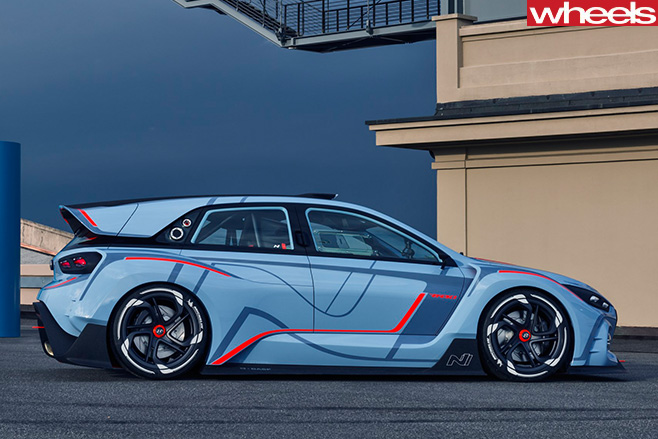
The bonnet has air outlets to help cool the feisty turbocharged engine, while a fin in the centre of the roof helps with high speed stability and creates a unique look.
Hyundai considered carbon fibre components but instead turned to plastics specialist BASF – a brand better known to baby boomers for producing cassette tapes – to create “all-new high-performance plastic materials”.
Hyundai says the new plastics are “light, highly durable and environmentally-friendly and are used throughout the new concept to help boost handling and acceleration”.
Being a race car, some interior components were removed and the seats placed lower and further back in the car, again with the aim of lowering the centre of gravity and centralising weight within the car.
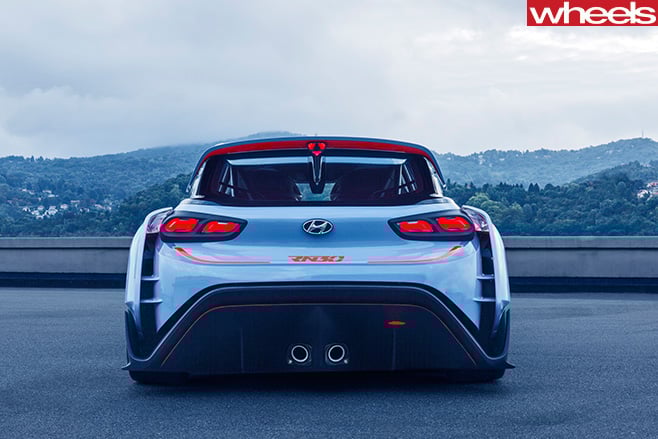
Confirming the RN30 is a car developed in the connected age are a trio of onboard cameras – complete with gimbals to provide a stabilised image that counters sudden movements of the car – added so “drivers can create professional-looking racing footage or present their experiences as if on television”.
Two of the cameras are built into each windscreen pillars (the A pillars) while a third is integrated into the fin on the roof.
While the RN30 is not slated for production we can except a least a little bit of its personality to rub off on the upcoming i30N hot hatc..
However, as reported by Wheels, the i30N family is expected to spawn a higher-output four-wheel drive version, which could borrow some thinking from the RN30 concept.
The Hyundai RN30 is the result of a collaboration between Hyundai Motorsport, Hyundai Motor Europe Technical Center and Hyundai Motor’s Performance Development & High Performance Vehicle Division.
Hyundai takes the wraps off bonkers World Rally Championship contender.
Hyundai has revealed its 2017 World Rally Championship car that will form the basis of the brand’s motorsport push.
The i20 WRC is based on the latest Hyundai i20 – a car not sold in Australia – and adheres to the new WRC regulations that allow more powerful engines and more aggressive aerodynamic aids.
“The 2017 WRC regulations have allowed all teams to start from a blank page, which has offered us an exciting engineering challenge,” said Hyundai WRC team principal Michel Nandan.
“The changes will raise the level of entertainment in WRC on stages around the world with wider and more powerful cars. The 2017 car started testing in April with initial work centred on engine and powertrain testing. More recently, we have looked at suspension, differential and aero.
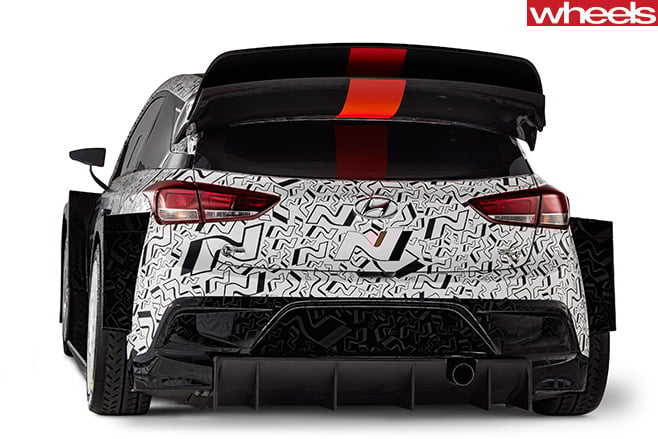
The 2017 Hyundai i20 WRC will be evolved in testing throughout the remainder of 2016 with the final race version debuting at the Rally of Monte Carlo in January.
Hyundai will face off against factory teams from Citroën, Volkswagen, and Toyota, as well as Fords prepared by M-Sport and Prodrive in the UK.
Both Sordo and Paddon are signed on to race for the team next year, but Neuville is continuing to negotiate with the team.
It is expected Hyundai will continue to field three cars.
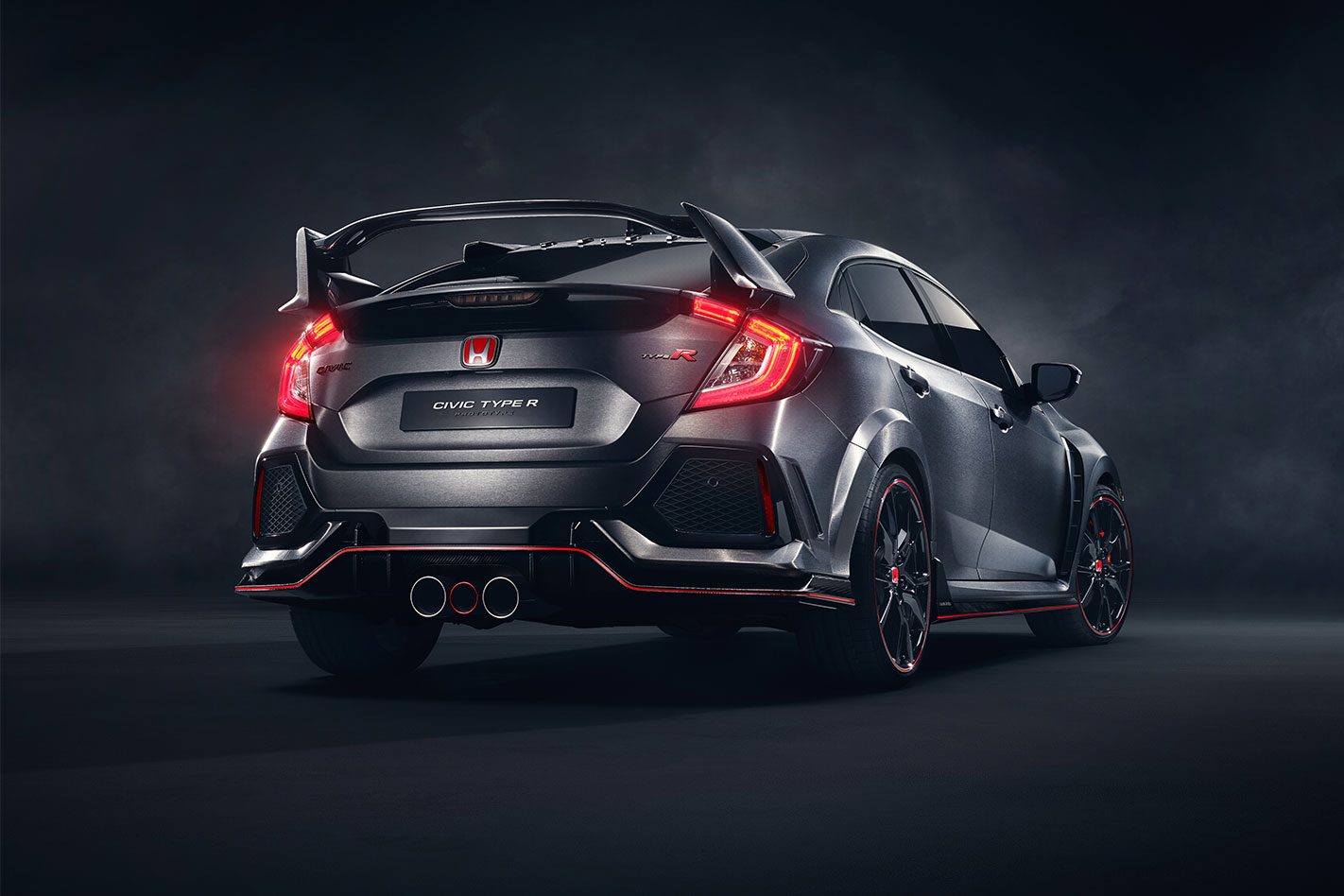
Honda has given enthusiasts a look at its forthcoming Civic Type R, unveiling a prototype version at the Paris Motor show.
While officially a ‘prototype’, this show looks ready to hit showrooms, leading us to believe that bar some minor details, this is the car that will arrive in Austrailan dealers in 2017 with a sub-$50,000 price tag.
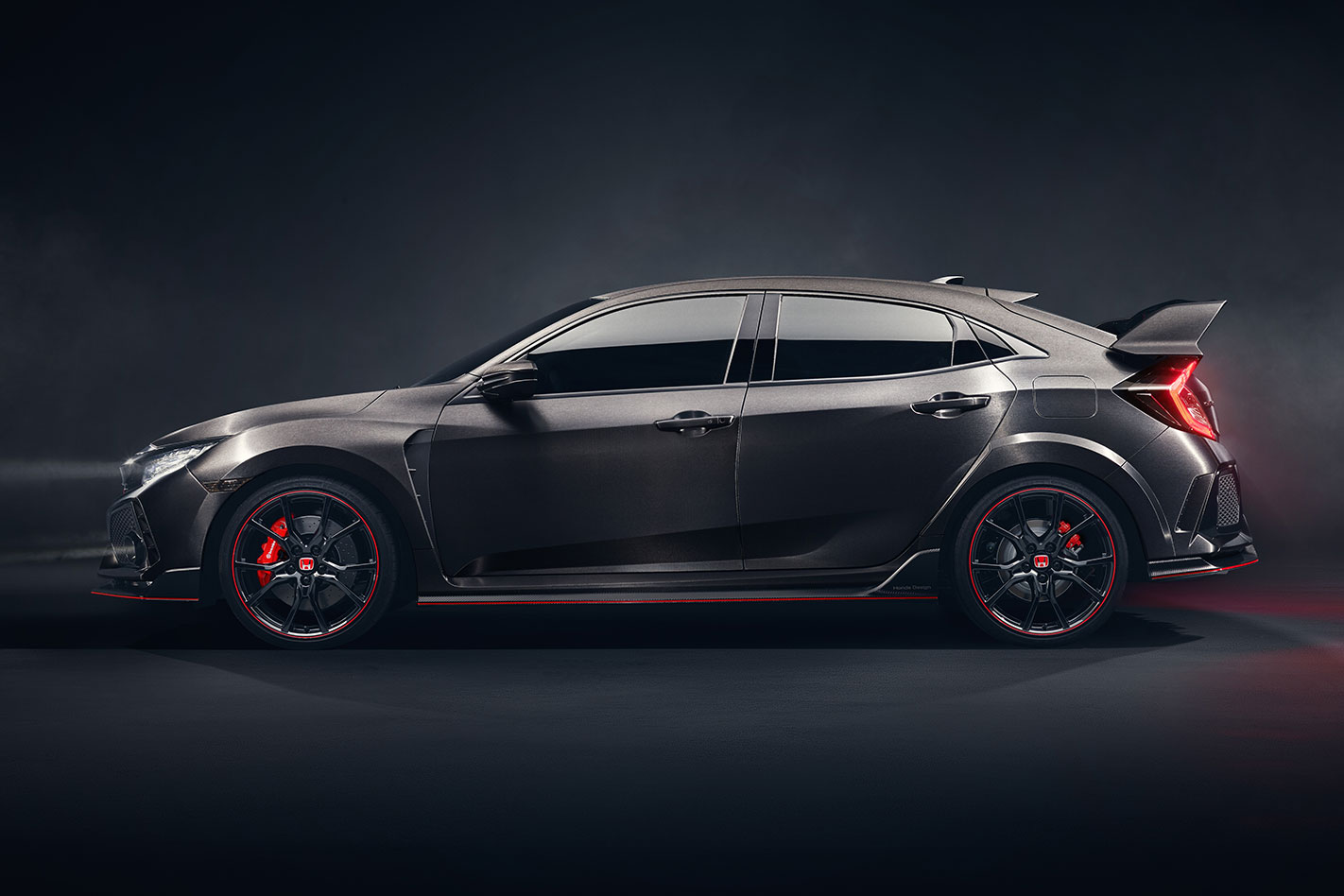
Details on the mechanical make-up of the new Type R are currently thin on the ground, however it’s expected to be powered by a development of the current car’s 228kW/400Nm 2.0-litre turbocharged four-cylinder.
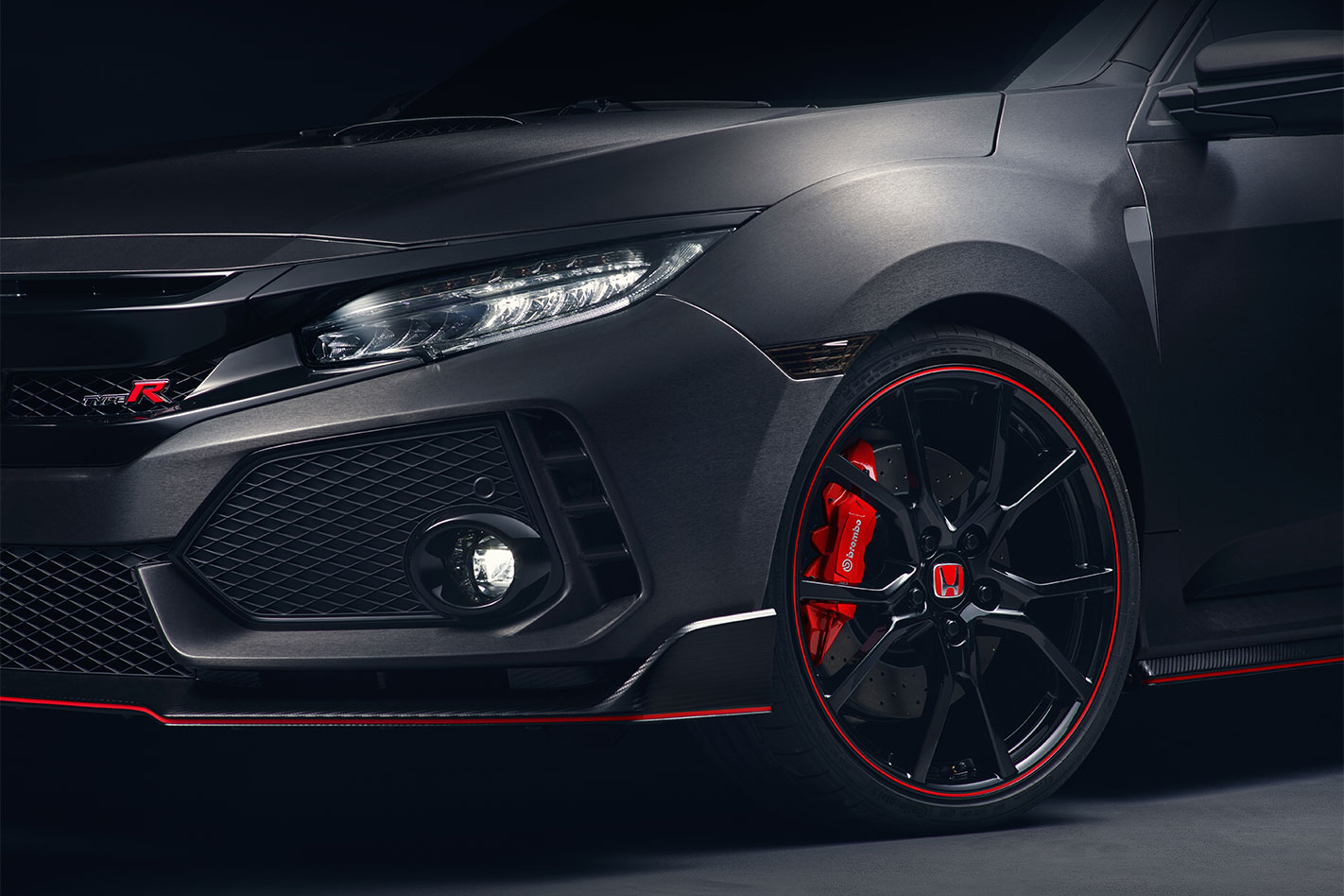
Honda’s prototype Type R wears 20-inch rims wrapped in 245/30 ZR20 Continental rubber, while behind them are large drilled brake rotors clamped by Brembo calipers, all of which we’d expect to make the transition to the final production car.
WHILE the rest of the world set its sights on Paris for the big reveals at the motor show over the next couple of days, Land Rover instead opted for a glamorous unveiling of its new Land Rover Discovery 5 on home turf in the UK.
With the help of a Guinness World Record-breaking, 13-metre-high Lego replica of London’s Tower Bridge, along with celebrity Land Rover owners Bear Grylls, Sir Ben Ainslie and Zara Phillips, details around the new Discovery were finally revealed, after weeks of hints and leaks.
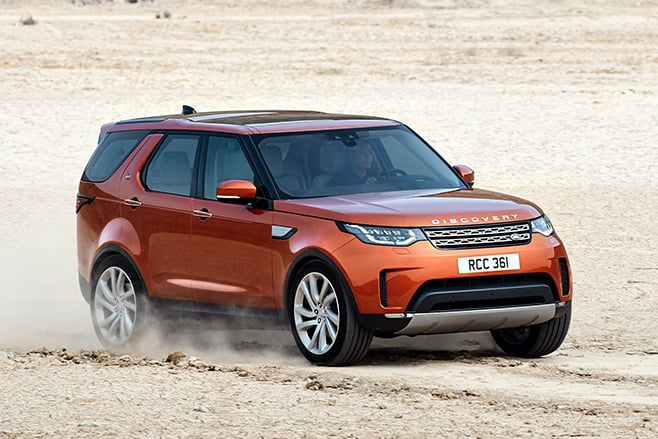
The Discovery 5 comes with better design and more technology than before, offering families the versatility, comfort and power expected of a premium SUV. Land Rover describes it as an SUV for the “digital age” thanks to “ingenious technology [that] keeps your family safe, connected and confident on all surfaces, all terrains and in all weathers to ensure your destination is reached”.
Offering a full-time four-wheel drive and two all-wheel drive systems, the fifth-gen Disco continues Land Rover’s ‘Above and Beyond’ legacy. It’s got 283mm of ground clearance, which can be raised 75mm or lowered 60mm thanks to its adjustable air suspension.
An aluminium monocoque body construction makes the new Disco 480kg lighter than the Discovery 4, and contributes to improved fuel economy and dynamics.
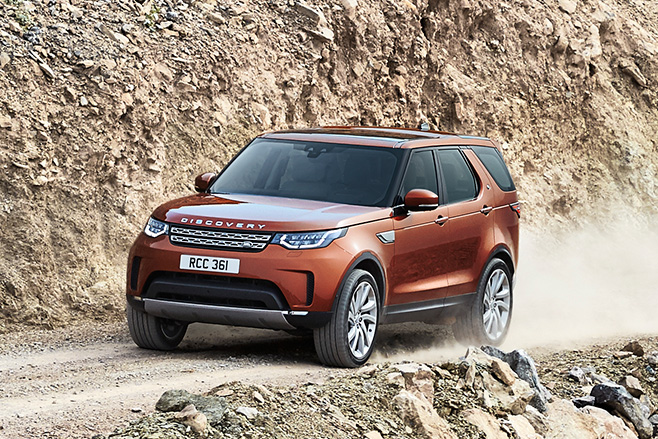
The Discovery 5 range will feature three engines. A 2.0L Ingenium four-cylinder turbo-diesel producing 132kW and 430Nm is the most fuel-efficient of the range, clocking 6.3L/100km. A mid-range sequential twin-turbo diesel powers the SD4 variant (177kW, 500Nm) and claims 6.5L/100km, while the 3.0L six-cylinder turbo-diesel TD6 offers the most power (190kW, 600Nm), but is the thirstiest of the bunch, using 7.2L/100km.
Power aside, the Discovery also comes with a range of new technologies, including semi-autonomous safety technology, Hill Start Assist, and Engine Drag Control, which sends more torque to the wheels to stop them from locking up while braking in slippery conditions.
The Disco 5 will also have a suite of advanced driver assistance systems, including park assist, blind spot monitors, adaptive cruise control, traffic sign recognition, intelligent speed limiter, automatic high beams, 360-degree camera, lane departure warning, lane keep assist, and driver condition monitor to detect when drivers are tired.
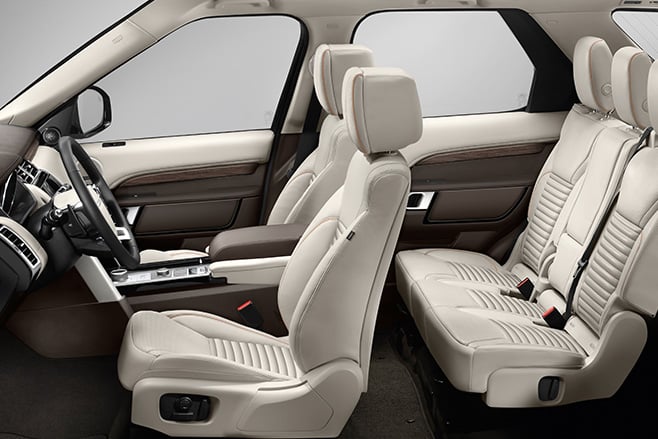
Up to nine USB ports can be featured for those who choose the rear entertainment package, while standard models will have seven. A waterproof Activity Key is also a relatively new concept, allowing drivers to leave a deactivated key in the car while off exploring, or even swimming.
The new Discovery includes Jaguar Land Rover’s InControl Touch Pro infotainment system, which features a 10-inch touchscreen, navigation (which connects to a smartphone for journeys on foot), a 14-speaker Meridian digital surround system, WiFi connectivity, and Apple and Android compatibility, which includes a suite of apps and control of the Intelligent Seat Fold functions.
The Intelligent Seat Fold is one of the more savvy and unique features in the Discovery. It allows the second and third row to be configured in four ways via a control button in the boot, or remotely via a smartphone app. It also includes sensors to ensure no one is sitting in the seat and nothing is loaded above it.
Land Rover claims the Discovery 5 comfortably seats seven full-sized adults, and all three rows offer heated seats – a first for this segment. The first- and second-row seats also have cooling, and there’s a massage function for the front seats.
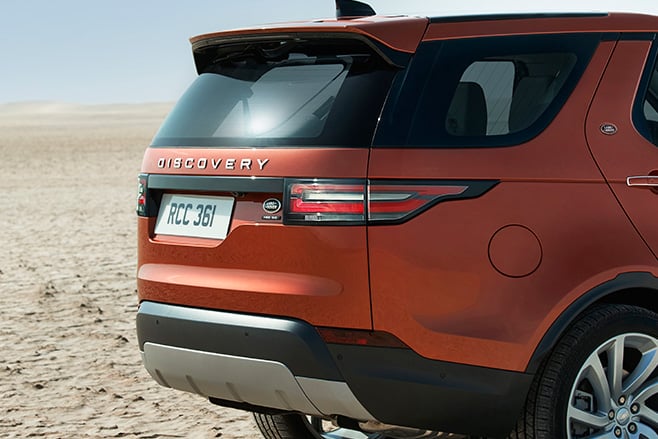
Replacing the previous split-tailgate is an electric single-piece tailgate that can be controlled via key fob or gestures. It incorporates a fold-down section that deploys when the tailgate is opened, and can hold up to 300kg.
As we revealed from leaked images, the design of the Discovery is also changing, moving away from its signature boxy look to a more stylish, rounded body.
Priced from $81,590 for the TD4 SE, the fifth-generation Land Rover Discovery will go on sale in Australia from July 2017.
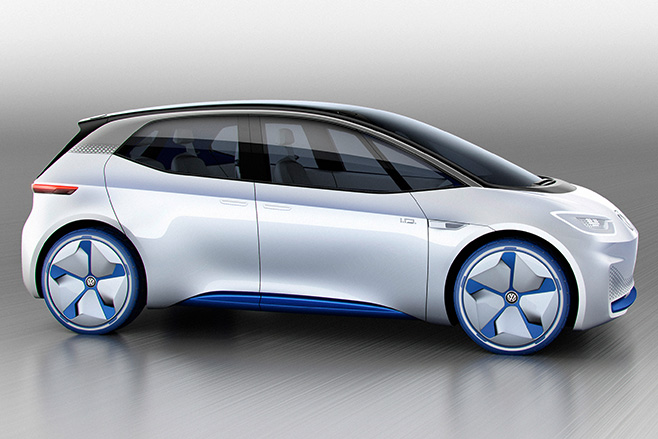
THE Volkswagen ID will be the first VW-badged vehicle to drive itself.
The German premium carmaker unveiled its cutting-edge autonomous electric vehicle overnight, ahead of today’s opening of the Paris Motor Show.
But the biggest news is that going green while sitting behind the wheel of a VW-badged ID won’t cost the earth; the carmaker has flagged the production version of the ID will cost about the same as a diesel-engined Golf, meaning it should land at around $36,000 if it ever gets here.
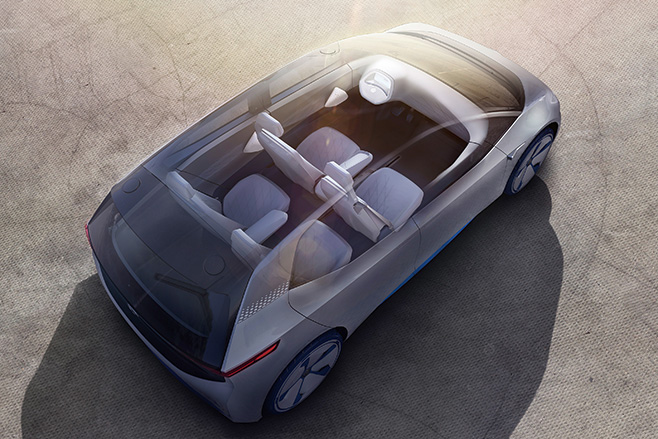
According to Volkswagen, the ID starts the company’s countdown to a new era. It’s the first of what it says will be a fleet of VW-badged electric vehicles, and should arrive around 2020 with a real-world driving range of 400-600km. However, VW has flagged the self-driving version of the ID still has a way to go, saying it expects the technology to be ready by 2025, five years after the ID is slated to go on sale.
“Our future will be electric and fully connected. We will target new competitors like Tesla, Apple and others,” said Volkswagen Chairman Herbert Diess at the Paris Motor Show.
“VW is gearing up to sell 1 million electric cars by 2025. Our goal is to become the global market leader in electric cars. To make that happen we have started the greatest change process in VW history.”
“It will be a real people’s car. It will come at the price of a Golf diesel. Market launch will be in 2020.”
It also heralds that Volkswagen will turn a corner for its electric vehicle range in terms of design, creating a separate identity for the brand that will allow its battery-powered range to stand out from the conventionally engined ones.
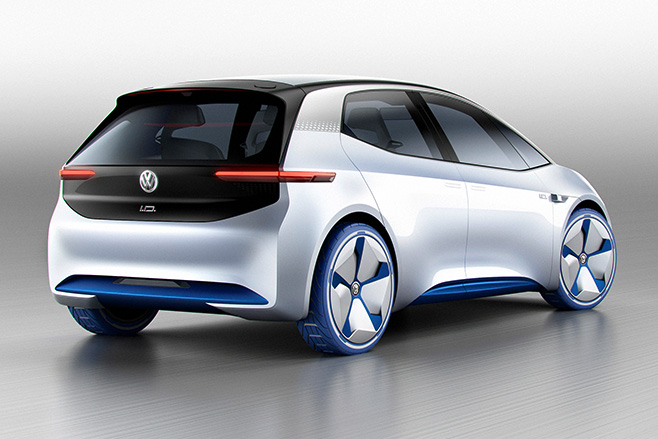
The ID is built on VW’s all-new Modular Electric Drive Kit, and driven by a 125kW electric motor, giving it the same amount of power as a conventionally engined Volkswagen Golf.
It will drive like a normal car and be fitted with a steering wheel that will retract into the dashboard once the car switches to its ‘ID Pilot’ autonomous mode, Volkswagen says.
Volkswagen has rapidly reinvented itself in the wake of the Dieselgate emissions scandal that has rocked the company, pushing the idea that it now wants to be a world leader in the development of electric vehicles.
It has also taken a shot at the highly US-centric hold on the development of autonomous cars, saying Europe needs to set up a similar hub in competition.
Volkswagen’s global chief, Matthias Mueller, said the VW ID concept was part of his goal to “reinvent this automobile group with its rich heritage, to transform it into a globally leading provider of sustainable mobility”.
However, he said VW would continue to roll out conventionally engined cars alongside the battery-powered ones.
“The future is electric,” Mueller said. “Nevertheless, classic powertrains will continue to play a key role for the next two decades at least. We must and we will press ahead with the evolution of diesel and petrol engines.
“And at the same time, we will progress with alternative technologies.”
Mercedes-AMG has dropped a bombshell by announcing it has a production hybrid hypercar in the works utilsing a variation of its F1 car’s 1.6-litre turbo V6 and electric motor powertrain.
Speaking at a media event ahead of the Paris motor show, Daimler AG board member responsible for Group Research and Mercedes-Benz Cars Development Dr Thomas Weber made clear links between the development of AMG’s first-ever hybrid and its F1 program.
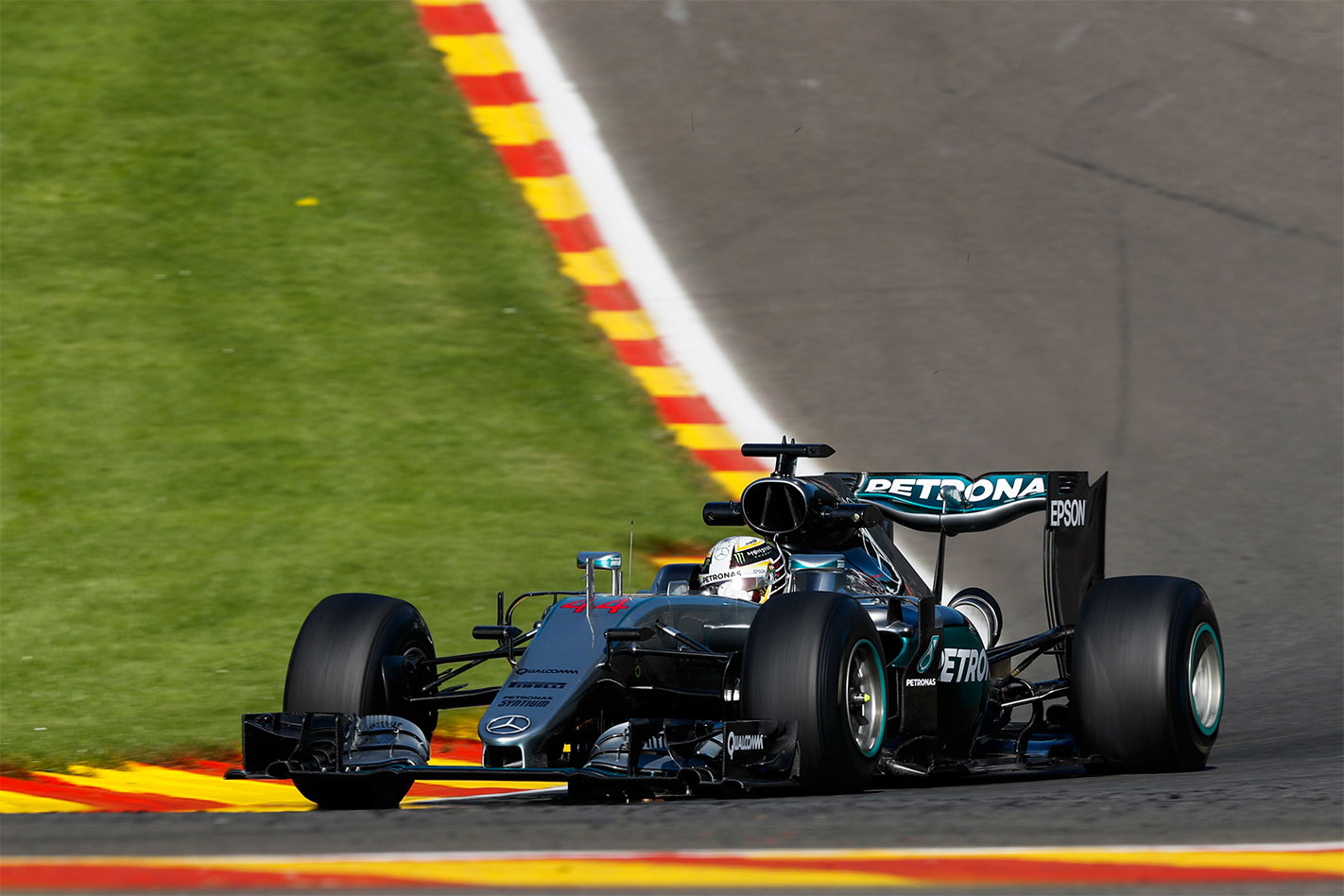
“We have managed to put the best powertrain in the best racing car [and] the truth is we are racing with nearly a thousand horsepower every weekend in Formula 1 with the world’s most energy-efficient racing engine,” he started.
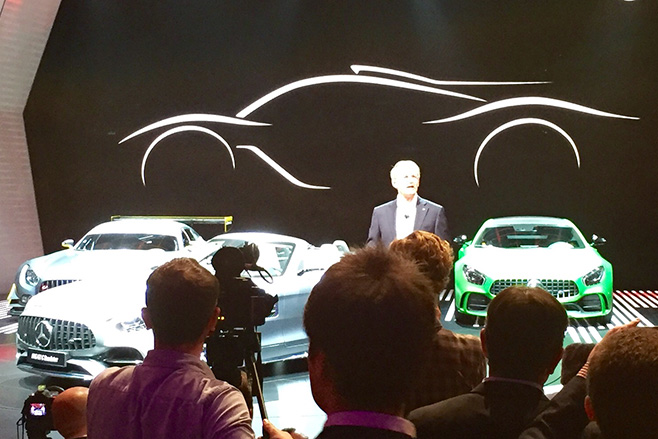
As a sketch drawing of what is purported to be the production Mercedes-AMG hypercar appeared on a screen behind Dr Weber, he revealed: “We are going to create an AMG Performance Hybrid featuring our Formula 1 drivetrain technology.”
“Under the lead of AMG, out performance companies will join forces and create the most efficient and, at the same time, the best performing and most spectacular AMG of all time – some might even call it a hypercar.
“It will definitely show how we will take our performance brand into the future with extremely efficient and intelligent drivetrain technology. Of course, as you can expect from us, there will be no compromises in terms of the emotional appeal of this car.”
Lead development of the limited-run hypercar will be based at Mercedes-AMG headquarters in Affalterbach, Germany, in conjunction with UK-based Mercedes-AMG High Performance Powertrains.
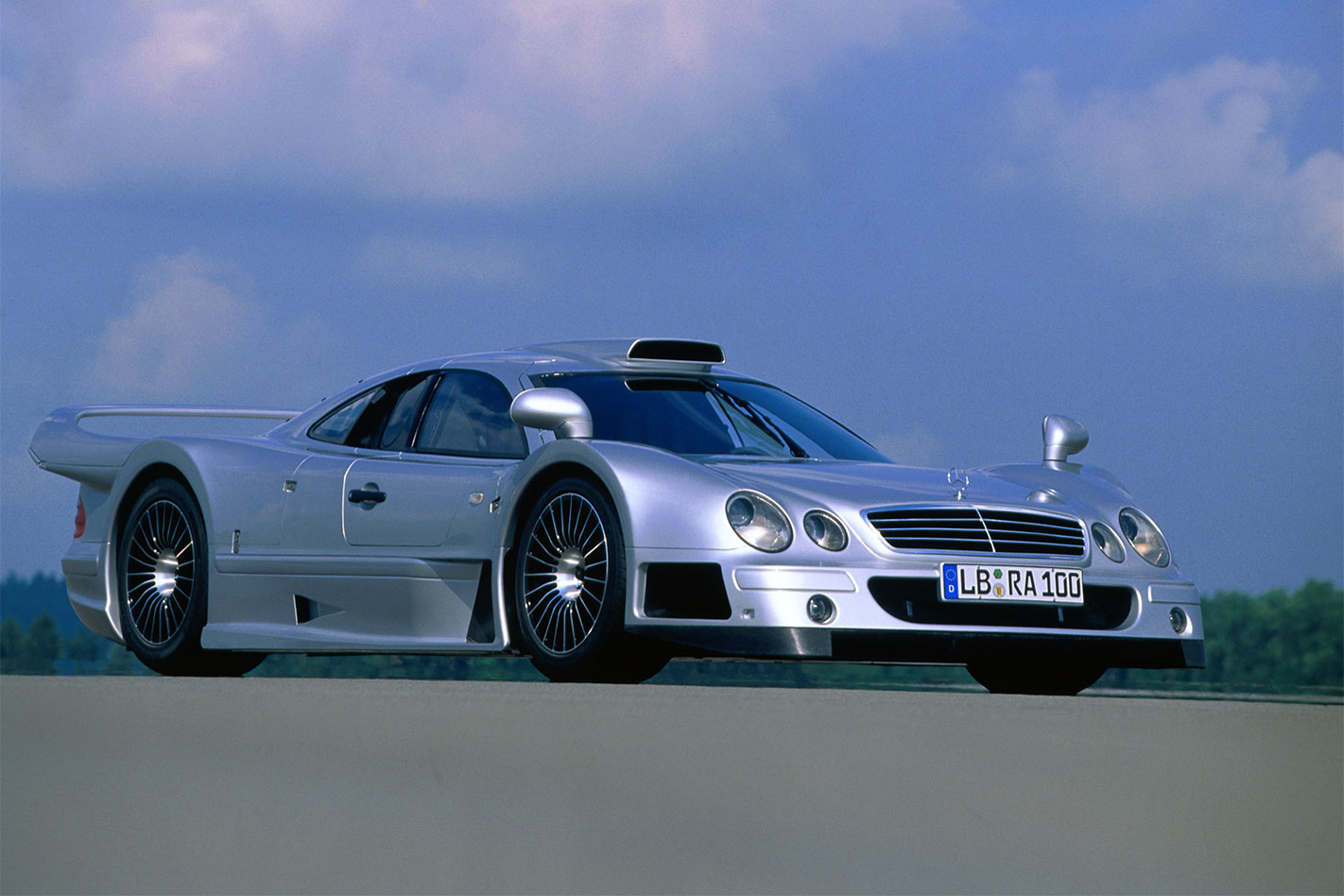
The last time Mercedes hooked up with an F1 partner for a road car was with 2003’s McLaren SLR. The new hypercar will also be AMG’s first ever hybrid model.
MERCEDES-AMG has confirmed development of a mid-engined hypercar combining Formula One drivetrain technology with a road-going vehicle.
The ground-breaking street racer will go up against Aston Martin and Red Bull’s joint project, and challenge the established hypercar elite from McLaren, Porsche and Ferrari.
Thomas Weber, head of car development at Mercedes-Benz, made the announcement to a room of employees and media on the eve of the Paris Motor Show.
“I am very excited to officially confirm our next big thing at AMG is already in the pipeline. We are going to create an AMG performance hybrid featuring our Formula One drivetrain technology.”
Weber stopped short of explicitly saying it will use an identical power unit to the PU106C as seen in the current Mercedes-AMG W07 Formula One car. It’s clear the hypercar’s drivetrain will be derived from the 1.6-litre V6 turbo hybrid, though specific displacement and ancillary systems may change.
“What would you do if you were looking for an AMG that has to redefine efficiency and performance? You would combine the best of both worlds.”
A stylised outline of the hypercar’s profile was shown on the screen behind Weber, revealing an F1-inspired air box mounted on the roof, and mid-engined body proportions. Wheels has imagined what the finished car will look like in the artist’s rendering shown above.
Development of the as-yet-unnamed car is well underway with sources referring to it by codename R50, likely pertaining to AMG’s 50th anniversary occurring next year.
It’s possible R50 will be one of the 10 new models promised by AMG before the end of 2017. When it does arrive it will be the third standalone Mercedes-AMG model following the SLS and Mercedes-AMG GT.
Any worries about the sound of the car were addressed by Weber. “There will be no compromises in terms of the emotional appeal of this car,” he said.
More information about R50’s arrival and specification may come from the Paris Motor Show later today. Stay tuned.
