
A Japanese magazine famous for wild predictions of variable accuracy says Mazda’s board of management has already signed off on its next rotary-engined sports car, determining that it will go on sale in 2020 wearing an “RX-9” badge on its shapely butt and be priced around the 8 million Yen mark (AU$104,000 at current exchange rates).
The report, published by Holiday Auto magazine and accompanied by some enticing renderings of a fat-fendered yellow coupe, also states that a 1.6-litre turbo rotary will feature under the bonnet, with roughly 300kW powering a rear-driven two-seater body weighing under 1300kg. Our first experience of it should be at next year’s Tokyo Motor Show in October according to Holiday Auto, where it will be previewed in concept form.
But how correct is the report?
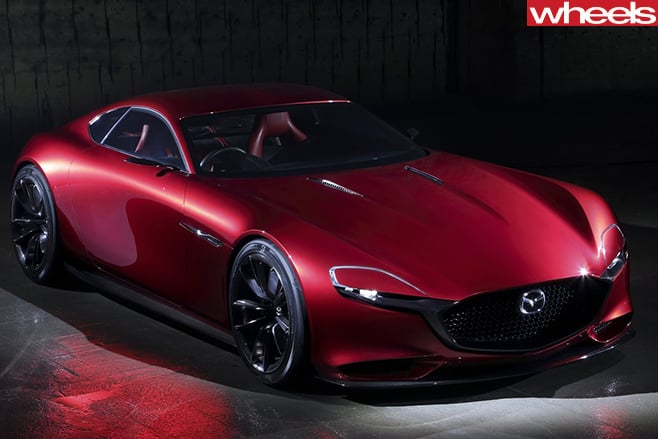
As a two-door, two-seat rotary powered coupe, there’s only one badge that’s appropriate – RX-7.
There were three generations of Mazda RX-7 over nearly three decades and they all bore the same basic configuration. When the Japanese automaker followed up the third-gen RX-7 with the RX-8, the name change was in line with the car’s increased size and its four-door, four-seat layout.
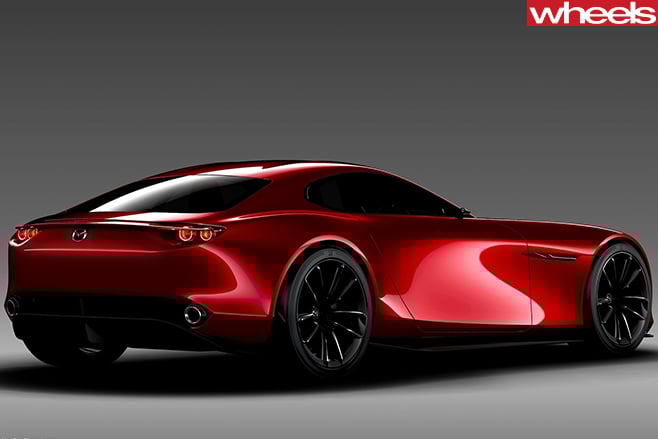
History also works against it: in the late 1970s Mazda sold a rotary-engined version of the 929 sedan in Greece and other markets as the RX-9. Transplanting the badge of a long-dead executive barge onto a sleek coupe seems a little bit off.
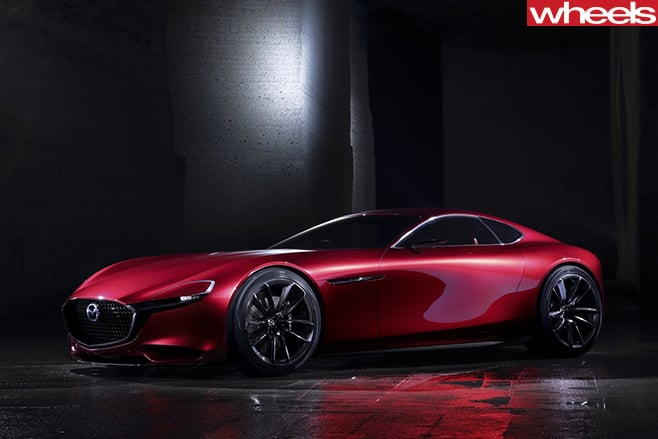
The 2020 launch timing (following a debut at the 2019 Tokyo Motor Show) also seems too far in the future. Previous rumours say the production car will show its face at the 2017 Tokyo Motor Show next October, which would be fitting considering 2017 marks 50 years since Mazda launched its first rotary-engined car, the Cosmo.
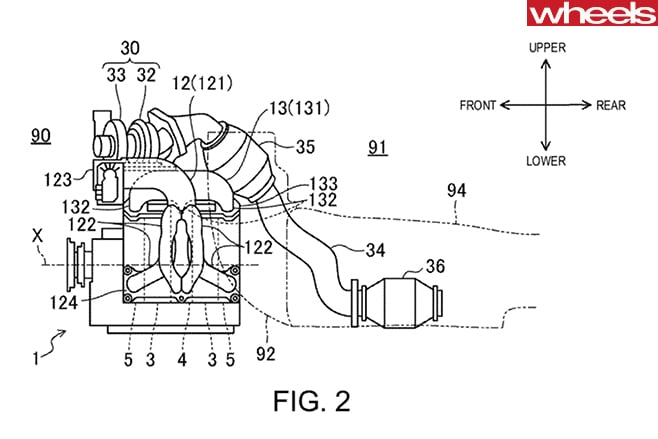
The 300kW power output in Holiday Auto’s report is speculative, but from what we already know of the next RX-7’s rotary engine it’s not out of the realm of possibility. Mazda has been honing a 1.6-litre successor to its venerable 1.3-litre two-rotor motor for over eight years now, and recent patent applications indicate that it’s on the verge of being production-ready.
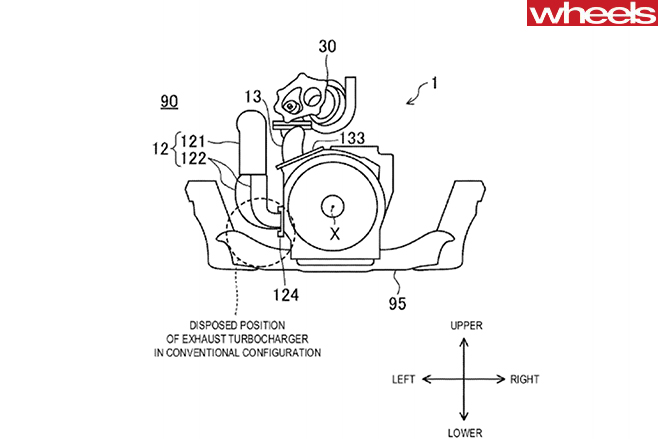
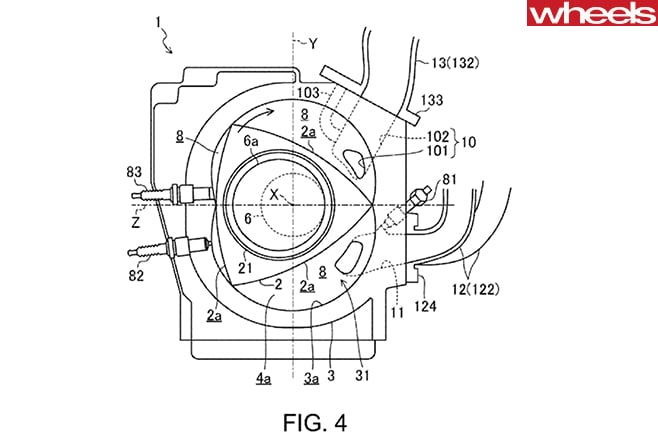
Exhaust and inlet ports have also done a switcheroo, with burnt gases now exiting at the top of the engine (and straight into the turbine housing for optimal response) and fresh air entering at the bottom (for longer intake runners to promote low-end torque).
In our recent interview with Mazda engineering maestro Dave Coleman (check it out in the August issue of Wheels, page 23), we learned Mazda’s next rotary will preference torque over revs, losing some of the high-rpm thrills that characterise rotaries but gaining some much-needed driveability and fuel economy as a result.
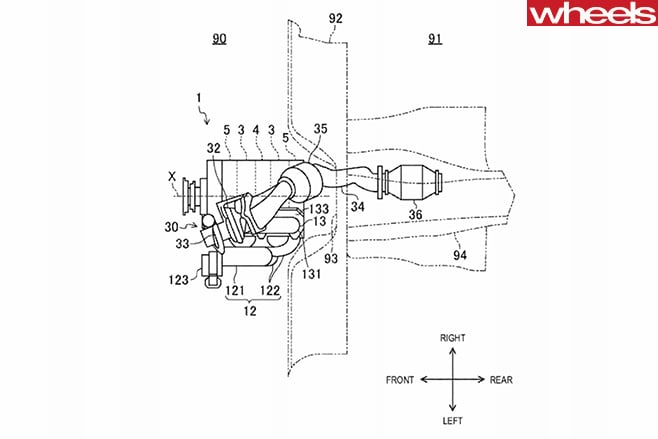
Emissions won’t be neglected either, with the new engine illustrated with two cantaloupe-sized catalytic converters behind the turbo to help scrub pollutants from its exhaust gas. Rotary engines haven’t been known for their environmental friendliness, but Mazda is determined to make its piston-less engine play nice with Mother Nature.
Long story short: a new rotary Mazda is coming, but it’ll most likely see the triumphant return of the RX-7 badge and it could be ready in time for next Christmas. It will be light, it will have torque, it will have a turbo and it will probably thrill the pants off you. We can’t wait.
IT’S no secret Daniel Ricciardo is the coolest guy in Formula 1 at the moment.
But, just to cement his place as the best export to come from Australia since the Dunkaroo, the Red Bull Racing driver has been having possibly the raddest summer break imaginable.
Between calling bullshit on defending champion Lewis Hamilton’s training photos, and attending music festivals, Ricciardo visited LA for a full day of cool cars.
Los Angeles is renowned for its immense and diverse car culture, and Riccardo attempted to see as much of it as possible – with a few mates in tow.
Between cruising through the streets in authentic lowriders, terrorising Hollywood in a bona-fide old school hot rod, and carving the Malibu canyons in an Aston Martin V12 Vanquish, we can’t think of a better way to spend a day.
When he isn’t making us all insanely jealous by driving cool cars, Ricciardo spent his time off from racing by winning at social media.
It started with calling out Lewis Hamilton’s gratuitous post claiming he was continuing his intense training regime every day of the break, labelling the claim as “bullshit”.
Proving he doesn’t take himself too seriously, the Aussie also uploaded a hilarious and endearing video of his attempt at rapping. We’ll give you an “A” for effort, Danny, but don’t give up the driving gig just yet.
Ricciardo’s summer break is breath of fresh air in an era of PR and image-driven drivers too afraid to step out of their comfort zone. It is great to see one of the fastest men on four wheels let his hair down and keep his down-to-earth attitude.
Keeping with the Aussie tradition, the Honey Badger has been bringing his mates along to join in the antics.
We love your work mate. Keep it up, and smash ’em at Spa this weekend!
Wheels is handed the key to a Willys MB – the 75-year-old off-roading war hero that spawned the Jeep as we know it today.
WHEN someone offers you the keys to a car with more history than your grandfather’s closet, you should count your lucky five-pointed stars.
That’s what Wheels editor Glenn Butler did when he was recently offered the chance to drive the granddad of the modern-day Jeep, a Willys MB, in the South Aussie outback to celebrate the brand’s 75th anniversary.
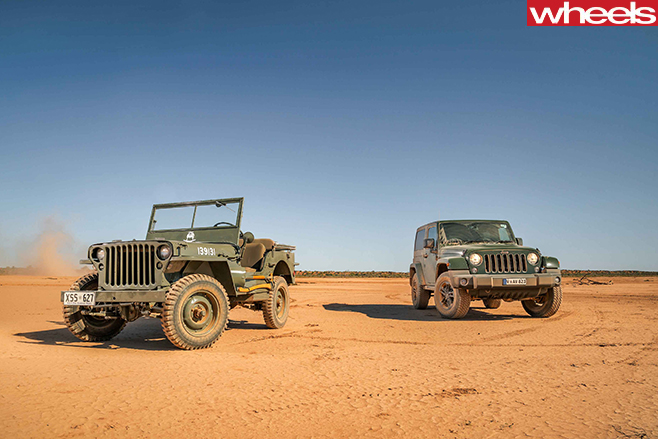
Jeep was kick-started into life after the US Army selected carmaker Willys-Overland as the primary transporter for World War II. The Willys Quad was up against Ford’s Model GP (the Pygmy) and Bantam Model 40 BTC, both of which failed to meet the military’s special needs as a replacement for both the Model T Ford and a motorcycle.
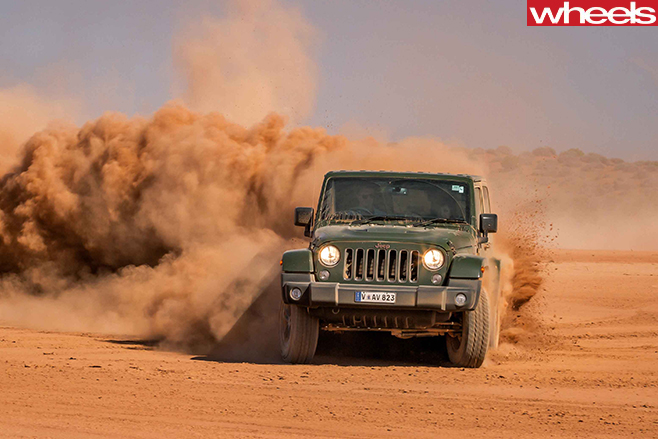
Now, 75 years on and 26 models later, Jeep has more than eight models on sale in Australia — including the Jeep Wrangler, which is still built on the original Jeep formula.
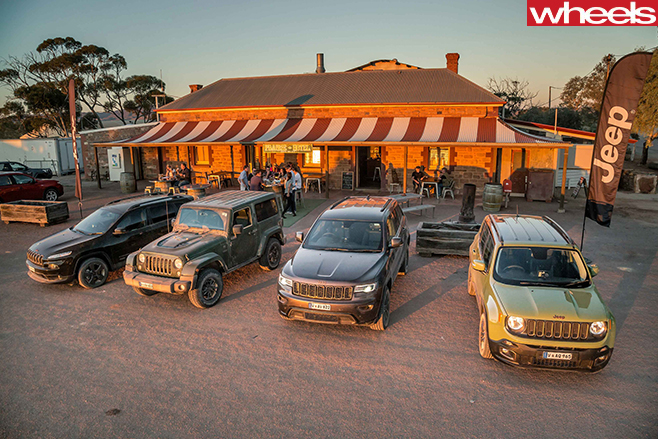
You may never get the chance to drive an original Willys MB. The Jeep 75th Anniversary Editions make for a compelling modern-day substitute.
The Group B era of rallying is remembered as one of the craziest times for one of the world’s craziest motorsports.
The freedom of the technical regulations and the requirement to only build a very limited number of homologation cars led to an incredible rate of development and fans flocked in their millions to hillsides and villages all over the world to watch these monsters.
To celebrate we’ve put together a four-part series examining the cars of this incredible era. Why now? Well, 2016 marks the 30th anniversary since Group B’s demise, while 2017 will usher in a new era of rallying supercars as the WRC opens up its regulations once again.
Group B was introduced in 1982 and our first part looks at the cars competing during its first three years. We’ve trawled the internet to find the best videos that hopefully give you a taste of just how spectacular each of these machines was at maximum attack.
Audi Quattro – 2.1-litre 5cyl turbo, 225-300kW, 19 wins (1982-84)
The Audi Quattro turned rallying on its head thanks to its adoption of all-wheel drive. Initially, rivals thought the system would be too complex and heavy, but it soon became clear that the future was four-wheel drive.
However, Audi largely squandered its technical superiority. Wins were frequent, but with the heavy turbo five-pot slung ahead of the front axle, its handling wasn’t great, and as power was increased to compensate (to around 300kW by the end of 1984) reliability began to suffer.
Nonetheless, Hannu Mikkola won the driver’s title in 1983 while Stig Blomqvist backed this up in 1984 by shunning the troublesome short-wheelbase Sport Quattro and sticking with the tried-and-tested A2.
The video above is current VW WRC driver Jari-Matti Latvala in his Audi Quattro A2 that he drives in historic events when he’s not piloting his Polo WRC.
BMW M1, 3.5-litre 6cyl N/A, 300-320kW, 0 wins (1982-84)
An exotic sideshow on early Group B tarmac events were supercars like the Porsche 911 SC, Ferrari 308 and the BMW M1. Unfortunately, none really tasted success on the world stage, but they brought some welcome glamour to the stages and sounded sensational to boot.
With between 300-320kW from its 3.5-litre straight-six, the BMW M1 was the most powerful rally car in the world in the early 1980s and was driven with some success in the French Rally Championship.
Lancia 037 Rallye, 2.0/2.1-litre 4cyl s/c, 190-260kW, 6 wins (1982-84)
The last competitive rear-wheel drive WRC car, the Lancia 037 may have been technically outgunned by the Quattro but its drivers, legends like Markku Alen, Walter Rohrl and Henri Toivonen, absolutely loved it.
Its mid-engined layout and lithe 960kg kerb weight made it incredibly agile, while the 2.1-litre supercharged four-cylinder had none of the Audi’s turbo lag and delivered up to 260kW at 8000rpm in its final iterations.
Combined with the tactical mastery of team boss Cesare Fiorio (who masterminded mid-stage pit stops and salted roads to clear them of ice in an effort to offset the Quattro’s traction advantage) Lancia beat Audi to the manufacturer’s title in 1983.
Mazda RX-7, 13B twin-rotor, 220kW, best of 3rd (1985 Acropolis)
The Mazda RX-7 only appeared on three rounds of the 1984 and 1985 WRC seasons and certainly didn’t trouble the podium on any occasion, however it’s worth mentioning for the noise and the spectacular manner in which it was driven. Check out the video to see what we mean.
Nissan 240RS, 2.4-litre 4cyl N/A, 180-207kW, best of 2nd (1983 New Zealand)
Nissan took a tortoise rather than a hare approach to Group B, its 240RS way off the ultimate pace but very reliable. This paid dividends with a number of podium results in the African endurance events, although second place in the 1983 Rally of New Zealand proved it wasn’t totally without pace.
Opel Manta 400, 2.4-litre 4cyl N/A, 210kW, best of 2nd (1984 Safari)
Like Nissan, Opel totally underestimated the rate with which the turbocharged, four-wheel drive monsters would develop. As such, its rear-wheel drive Manta 400 was quickly outpaced but proved a popular and spectacular national rally contender.
Its predecessor, the Ascona 400, will also in all likelihood forever be the last rear-wheel drive car to win the WRC thanks to Walter Rohrl, who staged a fierce season-long battle with Michele Mouton.
Peugeot 205 T16, 1.8-litre 4cyl turbo, 260-280kW, 3 wins (1982-84)
Peugeot’s 205 T16 may not have changed rallying as radically as Audi’s Quattro, but by combining the German machine’s turbocharger and all-wheel drive with the Lancia’s light weight and mid-engined layout it proved utterly unbeatable.
Ari Vatanen easily won three of the last four rallies of 1984, setting up a period of dominance under future Ferrari F1 boss Jean Todt that would force other manufacturers to raise their game, igniting an arms race that would lead to some of the most spectacular race cars of all time.
Renault 5 Turbo Maxi, 1.4-litre 4cyl turbo, 155-260kW, 2 wins (1982-85)
Impossible weight distribution, tiny 1.4-litre engine, the Renault 5 Maxi Turbo should not have worked as a rally car, but it did. Tamed by the incredible Jean Ragnotti, the diminutive Renault’s wins were few and far between, but both were giant-killing exercises of the highest order.
Packing 154kW, the car won on its debut at the 1981 Corsican rally, beating the second-placed Ferrari 308 by more than five minutes, however Ragnotti needed more than 260kW to repeat the trick four years later.
Crucial crossover signals fresh start/Not quite make or break, but mighty close.
WHAT IS IT? It’s the brand-new Infinti Q30, a high-riding hatch that is the smallest, and also the cheapest, car ever made by Nissan’s premium arm. It’s built on Mercedes-Benz’s MFA small-car platform, so shares much of its running gear and interior switchgear with the Mercedes-Benz A-Class, CLA and GLA. That uniquely styled exterior, though, is pure Infiniti.
WHY ARE WE TESTING IT? Because it’s arguably Infiniti’s most important model. Priced from $38,900, the Q30 is competing in the hugely competitive premium hatch/crossover segment so aims to steal buyers from proven rivals like the Mercedes-Benz GLA, BMW X1 and even the Volkswagen Golf. It’s a vast market and one that represents a huge sales opportunity. So while this isn’t quite a make-or-break car for Infiniti in Australia, it’s bloody close.
MAIN RIVALS BMW X1, BMW 1 Series, Audi A3, Audi Q2, Mercedes-Benz GLA, Mercedes-Benz A-Class, Mini Countryman, Mazda CX-3, Volkswagen Golf
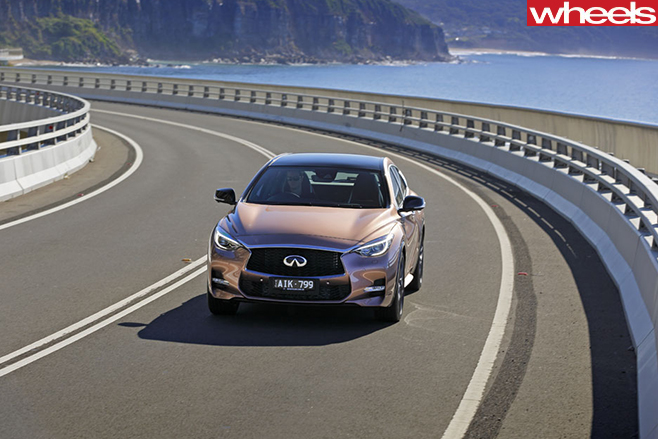
PLUS: Looks; hush, refined cabin; perky petrols; decent handling MINUS: Stilted ride; no reverse camera in base- and mid-spec; no smartphone integration; grumbly diesel.
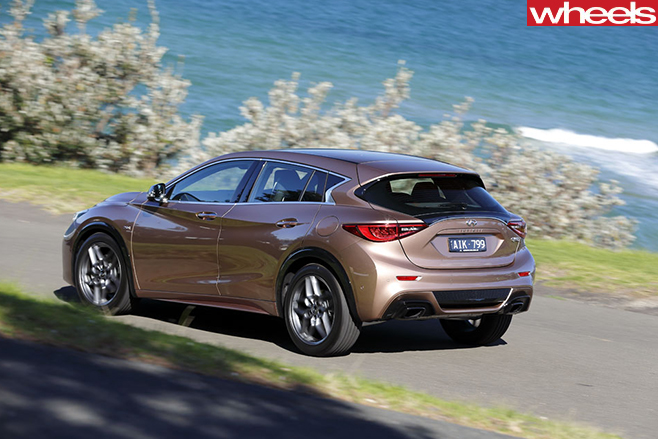
Officially it’s pitched as a crossover, thanks to that loftier-than-normal ride height, which straddles the divide between conventional hatches and taller small SUVs. Its pricing fits that gap, too. Starting at $38,900 for the entry-level GT and finishing at $56,900 for the diesel-powered Sport Premium, the Q30’s three-tier range will attract buyers shopping everything from the cheaper Audi A3 and BMW 1 Series, to more expensive variants of the Mercedes-Benz GLA and BMW X1.
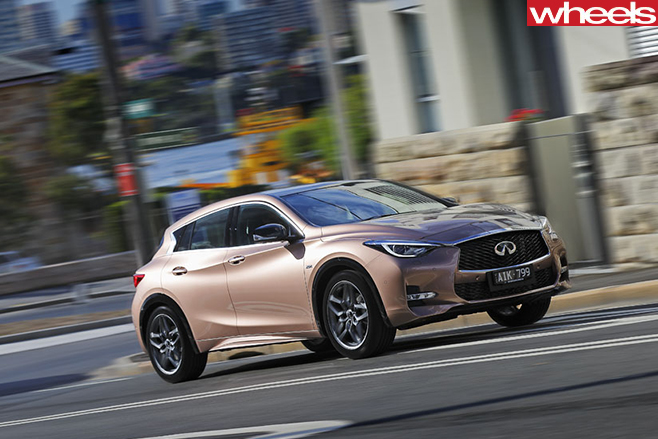
The dynamics aren’t bad either. Peel away the skin and the Q30 is actually a Mercedes-Benz underneath. It’s built on the same MFA small-car platform as the A-Class, B-Class, GLA and CLA, so shares its engines, seven-speed dual-clutch gearbox and suspension hardware with its German competition.
Its dynamics are sorted, the steering light but nicely judged, and the ride is comfortable and compliant, for the most part at least.
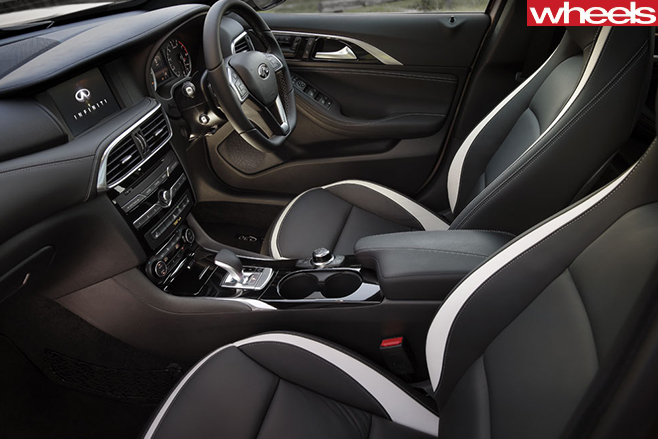
Engine wise, the standouts are the two petrol offerings. Base GT variants use a quiet and smooth 115kW/250Nm turbo four, but the stronger engine is the 155kW/350Nm 2.0-litre unit fitted to the Sport and Sport Premium grades.
The weak link is the sole diesel. The oiler commands a $2000 premium over the 2.0-litre petrol, yet is doughy and sluggish in city traffic. It’s 125kW/350Nm outputs feel anaemic too, and don’t encourage ambitious overtaking manoeuvres.
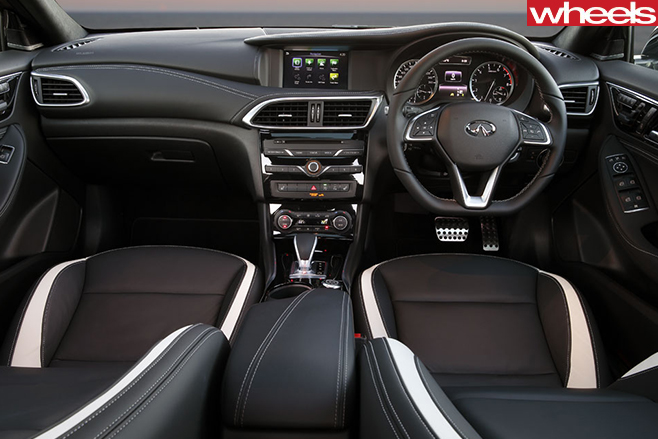
So while the Q30 has obvious strengths, it’s not perfect. It’s far from a silver bullet for Infiniti’s lagging sales, but does deliver a welcome, and much needed, step in the right direction.
SPECS Model: Infiniti Q30 2.0t Sport Premium Engine: 1991cc in-line 4-cyl, dohc, 16v, turbo Max power: 155kW at 5500rpm Max torque: 350Nm at 1200 to 4000rpm Transmission: 7-speed dual-clutch Kerb weight: 1477kg 0-100km/h: 7.3sec (claimed) Fuel economy: 6.3L/100km Price: $52,900 (est) On sale: Now
TELL ME ABOUT THIS CAR
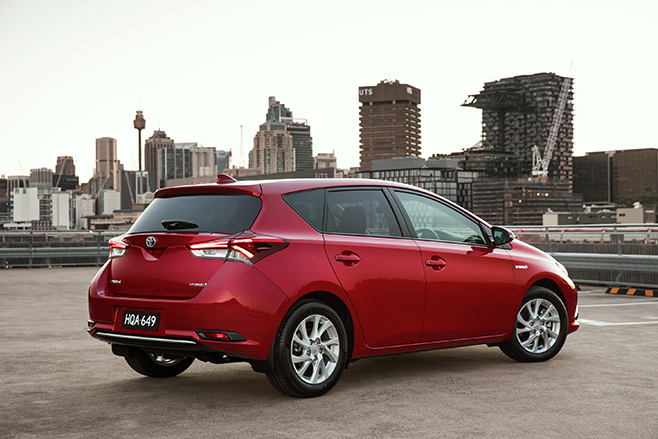
It’s the Toyota Corolla you know, and possibly already love, now with added electricity. Hybrid technology made mainstream by the Toyota Prius has now trickled down to the humble Corolla hatch. It’s a more accessible offering than the flag-bearing Prius, retaining economical and practical values without attracting attention while wrapping it in a versatile five-door small hatch package.
STRENGTHS
Economy: Fewer visits to petrol stations is what the Corolla Hybrid is all about, and if you’re interested in buying one, chances are using less fuel in the city is what you care about most. Toyota claims combined economy of just 4.1L/100km. The next best of any other current Corolla is 6.1L/100km, though the Corolla Hybrid requires slightly more expensive 95RON fuel rather than the 91RON regular unleaded used by other Corollas.
Price: At $26,990 the Corolla Hybrid is the second most expensive Corolla, but its price looks good when considering its high level of standard equipment and its relative value compared to the Prius ($34,990) and Prius V ($34,490), which share very similar tech and performance.
Practicality: Of course, this is a Corolla, and it retains the quintessential ease of use and family friendly functionality that Corolla buyers seem to love. It’s roomy and well-built, and as strong and reliable as ever.

Styling: There was a time when owning a hybrid car was a statement, and most hybrid vehicles were styled to stand out. These days that’s not necessarily the case, and the Corolla’s plain Jane appearance is great for those who want to save fuel, but don’t want to stand out.
Comfort: A quiet cabin and well-mannered ride go hand in hand with the Corolla Hybrid’s city savvy moving parts. It’s nigh-on silent inside when driving in slow-speed traffic on electric power alone.
WEAKNESSES
Performance: Sadly, the Corolla Hybrid is not brisk. Its drivetrain has combined outputs of 100kW and 207Nm and, unlike many other EVs, lacks the snappy take-off from standstill that the instant torque that an electric motor can deliver.
The Corolla Hybrid favours battery range and feels sluggish off the line. It needs to be put into ‘Power’ mode in order to feel like a normal car. Its batteries add some extra weight too and its handling reflexes suffer as a result.
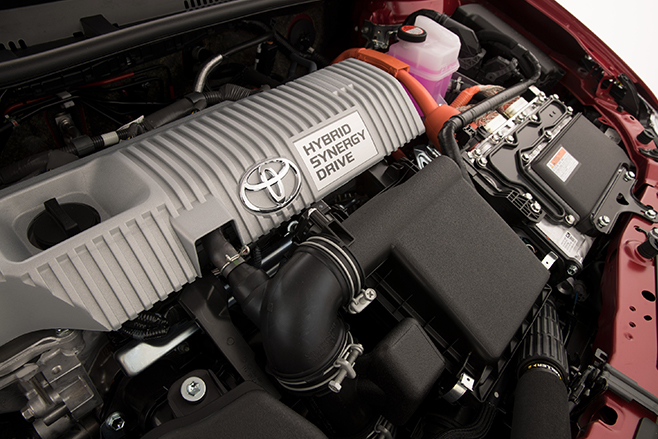
Brakes: Toyota has employed a very tricky braking system that switches between regenerative braking (slowing using the electric motor) and conventional braking (clamping the brake rotors). It’s not as seamless as it could be, and makes rolling to a gentle stop quite challenging as the system swaps from one method to the other. It takes some getting used to.
Excitement: Or should we say, lack thereof. A Corolla is not a hugely exciting car at the best of times, and the Corolla Hybrid feels particularly lacking in charisma. This is a personal thing, of course, and if your car is merely an appliance to get you from place to place with minimal fuss, then this is a very minor complaint.
ANY RIVALS I SHOULD CONSIDER?
The obvious rival is the Toyota Prius. It’s more expensive, but it is better resolved. It features better integration of its hybrid electric systems and its exaggerated, polarising styling actually serves to give it more personality than the Corolla, despite common perceptions of the Prius as being soulless.
If downsizing is an option, the Yaris-based Prius C starts at $22,990 making it an even more affordable way to get Toyota’s hybrid tech, however the Corolla Hybrid is a better value proposition considering its more usable size.
Outside the Toyota family, Mazda 3 and VW Golf are more polished small cars, though neither have a hybrid variant. Now that Honda has killed off its electrified Civic and Jazz models, Toyota is where it’s at for budget, hybrid motoring.
The updated Jeep Grand Cherokee, which will be replaced by a new model in 2017, is marginally lighter, more powerful and more economical than before.
The changes are only offered on the Grand Cherokee models with the 3.6-litre V6 petrol engine, and partly bring it back into line with 5.7-litre Hemi V8 models.
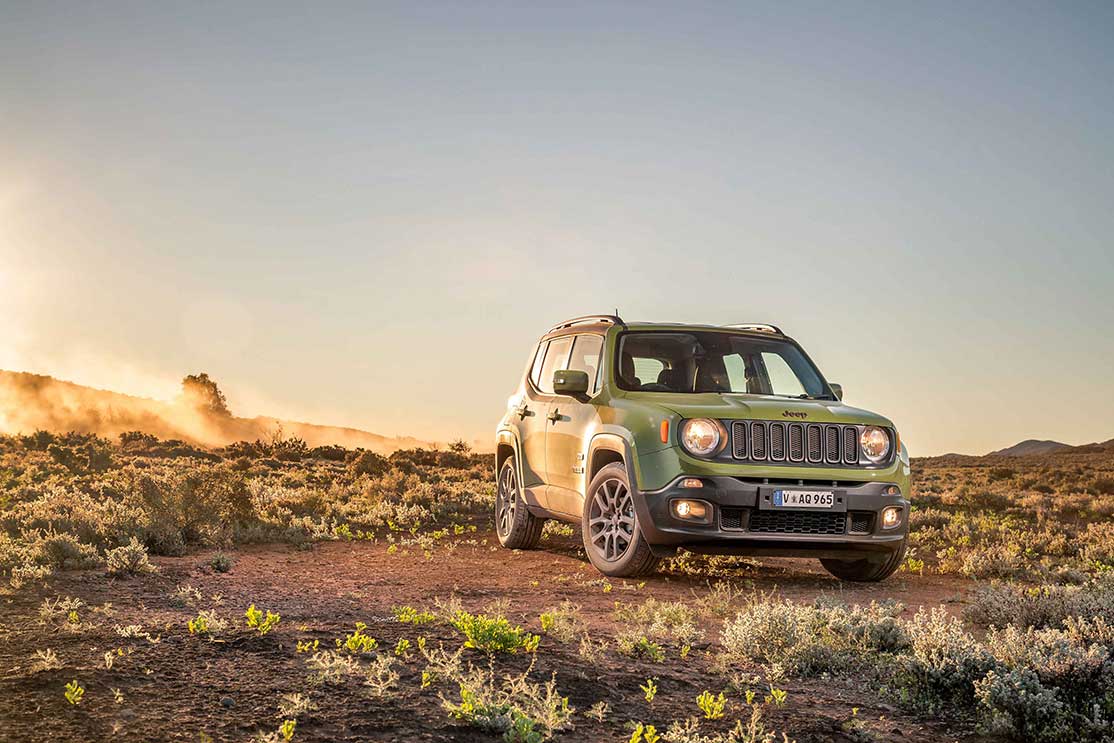
The most significant modifications are to the driveline, which now has a stop-start feature to save fuel, tweaked valvetrain and exhaust systems, and the fitment of electric power steering in place of the old hydraulic system. All of this contributes to a fuel saving of 0.4L/100km, says Jeep, while also bumping engine output from 210kW to 213kW.
Exterior and interior changes to the Grand Cherokee are intended to mark the brand’s 75th anniversary.
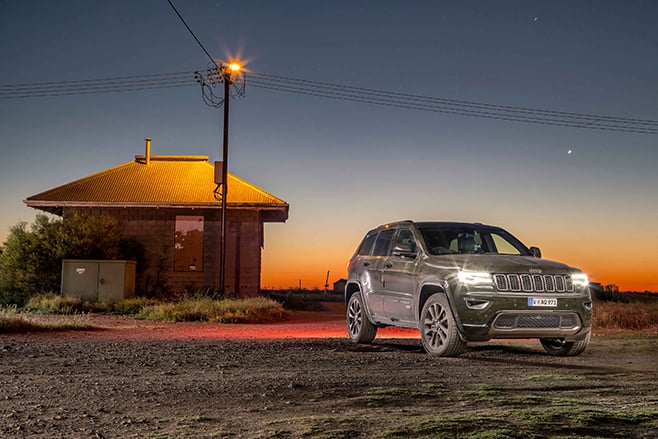
The Grand Cherokee 75th model, which is based on the $62,000 Limited spec level, has black leather fitted as standard, orange accents throughout the cabin and 75th anniversary logos embossed on the seats.
The exterior treatment includes bronze 20-inch alloy wheels, bronze grille highlights and more special badging. The 75th anniversary model is available in black, white and crystal. A fourth colour – ‘Recon Green’ designed to evoke the army heritage of Jeep – is available at extra cost. The Grand Cherokee 75th anniversary edition is priced from $64,500.
75th anniversary versions of the Jeep Wrangler, Cherokee and Renegade are also being offered, and feature a number of aesthetic changes to the interior and exterior, including bronze highlights and special badging.
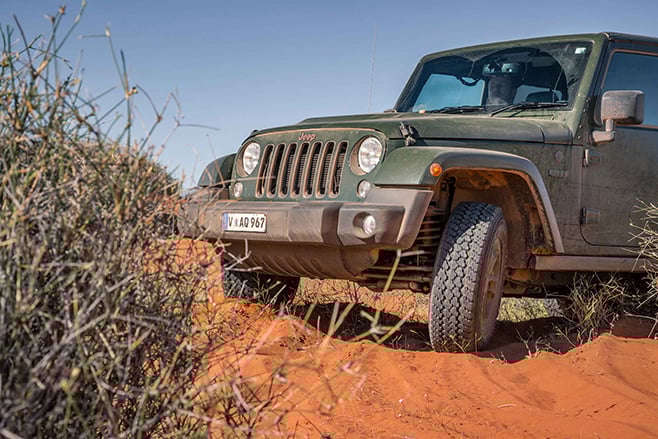
The Jeep brand actually started life as Willys-Overland. In 1940 the company answered a call by the US Army to design, develop and produce a “light reconnaissance vehicle” for military duty. Ford, American Bantam and Willys all submitted prototypes which went into production.
The Willys Quad was later renamed the MA, but American servicemen are said to have quickly nicknamed it the “Jeep”, a slurring of “GP” for General Purpose.
Jeep’s first publically available model, the CJ-2A (Civilian Jeep) entered production in 1945. It’s closest relative today – in spirit at least – is the Wrangler, which succeeded the CJ-8 Scrambler in 1987.
Muscle cars can be risky business. Ford’s Falcon GT-HO proved that in the pre-GFC boom. Holden, too, has had its share of mortgage-worthy muscle. But the GTS-R hasn’t been so desirable.
Despite packing a suite of special go-fast goodies – long-stroke V8, Hydratrak diff, six-speed gearbox – the 85 GTS-Rs built weren’t the brainchild of a racing legend like the low-volume HDT Director, or a stillborn one-off project like the HRT 427.
And this may be why over the years GTS-Rs, in various condition, have traded for wildly varying prices. And while we would have scoffed at number 30’s six-figure ask five years ago, it could be relatively cheap in the future.
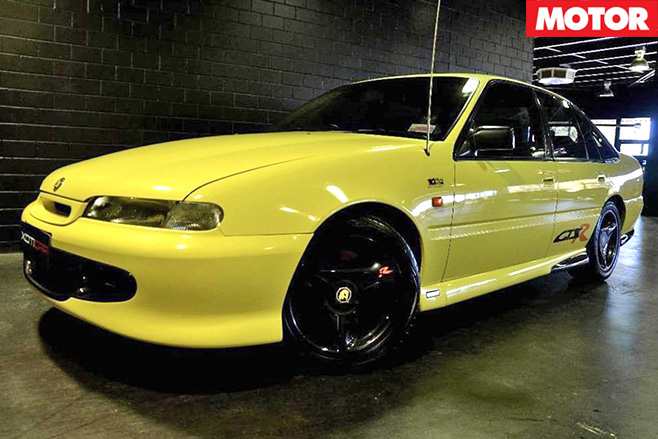
It’s a risk, but muscle cars always have been.
NEW: $76,000 NOW: $143,777
For more details you can find the HSV GTS VS for sale on tradeuniquecars.com.au.
Check out the Wheels review of the HSV GTS-R originally published in 1995.
Dietitian keeps race drivers on the right track.
IF LEGENDARY drivers of the 1970s were any guide, the secret to motorsport success would lie in 40 ciggies a day, steak and frites at the Tip Top Club, then a horizontal workout at the hotel. Today’s race drivers, however, are among the most disciplined and dedicated athletes.
“With the amount of work they do, I’m sure they would be competitive in whatever type of sport they went into,” says Kerry Leech, a dietitian at Brisbane’s Eat Smart Nutrition Consultants. Leech has worked with V8 Supercars drivers Michael Caruso and James Moffat to study how racing affected their bodies and helped formulate an appropriate diet.
“My dad worked in the car industry, so I grew up watching Bathurst,” Leech says. “I had a bit of a motorhead background. I knew that with the g-forces and things it was a stressful environment. But seeing how hot they got within the cars and the efforts the teams put in was fantastic.
“At the Gold Coast endurance race, we did some fluid studies on them, to measure their sweat rates and see how they managed. And I went to their training environment, talked about the off-season work they were doing. I had a chat to their caterers at the races as well. We looked at urine colour and urine specific gravity. It’s important to be well hydrated going into an event, and you work on that hydration in the week or so beforehand.”
Leech compares racing drivers’ challenges with those of fighter pilots and endurance athletes. “There’s a strength component to it and that high-intensity workload – they’re up there with marathon runners, but with the added element of competing against forces. And they have to maintain fantastic levels of concentration.”
The brain is one of the biggest users of carbohydrates, Leech explains. And consumption increases with body temperature. “When body temperatures go up, your carbohydrate, your energy usage, goes to extremes. It makes you work a lot harder, your VO2 max [peak oxygen intake] and those types of things.
“Keeping cool is important. They can now monitor core body temperature accurately during sporting events, by getting the athlete to swallow a pill. It’s actually a little thermometer that sends out an infrared message.
“In the car they need great concentration, so we need to maintain blood-sugar levels. In the lead-up to the race they need to boost their carbohydrate intake, which will help their glycogen stores, and will help them store fluid as well.
“During the week they can be satisfied on a slightly higher-protein diet. That’s going to be lean meats, fish and chicken. But whenever they’ve got to maintain their concentration or have high energy demands, they need carbohydrate intake.
“The night before is probably the most important time to really fuel up. The day of a race, they’ll probably have smaller snacks on a regular basis because when you’re working at those extremes your appetite drops off. But during an endurance race, they may top up their carbohydrate levels with sports drinks and sports gels.
“Liquid meals can be more comfortable; the last thing you want is a full belly and to feel like you need to go to the toilet during a race.”
FAT CHANCE
Why are racing drivers so skinny when they work sitting down? “People don’t function well when they’re overheated,” says sports dietitian Kerry Leech. “The leaner you are, the greater your ability to withstand that. Excess body fat is an insulator. That’s why these guys work very hard on their fitness and keep themselves lean.”
Larger and much lighter where it counts, here’s the best glimpse yet of next-year’s Land Rover Discovery 5.
LOWER, longer, lighter, and way less boxy than before, the next Land Rover Discovery is set for a world premiere in Paris at the end of September.
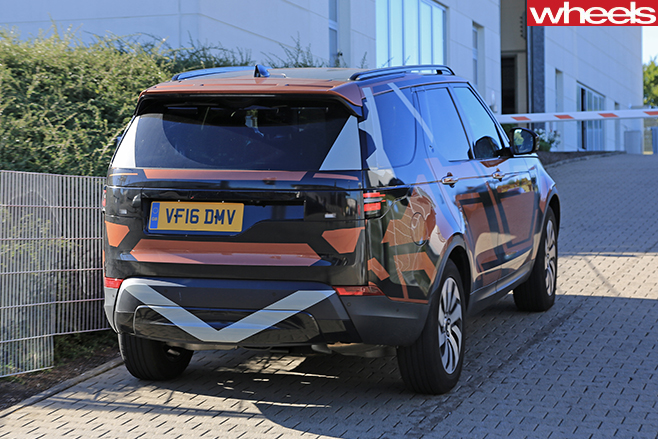
Sprung wearing less camo than ever before, the much-anticipated replacement for the 13-year old current-generation model (dubbed “Discovery 4” but really just a facelift of 2003’s Mk3 version) won’t hit Australian dealerships before the middle of next year at the earliest, as pent-up demand for this series is reportedly very high around the world.
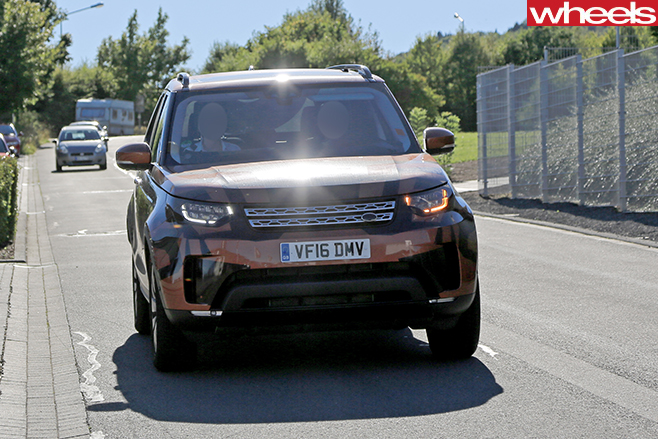
Whether punters will warm to the Solihull-built Discovery’s newfound sleekness is another matter. Gone are the geometric upright lines for a very Discovery Sport-esque silhouette, featuring a similar jutting nose cone, hockey-stick C-pillar, and blacked-out wrapround-style rear window treatment. Much of the look dates back to the Discovery Vision Concept unveiled at the New York International Auto Show more than two years ago.
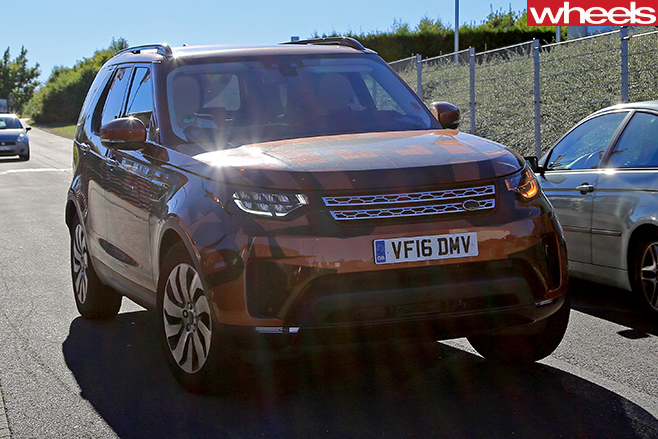
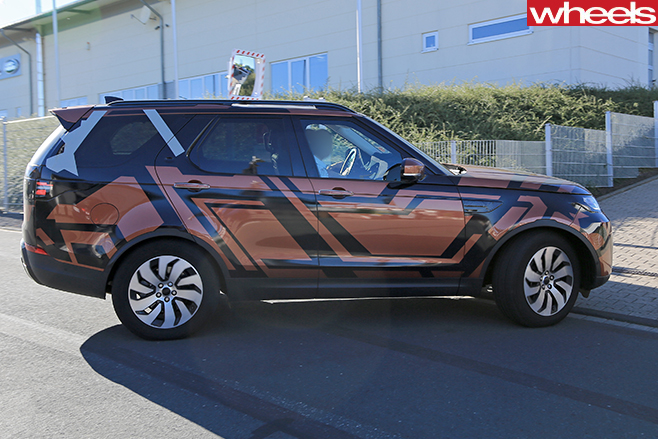
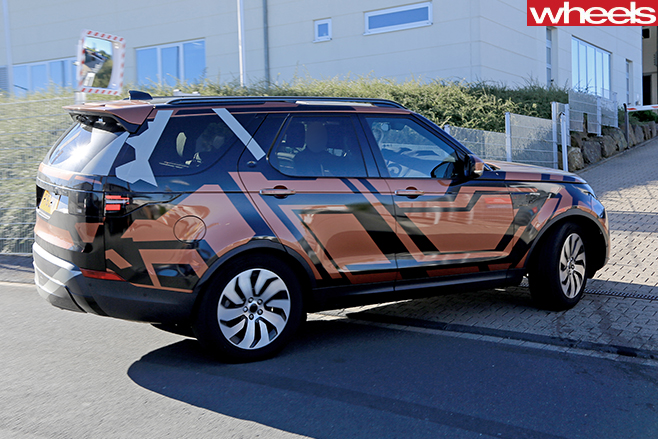
What will lurk underneath that signature clamshell bonnet is up to conjecture, though modified versions of the long-serving 3.0-litre turbo-diesel and supercharged petrol V6s – all tied to an eight-speed automatic transmission – is the safest bet. We also believe it will utilise the box-fresh Jaguar/Land Rover Ingenium four-cylinder engine family, perhaps with a mild hybrid system to boost performance and economy.
Have spy pics of your own? We’d love to see them. Just email them to [email protected]
