
SIMPLY ask what is the most Australian car ever built and you will get an array of answers.
It’s a controversial topic, and one that divides automotive enthusiasts.
Regardless of what you think deserves the moniker, the VE Holden Commodore must at least be considered.
Holden’s ‘billion dollar baby’ was the first ever clean-sheet Holden Commodore.
Starting with a blank slate, a dedicated team of Australians, led by design guru Michael Simcoe, designed and built arguably the most Australian car ever.
Built by Aussies, for Aussies, the Holden VE Commodore became an instant classic.
This weekend marks 10 years since the VE was launched, and Wheels has been there all the way. We first spied the car in 2005, revealing exclusive computer generations of what would be one of the most important cars in Holden’s history.
And this weekend we will be celebrating the incredible achievement of creating the VE with a series of features. We’ve dug into our expansive archives to help retell the story of how the all-Aussie Commodore came to be, how it performed, and the legacy it left.
With local manufacturing coming to a close, Australia is unlikely to see a car like it again. As a proud motoring country, we can all stand with our heads high looking back at what we could achieve.
A warmed-over, locally developed version of Hyundai’s best-selling hatch prepares for its final fling.
WHAT IS IT? Hyundai’s last-gasp effort to spice up the showroom appeal of its i30 SR hatch before the second series is superseded by an all-new model.
WHY WE’RE TESTING IT The Hyundai i30 is the best-selling car in Australia so far this year, and this revision ups driver involvement by adding flappy paddle shifters to auto versions. Right now, the SR is as close as we get to the impending i30 N Performance, and it’s worth reminding ourselves about how far Hyundai has come.
MAIN RIVALS Mazda 3 SP25, Ford Focus Sport, Holden Cruze SRi Z-Series
THE WHEELS VERDICT A little extra fruit should help move the last batch of warmed-over i30 SRs. The peppy, practical small hatch does a believable rendition of a fun to drive, every day car.
PLUS: Ride and handling balance, well-appointed interior, five-year warranty MINUS: Dull steering, out-powered by competitors, about to be replaced
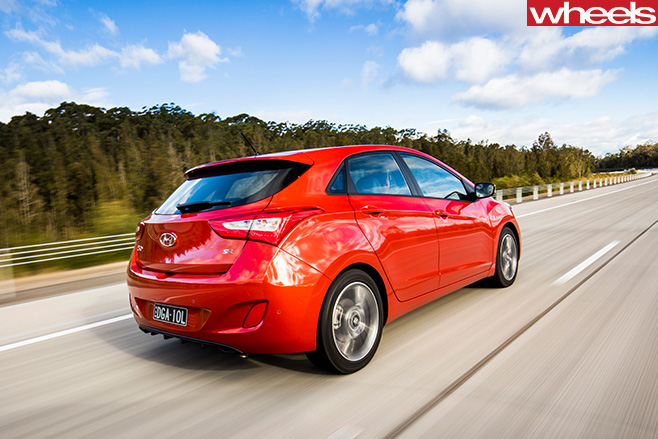
Rather than let the current car leave quietly, Hyundai has upped the allure of its sporty i30 SR warm hatch with cosmetic interior and exterior upgrades, and paddle shifters in automatic models.
Pricing stays at $26,550 for a six-speed manual version, with a six-speed auto costing $2300 more.
Momentum comes from the same all-alloy “Nu” engine as before – a 2.0-litre four-cylinder petrol unit generating 124kW and 201Nm. It’s satisfyingly eager spinning to redline and has a good serve of useable torque, although slight top-end buzz lacks refinement.
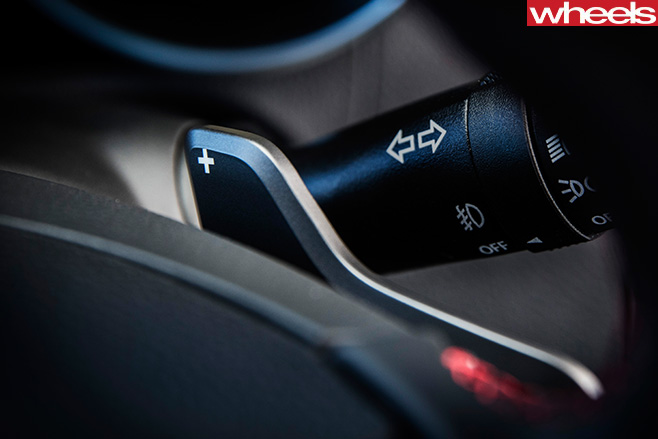
It’s no couch potato, though. The development credo for i30 SR was “fun to drive” and the car does quite a respectable job of fulfilling it. The locally calibrated suspension is a standout element, offering a ride that is firm and well controlled, and sending road surface feedback to the driver without letting bumps become intrusive. Over patchy rural roads the package feels expertly screwed together.
New paddle shifters for the auto model raise driver involvement even though the box is a little lazy on downshifts. It does a fine job otherwise, and is well suited to the i30’s urban home ground. Ratios are shorter in the auto and it feels marginally quicker with the throttle pinned.
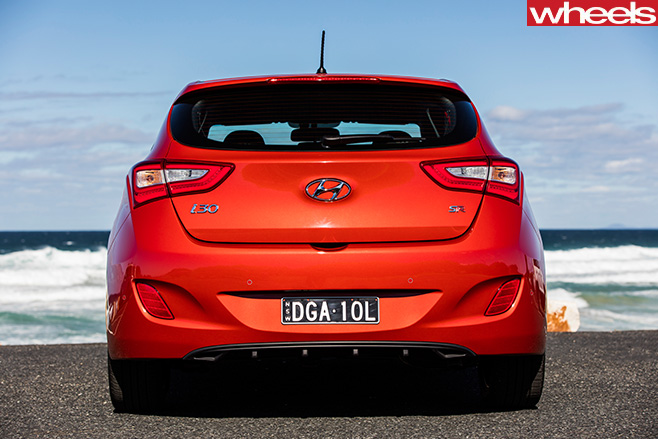
The interior feels convincingly upmarket, especially when fitted with the panoramic glass sunroof available as a $2000 option on SR models and as standard on SR Premium. For an extra $4700, the SR Premium adds HID headlights and satellite navigation.
With the new model so close, this minor update doesn’t address the i30’s flawed steering or lack of safety tech such as autonomous emergency braking and blind spot monitoring. What it does is make an already popular warm hatchback a sharper proposition for buyers.
SPECS Model: Hyundai i30 SR Engine: 1999cc, 4cyl, dohc, 16v Max power: 124kW @ 6500rpm Max torque: 201Nm @ 4700rpm Transmission: 6-speed auto Weight: 1283kg Fuel economy: 7.7L/100km Price: $28,850 On sale: Now
New Maserati sports coupes are soon set for showrooms with the compact Alfieri and next-generation full-sized GranTurismo confirmed to arrive starting from 2018.
While the Ghibli sedan and forthcoming Levante large SUV will drive the Italian brand’s continued local growth– around 500 Maseratis were sold last year, 1000 are expected next year – its last coupe to launch was the GranTurismo in 2008.
Maserati Australia chief operating officer Glen Sealey told MOTOR that having fresh sports coupes in the range was “important to us” before revealing imminent plans for a fresh two-door offensive.
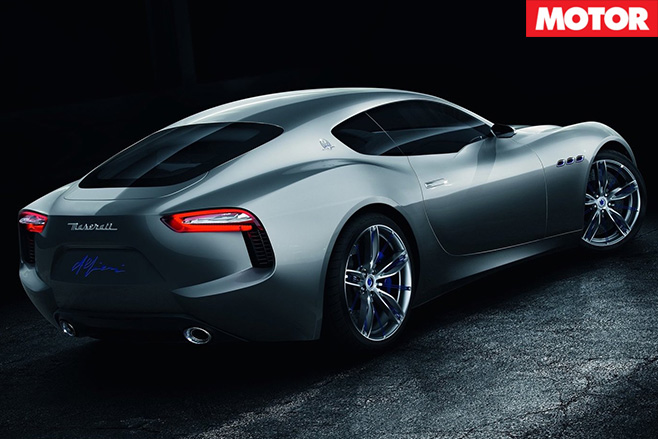
“We’ll see a new GranTurismo (but) it’s two years away (and) I would hope that we see the GranTurismo first because the market for two-seat sports cars is small and it goes like that (points downwards),” he continued, suggesting four-seat sports coupes do not suffer the same sharp sales decrease as two-seaters.
“As we’ve seen with GranTurismo it has great longevity (it) has still got another year to run. (But) I think Alfieri has a great role to play in being a great high-positioned, high-technology car when it does come.
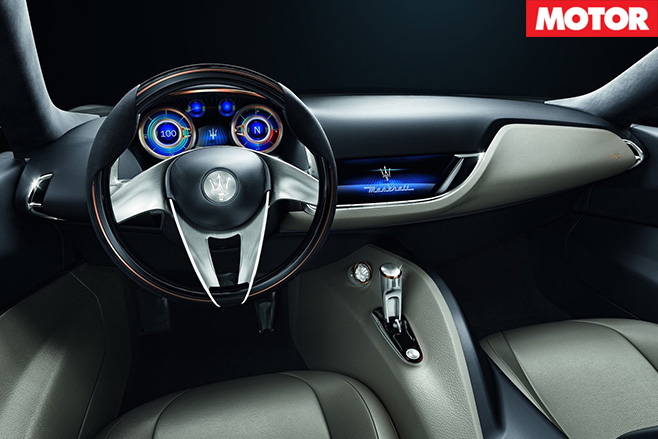
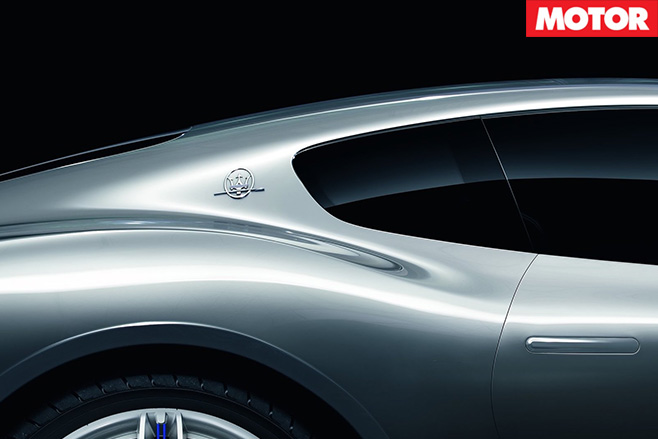
Maserati’s Alfieri concept (pictured) was first shown at the 2014 Geneva motor show, based on the GranTurismo chassis with a 240mm-shorter wheelbase and a 4.7-litre naturally aspirated V8 engine.
Despite being a smaller coupe, however, Sealey’s assertion that the Alfieri could be tech-driven “high-positioned” car indicates that the model may not naturally fall as price leader below the GranTurismo that currently starts from $300K. There are rumours Alfieri could be the first hybrid Maser.
“I think this is it,” he said, referring to the Levante that starts from $139,990 plus on-road costs.
“For us we’ve pondered this carefully and we’ve looked at that $150,000 on-road sort of level … that’s where we see the base level for Maserati is.”
WHAT’S going wrong with Australia’s road toll? The latest government report shows we have hit a five year high for deaths on the nation’s roads.
The latest Department and Infrastructure and Regional Development report on road deaths in Australia shows that for the 12 months to the end of June 2016, 1269 people had died. That’s the highest figure since we logged 1276 deaths in 2012.
The report also shows an unusual shift towards the most vulnerable class of road user – males aged between 40 and 64.
At 390, the road toll in NSW has leapt by 28.3 percent compared with the same 12-month period last year, while in Tasmania, the number is only slightly lower 24.2 percent with 41 deaths. Likewise, Victoria (up 7.1 percent to 272 deaths) and the NT (up 7.3 percent to 44 deaths) and the ACT (up 9.1 percent with 12 deaths).
The most vulnerable road users over the last 12 months appear to be cyclists, with deaths for the 12 months to the end of June rising to 35, a 16.7 percent rise over the corresponding period last year.
For motorcyclists, the 228 fatalities recorded are 14.6 percent higher than for the previous 12 months – almost the same number of deaths as that for car passengers (224, down 8.9 percent), which is the only vulnerable group to post a fall in fatalities.
Drivers (612, up 13.5 percent) still rank as the biggest contributor to the toll, while pedestrians (168, up 9.8 percent) round out the numbers.
Our younger drivers need a pat on the back, with deaths for road users aged 17-25 falling by 8.9 percent to 226. Contributing the most to the numbers are drivers aged between 40-64, up by 23.1 percent to 421.
Significantly, the road toll linked to road users aged more than 75 has jumped 14.4 percent to 167.
Road deaths in speed zones rated at between 70-90km/h have accounted for the biggest rise in fatalities, up by 22.4 percent to 268. The risk of being killed on a weekday has risen by 14.0 percent, compared with only 3.8 percent on a weekend.
The department says the rate of annual deaths per 100,000 population stands at 5.3, a 7.0 percent rise compared with the same 12 months last year.
Renault’s heavily updated Renault Koleos will make its global retail debut here in Australia in just two weeks’ time.
The move cements the French brand’s intent on gaining a larger share of the Aussie car market.
Priced from $29,990, the all-new mid-sized SUV is the firm’s most robust offering yet, sharing its chassis and engine configurations with the Nissan X-Trail as a result of the 17-year-old strategic partnership between the two manufacturers.
Details surrounding exact specifications heading the Aussie market remain scarce ahead of its
August 1 launch, but Renault has confirmed the all-new Koleos will be considerably larger than the outgoing model, offering increased space for passengers and cargo.
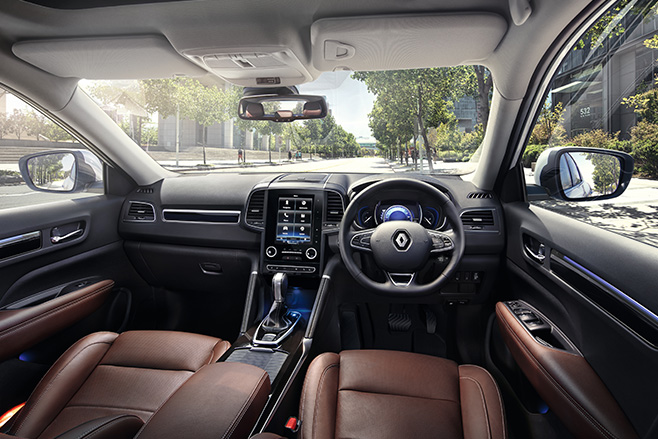
Expected with the update will be a list of technologically-advanced features, both in terms of electronic driver aids and in-car infotainment.
At the car’s world premiere in China earlier his year, Renault said the update car’s cabin “outclasses its rivals”.
The firm did confirm a 2.5-litre petrol engine matched to a continuously variable transmission will power the new mid-sized SUV and give it a maximum towing capacity of 2000kg.
Renault Australia said it’s particularly excited about the car’s imminent arrival and its potential to make a dent in Australia’s increasingly competitive SUV market.
“Australia is an important market for the new Koleos, which is why we are the first to launch it,” Renault Australia’s Mel Cross said.
“Renault has achieved the right blend of practicality and style and the new Koleos will be a well-priced and well-appointed vehicle.”
Mercedes-Benz is preparing for a future where large Australian cities such as Brisbane, Sydney and Melbourne convert their central business districts into electric car-only zones.
Its solution? Provide a range of vehicles that can run in a pure-electric mode for silently and cleanly slipping along city streets closed to internal combustion engines, and then fire up the conventional engine for the longer trip to or from home.
The German luxury carmaker is certain that other cities worldwide – including here in Australia – will follow the example of some, such as London, that try to ease congestion and pollution by banning everything other than electric cars from traditionally high-traffic areas.
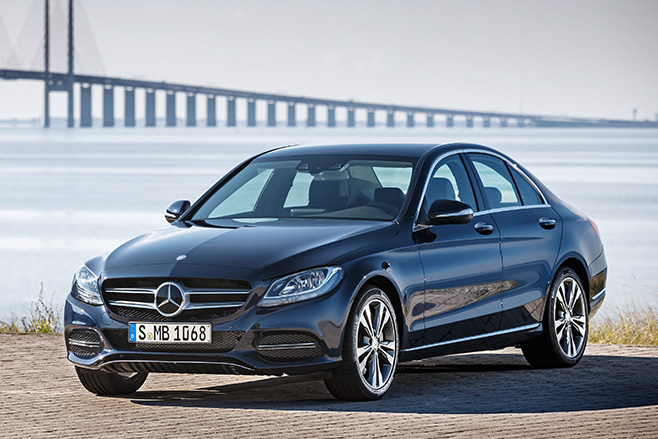
Today it announced it will add three plug-in hybrid electric vehicles to its Australian showroom, allowing owners to travel around 30 kilometres in electric-only mode. The cars include a four-cylinder C-Class small sedan and wagon, and two V6-engined models – the Mercedes-Benz GLE-Class mid-size SUV and range-topping S-Class limousine. They will sell alongside the only conventional hybrid in the Benz-badged line-up, the C-Class-based 300h diesel-electric hybrid that unlike the other hybrid cars, doesn’t have a plug-in battery.
Mercedes-Benz Cars Australia managing director Horst von Sanden said the luxury carmaker would add other plug-in hybrid models to its range.
“Plug-in hybrid vehicles are an important part of our future business in Australia,” he said.
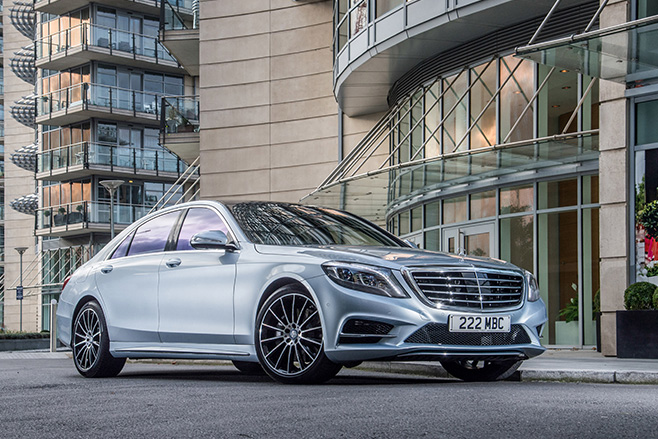
The BMW 3 Series/Audi A4-fighting C350e – the badge the small plug-in hybrid sedan and wagon will wear – can drive under electric power alone for up to 31km, with its 2.0-litre petrol engine and electric motor that sits between the engine and the automatic transmission producing a combined 205kW and 600Nm. Fuel use is officially 2.4 litres per 100km (2.6L/100km for the wagon version), and prices start from $75,300 for the sedan, with the wagon wearing a $2500 premium.
That price makes the plug-in Mercedes-Benz C-Class the most expensive model in the line-up, ignoring the $154,510 Mercedes-AMG C63 S.
The BMW X5/Audi Q5-rivalling GLE500e is priced from $124,900, making it the range’s most expensive model to not wear an AMG badge. It combines a 3.0-litre V6 with an electric motor to produce a combined 245kW and 480Nm – numbers usually associated with a small V8.
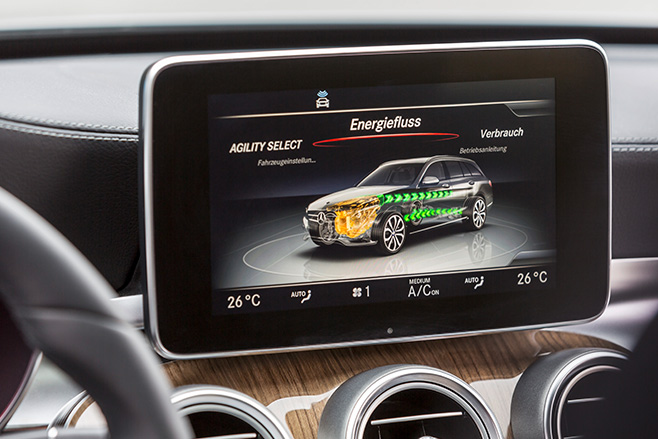
Fuel use is rated at 3.3L/100km combined.
The S550e, meanwhile, is priced from $319,715, making it the most expensive non-AMG badged variant in the line-up. It uses the same 3.0L V6 engine and electric motor as in the high-riding SUV, with fuel use rated at a combined 2.8L/100km.
All three emit fewer emissions than a Toyota Prius hybrid hatchback, and all three recharge the batteries via a normal household power socket via a small socket built into the rear bumper. A wall-mounted recharging system that tops up the battery in less than half the four hours needed to top up via the wall plug is available.
Mercedes-Benz said it would launch a plug-in hybrid version of the mid-size E-Class, the E350e, early next year.
The last two decades have spawned some of the greatest homegrown fast cars.
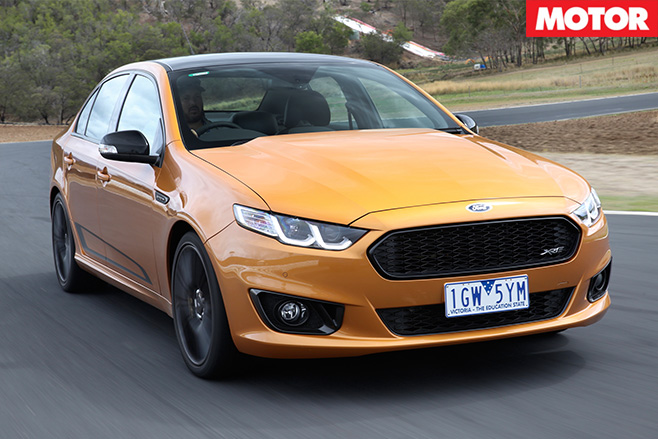
1. Ford FG X Falcon XR8 Sprint
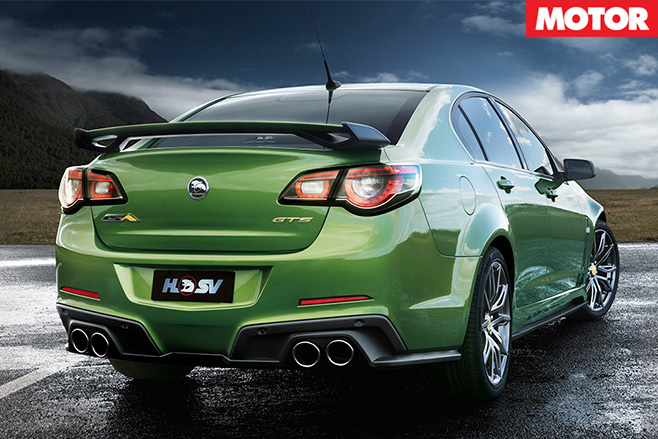
2. HSV Gen-F2 GTS
3. FPV BA GT
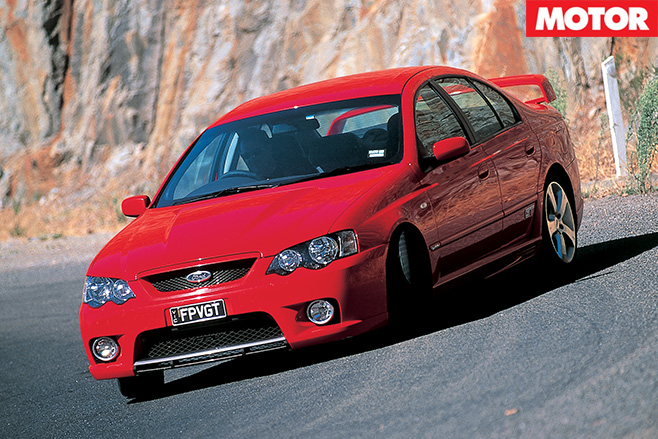
4. Holden VF II SS-V Redline
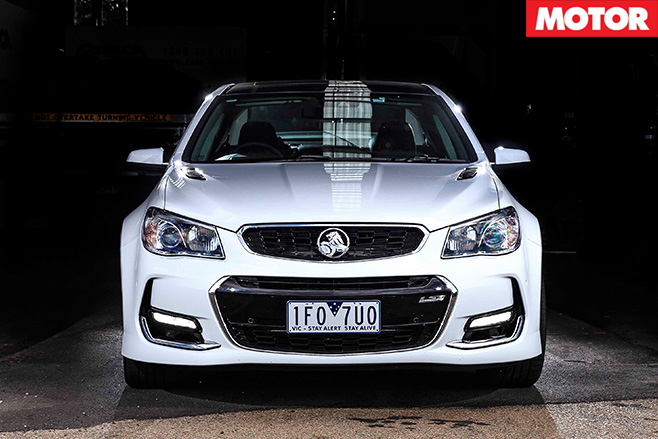
5. HSV GTS Coupe
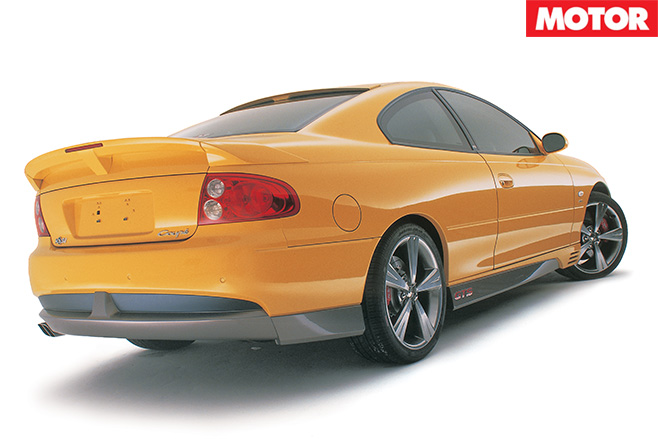
6. FPV FG F6
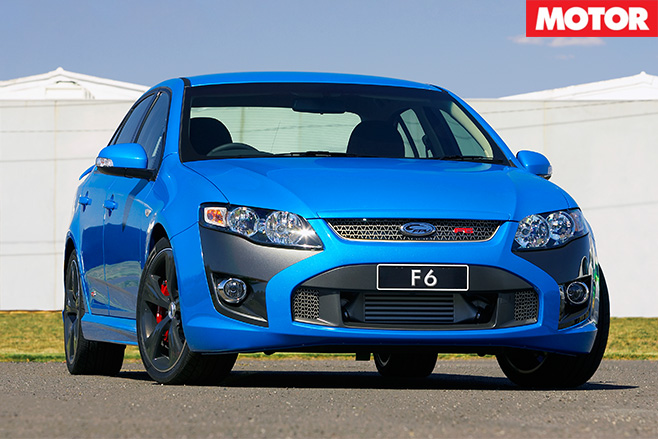
7. HSV W427
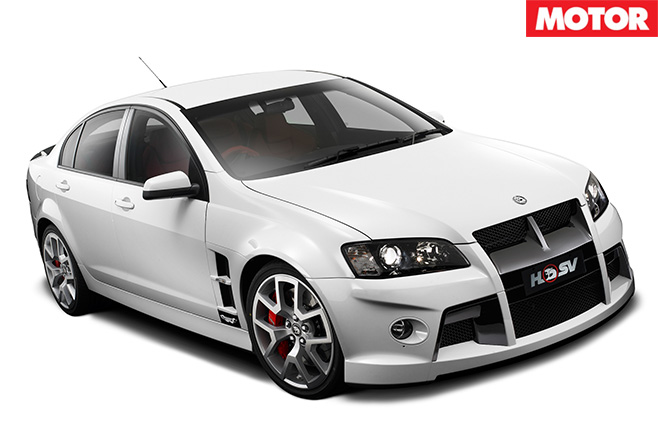
8. Tickford T3 TE50
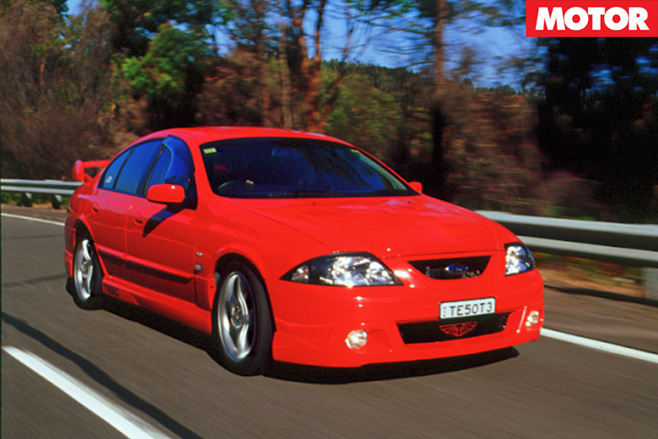
9. HSV GTS 300
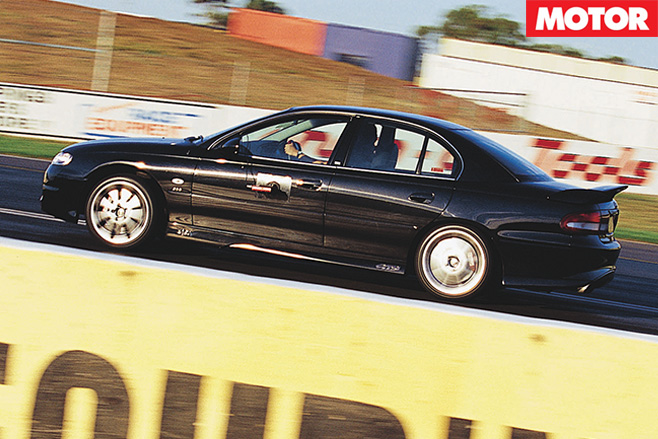
The changes to the 2016 Hyundai i30 SR are relatively minor, but when you’re dealing with a variant of what is currently Australia’s best-selling car, the phrase “ain’t broke, don’t fix” comes to mind.
A local initiative, the i30 SR first burst into existence in 2013 sporting a 2.0-litre engine and suspension package developed by Hyundai Australia’s enthusiastic and passionate chassis engineers.
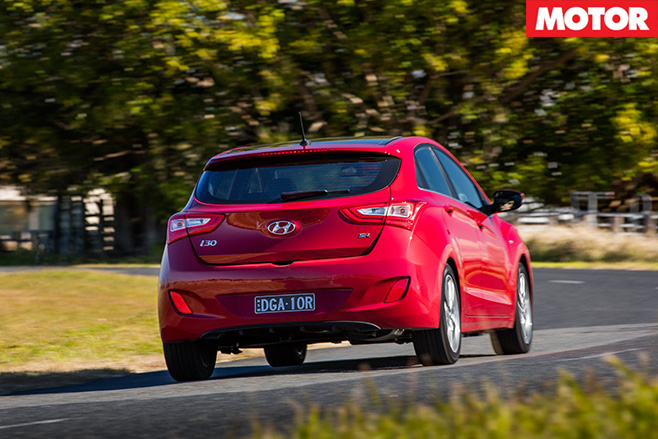
Most of the effort has been concentrated on the interior, the new sports bucket seats sporting chunky side bolsters and red seat inserts, black headlining replacing the previous drab grey and there’s red stitching on the seats, steering wheel and front arm rests.
The SR Premium adds sat-nav and a panoramic sunroof over the $26,550 SR; the roof can be added separately to the base SR for $2000, but sadly the nav cannot, though Apple Carplay does allow drivers to use the navigation in their smartphone.
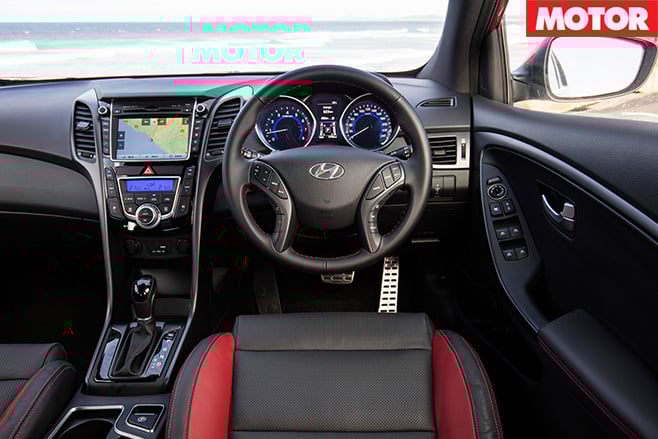
On a dry road the i30 SR is reasonably entertaining without approaching true excitement. The ride is very good, soaking up most bumps but with an underlying firmness, the steering is accurate enough (though its different modes are a waste of time) and the handling through fast corners is neutral and confidence-inspiring.
Push harder and Hyundai’s warm hatch will slowly fall into varying degrees of understeer, with any effort to involve the rear end more or less ignored. Drive within its limits, though, and it’s willing and entertaining.
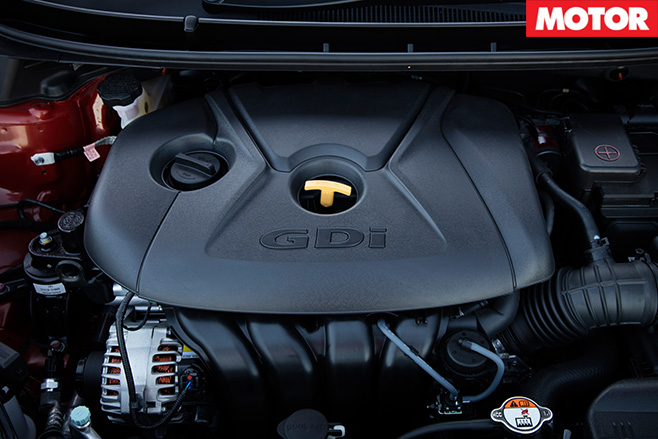
The six-speed auto feels marginally keener, and can now be controlled with shift paddles, but the $2300 premium makes the manual the better bet. In fact, the less you can spend on an i30 SR the better, its value proposition strong at $26,550 but a lot shakier at the $33,550 top end.
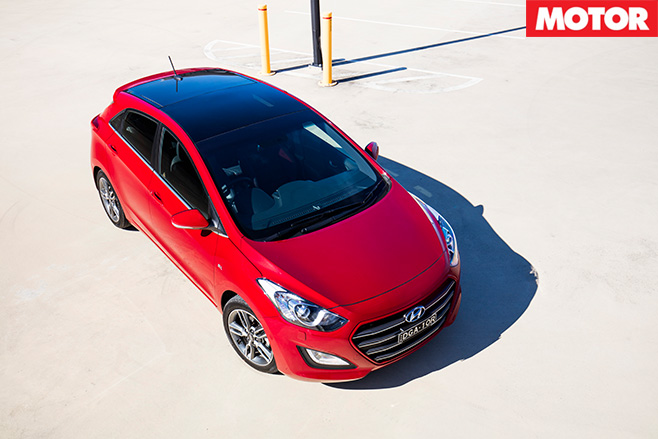
Just remember, there’s an all-new i30 due next year.
3/5
Specs Engine: 1999cc inline-4cyl, DOHC, 16v Power: 124kW @ 6500rpm Torque: 201Nm @ 4700rpm Weight: 1260-1362kg 0-100km/h: 7.7sec (claimed) Price: $26,550-$33,550
It has already angered the fun-police; we belt the brand-new Ford Focus RS.
WHAT IS IT? The pinnacle of Ford Performance’s expertise when it comes to building a no-prisioners, all-wheel-drive turbo hyper-hatch
WHY WE’RE TESTING IT It’s just gone on sale in Australia, and we had to know if the extraordinary abilities we experienced in our first overseas drive translated successfully to Australian roads. Spoiler alert: they do.
MAIN RIVALS Audi RS3; Volkswagen Golf R; BMW M135i; Mercedes Benz A45 AMG; Subaru WRX STi
PLUS: Takes the hyper-hatch into a new on-limit dimension; wicked speed and involvement for the price; (mostly) pretty liveable package MINUS: Non-height adjustable seats will be too high for some; urban ride ultra-firm and a bit jiggly, lack of individual adjustment for steering, engine mapping, etc; kindergarten-spec instrument graphics
THE WHEELS REVIEW It’s probable that you’re already aware of a driving mode offered in Ford’s scalding new Focus RS that allows the shift of this hyper hatch into a dynamic realm not previously explored by any other manufacturer. What you may not be aware of, is a rumour building that suggests that if all 500 impending Australian RS owners (and we’re confident Ford’s current allocation will sell out) were to activate their Drift mode simultaneously, the collective brains of those who oppose any inkling of fun may explode.
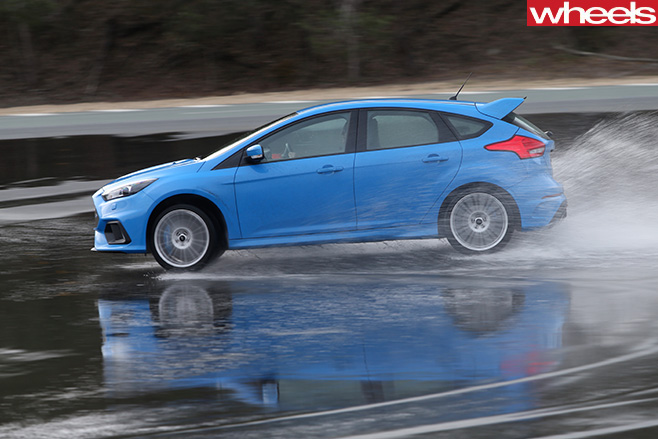
Because the fact is, while Drift mode somehow underscores the engineering philosophy of the Ford Focus RS, it in no way reduces the car to a showboaty, hoon-hatch freak show. Instead, the inclusion of this clever feature shows what Ford’s RS engineering team thought was lacking in the ultra-fast five-door competition. “The greatest way to ruin a really awesome corner is with on-limit understeer,” points out project boss Tyrone Johnson. You’d like Tyrone. He’s a car guy’s car guy, and he knew from the conception phase of the new Focus RS that he didn’t want a car that was ultimately a bit dull and one-dimensional to drive at the limit. Yet for this third-gen model, all-wheel drive was seen as essential to delivering the traction needed to properly harness the 257kW/440Nm output of the reworked Ecoboost 2.3-litre turbo four.
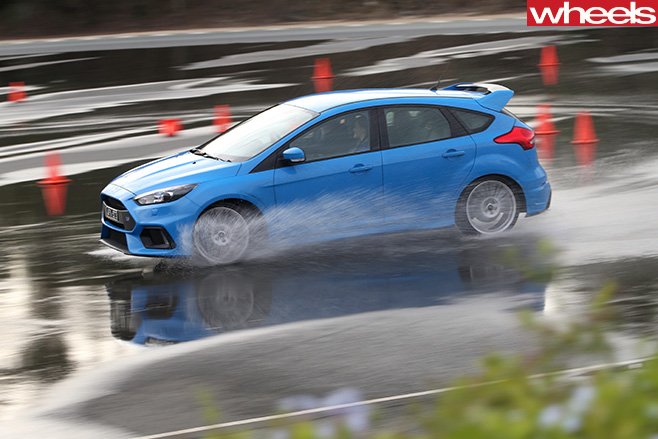
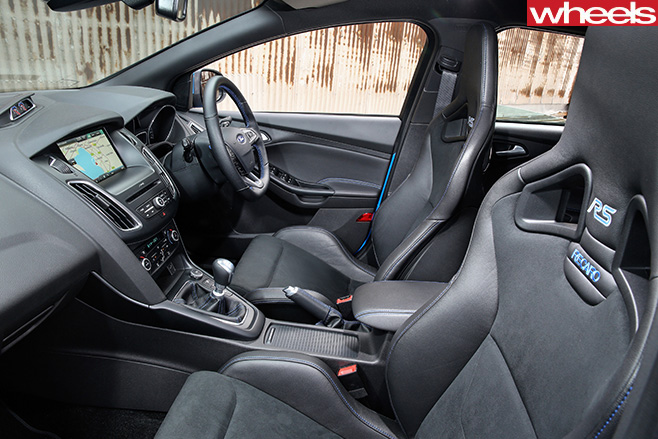
First impressions behind the wheel, for me at least, is that the deep, ultra-supportive Recaro seat, once you’ve scaled its tall thigh bolsters on the way in, is set too high. There’s no height adjustment, and also no respite from the kindie-grade instrument graphics, a bland cockpit, and occasionally wonky sat-nav. But that’s where the demerits end. The control weights all feel near-ideal, and the gearshift, while not ultra-short in its throws, is satisfyingly slick yet mechanical-feeling. The steering, too, is super-quick at just two turns lock to lock, but does not benefit from the extra weighting that comes in Sport mode.
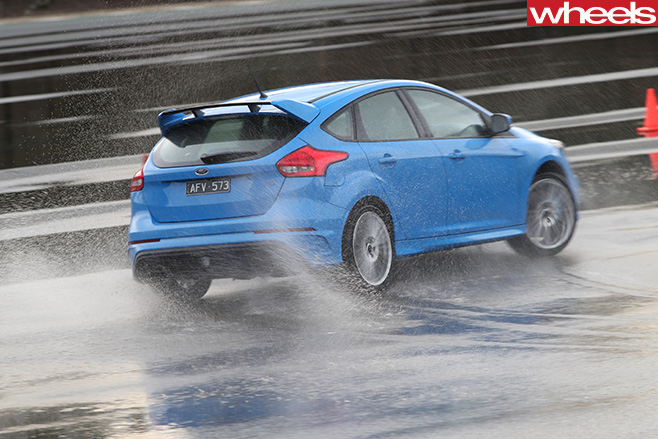
The removal of some sound deadening from the firewall and rear underbody liberate a real full-fruit, get-it-on note from the engine and exhaust. (There is a sound symposer, but it uses actual engine noise, not an artifice.) In Sport mode, there’s a volley of pops and thuds on lift-off that sound like there’s some proper WRC anti-lag trickery going, rather than the slightly contrived artillery division Porsche employed for its new flat-four turbos. Unusually for a turbo, the 2.3-litre four relishes its final, super-smooth lunge for redline, but the car barely feels less quick when short-shifted slightly.
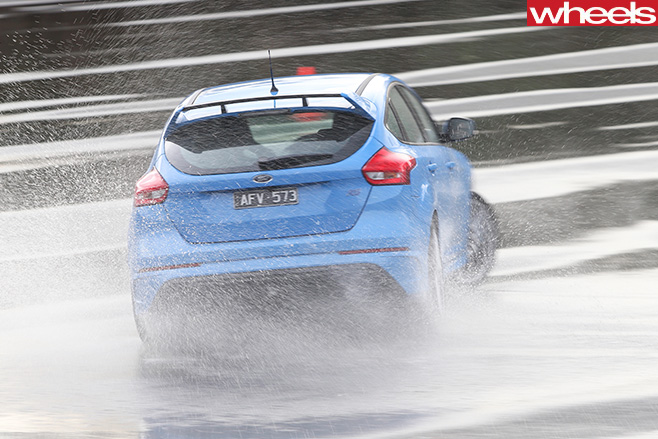
As for Drift mode, we were only able to try it on a wet skidpad, and while Ken Block’s job is safe, ample time was spent looking through the side glass. On track, if you have wheel skills, we have no doubt the Focus RS has the dynamic ability to be a howling entertainer. Get in quick before the fun police do the squealing.
SPECS Model: Ford Focus RS Engine: 2261cc 4cyl, dohc, 16v, turbo Max power: 257kW @ 6000rpm Max torque: 440Nm @ 2000rpm-4500rpm (470Nm overboost) Transmission: six-speed manual Weight: 1542kg 0-100km/h: 4.7sec Fuel consumption: 7.7l/100km (EU) Price: $50,990 On sale: now
Mazda has today announced a significantly updated Mazda 3 will hit Australian dealerships next month.
And while many car makers are hard at work on reducing driver input with autonomous driving technology, Mazda’s approach is to use the human element more effectively in a bid to enhance the entire driving experience.
The new Mazda3 will be the first in the range to come equipped with G-Vectoring Control (GVC), which introduces technology Mazda is calling Skyactiv-Vehicle Dynamics. GVC monitors the steering input from the driver and then adjusts the acceleration to optimise the vertical load on each wheel.
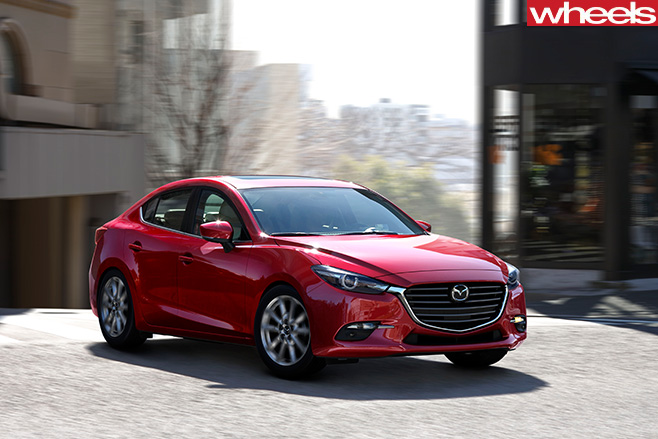
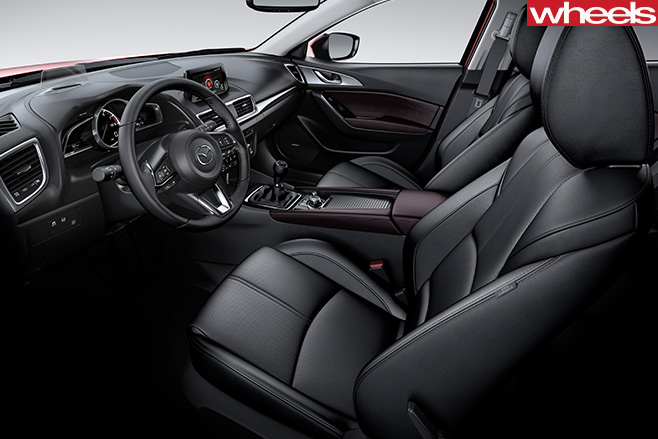
Other updates include a new full-colour instrument panel which simultaneously displays information on the environment and the vehicle. The updated Mazda 3 sedan now boasts the firm’s Traffic Sign Recognition System, which is designed to read speed signs, no-entry and stop signs and alert the driver where necessary. Adaptive headlights – which respond to both speed and other road users, and either dim or brighten automatically – are also a feature.
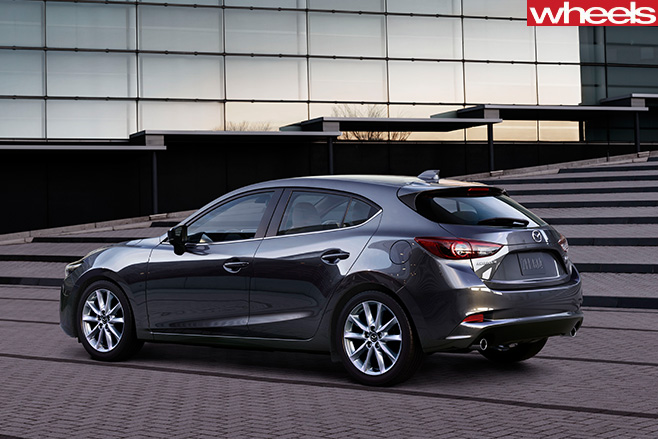
Although Mazda has just released the update in Japan, would-be owners in Australia will need to wait until the car’s official 28 July launch to learn what specs we’ll get on the updated model here.
Mazda Australia’s Karla Leach pointed out that despite sitting behind the Corolla in overall sales, the Mazda 3 is the best-selling small car with private buyers: “[They] are our key market for the Mazda 3 and we’re looking forward to introducing big improvements to an already successful recipe.”
Find specifications, Mazda reviews, prices and compare the Mazda CX-3 with similar SUVs at WhichCar.com.au
