
NISSAN says its desire to bring the Nismo performance brand to Australia is as strong as ever – it just needs Japan to come to the high-octane party.
Nissan Australia chief executive Richard Emery told Wheels he was in monthly discussions with the Yokohama head office about when it could start rolling out cars fettled by Nismo, the carmaker’s global motorsport brand.
However, Emery said Australia’s biggest problem was that it is not the only one hammering on Nismo’s door for product.
“They’ve got all these markets saying this is the right thing [for Nismo] to do … but scaling up requires prioritising what you’re going to do and when.
“There are so many markets who want to do the same thing at the same time.”
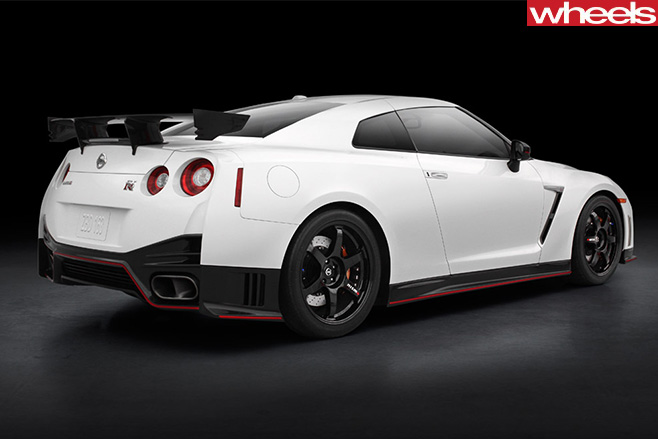
Nissan has offered Nismo enhancements for a number of its cars sold in overseas markets, ranging from the Nissan Juke compact SUV to the ageing 370Z two-seat sports coupe and beer-budget two-door Nissan GT-R super-coupe.
Once given the green light, Emery said Nissan could have its first Nismo-badged products in showrooms in six to nine months.
“What I don’t want to do is go ahead and do it and I can only have five cars; that’s not going to help anybody,” Emery said.
“So we need to make sure there’s a supply line and it’s consistent, and it can meet up with the demand that’s there.”
“The Nismo badge needs to be real. There is a variety of options … alloys and a spoiler kit is not what Nismo is about. We want to hang true to what Nismo is and that is it offers some performance advantages. It’s not just visual, it’s not just bolted-on visual cues.”
That job, he said, would be left to Nissan’s new N-Sport sub-brand that will sit above the regular range, but fill in below Nismo’s more enthusiast-honed model line-up.
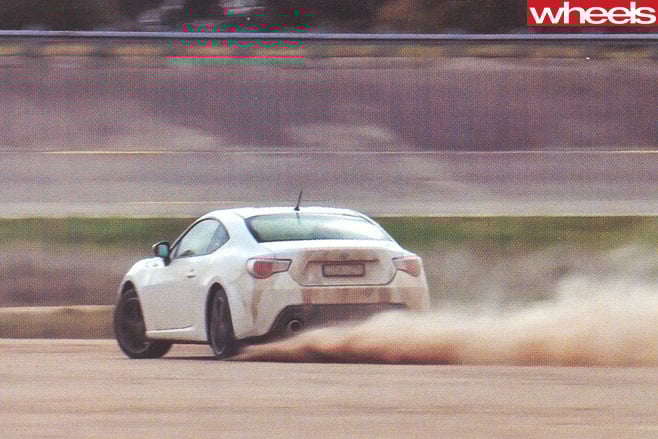
The engineering may be conventional, but the execution is exceptional. The Toyobaru twins’ focus on affordable, involving driving enjoyment propelled them, with tail-out attitude, into the COTY winner’s circle.
First published in the January 2013 issue of Wheels magazine, Australia’s most experienced and most trusted car magazine since 1953.
MORE often than not with car companies, collaboration equals abomination. Seldom do joint projects produce something remarkable.
Rarer still are results like Wheels Car of the Year 2012, the Subaru BRZ/Toyota 86. Both launched mid-year and were rapturously received. Understandable, as they blend supermarket-shelf affordability with chic boutique driving pleasure. Sensually satisfying and immensely entertaining, this compact, front-engine, rear-drive coupe was something special. The 86 was exactly the kind of car many believed Toyota had forgotten how to create. And the BRZ proved Subaru’s expertise extended beyond turbocharged boxer engines and all-wheel drive.
There seemed little doubt the coupe would make it to the final stages of COTY, but victory was not a foregone conclusion. Among the other nominees were some outstanding cars. One of them showed convincingly how our driving dependency on oil could be massively reduced. Another offered a spectacular redefinition of everything that should be expected from a tiny car. Along with the Holden Volt, Volkswagen Up, and the others, the 86/BRZ would have to survive the sustained and searching scrutiny that is the week-long COTY test program. In other years, cars have gone into the process with a bright reputation and emerged with it tarnished. And, needless to say, empty-handed.
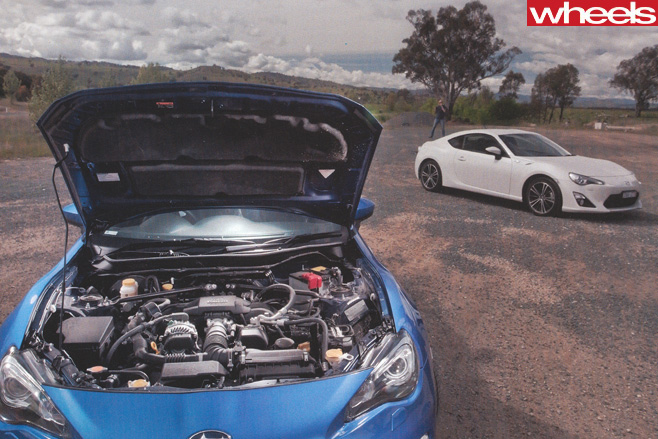
Then you drive it, and it’s instantly, glaringly obvious that the engineering effort invested in the 86/BRZ has gone into the details. All of them…
Welcome to the preview of the June issue of MOTOR magazine. It’s a packed issue this month, so let’s get straight to it.
Available for purchase in digital form for Apple or Zinio.
Our cover story is a supercharged V8 head-to-head between the new Ford Falcon XR8 Sprint and the HSV Clubsport R8 LSA. Which 400kW monster comes out on top?
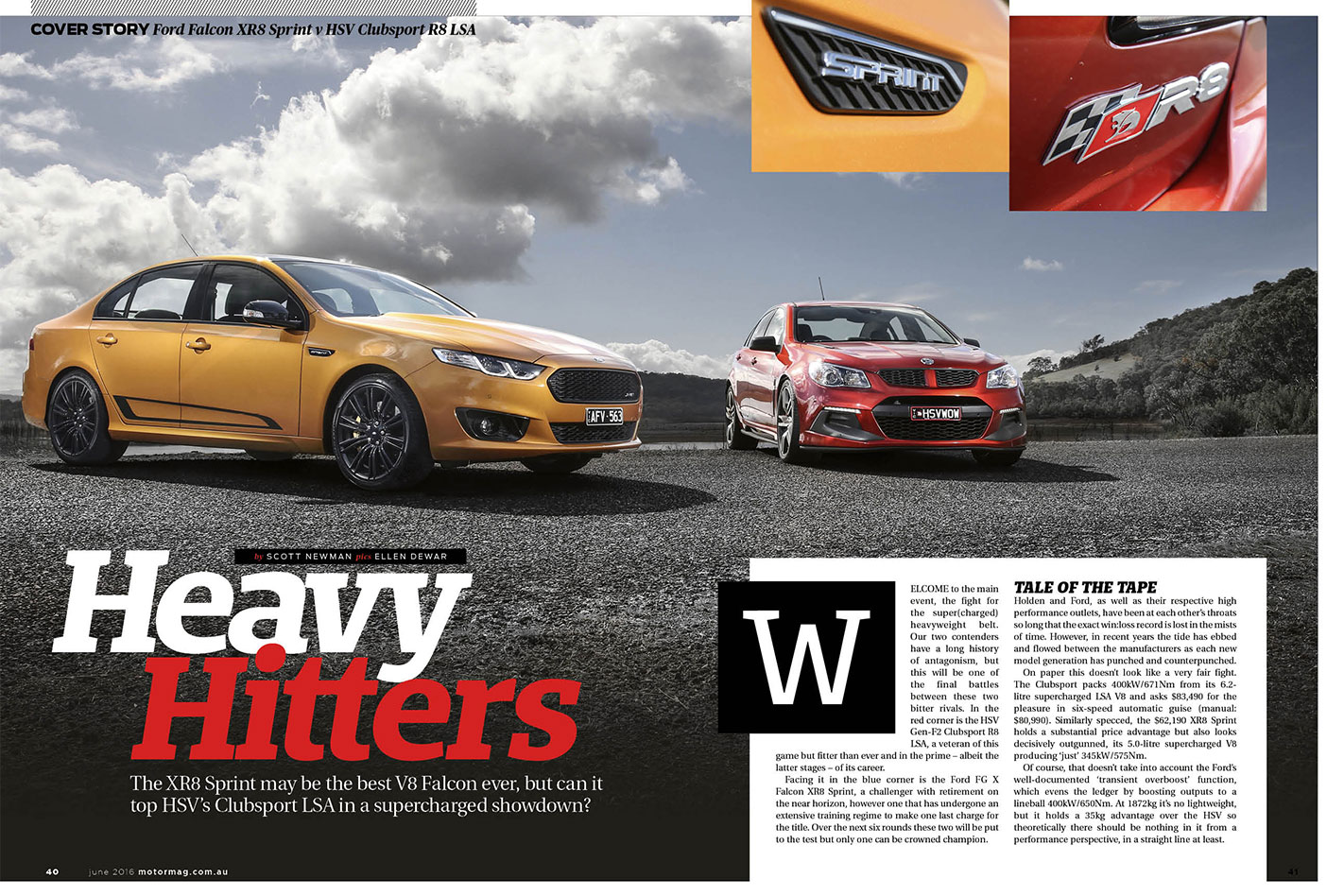
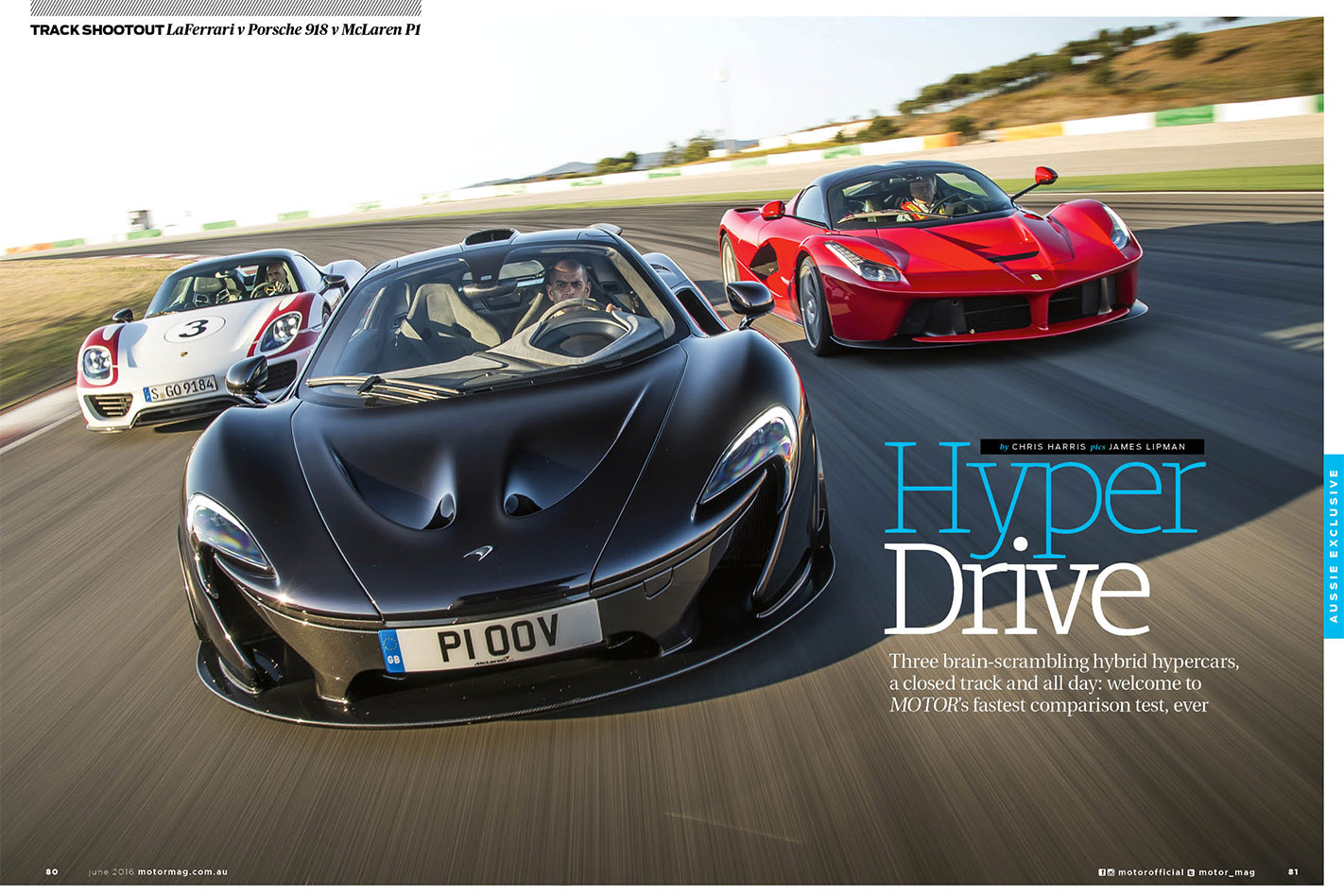
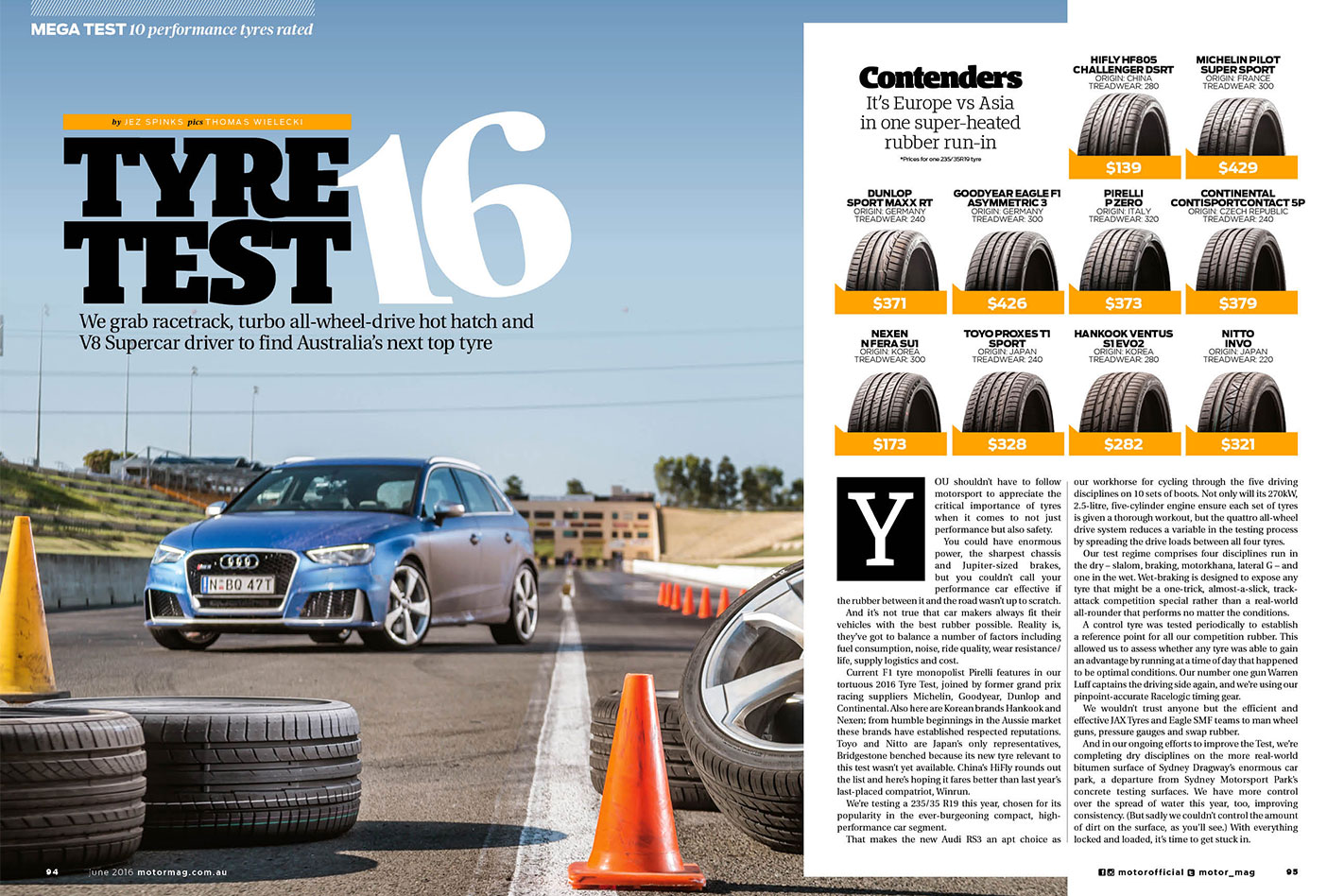
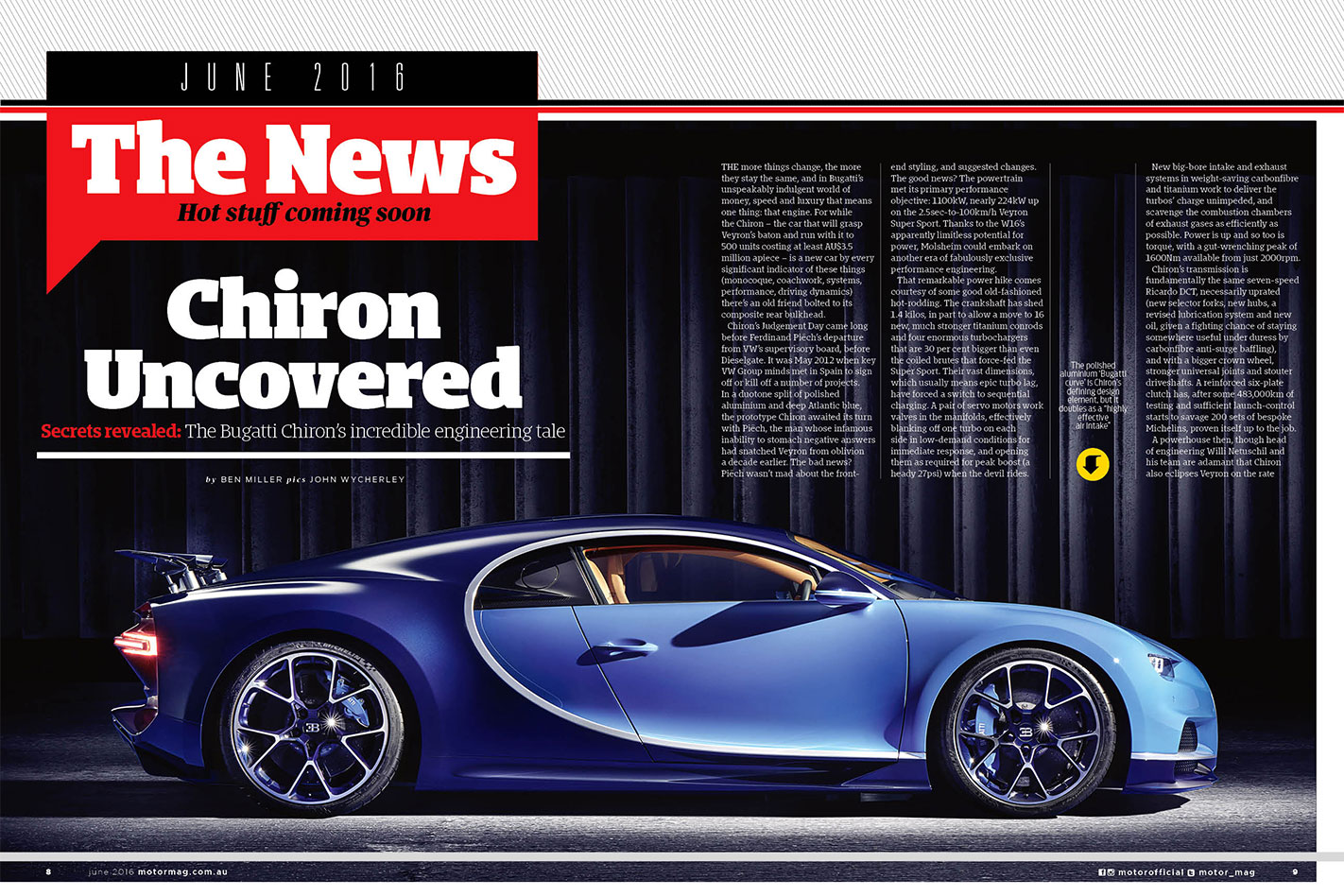
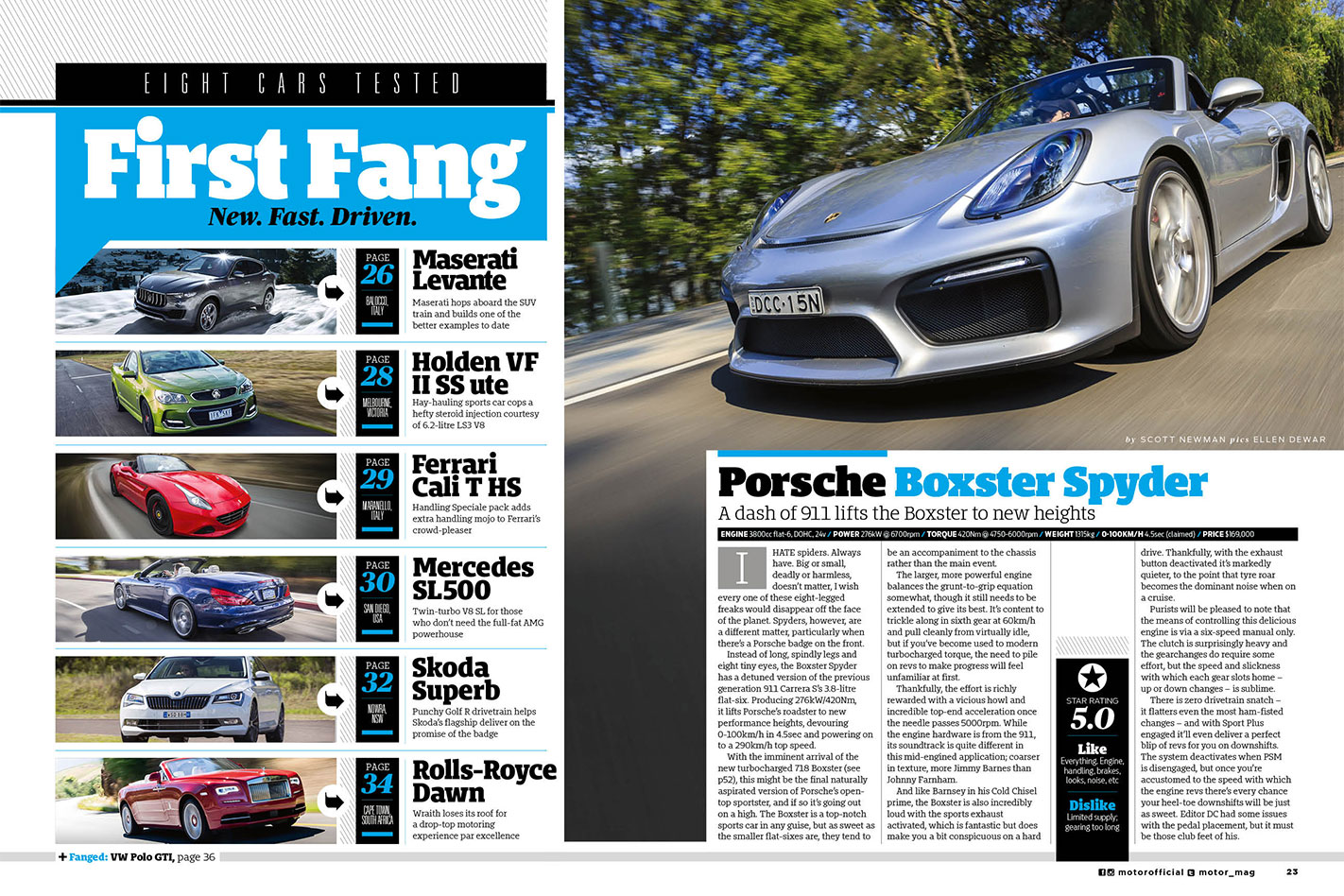
We’re going to assume if you’ve got this far you’ve already watched the video. If you haven’t, do so, then read on.
Obviously, the Sprint is soundly thumped by the Clubsport and you’re all going to want to know why. Well, this match-up is a prime example of why numbers can be very deceptive.
Despite what the figures say, in the real world the HSV and the Ford are more or less exactly as fast as each other. That much is obvious from their trap speeds, the HSV recording 184.84km/h and the Ford 182.35km/h, even with a poor launch.
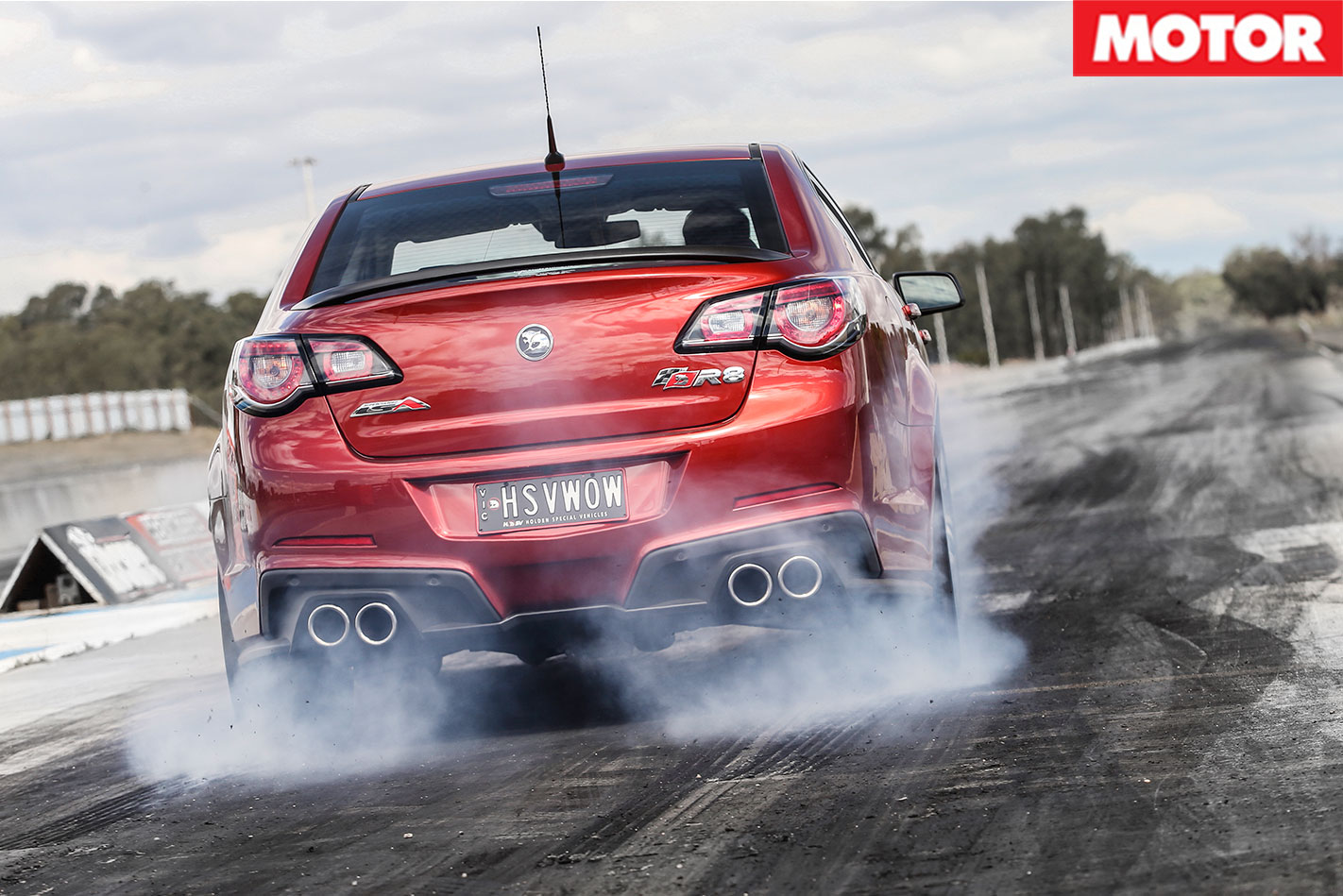
So the next question is: why did the Sprint launch so poorly? It’s a good question, and one we don’t have a concrete answer for.
The conditions aren’t to blame. The temperature was 17C and the track was warm, in fact they were so good the Clubsport ran its best-ever numbers just prior to the Sprint’s runs.
Driver error? This can never be discounted but as the tester responsible I can hand-on-heart say every single technique I know was tried.
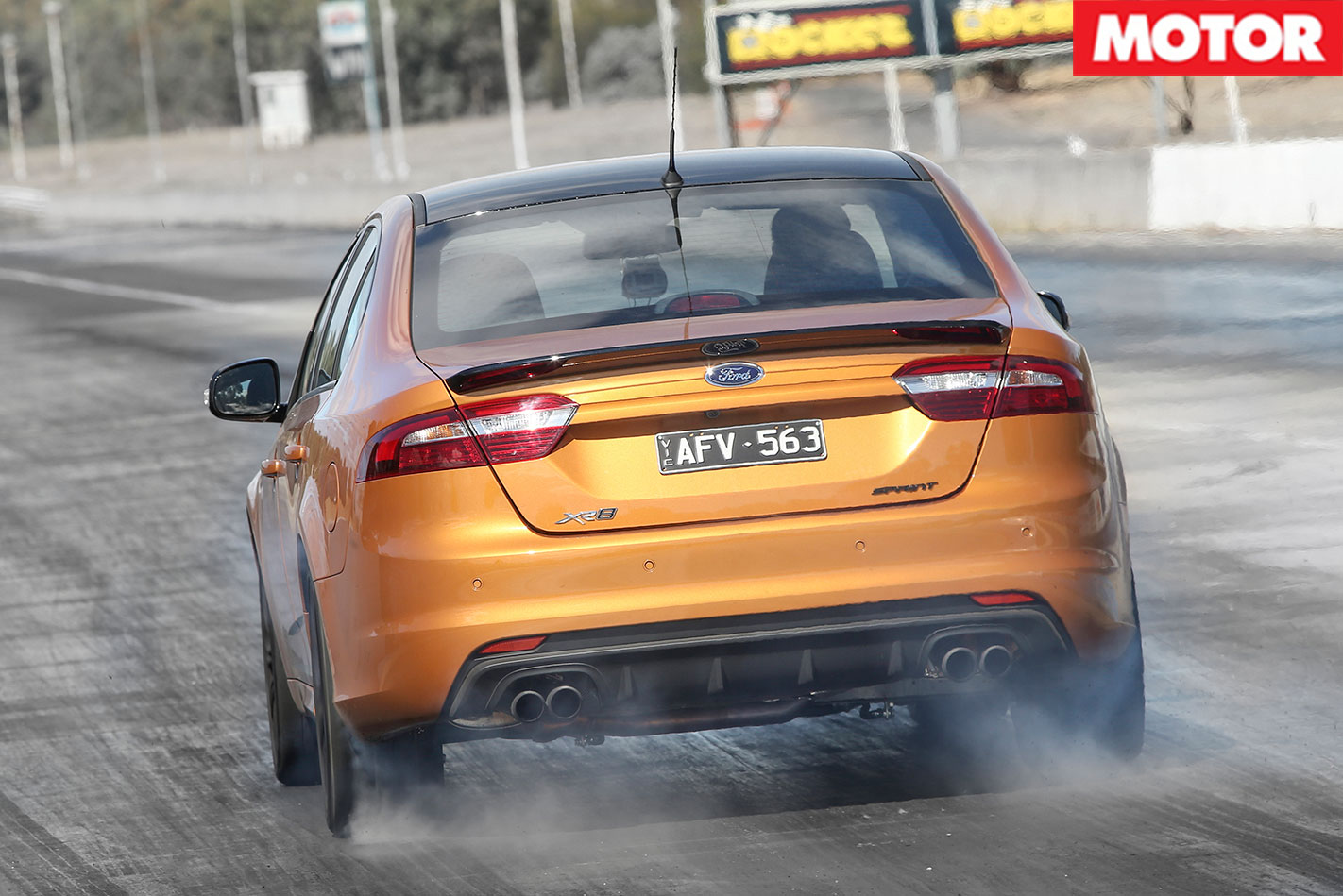
Even running with DSC on and letting the electronics manage the wheelspin resulted in 5.2sec 0-100km/h and a 13.3sec quarter mile.
It appears the blame lies with the tyres. The rear Pirelli P Zeros still had plenty of tread and worked well on the road, but the suspicion is they were past their best in terms of ultimate performance and with this level of torque, they need to be at their best!
This isn’t the end of the story, as we have plans to give the Sprints their best chance of running the numbers they’re capable of.
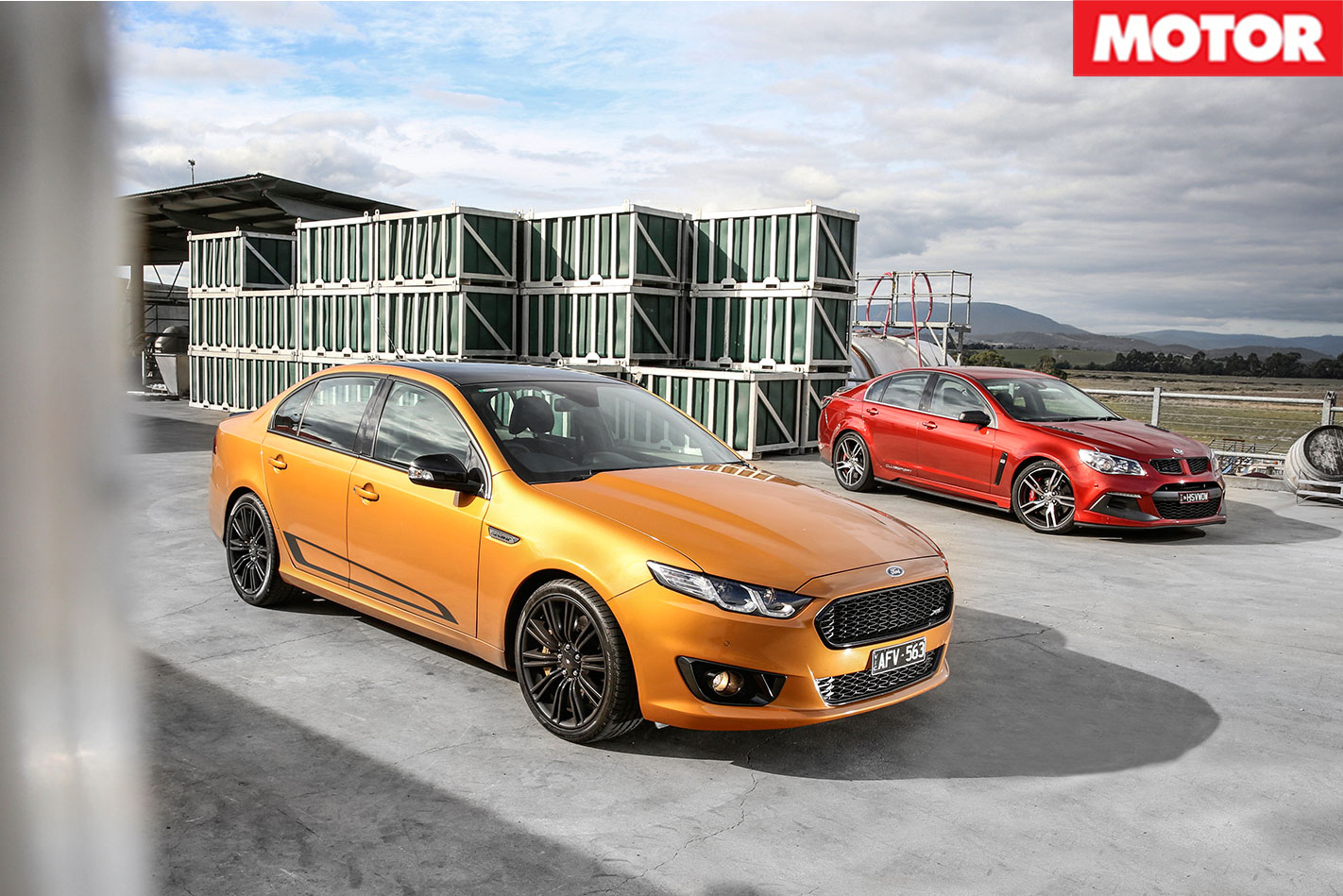
The Volkswagen Golf GTI Clubsport S is an even more powerful version of the Clubsport model that goes on sale in Australia in June as the GTI 40 Years model.
Volkswagen presented the new S variant at its latest annual GTI festival in Worthersee, Austria, where it showcased significant modifications over other GTIs.
The Clubsport S is 30kg lighter than the regular Clubsport – with the 1360kg kerb weight achieved mainly by removing the rear seats, introducing a smaller battery, and switching the front subframe to aluminium construction. It’s offered with a lighter, six-speed manual gearbox rather than heavier auto.
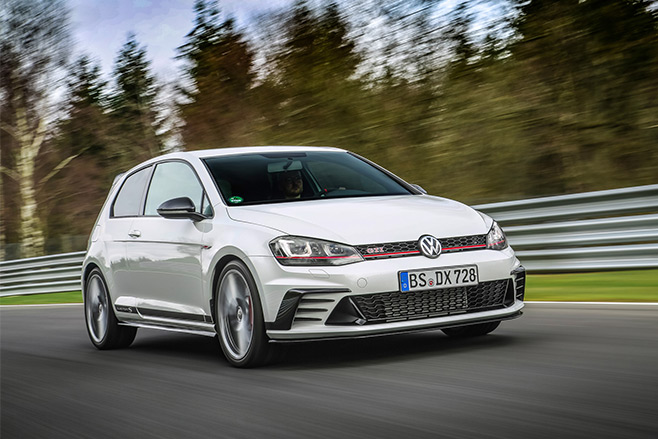
Engineers also tuned the regular Volkswagen Golf GTI’s 2.0-litre turbocharged four-cylinder to produce yet more power via software changes and a new, larger-diameter exhaust systems.
The S produces 228kW to be more powerful than both the $48,990 Clubsport, which can produce up to 213kW, and also the all-wheel-drive, 206kW Golf R.
With a 0-100km/h sprint time of 5.8 seconds, the S is one-tenth faster than the Clubsport though still slower than the R.
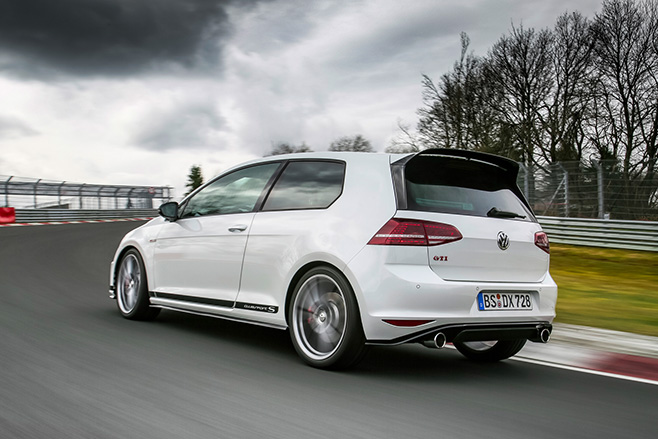
Volkswagen has set out to optimise the S for racing around the Nurburgring, though. It features its own Nurburgring setting that can be selected via the car’s touchscreen – which puts the engine into its sportiest mode but also softens the adaptive suspension to help the hottest GTI cope with the 21km track’s difficult kerbs and bumps.
Greater tyre grip is provided by semi-slick Michelin Sport Cup 2 tyres, the Clubsport S gains special brake pads for more consistent stopping performance, and the driver and front passenger are held in by heavily bolstered bucket racing seats.
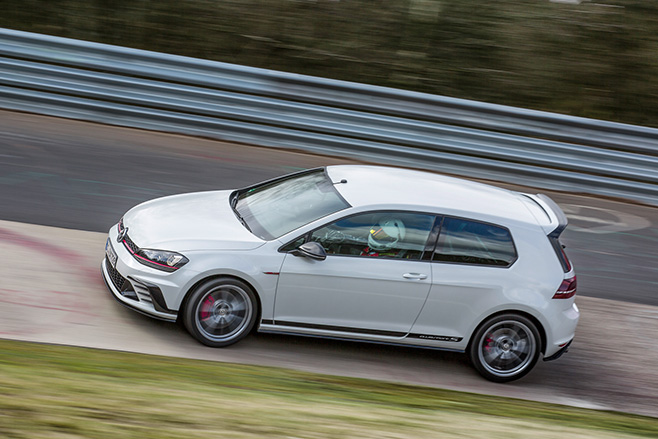
The modifications enabled the GTI Clubsport S to set a time of 7 minutes and 49.21 seconds around the Nurburgring, beating a pre-production Honda Civic Type R that previously held the record.
Just 400 units of the Volkswagen Golf GTI Clubsport S will be built, with a quarter of them being distributed in its homeland.
Volkswagen Australia is yet to confirm whether the fastest production GTI ever will be available here.
Click here to read the full review on the Volkswagen Golf range.
RM Sotheby’s is auctioning two of Peugeot’s most famous race cars at its Monaco auction on May 14.
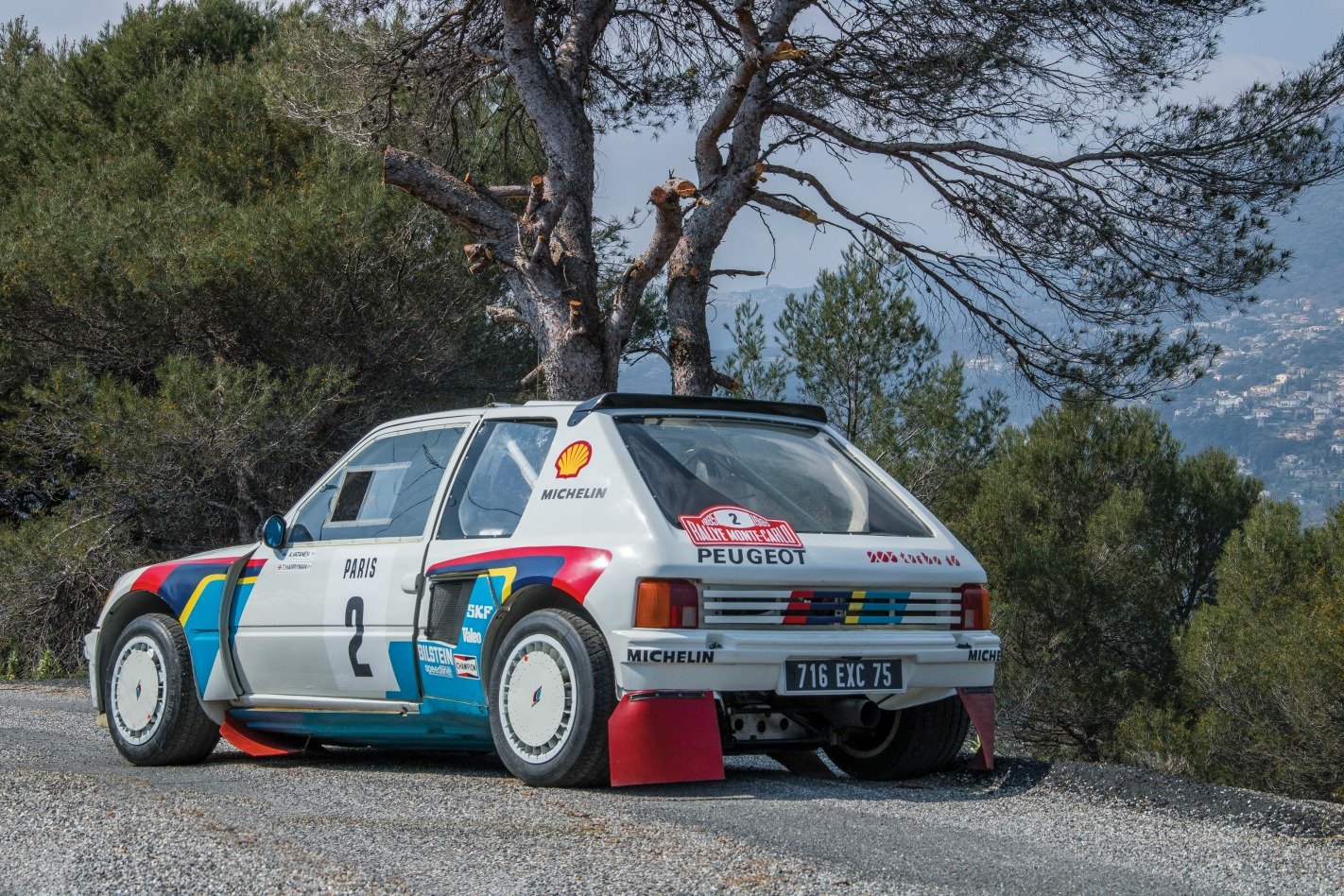
The first is an example of Peugeot’s legendary Group B car, a 205 T16 (serial number C11) piloted by Ari Vatanen to victory in the 1985 Monte Carlo and Swedish rallies.
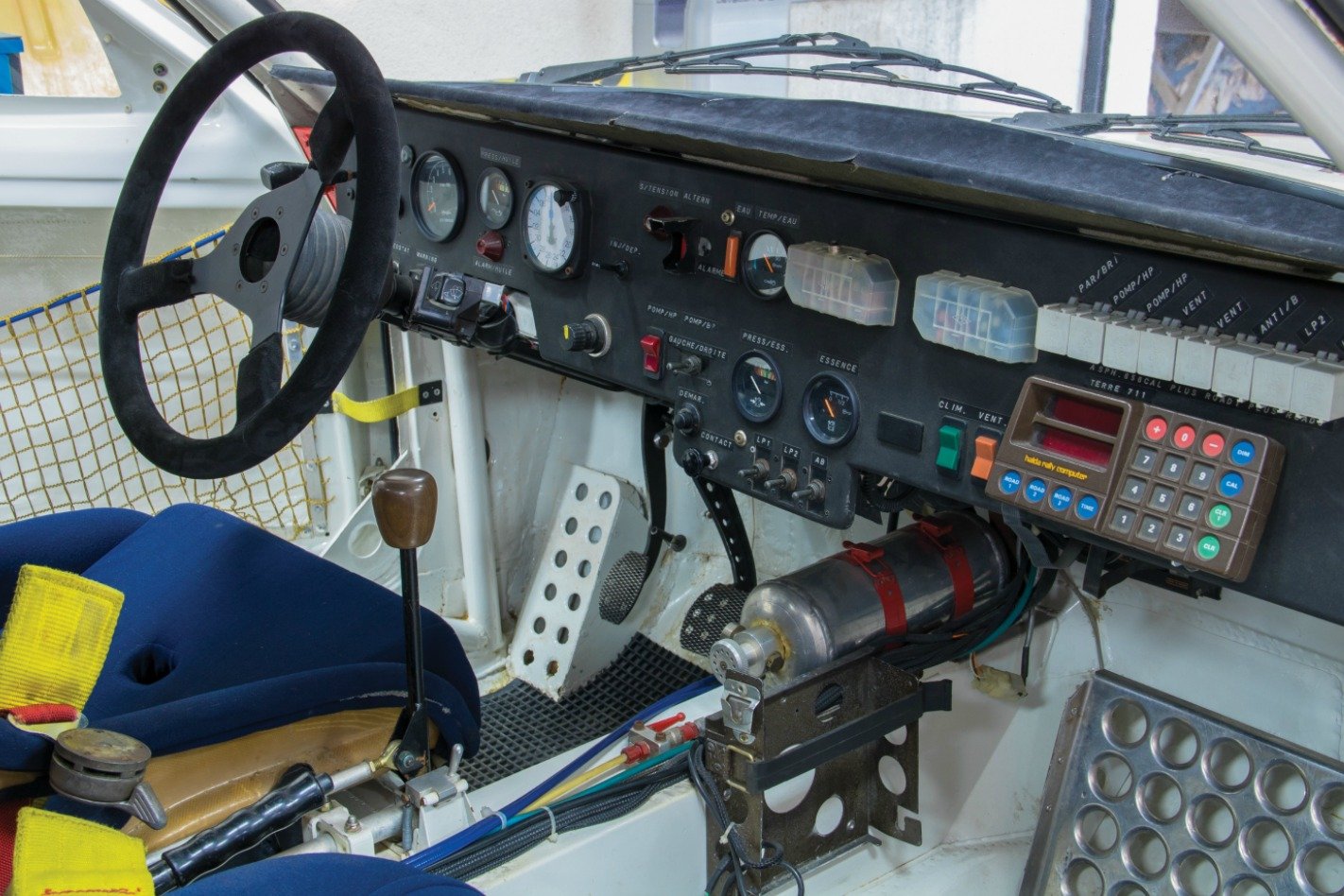
Vatanen put in the drive of his life, winning 14 of the remaining 16 stages to turn a four-minute deficit into a 5min17sec victory.
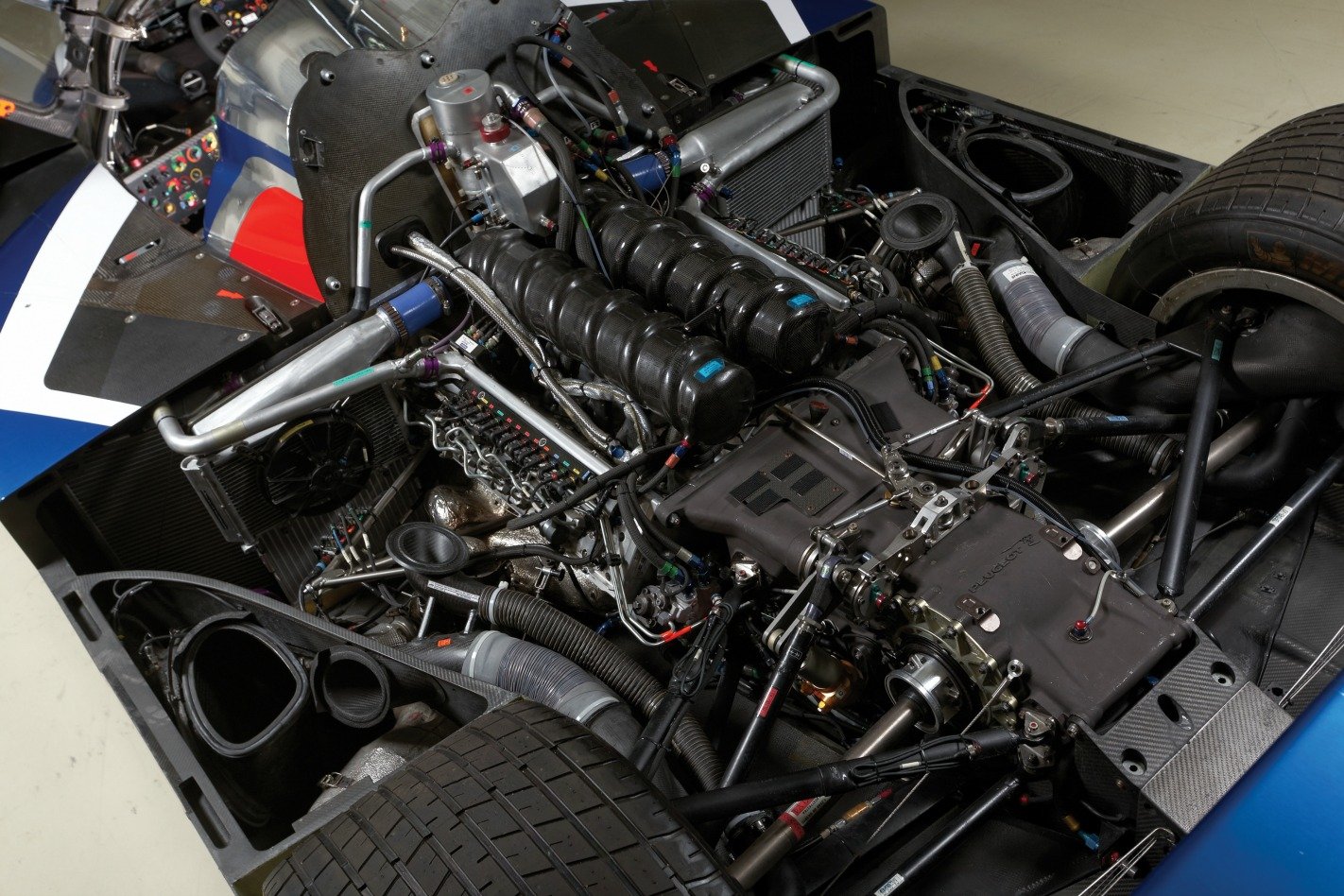
The second offering is one of Peugeot’s fearsome 908 HDi FAP Le Mans cars, which achieved second overall at the 2008 Le Mans 24 Hour.
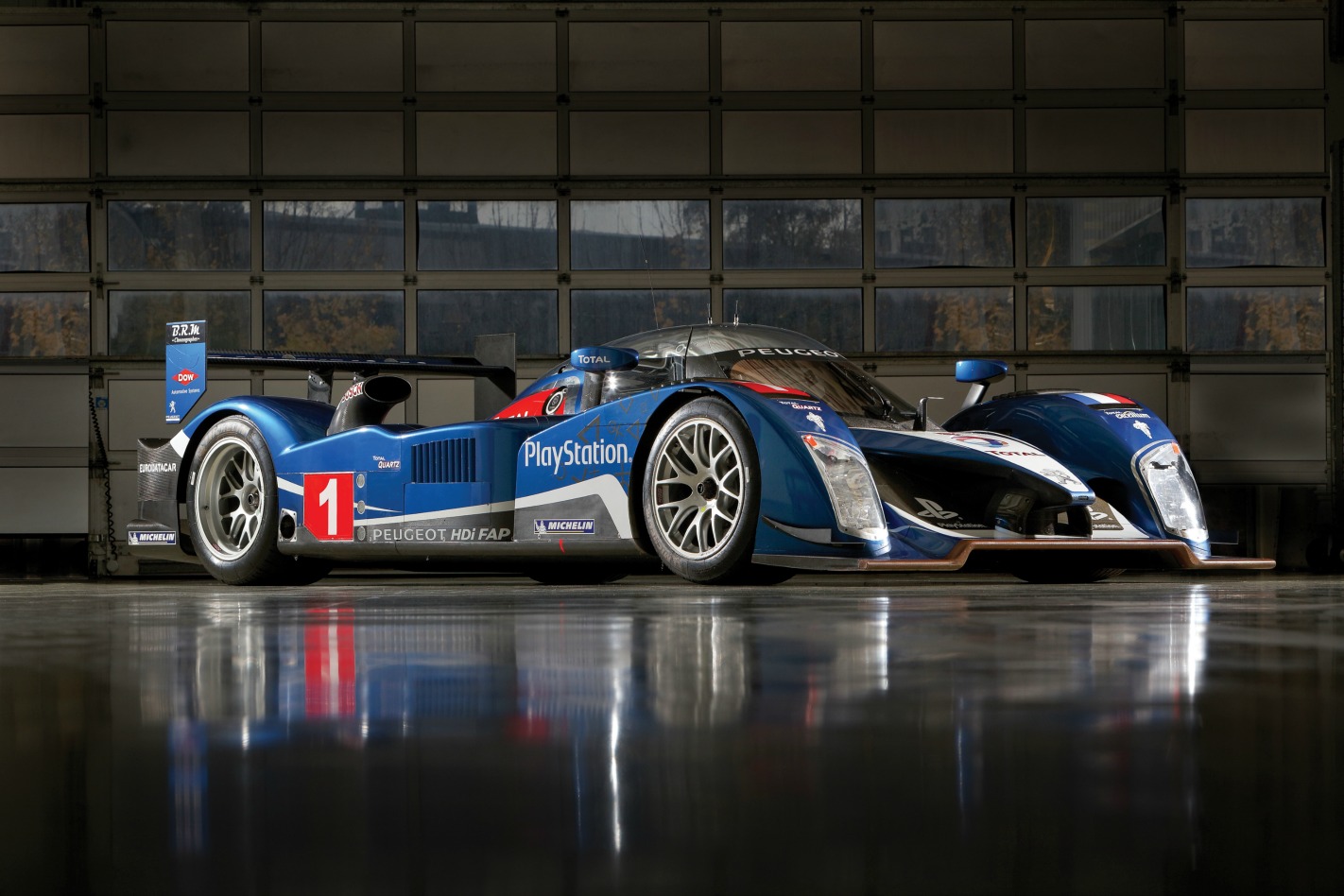
Powered by a 5.5-litre twin-turbo V12 diesel, the 908 HDi produced over 522kW/1200Nm which gave it incredible acceleration. Drivers of the time speak in reverent tones when they recall the outrageous grunt they had to deal with during this era.
For more information on the cars click Peugeot 205 T16 or Peugeot 908 HDi FAP.
Something is indeed working its way up the mountain. Germany’s Lowenstein ranges hunker in the morning stillness, not unlike ourselves as we sit on a road that ends at a construction site. Company is unlikely. But we are expecting.
Down in the valley a murmur turns to a dim growl, which grows into a bark that’s discernible – if you know your cars, that is.
Two cars; one is clearly a V8 and the other an old friend. Porsche’s 911 is more than 50 years old now, but the entire time it has made more or less the same racket – one a trained ear can spot swirling up a German valley. Yet while the sound is familiar, it’s different just the same. Like a kid whose voice you’ve known, but then he turns 13 and it drops an octave.
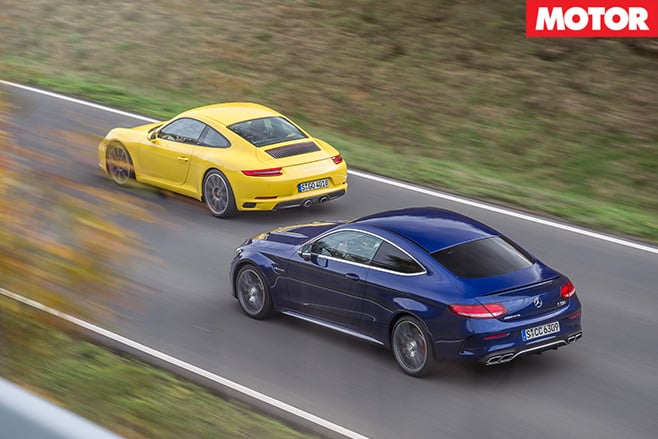
Plonk both these two-door missiles on a drag strip and it’ll be a dead heat to 100km/h, both claiming 3.9sec sprints.
But that’s pretty much where the similarities end. The engines sit at opposite ends of the car, and themselves count different cylinders and displacement. One’s attached to a super-responsive twin-clutch, the other a lazier, more conventional auto. Then there’s the fact one was created as a sportscar from the word go, while the other is, at the end of the day, a variation of what is the most popular taxi in Germany.
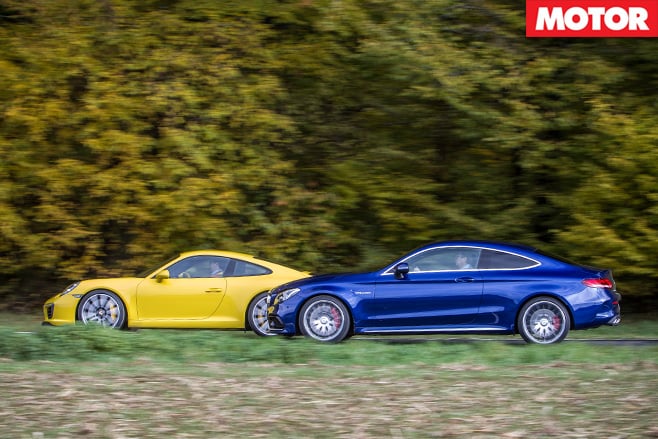
It’s at the Mercedes dealer that the envy and admiration comes a lot cheaper. The C63 S Coupe will cost about $160,000 (price hasn’t been confirmed yet) to the 911 Carrera S PDK’s $258,750.
A higher top speed aside (309km/h versus 290km/h), the extra dough means you will be supporting less of the Middle East economy in the 911, its 7.7L/100km better than the Merc’s 8.9L. But you’ll have to screw a block of wood to the throttle pedal’s backside if you want to get anywhere near those claims.
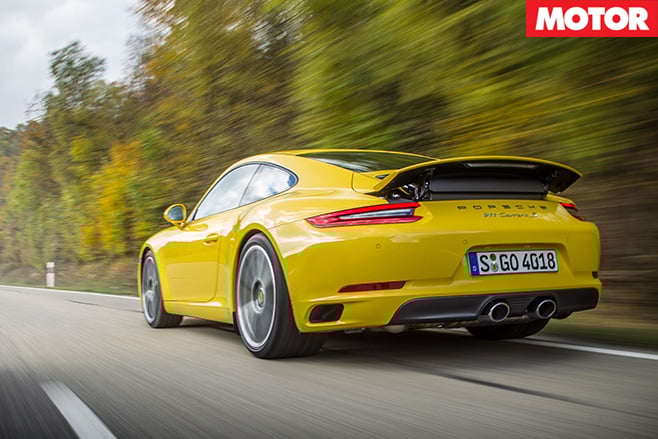
It is the Porsche’s engine that has undergone the greatest personality change. While the C63’s new 4.0-litre twin-turbo V8 still cranks out the torque – and a satisfying V8 soundtrack – the mildly turbocharged Porsche has evolved from something a little hoarse and hungry for revs to an engine with manners and plenty of flexibility.
Power is up 15kW to 309kW, but where the torque curve of a Carrera S used to ramp up with all the aggressiveness of a beginner’s ski slope, these days it’s more Himalayan, a plateau of 500Nm – an increase of 60Nm – is all yours from 1700rpm to 5000rpm.
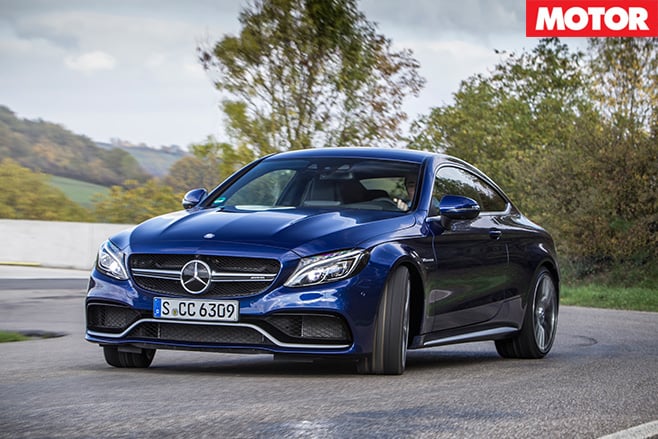
It’s when the road starts to bend that the C63 is the more entertaining, and frustrating, drive. Laying down all that muscle can be a challenge for the driver as much as the rear tyres, and with the ESP on, you could have as much fun in a C450. But ESP in Handling mode changes the C63 from a punk in hoodie and trackie-dacks to getting out the boxing gloves. And ESP Off, well, if you’re not wide awake you quickly will be.
On paper the Porsche looks hampered by a potentially even-more-ill-fated dynamic weight distribution, yet it hangs on with more skill and corners with greater determination. The bad news is it needs a bigger stage to excel; it’ll cheerfully switch from understeer to oversteer if you clobber the throttle, but the process takes a little longer than the AMG and demands a heavier right foot.
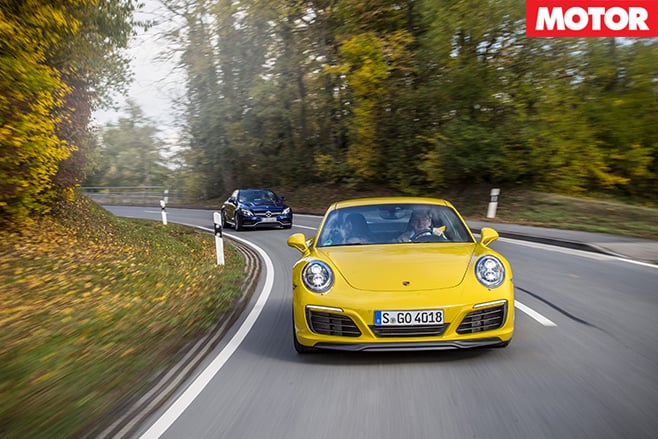
Both cars could sound better, too. Once upon a time car companies couldn’t fit mufflers big enough to these kinds of cars, but now it’s the other way around. In this company there’s no shortage of fake throttle blipping, computer-controlled upshift blats and artificial lift-off fireworks, yet given customers are going for optional sports exhausts, it seems it’s what the masses want.
These days, too, many sportscars try to make everyone happy, being able to tootle to the shops one second and then devour a set of tyres on a track the next. This manifests itself in buttons, and the Porsche is the latest to join the party with its manettino-like steering wheel rotary knob. In Sport Plus it behaves like it’s trying to win a spot on A Current Affair. In Normal and Drive, the excitement levels become limp, the transmission grabs the tallest gear as quickly as possible, and the initial throttle response becomes almost dopey.
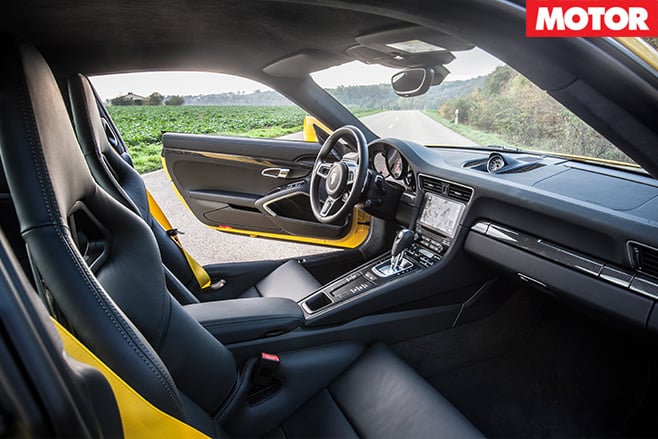
In their Manual modes, the PDK looks to win out on paper for performance, with its unbelievably quick and crisp shifts up and down. But it’s closer in the real world. The Merc’s Speedshift torque-converted tranny is marginally less efficient but slightly more emotional, able to slam up the gears with impressive rapidity, yet in cruise mode swaps cogs in a manner more relaxed than the Porsche.
On paper, too, the AMG GT might look the more suitable car for comparison with Porsche’s new force-fed Carrera. But, the C63 is the more sorted, sharper and more chuckable back-road missile than its attention-grabbing big brother. It’s the more sensible buy, too.
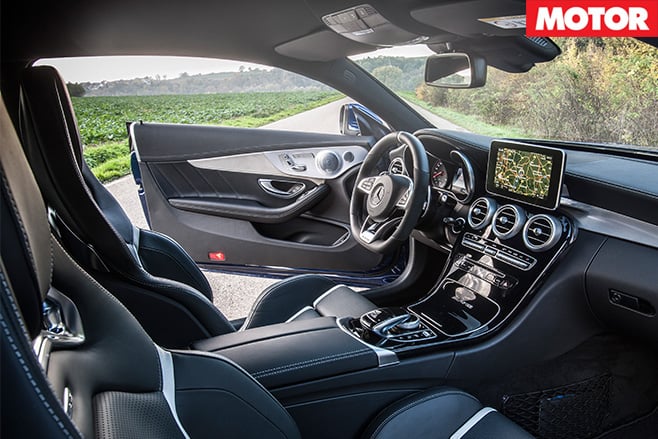
Everything else AMG has made to look meaner; all the flicks, splitters and diffusers will have boy racers in Nissan Silvias trying to race you at the lights. The changes run more than skin deep, too, with AMG thoroughly reworking the suspension, quickening the steering and, of course, installing an engine more than fit for autobahn blasting.
Much like the 911 GTS, the new Carrera S impresses with its polish. But it’s a different car now, no less capable yet more relaxed, progressive and fluent. It’s incredibly well tied down, yet expressive, precise and sublimely balanced, and it includes you in the process of cornering in a way many other so-called sportscars could only dream. Turn-in ability can be truly arresting, stability beyond 200km/h now no longer likely to bring on cardiac arrest, and the extra-cost carbon-ceramic brakes are breathlessly good.
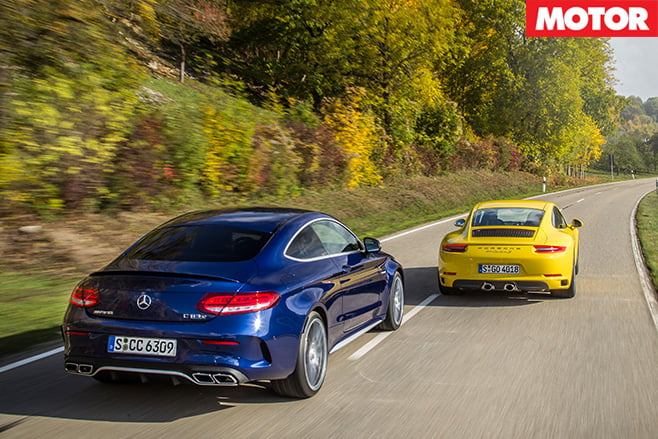
It’s time to wrap up the day, but there’s time for thought as the cars tick themselves cool. The C63’s personality is split in that it’s equally talented a stealth cruiser as attention-grabber in front of the right crowd. Despite its boisterous character and hot-rod soundtrack, it’ll bomb up a road with impressive talent and will be occasionally tricky to tame but always rewarding.
It has got its act together over bumps to the point it’s more confidence-inspiring than the Porsche. Then there’s the practicality element the 911 can’t match, with semi-useable rear seats and a decent boot. The C63 epitomises all the attractions (and flaws) of a rear-drive muscle coupe.
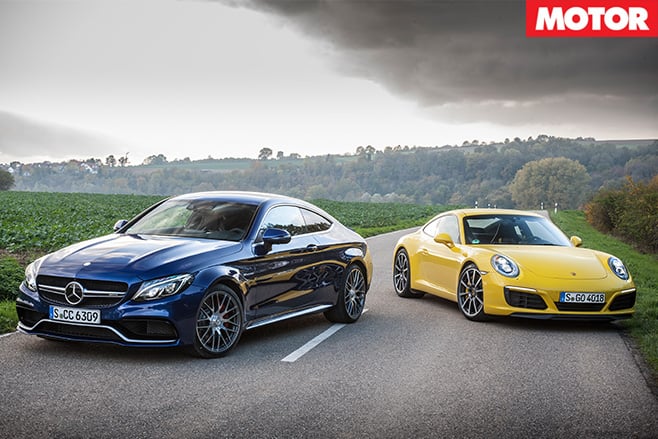
Both the 911 and C63 go like stink, thanks in no small part to some induction assistance, but that’s about all they have in common. The new turbo Carrera S is the most sensible and accessible 911 we’ve driven for a long time, and the two-door C63 the most focused C-Class yet. If price and emotion top your list of criteria, go the blue car. If it’s prestige, panache and perfection, go yellow.
| u00a0 | Porsche 911 Carrera S | Merc-AMG C63 S Coupe |
| Body | 2-door, 2-seat coupe | 2-door, 4-seat coupe |
| Drive | rear-wheel | rear-wheel |
| Engine | 2981cc flat-6, DOHC, 24v, turbo | 3982cc V8, DOHC, 32v, twin-turbo |
| Bore/stroke | 91.0 x 76.4mm | 83.0 x 92.0mm |
| Compression | 10.0:1 | 10.5:1 |
| Power | 309kW @ 6500rpm | 375kW @ 5500-6250rpm |
| Torque | 500Nm @ 1700-5000rpm | 700Nm @ 1750-4500rpm |
| Power/weight | 203kW/tonne | 217kW/tonne |
| Transmission | 7-speed dual-clutch | 7-speed automatic |
| Weight | 1520kg | 1725kg |
| Suspension(F) | struts, A-arms, adaptive dampers, anti-roll bar | multi-links, coil springs, adaptive dampers, anti-roll bar |
| Suspension(R) | multi-links, coil springs, adaptive dampers, anti-roll bar | multi-links, coil springs, adaptive dampers, anti-roll bar |
| L/W/H | 4499/1808/1295mm | 4750/1877/1400mm |
| Wheelbase | 2450mm | 2840mm |
| Tracks | 1542/1519mm (f/r) | 1636/1592mm |
| Steering | electrically-assisted rack-and-pinion | electrically-assisted rack-and-pinion |
| Brakes(F) | 350mm ventilated discs, 6-piston calipers | 390mm ventilated discs, 6-piston calipers |
| Brakes(R) | 330mm ventilated discs, 4-piston calipers | 380mm ventilated discs, 4-piston calipers |
| Wheels | 20.0 x 8.5-inch (f); 20 x 11.5-inch (r) | 19.0 x 9.0-inch (f); 19 x 10.5-inch (r) |
| Tyre Sizes | 245/35 ZR20 (f); 305/30 ZR20 (r)u00a0 | 255/35 R19 (f); 285/30 R19 (r)u00a0 |
| Tyre | Pirelli P-Zero | Michelin Pilot Super Sports |
| Price as tested | $258,750 (PDK) | $160,000 (est.) |
| Pros | Faster and more resolved than ever | Engine; handling; hooligan factor |
| Cons | Some loss of character; extensive optionsu00a0 | Rear styling iffy; quite weighty |
| Star Rating | 4/5 | 4/5 |
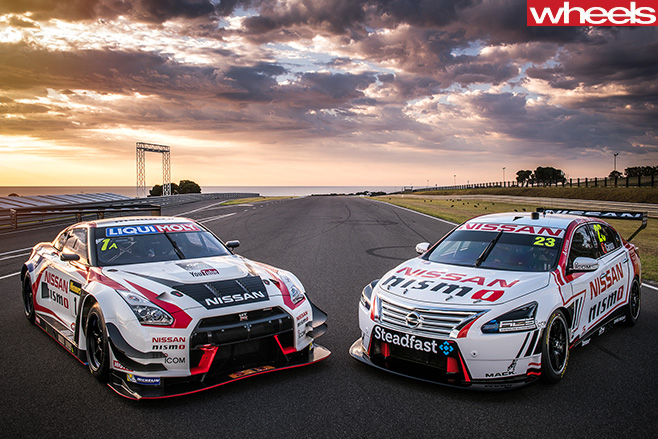
Volvo performance division Polestar is pulling factory support for V8 Supercars just three years after its entry to the local racing series.
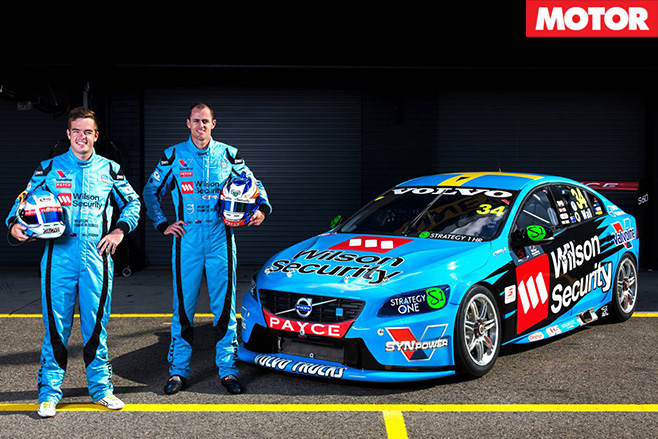
At the launch of the S60 Polestar production car in 2013, it was announced the Swedish brand would back Garry Rogers Motorsport (GRM) with a rear-drive, Yamaha V8-engined version of its medium-sized sedan.
However by the following year, Volvo announced it would wind back motorsport investment globally. Around the same time Volvo Car Australia managing director Matt Braid left the company to work for V8 Supercars.
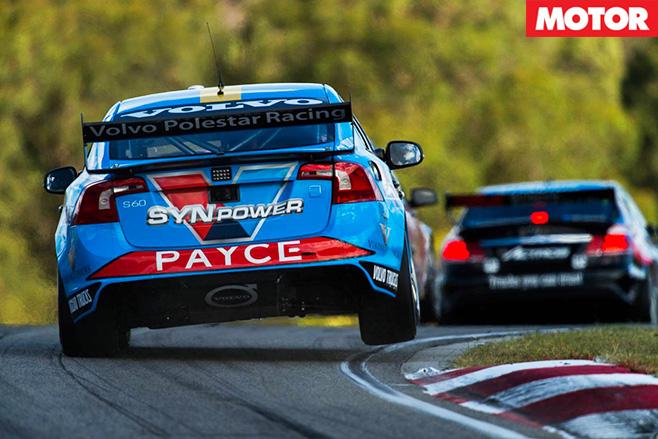
“We have enjoyed a good cooperation with Garry Rogers Motorsport and the championship organisers, but our strategy and business objectives requires us now to focus our attention to other technologies and championships in the near future,” announced Polestar chief operating officer Niels Möller in a statement.
“We will of course support the programme in order to achieve the best possible sporting results in 2016, however, we feel it is fair to all involved that we can provide a heads-up ahead of 2017 as early as possible.”
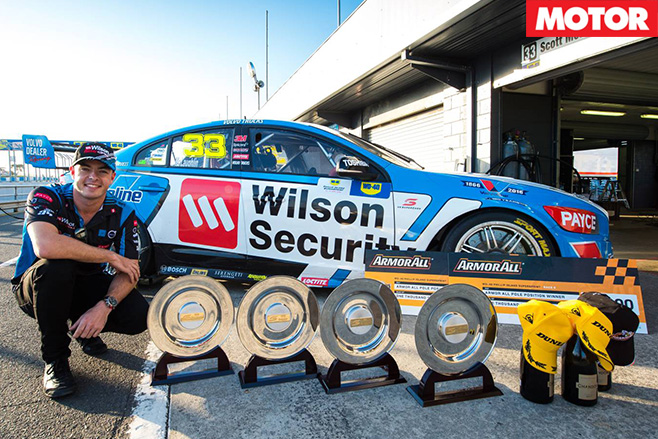
GRM boss Barry Rogers insisted Polestar had already advised the team it would withdraw support at the start of this year, “So the Polestar connection ceased, as far as GRM is concerned, at the start of the 2016 season.”
“If you look at the rear wing of our car; last year it said Volvo Polestar Racing, this year it says Volvo Cyan Racing,” Rogers stressed, adding that the team will continue discussions with Volvo Car Australia about future investment.
V8 Supercars announced it would be rebranded ‘Supercars’ for mid this year as it prepares to open up the series to turbocharged four- and six-cylinder sedans.
Polestar’s withdrawal of support follows Ford’s announcement it will exit the series after this season, and an announcement from Nissan is still to come.
Currently motorsport versions of the S60, Falcon, Altima and Commodore are included in the series, with only teams racing the latter two models remain with factory support.
SUV sales continue to close in on passenger cars and in April were less than 5000 units shy of what is traditionally the biggest market segment in Australia.
While passenger car sales increased slightly in April over the same month last year – up from 35,015 to 36,671 – SUVs accounted for 31,783 sales.
That takes the gap in year-to-date sales to about 15,000 units (155,095 passenger cars versus 140,152 SUVs) whereas a year ago the difference was about 39,000 units.
According to VFACTS sales data, the most popular SUV segment is Medium – led by the Mazda CX-5, Toyota RAV4, Hyundai Tucson and Nissan X-Trail – but only by a narrow margin over Large, where the Toyota Prado rules the roost.
Mazda was the top-selling SUV brand with the CX-5 being almost matched by its smaller CX-3 sibling, 1675 sales to 1604.
With the Hyundai ix35 having been replaced by the Tucson and moving up from Small to Medium, the CX-3 has been left to run amok, selling almost twice as many as its nearest rivals, the Mitsubishi ASX, Honda HR-V and Nissan Qashqai.
Toyota was also significantly prolific with four of its models in the Top 10.
TOP 10 SUVS FOR APRIL 2016
| Rank | Model | Sales |
| 1. | Mazda CX-5 | 1,675 |
| 2. | Mazda CX-3 | 1,604 |
| 3. | Toyota RAV4 | 1,524 |
| 4. | Toyota Landcruiser Wagon | 1,349 |
| 5. | Toyota Prado | 1,329 |
| 6. | Hyundai Tucson | 1,302 |
| 7. | Nissan X-Trail | 1,123 |
| 8. | Subaru Forester | 1,087 |
| 9. | Toyota Kluger | 946 |
| 10. | Honda HR-V | 872 |
THE WINNERS
BMW
The Bavarian Motor Works put some distance between itself and fast-chasing German rival Audi with a 58 percent jump in sales compared with April 2015. Key passenger cars such as the 1 Series hatch, 3 Series and 4 Series coupe contributed, though it was BMW’s SUVs most responsible for sales riding high – with increases for the X1, X3, X4 and X5 ranging from 106 to 366 percent. BMW continues to be the fastest-growing brand of the high-volume luxury marques, though Mercedes-Benz still leads the luxury race.
Ford
Outsold its long-time rival Holden for the first time in the 21st century, even if by just 132 units (6842 to 6710). Ford Australia last had bragging rights way back in September 1997 but edged ahead with a 33 percent year-on-year increase in April owing to good performances from the Focus small car and Mondeo medium car, plus further strong showings from the Mustang sports car and the 4WD variant of the Ranger ute.
Hyundai
The Korean brand hurdled Mazda into second spot in April, courtesy of lifting sales by a fifth compared to the same period last year. Stand-out models were the Hyundai i30 hatch and Accent city car, which jumped 80 percent and 177 percent, respectively, thanks to generous driveaway deals. The i30 has put itself in the running to be Australia’s best-selling car.
Kia
Hyundai’s sister brand also enjoyed a successful April, with a 31 percent year on year improvement. The Carnival people-mover, Cerato small car, Optima mid-size sedan and Sportage SUV all played a starring role for the month.
Volvo
The Swedish brand’s small car, the V40, and its two key SUVs, the Volvo XC60 and XC90, helped to bump year-on-year sales by 58 percent, even if from a relatively low base compared with its key luxury car rivals.
Jaguar
Another luxury brand with a relatively small volume, though a 186 percent jump in April thanks to the XE is still impressive.
THE LOSERS
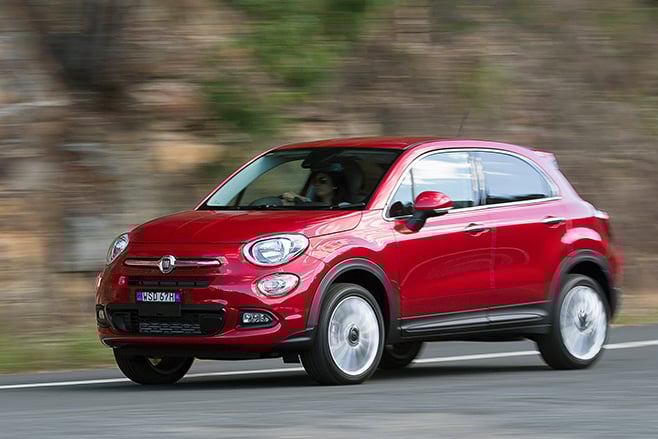
Fiat
The new 500X SUV hasn’t managed to help the Italian brand out of a sales freefall. A 54 percent year on year drop reflects an overall, year-to-date slump of 52 percent.
Honda
Every model in the Japanese brand’s showroom except one endured losses in April, leading to an 18 percent year-on-year decline. Its only saving grace was the HR-V baby SUV – though even that was a lowly 1.5 percent increase.
Jeep
2016 is proving to be a challenging year for the FiatChrysler Group. After Jeep sales fell 20 percent in 2015, the American 4WD brand’s sales are already down 50 percent this year – not helped by a 49 percent slump for April. No single model has yet to record positive growth for the year.
Citroen
The Peugeot-Citroen (PSA) Group is also struggling to catch compatriot Renault in the local market. Peugeot sales slipped 9 percent in April for an overall deficit of 13 percent compared to April 2016, while Citroen fared worse last month with a 45 percent year-on-year decline (now down 27 percent year to date).
Ssangyong
The rise and rise of Hyundai and Kia must be tough for fellow Korean brand Ssangyong, which had another tough month – down 52 percent to see sales almost halved from this time last year.
Lotus
The niche British sports car maker didn’t sell a single model in April.
