
A study in 2012 showed that 93 per cent of Australian drivers do other things while driving, like using a phone or applying mascara.
Using a phone while driving can incur large costs to both your wallet and your licence, but these mobile phone apps are here to help. Oh, the irony.
AAMI SAFE DRIVER
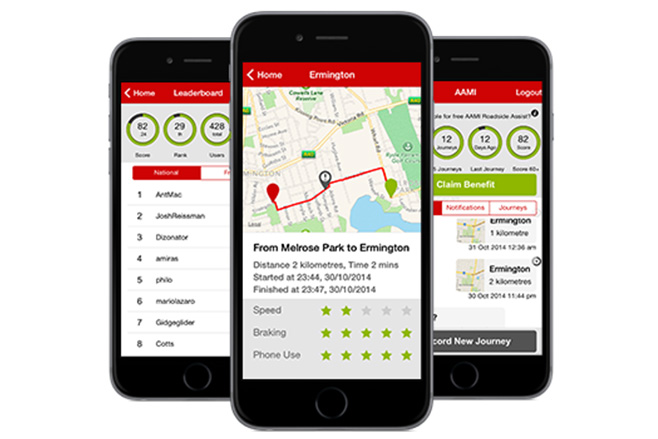
The AAMI developed app analyses your driving behaviour and rewards you for good for doing the right thing. Via GPS, it monitors your speed, acceleration, braking and phone usage while you’re on the road. The app then rewards you points so you can see whether you’re considered to be a safe or unsafe driver. For AAMI members, it can even be linked to your account so you can see greater awards for good behaviour.
RAC MYDRIVE
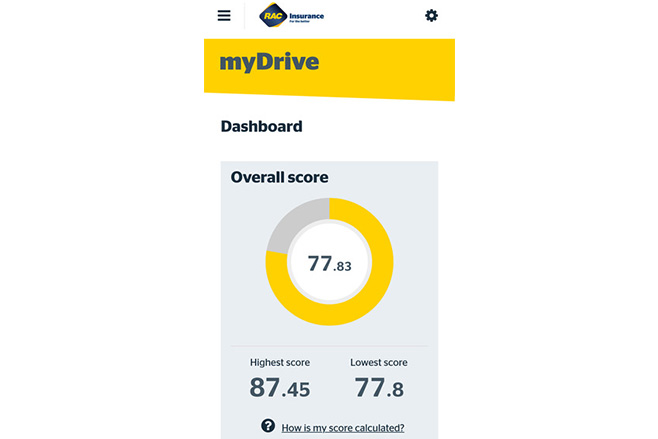
Similar to the AAMI Safe Driver app, myDrive uses GPS to rate your driving skills. You’ll get points and lose points based on your on-road conduct, and you could even score yourself a discount on your insurance costs with Royal Automobile Club (RAC).
FLO – DRIVING INSIGHTS
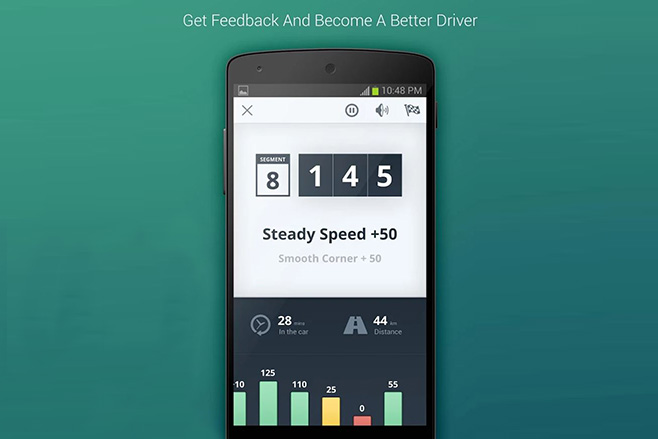
Again, Flo is based on a points system where you’re given points for good actions and punished for negative ones. It’s an instant feedback app that allows you to see how you drive, monitoring your cornering, acceleration, breaking and more are tracked and kept in a log so you can compare each trip.
RACV CONNECT
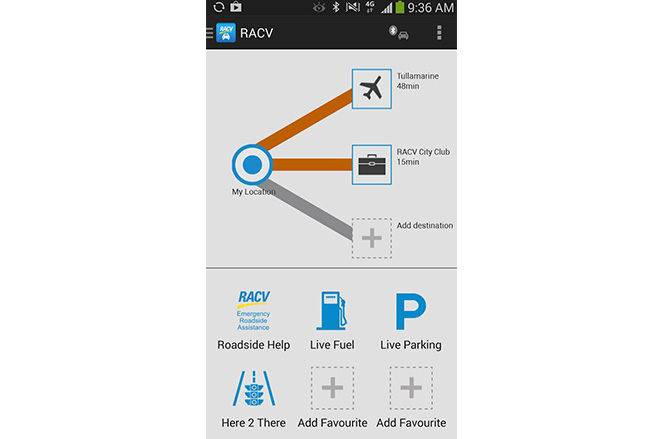
RACV Connect allows you to do everything from monitor your current behaviour to finding your nearest fuel station. Your information, which also includes your favourite driver tips, can be stored in a file which you can then email to yourself. It even tells you the traffic conditions!
FORD SYNC
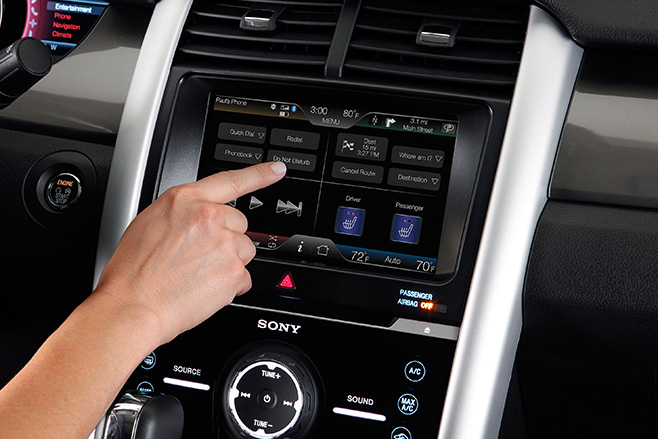
Then there are car manufacturers who are creating their own apps to create a safer in-car experience, such as Ford Sync’s Do Not Disturb mode. The technology allows you to control your phone via a button in the car to either divert calls and texts while driving or encourage voice control.
APPLE CARPLAY AND ANDROID AUTO
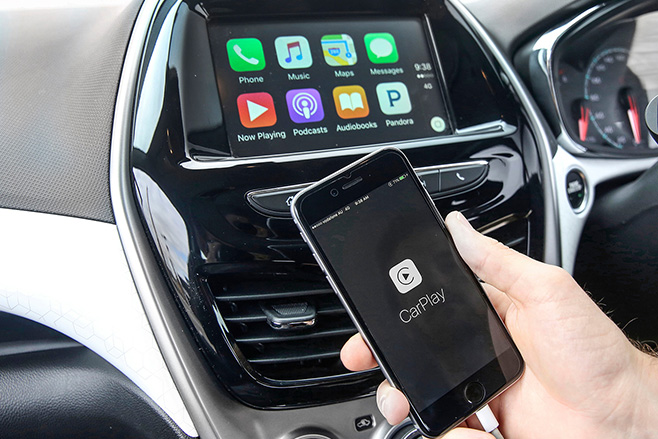
This is one of the newest technologies to hit the automotive infotainment system. These systems aid drivers with navigation maps, messaging function and music streaming. Both these systems take certain applications from your phone and display them onto your in-built car display. It takes the function of your phone from illegal use to legal. No fines necessary. This feature is only available in certain cars but is becoming increasingly common on new models.
British brand Mini isn’t new to pushing boundaries. Its very name is synonymous with maximising space in city driving, and it’s at it again with its new Mini Living – an apartment concept that faces the urban living challenge of minimalistic, affordable housing.
Teaming up with Japanese architects from ON design in Yokohama and Arup engineering consultants in Berlin, Mini have revealed the micro-housing concept in Milan as part of its involvement in Salone del Mobile 2016.

“Mini has always been a quintessentially urban brand, a brand for the city, and this is also where a lot of our customers live,” said Esther Bahne, Head of Brand Strategy and Business Innovation at Mini.
“We have to take a holistic approach to the city and think about solutions that are relevant to the needs of the people who live there.”

The 30-square-metre apartments will maximise a small amount of space via reconfigurable walls which open up the small homes to the micro-neighbourhood of apartments and maximise smaller spaces. BMW Group said “the accent is on squeezing maximum potential from the smallest possible physical footprint.”
The apartment includes fold-out shelves which “give access to objects and functions” such as kitchens, benches and music systems.

Basically, what all this means is you can keep the security and privacy of your own home, but with the option of opening a wall to share a living space or function with a neighbour. Seems logical, right?
Unless of course you have two creepy, nosy neighbours moving in either side of you, in which case you’ll be stuck in a 30-square-metre cell… we mean, apartment.
What do you get when you put a bunch of creative Generation Z university students in a room with the tools to create a car? One whacky car design.
Toyota has teamed up with students from Clemson University International Centre for Automotive Research in South Carolina, USA, to create a car. It’s a novel way of working out what the future market of car-buyers will look for in a car.
The result is the Toyota uBox concept car – and while it looks a bit crumpled-up, it’s a fully electric, customizable, hand-built vehicle.
It’s fairly safe to say the uBox won’t be for those who want to blend in. The lightweight, carbon fibre car sits between an SUV and a van, with some hints of military vehicle design.
It took the students of Clemson University two years to design and hand-build the car which includes plenty of features we may see in the future, but perhaps the most successful are the structural rails used to support the glass roof made from a composite of carbon fibre and aluminium – a first for the automotive industry.
The car features an electric powertrain that doubles as a power source for mobile devices and tools, customizable interiors via the use of 3D printing and seats which can be removed or rearranged thanks to inbuilt sliding rails.
In playing to the market that wants a practical car for the working week that can evolve for recreational use on weekends, the uBox does just that and is expected to target the next generation of buyers entering the market in 2020.
All 700 of the BMW M4 GTSs that will be built are already sold. Here’s what you’re missing out on.
WHAT IS IT? The road-legal, track-focussed GTS is the most extreme BMW M4 yet. Lightweight tech, water injection and radical chassis helped it to a 7min 28sec lap of the Nürburgring, some 24sec swifter than the standard M4.
WHY WE’RE TESTING IT Our early drives of the M4 disappointed, mainly down to its uninspiring turbocharged straight six. We’re desperate to find out if the hardcore GTS can set our pulses racing again.
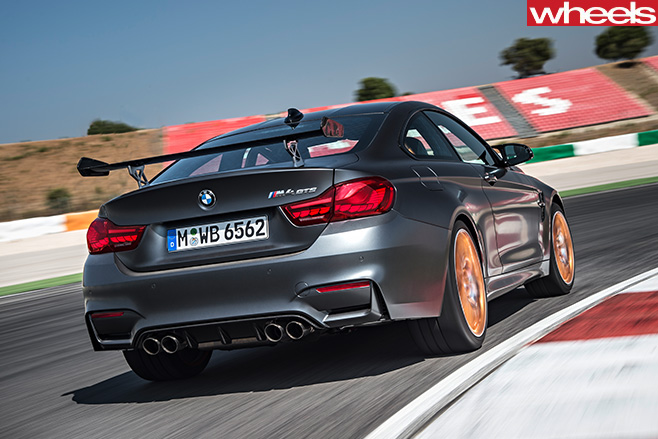
THE WHEELS VERDICT Comprehensive changes make for a radical departure from the stock M4, both in looks and feel. GTS is sharper, faster and more involving to drive. We only wish they’d put a bit of this magic into the standard production car.
PLUS: Massive leap over M4; super-sharp chassis and steering; thunderous soundtrack MINUS: Cost; have to strap kids to the cage; they’re only making 700 and they’re all sold out
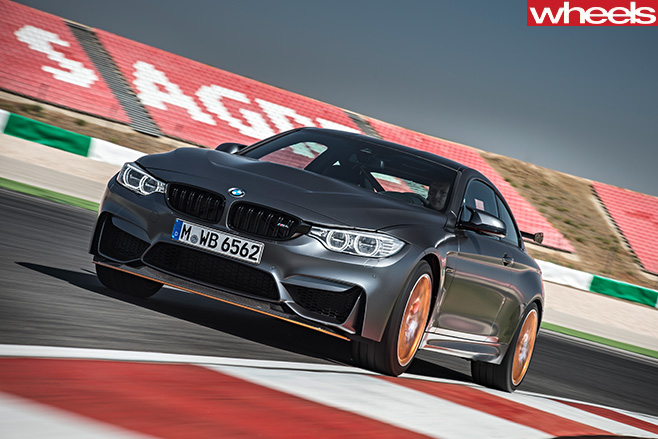
No-one seems to care, because all are sold. Screeching around Circuit de Barcelona-Catalunya, Spain with a stupid grin breaking out between gurns of concentration, I’m inclined to agree. The GTS is a massive step from the stock M4, and it’s so agile and gains such a slab of firepower that it actually feels much more than 30kg lighter. With the two-pedal dual-clutch transmission standard, I’m tempted to flog my left leg to fund a used one.
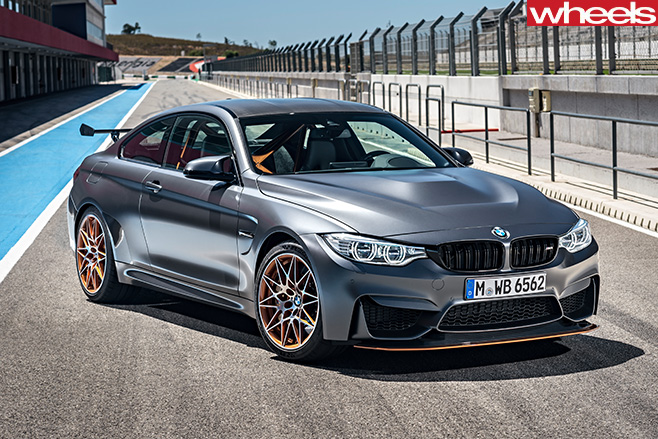
Soon after leaving the pitlane you know the GTS is something special. Where the stock M4 motor has a turbodiesel thrum, the GTS barks and rasps through a new titanium exhaust. Accelerate and the throttle snaps to attention and the cold Michelin Pilot Sport Cup 2s spin up (an inch larger at the rear at 285/30 R20); it feels exciting and just a little intimidating, a challenge to be mastered.
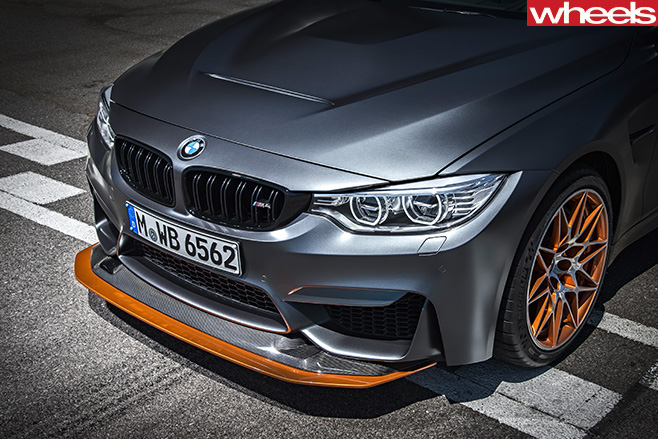
The guy who set that lap – chassis engineer Joerg Weidinger – also tuned the KW coilovers. Adjustable three ways, the bespoke suspension can lower by 15mm compared with the M4, and is adjustable for low- and high-speed compression, and rebound too. The possibilities for messing it up are endless, so it’s handy that BMW supplies both a wrench and two recommended settings: Street (also used for that bumpy ’Ring lap) and the Track option we’re testing. To me it feels pretty ideal, if just a little stiff in some sections; I’d soften the compression… no, the rebound… agh, leave it.
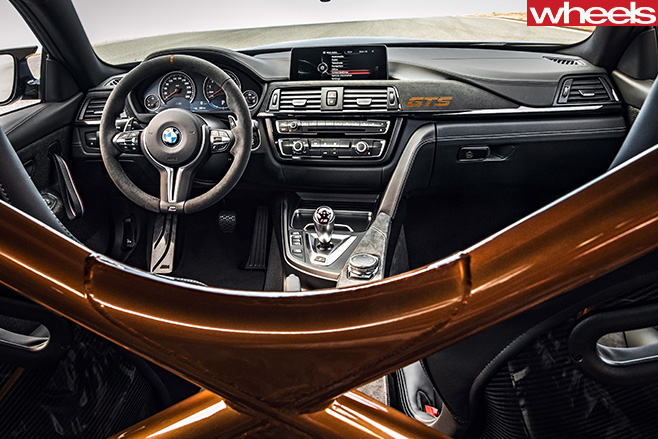
There’s extra performance from the engine, yes, but a hungrier character too: better response, an angrier exhaust note, and a feeling that you’re climbing to a power peak, not traversing a plateau.
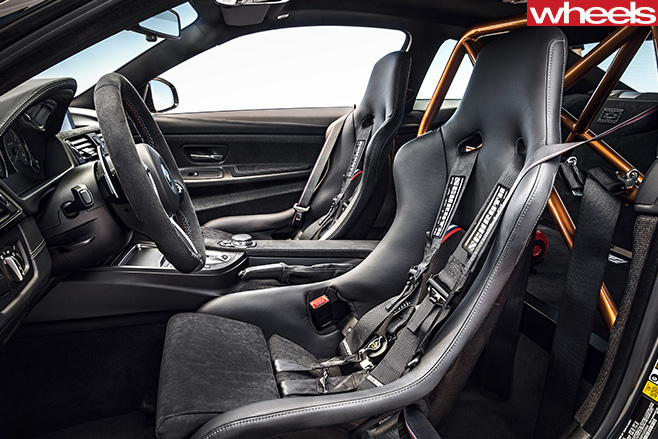
Only the most involving sports cars leave that kind of lasting impression. There’s no doubting the M4 GTS is right up with them.
SPECS Model: BMW M4 GTS Engine: 2979cc six-cylinder bi-turbo, dohc, 24v Max power: 368kW @ 6250rpm Max torque: 600Nm @ 4000-5500rpm Transmission: 7-speed dual-clutch aut Weight: 1510kg 0-100km/h: 3.8 sec Fuel economy: 8.5L/100km (est) Price: $280,000 On sale: Sold out
When Commodore goes kaput, if you can’t kick the fast four-door Holden cravings, the Insignia VXR (its successor, at least) could be your only option.
Of course, you’ve seen this car before. It went on sale in Australia in 2012 as the Opel Insignia OPC. But at $60K, Opel didn’t sell many before it was bonked on the head. So here it is again, with a $51,990 pricetag and lion-playing-basketball badge.
It’s had a bit of a reheat, though, if apparently only in the interior and gadget department. A classy TFT screen now beams a speedo graphic from beneath the instrument binnacle.
Meanwhile, the standard equipment list is impressive: adaptive dampers, radar cruise control, reversing camera and parking sensors, blindspot monitoring, auto-emergency braking, 20-inch wheels, adaptive headlights, sat-nav… jeebuz. Certainly more than its Commodore equivalent.
We wouldn’t blame you for licking your chops at the spec sheet, either: 239kW and 435Nm from a single, twin-scroll turbo, pumping up to 13psi into a 2.8-litre V6. Grunt goes through four wheels and a torque converter six-speed auto (no manual). It claims it’ll haul its Commo-shading 1836kg to 100km/h in a (perhaps optimistic) 6.5sec.
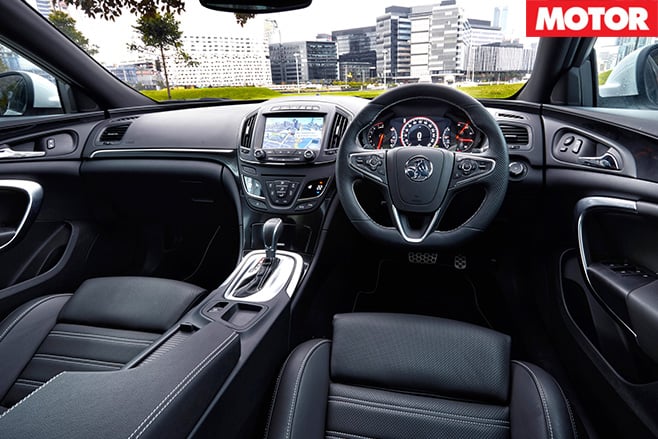
But despite the promise of a VXR button and shift paddles, it takes just the most basic of enthusiastic driving to expose what is some pretty last-generation-feeling mechanical hardware.
The six-speed gearbox is sluggish even by modern torque-converter-auto standards, making little effort to blip on downchanges, instead lurching uncomfortably and slurring slowly up the gears. A performance tranny it ain’t.
It’s not really holding back talented other areas of the car, either, with the power a little underwhelming given the on-paper promise. It feels more enthusiastic than explosive, particularly in its overtly-tall first gear, but that said, it starts to stretch its legs pretty keenly as you get into the upper cogs.
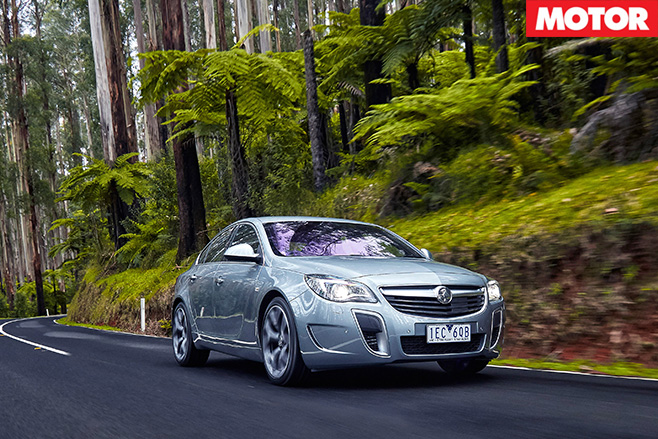
Traction is no issue either, courtesy, of course, of the all-wheel drive whose default setting is front, but can send up to 100 per cent torque rearwards as needed. Meanwhile 255-section tyres all ’round help efforts in that area, and give the VXR plenty of mechanical grip.
But grip isn’t its issue. It’s a nice enough car around town, and while the interior feels fresh and high-tech, the bits you can’t see are crying out for the same treatment. Until then, if we had $50K to burn and wanted a Holden-badged performance sedan, it’d be one made in Adelaide and with a V8, thanks. We’ll worry about the cravings later.
3 out of 5 stars
Specs Engine: 2792cc V6, DOHC, 24v, turbo Power: 239kW @ 5250rpm Torque: 435Nm @ 5250rpm Weight: 1836kg 0-100km/h: 6.5sec (claimed) Price: $51,990
A German car forum has leaked what appears to be an official Russian brochure containing technical details of the new Mercedes-AMG E63.
While our Russian is a little rusty, it clearly confirms some very important numbers regarding the new super sedan, which AMG boss Tobias Moers has previously stated will deliver “the biggest step forward in driving dynamics in fast E-Class history”.
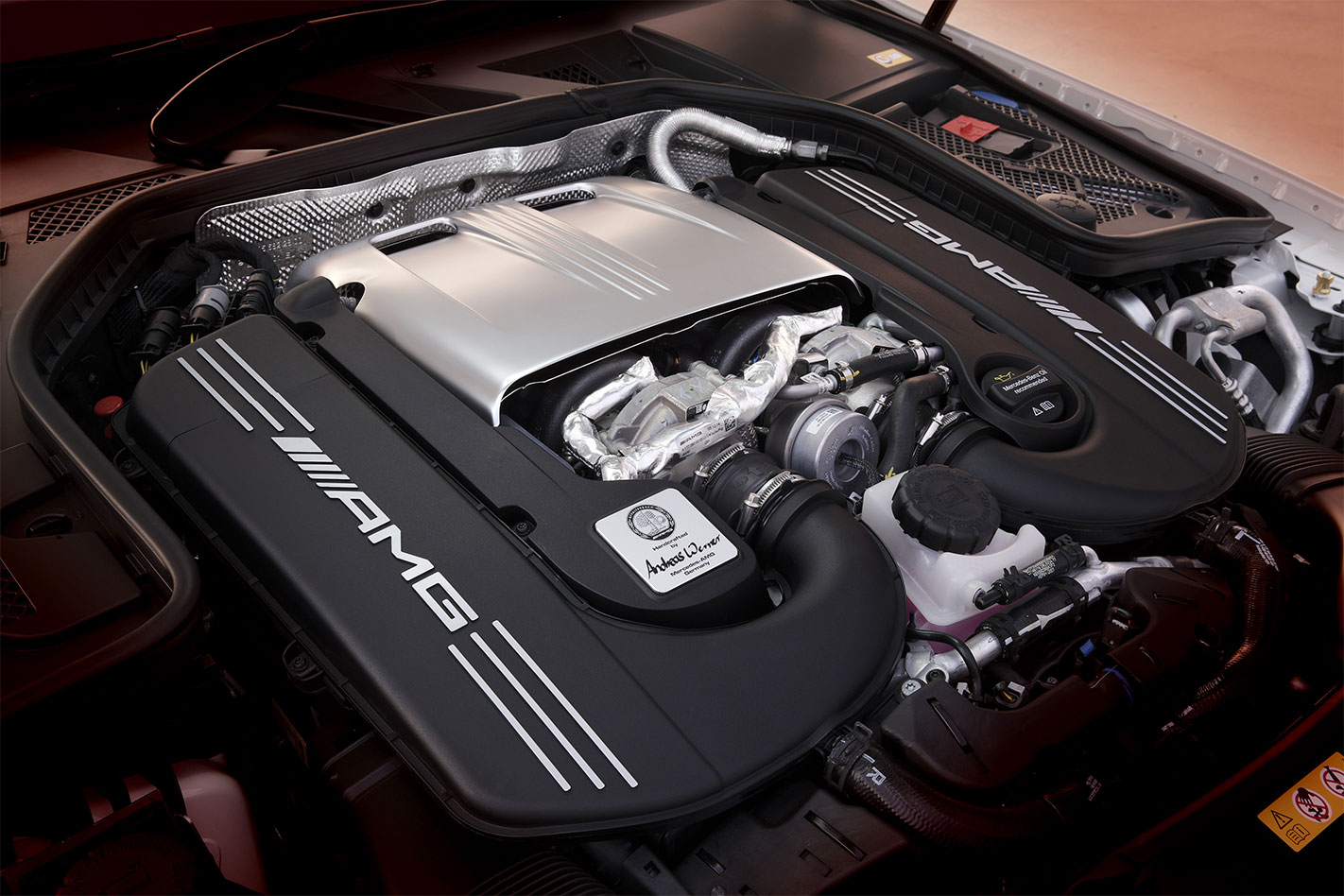
The adoption of all-wheel drive cuts the claimed 0-100km/h time to just 3.5sec. It’s still unclear whether AMG will offer a rear-drive version for right-hand drive markets, however Moers has promised any all-wheel drive AMG V8 sedan will still offer rear-wheel drive characteristics.
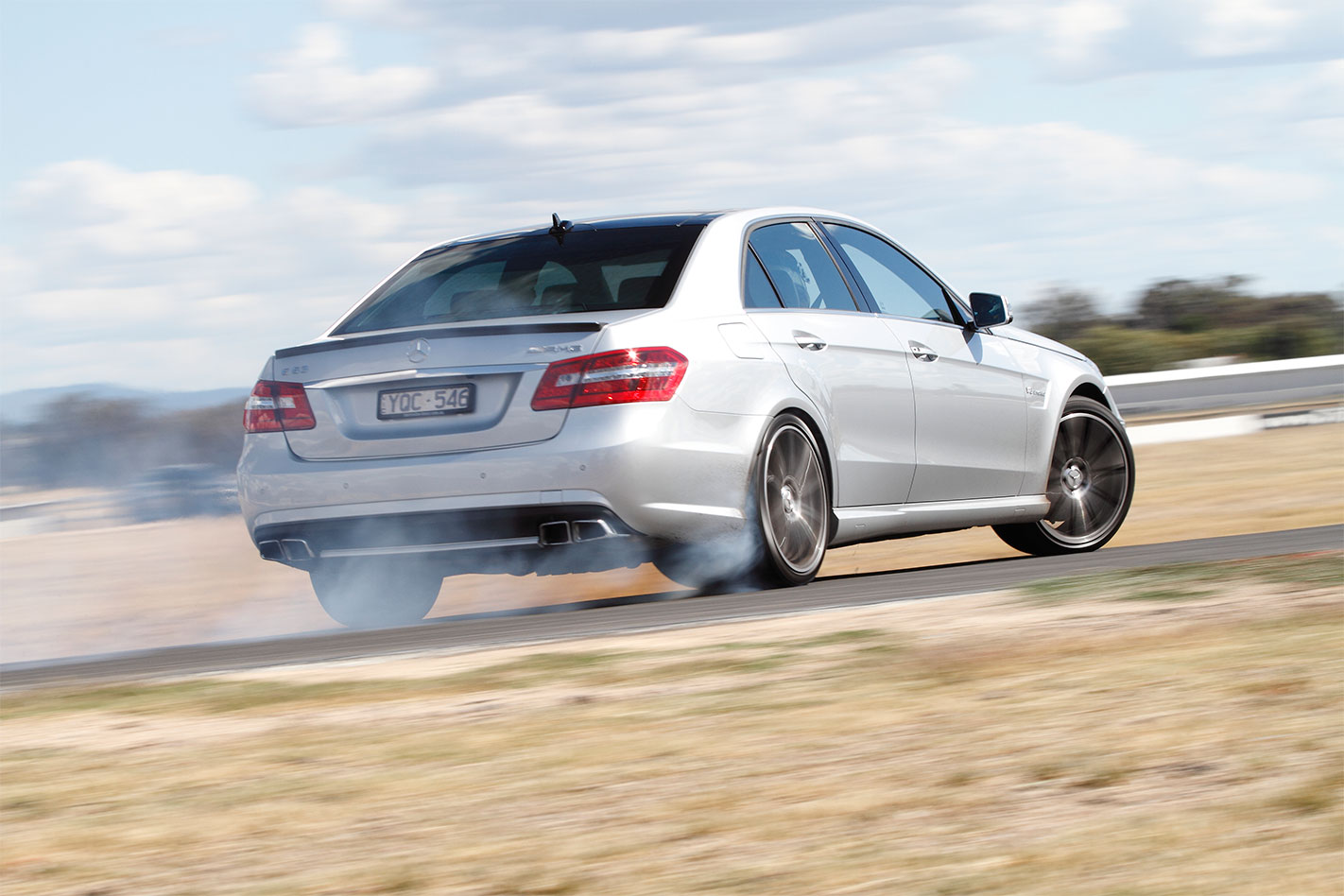
With BMW’s M5 also switching to all-wheel drive for its next-generation and Audi’s RS6 becoming ever more powerful, it’s clear the German performance war is only just getting started.
1. Most of the Handling Speciale revisions are made digitally; it sits on slightly firmer springs but the dampers, gearbox and engine tuning have all been done via software tweaks.
2. Ferrari says the HS’s gearbox delivers upshifts that are 30 percent quicker than those of the standard California T, while downshifts are 40 percent faster.
3. The Handling Stradale’s exhaust features an additional silencer box that works as a Helmholz resonator, making air vibrate to produce certain sound frequencies – it’s the same principle as making noise by blowing across the top of a bottle.
4. Ferrari offered a Handling Speciale version of the previous generation California, with around 20 percent of customers worldwide opting for it.
5. Although officially a two-plus-two, even Ferrari acknowledges that the rear seats won’t be up to anything more than very occasional use by the smallest of occupants. Consider the space extra luggage room.
6. Unlike most automatics, the California T doesn’t creep when you let off the brakes in drive or reverse. You have to press the throttle to get power running through the twin clutch gearbox.
7. The revisions to engine and gearbox haven’t altered the claimed performance figures, with the HS recording the same 3.6-sec 0-100km/h time as the standard California T.
8. Ferrari first used the California name for the 250 GT California Spyder in 1957.
9. The Ferrari California T was the first turbocharged Ferrari road car since production of the seminal F40 stopped in 1996. A heavily reworked version of its 90-degree V8 powers the 488 GTB and is also offered in the Maserati Quattroporte GTS.
Read our review on the Ferrari California T HS here.
As you probably know, car manufacturers often have a stake in multiple things along the automotive spectrum. What you might not have expected is that some of your favourite car brands also produce things like jet fighters, pepper grinders, houses and even artificial organs. We’ve chosen a bunch of automakers and some of the interesting things they make outside of cars.
PEUGEOT – COFFEE/PEPPER GRINDERS

Long before our roads became blessed with our four-wheeled companions, Peugeot made and distributed pepper mills and coffee grinders. Once the automobile was born, the company split with one side continuing to make pepper and coffee products, and the other entering the brave new world of car manufacturing. If you happen to be in the market for a French-made pepper grinder, you’ll be pleased to know that Peugeot still make them.
HONDA – AIRCRAFTS

Honda is well-known for making a vast array of products including motorcycles, generators, jet-skis and even lawnmowers. What is less reported is Honda’s venture into small business jets.
The first official design for a Honda aeroplane was released in 2003. Since then, the HA-420 HondaJet has evolved into the world’s fastest, highest-flying and most fuel-efficient aircraft of its kind.
HYUNDAI – CONTAINER SHIPS

Hyundai may have had huge success manufacturing cars, but vehicle sales only make up a small part of the companies income. One of the South Korean mega-corporation’s most lucrative ventures is in building and managing container ships. In fact, Hyundai is the world’s largest shipbuilder and is the owner of the world’s biggest shipyard.
TOYOTA – HOUSES

Want your house to match your Toyota Corolla? Well, you’re in luck. Toyota has been mass-producing Japanese homes for over 40 years. And, they are put together by robots on an assembly line, just like the cars. The prefabricated buildings are made to withstand natural disasters, while leaving the lowest possible carbon footprint.
BUGATTI – TRAINS

The early 1930’s was a very difficult time for Bugatti, and many businesses alike. In a desperate effort to keep the brand afloat, company founder Ettore Bugatti made a deal with the French government to build a high-speed train. This venture was a massive success and put the exotic car company back on financially-stable ground.
GENERAL MOTORS – ARTIFICIAL ORGANS

In 1952, a team of GM scientists and engineers developed the world’s first mechanical heart. The machine was able to temporarily replace the human heart’s blood-pumping ability, thus making open heart surgery possible. Although it had no direct relation with the cars they’d built before, it’s hard to look past the resemblance between the GM-built heart and a straight-six engine.
HONORABLE MENTIONS
Saab – Jet fighters

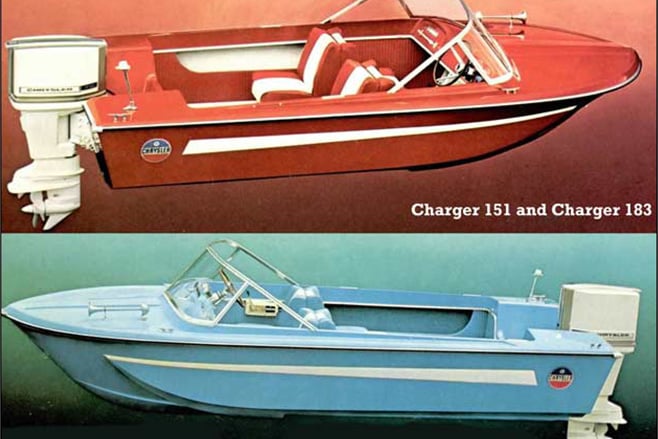
Chrysler – Marine engines
Fair play to Tony Quinn, not everyone would make light of an off-road excursion in a $428,000 Lamborghini Huracan.
Tackling the fearsome Sideling stage on Day Two of Targa Tasmania, Quinn slid wide on gravel pulled out onto the road from earlier competitors and ended up doing “a bit of banking” in the Lamborghini.
Thankfully the car and crew escaped unscathed and Quinn saw the funny side of it in an end-of-day interview. At the end of Day Three Quinn and co-drive Naomi Tillett lie third in the GT4 category, 37 seconds behind leader Steve Glenney.
It doesn’t get any more power or performance, but with a 412kW output and a 3.6-second 0-100km/h it’s not as if the basic Ferrari California T is short of pace, instead it gets firmer chassis settings, a quicker gearshift and a new sports exhaust.
For $15,750 it’s a relative bargain by the standards of Ferrari optional extra pricing – especially as the standard California T costs $409,888.
PLUS
- Sounds great
- Feels more exciting than standard California
- Good value considering how much it changes the car’s character
- Well priced against performance rivals
- No faster than the standard California T, this is still the entry level Ferrari
- Cabin can’t match quality feel of obvious rivals
- Rear seats only suited for carrying baggage
There are lots of alternatives in this rarefied segment, with the Handling Speciale’s most obvious competitors the Aston Martin V12 Vantage S and the Mercedes SL63AMG.
The California T Handling Speciale is well priced against both and certainly scores high desirability points, but it can’t match the equipment levels of the Mercedes or the sonorous soundtrack of the Aston Martin’s V12 engine. Cheaper alternatives include the Porsche 911 Cabriolet and Jaguar F-Type roadster.
Can’t get enough? Read nine things you didn’t know about the Ferrari California T HS here.
