
HOLDEN ASTRA GTC SPORT Score: 74/100
Price & Equipment | 15/20
Holden’s next-gen five-door Astra is due late this year, and we’re yet to spy a three-door, so for at least a while, if you want a Lion-badged small sporty car, the Holden Astra GTC is it. But there are plenty of alternatives to the $29,990 GTC Sport manual tested here, such as the $30,690 Kia Cerato Koup Turbo Touring manual alongside.
Interior & Versatility | 15/20
Stepping up from the Astra GTC to the GTC Sport brings welcome upgrades including heated eight-way adjustable front sports seats with cushion extenders and power lumbar adjustment. The split/fold rear seat has Isofix points for a pair of child seats. Seats fold flat to expand the 380-litre boot into a wagon-like load area.
Performance & Economy | 15/20
Both cars feature 1.6-litre direct-injected turbo-petrol fours teamed with six-speed manuals (six-speed autos are optional). The Holden produces 280Nm from 1650-5000rpm and 147kW from 4750-6000rpm as a manual (the auto loses 20Nm and 22kW). Officially uses 7.5L/100km of premium unleaded from a 56L tank.
Ride & Refinement | 14/20
Taut suspension set-ups ensure the Astra and Koup don’t ride like a cooking Holden Cruze or Cerato, but the Holden has the edge (as long as the surface doesn’t), despite sporty 19-inch alloys on 235/45 hoops. Thank its more advanced suspension design and superior tuning. The Holden is also more adept at shutting out wind and road noise.
Steering & Handling | 15/20
‘HiPerStrut’ front suspension, a similar dual-axis design to that used on former Ford and Renault hot-hatch heroes, sets the Astra apart. It gives some of the benefits of a double A-arm set-up without the cost, and helps the GTC Sport respond quickly and positively. Greater feel from the electric power steering would be nice, though.
KIA CERATO KOUP TURBO TOURING Score: 69/100
Price & Equipment | 15/20
These cars share standard hill-start assist, front and rear parking sensors, auto headlights, front and rear fogs, heated electric side mirrors and decent infotainment systems with sat-nav and Bluetooth. As top-spec versions they also get smart keys with push-button start, and a chilled glovebox in the Kia.
Interior & Versatility | 14/20
Kia cabin is a bit too similar to the Kia Cerato sedan’s. Koup boot is similar to Astra’s in that it holds 378 litres, but lacks the handy large loading aperture of the hatched Holden. Matches its rival with 60/40 split/fold rear seats and Isofix points, though, and offers at least as much leg room. Rear air-con vents are nice to have.
Performance & Economy | 14/20
Kia makes slightly more power and a fraction less torque, mustering 150kW at 6000rpm and 265Nm from 1750-4500rpm, using regular 91-octane from a 50L tank at 7.7L/100km. Both respond well from low- to mid-revs and feel equal to their high-seven-second 0-100km/h claims, though neither car sounds terrific.
Ride & Refinement | 13/20
Kia’s 18-inch wheels with 225/40s and torsion beam rear suspension are not a recipe for comfort. The ride is fidgety on the kind of busted bitumen common in Aussie cities, though quite acceptable on fresh tarmac. The cabin can get noisy on country coarse chip, and lets wind and suspension noise intrude too.
Steering & Handling | 13/20
Electric steering with Kia’s three-mode FlexSteer system largely amounts to a gimmick, but you can at least set-and-forget your preferred weighting. Basic suspension ensures handling is not quite up to its rival – or even Kia’s own IRS-equipped Proceed GT. Lacks finesse, but balance is quite good and it’s fun for what it is.
VERDICT
These warm coupes make sense based on the amount of power, straight-line performance and fun you get for the money.
Speed-versus-spend is at its strongest in the base versions, but the upper variants tested here bring desirable equipment, such as sat-nav in the Kia. The manuals are less costly and more involving than the autos, and more powerful in the Holden’s case. We like the styling of the Holden (and its hatchback practicality) while the Kia looks plain inside and the Holden feels dated. They’re swift, but don’t sound great; fun, but not exactly finessed. We’d pick a Polo GTI over either of them – or a genuine hot-hatch if the budget can stretch to $40K. If we had to choose, though, we’d take the Astra on looks alone.
This article was originally published in Wheels March 2016.
Play your cards wrong on Victoria’s roads and you could earn a free ride in a Mercedes-AMG GLE63 S Coupe.
Victoria Police has collaborated with Mercedes-Benz to take delivery of a brand new 430kW/760Nm SUV coupe as part of a campaign to raise awareness around vehicle safety.
Unlike previous collaborations between police and luxury car manufacturers, the GLE63 S Coupe, nicknamed the “Road Guardian”, has been loaned to Victoria Police by Mercedes-Benz Australia for 12 months, and will join the highway patrol unit part of duties as both an “operational” patrol car and promotional vehicle.
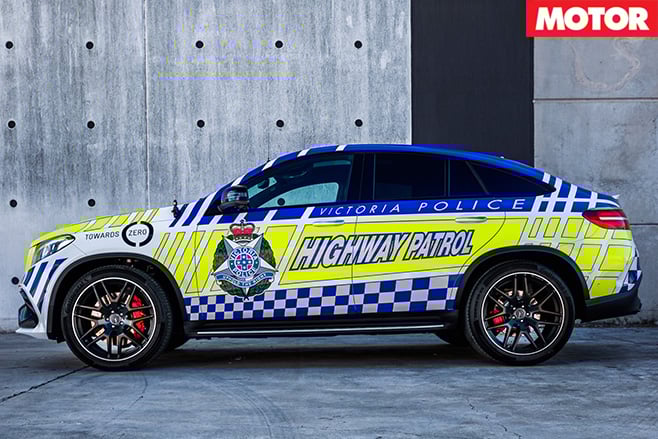
At $198,900 the GLE63 S Coupe would never realistically take the tender as a full-time duty vehicle, but Assistant Commissioner Doug Fryer says the mega Merc’s presence is rather to promote safer cars on the road. “Death and serious injuries on Victorian roads could be reduced by a third overnight if everyone was driving the safest cars they can afford.
“We’re not saying that everyone needs to rush out and buy the latest and greatest but we need people to prioritise safety over leather seats and shiny wheels.”
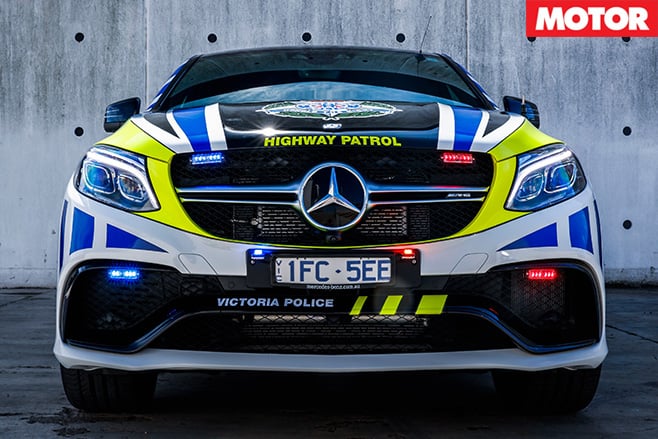
However, we bet the GLE63 S Coupe’s hoisted-up 2275kg wouldn’t lead Mercedes-AMG’s model range for active safety.
You can catch the Road Guardian on display at the Australian Grand Prix this week, before it will take off to ‘various locations’ to serves its 12-month as a patrol and exhibitor vehicle.
Subaru has released a teaser image of the new 2017 Subaru Impreza ahead of its unveiling at the New York Auto Show on March 23. It is expected to arrive in Australia before the end of this year.
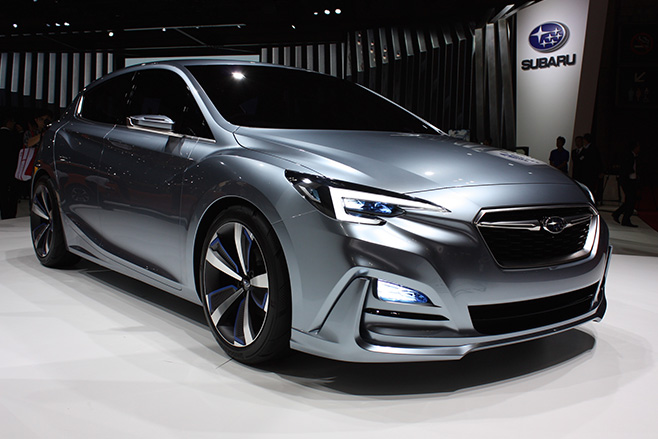
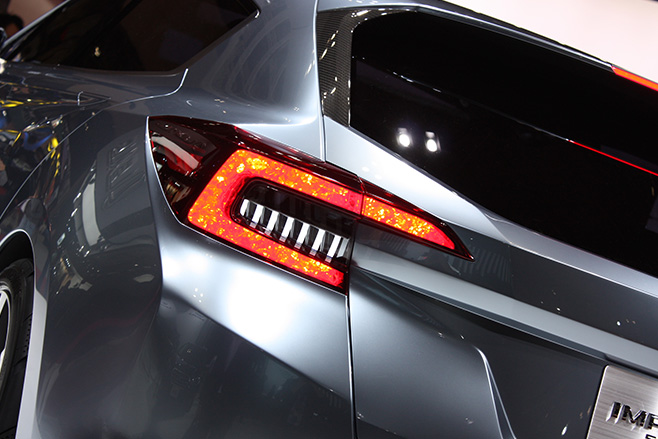
This is the first image of the new production car and while it only shows us a fairly conventional headlight design and a glimpse of the front end, we can see signs of the sharper styling seen on radical Impreza concepts shown previously.
The Subaru 5-Door Concept shown at the 2015 Tokyo Motor Show featured an exciting LED headlight design we had hoped to see on the production car. We will have to wait to find out how many of the concept’s design features made the final cut.
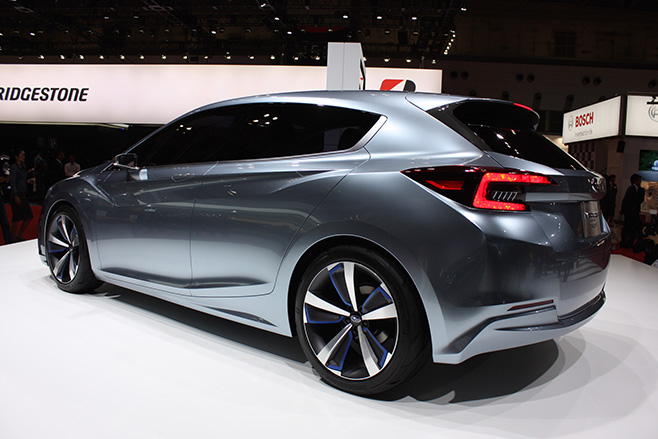
Subaru will reveal both sedan and hatch models at the New York show. “The Impreza has been completely redesigned inside and out,” says a statement issued by the brand. “From upgraded in-car technology and a more spacious interior to its sleek new body design.”
The 2017 Subaru Impreza will be built on Subaru’s new ‘Global Platform’ architecture. Global Platform will underpin all of the company’s next-generation vehicles. Subaru claim an improvement in chassis rigidity of 70 to 100 percent over current models.
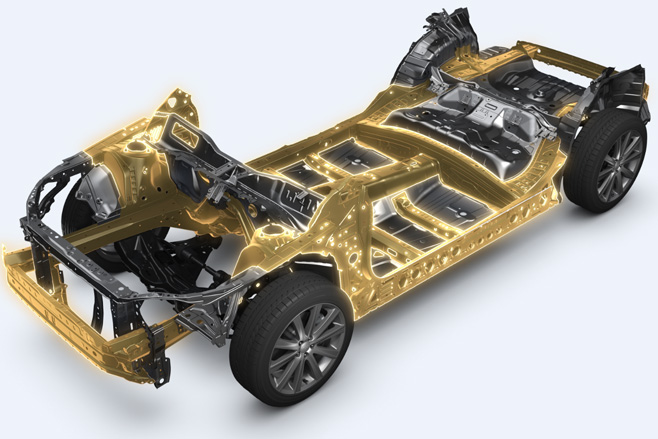
Other advances have been made in noise and vibration suppression, dynamics, comfort and safety. Global Platform is also adaptable to hybrid and electric drivetrains in future.
Symmetrical all-wheel drive and horizontally opposed engines will continue to be the mainstay of Subaru’s passenger vehicles. Full details on powertrains for the 2017 Impreza are yet to be released.
We will bring more news as it comes to hand when the New York Auto Show gets underway in a week’s time.
Click here to read the full review on the Subaru Impreza.
Jeep is perfectly aware it’s important to keep your fans happy.
Which explains why for the 50th Jeep-worshipping event held in Utah, America, called the Easter Safari, that also coincides with the brand’s 75th anniversary, it went a little cuckoo and built a 527kW (707hp) Wrangler concept called the Trailcat.
Power comes from the same supercharged 6.2-litre Hemi V8 found in the Dodge Charger and Challenger Hellcat, which also produces 881Nm of twist and erupts a soundtrack that’ll send lycra-clad eco-mentalists up a tree for hiding.
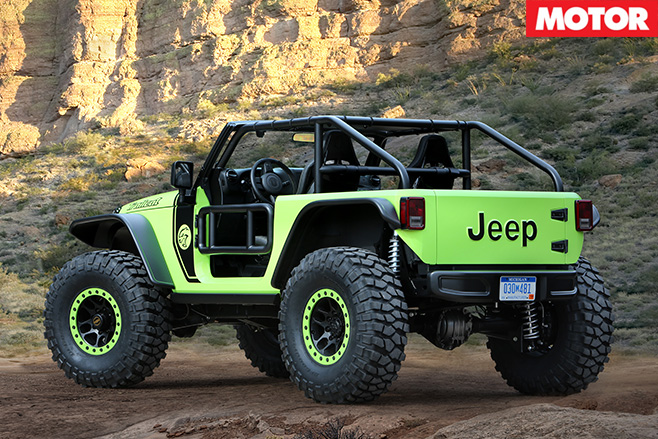
Fox suspension is tasked with keeping things steady on rocks while 39.5-inch tyres on 17-inch wheels should help it clamber whatever it finds in its way.
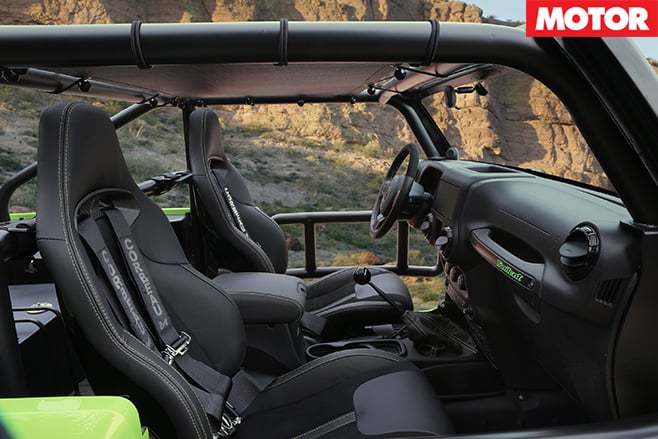
Up top where you’ll be sitting the windshield’s been chopped two-inches, while bucket seats have been pinched from the Dodge Viper, matched to harnesses, to keep you in place during spirited rock crawling. Oh, and its doors are pretty much non-existent.
Of course, Jeep didn’t limit itself to one concept for the fan festival. It also brought along six others, including a military-service inspired dual-cab Wrangler called the Crew Chief 715, a 12-inch shorter Wrangler named the Shortcut, and even a Renegade ute/pick-up.
But the Trailcat, resplendent in its radiation bright green, is certainly the highlight of the cars. Have a listen to the thing and you’ll instantly get what we mean.
THE spirit of Peter Brock will live on in an exclusive limited-edition Commodore that will revive one of Holden’s most famous – and controversial – nameplates.
For the first time since the infamous VK and VL HDT Directors of the 1980s, Holden will use a name that has previously only been associated with its most famous race driver – and the car that led to the split between Brock and the brand that built him.
Holden applied with IP Australia to register the Director name in 2014 and it was accepted in January this year.
Wheels sources have confirmed that, as with original Directors, the Holden Commodore VFII-based model’s emphasis will be on performance with a healthy dose of luxury.
The Director will get the full fruit of the Calais V along with unique interior appointments such as Director embroidery and badging.
Outside, a Director-specific spoiler package will include a subtle but distinctive rear wing, while Holden stylists have created a unique 20-inch alloy wheel design to complement the look.
Holden will also infuse the Director with Holden Commodore SS-V Redline components, including more powerful Brembo brakes in keeping with the emphasis on dynamics.
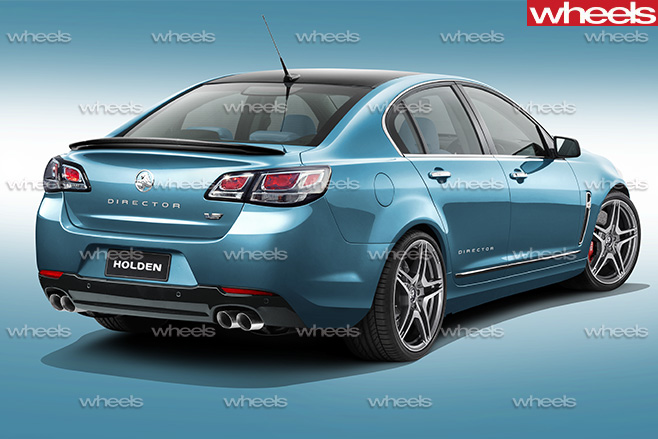
Despite the extensive design and dynamic embellishments, Wheels has learned that the Director’s 6.2-litre LS3 V8 will be unchanged from the one that debuted in the VFII Holden Commodore SS-V in mid-2015. That means the limited-edition model will get the full 304kW and 570Nm outputs – but not the extra punch some may have expected from a model with a history of upping the performance ante.
All Directors will come with a six-speed auto transmission, leaving manual fans holding their breath for other upcoming limited-edition Commodores (see breakout below).
According to Holden insiders, just “a few hundred” Directors will be built, each individually numbered and with a certificate of authenticity.
The earliest we’ll see them is late this year.
Expect pricing to sit between $60,000 and $70,000, making the Director one of the most expensive non-HSV Commodores ever.
Maintaining interest
The Director is one of a number of limited-edition Commodore models Holden will wheel out before the close of local manufacturing in late 2017. Insiders say there are still “a few more tricks up our sleeve” for those wanting the last Aussie V8.
Expect more sports models, including a more overtly styled model to sit above the SS-V Redline. Holden has registered the names Bathurst and LS-X, although we’re told a ‘Commodore Bathurst’ is not on the radar.
Holden has also registered Zora, a name that is expected to be reserved for the mid-engined Corvette-based supercar that could be sold in Australia. Zora Duntov is known as The Father of the Corvette.
The Australian F1 Grand Prix is next weekend, 17-20 March, at Albert Park Grand Prix Circuit in Melbourne. Once the Formula One arrives on Australian shores, GP discussions rule the daily kitchen catch-ups in this office. But for those who know little about the F1 (like me), the conversations are harder to follow than Taylor Swift’s love life.
So, here is an easy breakdown of the big wide world of F1 to help you fake it till you make it.
WHAT IS THE FORMULA ONE?
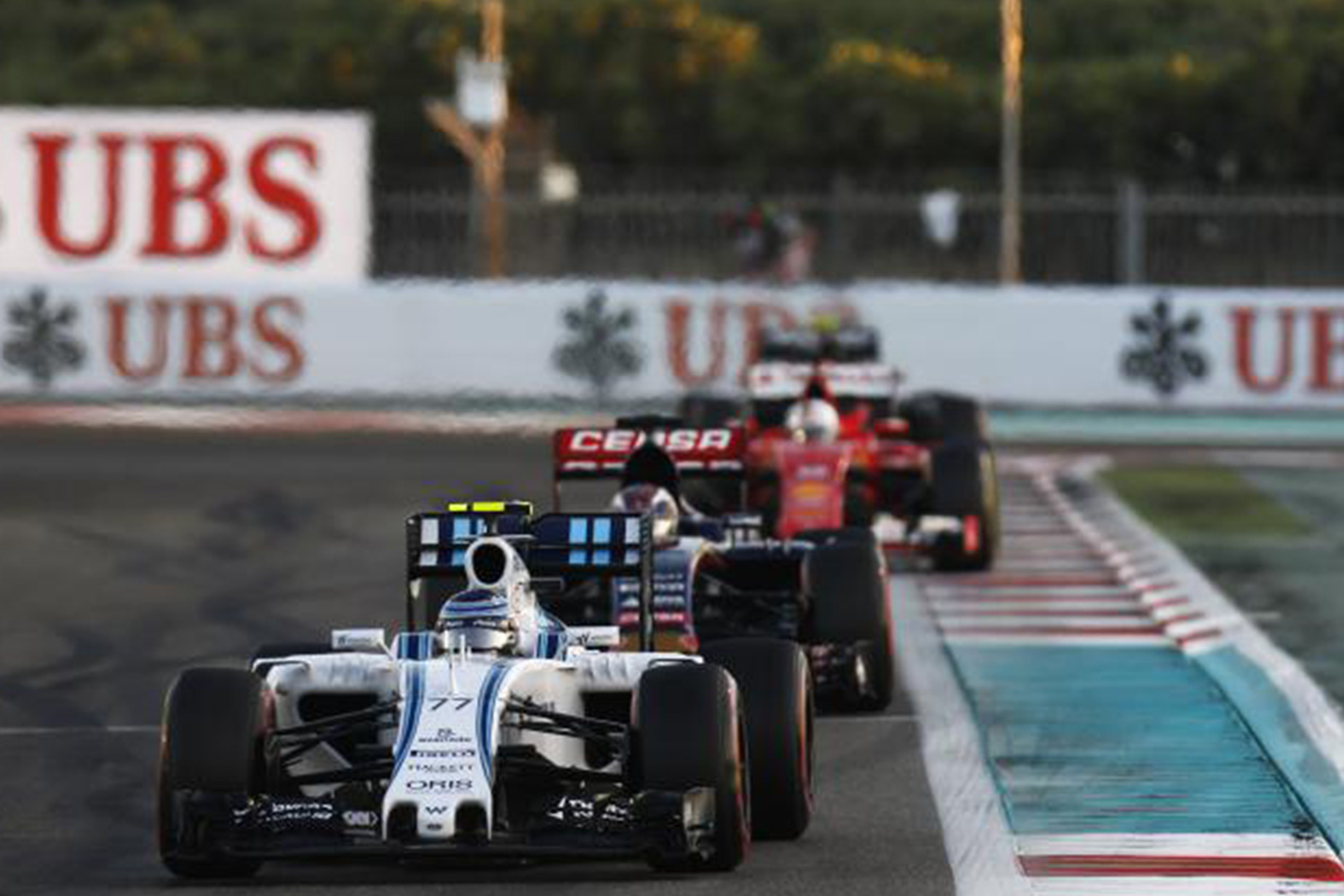
Chances are you have some idea of what the Grand Prix is about. At a basic level, it’s a bunch of really really fast cars, with one seat, driving around a racetrack.
Formula refers to the sport, or the set of rules in this style of racing. The ‘One’ refers to Formula One being the top tier of motor racing in the world. Grand Prix refers to the series of races, which as a group make up the FIA Formula One World Championship. FIA refers to the governing body of motorsports, Fédération Internationale de l’Automobile.
In 2016, 21 Grand Prix make up the World Championship, which is the most ever in a single season. The number of races varies each year.
HOW DOES A GP WORK?
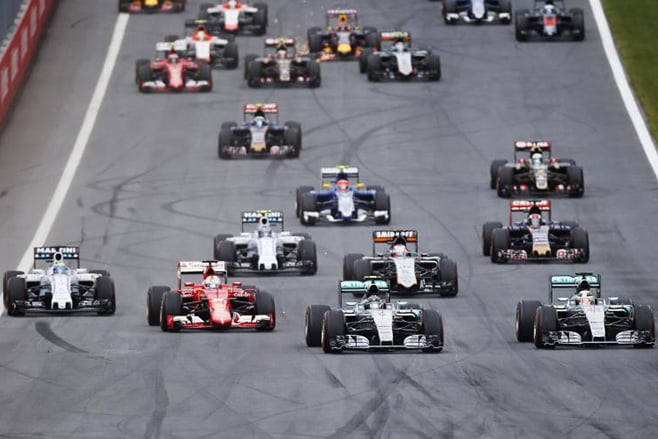
Grand Prix occur in a different country roughly every fortnight, with two practice sessions on the Friday, a practice and then a qualifying session on the Saturday, and the race on Sunday. Qualifying is run in three parts where drivers aim to achieve their fastest single lap time. Ultimately this determines their start position for the main race on Sunday. The person who records the fastest lap time in qualifying starts at the front of the main race – also known as pole position.
Round one of the Championship starts right here in Australia at the Melbourne Grand Prix.
TEAMS, COUNTRIES, DRIVERS AND CARS
In 2016 there are 11 Formula One teams with two cars and one driver per car. As F1 is a multi-national sport, each driver tends to align themselves with their country, but their heritage has little to do with racing or points.
| Team | Driver |
| Scuderia Ferrari | Sebastian Vettel |
| u00a0 | Kimi Ru00e4ikku00f6nen |
| Sahara Force India Formula One | Sergio Pu00e9rez |
| u00a0 | Nico Hu00fclkenberg |
| u00a0Haas F1 Team | Romain Grosjean |
| u00a0 | Esteban Gutiu00e9rrez |
| McLaren Honda Formula 1 Team | Fernando Alonso |
| u00a0 | Jensen Button |
| Mercedes AMG Petronas Formula One Team | Nico Rosberg |
| u00a0 | Lewis Hamilton |
| Manor Racing MRT | Rio Haryanto |
| u00a0 | Pascal Wehrlein |
| Red Bull Racing | Daniel Ricciardo |
| u00a0 | Daniil Kvyat |
| Renault Sport Formula One Team | Kevin Magnussen |
| u00a0 | Jolyon Palmer |
| Sauber F1 Team | Marcus Ericsson |
| u00a0 | Felipe Nasr |
| Scuderia Toro Rosso | Max Verstappen |
| u00a0 | Carlos Sainz, Jr. |
| Williams Martini Racing | Felipe Massa |
| u00a0 | Valtteri Bottas |
POINTS, PITSTOPS AND PENALTIES
The system is easy – if you finish in the top 10 of a Grand Prix, you get points. At the end of the season, those points are tallied and the driver with the highest points wins the championship.
1st – 25 points
2nd – 18 points
3rd – 15 points
4th – 12 points
5th – 10 points
6th – 8 points
7th – 6 points
8th – 4 points
9th – 2 points
10th – 1 point
Pitstops are mandatory in races. There are two compounds (types) of tyres that must be used during the race, so pitstops are used to change tyres, but also fix any damage to a car.
For F1 fans, penalties are a hot topic. There are so many things drivers can receive a penalty for these days, it’s often a sore point for fans. Usually, penalties result in extra time in the pits, time added on at the end of the race or disqualification.
DANIEL RICCIARDO – LEARN THAT NAME
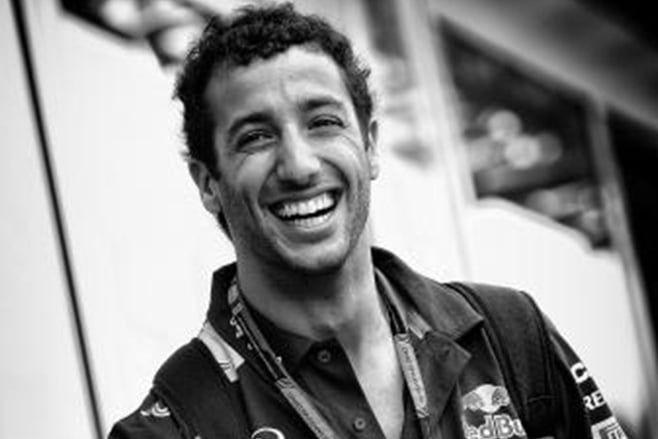
Chances are if you’re an Australian, you’ve already heard his name. Our very own, home-grown Formula One driver, Daniel Ricciardo, is the only Australian driver currently racing in Formula One. If you’re listening to Grand Prix conversations, you’re likely to hear his name, and after a tough 2015, we’re certain DRiccy is set for a massive 2016. Get amongst the bloke. Follow him on Instagram (@danielricciardo) and we guarantee you’ll love him as much as we do!
BATTLE OF THE EGOS AND THE ONES TO WATCH
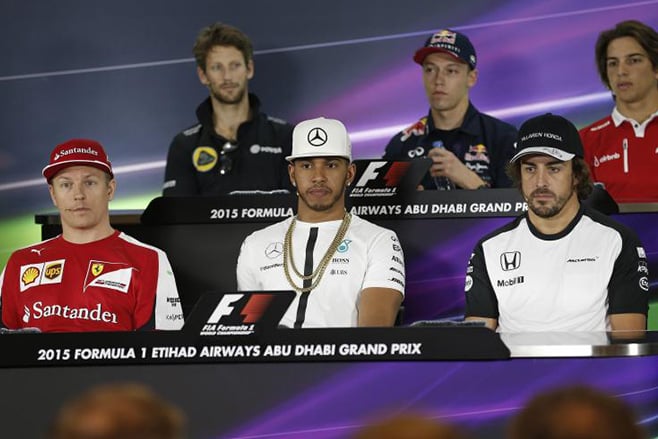
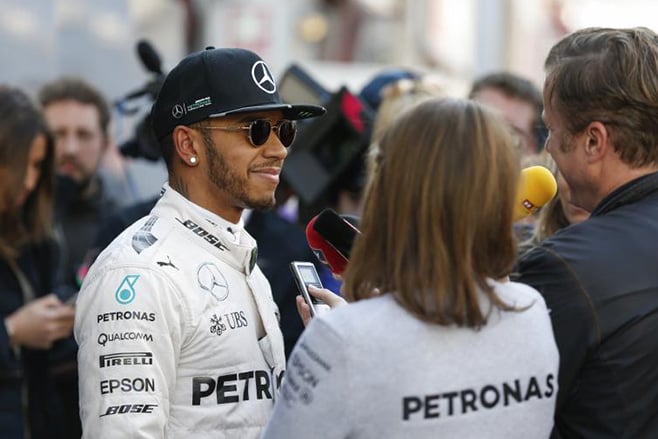
There’s nothing Australians love more than a brilliant clash of egos, and those watching the F1 will be paying close attention to the relationship between Lewis Hamilton (pictured below) and Nico Rosberg. Hamilton won the 2015 Championship, followed closely by Nico Rosberg who had a brilliant second-half of the year. If arguments are your thing, this is about as exciting as it gets.
The youngsters are the ones to watch. Names like Max Verstappen (18) Carlos Sainz Jr (21) and Daniil Kvyat (21) are just a few of the kids making names for themselves.
THE CHANGES
There’s been a lot of talk over cups of tea in our office on the 2016 changes. We won’t go into too much detail here because they can be quite complex, but knowing about them will really come in handy if you’re trying to join in on the conversation. Different tyre rules, different qualifying format, different engine restrictions, and the list goes on…
Fans of the sport are hoping development over the off-season may result in slower teams catching up and giving Mercedes-Benz a challenge. The Mercedes-Benz team are the current champions and look very strong again this year. Will there be change at the front? We will have to wait to find out.
The American based Haas F1 is a new team to enter the ranks this year. As a new team, they’re the underdog and while growing pains will probably stunt their position in the championship this year, it’d be a great story if the team proved us all wrong. Haas has received strong support from Ferrari in development and expertise, so you never know what could happen.
The popular Toyota Kluger SUV is getting a new look next year, and images of what we can expect to see have just been released.
This is the 2017 Toyota Kluger, known as Highlander in the US. It features a 3.5-litre petrol V6 with direct injection and a new eight-speed automatic transmission.
No official figures have been put on performance of the new package, though Toyota has said it will “generate significantly more horsepower, provide enhanced fuel efficiency and deliver a more direct driving feel”.
Currently the Kluger’s 3.5-litre petrol V6 makes do without direct injection and is coupled to a six-speed automatic transmission. The combo produces 201kW/337Nm and has combined fuel consumption of 10.6L/100km.

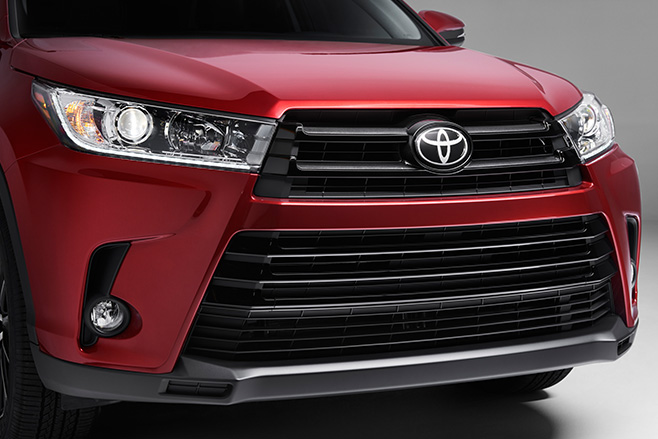
Styling updates for the 2017 Kluger are mild, limited to a slightly revised face with a new bumper and grille design, new headlights and LED daytime running lamps.
Moving around the new Kluger it looks largely the same as the outgoing model. Taillights of the same shape with a new internal design and updated alloy wheels are about the only changes.
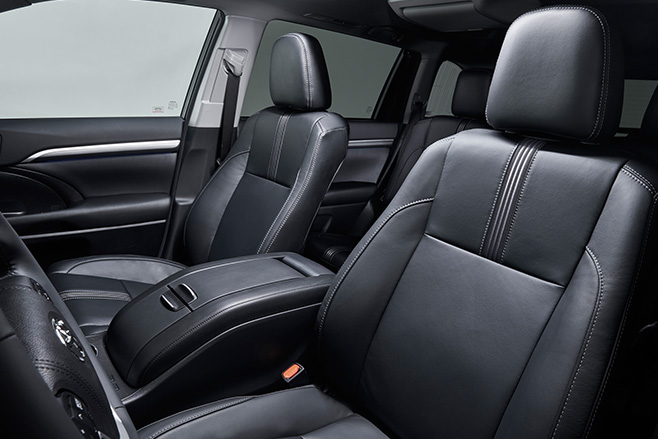
Toyota has added more safety tech including a surround view camera system to the 2017 Kluger. Also crammed in are a total of five USB ports – four more than the current Kluger.
Buyers in the United States will have the chance to get into a new Kluger later this year. Australian buyers can expect it to arrive before the middle of 2017.
Click here to read the full review on the Toyota Kluger.
The rumour mill is cranking out a forced induction tune with growing reports the second-generation Audi R8 will adopt a turbocharged engine for the first time.
US magazine Car & Driver cites “reliable sources” indicating that a 3.0-litre twin-turbocharged V6 engine is go within three years, which would mark the second-gen R8 the first with forced induction and the first with six cylinders.
This aligns with MOTOR sources who off the record have said a smaller engine would be an obvious choice to follow in the footsteps of the second-generation R8 that launched only with a 5.2-litre naturally aspirated V10.
The V6 engine in question lobbed in the Audi S4 revealed at the Frankfurt motor show in September 2015. In that medium-sized sedan application it produces 260kW/500Nm and delivers 4.7sec 0-100km/h performance.
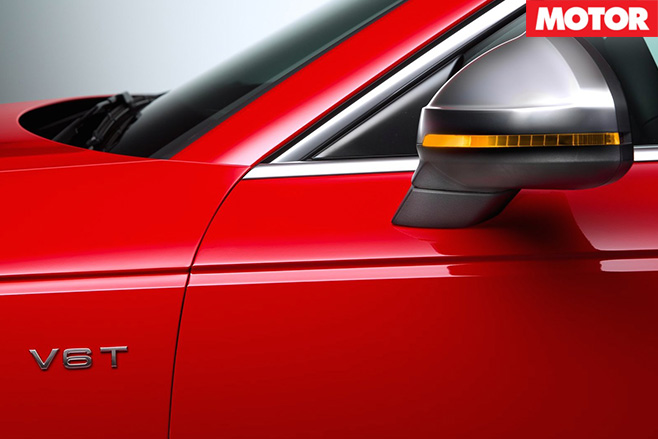
Audi’s first-generation ‘halo’ supercar launched first as a V8 variant in 2007, with the V10 following two years later, the timing reflecting the brand being unsure whether buyers would latch onto the circa-$250K supercar.
It seems they have and then some, given the second-gen R8 launched in $350K-plus V10 guise only. This time the smaller engine will be placed further down the line, but with the 4.2-litre naturally aspirated V8 now departing with the RS4 Avant, the brand needed to turn somewhere.
That wouldn’t be, it would appear, towards the 2.5-litre turbocharged five-cylinder engine in the RS3 and forthcoming TT RS.
“A five-cylinder engine in the R8 would have created a strange internal competition between the entry-level R8 and the TT RS,” the source also told Car & Driver.
Expect a 2018/2019 launch for what is expected to be the sub-$300K version of Audi’s ‘everyday’ supercar as it inches back closer to attainability for some supercar buyers.
HONDA has revealed it is largely walking away from the hybrid technology it pioneered in Australia 15 years ago.
While Honda’s upcoming NSX supercar will continue to wave the high-tech petrol-electric hybrid flag, the carmaker says it is months away from dropping the slow-selling Accord Hybrid from its local line-up via an upcoming facelift, and has no plans to develop a hybrid version of the next-generation Civic due in mid-2016.
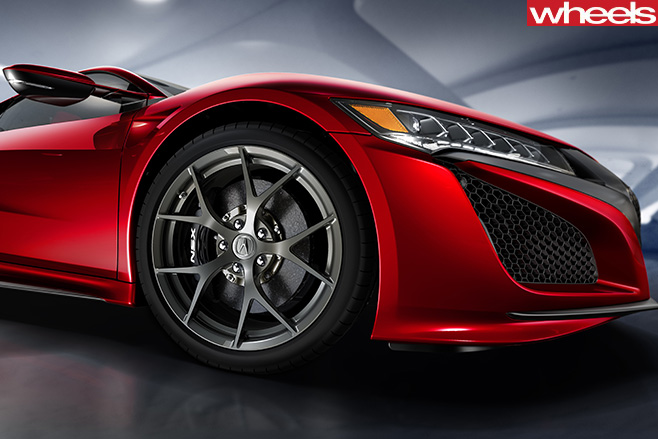
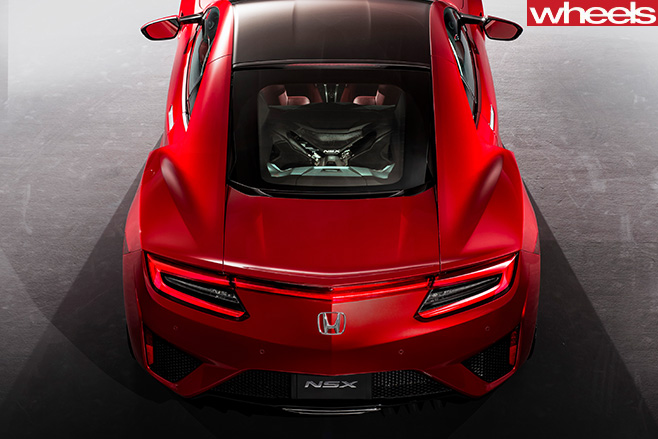
He also says the Accord Hybrid will be short-lived, set to be dropped with an imminent model update.
“The numbers are very small on Accord Hybrid and it’s a tough segment,” says Collins. “We never expected to sell huge volumes and we achieved that objective.”
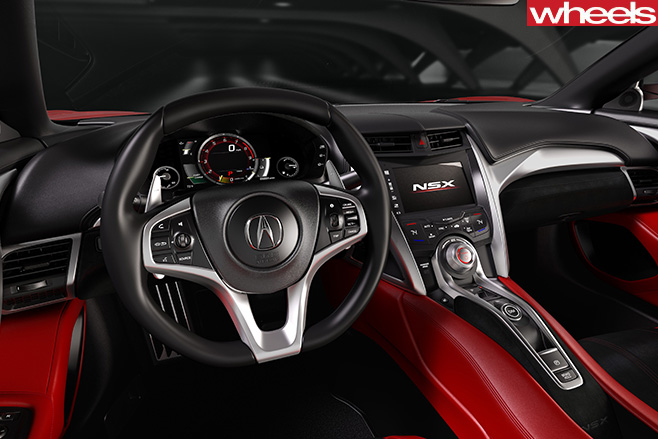
Various luxury brands – including Lexus, BMW, Audi and Mercedes-Benz – are also boosting hybrid offerings.
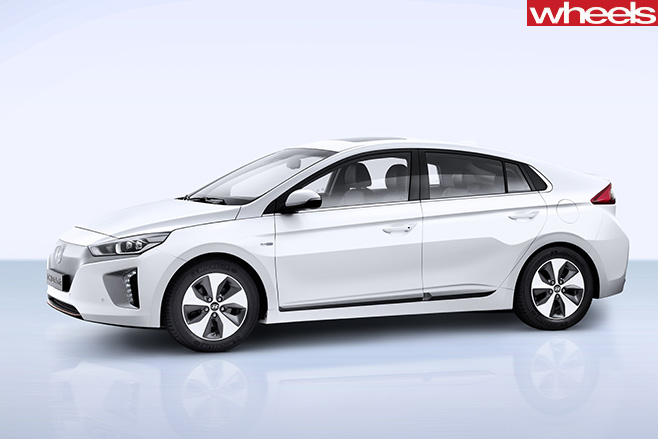
Honda says it was on a “spiral of negativity” over the past decade and concedes its sales slump was a result of sometimes sub-standard product – itself a result of a cut in research and development from Japan – and poor positioning from higher prices that reduced competitiveness.
HONDA will try to position itself as a sportier, more desirable brand spearheaded by a new RS model as part of a five-level Civic range aimed at significantly boosting sales of the soon-to-arrive new small car.
To be available as a sedan and hatch, the new Civic will include affordable models priced from about $22,000, and stretch to the winged-and-wheeled RS as a luxury model above them.
By late 2017 there will also be the fiery Civic Type R hatch with a 2.0-litre turbocharged engine.
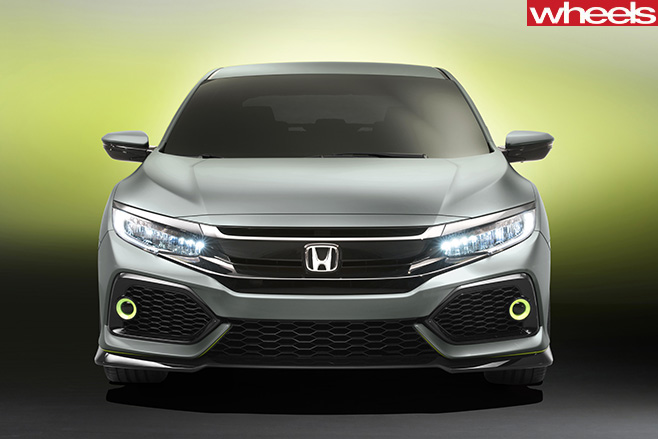
“We’re not just pushing for volume; sustainable volume is very important for us, so it’s not just about being number one or knocking somebody off,” says Honda Australia director Stephen Collins.
“[Civic] for us is the most important model probably we’re ever going to launch.”
Honda concedes recent Civics have not lived up to the solid reputation of the once-loved small car. It hasn’t helped that the hatch has been sourced from the UK while the more plain-looking but keener priced sedan comes from Thailand.
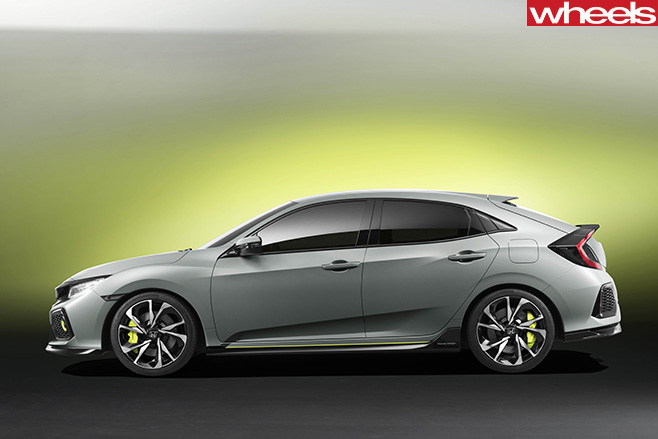
“What was critical for us was a stylish, sporty, technologically advanced small car that would broaden the appeal of Honda,” says Collins.
The 10th generation Civic will be produced in Thailand, with the hatch and sedan sharing the same design from the B-pillar forward.
“It was really about bringing Civic back to a benchmark small car,” says Collins, adding that Honda Australia pushed to have the sedan and hatch produced alongside each other and with common design themes. “We needed a super-competitive Civic hatch and sedan.”
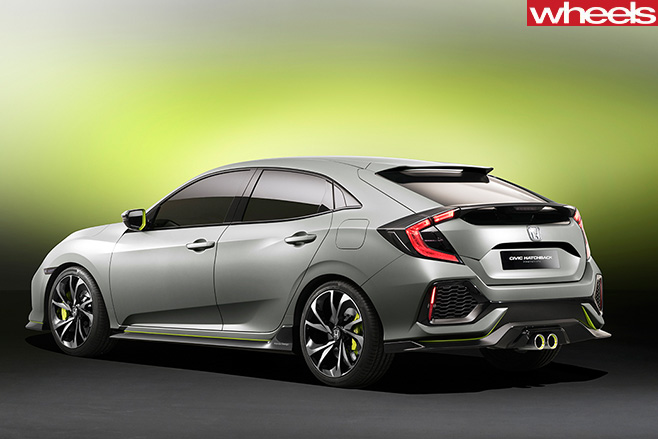
The new Civic will come with Apple CarPlay and Android Auto on all models. Apps in the centre touchscreen include a web browser and calculator, as well as a facility to download extra apps.
As for the RS badge being used on other Hondas, Collins says “it’s certainly possible – we want to dial it up as much as we can”.
