
McLaren retains the form factor but shrinks the price, sending its 570S Coupe in to bat against the likes of the Porsche 911 Turbo, the Audi R8 and the Aston Martin Vantage.
WHAT IS IT? The 570S retains many of the basic themes from its big brother, the 650S, such as the 3.8-litre turbo V8 and the carbon fibre tub, but only shares around 10 percent of parts with it. In making the 570S more accessible, McLaren might just have built a better road car.
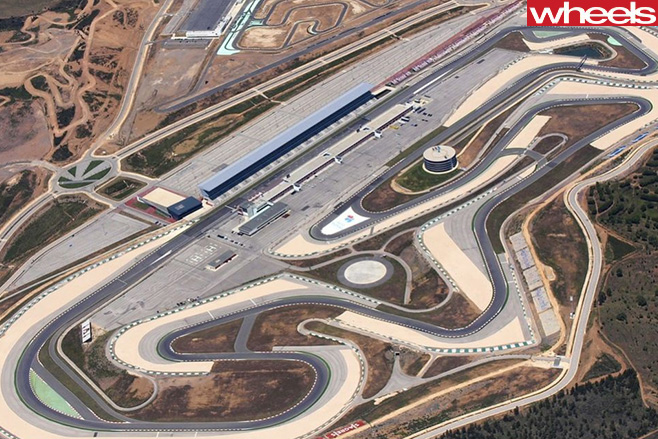
WHY WE’RE TESTING IT McLaren flew us to Portugal and presented us with a 570S and a clear run at the incredible Portimao race circuit. We’ve already had a look at the McLaren’s key rivals but were keen to know how the baby Brit would shape up at this lower price point.
MAIN RIVALS Aston Martin V12 Vantage, Audi R8 V10, Mercedes-AMG GT S, Porsche 911 Turbo S
PLUS: Power, ride quality, playful handling, clever electronics, charisma, styling MINUS: Tuneless at low rpm, some flaky ergonomics, practicality, options pricing
THE WHEELS REVIEW ACCESSIBILITY is an ugly word when applied to supercars. It speaks of dumbing down, of expediency, of mealy mouthed compromise. Yet the McLaren 570S is spawned from this single criterion. Hailing from a company that lives for measurables, to be objectively superior to its rivals, the 570S initially comes across as a bit of an oddity.
The aggressive 675LT model was Corstorphine’s pet project, attracting almost universal praise for its personality and playfulness. The 570S is the first of McLaren’s so-called Sports Series, a line that will soon include the even cheaper 540C. It’s followed a similar development track to the 675LT; more human and less Ron-bot. In this instance, accessibility means building a road car with a little more bandwidth, a vehicle from which customers can get something without the need to drive at ten-tenths.
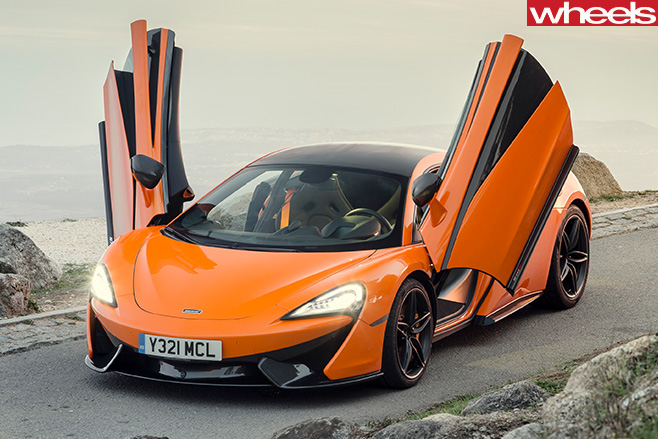
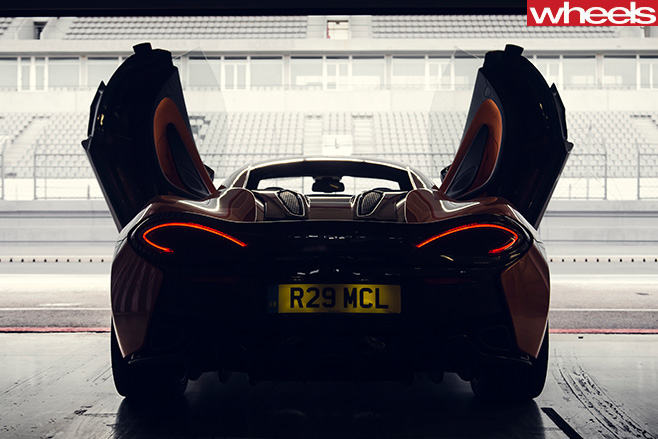
There’s a lot riding on it, too. McLaren currently builds about 1600 vehicles a year, but they hope this car is the catalyst to lift that towards 4000. It’s an interesting proposition, pitching into the Australian market at $379,000, largely because it brings the form factor of a supercar to the sports car sector. With its dihedral doors, lightweight carbonfibre tub and mid-engined silhouette, the 570S offers a sense of occasion that nothing else at this price point gets particularly close to.
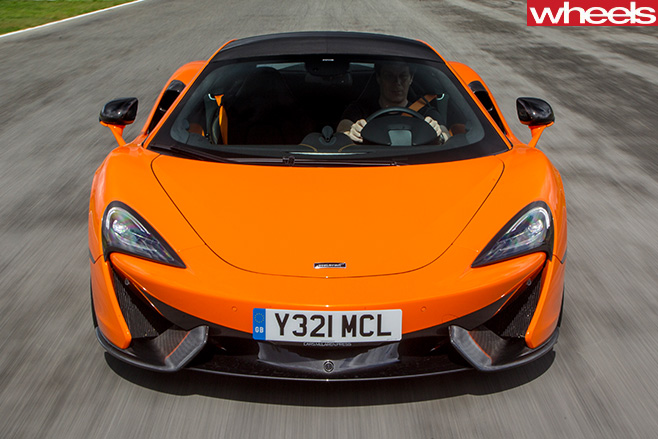
It’s a more complex, sensual shape, with intricately worked door ‘tendons’ and flying buttresses, styled by Rob Melville at McLaren’s Bond-villain lair. What’s clear is that the shape is sharply colour sensitive, with the signal orange and green cars working their curves a lot more effectively than the more muted tones, which can look slightly underwheeled.
In the name of accessibility, the sills of the 75kg carbonfibre chassis are lower and narrower, and there’s a notable cut-out in what McLaren calls the foot-swing area, making the car a whole lot easier to get in and out of. There’s also more headroom, 110mm added length in the tub, extra stowage areas around the cabin, five litres more space in the 144-litre front luggage bay, and the doors open wider. It also has the world’s feeblest cupholders – corner with any enthusiasm and your latte will rapidly reach exit velocity – and this also marks the first McLaren to feature vanity mirrors.
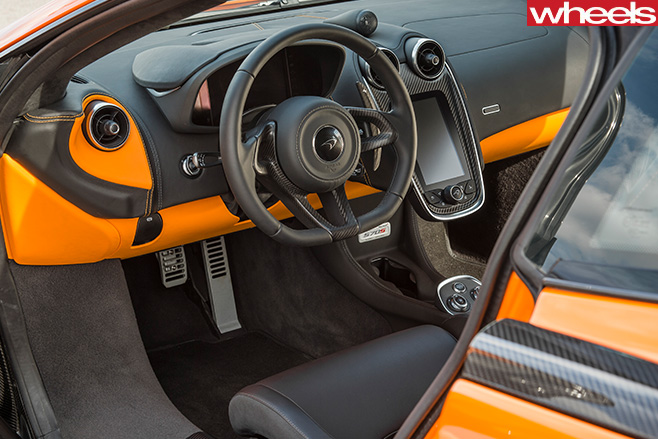
The interior offers a different architecture to the 650S, including a floating-panel IRIS infotainment system, with a few more direct access buttons so you don’t have to repeatedly wade through a labyrinthine menu system.
There are a few ergonomic glitches though. Grasp the thin-rimmed wheel and your hand will mask about a third of the IRIS screen, which is a bind when you’re quickly checking the nav, and the seatbelts aren’t height-adjustable, which will irk taller drivers. The materials quality is also somewhat hit-and-miss, with some scratchy plastics that McLaren would doubtless put down to its unerring commitment to lightness.
Prod the start button and there’s none of the theatrical flare of revs you get in a Lambo. The engine settles into a fairly tuneless blare while you sort out the settings on the centre console.
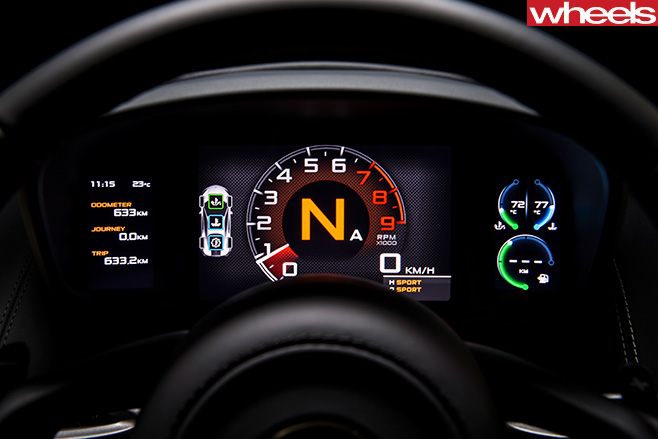
The stability control is independent of these modes; you can have it on, off or set to ESC Dynamic, which delivers a big enough order of fun to keep you on your toes. In other words, you will need to do both proper counter-steering and throttle management if you’re not to feel oafish. The sweet spot for fast road driving is tipped to be Sport mode for both powertrain and suspension, ESC in Dynamic, and your full attention engaged.
We’re at the challenging Portimao circuit in Portugal and first impressions are promising. Visibility is great, the steering features a good old-fashioned hydraulic element and feels all the better for it, and the pedal positioning is spot-on.
Peak power of 419kW arrives at 7400rpm and, while there’s not the 650’s berserk assault on the redline, pressing through the throttle pedal detent and plugging the 570S into that final grand on the tacho is a joyous experience. It sounds angry, extremely loud and, yes, huge fun. The equal-length exhaust manifolds reduce back-pressure and have made the high-end harmonics easier to tune. Overtake at maximum attack and you can see other drivers flinch as they’re assailed by a rolling cone of flat-plane fury.
While the ride doesn’t offer the extraordinary smoothness of the 650, by sports car standards it’s excellent in either Normal or Sport. Body control is agreeably solid, with just a couple of degrees of reassuring roll.
The tyres are an interesting choice, with 225/30/R19 Pirelli P Zeros up front – narrower than those on a Renault Megane RS 275 – and 285/30/R20s at the back.
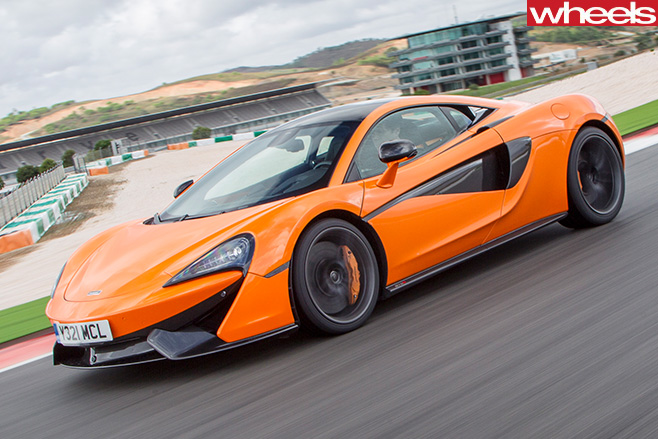
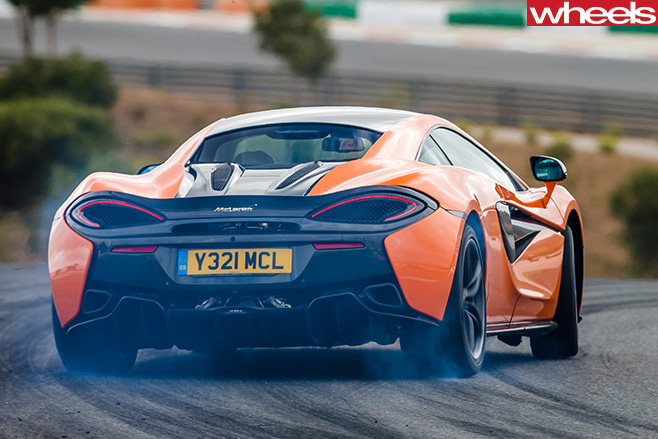
On track, it’s clear there’s a playful side to the car’s character. Without the aero advantage of its senior siblings, you need to manage the rear of the 570S when braking into corners. It’s notably lively and a good deal more exciting than you expect. In that regard, it feels more of a handful, but use that to your advantage and you can work with the car’s weight transfer. Portimao is like a tarmac rollercoaster, offering plenty of opportunity to set the McLaren’s tail swinging. You need to be quick with the steering because the car can be feisty when it does unload.
The large and tactile paddle-shifters swing with the wheel, which helps when punching out of a second-gear hairpin, short-shifting up to keep things tidy on exit. The carbon-ceramic brakes are mighty, with plenty of feedback, and you soon learn to drive around the centimetre or so of dead travel at the top of the action.
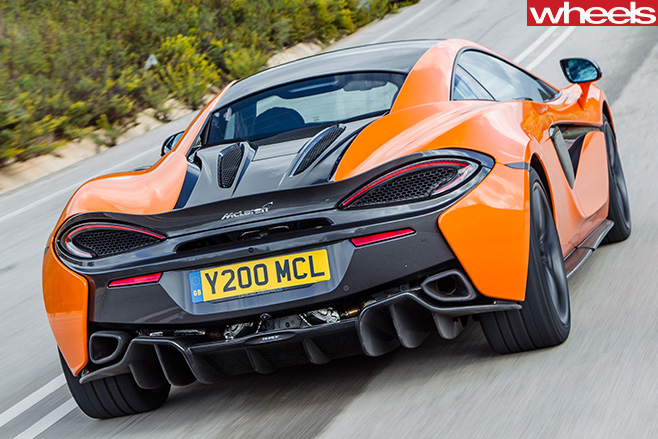
It’s hard to argue with the numbers, though. The ‘Mini Mac’ will demolish 100km/h in 3.2sec, see 200km/h in 9.5sec, blitz through the quarter mile in 10.9sec, and keep going to 328km/h. That’s 204mph in the old money, which is a senior mark, vanity mirrors and superior foot swing notwithstanding.
You’ll feel the car’s lack of downforce above 250km/h, the 570S jinking in crosswinds, the steering chatting back at you like an old 911, but that only adds to its character.
And make no mistake, this is a vehicle with a clear identity. It’s anything but a ‘650S lite’. In making the 570S more accessible, less focused on the pointless pursuit of metrics, McLaren has built a subjectively better car. Better because you could conceivably use this every day and enjoy it. Better because it doesn’t take itself too seriously and delivers a buzz without having to dial hugely illegal numbers onto the clock.
By creating something less stereotypically McLaren, Woking might have built its best road car yet. We didn’t quite know what to expect of the 570S, but we didn’t expect that. McLaren will take its wins however they appear and the initially unfancied 570S looks to have “winner” written all over it.
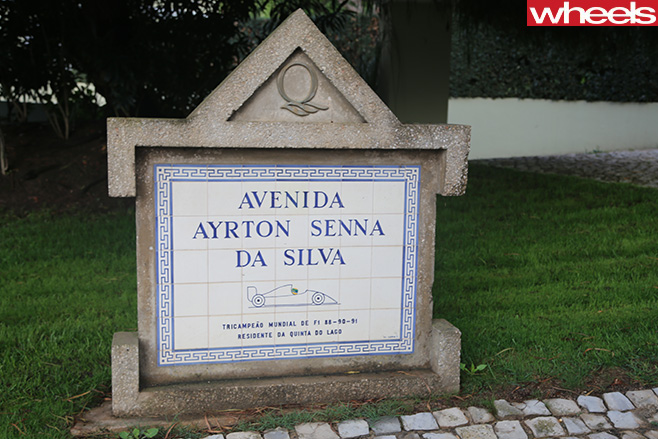
Footsteps of Senna
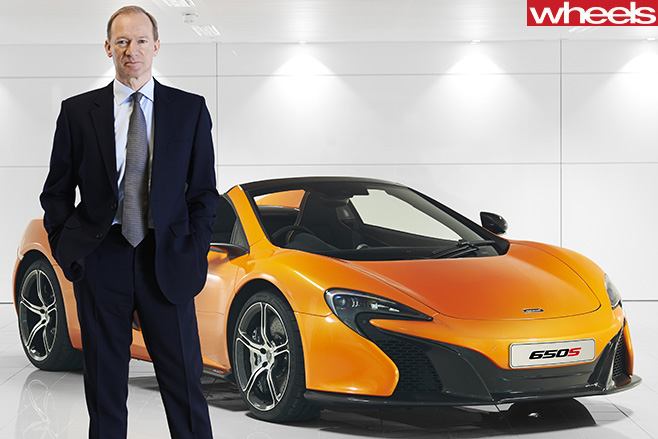
Light and shade
Port out
SPECS Model: McLaren 570S Coupe Engine: 3799cc twin-turbo V8, 32v Max power: 419kW@ 7400rpm Max torque: 600Nm @ 5000-6500rpm Transmission: 7-speed dual-clutch automatic Weight: 1313kg 0-100km/h: 3.2sec Fuel economy: 10.7L/100km (combined) Price: $379,000 On sale: January 2016
Honda has improved one of its most invisible models – the UK-built Civic Hatch – to the point where it is a viable alternative to the better of the C-segment five-doors.
WHAT IS IT? The MY15 facelift for the Honda Civic Hatch. Now in its ninth generation, the Civic Hatch has been designed and engineered to take on Europe’s best, but has fallen since its 2012 launch due to some packaging, refinement, and styling issues. To its credit, the Japanese manufacturer has been chipping away to make the Euro five-door better.
WHY WE’RE TESTING IT The small car segment is Australia’s largest, and with the second oldest nameplate in the business undergoing yet another update we’re sure to take notice. Especially as the UK-built Civic Hatch has been on the cusp of goodness, if not greatness, since its launch here more than three years ago.
MAIN RIVALS Mazda 3, Toyota Corolla, Ford Focus, Hyundai i30, Kia Cerato, Nissan Pulsar, Renault Megane, Peugeot 308, Volkswagen Golf, Mitsubishi Lancer Sportback, Holden Cruze, Subaru Impreza
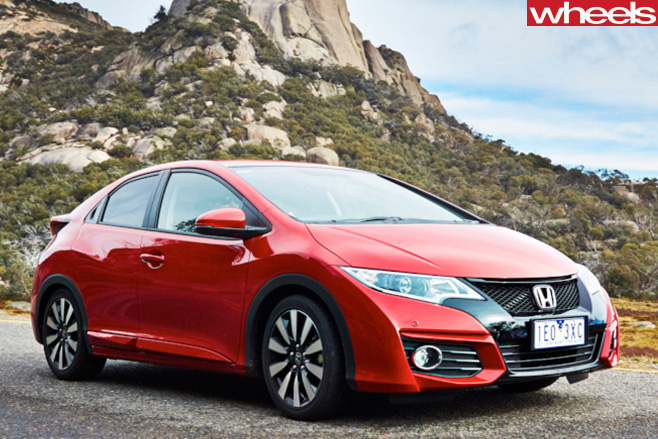
PLUS: Jazz-style rear-seat configurability, comfortable seats, distinctive design, sporty dynamics, strong drivetrain MINUS: High driving position, rear cushion too low, poor rear vision, limited rear headroom
THE WHEELS REVIEW NOW IN the twilight of its ninth generation, the Civic Hatch is not going to suddenly set the small-car scene on fire. The compact Honda – and its overpriced predecessor, which also hailed from Europe – has failed to gain a foothold since launching in Australia during 2012.
But now there is a keener priced, better equipped, and facelifted version of the British-built oddball, ushering in a host of improvements.
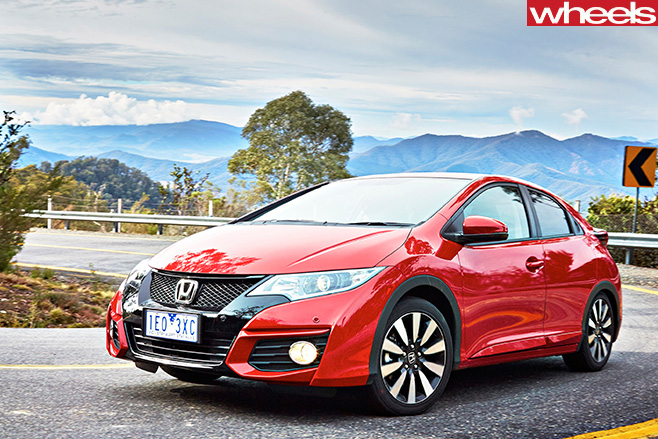
Sadly, however, the excellent 1.6-litre turbo-diesel (just released in the RM CR-V Series II) has recently been dropped. It’s a firecracker so if you find one, do it.
Starting from $22,150 (or $24,450 in five-speed auto guise), the base Civic Hatch VTi-S is no longer a pauper’s special either – features like soft cloth fabrics, cruise control, alloy wheels, Bluetooth phone connectivity, audio streaming (via Honda’s best iteration of its new big central touchscreen), reverse camera, iPhone image mirroring and daytime driving lights make the Japanese car feel more like a mid-range version.
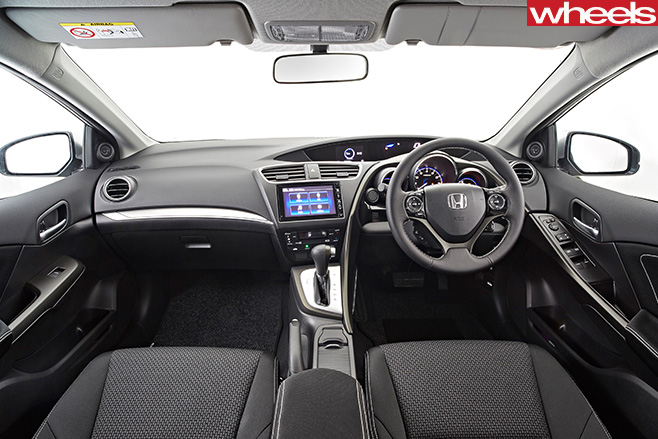
While we’re still whingeing, over-the-shoulder vision is poor (that camera is essential gear), the rear wiper only sweeps half the bisected back window, and the rear cushion is a bit too flat for taller folk. On the flipside, thanks to Jazz-style ‘Magic Seats’, made possible by the movement of the fuel tank to beneath the front seat area, tip the cushion upwards and there is a uniquely deep floor with walk-through capability, or fold the backrest down and the whole set-up folds down flat to create a panel-van rivalling cargo area that would be way comfier (and roomier) than any LX Torana Hatch Hutch. Even with all seats erect, there’s a class-leading 477 litres of luggage space.
At the other end of the car, the long-lived 1.8-litre single-cam four-cylinder i-VTEC petrol engine and five-speed automatic is a healthy combination, moving off the line smartly and maintaining a steady stream of power up the rev range. It is surprisingly responsive if you need some instant kick-down forward thrust.
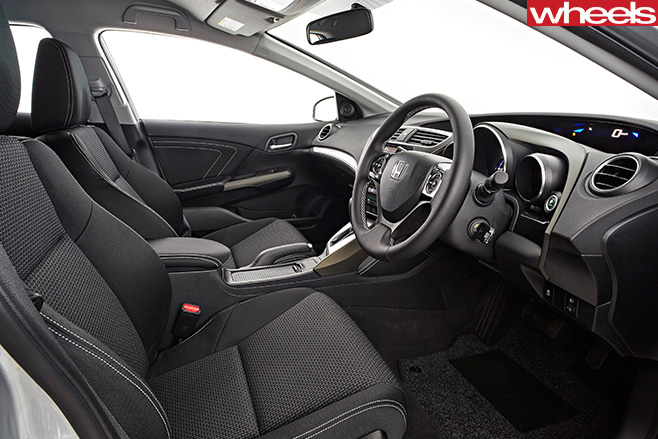
All up, then, the MY15 Honda Civic Hatch has left us more delighted than expected. Thanks to the fruits of its engineers’ persistent labour, the European five-door is complete enough to fend off all but the best in the C-segment (Golf, 308, Focus, and Mazda 3). Who’d have thought this one would have aged so gracefully?
SPECS Model: Honda Civic VTi-S automatic Engine: 1798cc 4cyl, sohc, 16v Max power: 104kW @ 6500rpm Max torque: 174Nm @ 4300rpm Transmission: 5-speed automatic Weight: 1282kg 0-100km/h: 10.9s Fuel economy: 6.6L/100km Price: $24,450 On sale: Now
Click here to read the full range review of the Honda Civic.
The brief is simple: build the fastest, most luxurious and most expensive SUV in the world.
MEET the Bentley Bentayga. It’s powered by a 6.0-litre W12 that develops more than 405kW and 720Nm, enough grunt to take it comfortably beyond 275km/h, say the Bentley boys. The interior is a sensual delight, redolent with the rich tang of high-quality leather, and suffused with the warm glow of wood and sparkling highlights of white-bright chrome. And the price? Don’t expect much change from half a million bucks.
The Bentayga makes its public debut at the Frankfurt motor show this month, but in the course of the past few months we’ve spent time with Bentley’s development engineers and designers, and driven lightly disguised, near-production prototypes. And, yes, we’ve driven them off-road.
Bentley’s new SUV is built on a variant of VW Group’s MLB architecture (longitudinal front engine, all-wheel drive) codenamed PL73. It’s similar hardware to that used for the new Audi Q7, but the Bentayga gets its own suspension and brakes, and debuts VW Group’s all-new W12 engine. With its own sheetmetal and a full Bentley interior – 12 hides of leather and the choice of nine wood veneers – insiders claim 80 percent of the car is unique.
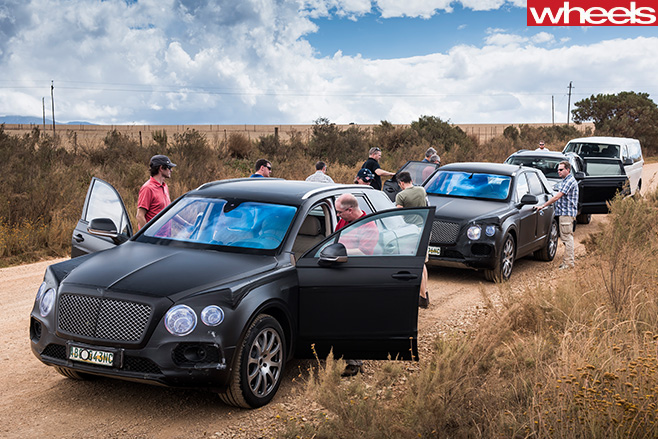
Although off-road capability is important for credibility, customers didn’t want the styling compromised to meet Range Rover levels of approach and departure angles. And while they liked the idea of a more practical Bentley, such considerations didn’t extend to everyday concepts like towing capacity. “If you can afford a Bentley SUV,” said one, “your boat is too big to tow.”
Heart of the Bentayga is the W12 engine. Basic architecture is similar to the outgoing W12 – the staggered cylinder layout delivers a remarkably compact powerplant – but almost all the hardware is brand new. The engine features both direct and port injection to help meet emissions, performance, drivability and cold-start targets, along with twin-scroll turbochargers and a cylinder deactivation system that shuts down one bank of cylinders, effectively turning the engine into a narrow-angle V6.
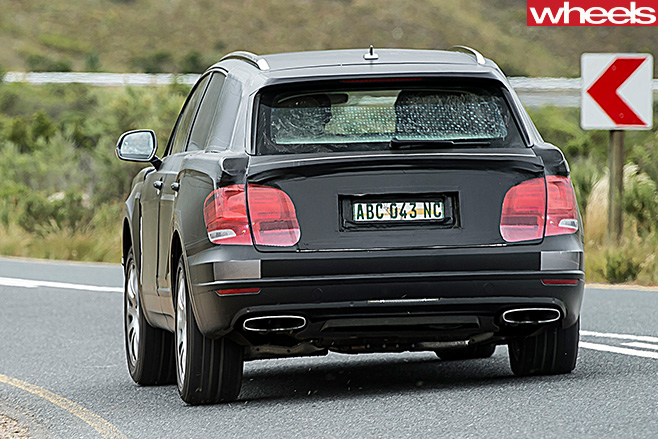
In addition to the mighty power and torque outputs – final figures have yet to be confirmed – the new W12 meets the latest European emissions standards and will give the Bentayga a range of 600km along with a 0-100km/h acceleration time comfortably under 5.0sec. It also weighs 30kg less than the outgoing W12 and is assembled on a new line at Crewe in the UK, which is now VW Group’s sole source for the engine.
The aluminium Bentayga body-in-white is built on its own line in the VW Group plant in Bratislava that also supplies bodies for the Porsche Cayenne, VW Touareg and Audi Q7, then shipped to Crewe for painting and final assembly.
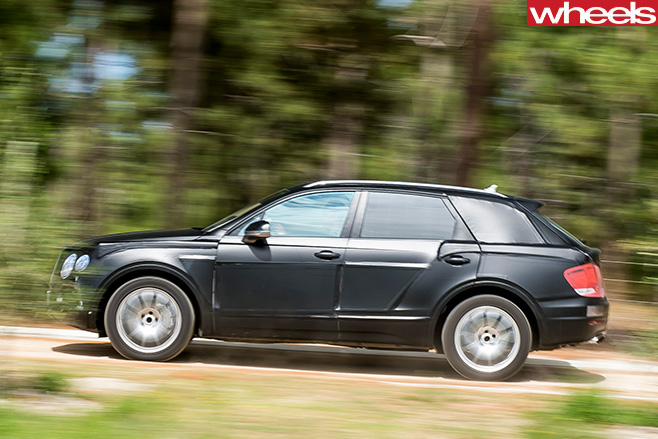
A lot of work also went into the surfacing of the front corner to take your eye away from the front overhang, and the side features a strong character line running back from a B-themed front vent, plus the hint of a Continental-style haunch over the rear wheel. The bodyside stamping, which includes the one-piece rear quarter panel and the door apertures, is the largest, deepest draw-aluminium pressing in the world.
At the rear are two large exhaust outlets and split tail-lights that reprise the B-theme.
Effortless. Imperious. Invincible. That’s how the Bentley Bentayga feels on the road. The new W12 delivers a creamy surge of power from the moment you crack open the throttle, accompanied by a gently muted rolling-thunder soundtrack. Though you have the option to shift the eight-speed automatic transmission manually via steering wheel paddles, there’s really no point because there’s always an abundance of torque when you want it, and on a winding road the Bentayga simply digs in and grunts hard out of corners. The standard torque split of 40/60 front/rear helps, as does the accurate, nicely linear steering.
In Dynamic mode the EWAS system, which uses 48-volt electric motors on the roll bars to instantly twist against suspension inputs, keeps the big Bentley uncannily calm and composed through corners. In Bentley and Comfort modes, more roll is allowed, but as we drove the prototypes Guest and his team were debating whether to maintain that strategy because the roll control system does not impinge on ride comfort. We’d vote to keep the roll to a minimum regardless of setting as it helps make the 2300kg Bentayga drive much smaller and lighter than it really is.
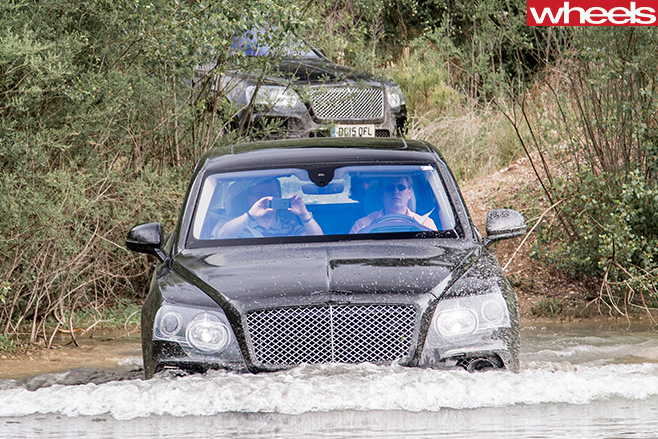
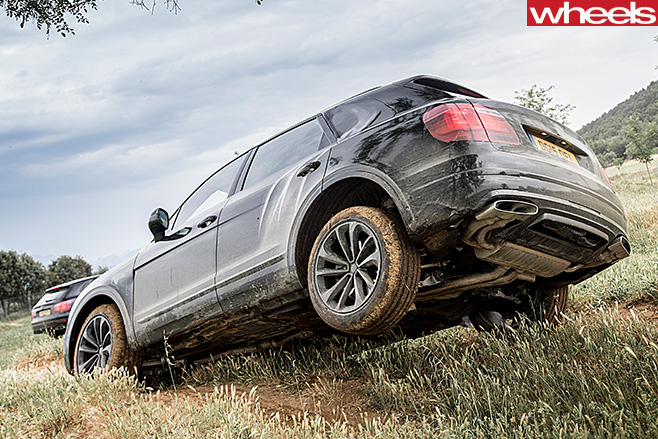
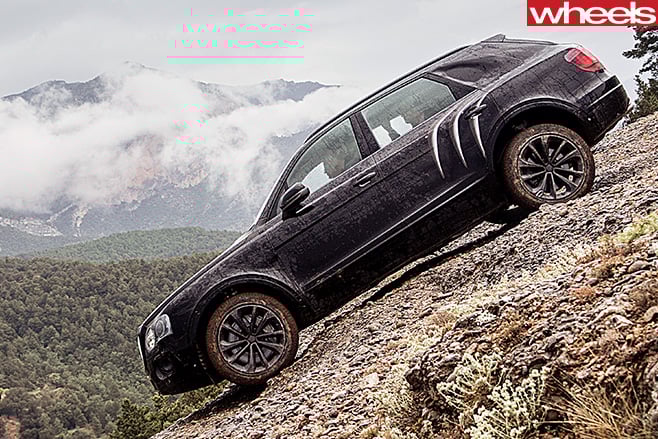
There are four off-road modes – Snow/Wet Grass, Gravel, Mud/Ruts and Sand/Desert – all of which vary parameters such as ride height, throttle response, traction, steering and transmission shift protocols. As we found scrabbling around a slick, rocky hill in Spain, the Bentayga’s main limitations in really rough stuff are its approach and departure angles.
The fast, capable, opulent Bentayga is a thoroughly convincing luxury SUV. More importantly, though, it’s also a thoroughly convincing Bentley.
Flawed concept
WHEN the wraps came off the Bentley EXP-9F concept at the 2012 Geneva show, the faces of those present ran the full gamut of emotions from bafflement to abject horror. Lacking the muscularity and design restraint that epitomises the marque, the EXP-9F pointed to a worryingly brash new-money future. Despite penning a string of brilliant Audi, Skoda and Bentley designs, stylist Dirk van Braeckel’s career hasn’t recovered from the EXP-9F debacle, and Sangyup Lee’s remedial efforts to transform it into the current Bentayga help explain the car’s lengthy gestation.
Rich pickings
THE Bentayga is not the answer to a question no one’s asking. In January, Bentley said the segment – Range Rover, Porsche Cayenne, the more expensive Mercedes GLEs and BMW X5s – would grow 63 percent to 20,000 vehicles a year by 2020. By May it had revised that estimate up to 30-40,000 vehicles.
It seems the rich are getting richer, especially in the US, China, the UK and Germany, which will be the Bentayga’s four largest markets. What’s more, they’re starting to buy fewer sedans – Flying Spur sales are slowing – and want something more upscale than a mere Range Rover.
Meet the family
BENTLEY boss Wolfgang Durheimer decreed the Bentayga would launch only with the W12 engine to clearly position it at the top of the ultra-luxury SUV heap, at least until the Rolls-Royce, Lamborghini and Maybach SUVs appear.
Bentayga will be offered with a version of Bentley’s 4.0-litre V8 in a year or so, though, and on this car the EWAS anti-roll system will be optional.
A plug-in hybrid is coming, too – demand for plug-in hybrids is exploding in China – along with a diesel.
Bentley’s Mulliner division will offer options such as bespoke exterior and interior colour and trim, as well as the picnic set shown in the EXP-9F concept.
A front-drive BMW X1 is a big step ahead in terms of packaging. It’s a shame the way it rides doesn’t live up to the same standards.
WHAT IS IT? This is the second generation of the BMW X1, the car-maker’s smallest SUV and the first to be based on its new front-wheel drive architecture. Not only does it boast fresh underpinnings, there are new engines, transmissions, an updated all-wheel drive system as well as vastly improved packaging. It’s much better value for money, too.
WHY WE’RE DRIVING IT This is our first drive of the BMW X1 on Australia’s often treacherous roads. We drove it earlier in 2015 in Austria, however the smooth European surfaces meant a genuine indication of how the new model would stack up in SUV-hungry Australia was not on the cards. Now, the X1 has to face our roads and the demands of Aussie customers.
MAIN RIVALS The Audi Q3 and Mercedes GLA are natural rivals of the German luxury trident, but there’s also competition from cars such as the Lexus NX and forthcoming Infiniti QX30, itself based on the Mercedes.
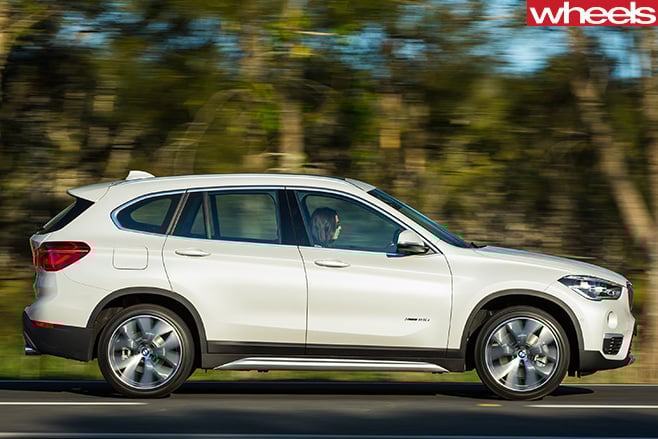
PLUS: Excellent packaging with ample passenger space in both rows, as well as flexible use of the spacious cargo area. Drivetrains are strong and refined, with excellent interior fit and finish wrapped in more cohesive styling. MINUS: Run-flat tyres mean a harsh, bumpy ride and an SUV that simply won’t settle down on a bumpy road, lacking composure and making for a busy, fidgety experience for all occupants. It’s a serious letdown for an otherwise strong package.
THE WHEELS REVIEW BMW reckons that it had it right with the first X1, but marked itself an honest ‘could do better’. So this all-new second-gen brings far more handsome shrunken-down-X5 styling and a raft of new features, underpinned by the same front-drive architecture as the 2-Series Active Tourer and latest Mini.

The wheelbase is a whopping 90mm shorter, but overall length’s cut by only 15mm, with growth in width and height creating loads of space up front and impressive rear legroom – the latter up by 66mm. The 505-litre boot tops its mains rivals’, and that greater space is also cleverly flexible thanks to second-row sliding seats.
Cabin quality is also noticeably improved as part of a sharp interior that conforms to other familiar X-badged cars, with a dash of much-needed flair in the form of a wraparound centre console. Fit and finish is excellent, arguably as the X1 is the only X-car made in Leipzig, Germany, not North America.
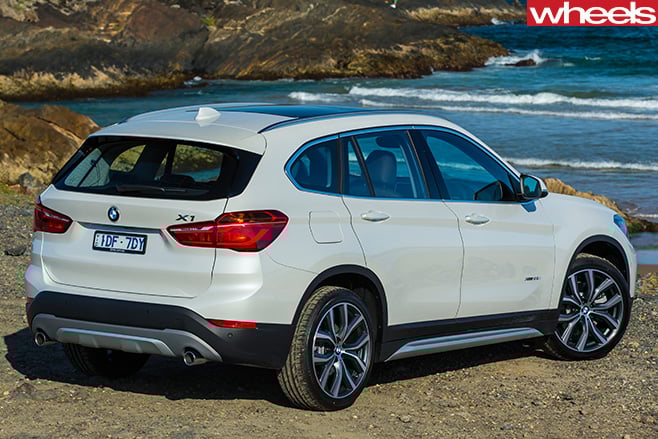
Yet a firm, fidgety ride lets the X1’s overall performance down on Aussie roads, with excessive tyre noise from the 19-inch Bridgestone run-flats. The X1 is upset by the smallest of bumps, with reverberations through the wheel, and takes far too long to settle, bringing uneasy head toss. Switching to a lower-spec 18-inch shod X1 didn’t solve the ride issues either, and showed that it’s not worth optioning the top model’s Sports Steering, but it is worth paying $750 for sports seats, as the base car’s are far too flat.
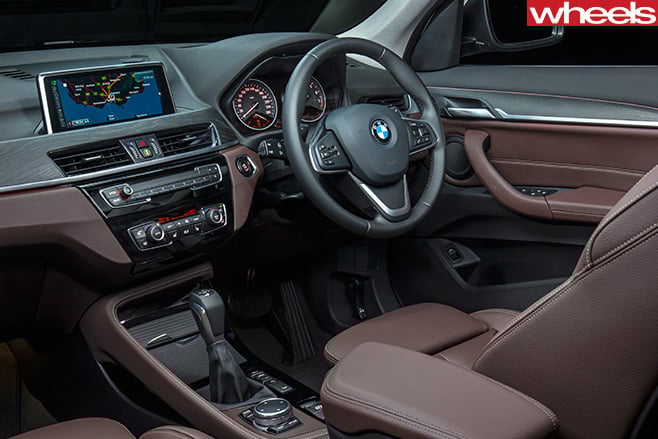
The X1 is a vast improvement, but still falls down in terms of dynamics despite sharing its platform with the Mini, a car clearly capable of a more involving, comfortable drive. Better looking, far roomier, faster and more efficient – as well as its improved value – means it is a strong contender if BMW can get the ride sorted once adaptive damper cars arrive in December. Fingers crossed they can cope with Australia’s often poor excuse for roads.
X-Addiction
AUSTRALIA’S SUV habit means that the X1 is crucial to BMW as it chases Mercedes and has Audi climbing up its back in the sales race, AFL-style. The original X1, oddly shaped and codenamed E84, arrived in 2009 and has since accounted for a third of BMW’s total X-car sales globally. It trails only the X5 in BMW’s SUV sales charts, the first of its X-cars that kicked things off in 2003. Since then, the range has blown out to X1, X3, X4, X5, X6 and – come 2018 – the X7, which will share its platform with the uber Rolls-Royce SUV. Will we ever kick the habit?
SPECS Model: 2015 BMW X1 xDrive 25i Engine: 1998cc 4cyl, dohc, 16v, turbo Max power: 170kW @ 5000rpm Max torque: 350Nm @ 1250-4500rpm Transmission: 8-speed automatic Weight: 1540kg 0-100km/h: 6.5sec (claimed) Fuel economy: 6.6L/100km (EU) Price: $59,990 On sale: Now
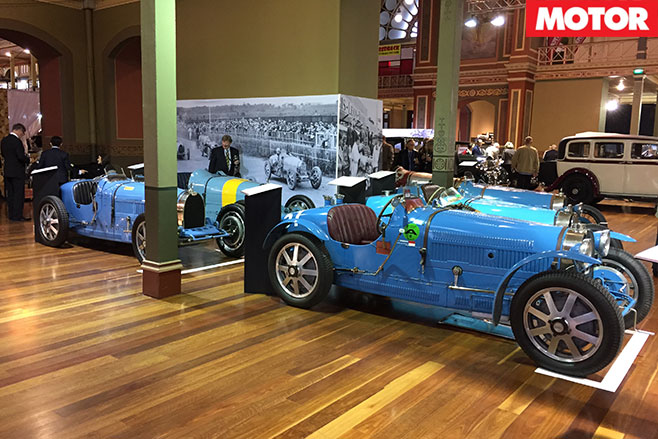
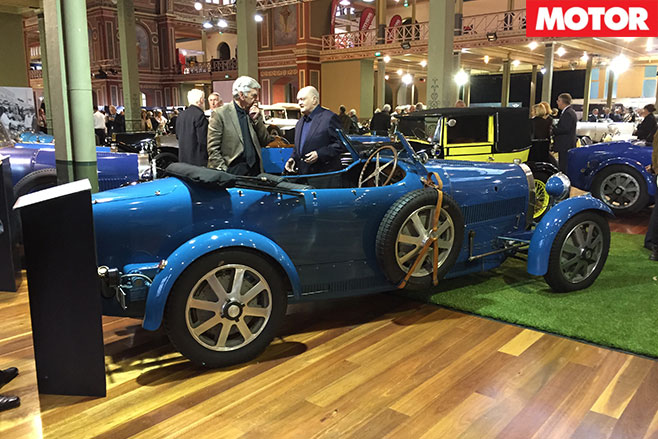
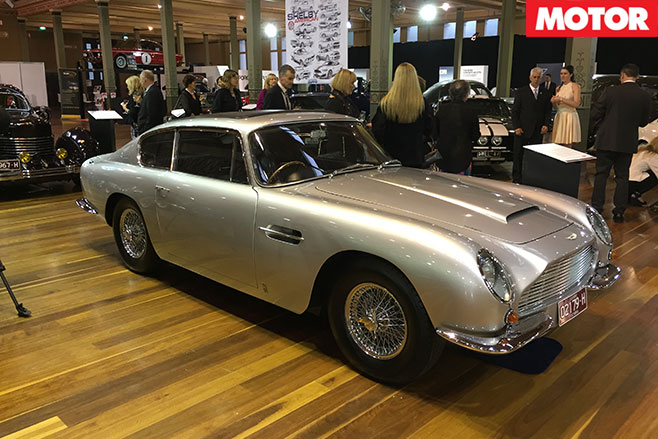
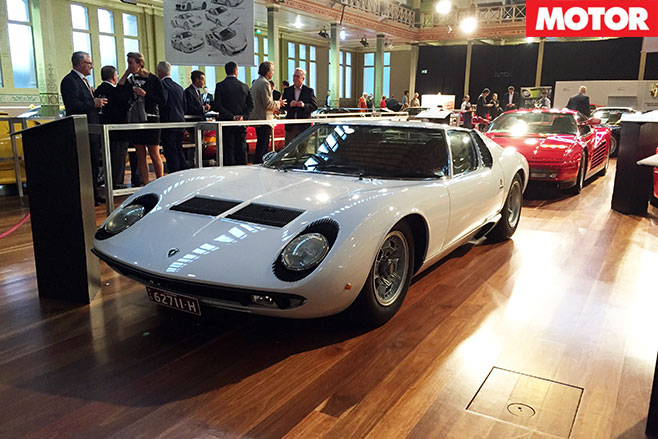
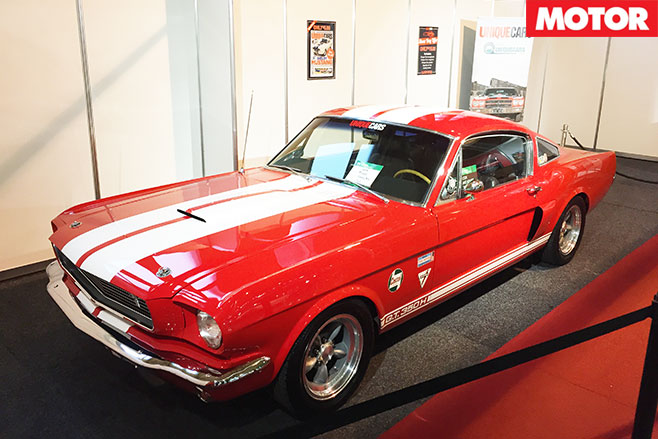
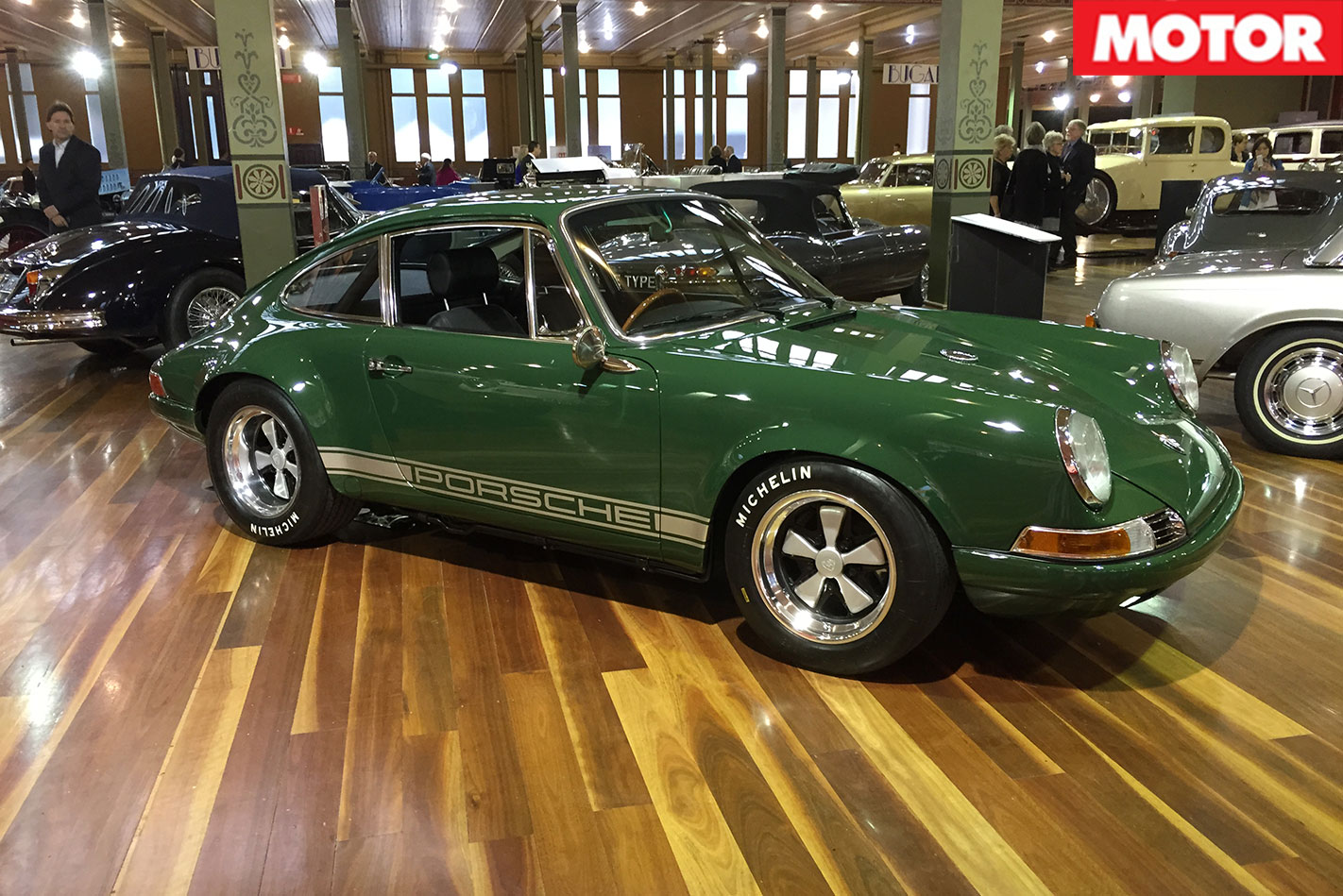
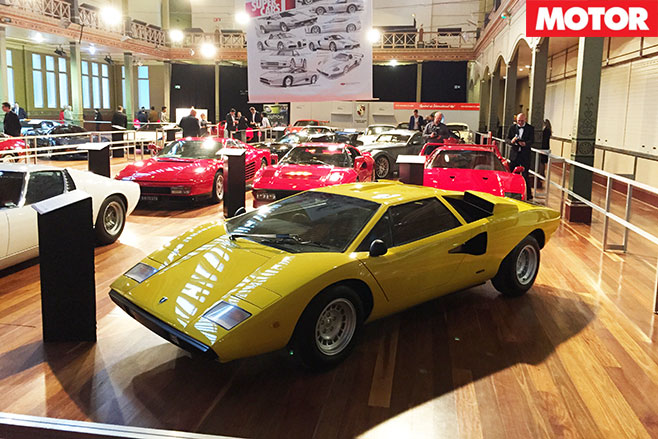
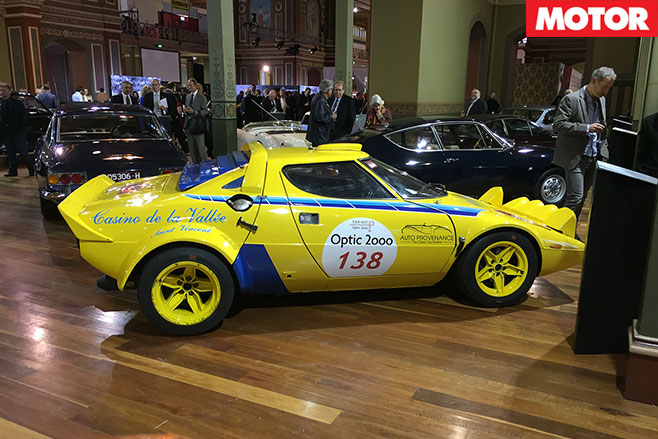
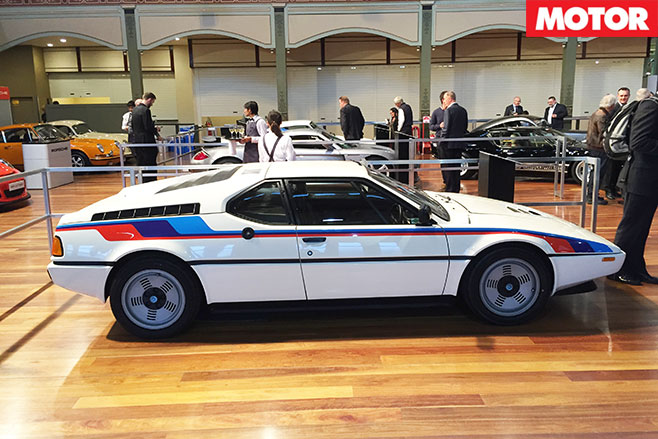
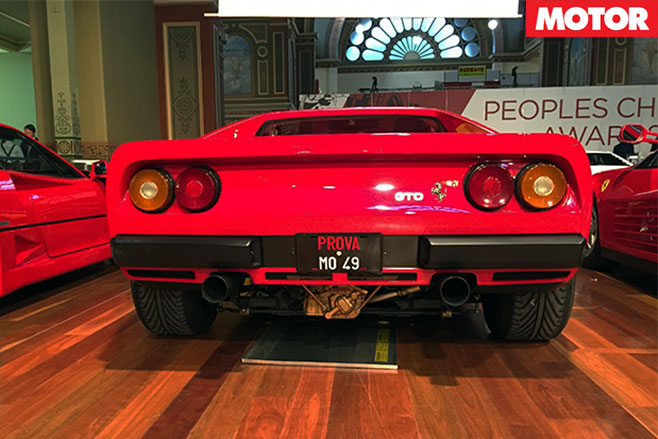
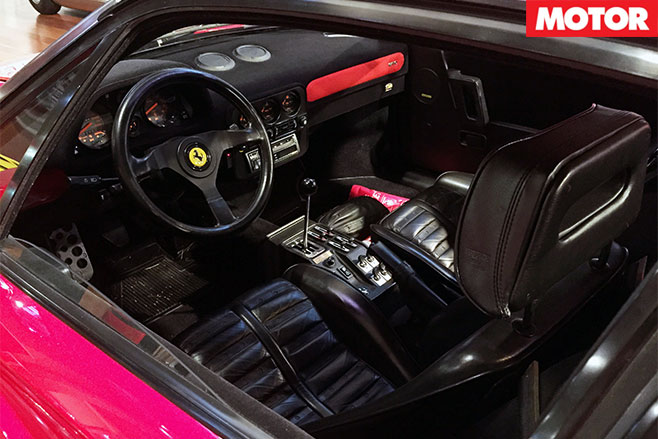
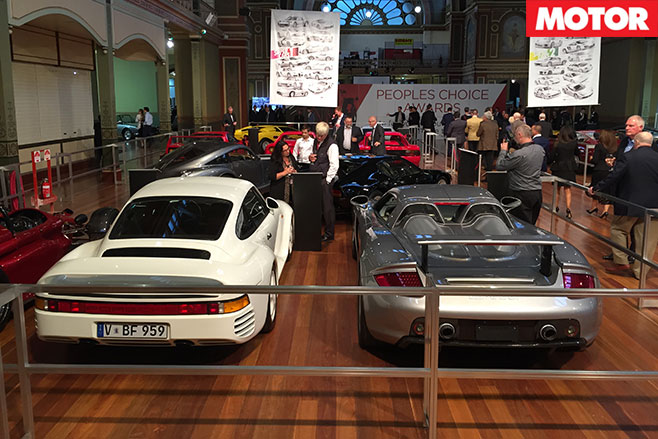
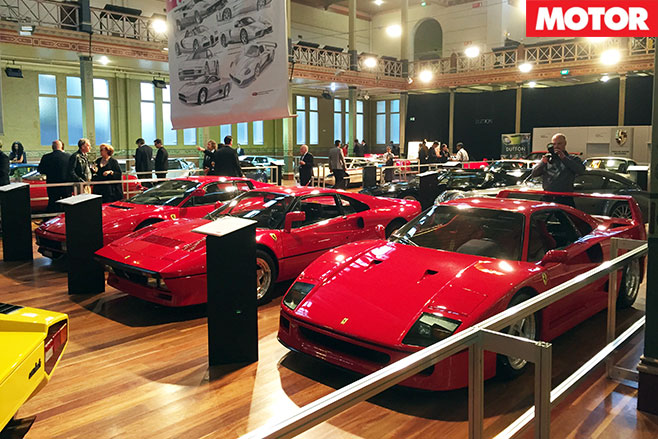
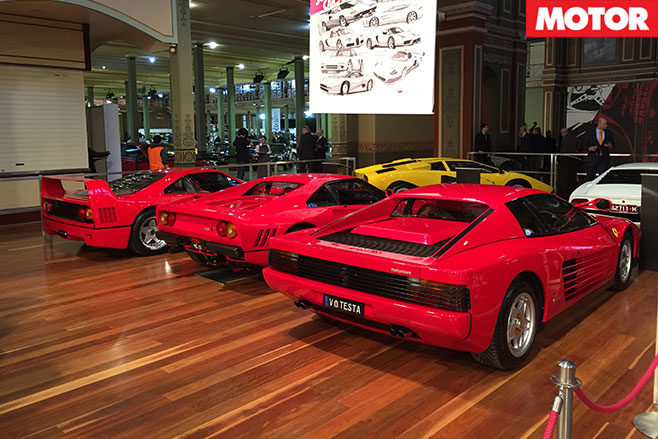
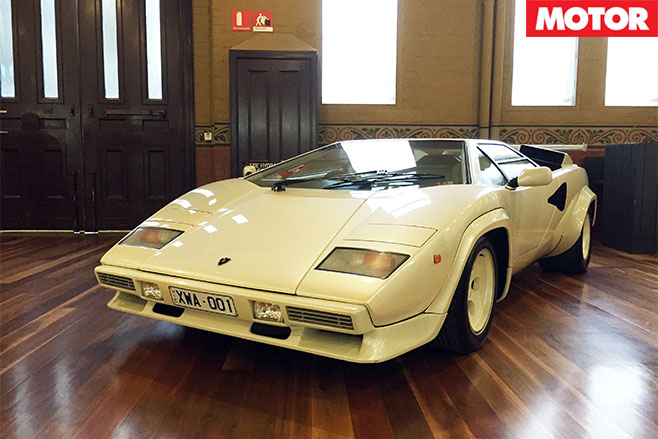
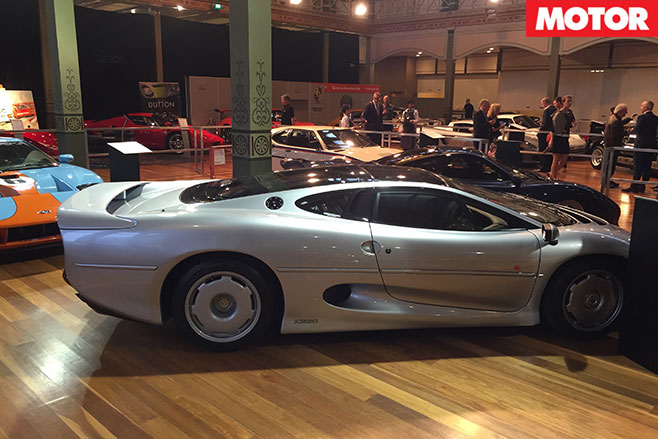
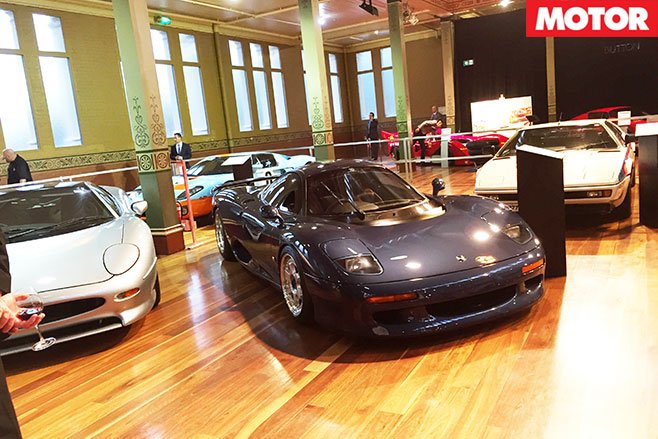
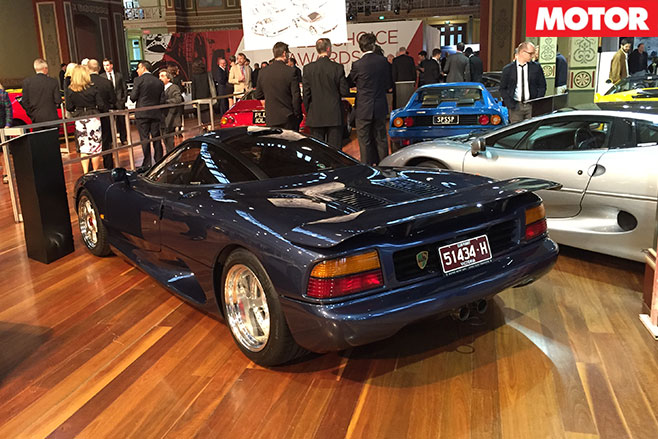
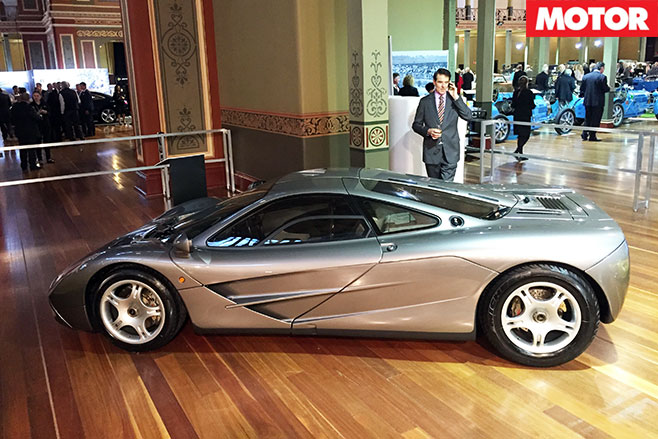
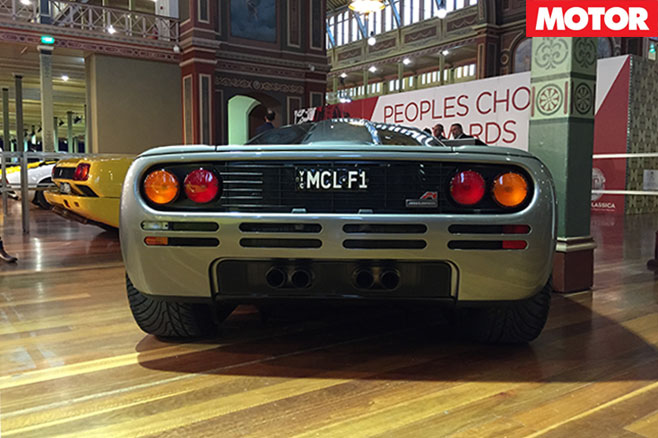
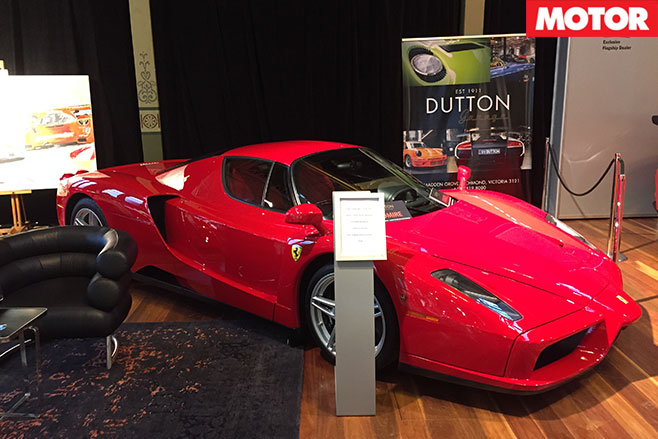
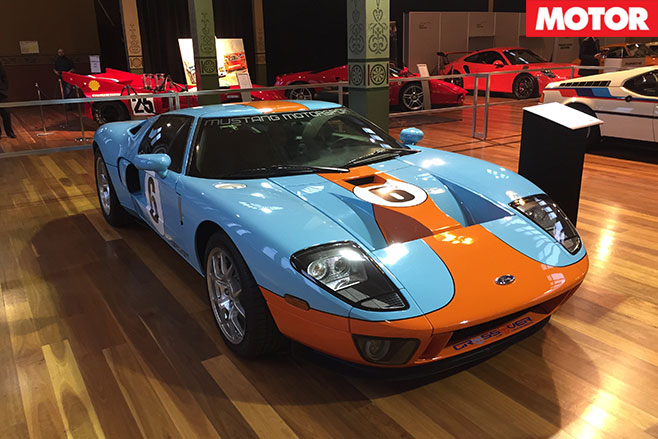
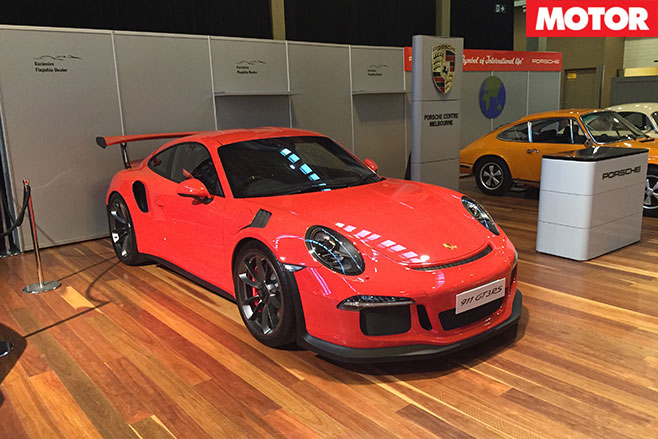
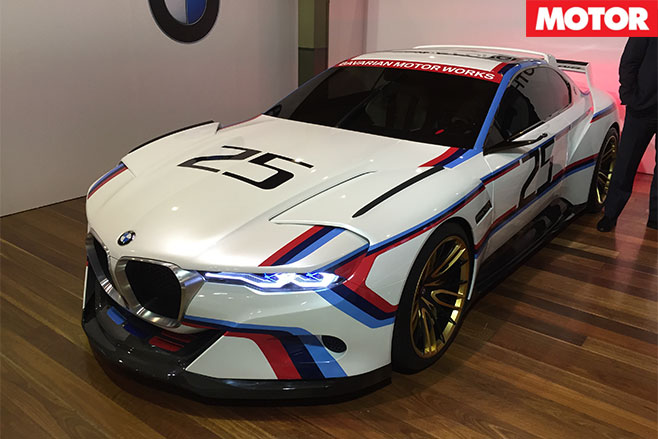
One of the central themes of this year’s Motorclassica show in Melbourne is a celebration of the supercar.
A jaw-dropping collection of fast metal has been gathered spanning all eras, so we thought we’d share just a selection with you here. Rest assured this is just scractching the surface, with more than 100 vehicles on display.
Around 70 years before the Veyron popped into Ferdinand Piech’s head, Bugatti was already making the world’s fastest cars, dominating European race circuits with the Type 35.
The Audi RS6 Avant and RS7 Sportback now have another word to join their name – performance.
Not that it needs to be stated when the 4.0-litre twin-turbocharged V8 engine does more talking than a badge ever could, but in new RS6 performance and RS7 Performance guise it now makes 445kW – up 33kW.
The revised engine is the same unit found in the S8 plus revealed earlier this year. The power increase also leap-frogs the 430kW delivered by the 5.5-litre V8 Mercedes-AMG E63 and CLS63, and the 441kW offered by the 4.4-litre V8 BMW M6 coupe. There’s no love lost in a German power war.
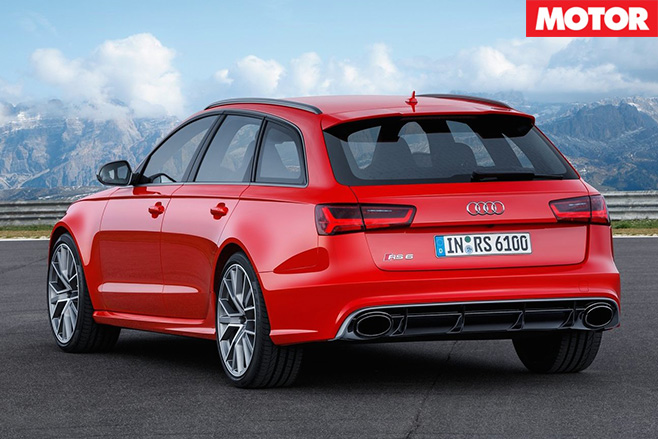
We mention the revs first, because anywhere from 2500rpm and 5500rpm the turbo V8 now delivers an overboost function extending torque to a monstrous 750Nm.
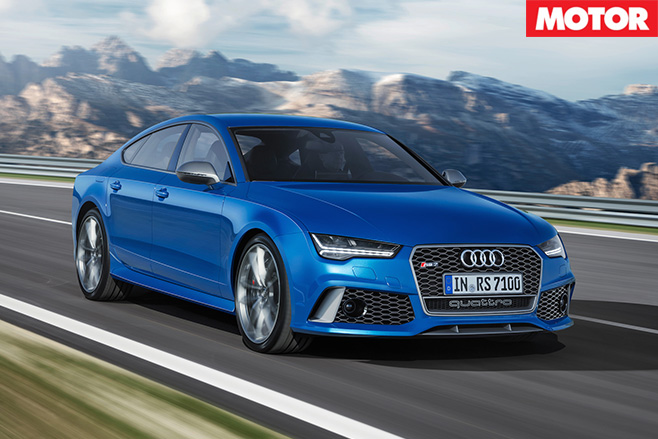
This all results in a standstill to 100km/h sprint time of 3.7 seconds, wiping 0.2sec off the time of the, erm, non-performance RS6 Avant and RS7 Sportback. After 12.1sec the near-twins will reach 200km/h as the lead over the standard models extends to 1.2sec.
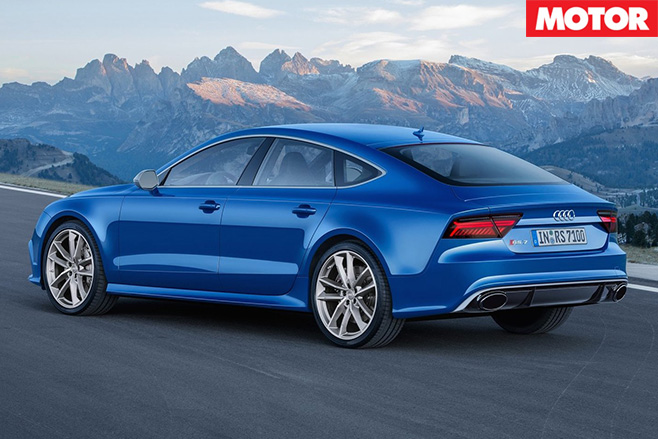
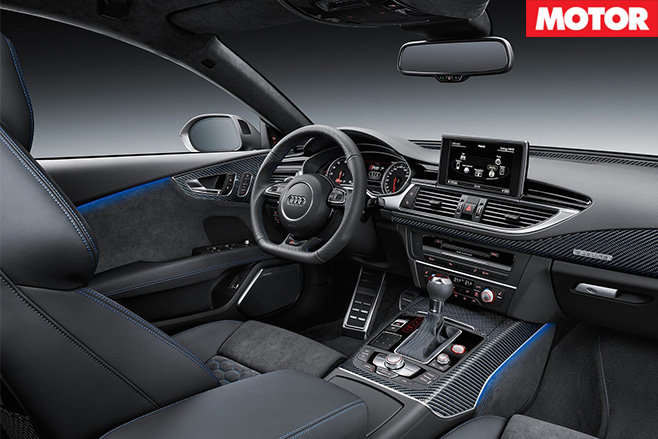
Exterior styling remains similar, though the Ascari blue paint is a performance-grade exclusive. Inside there’s exterior colour-matched lighting and stitching for the leather, sports seats with beefier bolstering and Alcantara-trimmed kneepads on the lower dash.
Subaru deserve credit for creating its WRX STI NR4 road-racer, but we’re still not quite satisfied.
Call us greedy, but we’re keen to see a recreation of arguably the greatest Subaru of all, the limited-edition 22B.
Made in 1998 to celebrate Subaru’s 40th anniversary and recent trio of WRC manufacturer titles (1995-’97), while also tipping its hat to the end of Group A homologation, it was the closest thing to a road-going rally car.
We’ve exhumed the legend, designated as the 23B (its moniker being a nod to its new capacity engine) to illustrate how we’d envisage the current STi would play out as a limited-run special. But rather than build it as an interpretation of WRC competition, we simply went for the ultimate in a road-performance STi.
It wouldn’t be too hard for Subaru to raid the parts bin, commission a small run of parts used in its endurance and Super GT series racecar, and bolt together 1000 AMG-eaters, with a big handful of 100 units (rather than the original five 22Bs) destined for Oz and New Zealand – where many of Subaru’s original loyalists reside.
Unfortunately, the lack of a suitable donor two-door bodyshell may be the nail in its hypothetical coffin, but it’s still one bloody sweet dream.
Engine: Uses a closed-deck US-spec EJ25 to retain the essence of the 22B’s torque-rich and quick spool engine, but uses a 75mm 2.0-litre crank from the Jap-only WRX STi to effectively de-stroke the engine to 2.3 litres and give it excellent rev-capabilities. Good for 9000rpm.
Twin-scroll, ceramic turbine, IHI turbo would be low-mounted, near the radiator, like in the third-gen Legacy and current Forester, for less lag and better throttle response. High-boost tune yields 270kW/500Nm.
Brakes: Accompanying vents on the front bar would feed air to the car’s huge front six-pot Brembo one-piece calipers, and two-piece rotors, as used on the recent 2013 WRX STI Type RA.
Suspension: Like the original 1998 car, the 23B would use special Bilstein suspension, like DFV (dual-flow) coilovers matched with iconic STi pink springs. Wheels are from BBS finished in traditional gold. Of course.
Body: Uses the carbon-roof tech learnt from the R205 special-edition WRX STI, to lower the centre of gravity and overall weight, and 2007 Spec C’s roof scoop when the car’s doing track time without A/C.
While the carbon side-skirts are bespoke, the front lip and winglets would be borrowed from the current endurance race car, and the dry-carbon rear wing from the recent super-special 2013 WRX STi Type RA.
PLUS
- It’s available! The first Audi RS3 failed to reach Australian Audi showrooms as it couldn’t comply with local vehicle regulations.
- At $78,900, this is Audi’s most attainable RS model.
- No hot-hatch is currently quicker from standstill to 100km/h – 4.3 seconds. (Mercedes-Benz, however, is claiming 4.2sec for its updated A45 AMG due here in early 2016 or a touch earlier.)
- Stunningly quick on the move, too, courtesy of huge torque (465Nm) available across a large chunk of the engine’s rev range.
- Turbocharged five-cylinder engine sounds fantastic with its distinctive warble, while the exhaust crackles and pops when in Dynamic mode.
- All-wheel-drive traction, high levels of tyre grip, strong brakes, and accurate, quick steering provide the driver with plenty of confidence on twisty roads.
- Rides comfortably (with optional adaptive suspension we tested).
- Interior a stand-out for aesthetics and materials.
- Steering could provide more information to the driver’s hands about how the front tyres are interacting with the road surface.
- More than $80,000 (once on-road costs are added) is a high price for a five-door hatchback.
- Could look faster. In profile especially, RS3 design rather restrained for a performance model.
- Not exactly light at 1520kg.
- Adaptive suspension could perhaps be standard considering starting price (costs $6490 as part of an RS Performance package that also includes a Bang & Olufsen audio and some other extras).
PLUS
- For second time in 2015, BMW Australia has greatly improved the value of every BMW 3 Series model – either by cutting prices, adding equipment, or both.
- Value of 340i model improved by about $25,000 since November 2014 (when 335i).
- At the pointy end of its segment for driving entertainment.
- Selectable suspension settings standard on 320i model and above – bringing excellent ride quality in Comfort mode and the tightest body control in Dynamic mode.
- The BMW 3 Series already had benchmark engines but all-new petrol and diesel engine family further improves performance and fuel economy. All engines are mated to a slick-shifting 8-speed automatic gearbox.
- 320d with four-cylinder turbo diesel officially uses just 4.4 litres per 100km.
- 340i model tremendously quick off the mark and through the gears.
- Range starts at a competitive $54,900 for the 318i, which is powered by a three-cylinder turbocharged engine.
- Variable Sport steering that is optional on some models and standard on 340i is affected by bumps and cambers, and should be smoother generally.
- Interior has been given some extra polish with additional trim elements, though while it looks sufficiently smart it still trails the C-Class’s super-classy cabin and will be outpointed by upcoming Audi A4.
- In a sports-luxury sedan context, the sound of 340i’s turbo six-cylinder could be louder and more satisfying.
- Rear headroom could be more generous.
So, what is it?
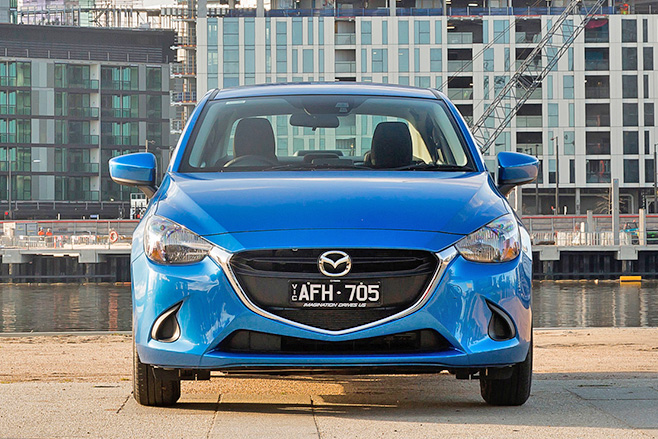
We seriously thought about posting a review of RM Williams’ finest footwear for this one, because the latest Mazda2 is all about the boot. Having launched the third-gen 2 in hatch form late last year, Mazda Australia has added a four-door sedan to the model mix.
Why should I care?
On year-to-date sales, the 2 sits just behind the ‘light’ segment leading Toyota Yaris, and in a bid to grab top spot Mazda has used the sedan launch to introduce a series of upgrades and realign prices across the range.
What’s new about it?
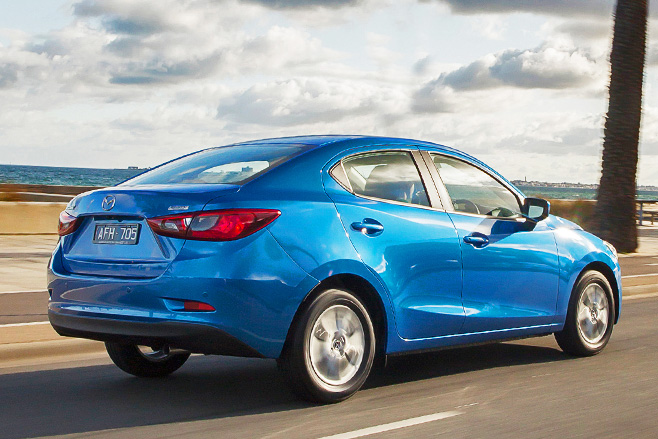
At the risk of stating the bleeding obvious, body-wise, everything from the B-pillar backwards is unique to the four-door. Wheelbase is identical, but overall length is increased by 260mm, all of it going to the rear overhang. No surprise then that the boot holds a whopping 440 litres, a volume closer to a mid-size (C segment) car. By comparison, with rear seats upright, the hatch’s cargo capacity is 250 litres.
Each side of the load area has been carefully sculpted out with rigid plastic inserts, to maximise space, and Mazda claims the 2’s boot will swallow a pair of large (75cm) suitcases or two nine-inch golf bags containing long (118cm) clubs). Eccentrically-shaped gooseneck type hinges also shift the boot lid’s arc higher for easy access.
There are two spec levels; the Neo, powered by a ‘standard spec’ 79kW/139Nm 1.5-litre petrol four, and the Maxx, boasting a ‘high spec’ 81kW/141Nm version of the same unit. Each is available with six ratios, driving the front wheels via manual gearbox or auto transmission.
Spec improvement comes in the shape of standard cruise-control and rear parking sensors for the Neo, without any price increase. A reverse camera plus ‘MZD Connect’ infotainment is added to the Maxx, along with $700 to the price tag. Those keen for some top-spec Genki action will have to go the hatch, which now features LED headlights as standard, and is also 700 bucks dearer.
That’s all fine, what’s it like to drive fast?
Over a city and suburbs-focused launch drive we captured seat time in an auto Neo and Maxx manual. And as per its hatch counterpart, the Mazda2 sedan is no powerhouse. In fact, in terms of acceleration, it’s more a half-way house. But to be fair, that’s par for the course in this part of the market. And the pay-off is miserly fuel consumption.
Ride quality from the strut front, torsion beam rear suspension came off as relatively harsh in the Neo, although subsequent consultation with Mazda unearthed inappropriately high tyre pressures on the example we drove. And sure enough, the Maxx was appreciably better, with the step from 15-inch steel to same size alloy rims (and correctly inflated rubber?) also making its presence felt. But we’ll reserve judgement on the Neo until we have another steer.
The manual ‘box is light and precise, although the engine needs plenty of revs to wake it up for a smooth take-off. The auto is smooth enough, and a flick of the console-mounted Sport switch dials in more aggressive shift points. Only problem there is a reluctance to engage the top two ratios without a flick back to ‘normal’ mode.
Steering feel is good, and the little 2 remains composed, responsive and predictable in quick cornering. Brakes are ventilated discs at the front and drums, yes drums, at the rear. But an all-in weight of just over a tonne for the base model makes that hardware perfectly acceptable.
And driving home from the city?
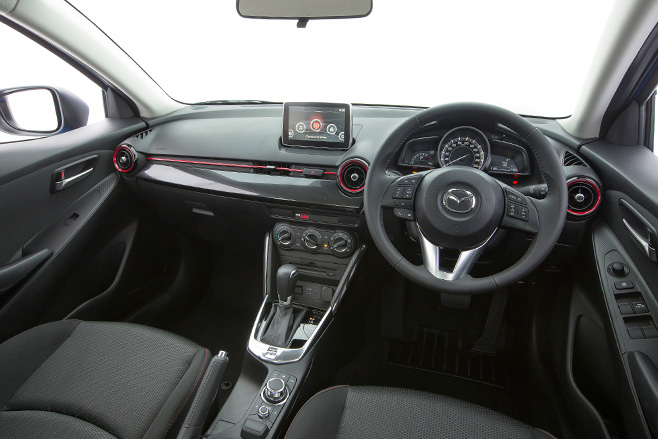
The interior sets the class standard for quality and attention to design detail. The front seats are comfy and despite an overall height 25mm lower than the hatch, rear leg and headroom is impressive for a car of this size.
The Maxx now features the ‘MZD Connect’ connectivity system, previously exclusive to the top-spec Genki, incorporating web access, sat-nav, Bluetooth, and internet radio, with a cool tablet-style interface on the dash top. The MZD-less Neo cops a smaller infotainment interface in the same position.
Anything bad about it?
Neo ride quality remains a question mark until we can jag a second steer, engine response and performance are underwhelming, plus the auto would benefit from a recalibration of the Sport mode.
How much would I have to pay? And is it worth it?
Start money is $14,990 for the Neo manual (add $2k for auto), which includes sat-nav, cruise-control, four-speaker MP3 compatible audio, Bluetooth connectivity and rear parking sensors as standard.
Opt for the Maxx at $17,690 (again, auto +$2) and you’ll cop the higher output, more fuel-efficient (4.9L/100km) engine, alloy rims, a leather trimmed steering wheel/shift knob/handbrake, MZD Connect with 7.0-inch colour touch-screen, six-speaker audio with internet radio and reversing camera.
Aggressive prices with plenty of engineering quality and standard fruit thrown in. Great value.
Would you take the Mazda2 Sedan or Toyota Yaris Sedan?
A facelift is due for the segment-leading Yaris this year. For now, the Mazda2 holds a handy advantage on price, tech and spec.
Click here to read the full review on the Mazda 2 Sedan.
