
So, what is it?
We seriously thought about posting a review of RM Williams’ finest footwear for this one, because the latest Mazda2 is all about the boot. Having launched the third-gen 2 in hatch form late last year, Mazda Australia has added a four-door sedan to the model mix.
Why should I care?
On year-to-date sales, the 2 sits just behind the ‘light’ segment leading Toyota Yaris, and in a bid to grab top spot Mazda has used the sedan launch to introduce a series of upgrades and realign prices across the range.
What’s new about it?
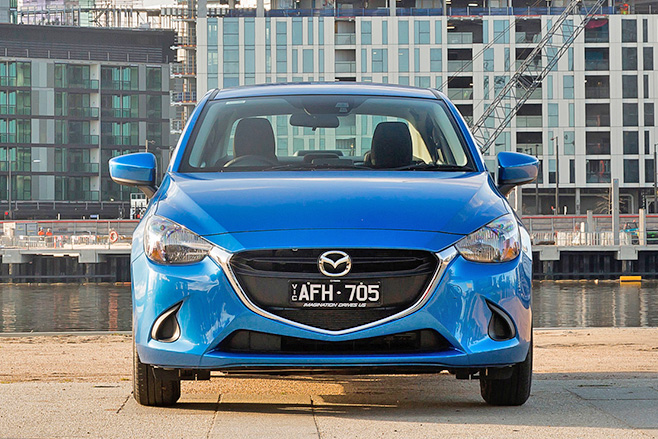
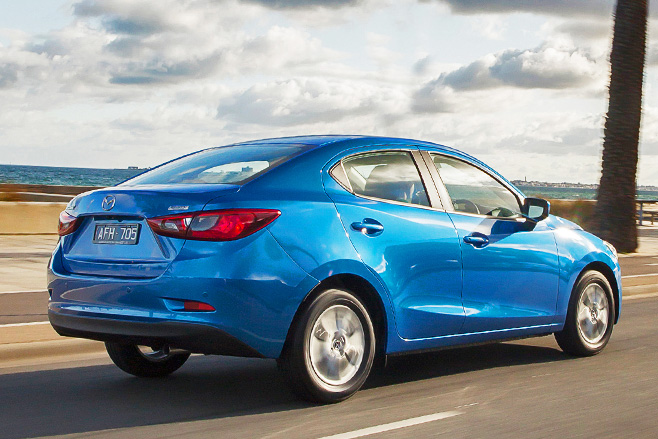
At the risk of stating the bleeding obvious, body-wise, everything from the B-pillar backwards is unique to the four-door. Wheelbase is identical, but overall length is increased by 260mm, all of it going to the rear overhang. No surprise then that the boot holds a whopping 440 litres, a volume closer to a mid-size (C segment) car. By comparison, with rear seats upright, the hatch’s cargo capacity is 250 litres.
Each side of the load area has been carefully sculpted out with rigid plastic inserts, to maximise space, and Mazda claims the 2’s boot will swallow a pair of large (75cm) suitcases or two nine-inch golf bags containing long (118cm) clubs). Eccentrically-shaped gooseneck type hinges also shift the boot lid’s arc higher for easy access.
There are two spec levels; the Neo, powered by a ‘standard spec’ 79kW/139Nm 1.5-litre petrol four, and the Maxx, boasting a ‘high spec’ 81kW/141Nm version of the same unit. Each is available with six ratios, driving the front wheels via manual gearbox or auto transmission.
Spec improvement comes in the shape of standard cruise-control and rear parking sensors for the Neo, without any price increase. A reverse camera plus ‘MZD Connect’ infotainment is added to the Maxx, along with $700 to the price tag. Those keen for some top-spec Genki action will have to go the hatch, which now features LED headlights as standard, and is also 700 bucks dearer.
That’s all fine, what’s it like to drive fast?
Over a city and suburbs-focused launch drive we captured seat time in an auto Neo and Maxx manual. And as per its hatch counterpart, the Mazda2 sedan is no powerhouse. In fact, in terms of acceleration, it’s more a half-way house. But to be fair, that’s par for the course in this part of the market. And the pay-off is miserly fuel consumption.
Ride quality from the strut front, torsion beam rear suspension came off as relatively harsh in the Neo, although subsequent consultation with Mazda unearthed inappropriately high tyre pressures on the example we drove. And sure enough, the Maxx was appreciably better, with the step from 15-inch steel to same size alloy rims (and correctly inflated rubber?) also making its presence felt. But we’ll reserve judgement on the Neo until we have another steer.
The manual ‘box is light and precise, although the engine needs plenty of revs to wake it up for a smooth take-off. The auto is smooth enough, and a flick of the console-mounted Sport switch dials in more aggressive shift points. Only problem there is a reluctance to engage the top two ratios without a flick back to ‘normal’ mode.
Steering feel is good, and the little 2 remains composed, responsive and predictable in quick cornering. Brakes are ventilated discs at the front and drums, yes drums, at the rear. But an all-in weight of just over a tonne for the base model makes that hardware perfectly acceptable.
And driving home from the city?
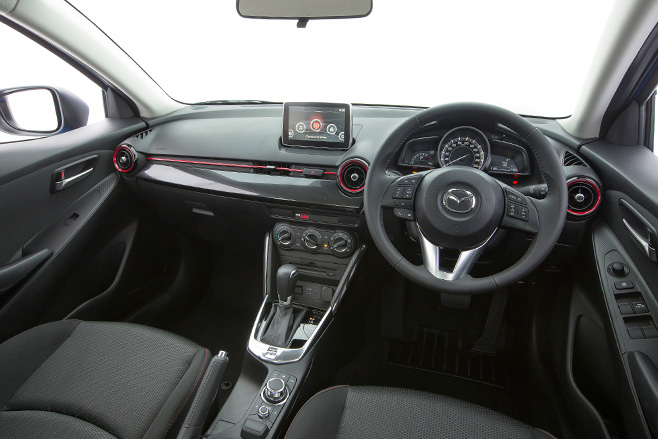
The interior sets the class standard for quality and attention to design detail. The front seats are comfy and despite an overall height 25mm lower than the hatch, rear leg and headroom is impressive for a car of this size.
The Maxx now features the ‘MZD Connect’ connectivity system, previously exclusive to the top-spec Genki, incorporating web access, sat-nav, Bluetooth, and internet radio, with a cool tablet-style interface on the dash top. The MZD-less Neo cops a smaller infotainment interface in the same position.
Anything bad about it?
Neo ride quality remains a question mark until we can jag a second steer, engine response and performance are underwhelming, plus the auto would benefit from a recalibration of the Sport mode.
How much would I have to pay? And is it worth it?
Start money is $14,990 for the Neo manual (add $2k for auto), which includes sat-nav, cruise-control, four-speaker MP3 compatible audio, Bluetooth connectivity and rear parking sensors as standard.
Opt for the Maxx at $17,690 (again, auto +$2) and you’ll cop the higher output, more fuel-efficient (4.9L/100km) engine, alloy rims, a leather trimmed steering wheel/shift knob/handbrake, MZD Connect with 7.0-inch colour touch-screen, six-speaker audio with internet radio and reversing camera.
Aggressive prices with plenty of engineering quality and standard fruit thrown in. Great value.
Would you take the Mazda2 Sedan or Toyota Yaris Sedan?
A facelift is due for the segment-leading Yaris this year. For now, the Mazda2 holds a handy advantage on price, tech and spec.
Click here to read the full review on the Mazda 2 Sedan.
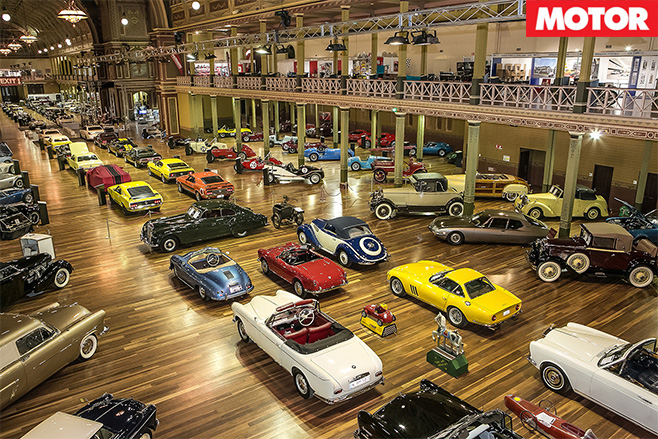
Call it the Melbourne Motor Show for a new age – the annual Motorclassica event opens tonight, showcasing a stunning breed of new and classic exotica.
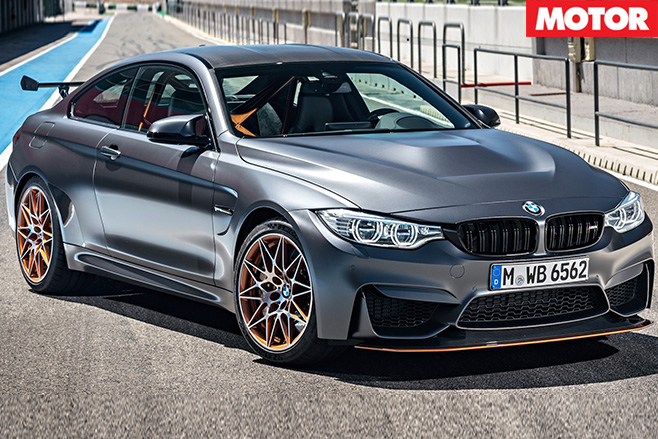
BMW will flaunt its 3.0 CSL Hommage R concept that just two months ago debuted at the famous Concours d’Elegance, Pebble Beach. It will be joined by the hardcore, lightweight BMW M4 GTS revealed globally only last week ahead of its expected local on-sale next year priced from $250,000-plus.
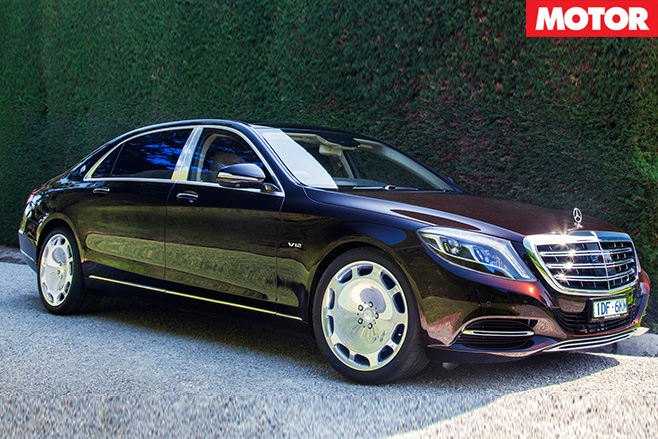
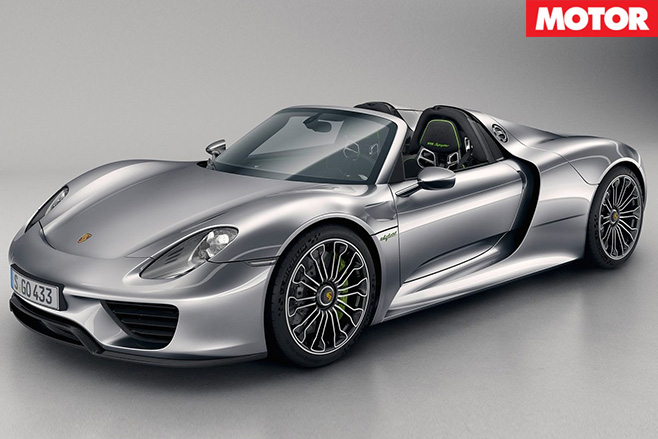
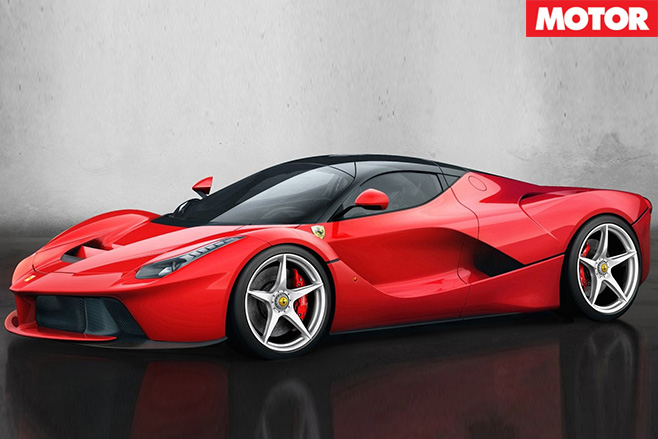
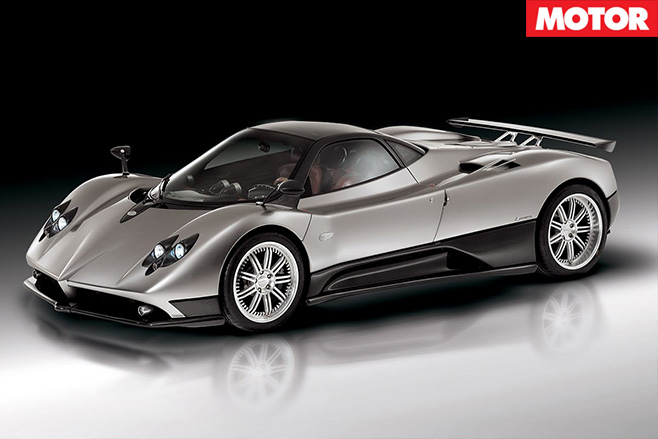
A Pagani Zonda, Jaguar XJ220 and Ford GT will represent each of those brands.
There’s always significant risk associated with changing a successful formula.
Not only is there the challenge of tackling something new, there’s always the possibility the new stuff won’t be as good as the old stuff. Imagine, for example, if AC/DC decided to give away their rock god status and become a jazz quintet; no matter how good they were, there’d always be some bloke at the back of every gig yelling “play Thunderstruck!”
What does this have to do with the Renault Sport Clio? Well, ever since the 172 landed in 2001 it’s been the hot hatch benchmark for hardcore drivers, the weirdo driving position and slightly ropey build quality easily excused by the screaming atmo engine and a chassis that danced to every input.
However, brilliant though it was to drive, the hardcore Clio RS did present Renault with a slight problem: no one bought it. So to try and remedy this the new-gen Clio RS200 has ditched its indie roots and gone mainstream. In a sign of the times, the fizzy, slightly manic three-door of old has been replaced by a turbocharged, dual-clutch-only five-door.
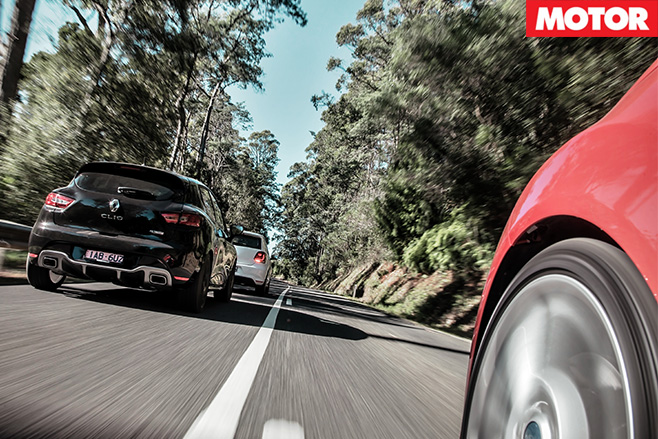
That said, if it’s value you’re after, then the Fiesta ST is your car. In fact, if it’s driving thrills you’re after, then Ford’s latest pocket rocket is likely to be right up your alley, too. Just how a car this good can be so ridiculously cheap is beyond us, but let’s not question it.
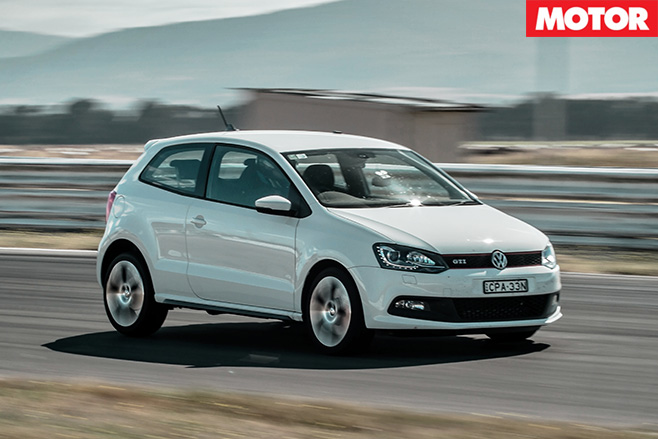
However, amidst the recent explosion of product at this end of the market, it’s easy to forget there’s been a sub-$30K hot hatch on sale for a couple of years now. A damn good one, too, the Polo GTI winning back-to-back BFYB crowns in 2011 and 2012. It’s been a while since we’ve driven it, but it only takes a few hundred metres to remember why it made such a good initial impression.
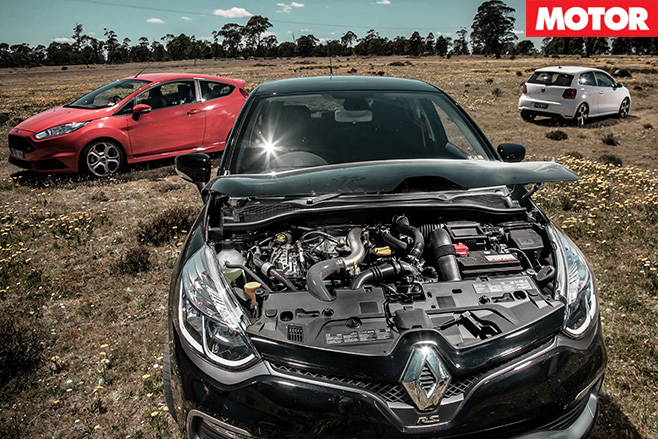
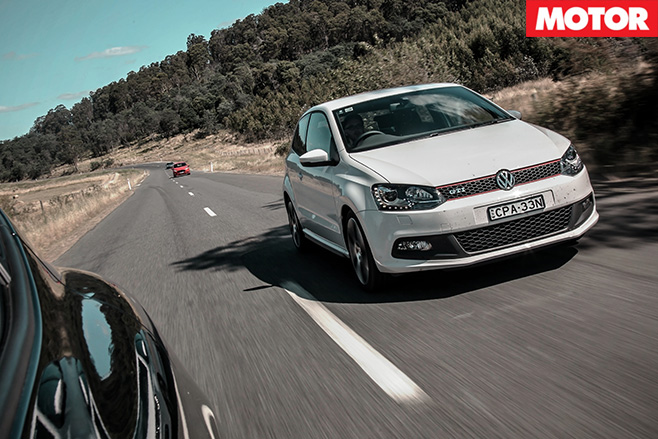
Head for the hills and the baby Vee Dub continues to impress. Like its bigger brother Golf, it has a knack for flowing down a road with minimum fuss but plenty of speed. Its softer setup allows more pitch and roll than the other two but keep your inputs smooth and it’ll settle into subtle four-wheel drifts.
It’s only when you ask for a little bit extra that the Polo starts to come apart. Carry too much speed into a corner and it falls into heavy understeer, any attempt to provoke the tail mid-corner is met with a firm “Nein!” from the un-killable ESP, and the inside front wheel scrabbles for purchase at corner exit.
But whereas the VW feels a bit ragged at its limits, the Renault gets better the harder you belt it. Flicking the gear lever across to manual and pressing the silver ‘RS’ button in the centre console twice engages Race mode, which disengages the ESP and auto-upshift function and speeds up gearshifts.
Unshackled from its electronic constraints, the new Clio feels built for the track. It’s playful and adjustable, but stable enough to inspire confidence while negotiating Symmons’ sweeping back straight. The six-speed dual-clutch ’box promptly obeys commands (though we’d prefer a manual) and huge 320mm front rotors almost stand the Clio on its nose under brakes.
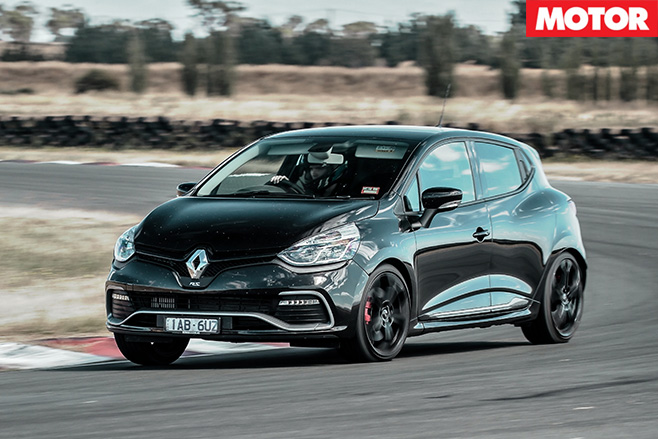
Robbed of the wide expanses of the racetrack, driving the Clio hard enough for it to come alive on the road takes real commitment. Driving the old RS hard could be a bit like juggling on ice – hands and feet a blur of movement as gears were grabbed and steering corrections applied – but the new car can feel a bit flat unless you’re right up it. Unfair to compare new with old? Perhaps, but a stint in the Fiesta highlights what the Clio is missing.
The Ford is so playful you’d swear it’s being fuelled with Ritalin. It’s so responsive to changing its attitude via the steering, brakes or throttle, yet constantly sends reassuring messages through your hands and backside. Such is its ability, after a while you won’t care about the restless low-speed ride. Maybe.
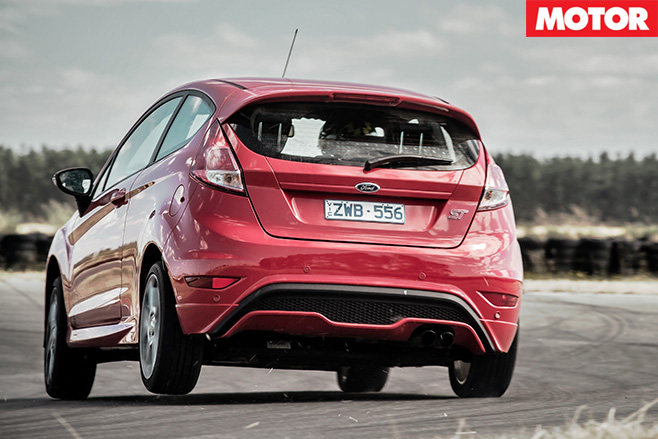
The ultra-smooth hotmix of Symmons Plains does expose a chink or two in the Ford’s armour, though. Its brakes feel spongy after the Clio’s and there’s some steering rack rattle when the chassis is heavily loaded up. Still, a 1:08.8sec lap is the best of the bunch, though that 0.7sec advantage is likely to be a product of its sticky Bridgestone RE050A tyres and punchy EcoBoost engine.
The Fiesta’s trump card is its 20-second overboost function, which lifts outputs from 134kW/240Nm to a much healthier 147kW/290Nm. It may be slowest to 100km/h and last across the quarter mile, but being the only manual here it’s the trickiest to launch with the slowest shifts. It’s fastest to 160km/h and only increases its lead from then on. Sounds good, too, its old-school growl enhanced by plenty of new-school turbo chatter.
When it comes to punching above your division, though, the Polo GTI is king. A clean launch nets 0-100km/h in just 6.67sec, more than two-tenths faster than its claim, and a 14.8sec quarter mile, fastest of the trio.
Unlike the Renault, which doesn’t sound like much of anything. There are some nice pops on the overrun, but switching to Sport or Race simply makes the exhaust noise – and it is just a noise – louder, without adding anything to the experience. Launch control allows the Clio to nail its 6.7sec 0-100km/h and 14.9sec quarter mile claims with minimal effort, the driver having to do nothing but press the right pedal and hang on.
So this trio might be neck-and-neck on the drag strip, but they differ wildly when it comes to the catwalk. The Renault is the freshest of the three, though areas of its modern design, like its prominent ‘beak’ and banana-shaped sills, are likely to be an acquired taste. The Polo’s unadorned bodyshell looks pretty sharp in virginal white with those telephone dial alloys, though unkind souls might call it bland.
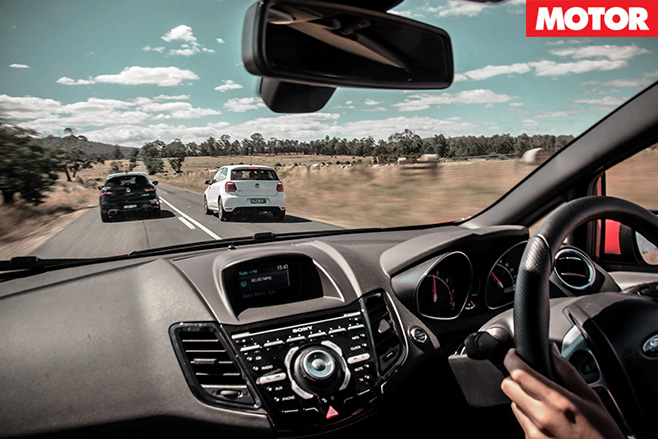
Unlike its interior, which has dated already. The driving environment is superb, but its tiny display screen and scattered dash layout betray its 2009 origins. And those super snug Recaros, really great when you’re having a fang, can be a pain over long distances.
Inside, the Renault gains an advantage by being the newest model here. It’s roomy front and rear, the front seats are great and the driving position is as right as previous Clios were wrong. There are still some weird Frenchisms, like the multimedia controls hidden behind the steering wheel and cruise control/speed limiter switch hidden under the handbrake, but overall it’s a classy effort.
As is the Polo. Much like the way it drives, everything is intuitive and exactly where you’d expect it to be. There’s yet another set of great front seats and the leather-wrapped wheel is beautiful to hold. Yes it’s $2000 more than the Fiesta, but it feels worth every cent from inside. The boot’s very small, but boot space isn’t going to decide the winner of this comparison, that’ll be determined by the way they drive.
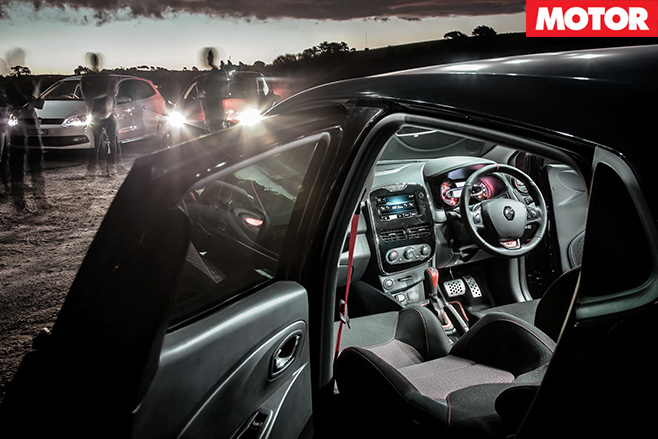
Arguably, the Clio is now too composed. Renault nailed its brief of making the RS200 more habitable day-to-day while retaining its dynamic ability, but whereas its predecessor made every journey memorable (if not always for the right reasons) often the new RS feels like ‘just another car’.
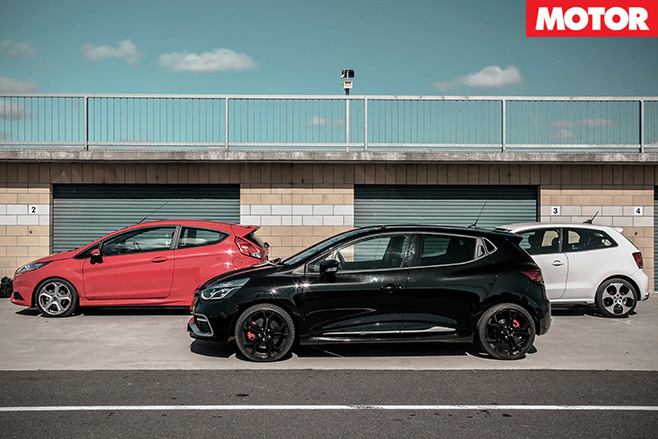
Yes, the low-speed ride is pretty crappy and the interior is a long way from benchmark, but even if the Fiesta ST rode like a skateboard and had a dash made out of wheelie bins we’d still love it, because it’s more fun to drive than paintballing at the Playboy mansion. And it’s $25,990! Cheap and cheerful. That’s one formula that never needs to change.
| u00a0 | u00a0 | u00a0 | Ford Fiesta ST | u00a0 | u00a0 | Volkswagen Polo GTI | u00a0 | u00a0 | Renault Sport Cliou00a0 |
| Body | u00a0 | u00a0 | 3-door, 5-seat hatch | u00a0 | u00a0 | 3-door, 5-seat hatch | u00a0 | u00a0 | 5-door, 5-seat hatch |
| Drive | u00a0 | u00a0 | front-wheel drive | u00a0 | u00a0 | front-wheel drive | u00a0 | u00a0 | front-wheel drive |
| Engine | u00a0 | u00a0 | 1596cc inline-4, DOHC, 16v, turbocharger | u00a0 | u00a0 | 1390cc inline-4, DOHC, 16v, turbocharger and supercharger | u00a0 | u00a0 | 1618cc inline-4, DOHC, 16v, turbocharger |
| Bore/Stroke | u00a0 | u00a0 | 79.0 x 81.4mm | u00a0 | u00a0 | 76.5 x 75.6mm | u00a0 | u00a0 | 79.7 x 81.1mm |
| Compression | u00a0 | u00a0 | 10.1:1 | u00a0 | u00a0 | 10.0:1 | u00a0 | u00a0 | 9.5:1 |
Power | u00a0 | u00a0 | 134kW @ 5700rpm (147kW overboost) | u00a0 | u00a0 | 132kW @ 6200rpm | u00a0 | u00a0 | 147kW @ 6000rpm |
| Torque | u00a0 | u00a0 | 240Nm @ 1600-5000rpm | u00a0 | u00a0 | 250Nm @ 2000-4500rpm | u00a0 | u00a0 | 240Nm @ 1750rpm |
| Power/weight | u00a0 | u00a0 | 112kW/tonne | u00a0 | u00a0 | 111kW/tonne | u00a0 | u00a0 | 121kW/tonne |
| Consumption | u00a0 | u00a0 | 10.3L/100km (tested) | u00a0 | u00a0 | 11.9L/100km (tested) | u00a0 | u00a0 | 11.0L/100km (tested) |
| Emissions | u00a0 | u00a0 | 246g/km CO2 (tested)u00a0 | u00a0 | u00a0 | 284g/km CO2 (tested)u00a0 | u00a0 | u00a0 | 261g/km CO2 (tested) |
| Transmission | u00a0 | u00a0 | 6-speed manual | u00a0 | u00a0 | 7-speed dual-clutch | u00a0 | u00a0 | 6-speed dual-clutch |
| Weight | u00a0 | u00a0 | 1197kg | u00a0 | u00a0 | 1189kg | u00a0 | u00a0 | 1218kg |
| Suspension | u00a0 | u00a0 | struts, L-arms, anti-roll bar (f); torsion beam, coil springs, anti-roll bar (r) | u00a0 | u00a0 | struts, A-arms, anti-roll bar (f); torsion beam, coil springs, anti-roll bar (r) | u00a0 | u00a0 | struts, A-arms, anti-roll bar (f); torsion beam, coil springs, anti-roll bar (r) |
| L/W/H | u00a0 | u00a0 | 3975/1709/1495mm | u00a0 | u00a0 | 4064/1682/1500mm | u00a0 | u00a0 | 4090/1732/1448mm |
| Wheelbase | u00a0 | u00a0 | 2489mm | u00a0 | u00a0 | 2456mm | u00a0 | u00a0 | 2589mm |
| Tracks | u00a0 | u00a0 | 1492/1481mm (f/r) | u00a0 | u00a0 | 1443/1434mm (f/r) | u00a0 | u00a0 | 1504/1500mm (f/r) |
| Steering | u00a0 | u00a0 | electrically-assisted rack and pinion | u00a0 | u00a0 | electrically-assisted rack and pinion | u00a0 | u00a0 | electrically-assisted rack and pinion |
| Brakes | u00a0 | u00a0 | 278mm ventilated discs, 2-piston calipers (f); 253mm solid discs, single-piston calipers (r) | u00a0 | u00a0 | 288mm ventilated discs, 2-piston caliipers (f); 232mm ventilated discs, single-piston calipers (r) | u00a0 | u00a0 | 320mm ventilated discs, 2-piston calipers (f); 260mm solid discs, single-piston calipers (r) |
| Wheels | u00a0 | u00a0 | 17 x 7.0-inch (f/r) | u00a0 | u00a0 | 17 x 7.0-inch (f/r) | u00a0 | u00a0 | 18 x 7.0-inch (f/r) |
| Tyres | u00a0 | u00a0 | 205/40 R17 84Y | u00a0 | u00a0 | 215/40 R17 87V | u00a0 | u00a0 | 205/40 R18 86Y |
| Price | u00a0 | u00a0 | $25,990 | u00a0 | u00a0 | $27,990 | u00a0 | u00a0 | $31,290 |
| Price as tested | u00a0 | u00a0 | $25,990 | u00a0 | u00a0 | $27,990 | u00a0 | u00a0 | $31,840* |
| Positives | u00a0 | u00a0 | Massively entertaining; cracking engine; cheap as chips | u00a0 | u00a0 | Straight-line performance; ride quality; interior feel | u00a0 | u00a0 | Brilliant on track; incredible brakes; huge grip |
| Negatives | u00a0 | u00a0 | Interior a little off the pace; ride quite firm; seats can be a squeeze | u00a0 | u00a0 | Ragged at the limit; non-switchable ESP | u00a0 | u00a0 | Not as involving as it once was; no manual option; engine note |
| u00a0 | u00a0 | u00a0 | 4.5/5 | u00a0 | u00a0 | 4/5 | u00a0 | u00a0 | 4/5 |
im
So, what is it?
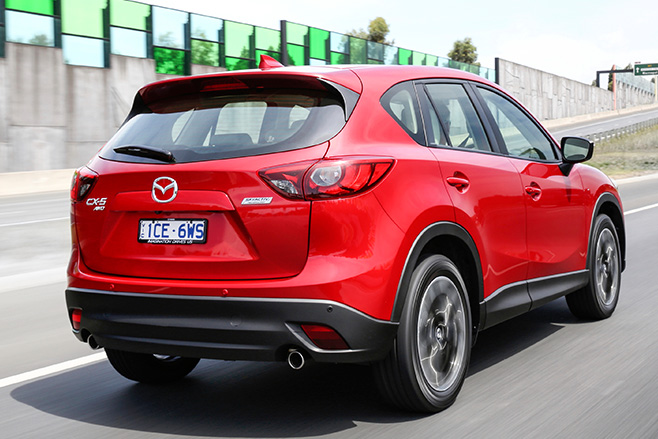
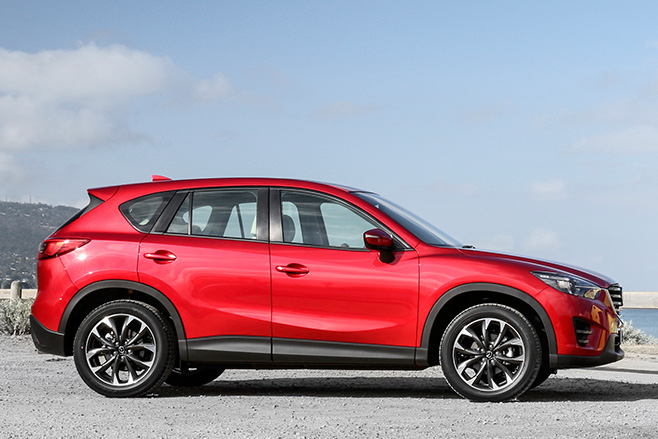
After close to three years on sale, Mazda has given its mid-size CX-5 SUV a kick along courtesy of spec upgrades, some worthy engineering tweaks, and subtle changes to its appearance inside and out.
Why should I care?
The Mazda CX-5 is the country’s best-selling SUV, with local sales nudging towards 60,000 units since launch in Feb 2012. It was the first Mazda to reflect the brand’s distinctive ‘Kodo’ design language, and ‘Skyactiv’ engine efficiency, light-weighting and aero tech development. So Mazda will be keen to improve rather than upset a winning formula.
What’s new about it?
In terms of spec, the ‘MZD Connect’ system (web access, Bluetooth streaming, short text facility and internet radio accessed via seven-inch colour touch screen) is now standard across the range, an electronic parking brake replaces the previous mechanical set-up, allowing a smoother centre console treatment, and a reverse camera has been added to all models as well.
From an engineering point-of-view the suspension has been fine-tuned with a new support structure for the front and rear dampers and revised bushing shapes for the front lower arms. The claimed result is improved NVH performance and a more compliant ride.
Petrol models (2.0 and 2.5-litre fours) now feature ‘Drive Selection’, accessed via a console toggle switch. Sport mode sets the transmission to automatically select first gear from rest, and from there increases the amount of torque delivered for a given amount of accelerator pedal travel.
According to Mazda CX-5 design chief, Akira Tamatani, the tweaks he and his team have applied enhance the car’s “strength and boldness”, for “even greater on-road presence and quality feel.”
While there are no sheet metal changes, the grille opening now features broader metallic grey fins, new headlights feature LED lighting in Kodo’s leopard-eye signature (as do the rears), and high-spec models ride on new-design 19-inch alloy rims.
That’s all fine. What’s it like to drive fast?
The launch drive program covered a series of classic winding backroads in and around the Yarra Ranges National Park, roughly 100 kays north east of Melbourne, and we steered a mid-range Maxx Sport 2.5-litre petrol, and the 2.2-litre turbo diesel in top-spec Akera trim; both AWD.
When it slotted in beside the base CX-5’s (114kW/200Nm) 2.0-litre in 2012, the (138kW/250Nm) 2.5-litre petrol engine delivered a welcome performance boost, but its grunt profile is still best described as adequate. Even in Sport mode, the six-speed auto needs to dig deep into its bag of ratios to cough up the performance required for rapid highway overtaking.
The 2.2-litre diesel cuts through all that with a hefty 420Nm on tap from just 2,000rpm, and 129kW available more than 1,000rpm lower than the 2.5 petrol. It’s a quick and comfortable highway cruiser, with appreciably better (claimed) fuel economy to boot.
Steering feel and response remain excellent, and the car is composed and predictable in quick cornering. Braking is progressive and powerful.
And driving from home to the office in the city?
Ride comfort is indeed better, although it wasn’t exactly terrible to begin with, and noise levels are lower. Front and rear seats have been subtly re-profiled, and the result is extra grip without any comfort penalty.
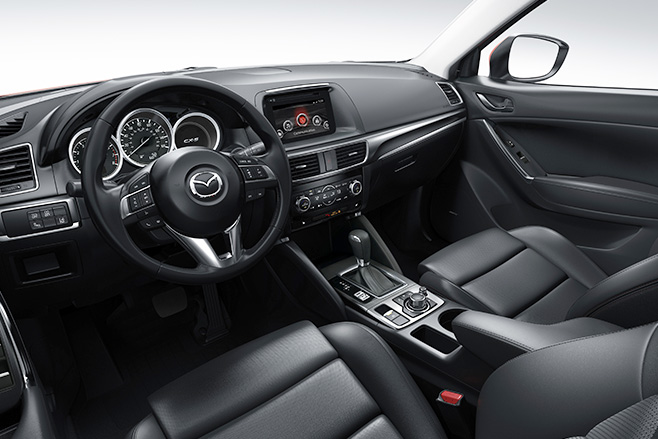
The interior freshen-up is built around a reorientation of the main centre stack elements from vertical to horizontal, with a range of stain chrome and brushed metal finishes added. Classy and functional, the cabin is a cool and comfortable environment.
Is there anything bad about it?
We like the digital speedo located within the rev counter on other Mazda models, but the current CX-5’s electronic architecture doesn’t allow it. Pity.
How much would I have to pay for one? And is it worth the coin?
There are three primary model grades, Maxx, GT and Akera, with Safety, Sport and Sport Safety extensions available on Maxx and GT.
Pricing starts at $27,190 for the 2.0-litre, FWD Maxx with six-speed manual transmission (the only level with manual trans available), climbing to $50,610 for the Akera diesel. Equipment levels are high, and pricing competitive across the range. Solid value.
Would you take the Mazda CX-5 or the Nissan X-Trail?
Pricing is line-ball, the Nissan offers a seven-seat option, and now, diesel power. We’d still opt for the Mazda because it’s a more enjoyable drive.
Click here to read the full review on the Mazda CX-5.
SHAREHOLDERS have tipped $1.2 billion of cash into Ferrari’s bank accounts as the company officially lists a small slice of its name on the public ledger.
The 9 percent stake in the company listed on the New York Stock Exchange at $US52 ($A72) a share, the higher end of analysts’ estimates of how much the market thought the shares were worth, officially raising $US893 million for the company.
Accounting for the remaining stake in the Italian supercar and lifestyle brand, this values the company at about $US12 billion, putting it within easy reach of Australia’s richest woman, mining magnate Gina Rinehart, who has a net worth of about $US17 billion.
In early trade, shares in the publicly listed company burst past $US60 a share before sitting at about $US58 later in the day.
The float will also provide a windfall for Fiat Chrysler Automobile shareholders, the owner of the remaining shares in Ferrari, with about a $US12 billion nest egg when the remaining stake is distributed to everyone who has a stake in the Italian-US carmaking giant.
Reuters reported that demand for a stake in the company before the float outweighed the 17.18 million shares on offer – pent-up demand is one of Ferrari’s key selling points, the company admitted in its prospectus released a week before the float.
The prospectus also shows Australia is a good earner for the brand, reaping it $A10 million last financial year. That’s the equivalent of a $62,000 profit for each of the 161 cars the brand sold over 2014-15, VFACTS data reveals.
TOYOTA has announced it will close its Australian technical centre in June next year, a decision that will result in 109 redundancies.
The Mulgrave-based Toyota Technical Centre Australia (TTC-AU) is just one of five worldwide and has been responsible for body engineering, interior and exterior design, chassis and electronic engineering as well as vehicle evaluation since it opened in 2003.
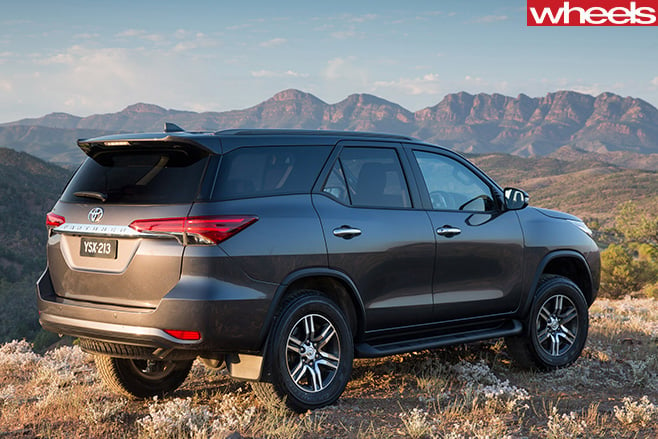
The TTC-AU has been heavily involved in the development of Toyota Camry, HiLux and most recently, the freshly launched Fortuner, which ironically has been the centre’s biggest project to date.
TTC-AU currently employs about 160 staff and has faced an uncertain future since Toyota announced it would quit Australian manufacturing in 2017.
It had been forecast that the centre would continue to operate at a reduced capacity beyond 2017, but after months of evaluation, TTC-AU president Max Gillard told Wheels it was considered no longer viable.
“We’ve had to reconsider the whole situation,” he said. “The decision for us was that a minimum we’d have to scale back and we communicated that to our staff in February 2014. But now we’ve come to the conclusion that we can’t remain as an operation in Australia and that we will close.”
TTC-AU employees were told of the decision internally months ago, but it’s only now that the closure has been made public.
“There will be three waves of redundancies preceding the final closure and we’ve worked hard to make sure our team members are well looked after,” said Gillard, who revealed two redundancy waves had already taken place.
“Some of our very well developed engineers have been found work within the company around the world, which means travelling overseas. About 25 people took that option.”
“All of that knowledge and all of those functions will be relocated to TMCA,” said Gillard. “Toyota Japan has looked at the situation and said ‘what is it that can only be done in Australia’ and they clearly said we can’t do those jobs in Japan or anywhere else in the world, so we’ve got to keep those functions, because of the uniqueness of our environment, and the uniqueness of our customer requirements, particularly off-road driving.
“A lot of Australians go off road everyday which is not that common in Japan or America or other countries.”
Gillard said the knowledge that TTC-AU would leave a lasting legacy was a comfort to all of the centre’s staff.
“Amazingly, the feeling among the employees is fantastic,” said Gillard. “They are very proud to have been involved in the project and when they leave they will know they were instrumental in [development of] the Hilux and Fortuner.
“I believe the knowledge of the off-road development centre is one of our legacies and that will live on for a long, long time and will benefit not just Toyota, but I believe, the wider Australian market. When we do close, it will be a great comfort knowing we’ve left that legacy in what will obviously be a very sad time.”
Unlike Toyota, both Ford and Holden will keep an international engineering presence in Australia beyond the end of local production.
Ford’s research and development arm will live on after the production lines stop late next year, while Holden has announced it will retain more engineers beyond its late 2017 closure than it had anticipated, signalling a wider R&D role in General Motors’ global development program.
Pardon the pun, but Audi Oz is kicking RS right now.
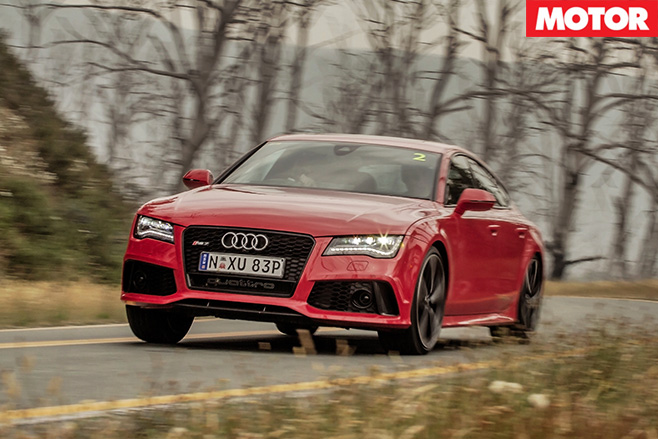
Sales of S, RS and R8s were up 172 per cent in 2013 and it’s just debuted its flagship grand tourer, the RS7 Sportback. Only 20 examples are due for Oz this year, each starting from a frosty $238,500.
The RS7 is softer-core and more style driven than the manic RS6 Avant, though it does pack the same twin-turbo 4.0-litre V8, good for 412kW and 700Nm. Audi’s claiming an identically mental 3.9sec 0-100km/h, too, though the eight-speed-auto Sportback lacks launch control and doesn’t quite feel as vicious off the mark as it appears on paper. Still, it’s bloody quick.
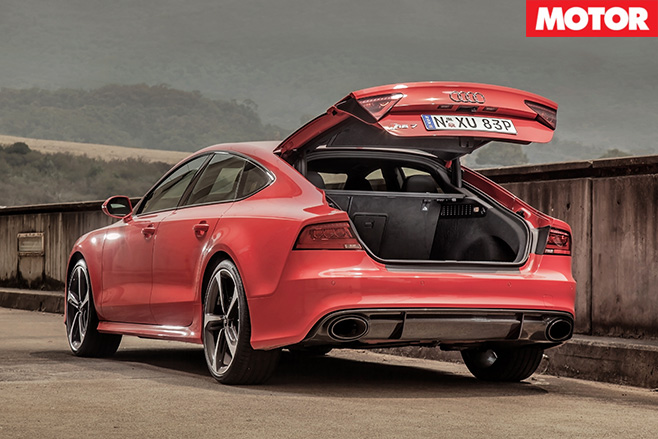
It looks amazing, especially in solid ‘primer’ grey, the Valcona leather-dipped four-seater cabin is sumptuous, it’s quiet-yet-characterful (in a stoic Audi sort of way) and it’s absolutely rock solid at a decent clip.
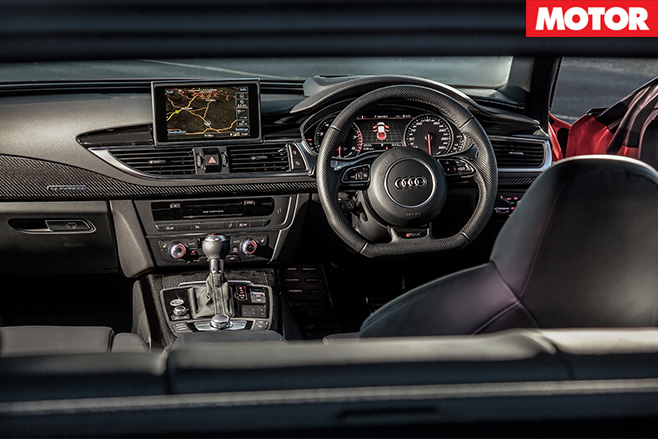
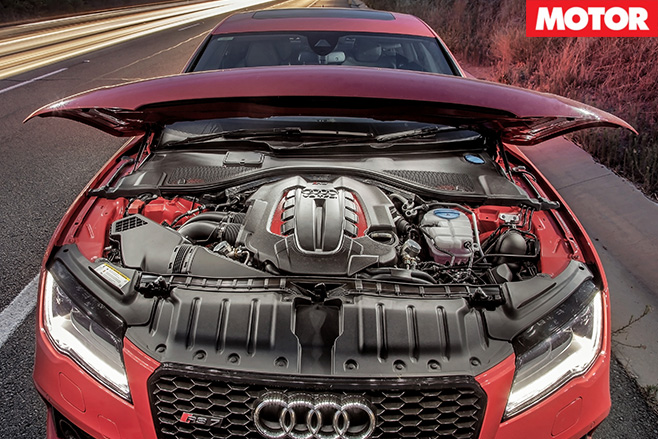
Questionable is why you must fork out $4900 for Dynamic Ride Control, Dynamic steering and a 280km/h speed limiter (up from 250). Let alone the Dynamic Ride Plus pack, which adds ceramic brakes and a 305km/h v-max for an extra $25,840. Carbonfibre styling?That’s another $8500.
Forget grunt, it’s about grip with the new Lexus GS F medium performance sedan that uses an old recipe to find new and exciting flavours of fun.
WHAT IS IT? The Lexus GS F is the performance flagship of the GS premium medium-sized sedan range. It’s about the same size as a BMW 5 Series and Mercedes E-class, yet can’t match the power or performance of their respective flagships. It’s more a rival for the Audi S6.
WHY WE’RE TESTING IT It’s a new addition to the Lexus range, and the fourth to get the F treatment, which is Lexus’s take on Audi S, BMW M and Mercedes AMG. It uses the same 5.0-litre V8 engine as the smaller RC F coupe, but in a more practical sedan body.
MAIN RIVALS Audi S6, BMW M3 or BMW M5, Jaguar XF S, Mercedes-AMG C63 or E63 − depending on whether you’re trying to match on price or size.
THE WHEELS VERDICT The Lexus GS F is a refreshing return to old-school values of performance harmony over outright horsepower. Those chasing the biggest numbers on their brochures won’t get it; those chasing the biggest smile should.
PLUS: drivetrain response, steering, grip, sound, enthusiasm MINUS: firm ride, polarising exterior styling
THE WHEELS REVIEW Forget power. Grip is the new god.
Well, Lexus would say that, wouldn’t they? After all, the company’s new medium-size performance sedan − the GS F, launching in Australia in February with an expected $155K price tag − has ‘only’ 351kW and 530Nm with which to tackle the might of BMW’s 423kW M5 and Mercedes-AMG’s 430kW E63, both of which use twin-turbocharging to amp their V8s.
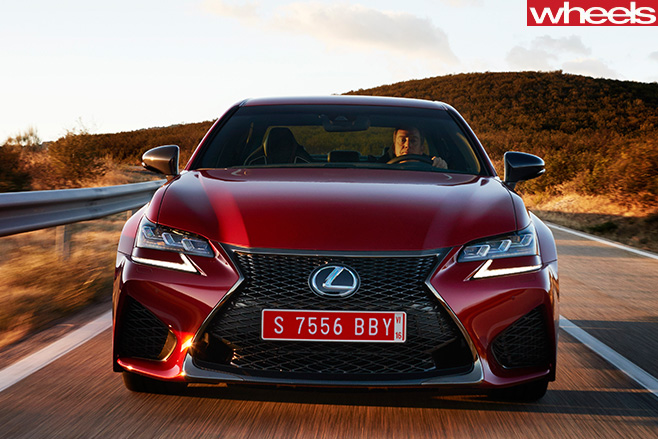
Except… Lexus didn’t say grip is god. Nor is Lexus deluded into thinking this ‘underpowered’ rear-drive performance sedan is a true rival for those E-class and 5 Series German heavyweights. That’s a misconception others will leap to, and to their detriment.
Lexus, to its credit, is pushing a simple − and appealing − line: judge the GS F for what it has and what it does.
And by god it does everything well. Extremely well.
The Lexus GS F is a sweet balance of sporting flavours, where no one ingredient overpowers the others.
It’s the kind of sports sedan that loves driving, and not a little like an Aussie HSV or FPV (remember them?) with more polish.
At its core sits the same 5.0-litre naturally aspirated V8 engine that powers the RC F coupe. The two powerplants are identical, except for a few additional engine weights to dynamically balance this thundering heart.
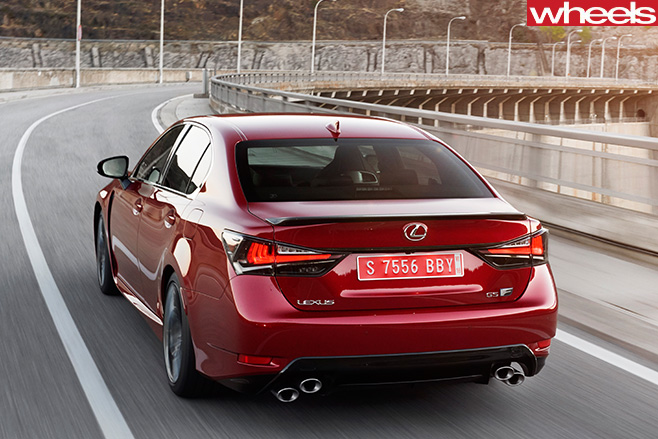
The sound of this engine on max attack is intoxicating. Lexus engineers spent considerable time ensuring the exhaust note delivered what enthusiastic drivers want in a soundtrack. There’s a bit of aural trickery involved, too, via something Lexus calls Acceleration Sound Control (ASC), which harnesses the front speakers to emphasise intake and engine sounds, while the rear speakers are called on to add some baritone boost to the exhaust note. There’s a button inside to turn this off or on; not sure it makes enough of a difference to justify the extra weight of the dedicated sound system.
Our day-long drive included some hot laps of the Jarama race track near Madrid, and it’s here where the grip from the GS F’s chassis and its Michelin Pilot Super Sport tyres (255/35 R19 front, 275/35R19 rears) first impressed. The GS F runs wishbones front and a multilink rear like lesser GS sedans, but on much firmer settings. The chassis gets a few judiciously placed strengtheners to improve dynamics. The result is an incredibly sharp yet stable − and flat − platform for spirited driving.
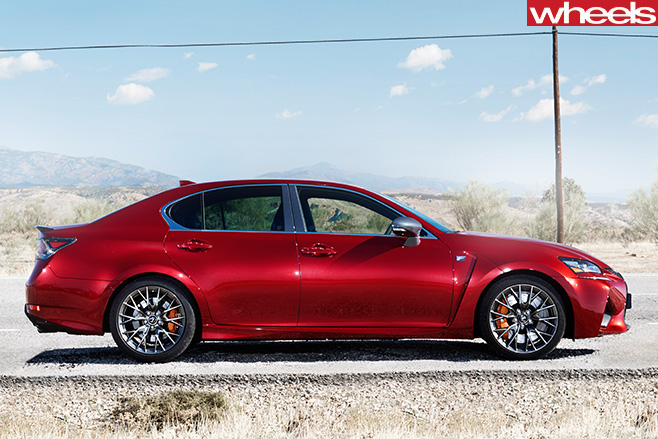
The GS F’s electric steering feeds inputs quickly and fluently to the front end. It pivots into corners with poise, and it sends a constant stream of feedback to the driver from the road.
Get on the power too early, and the front end will want to push wide. Then the GS F’s trick torque vectoring diff – standard for Australia – apportions drive to the outside rear to help ‘steer’ the car around and out of the corner. Coming into corners, it can do similar tricks on trailing throttle under brakes, keeping the car stable right to the apex then helping you hustle on exit.
The best part is the torque vectoring diff doesn’t require any conscious involvement from the driver, nor are its transitions felt. It beavers away feverishly to ensure the driver gets all the benefits without any bother.
Lexus is not the only car brand capable of such wizardry, but I’ve not driven a car where its influence has been so cohesive and effective.
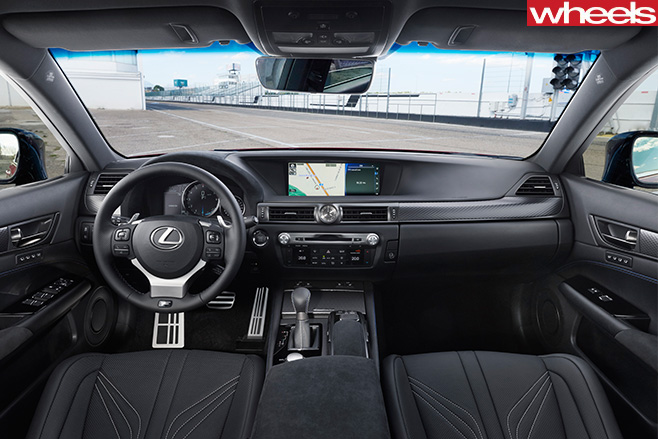
So, while some may choose to see a big V8 with no turbochargers or superchargers in a premium rear-drive sports sedan as an outdated dinosaur, that’s not fair at all. This is a thoroughly modern interpretation of an old favourite, and deserves respect for that if nothing else.
Lexus Australia’s sales ambitions are not huge − 40-50 a year − so the GS F won’t add significantly to the bottom line. But it does give Lexus’s growing reputation for building spirited and engaging performance cars a massive boost. And rightly so.
SPECS Model: Lexus GS F Engine: 4969cc V8, dohc, 32v Max power: 351kW @ 7100rpm Max torque: 530Nm @ 4800-5600rpm Transmission: 8-speed automatic Weight: 1865kg 0-100km/h: 4.6sec (claimed) Economy: 11.3L/100km (combined) Price: $155,000 (estimated) On sale: February 2016
The B8-generation Volkswagen Passat combines affordable luxury with handsome sheetmetal, generous space and an excellent chassis.
WHAT IS IT? Replacing was is essentially a decade-old design, the completely new eighth-generation Volkswagen Passat debuts the Golf Mk7’s MQB platform in full family-car size, riding on a leggy 2791mm wheelbase underpinning a slightly shorter car than its predecessor – a more adventurous one, too, both in terms of its sheetmetal, interior, and dynamics. But the Passat hasn’t forgotten its conservative roots.
WHY WE’RE TESTING IT? Twelve months after it launched in Europe, the B8 Passat arrives here with a simple, well-priced range comprising two bodystyles, two engines, and three trim levels, plus an optional R-Line package on the upper two that adds some spice to the mix. Medium-size car sales may be stagnant, but the new Passat is good enough to kickstart some sort of revival.
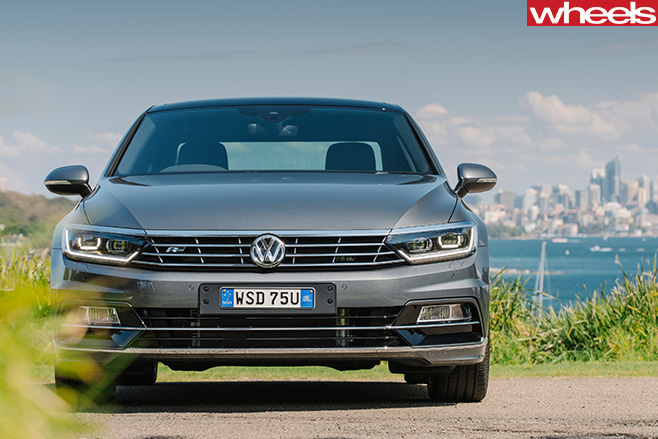
THE WHEELS VERDICT All the new Volkswagen Passat needed to do was mimic the Golf VII’s excellence in a larger size, and for the most part it has succeeded. Handsomely proportioned, impressively equipped, comfortable and practical, the B8 Passat proves the smart money at $35-50K buys a mid-sizer like this, not a compromised SUV. But a genuine replacement for the raspy old 220kW V6 is noticeably absent. Decent as the 132kW 1.8 TSI and 140kW 2.0 TDI engines are, the B8 Passat deserves more. Much more.
PLUS: Surprisingly sporty chassis; slick interior; excellent seat comfort; vast equipment; handsome shape; sweet 1.8 turbo petrol MINUS: Diesel’s flat response beyond 4000rpm; R-Line’s lack of a suitable engine to support its sportier handling and styling; no replacement for the V6 (yet)
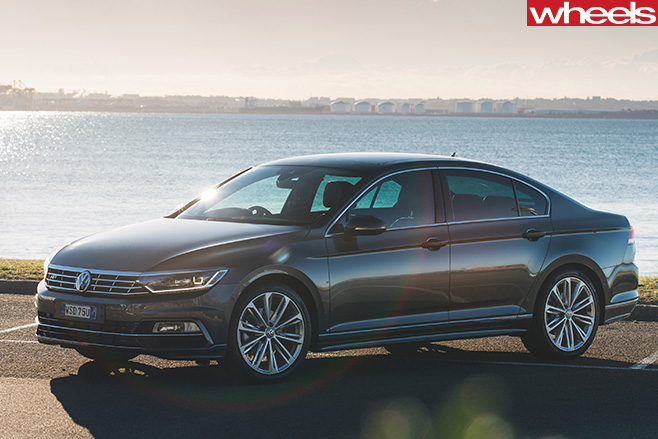
Given the Golf’s overwhelming popularity in Australia, it’s easy to forget the Passat’s importance to Volkswagen globally. These days, more than a million are sold each year, making Passat Wolfsburg’s number-one seller, as well as its oldest living nameplate (42 years, and counting).
Like the previous B6/B7 generation (2005-2014), the all-new B8 Passat is a larger relative of the transverse-engined Golf, meaning this one rides on VW’s latest-gen MQB platform, stretched between the wheels to 2791mm and trimmed by up to 80kg. Yet in order to bolster its sex appeal, Volkswagen has squeezed the B8’s leggy new wheelbase into a body that’s 2mm shorter, 12mm wider and 34mm lower, with less overhang and a more muscular, broad-arched stance.
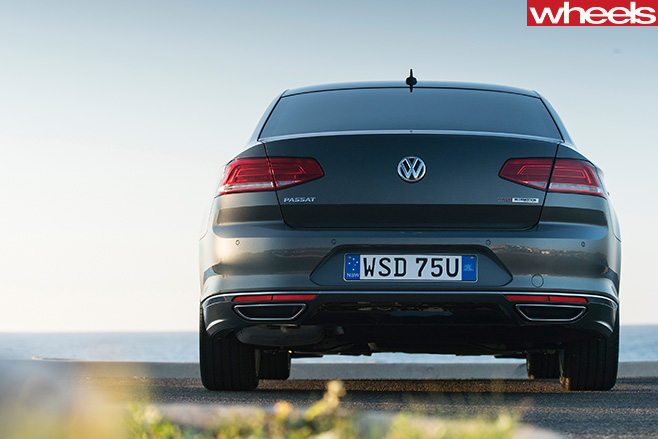
But does it offer a premium driving experience? Given its Golf VII genes, that was somewhat of a no-brainer. All the B8 Passat had to do was drive like a Golf, only bigger, and that’s exactly the way it feels. Yet it’s surprising sporty, too, with excellent handling balance and a shrink-wrapped feel at odds with its voluminous cabin acreage.
Even the base $34,990 Passat 132TSI gets adaptive damping as standard, which delivers a well-damped ride and disciplined body control in both Normal and Sport settings. But Passat’s chassis has so much more up its sleeve. Sweet as the 1.8-litre turbo-petrol is, with a subtle snarl as its tacho swings towards 7000rpm, it ultimately doesn’t have a whole lot of snot.
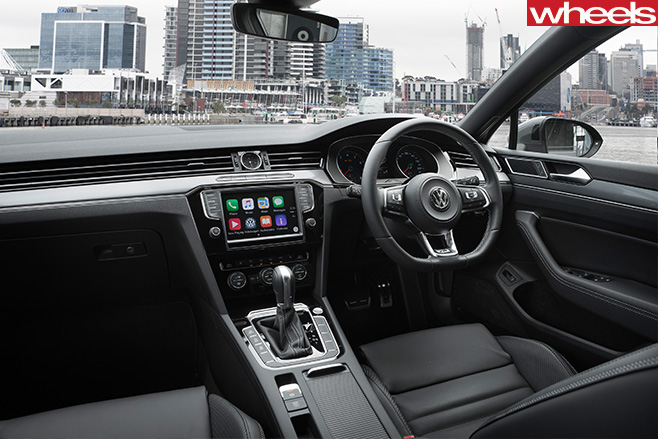
Still, there’s so much to like about the new-gen Passat. Even at entry level, it exudes an understated class, bolstered by an equipment list as vast as its benchmark luggage space. Unless you’re chasing serious performance, the Passat proves that spending more on a premium European sedan (or wagon) is simply an exercise in vanity.
Added flavour
VW is pushing super-hard with Passat’s standard kit. Even the base model gets alloy 17s, sat-nav, tri-zone climate and nine airbags, while at the top end, optional Luxury ($3500) and R-Line packs can transform the $40K 132TSI Comfortline sedan (wagon $2K extra) into a sports-luxe stunner for $46,490. R-Line adds 15mm-lower sports suspension and 19s, progressive steering with 2.1 turns lock-to-lock and a Golf GTI wheel with paddles, sports seats, Nappa leather and an exterior styling makeover, while the Luxury pack is headlined by trick full-LED lights at both ends, ambient cabin lighting, and a panoramic sunroof.
SPECS Model: Volkswagen Passat 132TSI Comfortline Engine: 1798cc 4cyl, dohc, 16v, turbo Max power: 132kW @ 5100-6200rpm Max torque: 250Nm @ 1250-5000rpm Transmission: 7-speed dual-clutch Weight: 1450kg 0-100km/h: 7.9sec (claimed) Economy: 6.0L/100km Price: $39,990 On sale: Now
Click here to read the full range of the Volkswagen Passat.
YEARS ago, a mate loaned me a book about smart investing. I was much impressed by the wisdom and promise within, almost all of which I’d forgotten by the time I gave it back.
The one thing that did stick with me was the author’s definition of assets and liabilities. An asset is something that puts money in your pocket; a liability is something that takes it out.
By that measure, pretty much every “asset” I have – car, motorcycles, my collection of human brains kept artificially alive by computer-controlled perfusion – is actually a liability. Who knew?
The numerate among you may have noticed an amendment to the “price as tested” at the head of this page: the small matter of about $30,000 added. This was not the fruit of some canny investment strategy.
When I bought my 911, not even I was silly enough to consider it an “investment”, though I was confident it would maintain its value (if I kept spending enough on it).
At the time, prices for “long nose” (pre-1974) 911s had sprinted into six figures. Everyone cooed that impact-bumper models were on their way up, too. But the first one I looked at, a time-capsule ’88 coupe with just 49,000km on the clock, was priced at a still reasonable $85,000.
It would fetch twice that today.
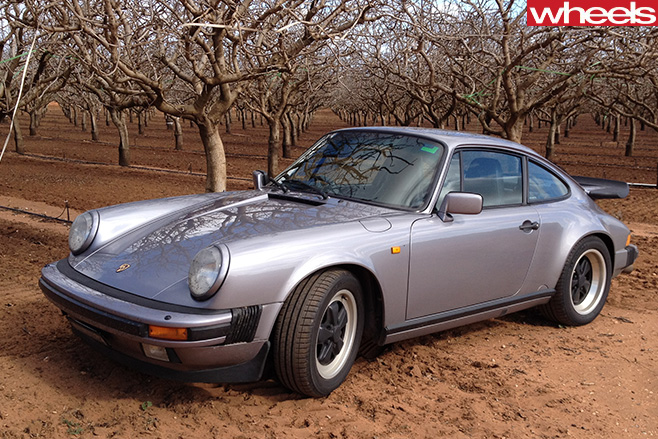
Geelan recently sold a “really clean” 1989 coupe, 40,000km fresher than mine, for $118K. It was advertised at $110K. “I had five customers fighting over it,” Geelan says. “We’ve got a waiting list of about 35 people for anything air-cooled.”
It’s all very reminiscent of the late-1980s, with the market being pushed by investors. Geelan says he has no idea when, or if, the trend will end.
I guess it prompts the question – am I smart enough to work out that I could sell my car, invest the profit, wait for the bubble to burst, then buy one again at a fire-sale price?
Sadly, no.
A classic 911 that really is a ‘super’ car
Investors are raiding the air-cooled 911 market, driving up prices accordingly. Some local investors are putting collector cars into superannuation funds, though legally this means they can’t be driven. Meanwhile, demand has gone international for typically well-specced and well-maintained Australian cars. A first-year (1975) right-hand-drive 911 Turbo was recently bought from its Yass, NSW owner by LA-based Porsche outlaw icon Magnus Walker.
1989 PORSCHE 911 CARRERA 3.2 Price as tested: $95,000 (estimated) Overall: 21,745km @ 10.4L/100km Odometer: 182,608km Date acquired: May 2012
