
Mazda Oz hit the jackpot with the last generation 3, local sales accounting for almost 10 per cent of the 3.8 million sold globally since 2004.
This was cause enough to send CEO, Masamichi Kogai, Down Under for the launch of the crucial third-gen successor, which sprouts, mini-me-like, from the gorgeous Mazda 6’s Kodo design mould.
That’s observation, not opinion. Fact is, the new 3 continues with the same ‘right stuff’ that’s made contemporary Mazda product so red hot in Aussie eyes, an X factor that continues to confound rival carmakers/importers.
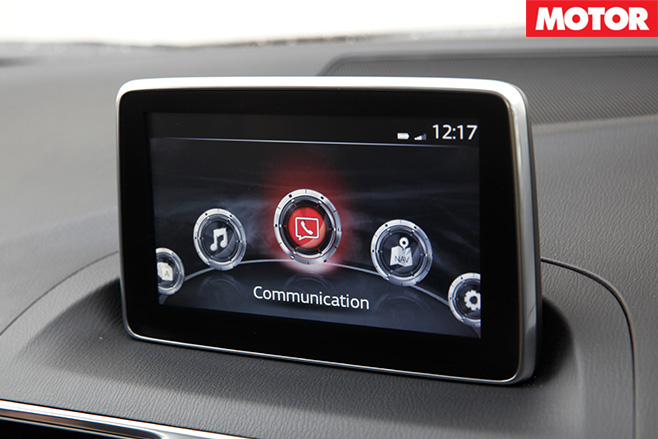
The key word here is ‘perceived’. You see, much like the current 6, the new 3 presents well, but reveals itself as merely good rather than exceptional as some enthusiastic reviewers will have you believe. Holistically, it’s much closer to being a sexy Corolla substitute than a cut-priced Golf competitor.
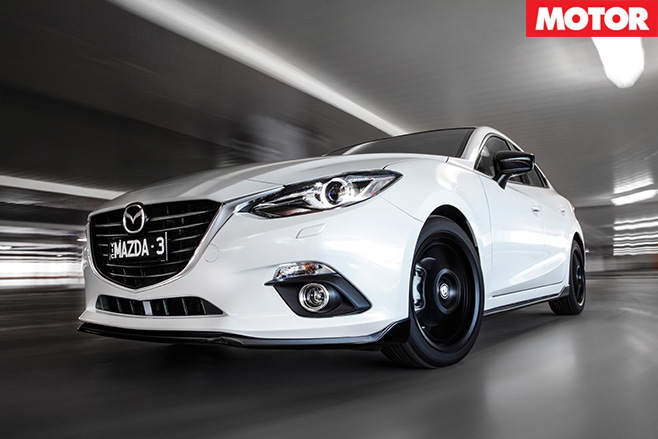
Handling wise, the chassis is surefooted and confident. Mazda really spruiks the 3’s steering talent but it’s good rather than great. The ride is a bit firm, though pitch it in hard and body roll is pronounced. It’s reasonably well behaved on the road, but with room to play the SP25 loves to oversteer.
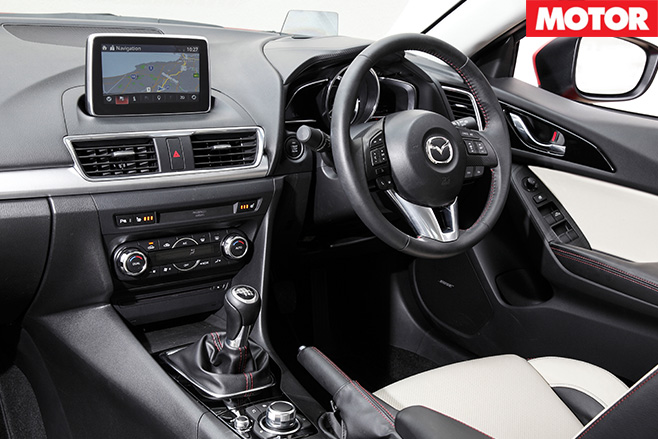
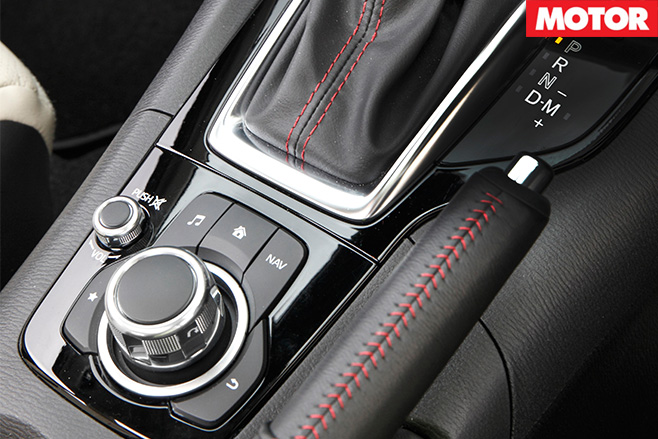
The interior design is slick and sporty, its updated infotainment system superior to the low-rent Mazda 6 stuff. It creams a Focus, but lacks the materials and execution of a VW.
3.5/5
Specs: Engine: 2488cc inline-4, DOHC, 16v Power: 138kW @ 5200rpm Torque: 350Nm @ 3250rpm Weight: 1302kg (sedan) 0-100km/h: N/A Price: $25,890
Click here to read the full range review of the Mazda 3.
For those of you who dream of an MX-5 with a little more spice or drama, America or Japan may be the most interesting place for you right now.
America’s announced its Miata Cup Racer, a MX-5 built to one-make series spec, can be had for US$53,000 or $74,410.
The 2.0-litre race car comes with a sealed engine block, ECU, transmission and differential, and will qualify you for Mazda’s 2016 global race series with a turn-key ready racer, bar a racing seat.
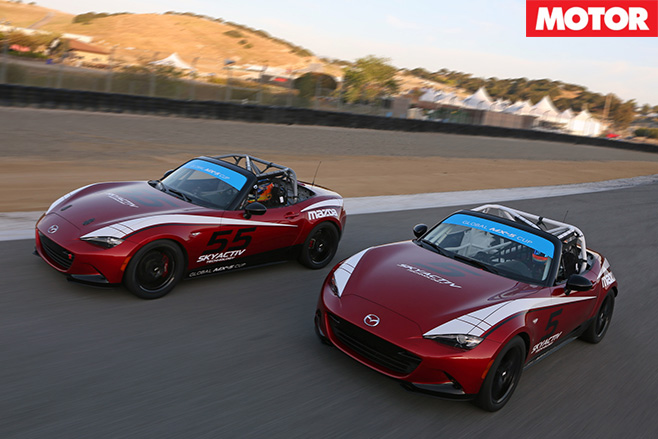
It’s built a hotter RS version which will feature a host of bits that focus on refining its lithe package.
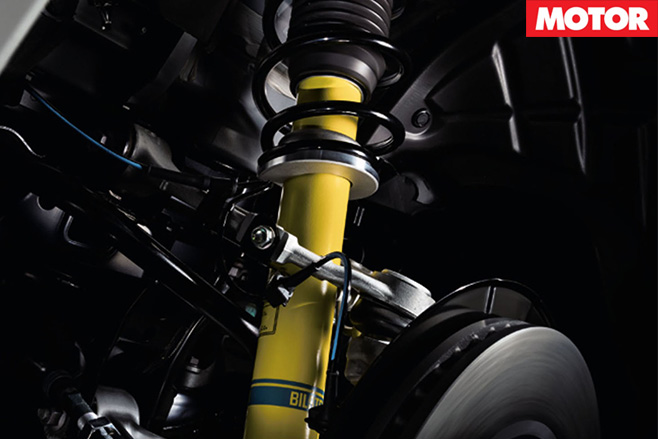
Outputs stay put at 96kW and 150Nm, but the RS’s suspension package welcomes Bilstein shock absorbers and a front strut brace, while the steering has been tweaked and bigger brake discs feature too.
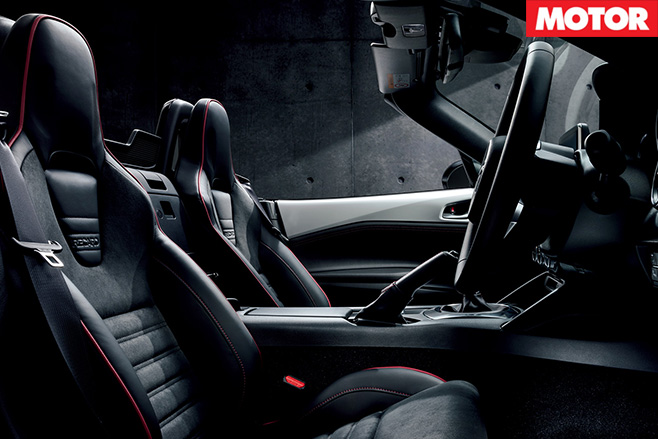
The effort to improve the car’s feel good vibe continues on the inside, where seat-wizards Recaro have fitted a pair of pews finished in fake suede and Nappa leather.
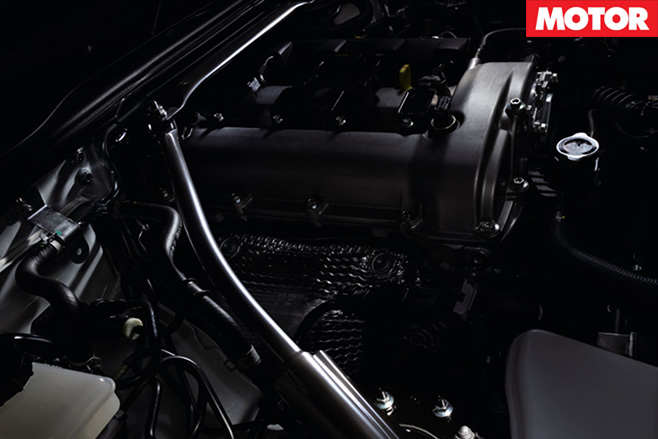
Japan will be the only market to receive the 1.5-litre Roadster RS, priced at AU$37,240 converted, meaning we’ll have to make do with the big-block 2.0-litre MX-5 to quench our thirst for more performance.
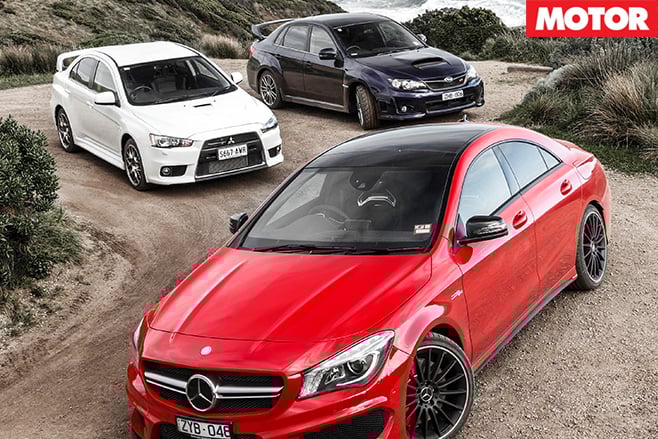
Uncork Mercedes-Benz’s CLA 45 AMG and it takes 30 seconds to suspect and an hour to confirm that Germany has stolen what was, just a few years ago, exclusively Japan’s – the giant-killing, all-wheel turbo four-banger crown.
This story was originally published in our December 2013 issue
That first thirty seconds makes a big impact, time enough to climb into the sumptuous leather-dipped cabin, strap yourself into the superb pews, fire up the most potent 2.0-litre turbo four now in volume production, engage ‘S’ sport mode and punch through the first three or four ratios of the slick seven-speed twin-clutch, each upshift met with a bold, rev-matching ‘BRAP’.
But it’s not simply the off-the-line acceleration that, not long ago, only a Japanese small four- or five-door could deliver. It’s an entire cocktail of premium luxury, richness, detail, quality and Germanic precision cocooning its ballistic potental that strongly suggests the game, and its rules, have changed.
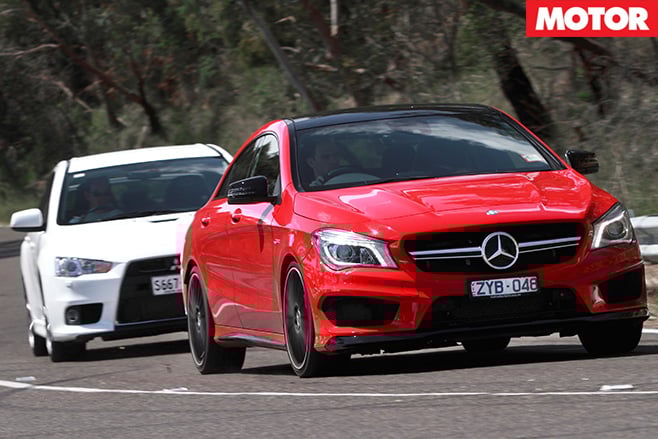
Two cars that are so often forgiven for their shortcomings in all-roundedness – despite the handsome price tags – because they trade so hard on their impressive bang factor.
The Germans were always going to create hyper all-wheel small cars. It wasn’t a case of if, but when. VW’s Golf R signalled intent, but lacks the Japanese cars’ sheer potency. Audi launched its RS3, BMW its (turbo-six-powered) M135 x-drive, but neither made it to Oz. The CLA 45 AMG, and mechanical twin A45 five-door hatchback, are Australia’s fresh taste of where the game has moved to.

That is until 2008 arrived. Neither of the current Evo and STI breeds have changed or been improved measurably in six years, a strong signal that Mitsubishi and Subaru have dropped the ball by sitting on their hands and resting on their laurels.
Blame the abandonment on the GFC or spiralling pressures with tougher fuel economy and emission targets but, frankly, the Germans are in the same evolutionary boat, and the Deutsch car makers could well have hoisted the standards for small rocket ship excellence beyond Japan’s reach.
Or have they? Sure, fanboys and fangirls might be irked that prices for the ageing rally-bred Evo and STI haven’t dropped much since 2008. A self-shifting, six-speed twin-clutch Evo wants for $61,990, our bells and whistles MR version asking for an extra $4K.
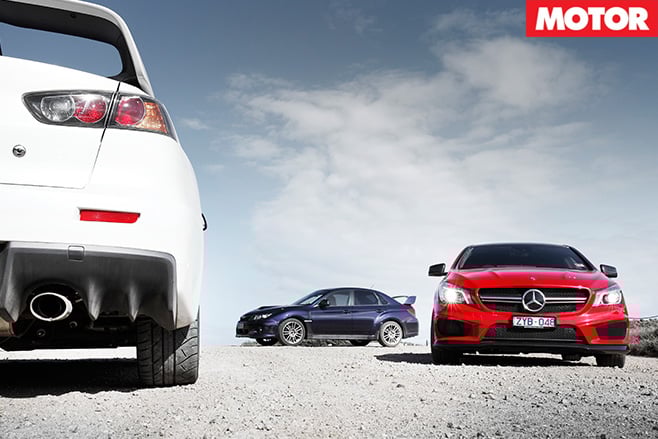
But while the Japanese cars haven’t become more savage in the current generation, they’re certainly no less potent than ever. And the CLA 45 AMG asks for a hefty premium, at $86,900. At a whole third of price more than Japan’s entry point, yes, it had want to be much nicer. And, perhaps, much quicker, too. But is it? We’re here to find out.
The Evo inline 2.0-litre offers 217kW at 6500rpm and 366Nm at 3500rpm, while the STI’s larger-bore, shorter-stroke 2.5-litre flat four makes 221kW lower, at 6000rpm, but its superior 407Nm higher in the rev range, at 4000rpm. The AMG favours a long-stroke design of just two litres, yet creates benchmarking outputs of 265kW at 6000rpm and a humongous 450Nm from just 2250rpm upwards.
More telling is power-to-weight. The twin-clutch Evo sedan tips the scales at 1625kg, thus offering 133.5kW per tonne. Meanwhile, the conventional manual STI sedan saves 110kg of kerb weight, its higher power figure conspiring to a healthier 145.8kW per tonne.
At 1510kg, the AMG undercuts the Japanese cars on the weigh bridge, and thanks to an astonishing specific output it makes for a monstrous 175kW per tonne.
The Evo feels shorter geared, too, allowing the 2.0-litre to find and maintain the sweet spot band between peak torque and power more easily.
There’s certainly difference in engine character too. The Evo has little lag, excellent response and strident low-to-mid-range shove, but it feels to run out of top end. The Subaru’s boxer is most explosive between 4000rpm and cut-out, yet lacks the linearity and throttle control of the Mitsubishi.
The AMG absolutely scorches to the 100km/h mark in just 4.6 seconds – a full second quicker than the Japanese cars. Some of the benefit comes from its launch control. Some of it the superior torque clocking in a more accessible low-rpm point. But you sense that all of the electronic and mechanical engineering charged with acceleration is operating in unison with absolute, finely tuned precision.
While we’re at, yes, there is self-shifting STI, but the transmission is a slush-box auto of only five speeds, the engine is detuned to 350Nm and, crucially, the spec omits much of the rally-bred drivetrain trickery – most notably the motorsport-grade differentials front, middle and rear – to qualify it as a ‘real’ STI in any traditional and technical sense. As mentioned, it’s STI-lite.
After all, an Evo’s or STI’s rally-bred drivetrain – the tricky diffs and torque shuffling smarts that make up the former’s Super All Wheel Control and the latter’s Driver Control Centre Differential systems – not only imbue heroic on-limit dynamics. It’s their soul. It’s the main reason why you stump up for the premium over just a Ralliart- or WRX-spec stable mate.
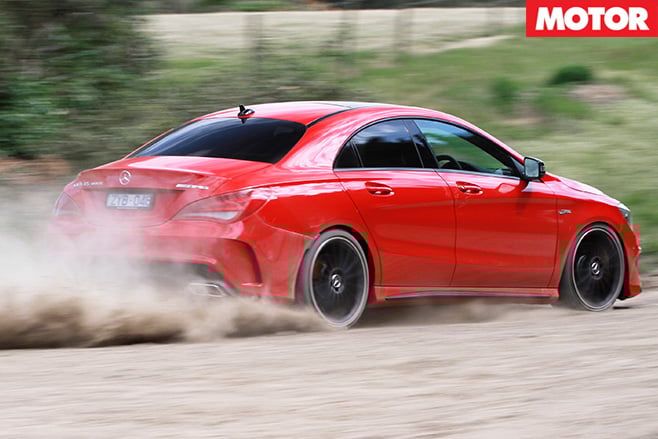
Merc-Benz will claim that off-road plays no part in the CLA 45 AMG equation. Fine. But as we discovered, the four-door coupe’s 4Matic all-wheel drive is more than a hand companion should broken surfaces arise. That said, it’s a natural understeerer with a front-drive bias.
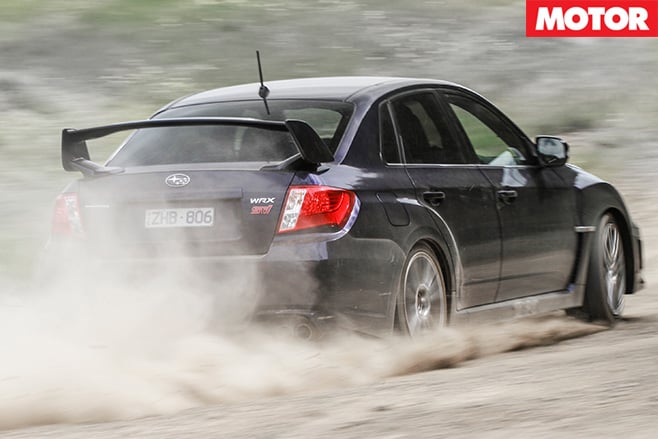
The STI is more interactive to the driver and responsive to throttle input, its Driver Control Center Differential system allows manual front-rear torque bias adjustment or automatic distribution of your choice.
The thing is, the STI isn’t terribly agile on corner entry, a bit prone to understeer, and only really comes alive once a fair whack of torque is fired through to the front axle under moderate to heavy throttle application, at which point it lunges wherever the front wheels are pointed.
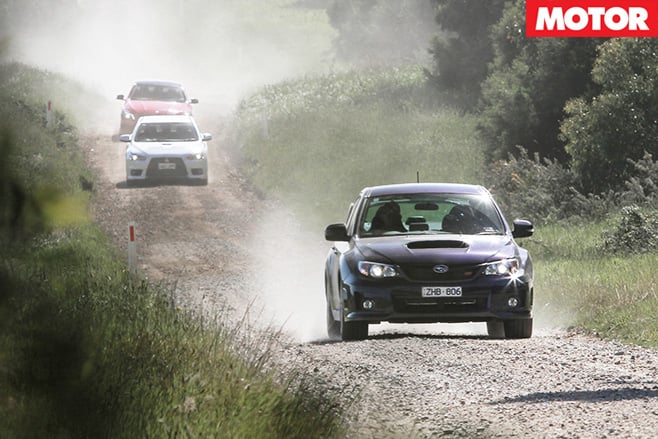
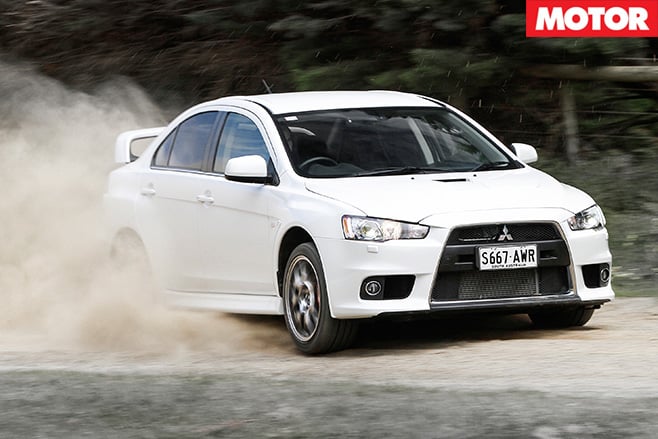
The Evo is more balanced, has more front-end bite, has less abrupt torque shuffling going on underneath and is, thus, more fun and satisfying to hustle across gravel or dirt. The Super All-Wheel Control package is a complex and clever system, but the positive upshot is that regardless of whether you set the Active Centre Differential to Tarmac, Gravel or Snow modes, the Evo remains incredibly controllable, adjustable and sure-footed.
Of the three, it offers the highest levels of directness and poise from the instant you initiate a slide. Out of the showroom box, few other road cars can touch Mitsubishi’s hero car for off-road, WRC-wannabe fun factor.
The CLA’s steering is beautiful – it’s noticeably lighter in weight than either Japanese car, and not particularly short-ratioed in its rack, yet the clarity through the wheel and linearity lock-to-lock is excellent. The Evo, while not quite the pure, mechanical communicator many of its forebears are, still faithfully connects the driver to the road with satisfying, rippling detail. The STI, however, suffers slightly from dullness and numbness through the wheel. And despite both Japanese cars running identical 245mm-wide 18-inch Dunlop rubber, the Subaru feels a bit more ponderous in its front end, with a little more reluctance to turn in to the corner.
In the mid-corner, the STI grips up beautifully, but it doesn’t sit as flat as its rivals and, despite the favourable weight advantage, feels like the heaviest and slowest to react to driver inputs.
It’s just not as keen and playful as you hoped, requiring a decent manhandling to adjust its line. Get aggressive with the throttle and it pitches torque, and weight, fore and aft with gusto, but there’s not a lot of subtlety. Rapid progress, then, is less about dynamic dexterity and driver interaction, and more about leveraging all that grip and horsepower. In that sense alone, it’s perhaps the least satisfying of the three to punt hard.
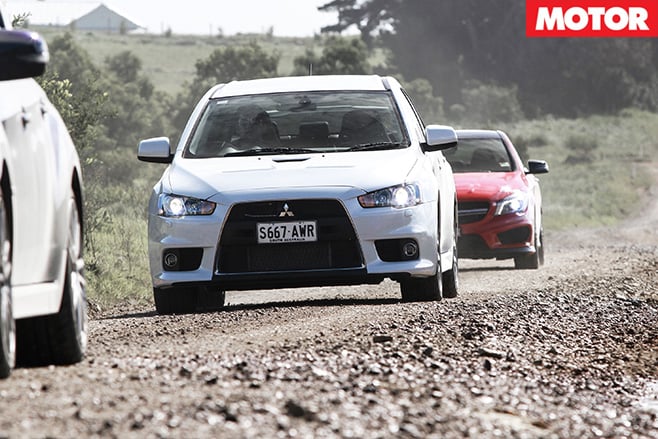
It’s surefooted and satisfying, and incredibly quick. But, almost surprisingly, not quick enough to dust the Evo on a long stretch of twisty, challenging back country roads.
Yep, that surprised us, too. But where the AMG, with its narrower 235mm 19s, finds its cornering limits and has nowhere to go, the grippier and slightly more agile Evo compensates for its lack of power and excess weight with dynamic talent and an all-wheel-drive system paying real, tangible dividends.
It’s just a little more agile and adjustable, dancing around on its tyres more, for sure, but adjusting its line more eagerly and diving into and out of corners more flamboyantly than the AMG can. Both brilliant, both very different from one another to drive, yet, ultimately, while the AMG is fast, on a twisty country road, the Evo keeps up. They’re dead even for pace.

The Japanese pair, though, portray their lower-rent roots and increasingly older-hat relevance all too conspicuously – their leathers feel plasticky, their plastics feel cheap and there’s not much in the way of celebration or premium ambience. That said, again the Evo trumps the STI, notably in sat-nav design, ergonomics and a richer air, such as the better judged use of metallic trim finishes.
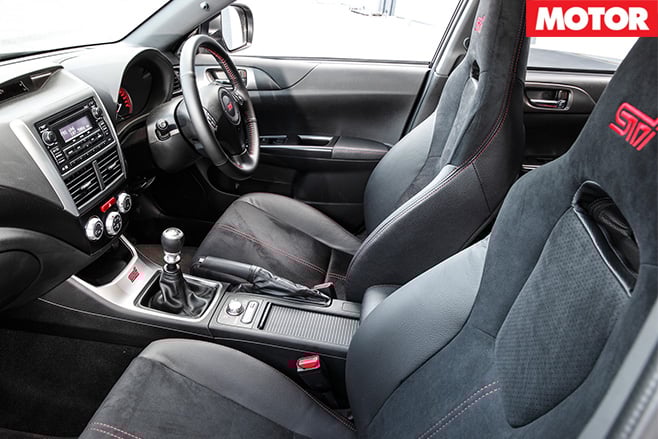
Other AMG quibbles? Although the twin-clutch transmission will hold ratios on upshifts – bouncing the engine off its rev-limiter if you feel so inclined – it’s not absolutely obedient when it comes to downshifts. And, like so many German cars today, the default shift program is a touch too lazy and its Sport mode a little too aggressive for everyday use.
An all-round superior tool? A proper giant-killing all-wheel turbo-four banger? A game-changer and new benchmark for all to aim at? Yes, yes and yes. That is discounting the CLA’s five-door twin-under-the-skin, A 45 AMG, which is just as quick, adds a touch more visceral intent in the curves, and wants for $12K less.
| u00a0 | u00a0 | u00a0 | Mercedes-BENZ CLA 45 AMG | u00a0 | u00a0 | SUBARU WRX STIu00a0 | u00a0 | u00a0 | Mitsubishi Lancer EVOLUTION X MR |
| Body | u00a0 | u00a0 | 4-door, 5-seat sedanu00a0 | u00a0 | u00a0 | 4-door, 5-seat sedan | u00a0 | u00a0 | 4-door, 5-seat sedan |
| Drive | u00a0 | u00a0 | all-wheel | u00a0 | u00a0 | all-wheel | u00a0 | u00a0 | all-wheel |
| Engine | u00a0 | u00a0 | 1991cc inline-4, DOHC, 24v | u00a0 | u00a0 | 2457cc flat-4, DOHC, 24v | u00a0 | u00a0 | 1998cc inline-4, DOHC, 24v |
| Bore/Stroke | u00a0 | u00a0 | 83.0 x 92.0mm | u00a0 | u00a0 | 89.0 x 72.5mmu00a0 | u00a0 | u00a0 | 86.0 x 86.0mm |
| Compression | u00a0 | u00a0 | 8.6:1 | u00a0 | u00a0 | 8.2:1 | u00a0 | u00a0 | 9.0:1 |
| Power | u00a0 | u00a0 | 265kW @ 6000rpm | u00a0 | u00a0 | 221kW @ 6000rpm | u00a0 | u00a0 | 217kW @ 6500rpm |
| Torque | u00a0 | u00a0 | 450Nm @ 2250-5000rpm | u00a0 | u00a0 | 407Nm @ 4000rpm | u00a0 | u00a0 | 366Nm @ 3500rpm |
| Power-to-weight | u00a0 | u00a0 | 175kW/tonne | u00a0 | u00a0 | 146kW/tonne | u00a0 | u00a0 | 133kW/tonneu00a0 |
| 0-100km/h | u00a0 | u00a0 | 4.6sec (claimed) | u00a0 | u00a0 | 4.9sec (claimed) | u00a0 | u00a0 | 5.3sec (previously tested) |
| Top Speed | u00a0 | u00a0 | 250km/h (claimed) | u00a0 | u00a0 | 255km/h (claimed)u00a0 | u00a0 | u00a0 | 242km/h (claimed)u00a0 |
| Fuel consumption | u00a0 | u00a0 | 6.9L/100km (claimed) | u00a0 | u00a0 | 10.5L/100km (claimed) | u00a0 | u00a0 | 10.1L/100km (claimed) |
| Emissions | u00a0 | u00a0 | 161g/km CO2 (claimed) | u00a0 | u00a0 | 243g/km CO2 (claimed)u00a0 | u00a0 | u00a0 | 256g/km CO2 (claimed) |
| Transmission | u00a0 | u00a0 | 7-speed dual-clutchu00a0 | u00a0 | u00a0 | 6-speed manual | u00a0 | u00a0 | 6-speed dual-clutchu00a0 |
| Kerb Weight | u00a0 | u00a0 | 1510kg | u00a0 | u00a0 | 1515kg | u00a0 | u00a0 | 1625kgu00a0 |
| Suspension | u00a0 | u00a0 | struts, A-arms, coil springs, anti-roll bar (f); multi links, coil springs, anti-roll bar (r) | u00a0 | u00a0 | struts, coil springs, anti-roll bar (f); A-arms, coil springs, anti-roll bar(r) | u00a0 | u00a0 | struts, coil-springs, anti-roll bars (f); multi links, coil springs, anti-roll bars (r)u00a0 |
| L/W/H | u00a0 | u00a0 | 4691/1777/1416mm | u00a0 | u00a0 | 4580/1795/1470mmu00a0 | u00a0 | u00a0 | 4510/1810/1480mmu00a0 |
| Wheelbase | u00a0 | u00a0 | 2699mm | u00a0 | u00a0 | 2625mm | u00a0 | u00a0 | 2650mmu00a0 |
| Tracks | u00a0 | u00a0 | (f/r) 1553/1552mmu00a0 | u00a0 | u00a0 | (f/r) 1530/1540mm | u00a0 | u00a0 | (f/r) 1545/1545mmu00a0 |
| Steering | u00a0 | u00a0 | electric rack-and-pinion | u00a0 | u00a0 | u00a0power rack-and-pinion | u00a0 | u00a0 | power rack-and-pinionu00a0 |
| Brakes | u00a0 | u00a0 | 350mm ventilated/drilled/slotted discs, four-piston calipers (f); 330mm ventilated/drilled discs, single-calipers (r) | u00a0 | u00a0 | 326mm ventilated discs, four-piston calipers (f); 316mm ventilated discs, two-piston calipers (r) | u00a0 | u00a0 | 350mm two-piece ventilated discs, four-piston calipers (f); 330mm ventilated discs, two-piston calipers (r) |
| Wheels | u00a0 | u00a0 | 18 x 8.0-inch (f/r), alloy | u00a0 | u00a0 | 18 x 8.5-inch (f/r), alloy | u00a0 | u00a0 | 18 x 8.5-inch (f/r), alloyu00a0 |
| Tyres | u00a0 | u00a0 | Dunlop SP 235/35 ZR18 95XL (f/r) | u00a0 | u00a0 | Dunlop SportMaxx 600 245/40 R18 93W (f/r) | u00a0 | u00a0 | Dunlop SportMaxx 600 245/40 R18 93Y (f/r)u00a0 |
| Price | u00a0 | u00a0 | $86,990 | u00a0 | u00a0 | $59,990u00a0 | u00a0 | u00a0 | $65,990 |
| Positives | u00a0 | u00a0 | Game-changing blend of dynamics, pace and luxury, bad-ass exhaust note | u00a0 | u00a0 | Engineu2019s top-end whack, rumbling exhaust note, point-and-shoot ability | u00a0 | u00a0 | Fool-proof handling, responsive engine, dynamic weapon of destruction |
| Negatives | u00a0 | u00a0 | Canu2019t shake the Evo, disobedient transmission, A 45 AMG is better value | u00a0 | u00a0 | Doughy front-end, blunt tool in this company; MY15 STI u2019round the corner | u00a0 | u00a0 | Engine sounds industrial, still looks like a u2018Lanceru2019, sheu2019s getting heavy |
| u00a0 | u00a0 | u00a0 | 4.5/5 | u00a0 | u00a0 | 3.5/5 | u00a0 | u00a0 | 4/5 |
PLUS
- Fuel efficiency. Compared to others in the medium SUV segment, the Mazda CX-5 is very easy on fuel.
- Versatility. The CX-5 comes with front-wheel drive, and four-wheel drive versions.
- Plenty of gear including cruise control, reversing camera, touchscreen display and tyre pressure sensors.
- The availability of a safety version in all models (except the Akera which has the Safety Pack as standard).
- Despite sitting high, the CX-5 drives well, with plenty of control for the drivers and not too much lean on corners.
- No rear air-conditioning vents, which makes for uncomfortable long drives on hot days.
- The boot is on the small side and the floor sits high so it doesn’t compare to others in the segment with better space offerings in the rear.
- Lack of a spare tyre. If you blow a flat, you’ll have to stick to 80km/h on the space-saver spare until you can replace it.
- The 2WD 2.0 litre engine lacks power.
- The GT and Akera models are fitted with low-profile tyres which make for a bit of a rough ride.
It might just be the sweetest model in the BMW 2 Series coupe lineup, and suddenly the middle-grade 228i is now $4500 cheaper.
Priced at $59,900 plus on-road costs, the sticker reduction from the previous $64,400 tag results in no pulling of equipment, either. Rather, the 228i actually adds a rear-view camera, internet services (for traffic, weather) and digital radio.
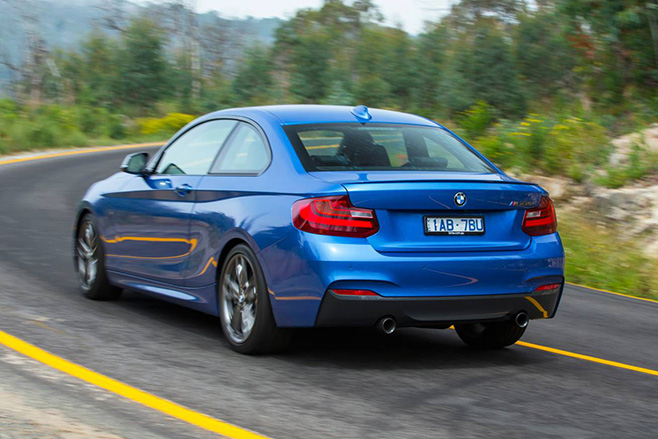
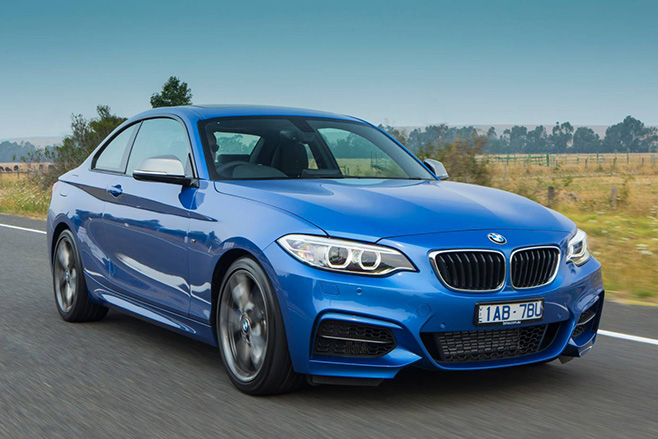
The M235i also comes in for a nominal $2430 price chop, now $77,500 plus on-roads, but that hefty pricing gap from the 228i is a lot to pay for the smoother six and 4.8sec 0-100km/h.
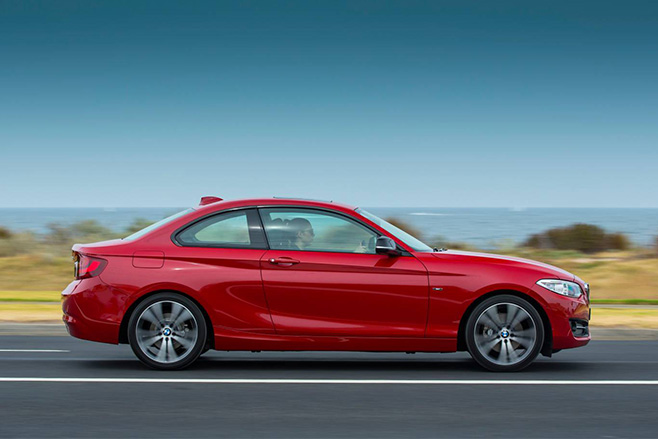
Either way, both 228i and M235i are cracking driver’s cars, particularly when optioned with the optional (expensive, at $4000 plus fitting) limited-slip differential. Each is a no-cost-option six-speed manual proposition, but most will default to the admittedly brilliant eight-speed ZF automatic with paddleshifters.
I love Japan. I love the weirdburger culture; the way manners are taken to the extreme yet there are vending machines in Tokyo unapologetically dispensing used women’s underwear.
If you overlook the fact some Japanese prefer Moby Dick swimming in soy sauce than the ocean, Japan is great.
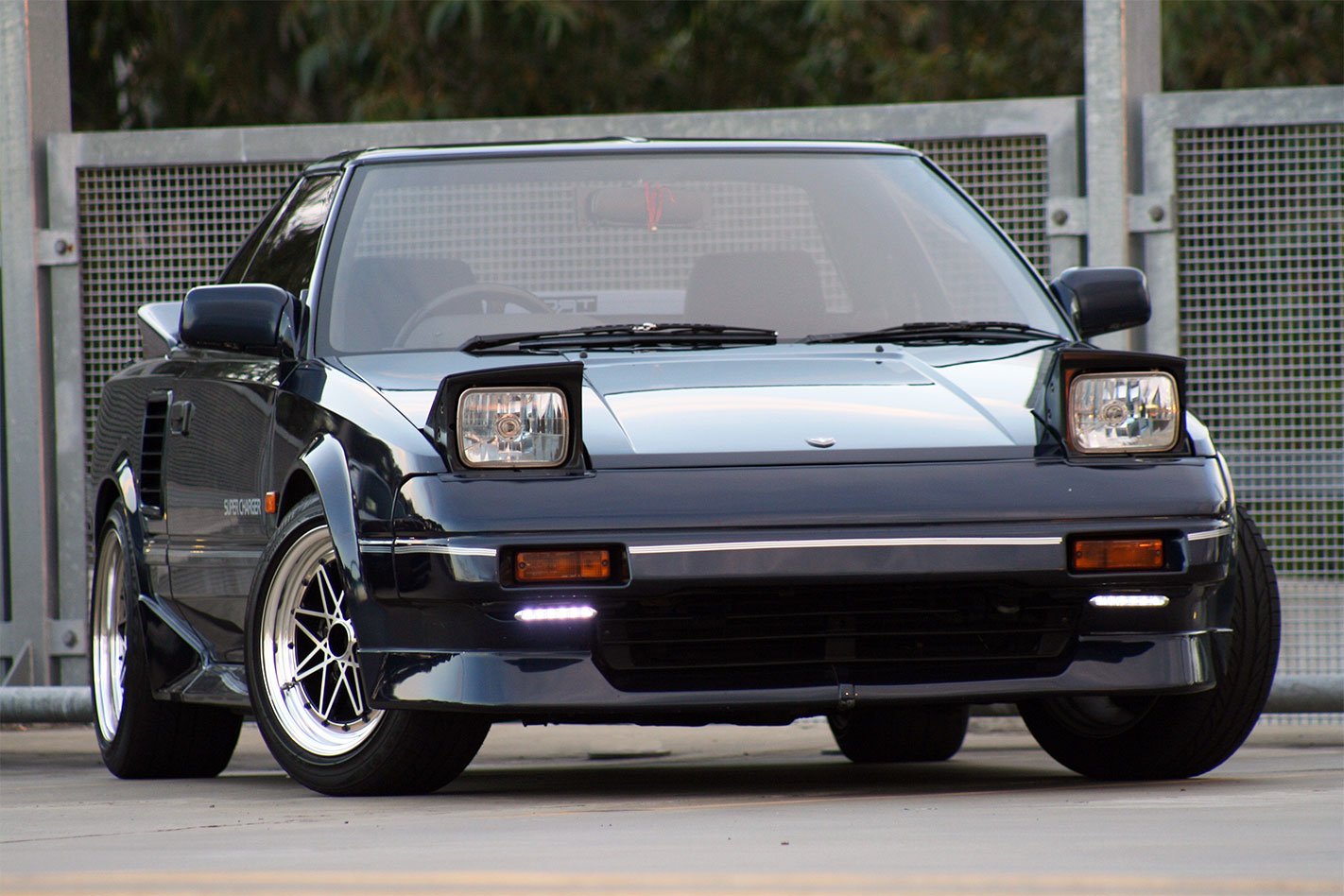
But I first fell in love with Japan for its cars. My first performance car was a 1986 Toyota MR2. It had a mid-mounted supercharged 1.6-litre engine, so close to your spine it felt like you were wearing it as a backpack, and would happily and swiftly punish messy driving by spinning within its own length. It was terrific fun and an education in driving. I miss it.
But what rips at my soul these days is that Japan has lost its way. I love the 86 and BRZ but nearly two years after their on-sale, we’re yet to see any hotter versions. This used to be Japan’s “thing”.
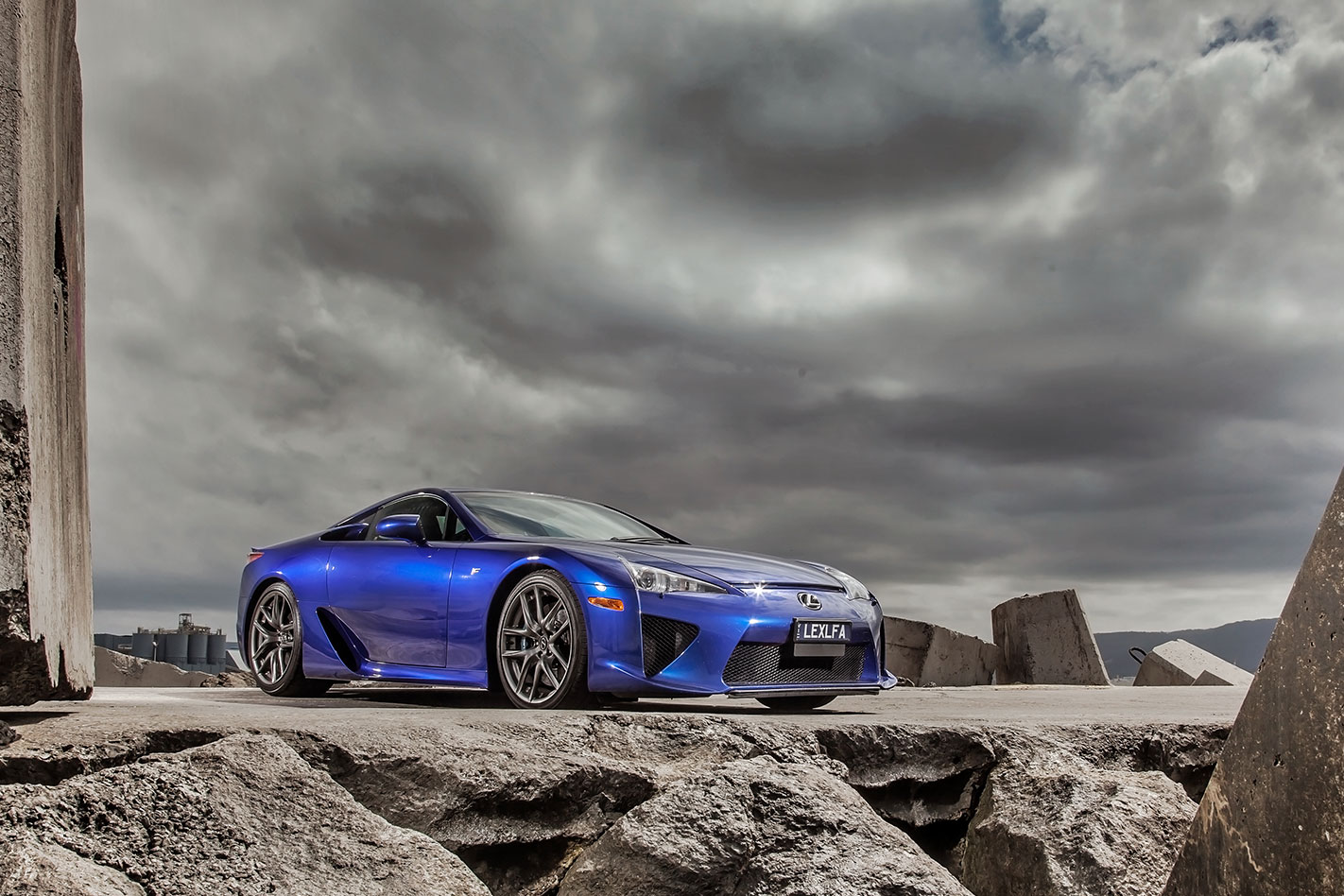
There’s the Nissan GT-R and Lexus LFA, but buggered if most of us could afford either. The 370Z and Mitsubishi Evo X, meanwhile, are ancient.
Entire communities today worship these cars thanks to the internet. Yet they couldn’t give two shits about the new stuff because the Japanese car makers themselves don’t seem to have their hearts in performance cars anymore. Yet the Germans are churning out fast cars like sausages.
The Subaru STI is still kicking of course, but I can’t help but fight off a feeling of mild disappointment. It looks, well, nothing like the pumped-guard, animalistic concept car we saw at the 2013 New York motor show.
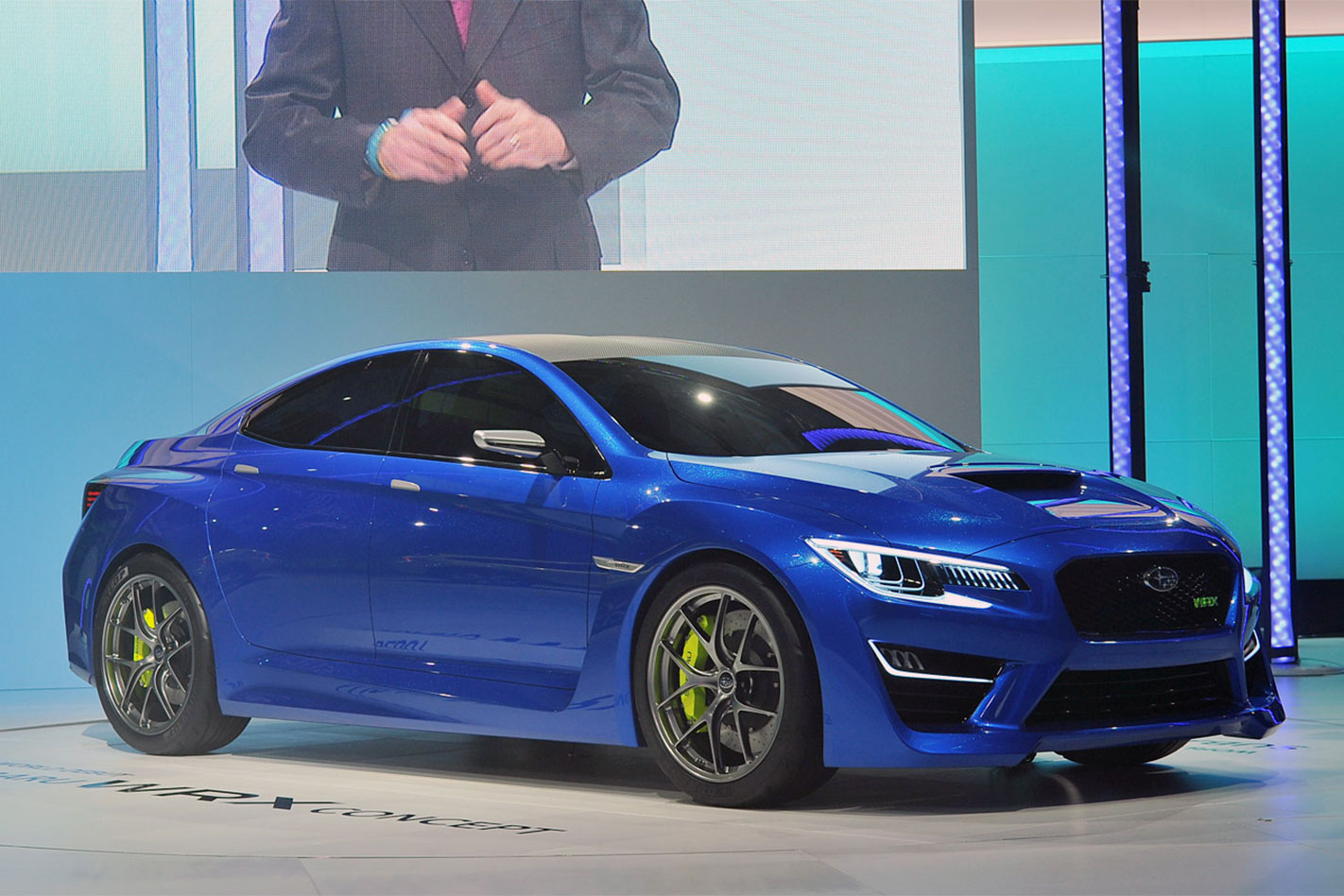
I realise this is all a bit harsh. The GFC kicked the Japanese car companies right in the gonads. They’re still recovering. I just hope it’s sooner rather than never.
My hope the Japanese will mount a performance-car resurgence clings like a frightened barnacle to one car in particular. It’s not the new NSX or Civic Type R – they don’t do it for me yet, I don’t know why.
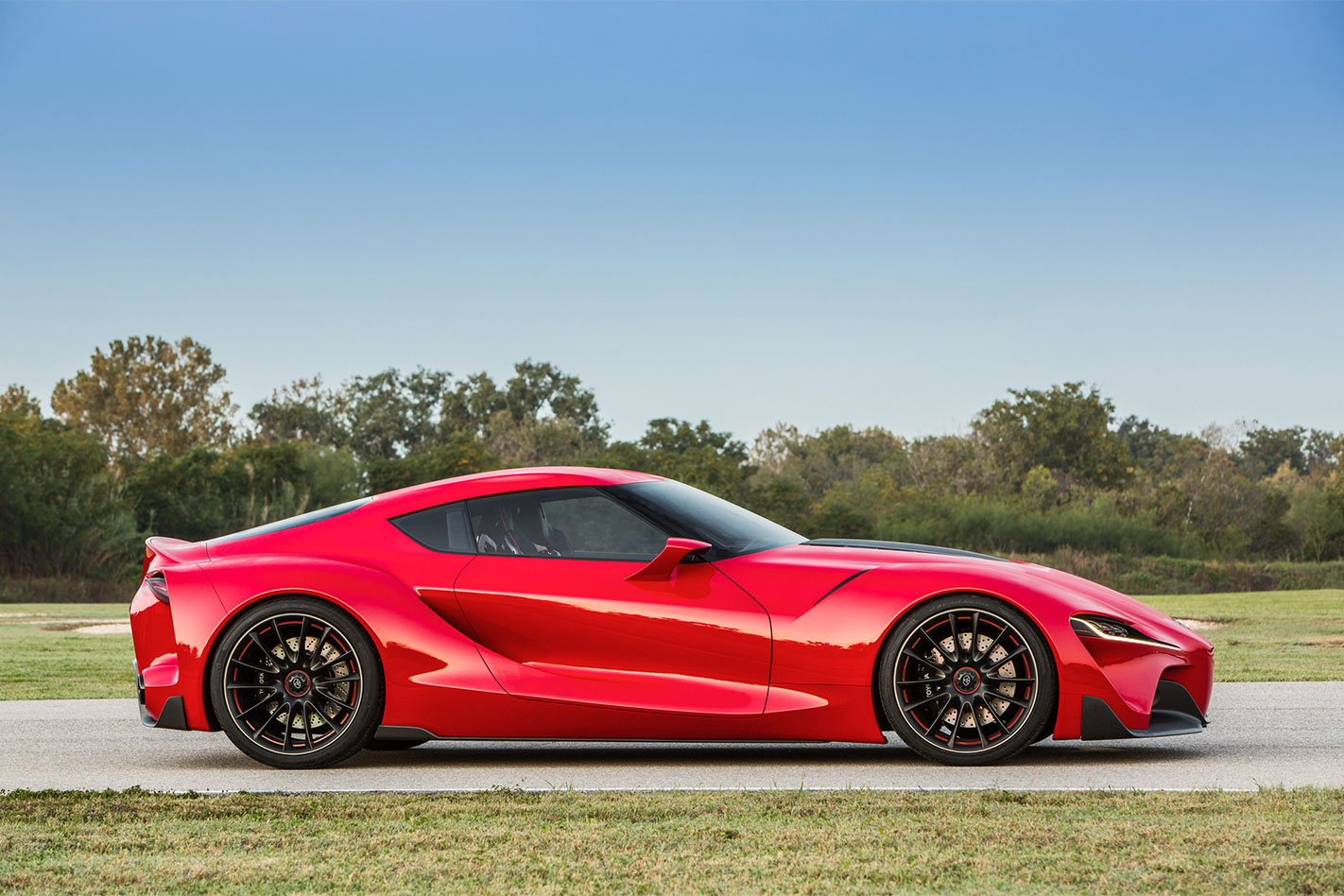
AS HOLDEN prepares to go out with a flourish by releasing the fastest car to wear the Commodore badge, here are 10 things we reckon you didn’t know about the local brand’s long-running rear-drive mainstay.
1. The Commodore has been sold in six continents and has included the USA, UK, Brazil, Argentina and the Middle East as export countries.
2. The best-selling Commodore was the VE, which sold more than 520,000 in total.
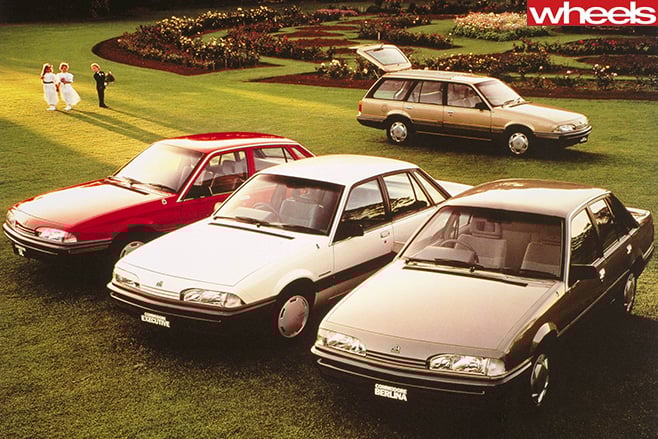
4. The 1986 VL Commodore was originally a mild restyle of the VK, until Phil Zmood tore up the papers and started again. “I remember being told at the time, we had to make a success of the VL or we would be looking for another job,” said Phil Zmood.
5. The VF Series 2 Commodore will be the last car in the General Motors stable to be powered by the Gen IV V8. It’s also been used in Camaro, Corvette and GM trucks.
6. The VB Commodore was sold in South Korea as a Daewoo Royale. It was offered with a 1500cc engine, with the body-panels stamped at Elizabeth.
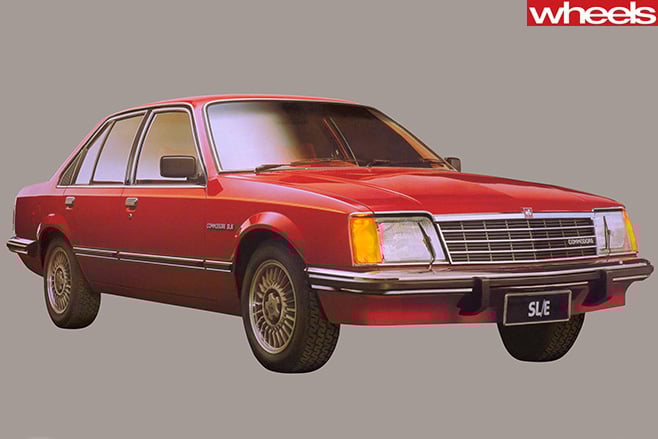
7. The Commodore was the first Australian-made car to offer an airbag (’93), a trip computer (’81); cruise control (’81); a supercharger (’95); a turbocharger (’86).
8. The Commodore has won Bathurst 22 times. That compares to the Ford Falcon’s 14 wins; the Torana’s five; Ford Cortina’s three; Monaro, Nissan GT-R and Ford Sierra RS500 (all with two wins) and one win apiece for the Mini Cooper S and Jaguar XJ-S.
9. The Commodore finished the 1979 Around Australia Trial in first, second and third positions. Ford argued that the Commodore was too small to be a Falcon rival, and entered a trio of Cortinas to make the point.
10. You may never have heard of him, but George Gallion is the father of the Commodore. The Opel designer penned the GM’s global V-car exterior, which included the VB Commodore and two-door Monza.
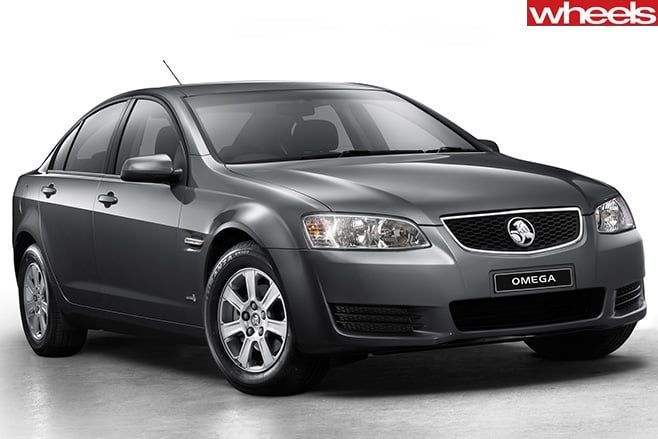
11. The fastest car to wear the Commodore badge is the Holden Commodore VF Series II SS-V Redline (but you already knew that).
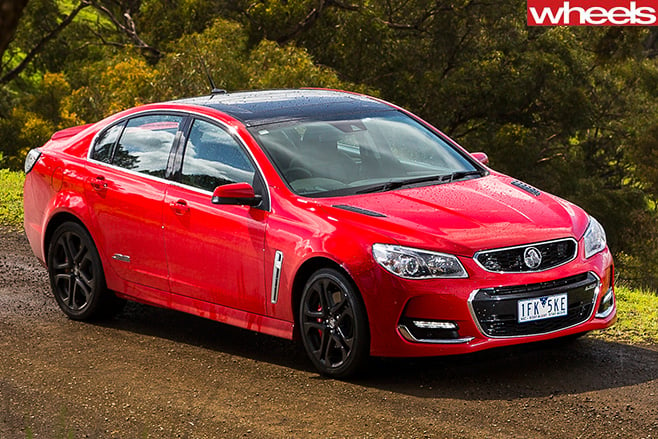
Mazda’s ute contender puts on a meaner face in a mid-cycle update that also brings more equipment.
WHAT IS IT? Mazda’s sole commercial vehicle, which plies its trade in the 4×2 and 4×4 utility segments.
WHY WE’RE TESTING IT The current-generation BT-50, launched in 2011, has been given its first update.
MAIN RIVALS Lots of them, including well-known nameplates such as the Ford Ranger, Holden Colorado, Volkswagen Amarok, Mitsubishi Triton, Nissan Navara, Isuzu D-Max … and a certain Toyota called the Hilux.
PLUS: Payload and towing capacity; car-like steering; strong 3.2L diesel; introduction of rear-view camera; cheaper than Ranger twin MINUS: Firm ride; urban steering effort; missing specs compared with Ranger
THE WHEELS REVIEW IT SEEMS that while dual-cab utes continue to increase their popularity as dual-purpose transport for families, buyers nevertheless prefer they don’t look too car-like.
Mazda admits the styling of its BT-50 has been a little bit on the nose with Aussie customers, so has aimed to toughen it up as part of its first update since 2011.
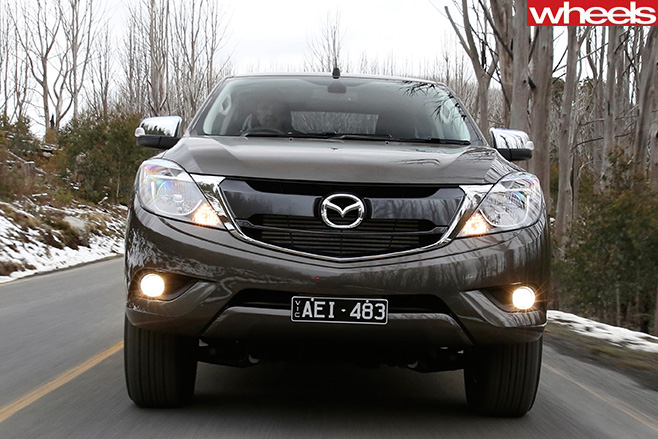
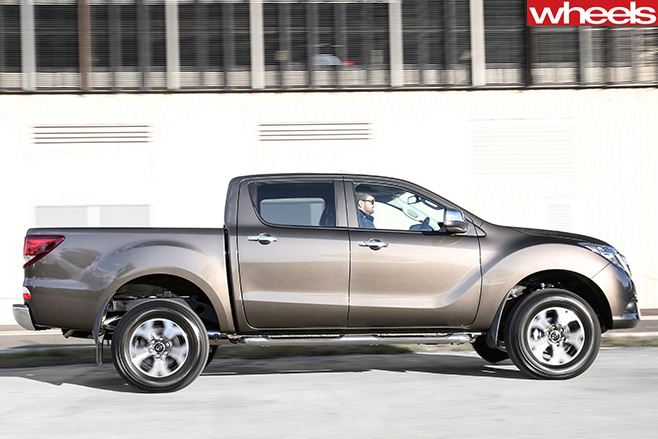
It has wiped the smile off the BT-50’s face by straightening the grille section. Same-shape headlights adopt darker sections, to emphasise the meaner expression (with a new selection of steel and alloy bullbars available for optional extra aggression).
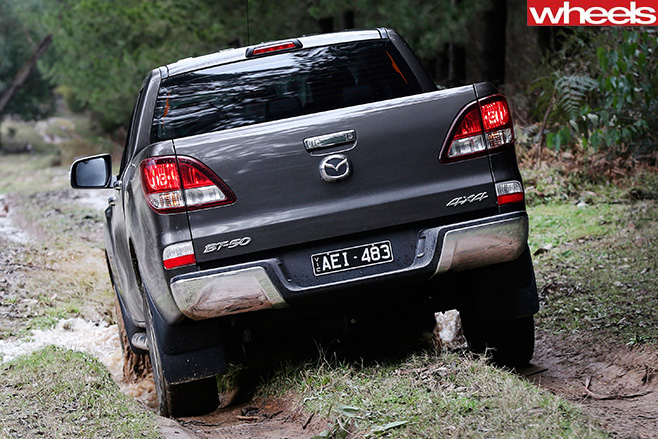
The taillight design is unchanged but a switch from clear to dark red lenses for the surrounds is a subtle but effective improvement.
All three trim grades, including base XT, gain some extra equipment in return for either no extra cost or a minor price increase.
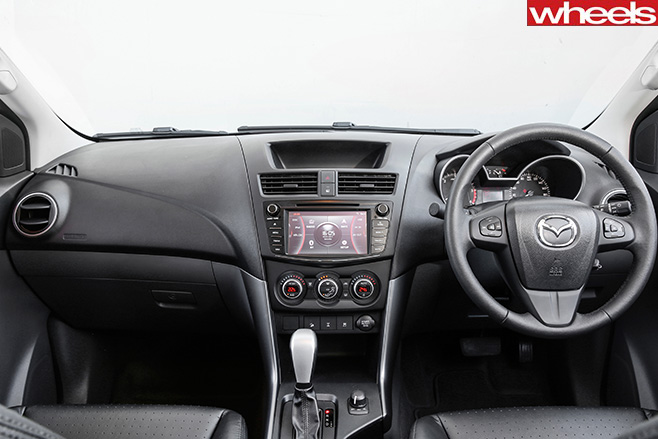
A rear-view camera – incorporated into the rear-view mirror – is now standard on the XTR and GT, and an $820 option on the base XT. That’s a spec advantage over the Ranger, where the feature is standard only on the flagship Wildtrak, though the Ford counters with rear sensors on all but its base dual-cab.
Mazda’s one-tonner also misses out on its twin-under-the-skin’s optional Tech Pack, which gives the Ranger class-leading active safety features including radar cruise control, forward collision alert and blind spot detection.
Mazda decided against adopting the Ranger’s new electric steering, so the BT50’s heavier set-up isn’t as effortless around town or during tight manoeuvres.
The weighting comes into its own on the country roads where these vehicles spend much time, combining with the steering’s linearity to create a relatively car-like driving experience.
You wouldn’t expect your average monocoque-based SUV to roll in the bends or shimmer over mid-corner bumps like the BT-50, but in the context of ladder- chassis dual-cabs the Mazda feels sufficiently planted on the road and remains among the class best for handling.
And like virtually all of its peers, the Mazda has the requisite tools for serious off-roading if you choose the 4×4 version – including descent control, lockable rear diff (also on 4x2s), and transfer case with low range.
When it’s unladen, though, Mazda’s intention to inject some ‘zoom zoom’ into the BT’s suspension is particularly noticeable, with a ride that gets busy on lumpy bitumen and is generally not as comfortable as the Ranger’s – whether you’ve opted for a single cab chassis, Freestyle cab-chassis/cab utility or (biggest-selling) Dual-Cab.
Of the 23 variants available, the single cab singularly employs a good, if noisy, 2.2-litre four-cylinder turbo diesel, with every other BT-50 benefiting from the stronger and more refined 3.2-litre five-cylinder.
Despite some price increases for the most popular models, Mazda’s ‘one-tonner’ remains keenly priced – especially against its slightly superior, non-identical twin.
This will help among showroom swing-voters, as will the slightly more machismo looks.
SPECS Model: Mazda BT-50 Dual Cab utility Engine: 3198cc inline 5-cyl, dohc, 20v, turbo diesel Max power: 147kW @ 3000rpm Max torque: 470Nm @ 1750-2500rpm Transmission: 6-speed manual or auto Kerb weight: 2022-2118kg 0-100km/h: Not available Economy: 7.6-8.9L/100km Price: $36,545 to $53,790 On sale: Now
Click here to read the full range review of the Mazda BT-50.
A DISPUTE that dried up the supply of Great Wall SUVs has made it harder to establish Chinese brands in Australia, the local importer says.
Neville Crichton, owner of Great Wall importer Ateco Automotive, said legal action between his company and the Great Wall head office in China had left a sour taste in the mouths of dealers and buyers.
“It’s done damage to brand China,” said Crichton. “The dealers won’t have the confidence to go back to them [Chinese vehicles] … because they got burnt.”
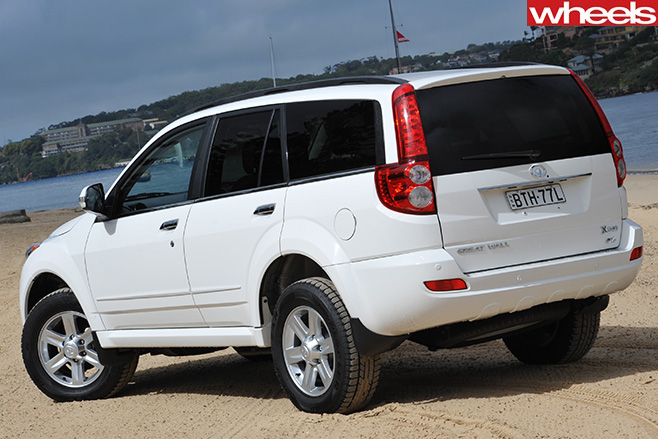
More than 50,000 Great Walls were sold in Australia between 2009 and 2015, but the budget-priced utes and SUVs are not currently being imported. A trickle of sales this year has represented the clearing of stock.
It’s understood Great Wall stopped supplying cars to Ateco in 2014. It’s not clear why – neither is commenting – although lawyers are acting on behalf of both parties.
He said Ateco was in mediation with Great Wall and he hoped the brand would continue in Australia.
Great Wall is expected to launch its Haval brand in Australia this week after many false starts. Haval, claimed to be the top selling SUV marque in China, had planned to be on sale here by the end of 2014.
Meanwhile Crichton’s Ateco has begun importing the Chinese LDV brand. LDV is part of the SAIC Motor Corporation Limited conglomerate, which has joint ventures with established car brands and also has brands such as MG and Roewe.
Crichton said LDV, which sells people mover vans and commercial vans, was gaining popularity but “it hasn’t gone as quick as we were able to get previous vehicles [to take off]”.
“The damage done by Great Wall has affected the dealers … but the dealers are quick to react; as soon as they see a brand taking off they’ll come back,” said Crichton.
Other Chinese brands that have struggled to gain traction in Australia include Geely, Chery and Foton.
We’ve never quite gotten over the death of the S15, or 200SX as it was known here. Our 2001 PCOTY winner was taken from us far too soon, leaving a hole in Nissan’s line up that the 350Z never came close to filling.
The outrageous success of the Toyota 86/Subaru BRZ twins proves there are plenty of people out there who still want a well-priced rear-drive sports car. It’s high time Nissan got back in on the action.
While there is no word from Nissan it’s even considering such a model, given that within its range it has all the component parts necessary for a new Silvia, it just needs to stick them all together. Simple.
There’s just one potential fly in the ointment: the 370Z replacement is currently mooted to feature a downsized, turbocharged four-cylinder engine.
We say scrap that idea, keep the 370Z six-cylinder (as Z-cars have always been) and build the Silvia off the new Z platform featuring the new 2.0-litre boosted four-pot. It makes even more sense now the IDx budget rear-drive concept is dead.
Using the Megane RS265’s outputs as a benchmark (it’s rumoured Nissan could even be using that engine), around 195kW and 360Nm should be easily achievable. Combine this with a kerb weight of around 1400kg and a price tag of $40K and soon it’ll be “Toyota what?” and “Subaru who?”.
C’mon Nissan, it makes sense.
