
Overdone styling meets underdone dynamics in the Nissan Patrol-based Infiniti QX80.
WHAT IS IT? The new flagship in terms of price, size and ambition for the Infiniti luxury arm of Nissan.
WHY WE’RE DRIVING IT It’s the spearhead of the brand’s ‘Wave 2’ product onslaught. The Infiniti QX80’s primary role is to increase awareness of the Infiniti brand, rather than rolling out of showrooms en masse.
MAIN RIVALS Lexus LX570, Audi Q7, Mercedes GLE, Range Rover Sport, BMW X5
THE WHEELS VERDICT The QX80 is not inspiring to drive, has minimal changes over its Nissan Patrol donor car and is a half-hearted attempt at a luxury SUV. It does boast genuine off-road and towing capacity, and high levels of refinement. But at a premium.
PLUS: Feature-packed; unique looks; great engine note; quiet cabin MINUS: Ponderous dynamics; dated cabin; massive premium over Patrol
THE WHEELS REVIEW THE Infiniti QX80 is a Nissan Patrol loaded with luxury items and carrying a $110,900 price tag. Infiniti describes it somewhat unglamorously as a “hamburger with the lot” and says it’s aimed at soccer mums and small business owners. And apparently those who see a three-tonne truck with tinsel as good value.
There’s one model, and it comes with the 5.6-litre VK56VD petrol V8 and seven-speed auto that’s been powering the Patrol since 2013, with identical 298kW and 560Nm outputs.
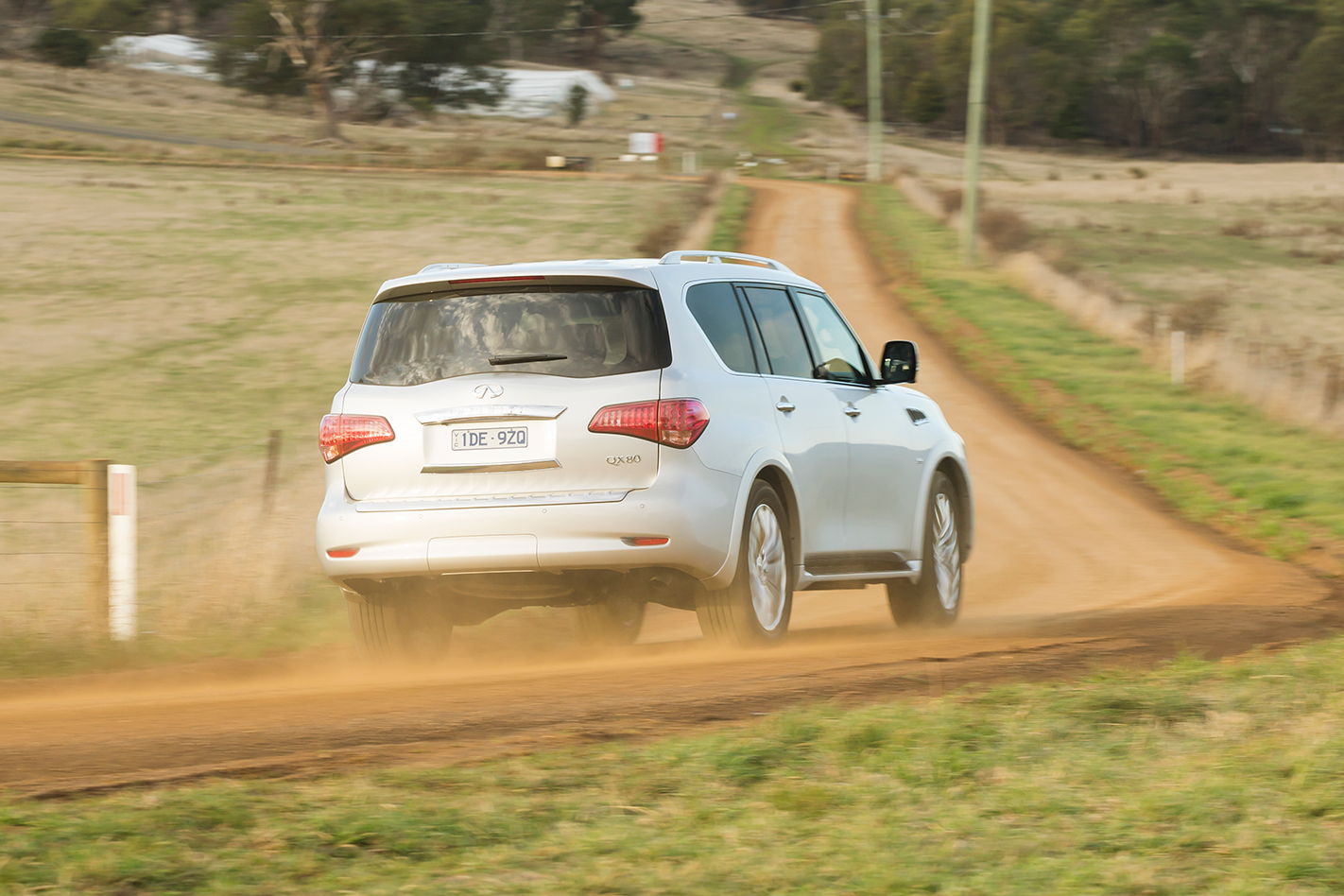
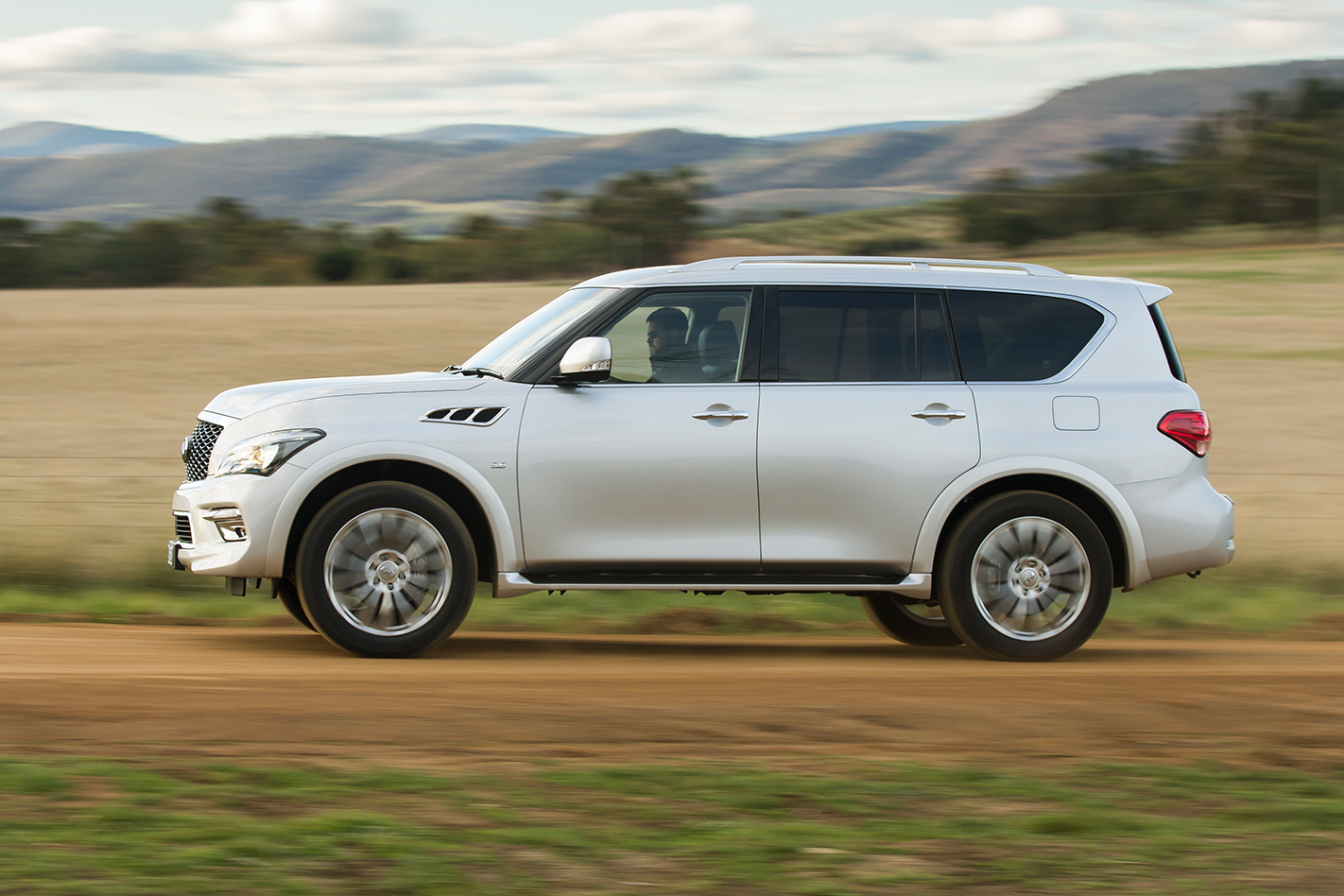
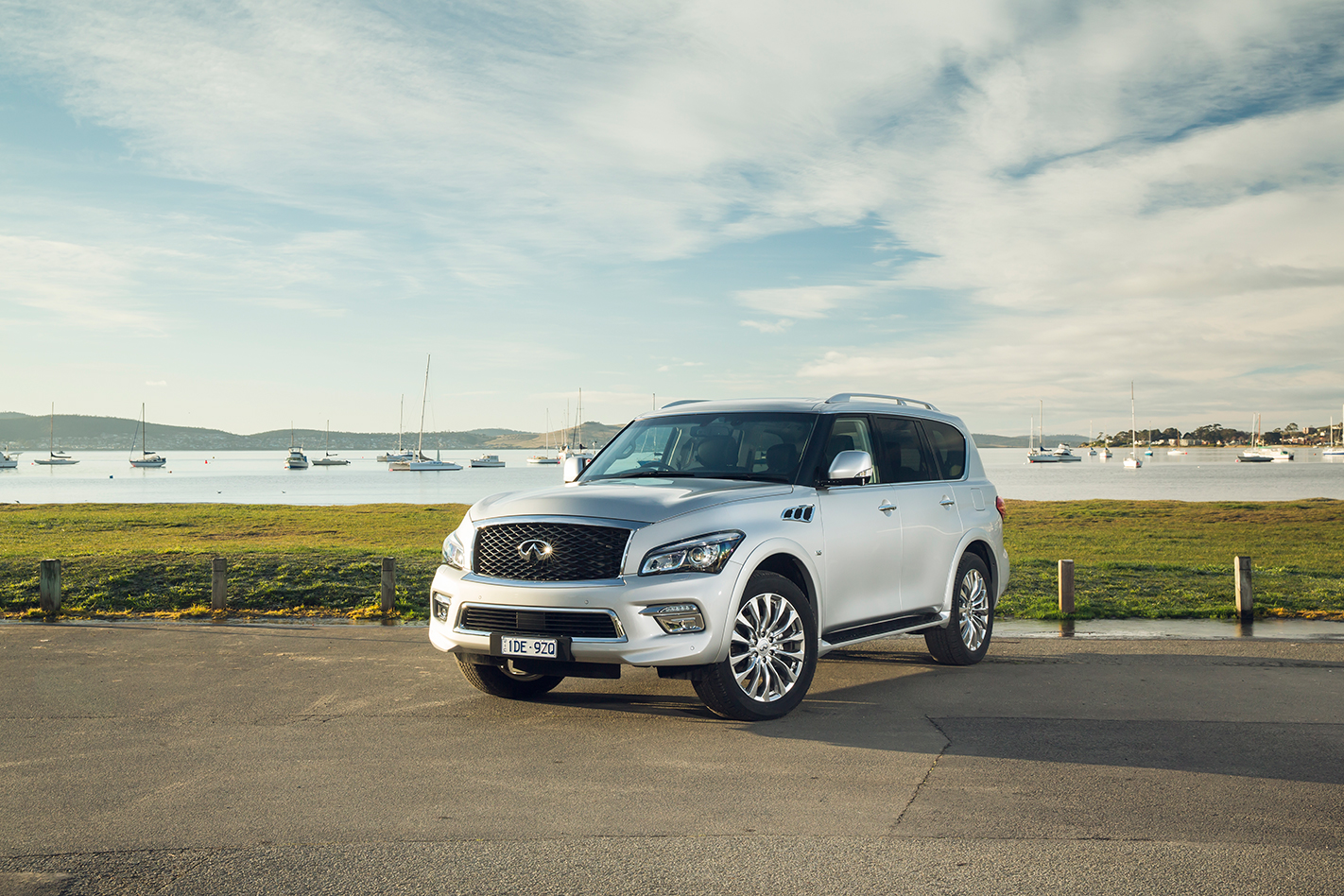
What has changed significantly is the outside. In what must be the most notable automotive tribute to the rhinoceros, the QX80 looks like it has a massive growth under its bonnet, fronted by a massive trapezoidal corporate grille and adaptive LEDs. It’s longer, wider and higher than Patrol, making it extremely tall and imposing.
Given its considerable girth, it’s surprising there’s not a huge amount of room for the driver. There’s plenty of headroom, but elbow, knee and legroom is best described as adequate, not spacious.
As the “hamburger with the lot”, there’s a second row of electrically folding seats − with loads of legroom and headroom – and a third row to match arch-rival the Lexus’s LX570 eight-seat carrying capacity.
There’s also a heap of gear including a heated steering wheel, rear DVD screens and a four-year warranty instead of the Patrol’s three.
Infiniti says sportiness is in its DNA, but there’s nothing sporty about the QX80.
Riding on 22-inch Bridgestone-shod alloys, its ride is jiggly, compromised and delivers an annoying patina over pock-marked surfaces. It’s better at speed, and handles huge potholes well, even though the hydraulic suspension is about 10 percent stiffer than in Patrol.
That’s the extent of the mechanical changes over the Nissan off-roader, which is unfortunate because the Y62 Patrol is hardly a dynamic inspiration. It means the QX80 is as far from driving pleasure as they come.
While the V8 sounds grunty and tough, the throttle is hardly responsive and lacks progression; a light push sees a delayed rise in revs too late out of a corner, reducing its ability to get up and go.
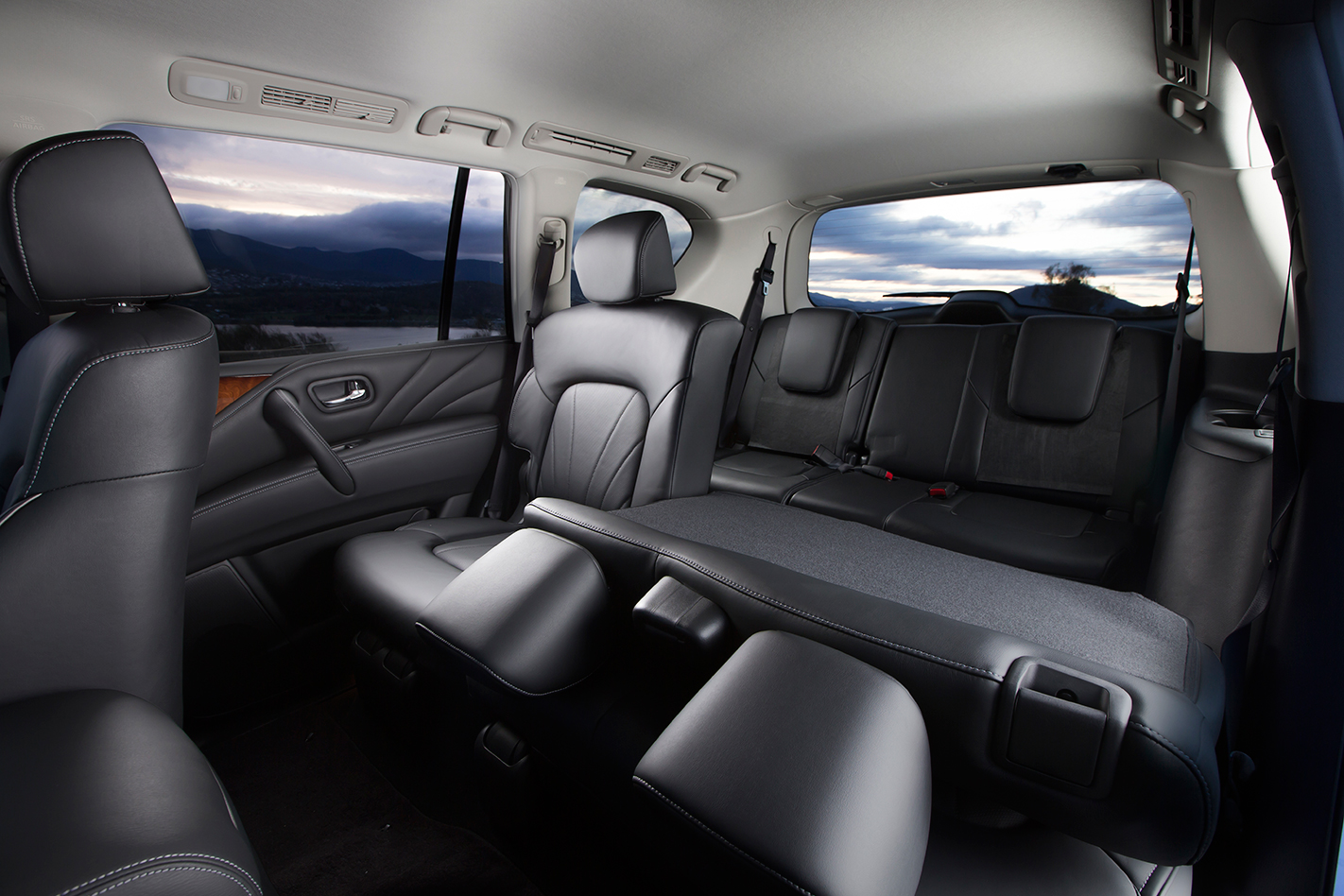
The QX80’s 2.8-tonne mass makes it feel cumbersome and clumsy, and it is easily upset by mid-corner bumps. The steering, unchanged from Patrol, is lifeless, isolating the driver from the vehicle. Turn-in is slow, there’s no feedback through the wheel and body roll is considerable – enough to slide you around on flat seats.
A win for the QX80 over its Nissan Patrol twin is in refinement. There’s more noise-filtering foam in the pillars, and thicker window glass for an impressively quiet cabin. But does this make it worth $23K more, even if it’s significantly cheaper than the Lexus and rivals with similar power from Mercedes-Benz and Range Rover? No.
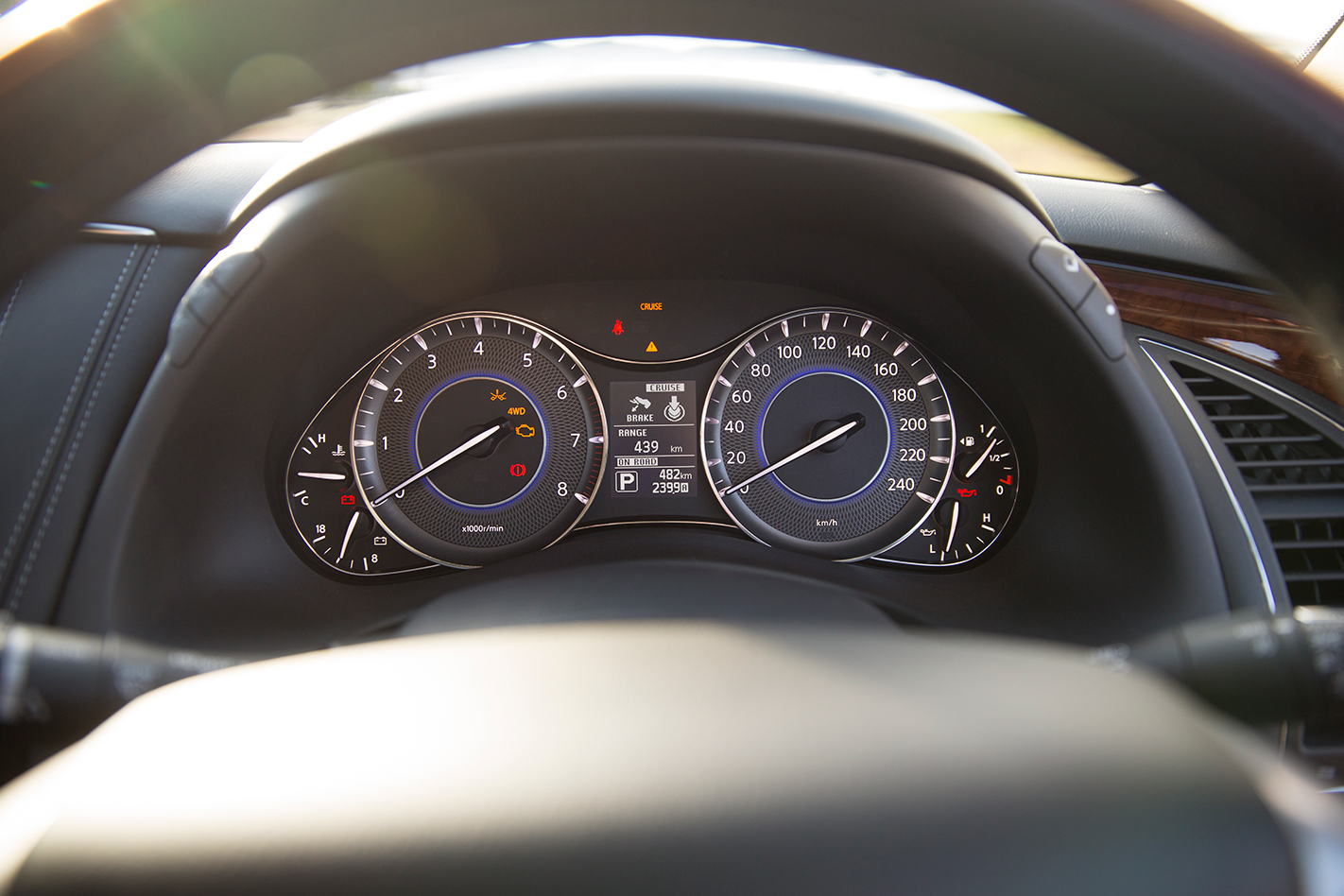
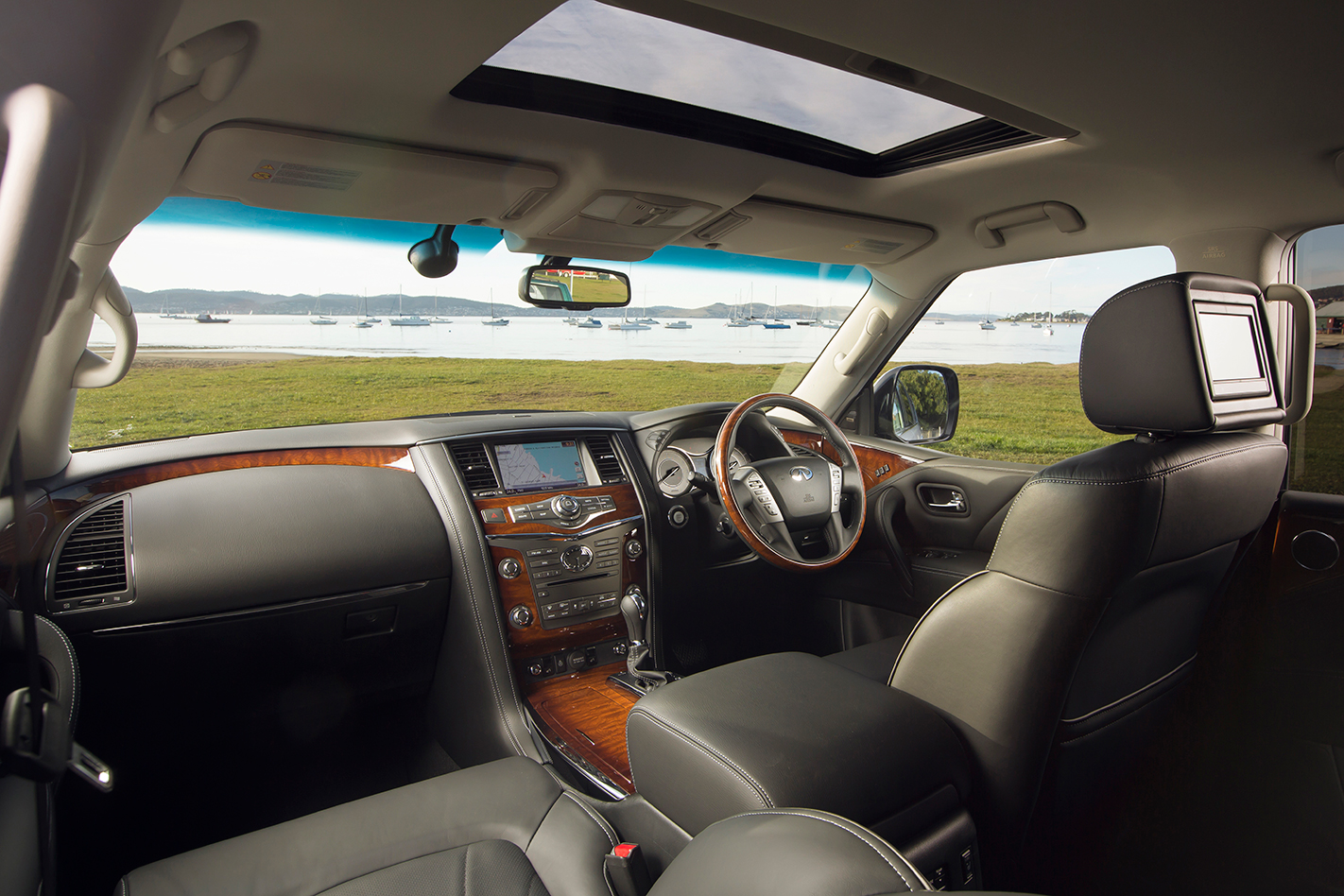
The cabin, with simple non-texture leather, 1990s ambience and woodgrain, is not offensive, yet hardly elegant. And against new models like the Audi Q7, the Infiniti is a nice try but offers superficial luxury as opposed to genuine depth and craftsmanship.
If a hamburger with the lot is your preference over Wagyu beef, then the Infiniti QX80 might satisfy your appetite. But there’s a lot of alternative Japanese and European fare to choose from that’ll leave a better taste in your mouth.
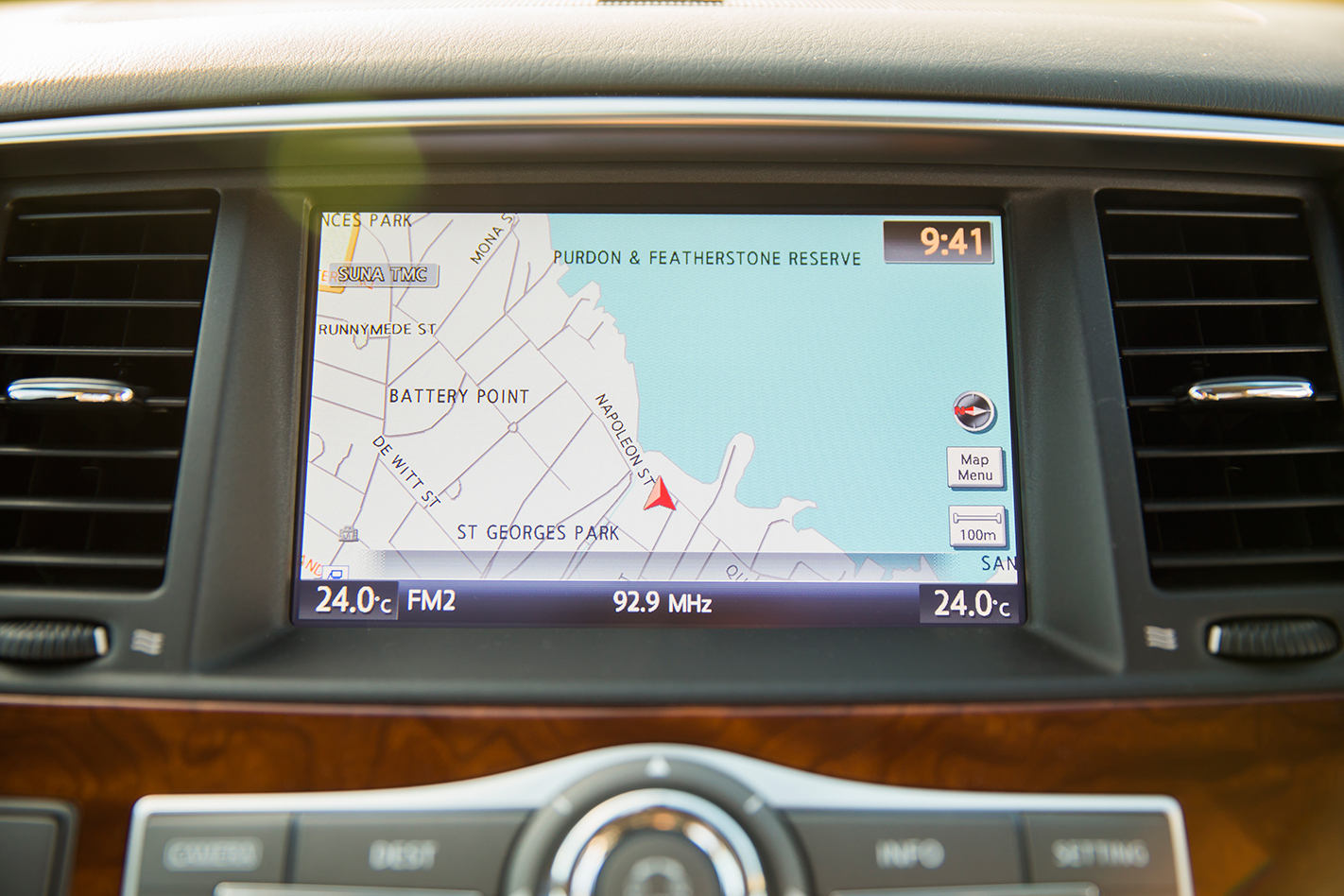
SPECS Model: Infiniti QX80 S Premium Engine: 5552cc V8 (90°), dohc, 32v Max power: 298kW @ 5800rpm Max torque: 560Nm @ 4000rpm Transmission: 7-speed automatic Weight: 2837kg 0-100km/h: 7.5sec (claimed) Economy: 14.8L/100km Price: $110,900 On sale: Now
Every week, Winton Raceway holds a ‘Test and Tune’ day, allowing punters to rock up and lap to their heart’s content for a very reasonable fee.
We’re frequent visitors, as it’s the cheapest and easiest way of conducting track tests. Even better, all manner of weird and wonderful machinery emerges out of the woodwork at these days, everything from a mid-engined V8 Holden Rodeo to an Aussie-built track-focused hypercar.
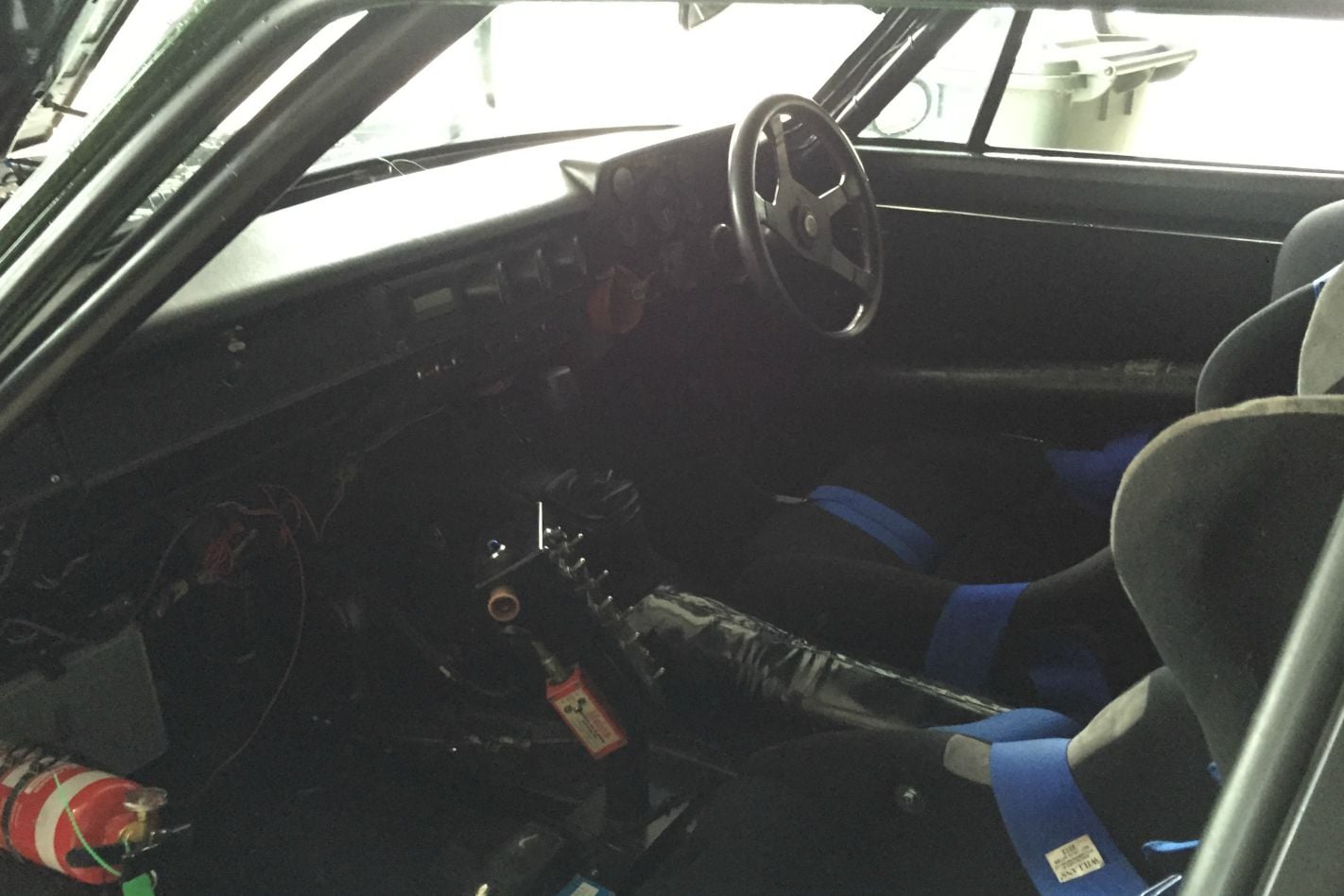
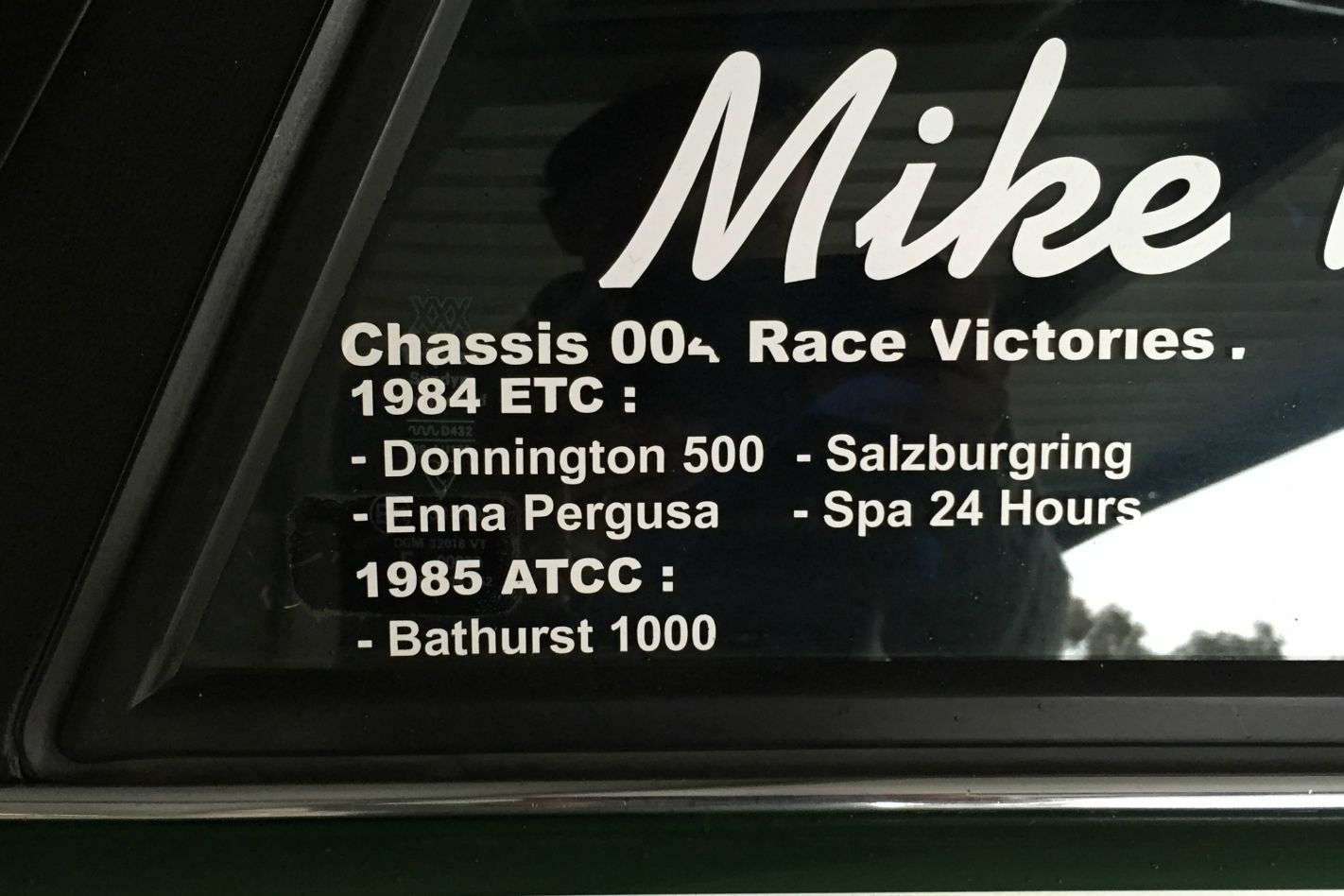
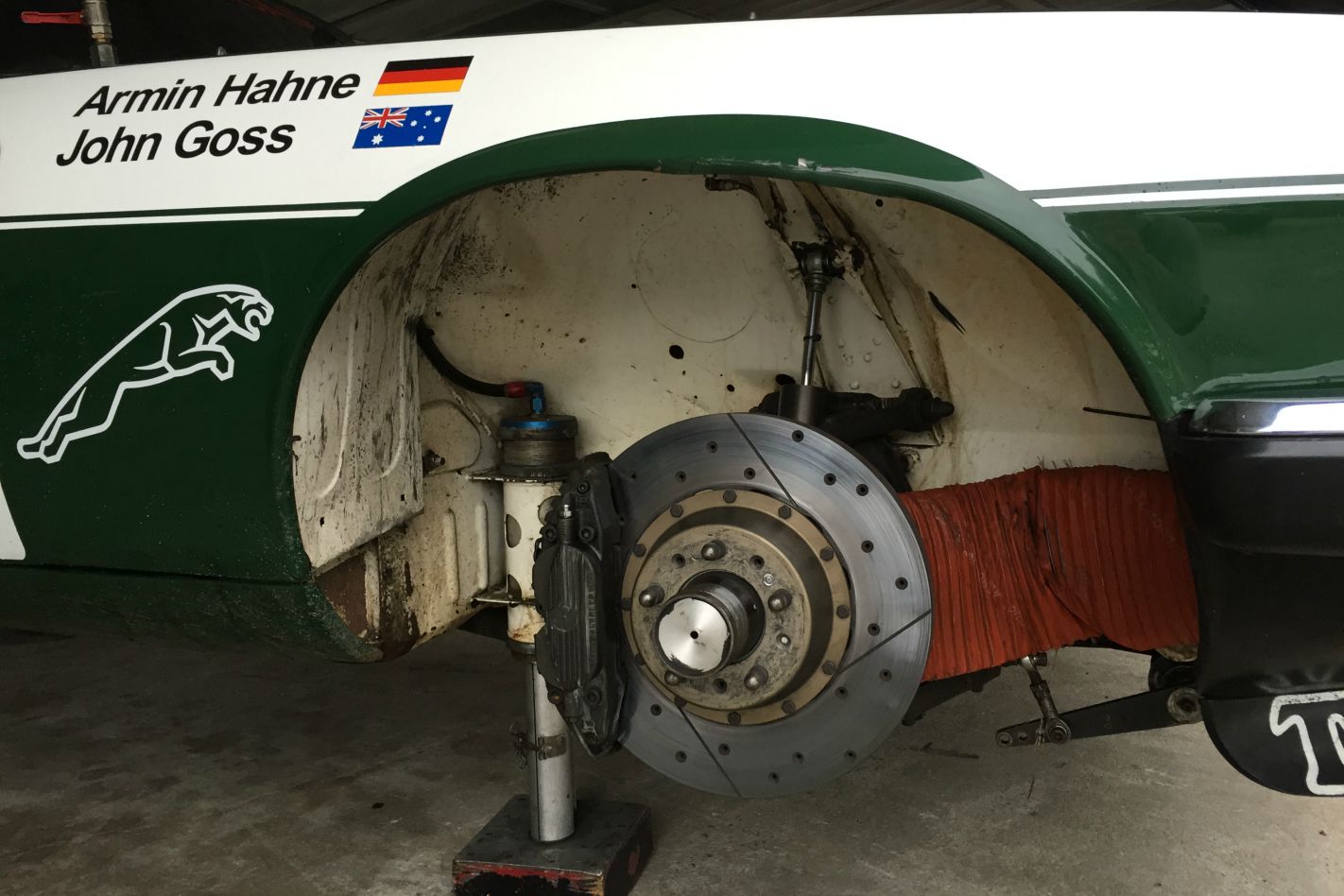
Built by Tom Walkinshaw Racing and driven to victory by Armin Hahne and John Goss, Chassis 004 is now owned by Mike Roddy, owner of Melbourne-based Jaguar specialist Mike Roddy Motors.
As well its Bathurst 1000 crown, chassis 004 claimed victory at Donington, Enna Pergusa, Salzburgring and Spa during the 1984 European Touring Car Championship.
While protective of his pride and joy, Roddy has no hesitation in driving the XJS to its limit, even in the pouring rain as you’ll see in the video above. “I’d rather have one car and drive it hard than a warehouse full of 100 cars that just sit there,” says Roddy.
Despite Jaguar’s infamous reputation for reliability, Roddy claims it is “dead easy to run”, saying that by the mid-’80s earlier teething troubles had all been sorted.
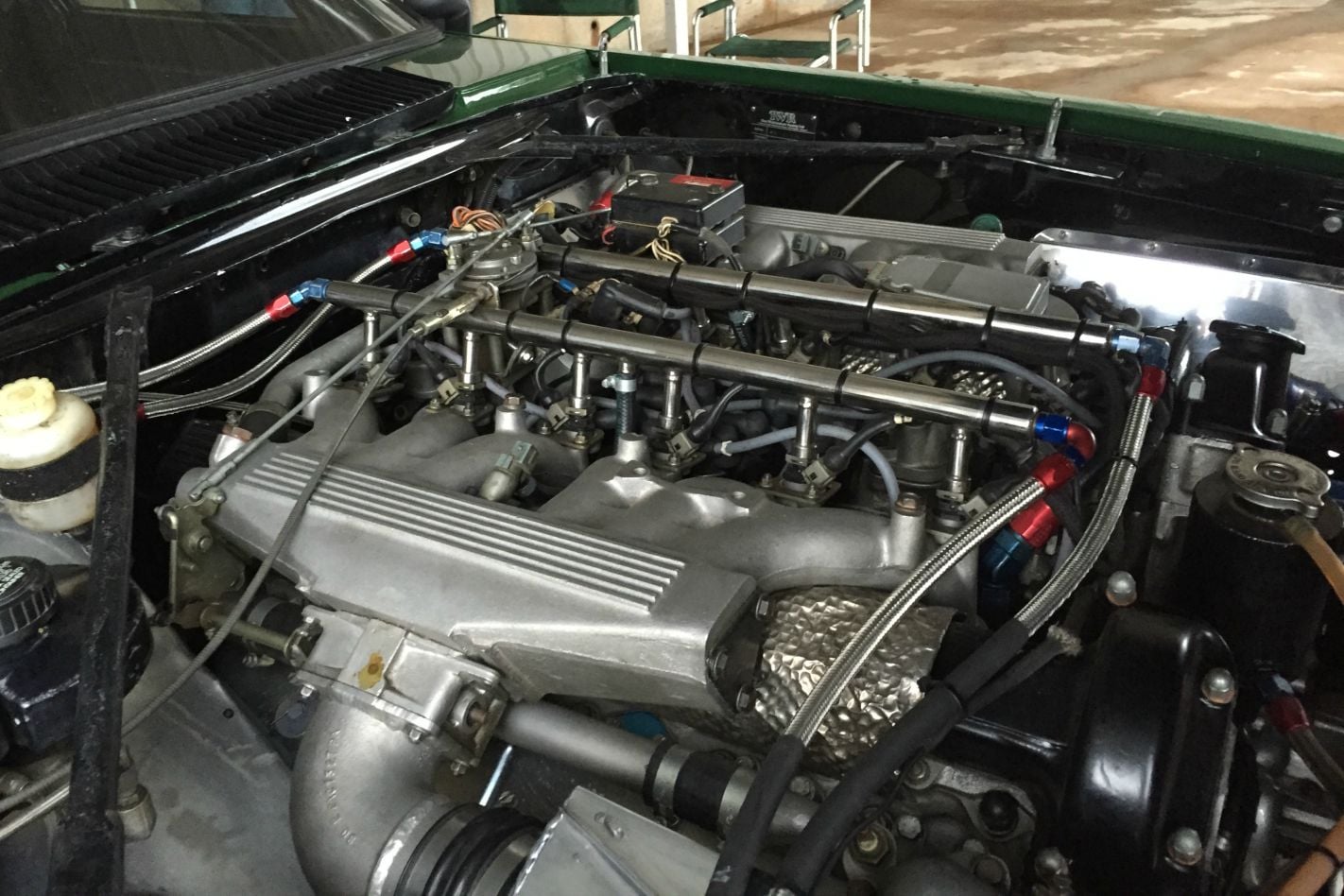
While clearly still production-based, there are nonetheless plenty of special touches to the car that clearly define it as a serious piece of machinery, as only a factory touring car can be.
Enjoy the sights and sounds of this awesome car, and full credit to Mike Roddy for not only driving it how it should be driven, but letting us capture footage of him doing so.
Launching the JCW at Phillip Island suggests Mini wants its “most powerful” ever car to be taken seriously because, as a circuit, the consequences of a mistake are nothing to laugh about.
And as it gallivanted around the Island during our press drive, serious was how the JCW felt.
Much of this is due to the new-gen Cooper chassis being wider and longer, but also to the new bits that come with the JCW’s $10,350 price hike over a Cooper S.
Minis engineers have thrown two-stage adjustable dampers underneath the JCW (to accompany the increase in wheel size to 18s), which when combined with its 1205kg weight, ensure the JCW is a circuit carving delight.
Through Phillip Island’s high-speed corners it exuded a fantastic balance, feeling much larger than its novel size suggests, while during slower paced bends it was happy to adjust its attitude with brake or throttle.
Fixed four-piston Brembo stoppers that gnaw 330mm discs round out its dynamic package, which are strong, and felt like they could go ten rounds with Mike Tyson, but lacked finesse and precise feel.
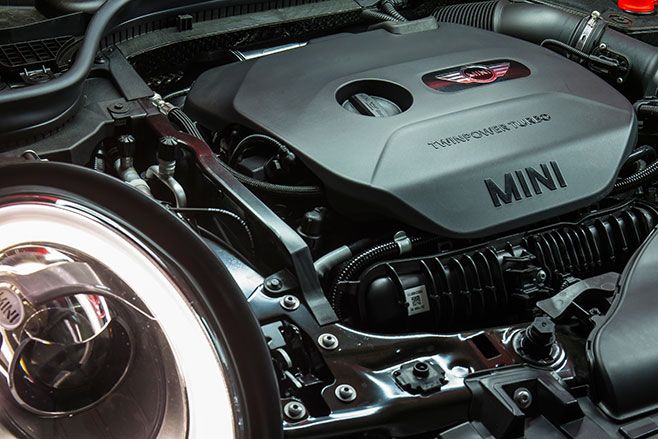
Up front Mini’s engineers have strapped a JCW-specific turbocharger to its 2.0-litre four-banger, stuffed its bores with new pistons, and gifted its snail a bigger intercooler and new exhaust to huff its stuff through.
This means outputs have shot up 29kW and 40Nm from the Cooper S’s to produce a total of 170kW and 320Nm, which makes it the most potent donk in a Mini… ever.
While it is far from face-tearing, the engine piles on urge from down low, pulling hard until it falls off at 6000rpm. And, in line with modern JCW engines before it, overrun hears the engine erupt in to a fit of juvenile crackles and pops.
Away from the circuit, though, and on to Victoria’s pocked roads, its performance isn’t so smooth. Having the dampers in their comfort setting allowed the body to flounder over undulations, and didn’t provide anywhere near the suspension travel and body control a Golf GTI would easily deliver on much worse roads.
Meanwhile, tight winding stuff also exposed a dead spot in the electromechanical steering’s travel when winding off lock, which marks down an otherwise accurate, well weighted rack.
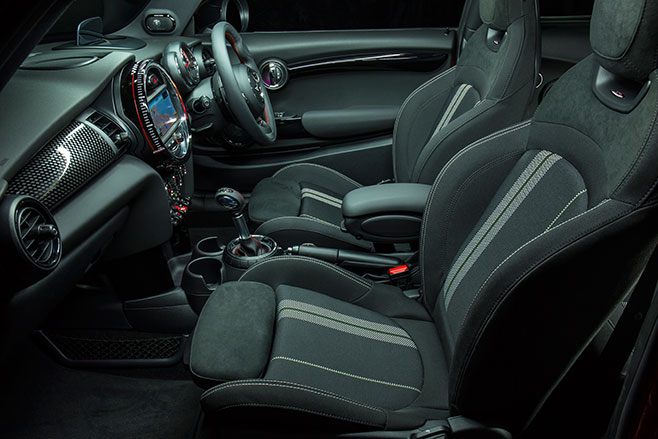
Then there’s the interior, which is rife with typical MINI flair that, while improved over the previous generation, steers its packaging and design in odd directions. We are happy to see the new standard feature heads-up display, though.
Its six-speed torque converter automatic is a keen shifter, being more than capable on track or road, but enthusiasts will also have to wait until this September for the six-speed manual which will leave an extra $2,550 in your pocket.
The JCW deservedly occupies hero status in the Mini range. Its revels being driven hard, unlike the Cooper S, and its personality is woven with flair, style, and speed. But more talent comes with its downsides, as its $49,950 parks it the same league as an Audi S1, VW Scirocco, and Renault Megane RS.
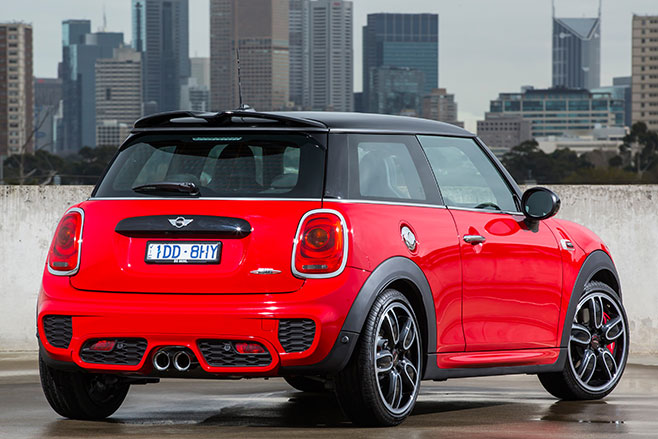
As good as the JCW’s performance is, the aforementioned rivals make seriously tempting performance alternatives.
None the less, with its unique style, the Mini JCW tells us that if you’re a fan of the retro brand, it’s your heart that calls the shots as opposed to your head. And if that’s the case, you’ll be quite happy with your choice. Just promise us you’ll try it out on track.
3.5/5
Engine: 1998cc inline-4, DOHC, 16v, turbo
Power: 170kW @ 5200-6000rpm
Torque: 320Nm @1250-4800rpm
Weight: 1205kg
0-100km/h: 6.3sec (claimed)
Price: $47,400 (manual); $49,950 (auto)
The leap from an Audi R8 or Mercedes-AMG GT to a McLaren just became smaller following the release of the 540C priced from $350,000.
The new ‘baby Mac’ costs around $50K more than an AMG GT or V8-engined R8, yet it undercuts a Ferrari California T by about the same amount. It also matches a Porsche 911 Turbo.
The 540C is the range opener in a new McLaren Automotive Sports Series line-up due to launch early next year.
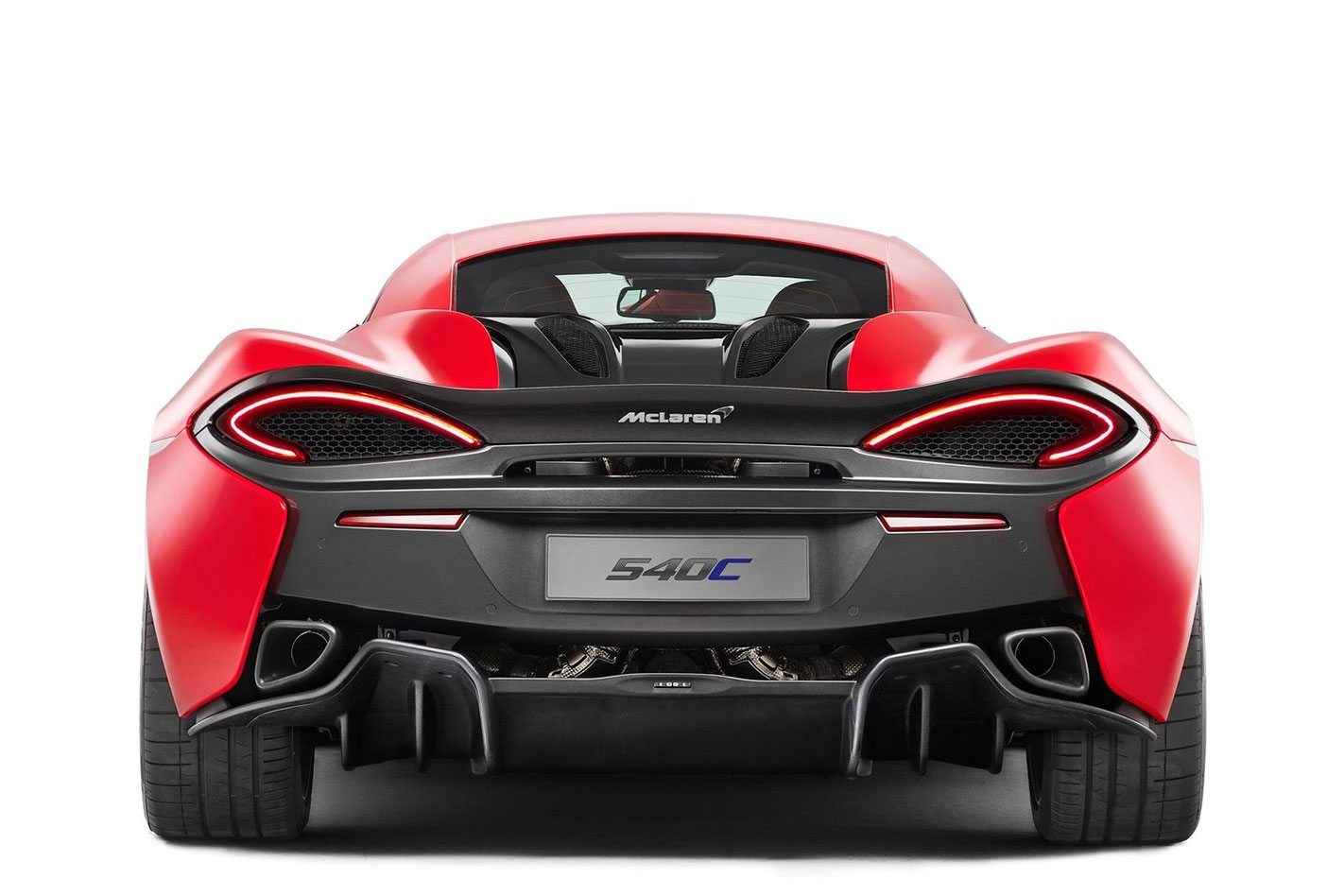
With a 1311kg kerb weight and 397kW/540Nm from a 3.8-litre twin-turbo V8, the entry car can still get to 100km/h in 3.5 seconds and on (tally-ho!) to 200km/h in 10.5sec.
That time to the ton is three-tenths faster than an AMG GT, three-tenths slower than a 911 Turbo and a match for the last of the line R8 V10 Plus.
It’ll take buying the McLaren 570S to match the Porker’s turn of speed thanks to an uprated 419kW/600Nm and scales that move up by only 2kg compared with the entry car.
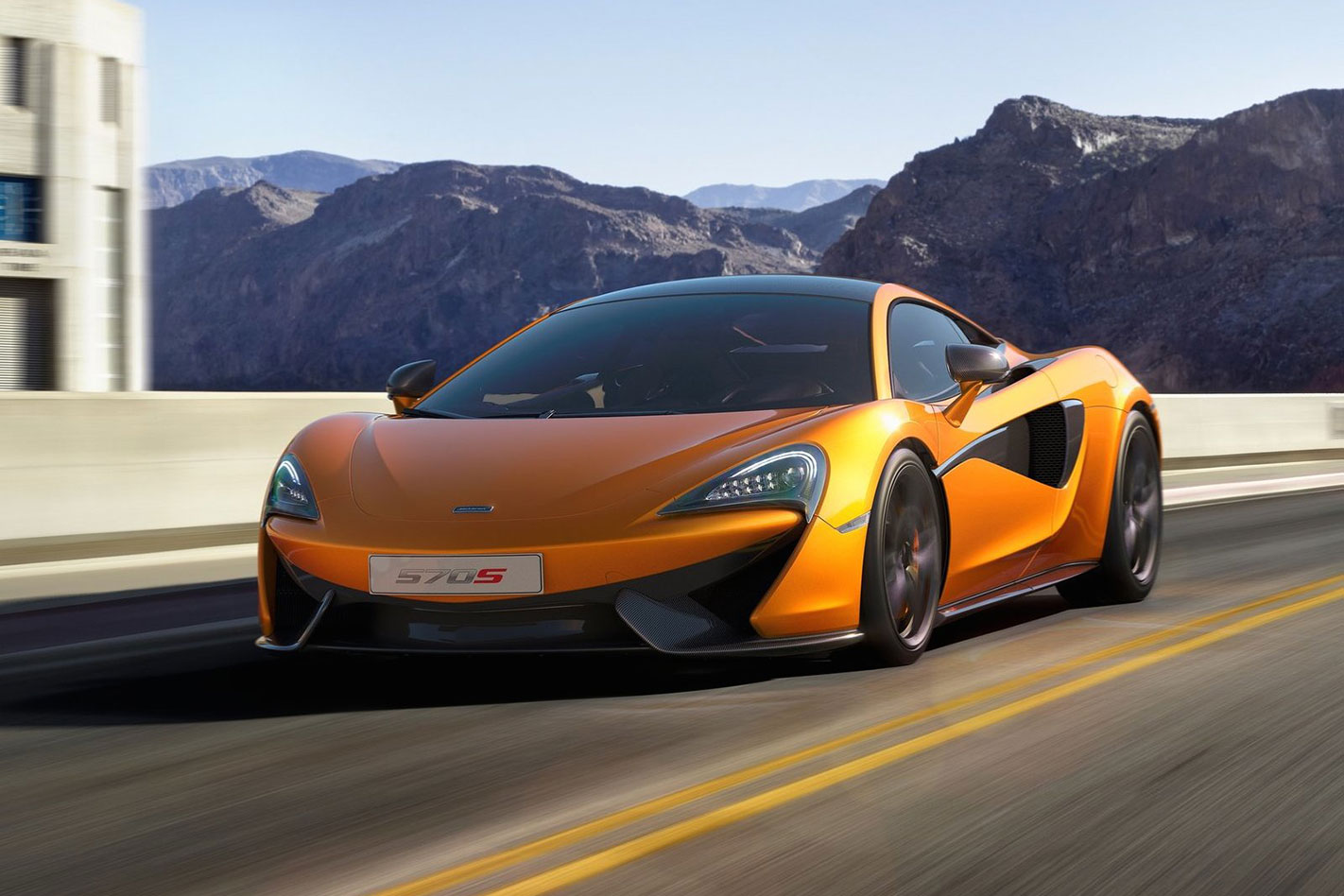
Priced at $408,000, the 570S shifts towards $444,900 911 Turbo S territory. It also slightly undercuts the $428,000 Lamborghini Huracan, which also does the 100km/h sprint in an identical 3.2sec.
There now isn’t a huge jump to the McLaren Sport Series range that consists of the 650S coupe ($459,250) and Spider ($505,750).
Both get even more grunt (474kW/678Nm) from essentially the same engine and lower the 100km/h time to 3.0sec flat – a match for 911 Turbo S.
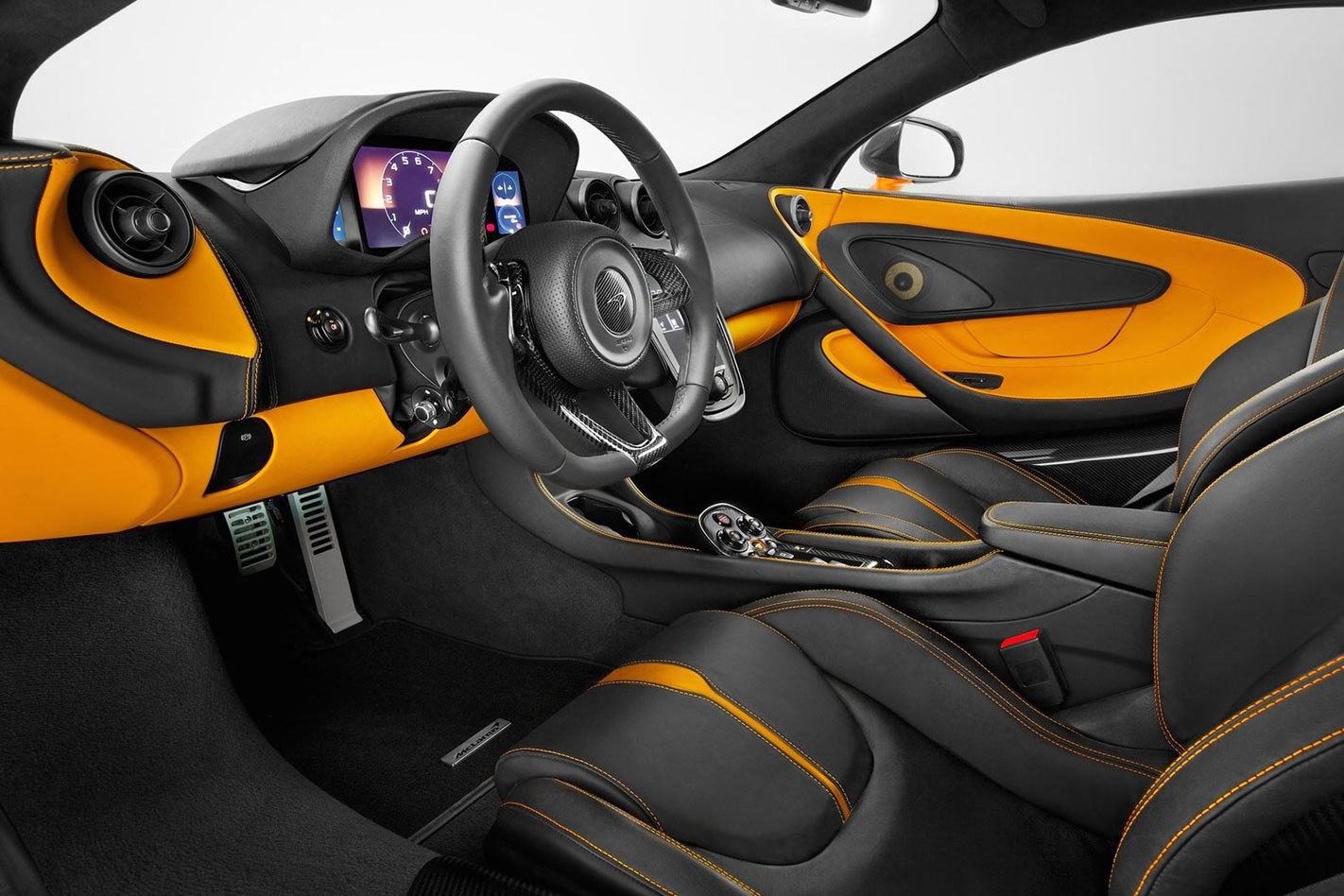
You’ll need $616,250 for the real Mac Daddy, the 675LT that even exceeds the $550,000 Ferrari 458 Speciale and does a 200km/h sprint in an astonishing 7.9sec (watch it at the limit here).
With the new entry McLaren models, though, it’s all about closing the gap – for those buyers who are in between R8 or AMG GT, and Huracan or 458 Italia, there is now another answer beyond Porsche 911.
Details of Chrysler’s updated 300 SRT8 have leaked ahead of the car’s local launch.
In an unusual move, images and the car’s full mechanical and equipment specification have been uploaded to Redbook weeks ahead of the car’s Australian reveal.
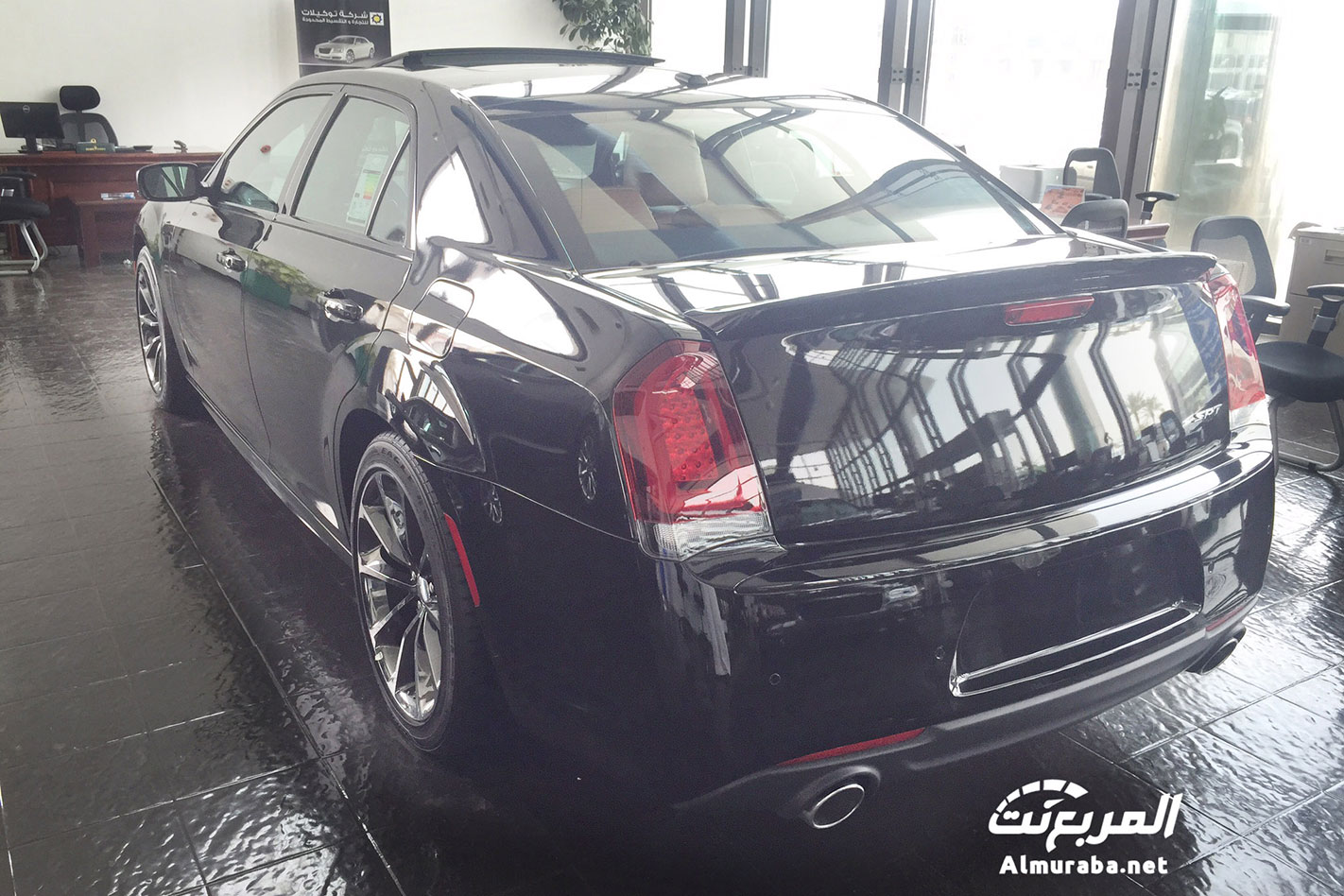
Middle Eastern outlet Almuraba has snapped the facelifted SRT8 in a local dealership, where the car is already on sale, as well as offering a video walkaround.
The images reveal a more aggressive, Dodge Charger-influenced front bumper, with a much larger grille and slimline LED fog lamps.The interior has also received a freshen-up, with a new steering wheel and Jaguar-inspired rotary dial for the eight-speed auto the biggest changes.
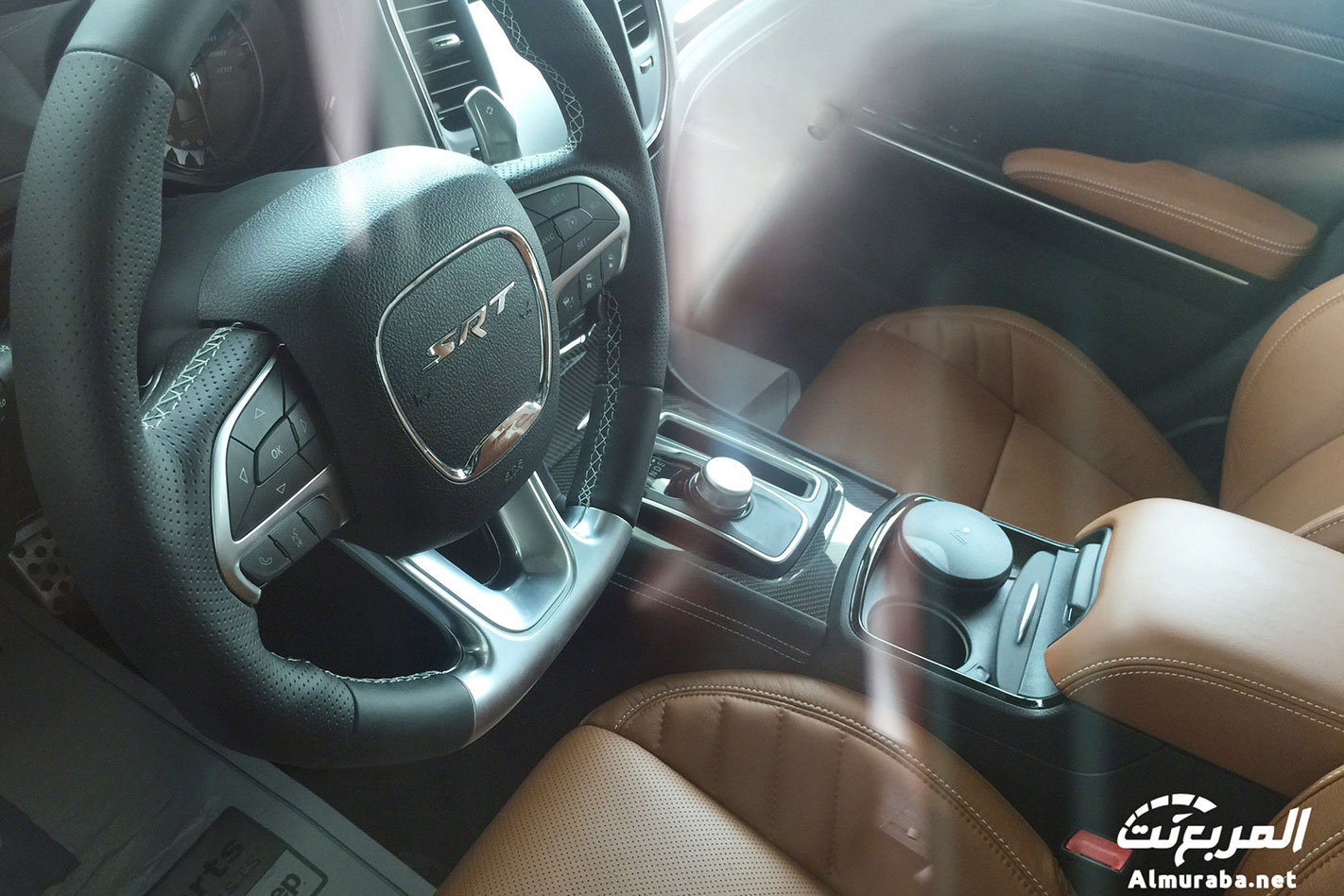
As before, the SRT8 adds plenty of equipment over the more basic Core, including heated leather seats front and rear (cooled in the front), a 19-speaker premium sound system and electronically adjustable dampers.
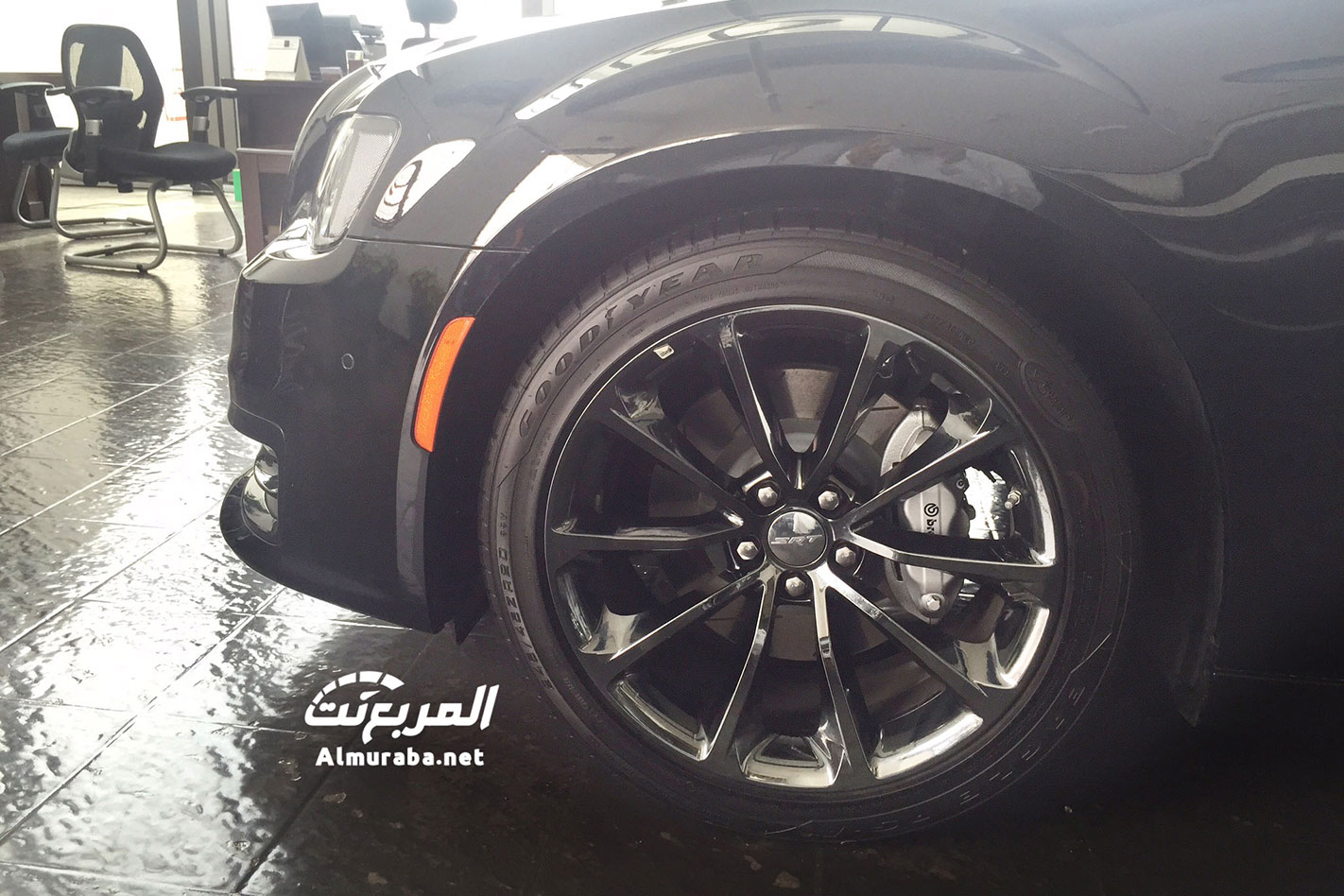
The MY15 Chrysler 300 SRT8 is due to appear in Australia in early September.
F1: Vettel supreme in mad Hungarian Grand Prix
NO ONE could have predicted quite what unfolded in last night’s massively entertaining Hungarian Grand Prix.
On a highly emotional day when Formula One paused to pay tribute to fallen colleague Jules Bianchi, the drivers had to quickly reset, don helmets and gloves and wriggle into their F1 missiles.
After qualifying, when the Mercedes did their customary job of locking out the front row, all the talk surrounded the possibility of Red Bull’s Daniel Ricciardo challenging Sebastian Vettel’s Ferrari for the last slot on the podium…
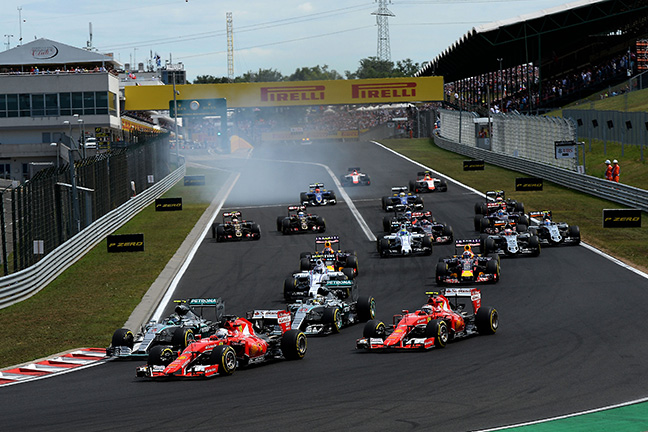
At the Hungaroring, the start is particularly crucial and the action over the first kilometre turfed all the predictions out the window.
Vettel and Kimi Raikkonen powered their red cars past the Silver Arrows, and then Hamilton made a rash outside move on Rosberg and ran off the track, barely missing a barrier and rejoining in 10th.
Meanwhile, our boy Ricciardo’s start was a shocker. He should stop taking his cues from Mark Webber. In the scramble into the first corner Dan climbed over the rear wheel of a Williams, fell to, but was miraculously still going, the car unscathed.
Reeling off a succession of fastest laps, Vettel thumbed his nose at his modest qualifying pace to gap the rest, led by Raikkonen and a lacklustre Rosberg.
Daniil Kvyat, who had jumped Ricciardo in the opening lap chaos, was given a strong hint not to hold up his teammate, and the West Aussie was soon past.
Brilliant late braking moves on Nico Hulkenberg and then Bottas elevated Ricciardo to fourth. He does like the Hungaroring.
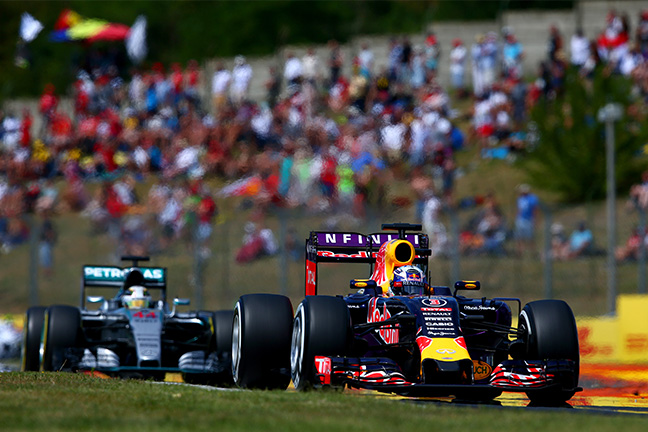
Up front, Vettel was romping away, with Raikkonen unwilling in the role of tail gunner… until the Finn’s Ferrari called in sick later in the race. Kimi has plenty of luck, but it’s all bad.
Hulkenberg exited the race spectacularly when his front wing broke and fell under his front wheels, firing him hard into a tyre barrier and bringing out the safety car (‘virtual’ at first, then the real one). There was a track full of sharp carbonfibre debris to sweep up.
After the restart, Ricciardo went hunting, but Hamilton understeered into the side of the overtaking Red Bull, resulting in the Brit copping a drive-through penalty for causing a collision.
Even with a battered Red Bull beneath him, Ricciardo still had plenty of pace and the field began to close up at the pointy end.
With the laps running down, Ricciardo took a spectacular late lunge under Rosberg, who then powered back in front but clipped the nose of the Red Bull. It proved to be a lurid own goal as Rosberg suffered a rear puncture and headed to pit lane.
Ricciardo was now in second but had to pit for a new wing, a delay that dropped him to third and put Kvyat into P2.
Vettel’s win was nothing short of stunning, a study in perfection.
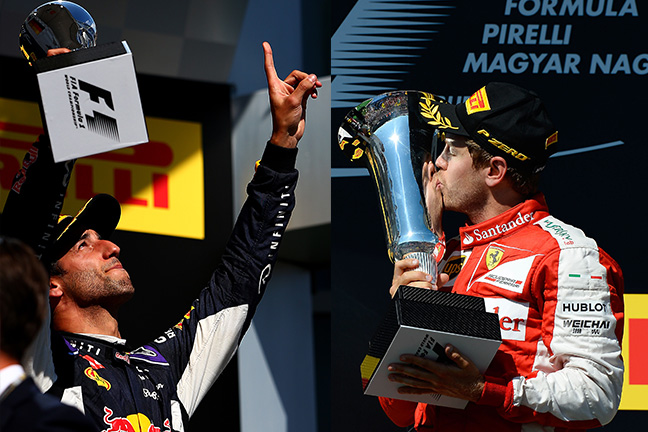
“It was definitely an eventful race, but one I am very proud of,” Ricciardo said. “I have mixed emotions but I‘m grateful to be on the podium. It’s been a tough year and to have two cars on the podium is pretty surreal.
“I pushed hard in the last stint when I was on new softs, so the opportunity was there to go for the race win. It’s a shame that Nico and I made contact but I wore my heart on my sleeve and left everything I had on the track.”
Man-child Max Verstappen was a solid fourth while Fernando Alonso’s fifth gave McLaren and Honda a desperately needed boost.
After his worst race in ages, Hamilton was sixth and profusely (and smartly) apologising to the team for his mistakes.
Rosberg’s eighth put him further behind in the title chase.
SPA 24 HOURS: BMW breaks Spa drought
THE factory-supported Marc VDS BMW Z4 GT3 driven by Nicky Catsburg, Markus Paltalla and Lucas Luhr scored a one-lap win in the Spa 24 Hours – the manufacturer’s first success there since 1998.
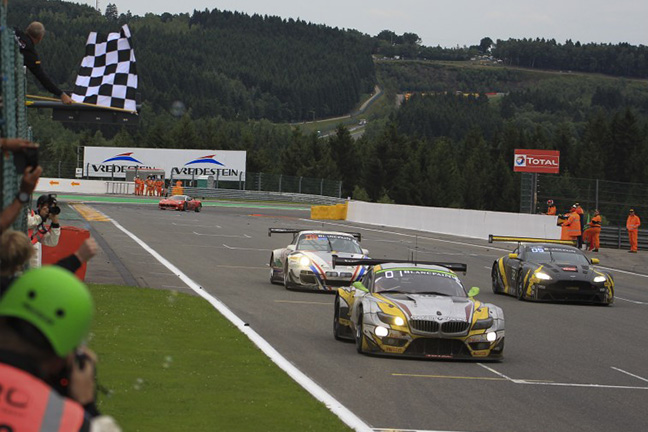
The race was punctuated by heavy and persistent rain – an Eifel Mountains staple – and 10 safety car interventions.
The winning Z4 came back strongly after a poor tyre choice in the wet and a penalty for a yellow-flag infringement.
It took the lead after the team’s sister car of Maxime Martin, Augusto Farfus Jr and Dirk Werner retired with transmission failure in the 19th hour.
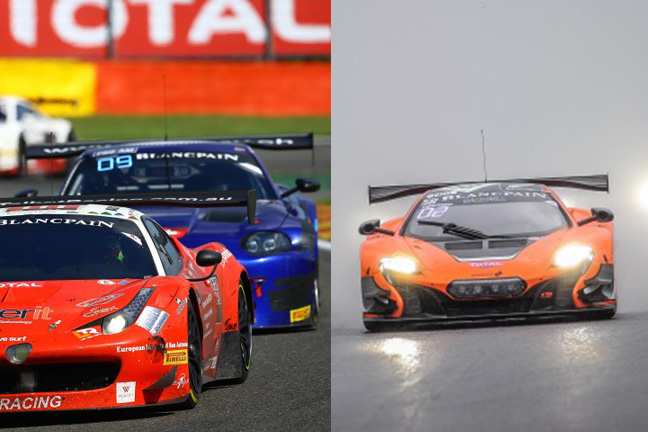
The Rowe Racing Mercedes-Benz SLS AMG shared by Daniel Juncadella, Stef Dusseldorp and Nico Bastian cruelly went out with engine issues in the final hour after leading through much of the night.
Queenslander Liam Talbot was 19th in a Ferrari while V8 Supercars star Shane Van Gisbergen had a troubled race in the Von Ryan McLaren 650 S and was classified 29th.
OVAL RACING: Brabham mixes it up
HIS grandfather Jack began his racing career driving midgets on dirt speedways in Australia, and his father Geoff raced on ovals of all kinds during his IndyCar and NASCAR career.
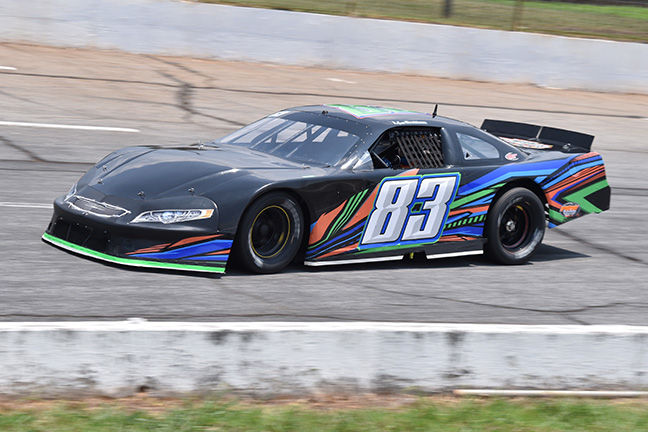
While Brabham’s target is IndyCar, he’s keen to broaden his racing experience and grabbed the chance to compete for NASCAR star David Gilliland.
His debut was ultimately cut short with an electrical issue while he was running solidly inside the top five late in the 125-lap race.
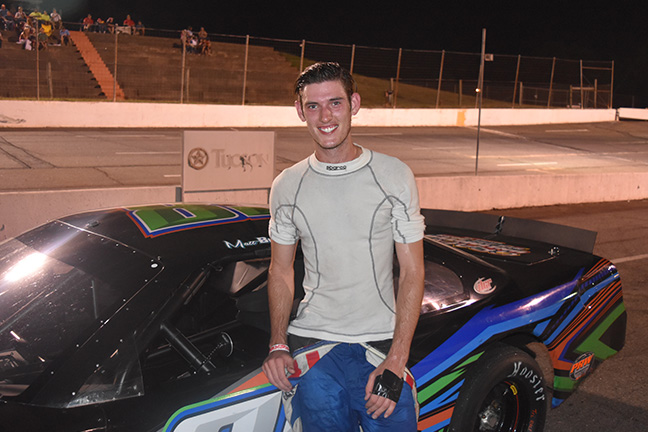
“It was really close, tough racing out there; running by yourself does not prepare for the race,” explained Brabham.
Earlier this month, Brabham completed his first test in a Honda-powered Andretti Autosport IndyCar Series car at Iowa Speedway.
SUZUKA 8 HOUR: Stoner’s racing return a massive pain
CASEY Stoner can count himself lucky after a scary high-speed crash which destroyed his Honda in yesterday’s Suzuka Eight Hour endurance race when a jammed throttle flung him into a barrier.
The two-time world MotoGP champ escaped with just a busted right scapula (shoulder) and fractured left ankle after crashing in a fast right-hander that leads to a hairpin.
Stoner was taken to the infirmary but returned to his pit later swathed in bandages and on crutches.
In his first competitive outing since ‘retiring’ at the end of 2012, Stoner had just ridden into the lead.
But the much-heralded comeback/cameo lasted a mere 15 minutes.
The race, held in punishing 35-degree heat and marred by many crashes, fell to the crack Yamaha team of Kat Nakasuga and MotoGP riders Pol Espargaro and Bradley Smith.
The quality trio dominated for much of the race, taking Yamaha’s first victory since 1996 in one of the toughest endurance tests in motorcycle road racing.
Young Australian Josh Hook and his Swiss co-rider Dominique Aegerter also shone, leading at different times and taking an impressive second for Honda.
Stoner’s team had to wait until the end of the race for the bike to be returned so it could be examined to establish the cause of the crash.
Data confirmed that the throttle was 26 degrees open before the crash.
Sign up here to receive the latest round-up of Wheels news, reviews and video highlights straight to your inbox each week.
Andrew Smith realised he wanted to design cars when he was just 14. Three decades later, he’s shaping two of America’s most iconic brands.
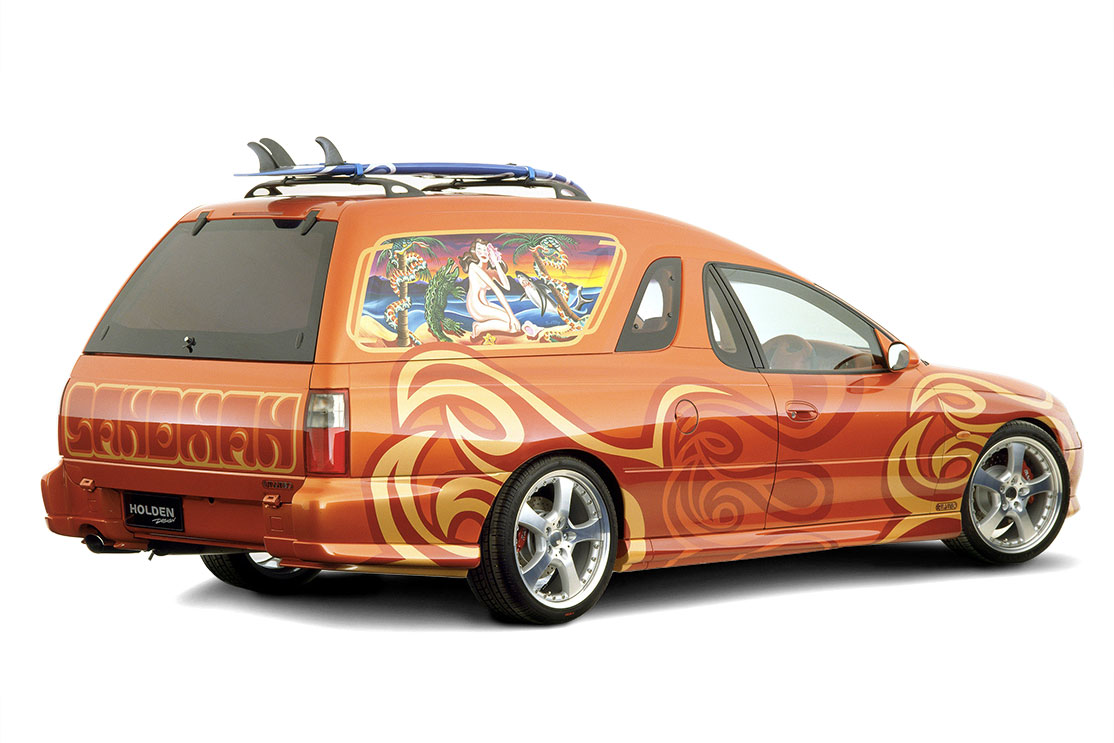
Andrew joined Holden in 1992 and was responsible for exterior design of the Utester, Sandman (pictured below) and VU Ute, before overseeing VE Commodore interior design. In 2005 he headed for Detroit, leading the ‘small/premium’ project for Buick before becoming director of architecture strategy for all vehicle platform development.
Now 45, the boy from Gilgandra in central NSW is executive director of design for Cadillac and Buick, and colour and trim for all GM brands.
Wheels spoke with Andrew (below) at the Detroit international motor show, where he was on hand to see his latest work unveiled: the Buick Avenir concept (pictured at top).
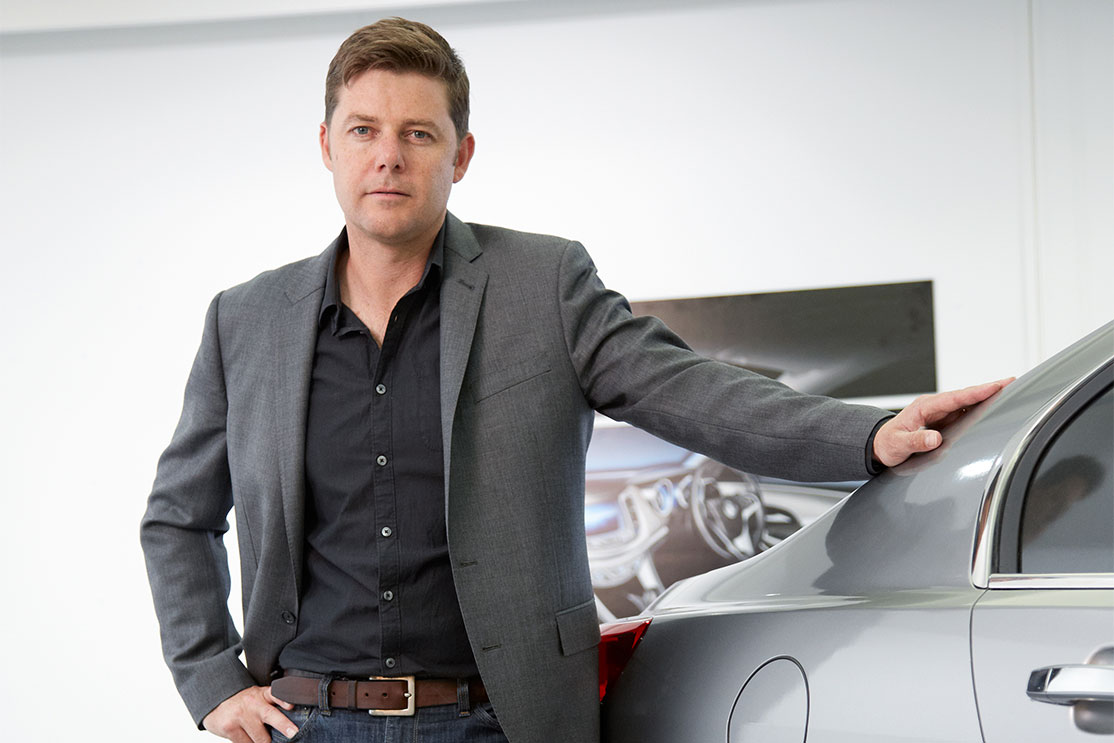
What is it about Australians and car design? They’ve always had an influence on the global scene, but it’s getting more prominent.
Australia has a strong car culture. Young kids really get into cars. It’s also a creative environment; it’s a country where you’re encouraged to do what’s in your heart. Lots of kids want to draw cars.
Is it getting easier for Australians to carve out an automotive design career?
I think it is. Australians are viewed as creative and proactive designers. Also, because of the nature of the industry in Australia, you get a really good grounding. You get a lot of responsibility because it’s a small studio.
How will that change once there’s no local manufacturing?
How do you go as a relatively young Aussie telling Americans how to design two of their oldest and most iconic brands?
My approach has always been that I’m not dictatorial, but more collaborative. So the first thing I always do with the team is sit down and talk to them about their thoughts, where do they see things going, what are their passions…
Are there clashes with others in the team, or with management?
A lot. That is where you get into great design. You need to have a passion, you need to have a point of view, but at the same time you need to be able to collaborate. We often do projects where it’ll either be a collaboration or a competition. As long as you know what you’re doing up front, that’s okay.
What’s changed in car design in the time you’ve been doing it?
It’s what’s changed with the whole world, which is the immediacy of everything; everything has to happen at once. We now have the internet, we’ve got access to everything.
I remember I used to wait for the day Wheels magazine would come out. I’d hang out down at the newsagent, get the copy and read it – that was so exciting.
When I first started working at Holden and we first got colour photocopiers and we could actually blow an image up, that was like, ‘Wow’. And now everyone is surfing the net pulling images all the time. So access to information has really driven design trends.
Where is car design heading over the next 20 years?
Car design is at an interesting point where experiential design is the next big idea. We’re all toying with it now, we all use our smartphones all the time, we’re all on the internet, we’re all understanding that the way we interact with objects is changing, and I think we’re starting to deal with that.
Autonomous driving is really an amazing technology and that’s something that we as designers really need to focus on. Rather than a negative experience, like the car is in control, how do I turn it into a chauffeur-driven experience as a positive?
This article was originally published in Wheels March 2015.
Like walking through a wardrobe into an alternate universe where lions can talk and evil ice-queens just can’t let it go, concept vehicles are the automotive industry’s magic doorway to the future.
Sometimes, these crazy concepts become part of our everyday life. For example, it wasn’t too long ago that the electric car was a concept so far-fetched and futuristic that we didn’t think it’d make it to the dealerships within the Baby Boomers lifetime. And yet, here we are, driving cars like the Lexus NX 300h and Toyota Prius.
Basically, concept cars are an excuse for adults to channel their inner-child and turn any idea into a reality; like a car that drives itself.
Enter the Mercedes-Benz F 015 Luxury in Motion. A car from so far in the future, we can hardly imagine it – even with a stash of paper, crayons and craft glue. This car doesn’t need a driver… it’s driverless, and so futuristic it didn’t even appear in the Jetsons (those suckers had to actually steer their hovercrafts).
To make this possible, a number of cameras and sensors have been placed around the F 015, and GPS co-ordinates can be programmed into the vehicle.
The car runs on an electric hybrid system. We won’t go into it for a whole bunch of complicated, brain-fading reasons, but basically, it’s powered by two electric motors and a fuel cell which can drive a claimed 1100km.
Of course, you do have the option of driving it if you want, but the whole point of this car is it gives you more quality time to work or chill while stuck in traffic… But for now, Mercedes won’t be dropping the traditional human controls. Plus, no one likes to give up total control, especially to a machine.
In the luxurious cabin there are four seats and touchscreens on the doors that function as an infotainment system, GPS and phone. The rear windows also double as projector screens, so you can choose your scenery. Paris anyone?
To add to our ‘things-are-changing-too-fast’ panic, the F 015 isn’t even one-of-a-kind. General Motors have also released a self-driving concept Chevy, the otherworldly Chevrolet-FNR. We’re not sure if these driverless models are a peek into a scary or exciting future. Is this the beginning of the robot invasion? We hope not, but we’re still curious to see how this technology unfolds.
Watch this space!
Click here to read the Wheels review on the 2030 Mercedes-Benz F 015.
MARK Webber has never been afraid to call it as he sees it, so we shouldn’t be surprised that his new autobiography pulls no punches. But this is Formula One, where politics rule. Webber was even prevented from writing this autobiography for a year after he quit Red Bull. Now he’s getting it all off his chest.
What struck me about Aussie Grit is that all the dramas we’ve heard while cheering him on these past years were not only true, they were even more amazing than we’d suspected.Yes, Mercedes abandoned him when its cars tried to kill him – twice – at Le Mans. Yes, joining Williams was a massive mistake that almost ruined his career. Yes, Nico Rosberg’s vanity earned him the nickname Britney. Yes, Sebastian Vettel was arrogant, ruthless and couldn’t handle being beaten. Yes, the Red Bull team favoured the precocious German, to the point it risked handing a world title to Ferrari.
More startling is how the once close relationship with team principal Christian Horner deteriorated so badly that Webber could no longer trust him. And antagonism with the polarising Helmut Marko, Red Bull’s representative on the team, resulted in Webber refusing to even talk to him. Arch-rival Vettel naturally gets a fair whack, yet not as much as we might have expected given their animosity.
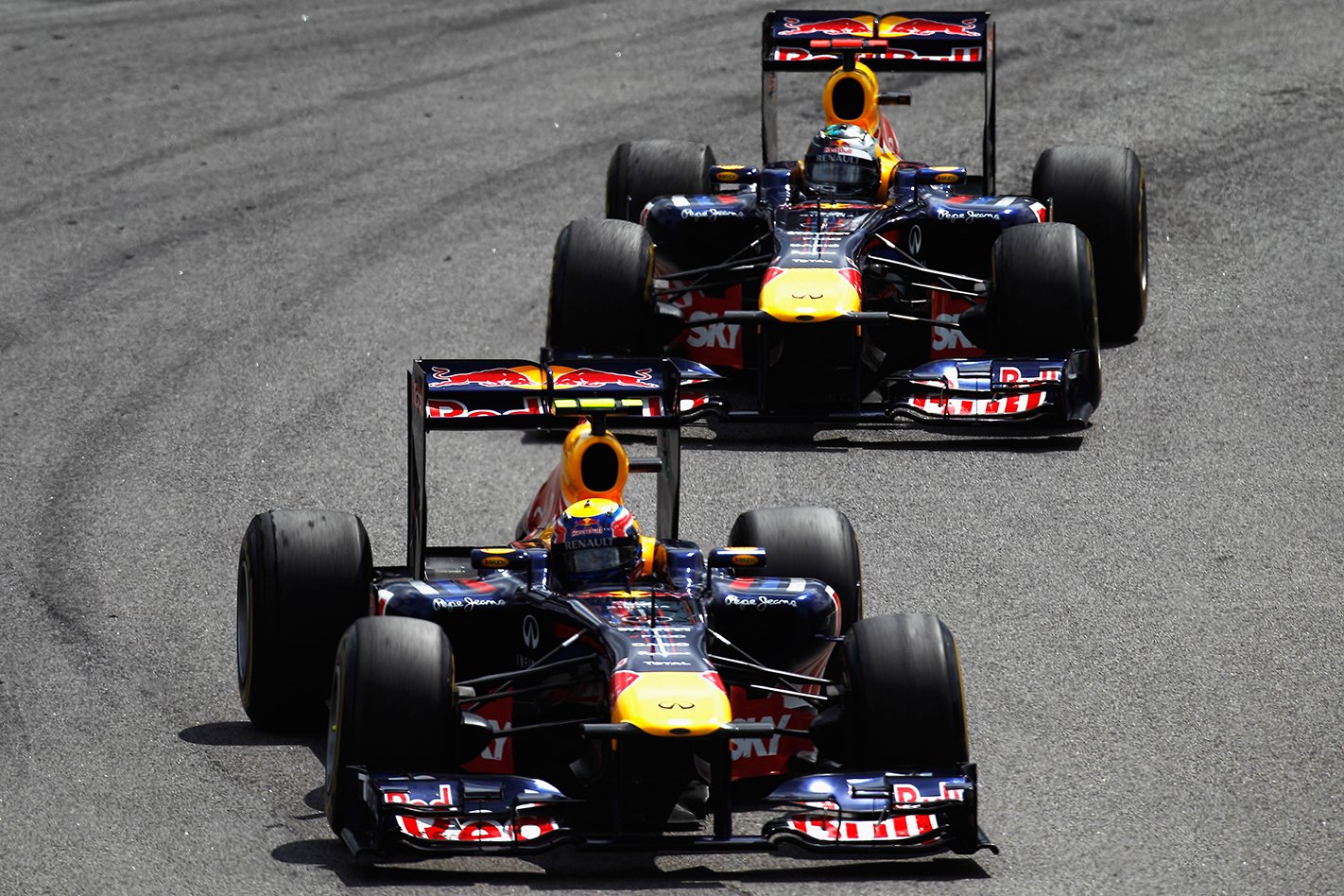
It’s all here in 400 startlingly frank pages that pull back at least a corner of the veil that prevents us from ever really knowing the inner workings of F1, no matter how diligently we follow the sport.
Webber’s honesty is not reserved simply for his nemeses, either. He’s perfectly capable of turning on himself as “that old Aussie dog”. He could easily have ignored the inconvenient truth that he’s always been a bad starter, constantly losing vital track position in the first few seconds of a race. Instead, he admits it was simply his slow (“only two-hundredths of a second”) reaction time. He’s even man enough to admit that Vettel “is a better all-round F1 driver than I ever was”.
While the revelations of his controversial yet very successful time at Red Bull will inevitably get the headlines, the real strength of Mark Webber’s life story is how he made it to the top when so many things – his nationality, his height, his lack of money, an untimely broken leg – worked against him. Yet he rose through the ranks to F1, won some nine Grands Prix, including two at Monaco, and almost snatched a world title.
You only do that with incredible ability and determination. And a fair dose of Aussie grit.
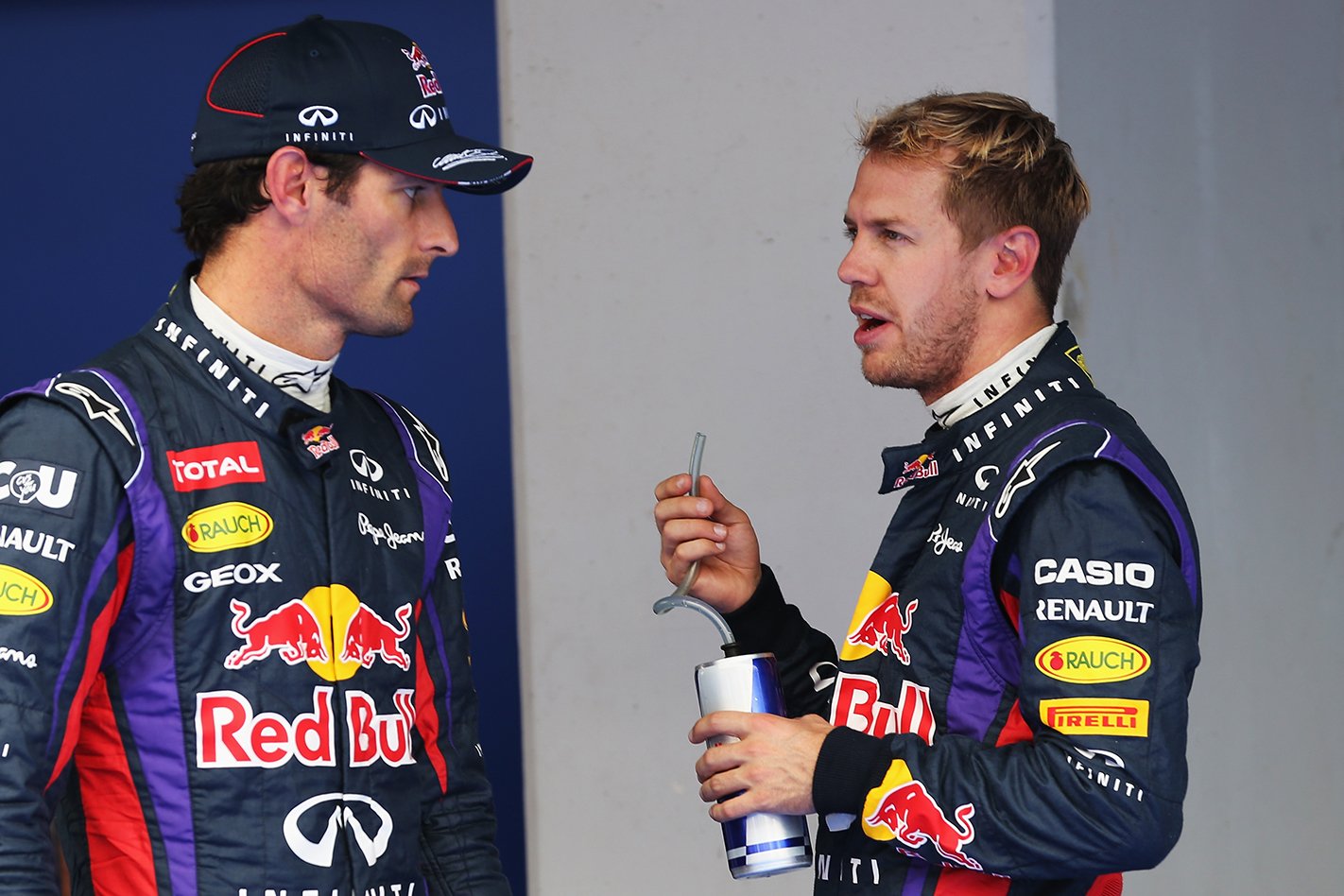
Webber on the key players:
Frank Williams “I’ve never heard anyone, be it an engineer or whoever, describe Williams as a brilliant working environment.”
Sebastian Vettel “He was treated like a favourite son, which meant he would throw his toys out of the pram from time to time when he didn’t get his own way.”
Christian Horner “I eventually found I couldn’t rely on what I was being told.”
Helmut Marko “As much as the team denied it, it became slowly but painfully evident that Marko was pulling the strings.”
Adrian Newey “What I loved about Adrian was his attitude. The race result was generally invisible to him; even if we had dominated … he was still always pushing the team to improve and that’s why we were as good as we were.”
Dietrich Mateschitz “Dietrich is someone I continue to learn from and for whom I have the utmost respect.”
WE’RE lost, deep in the jungles of the Golden Triangle, rattling and rolling along a dark and creepy twisting Thai road that looks like it hasn’t been used for years. There’s moss on the moist surface and some plants have broken through the seemingly porous tarmac in places. Have we crossed into the lawless hills of Burma? Or are we still on the northern tip of Thailand?
I’m nervous, and with good reason. The Golden Triangle is not a deluxe percussion instrument, but an area encompassing the top of Thailand, the fringes of impoverished Laos and a wedge of secretive Burma. The reason it’s ringing a vague bell (or triangle) in your head is that it’s been famous as the production hub for truckloads of opium poppies and near-pure heroin since its heyday in the 1960s.
Back then, the CIA turned a blind eye because the drug lords controlled most of the hill tribes who were fighting communists on its behalf, and cheap guerrillas don’t come along every day. This deal with the devil led to more than one-third of Americans fighting in Vietnam succumbing to addiction by 1971, before Golden Triangle heroin flooded the US, causing untold misery.
Thailand has since largely cleaned up its act and has a low-tolerance attitude to drugs, but heroin is still produced in massive quantities just across its borders.
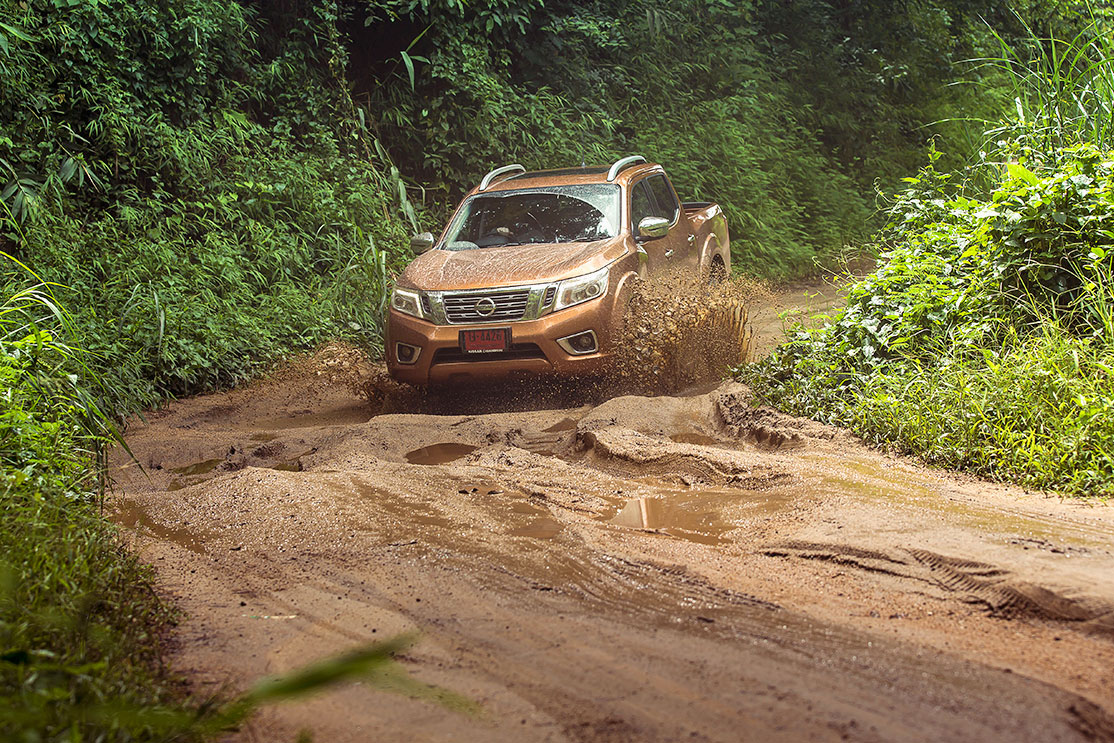
We round a bend and a man steps out with a large assault rifle. This isn’t the sort of thing you see very often in country Queensland, which is where my nervous and sweating snapper, Nathan Duff, is from. “Reckon we should turn around?” I ask, and he agrees with wordless, gurning enthusiasm.
I chuck our new Nissan Navara into a quick and clumsy seven-point U-turn under the glaring stare of the border guard. A hasty retreat it is not, but a wise one certainly.
We’re in Thailand to drive the next-generation Nissan hauler because this is where they are built, along with most of the other big utes that now outsell most passenger cars in Australia. This one, codenamed D23, lands in Australian dealerships about the middle of 2015 as the Navara NP300.
It makes sense to produce them in Thailand given the average annual income here is only about $3200, but there is another reason. Tough utes such as the Navara, Ford Ranger, Toyota HiLux and Isuzu D-Max are immensely popular in Thailand, both in the cities and out here among the rice paddies.
The utes sold in Thailand have much harder lives than the pampered one-tonners that make it to Australia. Here, stacking your ute with an outrageous load is not just about logistics, it’s a matter of honour. The maximum payload figure is just a starting point, and something whip-thin Thai blokes probably chortle about as they throw another bag of rice in the tray.
If you visit Thailand, be prepared to be astonished by audacious local drivers happy to limp along at half the speed limit as their vehicles wobble and groan (the only things they overload with even more enthusiasm are motor scooters).
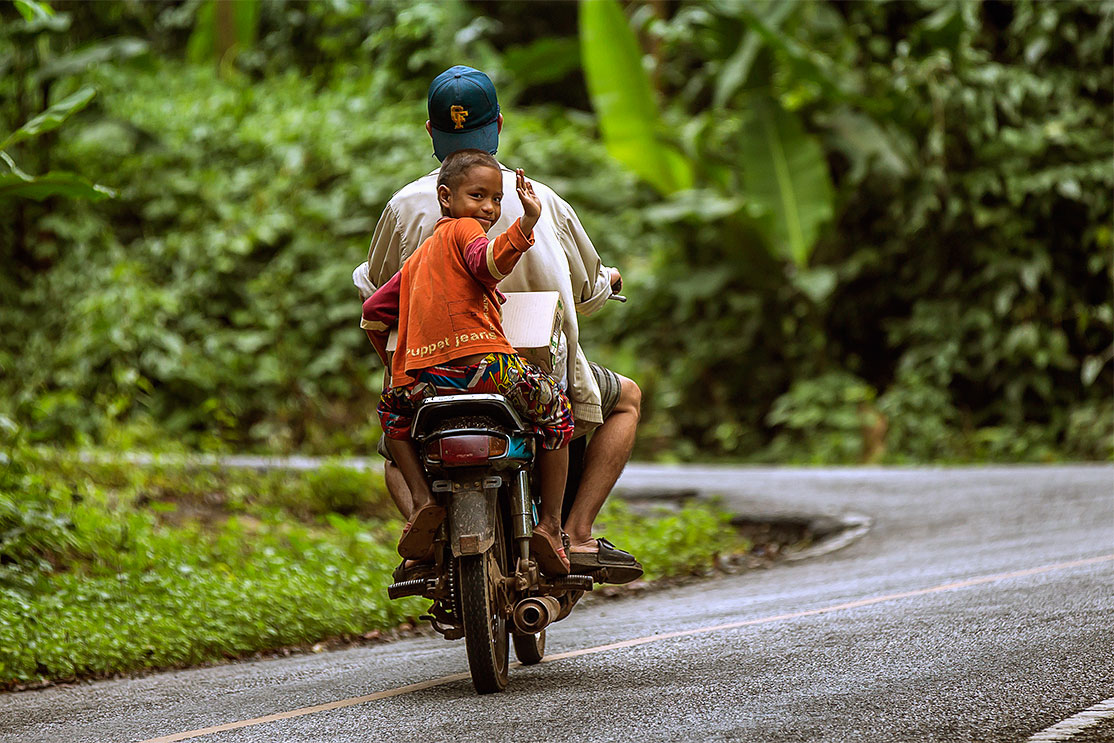
But the work ute’s steel tubs are not only for carrying masses of inanimate objects. No, Thai utes double as people-movers. We see one overflowing with 12 kids. Another appears to have a regular load covered by a tarpaulin to protect it from the heavy rain that has just been unleashed from the thick clouds above. As we approach, I notice a little girl’s head poking out, and then those of her siblings and her mum. They look miserable.
It seems wrong that we are driving a massive crew-cab with vacant seats and this family is out in the rain, but this is Thailand. The kids might actually be grateful they are not being carried on a scooter, copping continuous spray like many other kids, including newborns. Some mothers carry a small child, hold an umbrella and steer at the same time.
Our journey started out before dawn in Chiang Mai, which used to be the funnel-end of the drug trade at its peak. These days, the city is known for its many elephant parks, which lure tourists by the thousands. Just down the road, we pass a line of the giant and majestic beasts loping along carrying tourists perched on steel platforms. Some passengers appear ecstatic, while others are just over it, sick of the damn swaying.
The ride is much more composed in the Navara. Nissan has taken the bold step of ditching the rear leaf springs and replacing them with a five-link system using coil springs. It says the switch adds cost, but does not affect the payload, which will be more than 1000kg for all Australian models.
The suspension gets a workout today on roads that could generously be described as adequate, with a light sprinkling of craters. Thankfully, the Navara’s suspension tune has always been on the soft side and it is the same with this generation. This American luxury-sedan level of suppleness might not assist handling, but it helps absorb the chaos of the potholes.
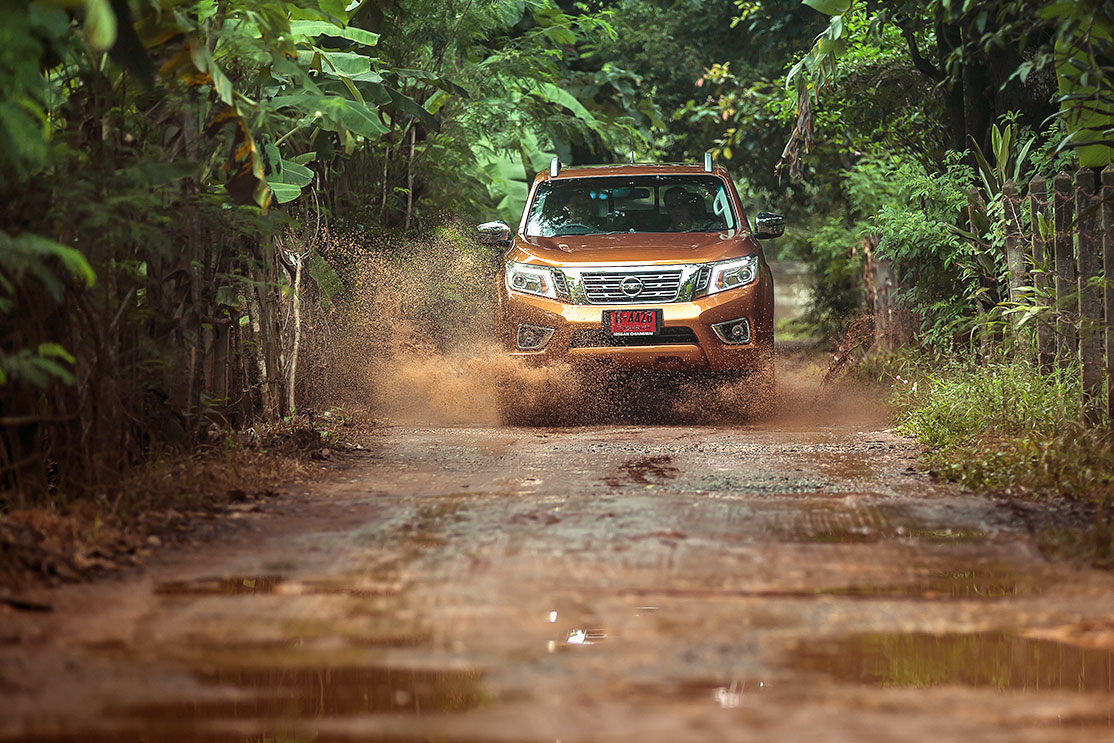
We press north and crest a hill at about 110km/h only to find a full-size Volvo tanker truck approaching in the opposite lane, which would be fine except there’s another tanker truck passing it, in our lane. With no time to scream, I swerve across into the emergency lane, which in Thailand is mostly considered an overflow lane, to avoid a face full of truck.
“Did that just happen?” I ask Nathan, attempting and failing to sound unflustered. “Yes,” he says. “Yes, it did.” His eyes have doubled in size.
Traffic manoeuvres that would be considered completely nuts (and very much illegal) in Australia are just a way of life here. Traffic lights are mere colourful decorations to some drivers, to be obeyed with roughly the reverence given to advice from your parents. A ‘green man’ pedestrian signal is more of a dare than a promise of a safe crossing.
That said, there is no road rage. I hear just one horn honk in 642km of driving, which comes from a truck I zip across in front of to make a turn. The driver just wants to let me know he’s there and that he’s no chance of stopping for me. As he careers past, I noticed that among his cargo is an elephant. Of course there is.
The Navara is not a natural choice for the kind of traffic you cop anywhere near a Thai city, especially a six-speed manual version. Fortunately modern workhorses are far more civilised than those of old.
This one has a light clutch and the smallish 2.3-litre four-cylinder turbo-diesel engine can walk away from a stop with minimum revs, which means no stalls or slipping the clutch. The manual shift is passenger-car quality and isn’t notchy at all.
You can also get a seven-speed automatic, which makes life even easier, but it has been tuned for economy and annoyingly selects the highest gear possible, as soon as possible, which generates a deep harmonic that is one of the most annoying sounds known to man as the engine lugs along doing 1200rpm or even less.

We pull off the main road instinctively when I spot a sign that reads “Long Neck Karen”. I don’t know who Karen is, but I could go a bottle of beer in this heavy tropical heat. It turns out there are no large bottles of beer because the sign was pointing to a village of Karen people, a displaced ethnic minority from Burma, some of whom wear traditional long gold neck bands. The women’s necks don’t actually grow longer, but the weight can push down their shoulders to make it look that way.
There is a definite whiff of exploitation in the ‘village’, which has a $10 entry fee, but I’m told the Karen have no legal status in Thailand and no access to state medical care, so they need the money. I buy a bad scarf, which looks imported, head back for the ute and start the engine.
While it sounds loud in a quiet village, the Renault-developed unit is more refined than many commercial diesels and makes the same amount of power and torque as the existing D40 engine, but is 200cc smaller. There are two turbos – one big and one small – that feed the four cylinders, and it all seems to work extremely well, at least with no cargo on board.
The engine is particularly strong at low revs, which means you can pick a taller gear and let it pull, but now it’s time to start changing down as we arrive at a checkpoint set up to look for drugs. We go through no fewer than 10 of these on our trip north and are stopped six times by officers with big, scary guns, cautious of two white devils driving an empty ute into heroin country.
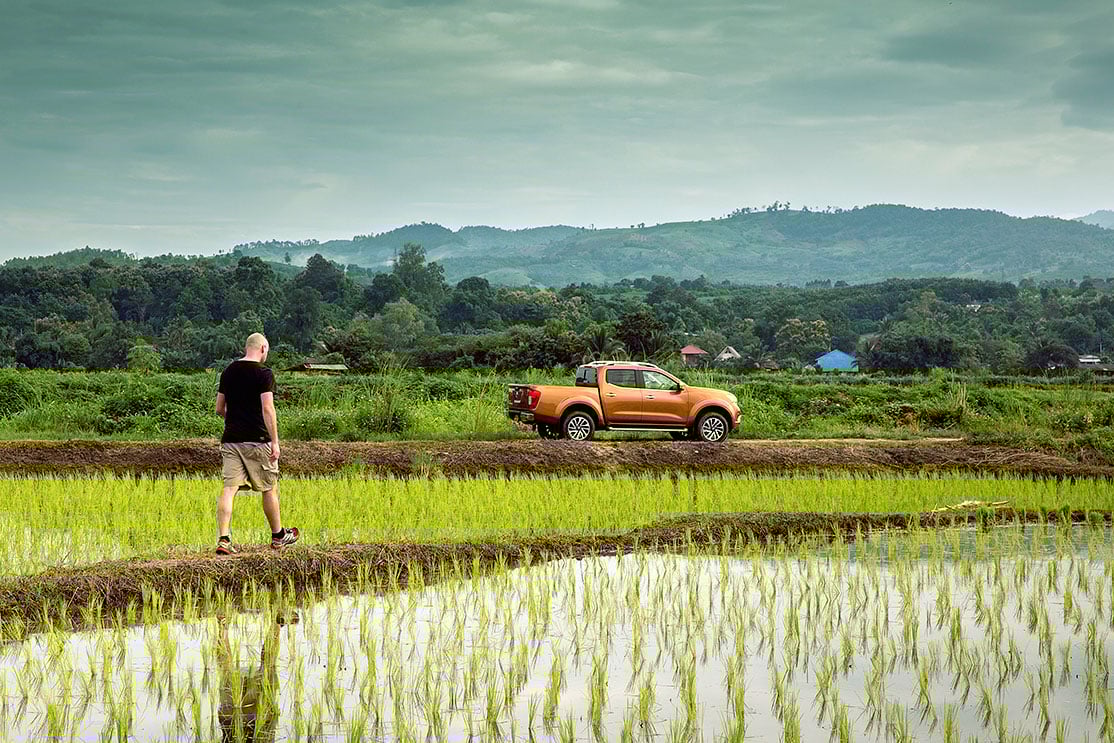
Thailand is currently under military rule after a bloodless coup in May, so I expected some presence, but these roadblocks pre-date the takeover. Fortunately we don’t have anything to hide, so after a few questions we are bid farewell with handshakes and big smiles.
We take a turn off and head into the hills of Tha Ton, eventually pulling into a service station for fuel. This servo is supposedly owned by Lao Ta Saenlee, a man who led an army of 700 locals against communist forces in return for land in a deal with US-friendly Thai authorities in the 1960s and 70s.
The regime in Bangkok recently labelled him a drug lord and accused him of carrying out a 400kg heroin deal. The charge was thrown out, but he did four years for possessing a cache of weapons. Lao Ta claims he has nothing to do with drugs these days, despite admitting to trading opium for guns many decades ago.
The 77-year-old now runs a series of coffee shops across the region, and this petrol station, where we find him lying on the forecourt getting a massage. The fuel business must be slow. I walk past him to pay, and notice the guy doing the massaging is a completely ripped Muay Thai fighter type who appears to be channelling all his strength to the old man’s leg muscles.
We ease out the driveway and head for the border, near the Burmese town of Tachileik, which was the main point for bringing in the gear from the nearby heroin-production facilities the CIA reportedly ignored. The drug lords may still use the main border crossing, but the nearby Mekong River is apparently a key transport route. Not far from here, the bodies of 13 Chinese sailors were found floating down the river in 2011, in what authorities think was a deal gone sour.
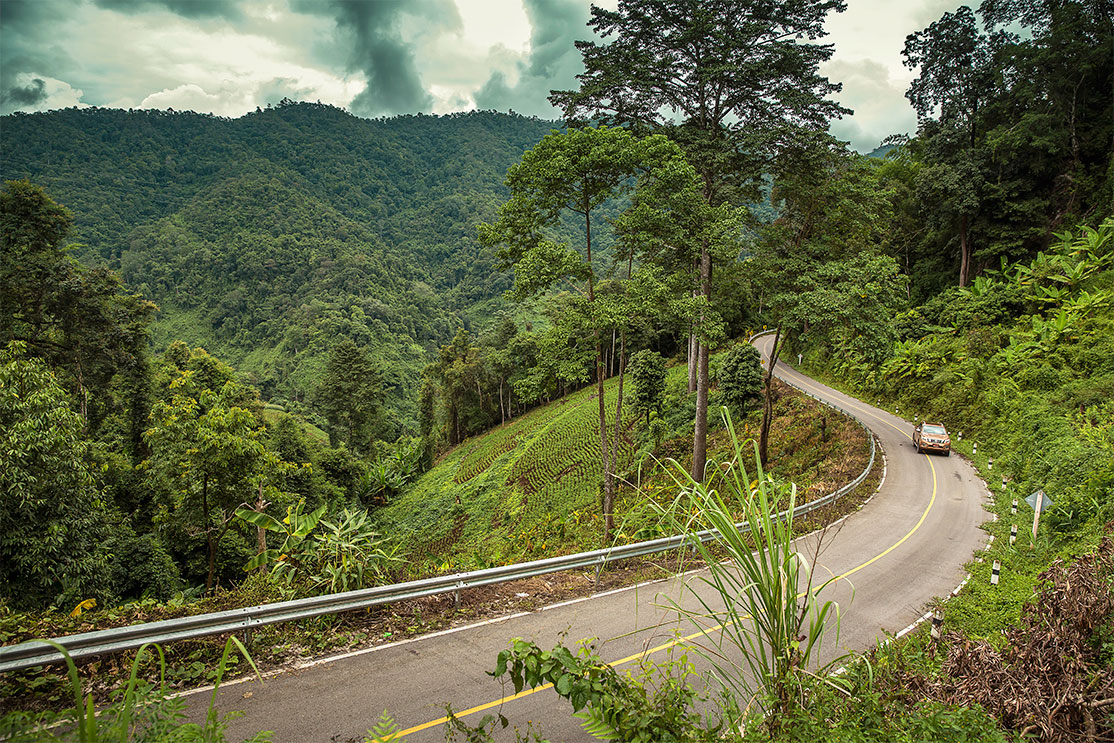
We find one of many Buddhist temples, which are beautiful and tranquil. It is lovely here, apart from the blood-curdling screeching coming from the dense jungle. I think they are insects; at least I hope they are. Should they tire of the jungle life, they could always head to Hollywood and work on horror movie soundtracks.
The sun starts to set as we depart on the return trip and prepare ourselves for several more drug searches, but the first checkpoint is curiously empty, as is the next and, inexplicably, every single one after that.
Really, I thought that after a day on the road in Thailand I had lost the ability to be shocked, but I was wrong. For all the War on Drugs rhetoric, we could have sailed back down from Poppy Land with an actual tonne of heroin in the tray, smoking a giant reefer and driving on the wrong side of the road with Hits From the Bong blaring through the speakers and still not been picked up.
Instead, the fact that we are empty means we can enjoy some of the wonderful, windy roads on the way back to Chiang Mai, and the big Navara turns out to be kind of fun, in its own wallowy way, and on one section I duel with a pack of one-tonne utes travelling unloaded and at pace.
I lose myself in the moment and overtake three-wide, on the wrong side of the road, approaching a corner. It’s a stupid, risky move, but seems perfectly normal after a day in this traffic. I’ve always found it funny how seemingly sane people do crazy things in Thailand, things they would never do at home, like riding scooters wearing nothing but a pair of footy shorts.
However, I understand now; the risk-taking is contagious. But I guess of all the habits you could pick up in Thailand, it could be a lot worse.

THAILAND is an increasingly popular location for building vehicles at low cost, but Nissan has been making cars there since 1963. Back then it built just four cars a day.
Australia has sourced the departing Navara from Spain and Thailand, but the new ute will come solely from our near northern neighbour. It will be built at a brand new factory in an outer suburb of Bangkok that lifts Nissan’s Thai capacity to 370,000 a year.
Currently, Nissan Australia sells both the D40 Navara and the previous-generation D22, but only the new D23 model will be available from early next year.
This article was originally published in Wheels November 2014.
