It may sound like a cyborg, but there is no need to be afraid of the Subaru Levorg that is officially heading Down Under by the middle of next year.
The Levorg is essentially a new-generation WRX wagon complete with a 221kW/400Nm 2.0-litre turbocharged four-cylinder engine, although an automatic CVT with paddles is the only choice.
Another drivetrain choice for the Japanese domestic market is a 125kW/250Nm 1.6-litre turbo that we haven’t yet seen in a local Subie. However according to Subaru Australia corporate affairs manager David Rowley, “It’s something in our own research that hasn’t had a lot of appeal among our customer base in Australia.”
The local arm – which recorded third-highest sales worldwide in June, only behind Japan and the US – is actually pitching the Levorg as a “spiritual successor” to the previous-generation Liberty GT turbo that failed to make an appearance with the new model.
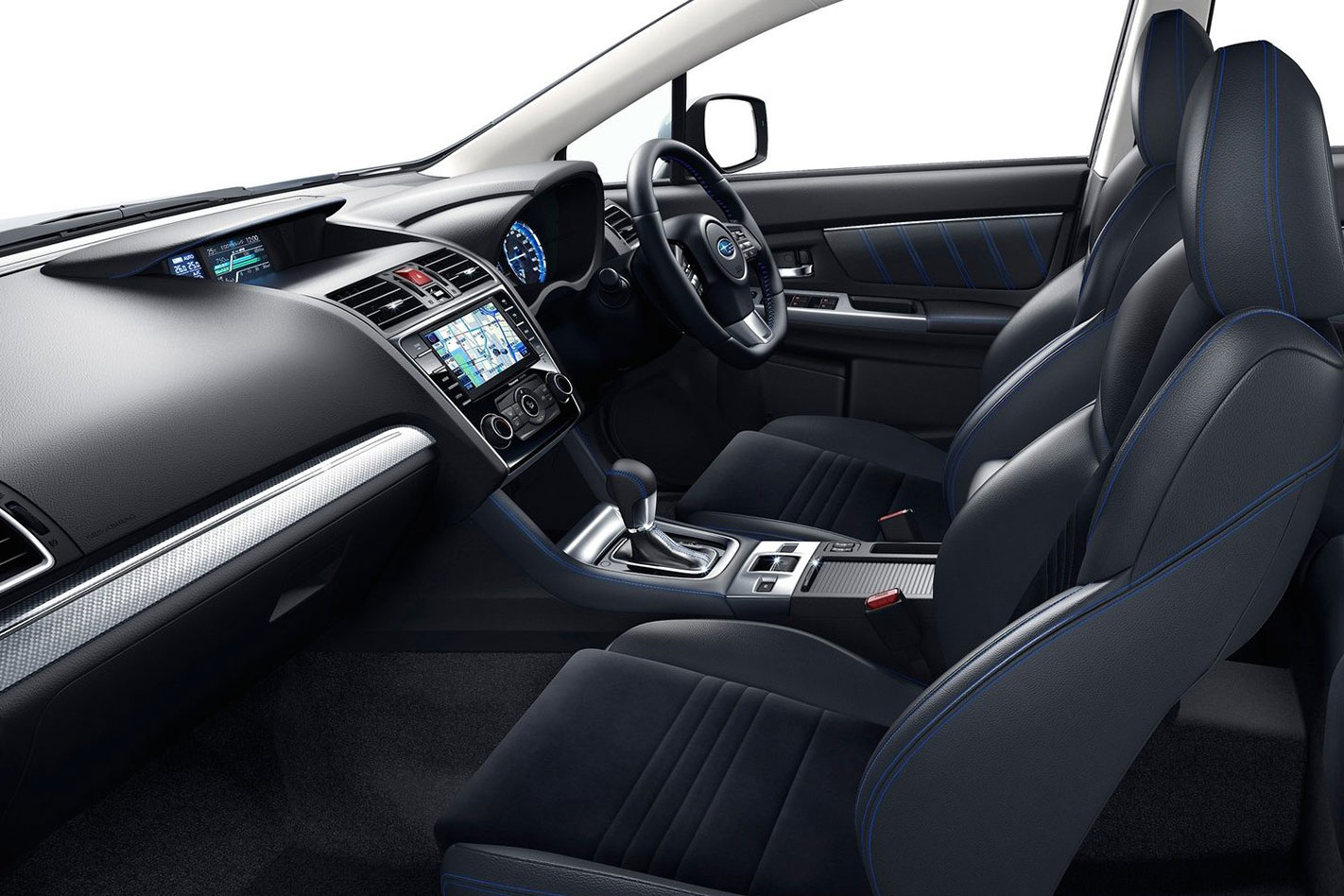
“It will appeal to those fourth generation Liberty GT buyers who have been starved of a logical successor,” commented Subaru Australia managing director Nick Senior. “But we believe it will also attract a much wider audience because of its performance, its versatility, its refinement and its high level of standard equipment.”
“The factory has been extremely supportive in helping us to secure the Levorg for the Australian market,” he added.
Highlighting its in-betweener positioning, the Levorg measures 4690mm long, stretching 276mm further than an Impreza hatch but stopping 85mm short of a new Liberty wagon. It’s also 40mm wider than the smaller of those two Subaru models and 41mm narrower than the larger load-lugger.
Subaru Australia says it has its own internal competitor set, which we imagine includes the 4685mm-long, 350Nm Skoda Octavia RS wagon that retails for $40K – and that’s exactly where we expect the Levorg to sit come the middle of 2016.
Reckon the new Levorg is a bit tame for your tastes? Check out our 10 Wildest Wagons.
1. ERIC BANA
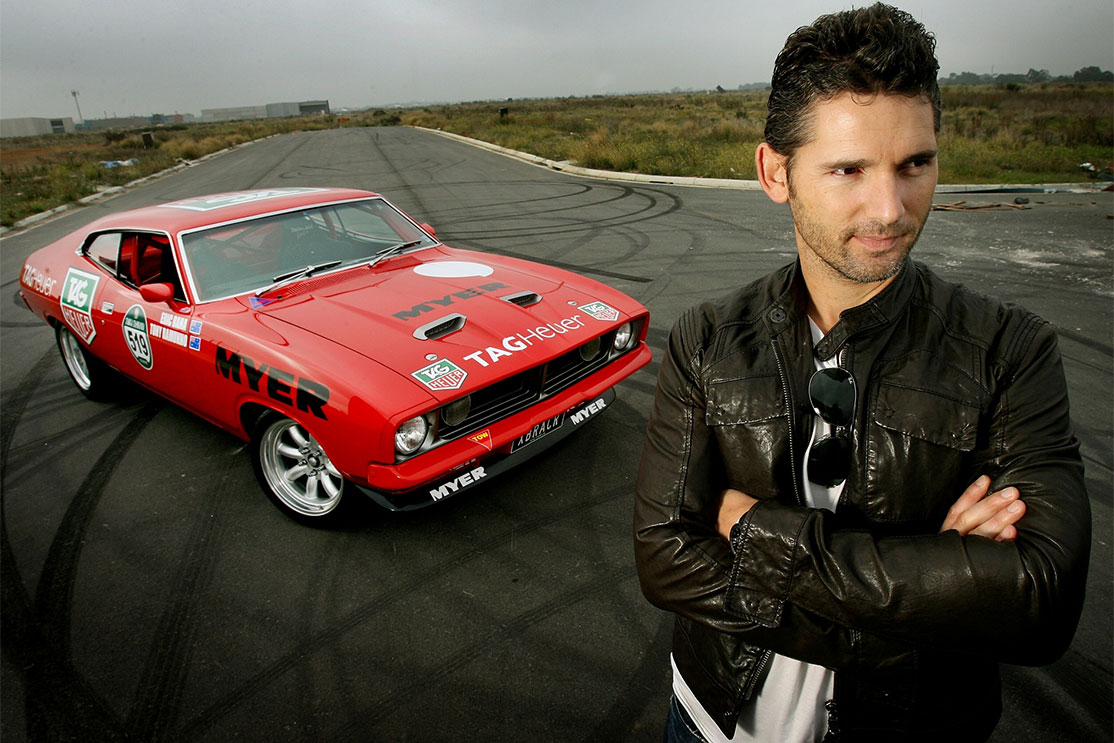
Local lad Bana is such a massive car nut, he made a film about it. Love the Beast told the journey of his beloved XB Coupe from street hack to race-prepped 450kW weapon. The car was rebuilt after its Targa Tasmania crash and is occasionally spotted in Melbourne. Bana is also a handy racer, having competed in the Aussie Carrera Cup and three Bathurst 12 Hour races.
2. JERRY SEINFELD
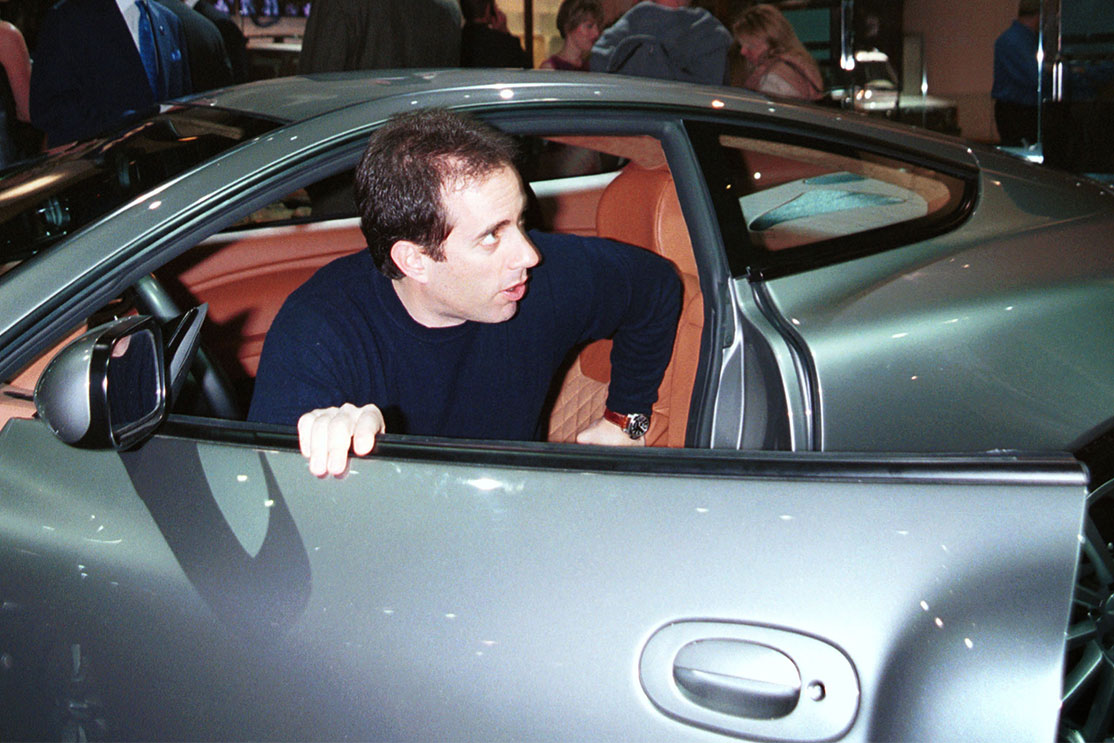
Here’s another guy who is happy to mix his passion with his craft. Seinfeld’s latest series has him driving around in a variety of exotic machinery chatting with fellow comedians. A Porsche devotee, he bought a 959 despite not being able to drive it (it didn’t comply with US road rules). Other highlights include the ex-Steve McQueen 917 and a rare 550 Spyder.
3. NICK MASON
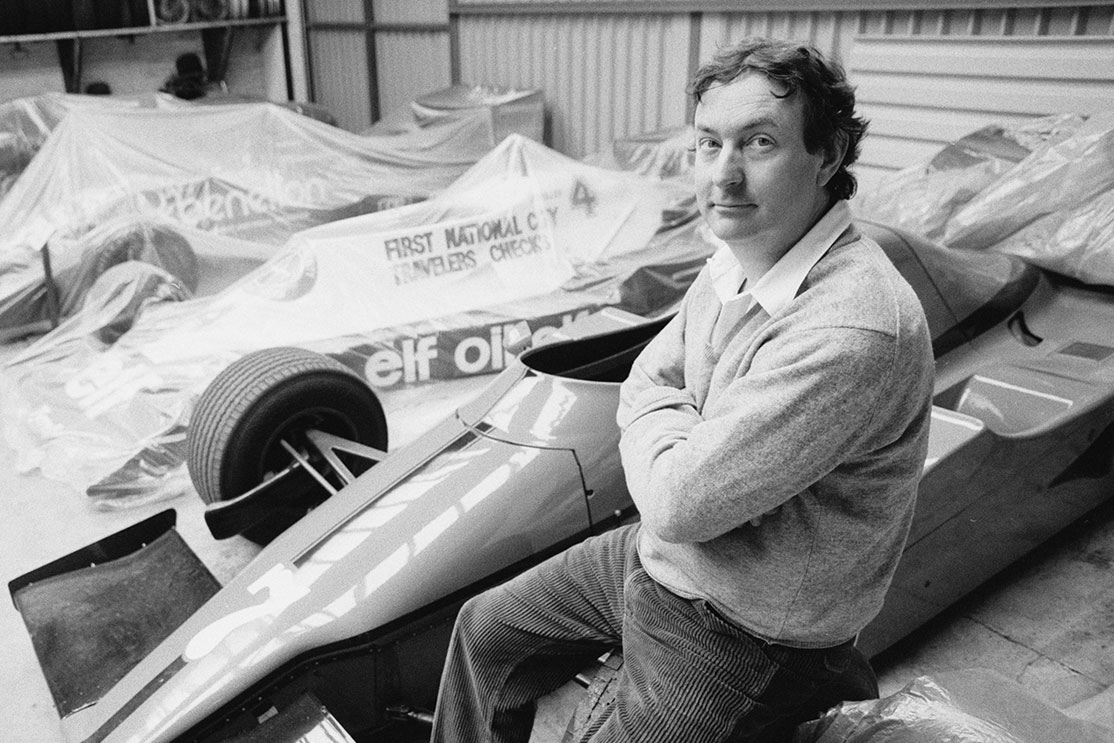
Racing is the Pink Floyd drummer’s passion, and his substantial collection reflects that, including as it does a Bugatti Type 35, Maserati Birdcage, Ferrari 250 GTO, Ferrari 512 S and a McLaren F1 GTR – all used as intended. Over the decades he has also regularly lent his cars to the media for road tests, which makes him an absolute legend in our books!
4. RALPH LAUREN
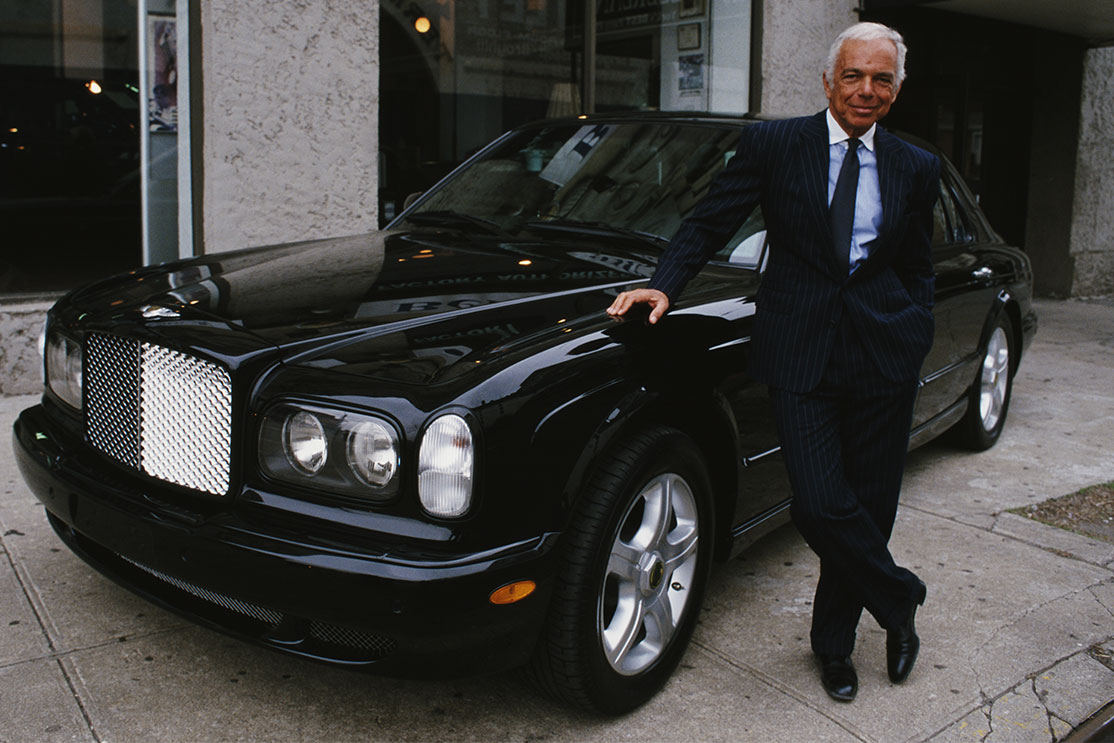
Unsurprisingly, beauty is the prevailing theme of fashion guru Ralph Lauren’s mouth-watering collection. Of particular note are his Bugatti Type 57SC Atlantic and 59 GP, Mercedes-Benz SSK and 300SL, Ferrari 250 GTO and LM, McLaren F1 LM, Jaguar D-Type, Alfa Romeo 8C 2300 and 2900. A couple of hundred million dollars well spent, we reckon.
5. BRIAN JOHNSON
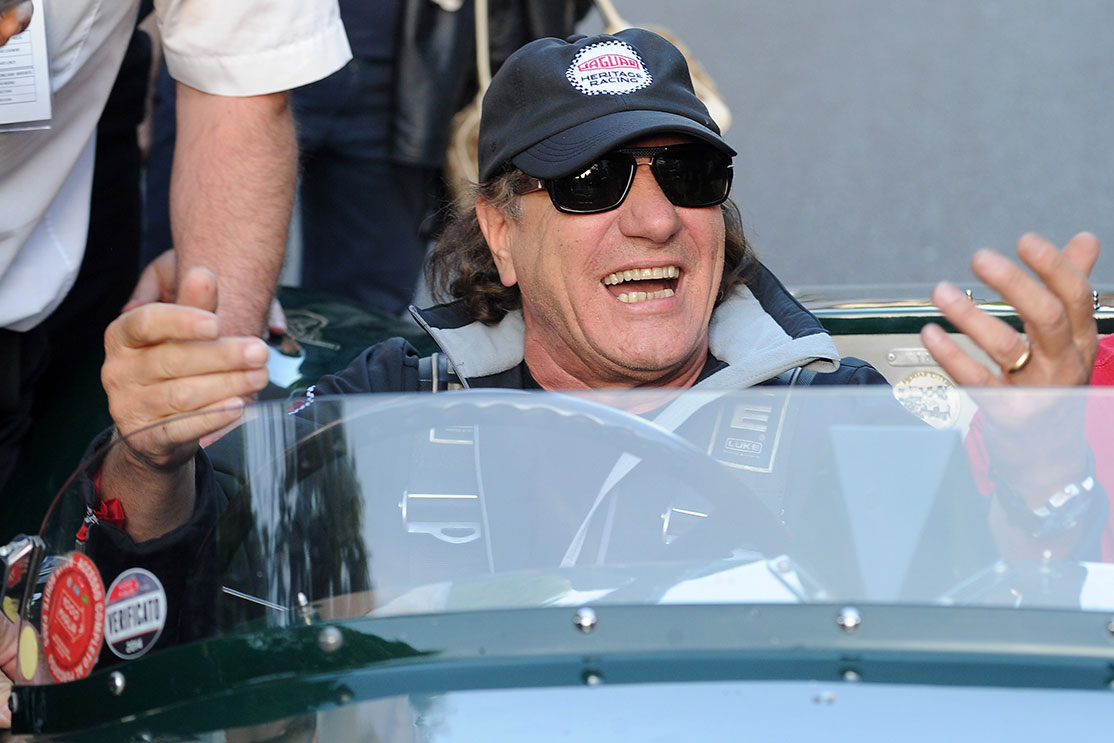
The enthusiastic AC/DC frontman is another dyed-in-the-wool racer, regularly taking part in historic racing on both sides of the Atlantic in everything from a Lola to a Mini. Johnson also competed in the 2012 Daytona 24 Hour, finishing 12th in the Prototype class. On the road car side of things, there’s a Rolls-Royce Phantom, Audi R8 and Ferrari 458 in his shed.
6. JAY KAY
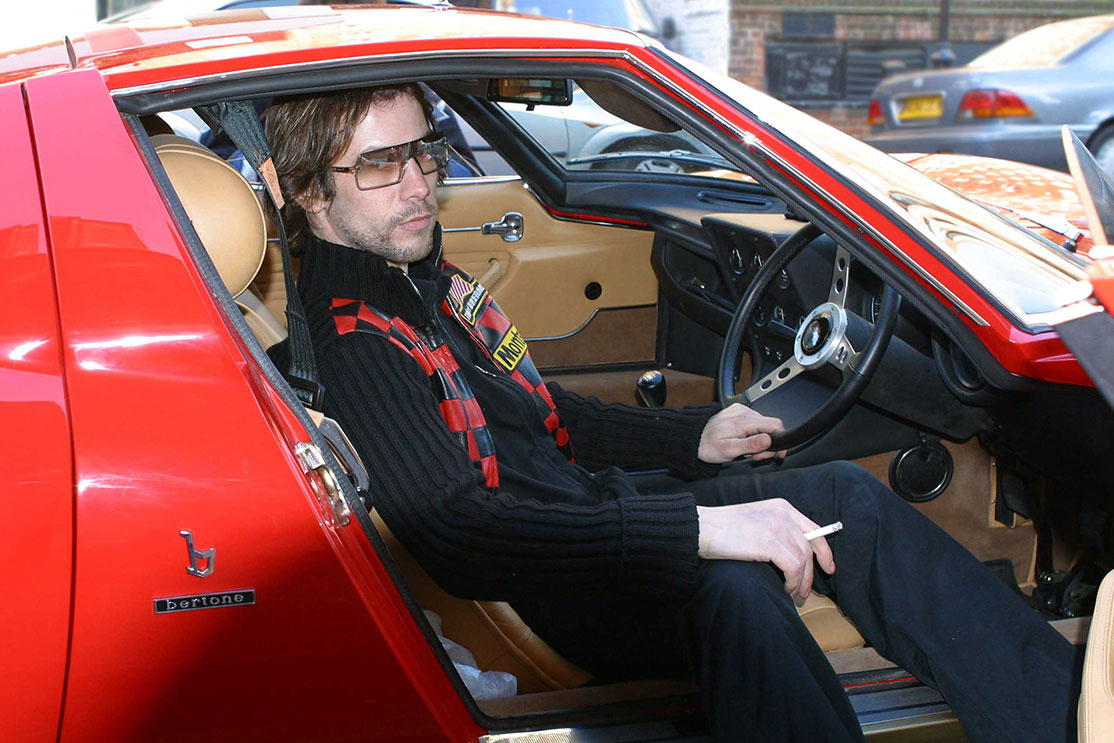
Jamiroquai frontman Jay Kay is fond of the outlandish, which is why his new LaFerrari is painted a lurid shade of green. Other treats include Coco Chanel’s 600 Grosser, a Lamborghini Miura, 911 Carrera 2.7 RS and one of the last 300SL Roadsters. An absolute automotive obsessive, he has been banned from driving for speeding numerous times.
7. JAY LENO
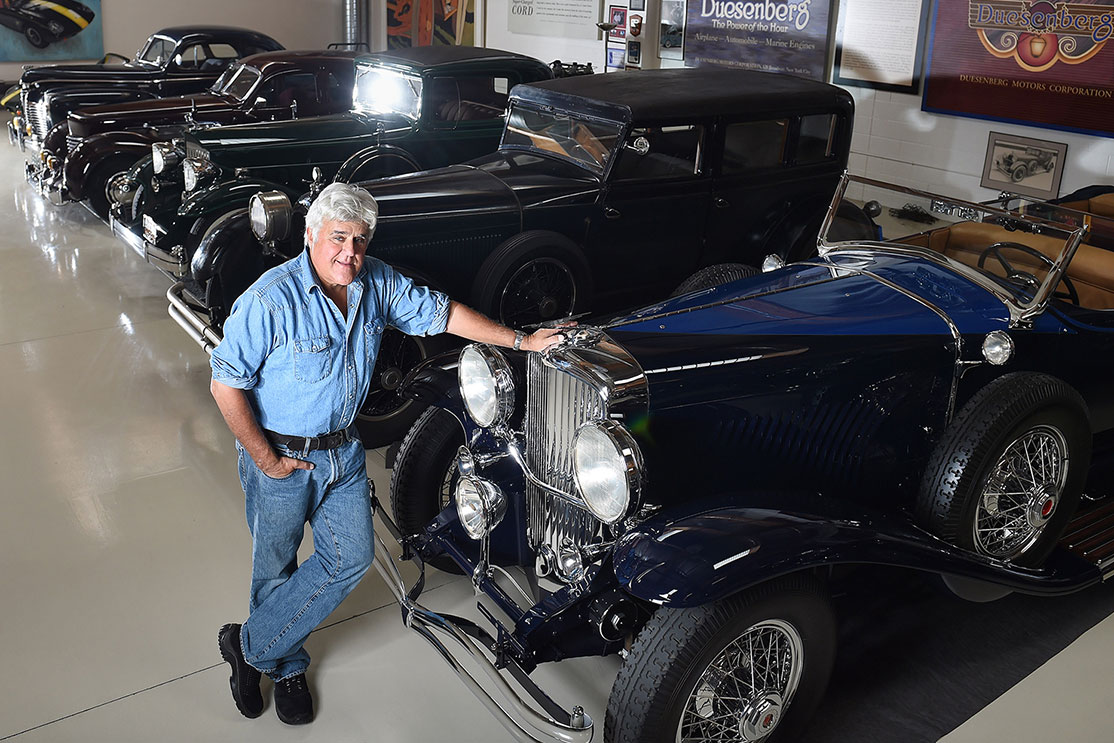
Everyone knows about Leno’s car collection. One of the largest in the world, it’s regularly documented on his YouTube series Jay Leno’s Garage. As well as the usual exotics, Leno loves interesting, quirky cars such as the Chrysler Turbine Car, Mazda Cosmo, Howard Hughes’ steam car and the EcoJet, a concept built by GM specifically for Leno’s collection.
8. SHANE WARNE
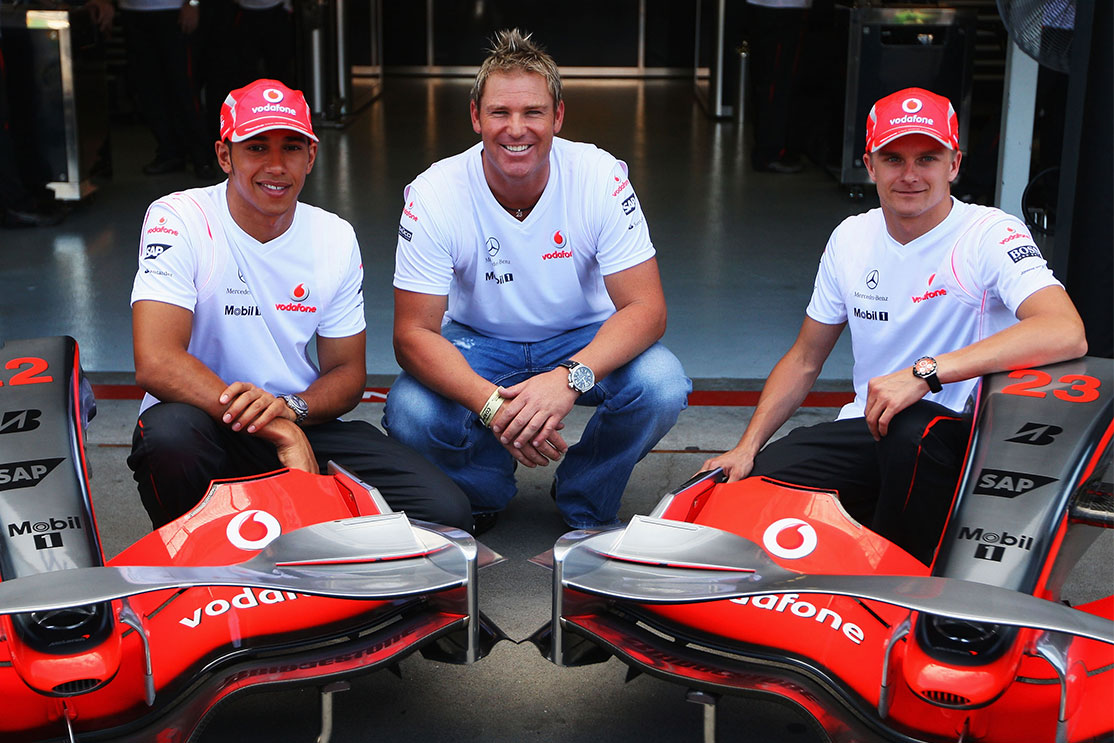
Never one to shy away from the spotlight, Warnie has a long history of being spotted on the streets of Melbourne in a variety of flash autos. A couple of Ferraris kicked things off, but more recently the blonde-tipped spin king has opted for AMG daily transport with Lamborghinis for the weekend. And then there’s the Veyron for his European holidays.
9. ROWAN ATKINSON
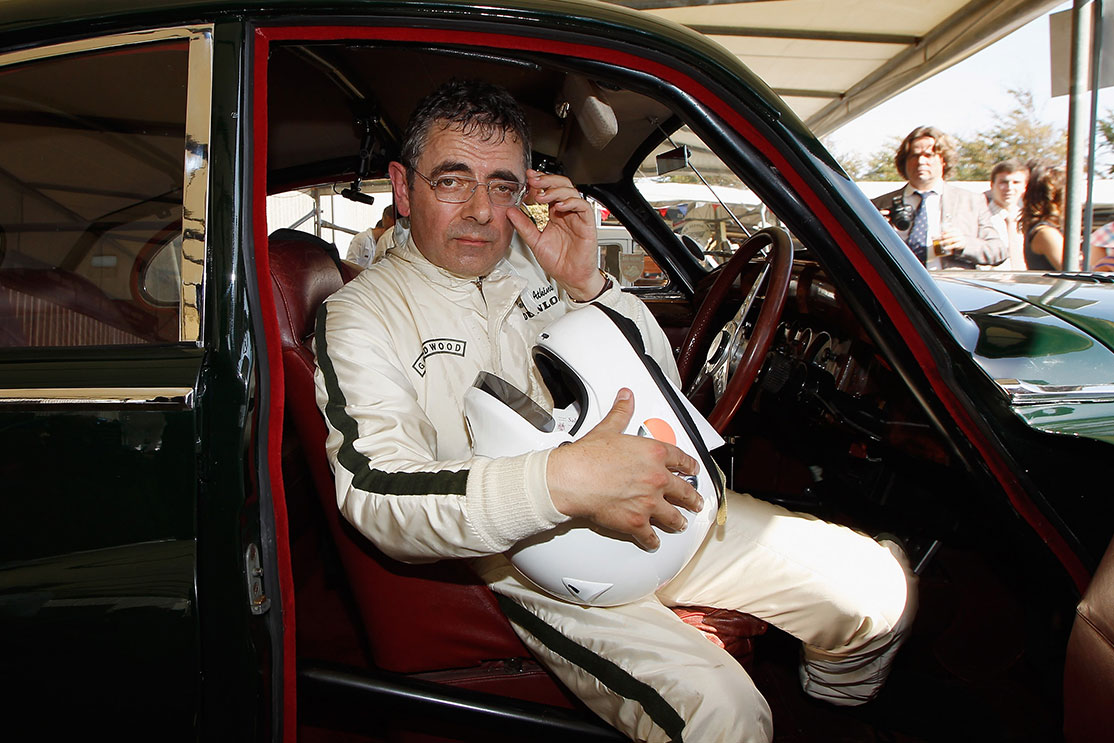
Atkinson is the very opposite of his clumsy alter ego, Mr Bean, behind the wheel. His McLaren misdemeanours are well known, but he is a very handy historic racer. His passion for engineering explains his love of the F1, which has recently been put on the market. It also explains his choice of daily driver for many years, a Honda NSX.
This article was first published in MOTOR April 2015.
Monday Motorsport Wrap: Different script yet same result in British GP; Aussie wins in Germany; Ogier in Pole position; Power fined over IndyCar blow-up; Another Brabham at Indy?
F1: Hammer time after Silverstone thriller
England’s delightfully unpredictable weather has conspired to assist Lewis Hamilton to a crazy British Grand Prix victory that was never certain until close to the chequer.
The huge crowd of about 140,000 mostly sun-crazed Brits that turned out under blue skies to cheer on Hamilton were stunned when the William’s pair Felipe Massa and Valtteri Bottas made brilliant starts to fire past the two front-row Mercs.
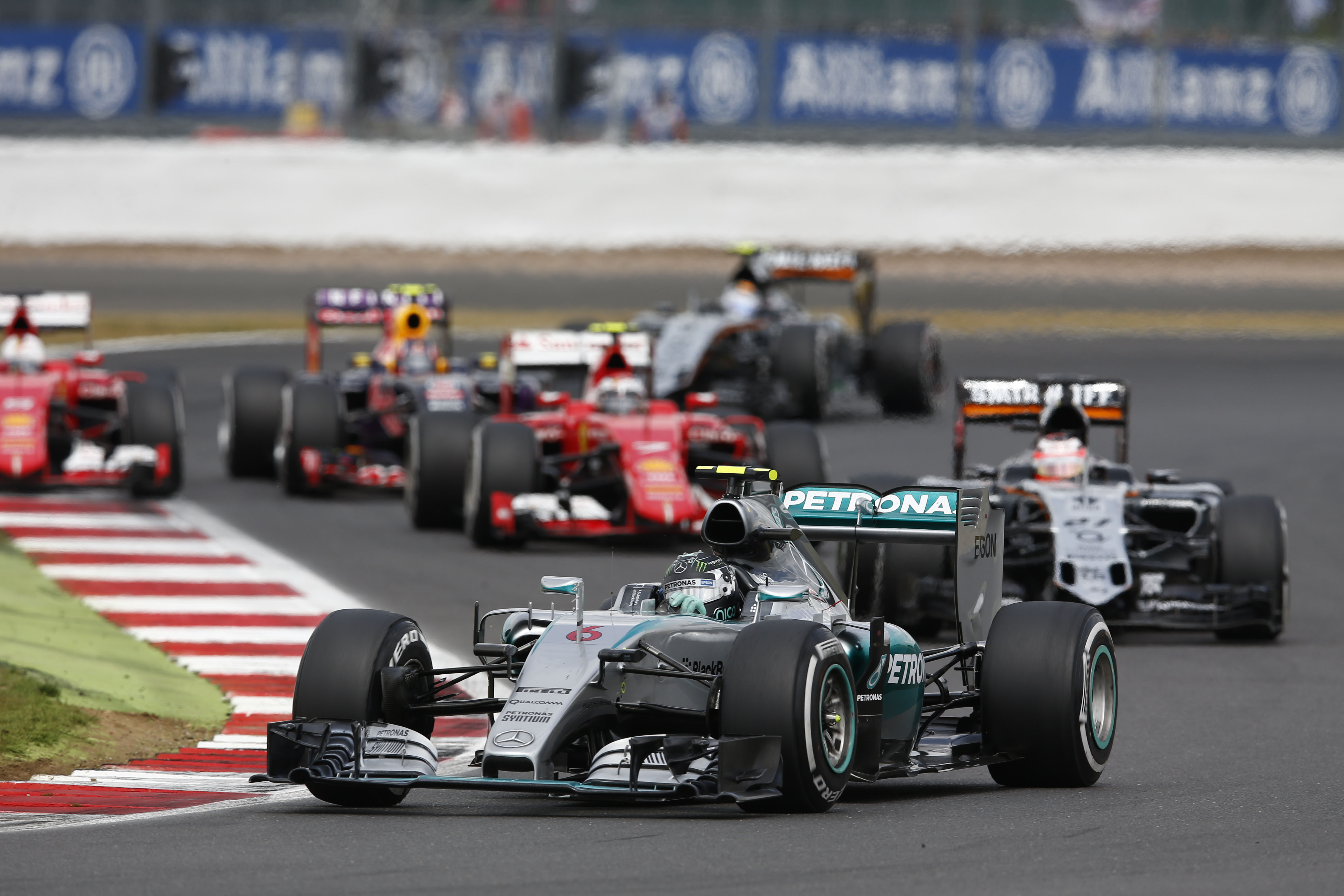
Mercedes waited for strategy to come into play, and made an aggressive early stop with Hamilton which jumped him to the lead.
Rosberg’s race came alive when rain showers arrived. He was the fastest man on track, passing both struggling Williams on the circuit and then charging down on his team-mate.
With Rosberg poised to pass him, Hamilton made the surprising call – which turned out to be a masterstroke – to pit for intermediate rubber.
Rosberg said afterwards that this was the turning point. “When the rain came, I was able to ramp up the pace, overtake the Williams drivers and close the gap to Lewis. At that point I really thought I could win the race. But then he made the pit stop – which I thought was a wrong decision at that moment until suddenly it started to rain heavier. It turned out to be the right decision from Lewis, as I had stay out one more lap and lost too much time in the wet with my slicks.”
Ferrari’s Sebastian Vettel also made a good call and came through to grab third from Massa and Bottas.
“In some ways it was an incredibly frustrating race, and others it was very pleasing,” reported Bottas afterwards. “Both cars had great starts and we raced the Mercedes with genuine pace, but when the rain came I really struggled with the intermediate tyre.” A future with Ferrari must look enticing.
Meanwhile, Daniel Ricciardo’s miserable season continued when he retired with electrical problems.
GERMAN F4: Aussie Mawson hits the front
Australian rising star Joey Mawson has fired to the lead in the closely fought German Formula 4 Championship after strong performances in sweltering heatwave conditions at the Lausitzring.
Mawson took a commanding win from second on the grid in the first of three heats, and then backed up with two fighting second placings.
The final race of the weekend the grid was a reverse top 10. By dint of winning the opening race, Mawson started 10th. He raced spectacularly to hit the lead in just two laps of racing. Then he was bumped off the track at the last restart and had to settle for second.
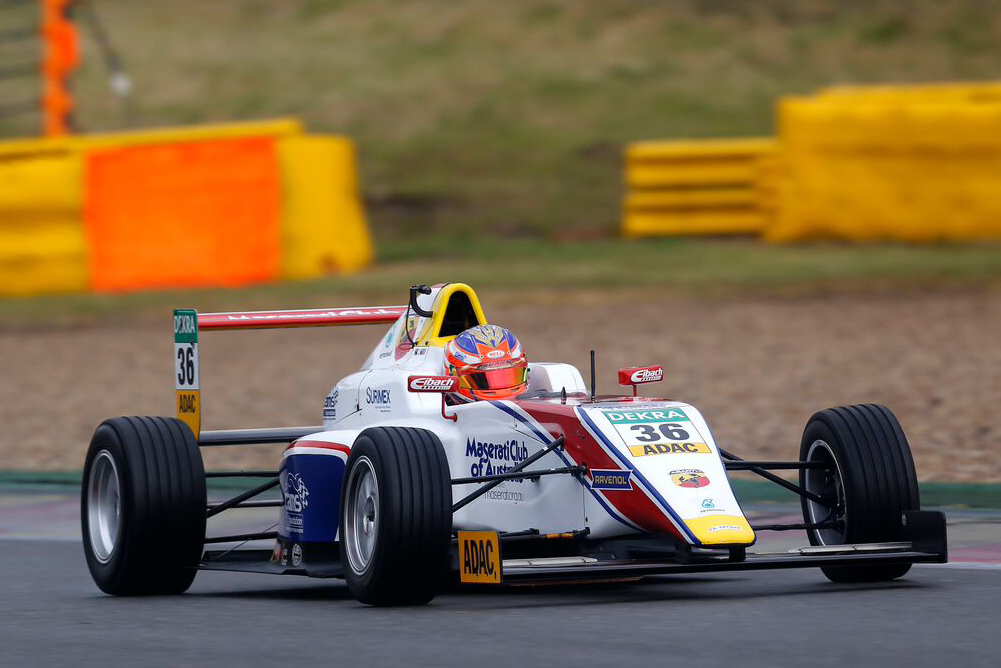
Mawson’s great weekend moves him to within four points of the championship leader, Joel Eriksson.
An entry of 34 cars fronted (wouldn’t CAMS kill for these numbers in the new Australian F4 series?). One second separated the top 24 cars.
WRC: Ogier wins a tight one on Poland gravel
Volkswagen’s Sébastien Ogier stayed cool under pressure to fight off a fierce challenge from team-mate Andreas Mikkelsen to claim a 11.9sec victory in Rally Poland.
Leading by 5.6sec on Saturday night, the Frenchman turned up the screws through the last two stages to clinch his fifth victory of the season, and one of his finest victories ever.
“I have had so many great wins, but no-one wanted to help me on this one,” said a delighted Ogier, who won eight of the 18 stages. “I was first on the road for 90 per cent of the rally and we had to push from the first metre to the last one and I enjoyed that.”
Norway’s Mikkelsen won just two stages, but he kept the blowtorch directed at the sport’s leading star for three days.
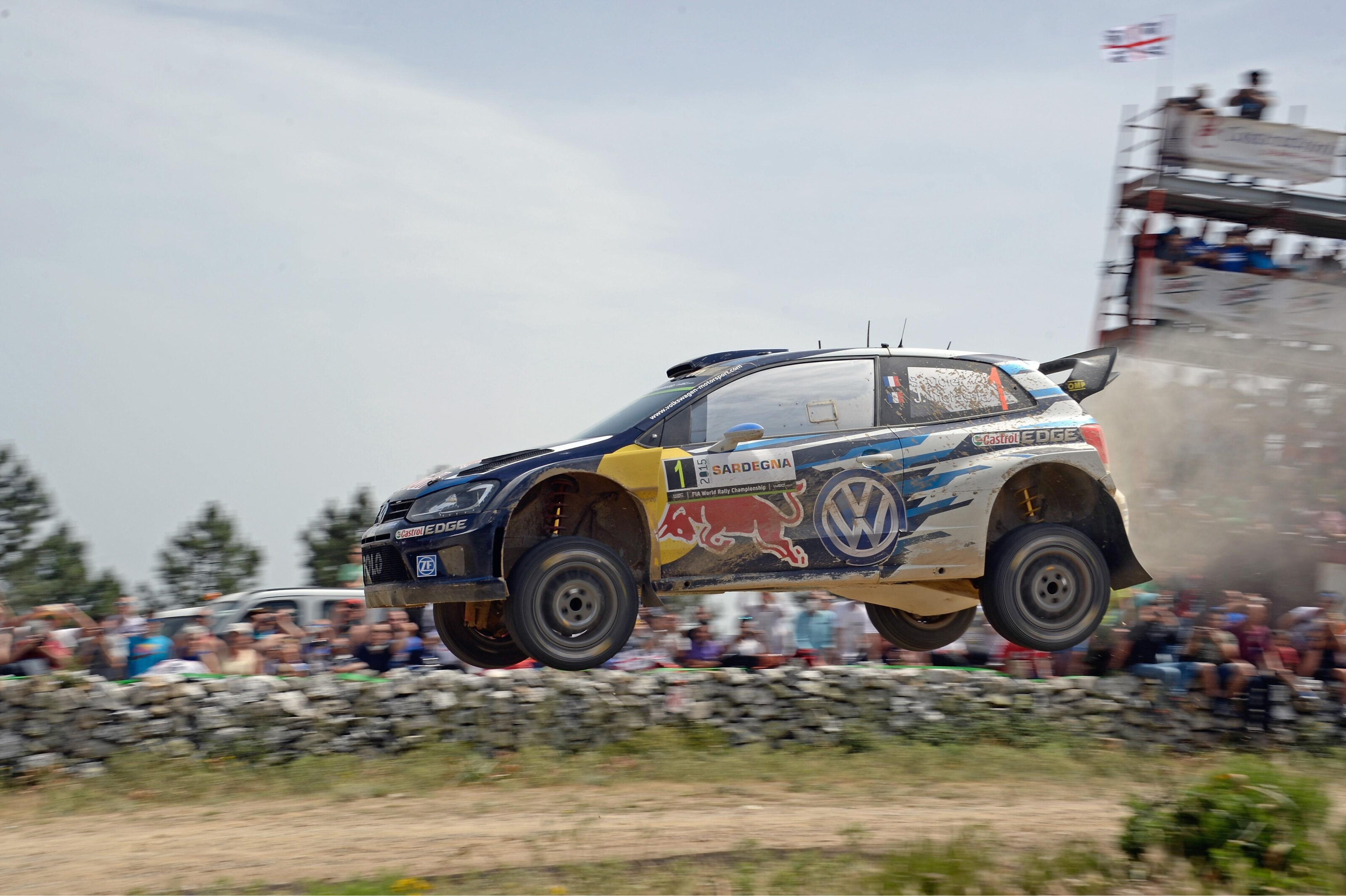
Young Estonian talent Ott Tanak provided the struggling M-Sport World Rally Team with a well-deserved and much-needed podium finish, winning six special stages andseeing off a big charge from Finland’s Jari-Matti Latvala to close out third place. Latvala crashed heavily on the final stage, hit a tree but some managed to get his Polo to the finish and keep fourth place despite radiator and front end damage.
New Zealander Hayden Paddon was the again quickest and most consistent of the four Hyundai drivers, taking fifth.
Local hopes in Rally Poland were pinned on the fast though unpredictable ex-Formula One star Robert Kubica, and he thrilled supporters with eighth in a fast and furious contest on relative smooth gravel roads. A puncture on the last stage cost him seventh.
Kubica drives his Ford Fiesta virtually one-handed due to the awful right arm serious injuries suffered in a rally which ended his F1 career some years ago.
Aussie champ Scott Pedder, competing in the WRC2 category of the world championship this year, was 29th outright and 12th out of 27 original starters in his Ford Fiesta R5.
INDYCAR: Power fined in fallout from wild Fontana race
Defending Indycar champ Will Power has paid a stiff price for pushing away a medical staffer after his crash in the closing stages of last weekend’s race at the Auto Club Speedway, Fontana in California.
Power is one of several drivers and teams penalised for infractions during one of the wildest races in recent memory. The biggest fines were directed at Power and the winning team.
Power was fined $25,000 and placed on probation for the remainder of the 2015 season for violating Rule 9.3.1 (Improper Conduct) and Rule 9.3.1.8 (Improper Conduct; using improper, profane, or disparaging language or gestures in reference to any official). This came after the bitterly disappointed Power was walking from his wrecked car after being the innocent party in a crash.
But, contentiously, race winner Graham Rahal and the Rahal Letterman Lanigan Racing entry kept their victory and points after a dangerous mid race pit stop which threatened the safety of many on pit row. Rahal was dispatched with the fuel hose still attached, with the line breaking and fuel flying. The team was fined $10,000 ($5000 suspended) for violating Rule 7.10.1.2 (Pit Safety Violation; leaving pit with equipment attached to the car – fuel hose). Additionally, a crew member for the team was placed on probation for three races for violating Rule 7.10.1.2 (Pit Safety Violation; leaving pit with equipment attached to car – fuel hose).
INDYCARS: Brabham’s with Indy 500 target
Matthew Brabham has made a positive move to follow his father Geoff and grandpa Jack on to the starting grid of the Indianapolis 500.
The third-gen driver is desperate to make the field for the 100th running of the 500 next May, an event marking the 55th anniversary of his grandfather’s maiden start at Indianapolis Motor Speedway.
Brabham, 21, tested an Andretti Autosport Honda at Iowa Speedway on July 1.
“Driving an Indy car in anger for the first time was definitely different to what I am used to – the speed, power and downforce were a big jump,” said the 2012 USF2000 and 2013 Pro Mazda champion. “But it did not take me too long and I was up to speed quickly and started to work through the program the team wanted to do.”

Father Geoff says the family is right behind Matt’s efforts to get to the Brickyard next year. “I feel he is more than ready and has performed very well in his recent test at Iowa Speedway. However being a young up-and-coming driver is extremely difficult in today’s world.
“Firstly you need the backing and then you need a team willing to give you that break. We are fortunate in that Andretti Autosport really likes Matt and is keen to have him on board.
“But the budget has to come from somewhere and that is the issue we have to deal with. We are hoping our family history at the Indy 500 plus the fact that it is the 100th running of the race will be a catalyst to make it happen.”Sign up here to receive the latest round-up of Wheels news, reviews and video highlights straight to your inbox each week.
1. MICHÈLE MOUTON
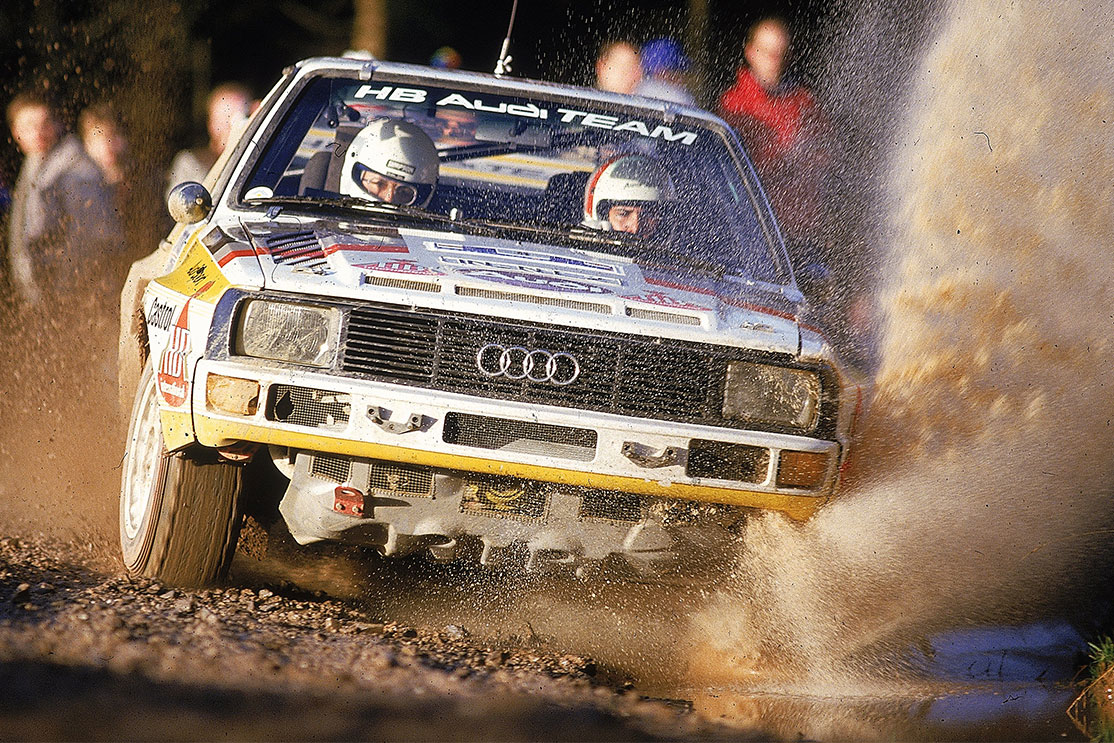
As an Audi factory driver, France’s Mouton won three world championship rallies in 1982, finishing runner-up for the title (behind Walter Röhrl). She won 162 stages in WRC and went on to win Pikes Peak in ’84 and ’85 and the German Rally Championship in ’86. A motorsport hero.
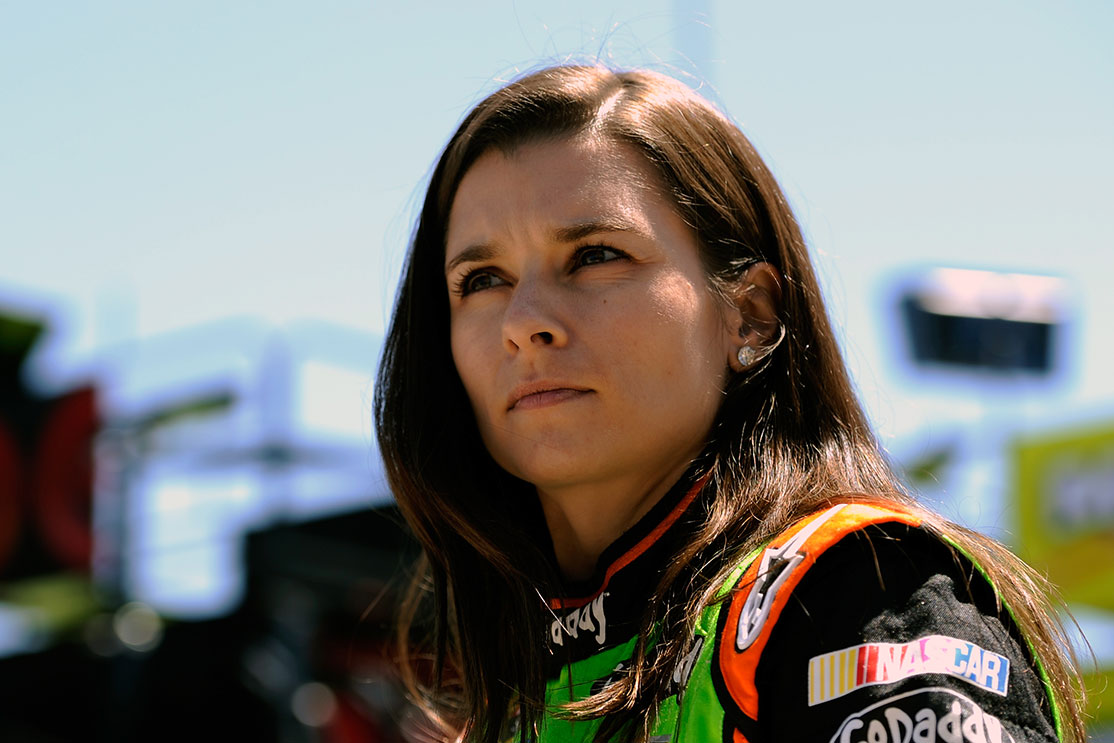
Patrick’s emotional win at the 2008 Indy Japan 300 crowned her the most successful woman in US open-wheel racing ever. These days she’s racing in NASCAR, her best moment so far pole at the 2013 Daytona 500. Patrick is the fifth highest paid female athlete in the world.
3. SHIRLEY MULDOWNEY
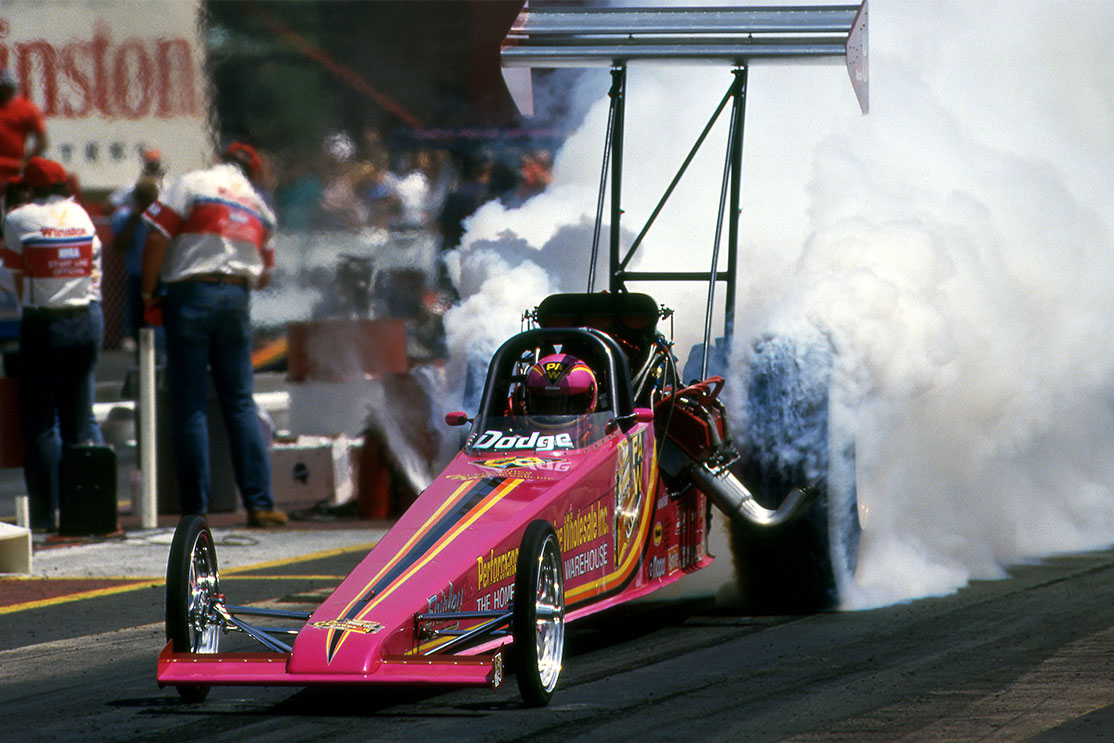
Drag racing legend Muldowney blazed a trail for future female drag racers like Ashley Force and Aussie Rachelle Splatt. She won the prized NHRA Top Fuel Championship in 1977, 1980 and 1982. The first woman to win the title, yes, and the first person ever to win it three times.
4. MOLLY TAYLOR
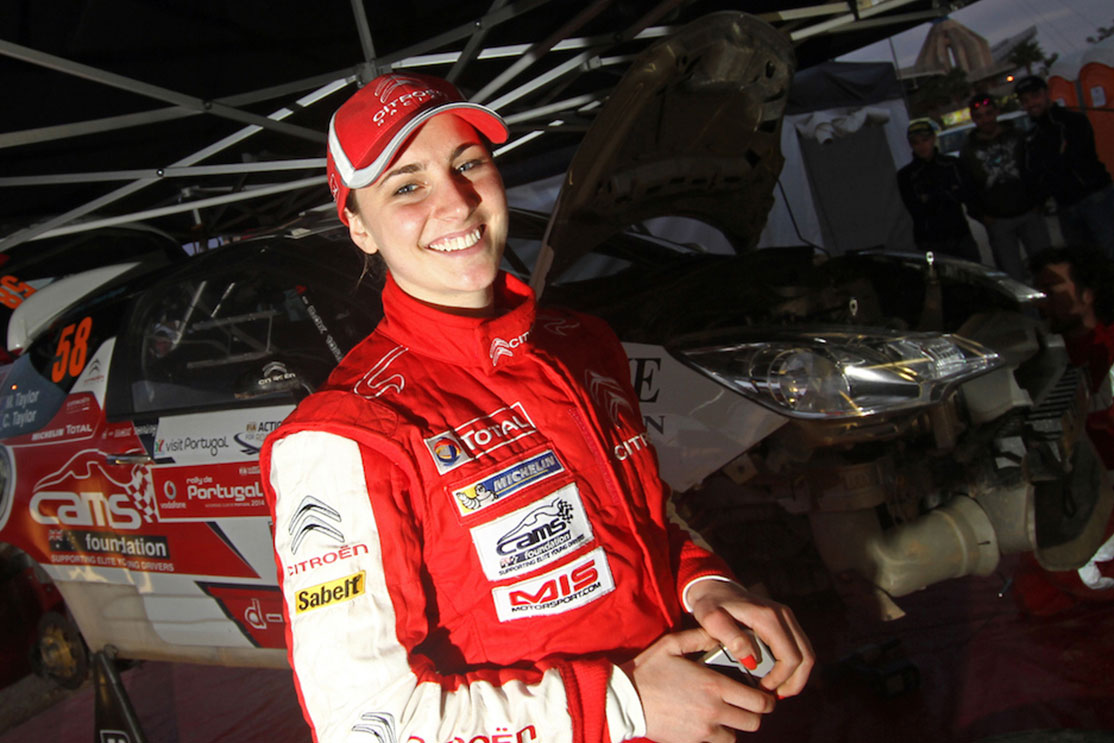
Inspired by Mouton, 26-year-old Taylor – from Sydney – was ranked number one female rally driver in the world last year. This year, she’s rallying a Citroen DS3 in the Junior World Rally Championship – and trying to crack WRC.
5. LELLA LOMBARDI
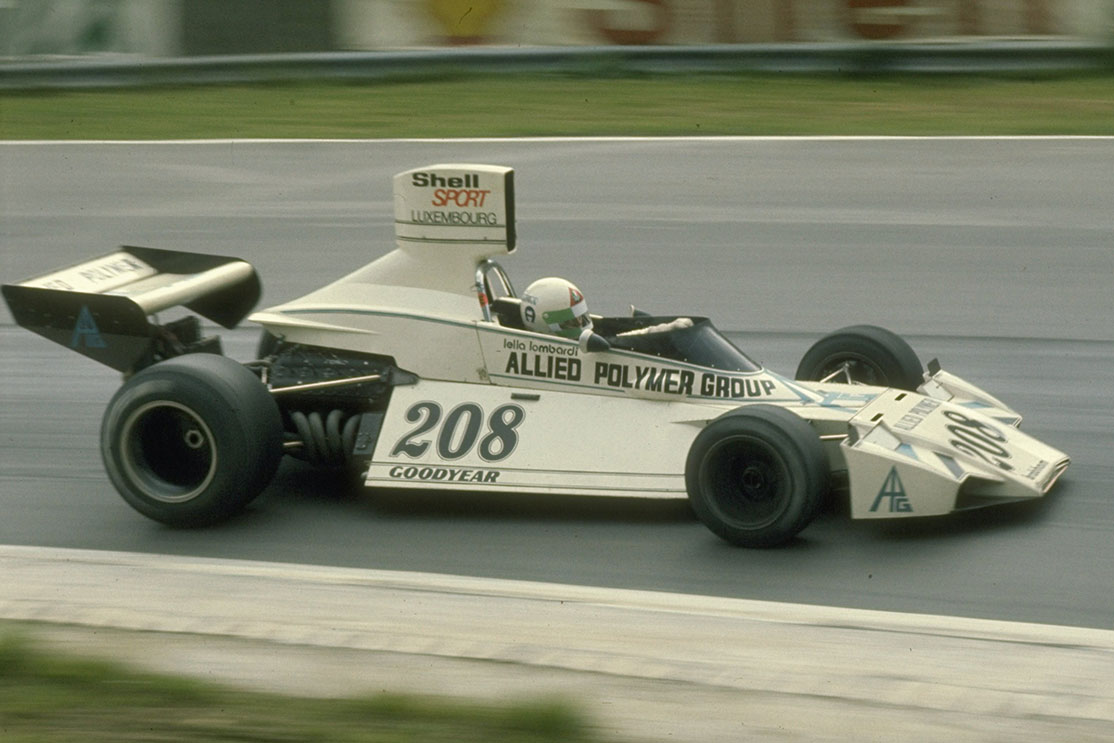
Italian Lombardi raced 17 grands prix between 1974 and 1976 for March, RAM and Williams. She scored half a point at the 1975 Spanish GP for finishing sixth (in a shortened race) – the only woman to ever score points in F1 so far.
6. DENISE McCLUGGAGE
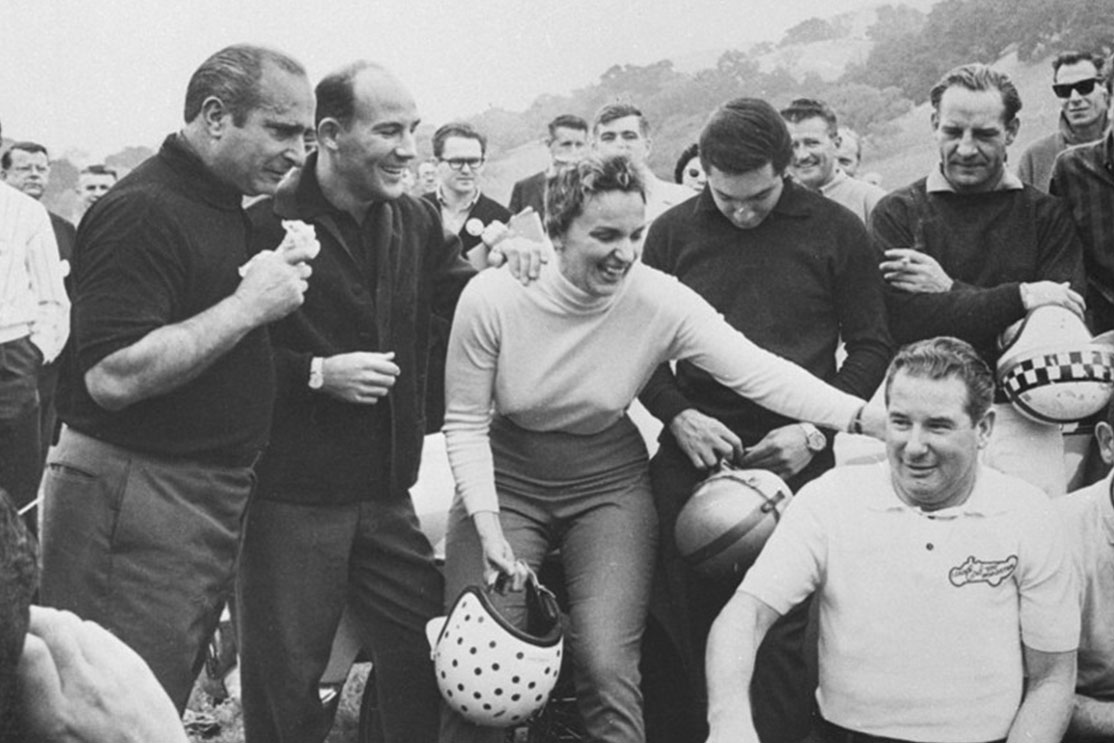
Fangio, Moss, and to his left is American McCluggage. She fought for gender equality in motorsport, as well as in journalism, and earned her male rivals’ respect with wins in sportscars and a class win at the 1964 Monte Carlo Rally.
7. ANNE HALL
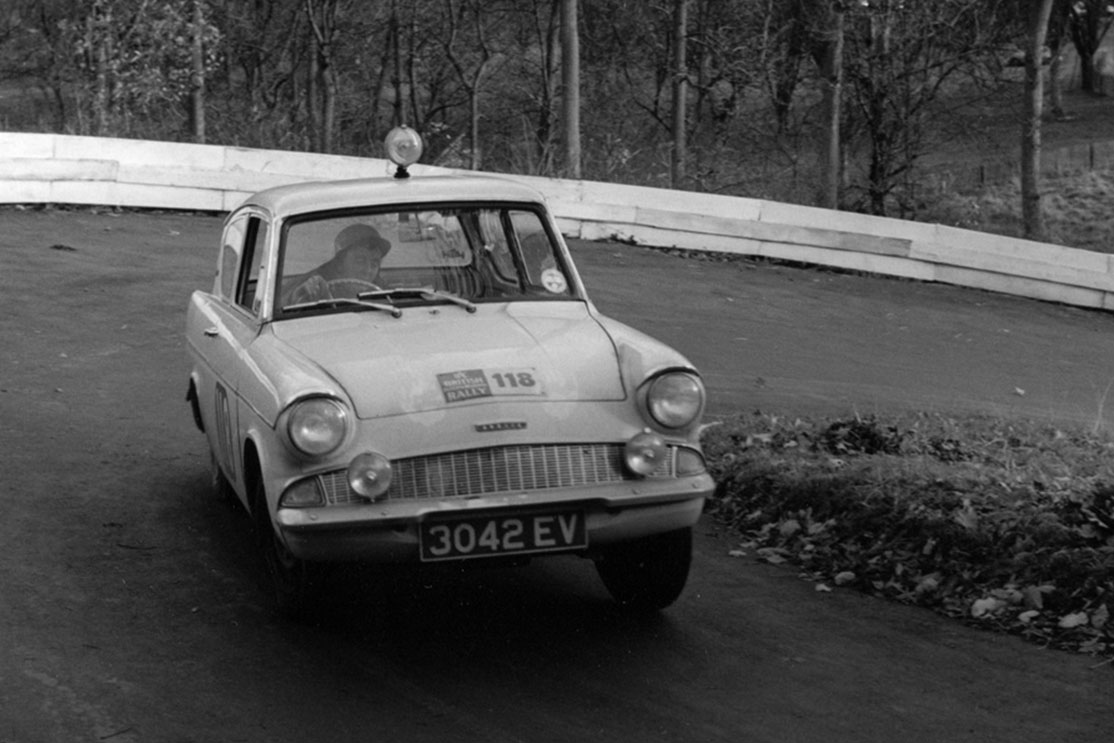
One of Britain’s best-known rally drivers in the 1950s and early ’60s, Hall was a fierce competitor at the Monte Carlo Rally – earning the nickname “Queen of Monte Carlo”. Her tenacity shone through when she finished third at the gruelling 1961 East African Safari in a works Ford Zephyr.
8. SIMONA DE SILVESTRO
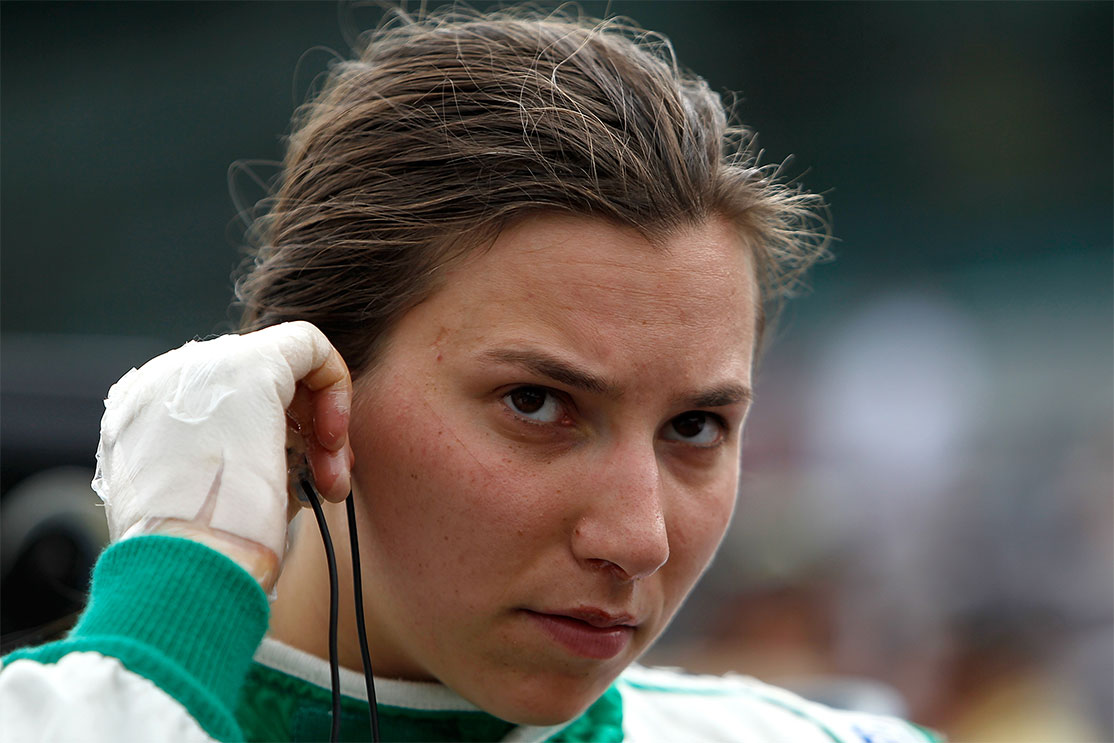
At just 25, Swiss racer De Silvestro is racing at the front of IndyCars in America, with a best finish of second at last year’s Grand Prix of Houston. And now she’s eyeing an F1 drive in 2015, having tested a grand prix car for the first time with Sauber at Fiorano in Italy in April.
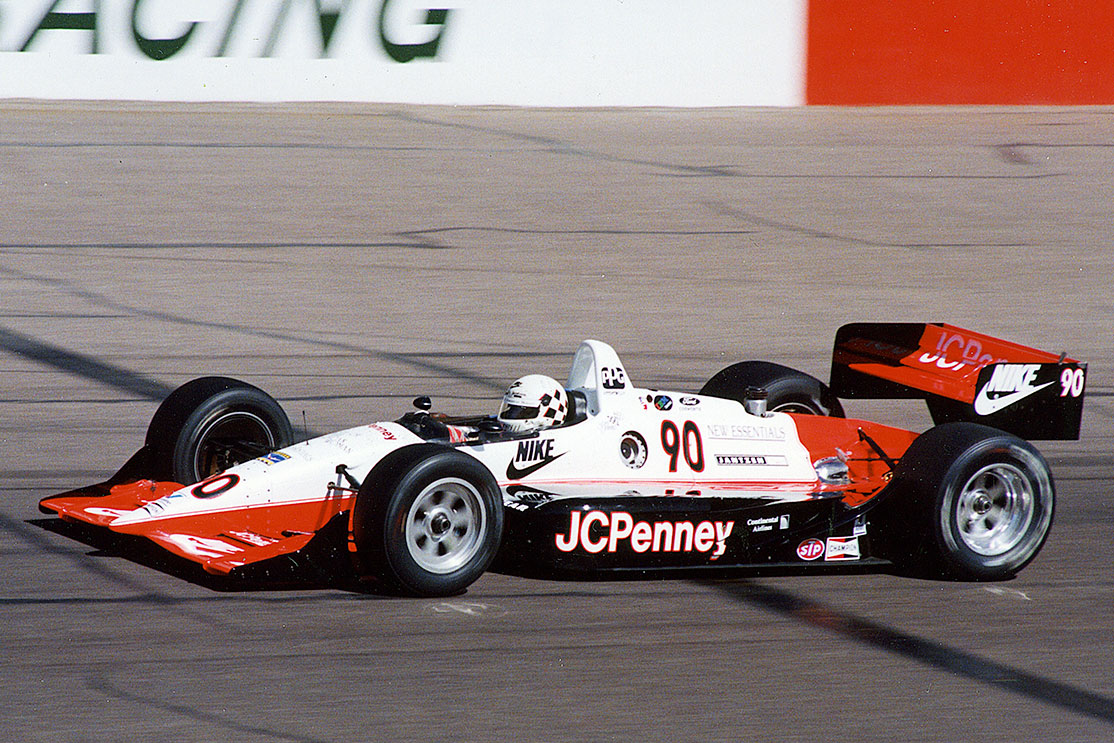
After racing sportscars at Le Mans and Daytona in the late ’80s, St. James was a pioneer for women in American open-wheel racing. She contested seven Indy 500s and qualified sixth for the 1994 race. She was Indy 500 Rookie of The Year in 1992.
This article was first published in MOTOR July 2014.
An unprecedented sales result for the Aussie car market saw champagne flowing widely in June − unless you’re a Ford dealer…
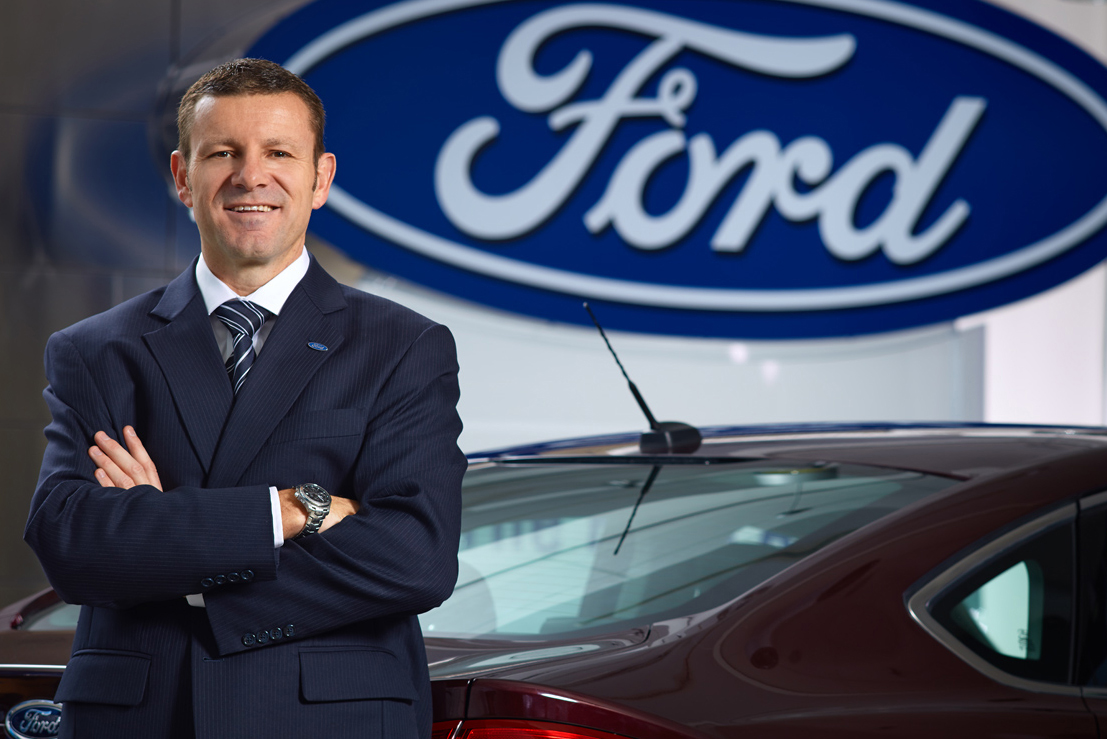
FORD Australia’s market share in June 2015 fell to 6.0%, compared to 13.6 a decade ago, despite the local car market growing from 955,229 sales in 2005 to 1,113,224 in 2014. Even this time last year, Ford’s slice of the market was a larger 7.5% before it went on to record its worst sales result since 1966.
Ford’s dismal sales continued last month despite a buoyant market that’s grown 3.3% so far this year, with more cars sold in June than ever. Still, Ford seems unable to convert some excellent products into sales results.
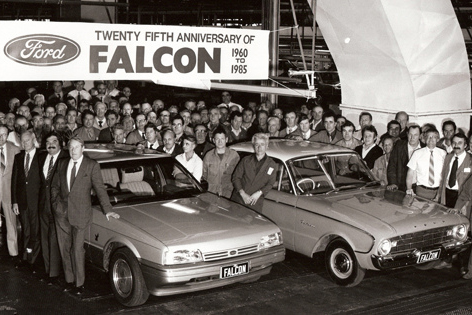
These models should improve Ford’s fortunes, with more than 2000 customers having already paid deposits on a new Mustang, according to the company. Yet the new metal may not be enough to avoid another embarrassing sales year.
Australians bought more new cars in June 2015 than in any other sales month as end-of-financial year offers pushed sales through the stratosphere.
AUSTRALIANS bought more cars in June 2015 than in any month in history. A total of 125,580 vehicles were sold as the nation broke through 500,000 sales for 2015, the market enjoying the traditional end-of-financial-year bounty like never before.
The Hyundai i30 was the best-selling vehicle in June, its 5521 sales were up from a dismal 1666 in May − a whopping 70% increase − and compares to 3243 in June 2014. An updated i30 arrived in showrooms last month. “We had a very strong retail offer,” Hyundai spokesman, Bill Thomas, told Wheels. “The strong retail offer of $19,990 on-the-road plus free auto was very compelling, but we also have a dedicated dealer network, so credit must be given to them as well,” said Thomas. “It just shows that Aussies love a bargain.”
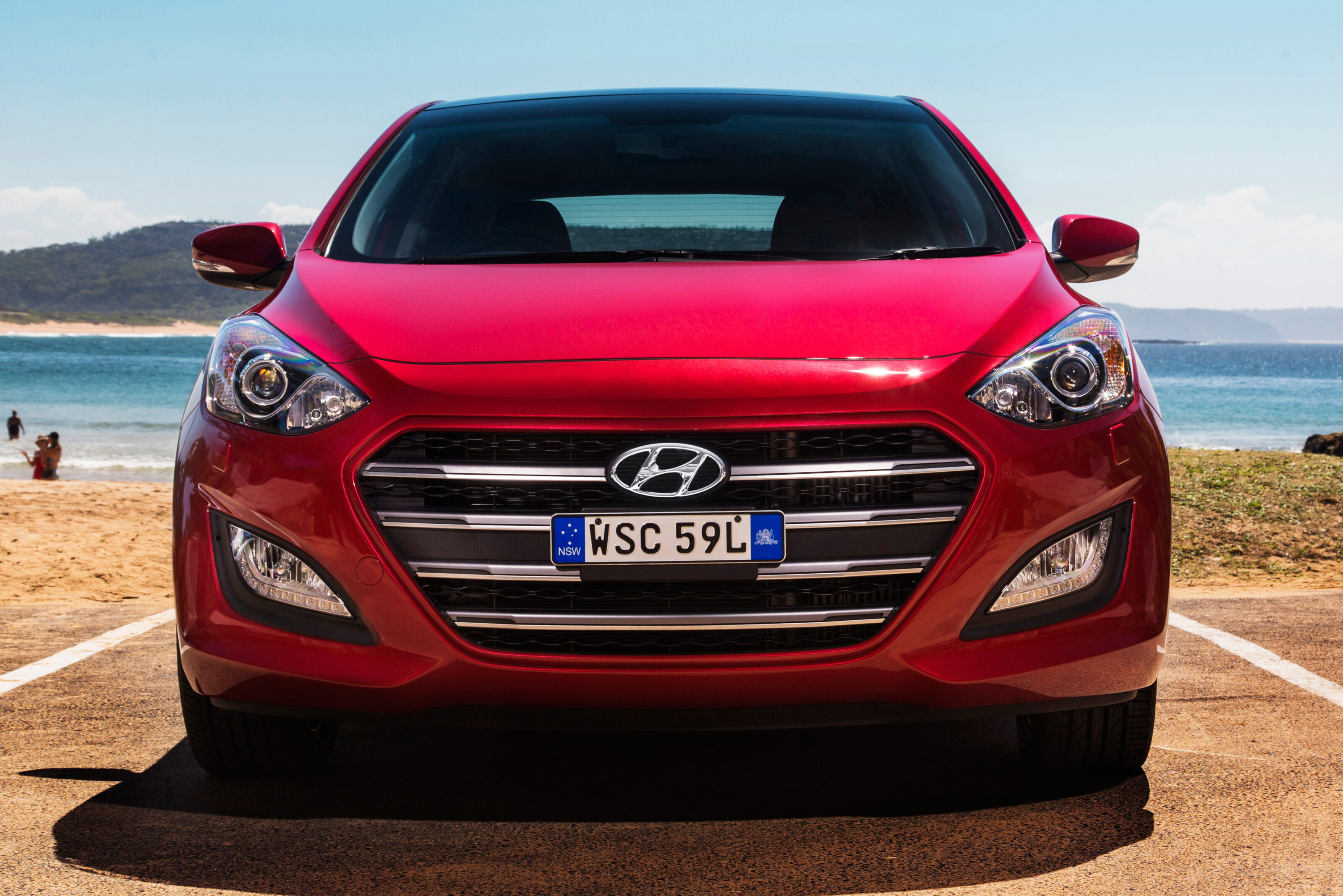
The i30 knocked off the Toyota Hilux (4281 sales) and recently facelifted Toyota Corolla (4152) with last month’s best-selling passenger car, the Mazda 3, in fourth overall with 4127 sales. The new Mitsubishi Triton rounded out the Top five, with the Holden Colorado in tenth making it four utes in the Top Ten.
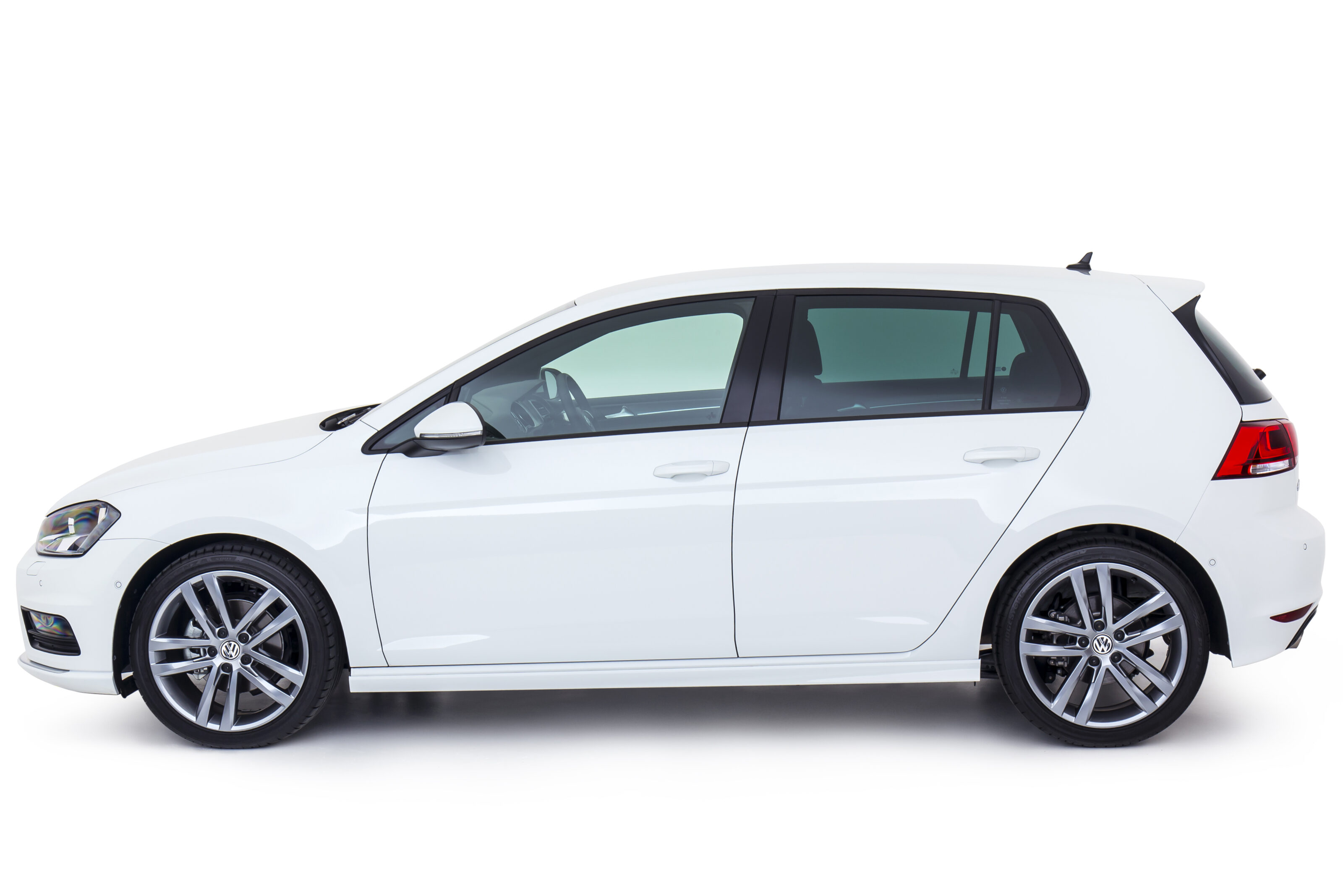
The Holden Commodore was seventh overall, the fourth best-selling passenger car after i30, Corolla and 3, with the VW Golf snapping at its heels, its 2708 sales only 64 cars behind the Holden’s effort.
There’s no prize for guessing Toyota as the top seller in June year-to-date market leader, with its 101,714 sales making up a fifth of all sales.
It’s the battle for second that’s red-hot, with Mazda (56,591) and Holden (51,737) next shadowed by Hyundai on 50,099.
The ‘Aussie’ brands were on the only makers in the Top Ten to lose market share year-on-year, apart from Nissan whose 5.9% this time last year has fallen to 5.7% and seventh overall.
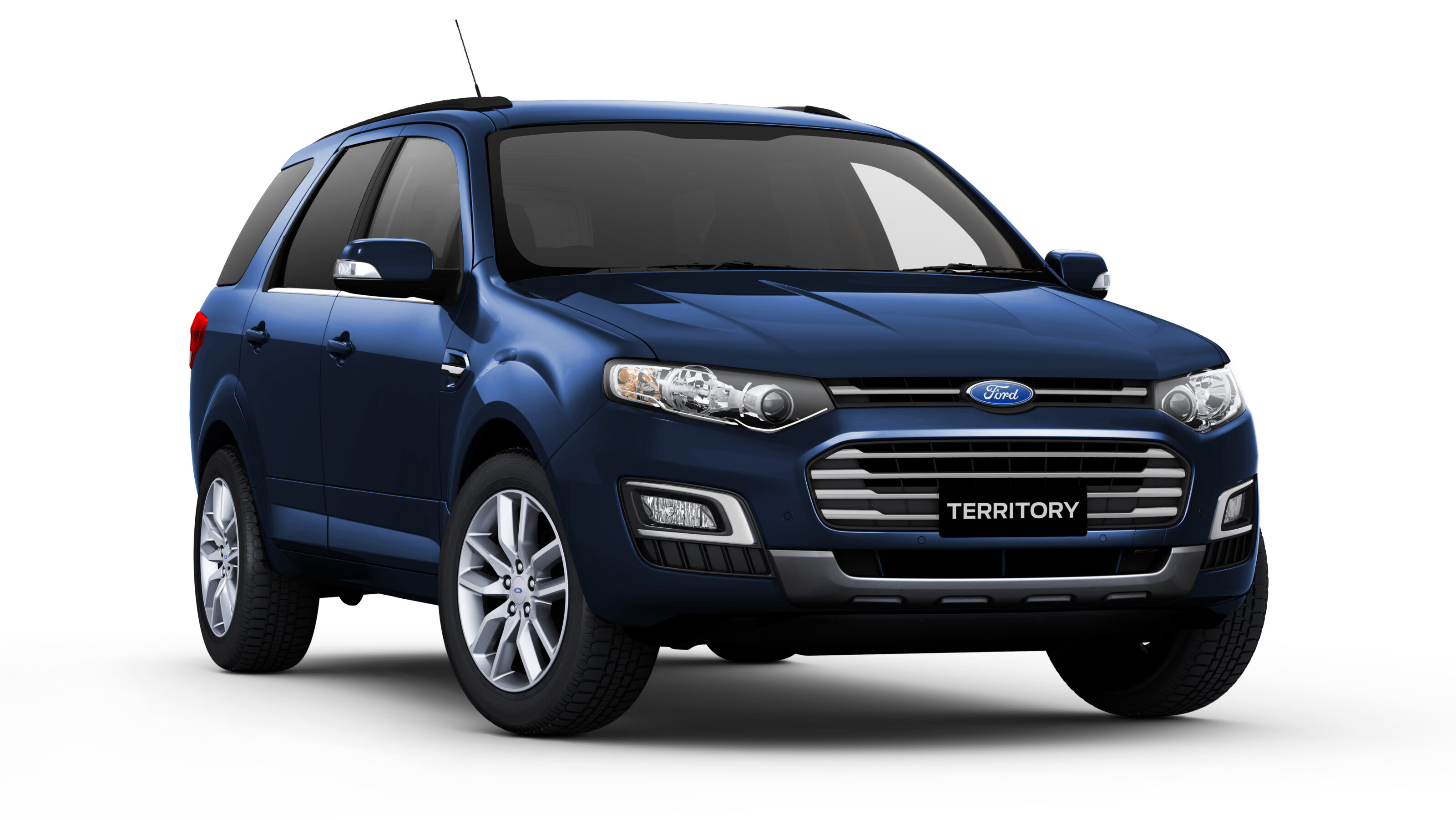
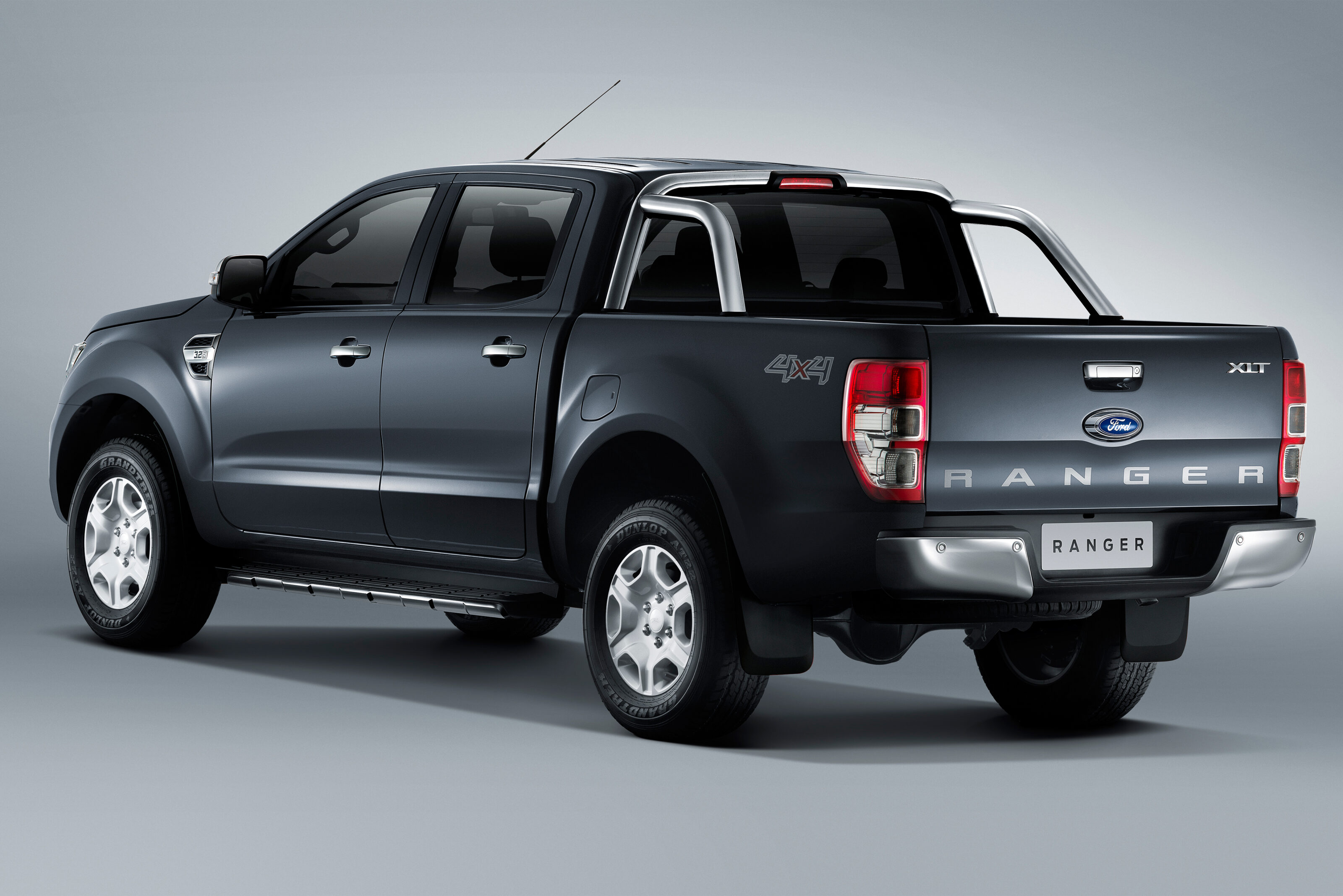
Holden’s slice of the pie has shrunk from 10.1% one year ago to 8.9%, but Ford’s fall from 7.5% to 6.0% reflects an abysmal performance, with its Ranger – the sixth-best-selling vehicle – its only ray of light. In fact, Ranger aside there was not a single Ford in the Top 30 cars, with the Territory the Blue Oval’s best-selling passenger car in 36th position with 844 sales.
Sign up here to receive the latest round-up of Wheels news, reviews and video highlights straight to your inbox each week.
PLUS
- The range is as vast as the Sahara. From the basic Neo to the premium XD Astina Hatch with its 2.2 litre turbo-diesel engine, this car is the whole package and will suit most buyers.
- It’s packed to the brim with stuff – cruise control, Bluetooth, stability control, six airbags and a three year warranty. A Safety Pack is optional with each model while the XD Astina has it included as standard.
- It helps that it looks a bit of alright with a stylish and sophisticated cabin, and a boot space that rivals Beyoncé’sbooty.
- The Mazda3 is an all-rounder and starting at its $21k price point, you’ll get more than you bargained for in this nifty city car.
- The tyres are noisy, which can get a little annoying on those long distance rides. Turn the tunes up.
- The back seats will probably make you feel like you’re sitting on a domestic flight, and are a little too squishy for our liking.
- The entertainment system for the Mazda isn’t great and can get a bit frustrating. You do get used to it eventually, but it takes some time. It could do with its own personal assistant.
Click here to read the full review on the Mazda3
Many racetracks around the world have a ‘clench-tight’ moment.
Circuit De Spa Francorchamps in Belgium is known for its Eau Rouge-Radillion chicane that greets racers at the end of pit straight. To take it fast requires large man vegetables.
Sydney Motorsport Park’s turn one also demands a fair share of speed, and a dollop of respect, as Toyota proved in the early 90s.
Wanting to raise publicity for the circuit back in 1992, Eastern Creek International Raceway (as it was formerly known) invited Toyota’s endurance racing team to lap its brand new TS010 around the track in preparation for the World Endurance Championship.
Designed by sports car genius Tony Southgate, the shrilling TS010 proved its pedigree after test driver Andy Wallace wrestled the car, full throttle, through turn one.
With 447kW behind Wallace and full slicks underneath him, the TS010 extracted enormous mid-corner velocities of over 315km/h from the left-hander as the video reports.
Told it could conduct the shakedown under enduro conditions, Toyota took full advantage, and ran the car for hours straight, the sustained speed and cornering load were so brutal they managed to snap two of Wallace’s ribs after continuous tracing of a bump lurking mid-corner.
But Wallace’s ribs weren’t the only thing broken by the TS010 that particular testing session. After threats, the Environmental Protection Authority issued Eastern Creek circuit with noise fines, but the testing didn’t stop.
And after watching, but more importantly hearing, the 3.5-litre five-valve V10 send the TS010 around the circuit, you’ll wish it never did. After all, bones heal.
Get your free weekly report from the world of fast cars – subscribe to the MOTOR newsletter!
The 2015 Mazda MX-5 roadster bucks the technology trend towards autonomy to stay true to its driver-focused principles of pure and exciting driving. We drove the 1.5-litre in February, now we’re jumping behind the wheel of the more powerful 2.0-litre version.
WHAT IS IT? The Mazda MX-5 is the world’s best-selling roadster and Mazda’s fun-to-drive hero car. Front engine, rear-wheel-drive and powered by two new four-cylinder engines, the latest ND-series MX-5 is for those who care as much about the drive as the destination.
WHY WE’RE TESTING IT The fourth generation of Mazda’s two-time COTY-winning roadster offers two non-turbocharged engine choices for the first time since the 1989 original. We’ve driven the 1.5-litre model earlier this year, and now we’re behind the wheel of the ‘big-bore’ 2.0-litre version, which on paper promises to be an even more exhilarating drive.
MAIN RIVALS The Toyota 86 and Subaru BRZ twins are the most obvious because of their similar fun-over-fury ethos, even if they both have fixed roofs. The upcoming Fiat roadster that we’ve spied testing – which is based on this new Mazda MX-5 and will be built in the same factory – will also get some attention.
THE WHEELS VERDICT Who says more power corrupts? The 118kW, 2.0-litre Mazda MX-5 is as beguiling in the bends as its 96kW 1.5-litre sibling, and it’s faster on the straights. The extra grunt means it’s more flexible and easier around town, too.
PLUS: Steering; handling; grip; punchier engine MINUS: No steering reach adjustment; busier ride; engine note not as sweet; costs $6K more

THE WHEELS REVIEW Thank you America. And thank you Global Financial Crisis. Without you both, the fourth-generation Mazda MX-5 would not be this great. Thank you Toyota 86/Subaru BRZ, because without you two, the MX-5 would not be this cheap. Thanks also to Mazda for continuing to pursue the lightweight British Roadster ethos when all others refuse. And, finally, our thanks to Nobuhiro Yamamoto and his talented team for taking the world’s best-selling roadster to new heights.
We drove the 1.5-litre MX-5 in February. We know how good the fourth-gen MX-5 is. We know Mazda focused heavily on weight reduction − down as much as 150kg − to bring the MX-5 back as close to the original’s principles as possible. We know they succeeded.
This is our first drive of the 2.0-litre version of the fourth-gen Mazda MX-5. Strange to say, but it’s a variant that would probably not have existed if it weren’t for the GFC, and for America.
Product planning for this model began in 2007, just two years after the third-gen launched. At that time, the plan was for the MX-5 to have one engine: the smallest and most efficient SkyActiv advocate that adequately delivered on the pure driving pleasure goal.

A bigger 2.0-litre engine was not in the plan, for Japan, for America, or for Australia. Then along came the GFC, and Mazda, like many car companies, put development work on hold while the financial world collapsed. The ND MX-5 program was delayed.
Once development got back under way, Mazda North America aired doubts about the market appeal of a diminutive 1.5-litre engine in their next Miata, as it’s badged there. They wanted something bigger. They got it. And therefore, so do we. Which is lucky because it’s very bloody good.
Wheels drove both the 1.5 and the 2.0-litre MX-5 back-to-back in Scotland in late-June, both in six-speed manual form. A six-speed Aisin automatic will also be offered in Australia when the cars go on sale, the 1.5 first in September, and the 2.0-litre around December.
Mazda has confirmed the entry level MX-5 will be priced at $31,990, an astonishing $15K reduction from the third-gen’s $47,280. Strictly speaking, that direct comparison is unfair, because the 1.5-litre has a smaller engine and a soft-top roof compared to the outgoing 2.0-litre hardtop. And we’re not entirely sure of spec levels yet, so it’s hard to know the true value comparison, though it’s a fair bet the new car will carry more gear. So, big savings then. Mazda Australia denies the old price point was over-inflated, or that the new price point is a reaction to the Toyota 86 and Subaru BRZ’s impact on the market, but it’s surely a factor.
The 2.0-litre we’re focusing on here is expected to start around $37,000 in six-speed manual form. Compared to the 1.5-litre its engine has 22kW and 50Nm more. It also wears bigger 17-inch wheels and tyres and larger 280mm disc brakes front and back. And that’s pretty much the sum total of mechanical differences.
Final Oz specification is yet to be announced, but an i-Eloop energy recuperation system fitted to European models and similar to that on the Mazda6 will not be available on Australian MX-5s. It costs too much, says Mazda Aus.
In the corners, there’s very little to choose between the 1.5 and the 2.0-litre. When it comes to handling competence and corner carving abilities, both enjoy the same fast, fluid temperament. And where the last one felt fidgety at times and reactive to road conditions, the new model is more planted.
This is the MX-5’s first outing with electric steering, and it is sublime. Fast, direct and full of feel. Light too, as befits the car’s ethos. And, despite their engine differences, both have the same sweet chassis balance that favours neither the front nor the rear. Anyone who reckons they can feel the impact of the 2.0-litre’s extra 25kg is either a driving deity or delusional.
The 2.0-litre is more enjoyable than the 1.5-litre, but only incrementally so. A Sunday drive in either is sure to be an occasion for joy. In the 2.0-litre you’ll enjoy more punch out of a corner, and you’ll get to the next corner more quickly. But you’ll have a busier ride on lower profile tyres, and the engine isn’t as sweet high in the rev range. The 2.0-litre only revs to 6600rpm, by the way, unlike the 1.5-litre’s 7500rpm cut-out.
So, is that extra performance worth another $6K? I know quite a few people who’ve spent that and more extracting more performance from their cars. And as often as not the extra power corrupts the dynamic package. In this case, more power does not corrupt; it enhances what was already a brilliant, engaging machine, and makes for a more exhilarating drive. And that’s what the MX-5 is all about.
SPECS Model: Mazda MX-5 Engine: 1998cc inline 4-cyl, dohc, 16v Max power: 118kW @ 6000rpm Max torque: 200Nm @ 4600rpm Transmission: 6-speed manual Kerb weight: 1000kg Economy: 6.9L/100km (EU) 0-100km/h: 7.3sec Price: $37,000 (estimated) On sale: December
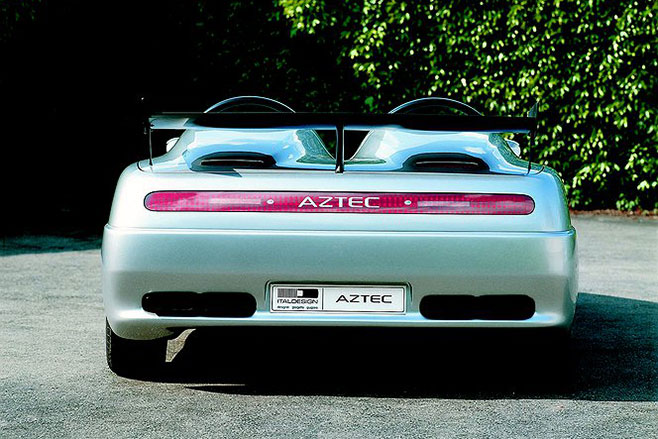
Looking like the spawn of a Subaru SVX and 90s Corvette that had speared through the movie set of Back to the Future, the 1989 Italdesign Aztec is something you don’t often stumble upon.
But that’s what has happened to Japanese car importer Iron Chef Imports, which came across the Aztec in a Japanese auction yard and promptly shared the interesting find to social media.
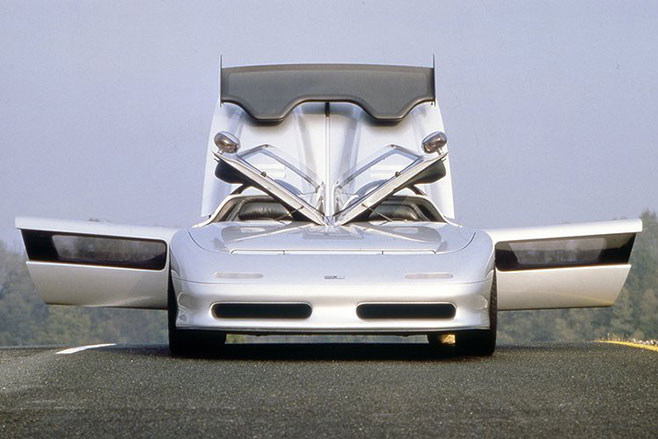
Designed to be an exclusive collector’s item that looked toward the future, pictures from italdesign.it reveal it was powered by an 186kW Audi inline-five cylinder engine. The unit seems to be nestled so close to the firewall it would have done well to double as a massage machine.
Then there’s its actual seat layout, where individual glasshouses separated the driver and passenger in a design that could have been inspired by Le Mans cars or an X-wing fighter – or both.
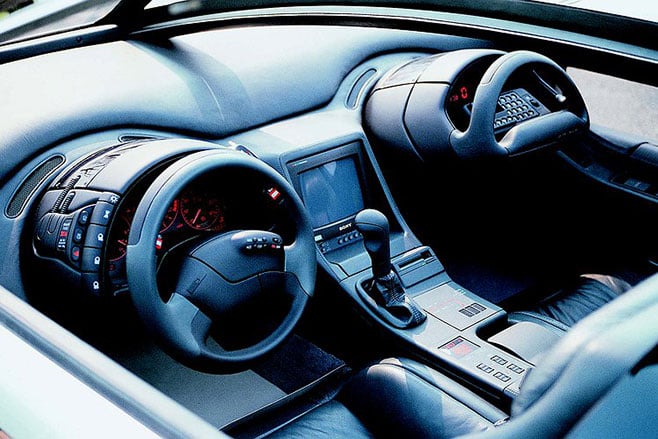
Adding to its bizarre personality, the passenger is also greeted by what look like a steering wheel. However to the benefit of the driver and detriment to his company it was a control console and not used for steering.
Keeping to its futuristic theme, exterior-wise there was a control panel installed in its right flank just fore of the rear wheels consisting of a speaker and code pad, here the driver input different codes to hear the status of vitals like coolant or oil levels. On the left hand side a similar arrangement stored a torch, screwdriver, fire extinguisher, and tyre inflator.

Regarding the most polarising aspect of the vehicle, Giorgetto Giugiaro was responsible for the Aztec’s build and design, a man who also penned the BMW M1.
As for price and build, Iron Chef Imports wrote “[Italdesign] was originally hoping to sell 50 of them, but at $750K and upwards retail, at a time when ‘greed is good’ took a dive with the stockmarket, they ended up selling something like 18.”
The particular example the importer found online is up for a $300K bid and wears 3000km on its odometer.
Kristian Appelt, director of Iron Chef Imports, also tells MOTOR the original owner bought the car for US$2.2million on account of it being chassis number one and being signed.
Unfortunately, though, if you’re interested in your own unique wedge-shaped slice of weird the selling Aztec rolls under the hammer in Japan today.