
According to a 2020 Geely annual report, Geely Sweden Holdings also incorporates a motorsport management company and a competence centre that provides services for group companies in Sweden. Geely Sweden Holdings is owned by Zhejiang Geely Holding, a privately owned industrial group of companies headquartered in Hangzhou, China.
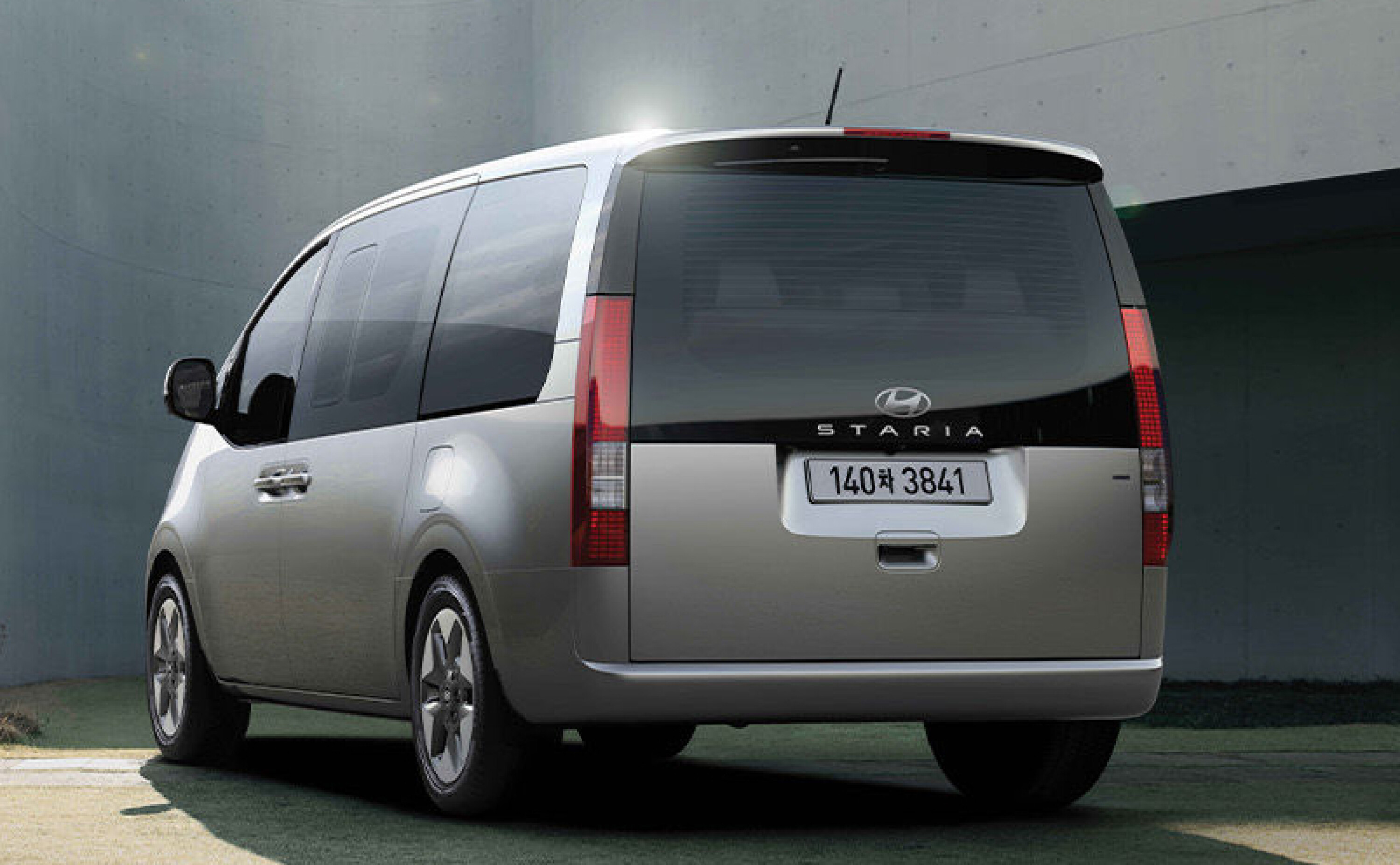
The 2024 Hyundai Staria Hybrid has been announced for South Korea with people mover and cargo-carrier options.
It is currently limited to Hyundai’s domestic market with no export plans for the Staria Hybrid confirmed at this stage.
However, Hyundai Australia says it is “very keen” to expand its hybrid line-up – where an electrified Staria Load would become the first commercial van to offer a full-hybrid powertrain locally.
1
“Staria Hybrid is currently only available in the domestic (Korean) market. We are very keen to add Staria Hybrid to our rapidly expanding hybrid portfolio Down Under, however nothing is confirmed at this time,” said a Hyundai Australia spokesperson.
Like the related Santa Fe and Kia Carnival – which are all based on Hyundai-Kia’s ‘N3’ monocoque platform – the Staria Hybrid features a 1.6-litre turbo-petrol engine matched to an electric motor for a 180kW and around 370Nm total system output.
It has a six-speed automatic transmission instead of the eight-speed units found in petrol V6 (200kW/331Nm) and turbo-diesel (130kW/430Nm) versions of the Staria and Staria Load.
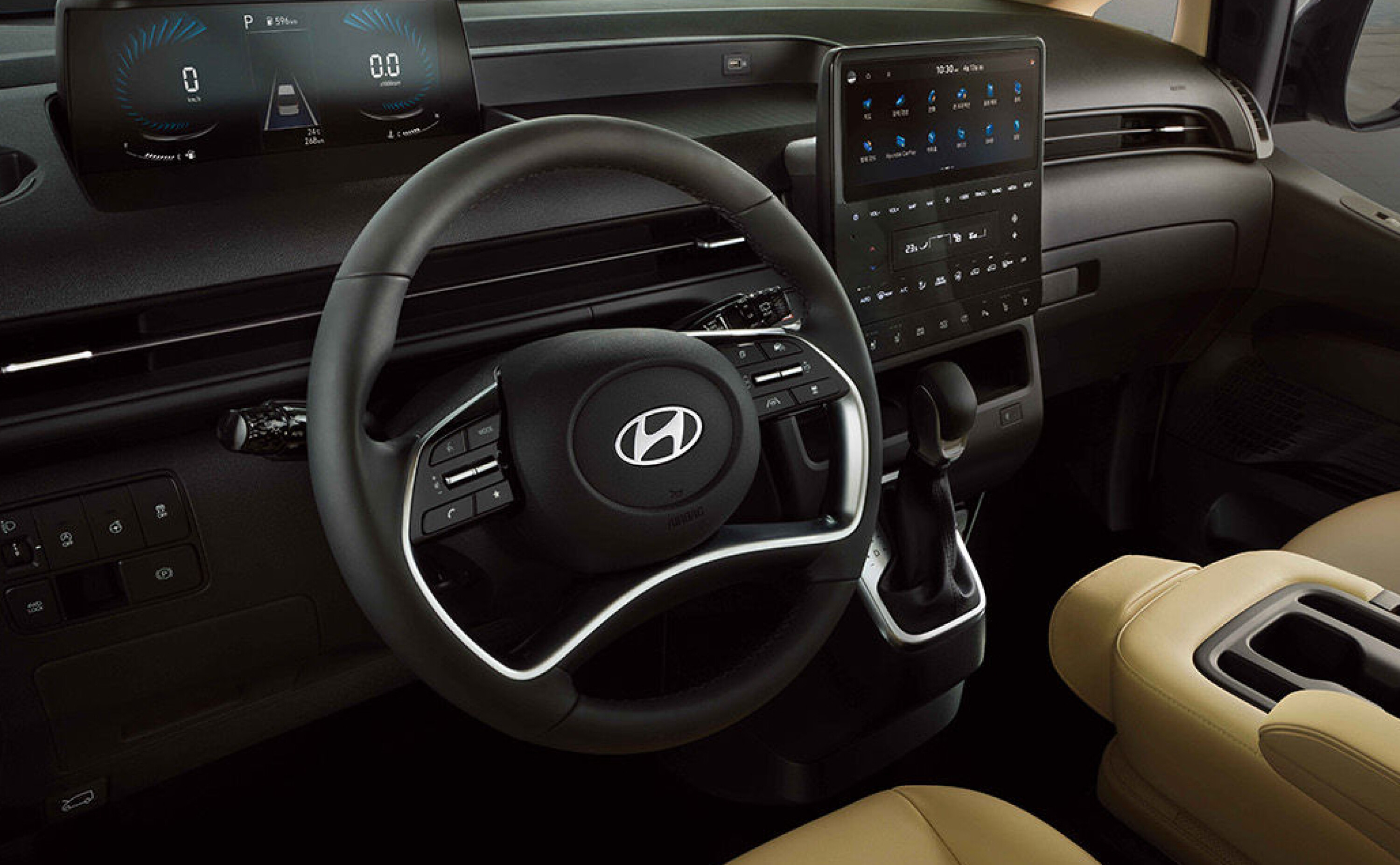
The Korean Car Blog [↗] reports the 2024 Hyundai Staria has also received minor updates in addition to the newly added hybrid powertrain.
1
This includes traffic jam assist, USB-C charge ports, an updated key fob, standard front parking sensors, and a quieter power sliding door with a new warning sound.
Hyundai Australia could not confirm whether we’ll see these revisions applied to local Staria and Staria Load models.
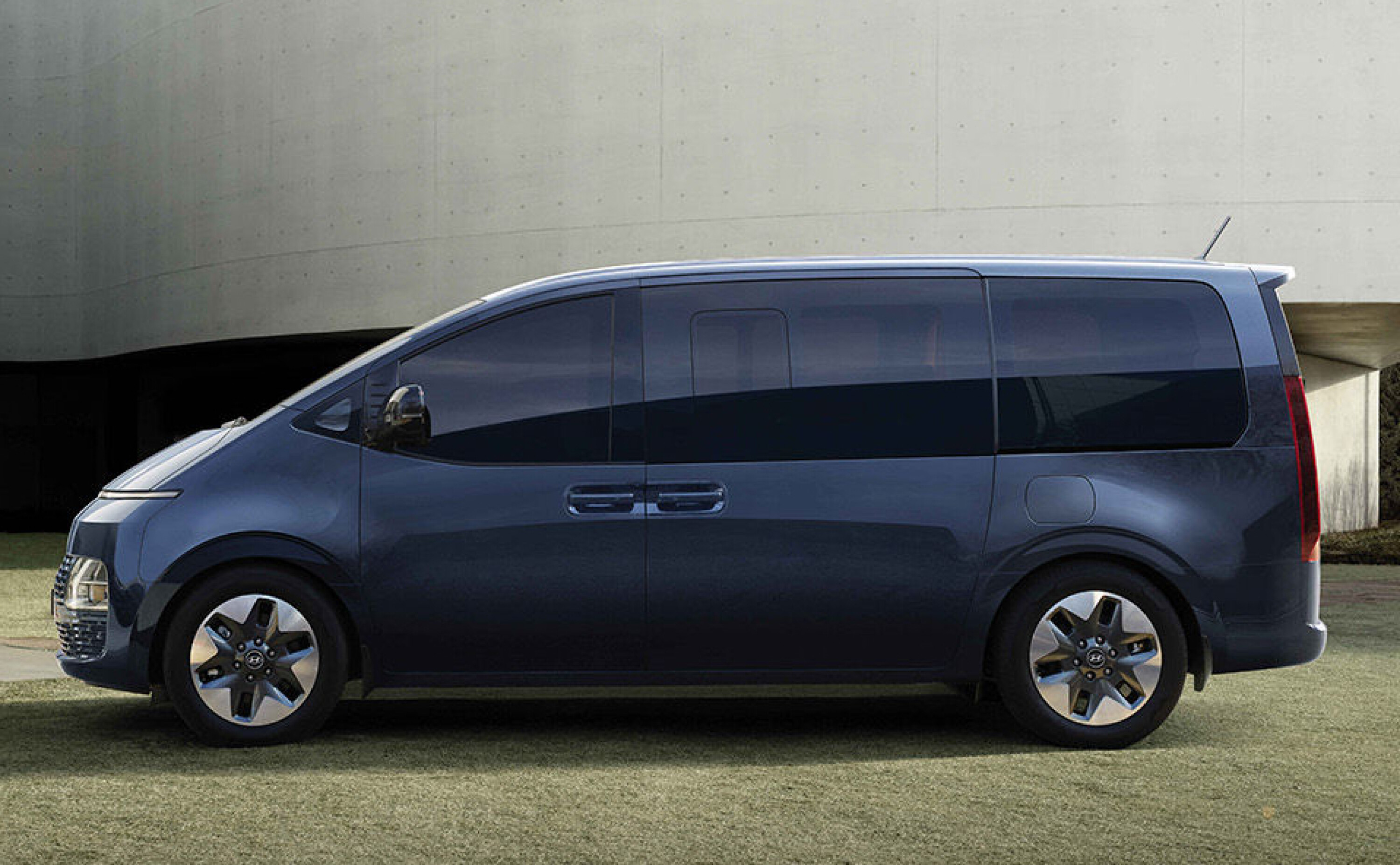
The Hyundai Staria and Staria Load were unveiled in 2021 as the successor to the iMax and iLoad, respectively, which were on sale for 14 years.
Both models switched from a unique rear-wheel-drive commercial van platform to the front-wheel-drive ‘N3’ passenger car architecture shared with the Santa Fe, Tucson and Sonata – as well as the Kia Sportage, Sorento and Carnival.
1
Unlike its Carnival arch-rival, the Staria people mover is all-wheel-drive in diesel form, while Staria Load diesel and Staria V6 petrol models are front-drive.
Hyundai has not confirmed if the Staria Hybrid will be offered with all-wheel drive.
VFACTS new-car sales data reveals 1141 examples of the Hyundai Staria were sold in Australia in 2023, significantly behind the Kia Carnival (11,312) but ahead of the Volkswagen Multivan/California (851), LDV Mifa (452) and Toyota Granvia (112) people movers.
Meanwhile, Hyundai sold 2497 units of the Staria Load, behind the Toyota HiAce (7133), LDV G10 (3638) and Ford Transit Custom (2843).
MORE
Everything Hyundai
February 29: Polestar takes $1.5b loan, Volvo to shrink its stake
EV brand Polestar has secured a three-year, US$950 million loan from a consortium of 12 global banks, including BNP Paribas, Natixis, Standard Chartered, BBVA, HSBC and SPDB.
The company added that it has a cash balance, as at 31 December 2023, of approximately USD 770 million ($1.2 billion).
This announcement follows news in early February that Volvo would respond to an 83% fall in Polestar’s share price – which played a part in Volvo’s own share price having halved over the past year – by cutting the spinoff brand’s funding.
Volvo said it was evaluating “a potential adjustment to its shareholding … with Geely Sweden Holding being the primary recipient.”
Today’s news confirms that the largest stakes in Polestar will now be held by Geely directly and its subsidiary, Geely Sweden Holdings.
Geely’s owner Eric Li already owns a stake in Polestar, but the Geely holding company itself was not a direct shareholder before this latest change.
Presaging any suggestion that Polestar is now on a three-year lifeline, Geely CEO Daniel Li said: “We will retain our shares in Polestar and intend to participate in future financing activities when required.”
Volvo will retain an 18% stake, confirming previously that it “will remain a strategic partner in areas across R&D, manufacturing, after sales and commercial”.
Volvo Car boss Jim Rowan told The Financial Times in early February that Geely is “much more of a natural holding company” for Polestar, giving “clarity” to Volvo investors.
Speaking with Wheels Media today, a Polestar spokesperson said: “The new ownership structure enables Polestar to take its place within the group alongside other brands like Volvo, Lotus, Zeekr.”
The huge external investment comes with conditions, however, including the establishment of “a comprehensive efficiency program”. Like a number of large global companies in recent years, layoffs have been a big piece of finding those efficiencies. Polestar has already shed 10% of its workforce since mid-2023, and a further 15% will follow in 2024.
Polestar expects its fortunes to improve in the coming year, with the long anticipated market launch of its Polestar 3 and Polestar 4 SUVs.
Both will reach Australia this year.
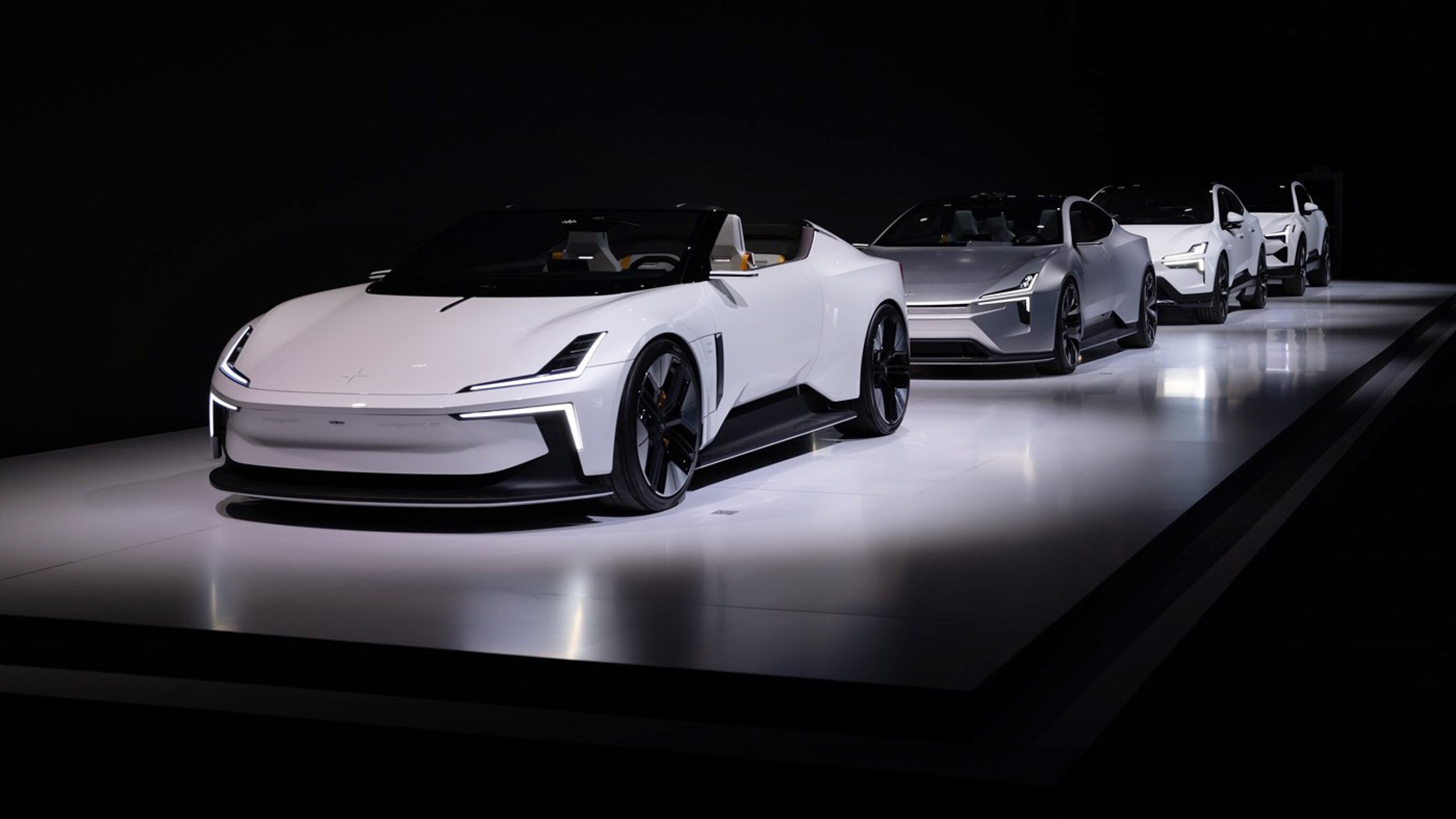
Those two are likely to be Polestar’s highest-volume models alongside the compact 2 sedan, but the brand still intends to launch its confirmed halo models: the large Polestar 5 “four-door GT” sedan and the Polestar 6 convertible.
Outlook for end of year: Expectation of volume growth, double-digit gross profit margin, with significant progress in the second half of 2024 as new SUVs reach full production.
“This marks a new phase in Polestar’s business,” said Polestar CEO and former Volvo design boss, Thomas Ingenlath. “The efforts of recent years are paying off: We improved our cost basis, secured financing and are ramping up our product offensive.
“Both SUVs now sharpen the brand, target one of the fastest growing segments in the industry and position us for strong volume growth and profit margin progression from the second half of 2024.”
February 2: Volvo cuts Polestar’s funding
Polestar’s current financial struggles look set to continue after Volvo Cars announced it will no longer provide the EV-only brand with further funding.
Snapshot
- Volvo withdraws funding support for struggling EV brand Polestar
- Polestar is on shaky financial ground following an 83 share price plummet and low sales
- Volvo and Polestar will still be strategic partners in R&D and manufacturing
Volvo currently owns a 48 percent stake in Polestar, which was previously the Swedish brand’s performance-car division, however it is now preparing to cut financial ties and handball all future financial responsibility to their mutual parent company, Geely.
The news follows Polestar’s announcement it would cut 450 jobs globally, which is about 15 per cent of its entire workforce, as it looked to adjust to “challenging market conditions”.
Despite a promising pipeline of future product that includes the Polestar 3, 4 and 5, Polestar has failed to meet sales targets and been forced to cut spending as it struggled with low demand, high inflation and a price war with EV heavyweight, Tesla.
3
Reuter’s reports [↗] Polestar’s share price has fallen by 83 per cent since it went public in June 2022.
Polestar revised its business plan in November 2023, though still said it required US$1.3 billion in “expected external funding” before it could reach its target of being cashflow break-even in 2025.
“Polestar Automotive, the Swedish electric performance car brand, welcomes Geely Sweden Holding as a potential direct new shareholder,” said an official statement on Polestar’s global website. “Volvo Cars is evaluating a potential adjustment to its shareholding in Polestar including a distribution of shares to its shareholders, with Geely Sweden Holding being the primary recipient. Volvo Cars will remain a strategic partner in areas across R&D, manufacturing, after sales and commercial.
1
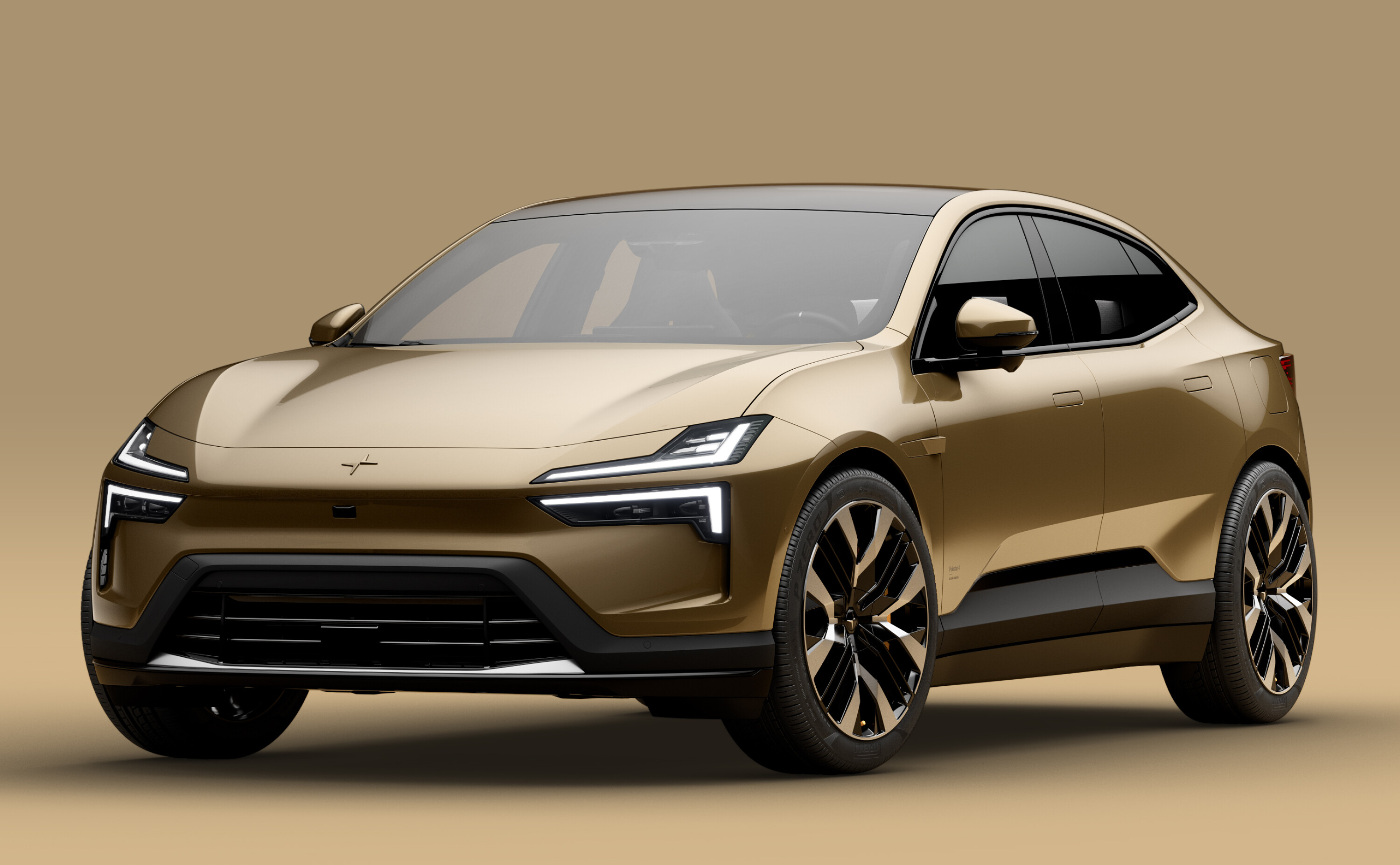
Polestar became a standalone electric-car brand in 2017 and currently sell two models in Australia: the Polestar 2, which is based on the Volvo XC40, and the recently confirmed Polestar 4 which will arrive in August.
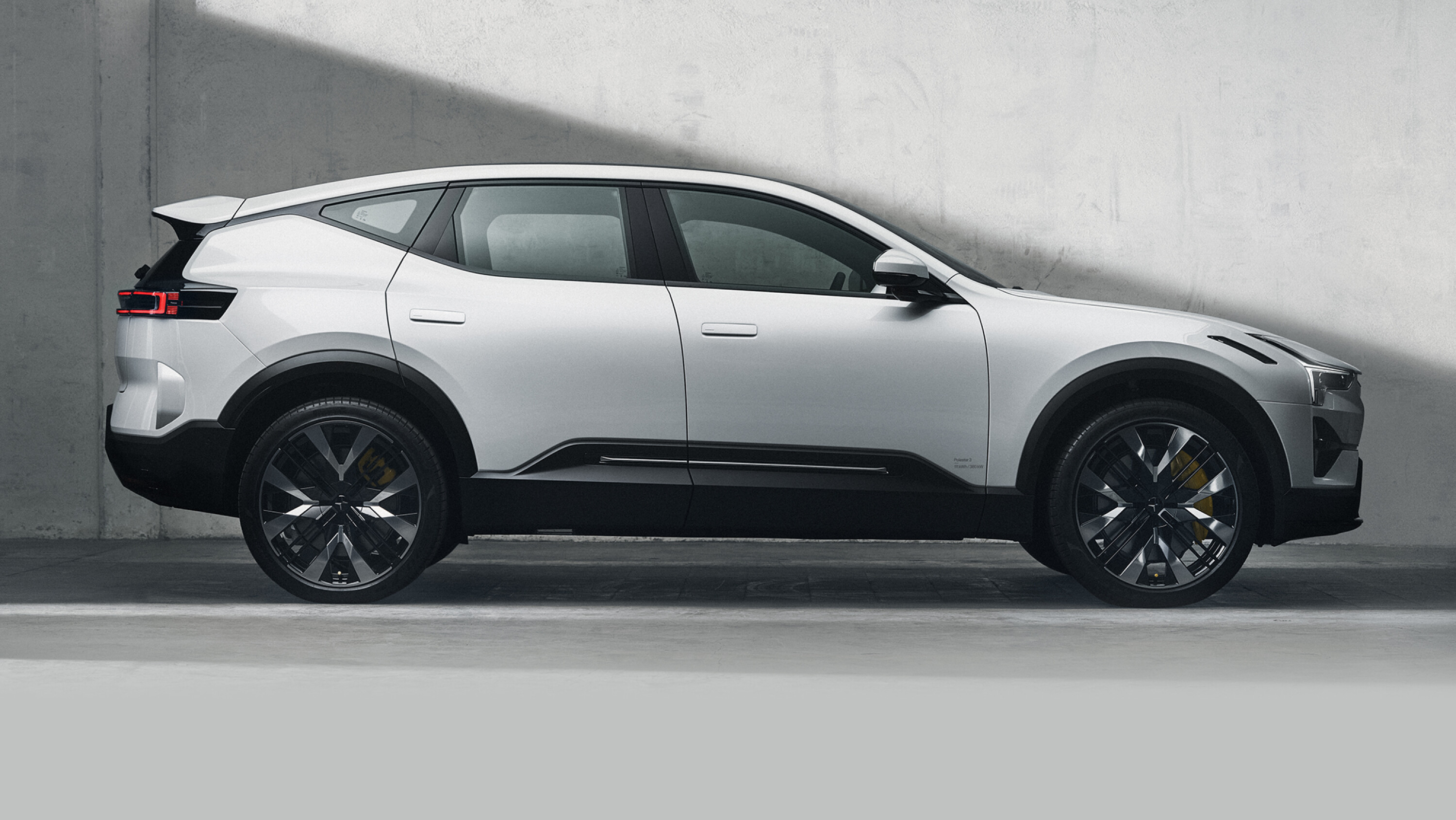
The Polestar 3 large SUV, itself based on the Volvo EX90, is expected to arrive later this year.
6
MORE
Everything Polestar
MORE
Everything Volvo
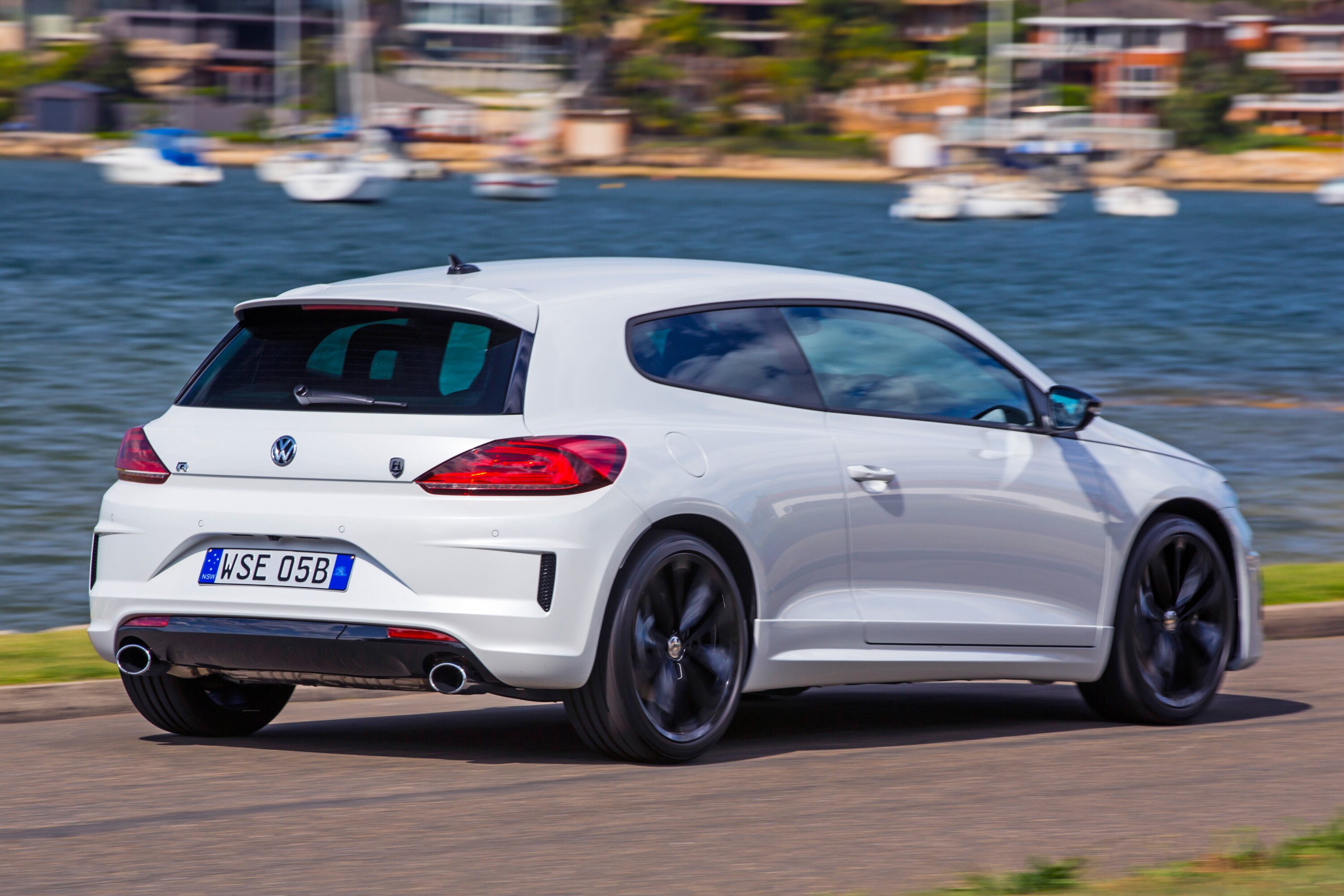
The Volkswagen Scirocco could be reborn as an electric-powered ‘icon’ model.
According to UK publication Autocar [↗], Volkswagen is assessing proposals for a reborn electric Scirocco sports coupe.
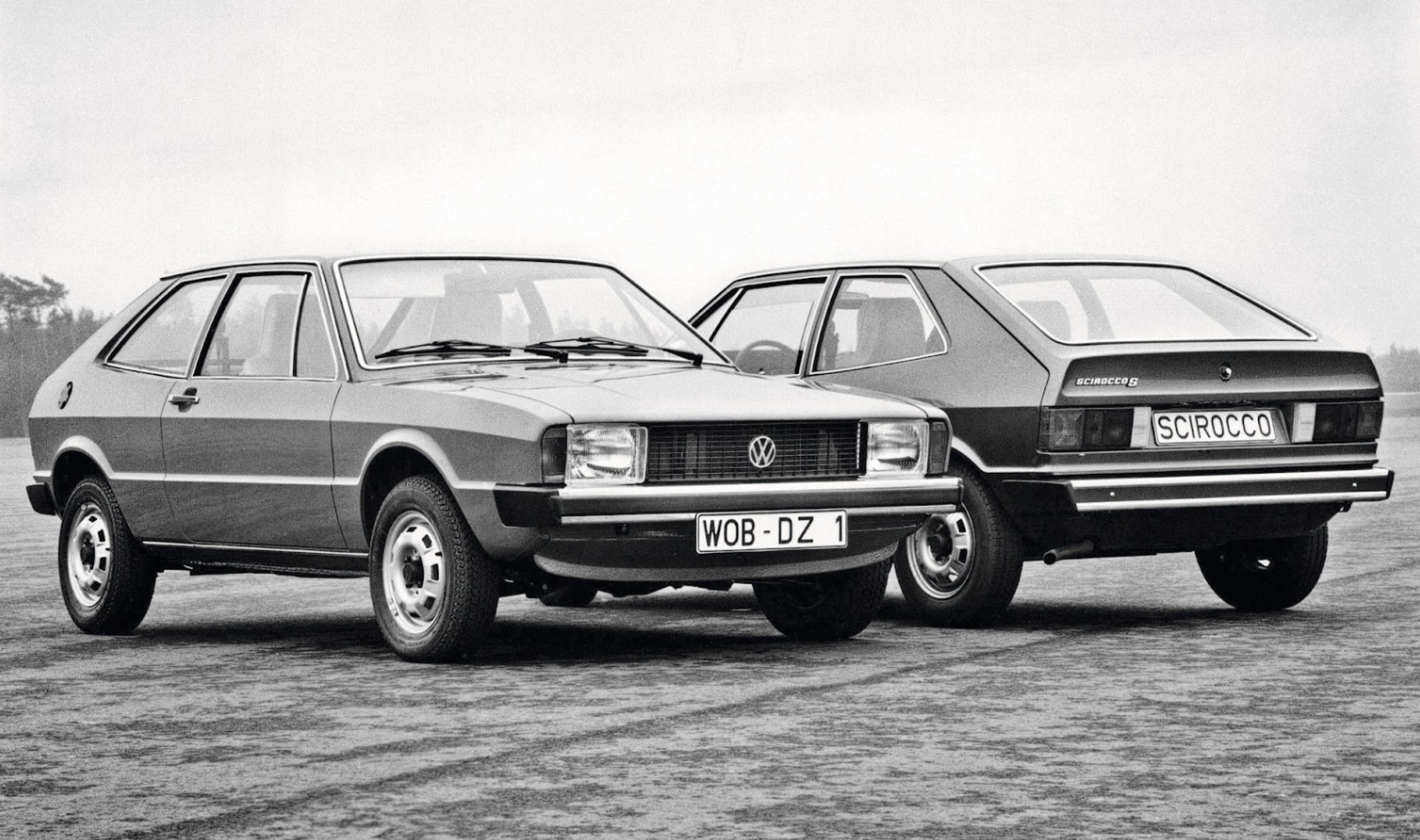
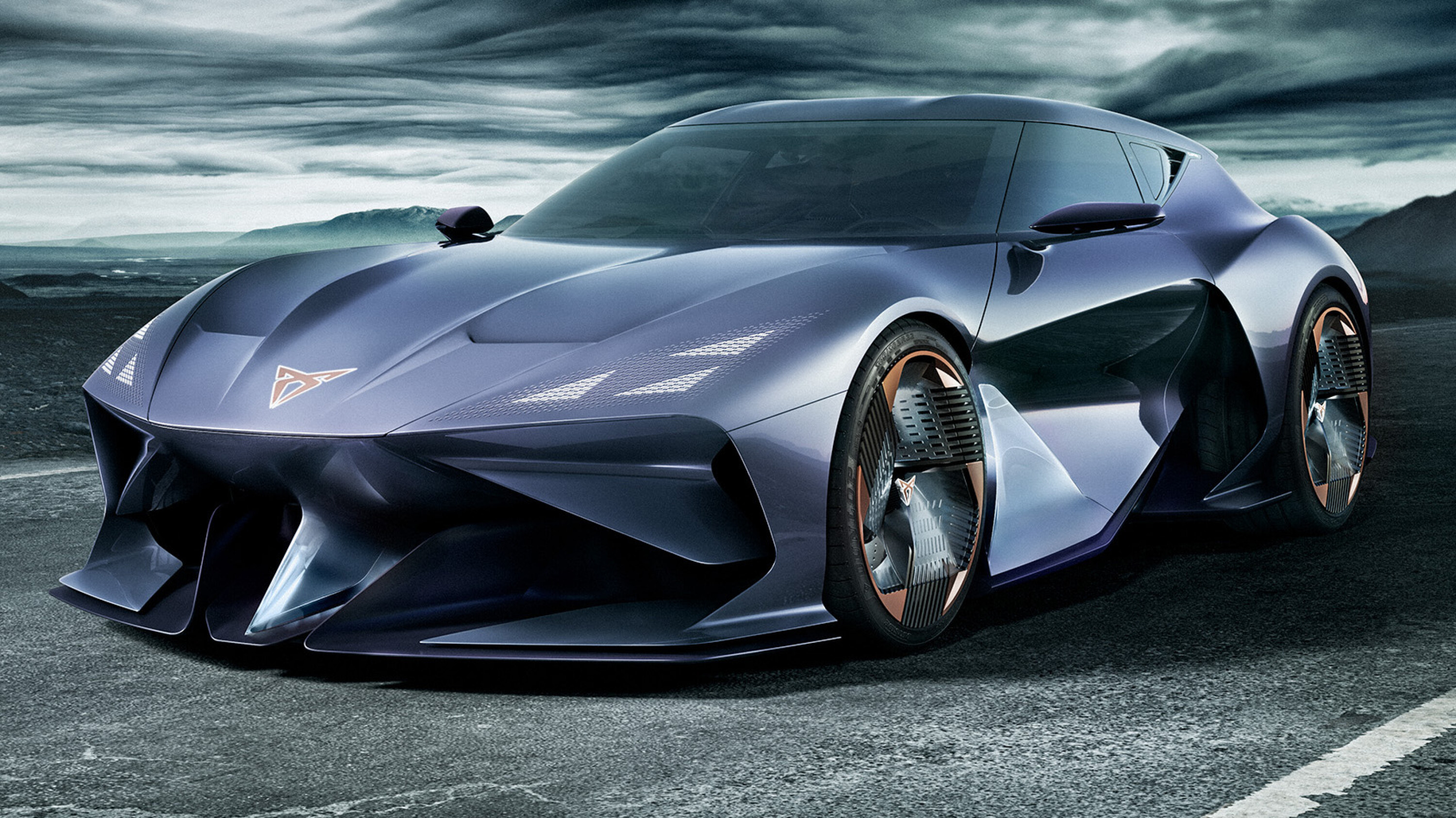
If it is greenlit, the new Scirocco’s styling would be inspired by the 1970s original, and it would share a platform with the fourth-generation Boxster/Cayman, fourth-generation Audi TT, and a production version of the Cupra Dark Rebel concept, according to a “high-ranking insider”.
It follows previous comments by Volkswagen Group CEO Oliver Blume, who outlined plans to launch a range of new electric cars inspired by iconic Volkswagen designs – including the Beetle.
1
Fourth-generation Scirocco would be an EV
Development of design proposals started shortly after Andreas Mindt, formerly lead designer at Bentley, arrived as head of Volkswagen design.
The new Scirocco would be positioned, as is traditional, above the Golf – which could replace the ID.3 when the electric ninth-generation version launches around 2028.
While previous Sciroccos and Golfs were closely related, the new Scirocco would use the Volkswagen Group’s Premium Platform Electric (PPE) architecture, while the electric Golf will use the unified Scalable Systems Platform.
The switch to a platform shared with Porsche and Audi suggests the new Scirocco might be a sportier proposition than before.
1
The PPE platform eschews the increasingly common ‘skateboard’ format for a design that allows for low door sills and floor height, giving stylists more freedom to create lower, sportier bodies.
It achieves this by packaging the battery within the centre tunnel and behind the cabin, with the aim of weight distribution – and, presumably, handling – akin to the mid-engined layout of previous Boxsters and Caymans.
Expect around 220kW in single-motor form and more than 300kW in the AWD dual-motor model, which could resurrect the Scirocco R badge.
It is understood that PPE will be offered with varying wheelbases and track widths to suit different purposes, as well as both single-motor RWD and dual-motor AWD drivetrains. The Boxster and Dark Rebel would offer two seats on a shorter wheelbase, while the Scirocco would have a longer wheelbase to allow for rear seats.
1
The reborn Scirocco could launch around 2028 if the Volkswagen Group’s board gives it the go-ahead.
The VW Scirocco sold in Australia from 2012 to 2017 was the first series we received, but it was actually the third generation model.
Named after an African desert wind, designed by Giugiaro, and closely related to the Golf I, the original dropped in 1974, with the second series running from 1981 to 1992.
As part of what it calls a “passion for sustainability”, Victoria’s Monash University is boosting the number of ‘ultra fast’ electric car chargers in the state’s urban areas.
The new sites provide a total of 20 x 150kW charging bays – six each at two Clayton campuses and in Caulfield, plus two in Frankston.
In addition to the 150kW units, one Clayton campus (Ancora Imparo Way) also has six 7kW bays, while the other (Research Way) will add four 22kW bays and 11 x 7kW bays. Caulfield has six 7kW bays.
The stations at all four sites [↗] are open to Monash University staff, students, and the general public.
Installed by Engie and run on the Chargefox network, the new stations come partly through a grant from the Victorian Government’s Zero Emissions Vehicles Commercial Sector Innovation Fund (CSIF).
“Electric vehicle sales in Australia are increasing rapidly (8.3% in 2023 compared to 2% in 2022), and the demand for public charging infrastructure is also increasing,” said Associate Professor Roger Dargaville, Director (Interim) of the Monash Energy Institute.
“By charging their EVs at Monash’s newly installed charging stations, staff, students and the general public can take advantage of the plentiful solar power on the grid, making it a green and cost-effective option.”
Monash University charger fees
The university has not said if it draws revenue from these locations, although the prices below are in-line with Chargefox’s pricing at many of its locations across Australia.
| Charger Type | Fee | Idle Fee |
|---|---|---|
| DC – 150kW Ultra Fast | 60c/kWh | 9c/minute (after 15 minutes idle) |
| AC – 22kW Medium | 30c/kWh | 9c/minute (after 60 minutes idle) |
| AC – 7kw Standard | 25c/kWh | 9c/minute (after 60 minutes idle) |
You won’t find any official UN report card on EV manufacturing – although the council’s trade body has previously sounded the alarm on the mining boom [↗] – but now there’s this: Lead the Charge, a self-appointed watchdog for the car industry.
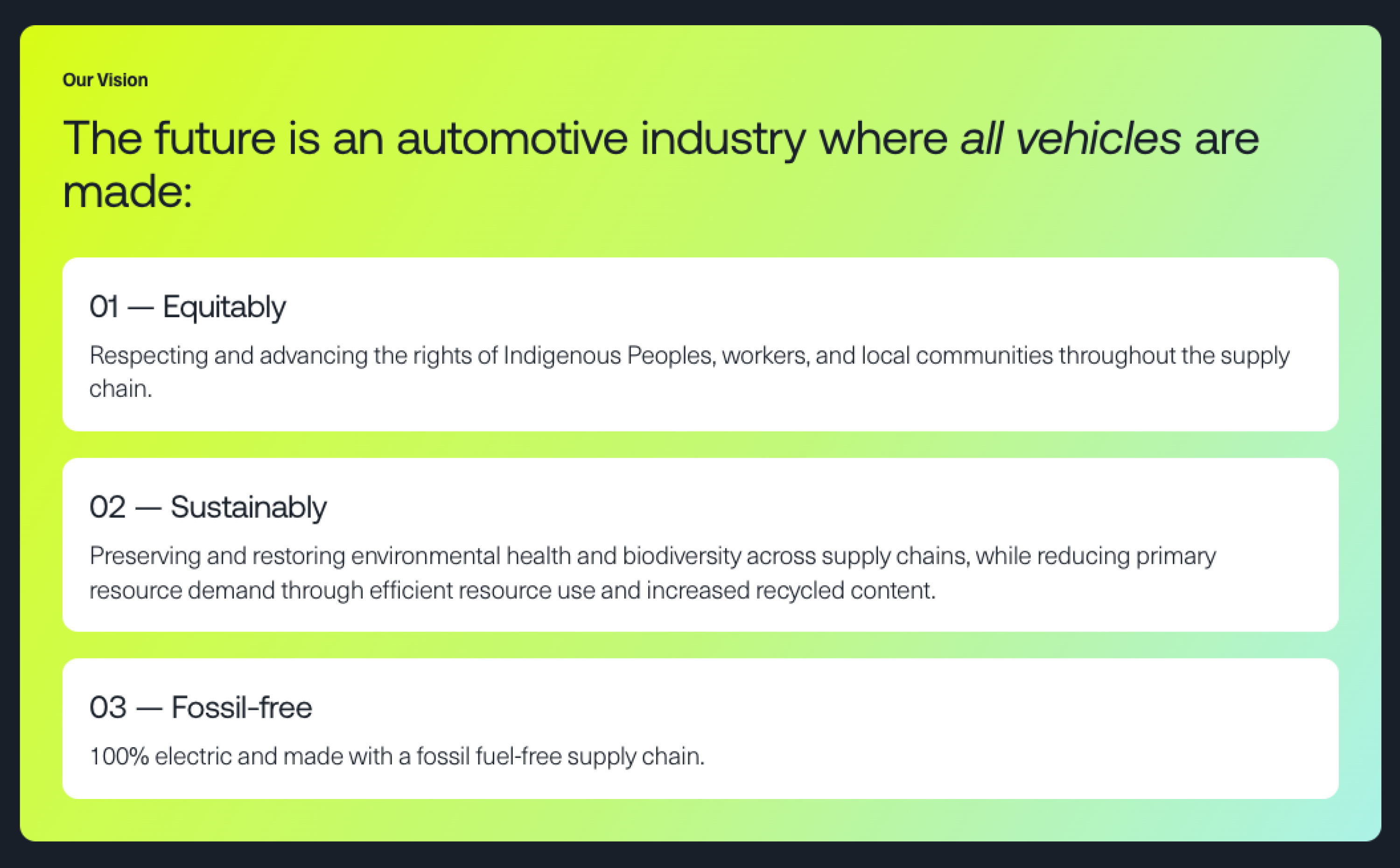
Launched in March 2023, Lead the Charge is built around the idea of an industry scorecard, tracking and ranking the efforts of leading carmakers to ensure every part of their EV supply chain is “equitable, sustainable, and 100% fossil free”.
“The Leaderboard analyses publicly available reporting from 18 of the leading automotive manufacturers in the world,” Lead the Charge says. “It ranks their efforts to eliminate emissions, environmental harms, and human rights violations from their supply chains.
The billboard shown above is part of a campaign against lithium mining. While salt mining is not a problem, people from Argentina’s Jujuy Province are against the extraction of Lithium in Salinas Grandes area. They claim this industry will destroy their natural water reservoirs. Photo: Getty Images | Luis Andrew Sampaio
1
How does Lead the Charge assess each brand?
Lead the Charge says its methodology is built on publicly available reporting from the brands themselves (as required by governments and various boards), focusing on aspects of sustainability and human rights within supply chains.
Although the organisation offers a full list of indicators and score attributions, the accuracy of its methodology might vary across different brands depending on their supply chain transparency.
The process has also had significant updates and amendments for 2024, including changes in definitions and improved precision – it says – in measuring “pre- and post-consumer scrap” and battery recycling.
2024 results
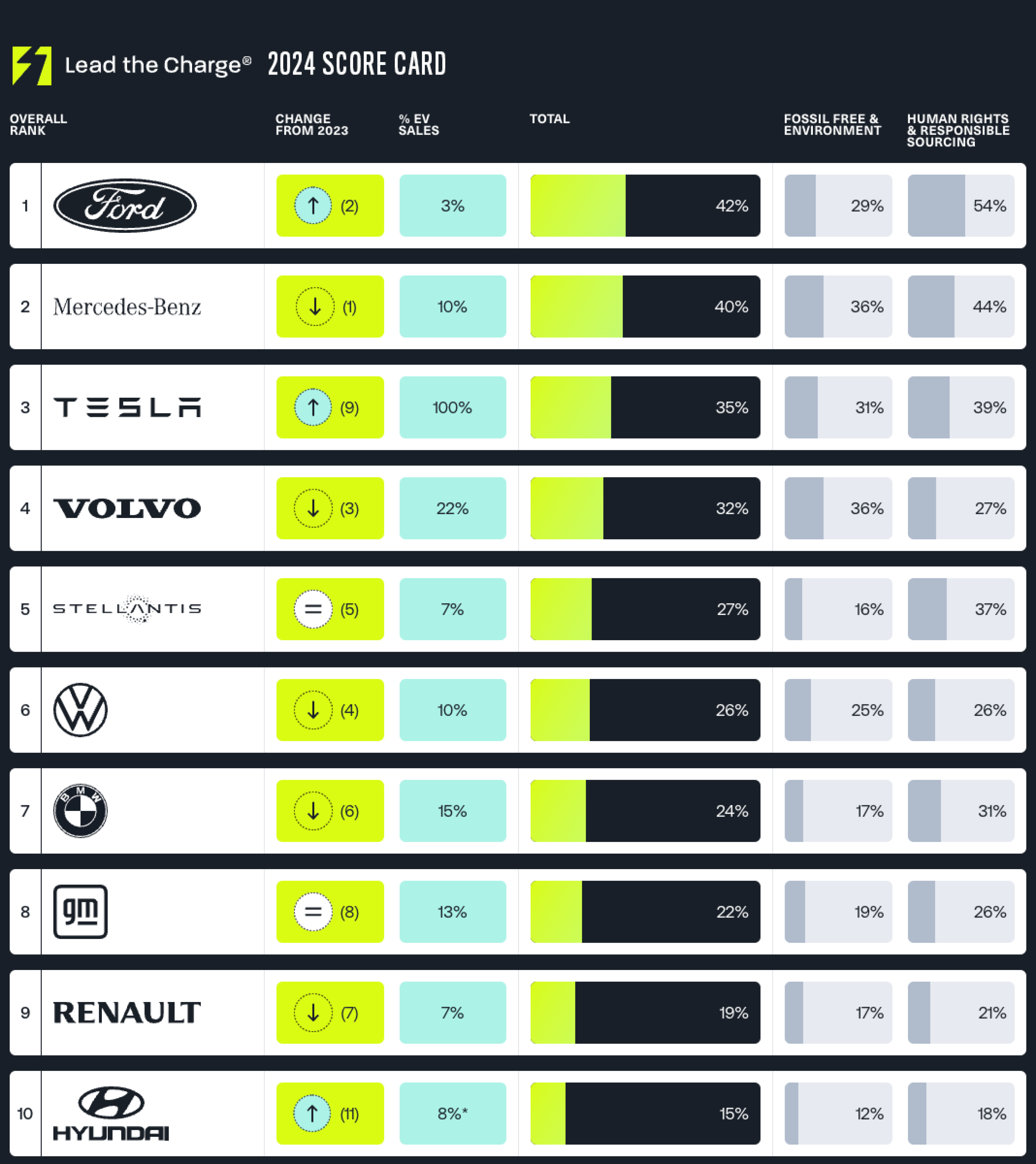
The full list of 18 brands can be found on the Lead the Charge website. We’ve listed the top 10 below.
1
This year’s report says that while all brands have failed on indigenous peoples’ rights (with 11 of the 18 tracked brands achieving a score of 0% on that metric), there has been marked progress in reducing supply chain emissions.
None have impressed the organisation, however.
Ford’s new position atop the chart comes off a score of 42%, thanks to improvements in the mining, production and transport of its steel and aluminium – meaning that even the best performing brands are well behind on the report’s criteria.
The organisation says Tesla’s leap from ninth to third is thanks to the American carmaker “becoming the first automaker to disclose disaggregated scope 3 emissions for its steel, aluminium, and battery supply chains”.
Indigenous rights remains the burning issue for all brands, however.
“One of the dismal findings in the report was an almost industry-wide inaction on ensuring a just and equitable transition across automotive supply chains. Average scores on the responsible sourcing of transition minerals, Indigenous Peoples’ rights, and workers’ rights have risen by only 2%,” the report says.
Ford Leads: Ford tops the Leaderboard with a 42% score, surpassing Mercedes and showcasing leadership in workers’ rights and supply chain cleanliness.
Tesla’s Leap: Tesla jumps to third place with the largest score increase, highlighting its progress in disclosing scope 3 emissions and improving in responsible sourcing and Indigenous Peoples’ rights.
Human Rights Gaps: Despite some progress, there’s a significant lack of advancement in Indigenous rights, with all major automakers, including Ford and Mercedes, showing no improvement.
Global Influence of EU Regulations: EU regulations positively impact automakers worldwide, driving improvements in human rights due diligence and environmental practices.
Supply Chain Emissions Focus: The report emphasises the urgent need for automakers to address supply chain emissions to meet their climate goals.
Lagging Behind: Toyota and other automakers are criticised for not sufficiently cleaning up their supply chains, risking their competitive edge.
Indigenous Peoples’ Rights Inaction: The industry shows almost no progress on Indigenous Peoples’ rights, with 11 out of 18 automakers scoring 0% in this area.
Steel Decarbonisation: Over two-thirds of automakers are moving towards green steel, marking a significant shift from the previous year, with East Asian automakers falling behind.
Transition Minerals and Decarbonisation: Ford excels in transition mineral sourcing and decarbonisation of steel and aluminium, yet the overall industry progress is slow.
Increased Regulation and Compliance: 2023 saw improvements in supply chain practices due to EU legislation, with some Chinese automakers making notable strides in human rights and environmental practices.
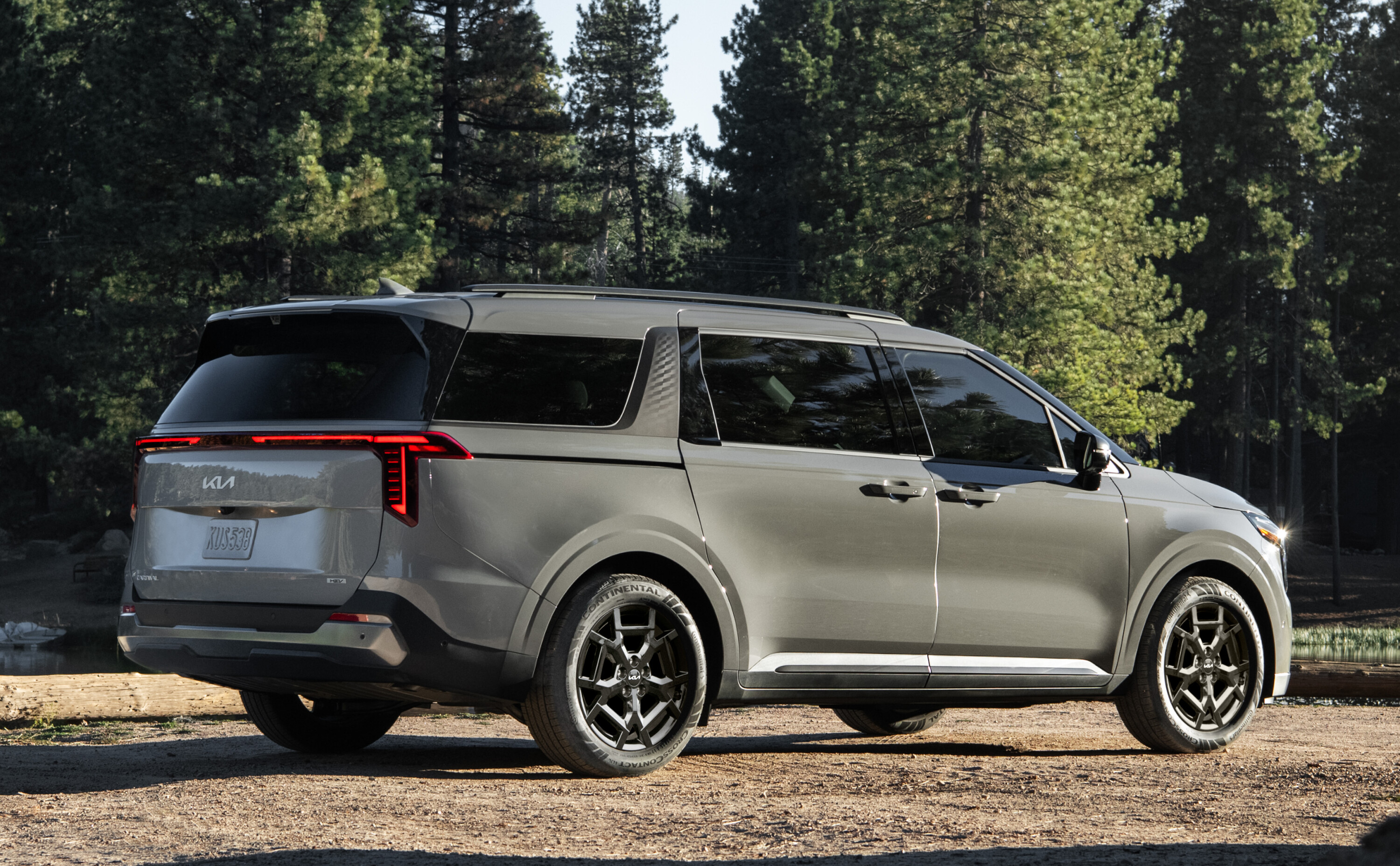
The 2024 Kia Carnival Hybrid has been approved for sale in Australia.
It will arrive in local showrooms later this year, while facelifted petrol V6 and turbo-diesel Carnival variants are due around March or April.
The Carnival Hybrid will become the first people mover priced under $100,000 with an electrified powertrain to be officially sold in Australia, with the Japanese Toyota Alphard and Estima (Tarago) hybrids popular in the grey import market.
1
The Lexus LM hybrid and Mercedes-Benz E-Vito Tourer, EQV, and LDV Mifa 9 electric cars are available in Australia with much higher price tags.
Government approval documents confirm the electrified people mover will offer a 1000-kilogram braked towing capacity in Australia, down from 2000kg for petrol V6 and turbo-diesel models. Its unbraked towing capacity is unchanged at 750kg.
With its added electric components, including a high-voltage battery, the Carnival Hybrid weighs around 100 kilograms more than the turbo-diesel at 2288kg, while it is 10mm taller.
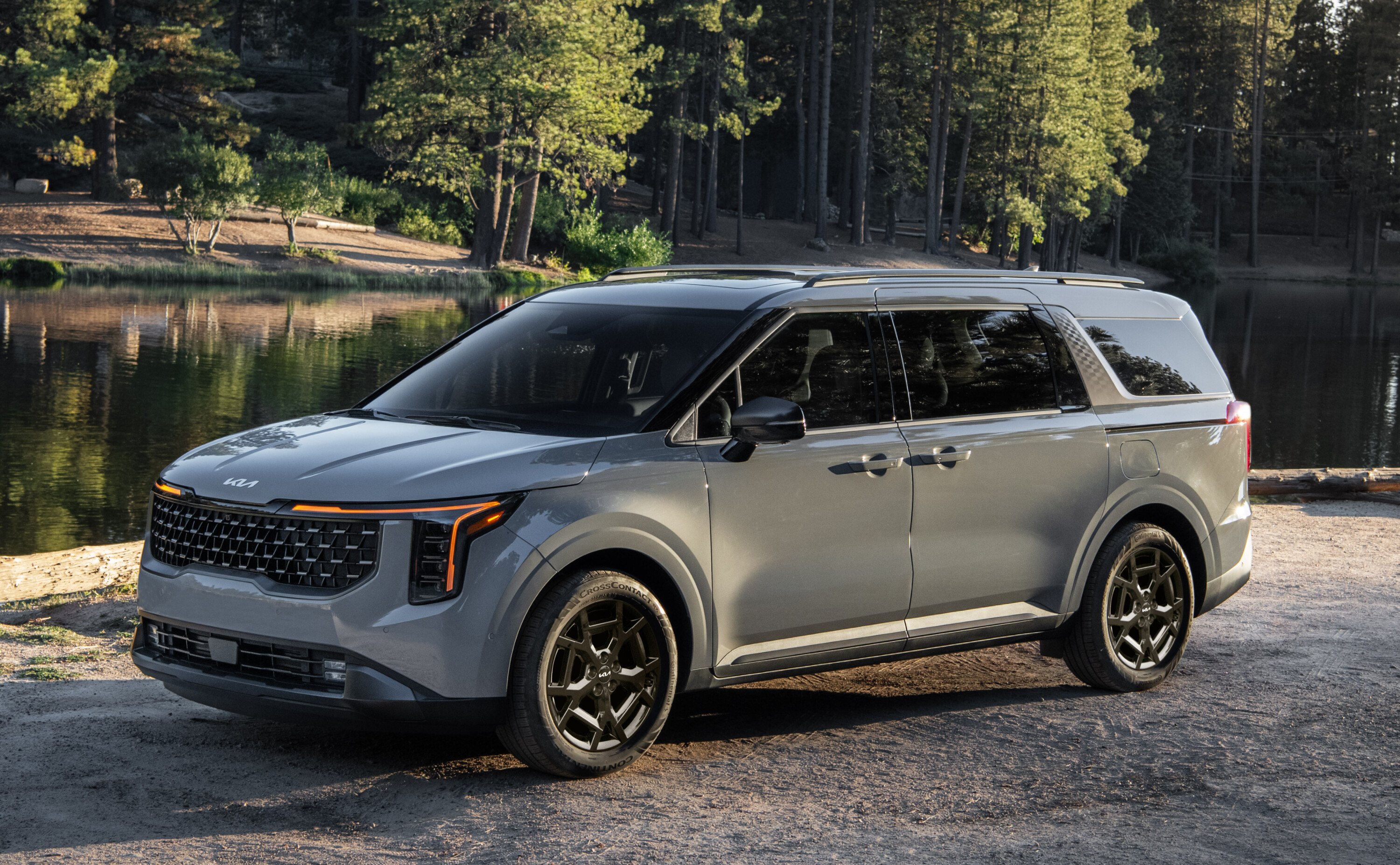
Kia Australia has listed 17, 18 and 19-inch wheel options for the Carnival Hybrid, though it’s currently unclear what variants will be offered locally.
1
As with the related Sorento Hybrid, supply will be limited, with the hybrid line-up likely to be restricted to the flagship variant – which should retain the Platinum name – and possibly a fleet-focused base model at launch.
The Carnival Hybrid features a 1.6-litre turbo-petrol hybrid powertrain shared with the Sportage and Sorento Hybrids but with higher 183kW/367Nm outputs – up from 169kW/350Nm.
It is matched to a six-speed automatic transmission, which exclusively powers the front wheels like all other Carnivals.
In Korea, the hybrid has a claimed fuel consumption of 7.1L/100km– compared to 7.6L/100km for the diesel and 11.1L/100km for the petrol V6 in that market.
The diesel is rated at 6.5L/100km on the combined cycle in Australia, while the V6 is listed at 9.6L/100km.
1
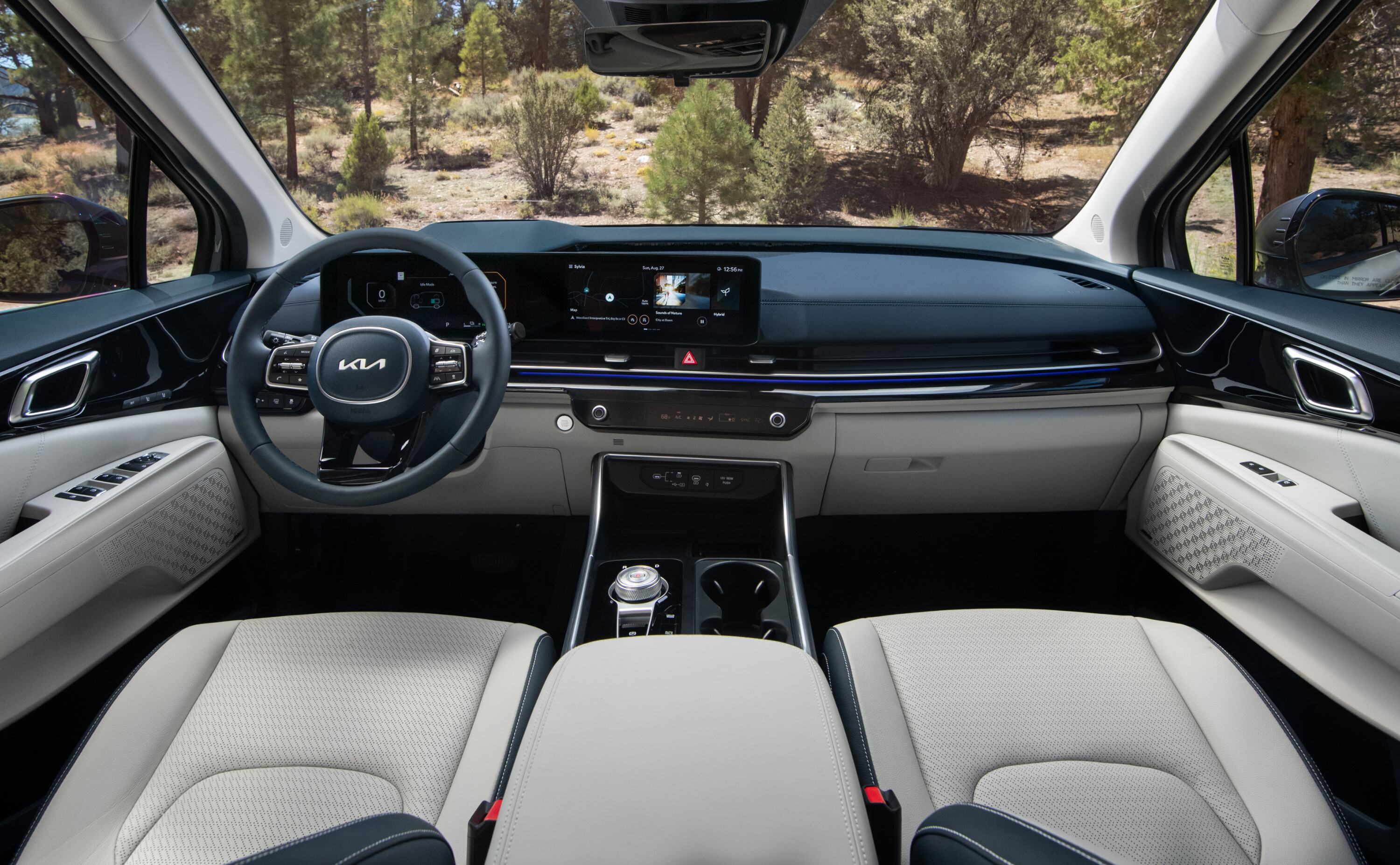
A specific 18-inch alloy wheel design and ‘navy grey’ interior option are offered for the hybrid model overseas.
As detailed here, the facelifted Carnival has a revised look with vertical headlights, ‘star map’ daytime running lights, a wider grille, and updated tail-lights with a full-width light strip.
Interior enhancements include a new curved display panel with dual 12.3-inch screens, an updated ‘CCOS’ infotainment system with over-the-air updates, digital key functionality, and USB-C ports.
It also has a switchable climate/audio touch panel like the EV6, Niro and Sportage, along with configurable ambient lighting that extends from the dashboard into the door panels.
Newly added active safety systems include oncoming vehicle detection, evasive steering assist when overtaking, semi-autonomous ‘Highway Driving Assist 2’, and intelligent speed limit assist.
It is now fitted with a front-centre airbag to help prevent head clashes in serious side impact collisions, taking the airbag count to eight.
In Australia, the facelifted Carnival will likely receive missing features already available overseas, including a full-digital instrument cluster, rain-sensing wipers, a blind-spot view monitor and Kia Connect.
MORE
Everything Kia
MORE
PHEV and Hybrid Cars
JUMP AHEAD
- Is the 2024 BMW X2 critical?
- What does the 2024 BMW X2 and iX2 range look like?
- How does it drive?
- Is it worth waiting for the 2024 BMW X2?
Is the 2024 BMW X2 critical?
There’s a battle raging in the compact SUV realm and none more fierce than at the premium end of the spectrum where all the key players are vying for a bigger chunk of a growing audience.
But in a market where choice is king, more esoteric – or perhaps exclusive – coupe-profiled models are the hottest property.
In recent testing, BMW’s new-generation X1 has proved itself as a force to be reckoned with, bowling over consistently impressive contenders such as the pervasive favourite Volvo XC40 while keeping confident newcomers such as the Alfa Romeo Tonale firmly in their place as proteges yet to come to the front.
1
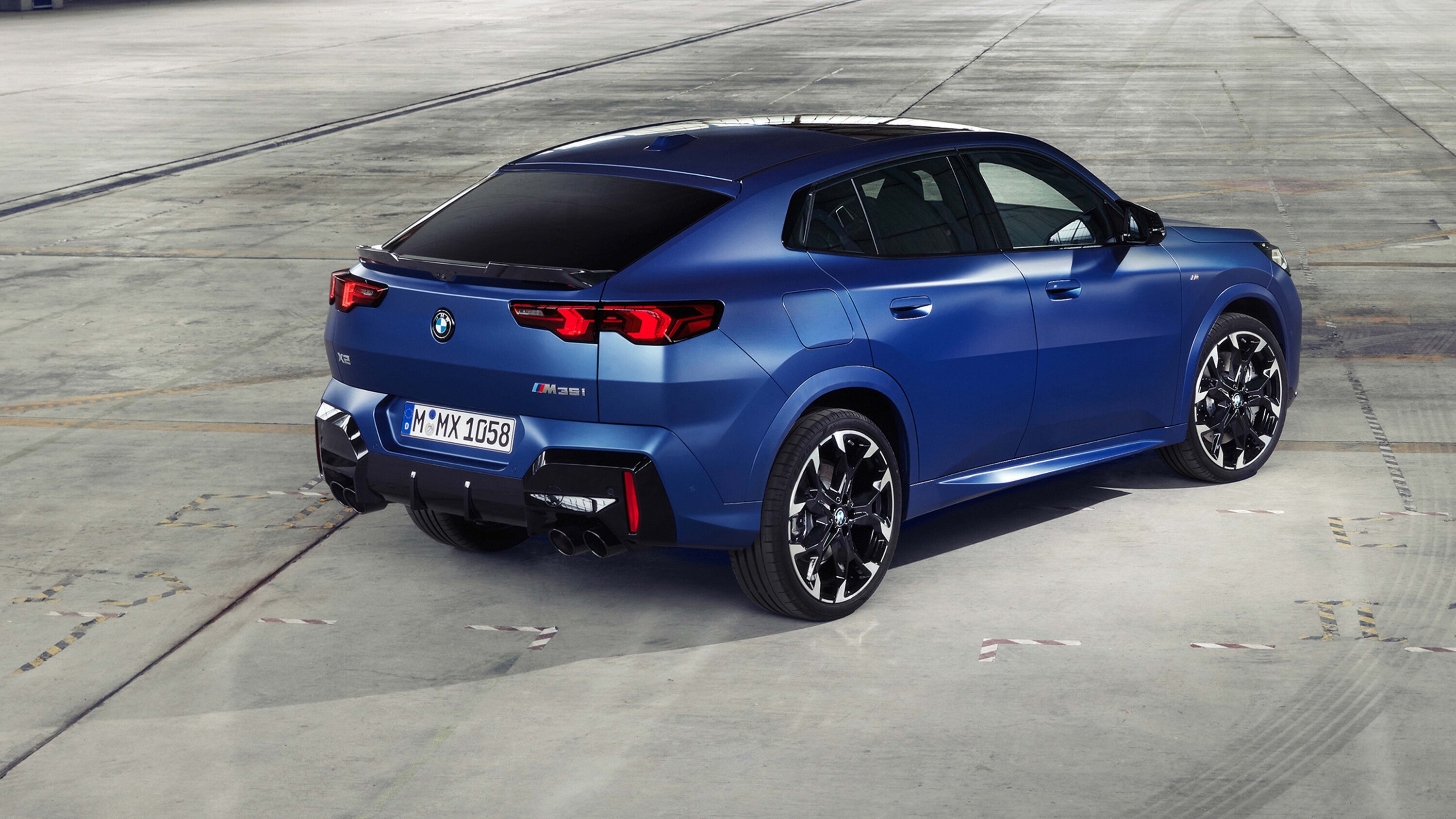
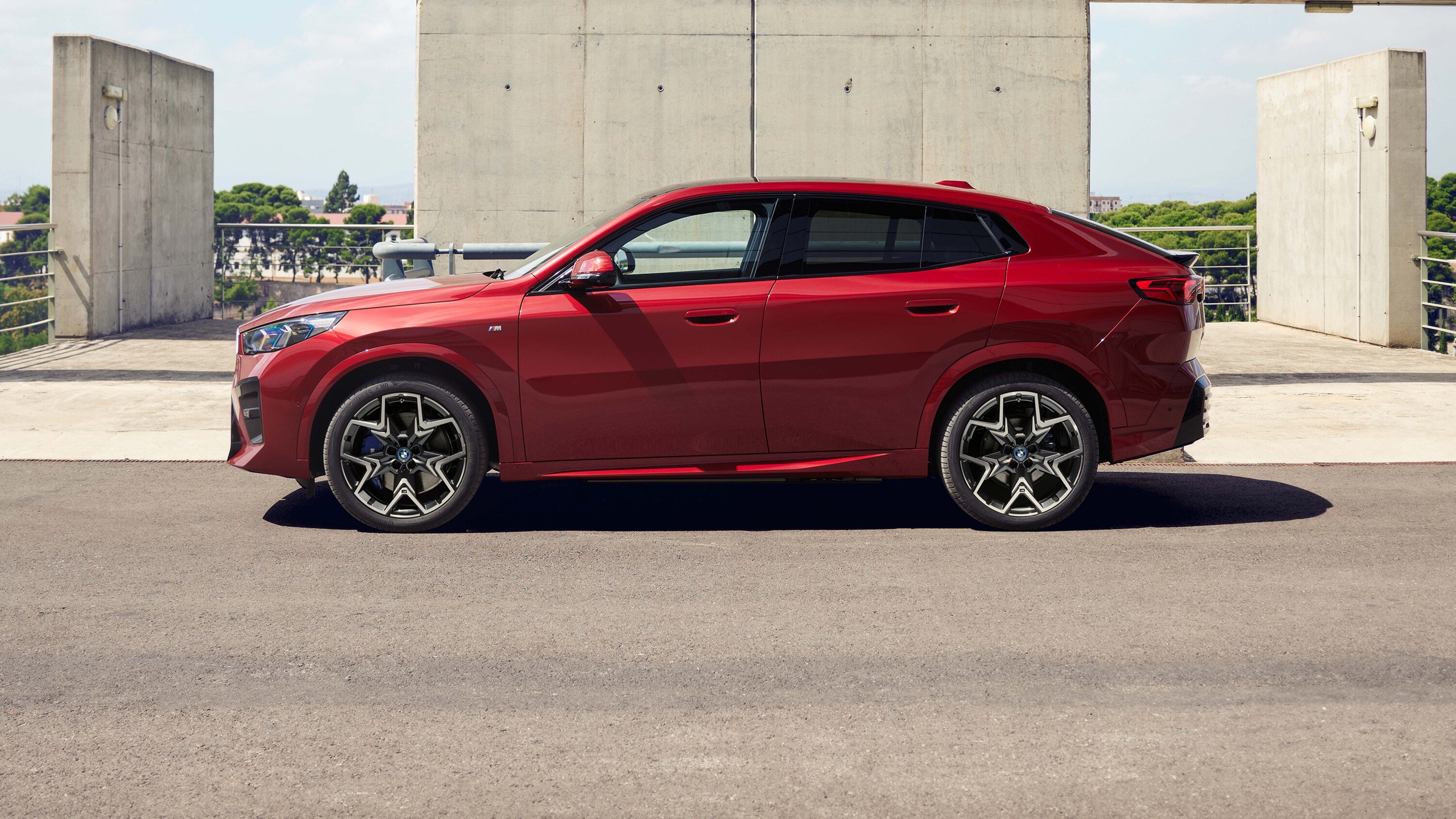
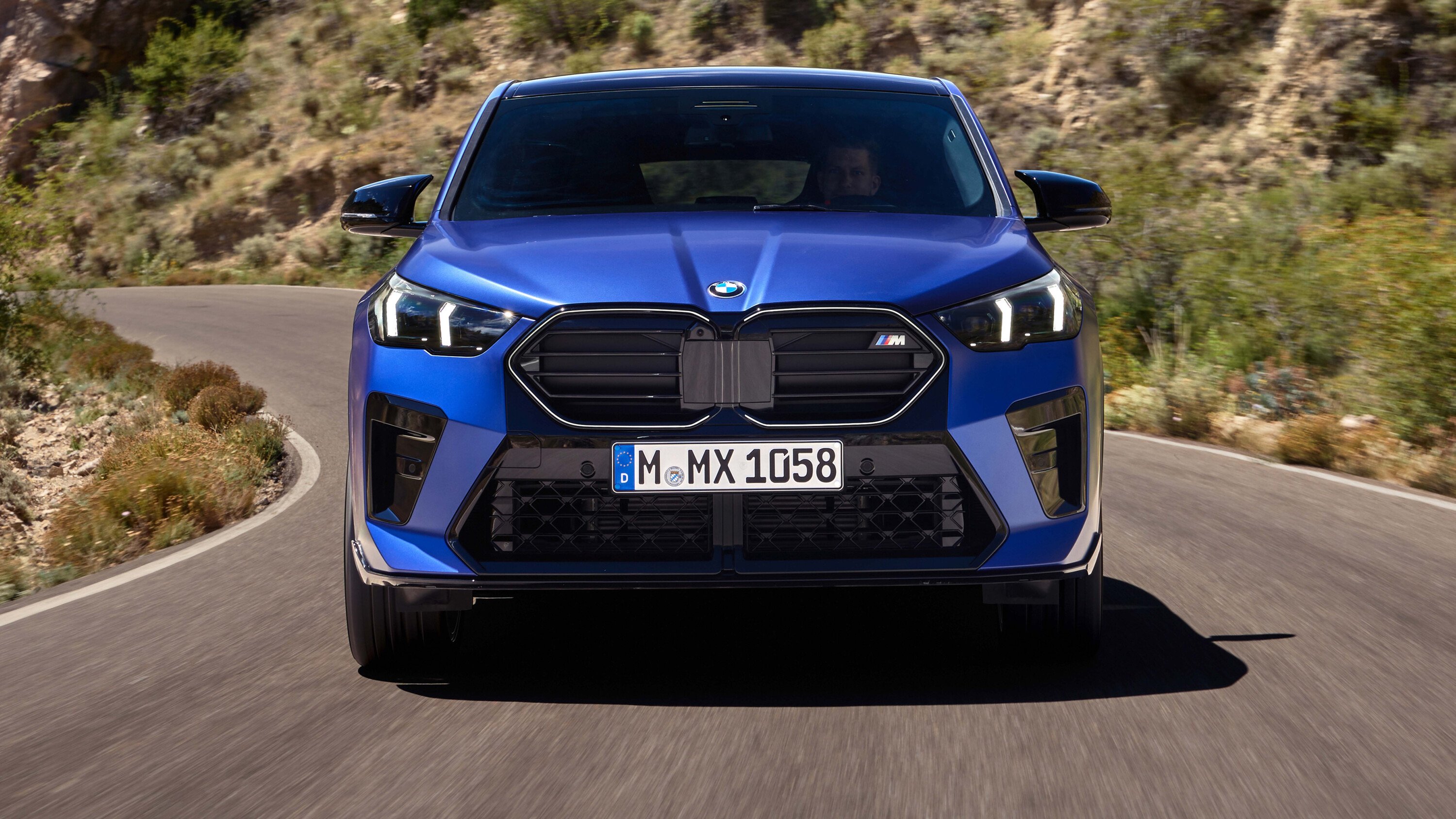
Now though, the Munich brand has reinforced its compact SUV offering – or SAV (Sports Activity Vehicle) as it prefers – with the sportier sibling arriving in two distinct forms.
While the X2 introduces a high-performance option with all-wheel drive and a potent petrol powertrain, the iX2 delivers the same aesthetic and proportions but with pure electric propulsion.
1
What does the 2024 BMW X2 and iX2 range look like?
Australia will get two of each, with an entry X2 xDrive20i for $75,900 and single-motor iX2 eDrive20 costing $82,900 (both excluding on-road costs).
The pointy end of the range will be looked after by the iX2 xDrive30 ($85,700 (before on-road costs) and X2 M35i xDrive, which, from $92,900 before on-road costs is as sporty as it gets for now with a 2.0-litre turbo B48 four-cylinder engine coupled to all-wheel drive via a seven-speed dual-clutch transmission.
Unlike its European 221kW equivalent, Australian versions will get a hearty 233kW and 400Nm – enough for 0-100km/h in 5.4s.
Beamer geeks will notice that’s a full half-second slower than the previous version and will most likely also note the $14,100 price increase. So what’s the rub?
2
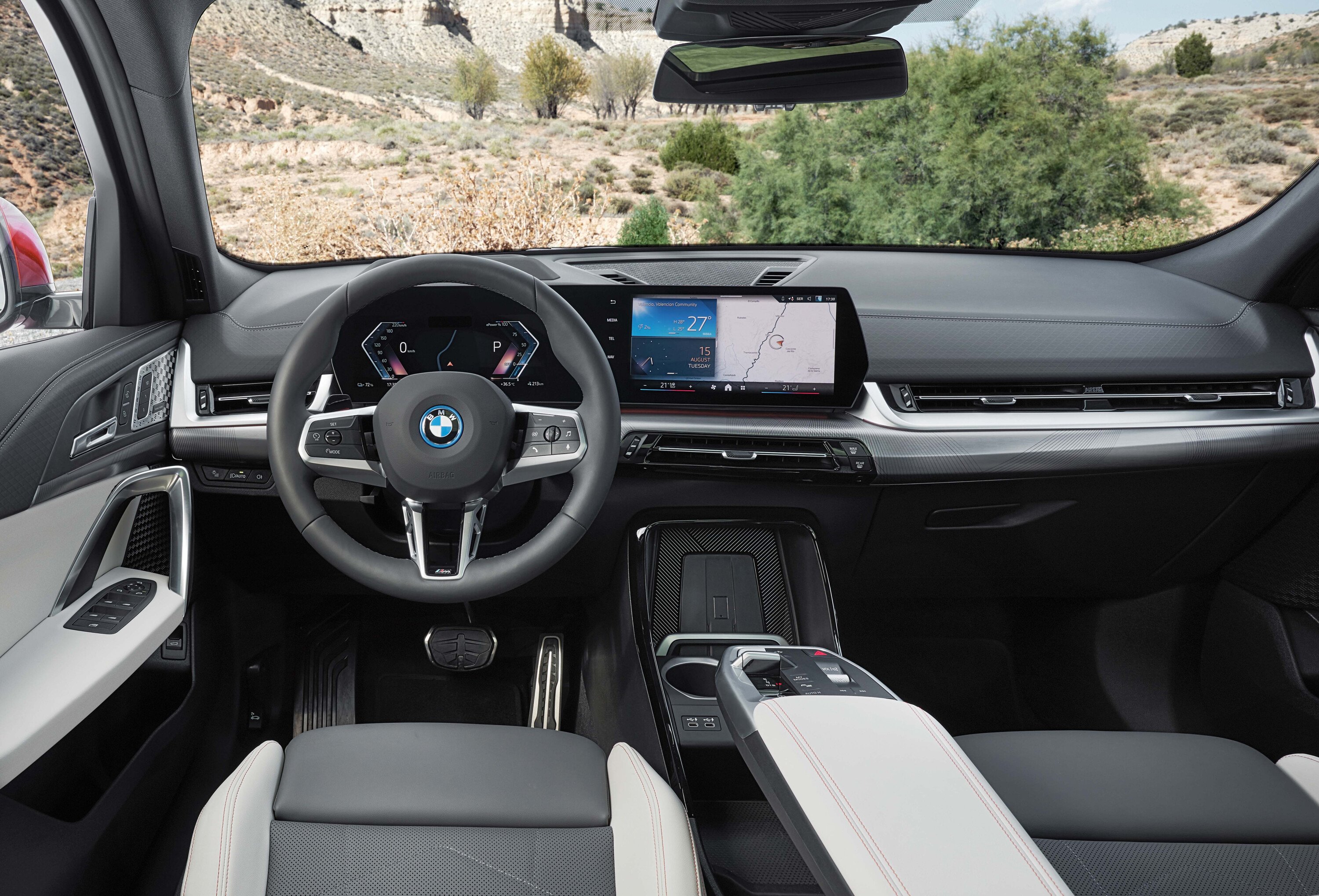
For a start, the 2024 version now has BMW’s excellent Operating System 9.0 which introduces a beautiful 10.3-inch digital instrument cluster butted to an even larger central touchscreen under the same curved pane.
The latest BMW tech brings a host of alluring features such as smartphone access and engine start along with remote vehicle status, gaming and video streaming as well as a boost to driving assistance and safety tech.
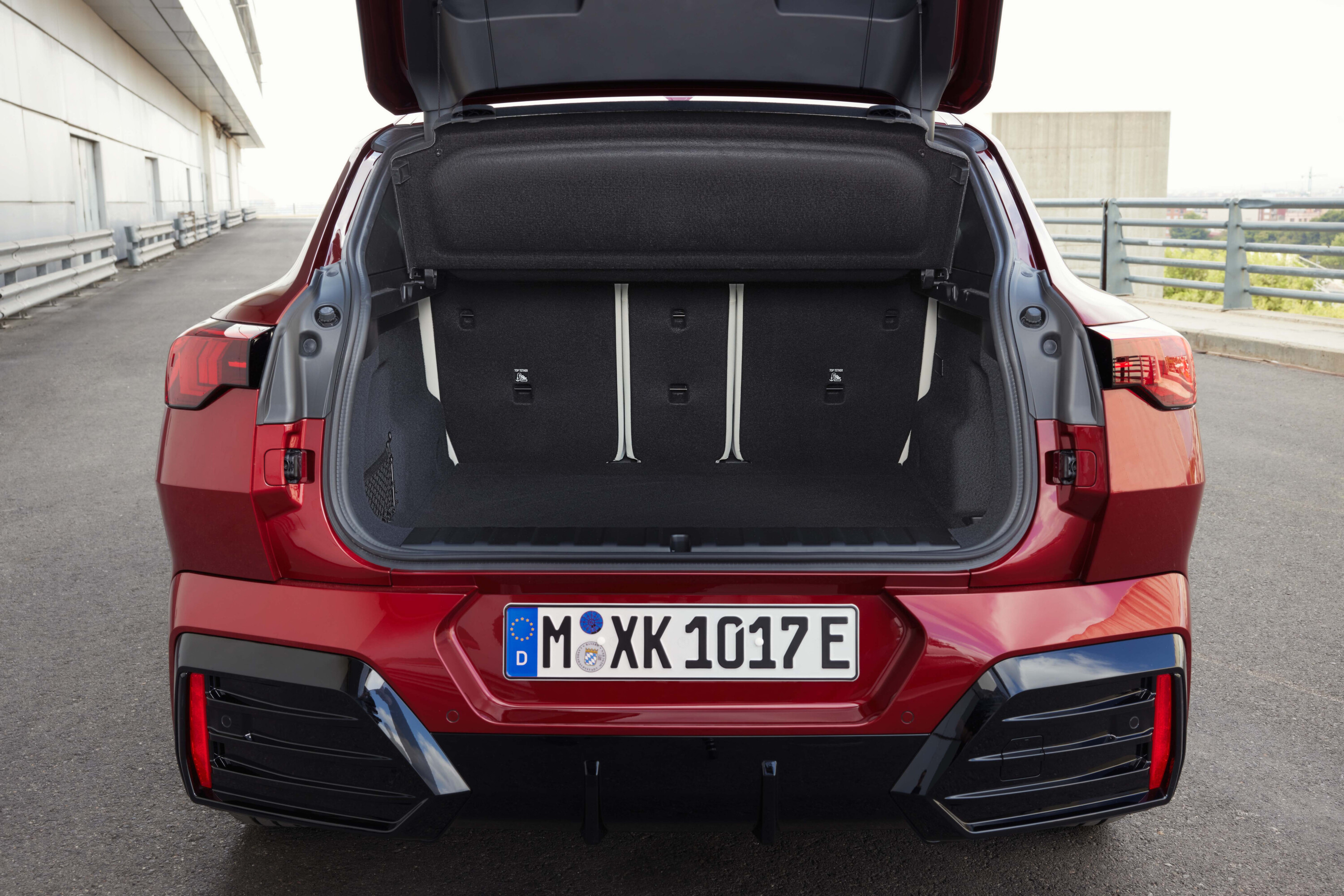
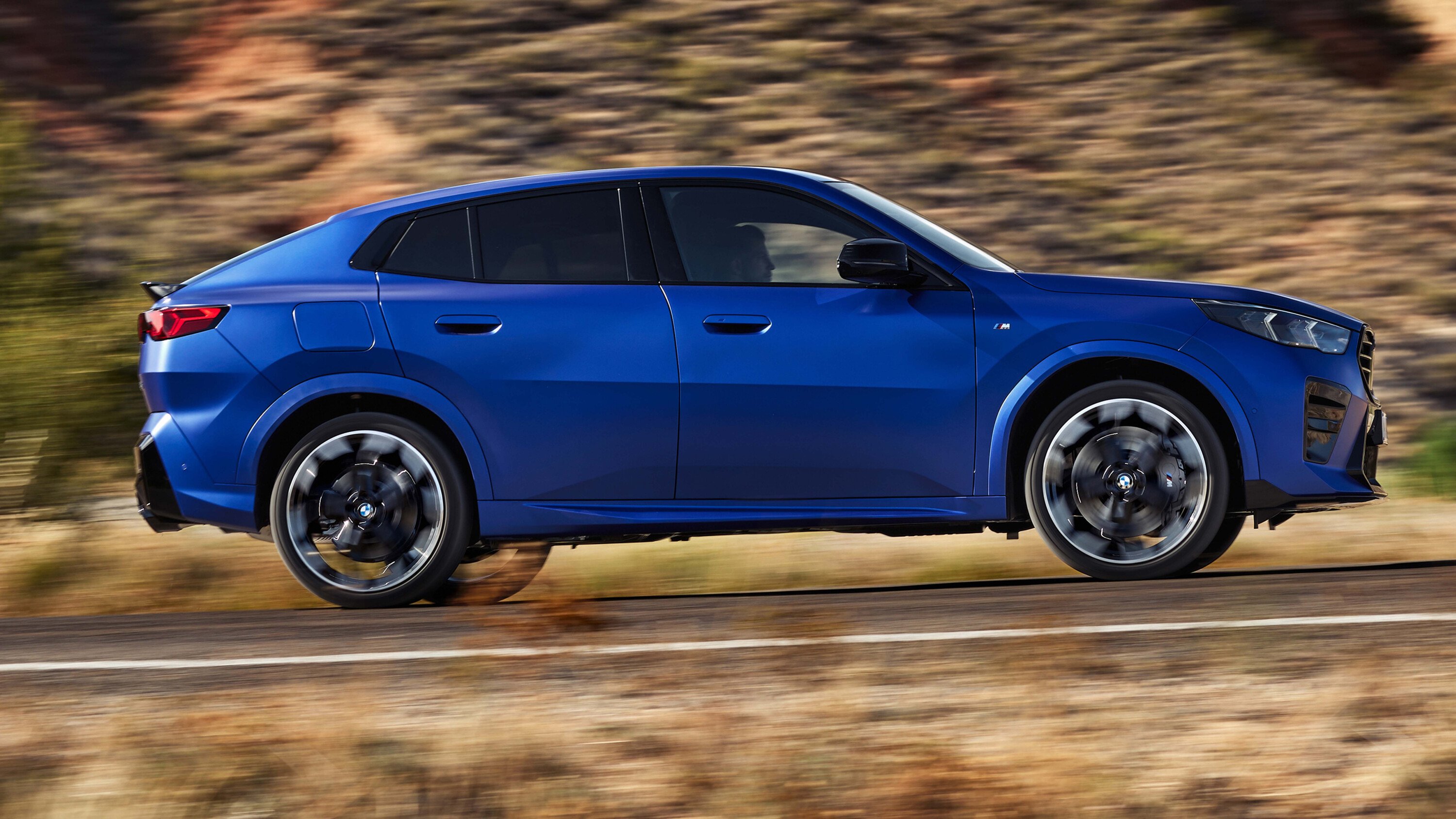
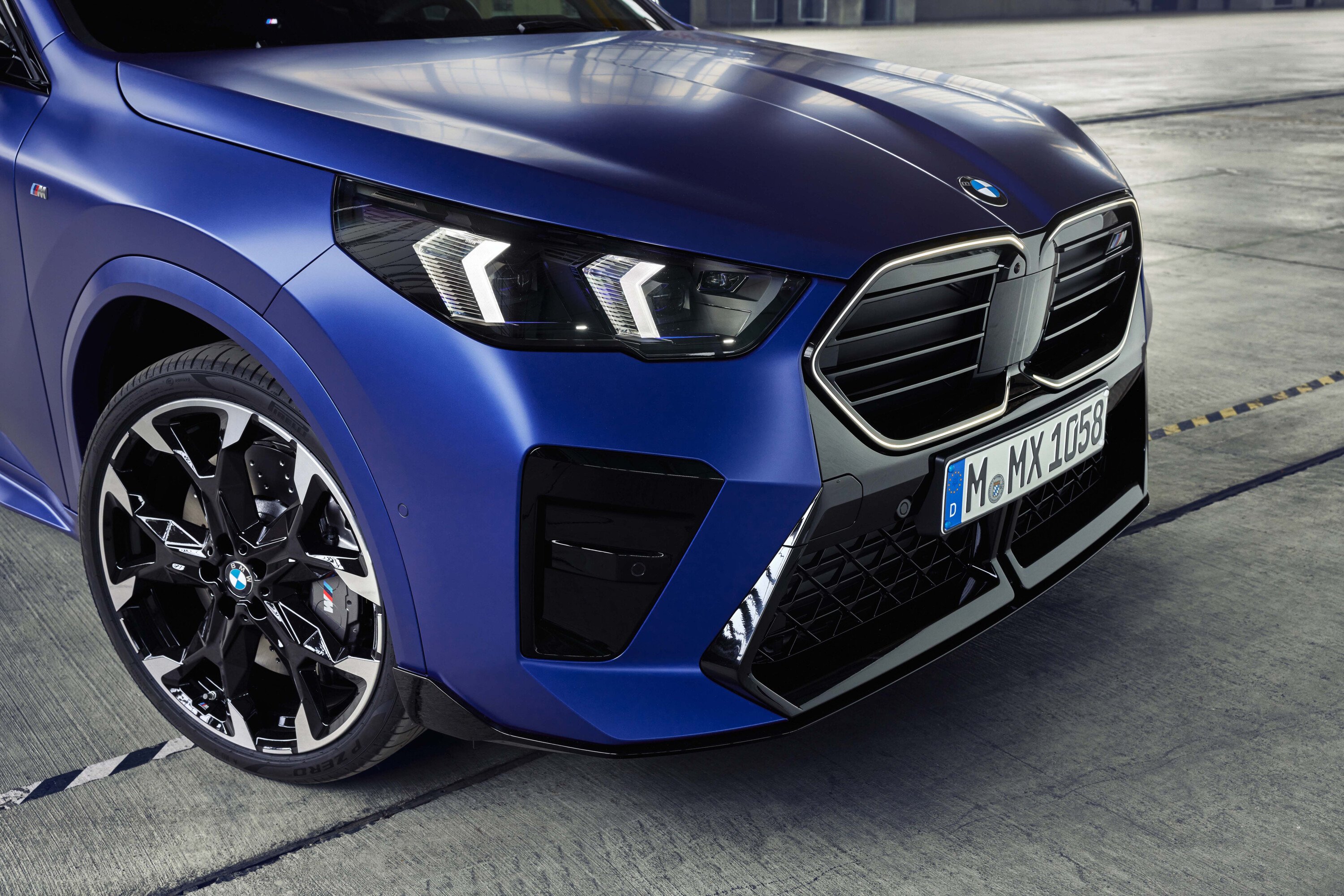
Next, there’s the hardware included in the price. 21-inch wheels, adaptive M suspension and vast front brakes with four-piston calipers, while differentiating X2 from X1 is a comprehensive exterior and interior redesign.
1
How does it drive?
The driving experience is refreshingly M with strong acceleration that feels almost as rapid as the predecessor, noticeably improved steering feel and feedback but no unnecessary added weight.
Added to that, the ride manages to be taut but compliant and there’s minimal road and wind noise, while the body control and resistance to roll encourage a good time at the wheel.
The cause of an occasional ride choppiness was hard to identify but possibly down to adaptive dampers struggling to cope with Portugal’s, at times, horrendous conditions.
1
Even if acceleration is down a little, wonderfully fast throttle response and flat torque development are welcome consolation. That, and a great exhaust note which sounds mostly real.
Although wildly different in its method of delivering performance and dynamics, the iX2 xDrive30 is surprisingly similar in nature. Like its petrol compadre, the higher-spec electric version also has all-wheel drive thanks to two electric motors and a comparable 230kW/494Nm for classic electric shove with no fuss.
Traction is staggering despite some European winter blues, and lateral acceleration was correspondingly sticky with imperceptible trickery keeping all four wheels delivering maximum poke.
1
While better than many EV rivals, the slightly foggy steering and bouncy ride were the only detractions from a vehicle that makes going fast feel effortless.
Despite some electron-torturing driving, our test car appeared capable of delivering close to the claimed range of 432km and we liked the carefully calibrated regenerative braking that adapts to terrain and even the behaviour of traffic ahead.
Our only gripe – common to petrol and electric versions – was at the outward view which is obscured by fat A-pillars in the forward direction and a skinny letterbox rearward view thanks to that coupe profile.
If any of the terms in this section have left you scratching your head, these articles will help bring you up to speed!
1
- What is a Powertrain or Drivetrain?
- Power vs torque
- Car suspension explained
- Automatic transmissions (‘gearboxes’) explained
- Chassis control systems explained
- Car vs Ute vs SUV: How the vehicle you buy should guide the way you drive
- What is the WLTP emissions and range test?
On top of boosted tech levels and wholesome all-round performance, the pair also bring one more important element to justify a heftier price.
The new X2 is now larger in all directions including nearly 200mm added to the length. In fact, with an overall length of 4.55m, the X2 deserves to be regarded as borderline mid-size.
It results in more space everywhere including a boot that measures up to 560 litres for the X2 (90 litres more than previously) or 1470L with the seats folded as well as surprisingly accommodating space in the second row thanks to a scalloped roof liner.
A first taste of the entry pair will complete the picture when the full family arrives Down Under in Q2 2024 but the most potent versions of BMW’s second-generation X2 suggest this model has made a rapid transition into new levels of sophistication … and size.
MORE
Everything BMW
February 2024: The Apple Car is dead
After more than a decade of work, Apple has reportedly abandoned its plans to build an autonomous electric car.
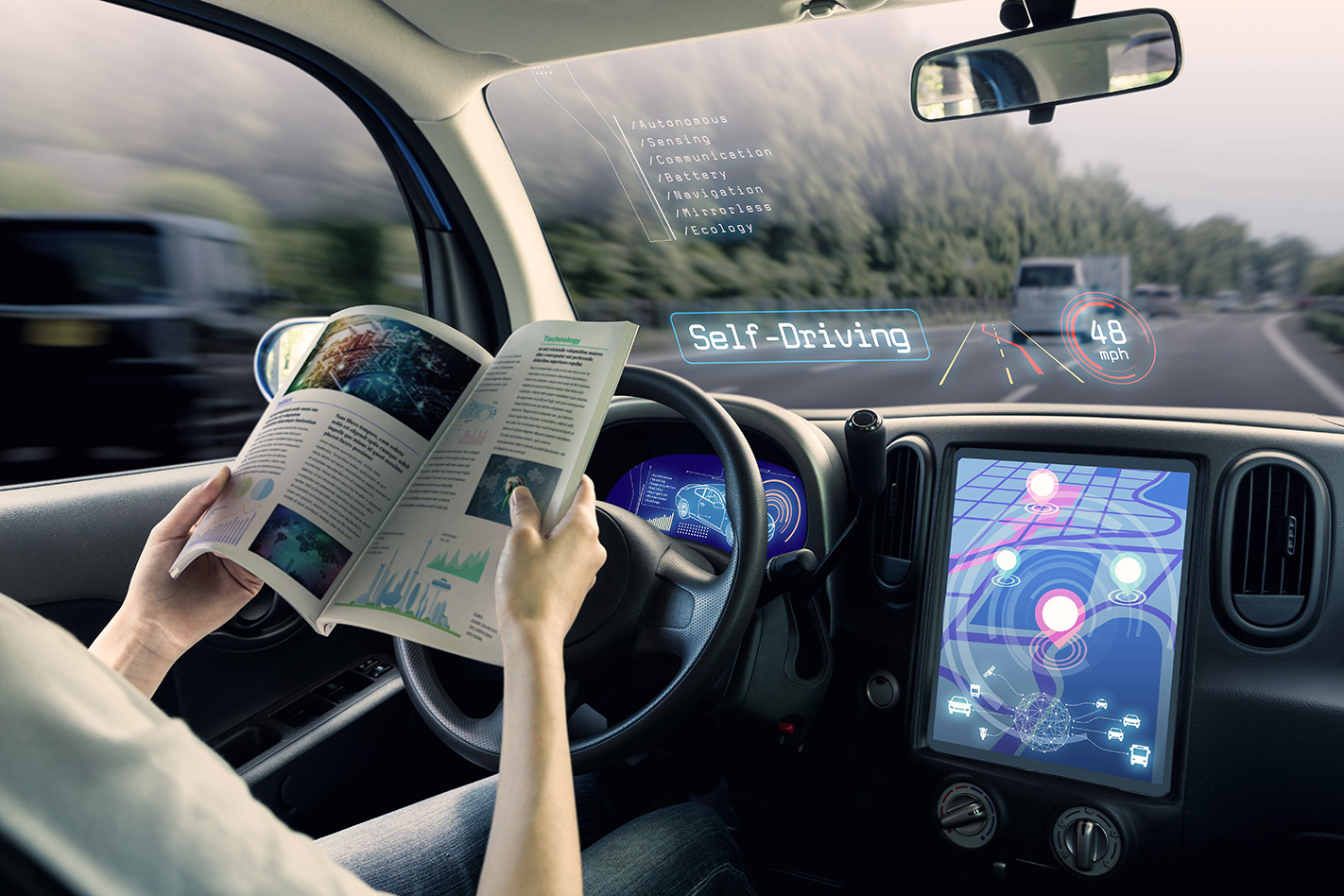
According to Bloomberg, Apple has told the more than 2000 employees still working on the long-running program — known as Project Titan — that it has been discontinued, with the tech giant instead shifting its focus towards generative artificial intelligence.
Apple will reassign some staff to its AI projects, reports Bloomberg, however others have been given 90 days to find other roles within the company or they will be let go.
The news, which was reportedly delivered to staff by Apple’s chief operating officer Jeff Williams and Project Titan vice president Kevin Lynch brings an end to the hugely ambitious project which began in 2014.
At its height, more than 5000 employees were working on Project Titan, with Apple targeting an on-sale date some time in 2026.
https://www.instagram.com/p/C33sWFdyCtG/
May 26, 2022: Former Tesla exec leaves Apple
After just seven months in the job, Christopher ‘CJ’ Moore has left Apple, where he was rumoured to be heading up the company’s push into the automotive space – a project known as ‘Project Titan’.
A former Tesla executive responsible for its often derided Autopilot technology, Moore was believed to have been poached by Apple to lead development of the oft-reported, never official ‘Apple Car’.
Moore will head to Luminar Technologies, an autonomous driving developer that has partnered with Volvo to offer a self-driving ‘Ride Pilot’ subscription service in California sometime beyond 2022.
According to business paper Bloomberg, Moore’s exit is just the latest in a run of departures from the project over the past two years, although many have since been filled with executives poached from Ford and Rivian, among others.
It’s believed Apple’s next big iPhone-level product play will be some sort of augmented-reality glasses or virtual-reality headset, but if Project Titan is ever revealed to be an actual car, it will surely be the most pivotal moment in recent history for the tech giant.
February 2021: Hyundai backs out of manufacturing talks with Apple
Hyundai has backtracked from earlier claims that suggested it was working with Apple to develop an autonomous electric vehicle.
The Korean motoring giant and its affiliate Kia said they are no longer in talks with the tech giant, exactly a month after the former released a statement saying: “Apple and Hyundai are in discussion, but as it is at early stage, nothing has been decided.”
According to Bloomberg business news, the fledgling relationship seemed to turn sour when Apple announced it had discussed similar plans with other auto manufacturers.
Not to be outdone, the South Korean carmakers said they too were in talks with multiple companies about autonomous EVs.
As a result of the news, Hyundai shares dropped by 6.2 percent in Seoul, having jumped by 24 percent when it announced it was in talks with Apple last month, while Kia slumped by 15 percent.
1
The seemingly failed Korean liaison is the latest twist in the ongoing saga facing Apple, the world’s richest company, ever since it revealed in 2014 that it had begun work on a mysterious automotive project.
Reality got solidly in the way of its grandiose plans, which seemed to wither on the vine – however, a Reuters report in December 2020 suggested it was still keen to get into the car game.
Run under the Project Titan moniker, Apple is reportedly looking at 2024 as the year it will launch its first car, with or without Hyundai and Kia’s help.
Reportedly slated to be a mass-market passenger vehicle, the Apple car will supposedly also feature “next level” battery technology, which will extend the car’s range and reduce its cost.
Project Titan kicked off in 2014, reportedly with the aim of building its own fully autonomous car, but the iPhone maker wound back its lofty goals a couple of years ago to focus on the software side of autonomous driving.
Up to 190 people have reportedly been laid off from the project since then, as Apple’s focus turns towards partnering with an automotive supplier to build the car itself.
But a joint-venture with Hyundai, which is well on the road in its own push to embrace new technologies such as electric, driverless and flying cars, could bring Project Titan back on track.
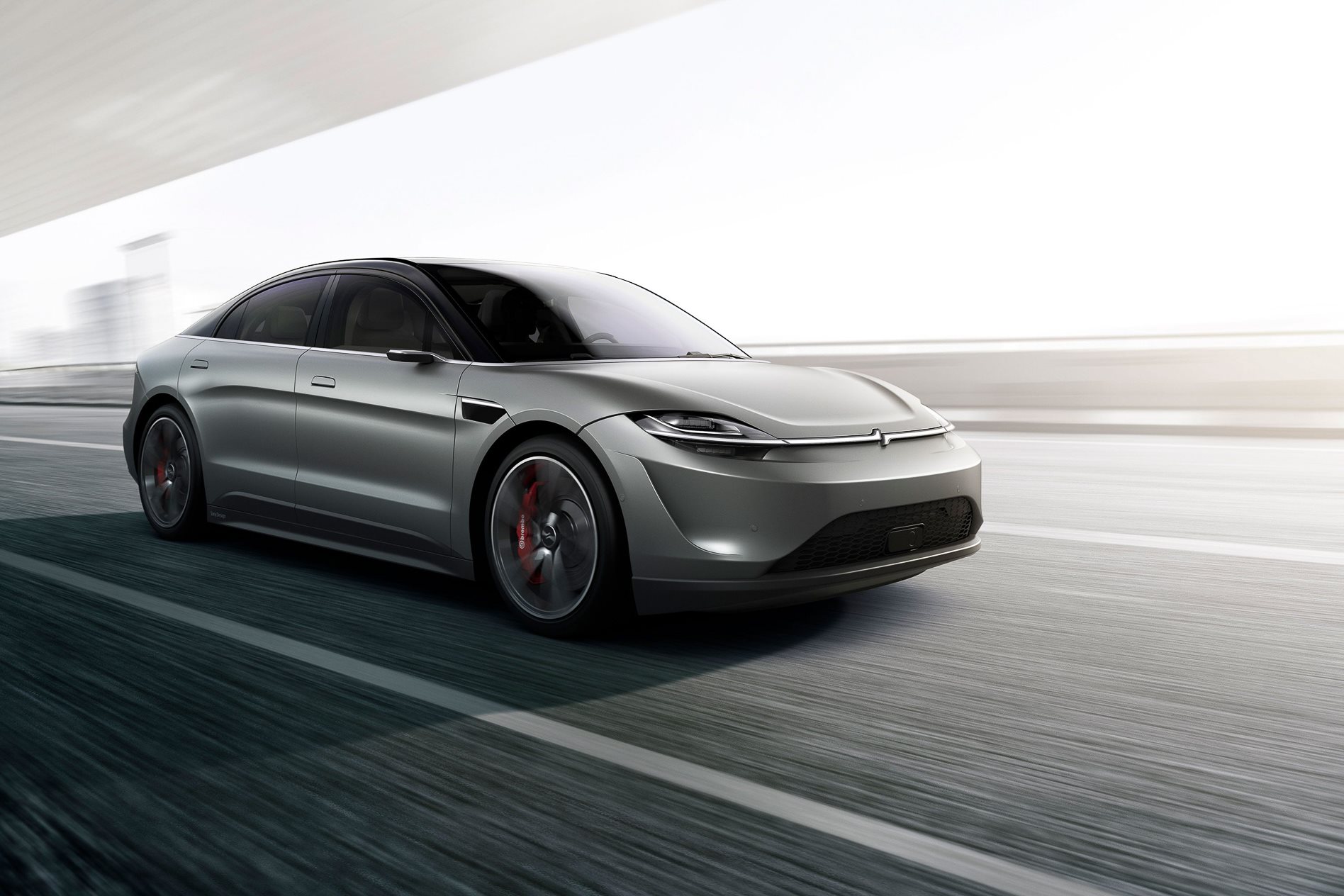
Apple had previously been in negotiation with tier-one automotive supplier Magna Steyr – who will build the Fisker electric car and who also built an EV for Sony – to manufacture its vehicle.
Interestingly, Magna Steyr – which has built 3.7 million cars for brands like BMW and Mercedes-Benz – is actively courting customers in North American, where it’s planning to build a factory that will likely focus on the production of battery-electric vehicles.
1
There are other EV startups that the tech company could collaborate with to produce a limited run of cars, too.
Electric truck and SUV maker Rivian is one of those companies, given its access to a relatively modern car plant.
There are also reports from Taiwan that large orders of key electric vehicle parts like motors and power integration systems have been made by Apple, though these are unsubstantiated.
The fledgling US EV maker may also be interested in the purported battery breakthrough that Apple is planning on bringing to the EV party.
According to the Reuters report, Apple also plans to do away with the pouch or packet structure of lithium-ion battery production, freeing up room inside the battery housing for more cells to increase its energy density.
1
It’s not, however, a new technology; both Tesla and General Motors are developing batteries that don’t rely on the module model.
It’s also looking towards lithium-iron phosphate technology, which allows for a more compact and potentially cheaper battery.
This technology already exists; Tesla has partnered with a Chinese company, CATL, to source complete lithium-iron phosphate batteries for its Model 3 and Model Y.
There is also the possibility that Apple will position itself as the supplier of autonomous software tech that could allow car companies to fast-track their way to higher levels of self-driving autonomy.
Either way, the first Apple car won’t be seen until 2024 at the earliest, according to the report.
February: MG IM LS6 shown among others in Geneva, Australia still under consideration
It’s no secret that MG views Australia as a key market, but the brand has far many more models available elsewhere than we might ever see in Australia.
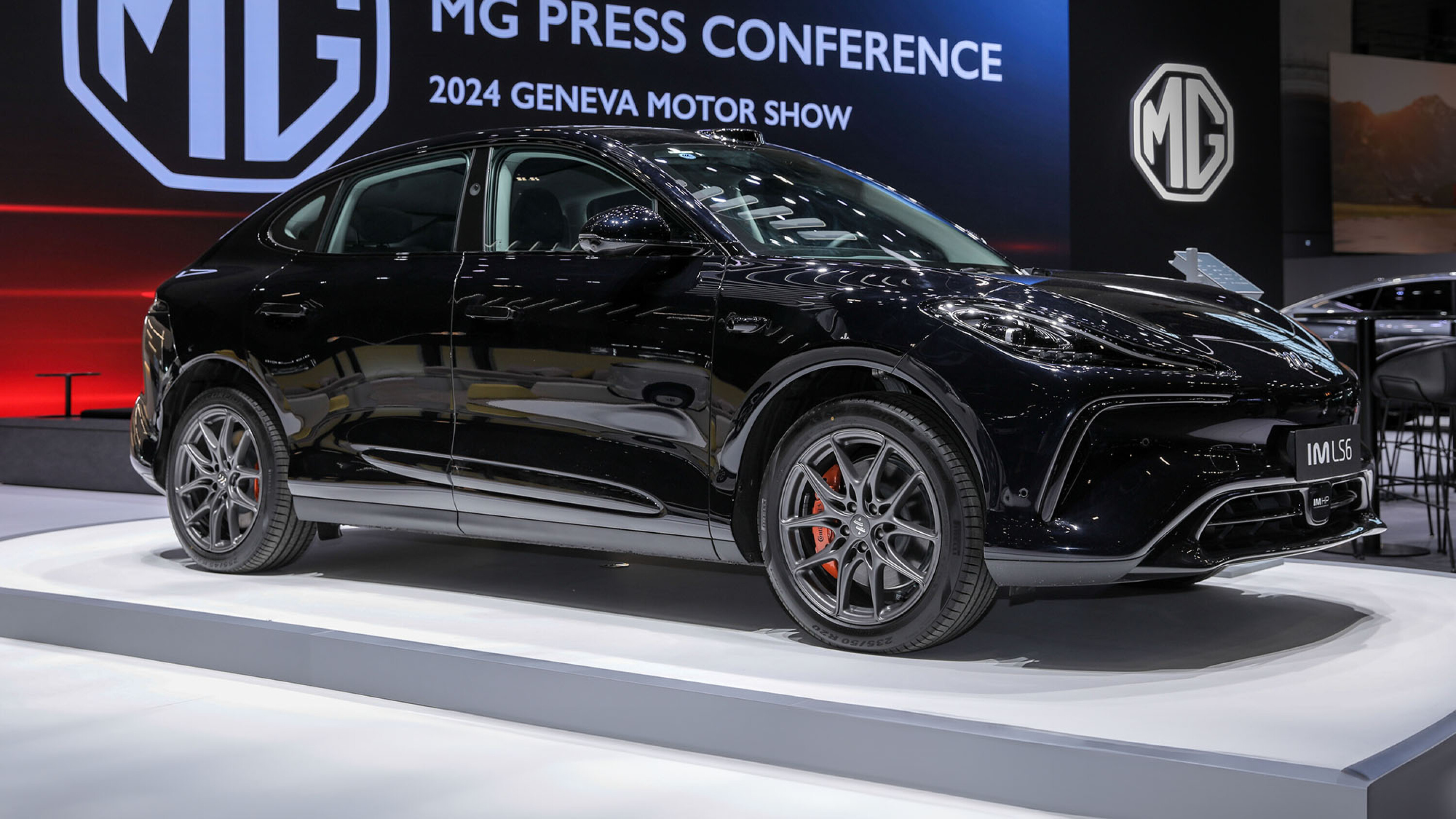
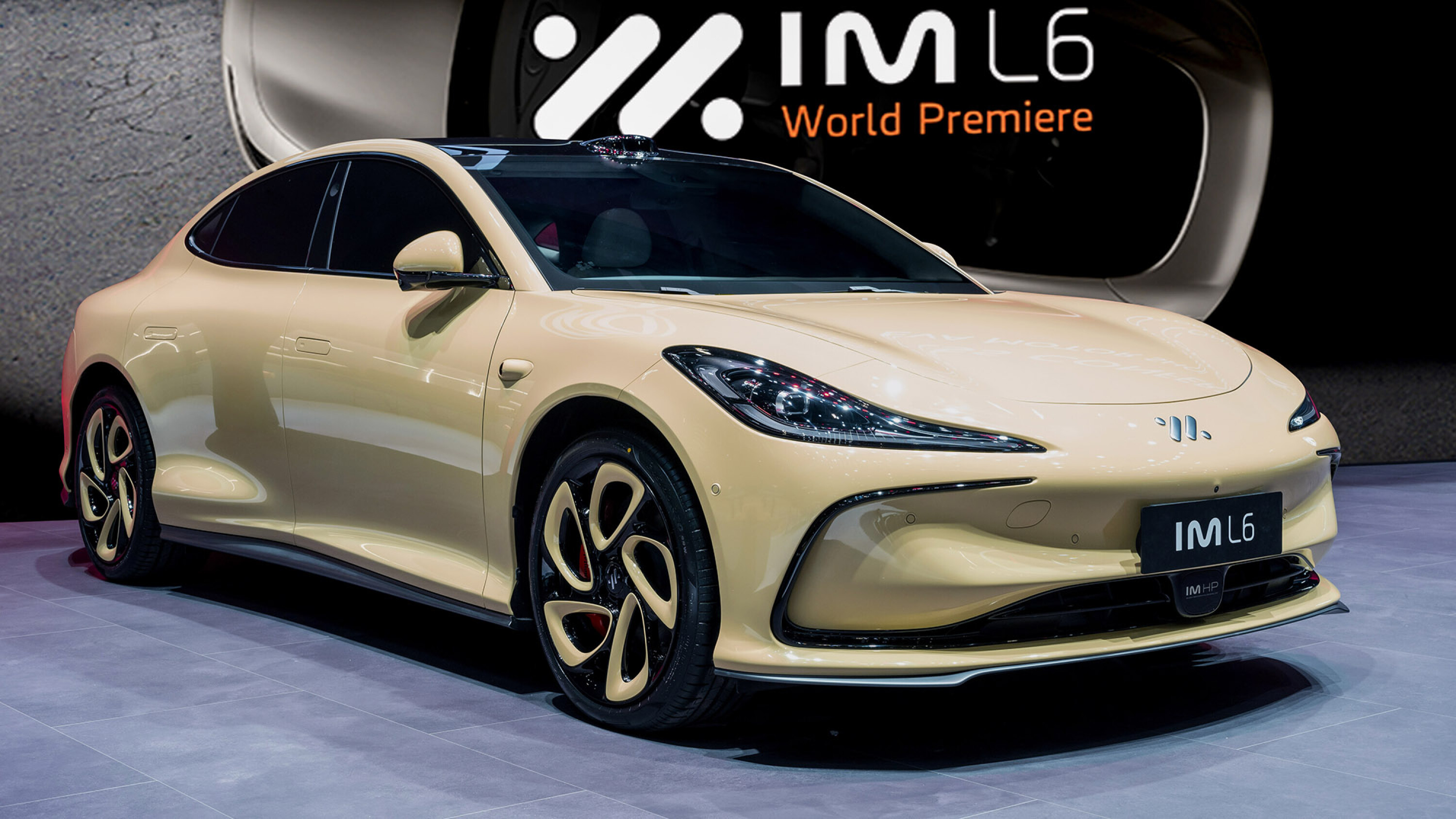
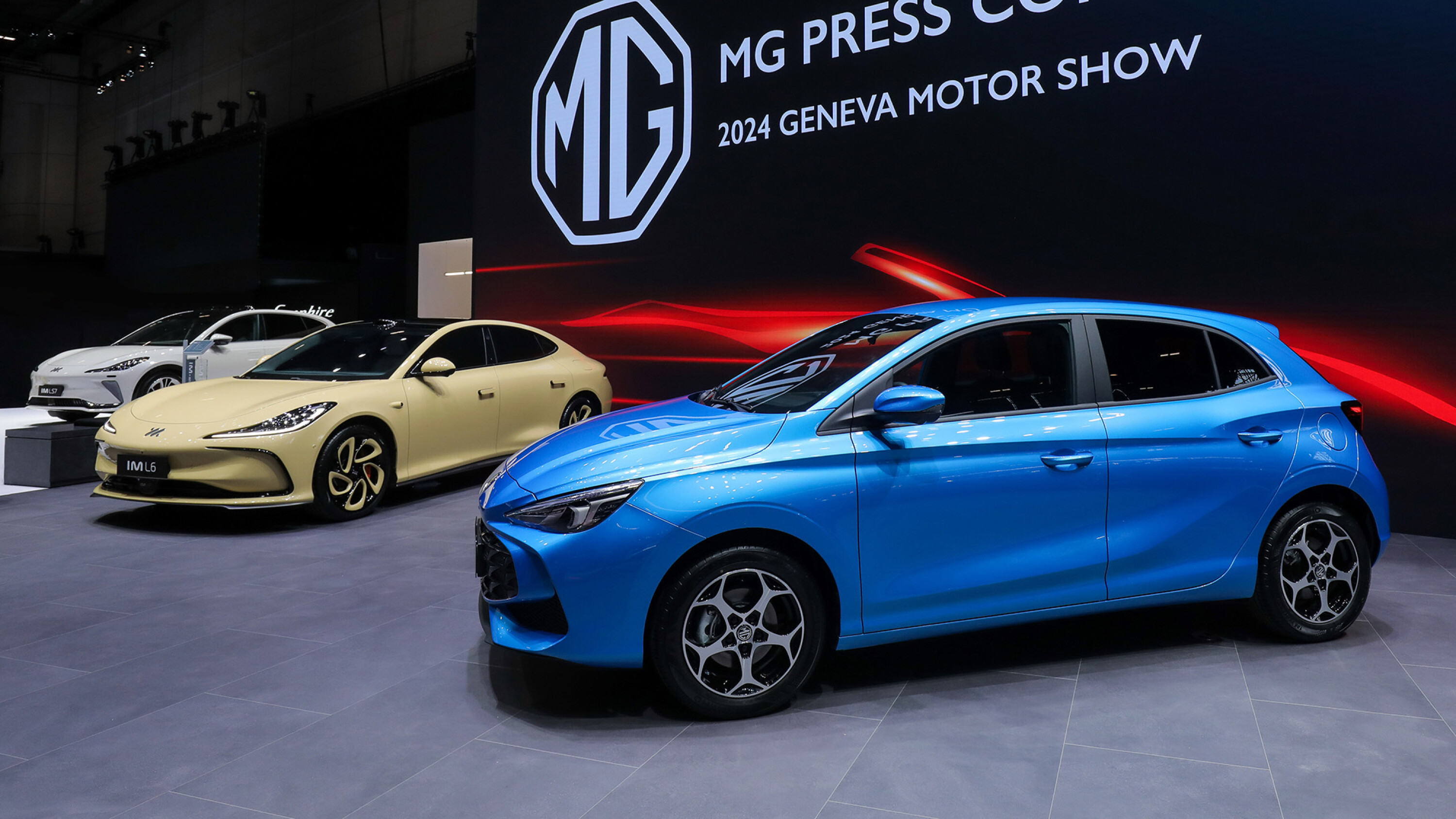
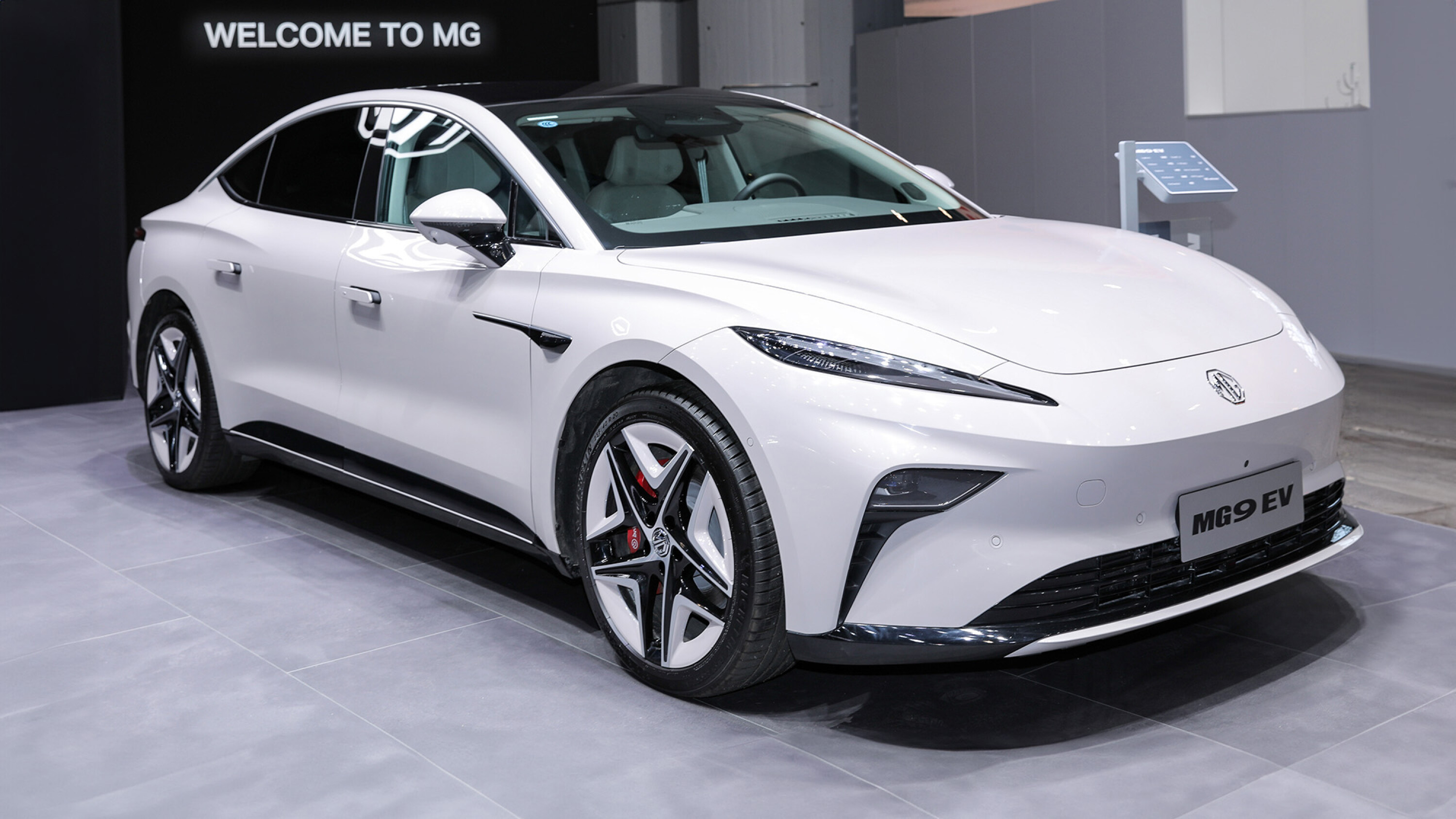
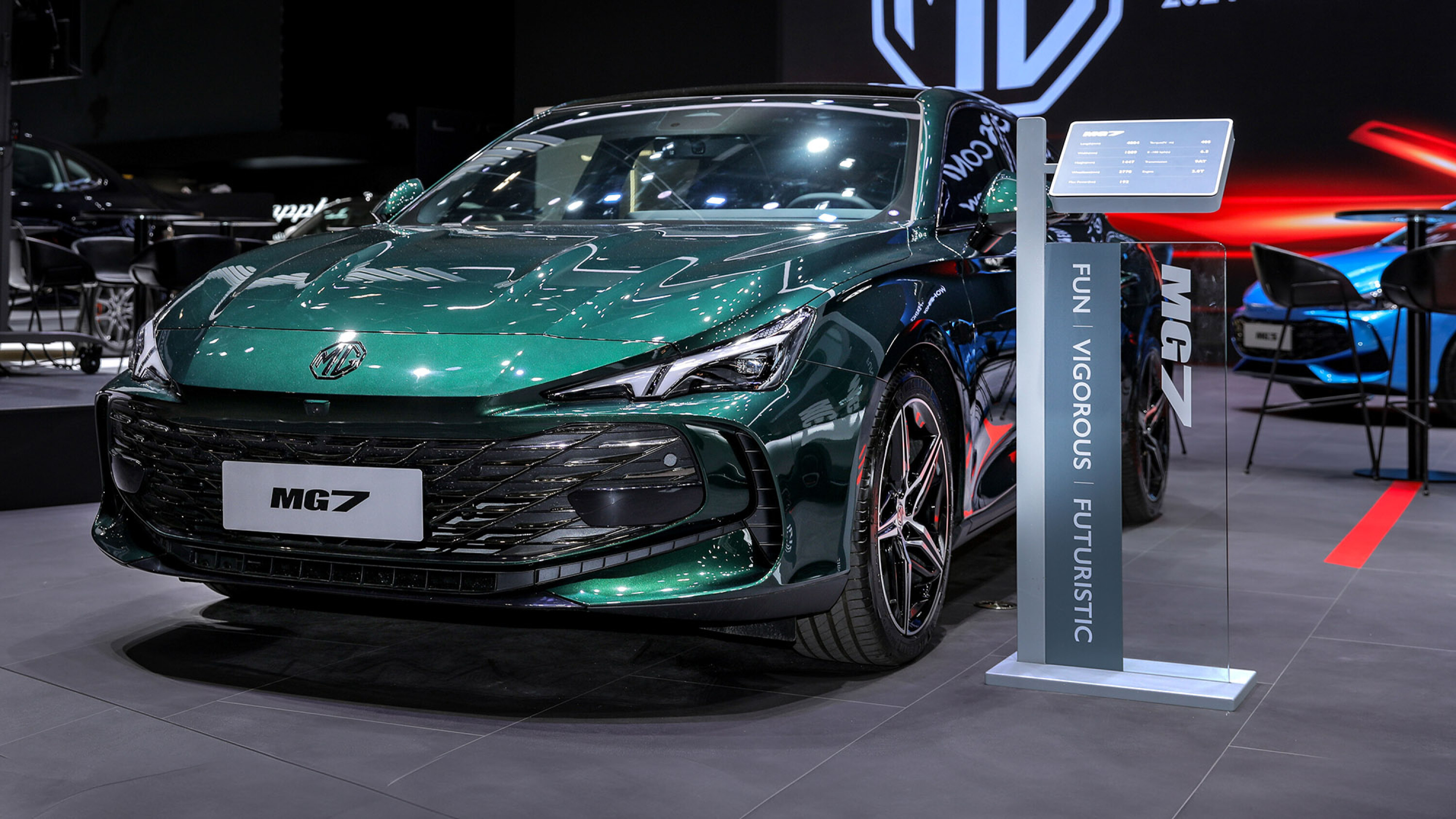
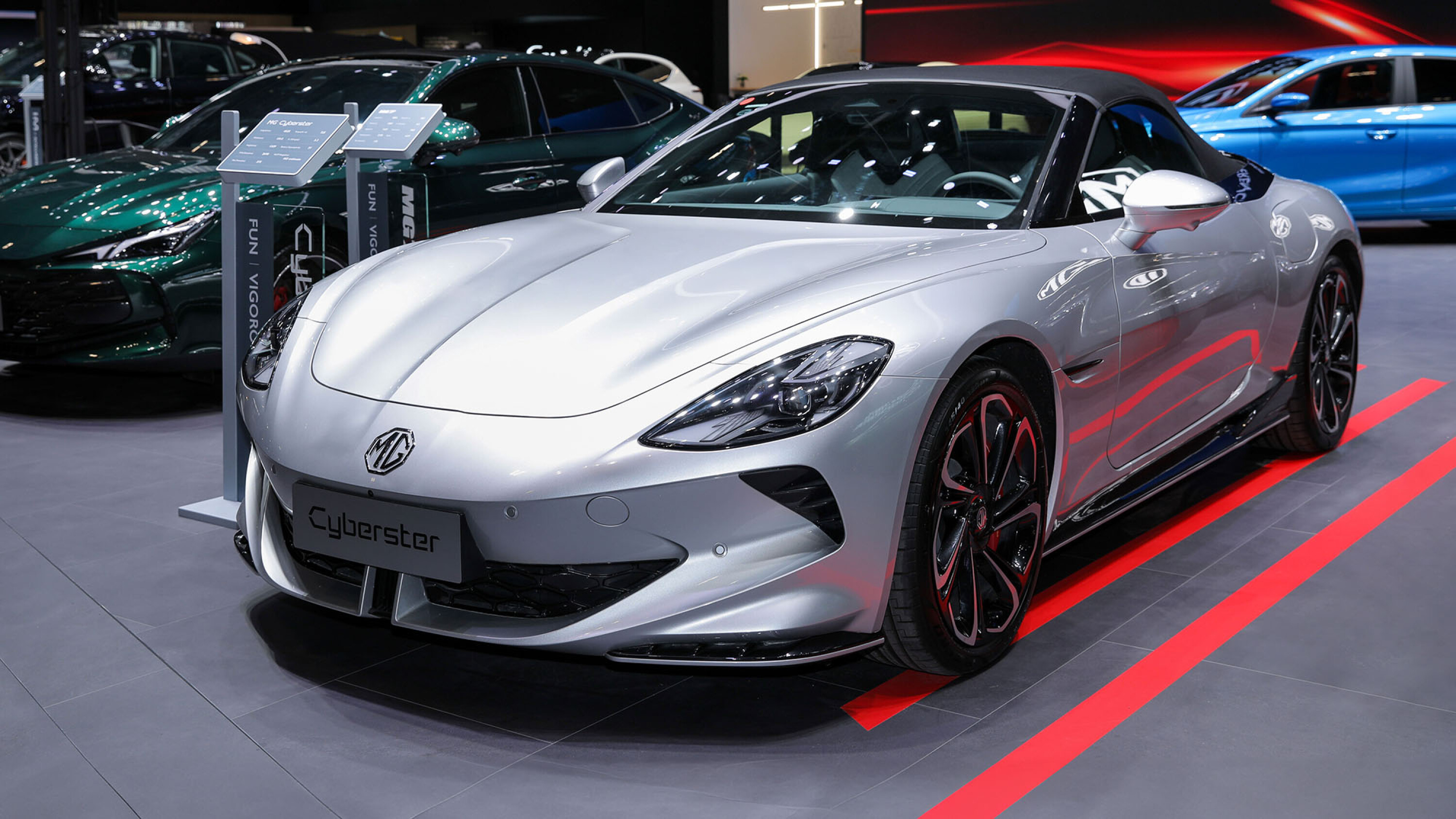
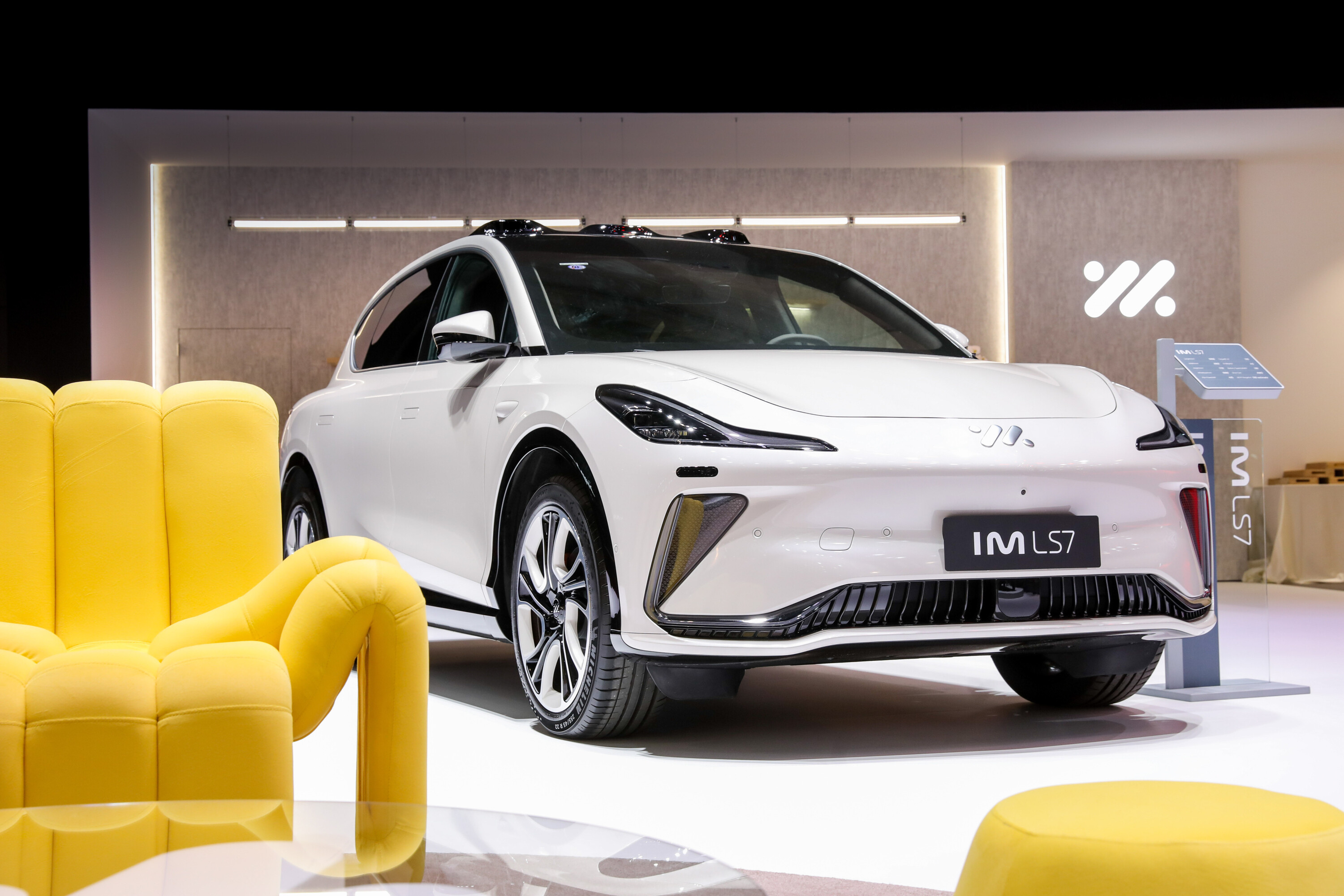
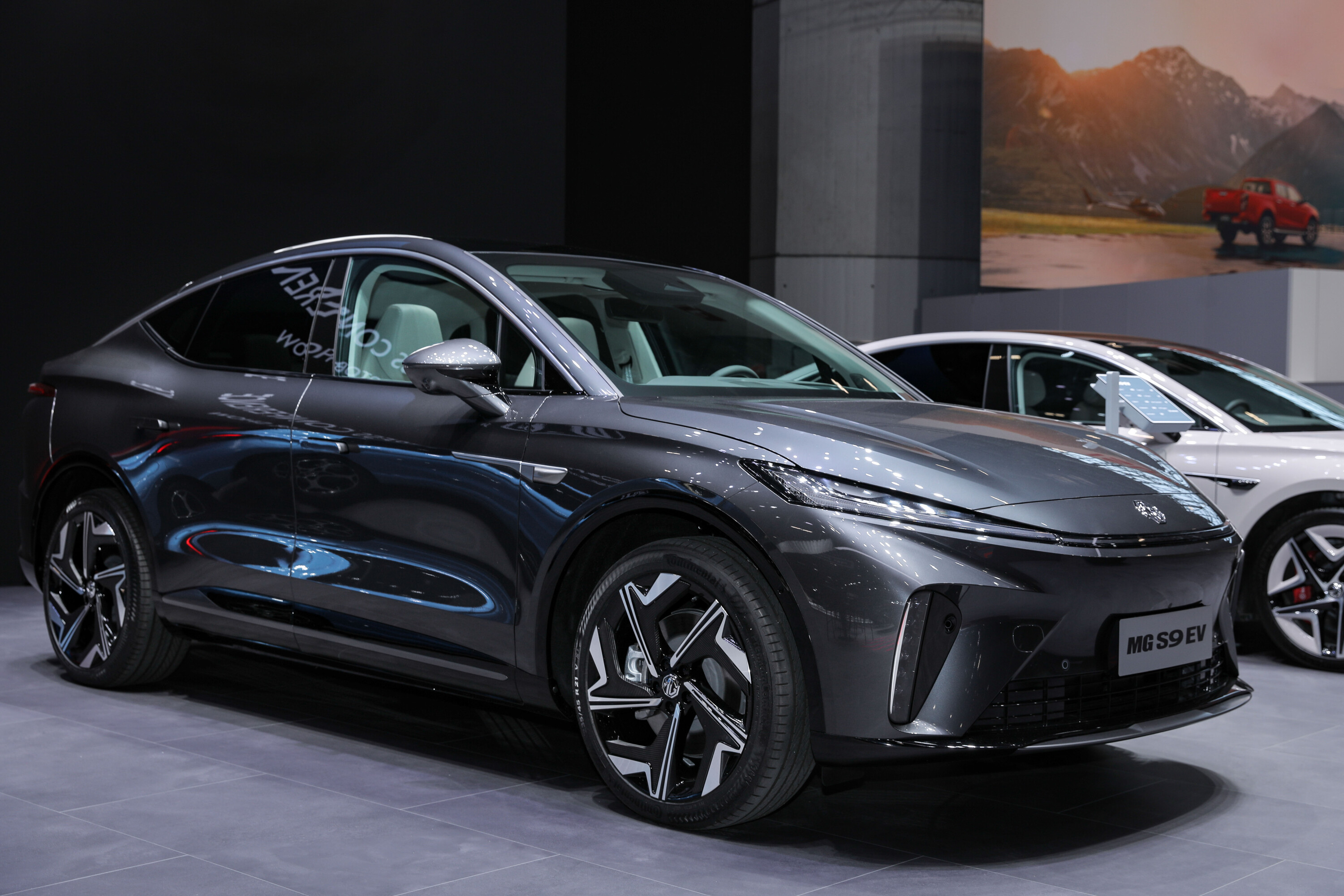
In Geneva this week, the brand is showcasing the new IM LS6 SUV alongside the even fresher IM L6 sedan, the IM L7 sedan and IM LS7 SUV, the new MG3 Hybrid+ and Cyberster, and other new models like the MG4 X Power, the MG7 ‘fastback saloon’, and finally the electric MG9 sedan and S9 SUV.
What is IM?
IM Motors is a premium EV brand in China, launched in 2020 by MG parent SAIC with online retail giant Alibaba and developers Zhangjiang Hi-Tech.
The English-language name stands for “Intelligence in Motion”. Its Chinese name is Zhiji Motors (智己汽车). Zhiji means “to know one’s self”.
MG Australia boss Peter Ciao has previously confirmed any local IM models would be marketed under the MG name to avoid complicating the brand’s growing cachet.
1
29
Of those, the MG 4 X Power is already on sale in Australia, while the new-gen MG3 and Cyberster are already confirmed – but what else can we expect to see here?
Given MG’s growing popularity in Australia, it’s likely that just about any of the models shown in Geneva would find enough homes here. But, for now, only one specific model has been given anything close to a nod for the local division.
1
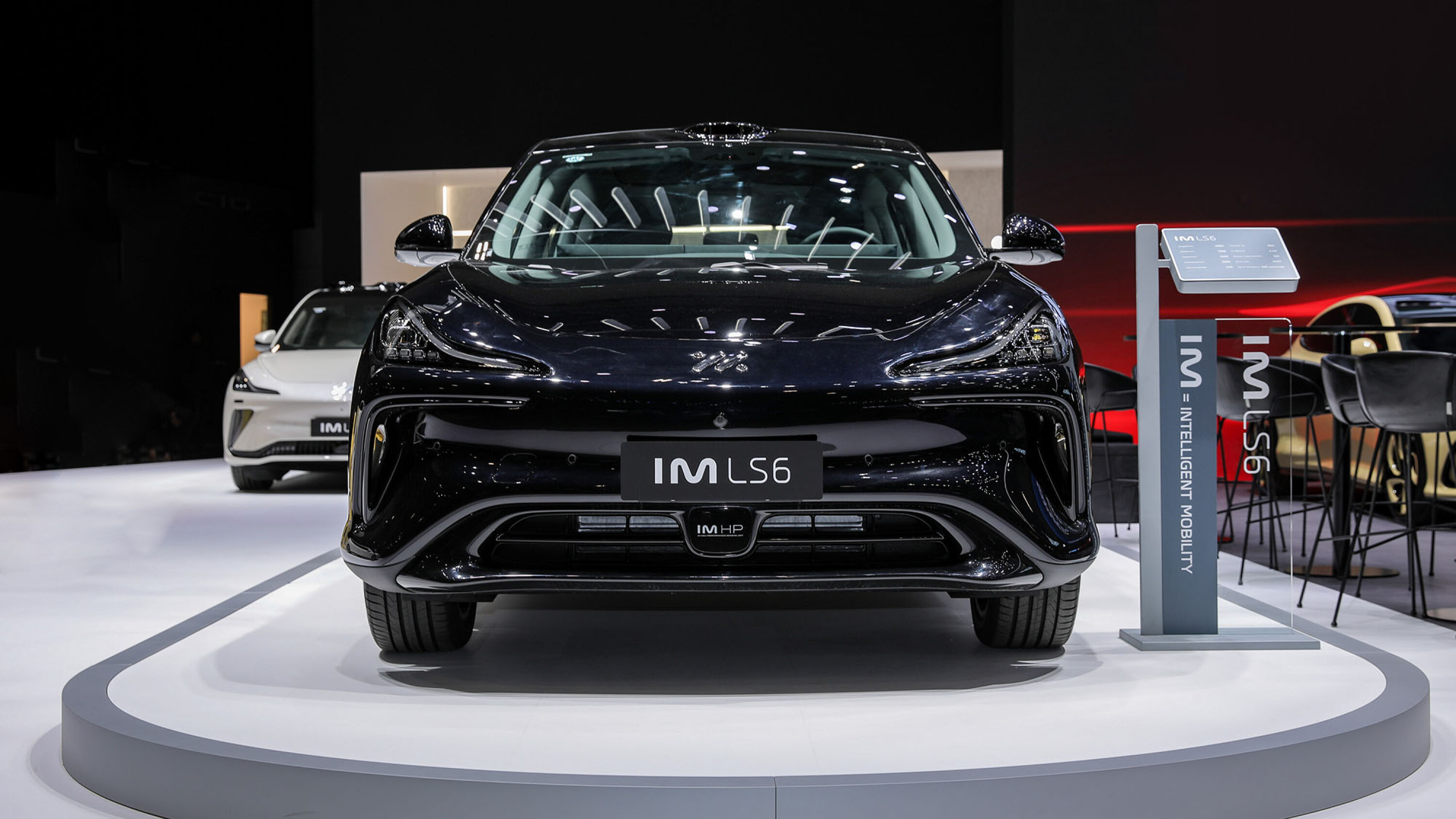
“We have a range of cars under consideration for Australia and NZ including the IM Motors LS6,” an MG Motor Australia spokesperson told Wheels Media today.
“The process around why a specific variant is selected or not selected is complex, so – as we do with all our range – we will proactively work with our engineers locally and internationally, as well as product, marketing, sales teams, dealer network and customer feedback, to understand and cater our offering to their ongoing needs and wants.”
1
The brand had previously indicated interest in the large LS7 SUV and L7 sedan flagships, but in an interview with Wheels Media last year, MG Australia chief Peter Ciao flagged a change in strategy.
“I plan to import one middle-sized SUV to Australia… I’m aiming for LS6 first”, he said.
1
IM LS6: The basics
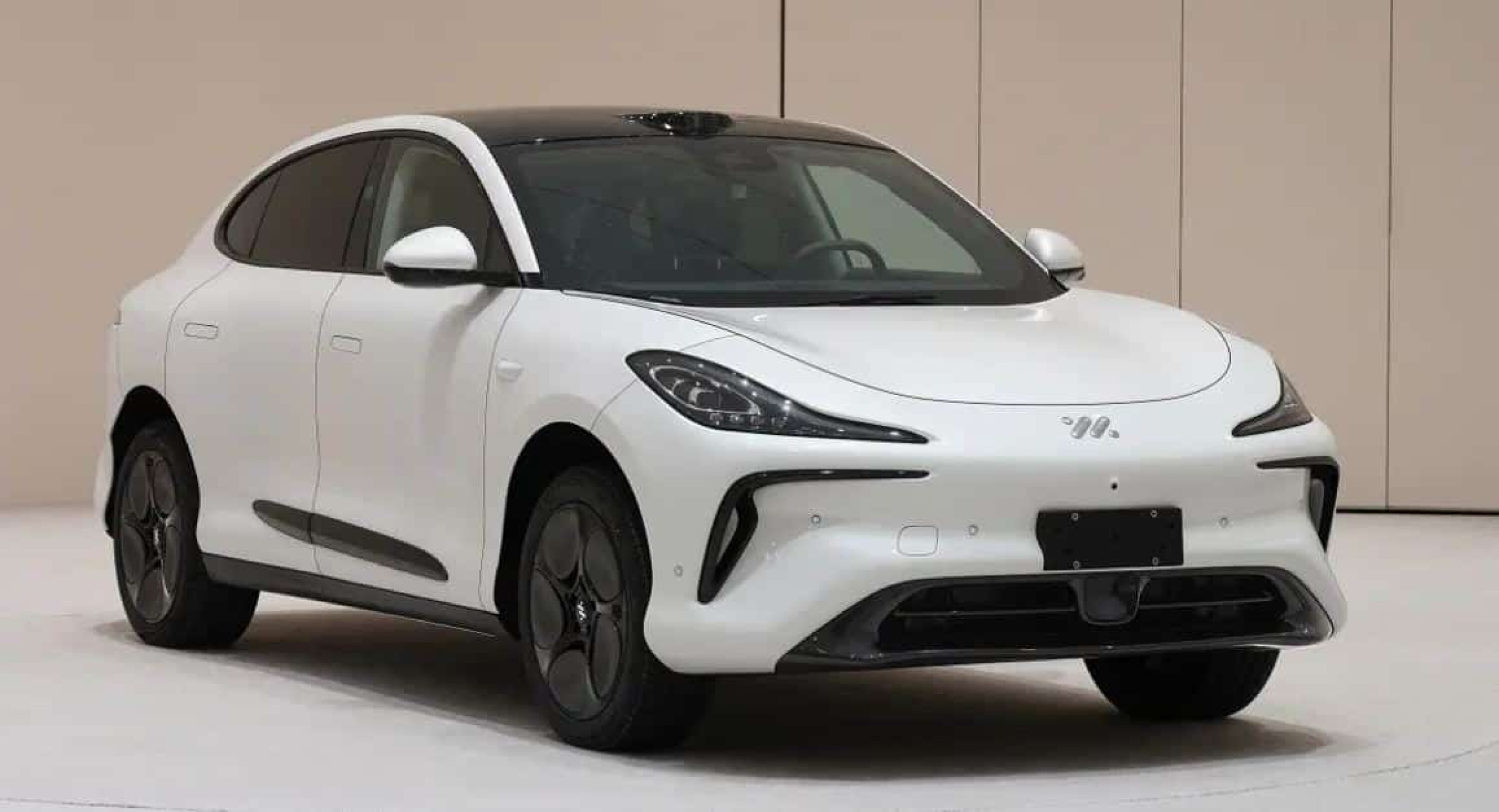
The LS6 is a performance-focused electric SUV, with a trio of configurations offered in China.
In flagship form, the LS6 boasts a 100kWh battery pack and is driven by a dual-motor all-wheel drive system that produces 579kW/800Nm and claims a 0-100km/h time of 3.5 seconds.
Those numbers are largely table stakes in the world of fast EVs, but important for getting a seat at the table.
1
Driving range is claimed to be 702km in China’s CLTC efficiency testing process (more generous than WLTP), and top speed is listed at 252km/h – although time spent anywhere close to that clip would quickly eat away at range.
In the middle of the line-up is a distance-focused 90kWh 255kW/450Nm version with 680km of claimed range, while the entry-level grade offers a 71kWh battery and 230/450Nm for a claimed range of 560km.
1
How big is the MG LS6?
In both size and spec, you can think of the MG LS6 as a shot aimed directly at Australia’s most popular EV.
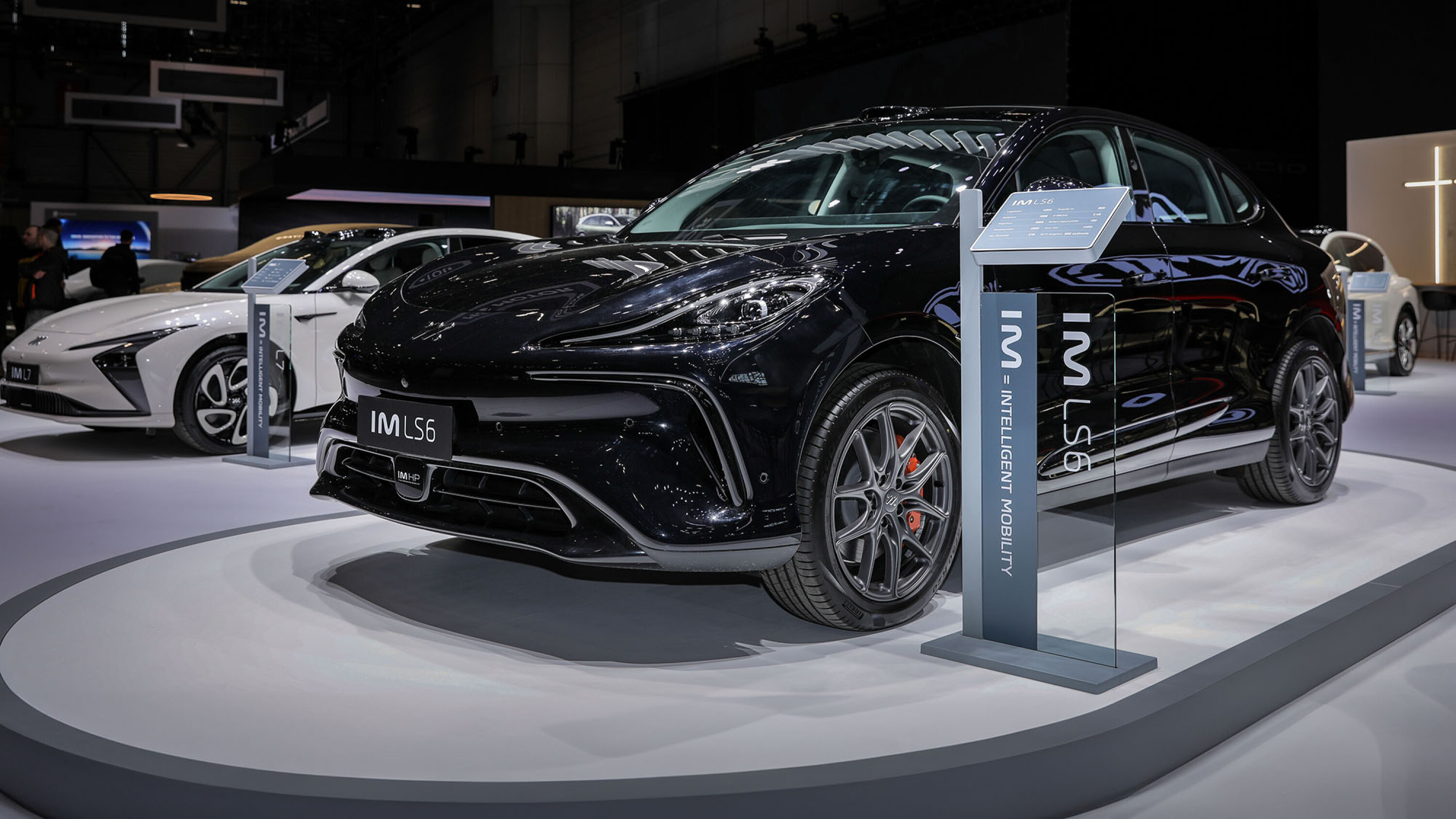
Measuring 4854mm long, 1995mm wide and 1703mm tall with a 2950mm wheelbase, the LS6 is sized to compete with the popular Tesla Model Y.
1
When will the MG LS6 come to Australia and what will it cost?
For now, we can only speculate.
In China, the LS6 is priced from the equivalent of $61,000 AUD, underscoring its position as a Tesla Model Y rival.
MG would very likely be able to stay close to that price as an entry point in Australia, giving it the car it needs launch an assault on Tesla’s dominant position.
As for timing, the LS6 is unlikely to reach Australia before 2025 – if it’s even confirmed at all.
For more of MG’s Geneva showing, click each of the below photos to see our full gallery.
5
11
3
8
13
4
3
August 2023: LS6 the most likely contender for MG’s next big move in Australia
A lot can change in a month, and it seems like MG has flipped on the idea of bringing the LS7 and L7 luxury EVs to Australia – at least in their current iterations.
Snapshot
- MG’s lineup to expand with luxury offerings
- Model Y lookalike LS6 now more likely
- L7 and LS7 deemed less suitable for our market due to safety regulations
Mooted for 2026 introductions as MG’s flagship passenger vehicles, it seems the newer IM LS6 has become the priority for MG Motor Australia CEO, Peter Ciao.
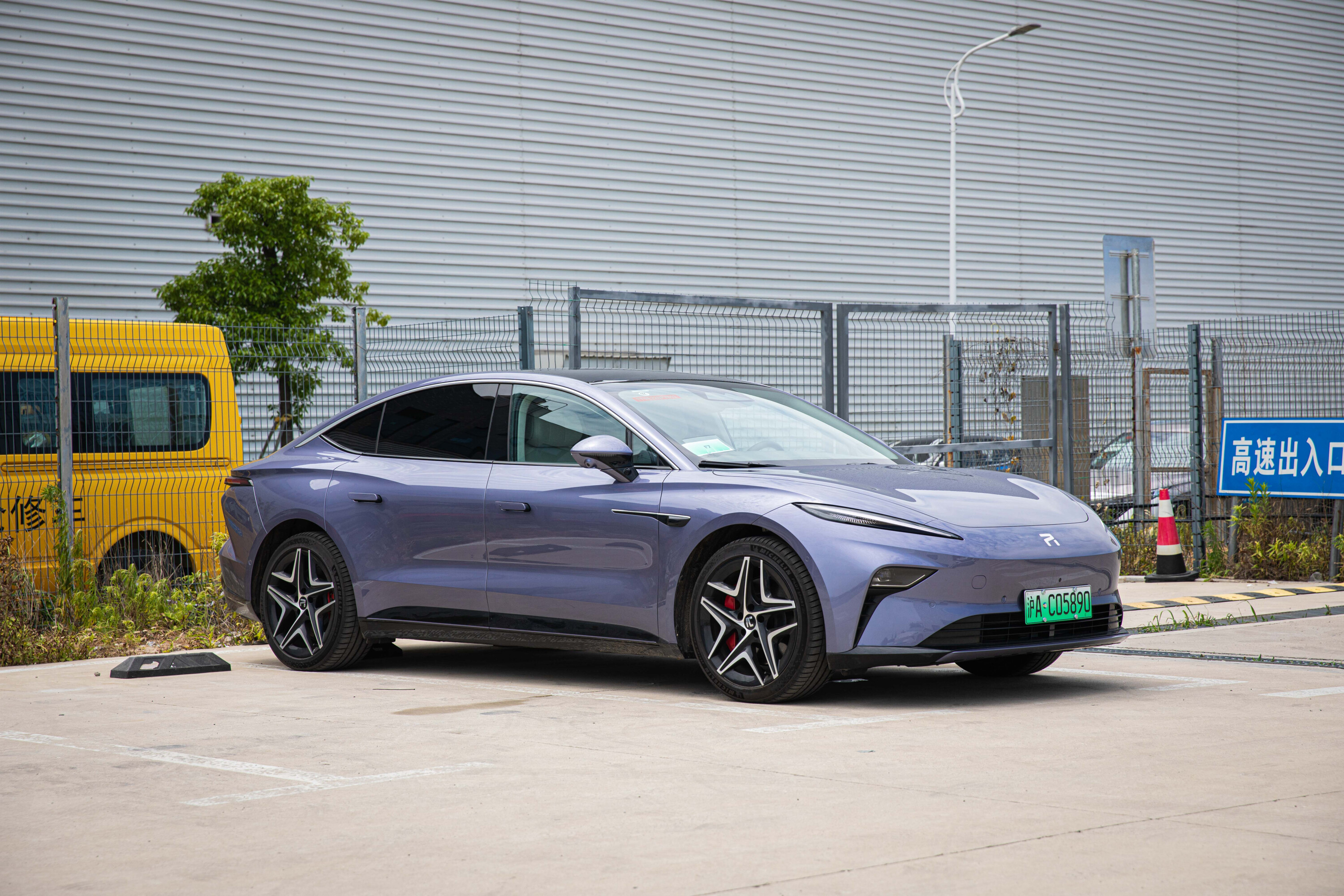
If MG’s Tesla Model Y rival arrives, it will be badged MG LS6, with MG not wanting to complicate its local brand image.
“The IM brand in China has three models: L7, LS7 and LS6. The LS6 has not launched yet, but I’m focused on this model ”, Ciao said in a formal interview with Wheels, also indicating that the L7 and LS7 are still possible, but the LS6 is more realistic.
“I plan to import one middle-sized SUV to Australia… I’m aiming for LS6 first”, he said.
1
“We launched in Australia six years ago but the business decision is survival first, so we focus on affordably priced [cars] under $20K and under $30K”, Ciao said, retracing MG’s local history. But with the badge’s near-hundred-year vintage, there’s premise for much dearer vehicles.
“[MG] is a premium brand, this is a very good sports [car] brand. So the price range, I believe, is very wide. It’s very easy to get over $100,00”, said Mr Ciao justifying the introduction of a more premium vehicle.
1
The change of heart is partly down to Australian regulations, a tale we’ve heard from other manufacturers time and again.
Developed without the latest Euro NCAP or ANCAP protocols in mind, Ciao isn’t open to compromising safety ratings for the LS7 and L7 that would command nearly AU$100,000 in top-spec trim.
The LS7’s large dimensions also come into play, with the SUV measuring over five metres long and two metres wide. Perhaps introducing a true luxury car to the mix is a little ambitious with the brand’s current range and dealer situation, too.
1
What is the IM LS6?
The LS6 is yet to be formally revealed. However, CarNewsChina [↗] unearthed images and details in China’s Ministry of Industry and Information Technology in June.
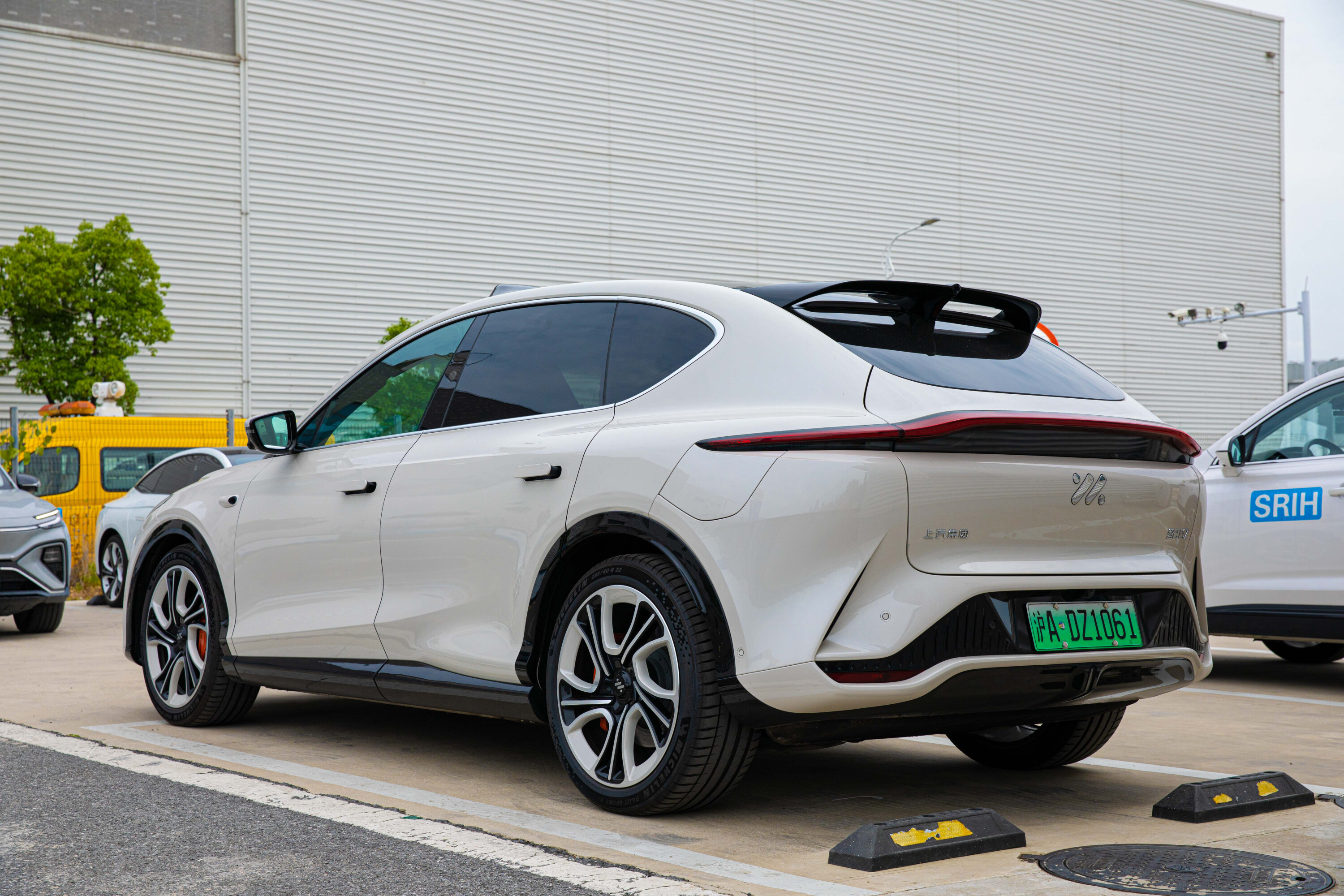
It will sit beneath the IM LS7 and L7 – think of it as a Tesla Model Y and Hyundai Ioniq 5 competitor rather than a Model X rival. It measures 4854mm long, 1995mm wide and 1703mm tall with a 2950mm wheelbase.
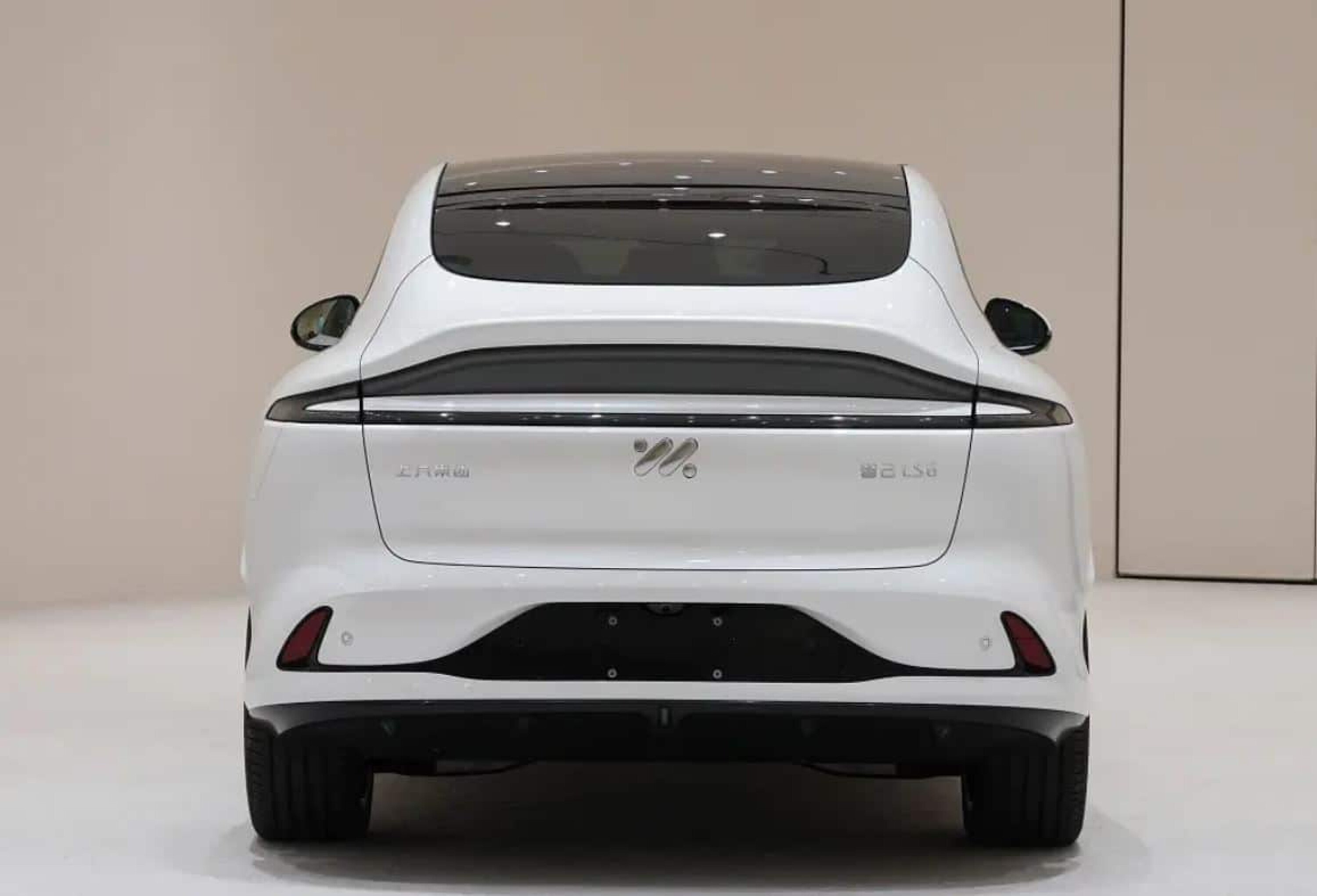
Its Tesla-beating intentions are made obvious in the design, the LS6 adopts a similar flowing silhouette to the Model Y and near-identical rear glass. The back deck is unique from Tesla, though. We can see elements of Genesis G80 and Aston Martin DBX.
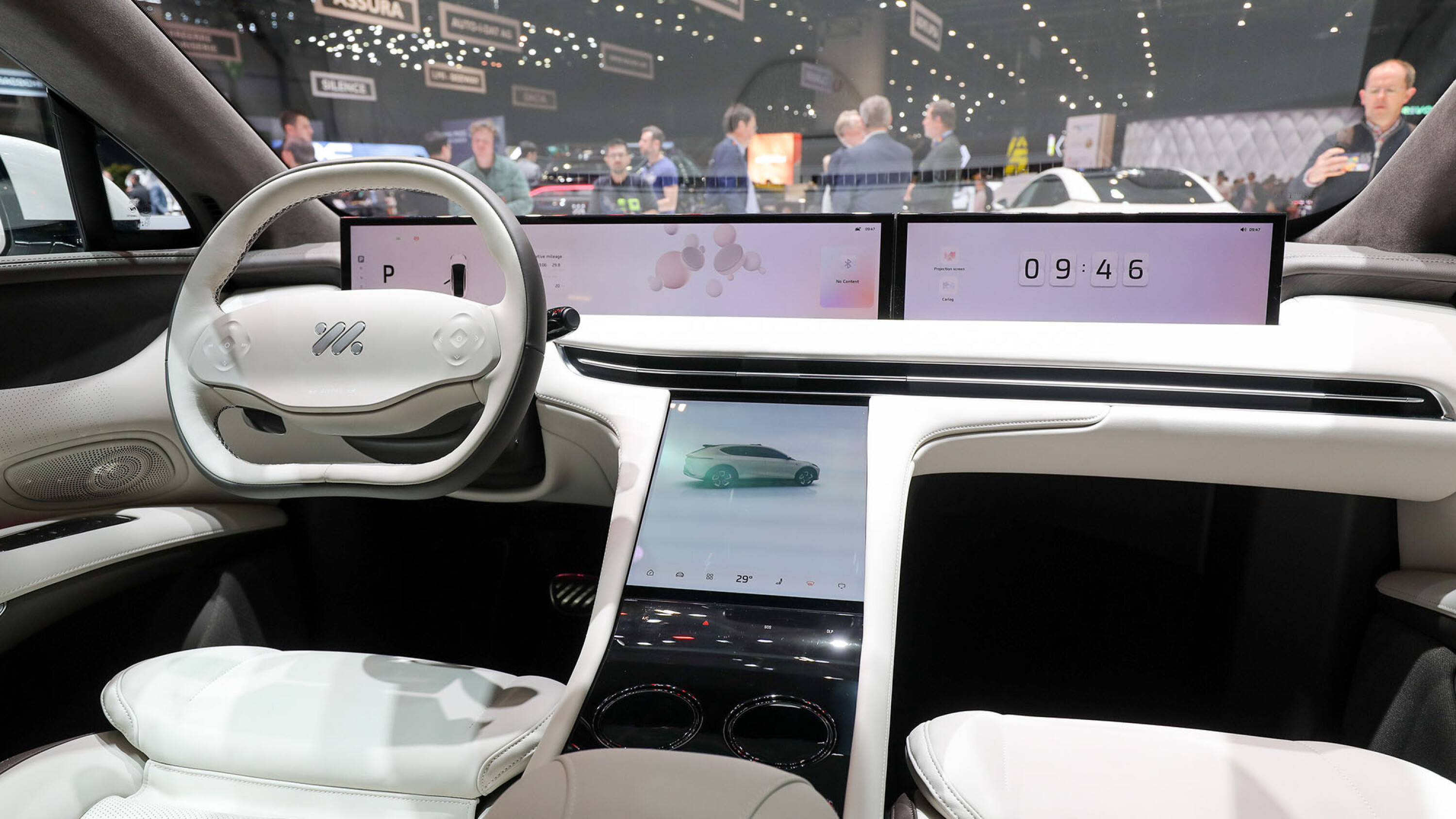
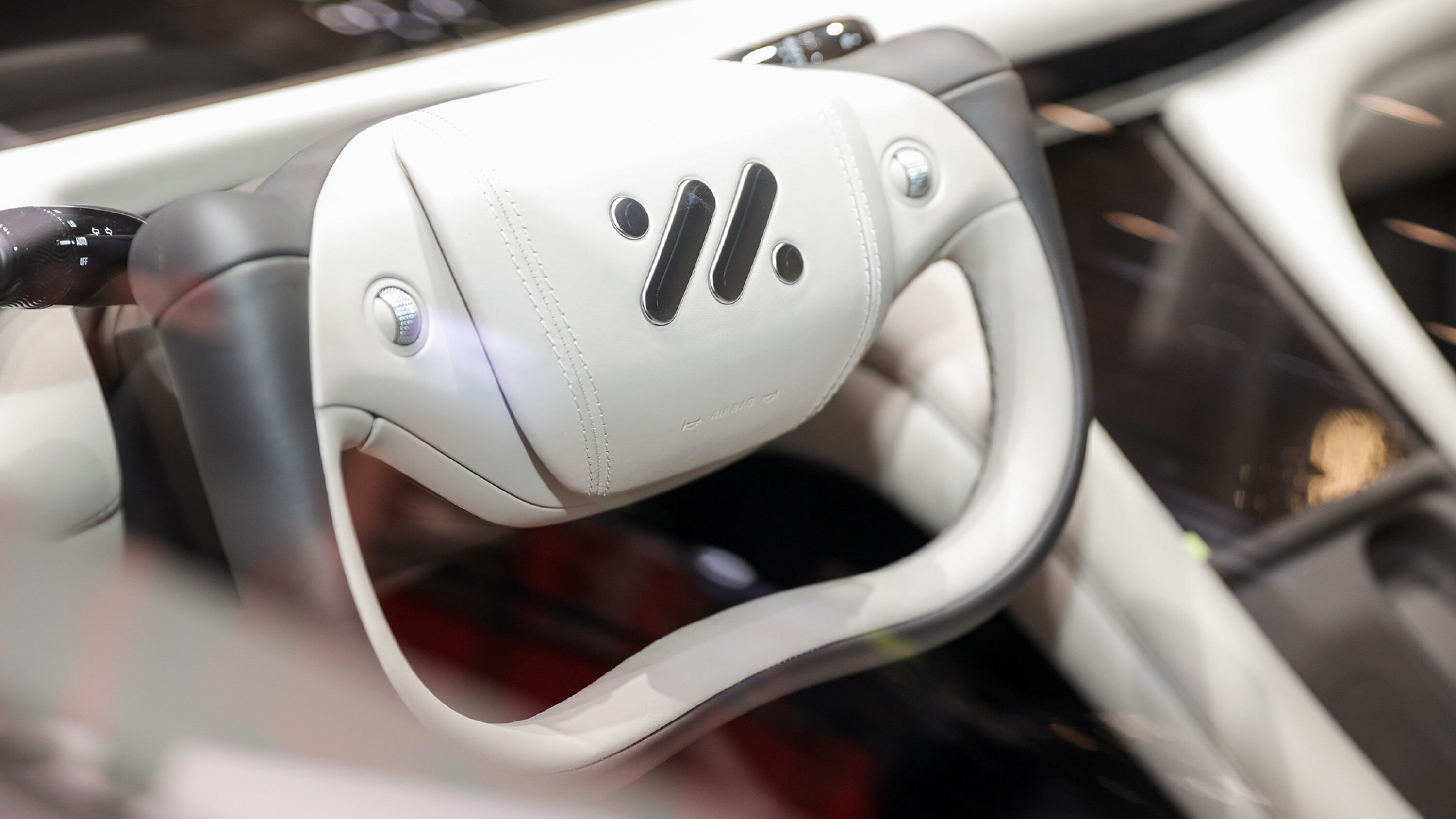
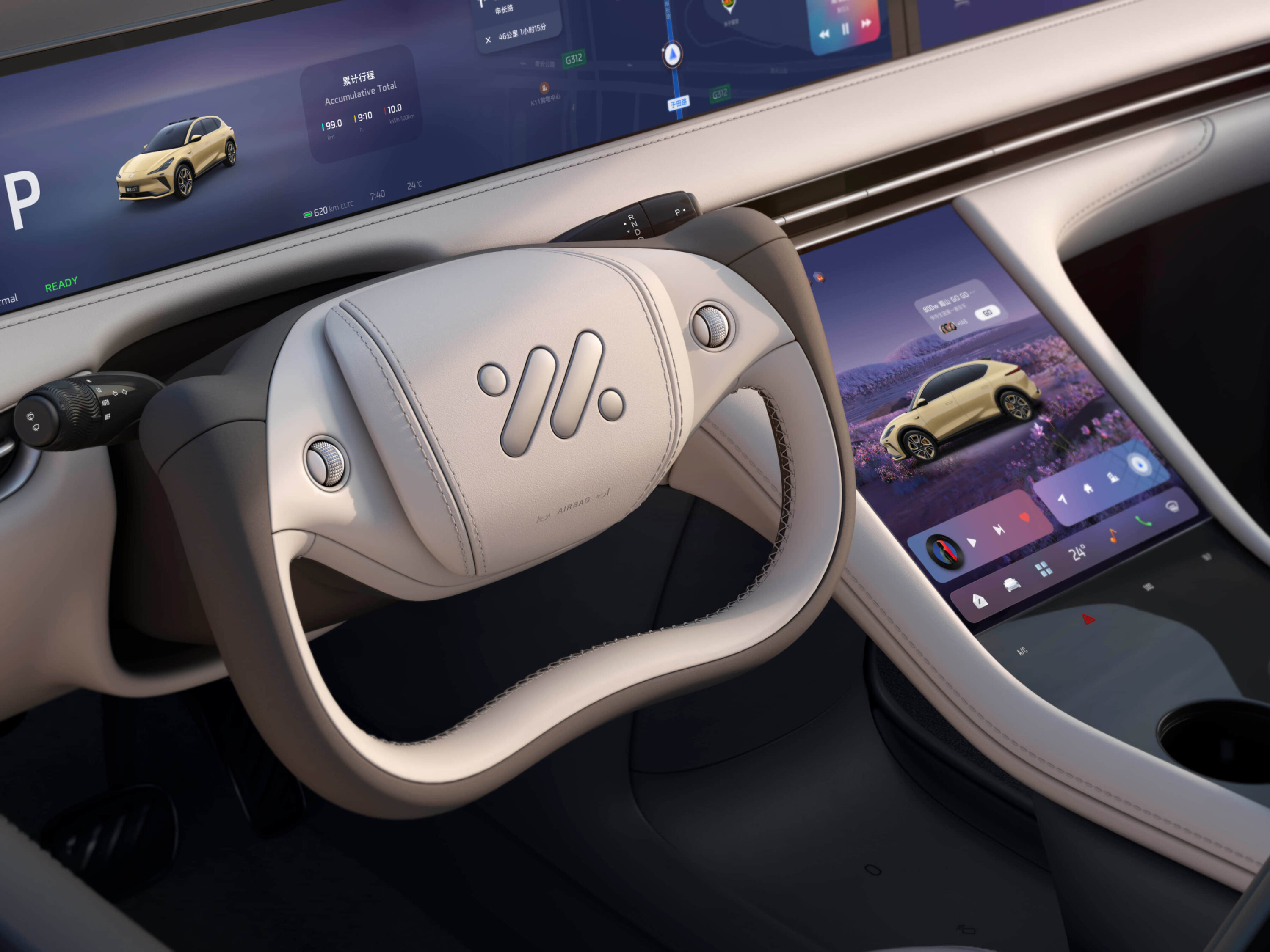
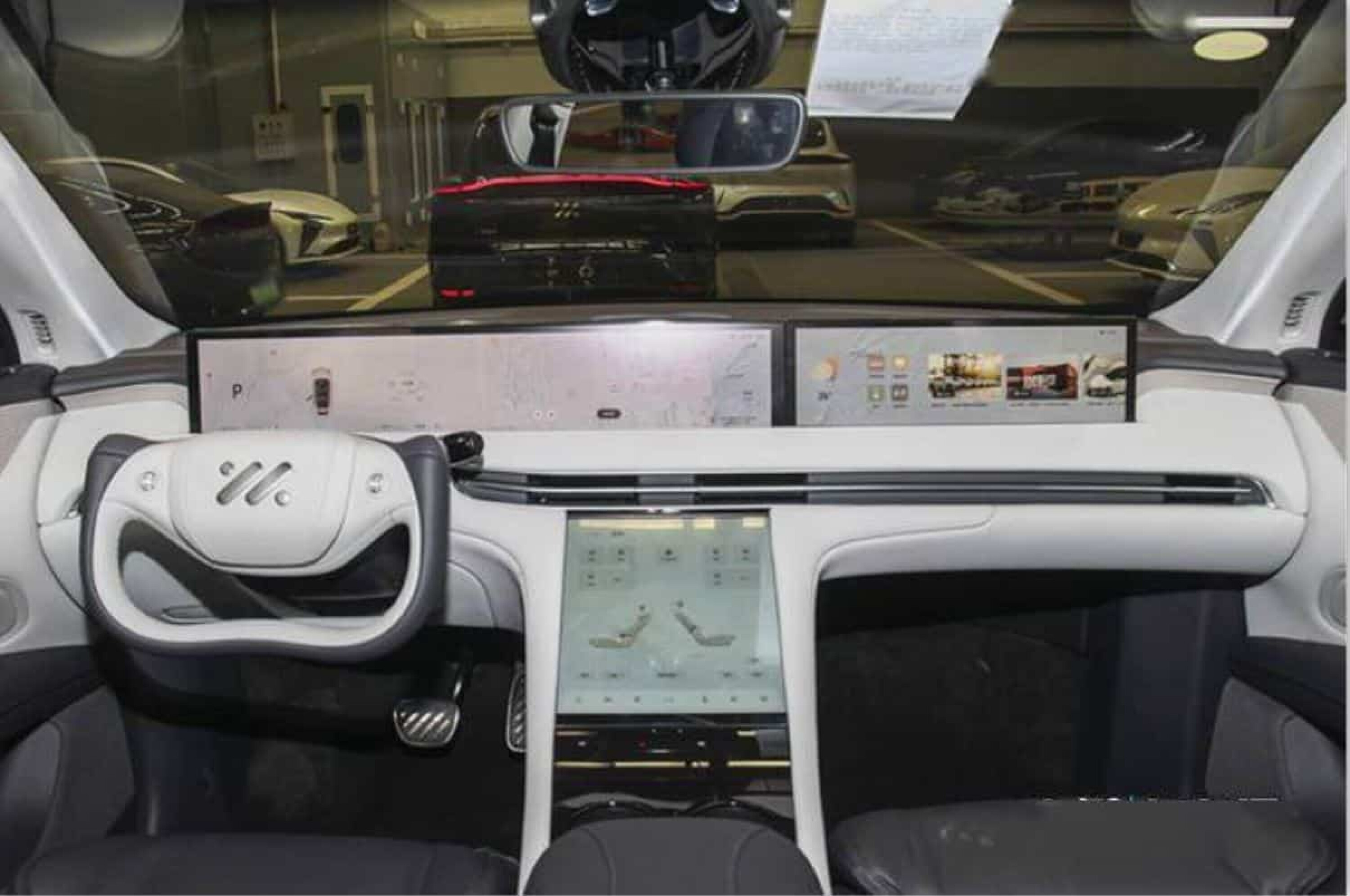
Inside there’s a trendy yoke-shaped steering device, 26 inches of screen that runs the width of the dashboard and a Taycan-esque touchscreen below that looks to control HVAC and other functions just like the LS7 and L7.
1
CarNewsChina also indicated the LS6 will pack a pair of motors rated between 170-200kW up front matched with 304-379kW rear items, depending on spec. The platform supports 800-volt electrics for faster charging and greater power delivery.
There’s no range speculation, but the larger LS7 has a CLTC rating of 625km driving range from a 100kWh battery. Expect similar, or slightly better efficiency, from the smaller LS6.
The IM range is currently sold exclusively in China. The vehicles are built as part of a collaboration between SAIC Motor (MG Motor’s owner), Zhangjiang Hi-Tech, and Alibaba.
1
Pricing and availability
There’s no word on pricing either locally or internationally for the IM LS6 just yet. We presume it will run a similar if slightly lower pricing gamut to the LS7. That would mean an equivalent of AU$55,000-85,000 overseas, but local pricing could climb or drop from there.
As for arrival timing, Mr Ciao indicated there’s plenty to come in 2024, “we have more models coming. Not just MG 4 and MG 5 – we have the new-generation [MG] 3, new-generation HS”, he said, before adding there’s “one more SUV” in the pipeline.
MORE
Everything MG
MORE
Electric Cars
More EV stories to help you choose the best car for your needs
- ? EV news, reviews, advice & guides
- ❓ Short & sweet: Your EV questions answered
- ⚡ New EVs: Everything coming to Australia
- ? Australia’s EVs with the longest driving range
- ⚖️ Best-value EVs by driving range
- ? How much do EVs cost in Australia?
- ? How much more expensive are EVs?
- ⚖️ Number crunching: Is it time to switch to an EV?
- ♻ Should you buy a used EV?
- ?️ Are EVs more expensive to insure?
- ? Costs compared: Charging an EV vs fueling a car
- ? EV charging guide
- ? Are there enough EV chargers in Oz?
- ?? EV servicing explained
- ? EV battery types explained
- ? When do EV batteries need replacing?
- ? Hydrogen v EVs: What’s best for Oz?
- ? How sustainable are EVs, really?
MORE advice stories to help you with buying and owning a car
Snapshot
- Toyota bZ4X pricing and features confirmed!
- Tesla Model Y rival costs between $66,000 and $74,900
- Two-trim line-up for Toyota’s first EV in Australia
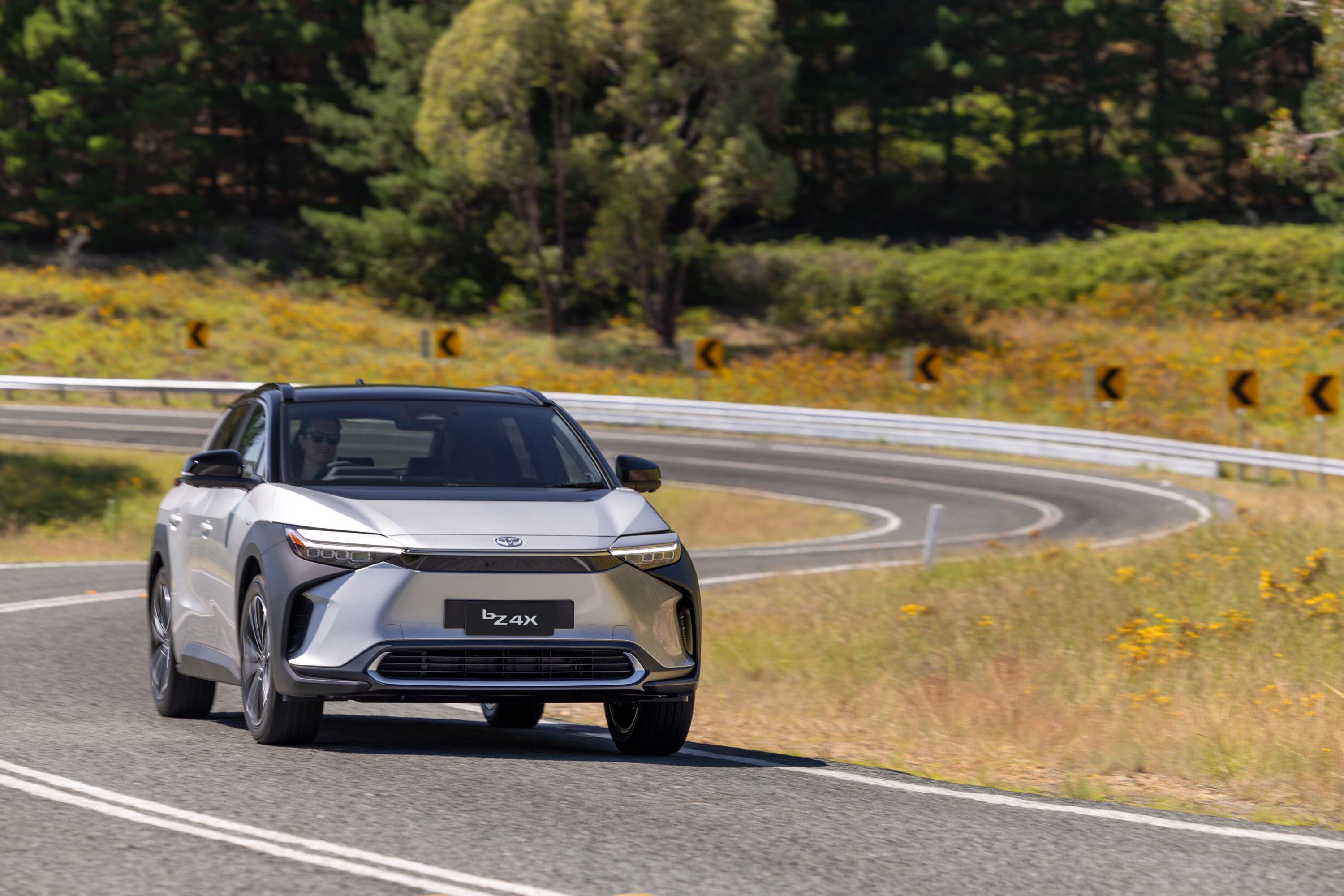
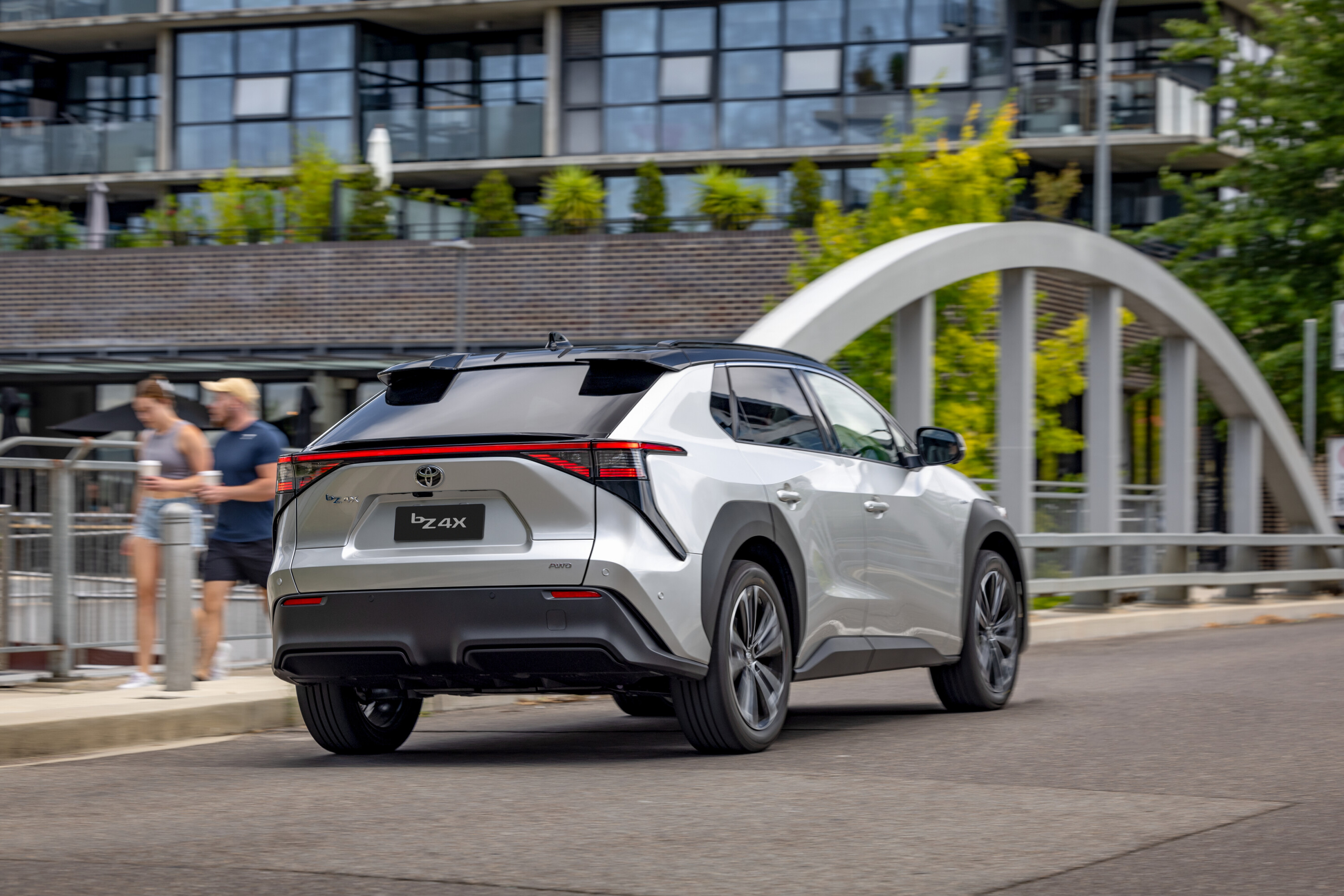
Pricing for the 2024 Toyota bZ4X has been revealed, with the Tesla Model Y and Ford Mustang Mach-E rival kicking off at $66,000 before on-road costs.
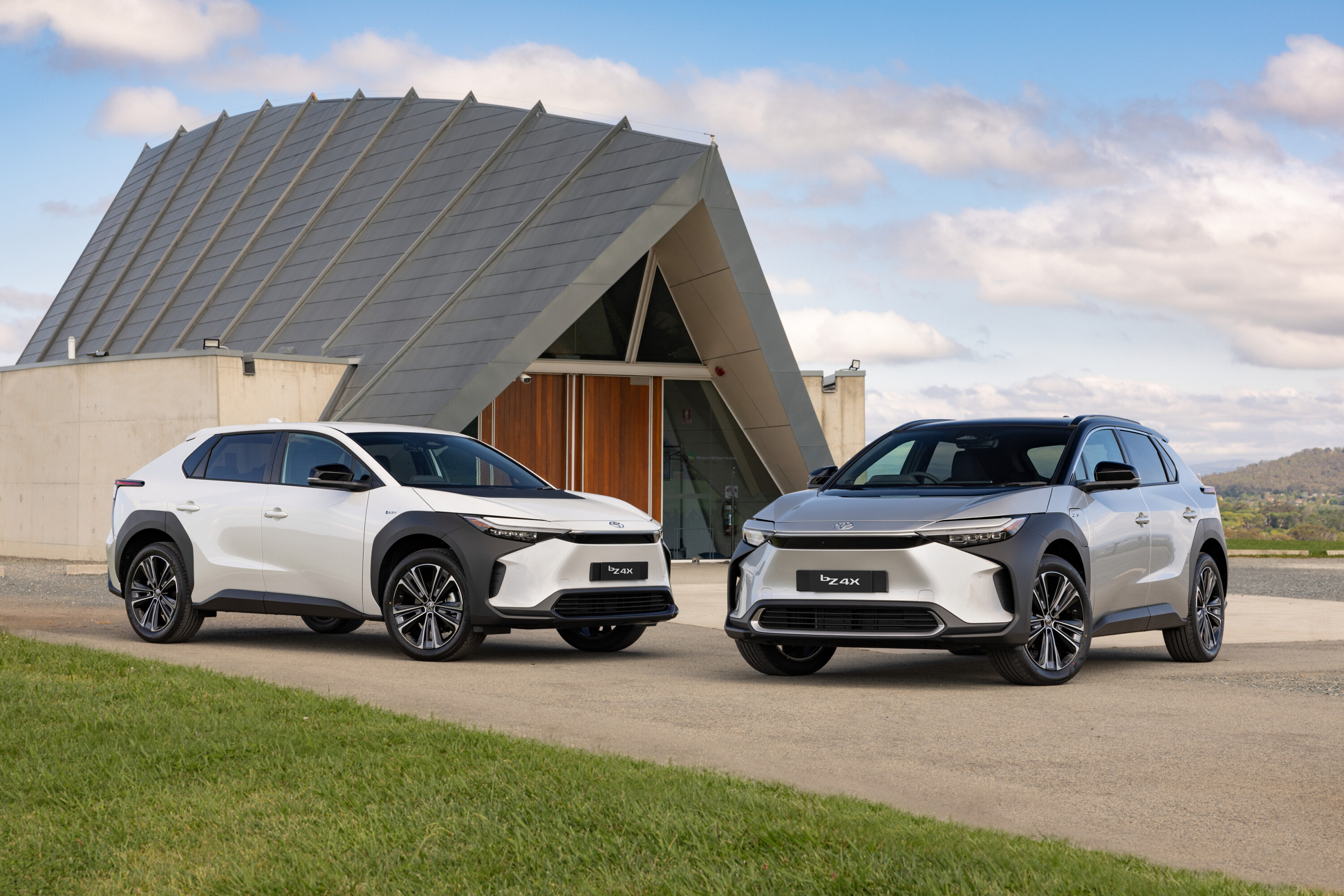
There will be two variants of the RAV4-sized medium SUV available from launch, including the front-drive ‘bZ4X‘ trim with up to 436km driving range (WLTP) and an AWD flagship priced at $74,900.
Toyota’s entry into the electric vehicle game may be late, but it has at least beaten the Volkswagen ID.4 and Skoda Enyaq to market.
Like the GR86 sports car, Toyota’s bZ4X has a Subaru twin – the Solterra – and its newly-reduced price means the top-spec AWD Toyota undercuts the Subie by $2000.
1
Don’t expect Toyota’s attempt to take on RAV4 volumes initially, though, with only two trims and around 1500 units bound for these shores in the first year – a long way behind Tesla’s 28,769 Model Y sales in 2023.
Toyota Australia head of marketing, sales and franchise operations Sean Hanley noted that the bZ4X will play a role in the brand’s approach and is unlikely to undermine sales of its internal-combustion models, including petrol-electric hybrids.
“As the first Toyota BEV, it will accelerate our multi-pathway approach that’s designed to help our customers lower their tailpipe carbon emissions while leaving no one behind,” said Hanley.
1
2024 Toyota bZ4X pricing
The new EV’s price is relatively competitive with the Tesla Model Y RWD ($65,400) on the surface.
Toyota will also offer the ability for buyers to purchase the bZ4X under an all-inclusive lease plan (you can read more about that here) rather than just outright, or with finance.
| 2024 Toyota bZ4x pricing | |
|---|---|
| Variant | Price (before on-road costs) |
| bZ4X FWD | $66,000 |
| bZ4X AWD | $74,990 |
1
2024 Toyota bZ4X features
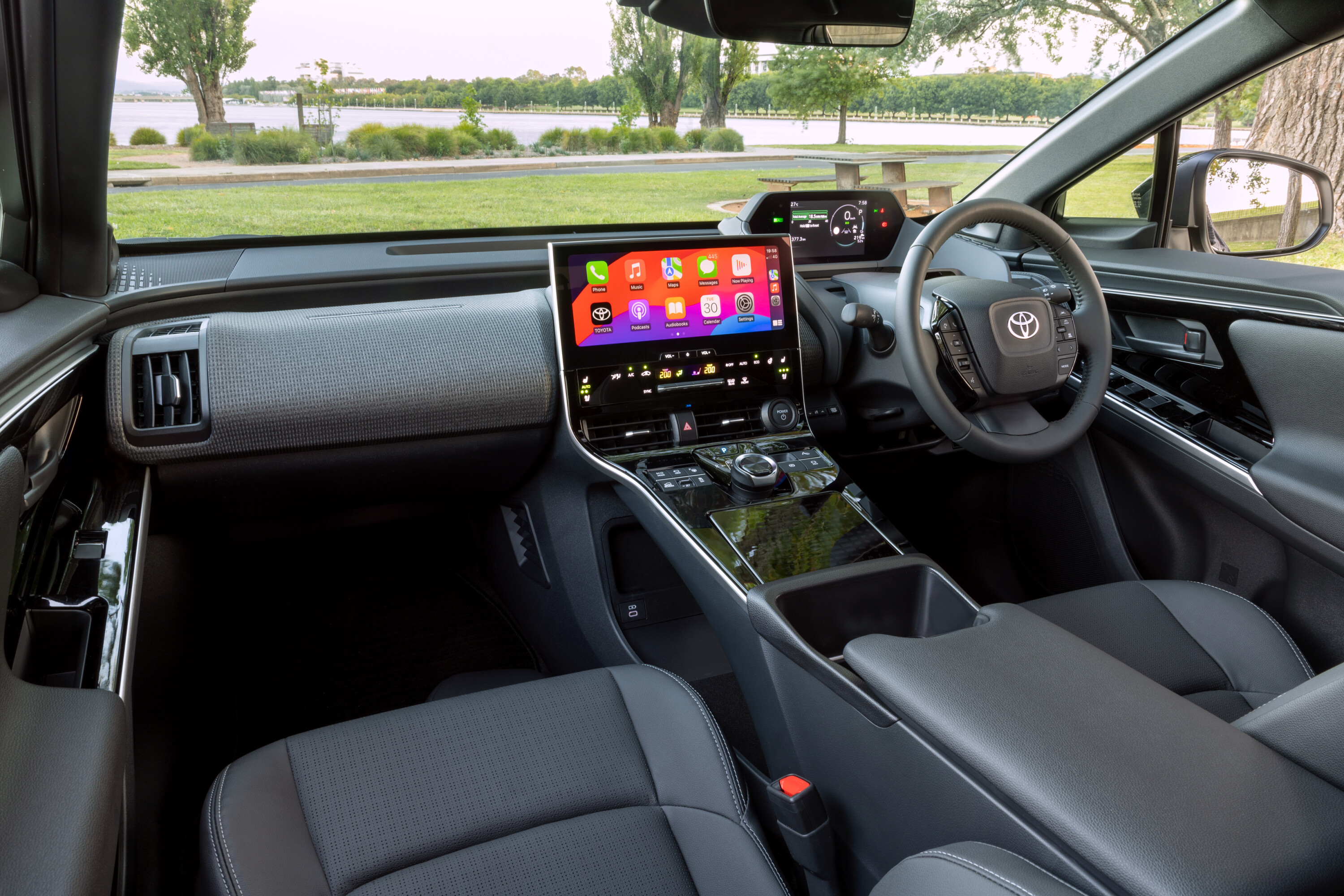
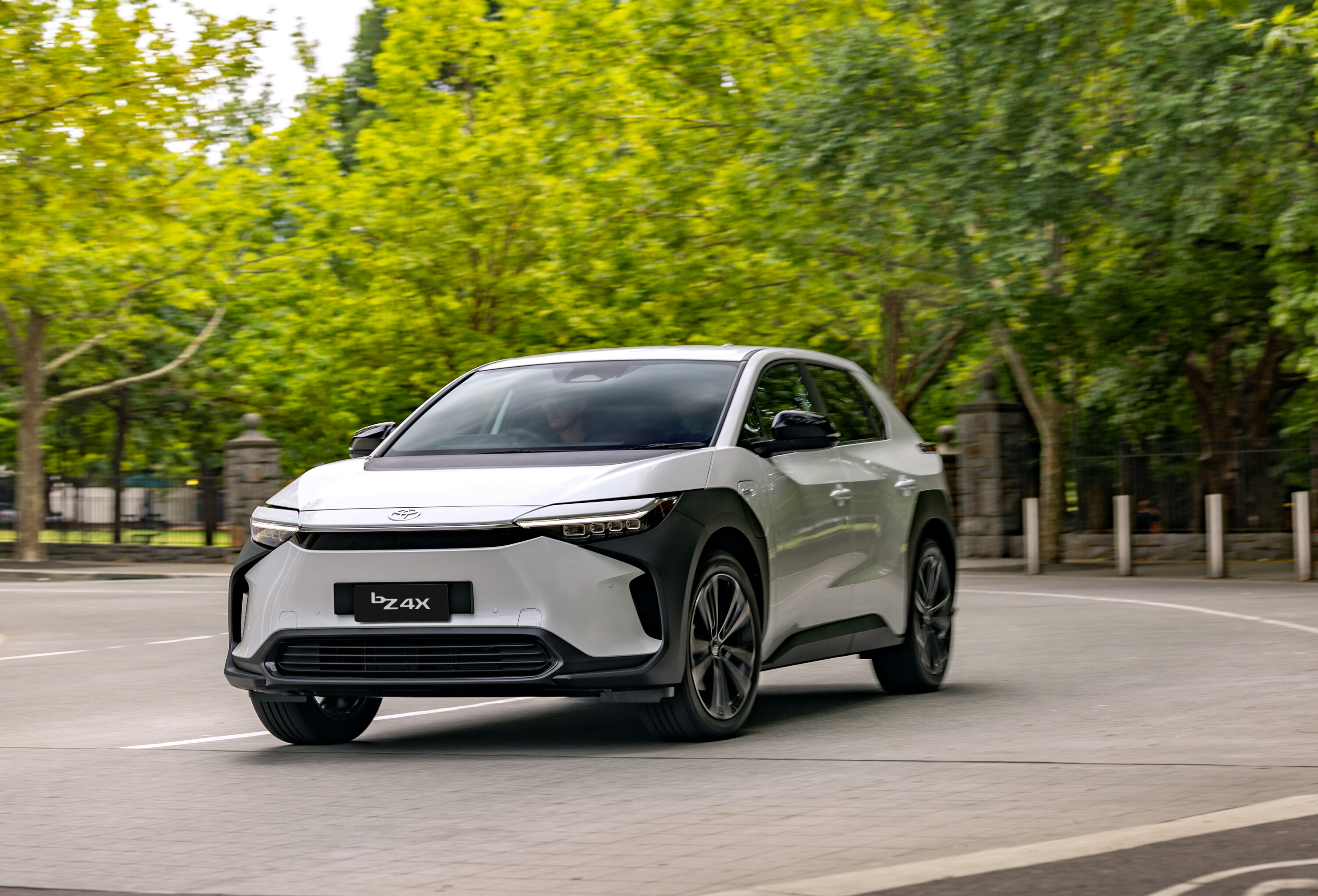
Both trims include LED headlights, 20-inch alloy wheels, and a 12.3-inch touchscreen with the flagship AWD adding seat ventilation, a sunroof, and more.
| bZ4X FWD features | |
|---|---|
| 20-inch alloy wheels | LED headlights and foglights with adaptive highbeam |
| Auto tailgate | 7.0-inch digital driver display |
| Power tailgate | Keyless entry and push-button start |
| Fabric and ‘Softex’ lynthetic upholstery | Eight-way power driver’s seat with front seat heating |
| Leather-accented steering wheel | Dual-zone climate control |
| 12.3-inch touchscreen | Wireless Apple CarPlay and Android Auto |
| Hey Toyota’ voice functionality | Connected services with over-the-air updates |
| Four cup holders and eight bottle holders | Toyota Safety Sense including adaptive cruise control |
| bZ4X AWD features | |
|---|---|
| Roof spoiler | Fixed panoramic roof |
| Gloss black bonnet accent | Premium full ‘Softex’ synthetic leather upholstery |
| 10-watt wireless charger | Ventilated front seats |
| Heated steering wheel | Blind-spot monitoring and safe-exit assist |
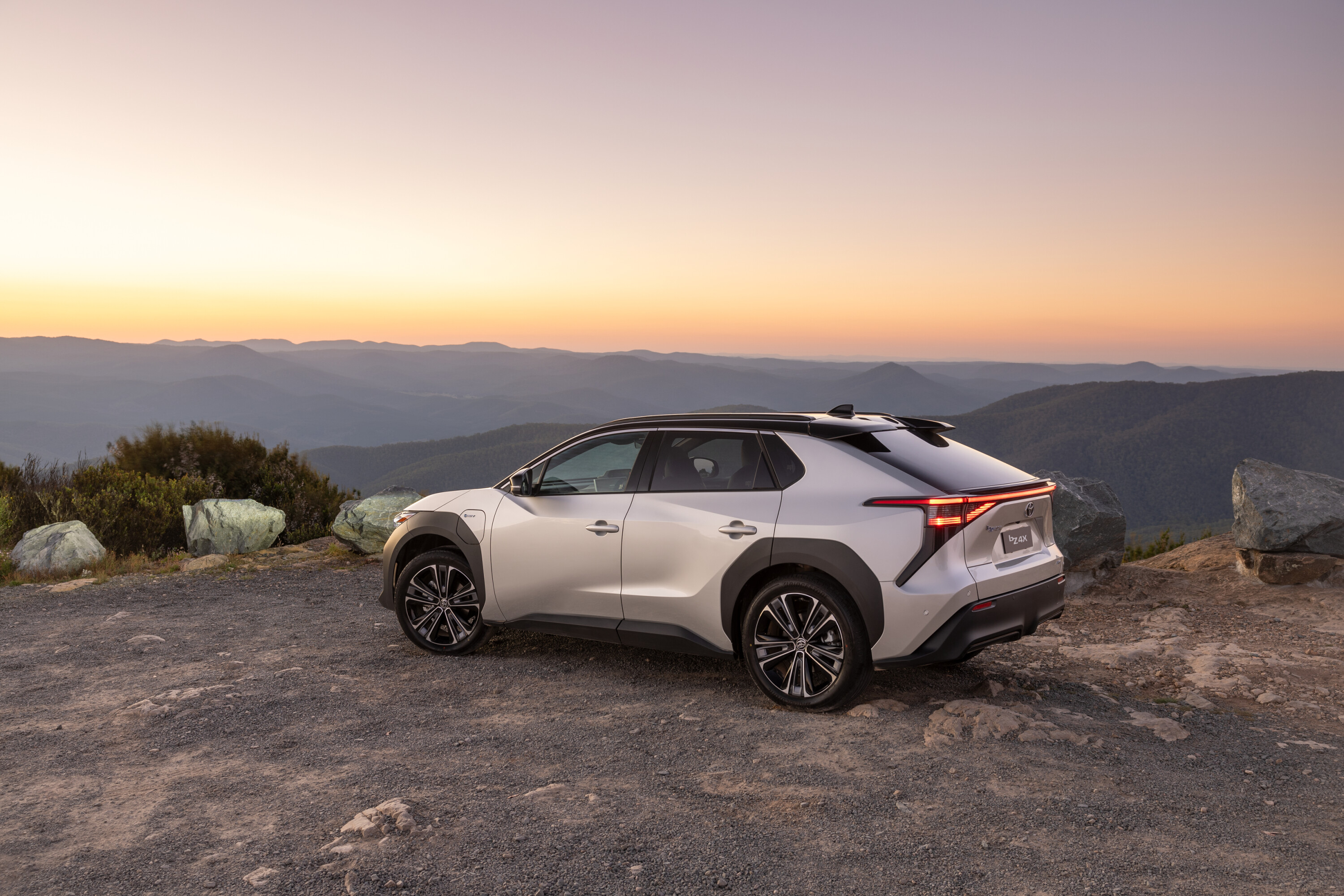
Toyota offers six exterior paint colours: Ebony Black, Frosted White, Liquid Metal, Silver Rush, Feverish Red, and Dynamic Blue, with a two-tone black roof optional on the AWD.
1
Power, charging, and driving range
Both the front- and all-wheel drive Toyota bZ4X models offer decent outputs, with 0-100km/h sprints in 7.5 or 6.9 seconds, respectively.
The single motor produces 150kW/265Nm while the twin motor AWD ups the ante by 10kW and 72Nm (160kW/337Nm) using a pair of 80kW motors.
The nominal battery size is 71.4kWh but the bZ4X’s usable capacity is 64kWh. At up to 150kW DC, a public fast-charging station will take the bZ4X from 10-80 per cent in a little under 30 minutes.
Australian bZ4X examples can charge at 11kW AC, so expect around seven hours from flat to full using a three-phase wallbox.
1
The bZ4X’s WLTP driving range rating is 436km in base trim and 411km in AWD guise.
That’s behind a Model Y Long Range AWD (533km), upcoming Volkswagen ID.4 (515km), and Hyundai Ioniq 5 AWD (454km).
Toyota covers the bZ4X with a five-year/unlimited-kilometre warranty. If servicing is kept up to date and the battery checked after five years, then the coverage extends to ten years for the drivetrain and battery.
1
Capped-priced servicing is in place for five years and 75,000km with each annual/15,000km trip to the dealer costing $180.
Toyota claims to have tested its lithium-ion battery pack extensively and found it to retain 90 per cent charge capacity after 10 years or 240,000km of use.
We’ll have a full review of the bZ4X for you on the evening of Thursday, 7 March. In the meantime, you can peruse how the car performs off-road and in a brief preview drive at Toyota Australia’s Altona HQ.
At the media launch, Hanley was buoyant that because the bZ4X is a Toyota, it will succeed, noting 122 orders and 7000 expressions of interest.
MORE
Everything Toyota
