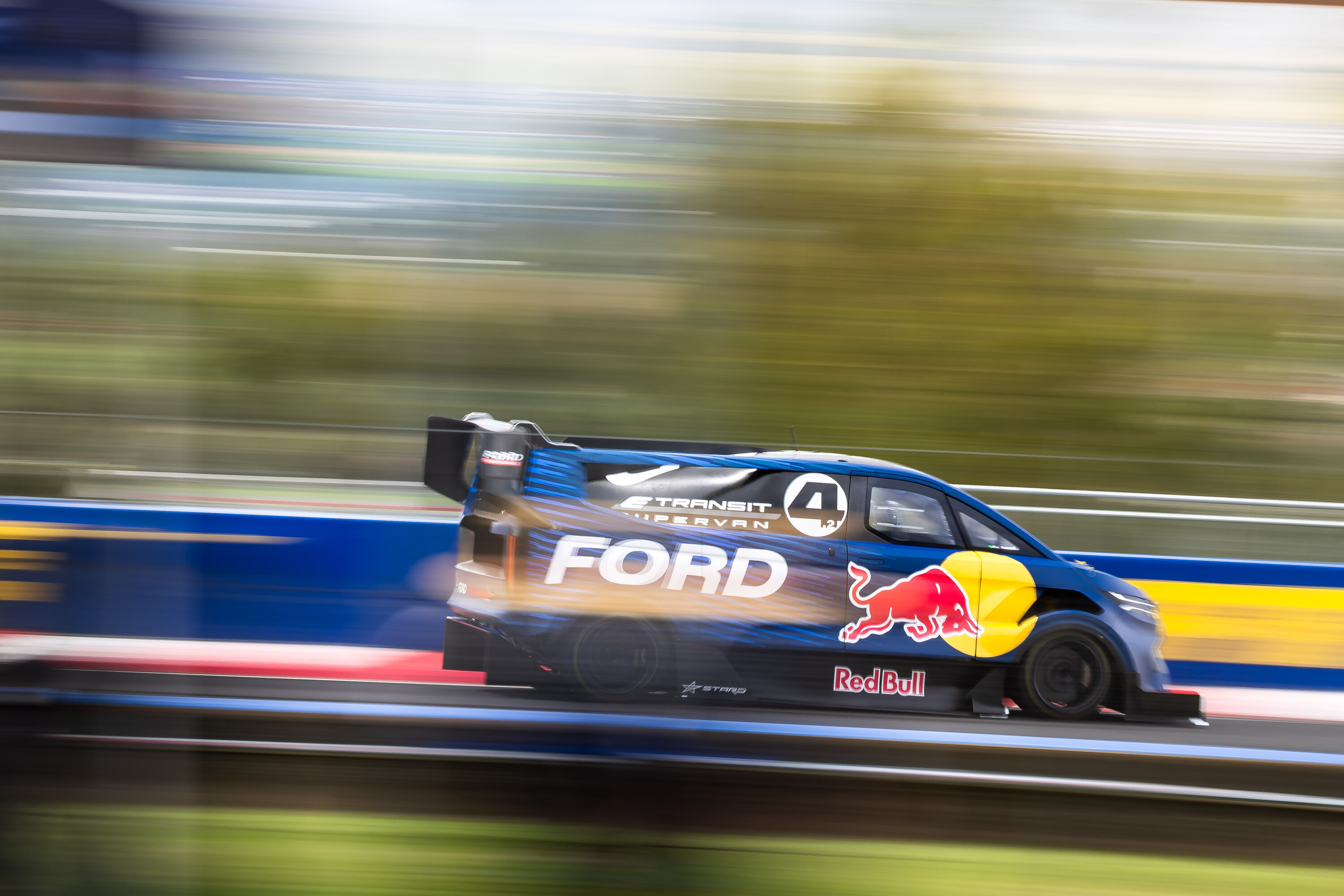
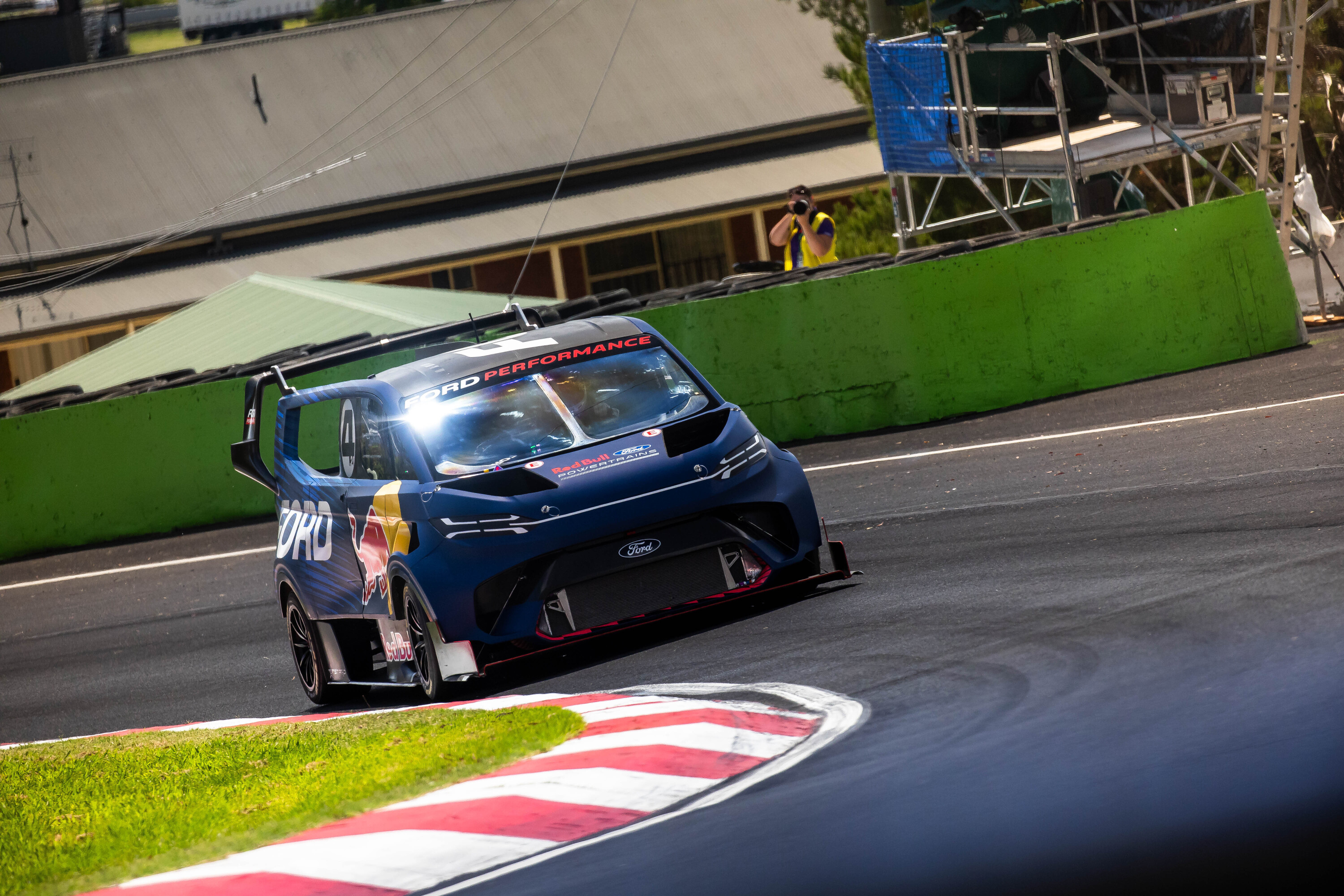
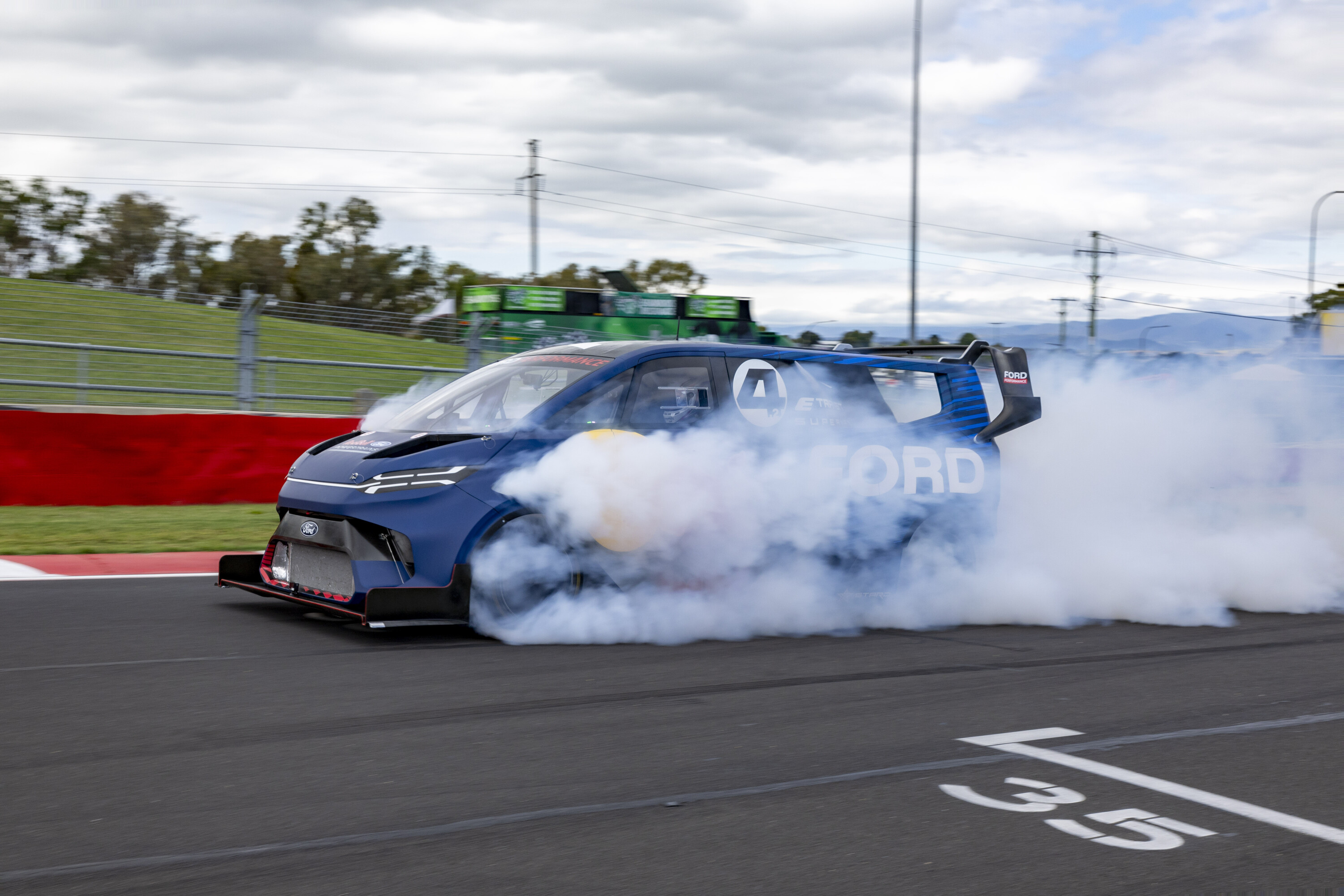
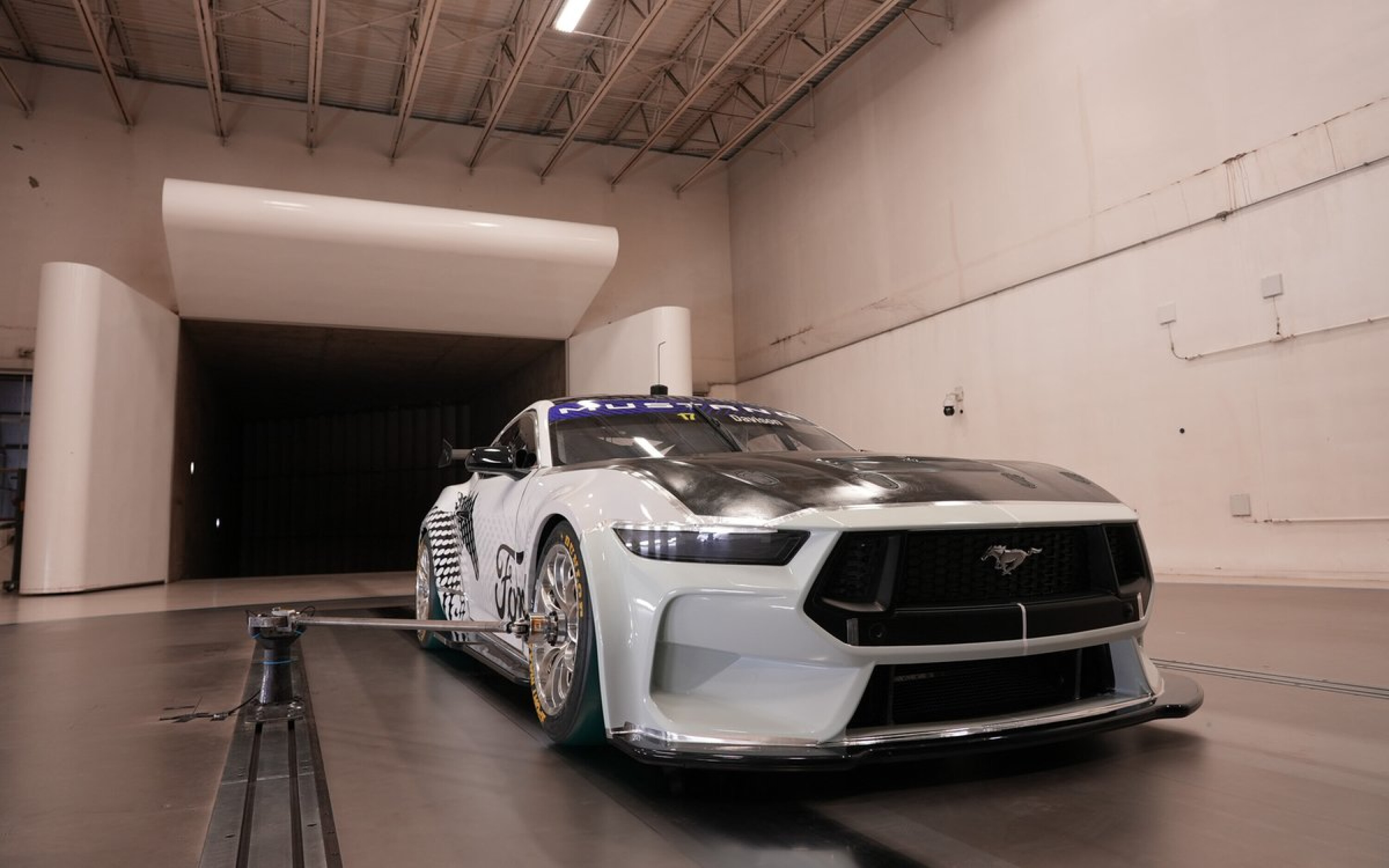
The world’s most powerful electric racing car has beaten a V8-powered, derestricted GT3 racer to claim the new unofficial lap record at Mount Panorama.
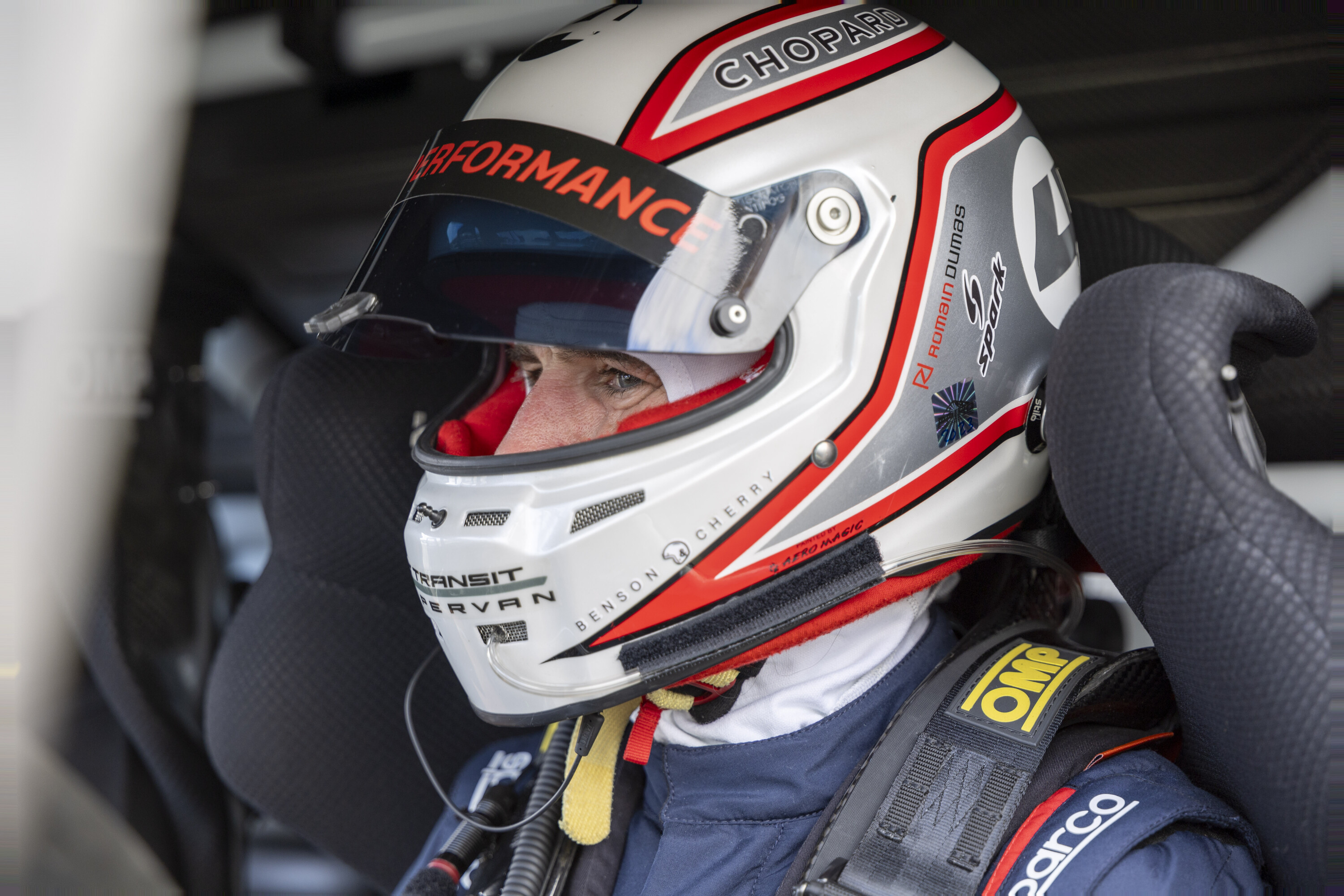
With endurance racing legend Romain Dumas at the wheel, the 2000hp Ford Supervan 4.2clocked a time of 1:56.28 to set a new benchmark for a tin-top vehicle by just over three tenths of a second.
It took Dumas two shots at the record today with the Frenchman’s first tilt at the record falling agonisingly short with a time of 1:56.764.
1
But with the record just one tenth away, Ford requested an additional slot of track time for one last, no-holds barred tilt at a record time.
The resulting final lap saw Dumas set the new unofficial lap record just before 1pm today.
The lap edged out the existing benchmark for a tin-top racing car which had recently been set by AMG during the Bathurst 12 Hour in a derestricted GT3 racing car.
Piloted by three-time Bathurst 12 Hour winner, Jules Gounon, the AMG boasted active aerodynamics (including an F1-style drag reduction system), sticky ‘super soft’ tyres and a derestricted powertrain to help it beat the previous marker and claim top honours for a GT car around the famous 6.2km circuit.
That lap time was incredibly impressive given AMG’s limited prep-time – the onboard video of Gounon’s fully committed lap is worth a watch – although both AMG and Ford’s laps fall short of Bathurst’s other ‘unofficial’ lap record set by a McLaren F1 car in 2011. Then, Jenson Button recorded a 1:48.88.
Ford and Dumas have been completing multiple demonstration runs in the Supervan at Bathurst, with the experimental EV racer cutting laps at last weekend’s Bathurst 12 Hour and again at this weekend’s Bathurst 500.
Until now, Ford had been treating the runs as ‘test sessions’ as it looked to hone the Supervan’s set-up and iron out multiple teething issues it encountered during its short windows of track time.
With so much power and torque available, Dumas was encountering wheel spin over the track’s top section as the van’s front axle would get light over crests.
“We are spinning the front axle over crests,” Dumas told Wheels. “It’s exciting. I’m telling you, you need to have your eyes wide open.”
1
Transponder issues also plagued Ford’s record tilt, with strong electrical interference meaning the crucial timing gear was failing to record.
But after making several key set-up changes this weekend, including fitting a new steering rack, tweaking the regenerative braking and flying in new parts from Japan, Dumas felt ready to properly attack Australia’s toughest racing circuit.
With 1050kW on tap the Supervan is vastly more powerful that a GT3 racing car, however its kerb weight of 1800kg is also far heavier and its wide and tall dimensions made it a unique challenge for Dumas.
“We have a lot of downforce, so in a fast corner it’s really fast,” said Dumas. “It’s heavy, too, and the central gravity is high. But we have so much downforce and on a fast corner, it’s quite impressive.
1
“Acceleration is also impressive. Compared to a Le Mans prototype? At the time of the good prototype, 2016 or so, it’s more or less than same.
“The top section [at Bathurst] is very narrow, so you need a car very agile for sure, and compared to what I’m used to, let’s say it’s a wider car, more heavy, so for sure, you adapt.”
Ford is giving the Supervan an Australian Tour and it will make an appearance at both the Adelaide Motorsport Festival and the Australian Grand Prix in March.
Everything you need to know about 2024 Mitsubishi Pajero Sport
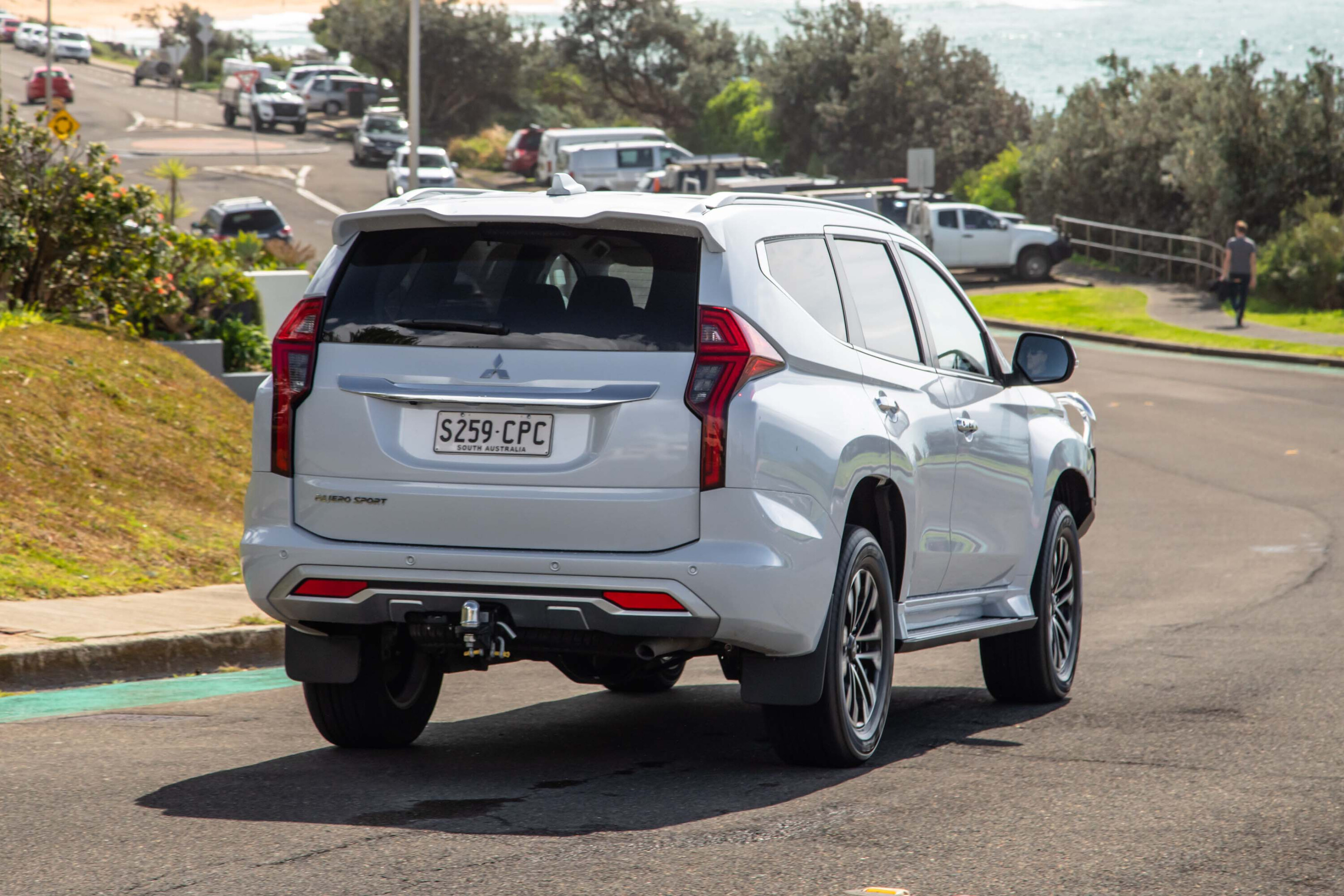
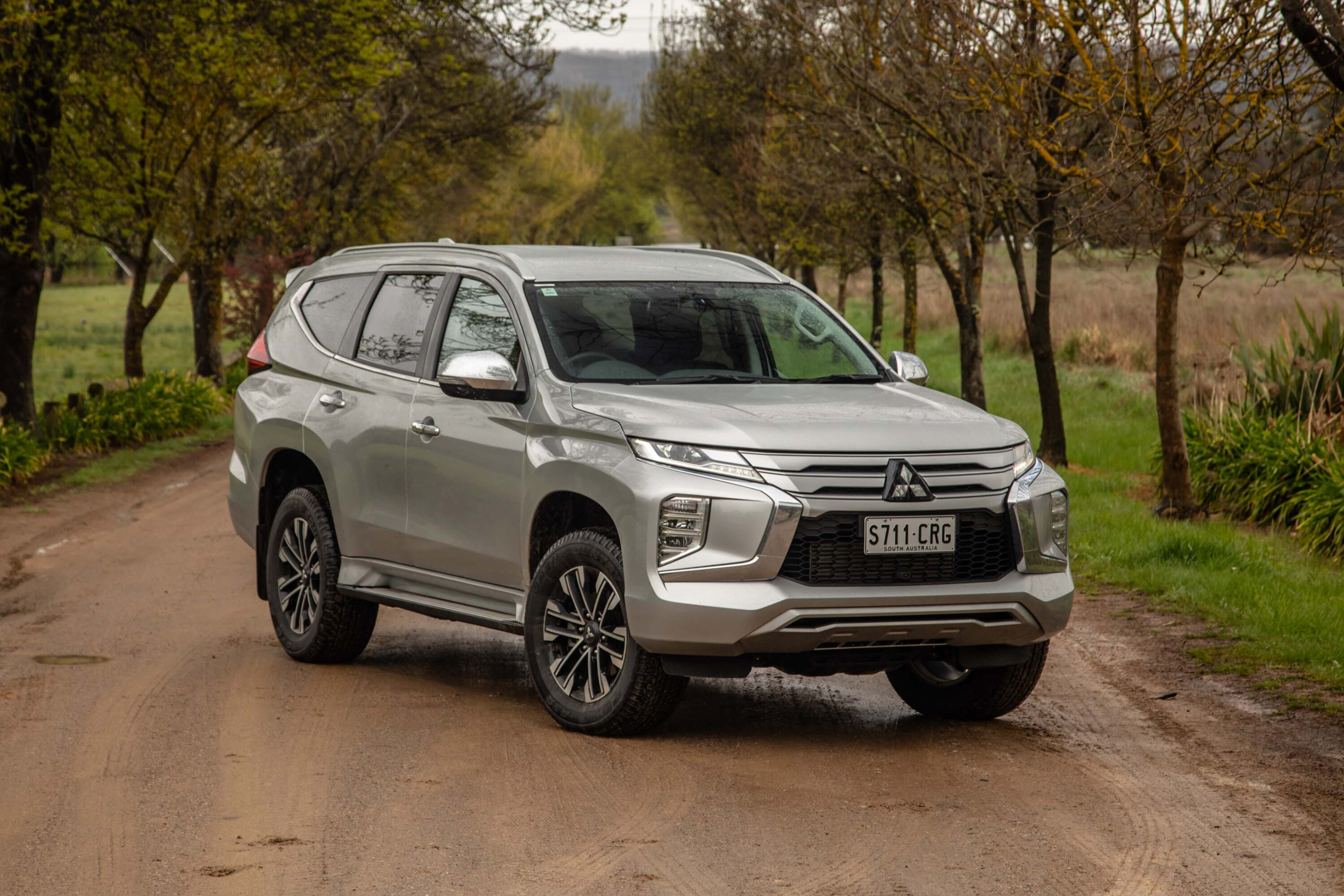
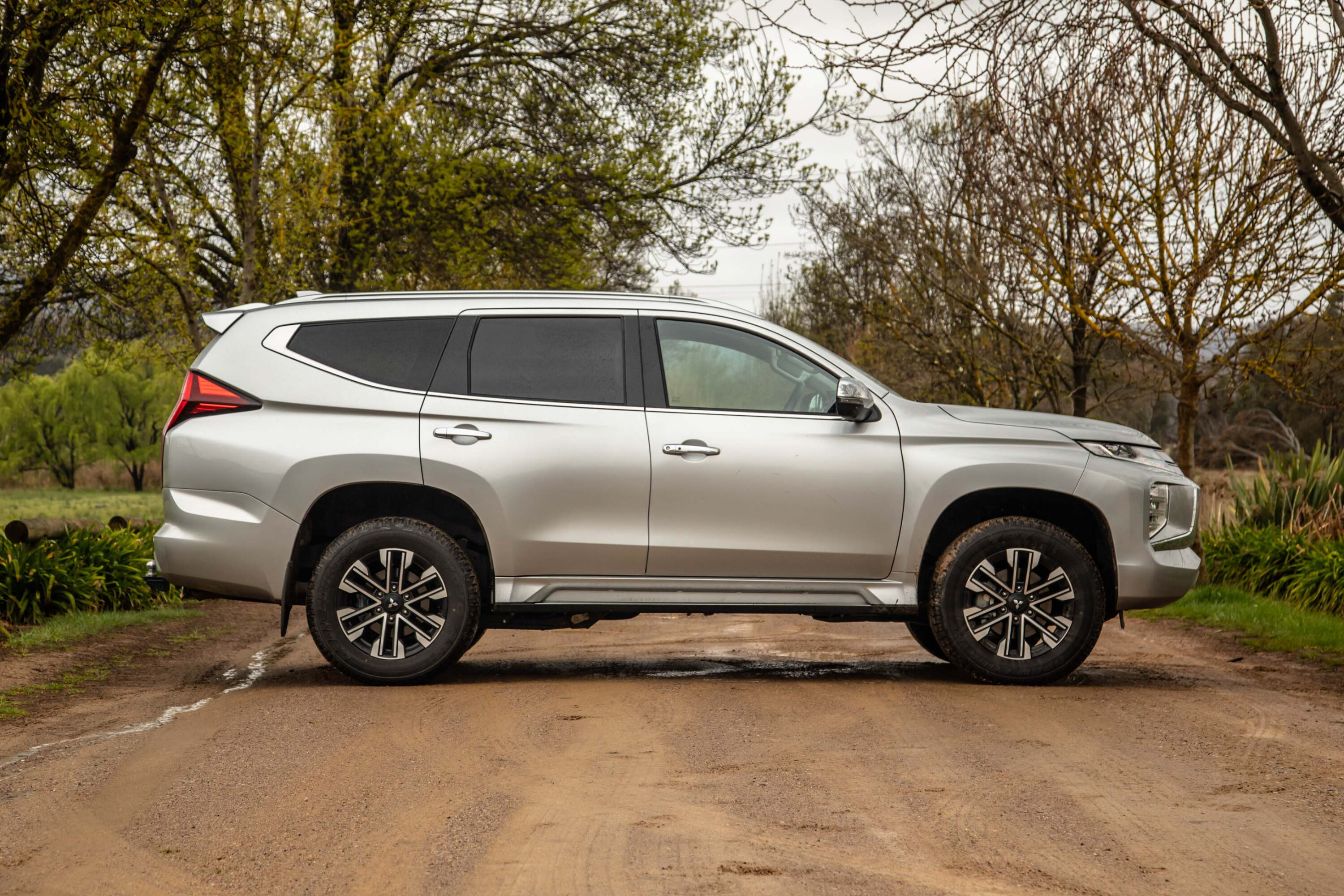
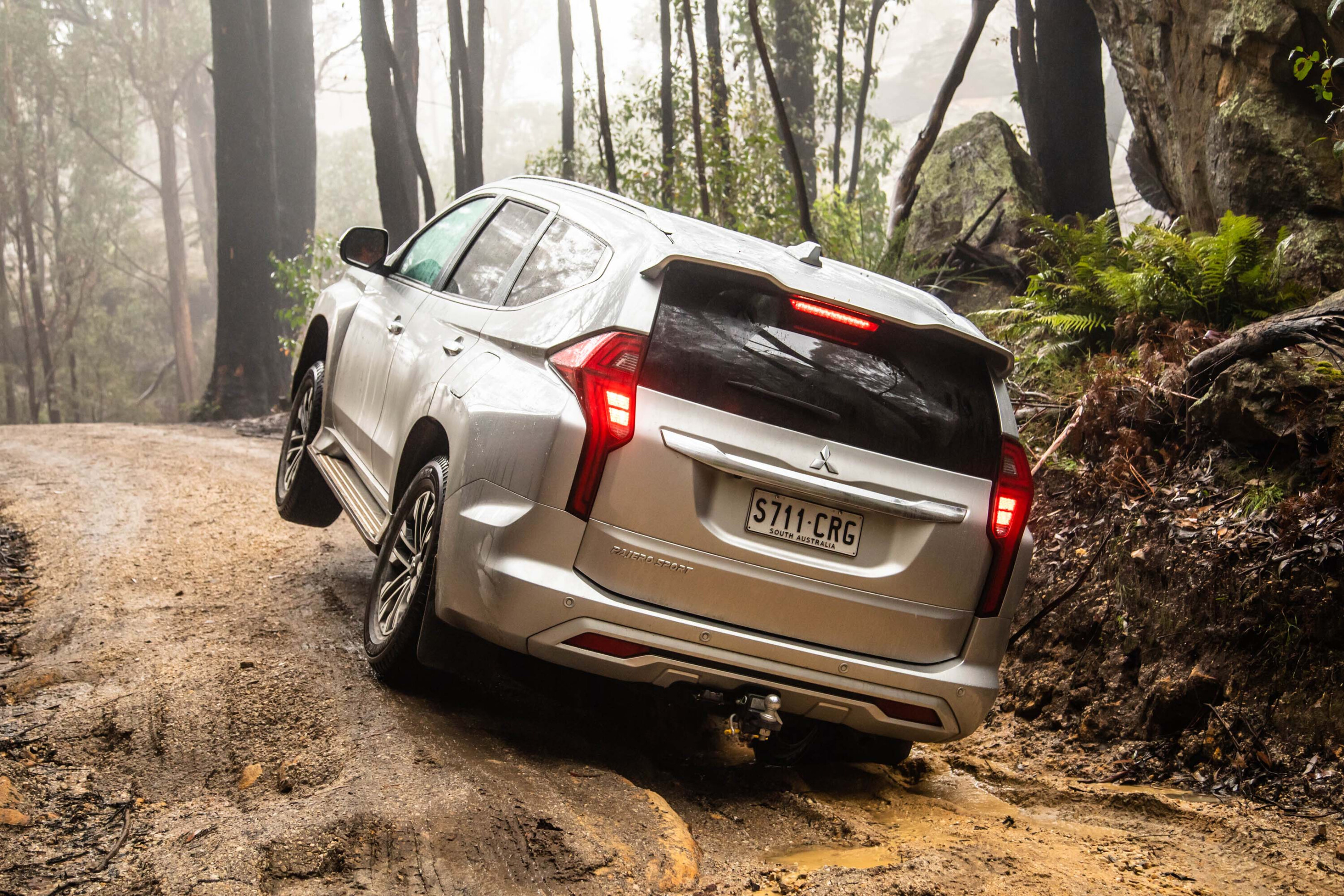
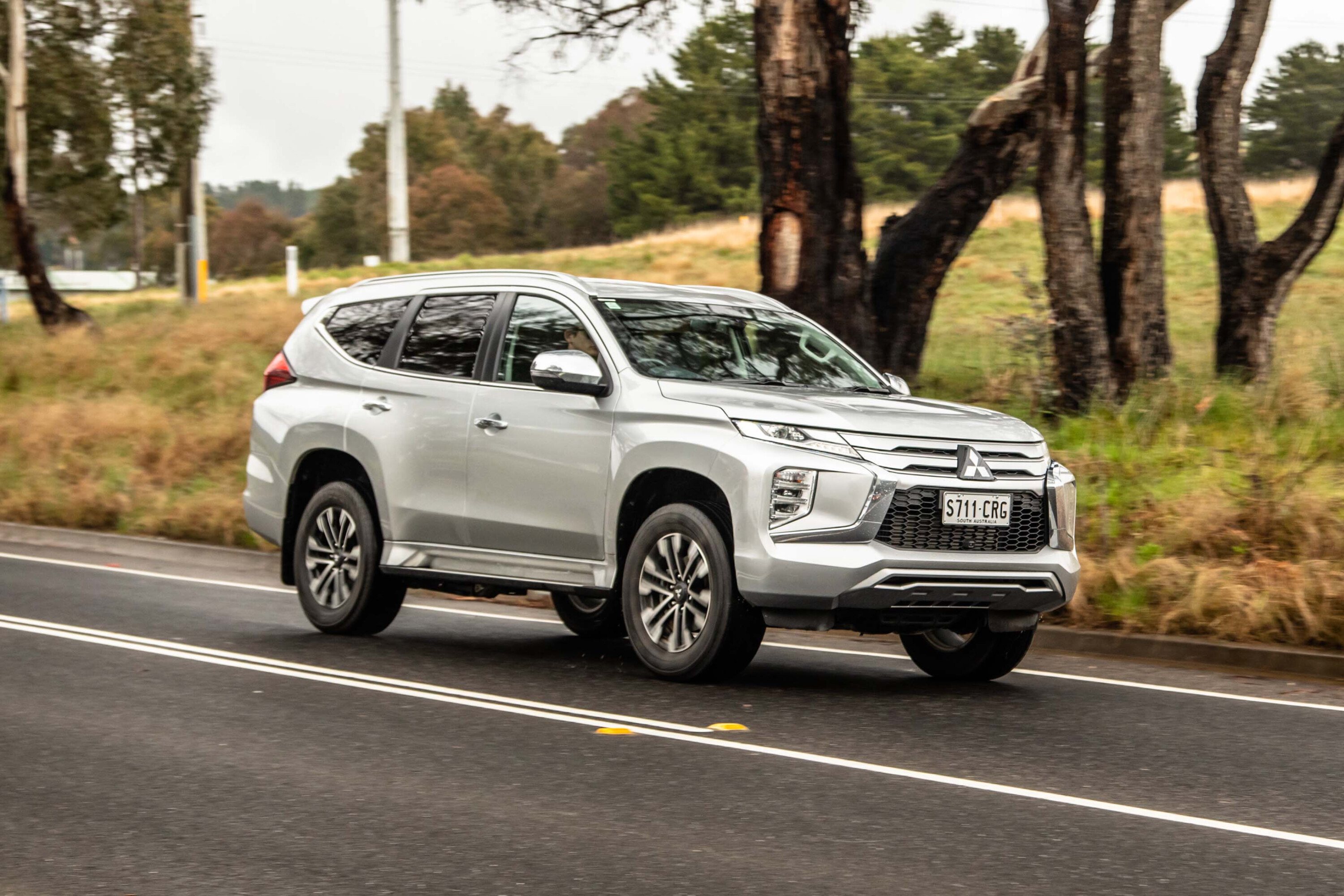
As a popular model for school runs, family holidays and the workday commute, the Pajero Sport is also a solid prospect for towing a boat or caravan.
The Mitsubishi Pajero Sport has soldiered on since arrival in 2015 as a SUV based on the Triton ute platform. It has been refreshed most recently in 2020, and has one further minor upgrade imminent before heading off into retirement in 2025.
While offered in 2WD, it’s the (slightly) more towing-capable 4×4 models we are considering here (3000kg for 2WD versus 3100kg for 4×4).
1
The standard safety equipment list for Pajero Sport is mostly up to date, which is more than can be said of its ANCAP safety rating.
The ANCAP five star result achieved in 2015 is now considered as not current by the safety body, as the way it measures the star ratings has changed since.
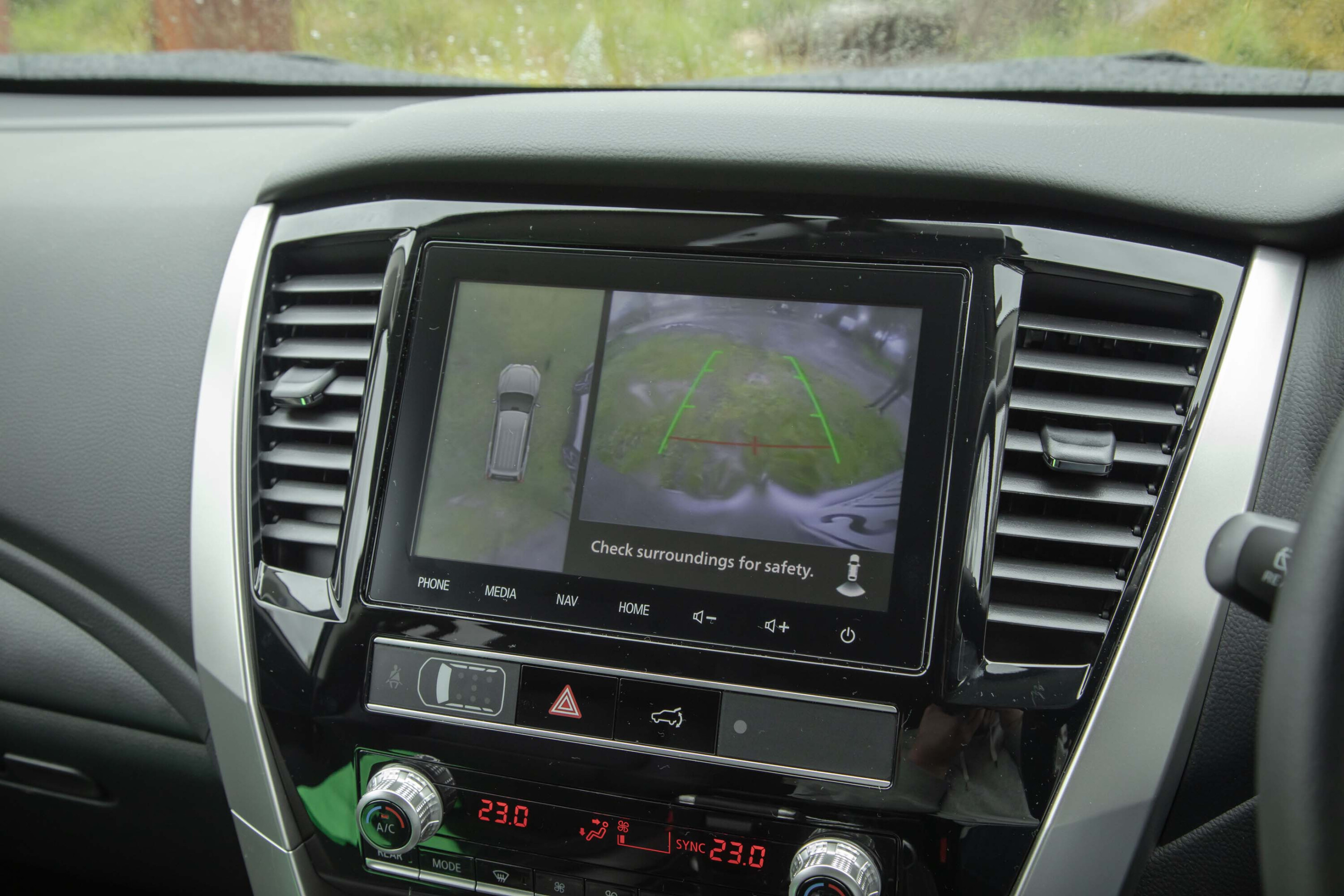
But on the positive side, the GLS spec and up include forward auto emergency braking (AEB) with pedestrian detection, adaptive cruise control, front and rear parking sensors, a low-resolution 360-degree monitor and a reversing camera.
1
You’ll need to buy the Exceed or GSR to get the benefit of standard front parking sensors, blind-spot monitoring, lane-change assist and rear cross-traffic alert.
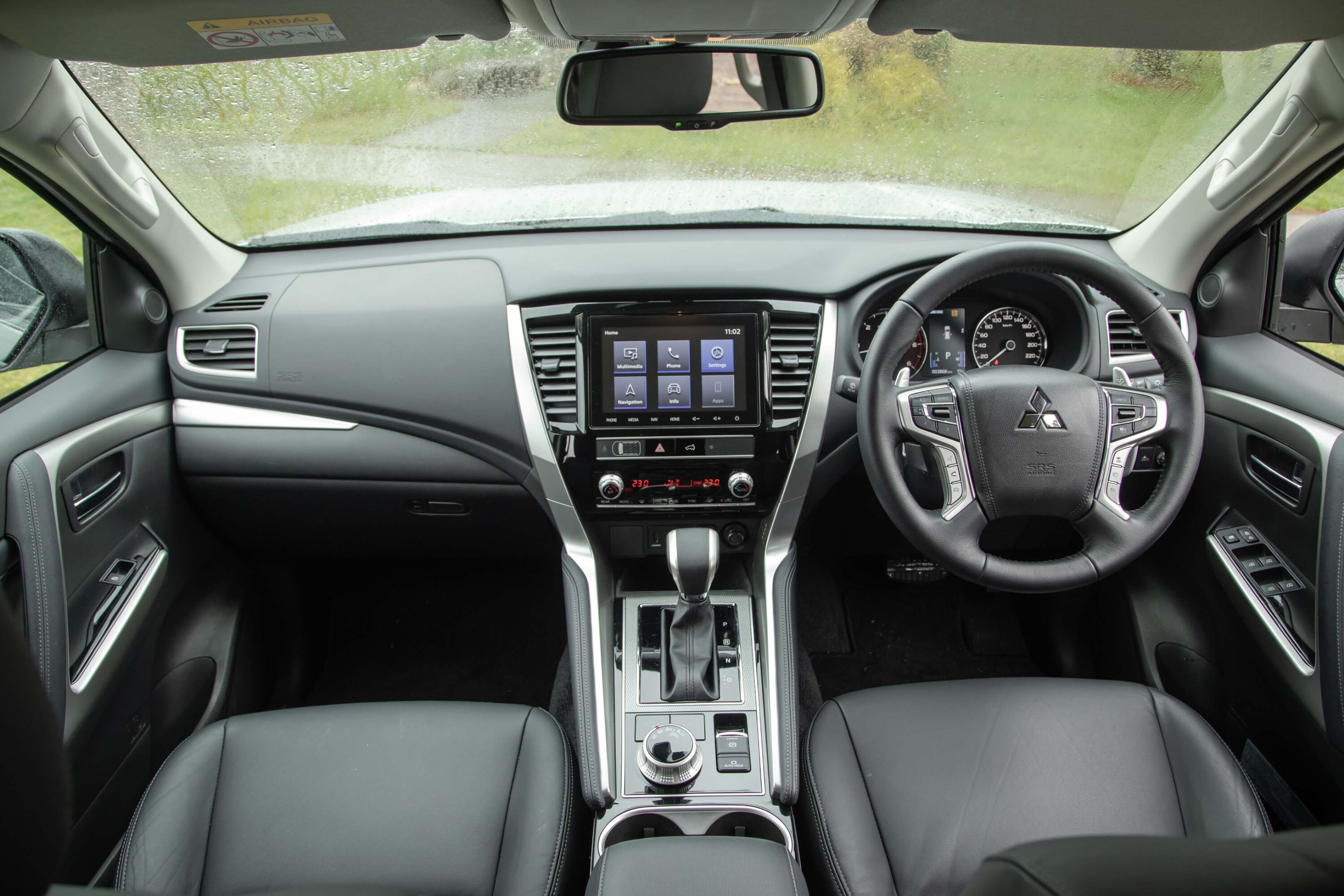
The Mitsubishi from GLX 4WD grade up offers the unique full-time/part-time Super Select II transfer case as standard, as well as features such as dusk-sensing bi-LED headlights, power-folding side mirrors, roof rails, rain-sensing wipers, keyless entry and push-button start, three 12-volt accessory ports, built-in sat-nav, side steps, rear-view camera, rear parking sensors, lane-change assist, autonomous emergency braking and a rear differential lock.
The stories below will give you a guide on everything to do with the 2024 Mitsubishi Pajero Sport. All fresh stories will be found on our Mitsubishi Pajero Sport page.
How much can the 2024 Mitsubishi Pajero Sport tow?
In the early 1970s, we had a performance war as manufacturers tried to out-do each other with increasingly fast and powerful sedans; in the 2000s, we have had a towing capacity war.
The apparent target has been to reach a maximum 3500kg legal towing performance, and now most larger SUVs and mid-size utes can accomplish this. Of course the compromise, in some instances, is a drastically reduced legal payload maximum when towing a heavy trailer.
Some vehicles really seem to have to work hard up near 3500kg, and don’t feel all that stable when doing it. However, the Pajero Sport 4×4 has a 3100kg maximum braked towing capacity (with a 310kg maximum on the ball) or 750kg unbraked.
1
While this is 400kg less than some competitors, the bonus is that this is one of few vehicles that can carry a substantial payload as well as towing a heavy trailer at the same time.
It also suggests the company’s engineering department saw 3100kg as a realistic maximum and put their foot down. No doubt Mitsubishi marketing would have really preferred a 3500kg capacity.
On the heaviest, premium Exceed and GSR models, the Pajero Sport has a maximum 566kg payload, 2775kg GVM, and 5565kg GCM details. This means, if you had 310kg maximum towball download (which is then part of payload calculations), you have 256kg payload remaining.
1
To not cross the 5565kg GCM threshold, you can tow up to 3100kg maximum – assuming that 310kg of the trailer mass is towball download.
With tow-capable SUVs and utes increasingly offering factory-fitted towing equipment as standard, it’s worth noting that the Pajero Sport is quite sparse on that front. Unlike some of the competition, a towbar is not standard on any Pajero Sport.
You must tick the $1495 (including fitting) towbar kit option if you want the Mitsubishi-approved gear to tow with, and $41 for the 50mm towball. Likewise, you need to delve into the accessories list to have a Redarc electric brake controller fitted by Mitsubishi ($689, including fitment).
1
While Trailer Stability Assist (which senses trailer sway and controls individual wheel slip) is bundled into every Pajero Sport’s safety suite, there is little else in terms of dedicated towing assist features off the shelf.
With a heavy trailer approaching the 3100kg maximum behind it, the Pajero Sport’s 2.4-litre diesel has to work hard to maintain speed when climbing in hilly terrain. The engine’s peak torque not kicking in until a relatively high 2500rpm doesn’t help.
While not the quietest diesel, the transmission is smooth and there’s enough torque that the auto doesn’t have to get the engine into the powerband all the time when towing. With a balanced trailer behind, the Pajero Sport is not susceptible to yawing or pitching, and offer a comfortable towing ride.
There are a few large SUVs in the market with healthy towing capacity and buyers expect them to offer high levels of towing features and ability. The Pajero Sport needs to be on top of its towing game.
The Ford Everest, Isuzu MU-X, SsangYong Rexton and Toyota Fortuner are all key large SUV towing competitors. While all offer a four-cylinder turbo-diesel, the Ford also has a more powerful and torquey V6 diesel option.
The Everest is the best of the bunch here, in either four-cylinder or V6, while the Isuzu is a close runner-up as a tow vehicle. The Rexton is a capable tow vehicle, but is slightly lacking in terms of towing refinement and ride.
Hyundai i30 N and i20 N to continue in Australia following European axing
Minor update for i30 N hatch expected here later this year
i30 Sedan N & Ioniq 5 N also available; Kona N axed in 2023
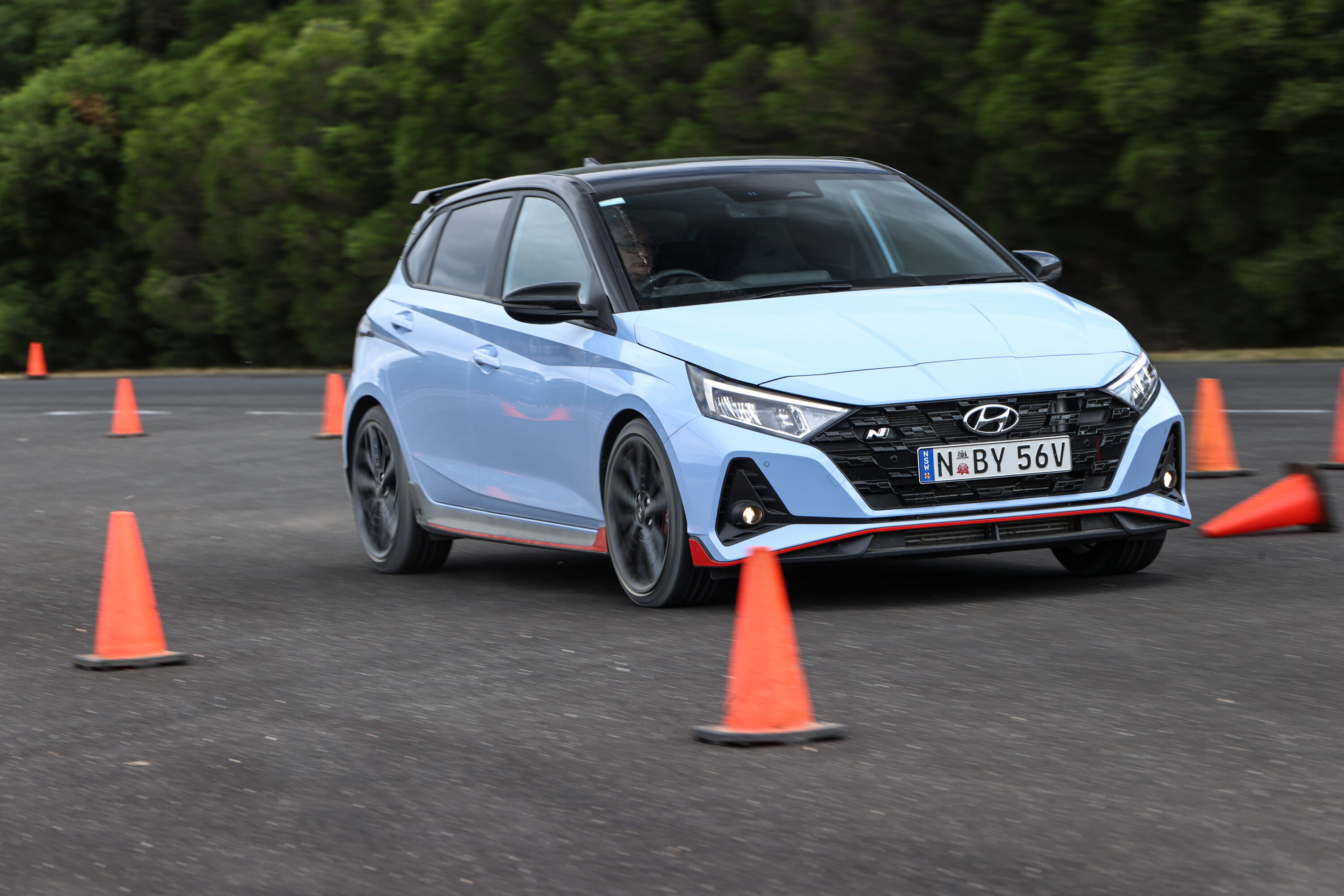
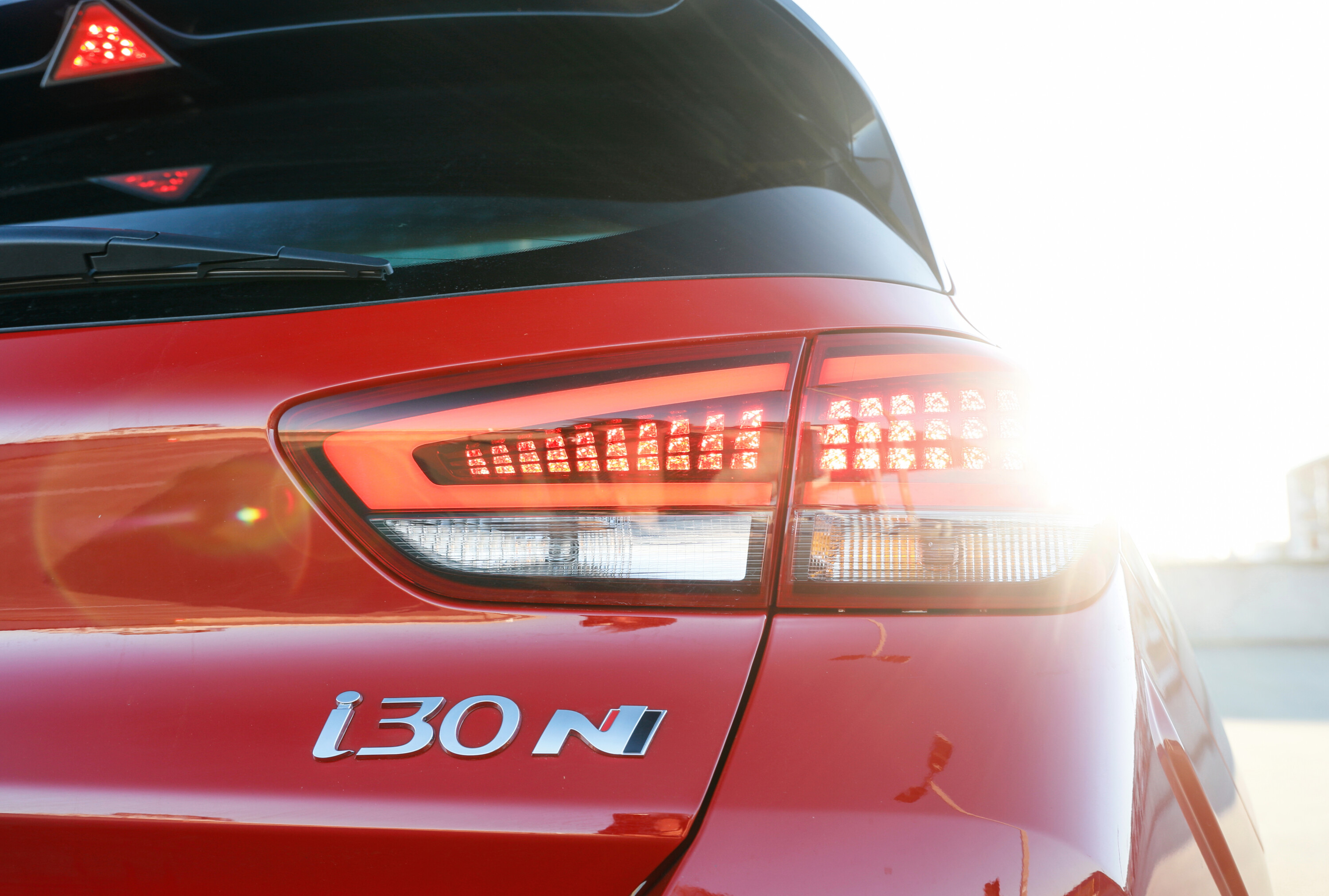
The Hyundai i30 N and Hyundai i20 N hot hatches have been axed in Europe – but both models will continue for Australia.
Hyundai has confirmed production of the Czech-built i30 Nhatch and Turkish-builti20 N for the European market will end this month as it continues its shift towards an electric-focused line-up in the region.
“Production of the ICE N models [i20 N and i30 N] has ceased for the European market starting from February, in line with our commitment to offering a zero-tailpipe-emission line-up to our customers by 2035 and to operating 100 per cent carbon neutrally by 2045,” said Hyundai in a statement released to European media.
1
“Going forward in Europe, Hyundai is developing Hyundai N as a pioneer of high-performance EVs. Our customers will benefit from technological developments that will make EVs even more attractive in the future.”
A Hyundai Australia spokesperson told Wheelsthe decision to axe the i30 N hatch and i20 N in Europe would have no implication for the local market, with both models to remain available to order for the immediate future.
The current Hyundai i30 N hatch launched in 2017 with a Golf GTI-rivalling 2.0-litre turbo-petrol four-cylinder, initially matched to a six-speed manual and later joined by an eight-speed dual-clutch automatic.
Meanwhile, the smaller i20 N launched in 2021 as a rival to the Volkswagen Polo GTI and now-discontinued Ford Fiesta ST, with a 1.6-litre turbo-petrol four-cylinder mated to a six-speed manual.
The i20 N was off-sale in Australia for even longer, between mid-2022 and September 2023.
A facelifted version of the Korean-built Hyundai i30 Sedan Nis now arriving in Australia, while the all-electric Hyundai Ioniq 5 N is also now available as the flagship of Hyundai’s N line-up.
There are no plans to replace the first-generation Hyundai Kona N SUV sold between 2021 and 2023 following the launch of the bigger and electric-focused second-generation model.
VW hasn’t exactly been knocking it out of the park recently. Is Tiguan gen-three a return to form?
REVIEW: Subaru’s new Impreza tested
Secure dynamics and value prevail but more punch would be nice.
PRICING: New-look HiLux gets 48V hybrid tech
Pricing for the updated HiLux ute has been confirmed ahead of its arrival next month, as well as the name for its new drivetrain-enhancing tech.
The truth to Aussie fuel efficiency
Some cars drink up to 20 per cent more fuel than claimed while others are actually more efficient than their lab figures.
REVEALED: Cupra’s Born EV gets fast VZ flagship
New flagship version of Spanish brand’s electric hatch beefs up performance and dynamics and is expected here in early 2025.
REVIEW: Renault’s next EV is here at last
Renault’s return to electric power in Australia’s passenger car space is an outing full of flair & tech, but can it steal buyers away from popular price rivals?
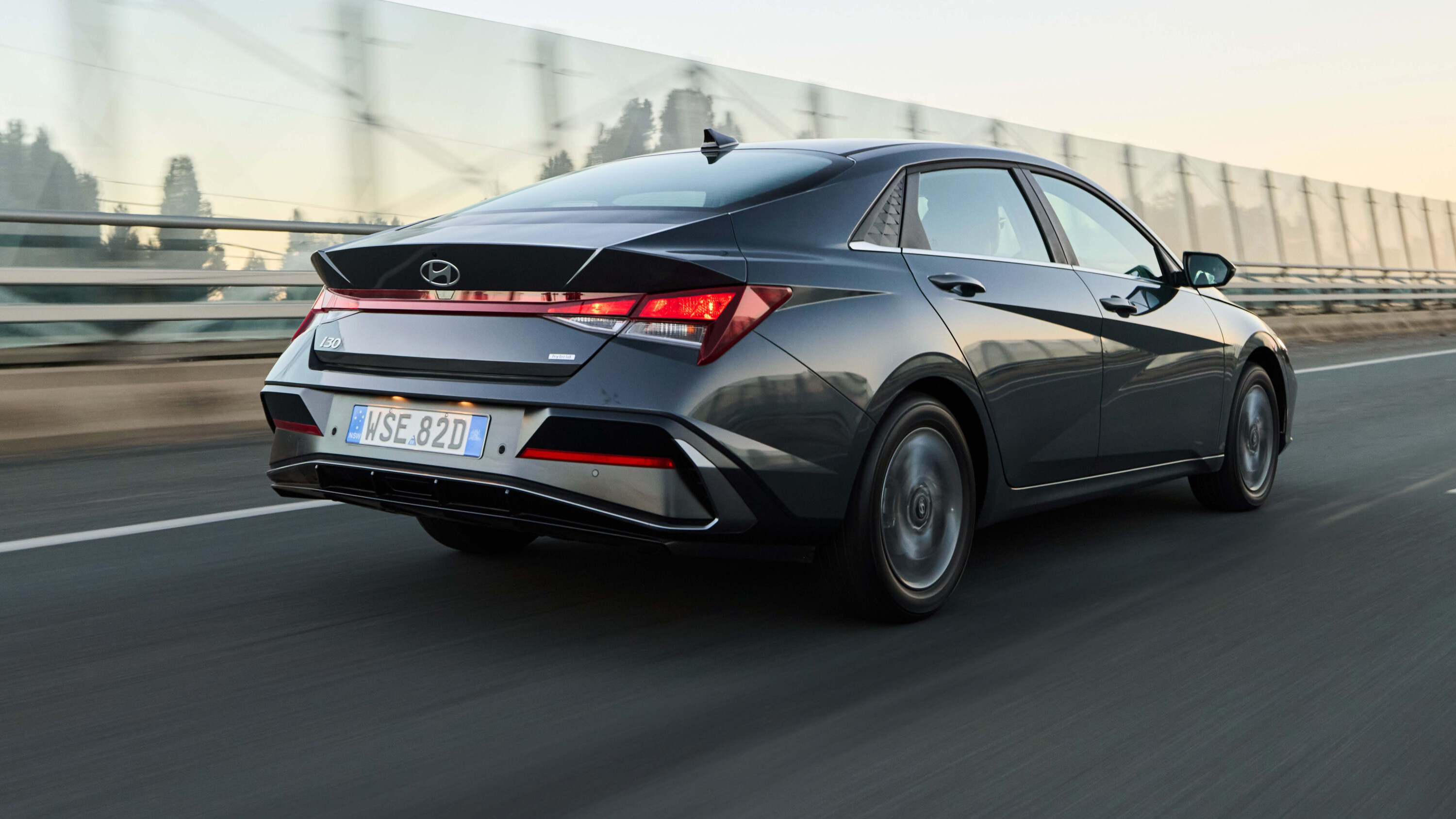
The facelifted i30 Sedan range covers just about every base when it comes to looks and driving flavour. But for most people, it’ll be this newly introduced, hyper-efficient hybrid model that stands out.
Benz back-pedalling on EV targets
German giant becomes the latest to delay its EV plans amid weakening demand.
Is this the new Navara
It’ll share its DNA with the all-new Triton, so is this what the 2025 Navara will look like?
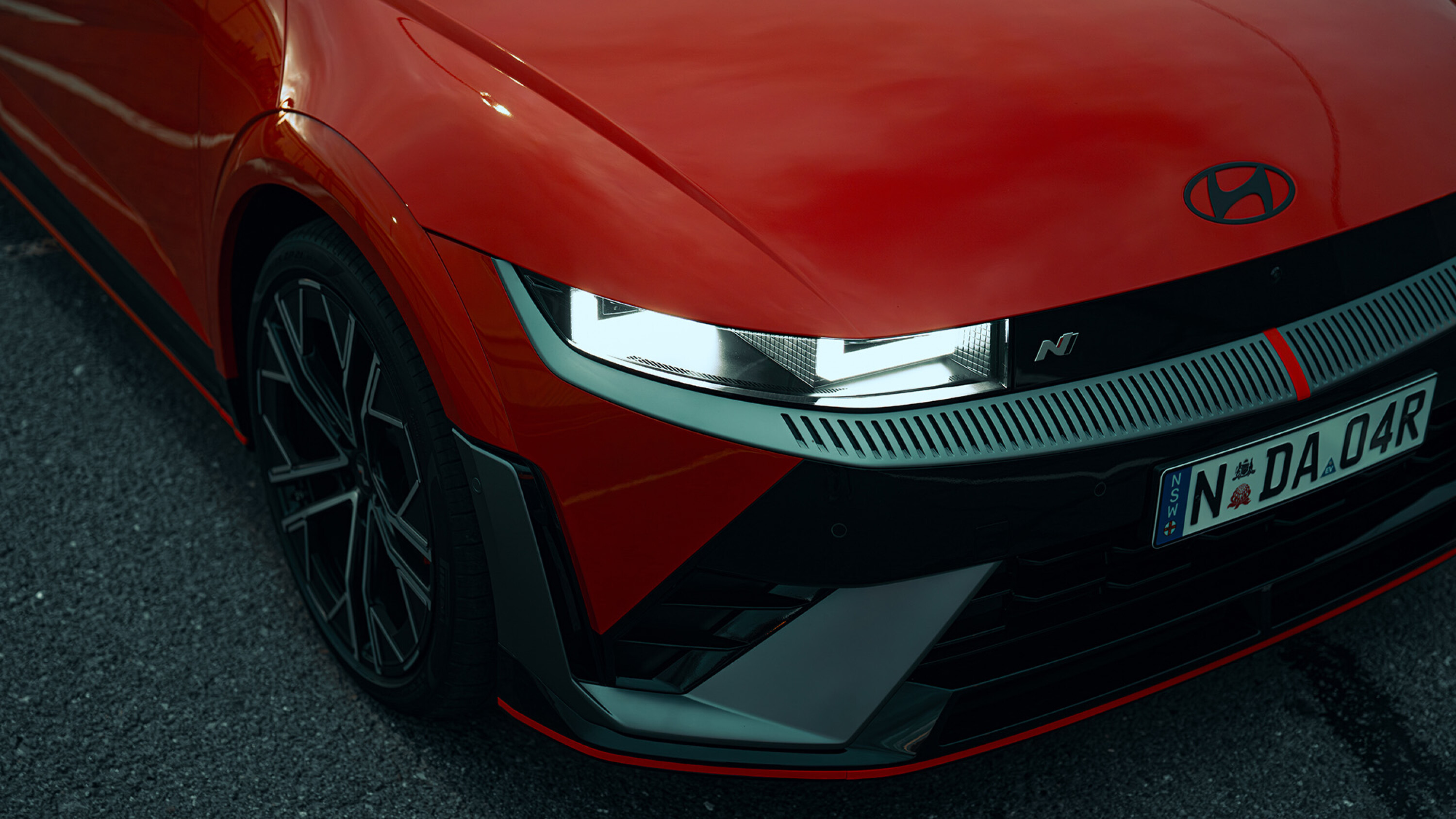
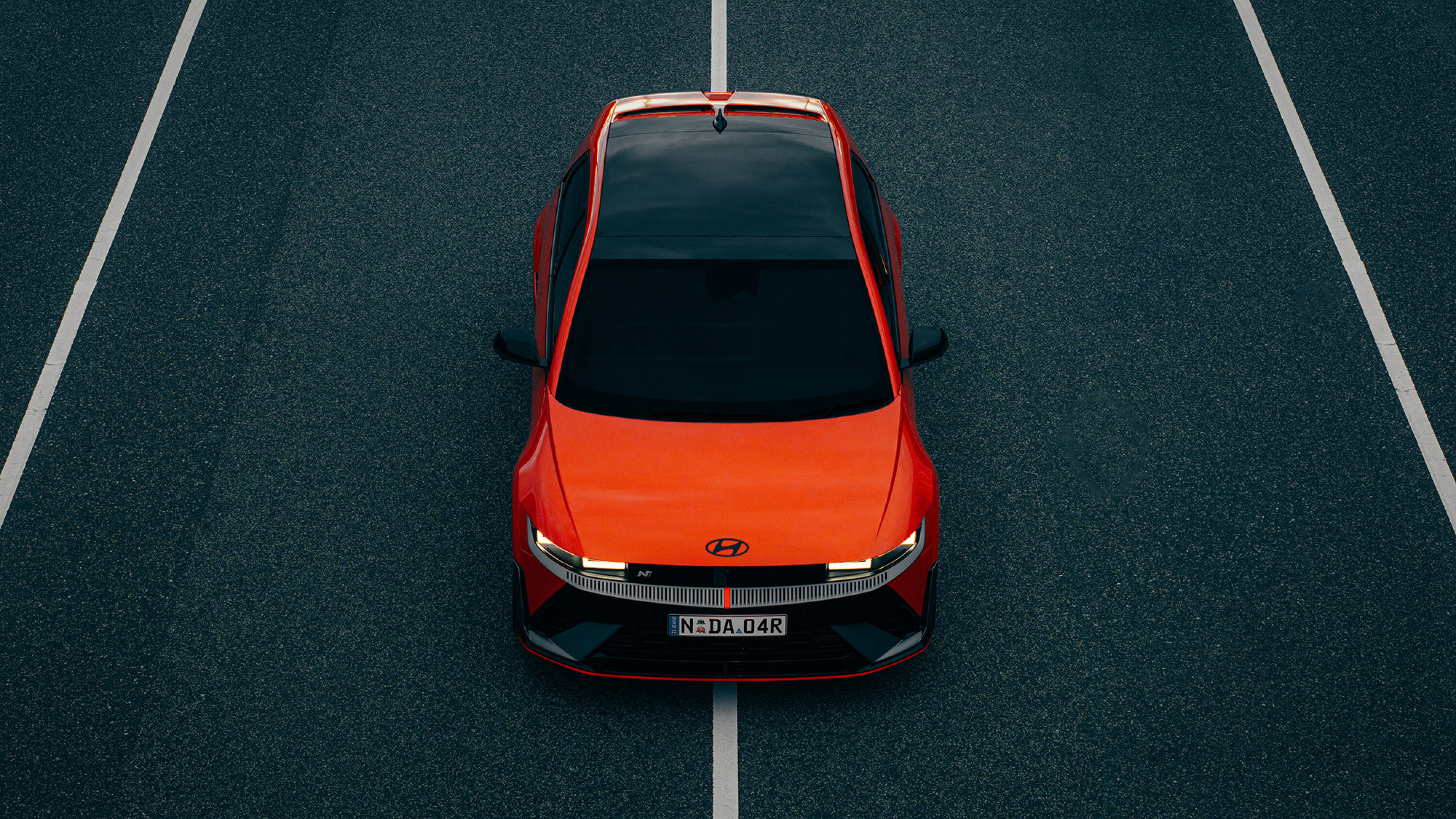
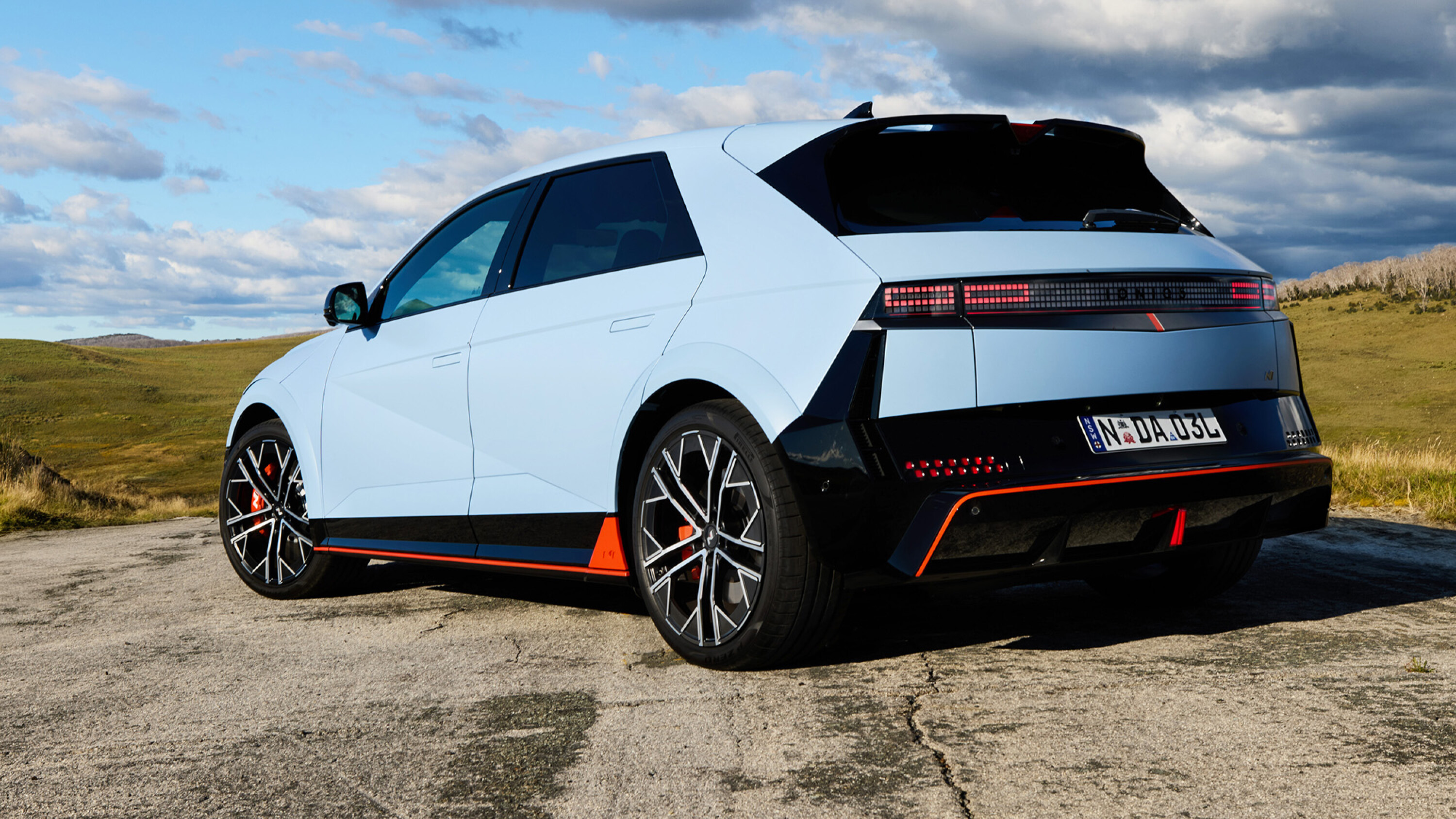
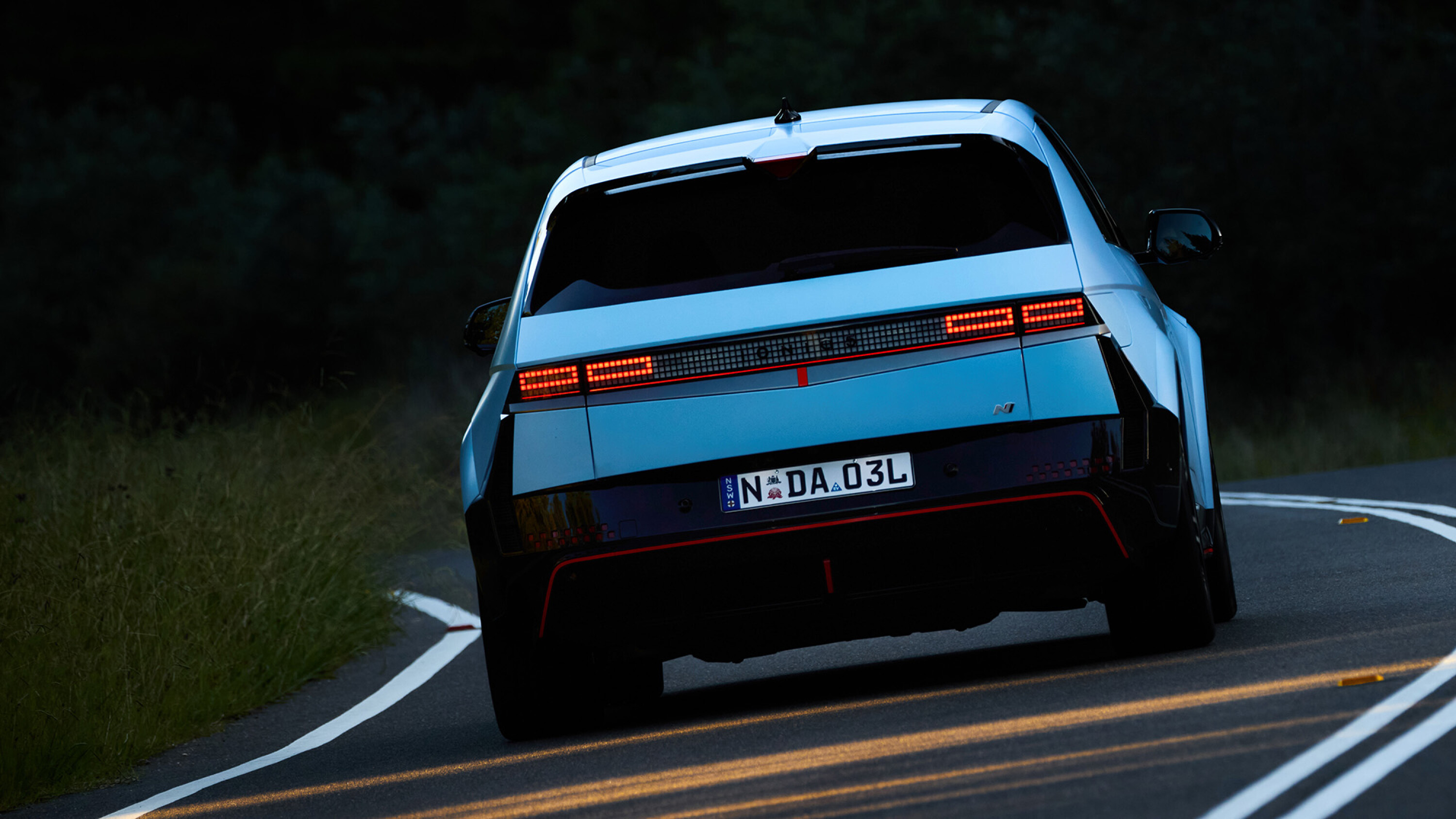
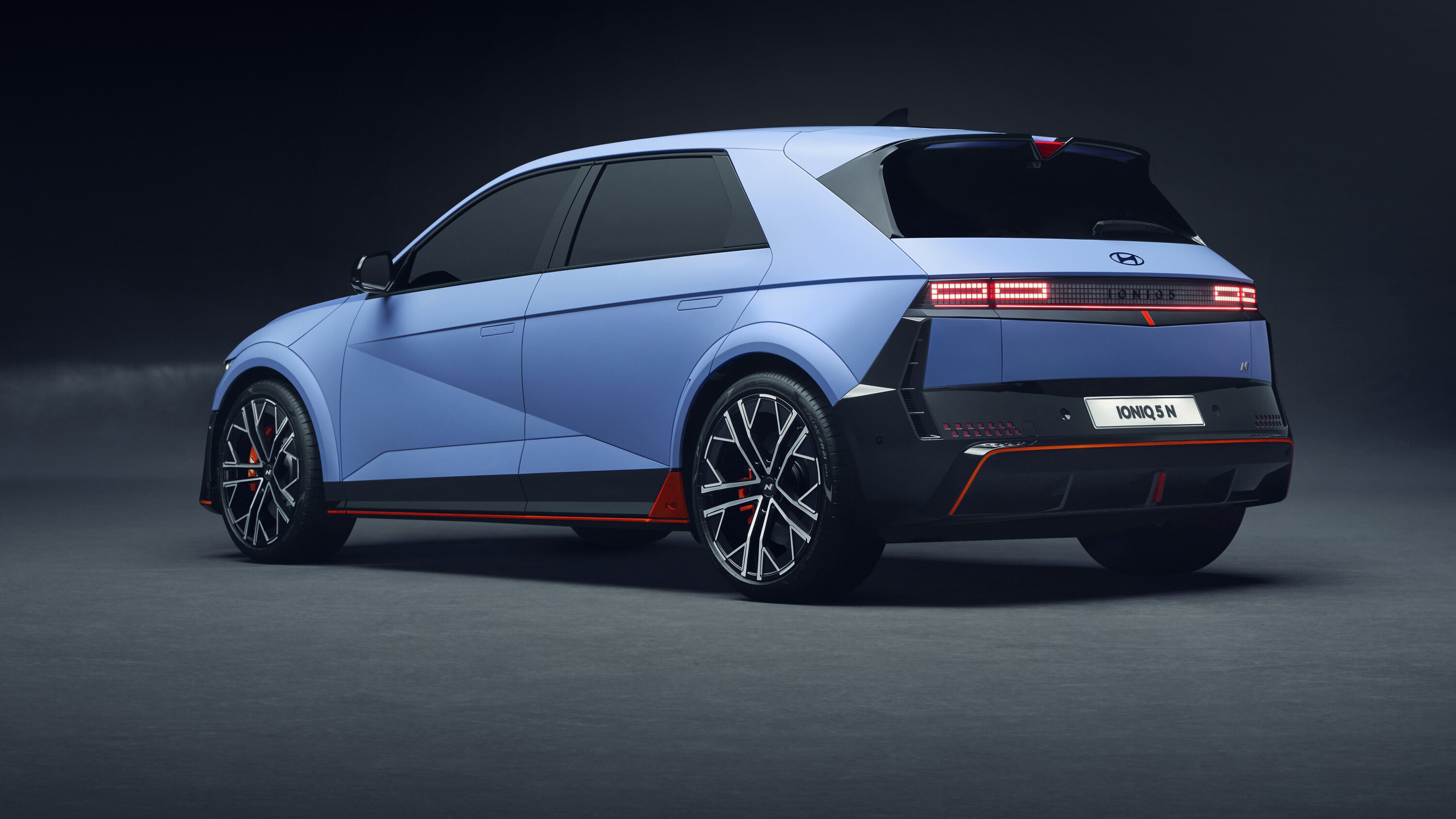
Following its initial pre-launch pricing announcement in September, the monstrous new 2024 Hyundai Ioniq 5 N is now on sale in Australia.
We’ve driven the Ioniq 5 N twice since that first announcement. Catch up on our coverage below, and continue down the page for the full pricing and features rundown – and watch for more reviews and comparisons to come very soon.
‘N Active Sound’ and convincing simulated gear shifts
$111,000 before on-road costs
Stiffer, faster, more powerful and engineered to feel like an old-school, petrol-powered performance car: these are the headlines for the first ever EV produced by Hyundai N.
Hyundai is also promising that unlike the first year of sales for the regular Ioniq 5, orders for the N model “will remain open for the foreseeable future”. The brand will no longer pause sales on any Ioniq 5 variant, including the N.
1
The big details up front
Yes it’s huge money at $111k, but the Hyundai Ioniq 5 N packs up to 478kW and 740Nm in ‘N Grin Boost’ mode.
Despite its 2230kg kerb weigh, the Koreans claim a 0-100km/h time of just 3.4 seconds, thanks to its dual-motor AWD setup.
2024 Hyundai Ioniq 5 N: Motors
Motor type
Permanent magnet synchronous motor x 2 (front & rear)
Maximum power – front motor / rear motor (with N Grin Boost)
166 kW / 282 kW (175 kW / 303 kW)
Maximum torque – front motor / rear motor (with N Grin Boost)
350 Nm / 390 Nm (370 Nm / 400 Nm)
Maximum power – total (with N Grin Boost)
448 kW (478 kW)
Maximum torque – total (with N Grin Boost)
740 Nm (770 Nm)
2024 Hyundai Ioniq 5 N acceleration
0 ~ 100 km/h (with N Grin Boost)
3.5 sec (3.4 sec)
80 ~ 120 km/h (with N Grin Boost)
1.9 sec (1.8 sec)
0 ~ 400 m (with N Grin Boost)
11.7 sec (11.5 sec)
100 ~ 0 km/h
40.2 m
1
THAT PRICE
The Ioniq 5 N’s starting price makes it around $11,000 more expensive than the similarly powerful but less focused Kia EV6 GT.
Handily, it’s a whopping $170,000 more affordable than a Porsche Taycan Turbo, which offers similar performance and was benchmarked by Hyundai during the N’s development.
1
THE POWER
They’re big numbers, that 478kW/740Nm combo – and Hyundai says the N’s outputs played only a small part in the design brief.
The true goal was to create an EV that’s engaging enough to satisfy proper petrol heads.
N’s boffins understand they’re the hardest bunch to win over with a performance EV – so instead of chasing straight-line performance, they’ve engineered solutions to help make their futuristic electric rocket feel and drive like an engaging, petrol-powered hot hatch.
“EV power is the great equalizer. Ultra-fast EVs are a known formula, and in a sense they’re relatively easy to do: big battery, big power, big tyres, zero to 100 in less than four seconds. With IONIQ 5 N, we wanted to go to market with something that was much more than that,” says Tim Rodgers, Hyundai Australia’s product development manager.
“The question was, ‘How do we differentiate?’ The answer was a focus for IONIQ 5 N on driving character, emotion and engagement. They are three simple words, but so hard to deliver: ‘fun to drive’.”
1
Hot-hatch solutions? N e-shift and N Active Sound are two such tricks
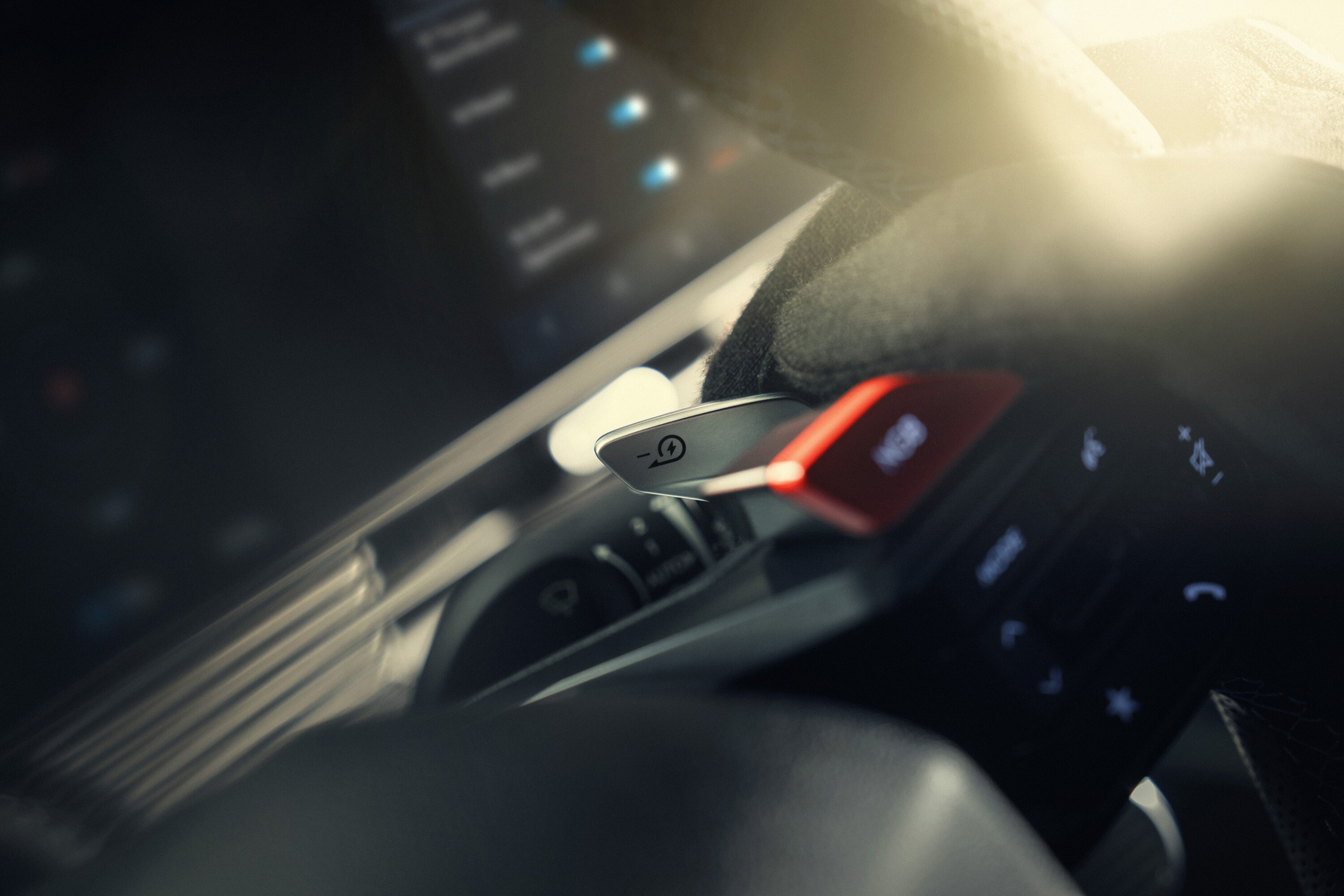
N e-shift is designed to mimic the shift action of an eight-speed dual-clutch and simulates the ‘jolt’ of up- and downshifts by cutting drive to the electric motors.
The digital instrument cluster even includes a tachometer that runs to 8000rpm and you shift ‘gear’ via the paddles behind the steering wheel.
1
N Active Sound, meanwhile, uses eight internal and two external speakers to deliver an “emotional” soundtrack that sounds like a combustion car.
It even pops and bangs during downshifts. Three sound ‘themes’ are available: ‘Ignition’ sounds like the 2.0-litre turbo in an i30 N, ‘Evolution’ copies the noise of the RN22e concept, while ‘Supersonic’ sounds like a twin-engine fighter jet.
We’ve experienced it a few times now and no Kool-Aid was drunk when we tell you: it’s very cool.
“The challenge was to capture hearts and minds with a high-performance car that behaves in some ways like a captivating and intuitive sports car, rather than just another ‘ballistic-in-a-straight-line’ EV,” Rodgers said.
Watch the N e-shift gear system in action
The goal of the shift and sound systems is to imbue the Ioniq 5 N with the same vibrations, sensations and dynamic calling cards that drivers rely on to judge speed, grip and how close they are to the limit.
Greater connection, basically – which is typically in short supply in a fast EV.
There’s even an integrated ‘Torque Kick Drift’ function, which is part of the Ioniq 5 N’s drift mode designed to simulate the clutch kick action of a rear-drive car, and push the back of the car out more aggressively.
1
The rest of the Ioniq 5 N’s recipe is performance car 101
Huge 400m front brakes, a stiffer body in white thanks to 42 additional welds and 2.1 extra metres of adhesives, bespoke suspension, and specially tuned steering with a strengthened steering column.
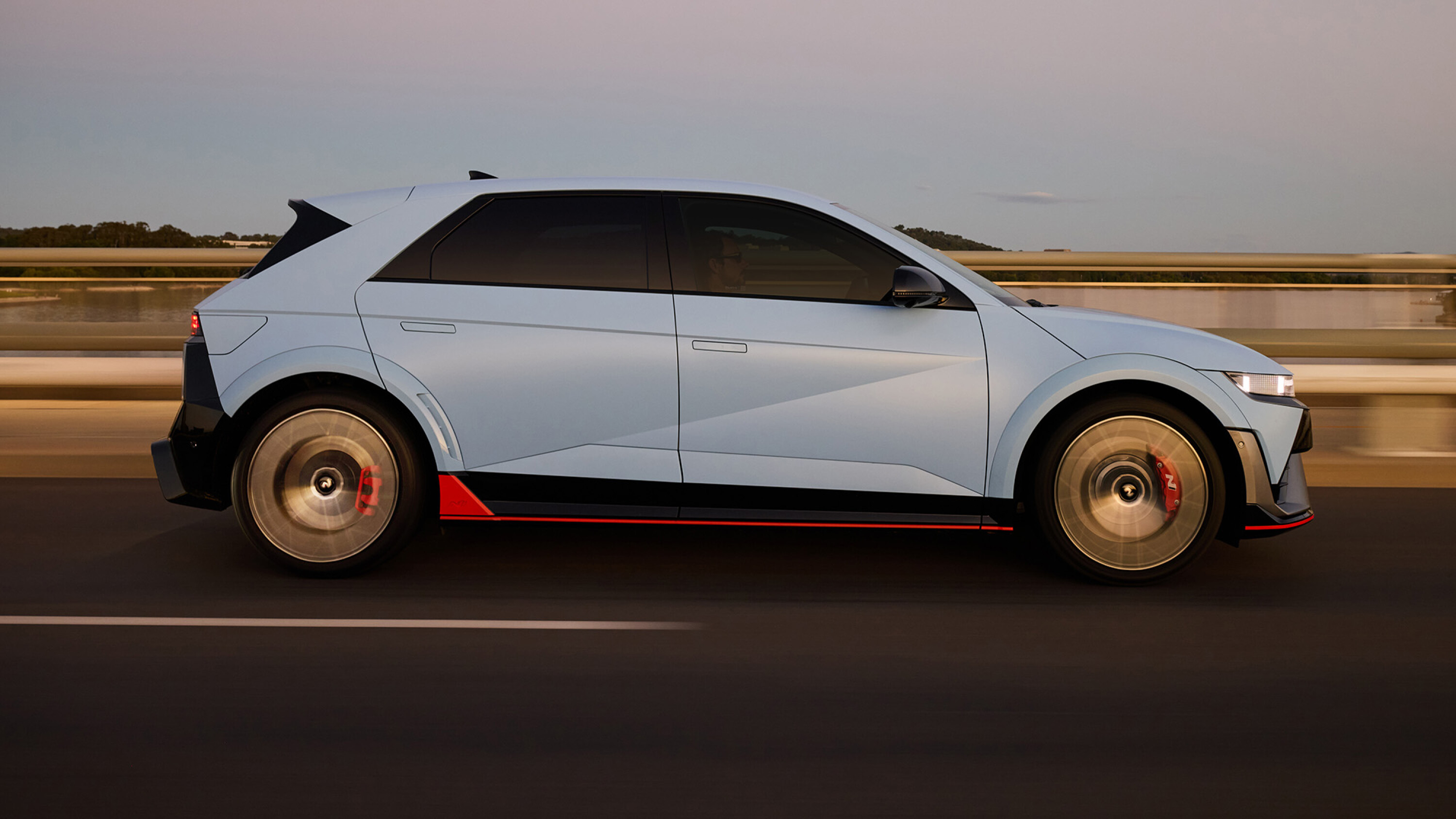
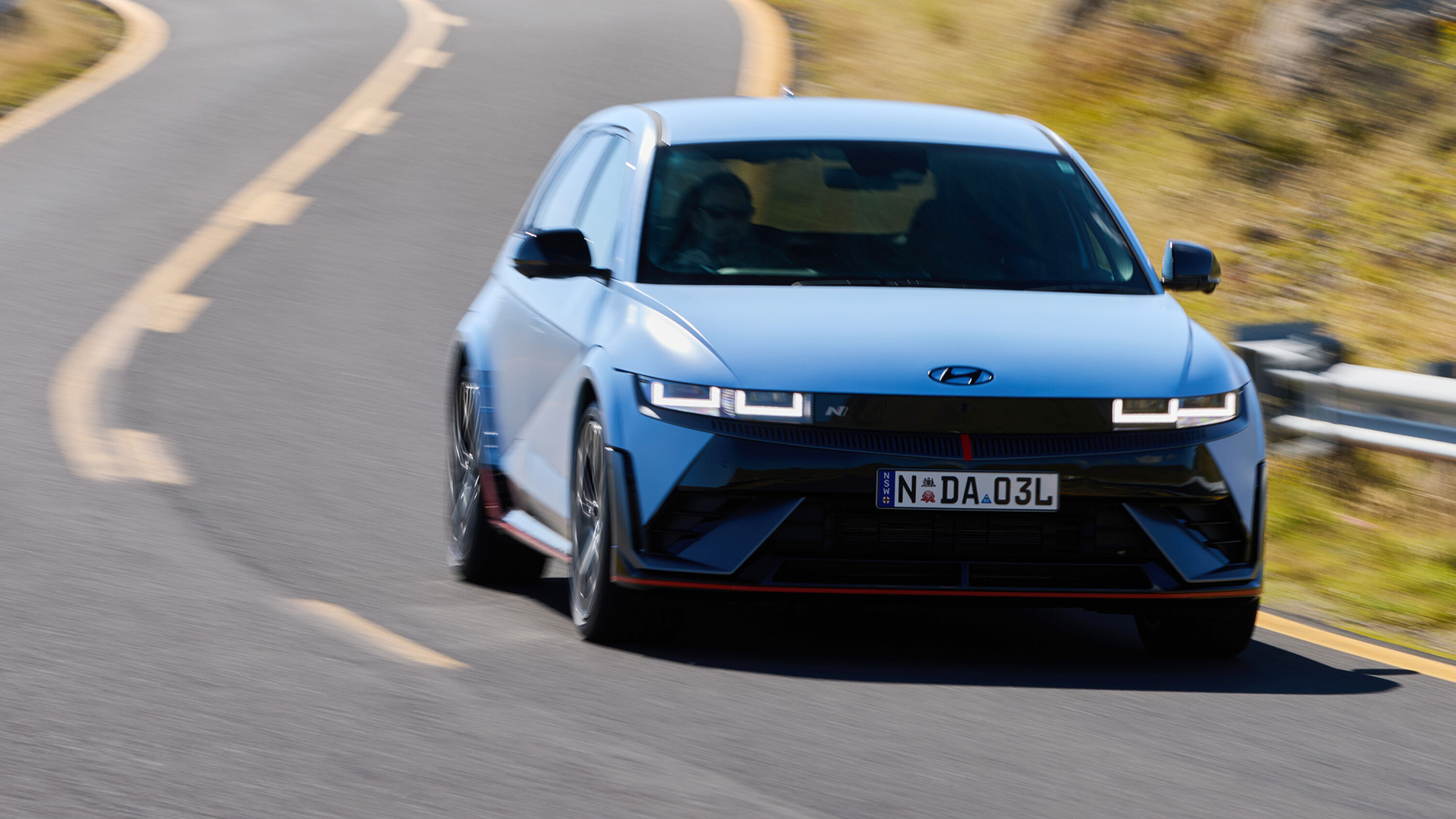
Power is up to 478kW (or 650ps) in boost mode, wheel sizes are up to 21-inches – the alloys are forged aluminium wrapped in specially developed 275/35 R21 Pirelli P Zeros – and overall size is up, too, courtesy of a body that’s 50mm wider, 80mm longer and 20mm lower.
1
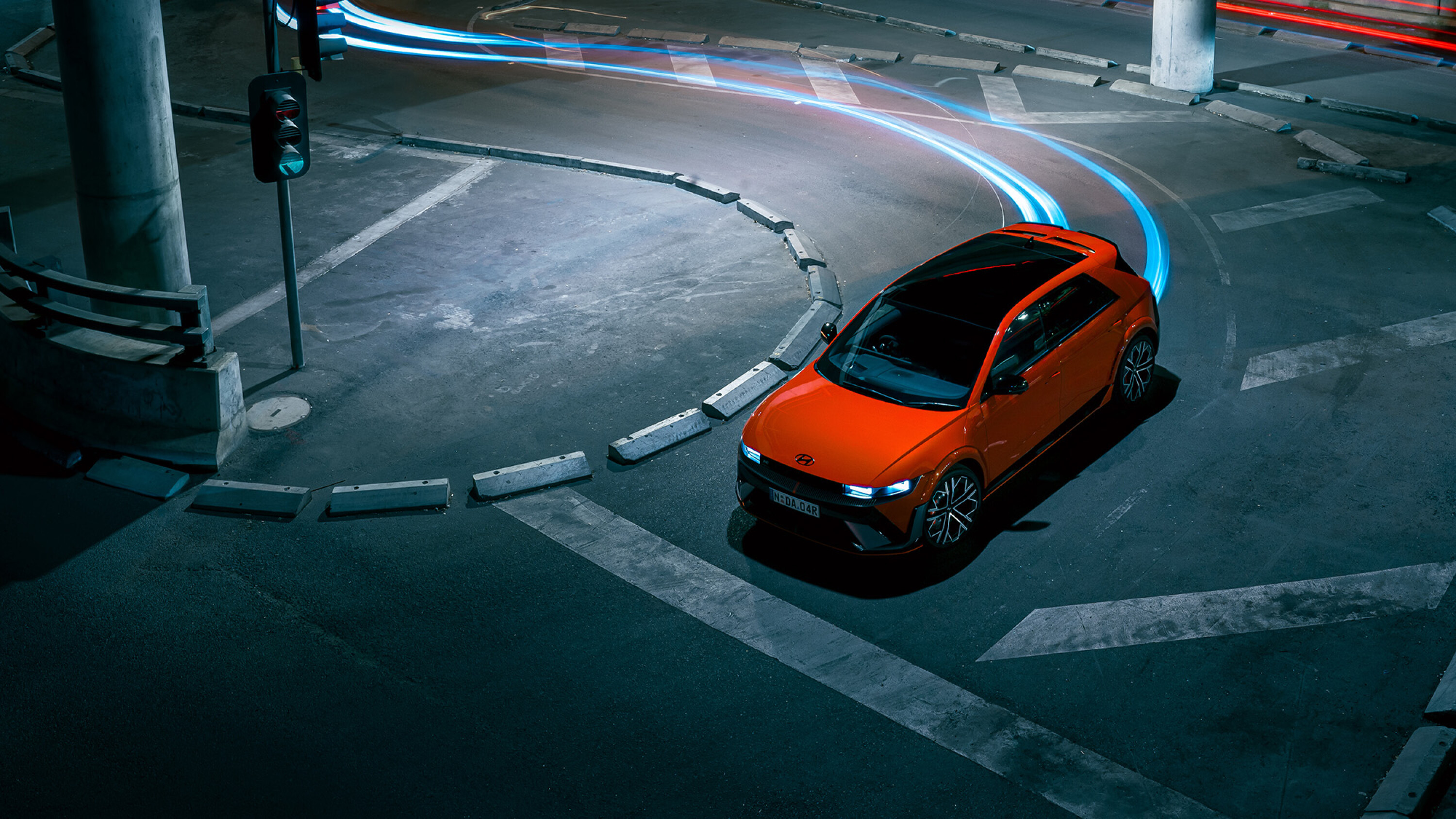
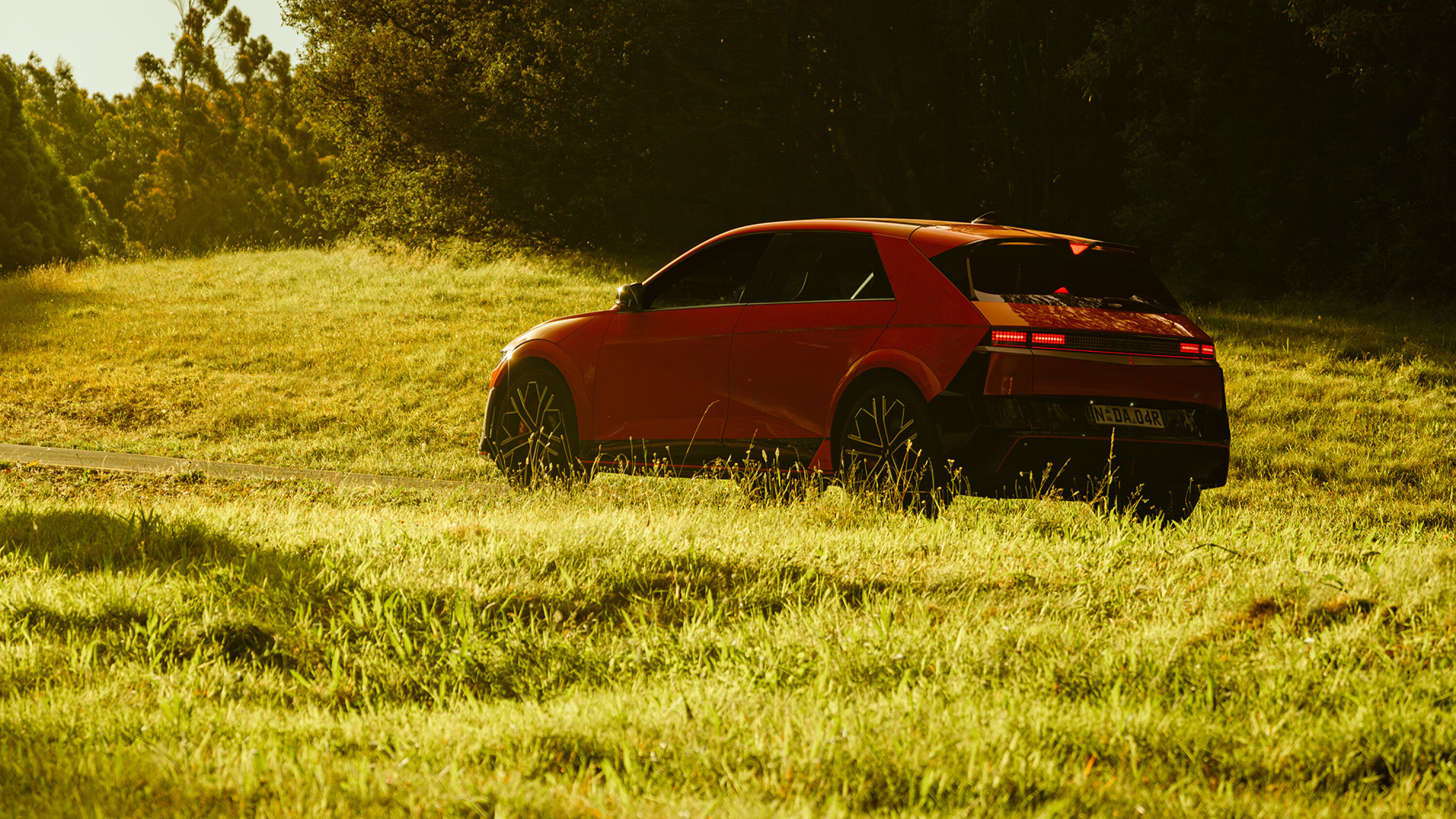
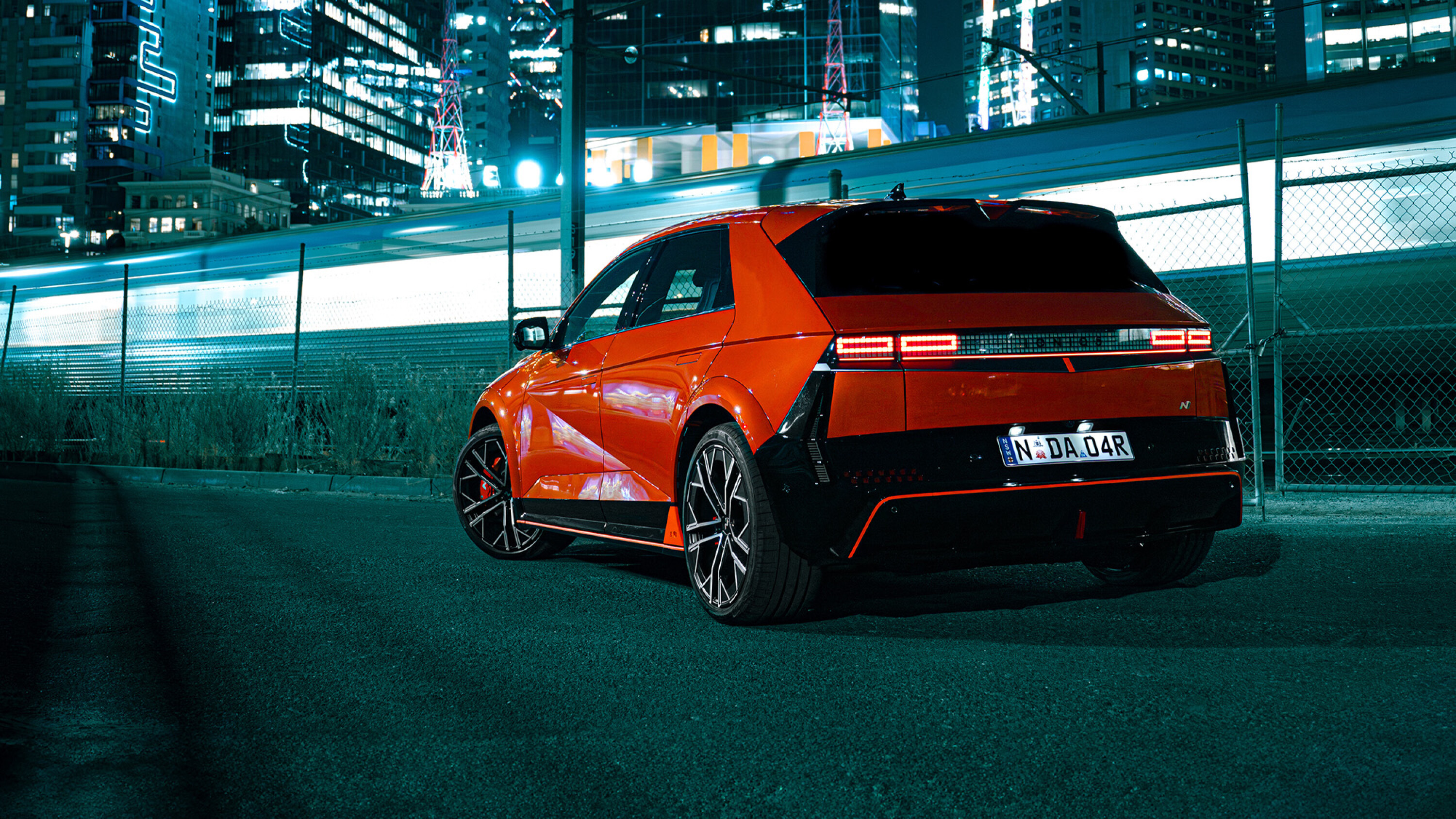
Also new are the ‘Luminous Orange’ highlights, the signature colour for an N electric car.
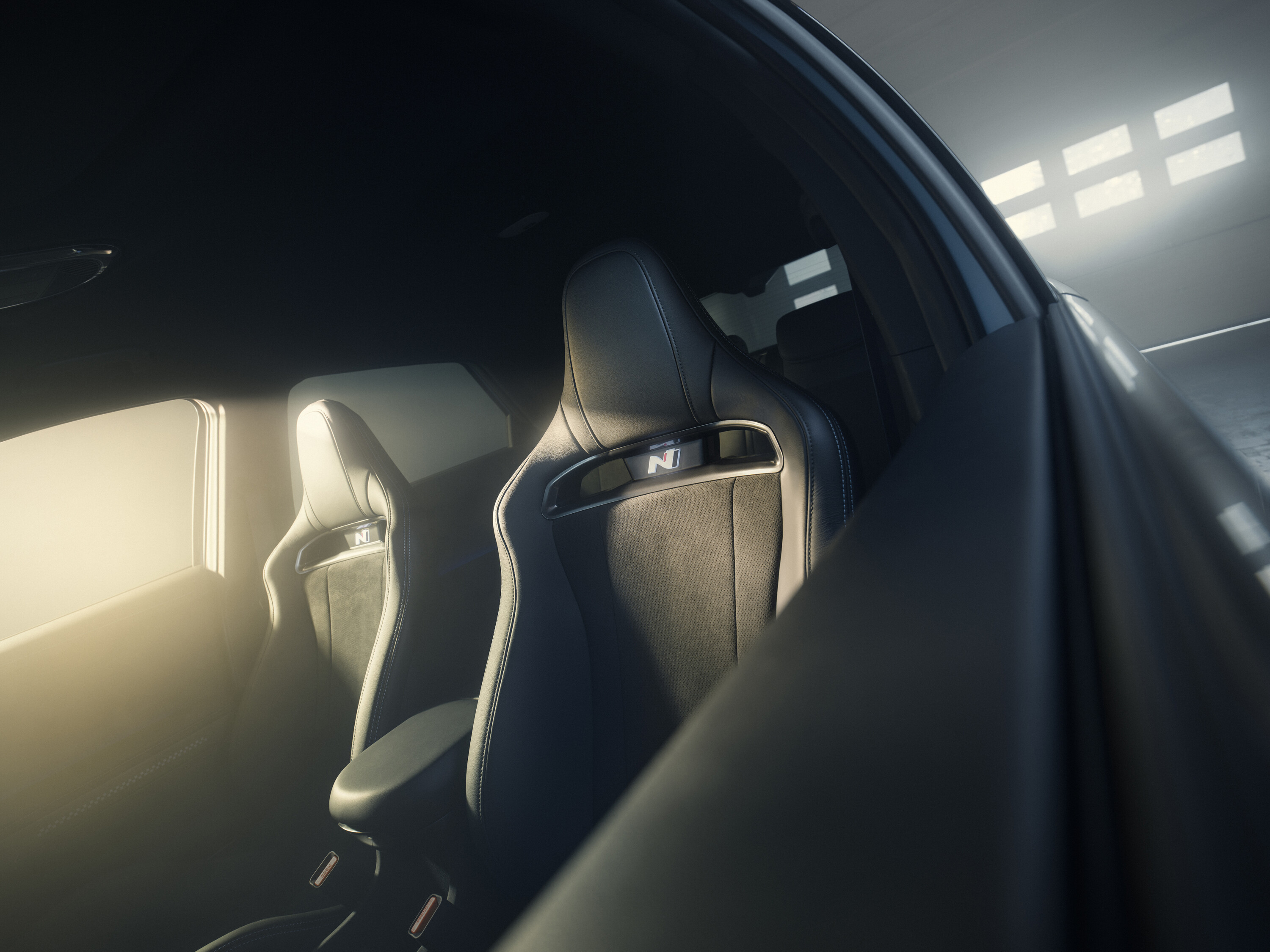
Inside there are bolstered sports bucket seats that are 20mm lower than the regular Ioniq 5 and a chunky centre console fitted with shin pads has been added to stop your legs swinging around wildly during hard corning.
There’s an increased use of eco-friendly materials, too, like sugarcane yarn and recycled Alcantara on the seats.
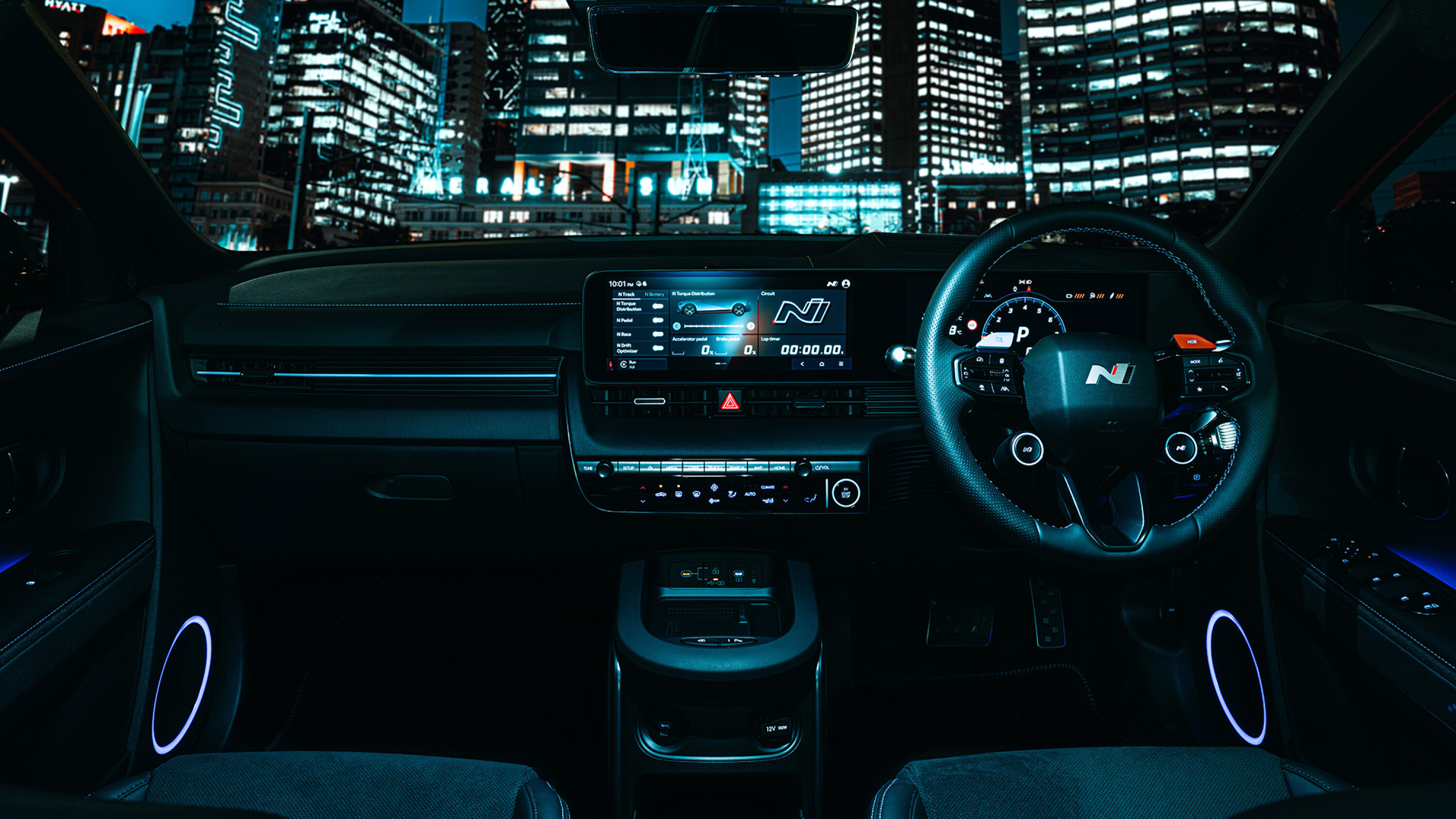
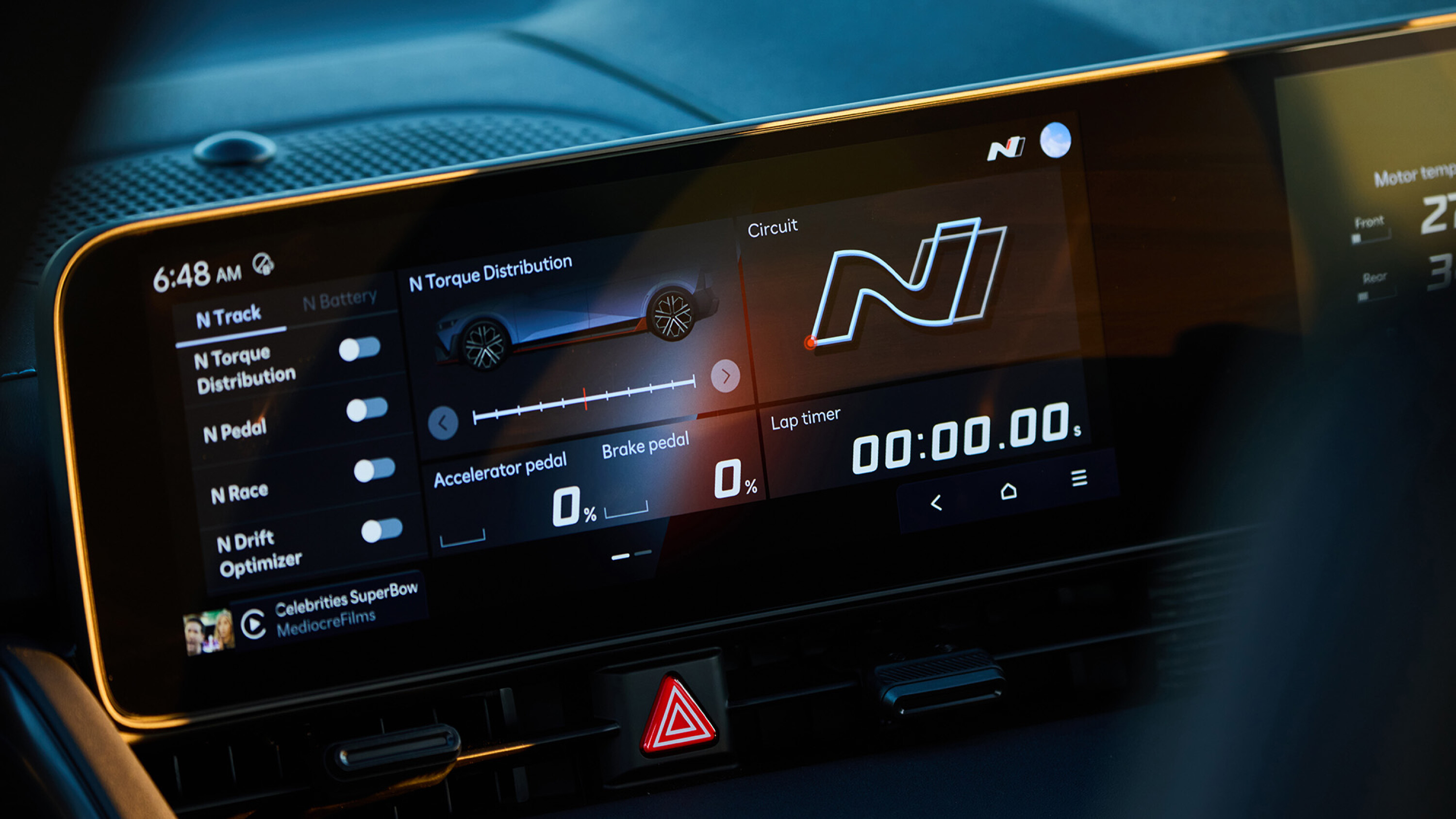
The widescreen digital display also has loads of fresh functions like a slider that allows drivers to adjust the torque distribution (fully variable through 11 different levels) and to engage the N Drift Optimiser (Drift mode).
1
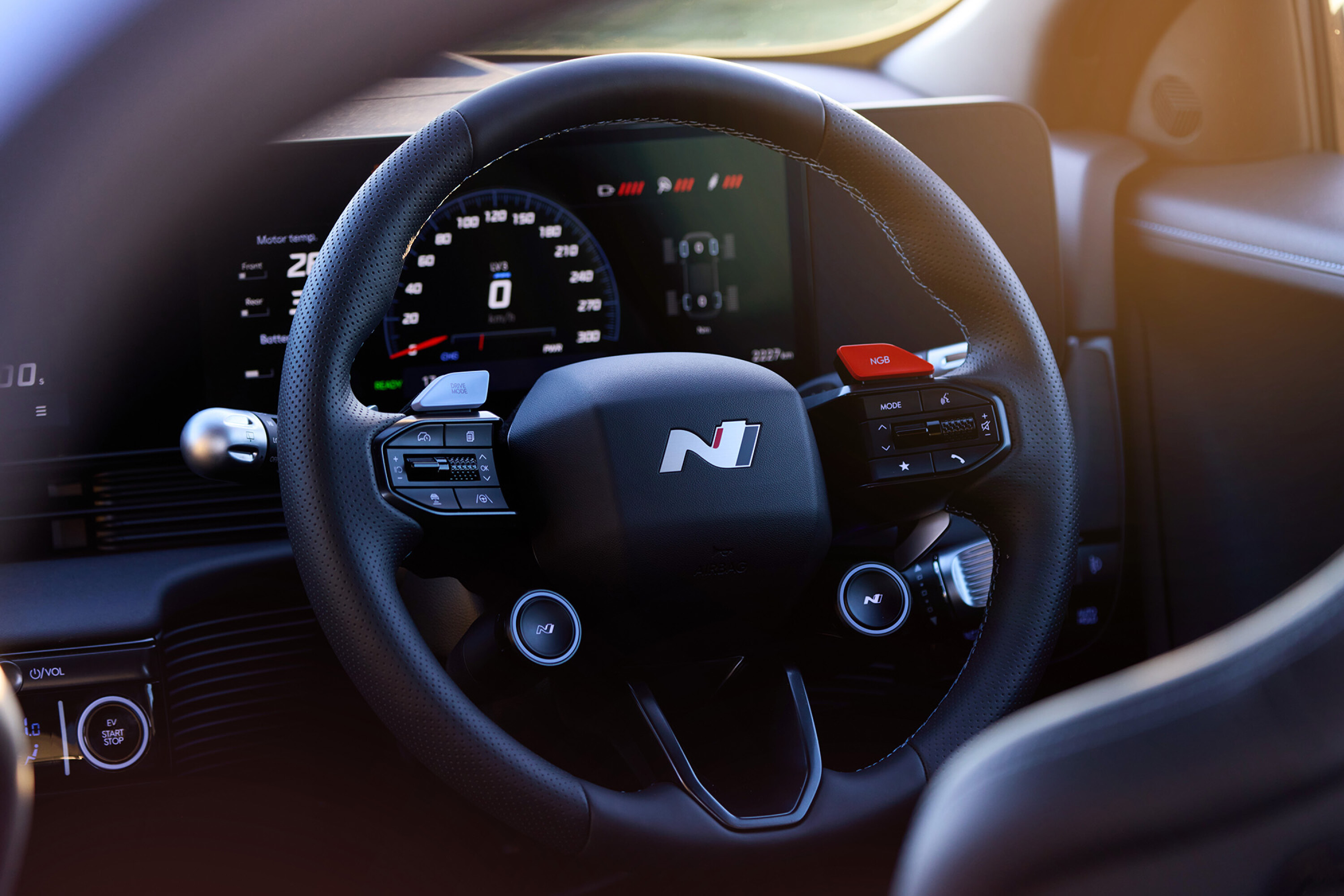
The steering wheel is new, too, and includes no fewer than three N logos. The two hanging below the steering wheel spokes are hot keys for your favourite mix of drive modes (similar to M1 and M2 in a BMW M car) and they pair with a regular ‘drive mode’ button and another labelled NGB for N Grin Boost.
NGB, or boost mode, works with the Ioniq 5 N’s more powerful two-stage inverter to increase peak power from 448kW/350Nm in regular driving (166kW from the front motor; 282kW from the rear) to 478kW/370Nm for 10-second bursts.
That makes the Hyundai marginally more powerful than its Korean sibling, the Kia EV6 GT, which produces 430kW/740Nm.
1
Australian input
Hyundai’s Australian team was deeply involved with the Ioniq 5 N’s development, in recognition of how successful the N brand has been with Aussie enthusiasts.
“Australian Product Development went to the Nürburgring Test Centre in Germany, and to the HATCI (Hyundai America Technical Centre Inc.) California Proving Ground, and we were liaising constantly with Namyang throughout this period,” Rodgers said.
“We were able to advocate for specific characteristics with the engineers who were making the changes at the proving grounds – in America, Korea, and at the Nürburgring.”
“For example, we would look at a change with the potential to make IONIQ 5 N more racetrack capable and ask: ‘Does this make it a better everyday sports car?’” Rodgers said. “These points were often very strongly debated and not easily resolved. But in the end, we trust the decisions we made were the correct ones.”
1
So what differs?
“In Europe you can be on a really nice road, or really poor road; there’s not much in between. In Australia you can go down one stretch of road and go from really good, to patches of average, to really terrible, and back to good again in the space of 300 metres,” Rodgers said.
“Because of that we have massaged the logic and settings for Normal and Sport mode to work with our spectrum of roads, while keeping the taut and responsive character the same,” Rodgers said.
“However N mode is N mode; it’s the same in Europe as it is in Australia. It was really important to us that we kept that flavour.”
1
Configurability is core to the Ioniq 5 N driving experience
There are three stages for the adaptive dampers, three for the weight of the steering, four for the battery and even three settings for the launch control to “allow drivers to launch their vehicle like a professional race car”.
Pick the right setting for the grip available and Hyundai says the Ioniq 5 N will hit three figures in 3.4 seconds, which is about the same as a Porsche Taycan Turbo.
Hyundai says the upgraded brake discs are the strongest it has ever fitted to a production car, and they’re colossal – 400mm discs clamped by four-piston callipers up front, 360mm/single-piston out back – but it’s actually re-gen that provides most of the stopping power.
Dubbed ‘N Brake Regen’ the system can deliver 0.6Gs of deceleration and should provide up to 80-90 percent of the braking performance in day-to-day driving. Even on a circuit as demanding as the Nurburgring, Hyundai says regen will account for 40-50 percent of the braking force.
1
The Nurburgring
Track driving is typically kryptonite for electric cars, but Hyundai has worked hard to ensure the Ioniq 5 N offers repeatable performance over extended runs.
The new battery, for example, is said to be less susceptible to power loss from overheating, and owners can also pre-condition the battery either for drag racing (Drag = shorter hits of full power) or track driving (Track = battery kept at the lowest temp possible for more laps).
The track setting can be further configured via two addition settings: Endurance of Sprint. Endurance maximises range by limiting peak power whereas Sprint is like a ‘qualifying mode’ designed to use over a single lap.
How about a lap record?
“We’re not interested in setting a benchmark Nürburgring lap time – nor lap times around any circuit,” Rodgers said. “Because outright performance is secondary to the core mission, which is fun, character, emotion, connection with the machine.”
1
Ioniq 5 N driving range and charging
Depending on how you drive it, the Ioniq 5 N promises up to 448km off a single charge (Ioniq 5 Equip AWD claims 454km). Efficiency is listed at 21.2kWh/100km.
The hero Ioniq 5 N features the same 800V architecture as the wider range, along with the same bigger new-generation 84kWh battery.
In-cable control box (ICCB) with domestic 3-pin plug input
Output capacity (maximum)
230 V, 10 A
Charging plug
Type 2 (IEC 62196-2 Type 2)
Standard charging time (230 V at maximum charging capacity – 10 to 100%)
Approx. 40hr
2024 Hyundai Ioniq 5 N: Vehicle To Load (V2L)
Output capacity (maximum)
250 V, 3.6 kW, 15 A
Connector – inside
Domestic 3-pin plug output
Hyundai’s disclaimer on range
*Based on a full charge. Figures based on WLTP (Worldwide Harmonised Light-Duty Vehicles Test Procedure) static laboratory combined average city and highway cycle test, which measure, energy consumption, range and emissions in passenger vehicles, designed to provide figures closer to real-world driving behaviour.
Real life driving results will vary depending on a combination of driving style, type of journey, vehicle configuration, battery age and condition, use of vehicle features (such as heating and air conditioning), as well as operating, environmental and climate conditions.
1
Interior space and features
2024 Hyundai Ioniq 5 N: Interior space
Head room front / rear (with optional Vision roof)
1010 / 982 mm (993 mm / 953 mm)
Leg room front / rear
1060 mm / 1013 mm
Shoulder room front / rear
1465 mm / 1470 mm
Hip room front / rear
1368 mm / 1362 mm
Cargo area front – VDA
N/A
Cargo area rear – VDA (minimum / maximum)
480 L / 1540 L
Safety
As with the Kia EV9, the 2024 Ioniq 5 range gets Highway Driving Assist (HDA2), designed to build on the existing Smart Cruise Control suite.
The system can support the driver’s lane position and lane changes when activated on a highway.
Hyundai also lists the following active safety features.
Remote Smart Parking Assist (RSPA) u2013 inc. SPAS
Lane Keeping Assist – Line/Road-Edge (LKA-L/R)
Safe Exit Assist (SEA)
Lane Following Assist (LFA)
Multi-Collision Braking
Highway Driving Assist 2 (HDA2) with:
Lane change assist control
Junction Turning / Crossing
Lane following off-set control
Direct Oncoming
Smart Cruise Control (SCC) w. Stop&Go
Lane Change Oncoming / Side
Forward Collision-Avoidance Assist (FCA2) with:
Evasive Steering Assist
Car / Pedestrian / Cyclist detection
Features
EXTERIOR
INTERIOR
LED headlights (Dual Projection type), tail lights, indicators, reverse
Alcantara and leather appointed interior
Power flush type door handles w. capacitive touch
N light seats, manual adjustment
Gloss black window frame moulding (DLO)
Metal N scuff plates
Gloss black door frame moulding
Metal pedals
Gloss black side mirror covers
Premium bio-PET carpet
N styling with luminous orange inserts
LED interior lighting
Heated & folding electric side mirrors
Luggage net
Rain sensing aero wipers
Cargo cover
Rear wiper
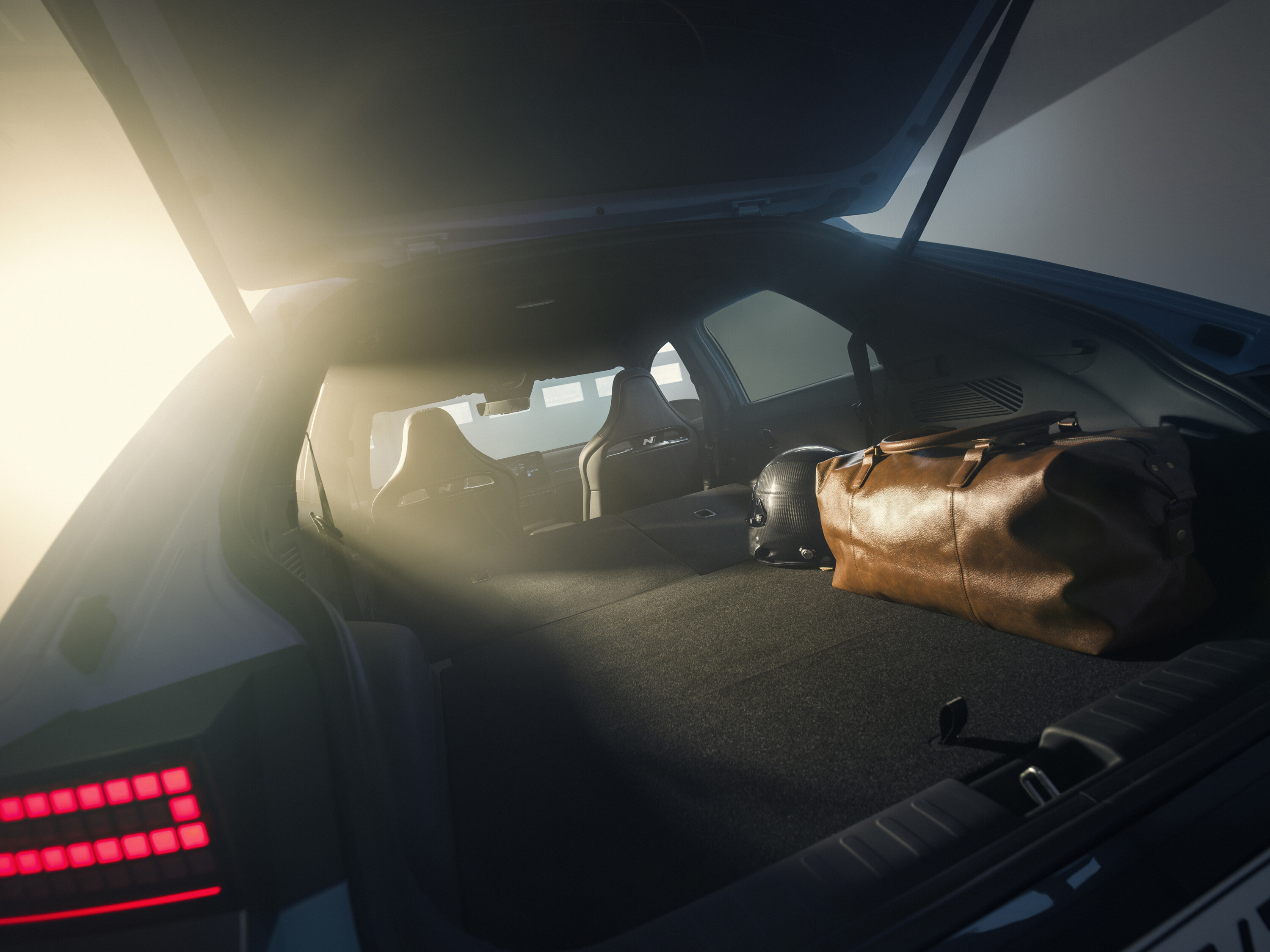
480L Rear cargo capacity
Power tailgate
Solar control windscreen & front door glass
Privacy rear door & tailgate glass
Climate control
Dual zone climate control
Cabin air filter
Rear air vents (B-pillar mounted)
Heat pump u2013 high efficiency heater
1
What does the Ioniq 5 N cost in Australia?
In Australia, the Ioniq 5 N is priced from $111,000 before on-road costs.
That makes it about $11,000 more expensive than the Kia EV6 GT, but a whopping $170,000 more affordable than a Porsche Taycan Turbo – which offers similar performance and was benchmarked by Hyundai during the N’s development.
1
You can have it in any colour you want, as long as it’s… one of these nine.
Performance Blue matte, Performance Blue, Abyss Black, Cyber Grey, Ecotronic Gray, Atlas White matte, Atlas White, Gravity Gold matts and Soultronic Orange.
Just two options are available: a ‘Vision Roof’ for $2000 and matte paint for $1000.
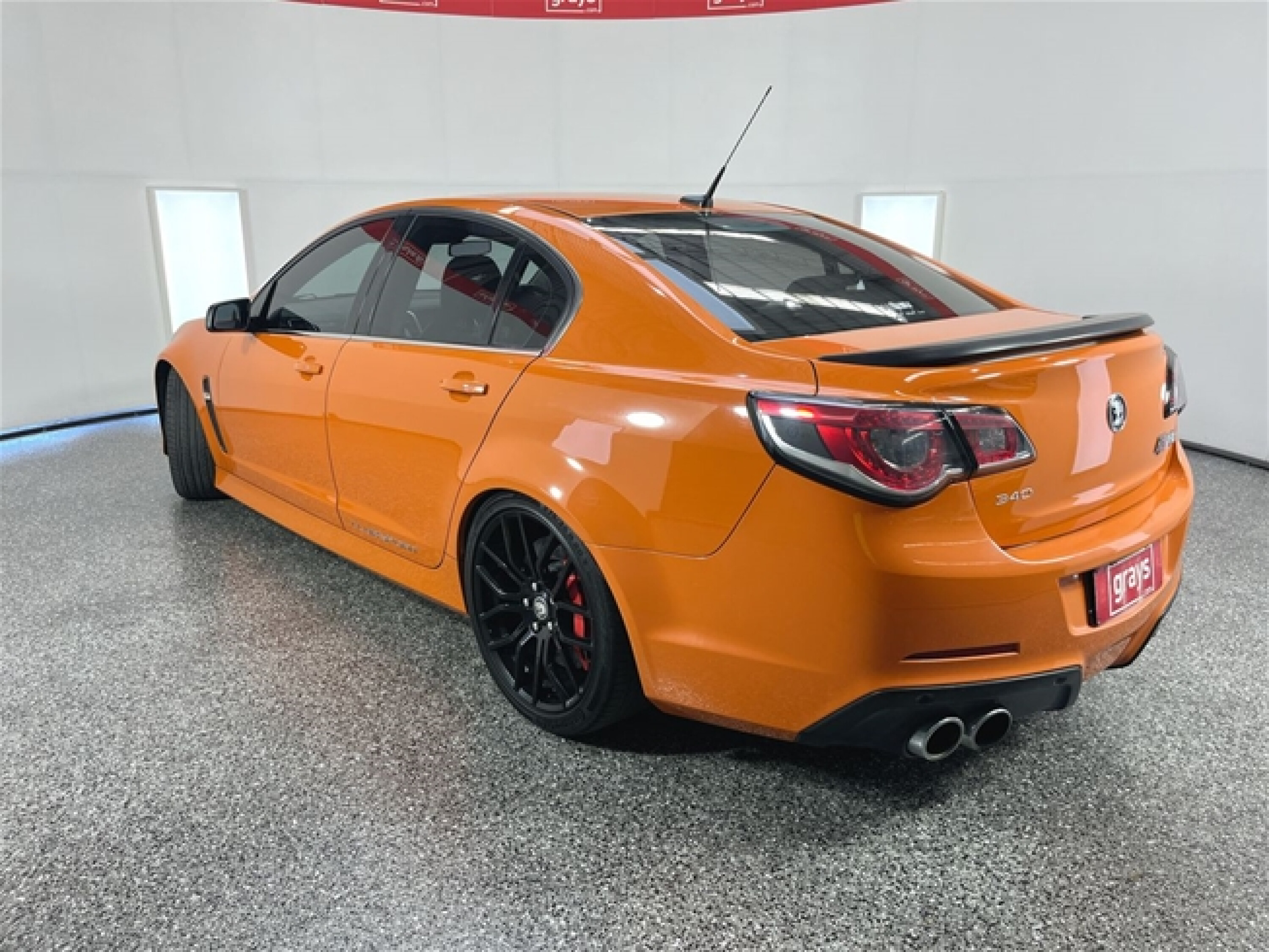
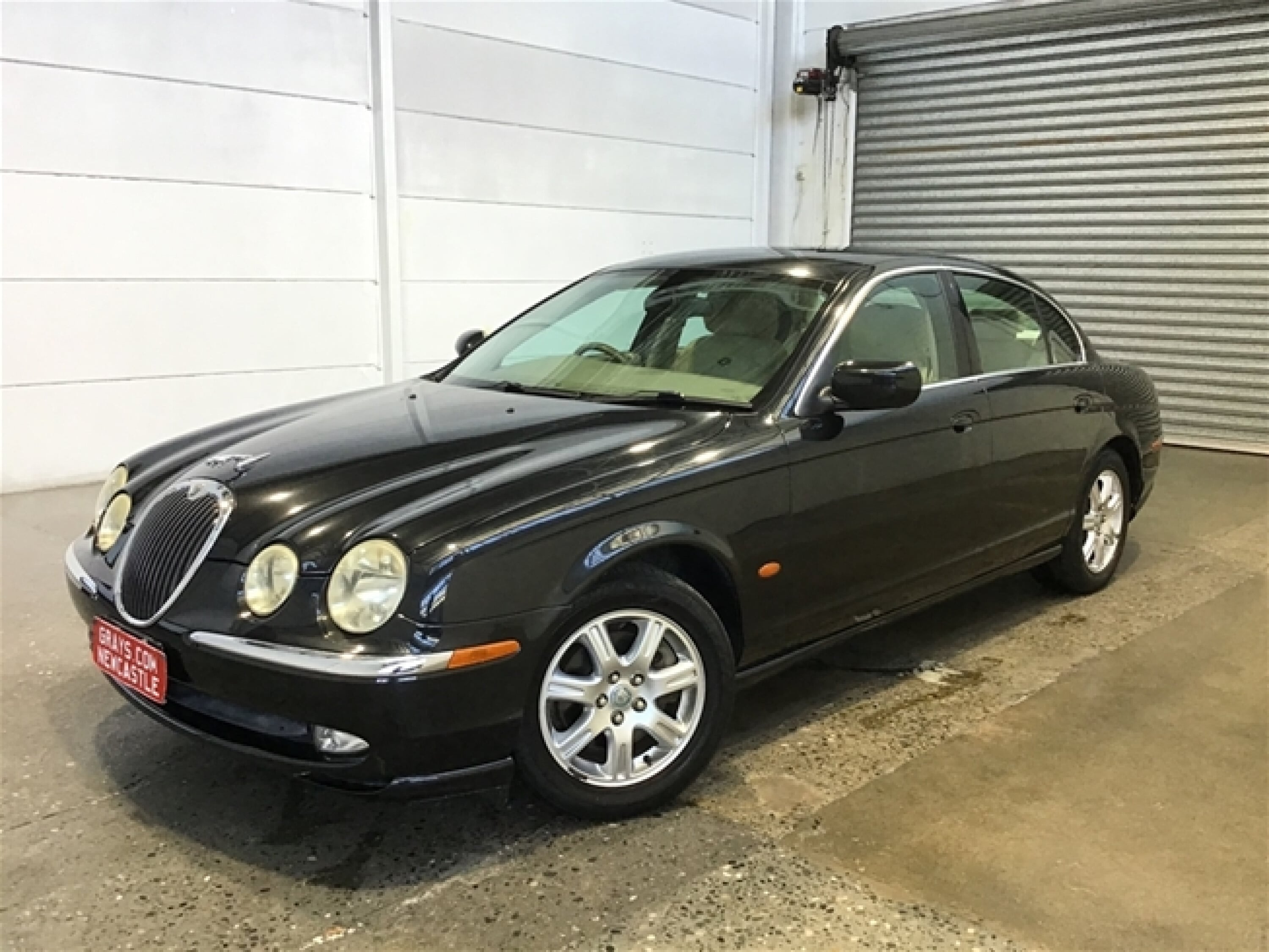
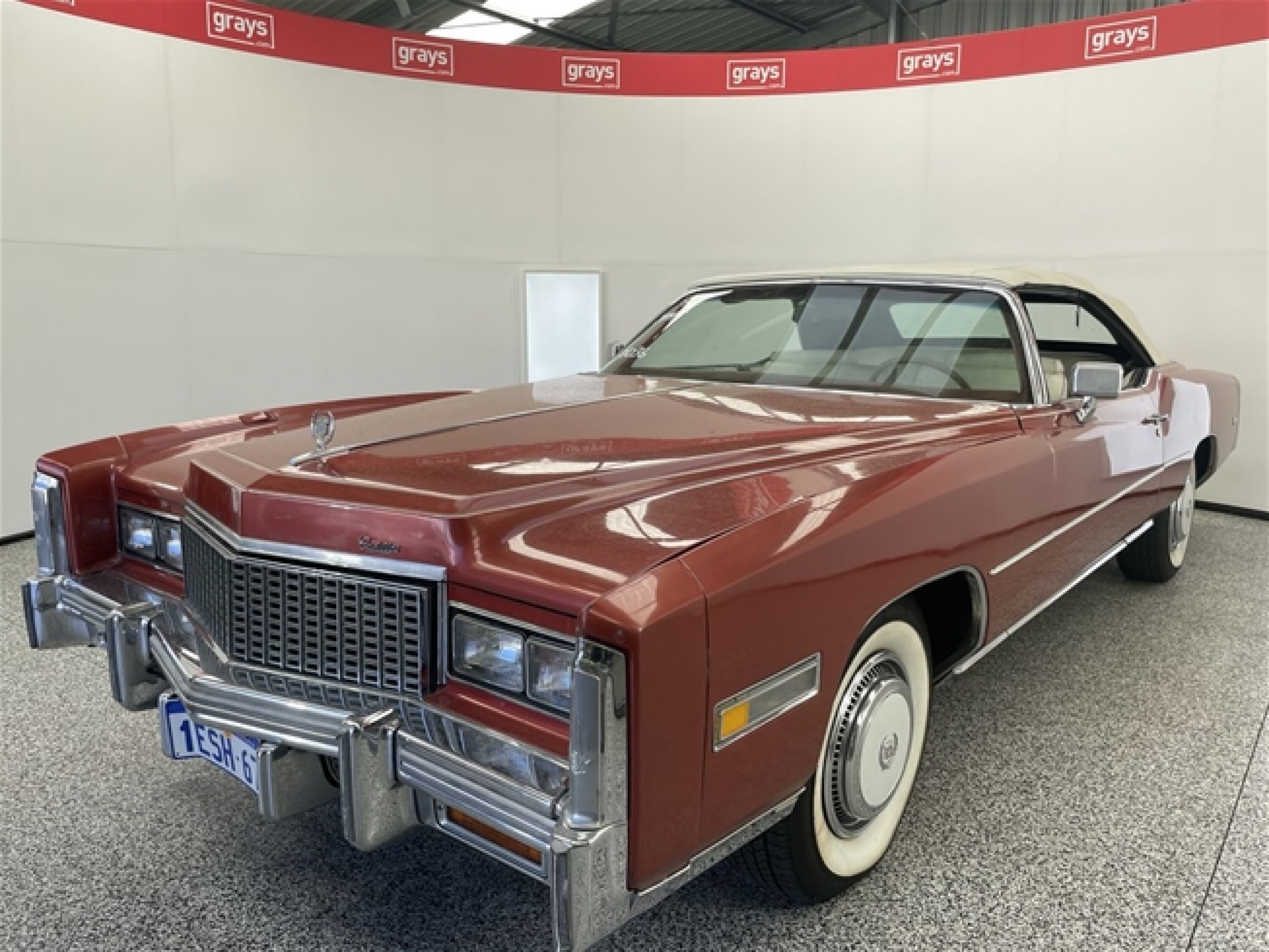
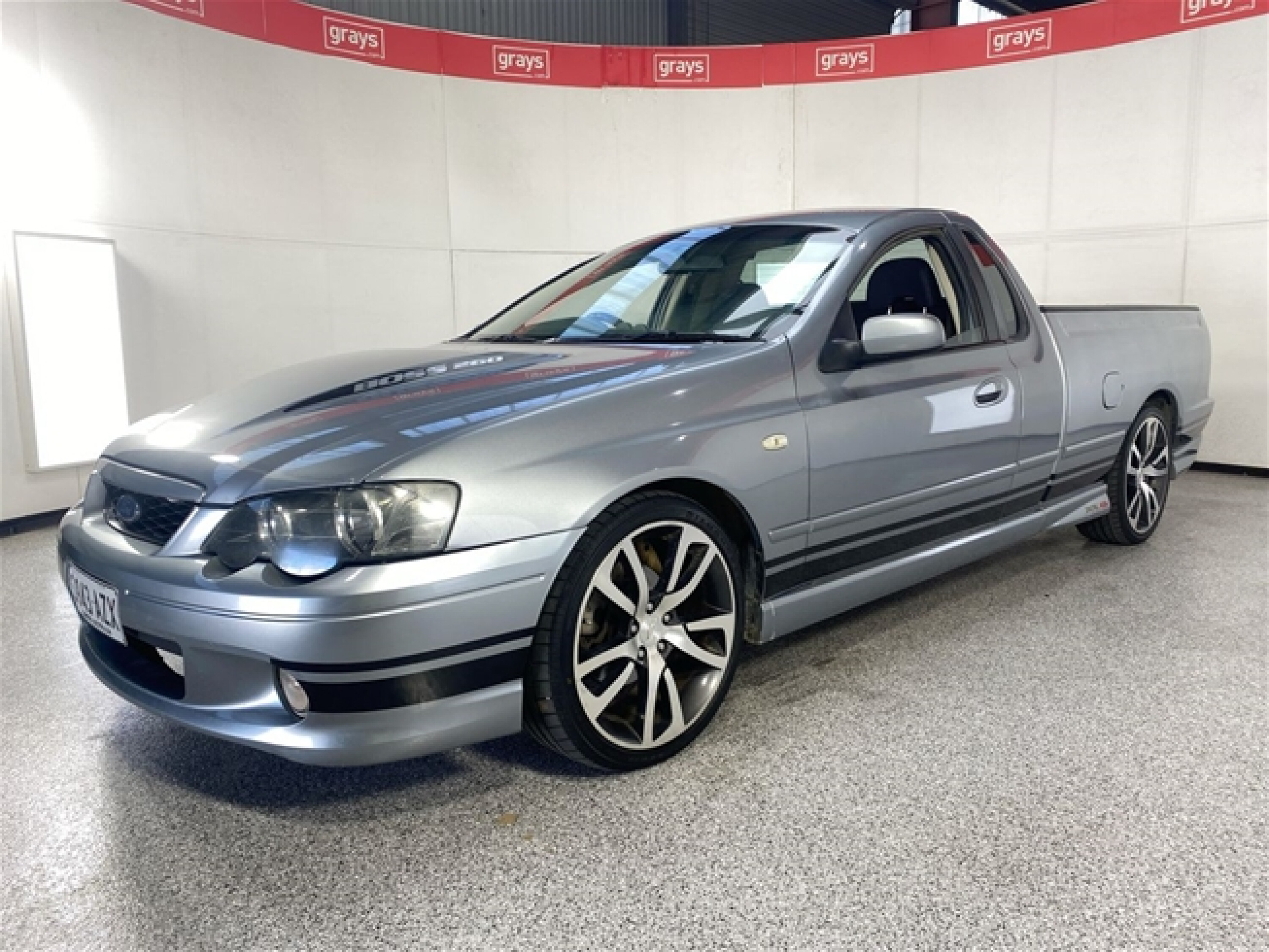
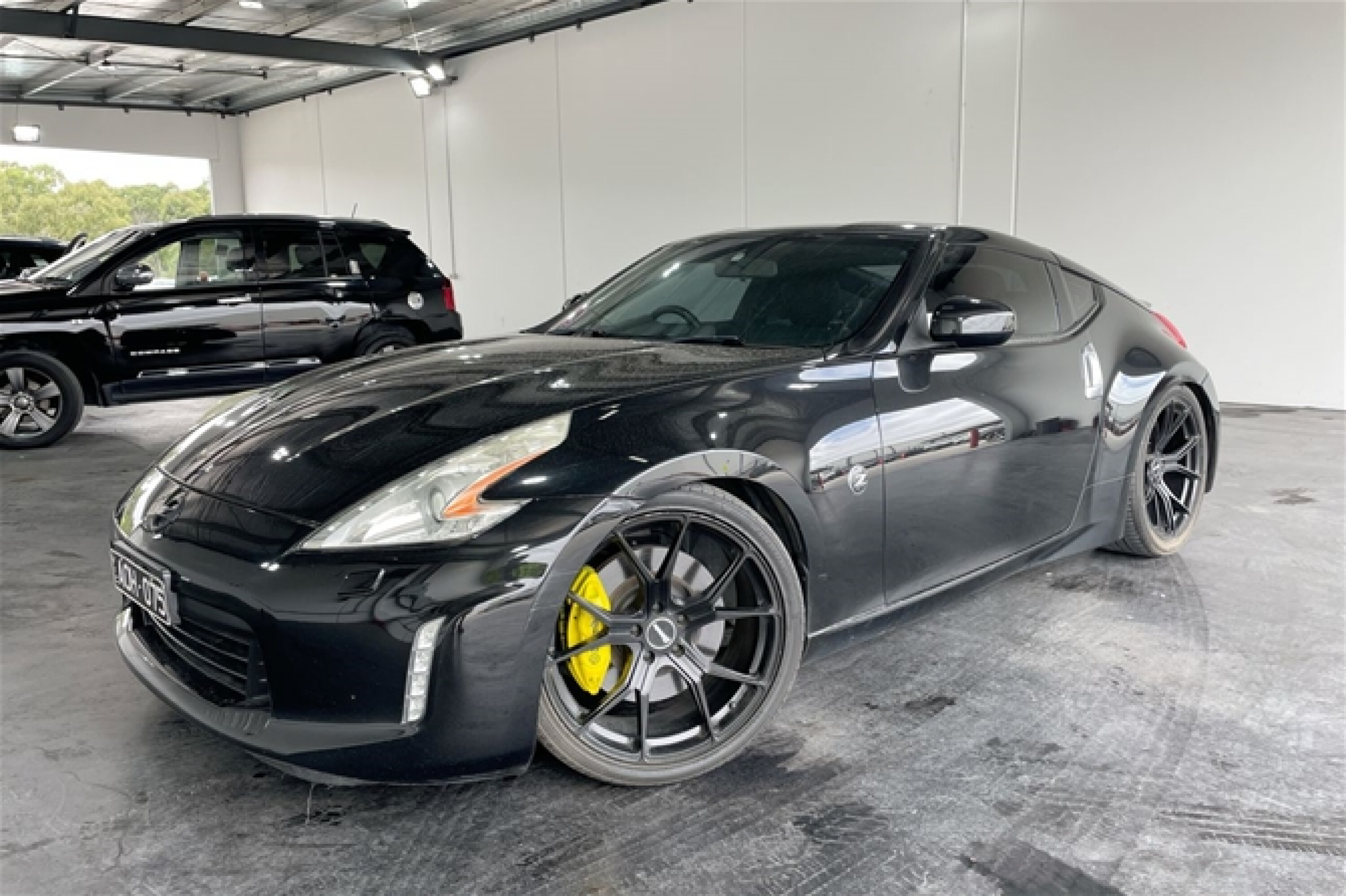
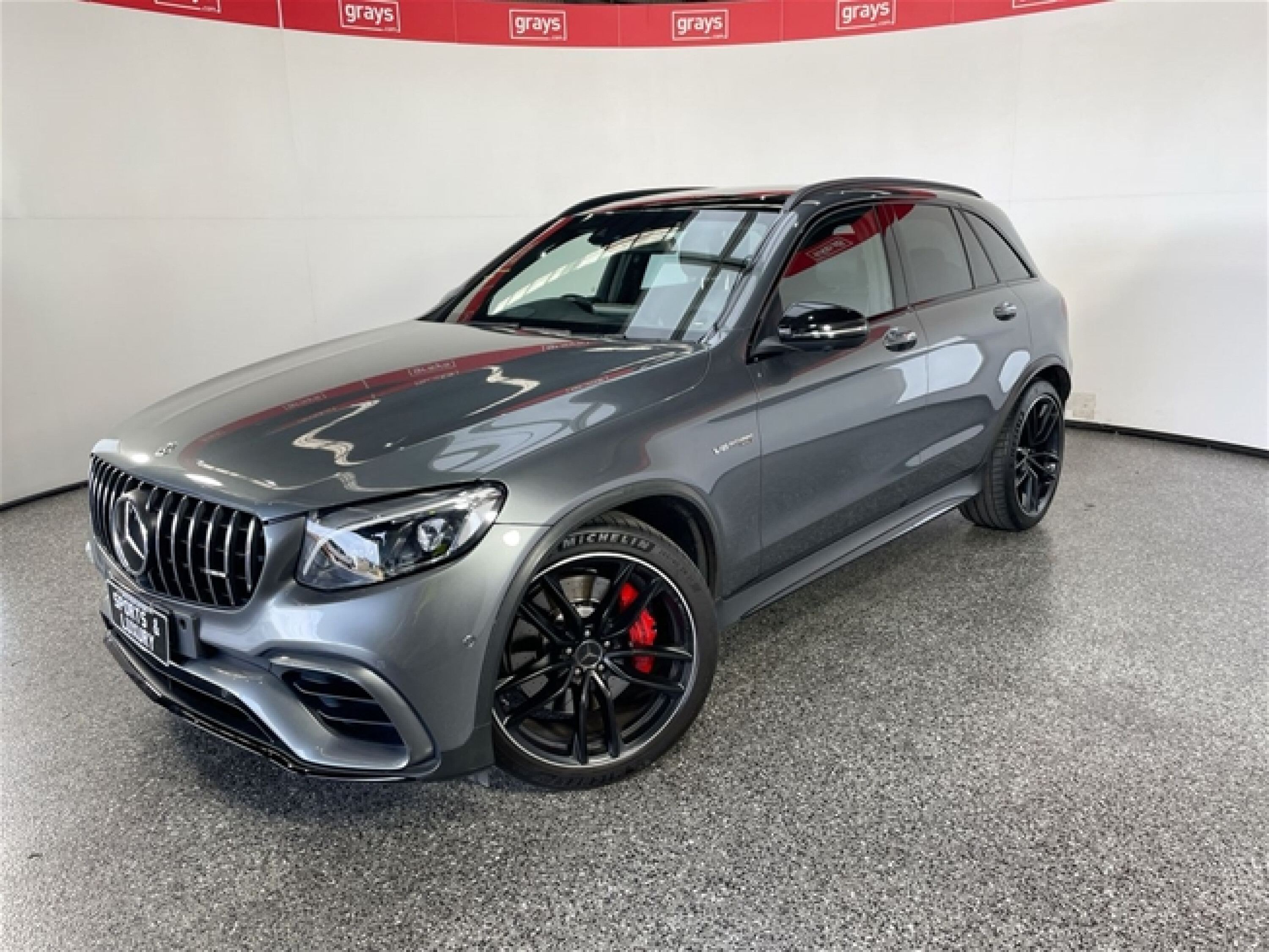
Grays continues to offer up many different curios and cars, all for those looking for a bargain, or something a little more unique. Here’s the latest we’ve selected.
2014 HSV Clubsport R8 Gen F
Getting into a manual V8 has become increasingly difficult, so here’s a little slice of Australian muscle history.
Jaguar desperately clung to its heritage and maintained a retro styling for a long while in the early 2000s, and this S Type is a prime example of keeping to the classics.
Mercedes has pulled back on plans to be EV only by 2030
The goal of EVs and hybrids accounting for 50% of sales has also been delayed by five years
Company CEO instead says Mercedes will adopt a flexible strategy to meet u201cpeaks and troughsu201d in EV transition
Mercedes-Benz has delayed its goal of becoming an EV-only brand by 2030 and now says it will produce combustion powered engines “well into” the next decade.
Weaker than expected demand for electric vehicles has driven the change, with Mercedes also pushing back its target of making EVs and hybrids 50 per cent of its sales by five years.
In 2023, electric cars made up 11 per cent of Mercedes sales in Europe while combined EV/hybrid sales accounted for 19 per cent.
Instead, Mercedes will adopt a flexible strategy as it reacts to “peaks and troughs” in the transition towards battery-powered vehicles says company CEO Ola Kallenius.
“We want to make clear to customers and investors that we will make use of strategic flexibility,” Ola Kallenius said. “As an incumbent you need to have a double hedge.”
1
Speaking to Reuters, Kallenius added further context around when Mercedes could make the transition to be fully EV: “It’s not going to be 100 per cent in 2030, obviously… from the whole European market, but probably from the Mercedes side as well,” he said.
Mercedes is the latest in a growing number of brands to react to slower than expected demand for electric cars.
Ford and General Motors have both delayed plans to build new EV manufacturing plants, while Ford has also slashed production of the electric version of the iconic F-150. After an initial surge in demand, sales of the F-150 Lightning have plummeted, forcing Ford to cut its planned production numbers by half.
Even EV heavyweight Tesla has warned it is expecting sales to grow at a much slower rate in 2024.
And while EV demand continues to grow from a low base in Australia, there are signs the local market could also be entering a bumpy period.
Several brands have made large pricing adjustments to key electric models, with Subaru being the latest to slash the price of the soon-to-arrive Solterra by $8000.
The Ford Mustang Mach-E, Tesla Model Y, Hyundai Ioniq 5 and Ioniq 6, GWM Ora and MG ZS have also received big price drops, sometimes by up to $10,500.
Mercedes currently sells seven electric-only passenger car models in Australia, with sales totalling 3118 units in 2023 or just under 13% of the brand’s total volume. Mercedes’ most popular EV model in Australia is the EQA which recorded 1196 sales last year.
Despite the shift in Mercedes’ global strategy, the brand’s local arm told Wheels “In Australia, the take up of Mercedes-Benz electric vehicles matches our planning and reflects what is happening in our market in general.”
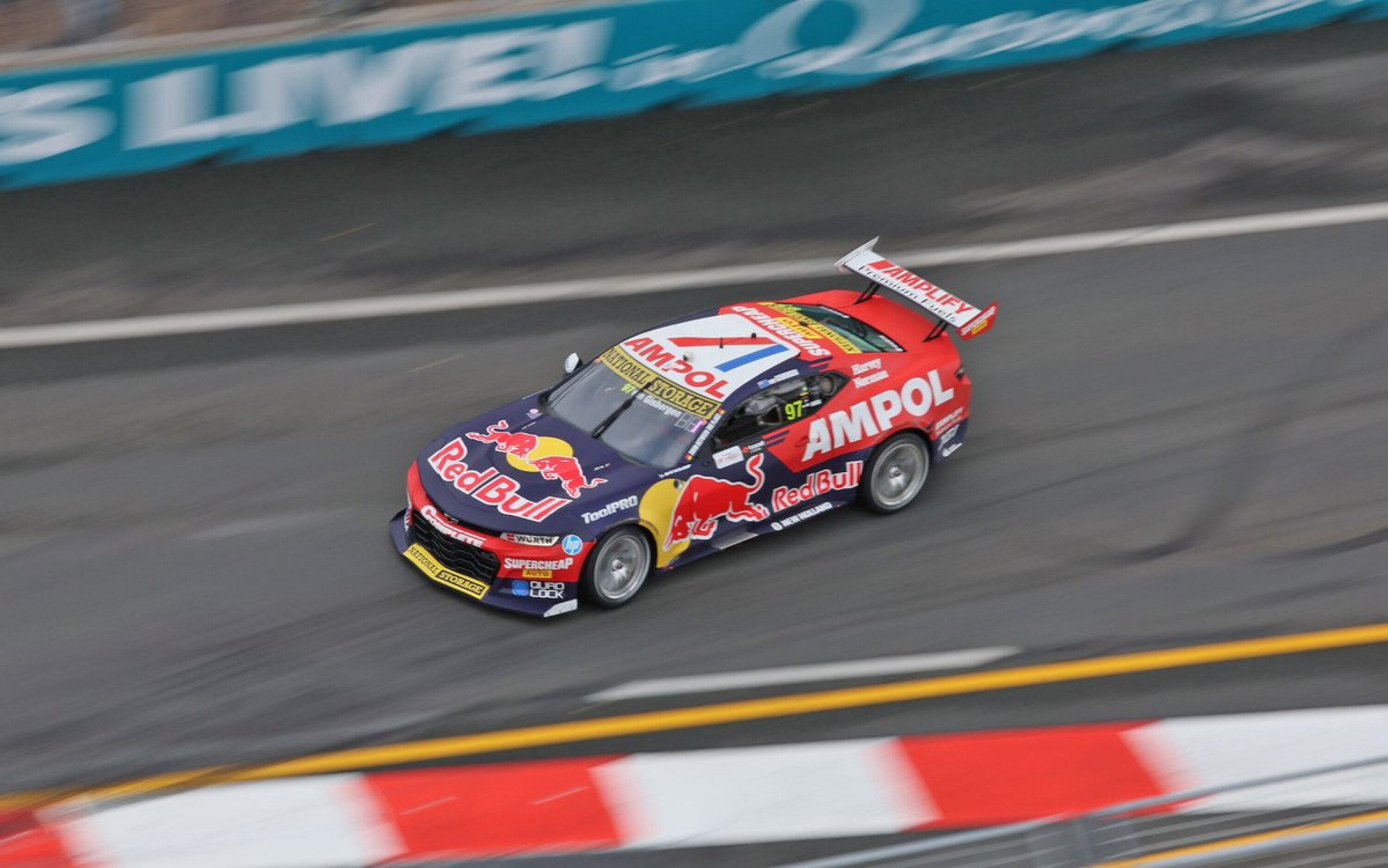
There are some serious nerves among teams, drivers and the Supercars organisation itself ahead of this weekend’s season-opening round, the Bathurst 500 at Mount Panorama.
Pit-lane upheaval and an off-season as dramatic as the racing itself has left even more questions hanging in the balance ahead of the first race – beyond the usual new driver and team combinations, which are there in abundance, too.
Here are 10 of the major controversies, questions and challenges going into the 2024 Supercars Championship.
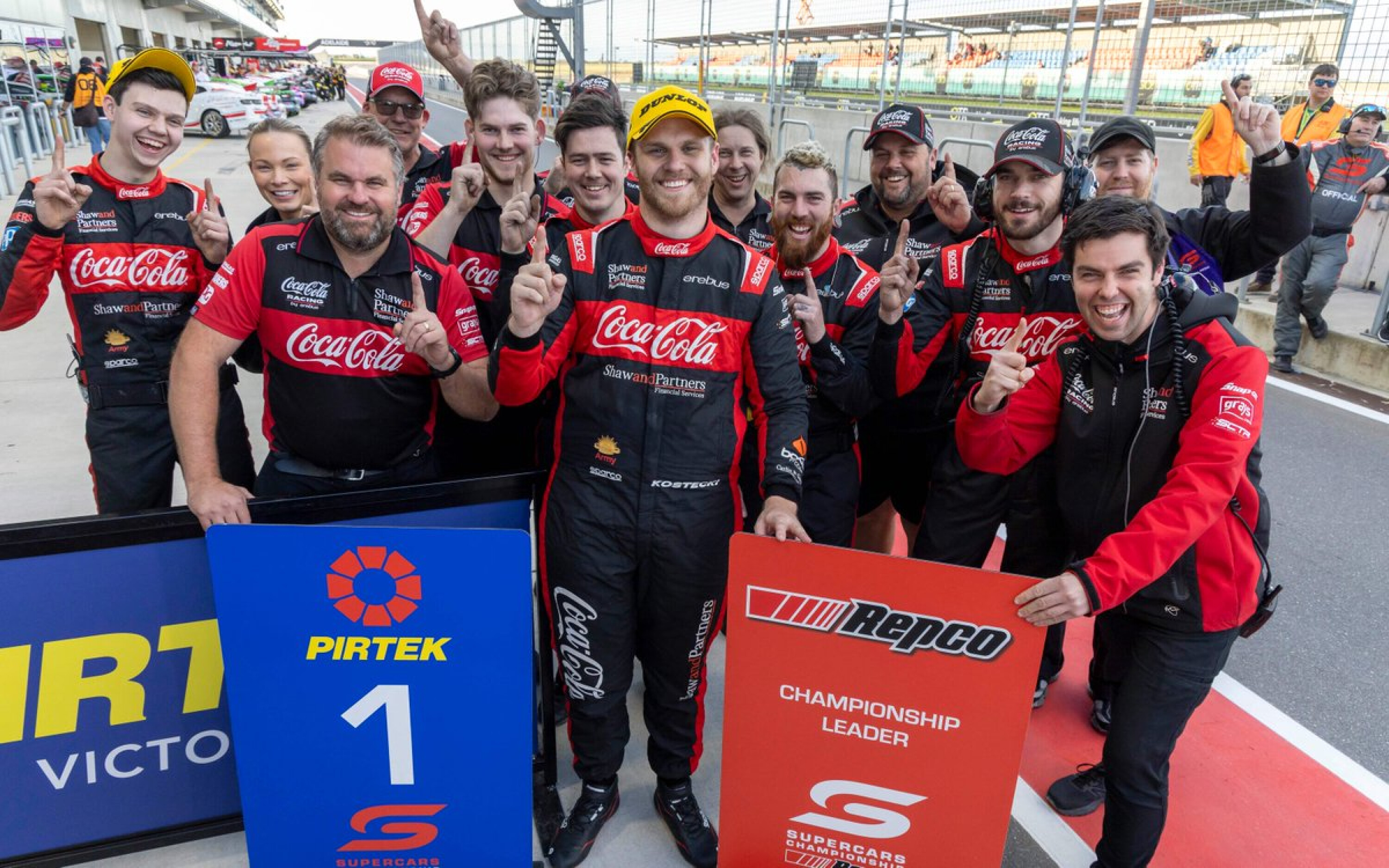
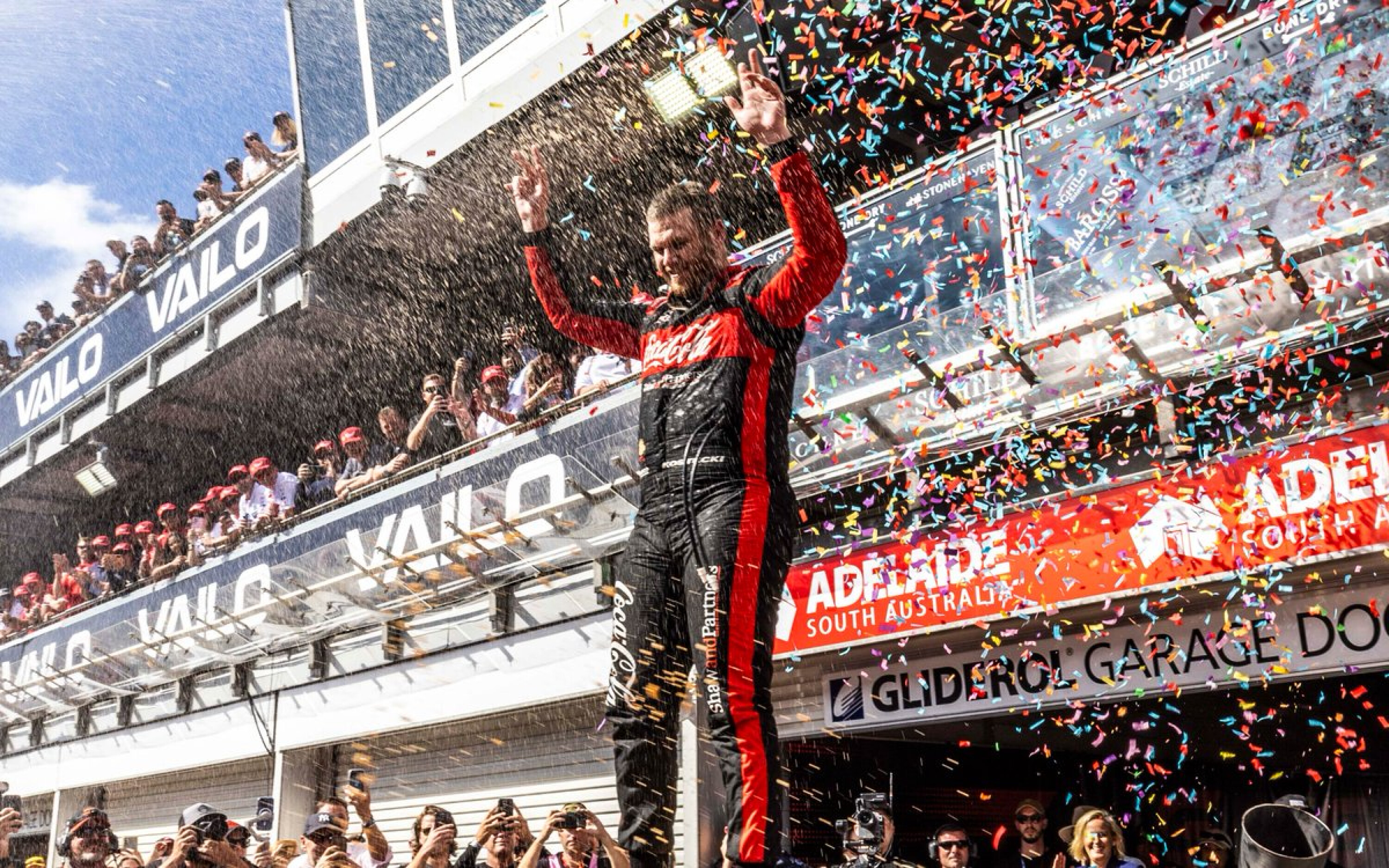
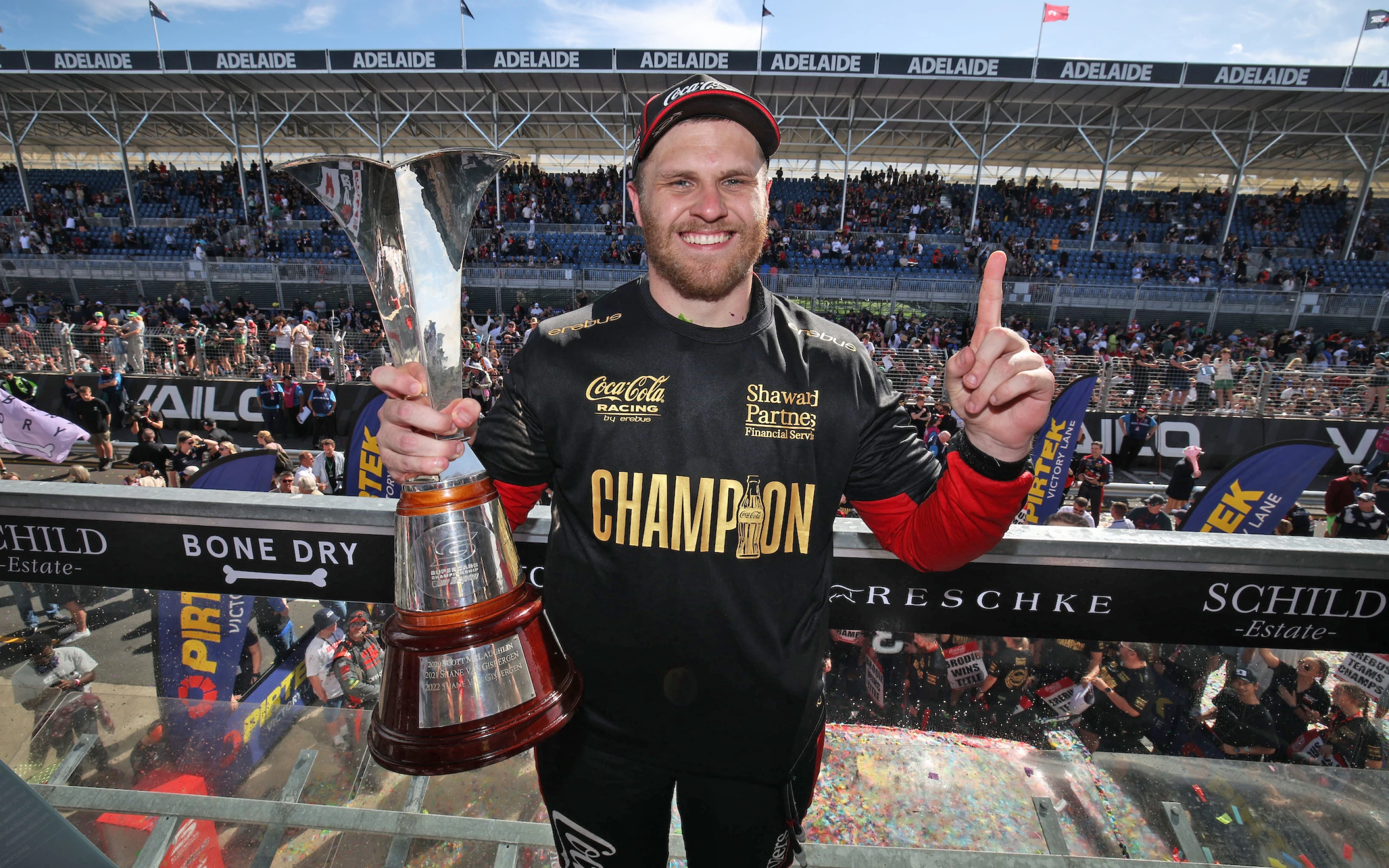
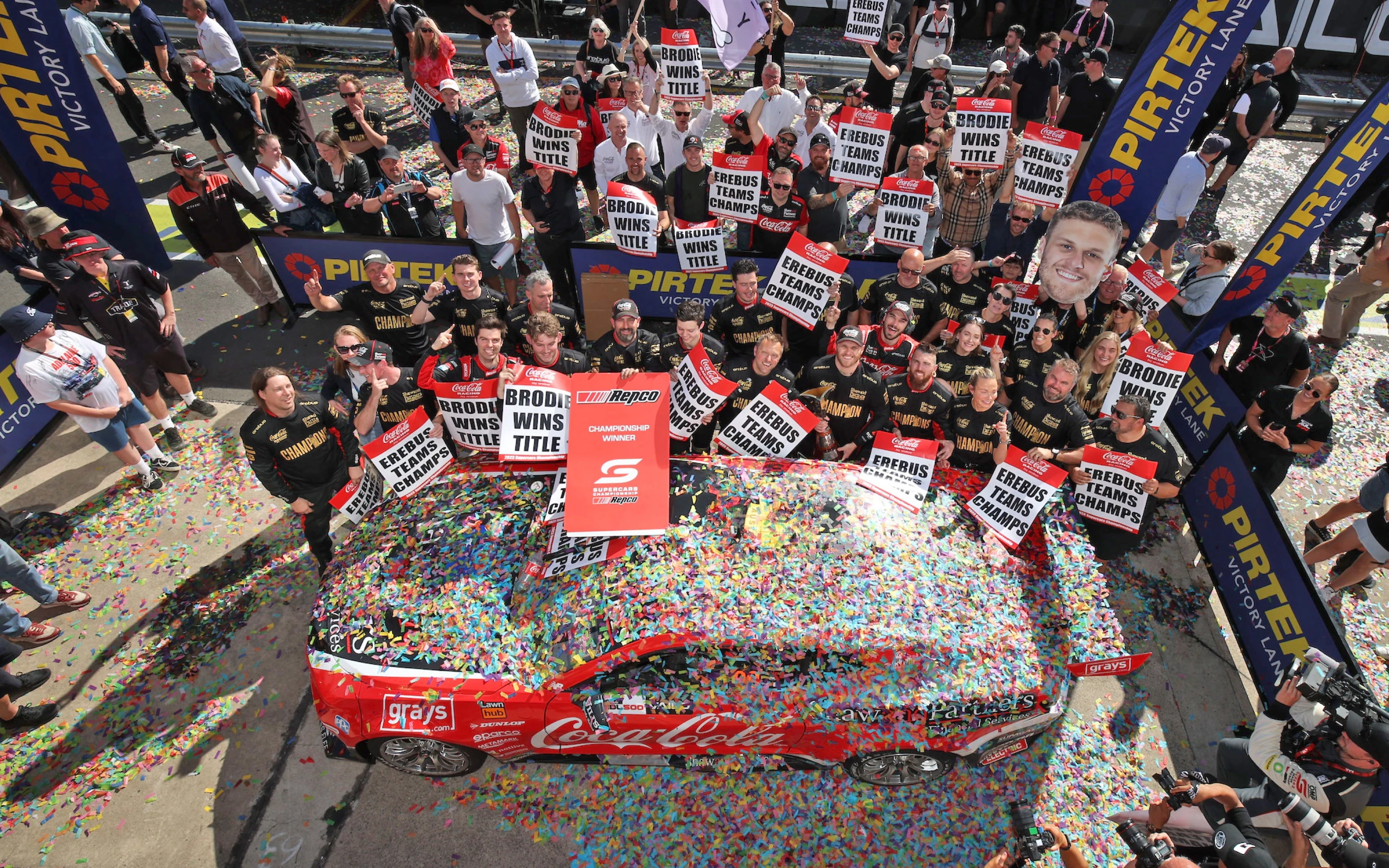
One of the biggest shocks in years, 2023 Supercars champion Brodie Kostecki will not be on the grid for Round 1 this weekend – and perhaps not at all in 2024.
Rumours of a serious rift between the driver and Erebus team manager Barry Ryan – supposedly festering since mid-last season – boiled over in the off-season.
Team-mate Will Brown also announced he was leaving the Erebus team last August despite both drivers being title contenders at the time.
1
The yet-to-be-revealed issues, subject to legal action, prompted Kostecki to march, Supercars to issue a strange open letter to fans which themselves only fuelled speculation and made the situation even more intriguing.
Will Kostecki return this year – if so, will it be with Erebus or will another team boss be able to coax him to a rival?
1
2. Coca-Cola changes its taste
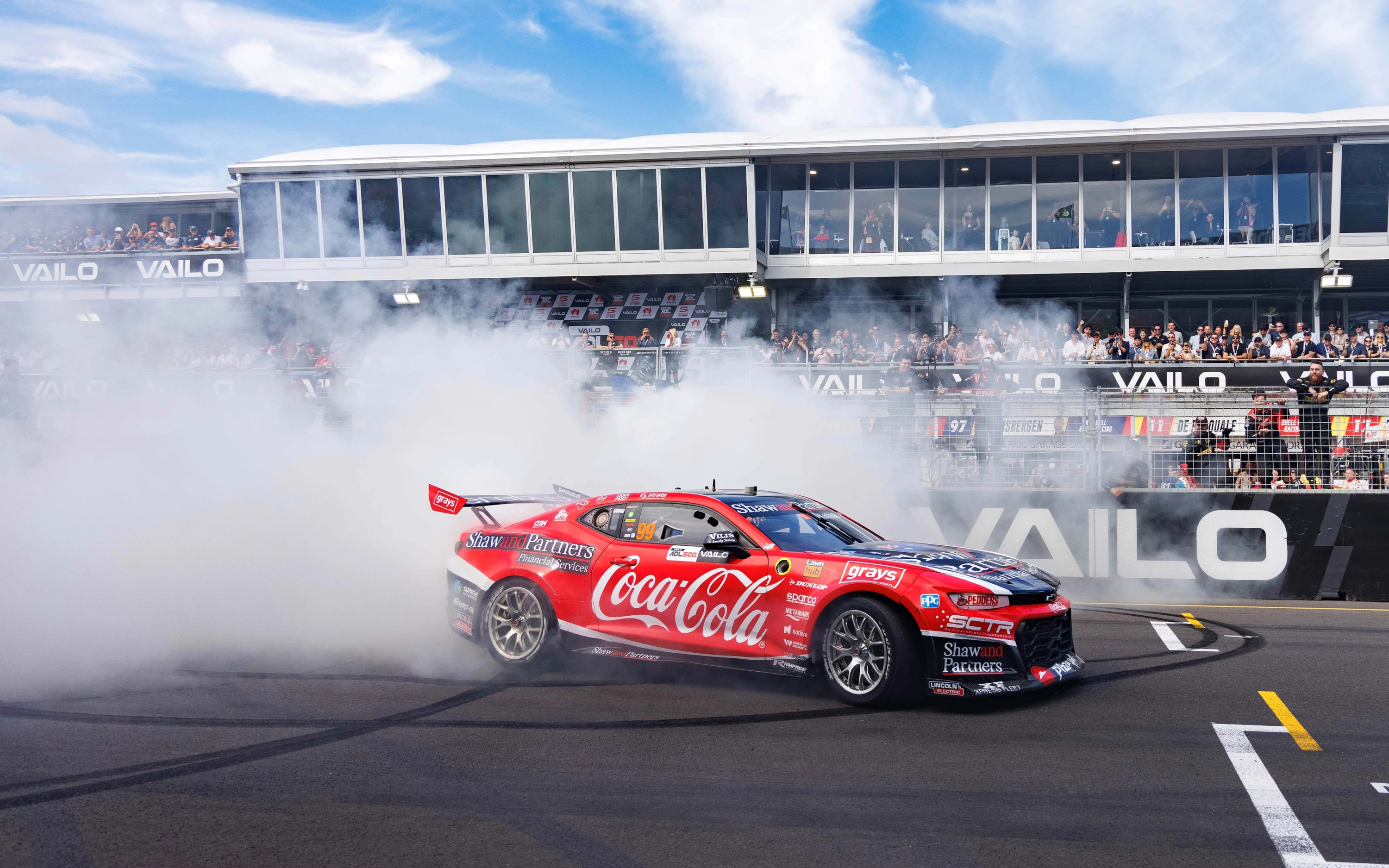
Days after Kostecki’s news, Coca-Cola pulled its naming-rights sponsorship of Erebus – despite the outfit winning both drivers; and teams’ titles in 2023 emblazoned with the soft-drink maker’s logo.
Adding insult to injury, Coca-Cola livery turned up on the back half of Thomas Randle’s 2024 Tickford Racing Mustang…
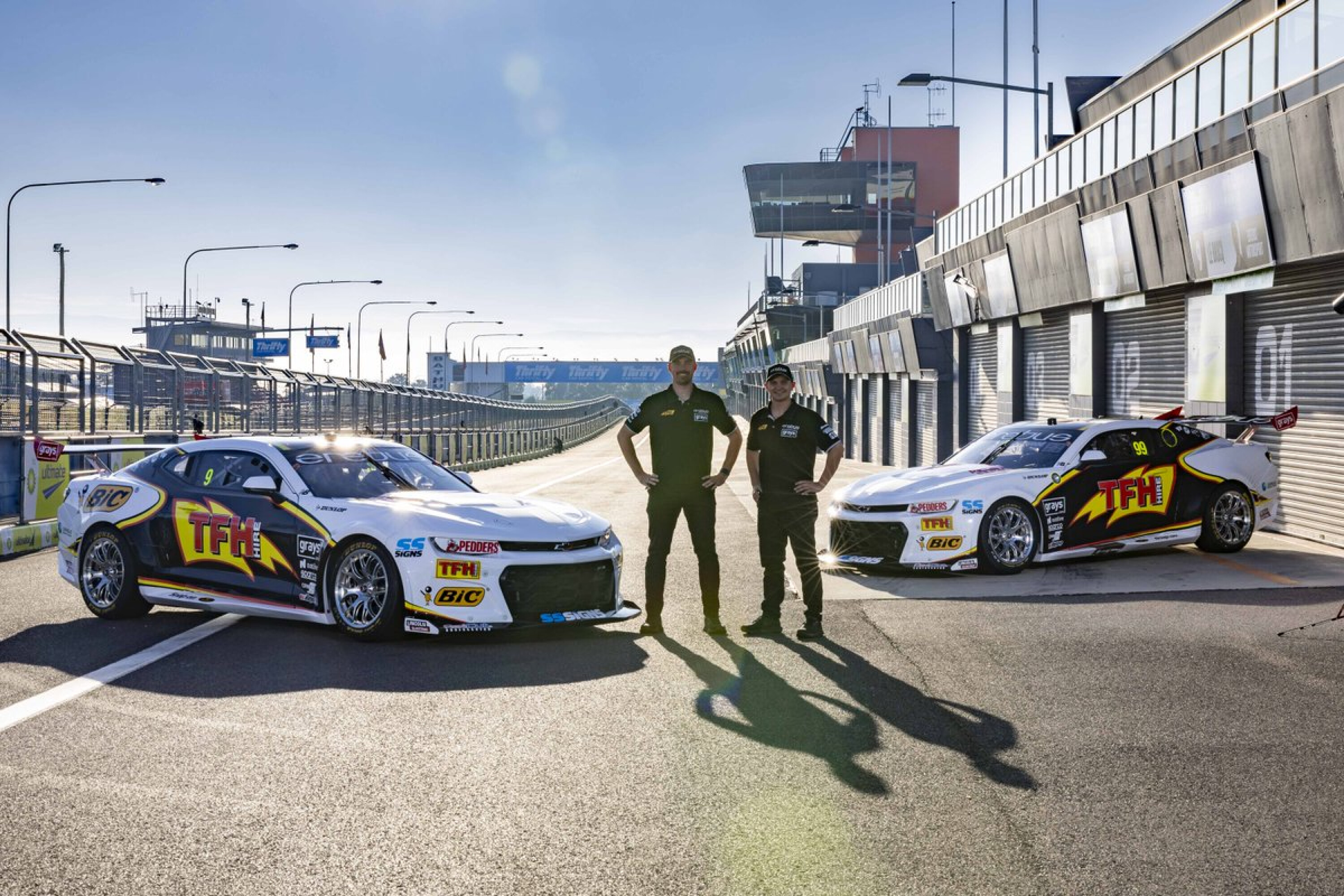
It made for an intriguing first test as the reigning champions rolled out a plain white, near-sponsorless Chevrolet Camaro – with Kostecki’s fill-in Todd Hazelwood cheekily wearing the number one on the car.
1
The team will not be permitted – by Supercars sporting regulations – to run number one this season, a privilege only afforded to the current champion, Kostecki.
Hazelwood is the second of two new drivers, with former Matt Stone Racing’s (MSR) Jack Le Brocq replacing the departed Will Brown.
The turmoil gives Erebus a point to prove at Bathurst this weekend – and beyond – to show if it can continue to be front-runner despite the controversy.
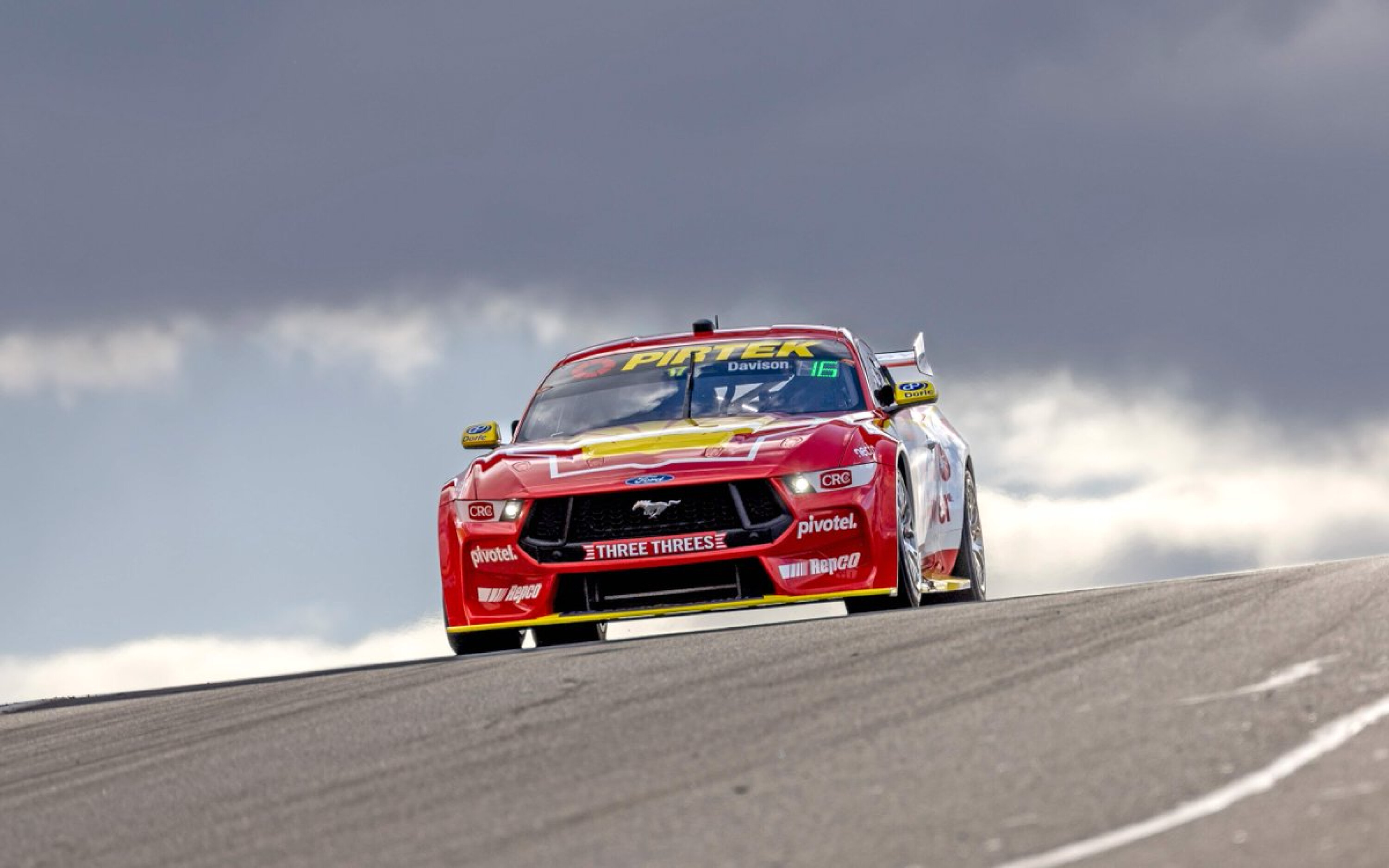
Ford did not win a race (barring an opening round Camaro disqualification) until July 2023 – and while it swept the final four of the season, the damage was already done.
A bitter parity feud divided fans and caused driver blow-ups on live TV, spilling over into press conferences as even more heated arguments raged behind closed doors.
To remedy this – after multiple changes to the cars throughout 2023 – the Mustang’s 5.4-litre V8 has been reworked in the off-season, with responsibility for it moving from Herrod Performance to Dick Johnson Racing.
1
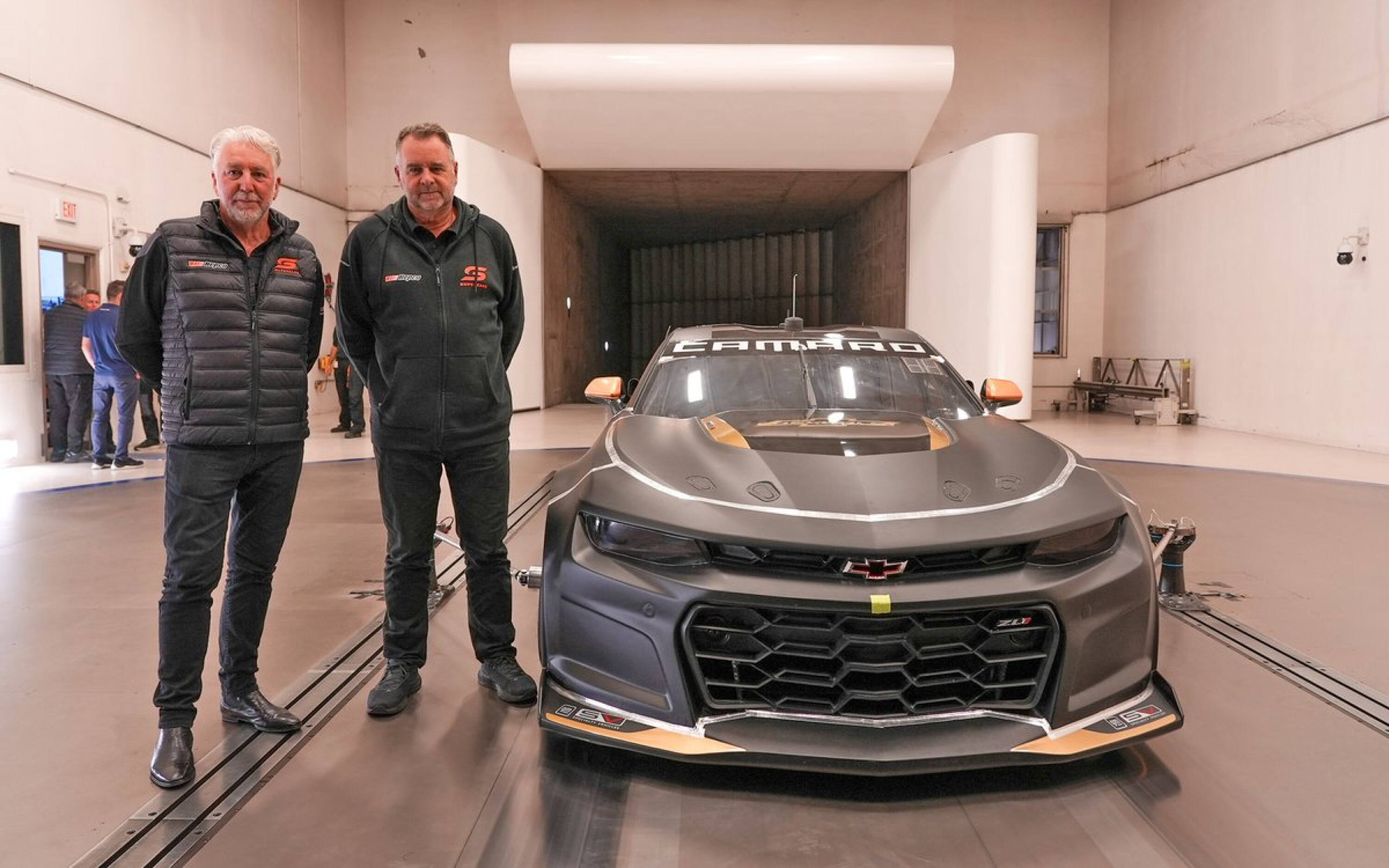
The Mustang and Camaro have also undergone new aerodynamic testing by Supercars in the US, something many in pit-lane have applauded as showing the category is genuine about having a level playing field between the two makes.
A seemingly resentful Ford has since pulled its Safety Car and other sponsorships from Supercars, and its US headquarters will watch this weekend’s round closely as a gauge to its future in the category.
Tim Edwards – who replaced Adrian Burgess as Supercars General Manager of Motorsport late last year – has a tough task to ensure the worm doesn’t turn too far the other way, too…
1
4. DJR’s guru quits…
If Lewis Hamilton moving to Ferrari is big, think of Ludo Lacroix leaving Dick Johnson Racing (DJR) as controversial as say Adrian Newey leaving Red Bull’s F1 team (an ongoing rumour).
Celebrated engineering guru Lacroix was an integral part of Red Bull-backed Triple Eight Race Engineering in the heydays of Whincup and Lowndes.
The Frenchman departed for DJR in 2017 as Scott McLaughlin arrived – the team having immense success with three teams and drivers championships as well as a Bathurst 1000 victory.
Every Scott McLaughlin Ford win was under Lacroix, taking nothing away from race engineer Richard Harris.
In 2023, DJR took only one race win.
Moving to PremiAir Racing – a team yet to get on the podium let alone win a Supercars race – presents an immense challenge but also a huge opportunity.
Can Lacroix make the difference? After all, talent draws talent…
1
5. …Yet DJR’s messiah returns
A familiar face returns to the DJR garage in Dr Ryan Story.
Story returns as Team Principal after stepping down at the end of 2020 due to health issues.
The proud South Australian combines an immense, number-crunching intellect with fierce competitiveness and formidable political acumen.
He consolidates the skill of the team, and his return to the DJR garage is a massive morale booster for the team – given the flat 2023 and the departure of Lacroix.
1
There’s also the challenge of the engine program and the aero testing as parity work continues on the Gen3 cars as they enter their second season.
They also come up on a reborn Tickford Racing as well as increasingly competitive Grove Racing outfit – that’s on top of Triple Eight’s consistent threat and champions Erebus.
“Ryan is like a son to me and to welcome him back into this role means the world to all of us,” said Dick Johnson, who still attends every Supercars round.
1
6. Shane van Gisbergen’s ever-long shadow
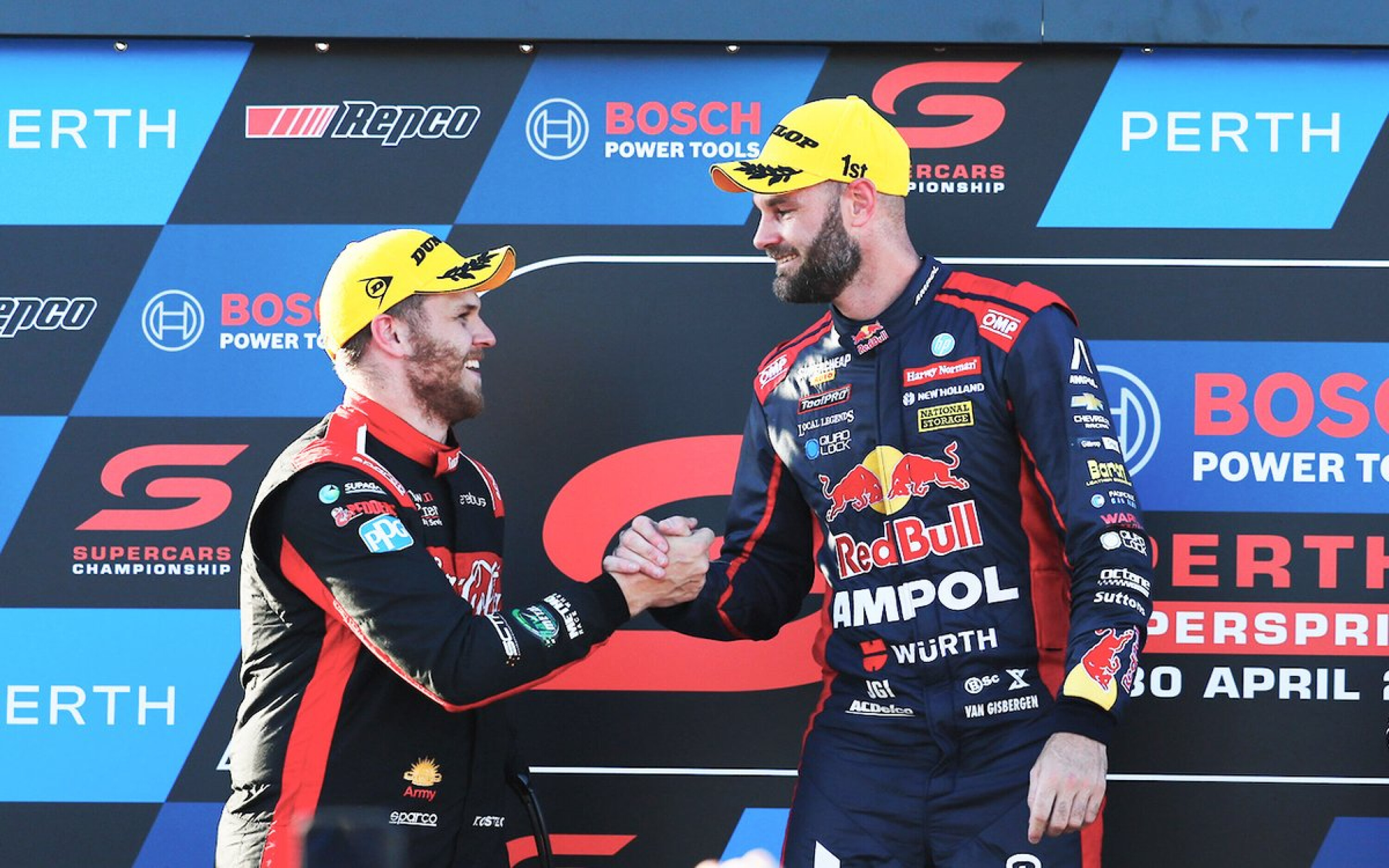
Who will fill Shane Van Gisbergen’s shoes? Universally praised as one of the best drivers in the world – especially after his astounding win on debut at last July’s NASCAR Chicago street race – the 34-year-old Kiwi’s star power will be sorely missed by fans and promoters alike.
Often painted the villain due to his shy, quiet demeanour yet ferocious competitiveness behind the wheel, van Gisbergen’s ability to make something from nothing – winning with a broken collar bone, performing miraculous overtakes and saving tyres for late-race sprints from behind – was a spectacle itself.
A leader out of the car, perhaps begrudgingly, SVG was mates with Kostecki, who as 2023 champion looked set to be the new pin-up – but that, too has gone awry.
2
It’s the second time in recent history – discounting Kostecki – a star with a large fan base has departed, after McLaughlin’s move to NASCAR at the end of 2020.
Will Brown takes SVG’s seat at Triple Eight Race Engineering, but, while likeable, he’s yet to establish himself as the new king – if he can.
Ford’s Chaz Mostert is a fan favourite, as is Cam Waters – and then there’s Randle, as well as rookies such as Ryan Wood at Walkinshaw Andretti United who could steal the show.
Yet how do you replace a once-in-a-generation talent like SVG? Simple: you don’t even try.
1
7. Will Brown vs Broc Feeney at Triple Eight
Will Brown secured the most coveted seat in pit-lane when he confirmed he’ll be taking Shane van Gisbergen’s vacant seat at Triple Eight Engineering in 2024.
He’ll drive alongside incumbent Broc Feeney – who’s fast become part of the furniture at the team with six Supercars wins and impressive results in GT Racing.
Feeney is used to being the up-and-comer, the new kid on the block at the Banyo, Queensland-based squad.
Having one of the greats – van Gisbergen – on the other side of the garage has been a blessing and a curse, a measurable yardstick also bringing inflated performance expectations.
1
With van Gisbergen now in NASCAR, the arrival of Brown – who battled Kostecki for the early 2023 championship lead – could be a thorn in the side of Feeney’s already impressive career.
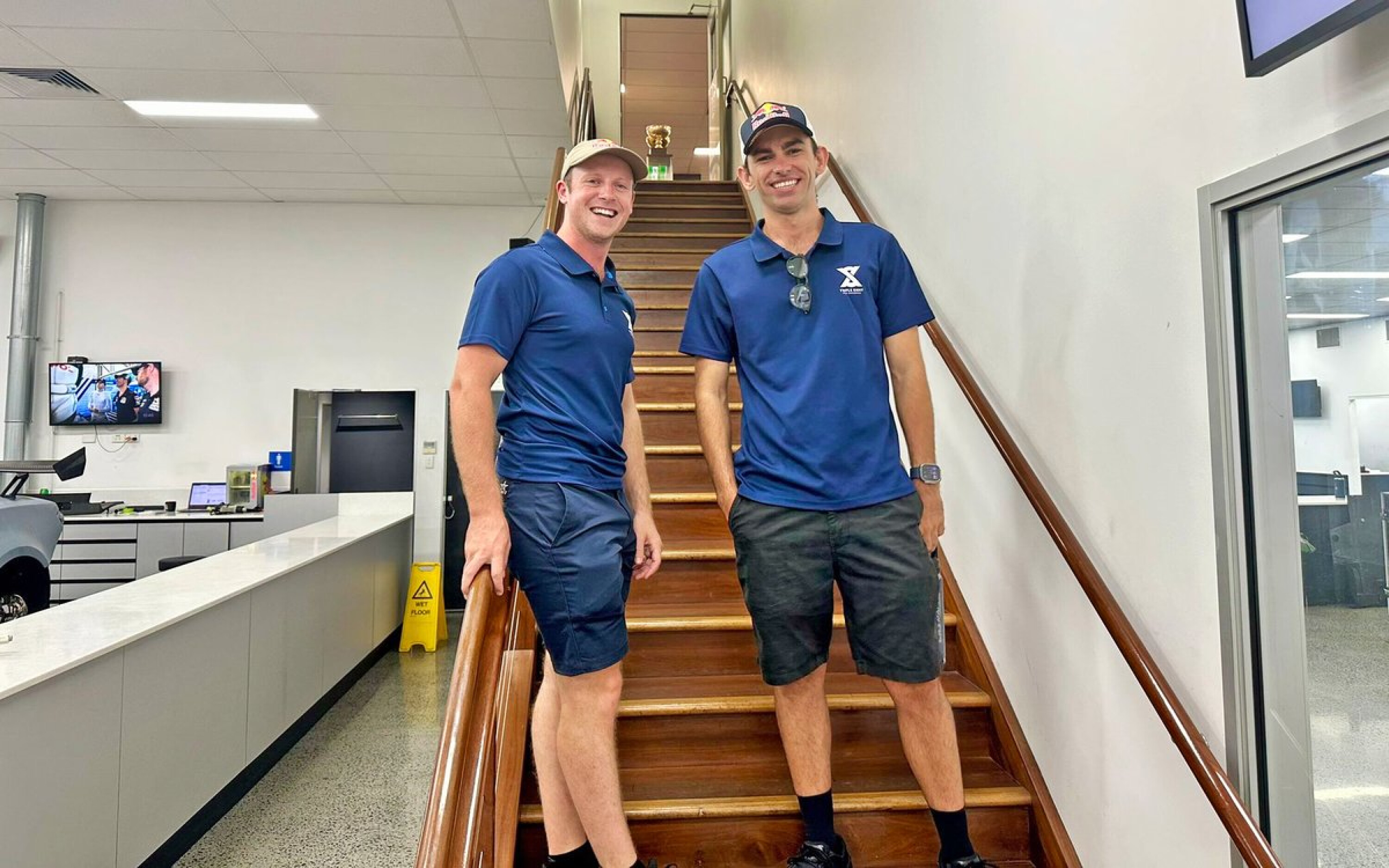
Red Bull has a history of (mostly) being able to manage two highly competitive drivers at the same, and the jovial Brown and Feeney appear to have got on well in pre-season promotions.
Yet once the helmets are on, the battle between the pair to assert dominance in the Triple Eight garage will begin.
1
8. Tickford halves its team, adds new CEO
Tickford Racing has downsized from four to two cars – the first time since 2015 – with Cam Waters and Thomas Randle in the #6 and #55 Mustangs.
That will put Randle – in his third full-time Supercars season – under the spotlight against the supremely quick Waters, with the team facing fewer distractions managing two gun drivers instead of a group of four.
Tickford also has a new CEO – Simon Brookhouse, who replaces Tim Edwards after 19 years with the team.
1
Brookhouse’s appointment follows the trend set by DJR in hiring a sports administrator – in its case, former AFL Kangaroos coach David Noble – to head its operations.
Brookhouse comes from building the Tasmanian National Basketball League team, the JackJumpers.
With no Edwards, fewer cars and a new leader – as well as that somewhat sudden Coca-Cola cash – where will Tickford end up in 2024?
1
9. Redemption for Richie Stanaway
New Zealand fans lamenting the loss of SVG have a driver who is even more quietly spoken yet is seeking racing redemption.
Stanaway arrived in 2017 with an impressive resume, including wins in Formula One-feeder series GP3 and GP2, and a victories in the World Endurance Championship with Aston Martin.
His win in the Sandown 500 that year with Waters looked ominous, but after two full-time seasons – one with Tickford who dropped him before he was picked up by Garry Rogers Motorsport – Stanaway was left without a drive.
1
It was countryman van Gisbergen who brought Stanaway back into the fold, the pair combining to win last year’s Bathurst 1000.
Yet the role of an endurance co-driver is significantly different to the demands of a full-time gig, and Stanaway has a serious point to prove.
Helping him is an ambitious Grove Racing outfit that’s on the rise – having won the last race of 2023 – and the fact that Stanaway makes his first full-time return at the site of his last Supercars race, that victorious Bathurst.
1
10. No clear title contender: The most open championship in years
Kostecki’s absence and SVG’s move to NASCAR means Broc Feeney will be the highest-placed 2023 championship finisher of those on the grid at Round 1.
The most recent champion in the 2024 field? Mark ‘Frosty’ Winterbottom, now 42 years old, who took the title almost a decade ago (2015).
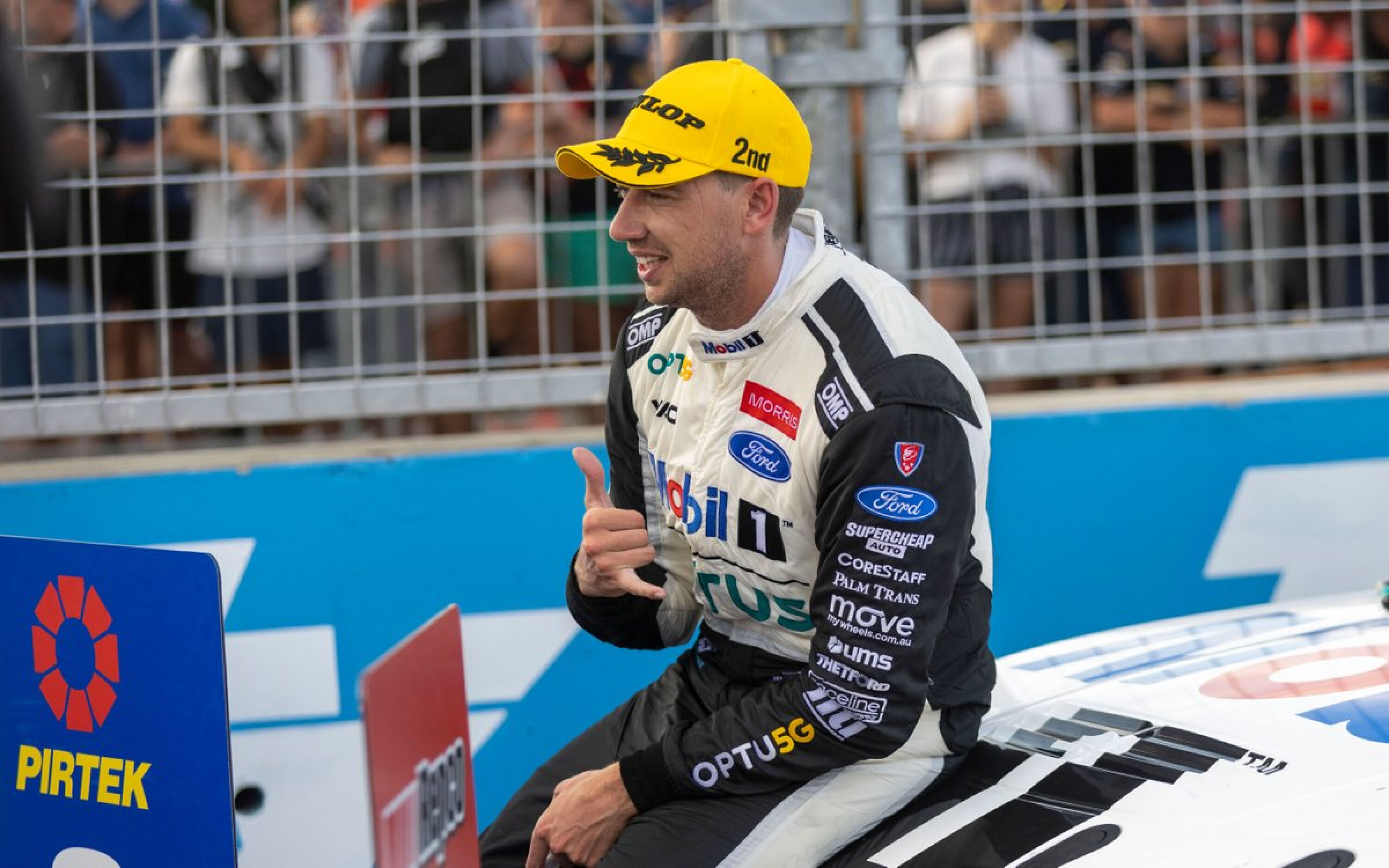
With Kostecki’s 2024 season up in the air, talk has moved to Ford drivers Chaz Mostert and Waters as title favourites, as well as Red Bull Ampol Racing’s Will Brown and Broc Feeney.
1
But where will Erebus end up? Or Team 18, winners in Darwin last year who now have David Reynolds alongside Winterbottom; and Blanchard Racing Team (BRT) where James Courtney has taken arrived with a second car?
Can any of the three 2024 Supercars rookies – Ryan Wood, Aaron Love and Jaxon Evans – make a significant impact?
Yet again, there’s no clear driver – like van Gisbergen, McLaughlin, Whincup or Lowndes of years before – to take the title, and that’s not a bad thing.
Small-car sales might be on the decline, with small sedans an even smaller slice of that shrinking wedge, but Hyundai is maintaining its product offensive by facelifting the i30 sedan range for 2024.
Just over three years since the original lobbed here – replacing the Elantra nameplate with ‘i30 Sedan’ solely for Australia – a mid-life facelift has arrived, incorporating many of the engineering enhancements of the new-generation Kona, as well as an extensive restyle, new drivetrains and a line-up reshuffle.
The timing couldn’t be more perfect as the existing i30 hatch – which accounts for 84 per cent of total (non-N) i30 sales in Australia – is currently in runout as it transitions from Korean production (which finished in December) to being sourced from the Czech Republic.
1
Refreshed hatch models – featuring more efficient, more sophisticated drivetrains, and likely price increases – won’t come on stream until around mid-year, which gives the 2024 i30 sedan several months of clear air to assert itself.
Not every variant will be available from launch, however. The standard 2.0-litre i30 sedan range – running the same 110kW/180Nm 2.0-litre ‘Atkinson cycle’ petrol four-cylinder as the new base Kona, with an impressively re-engineered automatic continuously variable transmission (CVT) replacing the previous six-speed auto – is already on sale in three variants (base, Elite and Premium).
The newly introduced hybrid is currently only available in base i30 sedan form – the Elite and Premium hybrids are some months away, with pricing still to be announced. And while the 1.6-litre turbo-petrol i30 sedan N-Line has had its pricing revealed, supply is essentially still on the boat.
1
Visually, the new i30 sedan is pretty easy to spot, and not just because its styling is significantly altered.
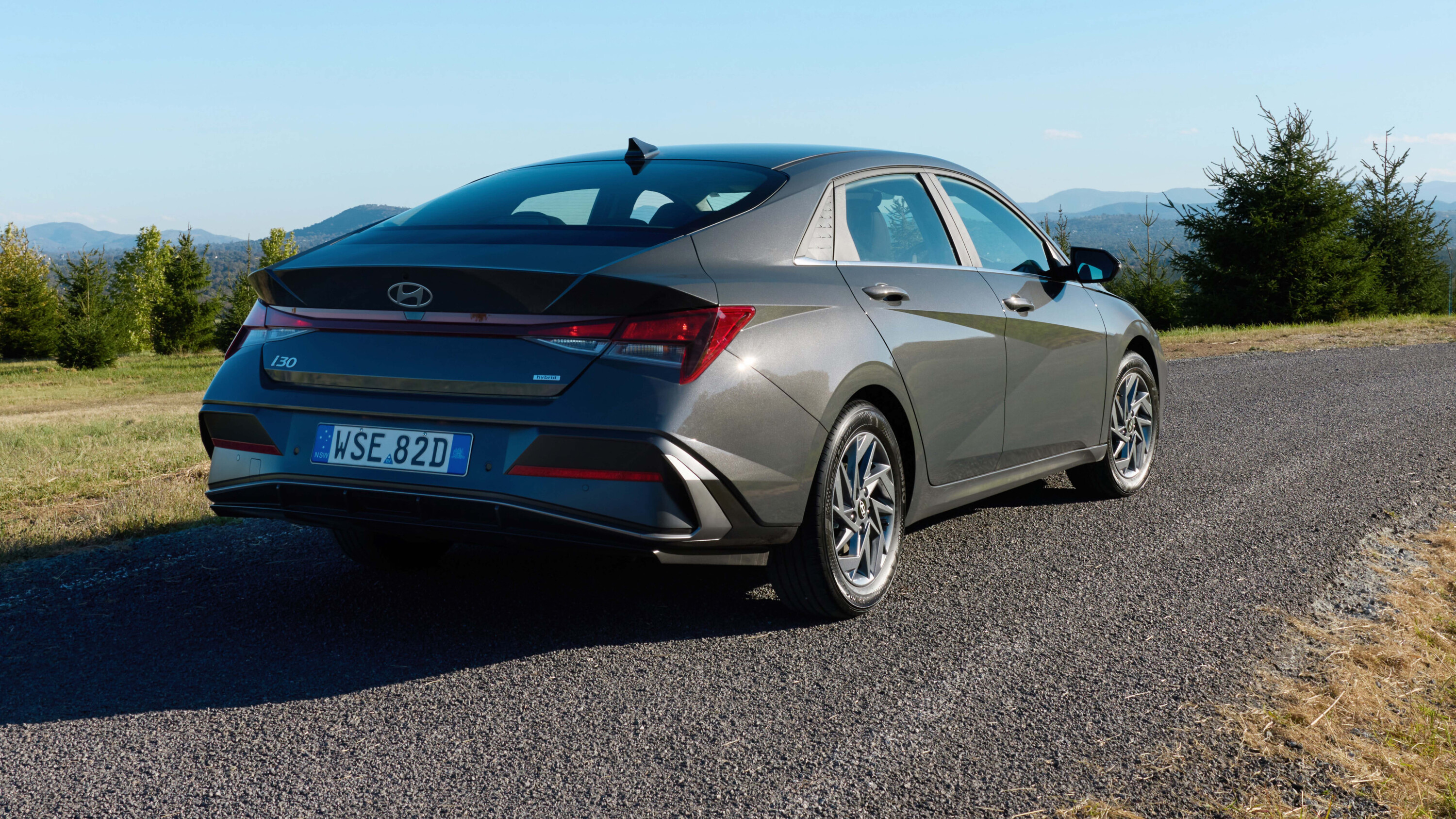
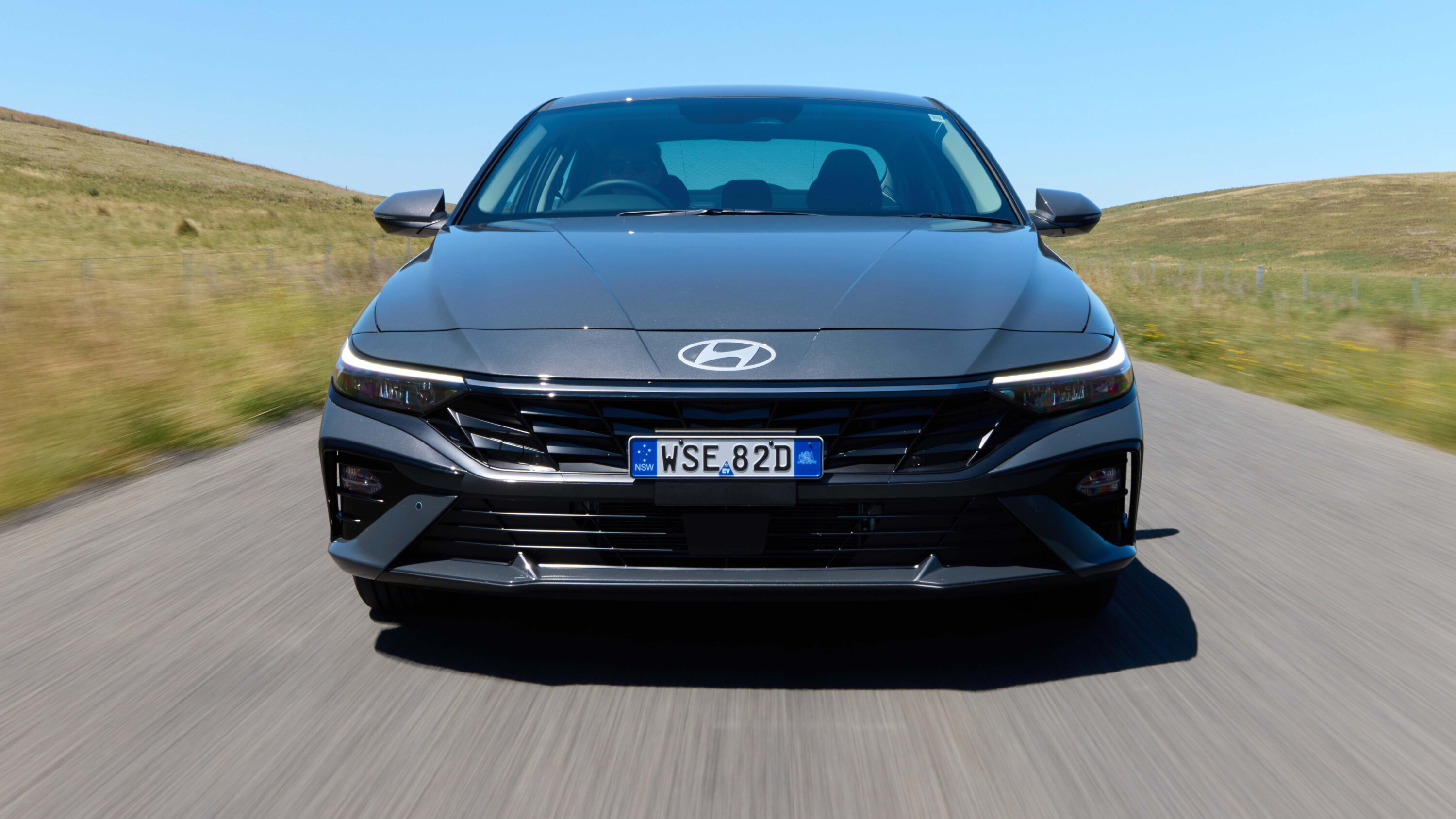
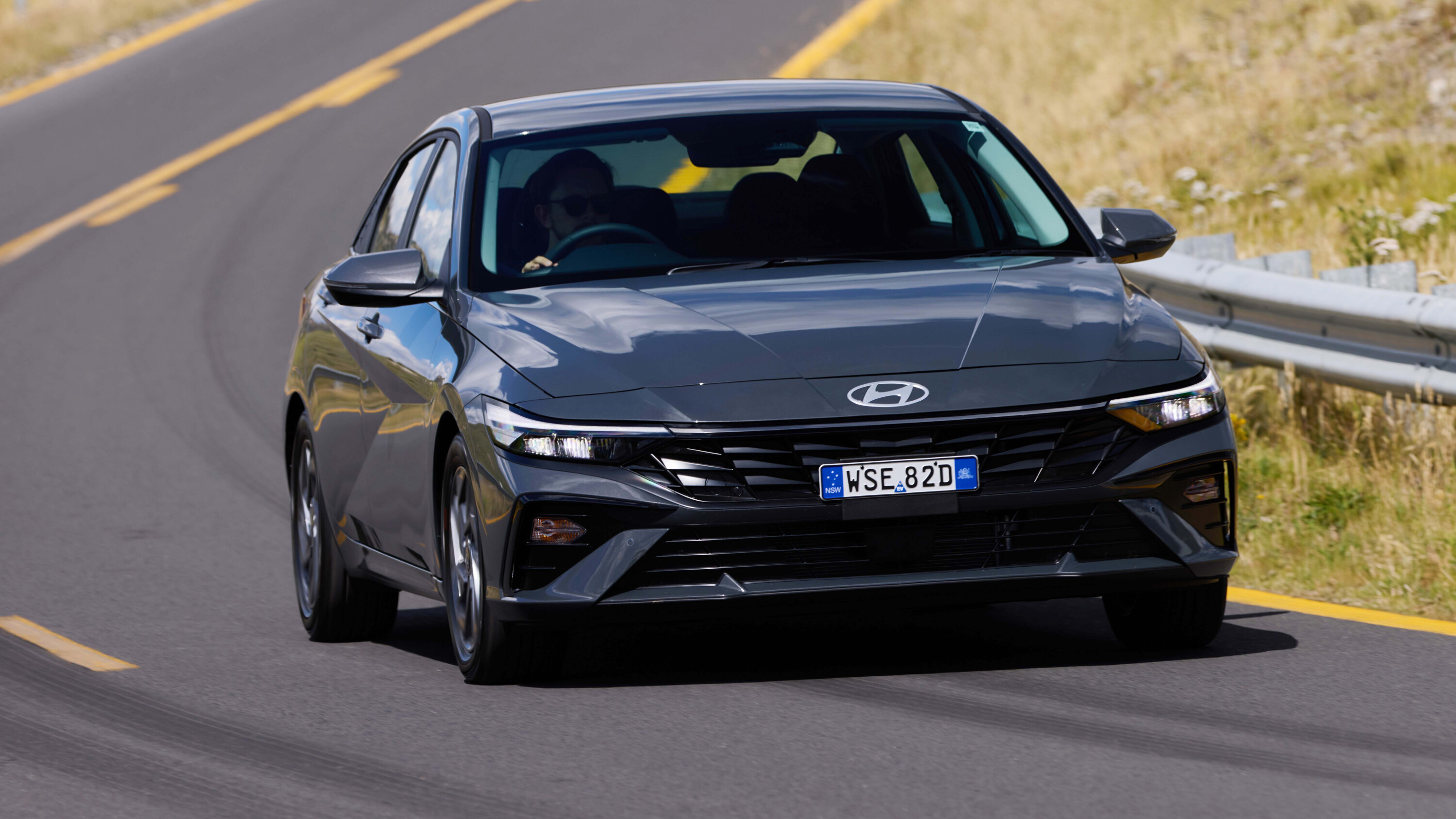
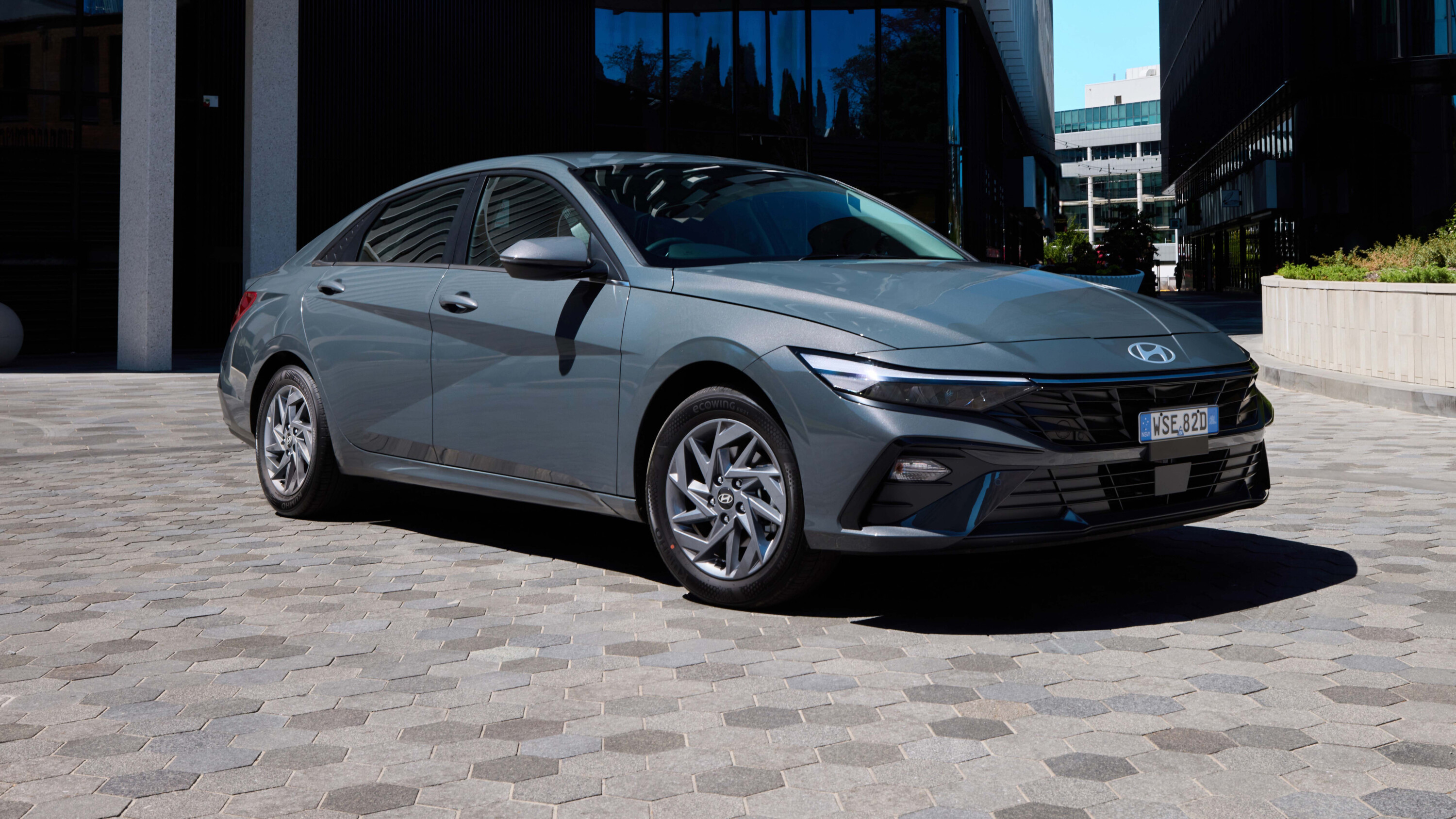
Its ‘Parametric Dynamics’ design language features striking sheetmetal creases – further enhanced by the 2024 model’s new horizontal front-end treatment – and its fastback-like silhouette stretches to a 4710mm length, making this ‘small’ sedan essentially medium-sized.
There’s no mistaking its sharp new LED headlights with matching daytime running lights, parametric-patterned grille and more aggressive lower section with air curtains at each side, as well as Hyundai’s new flush bonnet logo.
1
From side-on, there’s a new parametric-patterned garnish in the C pillar and new alloy wheel designs (grey 16-inch for the base sedan, bladed machine-faced 17s for Elite and Premium). And at the rear, a broader lower diffuser with silver highlights.
It’s all quite interesting, and definitely not bland, but the base version reeks of rental car austerity, and even the Elite and Premium still look rather ‘American’.
Thankfully, the N-Line is a completely different ball game, with a genuinely sporty and tough appearance that’s incredibly close to the actual N model in its blacked-out aggression and muscular stance. Wearing meshed 18-inch wheels and deeper front and rear bumpers, it’s the yang to the regular i30 sedan’s yin.
The new i30 sedan hybrid is $4000 more than the base 2.0-litre CVT petrol ($29,000 before on-road costs), though that brings more than just the new efficiency-focused drivetrain.
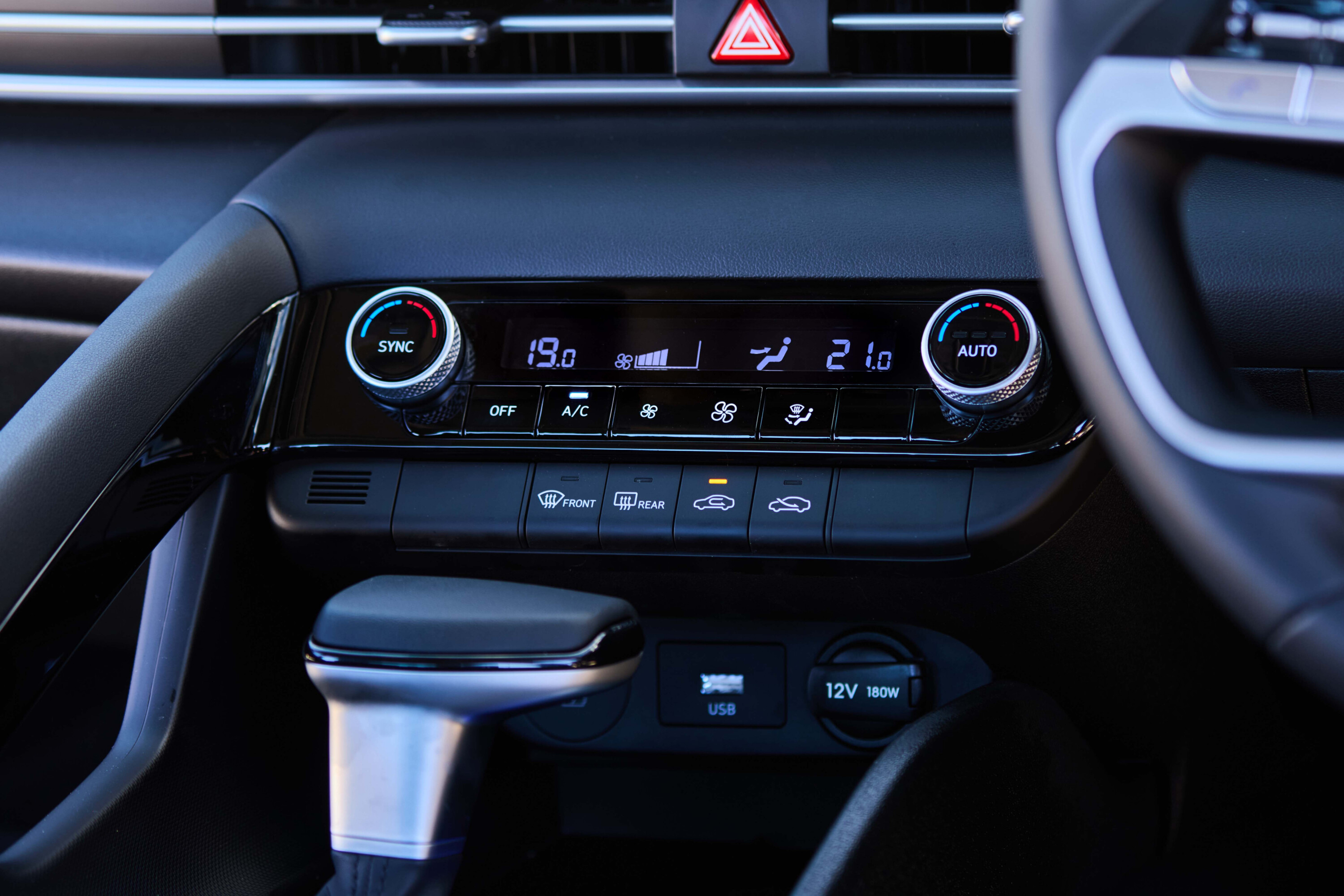
In place of the 2.0-litre’s torsion beam rear axle is a multi-link independent set-up, as per the turbo-petrol N-Line, and the hybrid also gets dual-zone climate control, auto defog and humidify functions, as well as rain-sensing wipers plus an obligatory bootlid badge.
All that joins a fairly extensive array of equipment for an entry-level model – especially one costing just $33,000 before on-road costs.
1
Safety-wise, the i30 sedan hybrid scores six airbags
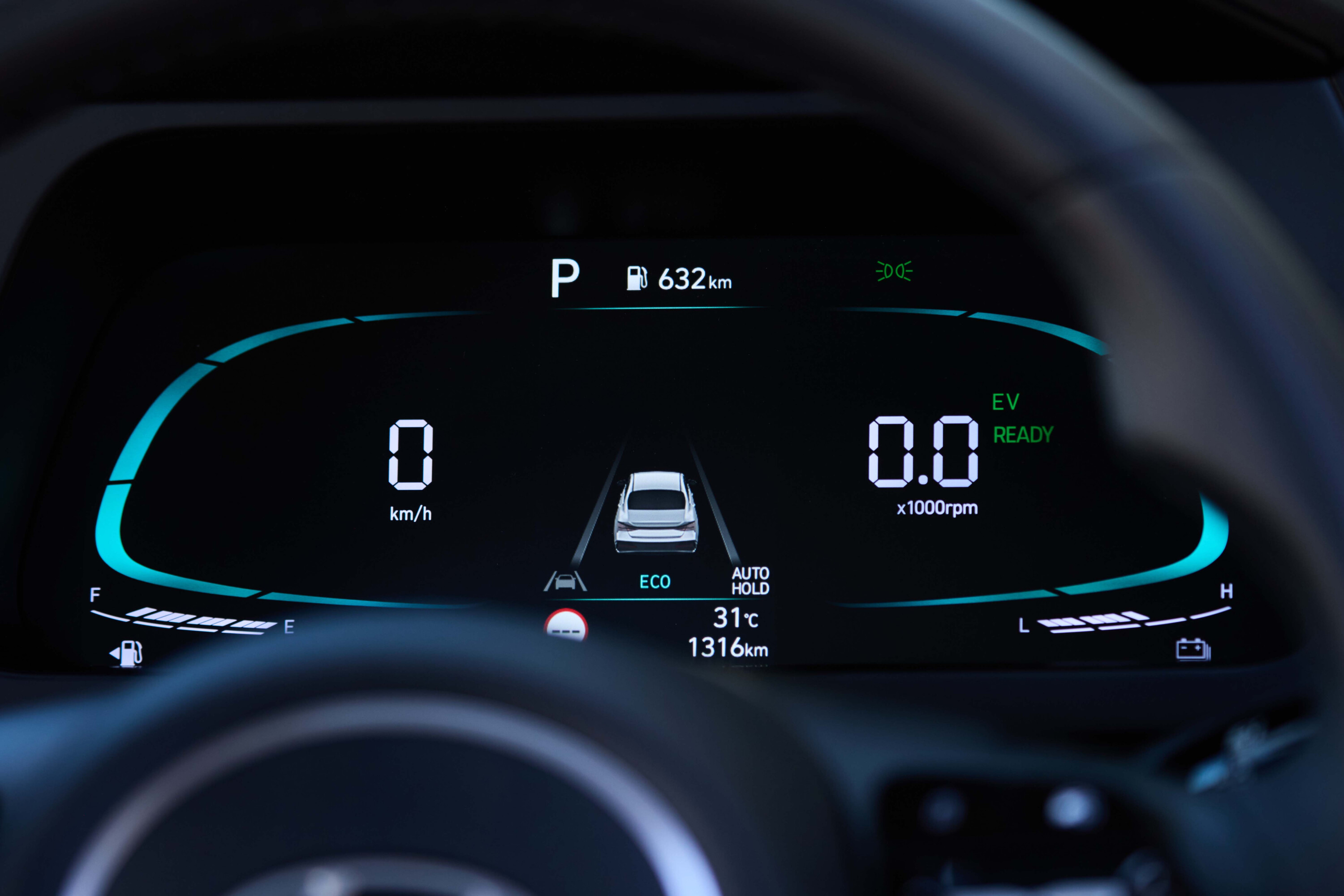
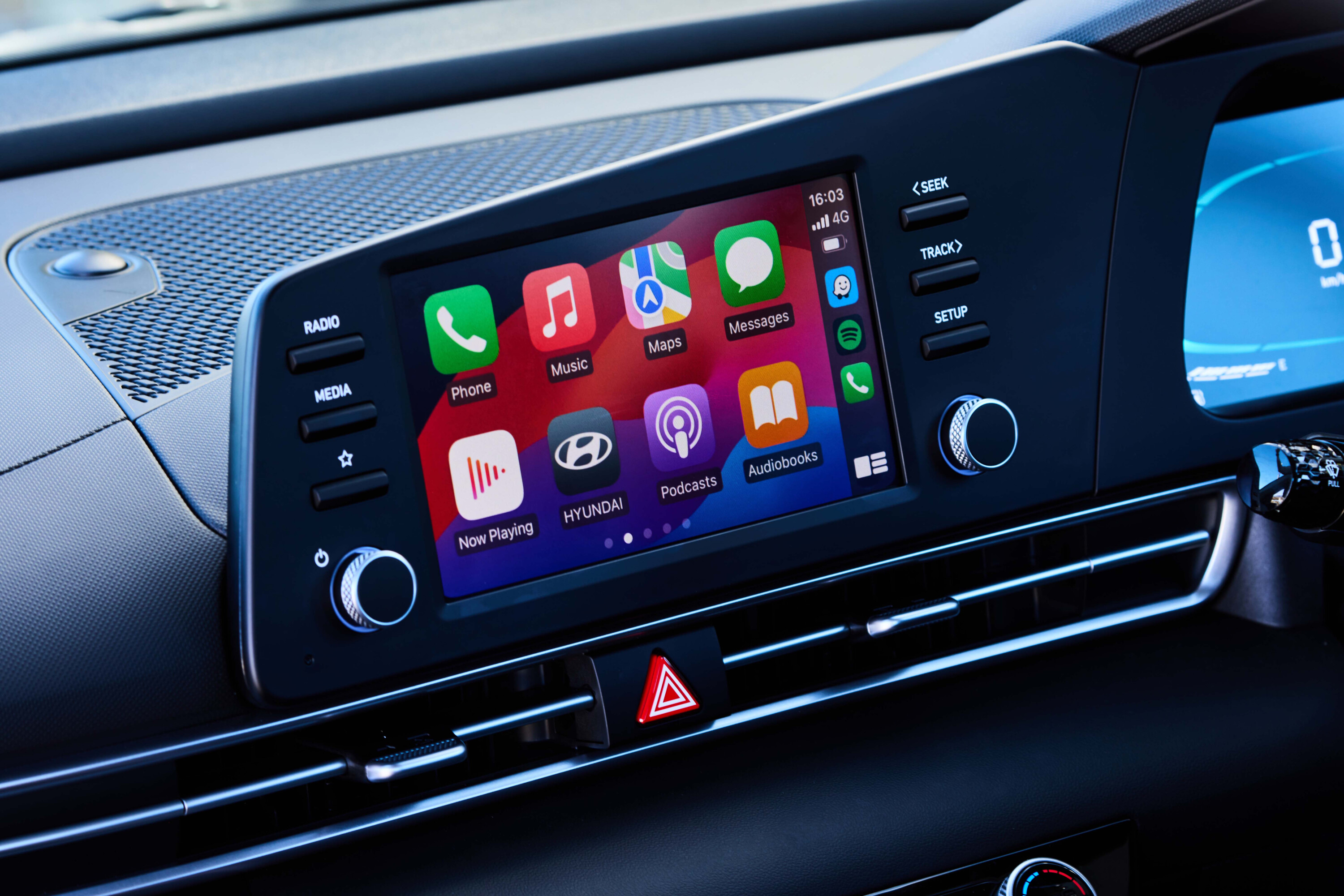
This includes satin-chrome 16-inch alloys, front and rear parking sensors, adaptive cruise control with stop-and-go function, LED headlights with auto high-beam, heated mirrors, an 8.0-inch multimedia touchscreen with wireless Apple CarPlay/Android Auto, a new 4.2-inch digital instrument cluster, a redesigned wireless charging pad to accommodate larger phones, new USB-C outlets (one front, two rear), leather steering wheel and gear selector trim, premium cloth seat upholstery, rear-seat air vents and a rear centre armrest.
Safety-wise, the i30 sedan hybrid scores six airbags, driver attention warning with leading vehicle departure alert, forward auto emergency braking with pedestrian/cyclist detection and junction turning alert, intelligent speed limit assist, lane following assist, lane-keep assist, and rear occupant alert.
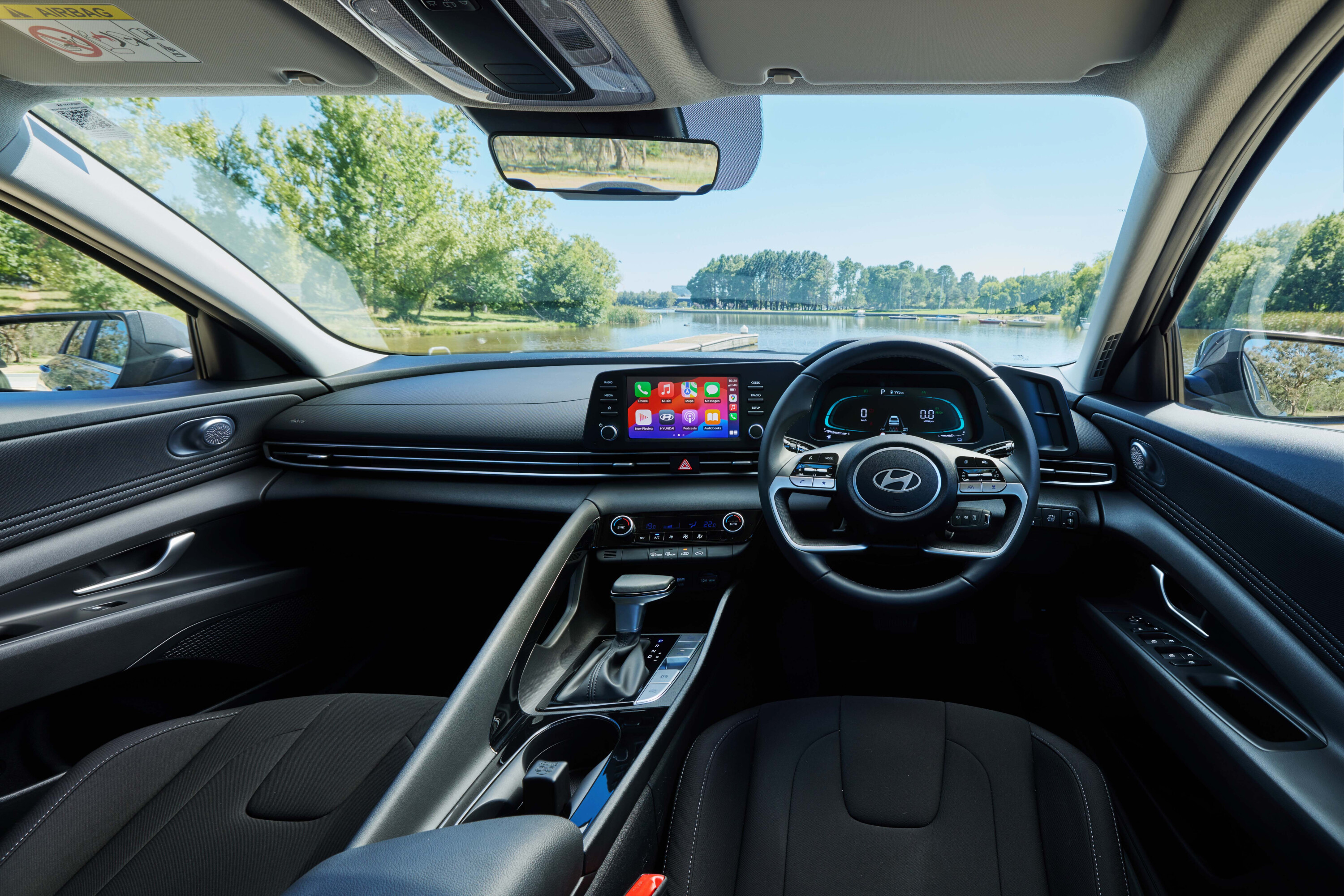
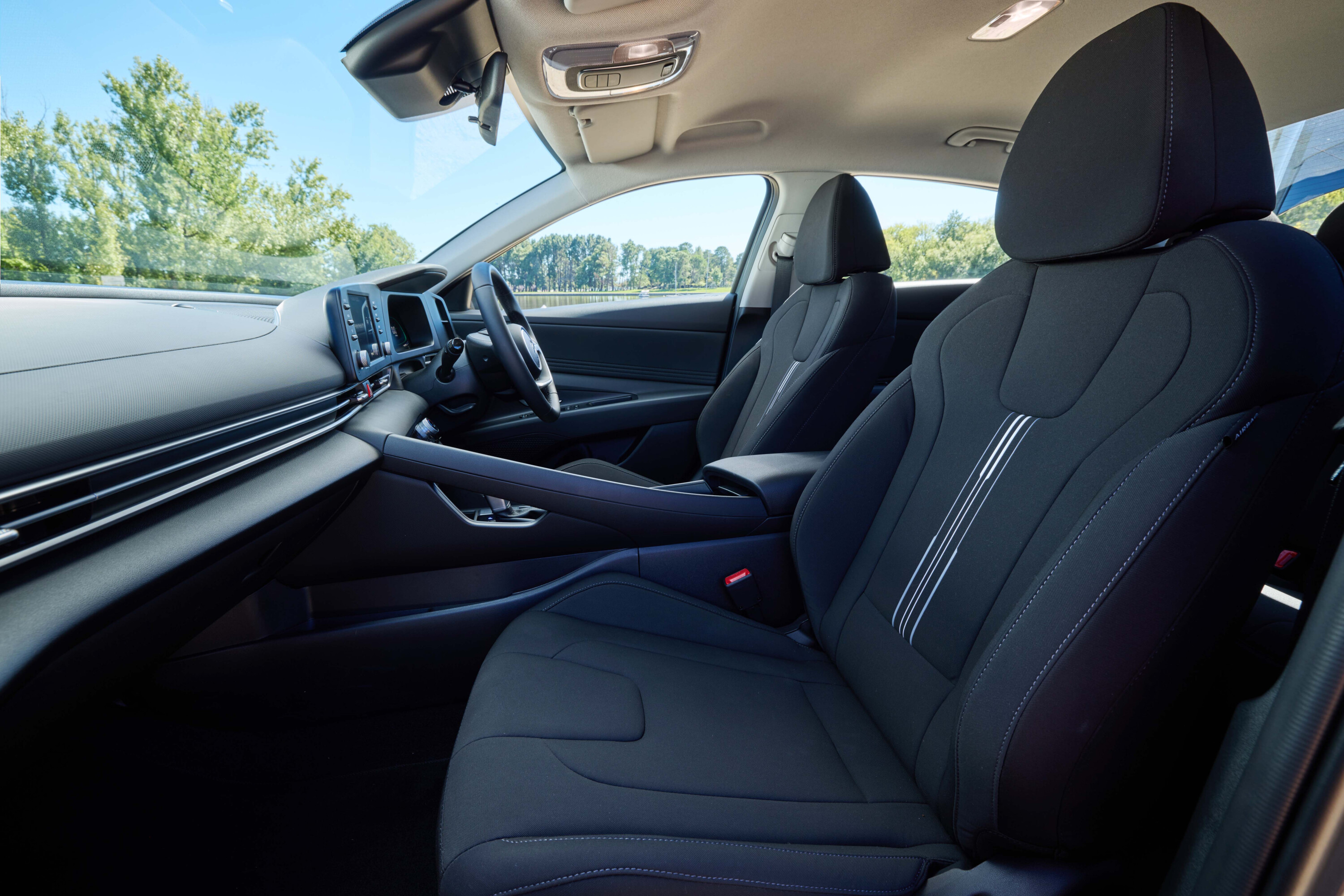
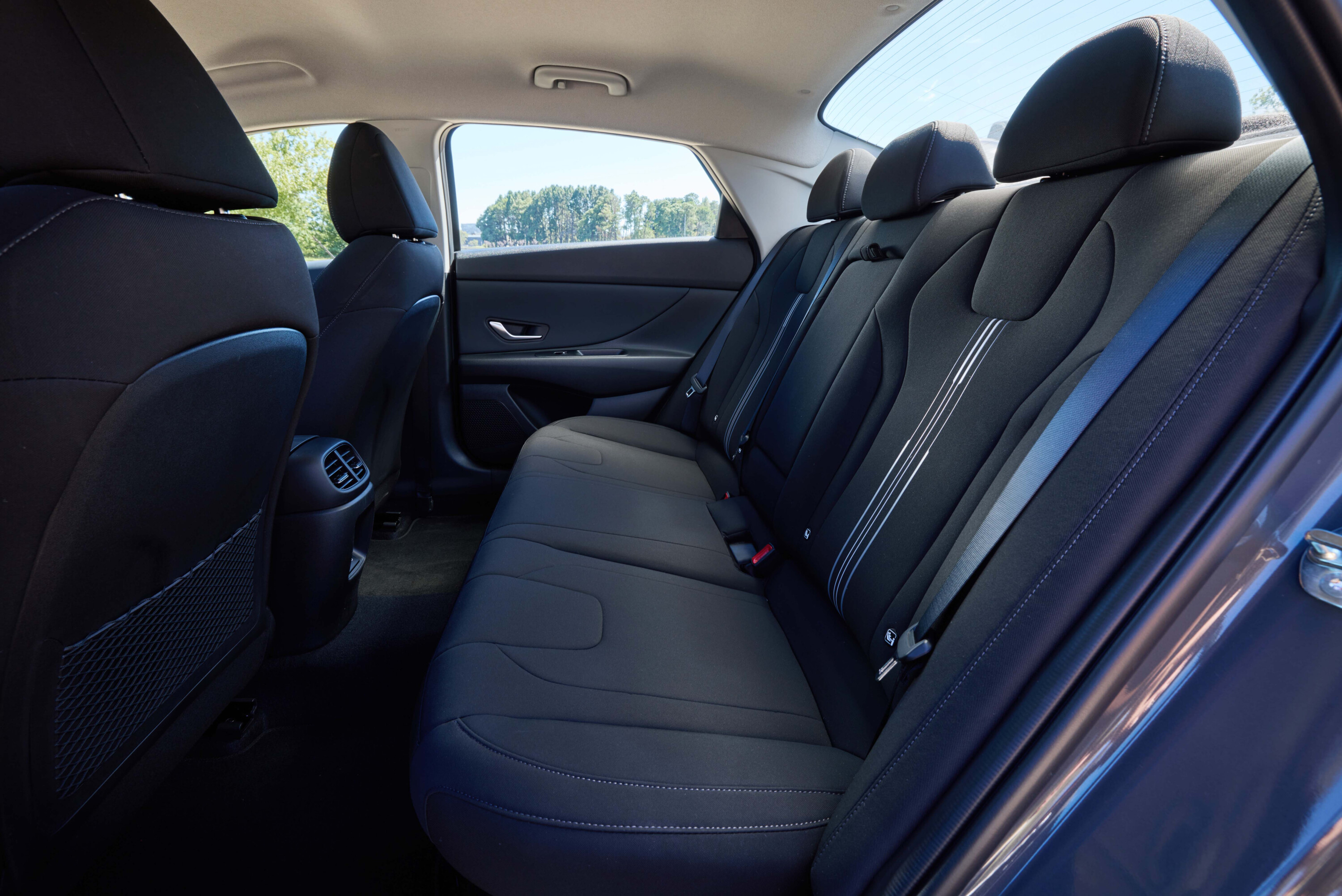
With so much length and a generous 2720mm wheelbase, the i30 sedan offers levels of space and comfort you’d expect from the next segment up.
Plus, all the main touchpoints, including the stylish cloth seats, the nice-to-hold leather wheel and general driver ergonomics are bang on – even though the base hybrid only gets manual seat adjustment (including for height).
The functionality of all the switchgear is simple and consistent in its quality, and while the basic new digital instruments are hardly the last word in sophistication, they convey information fairly well.
Having wireless smartphone connectivity is also a big plus, though the six-speaker stereo is merely adequate in its strength and bass delivery, and it lacks the clarity of the eight-speaker Bose system in more expensive models. It also doesn’t offer DAB+ digital radio.
1
Seat comfort in the front buckets is arguably better than the rear, though the back seat is acceptably supportive, with good vision and plenty of legroom – more so than headroom (or toe room if the driver’s seat is cranked low).
Where the i30 sedan falls down somewhat is in its materials tactility – everything is hard plastic, if solidly put together – as well as overall storage. The cup holders and centre console are generally fine, despite the front passenger’s design-led ‘Jesus handle’ on the console edge being a little intrusive.
It’s the door storage that’s below par, with awkwardly angled 600ml bottle holders in the front doors and stuff-all in the rear doors.
1
While everything feels robust, the funky cloth seat trim with cool centre striping isn’t enough to distract from the cabin’s general air of austerity.
The base i30 sedan is definitely fit for purpose, but anyone with an ounce of aesthetic flair should be looking further up the range – in particular, the classy N-Line (which isn’t available with the hybrid powertrain in Australia, unfortunately).
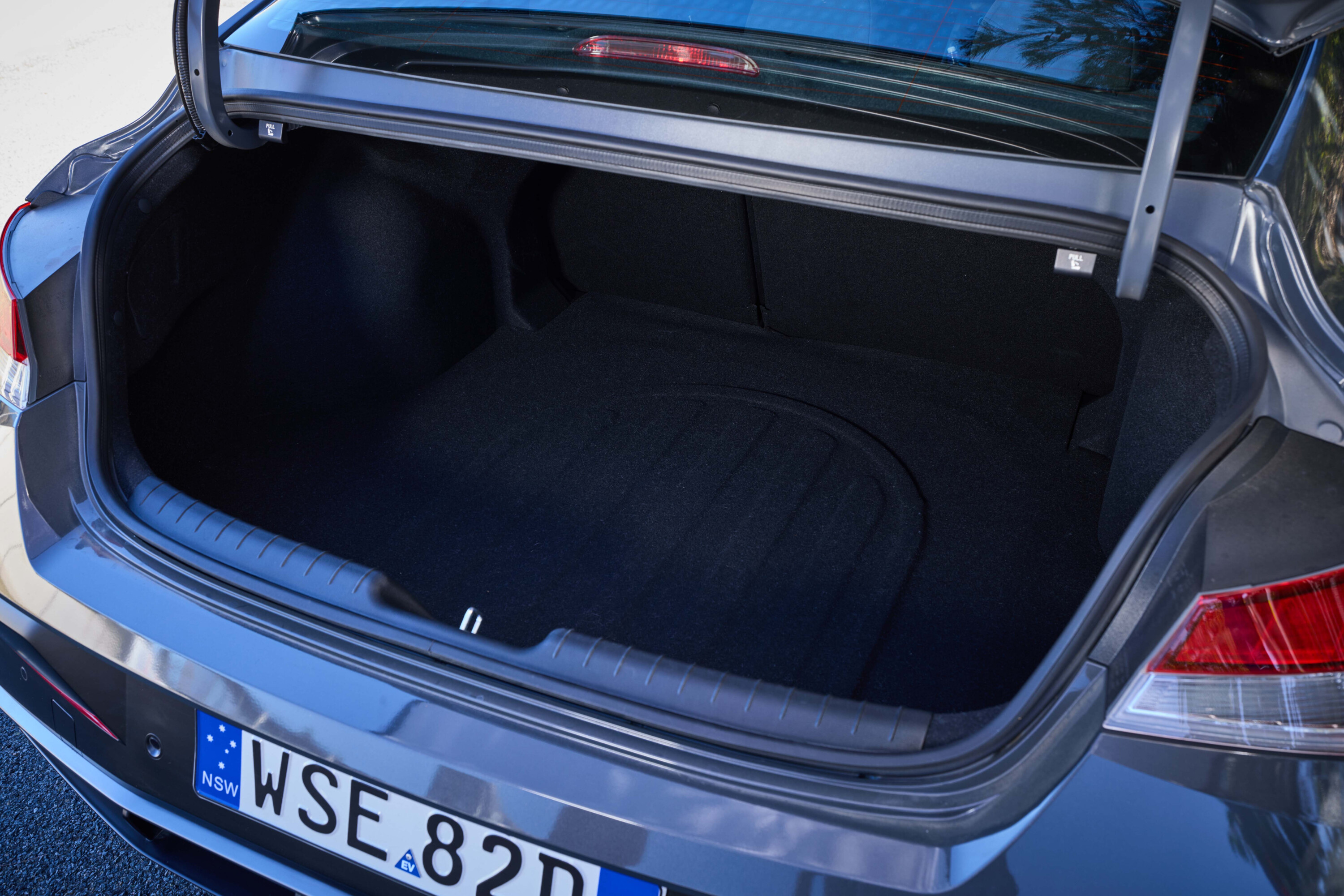
The i30 sedan’s huge 474-litre boot continues the theme. There’s a tonne of space and 60:40 folding backrests that flop onto the rear cushion (meaning a non-flat floor), but the trimming is sparse, the boot lid has nothing to grab onto when you’re closing it, and it doesn’t even have an outside release! Only the interior one next to the driver’s seat, or the keyfob.
If you can look past the base i30’s lack of visual razzle-dazzle, then you’ll be rewarded with by far its finest attribute – the way it drives.
While the new 2.0-litre petrol with ‘intelligent’ CVT is a far better performer on the road than it appears to be on paper, it can’t match the hybrid’s effortlessly torquey demeanour or its outstanding fuel efficiency.
The ADR81/02 official combined fuel consumption figure for the sedan hybrid is just 3.9L/100km (compared to 6.1L/100km for the 2.0-litre), which is exceptional for a vehicle this big. And on the road, despite being pushed hard through some Victorian high country, we averaged a superb 5.1L/100km over almost 200km of testing.
1
If ever there was a car that drives the opposite of the way it looks, this is it!
That included plenty of hills and corners, where the i30 sedan hybrid demonstrated the benefits of both its torquey drivetrain (with 265Nm), its slick six-speed dual-clutch automatic transmission, and its sophisticated multi-link rear suspension. If ever there was a car that drives the opposite of the way it looks, this is it!
Crisp electric steering (with just 2.5 turns lock-to-lock) combines with excellent chassis poise and really strong handling ability to make the i30 sedan hybrid feel rather like a base model Golf in its smooth and polished dynamic flavour.
And while the sedan hybrid’s ride isn’t plush, its well-controlled discipline and ability to devour Australian country roads with aplomb will be appreciated by everyone who rides in it.
1
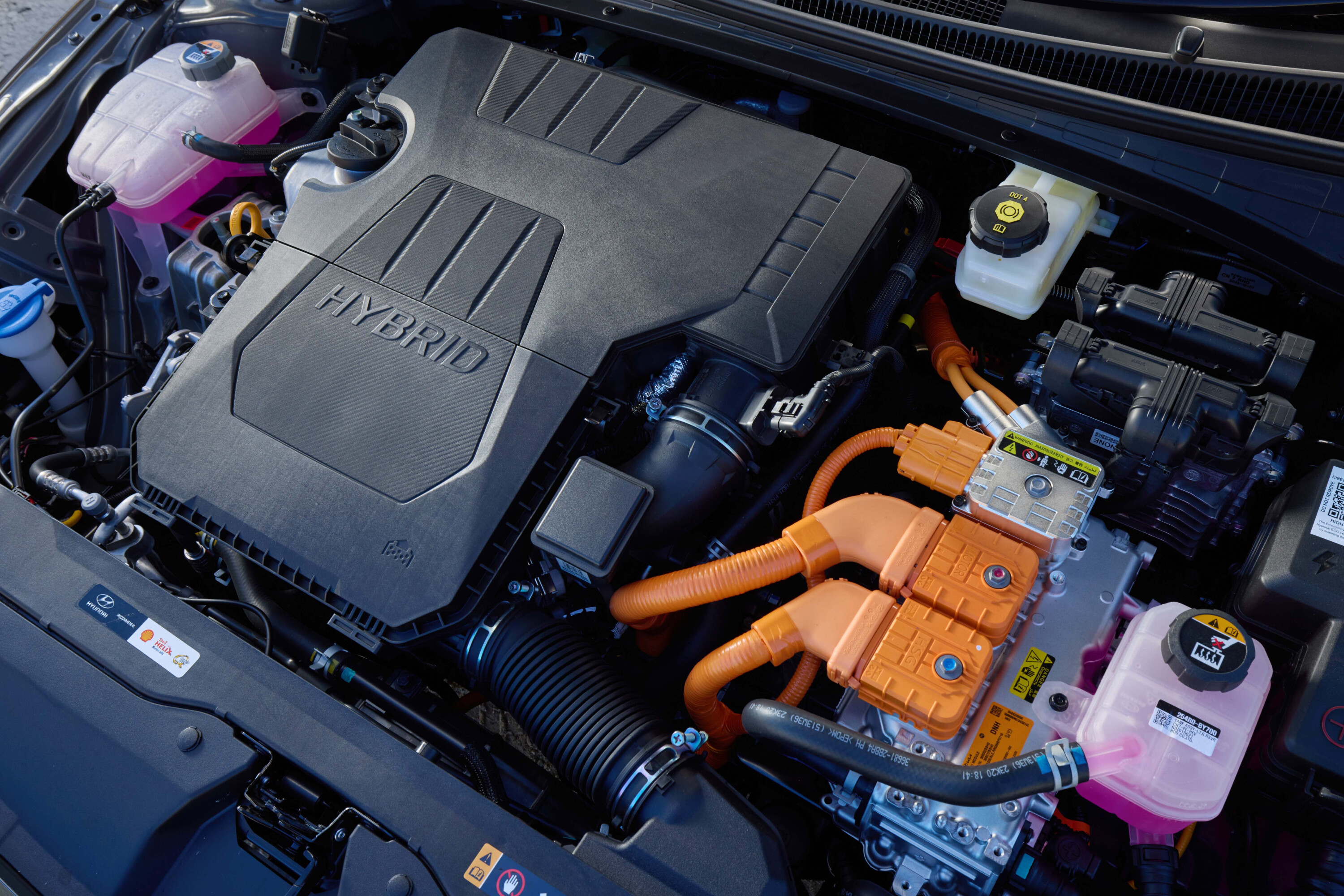
As will the ease and effortlessness of its 1.6-litre direct-injection petrol-hybrid drivetrain.
There’s no turbo here, but the small engine (with rather feeble 77kW/147Nm outputs) teams brilliantly with a 32kW/170Nm electric motor to deliver a driving experience far beyond what you may expect … even though its foot-flat performance (10.5sec to 100km/h) and high-rev refinement are nothing to write home about.
With this car, it’s the impressive all-round driveability – combined with superb fuel efficiency – that counts.
The beauty of the broad i30 sedan range in Australia is that there’s something for everyone – both performance-wise and appearance-wise.
In its base form, as tested here with the new hybrid drivetrain, it’s a car for pragmatists. It reminds me of older German cars that were all about the engineering rather than the equipment tinsel … even though the base hybrid ticks pretty much all the boxes when it comes to stuff you need.
1
Roomy and rewarding to drive, there’s so much to recommend with the i30 sedan hybrid.
And if you want more than just a meat-and-three-veg appearance, there’s always the Elite and Premium versions that will arrive in the coming months featuring classier wheels, leather interiors and the up-spec cabin screens that make the sedan’s interior feel less like an Uber ride.
That said, this would be a brilliant ride-share vehicle! Quiet, comfortable, effortless, efficient, safe – lack of ANCAP rating notwithstanding – roomy and rewarding to drive, there’s so much to recommend with the i30 sedan hybrid.
This Korean four-door is the polar opposite of its Chinese contemporaries in that it’s not about how it looks – it’s what’s underneath that counts.
Further details about the 2025 Mazda CX-70 have been confirmed, including prices for the North American market.
In the United States, the two-row Mazda CX-70 will be offered at the same price as equivalent versions of the three-row CX-90, which shares the same body and powertrains.
The CX-70 will be limited to the high-output 3.3-litre inline-six turbo-petrol and 2.5-litre four-cylinder plug-in hybrid when it arrives in US showrooms between March and June – meaning its starting price will be considerably higher than the CX-90 at launch.
It is priced from US$52,450 (AU$80,000) – identical to the CX-90 ‘3.3 Turbo S’ model – with variants fitted with the standard-output inline-six due later, priced from US$40,445 (AU$61,500).
Exterior dimensions for the CX-70 have been confirmed, revealing minor differences to the CX-90.
It is 20mm shorter at 5100mm due to its different bumpers and 3mm taller at 1736mm. Its wheelbase and width are identical to the CX-90.
The CX-70 will be offered with a unique red Nappa leather upholstery, along with black and two-tone quilted tan Nappa leather finishes derived from the CX-60 and 90.
1
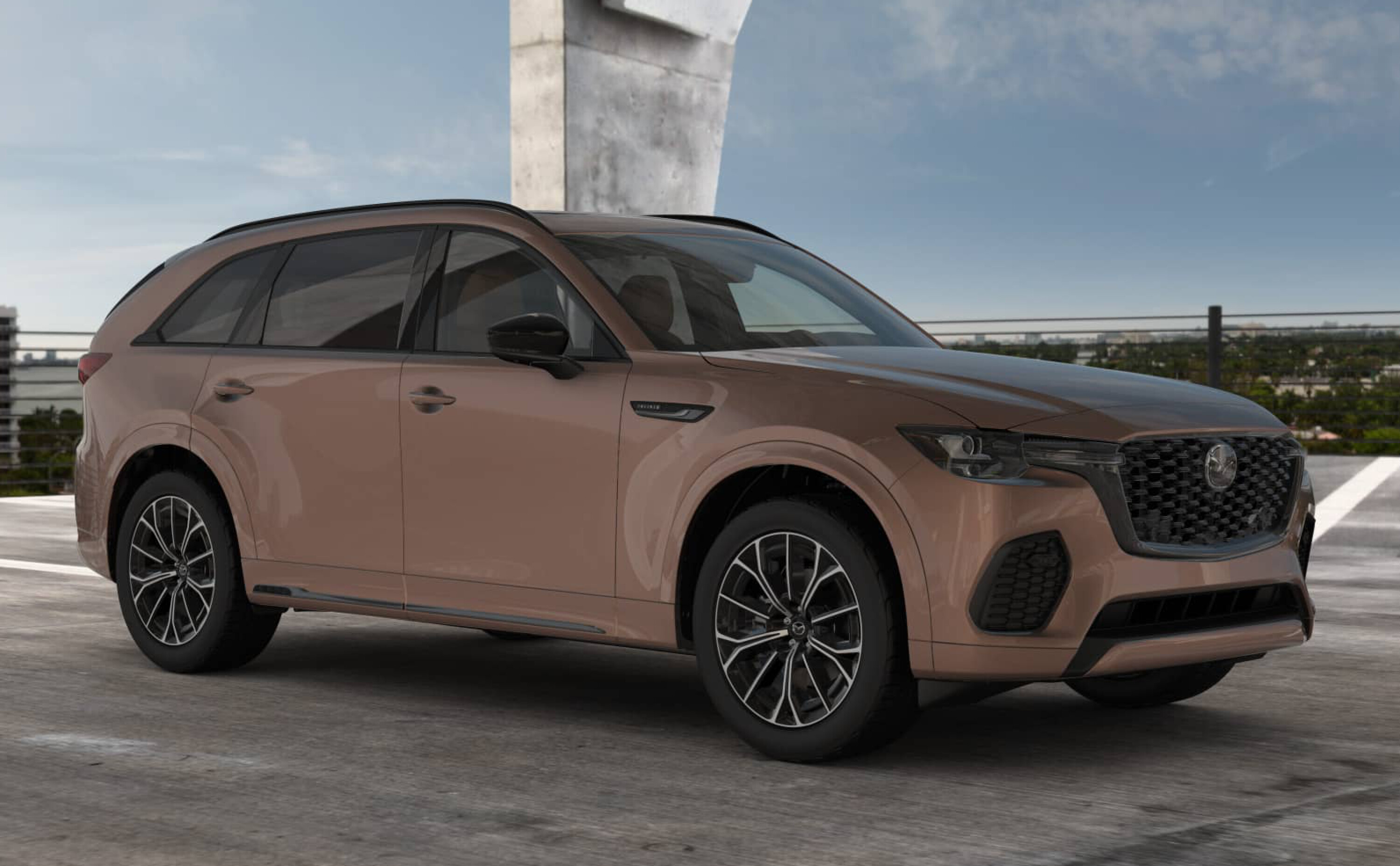
It also debuts a new ‘melting copper’ colour for Mazda, while ‘zircon sand’ and ‘polymetal grey’ will be available for the CX-70 – unlike the CX-60 or 90.
The CX-70 will also be available in ‘rhodium white’, ‘jet black’, ‘machine grey’ and ‘soul red crystal’, but Mazda’s ‘artisan red’ and ‘platinum quartz’ finishes will not be offered.
A 19-inch alloy wheel identical to the CX-90 features in entry-level variants, joining the unique 21-inch design revealed for flagship models in January.
Inside, the CX-70 has identical head, shoulder and knee room to the CX-90 in the first and second rows, and 2147 litres of luggage capacity with the second-row folded – compared to the CX-90’s 2101L with the second and third rows stowed.
Australian pricing and features for the 2025 Mazda CX-70 are due to be announced closer to its launch in the fourth quarter.
It is expected to be positioned closely to the six- or seven-seat CX-90, which starts from $74,550 before on-road costs for the Touring petrol and tops out at $101,130 plus on-roads for the Azami SP petrol.
While plug-in hybrid versions of the CX-70 and CX-90 have been confirmed for Australia, local timing remains unclear.