
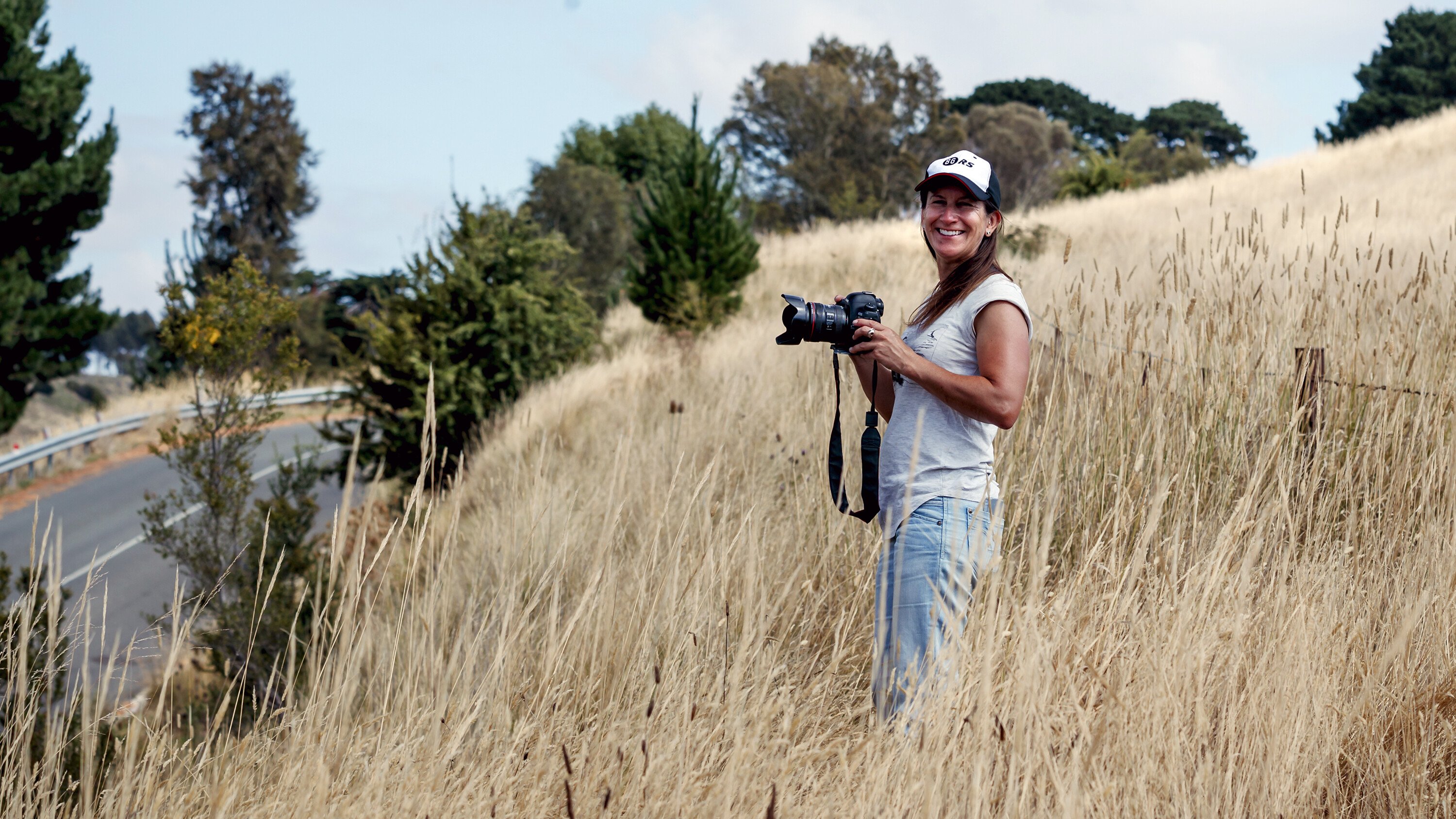
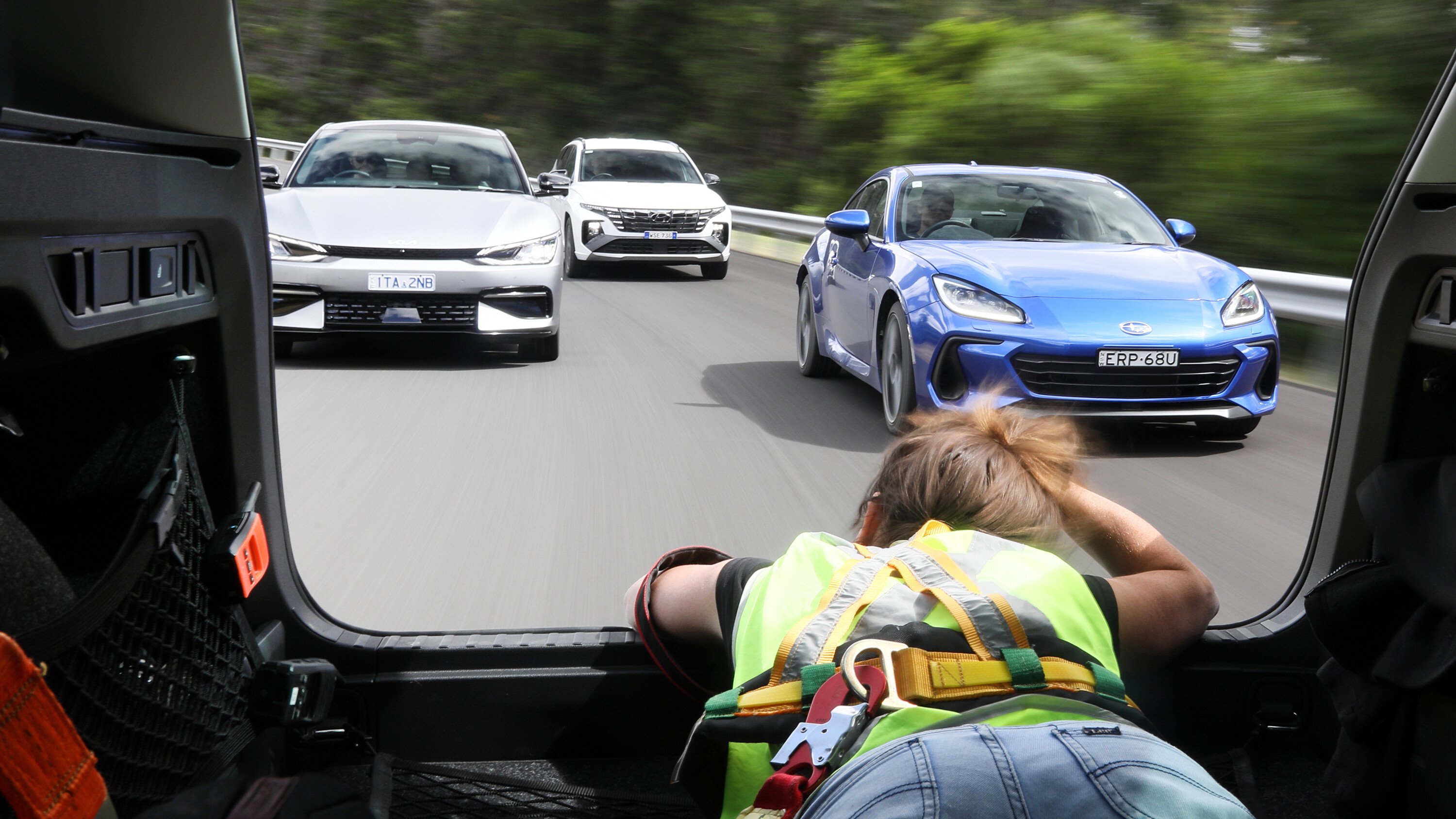
Being an automotive photographer of 26 years, I’ve seen a car or two – capturing images of vehicles driven back and forth by my journo colleagues, snapping them in motion and in all conditions, crawling through their interiors to record the details and accessories.
But, while I’ve been up-close with just about every car on the market, the job of assessing one and putting my impressions into words is an all-together new experience.
Thrown the keys to one of our top-scoring utes, I wondered: what better way to really get to know any car than a big long road trip?
Putting some kays on the ‘odo’ and driving through a variety of conditions should give me a clue or two. So, I decided to head north to warmer waters and sunshine for a short break.
The car
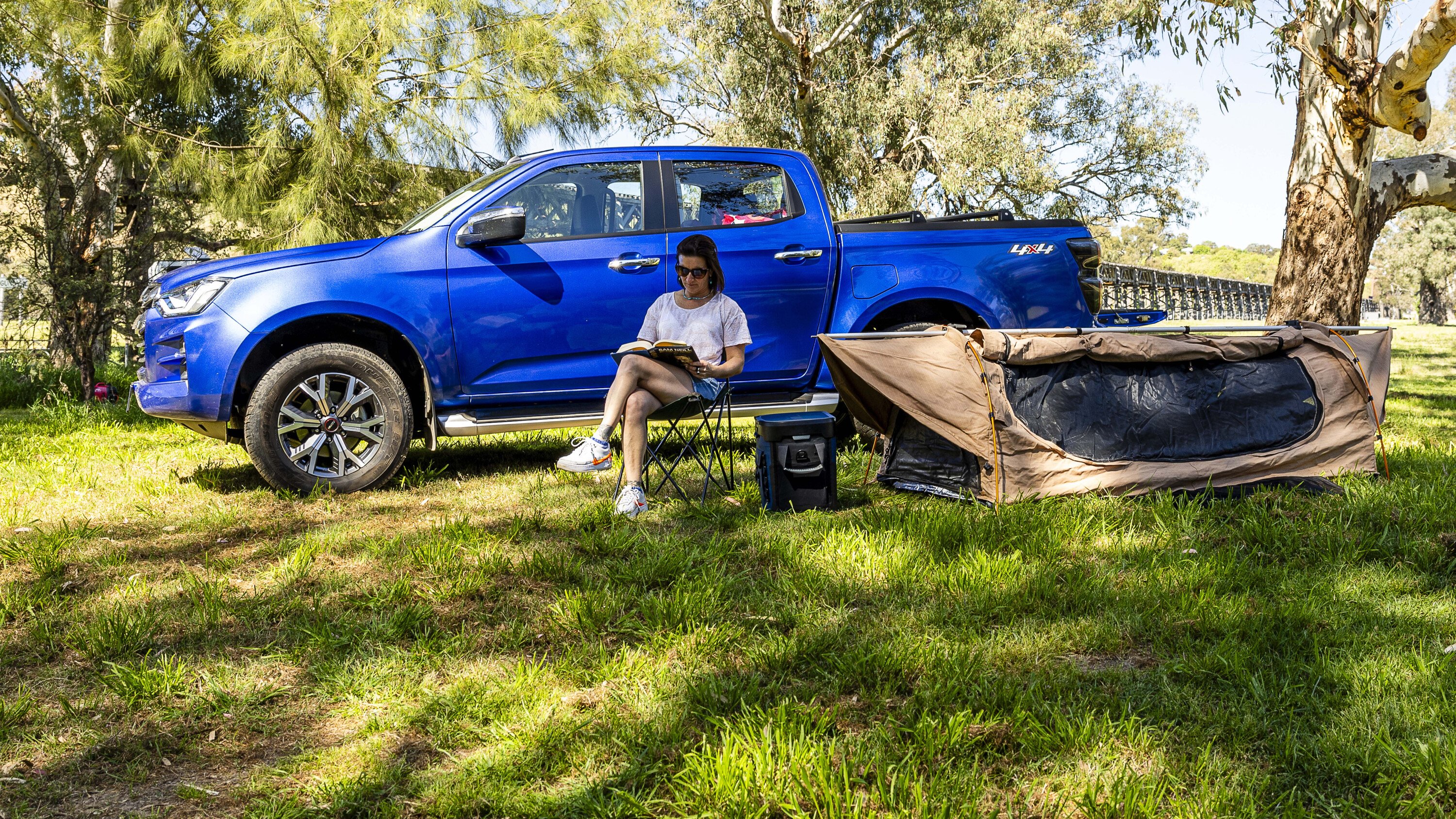
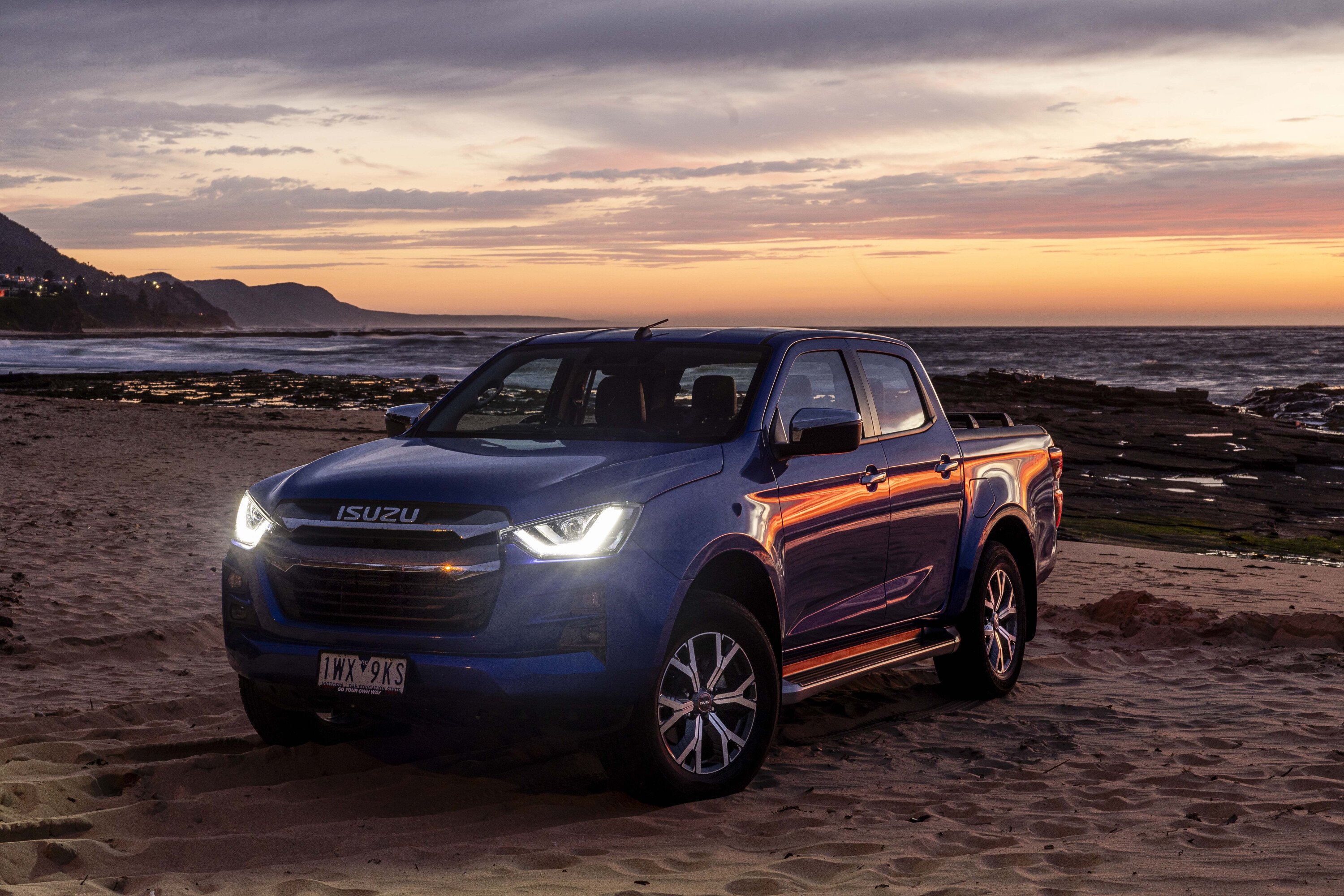
2024 Isuzu D-Max LS-U+ in Neptune Blue
Price
$63,500 before on-road costs – not including the…
Optional extras fitted
- Tow Bar Tongue – $215.05
- 12-Pin Plug – $393.25
- Electronic Brake Controller – $896.05
- Manual Roller Tonneau – $3099
- Cargo Carriers – $545.93
- Rubber Mats – $208.67
- Premium Paint – $650
As tested
All up, we’re looking at $74,336 before on-road costs.
JUMP AHEAD
- First impressions
- Comfort
- Technology / Entertainment
- On the road/drive
- Safety features
- Fuel economy
- Parking
- Last thoughts/impressions
First impressions
At first glance, the D-Max feels smaller than my Toyota FJ, both in looks and my sense behind the wheel.
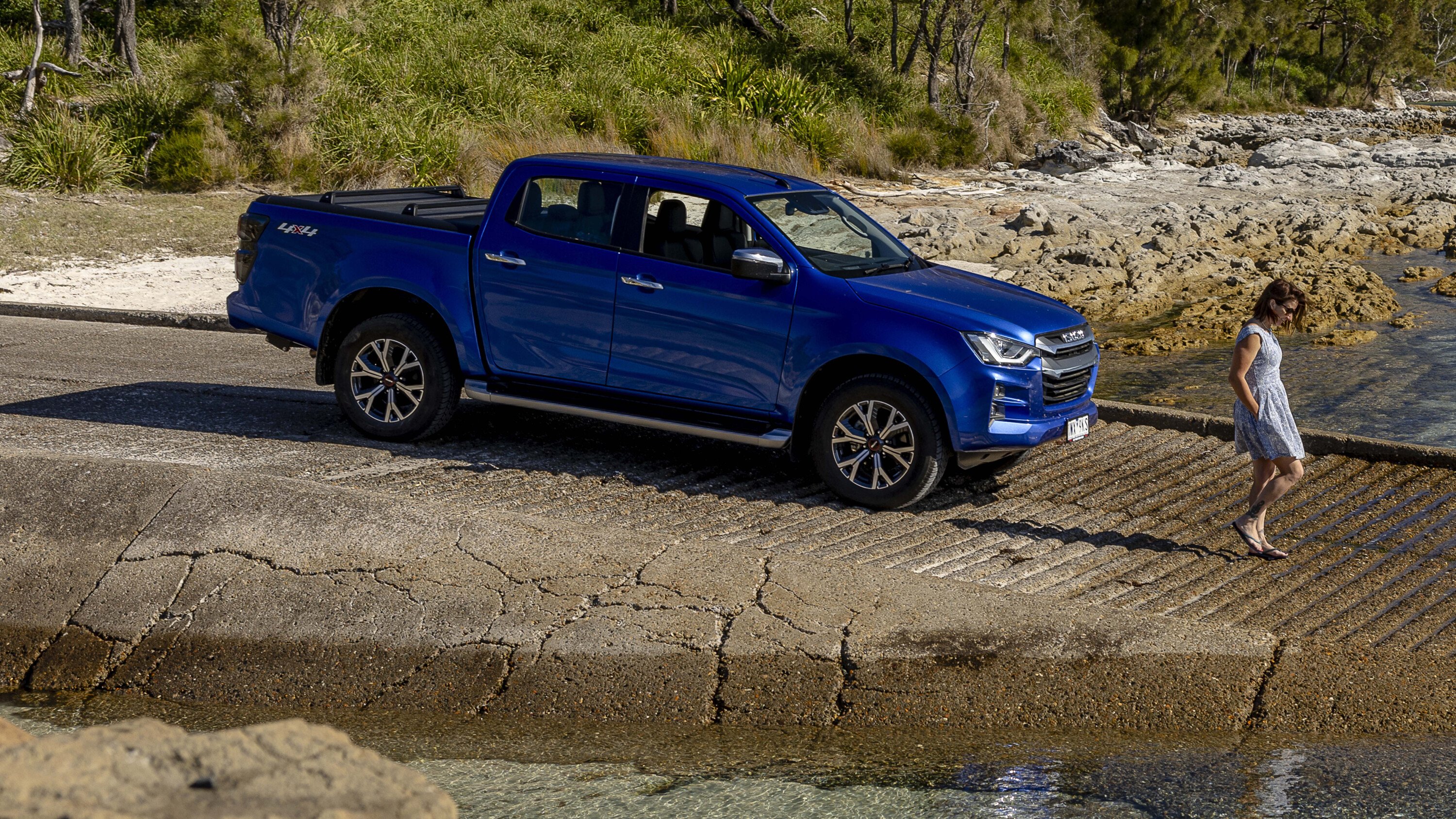
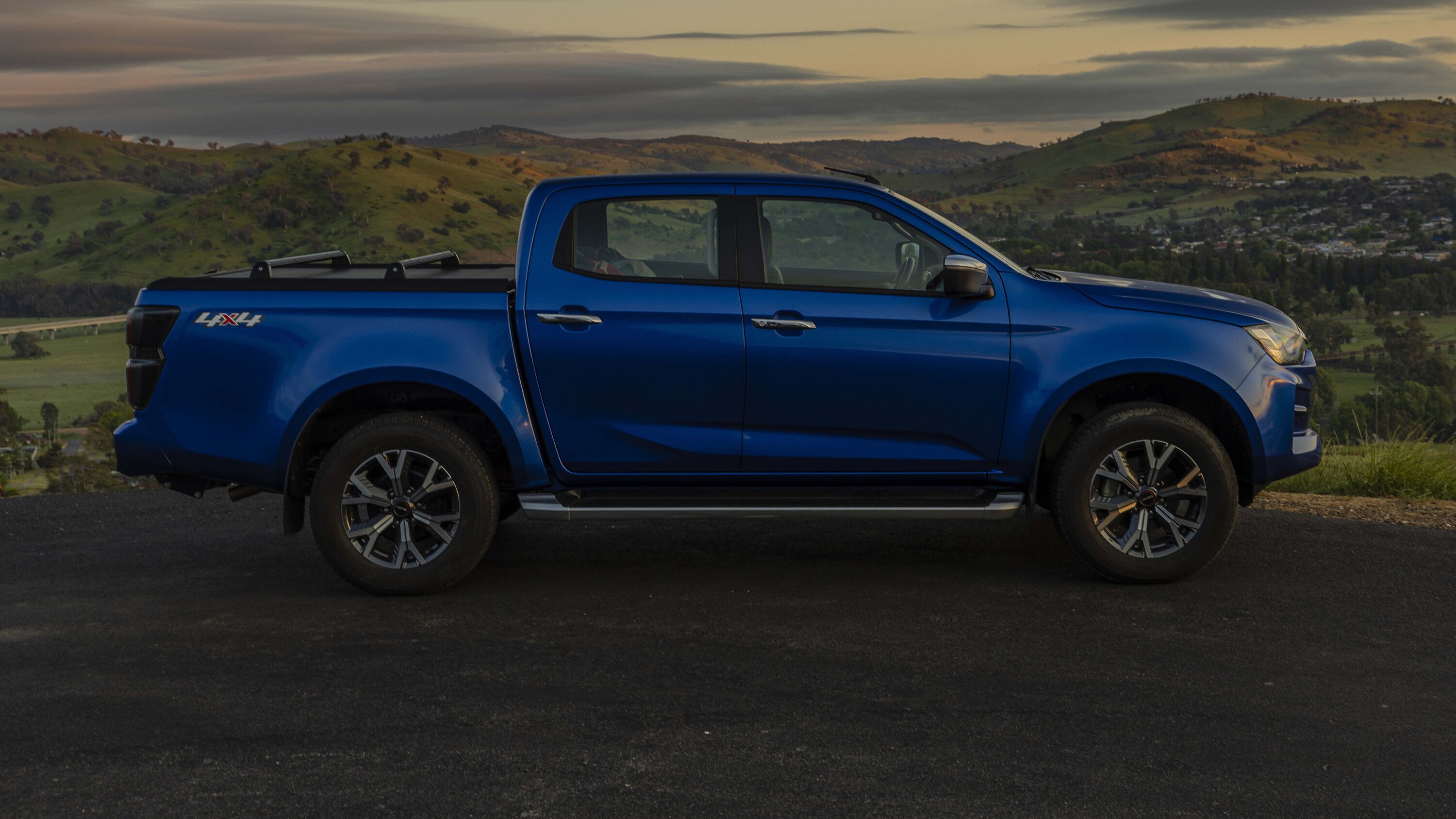
I love the premium paint in bright blue: it’s a nice change from the grey and white tones that seem the standard for most utes.
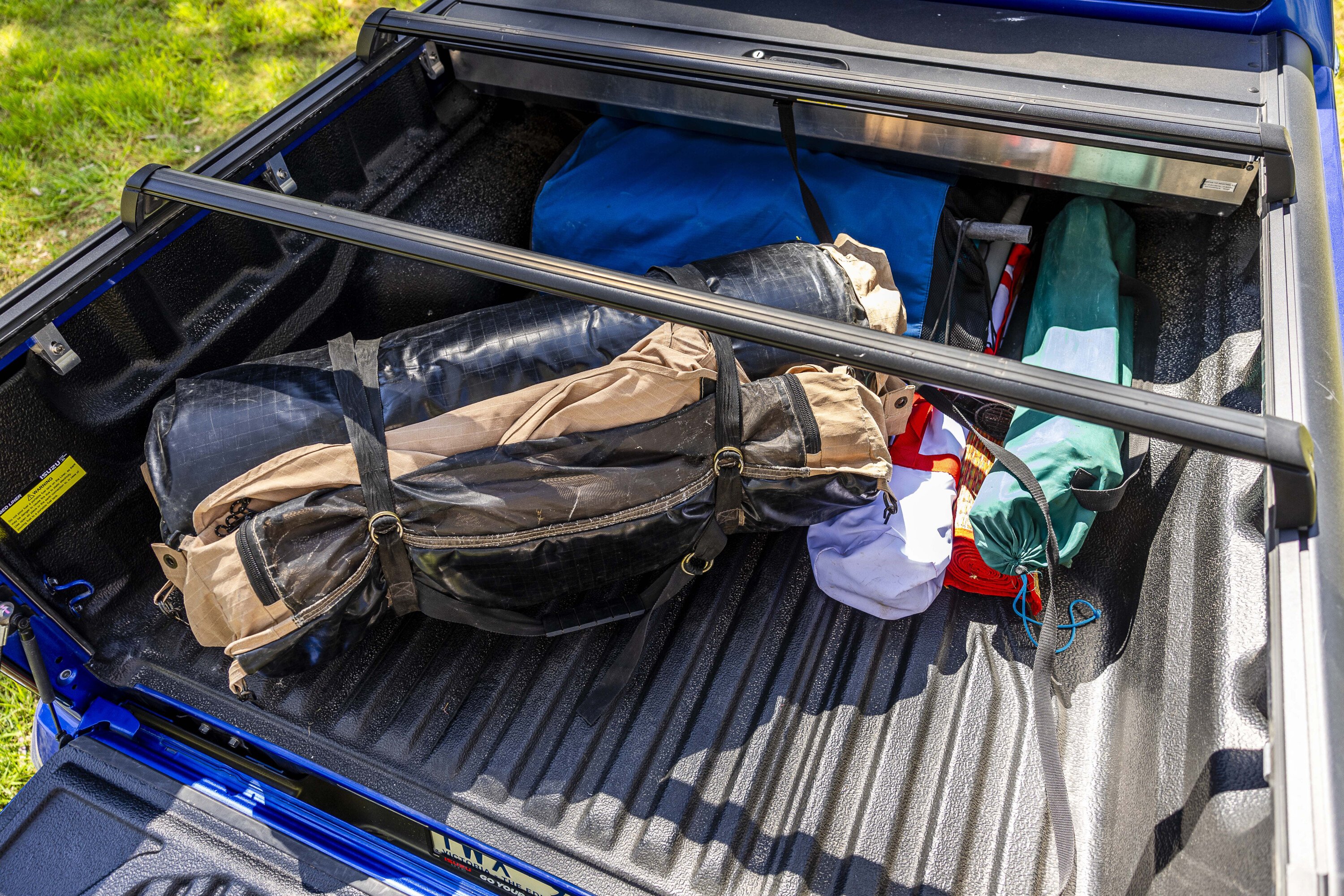
Before heading off, there’s the inevitable Tetris packing session. Having the ute, I figure, hey, what the hell, I’ll take everything!
The D-Max tray gives me freedom to throw in the inflatable paddle board and a swag for overnight stops, along with a culmination of camera gear, camping and beach accessories.
Straight away I noticed how convenient it is to have all that space, and particularly the added security of the optional lockable manual roller tonneau.
Comfort
At the wheel, the D-Max’s seating, and especially the lumbar support for my tiny frame, is comfortable.
Steering and all-round adjustment is great, but because I’m a shorty (legs particularly) at 5ft 2in or 157cm, I find it difficult in a lot of cars to achieve a comfortable seating position without having my chin on the steering wheel.
Thankfully, in this case, the options allow for excellent reach to the pedals, great steering wheel adjustment, and an overall good position for my initial long trek up the Hume.
I find all the D-Max’s controls are logically placed, and I quickly locate my favourite: the heated seats, great for early morning starts on the road.
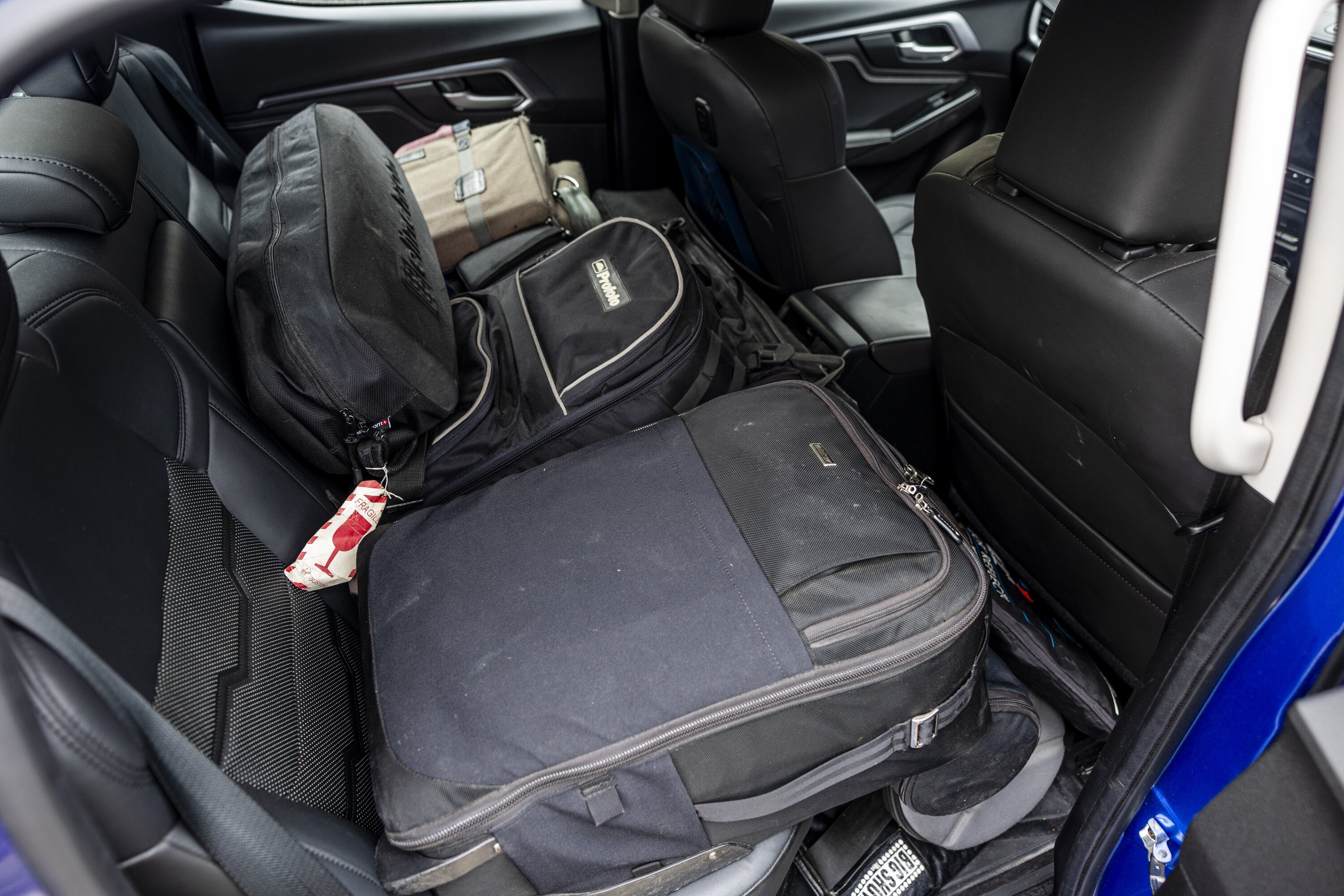
During my break, I caught up with some friends and ended up at one point with three adults in the rear. These utes are big things, but it was nonetheless a bit of a squeeze back there.
Still, while I don’t have children myself, I’m confident two adults or two children would be comfortable in the rear, with good headroom and reasonable space for legs.
Technology & infotainment
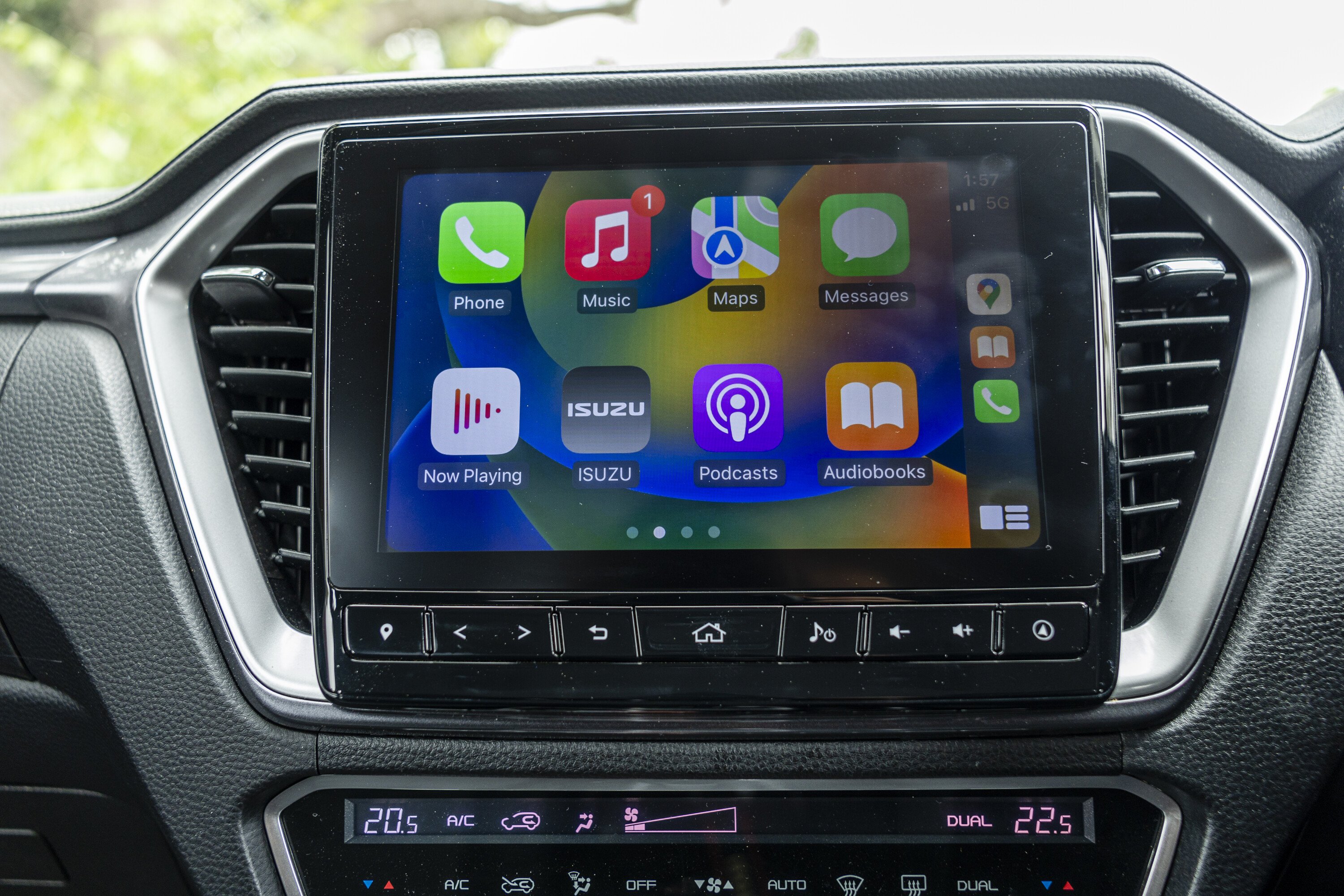
The 9.0-inch main display of the LS-U and LS-U+ trim grades, while smaller than some in this increasingly screen-mad age, is amply sized for reading maps. The on-screen controls are all self-explanatory and intuitive, too.
Apple Carplay and Android Auto are both standard, and setting up Carplay in my case was simple (Stevo diving in here to confirm Android Auto is likewise a cinch).
The quirks of modern infotainment…
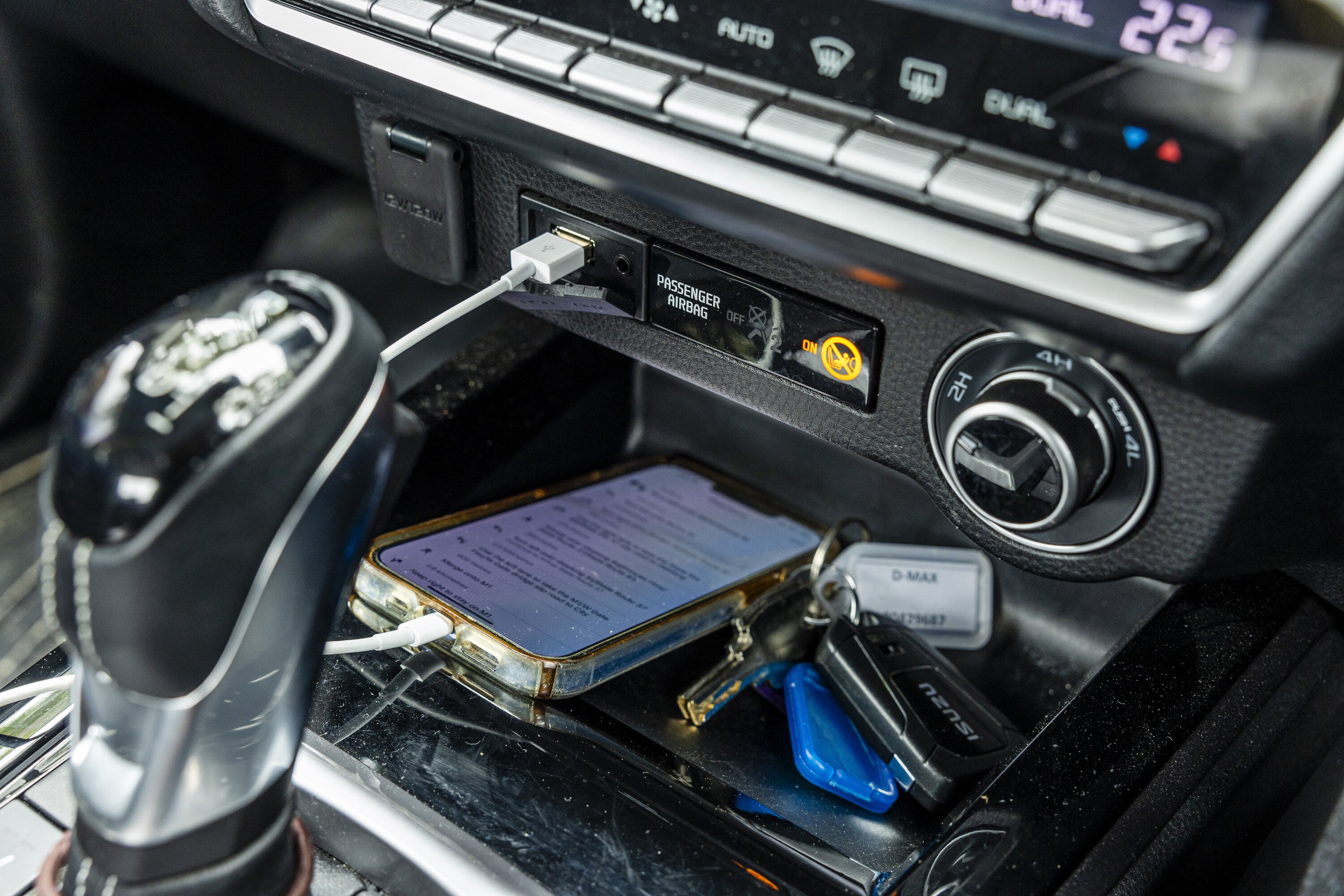
Alas, without a wireless charging pad on-board for the long drive, I chose to use the USB connection over wireless. An odd combination, really. (Also, Android users should note they’re stuck with wired only.)
Changing to radio while using CarPlay wasn’t simple, but most folk use their apps for podcasts and music these days. I guess I’m old-school and enjoy surfing the local stations. (Stevo’s note: tap the Isuzu icon in CarPlay to return to the native infotainment, and then hop into the media screen to select radio.)
Driving the D-Max LS-U+
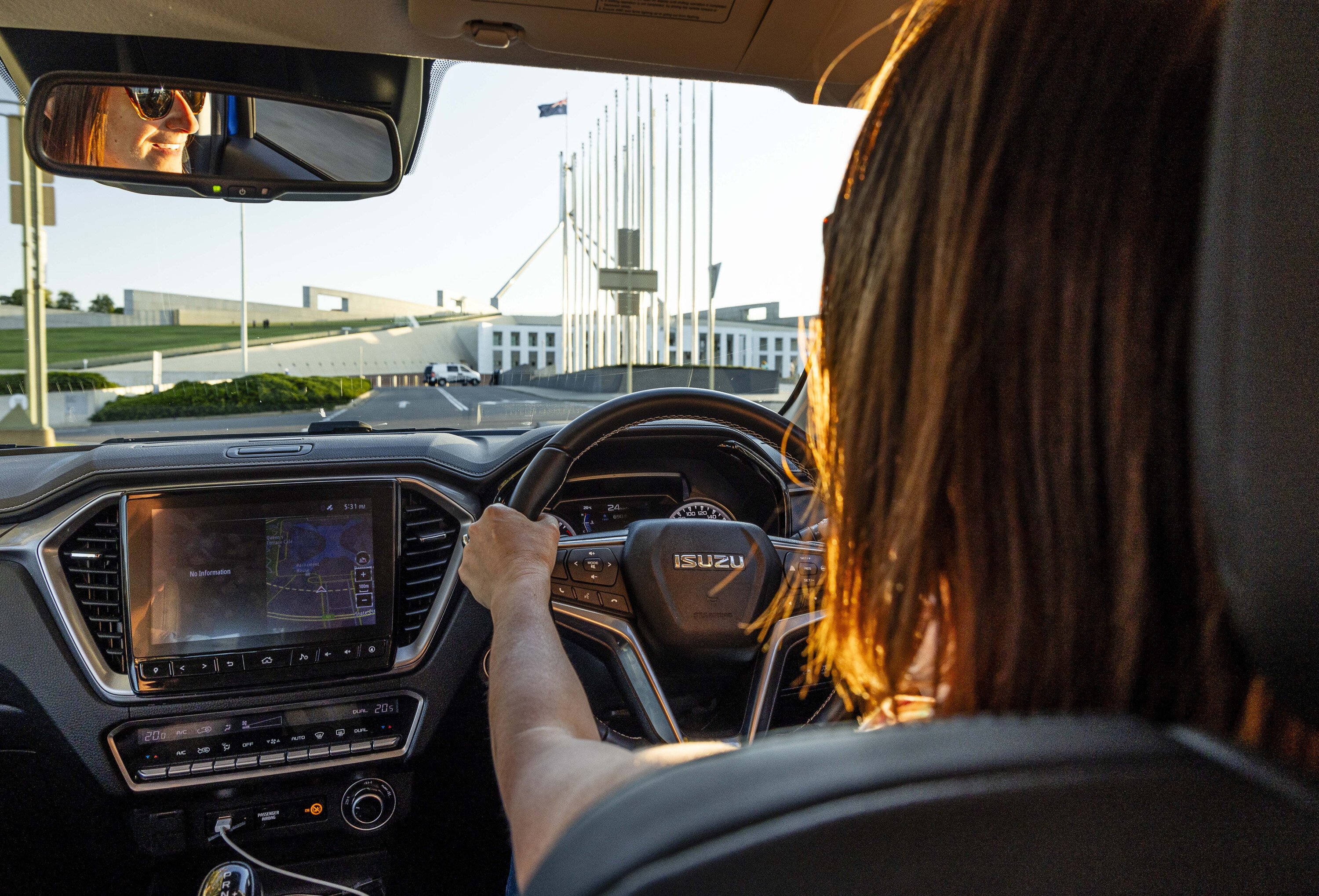
Commencing the rather dull Hume Hwy mission through Holbrook and then Gundagai into Canberra before continuing on to Wollongong, I found the adaptive cruise control so advanced beyond my 2016 FJ Cruiser!
It was great adjusting smoothly on both hill climbs and declines, along with steady speed changes when following traffic.
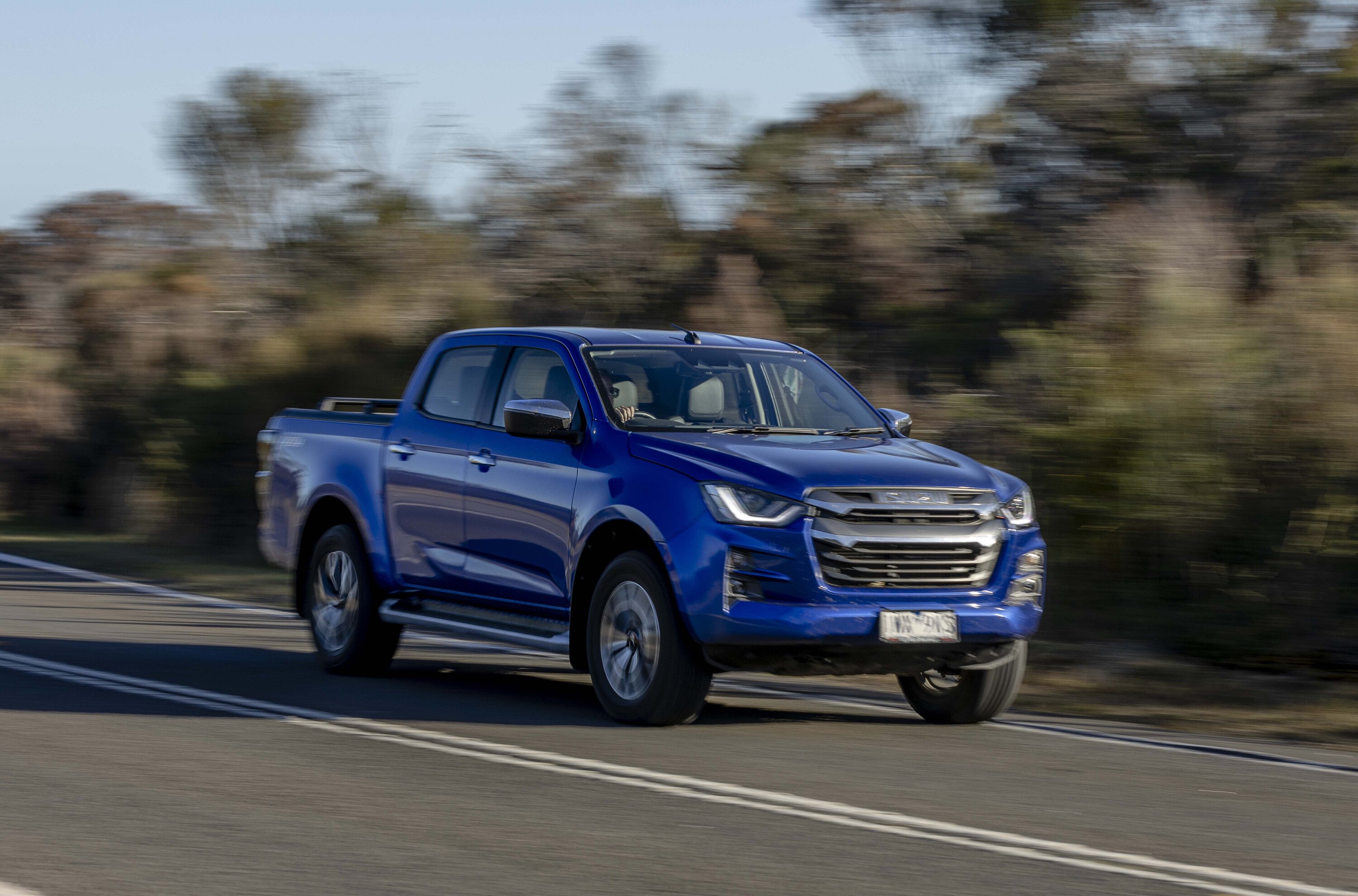
As expected, the D-Max was smooth driving on the highway, but the ride in any ute is of course quite different to your standard sedan or family-oriented 4×4 wagon. Without any load, it’s somewhat bouncy over bumps, potholes and speed humps. The steering is light and responsive, at least, and especially when compared to my FJ.
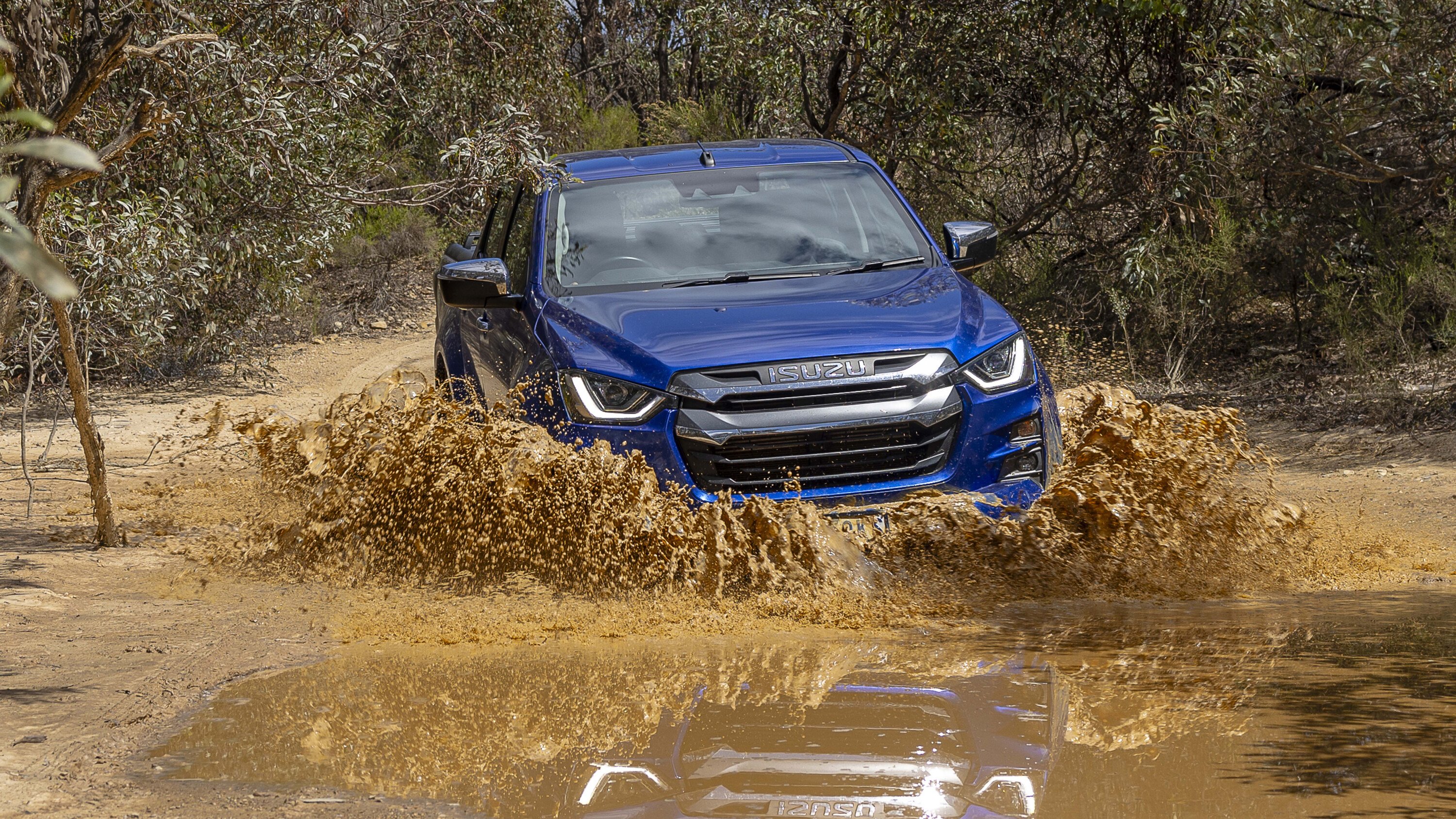
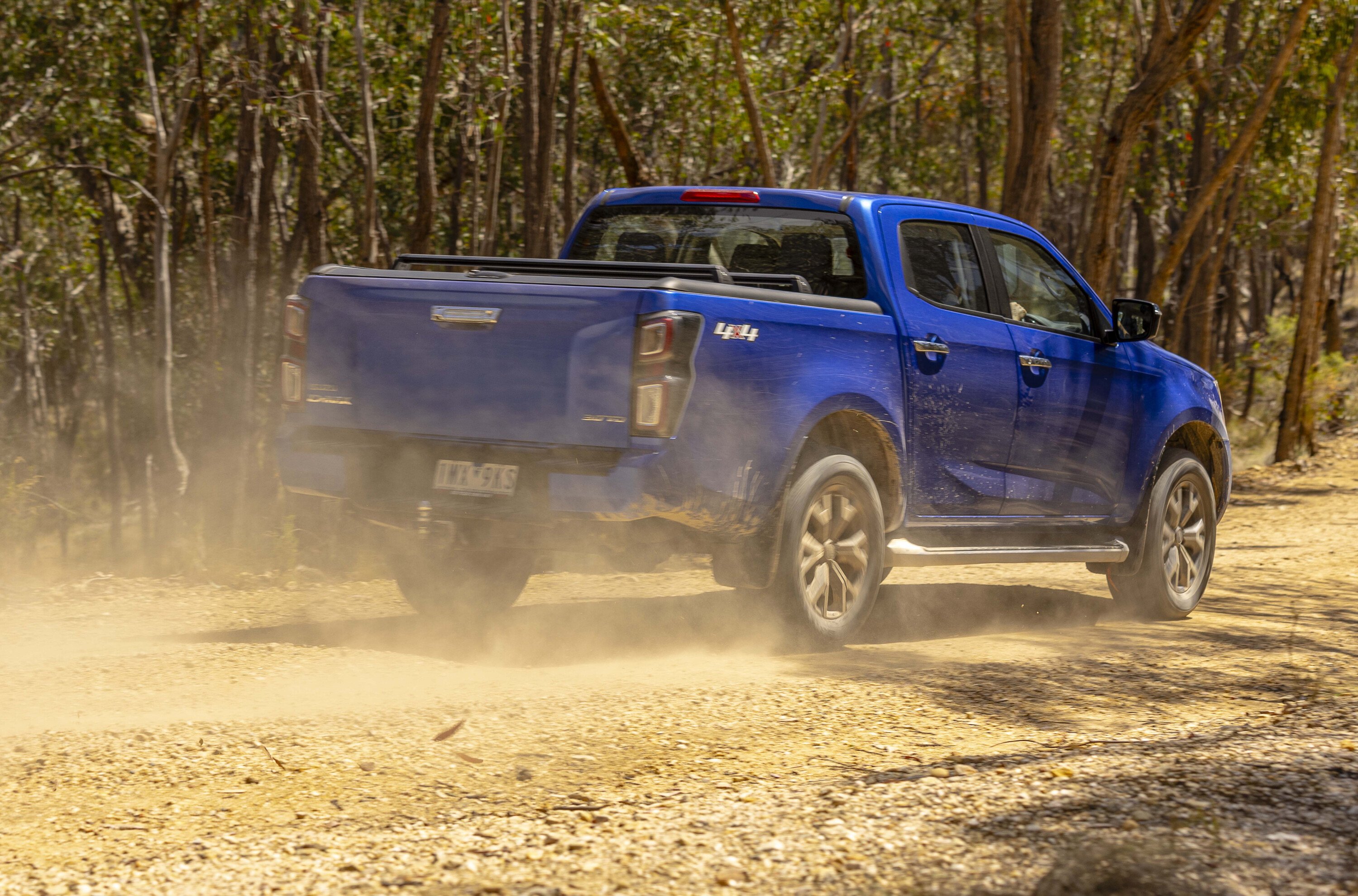
Off-road, on gravel, I needed to drive smart – knowing that it could slip on corrugated corners at speed again due to the lack of rear load.
Adjusting the terrain command dial simply, I had a play over light articulation and muddy holes. I found it was very capable in every aspect, and knowing it could excel on greater challenges that I’d be keen to try down the track.
The D-Max’s powerful 140kW/450Nm 3.0-litre turbo diesel engine presents a marked change from my 200kW/380Nm 4.0-litre V6. And, whilst it rumbles, it has excellent take off and acceleration – along with a towing capacity rated at 3.5 tonnes.
Safety features
Like all new cars with their increasingly long lists of safety features, the D-Max is equipped with IDAS (intelligent driver assist system) and a top-shelf 5 star ANCAP rating.
The driver assist system feels like a great innovation in concept – but, while it’s designed to be helpful, it can be alarming on a long trip and it’s somewhat over sensitive to lane positioning.
Also, I experienced several instances where the AEB (autonomous emergency braking) activated even after I already had my foot gently pushing on the brakes to slow down.
Still, emergency braking is a great feature to have and I’m sure it has stopped many low-speed bingles or those accidental rolling incidents we all want to avoid. For the most part, the safety tech does keep you alert.
I must admit, though, that I found the walk-away door locking system a little too sensitive, locking not even two metres from the car – so forgetting something and wanting to quickly re-open the door was a comedic affair.
Of course, for those who choose it, you can deactivate many of these features.
Fuel economy
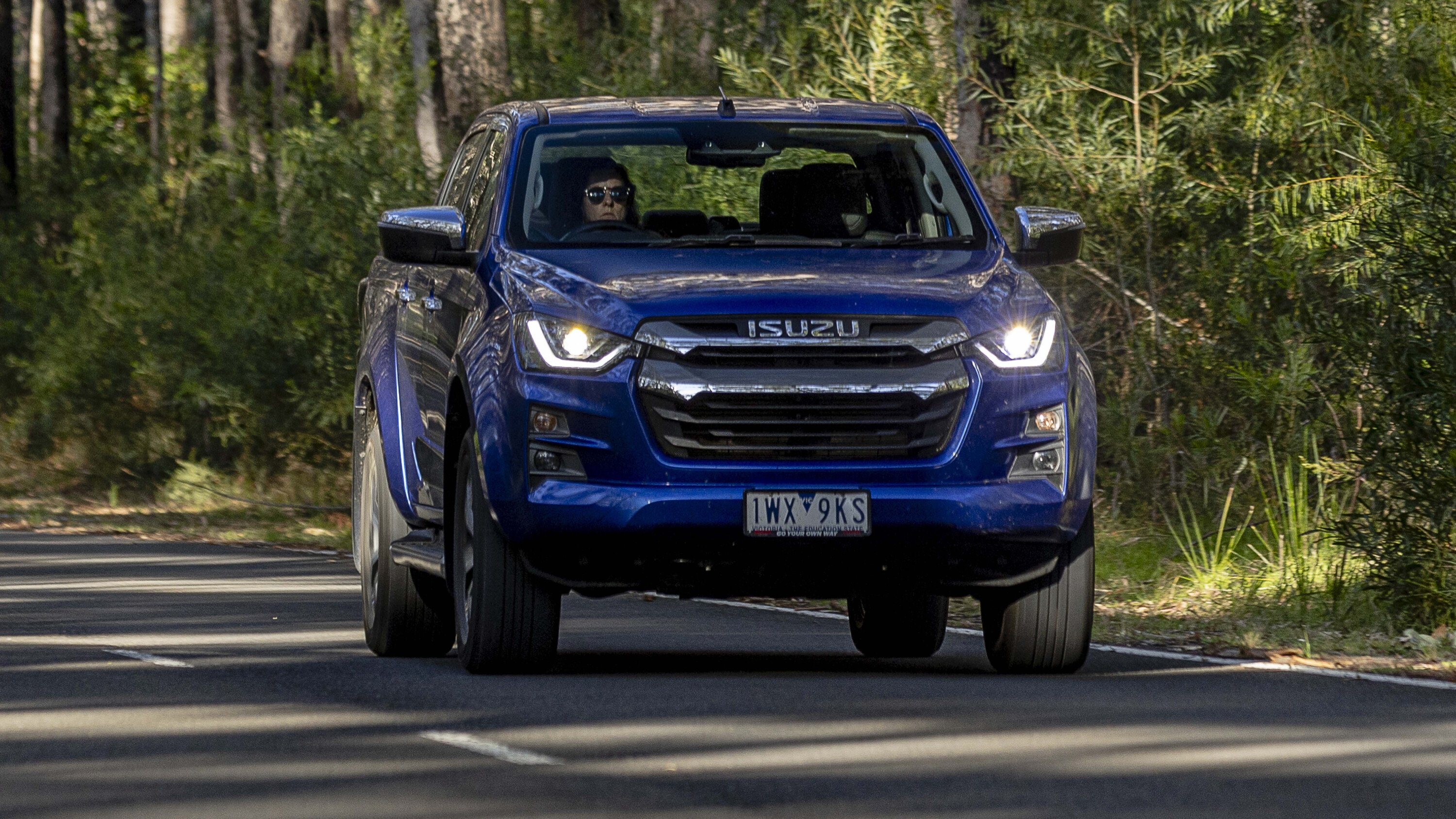
The turbo-diesel engine balanced power with great fuel efficiency on my trip.
Overall, I averaged 7.8L/100km with a variety of on and off road driving conditions – requiring only two refills for a two-week round trip of around 2500km.
Parking
Already owning an older 4×4 of my own, I found this new D-Max a pleasure to park (as much as one can take pleasure in such things), with effective camera vision through the screen and reliable sensor alerts.
Last thoughts
All in all, I really enjoyed the D-Max. It’s user friendly, comfortable inside and was perfect for my road trip.
Excellent efficiency, huge capability and useful for all my adventures, even coming in useful with an unexpected load of bread we delivered to a charity group in Canberra.
A note for those carrying expensive cargo, though: while the tonneau was lockable, I found the dual-locking process frustrating. Not only do you have to hand-lock the tray-back (which doesn’t auto lock), but it also uses a separate key to the tonneau cover.
Overall, the D-Max is a fantastic package for those looking for an everyday-driver dual-cab that excels for those adventuring types who want to load the toys in the back and get out of town, or just exercise their DIY work at home.
Snapshot
- Hamilton makes shock move to join Scuderia Ferrari F1 team for 2025
- Mercedes and Hamilton vow to race hard this year regardless
- Coincidentally, Ferrari stock price jumps to record highs
In a shock announcement overnight, seven-time world champion Lewis Hamilton activated a release option in his contract with the Mercedes-AMG Petronas F1 team and signed a multi-year deal with Scuderia Ferrari.
This marks an end to an 11-year long run with the Mercedes works team in Formula One. “I have had an amazing 11 years with this team and I’m so proud of what we have achieved together. Mercedes has been part of my life since I was 13 years old”, said Lewis.
Together, Mercedes and Hamilton collected 82 wins, 74 poles, and six of his seven world titles, making the 39-year old Briton F1’s most successful driver by the numbers (though a young Max Verstappen is fast closing the gap).
The time is right for me to take this step and I’m excited to be taking on a new challenge
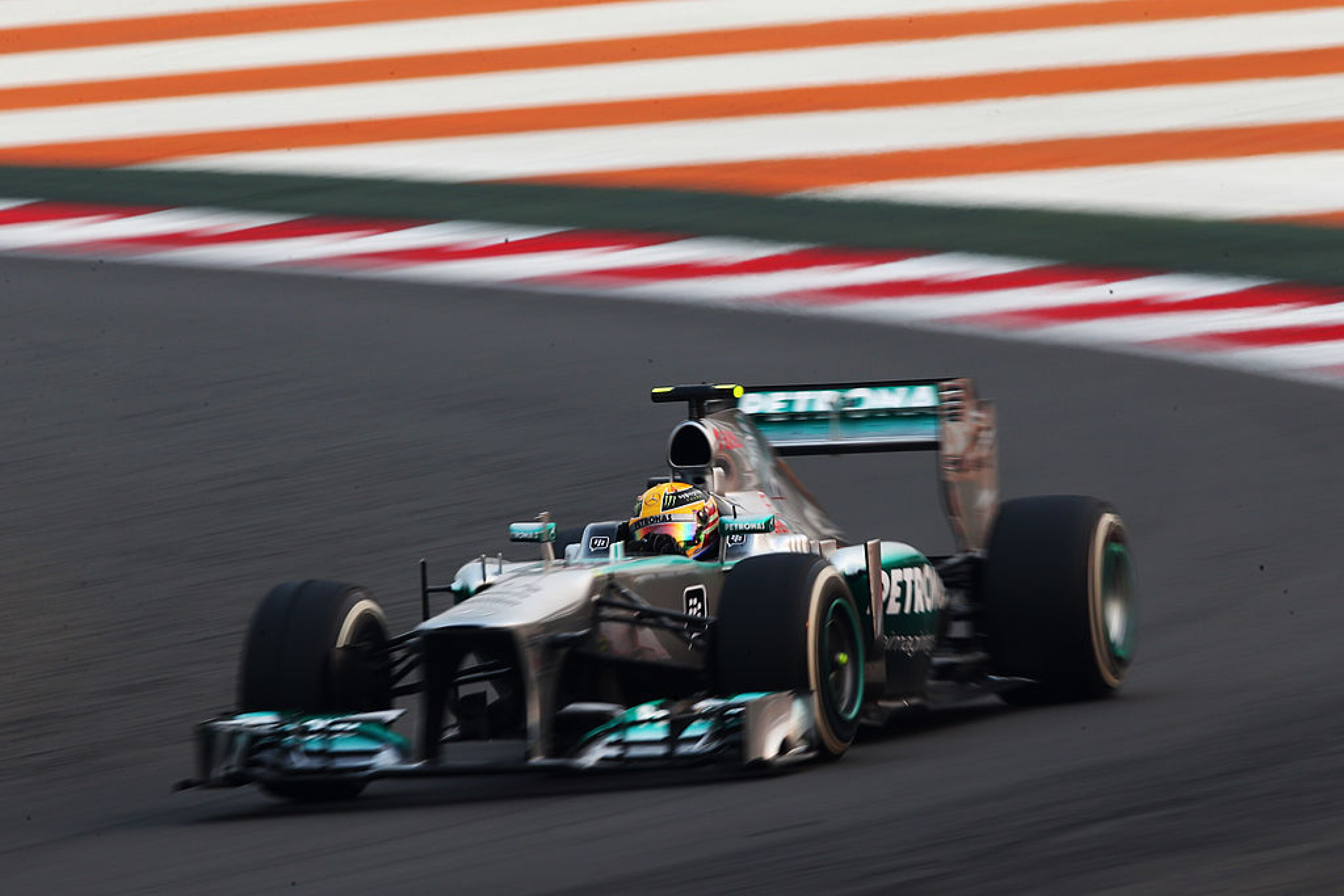
“It’s a place where I have grown up, so making the decision to leave was one of the hardest decisions I have ever had to make. But the time is right for me to take this step and I’m excited to be taking on a new challenge”, Lewis said of Mercedes.
“I am 100% committed to delivering the best performance I can this season and making my last year with the Silver Arrows, one to remember”, he added.
In response, team principal & CEO Toto Wolff said: “We accept Lewis’s decision to seek a fresh challenge, and our opportunities for the future are exciting to contemplate. But for now, we still have one season to go, and we are focused on going racing to deliver a strong 2024.”
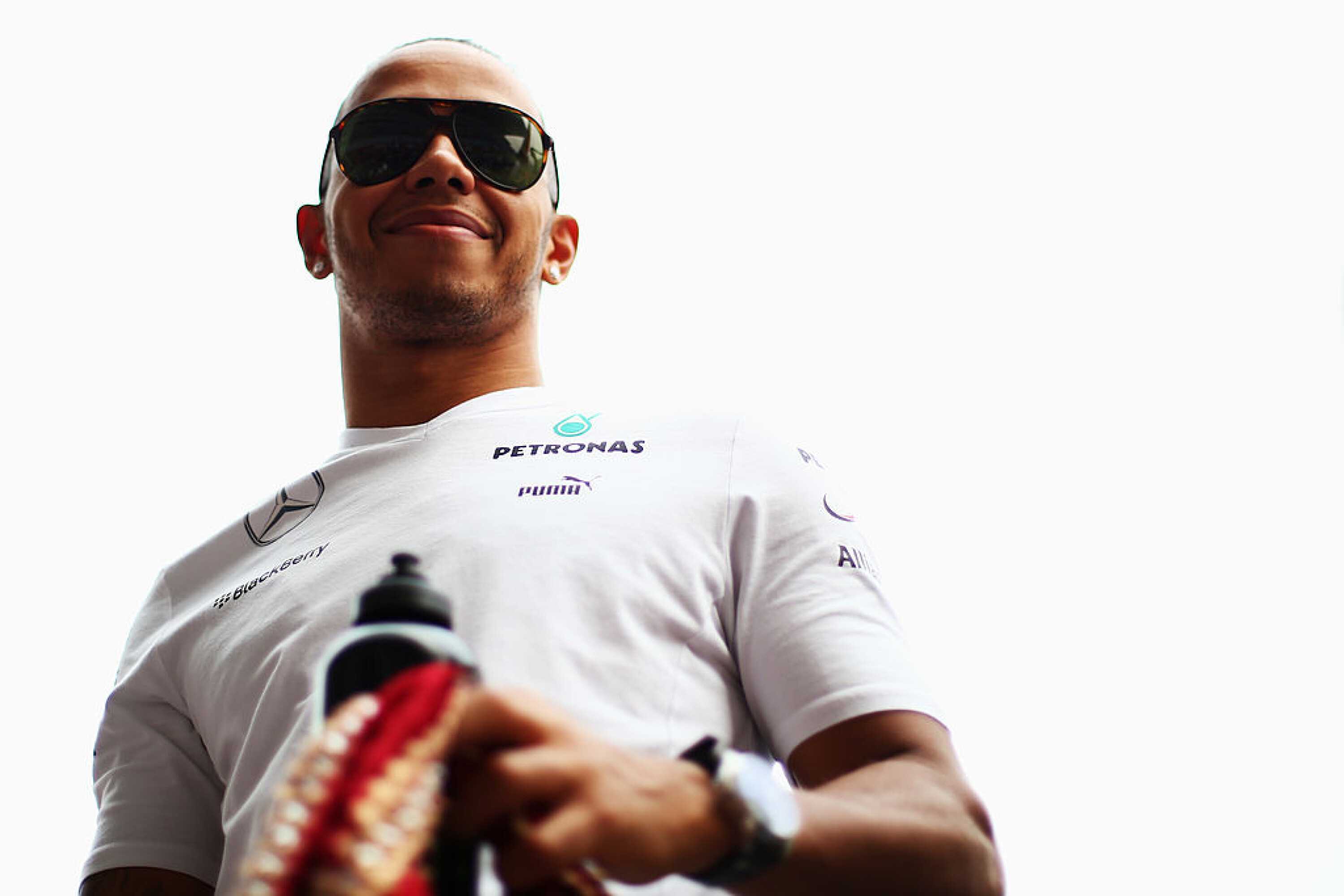
How did Hamilton’s Ferrari deal come about?
Hamilton eventually re-signed with Mercedes in 2023 for the coming season. Rumours were running rife, though, as negotiations took longer than expected.
It was publicised as a two-year deal with Mercedes, but as it transpires the contract was a fixed one-year term with a release clause for Hamilton.
Lewis is no stranger to Ferrari’s new boss Fred Vasseur (who replaced Mattia Binotto in November 2022) having raced under Fred in his GP2 years at ART.
There were reports last year that Hamilton was meeting or dinner with Vasseur and Ferrari president John Elkann and evidently they ran a little deeper than just friendly pasta, with the deal coming to fruition.
For how long is not yet known, only that Hamilton’s is a multi-year contract beginning in 2025.
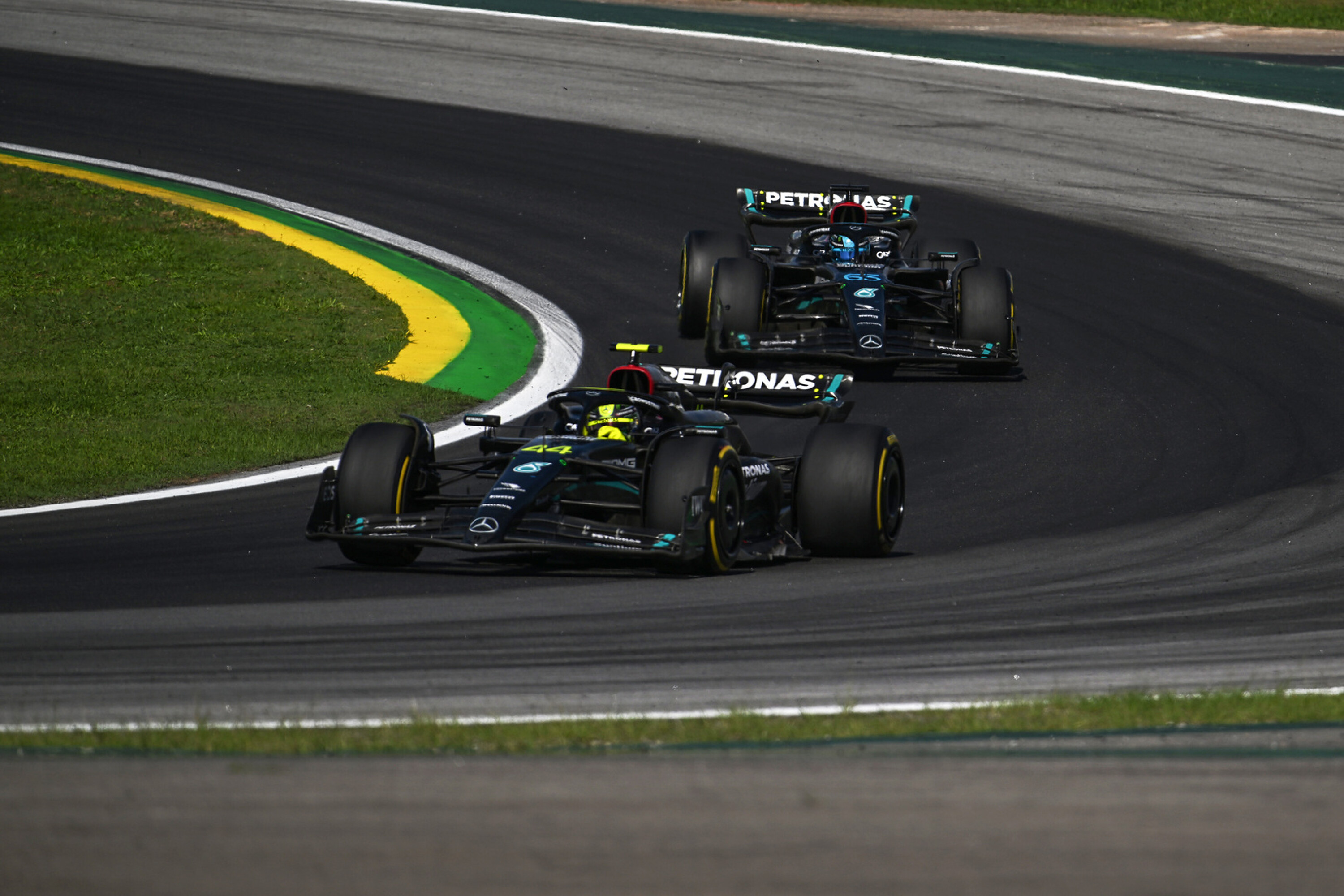
What about Leclerc, Sainz, and the free spot at Mercedes?
Providing more discussion points than just Hamilton’s move, though, is what will happen for the rest of the drivers.
Of the 20 filling grid positions, 13 driver’s contracts will run out at the end of 2024.
Young talents Lando Norris, George Russell, and Oscar Piastri are all on lock with their respective teams – and Leclerc signed another ‘multi-year’ contract (La Gazzetta de la Sport reports it as another five-year deal) with Ferrari at the end of last year – but there’s plenty of room for movement.
For Mercedes, it would make sense to elevate Alex Albon into the works team with Russell as he’s been performing well in the Williams car despite its limitations; there’s Alpine’s feisty Esteban Ocon to look at as well as young gun F2 racer Andrea Kimi Antonelli.
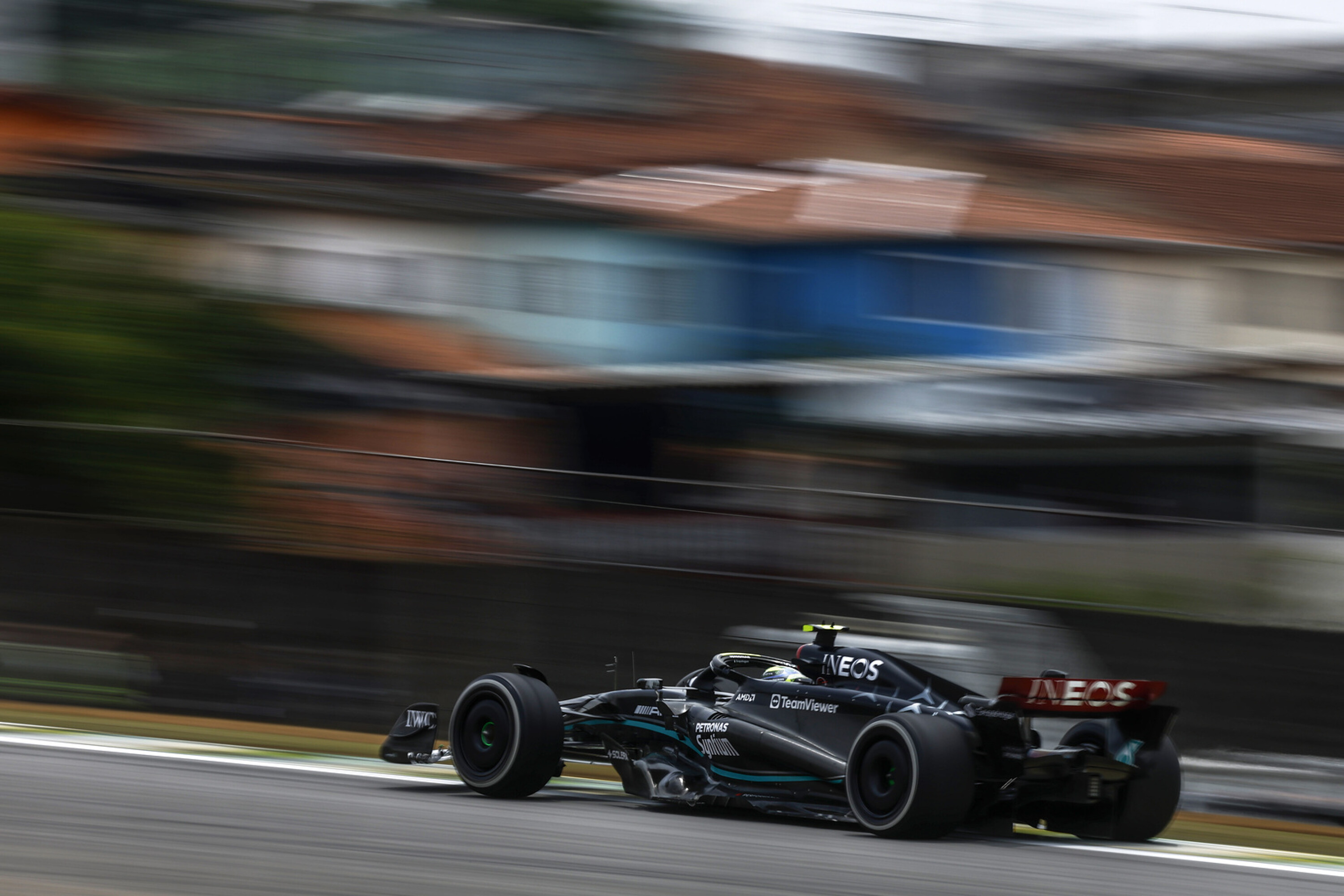
As for Sainz, his Ferrari contract ends this year and there’s no confirmation where’ll he’ll end up in what will be a turbulent contract season.
Coming from a top-flight team, shifting to the teams with contract availability such as Haas, Williams, RB (formerly AlphaTauri) and Alpine will be less appealing. Perez is out of a contract, too, leaving a Red Bull seat open but Daniel Ricciardo is expected to take that chair.
There’s also the option of a straight swap, with the more experienced 30-year-old Sainz heading to Mercedes in Hamilton’s place, though this doesn’t feel quite right. Instead, speculators see Sainz jumping to the Audi squad that will enter under 2026’s new regulations.
It’s therefore possible that Sainz could leap to Sauber for 2025 and use the year to build the team and eventual 2026 Audi race car around him and his driving style. He could even take a sabbatical for 2025 and come back as a refreshed racer in 2026.
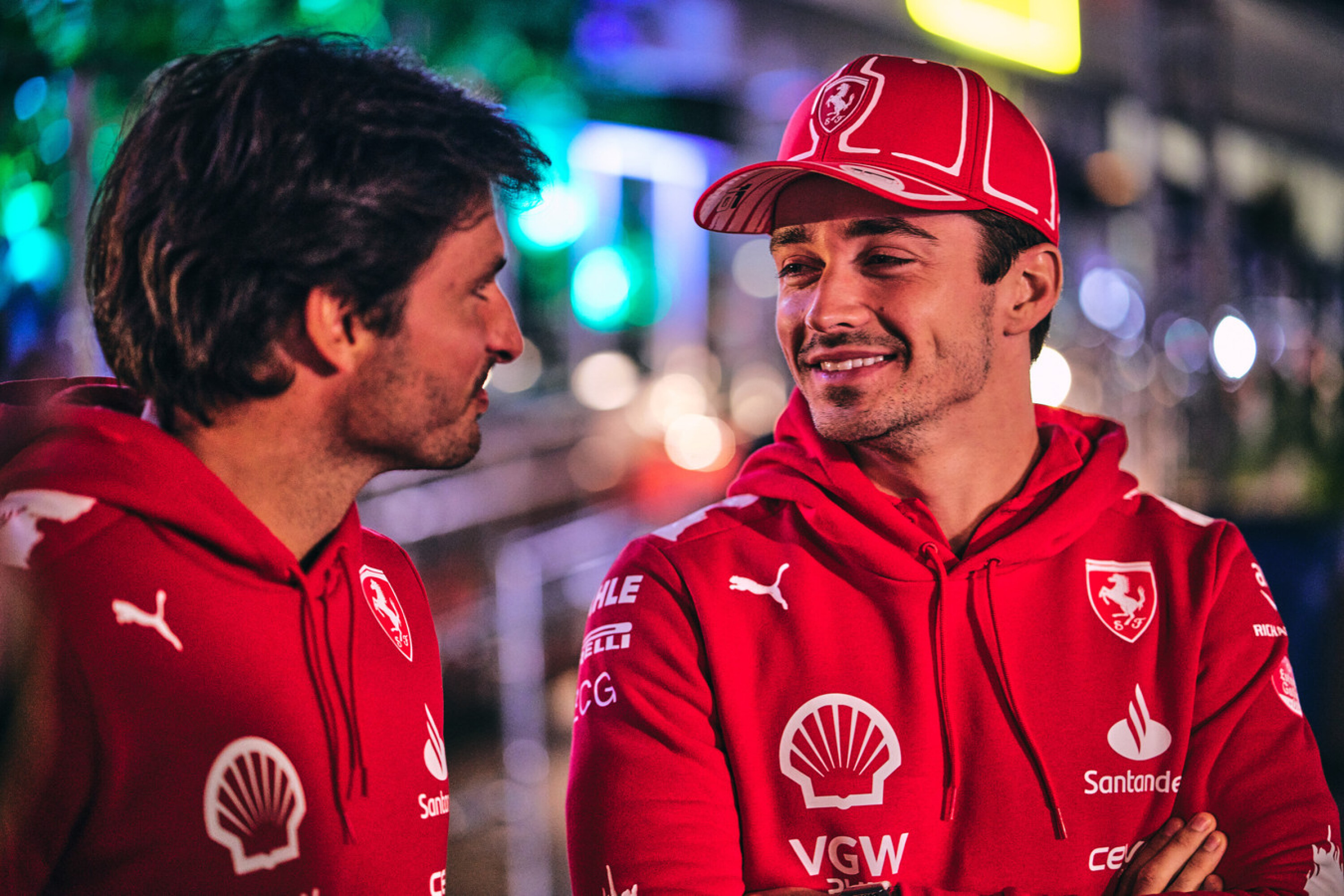
Ferrari stock price buoyed by F1 news? Not quite…
Who knew Hamilton could have an effect on stock prices? Well, the truth is, he didn’t – or at least not in the way that some are reporting.
Ferrari’s stock price instead climbed after a buoyant quarterly report from the Italian marque.
The brand told investors of strong order banks and the likelihood of hitting high-end sales targets in 2026. It also forecast increases in earnings and revenues this year, according to a Reuters report.
This resulted in a significant climb in share prices yesterday (which continues to trend upward) pushing Wednesday’s closing price from US$346.78 beyond US$384.00 and a market cap of US$69.12 billion.
Snapshot
- Honda confirms hybrid-only 11th-gen Accord for Oz arrival in Q2 2024
- Single e:HEV RS variant carries a sporty focus
- Pricing and final features yet to be confirmed
Honda’s 11th-gen Accord was launched in North America way back in November 2022, before being confirmed for Japan in September last year, and now (finally!) officially coming to Australia.
The hybrid-only Accord will launch in the second quarter of this year (April-June inclusive) in a single sporty e:HEV RS trim.
Pricing is yet to be confirmed for the Hyundai Sonata and Toyota Camry rival, though we expect it to carry a premium over the smaller Civic hybrid ($55,000 DA) and land around $60-65K drive-away.
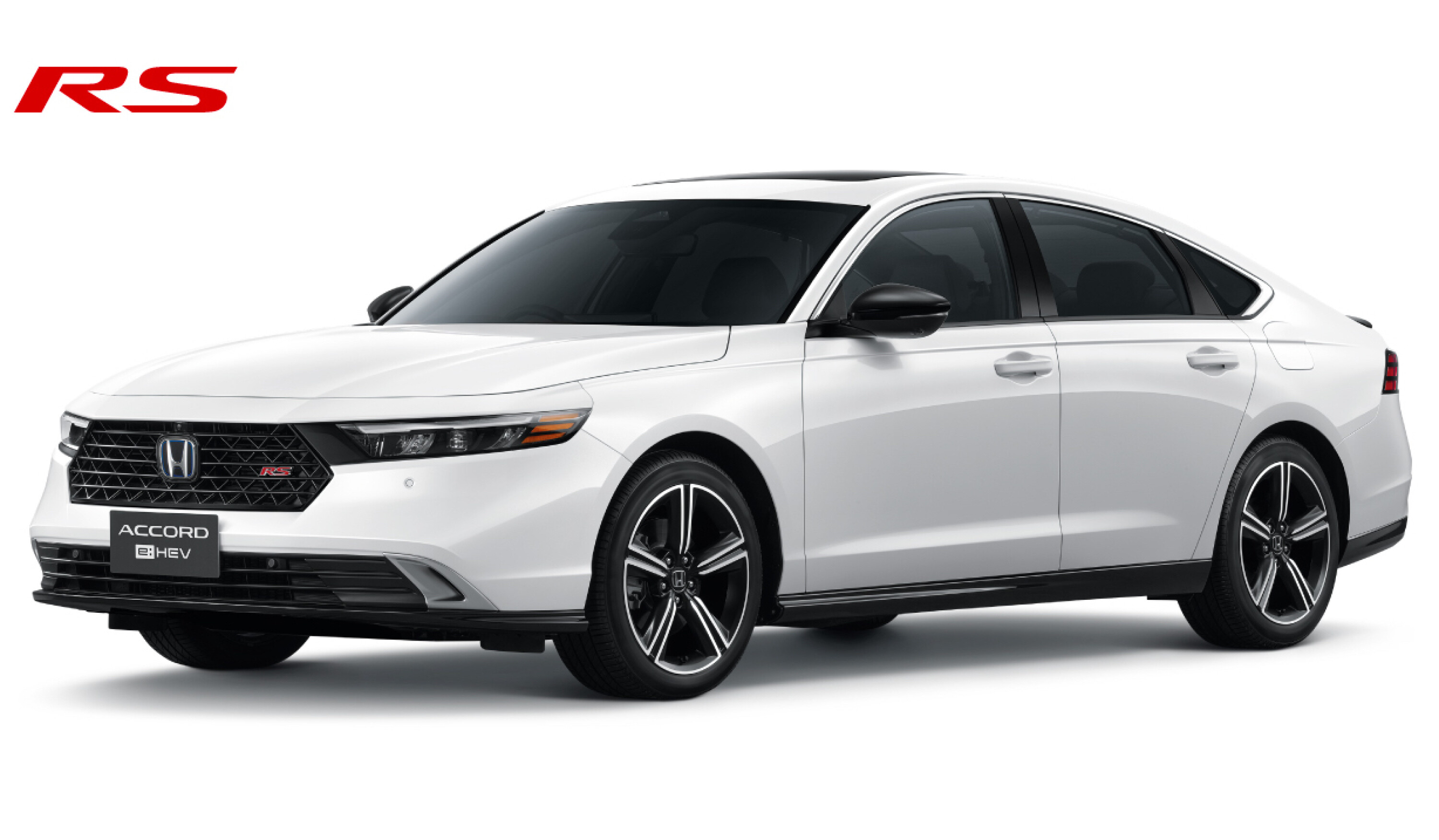
The Accord nameplate first appeared on Australian shores in 1977 and struck gold for Honda, becoming the first Japanese vehicle to win the coveted Wheels Car of the Year award in the same year.
“The Honda Accord has a rich history in the Australian market as a sophisticated, luxurious flagship model which has been a customer favorite since its arrival in 1977”, said Honda Australia director Carolyn McMahon.
The Accord e:HEV RS uses Honda’s fourth-gen hybrid system. Different from the layout used in the Civic, it’s the same as the new CR-V’s powertrain with a 2.0-litre Atkinson cycle petrol engine at its core and twin electric motors for total outputs of 152kW and 335Nm.
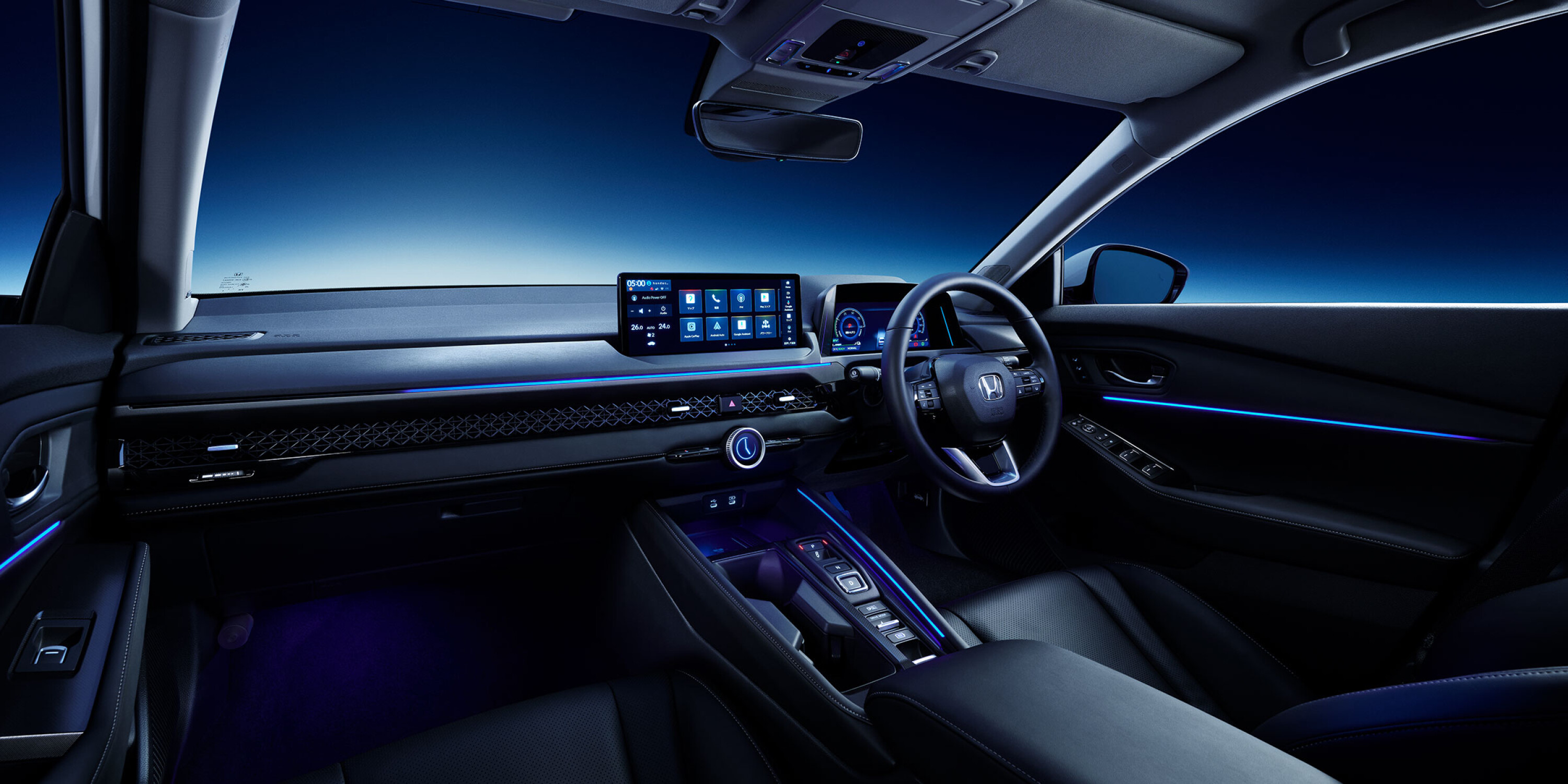
It rides on an updated version of Honda’s Global Architecture, measures 4970mm long, 1860mm wide, 1450mm tall and rides on an unchanged (from the 10th-gen) 2830mm wheelbase.
Inside, there’s updated technology with built-in Google running on the 12.3-inch central touchscreen and a 10.2-inch digital driver’s display for road information.
Honda describes the new Accord’s proportions as “premium” and notes its new broad stance.
The Thai market e:HEV RS features adaptive cruise control, AEB, 18-inch alloy wheels, active LED headlights, a sunroof, black styling package, leather-accented upholstery, power seats, Bose 12-speaker sound system, and more.
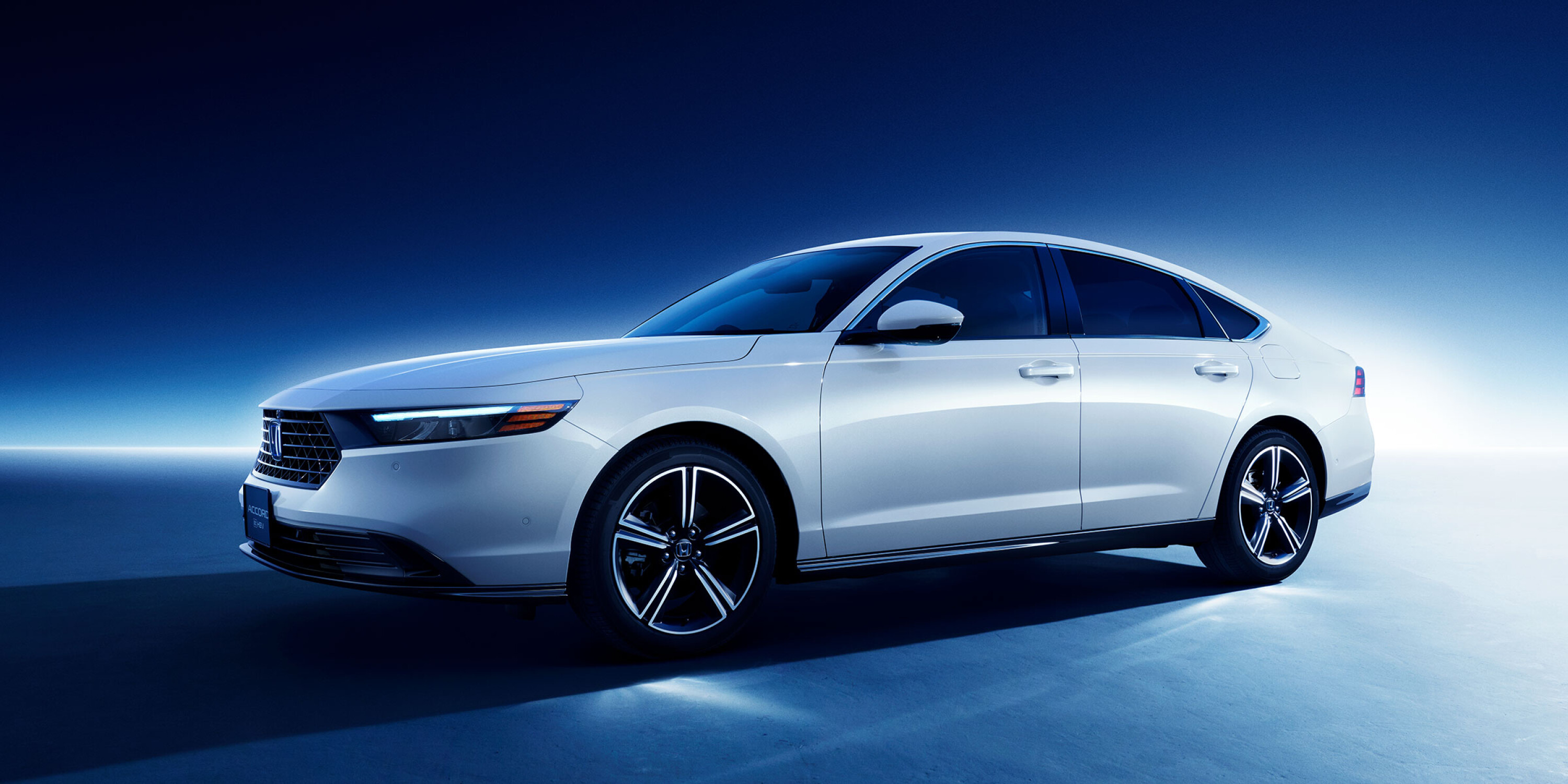
Honda Australia has yet to confirm where it will source Accord production (it’s built in the United States, China, and now Thailand) however, Thailand is most likely.
The local arm has never taken vehicles from plants in China (though the UK has) and the United States only produces left-hand drive models. Making it more obvious is that the e:HEV RS trim level matches the top rung variant of Thailand’s three-strong line-up.
Last year, Honda sold just 144 Accords for a meagre 1.0 per cent share in the medium sedan under $60K segment. If the new model is priced right, the new Accord will likely grow in popularity but not enough to topple the segment-leading Toyota Camry (10,581).
To complete its latest reincarnation, Lotus will replace its Emira mid-engined sports car with a British-built electric model, known as the Type 135, in 2027.
It’s expected that the Type 135 will debut next year as a concept giving a hint of what to expect, and will follow the Eletre large SUV, Emeya four-door grand tourer, and yet-to-be-revealed Type 134 – a BMW X3-sized electric SUV.
Lotus hasn’t revealed details of its new sports car, but reports from the UK’s Autocar say the carmaker is targeting a starting price of £75,000 (A$145,000), which would undercut the Emira V6’s £81,495 ask in the UK.
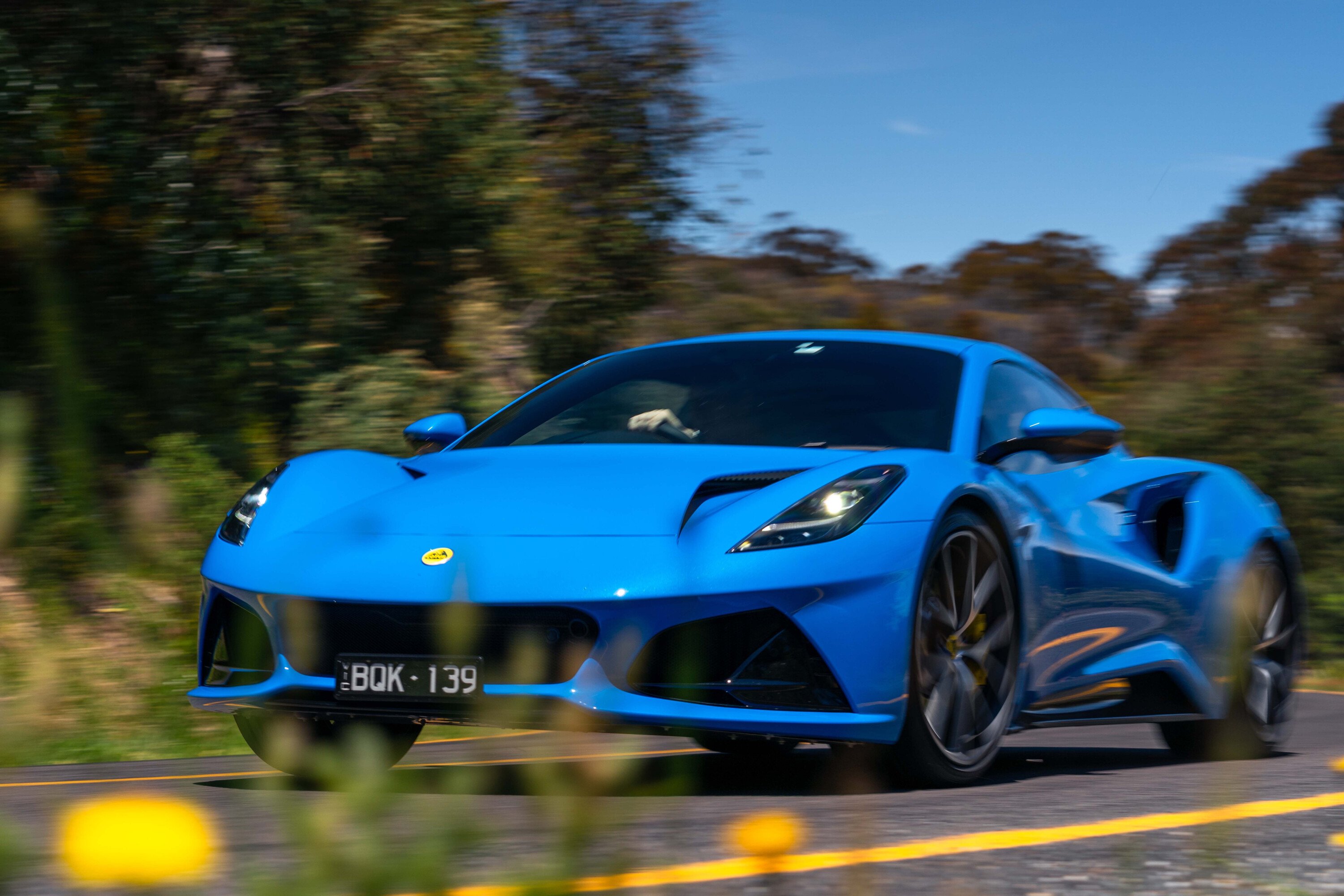
It will be developed and manufactured in Hethel – the home of Lotus – rather than constructed in China as the brand intends to do with its more mainstream vehicles.
The new sports car will be based around Lotus and Geely’s LEVA (Lightweight Electric Vehicle Architecture), which is light and strong (the structure promises to be 37 per cent lighter than the Emira’s) as well as deeply modular.
It’s said to allow more traditional ‘skateboard’ style battery placement for four doors and SUVs as well as alternative methods. Stacking the cells in the middle of the vehicle, for example, would allow Lotus to simulate the weight distribution of a classic mid-engined sports car – that’s the plan for the Type 135.
Lotus and Geely’s motors can configured in single- or twin-motor layouts to develop between 350kW and 650kW, substantially more than the 298kW Emira V6 even at the low end.
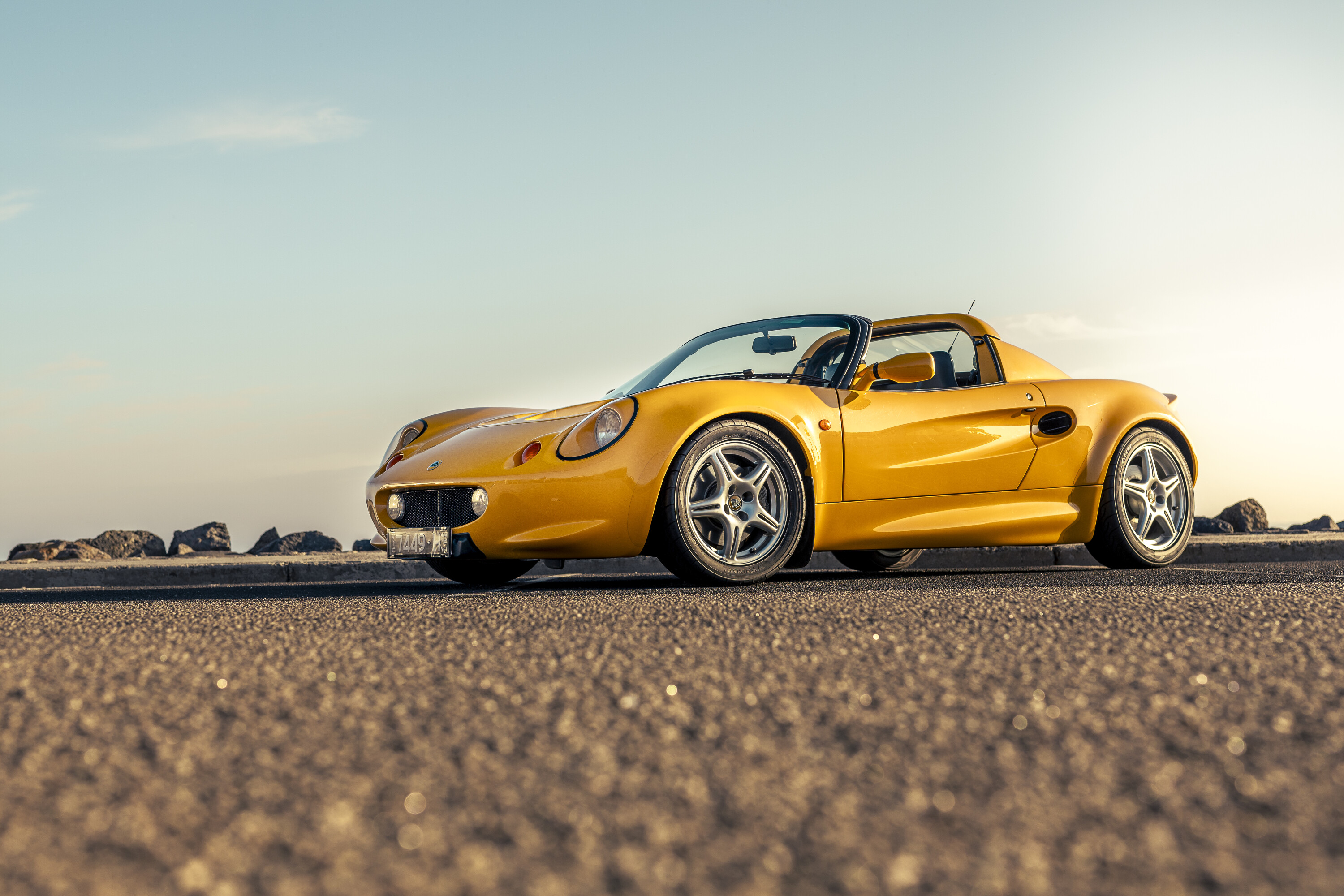
Those close to Lotus are expecting the brand to develop the Type 135 mainly as a rear-wheel drive option.
However, like the Evija hypercar a small motor could be fitted to the front axle to enhance capability for a track-focused Exige-like grade.
The Type 135 won’t not be the only British-badged all-electric sports car, with MG’s Cyberster roadster also nearing completion.
That said, Lotus isn’t expecting volume from this segment, suggesting around 10,000-15,000 units per year. That’s only a fifth of expected Eletre demand and a long way off the Type 134 SUV’s 90,000 goal.
Despite small volumes, Lotus executives promise the sports car will be an essential part of the line-up, the Lotus DNA giving credibility to create sporty and engaging SUVs and grand tourers.
As the newly revealed CX-70 nears its Australian debut, Mazda has told Wheels that a solution to ride quality concerns and low-speed transmission niggles with the new CX-60 and CX-90 is not imminent.
The Mazda CX-60 and CX-90 have been criticised by local and international media for having an “overly firm ride” and low-speed hesitation from Mazda’s new in-house eight-speed single-clutch automatic transmission.
Testing the CX-60 at its Australian launch event in 2023, contributor Tony O’Kane wrote: “The CX-60 is possibly too sporty for its own good. It handles great but it rides poorly, with dampers that are far too sensitive to minor bumps and an overabundance of tyre and transmission noise.”
Alex Inwood, given a long-term opportunity to assess the CX-60 in diesel form, wrote: “A bigger issue, however, is the transmission. The eight-speed unit was developed in-house by Mazda and it’s unpleasantly clunky and jerky at low speed.”
Following this week’s reveal of the Mazda CX-70 five-seat large SUV, Mazda Australia boss Vinesh Bhindi told Wheels the brand is aware of these comments about its Large Platform architecture vehicles – but no immediate product updates are planned.
“We’ve seen those comments not just from customers, but some of your [media] colleagues. And as always, we ensure every comment – plus or minus – does go back to the program team because they’re excited to hear about their product; the evaluations, especially from [the media]” he said.
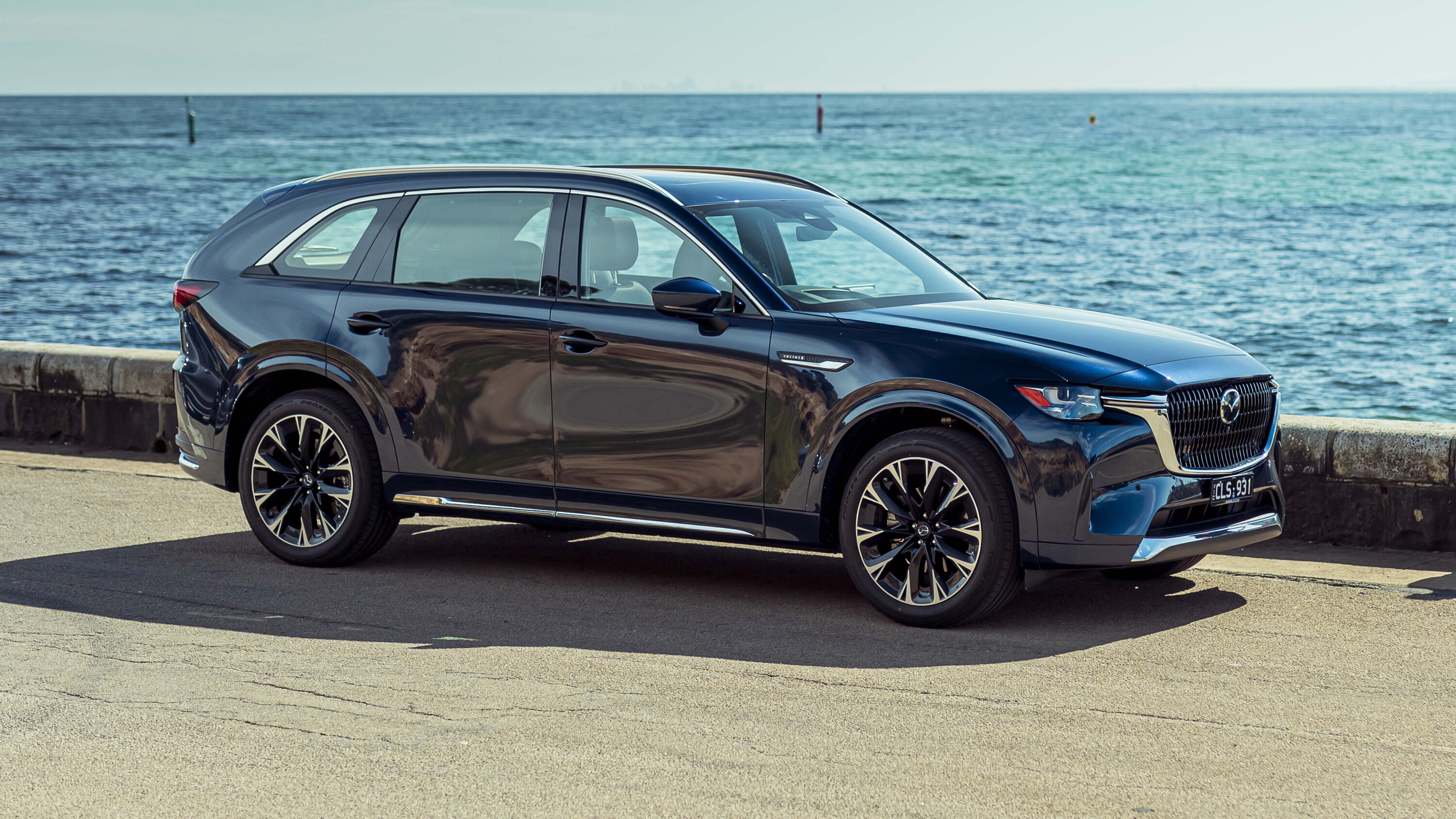
“In the end, when we launched CX-60 and CX-90, we had the program manager for both of them here with us in Australia and their ambition and desire was sportiness and a firm ride, to deliver the jinba-ittai [‘horse and rider as one’] feeling, and they believe they’ve met all the targets they set for themselves.
“But like any other product, there’s a constant evolution, improvement, changes, tinkering, et cetera that goes on behind the scenes – and this will be no different. What that is and when that is, is something I really can’t comment on because I don’t have the knowledge.”
Mazda has indicated it could fit adaptive dampers – which alter the extent to which suspension resists movement – to the CX-60 and CX-90 in future to address the firmer ride of both models.
Will anything change for the CX-70 and CX-80 before launch?
As the new CX-70 is a two-row version of the CX-90, and the CX-80 is heavily related to the CX-60, both vehicles could suffer from similar suspension and transmission concerns at launch – assuming Mazda does not move to that adaptive suspension plan sooner.
What you need to know up front: The CX-60 and CX-70 are five-seat models, while the CX-80 and CX-90 have six or seven seats.
Mazda has acknowledged “some overlap” in its decision to sell the CX-60, CX-70, CX-80 and CX-90 medium-to-large SUV models in Australia.
Mazda Australia managing director Vinesh Bhindi admitted that while the cars could intersect, the decision to sell the CX-60, 70, 80 and 90 was about providing consumer choice.
“When Mazda Corporation announced the Large Platform with four nameplates, the intention was all of the bigger markets really got to pick two,” he said.
“You pair the CX-70 and the CX-90 or the CX-60 or CX-80… US, Canada and Mexico, they get 70 and 90. That’s the main market, and then other markets like Europe and Japan get 60 and 80.
“But Australia, we were privileged enough because I suppose we as a team have requested that I think we can have an opportunity with all four. And here we are, that we will have all four in our portfolio.
The Mazda CX-60 and CX-80 are ‘narrow-body’ models aimed at Europe and Japan, while the CX-70 and CX-90 are ‘wide-body’ models aimed at the North American market.
“What that means is you might see some overlap, but really when you understand our business strategy which always has been to give consumers as many opportunities and options and choice as possible, and let the customer decide. That’s why it makes sense for us to get this,” added Bhindi.
While Bhindi admitted the CX-70 was a two-row version of the 5.1-metre-long three-row CX-90 “on face value”, he said it would appeal to a different customer.
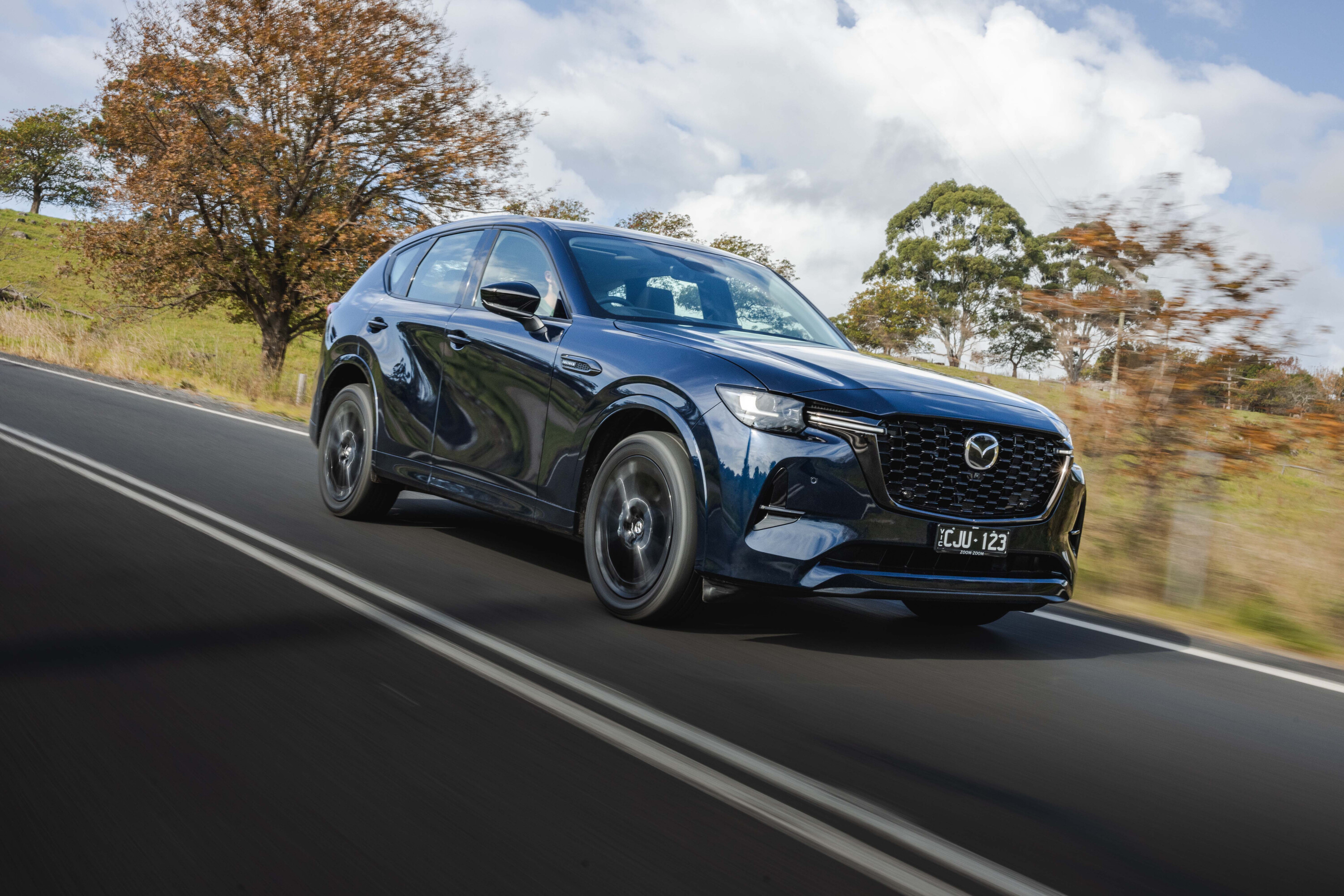
“If you think of it as kind of a flagship five-seat SUV range and that goes CX-3, CX-30, CX-5, CX-60 and CX-70. All the way.
You can have a life journey with Mazda in that direction if that suits your lifestyle, so really it’s about expanding our range of giving more choices of five-seater is number one,” said Mazda Australia’s marketing boss Alastair Doak.
“In terms of customer in Australia, we don’t see too many buyers who buy a three-row SUV, CX-90 for example, knowing that they’ll never use the third row. That conversation doesn’t really happen too much.
“For us, [CX-70] does offer a new opportunity. Yeah, it might be a reasonably small market, but there is those empty nesters who still want a large car who want to chuck a mountain bike in the back or go surfing or do that kind of lifestyle.
“They want the space, they want the refinement, they want the performance, they want the economy and CX-70 will certainly offer all those as well as dynamics.
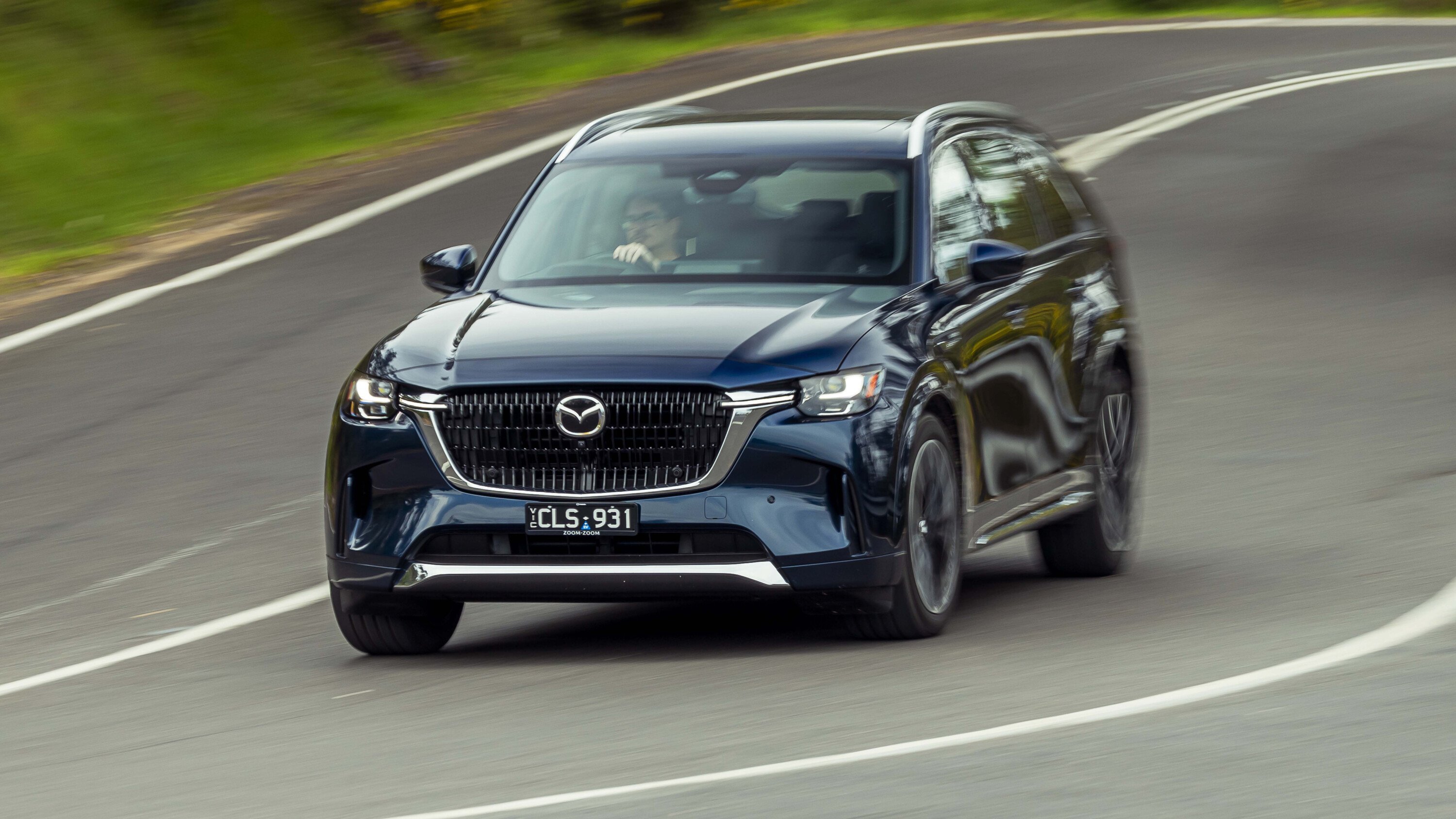
“That’s kind of the philosophy behind it. It’ll be a slightly older buyer than the CX-90 and obviously, they don’t have a small family. They would occasionally use the back seat but really they want that practicality and load space.”
When asked if potential customers could be overwhelmed with the choice of four Mazda SUVs in the $60,000 to $100,000 price bracket in Australia, Doak said the seating capacity of each vehicle would be the differentiator for most buyers.
“If you’ve got a younger family, chances are you’ll then say, OK, well, I need a three-row… then you would be looking at a CX-80 or CX-90 for us. There’s two choices and there’s a very clear differentiation in terms of spec and size on those cars,” said Doak.
“If you were saying OK, well SUV by default is what everybody wants… I want high performance of a reasonably large five-seater. You would say, well, OK, Mazda is on my shopping list.
“You go online and you say, maybe CX-5 is too small for me. I like the [mild] hybrid element of CX-60 or the plug-in, I’ll go to that. If I want actually something even bigger, the flagship model, then I’ve got a CX-70. There’s a very clear differentiation between those products.”
The Mazda CX-60 and CX-90 are on sale now, while the CX-70 – which debuted this week – is expected in Australia at the end of 2024.
While the three-row Mazda CX-80 has not been revealed, it was confirmed for Australia in March 2023 and is also expected to arrive here later this year.
Snapshot
- Mazda CX-60 and CX-90 recalled due to steering issue
- Manufacturing defect may cause unexpected increase in steering effort
- Mazda dealers rectifying issue free of charge
A recall has been issued for 5257 examples of the 2024 Mazda CX-60 midsize SUV and 2024 Mazda CX-90 large SUV due to a steering defect.
According to the federal government’s Vehicle Recalls database, a manufacturing defect may cause the gear set within the power steering not to operate correctly, which could result in “unexpected increased steering effort“.
Owners of affected vehicles will be contacted by Mazda Australia in writing to advise when a free-of-charge fix is possible.

Mazda’s recall notice distributed to owners notes that the “power steering gear pre-load spring” will be replaced with a revised part, and the gearset will then be regreased.
The recall also says that this will occur “when parts are available”, though owner’s groups indicate Mazda dealers are in the process of addressing the issue.
A list of affected VINs can be found in this CSV file [↗]
Mazda customer support can be contacted on 1800 034 411, or via email at [email protected].
Formula 1 has formally denied the bid for Cadillac-backed Andretti Formula Racing to become the sport’s 11th team, claiming the new squad wouldn’t “add value” or be competitive.
Snapshot
- Andretti Formula Racing, which is backed by GM/Cadillac, hoped to join Formula 1 in 2025/2026
- The bid had previously been approved by F1u2019s governing body, the FIA
- Andretti would become the 11th team on the grid
- Formula 1 denied Andrettiu2019s bid over commercial and competitiveness concerns
Andretti was on track to join F1 in 2025 or 2026 after its bid was approved by the sport’s governing body, the FIA, late last year. However the new team had yet to get the green light from Formula 1 itself which holds the category’s commercial rights and had long expressed concerns over expanding the grid.
Formula 1 divides its prize money between its teams, so any additional team would need to provide it would add significant value to ensure the earnings of the existing teams wouldn’t decline.
F1 says its assessment of Andretti, which is backed by 1978 F1 world champion Mario and his son Michael, is that “the presence of an 11th team would not, in and of itself, provide value to the championship.”
“The most significant way in which a new entrant would bring value is by being competitive,” continued F1’s official statement. “We do not believe that the applicant would be a competitive participant.”

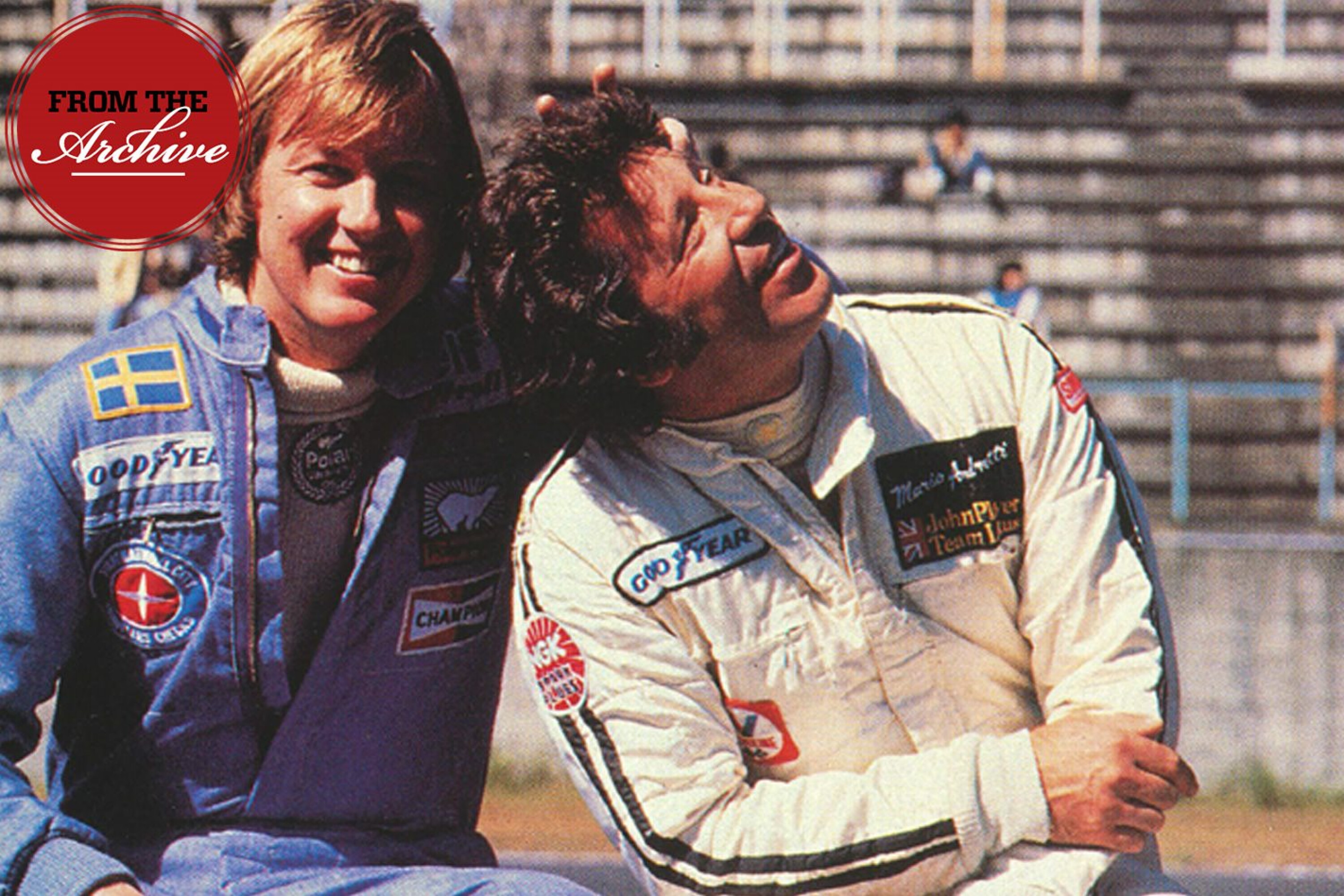
Mario Andretti took to social media to say he’s “devastated” by today’s announcement, although F1 did hint it “would look differently” on Andretti’s bid if it wished to try again for the 2028 season.
The Andretti family is hugely successful in global motorsport and it currently competes in seven different categories around the world, including Australia’s Supercars championship in partnership with Ford and Walkinshaw Racing.
Since Michael Andretti’s involvement, the team has won the IndyCar championship four times and won the iconic Indianapolis 500 five times. It also won last year’s Formula E world championship.
Andretti’s bid to join Formula 1 included a partnership with General Motors, which joined with its Cadillac brand in January 2023. GM announced plans to produce engines for the Andretti team if it was approved to join the grid.
Andretti has since released its own official response to F1’s rejection, saying it “strongly disagrees” and that work “continues at pace” to join the grid.
“Andretti Cadillac has reviewed the information Formula One Management Limited has shared and strongly disagree with its contents,” they said.
“Andretti and Cadillac are two successful global motorsports organisations committed to placing a genuine American works team in F1, competing alongside the world’s best.
“We are proud of the significant progress we have already made on developing a highly competitive car and power unit with an experienced team behind it, and our work continues at pace.
“Andretti Cadillac would also like to acknowledge and thank the fans who have expressed their support.”
February 1: 2024 Tesla Model 3 deliveries resume, recall issued
Deliveries of the 2024 Tesla Model 3 electric sedan have resumed in Australia with a fix for a child-seat compliance issue.
As detailed below, the delivery pause was due to the Model 3’s lack of an accessible top-tether point in the rear-centre position without tools or modification, which is required under the Australian Design Rule (ADR) 34/03.
To resolve the issue, Tesla will replace the parcel shelf in the affected Model 3 units with a version that has an accessible slot for the centre top-tether anchor point.
A recall has been issued to rectify the 505 affected Model 3 units, including some examples that were delivered to customers in Australia between late December 2023 and 17 January 2024.
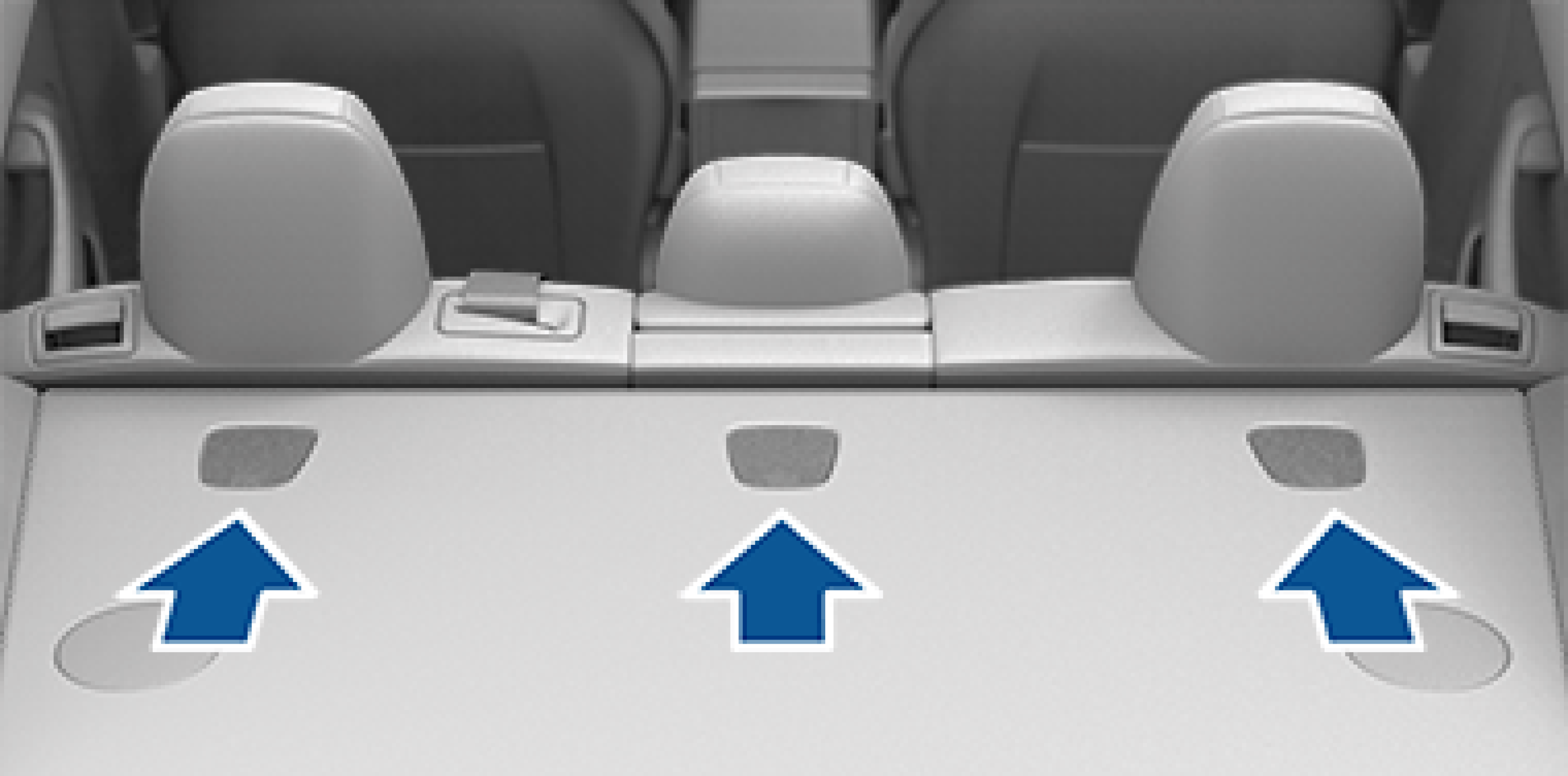
“Tesla will contact affected vehicle owners to schedule a service appointment to carry out a part replacement to provide access to the rear-centre seat top-tether restraint anchorage,” the recall notice states.
“Until this is completed, consumers should not secure an infant or child car seat on the rear-centre seat or otherwise attach an infant or child car seat restraint to the top-tether anchorage.”
A VIN list for the affected vehicles can be found here (.csv file) [↗].
Tesla Australia’s customer support can be contacted directly by calling 1800 646 952 or emailing [email protected] [↗].
Our earlier story, below, continues unchanged.
January 24: Tesla Model 3 deliveries set to resume in Australia soon
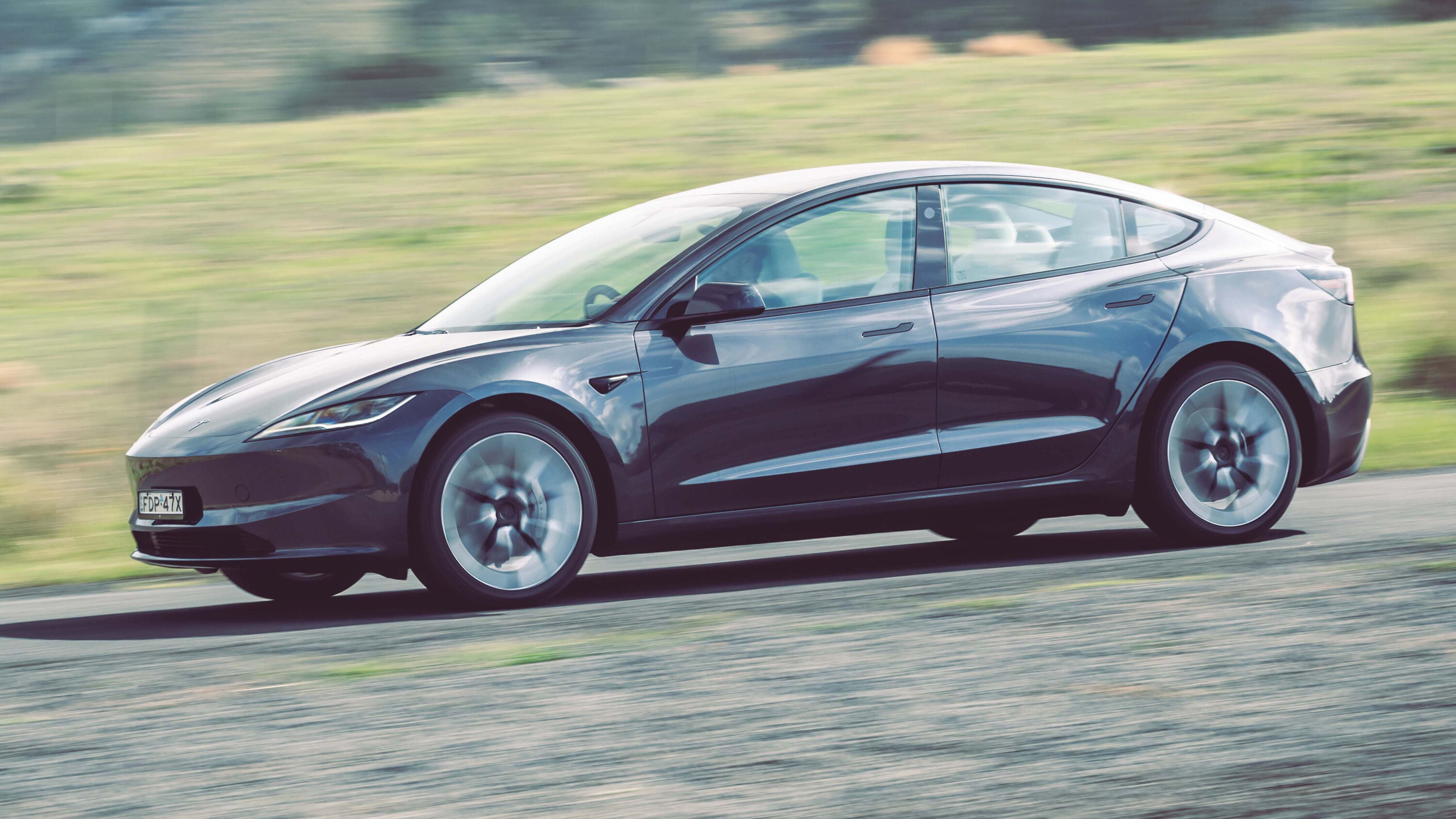
The 2024 Tesla Model 3 will resume deliveries in Australia “in the coming week” after the electric-car brand was forced to pause customer handovers from January 18 due to a compliance issue.
The delivery pause is due to the updated Model 3’s lack of an accessible top-tether point in the rear-centre position without tools or modification, which is required under the Australian Design Rule (ADR) 34/03. The previous Model 3 had access to all three top-tether points in Australia.
ADR 34/03 states: “Clearance shall be provided around each ‘Upper Anchor Fitting’ to allow latching and unlatching, without the use of tools, of the ‘Attaching Clip’ to the ‘Upper Anchor Fitting’ when it is installed in the vehicle.”
“Thank you for your patience as we navigate the technical compliance matter that caused the cancellation of your Model 3 delivery appointment,” said Tesla Australia in a communication sent to affected customers.
“We are pleased to advise that we are finalising this matter by ensuring access to the vehicle’s rear-centre seat top-tether restraint anchorage point.
“At this time, we expect to recommence deliveries in the coming week where your order will be prioritised for delivery. Once again, we sincerely apologise for this inconvenience, and we look forward to getting you behind the wheel of your new Model 3 as soon as possible.”
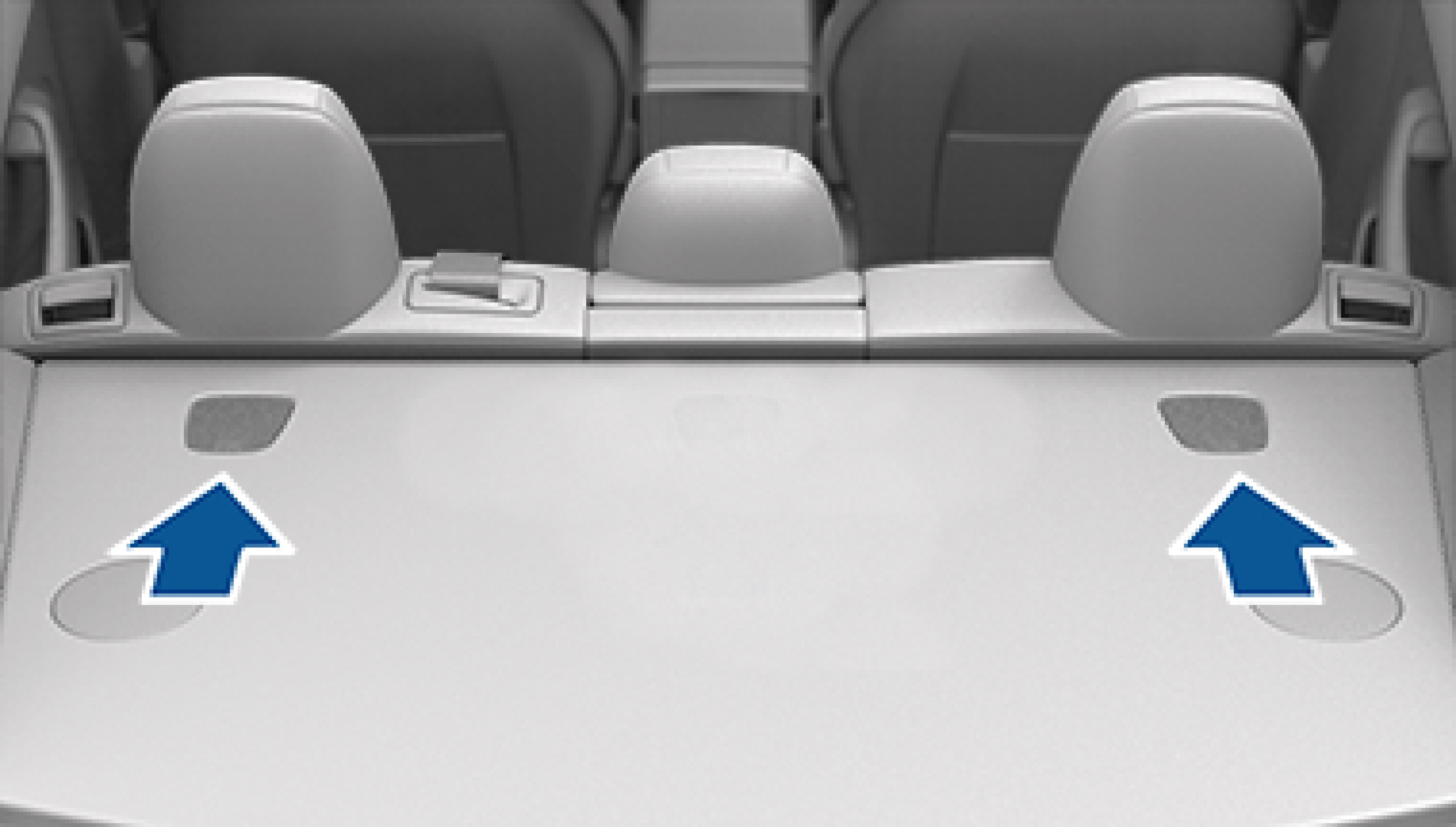
Tesla Australia has not officially confirmed how it plans to make the top-tether point accessible for vehicles that have already been produced, including Model 3’s delivered prior to January 18. A safety recall is likely for vehicles that have already been delivered to customers.
However, a recent update posted to the Model 3’s Australian owner’s manual reveals a flap to access the rear-centre top-tether point on the vehicle’s parcel shelf, which was previously absent from the documentation.
While ANCAP has announced the five-star safety rating for the Model 3, achieved in 2019, “cannot be applied to facelifted vehicles at this time” with the latest model currently ‘unrated’, it is unclear if this is related to the child-seat compliance issue.
The latest compliance issue regarding top-tether points for the rear-centre seat position follows similar situations for the BYD Atto 3 and Honda HR-V small SUV models in 2022.
In the BYD Atto 3’s case, the brand was required to temporarily pause sales and perform a ‘voluntary safety recall’ after it was found the model had failed to comply with the Australian Design Rule requiring a top-tether to attach a child seat in the rear-centre seat.
Meanwhile, Honda decided to instead comply the HR-V as a four-seater in Australia, rather than invest in a top-tether point for the rear-centre position to legally sell it with five seats.
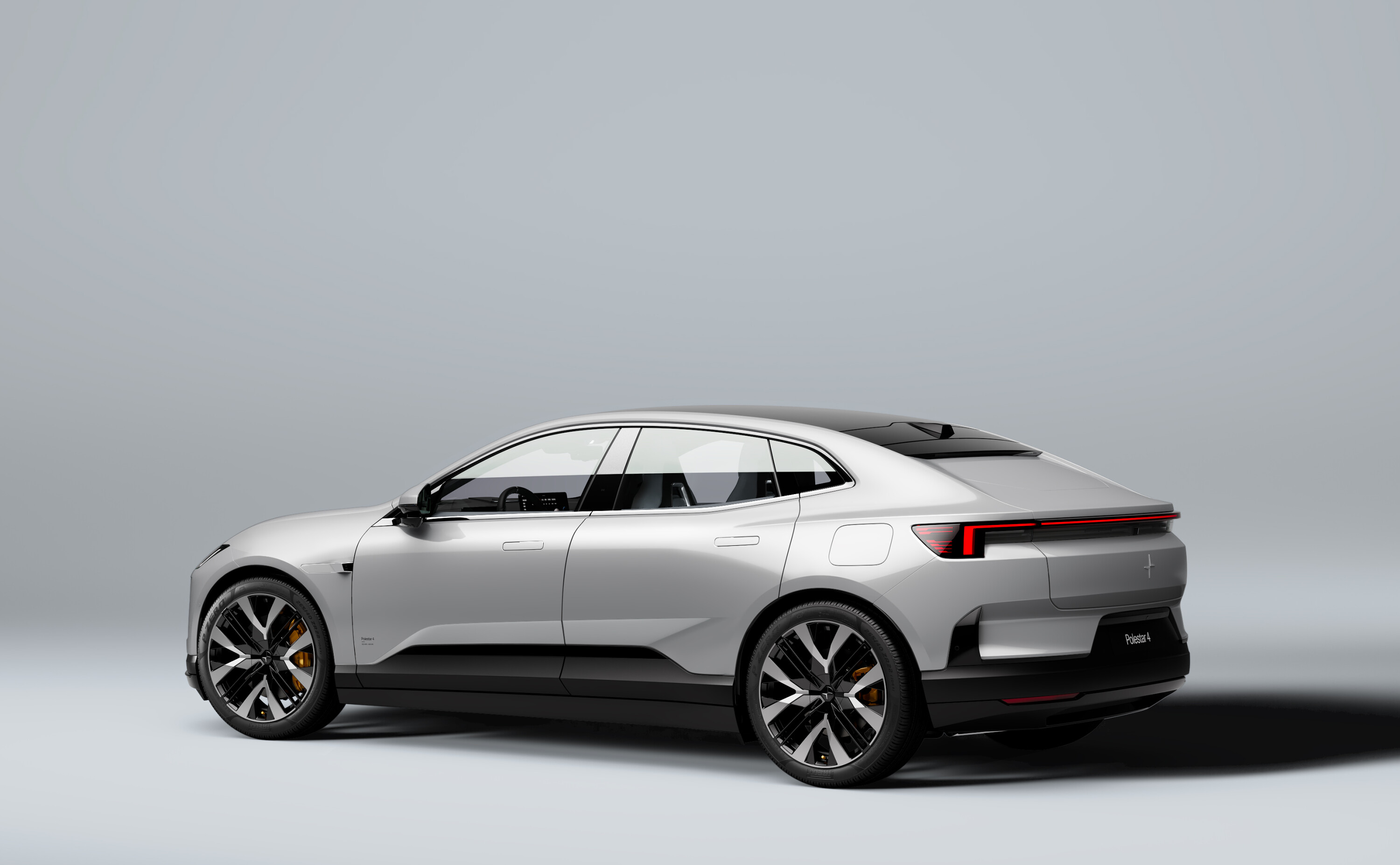
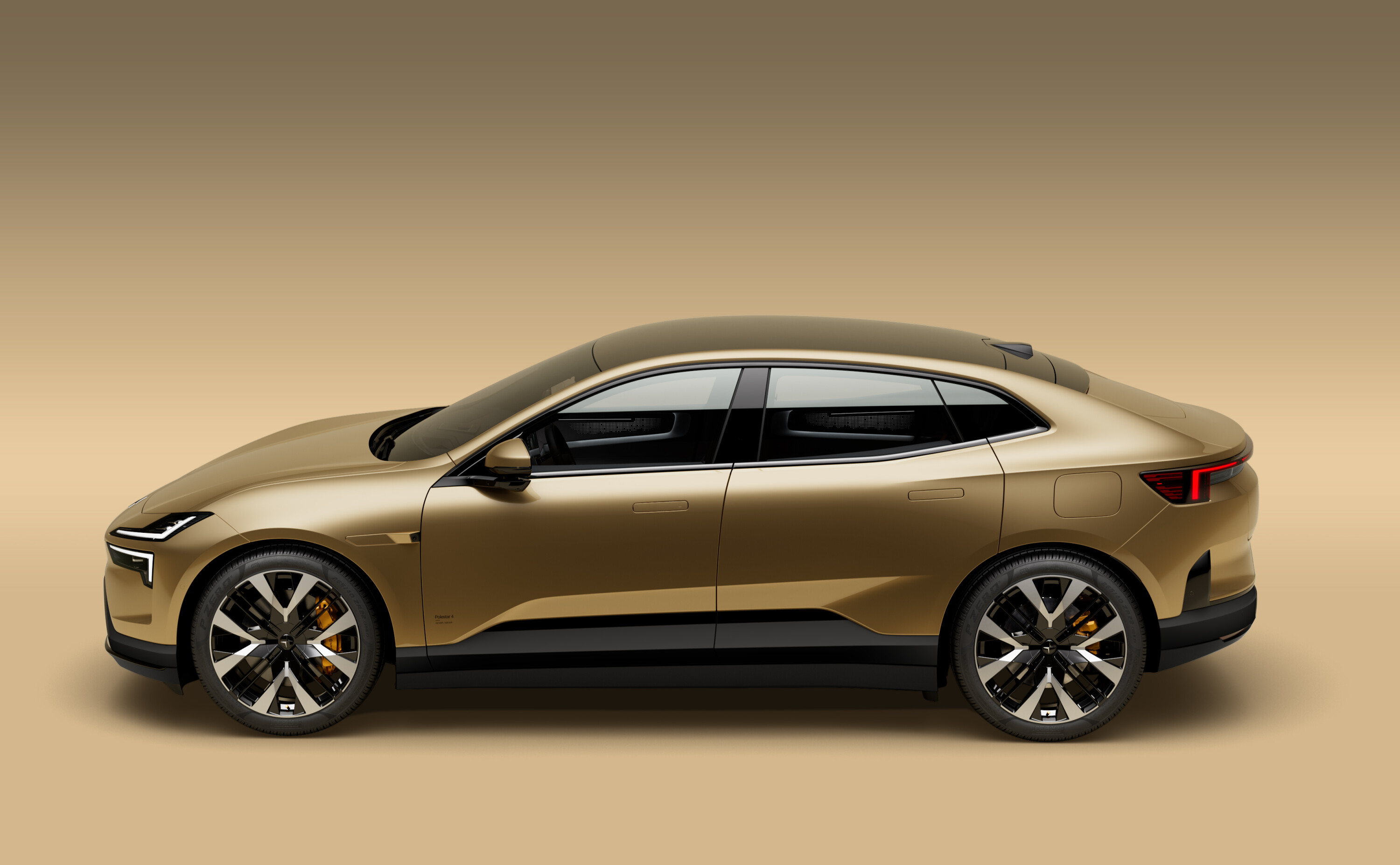
The 2024 Polestar 4 is set to arrive in Australia this year, and when it does the midsize SUV will join the 2 lifted sedan and 3 large SUV on the brand’s website and at its experience centres.
Its main rival will be the popular Tesla Model Y but competition will only hot up with the arrival of new flesh such as BYD’s Sea Lion 07 and Toyota BZ4x and established name plates like the Kia EV6 and Hyundai Ioniq 5.
We’ll be organising a real-world showdown when the Polestar becomes available, but for an early taste we’ve compared the newcomer with the best-seller – and the results are intriguing.
Read on to find out how the Polestar 4 ($81,500-$108,250) stacks up against the Tesla Model Y ($78,400-$92,020).
JUMP AHEAD
- Pricing
- Dimensions and boot space
- Performance
- Driving range and charging
- Warranty and servicing
- Standard specifications
- VERDICT: which offers the most value?
Pricing
On the face of it, the Polestar 4’s pricing is competitive with the Model Y; the base Long Range Single Motor promises more driving range (though two less driven wheels) than the Model Y Long Range AWD for a $2900 premium.
Of course, there’s also the base Model Y RWD ($65,400 before on-road costs) in the mix, though it features a smaller 57.5kWh battery making it less competitive with the entry-grade Polestar 4.
The base Polestar 4 Dual Motor is even closer to its direct Model Y rival at just $1030 more. However, as with the Polestar 2, there are option packs that need ticking.
Polestar’s Plus Pack ($8000) has been very popular on the Polestar 2 – expect that to continue with the 4.
It includes a large head-up display screen, a 14-speaker Harman Kardon sound system, wheel heating and other features detailed below.
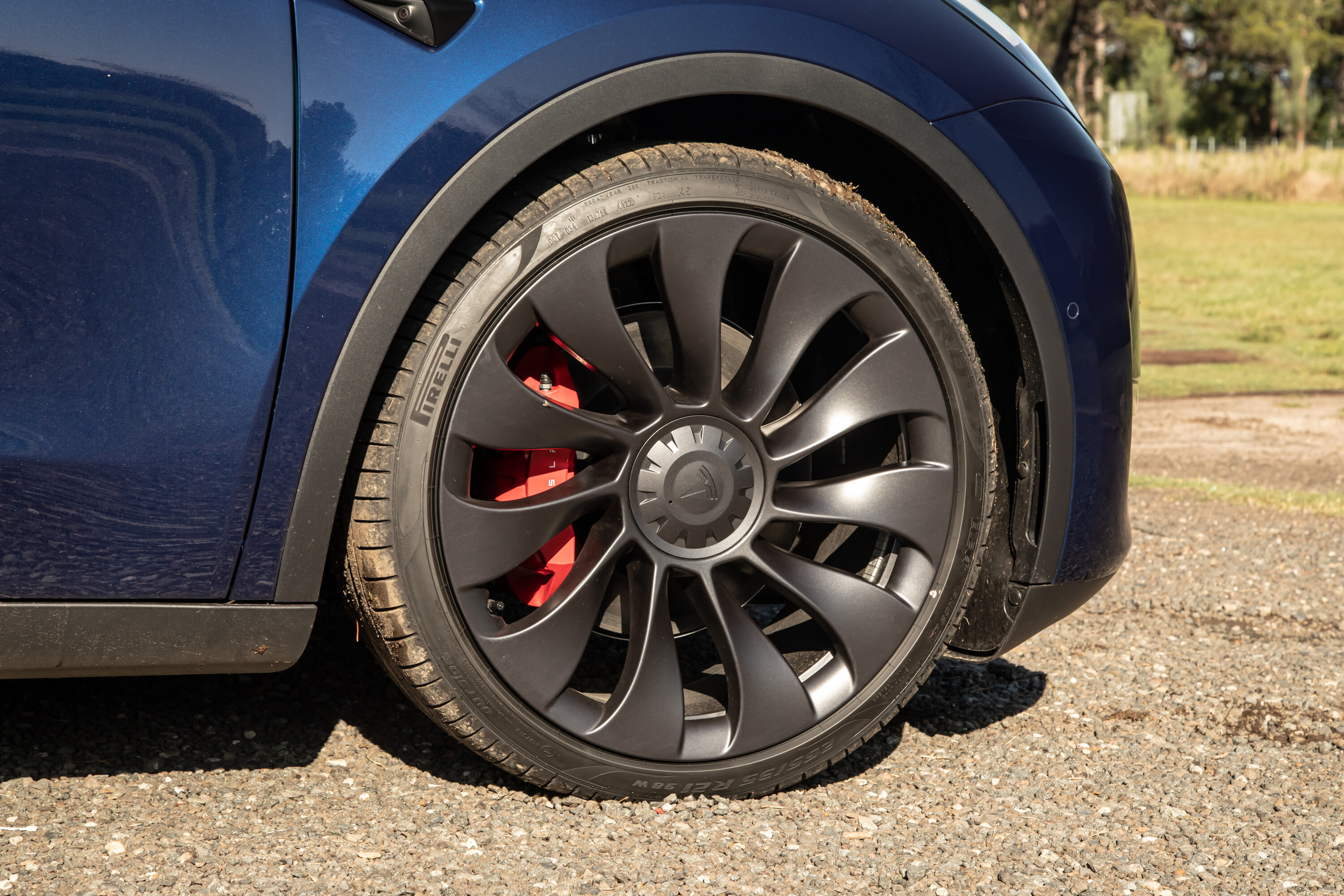
There’s the Performance Pack for Dual Motor variants, too, that adds another $7200 to the base price, bringing a well-equipped Polestar 4’s price tag up to $108,250 – not far off a more powerful Hyundai Ioniq 5 N.
| Variant | Polestar 4 | Model Y |
|---|---|---|
| Entry | – | Standard Range RWD: $65,400 |
| Mid spec | Long Range Single Motor: $81,500 | Long Range AWD: $78,400 |
| Top spec | Long Range Dual Motor: $93,050 | Performance AWD: $92,020 |
Dimensions and boot space
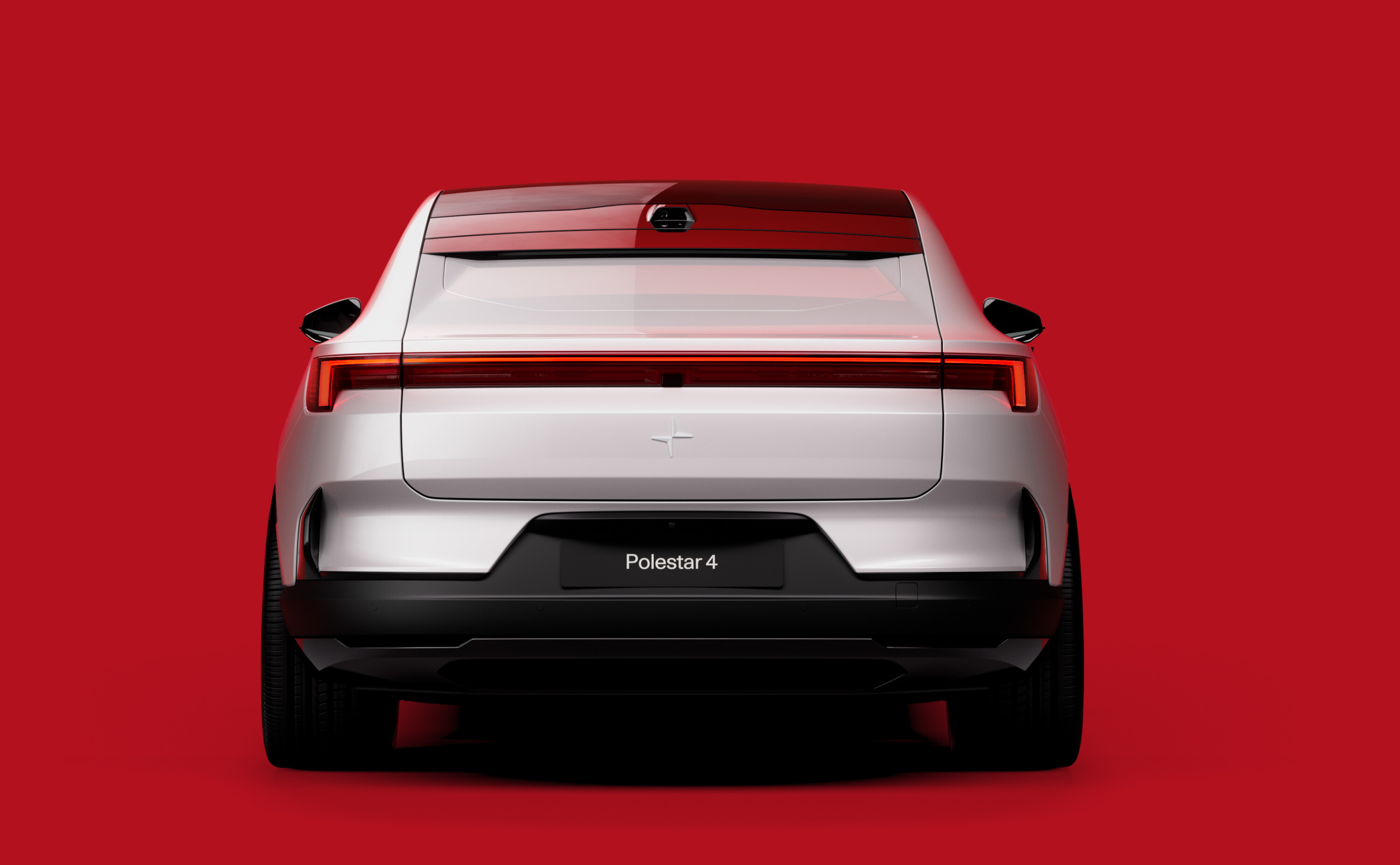
The Polestar 4 rides on a longer wheelbase than the Polestar 3, though it’s an overall smaller vehicle with a more coupe-inspired aesthetic – the Volvo subsidiary names its vehicles sequentially via release, rather than size as most makers do.
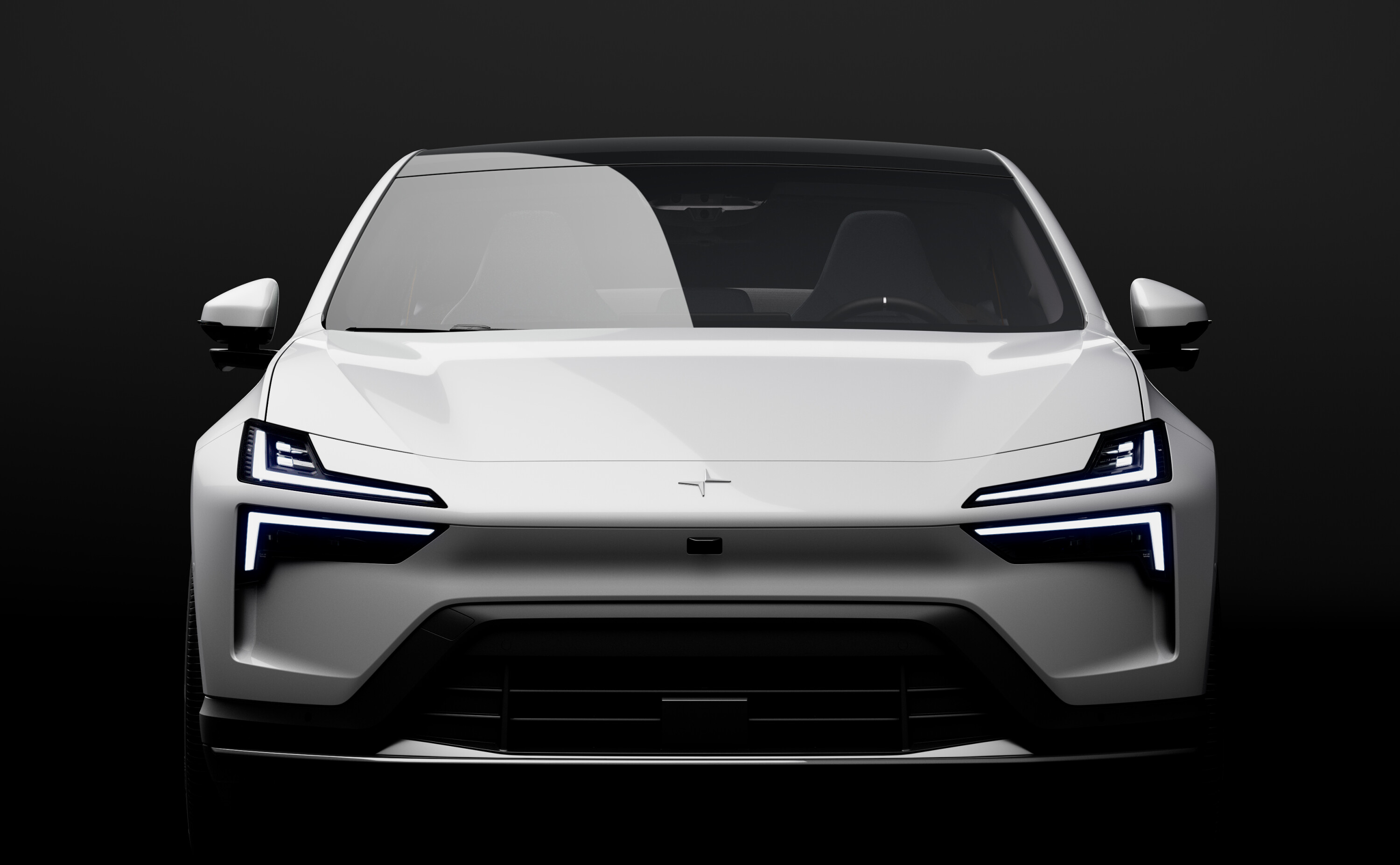
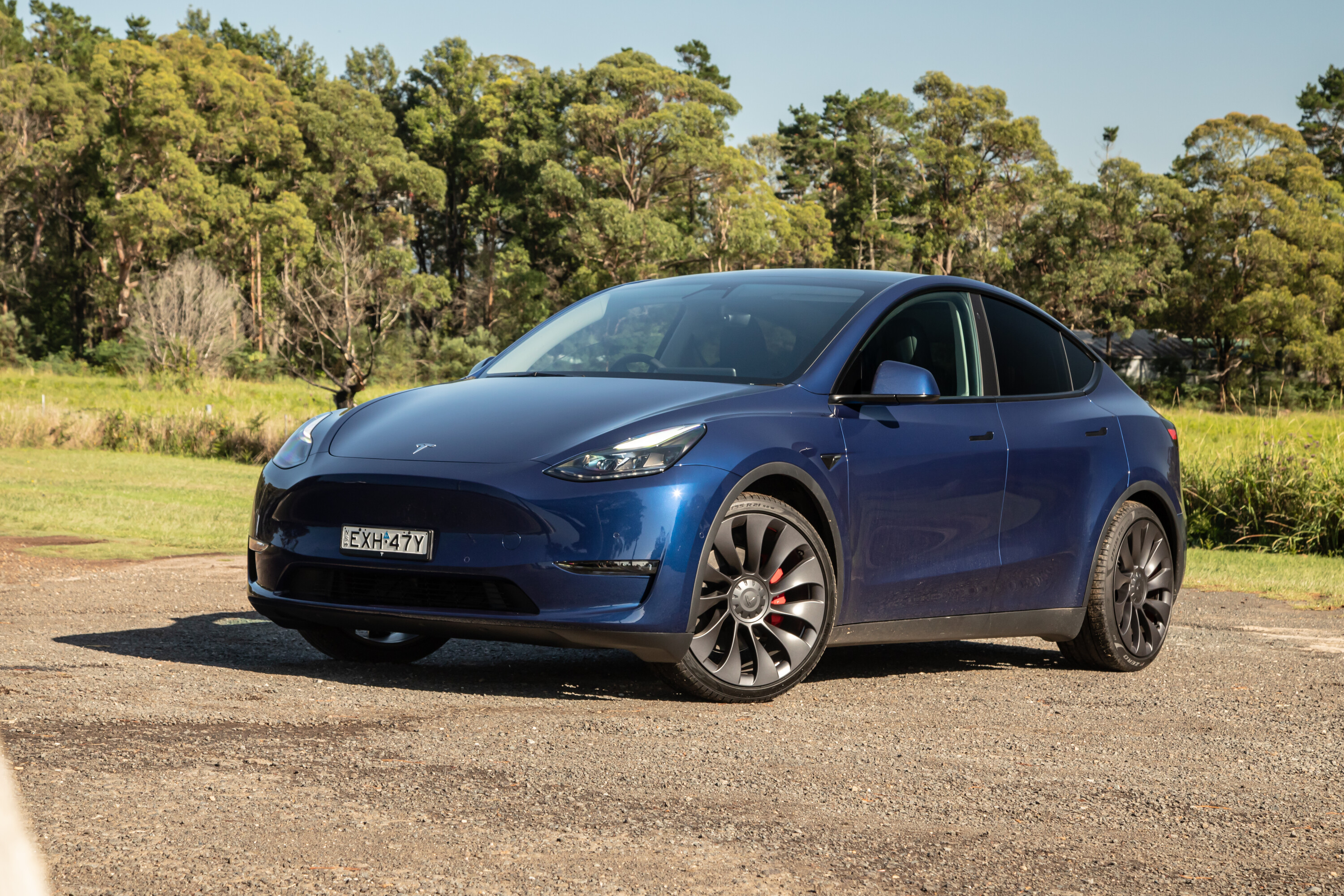
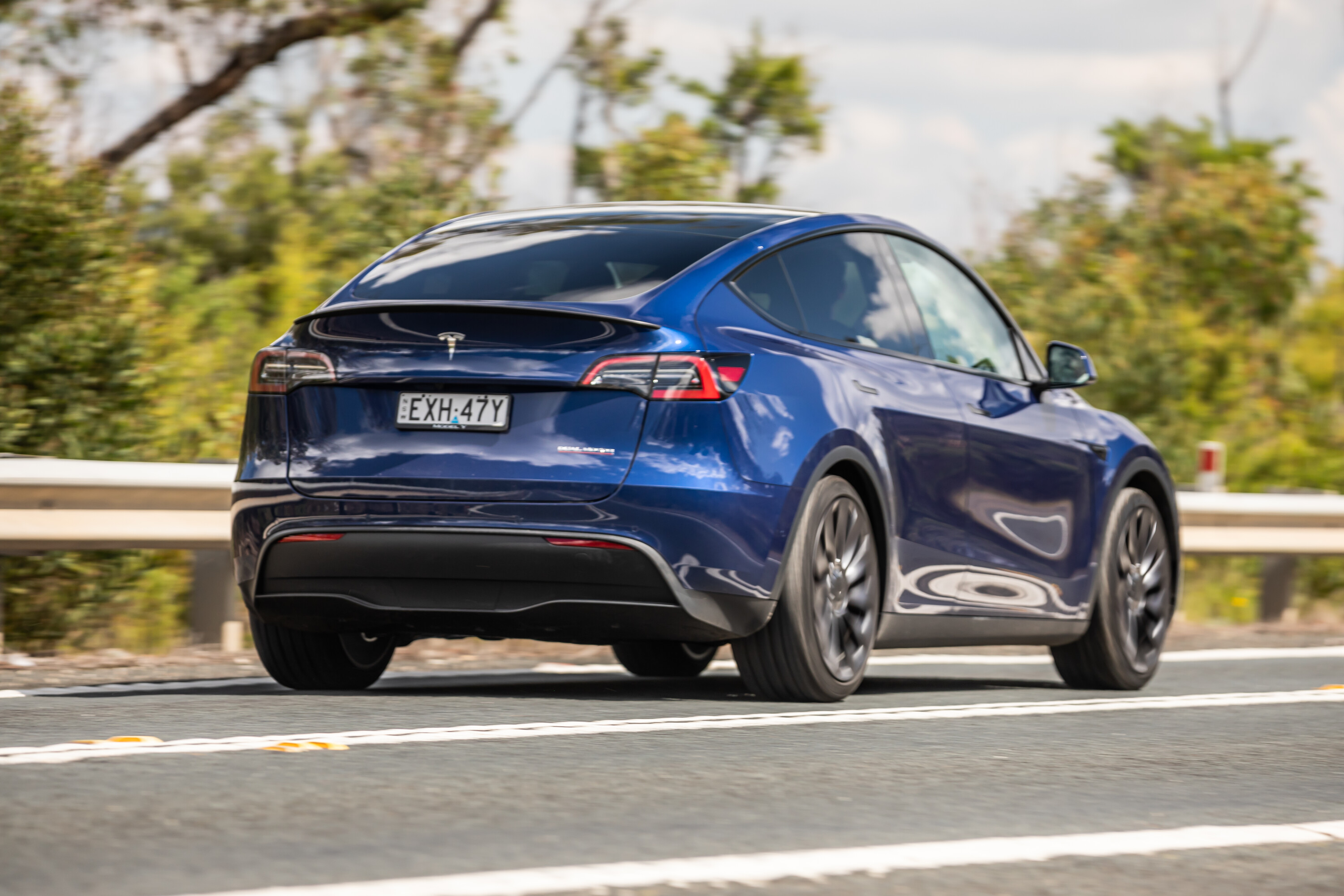
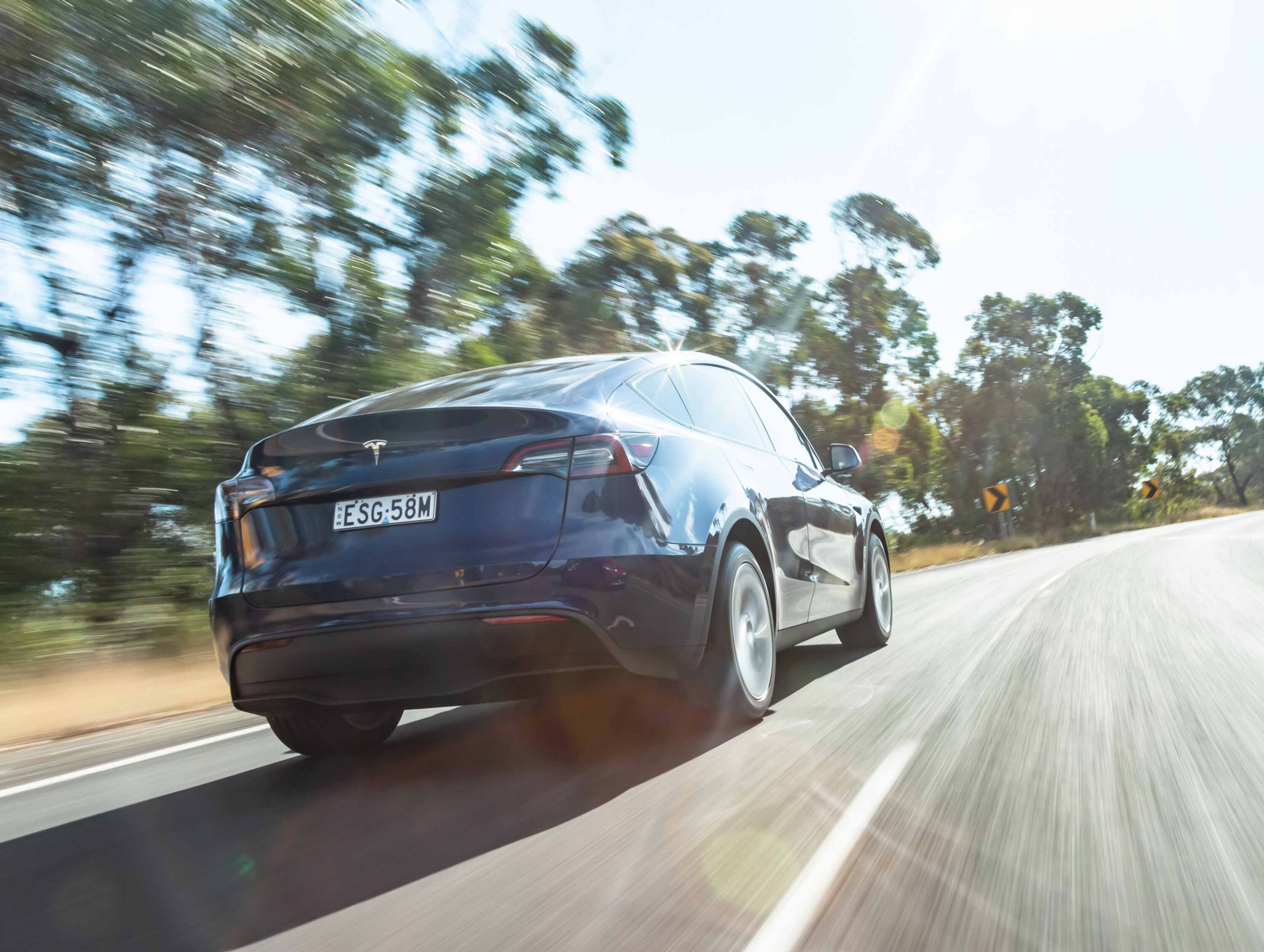
Regardless, the Polestar 4 is a handsome vehicle with crisp lines and confident proportions, more than can be said for the egg-shaped Tesla Model Y.
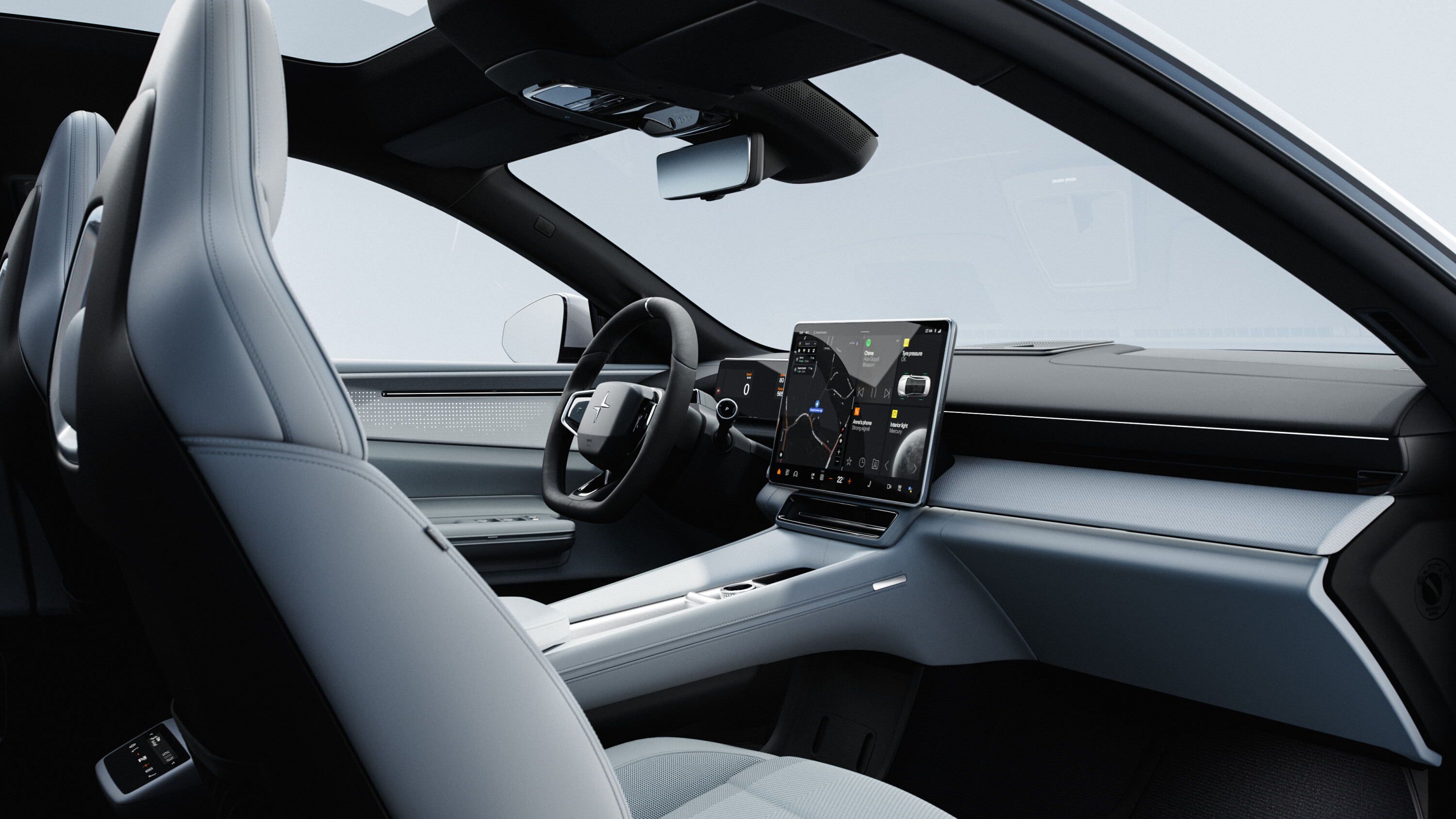
Inside it’s more personal preference. The Model Y’s airy cabin could be described as cheaply sparse or pleasingly minimal depending on your view. The Polestar’s more cocooning cabin will please those who appreciate quality automotive interior design.
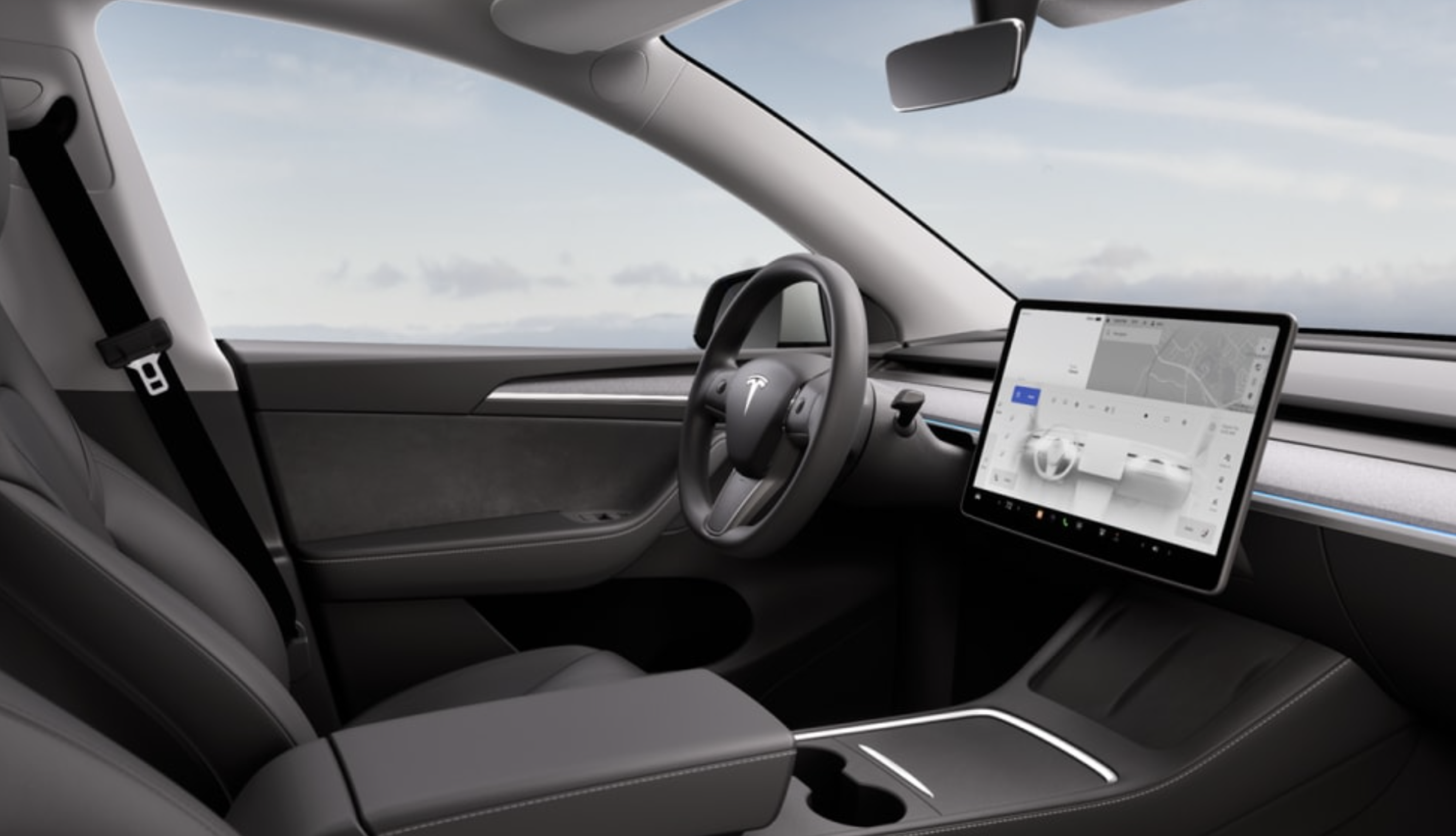
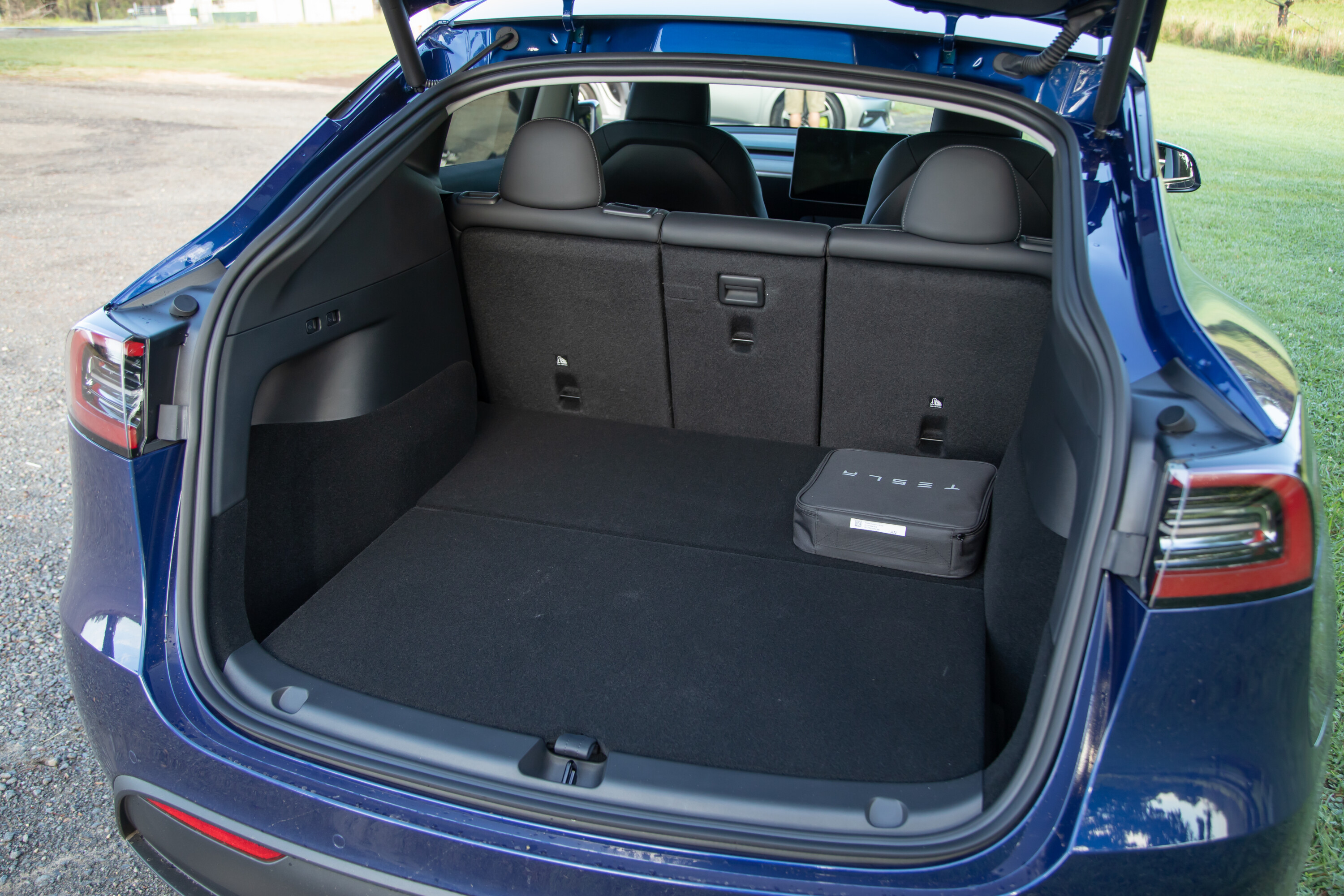
The Model Y’s odd proportions and sparse interior do make for excellent packaging, as the 854L boot space claim (stacked to the roof, as opposed to the Polestar’s VDA measurement) and generous 117L frunk prove.
Tesla has managed to pack more on-paper space into the Model Y’s smaller footprint. The style-forward Polestar 4 isn’t bad, though, with a 526L boot under that practical liftback.
| Dimensions and boot space | ||
|---|---|---|
| Size | Polestar 4 | Model Y |
| Length | 4840 mm | 4715 mm |
| Width | 2139 mm* | 1921 mm |
| Height | 1534 mm | 1624 mm |
| Wheelbase | 2999 mm | 2890 mm |
| Ground clearance | 166 mm | 172 mm |
| Cargo | 526 L / 15 L ‘frunk’ | 854 L** / 117 L ‘frunk’ |
| Weight | 2230-2355 kg (kerb) | 1909-1997 kg (tare) |
* Width including mirrors
** Tesla quotes boot measurements to the roof, covering the window line. The Polestar’s measurement is VDA, to the bottom of the window.
Performance
Both top-spec medium SUVs are blisteringly quick for family transport, the Polestar 4 hitting 100km/h in a claimed 3.8 seconds just pipped by the 3.7-second Tesla.
If we’re being honest, you’ll struggle to tell the difference between how fast these two are in the real world – anything sub-four is plenty rapid.
At the more affordable end of the spectrum, it’s the Tesla with a significant advantage. An extra 178kW and 150Nm combined with better all-wheel drive grip see the Model Y Long Range hit 100km/h in a claimed 5.0 seconds to the Single Motor Polestar 4’s 7.1 seconds.
Top speed isn’t relevant in Australia, but if you happen to be reading this to select the best Autobahn partner then the Model Y Performance’s ability to hit 250km/h (50km//h faster than either Polestar) will be welcome.
| Specification | Polestar 4 LR SM | Polestar 4 LR DM | Model Y LR AWD | Model Y Performance |
|---|---|---|---|---|
| Power | 200 kW | 400 kW | 378 kW* | 393 kW* |
| Torque | 343 Nm | 686 Nm | 493 Nm* | 660 Nm* |
| E-motor / engine | Single permanent magnet synchronous motor | Dual permanent magnet synchronous motors | Dual AC permanent magnet synchronous motors | |
| Driven wheels | Rear | All | All | All |
| 0-100km/h claim | 7.1 seconds | 3.8 seconds | 5.0 seconds | 3.7 seconds |
| Top speed | 200 km/h | 217 km/h | 250 km/h | |
* Figures obtained from EV Database and government data as Tesla does not market certain specifications.
Driving range and charging
Polestar is questioning Tesla’s place at the top of driving range charts from all angles.
The heavily updated Polestar 2 shifted its more efficient motors to the rear to make it the longest-range EV on sale in Australia.
Now, thanks to a huge 94kWh NCM lithium-ion battery and 0.261Cd, the Polestar 4 outguns its closest rival from Tesla by 14.5 per cent in driving range stakes, with 610km targeted for the Long Range Single Motor in the combined WLTP cycle.
Raw efficiency numbers, though, prove the Tesla is doing more driving with less battery. The WLTP efficiency rating for the rear-drive Polestar 4 is 17.1kWh/100km, while the all-wheel drive Tesla’s is 14.1kWh/100km. Much of this could be attributed to Polestar’s design-forward approach (no potato-shaped cars, for example).
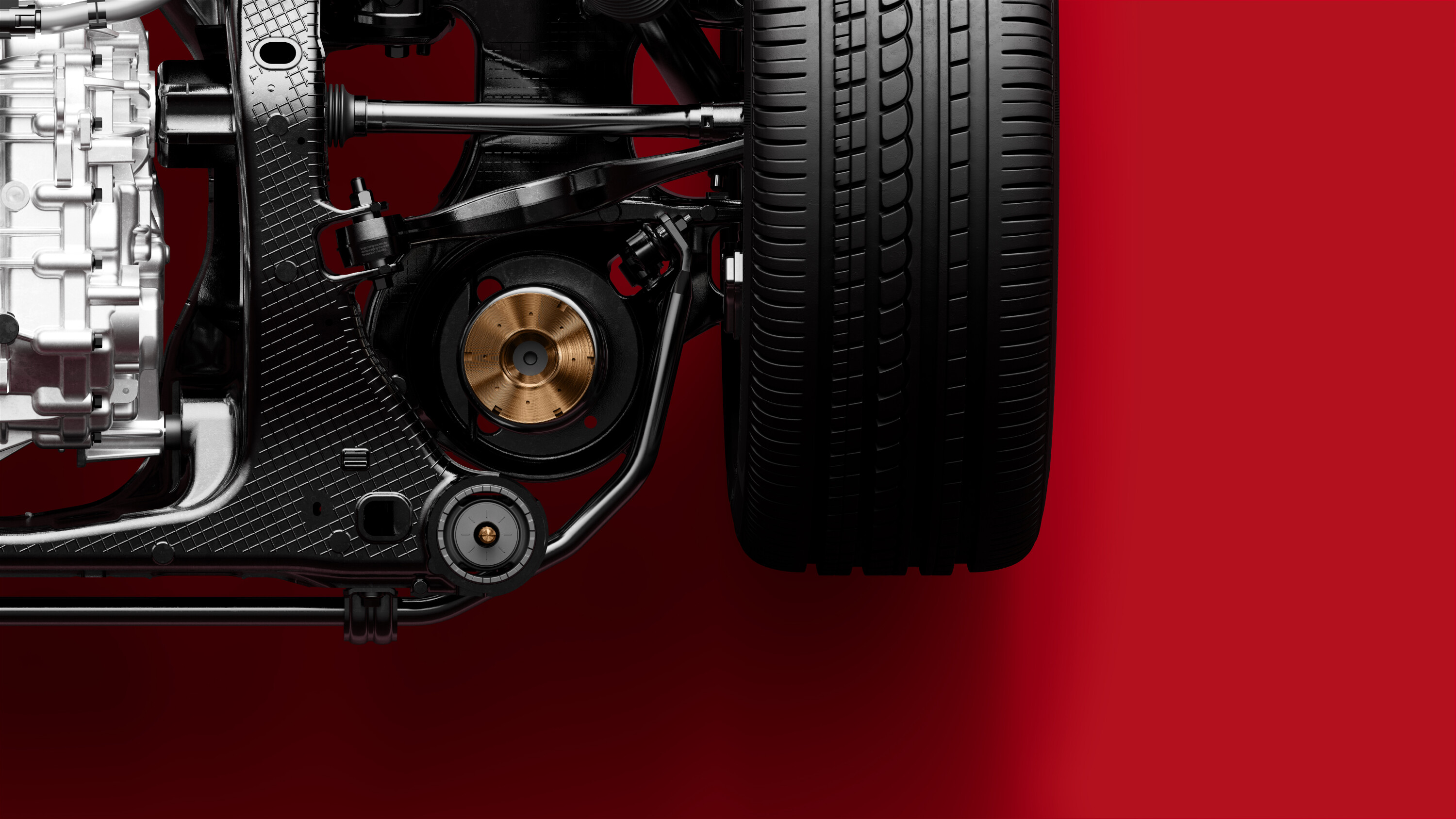
The Polestar’s SEA underpinnings mean its high-voltage parts are capped at 400-volts, so although it charges rapidly the new 4 doesn’t match the Hyundai Ioniq 5 or Kia EV6’s 18-minute fast-charge times.
Still, at a peak of 200kW DC, the 94kWh battery can be juiced from 10-80 per cent in 30 minutes on an ultra-rapid charger. The Model Y’s peak DC speed of 250kW is better but only improves rapid charging by three minutes.
With the $8000 Plus Pack, Polestar includes a 22kW AC charger for snappier home and destination charging – it’ll go from flat to full nearly three hours faster than a Tesla if you have the infrastructure.
| Specification | Polestar 4 LR SM | Polestar 4 LR DM | Model Y LR AWD | Model Y Performance |
|---|---|---|---|---|
| Battery size usable (gross) | 94 kWh (100 kWh) | 75kWh* | ||
| Driving range (WLTP) | 610 km** | 580 km** | 533 km | 514 km |
| Peak DC rate | 200 kW | 250 kW | 250 kW | |
| DC 10-80% | 30 minutes | 27 minutes | ||
| Peak AC rate | 22 kW with Plus Pack | 11 kW | ||
| AC 0-100% | 5 hours 30 minutes | 8 hours 15 minutes | ||
* Figures obtained from EV Database and government data as Tesla does not market certain specifications.
** Provisional range targets yet to be confirmed in WLTP
Warranty and servicing
Tesla covers its cars with a four-year/80,000km warranty which falls short of the industry standard in Australia.
The battery is ensured by its manufacturer to stay over 70 per cent capacity for 8 years/160,000km – that’s the same for the Polestar 4.
Polestar’s warranty is more conventional and covers the 4 for five years and unlimited kilometres. The Polestar requires a trip to a service centre every two years/30,000km while Tesla operates on a conditional basis.
Standard specifications
The Polestar 4 has caught up with Tesla’s advanced operating system, with the brand offering digital key functionality, over-the-air software updates, and Android Automotive operating system that obliges wireless Apple CarPlay through a 15.4-inch touchscreen.
Polestar includes the Pilot Pack (adaptive cruise control with stop & go up to 150km/h, advanced lane-tracing, blind-spot monitoring) standard on all Aussie-delivered Polestar 4s.
| Polestar 4 key features | Tesla Model Y key features |
|---|---|
| 20-inch alloy wheels | 19-21-inch alloy wheels |
| 15.4-inch landscape touchscreen | 15-inch horizontal touchscreen powered by an AMD Ryzen processor |
| Android Automotive operating system with built-in Google Assistant, Maps, Play Store, with downloadable apps, OTA software updates, and wireless Apple Carplay | Tesla operating system with built-in Google Maps, music and video streaming, and toybox |
| Built-in dashcam and 4x USB-C connectors | Built-in dashcam and sentry mode recording |
| 10.2-inch digital driver’s display | Dog mode |
| Animal mode | HEPA cabin air filter |
| Cleanzone climate control with heatpump | Animal-free material interior with suede trim |
| 100% recycled plastic ECONYL textile floor mats | Tesla mobile app with phone key function |
| Polestar app with vehicle functionality and smart home integration, digital key, NFC card, key fob | Dual Qi wireless charging pad |
| 15W wireless charging pad | 13-speaker sound system |
| Eight-speaker sound system | Fixed panoramic glass roof |
| LED headlights with active beam | Flush door handles |
| Retractable door handles | LED head- and tail-lights |
| Illuminated Polestar emblem | LED front fog lights (Performance only) |
| Fully electric front seats with driver’s memory | Track mode (Performance only) |
Both vehicles offer optional extras to tailor them to your fancy.
For the Model Y, it’s pretty simple: any colour bar flat white will cost $1500, white upholstery costs $1500, and you can size the wheels up on lower trims for $2400.
Enhanced Autopilot isn’t something we’ve sampled, but promises automatic lane changes while navigating on adaptive cruise and summon commands for $5100. Full self-driving remains a $10,100 option that Tesla is yet to implement in Australia.
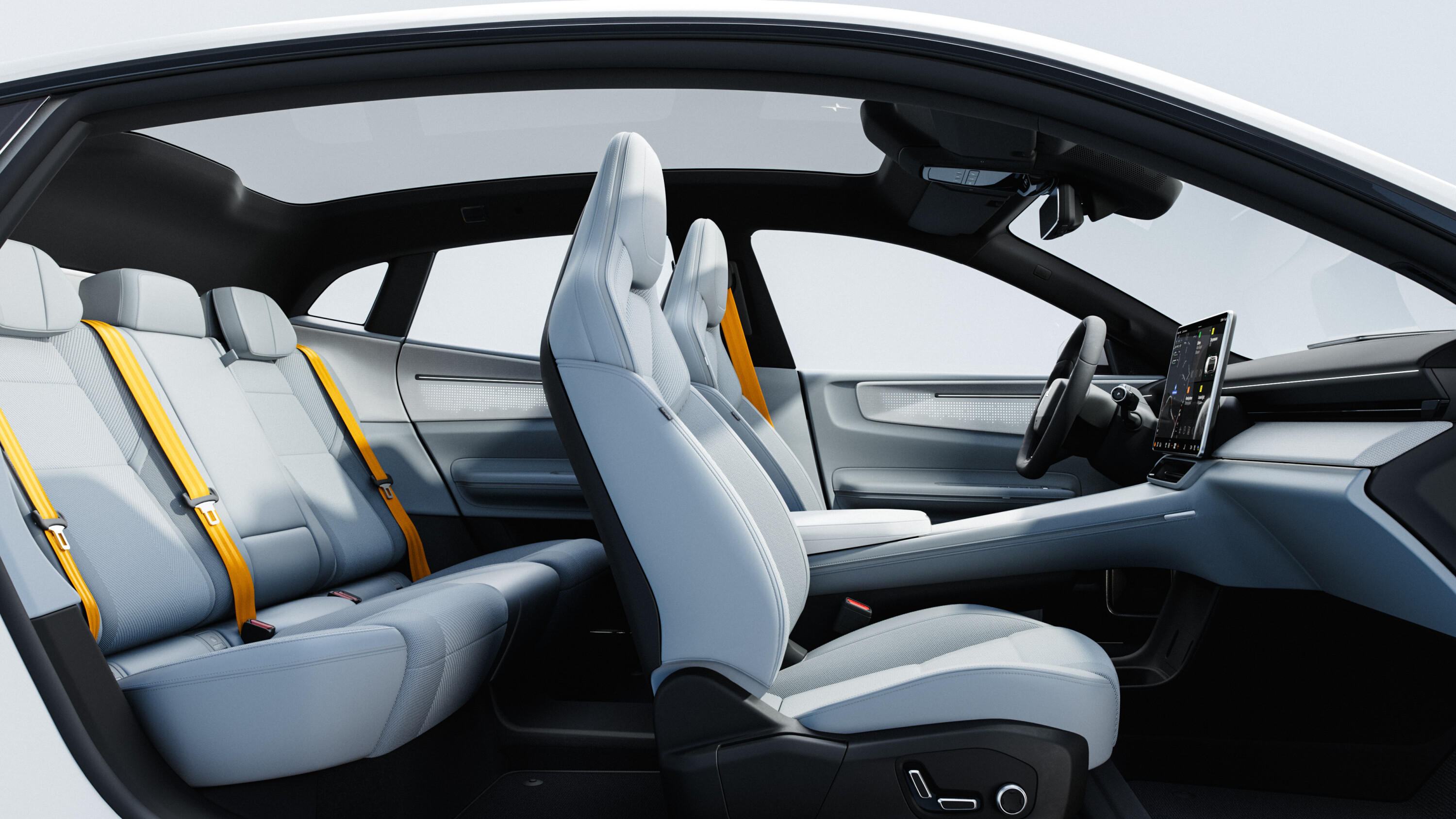
The Polestar 4 offers a lot more customisation, starting with the Plus Pack that’s likely to prove popular. It adds the below features.
| Plus Pack $8000 | |
|---|---|
| 14.7-inch head-up display | Tri-zone climate control with air quality monitoring |
| 14-speaker Harman Kardon premium audio | Rear climate control and entertainment screen |
| Pixel LED headlights with Adaptive High Beam | Heated rear seats |
| 22 kW AC charging limit | Heated steering wheel |
| Powered steering column with profile memory | Automatic dimming side mirrors |
| Easy ingress/egress | Star Knit illuminated interior deco |
| Extended electric adjustment settings for front seats | MicroTech upholstery in Charcoal, or Tailored Knit upholstery in Mist, with Zinc deco |
| Electric reclining rear seats | Hands-free operation for powered tailgate |
Then you can build on that with the sporty Performance Pack or luxurious Nappa Pack – both are detailed below.
| Performance Pack (requires Plus Pack) $7200 | |
|---|---|
| Polestar Engineered chassis tuning | Brembo performance brakes in Swedish gold |
| 22-inch Performance forged alloy wheels | Swedish gold valve caps, seat belts |
| Pirelli P-Zero 265/40R22 | |
| Nappa Pack (requires Plus Pack) $7000 | |
|---|---|
| Perforated Bridge of Weir Nappa leather, animal welfare-secured, in Zinc or Charcoal | Rear comfort headrests |
| Ventilated front seats with massage | Brushed textile headliner |
| Additional headrest speakers for Harman Kardon audio | |
And then come the standalone options for ultimate customisability.
| Standalone options | |
|---|---|
| Premium metallic paint | $2300 |
| Painted body cladding (requires Plus Pack) | $1400 |
| 21-inch Sport wheels (not available with Pro Pack) | $2500 |
| Electric folding tow bar | $2900 |
| Electrochromic panoramic glass roof*** | $2700 |
| Privacy glass for rear side windows | $700 |
| AC charging cable | $360 |
VERDICT: which looks best on paper?
We’ll reserve final judgement until the Polestar 4 has arrived on Australian shores and we’ve driven it back-to-back with its Model Y rival.
The slightly larger Polestar is more expensive across the board, but then it offers greater customisation and a more design-led approach – all without sacrificing the kind of connectivity a Tesla owner would expect.
Polestar isn’t looking to play in the volume segment, so don’t expect sales to overtake the best-selling Model Y any time soon. Instead, think of the Polestar 4 as an intriguing alternative for those with an eye for design – we hope it drives as good as it looks.
