
We’ll keep things short and sharp here, but for detailed specifications, you can find our reviews for each of these cars on their dedicated model pages.
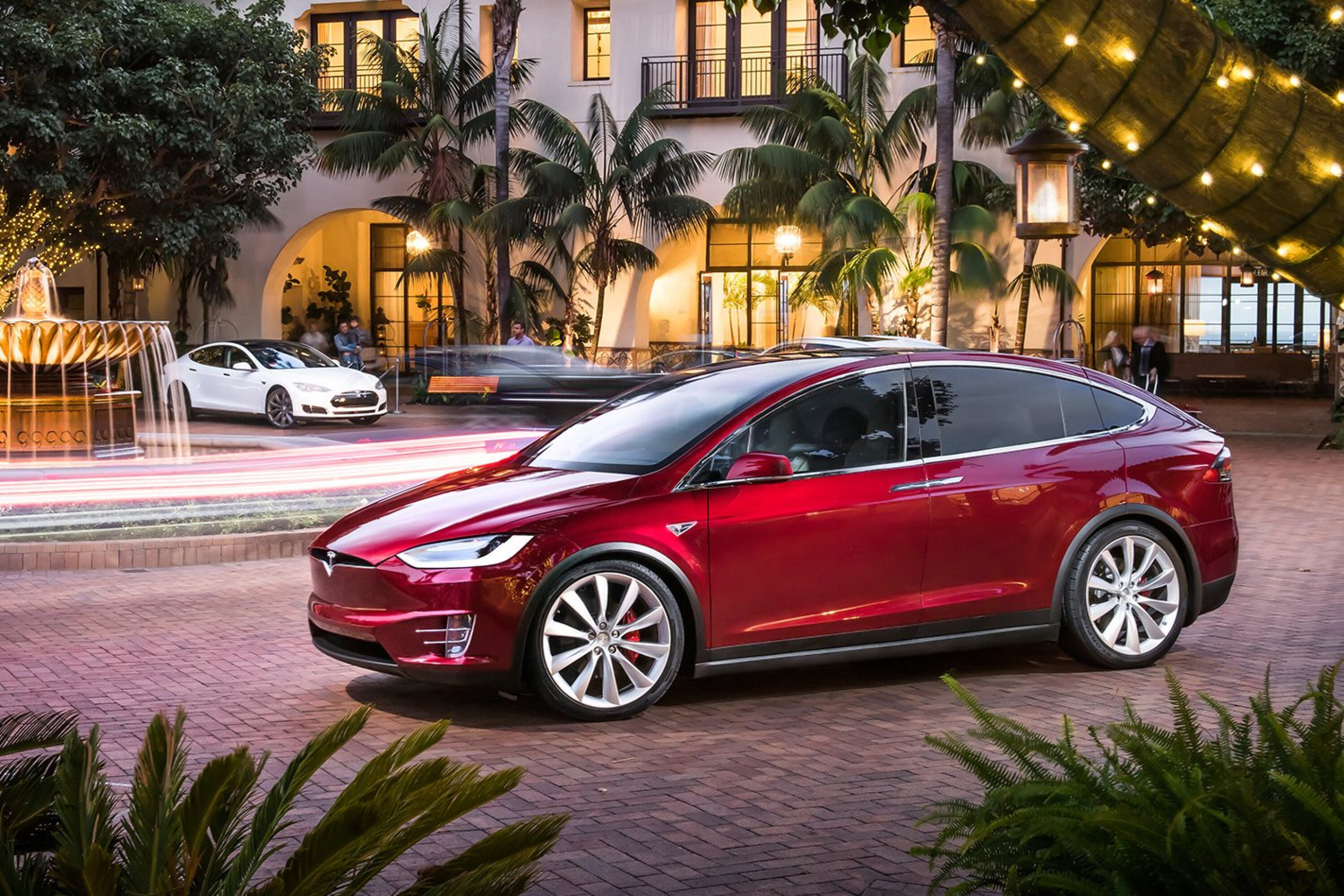
Tesla has quietly confirmed that the latest Model S and Model X facelifts, despite releasing local pricing in 2021, will ultimately not be built in right-hand-drive.
Outstanding Australian orders made before the books closed last month have been cancelled, with hopeful owners being offered their choice of a full refund for any payments made, or a $3000 cash credit towards the smaller Model 3 sedan or Model Y SUV.
1
Letters to Tesla customers state that, “due to recent changes to the vehicle program, [Model S and Model X] will not be available in Right Hand Drive”
“Unfortunately this means your order is unable to be fulfilled and will be cancelled. You will receive a full refund for any payments made.
“We understand that this may be disappointing news to receive and want to apologise for any inconvenience caused.”
The letter goes on to confirm that buyers opting for the $3000 credit towards a Model 3 or Model Y are limited to one credit sum per cancelled order, and are only valid for orders made before October 31, 2023.
1
The UK market has also been affected by the changes to Model S and Model X manufacturing, with many hopeful buyers facing cancelled orders.
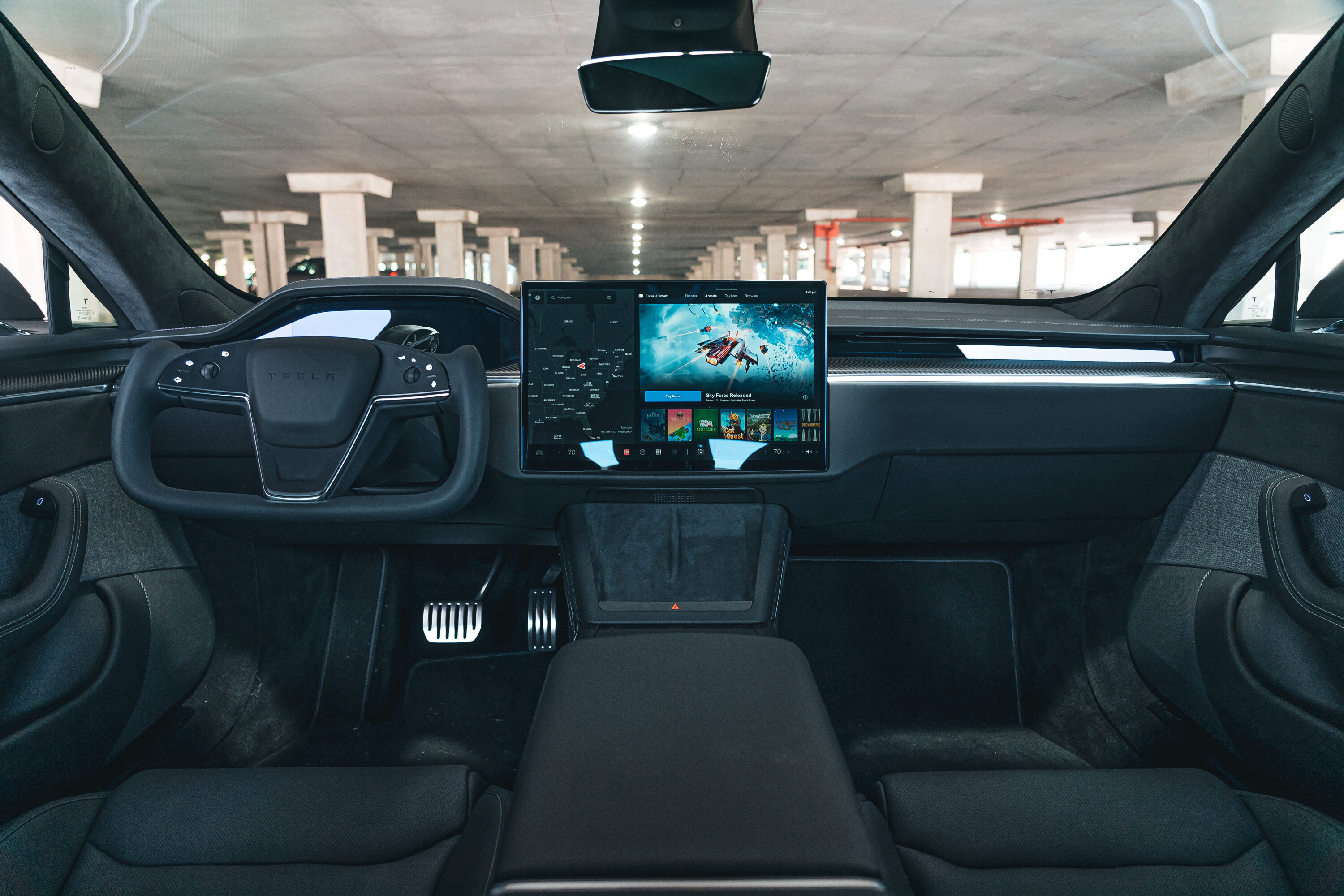
The latest Model S facelift included the anticipated Tesla Model S Plaid, a three-motor performance flagship producing 760kW and 1420Nm – along with a range-wide interior update with a new landscape infotainment screen and the option of a steering ‘yoke’ instead of a conventional wheel.
While local Tesla sales data was made public only from Q1 of 2022, local Tesla tracker Veda Prime suggests that 2569 Model S cars have been sold in Australia from its launch in 2014 up to 2020, with 1724 Model Xs finding homes between 2016 and 2020.
If you’re looking at a hybrid Toyota SUV, here’s the first thing to know: you’re spoiled for choice.
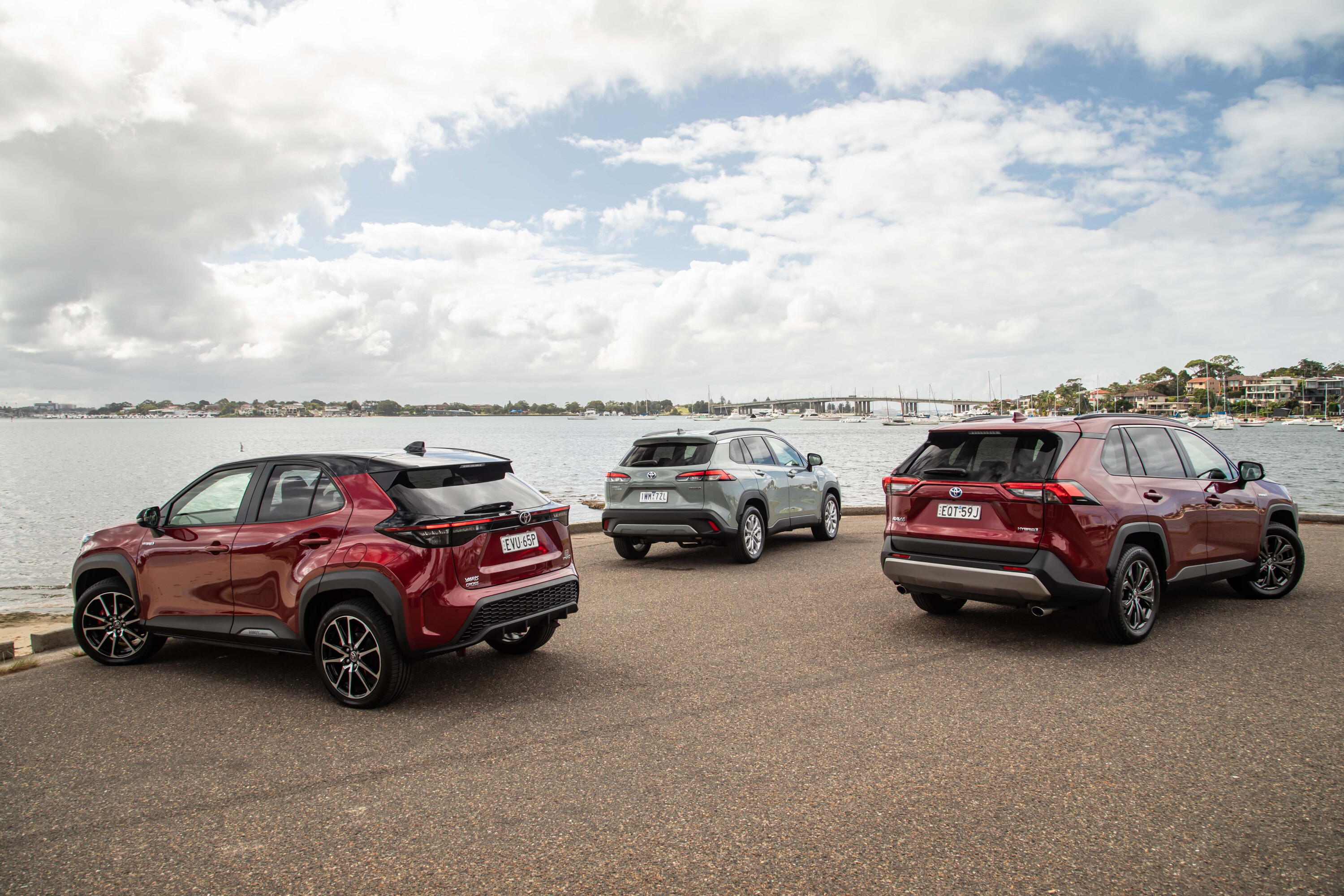
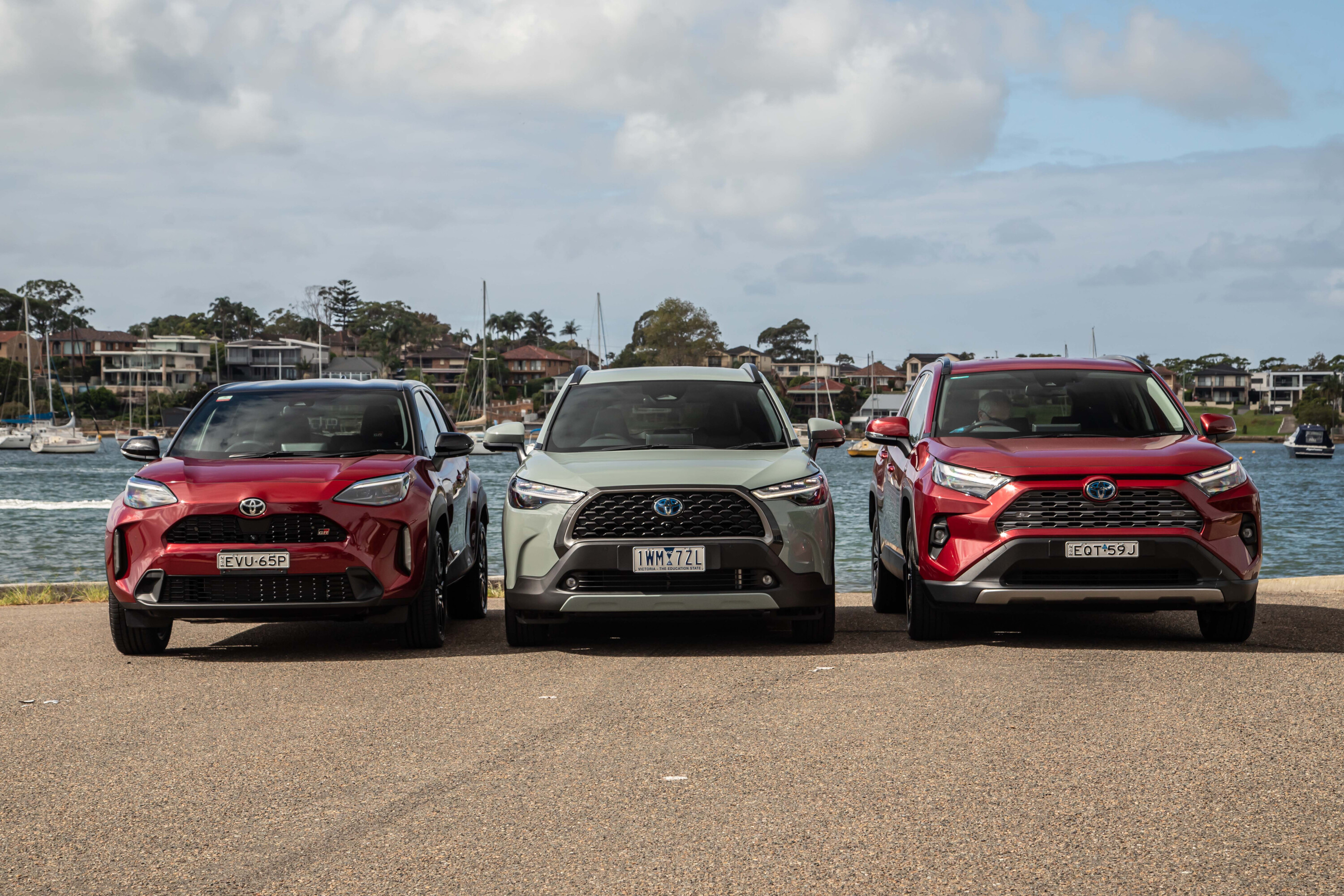
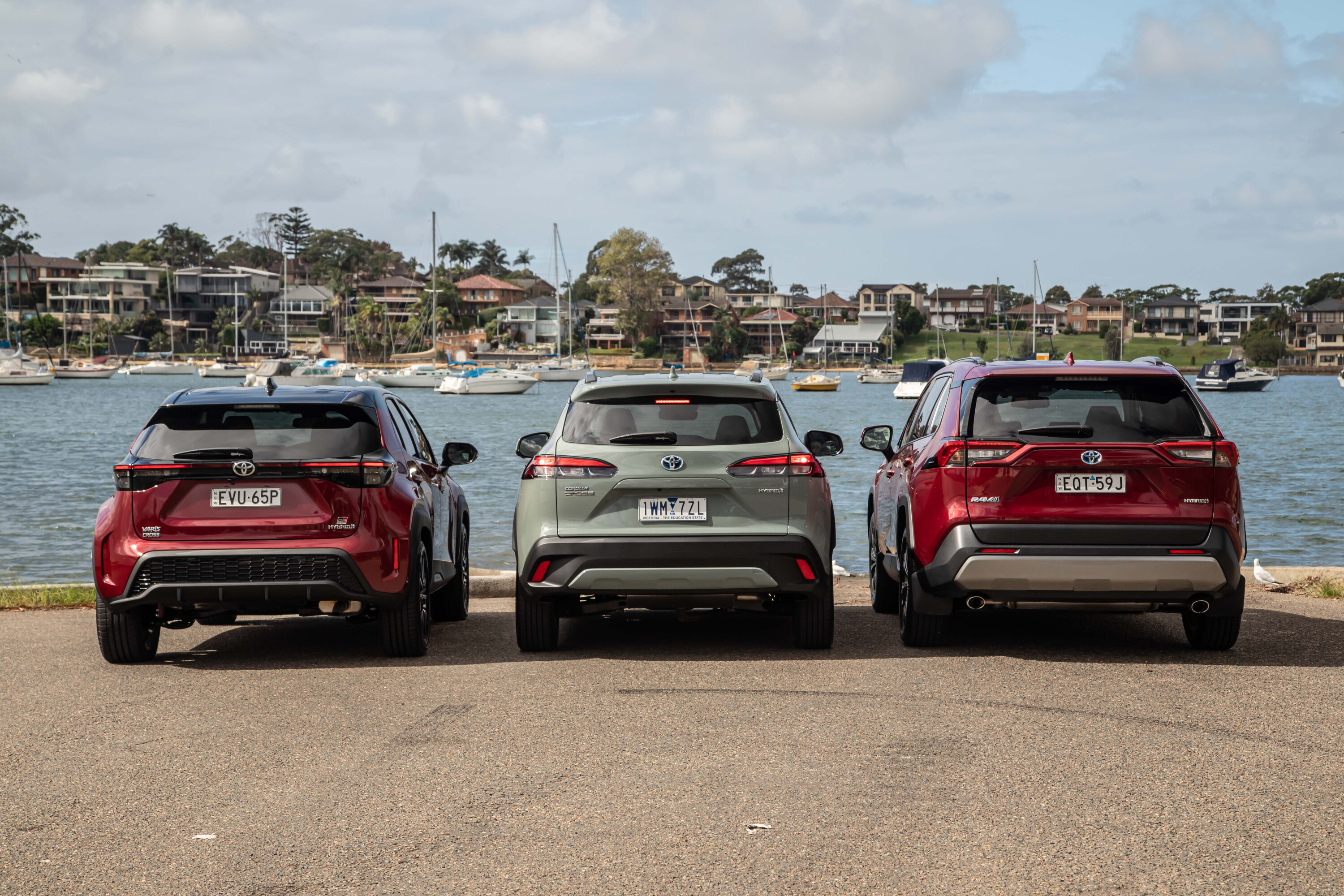
There are no fewer than five distinct SUV models, all featuring Toyota’s famed electrified drivetrain, from the tiny Yaris Cross via the C-HR to the enormous Kluger. But we’re here to talk about three of Toyota’s most popular, putting the Yaris Cross, Corolla Cross and RAV4 together.
Read any of our reviews of these cars and you’ll get the sense that we often scratch our heads over some models, their costs and the overlap between the ranges.
A top-end hybrid Yaris Cross costs more than an entry-level Corolla Cross hybrid, while a mid-spec Corolla Cross hybrid can cost around the same as a mid-spec RAV4.
It’s complex, to say the least. But, as ever, we’re here to help you understand the range.
1
JUMP AHEAD
- How much is it, and what do you get?
- Interior comfort, space and storage
- What are they like to drive?
- How are they on fuel?
- How safe are they?
- Warranty and running costs
- VERDICT
How much is it, and what do you get?
Looking for a deep dive?
1
| 2023 Toyota Yaris Cross GR hybrid | |
|---|---|
| Drive | front-wheel |
| Engine | 1.5-litre three-cylinder hybrid |
| Electric motor | front |
| Power | 67kW @ 5500rpm |
| Torque | 120Nm @ 3800rpm |
| Combined power | 85kW |
| Transmission | continuously variable |
| 0-100km/h | 10.0 sec (estimated) |
| Fuel consumption | 3.8L/100km (combined) |
| Boot space | 390 litres |
| Price | $35,840 + on-road costs |
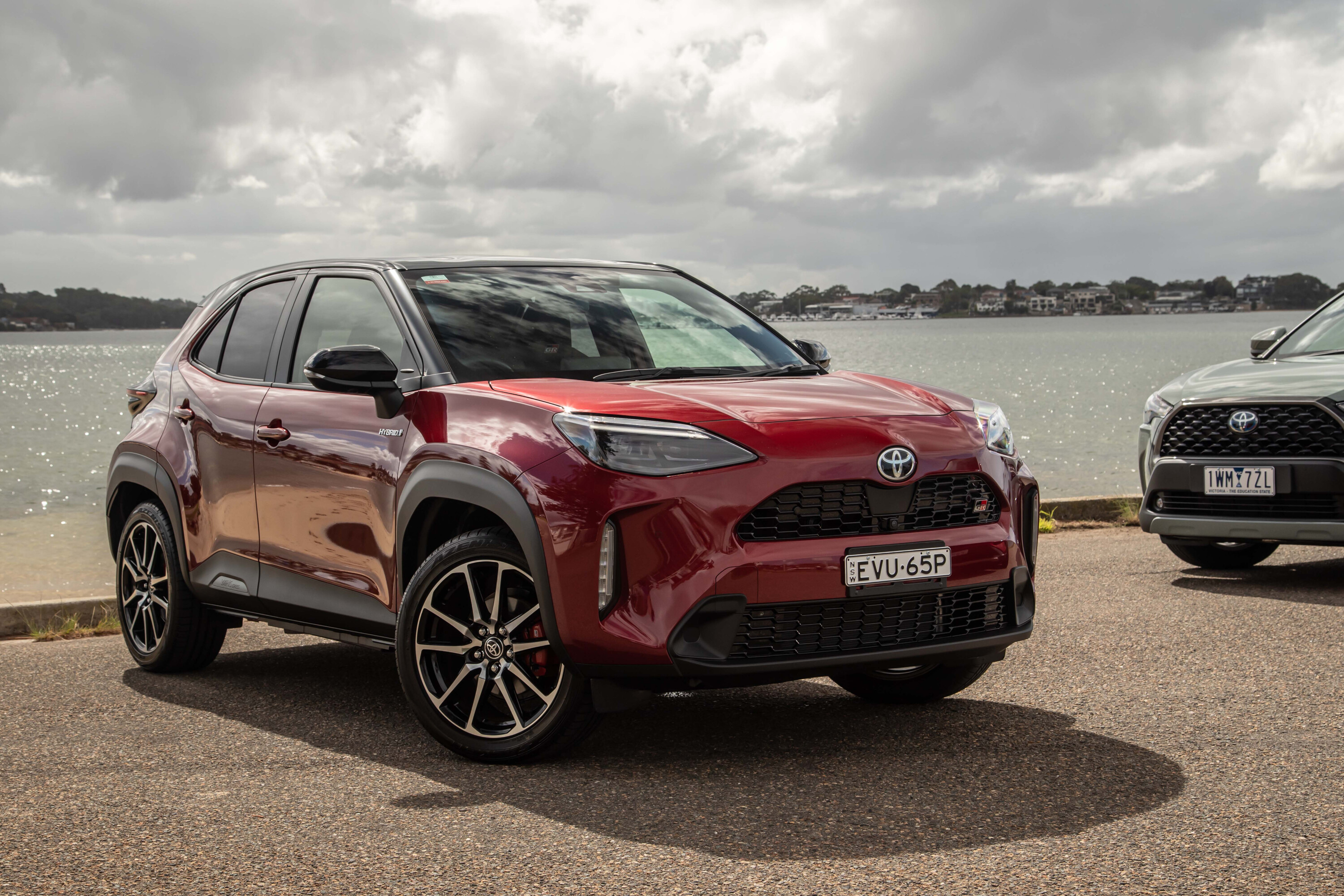
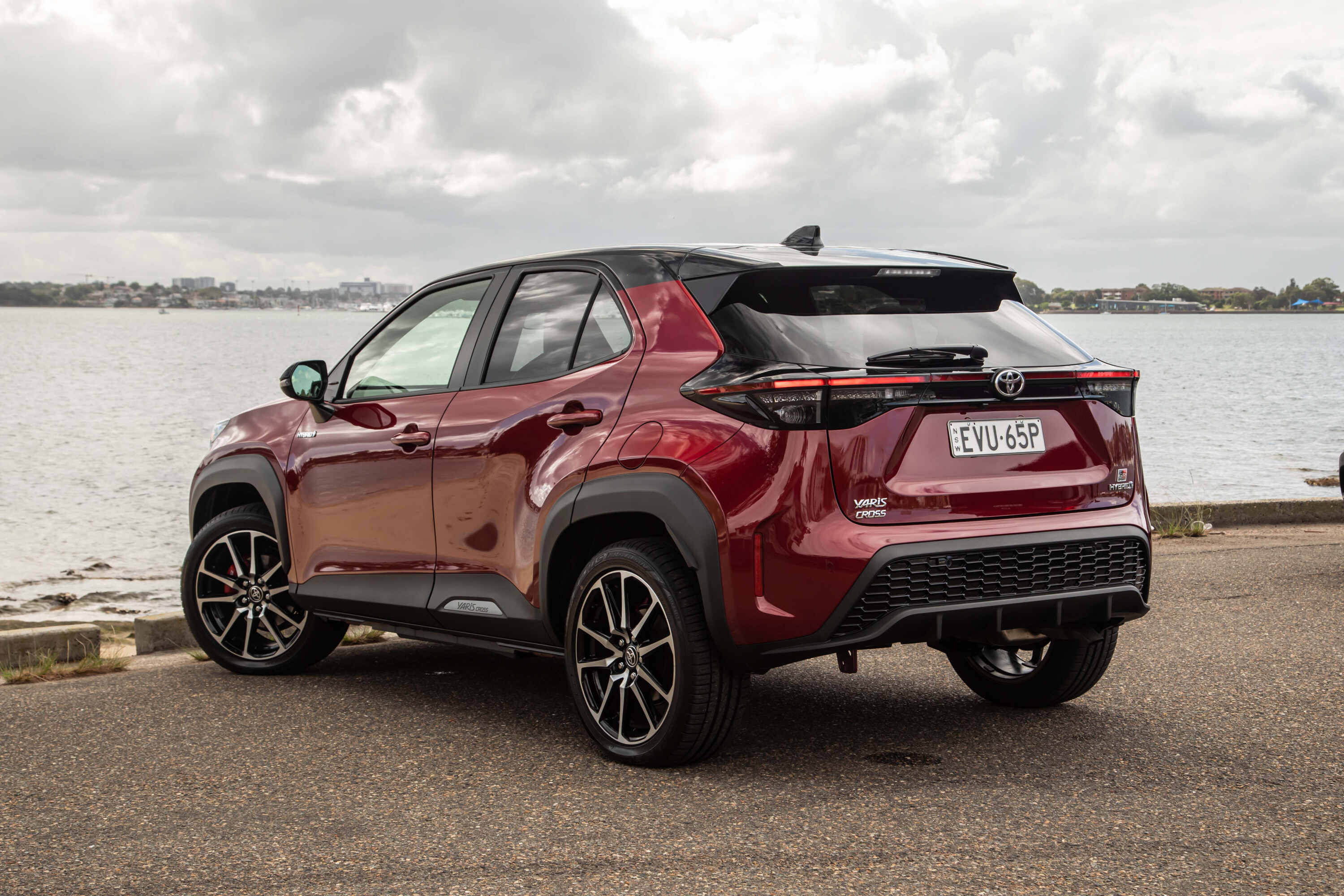
The Yaris Cross GR Sport is a new addition to the Yaris Cross family, itself one of the newer offerings in the Toyota range.
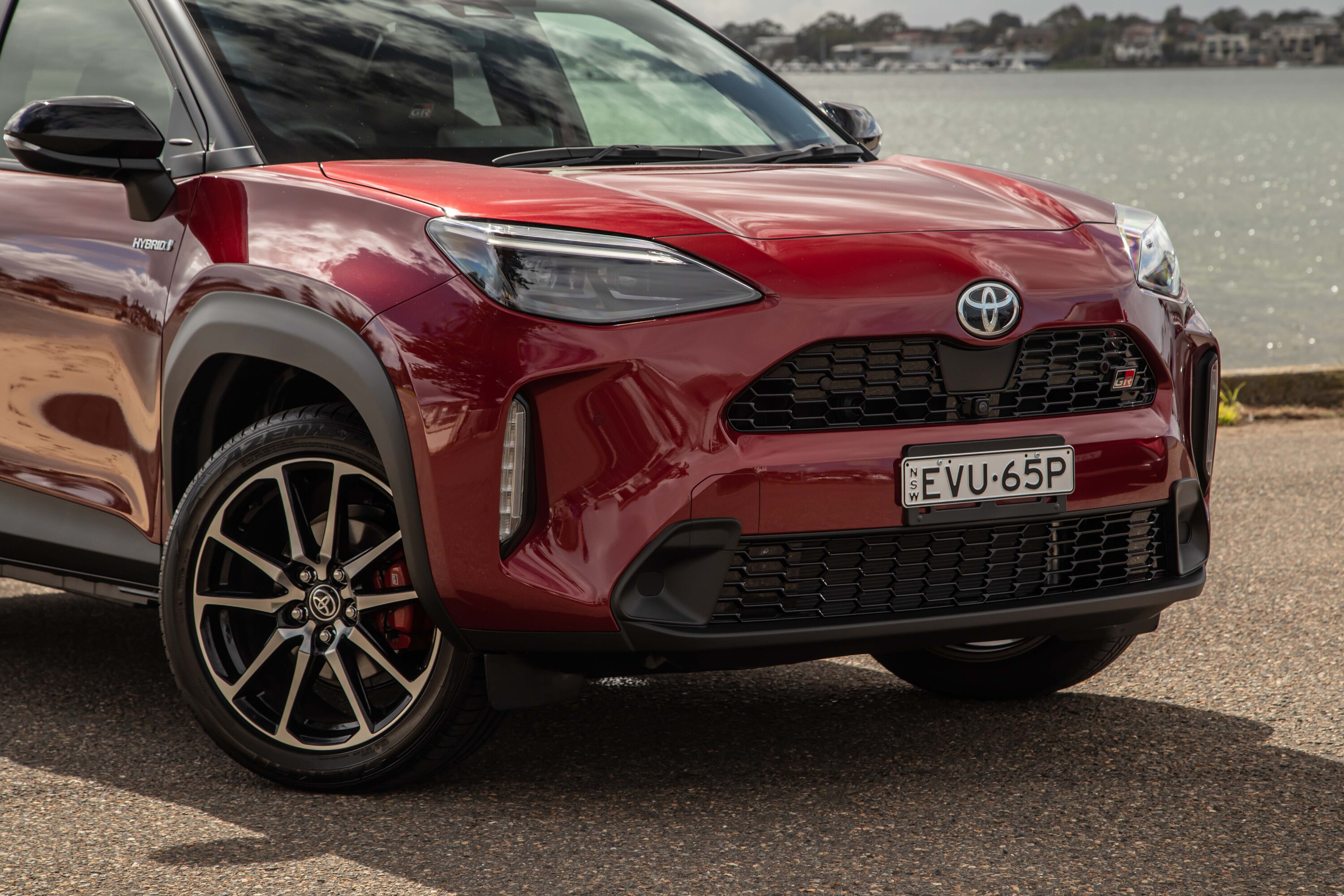
It’s a curious specification in that it’s based on the top-selling GXL but adds lowered suspension, red brake calipers, lovely fake suede on the seats and a body kit with GR badging everywhere. It looks pretty good and starts at $34,480 before on-road costs. Nothing weird about that, I hear you say.
1
This is the weird bit – it’s based on the front-wheel drive hybrid rather than the all-wheel drive one. While the AWD isn’t perceptibly quicker, it does have double wishbone rear suspension, which would suggest even better roadholding to go with the fancier tyres and lowered suspension.
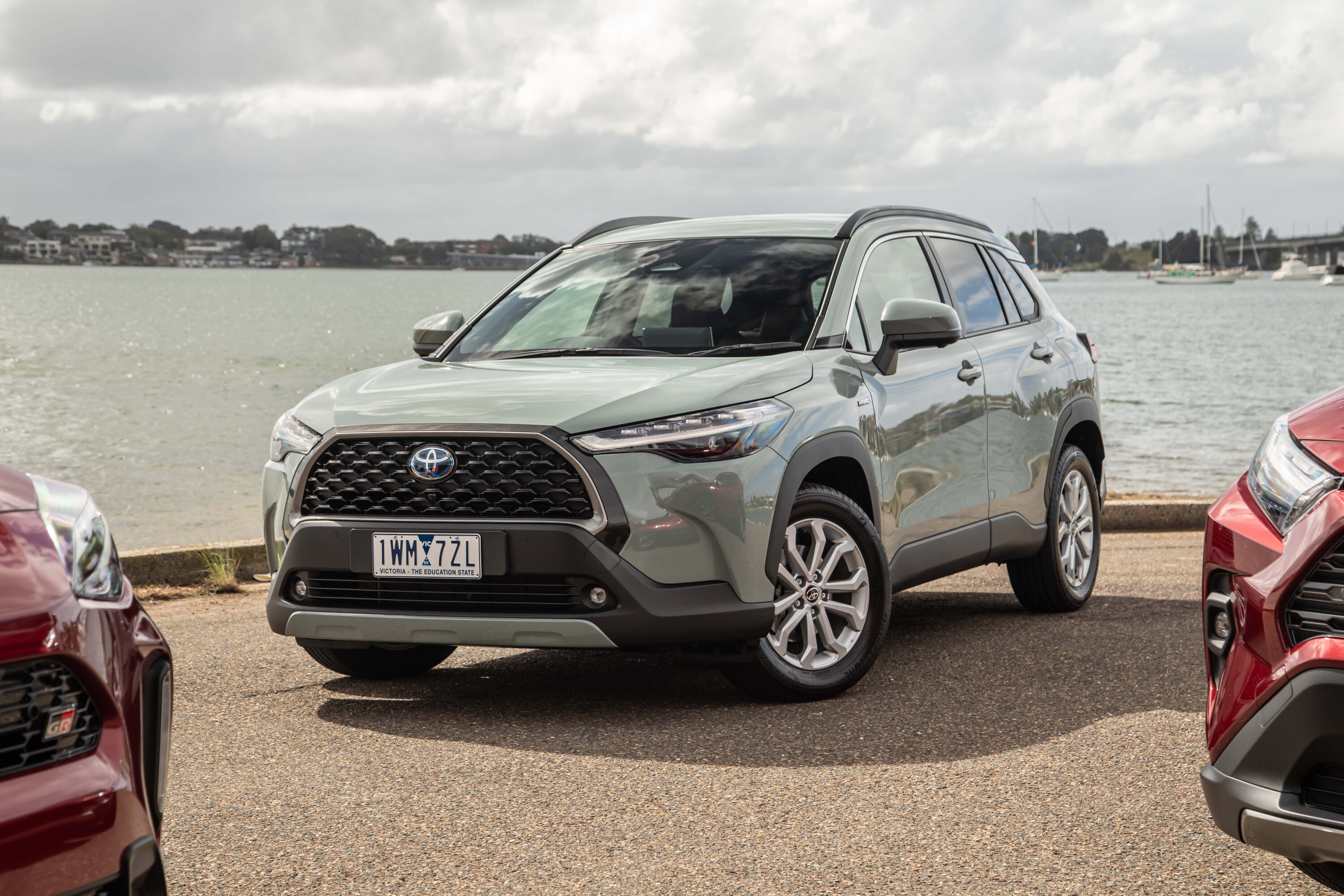
In terms of overlapping with its brethren, the Corolla Cross hybrid range starts at $35,500 for the front-wheel drive GX while the all-wheel drive Yaris Cross Urban is $38,840 (both before on-road costs).
1
Corolla Cross GXL Hybrid eFour
| 2023 Toyota Corolla Cross GXL eFour hybrid | |
|---|---|
| Drive | all-wheel |
| Engine | 2.0-litre four-cylinder hybrid |
| Electric motor | front and rear |
| Power | 113kW @ 6000rpm |
| Torque | 190Nm @ 4400-5200rpm |
| Electric power and torque | 83kW/206Nm front / 30kW/84Nm rear |
| Combined power | 146kW |
| Transmission | continuously variable |
| 0-100km/h | 7.5 seconds (claimed) |
| Fuel consumption | 4.4L/100km (combined) |
| Boot space | 380 litres |
| Price | $42,250 + on-road costs |
While not an exact match for the other two, the all-wheel drive GXL is $42,250 before on-road costs or about $1800 more than the RAV4 GXL 2WD we have here.
The MY23 RAV4 price rise reverses the situation, but the difference is still pretty slim. A 2WD Corolla Cross GXL is $39,250 before on-road costs for an apples-with-apples comparison. Still, it’s pretty close, before or after the RAV4 price changes.
As with the Yaris Cross GXL, this is the spec to have, with a slightly plusher interior. Both the RAV4 and Yaris Cross have Toyota’s dire old media system (fixed for the MY23 RAV4, and not a moment too soon) but the Corolla has the shiny new one. The new system is much better and far more user-friendly than the terrible old one.
It has wireless Apple CarPlay and Android Auto, and a wireless charging pad too. It’s loaded with safety gear and is pretty good to drive. The GXL 2WD isn’t quite as much fun as the rear suspension is by torsion beams rather than the AWD version’s more expensive multi-link setup, so the eFour is more comfortable as a result. More on that later.
1
RAV4 GXL 2WD Hybrid
| 2022 Toyota RAV4 GXL FWD hybrid | |
|---|---|
| Drive | front-wheel |
| Engine | 2.5-litre four-cylinder hybrid |
| Electric motor | front-wheel |
| Power | 131kW @ 5700rpm |
| Torque | 221Nm @ 3600-5200rpm |
| Electric power and torque | 40kW/121Nm |
| Combined power | 160kW |
| Transmission | continuously variable |
| 0-100km/h | 8.0 sec (estimated) |
| Fuel consumption | 4.7L/100km (combined) |
| Boot space | 542 litres |
| Price | $40,450 (MY23: $42,600) + on-road costs |
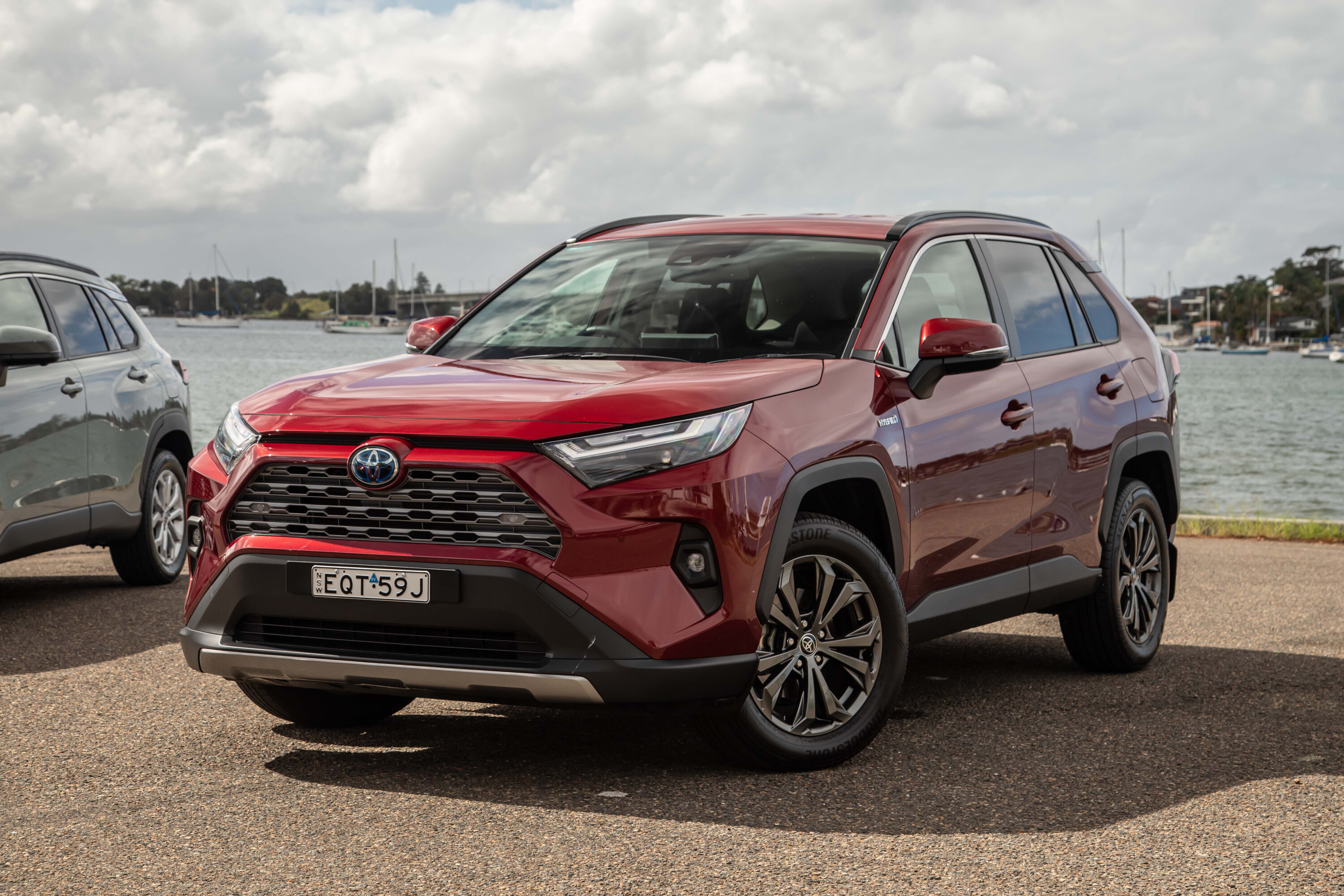
The RAV4 is the ‘oldest’ and best-known car here, the largest of the three – and a runaway success, especially in hybrid form.
The MY23 costs $42,600 to the MY22’s $40,450 (both before on-road costs) and comes with new safety features, the new entertainment system and a few other bits and pieces to help justify its price increase. As I’ve already said, there’s not much in it between Corolla Cross and RAV4, which makes the decision difficult.
Media screen excepted, the RAV’s interior is the best of the three by some margin. The dash in particular is better to look at and use and the car has – by and large – better materials than the other two.
And it’s got a lot more space for occupants and cargo while barely using any more fuel. There are no glaring omissions in the specification list and like most GXL-type specs, are a nice balance in the same way Mazda’s Touring specs are just right.
3
Interior comfort, space and storage
| RAV4 GXL FWD hybrid | Corolla Cross GXL eFour hybrid | Yaris Cross GR hybrid | |
|---|---|---|---|
| L/W/H | 4600mm/1855mm/1685mm | 4460/1825/1620 | 4185/1765/1580 |
| Wheelbase | 2906mm | 2640mm | 2560mm |
| Boot space | 542 litres | 380 litres | 390 litres |
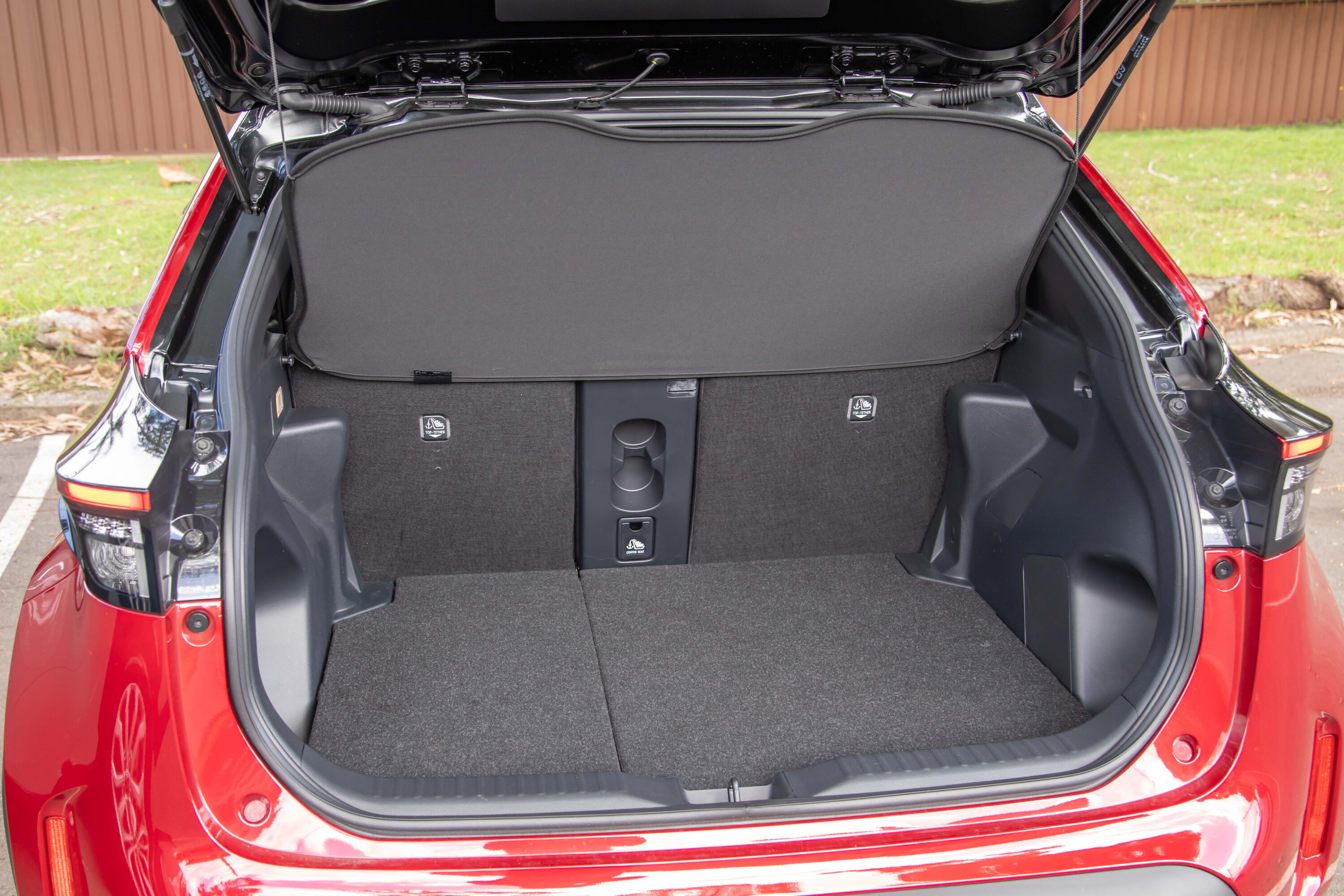
Starting with the smallest car, the Yaris Cross, you’ll be surprised to learn its boot is a monstrous 390 litres.
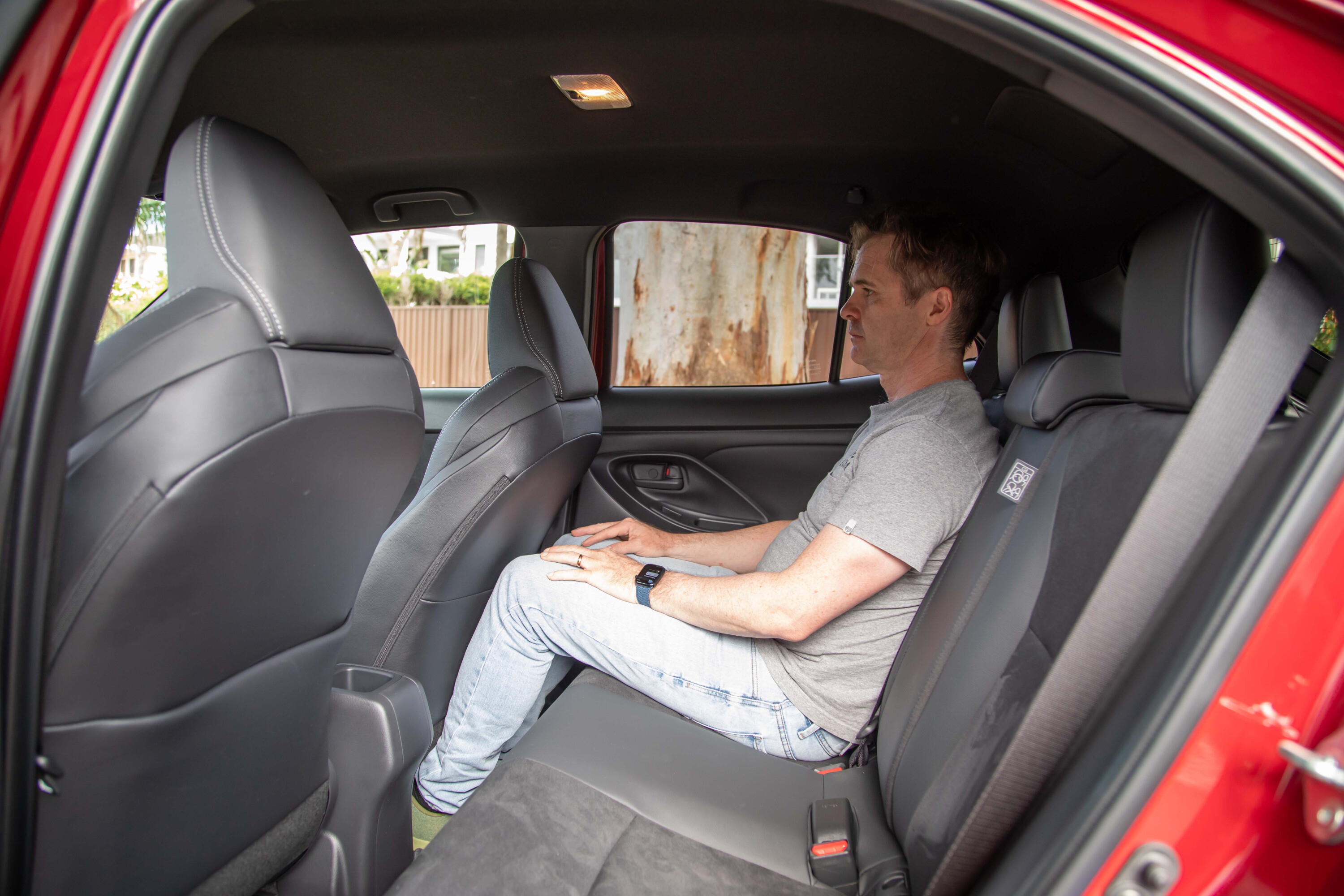
This is bigger than many cars a segment up, including, as you’ll shortly discover, the Corolla Cross. Rear seat space is predictably tight, with 180cm tall me squeezing in behind my driving position, knees hard-up against the seat in front. There isn’t an armrest in the traditional sense, so you have to fold down the entire centre section of the rear seat to get to the cup holders.
2
1
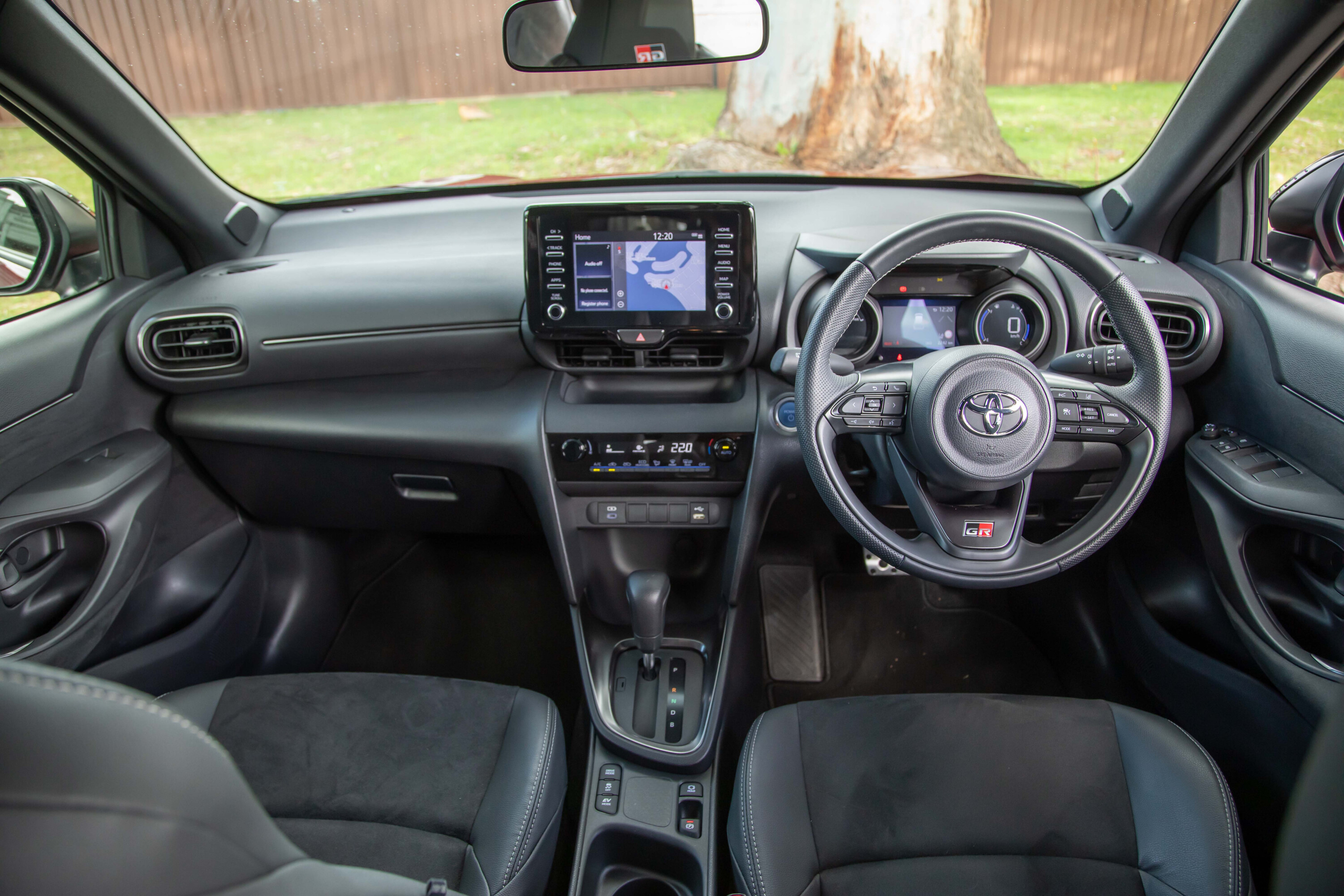
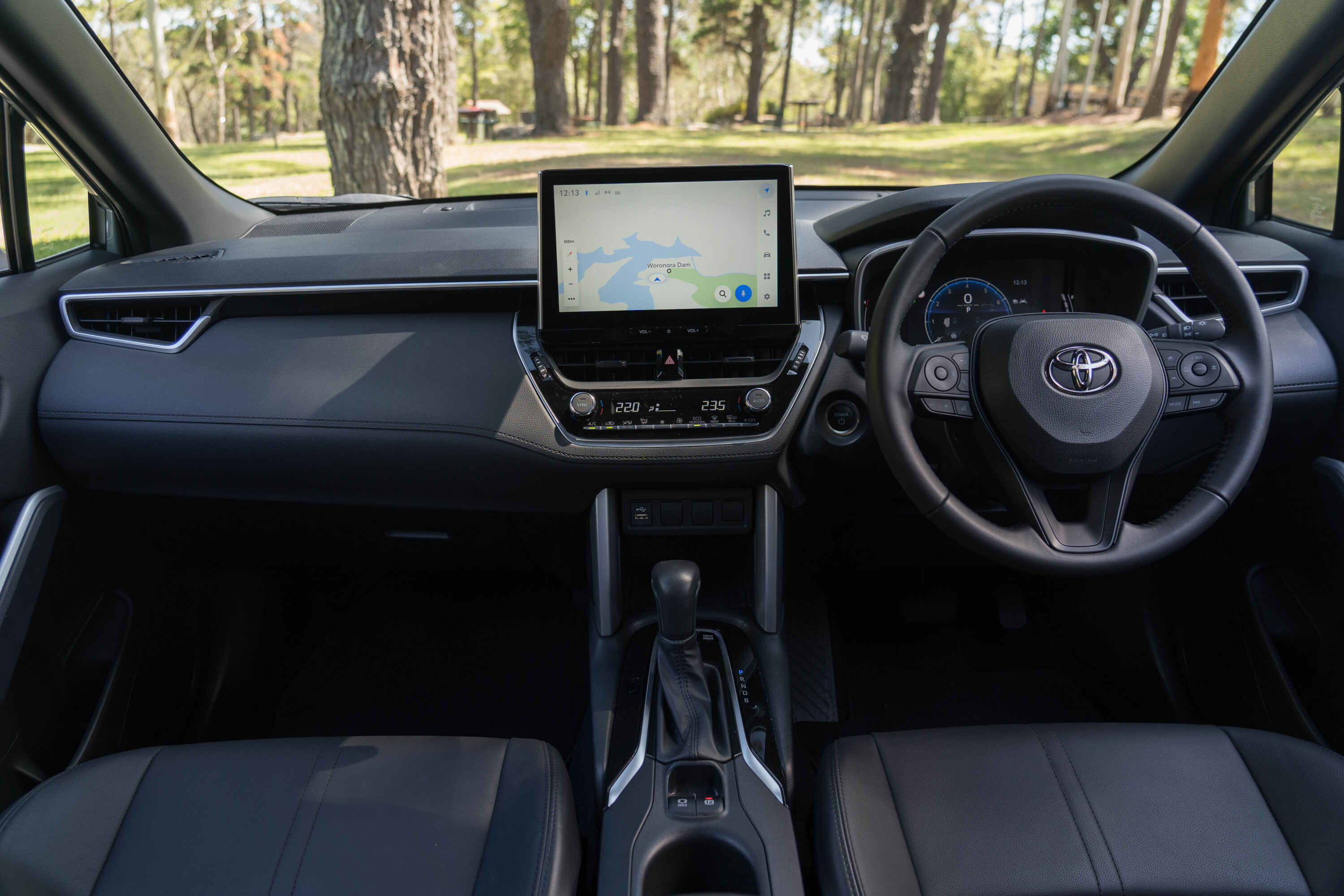
Up front, the seats are fantastic and like the other two, you get bottle holders, a pair of cup holders and an assortment of trays and places to put your phone. However, the lack of a front armrest – just a small open tray at floor level – feels compromised, even around town.
The rear seats are also decidedly not fantastic but will do for kids and tolerant adults who aren’t too tall. It’s a small car, so you can’t get too upset.
I think the shifter looks cheap and there is an unsettling number of blank switches, like the window switches. There’s nothing on them and I can’t explain exactly why that’s weird, just to say that it is.
2
Moving on to the Corolla Cross, its boot is 10 litres smaller at 380 litres, but there’s a caveat here in that it’s the eFour, which loses both a spare tyre and up to 45 litres of space to the 2WD hybrids.
Despite being a fair bit bigger than the Yaris Cross, the rear seat is adequate rather than generous (like, say, a Kia Niro or Kia Seltos) and checks out against a Corolla hatch, with which it shares a lot.

1
The back seat itself is comfortable with air vents, two USB-C ports for charging and plenty of headroom and shoulder room. Like the Yaris Cross and – as you’ll discover, the RAV4 – the front seats are terrific and the rest of the cabin is ho-hum Corolla with too many switch blanks scattered around the dashboard.
Blanks don’t have to look cheap but boy do they look bad here. And there is also the return of those big chunky Tandy switches that I thought Toyota had given up on.
1
The RAV4 has by far the best interior.
Much nicer materials, a more thoughtful design (the Corolla Cross is a cut and paste from the Corolla hatch and sedan but somehow less appealing) and is obviously the most comfortable for all occupants.
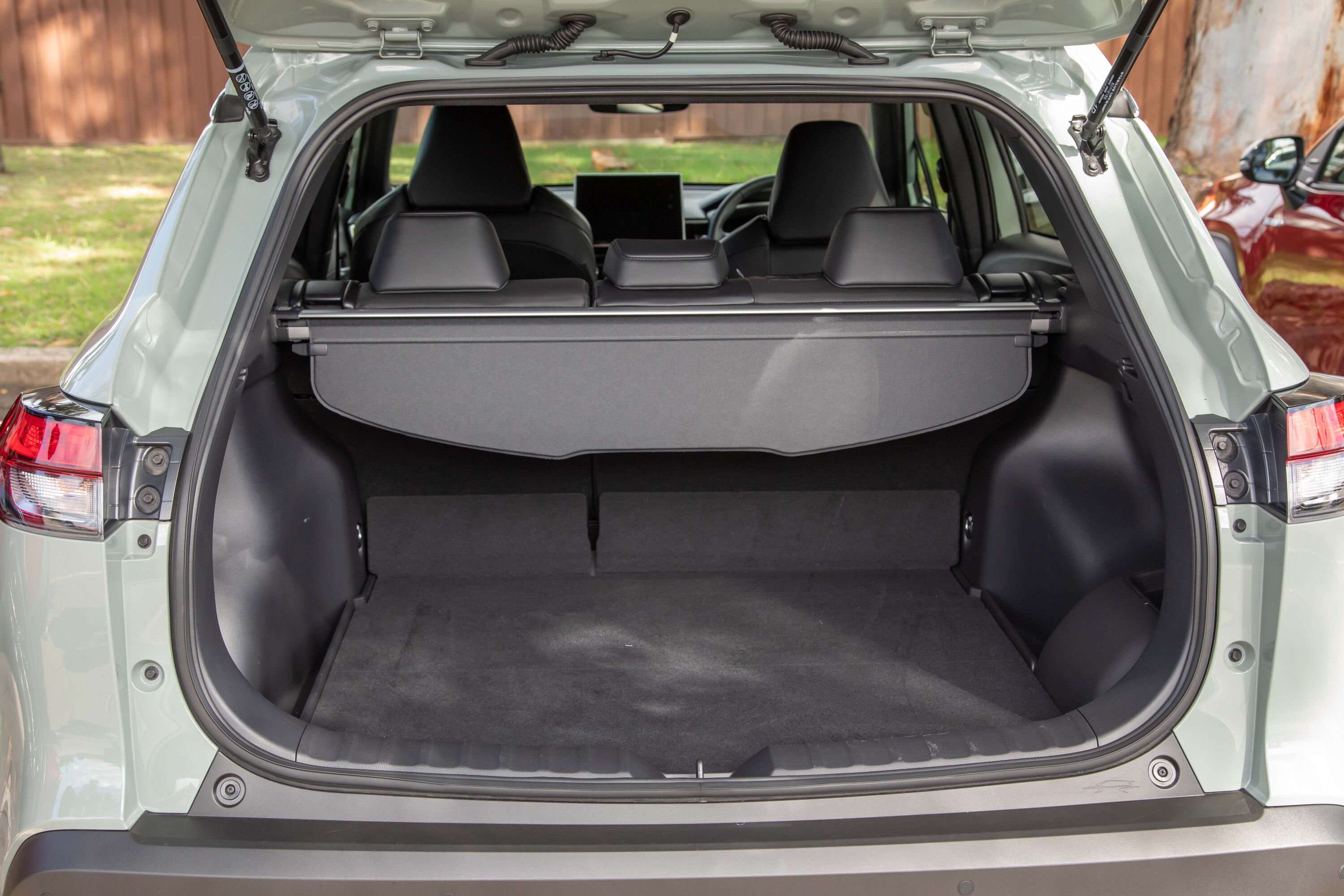
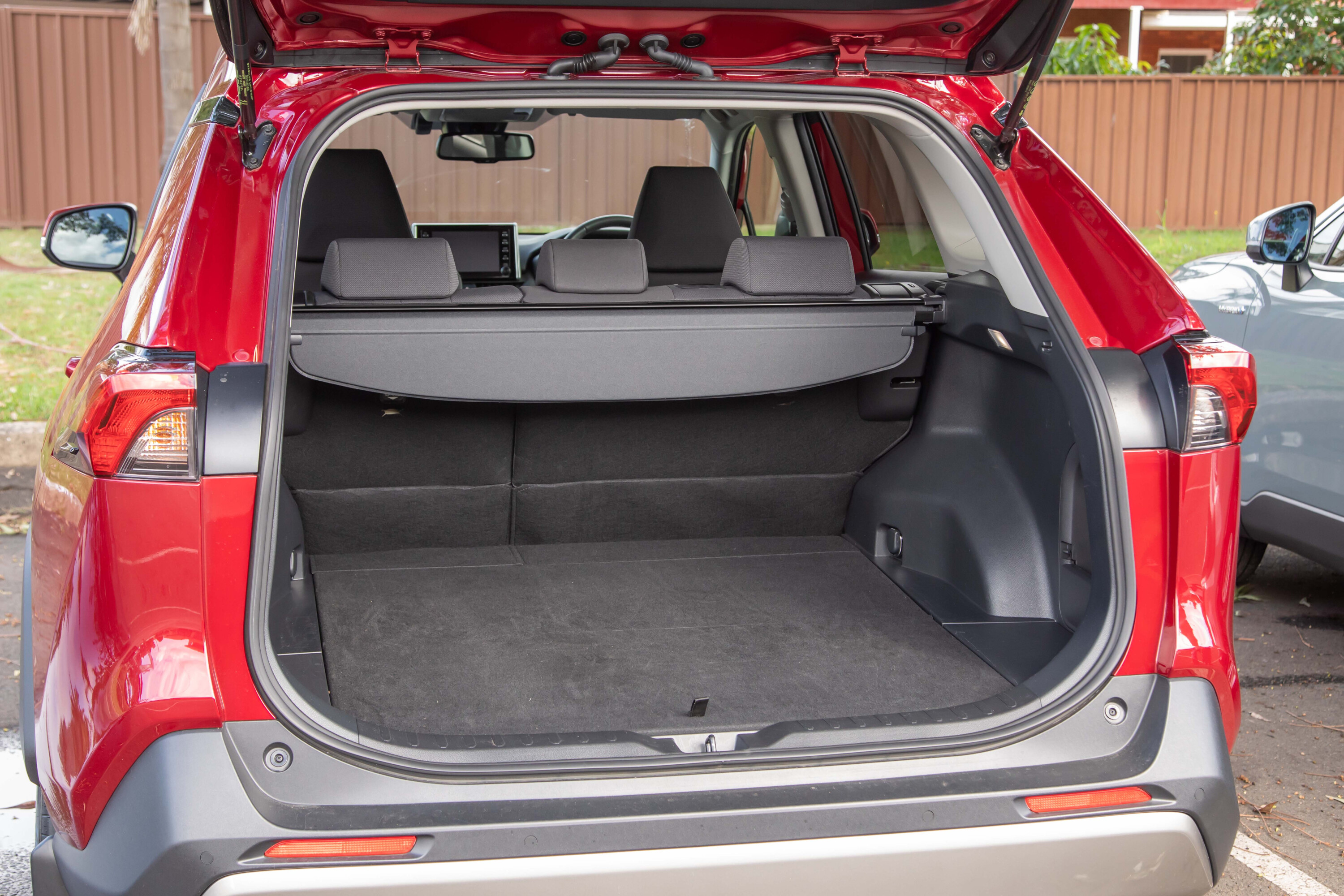
It has a pretty big boot at 542 easily accessed litres, too. You get a bigger boot in non-hybrid versions, but it’s not a massive difference.
Front-seat passengers get a pair of cup holders, a place to put the phone (a wireless charging pad is coming in MY23), good-sized door pockets with bottle holders and a deep console bin.
2
It also gets the Kluger-style dashboard shelf, which I really like, along with the rubberised and rugged-looking controls. Like the Yaris, the cabin is let down by the screen with its rubbish software (fixed for MY23) and the cheap plastichrome buttons down either side.
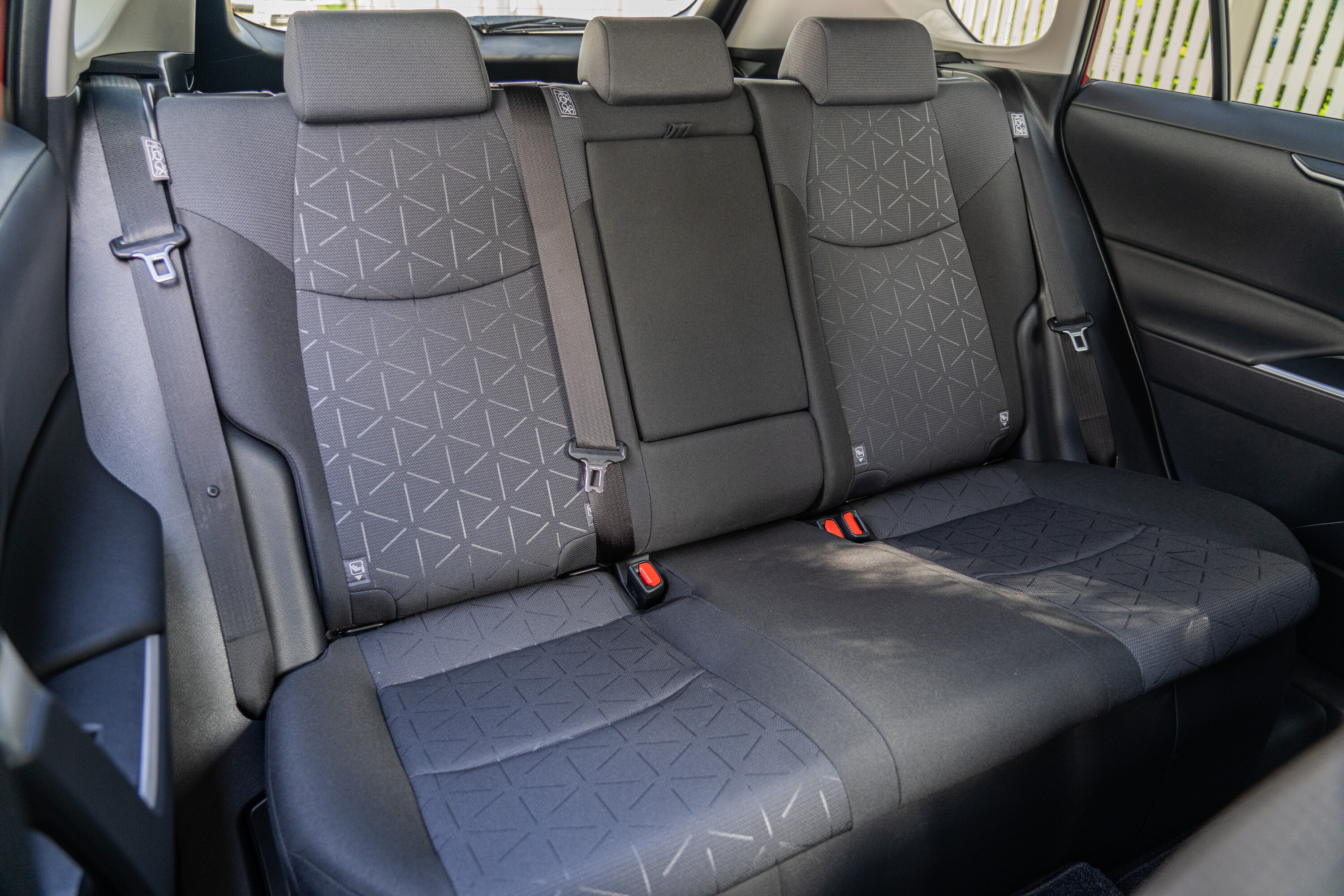
Rear seat passengers luxuriate with tons of legroom, air vents, an armrest with cup holders, two USB ports and bottle holders in the doors. There’s a stack of headroom, too. While it’s obvious the RAV4 was going to be the best here, the margin between Corolla Cross and RAV4 is wider than Yaris Cross to Corolla Cross.
1
What are they like to drive?
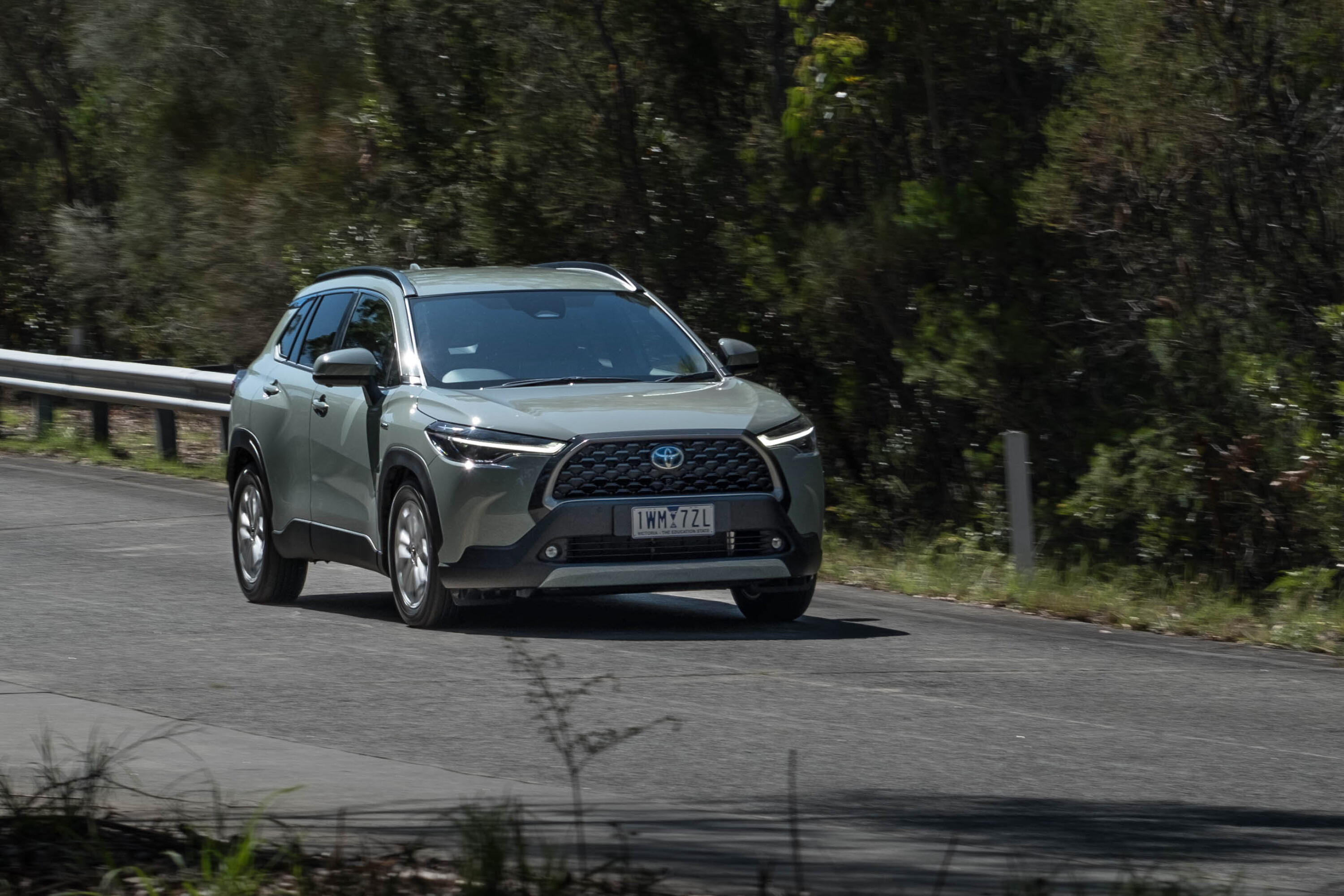
Each of them is very good in its own way. I’m particularly fond of the Corolla Cross GXL eFour because it blends a very accomplished ride with a strong drivetrain.
It’s also good fun to drive down a back road, all things considered. It isn’t upset by mid-corner bumps and takes a lot to unsettle it even in the suburbs. The strong acceleration, a rarity in this class, is also very useful and doesn’t seem to have a strong impact on fuel consumption when you get into it a bit.
Also, it probably has the best steering of the three – if that matters to you. It’s well-weighted and accurate and you don’t get any nasty shocks from bumps or potholes.
1
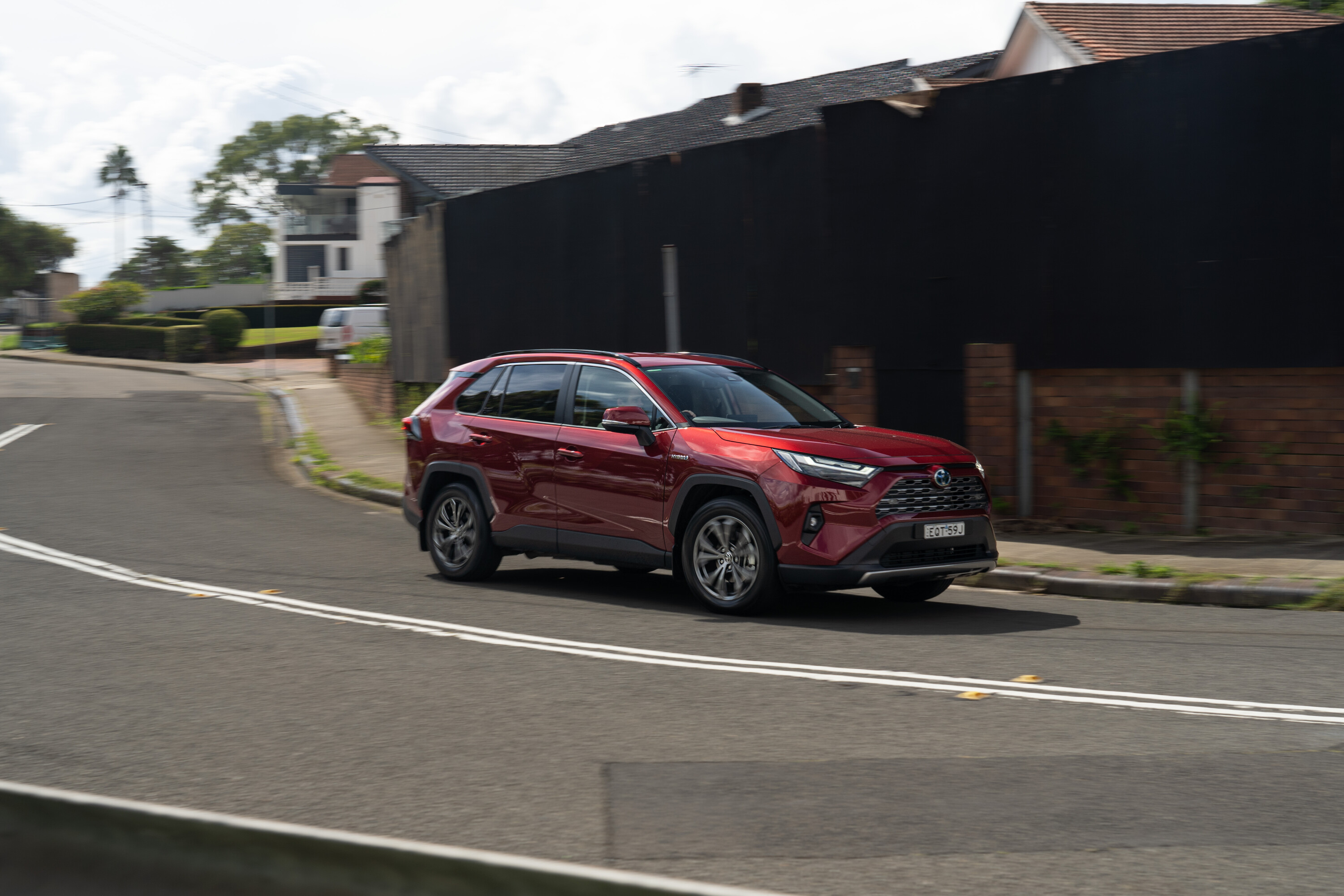
The RAV4 is the next best, again with good steering and a strong drivetrain. Without the rear wheels sporting an electric motor it’s not as punchy as the eFour, but it does alright. The hybrid drivetrain behaves impeccably and it runs at the front with 2.0-litre Tiguan and 2.5-litre CX-5 variants.
Ride quality is also impressive, though not as polished as the Corolla Cross. But if we were comparing it with a front-drive Corolla Cross, the RAV would be out in front with its better setup. I really liked the RAV4, more than I remember since my last drive in one and it is holding up well against its rampaging younger sibling.
1
Being the “sporty” version of the Yaris Cross, the GR is great fun. The mildly obnoxious 1.5-litre three-cylinder hybrid is nothing like as smooth and refined as the 2.0 and 2.5 in the bigger cars, but it does add a bit of pep to an otherwise fairly dreary segment.
The GR adds to its visual sporty appeal with lowered suspension and a GR Sport tune, meaning a little bit of aggro but not lots of it. The result is a tauter machine with a slightly more eager front end but still without a good ride. Sometimes sports suspension sorts out the ride, but that has eluded Toyota’s engineers and is a reminder that a car this small with torsion beams tends to get tossed around a bit on the bumps.
Its engine is a little intrusive when revved and the continuously variable transmission (CVT) makes sure it stays revved when you have your foot down. Being quite light, the modest power outputs are put to good use but it’s a bit noisy and unruly for a car like this.
1
How are they on fuel?
Here is where things get really interesting; a sentence I’d never thought in my youth I would write about a trio of Toyotas.
These cars are unbelievably close on consumption and if you go all statistician and start adding in variables like size, weight, aerodynamics etc, it is probably even closer. But of course, we live in the real world.
| Yaris Cross GR hybrid | Corolla Cross GXL eFour hybrid | RAV4 GXL FWD hybrid | |
|---|---|---|---|
| Fuel use (claimed) | 3.8L/100km | 4.4L/100km | 4.7L/100km |
| Fuel use on test (at the pump) | 4.7L/100km | 4.7L/100km | 5.4L/100km |
| Fuel use (indicated) | 4.7L/100km | 4.6L/100km | 5.4L/100km |
| Fuel type | 91 RON | 91 RON | 91 RON |
| Fuel tank | 36 litres | 43 litres | 55 litres |
| Projected real-world range | 765km | 914km | 1018km |
On the face of it, the Corolla Cross’s result is the most impressive. We have repeated this kind of number across several tests with this grade of car, in different conditions and with different drivers. It’s absurdly efficient.
The worst I’ve seen from the Corolla Cross is 5.4L/100km in a week of exclusive suburban running. I had it again for this comparison and it was back to its best at 4.7.
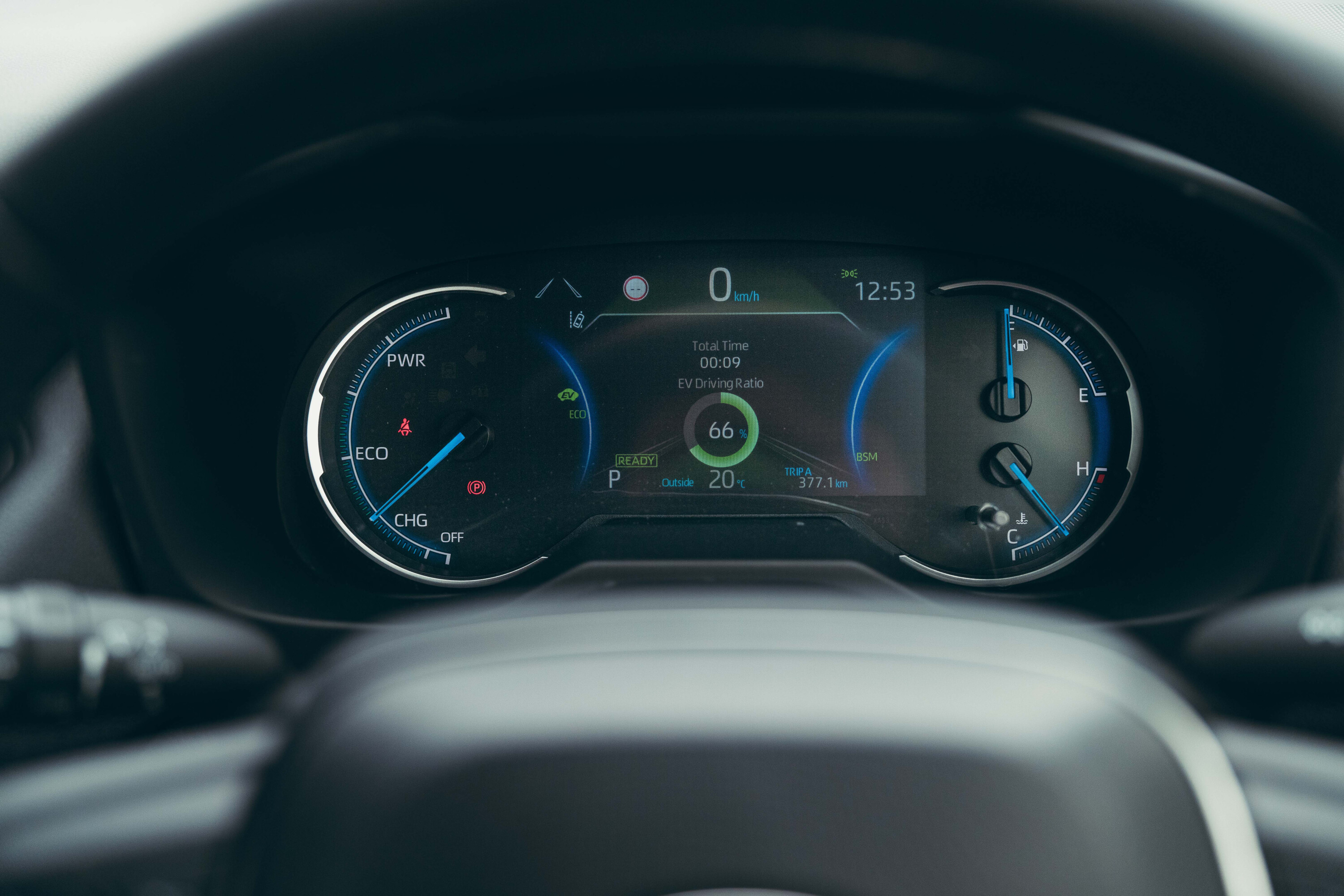
1
But when you have a look at the RAV4’s number of 5.4L/100km, that’s mightily impressive. It’s a much bigger car than either of the other two and presents a hefty forward aspect to the air.
You can pack a lot more into its bigger bodyshell and quite honestly, on a long highway run, you’ll easily crack into the mid-fours. A 125km run from Katoomba (down the hill, yes) gave me a reported 3.7L/100km with the engine off for 51 per cent of the trip.
So in that context, the Yaris Cross might seem a little disappointing. In reality, it isn’t; almost nothing else uses so little fuel without an absurd level of concentration and patience. But it’s much lighter, lower and has one less cylinder to feed.
1
How safe are they?
All three have five-star ANCAP safety ratings.
The RAV4 is the oldest car in the group, but, like the other two, it is built on the Toyota New Global Architecture. Its rating runs back to 2019 and the car itself does not have the centre front airbag of both the Yaris and Corolla Crosses.
| Standard safety in all three models | |
|---|---|
| Eight airbags (Corolla and Yaris Cross) | Seven airbags (RAV4) |
| Lane departure warning | ABS |
| Stability and traction controls | Reverse AEB |
| Forward collision warning | Reverse cross-traffic alert |
| Forward auto emergency braking | Lane-keep assist |
| Driver attention monitoring | Blind-spot monitoring |
The Corolla Cross GXL features forward cross-traffic alert, safe exit warning and a 360-degree camera, safe exit warning and reverse auto emergency braking. The RAV4 has the least safety features while the Yaris sits in the middle. Expect the MY23 RAV4 to address some of the deficiencies.
Obviously the further down the range you go in each, particularly the Corolla Cross, the list thins a little, with the exception of the two Crosses having centre front airbags for a bang-up-to-date ANCAP rating.
1
Warranty and running costs
All three cars are covered by Toyota’s five-year, unlimited-kilometre warranty with a further two years on the drivetrain if you service with Toyota. On top of that is an eight-year battery warranty.
Servicing comes around every 12 months or 15,000km in each and, as ever, is very good value. The capped-price servicing program lasts for the first five services. Despite recent price rises, this service schedule is still very good value when compared to just about any of each car’s rivals – with the possible exception of the Honda HR-V which competes against the Corolla Cross.
The new media system in the Corolla Cross includes Toyota Connected Services for the first 12 months of ownership. One imagines the same will apply to the MY23 RAV4 with its well-overdue upgrade.
If you like the Toyota Connected Services features and want to keep them after the first 12 months, you’ll have to pay $9.95 per month for remote connectivity to locking/unlocking, engine start and climate control. If you want to keep the fancy sat-nav features, that’s another $12.50 per month.
For those who don’t pay, the feature set shrinks but the sat-nav remains operable in a basic and very useable form.

1
VERDICT
Jumping in and out of these cars over a week was illuminating, fun, interesting and thought-provoking.
Toyota understands product planning, so the fact that these three model ranges overlap more than a little isn’t incompetence. It’s very deliberate and maybe genius. You could be distracted by trying to choose between two Toyotas instead of worrying about the wealth of choice you have in the rest of the market.
Representing best value for money here is the RAV4, in MY22 or MY23 pricing. It’s a lot more car than the Corolla Cross, more comfortable for four people and accommodating of their stuff. And it’s a relaxing car to drive across your suburb or across the country.
If you need something smaller, the Corolla Cross is the most fun to drive – especially if you go for AWD – and the second-best value for money. Having the CC and RAV4 back-to-back has stopped me from scratching my head, though. If I had the space for one and the extra readies, I’d have the RAV.
1
The Yaris Cross GR Sport is fun, while the top-spec Urban is bafflingly expensive and neither really makes a heck of a lot of sense. The mid-spec Yaris Cross GXL hybrid is the go, but then you’ve got to justify the fact it’s significantly more expensive than its rivals and still too close to the Corolla Cross. And I think, just maybe, the Yaris hatch is better anyway because the base-spec Yaris Cross isn’t a particularly nice car, hybrid or not.
None of these is cheap to buy but they’re all cheap to run and own with rock-solid residuals, pandemic or not. And you’d be mad not to buy something electrified when it’s on offer.
Choosing a Toyota is rarely making the wrong choice (for most buyers anyway) so this story is all about choosing the right hybrid Toyota SUV.
Hopefully it helps you, because it certainly did me.
Strengths and weaknesses
Toyota Yaris Cross GR Sport
Things we like
- Good fun to drive, looks tough, good drivetrain
Not so much
- Engine a bit unruly, needs more polish in the ride, expensive
Toyota Corolla Cross GXL eFour
Things we like
- Great drivetrain, fun ride and handling, new media system
Not so much
- Costs nearly as much as a RAV4 of similar spec, some scratchy plastics, ongoing Toyota Connect costs
Toyota RAV4 GXL Hybrid FWD
Things we like
- Excellent drivetrain, excellent fuel consumption, roomy
Not so much
- Price is going up, some dodgy plastics, lack of front centre airbag
MORE
Everything Toyota
MORE
SUVs under $60k
Specifications
| MY22 RAV4 GXL FWD hybrid | MY23 Corolla Cross GXL eFour hybrid | MY23 Yaris Cross GR hybrid | |
|---|---|---|---|
| Body | 5-door, 5-seat medium SUV | 5-door, 5-seat small SUV | 5-door, 5-seat light SUV |
| Drive | front-wheel | all-wheel | front-wheel |
| Engine | 2.5-litre four-cylinder hybrid | 2.0-litre four-cylinder hybrid | 1.5-litre three-cylinder hybrid |
| Bore x stroke (mm) | 87.5 x 103.4 | ||
| Electric motor | front-wheel | front and rear | front |
| Power | 131kW @ 5700rpm | 113kW @ 6000rpm | 67kW @ 5500rpm |
| Torque | 221Nm @ 3600-5200rpm | 190Nm @ 4400-5200rpm | 120Nm @ 3800rpm |
| Electric power and torque | 40kW/121Nm | 83kW/206Nm front / 30kW/84Nm rear | 59kW front |
| Combined power | 160kW | 146kW | 85kW |
| Combined torque | not specified | not specified | not specified |
| Battery | lithium ion | lithium ion | lithium ion |
| Transmission | continuously variable | continuously variable | continuously variable |
| 0-100km/h | 8.0 sec (estimated) | 7.5 seconds (claimed) | 10.0 sec (estimated) |
| Fuel consumption | 4.7L/100km (combined) | 4.4L/100km (combined) | 3.8L/100km (combined) |
| Weight | 1675kg | 1545kg | 1235kg |
| Suspension | MacPherson struts front/multi-link rear | MacPherson struts front/multi-link rear | MacPherson struts/torsion beam rear |
| L/W/H | 4600mm/1855mm/1685mm | 4460/1825/1620 | 4185/1765/1580 |
| Wheelbase | 2906mm | 2640mm | 2560mm |
| Boot space | 542 litres | 380 litres | 390 litres |
| Brakes | ventilated disc front / solid disc rear | 305mm ventilated discs front/281m solid discs rear | ventilated disc front / solid disc rear |
| Tyres | 225/60 R18 | 215/60 R17 Bridgestone Alenza | 215/50 R18 Azenis FK510 |
| Wheels | 18-inch alloy (space-saver spare) | 17-inch alloy (no spare) | 17-inch alloy (space-saver spare) |
| Price | $40,450 (MY23: $42,600) + on-road costs | $42,250 + on-road costs | $35,840 + on-road costs |
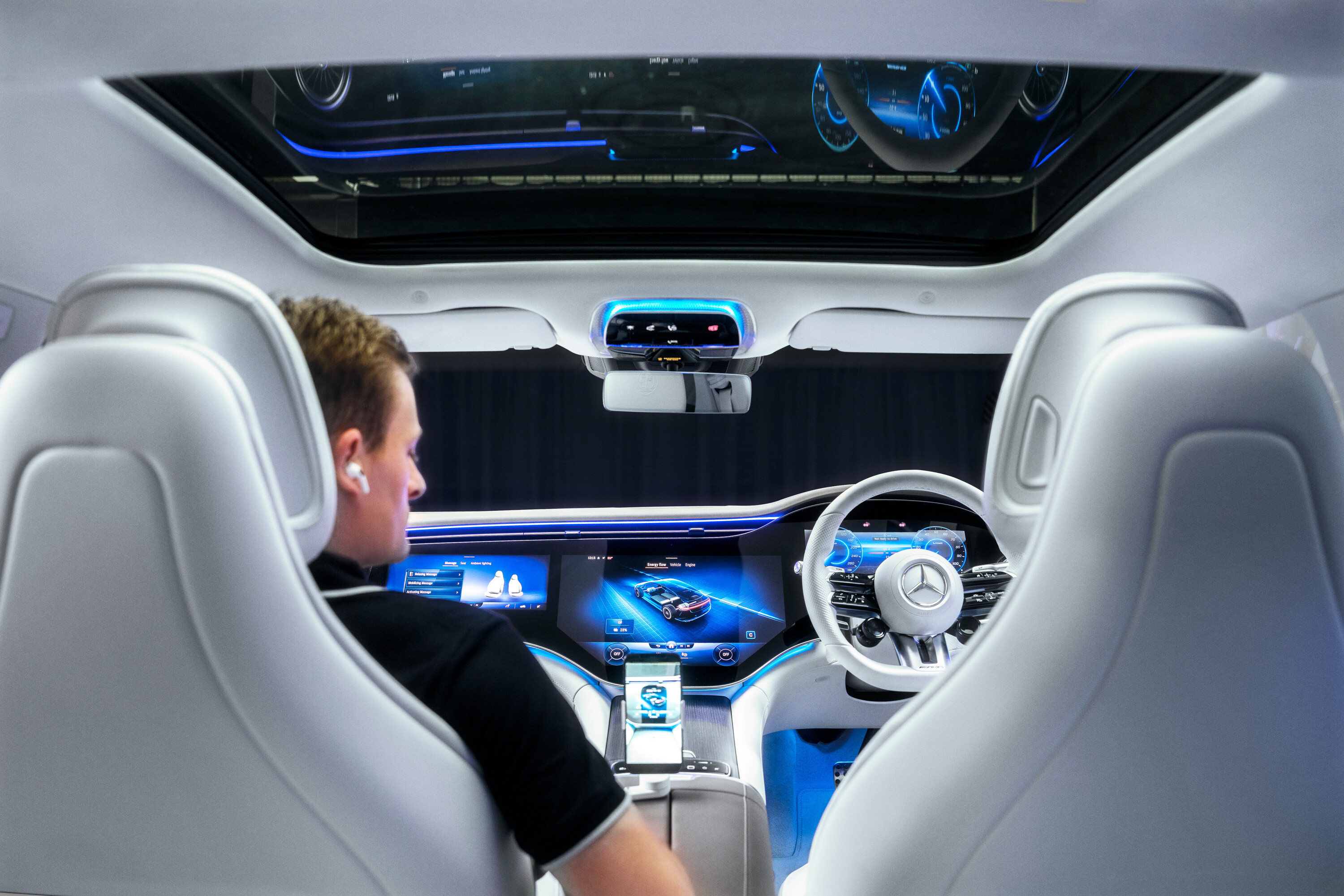
In a world first, Mercedes-Benz Australia has built a digital studio at its local headquarters in Melbourne, giving prospective Mercedes customers the chance to book a one-on-one session with a product expert who can walk them through the features of a potential purchase.
Using a secure video portal, customers will be able to ask questions about new models, compare two cars to see which they prefer or discover features that they may not have known about.
“Some customers don’t want to visit a dealership but want to know more about certain features than they can find out online,” said Mercedes-Benz Australia spokesman Jerry Stamoulis.
1
Indeed, its clear that the complexity around switching to EVs is something that many potential buyers feel daunted by, the Digital Studio offering a forum to ask questions about charging, range and other EV-specific questions that can help ease that transition.
The video portal supports one-way video only, so customers can see the feed from the studio but their camera will not be engaged.
During the consultation, which can be booked through the Mercedes-Benz Australia website and is available 9am-5pm Monday to Friday, customers can choose whether to receive a personalised 360-degree introductory tour of the vehicle or dive straight in with specific questions for the product expert.

1
At the conclusion of the call, customers are invited to configure a vehicle with their choice of trims, colours and options. Existing stock can be searched, test drives organised and, if required, finance arranged.
Jump onto the booking page here to select your vehicle and reserve a session.
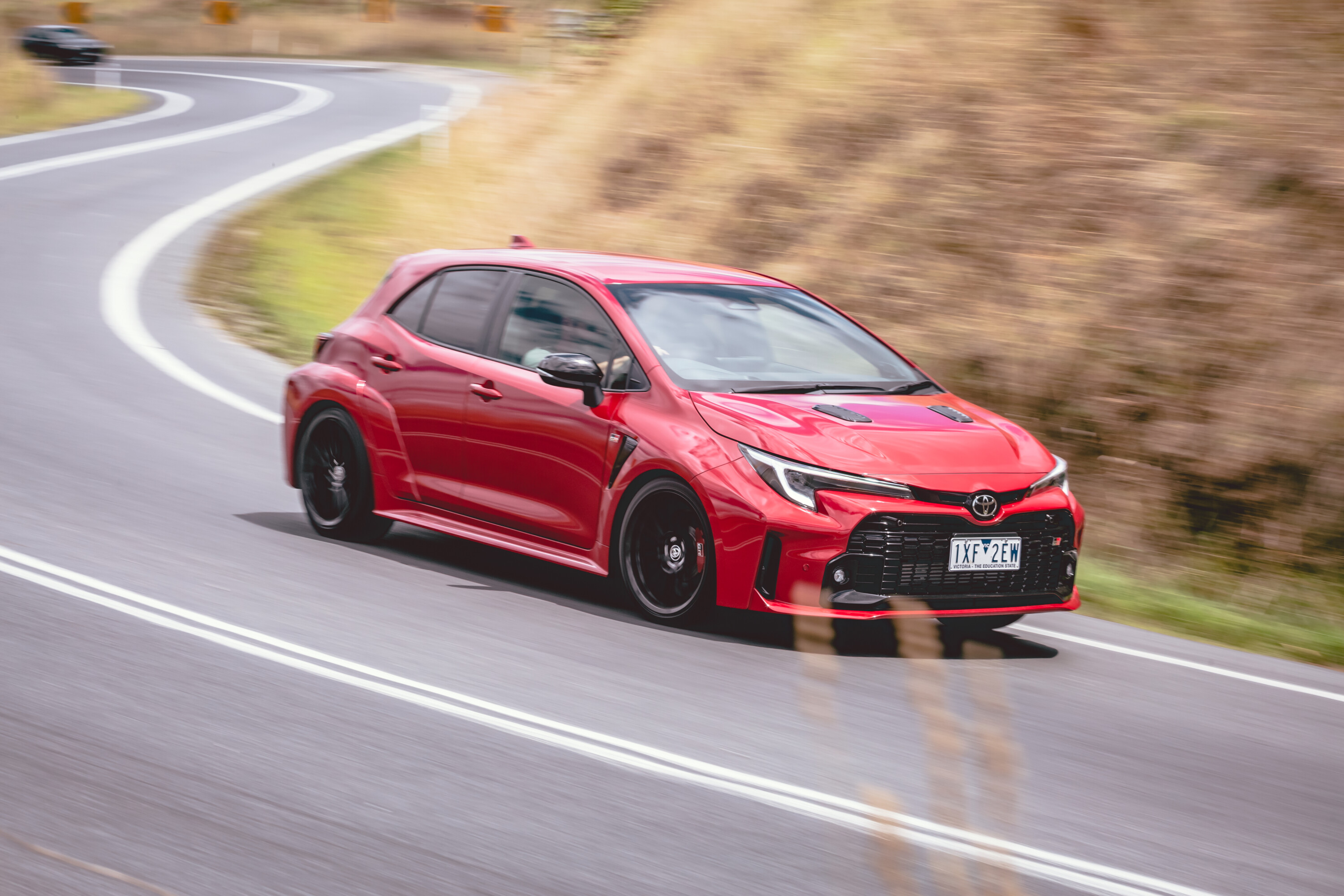
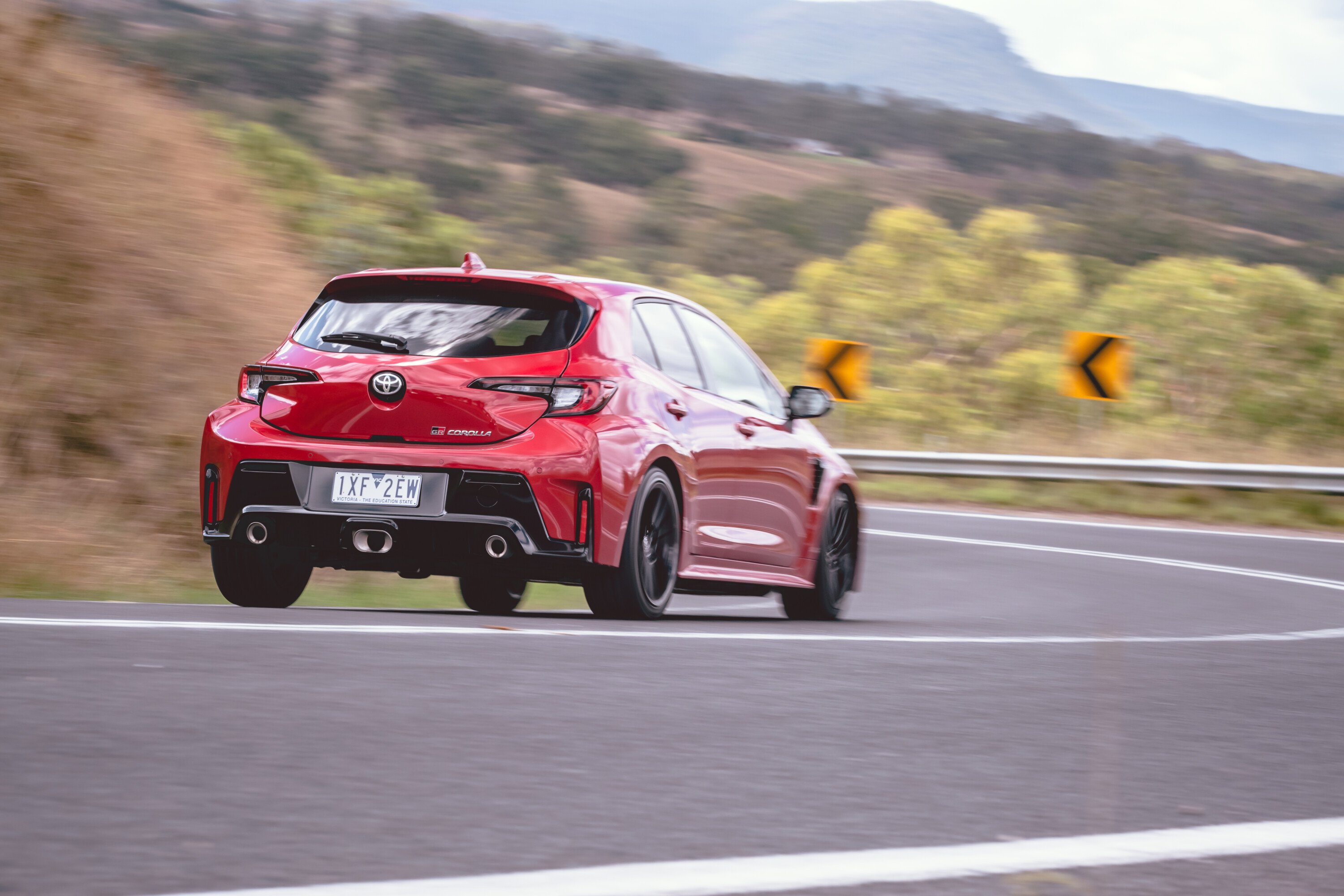
| Vehicle | 2023 Toyota GR Corolla |
|---|---|
| Tyre Brand & Model | Yokohama Advan Apex V601 |
| Tyre Size | 235/40 ZR18 |
| Location | Eastern Creek racetrack, Jenolan Caves Road, Bells Line of Road |
| Conditions | From sandy bitupave to a wet racetracku00a0 |
Michelin, Goodyear, and Continental are the default ultra-high-performance summer tyre manufacturers in the English-speaking world – but the Japanese know a thing or two about sticky rubber.
1
Yokohama’s Neova semi-slick tyres are praised for their consistent grip and communication, so the Japanese tyremaker has ported its learnings into a sexy, broad-shouldered, road-focused tyre that ships standard on the GR Corolla in a 235/40 ZR18 size.
First impressions are positive with a firm sidewall and rubber compound that stood up to (admittedly damp) track abuse.
11
The Advan Apex’s best attribute was great communication, which let me confidently press on in the wet.
Outright grip levels are not as high as a Michelin Pilot Sport 4 S, or Continental SportContact 6. It’s also a very noisy tyre.
VERDICT
A solid all-rounder
The Yokohama Advan Apex V601 should be considered a strong-value, solid all-round alternative for those looking at new tyres for their hot hatch or performance sedan.
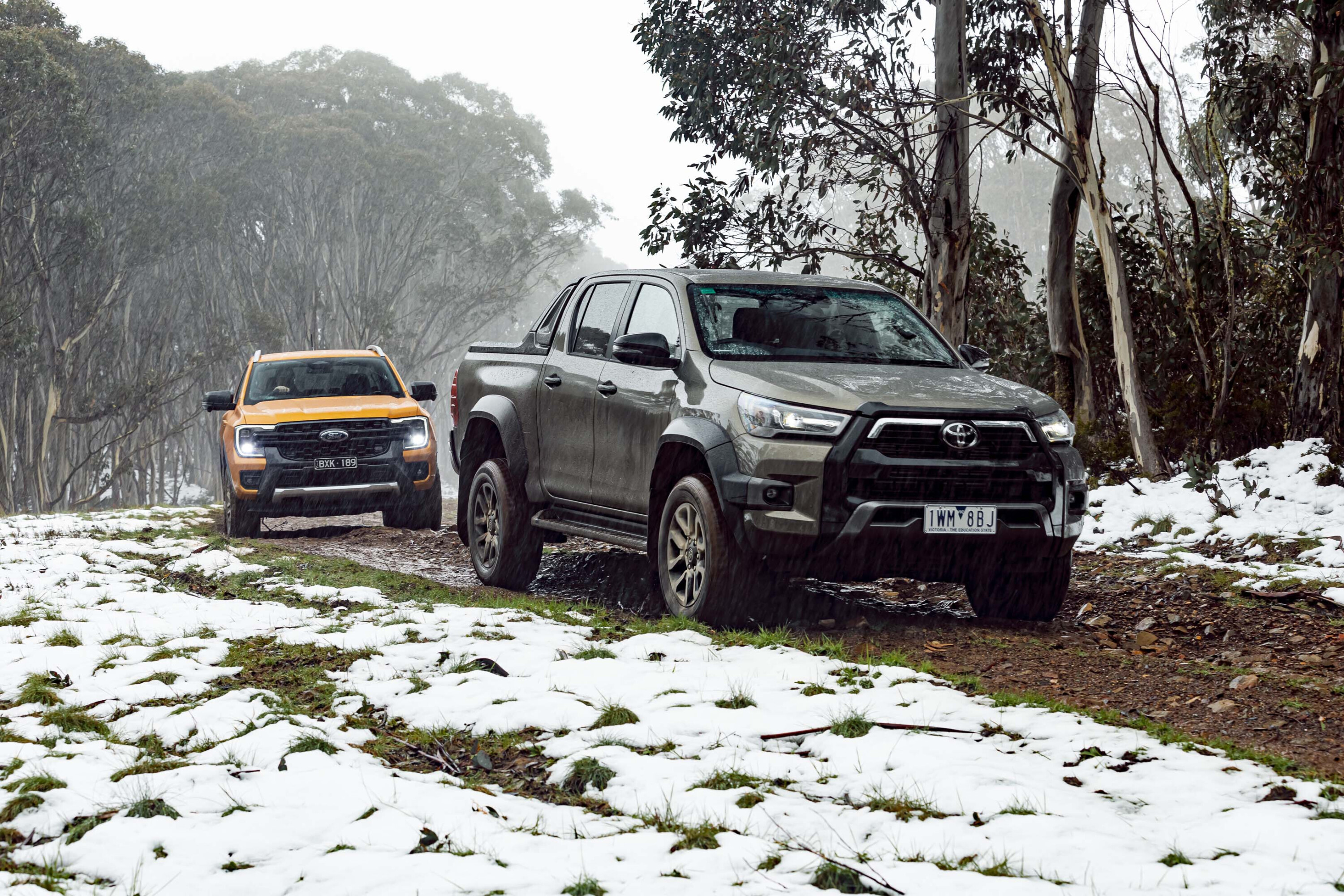
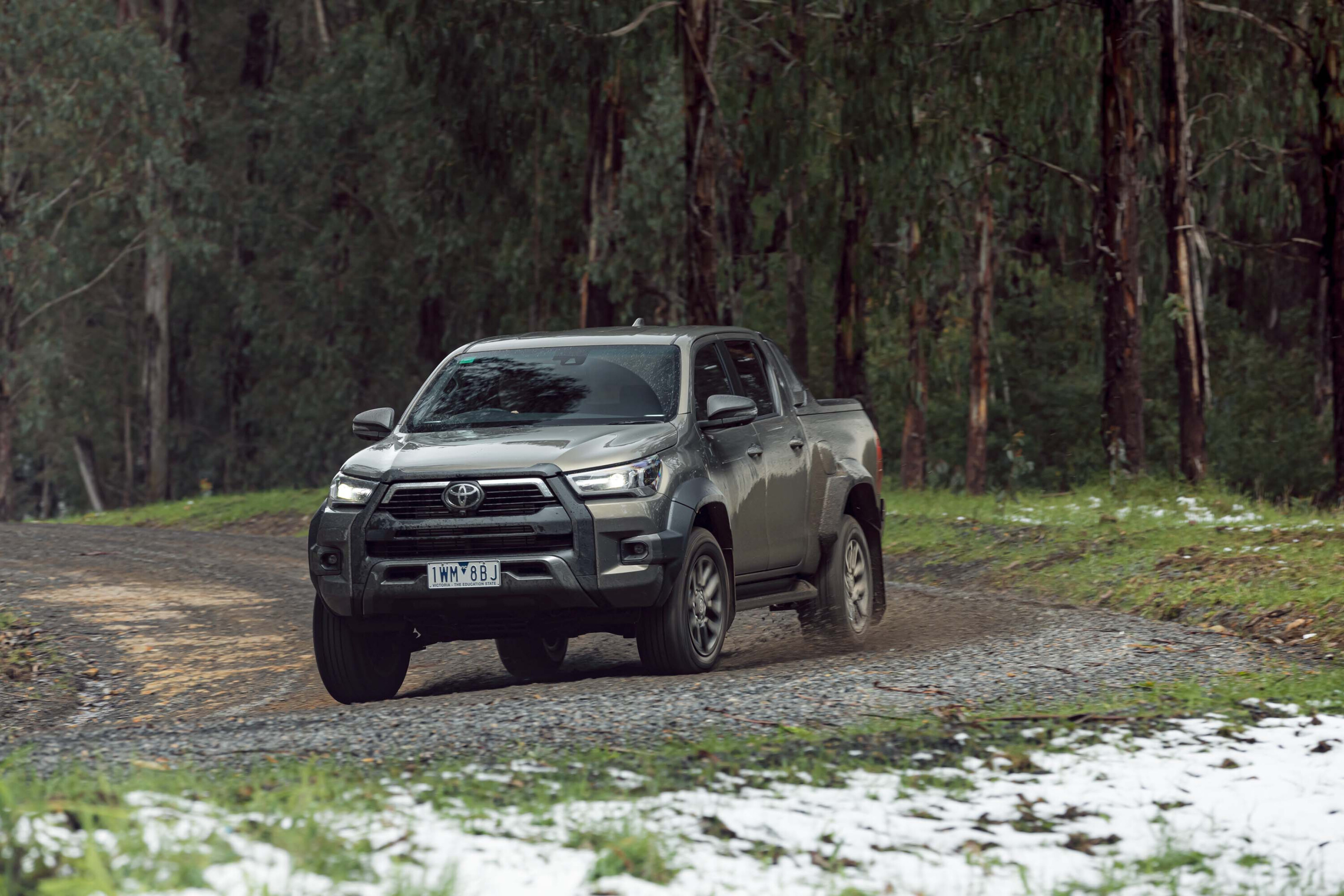
Reports out of South Africa suggest the Toyota HiLux ute and Fortuner SUV could pick up mild-hybrid powertrains as soon as next year.
The information – attained by carmag.co.za [↗] during a visit from Toyota executive vice president, Hiroki Nakajima – suggests a development in the electrification of HiLux and Fortuner.
It also reinforces foreshadowing from local Toyota vice president sales, marketing, and franchise operations, Sean Hanley, who told Wheels earlier this year that something big was coming for the HiLux.
Our goal always is to address market opportunities and customer needs with HiLux. At some point, that will include a form of electrification, although I don’t intend to go into the exact details of that today
1
Although the South African report doesn’t closely detail the hybrid powertrain, it was made clear it will be of the mild-hybrid variety rather than the brand’s synergy-drive system that features in the RAV4, Corolla, and Camry.
The system is likely to feature 48-volt electronics, potentially with a small electric motor to provide a power boost, but the bigger battery may simply allow longer idle stop-start interviews.
The HiLux and Fortuner’s existing 150kW/500Nm 2.8-litre turbo-diesel four-cylinder will likely form the combustion-engine basis for the hybrid.
1
Toyota seems to be at a crossroads when it comes to electrifying large vehicles. There was much chatter that the 300 Series would offer the Tundra’s i-Force Max hybrid, but that has yet to eventuate.
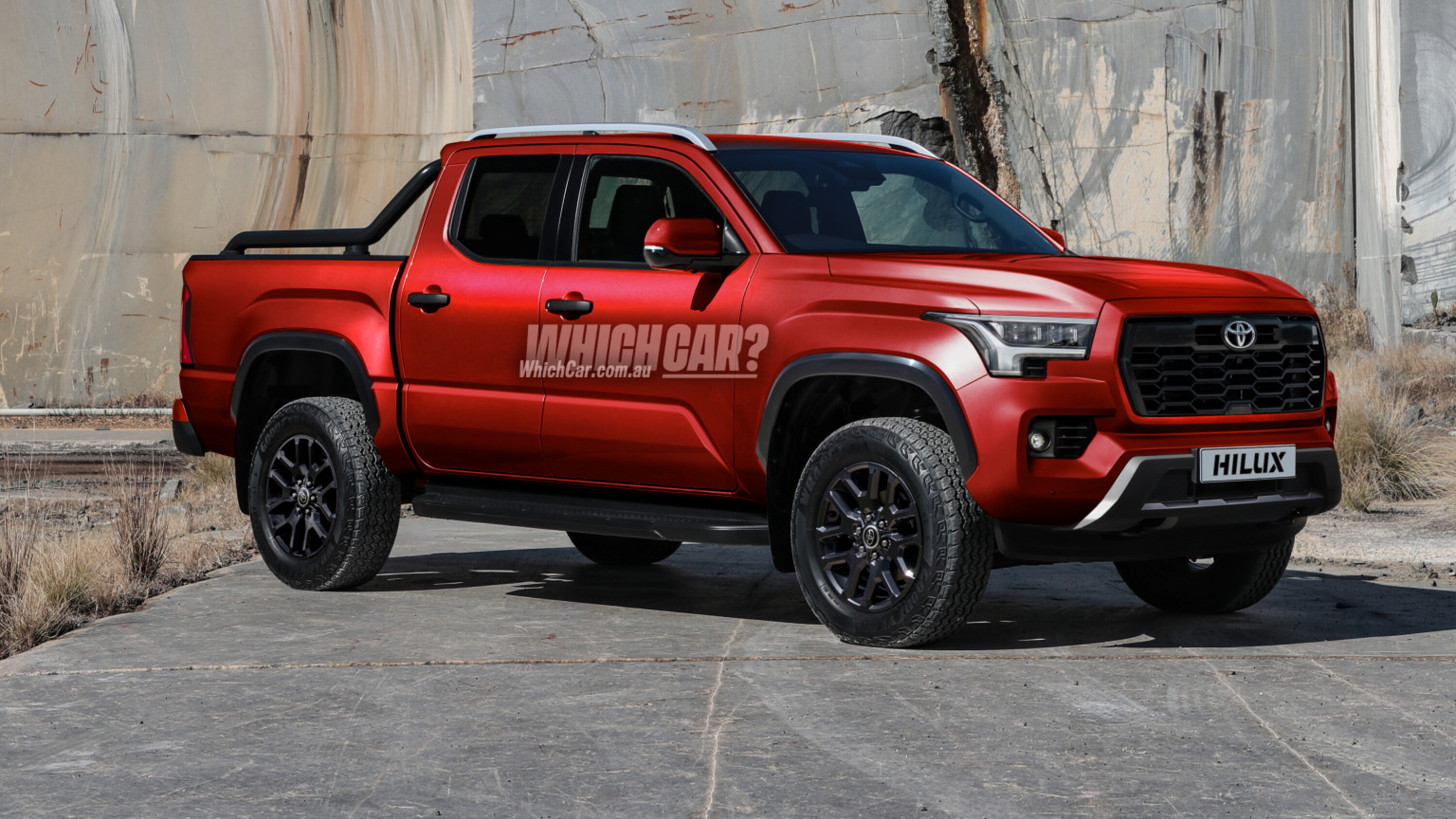
Similarly, the next-gen Thai-built HiLux – purported to be twinned in development with the US-market Tacoma – has been expected to pick up a series-parallel hybrid setup as soon as next year.
More details will emerge as we draw closer to 2024, so stay tuned for new developments.
1
Our original story, below, continues unchanged
February 17: HiLux update due late 2023
The top-selling Toyota HiLux ute will be updated later this year to complement the new GR Sport flagship.
Snapshot
- Toyota HiLux to receive minor update later this year
- Australia’s best-selling vehicle could lose sales crown in 2023
- Electrification plans still unclear, but hybrid looking likely in the coming years
Toyota Australia’s senior vice president of sales and marketing, Sean Hanley, said the brand isn’t “standing still” with the broader HiLux line-up.
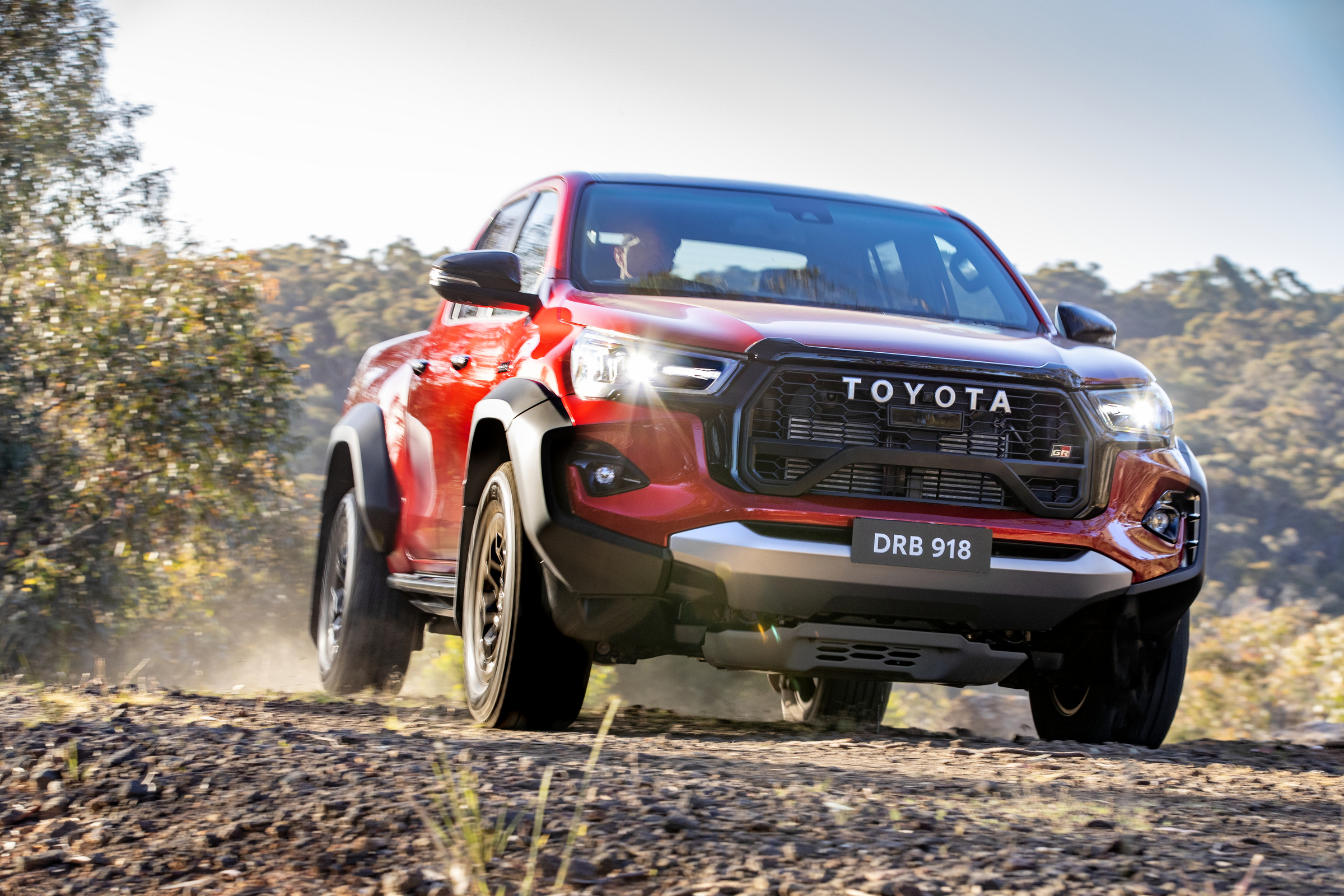
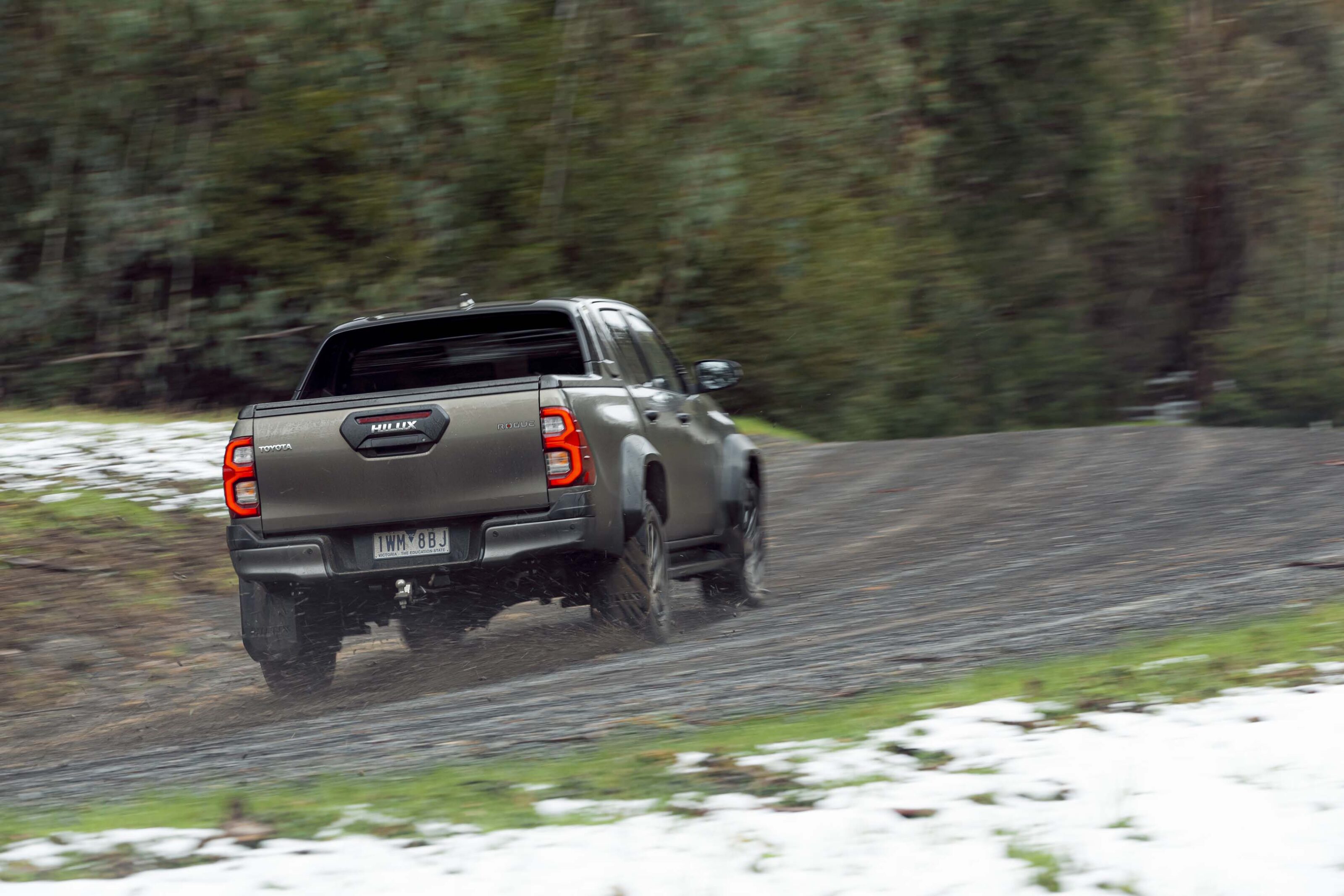
“Last year, we launched Hilux Rogue, and it has been very warmly received. In the third quarter of this year, we will launch HiLux GR Sport – an off-road hero with 10 per cent more power and torque, among other new spec.
“Beyond that, we’ll have more action on HiLux in the second half of the year.
1
“Our goal always is to address market opportunities and customer needs with HiLux. At some point, that will include a form of electrification, although I don’t intend to go into the exact details of that today.”
This update could introduce minor tech updates – such as rear disc brakes on more variants and a larger, updated infotainment system with wireless Apple CarPlay – to better match the latest-generation Ford Ranger, which could overtake the HiLux to become Australia’s top-selling vehicle in 2023.
“We certainly respect our competitors. It’s a challenging market and we don’t take our position for granted. Ultimately, I do think the final result will come down to supply rather than demand,” said Hanley.
While the forthcoming update is unlikely to introduce an electrified powertrain to the HiLux line-up, this is expected in the coming years.
It will be matched to either a diesel or petrol engine – in a mild-hybrid, traditional hybrid, or plug-in hybrid form – with the brand remaining tight-lipped on its plans.
However, Toyota says it is also evaluating other forms of electrification for the HiLux, including full-electric and hydrogen.

1
“Well, there’s hybrid. You know, plug-in hybrid, there’s all sorts of variants. We’ve been looking at H2 (hydrogen) conversions, we’re looking at [battery-electric vehicles], we’re looking at everything. This is exactly what we’re saying, that Toyota won’t put all of its eggs in one basket,” added Hanley.
As previously announced, Toyota Australia plans to offer an electrified version of every model in its range by 2030 – including HiLux, LandCruiser and HiAce – but not GR performance cars.
Last month, Sean Hanley told Wheels an electrified HiLux was “quite conceivable.”
“We said by 2030 all our models have some form of electrification, excluding GR, so it’s quite conceivable over the next years, you know, between now and 2030 that, yeah, we’ll have some type of electrification on HiLux.”
1
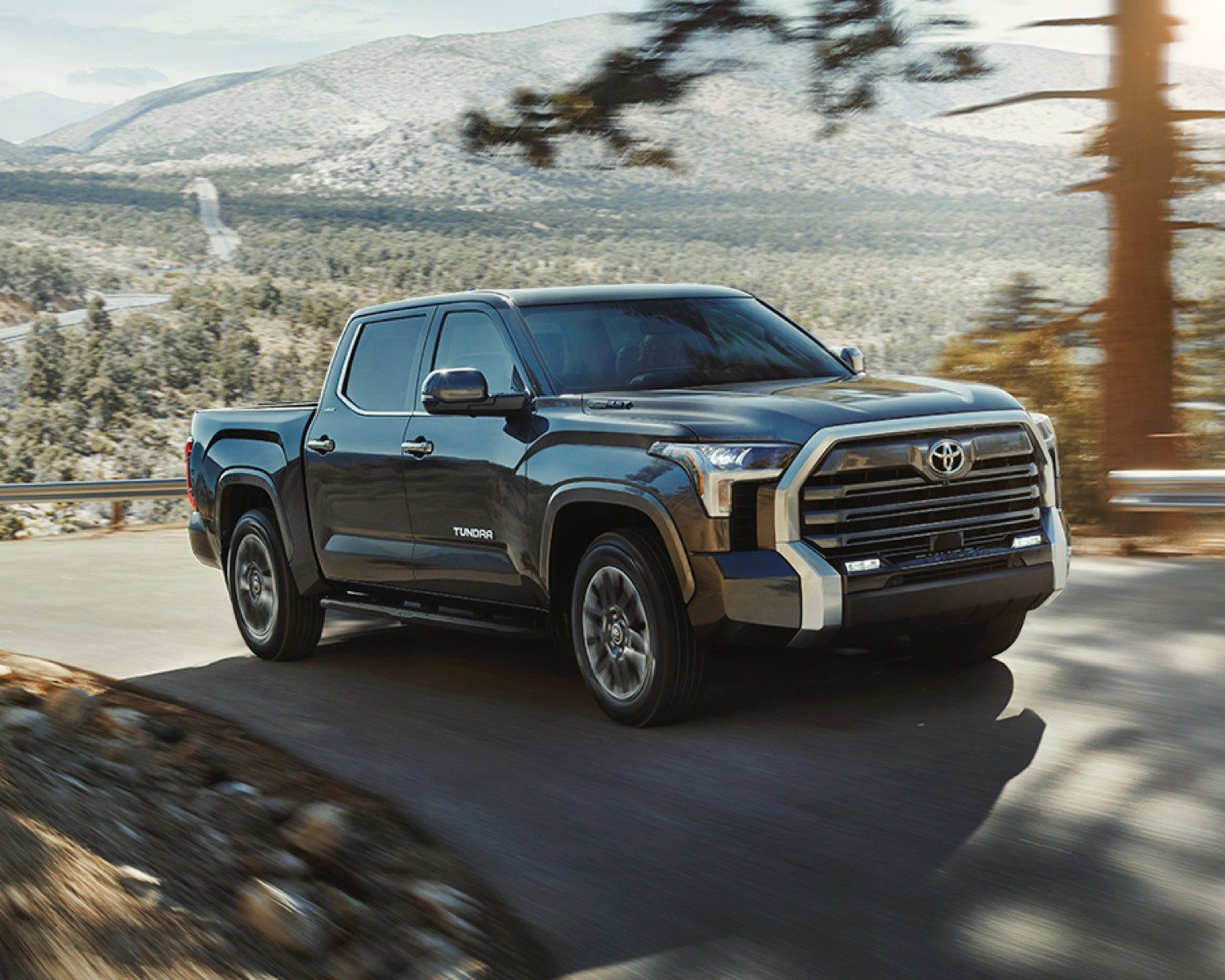
The first electrified commercial vehicle to be offered by Toyota in Australia will be the Tundra full-size ute, which is expected next year if the right-hand drive conversion project proves successful.
When asked by media if Toyota would sell as many EVs as hybrid vehicles, Hanley reiterated concerns surrounding price and capability.
“Not if they can’t tow a caravan, not if they can’t do range of 800 kilometres with three-and-a-half tonne on the back, not in our market.
“We’ve got a Tundra coming soon that I think will be more than capable as a hybrid, and that’s why we’re saying hybrid is a real credible, practical solution.”
1
As such, the transition to battery-electric vehicles for Toyota Australia will be slow and gradual, with a continued focus on all electrified options.
Toyota Australia forecasts more than half of its sales will be electrified by 2025, but – although no breakdown was offered with that forecast – this is expected to be made up mostly of hybrid options for popular vehicles, such as the RAV4, Corolla, Corolla Cross, Kluger, Camry and Yaris Cross.
In 2022, hybrid vehicles accounted for 31.5 per cent of Toyota Australia’s sales – 72,815 of 231,050 registrations – with that number expected to rise this year, despite lengthy wait times.
It will launch its first electric vehicle, the RAV4-sized BZ4x medium SUV, later this year, with two additional battery-powered models due in Australia by 2027.
MORE
Everything Toyota
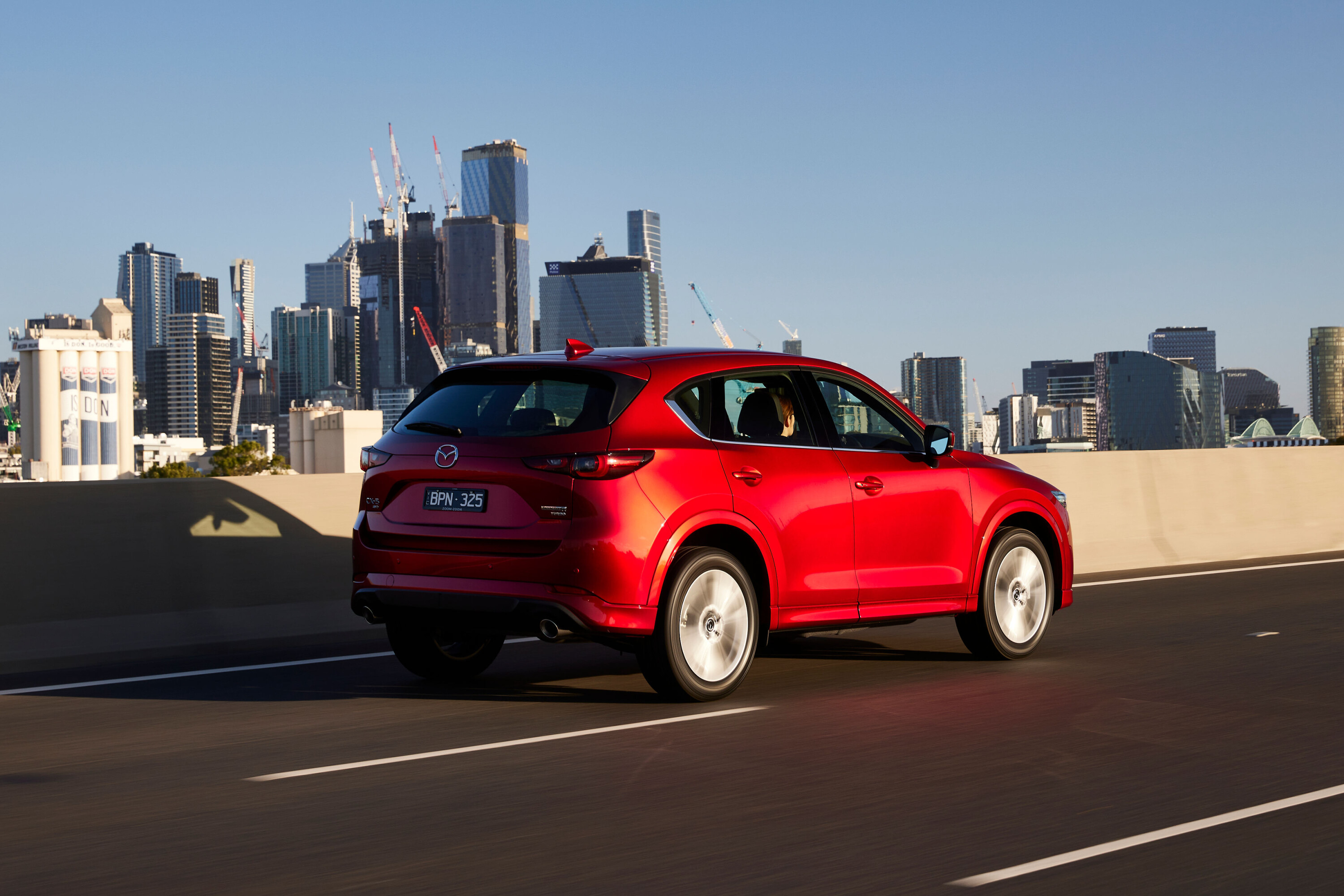
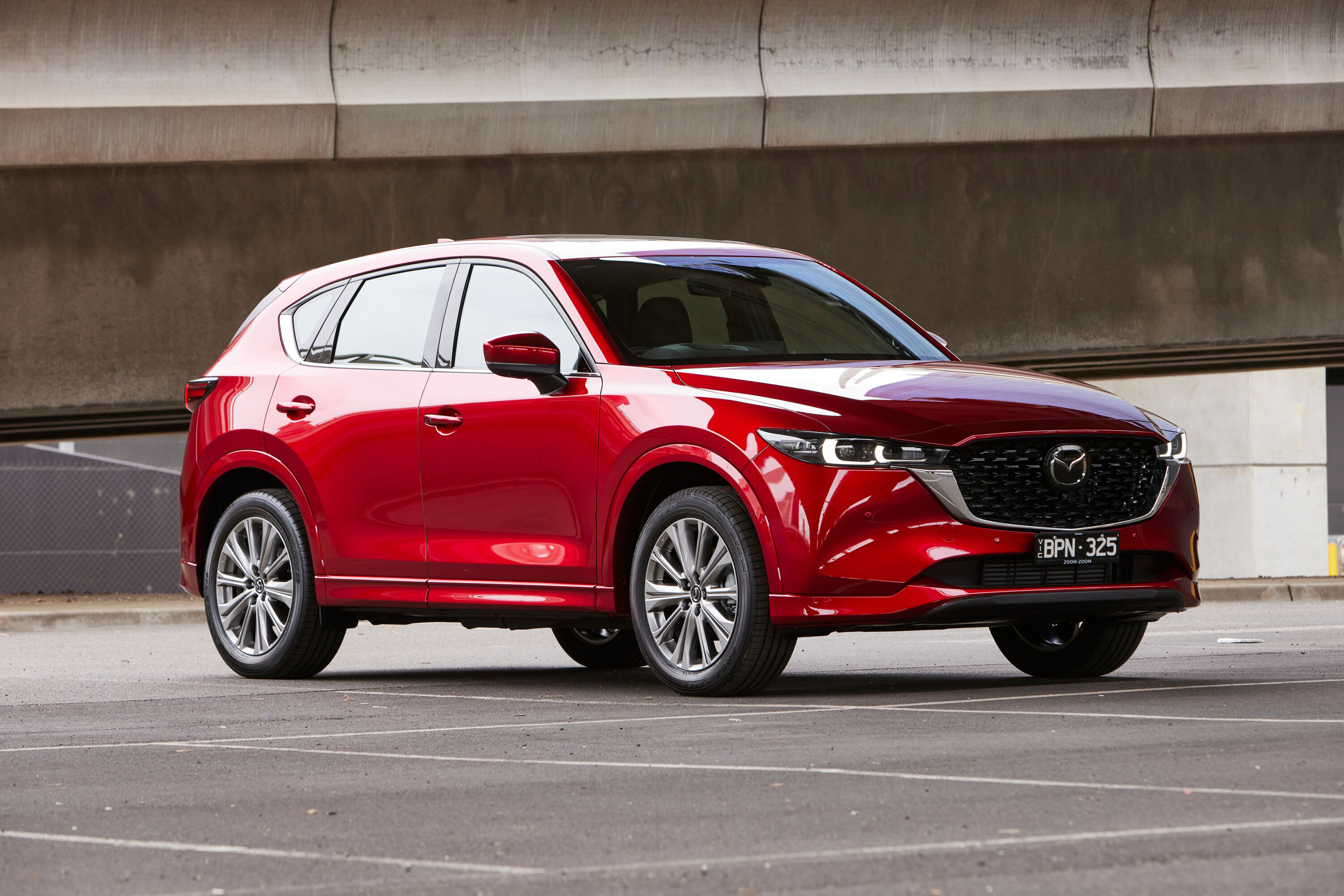
The Mazda CX-5 debuted in 2012, replacing the CX-7 (which itself had replaced the trusty old Tribute).
Between 2013 and 2020 it was Australia’s most popular SUV, and continues to enjoy considerable success in the Australian market.
The CX-5 is a medium-sized SUV sitting above the CX-3 and CX-30, and below the CX-60, CX-8 (and forthcoming CX-90).
A second-generation model was introduced in 2017, and the CX-5 has been regularly updated since to keep it fresh in its intensely competitive class.
1
JUMP AHEAD
- Pricing
- What body styles are available for the Mazda CX-5?
- What features are standard in every Mazda CX-5?
- What key features do I get if I spend more?
- How safe is the Mazda CX-5?
- How comfortable & practical is the Mazda CX-5?
- How much boot space does the Mazda CX-5 offer?
- I like driving, will I enjoy this car?
- Which Mazda CX-5 engine uses the least fuel?
- What is the Mazda CX-5’s towing capacity?
- How long is the warranty & what are the CX-5 servicing costs?
- Which version of the Mazda CX-5 does Wheels recommend?
- What are the Mazda CX-5’s key rivals?
Pricing
| 2023 Mazda CX-5 pricing (before on-road costs) | |
|---|---|
| Maxx 2.0L 2WD | $35,510 |
| Maxx Sport 2.5L 2WD | $39,310 |
| Maxx Sport 2.5L AWD | $41,810 |
| Touring 2.5L AWD | $43,700 |
| Touring Active 2.5L AWD | $44,000 |
| Touring Active AWD Diesel | $47,000 |
| GT SP 2.5L AWD | $49,310 |
| Akera 2.5L AWD | $51,500 |
| GT SP Turbo AWD | $51,810 |
| Akera Turbo AWD | $54,000 |
| Akera Diesel AWD | $54,500 |
1
What body styles are available for the Mazda CX-5?
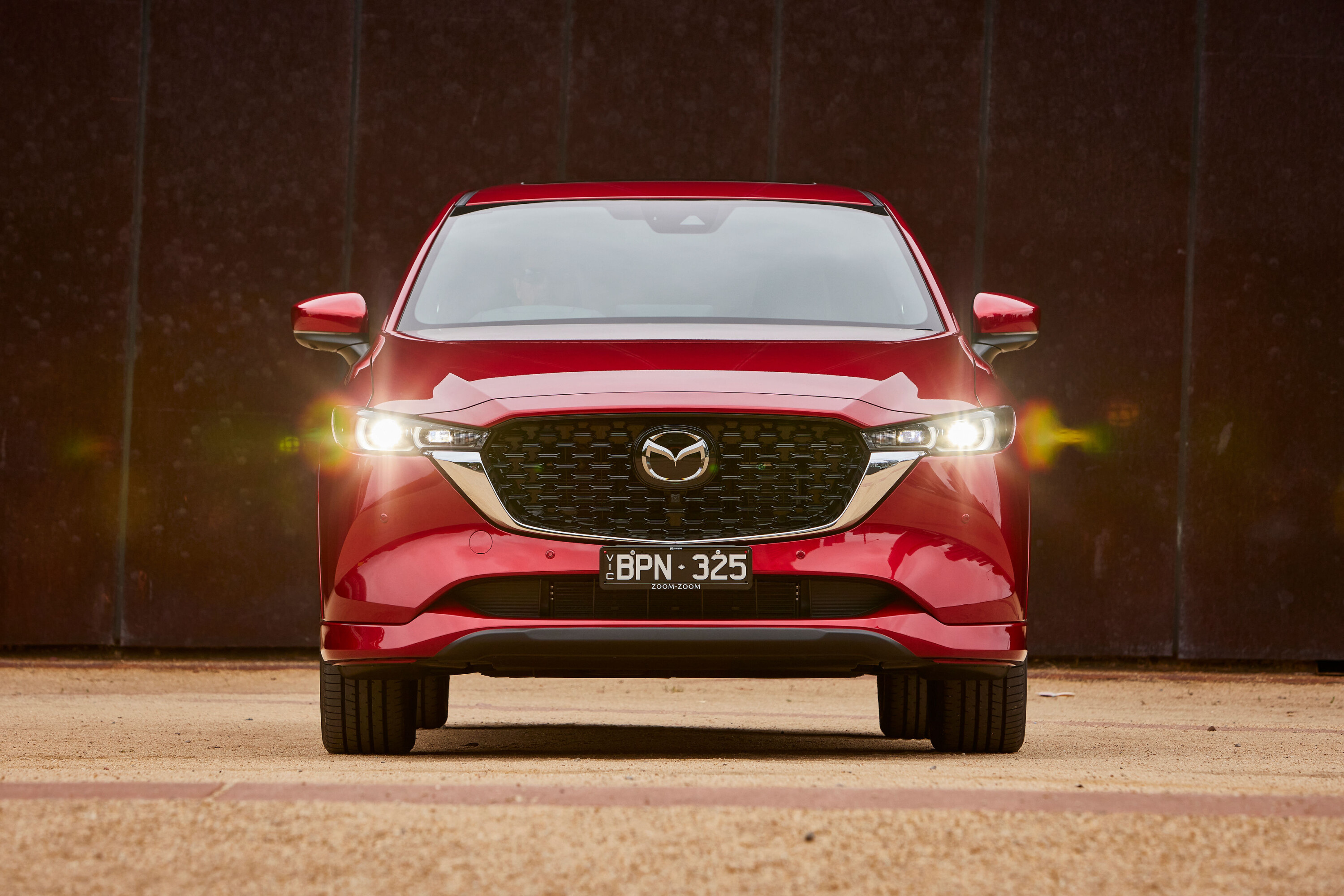
The Mazda CX-5 is a five-door, five-seater SUV only. However, the CX-8 seven-seater is effectively a long-wheelbase CX-5.
What features are standard in every Mazda CX-5?
The features listed below are standard in the entry-level model and will appear in higher-grade models, unless replaced by more premium equivalent features.
1
| 2023 Mazda CX-5 standard features | |
|---|---|
| LED headlights | Keyless engine start |
| Head-up display | High Beam Control: Headlights that switch on automatically when itu2019s getting dark and dim the high beam lamps when another car is approaching |
| 10.25-inch infotainment screen | Reversing camera and at least rear parking sensors |
| Apple CarPlay and Android Auto | Driver attention monitoring |
| Bluetooth connectivity for phone calls and audio streamingDigital radio | Blind-spot monitoring |
| Internet radio integration | Rear cross traffic monitoring |
| Electrically adjustable and folding side mirrors | Lane departure warning |
| Rain-sensing windscreen wipers | Forward obstruction alert |
| Roof-rack mounting points | Hill launch assist |
| Electric windows with one-touch operation | Tyre pressure monitoring |
| Dual front vanity mirrors | Autonomous low-speed braking – forwards and reverse |
| Overhead sunglasses storage | Airbags: front driver and passenger, side, and curtain |
| Leather steering wheel with height and reach adjustment | An automatic transmission |
| Leather gearshift lever | Electric parking brake |
| Adaptive cruise control | Electronic stability control, which can help the driver to control a skidding car |
| Second-row seats with reclining function | |
What key features do I get if I spend more?
The entry-level Mazda CX-5 includes all of the above, while also featuring 17-inch alloy wheels, and black cloth upholstery.
It’s one of only two front-wheel-drive variants and the Maxx is the only CX-5 to be powered by a 2.0-litre petrol engine; a 2.5-litre petrol is the most common engine across the line-up.
Stepping up the range brings a greater selection of engines, as well as additional features.
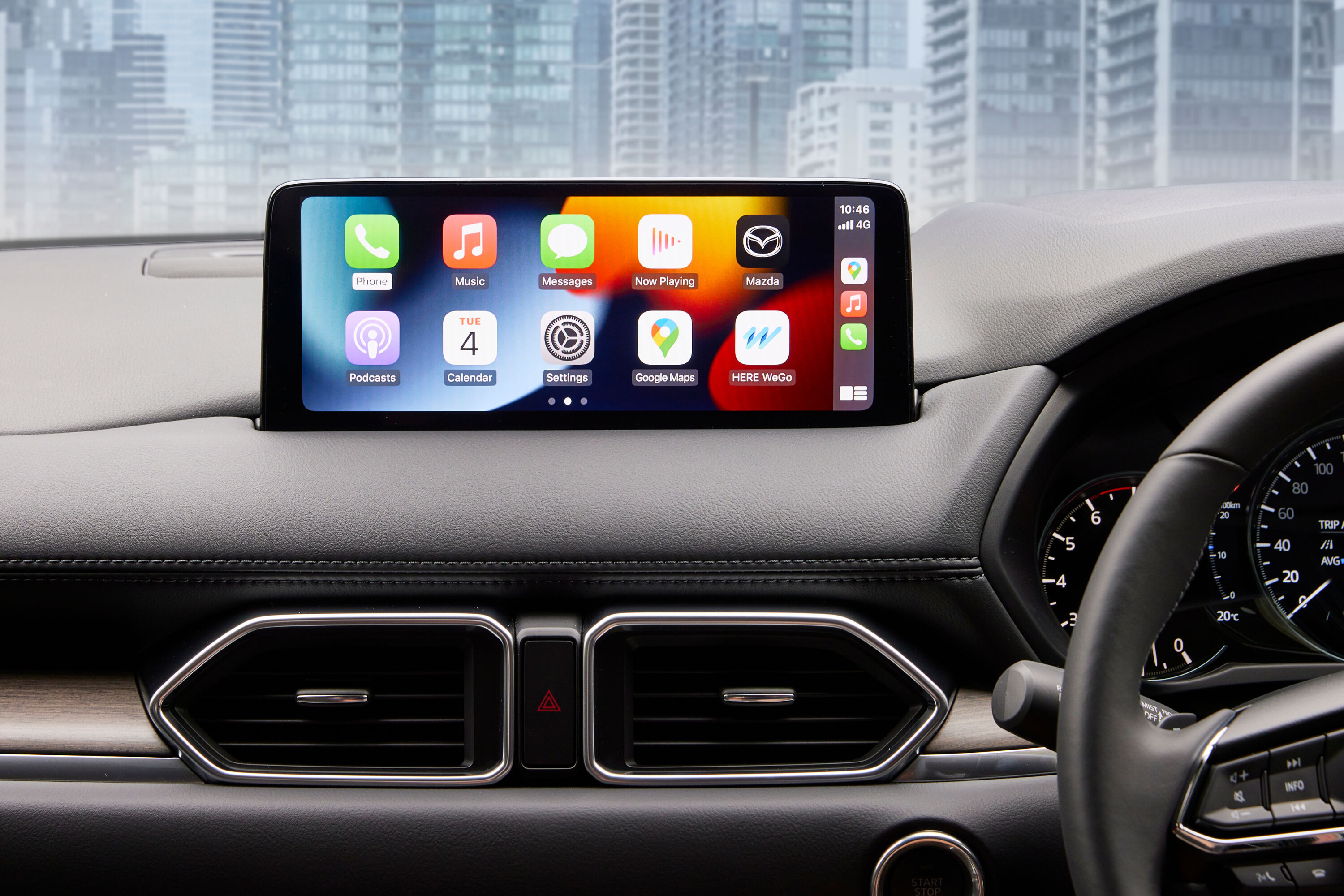
1
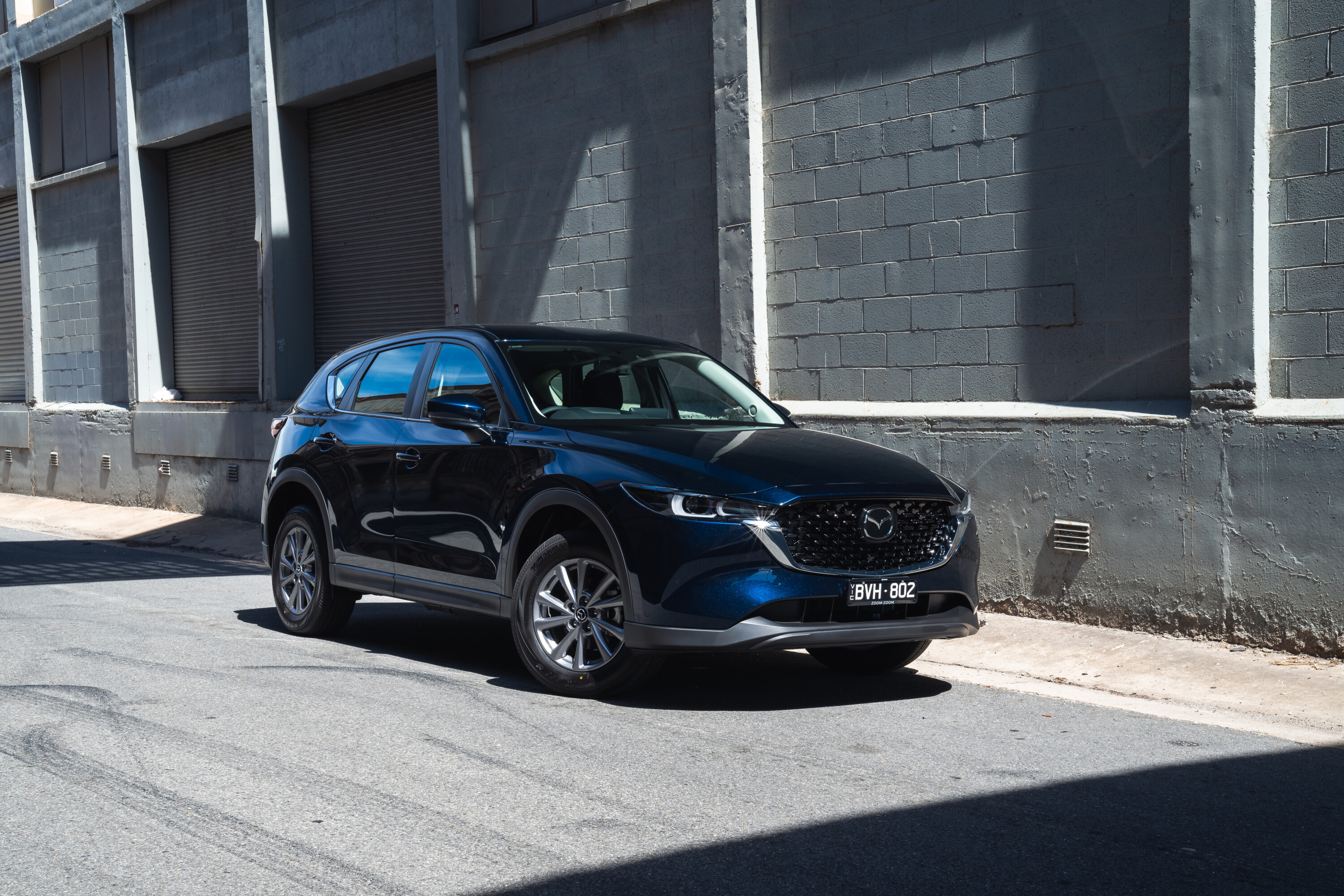
The Maxx Sport adds
| 2023 Mazda CX-5 Maxx features | |
|---|---|
| Wireless Apple CarPlay and Android Auto connection | Auto-dimming rear view mirror |
| GPS navigation | Rear centre armrest with storage and USB-A charging ports |
| Dual-zone climate control | Speed-limit notification in the driver display (Traffic Sign Recognition) |
| Paddle shifters for choice of semi-manual gearchanges | |
1
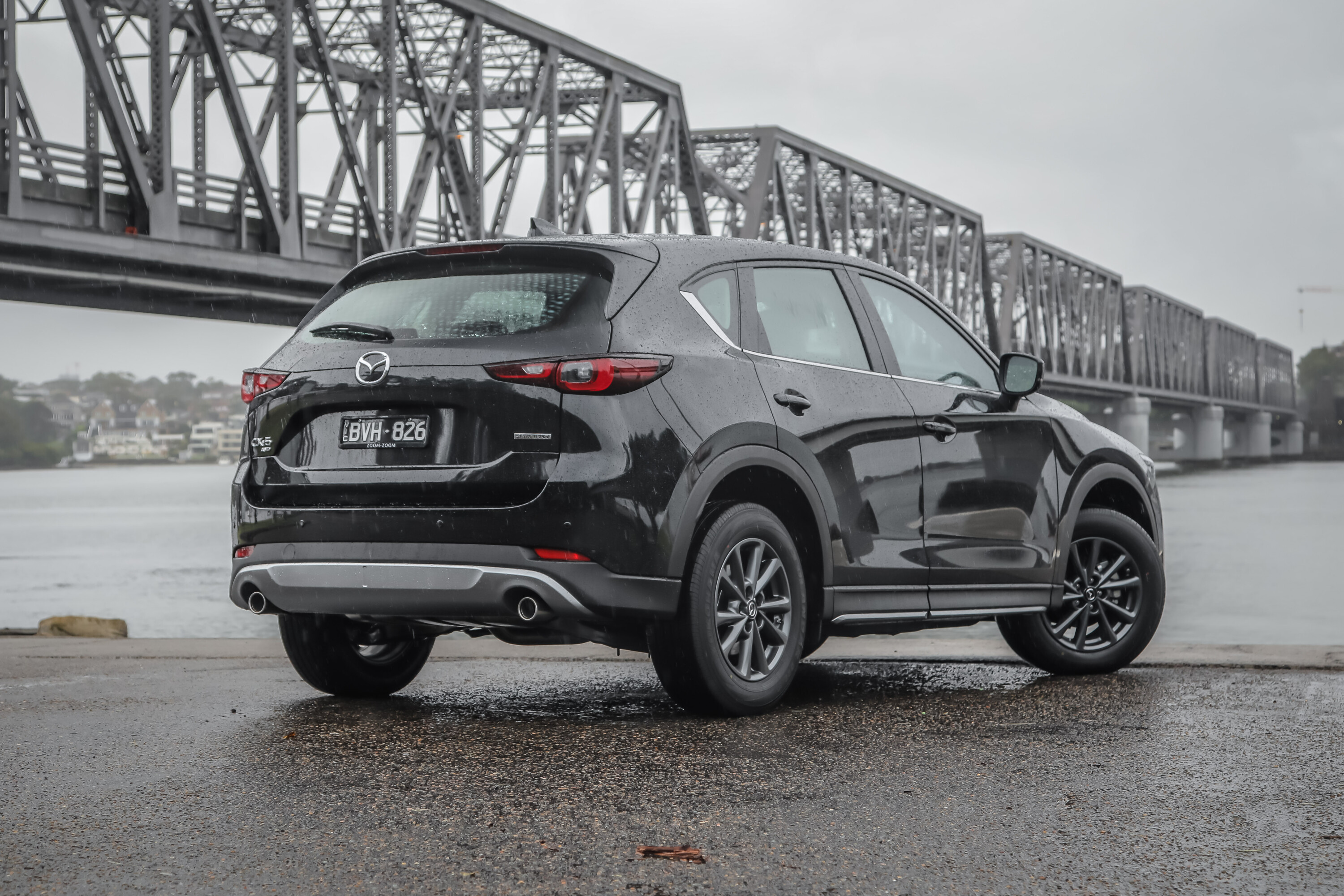
Paying more again for a Touring gets you those features plus:
| 2023 Mazda CX-5 Touring features | |
|---|---|
| Heated side mirrors | Front parking sensors |
| Upholstery in artificial leather/suede combination | A reversible floorboard in the cargo compartment |
| Keyless entry that doesn’t require you remove your keyfob from your pocket to enter the vehicle | Powered tailgate that automatically opens if you wait behind it for a few seconds while carrying the smart key. |
| Wireless smartphone charging | |
1
Or choose the Touring Active for:
| 2023 Mazda CX-5 Touring Active features |
|---|
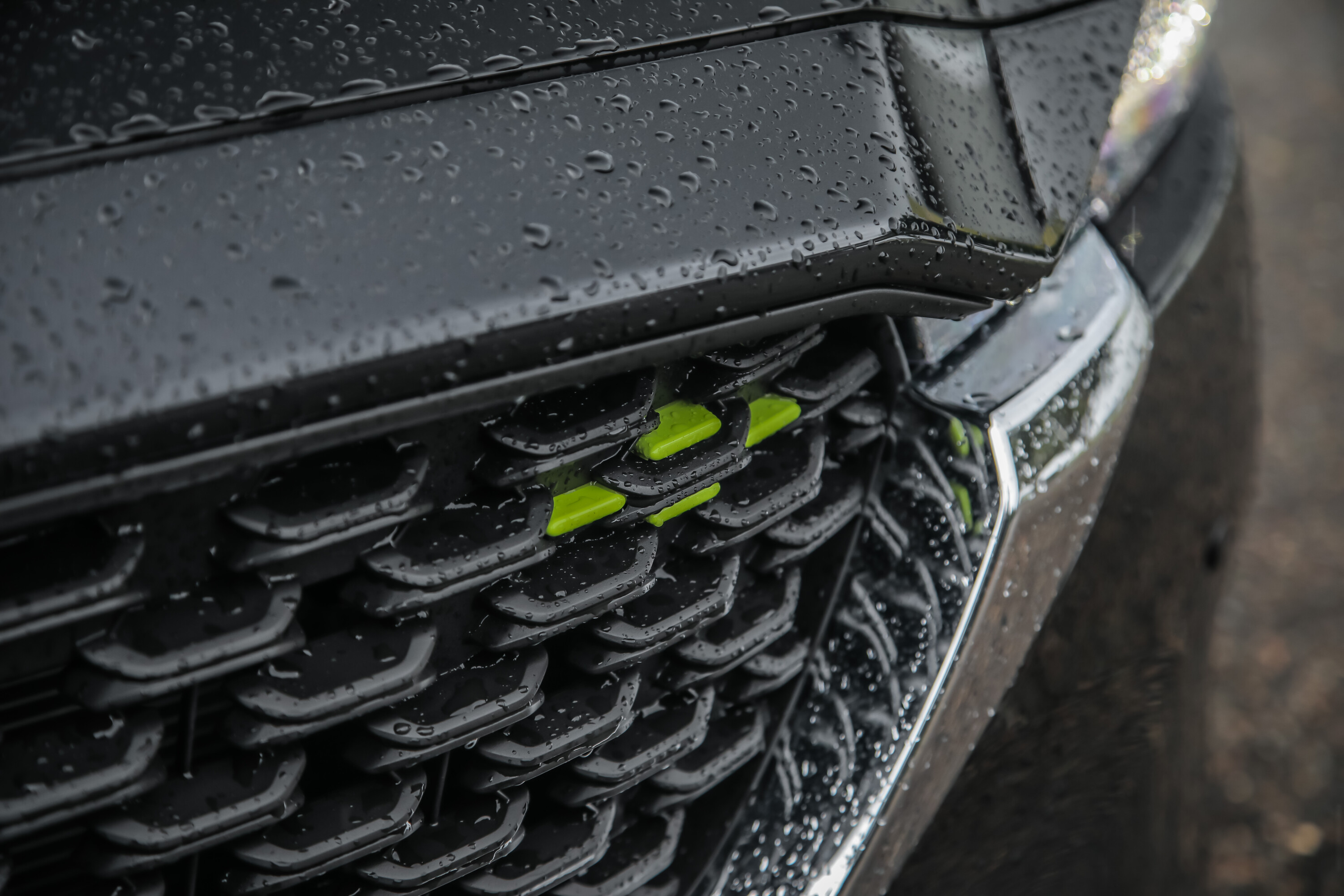
| Green-accented interior elements and silver-accented exterior trim |
| A choice of diesel power (for a premium) over the standard petrol engine |
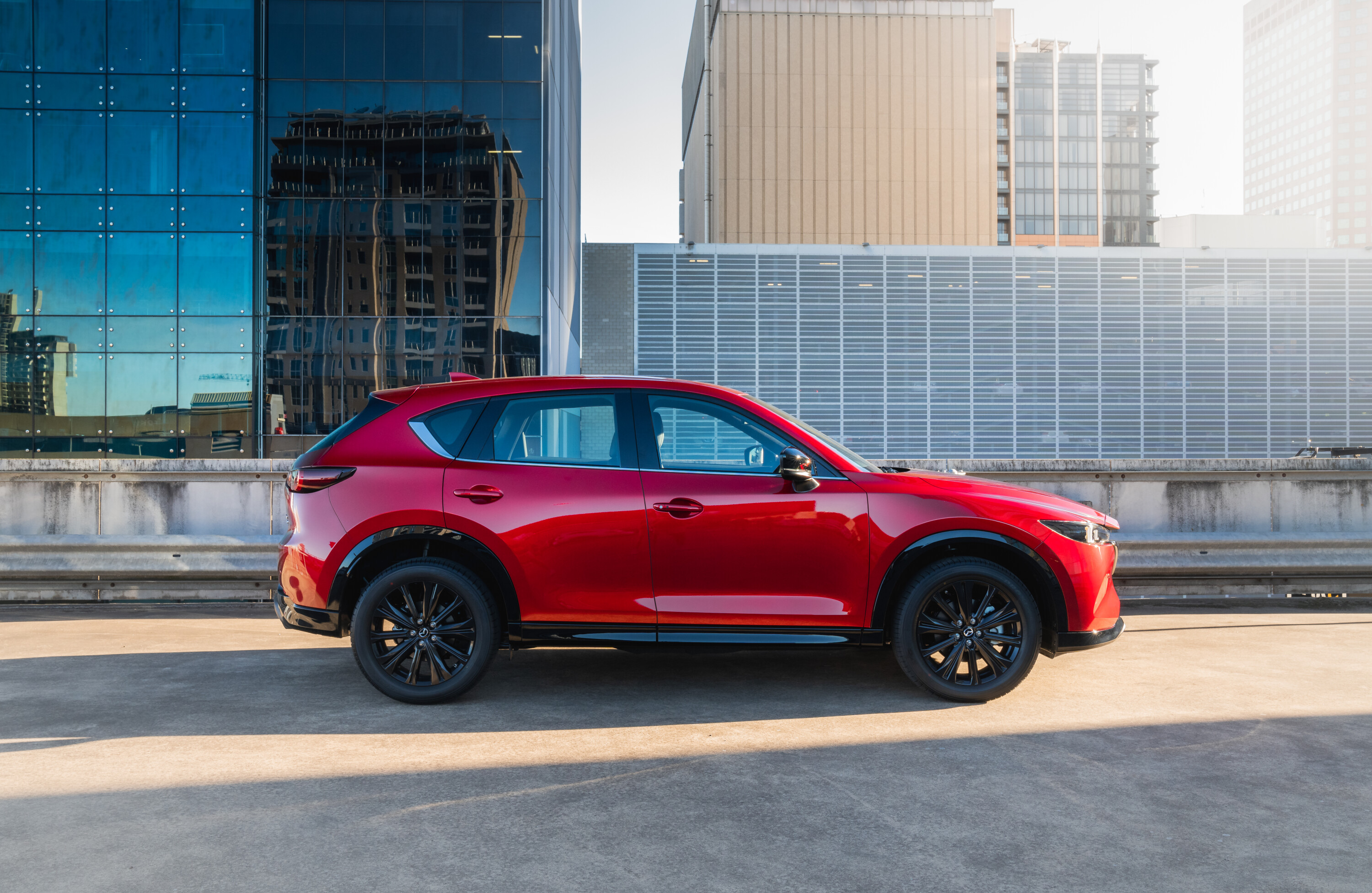
The GT SP is the first CX-5 available with the option of a turbocharged petrol engine, and it ramps up the equipment level significantly with the following features:
| 2023 Mazda CX-5 GT SP features | |
|---|---|
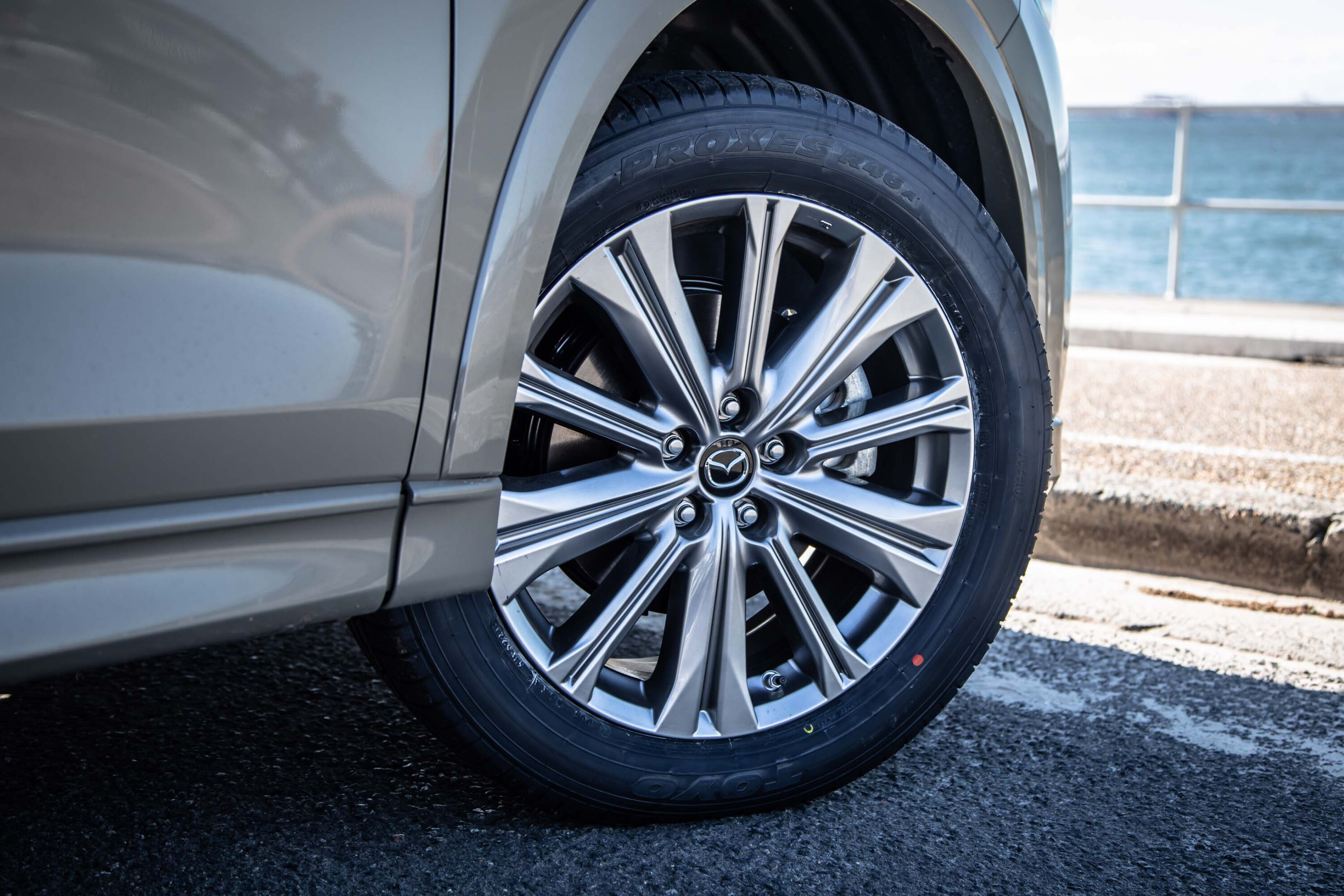
| 19-inch alloy wheels | 249-watt Bose audio with 10 speakers |
| Adaptive front lighting system | Black leather upholstery with red stitching |
| Sunroof | 10-way electric driveru2019s seat with memory function |
| Auto tailgate | 6-way electric front passenger seat |
| Black side mirrors | Heated front seats |
| Red grille accent | LED interior lighting |
| Gloss-black wheel cladding | Black headlining |
| Larger exhaust tips | Traffic jam assist |
1
The CX-5 Akera flagship model is available with turbo-petrol or turbo-diesel power, and above the GT SP brings:
| 2023 Mazda CX-5 Akera features | |
|---|---|
| Adaptive LED headlights | Brown nappa leather upholstery |
| Body-coloured wheel cladding and lower bumpers | Frameless rear view mirror |
| 360-degree camera | LED glovebox lighting |
| Ventilated front seats | Real wood inserts for doors and dash |
| Heated rear seats | Unique overhead console |
| Heated steering wheel | |
1
How safe is the Mazda CX-5?
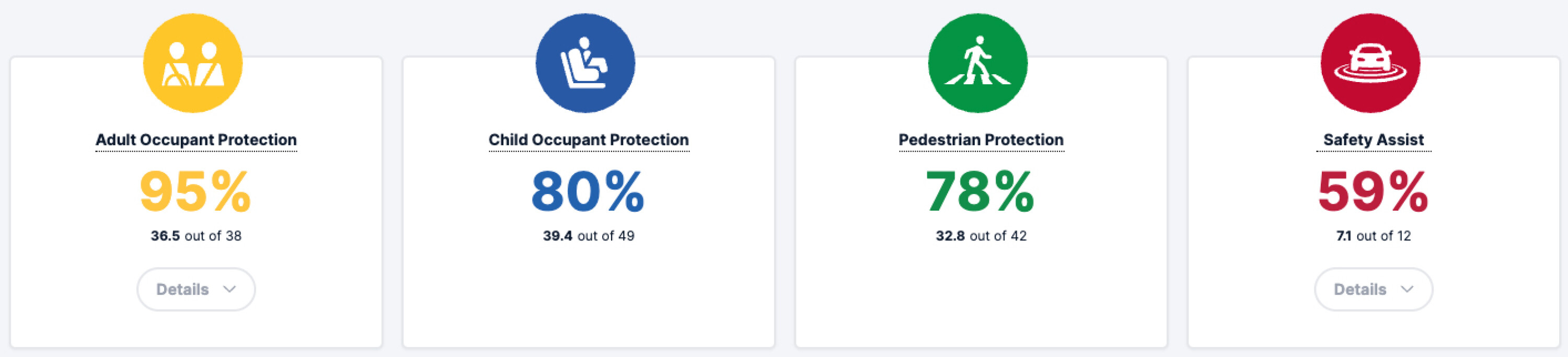
Mazda’s medium SUV achieved ANCAP’s maximum five stars when the second-generation model was released in 2017, including a high 95 per cent score for Adult Occupant Protection.
This rating will expire at the end of 2023, owing to ANCAP’s six-year limit that aims to address continual updates to the independent organisation’s testing protocols.
Every CX-5 is equipped with a good range of active safety features.
There’s also a high degree of inherent safety provided by the CX-5’s capable handling, which is among the best in class.
1
How comfortable and practical is the Mazda CX-5?
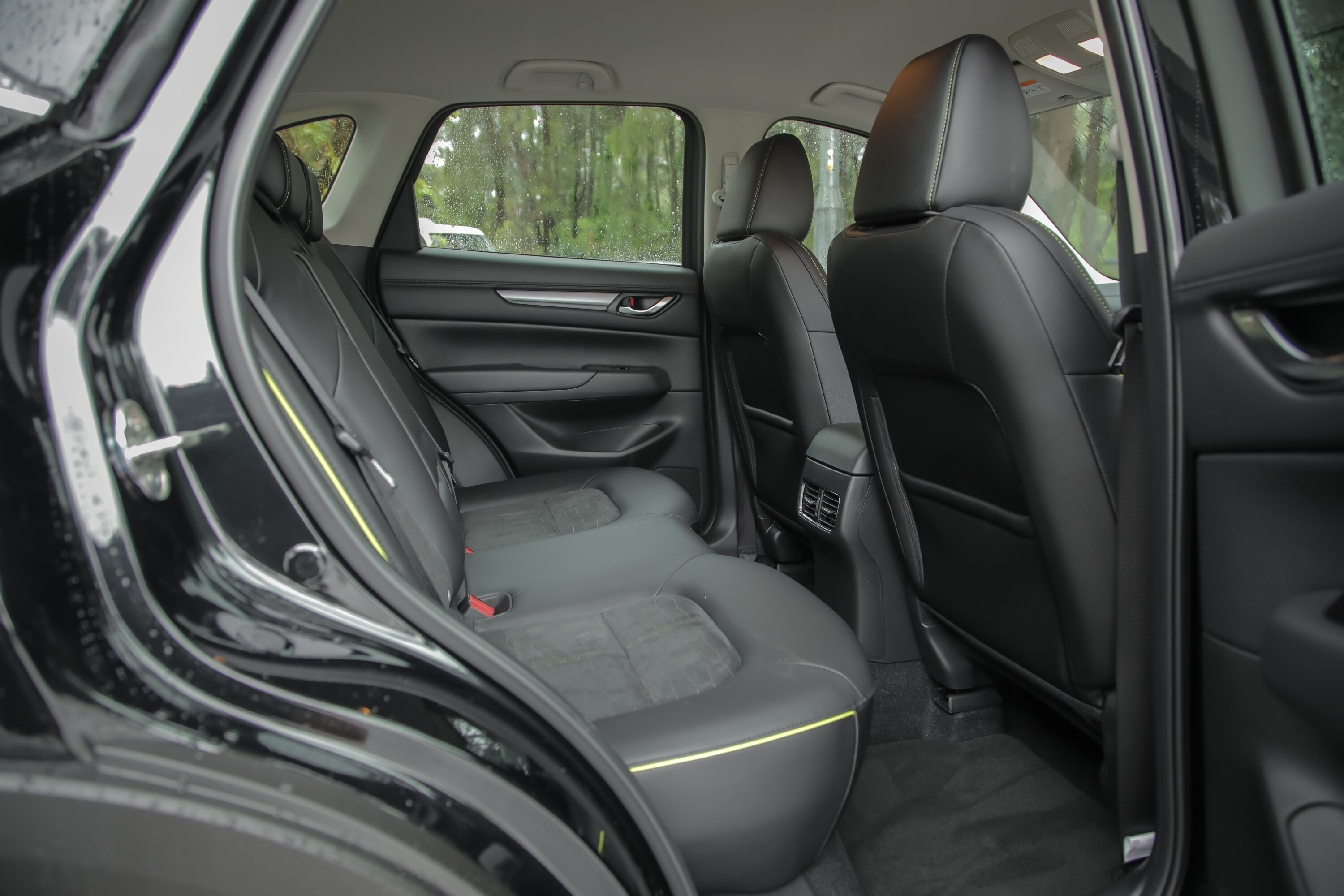
Let’s get the negative part out of the way first: the Mazda’s rear seat is relatively tight for a medium SUV. In fact, you’ll find some small SUVs with more legroom in the back seat.
That’s not great news for taller adult passengers, and the CX-5’s rear doors don’t have the widest of apertures, though a 180cm passenger can sit behind someone of the same size in comfort. The rear bench is also comfortable.
And, of course, the CX-5 is perfectly fine for accommodating kids in the rear seat as well as being one of the easiest SUVs for fitting child seats in our experience.
1
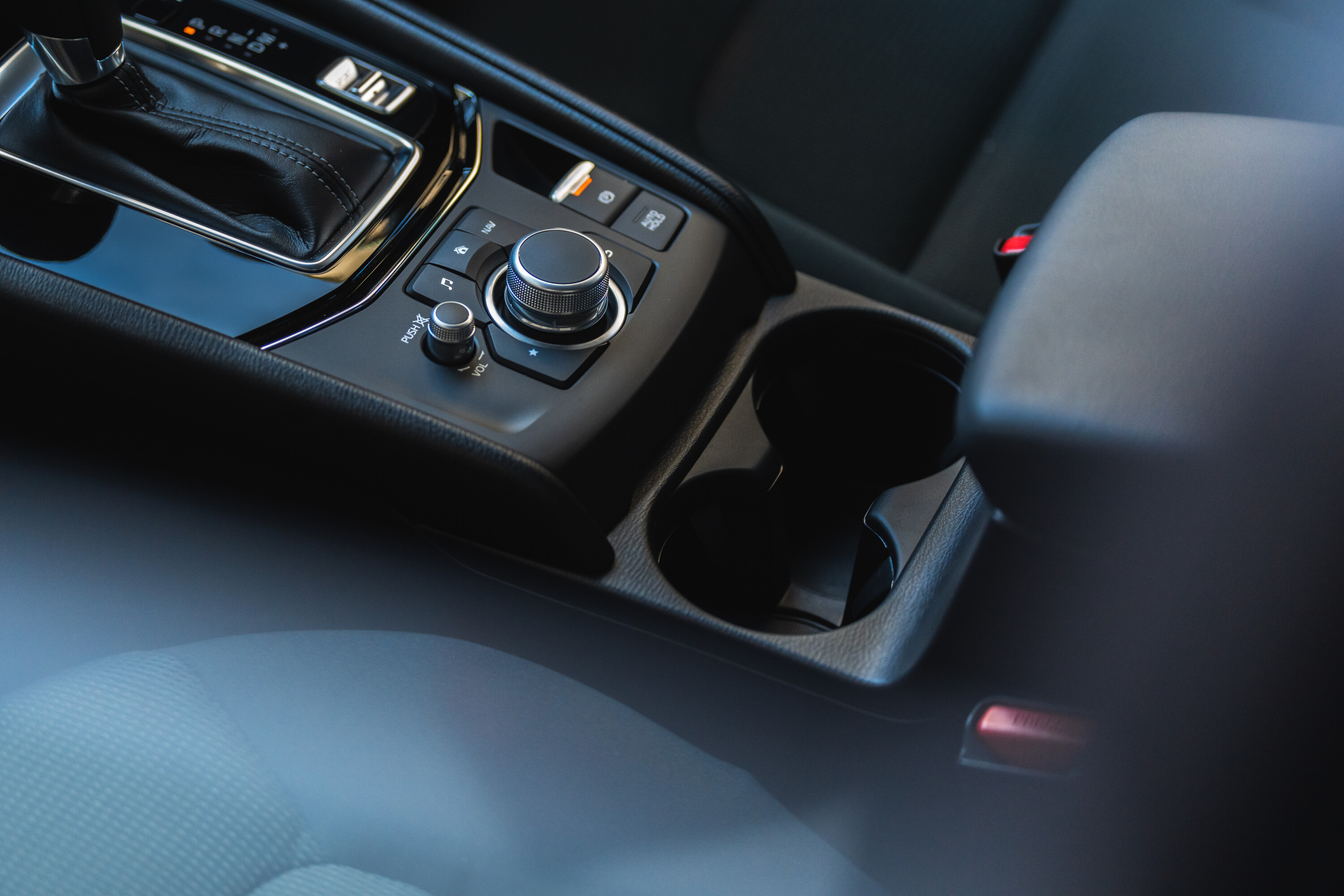
There are plenty of practical touches for storage throughout the cabin.
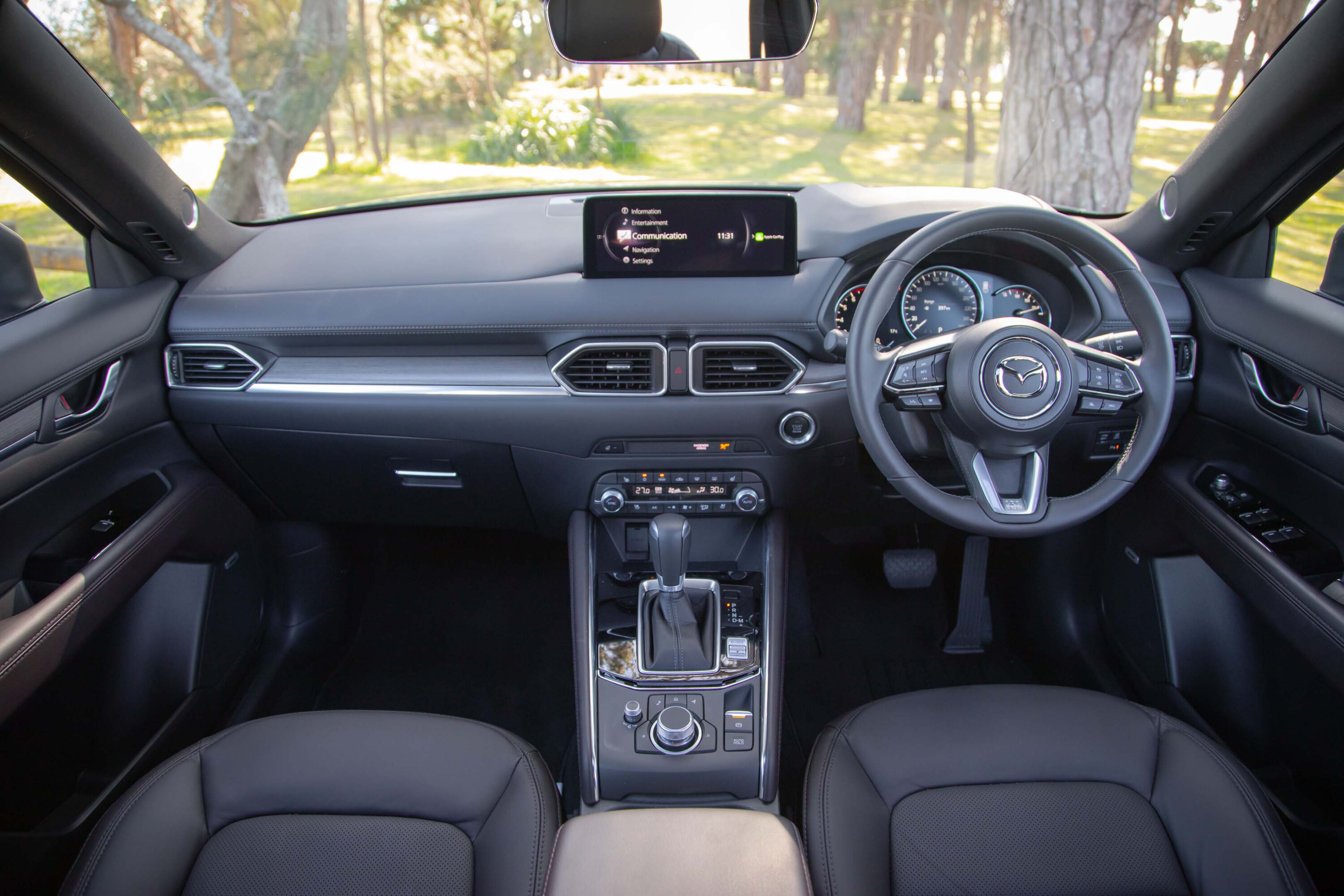
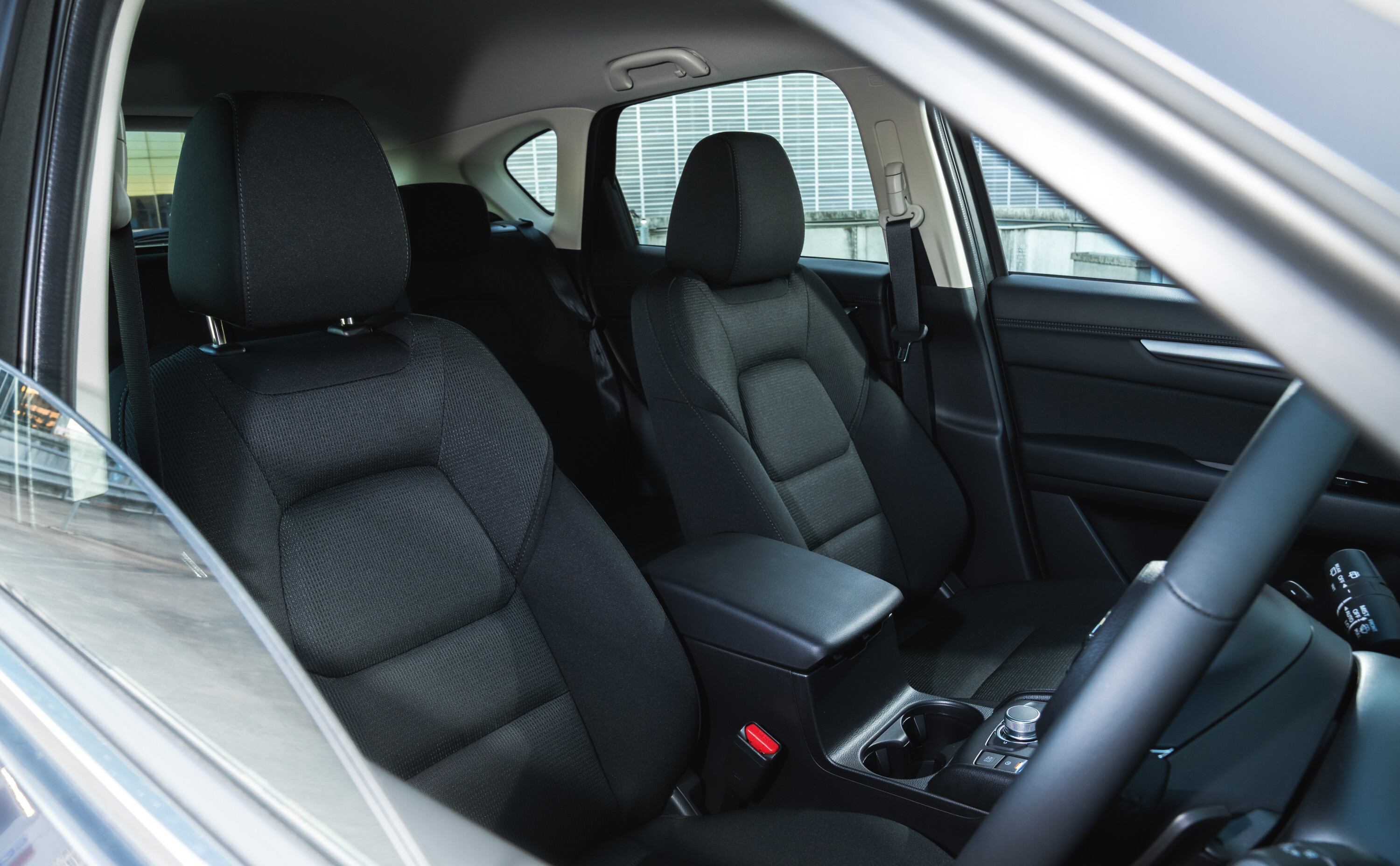
All upholstery and trim options are black with the exception of one brown offering, so the CX-5’s interior is quite dark. The sunroof that comes standard on GT SP and above is also on the small side, with no panoramic version offered to provide more light for the cabin.
The sense of cabin quality is high, with impressive fit and finish.
Up front are firm yet supportive seats, and a good driving position is helped by full adjustment for the steering wheel.
1
How much boot space does the Mazda CX-5 offer?
A below-average amount in the medium SUV class – just 442 litres, where a Toyota RAV4 offers a capacity of 580 litres and a Volkswagen Tiguan more again with 615 litres.
It also lacks sliding second-row seats to adjust the balance between rear legroom and luggage capacity.
The CX-5’s boot, however, is practical in other ways. There are release levers to lower rear seatbacks that go fully flat, while those seatbacks are also divided in a 40:20:40 configuration for extra versatility. The centre section can be lowered to help store longer items such as golf clubs or skis.
Folding the rear seats creates a total volume of 1342 litres.
An electric tailgate is standard from the mid-range GT SP upwards.
CX-5s come with a space-saver spare wheel rather than a full-sizer.
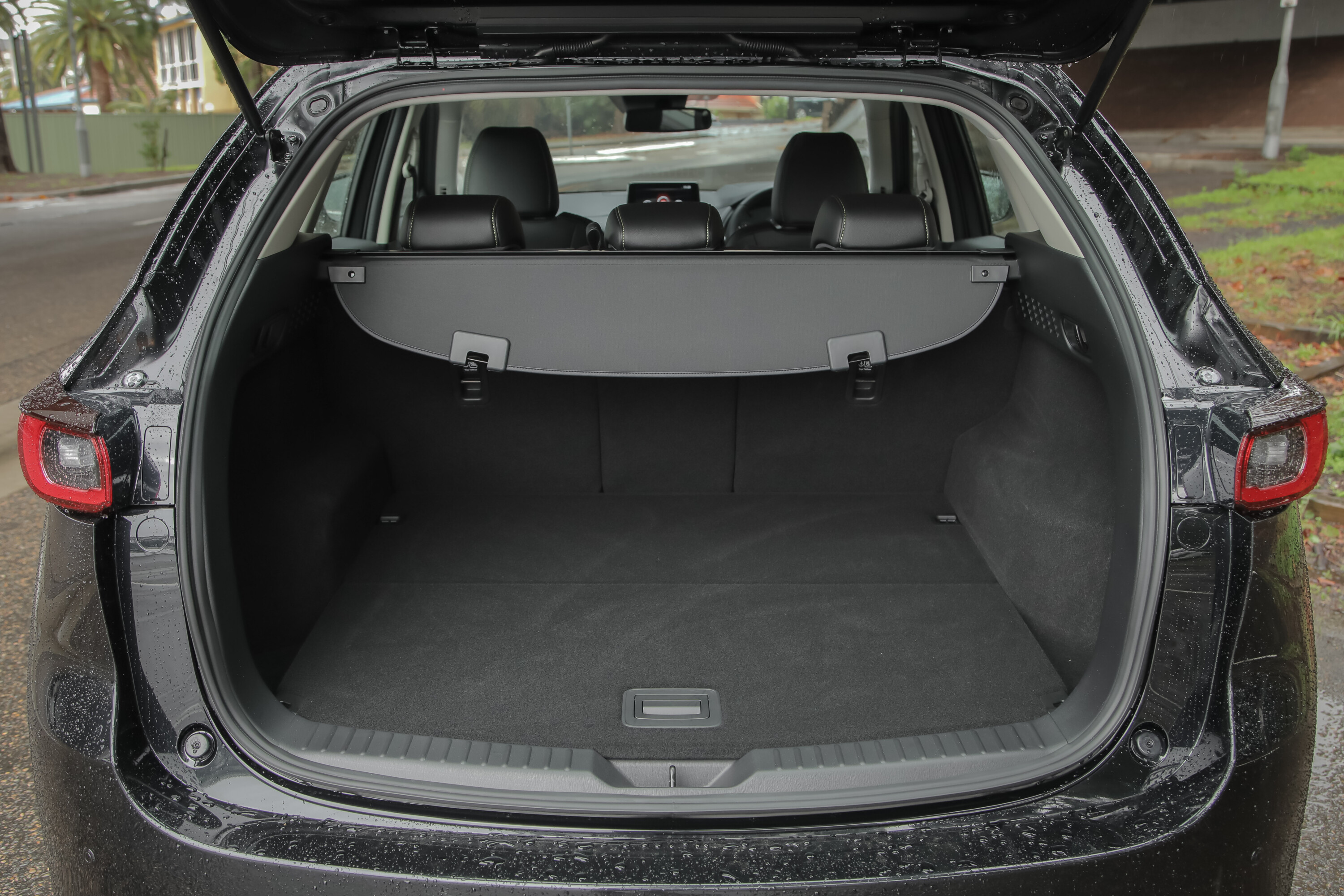
1
I like driving, will I enjoy this car?
Most definitely. The CX-5 may be a mid-sized family SUV, but it maintains Mazda’s reputation for vehicles that keen drivers can appreciate.
Central to the CX-5 driving experience is steering that feels naturally weighted and provides reassuring accuracy.
It’s also one of the most composed vehicles in its segment for cornering, with well-contained body roll and an ability to remain unperturbed by typically bumpy road surfaces out in the country.
The CX-5 rides more firmly than the average medium SUV yet is rarely uncomfortable.
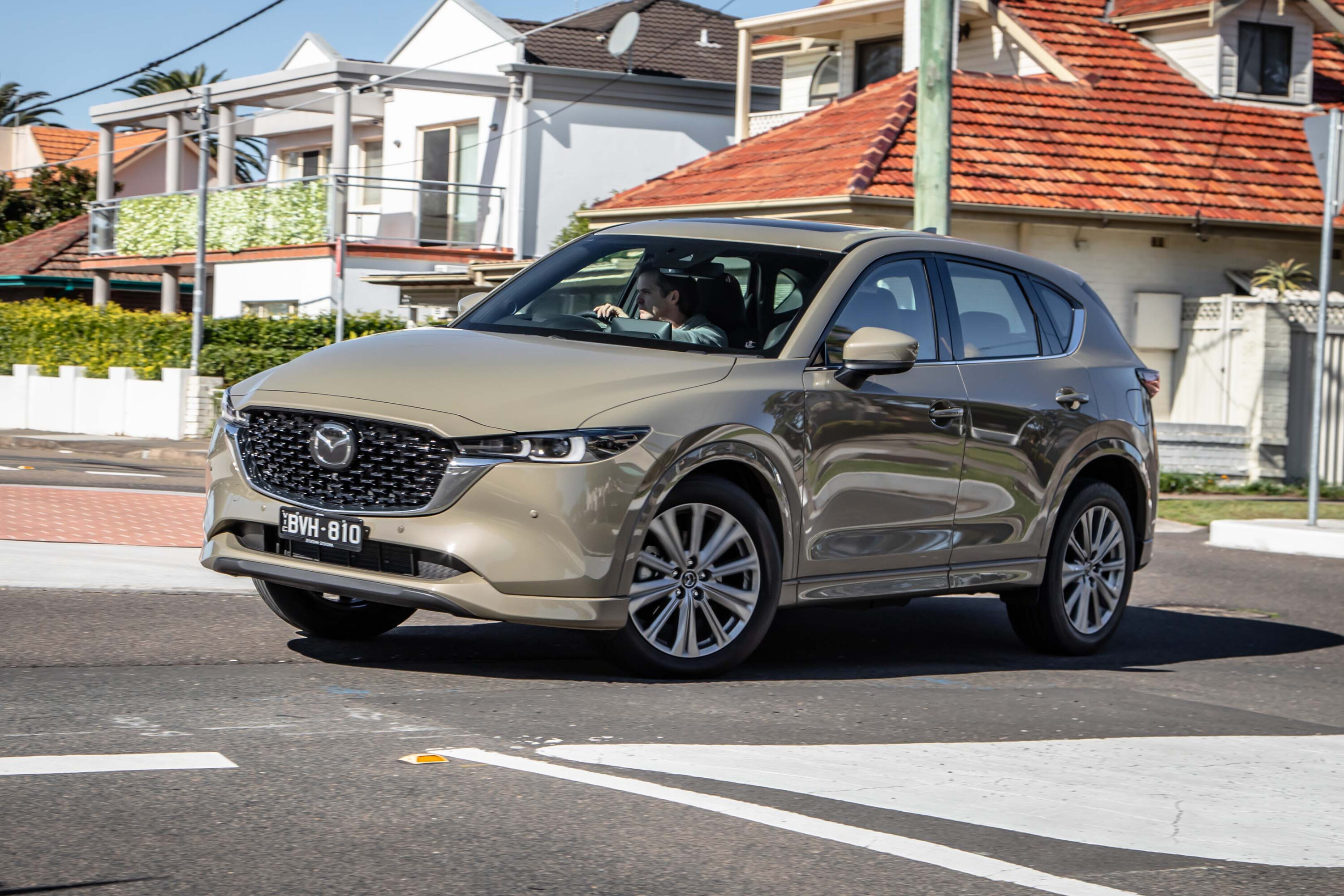
2
Pick the GT SP or Akera Turbo with the 170kW/420Nm 2.5L turbo-petrol for the punchiest and sportiest performance in the range. The non-turbo 2.5L with 140kW/252Nm is also enjoyable to rev but would welcome more torque, while the 115kW/200Nm 2.0L petrol in the base model can feel underpowered.
For the best combination of performance and economy, the 140kW/450Nm 2.2L turbo-diesel is the pick of the engines – though it’s a shame Mazda limited its availability to just two CX-5 models.
1
Which Mazda CX-5 engine uses the least fuel?
The 2.2-litre turbo diesel four-cylinder is the most fuel-efficient engine, with an official combined-cycle consumption figure of 5.7 litres per 100km.
However, it’s available with just two trim grades – the mid-range Touring Active and flagship Akera.
Using the least amount of fuel after the diesel is the smallest petrol – the 6.9L/100km-rated 2.0L in the base CX-5 – though this engine is also a bit underpowered.
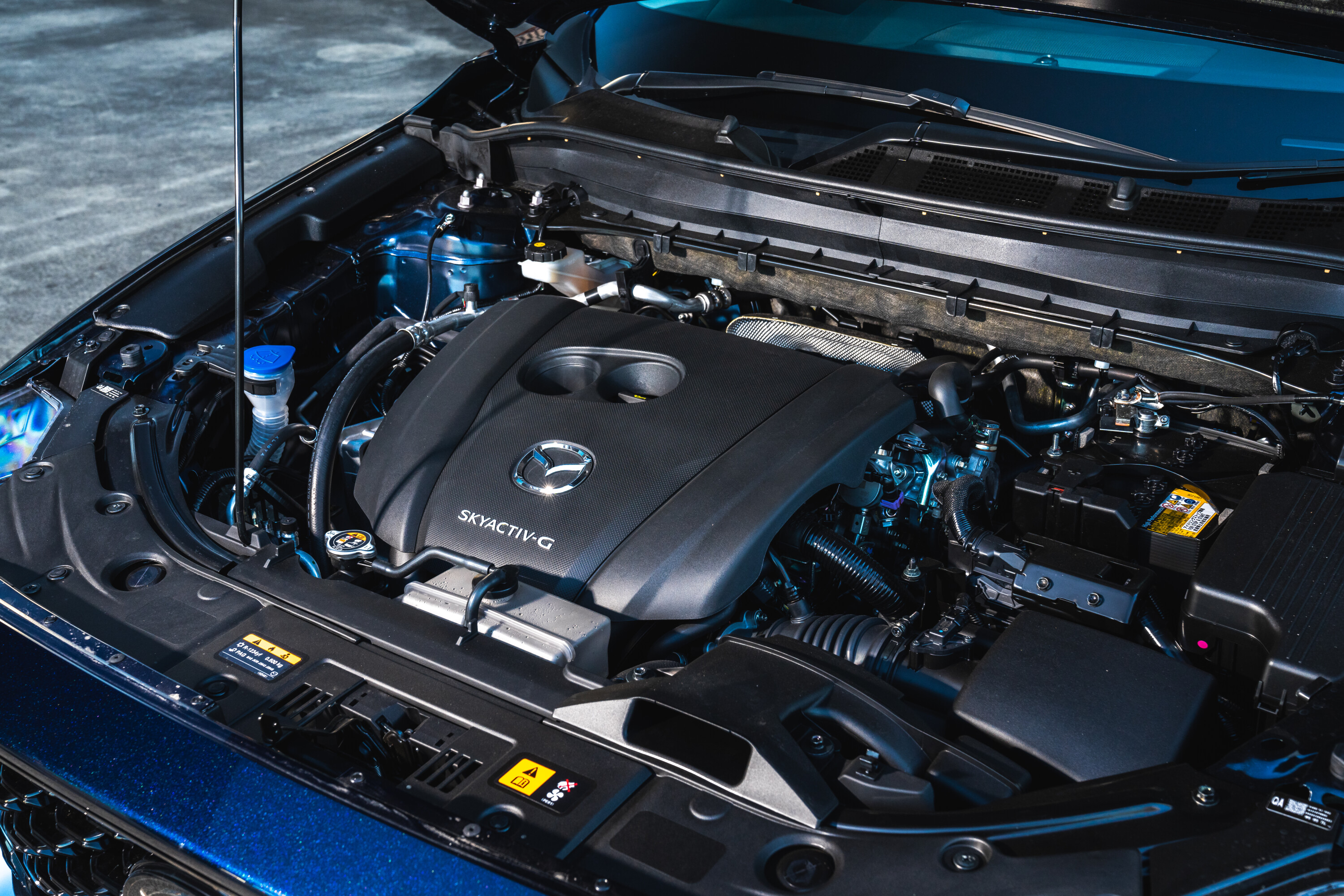
1
A bigger-capacity 2.5-litre is the most common engine in the CX-5 line-up – offered in all but the base model – and has economy figures of 7.2L/100km (front-wheel drive) or 7.4L/100km (all-wheel drive).
Bringing a performance boost over other petrols, the more powerful 2.5L turbo engine is also the thirstiest at 8.2L/100km.
The turbo-petrol CX-5 that featured in our 2023 Medium SUV megatest was the also thirstiest vehicle on test, returning an indicated average of 11.3L/100km against a best of 7.4L/100km (Toyota RAV4 Hybrid).
No hybrid drivetrains are available for the CX-5.
MORE
PHEV and Hybrid Cars
1
What is the Mazda CX-5’s braked towing capacity?
2000kg for diesel-powered versions or 1800kg for petrol models.
In all cases, the towball download maximum is 150kg.
How long is the warranty and what are the Mazda CX-5’s servicing costs?
Mazda offers a five-year warranty with unlimited kilometres and roadside assistance.
Servicing comes up every 12 months or 10,000km, the latter being a bit on the short side as 15,000km is the industry standard.
1
Capped-price servicing covers the first five services, starting from $334 per visit. Prices are higher for the turbocharged petrol engine, and higher yet again for the diesel option. Diesel CX-5s have another downside: shorter service intervals – 10,000km compared with 15,000km for petrol models.
Which version of the Mazda CX-5 does Wheels recommend?
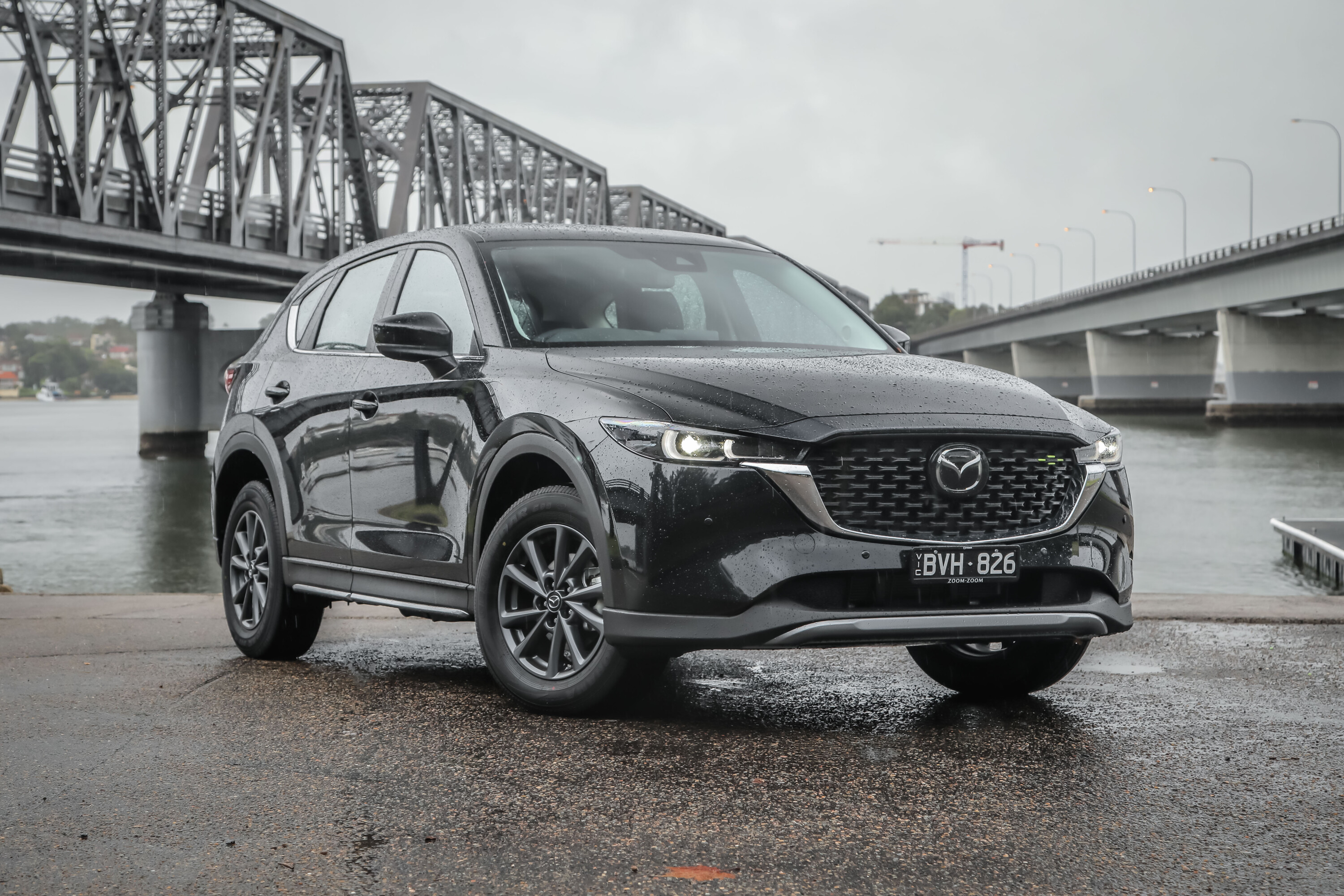
The Maxx Sport is traditionally the most popular CX-5, though our pick is the Touring Active AWD diesel.
The Touring Active diesel brings some worthy extra features such as upgraded seat material, keyless entry, front parking sensors, wireless phone charging, and an auto tailgate. The diesel engine offers strong torque and good fuel consumption.
If diesel isn’t your cup of tea, look at the Touring AWD 2.5L which is a few thousand dollars cheaper, has a competent petrol engine and doesn’t lose any notable features.
1
What are the Mazda CX-5’s key rivals?
- Honda ZR-V (arriving second half of 2023)
- Hyundai Tucson
- Kia Sportage
- Mitsubishi Outlander
- Toyota RAV4
- Volkswagen Tiguan
MORE
Everything Mazda
Australian pricing for the Polestar 3 electric SUV was announced in February, a year out from the start of deliveries, but buyers will now be waiting even longer.
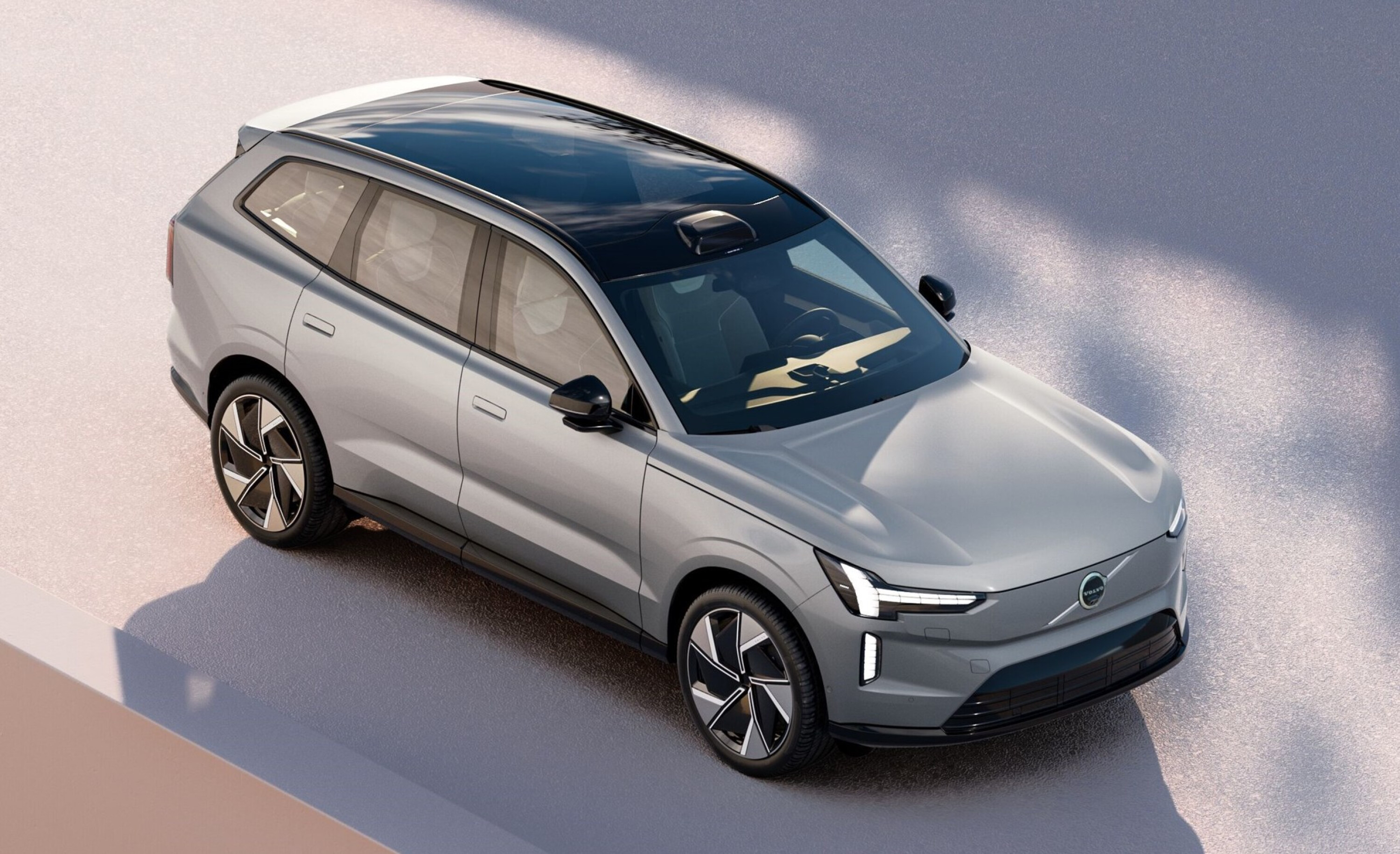
The Volvo EX90 faces the same delays overseas, but possibly not for Australia.
Snapshot
- Polestar 3 delayed, EX90 may still hit its later scheduled launch
- Polestar 4 still on track for early 2024 Australian debut
- Sales growth for Polestar expected to continue despite delay
In an announcement issued this week, focused largely on the brand’s continuing sales success, Polestar said the new 3 SUV needs “additional time for final software development” on the electric vehicle platform it shares with Geely stablemate Volvo – whose related new EX90 SUV is affected by the same delay.
Volvo EX90 may not arrive in Australia any later than planned
Specific local timing for the big seven-seat Volvo EX90 – revealed in November 2022 – had not yet been announced before this latest development, apart from merely late in 2024.
The EX90’s start of production has been delayed, but, speaking with Wheels today, a spokesperson for the brand’s local arm said that for now at least, these delays may not affect Australian timing.
1
Polestar 3 Australian launch likely now mid-year 2024
Production of the Polestar 3 is now not expected to begin until sometime in the first quarter of 2024, rather than late 2023.
A local spokesperson for Polestar was unable to confirm specific local timing for the 3, but it is likely that Australian deliveries will now not begin until sometime in the second quarter of 2024 at the earliest – if not closer to mid-year.
For now, the brand’s local arm says it will not disclose how many orders have been taken for the Polestar 3.
Polestar 4 still on track for early 2024 in Australia
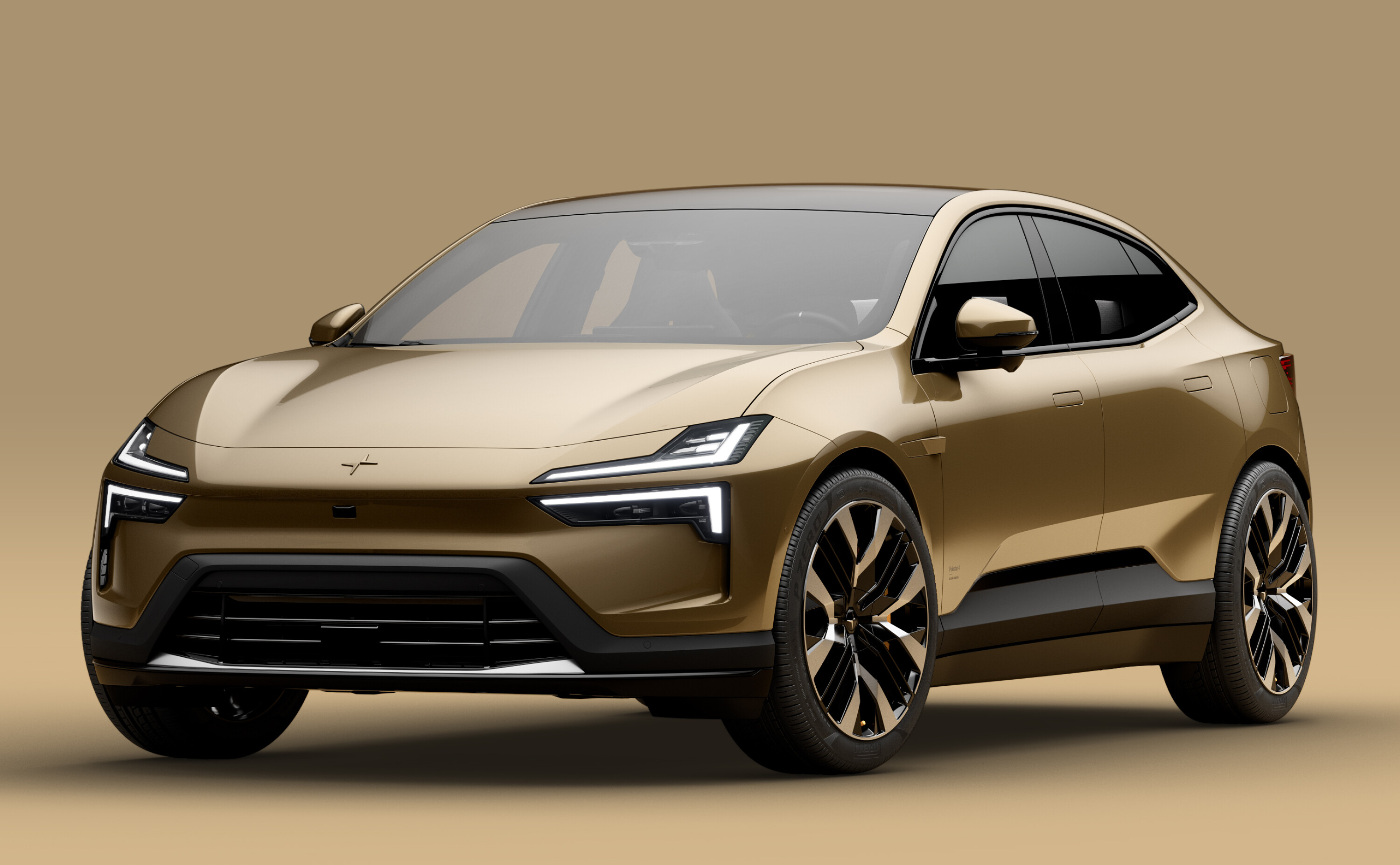
Importantly, Polestar’s second new upcoming model, the Polestar 4 – revealed at the Shanghai motor show in April – is officially still on track for an early 2024 launch in Australia.
How much will the Polestar 4 cost in Australia?
Local pricing is still to be revealed, but we expect the 4 to enter somewhere below the 3’s $132,900 starting price.
1
Polestar reports strong sales growth, expected to continue into 2024
The focus of Polestar’s announcement today was less on delays and more on the brand’s growth.
With a global first-quarter sales result of 12,076 cars, the Chinese-owned brand has seen a 26 per cent year-on-year increase.
Despite delays, the company expects to reach around 60,000 to 70,000 sales by the end of 2023 – compared to the 51,491 sales recorded in 2023, and “over 100,000 sales across 27 markets” up to now, five years into its journey as a standalone brand in the Geely empire.
Polestar is not immune to current economic trends, however, confirming this week that has initiated a global hiring freeze. The company will also sack 10 per cent of its current workforce, although it did not specify which areas of the business would be affected.
Likewise, the company has not offered details on its profitability, but CEO Thomas Ingenlath says he is “confident that we will deliver on our growth ambitions and path towards profitability”.
In Australia, the brand has recorded 670 sales year-to-date (to end of April) for the Polestar 2, compared to 208 in 2022 – its first year on sale.
⚡ More EV stories to help you choose the best car for your needs
Cupra will launch the Raval urban EV in 2025 as the production version of 2022’s UrbanRebel show car.
Snapshot
- Cupra confirms Raval name for EV hot hatch
- Production kicks off in 2025 at Martorell plant
- Will use MEB Small architecture; front-drive; 166kW
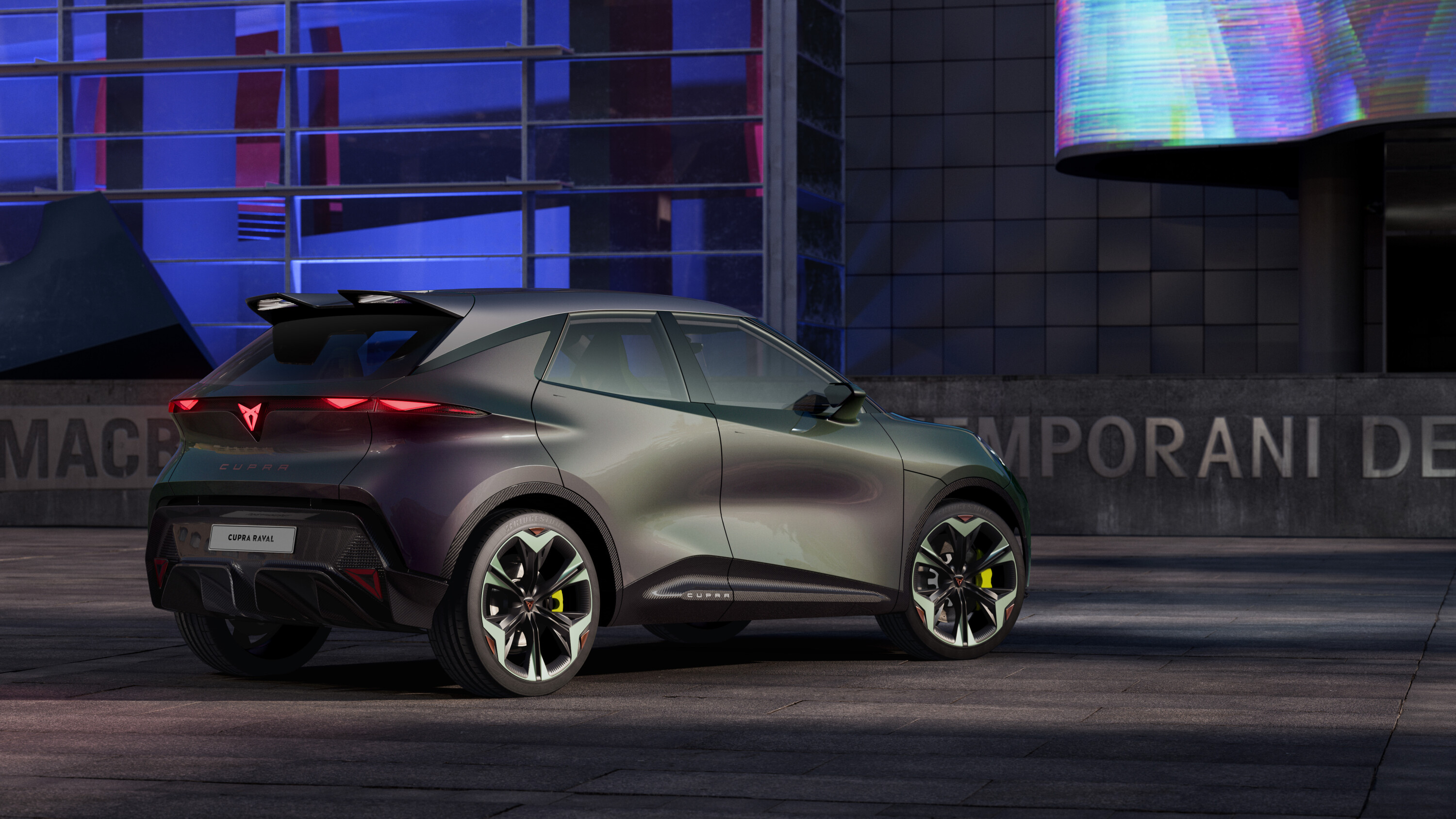
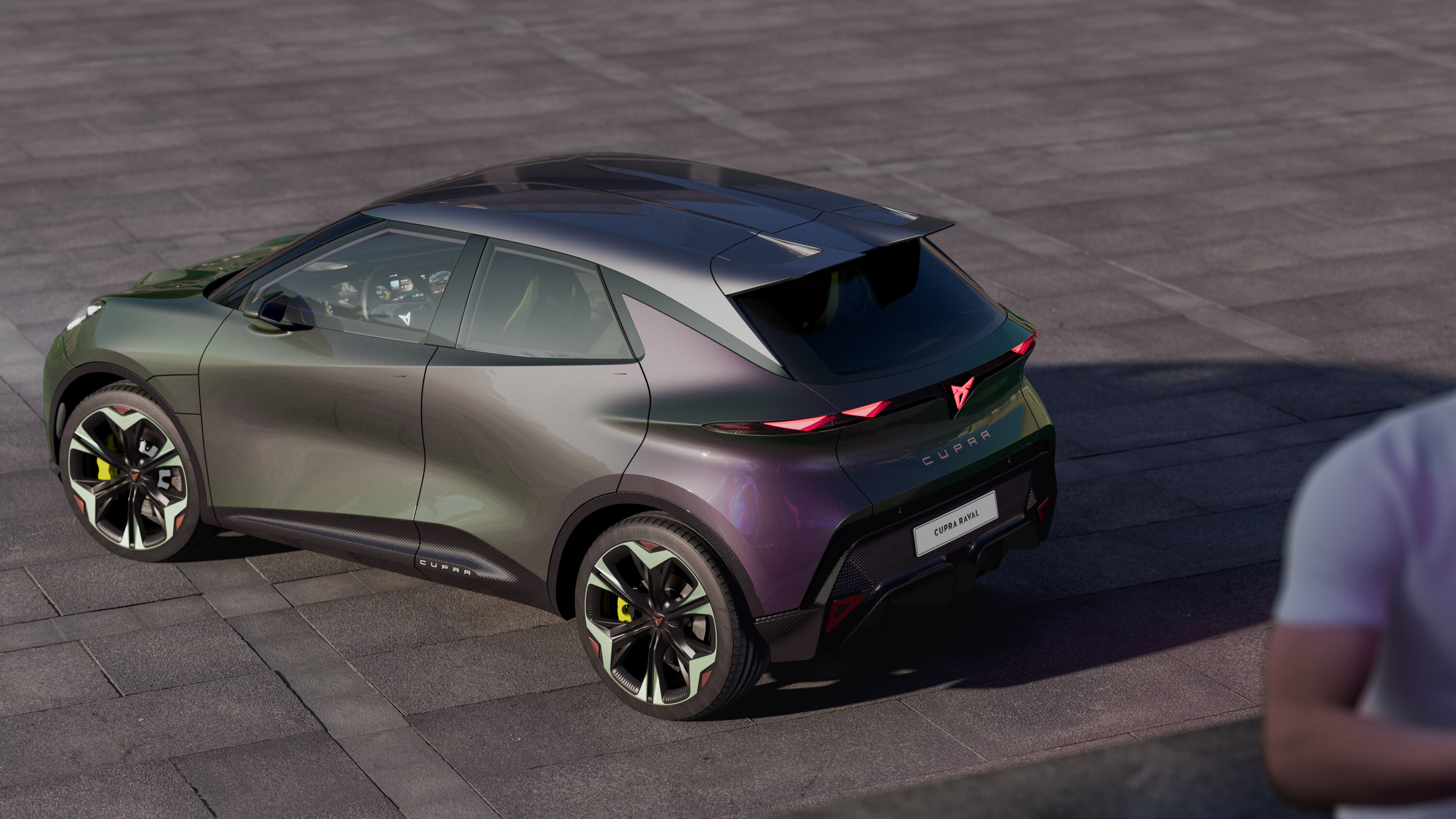
Production of the Raval will begin in 2025 at the marque’s Martorell facility in Spain, with an Australian arrival on the cards. It will be an affordable EV (relatively speaking), with overseas pricing suggesting a local list around – or even below – the $40K mark.
The new 4030mm long Raval will slot beneath the Born electric car that launched last month, and sit on the VW Group’s new front-wheel drive MEB Small architecture. The brand initially promised 166kW from a single electric motor, with no further details yet.
1
“The CUPRA Raval is not just another car. It is an invitation to a new generation, which expects something better. An urban, rebellious and 100% electric car, with its own character and linked to ‘Gen Z’. Something that’s more emotional,” said Wayne Griffiths, Cupra CEO.
Where does the Raval name come from?
Cupra’s new EV follows the naming convention set by the Born, with Raval being a particularly happening neighborhood in Barcelona.
The Raval is one of the most surprising parts of Barcelona. And today, we are proud that the brand’s future urban electric car will have its name and represent its spirit
“Just as we did with the CUPRA Born, we now want to express the essence of the Raval and continue to inspire the world from Barcelona,” Griffiths said
1
Cupra Raval details
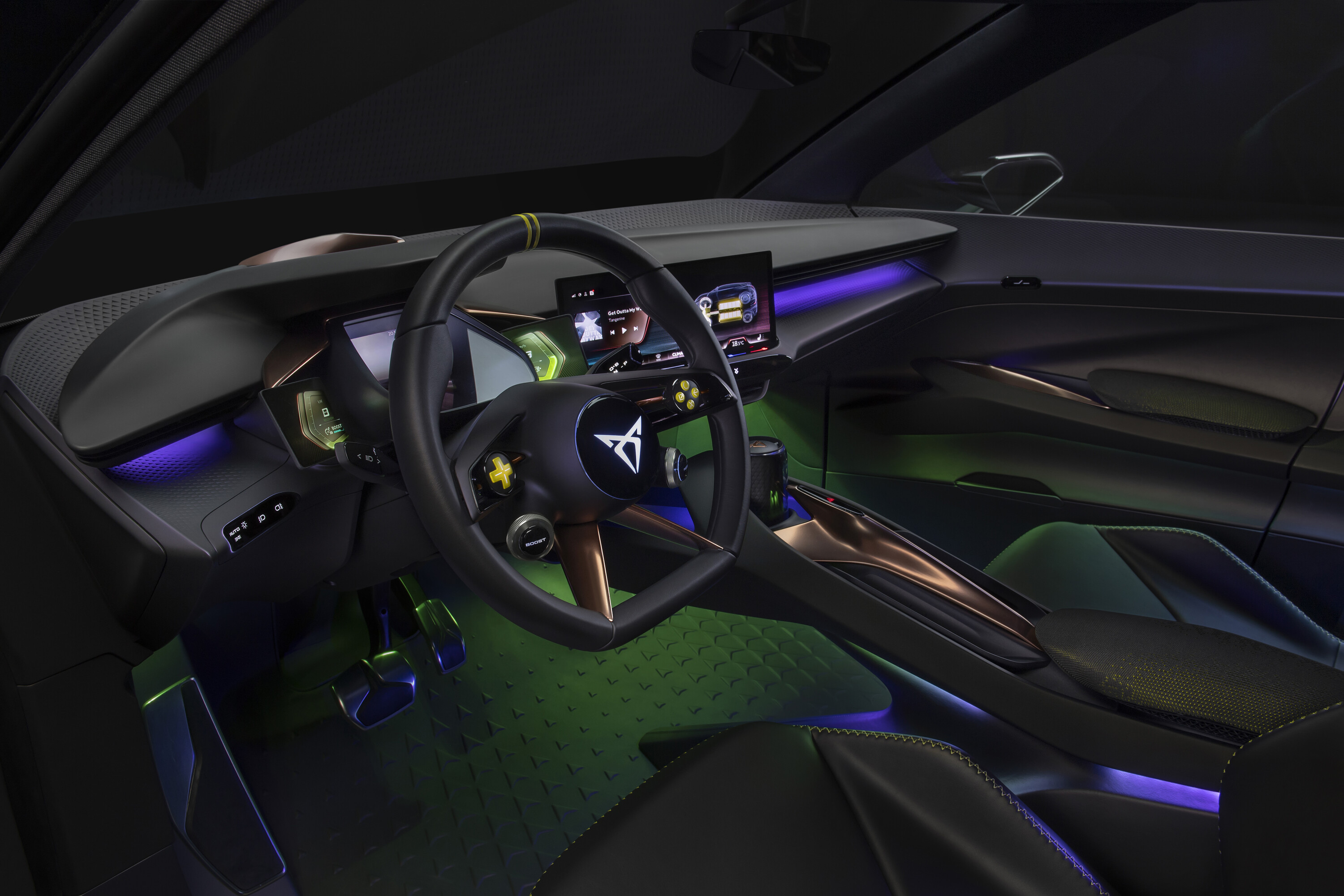
Cupra hasn’t confirmed any further details of the Raval, that will follow the Tavascan and Terramar SUVs to market, so we’re left with the UrbanRebel show car’s details to discuss.
In the broader Volkswagen Group, Seat/Cupra have been designated as lead developers for small, affordable EVs – meaning the Raval will likely come to market before the highly-anticipated Volkswagen ID.2.
“The CUPRA UrbanRebel will be the biggest project for our company in the upcoming years, since it is key for our transformation as a fully electric brand,” said Werner Tietz, Vice-President for Research & Development at CUPRA.
1
“We are leading the cluster development, the family of vehicles that will democratize sustainable urban mobility, for different brands within the Volkswagen Group”, Tietz added.
So far, we know the Raval will sit on the new front-drive MEB small architecture, and likely in top trim develop 166kW, with a targeted 0-100km/h time of 6.9 seconds, according to Cupra. That would make it quicker than the existing Born, so outputs may change in time.
Alternatively, the Raval could end up being a more hardcore hot hatch than the Born, as a rival for Alpine’s forthcoming A290. Only time will tell.
Measuring 4030mm long, the Raval’s compact size will equate to a lightweight EV – probably 1500-1600kg – likely fitted with a modest 55-60kWh battery for a targeted 440km WLTP driving range.
Along with the confirmation of the name, Cupra’s introduction drove Seat’s best first quarter ever, posting a €EU144 million operating profit. The soon-to-be-all-electric brand Cupra is aiming to sell 500,000 cars annually.
Volvo’s new small electric SUV, the EX30, is due to be revealed on June 15 – just next month.
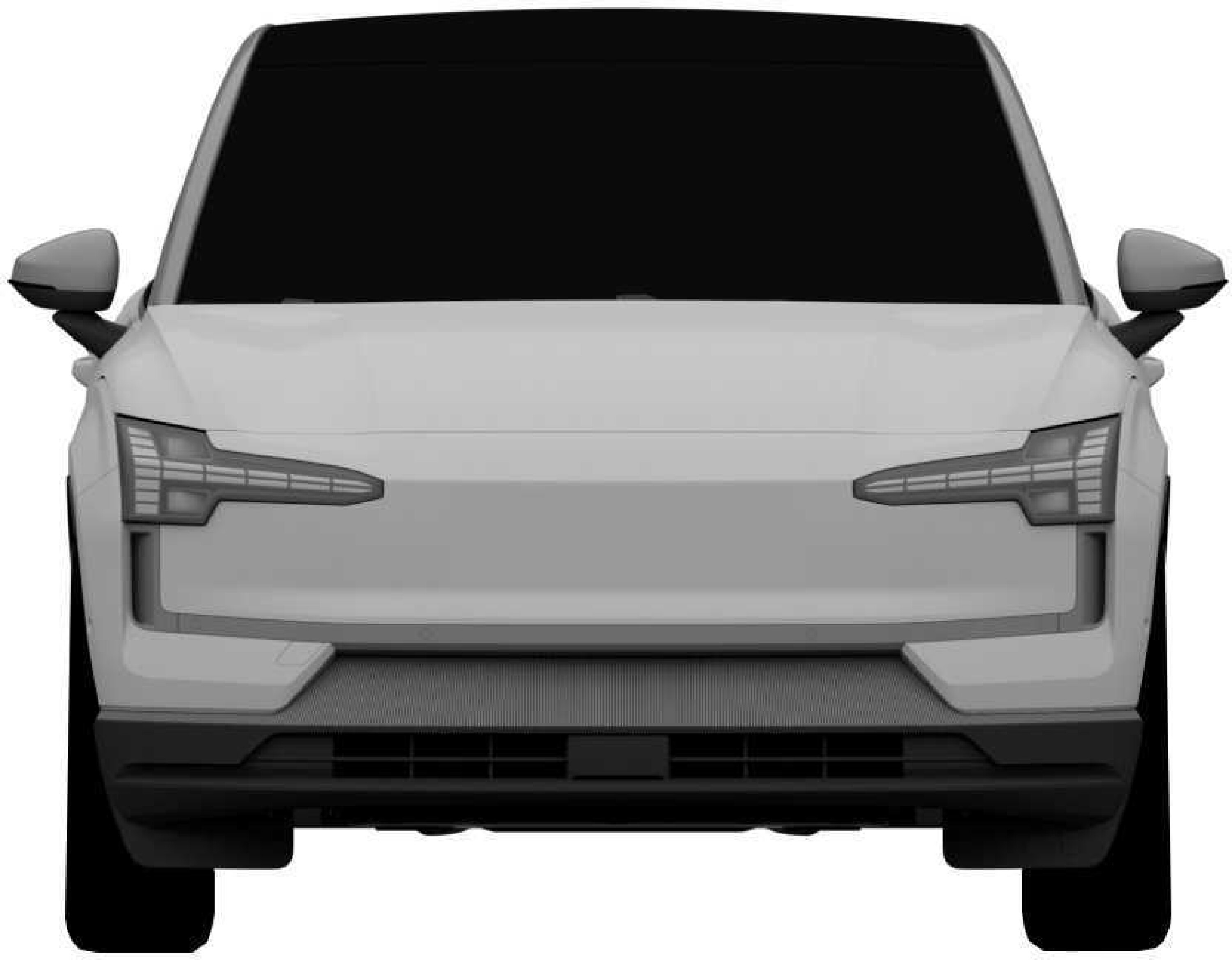
Ahead of its official unveiling, patent images surfaced on Cochespias [↗] confirming the compact EV’s proportions.
And, unlike previous teaser-based renders, it looks like the EX30 will move away from Volvo’s typical boxy, upright shape to a sleek cab-rearward aesthetic – like a Mazda CX-30, or Volvo’s own C40 electric car.
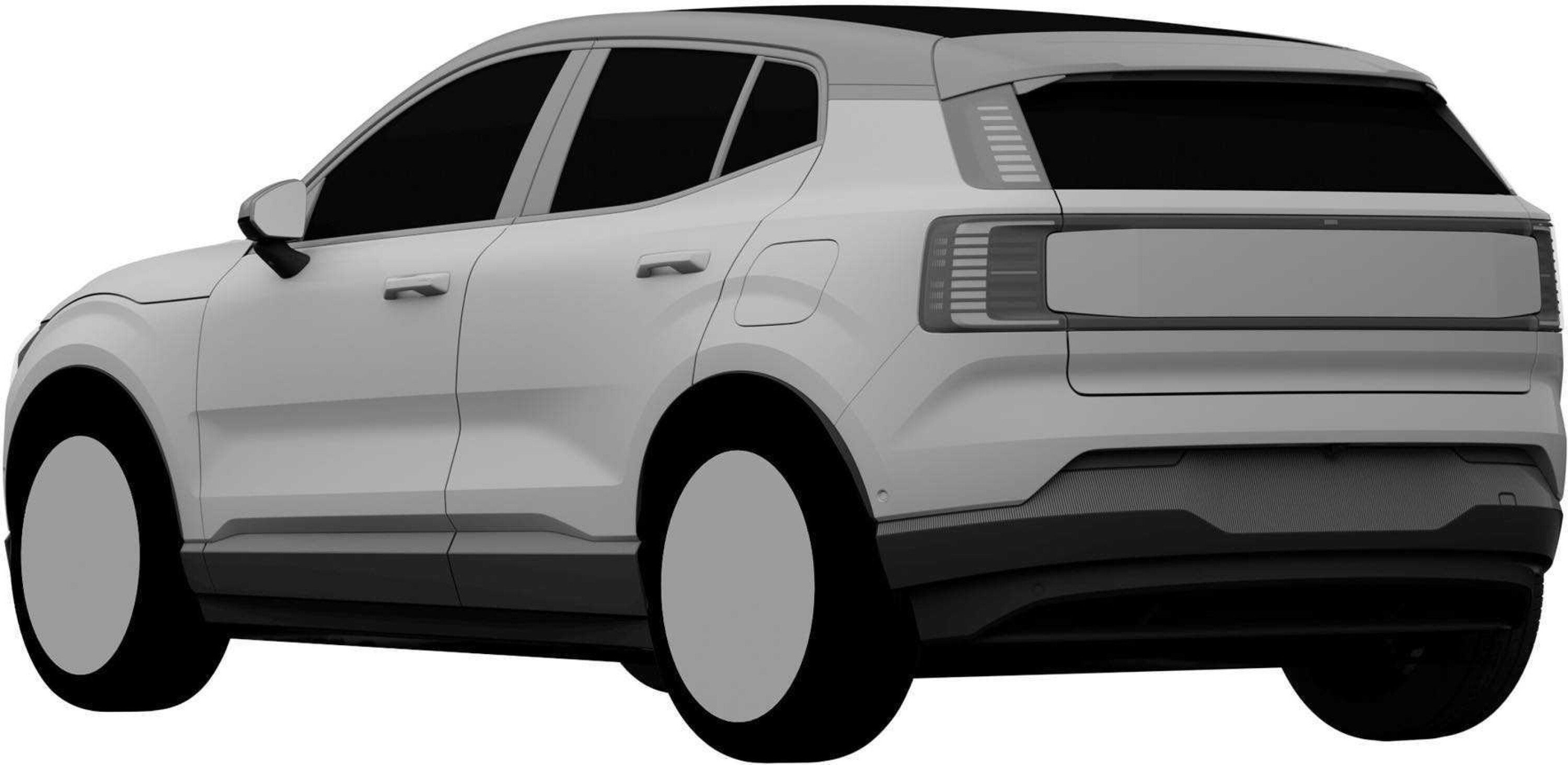
5
Up front, there are distinct EX90 and Polestar flavours in the new Thor’s hammer LED lighting details, while the EX30 looks to almost entirely ape the Polestar 2’s rear light signature – though with additional LED illumination running up the C-pillars.
We think the EX30 is shaping up to be rather handsome, but what do you think? Wade into the comments section and have your say.
1
Our original story, below, remains unchanged
February 22: Volvo EX30 rendered
After a teaser toward the end of the Volvo EX90’s reveal, we asked our render guru Theottle to imagine what a production version could look like.
Taking cues from the EX90’s front end and lighting signature, the as-yet-unnamed (but expected to be called EX30) SUV will likely sit beneath the existing XC40 in size terms.
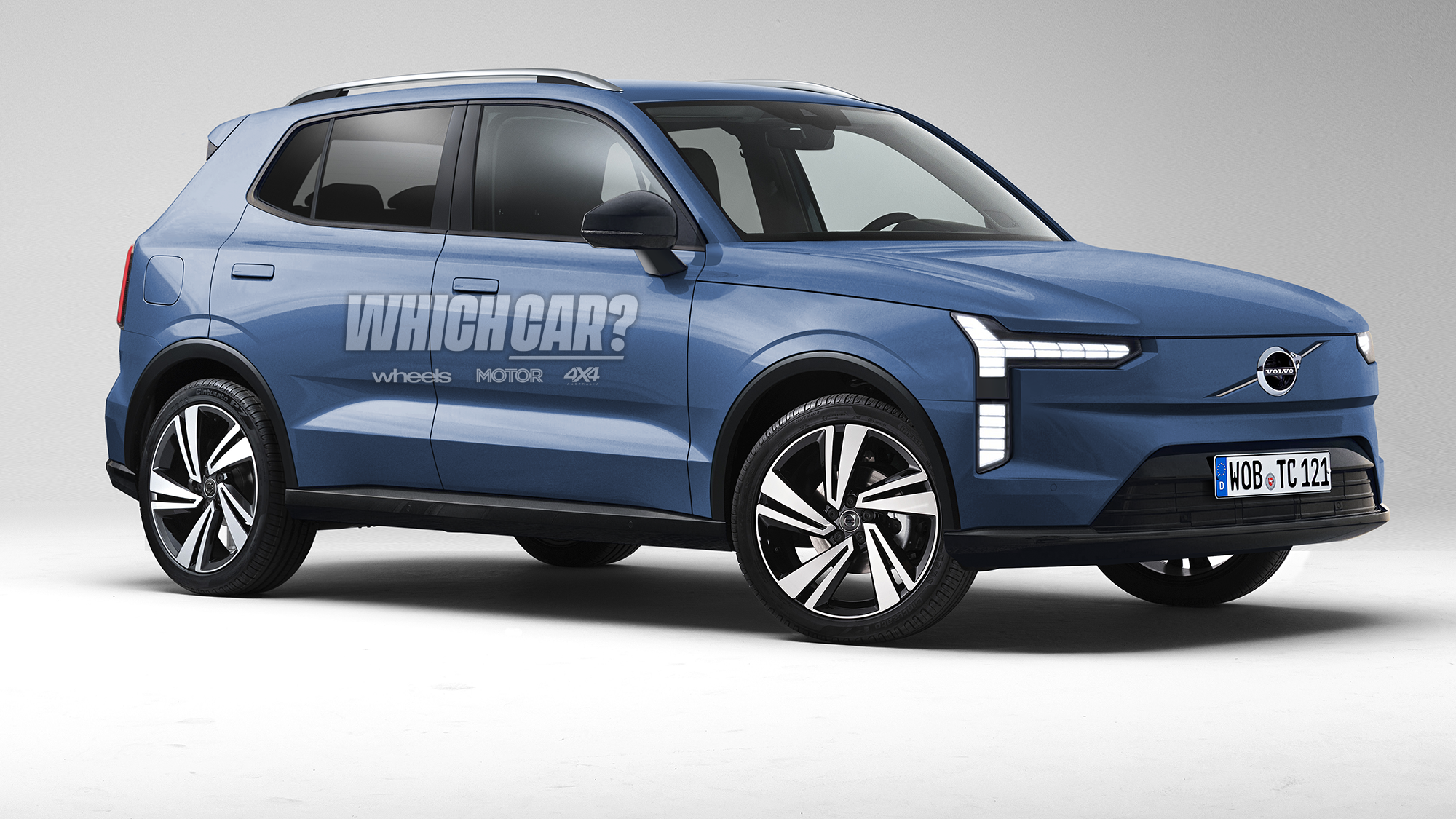
1
Although smaller German SUV rivals such as BMW’s X2 and Audi’s Q2 typically have sloping coupe-style roofs, in the teaser it’s clear Volvo’s next car will adopt a practical wagon-bodied rear end.
Our renders include the clear C-shaped LED tail-lights that have become a feature of Volvo’s current range.
Despite the name of this small SUV not being confirmed, we expect it to arrive on Australian soil some time in 2023 after a full unveiling.
In the meantime, let us know what you think of our EX30 render in the comments section!
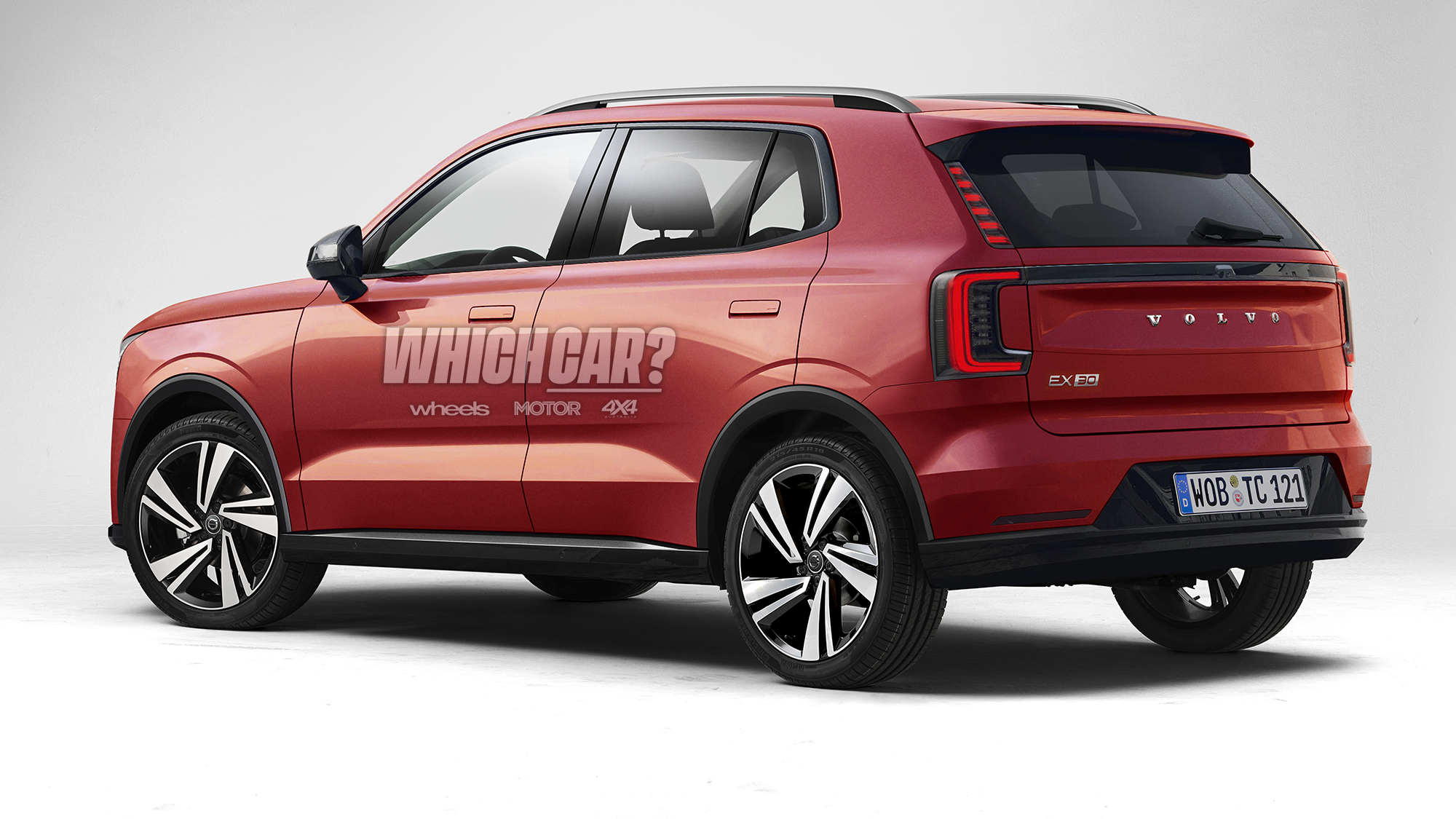
1
The story to here
November 10: Volvo EX30 teased at EX90 unveiling
Volvo had a treat in store for fans who watched the full EX90 reveal, with a clip that showed the three-row SUV next to an as-yet unseen compact crossover, likely the EX30.
The EX30 is in Volvo’s electric plan as the model to follow EX90 on the way to a 100 per cent electric lineup by 2026 in Australia, and 2030 globally.
As the camera zooms in and the EX90 drops into shadow, the video flickers and a second, smaller crossover appears, shrouded in darkness.
It’s hard to make out many details, but the smaller LED taillights share a distinct familial resemblance with the EX90.
The SUV is clearly shorter and lower-set than the EX90, suggesting two rows of seating are likely rather than the big Volvo’s three.

1
An XC40 replacement?
The EX30 is not likely to directly replace the CMA platformed XC40 and C40, as the XC40 should still have a few years left following its midlife update.
Instead, the EX30 could be a yet more compact SUV than the small XC40 – think size more comparable to Audi Q2, Mercedes-Benz EQA and BMW X2 than the larger Q3, EQB or X1.
Underneath we expect the EX30 to ditch Volvo’s current compact CMA platform – shared with Polestar 2 – and hop onto Geely-developed Sustainable Experience Architecture (SEA) underpinnings.
Fellow publication Carscoops published spy photos earlier this year, initially thought to be the coming Polestar 4 small, coupe SUV, but now the silhouette of the spied vehicle looks perhaps more like the teased car at the end of the EX90 reveal.
1
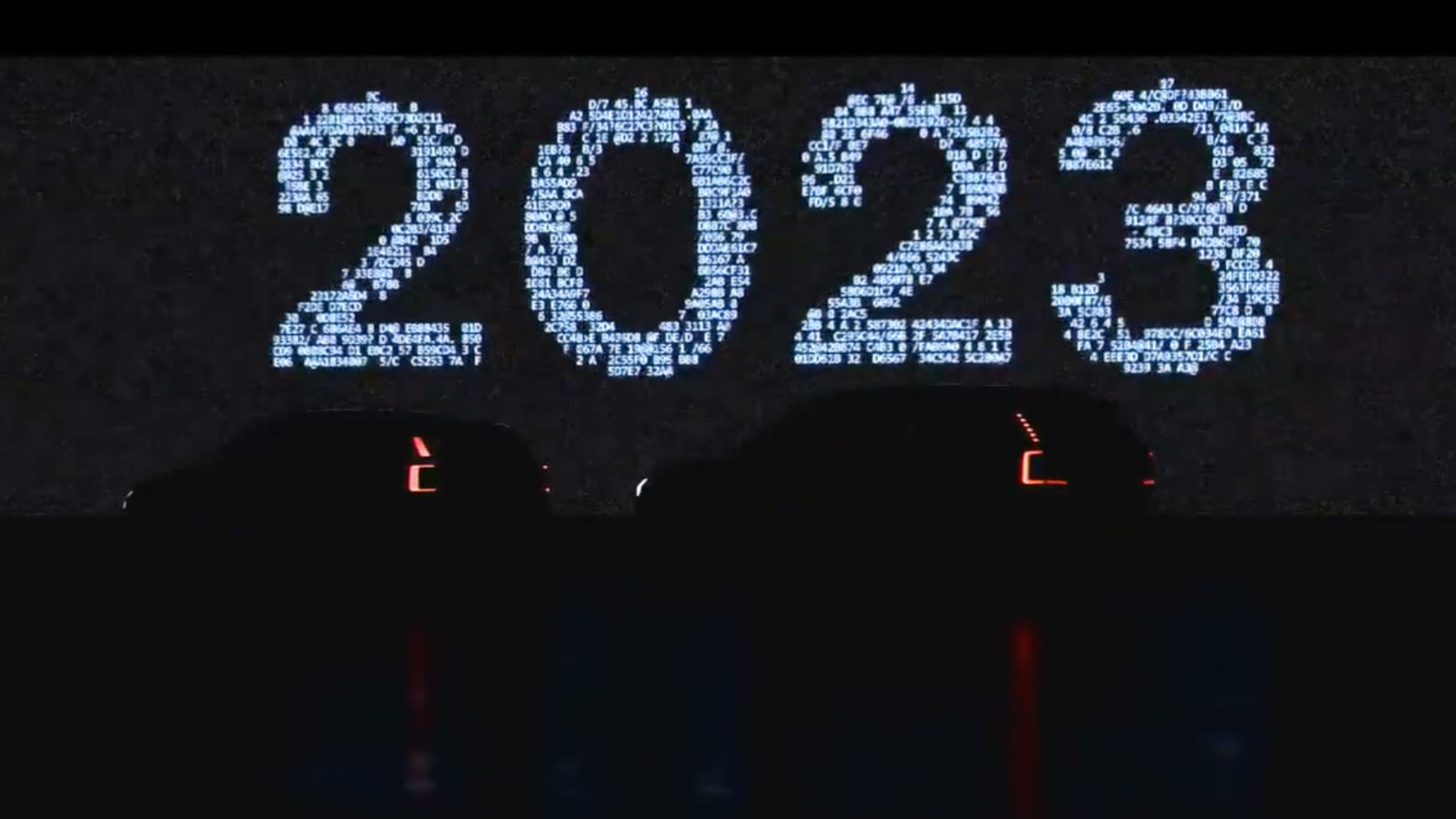
Finally, the two cars disappear into darkness and the screen reads simple ‘2023’, indicating that the teased EX30 is likely to be revealed next year. Stay tuned for more information.
MORE
Everything Volvo
Snapshot
- Facelifted Giulia and Stelvio land in Australia
- Refreshed visages and new tech feature
- Price of entry dropped with new Ti variants
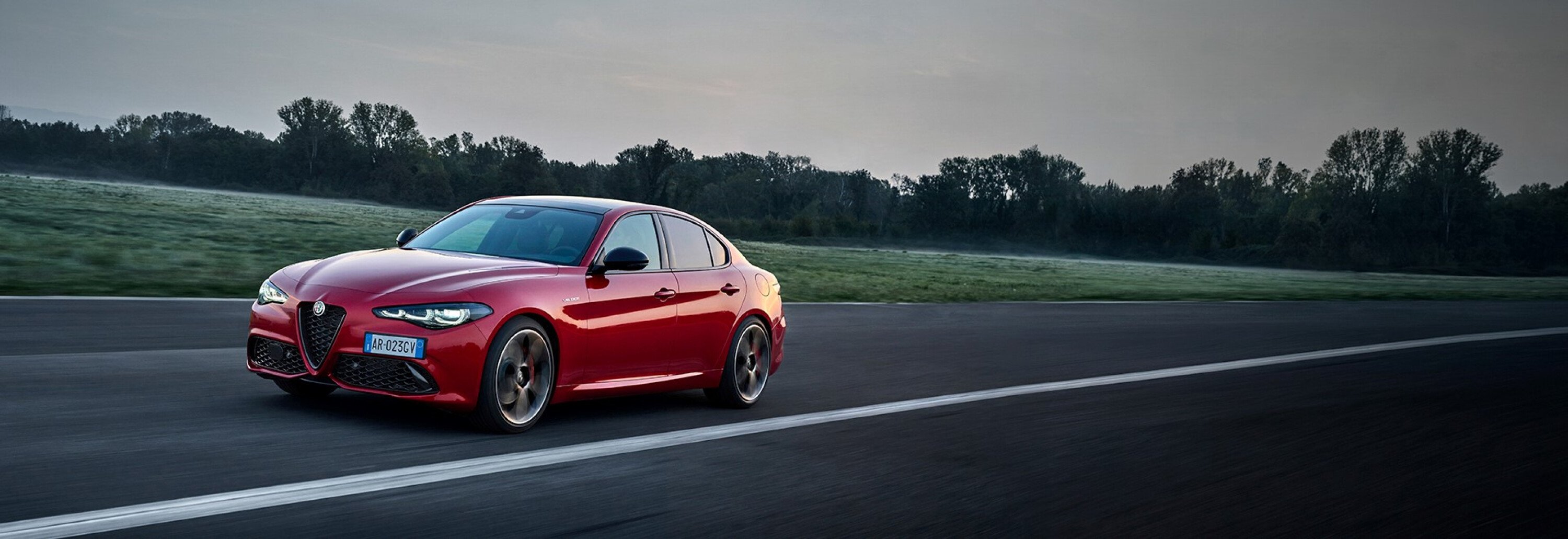
Alfa Romeo‘s lightly-facelifted Giulia sedan and Stelvio medium SUV have hit Australian shores and, thanks to the introduction of a new Ti entry-grade, their prices of entry are down to $68,450 and $76,450 respectively.
This reflects Alfa’s decision to drop the previous Giulia and Stelvio Sport trims as they aged, rather than lowering prices – though Veloce pricing is unchanged for 2023. Quadrifoglio pricing is yet to be announced.
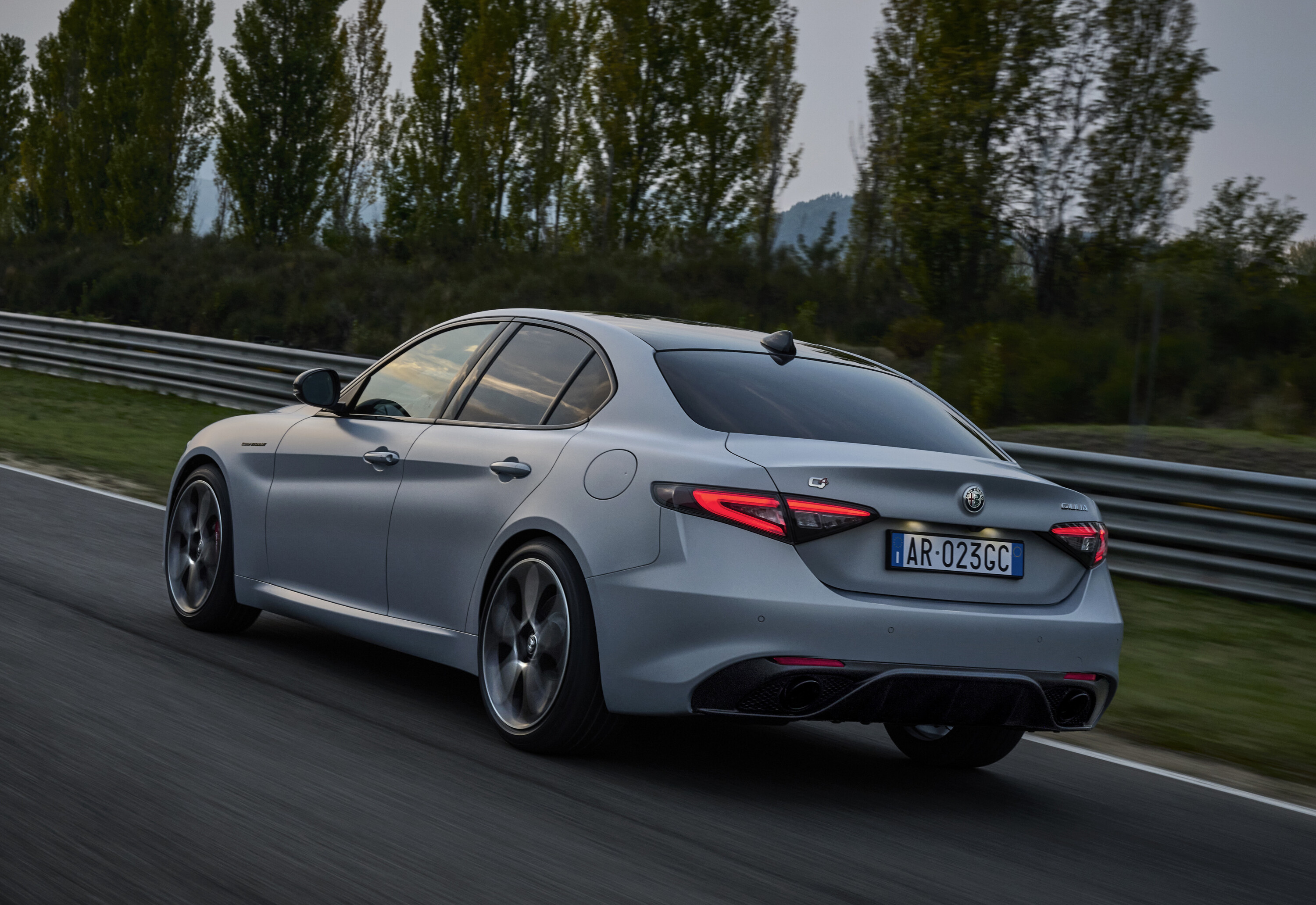
As for specification, both are more richly equipped than before and feature refreshed styling both inside and out. The 2023 Giulia and Stelvio are in Alfa Romeo dealerships now.
1
Alfa Romeo Giulia and Stelvio pricing
| MY23 Alfa Romeo Giulia and Stelvio pricing | ||
|---|---|---|
| Trim level | Giulia | Stelvio |
| Ti | $68,450 | $76,450 |
| Veloce | $74,950 | $82,950 |
| Sunroof | $2,700 | $2,700 |
Our original story, below, has been updated with new information
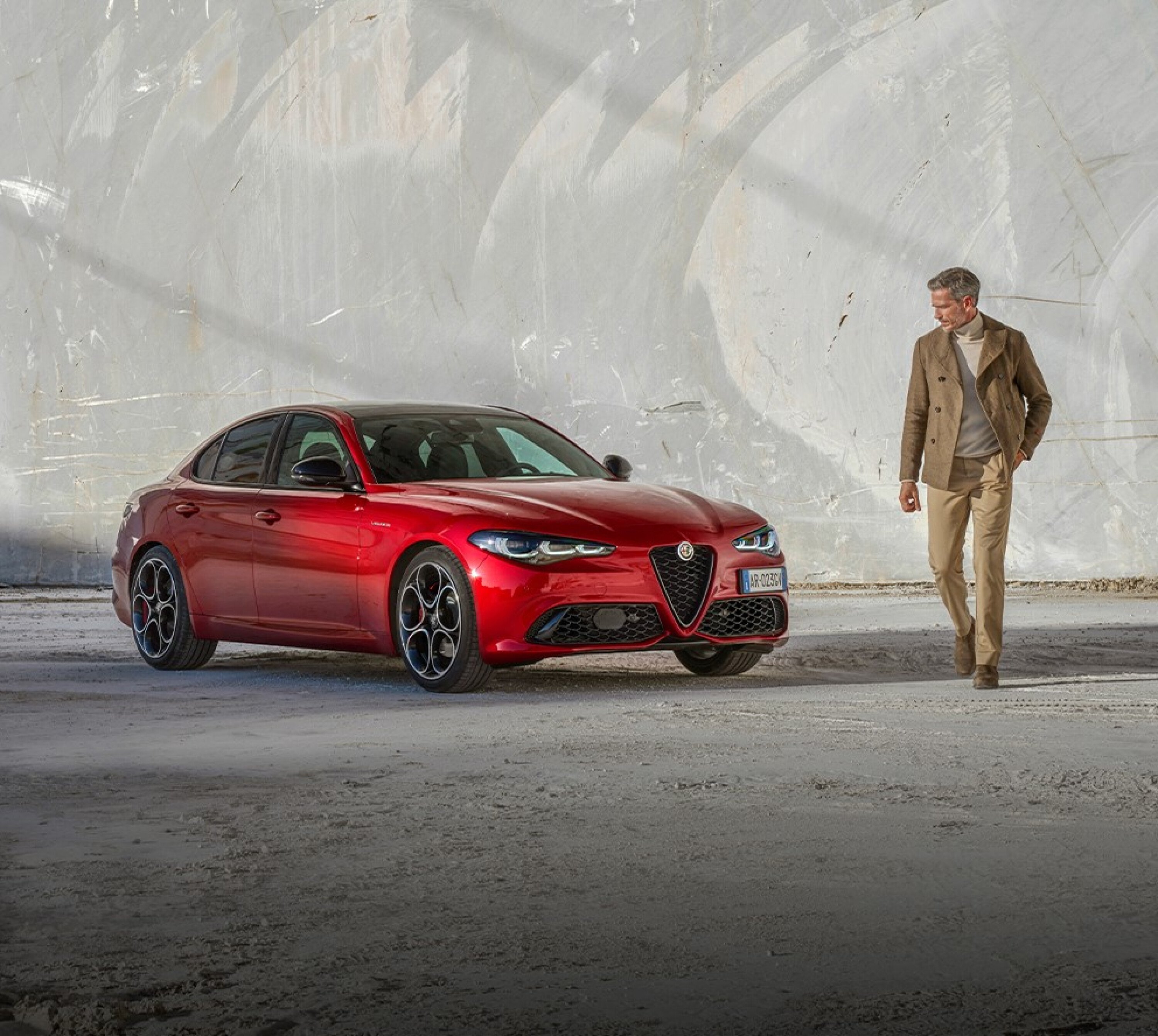
October 2022: The updated 2023 Alfa Romeo Giulia and 2023 Alfa Romeo Stelvio siblings have been unveiled and are now available to order in Australia.
Alfa’s facelifted rear- and all-wheel-drive models gain a revised exterior design and updated technology – including a digital instrument cluster.
These changes are inspired by the Tonale small SUV – also due in Australia in the imminently – and follow an update in 2021 that brought a new infotainment system, restyled centre console, and Level 2 semi-autonomous driving capability.
2
What’s new?
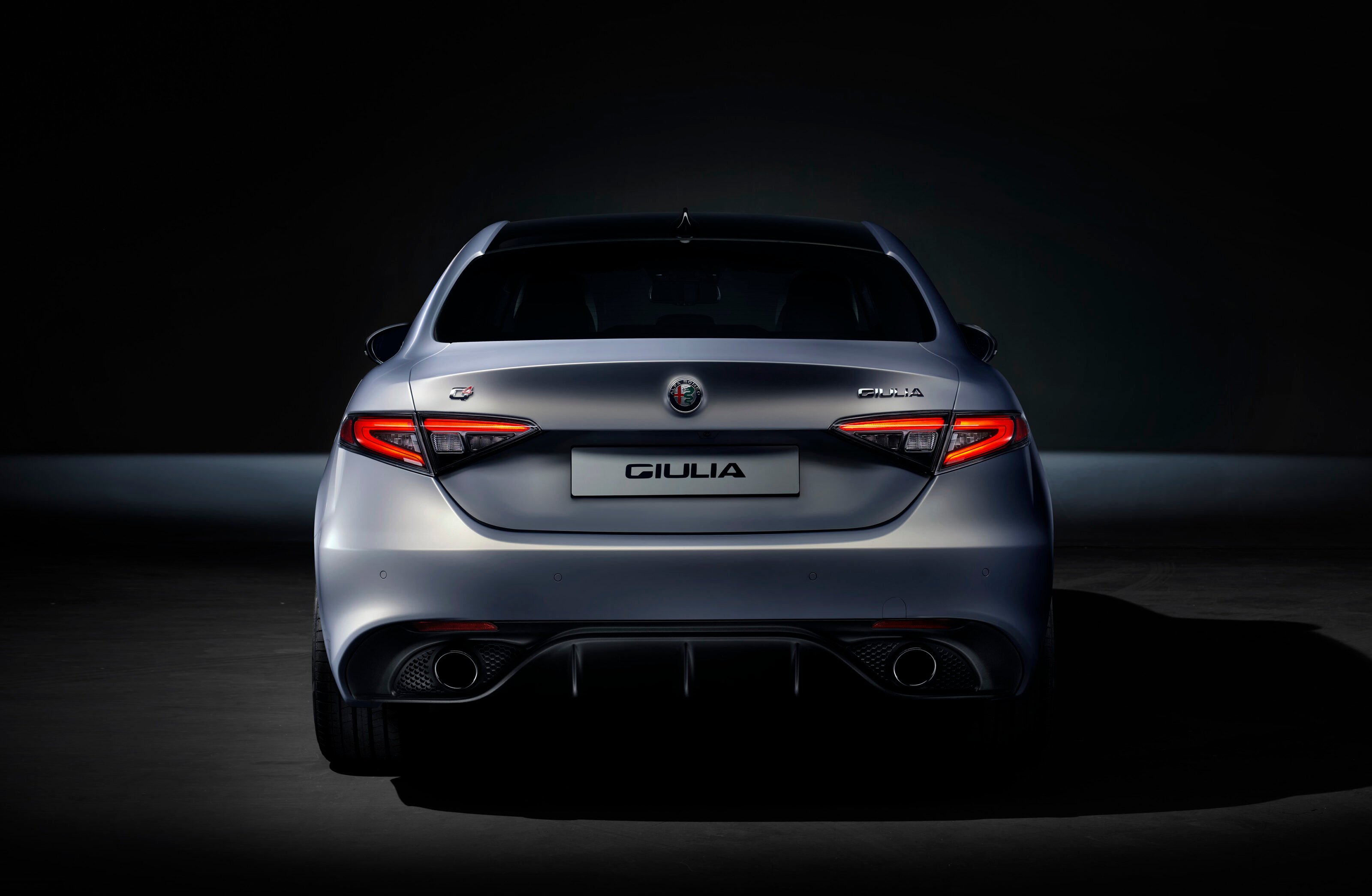
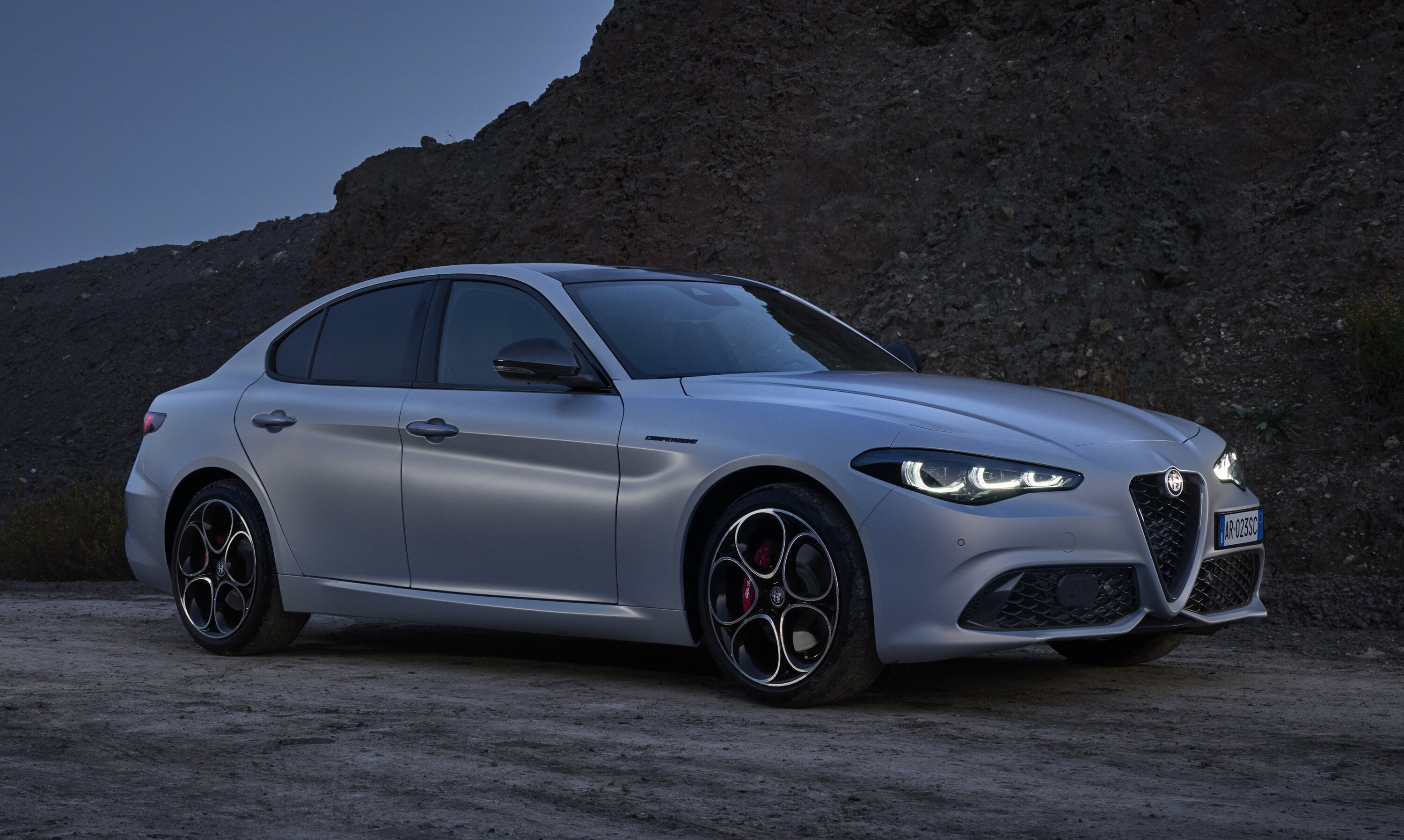
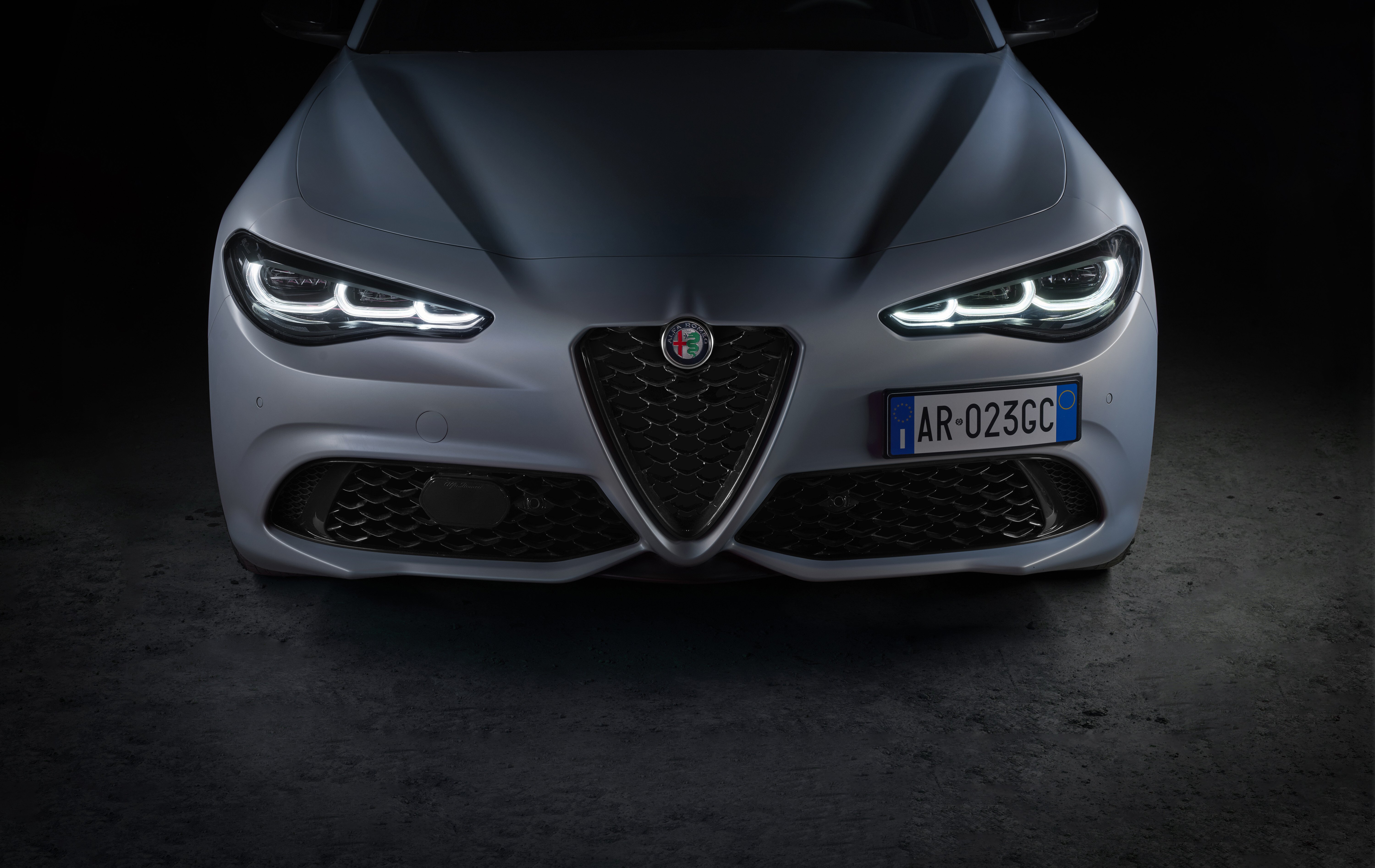
Up front, the largest change is the addition of “3×3” matrix-LED headlights, replacing the previous bi-xenon units. The three-eye daytime running lights are inspired by Alfa Romeos of the past, such as the SZ Zagato and Proteo concept.
There are also sequential LED indicators in the headlights, a restyled front grille and lower front air intakes, and new LED tail-light housings.
1
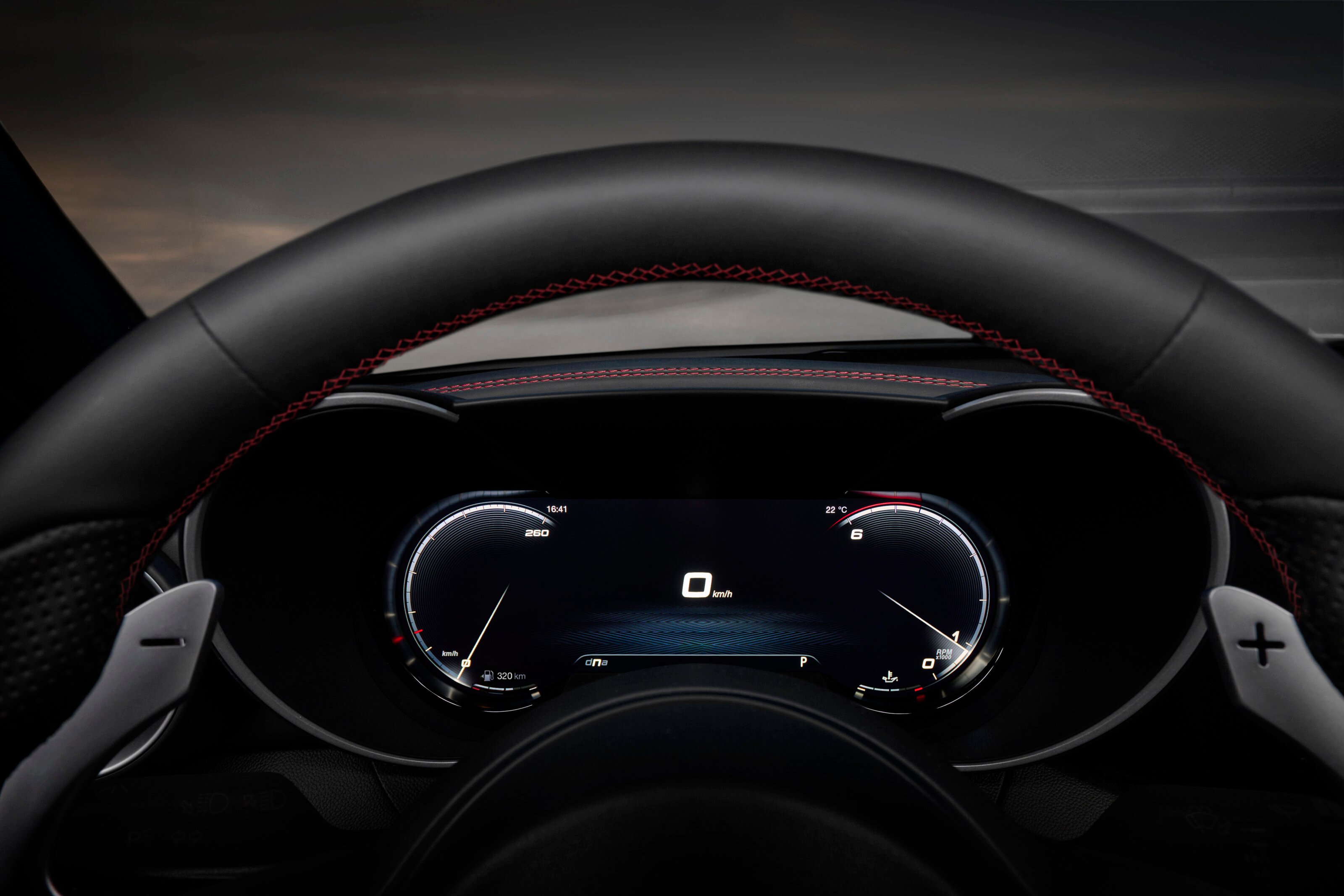
Inside, the Giulia and Stelvio receive a 12.3-inch digital instrument cluster – replacing the previous 7-inch semi-digitised unit – with three display views: Evolved, Relax and Heritage.
Like the Tonale, Alfa Romeo will offer non-fungible tokens (NFTs), providing a unique digital ‘certificate’ where vehicle data is stored, housed within a network of servers (known as the ‘blockchain’).
The brand claims this will improve a car’s resale value and provide “a further source of credibility which helps the owner/reseller, but also reassures the buyer in the choice of a used vehicle”.
1
Alfa Romeo has reshuffled the model range for 2023, with Ti replacing the old Sport variant, though retaining Veloce trims locally, rather than the overseas Sprint variant.
The Ti trims are available with black or tan (Giulia)/chocolate (Stelvio) upholstery, while the athletic Veloce gets the choice of red or black cow-hide.
| Giulia and Stelvio Ti features | |
|---|---|
| Silver exterior trim details | 19u201d Alloy Wheels |
| Vesuvio Grey Body kit (Stelvio) | Automatic Full LED Adaptive Matrix Headlamps |
| Leather upholstery | Real Oakwood insert materials |
| Aluminium sport pedals | Heated & 6-way power front seats |
| 12.3u201d full TFT instrument cluster | Apple Car Play / Android Auto |
| 8.8u201d touch display with Navigation | Wireless charger |
| Passive Entry and Pushbutton Start | Dual zone A/C |
| Handsfree Tailgate (Stelvio) | Space Saver Spare (Stelvio) |
1
In addition to the Ti, the sporty Veloce models get a more menacing exterior treatment and a limited-slip rear differential.
| Giulia and Stelvio Veloce add: | |
|---|---|
| Dark exterior trim | Veloce Rear diffuser |
| 20u201d alloy wheels (Stelvio) | Vulcano Black Body kit (Stelvio) |
| Red Brake Calipers | Leather sports seats |
| Real Aluminium insert materials | Aluminium shift paddles |
| Privacy glass | 14-Speaker Harman Kardon Audio |
| Extended leather upholstery | Limited-slip differential |
Safety
Despite new safety technology that brings level 2 autonomous driving to Giulia models, its 2016 five-star ANCAP rating has expired.
The Stelvio – fitted with identical safety features – retains its five-star credentials until December 2023.
| Giulia and Stelvio Safety features | |
|---|---|
| Blind-spot monitoring and rear cross-traffic alert | Autonomous Emergency Braking (AEB) |
| Rearview camera w/ dynamic gridlines | Driver attention monitoring |
| Front/rear parking sensors | Lane keep and lane-trace assist |
| Adaptive cruise control with traffic jam assist | Hill Descent Control (Stelvio) |
1
Powertrains
Under the skin, the Guilia and Stelvio are unchanged, with a sold powertrain sold in Australia being a 206kW/400Nm 2.0-litre turbo-petrol four-cylinder with RWD (in Giulia) or ‘Q4’ AWD (in Stelvio).
Both cars utilise a ZF-sourced eight-speed torque converter automatic whith wheel-mounted paddles for manual control.
The 2.9-litre twin-turbo V6 Quadrifoglio supert sedan has yet to receive its mid-life update.
34
Availability
The 2023 Alfa Romeo Giulia and 2023 Alfa Romeo Stelvio are available to order now from $68,450 and $76,450 respectively – both before on-road costs.
