
Snapshot
- LDV Mifa 9 electric MPV gets five-star ANCAP under 2022 criteria
- Does not apply to petrol LDV Mifa
- Third row only has child seat top tethers on the left side
The 2023 LDV Mifa 9, the brand’s first electric passenger vehicle, has scored a five-star ANCAP safety rating under the 2022 testing criteria.
However, the crash rating only applies to the pure-electric Mifa 9 – instead of the identical petrol-powered Mifa.
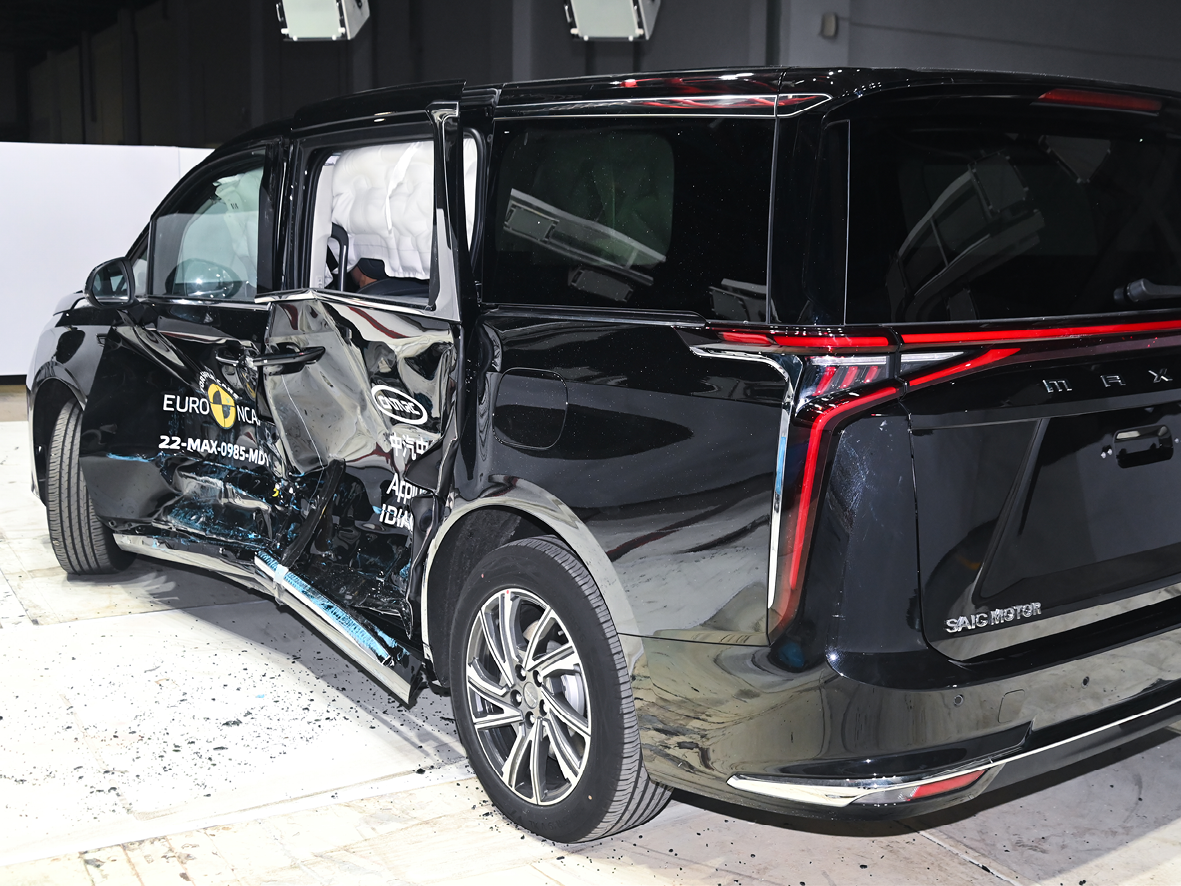
ANCAP commended the three-row Mifa 9 as the only model besides the latest W206 Mercedes-Benz C-Class sedan to obtain maximum points for protecting the driver and small female rear passenger in the full-width frontal test.
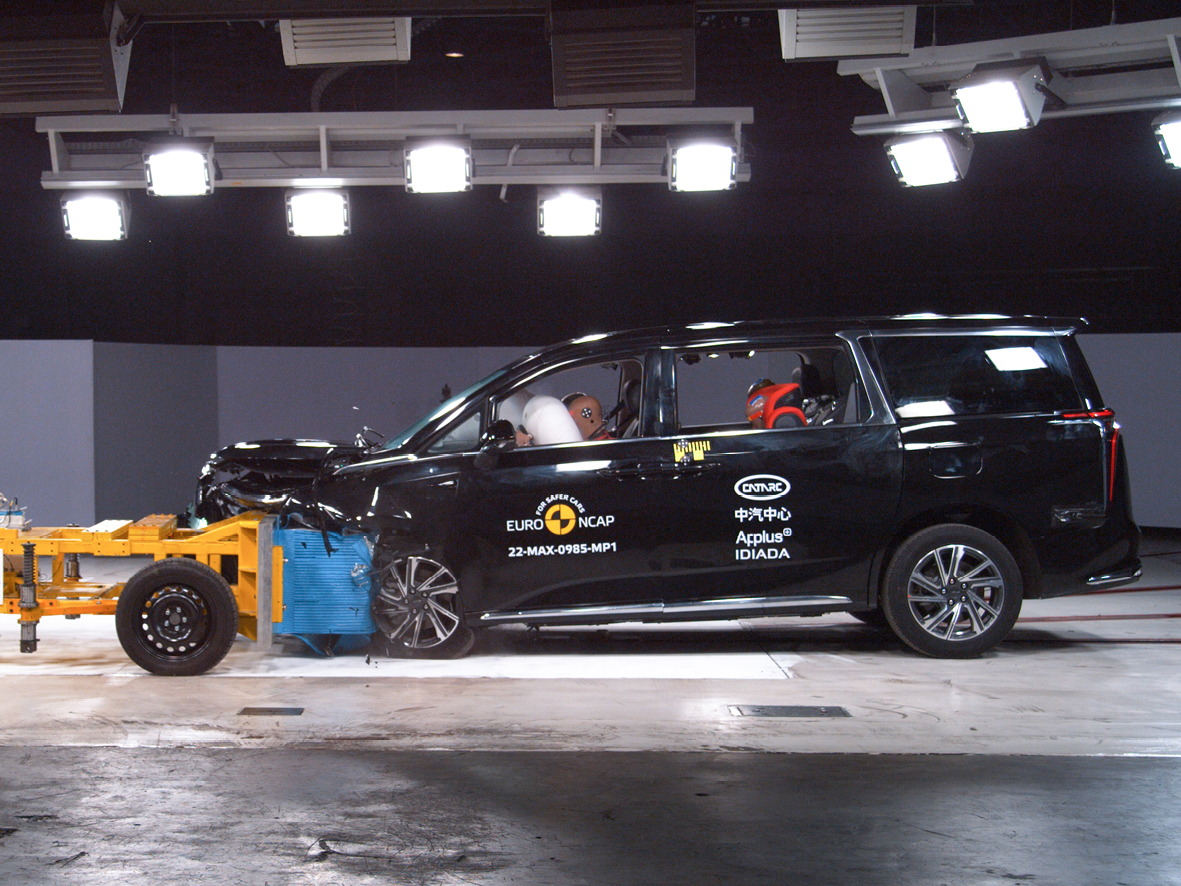
But, the safety body warns that child seat restraints for younger children should not be fitted to the third-row centre or right-hand side seating positions as there are no top-tether anchor points. All second-row seats have top tethers, though.
The LDV Mifa 9 EV received 93 per cent adult occupant protection, 88 per cent child occupant protection, 73 per cent vulnerable road user protection, and 90 per cent in the safety assist category.
The Chinese-made electric people-mover is one of the last vehicles to be subject to ANCAP’s 2022 testing criteria, with stricter 2023 tests incoming that’ll assess floodwater submersion, systems that detect whether a child has been left behind in the vehicle, and car-to-motorcycle safety assist tests.
The 2023 LDV Mifa 9 starts from $106,000 before on-road costs. It comes with a centre airbag; front- and rear auto emergency braking; lane-keep assist; blind-spot monitoring; rear cross-traffic alert; door open warning; adaptive cruise control; traffic sign recognition; reversing camera and sensors as standard.
Opting for the mid-spec Executive variant adds front parking sensors and a 360-degree camera system.
The LDV Mifa and Mifa 9 act as the spiritual successor to the G10 family people-mover van – which only obtained a three-star ANCAP safety rating under the more lax 2025 testing criteria and will soon expire at the end of the year.
Snapshot
- 2023 Isuzu D-Max, MU-X and Mazda BT-50 receive minor safety revisions
- Updated five-star ANCAP safety rating with a 2022 datestamp, replacing the previous 2020 rating
- Applies to vehicles produced from July 2022
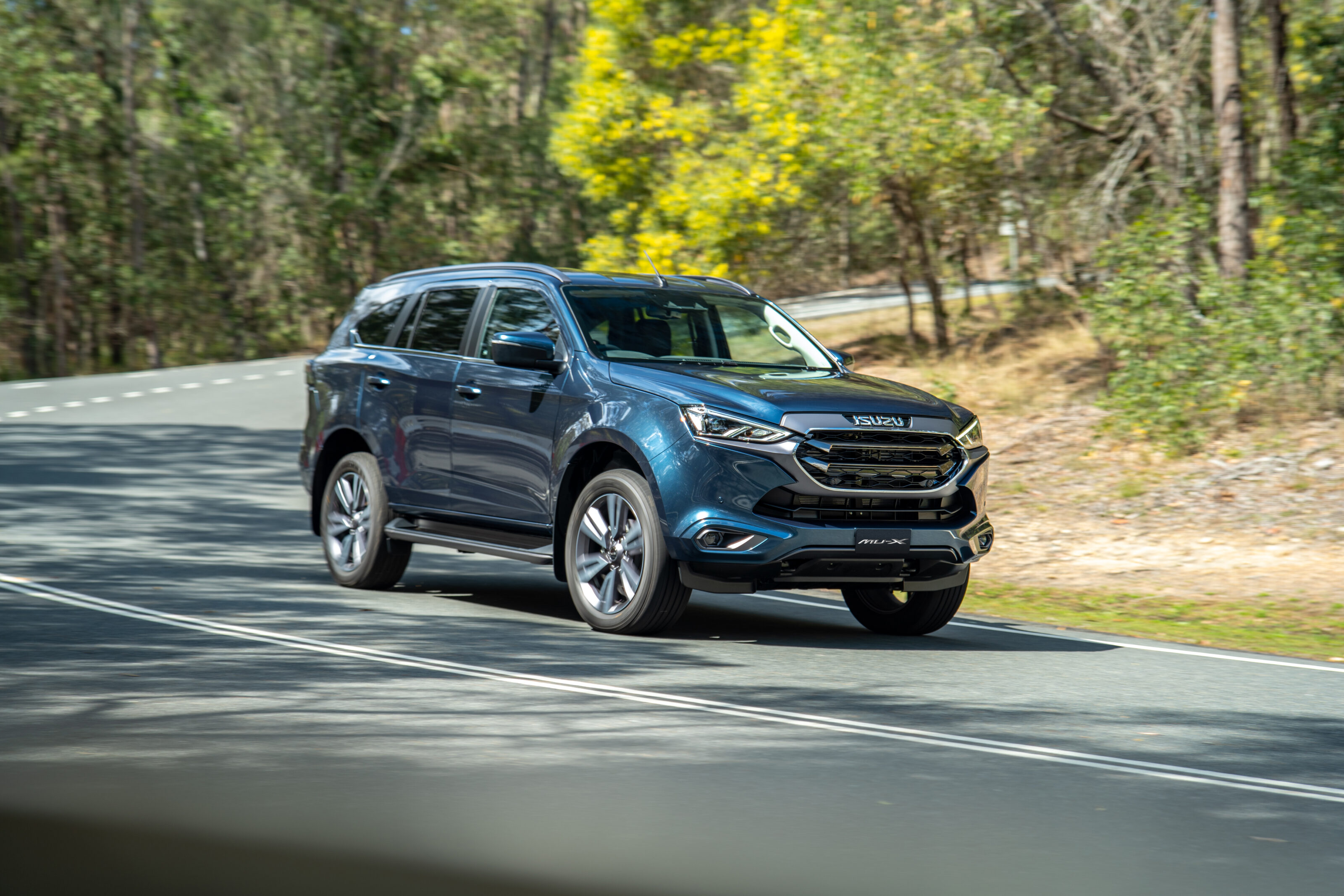
The 2023 Isuzu D-Max, MU-X and 2023 Mazda BT-50 twins have received an updated five-star ANCAP safety rating, courtesy of minor interior revisions.
All vehicles produced from July 2022 – comprising model-year 2023 and some model-year 2022 units – feature revisions to the design of the driver’s knee airbag and instrument panel, bringing additional safety performance.
The revisions have allowed the adult occupant protection score to increase to 86 per cent – up from 83 per cent for D-Max, MU-X and BT-50 vehicles produced before July 2022.
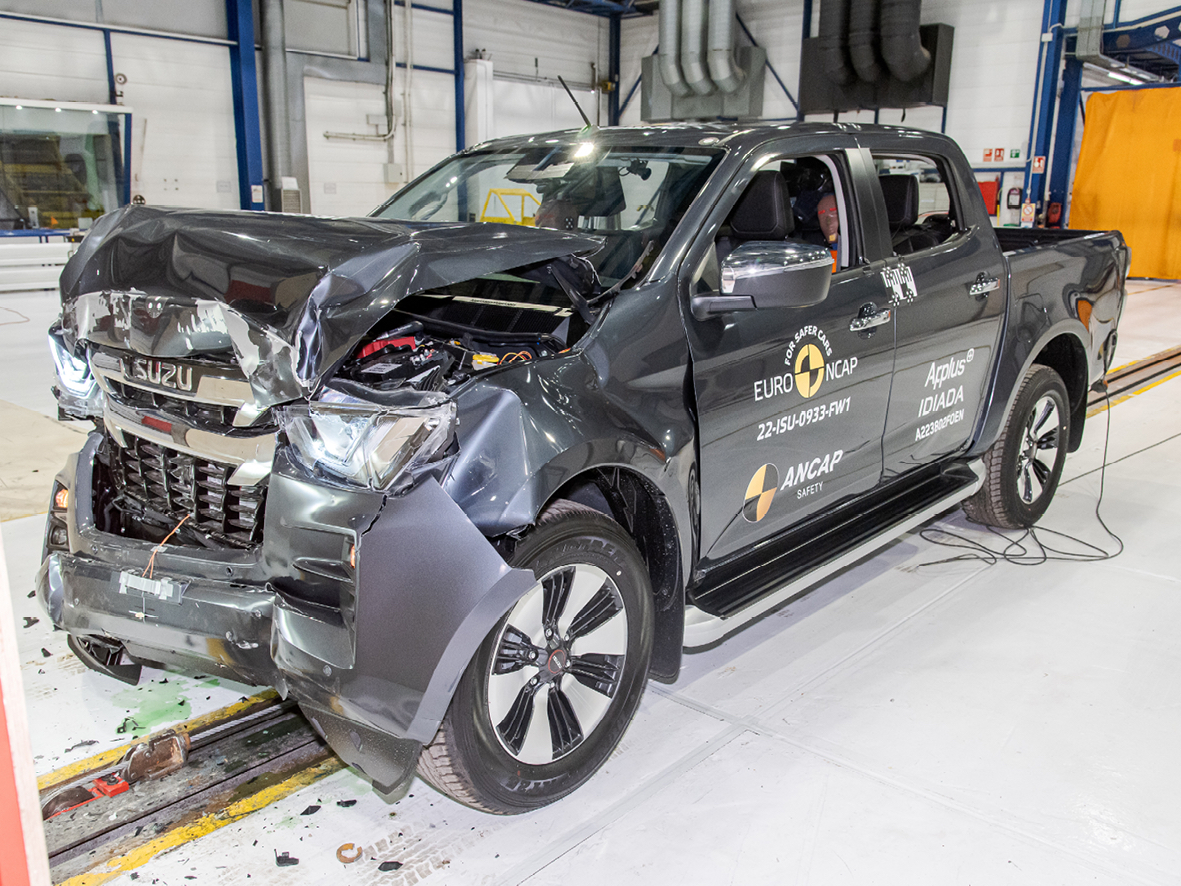
As before, the D-Max and MU-X have a score of 89 per cent for child occupant protection, 69 per cent for vulnerable road user protection, and 84 per cent for safety assist.
The Mazda BT-50 has identical figures in all categories except vulnerable road user protection, with a slightly lower 67 per cent due to its unique front-end design. In addition, its ANCAP score doesn’t apply to the flagship Thunder variant, which remains ‘unrated’.
Eight airbags (dual frontal, side head, side chest, and driver’s knee and front-centre) are fitted as standard on the D-Max, MU-X and BT-50.
Notably, although the criteria hasn’t changed since the D-Max was tested in 2020, it has allowed the safety authority to include a 2022 datestamp – bringing an additional two years, until 2028, before each car’s crash rating expires following ANCAP’s newly-introduced six-year time limit.
This time limit will affect the Nissan Navara and Mitsubishi Triton – both tested in 2015 – on December 31, 2022, potentially limiting fleet purchases until the next-generation models launch in the coming years, as many fleets mandate a five-star ANCAP rating.
The current ratings will still apply for cars produced between 2015 and 2022 but will appear under the ‘previous models’ section on ANCAP’s website, with an ‘unrated’ label for 2023 and later vehicles.
ANCAP’s testing will expand for 2023, with new criteria to assess a vehicle’s ability to avoid a crash with a motorcyclist, child presence detection, and vehicle submergence, which could lead to hefty engineering work for existing vehicles to achieve a five-star rating, if reassessment occurs.
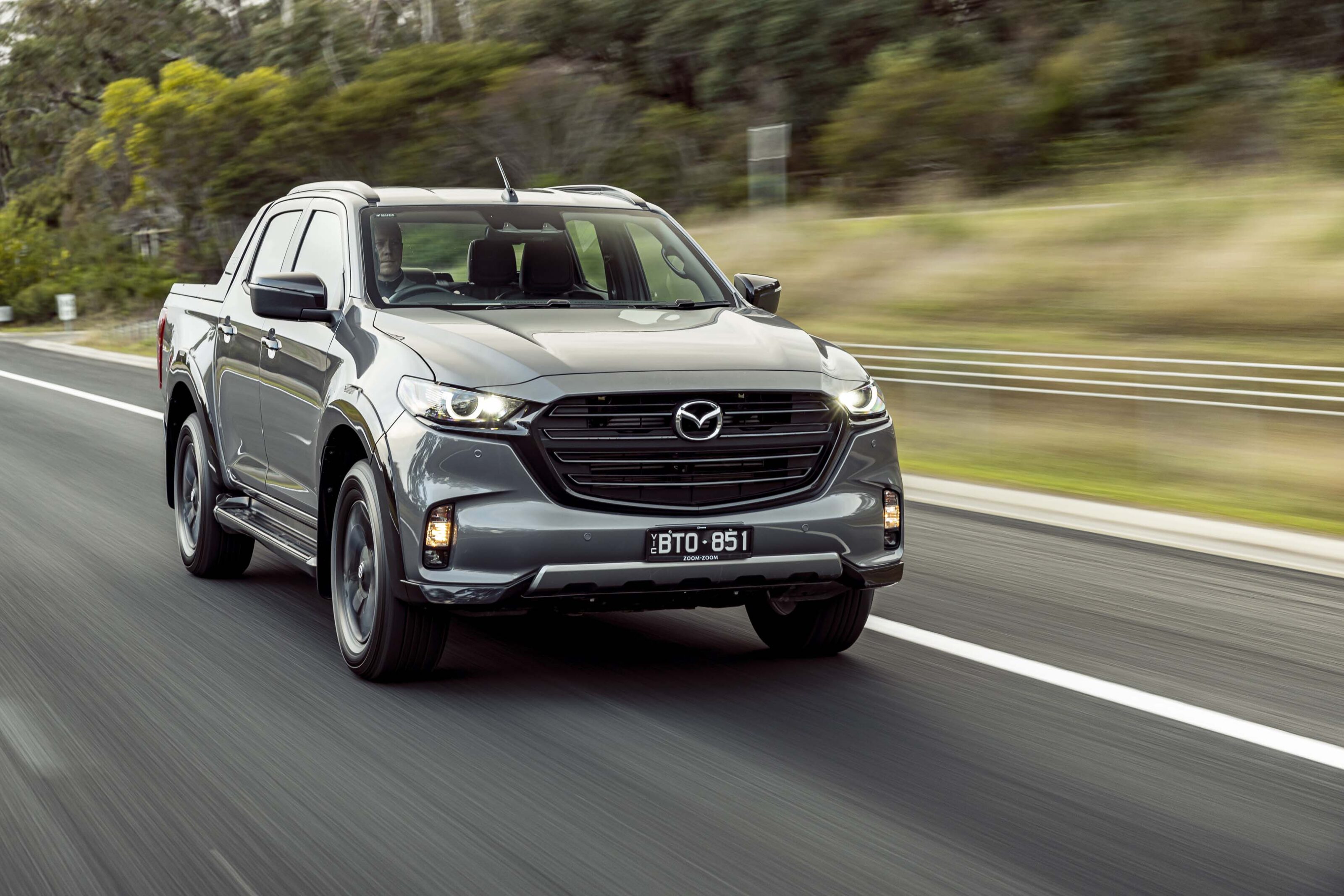
The latest-generation Isuzu D-Max and Mazda BT-50 utes arrived in 2020, while the related MU-X body-on-frame large SUV launched in 2021.
To the end of November 2022, VFACTS new-car sales data reveals Isuzu has sold 22,775 examples of the D-Max in 2022 in Australia, placing it fourth in the ute segment behind the Toyota HiLux (52,801), Ford Ranger (42,816) and Mitsubishi Triton (26,382).
Mazda has registered 11,702 sales for the BT-50, while the MU-X is the third best-selling large SUV, with its 10,043 figure placing it behind the Toyota LandCruiser Prado (20,132) and Toyota Kluger (11,786).
Snapshot
- Toyota Corolla Cross H2 Concept reinforces powertrain choice future
- Uses GR Corolla engine with Mirai hydrogen tech
- Reveals subtle design tweaks and manual transmission?
Toyota is again demonstrating it wants to offer a choice of powertrains with the Corolla Cross H2 Concept.
The small SUV packs the same 1.6-litre turbocharged three-cylinder engine used in the Toyota GR Corolla hot hatch (due in Australia next year) and mates it with a high pressure hydrogen tank borrowed from the Mirai.
For context, the Mirai can store 141-litres of hydrogen, has a 1.2kWh lithium-ion battery, and a rear electric motor producing 134kW of power and 300Nm of torque with a 1900 kilogram kerb weight. It can travel up to 650 kilometres from a full tank on the WLTP testing cycle.

The result is a hydrogen fuel-cell electric vehicle (FCEV) Corolla Cross which can still seat five people and have luggage space to spare. Toyota will start winter testing soon in northern Japan.
Interestingly, the concept also shows off tweaked design details, including the horizontal LED daytime running lights at the top of the headlight cluster (instead of the middle); a crossbar running across the grille; revised lower bumper with the fog lights placed higher than before; unique alloy wheels; Citroen-like bumps on the side skirts; silver roof rails; and smoked tail-lights.
We haven’t seen these in the Australian nor Japanese spec versions of the Corolla Cross.
The pictures also depict a manual gear shifter, likely a remnant from the GR Corolla.

Toyota says the Corolla Cross H2 Concept is around 40 per cent “along the path to commercialisation” and argues hydrogen combustion can leverage existing internal combustion engine technologies, offer quicker refuelling times, and reduce the need to use limited materials like lithium and nickel.
The concept was unveiled as part of the Japanese carmaker’s pledge to be carbon neutral in Europe by 2040 by introducing six pure battery-electric vehicles (BEVs) under the bZ nameplate by 2026.
In Australia, Toyota currently sells the Mirai FCEV to commercial customers and is expected to release the bZ4X SUV as its first BEV next year.

“When we talk about being carbon neutral, a lot of people say all we have to do is use battery-electric vehicles because they don’t emit any CO2 – but the truth is it’s not that simple,” Toyota Australia vice-president of sales and marketing Sean Hanley told Wheels last year.
“BEVs or battery-electric vehicles are just one part of the solution.
“[But] Australia is a big country. We’ve got diverse customer needs and our success has been built on providing high-quality durable and reliable vehicles that are fit-for-purpose in every corner of this country.
“Ultimately, it’s the market that will decide, and our goal is to provide options to support those choices.”
Snapshot
- 2012-18 Lexus IS, RC and GS recalled in Australia
- Due to a faulty design for the vehicles’ fuel tank vent tubes
- More than 14,000 units affected by the recall
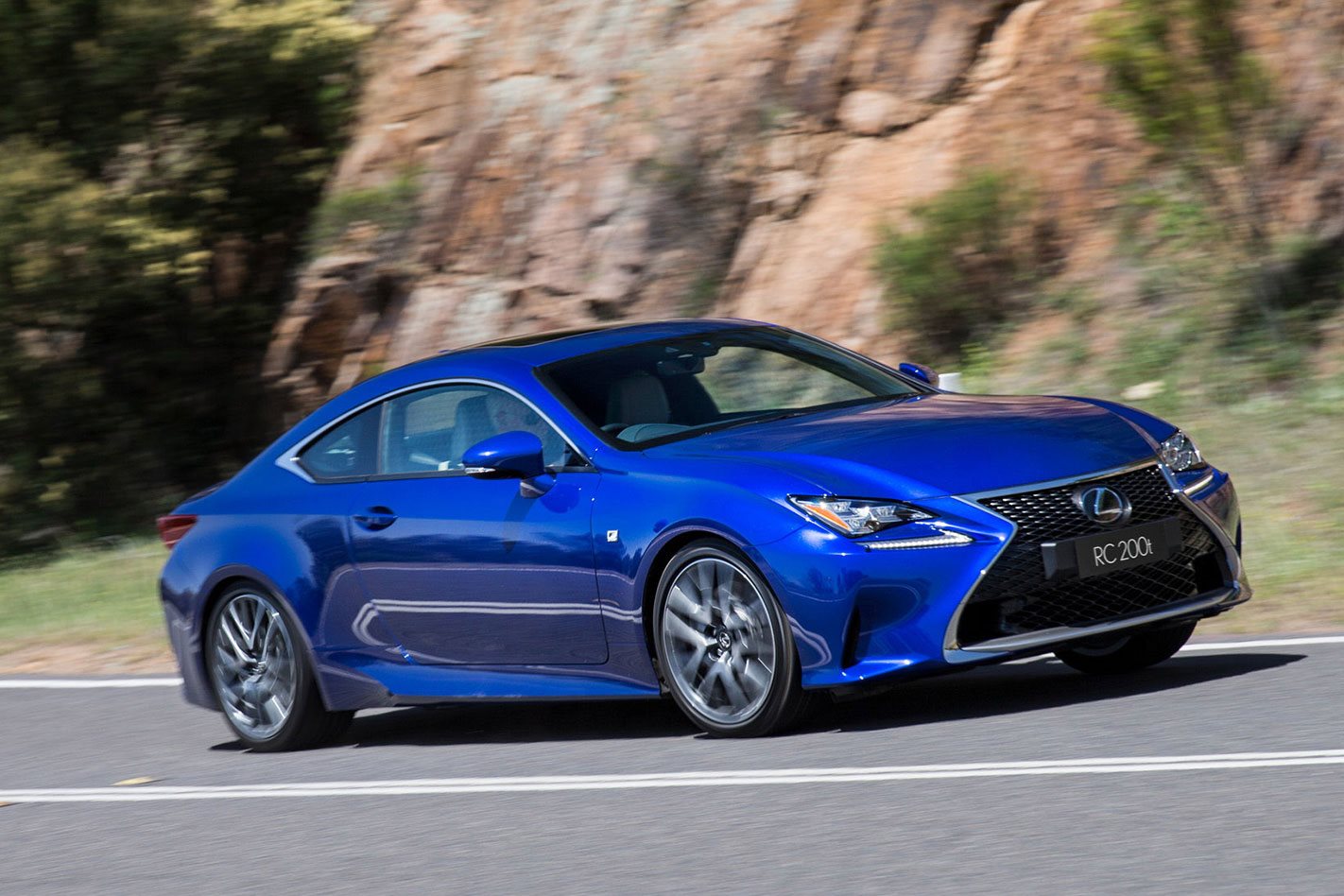
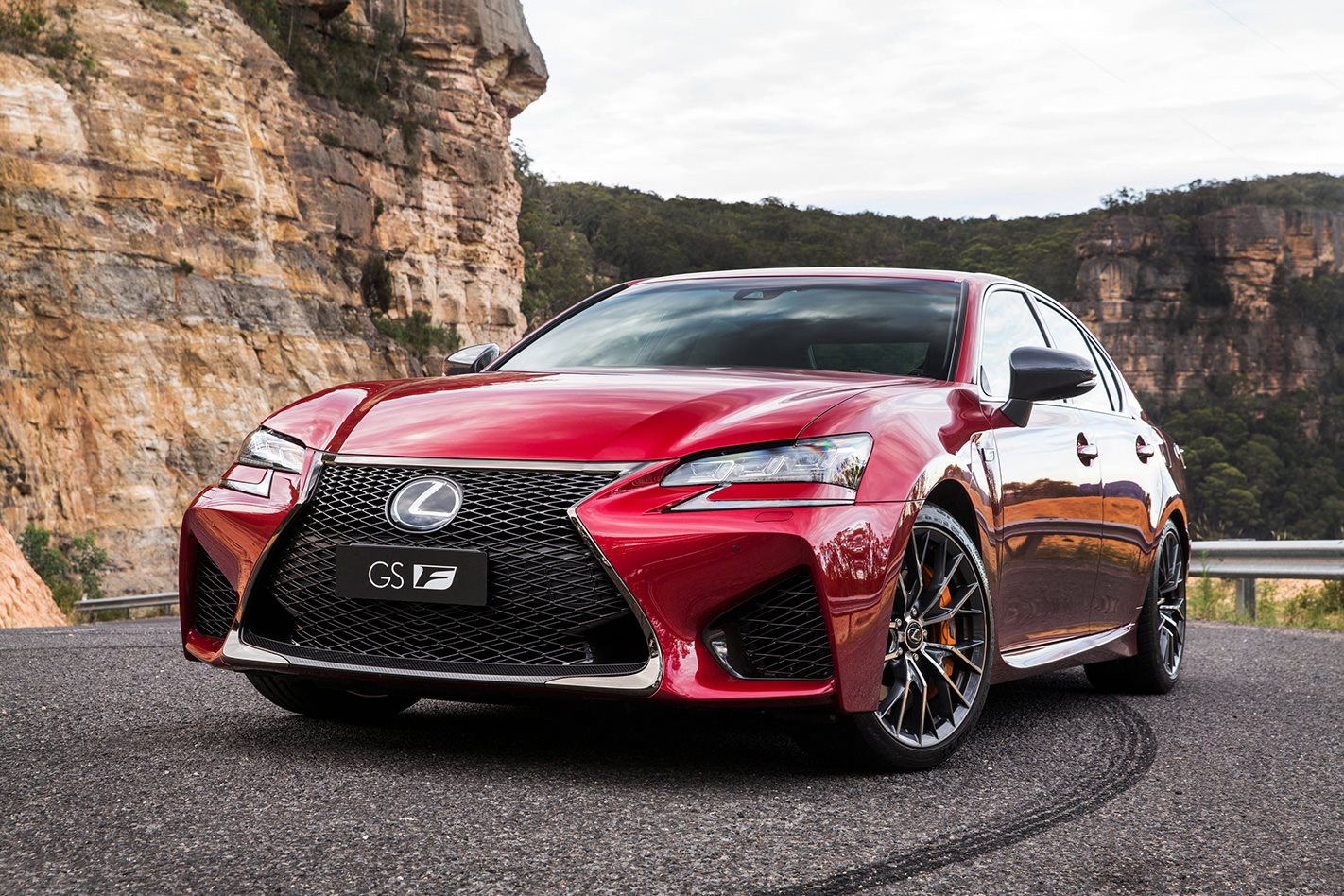
Lexus Australia has issued a recall for more than 10,000 examples of its IS, RC and GS vehicles due to a fault with the vehicles’ fuel tank vent tube.
The issue affects 14,301 units built up to 2018, with production commencing in 2012 for the GS, 2013 for the IS, and 2014 for the RC, respectively. This includes the IS F, RC F and GS F performance variants.
According to Lexus, the affected vehicles are fitted with “a fuel evaporative emission control unit (also referred to as fuel tank vent tube assembly) that is attached to the fuel tank by a flange.”
“The fuel tank vent tube assembly prevents the fuel vapour that is created in the fuel tank from being released directly into the atmosphere.
“Due to the design of the flange, there is a possibility that a stress-related crack could develop on the exterior surface of the flange. The crack could expand over time and, depending on the size of the crack, could eventually allow fuel to leak from the crack.
“Depending on the amount of fuel that escapes from the crack, and if it is in the presence of an ignition source, this could increase the risk of a vehicle fire.”
Lexus Australia will contact owners of affected vehicles by SMS, email and/or mail to request they make an appointment with a service centre to have the fuel-evaporative emission control unit replaced, free of charge.
A VIN list for the affected vehicles can be found here.
The company can be contacted directly by calling 1800 023 009 on weekdays between 8am and 6pm AEDT, or by visiting a dealership, found here.
Tesla will soon delete ultrasonic sensors across its electric vehicle line-up as it shifts to camera-only technology – despite key parking assist features being unavailable.
Following the previous removal of radar equipment in early 2021, the brand’s camera system – known as Tesla Vision – will now perform all driver-assistance technology.
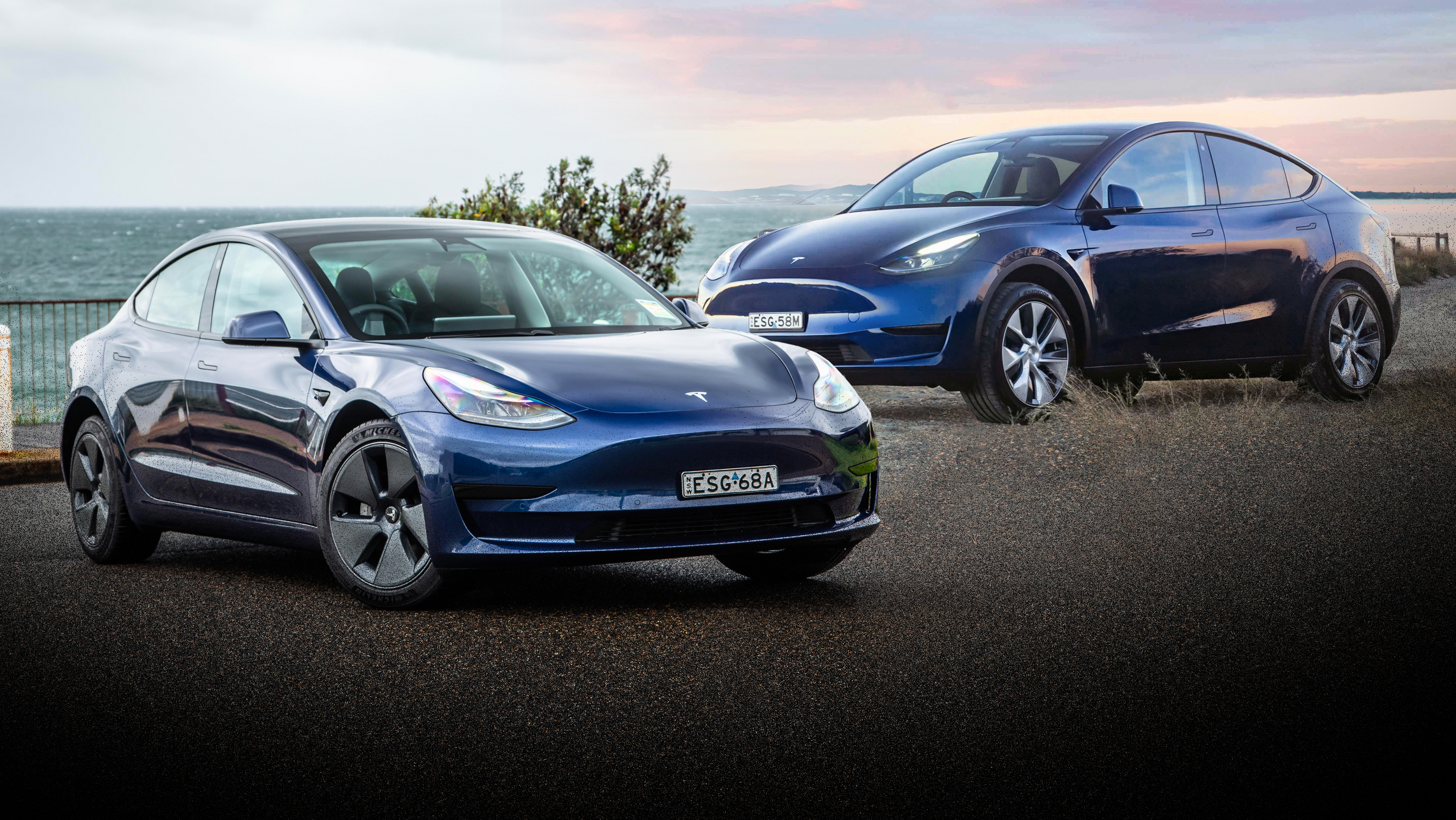
Tesla will phase out ultrasonic sensors from the Model 3 and Model Y globally, starting in October, followed by the Model S and Model X in 2023.

However, some parking-related features will not be available until a future software update arrives in the coming months.
Drive reports that this includes park assist, autopark, summon, and smart summon.
“In the near future, once these features achieve performance parity to today’s vehicles, they will be restored via a series of over-the-air software updates,” said Tesla.
“All other available Autopilot, Enhanced Autopilot and Full Self-Driving capability features will be active at delivery, depending on order configuration.”

Other active safety features, such as autonomous emergency braking, lane-keep assist and blind-spot alert, are unaffected by the change.
Currently, Tesla vehicles are fitted with 12 ultrasonic sensors positioned on the front and rear bumpers.
Tesla says the change won’t affect crash safety results, with the Model Y recently scoring a five-star ANCAP rating.
Tesla has yet to provide a timeline for the production date and local timing of vehicles without ultrasonic sensors.
It isn’t the first time Tesla has temporarily limited features in the shift to camera-only technology.
The brand’s Autopilot semi-autonomous cruise control system was limited to 121km/h until earlier this year for vehicles produced from May 2021, which exclude a radar.
The radar was removed from the Tesla Model 3 and Tesla Model Y for Australia in June 2022.
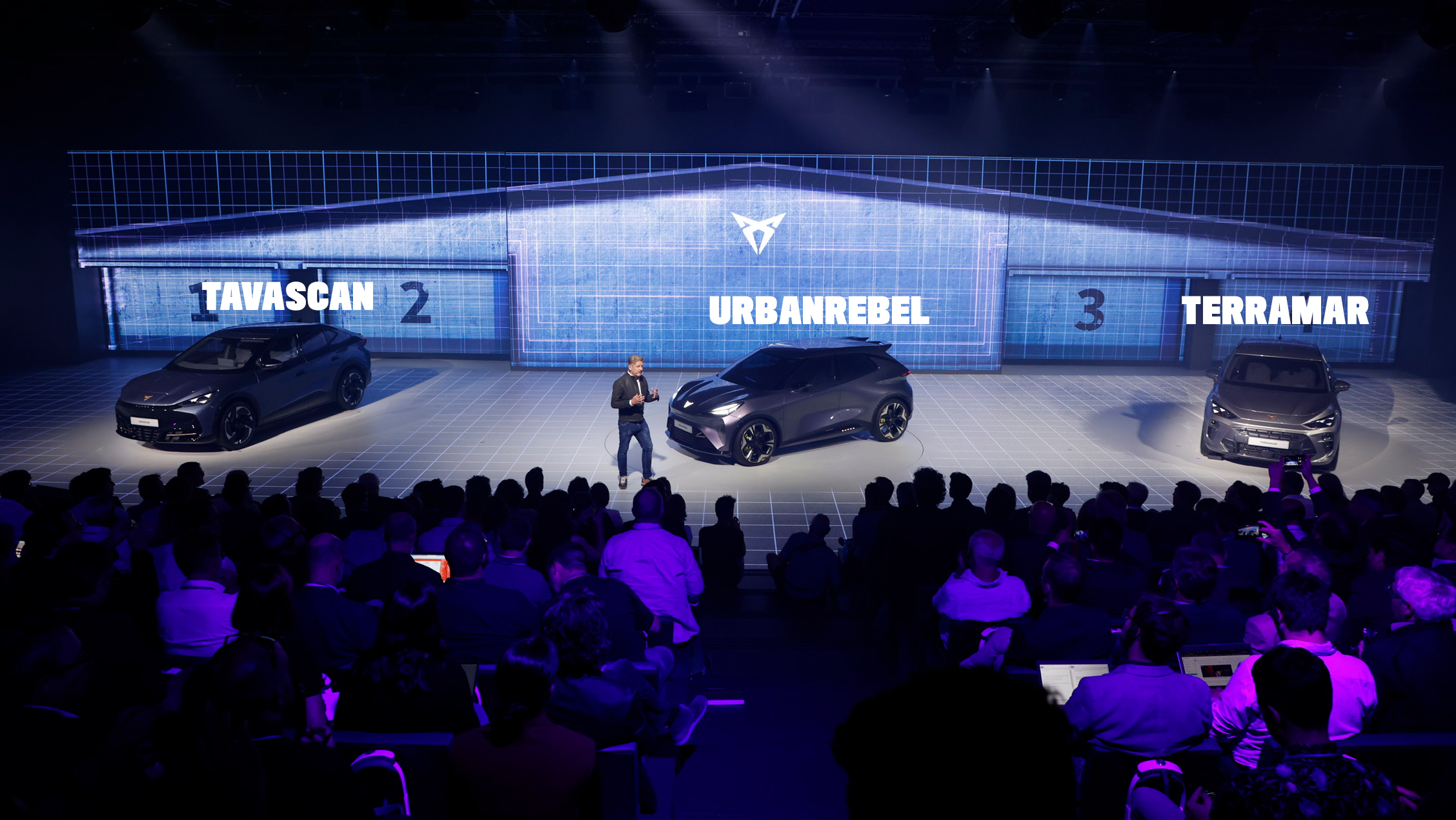
The upcoming 2024 Cupra Tavascan electric SUV will be built in China, rather than Europe.
A statement provided to Automotive News Europe by the Volkswagen Group said it would be produced at one of its joint-venture factories in China’s Anhui province.
“The Anhui factory was the plant with the right capacity and technology at the time of production planning,” said Volkswagen, adding it has no plans to export other Chinese-built vehicles.
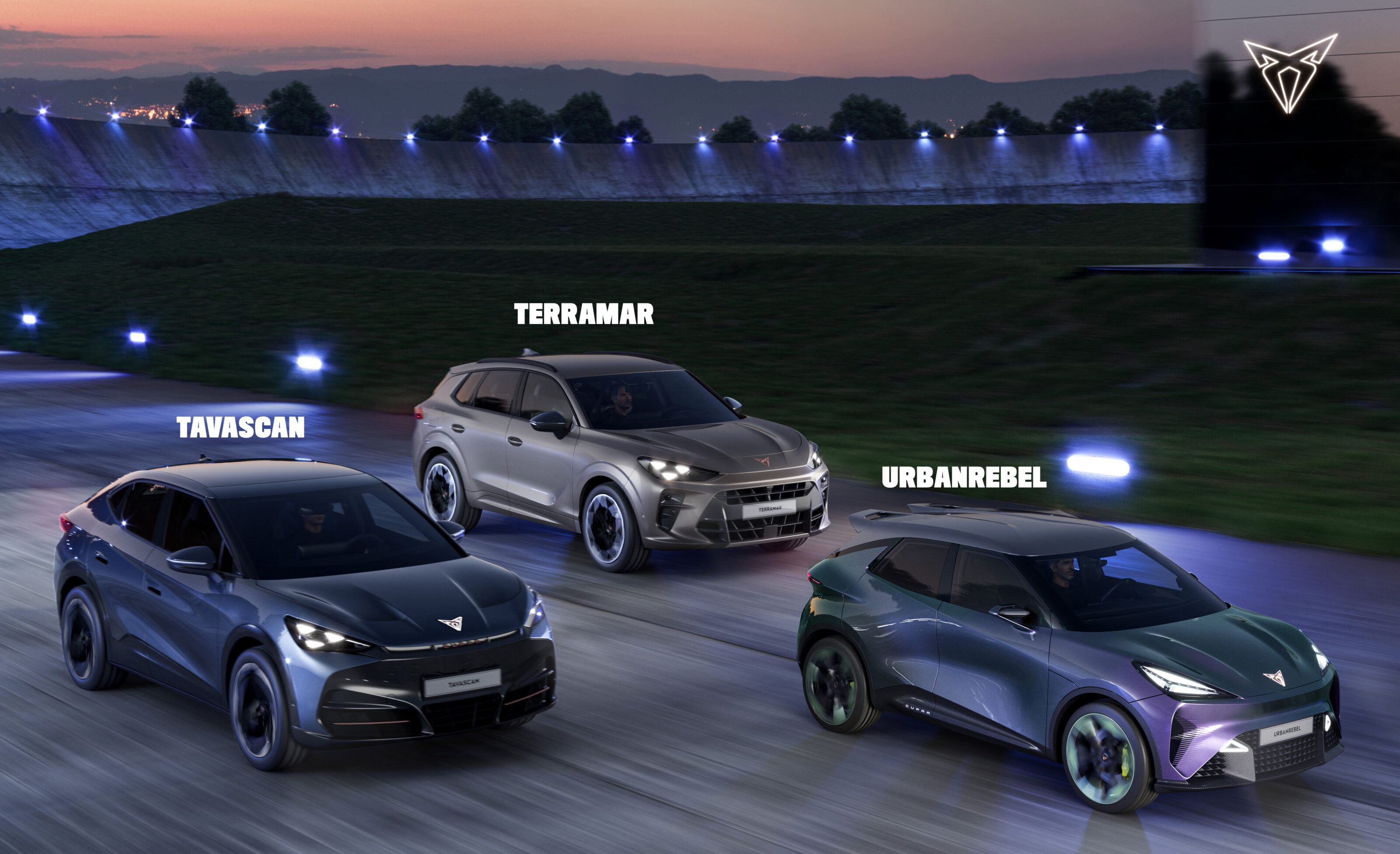
This means the Tavascan, which is based on the dedicated MEB electric vehicle platform, will be exported out of China to markets such as Europe and Australia. It is expected to launch here in 2025.
Volkswagen is said to be currently working on its five-year financial plan to determine where its new models will be produced and how much money to invest in these factories, with the decisions reportedly affected by its delayed software platforms.
Volkswagen’s software division, Cariad, has faced difficulty in developing the Group’s upcoming technology platform, which has delayed its vehicle launches, including the upcoming Porsche Macan EV.
Currently, a large proportion of electric vehicles sold in Australia are manufactured in the world’s most populous nation, including; the Tesla Model 3 and Model Y, BYD Atto 3, MG ZS EV, Polestar 2, Volvo XC40 and C40, and BMW iX3.
While Cupra has kept the Tavascan’s technical details under wraps, the 2019 concept was said to have a 77kWh battery pack and a dual-motor powertrain, with a 450-kilometre driving range.
Although it will be closely related to the Volkswagen ID.4, the Skoda Enyaq and both vehicles’ coupe-styled derivatives, its exterior design will be designed in-house by the Spanish brand.
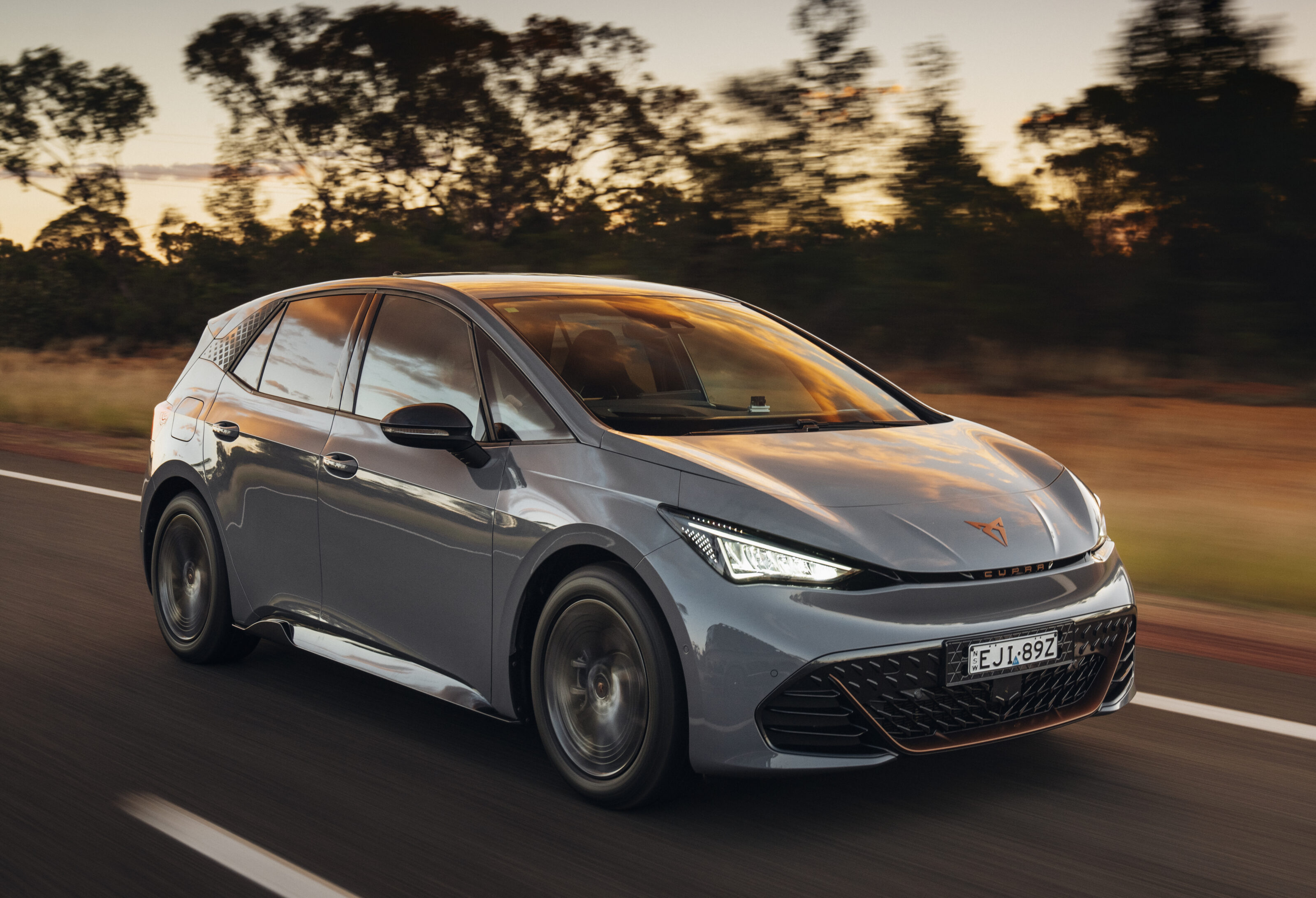
This is contrary to Cupra’s first EV, the Born hatchback, which will arrive in Australia in March or April with components shared with the Volkswagen ID.3, including its body pressings, drivetrains, and chassis technology.
Inside, the Tavascan will adopt the brand’s latest design language, with a ‘V shape spine’ curved instrument panel, a landscape-orientated centre console, and recycled materials.
The 2024 Cupra Tavascan is expected to debut in the next 12 to 18 months, ahead of its Australian launch in 2025.
Wednesday is usually ‘hump day’, but today it’s Hoonigan day, with the team of specialist stunt drivers applying yet more surgical precision for our entertainment.
In this latest clip, Travis Pastrana works a jet, a chopper, boats, a scoot-ski and 265km/h jumps into a 10-minute clip that’ll leave you wondering where you went wrong with your life.
Check it out below, and get our fave Hoonigan vids in the list further down.
Hoonigan’s greatest hits
Note: this story was first published in 2019, but we’ve added fresh vids to the list below
THE MISSION was simple: a few years ago as part of our June 2015 issue, we threw a bloke who hates driving on dirt into a hyped-up, crazed Citroen rally car, filmed a Ken Block-esque viral video and tried to break the internet.
The result, which you can read in our June 2015 issue here, was a dismal, yet hilarious, failure. So, rather than trying to beat the OG-HOONIGAN Ken Block at his own game, we thought we’d compile all of his greatest viral videos in one place for your viewing pleasure.
Sit back, crank the volume and let the madness begin.
Gymkhana One
This is ground zero, where the whole saga began. Gymkhana One featured Block’s built 2006 Subaru Impreza WRX STI at an old airfield. Chaos ensues, the internet catches hold, a legend is born.
Gymkhana Two
Gymkhana Two was designed to feature a few of Ken Block’s DC Shoes products, mimicking the form of an infomercial. The cinematography was a big step-up and so was the car, a Crawford Performance 422kW Impreza WRX STI.
Gymkhana Three
2010 was the year of change for Block and Gymkhana. First of all, he changed from using Subarus in the viral videos to Fords – now employing a 484kW 2011 Ford Fiesta. Secondly, the team set the video in Linas, France at an old autodrome. The anti-lag Ford Fiesta Gymkhana car was the start of a long partnership between Block and Ford Performance which continues to this day.
Gymkhana Four
The HOONIGAN team had to wind up at Hollywood at some point. Featuring more stunts than ever, 2011’s video once again featured Ken’s Fiesta smashing through walls, knocking over objects and of course, performing mammoth-sized jumps.
Gymkhana Five
Ken Block skids his way around the San Francisco skyline in 2012’s 100 million hit video.
Gymkhana Six
Gymkhana Seven
For the first time in years, Ken changed his car to a 1965 Ford Mustang in Gymkhana Seven. The fire-breathing methanol-injected V8 can be seen ripping up the concrete wonderland that is Los Angeles.
NOTE: The above video isn’t embedding correctly, but the ‘Watch on YouTube’ link works. Head to YT to check it out.
Gymkhana Eight
2016 saw the HOONIGAN crew head to Dubai to film Gymkhana Eight, once again using Block’s rally-spec Ford Fiesta as the ultimate whip-mobile.
NOTE: The above video isn’t embedding correctly, but the ‘Watch on YouTube’ link works. Head to YT to check it out.
Gymkhana Nine
The first outing for Ken’s 2017 Ford Focus RS RX, the ninth iteration of Gymkhana filmed in Detroit, Michigan has the most daring stunts to date, most notably a game of ‘chicken’ with a diesel train.
Gymkhana Ten
Gymkhana Ten is the most unbelievable film to date, with the planning taking over two years and filming in multiple countries like Sweden, United States and Mexico. The full film goes for almost 20 minutes and rest assured, each second is worth watching.
Climbkhana: Pikes Peak
Climbkhana features death-defying slides with Version 2 of Ken’s Hoonicorn Ford Mustang, fitted with a methanol-injected, twin-turbo 1043kW V8.
Climbkhana 2: China’s Tianmen Mountain
Gymkhana 2020: Pastrana takeover
Eletrickhana
After a new Isuzu, but not sure how long you’ll have to wait?
Issues such as semiconductor chip shortages, shipping problems and sickness and isolation have affected the ability of manufacturers like Isuzu to keep their production lines going over the last two years.
As such, all of the Japanese brand’s models are currently experiencing some delays.
However, some models are in greater supply than others, with flexibility around powertrains, specification and vehicle colour likely to see a vehicle in your driveway sooner.
UPDATE, October: MY23 D-Max pricing announced
The updated 2023 D-Max has been detailed, with tweaks to styling, equipment and engine options. Get the full story at the link below. We’ll be driving the updated models as soon as they reach Australia, but mechanically they’re largely unchanged.
Story continues
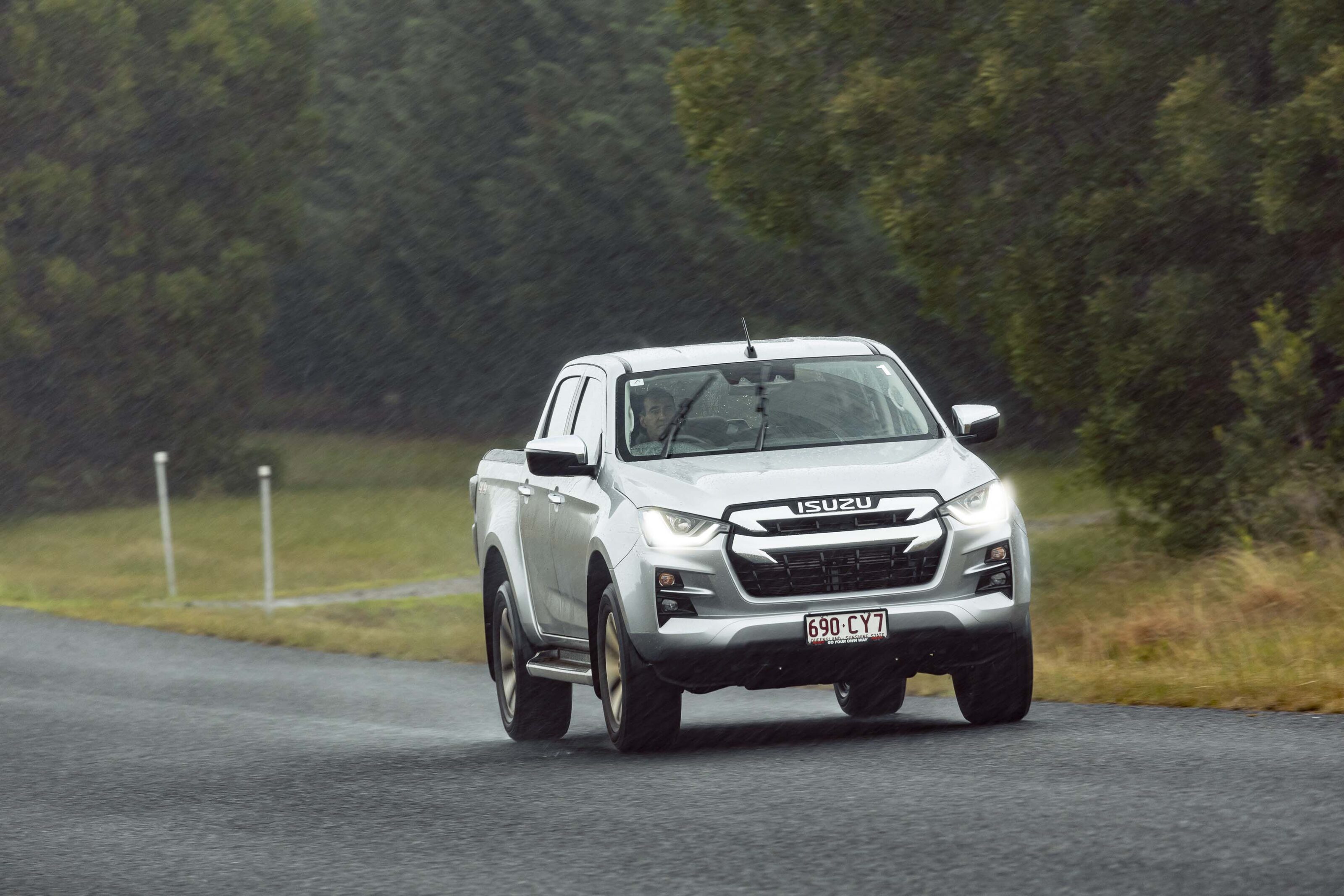
Overall, according to Price My Car, the average wait time in December for an Isuzu was 205 days – compared to 169 days in January 2022.
The quickest to get hold of is the D-Max ute, but even that’s not a short wait at 161 days. To take delivery of the MU-X SUV, expect an average delay of 248 days.
Isuzu model wait times 2022
| Model | Wait time |
|---|---|
| D-Max | 161 days |
| MU-X | 248 days |
NOTE: This information is current as of December 7, 2022. This article will be reviewed and amended as new details come to light.
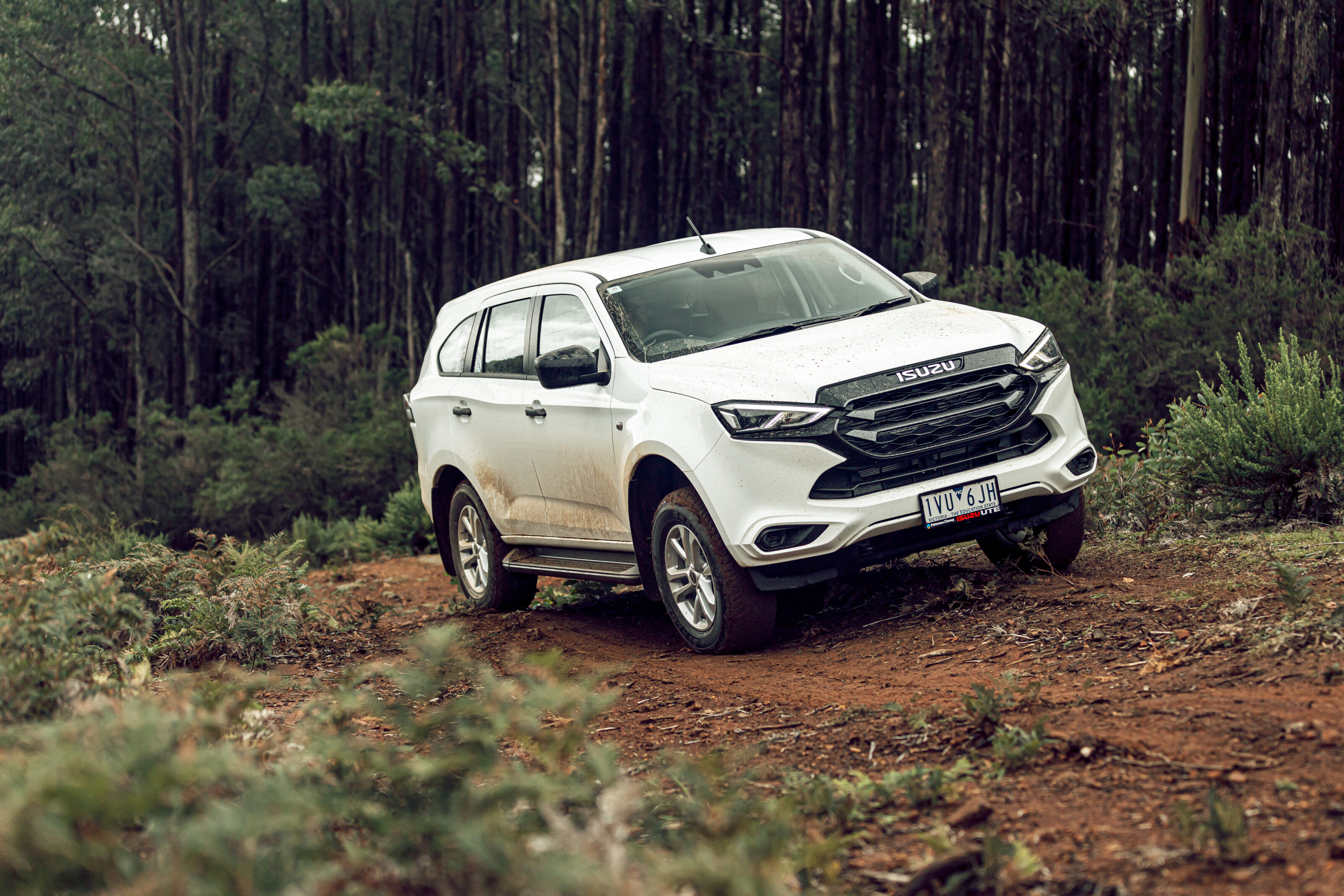
A spokesperson for Isuzu Ute Australia (IUA) told us: “Wait time on the Isuzu D-Max and MU-X depends on vehicle specification, colour and accessories ordered. Some models are available and in stock currently, while there continues to be ongoing supply delays, especially on certain higher grade models.
“The supply delays are mainly due to the unprecedented levels of demand and vehicle component supply delays caused by the global semiconductor shortage and ongoing COVID-19 pandemic.
“IUA and all related parties continue to follow up this matter and we remain committed to keeping dealers informed on their vehicle orders, so they can pass this information onto their customers as quickly as possible.”
With all of the above in mind, it is important to consider this article a guide only.
Volkswagen Australia says the new-generation Amarok will be priced to match its positioning as a premium ute.
The German brand’s second-generation ute will arrive in April, launching first with its three most expensive trim grades to satisfy the biggest area of customer demand.
Pricing is still being finalised, but at this week’s global launch of the dual-cab ute in South Africa the company provided hints of how the Amarok would be positioned in a segment that includes its twin, the Ford Ranger.
December 7: NEW AMAROK DRIVEN! Words & Video
We’ve finally driven the new-gen 2023 Volkswagen Amarok, with Jez jetting (Jet jezzing?) to South Africa for a world’s-first spin in the new ute. Get our full story below.
Story continues
Volkswagen Amarok: “Premium ute” set to cost $80,000+ in flagship form
VW Australia said the mid-range Style – forecasted to be the most popular Amarok – will be priced “just above the previous Amarok Highline”, which cost from $63,490.
The PanAmericana variant, which is being positioned as the off-road-focused side of a dual-flagship approach, is expected to cost between $75,000 and $80,000.
The road-focused Aventura will comfortably surpass the $73,990 (before on-roads) of the previous version and is set to exceed $80,000. The $81,490 Walkinshaw-badged W580S was previously the most expensive Amarok offered.
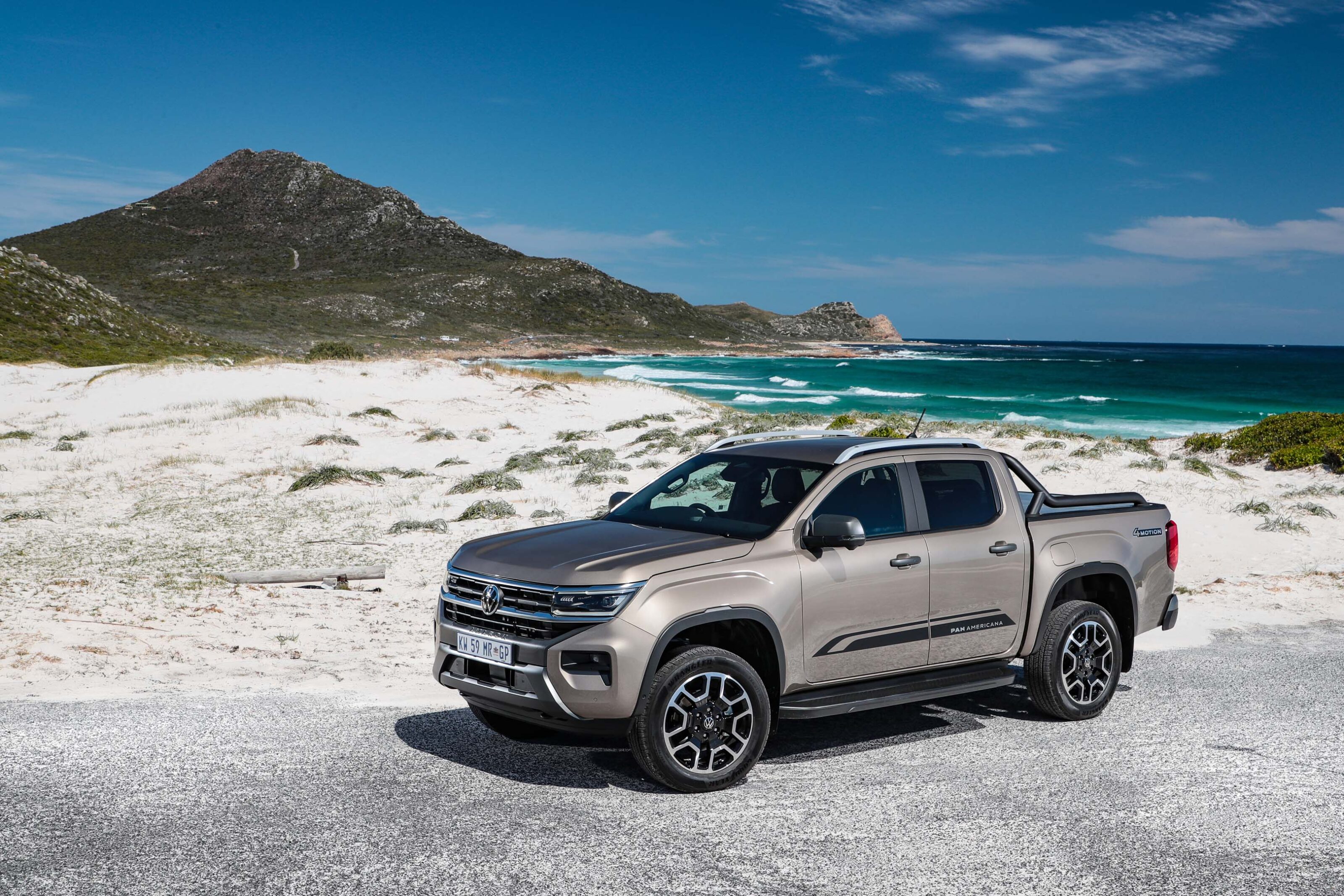
Core and Life variants that kick off the range will arrive shortly after, in May or June.
Volkswagen Australia is focusing solely on the dual-cab 4W Amarok, ignoring the cab-chassis and single-cab versions that will be offered in other markets.
“There will certainly be a price bump,” said VW Australia product planner for commercial vehicles, James Thompson. “It’s not going to be a luxury ute [in price]. We will still be competitive. But the Amarok is the most premium ute [in the segment], and we think we have the premium product to justify that [higher pricing].
“People are happy to pay extra if they can see the high value in the product.
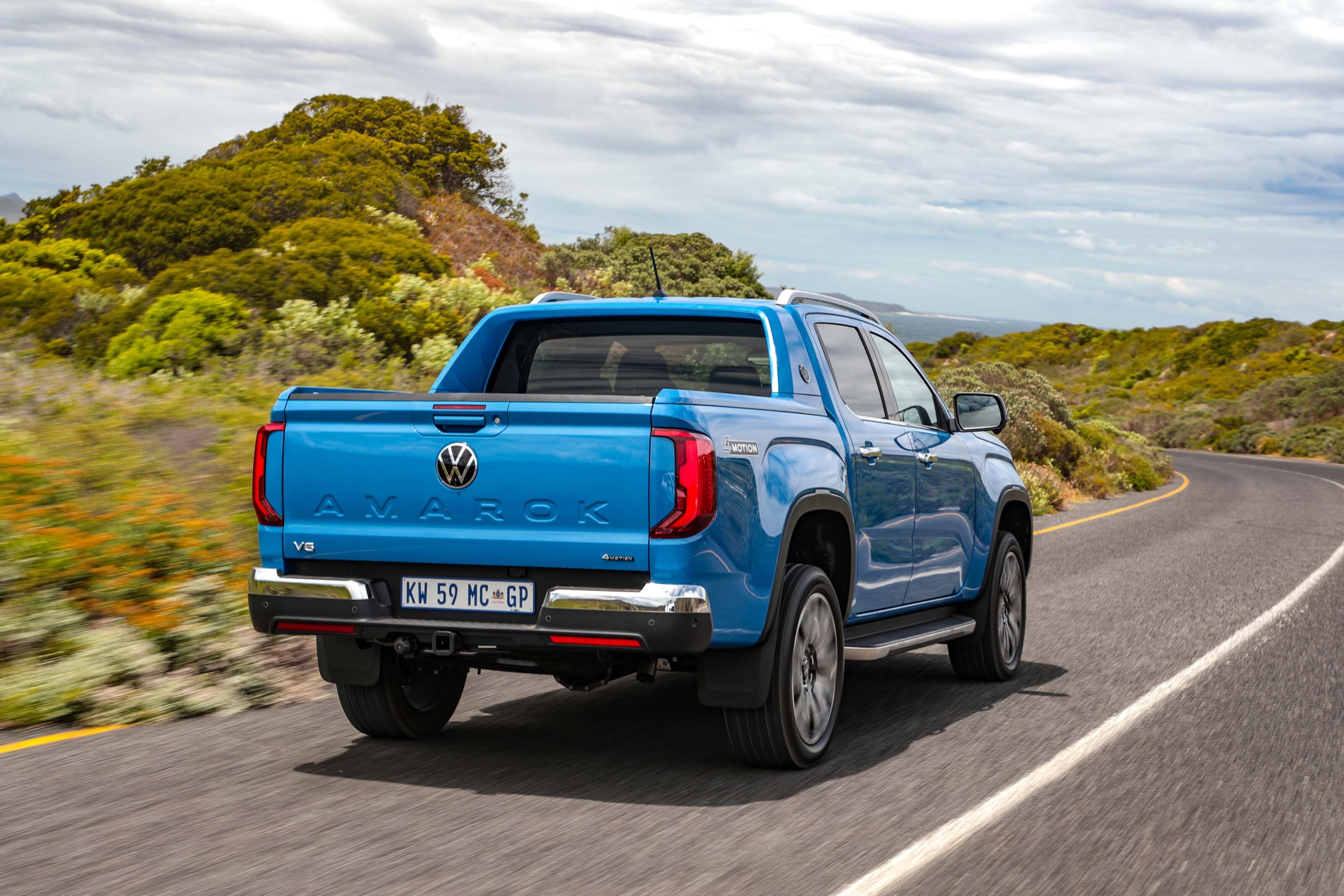
“From the outset, we went through a premium [positioning] strategy. [Our Amarok customers] don’t want 100 different options, they want a high-spec vehicle.
Thompson said buyers preferred to spend extra money on major accessories.
Volkswagen’s pricing strategy isn’t helped by the Amarok’s production location in South Africa, which incurs a five per cent import tariff where Ford Australia benefits from a free trade agreement with Thailand where the Ranger is built.
Volkswagen says between 2020 and 2022 the percentage of Amarok buyers opting for high-grade variants increased from 58 to 78.
Even the base Core has a strong list of standard features, including LED headlights, 17-inch alloy wheels, wireless phone charging, 10-inch infotainment screen, 8.0-inch driver display, towbar with brake controller, adaptive cruise control, lane-keeping aids, rear parking sensors, speed-limit notification, and nine airbags (five more than the previous Amarok).
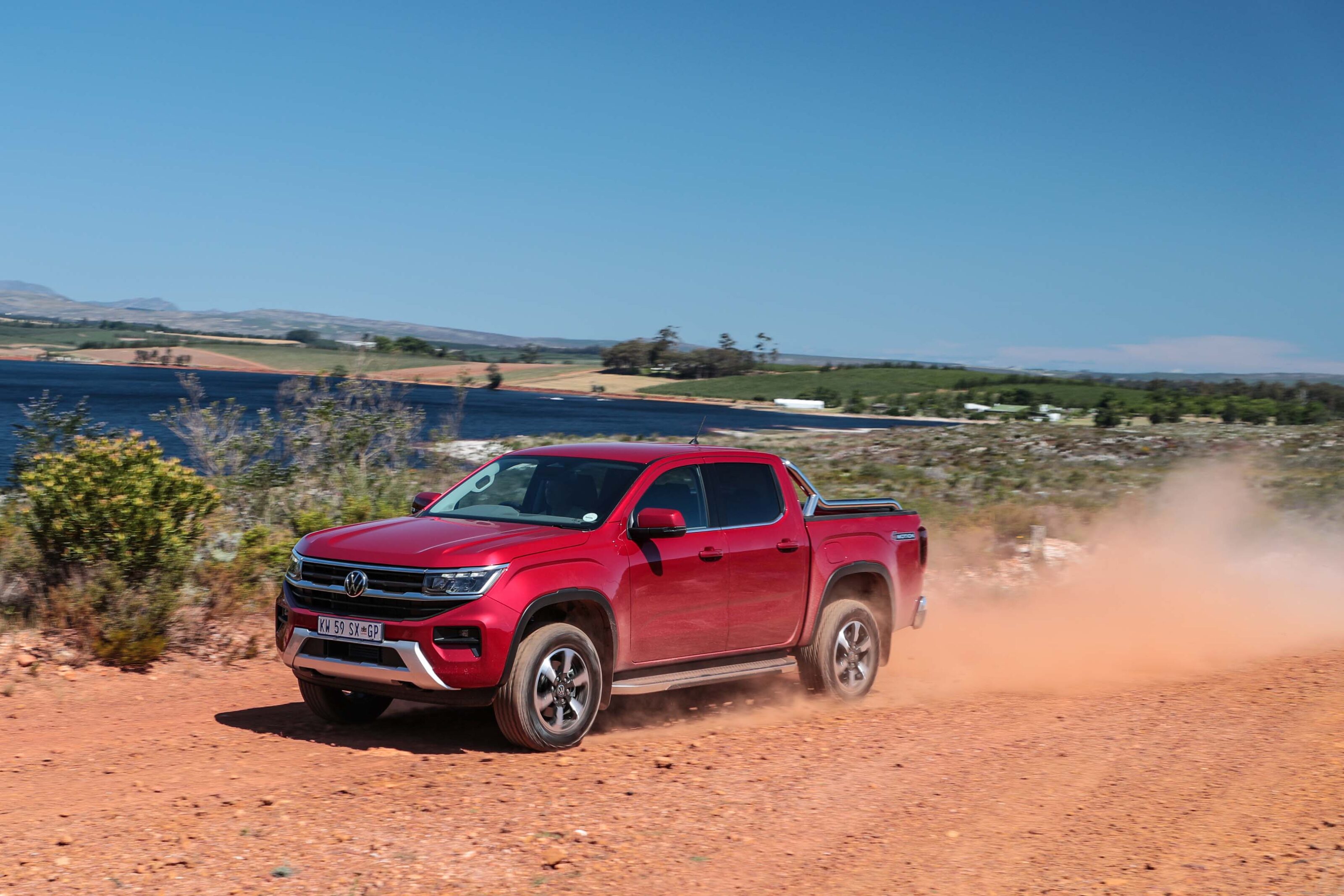
Style, PanAmaricana and Aventura models gain plusher interiors, including artificial leather for the upper dash and door areas, and upholstery ranging from faux suede to perforated leather.
The mid-range Style also introduces notable features such as; matrix LED headlights, faux-suede seats, heated front seats with electric driver’s adjustment, 360-degree camera, keyless entry and start, stainless-steel sports bar.
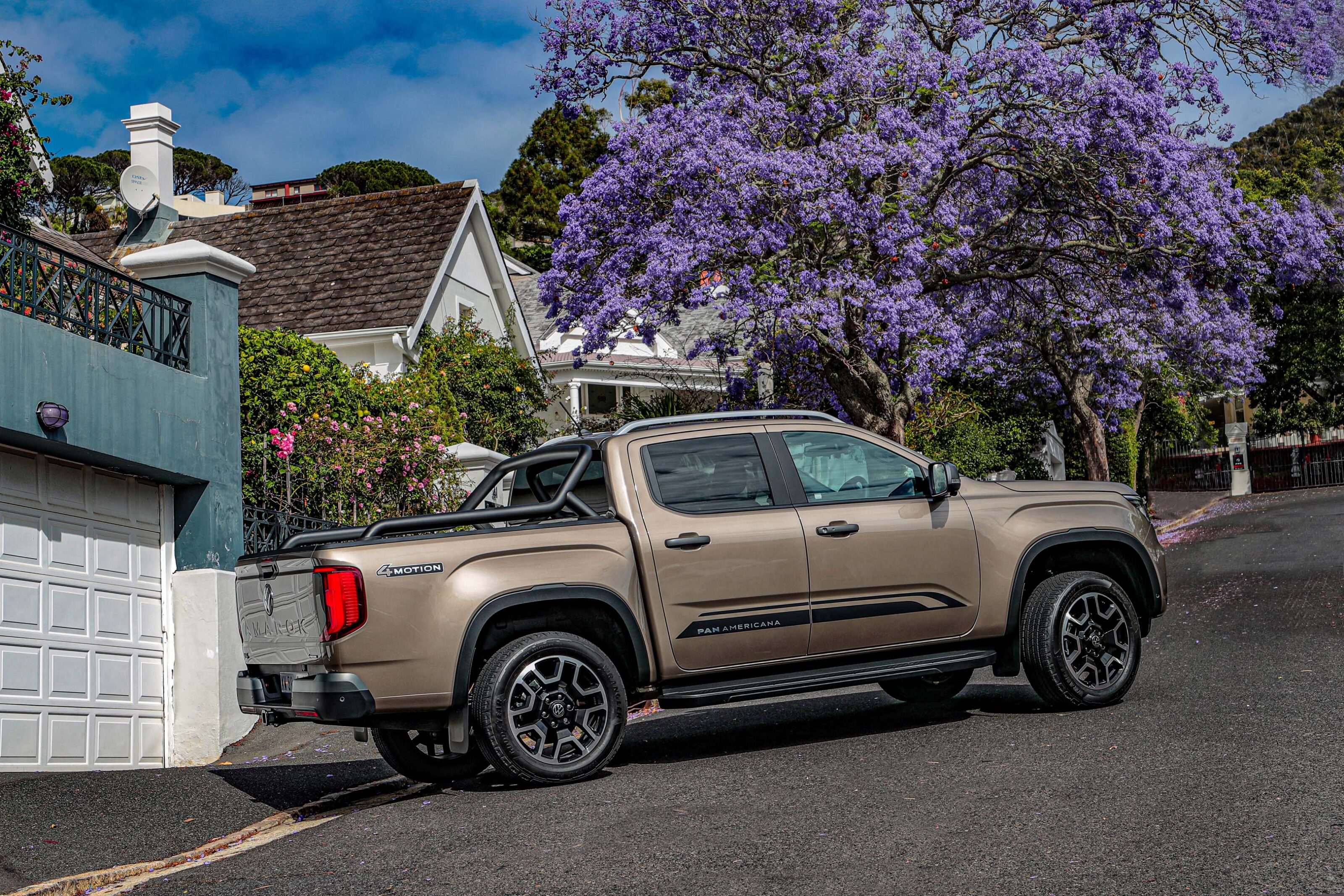
PanAmericana adds LED tail-lights, black sports bar, all-terrain tyres, leather upholstery, power front seats, tonneau cover, and Harman Kardon audio system.
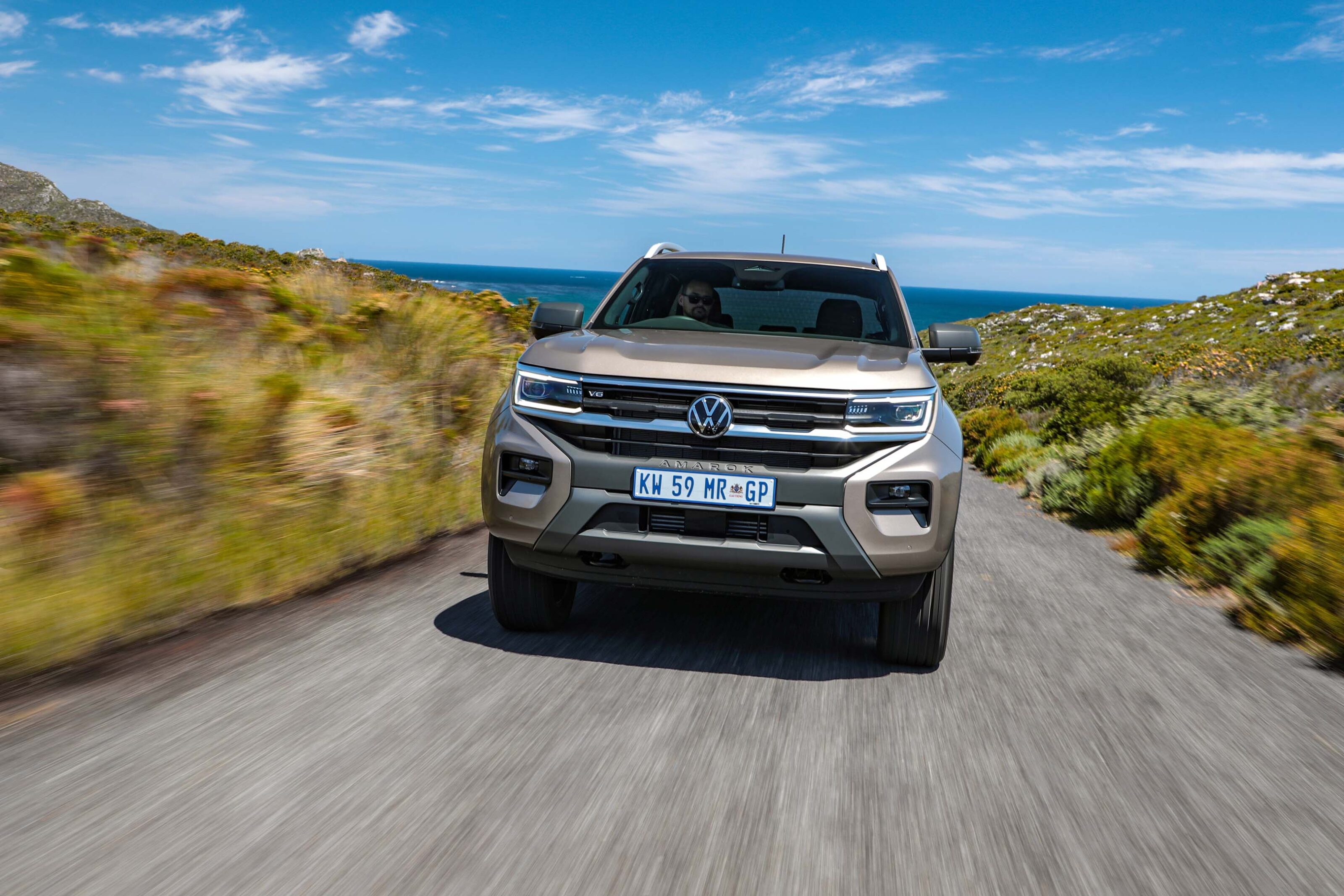
The Aventura gains ‘Savona’ leather, chrome exterior elements, body-coloured sailplane, electronic roll cover, and 21-inch alloy wheels.
A variety of diesel engines are offered depending on trim grade, with the Aventura also getting the option of a twin-turbo four-cylinder petrol.
Ford charges an additional $3000 for a 3.0L V6 turbo diesel over the Ranger’s standard twin-turbo 2.0L diesel and Thompson says it will apply a similar premium to the same engines on the Amarok.
There may be no difference in price between the V6 diesel and twin-turbo petrol options offered exclusively on the Aventura. Volkswagen expects the diesel to be more popular by a ratio of two to one.
Australia will be the number one market in the world for Amarok sales.
The Amarok is expected to resume its status as the best-selling Volkswagen in Australia after it was outsold by the T-Cross compact SUV in 2021.
? MORE 2023 AMAROK
Get all of our latest stories in one handy place, with our Everything You Need to Know article at the link below.
Snapshot
- Electric SUV needed to justify investment in electric Amarok
- VW’s Scout EV brand focused on US market
- Would be based on an as-yet-confirmed electric Ford Everest
Volkswagen is considering a battery-electric SUV based on the Amarok ute after previously deciding against its own version of the Ranger-based Ford Everest.
The second-generation Amarok was co-developed with the latest Ford Ranger that again spawned a Ford Everest large SUV.
The potential change of heart has been driven by ultra-strict emissions regulations that the European Commission wants to introduce in July 2025.
December 7: NEW AMAROK DRIVEN! Words & Video
We’ve finally driven the new-gen 2023 Volkswagen Amarok, with Jez jetting (Jet jezzing?) to South Africa for a world’s-first spin in the new ute. Get our full story below.
Story continues
VW: Electric Volkswagen Amarok SUV needed to justify any battery ute
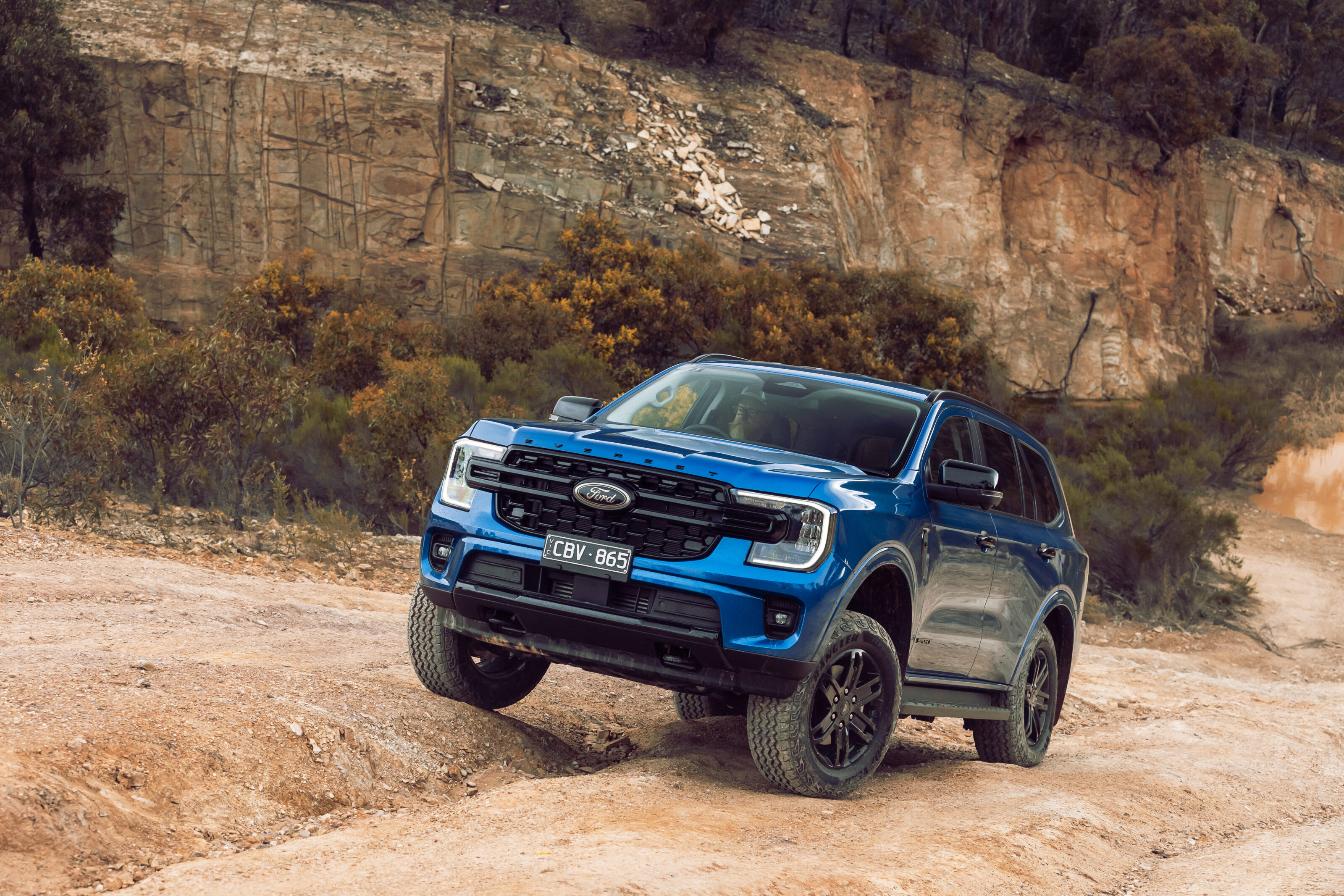
VW is planning an electric version of its Amarok ute and the company says an SUV spin-off for its passenger-car division would be vital for the business case.
“[A rugged wagon-body vehicle] was not a scope of the previous [commercial vehicle partnership] negotiations [with Ford], so it was really what we were telling them we are not interested in [that style of vehicle],” said Petr Sulc, a senior member of VW’s global product management team
“[But] I can imagine that if we should approach [Ford] for the battery-electric vehicle, that [the SUV] is having sense.
“Why? Because you will not be able to fulfil the volume requirement to utilise the investment only with one type of the car.
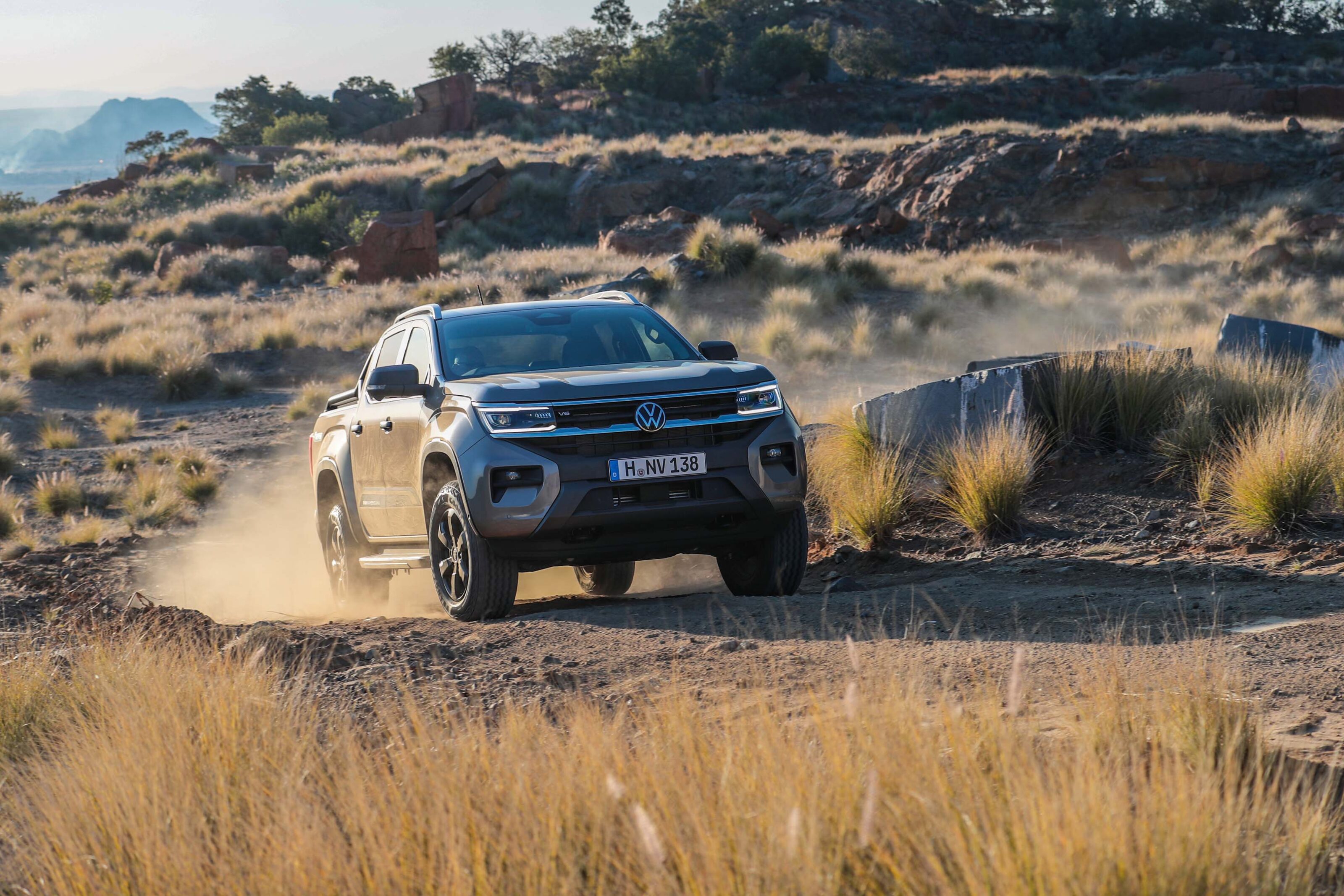
“If you have a look at Everest and Ranger, they are 80 per cent similar. The front and side are the same, the platform is the same. You are having the better [production and sales] scale if you offer two areas [of segment].”
It would invariably mean there would also need to be an electric Ford Everest, though Ford Australia has remained coy about electrified versions of its locally developed SUV and its Ranger ute twin.
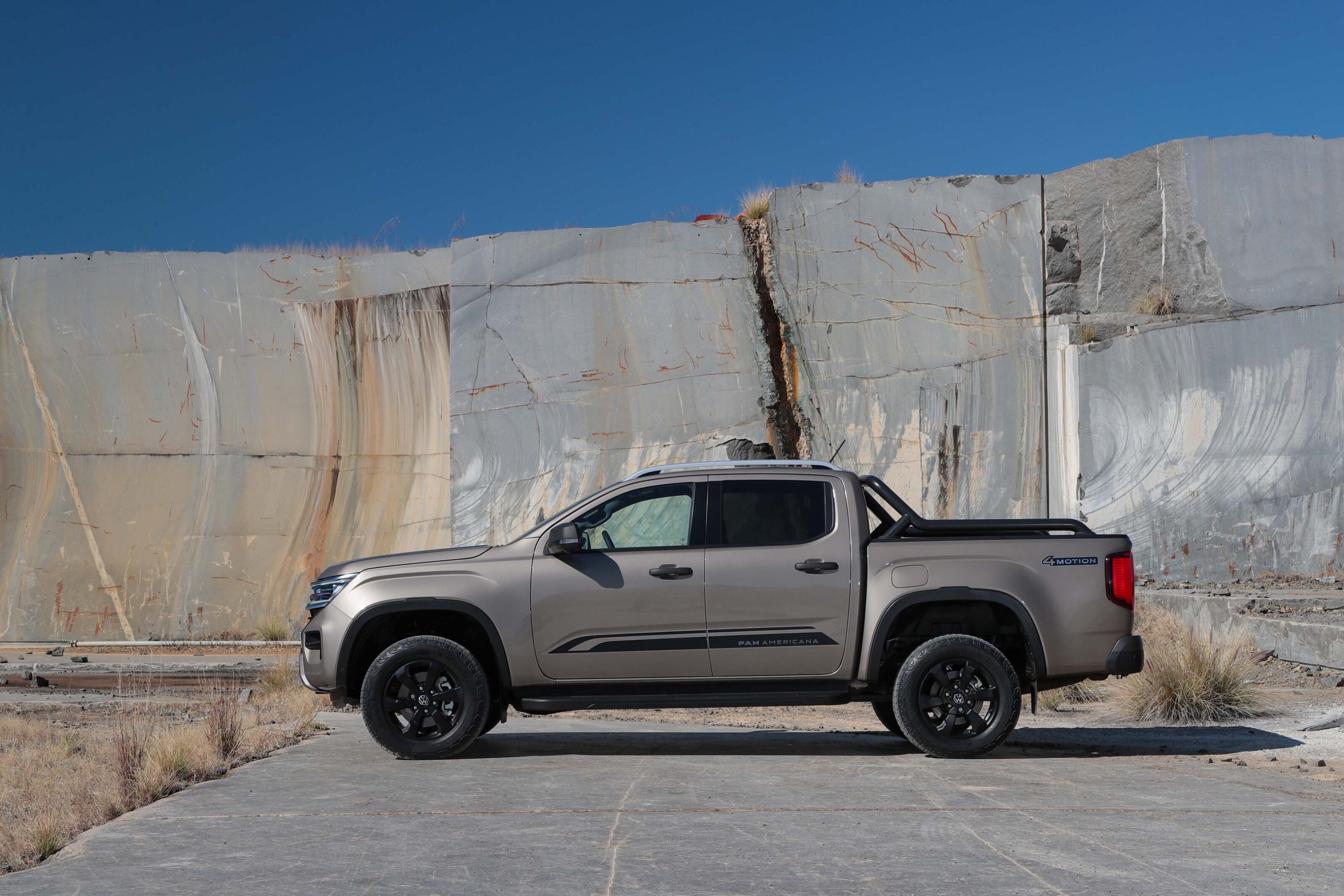
The VW Group has recently announced a revival of the Scout 4WD brand, which will produce electric utes and SUVs in North America, likely using a third party. Sulc, however, said Scout was a specific strategy for the US market where Volkswagen has struggled for market share.
“The approach of this Scout [brand] is really to come to the US market, because it is for us something completely new,” he said. “We have never had any pick-up in the [North American] pickup market. It was the kind of the dream.
“The problem of the US market [for car makers] is that in the C segment [full-size pick-up category featuring likes of Ford F-150] they are very patriotic, and the Americans are not willing to buy anything that is not produced in US. So, this is the reason that I think that if you would really progress with our transformation and to bring more volumes for US, we should go the direction of Scout and the C pick-up.
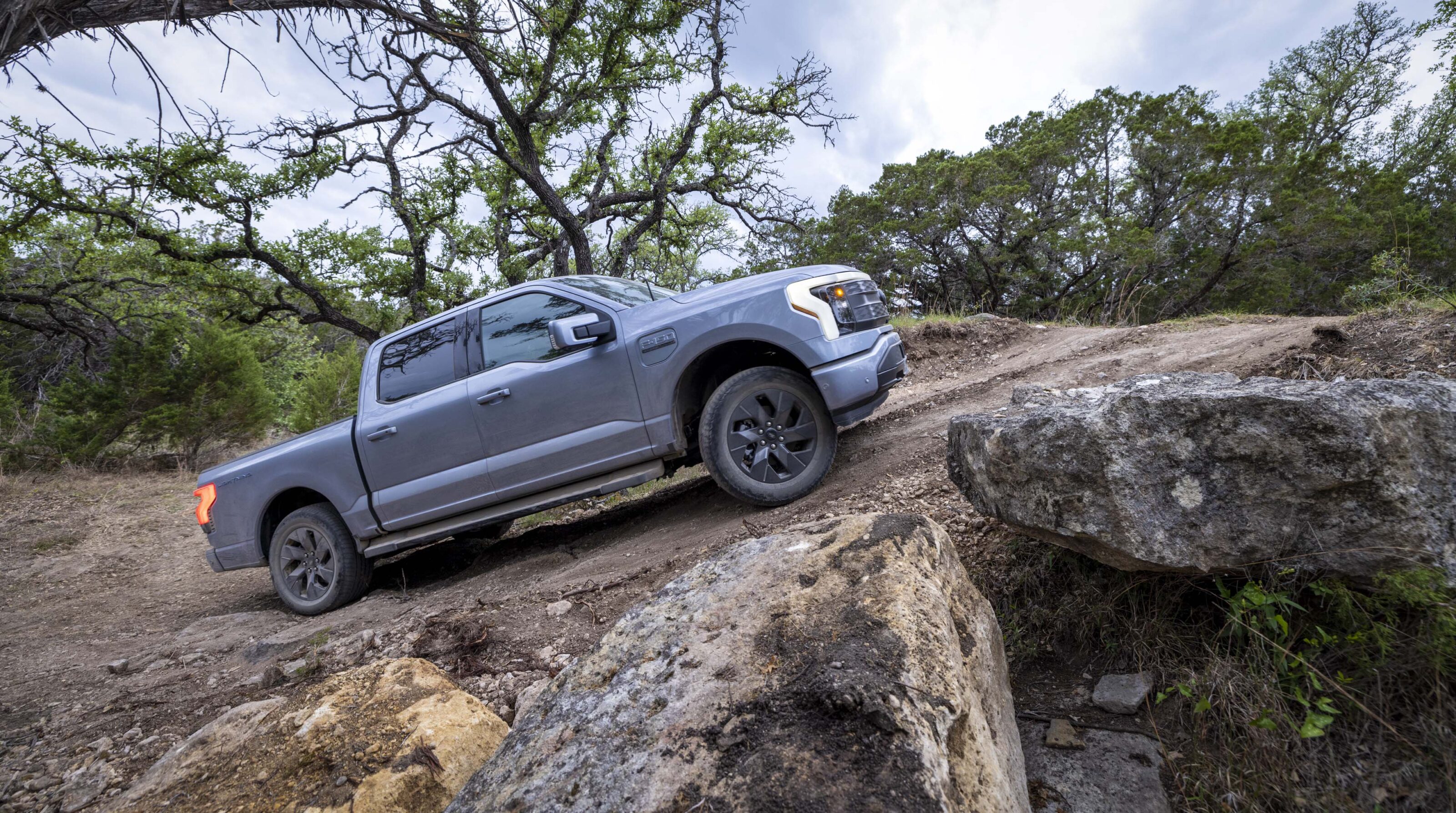
“In the B-segment [Ford Ranger mid-sized pick-up category], Americans are more open-minded to foreign manufacturers, but to develop a completely new ladderframe car is not a simple job. And now that the Scout brand now has the clear task to focus on the C segment, I’m not sure if they will have a lot of capacity for also developing the B segment.”
Asked if there was any potential for a third-generation Amarok to be derived from a Scout model, Sulc said there were additional complexities, such as European import taxes applied to vehicles built in the US.
This would be less of an issue for Australian imports thanks to our free trade agreement with the US.
? MORE 2023 AMAROK
Get all of our latest stories in one handy place, with our Everything You Need to Know article at the link below.
