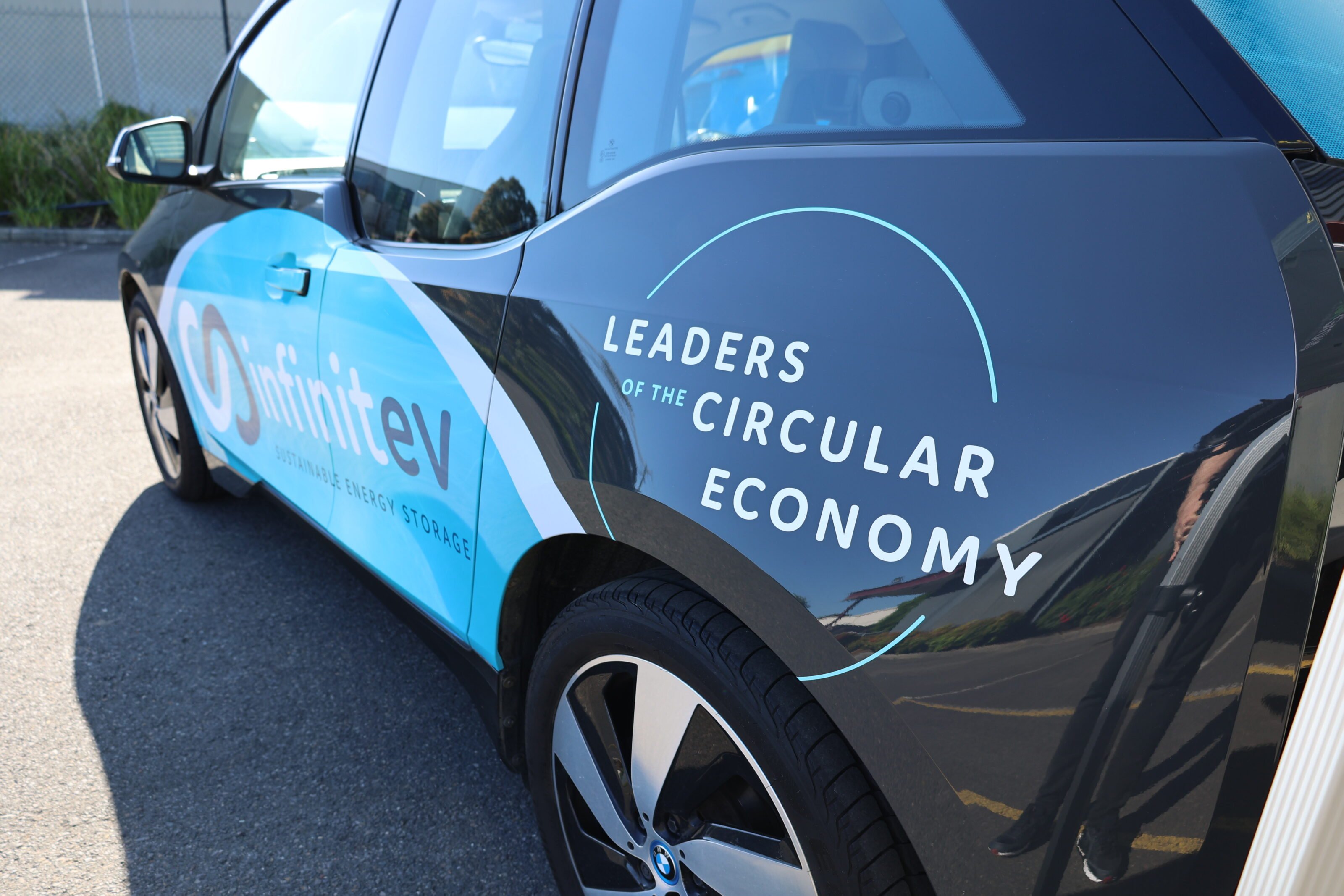
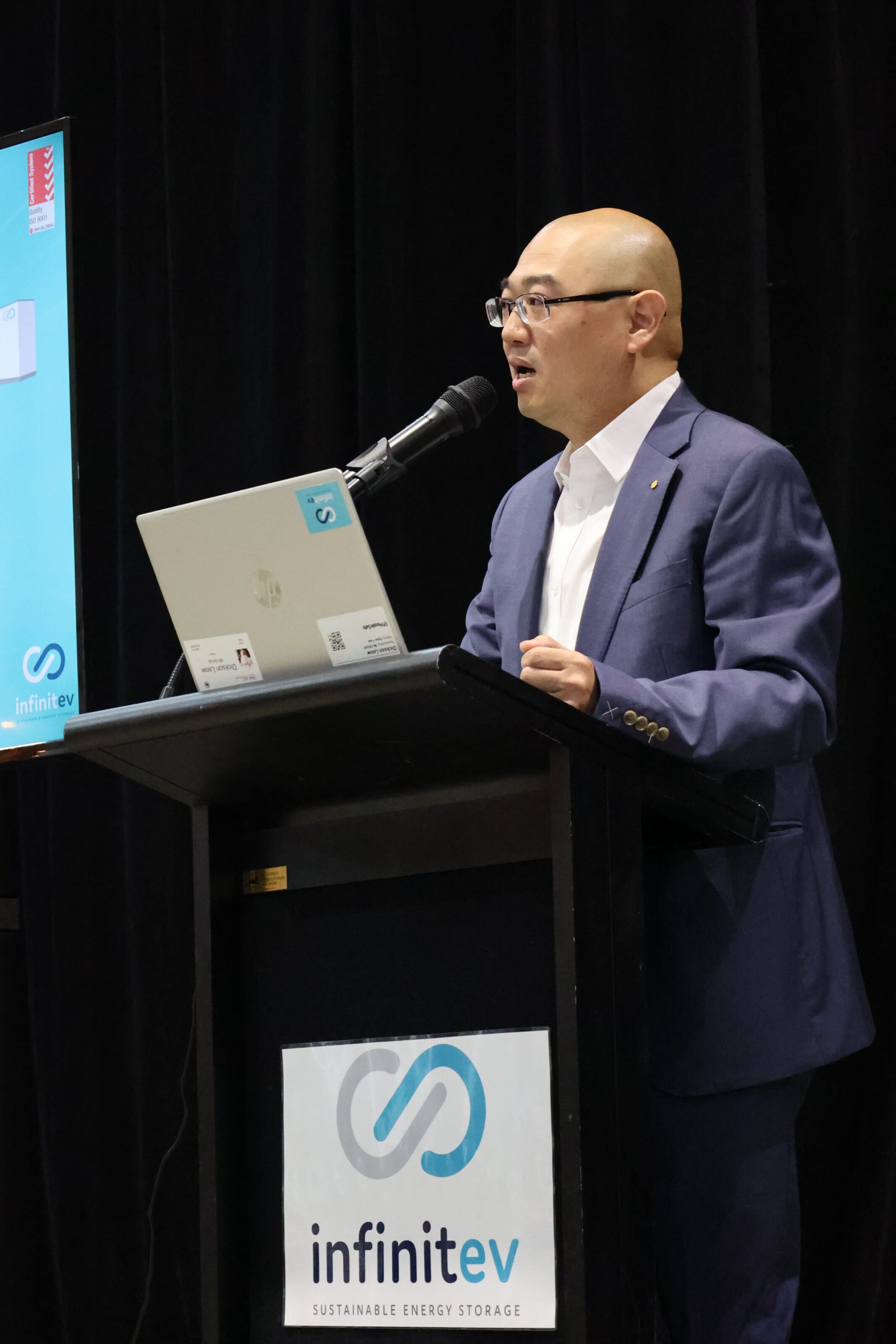
Melbourne-based firm IM Group – owned by GUD Holdings – has launched Infinitev, a service designed to reuse, repurpose or recycle end-of-life hybrid and electric vehicle batteries.
GUD Holdings is the parent company of well-known aftermarket brands in the automotive industry, including Ryco Filters, Wesfil, Narva and its sister IM Group brand, Injectronics.
Infinitev says approximately one per cent of lithium is currently recycled, with most electric vehicle batteries faulting after losing about 20 to 30 per cent of capacity, usually due to an issue with individual cells rather than the whole unit.
It aims to become a front-runner in the electric vehicle marketplace by providing a ‘circular economy’ to reduce waste.
Following a two-year pilot program assisted by funding from Sustainability Victoria, the company will provide three service programs – reuse, repurpose or recycle – to manufacturers, dealerships and independent workshops by March 2024.
With strong hybrid vehicle adoption in Australia since the launch of the Honda Insight and Toyota Prius two decades ago, Infinitev aims to remanufacture the retired battery packs to provide a second life, if not longer.
To the end of June 2021, Toyota has sold more than 210,817 hybrid vehicles in Australia, with strong demand for electrified powertrains in the RAV4 and Corolla line-up in recent times.
Year to date, more than 71,000 hybrid and plug-in hybrid vehicles – and around 23,800 all-electric cars – have been registered in 2022.
“Workshops are progressively seeing hybrid and electric vehicles arriving for service and repair,” said Infinitev.
While most vehicle manufacturers warrant high-voltage components for eight years, general manager Dickson Leow said the average fail point is between six and eight years.
The reuse program aims to identify and replace the failed components within a battery pack to ensure the battery management system (BMS) is happy once again, with most vehicles registering a fault when the battery health drops below 70 per cent.
“When we say it is 70 per cent, so if you imagine … a battery pack may have about 30 modules, just for example. Now, when the system tells you that you have 70 per cent, it’s essentially a number of those packs have failed,” added Mr Leow.
1
“Thirty per cent of those packs within the modules, if you like, may have failed or [could] be a bit low… and the classification of fail is that they are below the criteria.
“If we take on those packs and we assess them. As I mentioned, we’ll go through our collaboration using our diagnostics, computer algorithms and what have you. We know and can identify which of those modules are under specification. We will replace those modules within the pack.
“And what we do is we will again try to rebalance and reassess them, and to be able to talk to the BMS.”
How much does an electric car battery cost?
As for the cost, it is expected to incur a saving over a replacement OEM battery from a vehicle dealership, with the option between a comparable aftermarket unit or remanufacturing the existing unit.
1
“If you’re a hybrid owner, right? You’ve got your [Prius]… if you go to an OEM for a new battery, it will cost you around $3000 fitted. For us, if you give us a call you’ll be around $2500 fully fitted,” said Mr Leow.
While a brand-new aftermarket battery is covered by a three-year/200,000-kilometre warranty, the remanufactured unit is only covered for 40,000 kilometres.
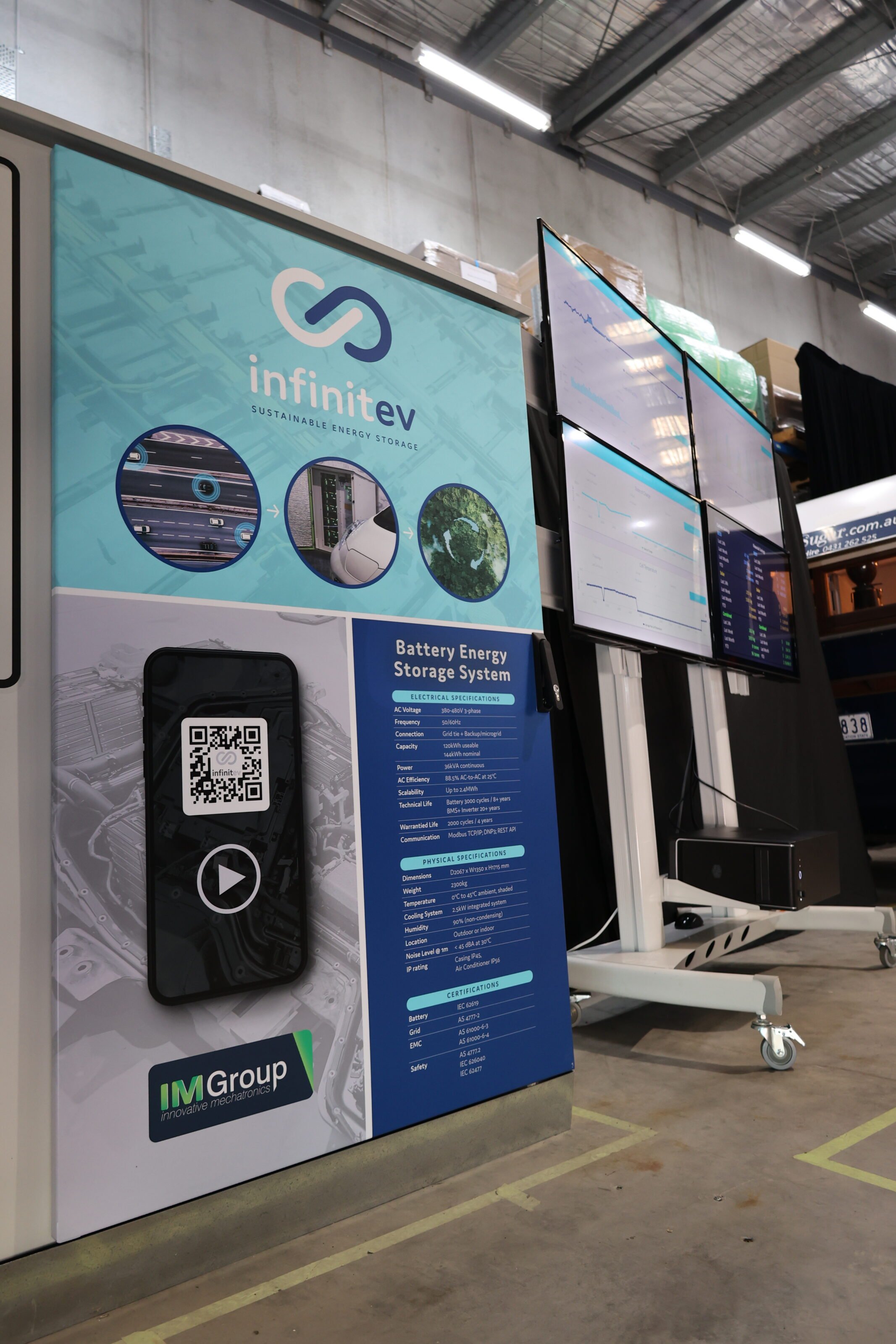
If a battery is no longer suitable for vehicle application, Infinitev has developed its Battery Energy Storage System – a large 3-phase industrial-grade energy system built from repurposed electric vehicle batteries.
1
It will support commercial and industrial businesses, with an integrated AC-coupled design with the flexibility to scale between 50kWh – enough to power a household – and 2.4MWh.
With emergency storage, peak shaving and energy arbitrage capabilities, the company says it could save $18,500 per year when coupled with solar power, or $4025 without.
In addition, Infinitev said its energy storage system could theoretically save 48.2 tonnes of carbon dioxide equivalent per year.
If the only option is to ‘discard’ an end-of-life battery, the company will facilitate with its industry partners to recover the valuable materials used to create new batteries, such as lithium, nickel and cobalt.
1
“The hybrid was growing from… for the first six months for probably about 2-3 units a month and then over the last 18 months we’ve now grown to about 40-50 units a month, and that is expected to grow to about 60-80 units a month,” said Mr Leow.
“This will be very, very similar trajectory… as the uptake of EV comes on.”
IM Group is based in Melbourne’s south-east, with plans to relocate to a new facility as the demand for remanufactured electric vehicle batteries ramps up.
More EV stories to help you choose the best car for your needs
UPDATE: Watch our quick video tour ahead of our full prototype review
Our guy Dan Gardner is out driving a prototype version of the new Lexus RZ electric SUV today, and he’s sent through a quick video tour of the car. It’s a mighty windy time out in Altona, though, so please forgive the noise.
We’re keen to know what you think of the RZ, so jump into the comments here or on Instagram to let us know!
October: RZ 450e confirmed for Australia
Key Points
Lexus has showcased the design of its RZ 450e electric SUV
Same e-TNGA underpinnings as the Toyota bZ4X and Subaru Solterra
Australian launch confirmed for mid-2023
The 2023 Lexus RZ 450e electric vehicle is confirmed for Australia, the company announced today, and due to arrive locally by mid-next year.
The model is expected to make its Australian debut though at next week’s Melbourne Cup, with race-goers attending the Lexus Pavilion given a sneak peak of the marque’s first dedicated EV.
“Our customers have been excited by the RZ ever since its global reveal back in April,” said Lexus Australia Chief Executive John Pappas.
1
“The RZ expands our portfolio of electrified vehicles, moving Lexus ever closer to our ultimate goal of a sustainable society.”
Lexus claims the driving range to be roughly 450 kilometres, with further pricing and specification expected closer to launch.
The RZ 450e takes the Lexus electric portfolio to nine vehicles, joining six hybrids, the NX 450h+ plug-in hybrid and the fully-electric UX 300e.
Read on for more in our original reveal story below.
Another new electric SUV has entered the fray, with today’s official reveal of the 2023 Lexus RZ 450e electric SUV.
The new model’s exterior design was first revealed in December, but this unveiling brings confirmation of key technical details.
One critical figure confirmed today, although only as an estimate, is driving range: 400 kilometres. Not industry-best figures, but at least in the neighbourhood of what buyers are likely to consider a bare minimum.
We can still only speculate on battery size, motor power and performance, but it’s likely the RZ 450e will at least match or better the 160kW dual-motor powertrain found in its platform mates, the Toyota bZ4X and Subaru Solterra twins.
Indeed, Lexus confirms a dual-motor design through the detailing of its Direct4 electric all-wheel drive system, featuring drive motors at both ends.
At launch and in straight-line acceleration, Direct4 uses a front-to-rear drive-force ratio between 60:40 and 40:60 to reduce vehicle pitch. Bias shifts to the front wheels, at between 50 and 75 per cent, while corner exit moves bias to the rear wheels at between 50 to 80 per cent.
1
As the likely more expensive offering in a range that could eventually open with a ‘300’ or ‘350’ model, Lexus could also give the RZ 450e an extra hit – with the option to use the LF-Z concept‘s dual 150kW motor setup for a combined 300kW and 600Nm.
(Overseas reports suggest the RZ 450e will get a 150kW front motor and an 80kW rear motor, but no Lexus press materials have confirmed these numbers.)
The LF-Z, revealed last year as a precursor to the RZ we see today, claimed a 0-100km/h time of just 3.0 seconds – although it also promised a WLTP-certified driving range of 600 kilometres from a 90kWh battery pack.
As with its cheaper Toyota and Subaru siblings, the RZ is built on the EV-focused version of the group’s new model architecture, in this case dubbed e-TNGA.
1
Lexus has yet to detail capacity for its battery pack, but it has confirmed a brand-first application of carbide elements in its inverters. The company claims a battery capacity retention rate of “at least” 90 per cent after 10 years, although what that converts to in distance travelled is unclear. The average Australian motorist travels 14,000km per year, which comes to 140,000km over 10 years. By comparison, Tesla claims its battery pack should still have 90 per cent capacity retention after 320,000km of usage.
(Also, again, overseas reports point to the same 71.4kWh battery that features in the bZ4x and Solterra.)
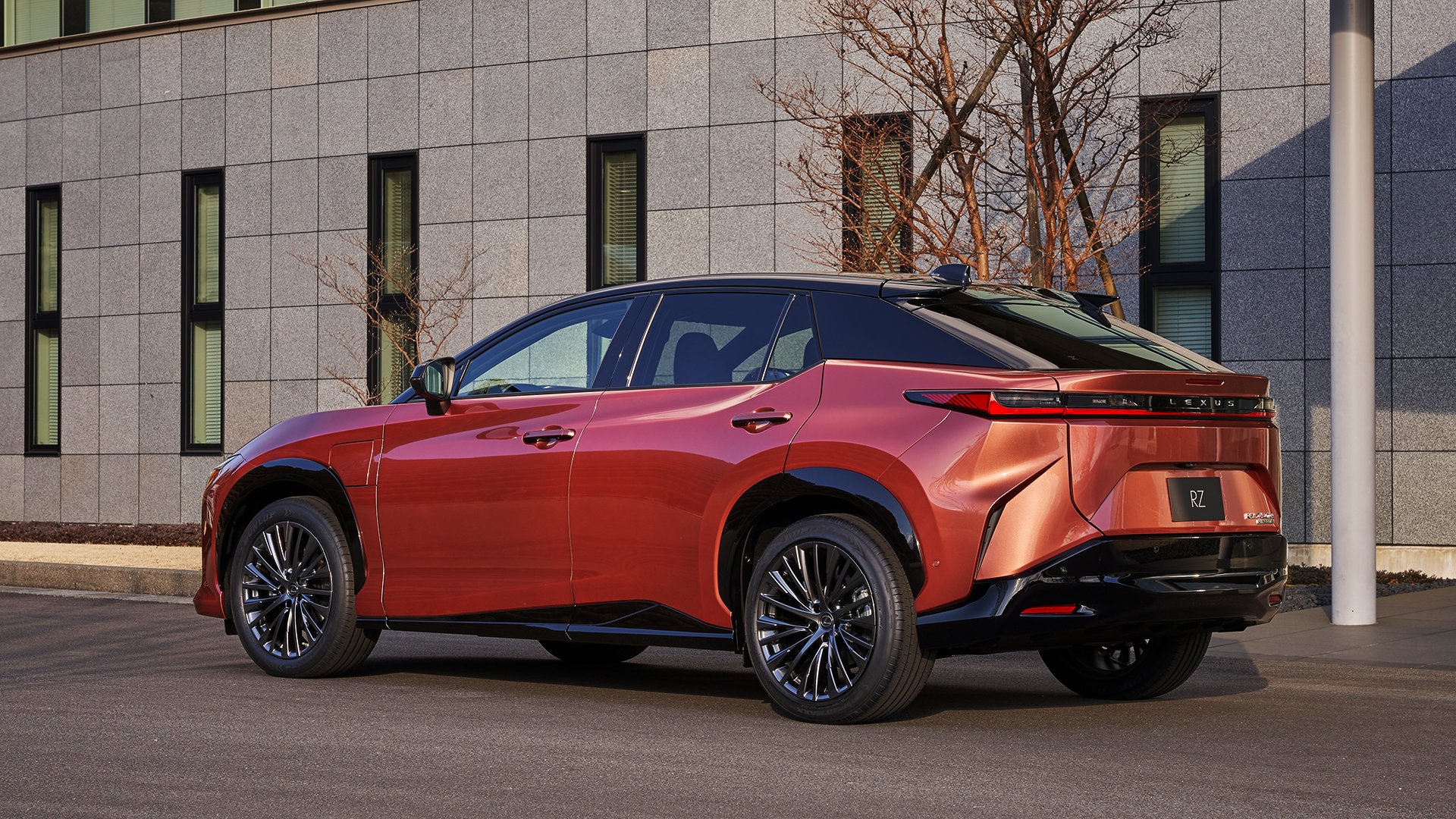
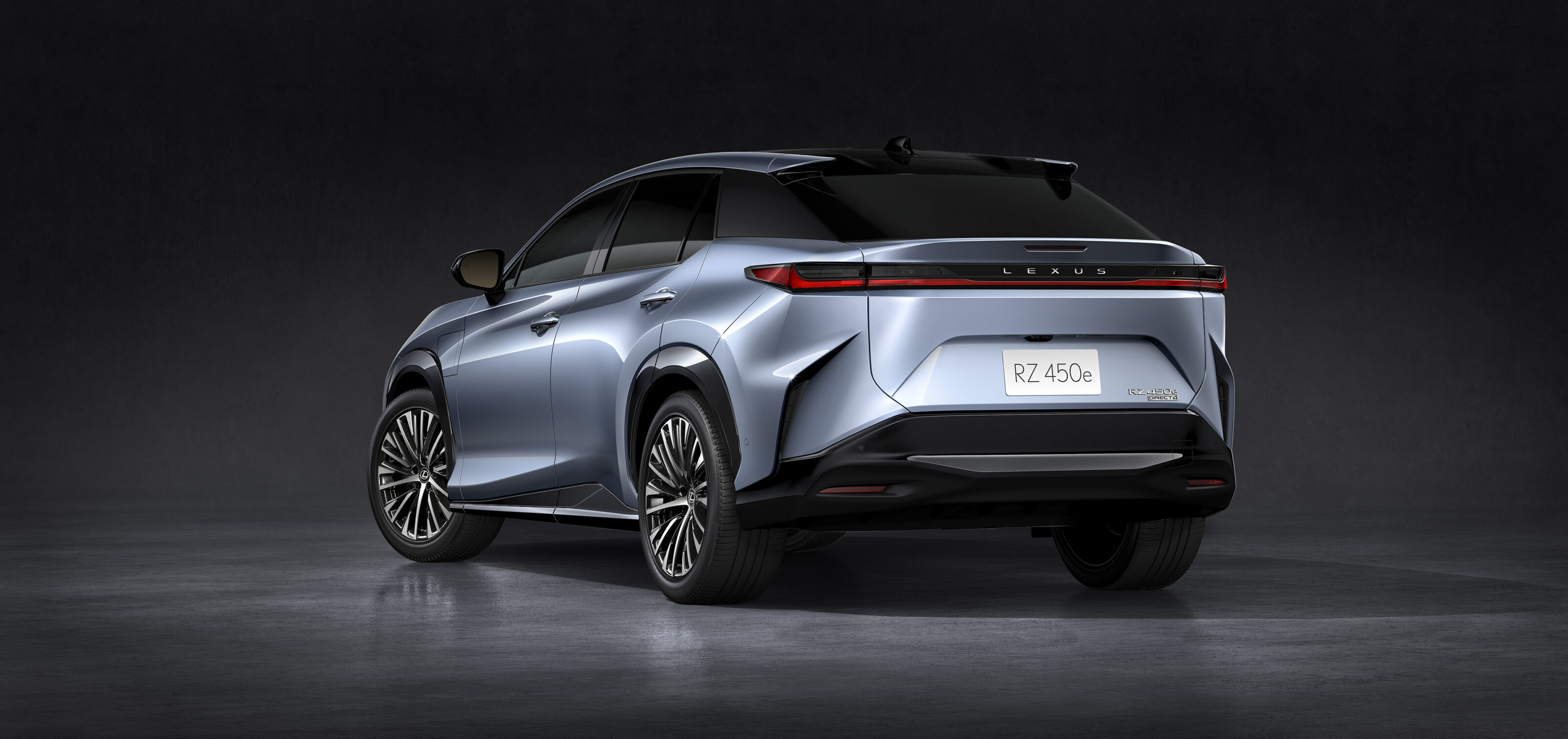
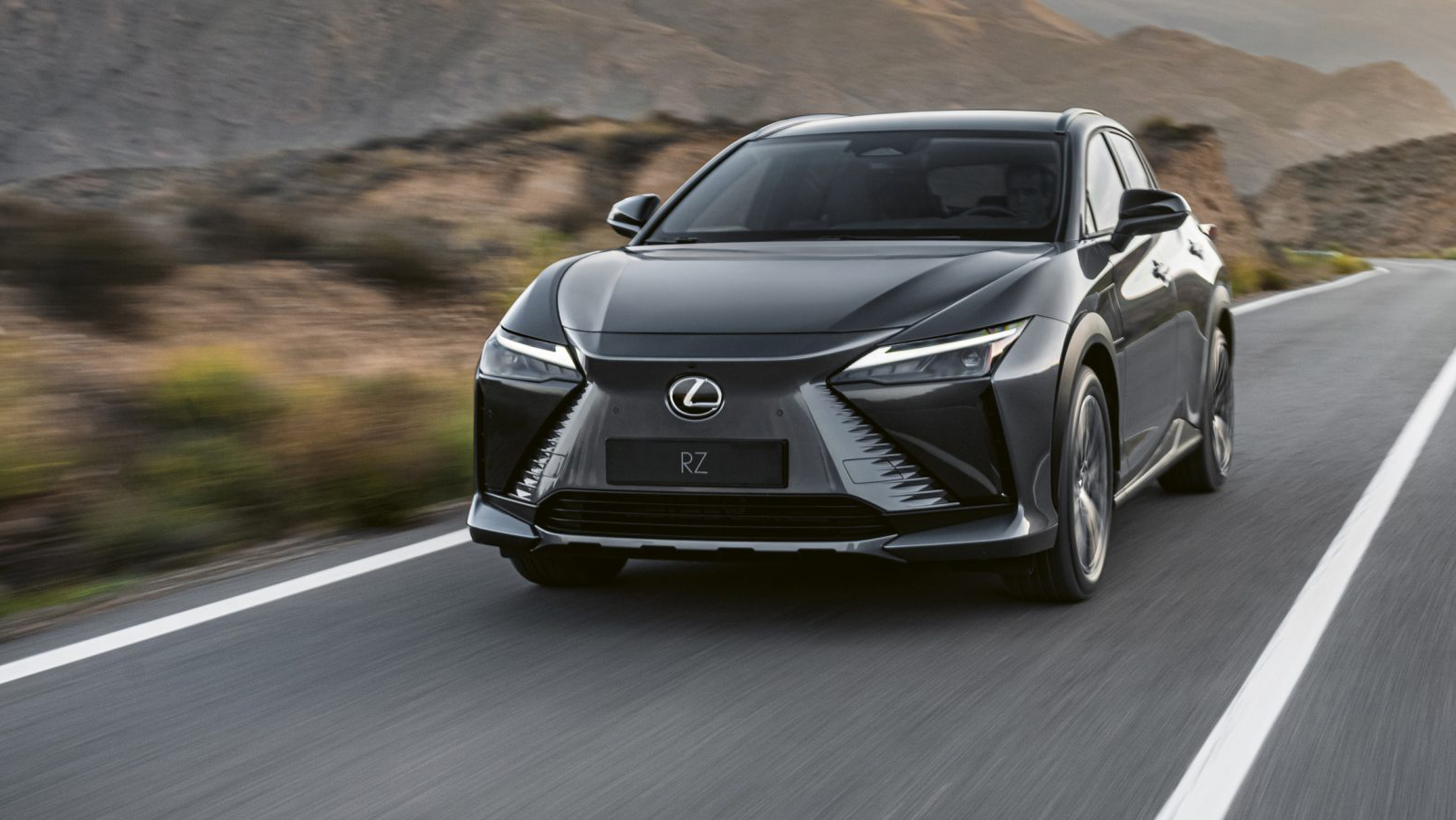
On the styling front, the RZ features Lexus’s prominent ‘spindle’ grille design, but in an inverted form, with most of the photos in this story showing the familiar shape in a body-coloured, sans-louvres ‘grille’ flanked by black panels where outboard intakes are often found on conventional cars.
1
Some images in the gallery, however, shows the grille panel in black, forming part of a two-tone design that sends the black look over the bonnet and roof.
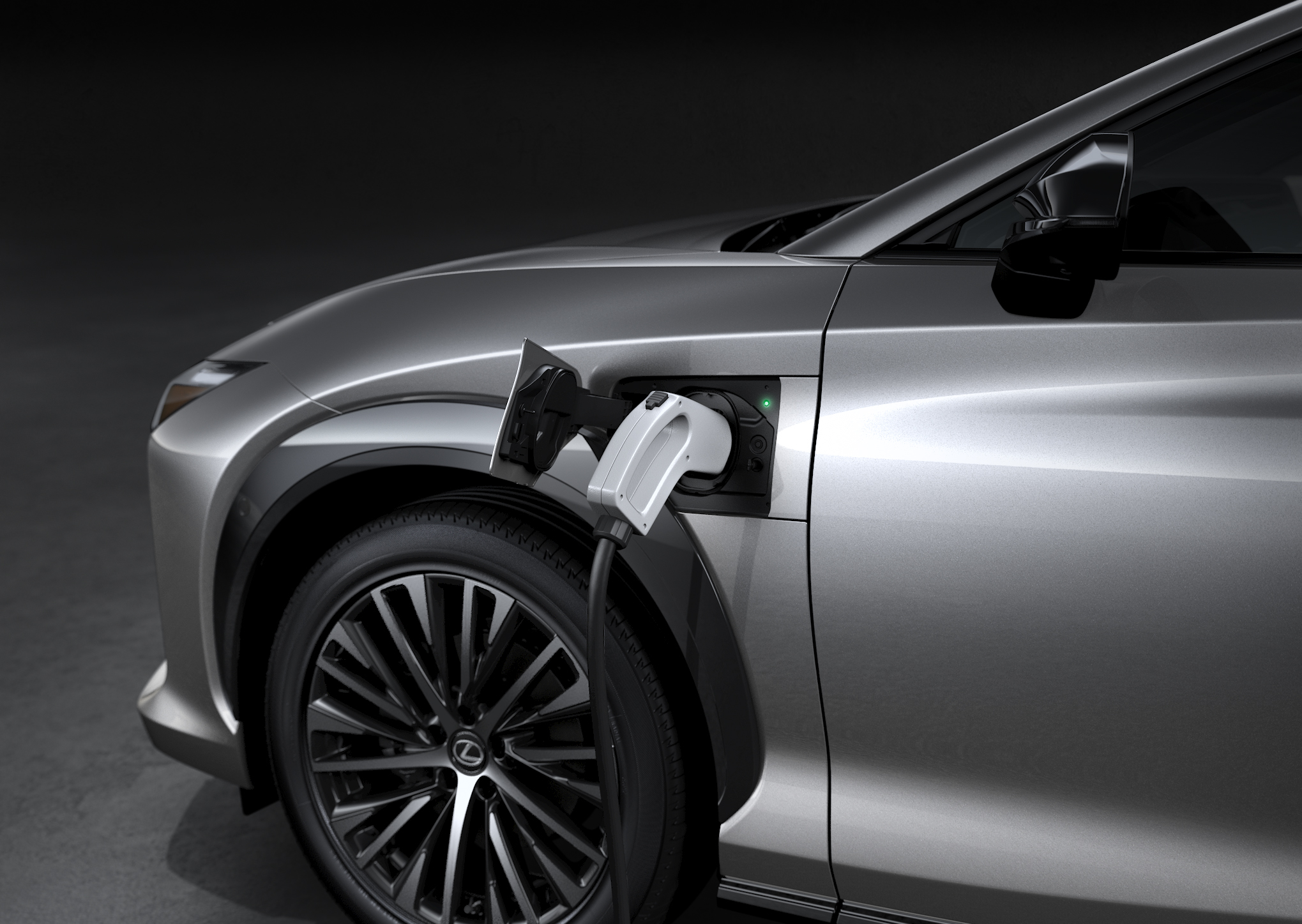
Along the side, there’s grey wheel cladding, a charging port ahead of the front door and a blacked-out C-pillar for the impression of a floating roof.
The LED tail-light strip extending across the tailgate of the LF-Z concept carries over to the production car, and is joined by Lexus badging and a closed-off lower bumper.
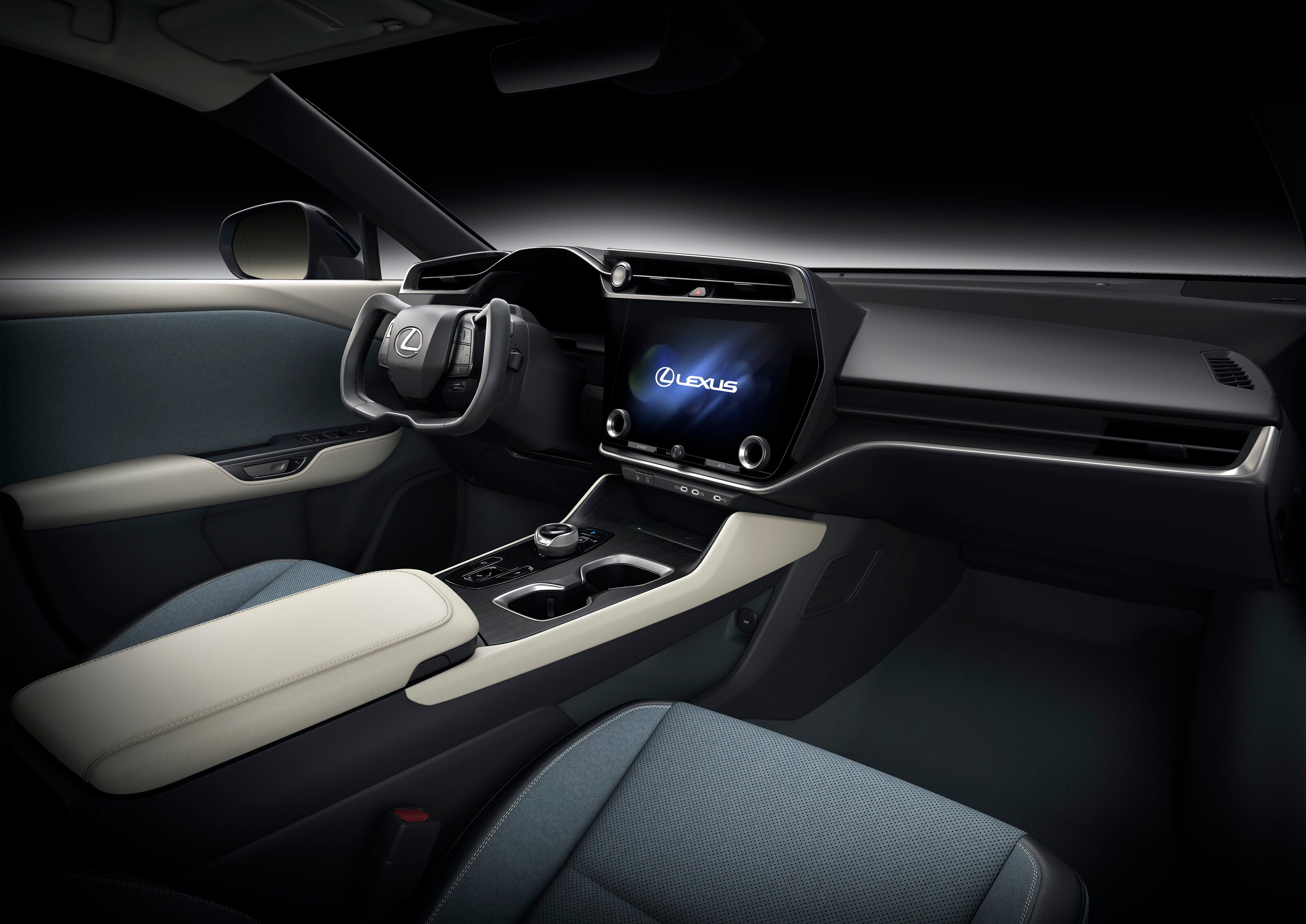
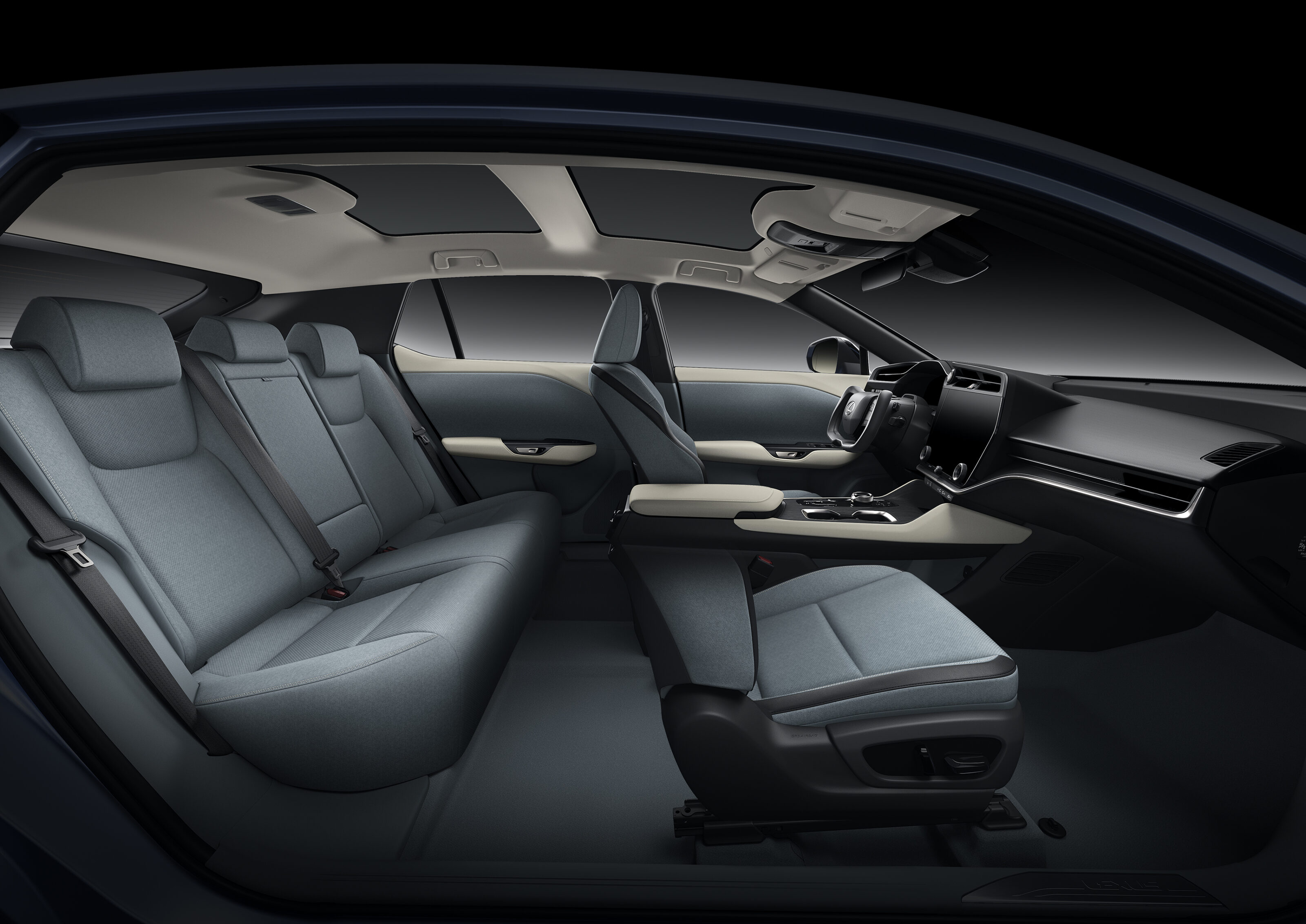
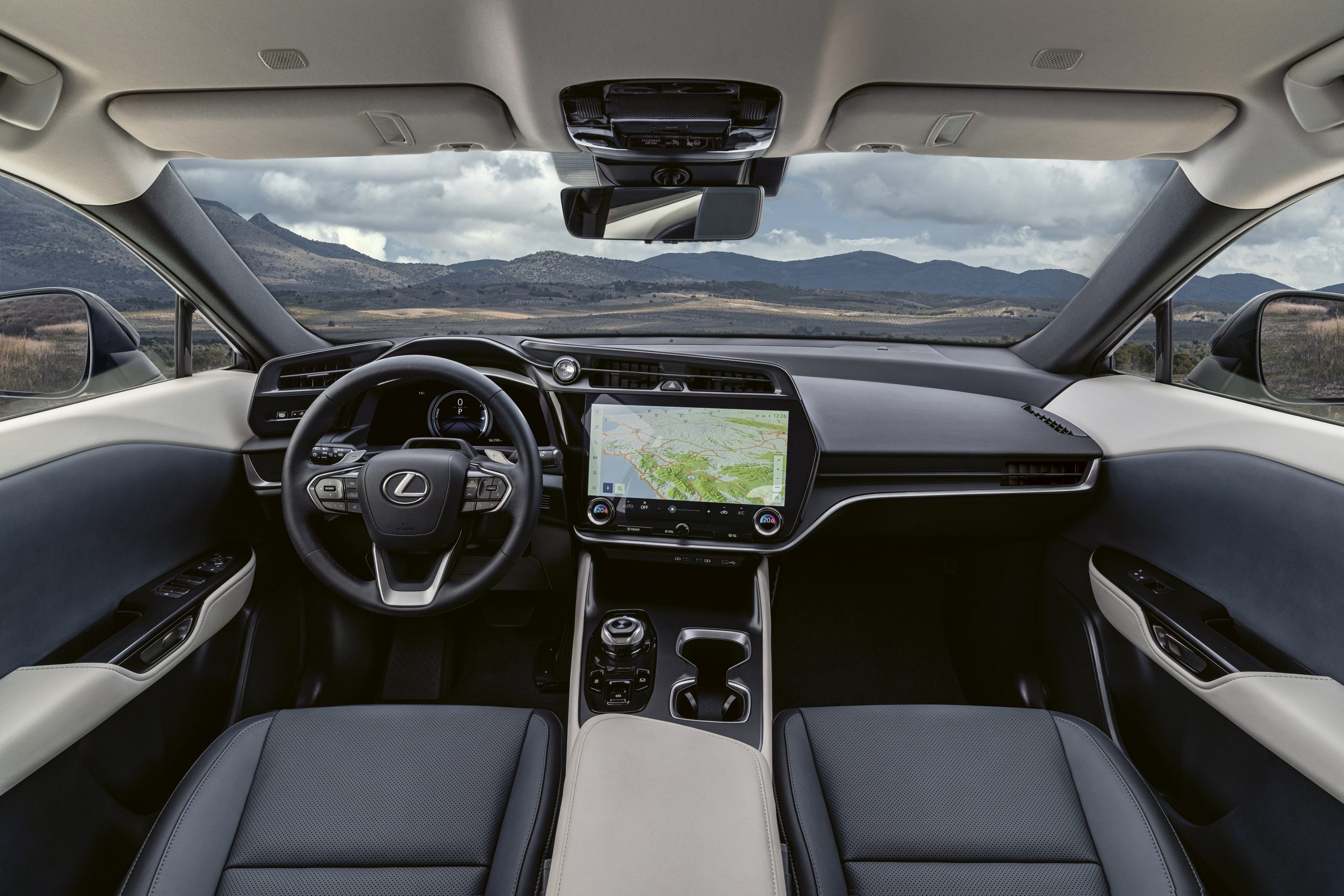
Inside, the RZ gets a familiar design with a look related to the only recently launched new-generation NX SUV (available in petrol, hybrid and plug-in hybrid EV forms), with one standout difference: the optional availability of an F1-style steering ‘yoke’ in place of the conventional wheel design.
1
This is a concept brought to production cars most recently by Tesla in its updated Model S sedan and Model X SUV, but Toyota has been quick to adopt the idea in the bZ4x and now here in the Lexus RZ.
Lexus says: “The compact yoke-like steering wheel greatly reduces the driver’s workload, eliminating the need for hand-over-hand operation, such as for intersections, U-turns, parking and winding roads. It also enabled designers to lower placement of the instrument gauges.”
1
The design has been met by Tesla buyers and road testers with a mix of positive and negative takes, the latter mostly when it comes to multi-step manouevring and unexpected moments that can lead to panic and confusion.
Thankfully for some, the company has confirmed it will offer a more conventional wheel as an option to those not drawn to the yoke style.
Dimensionally, the RZ measures 4805mm long, 1895mm tall and 1635mm wide, and rides on a 2850mm wheelbase. By comparison, the current fourth-generation Lexus RX is 4890mm long in standard form and 5000mm long in stretched form, with both measuring 1895mm wide, 1720mm tall, and riding on a 2790mm wheelbase.
1
Watch for more on the RZ to be revealed in the weeks and months ahead, and get further coverage at the links below.
Separating crash safety score and autonomous assistance ratings
Greater focus on gender & age diversity in crash-testing
American ‘full-size pick-ups’ in ANCAP’s sights
Adding motorcycles, heavy commercial vehicles to program
Independent testing bodies ANCAP and Euro NCAP have outlined their vision for vehicle safety in 2030.
A renewed view on driver assistance technologies will go hand-in-hand with safer driving features, crash safety and post-crash responses.
In addition to evaluating the effectiveness of safety features such as autonomous emergency braking (AEB) and blind-spot monitoring, the testing bodies are also evaluating user-friendliness (HMI) of the systems.
The changes will be reflected in changes to the four key areas of assessment for both ANCAP and Euro NCAP, from 2026 they will be: safe driving; crash avoidance; crash protection; post-crash safety.
The latest standard introduced by ANCAP from 2023 – including floodwater tests – will remain in place until 2026.
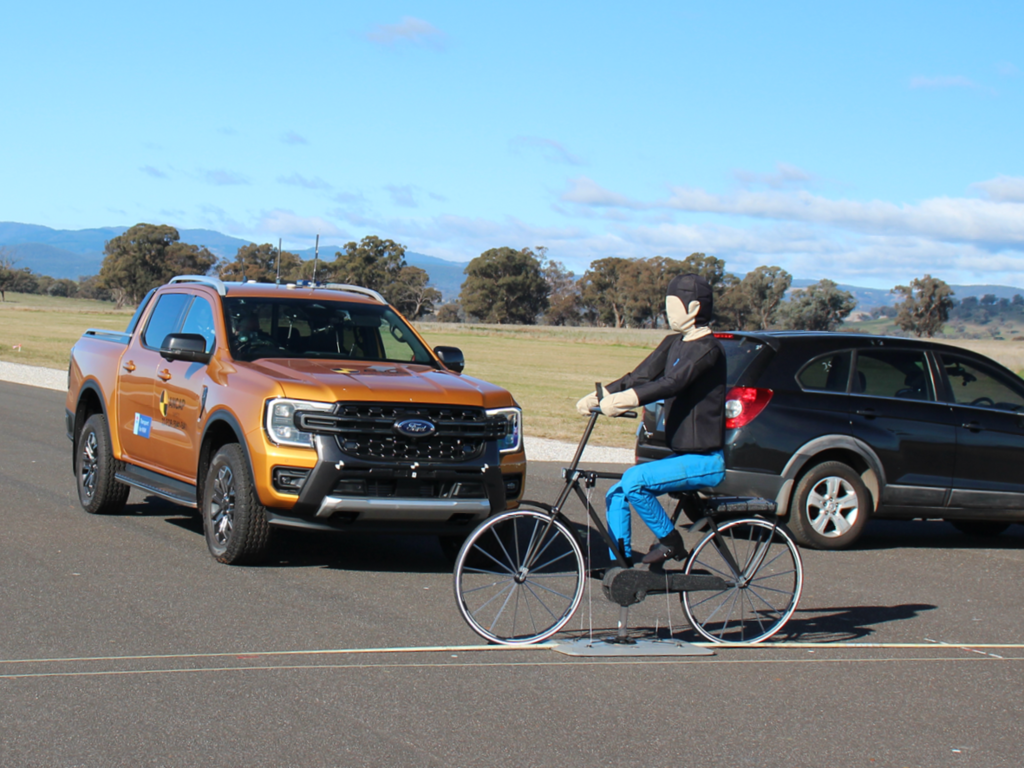
In addition to passenger and light-commercial vehicles, ANCAP and Euro NCAP are considering adding motorcycles and scooters, as well as heavy goods vehicles to test procedures.
“The release of the 2030 future view establishes the key testing and assessment focus areas for the industry – both for our existing automotive industry stakeholders, and for a new cohort of industry stakeholders that have not previously engaged in the ANCAP process,” ANCAP CEO Carla Hoorweg said.
“The move to explore assessment of medium and heavy trucks is a notable shift and seeks to address the overrepresentation of these vehicles in road fatalities and serious injuries.”
1
While car companies are targeting net zero emissions by 2050, ANCAP is looking to reach zero road fatalities by 2050, and the Vision 2030 plan is the first stepping stone.
“The automotive industry continues to innovate and is already delivering safety systems that go beyond current regulatory requirements.
“By setting timely voluntary standards for advanced safety features and technologies, ANCAP continues to be the catalyst for accelerating uptake and promoting best practice across the passenger and commercial vehicle fleet,” Ms Hoorweg added.
ANCAP has already detailed updates to its 2023-2025 protocol, some of which fall under Vision 2030. But there are more coming from 2026, with a view to increasing real-world safety performance.
Direct driver monitoring systems will be put under scrutiny. More than just indirect monitoring, ANCAP wants to see the ability to detect short-term impairment, for example from alcohol or other affects, and have the ability to adjust a car’s performance accordingly.
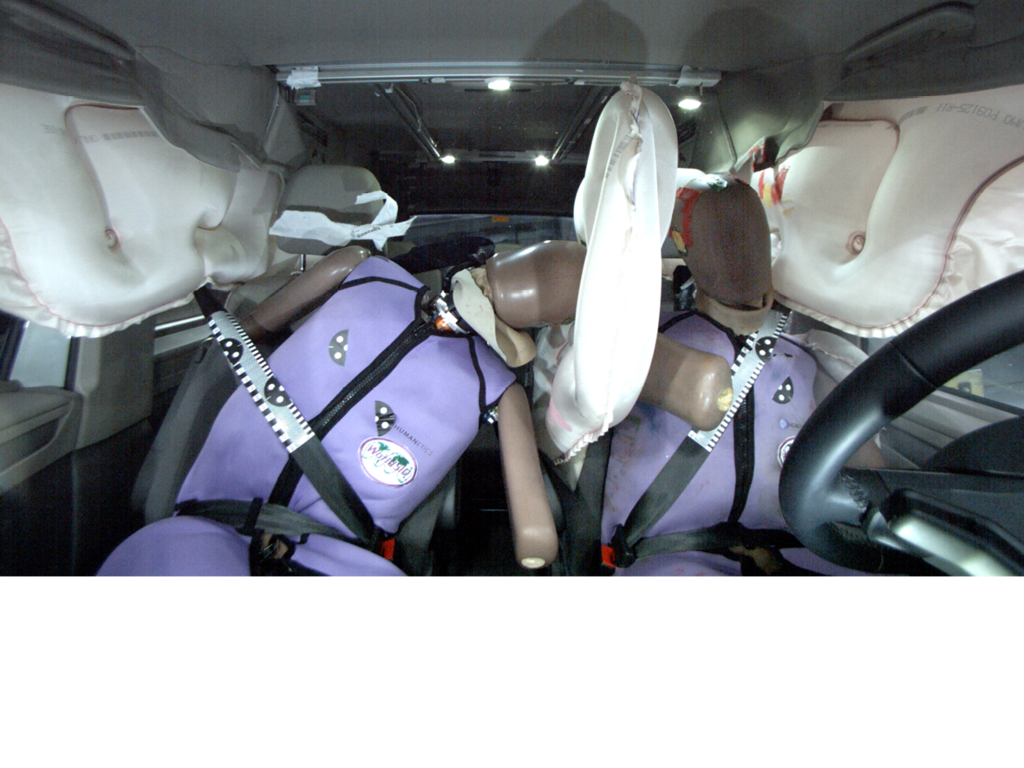
Furthermore, direct recognition of different occupant classifications, for example child or adult, with airbag and crash protection characteristics able to be altered.
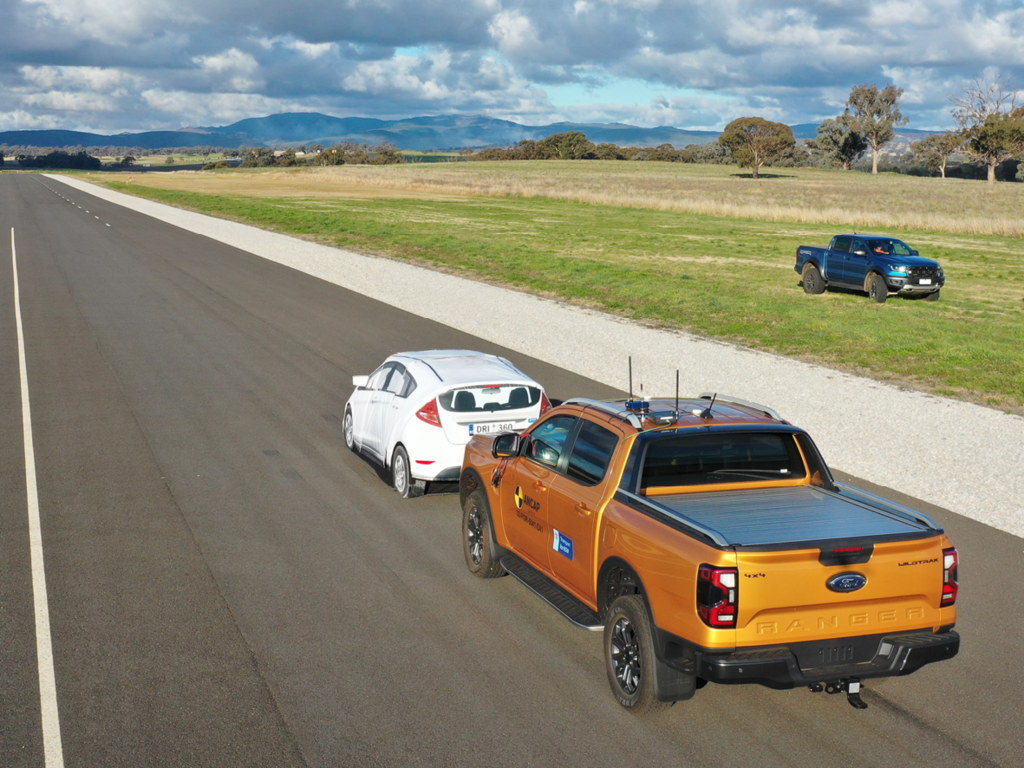
Speed control feature testing will be renewed, with specific Australian input. ANCAP will evaluate how close cars remain to a selected speed, with 3km/h leeway deemed adequate.
Separate testing of level two and three autonomous driving technology will be carried out separately to the ANCAP star rating. The result will be a complementary score for autonomous tech. ANCAP is also monitoring advancements in pre-emptive obstacle detection.
1
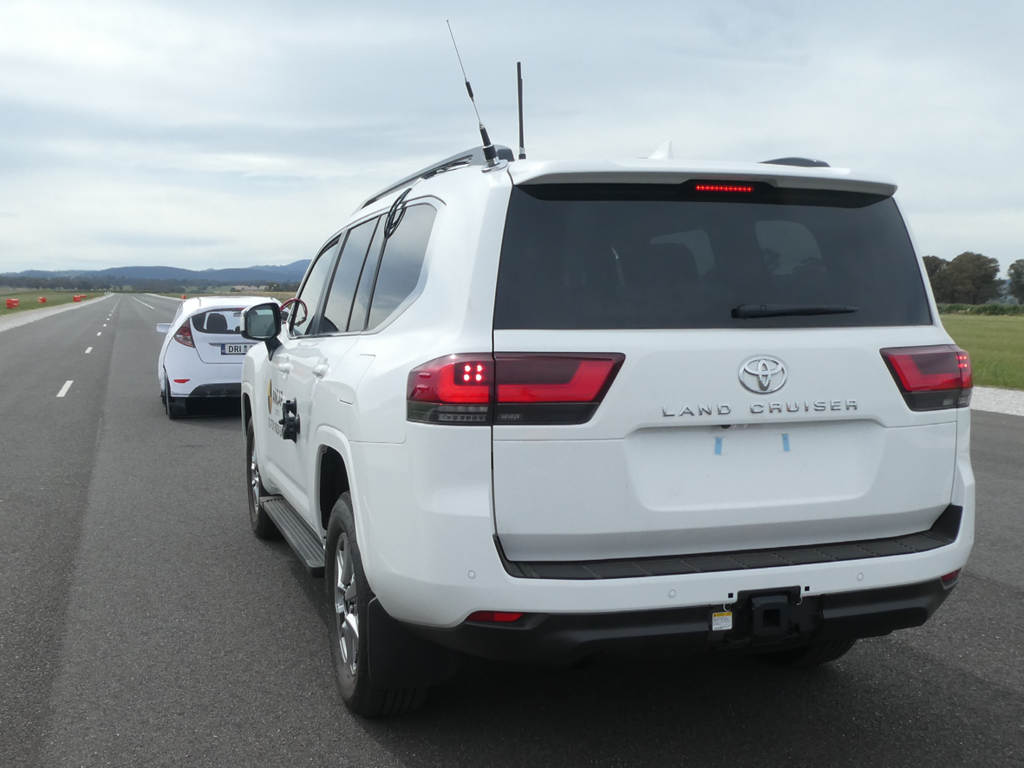
Crash avoidance systems such as AEB have been a big talking point of late. For 2023, motorcycle AEB detection is required. For 2026, this will be revised, potentially with increased speeds. ANCAP is also investigating how to test real-world AEB efficacy outside the lab.
A positive human-machine interface will also be taken into account. This means pre-warning before AEB application, and any chimes or alerts surrounding its application. Pedal misapplication is also being monitored; ANCAP noted an increase in the phenomenon lately in Australia and New Zealand.
Pedestrian and cyclist protection improvements will be encouraged, specifically greater protection at the A-Pillar, following the new crash form structure mandate in 2023.
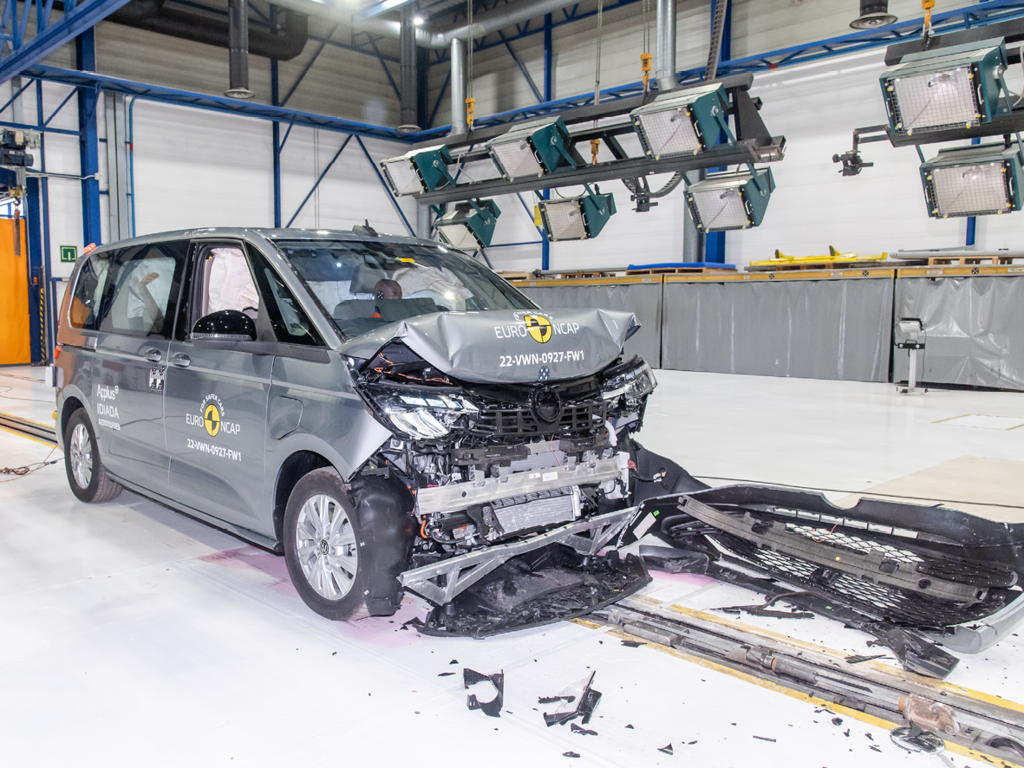
Occupant protection will be overhauled with more diverse testing dummies – including ‘THOR 5F small female dummy’. Also from 2026, ANCAP will consider whether simulating these tests using computers is adequate, which could save money. Australia and New Zealand will continue with their top-tether-heavy child restraint policies.
1
Post-crash safety is on the cards, too, though Australia and New Zealand’s mobile networks are not advanced enough to score these features in the same way as Euro NCAP does in the short term. From 2026, it will be rolled into the criteria in some form.
The following are dot points outlined by ANCAP as goals
Strengthen procedures for carryover tests
Implement over-the-air software update policy for safety systems
Retain and update dual-rating policy Aus/NZ
Changes to star rating system
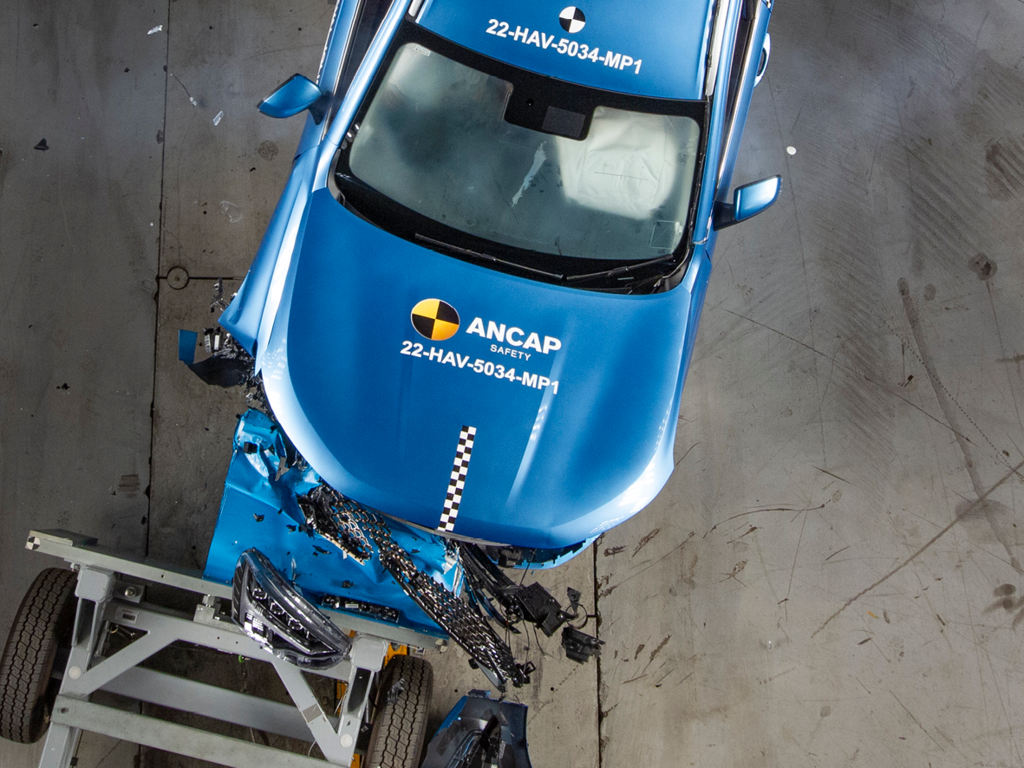
ANCAP is putting greater focus on real-world testing and evidence that can be used to improve safety systems. For example, simulating real traffic scenarios to test crash avoidance features.
There will also be a renewed focus on driver and occupant monitoring systems, active ones that can determine more than just level of tiredness but also potential short-term impairments.
Another area is a broader spread of gender and age level tests in protocols, to better represent the real population. Finally, adding new testing scenarios is part of ANCAP’s 2030 push.
In addition to more stringent testing for light vehicles, ANCAP is also looking to integrate motorcycle and heavier commercial vehicles into procedures.
New motorcycles sold in Australia must be fitted with ABS, with new models mandated from 2017, and existing models to adopt the tech by 2021. ANCAP is investigating how it can encourage uptake of traction control, and other advanced rider aids.
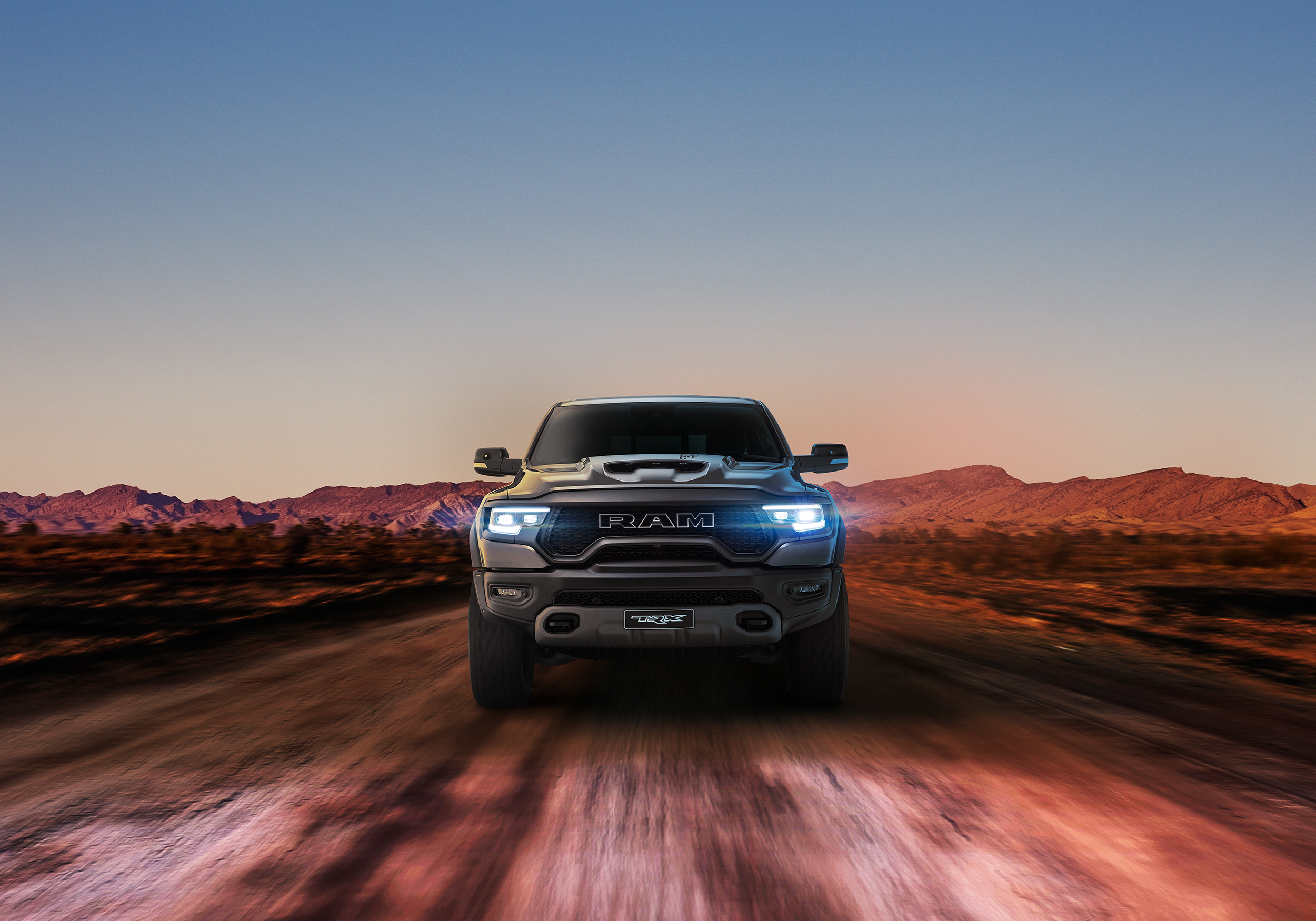
ANCAP has expressed an interest in cracking down on increasingly US-size ‘pick-up trucks’ such as RAM 1500s and Chevrolet Silverados that, with their commercial intent, currently miss ANCAP’s test circle.
The Vision 2030 document states that the rise in popularity makes “a compelling case for ANCAP to examine the comparable safety of these vehicles.”
1
Other goods vehicles in ANCAP’s sights are light trucks (3.5-8 tonne GVM), the report reads:
“In 2021, 64 Australians died in collisions involving rigid trucks. 80 per cent of these fatalities were the driver of the struck (opponent) vehicle and pedestrians or cyclists (vulnerable road users), and more than 60 per cent of these fatal crashes occurred on roads in major cities and other urban areas.”
ANCAP’s first step will be to investigate whether a similar grading program could be applied to light trucks as the independent safety testing body did for 16 vans in February this year.
Larger trucks, classified as medium and large, have more stringent licensing requirements and are not so overrepresented in road fatalities. However, ANCAP is still looking to offer guidance for consumers into making safer choices.
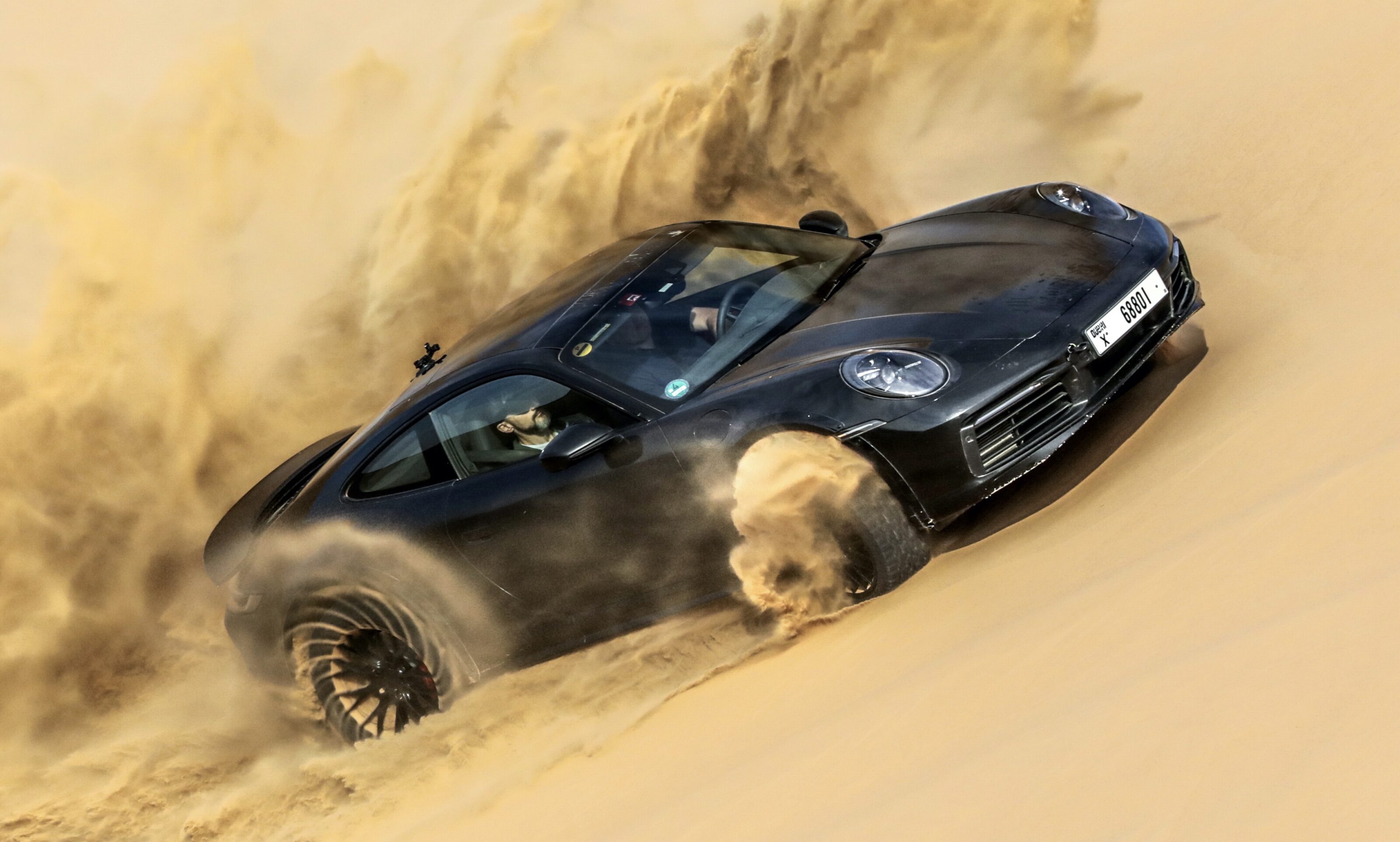
The off-road-focused 2023 Porsche 911 Dakar will debut at next week’s Los Angeles Auto Show.
Following years of rumours and spy photos, Porsche has confirmed the first series-produced 911 built for rallying will be unveiled on November 17, at 2:00pm AEDT.
Previously expected to wear the Safari nameplate, it will officially carry the ‘Dakar’ suffix in reference to the brand’s victory at the 1984 and 1986 Paris-Dakar rallies in a specially-developed, all-wheel drive 911.
1
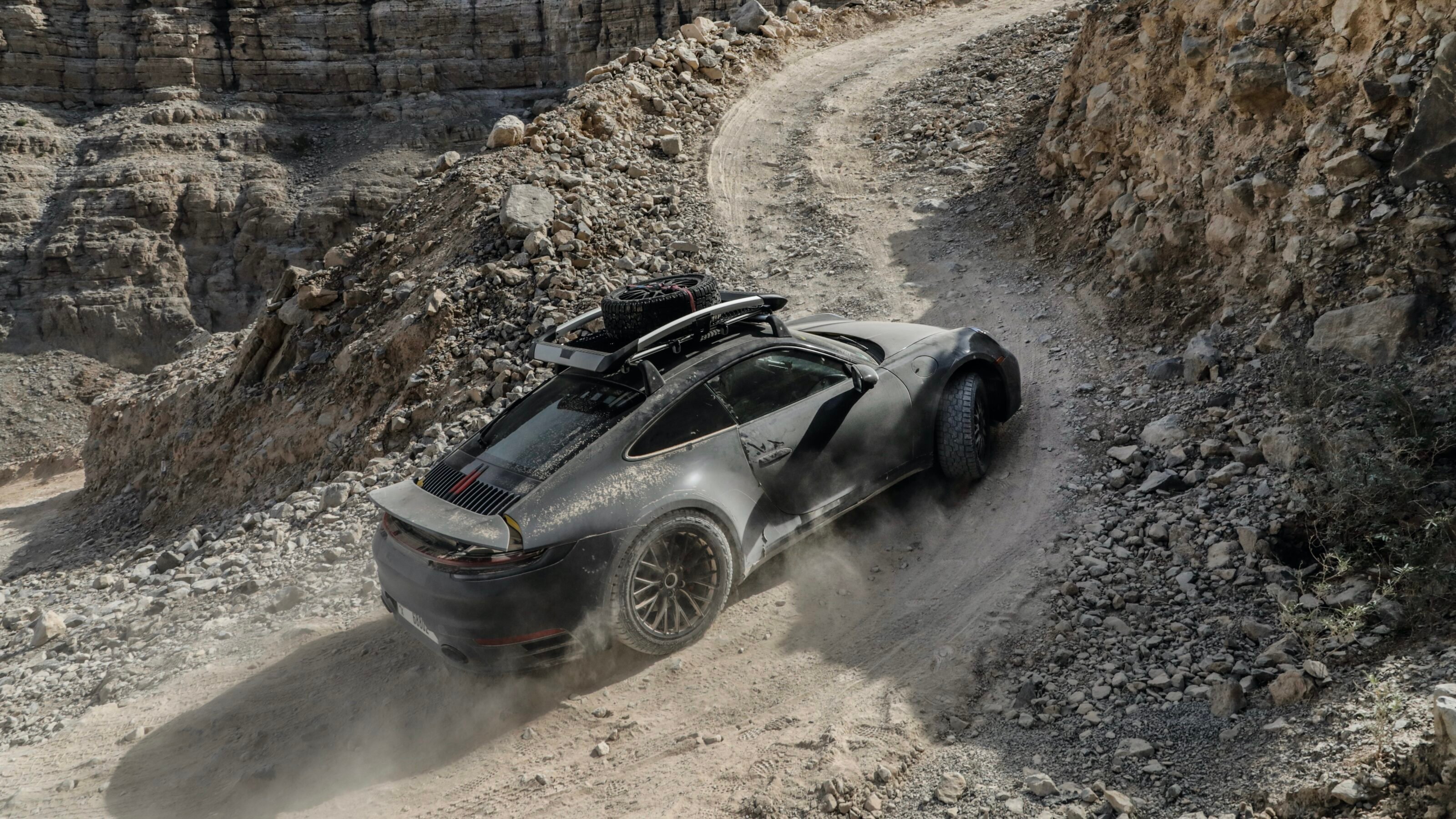
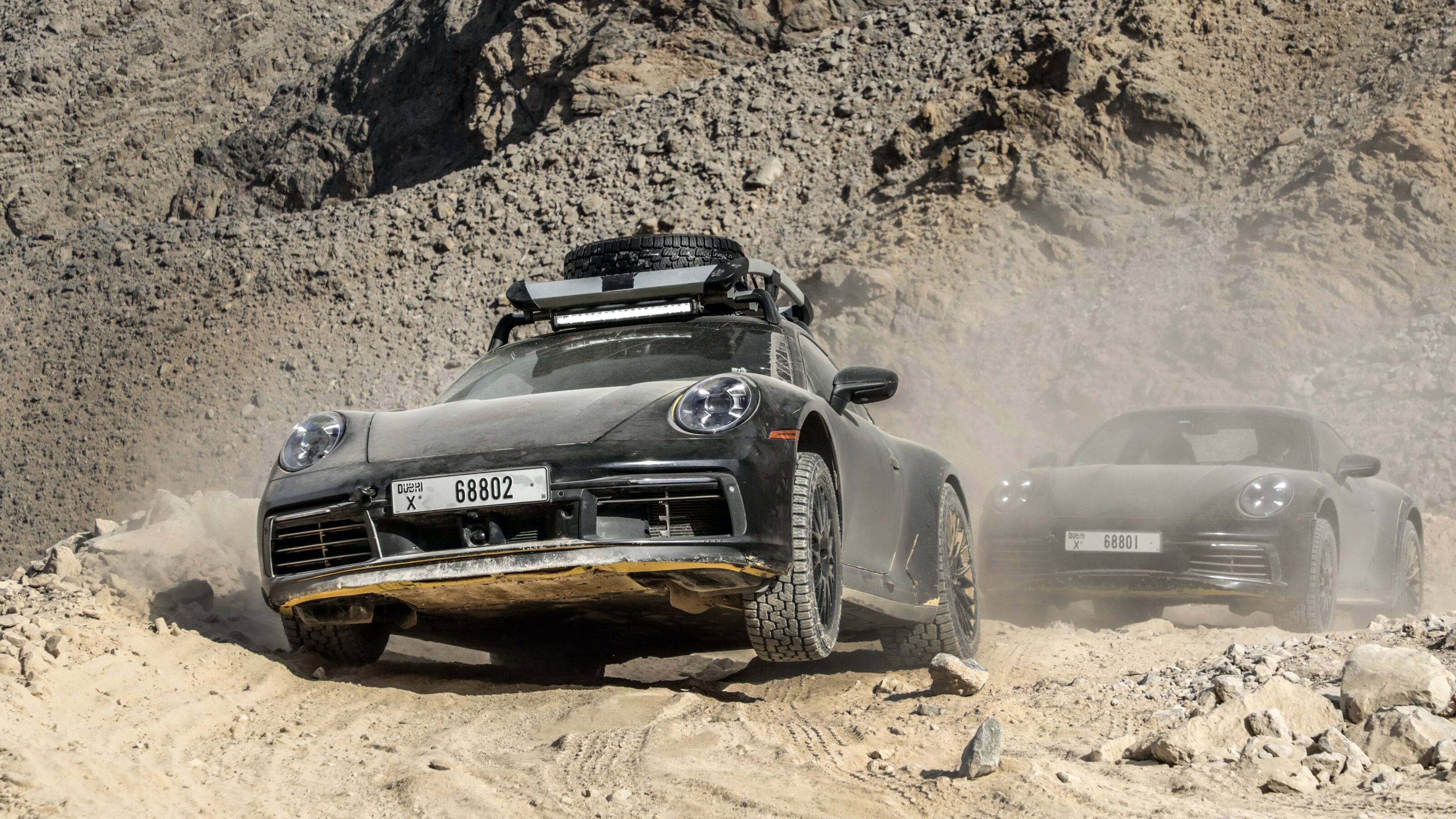
Of course, all-wheel drive will be standard-fit on the latest 992-series 911 Dakar, joining raised suspension, all-terrain tyres, a recalibrated ABS system and unique styling, such as SUV-like plastic wheel cladding.
Porsche says it has conducted more than 500,000 kilometres of testing, including “more than 10,000 km off-road” in the United Arab Emirates and Morocco.
It follows spy photos in late 2021, with Porsche testing the capabilities of the 911 Dakar in Dubai’s steep 50-metre sand dunes, before testing shifted to the snow and ice on Sweden’s frozen lakes earlier this year.
1
In addition, the vehicle was evaluated at the Château de Lastours test track in southern France to test its “handling on typical rally courses and [to] fine-tune the suspension”.
“I knew what a 911 could do on the road, but I was absolutely stunned by how well the car performed here on the loose,” said Porsche works driver Romain Dumas.
It was also tested on road surfaces, including the Nürburgring Nordschleife, to ensure the typical handling characteristics of a Porsche 911 remain.
“I wouldn’t have thought that a vehicle with such ground clearance and all-terrain tyres would still feel like a Porsche 911 on asphalt,” said Porsche brand ambassador Jörg Bergmeister.
It will remain powered by an internal-combustion engine until 2030, when the all-electric, 998-gen car is expected to debut, likely underpinned by the Volkswagen Group’s upcoming SSP platform.
On the topic of jacked-up vehicles from the Volkswagen Group, fellow brand Lamborghini will reveal the Huracan Sterrato in December as a rally-focused model and the final pure-ICE vehicle from the Italian brand, powered by a naturally-aspirated V10 with all-wheel drive.
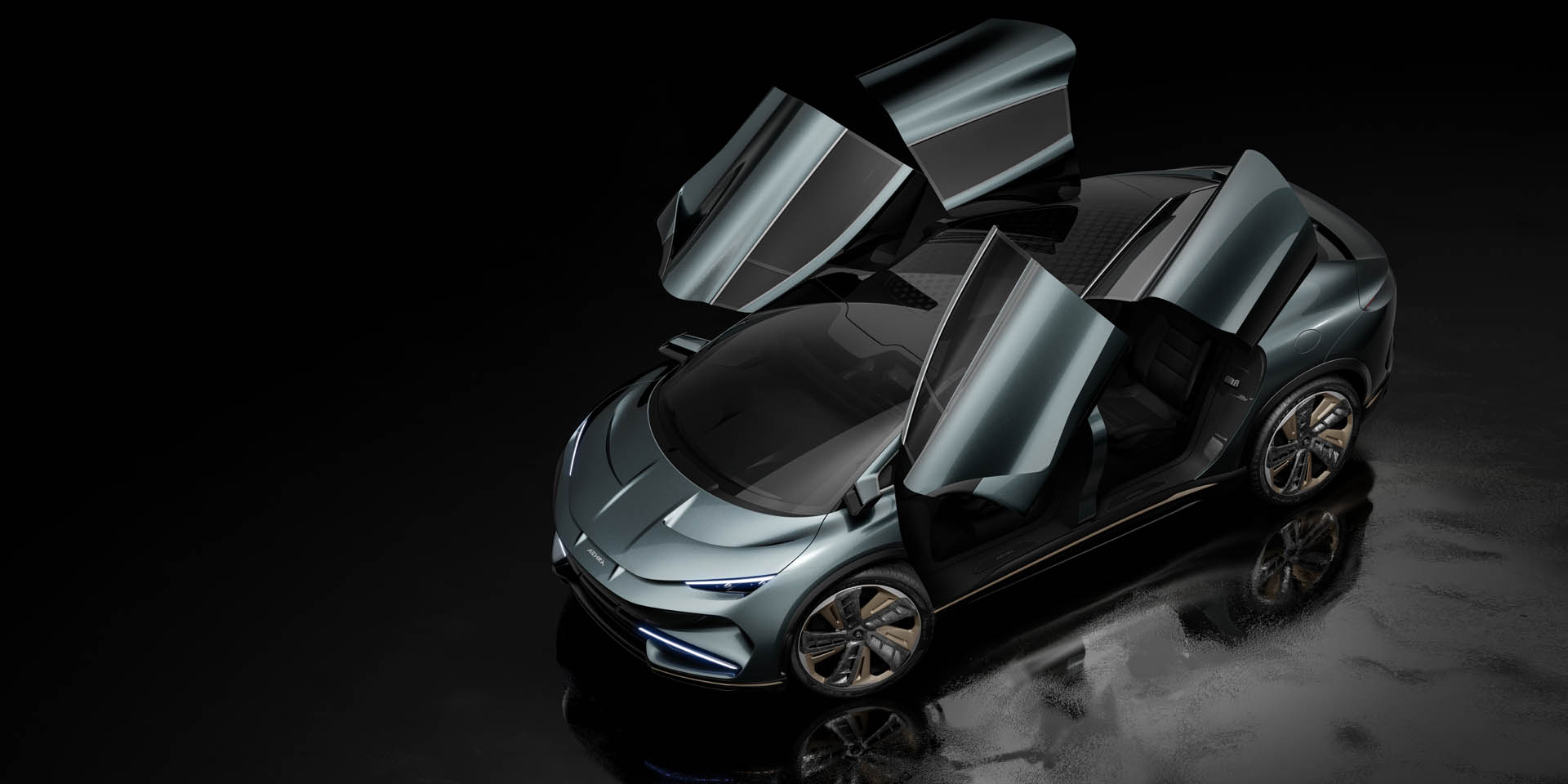
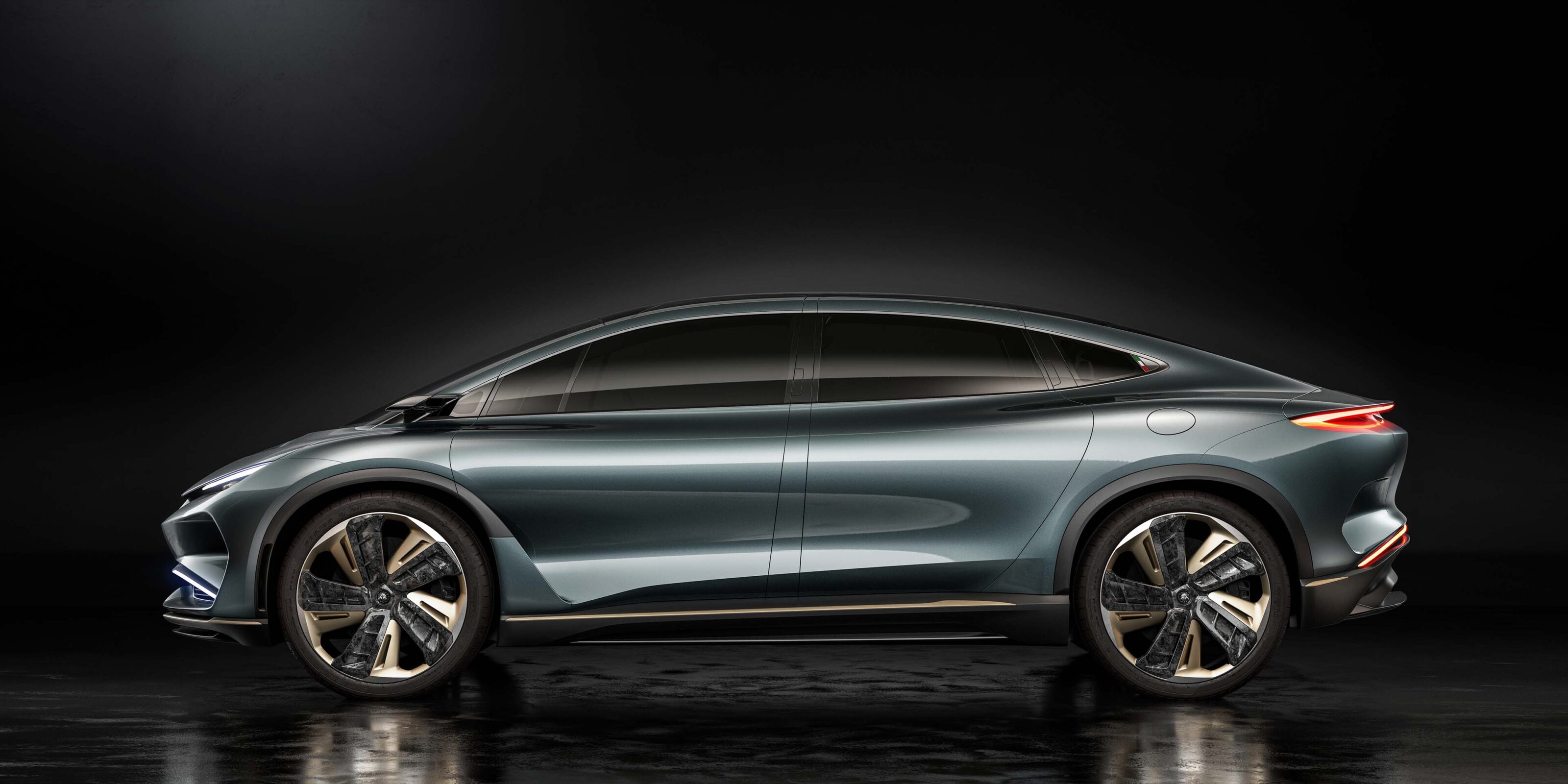
UPDATE: Italian EV start-up, Aehra, has taken the covers off its first vehicle design, revealing the exterior panels for their highly stylised SUV.
The as-yet-unnamed vehicle features typical Italian flair and detail, with particular attention drawn to the short overhangs that lead to generous approach and departure angle for a vehicle with such exotic styling.
The lines of the SUV were penned with aerodynamics in mind – an all-important factor for improving range – while active flaps manage the temperature of the vehicle’s battery. Also distinctive are the vehicle’s doors, which open upwards to ensure easy access.
3
“With the SUV, we have created a vehicle that goes far beyond the conventional standards set by the automotive industry for an SUV, and sets new benchmarks for style and comfort”, AEHRA chief design officer, Filippo Perini said.
AEHRA founder and CEO, Hazim Nada added, “Supremely comfortable, beautifully balanced, and graceful, the SUV ushers in a new era of EV style and sophistication, and signifies the next successful milestone on AEHRA’s strategic journey to a rollout of both our sophisticated vehicles to global markets in 2025.”
While the SUV is unconfirmed to hit Australian shores, Aehra is yet another start-up to join the many EV hopefuls such as Rimac, Xiaopeng Motors, and Fisker looking to make their impact on the industry.
In addition to the SUV, Aehra also revealed they’ll be unveiling a new sedan in February 2023, seeking to deliver to customers in 2025.
1
1
The story to here
UPDATE June 30: There’s a new start-up electric vehicle manufacturer entering the game, but will we ever see Aehra cars on the road?
With its headquarters and R&D centre in Milan, Italy, the new EV manufacturer is aiming to introduce its first models to the global market in 2025, planning on revealing an SUV and sedan before the end of 2022.
Originally founded by CEO Hazim Nada in the US state of Delaware, Aehra promises to deliver “world-class engineering, Italian design and American customer service, combined with the advantages of next-generation EV powertrain and ADAS (Advanced Driver Assistance Systems) technology”.
Just like Bruce Springsteen’s hit song, Nada was born in the USA, but raised in Italy before going on to study in the United Kingdom – a move which netted him a Masters degree in theoretical physics from the University of Cambridge and a PhD in applied mathematics from Imperial College London.
Nada will be joined by co-founder and Chief Operating Officer Sandro Andreotti as well as former Lamborghini Centro Stile design director Filippo Perini with the ultimate aim of delivering EVs which take “full advantage of emerging EV architecture to deliver a genuine step-change in vehicle aerodynamics, design, cabin space, comfort and human journey experience”.
“We created Aehra with an undiluted vision to tackle some of the fundamental shortcomings in the current global automotive industry,” said Nada.
“First, to create truly desirable electric cars, that are conceptualised from the onset as electric, without the overhang of combustion legacy mindsets, and basing them upon Italian design that finally optimise the benefits which EV design affords, both inside and out.
“Aehra’s vehicle architecture takes the step by addressing the direct shortcomings of designing electric vehicles that maintain the shapes of internal combustion engine traditions.
“[…]secondly, to redefine the automotive experience. We’re not just talking about allowing customers to purchase a car directly online in just a few clicks, we’re going to completely rewrite the way that buyers make their way through the full research and purchasing journey, as well as enjoy it to the ultimate, long after they’ve taken delivery.”
3
Some strong promises are being made before we’ve even been shown a sketch of what Aehra’s models might look like.
For starters, the SUV will allegedly “effortlessly accommodate four full-size NBA players while leaving room for a six foot adult in the middle of the rear seat row”, although there’s no specifics as to whether they’re talking about players like Muggsy Bogues or Dikembe Mutombo.
A monocoque chassis will place the driver “at the very heart of the vehicle”, although again, it’s unclear if Aehra means in a central driving position or not.
Both models boast targeted driving ranges of at least 800 kilometres, taking on premium offerings from Tesla, Lucid and Mercedes-Benz in the EV sphere.
“When Aehra reaches the market, many of the challenges that impede EV manufacturers today will no longer be an issue,” Nada added.
“Range anxiety will be of no concern to customers. The differentiating factors will hence be the remaining elements of the customer experience. Innovation will hence no longer need to address [driving] range and power, but vehicle dynamics, vehicular shapes and all the experiences around the usage and ownership of the vehicle.”
Time will tell as to whether Aehra can take it to its proposed rivals or if it can even get off the ground, with the European Union’s ban on internal combustion engines by 2035 creating a surge in interest from manufacturers to develop EVs.
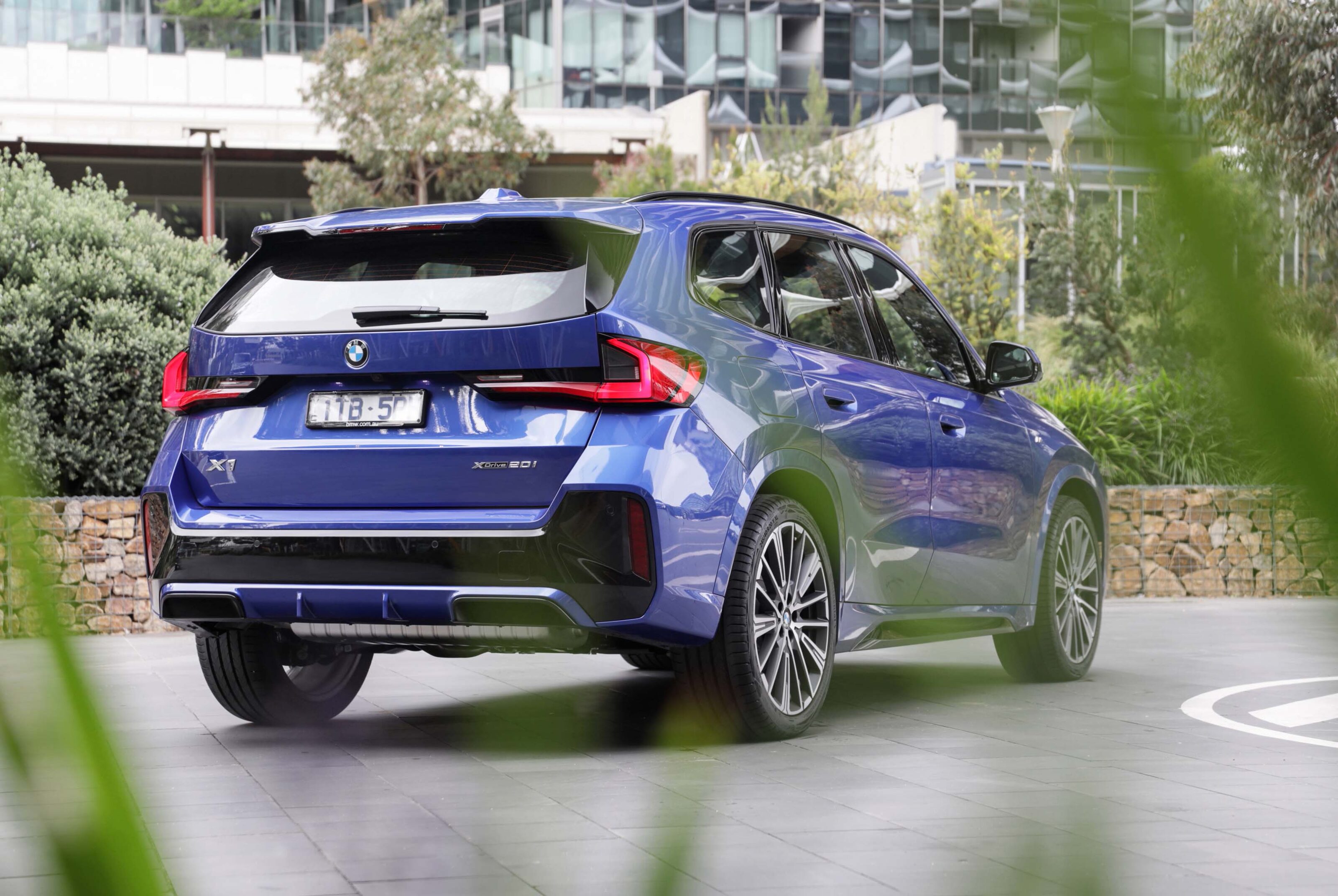
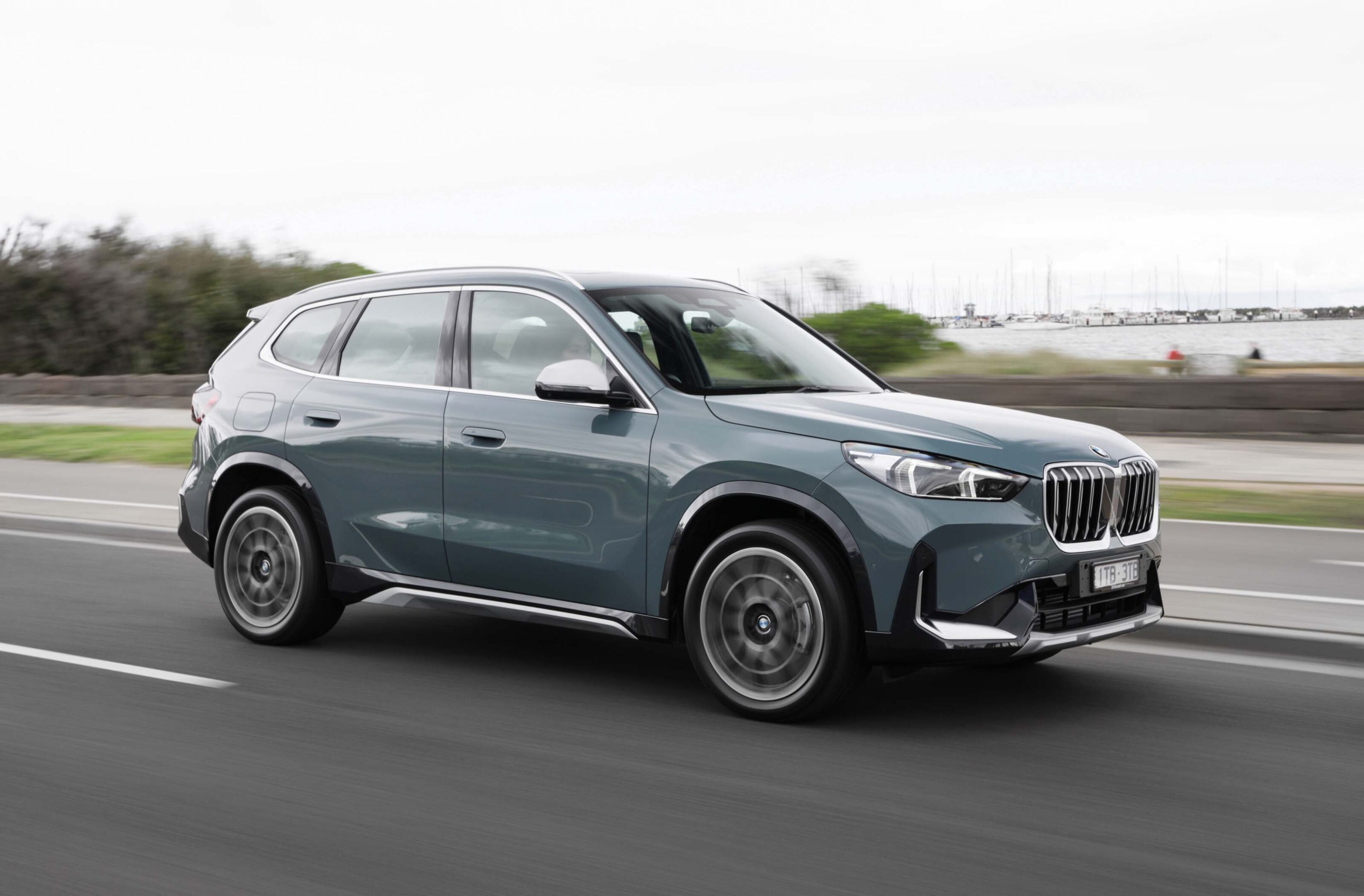
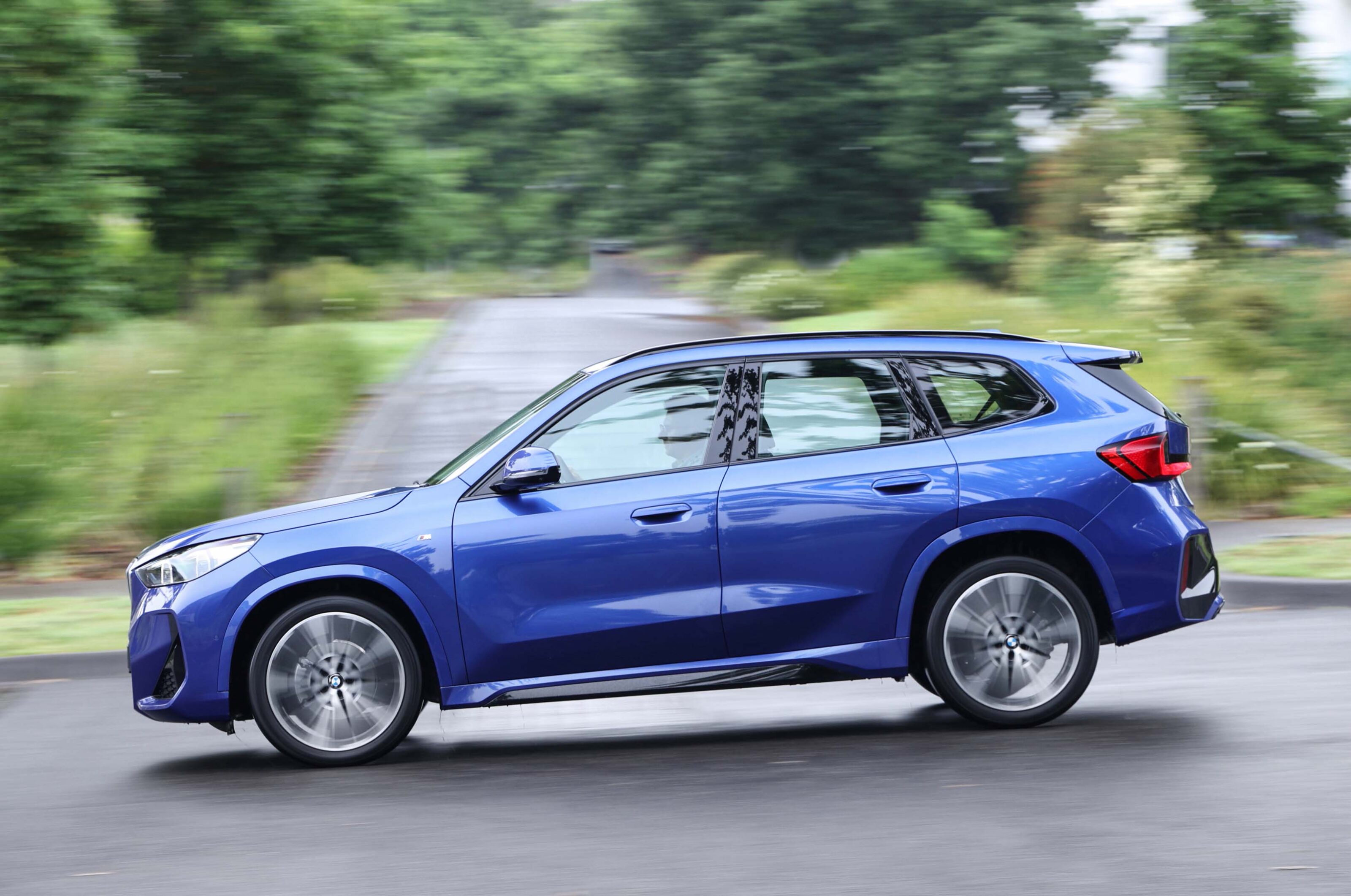
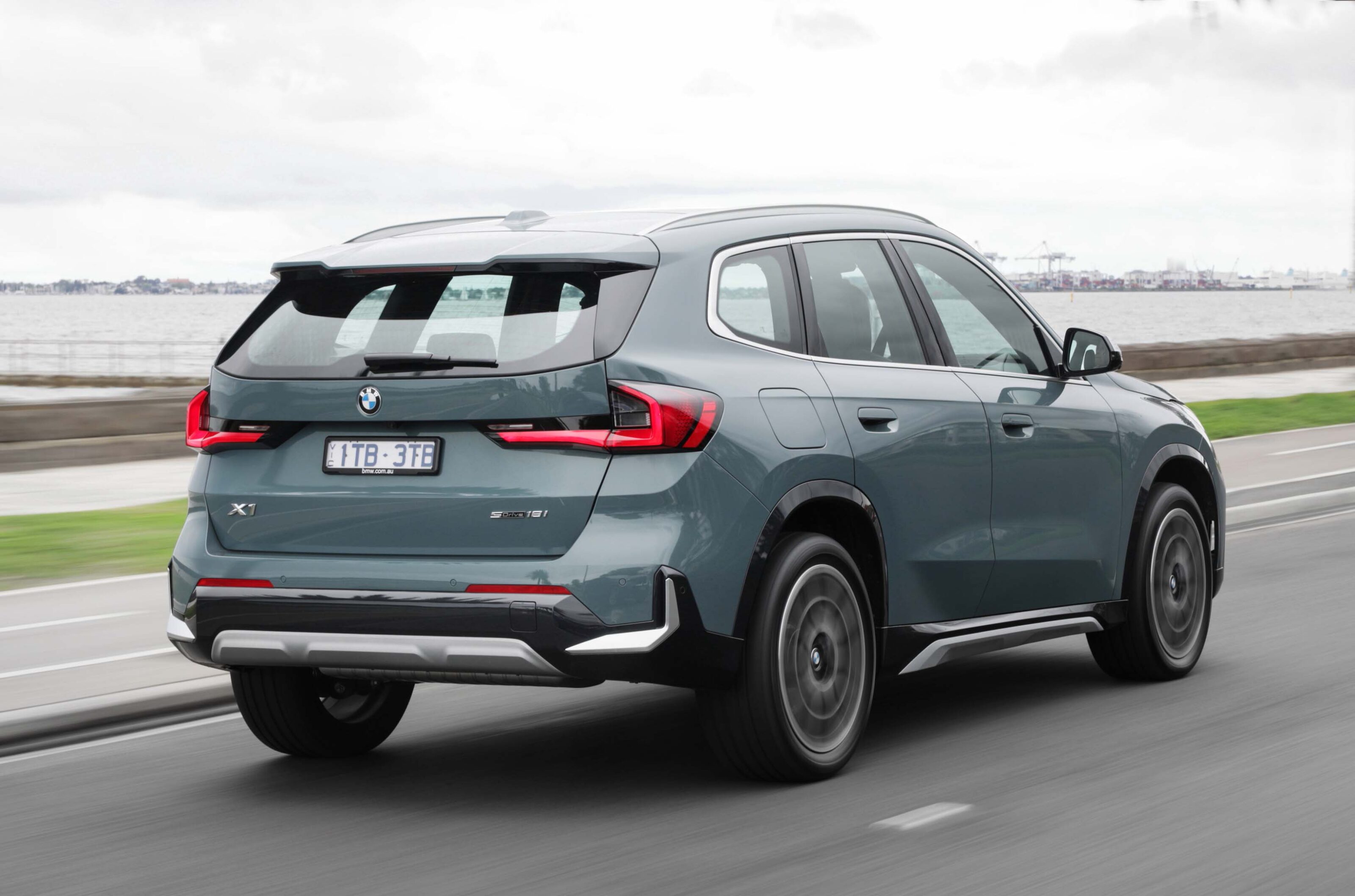
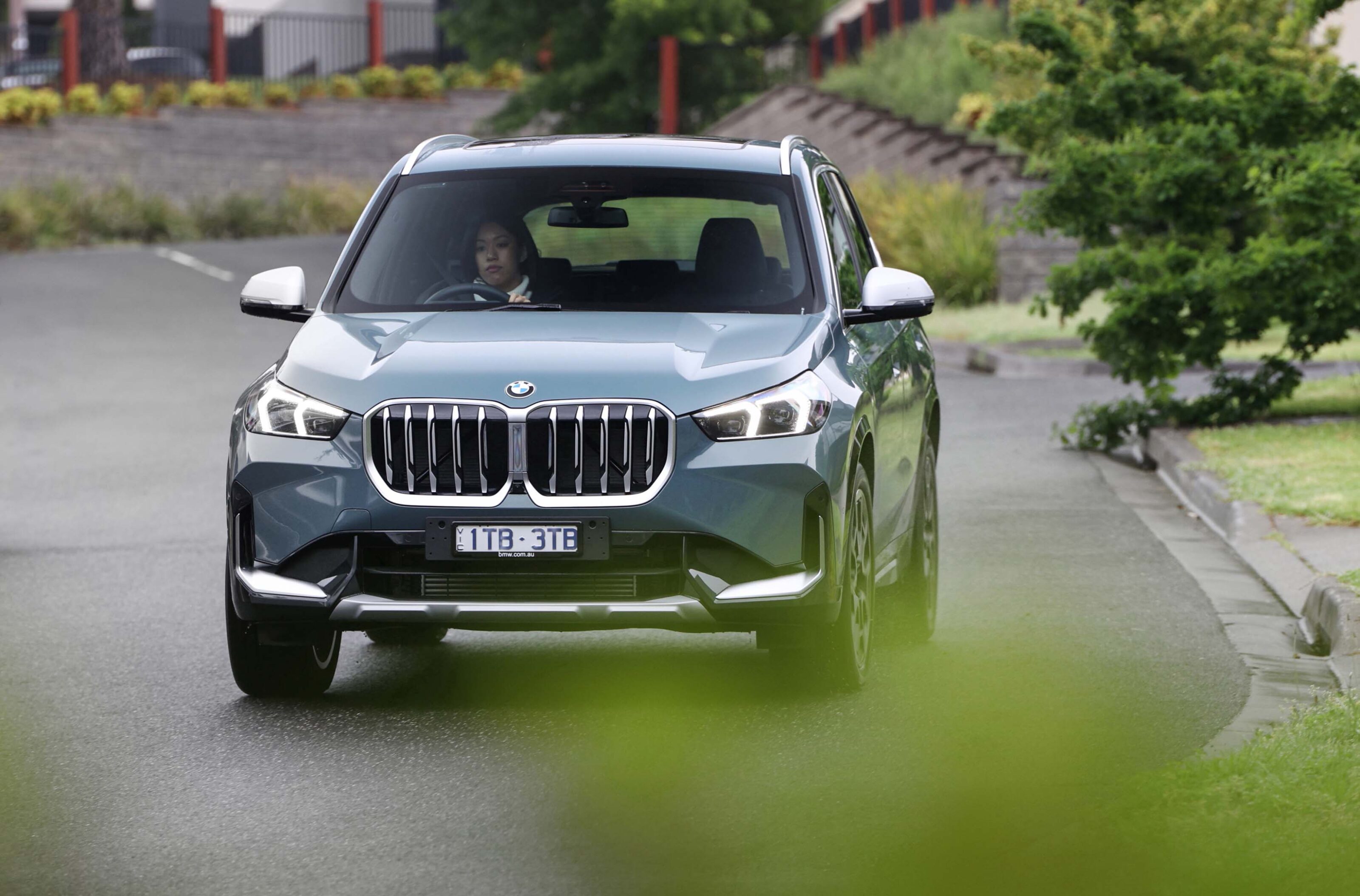
You probably know a bit about the BMW X1 already. In a nutshell, Munich’s baby SUV has been around since 2009 through two generations and it’s done some solid numbers without ever being a particular darling of the Wheels test team.
It now arrives in third-generation guise and, without wishing to pre-empt the verdict of this test, it’s fair to say this latest X1 iteration has upped its game considerably. It needed to.
Rivals with a smart badge on the bonnet haven’t been sitting on their hands – think Audi Q3 and Volvo XC40 – and the X1 needs to pay its way in a range of SUVs that now accounts for more than 60 per cent of BMW Australia’s sales.
So can the X1 do what it’s never been able to do to date, namely elbow its way into the winners’ circle at the top of this class? Let’s dive straight into that.
June 2023: BMW X1 M35i revealed, Australia confirmed
BMW has unveiled a new flagship in its compact X1 range, expected to be priced above the $82,990 iX1 electric SUV.
Learn all about the performance-focused X1 M35i at the link below, and continue reading here for wider 2023 X1 range pricing and features.
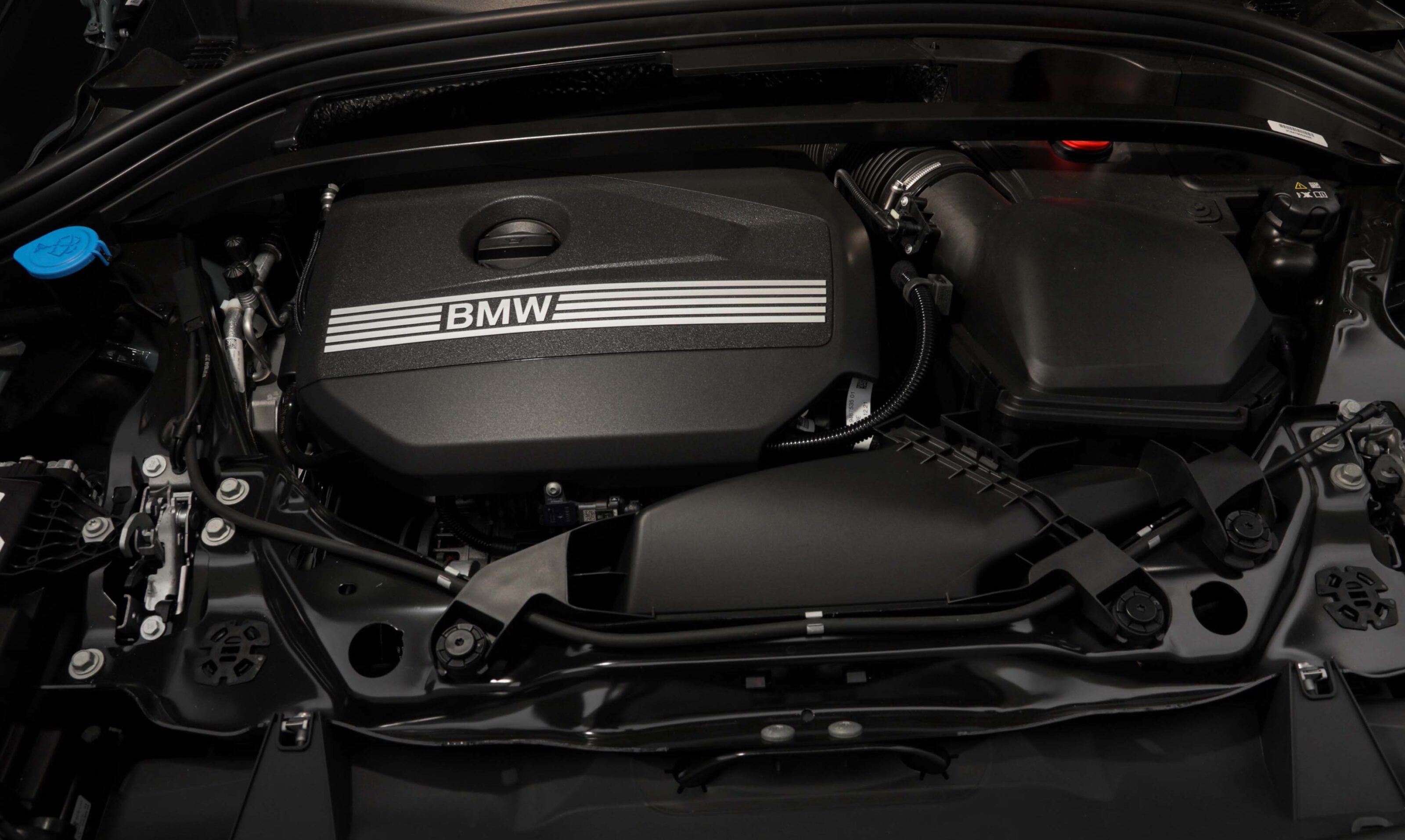
At present, there are two models to choose from. Opening proceedings is the X1 sDrive18i at $53,900 before on-road costs. It’s powered by a three-cylinder 1.5-litre petrol engine good for 115kW and 230Nm. Admittedly that doesn’t sound like much engine for a $50K+ vehicle, and it only drives the front wheels, but Mercedes-Benz is quite happy to sell you a $79K car with a 1.5-litre powerplant that drives two treads so perhaps it’s not quite such a stretch.
Sitting above that is the X1 xDrive20i, which fronts up with a four-cylinder 2.0-litre petrol engine that divides its 150kW/300Nm between all four wheels and opens at $65,900 plus on-road costs.
We didn’t get the chance to test what will become the range-topper of the X1 range, the all-electric iX1 xDrive30, but this 230kW EV, with a mooted 440km of battery range is priced at $82,900 (before on-road costs), will be offered in either xLine or M Sport trims and will feature 22kW onboard AC charging – a first for BMW.
Choose to charge on a DC fast charger and it’ll accept up to 130kW, netting you 10-80 per cent top-ups in as little as 29 minutes. A punchy electric BMW SUV for less than Kia charges for an EV6 GT-Line might well prove popular, but we’ll cover that vehicle separately when it does make landfall here in Australia.
If it’s been a while since you’ve been a BMW customer, you might well be a little surprised at what you get for your money. Long gone are the days when BMW would offer a relatively bare-bones standard car and then present you with a lengthy options list that included fitments you’d reasonably expect to be included on a vehicle at half the price.
As such, the base X1 comes with a decent slug of standard gear.
Standard features
18-inch alloy wheels
BMW Live Cockpit Professional
DAB Digital Radio
Comfort Access
Navigation system with augmented reality technology
Connected Package Professional
Reversing camera
BMW Head-Up Display
Sport leather steering wheel
Instrument panel in Sensatec
Sensatec upholstery
M headliner in Anthracite
Wireless Apple CarPlay
Mirror package inc. anti-dazzle function
Wireless Android Auto
Remote Software Updates
Wireless phone charging
Driving Assistant Plus with:
Sports seats
– Active Cruise Control inc. Stop&Go
xLine styling inc. roof rails
– Blind Spot Monitor
Two-zone automatic climate control
Parking Assistant Plus with:
Adaptive LED headlights
– Surround view camera
Automatic tailgate
– Reversing Assistant
BMW Intelligent Personal Assistant
– Drive Recorder
1
Hand over another $12K for the X1 xDrive20i and aside from the heftier engine and all-wheel drive running gear you’ll also net:
19-inch alloy wheels
Driving Assistant Professional inc. Steering and Lane Control System
Heated seats for driver and front passenger
Electric seat adjustment, front rowu00a0
1
BMW has also streamlined the options list, ostensibly to make the X1 an easier car to build. Rather than allowing buyers to specify individual features at will, it bundles the options into packs.
The Enhancement Pack is priced at $4615 for the sDrive18i and $4000 for the xDrive20i. It adds metallic paint, a panoramic sunroof, Harman Kardon stereo and sliding rear seats. The reason why the pack is more expensive on the sDrive18i is that it also adds Driving Assistant Professional and electric seat adjustment up front, which are already standard on the xDrive20i.
Should you so wish, ask your dealer about 19-inch wheels for the X1 sDrive18i ($2000), 20-inch wheels ($3500 for sDrive18i, $2000 on xDrive20i) and Vernasca leather upholstery ($2800).
That’s as far as you can go in adding gear to an sDrive18i, but should you opt for the all-wheel drive car, you can then furnish the car with a $3000 M Sport pack which includes:
1
Alpine White is the only non-metallic paint finish available for the X1, but metallic finishes comprising Mineral White, Black Sapphire, Phytonic Blue, M Portimao Blue, Sanremo Green, Cape York Green and Utah Orange are another $1800 or complimentary if you’ve ticked the box for the Enhancement Pack.
Alternatively, BMW Individual Storm Bay+, a voguish primer grey, is a $2500 option or $700 over the price of the Enhancement Pack.
Rather controversially, BMW also offers a couple of subscription features on the X1, detailed below.
SEAT HEATING (RRP)
X1 sDrive18i
X1 xDrive20i/iX1
1 month
$29.00
Standard
1 year
$289.00
Standard
3 years
$419.00
Standard
Lifetime
$589.00
Standard
STEERING WHEEL HEATING (RRP)
X1 sDrive18i
X1 xDrive20i/iX1
1 month
$19.00
$19.00
1 year
$169.00
$169.00
3 years
$259.00
$259.00
Lifetime
$349.00
$349.00
The argument that BMW makes for this is, again, that it simplifies the build process and offers customers choice and the opportunity to upgrade their vehicle post-purchase.
We could go back and forth on the wastefulness of including heating elements in a vehicle’s seats and steering wheel when they’re not required and the cost implications thereof, but you probably already have a view on this. Needless to say, it’s likely to be a trend that spreads across the sector.
BMW has confirmed that activated subscriptions are passed onto subsequent owners so if, for example, you bought a three-year heated seats subscription and sold the X1 after a year, the car retains the feature until it expires rather than the original owner getting a pro-rata refund.
1
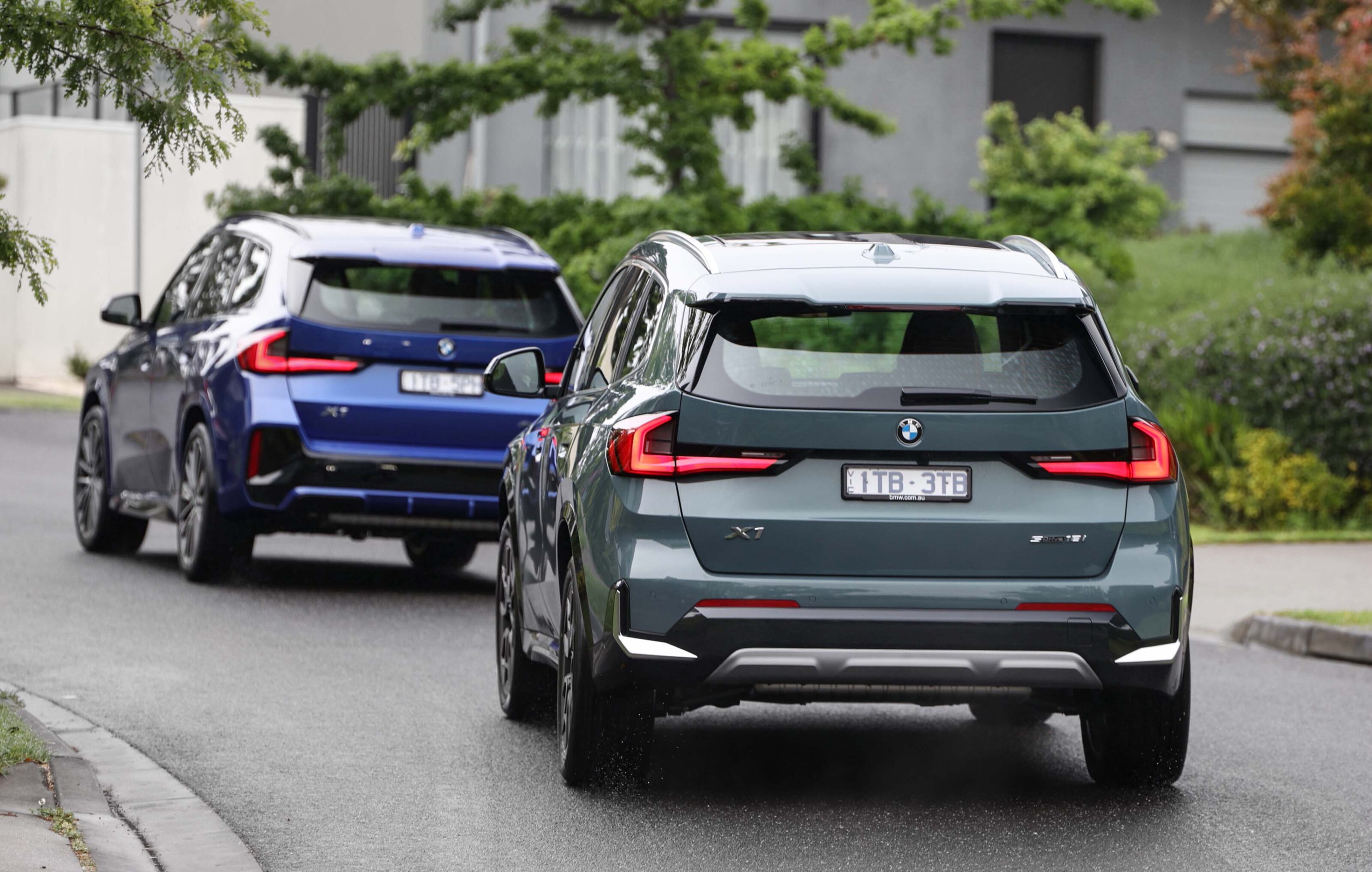
You may well have heard initial reports making much of the fact that the X1 is a bigger vehicle than its predecessor and it is. Not by a huge amount, but the dimensions have all been teased out slightly. It’s still smaller than a first-gen X3, so take the hyperbole with a pinch of salt.
To put some meat on those bones, the wheelbase has been extended by 22mm, the length by 53mm, height by 44mm, width by 24mm, front track by 31mm and rear track by an identical 31mm.
Still, at 4500mm in length, the five-seat X1 is 75mm shorter than a Mazda CX-5 – so it’s unlikely that this latest generation model will have outgrown your garage.
In order to assess the X1’s relative value proposition, it’s important to understand where it sits in the market.
Its key rivals are the Audi Q3, the Mercedes-Benz GLA and the Volvo XC40, each relatively compact five-seat SUVs with desirable badges that measure between 4400 and 4500mm from stem to stern.
Forget about cars like the Jaguar E-Pace or the Range Rover Evoque as credible rivals. These are now far more expensive and tend to compete with the BMW X3 in terms of pricing and features if not size.
Pricing for the third-gen BMW X1 notably undercuts the smaller Mercedes-Benz GLA, the 1.5-litre 115kW sDrive18i being pitched nearly $7K lower than the 1.3-litre 120kW GLA200. In a similar vein, the all-wheel drive xDrive20i variant is more than $8K cheaper than the GLA250 4Matic. The Mercedes fronts up with an additional 15kW while the BMW counters with more interior space. Take your pick.
1
Audi pitches its entry-level Q3 35 TFSI at around $2500 less than the X1 sDrive18i or pretty much identically if you prefer the Sportback body. Should you want all-wheel drive, you’ll pay $63,700 for a Q3 40 TFSI Quattro S Line that just undercuts the $65,900 X1 xDrive20i (both before on-road costs). One caveat: the Audi packs a mere 132kW versus the BMW’s 150kW.
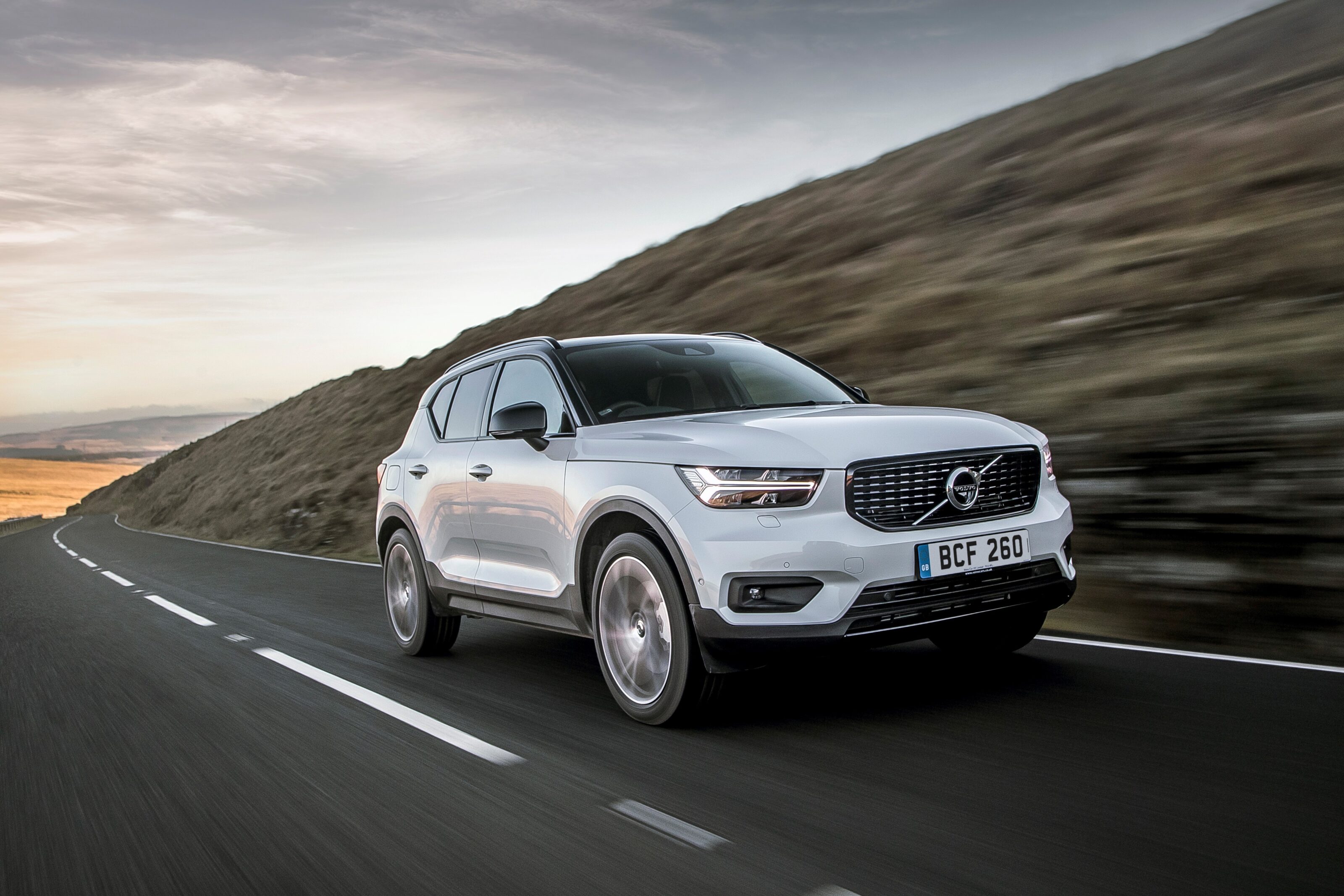
Then there’s the joker in this pack, the Volvo XC40. This opens at $52,900 with a 145kW front-drive model and a 184kW all-wheel drive variant is available from $63,990 (both before on-road costs). If you’re looking for the biggest bang for your buck in this sector, this is where we’d look first.
All of these marques now offer five-year, unlimited-kilometre warranties, BMW belatedly upgrading its three-year deal to five, taking effect from November 1 2022, with validity backdated to registrations from October 1 2022.
The X1’s cabin is the biggest point of departure compared to its predecessors, offering a far plusher, airier and feature-rich environment.
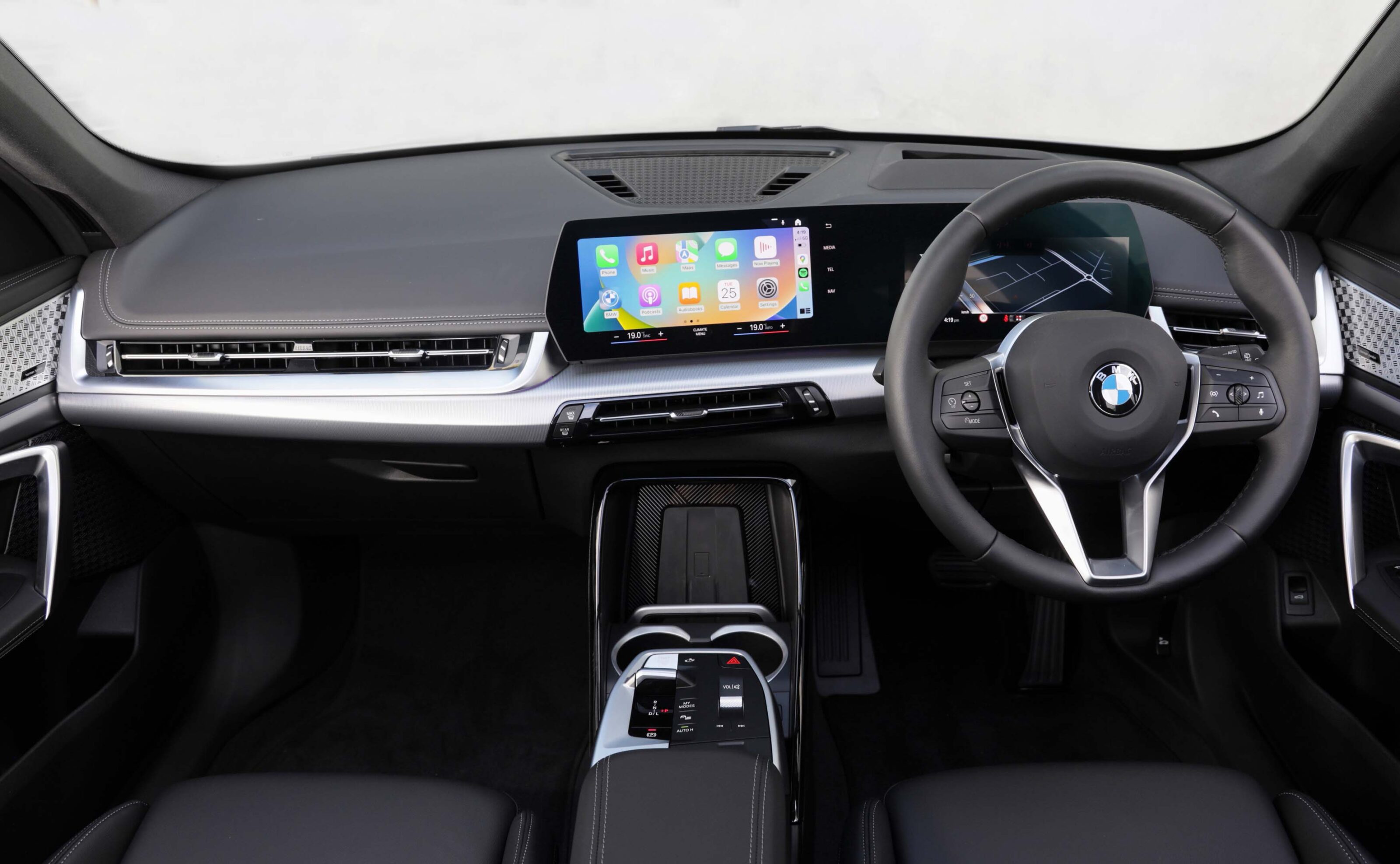
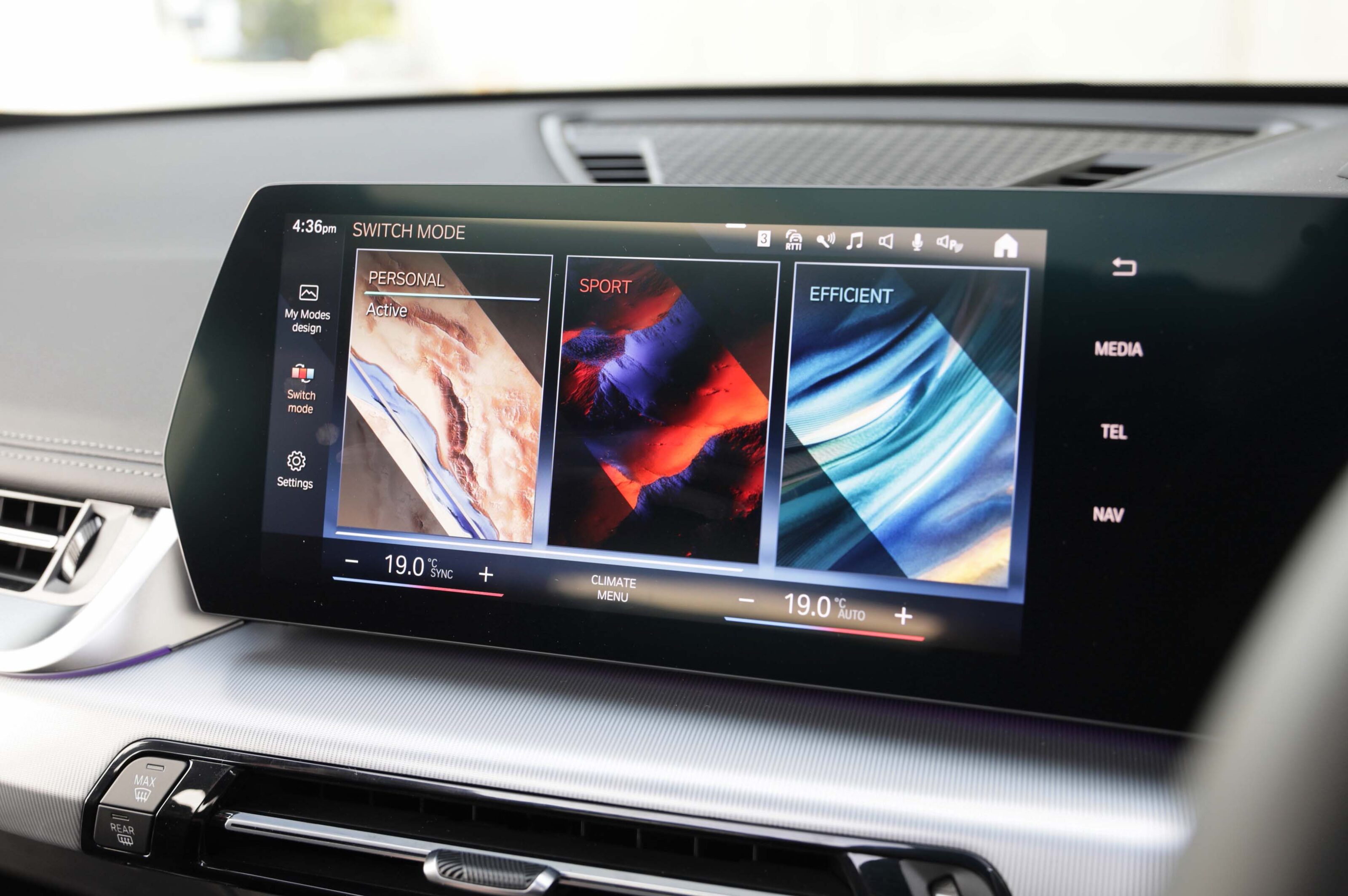
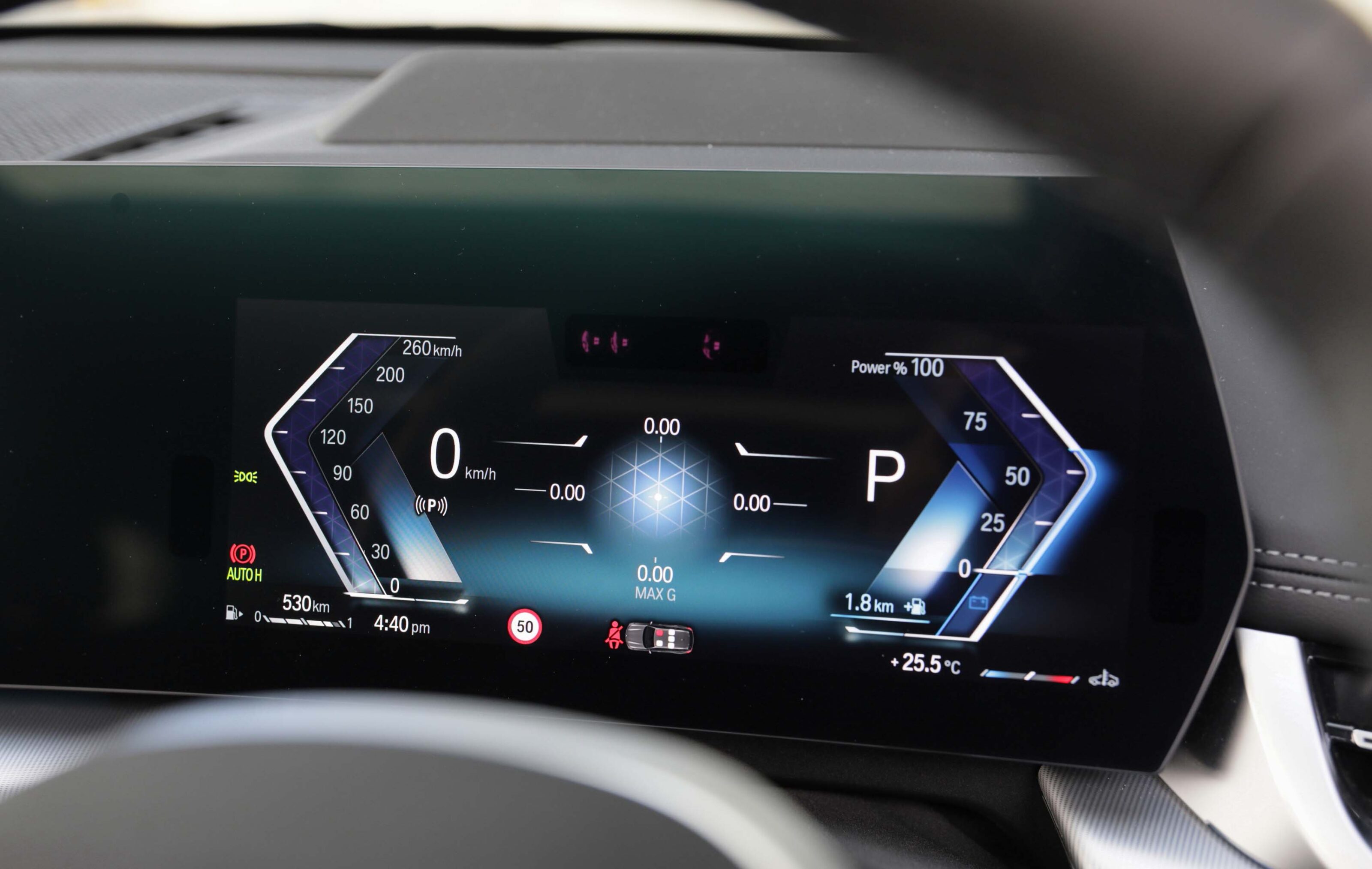
BMW has leaned heavily into digital interaction with this generation, the most obvious difference being the large curved digital display that dominates the dash.
Housing BMW’s latest Operating System 8, the screens comprise a 10.7-inch Control Display that melds with the 10.25-inch instrument cluster ahead of the driver and is augmented by additional information fed via a standard head-up display.
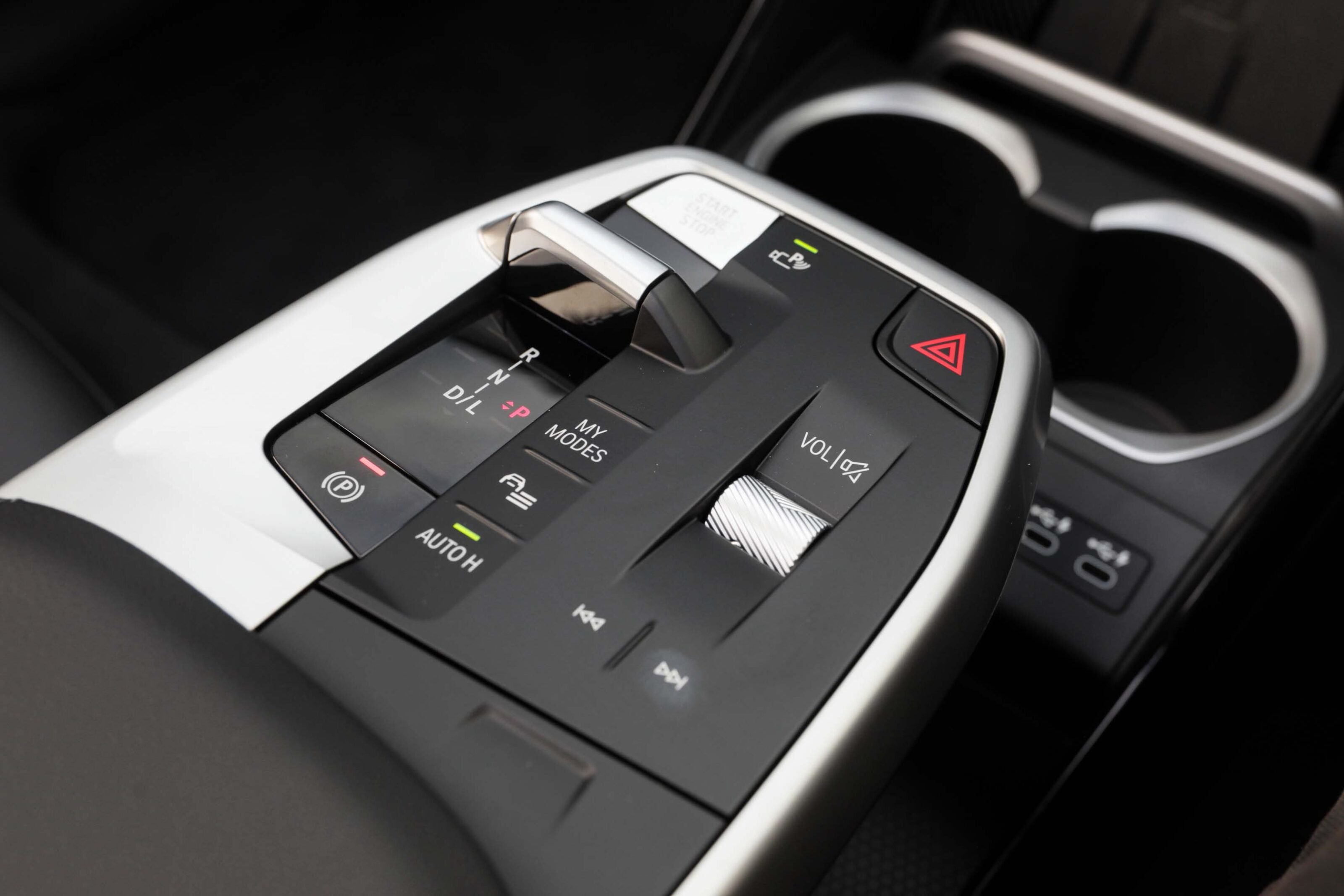
There’s no iDrive controller and BMW’s gesture control system has also been quietly consigned to history, the X1 instead relying on touchscreens and voice controls via the ‘Hey BMW’ prompt.
1
The operating system is swift, but the basic functionality is tricky to navigate at first. Some fairly rudimentary features, such as switching on air recirculation for the climate control, require a number of button presses. The wireless Android Auto installation was quick to boot up, held connection peerlessly and was pretty easy to switch in and out of phone mirroring when accessing other vehicle functions.
An augmented satellite navigation view superimposes directions onto vision from the forward-facing camera, but such is the clarity of the head-up display that you’ll tend to rely on that rather than glancing down at the screen as you approach a junction.
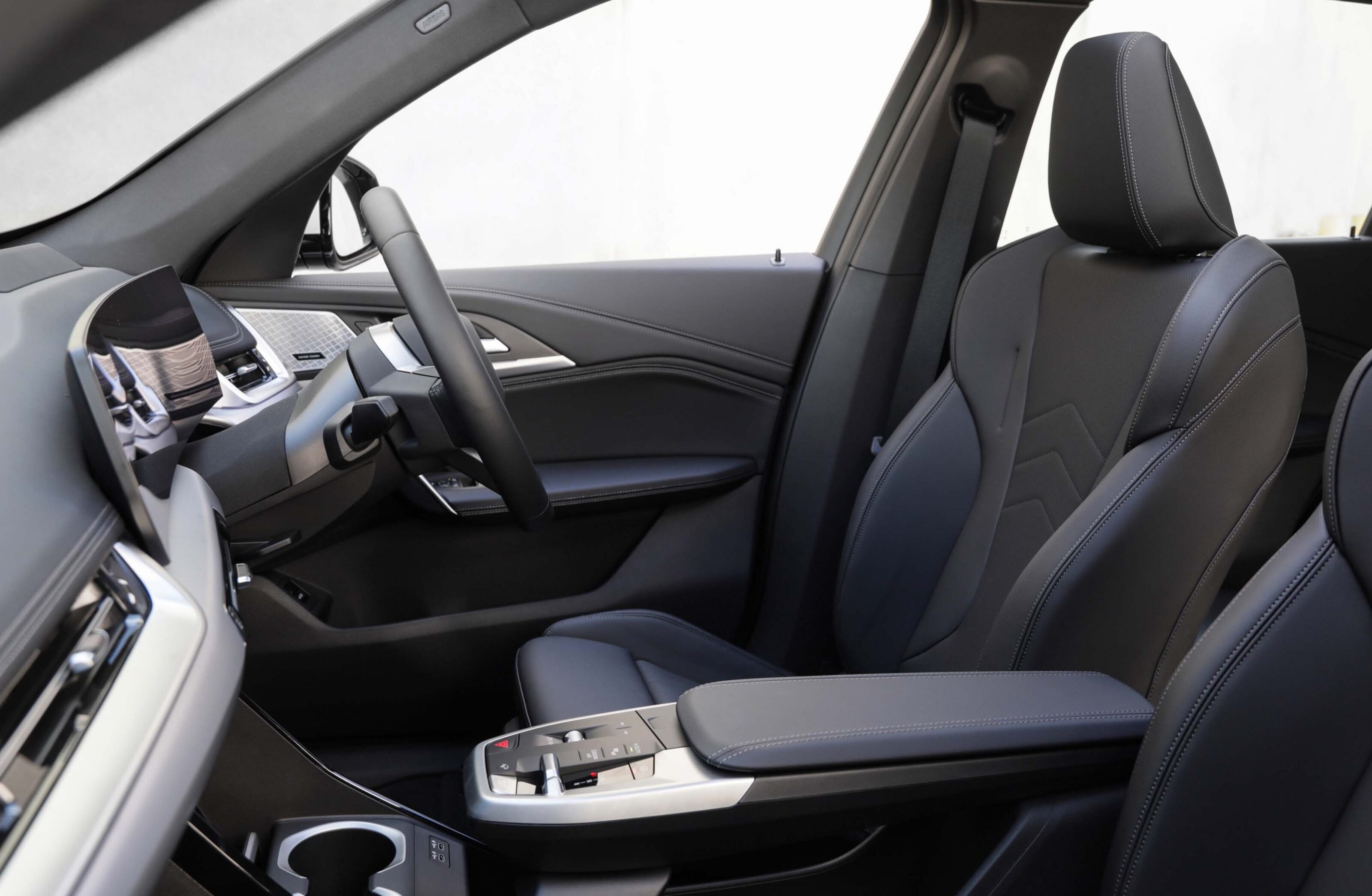
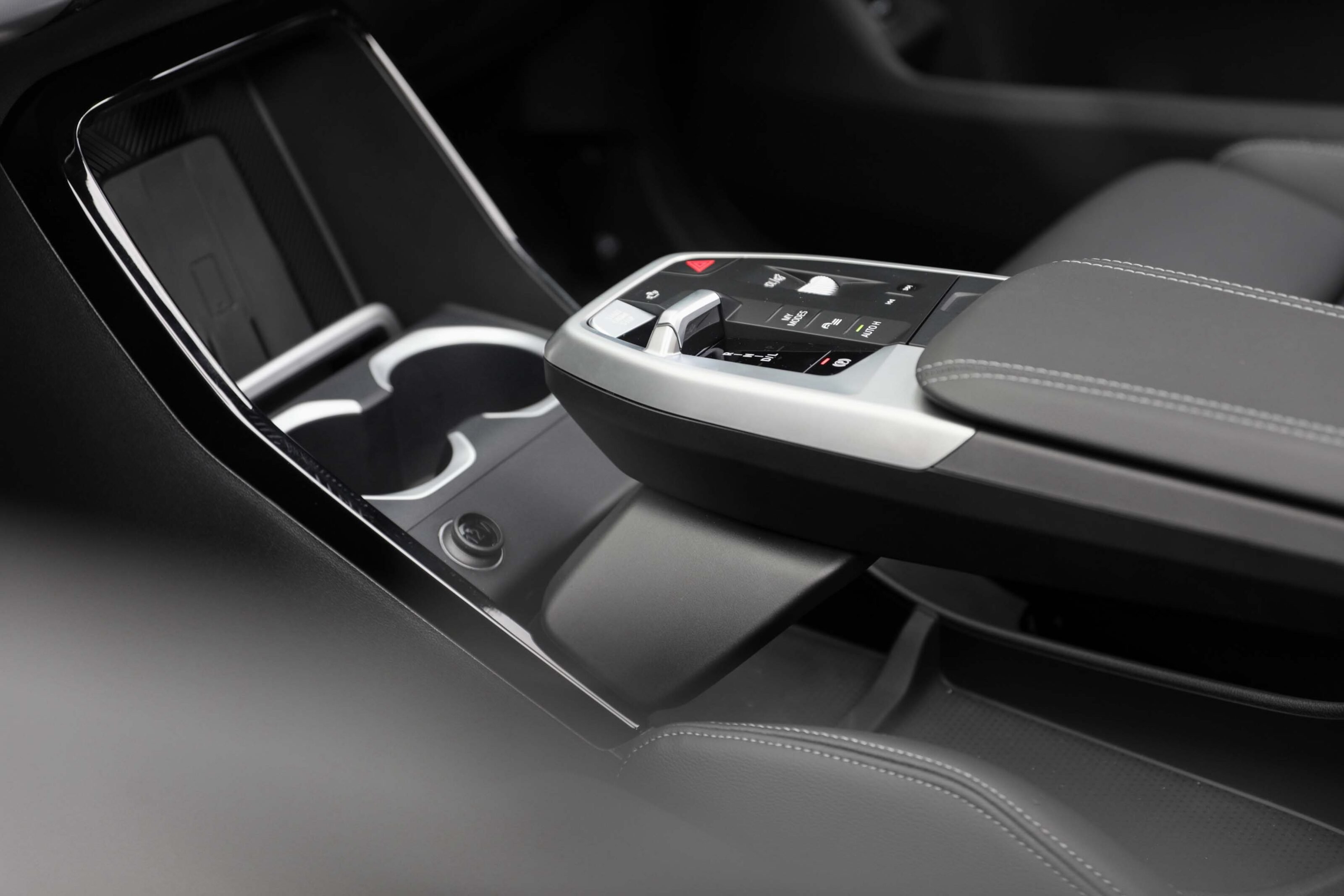
Integrating many of the supplementary functions into the touchscreen, for better and for worse, has allowed for a genuinely clean cabin design that features a spacious centre console with a floating armrest, a couple of cup holders, dual USB-C ports, two 12-volt power sockets and a vertical wireless charging pad.
1
BMW has also made a dedicated effort in creating slim trim panels and air vents to free up space and create the impression of airiness. The driving position is good, with plenty of adjustability to steering wheel and seats, the latter being electrically powered as standard in the xDrive20i.
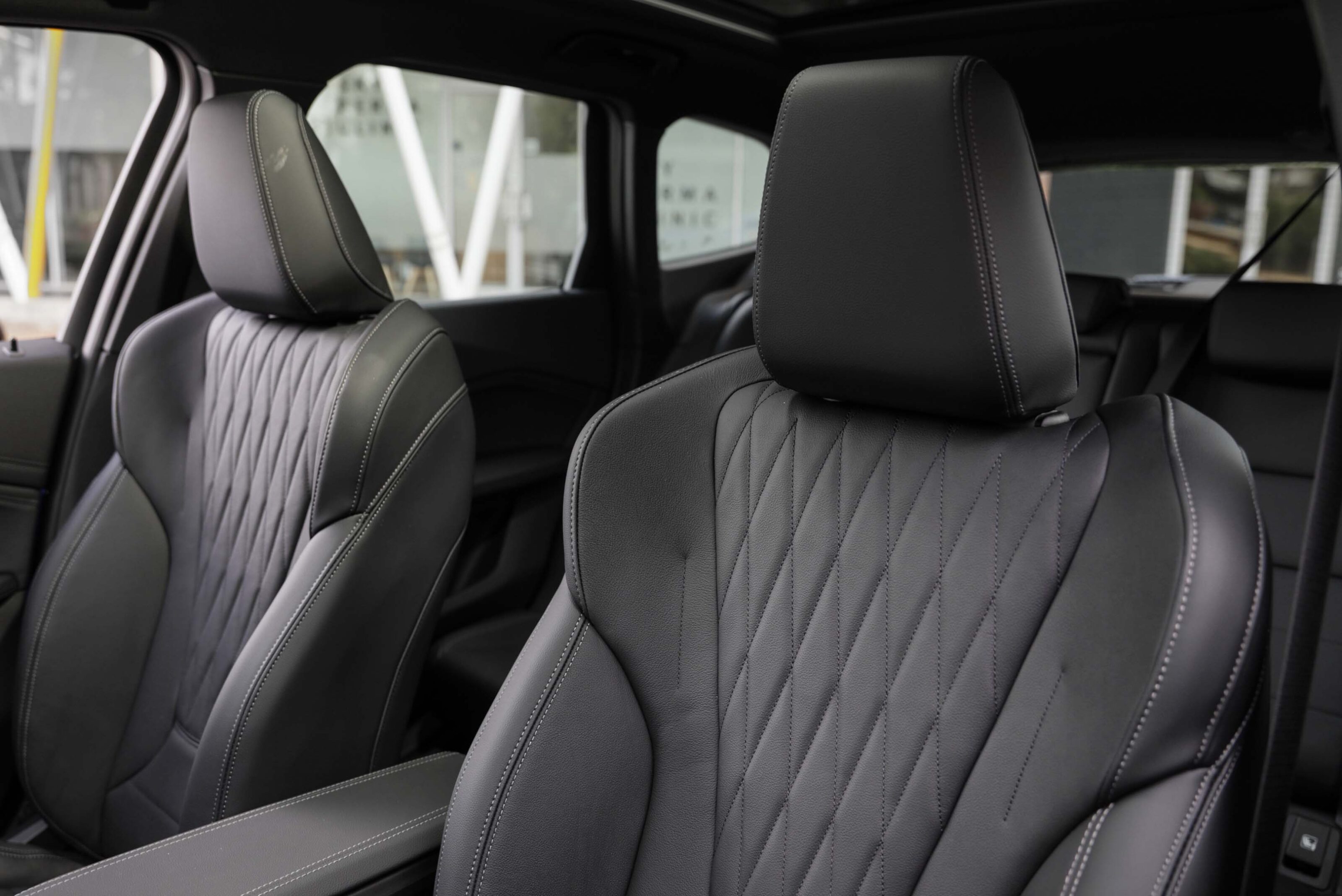
The front seats themselves are interesting, with BMW fitting a sports seat as standard to all models, albeit one where the company has attempted to build in extra comfort as well as a decent amount of side support.
Normally this results in a bulky chair that impinges on rear-seat space but, much as Lotus achieved with its Probax seats, BMW has managed to keep the profile of the seat relatively svelte. An additional 22mm of wheelbase serves to help knee room.
Headroom up front is good for taller drivers, even with the fitment of the dual-pane panoramic glass roof. In the rear, there’s plenty of room for two decently-sized adults, although the seating position is a bit higher. Anyone much over six feet tall may find their hair brushing the surround of the sunroof as a result.
2
The rear bench splits 40:20:40, so while both of the outboard seating positions are fine, the middle seat is definitely the non-preferred option, being higher, narrower and harder. Rear passengers do get air vents and a pair of USB-C ports and there’s also the added benefit that the window line doesn’t kick up too sharply, allowing smaller kids a view out.
All of the door bins could be a bit bigger to better accommodate large bottles, but the central storage bin is relatively generous and there’s additional oddments space beneath the floating armrest.
2023 BMW X1 boot space
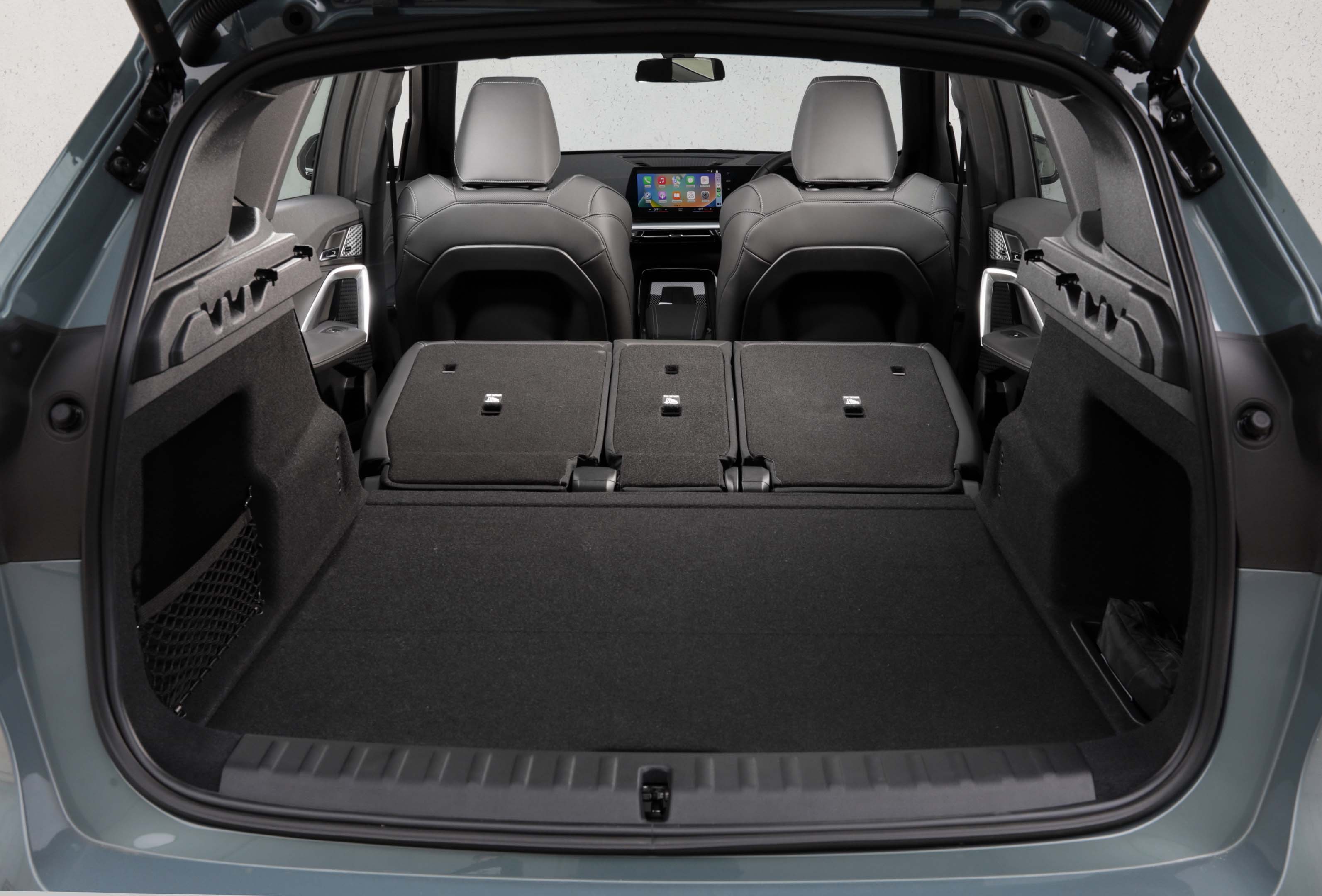
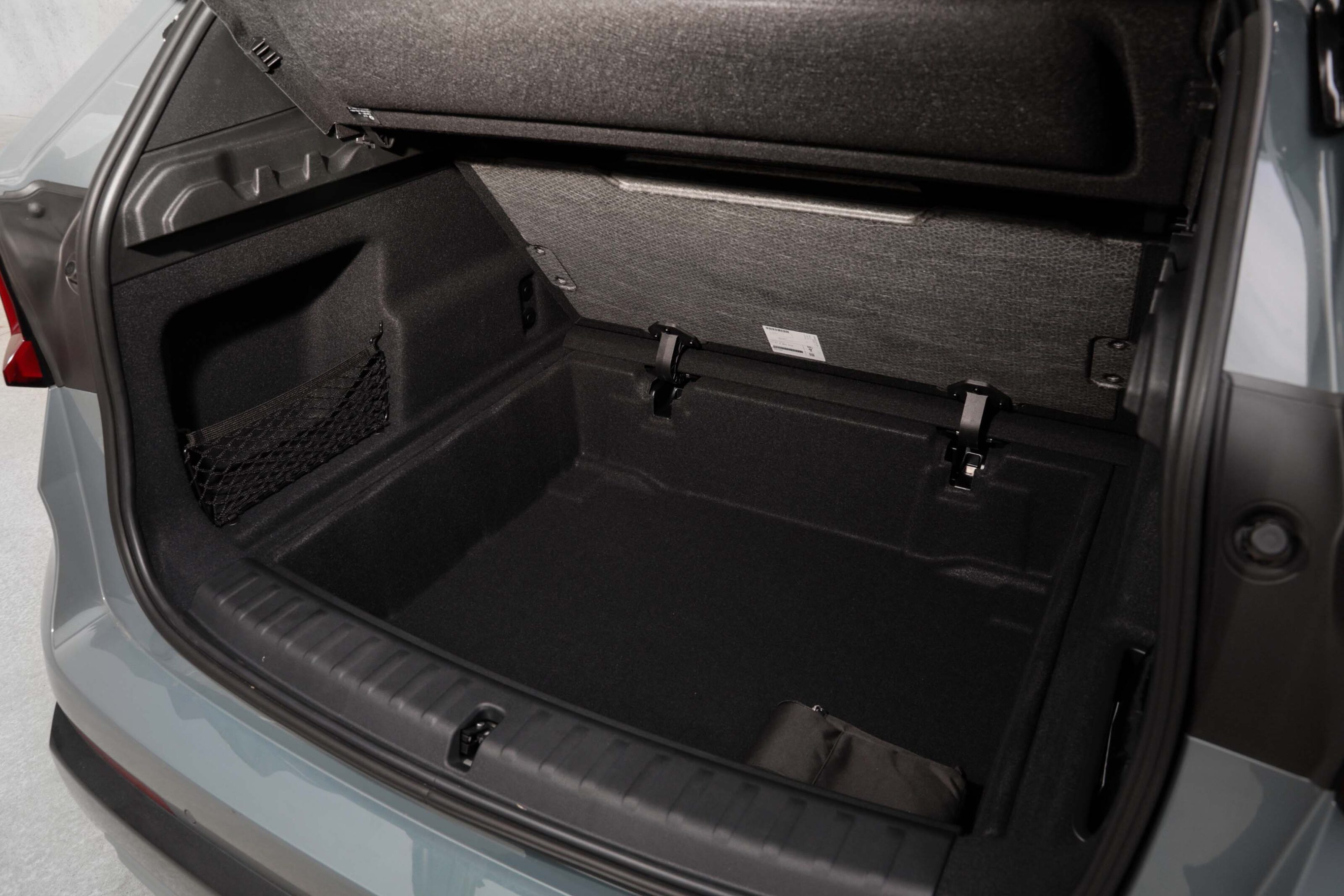
Move round to the back and the somewhat leisurely electrically-operated tailgate lifts to reveal 540 litres of boot space with the rear seats in place and up to 1600 litres when they’re folded. That’s 35 litres more than the previous X1 in five-seat mode and 50 more in two-seat guise.
That very much depends on your expectations. Approach the vehicle expecting it to be the sharpest steer in its class, wearing your ‘Ultimate Driving Machine’ hat and you may well come away a little disappointed. For everyone else with a more sensible view about who buys compact SUVs and why, it’s hard not to be impressed.
We sampled the sDrive18i first and while it’s clear that any SUV with 115kW/230Nm with which to propel 1575kg up the road isn’t exactly going to be a ball of fire, it never felt as if it was underspecified in the engine department for typical usage. It’ll get to 100km/h in 9.0 seconds, which isn’t hugely rapid but nor is it notably sluggish.
1
The three-cylinder 1.5-litre engine emits a purposeful warble when pressed and the seven-speed dual-clutch transmission does a decent job of keeping you plugged into the meat of the power.
That’s a good thing because there are no paddle shifters with which to blip up and down the ‘box should you so wish.
Ride quality, for so long the X1’s Achilles heel, is now more than acceptable, despite the fact that the car I drove eschewed the standard 18-inch alloy wheels for 19-inch rims shod with Hankook Ventus Evo rubber measuring 245/45 R19 all round.
It coped well with some particularly scabby city streets and even when succumbing to the inevitable pothole out in the sticks, damping was measured and, yes, expensive feeling.
1
The steering doesn’t gain quite such high marks. While it’s true and accurate, the rim is too chunky and the assistance is such that genuine feedback is conspicuous by its absence.
You get used to it, but it means the X1 isn’t the sort of car you’d jump into and drive just for the fun of it. It’s just a little too mute in that regard to satisfy, although it’s doubtful that too much of the target market will care.
Switching to Sport mode merely adds weight without offering any additional interaction. The plus side of the anodyne electrically-assisted steering is that the BMW is a very easy car to steer and park at low speeds, with decent visibility and a great surround-view camera.
2
Opt instead for the xDrive20i and you become aware right away that the 150kW/300Nm engine is delivering significantly more get-up-and-go. Even in the horrendously wet conditions in which we drove it, front-end scrabble from a standstill is notable by its absence and we didn’t feel any traction control interventions, so the all-wheel-drive system is good.
BMW claims a 7.4 second 0-100km/h time for the xDrive20i variant, which is agreeably brisk. Again, BMW had upgraded the wheels, with a 20-inch option being offered for the first time on an X1. Even this didn’t unacceptably cruel ride quality, the 245/40 R20 Continental EcoContact 6 tyres being a little quieter over coarse-chip surfaces than the previous Hankooks.
Optioning the M Sport pack brings M Sport suspension with a 15mm ride height reduction, M Sport steering and frequency selective damping, which is a good idea if you’re intent on choosing the 20-inch alloys.
BMW claims a combined economy figure of 6.5L/100km for the 2023 X1 sDrive18i and 7.4L/100km for the xDrive20i.
A local press launch with limited seat time isn’t the best place to assess a vehicle’s fuel economy – in fact, it’s just about the worst – so we can’t really fill in too many blanks around real-world consumption at this point. Check back for a full comparison with rivals for that one.
The official figures don’t seem too bad in isolation, but it’s worth considering that Volvo claims 6.7L/100km for the 184kW XC40 B5 and Mercedes an identical consumption figure for the 165kW GLA250 4Matic, both considerably more powerful than the xDrive20i.
Both of its predecessors scored the full five-star rating and though we can’t presume this new model would follow suit, it would be a major surprise were it to fall short of that mark.
Even the entry-level X1 sDrive18i comes reassuringly stuffed with standard safety equipment, only the Driving Assistant Professional pack residing on the options list. This nets you the steering and lane control functions should you require them.
Here’s some good news. BMW had, until recently, found itself at a disadvantage versus premium rivals in offering buyers a three- rather than five-year warranty. Well, that has now changed.
The official date the warranty takes effect from is November 1st 2022, but validity is backdated to registrations from October 1st 2022 as a gesture of goodwill.
Wolfgang Buechel, CEO of BMW Group Australia, said: “The new warranty offering perfectly complements our extensive range of ownership benefits, making the purchase of a new BMW or Mini even more compelling while providing long-term peace of mind for our customers during their ownership journey.”
Driving range
With a 51-litre fuel tank, range for the sDrive18i averages out at 784km while the xDrive20i ought to cover 689km between refills. Both will run on 95 RON premium unleaded.
Resale value
Three-year residual values are pitched at 56 per cent for both petrol-engined variants.
2023 BMW X1 buyers will get a well-finished, refined and handsome compact SUV that never feels as if it’s trying too hard to impress.
The BMW X1 is an easy car to underestimate. Neither of the prior variants ignited the undergarments of professional road testers but have nevertheless performed reasonably in the sales charts. The third-gen model is cut from a different cloth.
It feels as though the X1 has grown out of its awkward teenage phase and finally understands its place in Munich’s hierarchy of SUVs. It doesn’t try to be particularly sporty and is all the better for it.
Buyers will get a well-finished, refined and handsome compact SUV that never feels as if it’s trying too hard to impress.
It’s perfectly possible to choose a base sDrive18i and drive it away from a dealership with precisely no options and not feel as if you’ve done yourself a disservice.
The one piece of advice I’d offer is that in order to preserve ride quality, don’t be tempted by an uptick in wheel size. Tyre sidewall is your friend.
Of course, there will be some who wonder about the amount of engine you’re getting for your money when choosing an X1 and that’s a valid concern. There are better choices around if you want a compact SUV with some venom when you mash the right pedal.
Should outright speed be less important than the feel-good factor of a cohesive and genuinely likeable vehicle, you’ll find a lot to like in the latest X1.
Granted, the situation is fluid as far as product delays go, but a spokesman for BMW Australia was confident that there would be little delays in the pipeline. Dealers were quoting a five month lead time from initial order to delivery.
Do you want a warranty or not? You’ll pay around $56k for a three-year old X3 sDrive20i which, at the time of writing, would be a 2019 pre-facelift model, so we’d lean heavily towards putting your money into a new X1. It’s a better thing.
Unless you really want the all-weather grip of the xDrive model, it’s hard to see how the sDrive would disappoint. If anything, its three-pot powerplant is the more characterful unit and although it is noticeably slower than the xDrive20i’s two-litre engine, the X1 never feels so focused a driver’s tool that this arises as a major issue.
No. Move on.
Hold down the camera button and you’ll be able to record up to 40 seconds of footage. BMW claims you can “film beautiful landscapes as well as critical driving situations in road traffic”.
The Digital Key Plus feature allows drivers to use NFC (Near Field Communication) and UWB (Ultra Wide Band) to access the vehicle. NFC requires the placement of the phone on the door handle for locking/unlocking, and the placement of the phone in the smartphone tray to start the vehicle. UWB essentially allows your phone to utilise a similar functionality to Comfort Access whereby the phone can remain in your pocket to unlock/lock vehicle and start the car as long as the phone is inside the vehicle. At the moment for Android, only Google Pixel devices have the capability to set up for the Digital Key/Digital Key Plus functionality. Pixel 6 & 7 are equipped for NFC, while Pixel Pro 6 & Pro 7 are equipped for UWB, but the functionality is not yet launched to work on the vehicle. This is an evolving topic as more smartphone manufacturers enable functionality for their devices.
Key Points
Porsche has now produced more than 100,000 Taycans
First EV outsells iconic 911, 718 sports cars
The 100,000th example was a Neptune Blue Turbo S
The 100,000th Taycan has rolled off Porsche’s Zuffenhausen assembly line three years after production first commenced.
Porsche marked the milestone on November 7 with a Neptune Blue Porsche Taycan Turbo S, destined for a customer in the United Kingdom.
The first Taycan rolled of the production line in September 2019 marking Porsche’s first pure battery-electric model. It happened just before the COVID-19 pandemic brought ongoing semiconductor and parts supply shortages.
1
Globally, the Taycan outsold the iconic 911 in 2021 by 2832 units. Porsche says the USA, China and Britain are the top markets for Taycan.
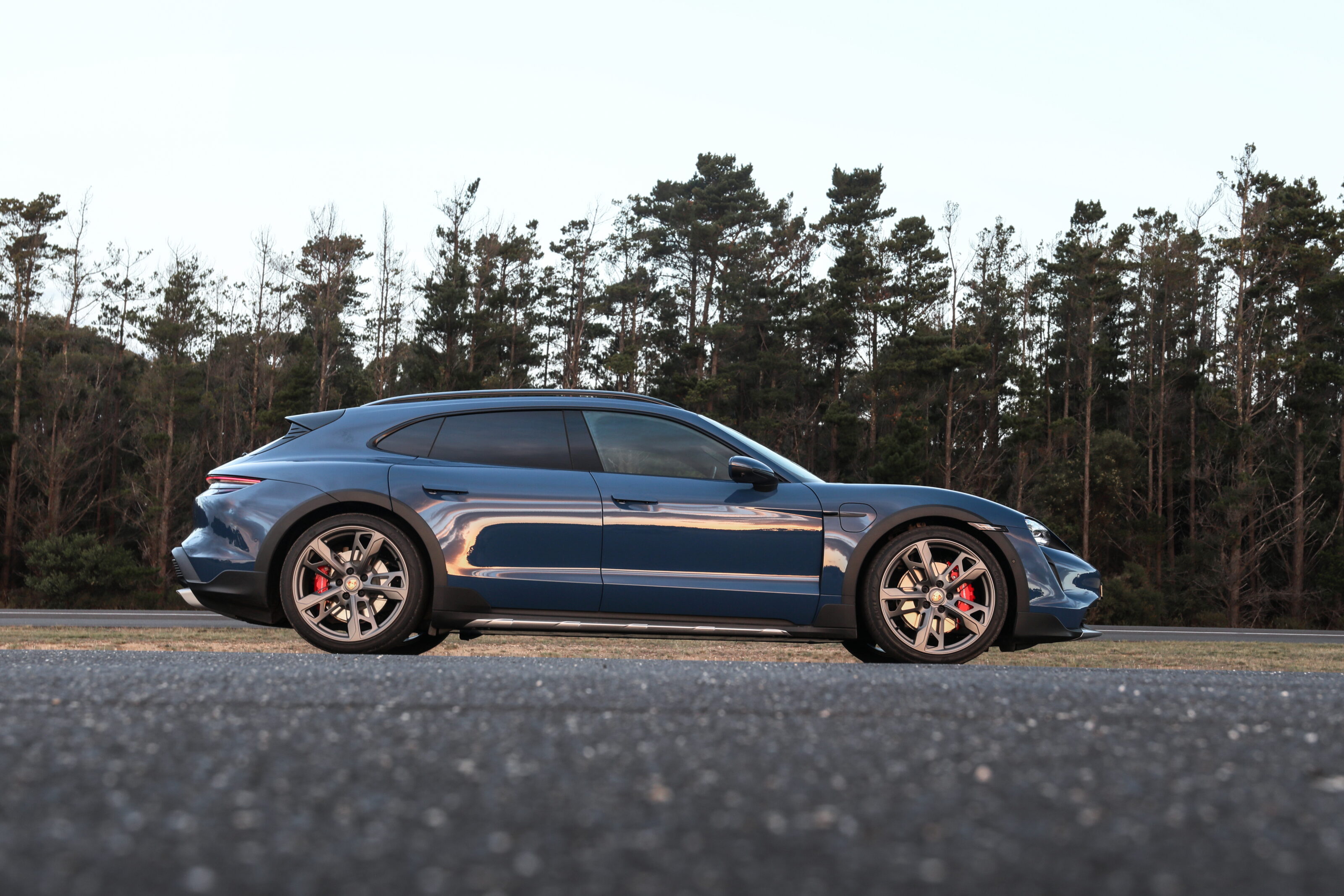
The Taycan debuted locally in mid-2020. Since then, the line-up has expanded with an entry-level rear-wheel drive model, rugged-looking Taycan Cross Turismo wagon, introduction of the iconic GTS (Gran Turismo Sport) badge, and Sport Turismo wagon (which won’t be sold in Australia).
In July, the company released a major 2023 software update for all Taycan owners via a service visit, with a new model-year designation for the first time.
1
A mid-life Taycan facelift is expected in 2024, as it the all-new Macan EV medium SUV.
The Porsche Taycan currently starts from $132,150 before on-road costs and options. The $351,00 Turbo S headlines the range with 560kW of power, 1050Nm of torque and claimed 0-100km/h sprint of just 2.8 seconds.
As of the end of October this year, 412 Taycan examples were sold in Australia.
Whereas the existing XC40 Recharge and C40 Recharge small SUV twins are based on a modified internal combustion platform, the seven-seat EX90 large SUV – similar in size to the current XC90 – rides on the Geely-developed SPA2 architecture.
1
This dedicated EV platform is shared with the recently-revealed Polestar 3 and the upcoming Polestar 5.
At launch, one powertrain will be offered, while the latest technologies include bi-directional charging and a standard roof-mounted LiDAR scanner for full self-driving capability.
In Australia, the EX90 is tipped to launch in late 2024, with production commencing in the United States and China next year.
Below: What do you think of the EX90’s headlight animation? Tell us in the comments below!
Battery, powertrains, charging and driving range
As with the Polestar 3, the Volvo EX90 will be available with one powertrain option at launch – albeit with the former’s Performance Pack as standard.
Under the skin, the EX90 features a 111kWh lithium-ion battery pack, which provides energy to a dual-motor system.
It will support bi-directional charging, with vehicle-to-load (V2L) and vehicle-to-grid (V2G) technology.
1
The feature will be initially available in selected markets, with the EX90 capable of powering homes and “other electric devices”, such as portable appliances.
It will be automatic and managed within Volvo’s smartphone app, with algorithms designed to reduce the risk of potential battery degradation from the vehicle acting as a power bank.
In addition, Volvo claims using the EX90 to power your home could be beneficial during peak periods when electricity prices are higher, following a prior top-up during off-peak times.
As standard, the Volvo EX90 is powered by a dual-motor, all-wheel drive system producing 380kW and 910Nm.
1
Volvo has yet to confirm performance figures, but the related Polestar 3 is capable of a 4.7-seconds 0-100km/h sprint with the Performance Pack.
Likewise, its charge rate is unknown, but the Polestar 3 is capable of DC fast-charging up to 250kW, which delivers a top-up from 10 to 80 per cent in around 30 minutes.
Volvo says the EX90 has a WLTP-rated driving range of 600 kilometres – down slightly on the Polestar 3 but ahead of the Mercedes-Benz EQE 500 SUV (547km) and Audi Q8 E-Tron 55 (582km).
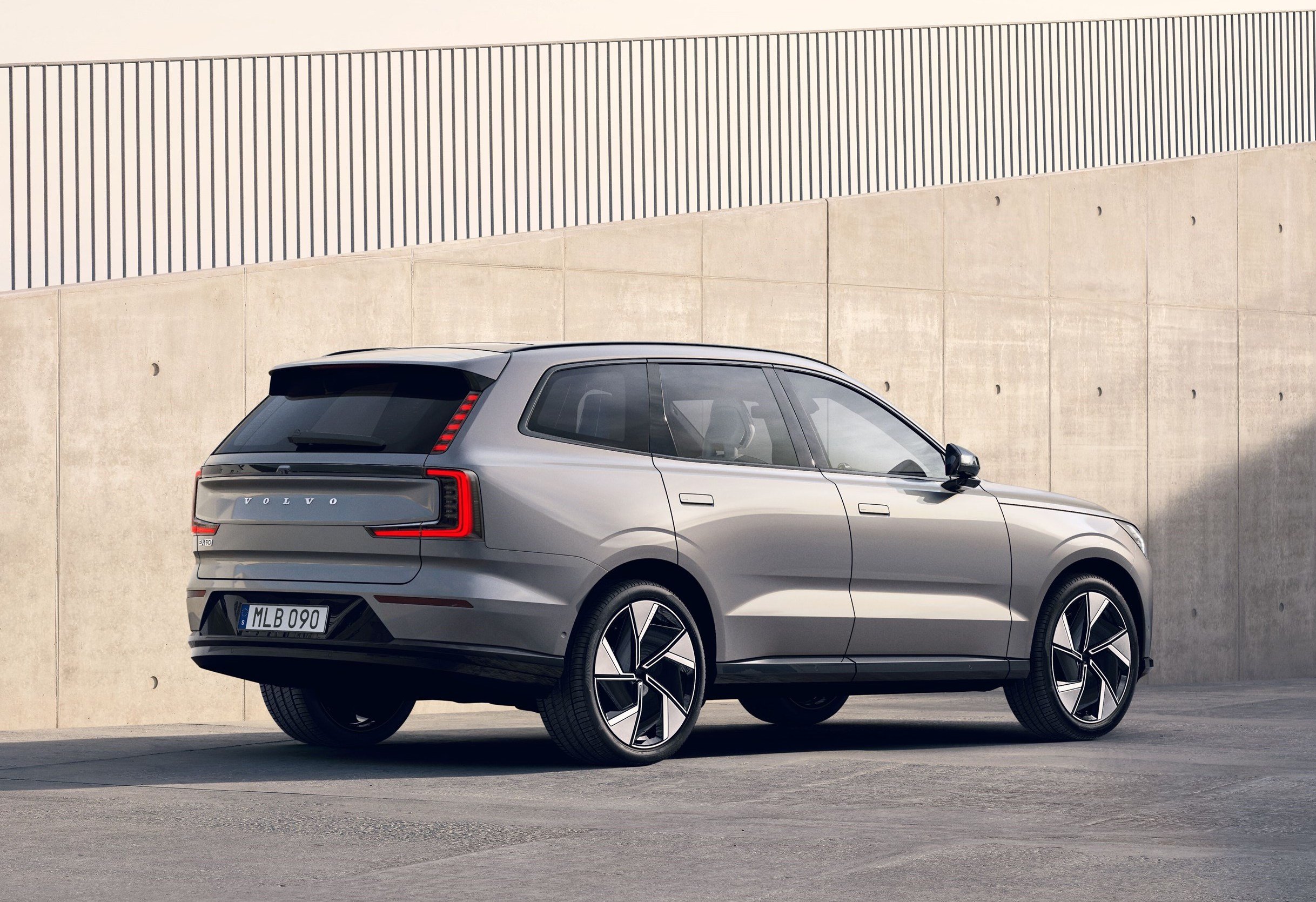
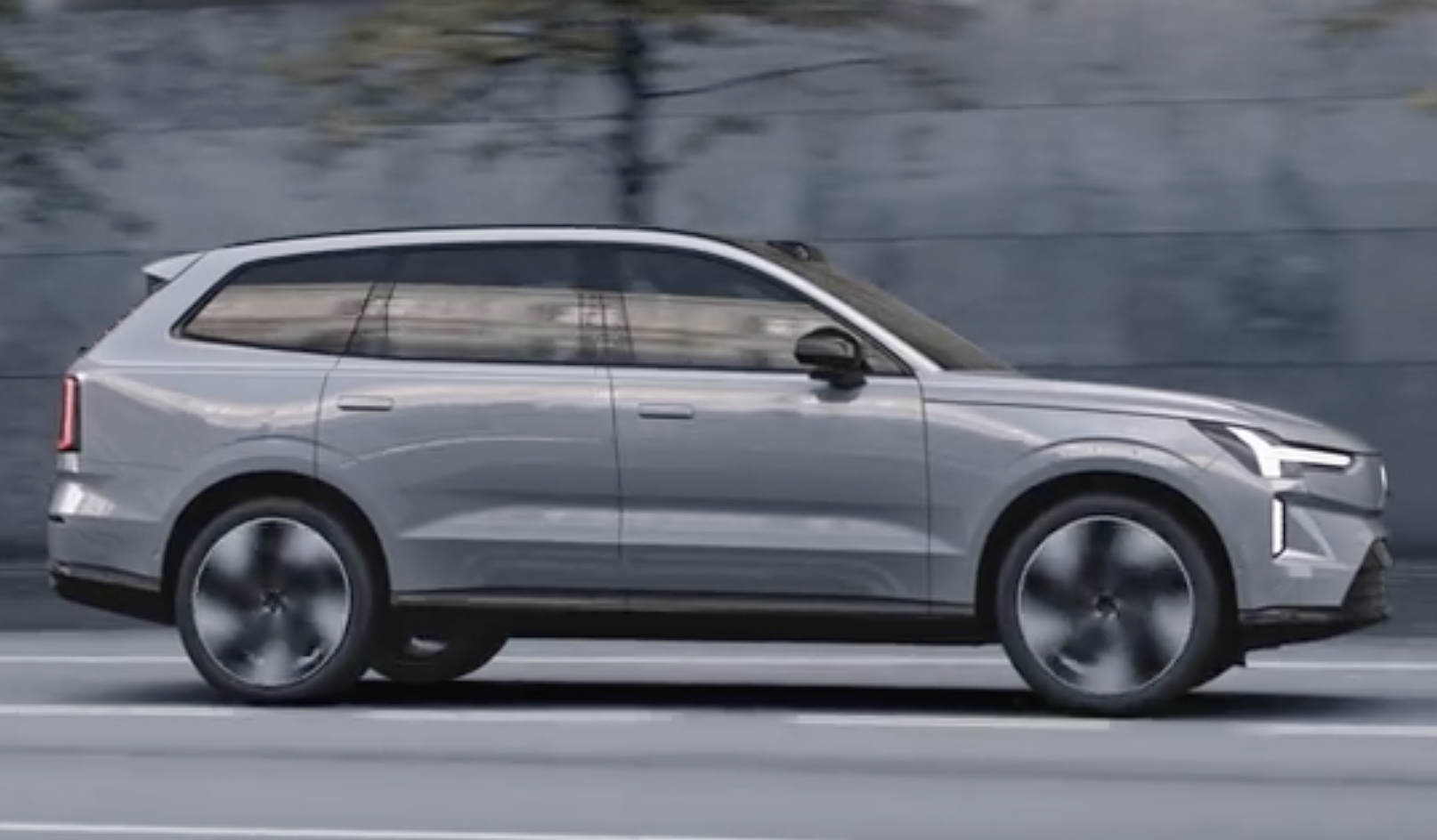
As expected, the EX90 has a familiar silhouette to the XC90 but with contemporary flourishes, such as tail-lights similar to the Volvo S60 and Polestar 2 sedans and flush door handles.
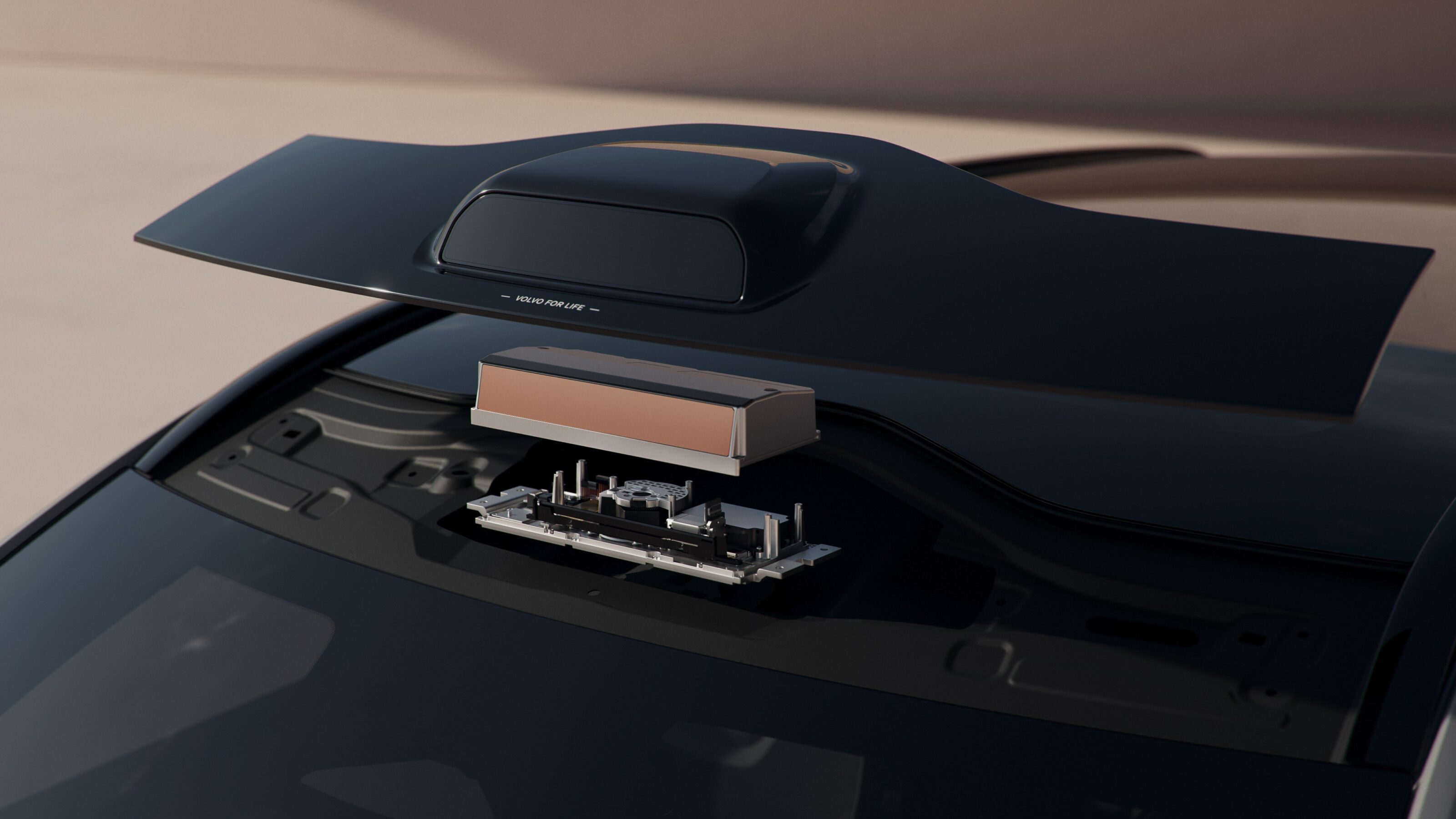
The unusual bump on the roof houses the EX90’s LiDAR scanner, which will enable full self-driving technology in select markets in the future. For more information, click here.
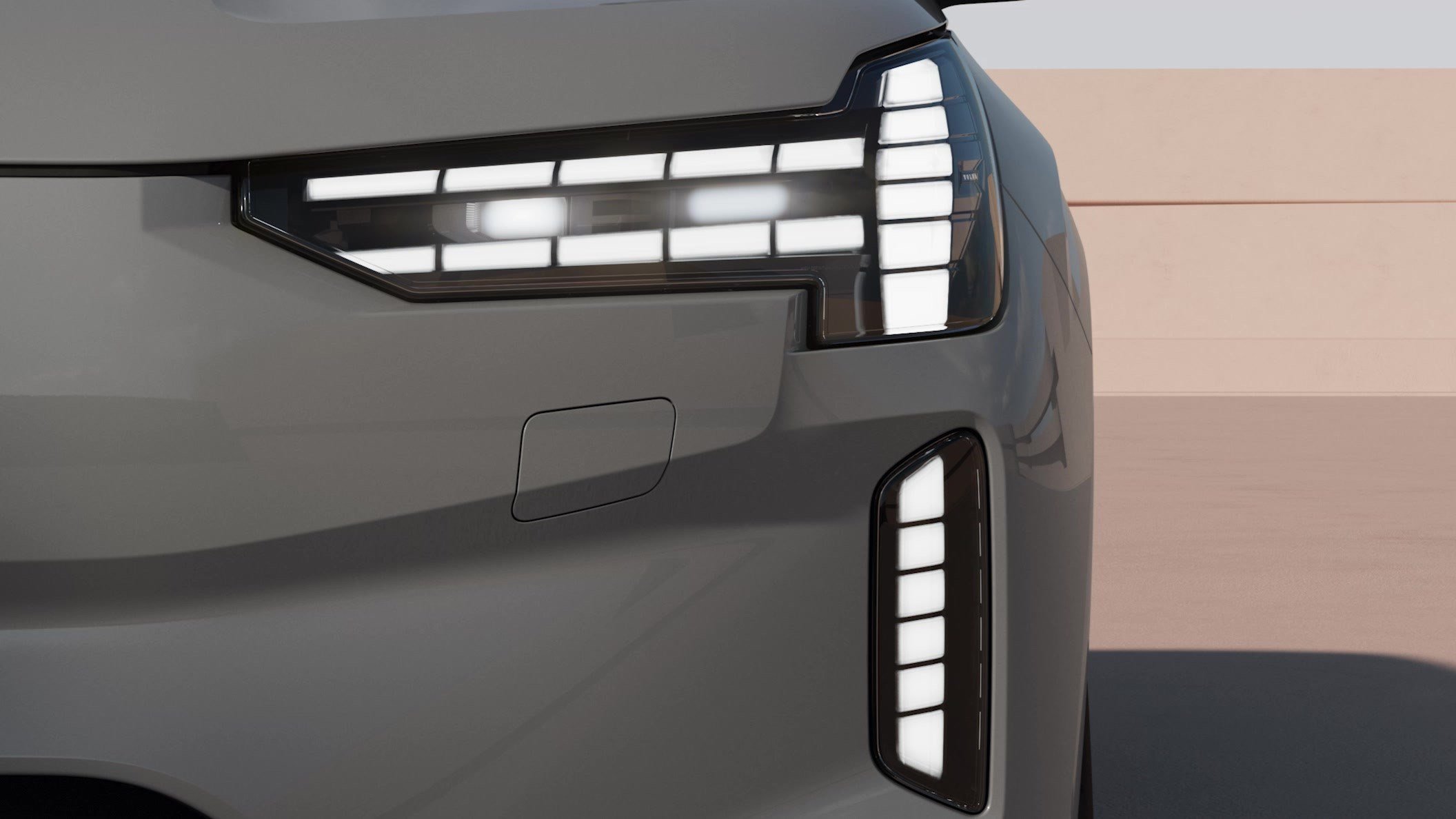
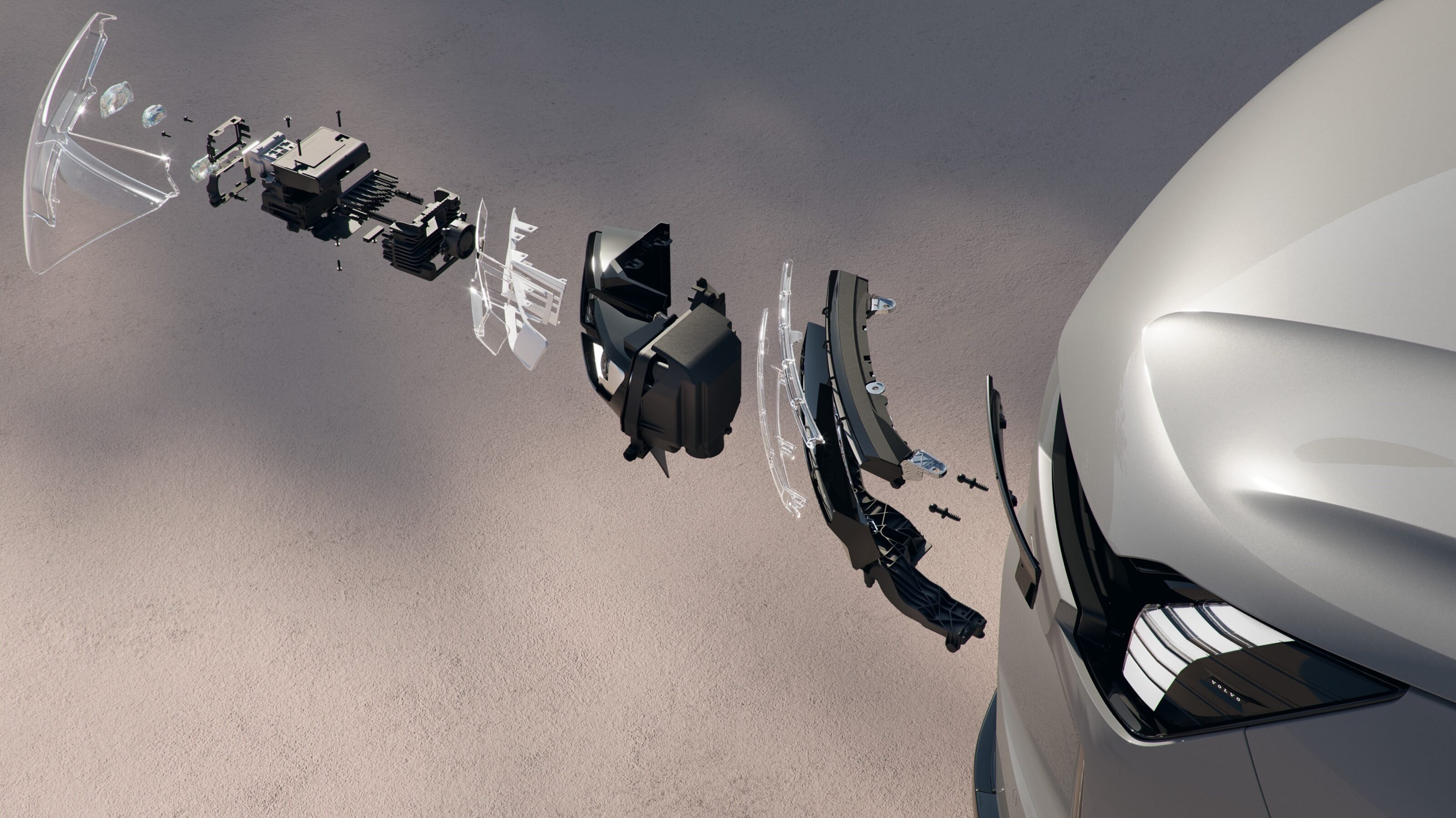
Up front, the closed-off grille and bumper are joined by the brand’s Thor Hammer lighting system, which has been improved with digital matrix-LED lights and separate daytime running lights similar to the Hyundai Palisade.
1
The large alloy wheels feature off-centre Volvo badging, while the side profile is an evolution of the XC90’s design, with a large glasshouse and boxy shape.
As announced last week, the EX90 has a claimed aerodynamic efficiency of 0.29Cd, which is competitive for a seven-seat SUV. For reference, an Audi Q7 is listed at 0.36Cd.
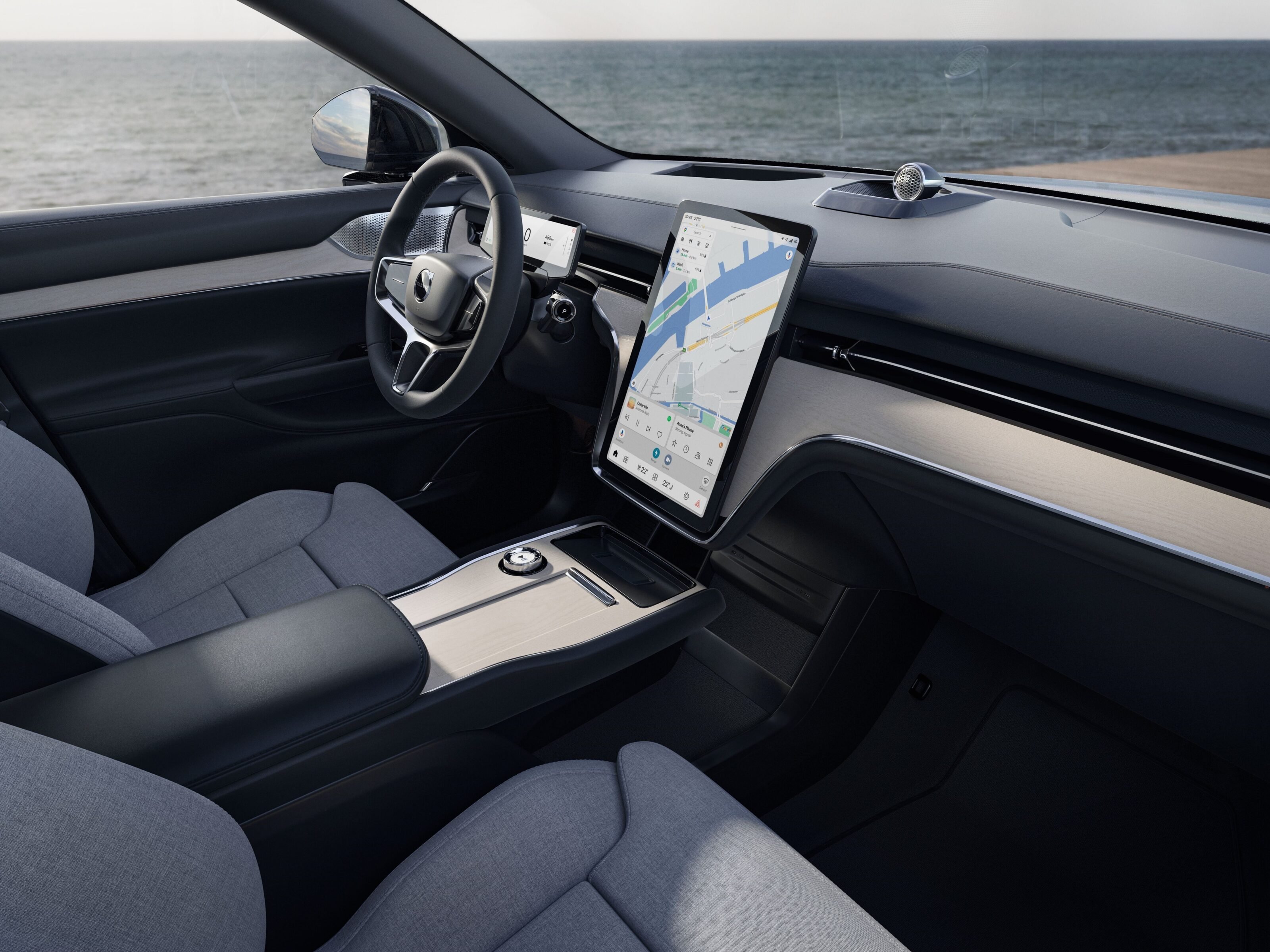
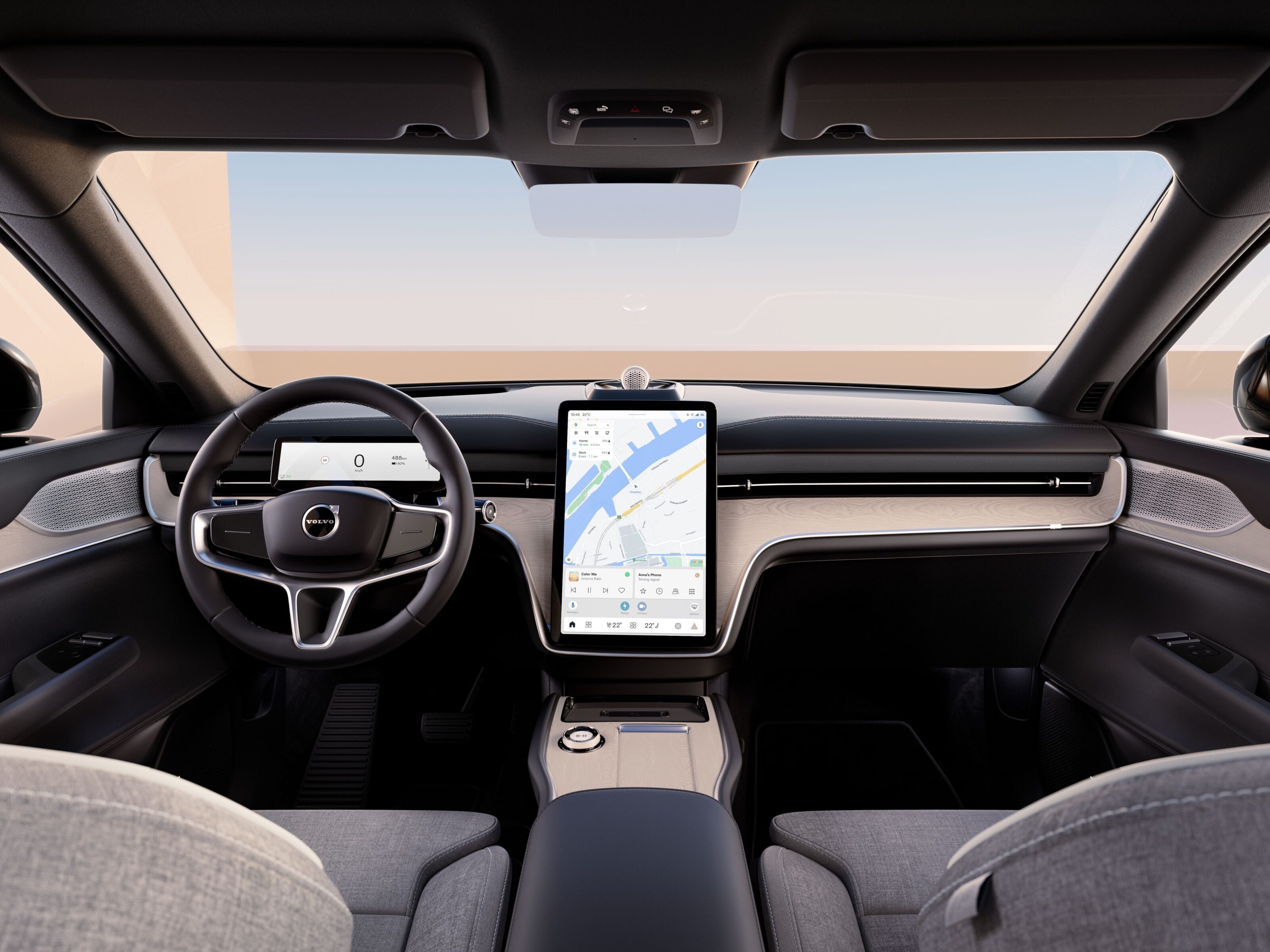
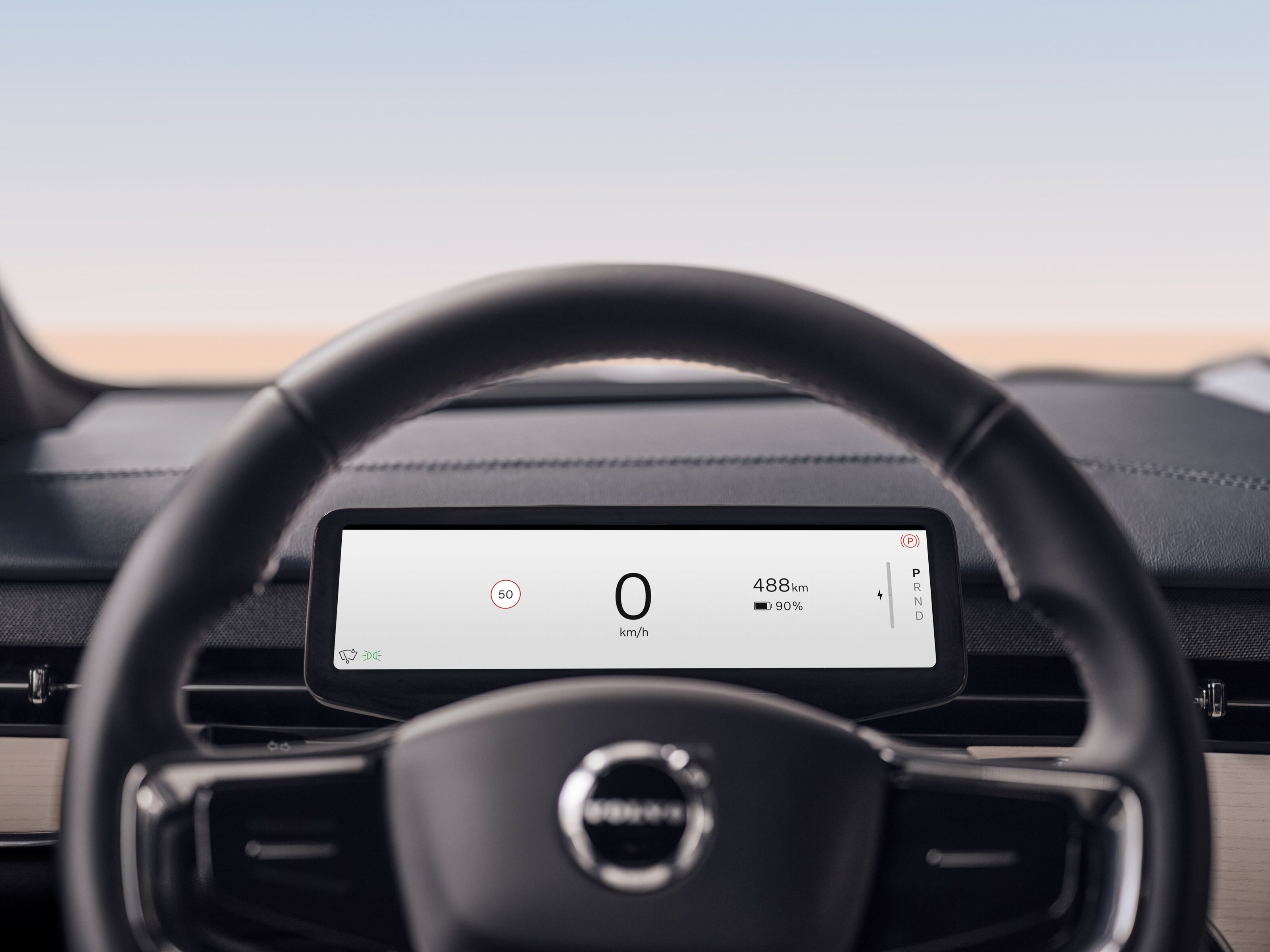
Inside, the cabin is an evolution over the XC40 and XC60 – though similar to Polestar 2 and 3 – with a minimalistic design featuring a slim digital instrument cluster, large portrait-orientated infotainment system, and an illuminated capacitive-touch steering wheel.
According to Volvo, the instrument cluster graphics are designed “to present what you need in a simplified way”, with a real-time readout of what the assisted driving feature has detected.
As with the Tesla Model Y, the electronic door handle switch is hidden, while there’s also a column-mounted gear shifter. However, a physical play/pause and volume rotary dial remains fixed to the centre console, in line with the current Volvo range.
1
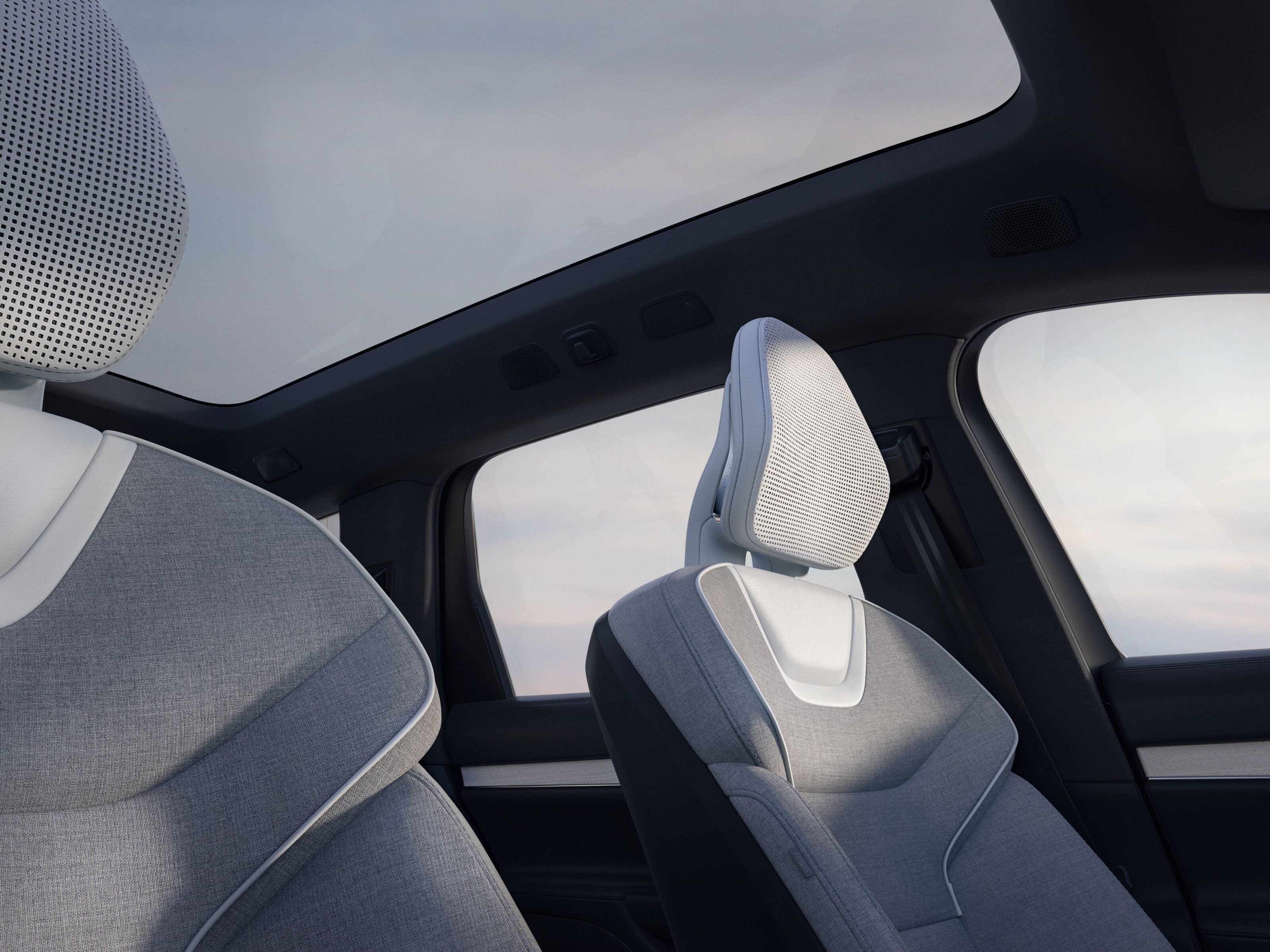
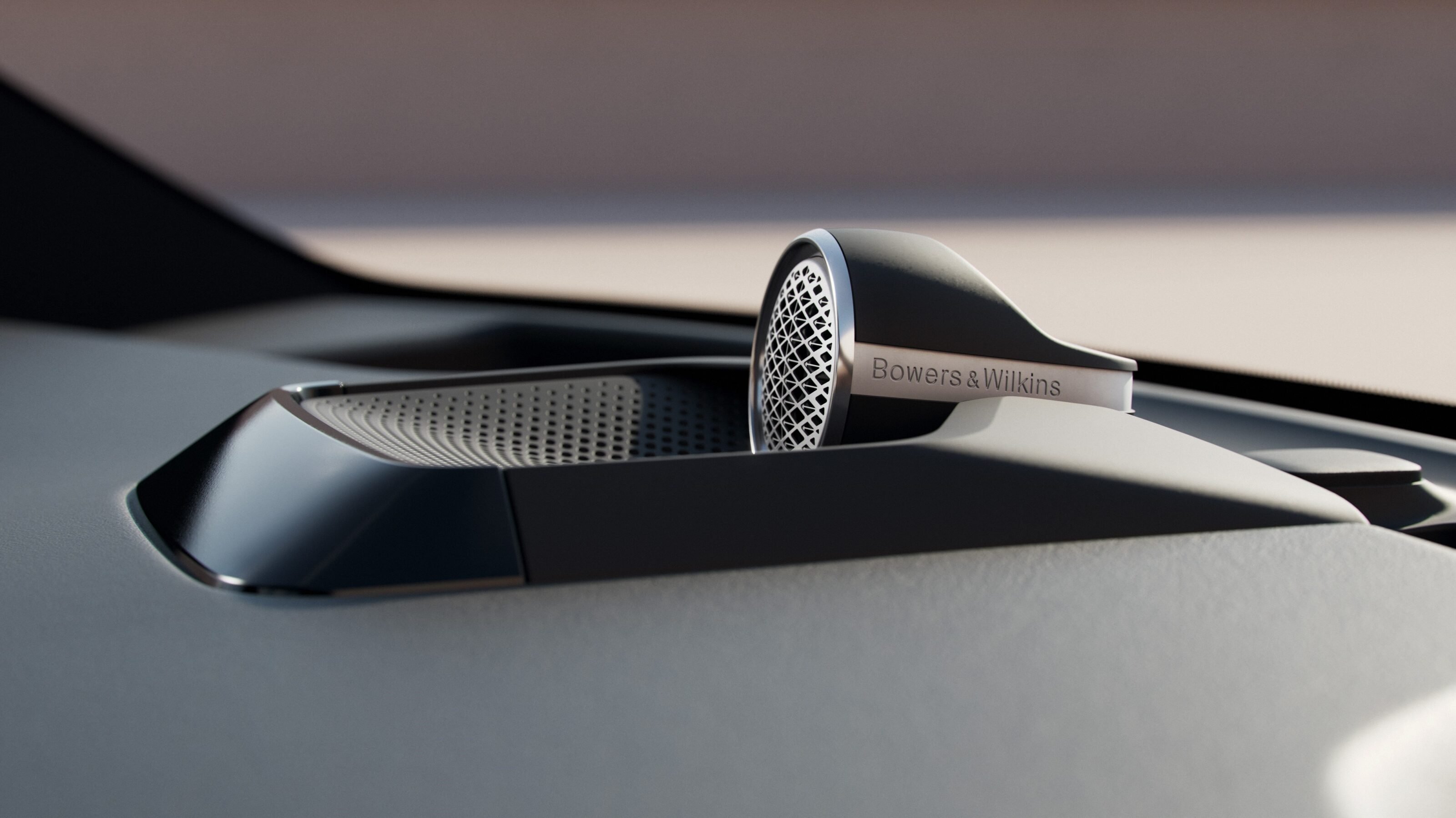
In addition, the EX90 includes a wireless phone charger, a panoramic sunroof, LED ambient lighting, several USB-C ports, a wide array of storage options, and an available 25-speaker Bowers & Wilkins audio system.
Volvo claims the interior is produced from “natural and responsibly-sourced materials”, in line with its plan to become a carbon-neutral company by 2040.
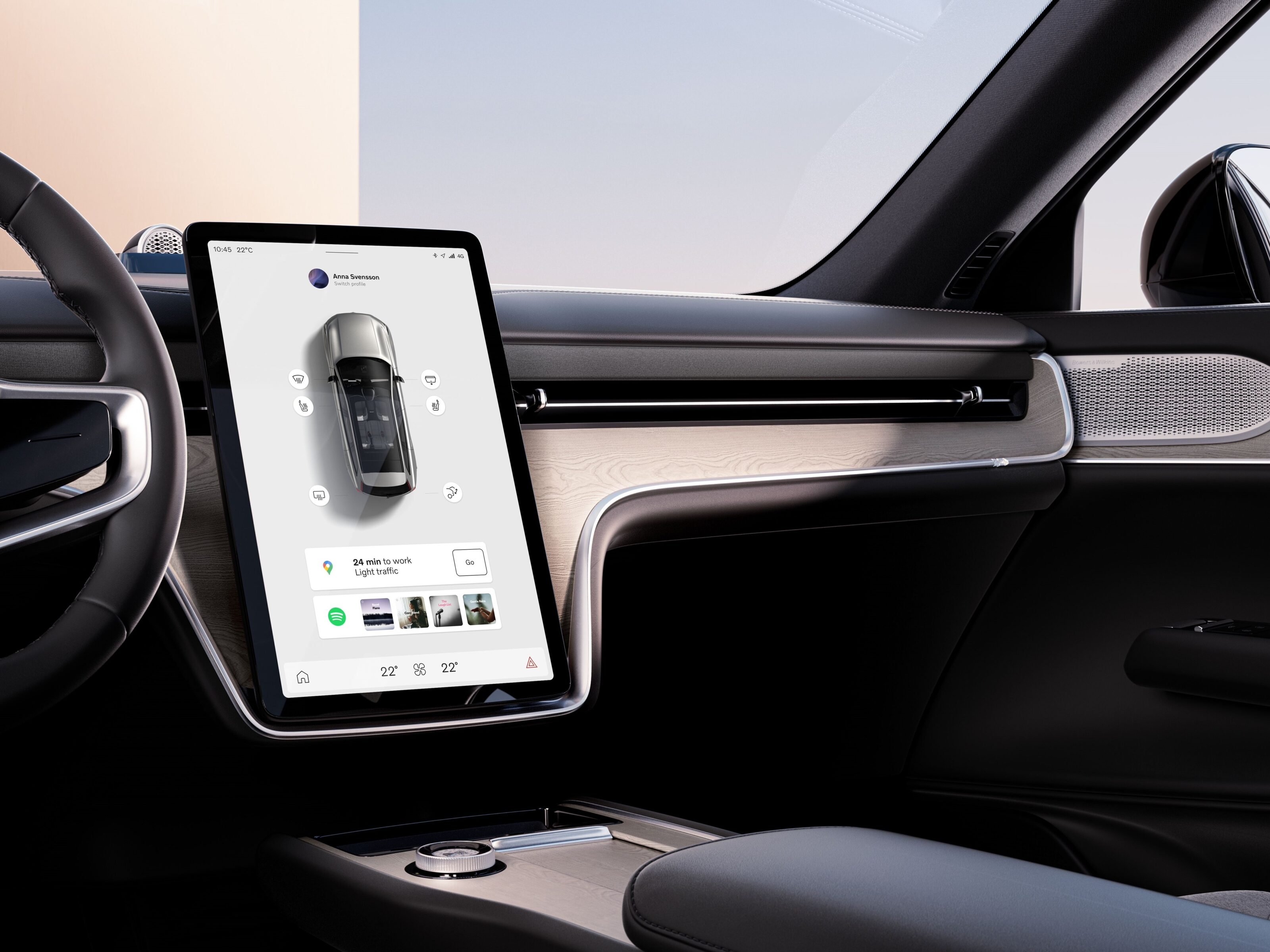
Fixed in the centre of the dashboard is a 15-inch portrait-orientated infotainment screen running the latest version of the Android Automotive operating system.
This includes 5G network connectivity, enhanced Google Assistant support for remote vehicle control, and support for Dolby Atmos audio – first seen in Mercedes-Benz vehicles.
It is powered by a specially-developed Qualcomm Snapdragon chip – as found in most flagship smartphones – with support for Epic Games’s Unreal Engine, enabling quicker “computing power and high-quality graphics on the in-car screens and head-up display”.
1
Volvo has introduced ultra-wideband technology, allowing owners to unlock and lock their EX90 with a compatible smartphone, such as the latest Apple iPhone, Samsung Galaxy and Google Pixel devices.
Also offered are wireless Apple CarPlay and Android Auto, built-in Google Maps navigation, and support for over-the-air software updates.
Volvo has announced new active safety features debuting on the EX90 – and fitted as standard – will include LiDAR sensors and an in-car driver monitoring camera.
Volvo has the EX90’s laser-scanning LiDAR system is compatible with full self-driving. It will be offered via subscription in future – once the technology is approved in selected regions – with over-the-air software updates.
LiDAR – which stands for Light Detection and Ranging – will be standard across the EX90 range, utilising “light in the form of a pulsed laser to measure ranges with high precision and fidelity”.
1
It will be embedded in the roofline of the EX90, with a 1550-millimetre wavelength bringing the ability to detect pedestrians at a 250-metre distance at highway speeds, even in the dark.
It will be matched with Volvo-developed software and the vehicle’s ‘super-computer’, which is supplied by technology giant Nvidia – and is a step beyond Tesla’s full self-driving beta, which can only see the road ahead via cameras on the latest Model 3 and Model Y vehicles.
The brand’s ‘driver understanding system’ uses two internal cameras to detect when a driver is distracted, tired or intoxicated via specific eye-gaze patterns.
1
This is achieved through eye tracking designed to recognise a driver’s ‘gaze concentration effect’.
Volvo says a driver’s attention level should be around 80 per cent, with 90 per cent or above a sign of cognitive distraction or alcohol intoxication. In comparison, a result below 60 per cent signifies a visual distraction, such as using a mobile phone.
Built from existing driver attention alerts and monitoring cameras, the system also recognises steering behaviour to intervene first with a visual warning.
1
It will then automatically reduce speed, keep the vehicle in its lane, halt to a stop, and place an emergency call if the driver is impaired.
In addition, expect improvements to existing active safety equipment, such as lane-keep assist, though Volvo has yet to detail full specifications for the EX90.
The 2024 Volvo EX90 is expected to arrive in Australia in late 2024, with full details and pricing to be announced closer to launch.
It will commence production at Volvo’s facility in the United States next year – joining the S60 sedan and Polestar 3 – in addition to its plant in China.
With competition from the Mercedes-Benz EQE SUV, Audi E-Tron and Polestar 3, expect the Volvo EX90 to start from around $140,000 plus on-roads in Australia.
The current internal-combustion XC90 large SUV is priced from $92,990 before on-road costs, extending to $121,990 for the flagship plug-in hybrid variant.
In The Race to Zero briefing paper, environmental advocacy group The Climate Council ranked the best and worst mainstream car manufacturers based on their promise to transition fully to battery-electric vehicles (BEVs).
The report slammed Isuzu and Toyota for not definitively committing to an all-electric fleet.
“Some manufacturers have made bad bets on different vehicle technologies that have not succeeded (such as hydrogen for light passenger vehicles), or simply failed to seize the electric opportunity.”
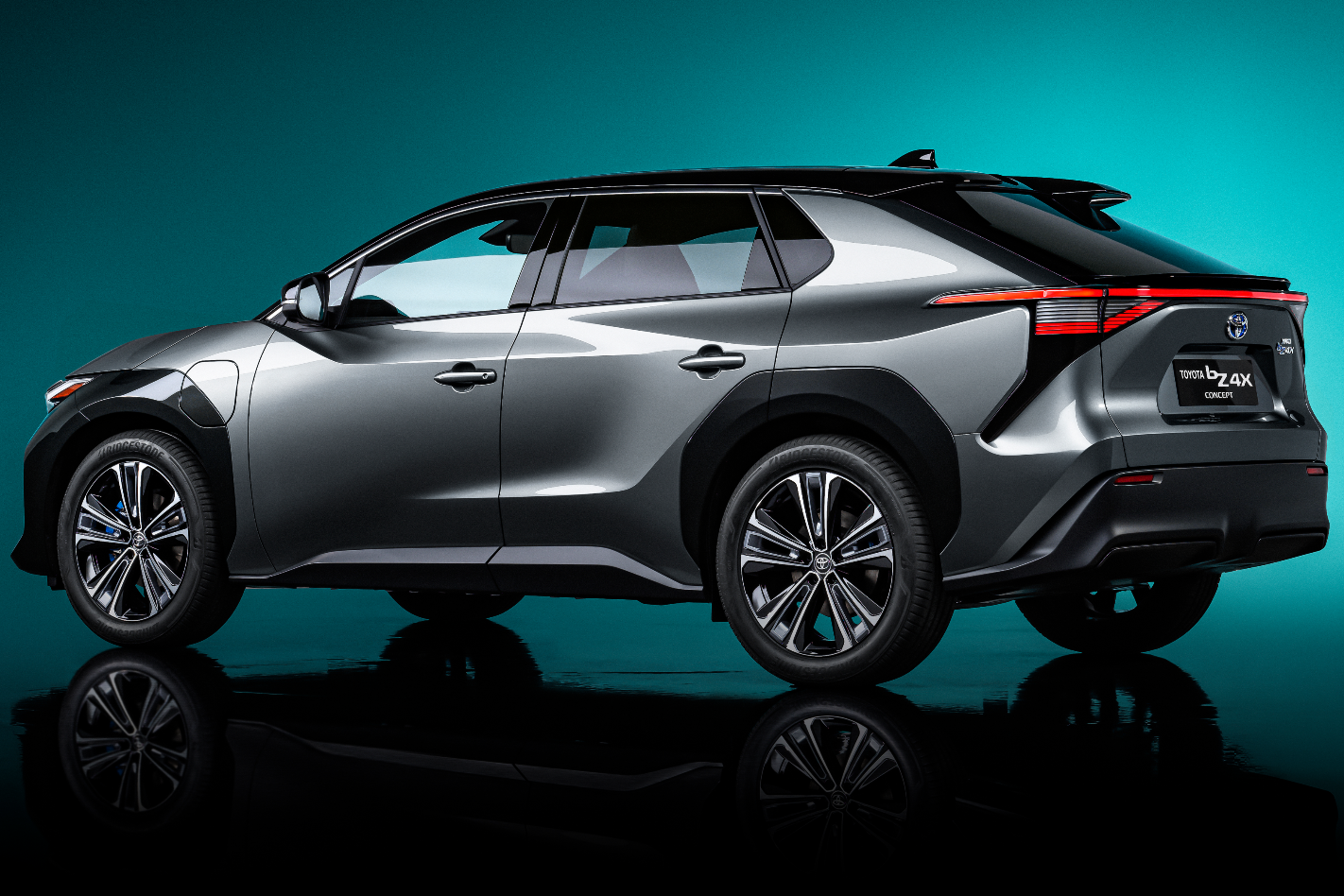
The target set by Australia’s best-selling car brand, Toyota, of only 3.5 million annual BEV sales globally by 2030 was slammed by the council. Toyota’s first pure BEV is the RAV4-sized Toyota bZ4X, which will launch in the second-half of 2023.
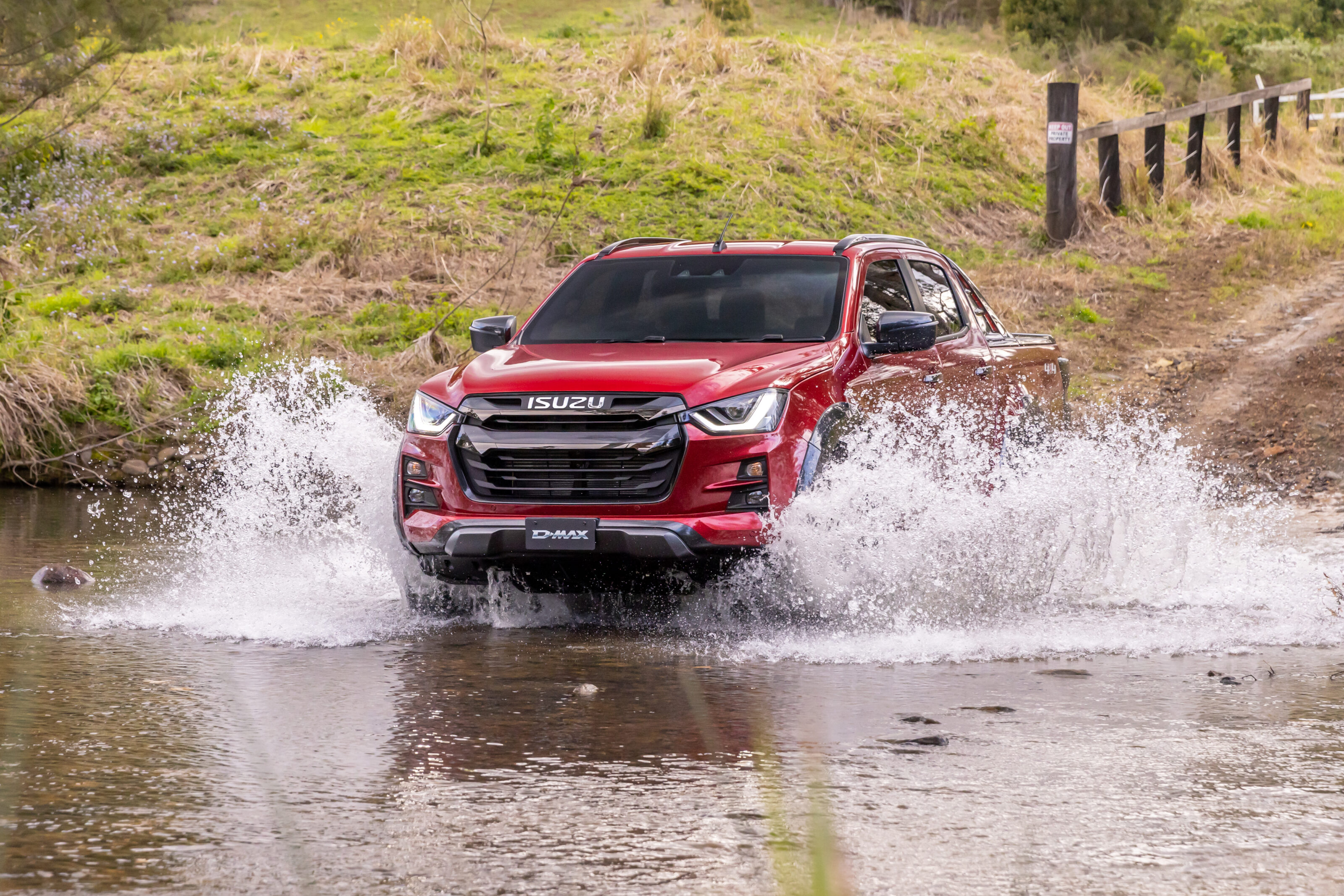
Meanwhile, recreational and commercial vehicle brand Isuzu has not set any targets loftier than net zero by 2050. It currently only sells diesel-powered D-Max utes and related MU-X large SUVs
1
Tesla, Polestar leading the BEV race… with few models
The Council applauded Tesla and Polestar for exclusively selling BEVs today in Australia. Though, the former only has two models – the popular Model 3 sedan and Model Y crossover.
The Sino-Swedish Volvo spin-off only sells the Polestar 2 liftback, but previously offered the limited-run Polestar 1 plug-in-hybrid vehicle (PHEV) overseas.
Notably absent in the Council’s ranking is Build Your Dreams (BYD) which currently offers the affordable Atto 3 small electric SUV via independent distributor EVDirect Down Under. In its home market in China, it produces both pure BEVs and PHEVs.
1
On the legacy automaker front, Volvo, Ford and Volkswagen lead the zero emissions transition with targets to go all-in on BEVs by 2030, 2035 and 2040 respectively.
Last week, Volvo Car Australia announced it’ll be EV-only even earlier by 2026 locally with five new electric models coming soon spearheaded by th EX90.
Meanwhile, Mazda, Hyundai and Kia will only electrify their line-ups between 2030 to 2040. This includes pure BEVs, PHEVs and potentially hydrogen fuel cell vehicles (FCEVs) in the case of the South Korean conglomerates.
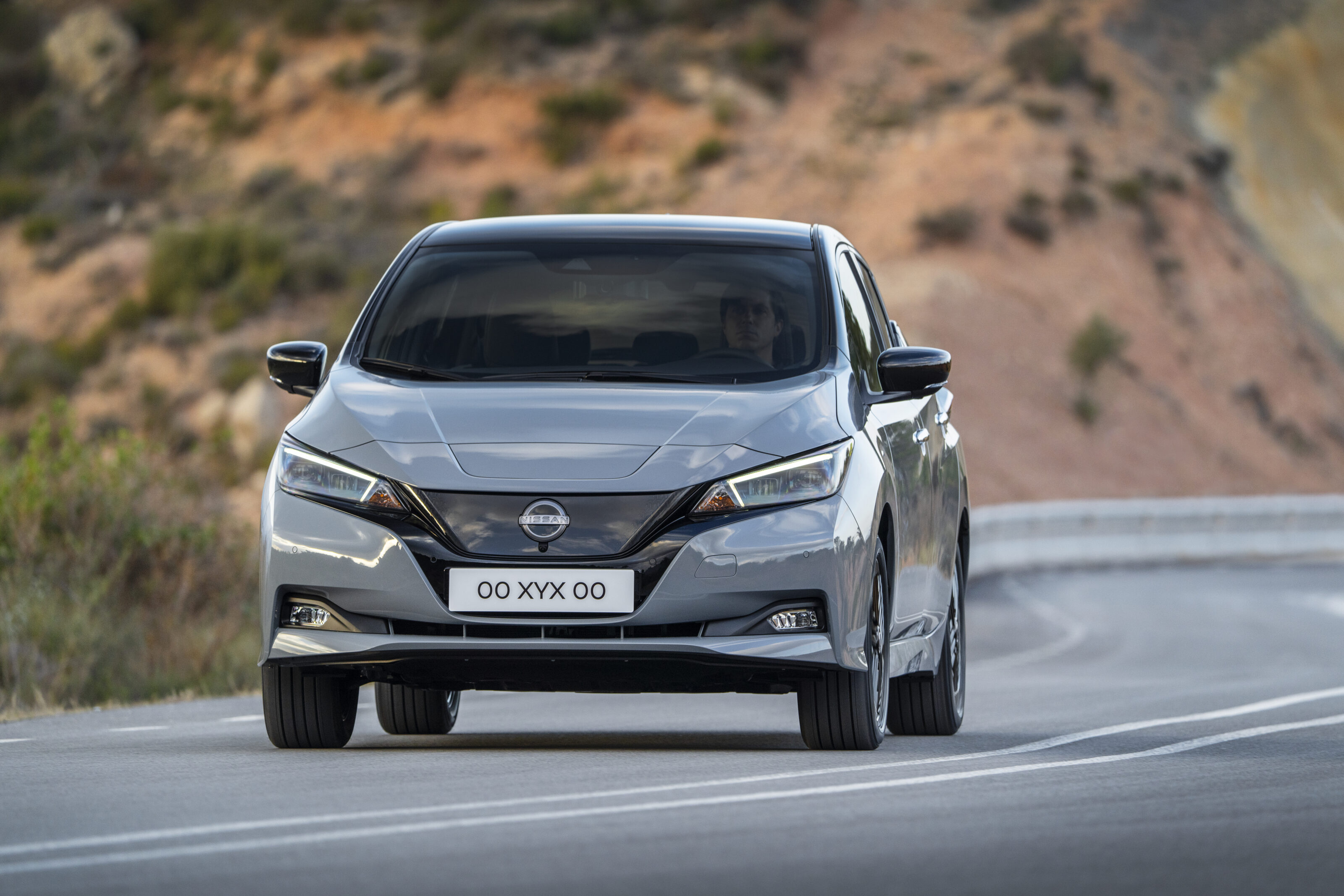
Despite being early to market with Leaf and iMiev, Nissan and Mitsubishi are languishing, aiming for 50 per cent electrification by 2030 with no BEV target.
1
“Strong” fuel efficiency standards needed
With the Federal Government currently drafting the National Electric Vehicle Strategy, the Climate Council said mandating ‘fuel efficiency standards’ – which penalises car companies for exceeding fleet average carbon emissions thresholds like in the European Union – will encourage the carmakers to tackle the BEV transition earlier in Australia.
“Plans like those laid out by Volvo, Ford and Volkswagen prove a rapid transition to fully electric new vehicle sales is realistic and achievable. That means new fuel efficiency standards for Australia should be able to match the pathway forward-looking manufacturers are already on,” the report said.
“Examining the way major international car manufacturers are already re-tooling their fleets shows that should be entirely possible within about a decade.
“Strong fuel efficiency standards will mean more cheap, clean electric vehicles are available in Australia, so that more families can afford to drive them.”
1
Climate Council EV and BEV targets ranking
Rank
Carmaker
Target for electrified vehicles (BEV, PHEV, hybrid, FCEV)
Target for full BEVs
Net Zero Commitment
1
Polestar
Achieved
Achieved
2040
2
Tesla
Achieved
Achieved
N/A
3
Volvo
N/A u2013 full BEV target only
50% by 2025 and 100% by 2030
2040
4
Ford
N/A u2013 full BEV target only
40-50% by 2030 and 100% by 2035
2050
5
Volkswagen
N/A u2013 full BEV target only
50% by 2030 and 100% by 2040 (major markets only)
2050
6
Mazda
100% by 2030
25% by 2030
2050
7
Hyundai
100% by 2040 (China, North America and South America only)
36% by 2030
2045
8
Kia
100% by 2040 (China, Europe, Korea and USA only)
30% by 2030
2045
9
Honda
100% by 2040
N/A
2050
10
Nissan
50% by 2030
N/A
2050
11
Mitsubishi Motors
50% by 2030
N/A
2050
12
Toyota
~33% by 2030
3.5 million/year by 2030
2050
13
Isuzu
N/A
N/A
2050
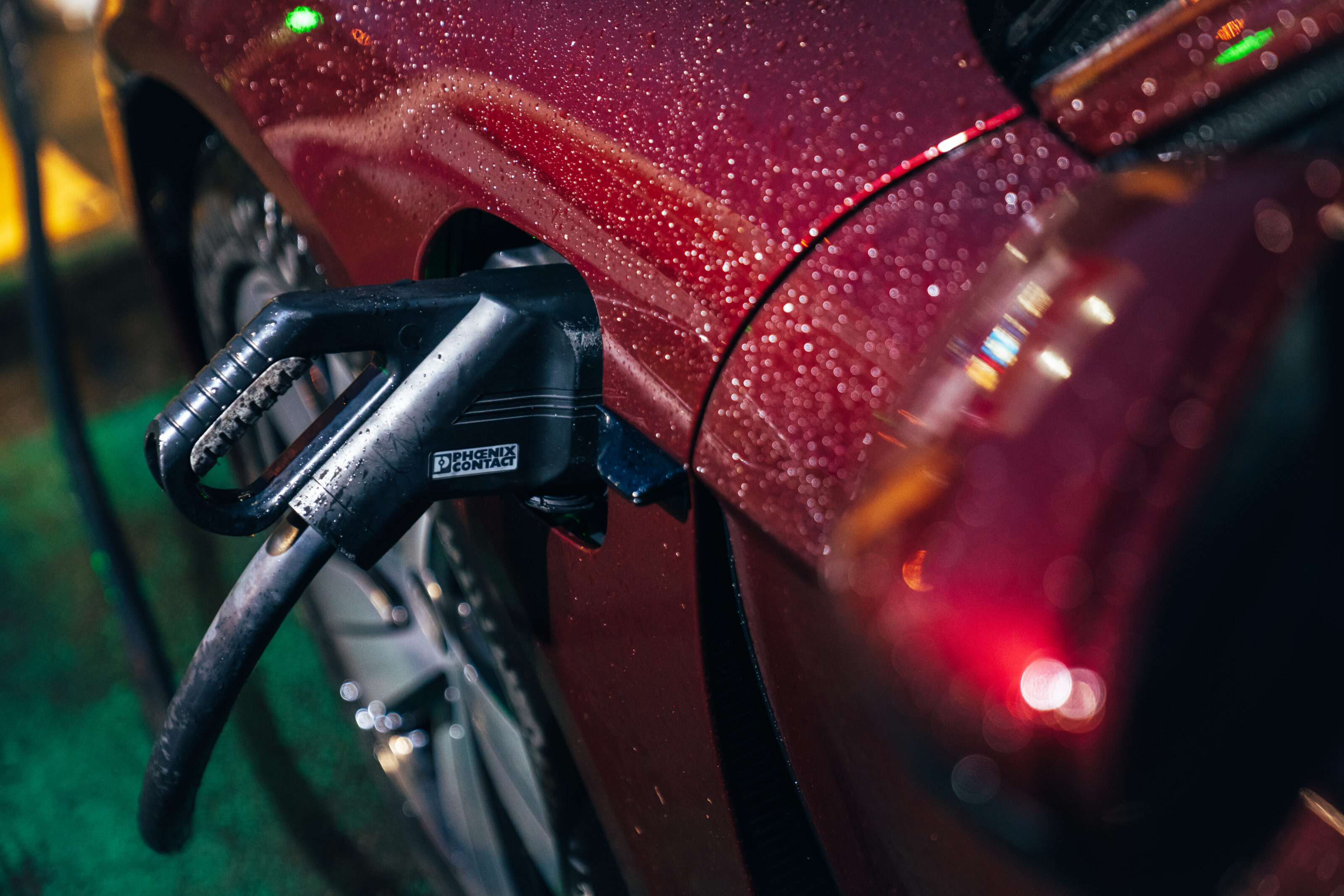
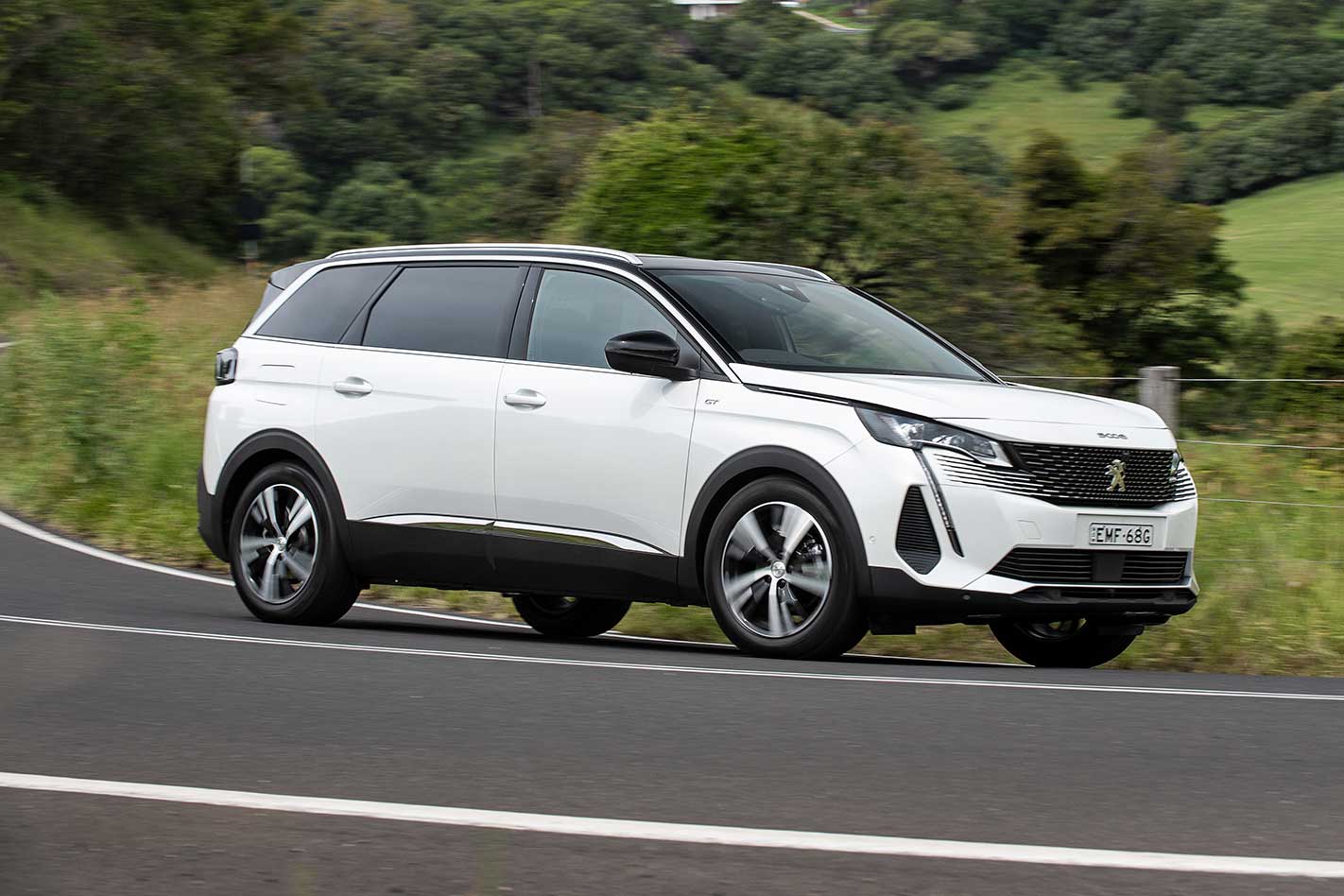
Peugeot and Citroen have introduced three- or five-year pre-paid service plans across their range of vehicles. The plans are available to anyone who has purchased a car from 1 October 2021, and will be an ongoing offer from Peugeot and Citroen.
Linked to the car’s VIN, Peugeot and Citroen’s pre-paid plans can also be transferred to new owners in the future.
The service plans commence on the same date as the five-year warranty period, so buying a dealer demonstrator means you won’t have five years from purchase, but five years from date of first registration.
The packs can be paid for at the time of purchase and rolled into the vehicle’s finance, which can be a benefit in the long run. They’re also cheaper than pay-as-you-go plans by between $378-1164.
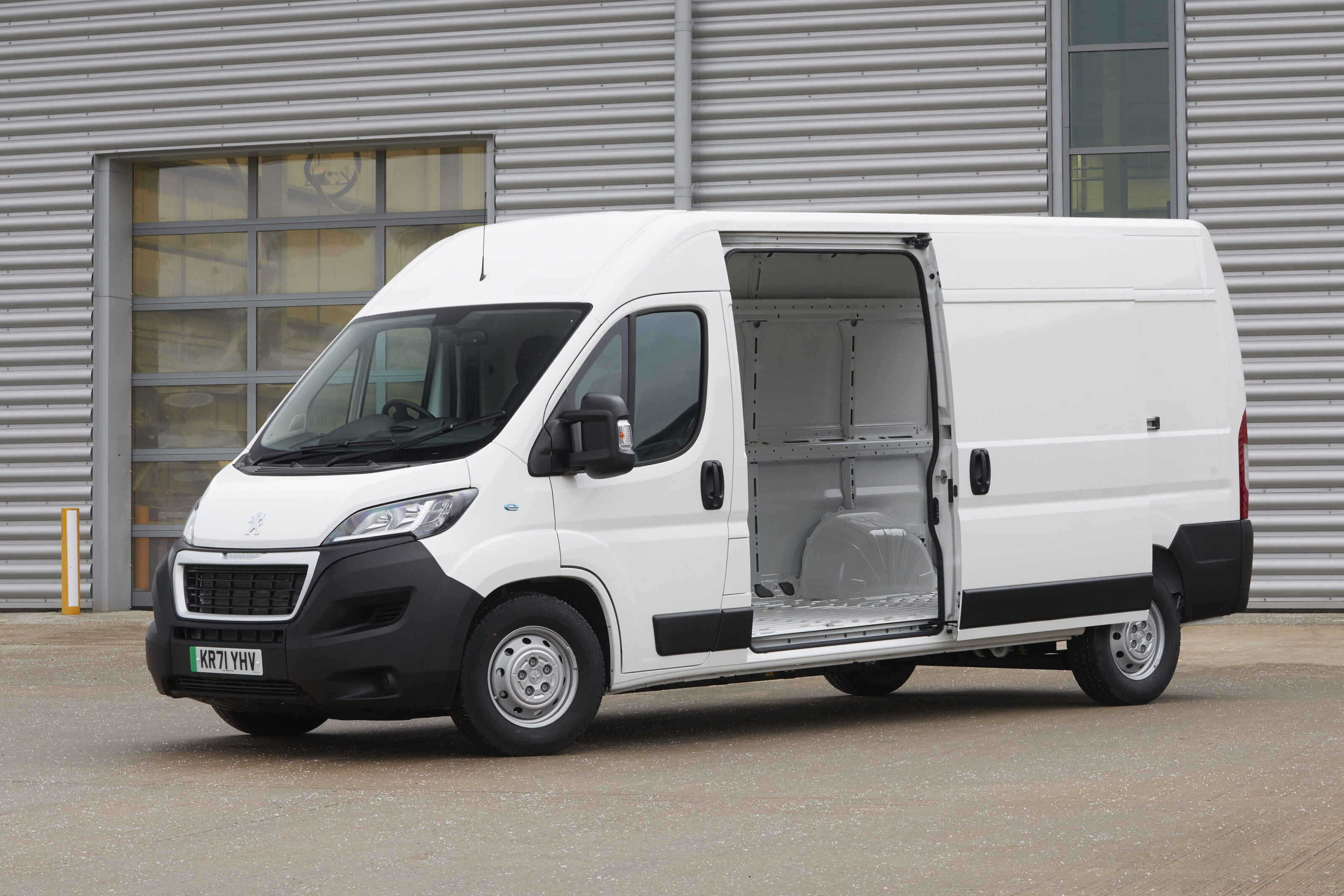
The biggest saving available is on the Peugeot Expert Premium LE and Sport vans, with pre-paid servicing saving $1164 over a five-year period.
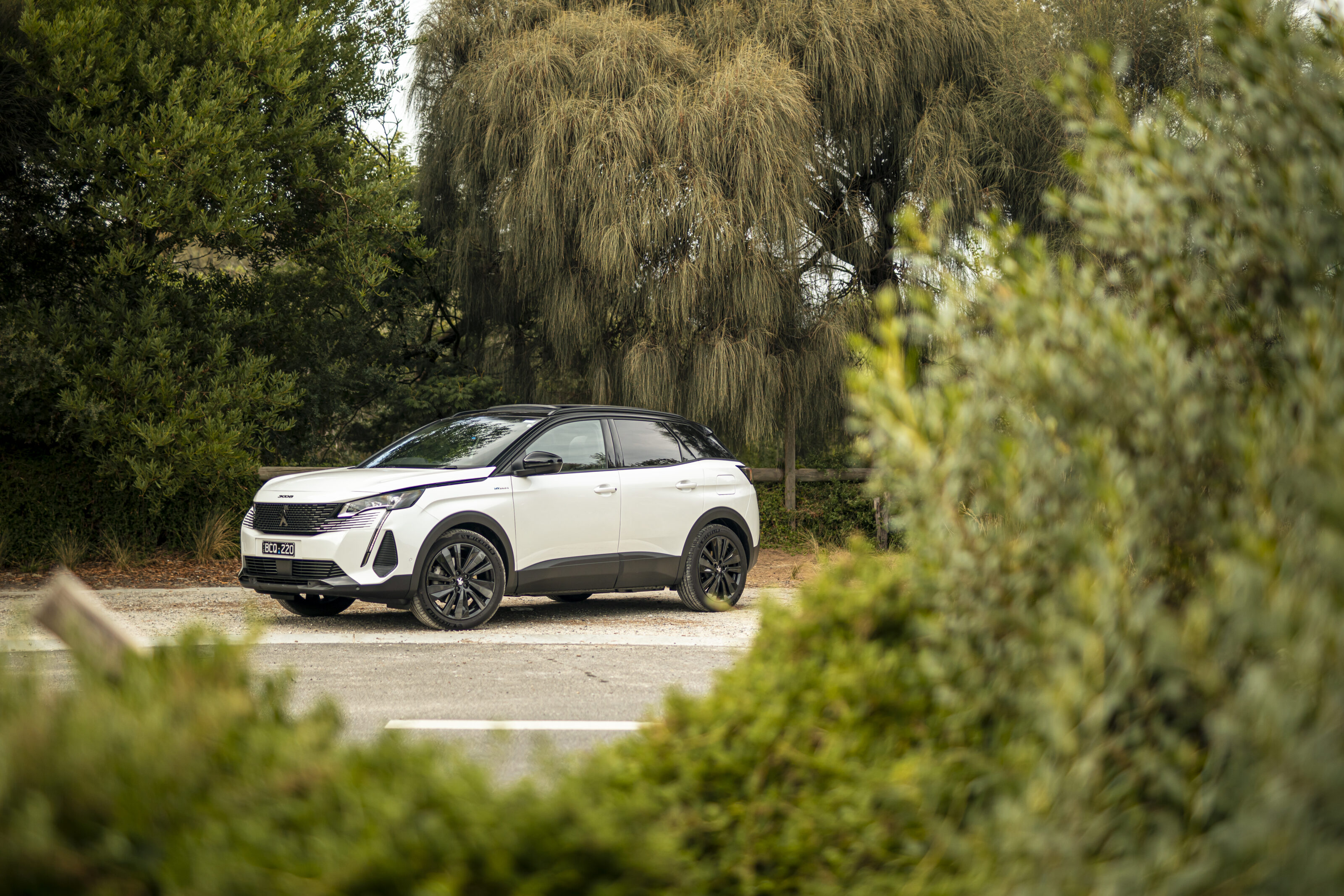
It also simplifies comparisons across variants with disparate prices across the range. For example, a 3008 medium SUV range will now simply cost $1100 for a three-year plan, or $1900 for five years (save for the diesel, which is $2000).
“We are pleased to offer customers additional choice when it comes to maintaining their Citroen/Peugeot vehicle”, said managing director of both Peugeot and Citroen Australia, Kate Gillis.
Peugeot and Citroen become the latest in a host of carmakers offering pre-paid service packages with Volkswagen, Skoda, BMW, Volvo, Mercedes-BenzHyundai and more all seeing strong uptake on servicing plans.