
Snapshot
- ARENA announces $871,000 cash injection
- Will be rolled out across NSW
- Funding to go to Intellihub
Fifty new electric car chargers will be installed in power poles in New South Wales, as part of a bid to make the technology more available to those without off-street parking.
On behalf of the Federal Government, the Australian Renewable Energy Agency (ARENA) has today announced it is giving $871,000 in funding to utility services company Intellihub to install the EV chargers on street-side power poles across the state.
The top-up points will be found across nine local government areas – the Waverley, Woollahra, Randwick, Lake Macquarie, Ryde, Singleton, Parramatta, Northern Beaches and Inner West local councils – to cater for those who live in apartments, townhouses or units that do not have access to EV charging on-site.

ARENA CEO Darren Miller said power pole charging provided the perfect solution to increasing public EV chargers.
“Not all electric vehicle owners have the ability to charge their vehicle at home, which is why we’re excited to partner with Intellihub on this trial that utilises street side power poles, providing a great opportunity to pair with EV charging,” Miller said.
“We look forward to seeing the results of the trial from Intellihub and hope to see it rolled out right across Australia.”
“It’s expected that as many as 10 per cent of new car sales in Australia will be electric vehicles by 2025. That equates to an extra 120,000 new EVs on our local streets each year. It’s likely that many of these car owners may be unable to charge their EVs from home,” Intellihub CEO Wes Ballantine added.
“Power poles line most of our public streets and that presents an opportunity for the EV charging market. They’re an accessible, safe, and practical option for EV charging.”
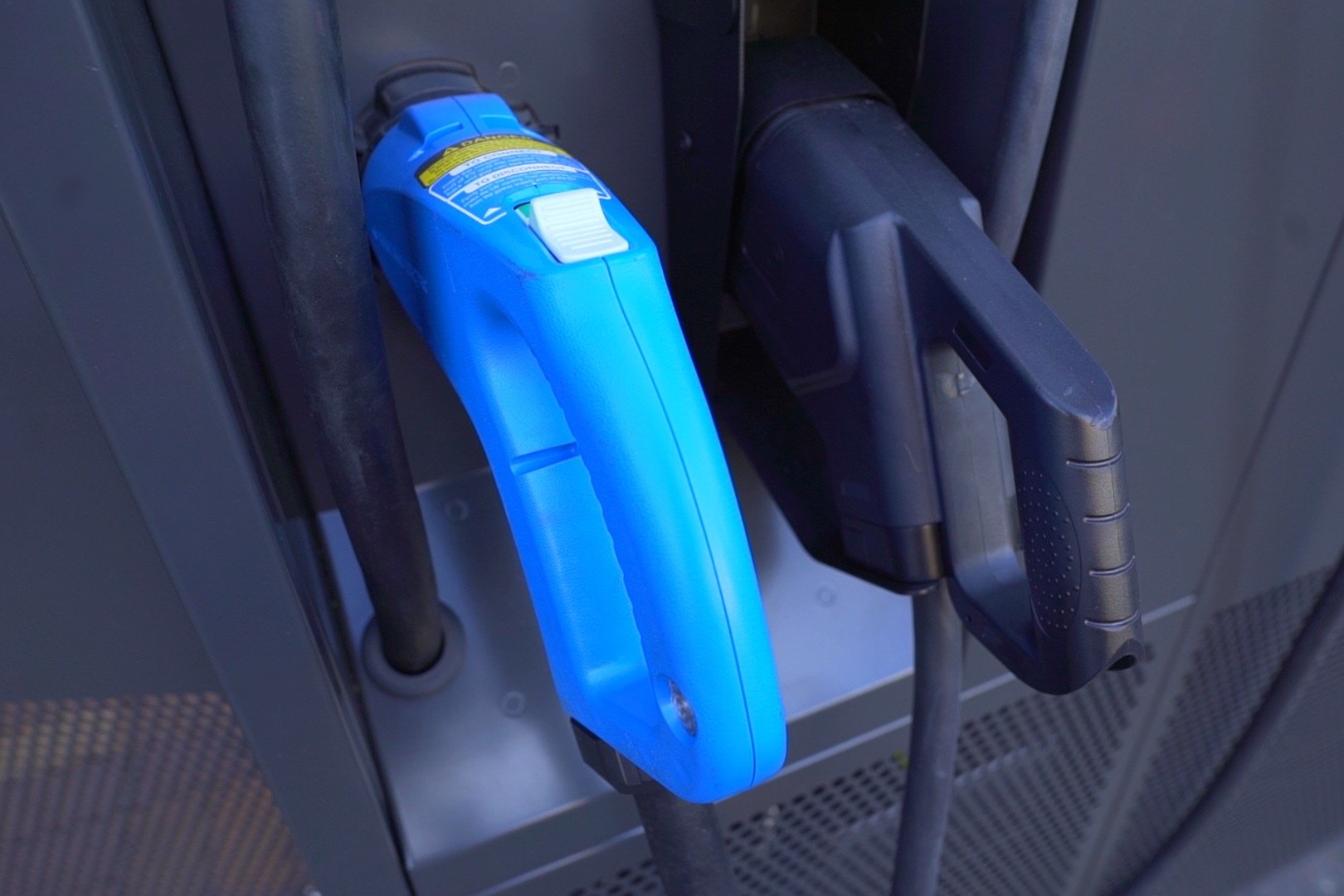
Intellihub’s $2.04 million project is in partnership with Schneider Electric, which will provide the EV charging infrastructure, and EVSE – which will be managing the charging service for both quick stops and overnight stints.
Additionally, Origin Energy will supply 100 per cent Green Power for the project – meaning all of the energy required to charge the vehicles will be matched with the equivalent amount of certified renewable energy added to the grid.
At the moment the project is a trial aimed at showing how existing infrastructure can be used to power EVs, and if successful, it will be rolled out to more areas.
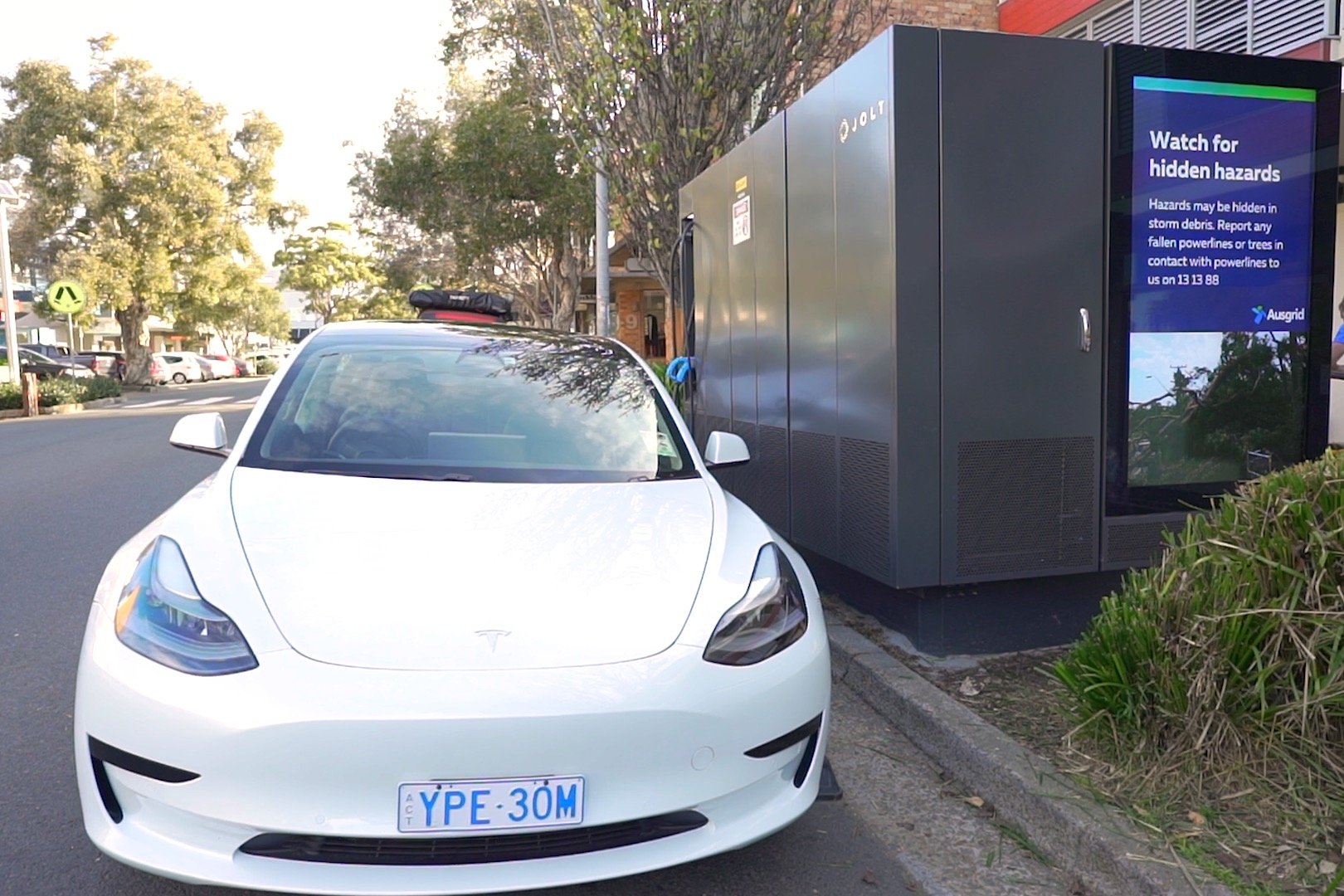
Today’s news follows the announcement in June that more than 230 electric vehicle charging stations will be installed in Sydney by 2025 by EV network provider Jolt and electricity firm Endeavour Energy on existing street-side substations – similarly meaning they will be available for those who do not have access to off-street charging for quick top-ups.
According to Endeavour Energy, the first points are expected to open as early as the end of this year.
Across the Jolt charging network, all electric vehicle drivers will have access to 7kWh of free charging per day, providing around 40 to 50 kilometres of driving range and a 15-minute charging time, depending on the type of vehicle.
Jolt’s chargers, most of which are 25kW DC fast outlets, are powered by 100 per cent green energy.
UPDATE: Audio teaser hits social media
In the lead-up to the new 2023 Ford Mustang’s September 15 unveiling, a new sound bite has been posted to Twitter by the official @FordMustang account.
Although the accompanying video clip shows lightning streaking across the surface of the iconic pony logo, the audio makes it clear we shouldn’t worry about that effect representing any sort of electrification.
Check out the clip below, and scroll down to catch up on the rest of this story.
The story to here
July 29: September debut for new Mustang ?
Ford boss Jim Farley has confirmed the new-generation 2024 Ford Mustang will make its global debut at the returning Detroit motor show.
Set to be held in September, the event will be the first major motor show in Detroit since before the COVID-19 pandemic.
The new Mustang will be unveiled on September 14, which in Australian time will be sometime after midnight on September 15.
As expected, the new Mustang will continue to be offered with a manual transmission, as hinted with Farley’s canny use of the popular #SaveTheManuals hashtag on Twitter.
Blessedly, a V8 engine will also feature, with versions of the current 5.0-litre eight and 2.3-litre turbo four mills expected to carry over – although that specific detail is still to be confirmed.
April: Images of new Mustang surface online
Images of the 2024 Ford Mustang may have already leaked, well ahead of the car’s official debut – rumoured to be set for March 2023.
A grainy picture of the new-generation Mustang surfaced on the Mustang7g forums and on Facebook, correlating with another image of the iconic Ford coupe published online this week.
Ford Authority showed pictures of the new model with minimal camouflage, along with interior photos of what appears to be a pre-production evaluation vehicle.
https://www.facebook.com/FordAuthority/posts/5577957918899553
The latest leaked image reveals the Mustang’s front-end look, with what may be a bonnet vent, LED headlights, and a larger grille and bumper ducts for increased airflow.
“The next generation [Mustang] that we’re working on now will be launching next year, in 2023, and it’s going to be great,” Ford Performance director Ali Jammoul told Wheels recently during a visit to Australia.
Jammoul, who overlooks the company’s performance portfolio as well as icons such as the F-150 and Bronco, suggested the time between the car’s unveiling and customer deliveries would be short, and hinted at the Mustang’s path to electrification.
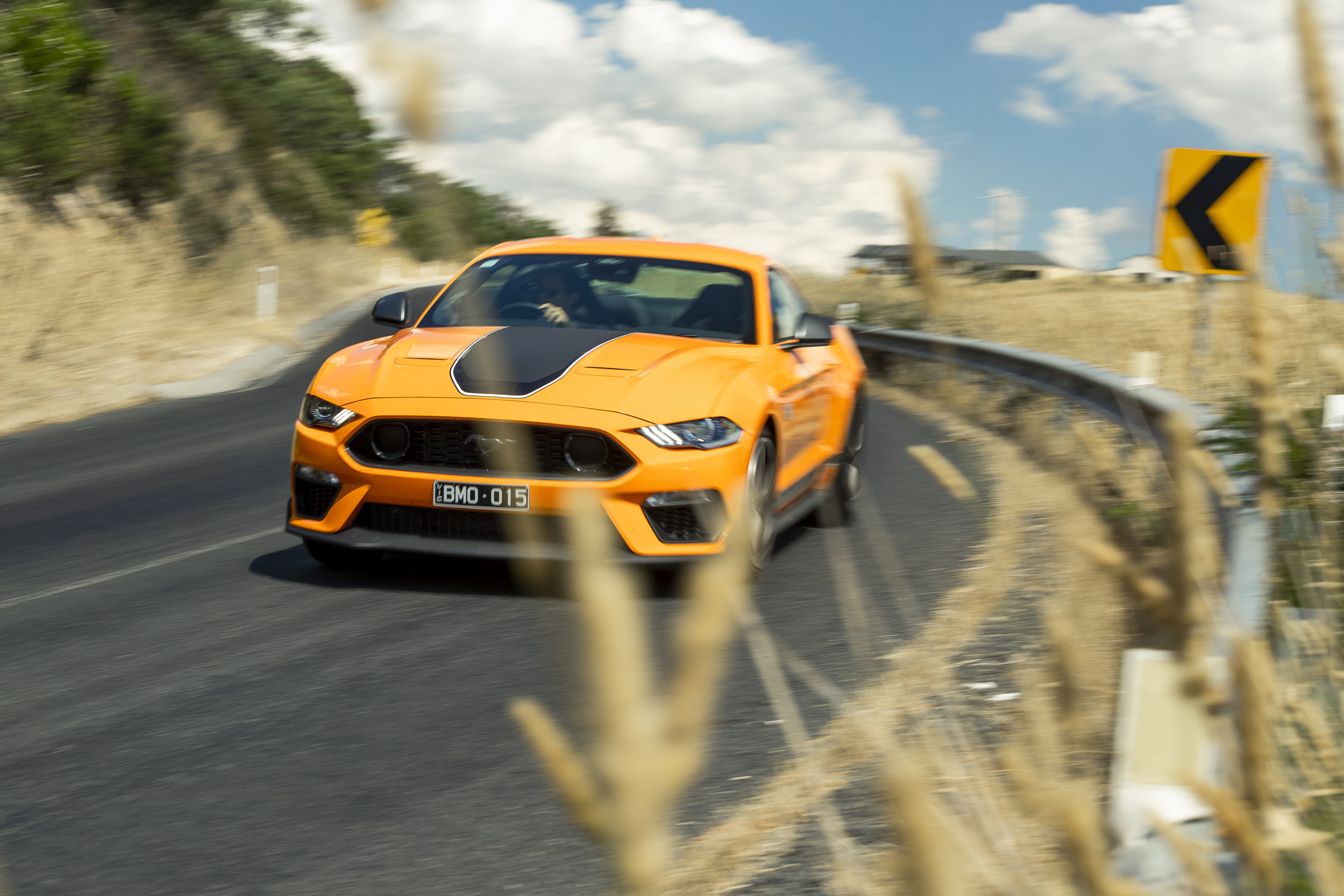
“I don’t think the V8 is going away soon; at some point with electrification and with BEV [battery electric vehicles] you can do a lot more in terms of performance and that might be the time that V8s start to phase out. But I see Mustang continuing to carry the V8 for now.”
But while Jammoul was positive on the V8’s place in the foreseeable future, he said the timeline for the manual transmission was limited.
“You know, eventually it’s going be phased out, right?” Jammoul said.
“But as long as there’s a market for it and customers still want that higher performing feel, it’ll stay, but clearly you can deliver a lot more [from an automatic], especially from EVs [electric vehicles].
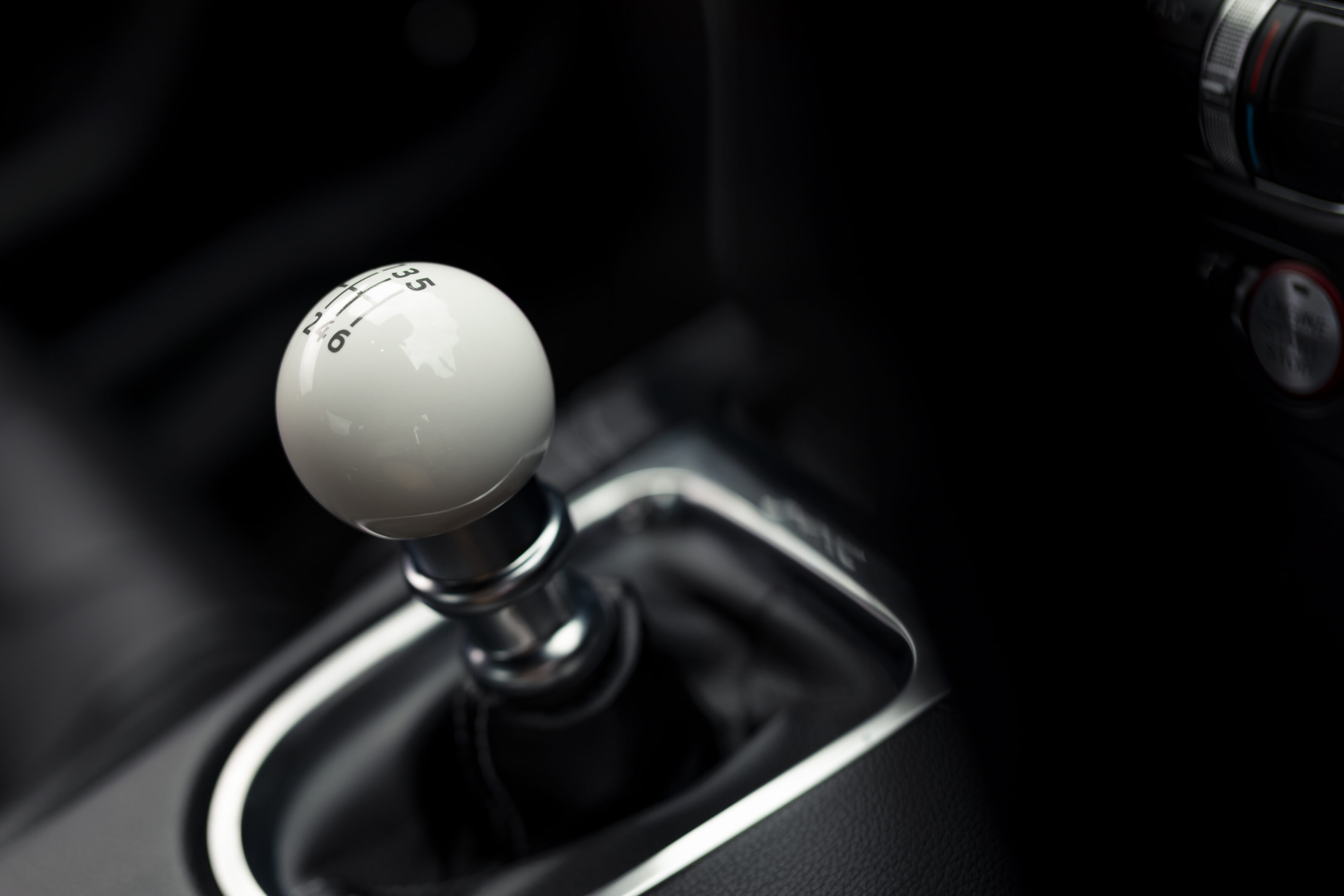
“When we go to an EV strategy the immediate instant torque you have you can never match with a manual gearbox.
“So I can’t tell you the manual gearbox is here to stay, but it’s clear there will be more electrification, and manual gearboxes will not be around in the future.”
Nissan’s sleek Ariya electric SUV is still no closer to a specific launch date for the Australian market, held up once again – as with many EVs and cleaner combustion engines – by politics and demand.
This isn’t the first time Australia’s emissions standards have influenced what Nissan’s future product lineup might look like locally. Earlier this year, Wheels reported that the Ariya EV is facing delays for similar reasons.
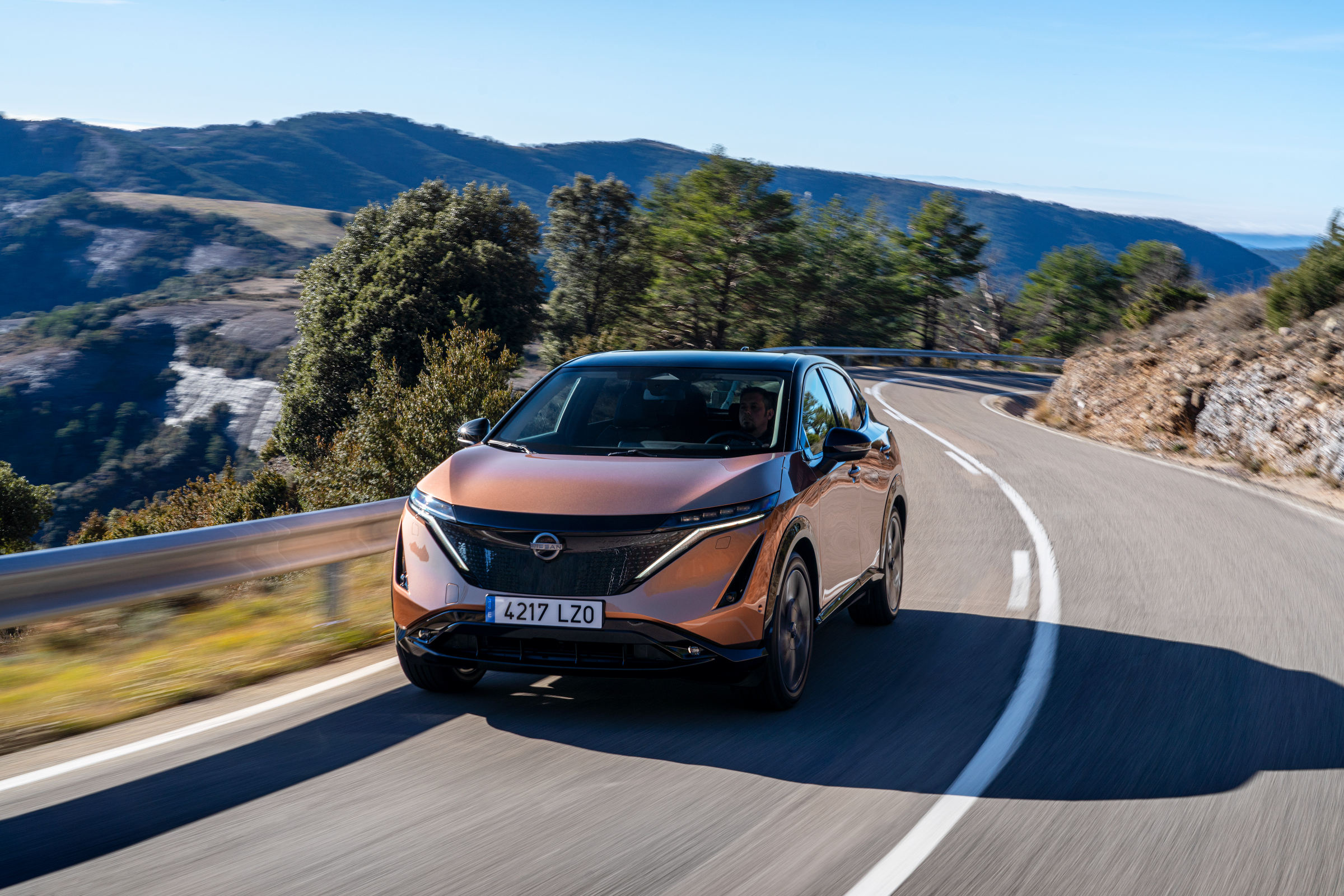
Nissan will introduce its second full-electric vehicle to the Australian market with the new Ariya crossover chalked for launch as soon as global production allows, joining its smaller Leaf sibling in local showrooms.
The all-new model was rolled out first in Japan around the middle of 2021, followed by Europe and the US late in the year.
It was hoped that the Ariya, which is Nissan’s second dedicated EV after the Leaf, would arrive locally this year to take on the likes of the Tesla Model Y and Polestar 2.
However, local production delays due to the semiconductor shortage, and Australia’s position as a lower-priority market for EVs, means the Ariya’s arrival timing has blown out until at least 2023.
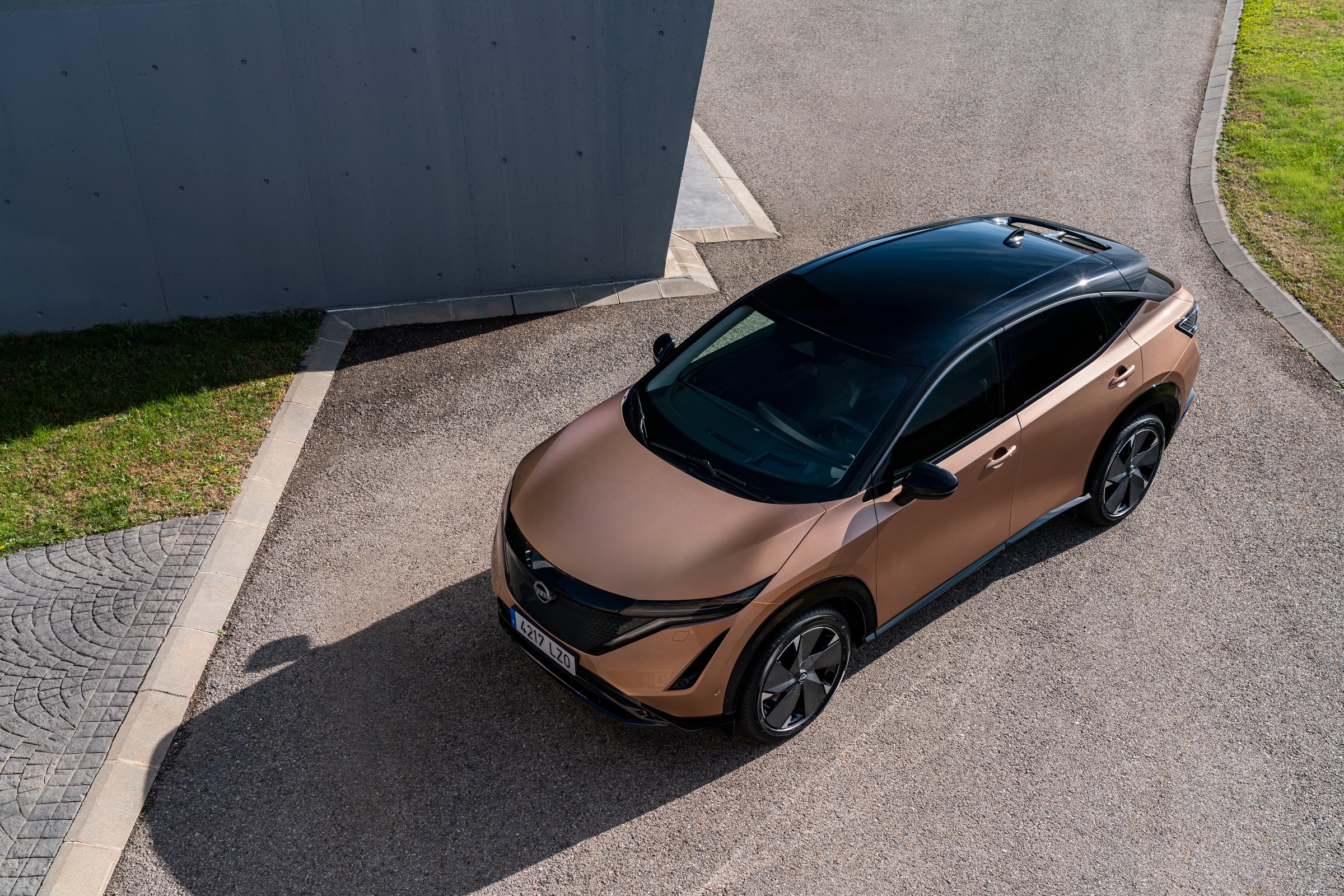
“We want to get the car here as soon as soon as we can. We’re very interested in it. We’re screaming and shouting for it, and global realises that,” Nissan Australia’s Managing Director, Adam Paterson, told Wheels.
“But I think they’re making allocation decisions as to where those cars go based on regulatory requirements. And right now we don’t have any regulatory requirements to allow us to have it here.
“In New Zealand the discussion there is quite different, because some of the regulations that have come in quite recently where, you know, there is going to be a requirement to have your fleet average CO2 at X and the credits that are offered to zero-emission vehicles – especially ones of a higher weight or larger size – are more substantial. So that’s something that we have to look at quite quickly.
“As all the countries line up and say ‘we’d like Ariya’, the company’s having to decide, well, where is it required when we can only build so many?”
Snapshot
- New Z isn’t necessarily the last petrol-powered incarnation
- Future of Z’s powertrain could depend on local emissions regulations
- Ariya EV’s launch still delayed for same reason
The boss of Nissan Australia has not ruled out there being a future petrol-powered Z car after the new one which has just launched locally this week.
Asked whether the next Z – if there was one – would be a hybrid or fully-electric vehicle, and if the new model was the last of its kind, Managing Director Adam Paterson said it depended on whether changes were made to local emissions standards.
If, in theory, Australia’s fuel-efficiency standards didn’t budge and continued to lag well behind other OECD countries as they are now, the MD said another internal combustion-engined Z could still be a possibility.
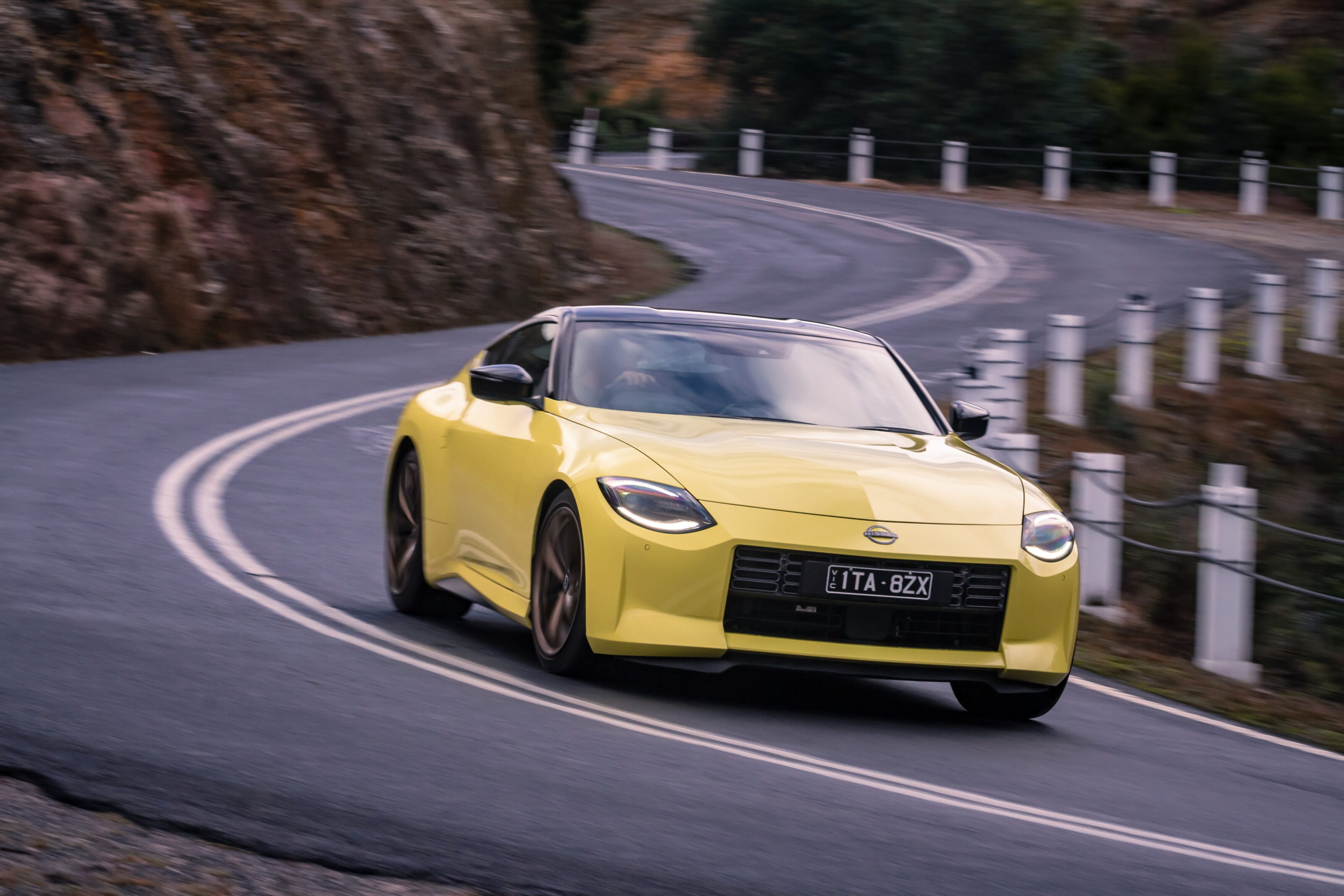
“I think we’ll consider internal combustion investment if there’s a market to sell it – based on the longer timeframe that sports cars generally run as far as product cycles are concerned, and what the regulatory environment is,” Paterson told Wheels.
“The question will be, are we able to offer it based on what the main three markets [Japan, the US and Australia] globally allow us to from an emissions standpoint?
“I think it’s difficult for us to at this point to say: ‘yes, there’ll be another one’ or ‘no, this is the last one’, because I don’t think we have absolute clarity on the regulatory environment that we would be selling the next generation into.
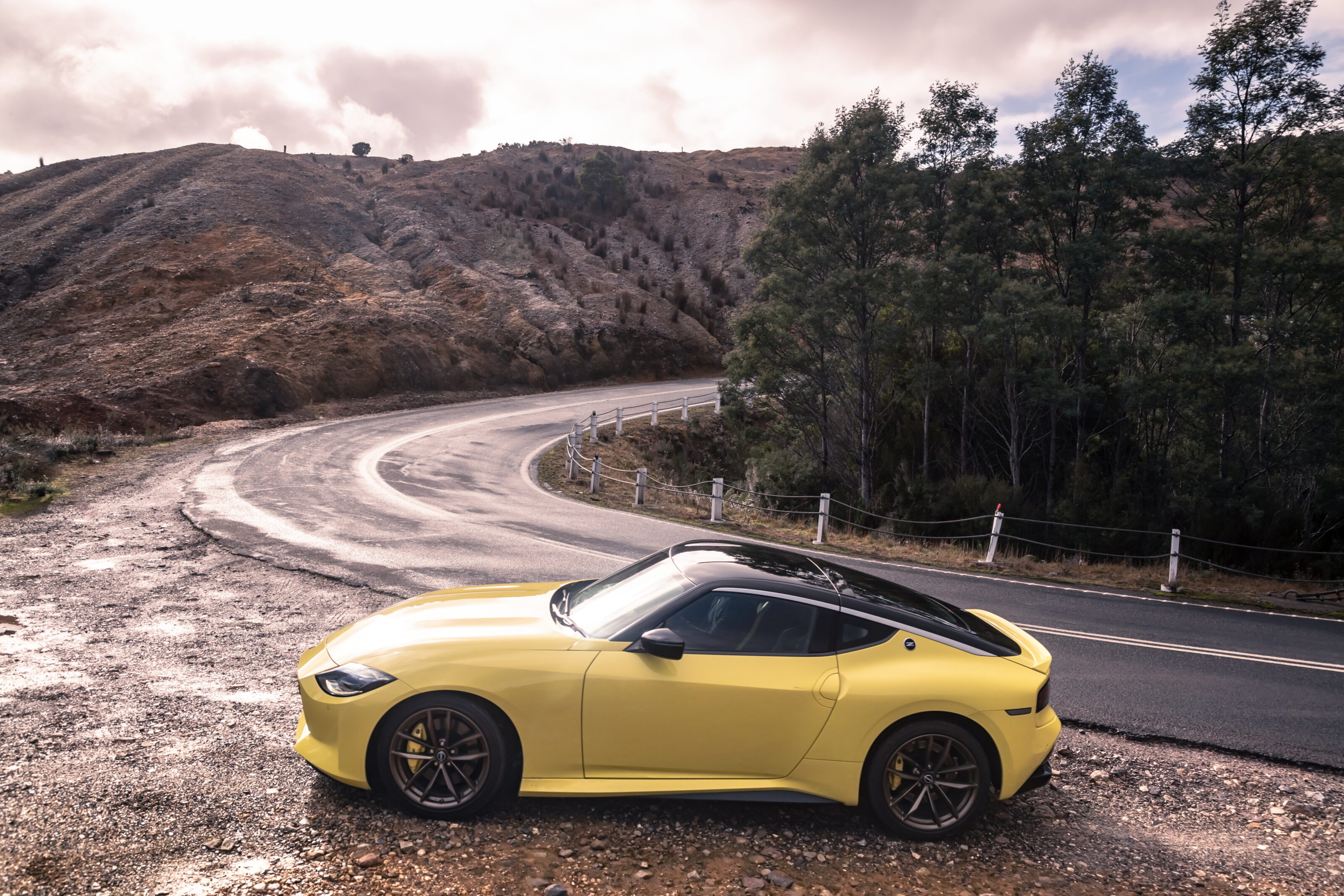
“But why not, right? When we built the last one did we ever think that there would be a next generation? I’m not sure. But as we’re launching this one the next one isn’t developed and ready to go for 2026… or something like that.”
For now, the Z is offered in Australia with a 298kW/500Nm 3.0-litre turbo petrol V6, matched to a choice of six-speed manual and Mercedes-sourced nine-speed automatic transmissions.
The new Z starts from $73,000 with a standard features list that matches the priciest Performance pack offered in the US.
Get more details and reviews at the link below.
Ahead of a forthcoming 2023 Hyundai Venue mid-life facelift, a new variant of the small SUV has been revealed for the Indian market.
The new-to-the-range Hyundai Venue N-Line will sit atop the lineup with sporty design elements, variant-specific suspension tune and plenty of extra kit.
The Venue N-Line will remain an overseas model, however, with a spokesperson for Hyundai Australia stating that there are no plans to introduce a Venue N-Line to the local market.
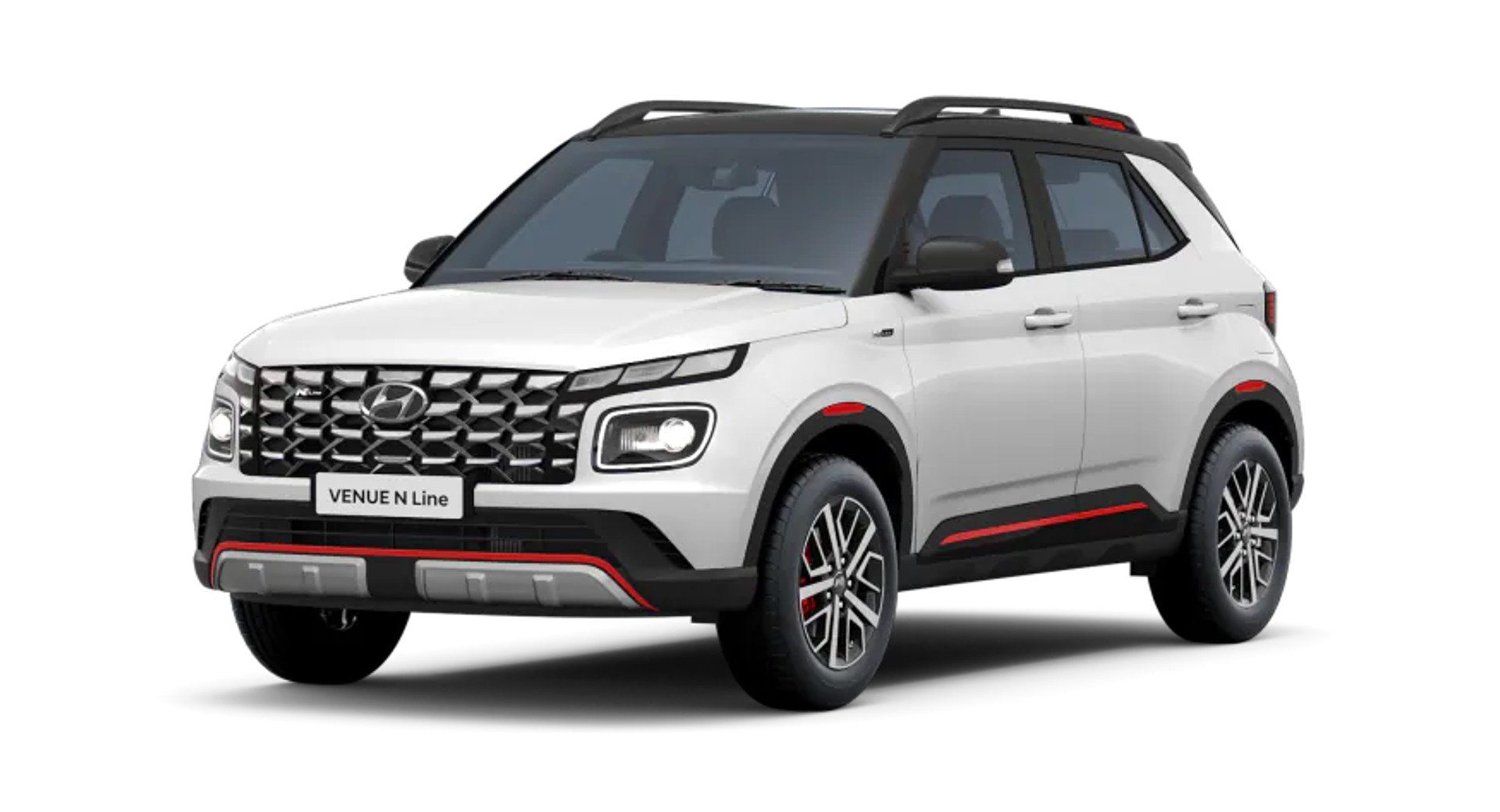
The new Venue N-Line retains its rugged, high-riding stance, but dials up the dynamism with redesigned bumpers with aluminium-look skid plates, a larger rear spoiler and N Division’s signature red accents. At the rear, four exhaust outlets deliver a sportier note.
Under the bonnet, the Venue N-Line will be exclusively powered by a 1.0-litre three-cylinder turbocharged engine producing 88kW/172Nm, spinning its front wheels by way of a seven-speed dual-clutch transmission.
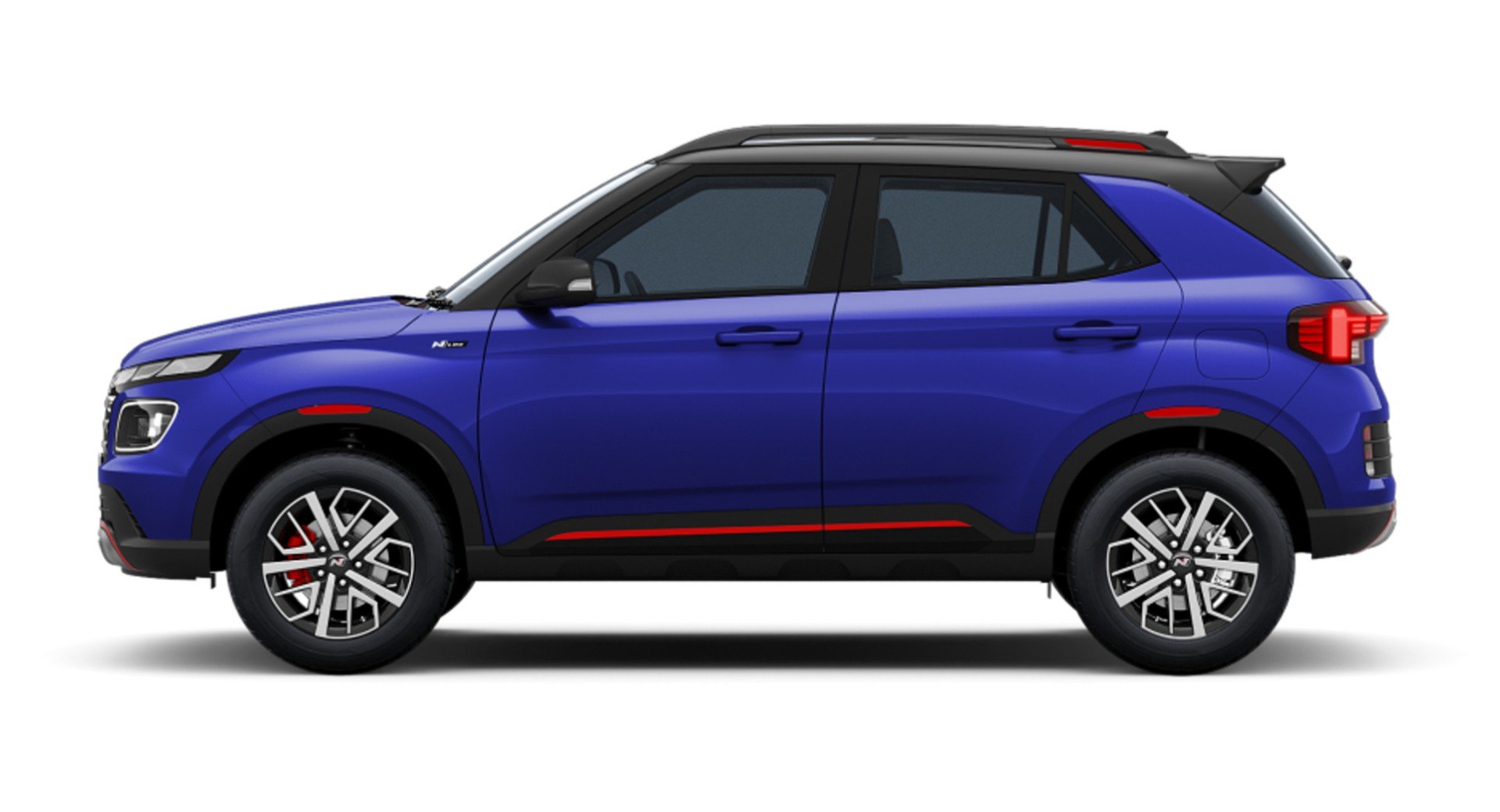
N-Line-specific suspension and steering tunes, plus four-corner disc brakes, elevate the small SUV’s roadholding abilities.
Inside, there are lashings of red piping and stitching with N branding appearing on the seats, doors, dashboard and gearknob. Aluminium pedals and paddle-shifters feature, alongside an 8.0-inch infotainment system, digital instrument cluster, Bose sound system and a sunroof.
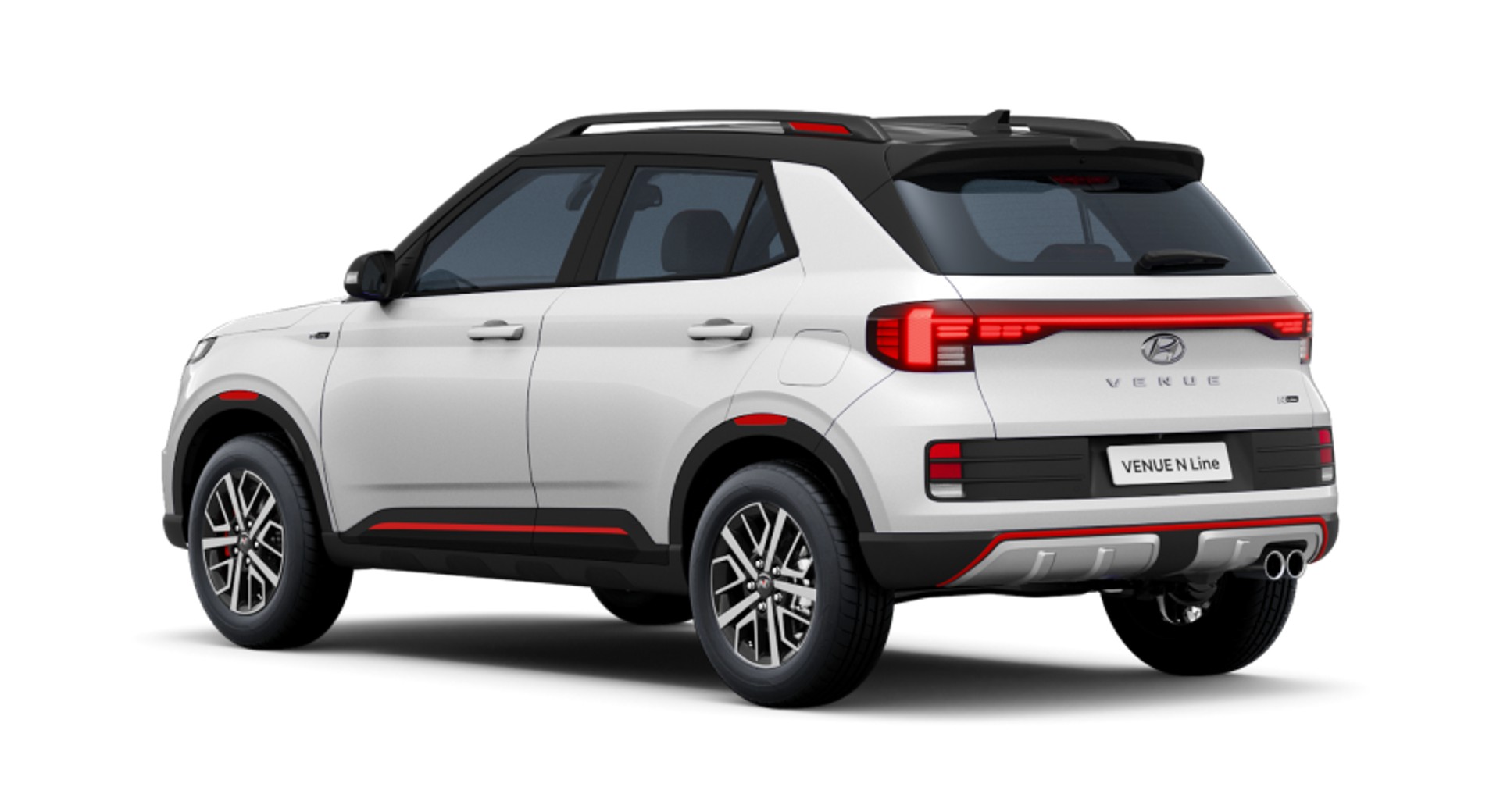
As a sign of the times, more about the new Hyundai Venue N-Line will be revealed during a digital debut taking place on Metaverse, September 6.
A new study by a leading automotive group has found more Queenslanders are owning up to breaking driving laws.
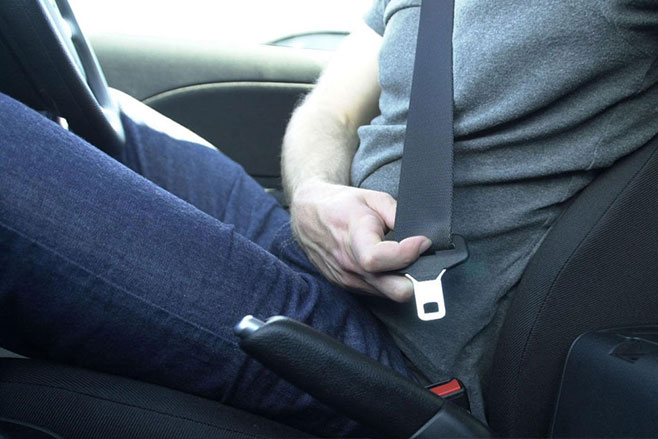
Research by the Royal Automobile Club of Queensland (RACQ) has revealed almost one in 10 of the State’s drivers surveyed (8.1 per cent) admitted to not wearing a seatbelt at some point over the past 12 months.
Furthermore, the number of drivers speeding, drink driving and driving while tired has also increased from last year.
“Already this year, almost 200 people have died on Queensland roads and, unfortunately, we’re on track to record our worst road toll in more than a decade,” said spokesperson Tristan Vorias.
“This Road Safety Week, we want to highlight the importance of staying safe on Queensland roads, so it’s very disappointing to see so many drivers making life-threatening decisions when behind the wheel.”

The survey found nearly three quarters (74.3 per cent) of motorists surveyed admitted to speeding, while 41.2 per cent said they had driven tired, and 13.3 per cent had driven when they thought they may be over the legal blood alcohol limit.
In the last year, 28.6 per cent of Queenslanders surveyed said they’d done something that would interfere with their ability to drive safely – such as using their mobile phone or driving while distracted.
“No matter your age or how confident you feel behind the wheel, making poor decisions can kill you or others on the road in a matter of seconds,” Vorias added.
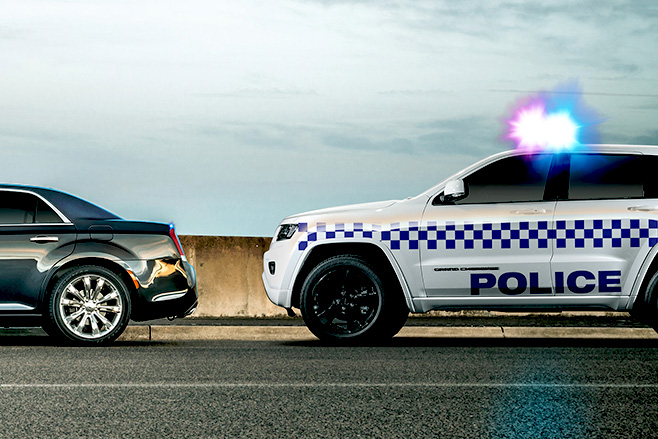
Earlier this year, Queensland hit those falling foul of the law on its roads with tougher penalties.
As of July 1 motorists in the Sunshine State now must pay more for their registration and licence fees, tolls, public transport, and parking in the Brisbane CBD too.
Were you to draw up a ladder based on the competence of a car brand’s products over, let’s say, the last ten years, it’s doubtful that Mitsubishi would be challenging for a place in the top eight.
Its democratisation of plug-in hybrid tech aside, the portfolio has all too often been unadventurous and dated. A lot of metal for your money is the usual lily-livered euphemism, but is it really too much to expect a little more talent and inspiration for your hard-earned?
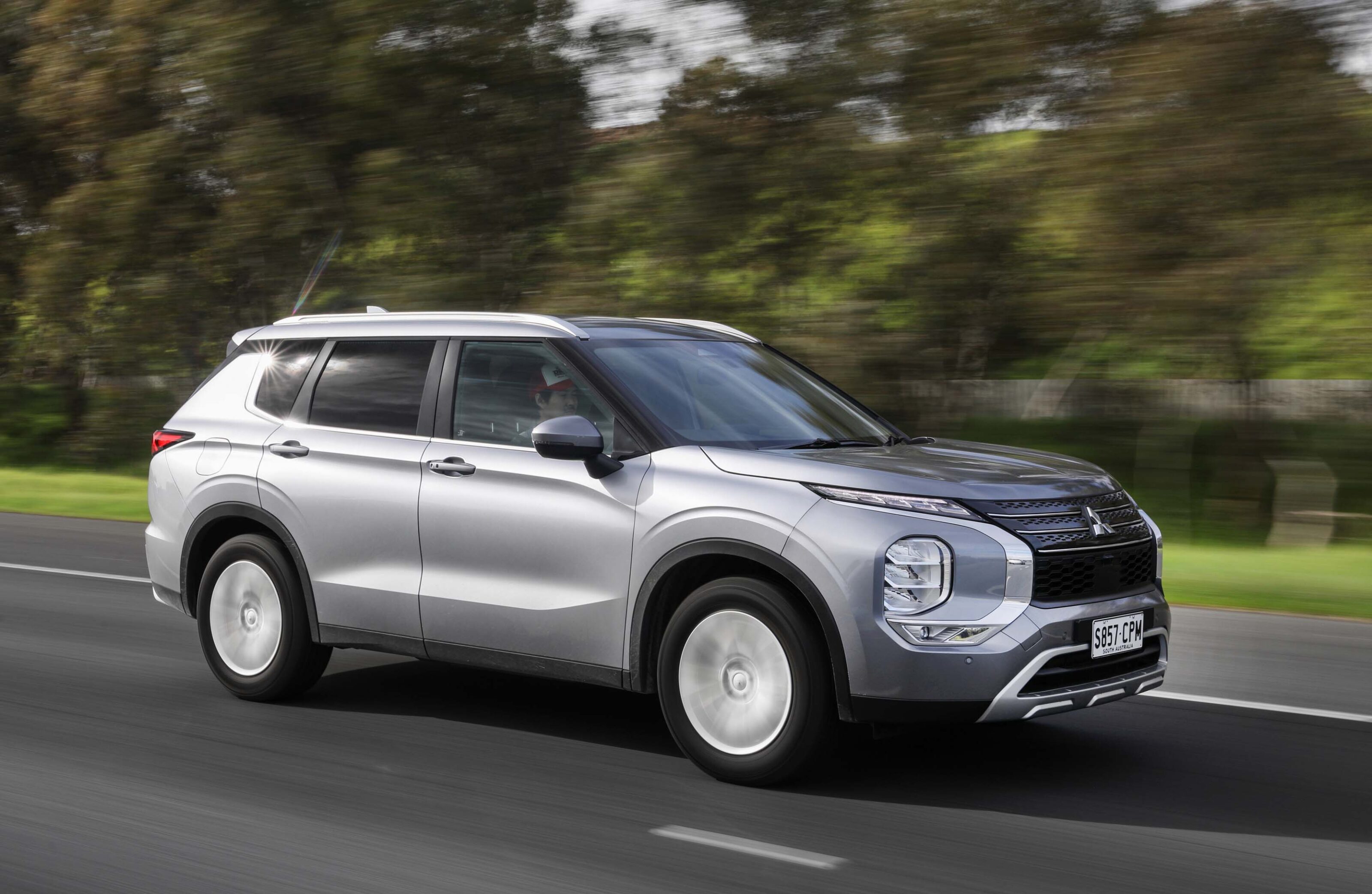
With that in mind, I was less than thrilled when I injured my back recently and was forced out of a low-slung coupe and into a base Mitsubishi Outlander.
However… at first, I wondered whether it was the codeine talking, but the cabin was far from the usual entry-level SUV plastic dungeon of despair.
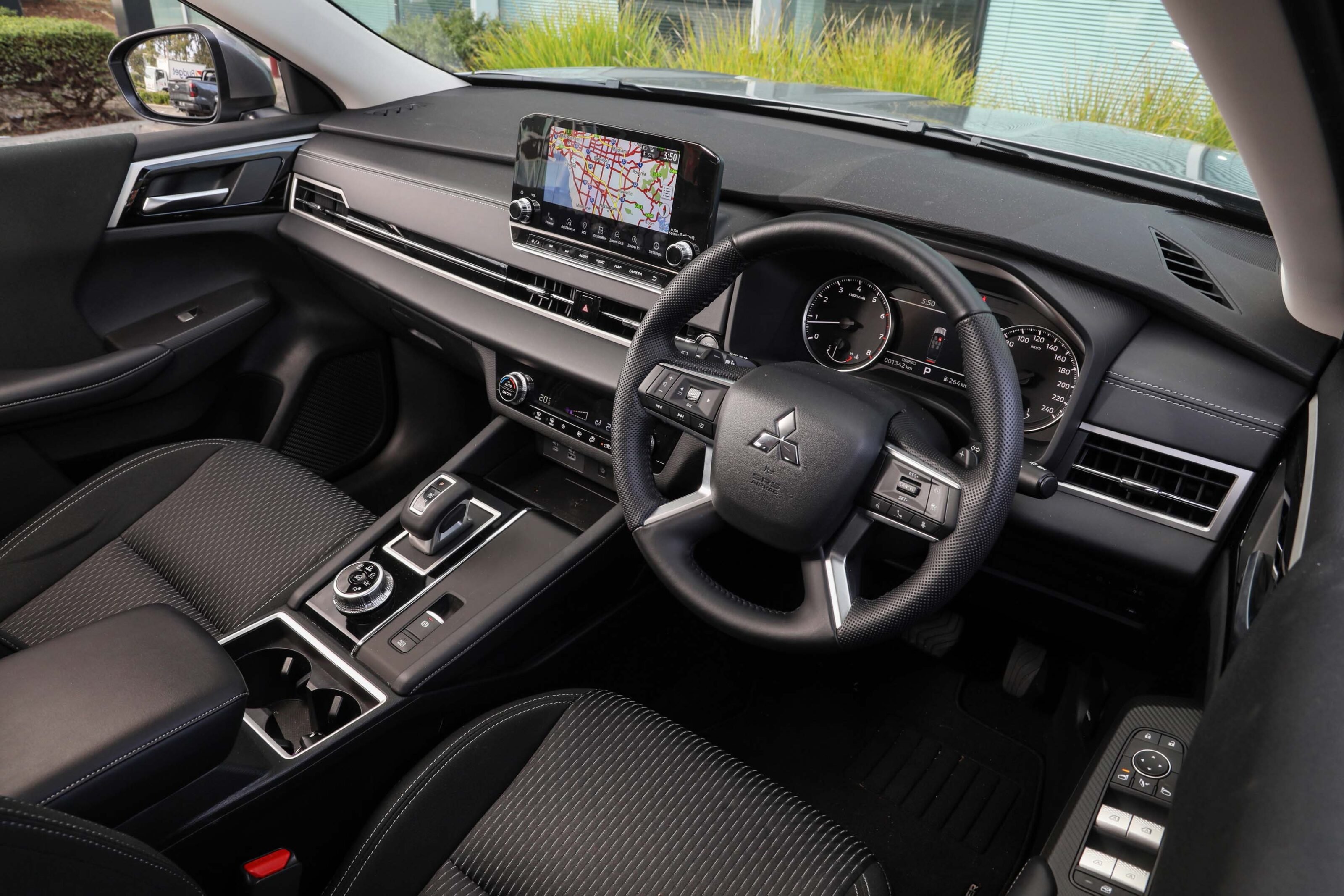
Imagine my surprise to discover the Outlander rode well, the power take up was cultured, the fundamental ergonomics were well considered and it was airy and comfortable.
Most shockingly of all, it was not only likeable and good value, but felt as if it had been designed and built by people who genuinely cared.
Mitsubishi has changed and in order to do that, it has had to hold a mirror to itself. An inability to accept the reality of your shortcomings is, in itself, the surest path to mediocrity.
And it’s something that hits home here.
A famously prickly spokesman for another manufacturer recently described Wheels as a challenger brand in the Australian automotive media sector. Rather than clap back with a barrage of reasons he was wrong or attribute it to trolling for a reaction, it was instructive to consider why he’d fired the barb.
And the longer I thought about it, the more I realised he was right, at least in terms of numbers and influence.
For reasons too tedious and arcane to detail here, Wheels’ old paymasters had long identified the core competence of the business as print publishing. We could create beautiful magazines, but our online presence was never top drawer. We did the big stories well but never committed to an online mentality that recognised the subtleties of drawing readers in and keeping them coming back.
… business as usual is nowhere near good enough.
As rivals innovated, we stagnated. We ran the very real risk of becoming the Nokia of the sector, looking to the past, ignoring reader trends and leaning on a skewed perception of brand equity. It didn’t work for Nokia and it won’t work for Wheels. Sometimes all it takes for a culture to change is one person to take a stand; to speak the unpalatable truth that business as usual is nowhere near good enough.
Luca di Montezemolo famously took a drive in the Ferrari 348 and saw in it a reflection of all of the laziness and complacency that blighted Maranello in the early 1990s.
Likewise Richard Parry-Jones transformed Ford’s products after being appalled by the deathless Ford Escort MK V. Mitsubishi has done likewise, with CEO Takao Kato taking a number of hard yet pragmatic decisions with partner Nissan’s help to turn a moribund portfolio around.
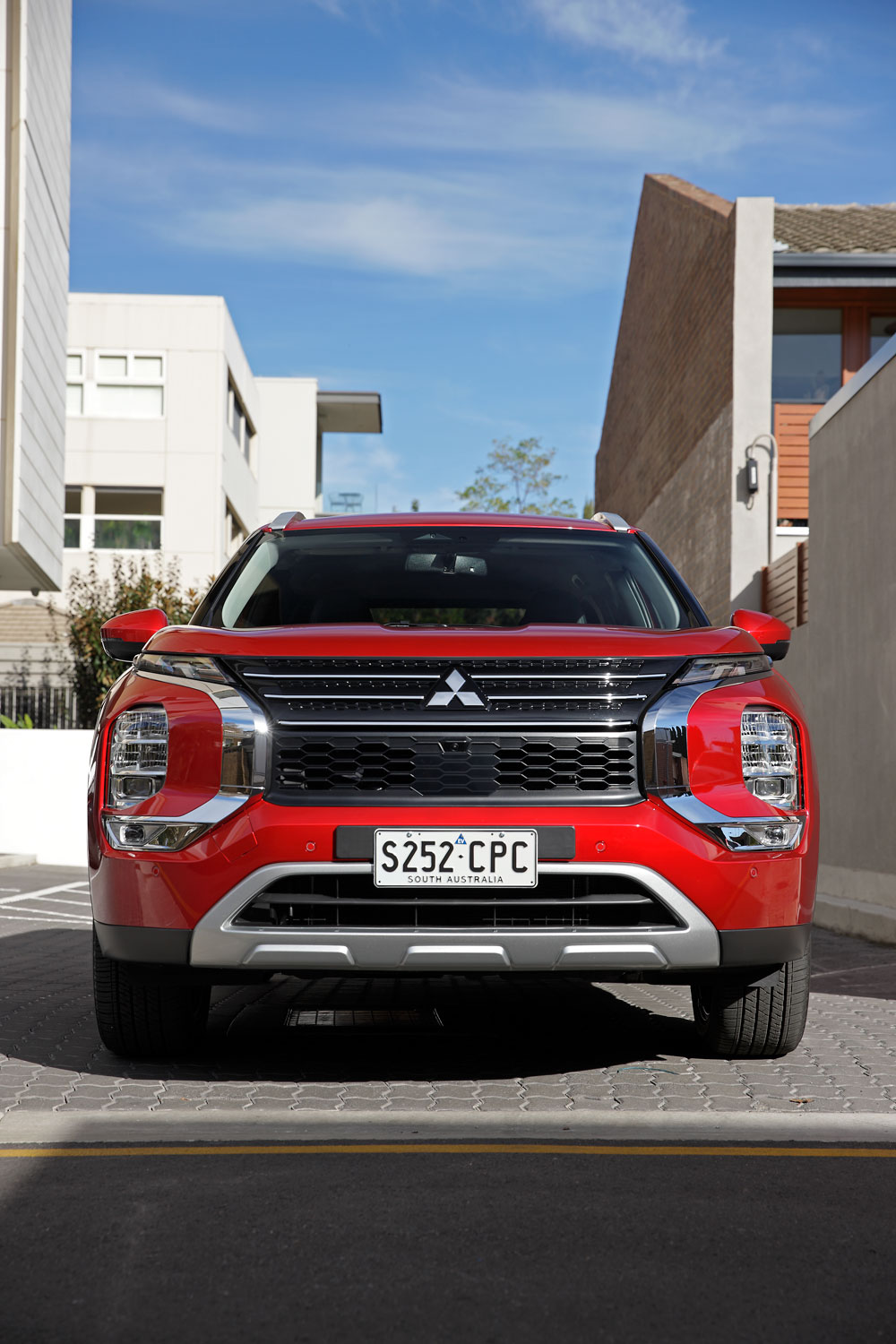
Kato would be the first to agree that we all like to feel that we’re winning. It’s an addictive sensation that’s often alien to those who’ve spent years in print publishing, where success is latterly defined by only failing a little year on year.
I’m thrilled by the changes that are taking place here, largely behind the scenes, but to make those changes we had to eat crow and accept that we needed to be sharper. Keep your eyes on Wheels online – and the wider WhichCar presence – because it’s about to change radically for the better. I can’t say too much right now, but I’m sure you’re going to love it.
It might take me a little longer to fall in love with Mitsubishi, but right now it certainly has my attention. It has shown that a challenger needs hunger, energy and a coruscatingly unvarnished assessment of where it stands if it is to succeed. And if Mitsubishi can do it…
Keep your eyes on Wheels online – and the wider WhichCar presence – because it’s about to change radically for the better.
Road cars that transform into track-day specials tend to be humourless, serious things. They’re more about shaving tenths from your lap time and boosting mid-corner speeds than they are about having fun. Take the new Porsche 911 GT3 RS as an example. There’s no doubt it’ll be awesomely engineered and ferociously fast but could you ever imagine it cracking a joke?
“Ha! Zee only joke here, stupid human, is your inferior driving skill!” is about all it’ll offer.
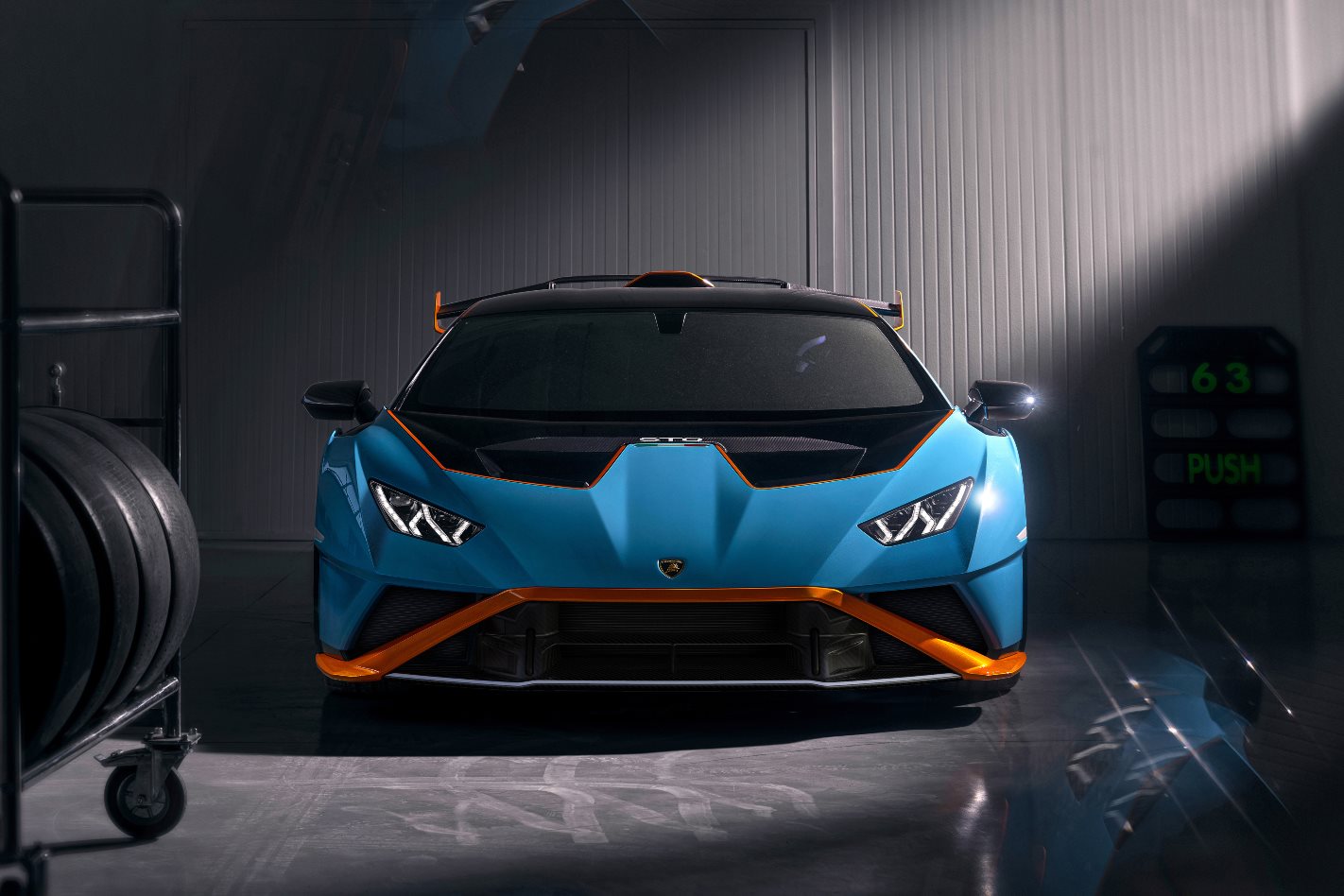
Things are different at Lamborghini. This is the Huracan STO and it’s Sant’Agata’s take on the track car. STO stands for Super Trofeo Omologata and Lambo is pitching it as a road-legal version of its Super Trofeo racing car. Omologata translates to homologation, after all.
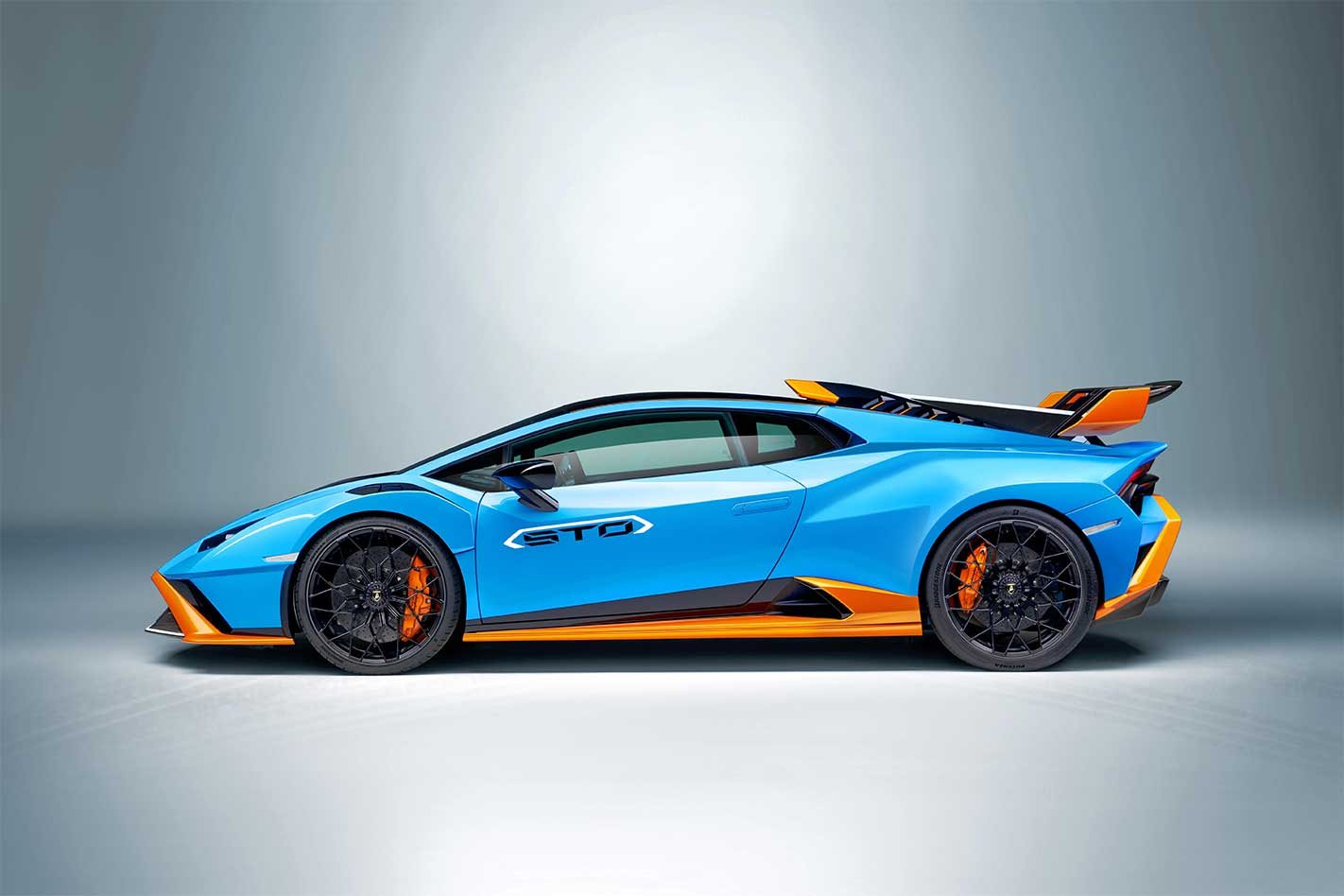
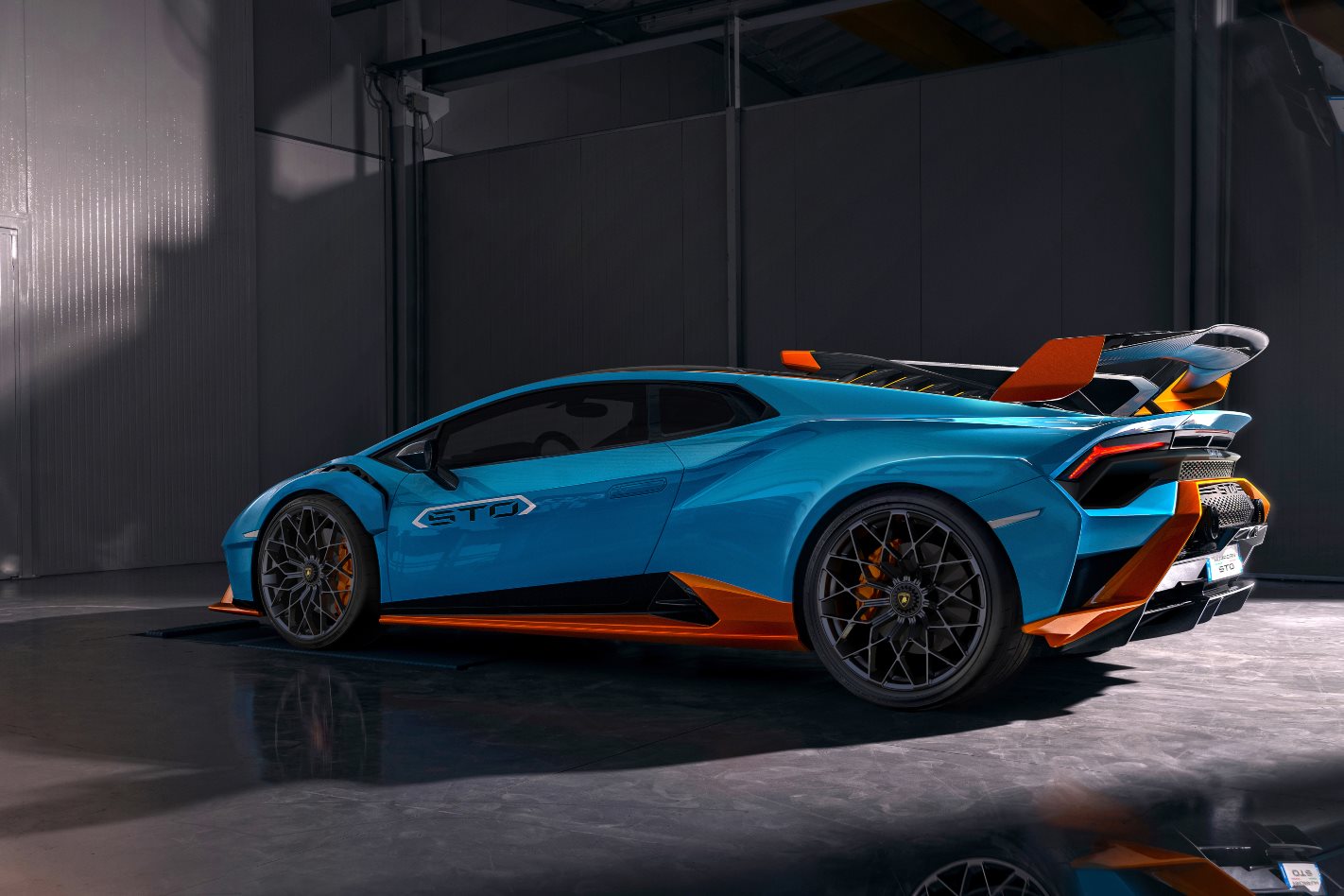
Just like the Porsche GT3 RS, the focus here is all about track work and lap times but steely-eyed? Humourless? Even sitting still, the STO looks hilarious. And vaguely insane.
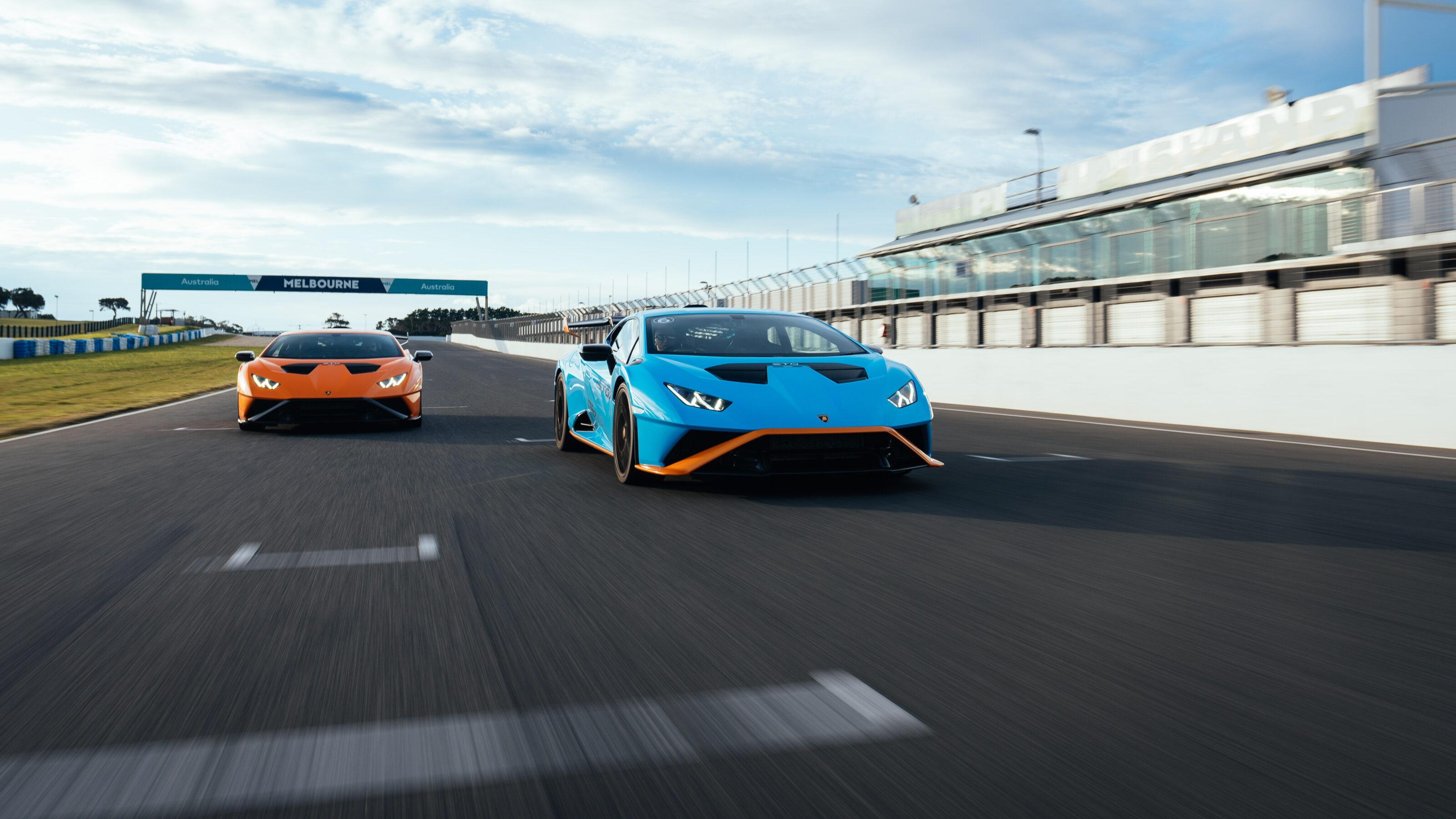
Lamborghini had a fleet of STOs at Phillip Island for our brief drive and each one was an exciting riot of decals, eye-searing paint schemes, gulping roof-mounted air intakes and shark fins. Lambo doesn’t really do serious, does it?
Beneath all the visual drama, though, there’s some serious engineering at play. There’s less weight, it’s rear-drive only, downforce has been increased substantially and a new carbon braking system is fitted to ensure the STO is just as capable to drive as it is wild to look at.
Question is, has it worked? We ventured onto a wet and slippery Phillip Island circuit to find out.

Pricing and features
The STO serves as flagship of the current Huracan range and is priced accordingly. At $596,000 before on-road costs, it’s a whopping $212,000 more than an entry-level Huracan Evo – but you do score a lot more performance for your cash.
Its bodywork, for example, is now made mostly of carbon-fibre composite and the entire nose of the car – the bonnet, front splitter and front quarter panels – are now a single piece. Front-end bingles just got a lot more expensive…
All up, the STO is 43kg lighter than the brand’s last lightweight special, the Performante. The bodywork has been carefully honed and sculpted, too, to increase downforce. Huge fins adorn the top of the wheelarches, that central shark fin helps to direct air more cleanly onto the huge rear wing and the wing itself is manually adjustable through three positions.
The rear diffuser is also fiendishly complex and includes two enormous holes where you can see almost the entire width of each rear tyre. Speaking of which, they’re specially developed, road-focused Bridgestone Potenza Sports that measure 245/30 ZR20 up front and 305/30 ZR20 out back.
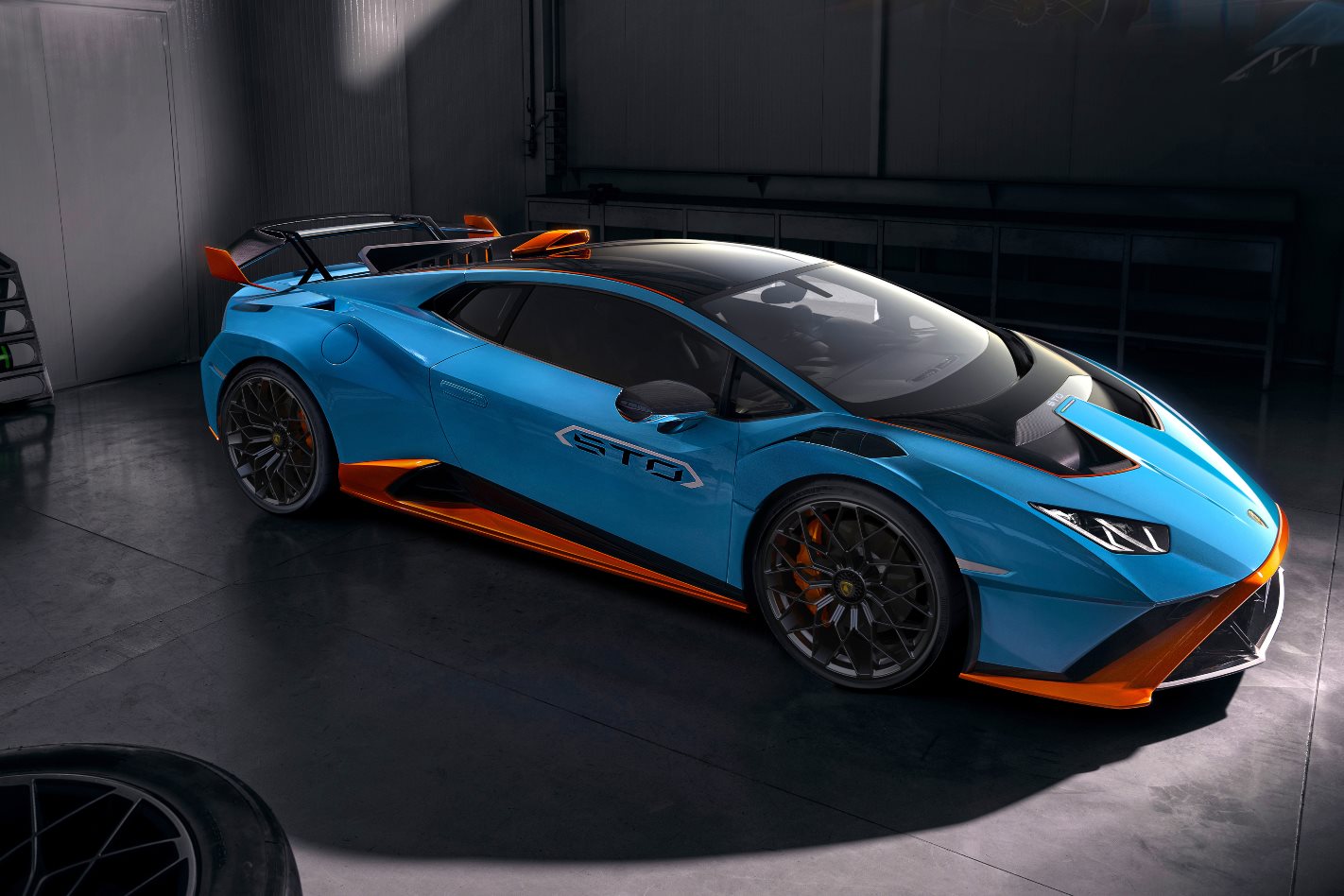
Stickier Potenza Race rubber is also available as an option, though it’s slightly odd that Lambo decided against fitting the more aggressive tyre as standard given the car’s track focus.
Regardless, the STO is an incredibly intricate and ferocious thing to run your eye over and it’s not just for show. The melee of flics, vents and strakes help to generate 450kg of downforce at 280km/h.
That’s not in the same league as the new 911 GT3 RS, which has almost double the downforce at the same speed, but it’s still a 53 per cent increase over a Huracan Performante (remember its intriguing ALA active aero system?) and it’s on-par with other rivals like the Mercedes-AMG GT Black Series.
As you’d expect, the suspension has come in for some serious alterations. Spring rates are up and there are new bushings and anti-roll bars. Track widths have grown, too, and the MagneRide 2.0 adaptive dampers have also been recalibrated to ensure the STO is as agile and as planted as possible around a circuit. How that impacts the STO’s behaviour on public roads remains to be seen. Our time was the car was strictly track-only.

One thing that hasn’t changed is the engine. Lambo’s iconic 5.2-litre V10 is nestled behind the driver and it remains the star of the show. In the STO it makes 470kW at 8000rpm and 565Nm at 6500rpm, which is the same peak power as the Performante but slightly less torque.
Also carryover is the seven-speed dual-clutch gearbox, but Lambo’s engineers have tweaked the STO’s throttle map to be more aggressive. The soundtrack has also been massaged to boost the aural drama as you close in on the 8500rpm redline.
Oh yes, the noise. You’ll hear an STO long before you see it. This car is so loud that we can hardly believe it’s legal and the operatic howl it makes at full tilt is unlike any other supercar.
As for the key change Lamborghini is most proud of? That’ll be the brakes.
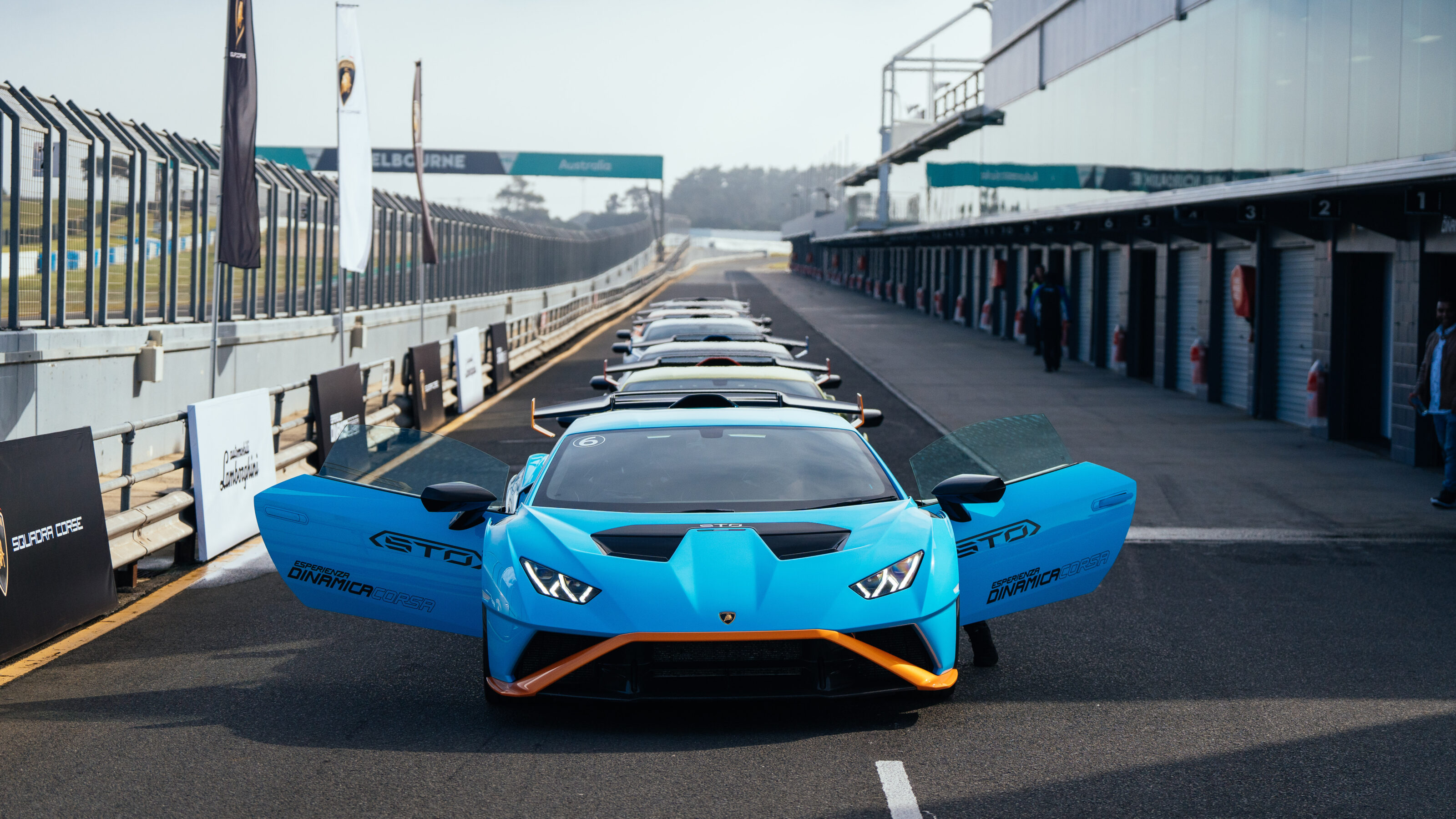
“STO is a very different car to drive to other Huracans but the biggest difference is the braking system,” says Lamborghini’s chief driving instructor, Milos Pavlovich.
“It’s got carbon brakes and we are really proud about this system. We have never had fading, long pedals or any problems after doing a lot of laps.”
Lambo calls the new brakes CCM-R and claims they can pull the STO from 200km/h-0 in 110 metres. Developed by Brembo, the carbon discs measure 390mm up front and 360mm out back and are said to offer 25 per cent more stopping power than a regular carbon set-up.
If all of this sounds bewildering, here’s an easy number to latch onto. Lamborghini claims the STO is nearly three seconds quicker around the Daytona International Speedway road course than the Performante. And it’s only 2.5 seconds away from the slick-shod GT3 Evo racer.
Comfort and space
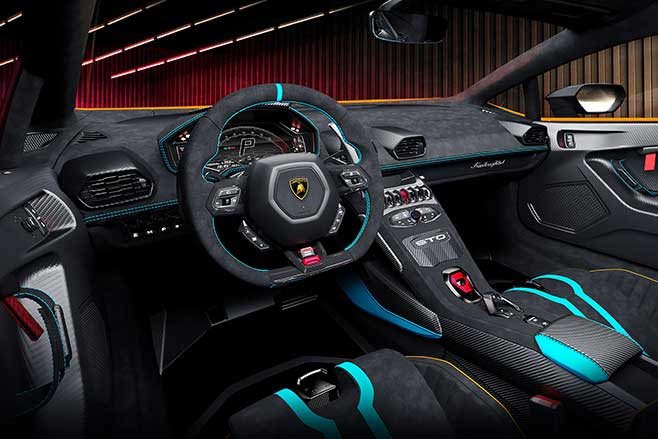
If a richly specced and luxurious cabin is important to you, this isn’t the Huracan to buy. To save weight, the STO’s interior has been stripped back to its bare bones.
There are no carpets, cup holders or door bins. Even the windscreen is 20 per cent thinner to save some valuable grams and help the STO hit its 1339kg dry weight.
Unlike a lot of stripped-out track cars, though, the STO’s cabin is beautiful in its simplicity. The door cards seem to be made of a single piece of carbon fibre and the floor comprises plates of carbon-like material screwed into the body.
Not much room to put things, though. A tiny central storage cubby behind the fighter-jet-inspired gear selector is about it for storage in the cabin. And fitting a larger central radiator in the nose of the STO means the ‘frunk’ has shrunk to just 38L.
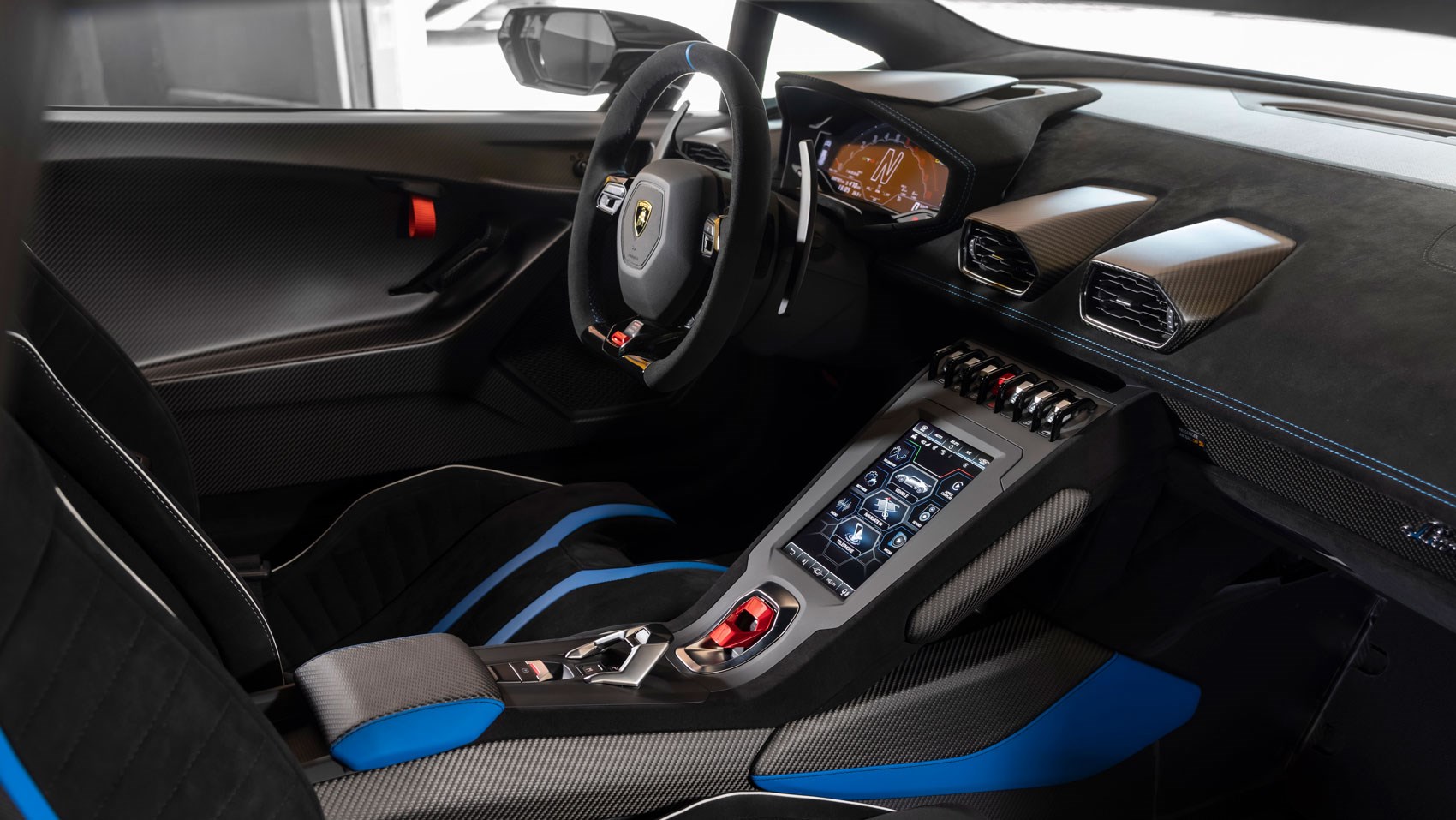
That’s just big enough to swallow a helmet, says Lamborghini. It’s not totally devoid of creature comforts, though. You still score sat-nav and the central infotainment screen includes some STO-specific performance menus.
As for seat comfort, the verdict is out on that one. All the cars we drove were fitted with standard carbon buckets and they were excellent. Hugely supportive and comfortable, they also offered a decent amount of adjustment. You sit nice and low, too, and the driving position is excellent.
The frustrating news is that these bucket seats won’t be coming to Australia. They don’t comply with our regulations so Aussie cars will instead be fitted with ‘comfort’ seats. We doubt they’ll offer the same level of support, so owners should probably factor in needing to see what’s offered on the options list.
Forward vision is surprisingly excellent given the Huracan’s wedge-like profile but rear vision is hampered by the fitment of a titanium roll cage.
A final feature worth mentioning? Some of the cars at Phillip Island were fitted with a unique harness that placed a seatbelt clip at your belly button instead of the usual six-point buckle near your groin. It’s a clever solution and saves you faffing about to find straps but sadly this harness won’t be coming Down Under either.
On the track
Phillip Island can be a jaw-clenching place in the wet and as I leave pitlane the words of chief test driver Milos are ringing in my ears: “This is the most aggressive car we have made so far. It moves around a lot at the rear.” Great.
Initially, though, the STO feels surprisingly approachable for a rear-drive supercar with 470kW. Part of that is down to the road-focused Bridgestones that help to clear water more effectively than Cup 2 rubber. And part of it is down to the STO’s new drive modes.
Drivers have three to choose from; STO, Trofeo and Pioggia. STO is the default mode, while Trofeo is designed for on-limit driving and slackens off the electronic stability aids. The ESC and traction control can be completely turned off separately.
Today, though, we’re using Pioggia mode. It’s the rain setting and it only takes a few corners to realise it’s excellent. Unlike other ‘wet’ modes that take away power and make the throttle feel soggy and lifeless, Pioggia’s focus seems to be on making you drive as quickly as possible in slippery conditions.
Lambo’s big V10 is as potent as ever, the throttle response is razor sharp and it will also allow decent yaw angles before the ESC system gently intervenes to stop you from getting it really wrong.
The first session is so wet that the only valuable thing I learn is that the STO isn’t as spiky as other Huracan variants. Grip levels are clearly communicated and when you do encounter understeer or oversteer, the breakaway isn’t sudden. It’s a handful but a predictable one.
On a drying track, however, the STO starts to come alive. It’s still too slippy to engage Trofeo mode but with grip levels starting to rise, the deftness of the STO’s chassis tuning starts to become apparent. Front grip is immense, the firm brake pedal offers incredible confidence and stopping power and the steering is nicely weighted and accurate.
As well as ditching the front driveshafts, the STO uses a quicker fixed-ratio steering rack rather than the variable-ratio set-up on other Huracans and it’s all the better for it. Rear-wheel steering is also used to improve agility and stability but the system is so subtly integrated as to be virtually imperceptible.
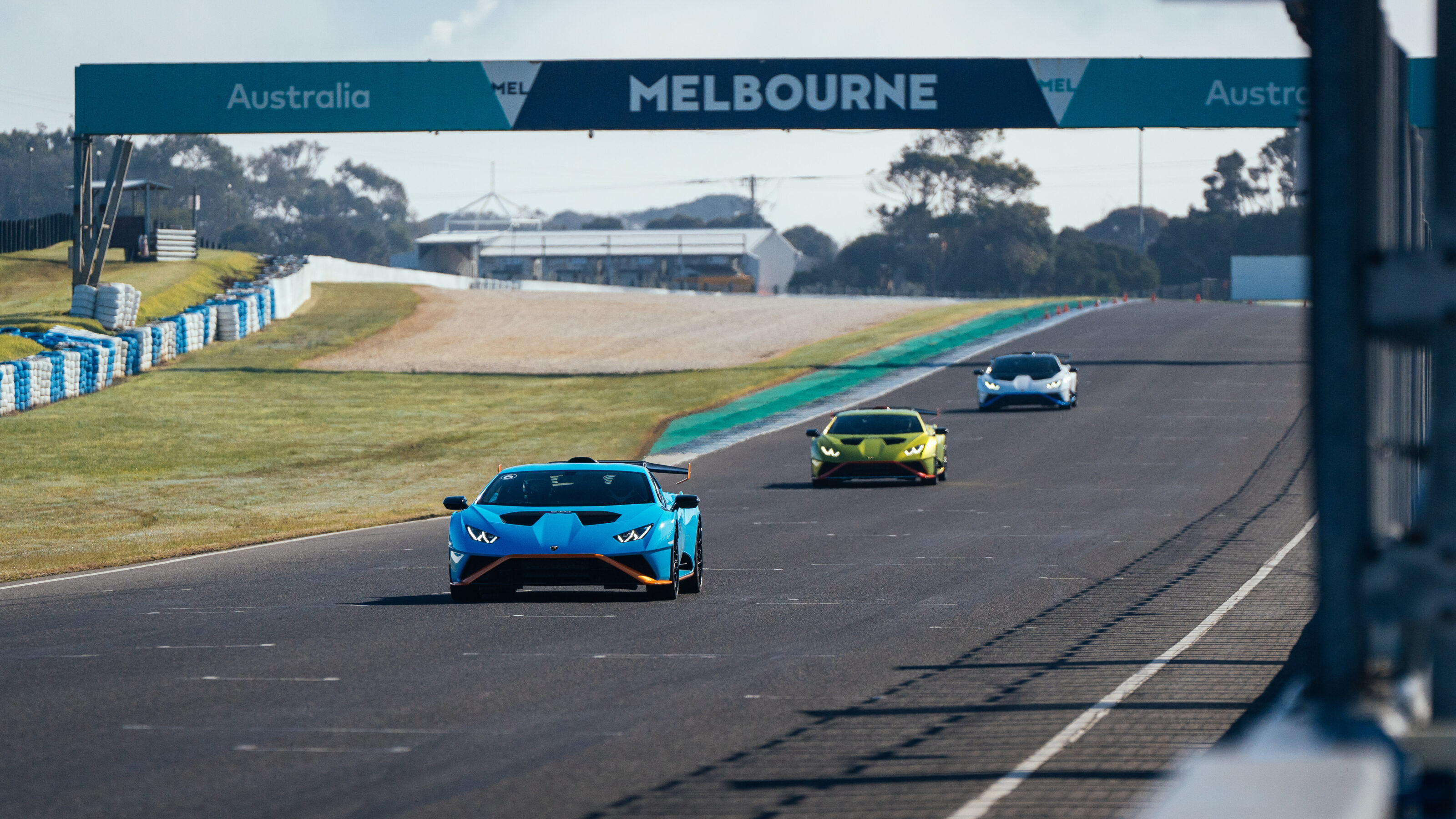
The STO is an impressively agile and sensitive car to drive hard. Small adjustments to the throttle, steering or brakes are immediately felt and while we only just started to properly explore what the STO can do, it’s clear there’s genuine depth for owners to enjoy.
And that engine? We’re going to miss it once it’s gone. In a world of turbo rivals, the big V10 stands tall as a shining beacon of noise, response and power. The way it changes timbre above 4700rpm and screams all the way to 8500rpm is a genuine assault on your senses. It vibrates your ears and rattles your bones. It’s simply awesome.
VERDICT
Are there faster and more capable track-focused supercars out there? Probably. Ferrari is no doubt already working on a lighter and more powerful version of the 296 GTB and it’s likely that car will be faster and even more capable than the Lambo.
That new Porsche GT3 RS I mentioned earlier? It has so much downforce and adjustable chassis tech that it should be significantly quicker than an STO against the clock. But weirdly for a track car, outright lap time isn’t the Lambo’s chief attraction. It’s how it feels.
Yes, there might be faster rivals out there but few can match the STO’s combination of visual drama, noise and sensations. It’s a proper event and while it’s also undoubtedly the fastest and most capable Huracan ever, the real stroke of genius is how the focus on lap times hasn’t been at the expense of engagement or fun.
A Lambo that’s just as capable to drive as it is as wild to look at? That’s a compelling recipe.
UPDATE, March 29 2023: Australian timing confirmed for ID models
Volkswagen Australia has today confirmed local launch timing for its ID.3, ID.4, ID.5 and ID.Buzz models – get all the details at the links below.
November 2022: ID.4 driven in Australia!
We’ve now had a chance to drive an overseas ID.4 car in Australia. Get our full story at the link below.
Story continues…
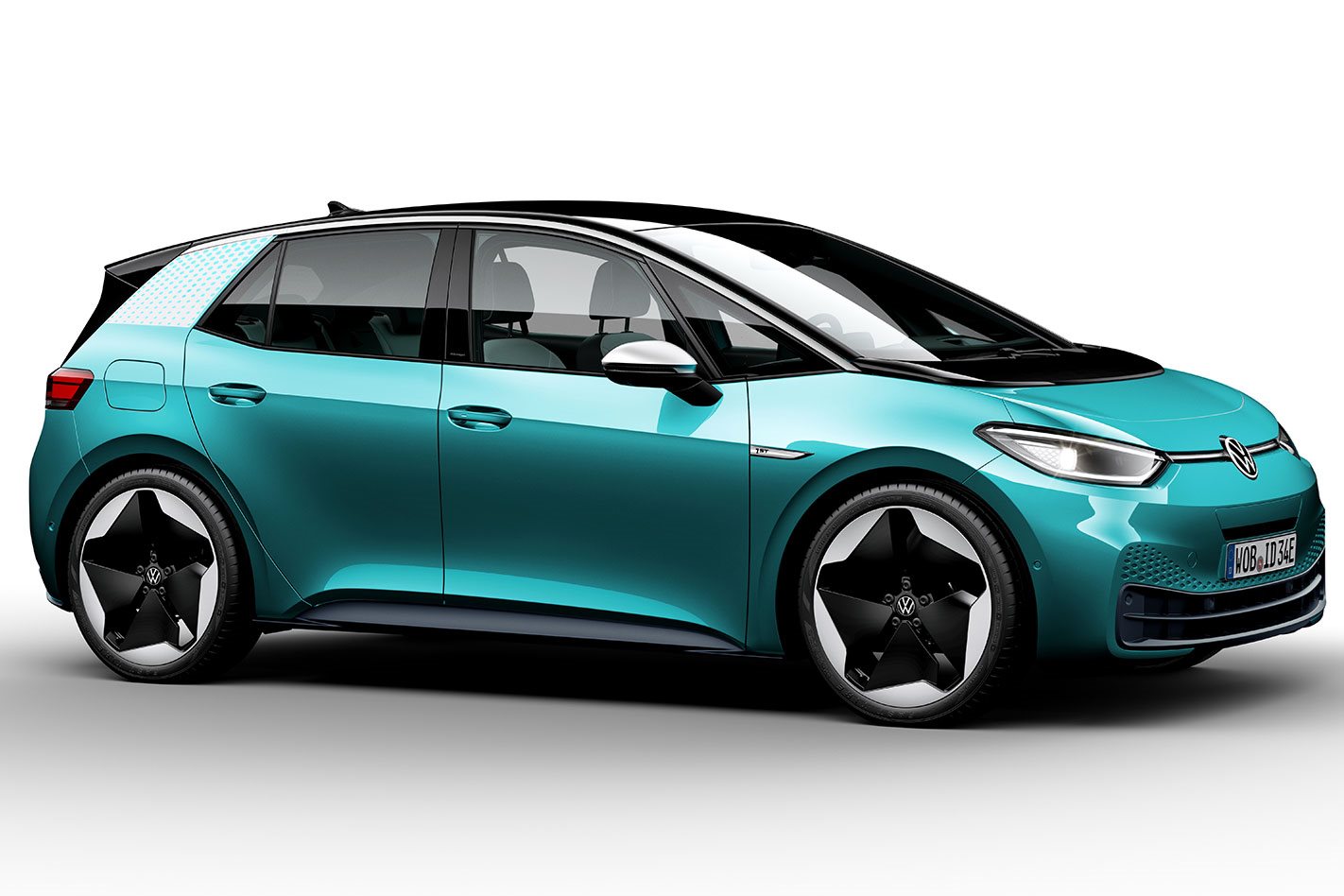
Volkswagen could bring forward the production of its ID.4 and ID.5 electric vehicles destined for Australia earlier than planned, meaning the pair could be on sale here by late 2023.
Speaking to Wheels, Volkswagen Group Australia’s Managing Director, Paul Sansom, said start of production is scheduled for the two models, which are twins under the skin, towards the end of next year – but the firm is hopeful that could move to mid-year instead.
That would mean the two cars could be on sale here before 2023 is out.

The ID.4 and ID.5 will join the other VW Group mainstream EVs so far confirmed for this market – the Cupra Born hatchback due in late 2022 and the Skoda Enyaq wagon and four-door coupe also arriving in 2023.
A spokesperson for VW said the smaller ID.3, which is also confirmed for Australia, wouldn’t likely come here until after the current model gets its upcoming facelift overseas as that would be “logical”.
“We want to be the leader in electric vehicles as well once we can secure the supply of those vehicles here in Australia,” Sansom told us.
“The demand has absolutely skyrocketed globally for EVs that’s another factor that’s really putting some pressure on the transformation to electric vehicles.
“We’ve got 180 showrooms across our group in Australia and we’re inundated with requests from consumers every day [about EVs]. The consumers want these cars, and it’s our biggest frustration we can’t yet get them here. If we’d had mandated targets in place two or three years ago, when we started talking about this stuff, we would’ve had those cars by now.
“But our biggest issue – as well having no targets – is that there’s actually very limited production available. Even when the targets come into play, there’s still a catch up on production [due to COVID-19, semiconductor shortages and the war in Ukraine].”
In addition to the VW, Skoda and Cupra electric vehicles on their way, the Group already has the Audi E-Tron on our shores – currently available in E-Tron, Sportback, S, S Sportback and GT forms, with the flagship GT RS arriving any day now.
Although another model, the Audi Q4 E-Tron is as yet unconfirmed for Australia, Sansom did hint it will be coming here in the not-to-distant future.
“The ID.4 is on the same platform as the Audi Q4 E-Tron and at the moment that’s on schedule for a start of production at the end of next year, and we are hopeful that we might be able to bring that forward as well,” he told Wheels.
“So regardless of an introduction of mandated targets, we’ve been applying so much pressure to our headquarters to give us some cars because we can see the demand here.”
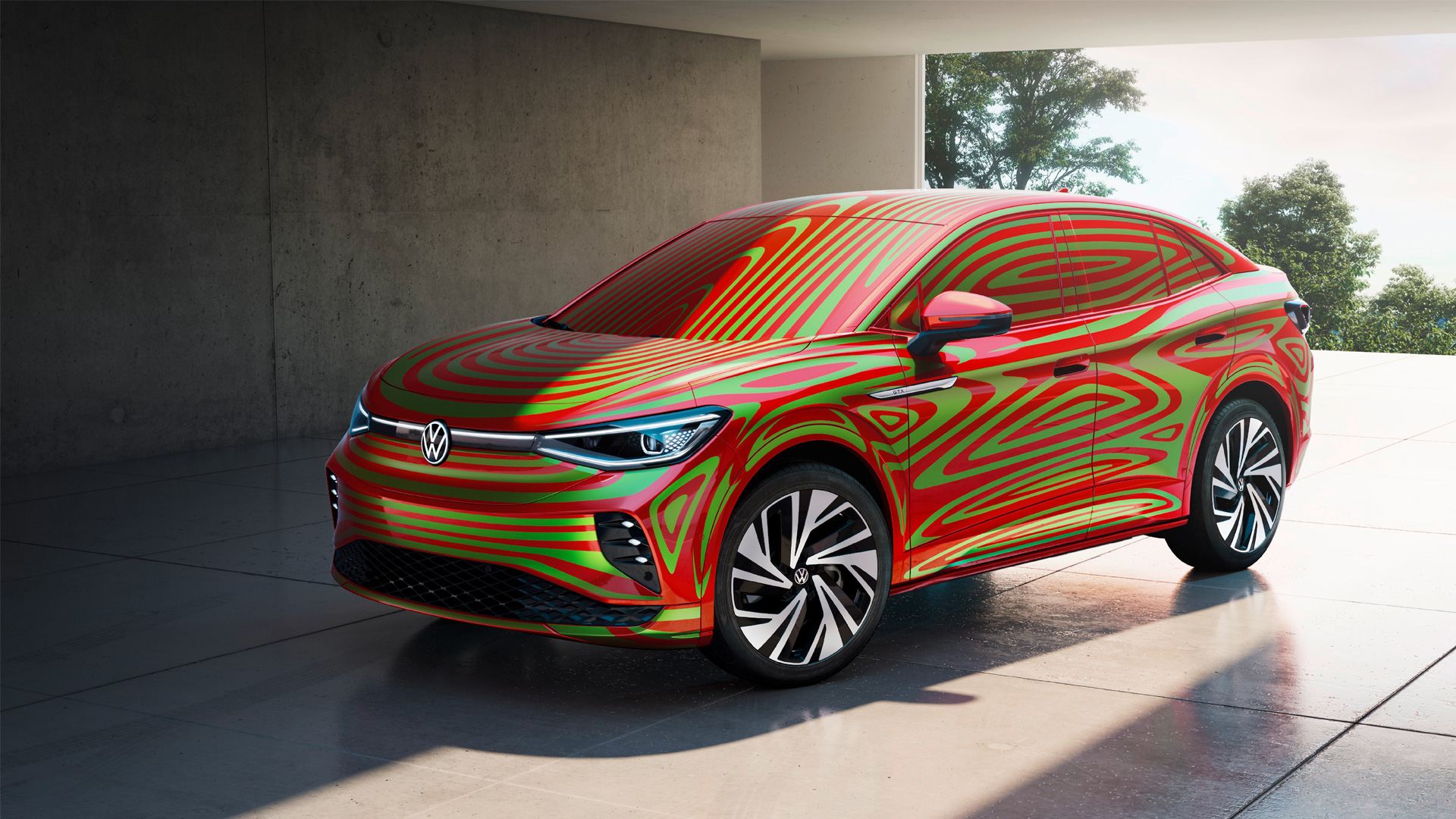
Also not officially set for our market, though likely to make an appearance, is the higher-powered GTX variant of the ID.4 and ID.5. The all-wheel-drive, dual-motor GTX sits at the top of the ID.4 and ID.5 ranges, delivering 220kW and a driving range of more than 500km from its 80kWh battery and twin motor set-up.
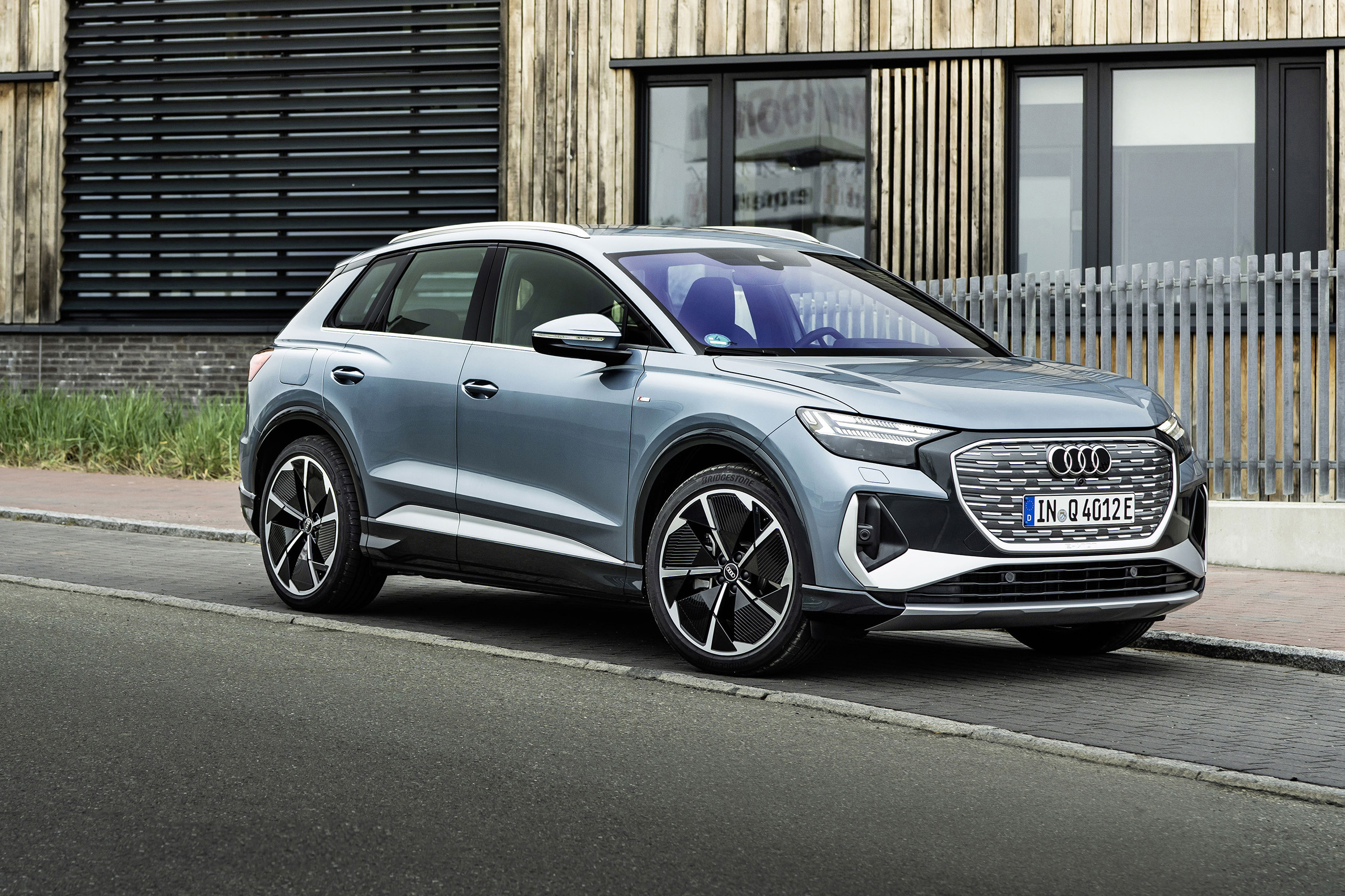
By comparison, there’s a 52kWh entry-level model with a choice of 109kW or 125kW electric motors, and a mid-range version which features a 77kWh battery with 150kW and a WLTP-rated driving range of almost 540 kilometres. Both are rear-wheel-drive with a single motor.
According to Volkswagen ID.’s global head of sales and marketing, Silke Bagschik, roughly 40 per cent of ID.4 and ID.5 buyers have opted for the flagship spec GTX overseas, prompting the marque to offer the variant in more of its electric models.
Asked if we would be getting the GTX when the ID.4 and ID.5 land here, given Aussies’ penchant for higher-spec and fast cars, we were told it would be “a reasonable assumption” but the brand would be revealing more at a later date.
Sansom added that the EV onslaught is necessary for the Group globally, as it needs to “double down on zero-emission vehicles” to off-set those made by the introduction of the new Amarok ute coming next year.
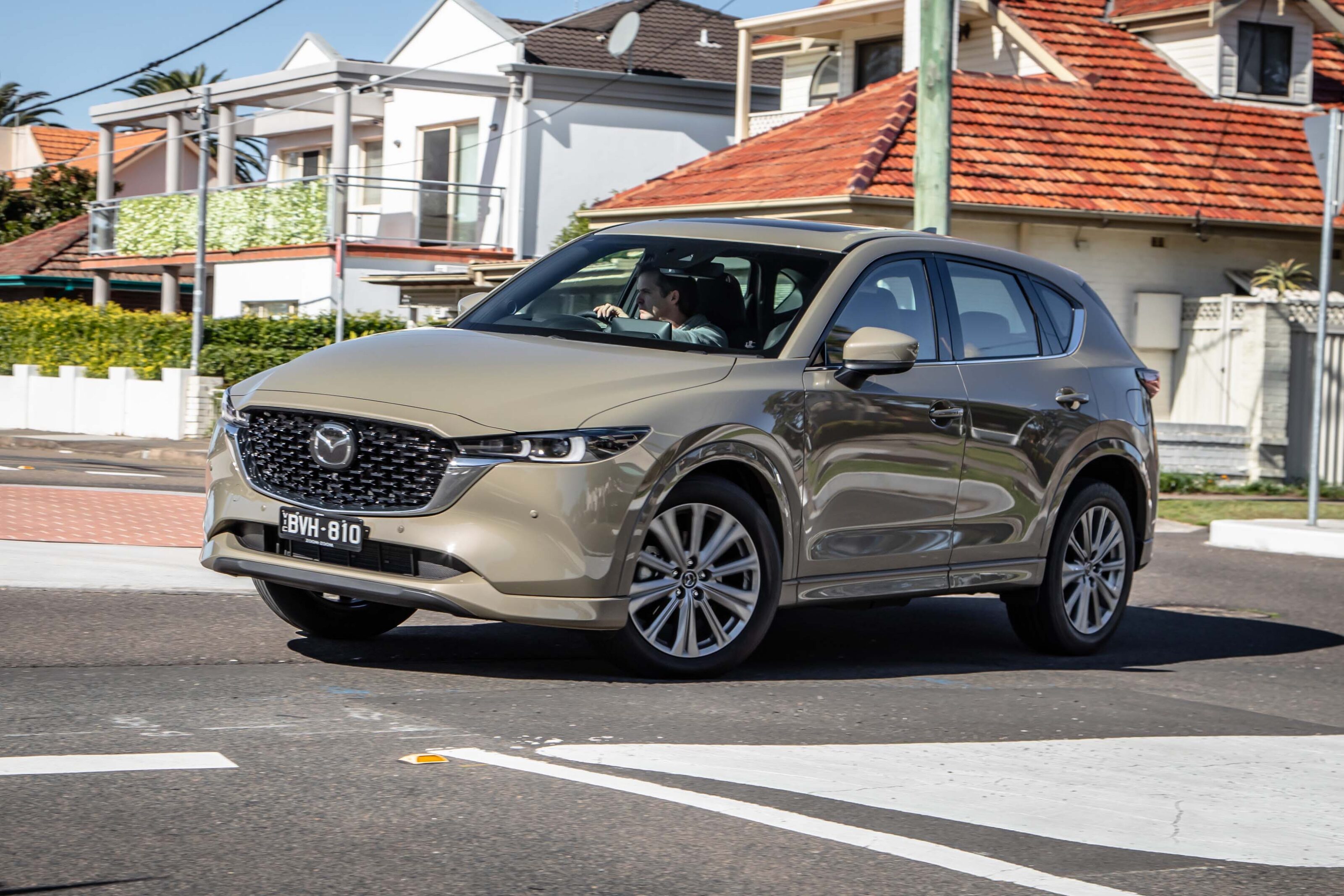
The Mazda CX-5 is one of those cars that everybody knows. When you mention another vehicle in the segment to someone who isn’t all that interested in cars they’ll say, “I don’t know that car. Is it like a CX-5?”.
Partly because the CX-5 has been around forever and mostly because Mazda has sold them by the boatload over the last decade. I originally wrote “decade and a half” because it’s such a fixture on our roads, so I’m glad I checked.
The CX-5 comes in a wide variety of specifications, with front-wheel drive, all-wheel drive, three petrol engines and a diesel. In typical Mazda style, your choices stretch well into the double digits. You can get a manual 2.0-litre front-wheel drive Maxx if you’re patient or right at the top of the range you can get the Akera 2.2-litre turbo-diesel and plenty of carefully yet narrowly defined choices in between.
We’re at the top of the range with this review, a car few CX-5 owners choose – well, around ten per cent – with possibly the most intriguing engine in the line-up and the second highest price you can pay for a CX-5.
Pricing and features
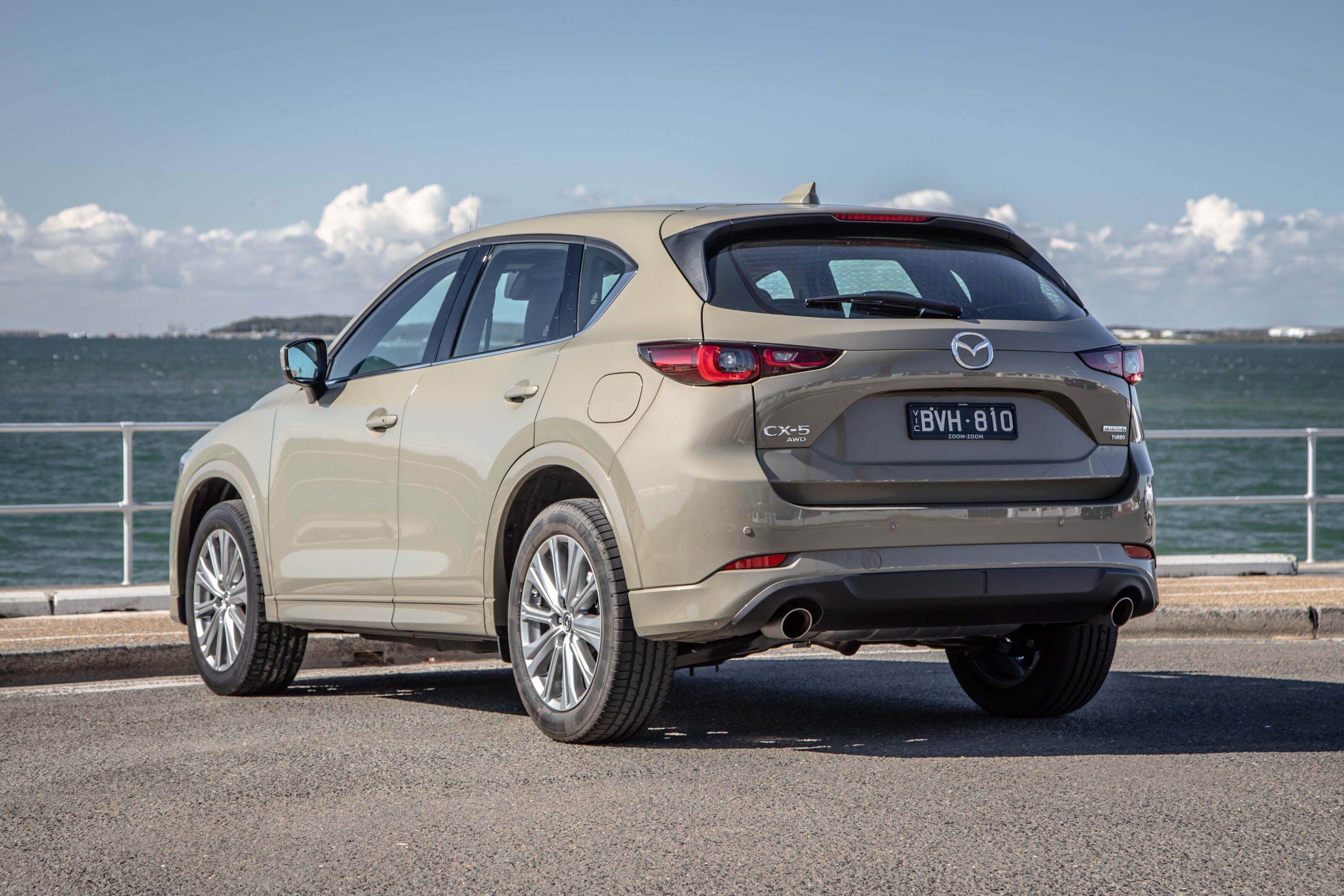
This CX-5 Akera is one of three versions available.
You can have the 2.5-litre naturally-aspirated petrol ($50,880), the 2.2-litre turbo-diesel ($53,880) or the 2.5-litre turbo-petrol ($53,380), which is the one we’ve got. All priced before on-road costs.
Your near fifty-four grand outlay nets you:
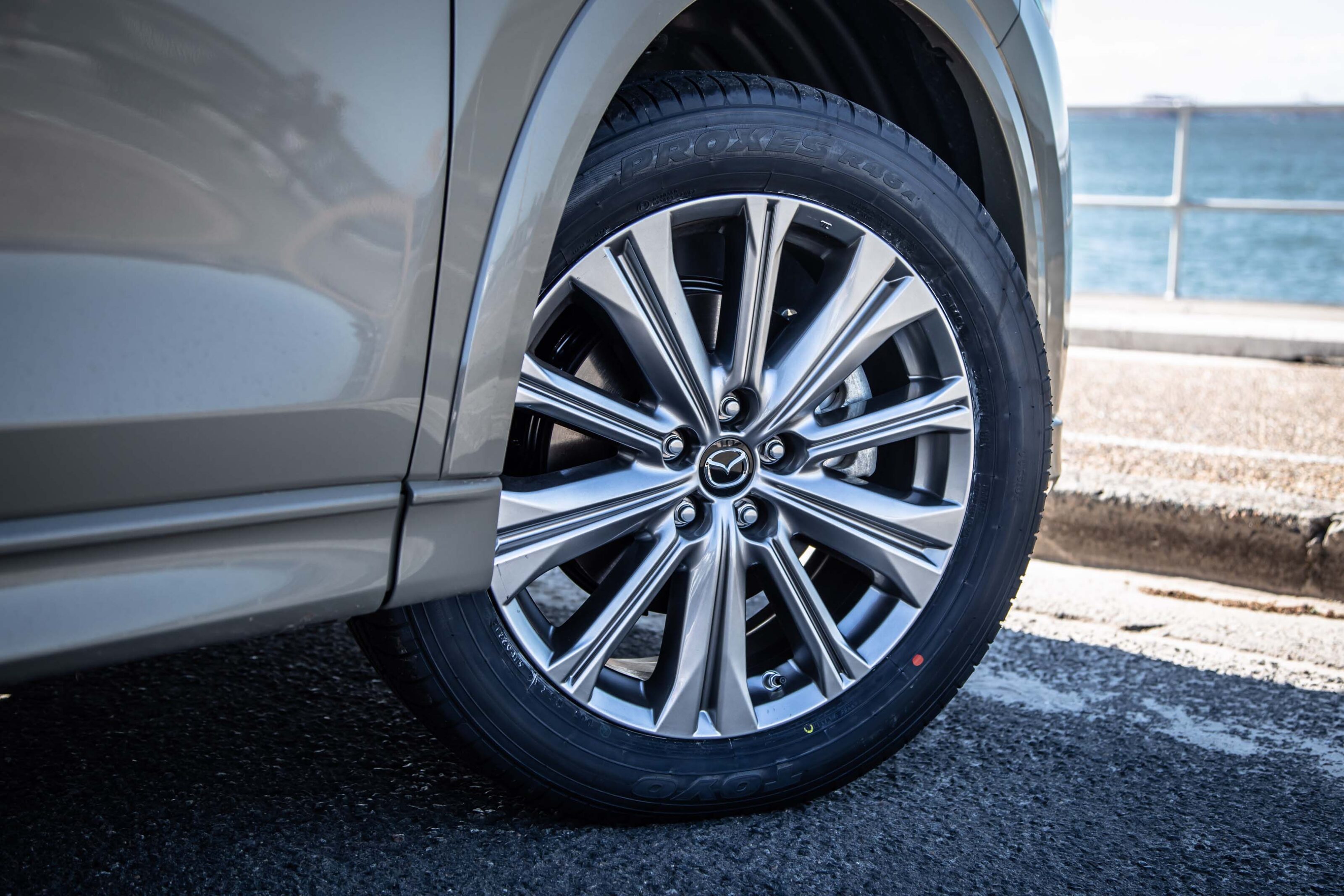
| 19-inch alloy wheels (space-saver spare) |
| dual-zone climate control |
| Nappa leather upholstery |
| 10-speaker stereo |
| heated steering wheel |
| adaptive cruise control |
| power mirrors and windows |
| interior ambient lighting |
| dusk-sensing LED headlights with auto high beam |
| rain-sensing wipers |
| heated front seats |
| satellite navigation |
| head-up display |
At the time of writing – and due to you know what – the Akera, like the GT SP, loses the gesture activation on the tailgate. You might get one with or without, so if that’s important to you, make sure you speak to your dealer.
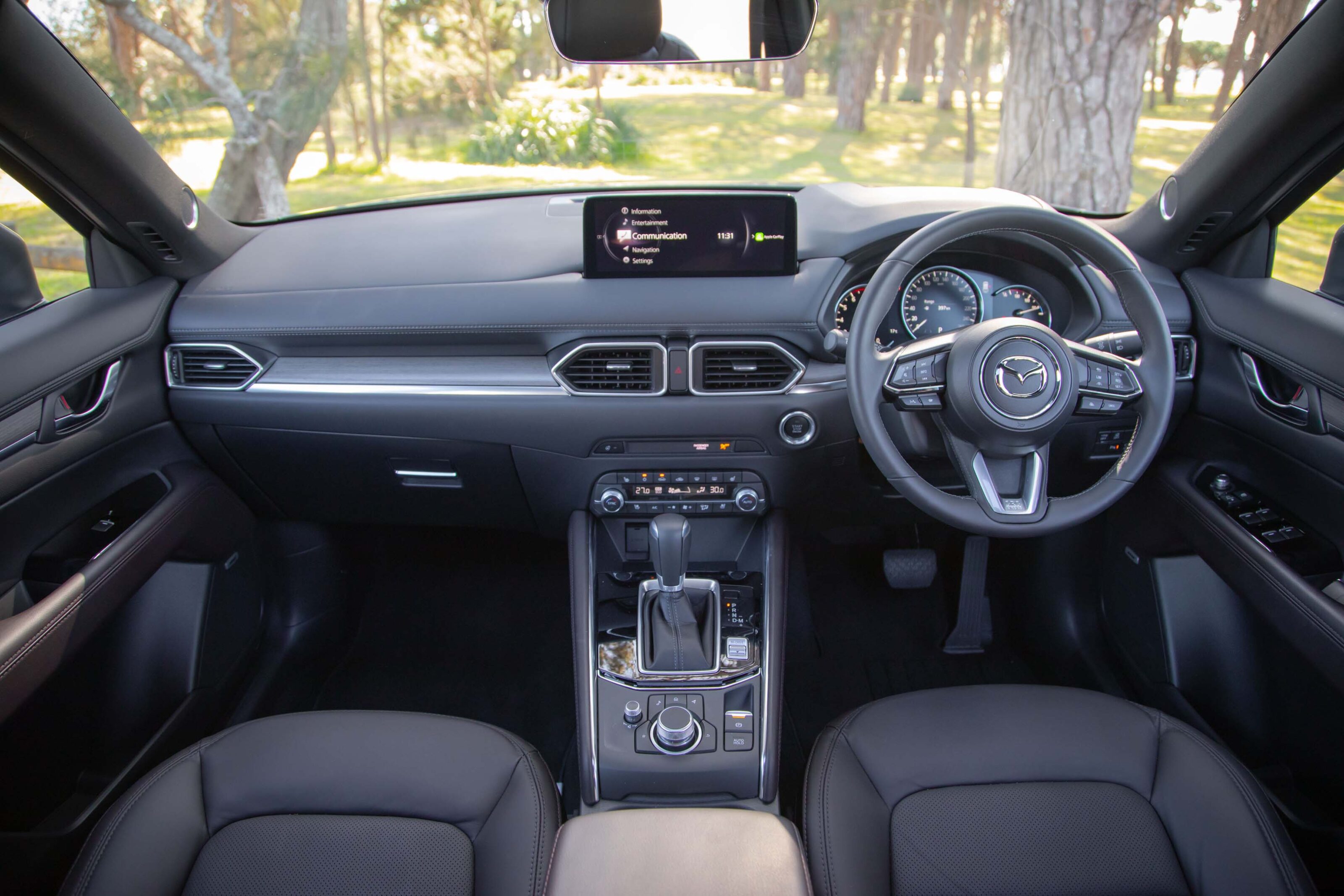
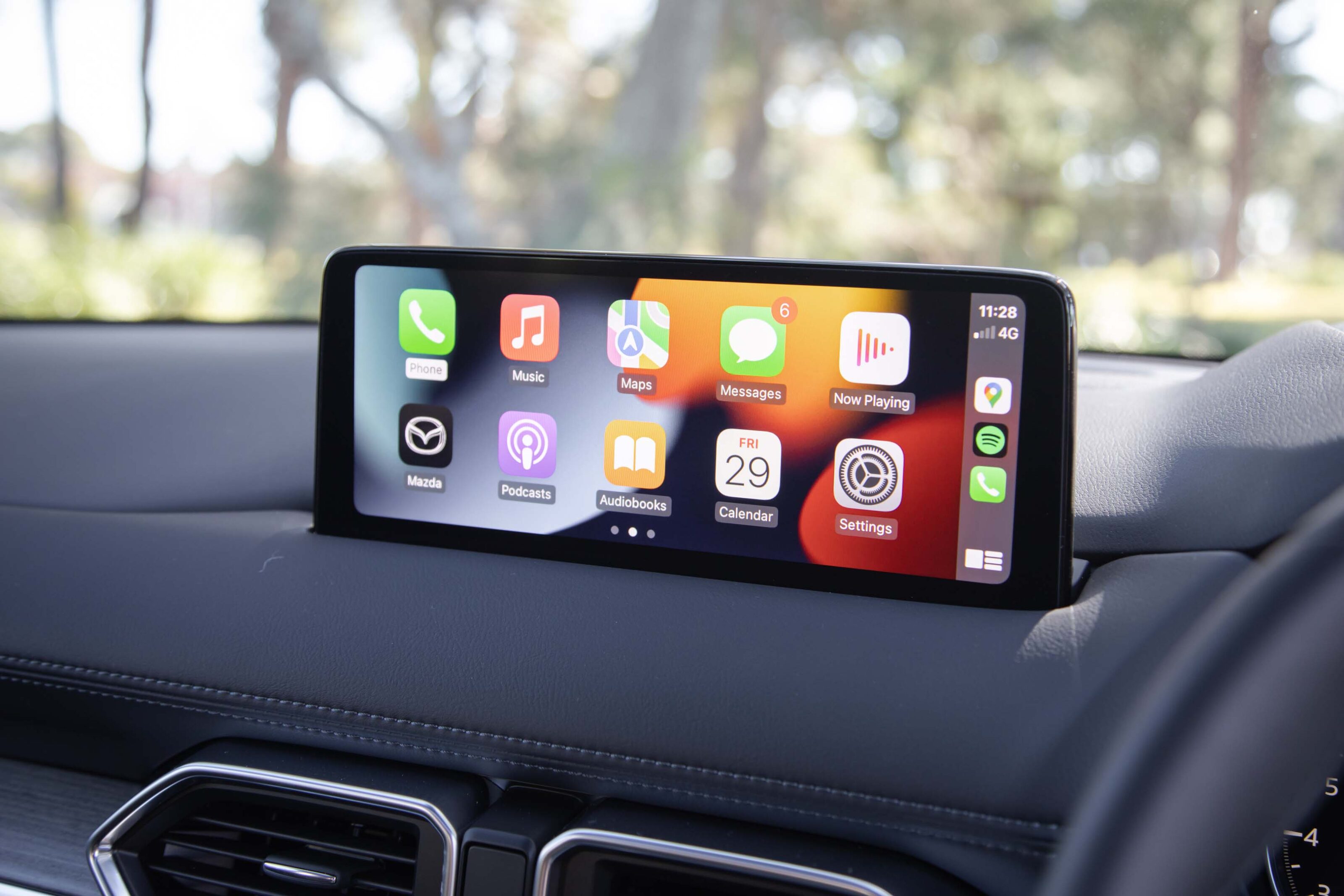
The Akera features the new widescreen version of Mazda’s media software as seen in the Wheels COTY-winning CX-30.
It’s a cracking set-up and the only problem with it (as far as I am concerned) is that it looks like it should be a touchscreen but isn’t. Mazda has taken BMW’s 2007 view that the rotary dial is enough – and it is – but it would be nice if was also a touchscreen.
You get wired Apple CarPlay and Android Auto as well as DAB+ digital radio to keep you entertained.
Five-star ANCAP safety from 2017 comes courtesy of:
| six airbags |
| ABS, stability and traction controls |
| blind-spot monitoring |
| forward AEB |
| forward collision warning |
| lane departure warning |
| lane-keep assist |
| speed limiter |
| speed zone reminder with road sign recognition |
| reverse AEB |
| reverse cross-traffic alert |
| 2 x ISOFIX points |
| 3 x top tether anchors |
The forward AEB has pedestrian and cyclist detection and works at high and low speeds for other vehicles.
Your only option is premium paint. The car I had was the slightly unsettling Zircon Sand, which costs $695 extra, as do the gorgeous Soul Red, Polymetal Grey and Machine Grey.
I am not a red car guy but reckon if you don’t buy a CX-5 in Soul Red, you’re doing it wrong. Feel free to furiously agree with me in the comments.
Comfort and space
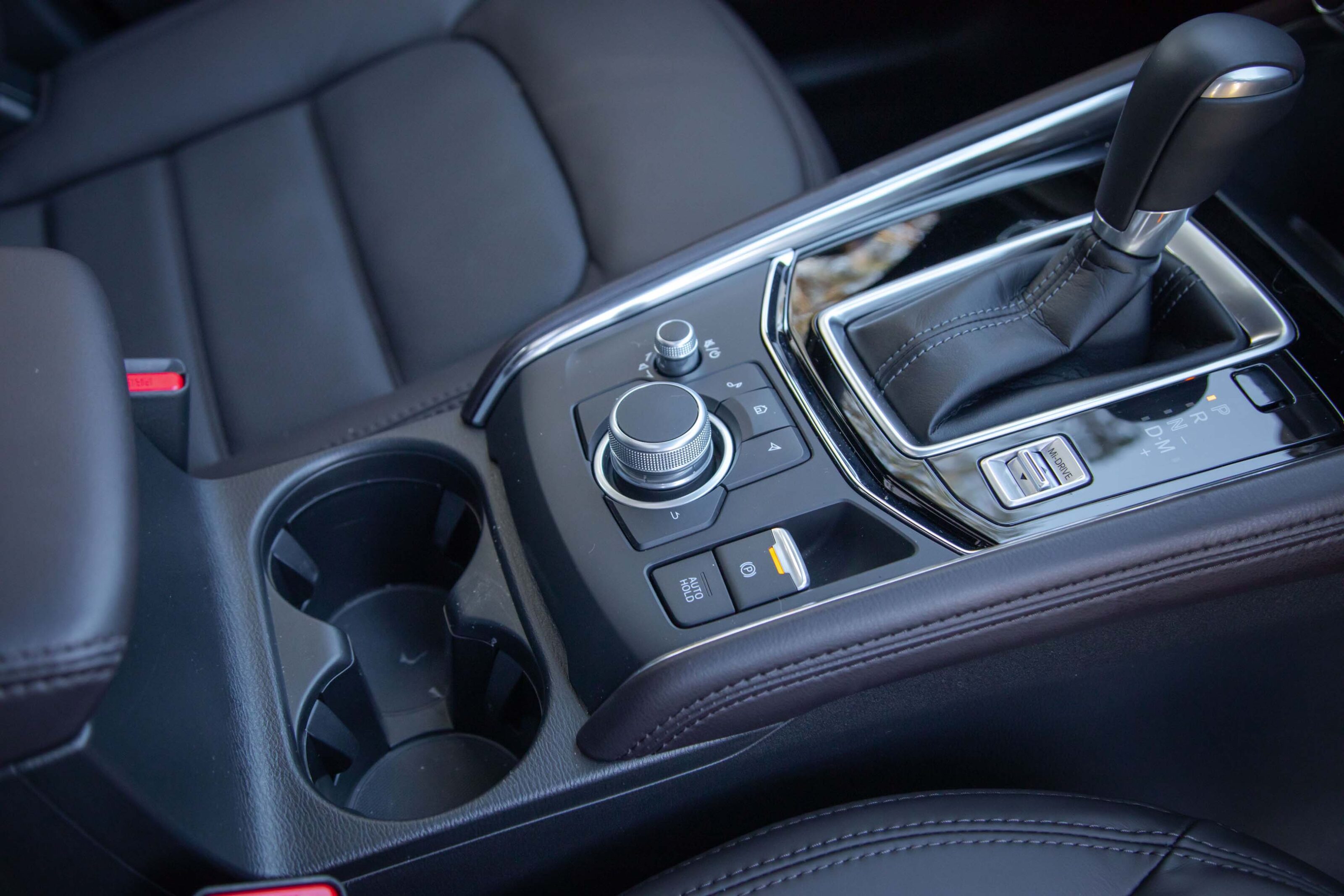
Mazda interiors are great, they really are. The only problem is that despite its best efforts, the company has usually failed to add any colour or materials to lift it, except where you can option white or red leather. The Akera does feature some lovely metallic finishes that look terrific.
The front seats aren’t much to look at but they’re clothed in lovely Nappa leather and are heated. The older I get, the more I like seat heating and now shake my head at my youthful and exuberant statements about how awful is seat heating.
You also have two cup holders, storage under the centre armrest and bottle holders in each of the doors, as well as the charging mat for your phone under the climate controls. Sadly the charging mat does not match up with wireless Apple CarPlay or Android Auto, which I always think is a bit of an own goal.
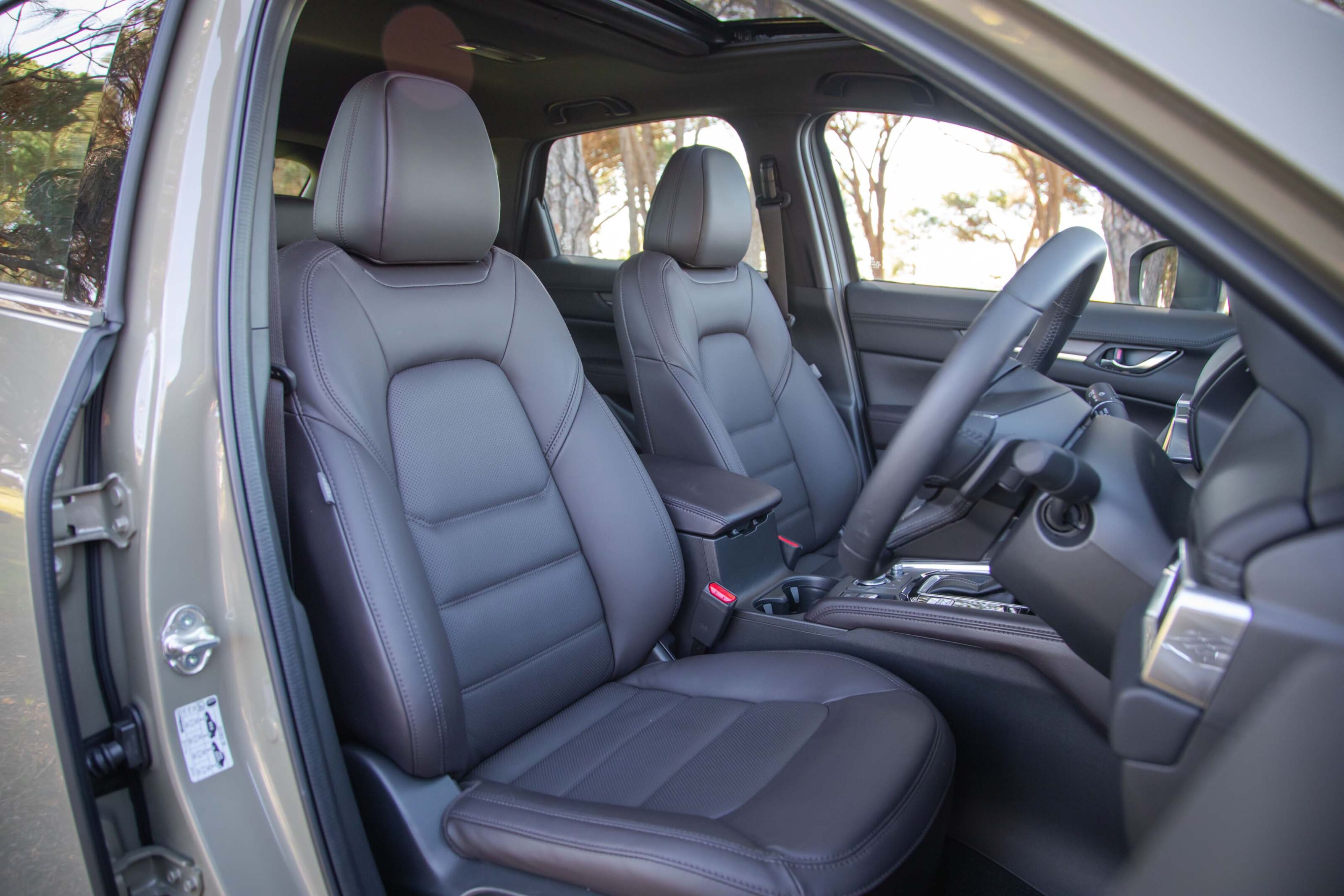
The rear seats are very comfortable but your leg and knee room is limited if both you and the front seat occupant are 180cm or taller. It’s not a big cabin – it’s probably one of the smallest in the class – but Mazda does its best to make you comfortable. The centre armrest has two cup holders, the doors a bottle holder each and you also have air-conditioning vents.
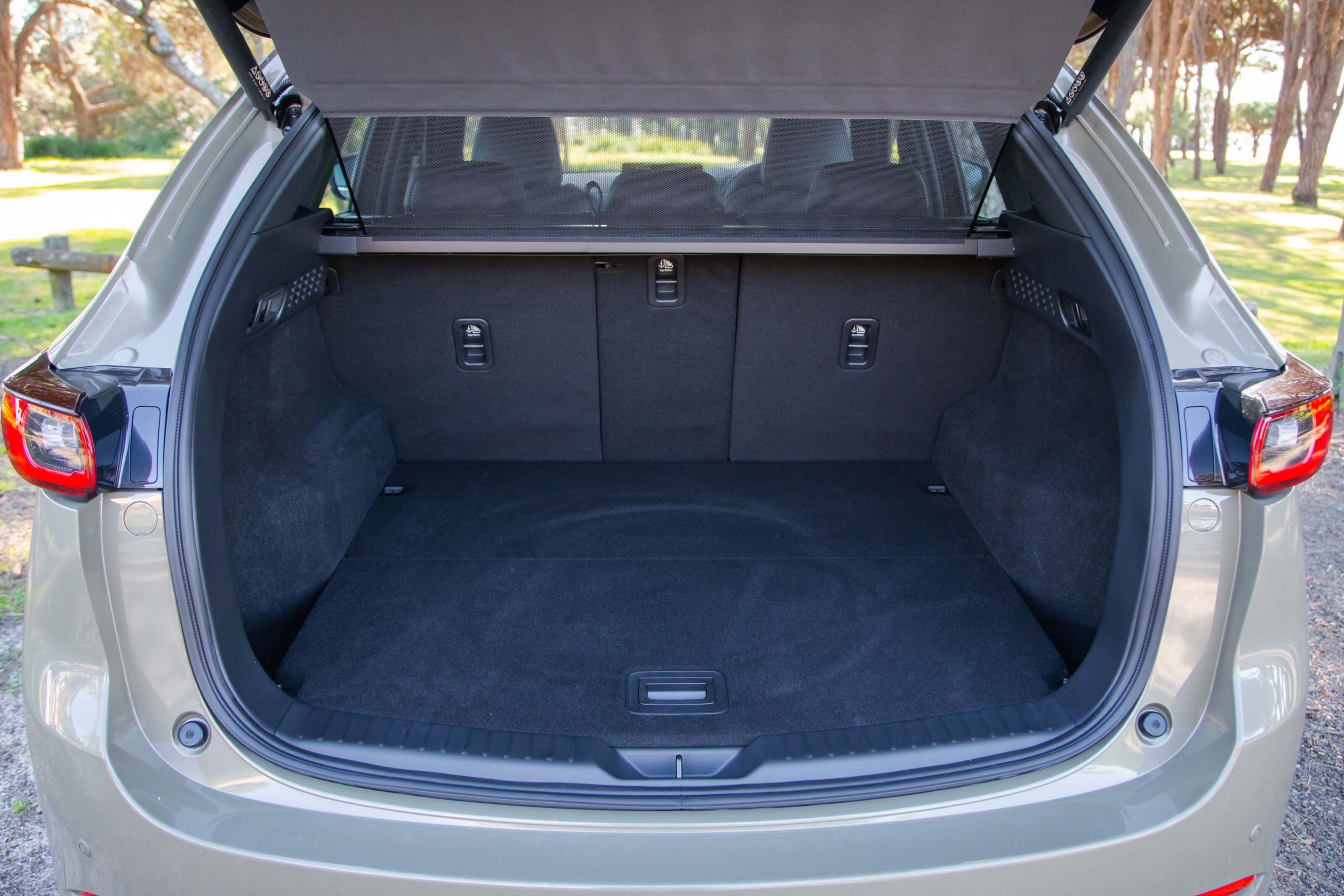
Small cabin means small boot, which starts at 442 litres. On its own, that’s not bad, but it’s smaller than most of the rest of the segment and has cars like the GWM Haval Jolion and Kia Seltos – a segment down – snapping at its heels.
If your eye was to wander to other brands, the RAV4 has 580 litres and the VW Tiguan a stout 615 litres owing to its sliding middle row. Drop the 40:20:40 split-fold rear seat in the Mazda and 1342 litres are ready for your gear.
On the road
Mazda’s 2.5-litre engine is pretty good. It’s in a lot of the company’s cars and was always the one to have – the 2.0-litre is a bit of a gasper when it has to push more than a ton-and-a-half of SUV through the air.
Until the second-generation CX-9 arrived with a turbo strapped to the exhaust manifold, Mazda was committed to unassisted breathing for its petrol engines. The new engine certainly transformed the fuel efficiency equation over the original version’s enthusiastic thirst from its now pensioned-off V6.
In the CX-5, it’s less about hauling two tonnes – although the Akera is a portly 1765kg – but more about making the car a more relaxing drive.
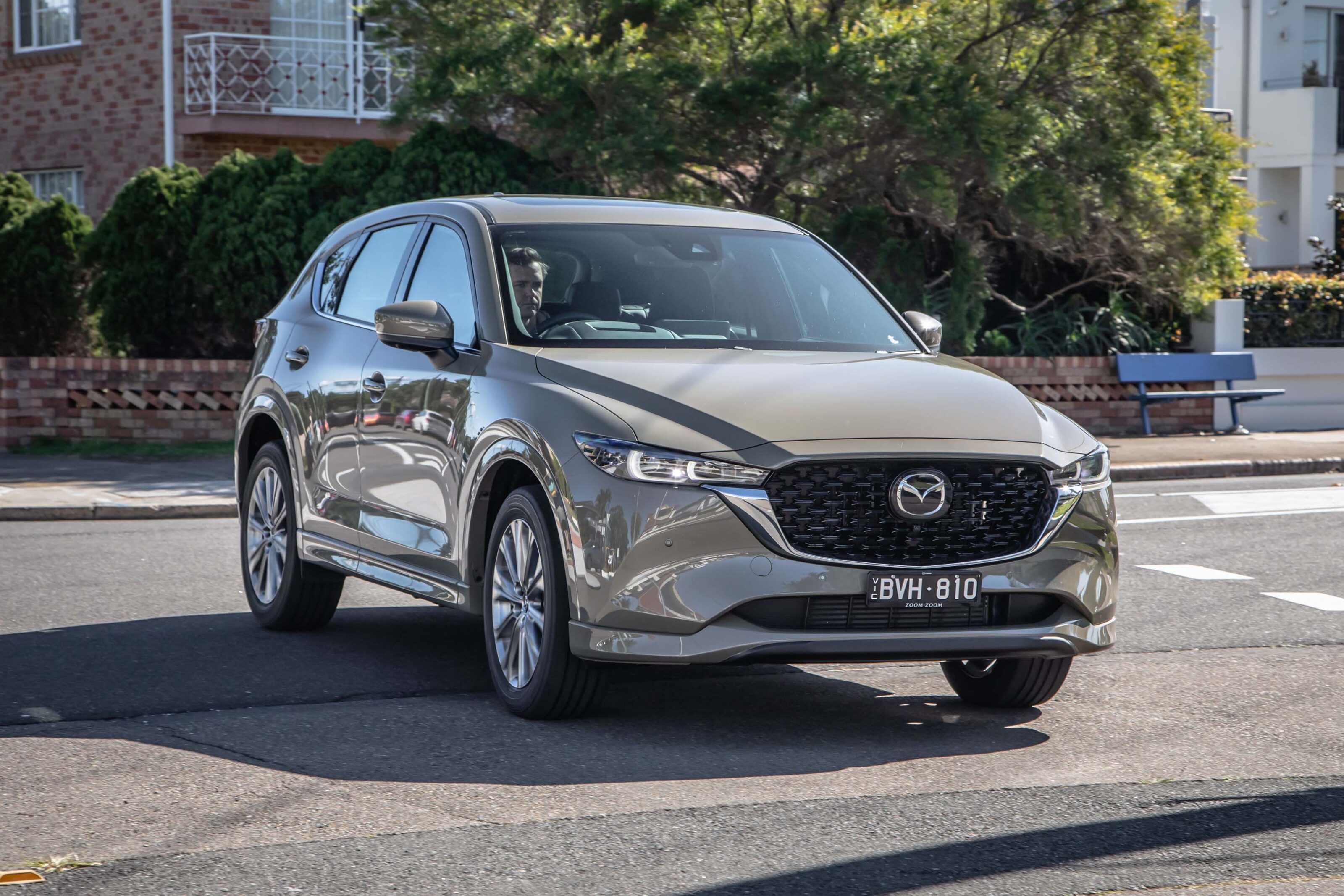
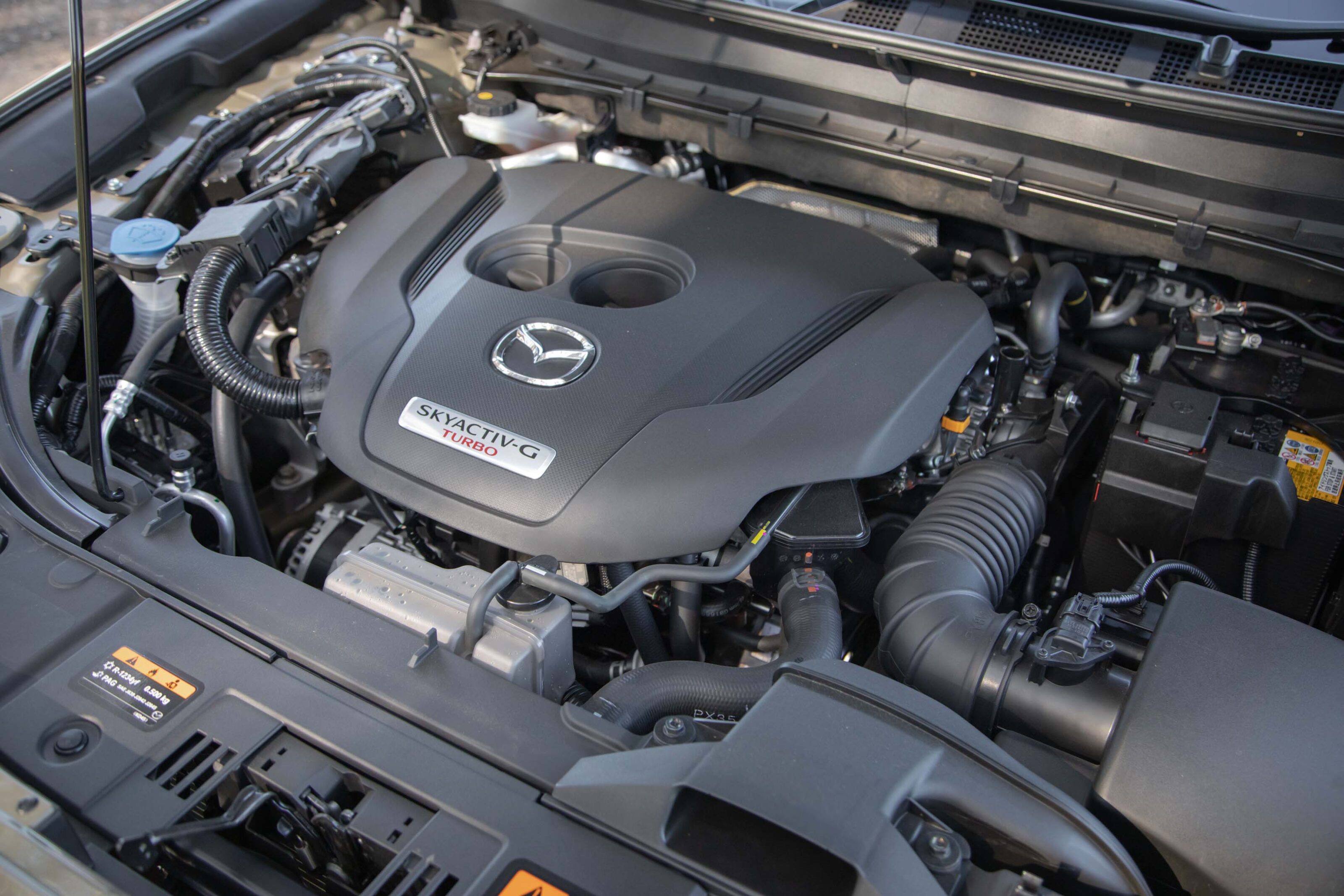
That honour used to belong to the diesel, but as sales of the oil-burner fell along with the fuel itself falling out of favour, Mazda didn’t really have an answer for those who wanted a bit in hand for towing. Then it remembered the 2.5 turbo fits nicely in the CX-5.
It results in a super-relaxed car. It’s certainly swift, too, with a 7.7-second dash to 100km/h, but it’s far more about a comfortable drive. You don’t need much pressure to encourage the slab of torque to find its way to the wheels, shifting you quickly and quietly along.
VW Tiguan owners know where it’s at with the 162TSI and the Mazda unit is every bit as appealing as that package, while outgunning the German with a superior 170kW and 420Nm.
The six-speed auto is smooth and compliant, doing what you want it to do without resorting to the paddleshifters. If you really want to get a move on, Sport mode sharpens the shifts and needs little encouragement to find a lower gear when you prod the throttle.
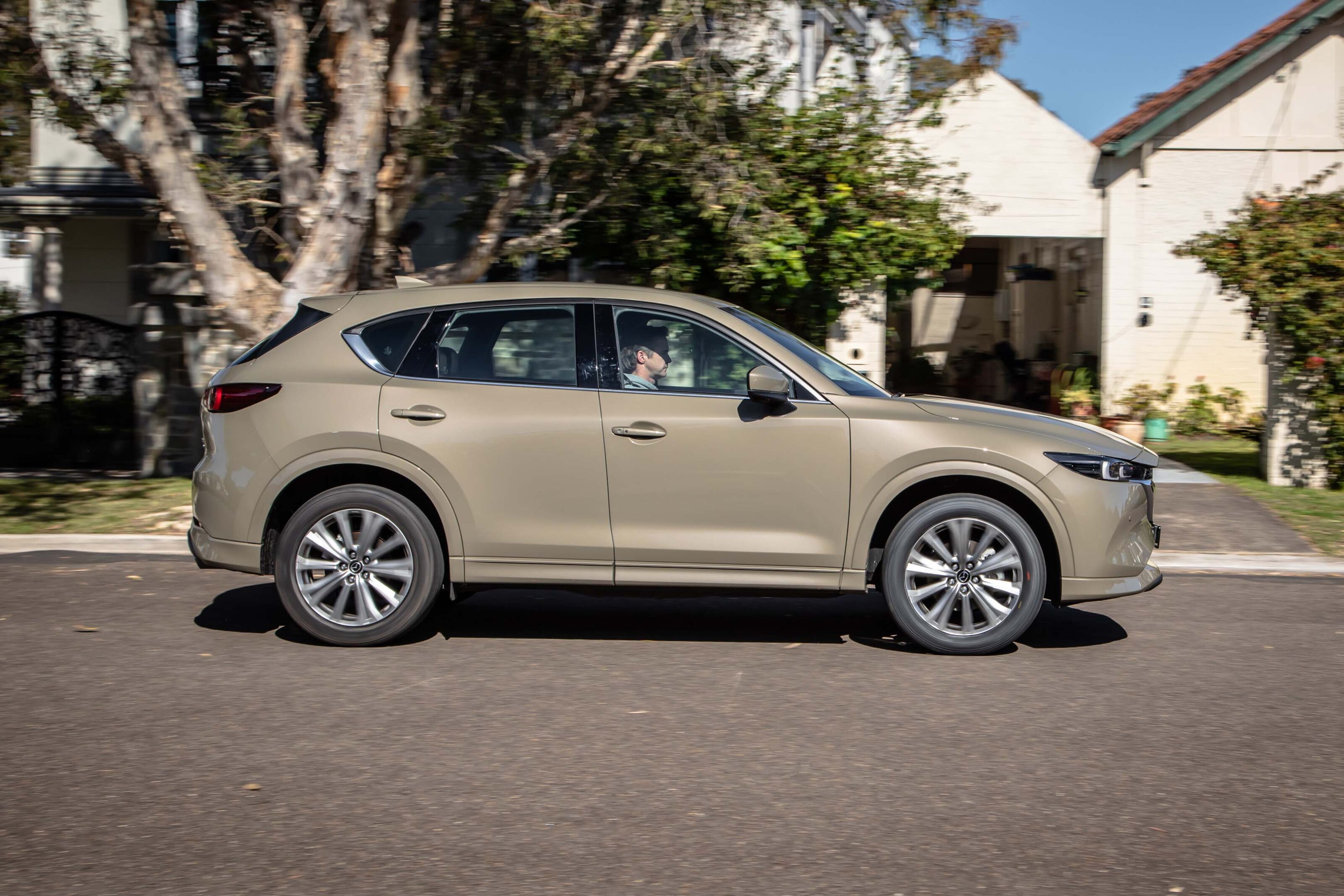
Developing 168 more newton metres than the non-turbo 2.5 and only 30 fewer than the heavier diesel – itself 30kW down on the turbo-petrol – it’s just a shame this 2.5T isn’t available all up and down the CX-5 range.
As ever, the CX-5 steers and handles impeccably well. It has long been a great performer in this segment, with plenty of refinement finding its way into the package over the last decade. The G-Vectoring tech, which imperceptibly lifts the throttle when you turn the wheel, shifts the weight forward to the front wheels to ensure a better turn-in and more secure feel on corner entry.
Similarly imperceptible is the all-wheel drive system, which mostly runs in front-wheel drive to save fuel and kicks torque to the rear wheels when it starts to get slippy.
Ownership
Mazda offers a five-year warranty with unlimited kilometres and roadside assistance.
Servicing comes up every 12 months or 10,000km, the latter being a bit on the short side but no shorter than naturally-aspirated CX-5s, which is mildly baffling (some car-makers have shorter intervals for turbo engines).
The capped-price servicing regime covers the first five services, with three priced at $363 and two at $393 for a total of $1875. That’s barely more expensive than the naturally-aspirated 2.5, which is quite welcome and relatively reasonably priced. Not so great if you do more than 10,000km per year, though.
VERDICT
The Akera is the kind of car you get to treat yourself. It definitely has the best engine in the CX-5 line-up, with an easy, torquey nature that makes the car almost as punchy as the diesel while being a heck of a lot cleaner. But it’s more than that engine, it’s a car with more than you need.
I always tell people to steer clear of the top of the range, but nobody listens and for good reason. Sometimes you just want to get something with everything thrown in.
The CX-5 Akera has plenty and while it doesn’t have a huge glass roof or ride on 20-inch rims, it’s got plenty of luxury and the style to go with it.
2022 Mazda CX-5 Akera specifications
| Body: | 5-door, 5-seat medium SUV |
|---|---|
| Drive: | all-wheel |
| Engine: | 2.5-litre four-cylinder turbo-petrol |
| Transmission: | 6-speed automatic |
| Power: | 170kW @ 5000rpm |
| Torque: | 420Nm @ 2000rpm |
| Bore stroke (mm): | 89.0 x 100.0mm |
| Compression ratio: | 10.5 : 1.0 |
| 0-100km/h: | 7.7 sec (claimed) |
| Fuel consumption: | 8.2L/100km (combined) |
| Weight: | 1730kg |
| Suspension: | MacPherson strut front / multi-link rear |
| L/W/H: | 4550mm/1840mm/1675mm |
| Wheelbase: | 2700mm |
| Brakes: | 320mm ventilated disc front / 303mm solid disc rear |
| Tyres: | 225/55 R19 |
| Wheels: | 19-inch alloy (spave-saver spare) |
| Price: | $53,380 + on-road costs |
