
This wasn’t going to run in the Opinions section, but… I have a stream of consciousness to unload.
It’s no secret I’m a Z guy, despite never having owned one.
Look. I tried last year to get my hands on a clean manual S30 two-seater (the 2+2 leaves me a bit cold), having finally found access to a sum o’ cash that I hoped would get me there. But, alas… unless you’re after a big project, prices have now climbed well past the stratosphere to take up a position around Earth inaccessible to most mortals.
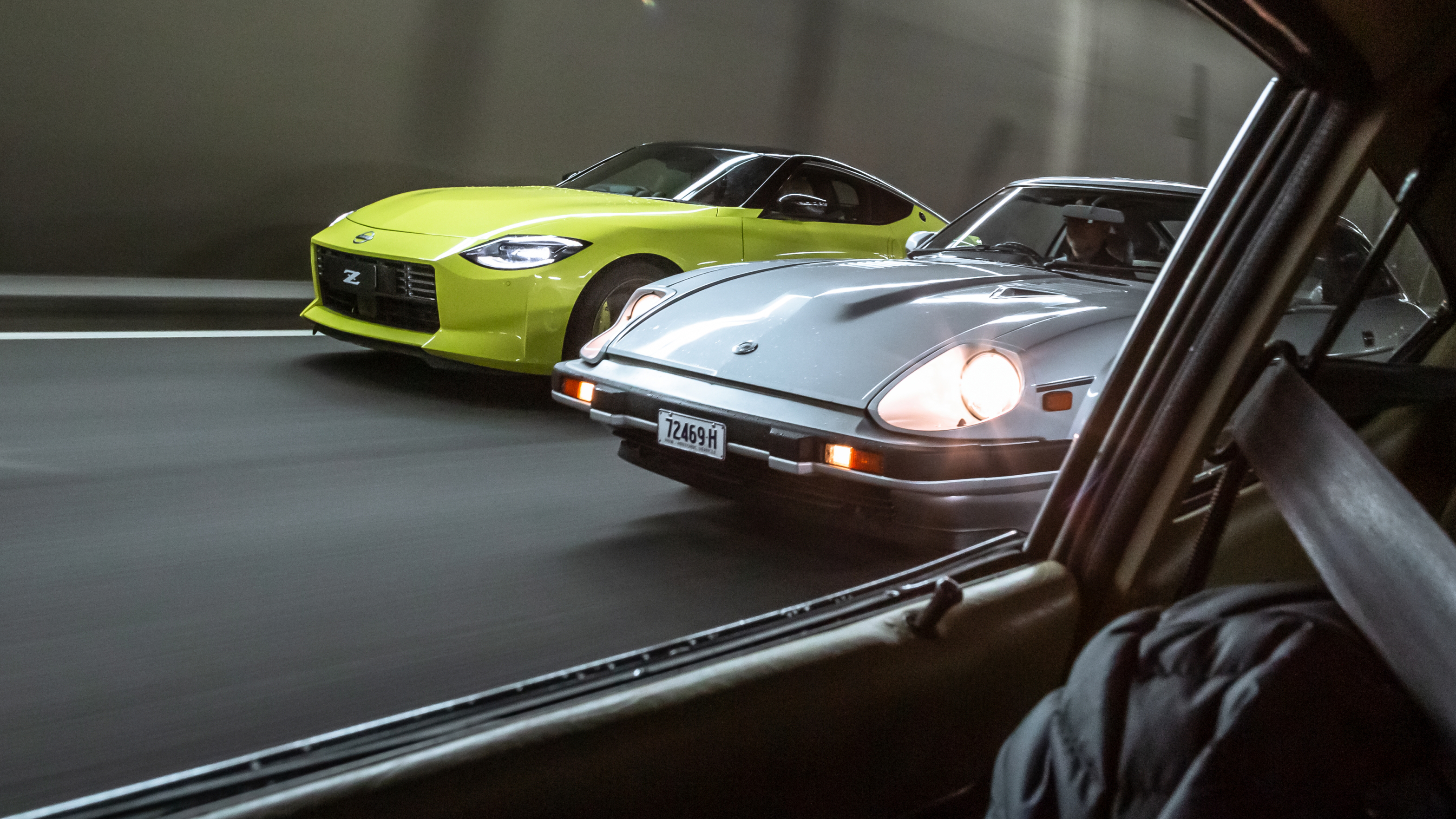
Later generations have been tempting in their own way, but, whether it’s the 2+2 rooflines of the local S130 and Z31 (Nissan why oh why did you rob Australia of the two-seaters?), my general disinterest in the Z32’s styling, the bulky body and plasticky interior of the Z33, or the oh-so-close Z34… I’ve simply never taken the plunge.
(Indeed, I ended up with a 1986 944 Turbo, and I regularly regale friends and acquaintances with the now tired tale that I “bought a Porsche because I couldn’t afford a Datsun”.)
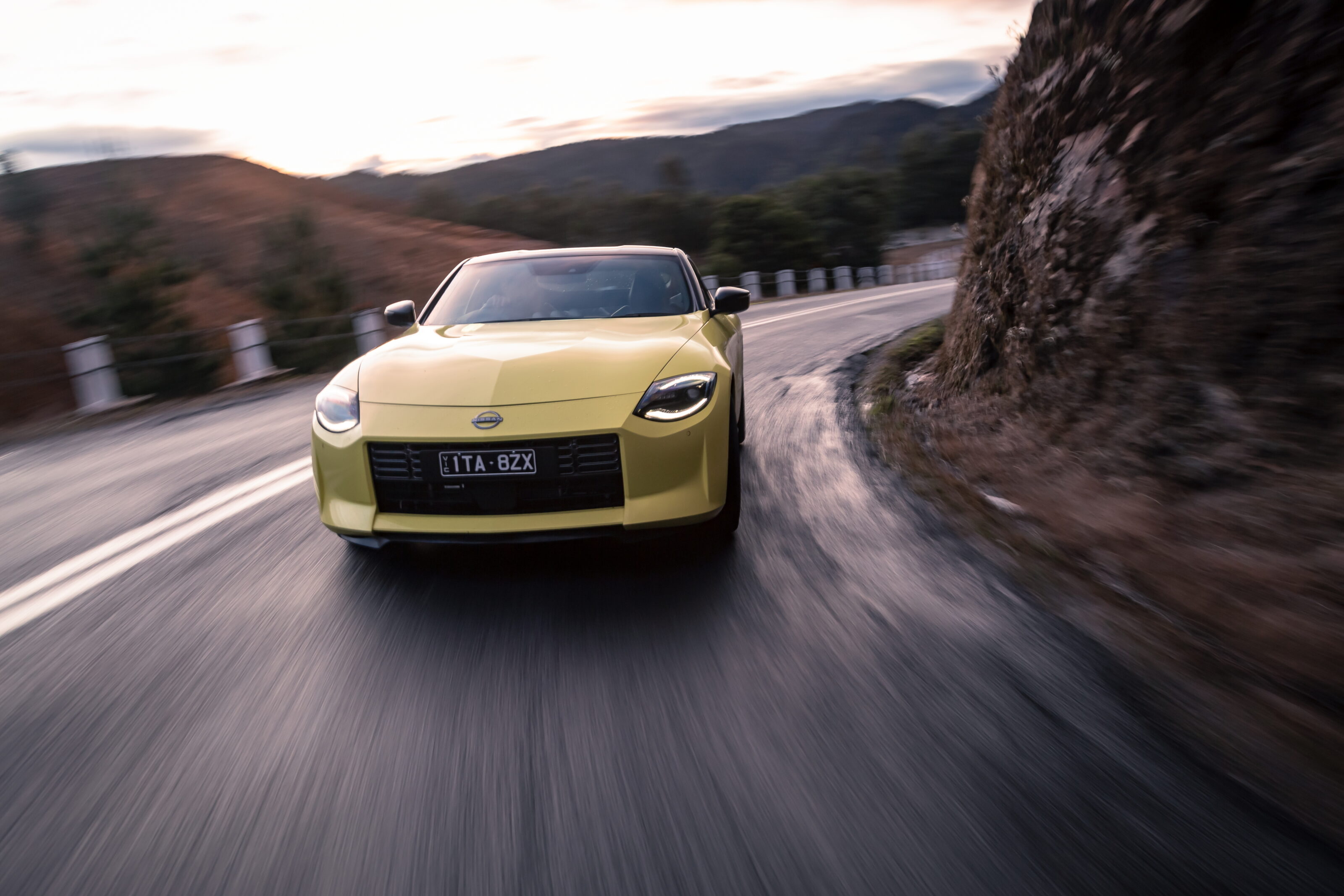
So here we are at the new Z.
Yes, it uses much of the Z34’s architecture, but I’ve yet to hear a compelling argument to convince me that’s a bad thing, or that it diminishes the car’s value. Frankly, at this point, we need to take a big toke on the reality pipe and be glad we have a ‘new Z’ at all.
Consider the positives: Turbo power has returned with big numbers (298kW, 475Nm), there’s a manual available from launch, the body structure is more rigid than before, suspension is improved, the interior is stylish (with a few carry-over pieces, sure), and it’s loaded with modern tech.
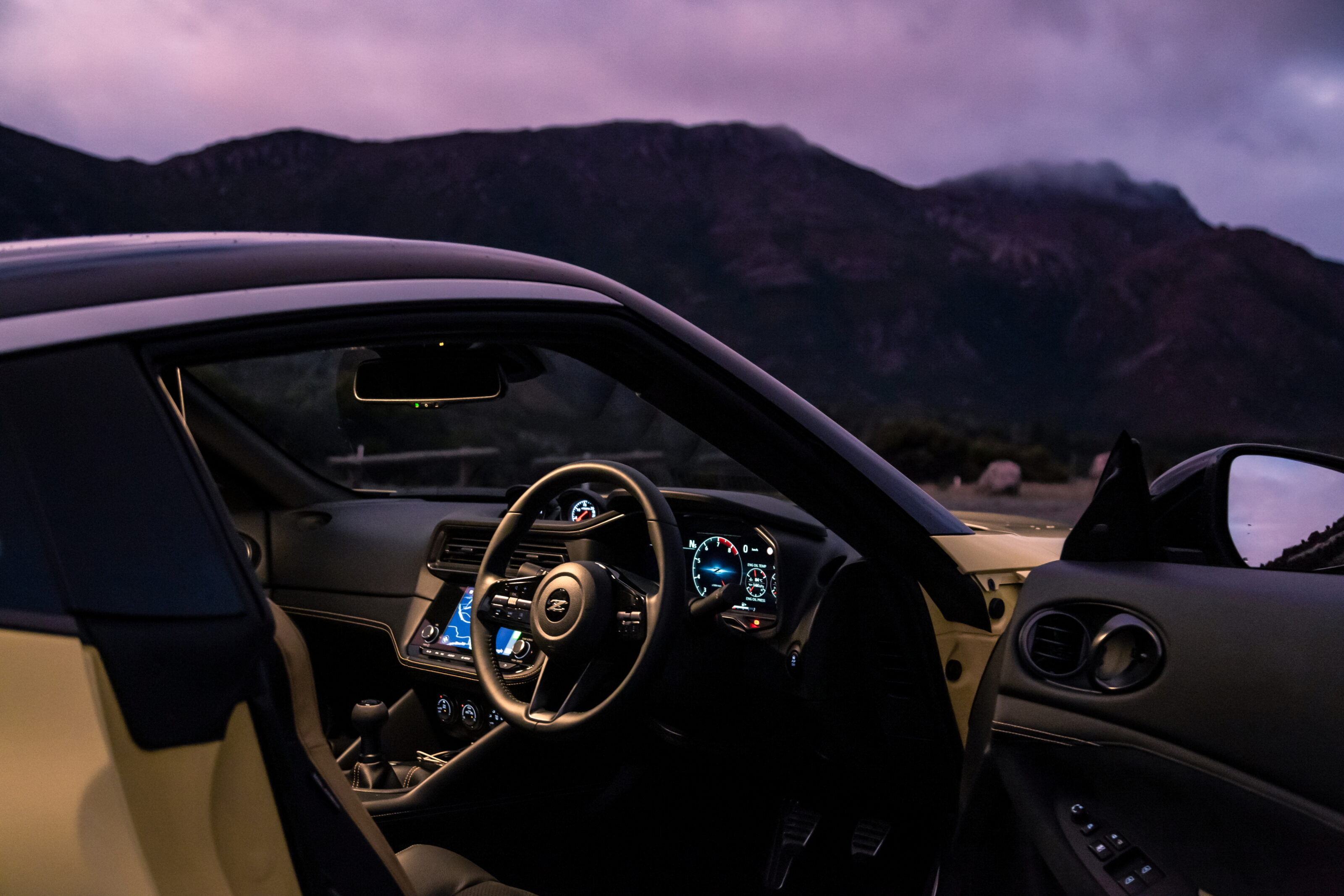
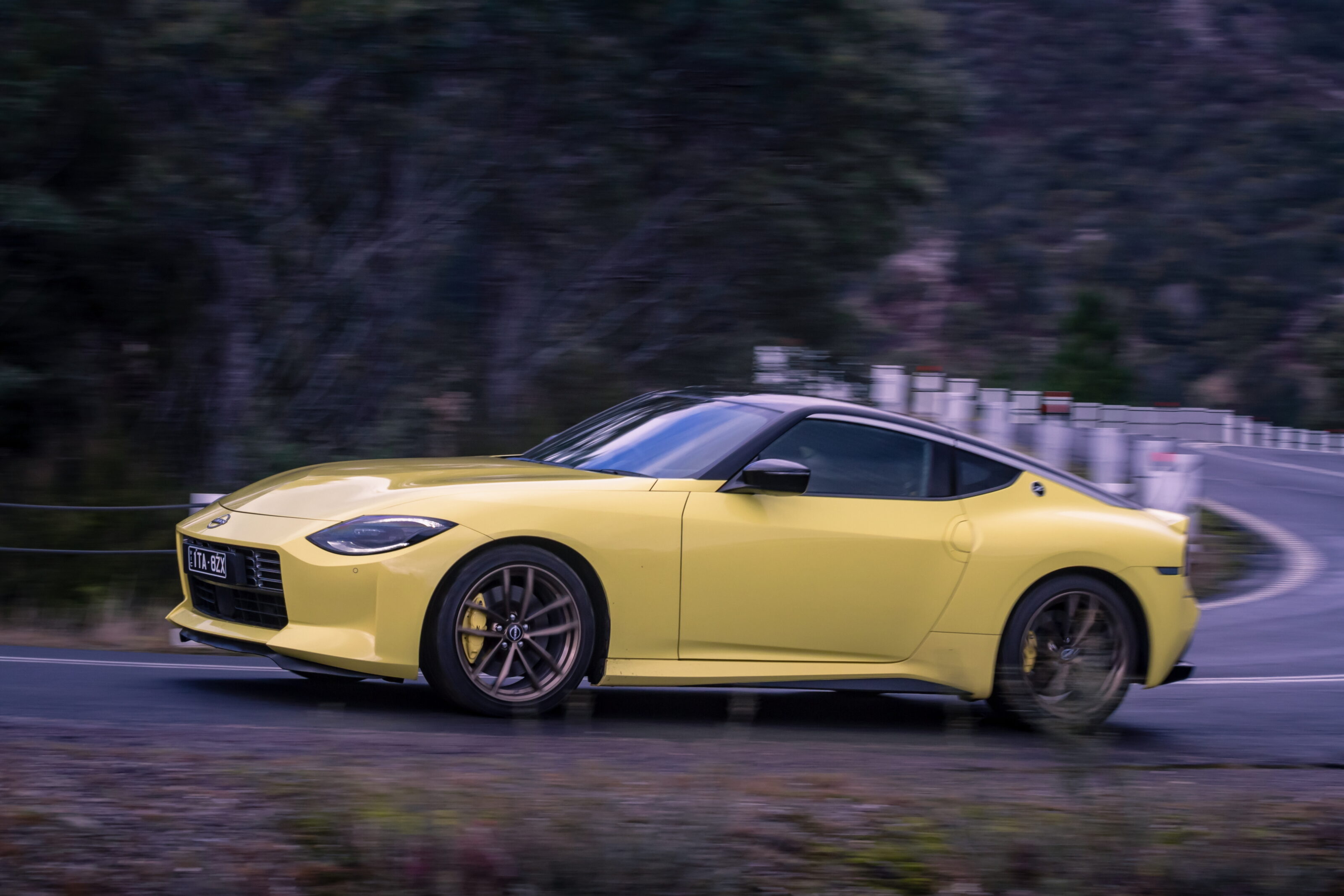
Likewise, the exterior styling, while a subjective point, is right on the money for me. The best parts of the Z32 at the rear – itself a subtle ’90s tribute to the S30’s tail lights – combine neatly with an unfussy profile and a front-end look that is both aggressive in its intent and a charming salute to the S30.
Points against? Well, we haven’t driven it yet – the Australian media launch is next week, watch for Andy Enright‘s take – but it’s true that reviews out of the US are mixed.
Some have criticised the tyre selection, others have observed that it’s too damn quiet, and most agree its dynamics packaging sees it lean just a little further into grand tourer than focused sports car. That’s been true of previous generations, too. No surprises there.
Here’s the thing: even if our own testing delivers a similar verdict, I couldn’t care less. If it isn’t ready out of the box to lay waste to rivals on the track, that can be resolved.
At a price, sure, but it’s already something like $20,000 cheaper than the BMW-powered Supra – so pick your poison and get on with it. (We love all cars here, and the the GR86 and BRZ twins deserve consideration, too.)
The 100-edition Z Proto has already sold out, so I guess there’s a bit of interest.
Will I get one? On that point, I’m still in negotiations with the minister for finance…
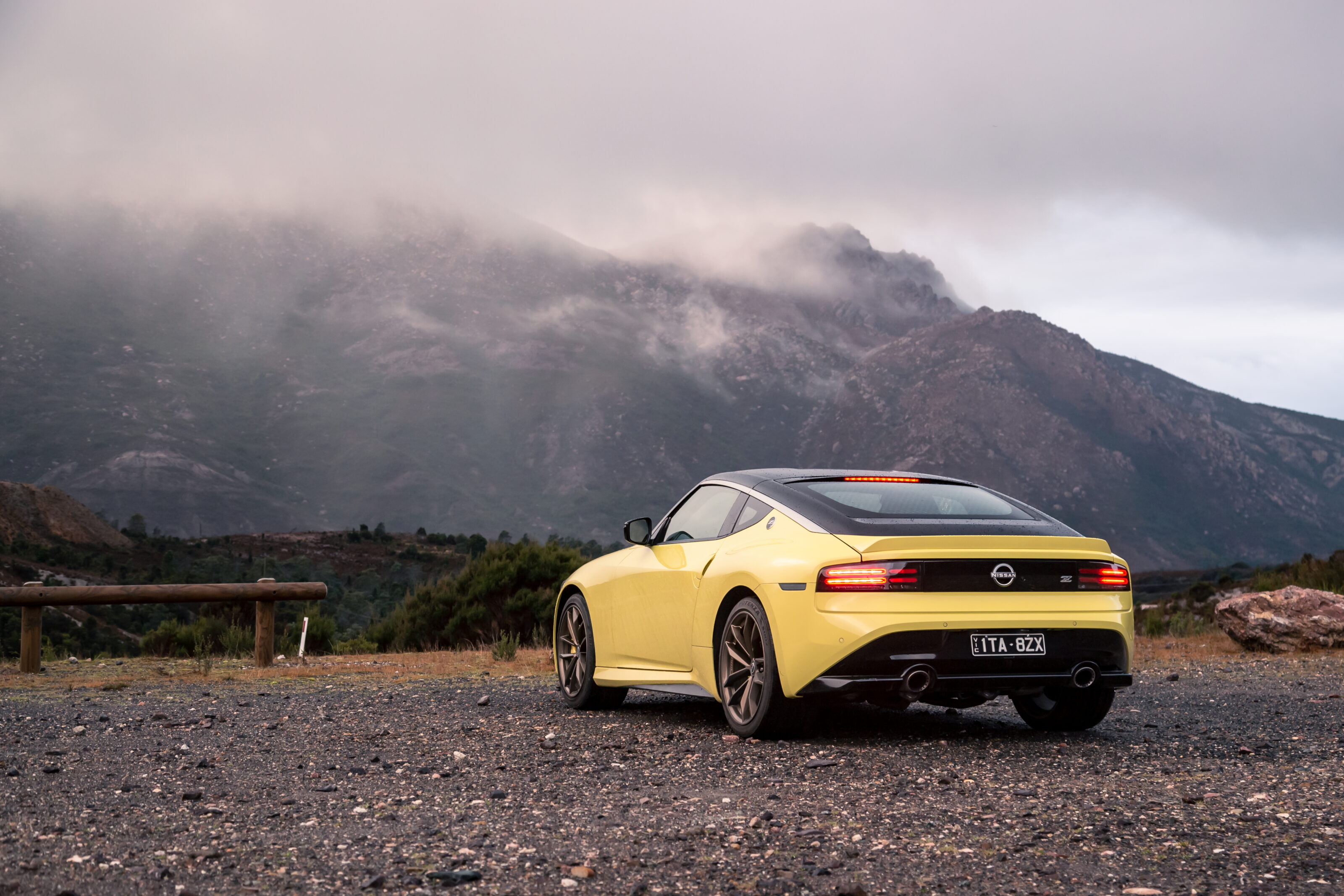
Now, on with the show!
This week, Nissan has handed down a beautiful video and gallery of the new Z ripping through Tasmania’s famous 99 Bends – a stunning, challenging Targa Tasmania section that climbs out of Queenstown, up Mount Owen and into Gormanston.
The footage and images were shot by regular Wheels contributor Thomas Wielecki, and you probably won’t see anything else on that level until our own guns Ellen Dewar and Alastair Brook get a hold of it.
Enjoy the video below, along with our own clip of Alex Inwood exploring the Z’s design and features, and click any photo in this story for our huge gallery of Wielecki’s work with the Z.
Aston Martin has lifted the veil on its most manic Vantage Roadster ever produced.
The recipe is simple, blending the brand’s 515kW/753Nm 5.2-litre twin-turbo V12 with the showstopping lines of its Vantage Roadster, the dramatic new V12 Vantage Roadster is striking in its execution and will be available to just 249 lucky buyers globally.
Sadly, all 249 examples have already been sold ahead of release.
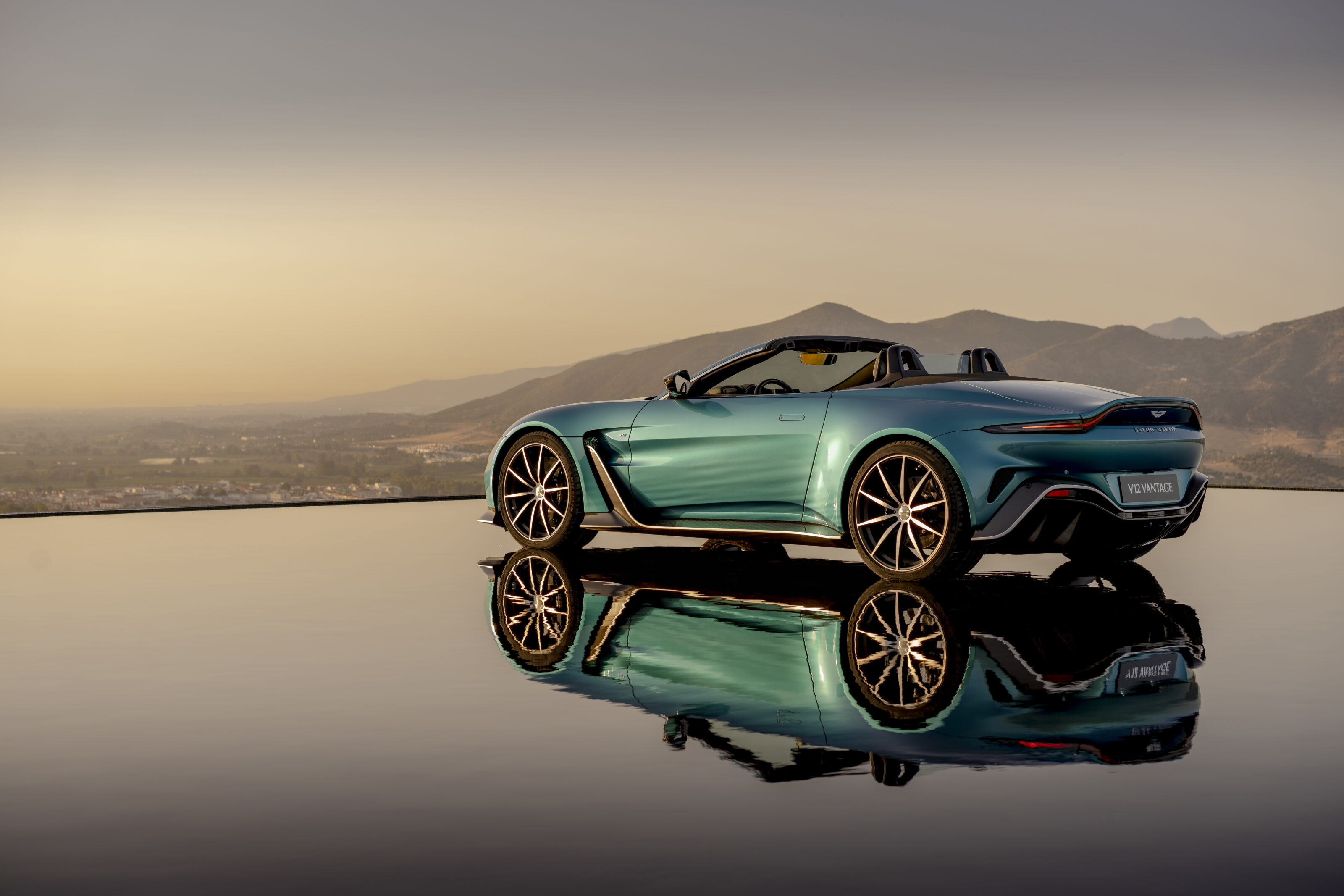
The centrepiece of the car is Aston Martin’s quad-cam 5.2-litre twin-turbo V12, producing 515kW @ 6500rpm and 753Nm @ 5500rpm, yielding a potent 372kW-per-tonne.
The sprint from 0-100km/h is claimed to take just 3.5 seconds, with the roadster able to spin the speedo all the way up to a toupee-tearing 320km/h.
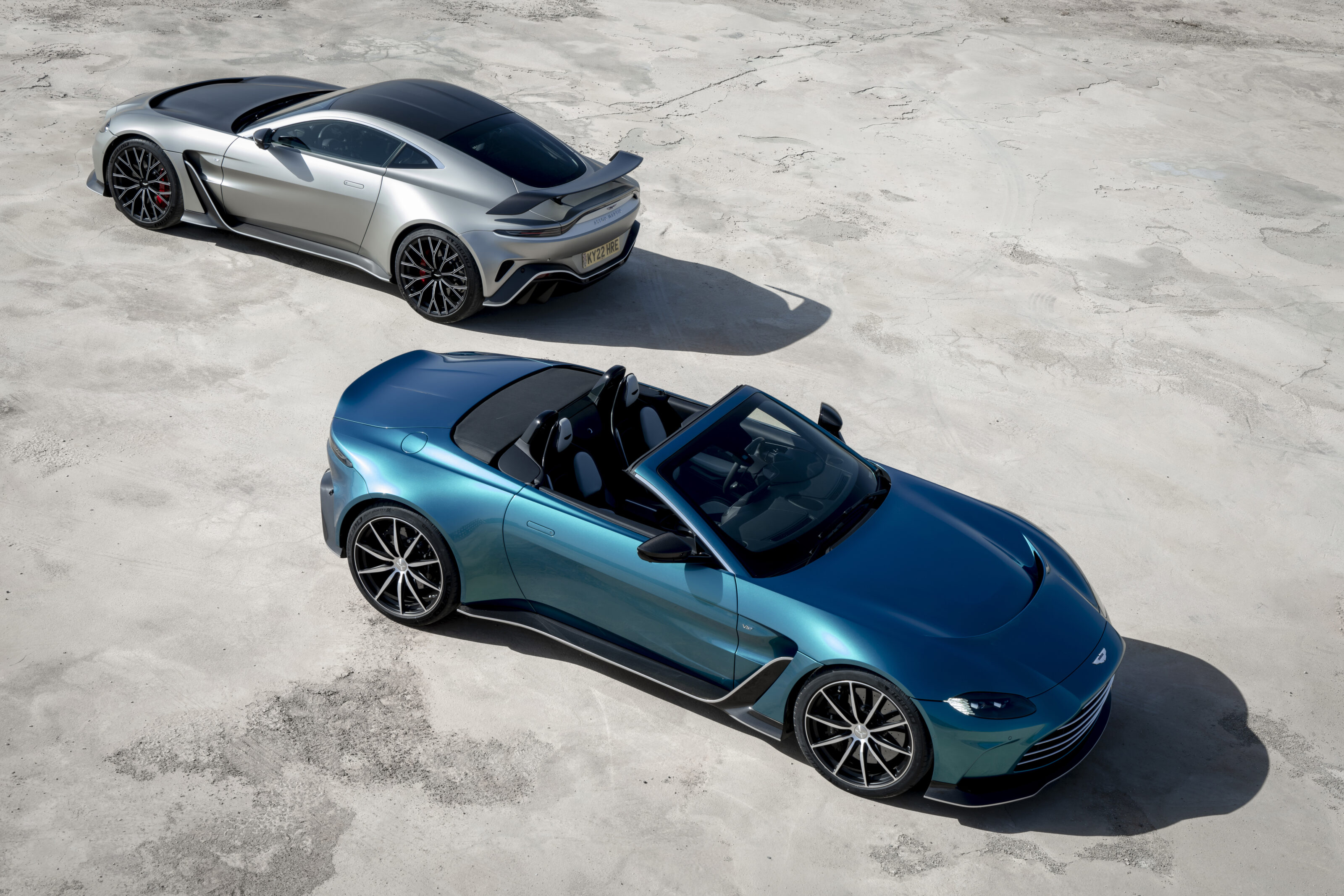
Many of the ingredients found in the existing V12 Vantage (limited to 333 examples) are carried over to the Roadster, including its eight-speed ZF transmission, suspension hardware and rear-mounted mechanical limited-slip differential. Engine, gearbox and suspension all receive bespoke tunes for the new V12 Roadster, maximising the effectiveness of its body control and driver sensory feedback – further enhanced with the open-air experience.
Also lifted from the V12 Vantage coupe are the monstrous carbon-ceramic brakes, measuring 410 millimetres up front, clamped by six-piston calipers, and 360mm out back, paired with four-piston calipers. Not only do the carbon-ceramic brakes boast increased stopping power and a higher fade resistance, they also shave off 23 kilograms of unsprung mass compared to conventional steel brakes.
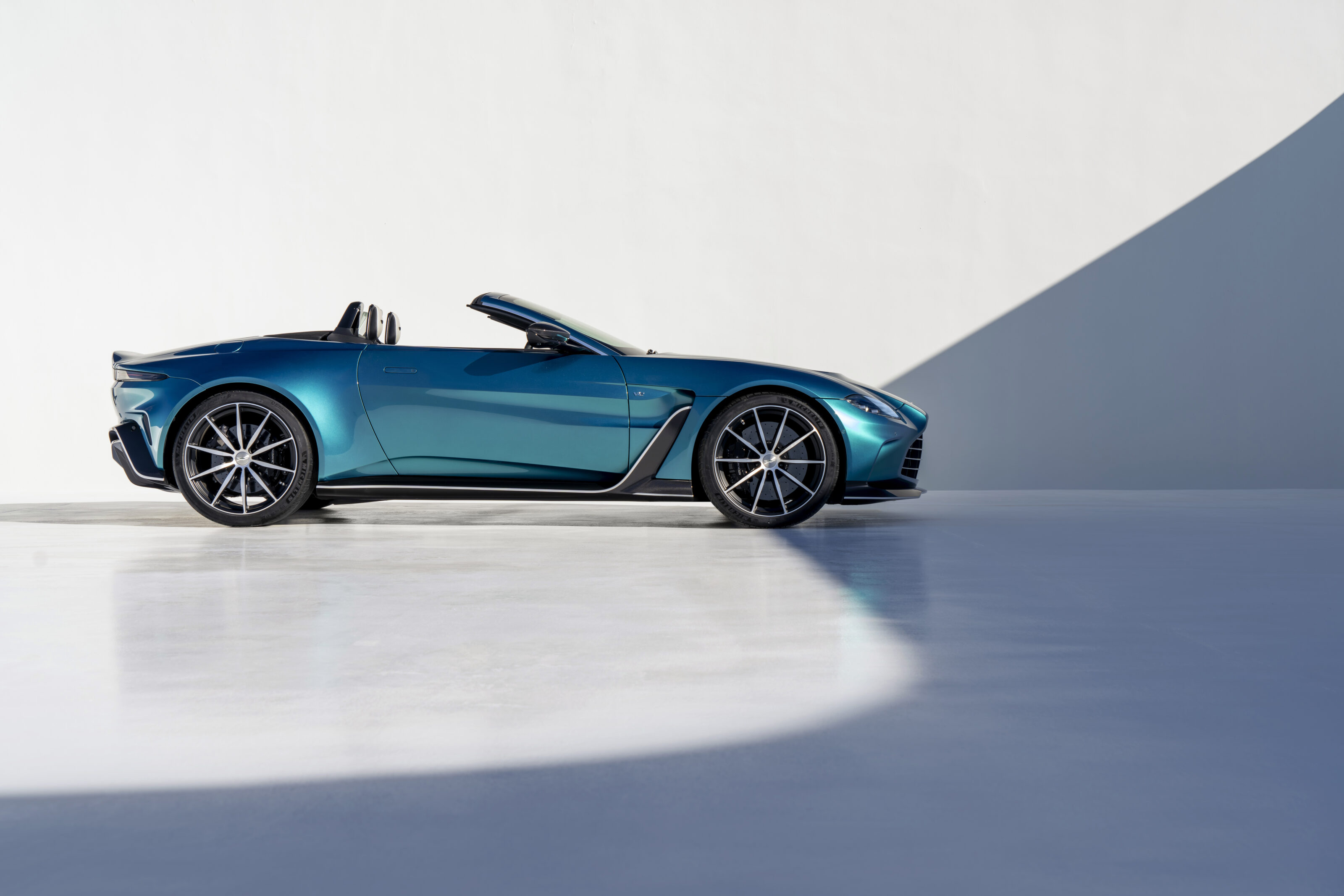
Further weight saving measures include a carbon-fibre front bumper, clamshell bonnet, front fenders and side sills. The rear bumper and deck lid is also constructed out of weight-saving composite materials. A bespoke exhaust made of 1mm steel shaves a further 7.2kg of mass from the standard V8-powered Vantage Roadster.
The V12 Vantage Roadster enjoys an array of visual and function distinctions over the standard Vantage Roadster, in order to aid cooling properties of the big V12 – as well as add aerodynamic grip to the increased power and pace. The integrated rear diffuser has been optimised to package the new centre-mounted exhaust system, there’s an added rear wing on the options list, and the detailed management of underbody airflow.
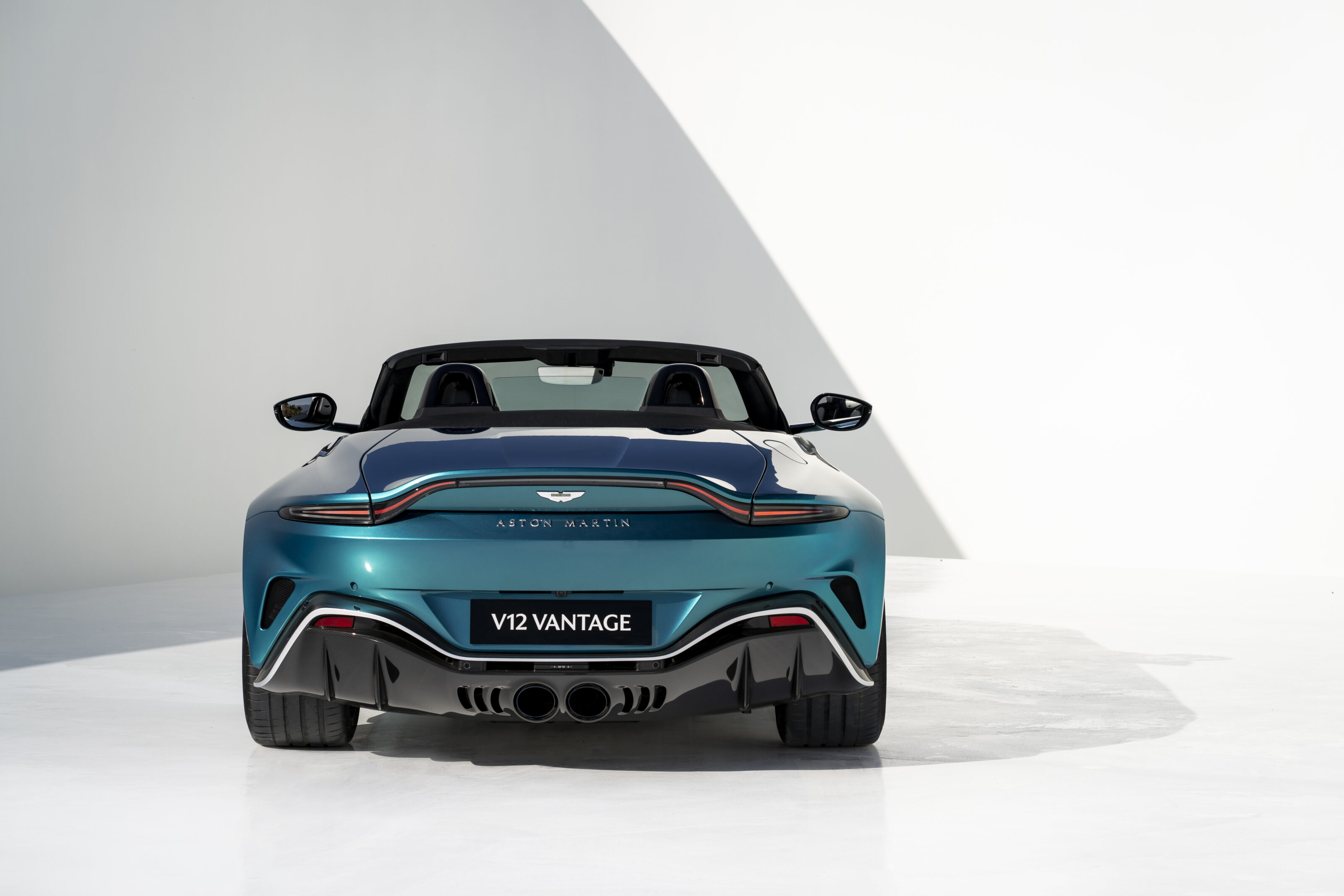
The front bumper has been redesigned with a 25 per cent larger grille to aid cooling properties, while Aston Martin’s signature horseshoe bonnet vent helps extract hot air from the crowded engine bay.
The track has been widened by 40mm to house 21-inch alloy wheels wrapped in 275/315 Michelin Pilot Sport 4S tyres. An optional forged wheel package is also available.
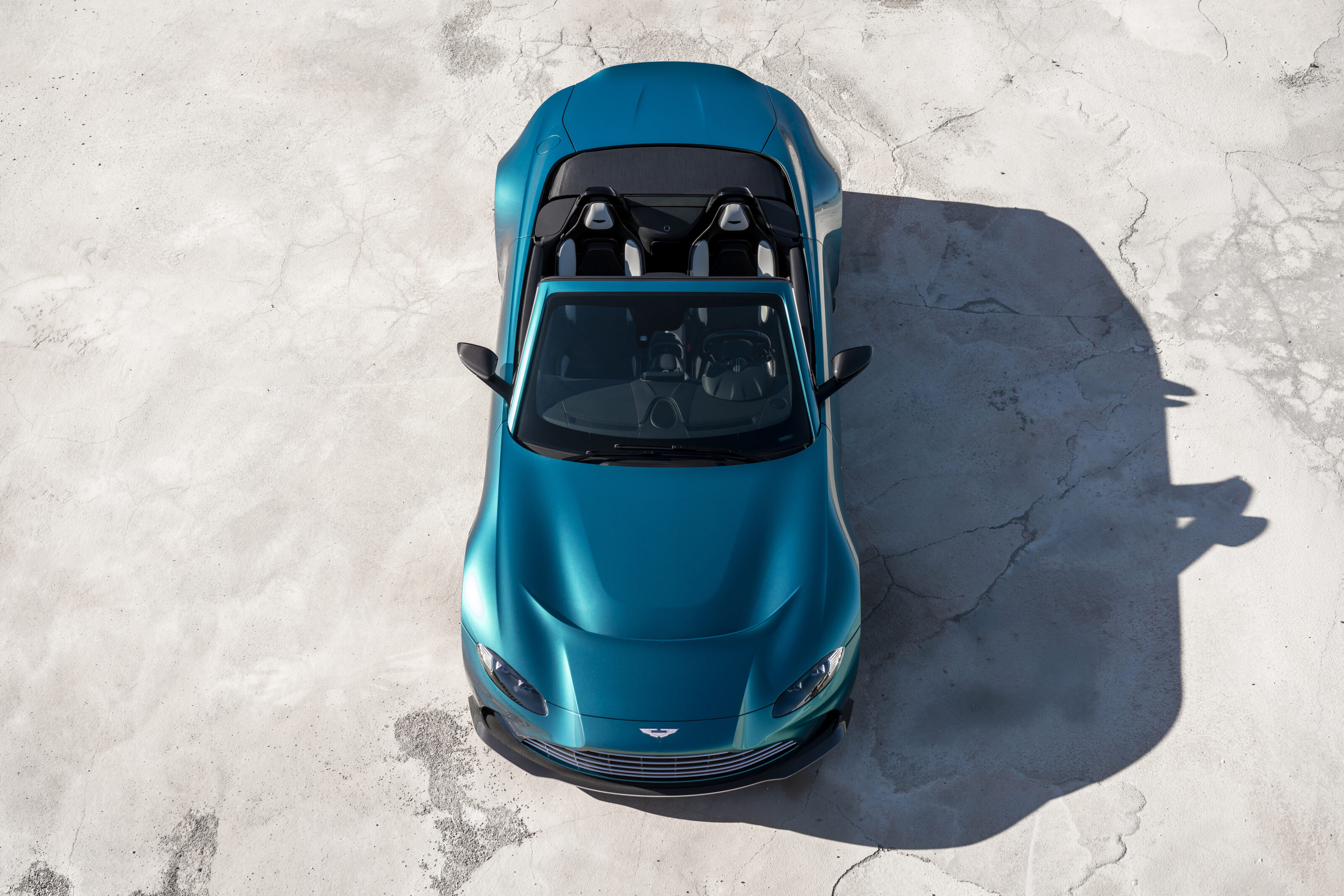
Marek Reichman, Aston Martin’s Chief Creative Officer, said of the V12 Vantage Roadster: “We created this explicit open-top sports car for those craving excitement and drama. The platform presented us with a design opportunity to make a contemporary visual statement of intent. The result is a living, breathing, driving sculpture with a level of control that sits at the fingertips.”
As the sun sets on the dawn of internal combustion engines, the V12 Vantage Roadster is likely the last V12-powered Vantage we might ever see.
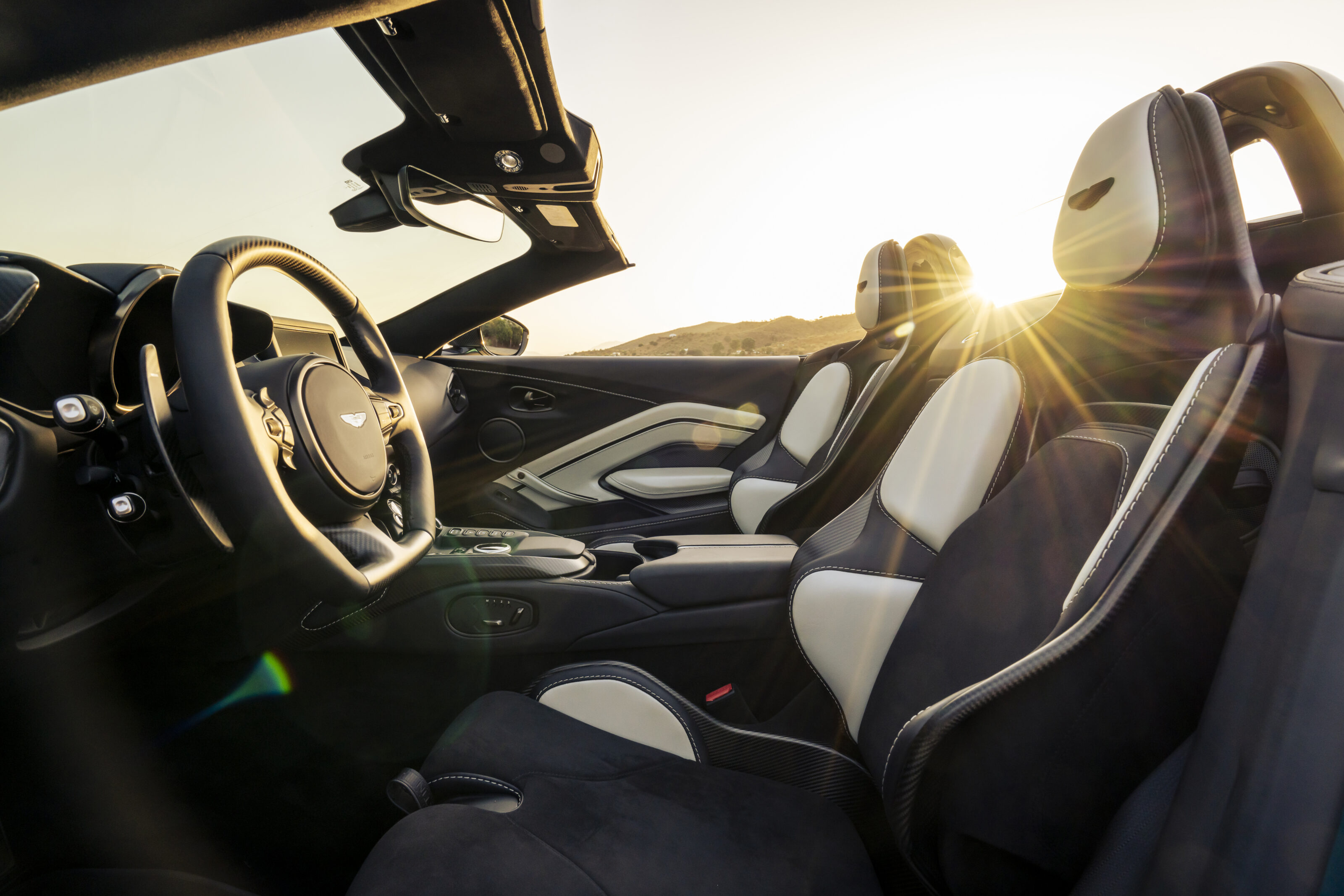
Production of those 249 V12 Vantage Roadsters is set to commence in the third quarter of 2022, with the first customer deliveries expected to commence from the fourth quarter.
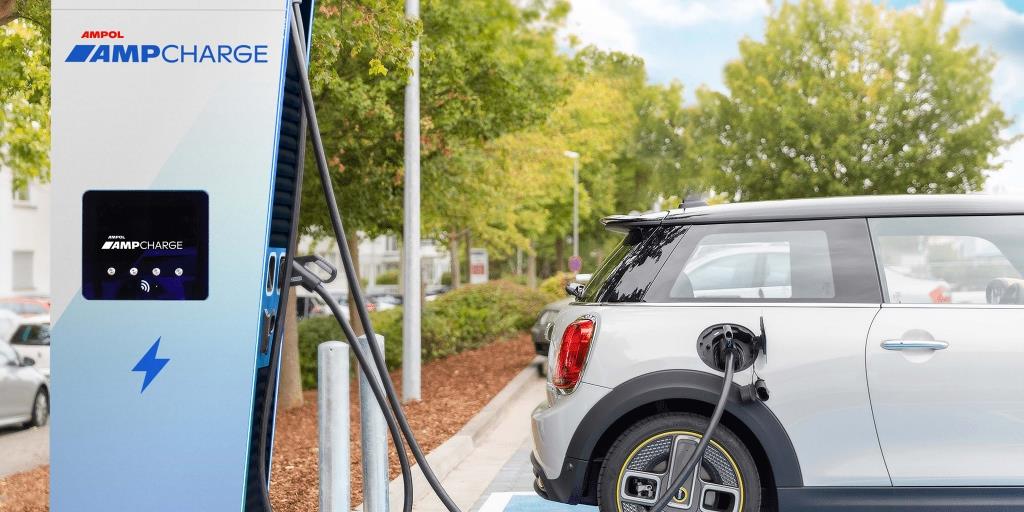
Industry bodies have welcomed today’s news that the Federal Government will consult on introducing a fuel-efficiency standard for new vehicles.
All major lobby groups, from the Federal Chamber of Automotive Industries (FCAI) to the Australian Automotive Dealers’ Association (AADA), have expressed interest in being involved in the talks, which are set to begin with the launch of a discussion paper next month.
Federal Minister for Climate Change and Energy, Chris Bowen, made the announcement at today’s inaugural EV Summit held in Canberra.
“It is incredibly important that the thousands of small and family automotive businesses which employ people, train people, invest in our economy and provide Australians with transport play a major part in the development of this strategy,” said AADA CEO James Voortman.
“New car dealers support action on lowering vehicle emissions, and consultation with industry is an encouraging sign that Australia will have a fit for purpose, nationally-led, electric vehicle strategy.
“As zero and low-emissions vehicles (ZLEV) become more prevalent, new car dealers will play an important role in supplying those vehicles to the market. They will also play an important role in demonstrating these cars to their customers and educating them on issues such as range, charging and performance.”

“Australia is a very small right-hand drive vehicle market in global terms, and it is situated at the end of a long and complex supply chain. Australia’s vehicle emissions standard needs to be realistic, achievable, and should not unduly punish consumers or motorists who cannot afford the transition,” he added.
Meanwhile, the FCAI, embroiled in controversy since last week when it was reported to be “launching a campaign behind closed doors” which would delay Australia’s transition to EVs, also came out in support of the Government’s consultation.
“This is the kind of courageous intent we have been seeking from our Federal Government and it is a major step on our journey to delivering low emission vehicles to Australian customers,” said FCAI chief executive Tony Weber.
“We have publicly advocated for a Government mandated CO2 target for many years. This is a good day.”
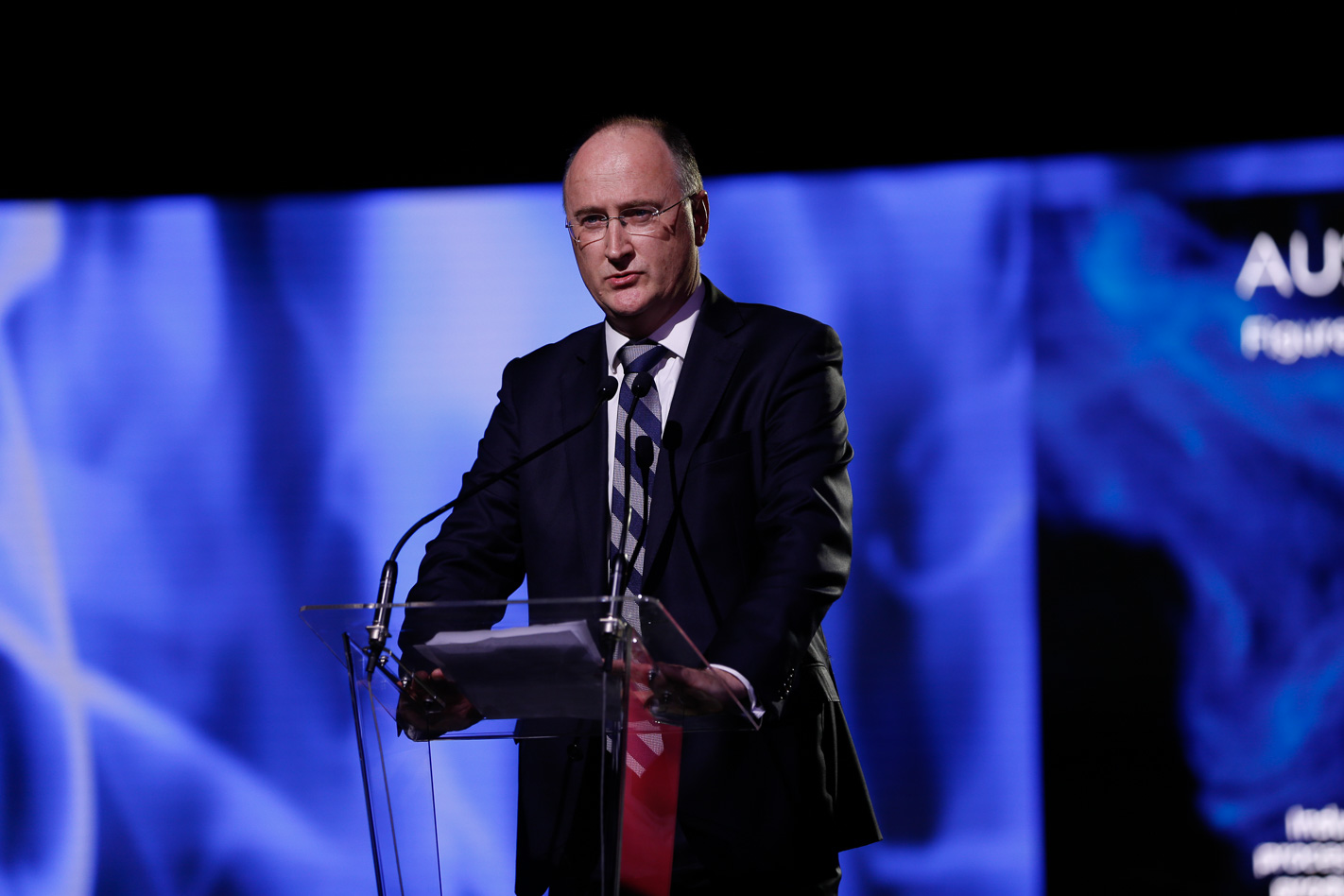
“The nationally led cooperative approach, supported by State and Territory Governments and relevant stakeholders, will help to build a comprehensive strategy that includes the complexities of vehicles, infrastructure, taxation, and incentives that are critical to achieving our climate change ambitions.
“It also is critical to ensure all Australians are included, rather than excluded because of where they live and what they can afford, and ensure ambition is matched with reality.”
Australia’s peak motoring body, the Australian Automobile Association (AAA), said it has long advocated for such a policy and “looks forward to helping the Government design an Australian-specific scheme that appropriately balances ambition, achievability, and costs to the consumer”.
However, it said it doesn’t want the Government to focus on a single technology, such as pure-electric vehicles, given Australia’s emission reduction targets will require an increased supply of vehicles using a range of fuels and technologies.
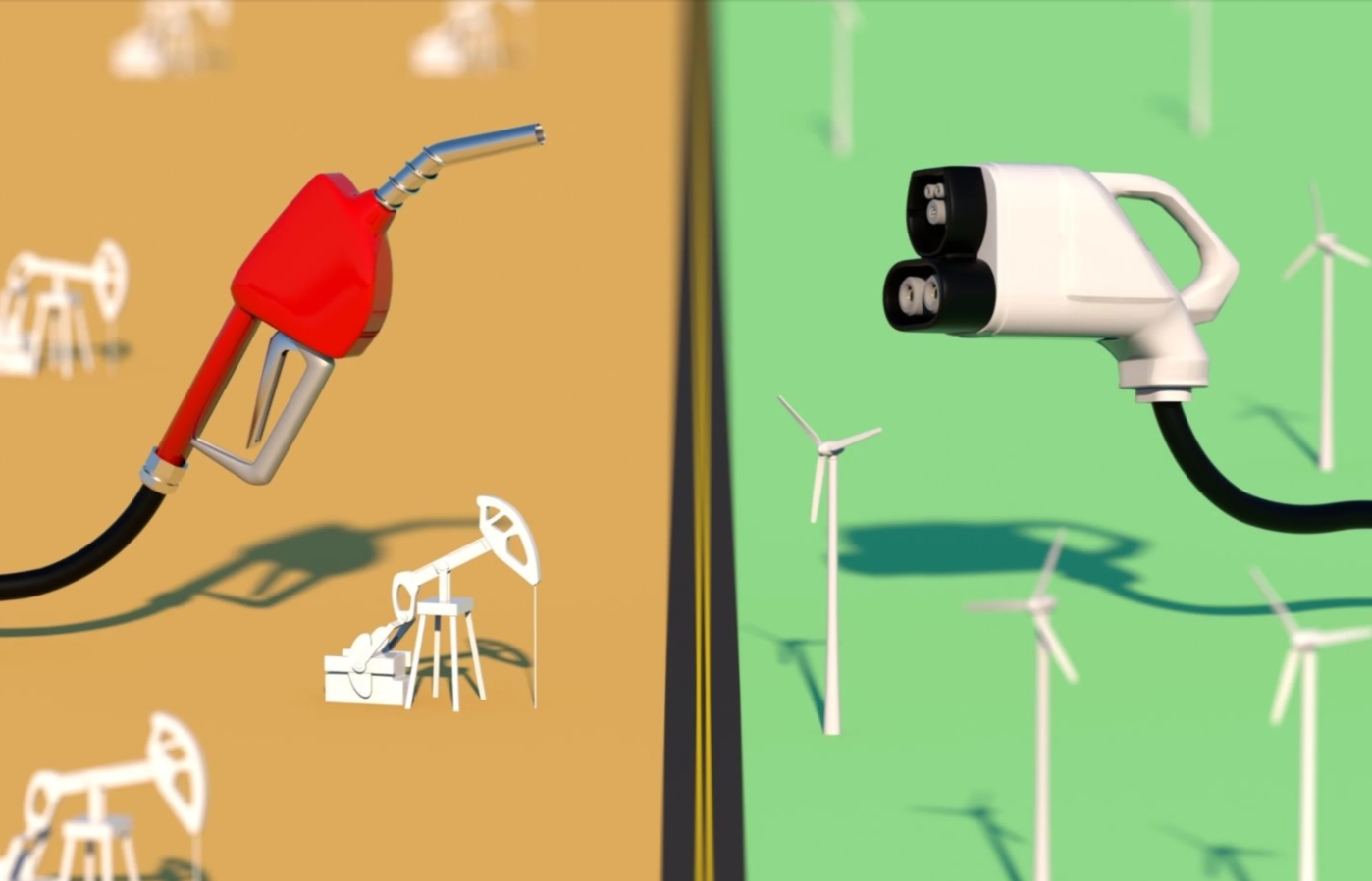
AAA managing director, Michael Bradley, said: “Electric vehicles will undoubtedly be part of the solution however a technology agnostic approach will ensure Australian motorists also benefit from access to ever-improving hybrid and internal combustion engines.
“Government is right to be ambitious, however we need to be mindful of the factors which will continue to constrain Australia’s access to emerging technologies, such as our unique fuel quality, traditional vehicle preferences, and the fact we’re a relatively small right-hand-drive market.
“The AAA is pleased to see the Government considering a market-based mechanism, such as a fuel-efficiency standard to incentivise global car companies to prioritise Australia. Such an approach will boost supply of cleaner cars to our market more effectively, and at a lower cost to consumers, than the subsidies and other government assistance schemes sometimes called for.”
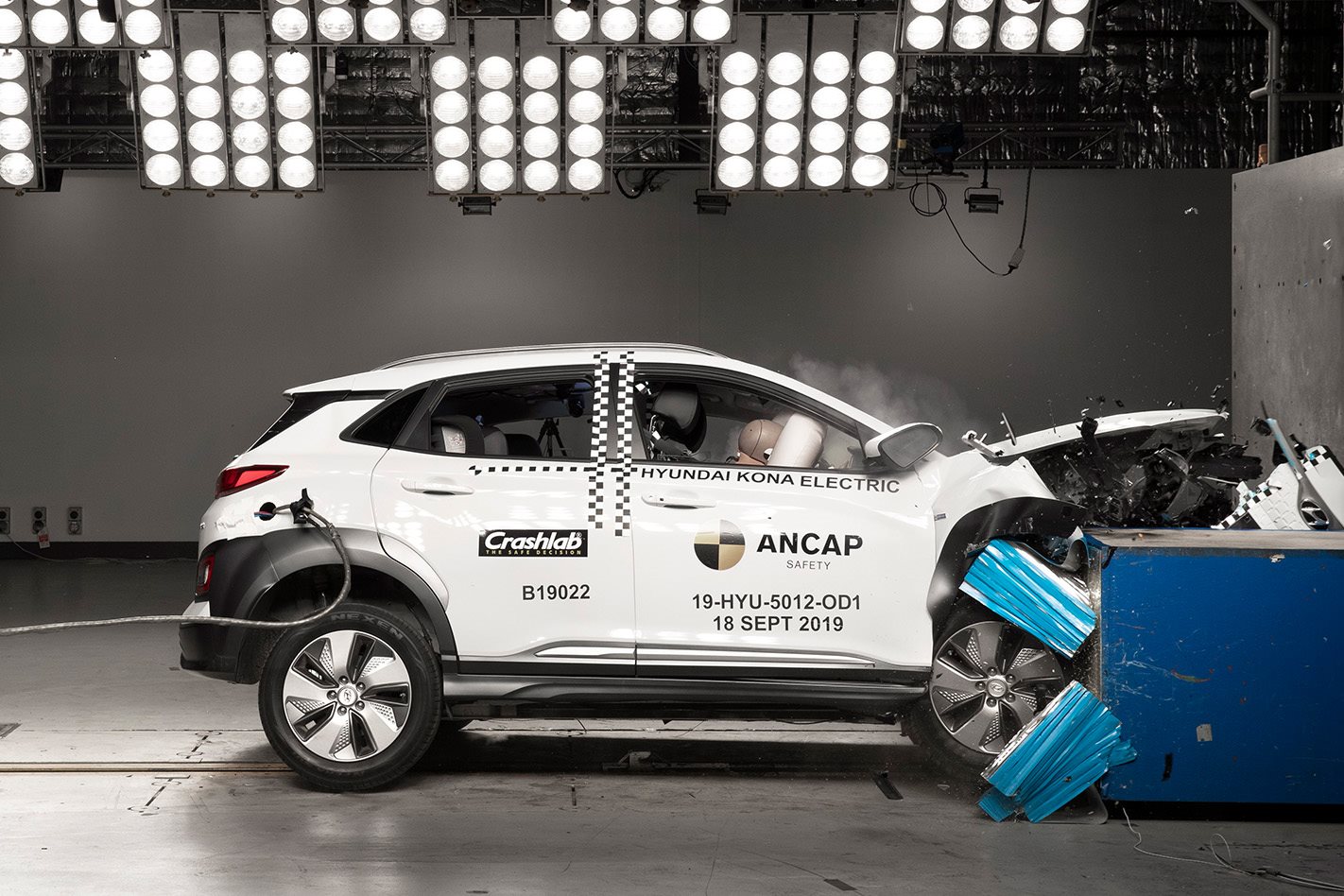
Also raising concerns about how the Government will calculate an emissions target was local safety authority ANCAP, which stressed that “environmental targets should not come at the cost of safety”.
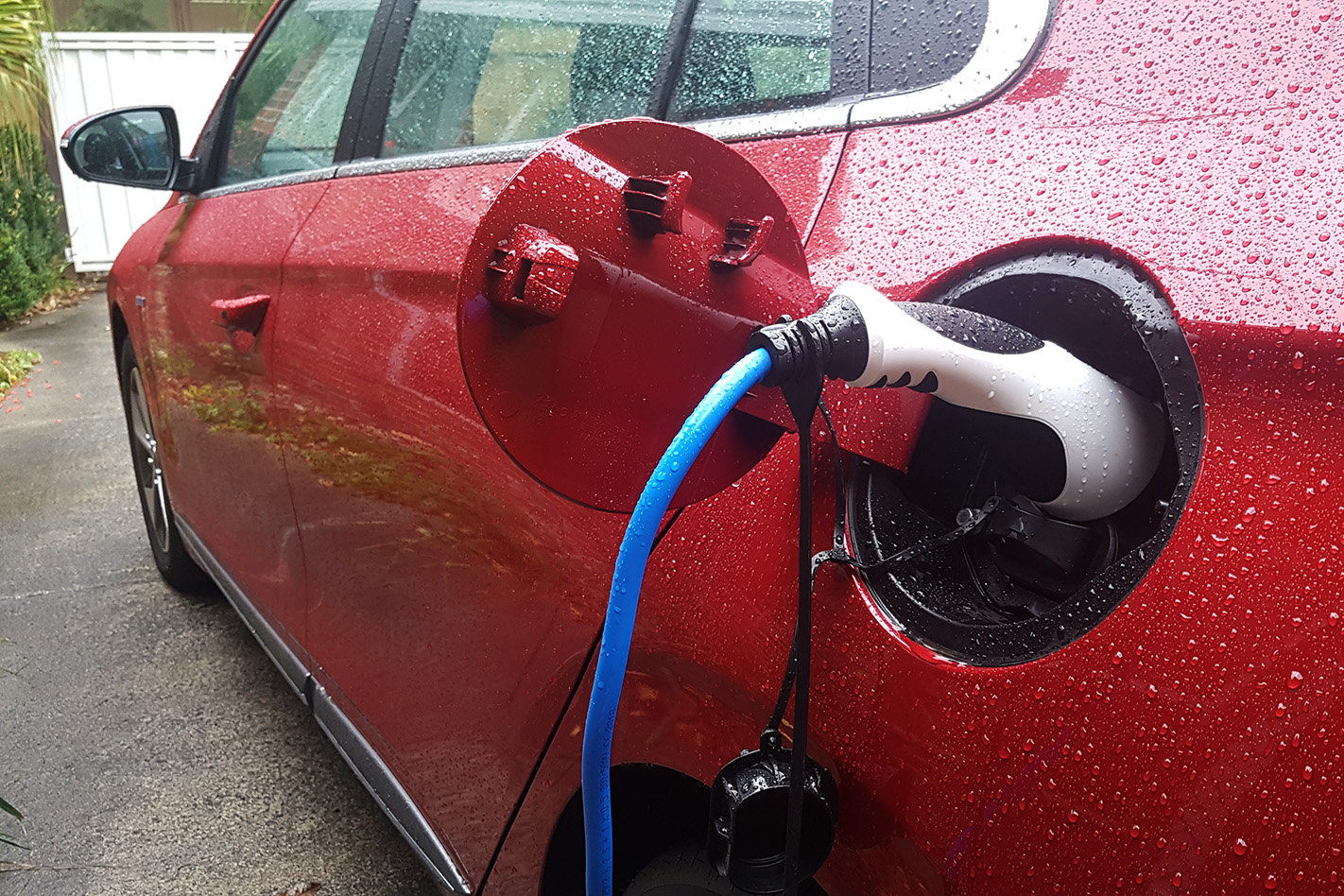
“It is clear more needs to be done to encourage the supply of alternative-powered vehicles to help reduce emissions and create a cleaner and sustainable Australia,” said ANCAP chief executive officer, Carla Hoorweg.
“With this, we want to remind consumers, fleet buyers, governments and the industry that the maintenance of high levels of safety must also remain a key factor.
“We know safety and environmental performance are top-of-mind considerations for the majority of new car buyers today, and pleasingly ANCAP has seen high levels of safety performance continue to flow through our ratings when evaluating the mix of electric, plug-in hybrid, hybrid and hydrogen-powered vehicle models.”
ANCAP has released a consumer guide listing its star ratings for hybrid, plug-in hybrid, hydrogen and all-electric vehicles in Australia.
In total, it has tested 41 electrified vehicles thus far and is prioritising testing and rating for upcoming vehicles due to demand.
“We’re on the cusp of seeing a number of lower-cost EVs arrive in our market,” Hoorweg added.
“Adopting a sensible approach reinforces to the industry – existing and new market entrants – that high levels of safety are expected with any and all new alternative-powered models that are on their radar for potential release into our market.”
The safety authority says electrified vehicles are subject to identical testing procedures as internal-combustion vehicles; however, it conducts additional checks on high-voltage components – including the battery and wiring – following the crash tests.
In addition, it encourages manufacturers to provide a Rescue Sheet, which assists first responders in identifying hazards such as high-voltage parts.
Snapshot
- Toyota Connected Services shifts to 12-month trial period
- Currently affects upcoming vehicle launches, including the Corolla Cross small SUV
- Current three-year subscription to be retained for existing models
UPDATE, August 19: Existing Toyota models to retain three-year Connected Services subscription
Toyota Australia has confirmed existing models fitted with its Connected Services technology will retain a three-year subscription.
This article has been updated to reflect the latest information.
Toyota Australia is preparing to launch an updated version of its in-vehicle Toyota Connected Services technology – with a caveat.
As reported, the all-new Corolla Cross small SUV will arrive in Australia in October with the marque’s enhanced connected-car technology fitted as standard; however, buyers must now pay for a subscription after an initial 12-month trial.
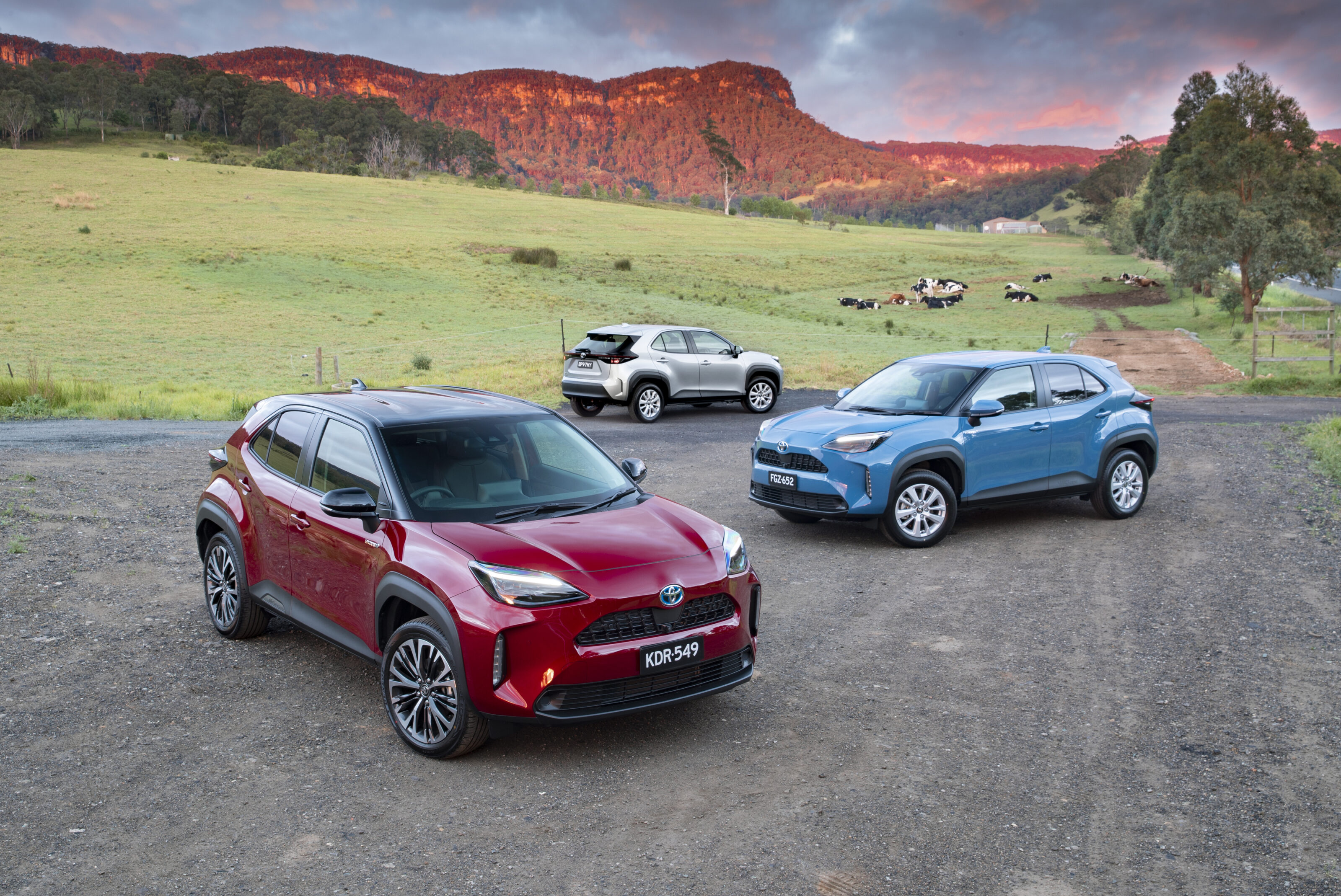
Existing vehicles fitted with the current version of Toyota Connected Services – such as the Camry, HiLux and LandCruiser 300 – feature a complimentary three-year service, which commences from the delivery date.
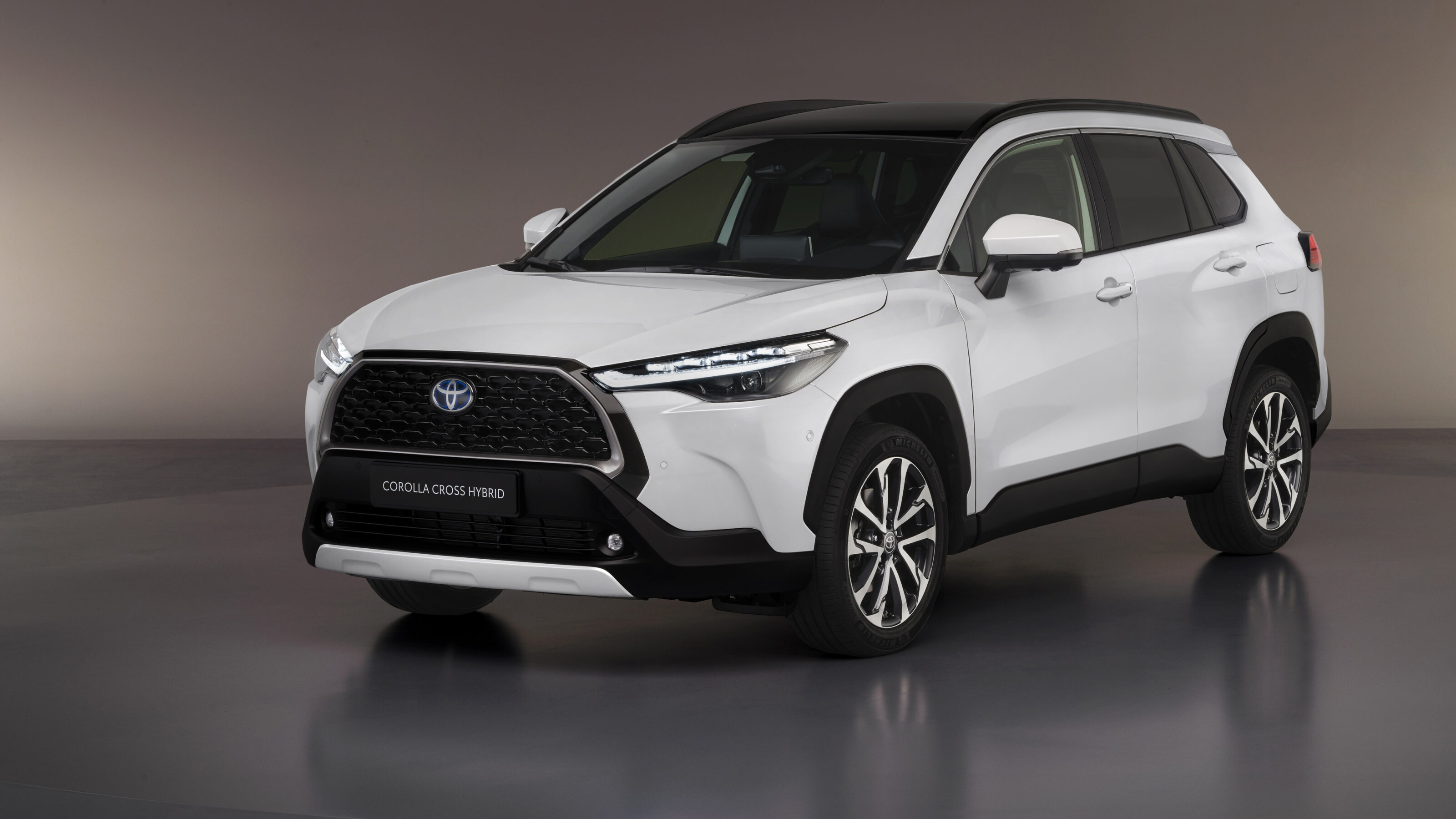
The company has yet to detail cost and feature availability once the trial period lapses, nearly two years since the Yaris Cross’s launch, which saw the debut of Toyota Connected Services locally in November 2020.
However, a spokesperson for Toyota Australia confirmed it would announce further details at the launch of the Corolla Cross.
“The Corolla Cross will launch in October with a range of existing and new Toyota Connected Service (TCS) features, many of which will be a first for Toyota in Australia. Further details of these exciting new features will be communicated closer to the vehicle’s launch,” they said.
It is believed the Corolla Cross is the first Toyota model to shift to a 12-month trial period, with the move likely to extend to updated versions of the RAV4, Corolla hatch and sedan, and Kluger set to launch in the coming months – which will introduce the service for these nameplates.
In a statement issued to Wheels, a spokesperson for the company said current models “will continue to be offered with those services free of charge for three years from purchase.”
This includes the Yaris Cross, Camry, HiLux, Fortuner, HiAce, Granvia and LandCruiser 300.

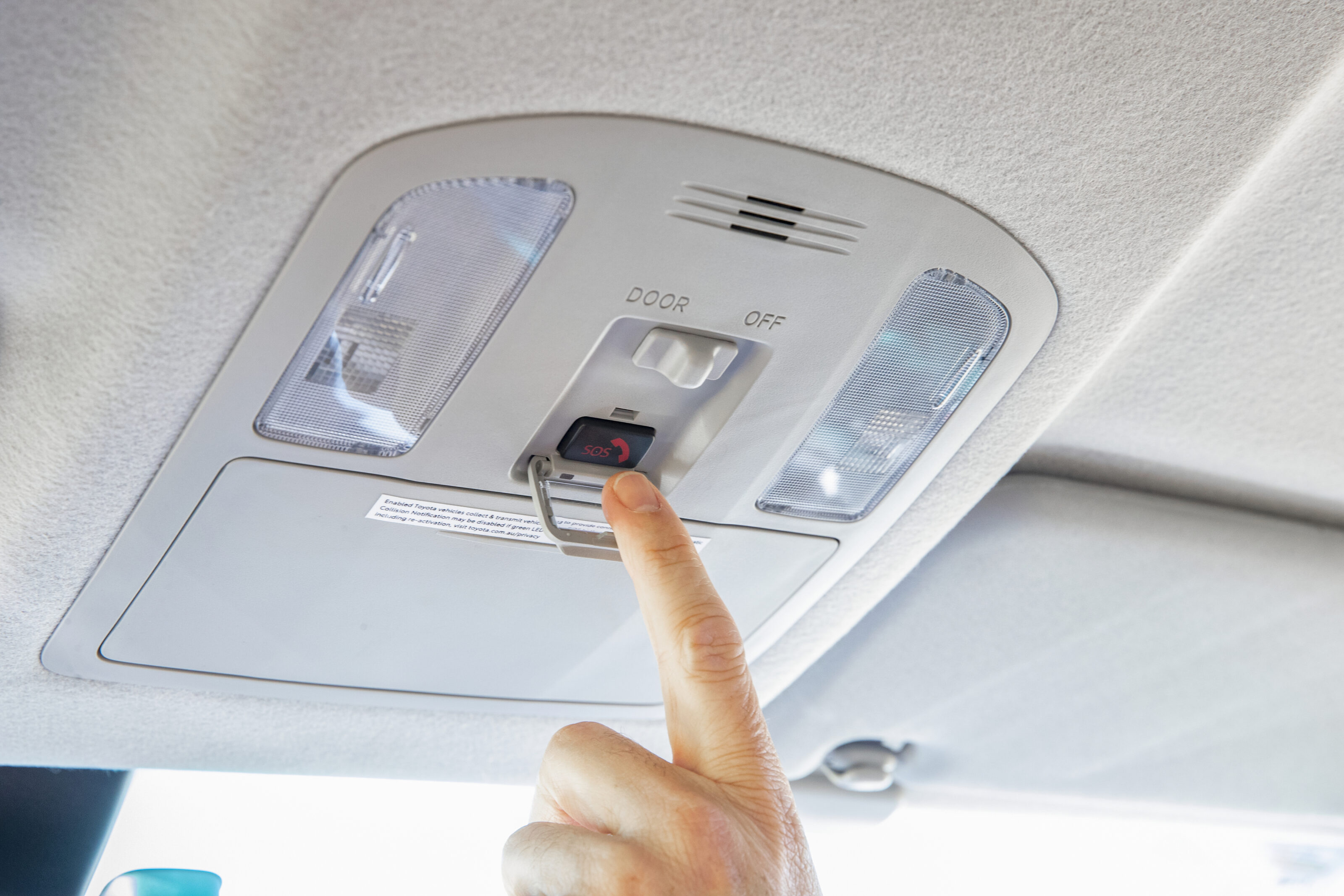
Toyota Connected Services provides drivers with safety and security features, including stolen vehicle tracking, SOS emergency calling and automatic collision notification.
This is possible through an embedded data communications module (DCM) with a connection to the Telstra 3G/4G mobile network.
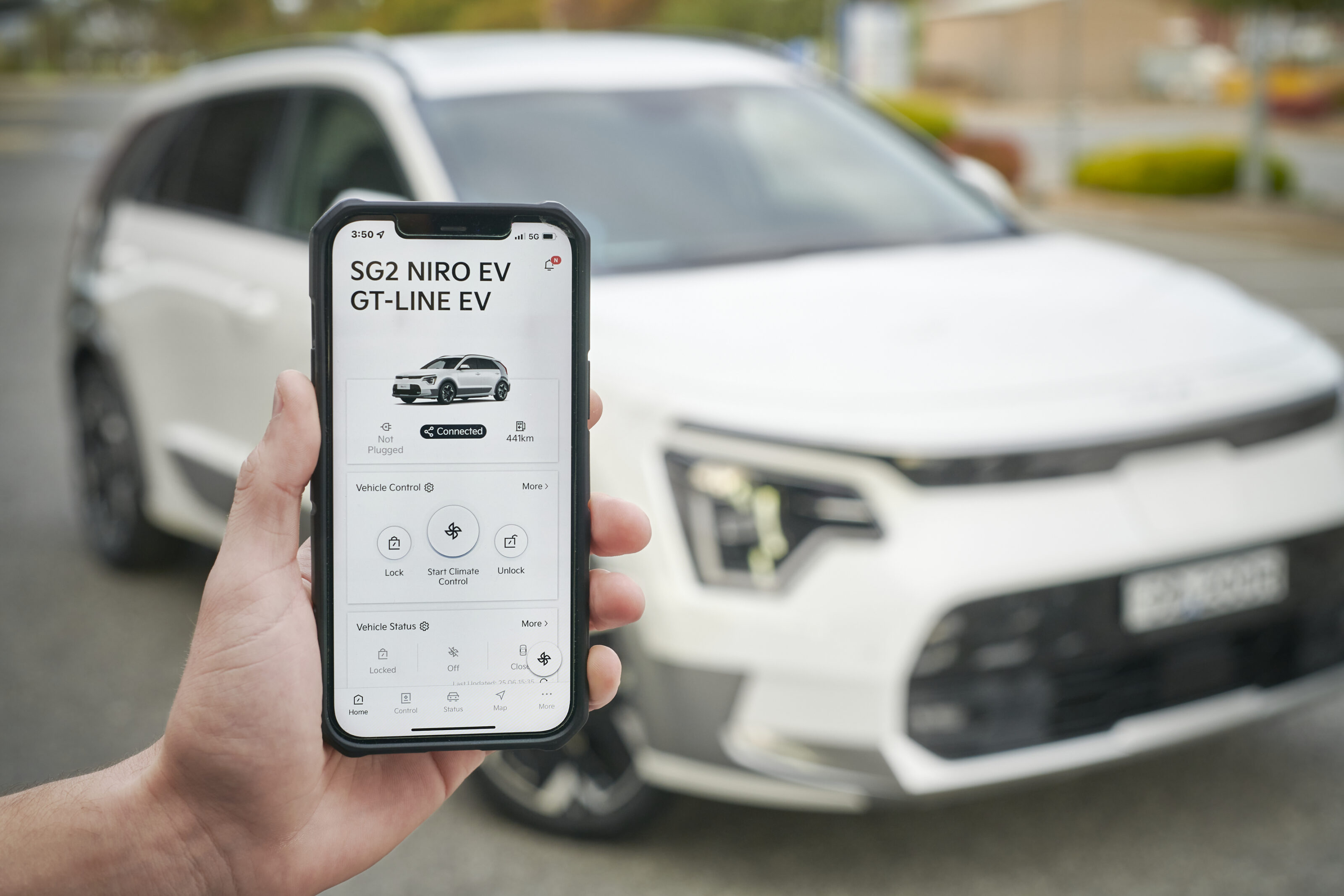
The brand’s myToyota Connect application can communicate remotely with the DCM, allowing owners to remotely check their vehicle’s odometer, fuel level, remaining driving range, location, and the status of lights, doors and keys.
A ‘drive pulse’ feature is available to monitor a vehicle’s acceleration, braking and cornering to help improve a driver’s efficiency – which could prove handy for fleet managers.
The move to a 12-month trial follows the recent launch of connected vehicle services from Hyundai and Kia, with both technologies free of charge for the vehicle warranty length.
That means buyers will have complimentary access to Kia Connect for seven years, while Hyundai’s Bluelink is available at no cost for five years.
FordPass Connect – which debuted locally in 2020 – is free for the life of the modem, according to Ford Australia; however, connected traffic updates are only available for three years.
As with Toyota, all three companies have yet to detail costs and availability once the subscription period expires.
The push for connected technology in mainstream vehicles follows luxury brands BMW and Mercedes-Benz, with ‘My BMW’ and ‘Mercedes me connect’ available on vehicles dating as far back as 2014.

In addition, electric vehicle manufacturer Tesla offers connectivity, allowing drivers to stream music and video, view satellite maps and live traffic updates, browse the internet, and perform karaoke while driving – for $9.99 per month, as part of its Premium Connectivity subscription.
Under now-defunct Holden, US car giant General Motors launched its optional OnStar telematics system in Australia with Holden Assist branding in the early 2000s, offering similar features to the connected services offered today.
It was discontinued by 2009, due to low take-up and poor network connectivity in Australia at the time.
Snapshot
- 2023 Mercedes-Benz EQA 350 now available
- Priced from $96,900 plus on-roads
- Joins the existing single-motor EQA 250 variant
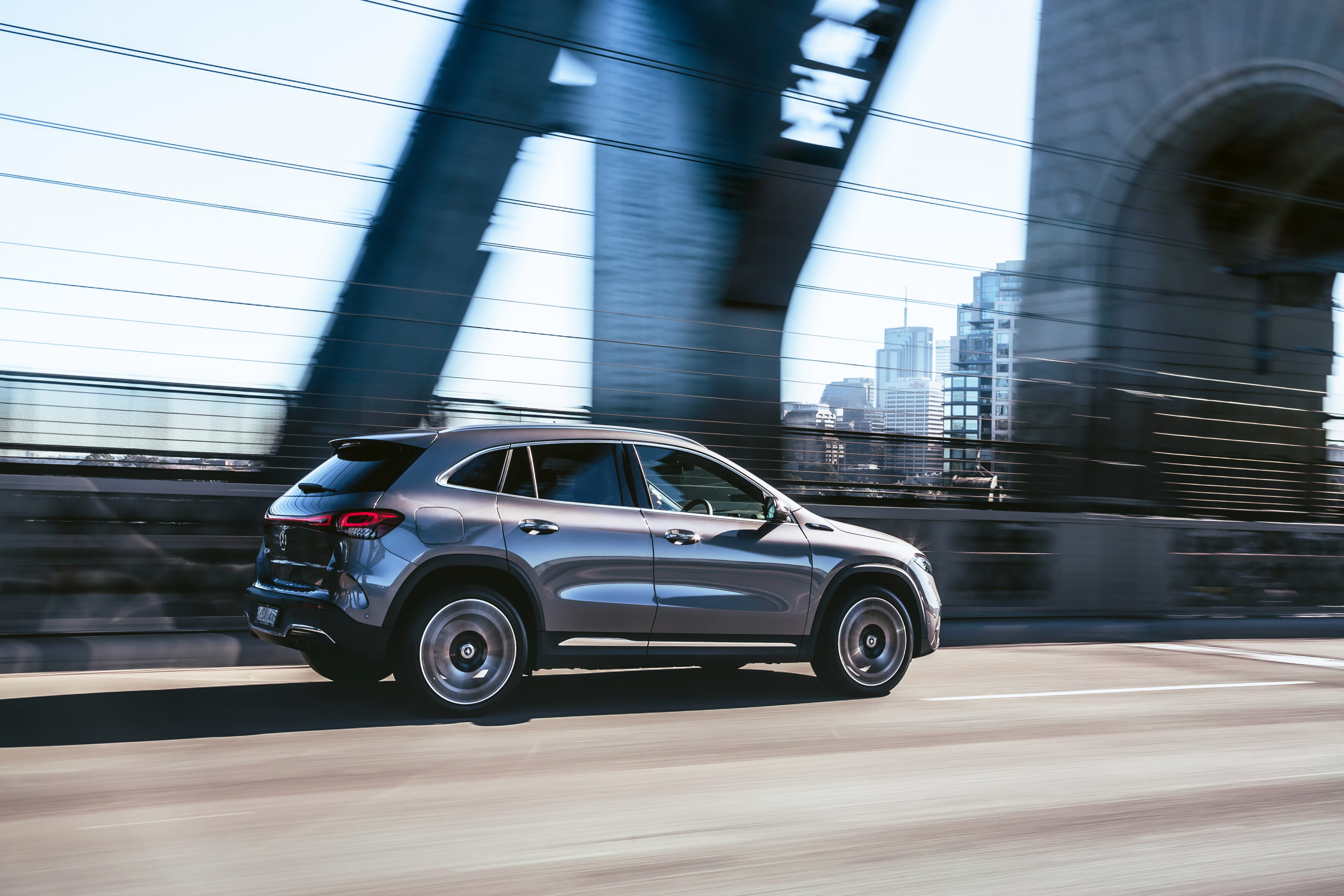
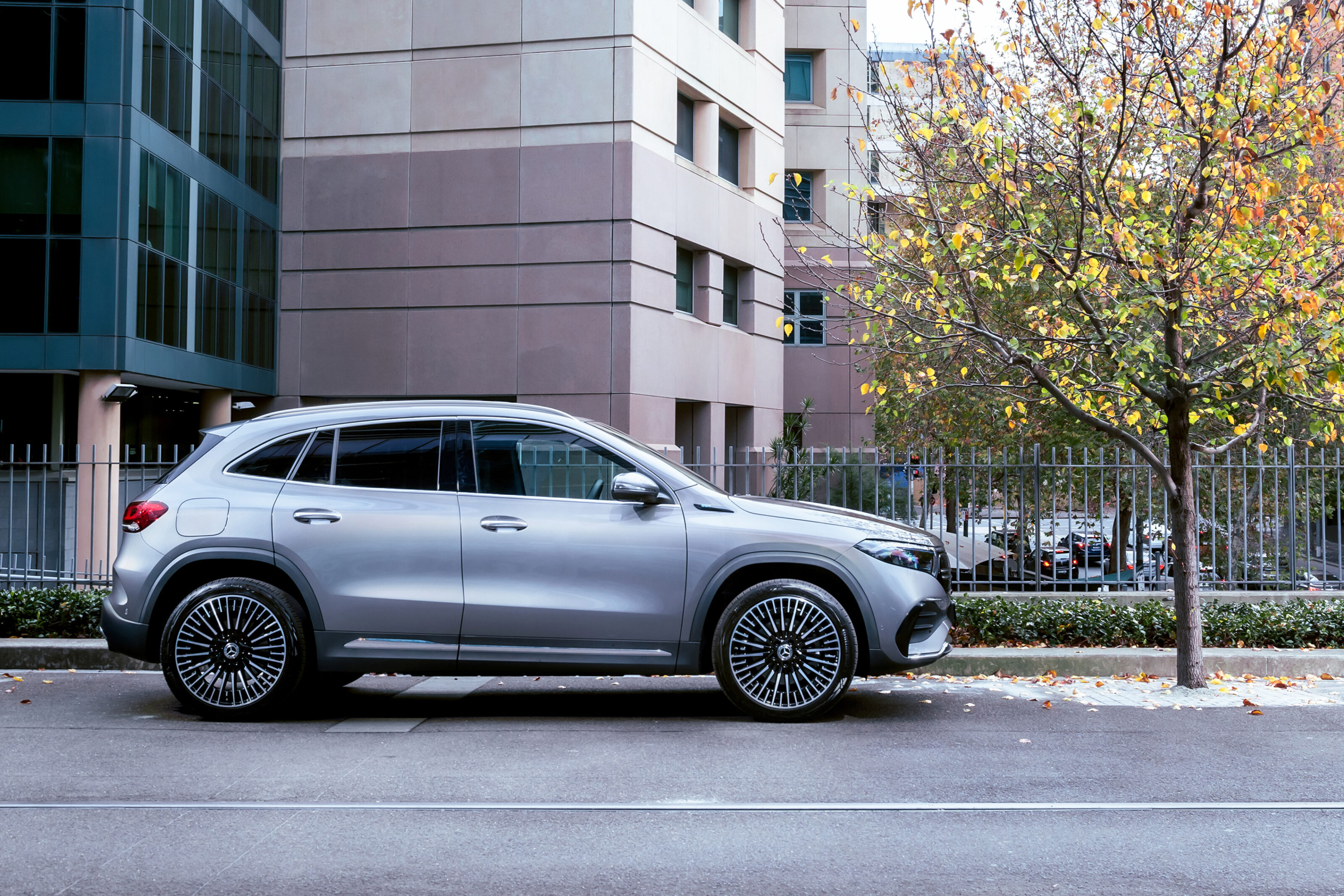
The 2023 Mercedes-Benz EQA 350 electric SUV is arriving in Australian showrooms, following several delays.
It is priced from $96,900 before on-road costs, pushing the drive-away price north of $100,000.
As such, the dual-motor, all-wheel drive EQA 350 commands a significant $18,390 premium over the existing single-motor, front-wheel-drive EQA 250.
That entry-level variant is priced from $78,513 before on-road costs, following a recent price rise.
In addition, it places the EQA 350 as the second-most-expensive variant in Mercedes-Benz’s small SUV range, behind the $110,000 AMG GLA 45 S.
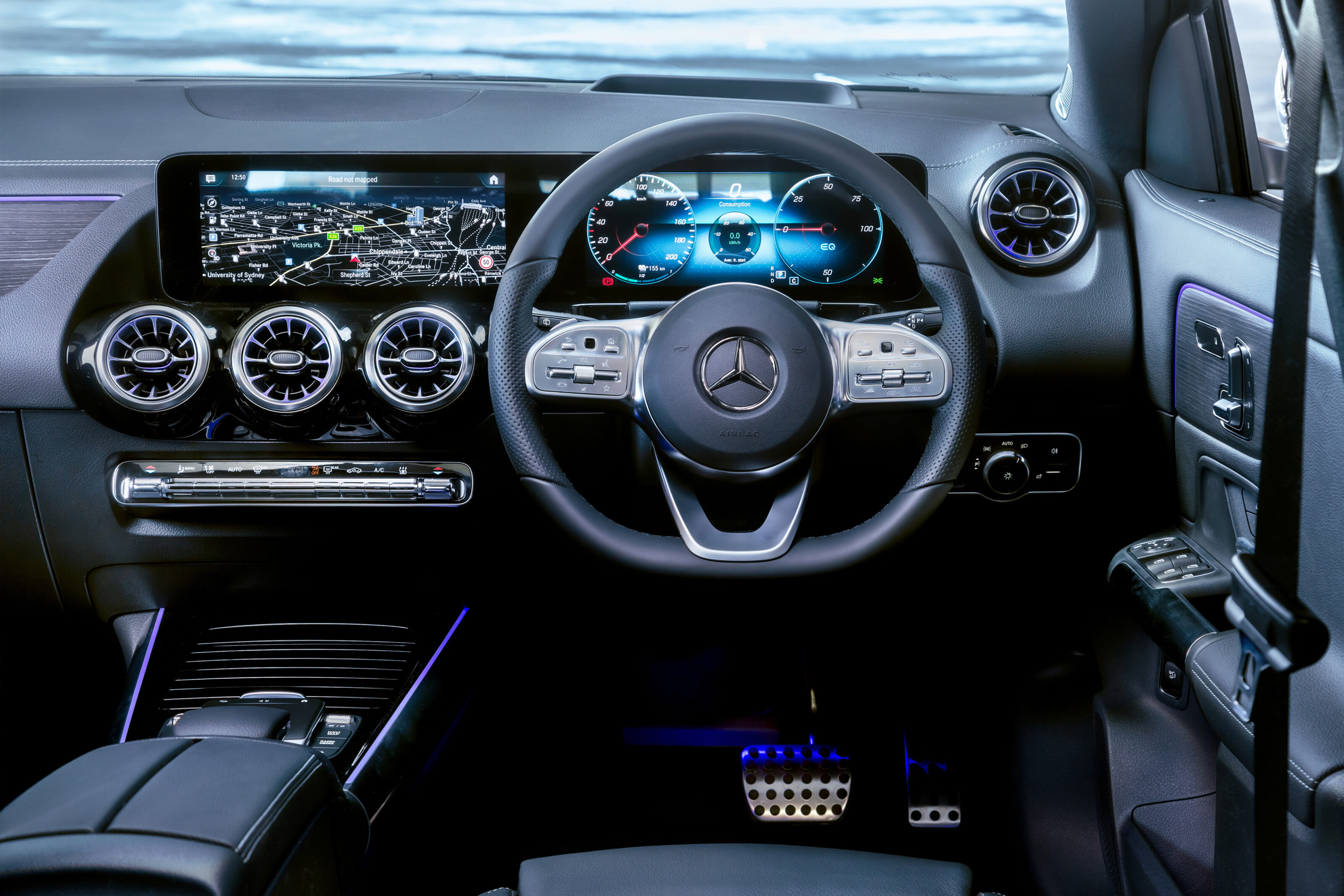
For buyers seeking more, the EQA 350 features the same 66.5kWh battery pack as the EQA 250, but with two electric motors – one at the front axle and one at the rear.
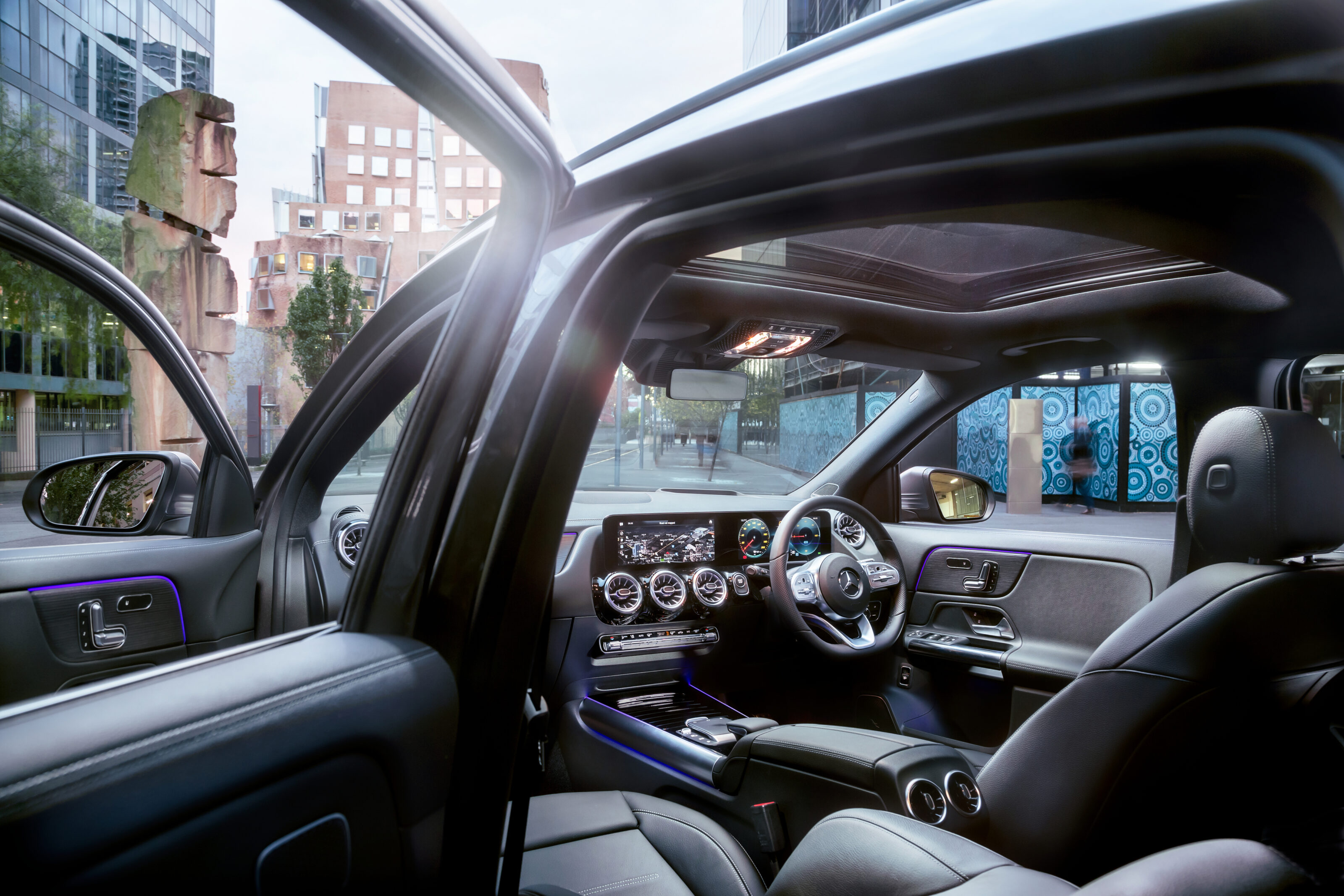
This combination offers a hotter 215kW and 520Nm, with a claimed 0-100km/h time of six seconds flat.
That time falls short of the petrol-powered Mercedes-AMG GLA 35’s 5.2-second run, but the sensation of electric acceleration should leave most buyers satisfied.
As per other performance-oriented electric vehicles, the EQA 350 4Matic has a shorter driving range than the EQA 250, at 400 kilometres – down 26km.
The Mercedes-Benz EQA 350 is arriving in Australia at a similar time to the AMG EQS 53 and seven-seat EQB, and will be followed by the eVito, EQV, EQE, non-AMG EQS, EQS SUV and EQE SUV in the coming months.
2023 Mercedes-Benz EQA pricing
Prices exclude on-road costs.
| Model | Pricing |
|---|---|
| EQA 250 | $78,513 |
| EQA 350 4Matic | $96,900 |
2022 Mercedes-Benz EQA features
EQA 250
EQA 350, in addition to EQA 250
Options
Edition 1 package – $3900 (EQA 350)
According to Mercedes-Benz Australia, a “limited number” of already-produced EQA 350 vehicles are available with the Edition 1 package.
AMG Line (EQA 250)
Vision Package (EQA 250)
MBUX Innovation Package
Powertrains, charging and driving range
Mercedes-Benz offers the EQA with two powertrains in Australia.
The entry-level EQA 250 guise features a single electric motor producing 140kW of power and 375Nm of torque, exclusively sending power to the front wheels.
It has a 66.5kWh battery pack, with a WLTP-rated 426-kilometre driving range.
According to the brand, the EQA 250 will complete the 0-100km/h sprint in 8.9 seconds.
Stepping up to the dual-motor, all-wheel drive EQA 350 brings 215kW and 520Nm, with a 400-kilometre range – down 26km – and a claimed six-second 0-100km/h time.
With the 4Matic all-wheel-drive system, power demand between the front and rear is controlled 100 times per second.
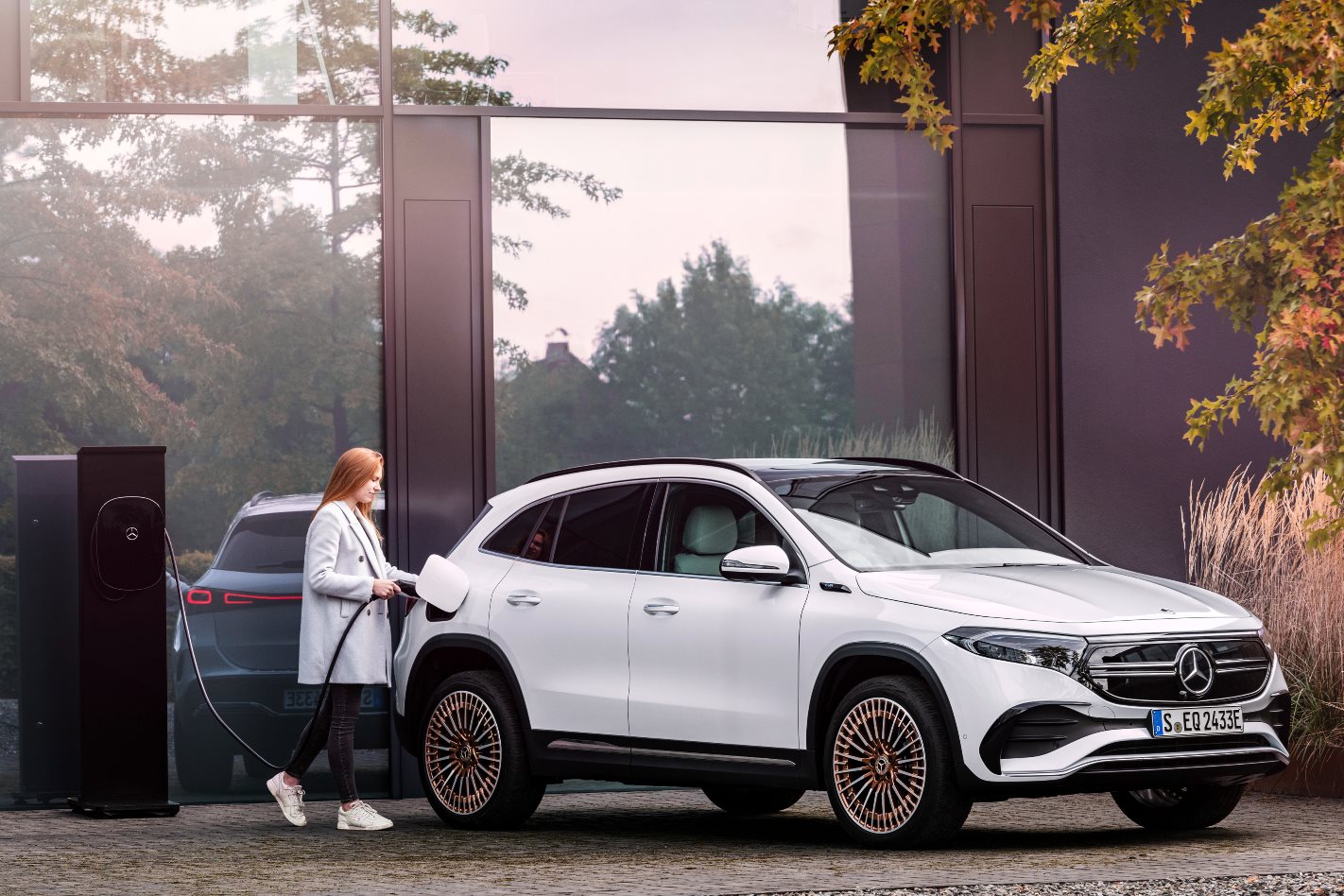
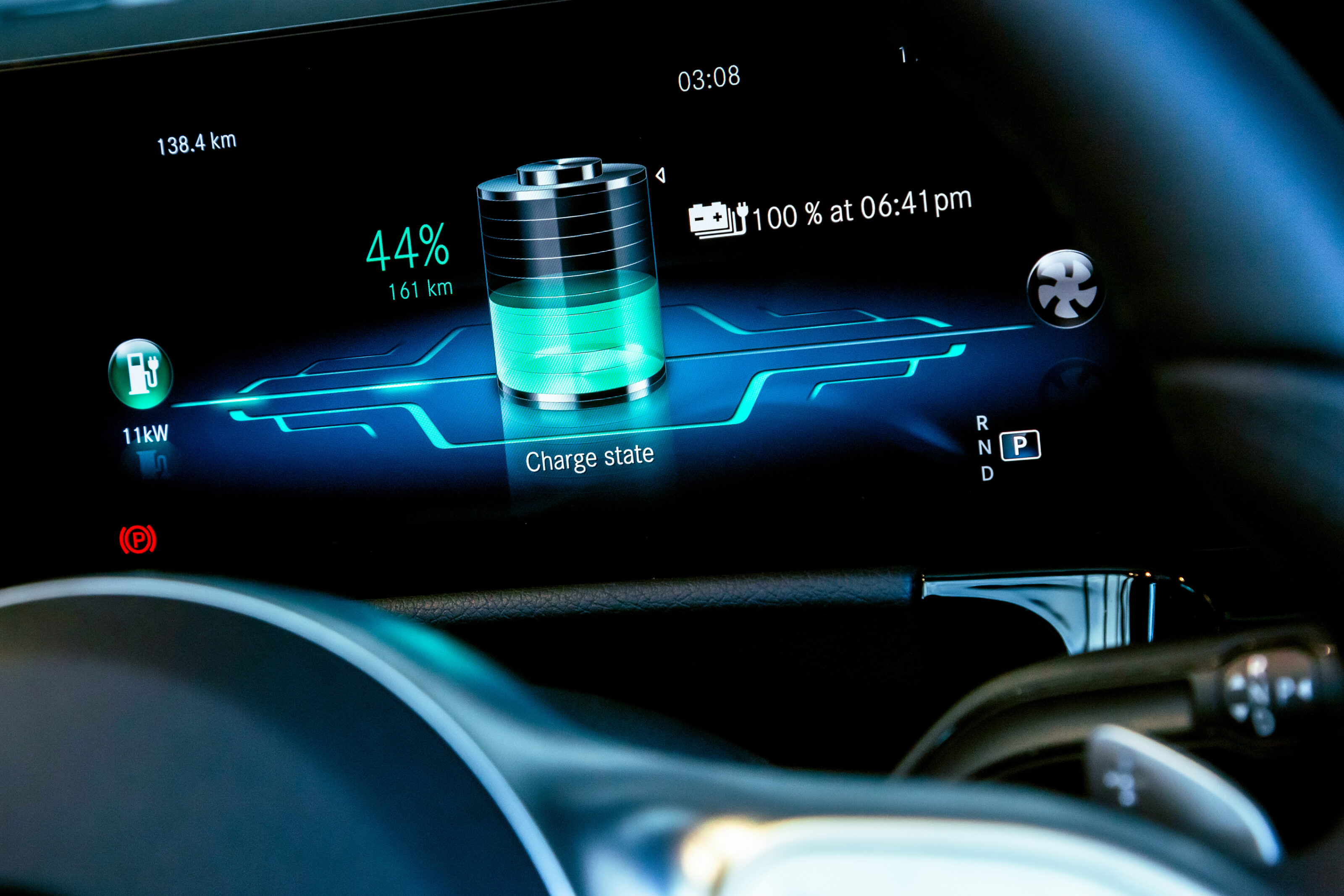
There are several charging options for the EQA, including an onboard charger that allows up to 11kW with an alternating current (AC).
It also supports direct current (DC) charging of up to 100kW, with the 10 to 80 per cent fast charge claimed to take approximately 30 minutes.
Safety
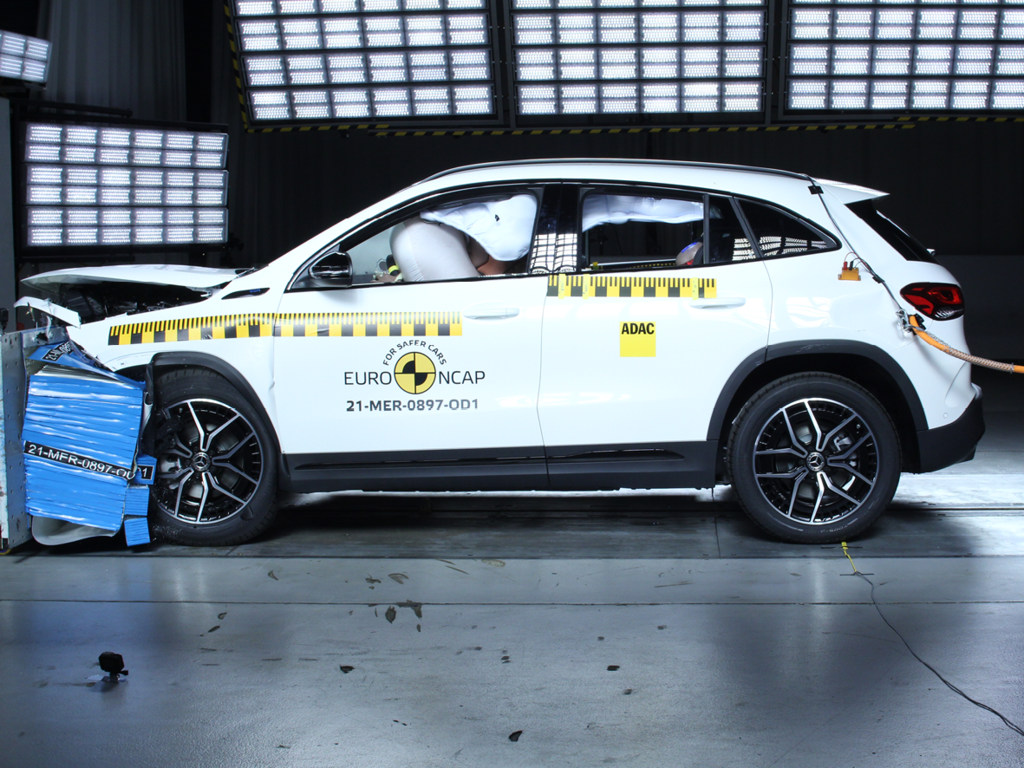
The Mercedes-Benz EQA electric SUV is covered by a five-star rating from ANCAP, based on testing conducted on the petrol GLA in 2019.
It has a 97 per cent score for adult occupant protection, 92 per cent for children, 81 per cent for vulnerable road users, and 77 per cent for safety assist.
Nine airbags (dual front, side head, side thorax, curtain and driver’s knee) are fitted across the range.
Each variant includes the following active safety equipment as standard:
Dimensions
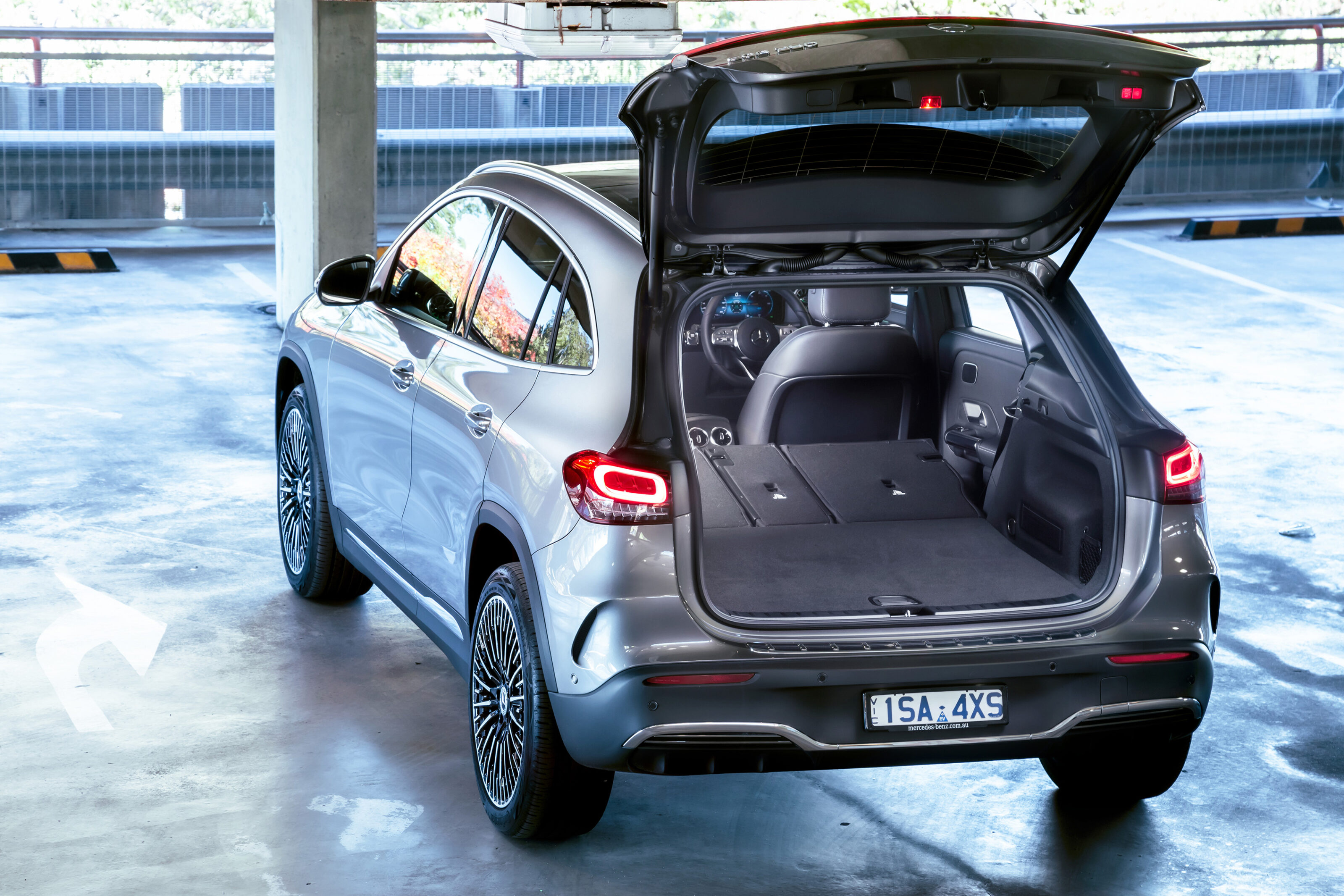
The Mercedes-Benz EQA has a wheelbase of 2729 millimetres, and is 4463mm long, 1834mm wide and 1620mm high.
This makes it 53mm longer and 9mm taller than the petrol GLA, due to the placement of the batteries underneath the vehicle.
The small SUV has a claimed 340-litre boot capacity, expanding to 1320L with the second-row folded.
Warranty and servicing
As per the wider Mercedes-Benz range, the EQA electric SUV is covered by the brand’s five-year, unlimited-kilometre warranty, along with a complimentary roadside assistance program during the vehicle’s warranty period. The program can be extended for $149.60 per year.
The battery pack is covered by a separate 10-year, 250,000-kilometre warranty.
Service pricing can be pre-purchased, consisting of three-, four- or five-year packages with 12-month/25,000km intervals.
| Three-year | Four-year | Five-year |
|---|---|---|
| $1600 | $2200 | $2650 |
Availability
The 2022 Mercedes-Benz EQA 350 is available to order now.
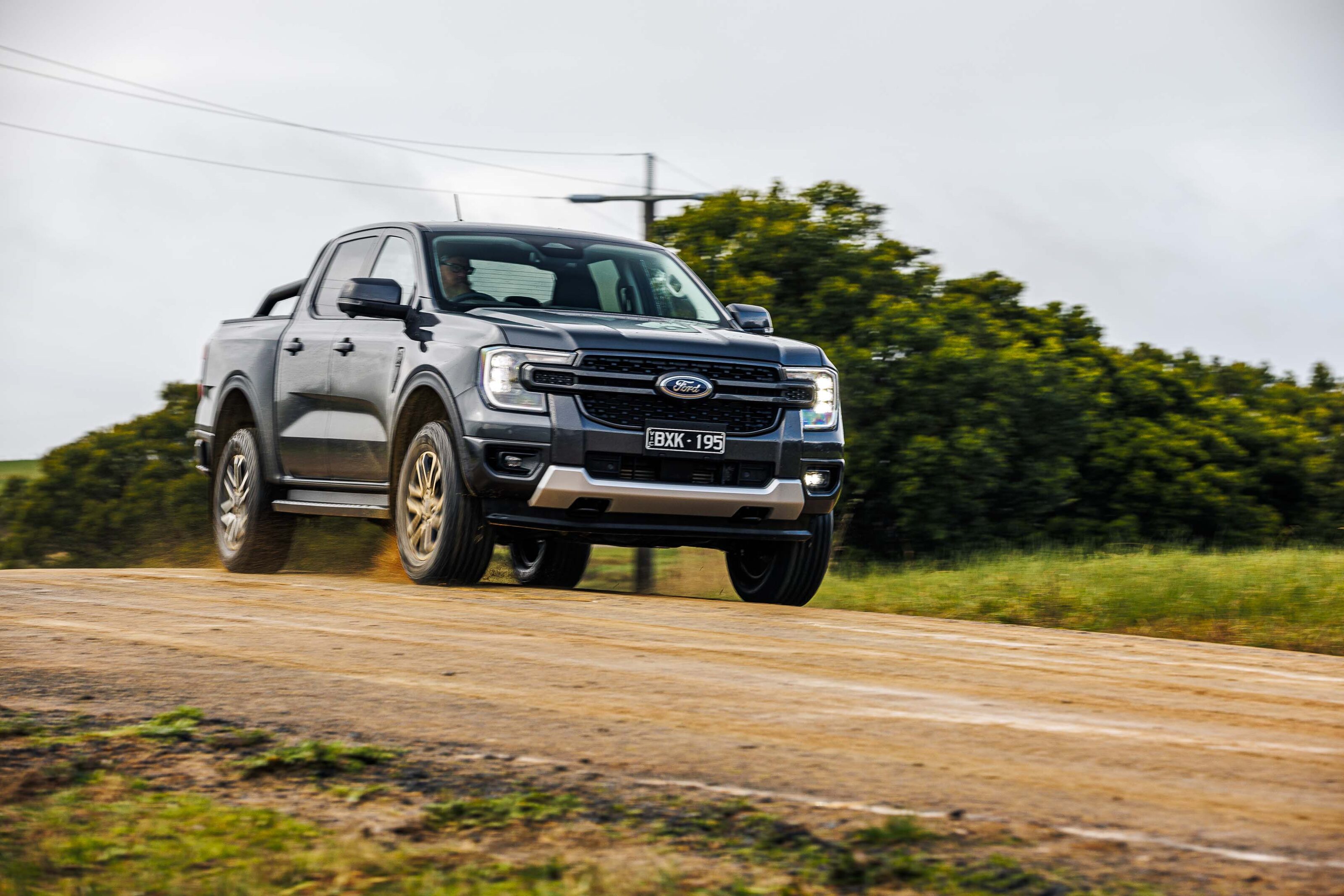
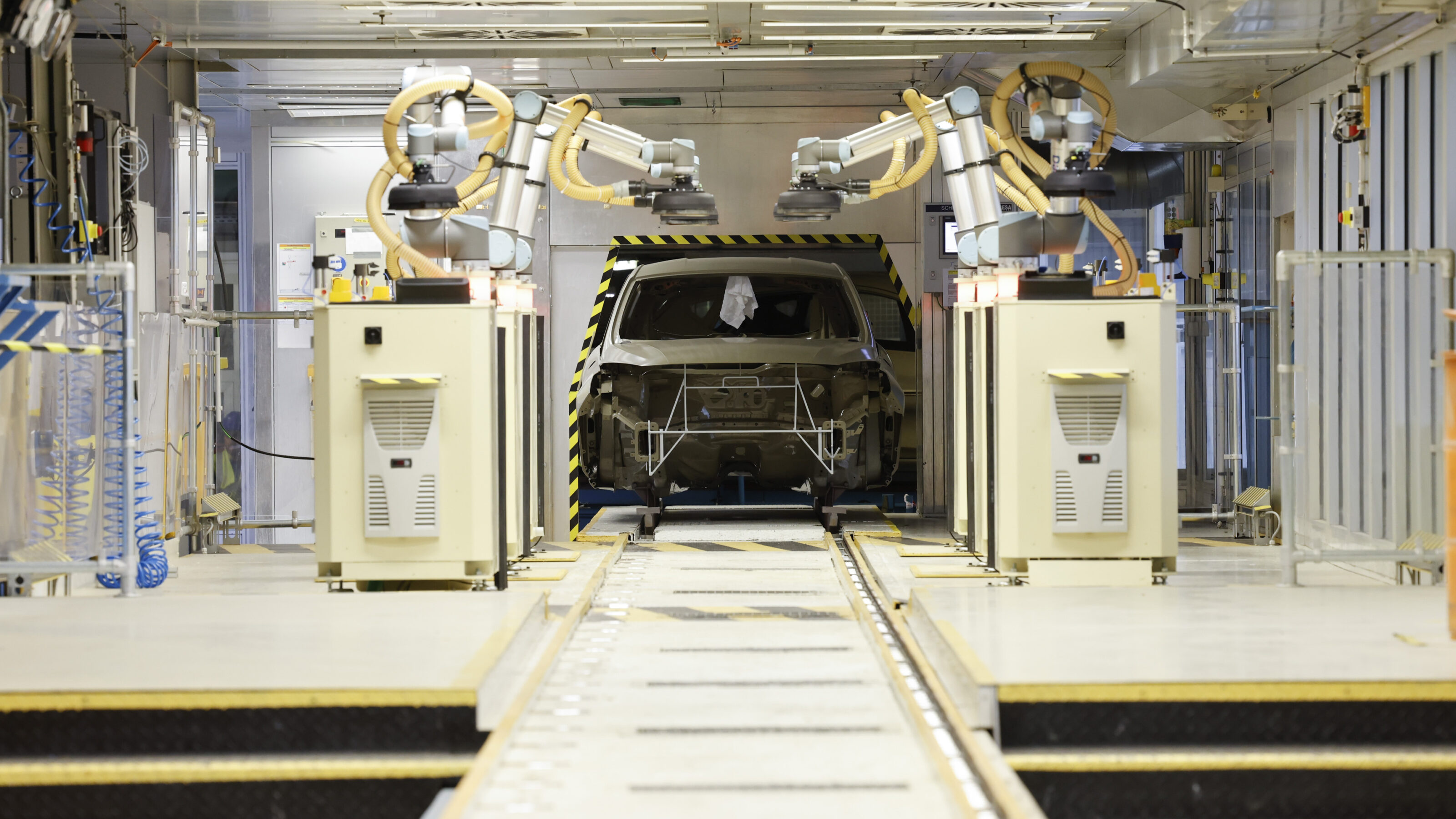
Ford Australia has confirmed it will end 120 contract roles in its development and design teams, where the company still conceives and engineers models like the Ranger for global markets despite no longer manufacturing vehicles locally.
The news follows confirmation way back in 2019, delivered via an email to staff from global Ford boss Jim Hackett, that the company’s transformation into an EV-focused brand would result in around 7000 positions terminated.
That call was made as part of a push to cut nearly $4.5 billion in costs by 2026.
More recently, Ford was reported by business paper Bloomberg to be planning up to 8000 job cuts in North America alone, where it employs around 31,000 salaried staff.
In Australia, Ford’s ending of 120 contract positions will leave around 2300 still in work, made up of both permanent staff and contract roles.
In a statement issued today, Ford Australia communications manager Matt Moran confirmed the action forms part of the company’s global transformation plans.
“Ford is currently undergoing a global transformation, which includes implementing significant changes in priorities and organization consistent with the Ford+ plan for growth and value creation. As part of this, we have laid out clear targets to lower our cost structure to ensure we are lean and fully competitive with the best in the industry,” Mr Moran said.
In all consumer product segments, automotive being no exception, contract roles will often be filled and ended in line with the flow of product development.
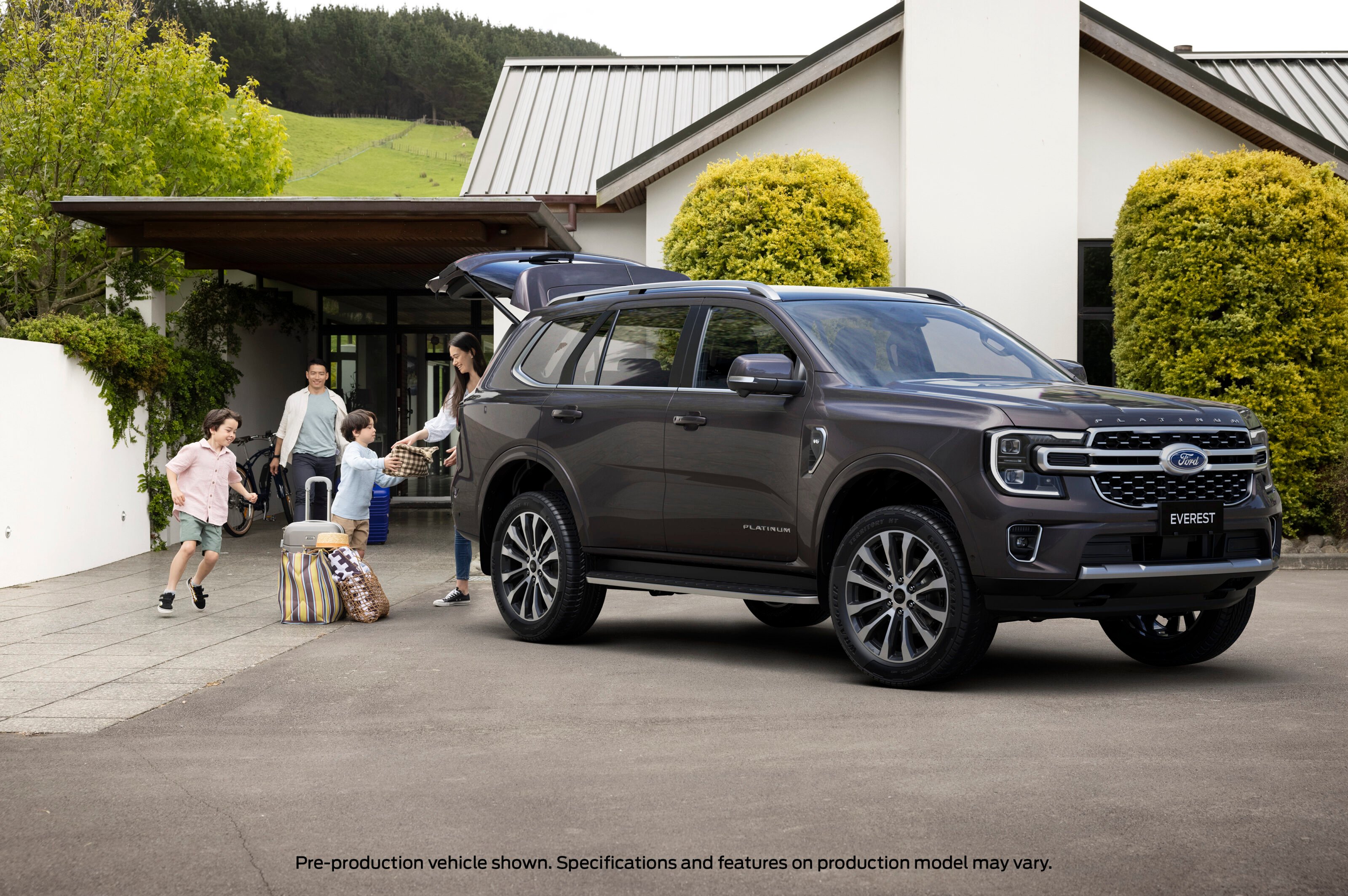
With the new Ranger and Everest projects now complete in their first product cycle, Ford is returning to a relatively more streamlined design and development program before again ramping up for future models and upgrades.
Confirming this, Mr Moran said: “In Australia, we’re reaching the next phase of our product development and launch cycle and as a result will be reducing our contract workforce by approximately 120 in our Product Development and Design teams. Contract workforce levels regularly change at Ford, based on our product development cycle.”
Mr Moran added that today’s news does not affect Ford Australia’s place in the company’s global product development program, particularly with Ranger and Everest, where it has long been the lead division.
“Our team will continue to lead work on Ranger and Everest, as well as contributing extensively to global programs,” he said.
Global moves
Speaking on Bloomberg Television in March, global CEO Jim Farley said the company’s EV investment – now up to $50 billion – needs to be funded by the company’s “core automotive operations”.
“That’s why we created a separate group called Ford Blue, because we need them to be more profitable to fund this,” Farley said.
Ford Blue is one of two new divisions for the business, announced in March. The other is Ford Model E, devised to focus on electric vehicles, while Ford Blue will continue the company’s traditional powertrain development until the brand eventually migrates to an all-EV line-up.
Snapshot
- 2023 Toyota GR86 launching locally in September
- Range comprises two variants available in manual or auto
- Australian pricing yet to be announced
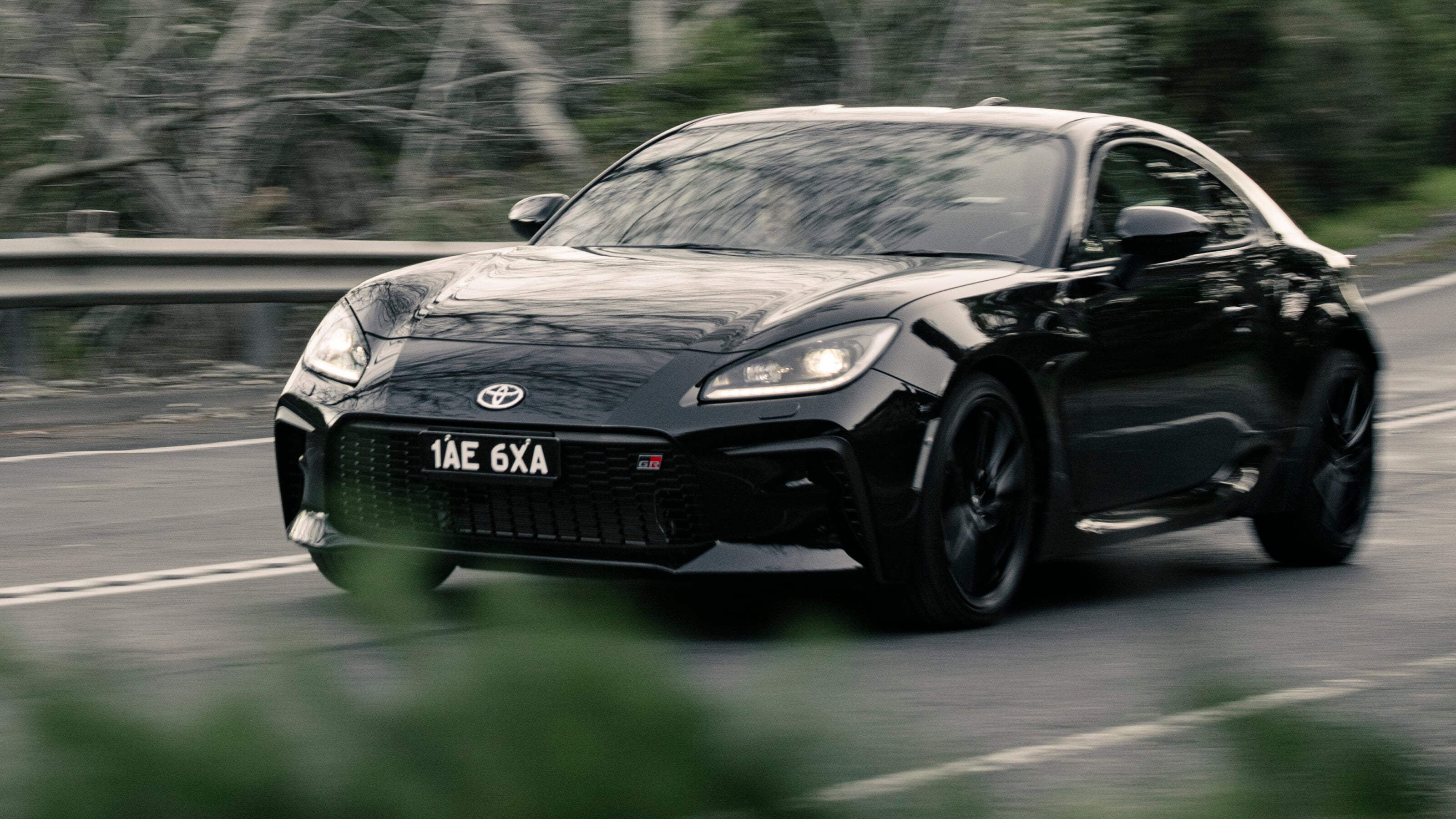
The long-awaited Toyota GR86, twin under the skin to dearly-departed MOTOR’s Sports Car of the Year-winning Subaru BRZ, will finally have its Australian launch in September.
Ahead of its launch in the coming months, Toyota Australia has confirmed its highly anticipated sports car will be offered as two variants, with final features, packaging and specifications now locked in.
Crucially, Toyota Australia has yet to release final pricing for both GR86 variants.
The 2023 Toyota GR86 range will mirror that of its superseded 86 predecessor, with a two-grade range comprising a basic GT and more feature-filled GTS.
Both variants will be offered with a choice of six-speed manual and automatic transmission.
Soon after launch, however, Toyota is set to release a special 10th Anniversary edition, limited to 86 examples, finished in a colour very similar to the original 86’s Velocity Orange.
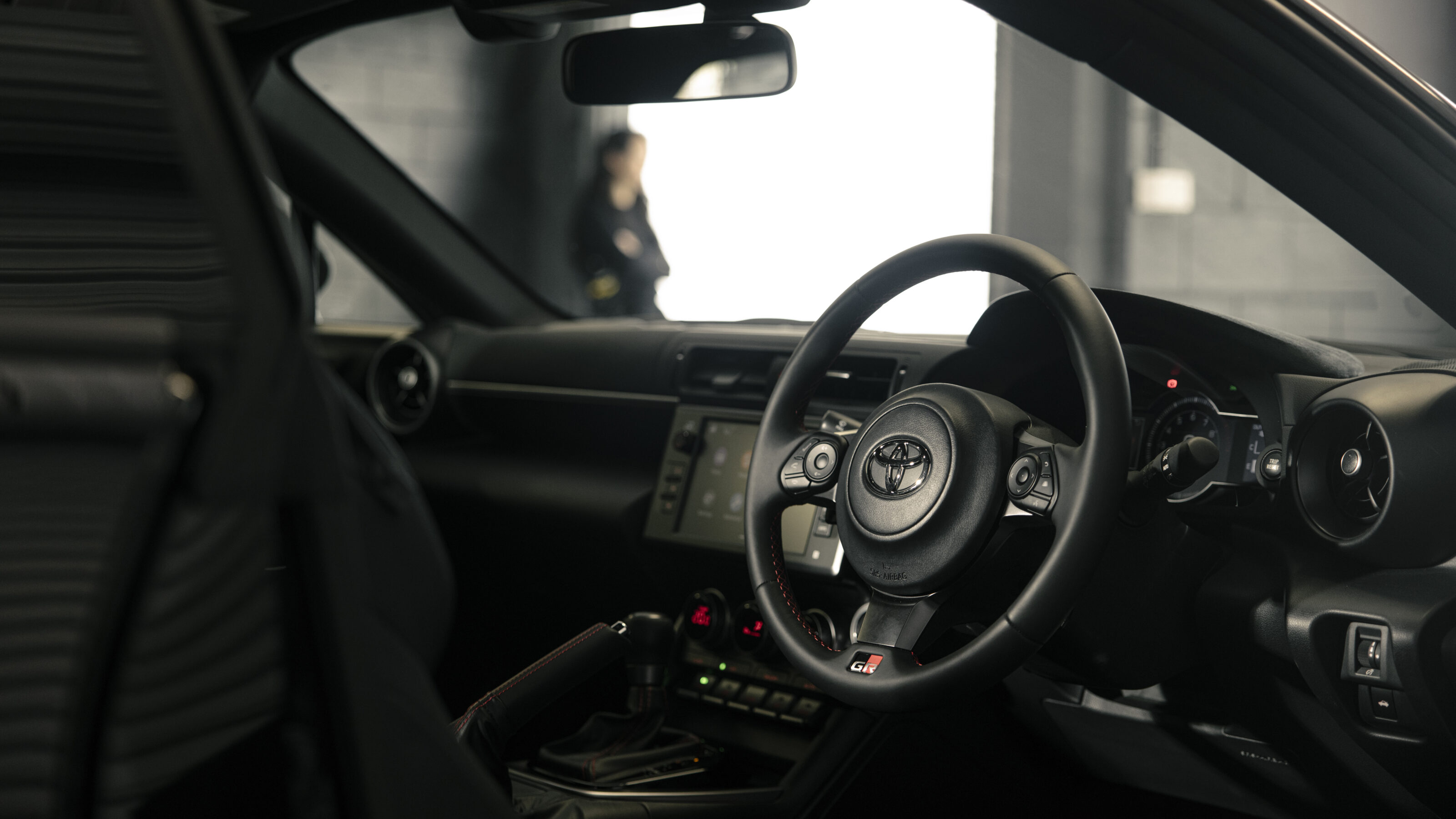
The 10th Anniversary GR86 also gains a two-tone orange and black interior with special 10th Anniverary embroidery on the door cards. Press photos even show the vehicle with a radio delete, because race car.
Priority acess to 10th Anniversary availability is given to Gazoo Racing Club members who are current GR Supras or GR Yaris owners.
Features
As standard, the 2023 Toyota GT86 GT gets:
| 17-inch silver twin five-spoke alloy wheels |
| LED headlights with auto levelling and headlamp cleaners |
| Black fabric front seats |
| Sports three-spoke leather steering wheel with tilt and telescope adjustment |
| Leather shift knob and parking brake |
| Dual-zone climate control |
| Smart (keyless) entry |
| Power windows |
| Redesigned console |
| 8.0-inch touchscreen |
| Android Auto and Apple CarPlay |
| Six-speaker audio system |
The 2023 Toyota GR86 GTS gains in addition (or in place):
| Matte black 18-inch alloys |
| Intelligent adaptive front lighting with cornering function |
| Ultrasude/leather front seats |
| Front seat heating |
| Aluminium pedals and footrest |
| Premium scuff plates |
| Courtesy lamps |
| Lights for sun visors |
Engine and transmission
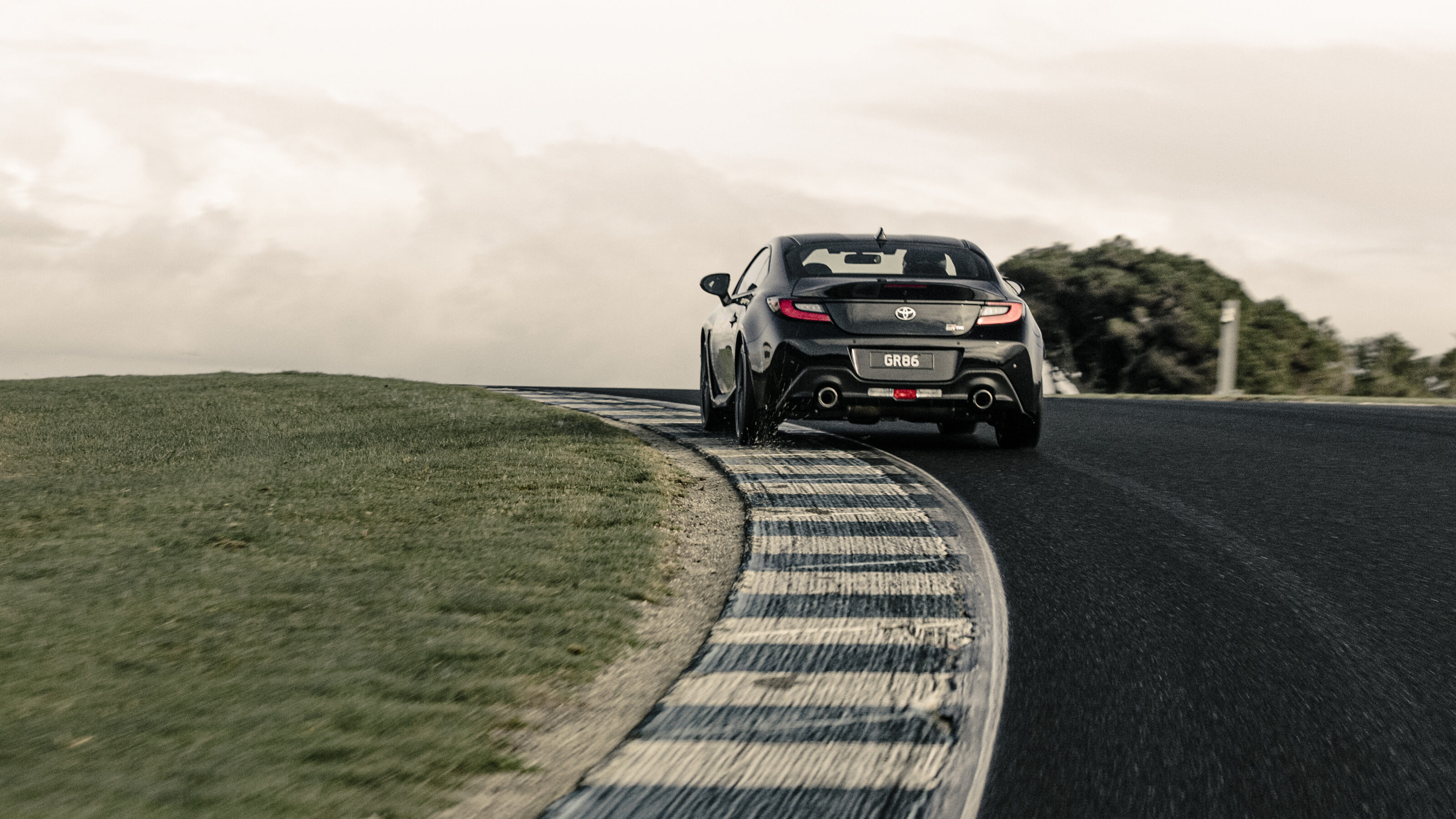
The Toyota GR86 (and Subaru’s BRZ) make strides over their well-received but widely criticised originals, stepping up to a heavily revised and larger 2.4-litre FA24 horizontally opposed four-cylinder engine producing 174kW @ 7000rpm and 250Nm of torque at 3700rpm.
It’s not a simple bore and stroke job, however, as the newly denoted FA24 engine utilises a different engine block, revised internals and a new induction system with both port and direct injection
Having driven the same package in the 2022 Subaru BRZ, it is an impressive and transformative improvement over the old, at-times lethargic, cars that first launched in 2012.
Drive is outputted at the rear through a six-speed manual transmission or six-speed automatic transmission, with a standard-fit Torsen limited-slip differential.
Toyota has yet to publish a claimed L/100km fuel figure, but its Subaru twin measures in at 9.5L/100km.
Safety
As standard, the 2023 Toyota GR86 GT gains:
| Autonomous emergency braking (AEB) |
| Parking support braking |
| Lane departure alert |
| Seven airbags |
| ABS brakes |
| Vehicle stability control |
| Hill start assist |
| Cruise control |
| Tyre pressure warning |
The 2023 Toyota GR86 GTS adds:
| Rear cross traffic alert |
| Blind spot monitoring |
Warranty
It remains to be seen if the new GR86 will be treated any differently, but all new Toyotas are currently covered by a five-year/unlimited KM warranty including parts, panels and accessories made by Toyota.
Under certain conditions, Toyota may extend their engine and driveline warranty by two years if you stick to your annual service schedule.
New Toyota owners will also be covered for any car hire or towing required during the first seven years of ownership.
Availability
The Toyota GR86 will be launching some time in September. Toyota Australia has yet to confirm a specific date, and has yet to release finalised local pricing. We will update this story as soon as new information comes to hand.
The first move toward a national electric vehicle policy has commenced, with the newly-elected Labor Federal Government announcing further details will be released in September.
Minister for Climate Change and Energy, Chris Bowen, and Minister for Infrastructure and Transport, Catherine King, said a discussion paper would be released in the coming weeks for ‘wide consultation’ with the state and territory governments, industry officials, and consumer groups.
The pitch for the discussion paper was released by the Albanese Government today, suggesting buyers in the United Kingdom can purchase 26 low-emissions vehicles under $60,000 – and just five in Australia.
However, there is a slew of electric vehicles coming to Australia in the future, including more affordable options.
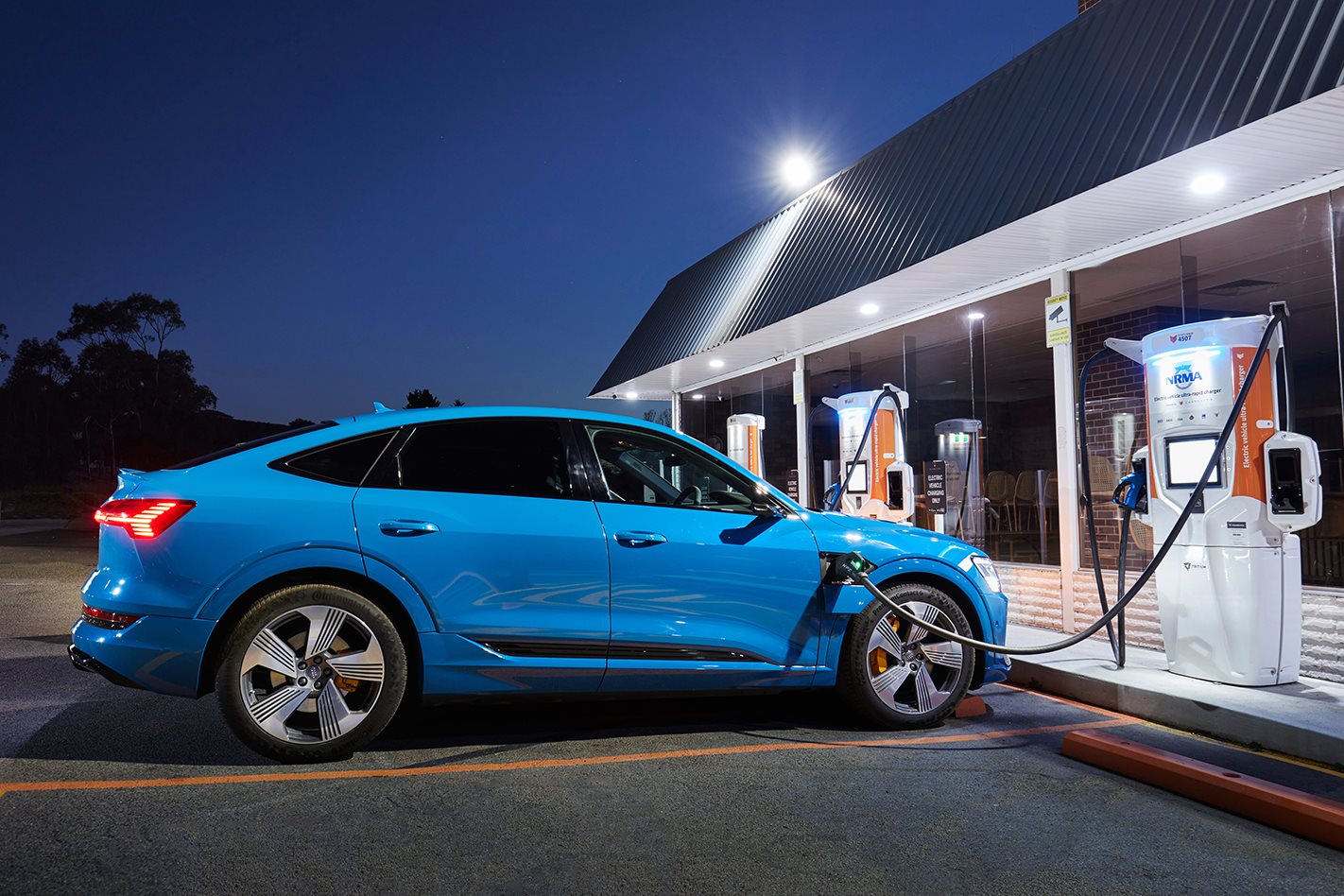
The core element of the strategy is to grow electric vehicle sales in Australia by reducing costs and improving choice through government-led incentives.
It will also explore introducing vehicle fuel efficiency standards and improved CO2 emissions schemes.
Currently, Australia is left “behind the pack” as the only country in the OECD not to have, or be in the process of developing, these standards – apart from Russia.
“We’re committed to ensuring an Australian vehicle market provides consumers with easier access to affordable and popular cars, including EVs that are better for the back pocket and the environment,” said Minister King.

Both federal ministers have written to relevant state and territory ministers to invite participation in the development of the strategy.
Key industry organisations – including the Federal Chamber of Automotive Industries and the Australian Automotive Dealer Association – have also flagged plans to consult with the Federal Government.
Currently, most electric vehicle strategies and incentives have been solely handled by state and territory governments, with the Australian Capital Territory recently announcing plans to ban the sale of internal-combustion vehicles by 2035.
At the national EV summit in Canberra today, Minister Bowen said consultation on the strategy would allow for “constructive and mature” talks on steps to push Australia to the front of the queue for electric vehicles.
“Standards that lack ambition will leave us at the back of the global queue longer for cheaper and cleaner vehicles,” he said.
“[The current legislation will] leave Australia in danger of being even more of a third-world dumping ground.
“Now is the chance to work together to get the job done.”
Bowen was joined by several key industry officials, including executives from Tesla and Volkswagen, at the inaugural EV summit organised by the Electric Vehicle Council, Smart Energy Council and the Australia Institute.
Of note, the car brand’s key lobby group, the Federal Chamber of Automotive Industries, was absent after it faced ‘anti-EV’ allegations following the release of less-demanding targets compared to other countries, including the United States and the United Kingdom.
Paul Sansom, managing director of Volkswagen Group Australia, said a “federally mandated emissions target for our industry is non-negotiable if Australia’s supply of electric vehicles is to grow from a trickle to a flow and thereby start to meet ever growing demand.”
“Markets where automakers face financial consequences for failing to meet targets are prioritised for zero-emission vehicles,” he added.
“Volkswagen Group Australia wants binding regulations that compel our factories to consider us. Greater supply inevitably leads to greater affordability.”

Robyn Denholm, the chair of Tesla, said government policy is a significant move forward in reducing vehicle emissions and “working in consultation with the industry is key.”
“Having a standard that doesn’t get us close to the European or US standard, I think, doesn’t cut it. That ambition of having a globally leading standard, or at least in keeping with global leaders, is really important,” she added.
“And 2030 is an important date have to have a date by which we are reducing emissions materially from our vehicle fleet, not just about EVs but reducing emissions from our petrol vehicles.
“We can’t accept the world’s dirtiest cars in Australia, which is what we have today. If we are out there talking about what standards are for petrol vehicles, we can clean up our act before we get to a fully electric world.”
Mike Cannon-Brookes, CEO of software development company Atlassian, said 10 per cent of EV sales in the new-car market by 2024 would be a “tipping point”.
“We have to believe it is possible. Our friends over the ditch in New Zealand have gone from three per cent to 10 per cent in just over a year. We know that leap is entirely possible,” he added.
The Albanese Government has removed the fringe benefits tax and the five per cent import tariff for eligible electric vehicles, while it placed an EV incentive bill before Parliament in July.
In addition, the Government recently introduced legislation to push forward the introduction of low-sulphur petrol from 2027 to 2024, allowing for more efficient engines to reach Australian shores.
Snapshot
- 2023 Mazda 3 2.5-litre gains additional power in the United States
- Japanese range shifts to exclusive mild-hybrid tech in the 3 and CX-30
- Updates yet to be confirmed for Australia
Mazda has updated the 3 hatch and sedan in the United States and Japan with more power and greater efficiency – but, right now, there’s no news for Australia.
The 2023 Mazda 3 focuses on improvements under the bonnet, with North American variants – produced in Mexico, rather than Japan – fitted with the 2.5-litre naturally-aspirated four-cylinder, slightly increasing power to 142kW.
A spokesperson for Mazda’s local arm said the company had nothing to share on the updated models, following a recent price rise and the deletion of the 12-speaker Bose audio system from the mid-spec G25 GT.
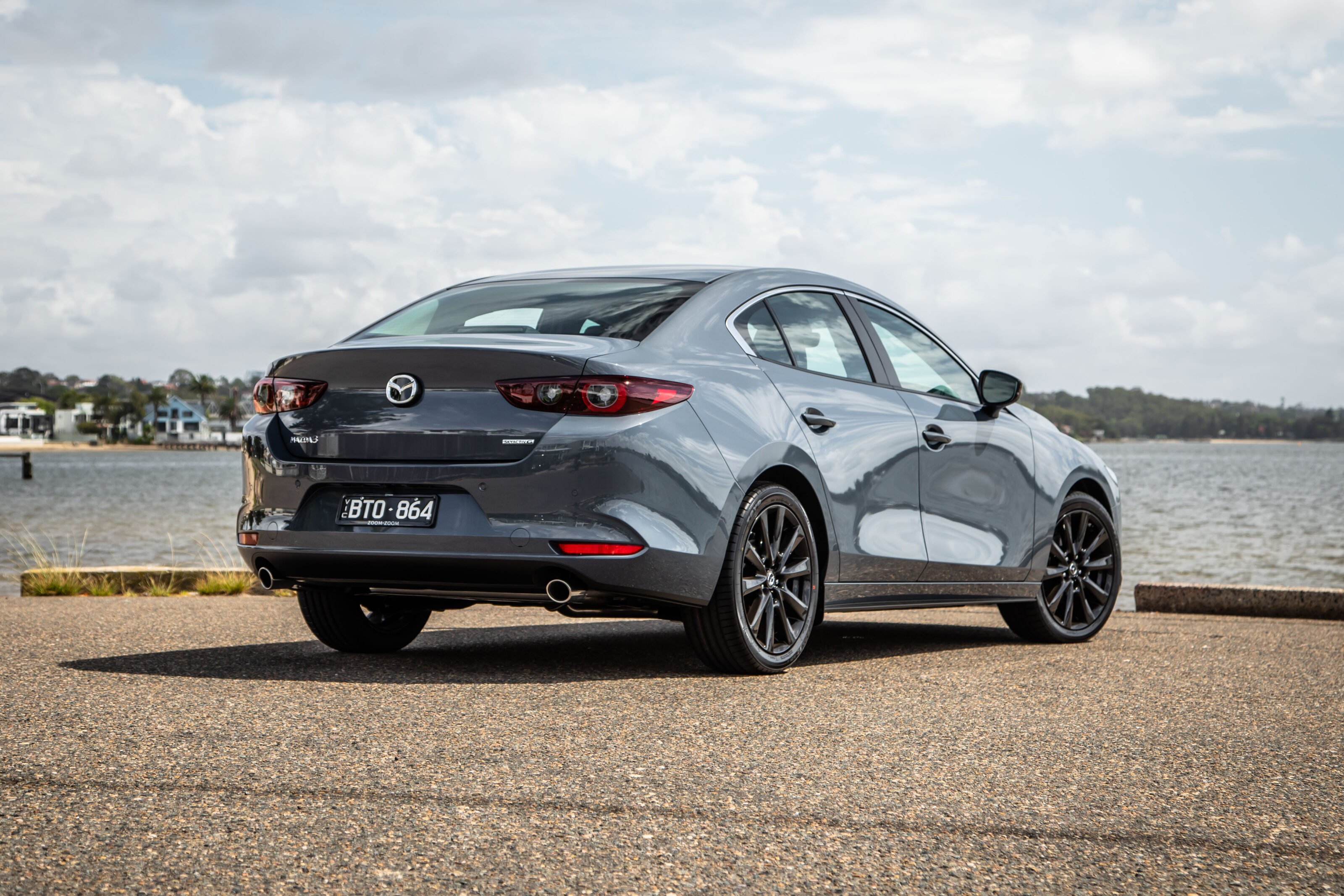
The increased power is a 3kW bump over the current unit, which produces 139kW and 252Nm. In addition, Mazda has equipped the petrol mill with upgraded cylinder deactivation technology to be “more efficient in specific operating conditions.”
In the United States, the cost for the Mazda 3 has increased for model-year 2023, as Mazda seeks to increase profits following a US$144.4 million (AU$204 million) operating loss in the first quarter of the Japanese financial calendar (April to June).
A turbocharged version of the 2.5-litre engine – as found in the Mazda 6, CX-5 and CX-9 – with 184kW and 434Nm is available in flagship North American variants, but remains unavailable to right-hand drive markets.

Meanwhile, the entry-level 2.0-litre engine has been discontinued from the Mazda 3 in the United States; however, it will remain in other markets, including Australia and Japan.
For model-year 2023, Japanese-spec variants have shifted exclusively to a mild-hybrid setup for the 2.0-litre engine, developing an identical 114kW and 200Nm (with a six-speed auto and front-wheel-drive) – which is optional in Australia, badged G20e, for a higher cost.
This change has extended to the CX-30 small SUV in Japan, while the mild-hybrid G20e powertrain is currently optional in Australia, as per the Mazda 3.
There are no additional features for the 2023 Mazda 3 and CX-30 in Japan.

Mazda claims the integrated 24-volt system allows for a quieter operation, while providing stronger acceleration and lower fuel consumption.
Locally, the Mazda 3 and CX-30 G20e yields a 0.2L/100km cut to the claimed fuel consumption, at 5.9L/100km for the 3 sedan, 6.0L/100km for the 3 hatch, and 6.3L/100km for the CX-30.
The lack of a manual option and higher cost in G20e form means Mazda is unlikely to make the powertrain standard in Australia, but an expanded range could be under consideration.
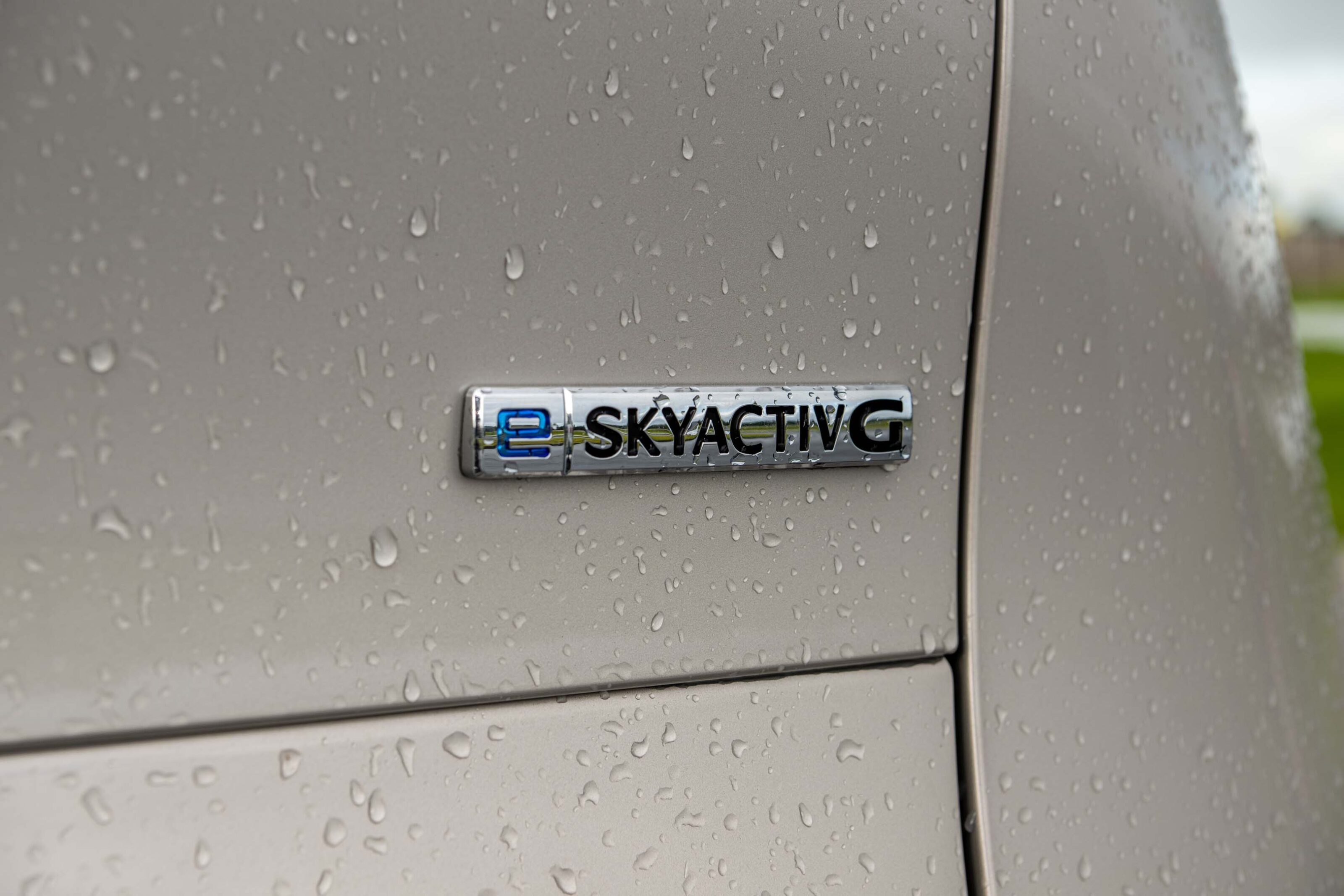
Currently, the G20e is exclusively available in Evolve trim for the Mazda 3 and CX-30, which also brings the Vision Technology safety package, keyless entry and a powered driver’s seat as standard.
It is priced from $33,340 before on-road costs in the Mazda 3 – $2250 higher than an automatic ‘regular’ G20 Evolve with the optional Vision Technology pack.
Stay tuned to Wheels for the latest updates on the 2023 Mazda 3 and 2023 Mazda CX-30 when local information emerges.
Cupra’s intriguing trio of sporty Euro models has only just touched down on Australian soil but I am already familiar with and very fond of two-thirds of it.
A year ago, I got my hands on the range-topping Leon 300 (dubbed VZx locally) and it proved to be one of the most involving and exhilarating hot hatches for blasting around the English countryside, enjoying the autumn sun.
Some weeks later I saddled up the plug-in hybrid version of the Formentor for a 1200km road trip from Rome to the South of Sardinia and back again. For my second Cupra encounter, the small SUV was both practical and efficient but also an absolute hoot when the roads turned twisty.
Cupra is pitching itself as an unpretentious alternative to the traditional European brands without compromising on features or performance – a brief it has aced in both previous meetings.
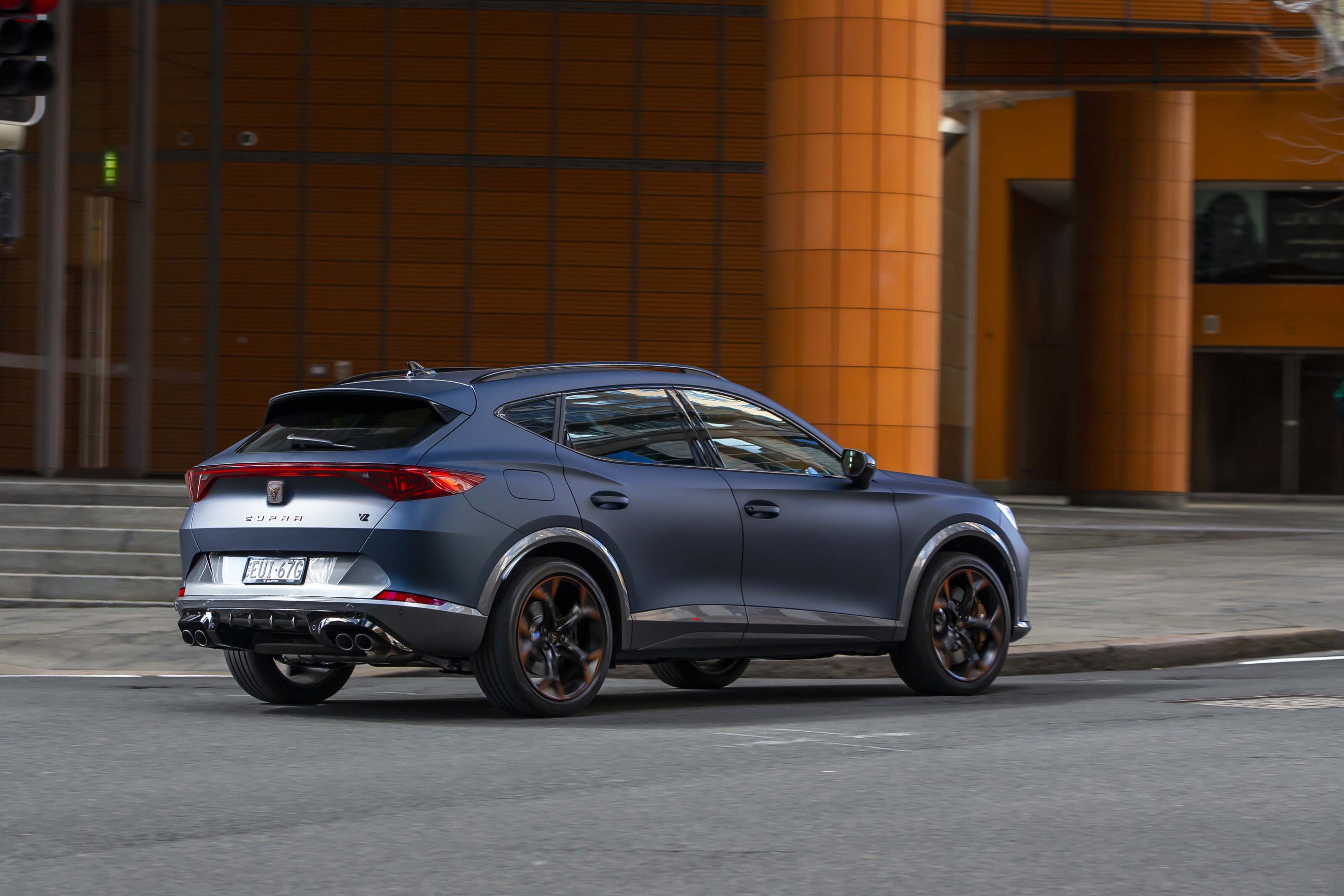
Its third challenge is arguably the toughest – a first outing on Australian roads for the Formentor VZx in full local specification.
In Cupra’s native Europe, the Formentor range is offered with a somewhat baffling choice of 10 different powertrains, further complicated by several trim levels to select beyond the engine and transmission options. Thankfully, the Australian range is much simpler with an entry-level V, mid-range VZ petrol and VZe plug-in hybrid, plus the high-performance VZx at the top of the pack.
For the Formentor fan with a tighter budget, the most affordable version has a 140kW/320Nm 2.0-litre turbo four-cylinder petrol with all-wheel drive and a $50,690 price, while the VZ also has a 2.0-litre – but with 180kW/370Nm outputs and front-wheel drive for $53,790.
The VZ’s plug-in sibling produces a total of 180kW and 400Nm from its 1.4-litre and electric combination for $60,990 (all prices before on-road costs).
Stretch to $61,990 however (or $66,990 drive-away), and you’ll get a version that opens the EA888 engine’s taps to 228kW and 400Nm, sending it all to the road via a seven-speed dual-clutch automatic and all-wheel drive.
Those appealing performance figures put the Formentor VZx in contention with other performance-focused small SUVs such as the Audi SQ2, BMW X2 M35i and Mercedes-AMG GLA35, all of which produce comparable power and torque. However, this triplet of rivals costs between eight and 33 per cent more than the Cupra.
On paper, therefore, the Formentor stacks up nicely ,but its equation makes even more sense when it’s let loose on Australian roads.
Even before boarding, the top-shelf Cupra is earning points. Unlike some other awkward little SUVs, the Formentor’s proportions are adult and handsome, while its styling is striking without being ostentatious.
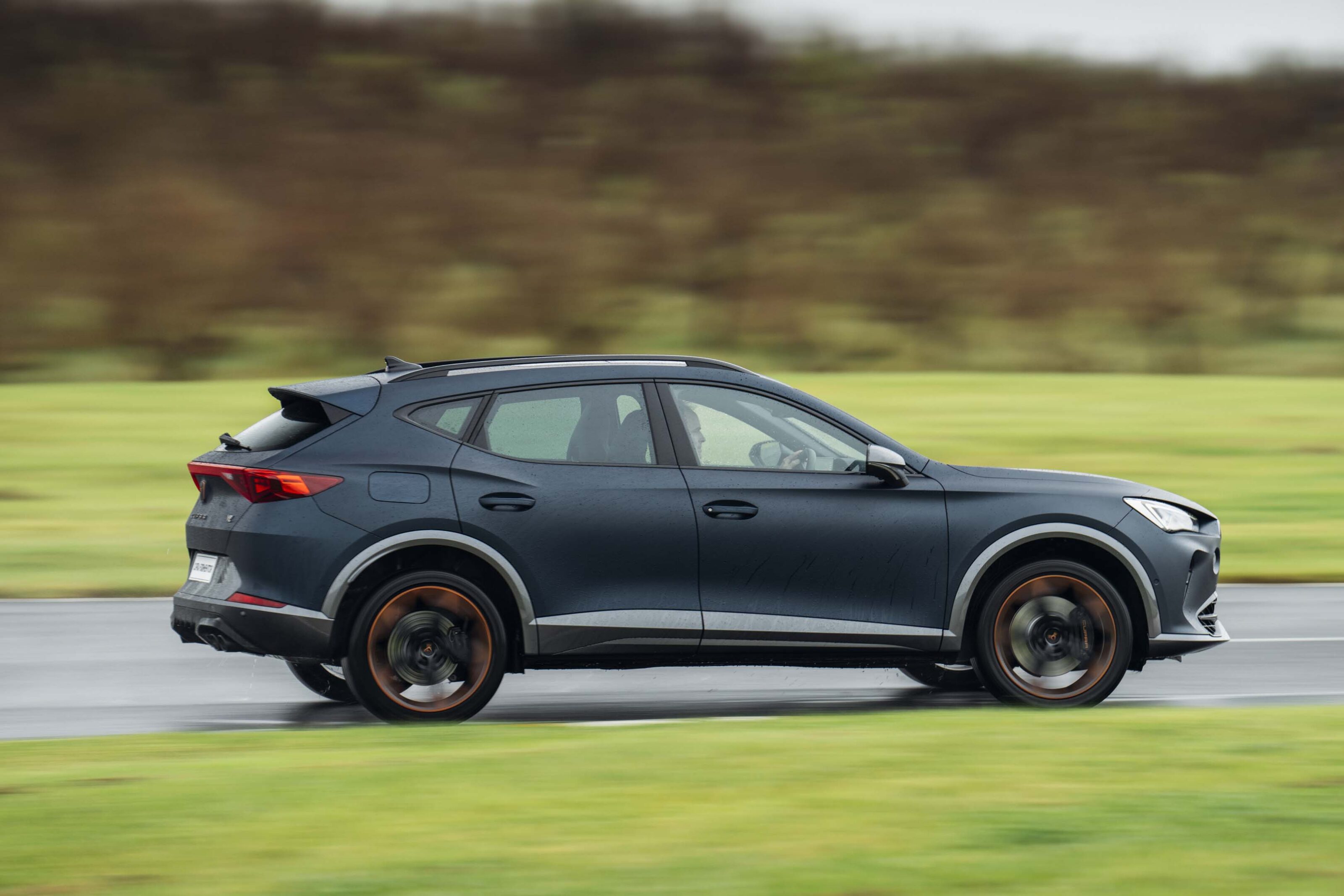
This particular example is garnished with trademark copper exterior highlights including the optional four-pot Brembo front calipers and finished in a gorgeous Petrol Blue Matte paint that could easily double as Bruce Wayne’s evening attire.
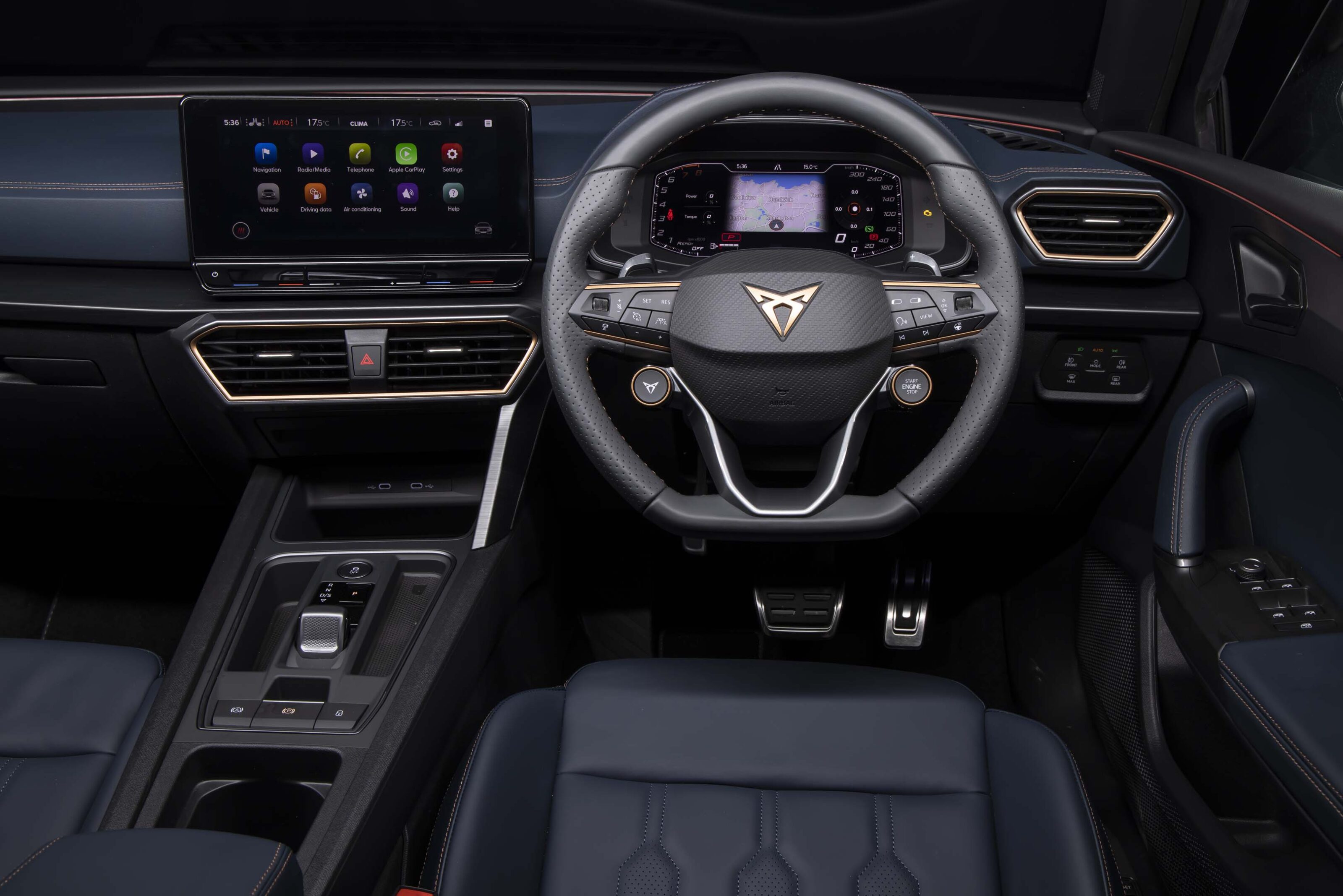
Inside, the flagship cabin is decked out in a similarly tasteful but unusual dark blue leather highlighted by more copper touches such as upholstery piping, air vents and steering wheel badge. All versions of the Formentor are equipped with sporty bucket seats and the ergonomics are as good as they look.
The driving position is purposeful with plenty of legroom for taller drivers and a posture that feels low and reclined thanks to plenty of steering wheel adjustment.
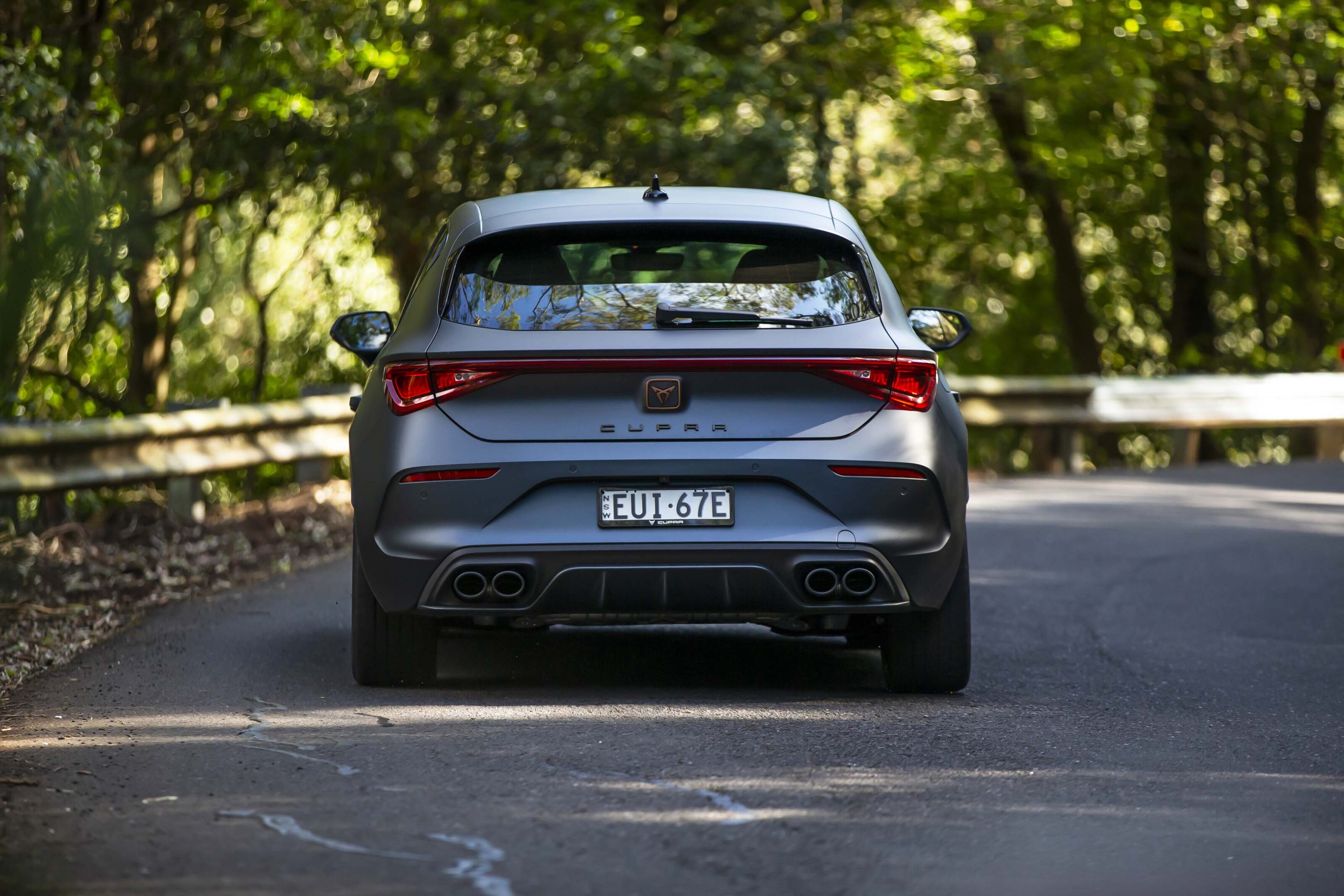
The driving position is purposeful with plenty of legroom for taller drivers and a posture that feels low and reclined thanks to plenty of steering wheel adjustment.
For a model with relatively diminutive dimensions and an almost coupe-like roofline, the Formentor is surprisingly practical.
There’s adequate headroom in the second row and even a 420-litre boot at the back (the VZ gets an even bigger 450L while the VZe forfeits some space for its battery at 345L).
It’s worth taking some time to fully appreciate the Formentor’s cabin before a maiden voyage because design is one of Cupra’s two key points of difference. It may have underpinnings very closely related to a couple of other models in the VW Group family, but you certainly can’t easily tell from the interior.
The odd switch has a familiar feel to it, as does the gear selector, but the overall design is quite unique to the brand.
We particularly liked the sporty and elegant steering wheel, as well as the angular dash design with its cool continuous pinstripe of LED light that doubles as a blind-spot warning in the regions nearest the door mirrors.
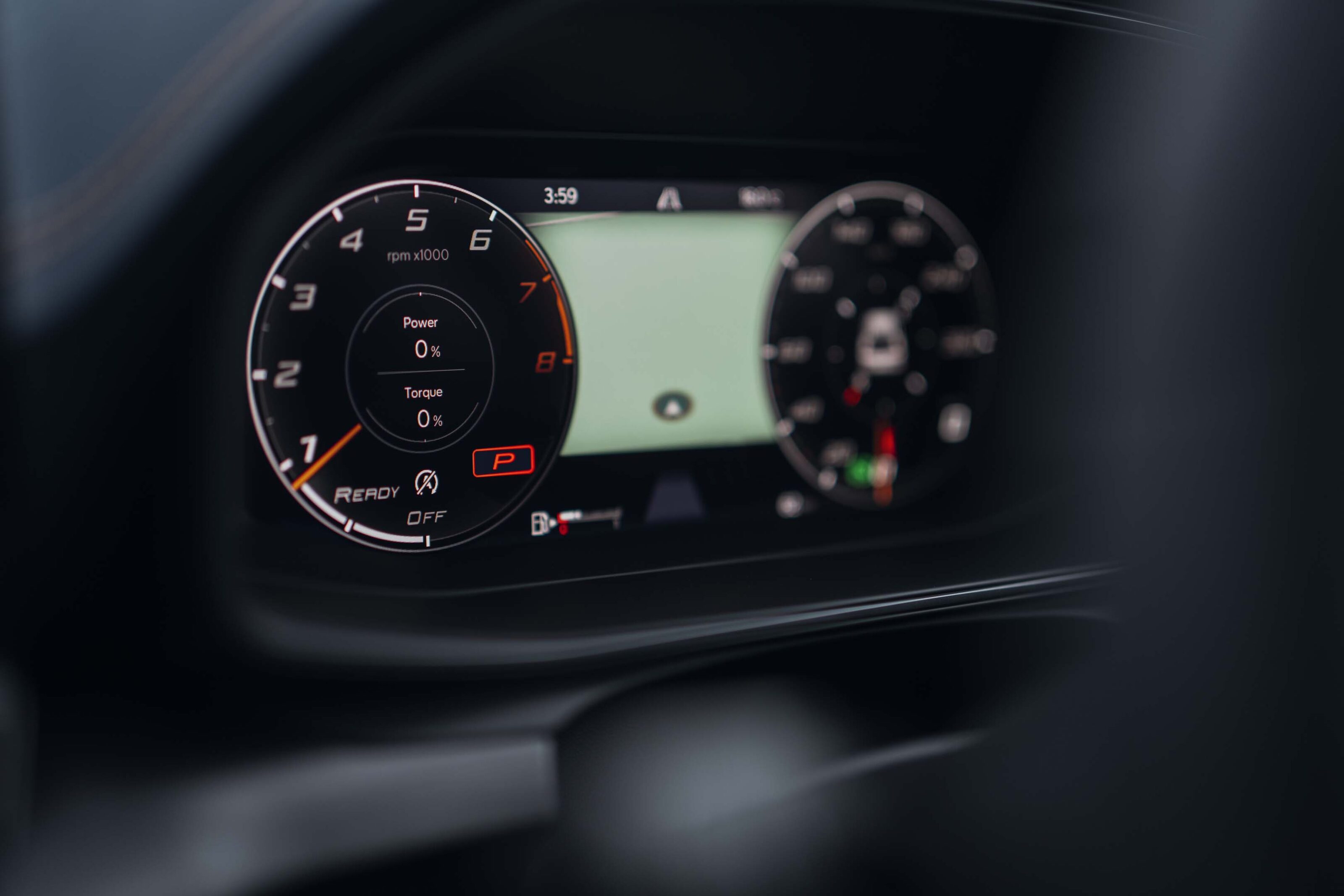
Also familiar to the MQB Evo family is the 10.3-inch digital driver’s cluster but, like the huge central touchscreen, it’s filled with graphics that are unlike anything in sister brand models.
One unfortunate carryover is the solid-state temperature controls that are fiddly and don’t illuminate at night, but we can forgive that for the excellent 12-inch touchscreen function above it.
In all variants, wireless Android Auto and Apple CarPlay are supported, as is wireless device charging.
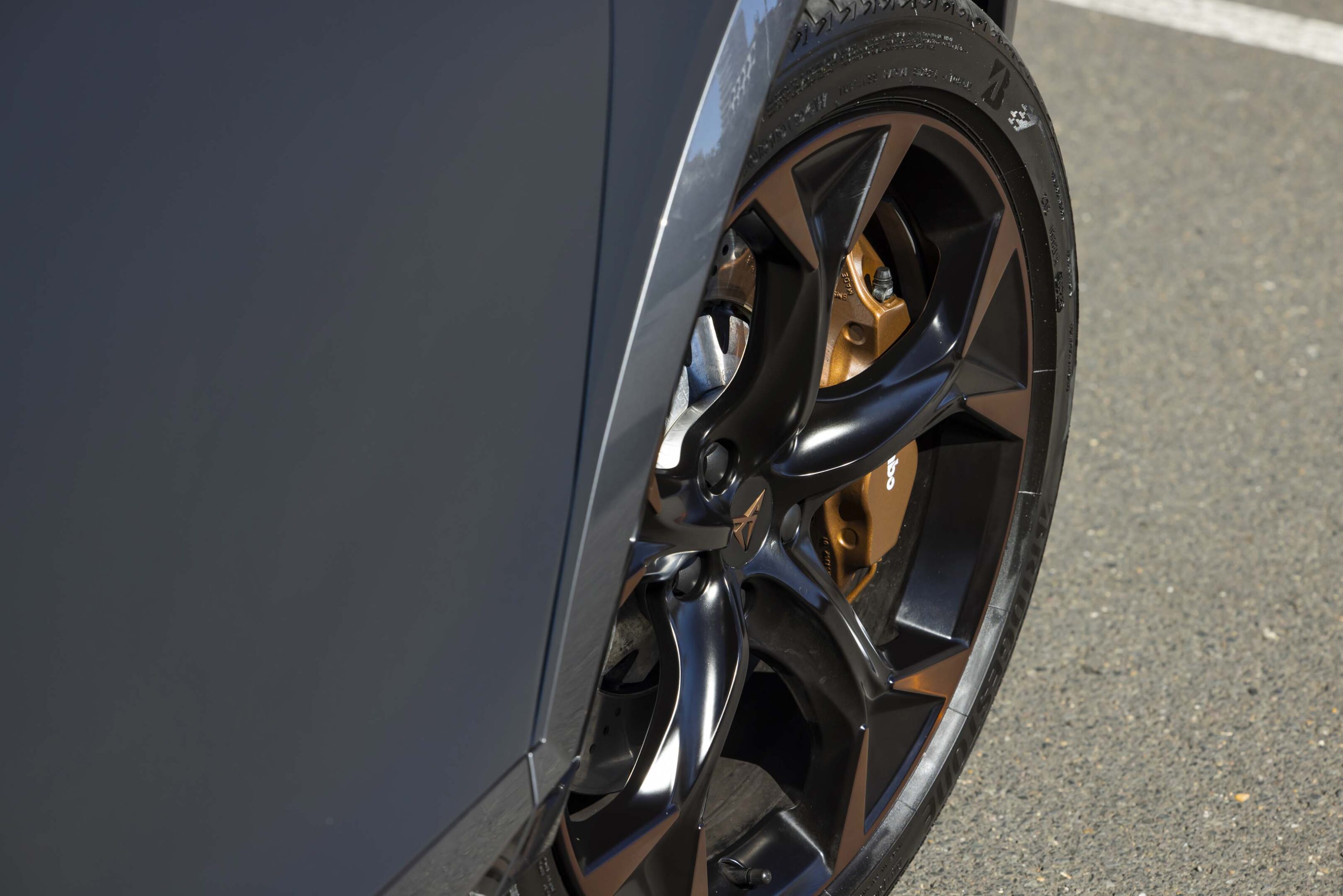
Other than the more highly tuned engine, the range-topping VZx gets 19-inch wheels, hands-free power tailgate, quad exhausts, leather seats with matching Petrol Blue dash, a top-level Beats sound system, the sportiest steering wheel and a 360-degree parking camera.
But about that engine. The EA888 is one of the most prolific in the VW Group range and as a result, the way the Formentor VZx performs is familiar. Acceleration is strong with minimal turbo lag from a start and none detectable in-gear.
The EA888 is one of the most prolific in the VW Group range and as a result, the way the Formentor VZx performs is familiar.
It’s bolted to a seven-speed dual-clutch auto that can be a little reluctant to drop a gear or two in the default driving mode but is eager and enthusiastic in Sport and above.
More conducive to prompt progress is not the 228kW of power at 5450rpm but the wave of torque that comes in at just 2000rpm and lasts all the way to where peak power starts.
Effortlessly maintaining momentum, the VZx is endowed with a linear power and torque delivery that’s accompanied by satisfying exhaust burbles when in the sportiest Cupra drive mode. We’re not so keen on the augmented sound that comes into the cabin via the speakers though.
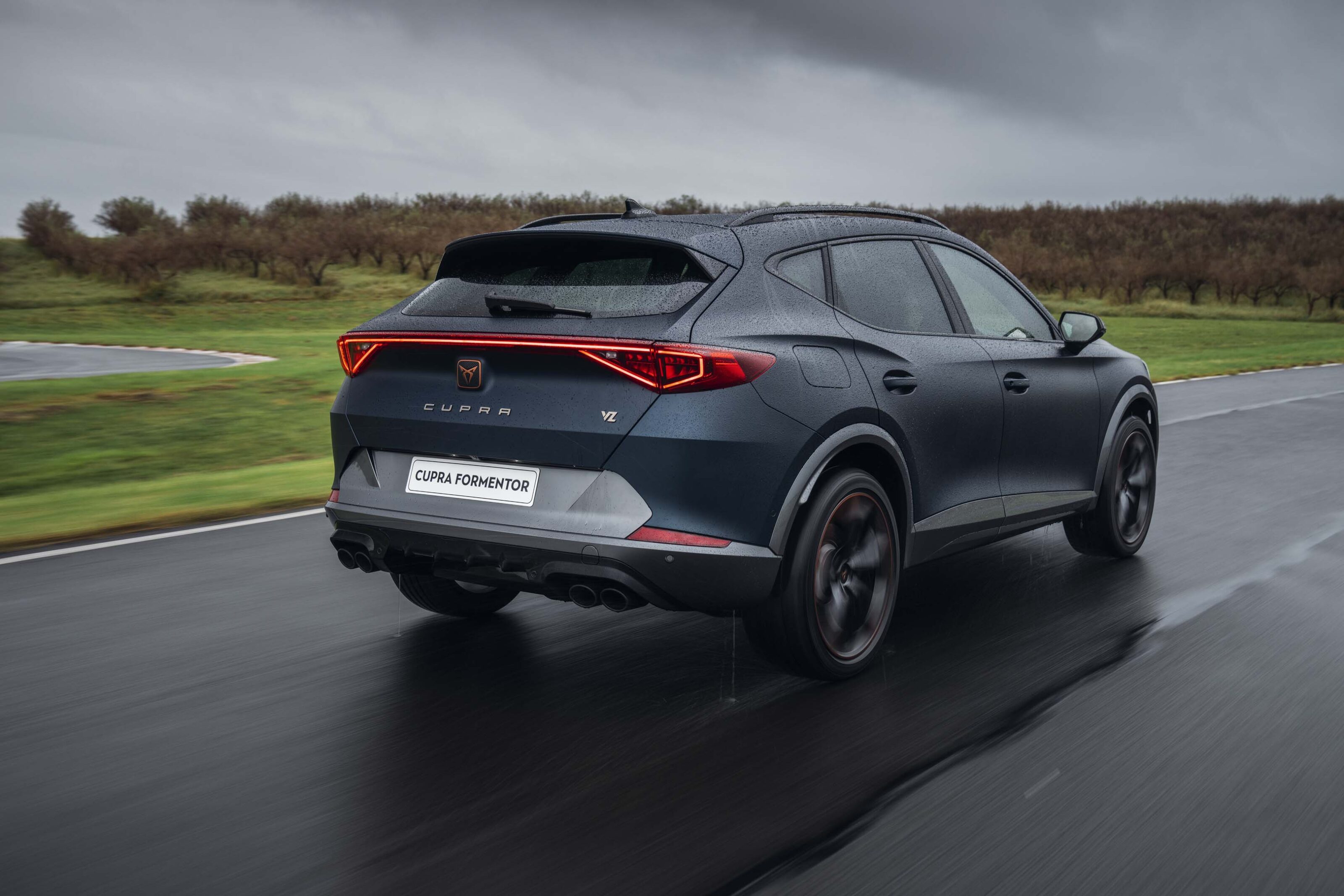
Even more impressive is the second of Cupra’s unique propositions. With such familiar drivetrains, the company has less scope to stand out with the way its models go in a straight line, but how they behave in corners is a different matter.
Along with its unorthodox but likeable aesthetics, Cupra is also clearly trying to dominate the chassis and steering realm – and winning.
Like the version I piloted from Olbia in Sardinia’s north to Cagliari at the southern end, the VZx has beautifully sweet steering with a lightness that doesn’t come at a cost to feel. There’s no adaptive technology, but the ‘progressive’ rack loads up nicely away from dead ahead as the ratio increases.
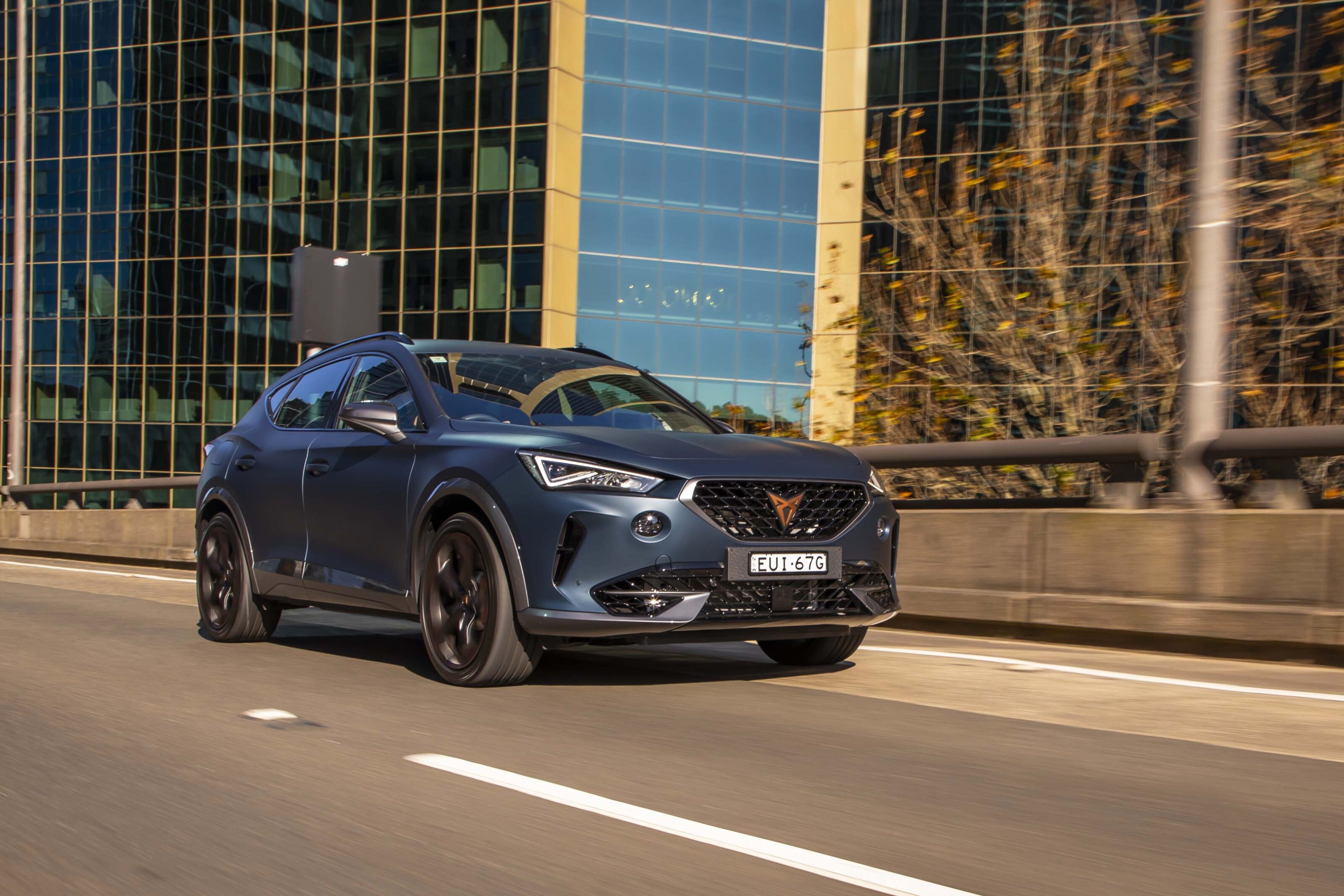
Positioning the Formentor on the road is precise and rewarding, which combined with the traction from its variable AWD system, provides the confidence to push hard. Beyond outright power, the other key difference is weight.
While the VZx must lug around the requisite hardware to drive its rear wheels, it does away with a 125kg battery and the result is a kerb weight that drops from 1708kg to 1650kg compared with the VZe.
The deft chassis tuning at each corner completes the dynamic picture. Initial firmness at low speed becomes more compliant as velocities rise and even relatively large imperfections do not translate into cabin discomfort.
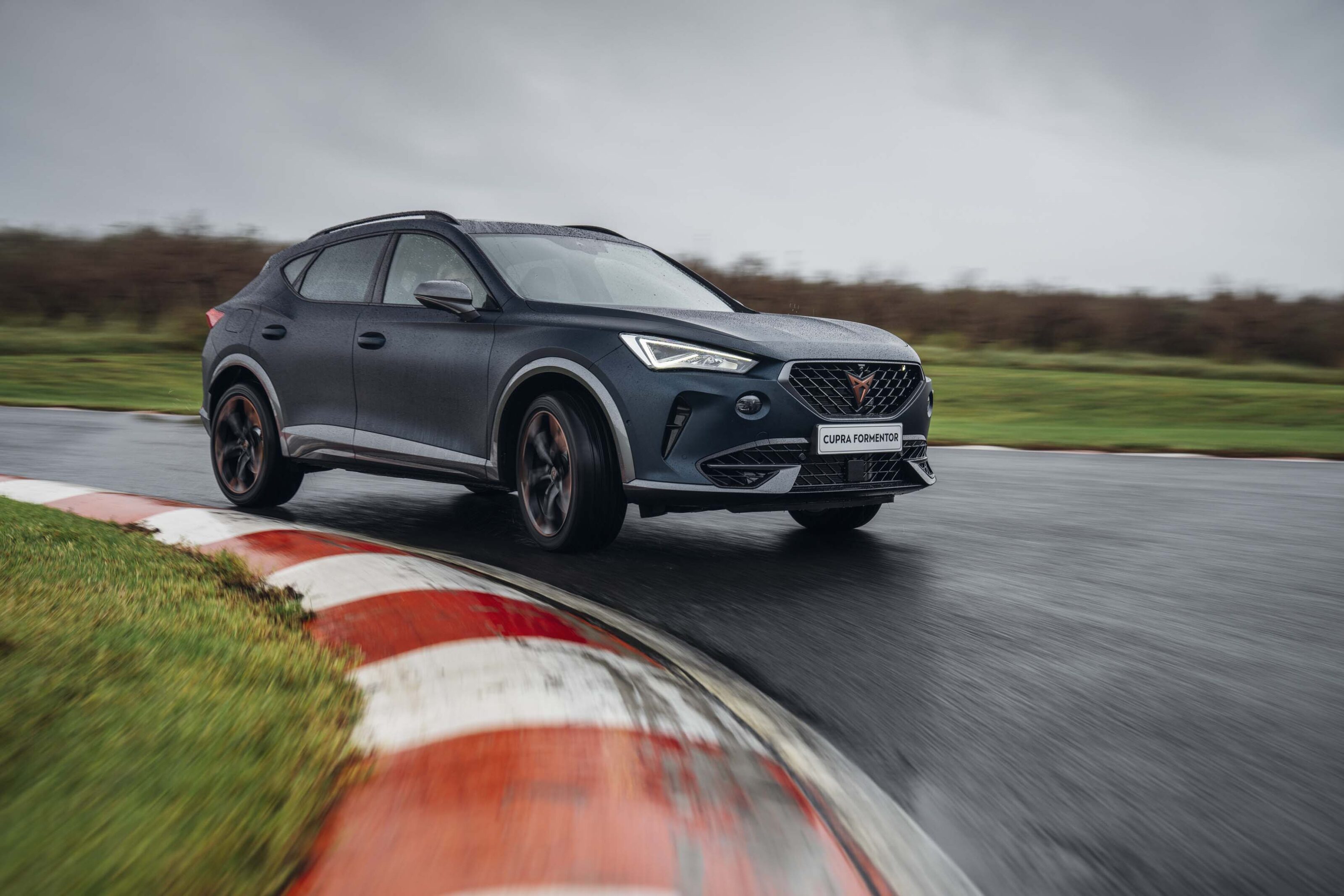
Despite that, there’s minimal body roll, the Formentor holds a solid line through tight bends and recovers well from mid-corner bumps.
It doesn’t take long to realise that the Formentor could easily handle more punch than its 2.0-litre dispatches and perhaps the only negative from this second meeting is that it serves as a reminder that right-hand drive markets won’t be getting the delicious five-cylinder VZ5 and its full 287kW fury.
That said, the VZx doesn’t feel like a poor cousin. It’ll still do the zero to 100km/h dash in 4.9 seconds and has the manners of a bonafide hi-po SUV that will certainly be stealing attention from rival premium brands.
So should you consider the Formentor flagship over one of its direct competitors from Audi, BMW and Mercedes? Absolutely. Not only will it save you cash regardless of the rival model, its dynamics are superior and you’re far less likely to see another on the road – for now. Subjectively, it’s also the most mature interpretation of aggressive small SUV design.
There are, however, a couple of rivals that upset the Formentor’s almost perfect score card.
If performance on a budget is king, then the Volkswagen T-Roc R offers almost the same muscle for a saving of more than $2000, and while the Hyundai Kona N has just two driven wheels, it does offer comparable power and torque for about a $15,000 less than the Cupra.
Answering that trickier question is going to require a bit more thought, so watch this space…
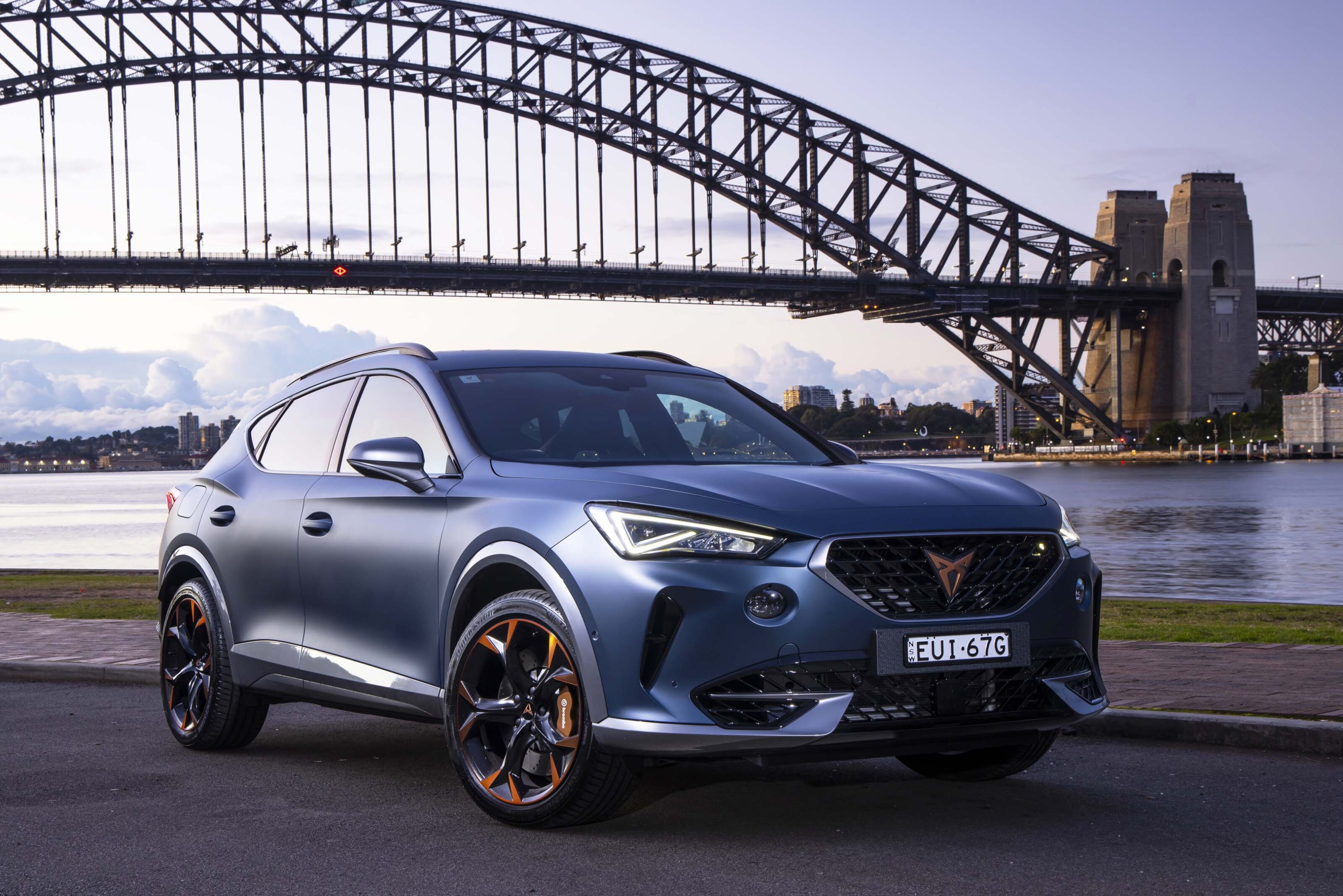
In the meantime though, the high-performance SUV market has a new, highly compelling contender in its ranks.
Cupra has some work to do in convincing Australia’s pragmatic car buyers that it’s worth a shot – guaranteed future value and transparent drive-away pricing policies will certainly help that cause – but this third close encounter proves that Cupra has a well-deserved place Down Under.
Now, what about that Ateca?
