
April, 2024: Sportage Hybrid on sale in Australia
Kia has finally introduced a petrol-electric version of its Sportage midsized SUV to compete with the all-conquering Toyota RAV4 Hybrid.
June 2023: Sportage Hybrid confirmed for Australia
It will be the third hybrid product to join the Kia roster, behind the smaller Niro Hybrid and the larger Sorento Hybrid.
JULY 2022: Kia Australia keen on hybrid Sportage
The 2023 Kia Sportage hybrid has come a step closer to an Australian launch, with the brand’s local product planning boss confirming a green light is expected to be given in the coming months.
Snapshot
- Sportage HEV hybrid likely in first half 2023
- Volumes and trim grades still to be confirmed
- PHEV model no closer to a local debut
Speaking with WhichCar at the Australian launch of the new Kia Niro hybrid and EV, product lead Roland Rivero suggested an early- to mid-2023 launch is on the cards.
“Hopefully we’ll have a green light this year, that we can announce… well it should be in the first half of next year,” Rivero said.
“If all goes well, it’ll be added as a new variant in the existing range.”

Up to now, right-hand-drive versions of the Sportage hybrid-electric vehicle (HEV) have only been offered in the short-wheelbase body that isn’t available in Australia – delaying its potential for a local launch. The US gets a stretched version of the hybrid, but Kia’s Georgia plant can’t accommodate right-hand-drive production.
What will supply be like?
Just what volumes and trim grades the Sportage hybrid will be available in here is unclear.
It could be that, like the electrified versions of the Sorento, Australian supply for the Sportage hybrid could be heavily restricted by overseas demand, and limited only to top-spec grades.
“We’re in a similar position with Sorento hybrid and plug-in hybrid, because they have a big demand overseas – driven by CO2 regulations – so supply for us is… almost tokenism, a sprinkling of cars. We don’t even market it because we can’t get enough,” Rivero said.
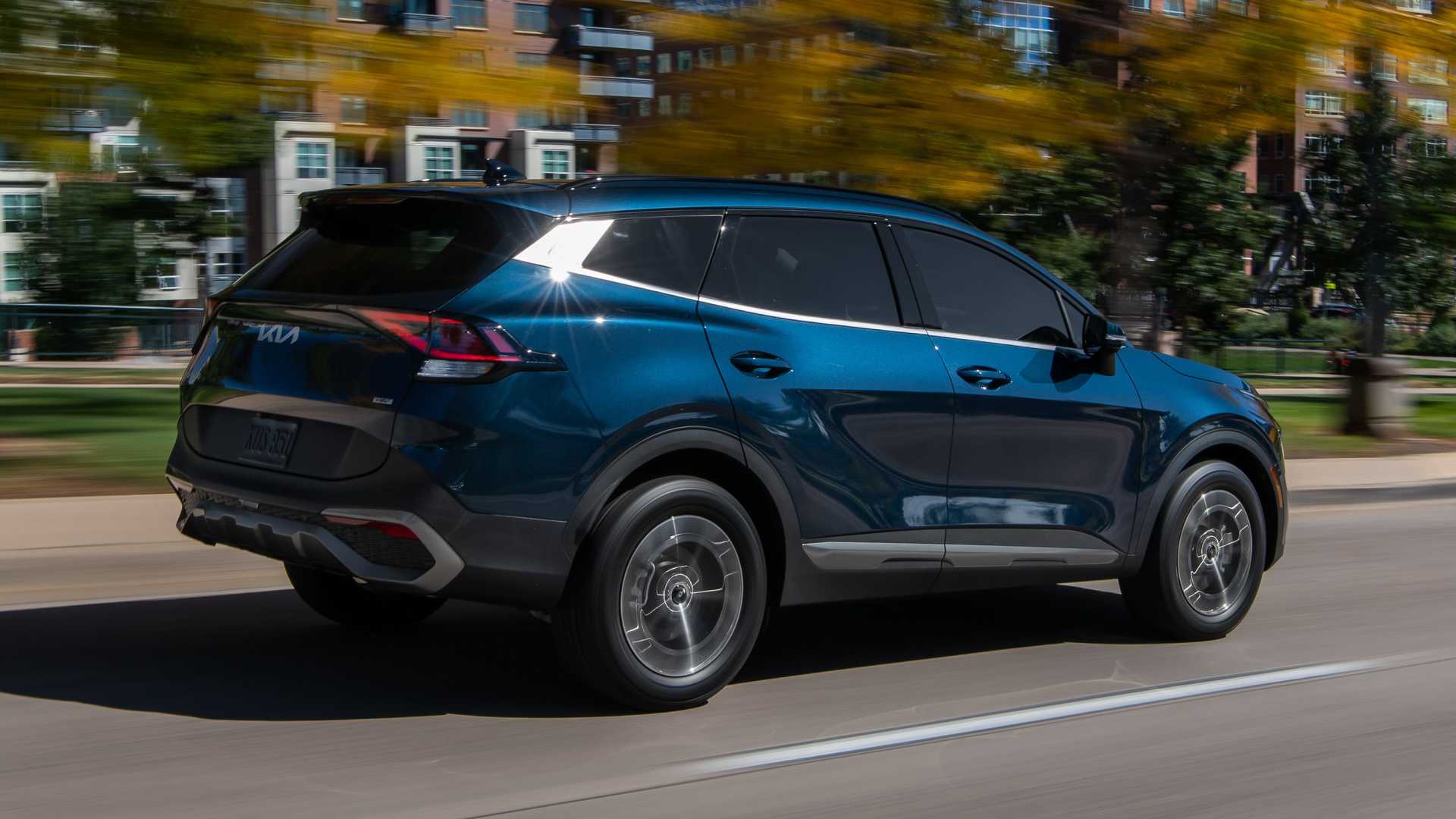
The Sportage HEV pairs a 132kW/265Nm 1.6-litre turbo petrol engine with a 44kW/264Nm electric motor.
Like the new Niro hybrid, a six-speed automatic sends power to the front wheels – although Kia has yet to specify if it’s a dual-clutch unit like the Niro, or a torque converter as offered in the regular Sportage as one of three available transmissions.
An even greener plug-in hybrid (PHEV) variant of the Sportage has been revealed overseas, but Kia Australia has already confirmed there are no plans for a local debut.

Watch for more on the Sportage hybrid to come in the months ahead.
UPDATE, June 2023: 2024 Cupra line-up detailed
Cupra Australia has announced revisions for model-year 2024. Click on the story below for more information, or continue reading below to see more details about the Formentor.
Snapshot
- Order books open now, MY23 next month
- VZe PHEV offers 400Nm and 1.9 L/100km
- Hero VZx: 228kW, 4.9 seconds to 100km/h
July 8, 2022: 2023 Cupra Formentor details announced
Pricing and features for the 2023 Cupra Formentor have been announced, ahead of order books opening in August.
The updated Formentor medium SUV gains a towing pre-wiring kit across the range, and a 360-degree camera and $500 price increase for the flagship VZx variant.
These features are unavailable on the model-year 2022 version, which is available to order from today, July 8 for a month until MY23 sales commence.
It also sees the plug-in VZe officially join the range, with the model set to arrive later this year.
Our original story, first published in April, has been updated to reflect this information and continues below.

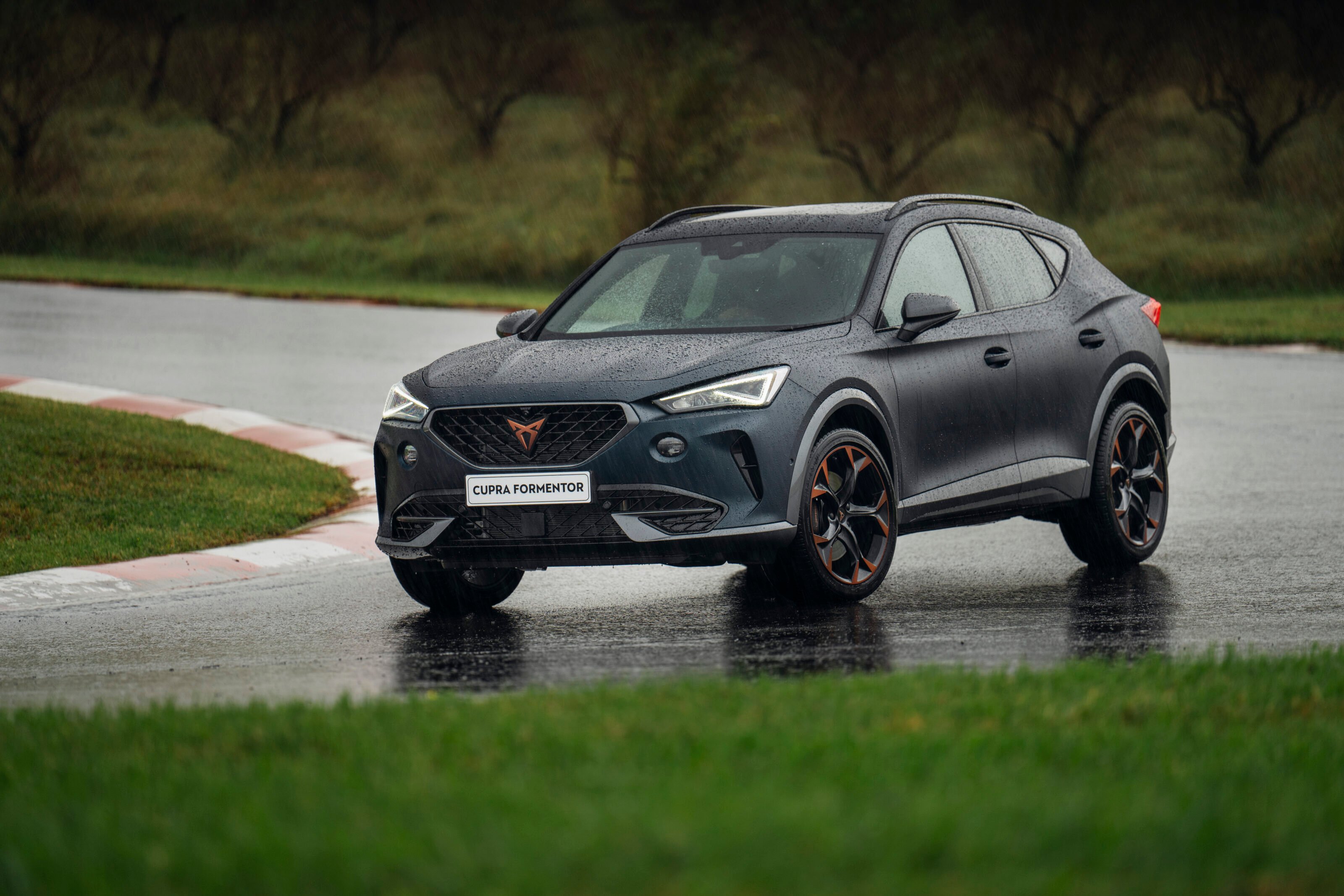
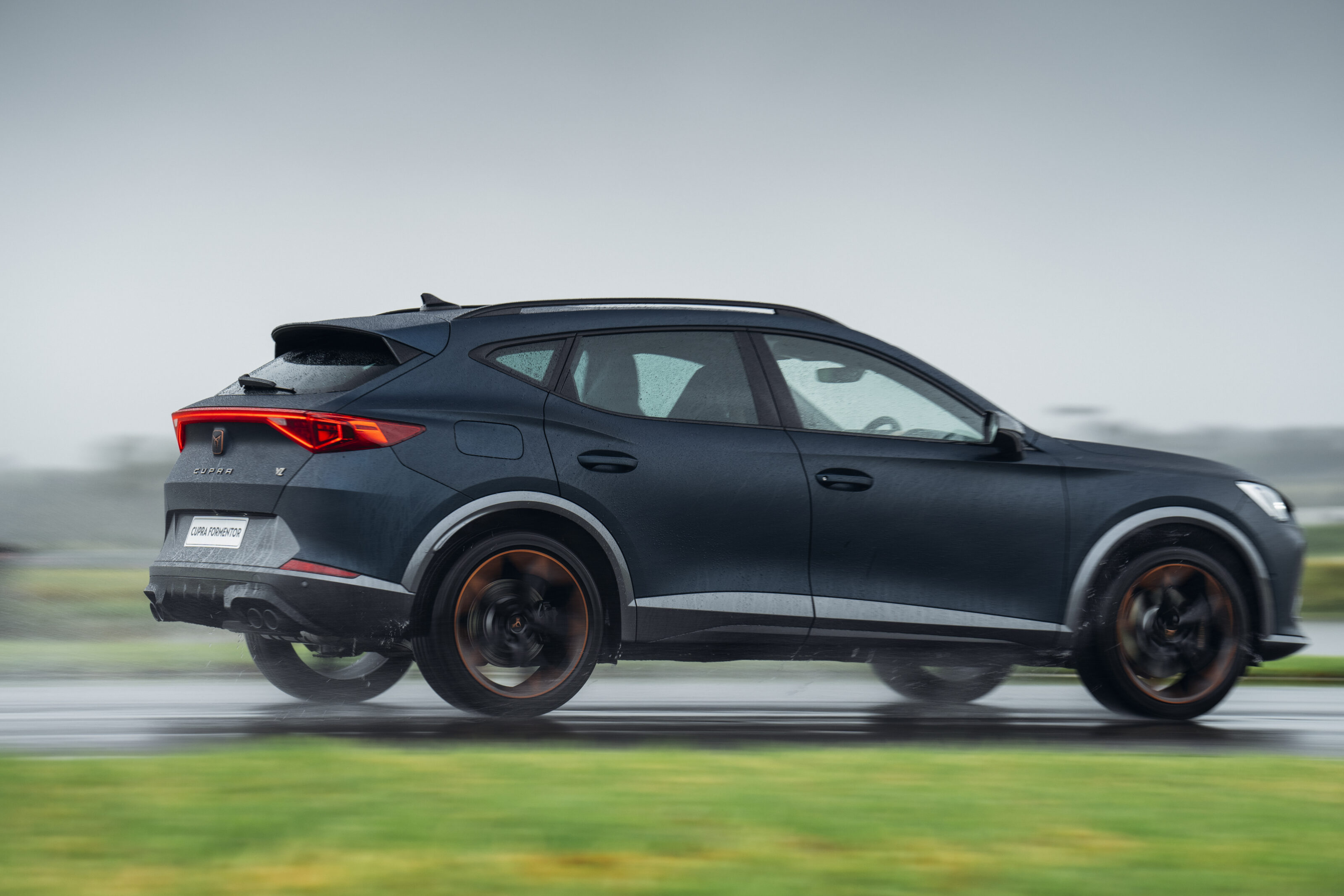
Cupra, operated here by Volkswagen Group Australia, expects the Formentor to be the sports-focused brand’s top-selling model. It will be offered alongside the Leon hatch and the Ateca SUV.
Pricing for the Formentor begins from $50,690 before on-road costs, including a five-year, unlimited-kilometre warranty and three years of free servicing.

2023 Cupra Formentor Australian pricing and features
The 2023 Formentor range opens with the Formentor V, driven by a 2.0-litre turbo petrol four-cylinder engine producing 140kW and 320Nm.
Power is sent to the 4Drive all-wheel drive system through a seven-speed wet-clutch DSG (dual-clutch) automatic transmission. Fuel consumption is listed at 7.0 L/100km, although this was tested on the older NEDC program. A WLTP figure is still to come.
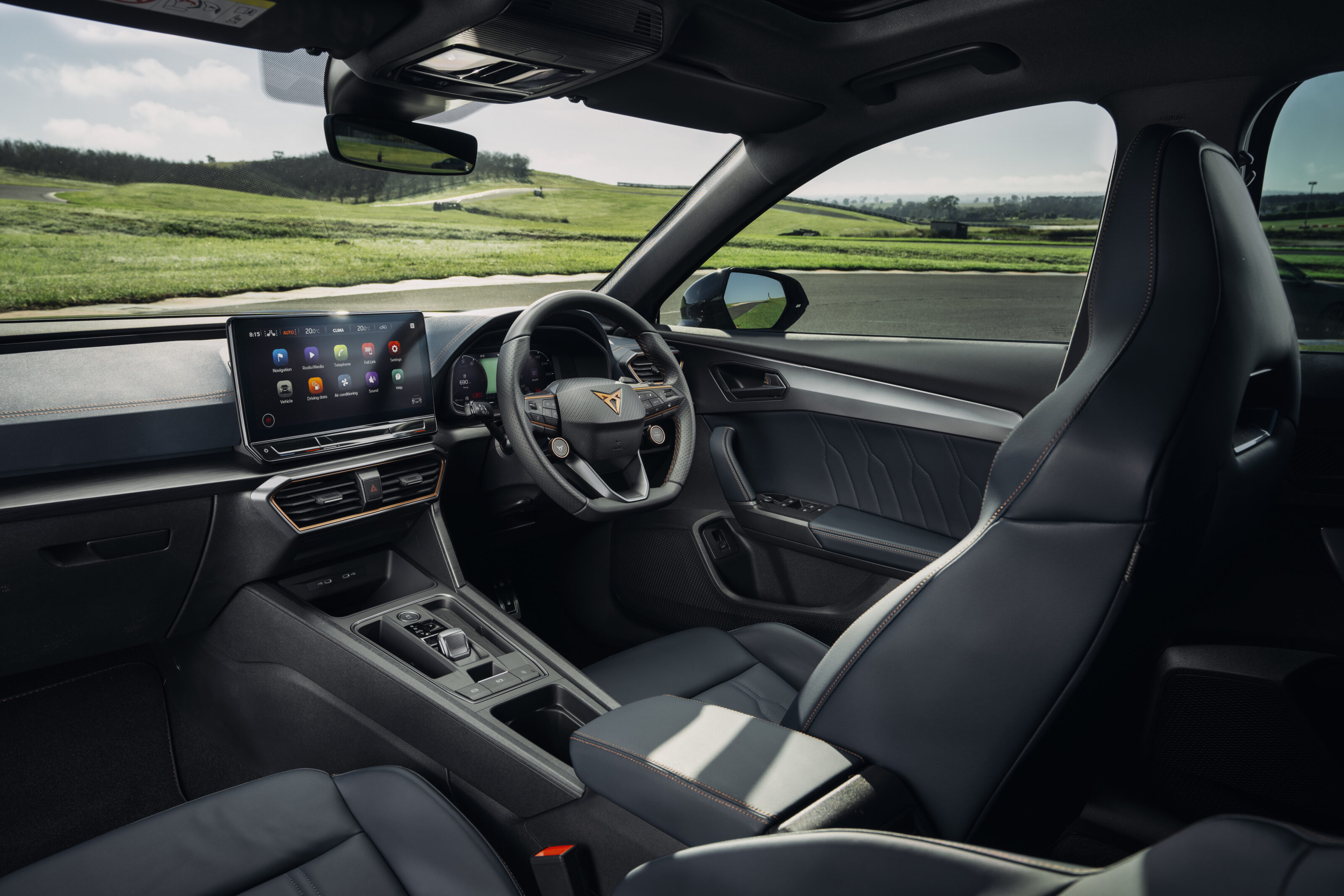
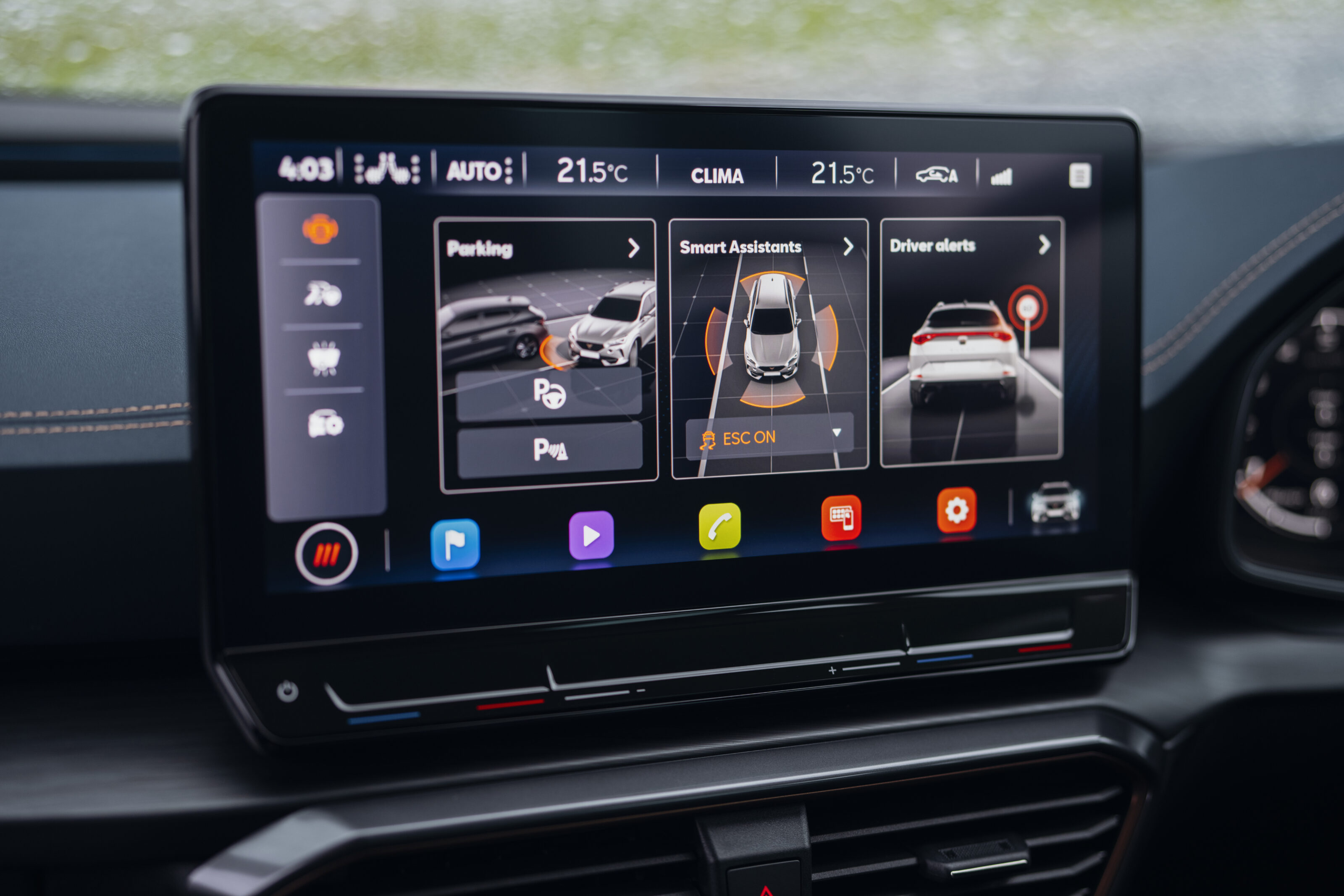
Feature highlights with the well-equipped entry model include include 18-inch alloy wheels with an 18-inch space-saver spare wheel, along with tyre pressure monitoring, heated and power-folding mirrors, full LED lighting at both ends, automatic high-beam, a 10.25-inch digital driver’s display and a 12-inch main display, wireless phone charging and wireless Apple Carplay and Android Auto.
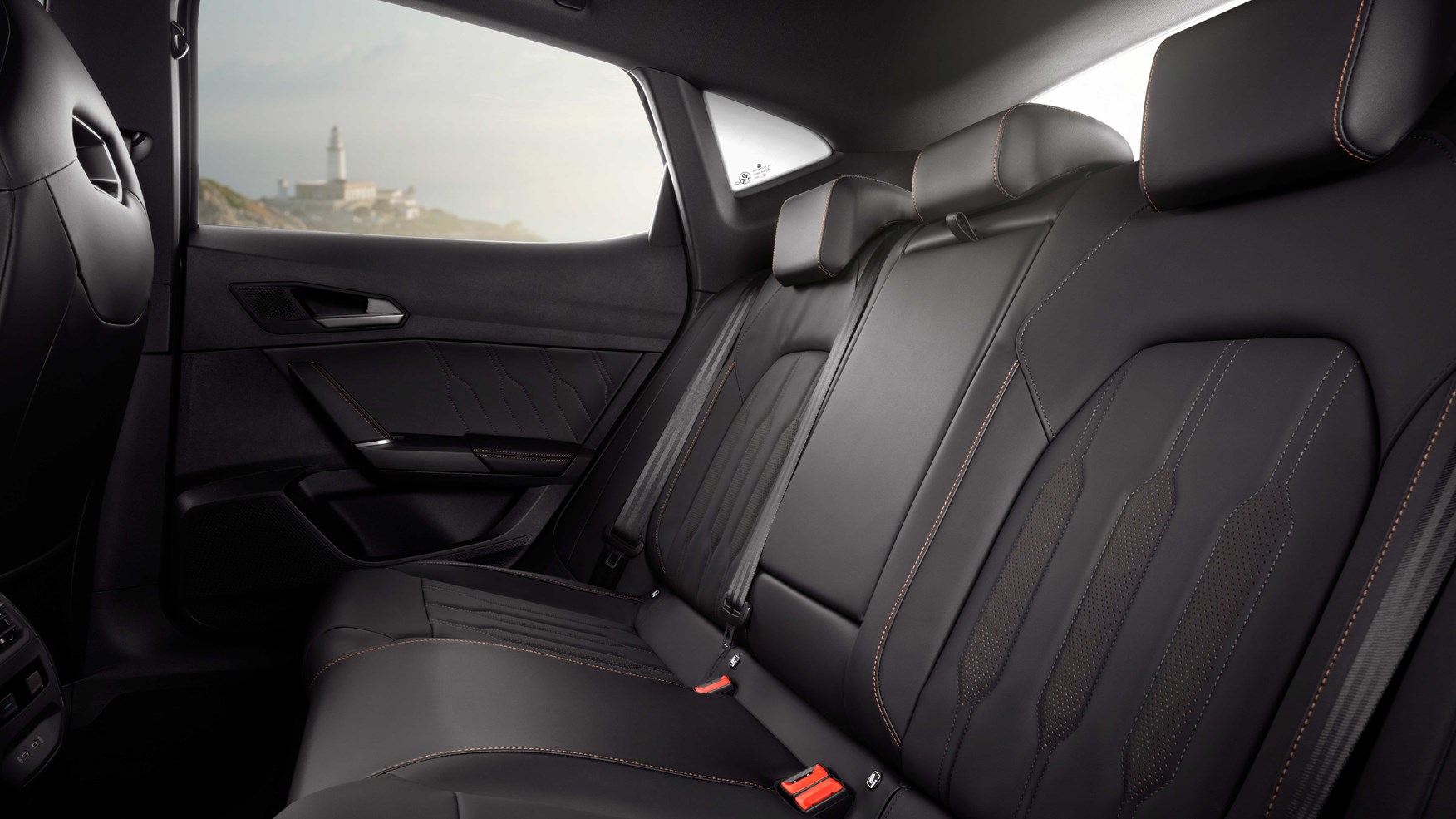
The Formentor lists a boot capacity of 420 litres (345 litres for the VZe) with the rear seats in their upright position, growing to 1475 litres with the rear seats folded.
Features in full
Formentor V
$50,690 before on-road costs, $54,990 drive-away

Formentor VZ
$53,790 before on-road costs, $58,490 drive-away
As outlined below, the VZ is largely identical to the V but with a switch to front-wheel drive and a powerful 180kW, 370Nm 2.0-litre turbo petrol engine. Fuel consumption is listed at 6.9 L/100km (NEDC).
Features match V, except with:
| 2.0L turbo 4-cylinder petrol engine 180kW/370Nm |
| 7-speed wet clutch DSG |
| Front wheel drive |
| 19u201d Exclusive Sport Black and Silver Alloy wheels (with 18u201d temporary spare) |
| OPTIONS |
| Leather and Power Package $2,750 |
| Panoramic glass sunroof $2,100 |
| Premium Metallic Paint $475 (Desire Red, Graphene Grey, Dark Camouflage) |

Formentor VZe plug-in hybrid
$60,990 before on-road costs, drive-away: $63,990 (ACT), $64,990 (QLD), $65,990 (NSW, SA), $66,990 (VIC, WA), $TBA (TAS/NT)
Stepping up to VZe introduces buyers to a petrol-electric plug-in hybrid electric vehicle powertrain, comprising a 110kW/250Nm 1.4-litre turbo four-cylinder petrol engine matched to an 85kW/300Nm electric motor to deliver a combined 180kW and 400Nm.
This model is front-wheel-drive only, with a six-speed wet-clutch DSG transmission on board. Acceleration to 100km/h is listed at 7.0 seconds (UK figure, local number to be confirmed).
The Formentor VZe packs a 12.8kWh battery, allowing for shorter trips of around 50 kilometres to be an electric-only affair. With the battery charged, Cupra claims a combined fuel consumption figure of 1.9 L/100km (NEDC).
Features match VZ, except with:
| 1.4L turbo 4-cylinder petrol engine 110kW/250Nm; electric motor 85kW/300Nm; combined system 180kW/400Nm |
| 6-speed wet clutch DSG |
| Tyre repair kit |
| Mode 3 cable |
| OPTIONS |
| Leather and power Package $2750 |
| Panoramic glass sunroof $2100 |
| Premium Metallic Paint $475 (Desire Red, Graphene Grey, Dark Camouflage) |
Formentor VZx
$61,990 before on-road costs, $66,990 drive-away
The hero of the range, the VZx returns grip to 4Drive all-wheel drive and boosts outputs from its 2.0-litre turbo petrol four to 228kW and 400Nm – with a 0-100km/h time of just 4.9 seconds, and fuel consumption listed at 7.7 L/100km (NEDC). Its features are a match for the VZ, but with the following upgrades.
2022 Cupra Formentor pricing for Australia
Cupra Formentor VZe drive-away pricing:
- ACT: $63,990
- Queensland: $64,990
- NSW and SA: $65,990
- Victoria: $66,490
- WA: $66,990
- Tasmania and the NT: TBA
UPDATE, June 2023: 2024 Cupra line-up detailed
Cupra Australia has announced revisions for model-year 2024. Click on the story below for more information, or continue reading below to see more details about the Ateca.
Snapshot
- The Ateca will arrive with a single high-spec VZx variant
- $65,990 drive-away price includes three years of servicing
- Five-year, unlimited-kilometre warranty
July 8, 2022: 2023 Cupra Ateca pricing and features announced
Cupra has detailed pricing and specification details for the mildly-updated 2023 Ateca VZx small SUV, ahead of orders commencing from August.
The only change for model-year 2023 is the addition of a towing pre-wiring kit as standard, at no extra cost over the MY22 model – which is available to order from today, July 8.
Cupra says the unbraked towing capacity for the Ateca is 750 kilograms, while the braked capacity is 2100kg.
Our original story, first published in April, has been updated to reflect this information and continues below.
The performance-orientated Ateca small SUV joins the Barcelona-based carmaker’s Leon hatchback and Formentor crossover stablemates as the first models from Spain-based, Volkswagen Group-owned brand Cupra to go on sale in Australia.
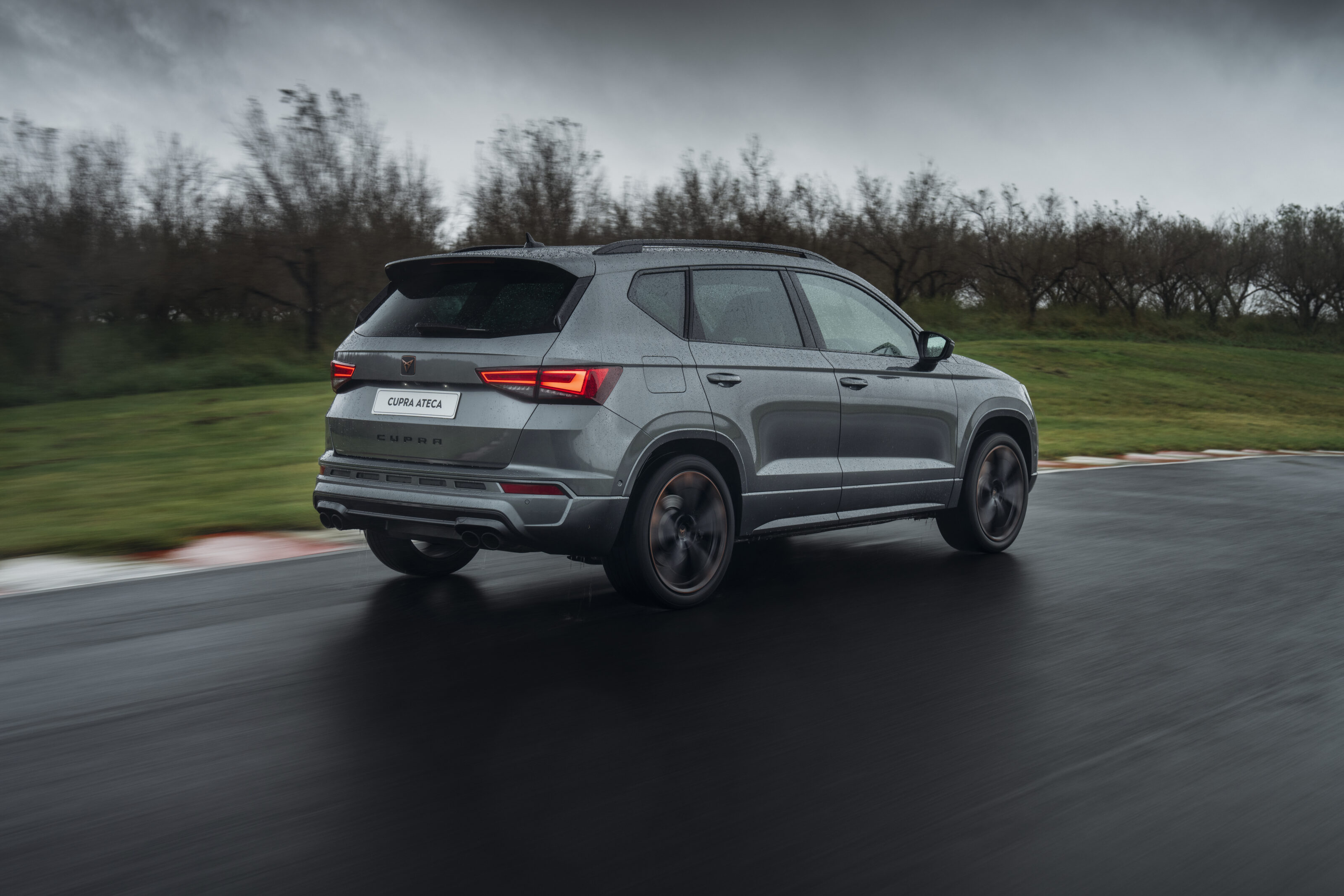
All three come with drive-away pricing with three years’ servicing included in the price, as well as a five-year, unlimited-kilometre warranty.
The Ateca will be available with a single VZx variant which will retail for $60,990 with drive-away pricing set at $65,990.
The money brings a punchy 221kW/400Nm 2.0-litre, four-cylinder turbocharged petrol engine coupled to a seven-speed dual-clutch transmission and ‘4Drive’ all-wheel-drive.
Cupra claims the Ateca is capable of reaching 100km/h from a standing start in just 4.9 seconds.
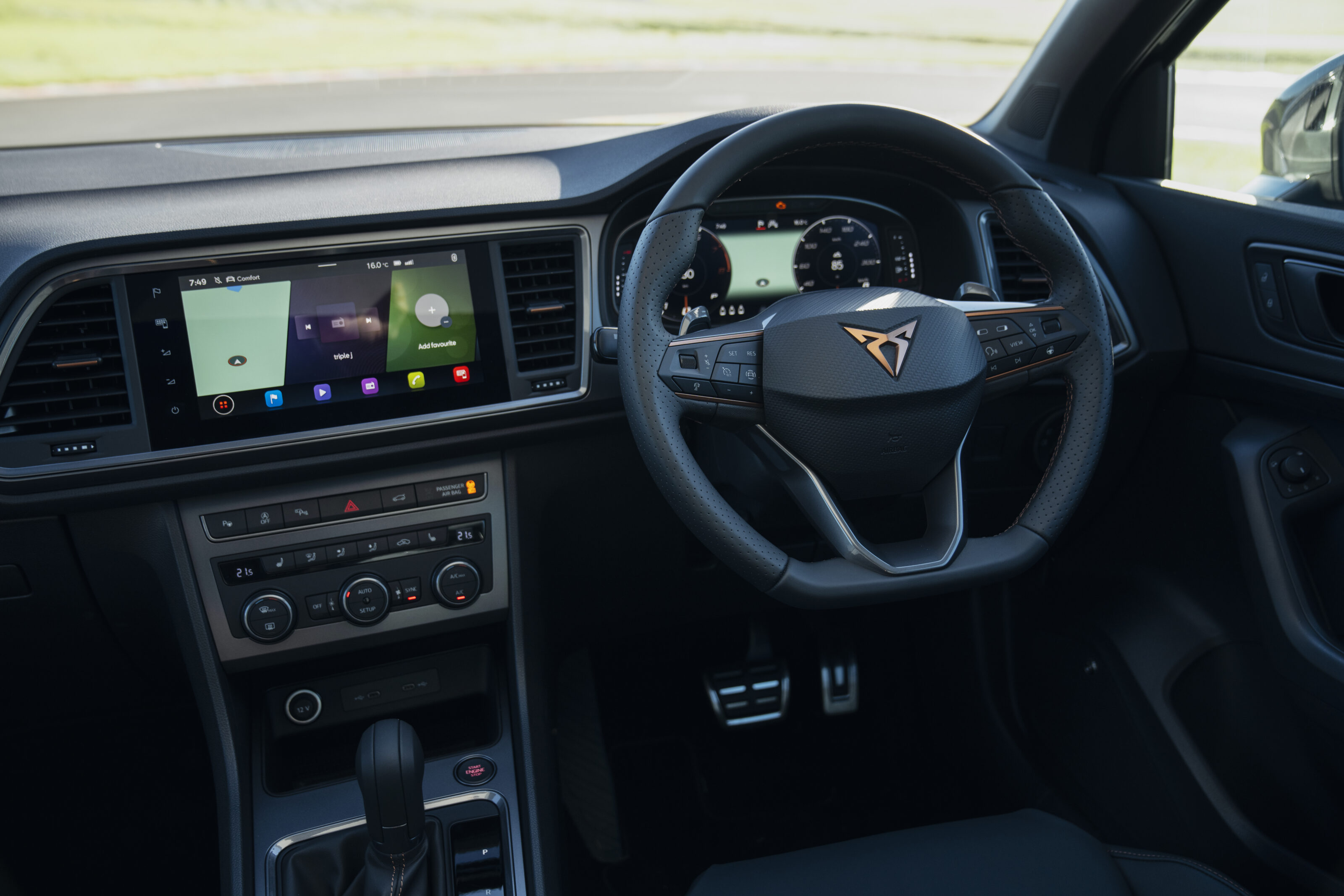
It also comes with a comprehensive standard features list, including; metallic paint, 19-inch alloy wheels, full LED front and rear lighting, hands-free power tailgate, quad exhaust, Petrol Blue leather sports bucket seats, heated front seats, three-zone climate control, ambient interior lighting, 10.25-inch digital instrument cluster, 9.2-inch infotainment system, satellite navigation, wireless Android Auto and Apple CarPlay, a wireless phone charger, and a nine-speaker Beats Sound System with a 340-watt amplifier.
A full features list is available below.
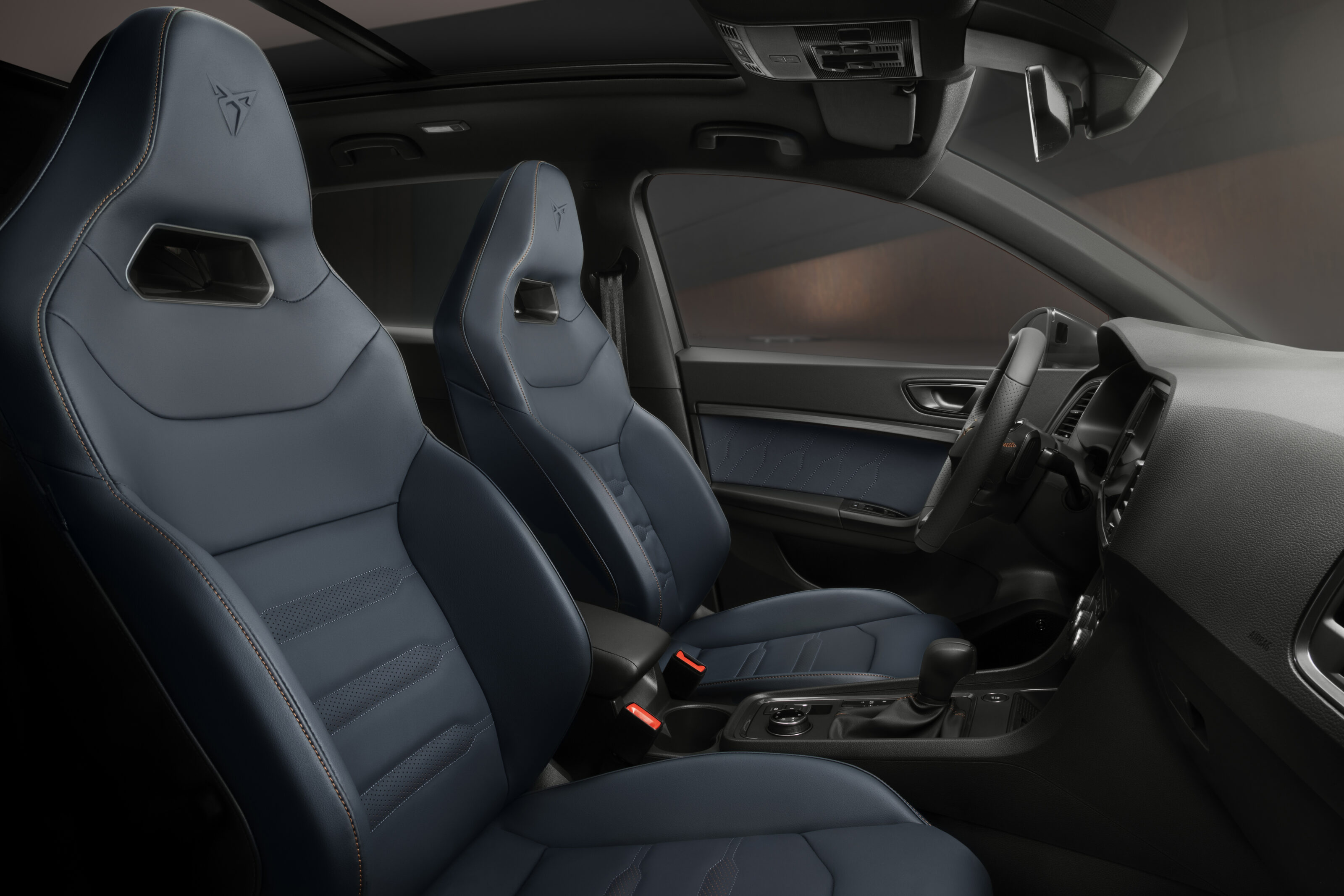
Performance-oriented features include driving profile selection, dynamic chassis control and progressive steering.
Optional extras include Akrapovic Exhaust for $5950, a Brembo brake package ($4050), a panoramic sunroof ($1800) and premium metallic Dark Camouflage paint ($475).
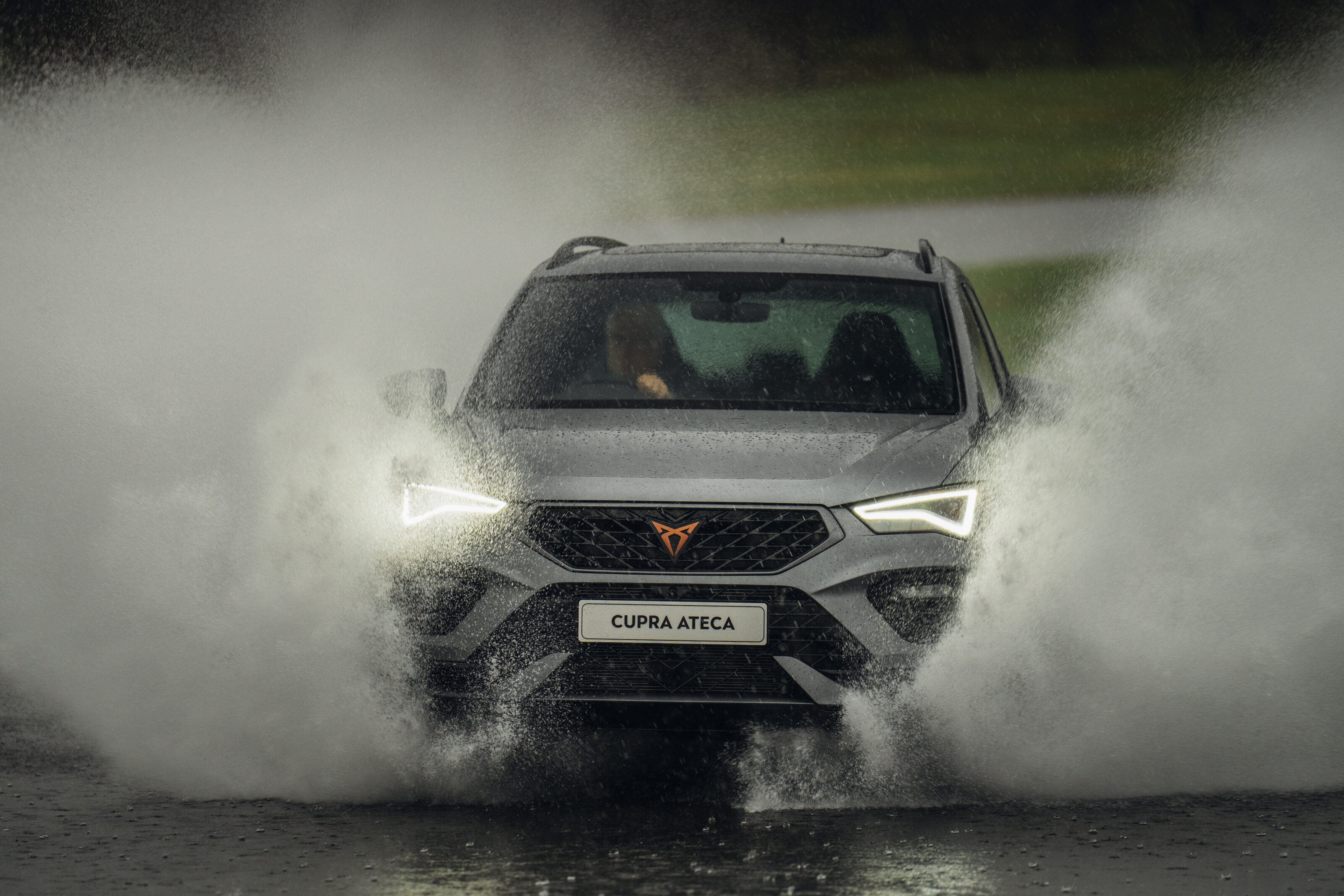
As well as being racy, the Ateca offers reasonable practicality thanks to its 485-litre boot.
Cupra Ateca VZx features
Safety
ANCAP is yet to provide a rating the Cupra Ateca, however, EuroNCAP scored five stars to the SUV under less-stringent 2016 criteria.
Seven airbags (driver, passenger, dual side, dual curtain and driver’s knee) are fitted as standard.
The following active safety equipment is included in the Ateca VZx:
Dimensions
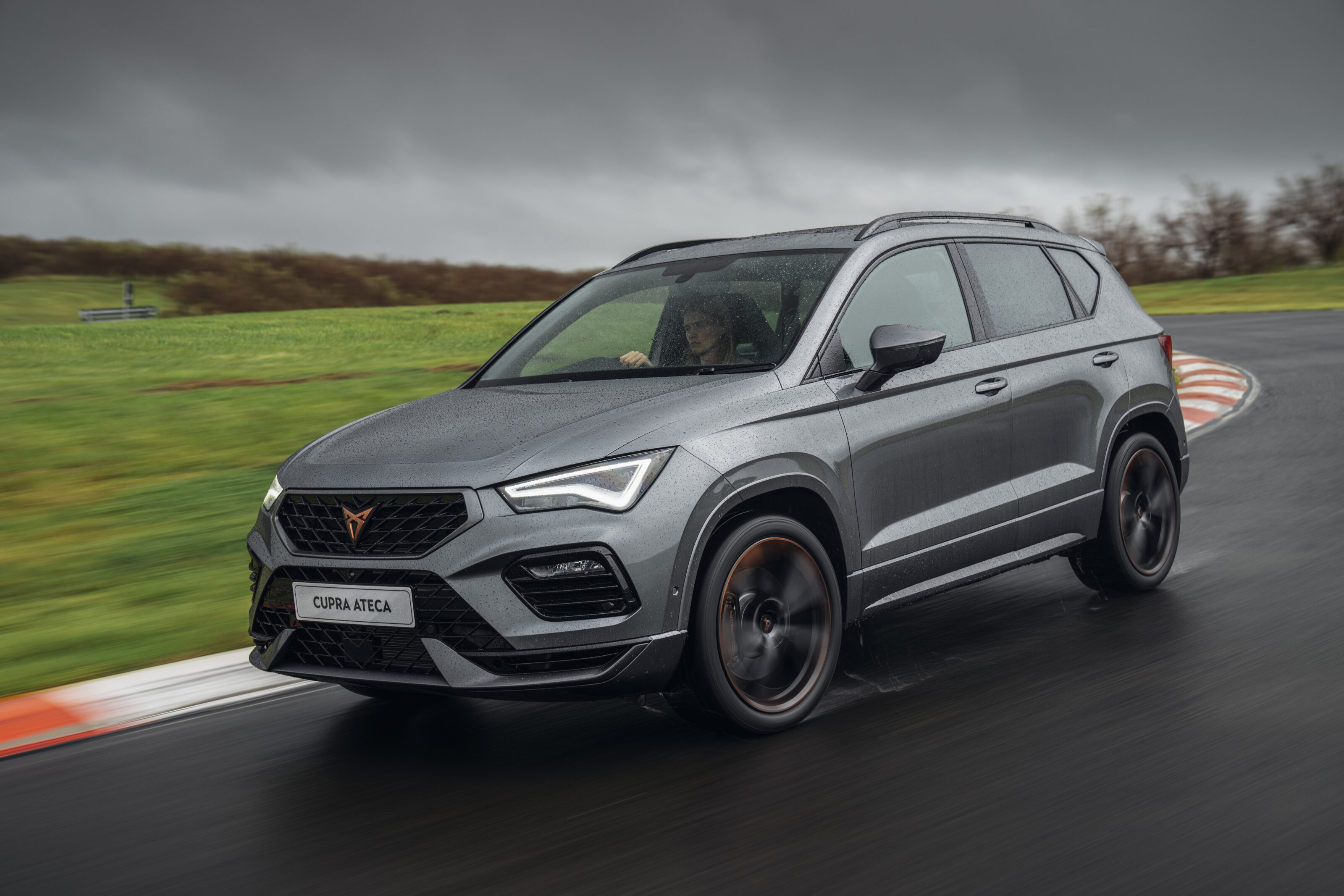
The Ateca has a wheelbase of 2638 millimetres, and is 4386mm long, 1841mm wide, and 1615mm high.
Availability
The model-year 2022 version is available to order from July 8, 2022, while 2023 Cupra Ateca orders – with a towing pre-wiring kit – will commence from August.
The 2022 Cupra Leon, Ateca and Formentor ranges have gone on sale in Australia.
With first shipments arriving on our shores this month and deliveries expected to begin in August, the lineups of the Spanish challenger brand’s three models are now available to buy on its website – with some exceptions.
While Launch Editions for all three vehicles went on sale in May – with the flagship Formentor quickly selling out – from today the Leon VZ and VZx are available to order, as well as the Formentor V, VZ, and VZx and Ateca single-variant VZx.
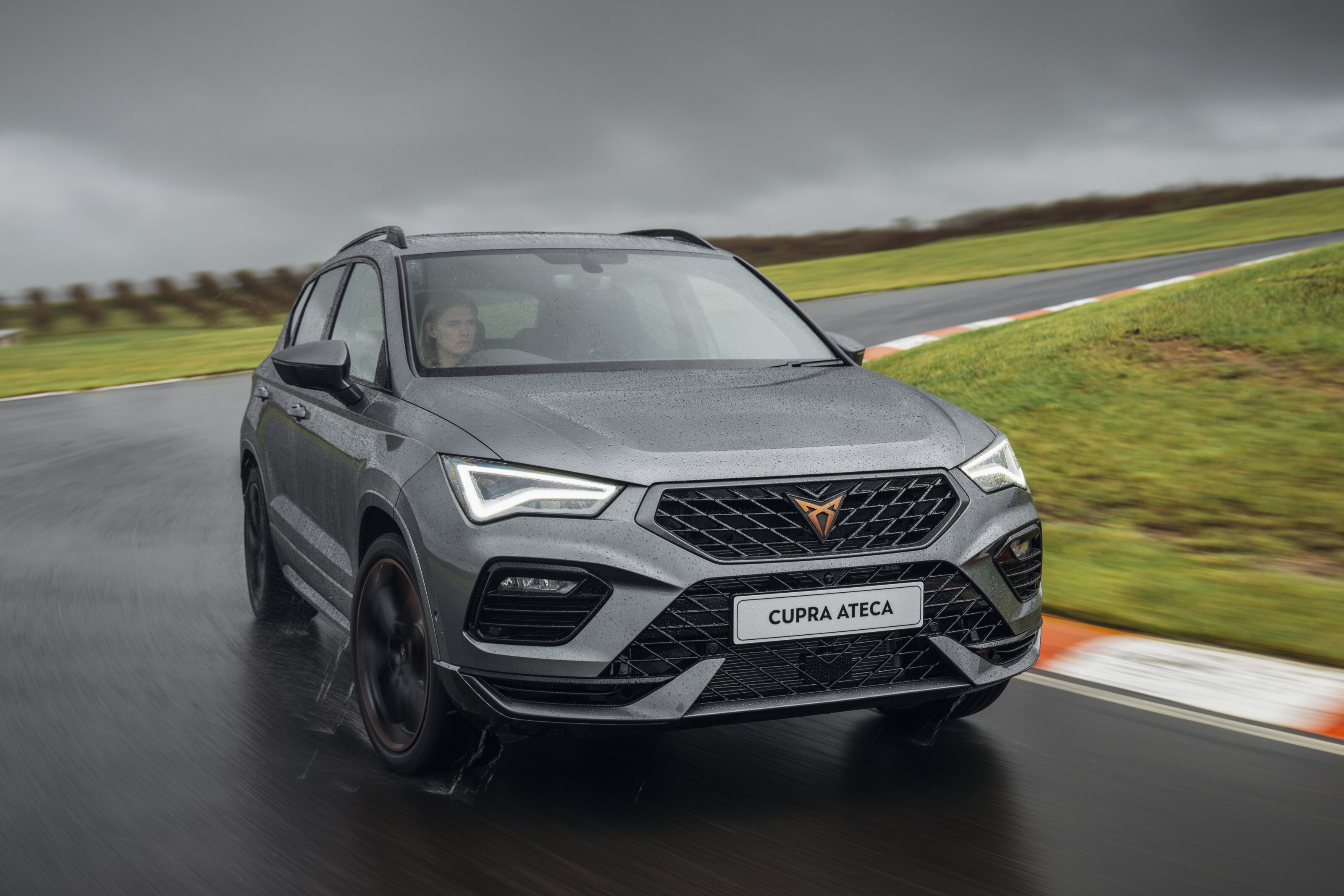
Also from next month, the high-performance Leon VZe and Formentor VZe plug-in hybrid electric vehicle (PHEV) variants will be available to test drive ahead of first orders opening in August and delivery from October, as will the Leon V base model.
Based on demand, Cupra says it will then gradually move from MY22 (available now) to MY23 ordering availability during August.
The MY23 Cupra Leon V, VZ, VZe and VZx upgrade from a 10-inch to a 12-inch touchscreen and replace dynamic LED tail-lights with static LED tail-lights, for an additional $400 on the VZ, and $500 on the VZe and VZx.
As the Leon V commences in MY23, there is no price change, with drive-away pricing yet to be confirmed.
A 360-degree camera also rejoins the MY23 Formentor VZx for an additional $500.
At no extra cost, towing pre-wiring is now available across the MY23 Ateca and Formentor range. Unbraked towing capacities are 750 kilograms for all variants. Braked towing capacities are 2100kg for the Ateca VZx and 1,700kg for the Formentor V, 1,600kg for VZ, 1500kg for VZe and 1,800kg for VZx.
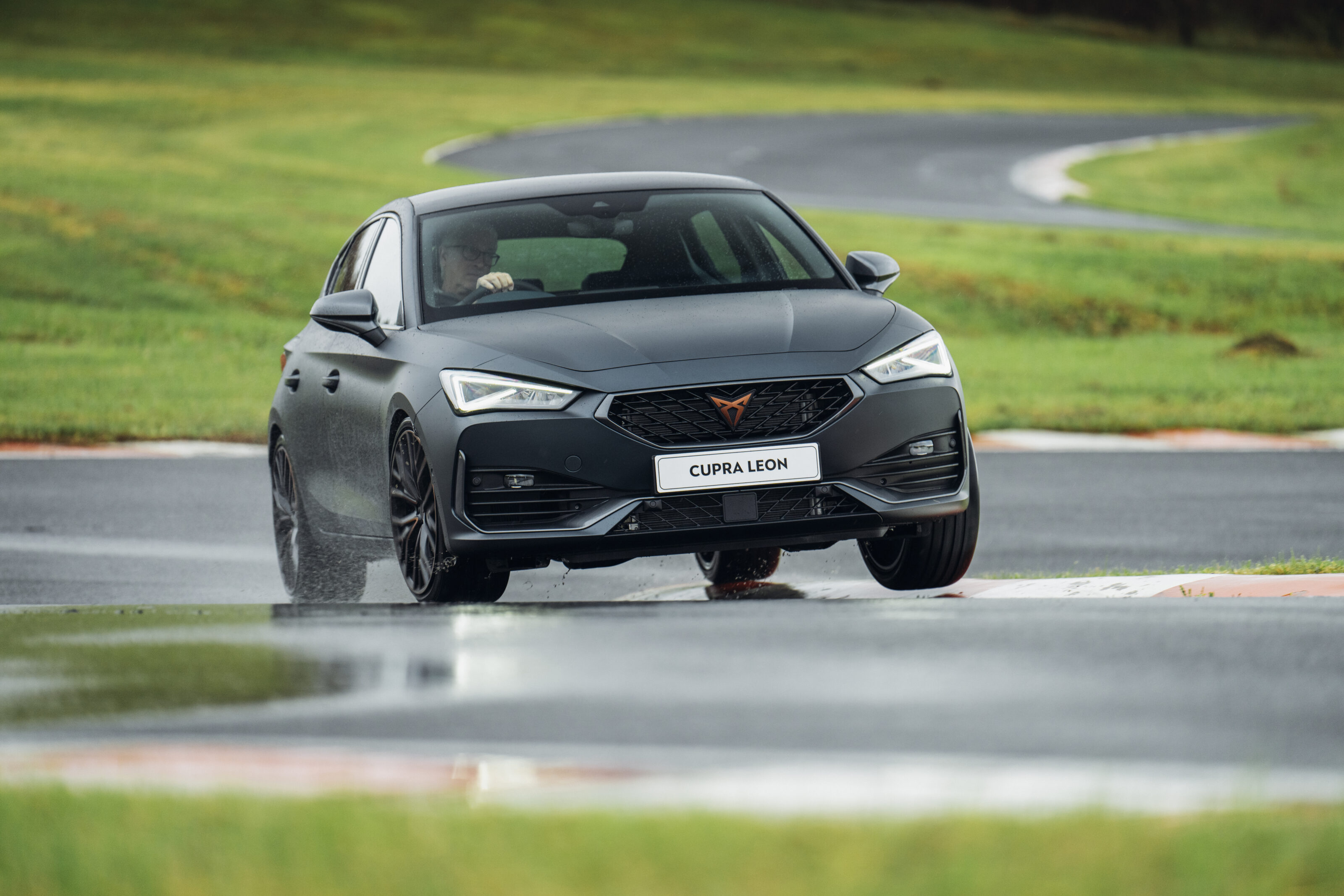
2023 Cupra Leon pricing
All prices are before on-road costs.
The V is available to order late in the third quarter, VZ and VZx in July/August and VZe from August.
| Variant | Pricing |
| Leon V | $43,990 (unchanged) |
| Leon VZ | $52,990 (+$400) |
| Leon VZe | $60,490 (+$500) |
| Leon VZx | $61,490 (+$500) |
2023 Cupra Formentor pricing
All prices are before on-road costs.
The V, VZ and VZx are available to order late in July/August and VZe from August.
| Variant | Pricing |
| Formentor V | $50,690 (unchanged) |
| Formentor VZ | $53,790 (unchanged) |
| Formentor VZe | $60,990 (unchanged) |
| Formentor VZx | $61,990 (+$500) |
2023 Cupra Ateca pricing
All prices are before on-road costs.
The VZx is available to order from July/August.
| Variant | Pricing |
| Ateca VZx | $60,990 (unchanged) |
The Volkswagen Group-owned brand has set up nine locations across NSW, VIC, SA, QLD, WA and the ACT which include CBD addresses, as well as shopping centre destinations.
The locations opening soon include:
- CUPRA City Garage Sydney, 68 Pitt Street, Sydney, NSW
- CUPRA Artarmon, 387 Pacific Highway Artarmon, NSW
- CUPRA Richmond, 388 (introductory) then 376 (permanent) Swan Street Richmond, VIC
- CUPRA Chadstone, Chadstone Shopping Centre, VIC (introductory)
- CUPRA Gold Coast, Robina Town Centre, QLD
- CUPRA Indooroopilly, Indooroopilly Shopping Centre, QLD (introductory)
- CUPRA Canberra, 120 Melrose Drive Phillip, ACT
- CUPRA Adelaide, 41 Main North Road Medindie (introductory) then 11 Waymouth Street Adelaide (permanent), SA
- CUPRA Perth, 1093 Albany Highway Bentley, WA.
“From Barcelona to Australia, our progressive and exciting CUPRA models are arriving now for first deliveries from August,” said Cupra Australia Director Ben Wilks.
“We have ensured that the online ordering that commences today is complemented by Cupra City Garage and agent locations that deliver high-quality interactions and a seamless purchasing process – including transparent driveaway pricing and three-year scheduled servicing included.”
It’s here, Kia’s move on what passes for a volume-selling proposition in the Australian EV market: the new 2023 Niro electric SUV.
That assault won’t come through the virtue of being much more affordable than the EV6, but rather because Kia’s Australian arm has confirmed moderately better supply for the Niro than it’s been able to get for the EV6.
Kia’s outgoing Niro – mechanically a twin to the original Hyundai Ioniq trio – was only on sale in Australia for a year, with the local business unable to secure supply until quite some time after its 2016 overseas launch.
For the new model, Kia Australia will have around 80 cars available each month, with some 60 per cent of those expected to be made up of orders for the EV.
A plug-in hybrid EV model remains an option overseas, but this time the local range goes without, Kia citing a lack of demand for the variant in the outgoing generation. Despite this, Kia says orders for the plug-in hybrid version of the big Sorento SUV have been strong, if strangled by supply issues.
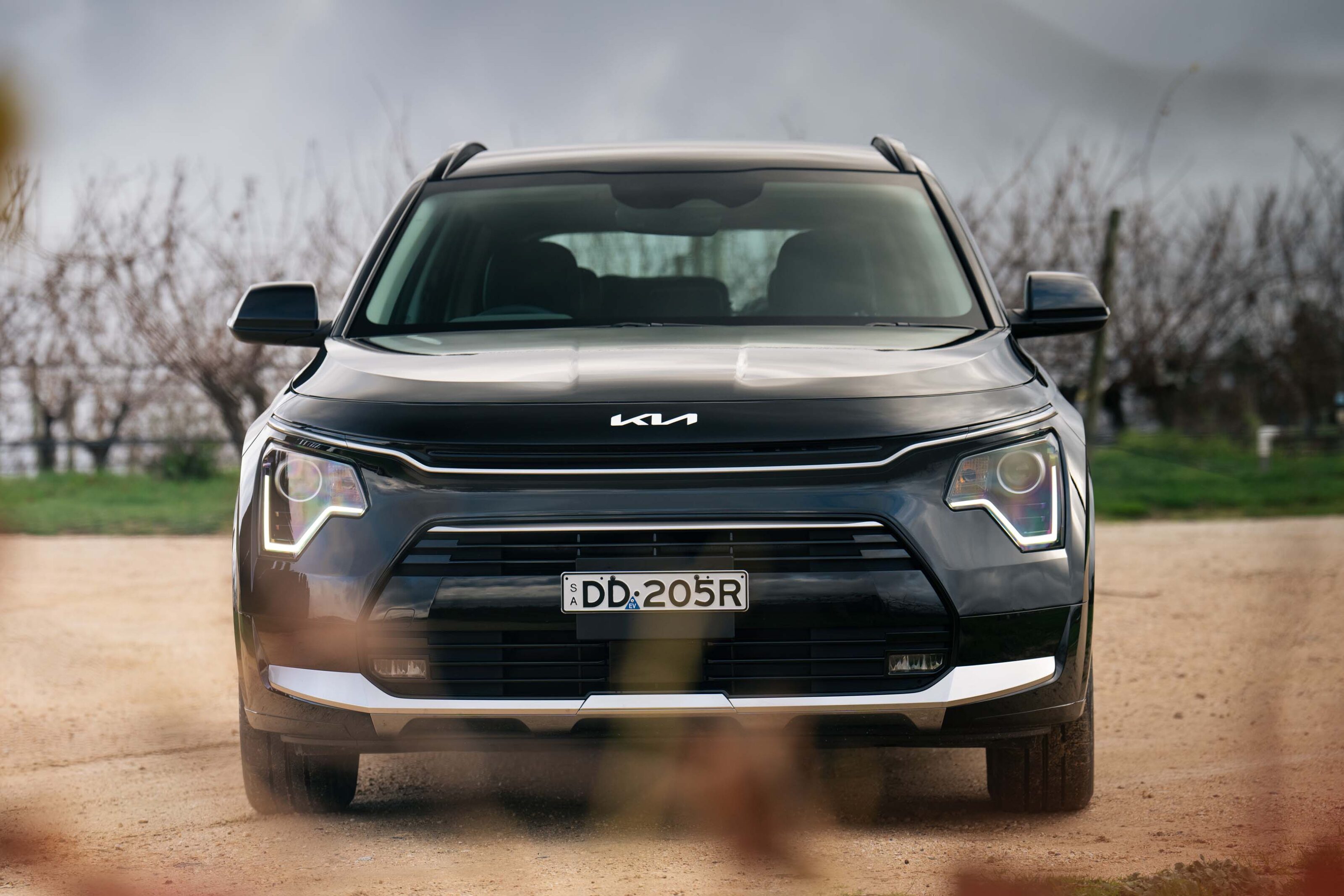
For tech-focused drivers, the new Niro’s launch also brings the long-overdue debut of Kia Connect, a platform that provides remote connectivity and control through a phone app, along with live in-car traffic updates and an SOS button. Like Tesla’s app, although not quite as feature-rich, Kia Connect allows owners to check and adjust climate control, door locks, charging, and more.
Rather than offer this as a subscription service from launch, Kia is covering costs for the first seven years – saying it has that much time to figure out how it’ll price the feature beyond the initial complimentary period.
Importantly for Niro buyers, Kia Connect is one of the few bragging rights they’ll have over EV6 owners, with that car – and all other Kia models – not due to get the service locally until its first facelift.
No surprises: Kia Connect is only offered in GT-Line trim grades.
Price and features
Where the big 2022 Wheels Car of the Year winning EV6 starts from $67,990 when you can even get into one, the full-electric Niro carries a similarly high price point of $65,300 for the entry Niro S, and $72,100 for the top-spec GT-Line – up by $2710 and $6110 for the previous model (all prices before on-road costs and regional EV incentives are factored in).
The flagship Niro GT-Line is at least markedly more affordable than the equivalent EV6, with that GT-Line priced from $74,990 in rear-wheel drive, swelling to $82,990 for the AWD model (again, before on-road costs and EV incentives are applied).
A petrol-electric hybrid model is also offered, priced from $44,380 for the S trim and $50,030 for the GT-Line – marking an increase of $4390 and $6140 respectively over the previous ‘DE’ generation (both before on-road costs).
The hybrid’s price brings it perilously close to the larger and hugely popular Toyota RAV4 hybrid in comparable Cruiser 2WD form, but as Kia Australia product manager Roland Rivero told me at the Niro’s launch event – Niro hybrid buyers can at least expect to get into one quickly, while RAV4 hybrid orders are suffering lengthy waits.
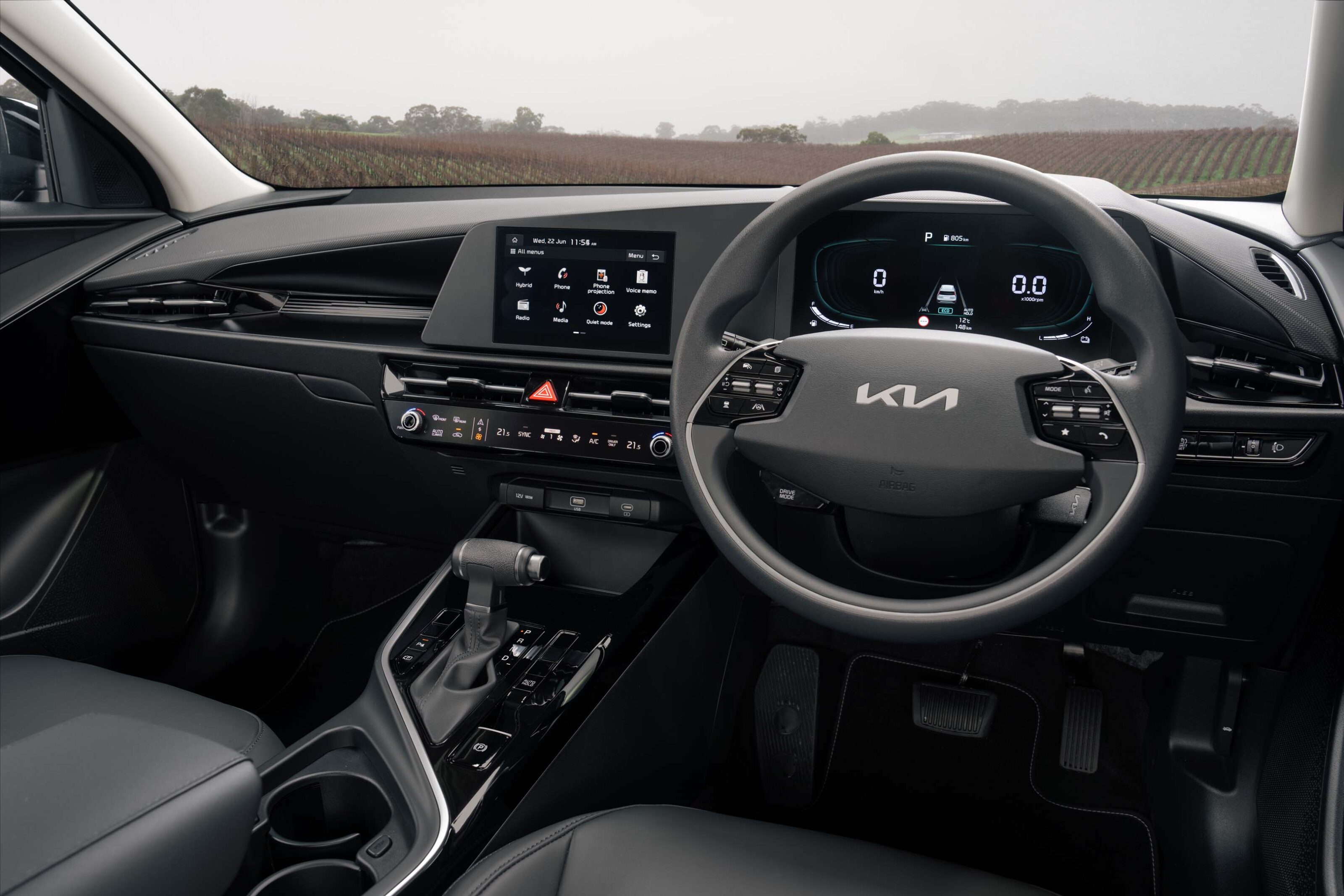
The lacklustre equipment list in the entry-level S is sure to inspire an upgrade to GT-Line – as surely intended – with features limited to 16-inch alloy wheels, an 8.0-inch infotainment display coupled to a retro-styled instrument cluster with fixed LCD animations and a 4.2-inch screen, wireless Apple CarPlay and Android Auto, six speakers, a polyurethane steering wheel and combination cloth/artificial leather seat trim, and a laminated windscreen.
There’s no integrated sat-nav in the S grade, but this is easily overcome with phone mirroring – as Kia obviously expects most buyers to be satisfied with.
Going for the electric S over the hybrid improves the feature list, adding 17-inch wheels, interior V2L (vehicle-to-load appliance charging), and a full 10.25-inch instrument display behind the steering wheel.
Standard safety kit includes autonomous emergency braking with junction collision avoidance, blind-spot collision avoidance, rear cross-traffic collision avoidance, lane-keep assist, multi-collision braking, a centre side airbag, intelligent speed limit assist, reversing camera, rear parking sensors, adaptive cruise control and high-beam assist. The Niro has not yet been given an ANCAP crash safety rating.
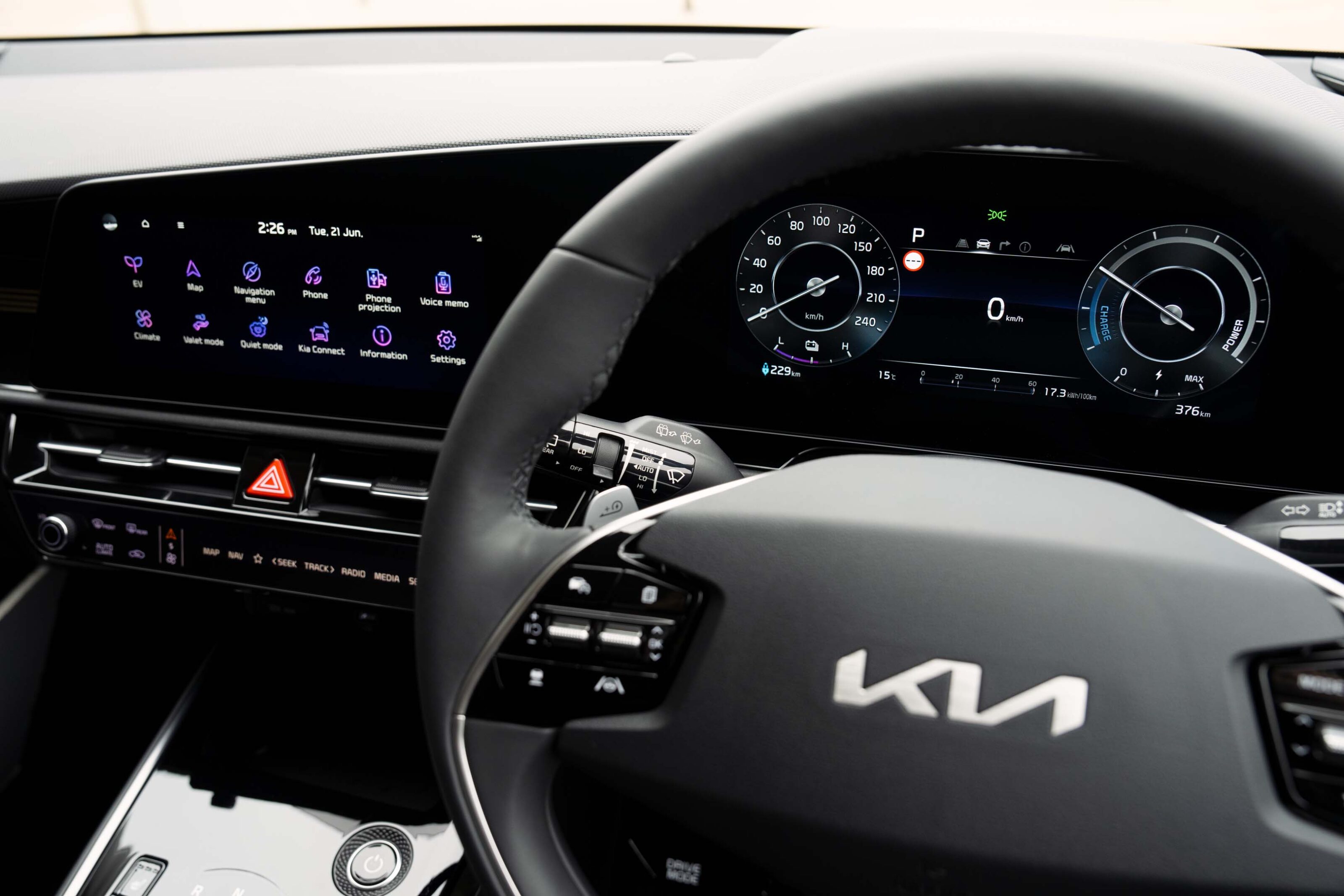
Stepping up to the GT-Line adds 18-inch wheels for the hybrid (the EV sticks with 17s), laminated front door glass for better noise suppression, full-recline ‘relaxation seats’ up front, ambient mood lighting, bigger dual 10.25-inch displays, a big 10-inch head-up display, Kia Connect, wireless phone charging, and a downgrade to wired Apple CarPlay and Android Auto – an ongoing problem for the top-spec models in both the Kia and Hyundai lines.
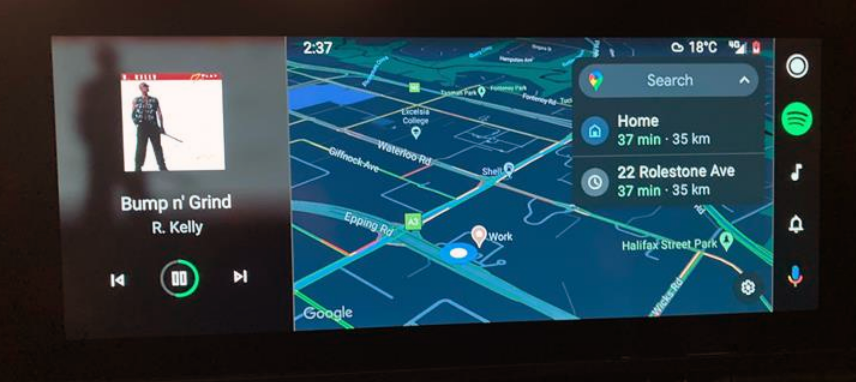
Android users should also note that while Apple CarPlay is a full-screen experience in the Niro, Android Auto is again confined to a narrower space, with the right-hand third of the display devoted to a black background with the Android Auto logo proudly displayed.
US-market Hyundai models have received a software update to improve this, but at the time of writing, no Australian Hyundai or Kia models offer a full-screen experience for Android Auto.
UPDATE: Android Auto update appearing for some users
A new software update is rolling out, it seems. A Kia Australia employee has today sent us the below photo that shows Android Auto filling the screen. Judging by the look, this change is unrelated to the upcoming Google-side design update.
Story continues…
There’s also a rotary gear selector, tinted windows at the rear doors and hatch, artificial leather seats and steering wheel, heated and ventilated front seats, heated steering wheel, Remote Smart Park Assist, a powered tailgate, rain sensors, front and rear parking sensors, powered child lock, and rear low-speed auto emergency braking.
Exterior V2L, a tilt and sliding sunroof, powered position and lumbar support for the front passenger, and eight-speaker Harman Kardon audio are also standard on the electric GT-Line.
Most of the above features are new for the SG2 Niro, improving dramatically on the spec of the previous generation and, as far as Kia is concerned, justifying the significant price leap for all variants.
Comfort and space
Officially a small SUV, the new ‘SG2’ Niro shares its platform with the new-generation i30 Sedan, allowing it to accommodate a petrol engine for hybrid and PHEV applications, whereas the E-GMP platform of the EV6, Hyundai Ioniq 5 and Genesis GV60 is a dedicated all-electric design.
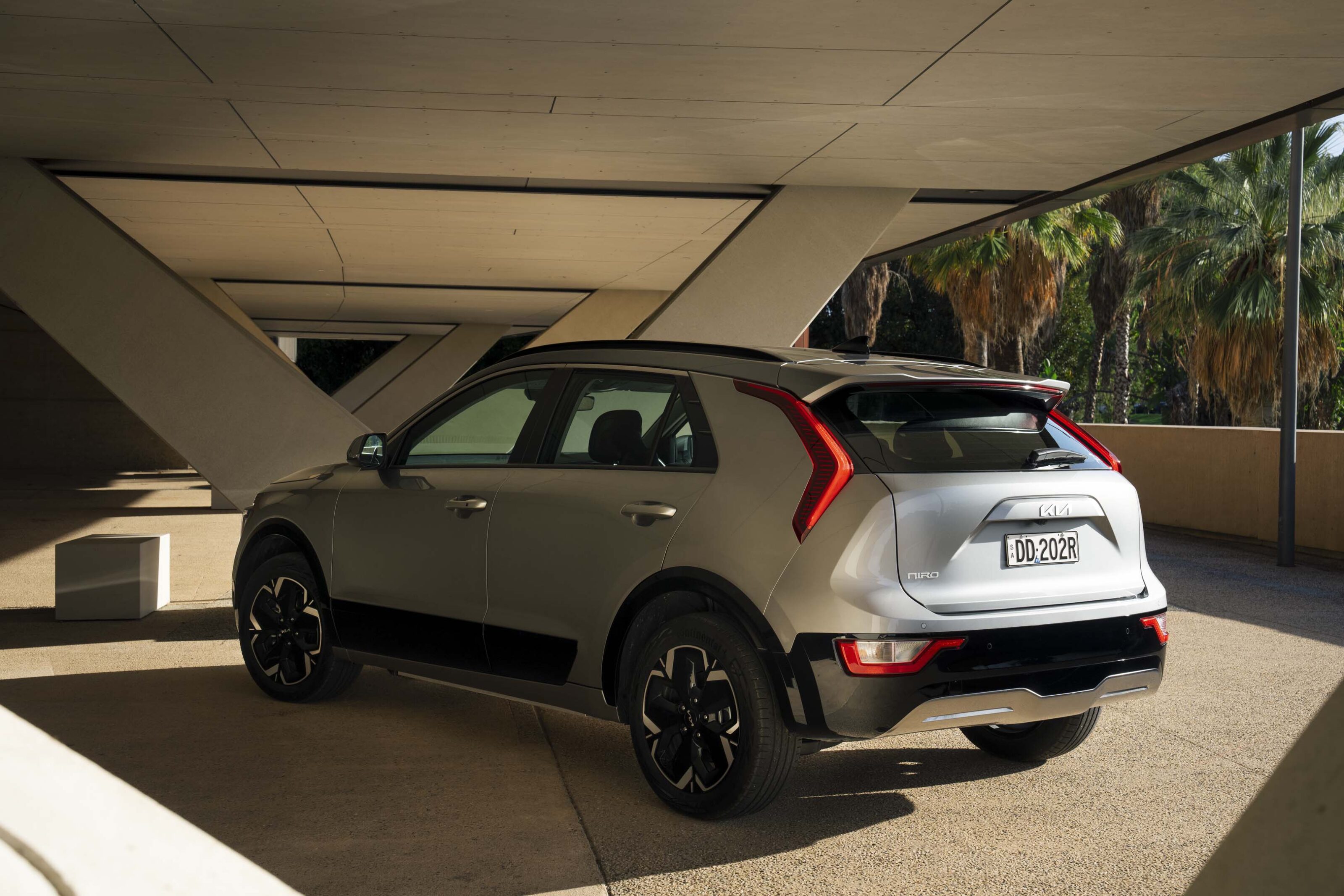
In its new form, the Niro is between 45 and 65mm longer than the DE, at 4420mm overall. Its wheelbase has grown 20mm to 2720mm, and width is also up 20mm to 1825mm.
Height is unchanged at 1545mm (hybrid) and 1570mm (EV), but smarter packaging sees rear headroom grow by 12mm and 10mm respectively.
2022 Kia Niro dimensions
| Length | 4355 / 4375 | +65 / +45 | 4420 |
|---|---|---|---|
| Width | 1805 | +20 | 1825 |
| Height | 1545 / 1570 | – | 1545 / 1570 |
| Wheelbase | 2700 | +20 | 2720 |
| Front overhang | 870 / 885 | +25 / +10 | 895 |
| Rear overhang | 785 / 790 | +20 / +15 | 805 |
| Couple Distance | 834 | +36 | 870 |
| Rear Headroom | 993 / 957 | +12 / +10 | 1005 / 967 |
| Rear Legroom | 950 / 914 | +61 / +24 | 1011 / 938 |
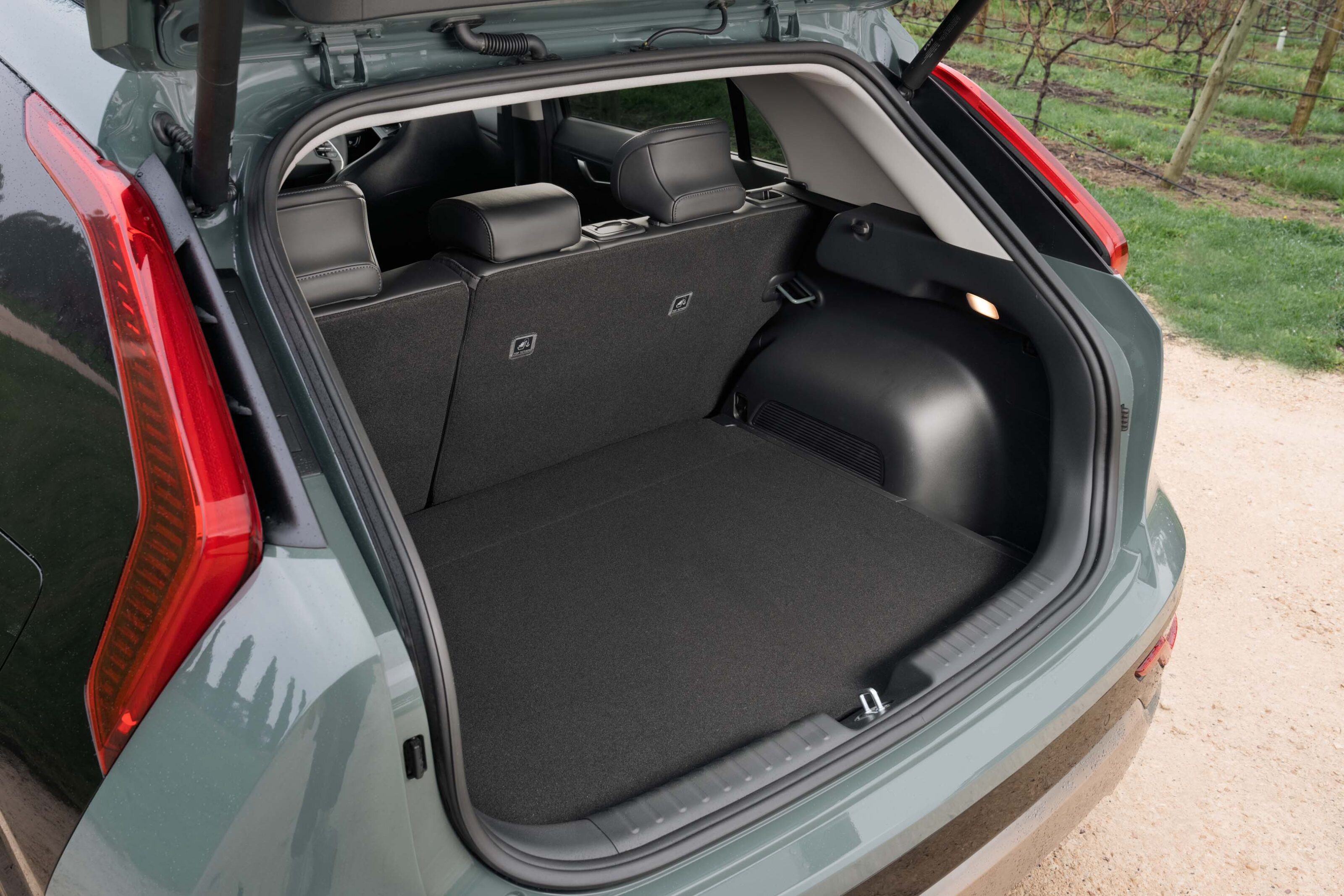
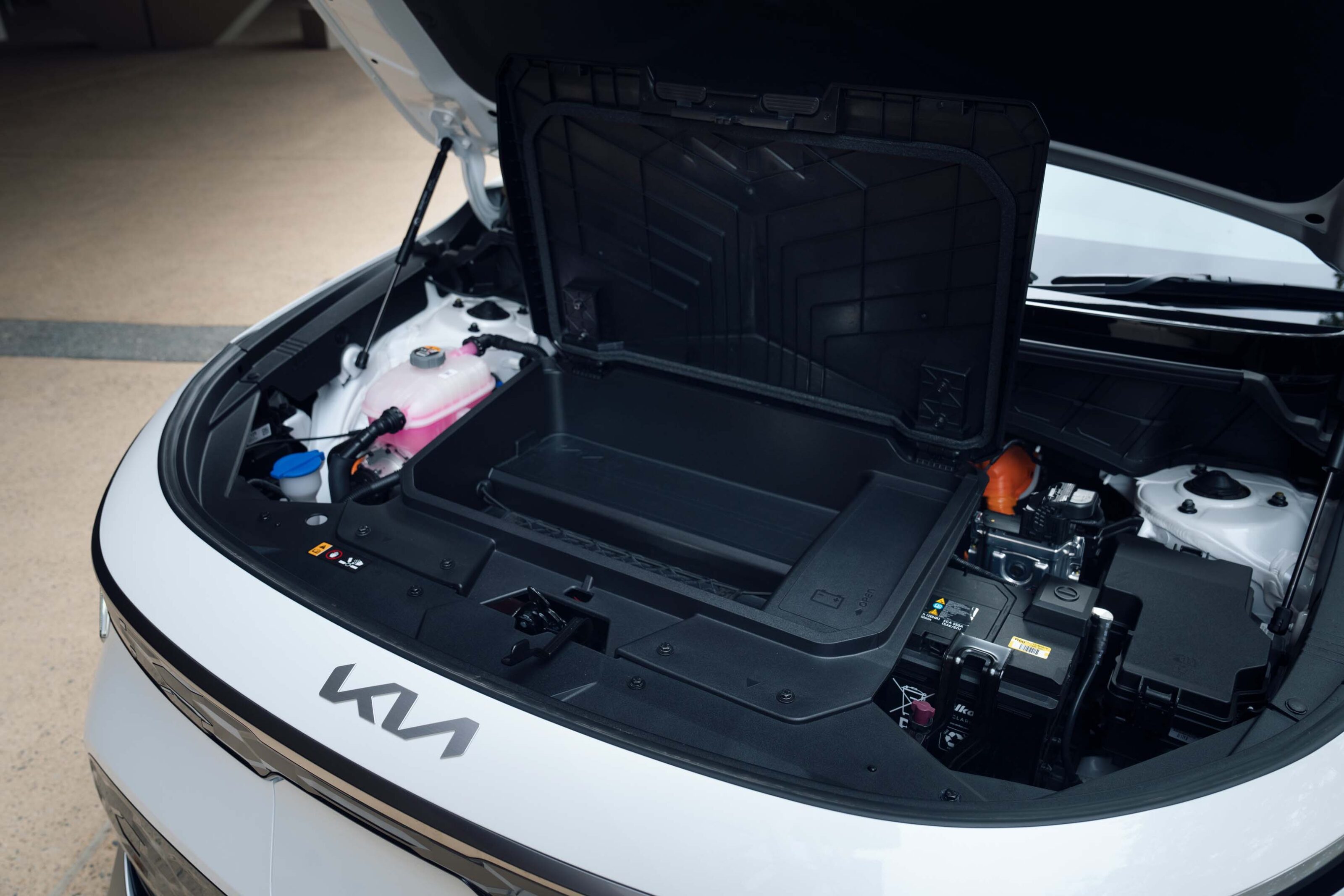
Boot space with the rear seats upright, measured to the VDA standard, grows from 410 litres (hybrid) and 451 litres (EV) to 425 and 475 litres respectively, while seats-down figures are up from 1408 to 1419 litres in the hybrid, but down from 1405 to 1392 litres with the EV – that’s despite there being a puncture repair kit in place of a spare wheel – although an extra storage area under the bonnet claws back 20 litres.
For context, these numbers are comparable to models like the Honda HR-V or Nissan Qashqai, among the best in the small-SUV segment.
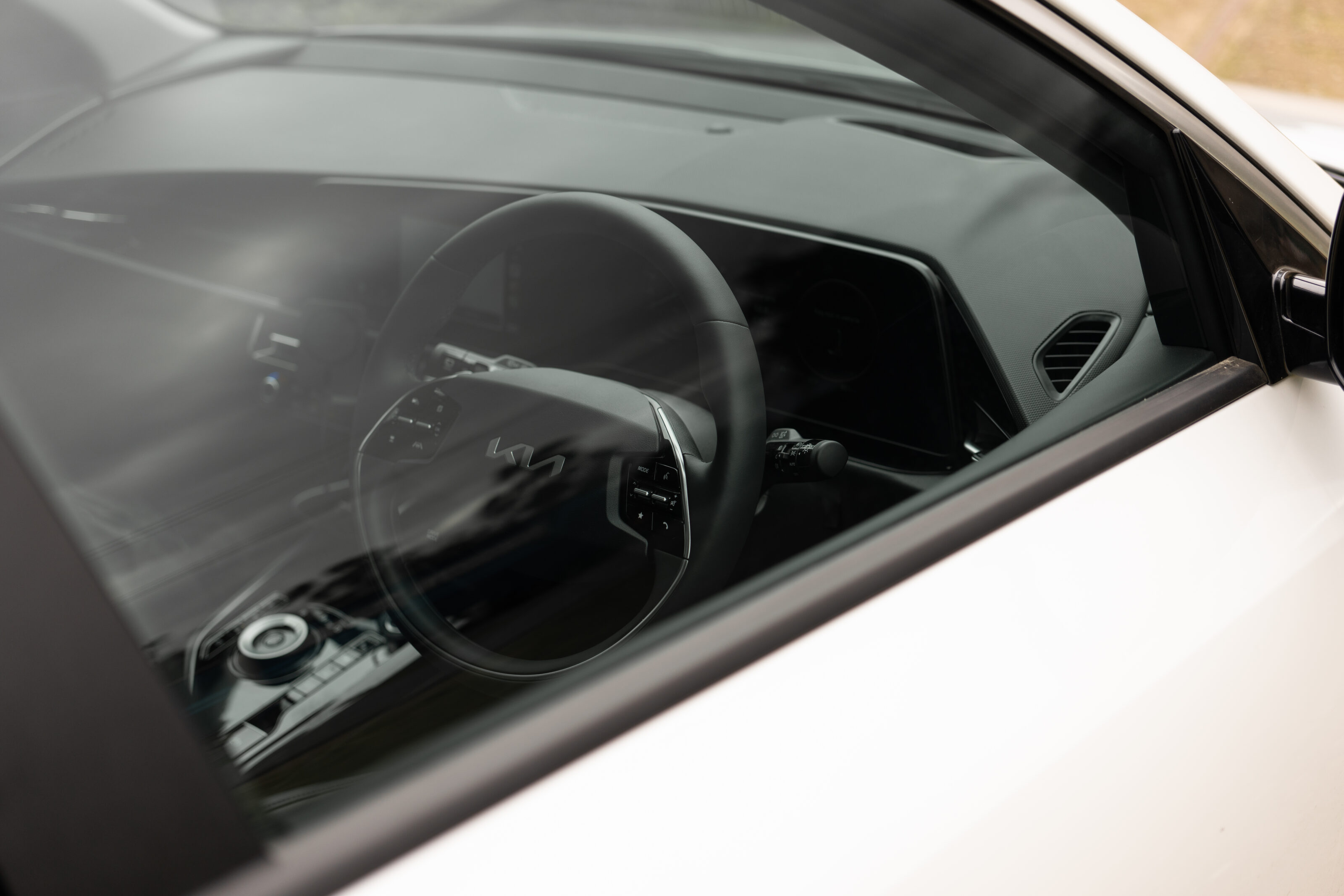
The presentation of the Niro’s cabin will be familiar to those who’ve sat in an EV6, with a dash and centre console design that is largely identical. As with the more stylish exterior, the new Niro’s interior appears far more modern and premium than its predecessor.
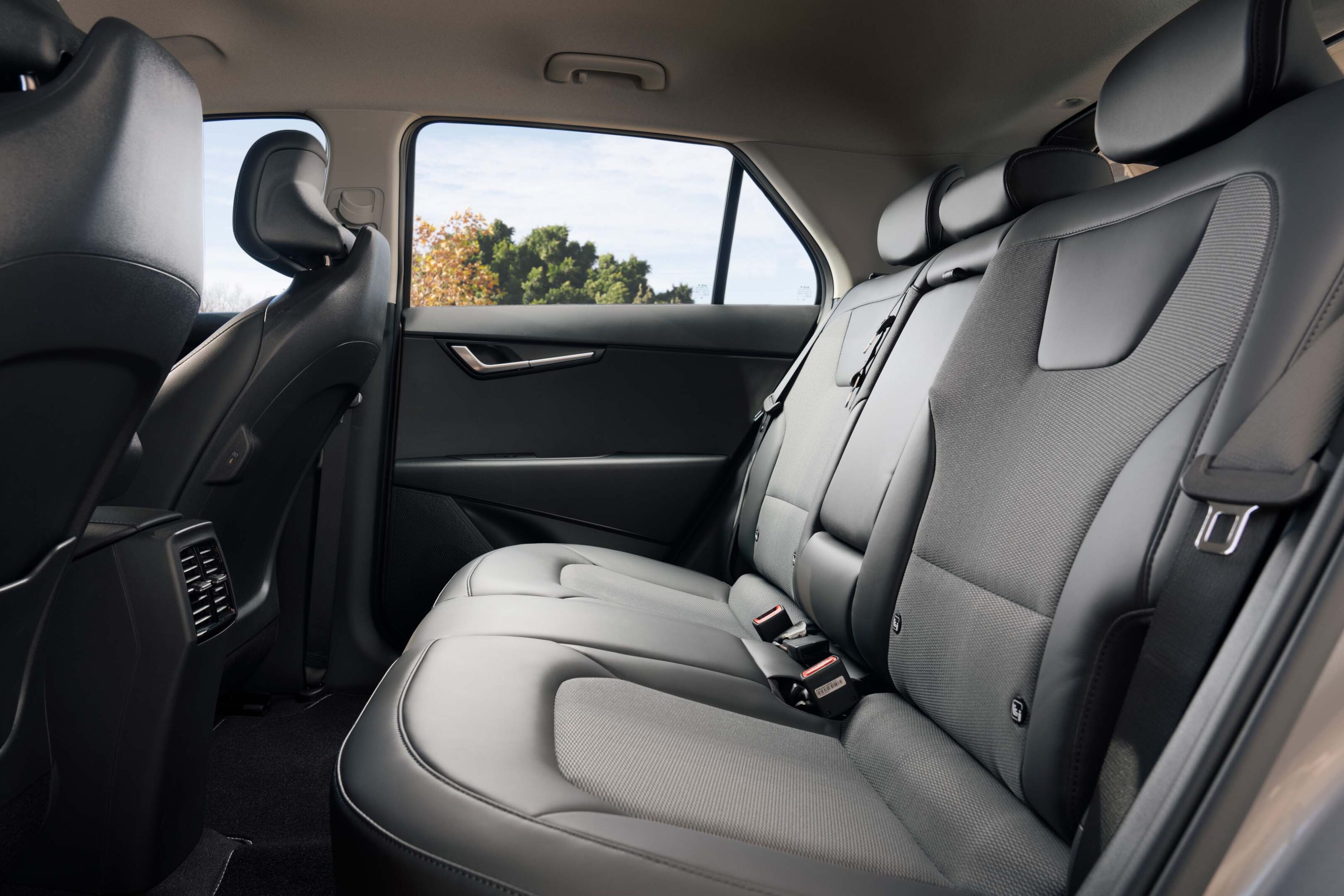
Interior comfort and freedom to move are good, offering a sense that the Niro sits a little closer to bigger medium-segment SUVs when it comes to shoulder space and legroom – although the rear is still more of a two adults or three kids arrangement.
Rear legroom is excellent for the segment, though, thanks in particular to the flat floor, and air vents in the back of the centre console add to rear comfort too.
Up front, occupants benefit from firm but comfortable seats that offer good thigh support and bolstering against lateral movement.
Piloting an electric GT-Line from the launch event in Adelaide to the Wheels Media base in Melbourne, a journey that took around 15 hours with charging and other stops, I remained blessedly comfortable in the driver’s seat with no pain or fatigue beyond my junk-loaded road-trip diet and an eventual need to catch some shut-eye.
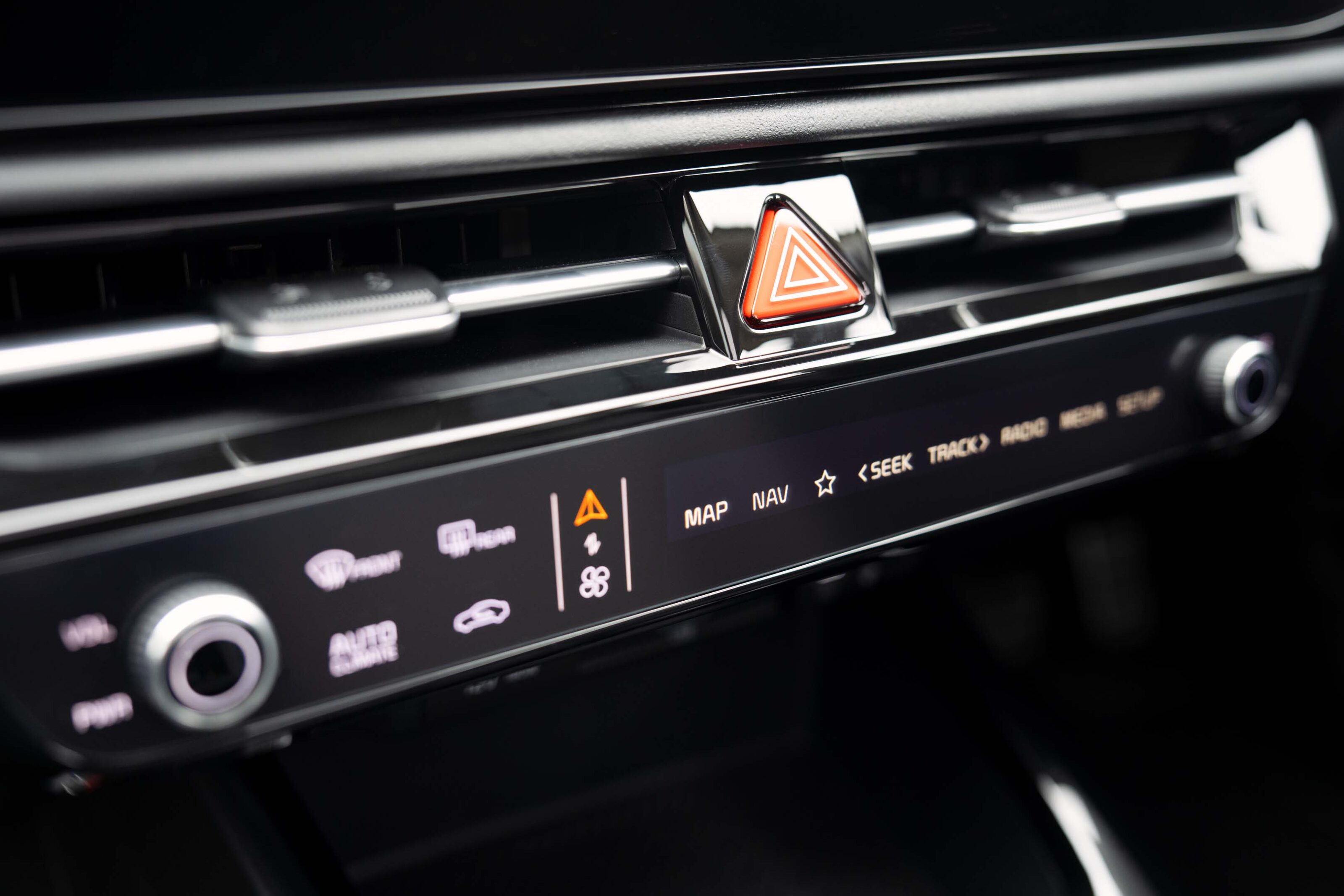
Kia and Hyundai’s infotainment and associated controls remain some of the most stylish and feature-rich yet user-friendly in the business, although the innovative and space-saving ‘dual control panel’ that switches between climate control and media controls can take some getting used to.
However, since most of the media functions are replicated on the steering wheel, it’s simple enough to leave this panel on the climate settings.
Power and claimed numbers
The new Niro is offered in petrol-electric hybrid and full-electric forms, with the former pairing a 77kW/144Nm 1.6-litre naturally-aspirated four-cylinder engine with a 32kW/170Nm electric motor.
Combined system output is 104kW but, like Toyota, Kia doesn’t reveal a specific number for combined torque. Power is sent to the front wheels through a six-speed dual-clutch transmission.
A small 1.32kWh lithium-ion battery is on board with the hybrid, and Kia claims a combined fuel consumption figure of 4.0L/100km – an improvement over the 4.4L/100km figure of the previous model.
In the EV, both the S and GT-Line versions get a ‘long range’ 64.8kWh battery pack (the EV6 gets a 77.4kWh pack), delivering energy to a 150kW, 255Nm electric motor. Power is again sent to the front wheels only, this time through a single-speed automatic transmission.
The Niro EV claims a maximum driving range of 460 kilometres on one charge, slightly bettering the 455km number of the older model.
A combined efficiency figure of 16.2kWh/100km is also claimed, slightly bettering the bigger and more advanced EV6’s best figure of 16.5kWh/100km in the entry-level Air spec.
For buyers drawn to the fabled thrilling acceleration of electric vehicles, the Niro electric isn’t as rapid as some – but with a 0-100km/h time of 7.8 seconds and a fairly instant shove from the electric motor, it’s still fun to bury the pedal. The more important 80-120km/h run comes on faster at 5.0 seconds.
The hybrid is markedly slower, with a claimed 0-100km/h time of 10.4 seconds and a 7.6-second shuffle from 80 to 120km/h.
The hybrid is the pick if you intend to do any towing, although – like all small SUVs – neither offers particularly impressive numbers. The hybrid claims braked and unbraked numbers of 1300 and 600kg, while the EV lists 750 and 300kg respectively.
Both cars are on the heavier side of the small SUV segment, the EV in particular due to its big battery pack, with the hybrid tipping the scales at 1454kg and the EV at 1727kg. Again for context, the Nissan Qashqai weighs around 1300 to 1450kg, depending on variant.
The Niro in both variants has a super-tight turning circle of just 10.6 metres.
Niro electric charging, and the real-world experience
Unlike the ultra-rapid 18-minute charge from 10 to 80 per cent boasted by the EV6 through its 800V architecture, the Niro charges considerably slower – although certainly at a comparable speed to most other EVs currently available in Australia.
Connected to a powerful 350kW DC charger, the new Niro will go from 10 to 80 per cent in 43 minutes – although the time can vary considerably, depending on the existing charge level when you first plug in.
| Energy cons. (claimed) | 16.2kWh/100km |
|---|---|
| Energy cons. (on test) | 21.8kWh/100km |
| Battery size | 64.8kWh |
| Range claim (WLTP) | 460km |
| Charge time (11kW) | 6h 20m |
| Charge time (50kW) | 1h 5m |
| Charge time (100kW) | 45m |
Ownership
The Niro is sold with the same seven-year, unlimited-kilometre warranty offered with all Kia models.
Servicing for both versions is due every 12 months or 15,000 kilometres and, no surprise, the more complicated petrol-electric hybrid is the more expensive to service.
With the hybrid, capped price servicing will work out to $4010 over seven years, available only in a ‘pay on the day’ arrangement. The EV has the option of per-visit payments or a pre-paid deal, but each will work out to $1751 over seven years.
On the road
Hybrid
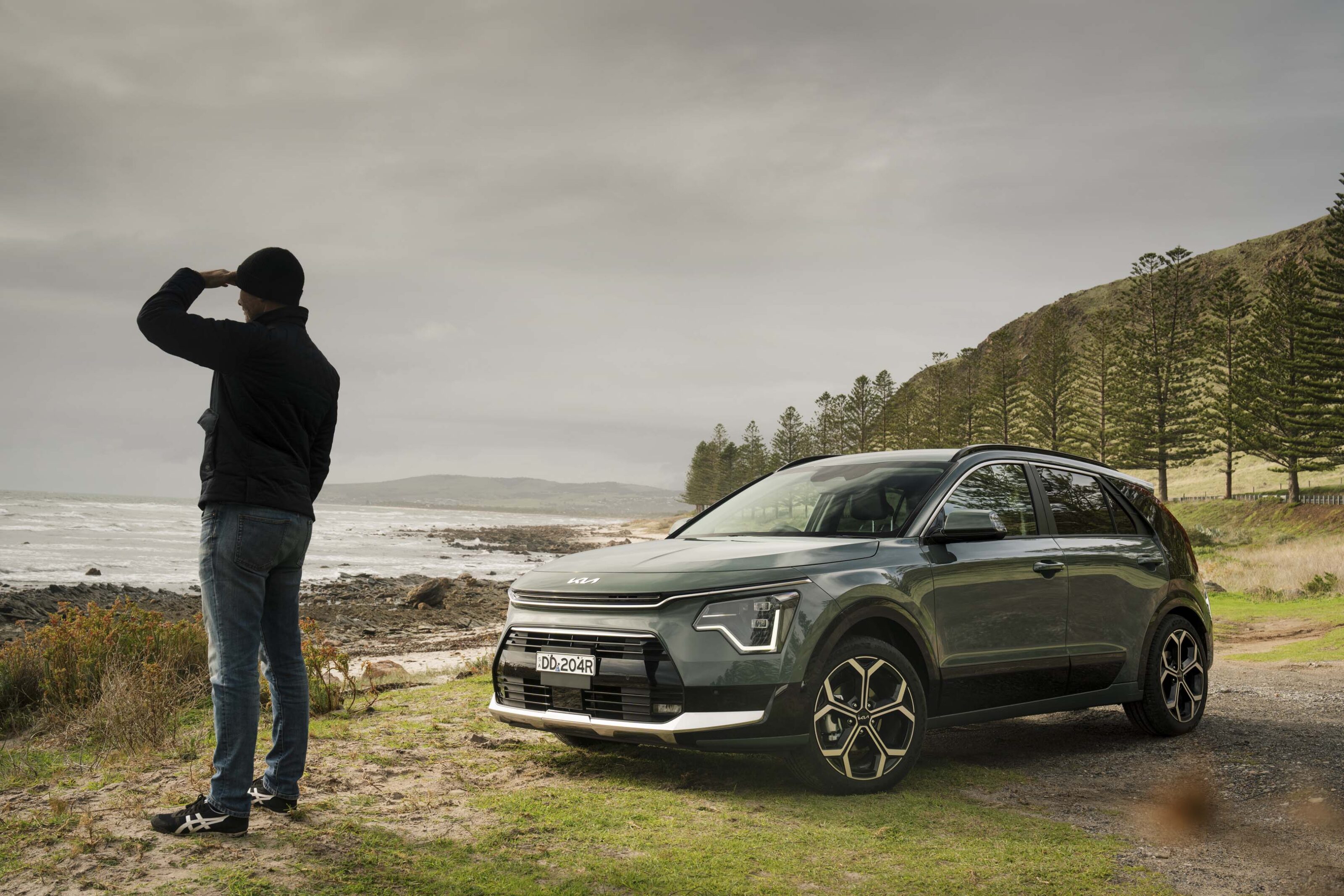
In hybrid form, our drive experience was limited to the GT-Line with its big 18-inch wheels and low 45-profile tyres. Ride comfort in this configuration falls short of ideal – as is often the case on big wheels – feeling a little too firm when navigating unsealed or poorly maintained roads, but not excessively so.
Unlike the previous model, the new Niro benefits from Kia Australia’s partnership with Graeme Gambold, who has again applied his expertise in ride and handling to a local tuning and parts selection program. However, it’s hard to say that the hybrid, at least in GT-Line form, has truly benefited from this work.
But, those who prefer a firmer ride, perhaps interpreting it as a naturally more sporting setup, may find the result satisfying. Its planted feel through corners – combined with a weightier steering tune in Sport mode that feels progressive and accurate, if not communicative – at least makes the Niro an entertaining drive when pushed.
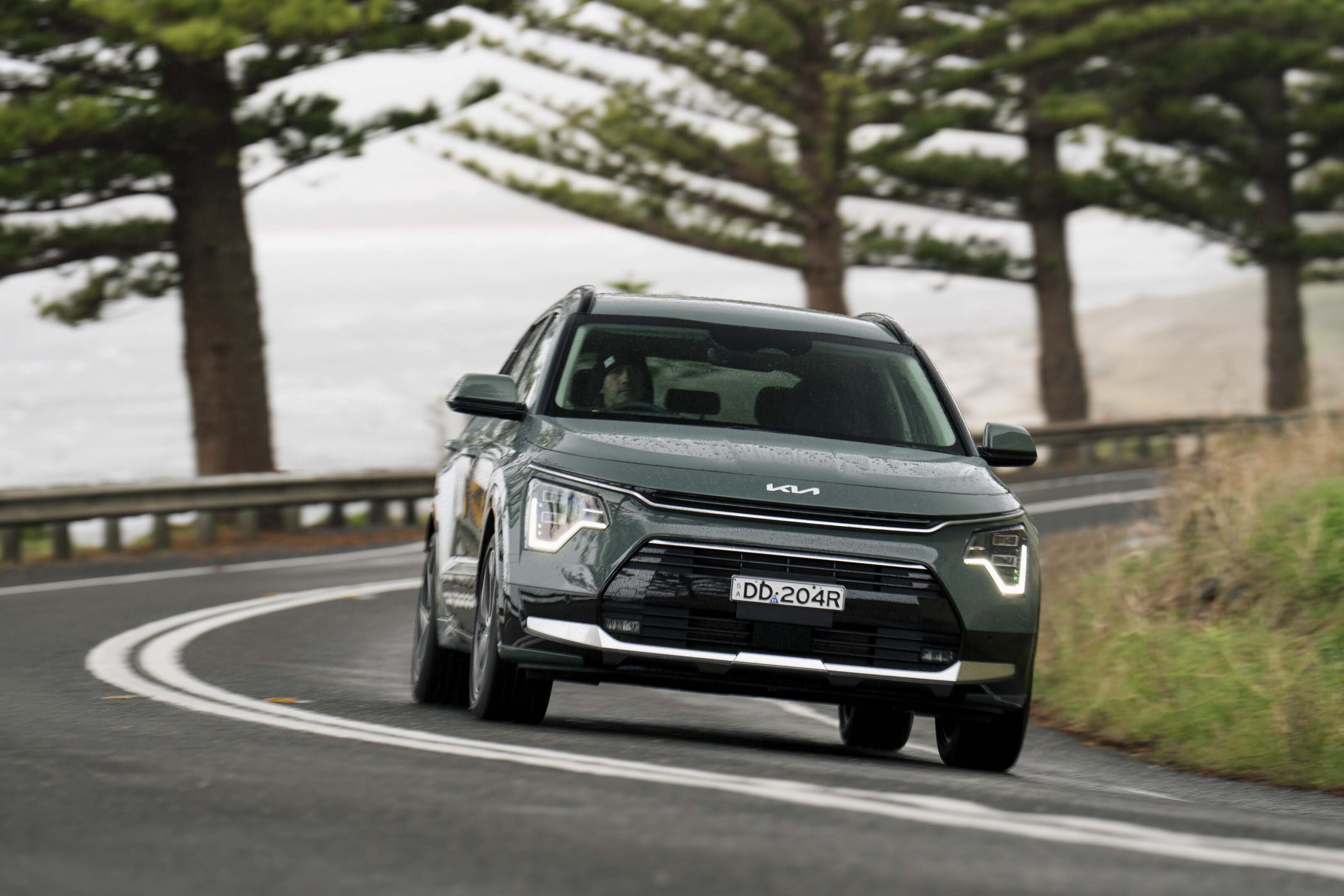
Acceleration and mid-range pickup are at least satisfying. While not especially swift, the Niro hybrid benefits from a six-speed dual-clutch automatic that delivers rapid gear changes and saves drivers from the drone and rubber-band feel of the CVT design used in Toyota’s RAV4 hybrid.
Interestingly, the dual-clutch auto does away with the conventional reverse gear, instead using the electric motor for backing up. Kia says this change alone has saved 2.3kg in overall weight.
The hybrid has paddles behind the steering wheel that serve two distinct functions – changing gears when running primarily as a petrol car, and brake regeneration when utilising electric power.
A launch event is not the best scene to measure fuel consumption, with multiple journalists testing the vehicles to their lawful limits, but our time with the Niro hybrid returned a figure of 5.3L/100km – suggesting a real-world average closer to the claimed figure could be achievable.
Electric
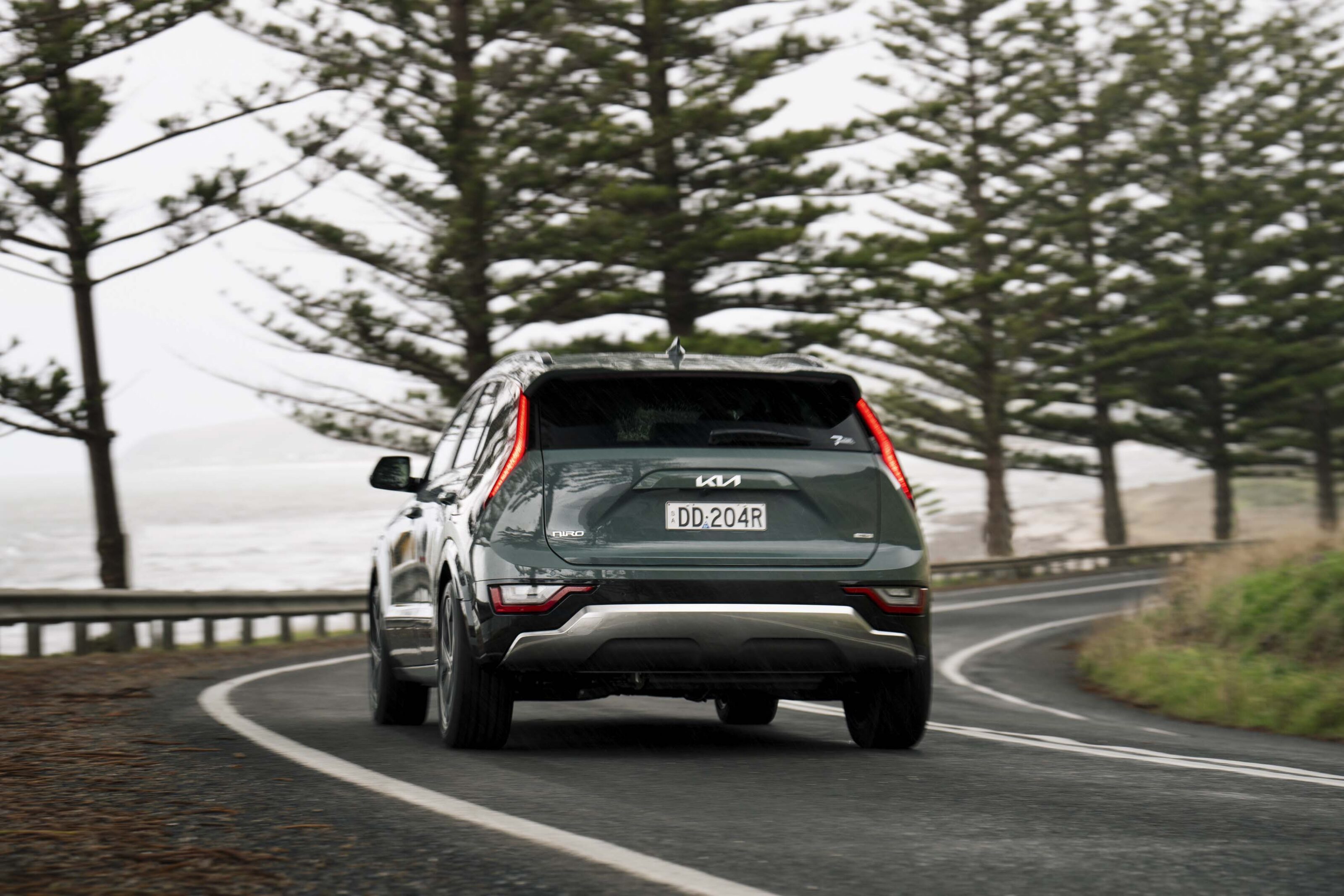
The electric model rides exclusively on 17-inch wheels, which diminishes style and sportiness a touch, but this is outweighed by the ride comfort and – most importantly – the longer driving range delivered with smaller, narrower wheels and a bigger 55 profile to the rubber.
Still, Gambold’s input, while not a work of physics-defying magic, ensures the electric Niro isn’t barge-like in its ride. It’s still firm, but well controlled.
Although nearly 300kg heavier, thanks to that battery pack, its lower centre of gravity and more rapid acceleration at any point means the EV feels quicker than it really is, and keeps the body roll usually associated with higher-riding models well in check.
Like the hybrid, the EV gets paddles behind the steering wheel, focused here specifically on brake regeneration. In the electric model, that means three levels of regeneration – and a corresponding body feel that in its heaviest setting can take some getting used to – along with i-pedal, a one-pedal driving mode that allows you to safely come to a stop in most driving situations without needing to touch the brake.
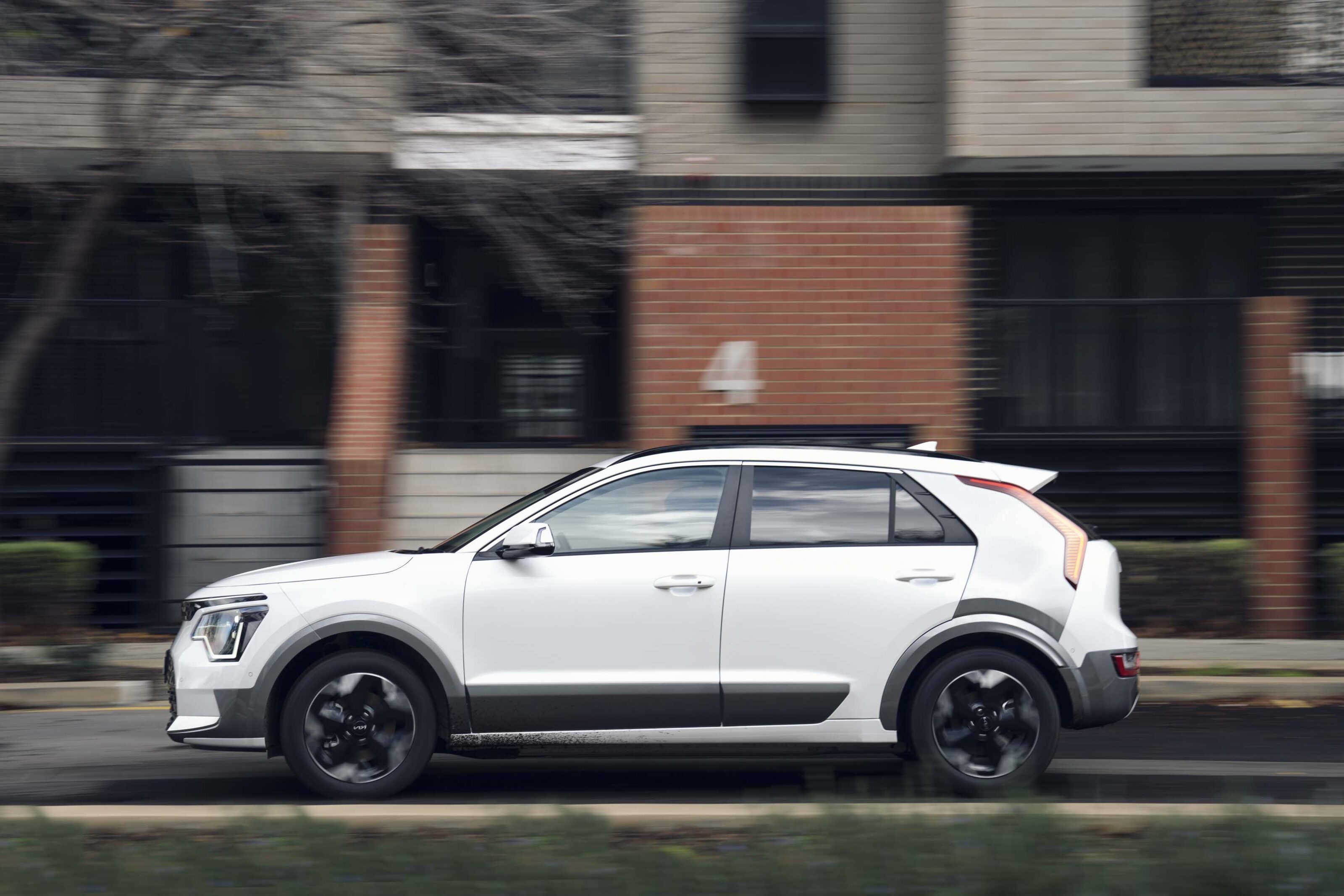
In its stronger settings, the brake regen also offers a handy advantage for spirited driving, allowing you to simply lift off the accelerator as you enter corners, avoiding the brake pedal altogether.
Astute readers may have noticed that torque is down significantly in the new electric Niro, now at 255Nm compared to 395Nm in the previous model. Kia says this was done to improve all-round driveability, reducing useless torque steer while protecting driving range and tyre life. And, since the new EV gets to 100km/h just as quickly as the old model, it seems to have worked out fine.
Efficiency in the EV is claimed at 16.8kWh/100km on a combined-cycle WLTP test, but our experience on the launch drive – again not an ideal setting for measuring such things – saw numbers jumping around between 19 and nearly 21kWh/100km, the latter coming on mostly in the longer highway legs of the drive, where EVs are at their least efficient. (Although a friend recently sent me data that showed his Tesla Model 3 had achieved 11.3kWh/100km over a 200km trip of combined highway and urban speeds…)
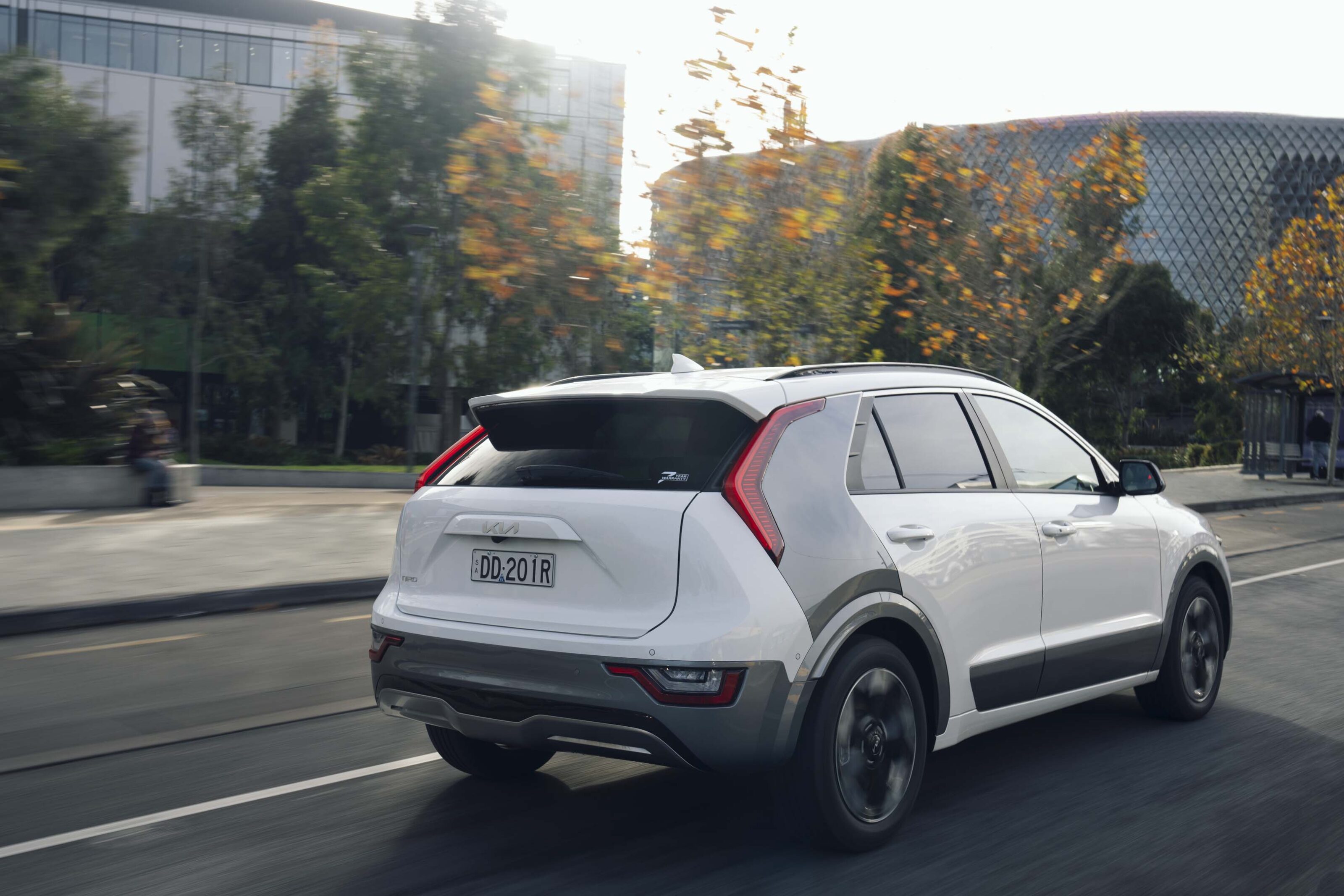
Road trippin’, Adelaide to Melbourne
Following the launch event in Adelaide, I borrowed an electric Niro to drive back to Melbourne. Bound for our Mulgrave headquarters, I was off on a drive that would in a conventional car take just under nine hours over 750 kilometres.
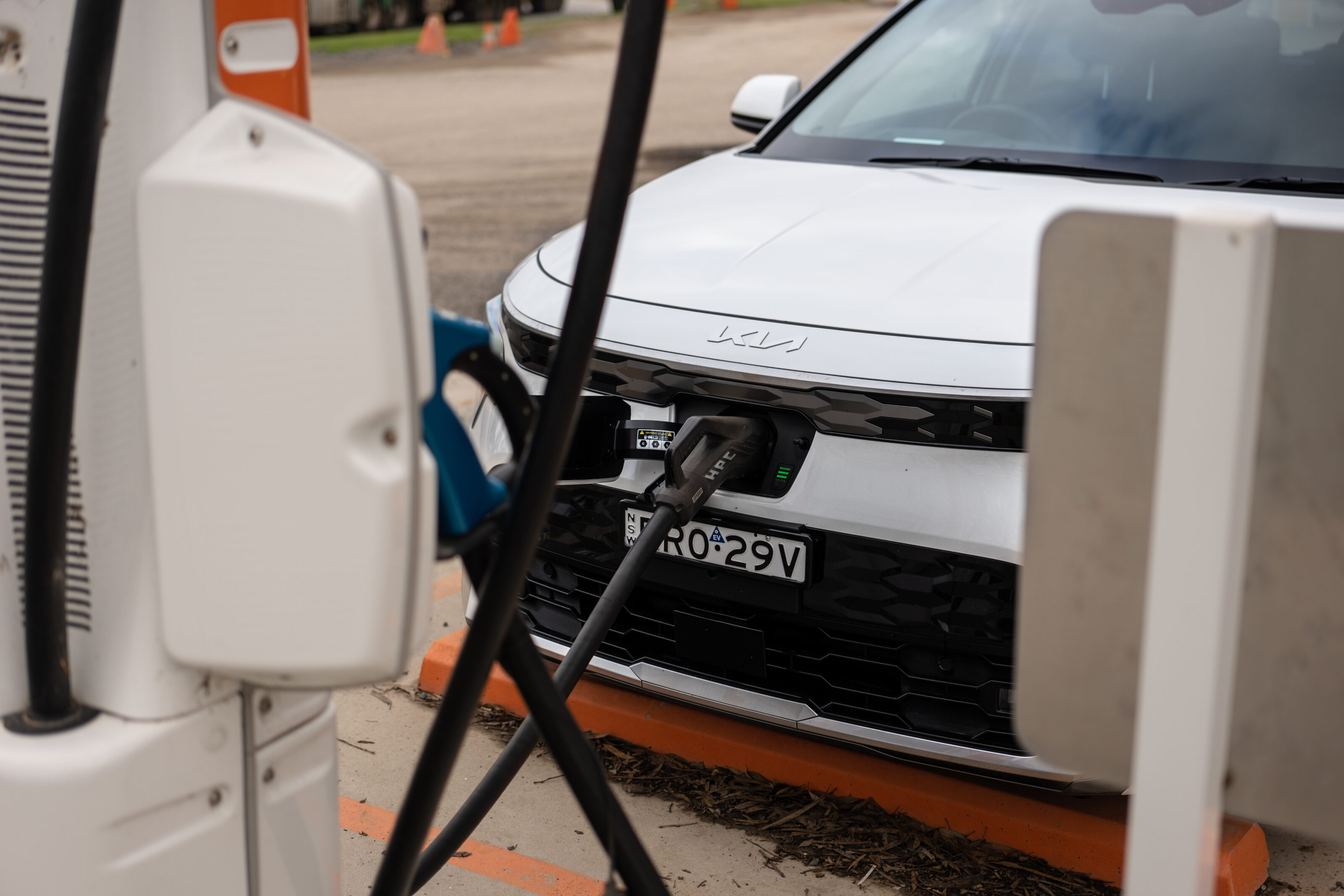
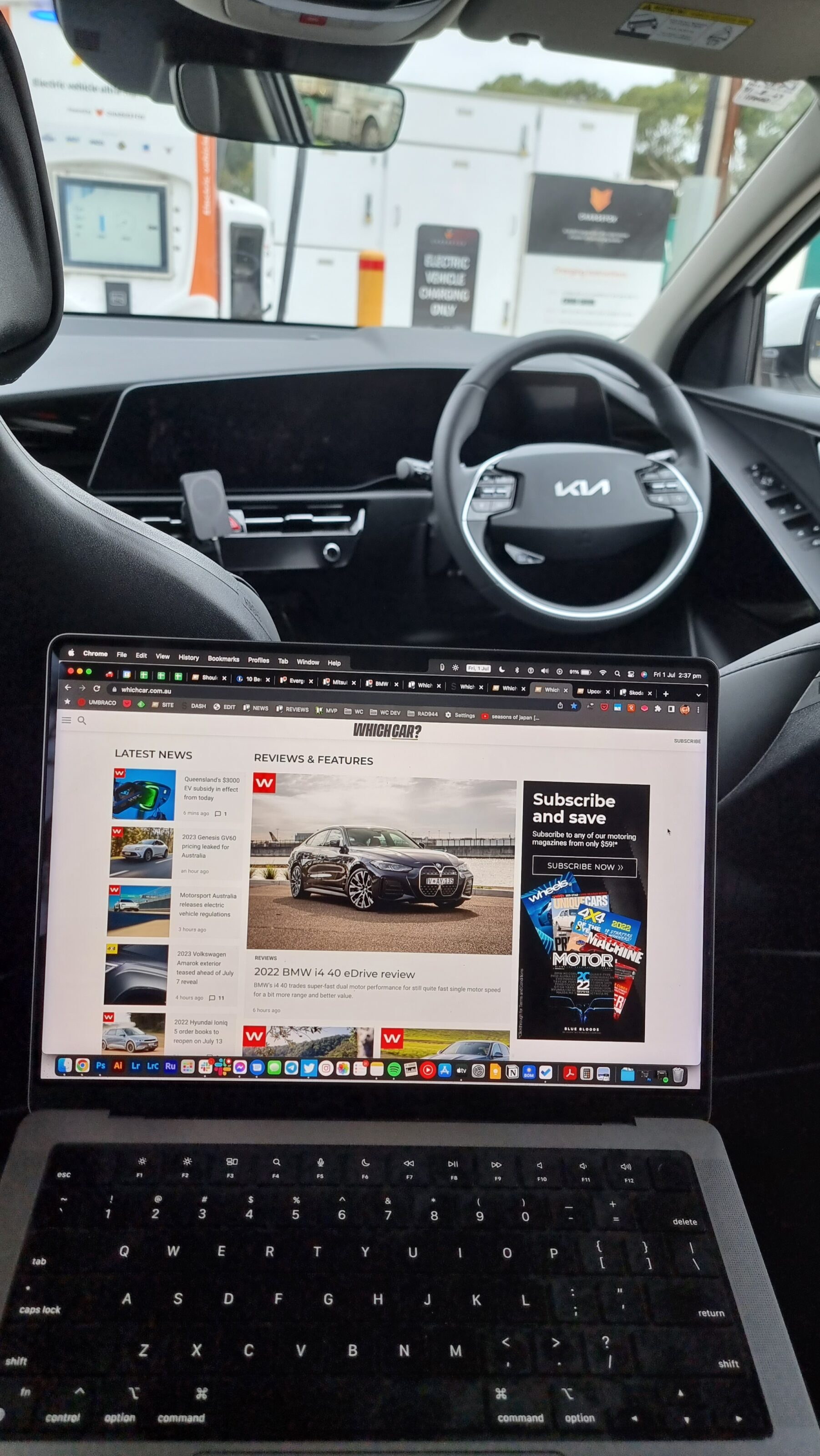
Of course, it’s a different story in an EV. Not having recharged the Niro before leaving, I left Adelaide with 257km of indicated range, so my first stop was the 350kW Chargefox station at Murray Bridge, 75km away. I arrived with 159km of indicated range remaining and trip efficiency at 18.3kWh/100km, with a fair amount of brake regeneration opportunities available over that first leg of the journey. I was up for a 15-minute wait to get to 80 per cent, but I wanted a full recharge – so it was going to be just over an hour. Even at 91 per cent, with charging speed curving down to about 14kW, it was going to be a 30-minute YouTube session for me.
It was more of the same for the rest of the drive, with more lengthy charging stops at Keith (efficiency on arrival at 20.2kWh/100km due to higher speeds and less brake regen), Horsham and Ballarat, before powering on to Mulgrave.
As a savvy follower on Twitter noted, I could’ve enjoyed shorter charging waits by cutting off at 80 per cent, but it would’ve meant more stops – so, really, it’s up to the driver. Fewer stops with longer waits, or more stops with shorter waits.
Like I said after driving the EV6 from Canberra to Melbourne, driving EVs over long distances requires a recalibration in the minds of buyers. Re-learning what to expect from range calculations, and understanding that highway driving efficiency is pretty much the opposite of what you grew up expecting from internal combustion engines – but the infrastructure to support those drives is only growing.
VERDICT
Taken in context – that is, with the bigger Toyota RAV4 hybrid available at similar money to the Niro hybrid and the bigger and more advanced Kia EV6 technically available (if you can get an order) from a similar entry price to the electric Niro S – it’s hard to say the Niro feels like a good value buy.
Still, there’s a lot to be said for availability. At around 80 cars each month, Kia isn’t exactly bringing Niros in by the boatload, but with long waits on the RAV4 and the EV6 being virtually unattainable to all but the most patient of buyers (or those prepared to give $100K to lucky early buyers flogging them on the used market), the Niro’s appeal grows stronger.
The slower charging speeds are a debit, but in the greatest chunk of most people’s driving through the year – where the car is plugged in each night at home and driven maybe 100km each day on the usual trips and errands – charging speeds are a largely academic concern.
In isolation, the new Niro feels like a good thing. Now far more advanced and stylish than the previous model, with a mostly comfortable and sporty driving experience, buyers can still feel they’ve landed on a good deal.
But… when other rivals in the $60K range include those from Tesla and Polestar, each offering a serious amount of brand appeal and technological ‘wow’ factor, buyers could easily be tempted away.
2023 Kia Niro specifications
| Key details | 2023 Niro Hybrid | 2023 Niro electric |
|---|---|---|
| Engine | 1.6-litre 4cyl petrol-electric hybrid | front-mounted electric motor |
| Power | 104kW combined | 150kW |
| Torque | 144Nm petrol + 170Nm electric | 255Nm |
| Drive | Front-wheel drive | Front-wheel drive |
| Transmission | Six-speed dual-clutch automatic | Single-speed automatic |
| Weight (tare) | 1454kg | 1727kg |
| Tow rating | 1300kg braked, 600kg unbraked | 750kg braked, 300kg unbraked |
| Fuel/energy consumption | 4.0L/100km | 16.8kWh/100km |
| Brakes | 280mm ventilated discs front / 262mm solid discs rear | 305mm ventilated discs front / 284mm solid discs rear |
Snapshot
- Recalls pose a problem for importers, owners and manufacturers
- Brands can’t track imports because they get a new VIN
- Takata airbag scandal highlighted what could be a growing problem
Thousands of overseas vehicles flooding into Australia under new import laws could pose a safety risk due to flaws in the way they are recalled, Wheels has learned.
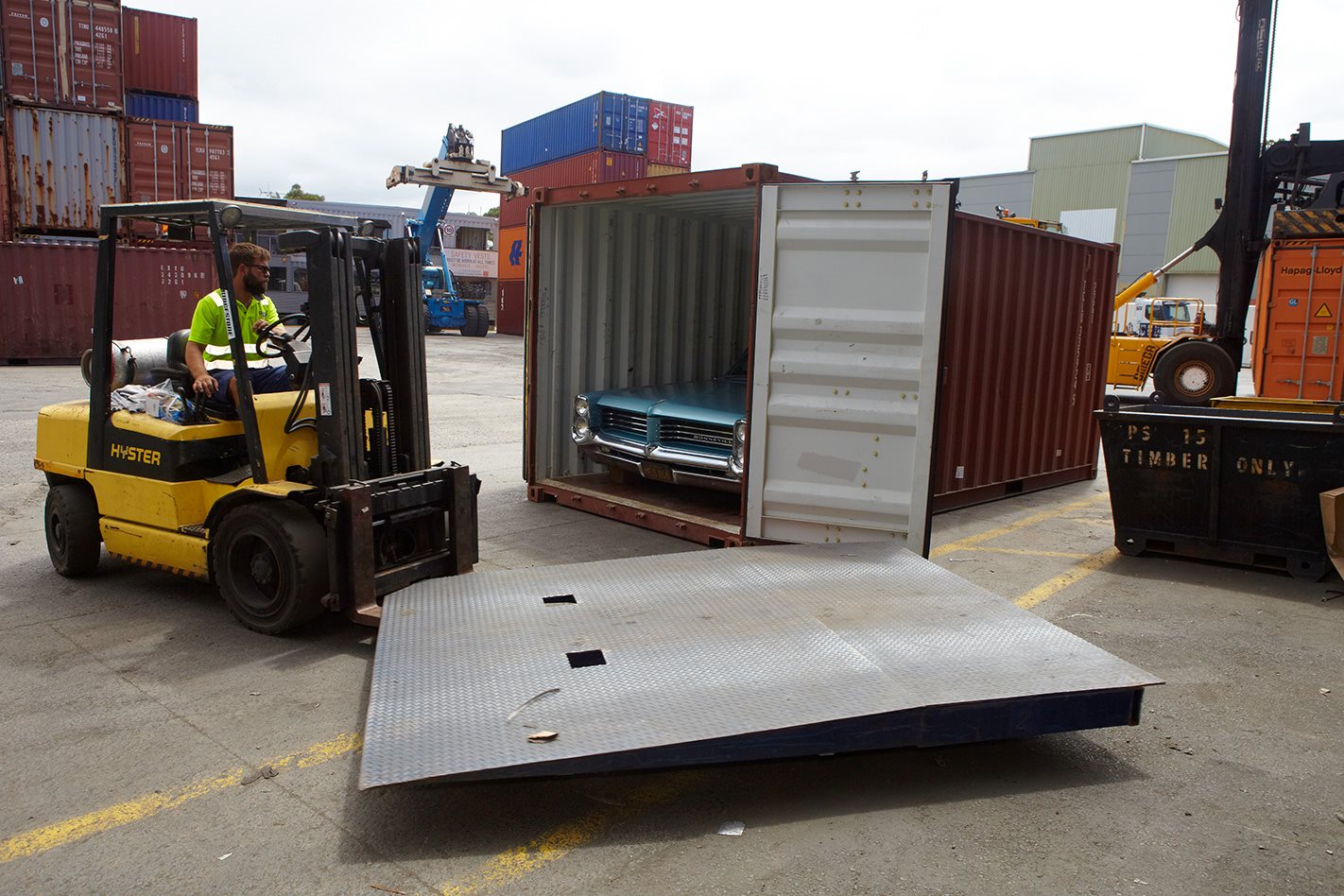
The responsibility for recalling (and therefore fixing) ‘grey import’ cars when things go wrong doesn’t lie with the original manufacturer – as it does with new vehicles – meaning buyers could be exposed to spiralling financial costs and legal issues.
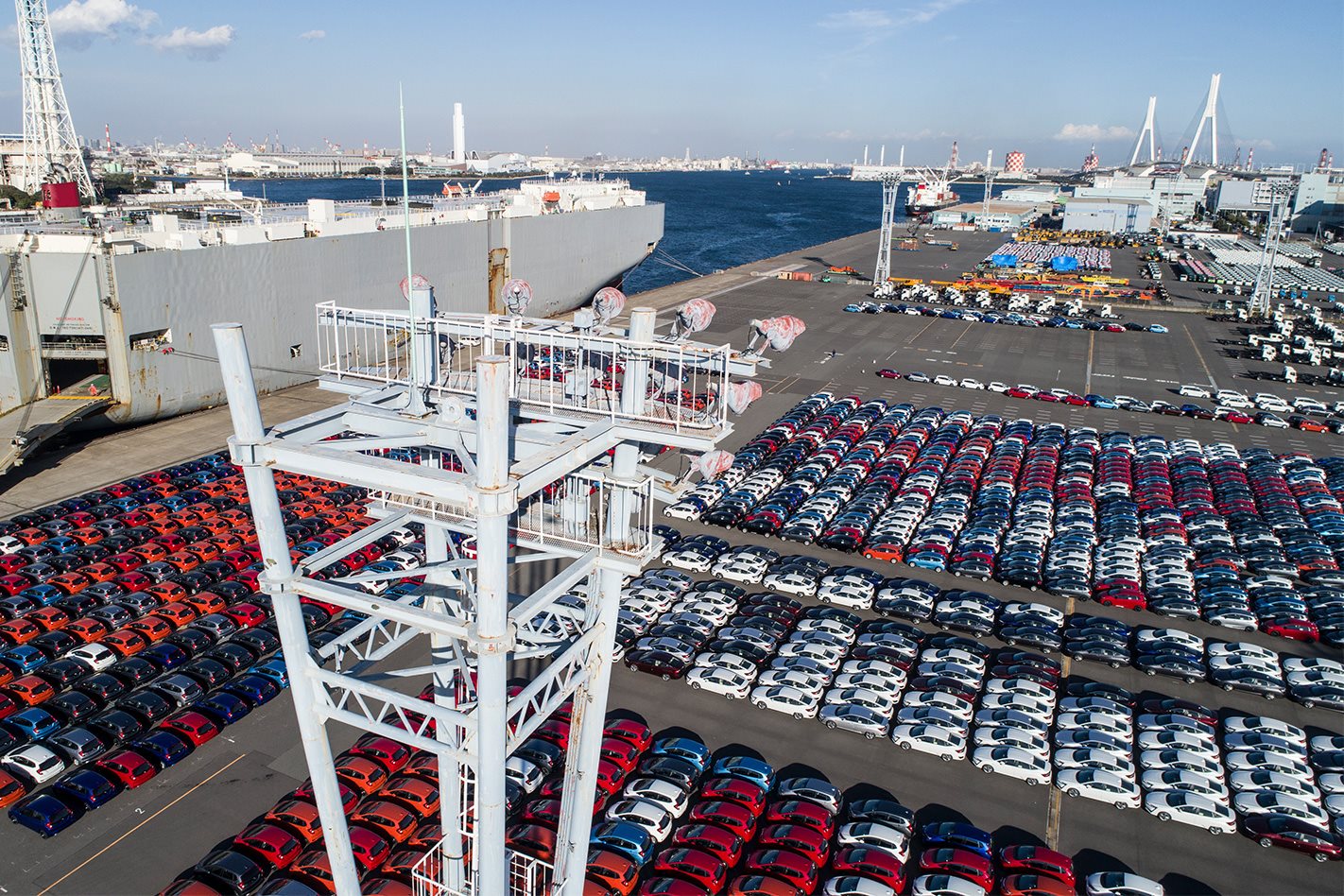
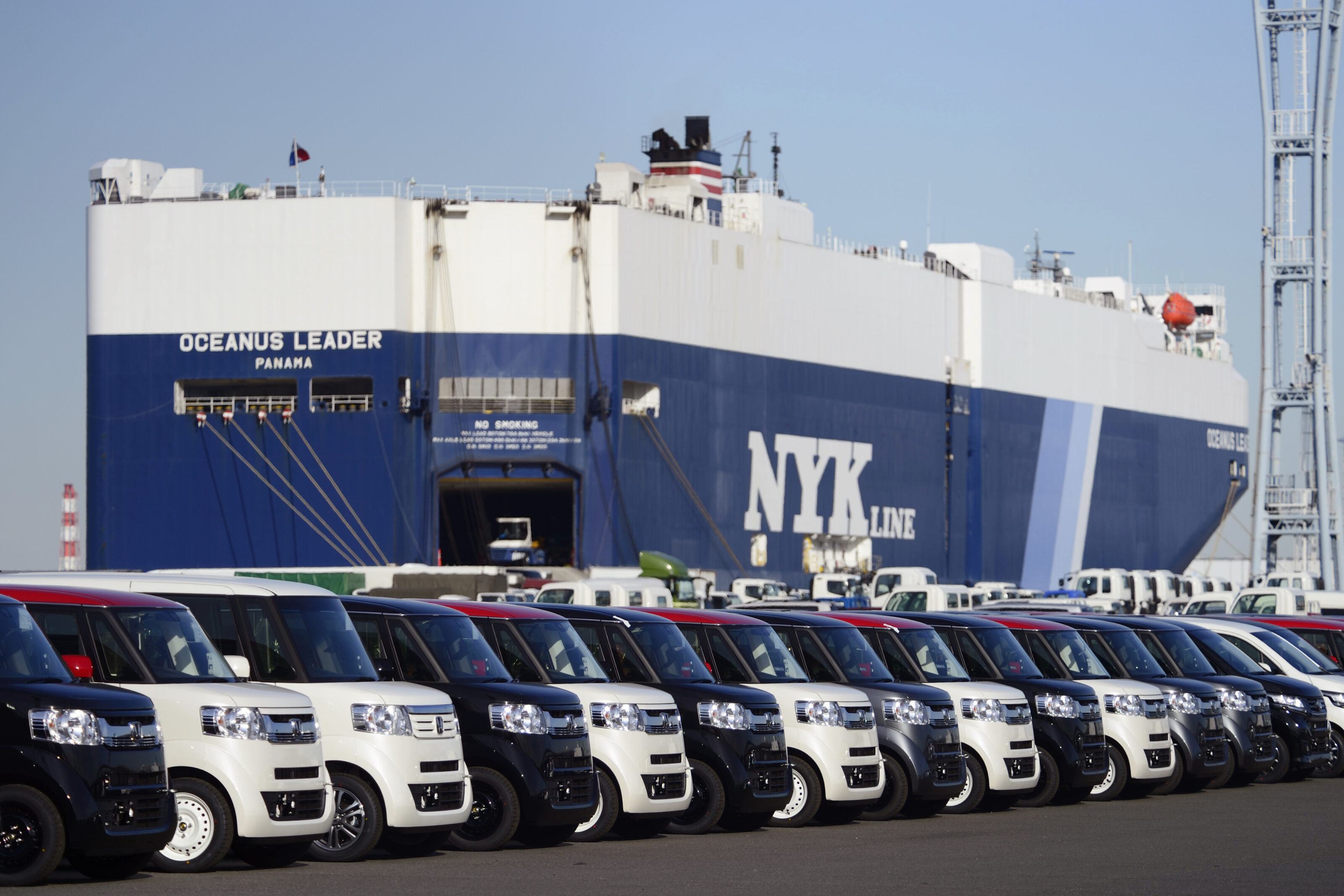
Grey imports are models that make their way to Australia outside of the normal volume import process carried out by carmakers.
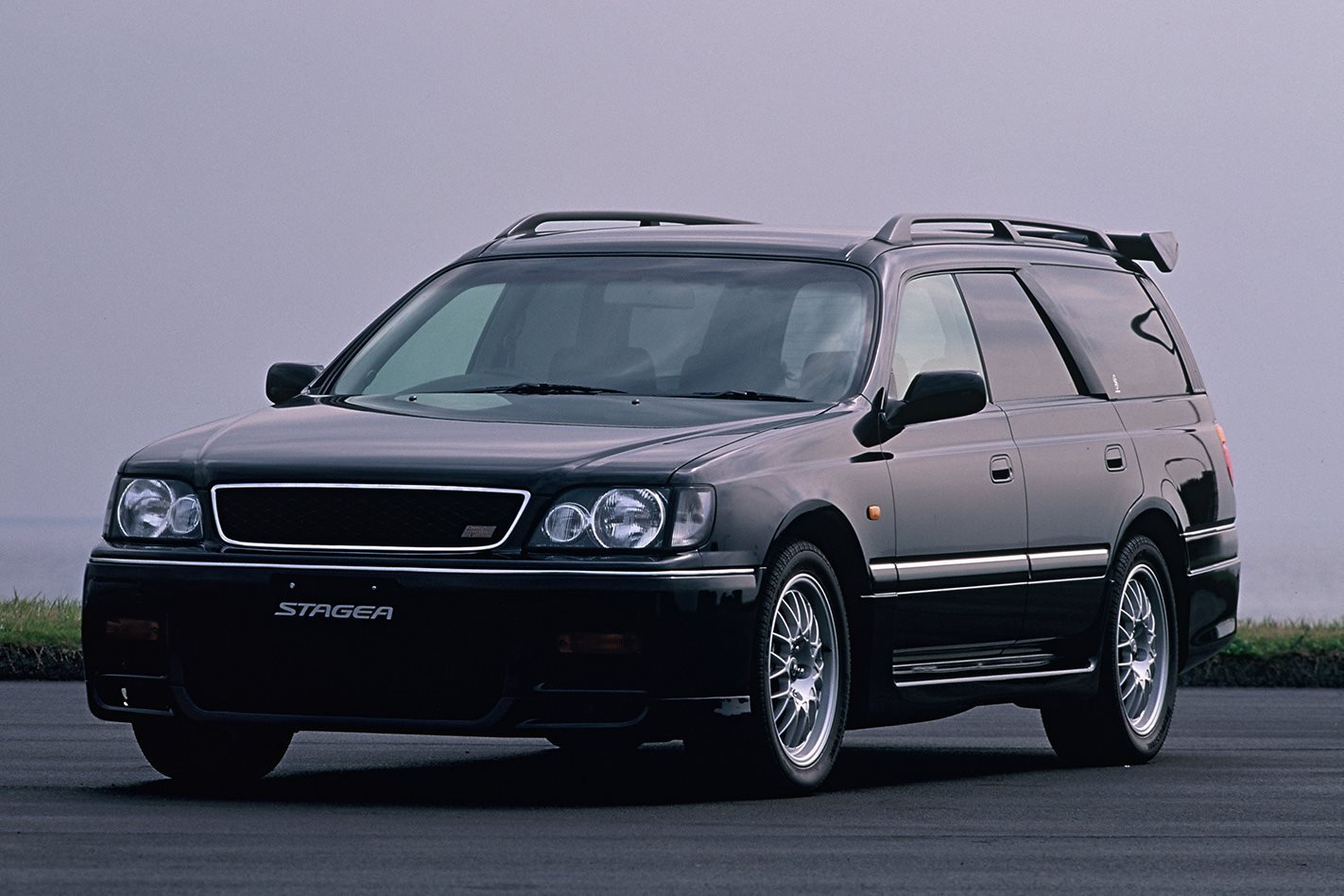
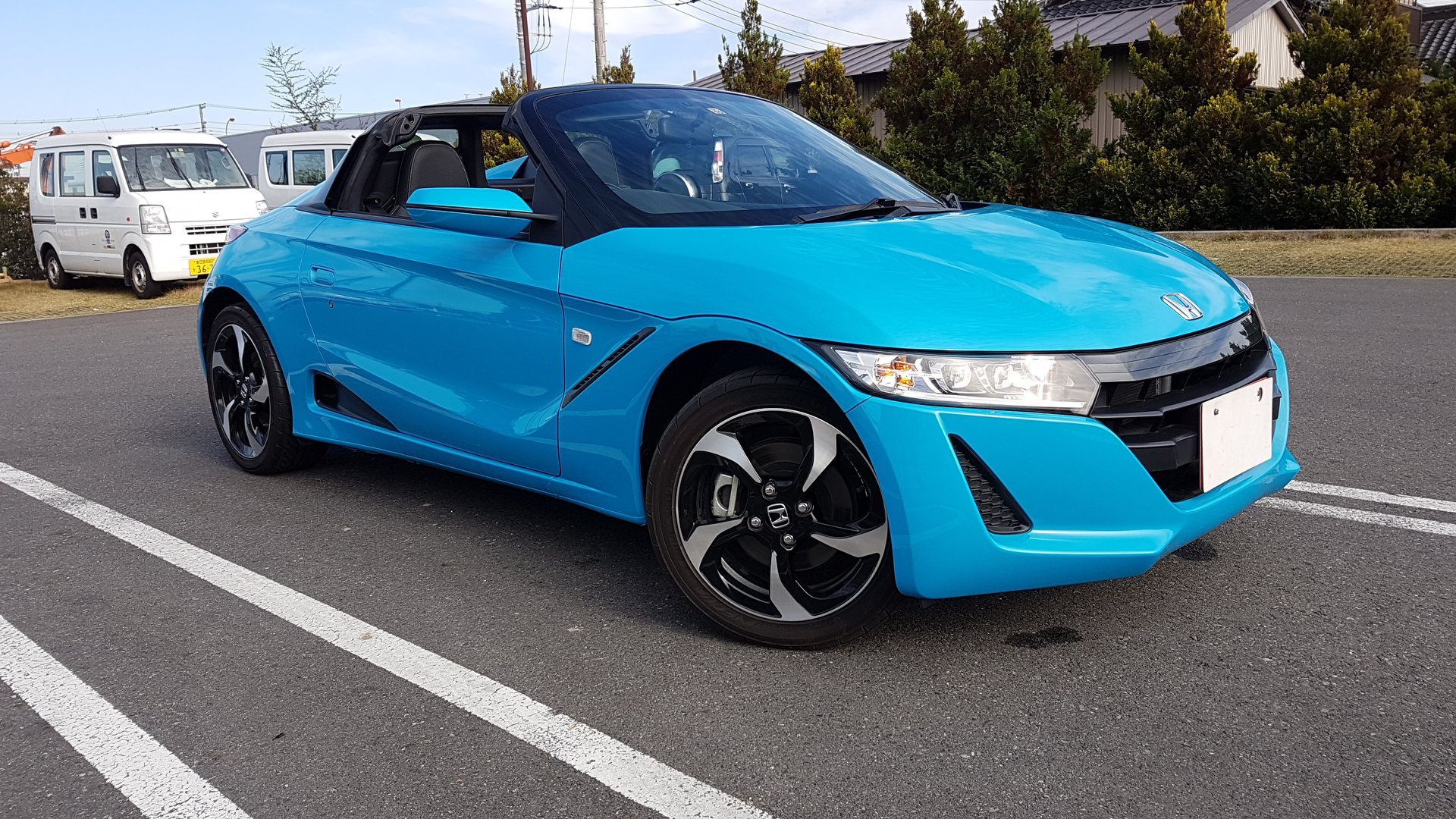
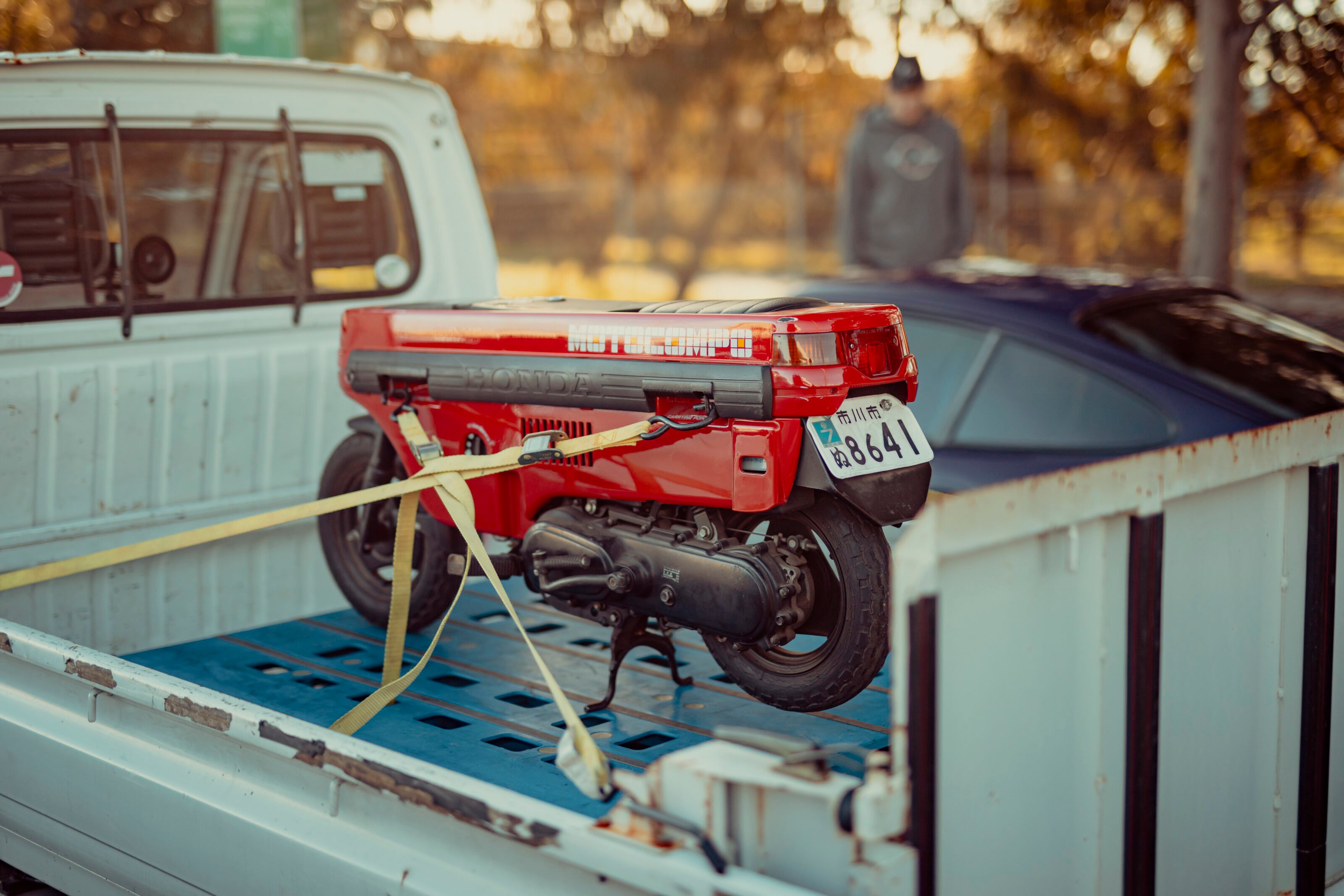
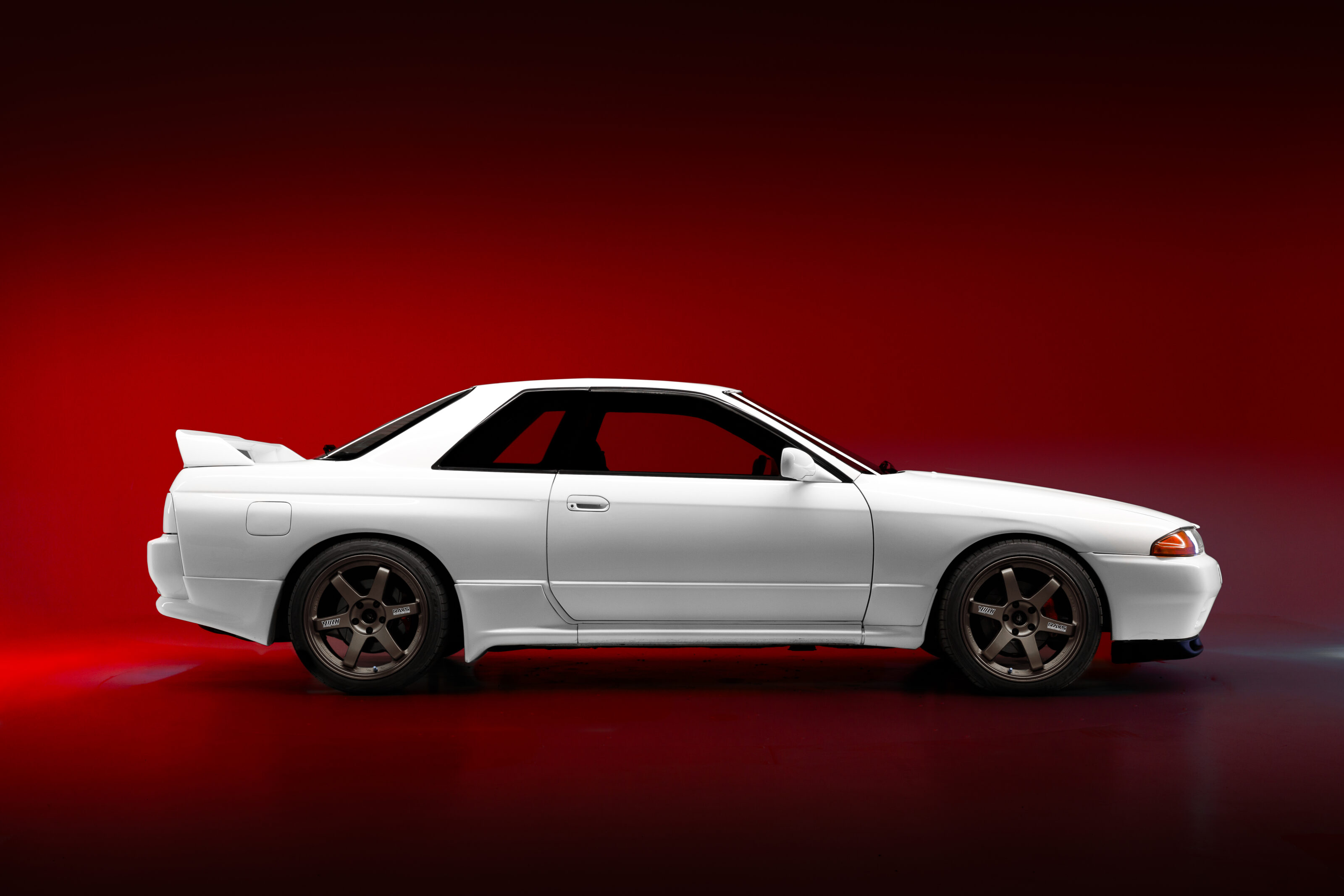
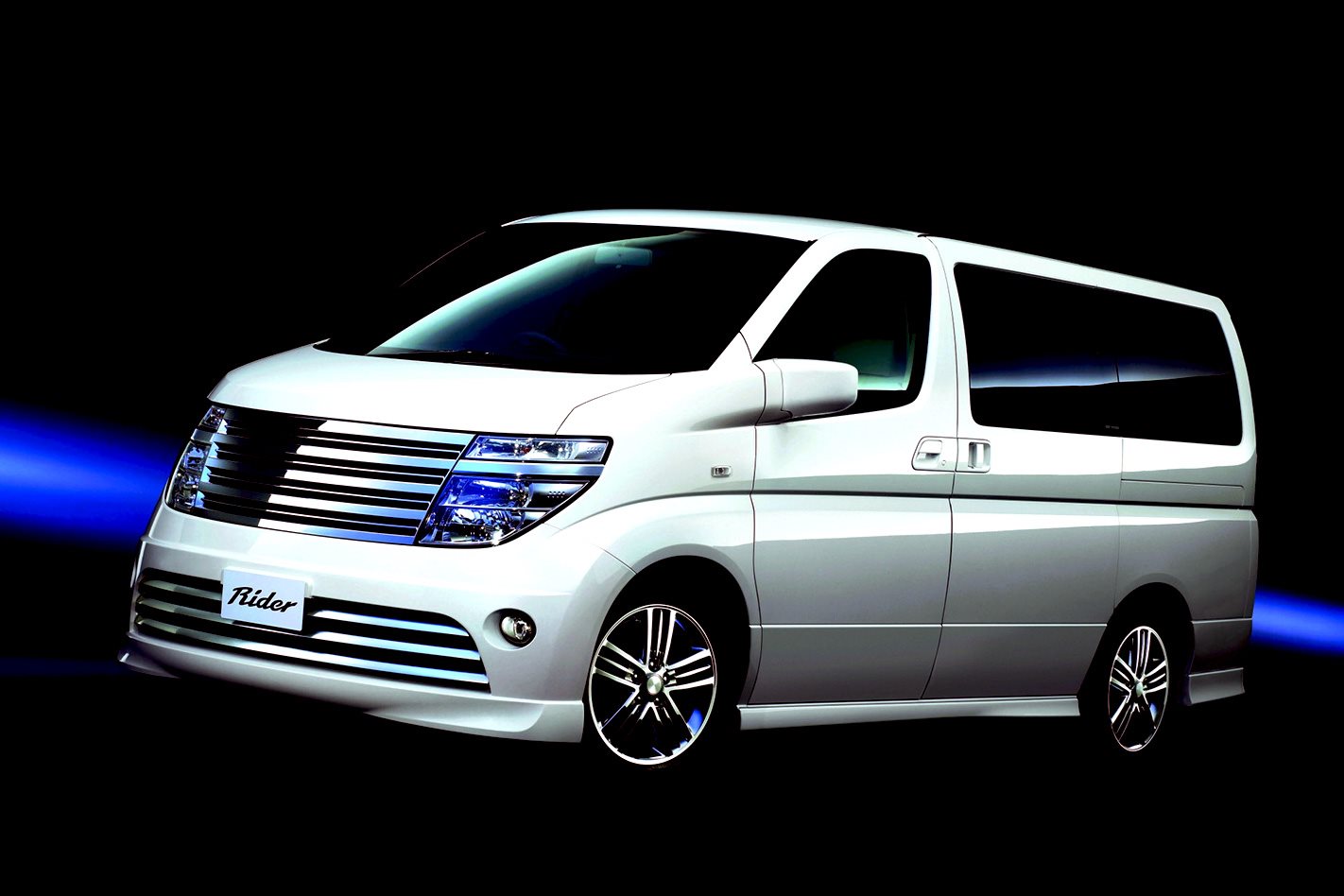
Currently, the majority of used vehicles come from Japan, though the term can also apply to new and used vehicles from other countries. They can be brought in by businesses specialising in importation, or by an individual – which is where problems start to creep in regarding recalls, according to industry figures.
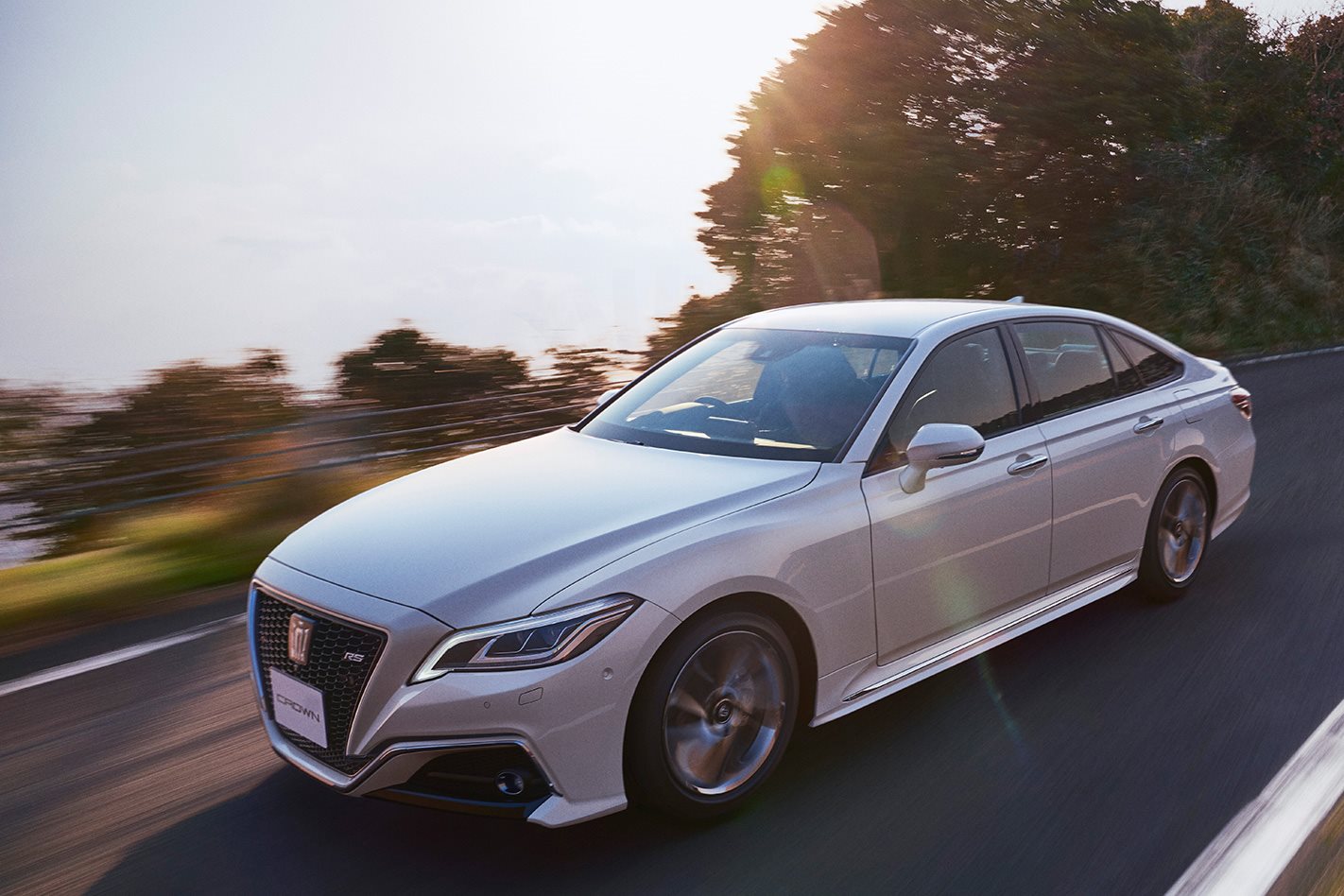
Because carmakers aren’t bringing these cars into the country, they aren’t able to track them and assist with recalling them if there’s a problem. Imported cars get given a new Vehicle Identification Number (VIN) when they arrive, so manufacturers don’t have the contact details for owners.
Wheels understands many automakers are watching with bated breath for potential legal issues arising because they are still publicly seen as being accountable.
“The obligation [for recalls] under the Australian Consumer Law is upon the supplier of the vehicle…we know that they [importers] don’t necessarily understand the obligation or comply with it. This then leads to the brand being exposed to a vehicle that they decided not to bring to market being here under the their name,” said Ashley Sanders, Technical Director at the Federal Chamber of Automotive Industries (FCAI).
“We’ve got some concerns in that vehicles which are imported are generally not models originally destined for Australia. So it means the original equipment manufacturer (OEM) hasn’t considered the unique requirements of the Australian market as appropriate for those models.
“In general, the Australian market is a harsh environment with very high temperatures, very low temperatures, rough roads, dust conditions and all these sorts of things that may influence the way you would design and develop a vehicle.
“It’s our belief that if a vehicle’s not originally designed and developed for the Australian market, then it should be the manufacturer’s option not have that vehicle introduced here. Whereas under the concession scheme, it becomes the importer’s option as to whether it is appropriate, and technically they are then responsible for the vehicle once it’s here – including recall.”
Technically this has been a potential problem for years, but is only coming to the fore now because of new rules aimed at allowing greater numbers of grey imports to reach our shores meaning as many as 30,000 extra vehicles a year could come here – which can be anything from a classic car, to a rare one or even a brand new one that just isn’t sold in Australia.
In 2019, the Motor Vehicle Standards Act 1989 (MVSA) was replaced by the Road Vehicle Standards Act 2018 (RVSA) – which came into effect one year ago after a lengthy delay – but the legislation is currently still in a transition period set to end on June 30, 2023, to give time for the industry to adapt.
The new rules apply to both privately and commercially imported models, and the latter must be significantly different to those sold new in Australia. All are expected to meet stringent standards for safety and emissions to comply with Australian Design Rules (ADR) – requiring modification and certification before they can be registered.
Wheels understands that the first time the scale of the problem was truly discovered was as part of the global mandatory Takata airbag recall, which began in 2013.
While OEMS were legally required to contact owners of any cars they had sold in Australia which had been fitted with the faulty airbags, they were not responsible for grey imports.

However, with car owners widely approaching manufacturers about how to get their vehicles fixed in recent years, but there being no obligation on the latter to do so, companies felt compelled to go to the Federal Government to ask for owners’ contact details so they could step in.
“Tracking the vehicle from a VIN number perspective is completely unknown to the manufacturer. The Government will not advise OEMs of the new VIN because they are not responsible,” said Sanders.
“There’s the potential for serious brand damage for these [grey import] vehicles being in market and this was something that was highlighted within the mandatory Takata airbag recall where there are a number of vehicles that had been introduced, not authorised by the official distributor – not even known that they were in the market by the official distributor – and you had people then approaching them saying: ‘what about my car’?
“Official brands approached [Government] and asked for lists of their vehicles and it was able to provide those lists because it was a mandatory recall. Under no other circumstance would it be authorised to provide an individual’s details – and rightly so. But as a gesture of good-will and in deference to brand damage that may exist, a lot of the official distributors did assist in those cases.”
Asked if, in such circumstances, grey import vehicles being in Australia – which may be under recall but aren’t known about by an OEM, importer or owner – could be making our roads less safe, Sanders told us: “Yes.”
However, one of Australia’s biggest car import businesses – Iron Chef Imports – told us that a situation on the scale of the Takata scandal is “unlikely” to happen again, and automakers’ efforts to help weren’t as squeaky clean as they’d have you believe.
“The automotive industry may be unlikely to see another Takata airbag recall, but due to its scale and severity, it’s fair to say it caught manufacturers, importers and even the Government on the hop,” said Director Kristian Appelt, who is also Vice President of the Australian Imported Motor Vehicle Industry Association (AIMVIA).
“As vehicles become more complex, the frequency of recalls, both minor and major, will inevitably increase. So all importers – new or used – via authorised dealers or outside these networks have had to tighten up processes and look at how to more efficiently and expediently manage recalls in the future.
“AIMVIA was critical of the hypocrisy shown by manufacturers during the Takata airbag recall, where in many cases, public statements of concern about consumer safety were juxtaposed with a steadfast refusal by dealers to assist vehicle owners finding replacement parts when the vehicles were not originally sold through an authorised dealership.
“During the Takata airbag recall, manufacturers headquartered in New Zealand (where there are far more parallel-imported vehicles) took the attitude that regardless of the method of importation, it would be bad for their corporate image if an airbag were to explode in a car that had their badge on the front, and therefore handled the recall for both officially imported vehicles and those imported via third-party supply chains.
“[But there was] the reluctance, or outright refusal in some cases, of Australian distributors and their dealers to follow suit.”
Appelt added that while used imports currently represent only a small fraction of new car sales, they do create some headaches for legislators in terms of who is responsible for the vehicle in the event of a recall.
“The Federal Government, via the new RVSA legislation, seems to have subsequently decreed that the entity that first supplies the vehicle to the Australian market is deemed the ‘manufacturer’ and therefore liable for any potential recalls in the future.
“This may seem like a logical solution if the first supplier is a vehicle dealer or a compliance workshop, being a business that can both source the necessary parts and complete any recall modifications as required, but [the rules] now requires the purchaser of a vehicle overseas is also the applicant for the import approval – potentially making a private citizen the first supplier and therefore the ‘manufacturer’ in the event of a recall.
“It’s not hard to imagine a scenario where a car enthusiast buys a vehicle overseas and imports it to Australia, then once it has passed through a few sets of hands, the current owner gets hit with a recall and has no idea what to do or where to take the vehicle to get it repaired. The result? A new system that offers consumers no greater recall protection than the old one.”

Appelt told Wheels that AIMVIA is currently working on a system-wide solution to help protect consumers.
According to the Royal Automobile Club of Victoria (RACV), while some specialist grey importers and local new car dealers can source replacement parts in the event of recalls, delays in obtaining them are likely – and even then owners may face difficulties finding repairers willing to undertake the work or insurance companies that will cover the vehicles.
Access to service information could be another problem – particularly for cars originally destined for a non-English speaking market.
Back in 2016 when the fresh laws were being debated, then Major Projects Minister Paul Fletcher told Wheels at the time: “There will be an online database [the Register of Approved Vehicles]…and there will be a requirement for every vehicle to be on that database. That tool will be used to notify an owner if there is a recall.
“The notification will be done by the Australian Government then you’ll need to make your own arrangements as to where you go to get the work done. What we think will happen, in the usual way a market will develop from this; if there’s a recall that applies to a number of vehicles that have been imported under this scheme then there will be automotive workshops that will, for a price, do the work that needs to be done.
“There are some risks and issues with this path, so it’s not going to be a path probably that the great majority of people will take. But for a particular sector of consumers it will offer them a choice and they will accept the greater responsibility.”
However, what the Minister’s explanation failed to account for is that it is the responsibility of the supplier/importer to tell the Department for Infrastructure that an international recall exists on a particular vehicle. If the former doesn’t do this, the latter theoretically wouldn’t know.
Discussion papers show that “suppliers will be required to notify Infrastructure when they take voluntary action to recall road vehicles and approved road vehicle components on the basis that use, or a reasonably foreseeable use (including misuse), of the vehicle or component will or may cause injury to any person, or the vehicle or component does not, or it is likely that it does not, comply with certain standards” with only the relevant Minister able to issue a compulsory recall notice in certain circumstances.
Prior to the legislation being passed, industry figures did discuss with the Government the possibility of OEMs being given access to state and territory registration data on the basis of a public safety exception contained within privacy legislation to be able to assist when imported vehicles under their brand were being recalled.
The suggestion was that the National Exchange of Vehicle and Driver Information System (NEVDIS) would send reports on a monthly or quarterly basis, to prevent the supplier having to pay-per-VIN for the full VIN list, but it was decided it was ‘not realistic for NEVDIS based on [its] cost-recovery model’ – i.e it was too expensive.
‘Infrastructure’s view is that voluntary recall action should be undertaken by the entity, whether an individual in business or a company, responsible for the supply of a road vehicle or approved road vehicle component for the first time to the Australian market through trade or commerce,’ the report read.
‘Infrastructure has a team member who scans the environment for overseas recalls and tries to match that against vehicles that are provided to the Australian market.’
More recently, Infrastructure told us: “All road vehicles entered on the RAV are subject to the same compulsory and voluntary recall provisions of the Road Vehicles Standards (RVS) legislation. The same recalls process applies to all vehicles, including those that are not imported by the original maker.
“The Australian Government continues to support industry to transition to the Road Vehicles Standards legislation and provide safe, secure and environmentally friendly road vehicles to the Australia market.”
Snapshot
- First pure electric vehicle from Mercedes-AMG
- Priced from $328,400 before on-road costs
- Mercedes-Benz EQS 450 arriving later
Mercedes-AMG has entered a new era in Australia with its first battery-powered vehicle now on sale.
Priced from $328,400, the EQS 53 large luxury sedan follows in the tyre tracks of the Mercedes-Benz EQC and EQA SUVs and forms the first variant in a third EV line-up for the three-pointed star in Australian showrooms.
Joining it in the fourth quarter of 2022, the Mercedes-Benz EQS 450 will offer a more affordable option into the German brand’s electric halo with pricing and details yet to be released.
All versions will be sold alongside the longstanding S-Class, which offers an alternative large luxury sedan option with comparable levels of luxury and equipment, albeit powered by hybridised petrol engines.
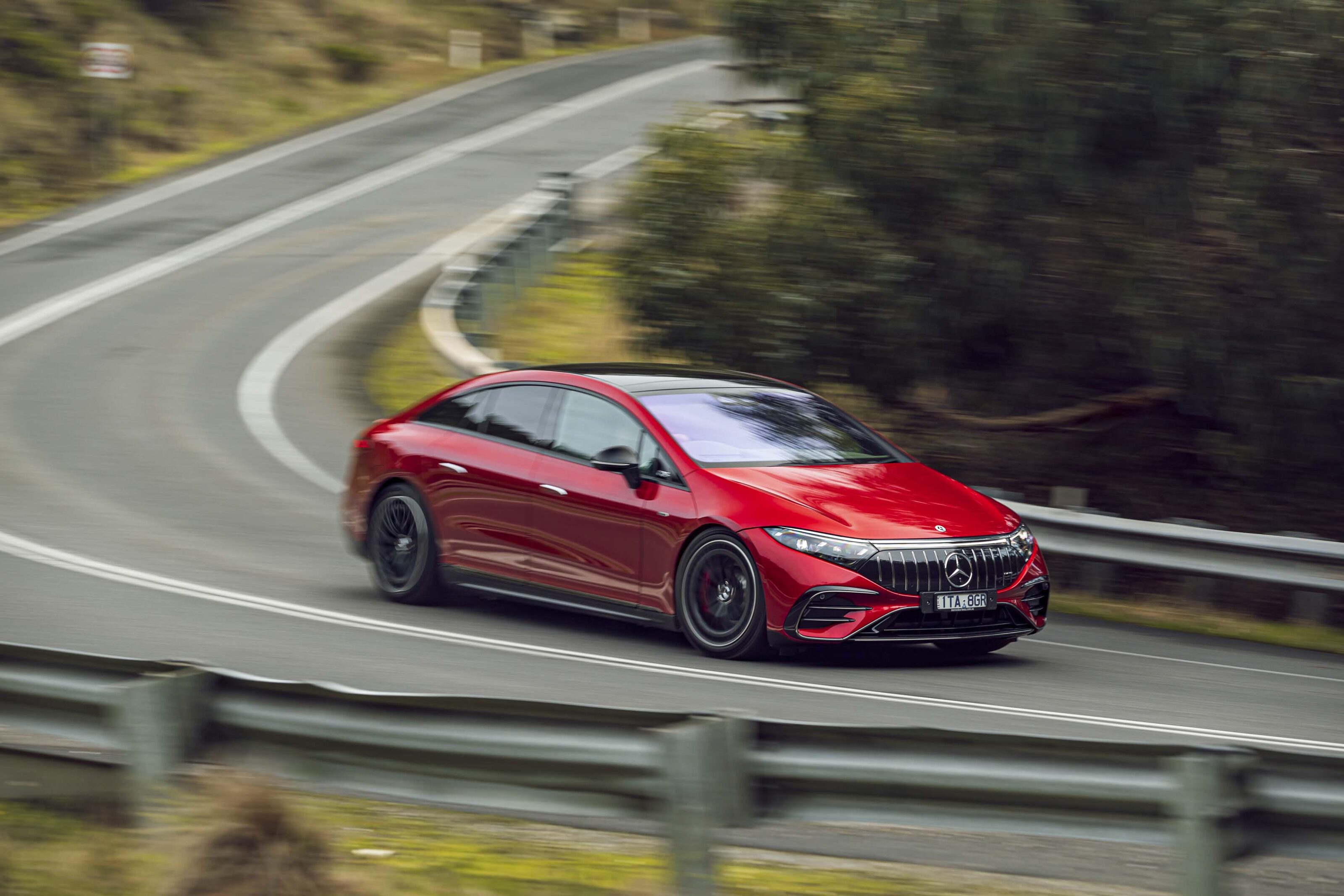
Powering the AMG EQS 53 however, is a permanently excited electric motor on each axle providing 4Matic all-wheel-drive and peak power outputs of 484kW and 950Nm. Customers who add the $7690 AMG Dynamic package will unlock 560kW and 1020Nm when activating the launch control function.
In the most aggressive Sport Plus setting, the EQS 53 will do the milestone zero to 100km/h dash in 3.4 seconds or 3.8s when accelerating in all other modes, claims Mercedes-AMG.
The pair of electric motors are fed by a 107.8kWh lithium-ion battery, which is good for 587 kilometres of driving on a single charge according to ADR standard, and its 400-volt system supports up to 200kW fast charging.
At the highest rate of charging, the EQS can take on enough power to go 300km in 19 minutes. This is unusually fast for a maximum 200kW charge rate, but AMG-specific wiring and battery management, a higher battery density and high-efficiency battery cooling has enabled faster top-ups.
The Dynamic package introduces even more battery cooling technology when optioned.
While its EQS 450 sibling can brag the lowest production car drag coefficient of 0.2cd, the AMG’s selection of lift-reduction aero increases drag slightly to 0.23cd and electricity consumption is rated between 24.3 and 21.2kWh/100km depending on the wheels fitted – those include a choice of aerodynamically optimised 21-inch or 22-inch alloy wheels shod with specially developed Michelin tyres.
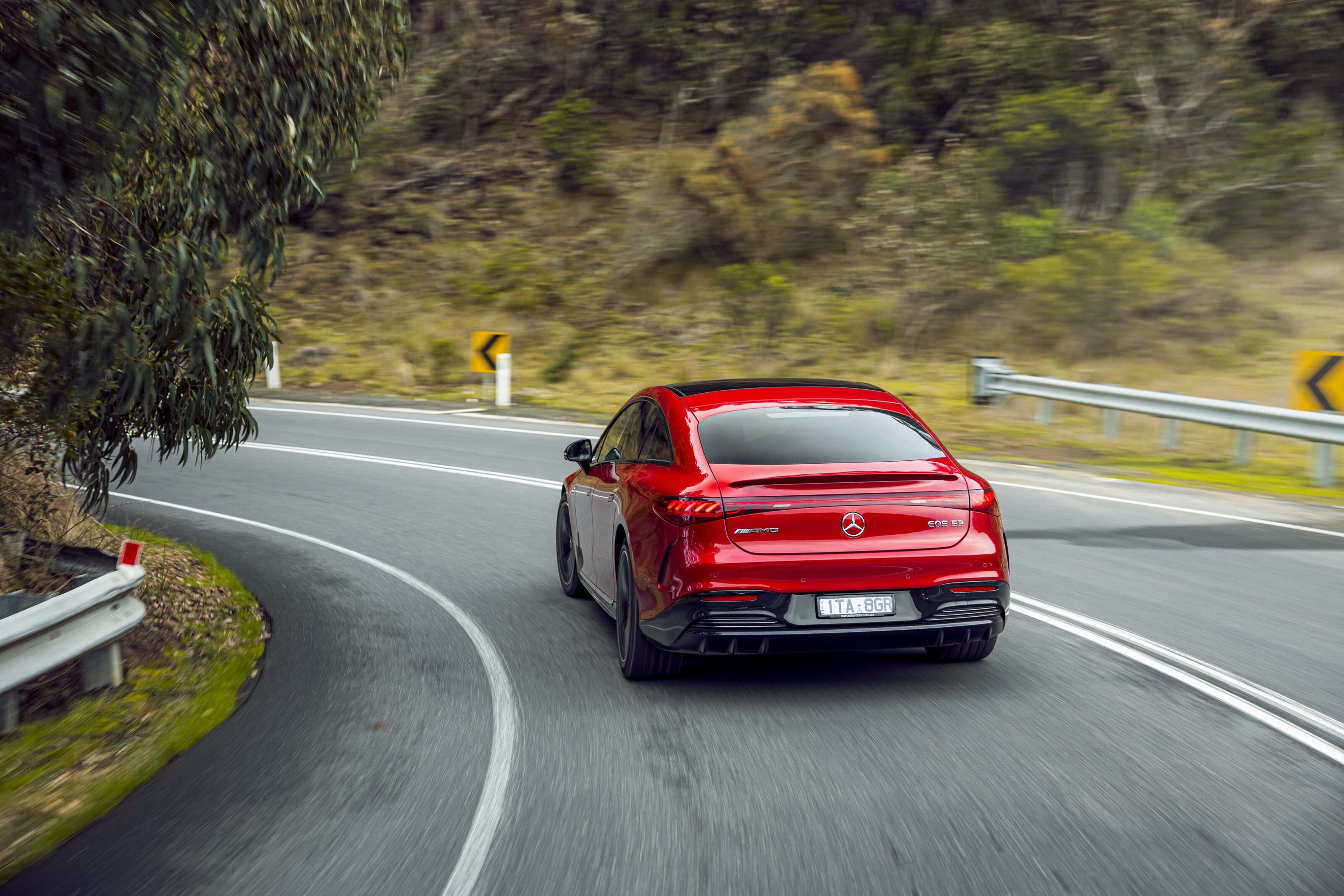
Measuring 5216 millimetres in length, the EQS is about 70mm shorter than the longest S-Class 580 L but has an almost identical wheelbase of 3210mm offering comparable and generous levels of cabin space in both rows of seating. At the back end, an unorthodox liftback offers easy access to a 580L boot.
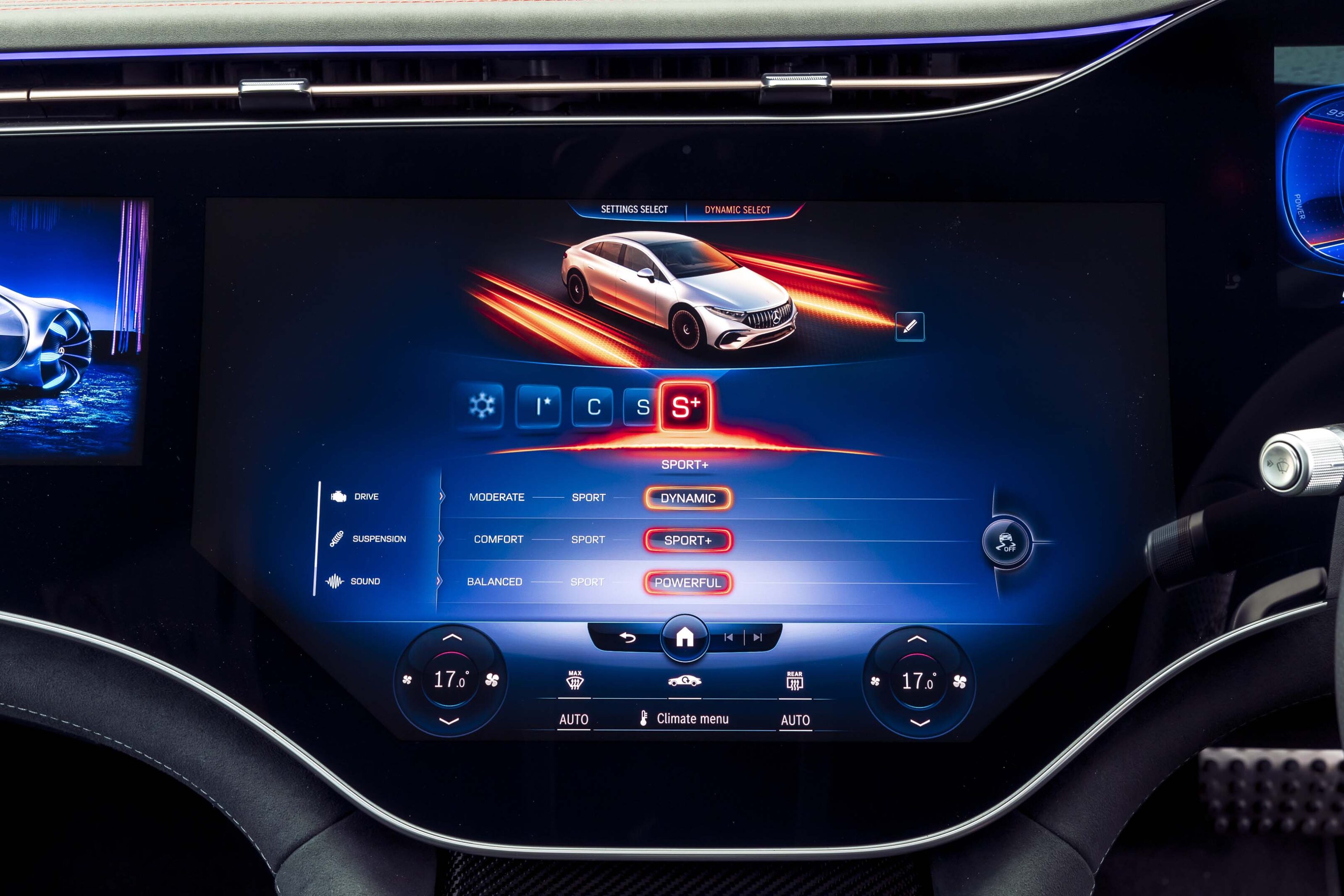
It rolls on AMG-specific tuned multi-link independent suspension with air springs, AMG-specific bushings, adaptive dampers, and anti-roll bars at both ends with a number of switchable settings from Slippery through to Sport Plus and a customisable Individual mode.
Braking is taken care of with four-piston front calipers and single-piston versions at the rear and iron discs, although customers can upgrade to carbon ceramic rotors and beefier gold calipers for a relatively affordable $9990.
For normal driving conditions, regenerative braking provides the primary braking force with up to 300kW of power recovery. Regen levels can be selected using the steering wheel paddles or automatically in presets according to the drove mode. Thirdly, the vehicle itself can select what level of regen to apply ‘intelligently’ using the terrain and traffic conditions ahead to select between full recuperation or coasting for maximum efficiency.
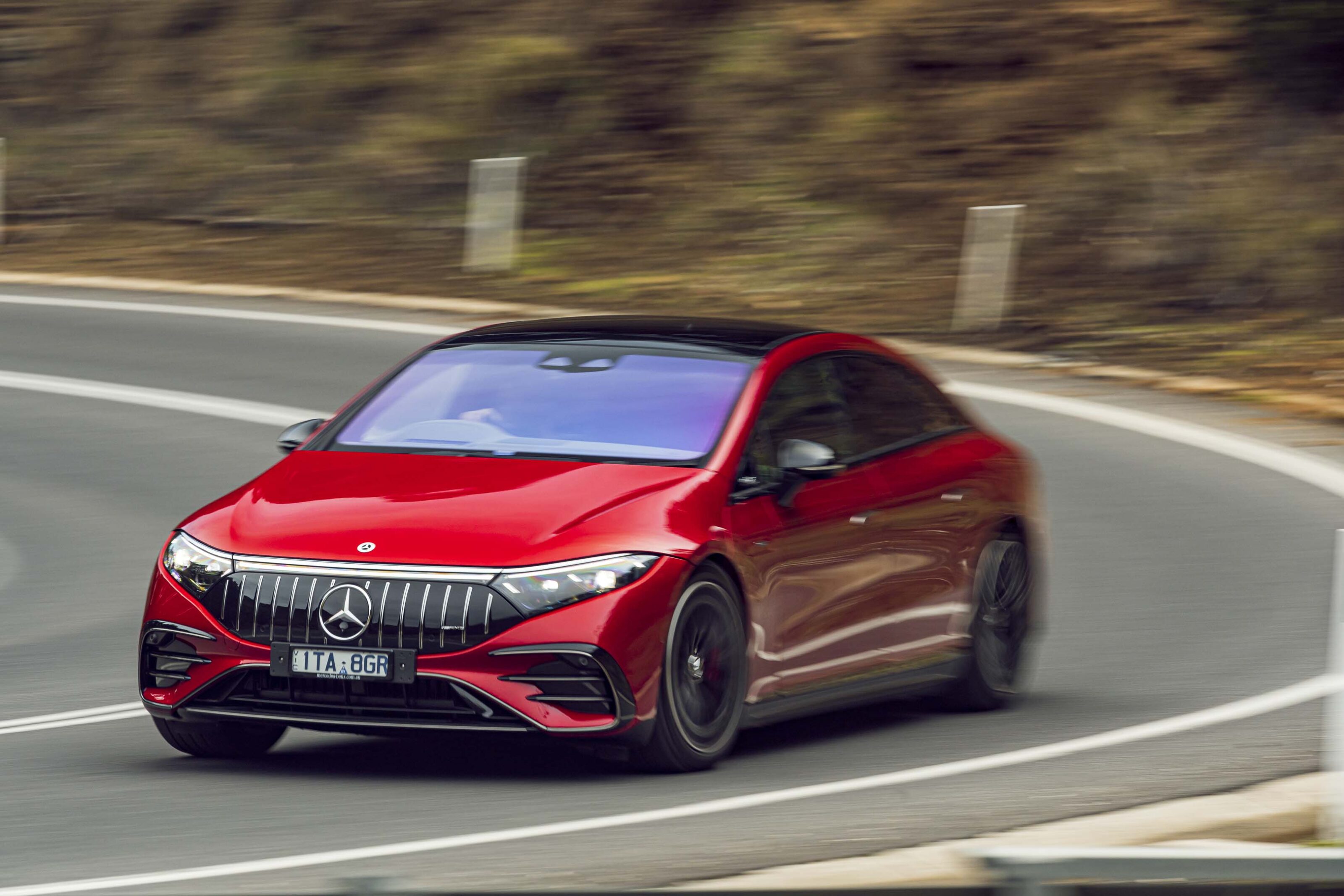
Unlike the EQS 450, the AMG version gets rear-wheel steering included in the price allowing the rear wheels to articulate up to nine degrees. At low speed this virtually shortens the wheelbase and allows a turning circle of 11.5 meters, while at higher speed the rear steering boosts stability depending on the conditions and driving style.
With the absence of a combustion engine to provide the classic AMG soundtrack, synthetic sounds are generated both inside and out as part of the AMG Sound Experience.
The ‘more emotional soundscape’ produces a variety of different sounds according to the drive mode, throttle and regen application and bass actuators even produce tangible sensation through the seats under the most aggressive driving applications. Volume of the feature can be manually controlled through three modes – Balanced, Sport and Powerful or switched off completely.
Lighting is exclusively LED throughout including the distinctive rear light and connecting bar clusters as well as Digital LED headlights that offer the latest Mercedes adaptive technology. And it’s the same on the inside.
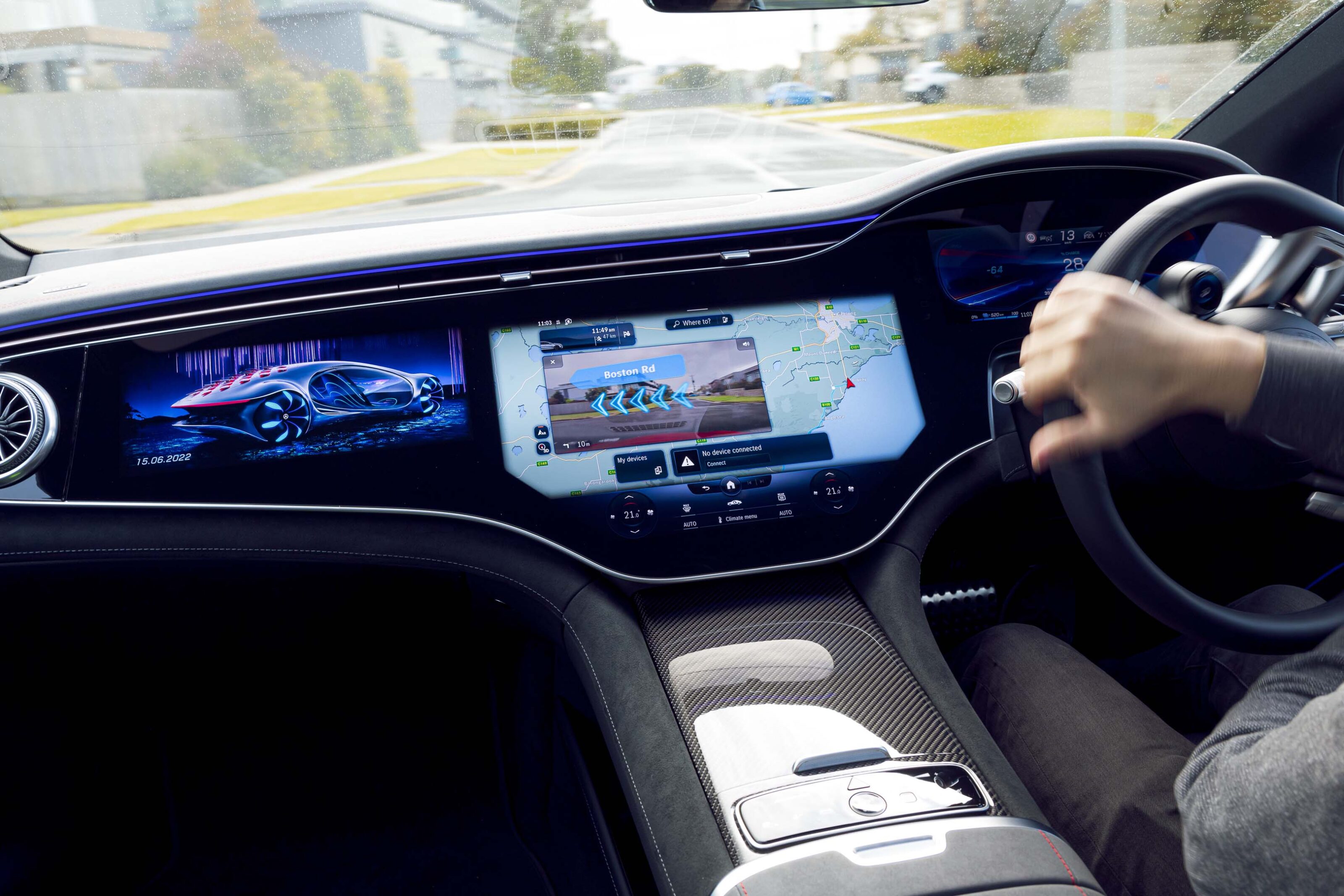
Extensive LED ambient mood lighting flows throughout the cabin backlighting the full-width floating dash displays, while pinstriping the door panels and even the edges of front eats with customisable multi-colour patterns.
The dash itself is comprised of three individual digital screens behind a single panel spanning more than a metre in width that Mercedes refers to as the Hyperscreen. The main central touch-sensitive display measures 25 inches and offers haptic feedback, flanked by 12-inch screens – one for the customizable driver’s instrument cluster, while the second provides information and entertainment for the front passenger.
An Energizing Comfort package extends this privilege to the rear passengers too along with heated seats, air purifier, air freshener, heated steering wheel, and more massage and vitality programs for the front seats for $9290.
With a vast central touchscreen, the EQS 53 has almost limitless information and entertainment possibilities. Highlights include augmented navigation instructions and this feature can be duplicated optionally into the large head-up display for an additional $2690, and AMG specific functions not offered in standard MBUX operating systems.
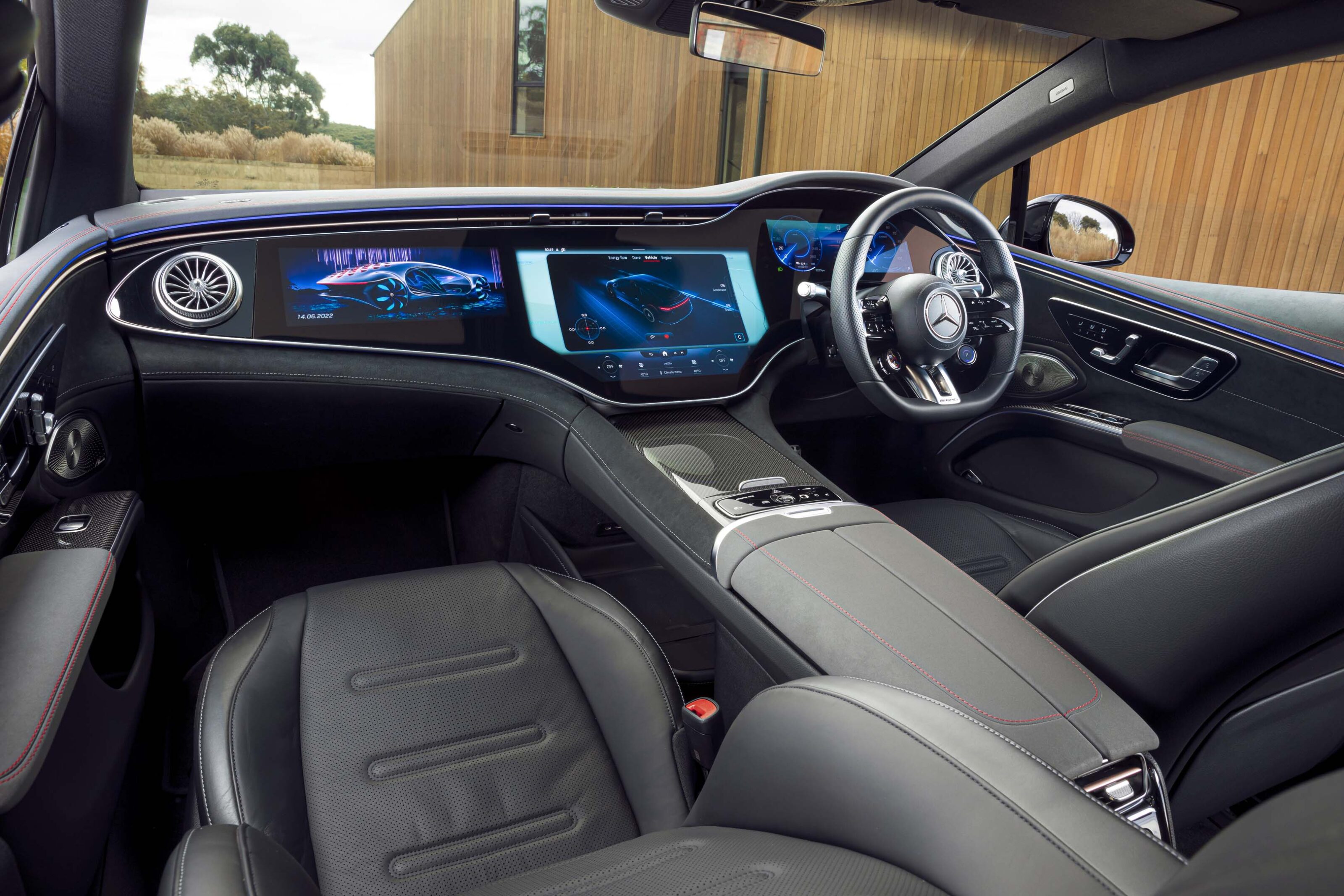
AMG graphics set the displays apart from lesser variants as well as other electric Mercedes models, while the Race Start function introduces more individual graphics in the instrument cluster and head-up display along with a unique sound to prepare the driver.
A Track Pace application is also part of the deal offering a virtual race engineer to track lap times as well as presenting a multitude of vehicle statistics, information form sensors and power figures for those who decide to throw a 2.6-tonne limousine at the circuit.
AMG touches are scattered about the interior including sports seats which in the name of sustainability are covered in Mercedes proprietary Artico synthetic leather although fine Nappa leather is available optionally. Other frequent contact points are upholstered in ‘Microcut’ microfiber material with red stitching.
An AMG performance steering wheel with flat bottom, sports pedals and floor mats complete the interior AMG treatment.
As is typical with a Mercedes flagship model, safety features are as abundant as the technology and comfort equipment. The EQS has recently been approved for limited level-3 autonomous driving in Germany and almost the same amount of driver assistance technology is offered in Australian models.
Also in keeping with a high-end Mercedes, options are limited only by budget and imagination, although a number of popular picks have been bundled into packages including the $3990 Night package for a more aggressive exterior look with blacked-out aero components, red brake calipers and the larger 22-inch wheels.
Seven standard colours are on offer with three optional metallic shades to contrast black or grey interior upholstery and choices of three interior trim materials.
The EQS 53 has a warranty of five years, but the battery gets double that with 10 years or up to 250,000km.
Snapshot
- Current Picanto recalled
- Total of 9763 units affected
- Kia will provide an update free of charge
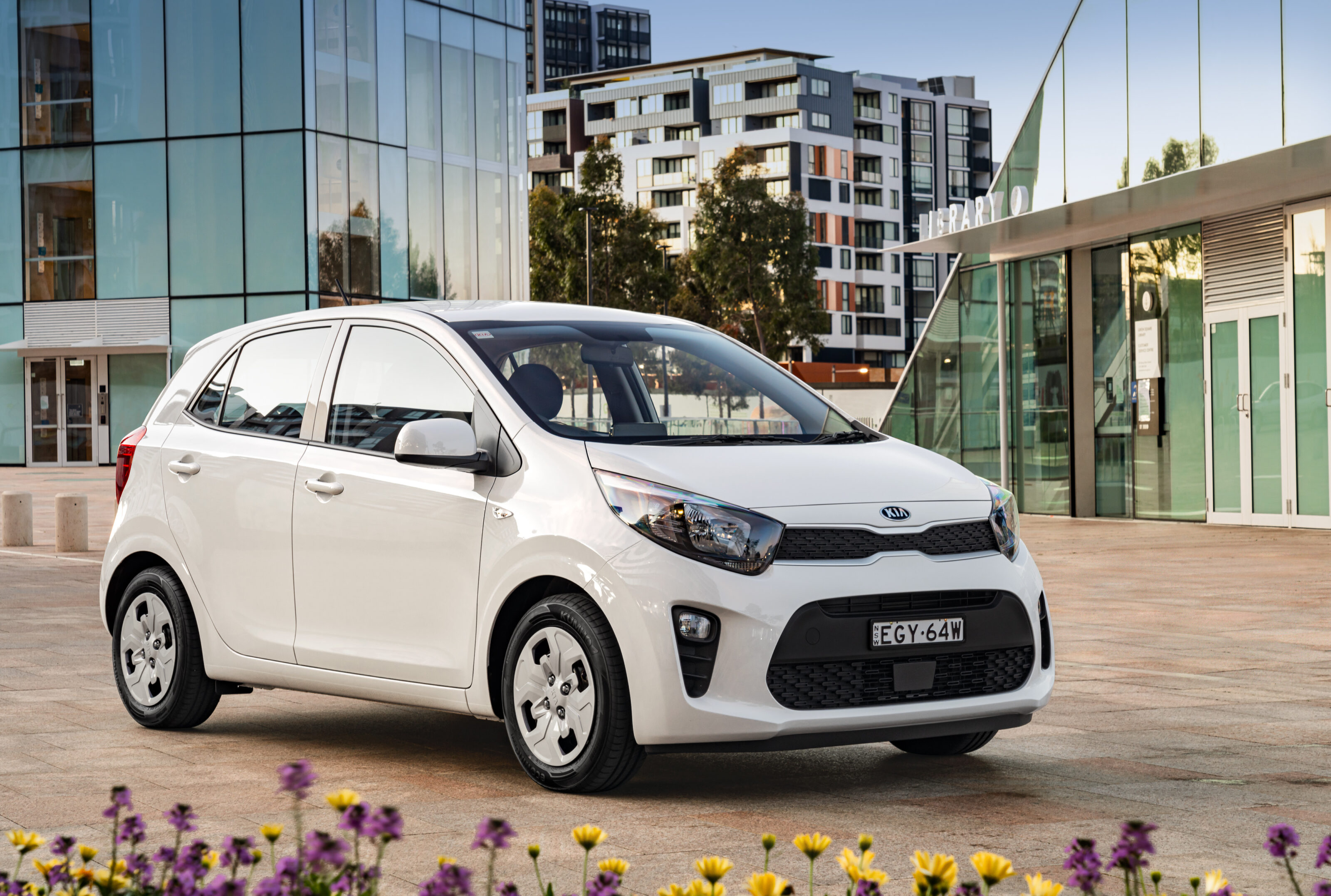
Kia’s Picanto city car has been recalled due to a minor fault, making it non-compliant with Australian Design Rules.
Affecting a total of 9763 examples built between 2020 and 2022, the Kia Picanto is under recall due to the an issue with its software, where if the rear fog lamp is turned on and the ignition is off, an audible warning won’t sound when the driver’s door opens.
While it may not seem like a major safety issue, the fault means the Picanto isn’t compliant with ADR 13/00.
Kia is urging customers to contact their nearest dealership to arrange an appointment where the instrument cluster software will be updated, free of charge.
Alternatively, anyone who is unsure as to whether their car is affected can contact Kia’s customer service team on 131 542 or email [email protected].
A list of VINs for affected vehicles can be found here.
UPDATE, July 7, 2022: Volkswagen finalises acquisition of Europcar
A consortium led by the Volkswagen Group has officially acquired rental car business Europcar, almost a year after the first offer was tabled.
After the Volkswagen Group and a number of partners put forth an offer to buy Europcar last year, the consortium has now taken a 94 per cent stake in the rental company, with Volkswagen holding 67 per cent.
An integral part of the manufacturer’s ‘New Auto’ strategy, Volkswagen will offer tailored mobility services for customers through a single app – providing car rental and subscription to car-sharing and ride-hailing – which is set to be trialled in Vienna this year and Hamburg in 2023.
On top of this, Volkswagen’s autonomous vehicle projects are expected to be integrated into Europcar’s operations from 2025, with testing of its autonomous ID. Buzz currently underway in Munich and Hamburg.
“We are really excited that our customer-centric vision of future mobility materialises with the closing of the Europcar transaction,” said Volkswagen Financial Services CEO, Christian Dahlheim.
“Its dedicated team brings important capabilities and assets to the table that help us to realise our plans swiftly. Our expectation is that by far most people will still prefer individual mobility by 2030, but it will be more about using and less about owning vehicles.
“Our new mobility platform will perfectly respond to this trend with a highly flexible and convenient offering at our customers’ fingertips. Autonomous vehicles will be the next gamechanger and lift the platform to an even higher level on the way to New Auto”.
The story to here
July 30, 2021: Europcar to be purchased by Volkswagen-led group of investors
A group of investors, led by Volkswagen, has acquired a majority share in global car rental firm Europcar.
The Volkswagen-led consortium, which includes Attestor Limited and Pon Holdings B.V., tabled a tender offer to Europcar totalling €2.9 billion (AU$4.66bn), valuing the company at €0.50 (AU$0.80) per share if 68 per cent ownership was given over to the group.
While Europcar has accepted what was initially on the table, if it hands over as much as 90 per cent of its share capital and voting rights to the consortium, the price will go up to €0.51 (AU$0.82) – bringing the total value of the deal to €2.96bn (AU$4.76bn).
Both proposals are a considerable increase over Europcar’s closing price on the Euronext Paris stock exchange on June 22 which was €0.39 (AU$0.63) per share.
The transaction is now subject to approval by the French Stock Market Authority (AMF) and other relevant authorities. The offer is expected to be filed with the AMF by the end of the third quarter this year, with hopes for the sale to be completed during the fourth quarter of 2021 or first quarter of 2022.
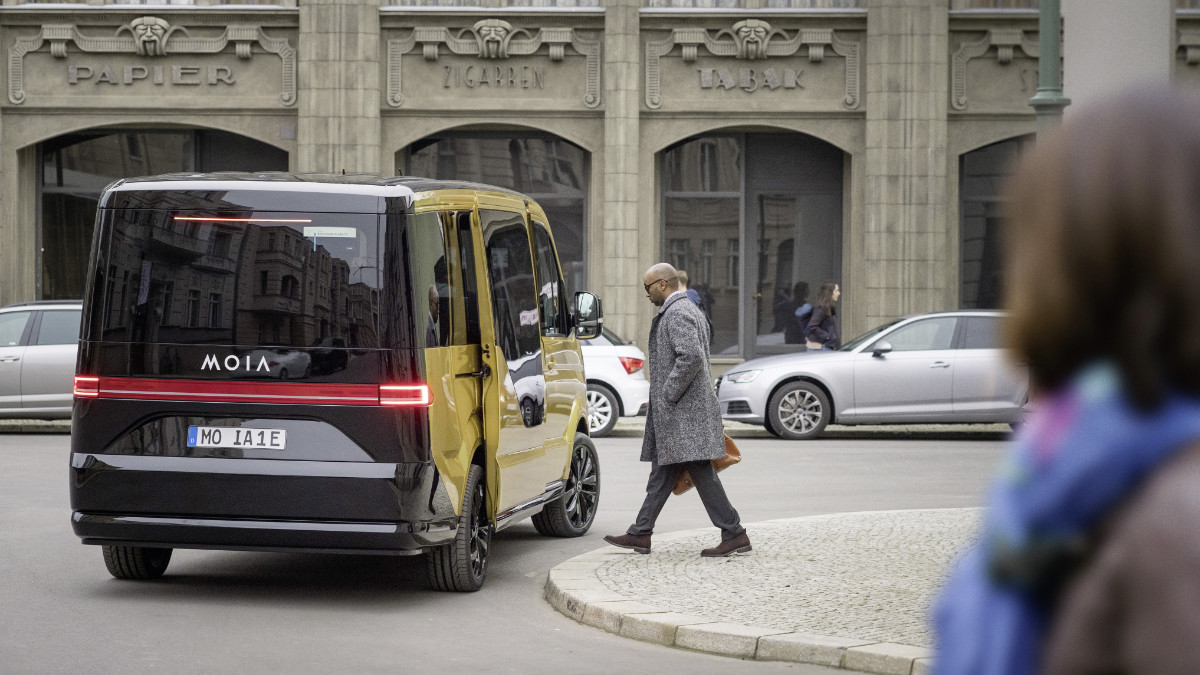
With more than 3500 locations in more than 140 countries, Europcar’s worldwide presence is key for Volkswagen’s future mobility plans to be put in motion, according to Volkswagen Group CEO, Herbert Diess.
“The mobility market is changing rapidly as customers increasingly demand new and innovative on-demand mobility solutions, such as subscription and sharing models to complement car ownership,” said Diess.
“That is why we made building a leading mobility platform a key priority of our recently announced New Auto strategy through 2030.
“Europcar provides advanced fleet management capabilities as well as a broad network of stations at major airports, railway stations and city locations and will help accelerate Volkswagen’s delivery of its ambitious mobility services targets.
“Together with our consortium partners Attestor and Pon, we will support the development and transformation of Europcar’s business and selectively add further services from Volkswagen Group brands.”
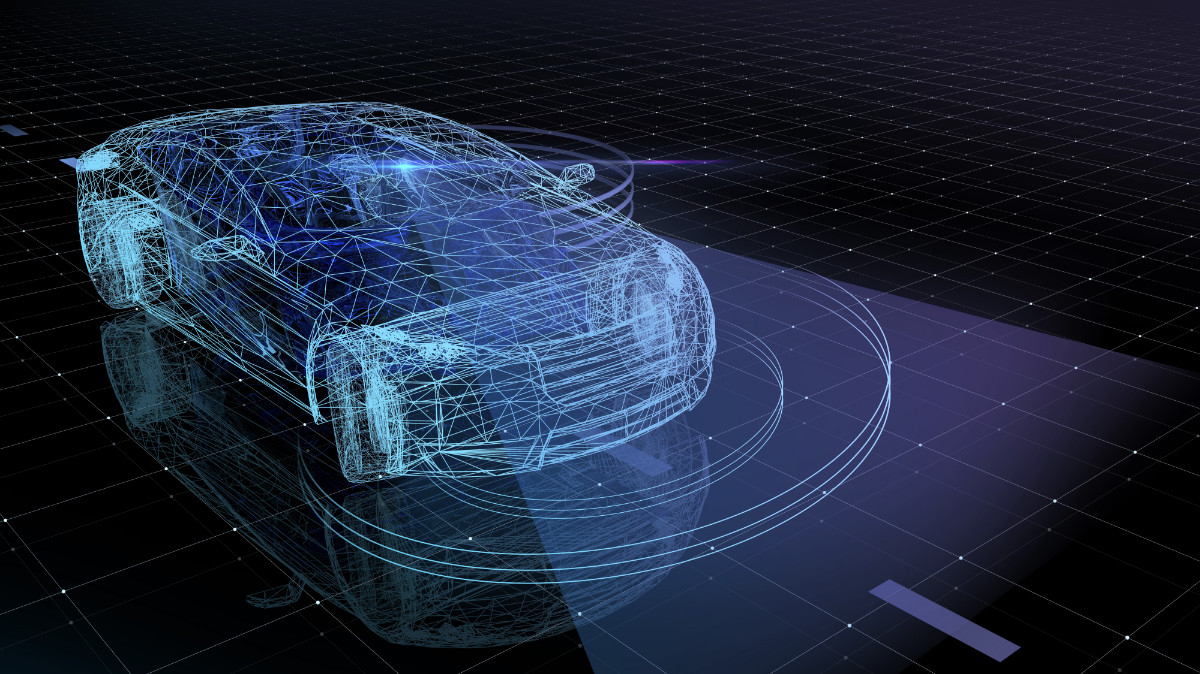
During Volkswagen’s recent New Auto announcement, it laid out its plans to begin introducing driverless shuttles to European streets from 2025, which are currently being developed with Argo AI – a company Volkswagen co-owns with Ford.
Also announced was its new Scalable Systems Platform architecture, set to underpin its range of models from small to large vehicles, eventually forming the basis for more than 40 million vehicles in its lifetime.
Snapshot
- MY23 facelift due to arrive in August
- New powertrain naming system adopted
- Pricing starts from $52,990 plus on-road costs
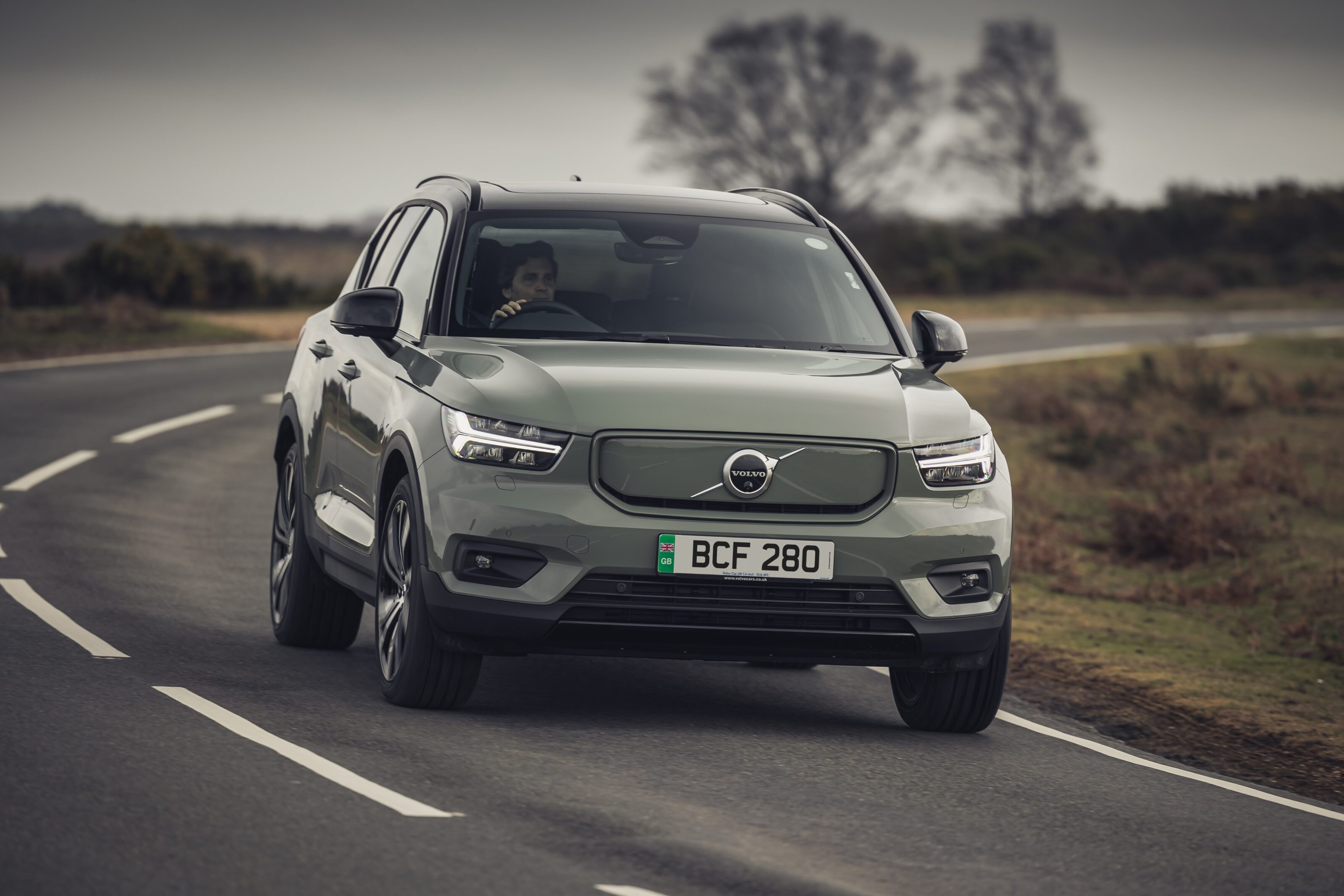
The 2023 Volvo XC40 will launch in Australia next month, with prices starting from $52,990 plus on-road costs for a choice of mild-hybrid or fully-electric powertrains.
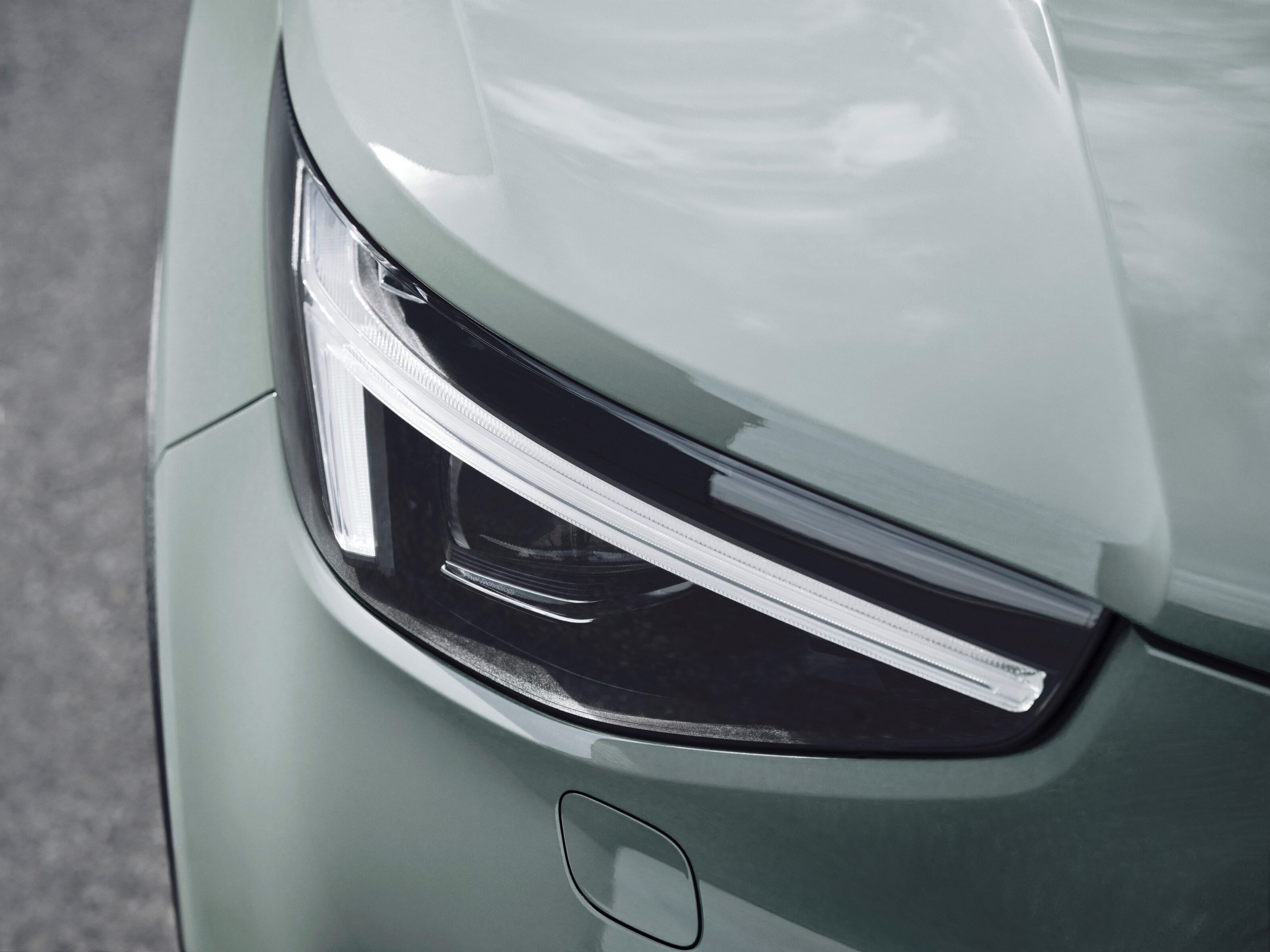
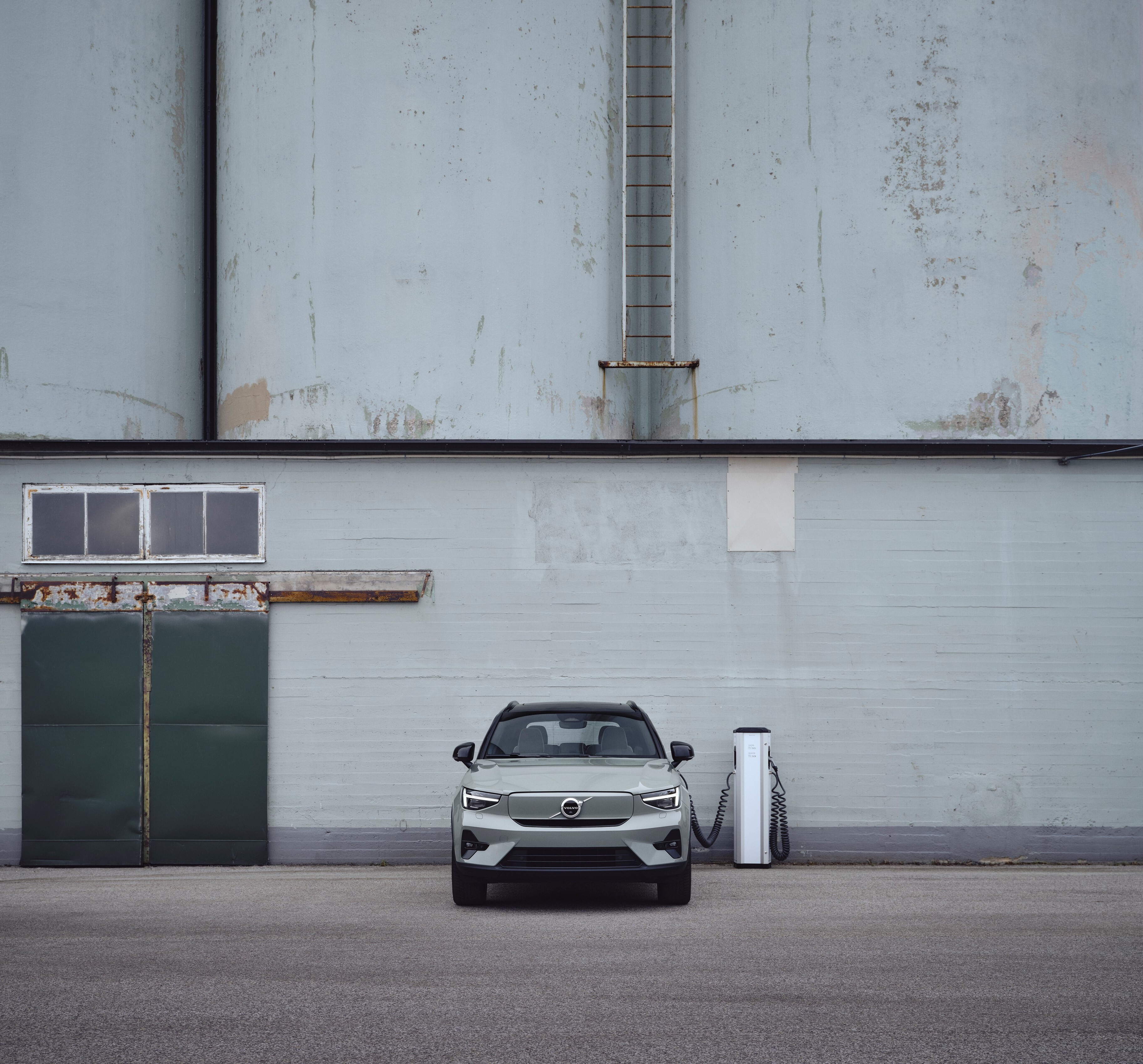
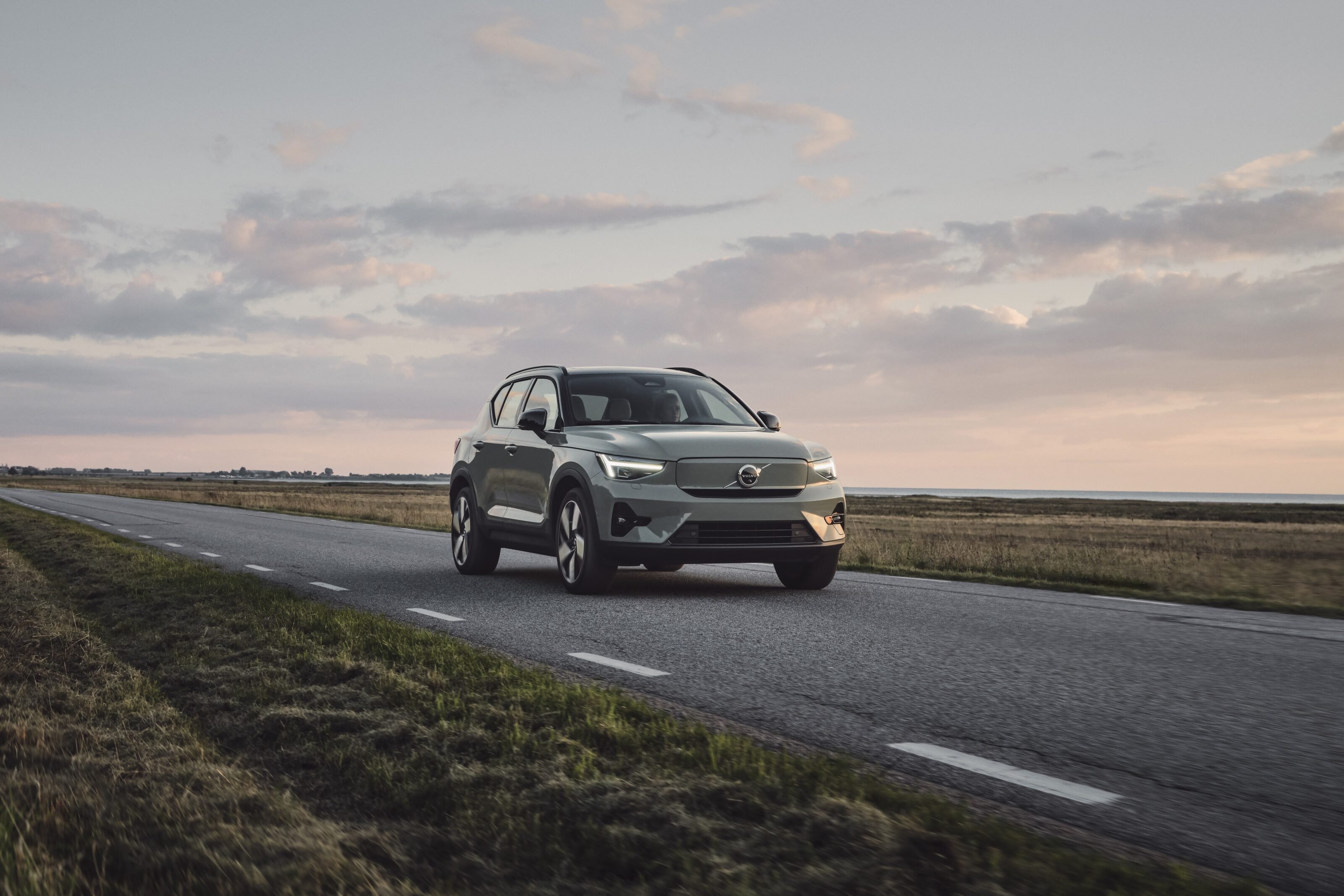
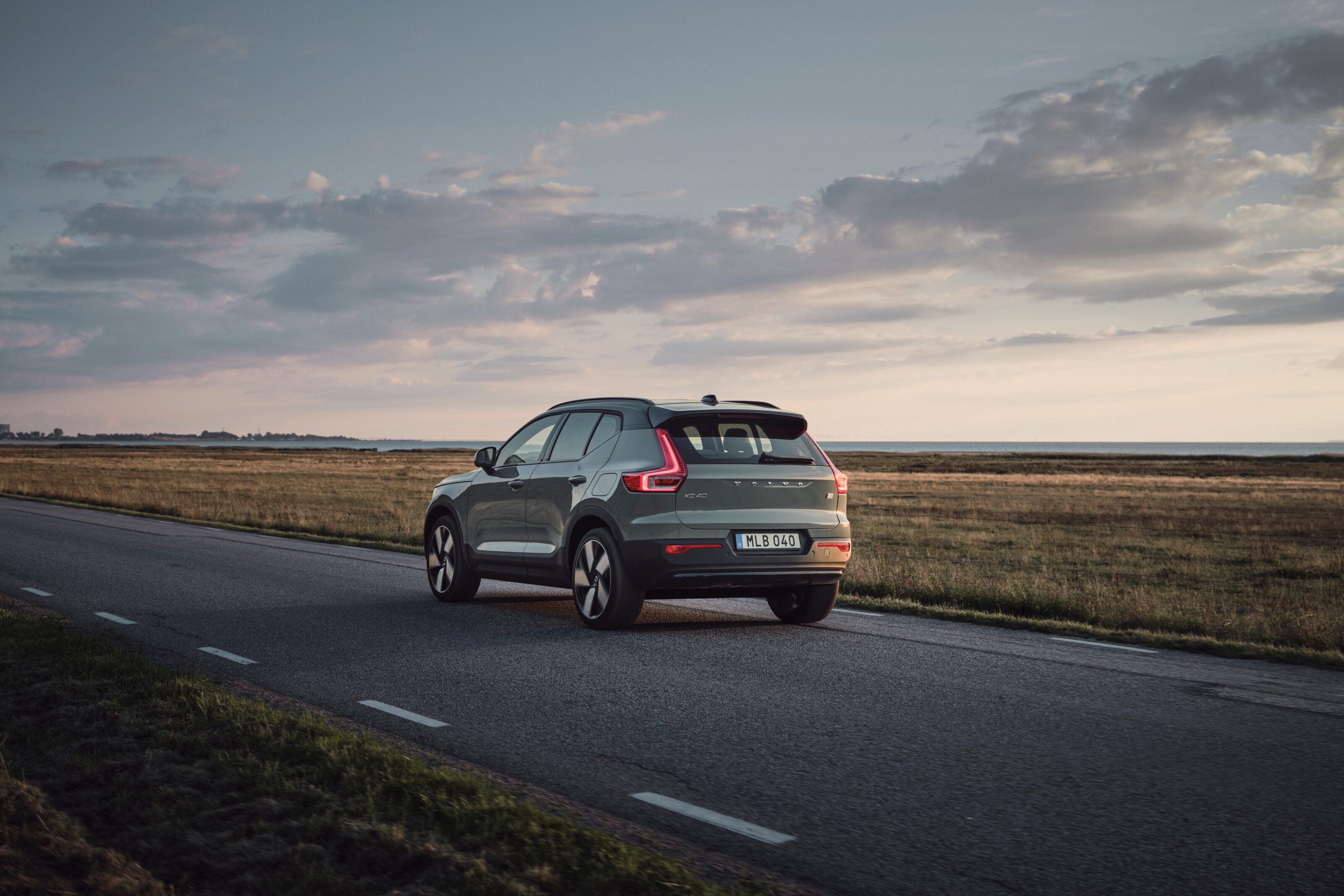
The facelifted model, which no longer offers a pure petrol version as part of the company’s move to go all-electric by 2030, adopts the C40’s more triangular-shaped LED headlights along with the continuity of its T-shaped daytime-running lights, which are echoed in the redesigned front bumper.
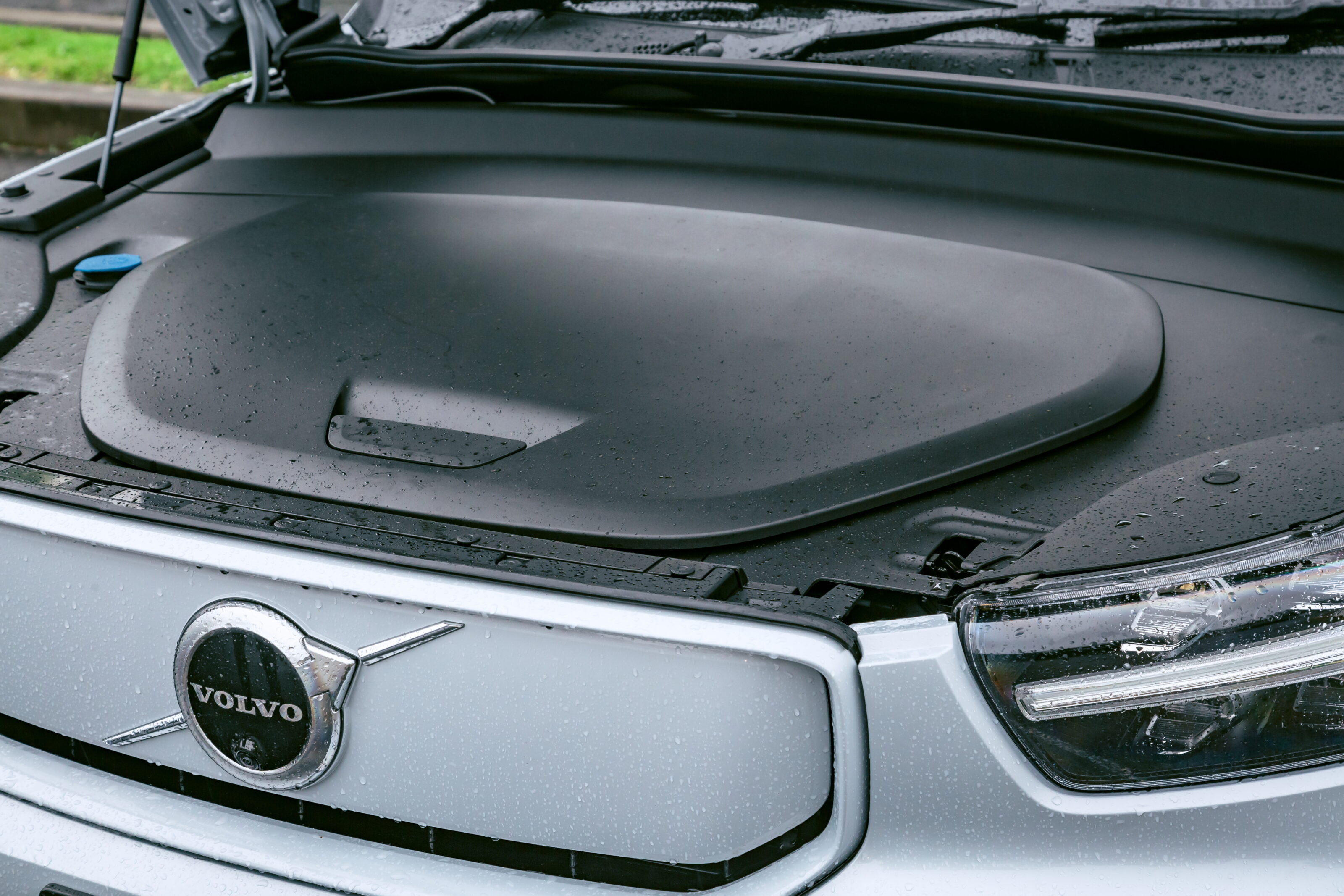
Fully-electric models can be distinguished by their blocked-off front grille, and new designs for the 19-inch alloy wheels accompany the changes.
Volvo’s naming convention for its powertrains has also changed for MY23, with the previous T4 Momentum becoming the Plus B4, T4 Inscription changing to Ultimate B4 Bright, and T5 R-Design to Ultimate B5 Dark. The plug-in hybrid model was axed earlier this year.
2023 Volvo XC40 Australian pricing
All pricing is before on-road costs.
| Variant | Pricing |
| Plus B4 | $52,990 |
| Ultimate B4 Bright | $59,990 |
| Ultimate B4 Dark | $63,990 |
| Recharge Pure Electric | $72,990 |
| Recharge Twin Pure Electric | $79,490 |
Features
B4 Plus
The entry-level B4 Plus now features as standard:
| Power adjustable passenger seat |
| Power foldable rear headrests |
| Power operated tailgate |
| Soft load net (stored in bag) |
| Next-generation infotainment system, including Google Automotive services and Volvo Cars App |
| Wireless charging |
| USB type C |
| Mechanical cushion extensions |
| Touring chassis |
| New look 18-inch five-spoke silver alloy wheels |
Ultimate B4 Bright
The mid-spec Ultimate B4 Bright adds:
| Air purifier |
| 360 degree camera |
| Touring chassis |
| New look 19-inch five ‘Y’ spoke matte graphite alloy wheels |
| Leather-free upholstery |
| Crystal gear selector |
Ultimate B4 Dark
The top-spes (of the hybrid variants) Ultimate B4 Dark adds:
| New look 20-inch double-spoke black alloy wheels |
| Black exterior |
| Suede-accented upholstery |
Recharge Pure Electric
As standard, the single-motor EV gets:
| 19-inch five-spoke wheels |
| Heated seats, front and rear |
| Heated steering wheel |
| Rear privacy glass |
| Panoramic sunroof |
| Front and rear carpet mats |
Recharge Twin Pure Electric
The fully-loaded EV meanwhile adds:
| Pixel LED headlight system |
| Two-zone climate control system |
| 20-inch five-spoke matt graphite diamond-cut alloy wheels |
| Harman Kardon Premium Sound System |
| Sustainable seat upholstery |
The facelifted XC40 range now comes with a choice of four paint colours: sage green, fjord blue, silver dawn and bright dusk.
Engine, transmission and fuel economy
Powering the new mild-hybrid petrol models is a 2.0-litre turbocharged four-cylinder petrol engine producing 145kW/300Nm in the B4 Plus and Ultimate B4 Bright, or 183kW/350Nm in the Ultimate B5 Dark.
That makes the B4 and B5 up 5kW and down 2kW compared to the previous T4 and T5 engines respectively.
An eight-speed automatic transmission drives the front wheels in the B4 Plus or all four wheels in the Ultimate B4 Bright and B5 Dark, with 0-100km/h sprint times rated at 8.4 seconds for the entry-level variant, and 8.5 and 6.4 seconds for the mid- and top-spec equivalents.
Volvo claims fuel economy to be rated at 6.9L/100km for the B4 Plus, 7.1L/100km for the Ultimate B4 Bright and 7.2L/100km for the Ultimate B5 Bright.
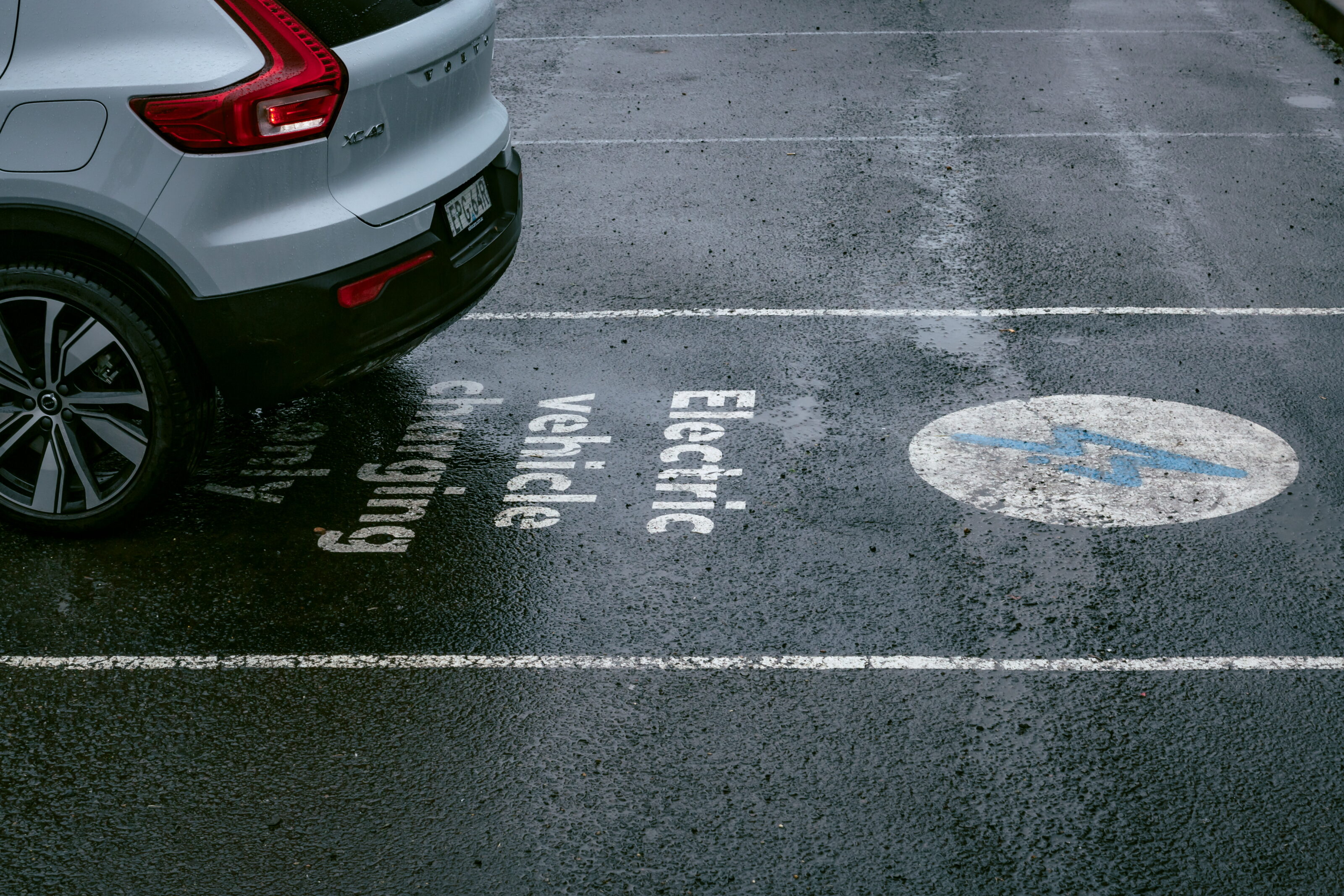
The base Pure Electric uses a 69kWh battery powering a single front electric motor with outputs of 170kW and 330Nm.
Volvo quotes 7.4 seconds for the 0-100km/h acceleration run and the company is anticipating a WLTP-rated ddriving driving range of about 424km.
The existing Twin Pure Electric incorporates a larger 78kWh battery, with an electric motor on both the front and rear axles producing a combined 300kW/660Nm.
Volvo says the AWD electric XC40 accelerates from 0-100km/h in 4.9 seconds and it has a maximum WLTP-rated range of 418km.
Safety
The Volvo XC40 was given a five-star ANCAP rating in 2018, applying to all variants including electric.
As standard, the model gets safety features such as:
| City safety |
| Collision warning and mitigation, front and rear |
| Park assist, front and rear with camera |
| Blind-spot information system with cross traffic alert |
| Adaptive cruise control, pilot assist and lane keeping aid |
| 360-degree camera |
| Parking assistance, front and rear |
| Hill start assist and hill descent control |
Availability
The 2023 Volvo XC40 range arrives in Australia in the second half of August.
The 2022 model was ranked number one in the luxury compact SUV segment in June thanks to 613 sales, with the Pure Electric variant making up 28 per cent of units shifted.
