
UPDATE: Golf R Wagon full pricing and features revealed
Full pricing and features have been released for the 2022 Volkswagen Golf R Wagon.
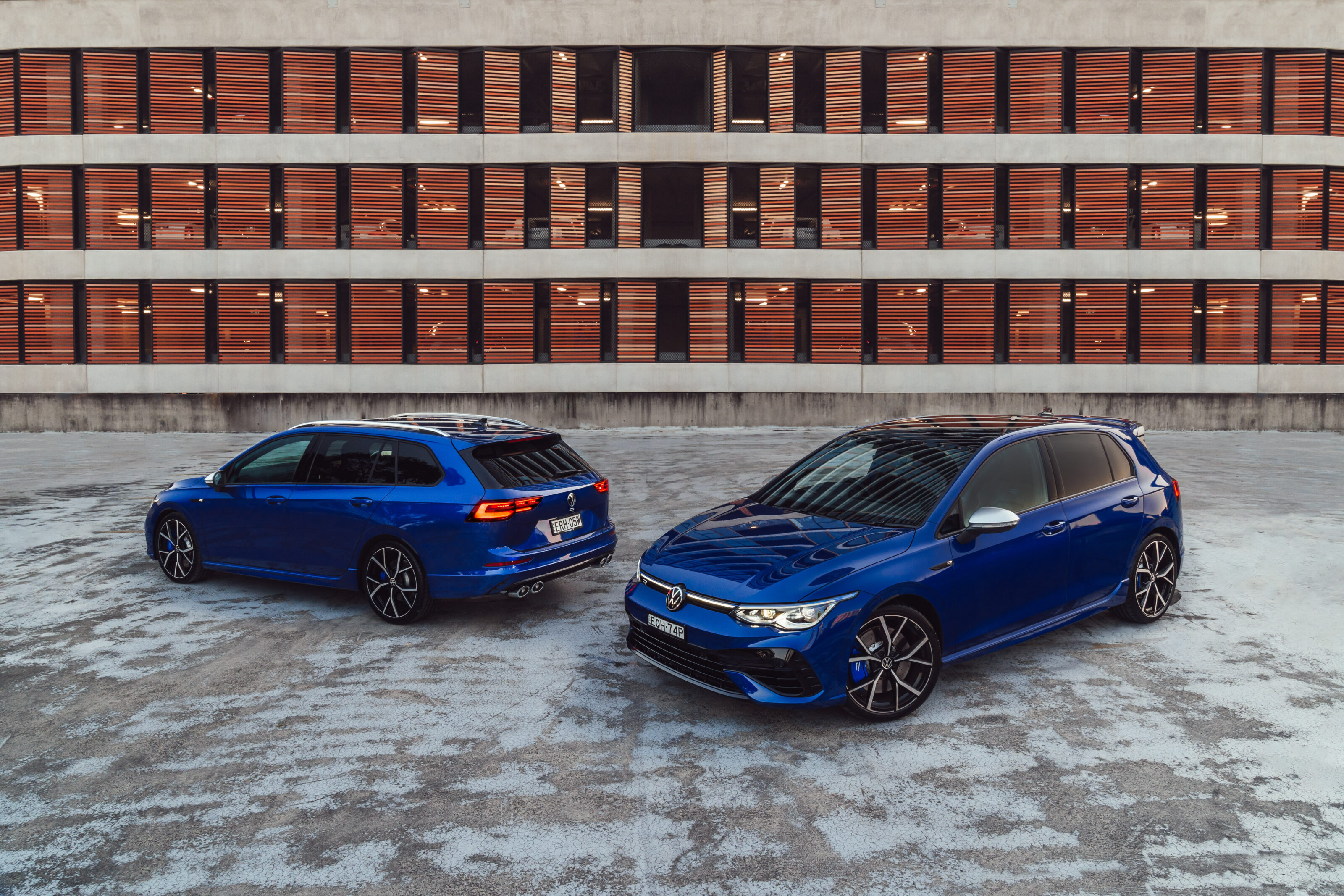
In addition to our original story below, we now know it is the first time both the overall length and wheelbase of the wagon exceed that of the hatch – with length up to 354 millimetres to 4644 mm, and the wheelbase increased by 50mm to 2681mm.
The result is rear legroom expanding from 903mm in the hatch to 941mm in the stretched version.
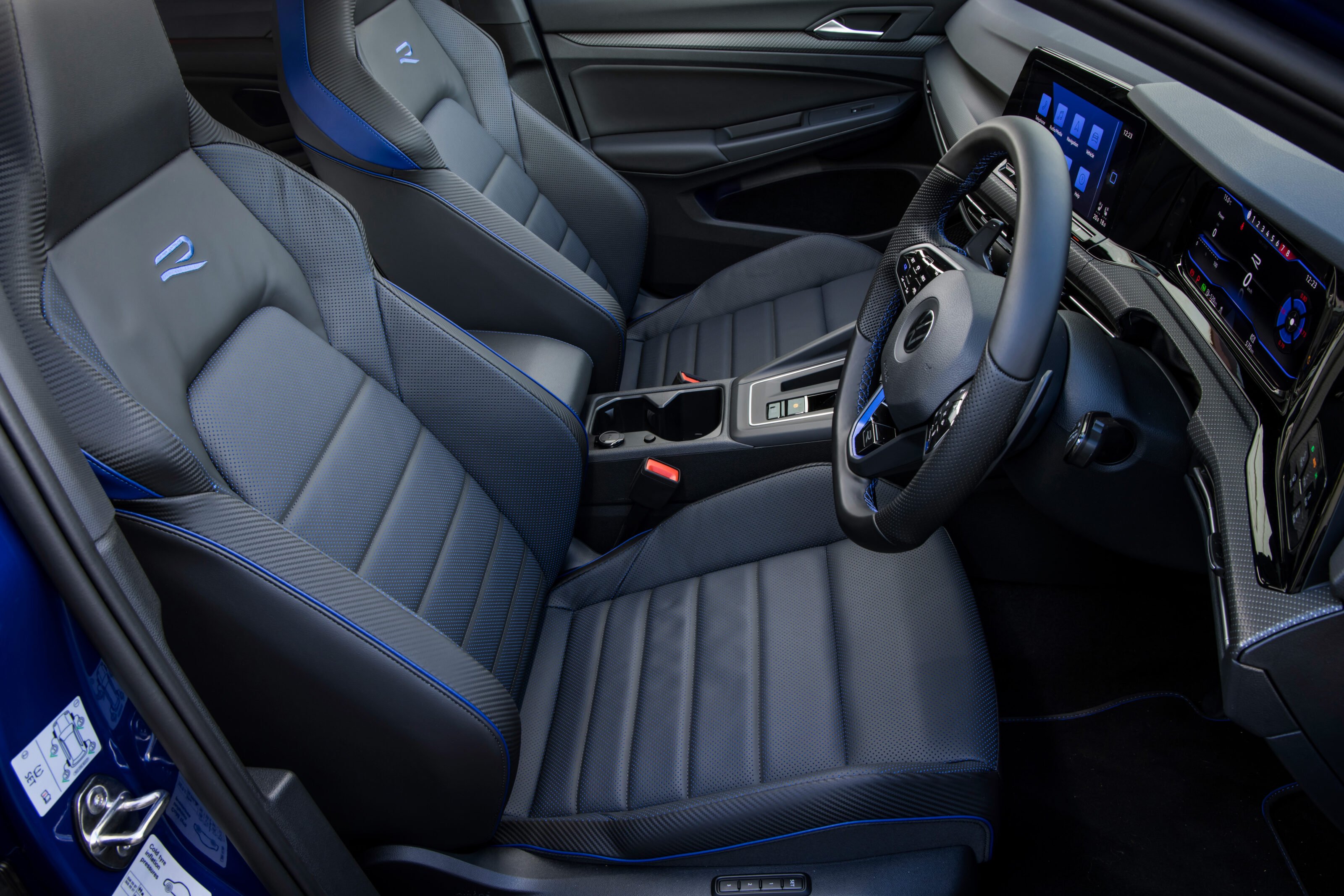
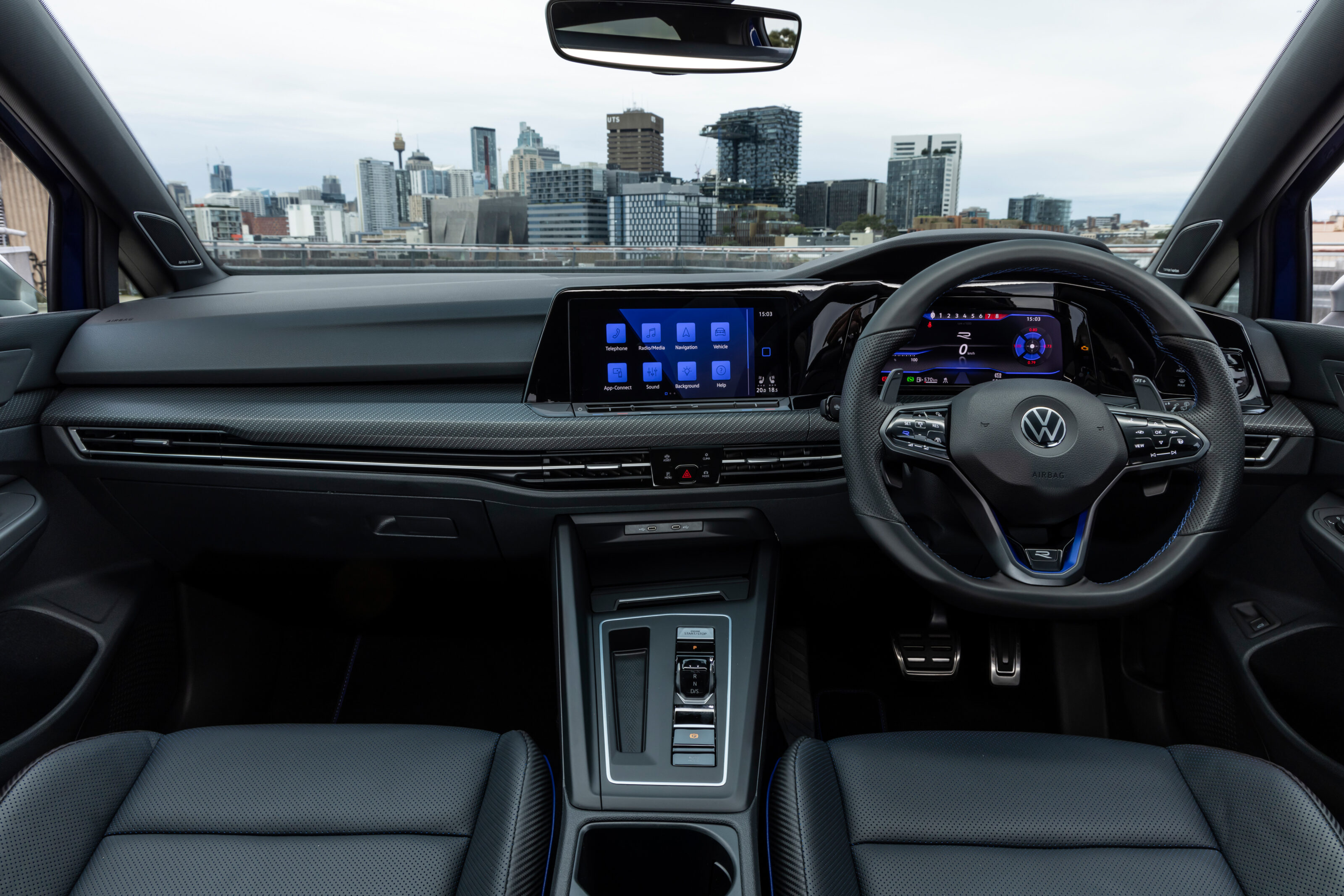
New for the second-generation is also Nappa leather upholstery, tri-zone climate control with rear touch controls and multiple rear storage solutions.
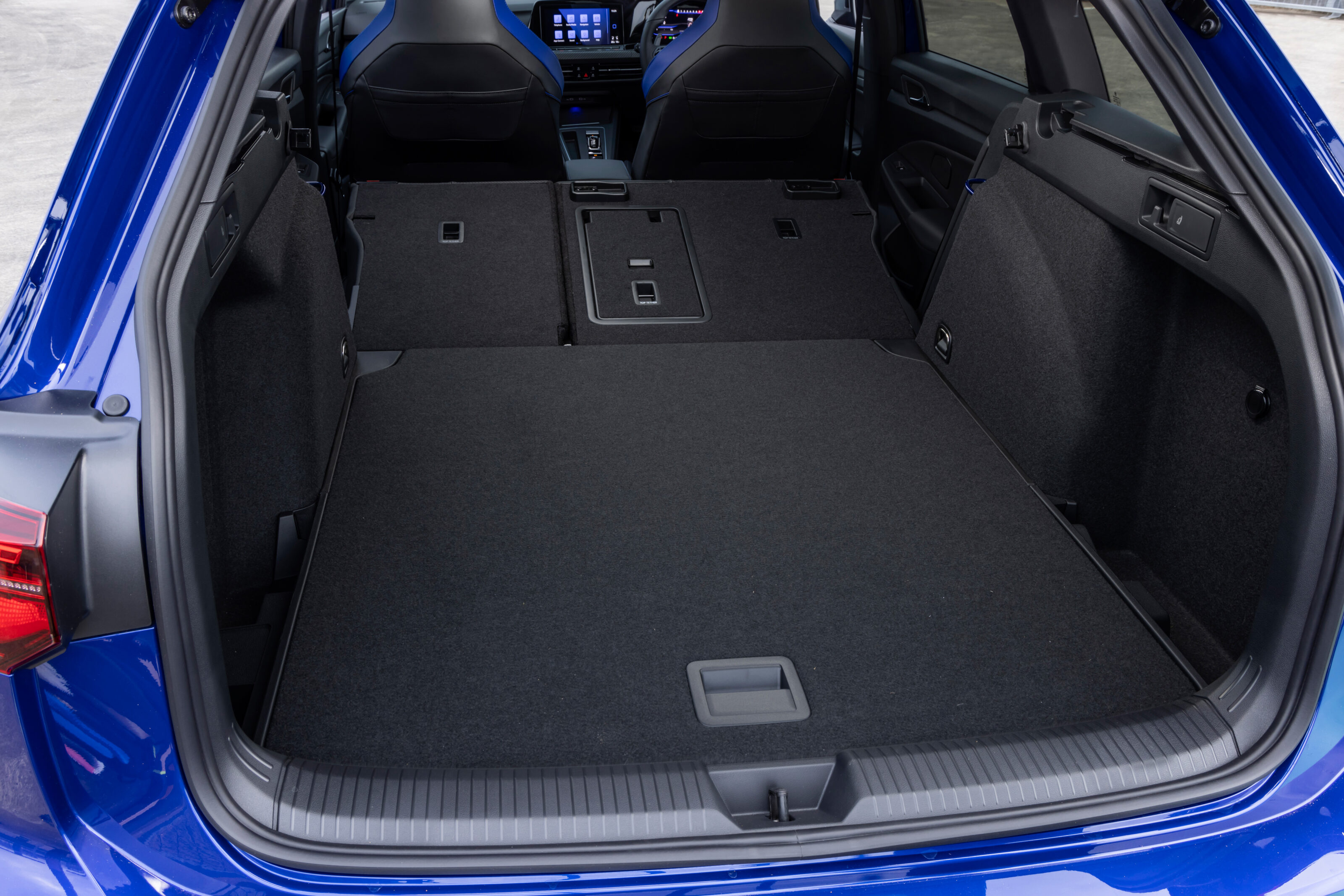
Boot volume moves from 374 litres in the hatch to 611L in the wagon – including a full metre of length between the tailgate and rear seat-backs when the second row is up or 1230L versus 1642L when the 60:40-split backrest is folded and 1.845 metres.
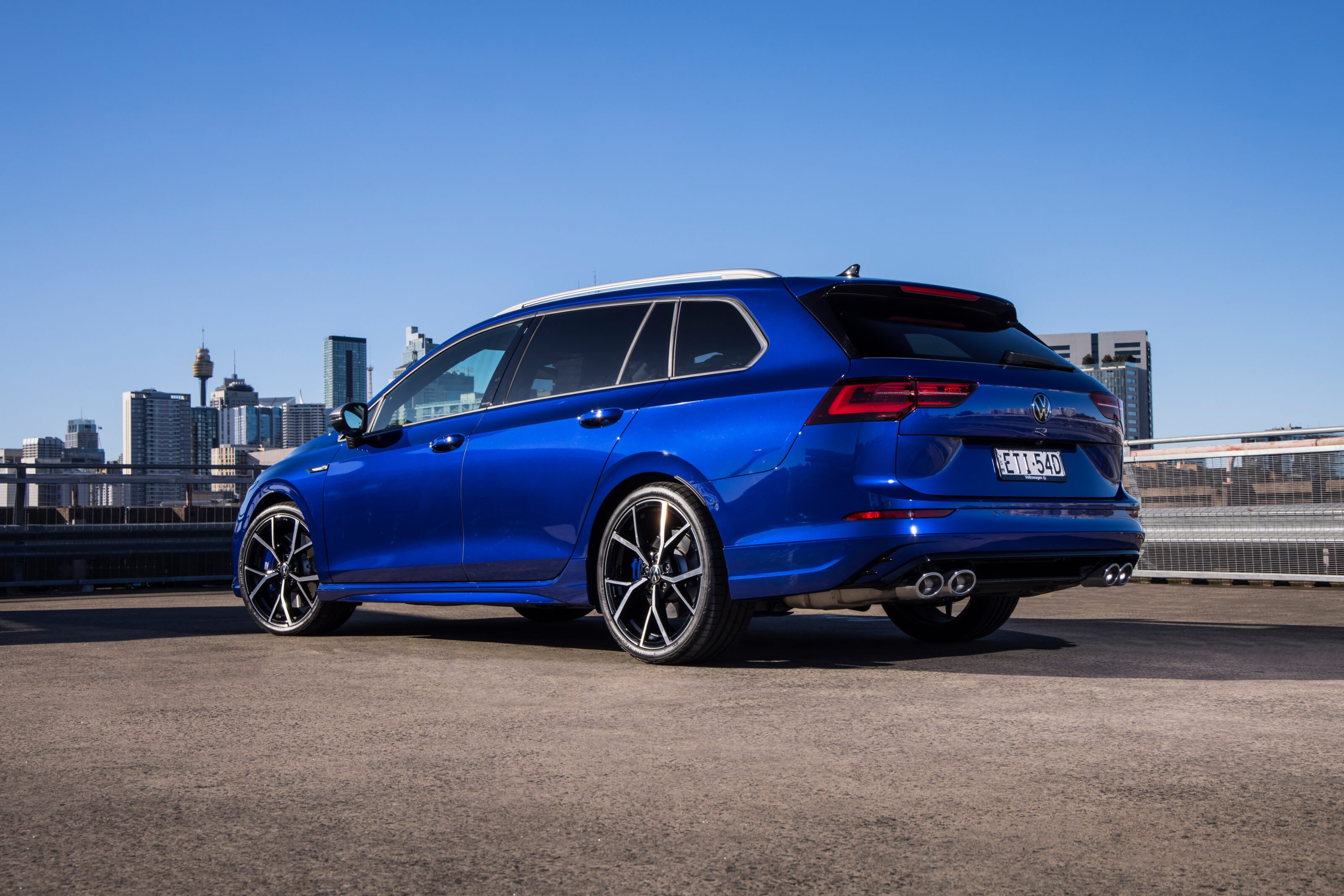
The new Golf R Wagon also features chrome roof rails, an electrically operated tailgate with easy open/close and a luggage net partition which can be extended from the rear seats to the roof lining.
It retains the 19-inch alloy wheels, progressive steering, 4MOTION all-wheel drive with R-Performance Torque Vectoring and adaptive suspension, featuring Comfort, Sport, Race, Special and Drift modes.
Optional costed extras include a panoramic sunroof for $2000 and a Harmon Kardon premium audio system for $1000.
Features
| R Performance package: Drift and Special driving modes, 19-inch Estoril alloy wheels |
| Adaptive chassis control |
| Progressive steering |
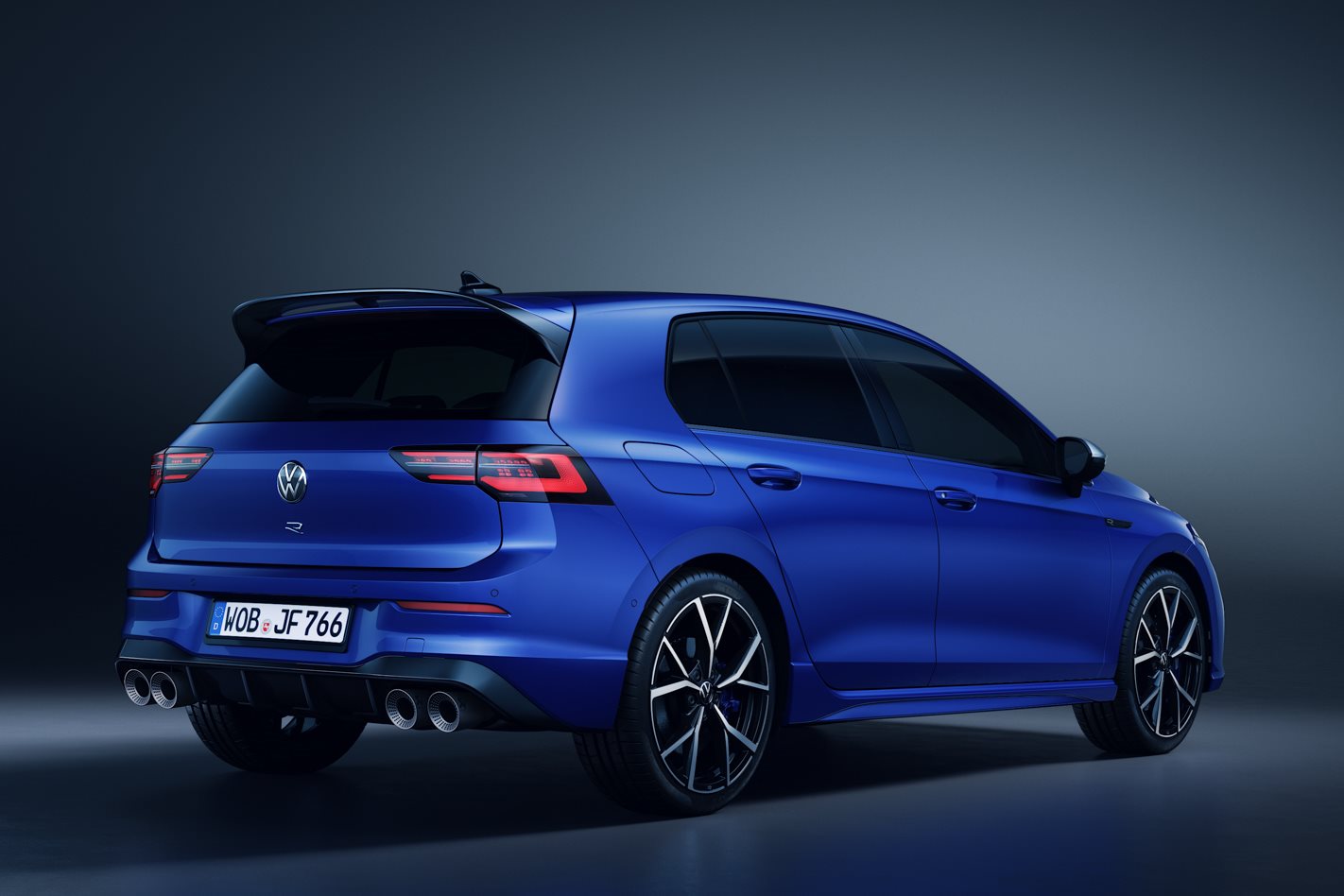
| R exterior styling |
| Matrix LED headlights with dynamic cornering lights and dynamic light assist |
| LED daytime driving lights and grille strip |
| LED tail-lights with dynamic indicators |
| Illuminated door handle recesses |
| Surround lighting with welcome light |
| Keyless access |
| Exterior mirrors power-folding |
| Dark tinted rear and rear side windows |
| Chrome roof rails |
| Electrically operated automatic opening and closing of the tailgate with easy open and close functions |
| Luggage net partition, extendable rear seat backrest to roof lining, removable and storable |
| Premium metallic/pearl-effect paint |
| Air Care tri-zone climate control air conditioning |
| Nappa leather appointed upholstery |
| Electrically adjustable driver’s seat with memory |
| Heated and ventilated front seats |
| Front centre armrest, adjustable |
| Illuminated vanity mirrors in sun visors |
| Two LED reading lights in front and two in rear |
| Rain sensing windscreen wipers |
| Automatically dimming rear-view mirror |
| Innovision Cockpit: Digital Cockpit Pro and Discover Pro 10-inch satellite navigation system |
| Digital Radio DAB+ |
| Head-up display |
| Voice control |
| Wireless App-Connect |
| Wireless charging |
| Four USB C ports |
| R interior styling |
| Multi-function sport leather steering wheel |
| Heated steering wheel |
| Gearshift paddles |
| Sports seats with integrated head restraints |
| 30-colour ambient lighting |
| LED lighting in front footwell, selectable colour |
| Alarm system with interior monitoring |
| Rear seat centre armrest |
| Adaptive cruise control (ACC) with stop and go |
| Traffic jam assist |
| Travel assist |
| Emergency assist |
| Park assist |
| Exit warning system |
| Front assist with pedestrian and cyclist monitoring |
| Lane assist |
| Side assist with rear traffic alert |
| Extended electronic differential lock (XDL) |
| Driver fatigue detection |
| Electronic stabilisation program (ESP) |
| Rear-view camera (RVC) |
| Eight airbags u2013 Front, front and rear side, and curtain |
| Proactive passenger protection system |
| Parking sensors front and rear |
| Manoeuvre braking front and rear. |
The story to here
UPDATE: We’ve now driven the new Golf R in Australia. See our fresh coverage at the links below
The 2022 Volkswagen Golf R performance hatch will cost from $66,990, an $11,000 jump over the regular version from the last generation.
Volkswagen Australia’s price hike follows the significant price increase for the eighth-generation Golf GTI released at the start of 2021.
It positions the Golf R hatch within just $3000 of its Audi sister car, the S3 hatch.
A wagon version is again offered, priced from $68,990, and will follow shortly after the hatch that’s due in April.
December 13, 2021: 2022 Volkswagen Golf R pricing revealed
Volkswagen Australia originally planned to price the Golf R from $67,990, but reduced the price slightly after being forced to adopt a slightly detuned version of the hatch to ensure supply.
The Golf R hatch for Australia now produces 400Nm of torque rather than the initially quoted 420Nm, reducing its 0-100km/h time by a tenth to 4.8 seconds – the same time as the previous model.
The wagon sticks with the full-fat ‘evo 4’ EA888 2.0-litre turbo engine, with the same 235kW from 5200rpm to 6000rpm, but 420Nm (2000rpm to 5550rpm) and a petrol particulate filter for cleaner emissions. It has an acceleration time of 4.9 seconds, despite being 82kg heftier than the hatch.
It also continues to utilise a seven-speed Direct Shift Gearbox (DSG) auto and claims a fuel economy figure of 7.4L/100km on the combined-cycle with mandatory 98RON premium unleaded.
The previous generation R signed off with a limited-run Final Edition priced from $57,990. The regular version had previously cost from $55,990 in hatch form or $57,990 for the wagon.
In 2018, a Golf R auto was available for as low as $49,990 with the Grid Edition.
VW Australia said it was confident the Golf R will continue to be as popular as ever locally when it arrives in April 2022 despite the price rise, while adding it wasn’t concerned about the proximity to the S3.
“We have our core audience in that [performance] area of the market,” said Todd Ford, VW Australia’s product manager for passenger vehicles. “We have a bit of the blinkers on maybe with regard to R… we suspect there are different buyers/customers [between R and S3]. From our perspective, we know we have an audience that clearly enjoys this car.
“The S3 and Golf R did realign a bit, got closer [in price], in the previous lifecycles and that had no impact [on sales].
“[Customer] interest is on the money [for the new Golf R] and we’re even expecting above that [on sales].
The latest-generation Golf R is the fastest and most technologically advanced version yet.
A new all-wheel-drive system incorporates torque vectoring that enables power to be distributed between the rear wheels not just the front and rear axles.
A Performance Front Brake system is also standard, along with an R drive mode button on the steering wheel that varies vehicle settings.
This includes access to a new Drift mode offering power-oversteer driving for track-day enthusiasts by sending 100 per cent of rear torque to a single wheel.
The list of standard equipment extends with other highlights such as Matrix LED headlights, Estoril 19-inch alloy wheels, adaptive dampers, metallic paint, Nappa leather ‘R’ sports seats, heated and ventilated front seats, electrically adjustable driver’s seat, three-zone climate control, and a Harman Kardon audio. The Golf R wagon adds an auto tailgate, while a panoramic glass sunroof is the sole option for both body styles.
Snapshot
- Combined batteries total 74,000kWh
- Have saved approximately 93 million kilograms of tailpipe C02 emissions
- New Leaf launching in August
Nissan‘s Leaf electric vehicle is celebrating 10 years on sale in Australia this month, ahead of the next-generation model arriving locally in August.
Available here since 2012, more than 2000 examples of the pioneering EV have found homes in Australia over the last decade – contributing to the 600,000 units shifted worldwide.
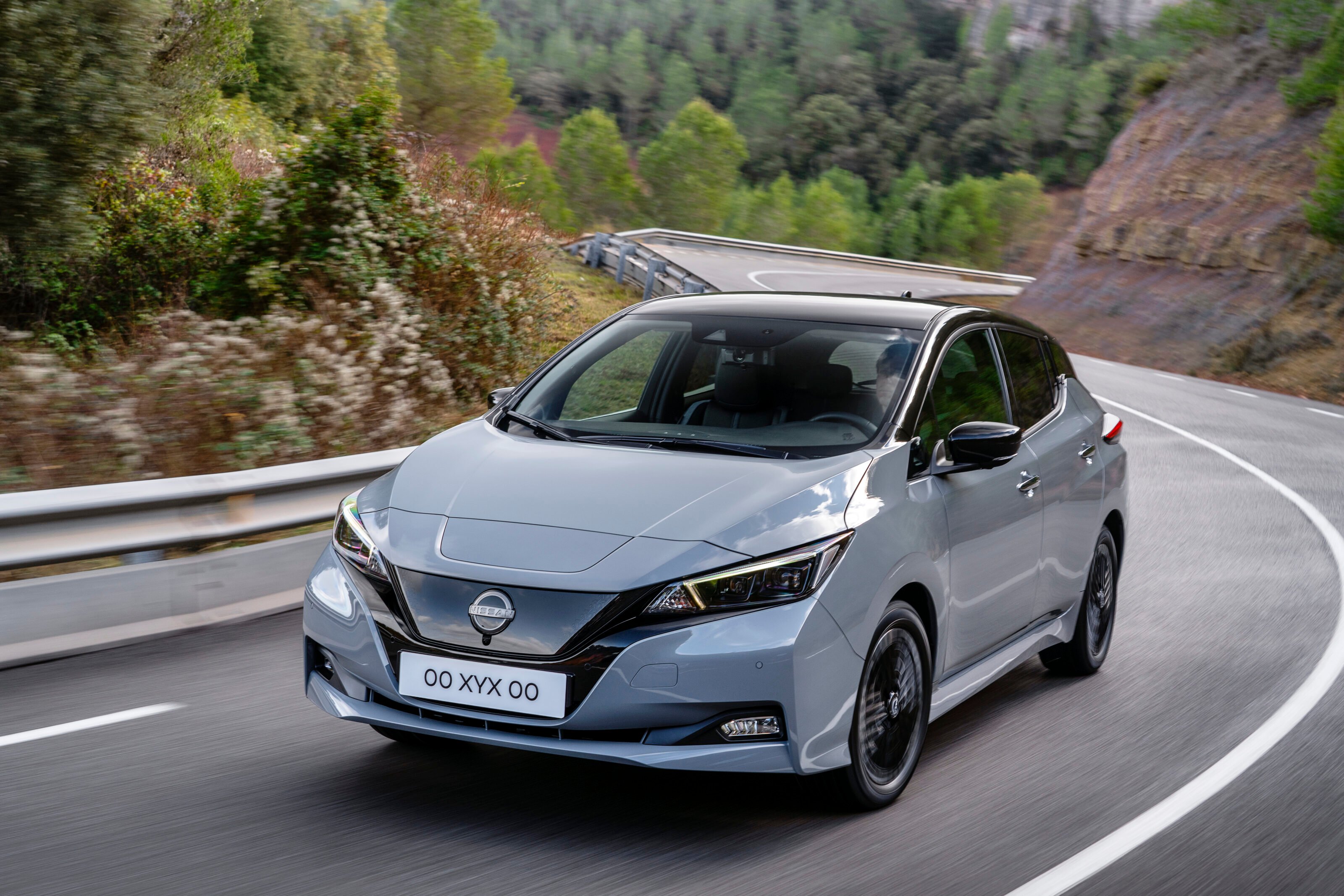
The second-generation Nissan Leaf is powered by a 40kWh battery pack capable of a rated 270 kilometres of driving range, with power and torque outputs of 110kW and 320Nm respectively all for the cost of $49,990 before on-roads.
And last year, Nissan added the e+ high-performance variant of its electric Leaf hatchback to its local lineup, wired with a more advanced 62kWh battery that bumps power up to 160kW, while torque rises to 340Nm and driving range to a claimed 385km.
But the higher-density battery adds $10,500 to the Leaf’s bottom line for a starting price of $60,490 before on-road costs, representing a 21 per cent increase over the standard version.
“The Nissan Leaf was, and is, a pioneer in the electric vehicle space, and we’re proud both of its legacy, and of everything it has done to pave the way for EV acceptance and take-up in Australia,” said Nissan Australia’s Managing Director, Adam Paterson.
Guillaume Cartier, Chairperson for Nissan in the AMIEO region, added: “For the past 10 years in Australia – and 12 years globally – the Nissan Leaf has pioneered the transition towards zero-emission mobility. When it arrived in 2010 there were many sceptics; fast forward to today and almost every automaker around the world has followed suit.
“I would personally like to congratulate the Nissan Australia team on 10 years at the forefront of electric vehicle adoption Down Under. This is only the beginning and I’m excited to see where the next 10 years takes us.”
Australian presenter and Nissan ambassador Osher Günsberg, who has previously owned a first-generation Leaf in Los Angeles, and still drives one in Australia today, said:
“I have always loved the Nissan Leaf,” he said. “I had one of the earliest models when I was living in Los Angeles, and I used to love zipping past all those big, gas-guzzling cars and trucks.
“They were all keeping a close eye on their fuel gauges and stressing about petrol prices, while I was having fun trying to grow new digital trees on my dashboard by driving more efficiently.
“I loved the game-ified nature of it, I loved feeling good about driving, and I loved never having to visit a petrol station.
“The Leaf has come a long way since then, but it still delivers everything I loved about my first car, only with more power, more technology, and even more range.”
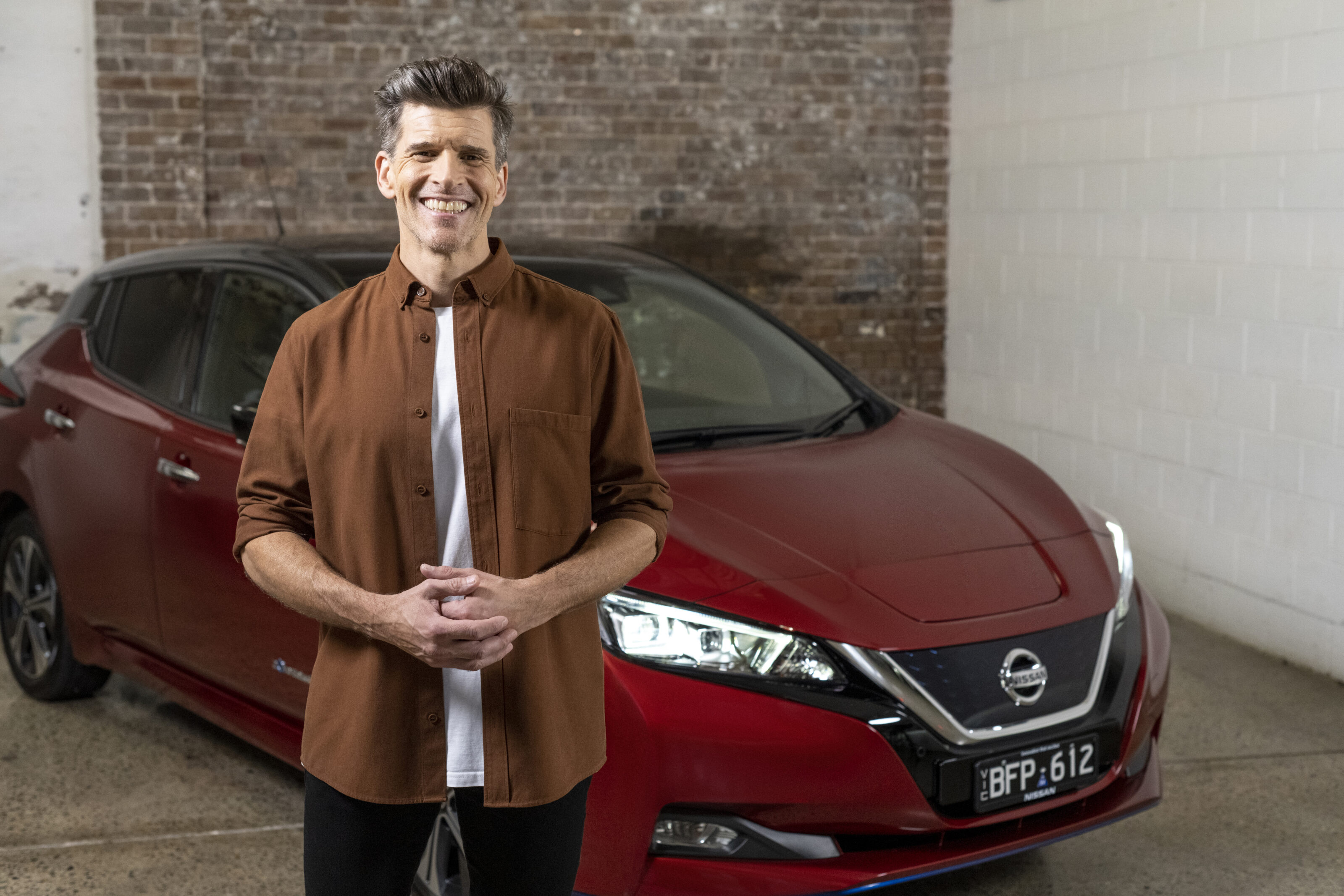
The 2023 Nissan Leaf electric hatch will arrive in August this year, with the updated model going on sale for $1000 more than the current version.
Powertrains for the 2023 Nissan Leaf carry across from the outgoing model with the 110kW/320Nm base model boasting a driving range of 270 kilometres from its 40kWh lithium-ion battery, coming in at $50,990 before on-road costs.
The same price increase has been applied to the MY23 Leaf e+, now set to go on sale from $61,490 with its 160kW/340Nm electric motor and 62kWh battery pack delivering a driving range of 385km.
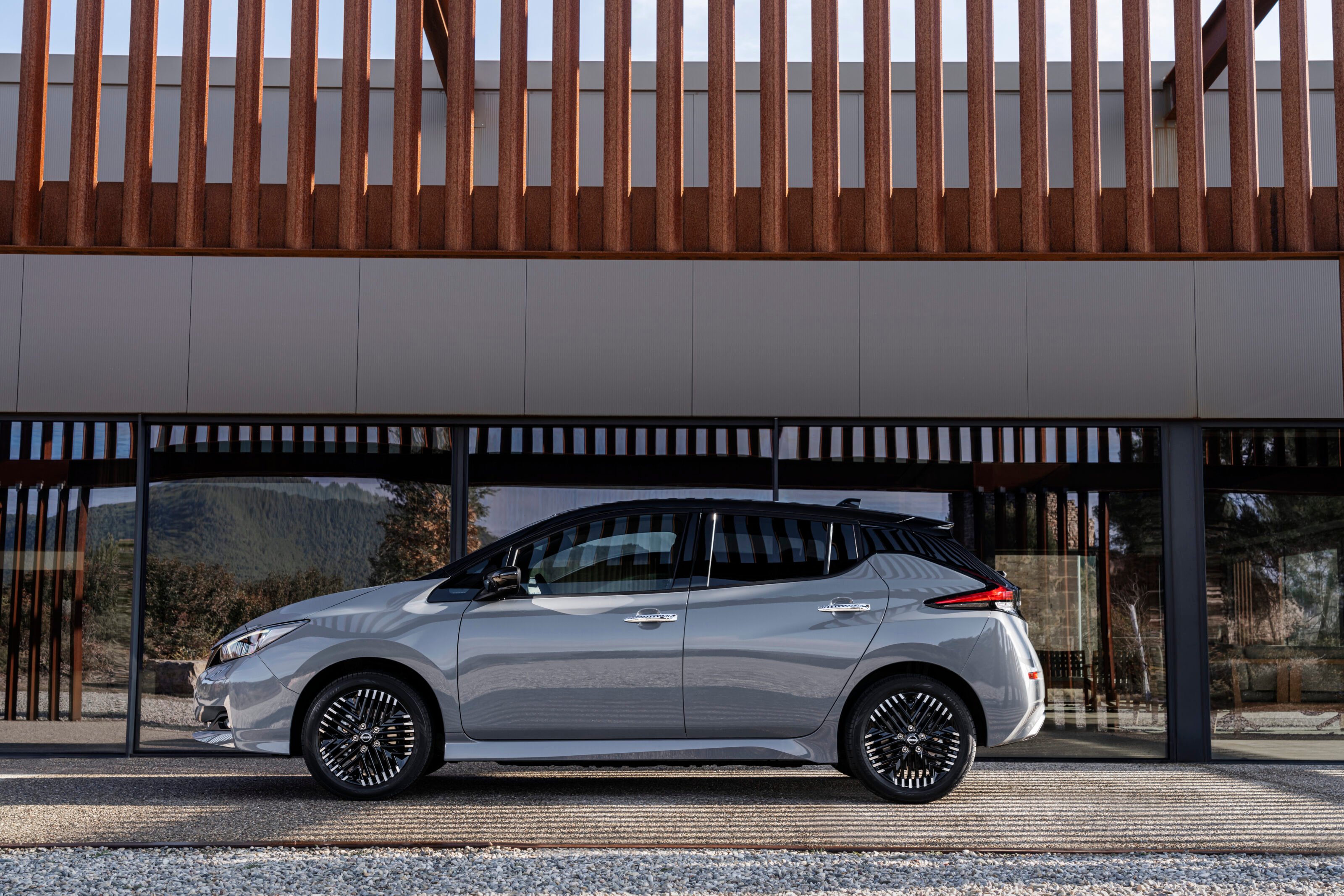
The updated Leaf will get a host of advanced driving and safety features such as ProPILOT, and infotainment tech such as an improved on-board NissanConnect system.For MY23, the Leaf also receives a refreshed exterior design, including intricate detailing and new 16- and 17-inch alloy wheel options for a more sporty and premium feel, and the model features Nissan’s new brand logo on the wheels, front grille and rear.
Ford has applied to trademark Mustang Dark Horse in Australia and Europe, potentially revealing the winning name behind a recent public competition.
Earlier this month, the Blue Oval announced an upcoming black accent package for the Mustang required a name on social media, with more than 25,000 entries from fans.
The company is yet to officially announce the winning title from the competition, which ended on June 9, but it seems the majority have chosen Mustang Dark Horse.
According to the brand, the black accent package will include; black exterior badging and black-painted aluminum wheels, while dark highlights are likely to replace select bright items inside and out.
Ford filed for the trademark in Australia on June 23, with the application currently ‘awaiting indexing’.
It covers ‘four-wheeled land vehicles’, including electric vehicles, SUVs and passenger cars, with no specific reference to the blacked-out package – but the timing reveals a strong connection.
The marque also registered Mustang Dark Horse with the European Union Intellectual Property Office at the same time, although publicly available information reveals no application has been made in the United States thus far.
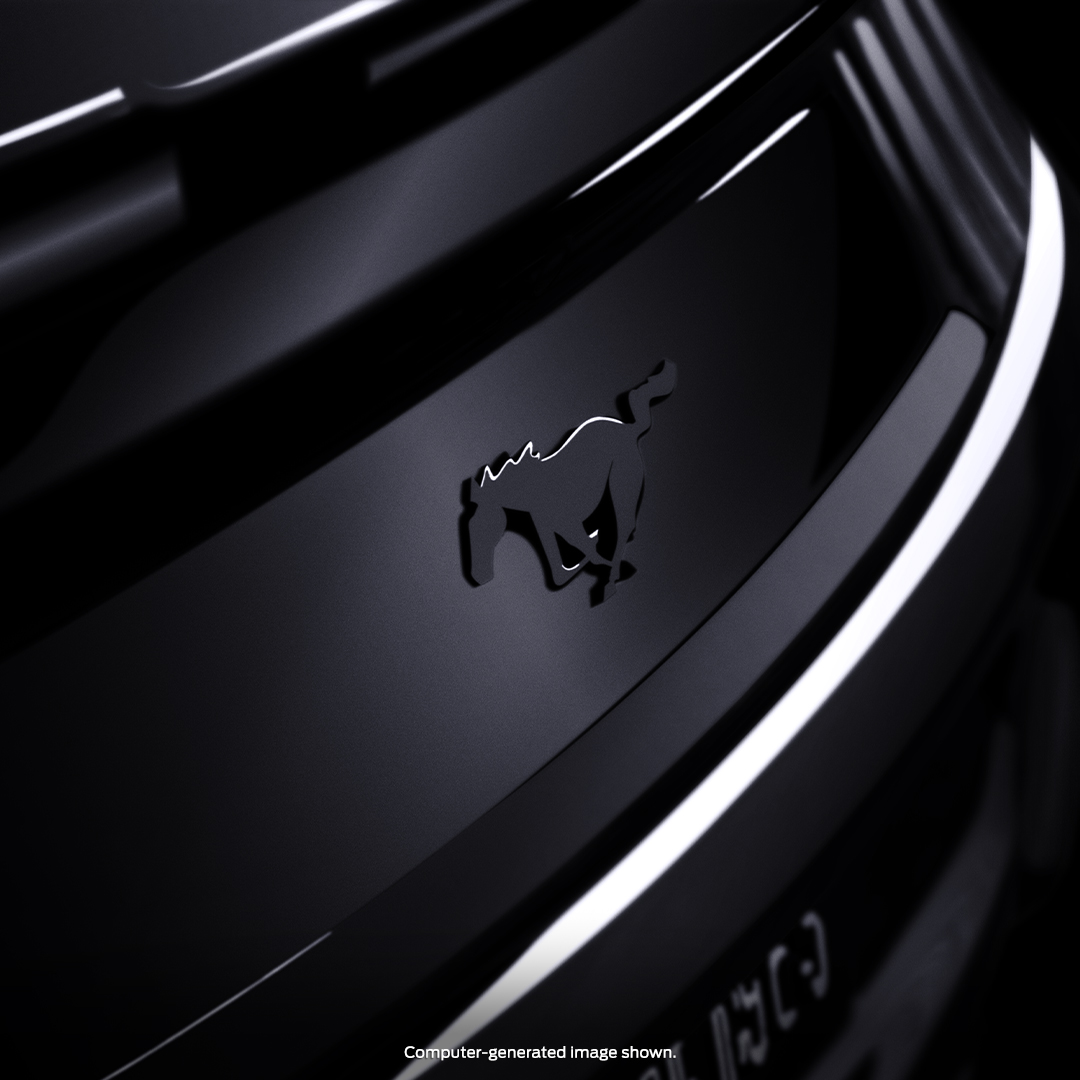
“Ford submits trademark applications for various brand assets as a normal course of business, but they aren’t necessarily an indication of new branding, badging or product plans,” a spokesperson for Ford Australia told Wheels.
Several online posts, including comments below Ford’s tweets, show copious references to Mustang Dark Horse, alongside other suggestions.
This includes; Black Stallion, Shadow, Wild Horse, Larry, Black Beauty, Nightmare, Charcoal Stallion and Midnight Edition – with the final recommendation used by rival brand Nissan.

The company previously offered a Black Shadow Pack for the Mustang GT fastback in 2020, priced at $1000. It was discontinued from model-year 2021, with the addition of a California Special appearance package for MY22.
A blacked-out styling package could be considered one of the most-used automotive design trends of the past decade, with many dark-accented models available on a permanent basis, such as Mazda’s ‘SP’ range.
The 2023 Ford Mustang Dark Horse is likely to be unveiled in the coming months.
It could form part of Ford’s final send-off for the current sixth-generation model ahead of the seventh-generation 2024 Mustang, which will continue to offer V8 power and a manual transmission.
Snapshot
- Cars on offer include McLaren 570S and Ferrari 488
- Builds on company’s existing premium car offering
- Vehicles available in capital cities
Avis Australia has launched a new luxury high-end car rental brand – Avis Prestige.
The top-end sub-brand will enable customers to hire sports cars, supercars and premium luxury cars, with some of the models up for grabs including the Lamborghini Huracan, Rolls-Royce Ghost, McLaren 570S, Ferrari 488 and Bentley Continental GT.
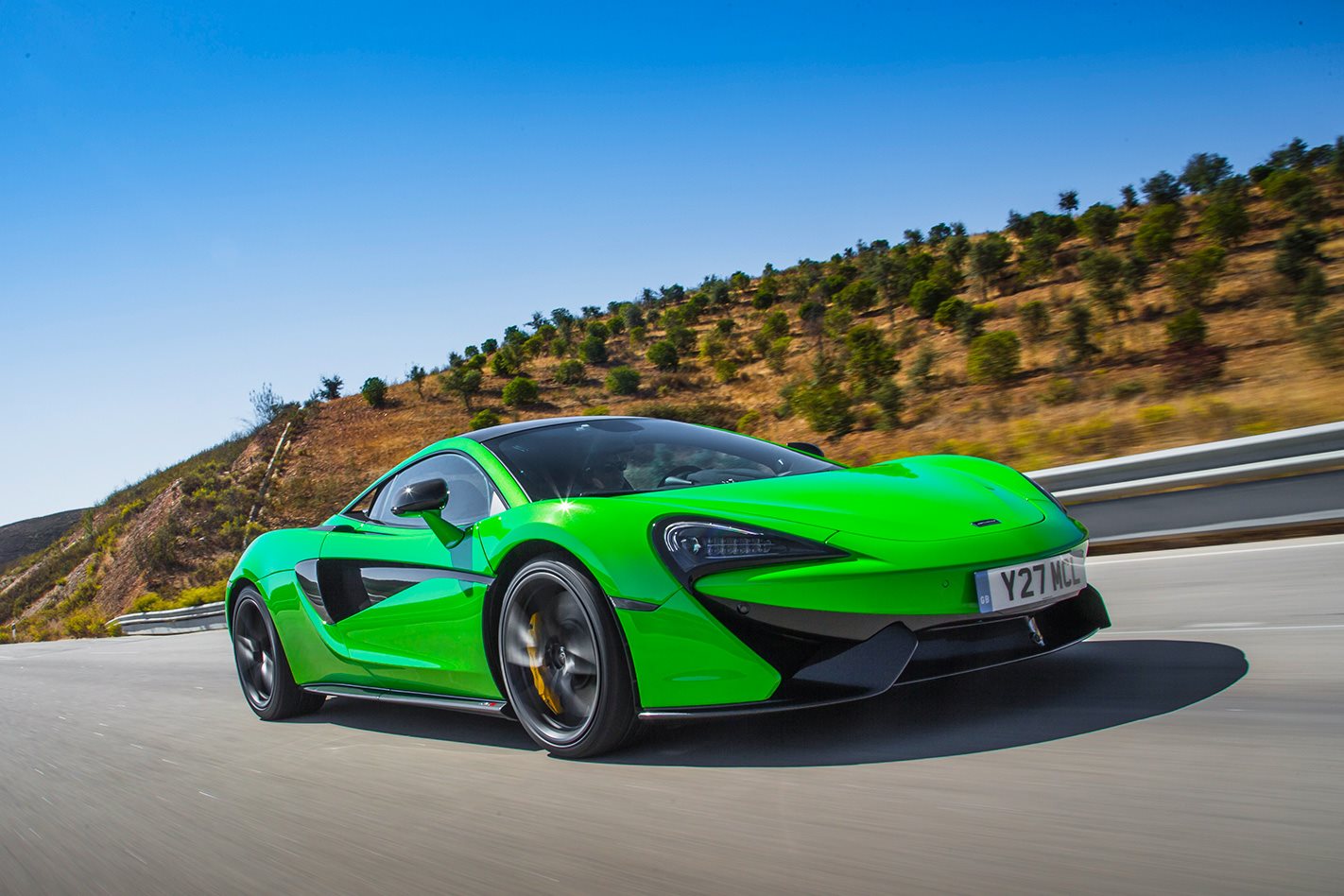
“As a trusted brand in the car rental industry, we wanted to provide our customers with even greater choice, and access to some of the most desirable cars in Australia, which is why we’ve launched Avis Prestige,” said Tom Mooney, Managing Director of Avis Australia.
“Our goal at Avis is to always be driven by better. Avis Prestige will make the luxury car market more accessible for customers and give them the opportunity to hire a special vehicle for major milestone celebrations or for an elevated weekend away.”
The launch of Avis Prestige builds on Avis’ existing premium car hire, Avis Signature Series, which gives access to a range of Mercedes-Benz and BMWs.
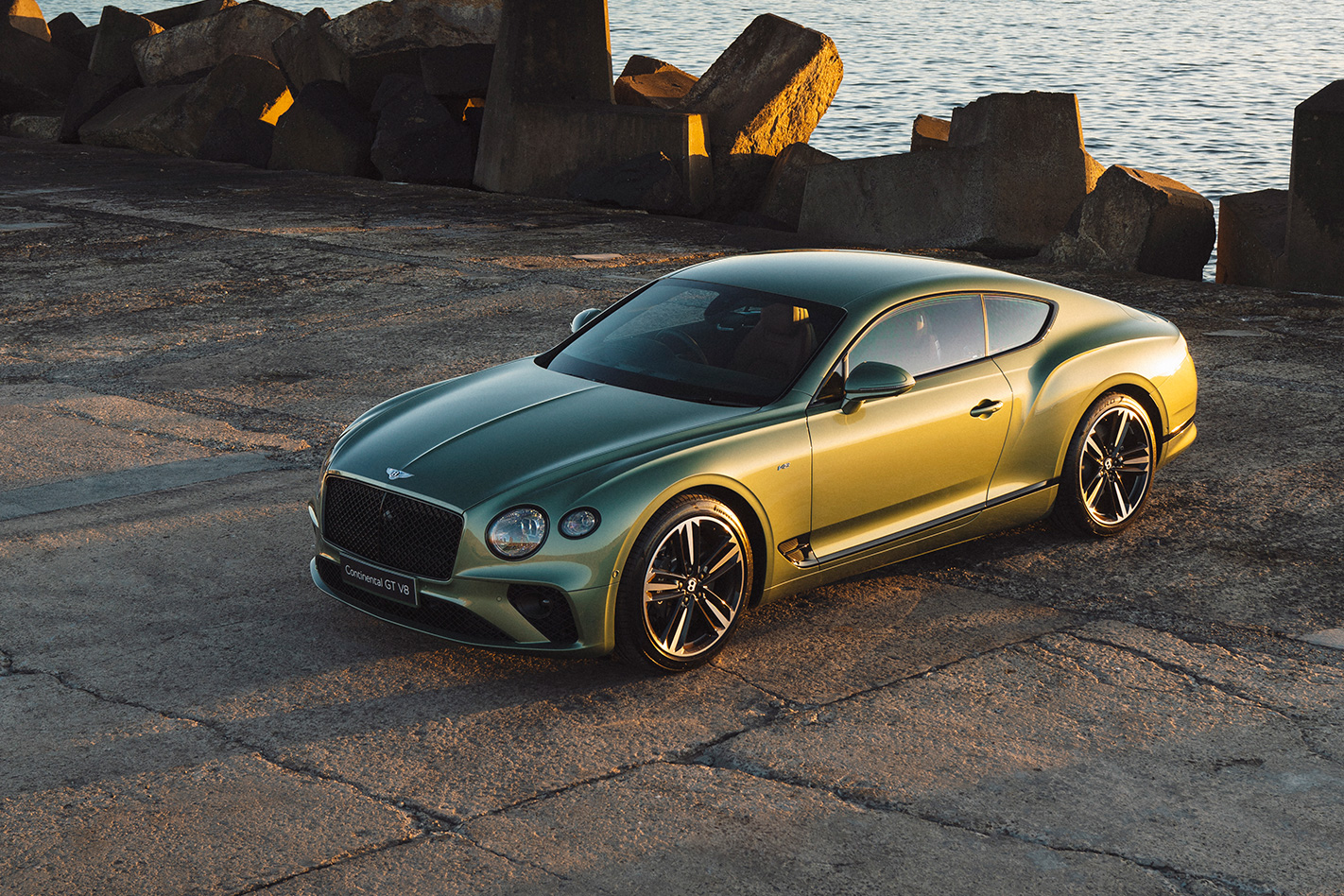
Australian luxury car rental company Prestige Rentals will manage the customer experience, which includes delivery and pick up of the car from a chosen location.
The cars will be available in Melbourne, Sydney, Perth, Adelaide, Brisbane, Sunshine Coast and on the Gold Coast. The service is available for drivers aged 25 years and over for prestige cars and 30 years and up for supercars.
Snapshot
- Shared mobility concept comes to Australia via Outbound
- Mantra at Sharks in Southport allows guests to hire a Tesla Model 3
- Expansion outside of the Gold Coast touted
Tech company Outbound has partnered with Mantra Hotels in Queensland to provide its guests with the ability to use a Tesla Model 3 during their stay.
The service allows guests to use the car as they please, while saving the hassle of worrying about a hire car.
The concept of shared mobility is becoming common in Europe and the United States, with ‘communal’ vehicles offering transport access in situations where it would otherwise be limited.
While there are some companies trialling the concept of direct renting in Australia – such as Toyota’s Kinto service – a new start-up has jumped on to the popularity of Tesla’s Model 3 to kick-start its shared mobility service.
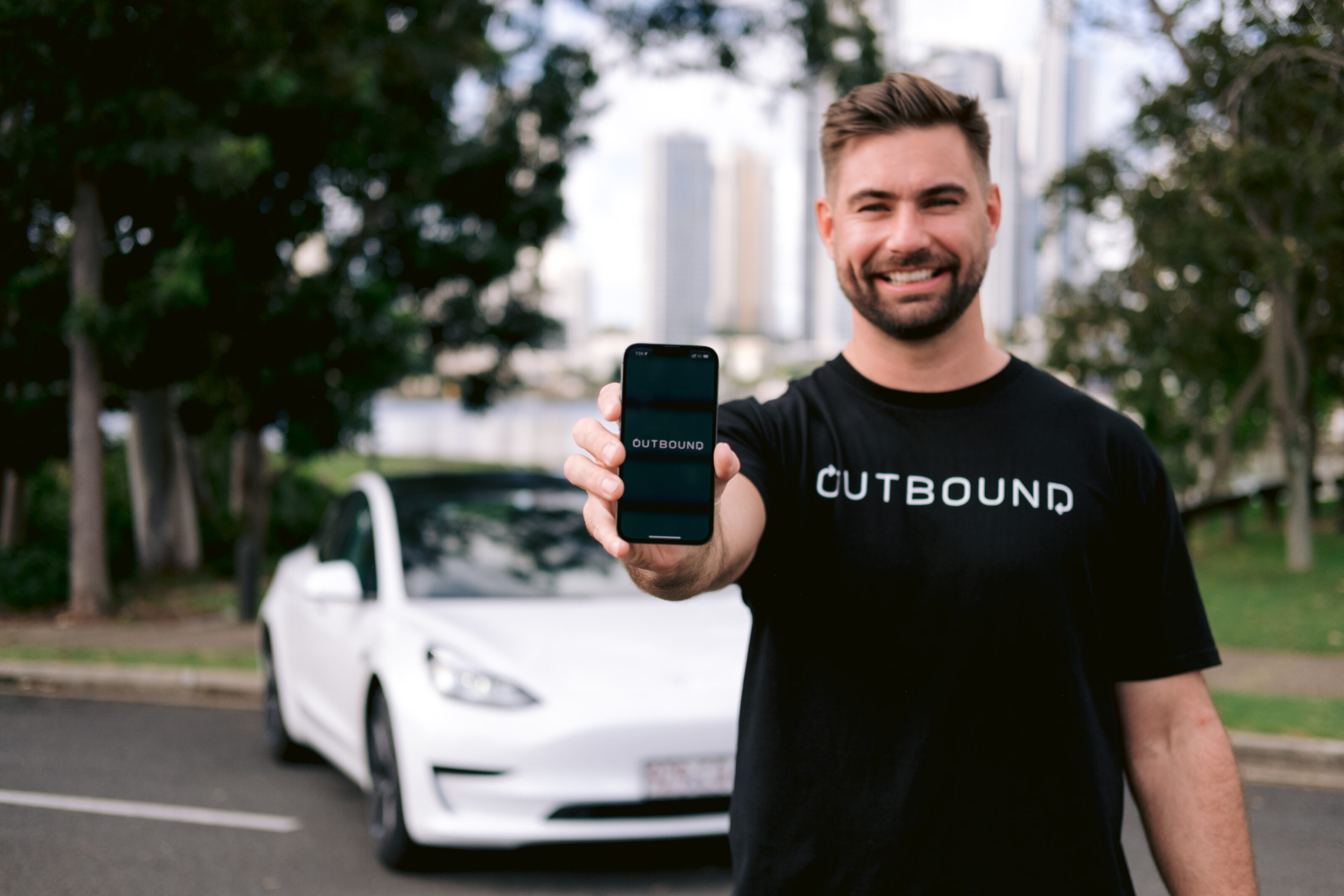
Using the Outbound app, guests of the Mantra at Sharks can book the Model 3 for $30 per hour, including insurance and power.
“This is a really exciting development for the Australian tourism industry,” said Outbound CEO, Luke Rust.
“The app is really easy to use – guests just sign up, reserve the car and unlock it using their phone. It’s really handy for anyone wanting to go for a day trip, say to the theme parks or out to hinterland.
“People want to maximise their time and fun on the Gold Coast. Especially with fuel prices going up, a road trip to the Coast is becoming increasingly expensive – with Outbound, tourists can perhaps jet into Coolangatta, stay at the hotel, and still go anywhere they want using the EV.”

Mantra believes the partnership with Outbound will be beneficial to its guests, with the hotel now featuring EV charging capabilities for those who bring their own vehicles.
“Mantra at Sharks is the first hotel property on the Gold Coast to launch the Outbound service and we’re excited to offer this mode of transport to our guests,” said front office and revenue manager, Courtney Tahu.
“This service provides a clean, sustainable transport alternative and also features a facility for guests to charge their own electric vehicle. The process is seamless and intuitive.”
Outbound is currently in talks with other accomodation providers in Brisbane, Sydney and Melbourne to expand the program, with hopes to one day have communal cars treated like a gym, bar or concierge at a hotel.
While aboard this 2022 Skoda Kamiq Signature, I ponder one of modern motoring’s great mysteries: the persistence of Skoda jokes that are also Lada jokes that are also Fiat jokes and so on.
For two decades, the Czech brand has been delivering great cars. They’re bigger than you think, deliver on the technology and engine fronts and the brand sort of strikes me as a European Subaru, just without the polarising styling but with the enthusiastic owners.
Skoda has three SUVs on sale in Australia today, the big Kodiaq, middish-size Karoq and the supposed baby of the range, the Kamiq.
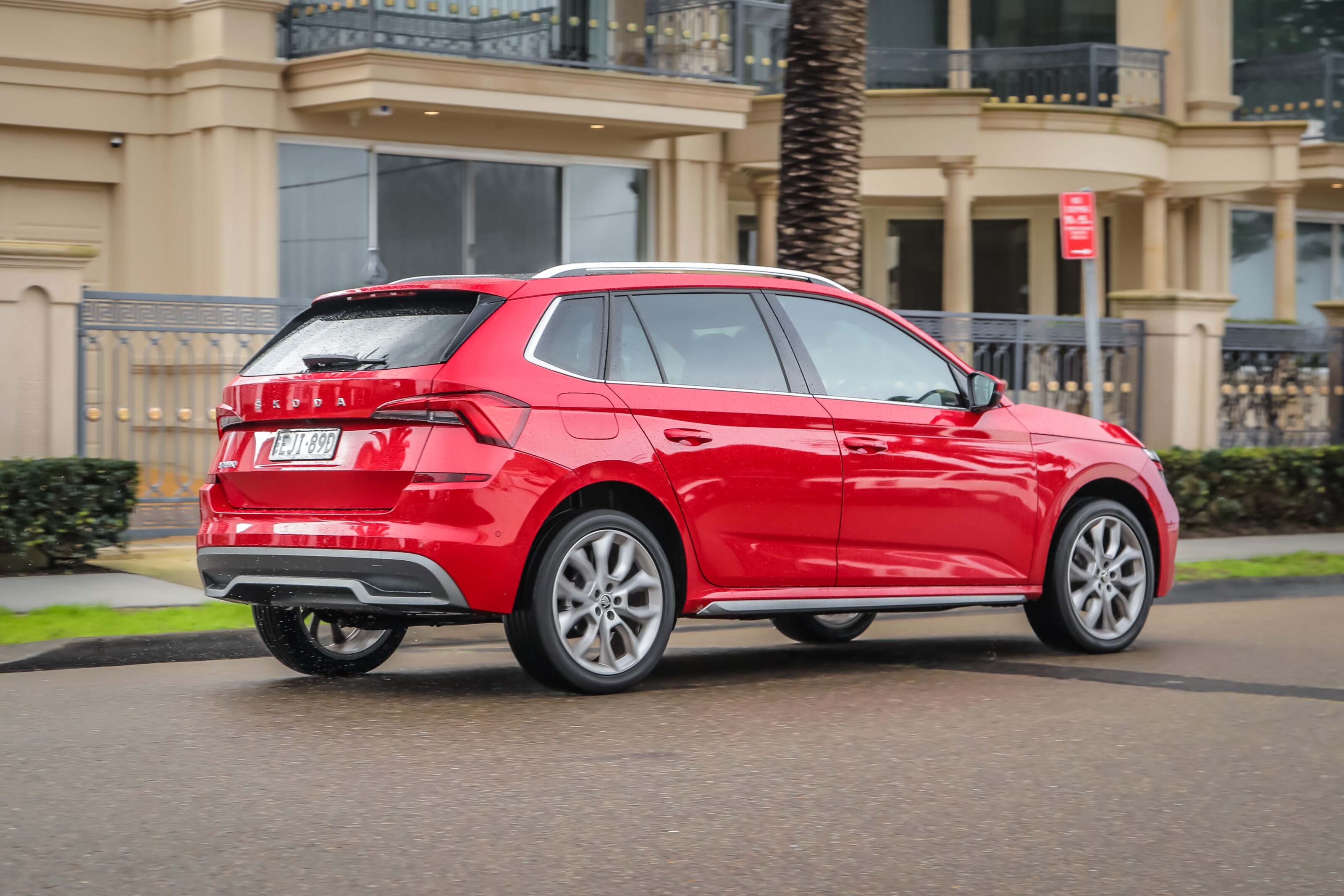
Whereas the VW T-Cross is very much a higher-riding Polo, the Kamiq is not so obviously a higher-riding Fabia. It’s appreciably bigger, with a long wheelbase delivering interior space to rival that of a car a size up.
What Skodas aren’t always in 2022 is cheap. The Kamiq range does without a stripped-out range opener to get punters through the door, it plants a flag in the mid-$30K range and goes from there to over $40K.
It’s a bold move but Skoda has been known to throw a curve and make it stick.
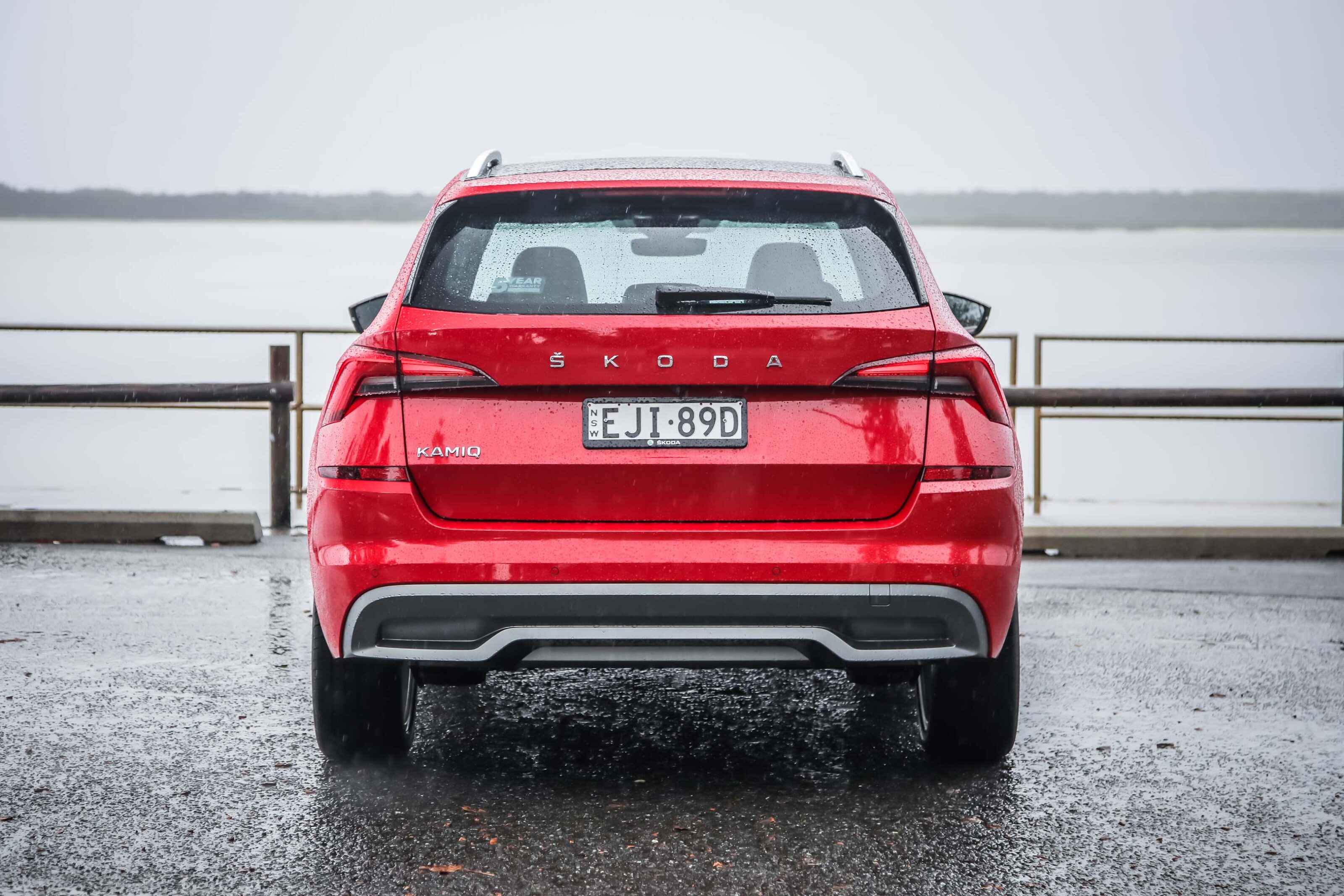
Pricing and features
At face value, it’s difficult to see where Volkswagen is pitching the Kamiq. The entire range is tightly packed from the $37,990 85TSI Style to the Signature 110TSI at $42,990 (both figures drive-away).
That means the lower end of the range doesn’t really go after anything but the more expensive end of the ageing Mazda CX-3’s range and doesn’t really price itself to tempt T-Cross prospects.
It almost feels like it’s nipping at the heels of the VW T-Roc (which starts in the mid-$30K range) and Skoda’s own Karoq.
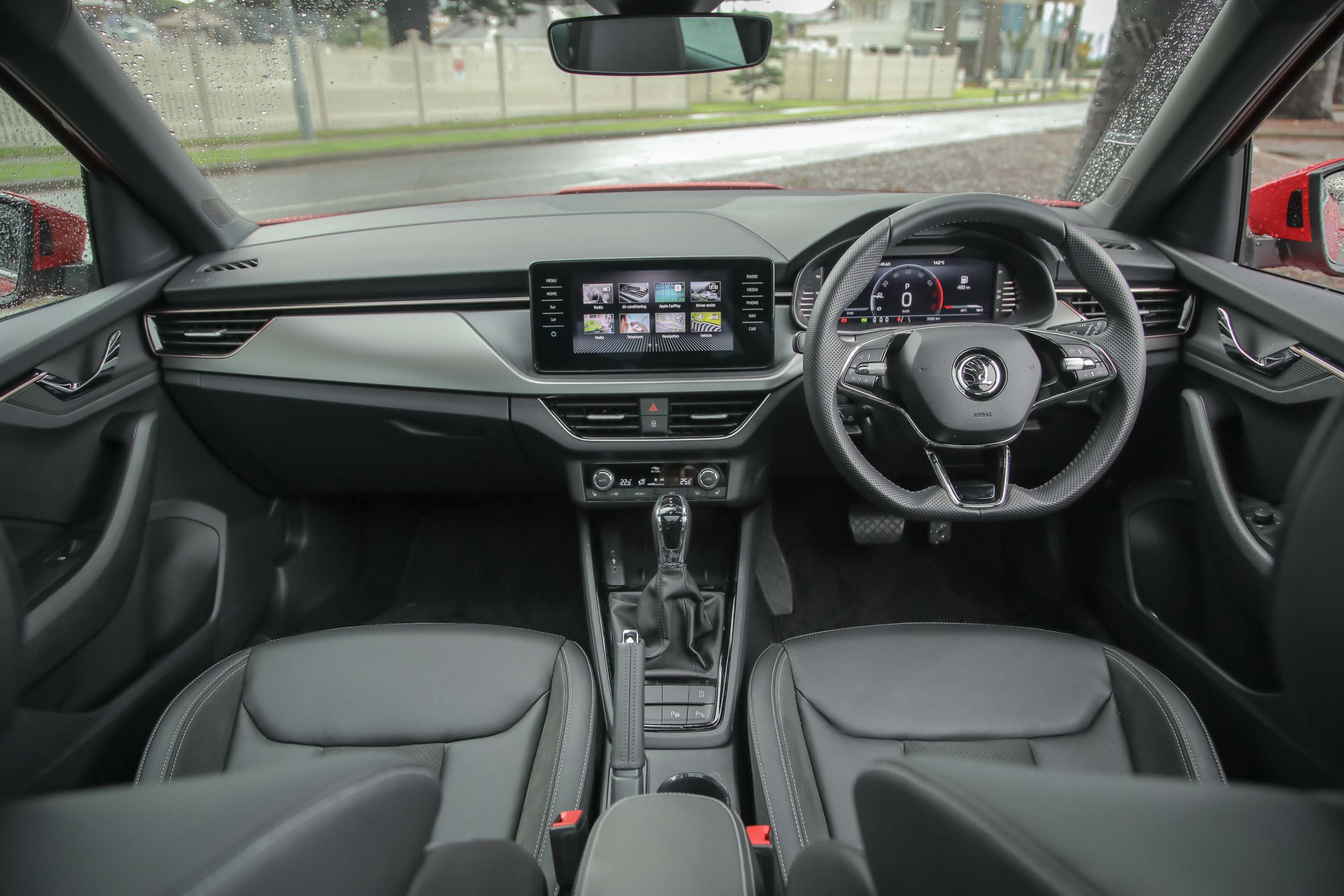
Anyway, my confusion aside, this top-of-the-range Signature commands the higher figure, $42,990, although given it’s a drive-away price, it’s rather more appealing.
For that not-inconsiderable outlay you’re getting a five-door small SUV with 18-inch alloys, an eight-speaker stereo, digital dashboard, dual-zone climate control, reversing camera, keyless entry and start, front, rear and side parking sensors, adaptive cruise control, sat-nav, and auto LED headlights.
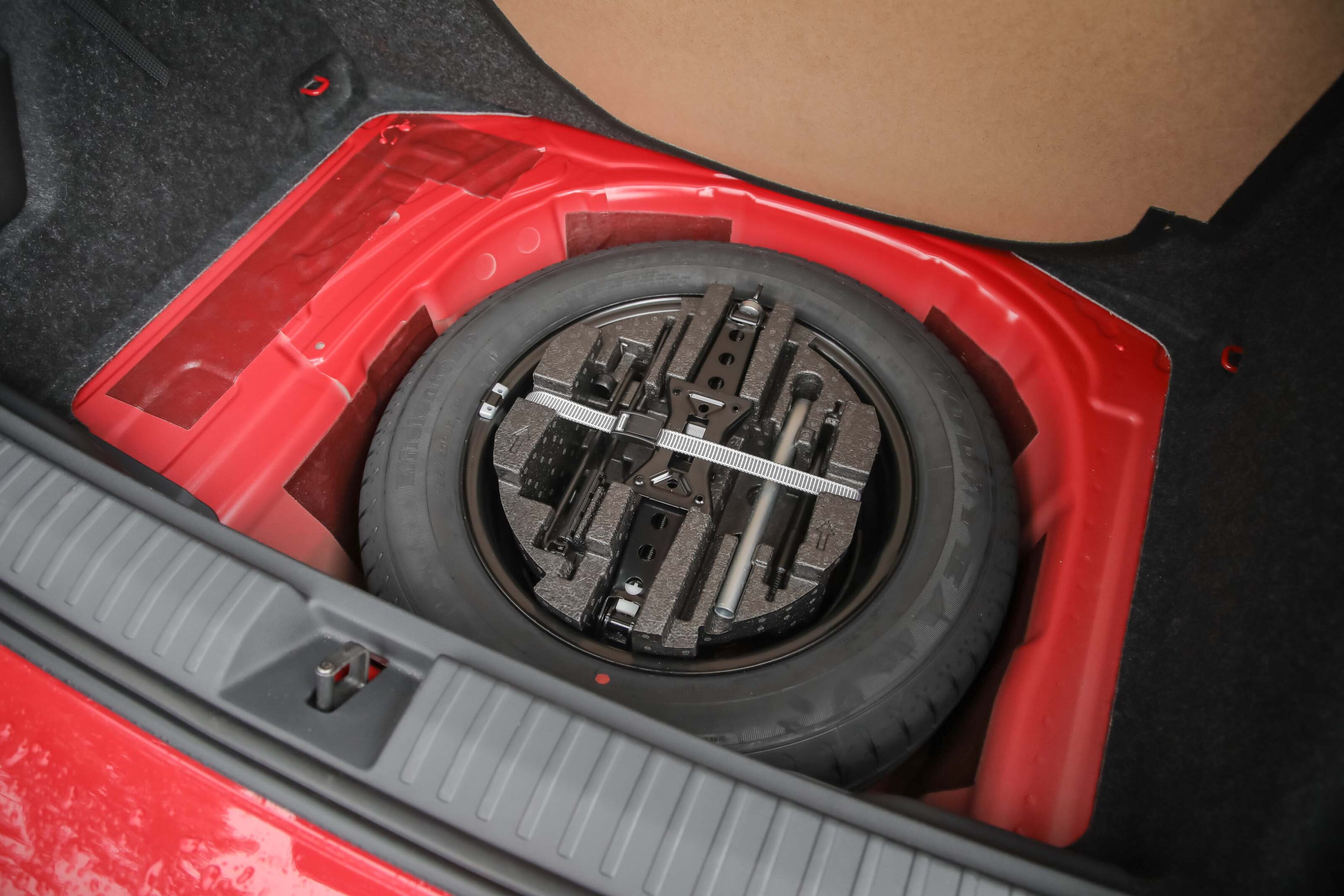
There’s also a a mix of leather and fake suede trim (believe me, fake suede is a genuine blessing), power tailgate, auto parking, auto wipers, heated and folding mirrors, heated front seats and steering wheel, heated rear seats, powered driver’s seat, wireless charging and a space-saver spare.
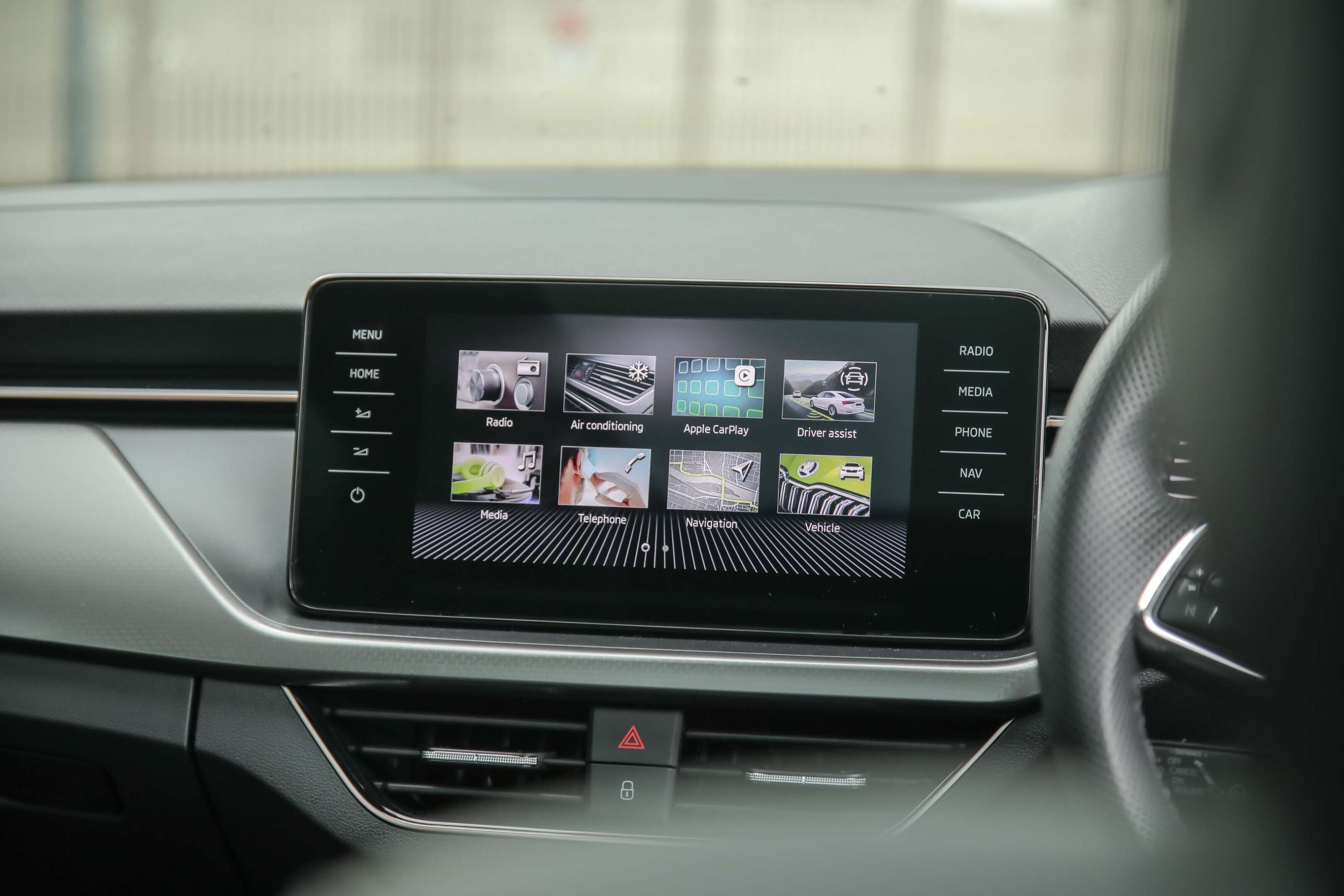
That’s quite a lot of stuff, going some way to justifying the price tag.
The Signature carries the larger 9.2-inch touchscreen over the lesser models’ 8.0-inch unit and features sat-nav. It also has wireless Apple CarPlay and Android Auto, which pairs nicely with wireless phone charging.
The system didn’t miss a beat with my iPhone connecting wirelessly every time without drama. Weirdly, there’s no DAB+ digital radio but one could argue that a phone app will get you whatever station you want and – again arguably – will work better than DAB+ does in, say, tunnel-heavy Sydney.
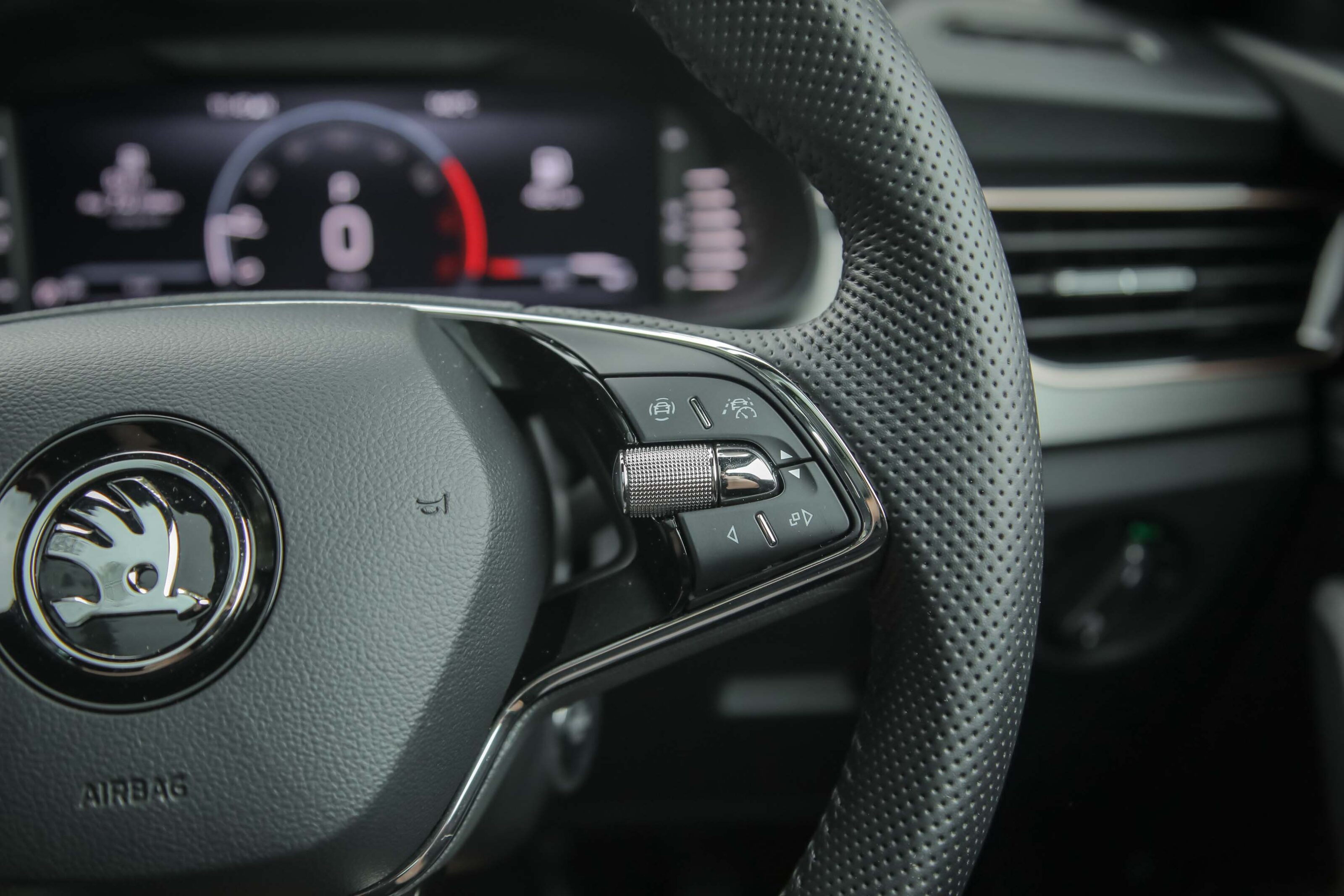
The five-star ANCAP safety rating hails from 2019 and comes courtesy of seven airbags, the usual stability and traction controls, forward auto emergency braking (AEB), lane-keep assist, reverse AEB, front and rear cross-traffic alert, blind-spot monitoring, driver attention detection and lane departure warning. Again, that’s a lot.
The forward AEB features cyclist and pedestrian detection at city speeds but is not available at higher speeds.
You also get three top-tether points and two ISOFIX anchors for child seats.
Comfort and space
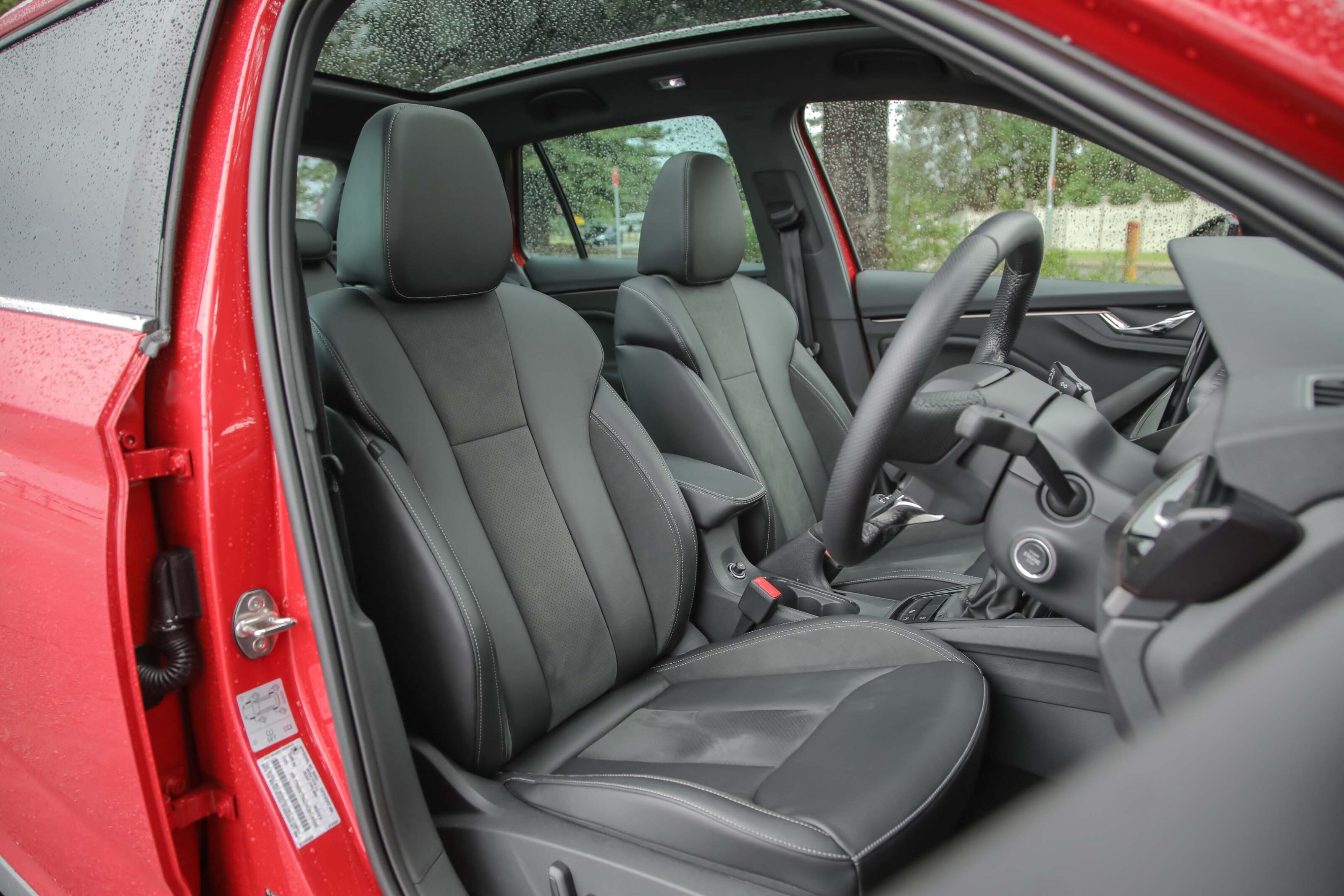
The Kamiq Signature’s mix of leather and fake suede (or Suedia, which sounds like one of the kingdoms over the sea in Game of Thrones) is immediately appealing.
The cabin looks very neat and tidy, with nothing out of place and to help keep it neat and tidy in these tryingly damp times, there are the usual umbrellas hiding in the doors. Such a cool idea.
My wife was hugely amused by the mass of identifiably Audi switchgear and we enjoyed a stuck-in-traffic game of spot the part. Hey, I never said we were an exciting pair.
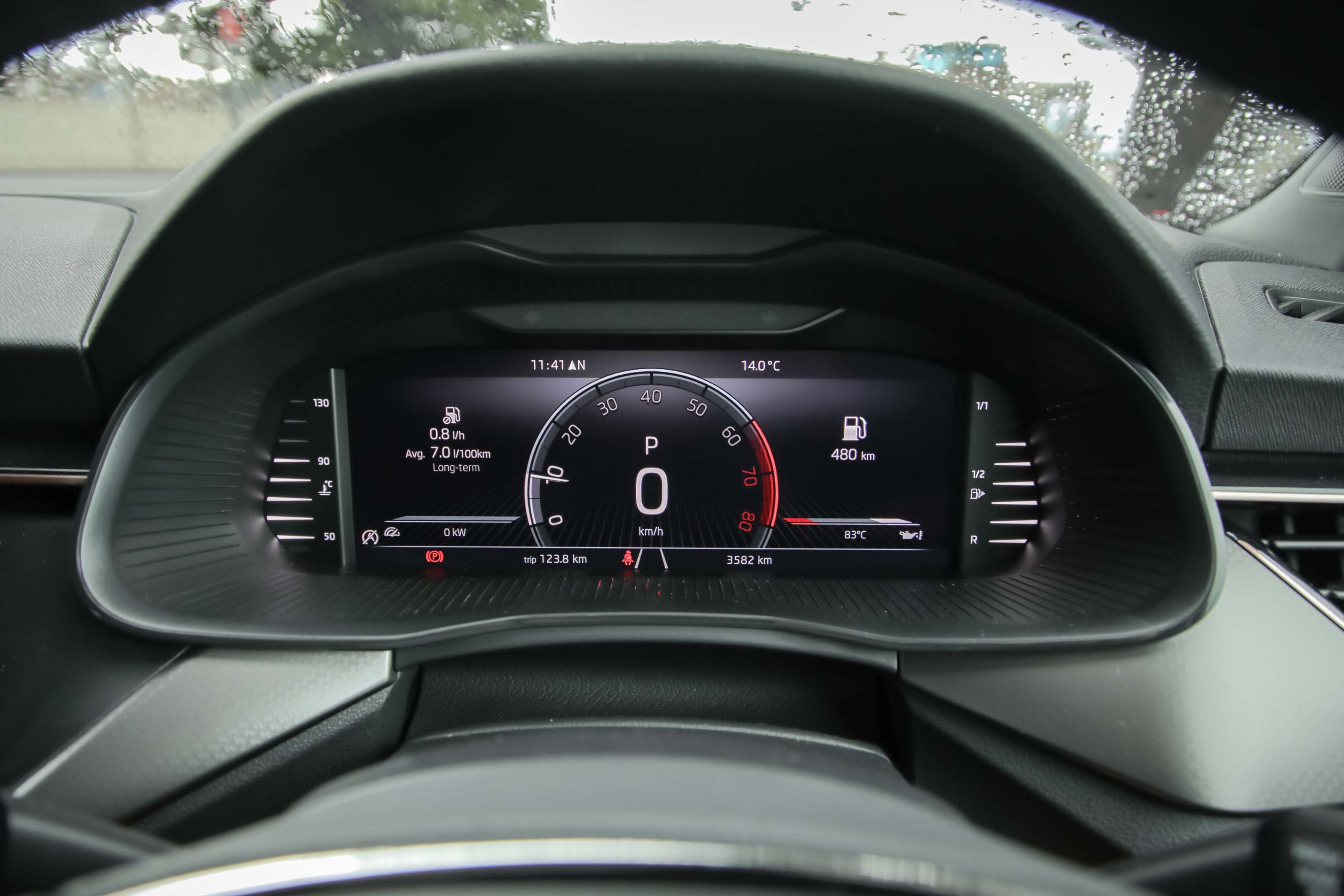
It’s all very high quality as you might expect at this price, with just the occasional scratchy plastic moment. The digital dash and the big touchscreen make it feel like you’ve not wasted any money, too.
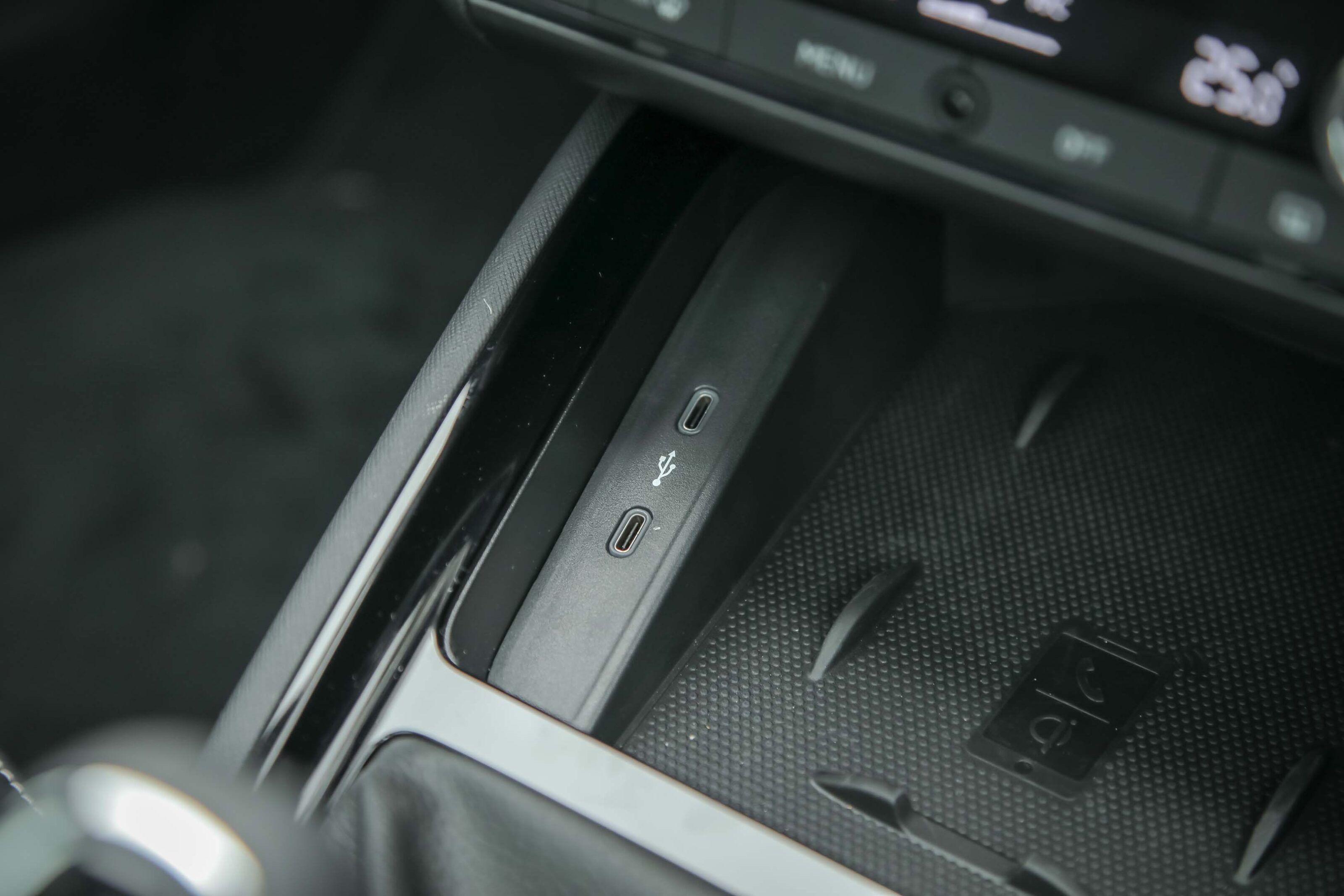
Getting into the rear seat is pretty straightforward. However, you do step over a bit of high sill and once you’re in, the tall transmission tunnel firmly divides the space. But legroom is very good, particularly for a car this size and with air vents and two USB-C, there’s even more to like.
Although it stops there as the Kamiq goes without a rear centre armrest and therefore no cup holders. There are bottle holders in the doors, though.
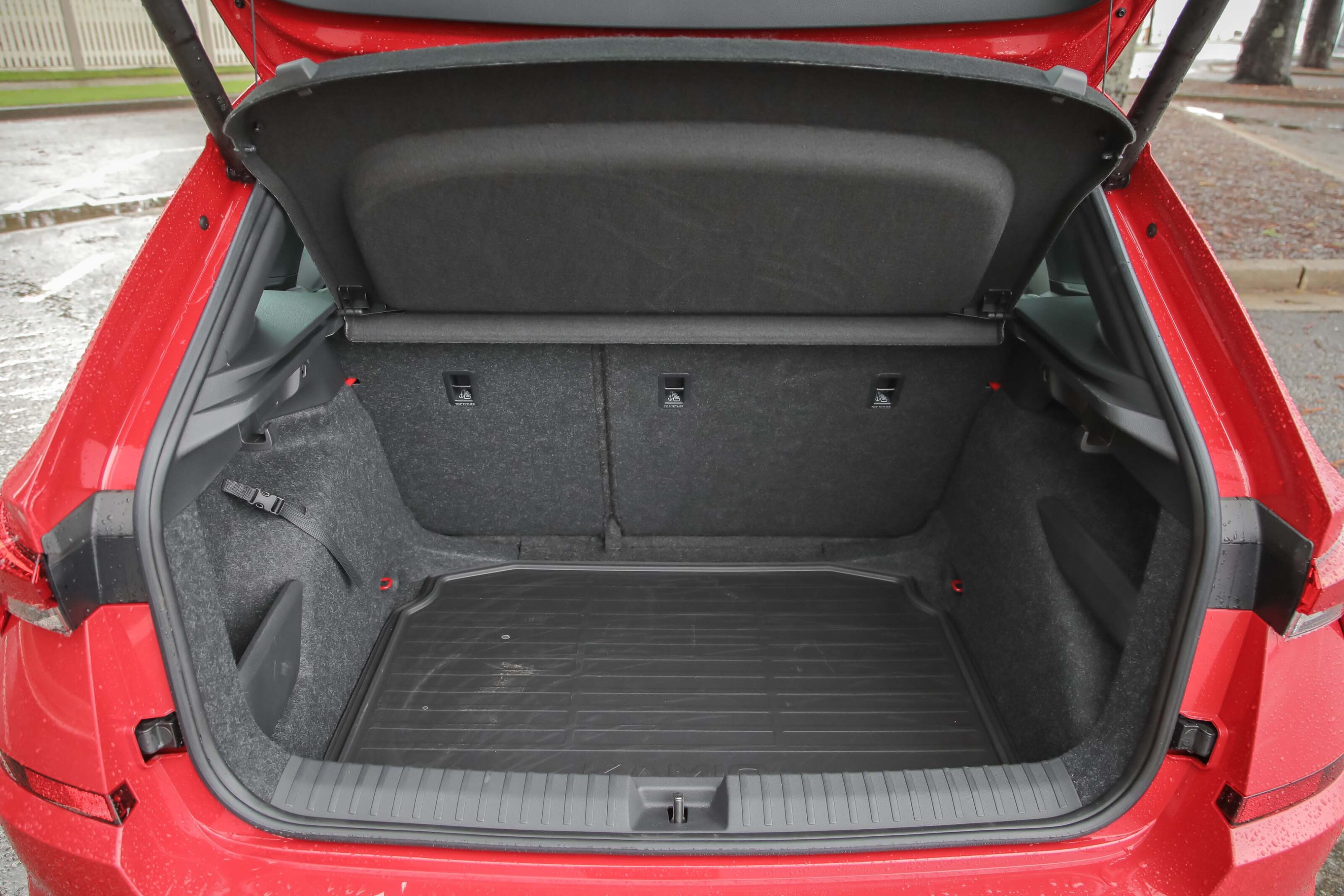
The Kamiq’s boot is typically Skoda in that it’s pretty big. At 400 litres it’s not going to set the world on fire but there are some full-size SUVs with not a lot more than that crammed into their nearly five-metre length.
With the seats down you get 1395 litres, which is also impressive in this segment. The floor mat in the boot has carpet on one side and rubber on the other, which is a nice touch.
On the road
Skoda fits its 1.5-litre four-cylinder turbo-petrol engine to the Signature, replacing the 85kW turbo triple in the Ambition. The four spins up 110kW and 250Nm, with power going to the front wheels via a seven-speed dual-clutch transmission.
Nothing out of the ordinary here and a familiar scene in large chunks of Skoda’s – and the broader VW Group’s – ranges. It’s a good engine, with only a little lag and cylinder deactivation to save fuel under light or steady throttle.
The same can’t be said for the transmission, which lacks the polish that it does in other cars in the group, such as the VW Polo I drove recently.
It doesn’t seem to like this more powerful engine, struggling to smoothly pick up the power, with regular chirps from the front tyres under power in damp conditions or moderate throttle.
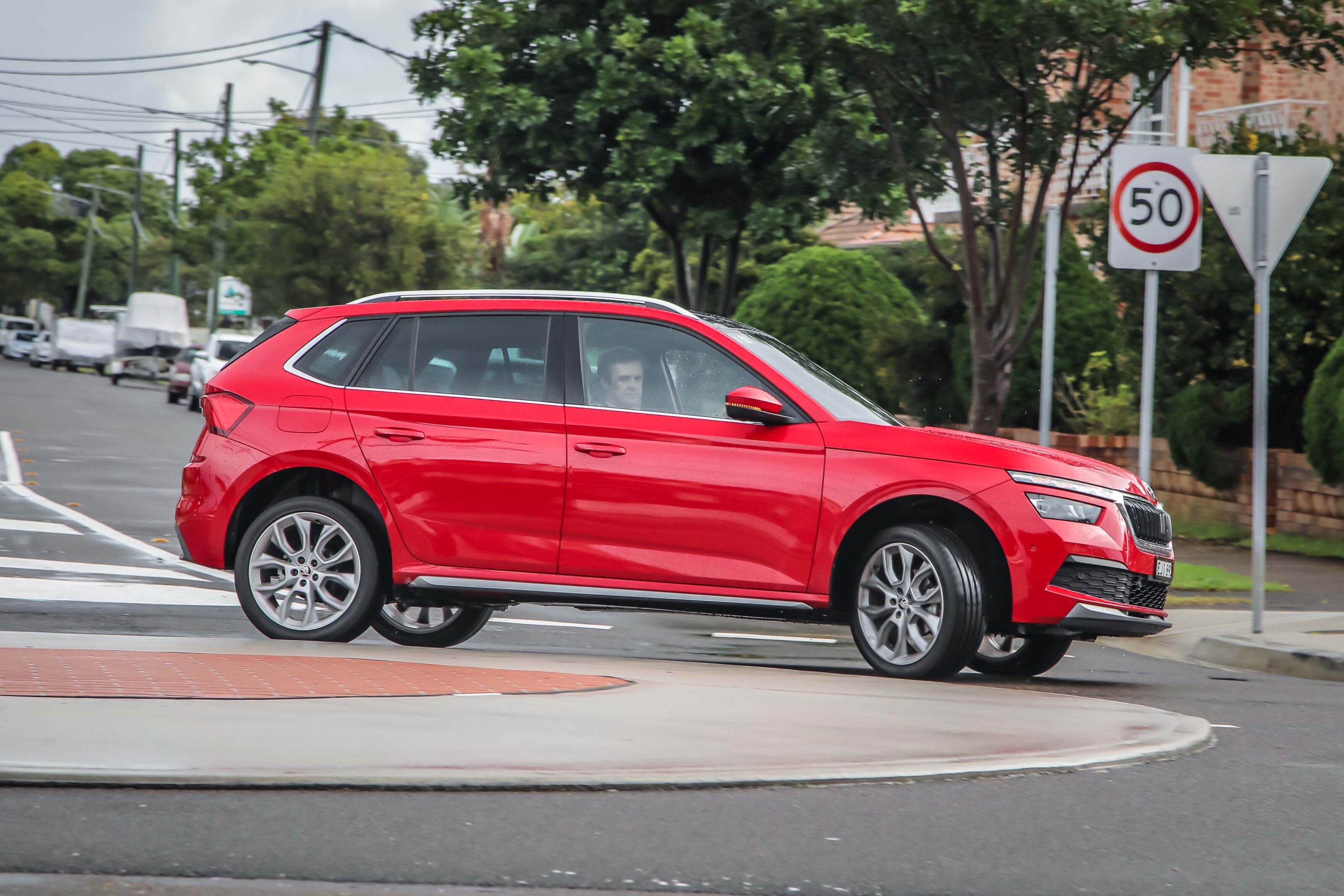
It’s not a big drama most of the time, but it can also dither a bit. You can fix that with gearshift paddles as I did, but nobody wants to have to do that. Pulling the shifter back into Sport does remove some of that hesitation, working better around town but presumably using more fuel.
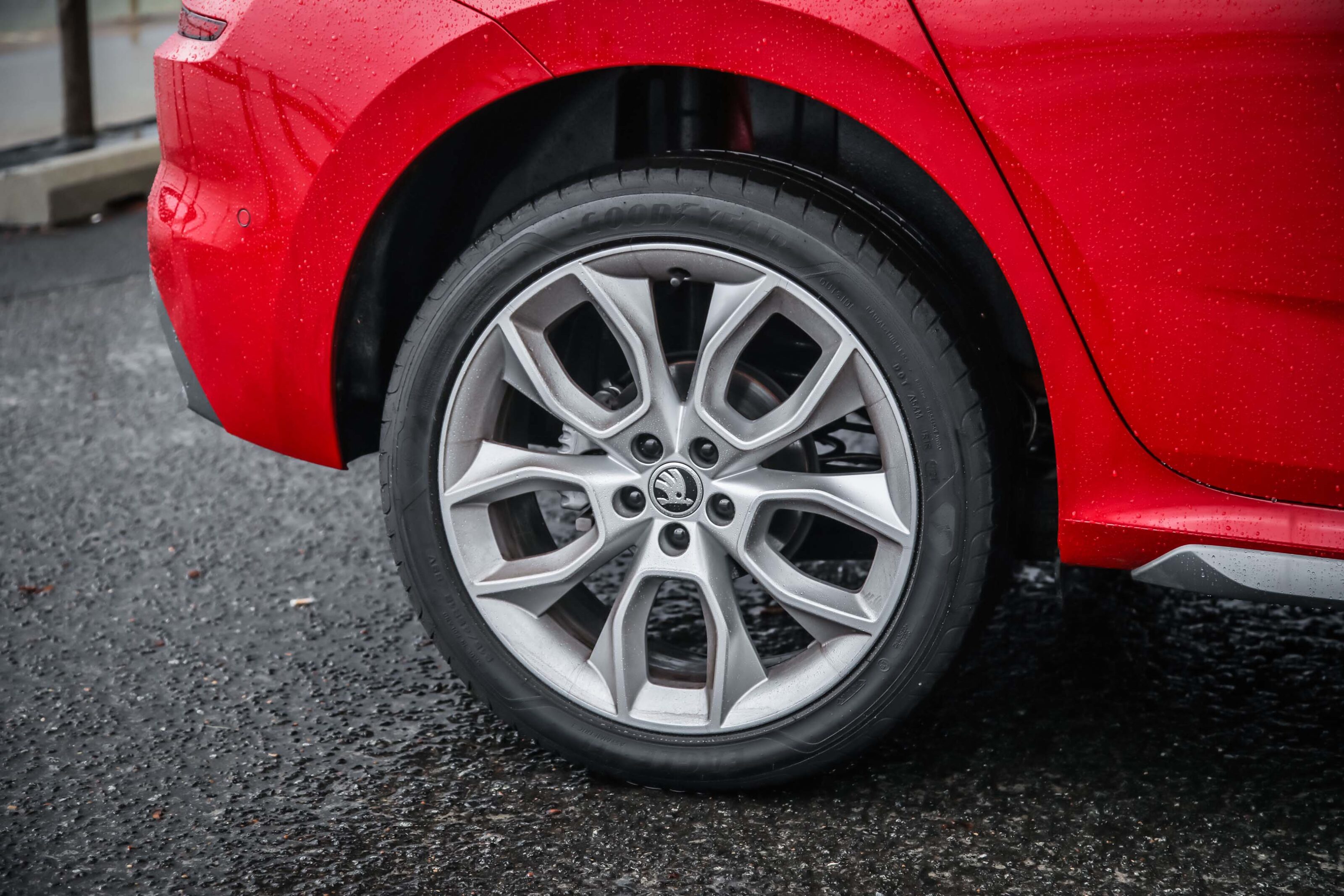
The sometimes-abrupt clutch does also expose the Goodyear Eagle F1 tyres a bit, too, which suggests that at the first change, some more capable rubber will be in order. If your experience doesn’t match mine, however, you’ll be fine to continue with what’s already fitted.
With all that out of the way, the Kamiq is actually pretty good to drive. The steering is clearly set for the city and is, therefore, a bit lighter than I might like, but that’s obviously a bit subjective. There’s still some feel, though, so that’s useful.
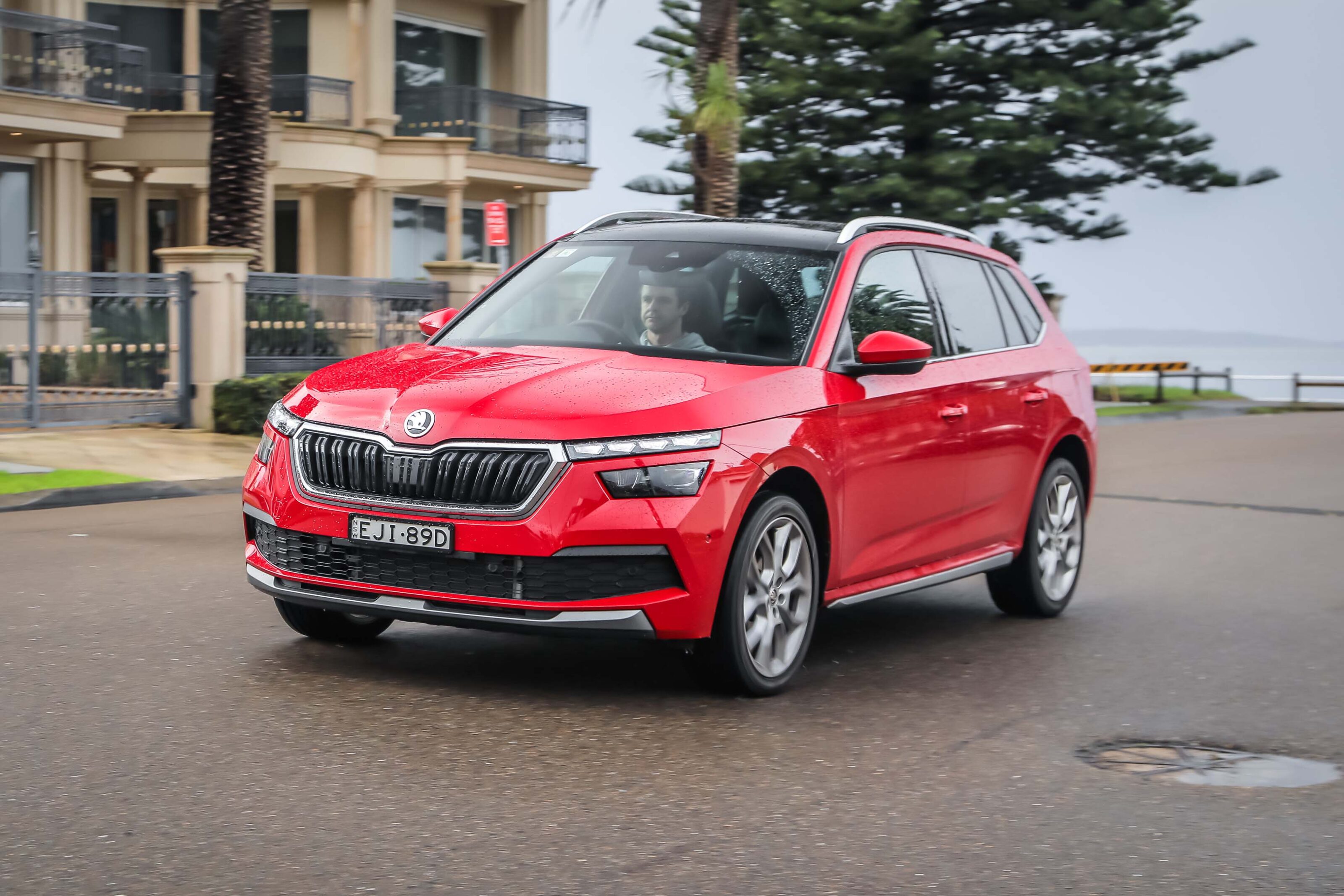
Once you’re up and running, the Kamiq lopes along very nicely. It’s not a quick car but is usefully quicker than most of its rivals and works well in the suburban and commuting cut and thrust.
It’s quite good on freeways and motorways, too, riding, handling and accelerating well where needed, particularly in some scenarios where the 85TSI might start to look a little outclassed.
If you’re after a bit of fun, you can have a moderate amount, but the Kamiq will run straight to understeer when pushed, but not riotously or suddenly.
Staying within the likely envelope, there’s great vision to the front and sides, with a slightly letterboxey rear window leaving you thankful for the reversing camera. It’s also very quiet around urban areas and at higher speeds, with almost no suspension or road noise to speak of.
Ownership
Out of the box, Skoda offers a five-year, unlimited-kilometre warranty, which lines up with most rivals except for Kia and MG that both have cars of similar size and offer two more years. Skoda is currently offering a way to take the warranty to seven years via a pre-paid servicing plan.
This leads us neatly to servicing. There are a few options here, the simplest being the purchase of a pre-paid service pack of five or seven years.
The five-year pack costs $1500 on the Kamiq ($300 per service) and the seven-year $2100. Skoda says the seven-year pack equates to the first three services being free, which suggests a pretty sizeable uptick in service costs after the fifth one.
The seven-year pack has another handy benefit of kicking in another two years of warranty coverage to match the service plan. Service intervals arrive every 12 months or 15,000km, while the extra warranty coverage is unlimited kilometres.
So if you plan on keeping your car that long, you’re in good shape and if not, it’s transferable to the next owner. Servicing at Skoda also keeps your complimentary roadside assist going.
Another option is a service subscription, which charges you like a Netflix plan to spread out the cost of your servicing and some extra maintenance.
There’s a tiered structure for the number of kilometres you cover (15,000km-40,000km every 12 months) with pricing ranging from $69 per month for the Essential Plan and $99 per month for the Complete Plan, right up to $92 or $264 per month for the massively high miler.
These plans cover things like replacing brake discs, pads, wiper blades, that sort of thing. The Complete plan even covers tyres, hence the big jump in price.
The advantage of the subscription plan over the pre-paid is that, well, you don’t have to pre-pay it.
VERDICT
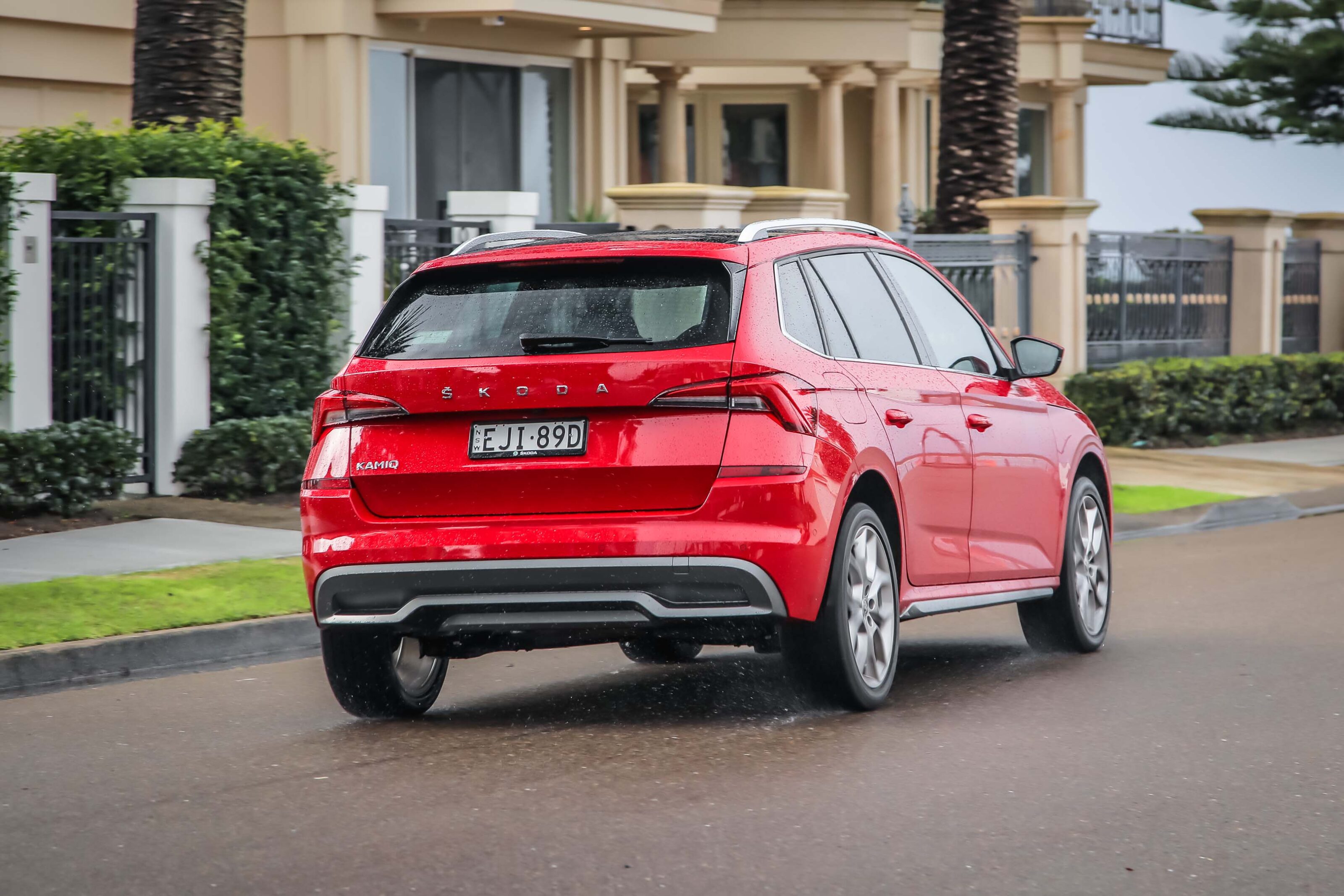
The idea of a $42,990 (yes, drive-away) small SUV initially had me ready to lay in with “this car is way too expensive” but given just how loaded with gear it is, I can’t really say that.
I can’t say anyone is going to be smashing their way into a Skoda dealer to demand one, so it feels like a slow-burn rather than Kia’s steel-wheeled Seltos base model that nearly caused a riot on its release.
It’s a shrewd move, really. It has more stuff than T-Cross and a better driveline than the upper-end Hyundai Kona or Kia Seltos, which only justify their price tags against the Skoda with all-wheel drive to go with the ho-hum engine and transmission combination.
And they’re also a class above yet, especially in the case of the Kona, not that much roomier. The Audi Q2 is now a $50K proposition but with less standard kit.
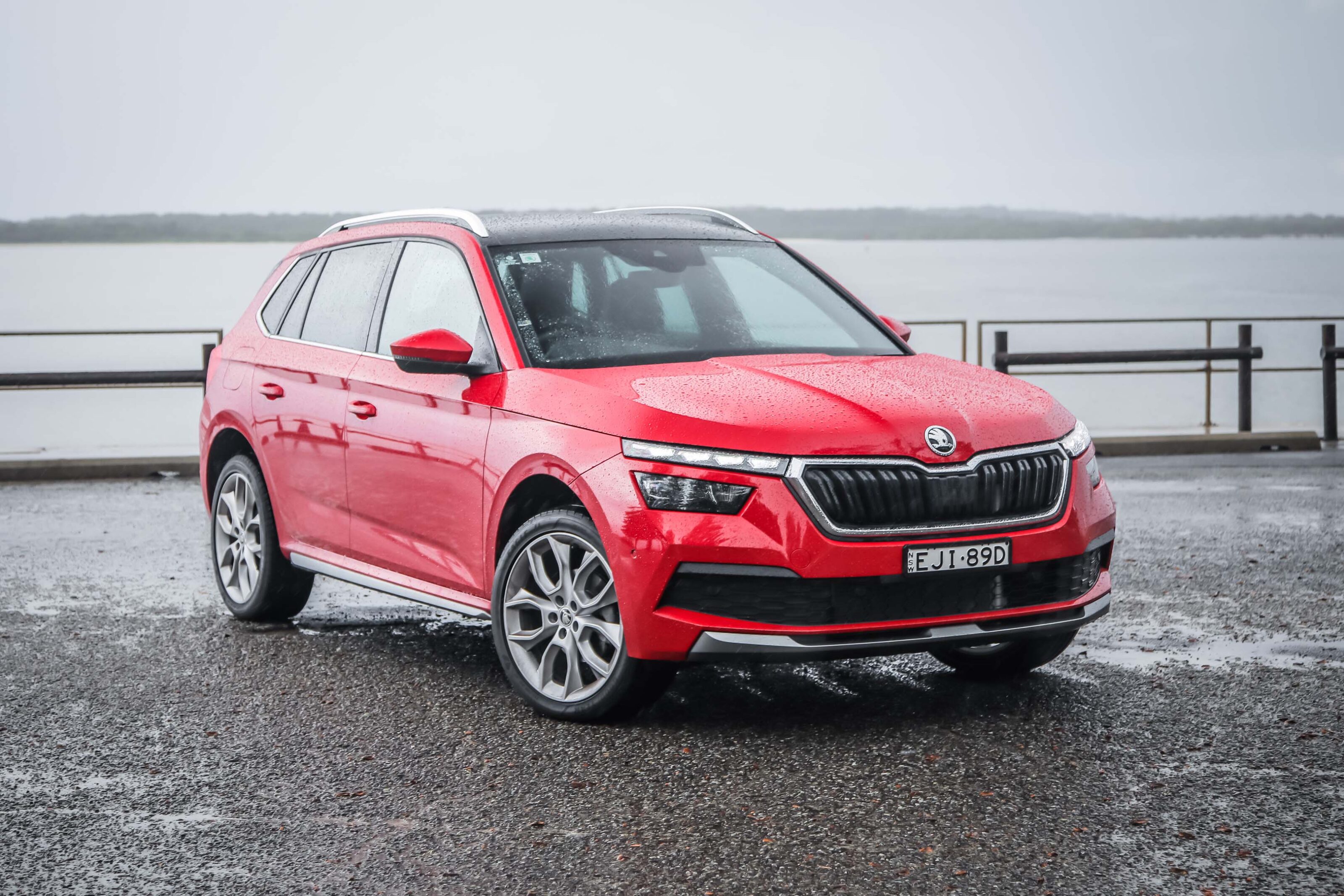
Puzzling as it was at first, the Kamiq makes a lot of sense for someone chasing something a bit different, a lot clever and with a specification level justifying the hefty price.
I really can’t see why people think those dodgy old jokes apply anymore.
2022 Skoda Kamiq Signature specifications
It seems contradictory for something this potent to simultaneously be as relatively understated. You can’t call the 992-generation Porsche 911 Turbo Cabriolet a sleeper – it is a 911 after all. Plus the giant rear haunches, intakes, and whale-tail inspired spoiler do give the game away somewhat.
But those who aren’t up to date with the details of Porsche’s sports car line-up are unlikely to give this convertible a second glance – particularly in Carrara White metallic.
During my loan of the car, I asked numerous friends and family two things – how fast they thought the 992 Turbo Cabriolet was, and how much they think it’s worth. The answers were consistently wrong on both fronts, and their shocked responses to the answer were only magnified once placed in the passenger seat.
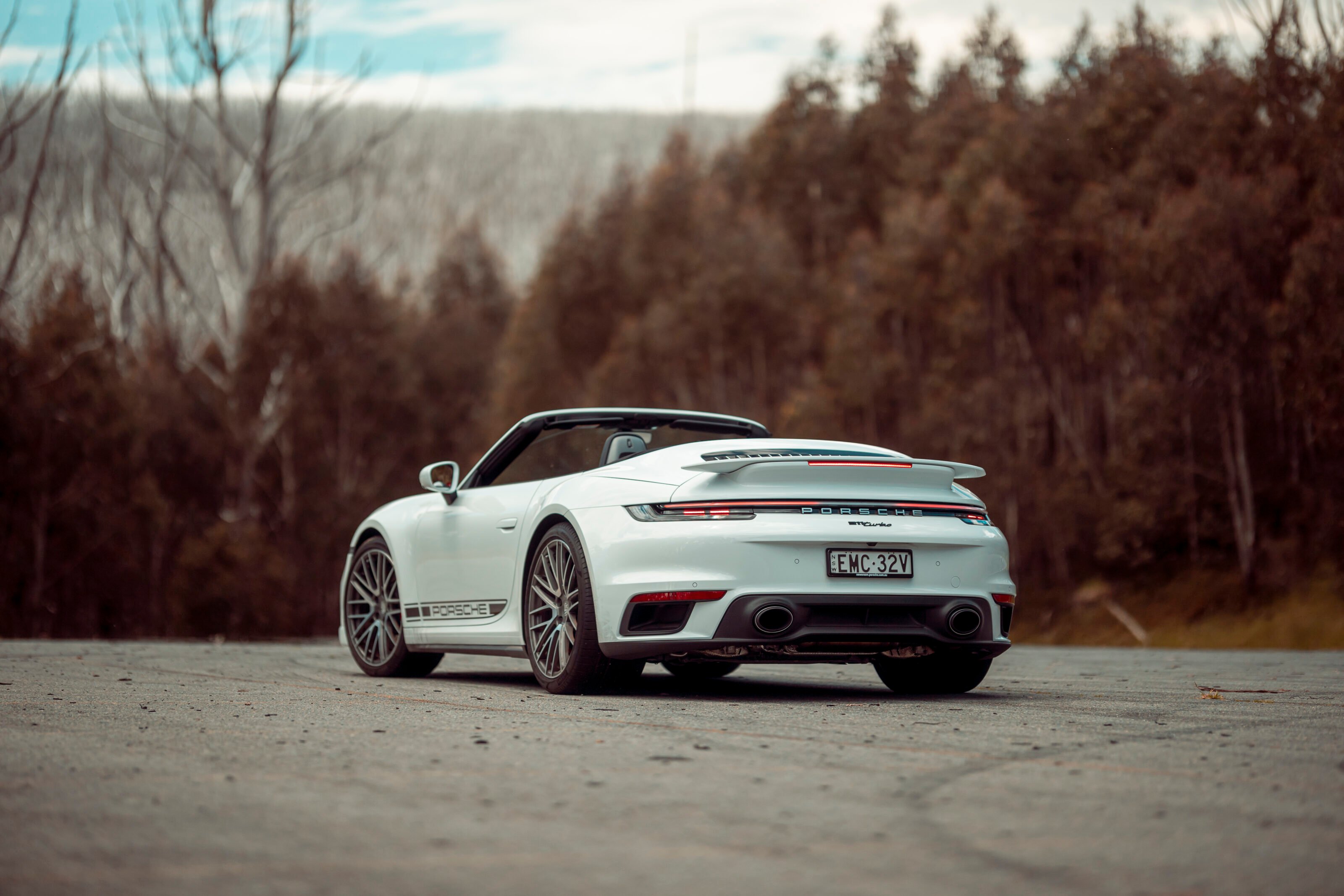
This is a seriously fast car. It isn’t showy or overstated with gratuitous addenda – aside from the OTT optional stripes – shouting exhausts and intricately hinged apertures, but the real-world pace places this car firmly in the supercar category.
You’ll pay a supercar premium to buy one as well – $425,700 to be exact. Our tester comes fitted with more than $50,000 of options on top of the not-insignificant sticker price. Porsche’s request of $7100 for the sports exhaust is expensive, but the system adds genuine auditory depth to what can sometimes be an anodyne flat-six sound.
Porsche Dynamic Chassis Control will add $6750 but is an integral part of what makes the Turbo as devastating a weapon as it is. Finally, a $5070 front axle lift system means the everyday supercar can retain its moniker despite the aggressive stance.
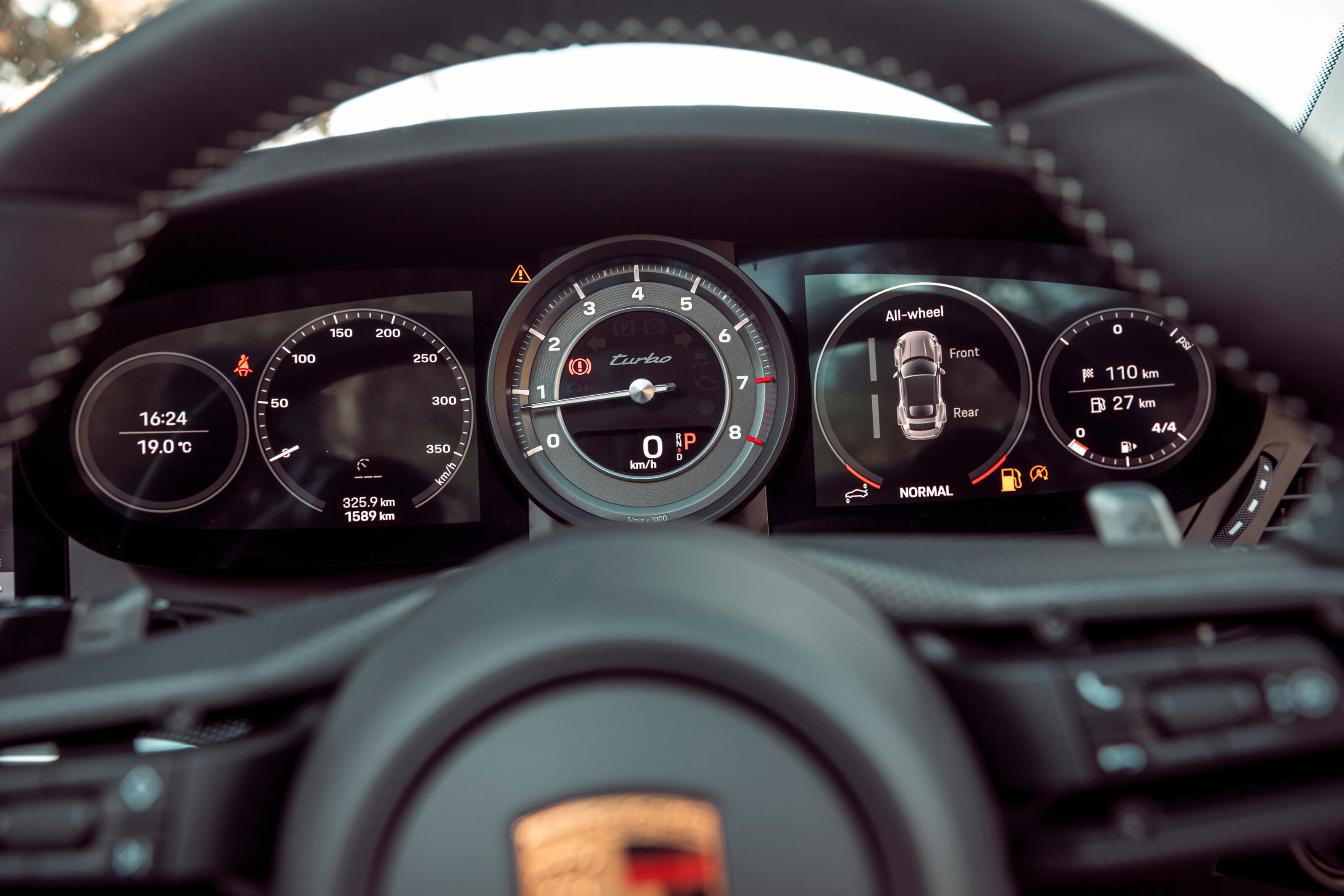
Everything else is a matter of personal taste but get eager with the box-ticking and the drive-away price will quickly become something starting with a six.
That everyday supercar reputation and nickname is well-earned with the 992. The cabin has an exemplary level of fit and finish, and while there are a handful of UX quirks – like the now rectified lack of Android Auto at the time of testing, or how the outer instruments in the digital display fall out of sight behind the steering wheel – they barely register as nit-picks in terms of overall design.
The ride quality is a highlight. While firm in its comfort mode, it is never crashy or brittle. You’re politely informed of imperfections in the road instead of being accosted with a jolt. Switch the adaptive dampers to a firmer setting and you gain more direct feedback and response from the chassis, but the apparent witchcraft means no major sacrifice in secondary ride quality is made.
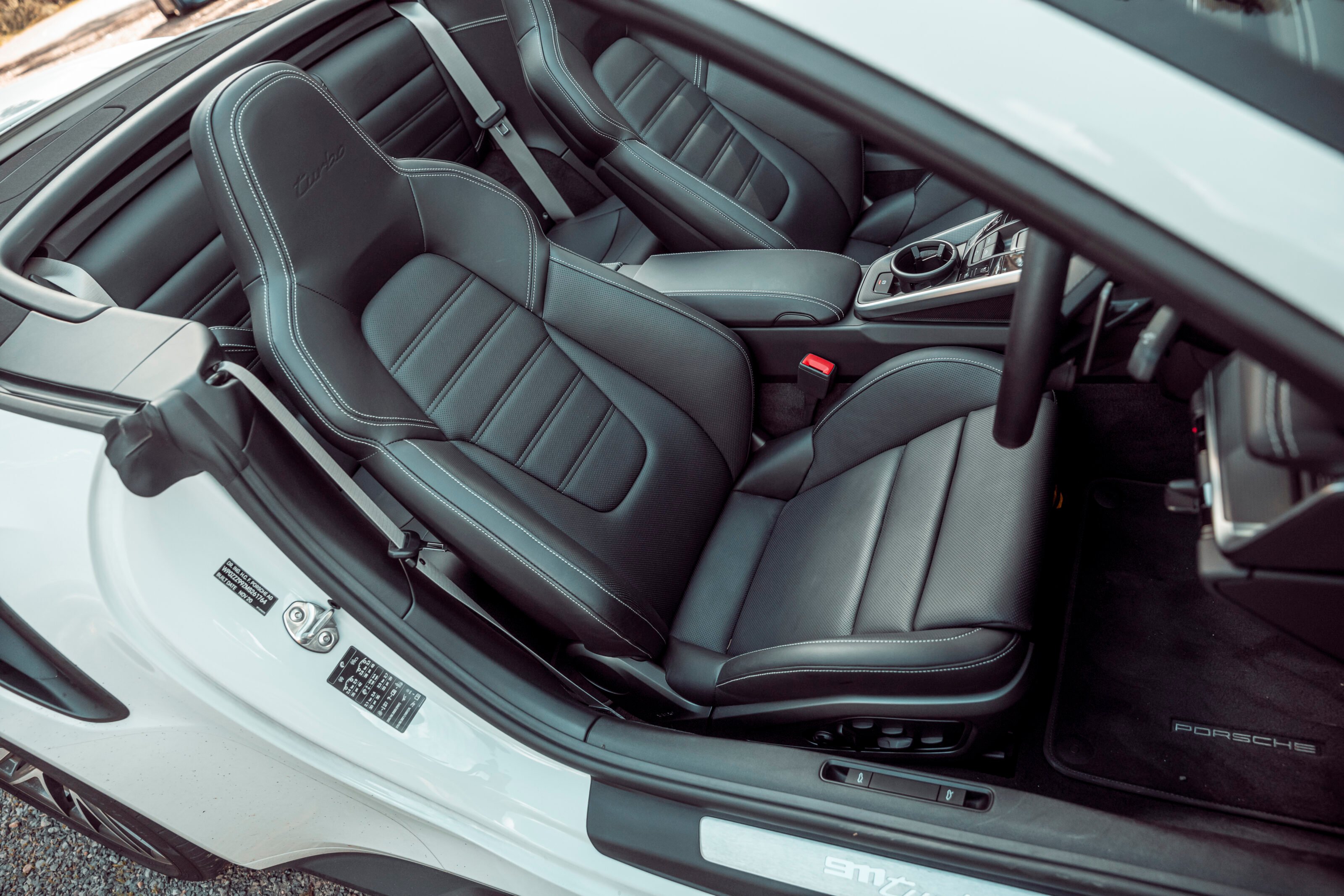
Even nasty mid-corner bumps taken at speed couldn’t perturb the Turbo. At worst it shudders subtly over smaller, high frequency undulations.
You’d need a race track to really notice any chassis concessions (which isn’t really in the Turbo’s remit), and scuttle shake has been a thing of the past for at least a full generation now.
Road noise is up at highway speeds, but only nominally, and you don’t make a significant visual sacrifice either to our eye. With the fabric roof lowered you are protected from buffeting by a retractable and somewhat awkward-looking wind break even at highway speeds.
Outputs of 427kW and 750Nm boasted by the Turbo Cabriolet were out of reach for Bugatti 30 years ago, and even then, the French manufacturer had to deploy double the cylinders and turbochargers of the 992. Okay, so engine technology progressing isn’t a huge shocker, but it’s important to remember where we are now and not take it for granted.
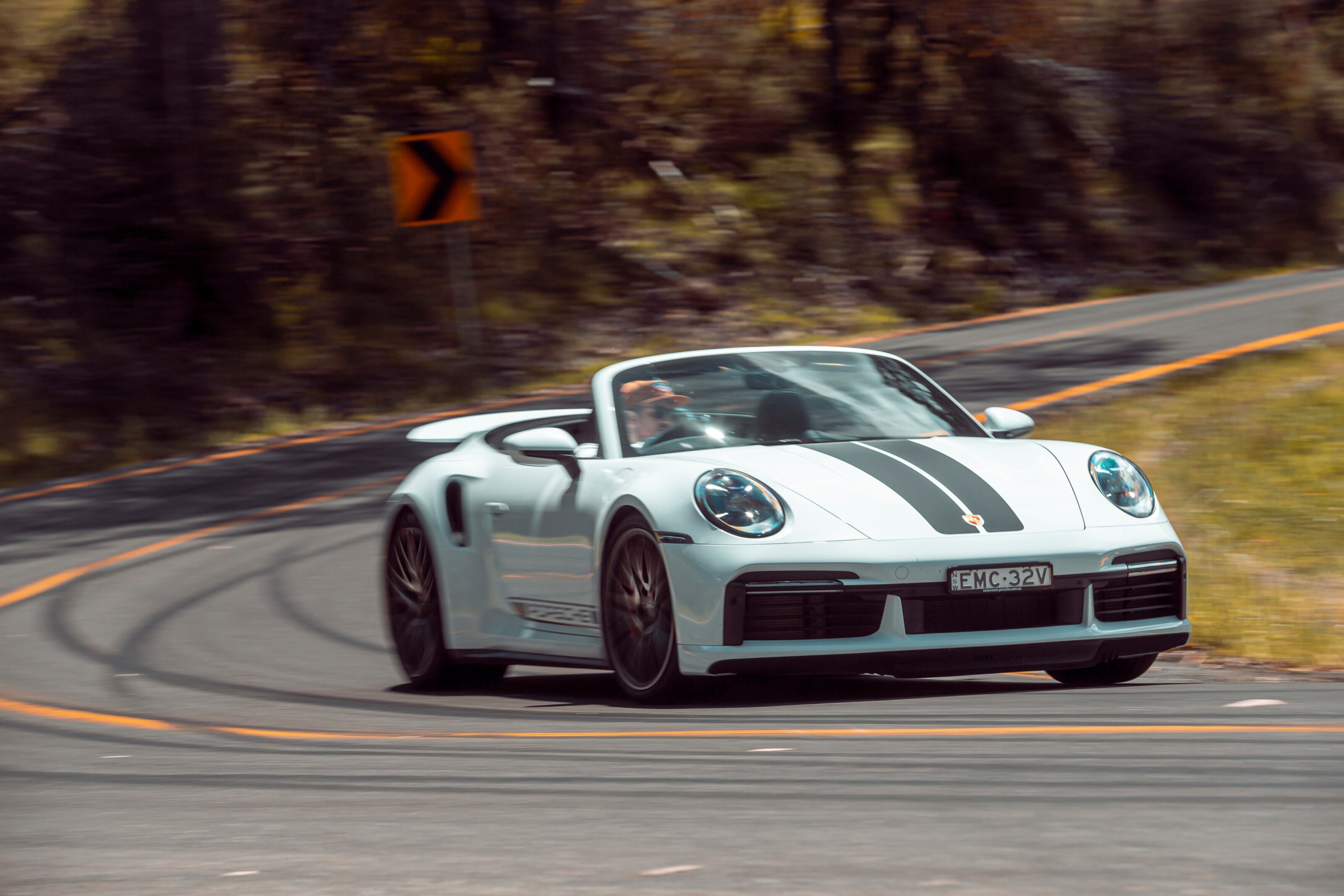
Then there is the way said power is deployed. Peak torque arrives at just 2250rpm and stays on song to 4500rpm. You only need to travel another 2000rpm up the rev range before full power takes over. Shaping the power and torque curves in this way gives the Turbo an incredibly linear feel to its delivery and is achieved in part by the variable geometry turbine turbochargers.
Moveable vanes replace fixed designs on the turbochargers to control exhaust flow and allow powertrain engineers greater flexibility in managing air volumes. Long story short, you can dispense with the idea of spiky turbo lag when debating the merits of the 911’s most capable variant.
A giant rubber footprint and four driven wheels combine to give the Turbo cab phenomenal levels of grip. Grab it by the scruff of the neck and drive hard and in short order you’ll find yourself having to pull over to regain your senses. While it tolerates spirited inputs, the 992 Turbo cabriolet rewards a more deliberate driving style.
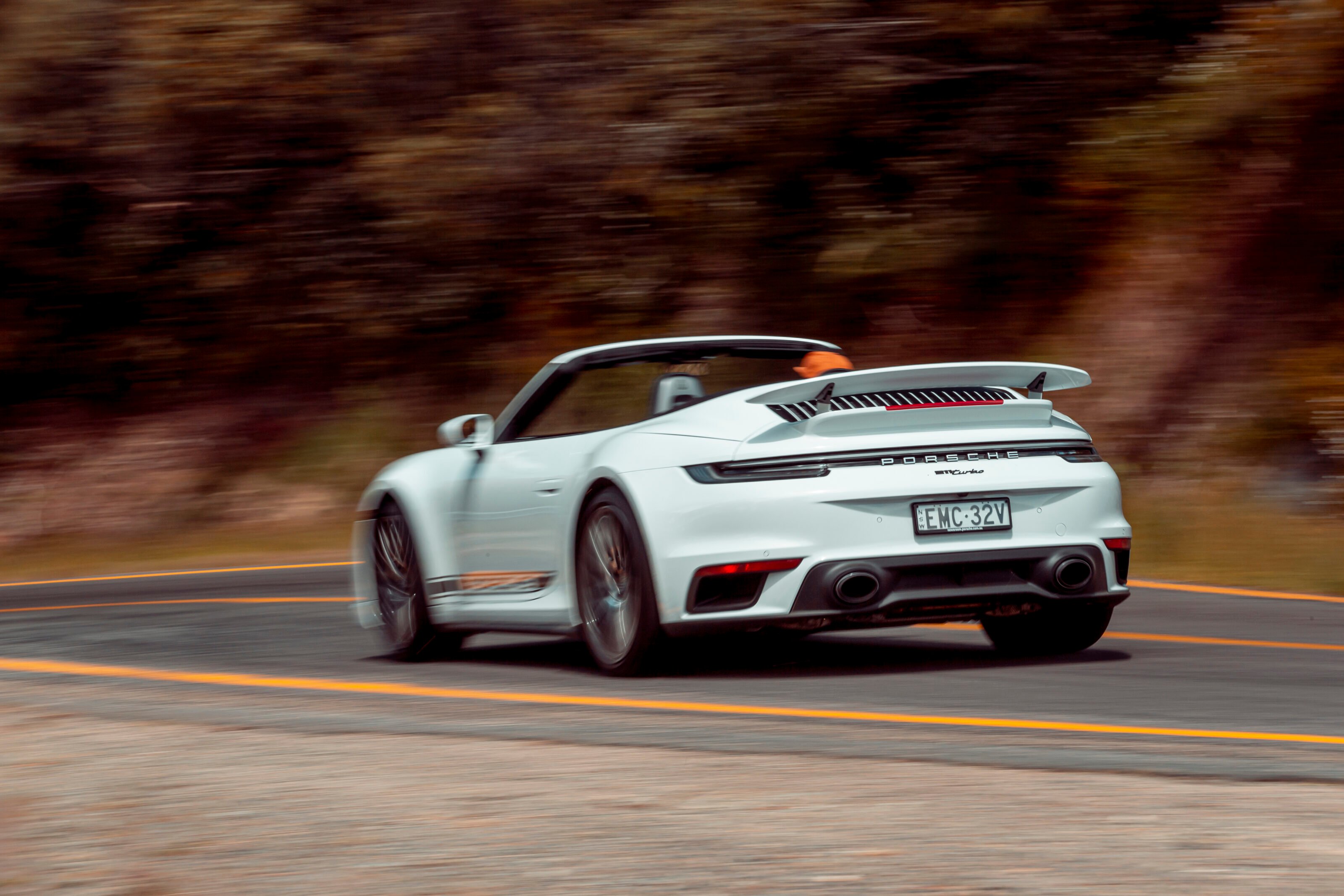
At turn in, thanks to its vast contact patch, there’s usually little typical 911 off-throttle understeer. Braking crisply to the apex will dial any sniff of push out, giving a fleeting impression of neutrality. It’s at corner exit where traditional go-fast logic gets thrown out the window.
You can press the accelerator into the firewall earlier and harder than initially expected and the drop-top Turbo will simply gulp manically at the bitumen.
The traditionally understated claim from Porsche is 0-100km/h in 2.9 seconds and given our experience with prior 911 Turbos we have no reason to doubt that as an achievable mark in real-world conditions. Perhaps more impressive than the launch is in-gear acceleration, which when mated to the sharpest setting for the eight-speed PDK is staggering. Cruise at 80km/h, stand on the throttle, and it’ll block downchange straight to the chubbiest part of the torque curve.
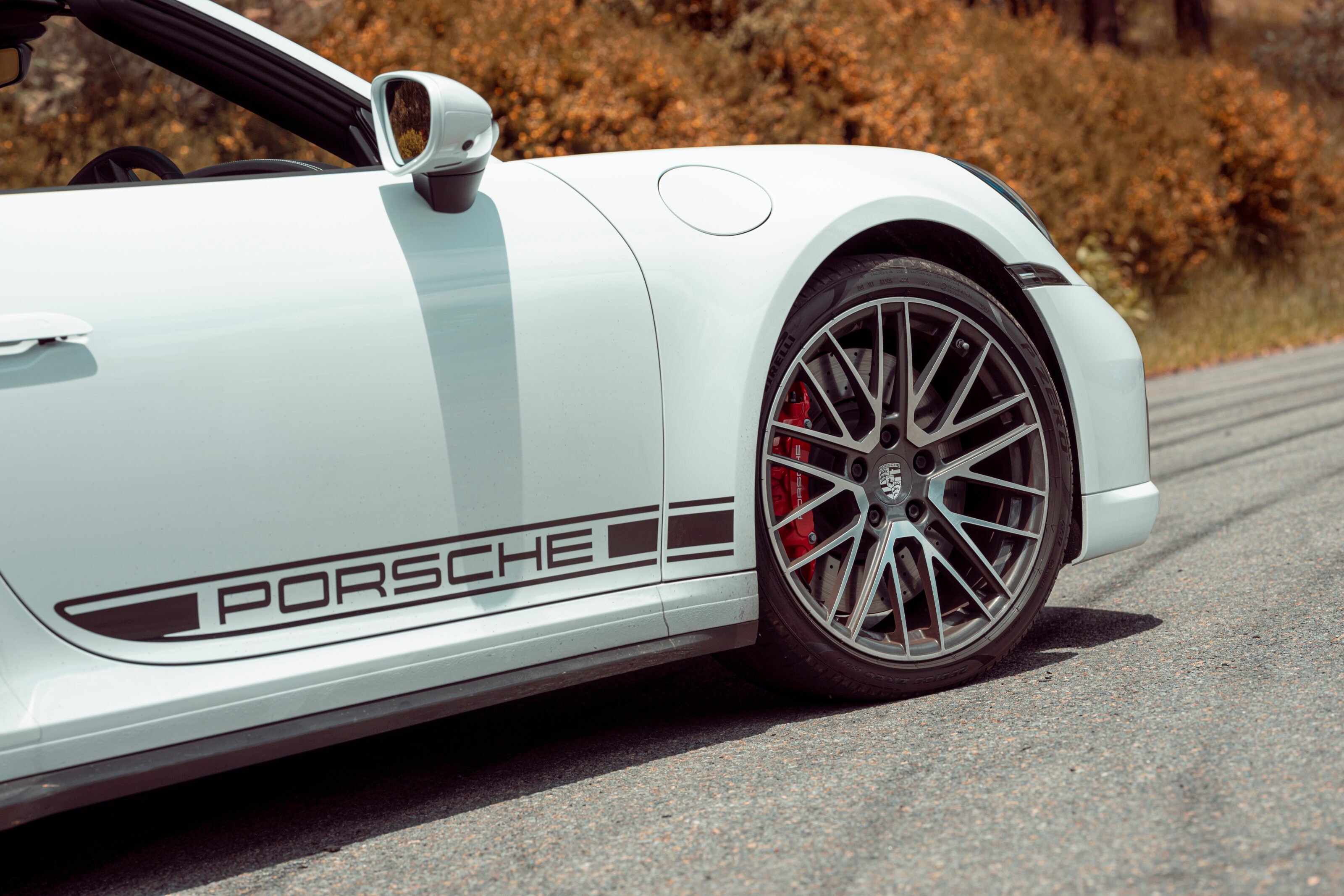
The steering is beautifully balanced, and the communication from the front tyres is concise and easily digestible considering the complexity of the forces at play on the front axle. I’m thankful for the Turbo’s direct response to inputs as it’s a wide car and feels it on-road. An expressive nature and a well-judged, progressive rack means that its girth is easy to place in your lane and adjust at speed.
On the aural front the 992 Turbo isn’t a headline performer. It is purposeful and avoids the worst of the idle blare that can befall blown flat-sixes from Porsche. However, it’s the turbos that still do most of the auditory heavy lifting. Whooshes and flutters are frequent and add an enjoyable level of character to the driving experience.
Yet all that potency is never put on full display until you make the very conscious decision to do so. Despite being capable of such extreme highs, the Turbo Cabriolet never gratuitously eggs you on. It’ll match your pace anytime, anywhere, anyhow, and feel sublime doing so.
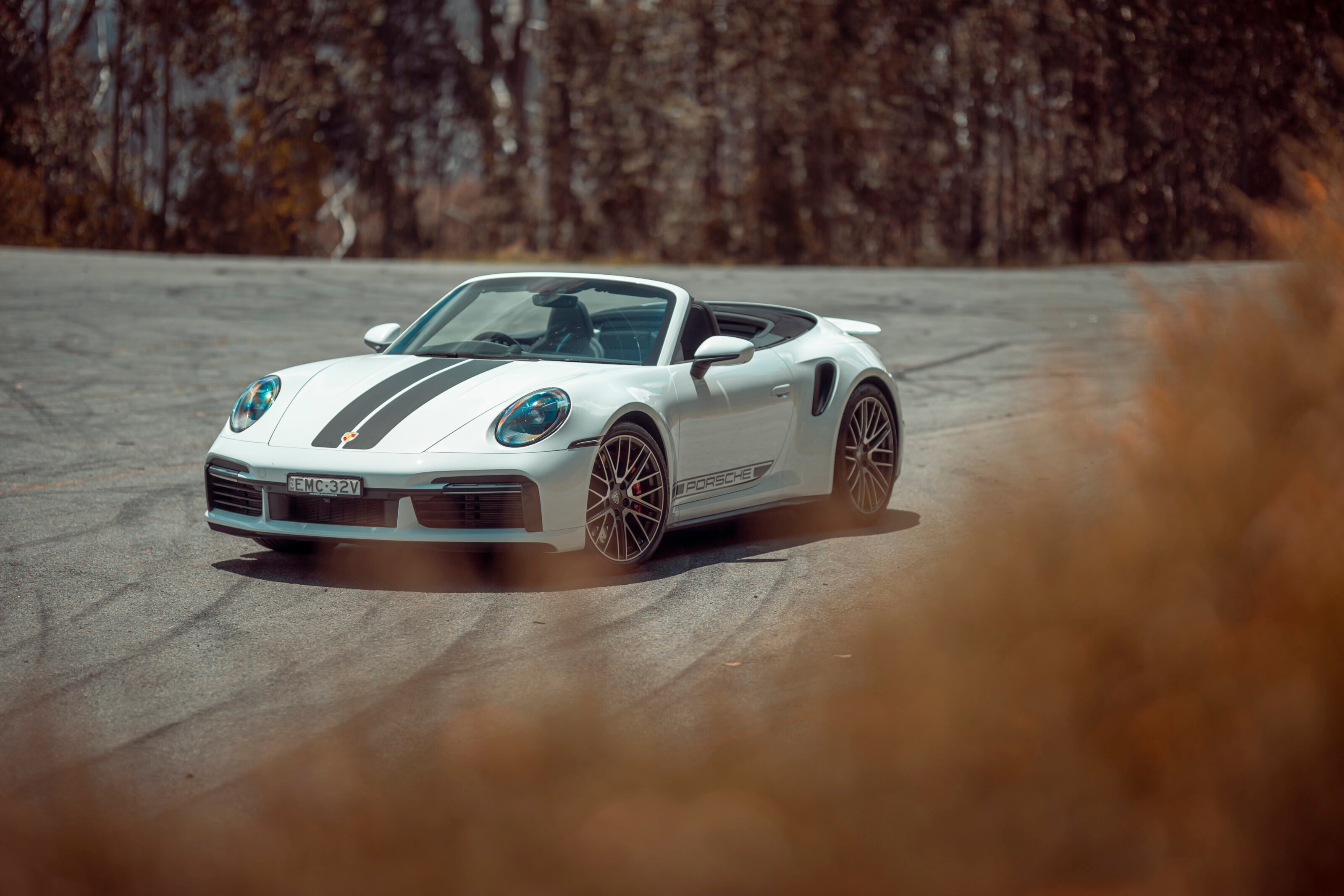
If you only ever tootled around town, you’d never be the wiser that this easy-driving convertible that slips slyly through its gears and takes off from the line with the same competence as a base Macan could send many A-lister supercars packing.
That understated nature does play against the current breed of 911 Turbo variants somewhat, particularly when the base 992 Carrera is so dang impressive. However, don’t let that lull you into thinking the Turbo is obsolete. Far from it.
If you are, like Editor Enright, disposed of a dislike of drop-tops, then you’ll never be charmed by the Cabriolet Turbo. However, if million-mile headroom and seemingly limitless performance sound like a fine pairing then the 992 Turbo Cabriolet is more convincing than ever.
Enzo Ferrari, perhaps apocryphally, said that “aerodynamics are for people who can’t build engines.” In the halls of Zuffenhausen, that motto has likely been adapted as, “Compromises are for people who can’t afford a Porsche”.
2022 Porsche 911 Turbo Cabriolet specs
| Body: | 2-door, 2+2-seat cabriolet |
|---|---|
| Drive: | all-wheel |
| Engine: | 3745cc flat-6cyl, DOHC, 24v, twin-turbo |
| Bore/stroke: | 102.0 x 76.4mm |
| Compression: | 8.7:1 |
| Power: | 427kW @ 6500rpm |
| Torque: | 750Nm @ 2250-4500rpm |
| 0-100km/h: | 2.9sec (claimed) |
| Top Speed: | 320km/h (claimed) |
| Weight: | 1710kg |
| Power/weight: | 250kW/tonne |
| Transmission: | 8-speed dual-clutch |
| Suspension: | struts, coil springs, adaptive dampers, anti-roll bar (f); multi-links, steel springs, adaptive dampers, anti-roll bar (r) |
| L/W/H: | 4535/1900/1302mm |
| Wheelbase: | 2450mm |
| Tracks: | 1583/1600mm (f/r) |
| Steering: | electrically assisted rack-and-pinion; rear-wheel steering |
| Brakes: | 408mm ventilated/drilled discs, 6-piston calipers (f); 380mm ventilated/drilled discs, 4-piston calipers (r) |
| Wheels: | 20 x 9.0-inch (f); 21 x 11.5-inch (r) |
| Tyres: | 255/35 ZR20 (f); 315/30 ZR21 (r) |
| Price: | $425,700 |
UPDATE: Gone in 60 seconds 18 minutes
Did Citroën massively underestimate the profit potential hidden in the quirky curves of its compact My Ami Buggy?
Unveiled in December last year, the My Ami is a beach-focused evolution of the city-going Ami electric city car that launched in early 2020.
In its regular form, the Ami has proven a massive hit, with more than 21,000 sales to its name so far.
Why, then, did Citroën limit production of this My Ami trim to just 50 units?
As if selling out in 18 minutes wasn’t impressive enough, the My Ami was offered only in France, where 1800 hopeful buyers had shown up with deposits ready – so you can imagine how well it would’ve sold if other markets with popular beach cultures had been given the opportunity.
Vehicles like the Ami aren’t legal for road use in Australia, but if they were, would you buy one? Tell us below!
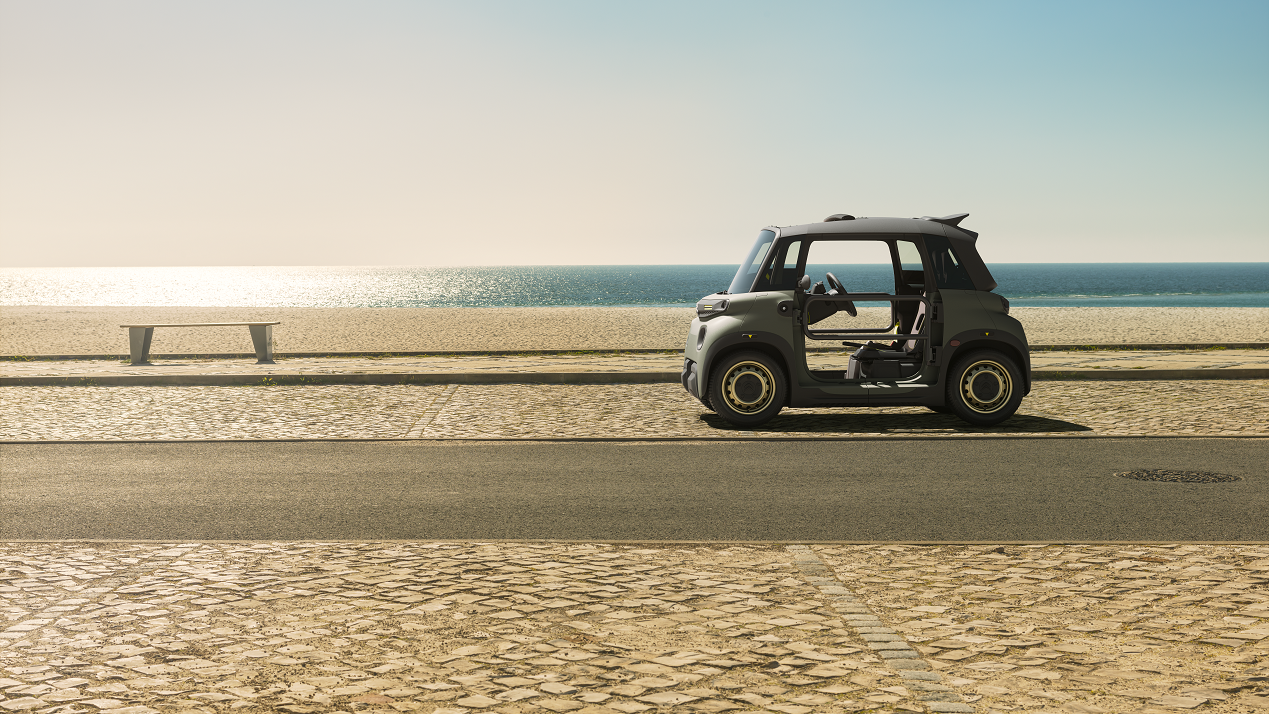
The story to here: Citroën My Ami Buggy revealed
December 2021
Citroën has built a bespoke off-roading buggy version of its Ami city car, maximising storage and its ability as a pumped-up quadricycle.
The Ami is a Europe-only electric vehicle built for the street, but Citroën says it is considering bringing the Buggy Concept to showrooms too.
It is finished in khaki green paint with matte black elements behind bright ‘citric’ yellow highlights to stand out, while rolling on a set of wide off-road wheels underneath blistered wheel arches. An emergency spare is attached above the panoramic sunroof, and a cap to shade passengers is fitted to the roof.
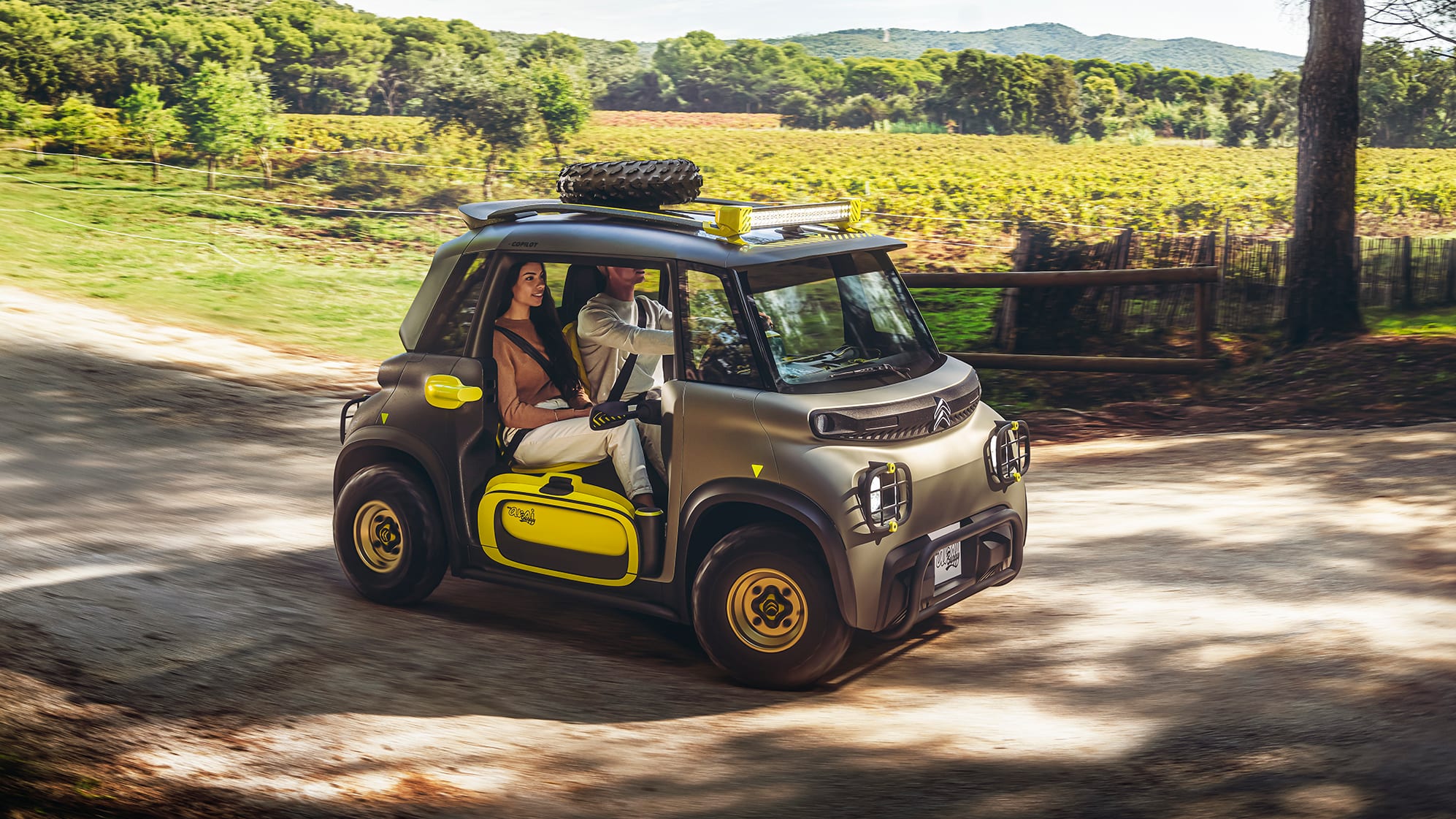
Also on top is an LED light bar, while the head and tail-lights are protected with steel mesh grids, sidebars and a chassis-connect bulbar protect from impacts.
Inside, the Ami features ‘Advanced Comfort’ seat cushions for driving over bumpy terrain. They have twice the material as normal for a more comfortable ride.
However, space is at a premium in the pint-sized vehicle, so smart configurations of storage include a bag which attaches to the steering wheel via magnetic coupling, a bag which sits below the dashboard, and an on-board suitcase – all are good enough to cater for ‘a picnic or an outing’, according Citroën.
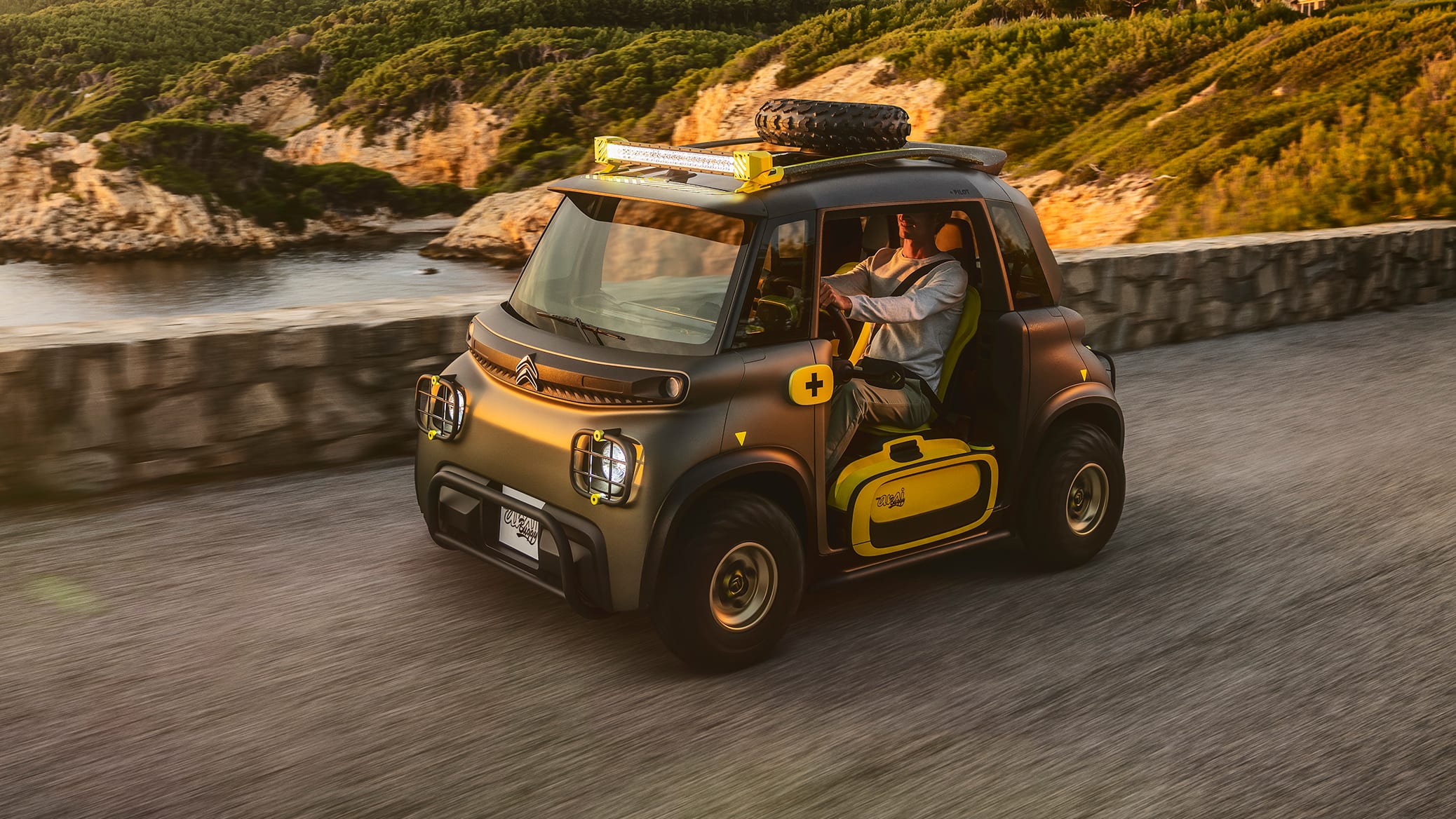
There are further holes and areas for storing items on the dashboard, secured by a matte gold storage rack above this.
Taking advantage of 3D printing technology are accessories like a camera mount that can be attached in four different places inside the cabin, and a smartphone holder positioned next to the driver. Citroën has also included a mount to secure a speaker onto the dashboard.
Citroën hasn’t revealed whether the My Ami Buggy Concept will reach production, but it does say that it ‘illustrates one of the many faces that could be developed for the Ami’, suggesting that more variants like this could be on the horizon.
Snapshot
- Next-generation Jeep Cherokee mid-size SUV to grow in size
- Electrification and luxurious ‘Wagoneer’ variant on the cards
- Current-gen model to stick around for now
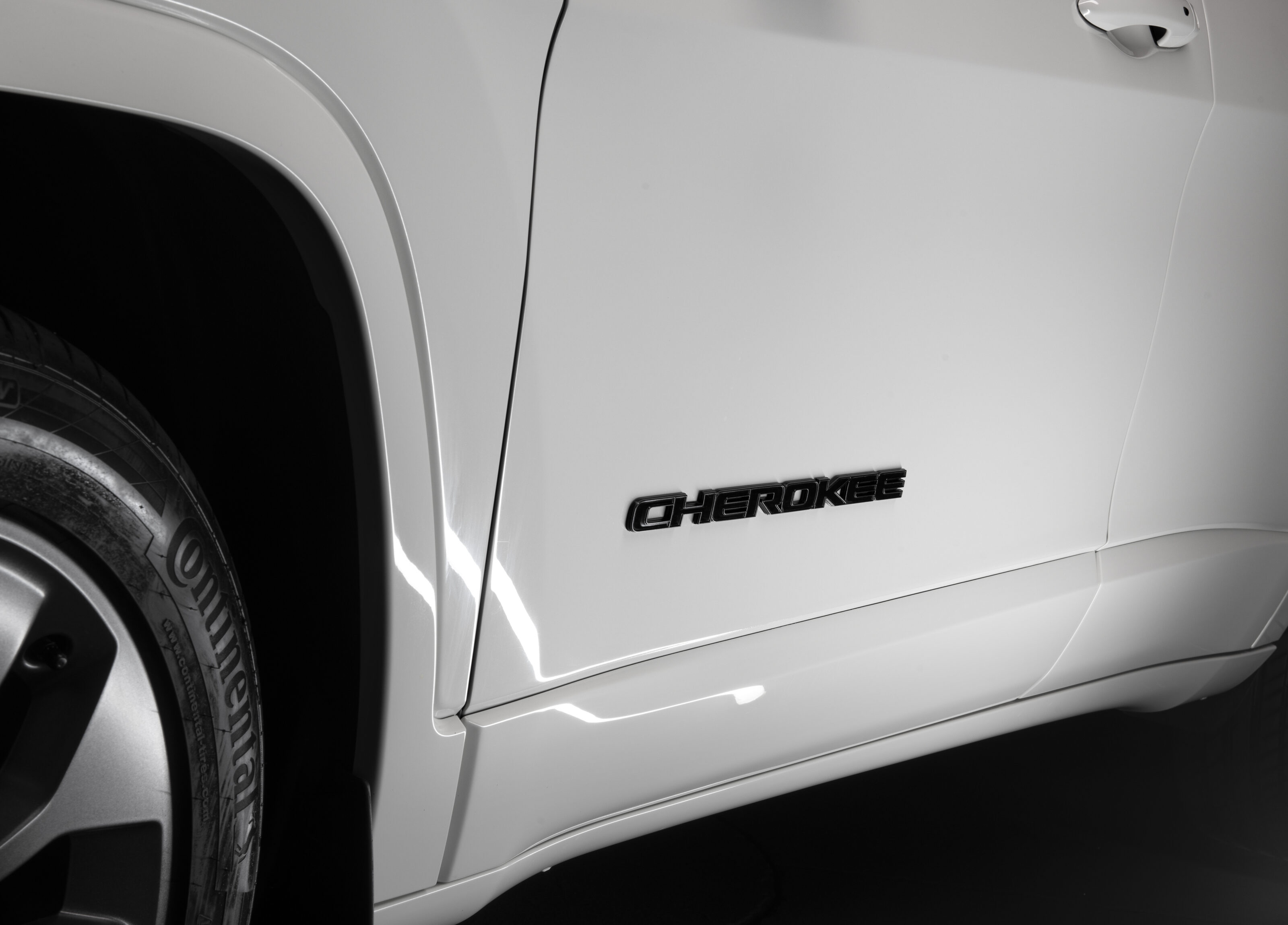
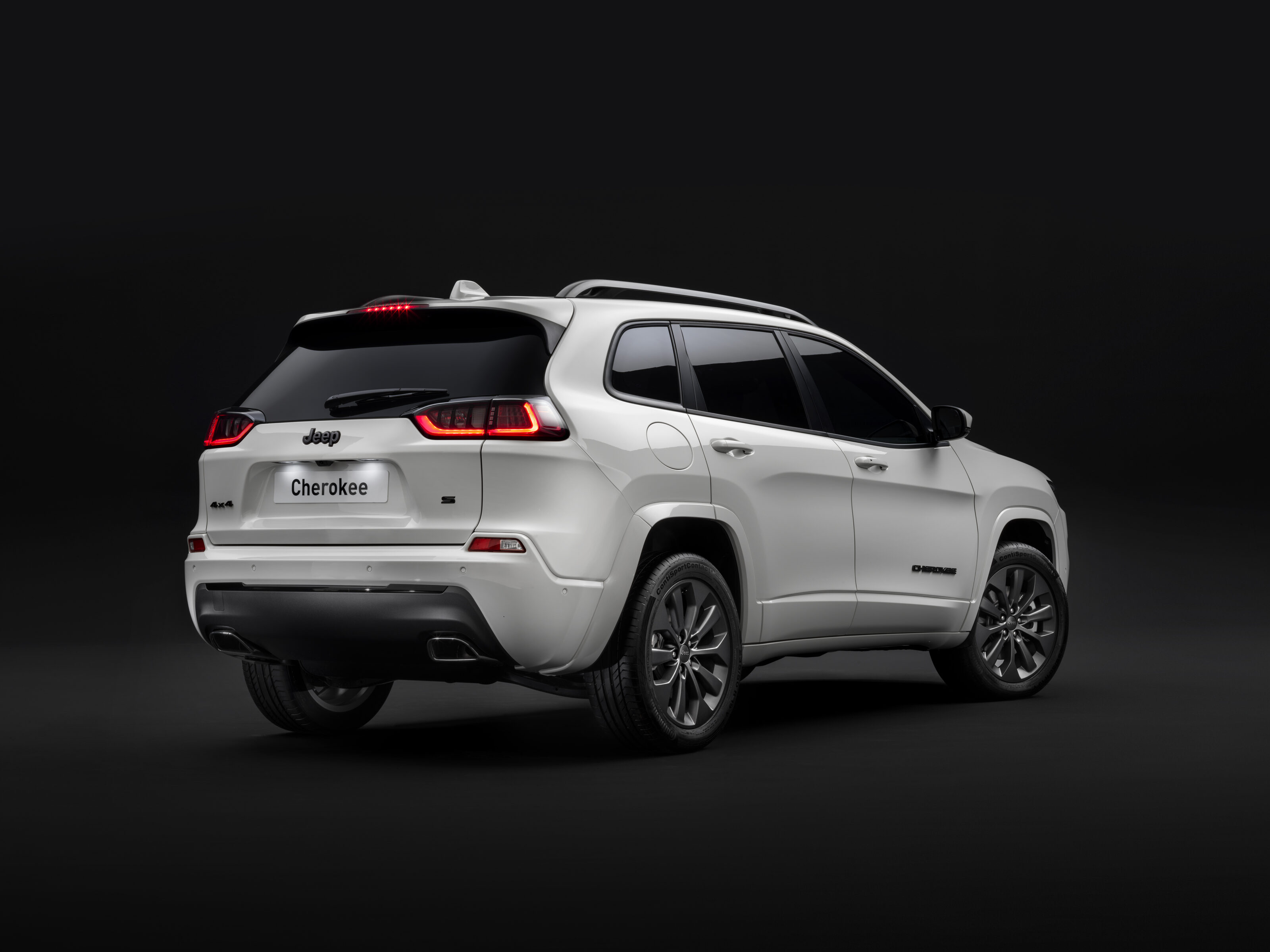
The next-generation Jeep Cherokee medium SUV will reportedly grow in size, but don’t expect to see it soon.
In an interview with Motor Trend, Jim Morrison, head of Jeep Brand North America, said the all-new Cherokee – reportedly codenamed KM – will be “bigger and better than ever”, but provided little further information.
However, Morrison did confirm Jeep will not reveal the sixth-generation model this year to replace the existing Cherokee, which debuted in 2013.
The marque’s global president, Christian Meunier, said it would “have a lot of electrification”, likely referring to a plug-in hybrid or all-electric powertrain.
A previous report by Automotive News states that the next-generation version won’t arrive until the middle of the decade, with the current model set to go beyond 10 years of service before replacement.
It is likely to be underpinned by the STLA Large architecture, with the new platform expected to evolve from parent company Stellantis’s Giorgio architecture.
This platform is currently found in the Alfa Romeo Giulia and Stelvio and the Jeep WL Grand Cherokee, offering support for rear- or all-wheel-drive applications.
The updated STLA Large platform is expected to support internal-combustion and electric powertrains with front-, rear- or all-wheel-drive.
Further to the interview, enthusiast website MoparInsiders states the KM Cherokee could gain a luxurious Wagoneer-badged variant.
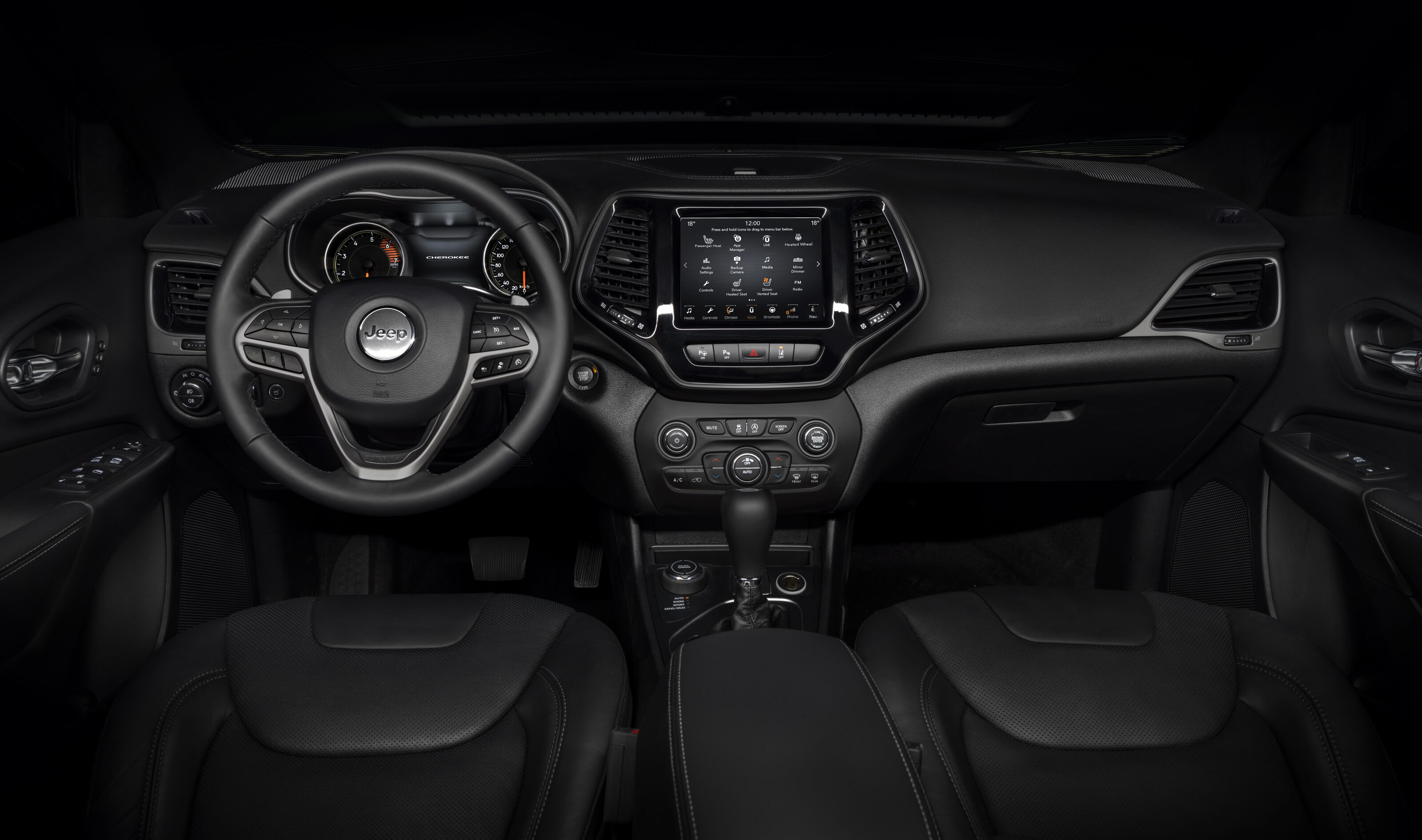
The flagship, AWD-only trim would reportedly be limited to the brand’s Wagoneer-certified dealers in the United States, which are permitted to sell the upper-large Wagoneer and Grand Wagoneer four-wheel-drives.
The upsized KM Cherokee will likely fill the gap between the current KL model and the larger, standard-wheelbase WL Grand Cherokee, potentially offering three rows of seating.
Jeep Australia had no comment to offer on the next-generation KM Cherokee at this stage.
Snapshot
- Bugatti produces last Chiron and Chiron Sport
- Final trio of hypercars bear name of founder’s daughter
- Inspired by the Art Deco era of the early 20th-century
French automotive manufacturer Bugatti has finalised Chiron and Chiron Sport production for Europe.
The final trio of hypercars to be delivered in the Old Continent is a range named in honour of Ettore Bugatti’s daughter and eldest child, L’Ébé.
Consisting of one Chiron and two Chiron Sports, the special edition L’Ébé range includes unique details from the Art Deco era of the early 20th century.
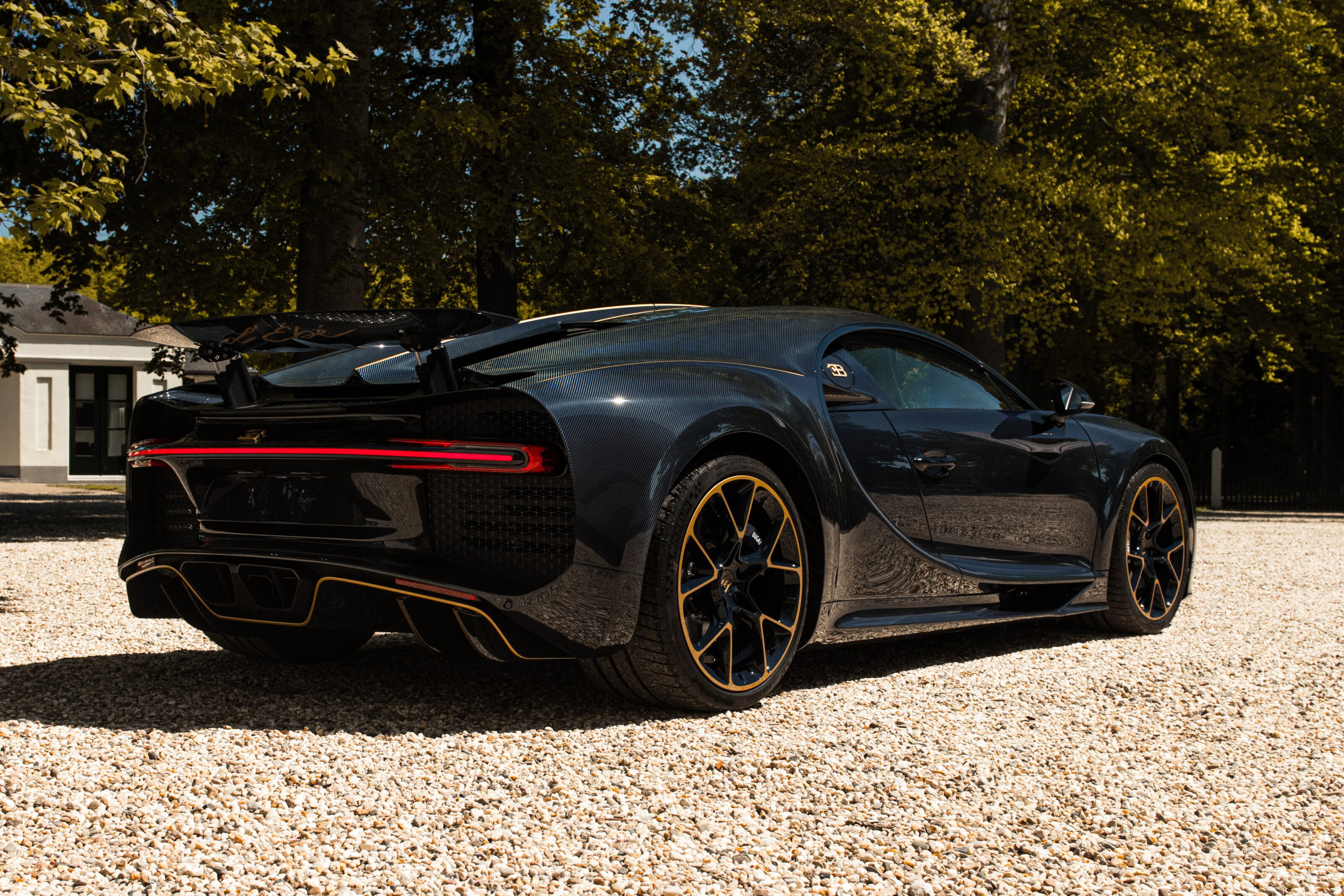
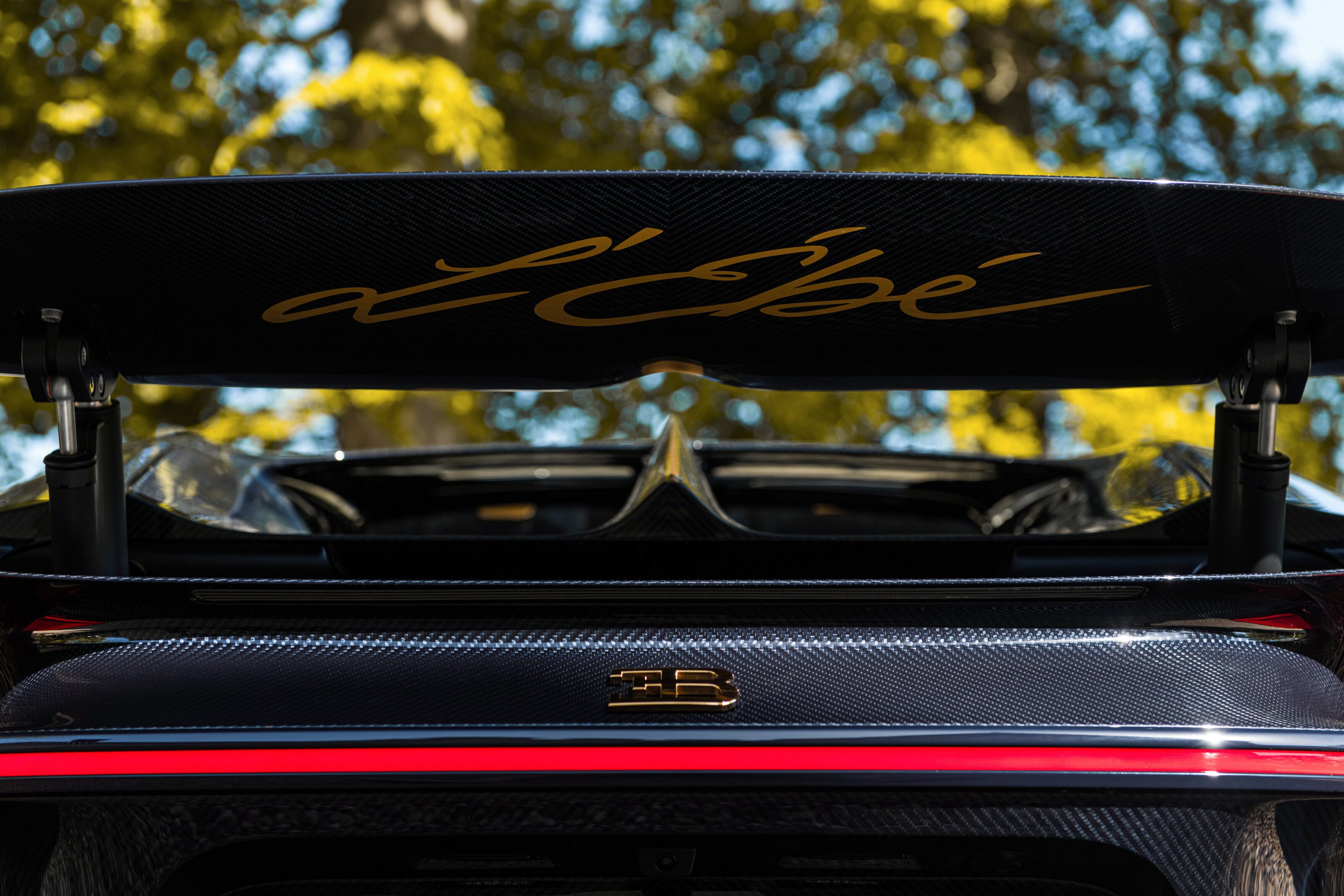
This inspiration comprises exposed blue-tinted carbon fibre bodywork with gold accents, gold on the grille, wheels and badging, an exclusive engine cover, and L’Ébé’s signature underneath the retractable rear spoiler.
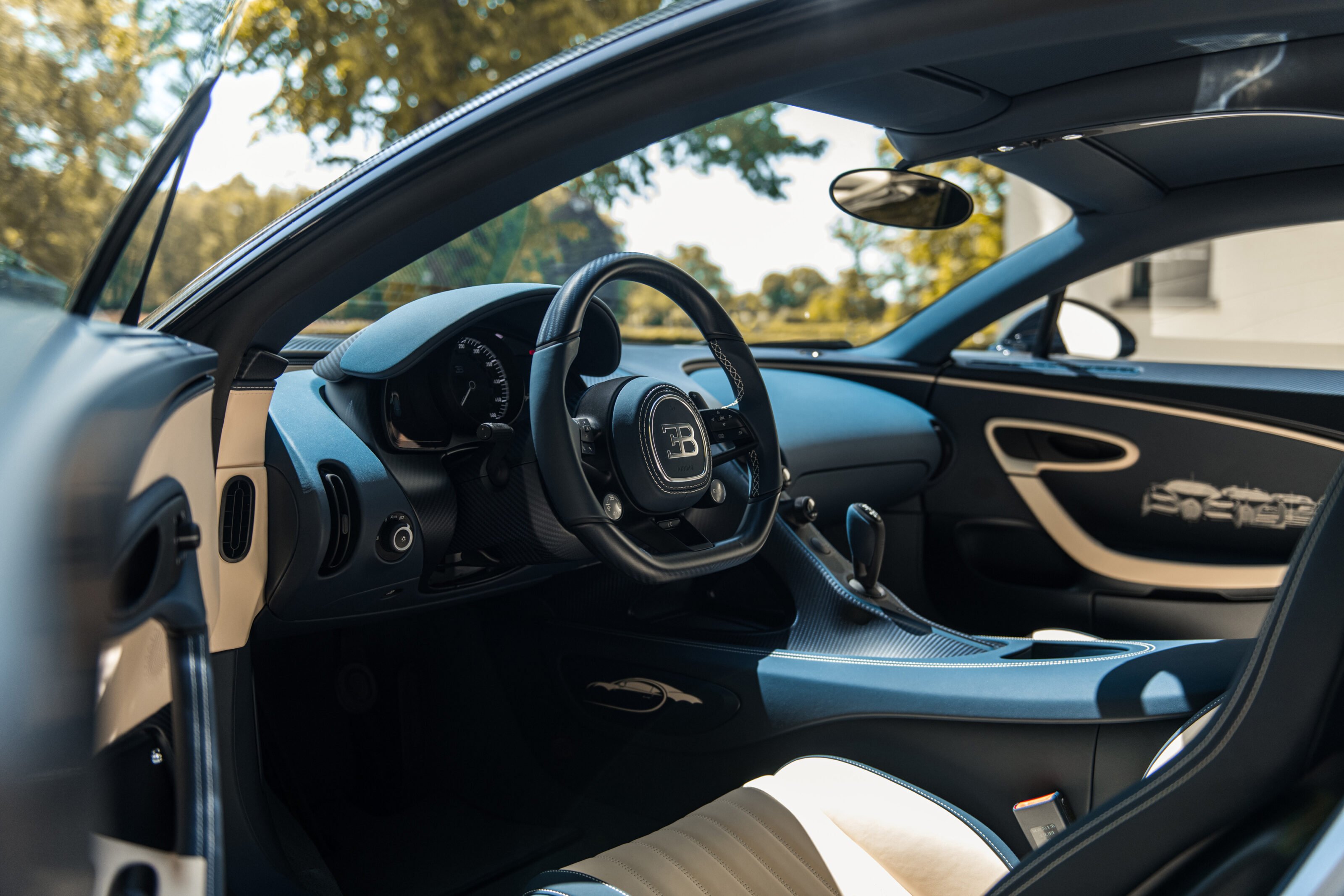
The interior features additional blue-tinted carbon fibre, graphics of previous Bugatti models on its door cards, and white silk leather with lake blue contrasts – with the colour scheme reversed for the passenger side.
Bugatti has delivered the Chiron L’Ébé and one Chiron Sport L’Ébé, with the final Sport expected to be handed over before the end of the month.
L’Ébé was born in 1903, with Ettore Bugatti deciding to hide his initials, EB, within her name to ensure the Bugatti surname could be retained after marriage, according to the brand.
She later wrote a biography detailing the life of her father, titled The Story of Bugatti.
Christophe Piochon, president of Bugatti Automobiles, said L’Ébé’s biography of her father has allowed the brand to understand his “personality, his goals and the appreciation everyone had for him and his products.”
“Through this unique configuration and use of her name for the final Chiron and Chiron Sport, we wanted to honor [L’Ébé] with the status she deserves in our brand’s history,” he added.
First revealed in 2016, the Bugatti Chiron succeeded the Veyron hypercar, becoming the first production car to produce more than 1100kW of power.
The maximum production capacity of 500 units was achieved earlier this year, with the last remaining units sold in January, pending final production.
It is powered by a 6.0-litre quad-turbocharged W16 engine, sending power to all four wheels via a seven-speed dual-clutch automatic transmission.
There is no difference in power between the Chiron and the track-orientated Chiron Sport, with the latter hypercar bringing stiffer suspension and an 18-kilogram weight saving due to a more-extensive use of carbon fibre.
