
Snapshot
- 2023 Lamborghini Huracu00e1n Tecnica unveiled
- Rear-wheel drive and steering
- In Australia from third quarter 2023, priced from $440,900 plus on-road costs
The 2023 Lamborghini Huracán Tecnica has been unveiled as one of the last models without an electrified powertrain.
The new Huracán Tecnica is powered by Lamborghini’s iconic 5.2-litre naturally-aspirated V10 engine – this particular derivative borrowed from the Huracán STO – sending 470kW and 565Nm to the rear wheels through a seven-speed automatic dual-clutch transmission.
Weighing in at 1379 kilograms dry, the Tecnica is just 0.2 seconds off the hardcore STO’s sprint time, with Lamborghini claiming 3.2 seconds to 100km/h from a standstill.
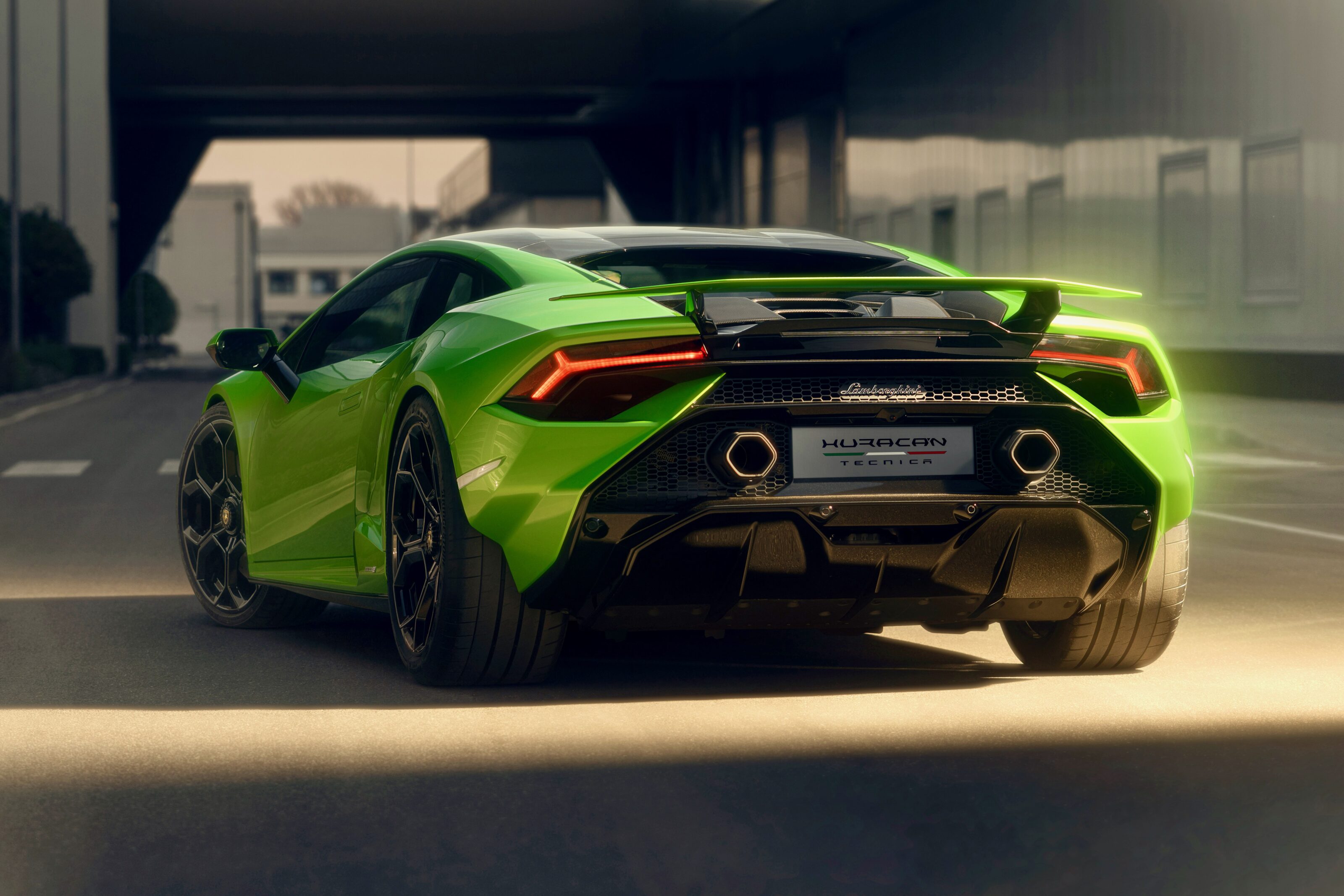
Lamborghini says the Huracán Tecnica offers 35 per cent more downforce compared to the Huracán Evo RWD, while reducing drag by 20 per cent.
The rear-driven Tecnica also boasts rear-wheel steering, offering a different level of response based on the drive mode selected.
Strada, Sport, or Corsa driving modes are controlled by the Lamborghini Dinamica Veicolo Integrata (LDVI) system, which is said to manage every aspect of the car’s behaviour and response.
The new Tecnica has also received a facelift for the Huracán, featuring the company’s Ypsilon design language borrowed from the 2017 Terzo Millennio concept car, while coming in at 610 millimetres longer than the Huracán Evo.
Taking inspiration from the Lamborghini Vision GT, the new hexagonal 20-inch diamond-cut alloy wheels are clad in Bridgestone Potenza Sport tyres.
Sitting behind the ‘Damiso’ wheels are six-pot front callipers up front and four-pot rear callipers, clamping on 380mm and 356mm carbon-ceramic brake discs respectively, complemented with a new brake cooling system designed to improve heat dissipation and reduce brake fade.
Inside, height-adjustable sport seats can be optioned with harnesses and lightweight door cards for track driving, while the Tecnica gets an exclusive new interface for the digital instrument cluster and infotainment system.
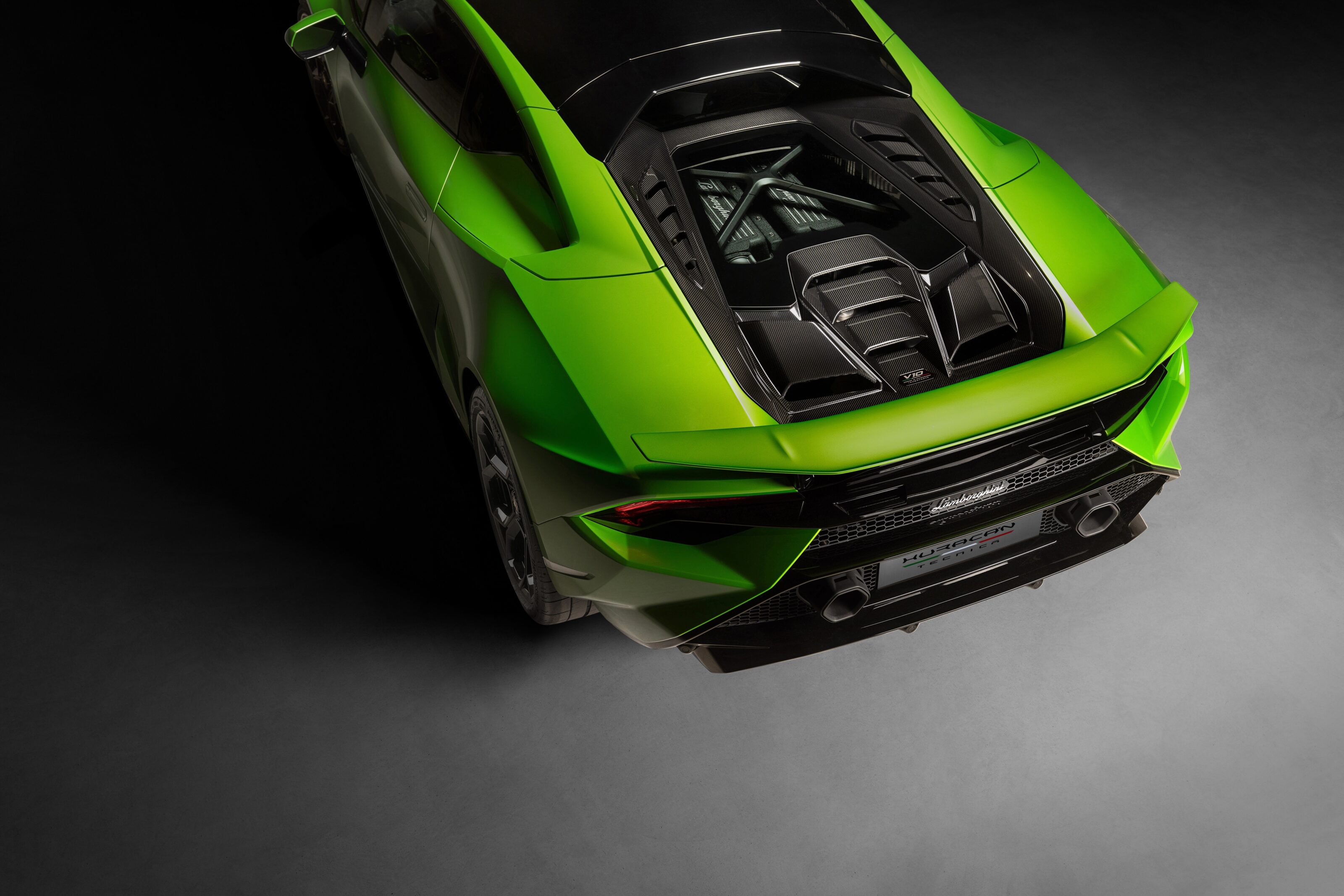
The Tecnica will be one of the last rear-wheel-drive Huracán models powered by the V10 engine, before Lamborghini introduces a new hybrid V8 powertrain in 2024.
The 2023 Lamborghini Huracán Tecnica will arrive in Australia in the third quarter of 2023 (July to September inclusive), priced from $440,900 before on-road costs.
Snapshot
- $125m grants follow $2.4bn cash boost last year
- No money for EV subsidies
- Comes after hydrogen industry funding in Federal Budget
Scott Morrison has announced grants of a combined $250 million to shore up Australia’s domestic oil supply, it has been revealed today.
The Prime Minister used his third day of election campaigning to share the news that the cash injection will be split equally between the Ampol facility in Brisbane, QLD, and the Viva Energy refinery in Geelong, VIC, for major upgrades.
Speaking in Sydney on Wednesday, he said a number of factors were behind the move, including the on-going war between Russia and Ukraine.
“COVID-19, the Russian war in Ukraine and trade restrictions have disrupted global supply chains and Australia is not immune,” he said.
“Oil refineries literally fuel a stronger economy and these investments will help keep our truckies, miners, defence force and farmers moving across Australia.”
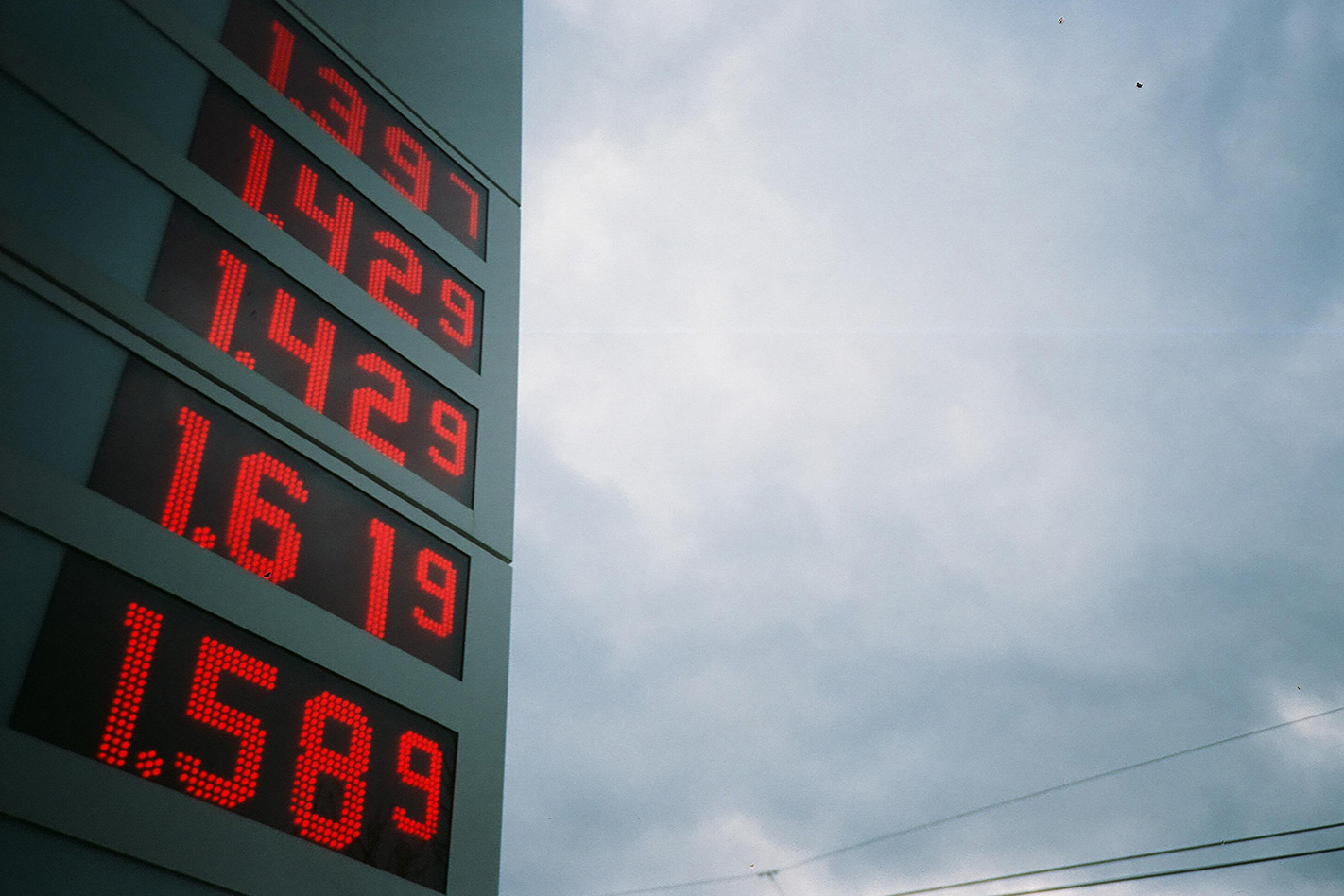
The Federal Chamber for Automotive Industries (FCAI), which has long been campaigning for Australia to have better fuel, said: “Reducing the amount of sulfur in our petrol is an important step in allowing internal combustion engines to run as efficiently as possible. We are hopeful the Government will extend this approach to aromatic levels in order to bring Australia in line with Europe.”
The announcement follows a series of investments in the oil industry, with the recent cut to the fuel excise to lower prices amounting to around $3 billion, and a further $2 billion package for the refineries revealed in May last year.
At the time, the Morrison Government unveiled a plan to prop up the two facilities in Geelong and Brisbane by offering up to 1.8 cents per litre of fuel they produce until 2030.
The ‘Fuel Security Service Payment’ would be linked to refining margins, meaning refineries would only be supported when the margin they make per barrel of oil falls to $7.30. The payment will decline to zero if margins increase to $10.20 per barrel.
The estimated $2 billion cost would be a worst-case scenario, assuming both the Viva refinery at Geelong and Ampol refinery at Lytton are paid the highest rate for the full nine years.
That particular package is due to come into effect in July this year.
But not everyone has reacted well to today’s news, with Australia’s electric vehicle sector reeling from yet another investment in oil – saying “the EV industry remains ignored”.

“Australia is capable of producing abundant clean electricity and that electricity could be powering our trucks and cars. But we have a Prime Minister who’s more interested in subsiding foreign oil and that’s tragic,” said Electric Vehicle Council chief executive Behyad Jafari.
“It’s incredible that an Australian Government in 2022 could be spending [a total] $6 billion propping up oil, while not even bothering to construct a competent plan for the electrification of Australia’s fleet.
“Everyone now knows that the future of Australian transport is electric. We should be doing everything possible to rapidly electrify not just consumer vehicles, but trucks and commercial fleets.
“But instead of moving us toward the future, the Morrison Government is choosing to spend taxpayer money on propping up the failing oil industry. It’s frankly dismaying for everyone who understands where the world is headed.
“If the EV industry was allocated even a fraction of the money spent on oil subsidies we could be cleaning our city air, lowering our carbon emissions, and breaking our dependence on foreign oil.”
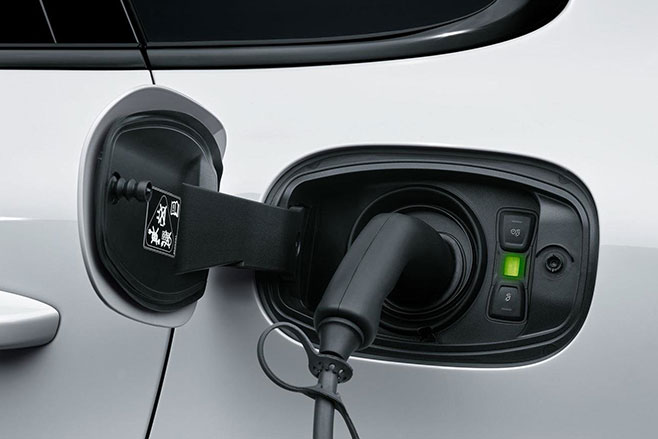
The Morrison Government has also thrown funding at alternative fuels in recent weeks, declaring in latest Federal Budget it is to spend $1.5bn on the local hydrogen industry.
While funding for the Australian Renewable Energy Agency (ARENA) was increased to a total of $250 million in February, the total budget is less than 12 per cent of the money provided to the hydrogen industry.
Australia’s burgeoning hydrogen industry already supplies the fuel to Japan, while a hydrogen superhighway was announced between Victoria, New South Wales, and Queensland, with the aim to reduce emissions produced by long-haul heavy commercial vehicles.
Wheels once again heads to the Australian Automotive Research Centre to conduct COTY away from prying eyes, which means access to a broad range of surfaces and environments in which to test some of the best cars on sale in Australia. Without further ado, here’s how we do it.
1. Dirt handling/braking
With a surface compromising hard-packed loam with a top layer of loose, fine gravel, the AARC’s dirt circuit is revealing of the ESC and ABS systems, on-off throttle response, and overall stability.
2. Coarse-chip motorway
Outer loop of the AARC allows assessment of high-speed stability, wind and road noise, while later negotiating a long sweeping right hander tells plenty about steering feel and high-speed turn-in confidence.
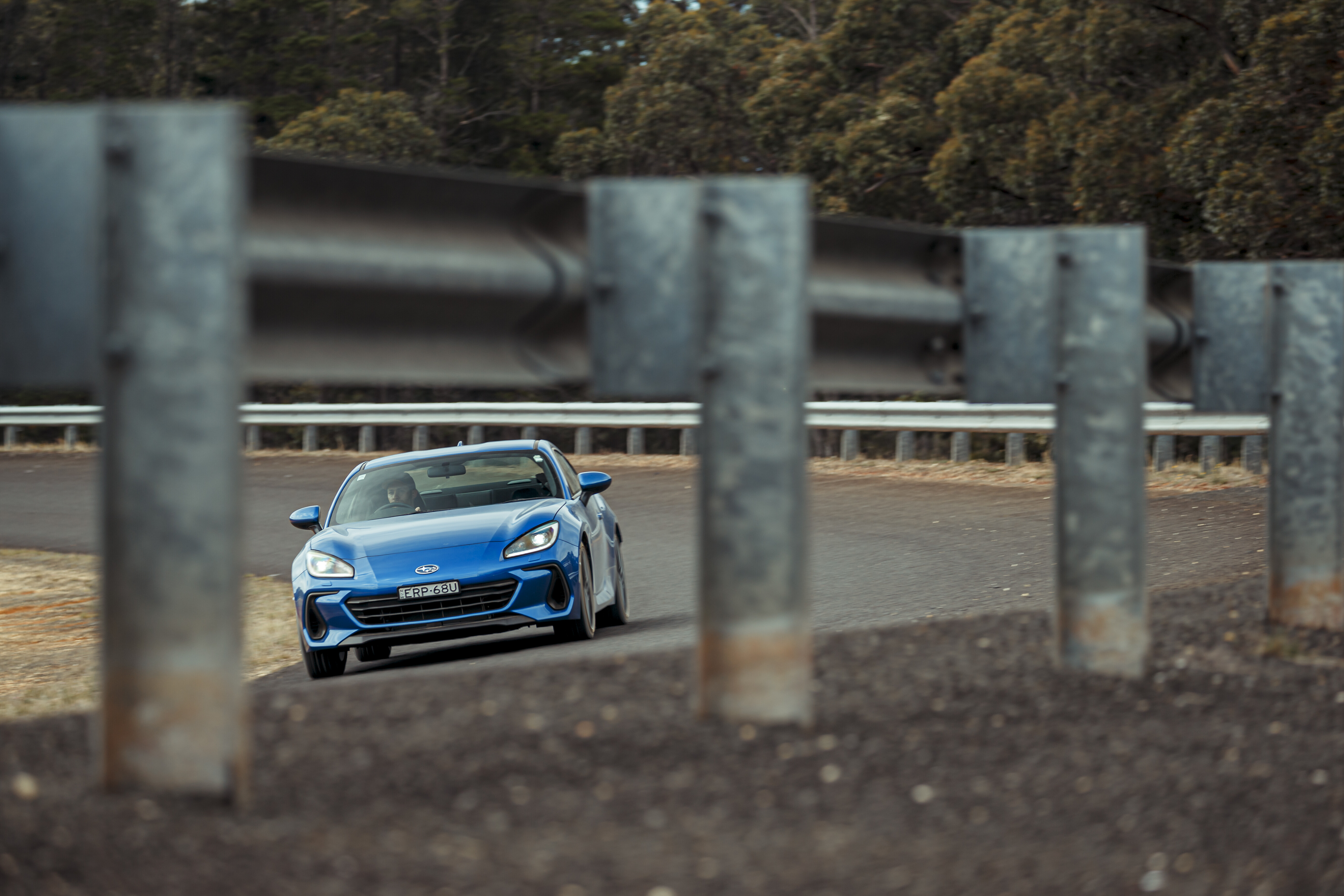
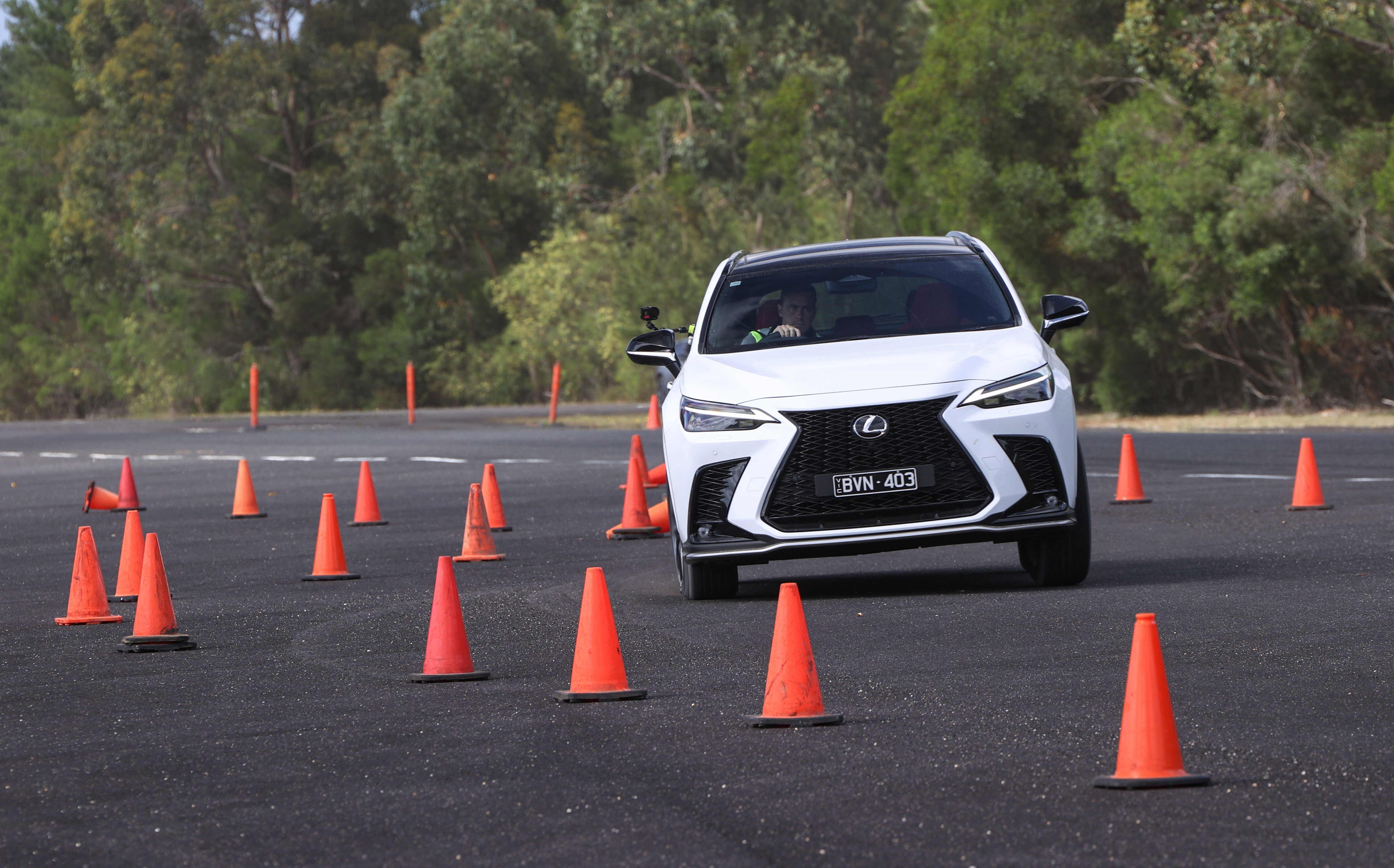
3. Swerve & recover
Entered at 80km/h, so every car is faced with the same challenge of swerving hard right to avoid the theoretic obstacle (errant child, kangaroo; probably not a moose) before an immediate, hard return left into the original lane of travel.
4. Dry braking
Also entered at 100km/h. At the entry cone, we stomp the brake pedal hard, and allow the ABS to determine the stopping distance.
5. Rough-road corrugations
A 200m section of brutal bluestone, followed by the same distance of cobblestones. Taken at 40km/h to test not just suspension comfort and impact absorption, but also the integrity of interior fittings and trim.
6. Dynamic assessment
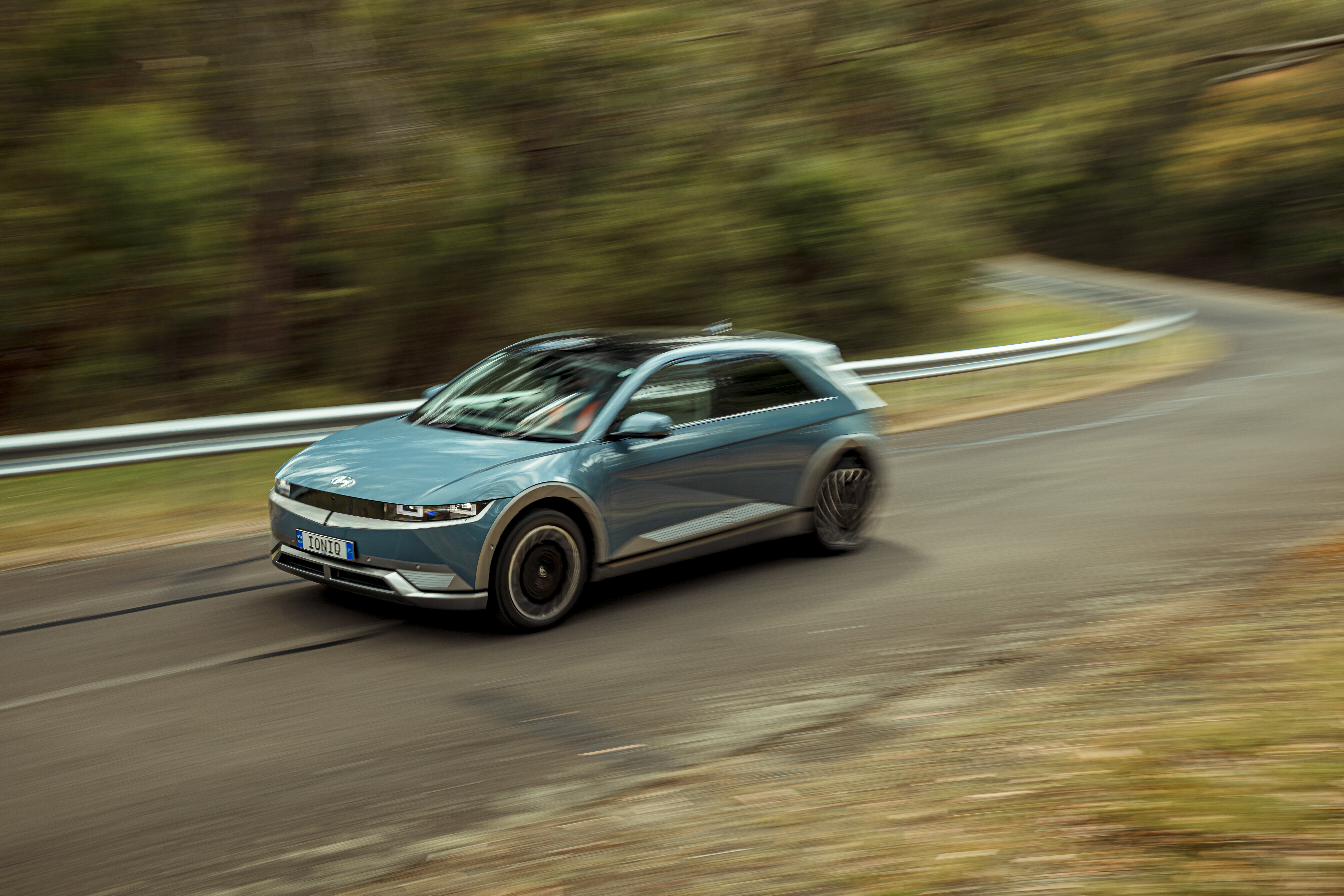
A 2.2km B-road that begins with a twisting descent of between five and 10 percent, before plateauing at a hairpin and beginning a fast, jinking climb punctuated by a couple of big braking points leading into tightening radius corners. Plenty of armco and trees to hit, so demands real-world caution.
Snapshot
- 2023 BMW X7 gains split headlight look
- All engines now have 48V mild-hybrid assistance
- Interior and safety tech updated
UPDATE: The 2023 BMW X7 will launch in Australia in the fourth quarter of 2022 with two variants.
BMW has confirmed the X7 will be available locally as the xDrive40d and the performance flagship M60i xDrive (see our earlier story below for details), marking its first mild-hybrid engines to be offered locally.
Australian X7 buyers will benefit from a new M Sport package, light alloy wheels up to 23 inches in size, and the latest BMW iDrive 8 infotainment system running on the new widescreen display.
The brand’s local arm says pricing and specifications will be announced closer to its Australian launch in the fourth quarter (October to December inclusive).
The story to here
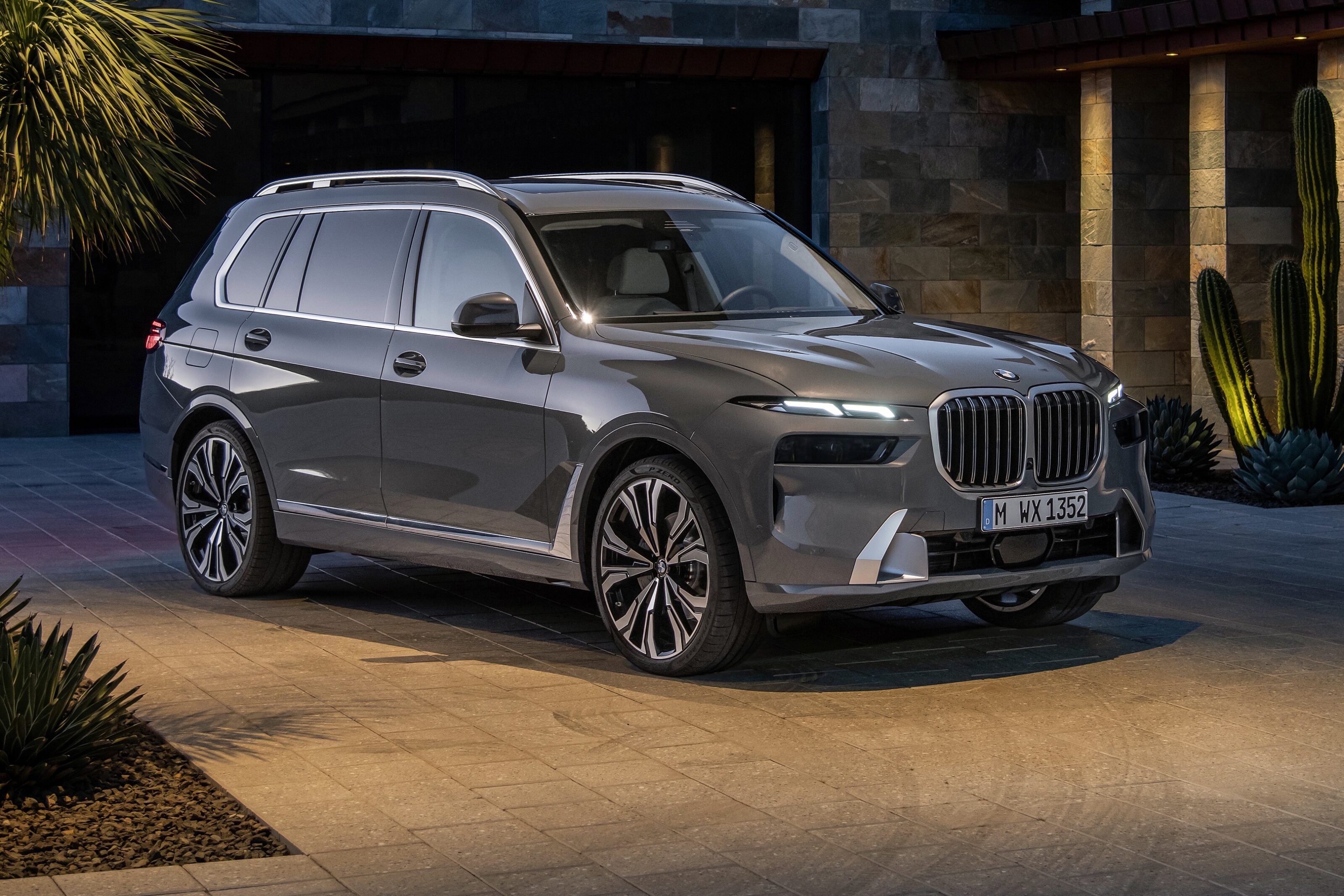
The 2023 BMW X7 has been unveiled, bringing with it updated engines, revised technology, and the debut of its new split headlight design.
The facelifted X7 is the first production car to debut BMW’s split headlight look, with the upcoming 7 Series and electric i7 set to share it when they’re revealed in the coming weeks.
The design uses LED daytime-running lights in a slim housing, while the main LED headlight beams are hidden behind tinted glass.
BMW’s trademark kidney grilles gain “discreet cascade lighting”, with a feature called ‘Iconic Glow’ now standard for the M60i.
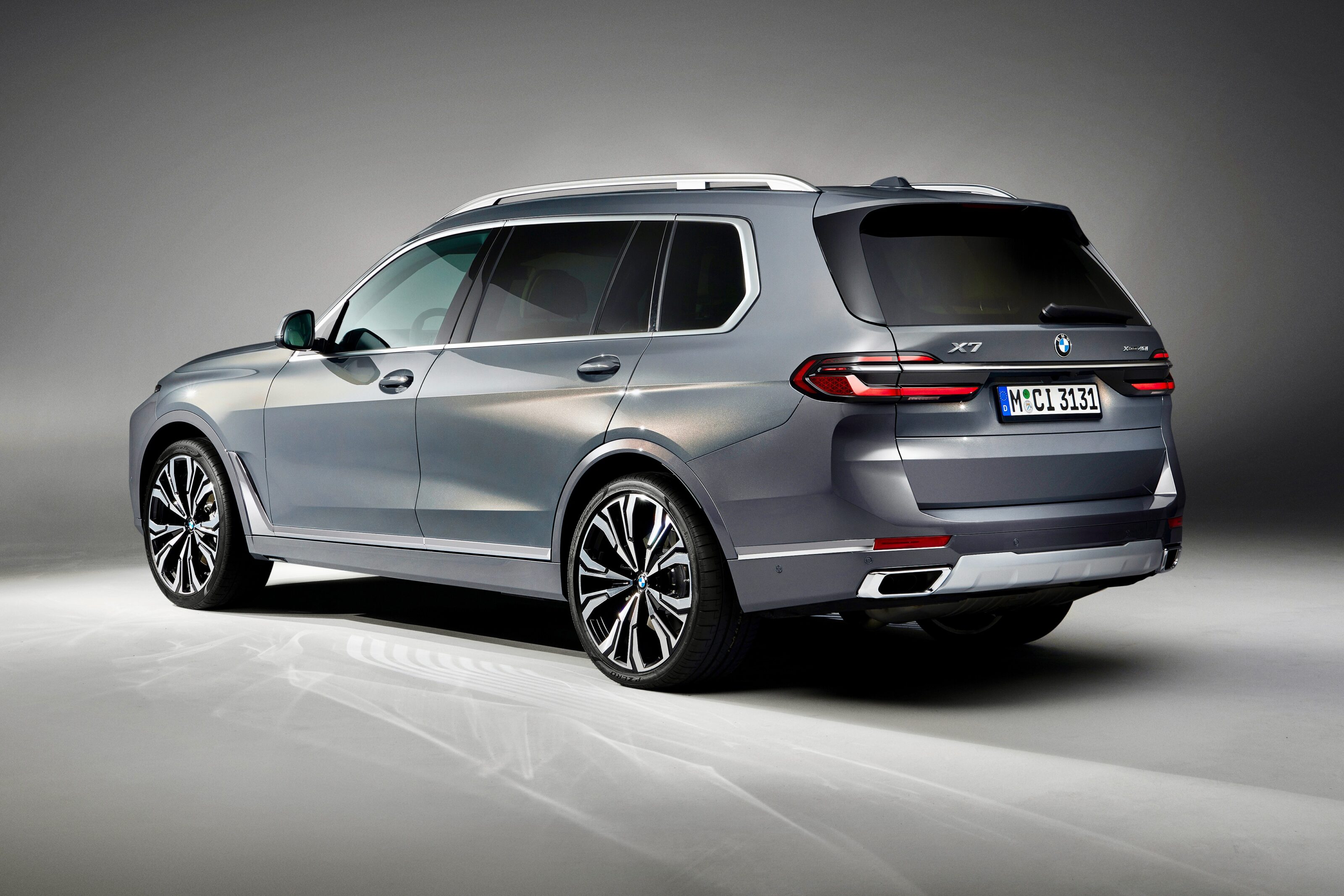
The German luxury carmaker has announced three models across the X7 range: the xDrive40d, xDrive40i, and the flagship M60i xDrive, all of which offer 48-volt mild-hybrid assistance thanks to the addition of a 9kW/200Nm electric motor.
However, it’s likely Australia will continue with just two X7 variants – the xDrive40d and the M60i xDrive – replacing the outgoing X7 xDrive30d and M50i.
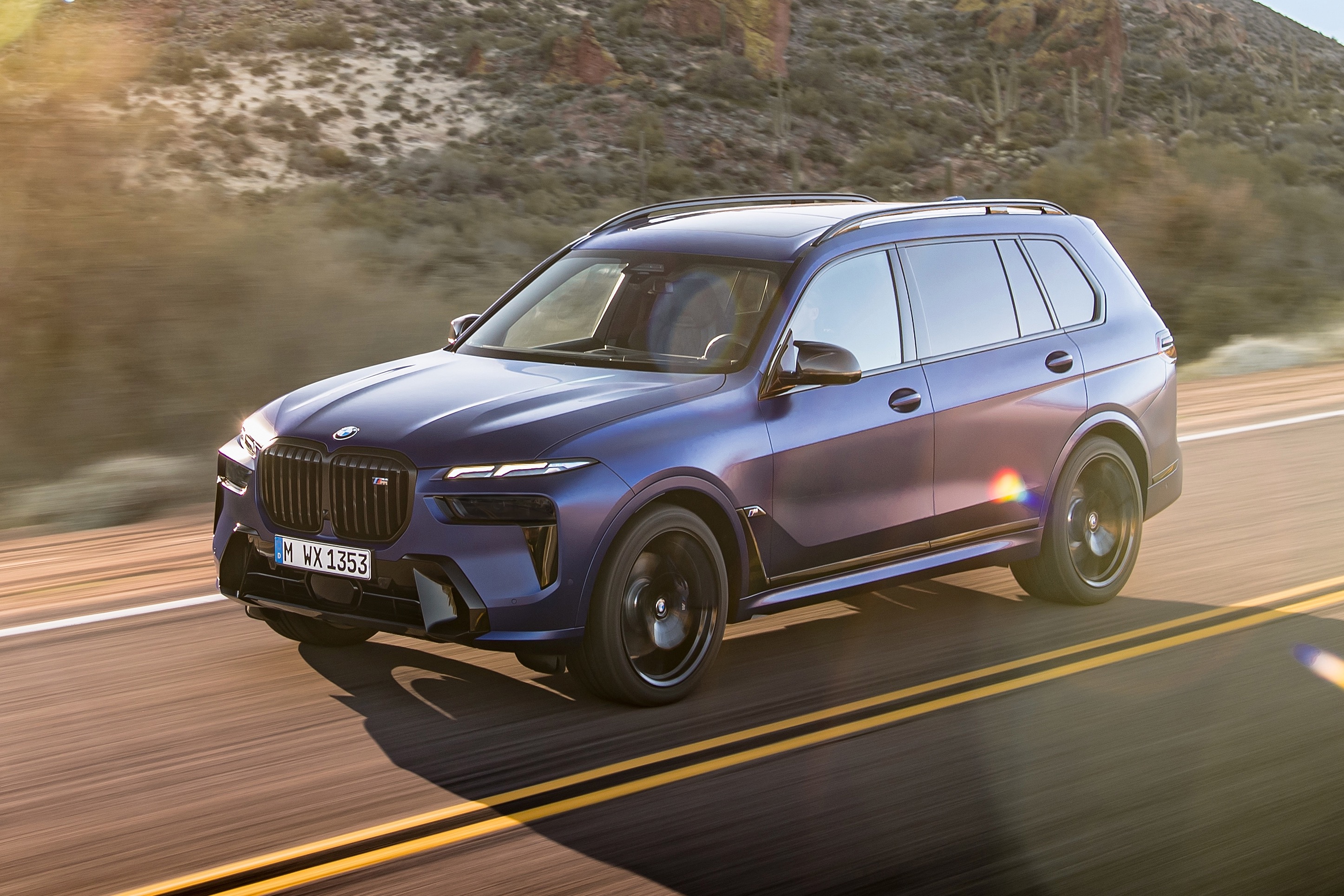
The new xDrive40d is powered by a 3.0-litre turbo-diesel six-cylinder engine producing 259kW and 720Nm – a healthy increase over the current 195kW/620Nm xDrive30d – while the M60i uses a 4.4-litre turbo-petrol V8 putting out the same 390kW and 750Nm as the M50i.
All engines are coupled with an eight-speed automatic transmission and BMW’s xDrive all-wheel drive.
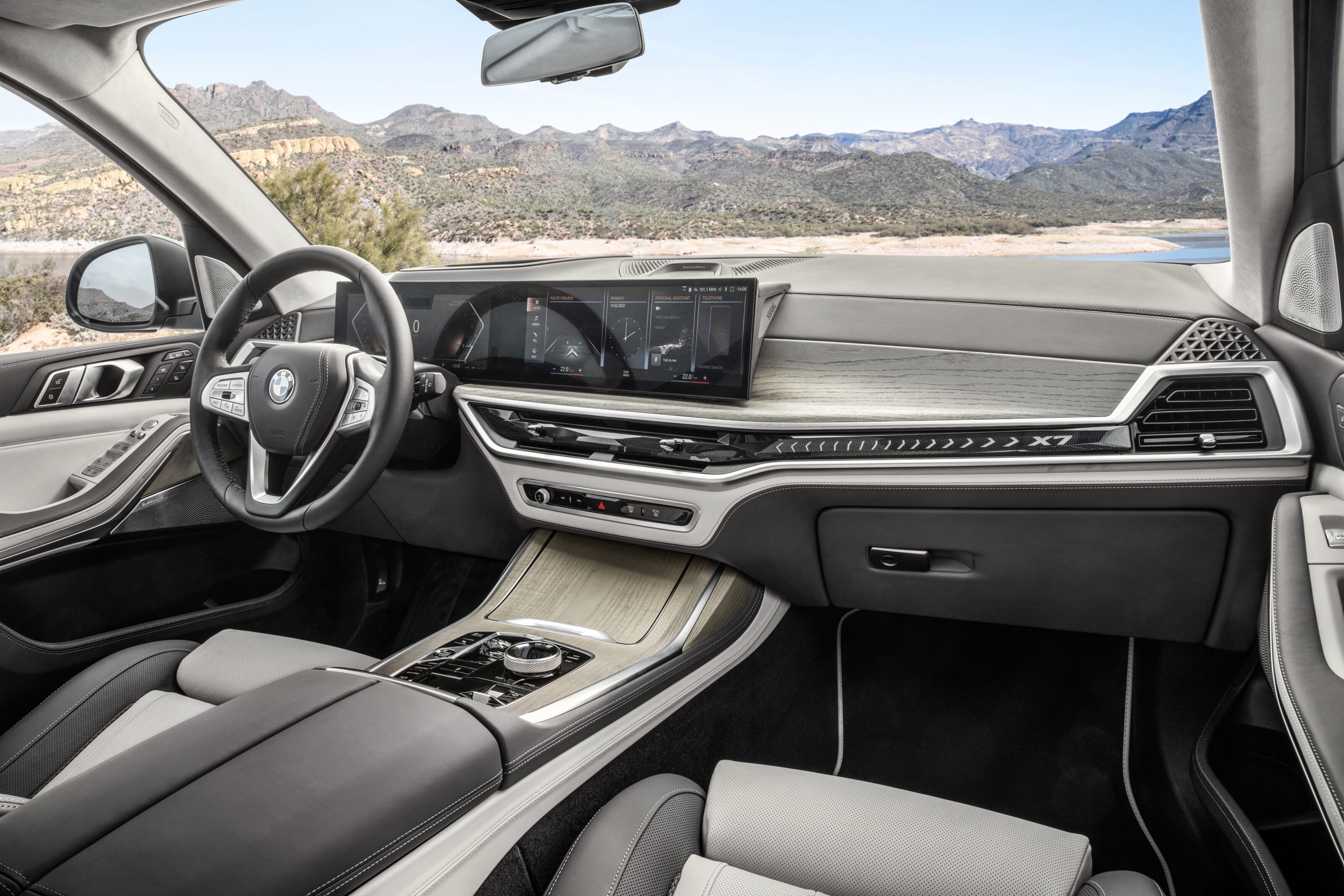
Inside, occupants are greeted with a new wide display first seen on the electric iX, created using a 12.3-inch digital instrument cluster and a 14.9-inch infotainment touchscreen, mounted behind a single pane of curved glass.
BMW has removed a number of physical buttons, with many of the features now found in the iDrive 8 operating system accessed using the controller or the touchscreen.
The company has updated a number of safety and driver-assist technologies with the new X7, while adding features such as exit warning function and ‘Manoeuvre Assistant’, which can store driving manoeuvres for a distance of 200 metres.
The 2023 BMW X7 will see its global launch in August 2022, with local pricing and specification expected closer to its Australian arrival.
Wheels Car of the Year isn’t fun. At least, it’s not supposed to be.
Nor is the Australian Automotive Research Centre proving ground – “double-ay-ah-cee” – some amusement park. Secluded and sprawling, this secure venue drips protocol, hi-viz formal wear, clipboards, furrowed brows and science. An ideal base camp, then, for the world’s longest continually run motoring gong to use and abuse as a first-round chopping block.
As a shared facility, privacy is tantamount. The old Fight Club rules apply: what happens at AARC stays in AARC. Pointing a camera towards anything that moves – military equipment; camouflaged prototypes – risks sending Wheels and sister title 4×4 Australia, axle-deep in its own awards event, promptly packing.
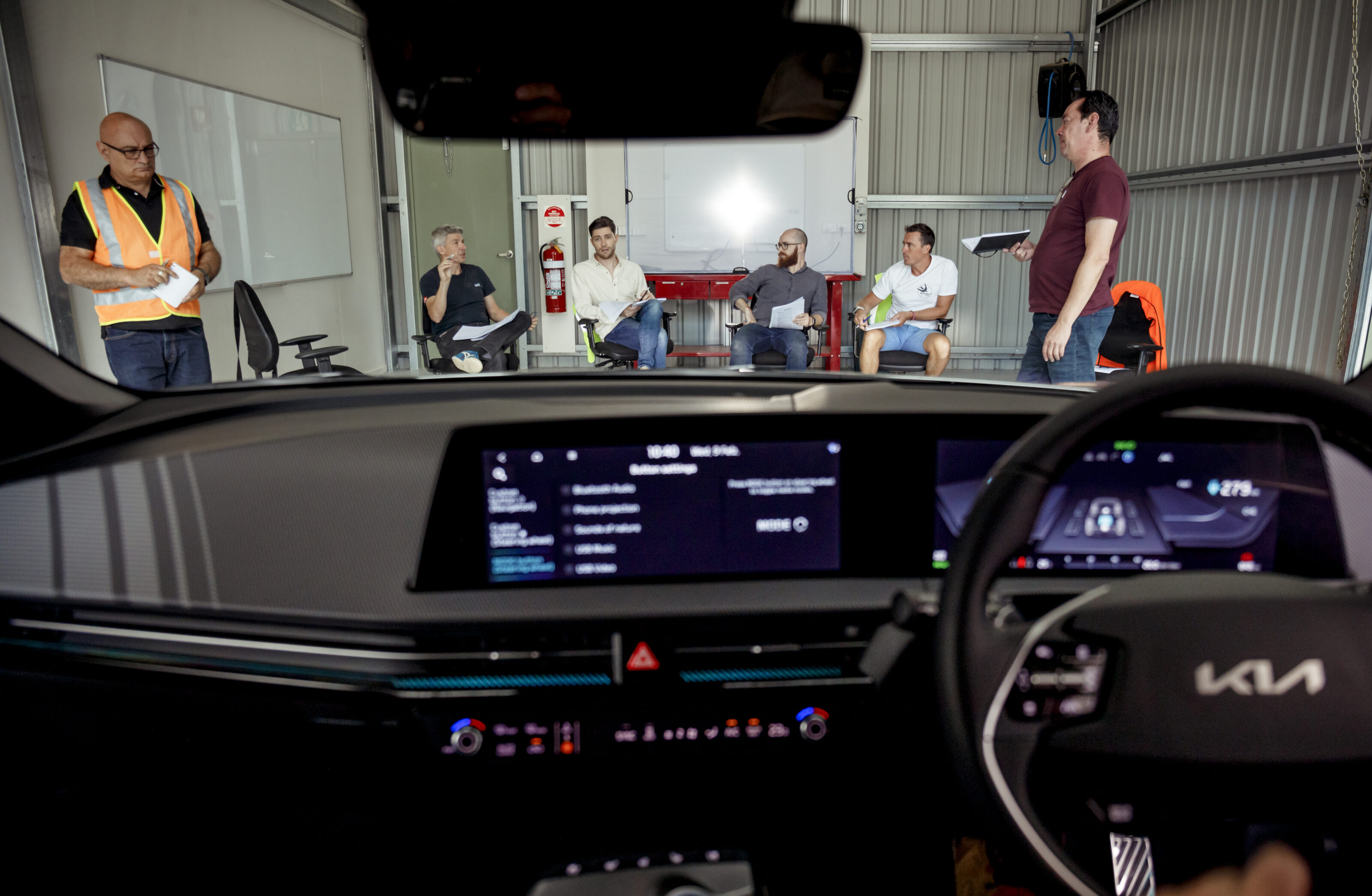
One car journalist with an iPhone could be considered risky business. The Wheels Army numbers 31: judges, photographers and videographers mostly, plus eagle-eyed support crew with radios. Thing is, with 21 of motoring’s newest, greatest and most future-pointing vehicles – including secret pre-release models – in tow to thrust through three days of testing and documentation, we were undoubtedly the most ogle-worthy presence let loose inside the fortified, 1000-hectare facility.
The judges assembled are familiar Wheels Media furniture but the 2022 Motley Jury are half newbies and two others are first-time returnees from last year’s event. Hopefully a rough century’s worth of media and industry experience between the six counts for, well, everything.
It’s three days of AARC eliminations plus two days of on-road finalist appraisal punctuated, team leader Alex promises, with fractious infighting and potential fisticuffs as the drama in eventually deciding the winner (or three).
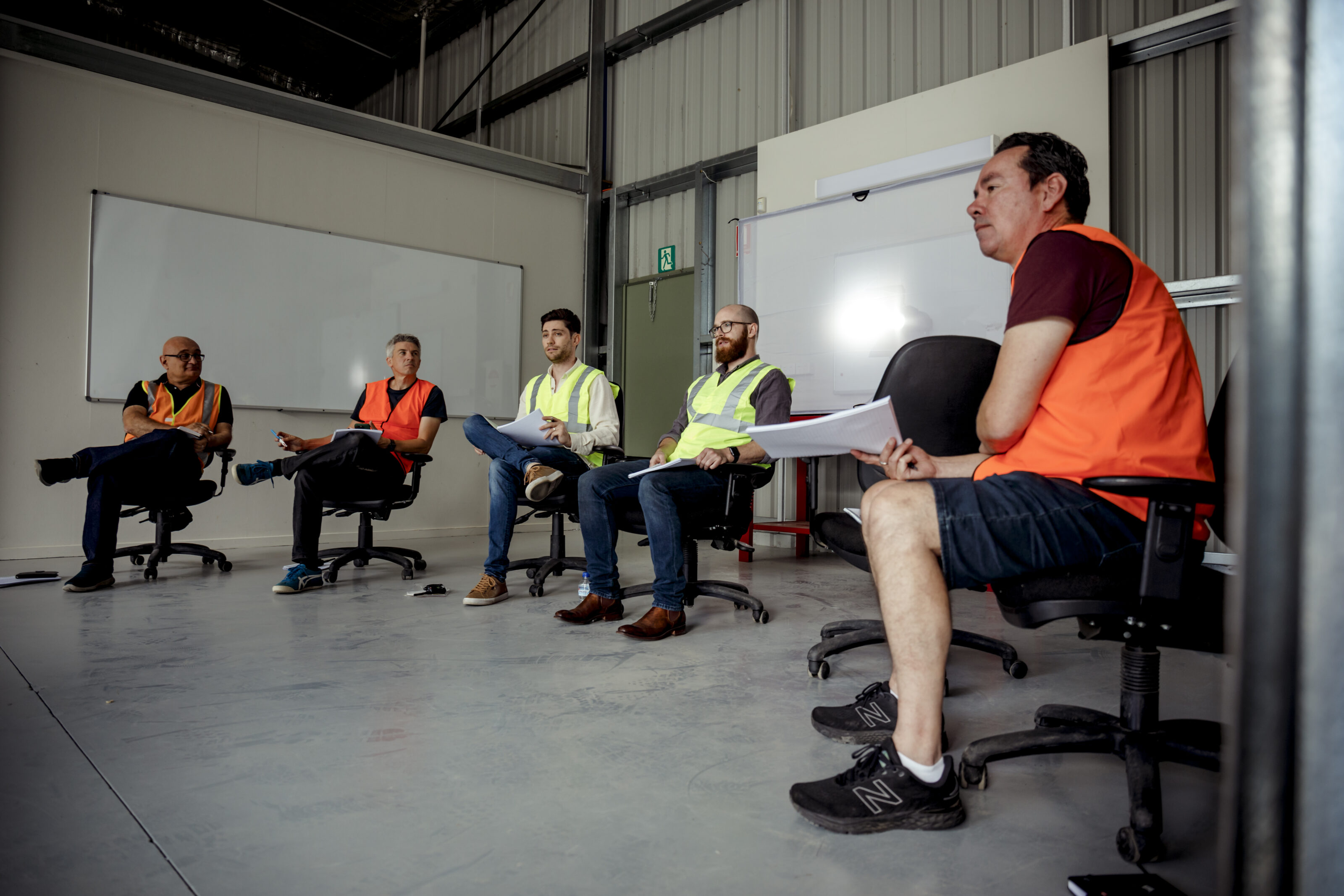
The riot act concludes with a simple instruction to reconvene at Shed 13 “100 metres that-a-way”. Two judges cohere by immediately strolling into an off-limits army garage, causing incident while miraculously withdrawing without any rounds discharged…
Surf Coast weather is ever-changing and often gruelling, except for the first week in February when Mother Victoria bestowed COTY proceedings with partly cloudy mid-20s pleasantry. Day One goes smoothly, no sweat or North Faces required, and conflict is yet to break out between the teams documenting still and moving imagery with two-thirds of the field, as is sometimes customary.
For the Motley Jury, it’s pens and clipboards at five paces with COTY’s infamous walkarounds, where each competitor is presented to the team by a judge. And where, I’m promised, the initial fractious schism amongst opinion-givers will likely escalate, if history is anything to go by.

It’s a full day of poking, prodding, cabin clambering and occasional enlightenment. We discover that the Porsche Taycan has 18 cost-options worth $42K, that the BMW iX’s raw carbon shell is mostly decorative, that one in ten LandCruisers ever sold were bought by Australians and, by design, the Mazda MX-30’s so-called ‘freestyle’ doors are a panel beater’s wet dream.
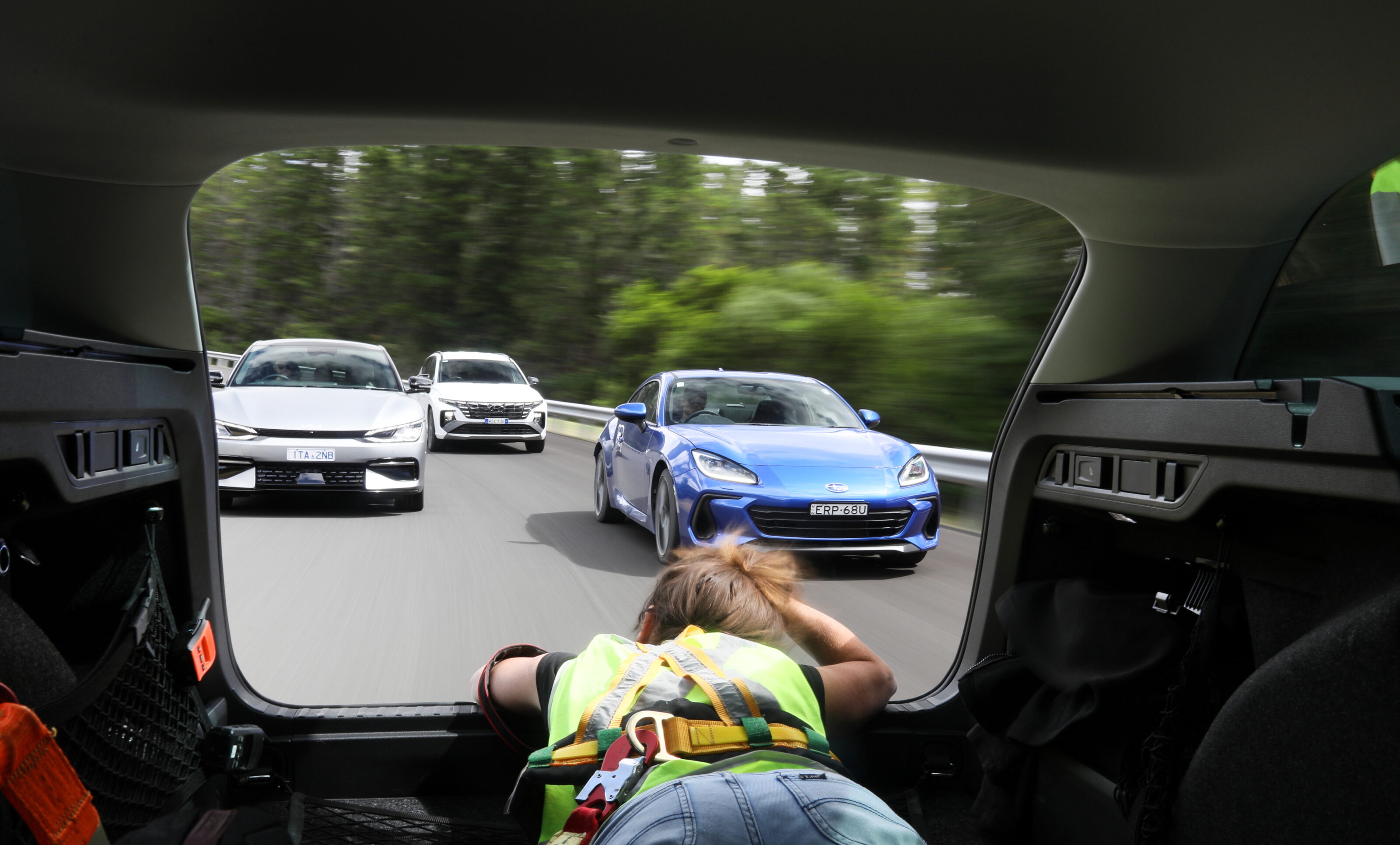
Dylan insists on testing every powered tailgate safety sensor via self-flagellation, much to everyone’s amusement. But the most explosive laughter drops when a certain judge bestows a certain competitor with a nickname so fitting yet so politically incorrect it might never be repeated outside the judges’ sanctum.
The lukewarm respite of two dozen pizzas energises the spirits amongst the crew who aren’t already out hastily assembling the field group shot on the ARCC skidpan. Such is the price of art.
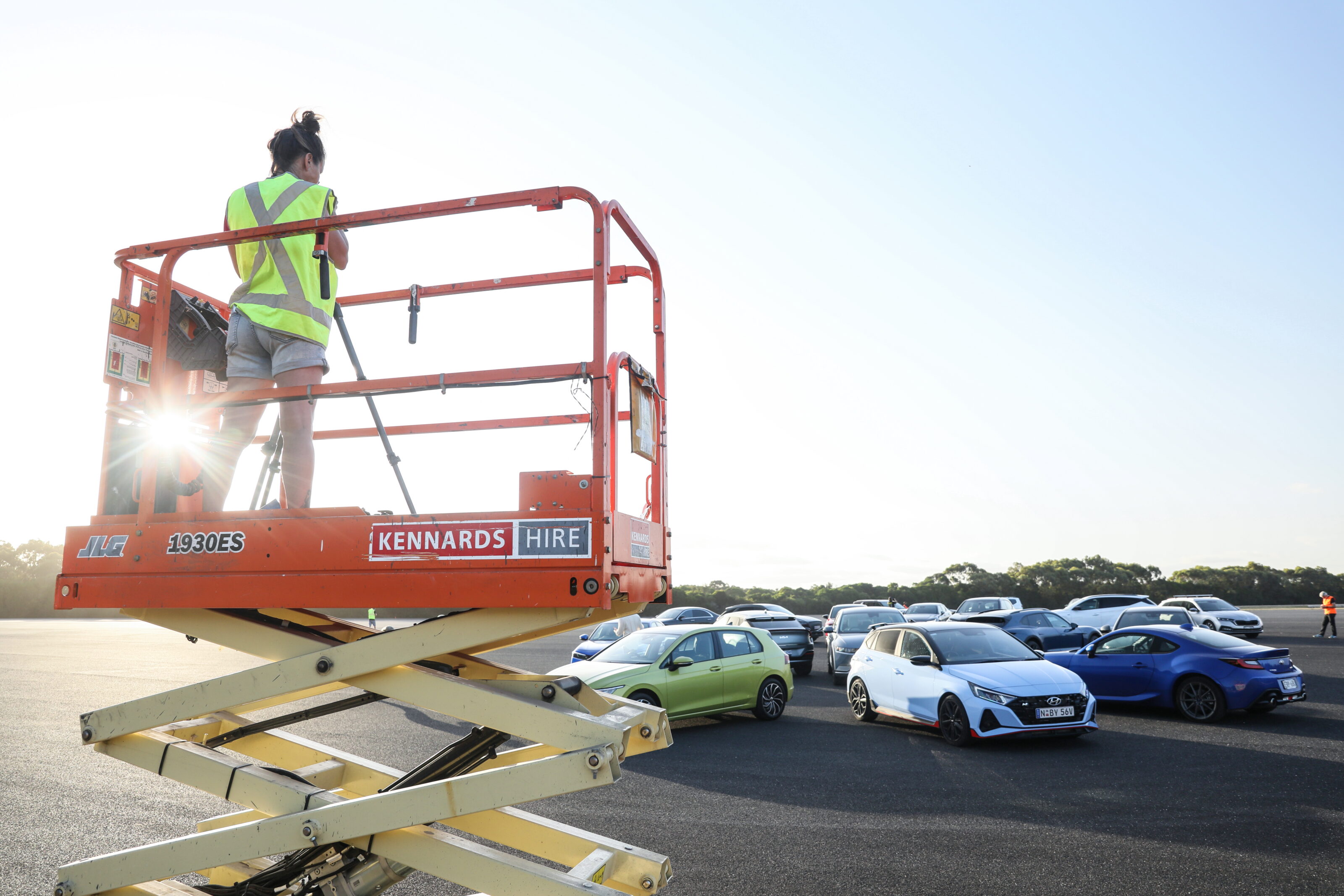
Slowly and forensically, to the constant crackle of shooter Ellen’s voice barking “no, your OTHER right” across the walkie-talkie feed, 21 subjects are curated in the viewfinder of a camera perched atop a rented scissor lift. The 2022 COTY family portrait is captured for posterity in Day One’s dying light.
Day Two and a fair chunk of Day Three sees the serious business of repetitive road loop assessment. However, a wheel is yet to spin in anger and there’s already a casualty: Dan manages to gouge the sidewall from the C-Class’s tyre en route to today’s festivities, leaving staffer Louis Cordony to guard the Benz out in the sticks, sans phone reception, with little more than a muesli bar as company while a fresh hoop is dispatched from Melbourne, a couple of hours away.
As a kick-off, wordsmiths attempt maths in dividing 21 (cars) by three (groups) by six (judges) and a near-idiot-proof system is concocted where everyone drives everything around the prescribed AARC multi-terrain course.
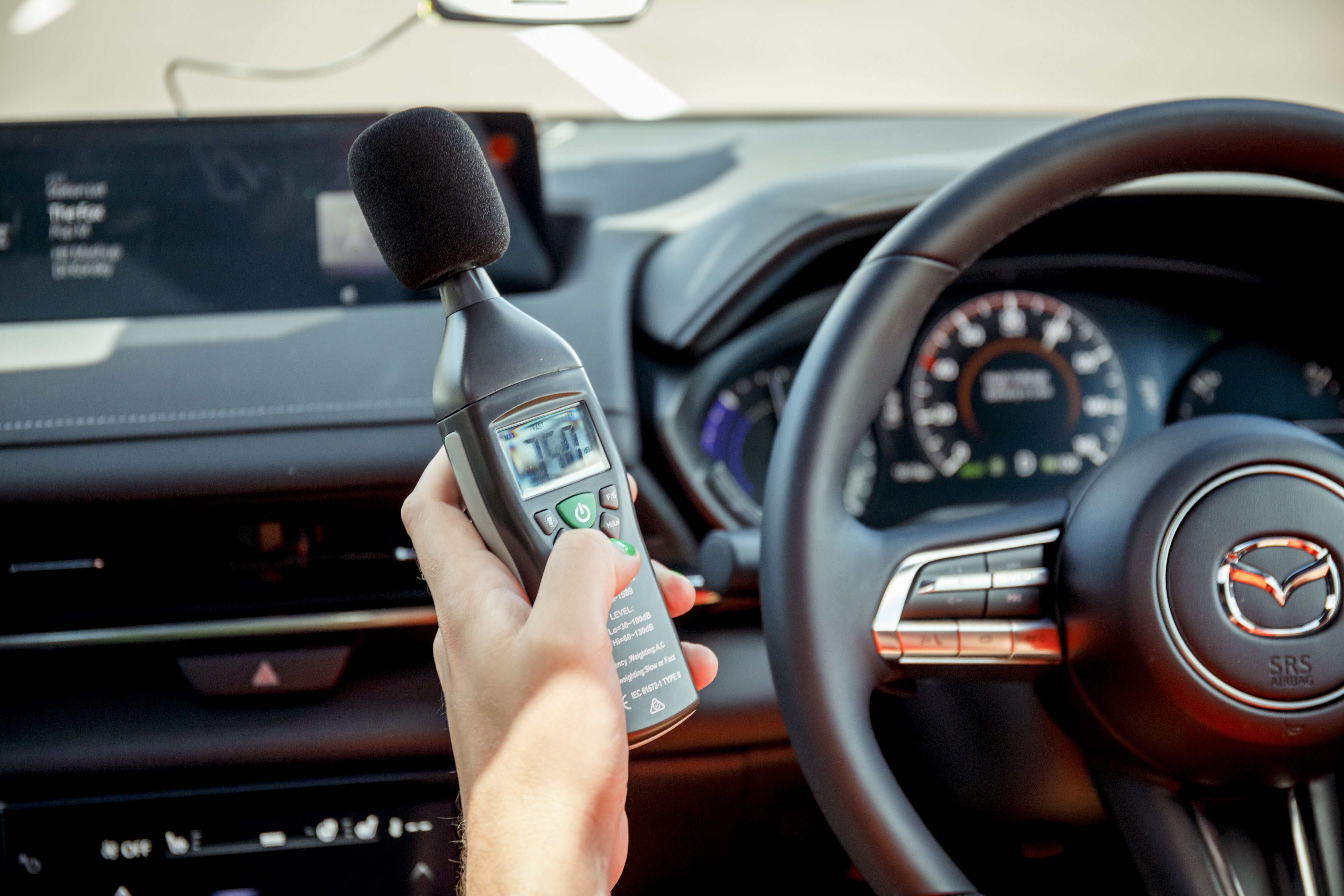
Each loop takes in lane keeping; sealed launching; gravel launching/braking/stability; highway noise/vibration/harshness (NVH) and high-speed cornering, swerve and recover; 80km/h emergency Tarmac braking; rough-road ride assessment and simulated twisty Aussie back-road handling. Then reassemble, rinse and repeat.
Each loop should take “18 minutes or so” Alex reckons. Right-o. Three loops in and the carefully assembled high-speed conga line had turned musical chairs. And by the time we’d cycled through Group One, nobody else had driven the bloody Golf either…
Surprises and delights come thick and, particularly in the Taycan’s case, very fast indeed. Having dispatched the swerve and recover station in the Porsche about 50km/h higher than the designated velocity, one judge absentmindedly recommits similar enthusiasm in more mortal machinery, exploding safety cones across the landscape. Oh how we laughed.
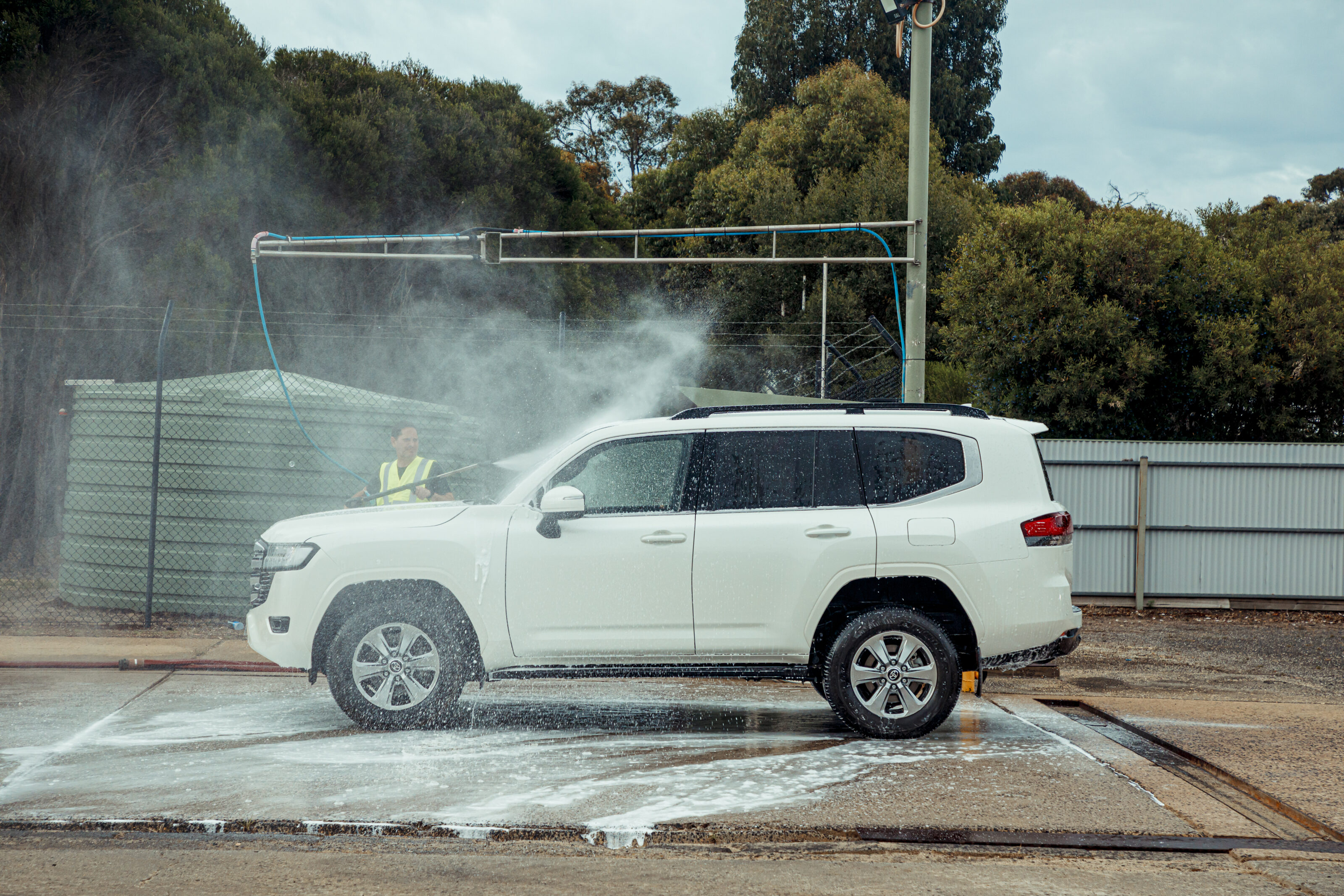
You also couldn’t help but giggle at how the LandCruiser perched on its nose under emergency braking. Or how its tyres howl like a lovelorn dingo on twisty hotmix.
Just how elegantly playful some of the EVs are in a gravel slide brought a few split-melon grins, and the more brutal of the electrified bunch drew childlike gushing from some judges at the reassembly spot.
Others found appraising the ESC calibration of anything light, lithe and pointy – i20 N, BRZ, Golf – inconclusive enough to demand a good three or four slithering tours of the coarse aggregate and slippery stone circuit, just to make sure.
Another, more inertia-inflicted contender, chose to swap ends on gravel. Repeatedly. First for one judge and then another, then loaded up with a veritable collective noun of opinion-servers. During one clumsy pirouette, the culprit snagged a rut with its outside rear and threatened, in no uncertain terms, to potentially become only the second vehicle in COTY history to expose its underbelly to the skies above.
(EDITOR’S NOTE: Our team is working with the brand in question to test this vehicle further at an appropriate facility, to establish a cause for its behaviour during COTY and whether there’s an issue in the wider line-up. We’ll report further on this as the story develops.)
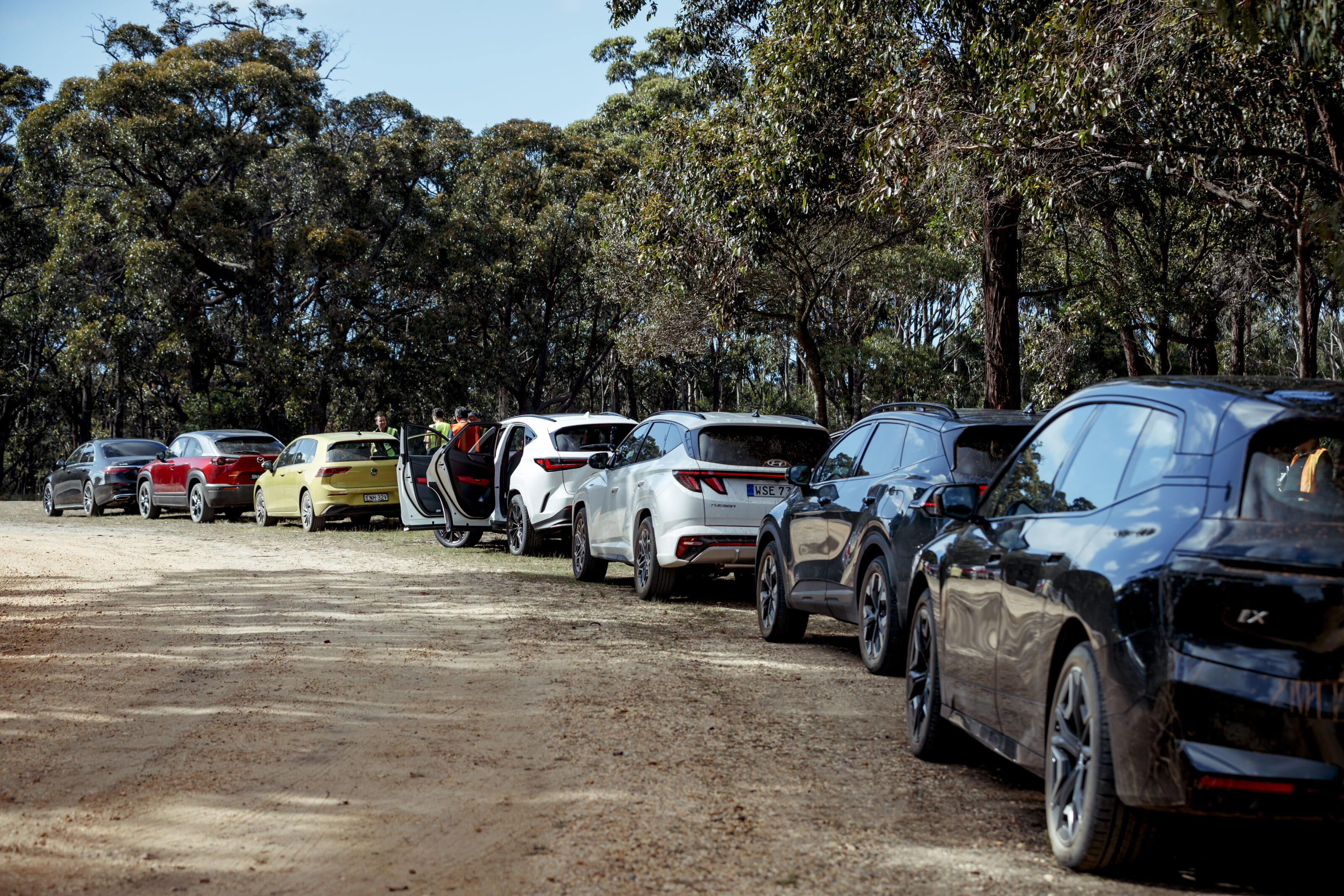
Once AARC testing is properly dusted, the Motley Opinion-ators converge for COTY’s finalist cull, business almost as serious as Wrangler Dave’s homemade Italian-via-Gold Coast extravaganza – “four kilos of spag bol, two kilos of gnocchi” – as a tasty respite from the steady intake of coffee (454 cups to date), bacon and egg rolls (110 and counting) and pizza.
The judges, pretending to ignore exactly where standings are already clearly headed, scribble votes on napkins in secrecy for the top six cars to move to the final round of road-based judging. All try not to become distracted by a prototype of a 2023 hero car that’s parked itself outside the judges’ lunchroom, its camouflaged grilled almost pressed up against the window.
“Judges’ deliberation: 2:30–3:30pm” says the runsheet. Instead, it takes roughly 90 seconds. We recount the votes gain, to kill some time, before the inevitable topic of a potential tied result raises its head for the first of what would become many times over the coming days.
The COTY circus departs AARC and the Surf Coast’s grand chalet accommodation, heading inland towards central Victoria for the evening and pitches camp at… student accommodation at a regional college. Or Starlag 13, as it’s quickly nicknamed.
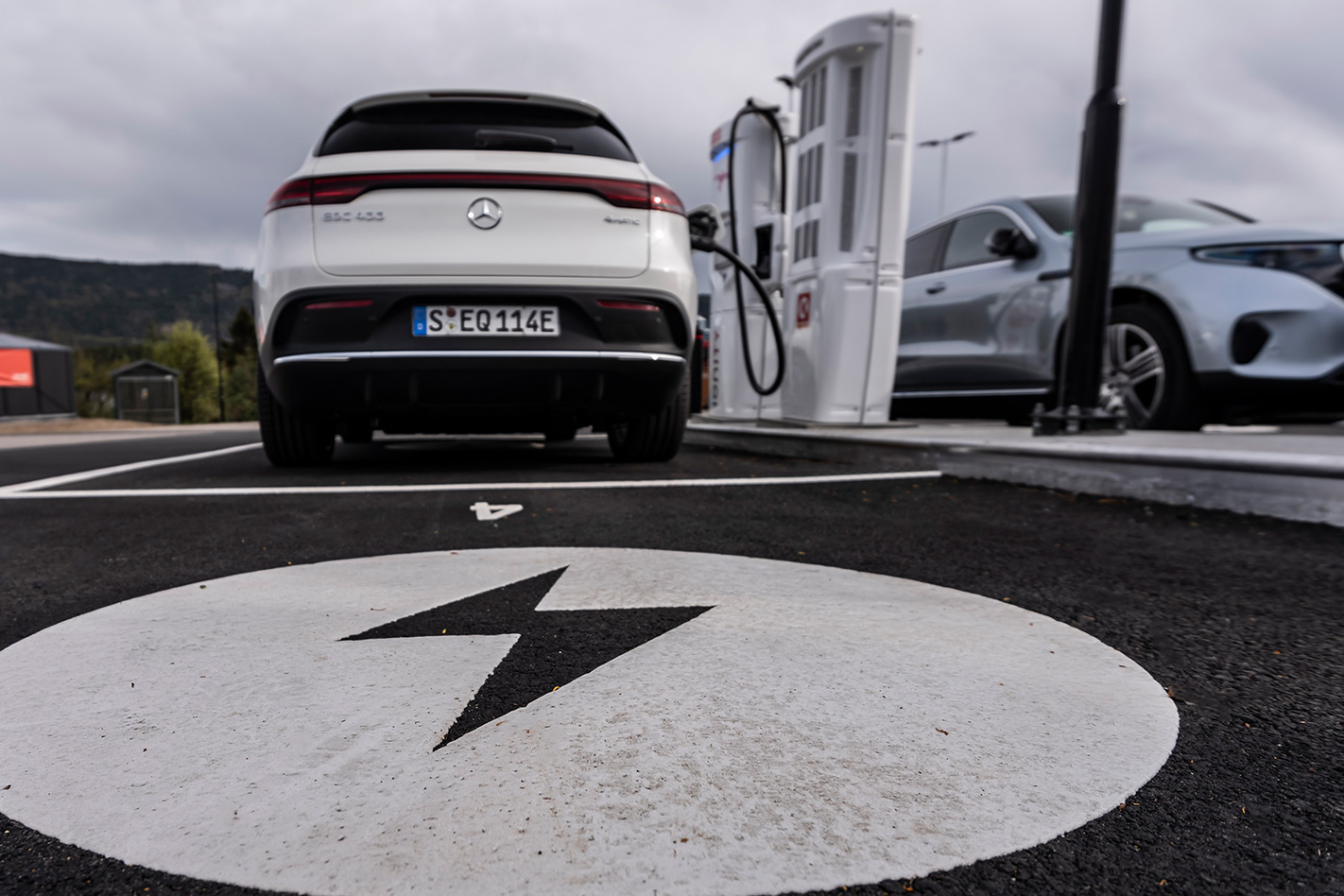
The short-straw-drawers are dispatched to “charge the EVs”, quickly proving to be the event’s most thankless yet crucial responsibility, while the Pontificators of Judgement settle into what Google suggests is Chinese takeaway while making friends with the various species of arachnid sharing the Wheels sleeping quarters.
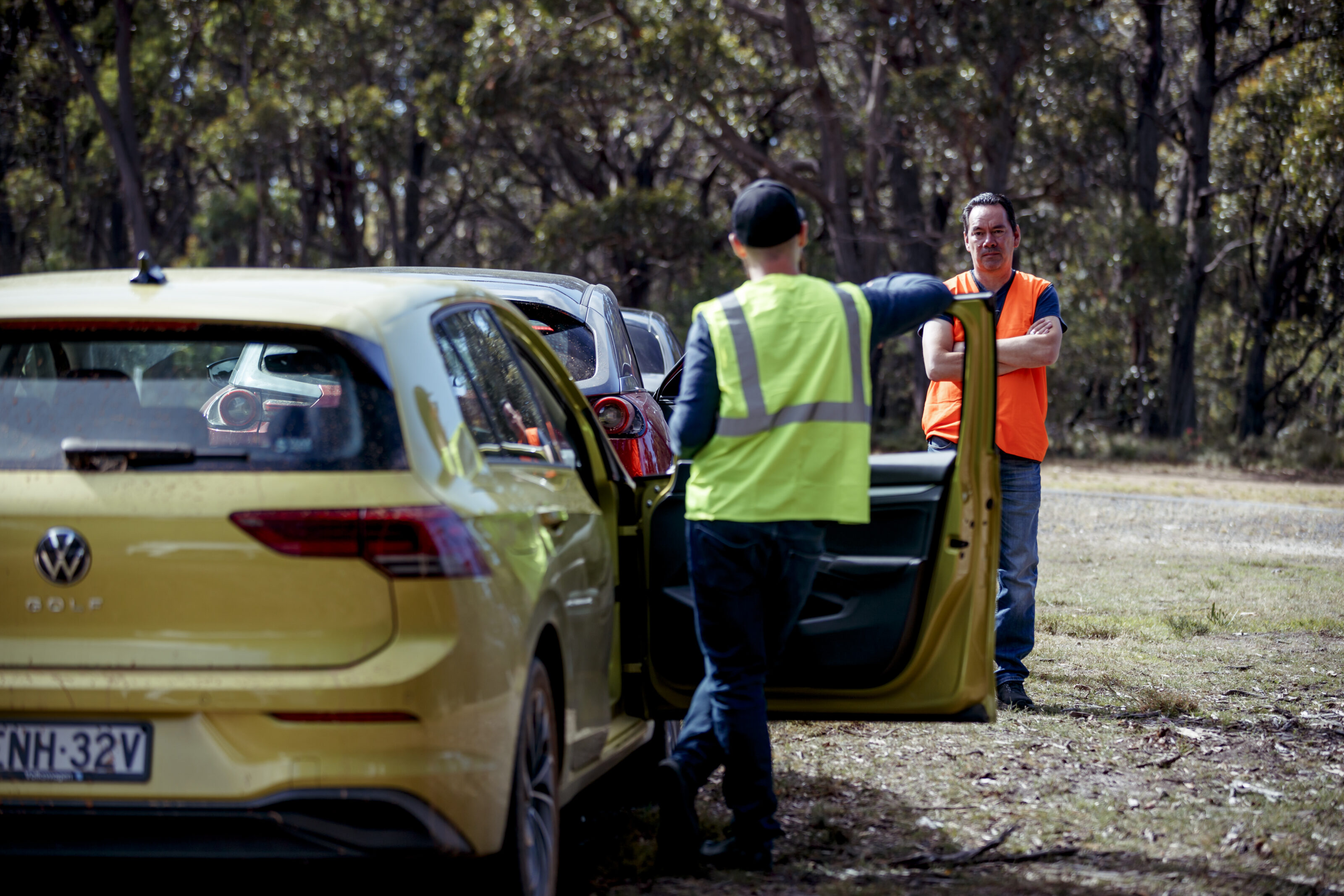
Day Four. Finalists’ road loop. And after sending a local cafe into mad panic attempting to feed and caffeinate a small army at short notice, the wordsmiths once again attempt a regimented testing system that falls apart quickly and leaves the poor Golf sat motionless for a long while because its key loses itself in one judge’s fashionably puffy vest (right, Dan)?
“Judges’ deliberation: 2:30–3:30pm” says the runsheet. Instead, it takes roughly 90 seconds
It’s a cracking road loop, a wonderfully curated circuit comprised of the worse acne that regular road maintenance has managed to clearly avoid. Perfect.
Its first third is lumpy, pockmarked 100km/h straights. Its middle section is a smooth, narrow, Armco- and rock-pinned twisty hillclimb. Its last third is more goat track than road, with a nasty mid-sweeper bump and a sharp ridge at small creek bridge that’ll dislodge tooth fillings. Plus, a bit of highway section at end, where the local constabulary has set up all day to raise revenue.
Once again, the two Korean EVs are tethered together in running order so that judges get back-to-back impressions. At one point during proceedings, the pair pop out onto the final highway stretch right behind a Tesla 3, the Ioniq 5’s inimitable face full in its mirrors, the only EV6 circulating in public at the time flanked in squadron-like formation. The poor Tesla driver’s so focused rearward he almost runs right off the road, right in front of the police speed trap…
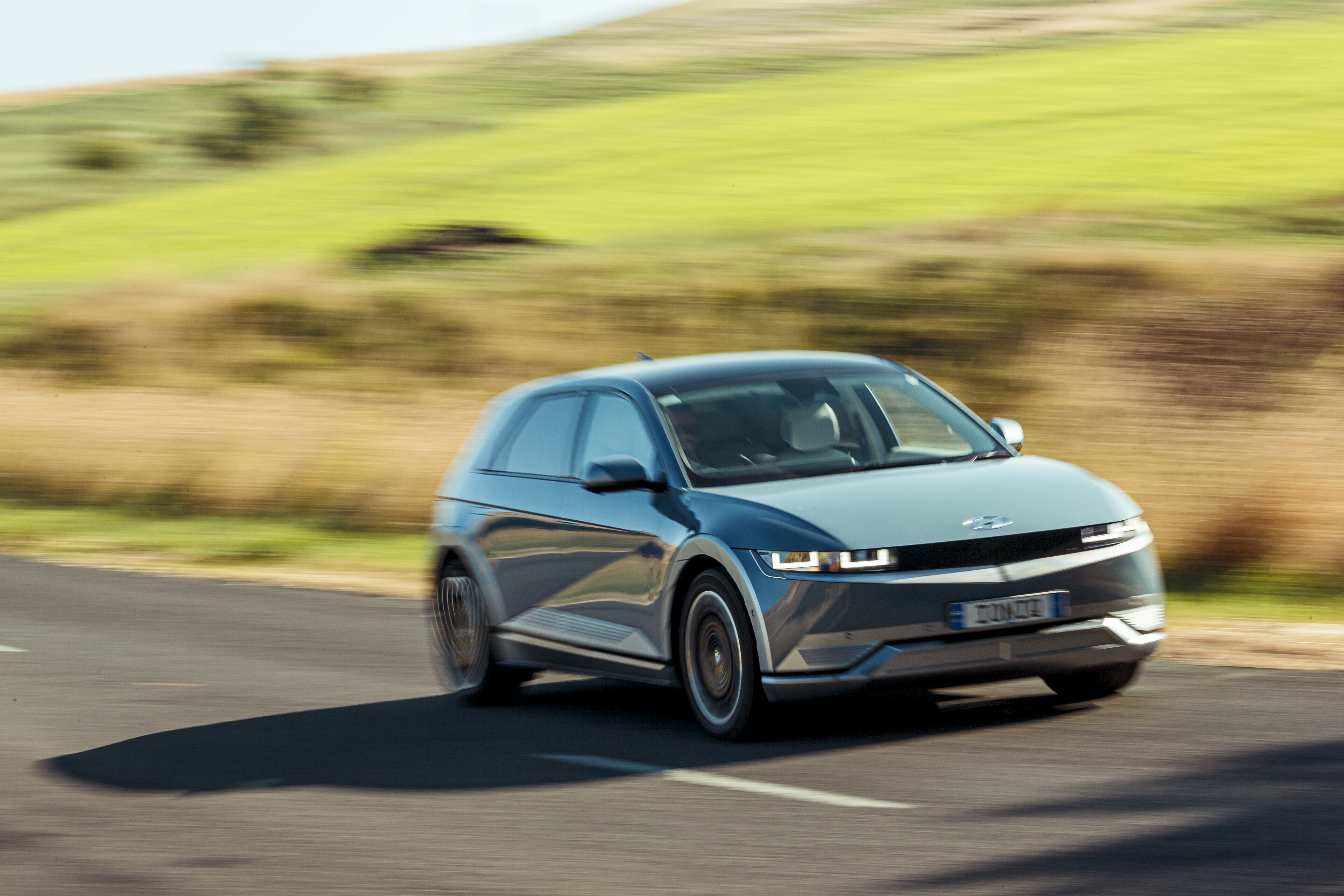
Initially, it’s one-ups. Then out again, three-up with luggage. And short of an impromptu motorkhana paddock bash, thorough assessment of the 2022 COTY finalists is finally done, sending the Motley Executioners into a cafe huddle. A result is cast into the slab, but the concrete isn’t set quite just yet.
There’s still a motherload of schnitzel and beer to add smoke to Wrangler Dave’s already smouldering corporate credit card to help expedite a definitive verdict, but not before an early evening photo-op.
We front up to a wind farm – because: electricity – where shooters break every rule of Photography 101 by pointing lenses directly at a setting sun for high art, where helpers rediscover their “other rights” shuffling cars about, and where judges again attempt maths guestimating wind turbine blade tip speed without Google’s aid, the conclusion being either 64 or 27,500km/h.
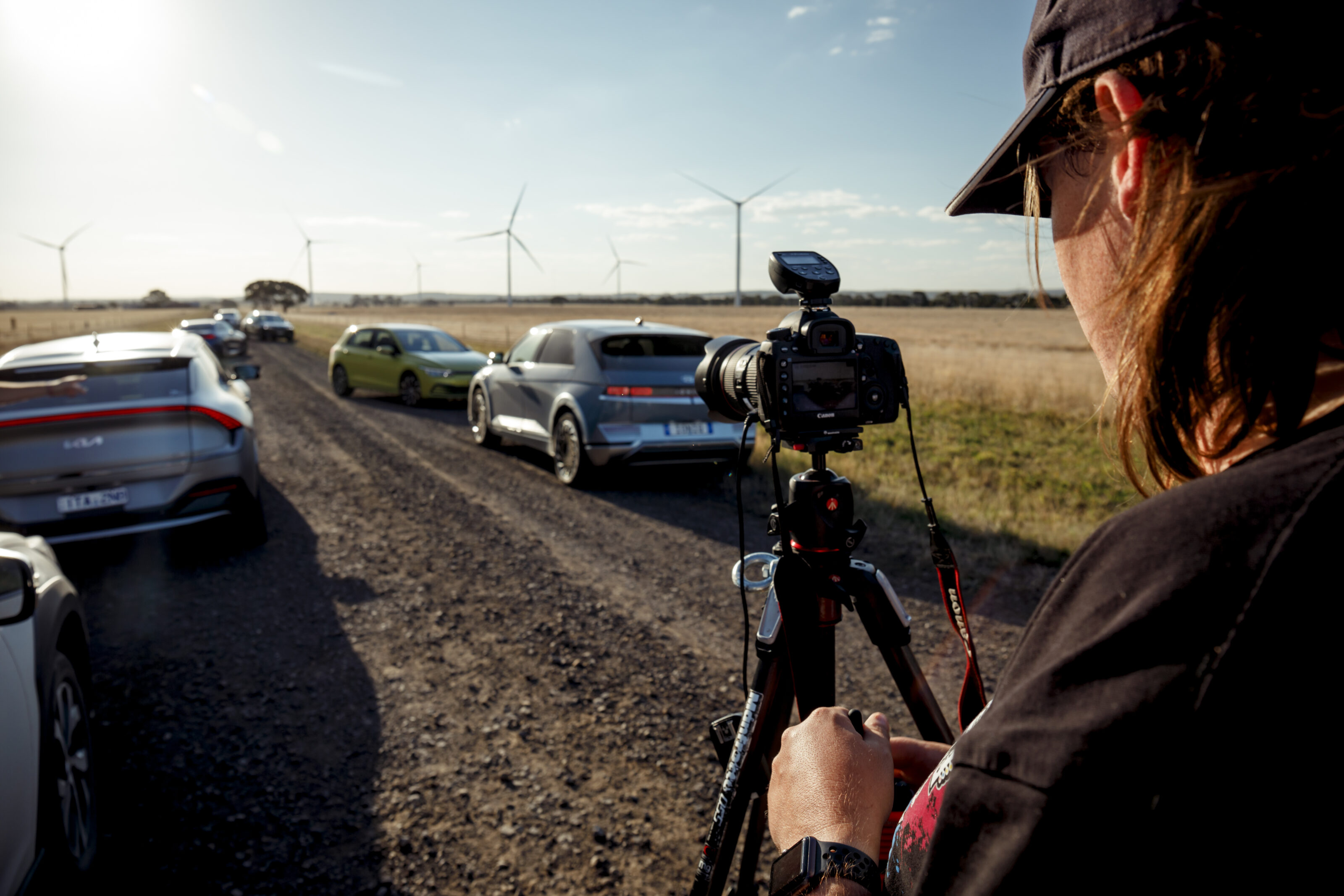
Lights, cameras and an entirely new day (five) of artistic action sees what’s an increasingly road-weary COTY crew mopping up things still unresolved. Judges reassemble, like Groundhog Day, though Alex and Dylan have since pored over deep, on-paper minutiae of the electrified Korean machinery in search of an extra veneer of devil’s advocacy to throw at what now appears to otherwise be a foregone conclusion.
But when COTY stumps are finally pulled, the verdict is left hanging from a cliff. It would finally be certified, unanimously via video conference, many days later.
Not one voice was raised in anger throughout the entire judging journey, not specifically in spite of COTY tradition, but perhaps because partaking in the circus ended up being far more fun-filled than this first-time panellist was led to believe.
Shhh, just don’t tell anyone…
2022 Wheels Car of the Year revealed!
We’re huge fans of the AJ133 V8 plumbed into the sleek nose of the Jaguar F-Type P450 RWD. It’s loud, punchy and extremely charismatic. Of course, it’s not short of its quirks, most notably around timing chain tensioners and plastic parts in the coolant system and inlet manifolds, but it’s nevertheless one heck of an event. Every single time.
One story keeps cropping up about the AJ133 engine, however, and it sounds so implausible that it almost has an element of bar-room urban myth about it. It’s the claim that the AJ126 V6 that Jaguar also offered was this same engine just with a pair of cylinders blanked off. So is it true?

Well, pretty much. There are some materials differences between the two engines. The AJ126 takes the AJ133 block and does indeed blank off the rearmost pair of cylinder bores. There’s more to it than that, however, as Jaguar also reduced the bore of the remaining six cylinders from 92 to 84.5mm and the stroke from 93 to 89mm, reducing swept capacity from 5000 to 2995cc.
While the exterior dimensions of the block are the same as the V8, there’s a shorter cylinder head. Still, the six-pot is probably carrying around 20kg of extra – and redundant – heft from the bigger block, crank and oil pan.
Also because the AJ133 features a 90-degree design rather than the usual V6 60-degree preferred for NVH reasons. A split-pin crankshaft means that a cylinder fires every 120 degrees of crank rotation and a contra-rotating balancer spins at the end of the crankshaft.
So, yes, it’s kind of true, although Jaguar did more than just bog up a pair of cylinders. With the facelift of the latest F-Type, Jaguar’s waved goodbye to the AJ126 six-pot, on these shores at least. What better reason do you need to look at the full monty V8?

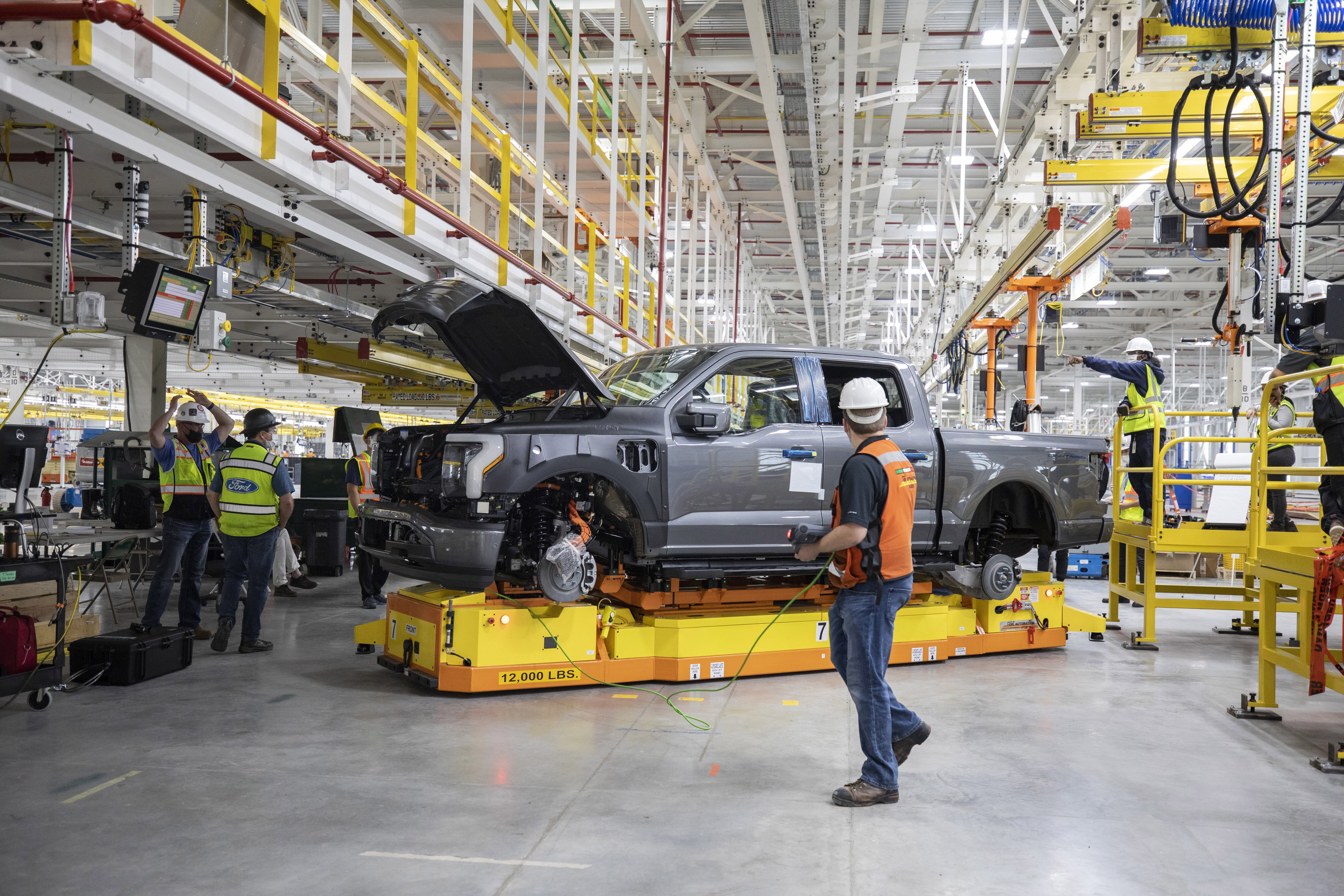
Ford could soon be sourcing lithium for its electric vehicle (EV) batteries from Australian miner Lake Resources.
The mining company announced it had signed a memorandum of understanding (MoU) with Ford, with the Blue Oval looking to buy around 25,000 tonnes of lithium each year, sourced from Lake Resources’ Kachi Project site in Argentina.
“As we’ve shared, Ford is sourcing deeper into the battery supply chain,” said Lisa Drake, Ford’s Vice President of EV Industrialisation.
“This is one of several agreements we’re exploring to help us secure raw materials to support our aggressive EV acceleration,” she said.
The Kachi mining site uses a relatively new technology to extract the lithium, which has a far lower environmental impact than traditional methods.
“Both Lake and Ford see this as an opportunity for a potential long-term agreement with the ability to scale up environmentally-responsible production and participate in Lake’s other projects to ensure high-quality lithium products are available to Ford,” Lake’s Managing Director, Steve Promnitz, said.
Car manufacturers are putting increasing pressure on metal mining companies to clean up their acts, as they seek to reduce carbon emissions throughout the automotive supply chain.
“If you want to do business with us in the future, you need to have a sustainable business strategy,” Mercedes-Benz CEO Ola Källenius said during an online presentation, according to Automotive News Europe.
On Monday, the German car giant announced it was aiming to halve its carbon footprint per car by 2030, compared to 2020 levels.
Mercedes-Benz Chief Technology Officer Markus Schäfer said 90 of the carmaker’s external purchases will be carbon neutral.
“We have integrated sustainability requirements into all our purchasing activities and awarding processes,” Schäfer said.
Lake Resources Chairman Stu Crow said environmentally-responsible practices are not only being demanded by buyers, but also by banks and investors.
“Increasing customer and consumer scrutiny around lithium production’s environmental and ethical credentials drives our focus on sustainable extraction,” he said.
“Lake Resources is committed to integrating sustainable development practices throughout our operations, minimising our environmental footprint, and contributing to a clean energy future.”
In some ways the Ford Focus ST is the anti-hot hatch, hot hatch. It was the highest placed front-drive contender at MOTOR’s Sports Car of the Year award in 2022, in part as a result of the way it cleverly side steps so many of the old, tired, and frankly irrelevant cliches people throw at hot hatches.
One of the major and now outdated criticisms of modern hot hatches is that they are woeful torque steering monsters relegated to an eternity of understeer, while oversteer is an impossible task never to be achieved.
Yeah, give the Focus ST a try and report back to us on that one.
Part of what makes the Focus ST so sure-footed in the way it sidesteps these cliches is the front differential.
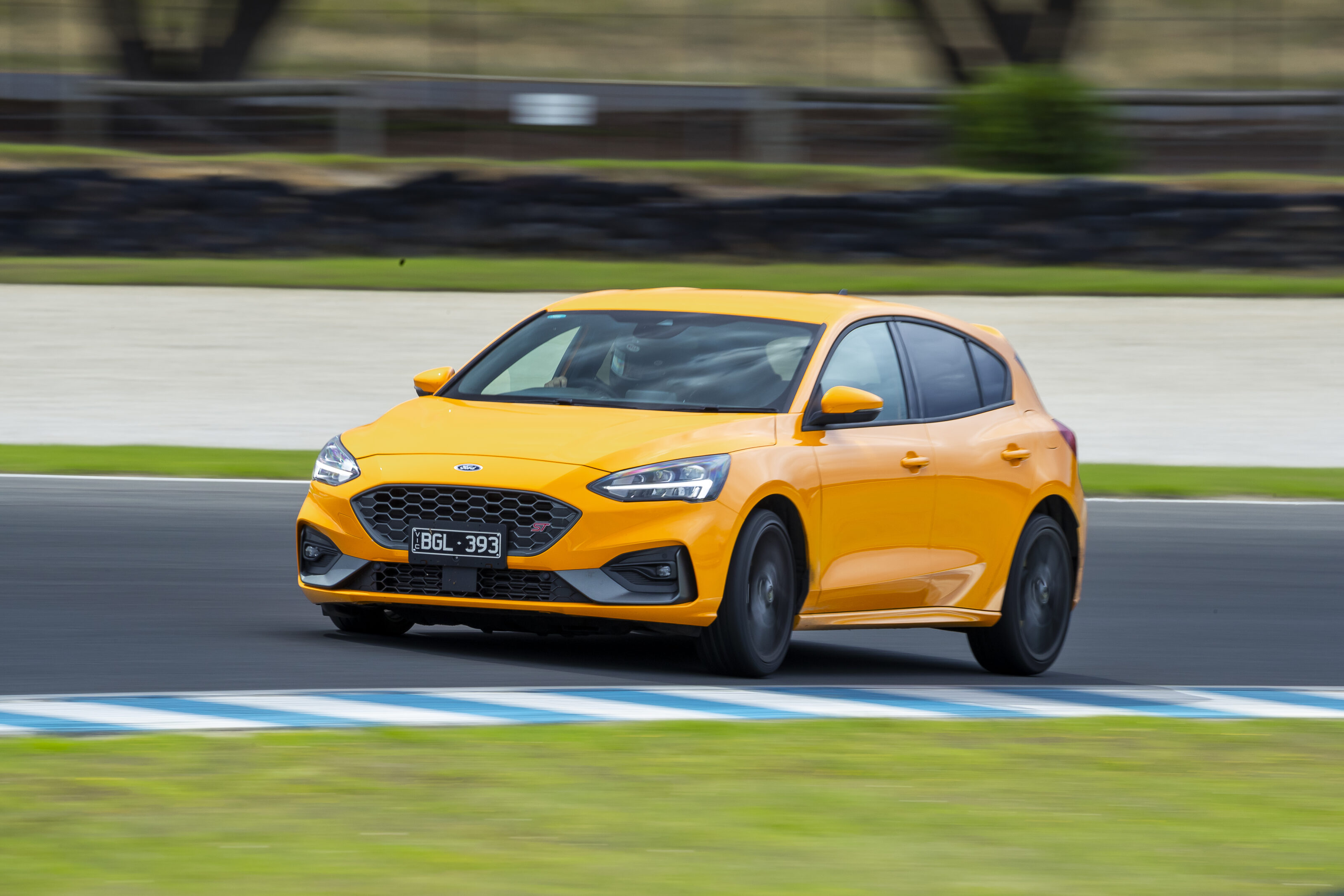
Instead of going with a traditional mechanical limited-slip diff, Ford opted to splash some of the development budget on a Borg Warner supplied FXD unit. This expensive bit of kit is what is commonly referred to as an electronic limited diff, or eLSD.
Now, instead of traditional electronic diffs, the Borg Warner still has most the componentry of a traditional mechanical LSD, but with an additional clutch pack with electronically controlled actuation that allows it to have a locking state that can vary from completely open to entirely locked.
Simpler eLSD applications shirk the mechanical diff componentry and simply try to apportion the power via ESC-driven intervention from the brakes – cutting power when wheelspin is detected on the unloaded side.
The Borg Warner eLSD with its hybrid mechanical and electronic parts allows Ford to proactively fight torque steer and wheelspin, moving the power as required before you starting spinning wheels.
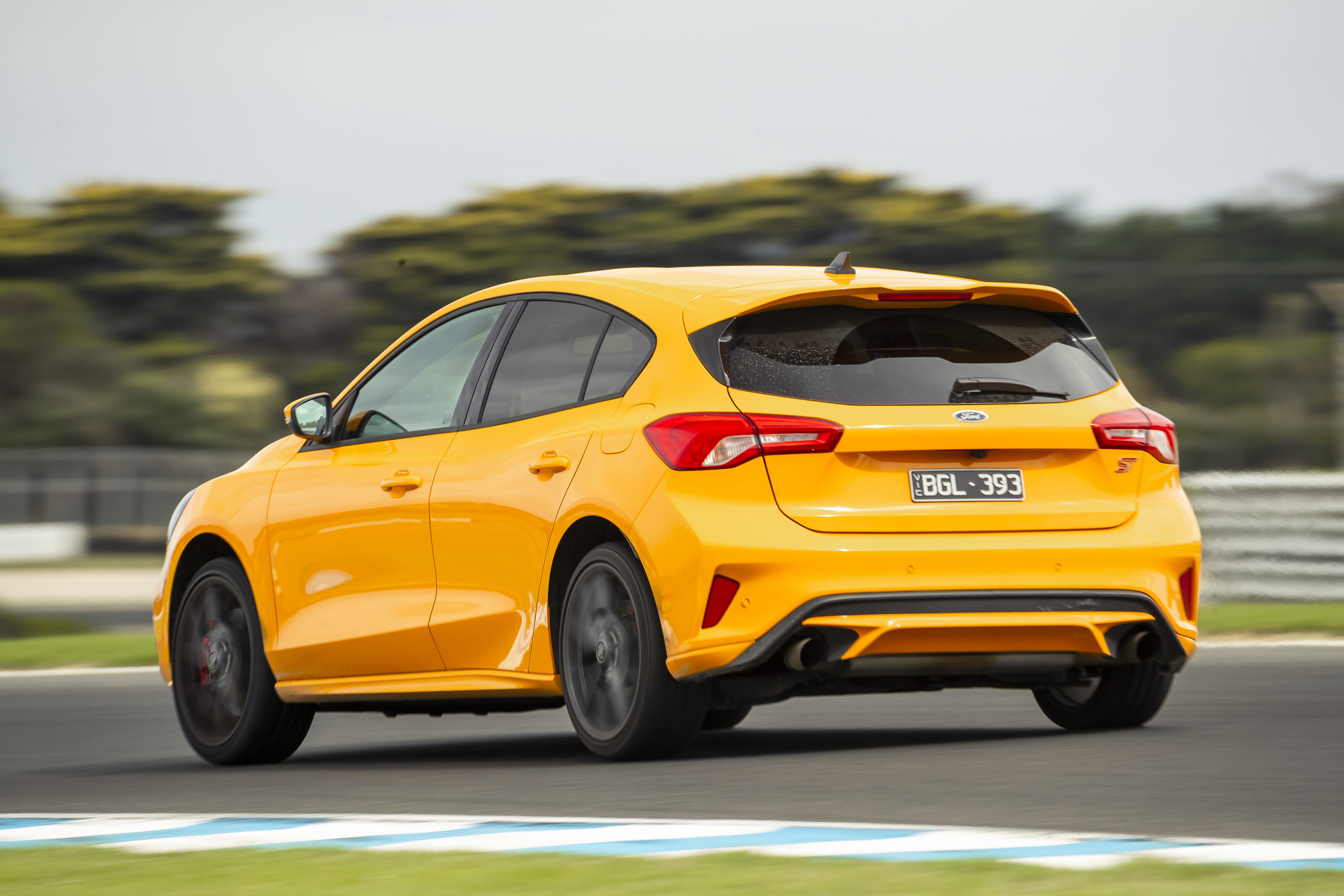
Information such as steering angle, throttle input, speed, and drive modes are all part of the systems calculations of how much the diff should be locked at any given moment.
In practice, it works wonderfully. Yes, you do get the odd tug of the wheel, but it’s few and far between, and the power-down ability of the 2.3-litre four-pot is mightily impressive mid-corner. The eLSD just gripping up and pulling the nose out of the turn.
Instead of having to pull power, the eLSD afford the ST the ability to use more of its generous outputs, more of the time, staying ahead of the curve of torque steer and wheelspin.
If you have your doubts about how much fun it can be to chuck a front-drive hatch around, we heartily recommend getting behind the wheel of a Focus ST and ridding yourself off all those tired old cliches.
They claim the Lamborghini Huracan Tecnica performs equally well on road and track. But the Huracan is getting long in the tooth, and a fully electric Lamborghini sportscar is nowhere in sight.
Our pre-drive of the Tecnica last November was the farewell launch hosted by the long-running CTO Maurizio Reggiani, except no one knew it at the time. A Lamborghini veteran, Reggiani was sidelined by the powers in Ingolstadt and Wolfsburg who are demanding a faster and more radical paradigm shift from combustion engines to EVs.
Befittingly, it was the charismatic chief engineer who proudly presented the brand’s second-from-last 100 per cent electric-free product based on the final version of this organically grown DNA.
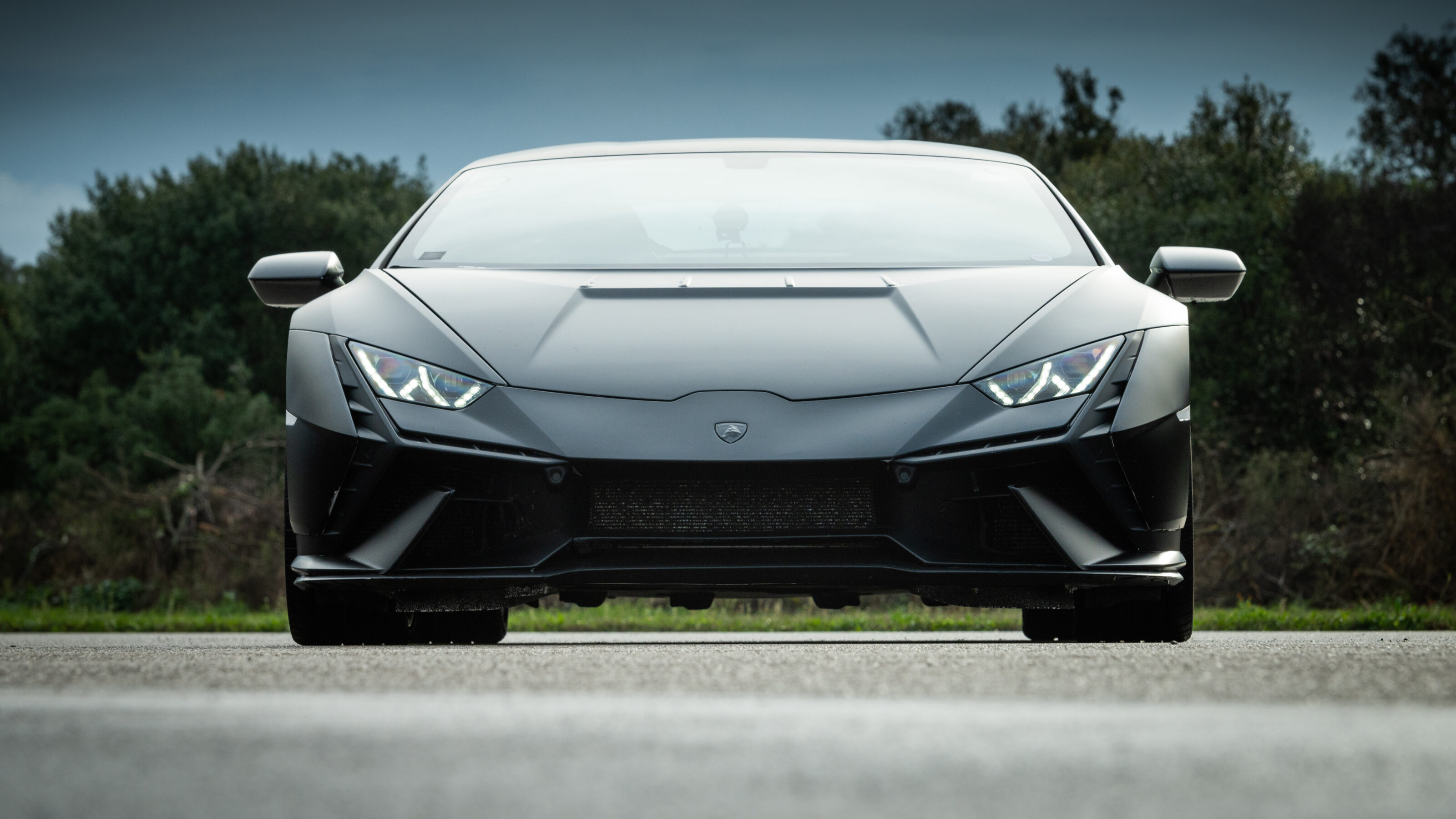
Virtually unchanged are all essential elements such as the large-displacement naturally-aspirated high-revving V10 engine, the rear-wheel-drive chassis tuned for extra excitement and emotion, the snug cockpit garnished with videogame-inspired graphics, and the extrovert and provocative design.
Like the Gallardo it was derived from, the Huracan mimics the Porsche 911 for variety in style, character and engineering applications.
In addition to the coupé and spyder, the Encyclopedia Huracania bristles with genetic mutations from LP580-2 over LP610-4 and Evo 2WD/4WD to the Performante twins, the red hot STO and now the Tecnica. Later this year, the stacked Sterrato neo-crossover will take on the 2023 911 Safari in the sand-and-gravel sweepstakes.
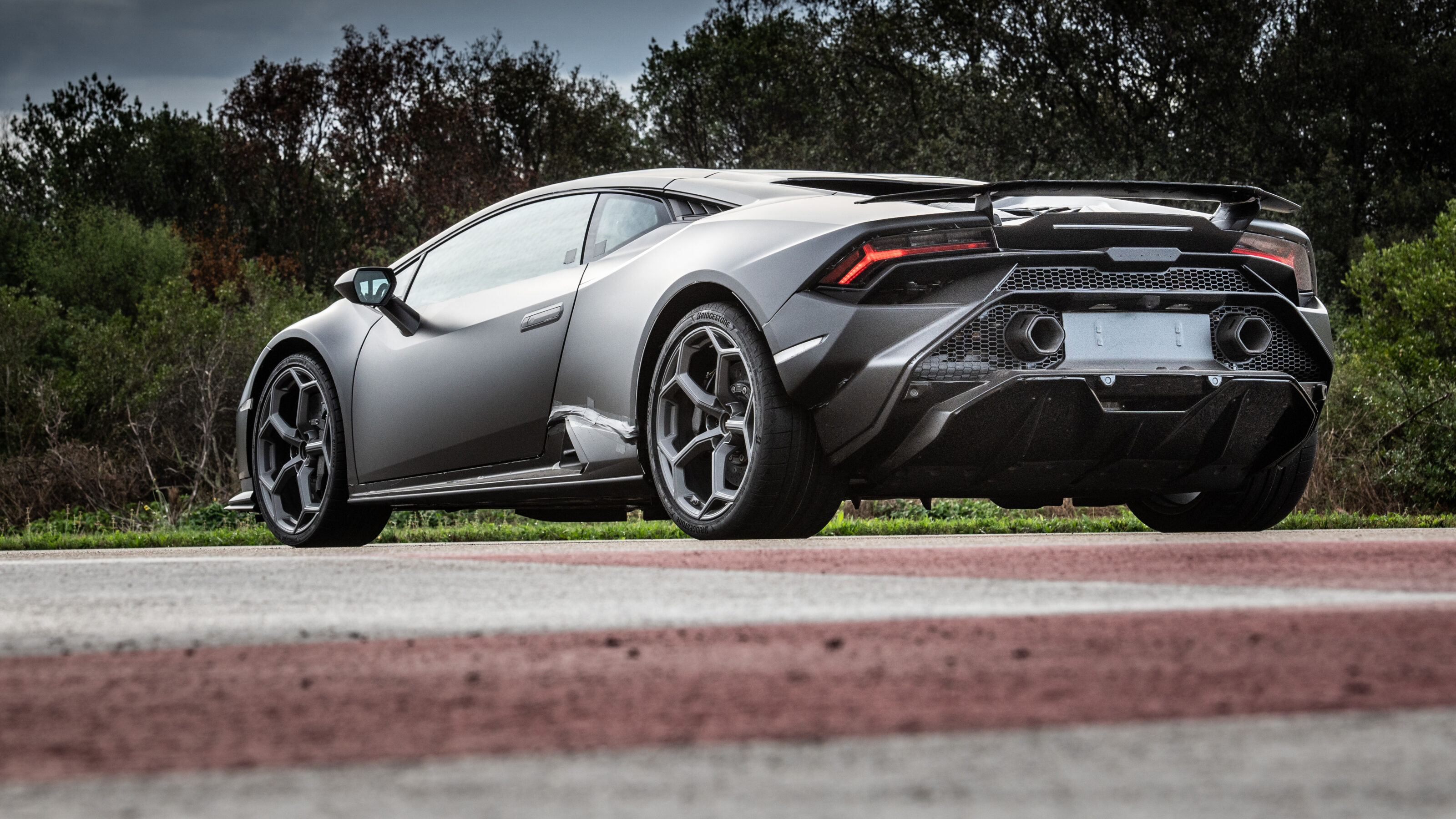
Lamborghini and its Audi parent brand share the vocal and brawny V10 engine that went into production 20 years ago in 500bhp (373kW) 5.0-litre guise. After half a dozen updates, the latest 5.2-litre iteration is good for a remarkable 477kW, but when the EU7 emission bludgeon strikes in 2025 or 2026, it will long have been replaced by a turbocharged 4.0-litre V8 developed and built in-house specifically for the Huracan successor.
The Tecnica is the newest version of an old car that has aged well. In terms of overall merit, however, it cannot compete against fresh fare like the Ferrari 296GTB, and even the McLaren Artura and the Maserati MC20 are bound to be tough acts to follow.
The latest 5.2-litre iteration is good for 477kW, but when the EU7 emission bludgeon strikes in 2025 or 2026, it will long have been replaced by a turbo V8
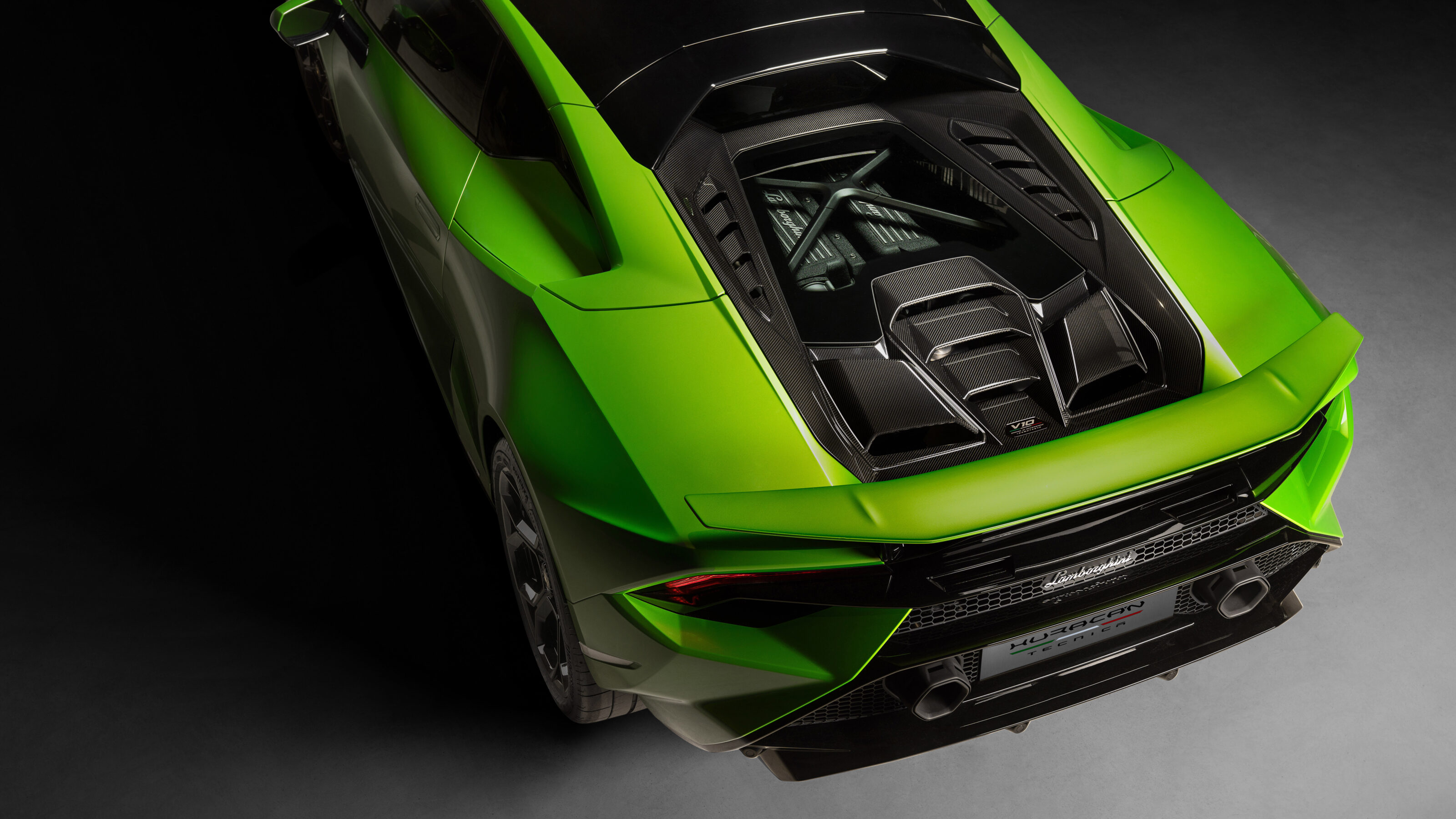
Potentially compromising the Tecnica’s mission is its positioning between the RWD STO and the AWD/RWD Evo. While the pricey STO was a no holds barred sportscar capable of dicing with the sharpest blades in the business, the Evo is a powerful mid-engined uber-GT clad in a head-turning livery that mixes late Versace and early Philip Plein touches with a twist of Vivienne Westwood frivolity.
As far as the numbers go, the difference in price is notably more spectacular than the performance-related nuances, the lap times and the fuel consumption results.
Nobody speaks the Lamborghini design language as fluently as styling chief Mitja Borkert, who created more one-offs and few-offs for the brand from Sant’Agata than any of his predecessors. With the Tecnica, he took the trademark wedge shape to the next level of refinement, efficiency and coolness.
The more elegant revised greenhouse mimics the Essenza SCV12, the two hexagonal exhaust end pieces repeat an omnipresent visual cue, the fixed rear spoiler relays that coveted Supertrofeo touch, and the Y-shaped light graphics and front air intakes shout Lamborghini even from a distance.
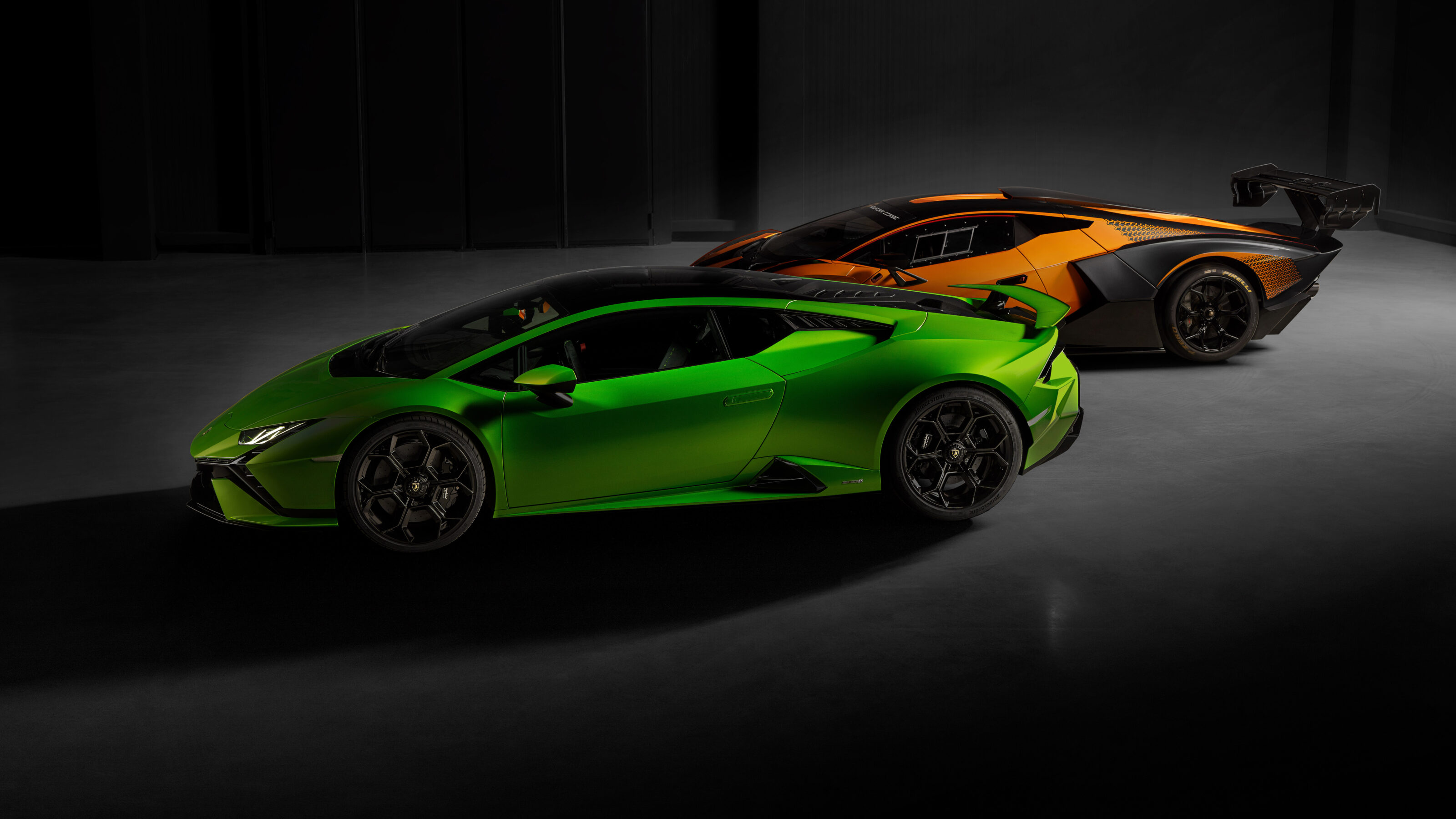
While the height and width are unchanged, the spectacular aero aids add 61mm to the overall length of the car. More importantly, they increase downforce by 35 per cent while at the same time reducing drag by 20 per cent. According to Lamborghini, this improved aerodynamic balance substantially enhances turn-in grip and high-speed stability.
Entering a Lamborghini invariably feels like trying on a garment that is at least one size too small. Somehow, however, even the tightest-fitting cabin proposed by il ragazzi Bolognese so far managed to accommodate the writer’s big and tall frame without immediately suspending the most elementary bodily functions.
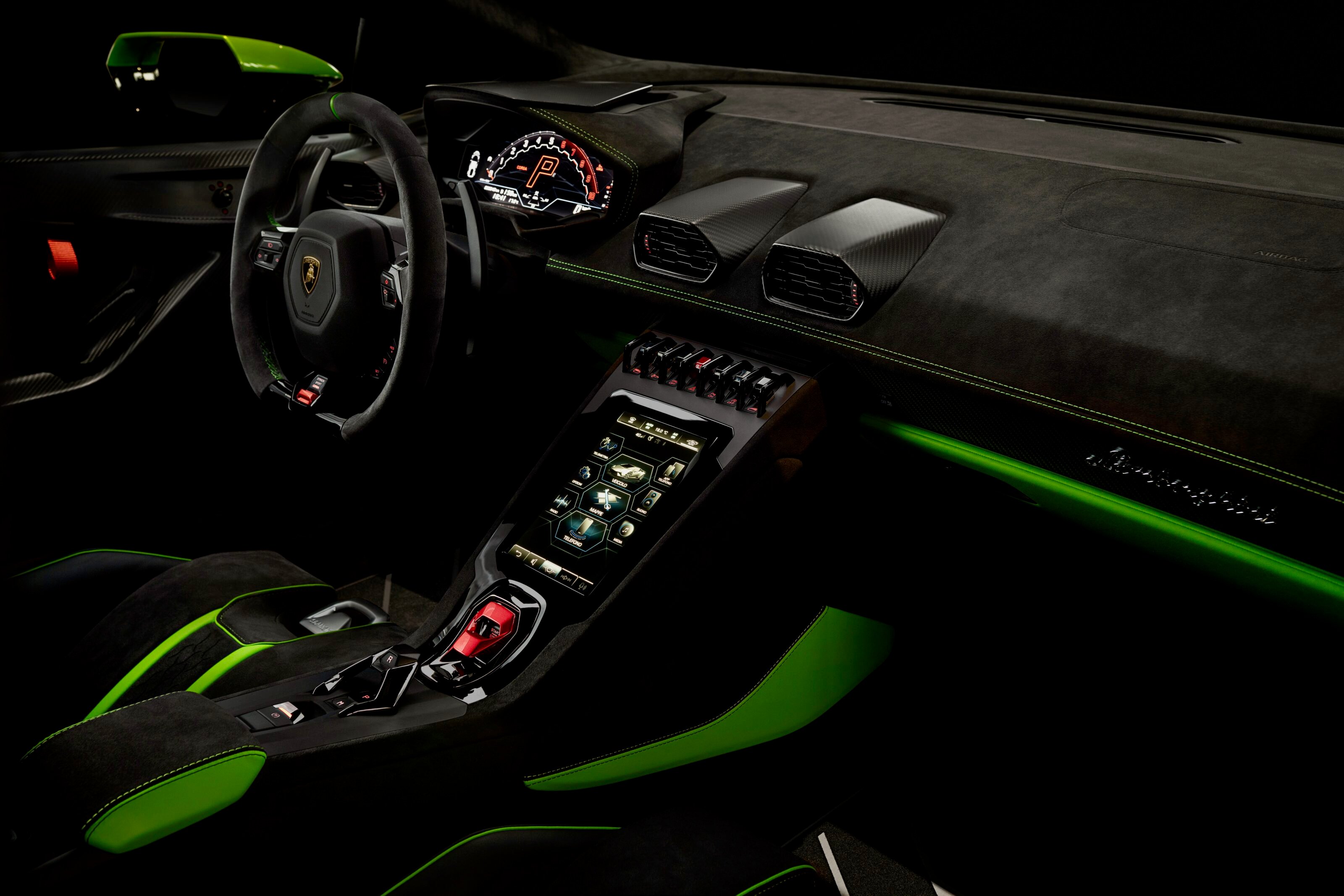
The main cockpit novelty is the restyled centre console, which houses a higher-tech HMI system along with the trademark gated starter button
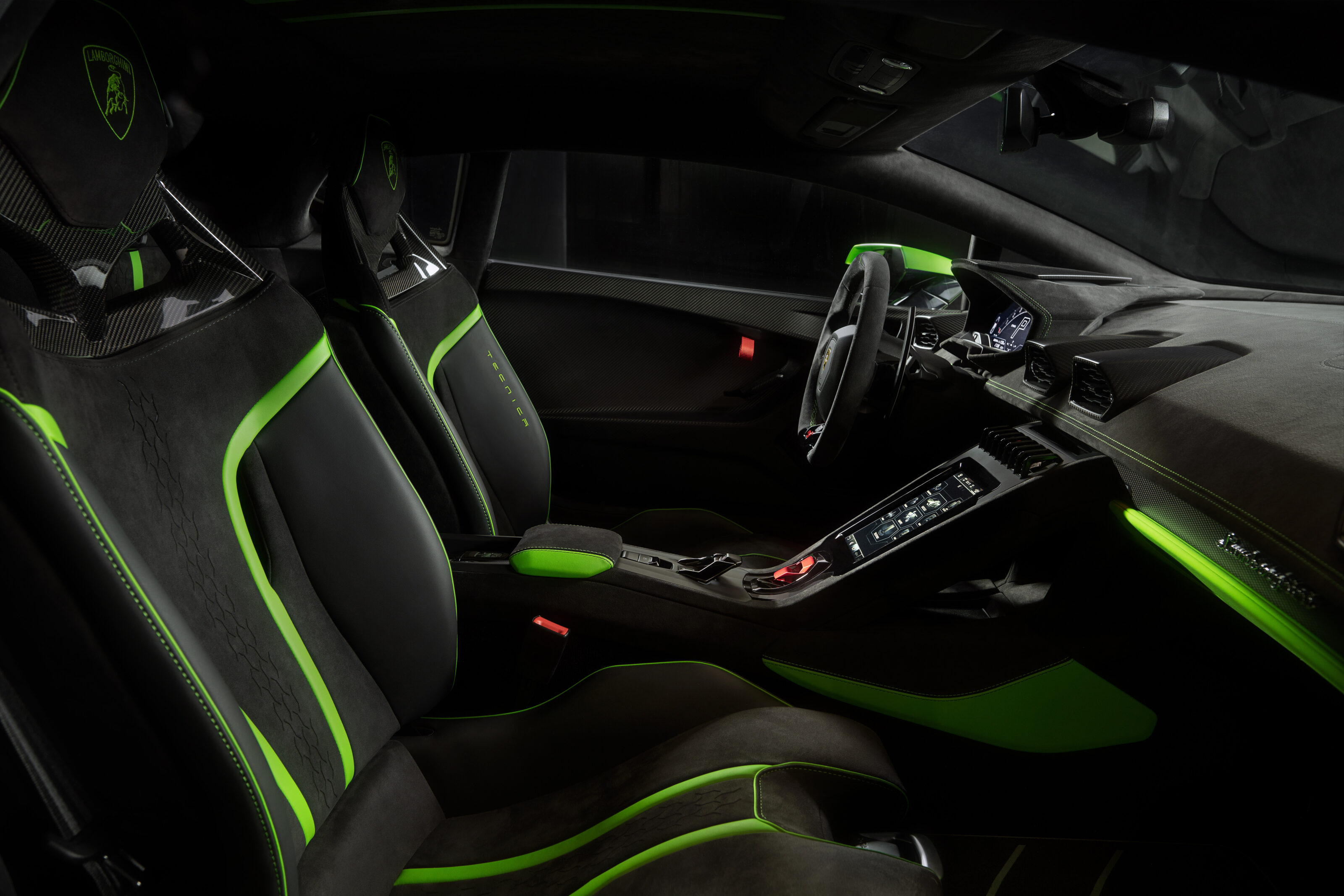
As opposed to the STO, the Tecnica seats are height-adjustable, their extra-thin padding a bonus for some and with the four-point safety belts pulled tight, man and machine bond with what feels like superglue finitude.

The main cockpit-related novelty is the restyled centre console, which houses a higher-tech HMI system along with the trademark gated starter button and the secondary switchgear.
Graphic arrangements are arguably even more cluttered than earlier Audi-derived pictogams, but the information is now more detailed and comprehensive. Downsides include the small upright monitor and the accordingly poor legibility.
Although customers can choose between lifestyle-oriented and overtly sporty cabin trim, all three pre-production test cars were shrink-wrapped track-day specials.
The Evo’s single round centre instrument has given way to a new layout comprising a huge gear indicator, tiny digital speedometer, semi-circular rev counter, two pairs of bar graphs on either side, an almost illegible g-force indicator and the usual odometer, distance to empty, time and temperature readouts.
It sounds cramped but is actually relatively easy to use and certainly less gaudy than the rainbow-coloured displays seen in certain previous models.
The Anima driving programme selector that used to ride in the centre stack is relocated to the bottom of the steering wheel in the Tecnica. The three modes labelled Strada, Sport and Corsa can be overridden by a quick flick at the damper and stability control rocker switches.
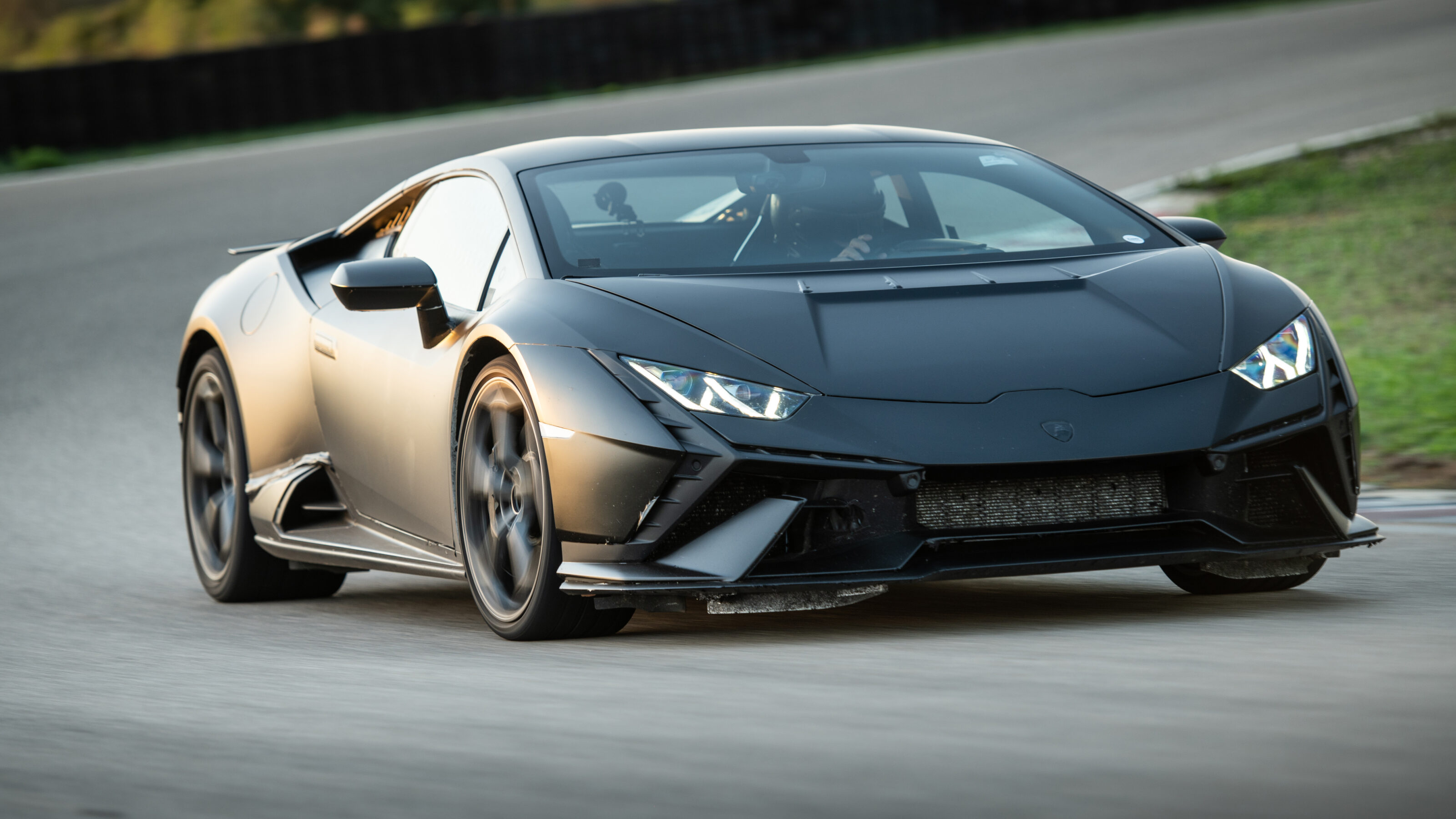
Every type of engine has its unmistakable voice, sings a unique tune, fires to a bespoke order, follows the composition of a tailor-made ECU. Turbocharged powerplants often sound like mechanical big bands backed up by all sorts of artificial whining, whistling, hissing and rumbling supporting acts.
The naturally aspirated V10 is in contrast a reduced chamber orchestra devoid of shamming synthesisers and overkill amplifiers. You hear what you get, and you get an unfiltered intake, combustion and exhaust jam session.
Give it stick, and your ears will go pop in a bone-dry phonetic climax. Lift off, and the acoustic ivory tower collapses in minor acoustic earthquakes
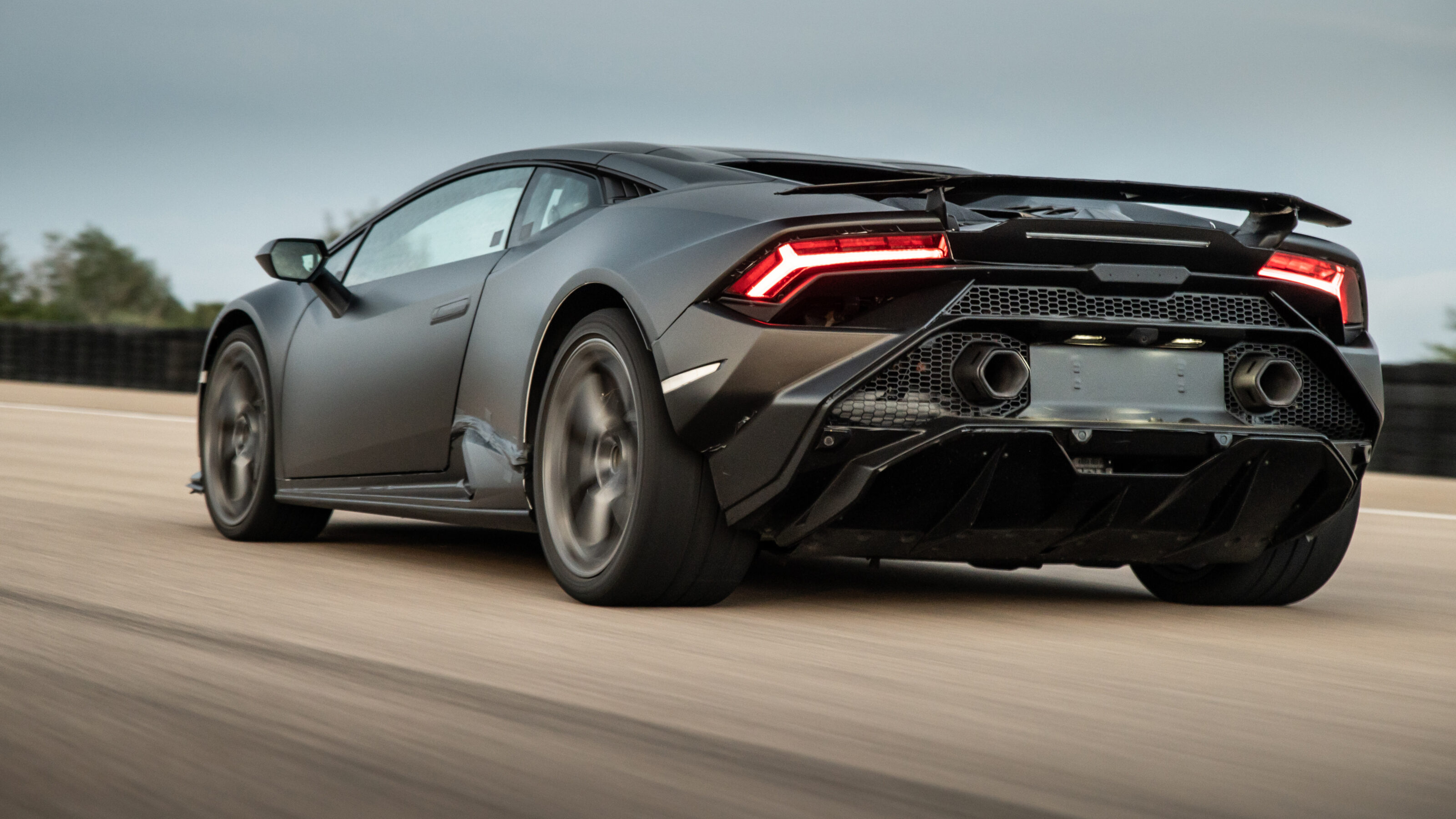
When summoned, the starter motor explodes like a miniature hand grenade, the neither here nor there idle speed struggles to coordinate the team hangover and revs build with the growing intensity of synchronised machine-gun fire.
Give it stick, and your ears will go pop in a memorable bone-dry phonetic climax. Lift off, and the acoustic ivory tower collapses in a series of minor acoustic earthquakes. Keep the V10 spinning above 5000rpm, and the almost linear wah-wah will billow out like a megaphone stuck on full song.
It’s neither the 3.2sec 0-100km/h acceleration nor the 322km/h top speed or the fictitious 13.9L/100km economy rating that grab you by the wrists or make the heart beat faster.
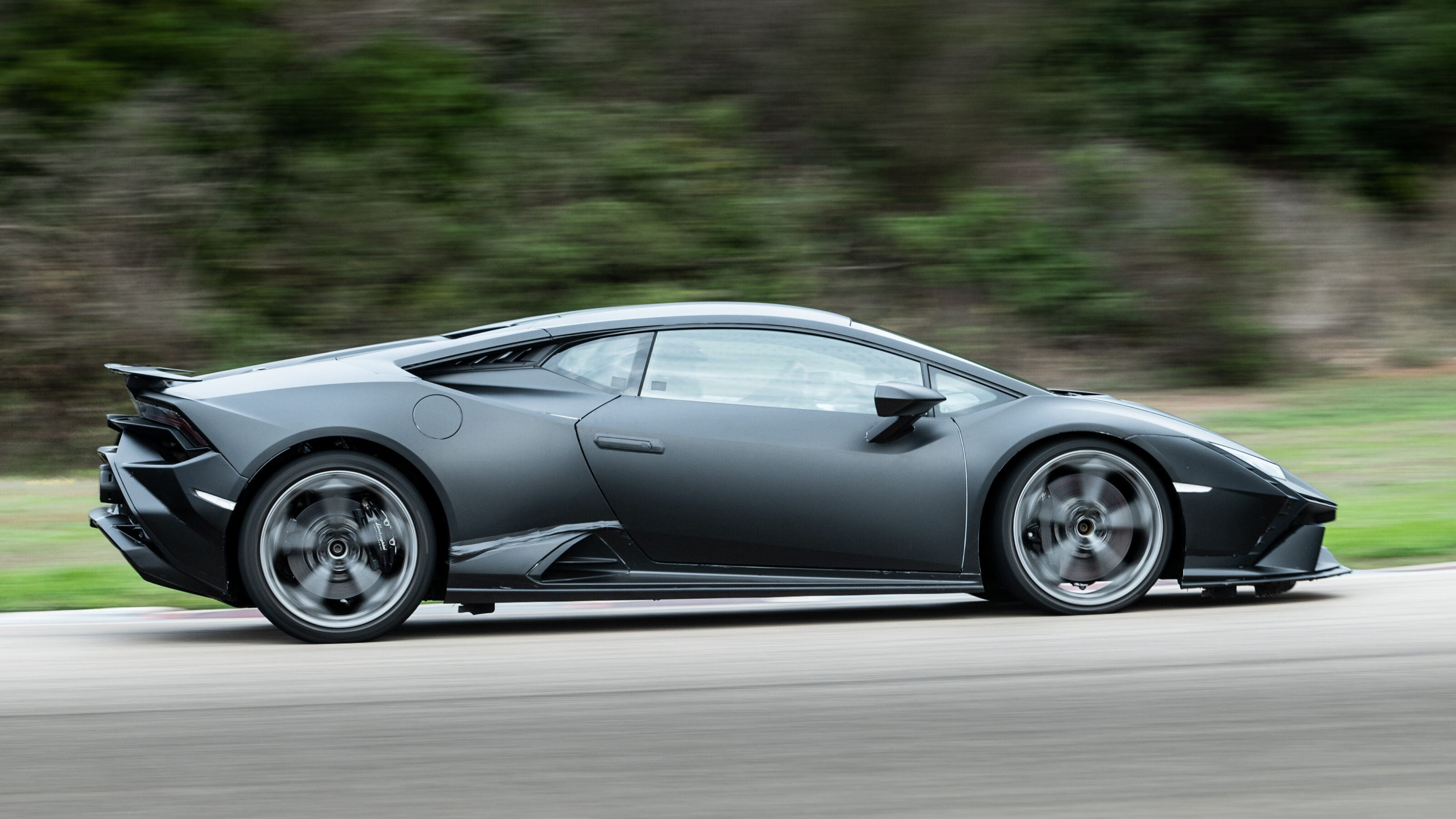
It’s not the 640 horses or the 565Nm of maximum torque that pump more adrenalin into the bloodstream either.
What does the trick here is the persistently high level of excess. Everything this car does happens close to or right at the respective peak.
Full torque equals a yelling, roaring and hammering 6500rpm. Full power requires an even more intense 8000rpm. Full throttle is capped by the limiter at a deafening 8200rpm. Lambo being Lambo is of course waxing lyrical about the improved acoustic comfort, the sharper engine note at high revs, the brand-specific sound emotion and the altogether more physical driving experience.
Fact and fiction, in debatable order.
Strada is the setting of choice for the bleached and bumpy Mussolini-era tarmac that typically crusts the ancient byways around Nardo and in the poorer parts of Puglia. Sport is a safe bet for the first rain after a long dry period, for the first lap on an unfamiliar circuit and for the first attempt at showing off without paying dearly for it moments later.
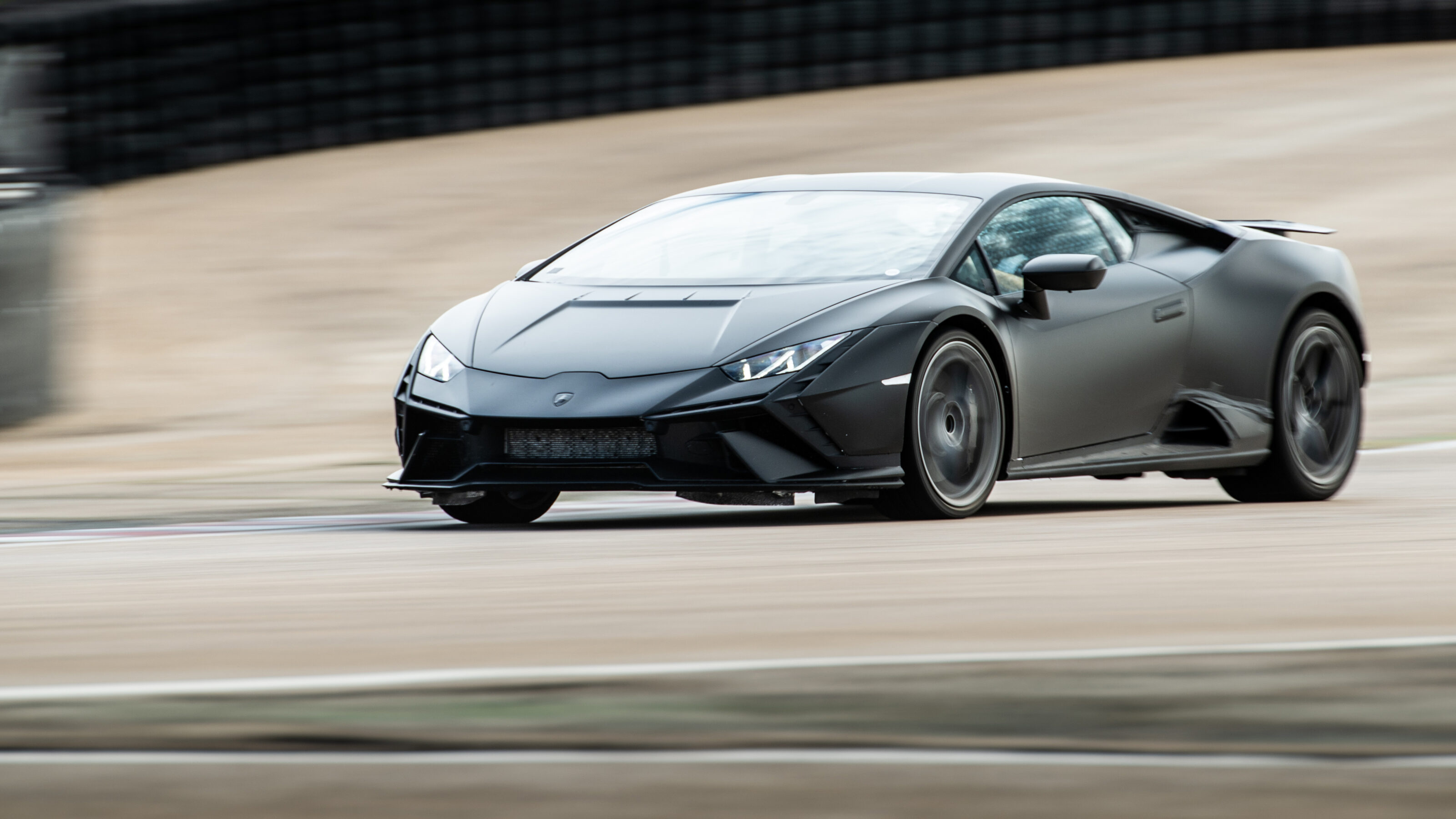
For all other purposes, Corsa is what moves the Huracan Tecnica away from Evo suavity and a big step closer to STO commitment. True, the STO is even more extreme in terms of suction-cup downforce, admirable lift-off stability and astonishing turn-in speed. But this impressive single-mindedness does narrow the balance beam to an extent only professional ballerinas can master without putting a step wrong.
The Tecnica is more accessible and more forgiving overall. It won’t punish you for taking a little longer to adapt to the timing, input and response sequence that is best for any given track. Missing the brake point by half a car length, turning in fractionally too late or taking too much momentum into a corner does not automatically spell drama or even disaster either.
In Corsa mode, the Tecnica raises its ambitions … the rear-wheel steering adds more precision to that looming touch of on-demand oversteer
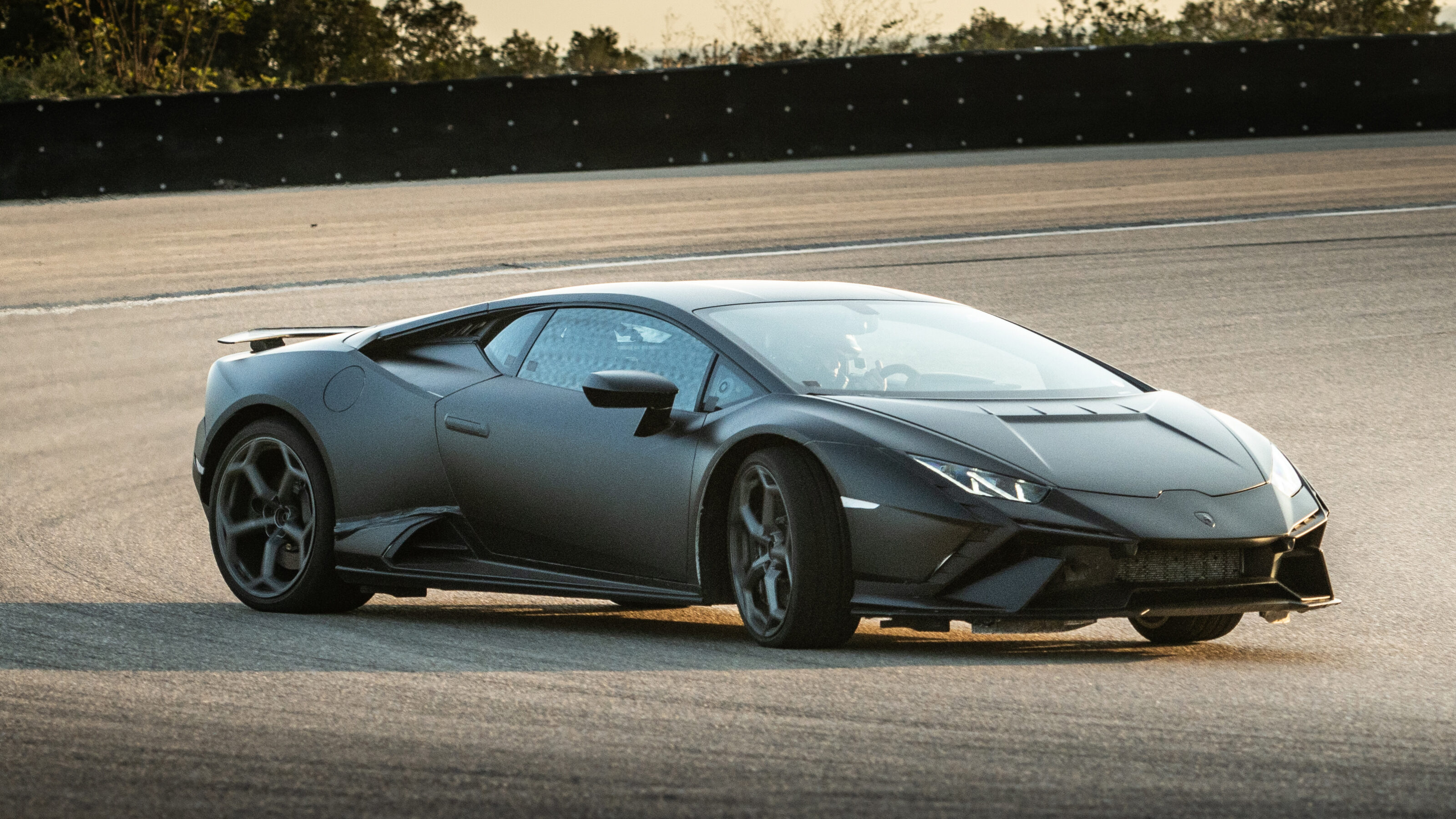
In Corsa mode, the Tecnica raises its ambitions based on the extra talent it fields over the Evo. The rear-wheel steering adds more precision to that looming touch of on-demand oversteer. Traction control permits a little more slip while further enhancing the lateral and longitudinal grip.
The throttle response duly speeds up from lightning fast to surreal-instant. The seven-speed transmission whips the gears through the invisible gate with masochistic brutality. The electronic mastermind that coordinates the three drive modes is dubbed LDVI, short for Lamborghini Dinamica Veicolo Integrata.
In the brand’s hedged marketing speech, it delivers feed-forward pre-control in virtual real-time. Come again? In real life, blasting up and down the awesome Nardo handling circuit, the ultimate eye-openers are the positively riveting, fade-free carbon-ceramic brakes that benefit from a much-improved cooling and heat-dissipating network.
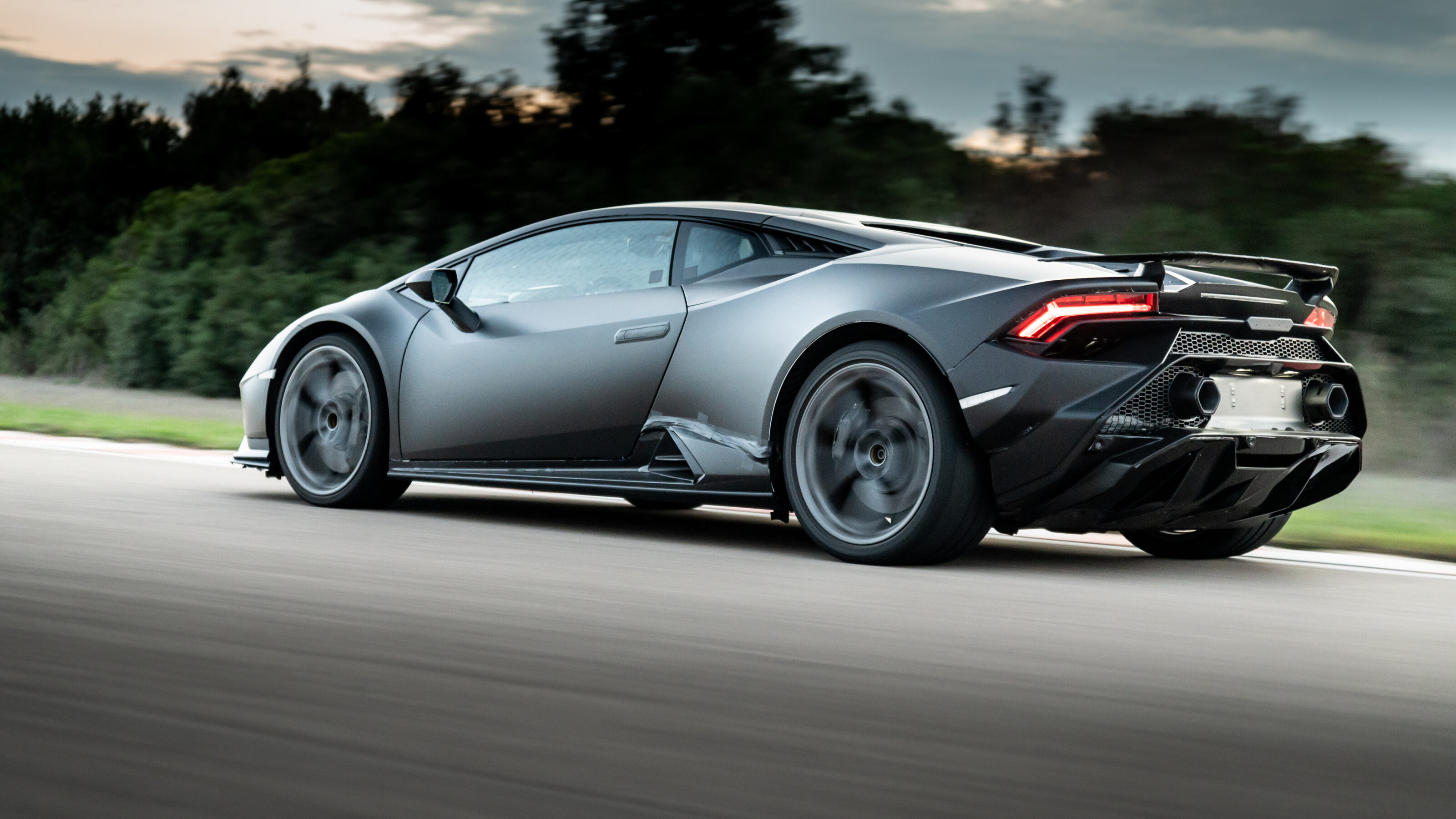
The STO is quicker still and almost 32km/h faster at the end of the longest straight, but with all electronic aids switched off, it requires more skill and faster reflexes than the comparatively benign Tecnica. In places where the sold-out batmobile would pitch and yaw, snap and bite, attack and let go again, the new in-between offering feels more progressive, better balanced and notably creamier around the limit of adhesion.
True, there is a little more body roll, brake dive and corner exit tail wriggle. But at the same time, the Tecnica promises and delivers an extra dash of composure and compliance – not too much to spoil the fun, yet enough to widen the margin of error and with it the comfort zone. Although the more homogenous set-up does make it a little easier to overdrive the front tyres, the steering, brakes, chassis and drivetrain interact on a higher level of professionalism. As a result, the physique is not battered when you step out of the car whereas the mind is already contemplating an encore.
The Tecnica is both beauty and beast, track tool and autostrada dominator, café racer and B-road conqueror. It stimulates all seven senses like every proper Lamborghini should
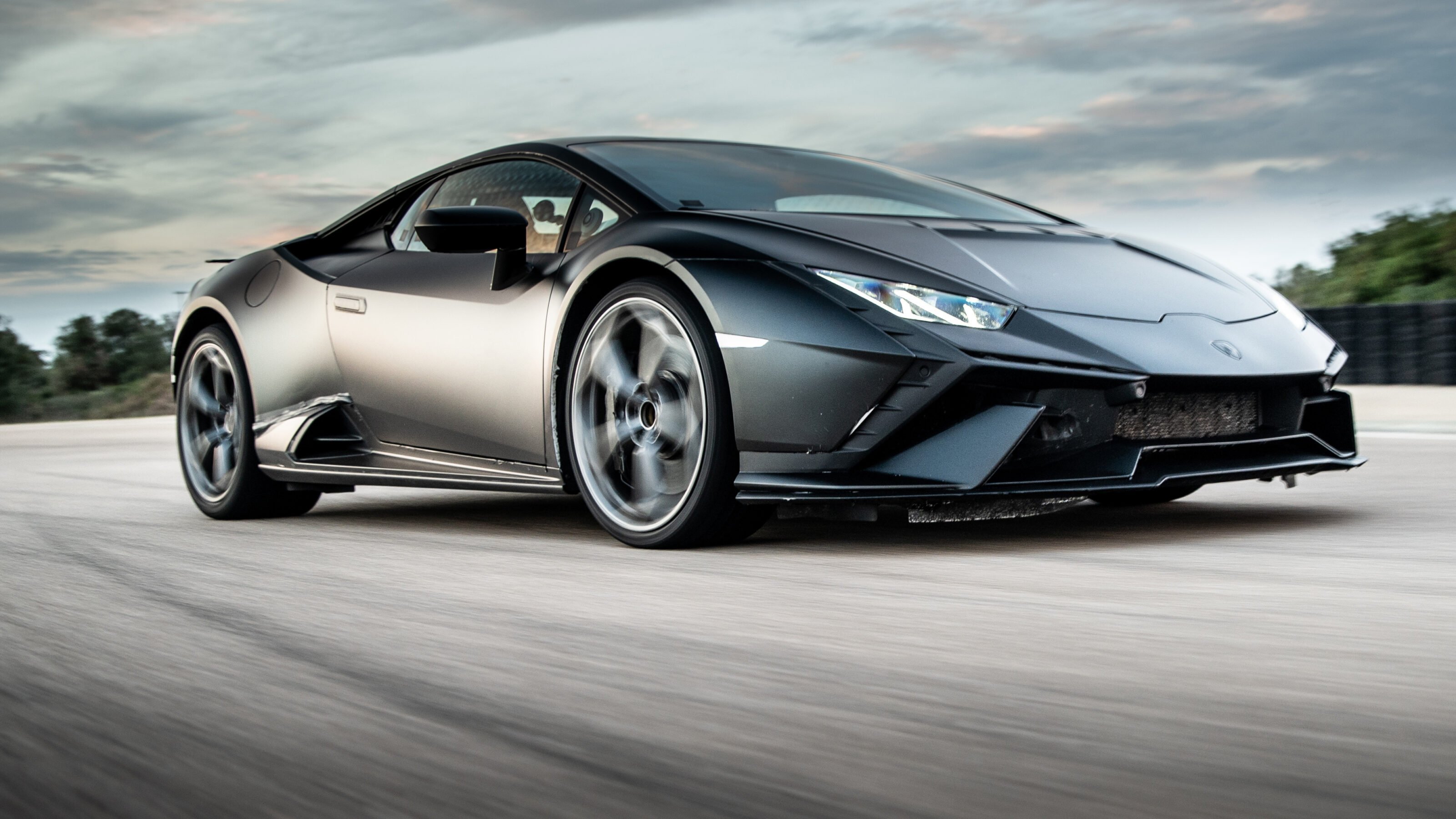
The Tecnica is both beauty and beast, track tool and autostrada dominator, café racer and B-road conqueror. It stimulates all seven senses like every proper Lamborghini should. The marque’s least aggressive model is perhaps the limited-edition Countach, the most extrovert effort is the now-defunct Aventador SV. Visually, the Tecnica is more middle ground all-rounder than loud poseur.
Engineering wise, it raises the bar thanks to light weight (the manufacturer quotes 1379 kilos), superior aerodynamics and improved brake performance. In terms of driveability, it widens the talent span between cruiser and bruiser to the user’s liking. Furthermore, this Huracan successfully conceals its true age with fine build quality, head-turning presence and a strong voice that is always worth listening to.
As a hardcore sportscar, its heyday is over. As a statement of style and substance, however, the V10-engined classic already owns a front-row space in the gallery showcasing our favourite yesterday heroes.
VERDICT
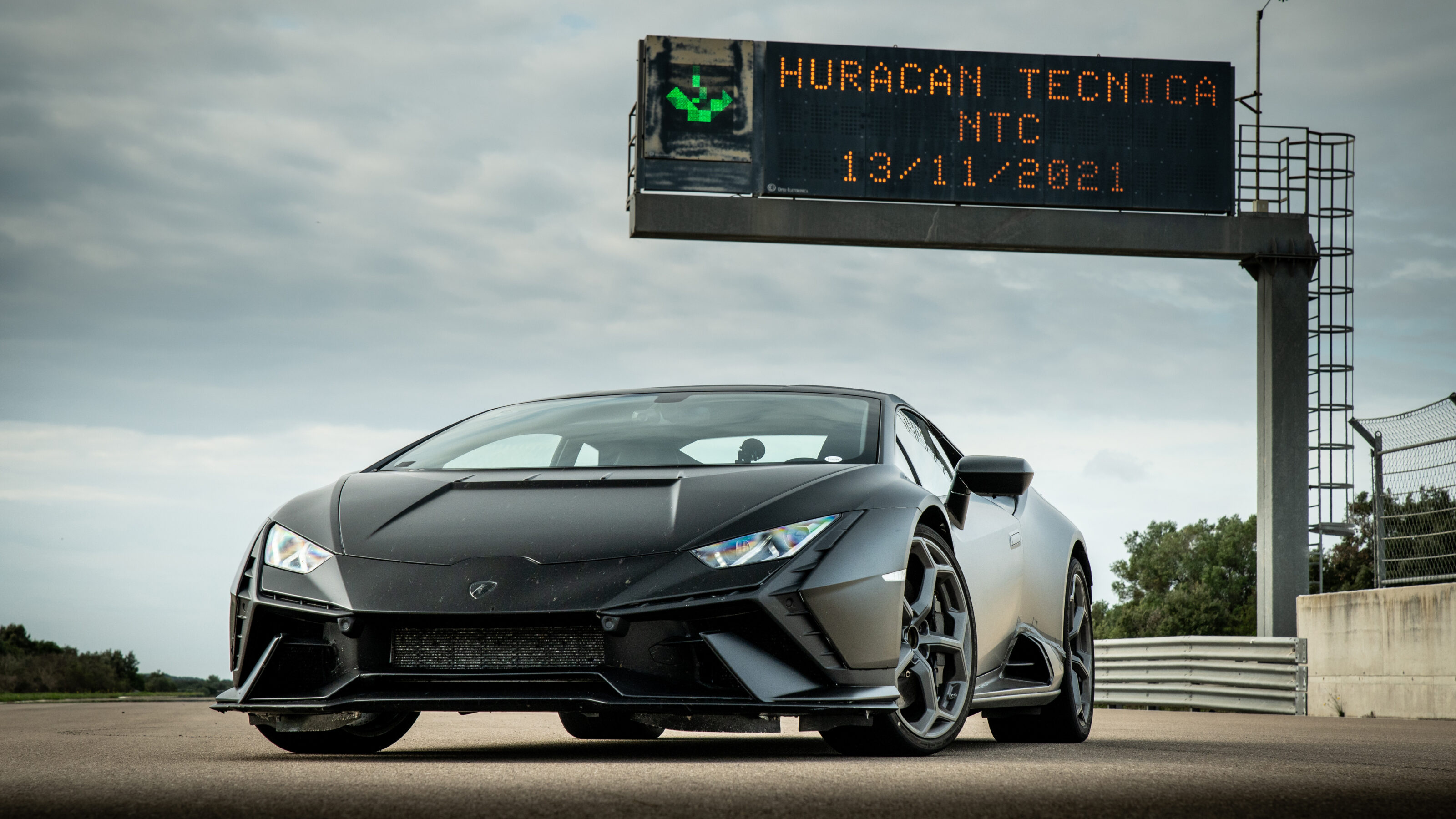
The Tecnica slots in between the Huracan Evo and the STO. Only available in RWD form, the new arrival is a Lambo through and through – high on excitement and show-off value, but dynamically distanced by the F8 Tributo and the 296 GTB.
An emotional testament to the brand’s glorious past, the Aventador’s little brother will eventually be replaced by a hybridised two-seater developed from scratch.
2022 Lamborghini Huracan Tecnica specifications
Snapshot
- Volvo’s second pure-electric model here
- Pricing starts from $74,990 before on-roads
- Two variants available from launch
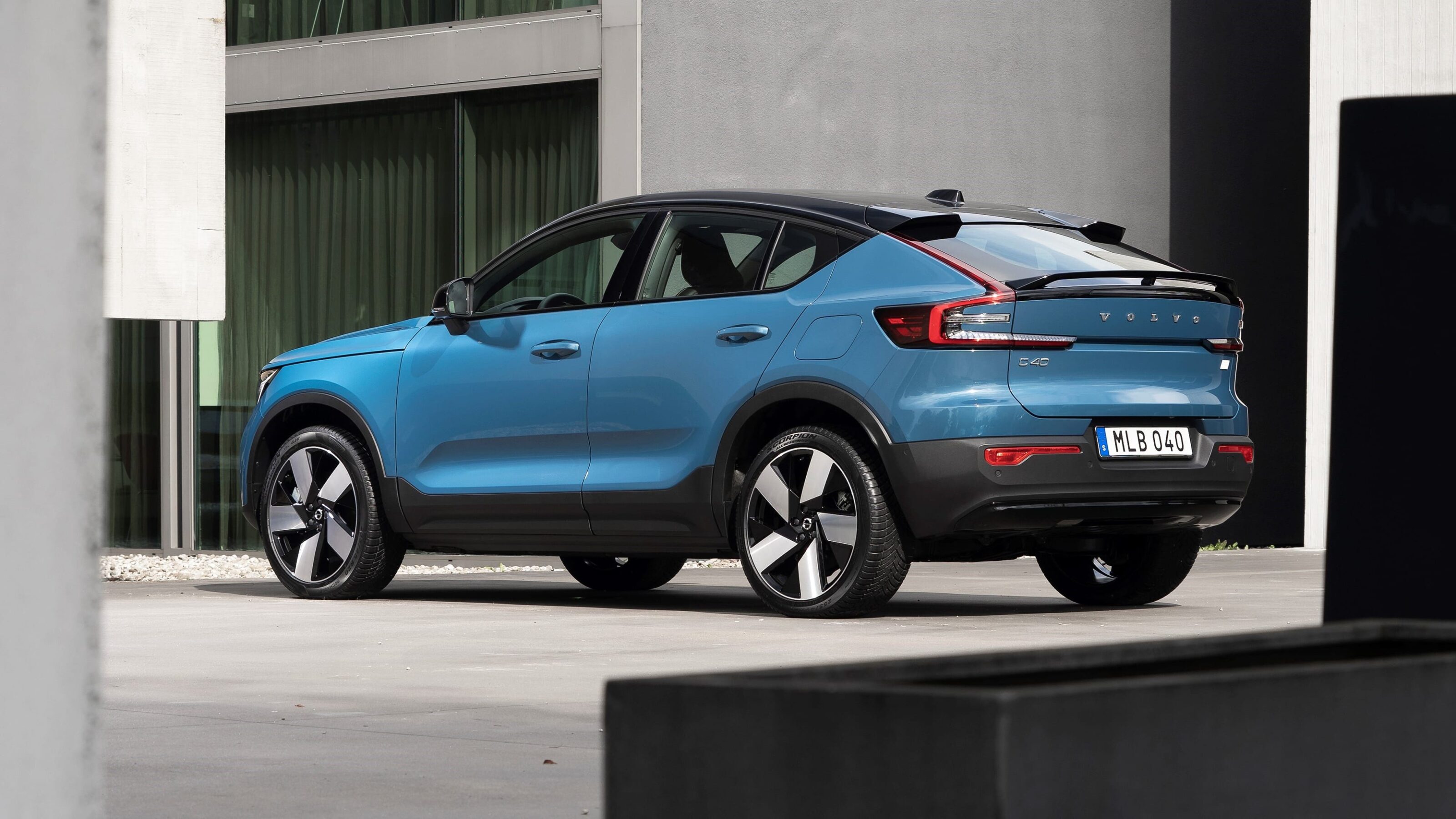
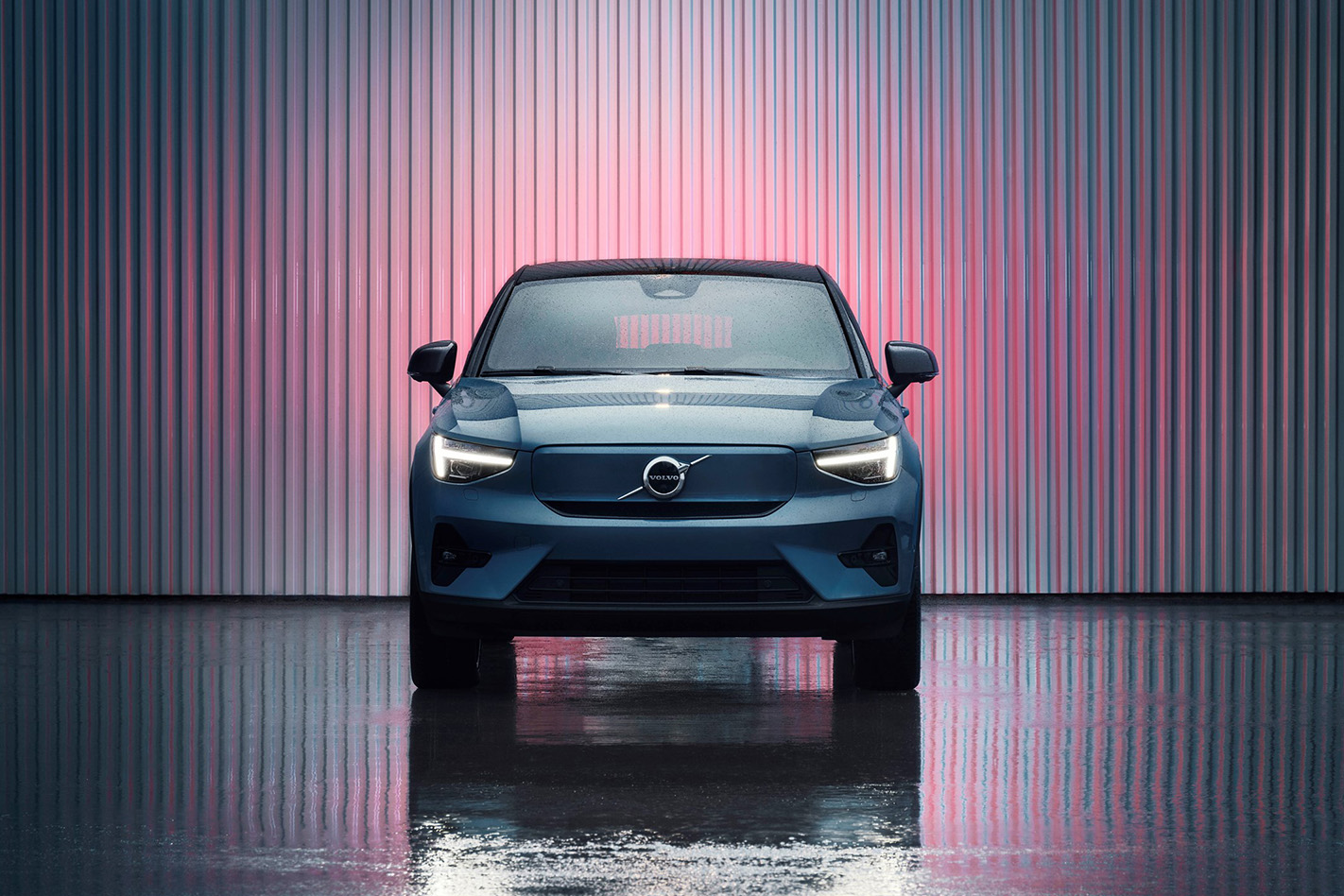
Pricing and features for the 2023 Volvo C40 Recharge have been announced for Australia, with the brand’s second fully-electric model due to arrive in the third quarter of this year.
Based on Volvo’s Compact Modular Architecture (CMA) vehicle platform, the C40 Recharge follows the XC40’s entrance into the local market, priced from $74,990.
In Australia the Volvo C40 Recharge will be available in both dual- and single-motor variants, with two different battery sizes also on offer.
2023 Volvo C40 Recharge Australian pricing
| Variant | Price |
| Single motor | $74,990 |
| Dual motor | $82,490 |
Features
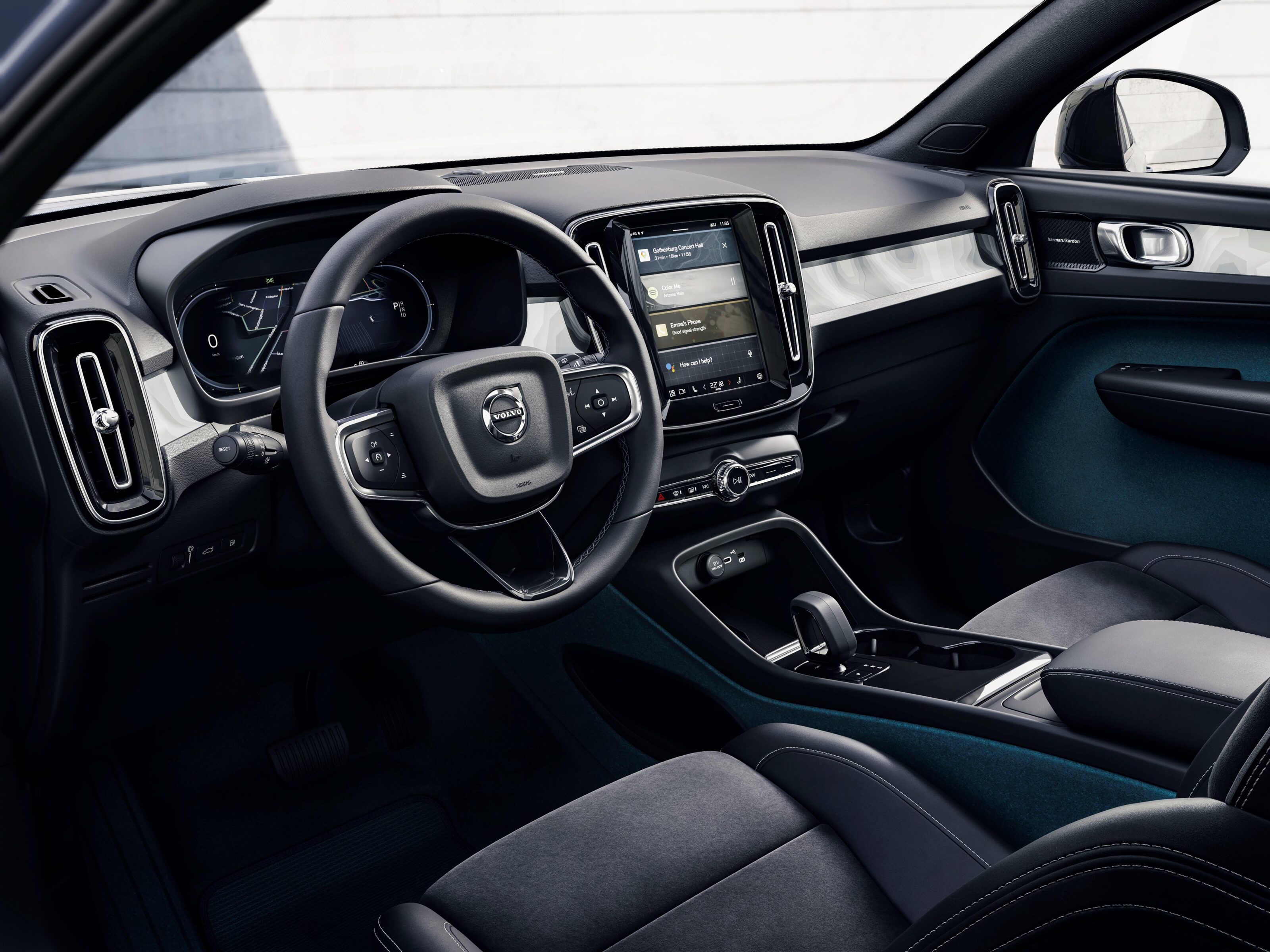
Like its XC40 Recharge sibling, the C40 Recharge comes with Volvo’s next-generation infotainment system, jointly developed with Google and based on the Android operating system – with apps and services such as Google Maps, Google Assistant and Google Play Store built in.
The C40 Recharge will be capable of receiving over-the-air software updates, and comes with unlimited data for “superior connectivity”.
“The future of Volvo Cars is electric, and the C40 Recharge is the first model in Volvo’s history designed as pure electric only,” said Volvo Car Australia’s Managing Director, Stephen Connor.
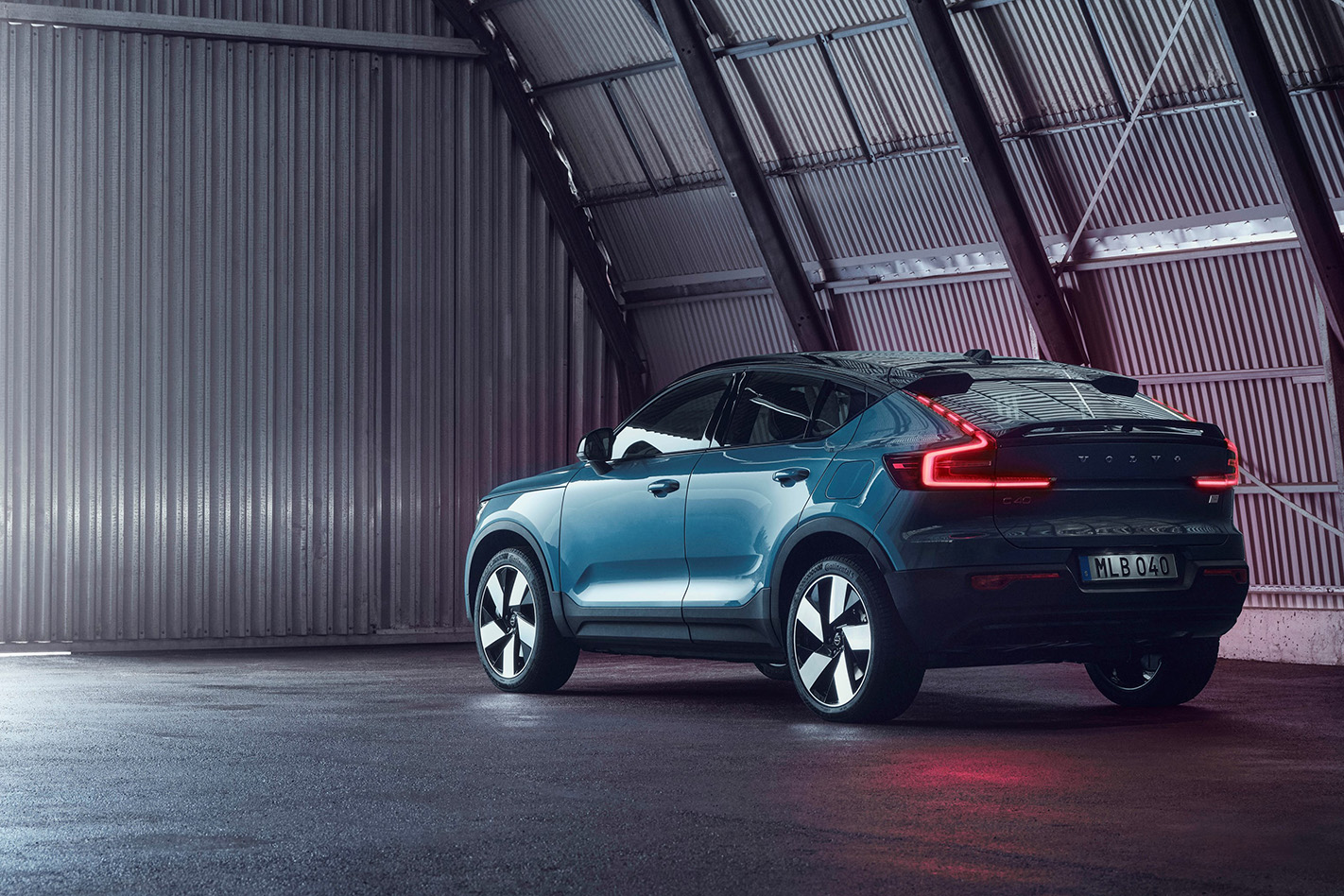
“It has the personality of the very popular XC40, but it’s more dynamic with a sleeker profile. It’s a very attractive car for people who are looking for the easyto-live-with aspects of an SUV with more of a modern statement.
“The launch of Volvo C40 Recharge is another step along the way to Volvo’s goal of making all-electric account for half the cars we sell globally by 2025, as part of an overall plan to go completely pure-electric by 2030.”
Additionally, it is the first Volvo model to be completely leather-free, with the carmaker also employing blockchain technology to trace where its battery partners source cobalt from to ensure the essential material is ethically sourced.
| 9.0-inch centre screen display |
| Smart telephone integration |
| Speech function |
| Inductive charging for smartphones |
| Keyless entry |
| Hands-free tailgate |
| Electronic folding exterior mirrors |
| Panoramic roof |
| Auto dimming internal and external mirrors |
| Thoru2019s Hammer LED headlight system |
| Origin interior du00e9cor inlays |
| Dual-zone climate control system |
| Heated front seats |
| Heated rear seats |
| Front and rear carpet mats |
| Power folding rear headrests |
In addition, the dual-motor all-wheel drive variant gets:
| 20-inch five-spoke black diamond-cut alloy wheels |
| 360-degree camera |
| Harman Kardon premium sound system u2013 with subwoofer |
| Microtech and textile interior (topography du00e9cor) |
Metallic paint is included in the price as a no-cost option.
Powertrains, charging, and driving range
Initially it was only expected the C40 Recharge would come to Australia in dual-motor guise, however the manufacturer’s local arm has announced today that it will indeed also be offering the single-motor variant as well.
Powering the single-motor front-wheel drive grade will be a 69kWh battery, which can go from 10 to 80 per cent charge in as little as 32 minutes – eight minutes less than the largerbattery – and offers a claimed 434 kilometres of driving range by the WLTP standard.
Meanwhile, inside the dual-motor all-wheel drive variant is a78kWh lithium-ion battery, which provides an estimated 420km of driving range and can be charged from 10 to 80 per cent capacity in 40 minutes with a 150kW DC fast charger.
Power and torque outputs have only been provided for the dual-motor at this point in time, and are said to be 300kW/660Nm – propelling the EV to 100km/h from standstill in 4.7 seconds.
Safety
As standard, the 2023 Volvo C40 Recharge gets safety equipment such as:
| City safety collision warning and mitigation, front and rear |
| Park assist, front and rear with camera |
| Blind-spot information system with cross traffic alert |
| Adaptive cruise control |
| Pilot assist |
| Lane keeping aid |
| Parking assistance, front and rear |
| Hill start assist |
| Hill descent control |
Warranty and servicing
Both C40 Recharge variants come with Volvo’s five-year/unlimited kilometre warranty, an eight-year roadside assistance package, eight-year battery warranty and two-year interval servicing.
Availability
The 2023 Volvo C40 Recharge will be available for delivery in the third quarter of this year.
