
Snapshot
- OM 654 diesel replaces outgoing OM 651
- Previous passenger-spec Valente renamed Vito Tourer
- Minor equipment updates come for both commercial and passenger Vitos
Pricing and features for the 2022 Mercedes-Benz Vito have been released, with the model gaining the OM 654 diesel engine found across the rest brand’s passenger vehicle range.
Replacing the outgoing OM 651 engine, the 2.0-litre, four-cylinder turbocharged diesel will continue to make 120kW/380Nm in 116 trim and 140kW/440Nm in 119 guise, although it will now be mated to a nine-speed torque-converter automatic.
According to Mercedes, the new engine and gearbox combination will allow for better fuel economy and driving quality thanks to its wider spread of gear ratios over the outgoing seven-speed auto, while the Diesel Particulate Filter (DPF) fitted to OM 654 is closer to the engine block, allowing it to heat up and reach its optimum operating temperature faster.
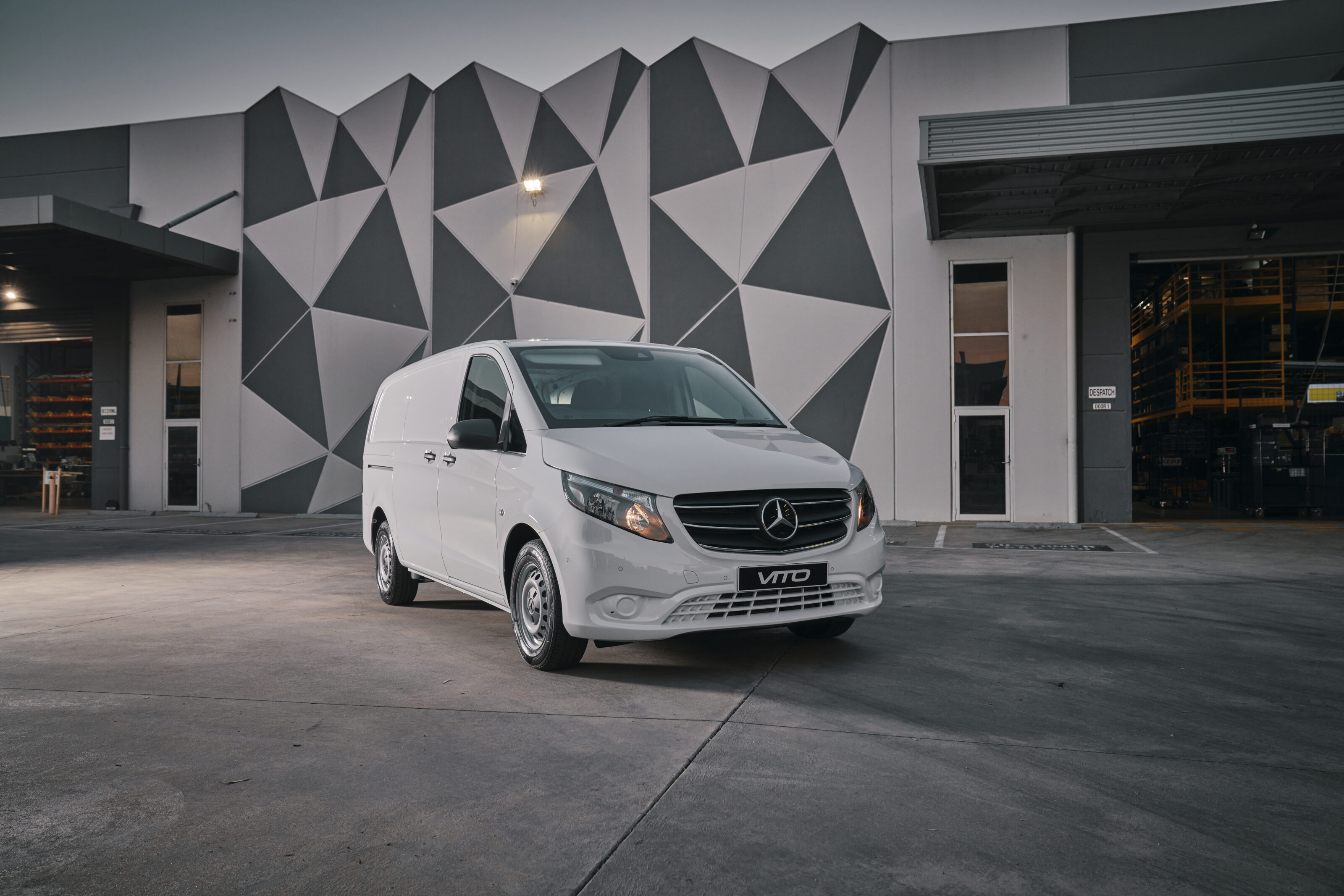
The higher-spec Vito 116 and 119 now feature extra equipment as standard, such as tinted windows, comfort seats, all-season rubber floor mats and DISTRONIC – Merc’s own adaptive cruise control system.
Some of these features will also show up on the new Vito Tourer – replacing the outgoing Valente nameplate while also bringing the 220kW, 380Nm OM 654 and nine-speed auto to the more passenger-oriented van.
To mark the Vito Tourer’s arrival, Mercedes has added DISTRONIC, tinted windows, seat cushion length adjustment, 17-inch alloy wheels and velour floor mats as standard equipment.
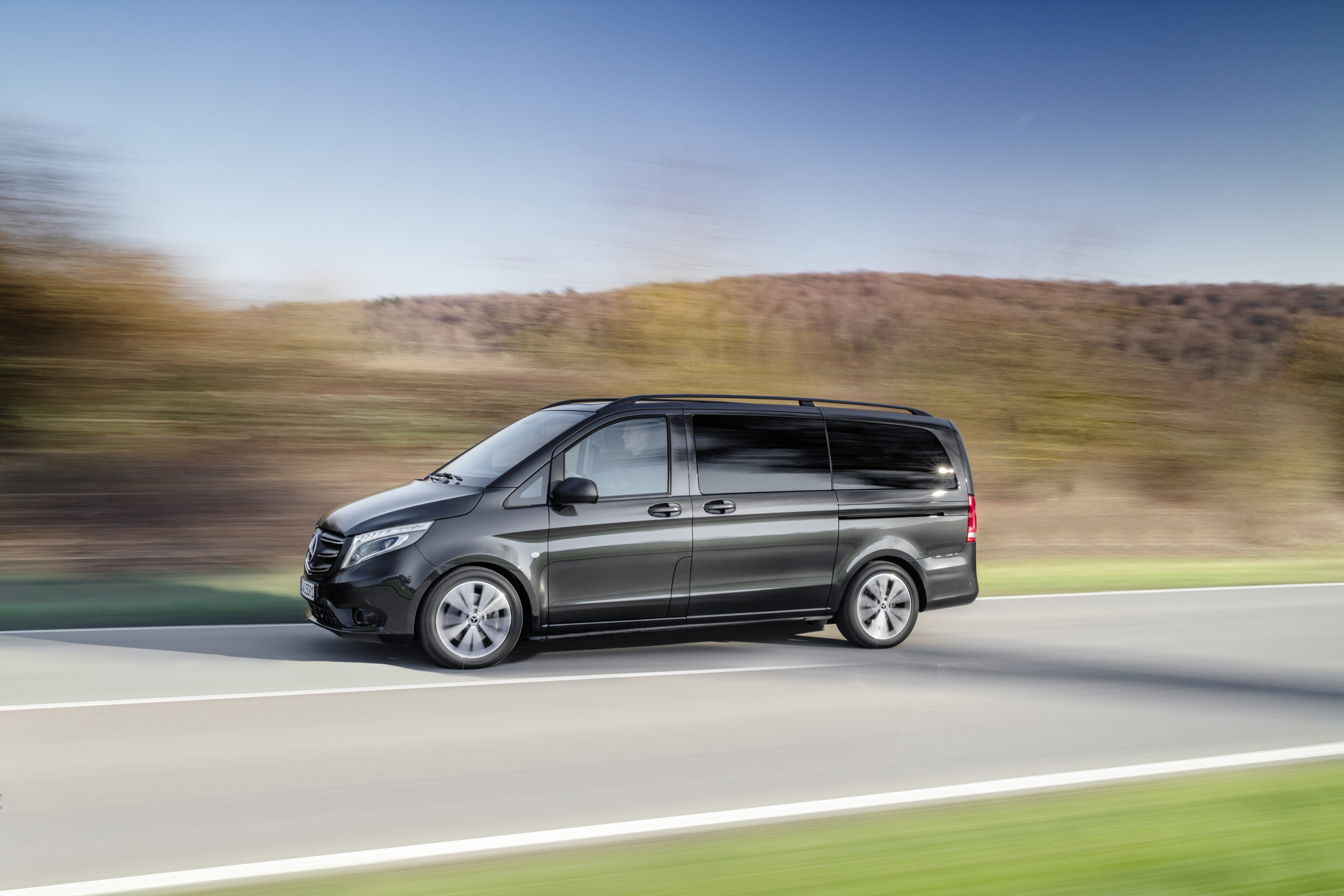
Aligning the Valente to the Vito family by renaming it Tourer allows Mercedes-Benz to implement the eVito into the line-up later this year, joining the range as its first electrified option.
Mercedes-Benz says the changes will take effect for vehicles produced from March 2022 onwards, with the first Australian arrivals expected to turn up in local dealerships from May.
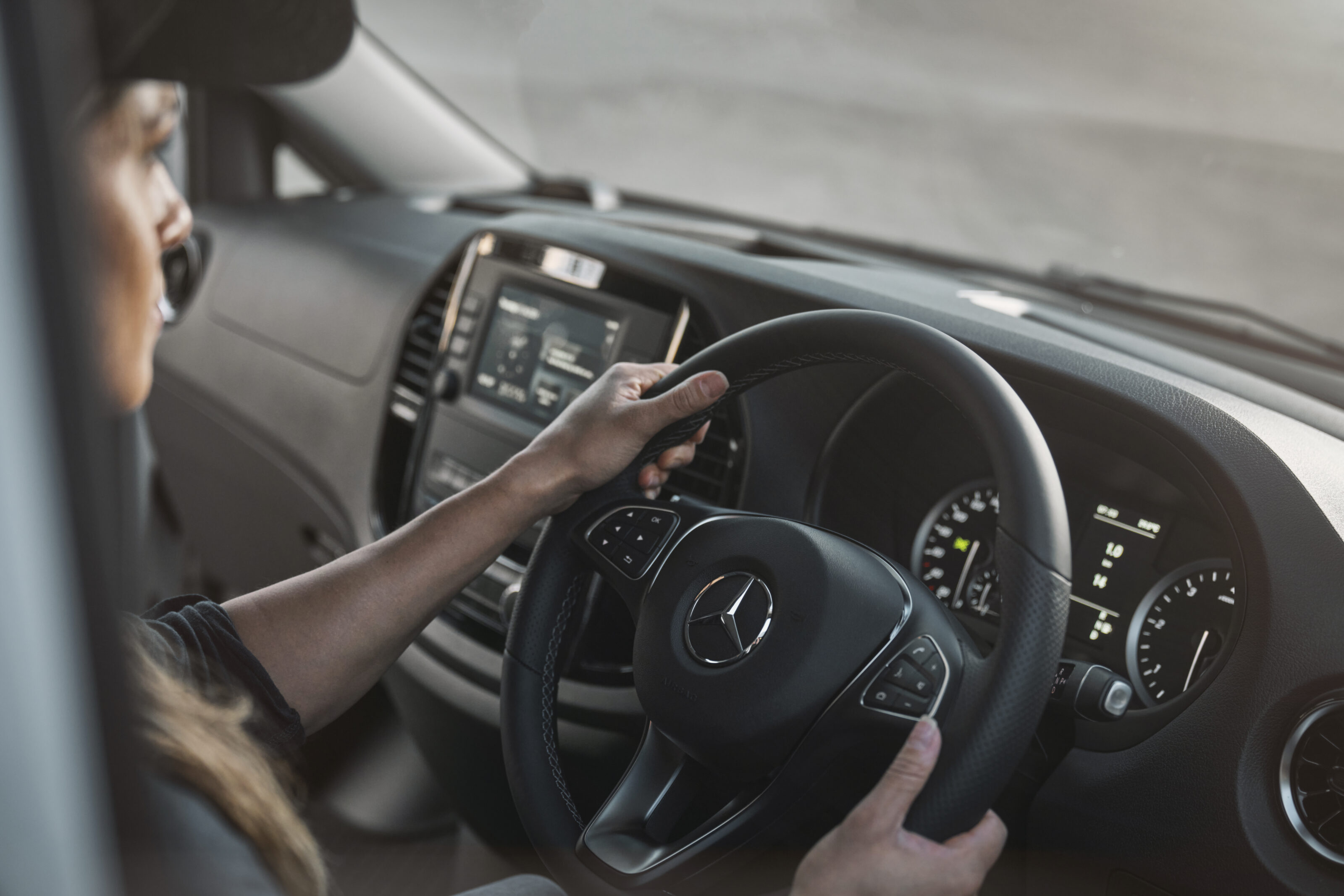
All Vito variants have now gone up in price, with the adjustments ranging from just over two per cent to a touch under seven per cent before on-road costs.
Pricing
Prices exclude on-road costs.
| Model | Price |
|---|---|
| 111 SWB Panel Van | $44,058 (+$1158) |
| 111 LWB Panel Van | $46,318 (+$2218) |
| 116 MWB Panel Van | $57,763 (+$3863) |
| 116 LWB Panel Van | $60,023 (+$3923) |
| 119 MWB Panel Van | $65,779 (+$3629) |
| 119 LWB Panel Van | $68,038 (+$3673) |
| 116 MWB Crew Cab Van | $62,664 (+$4364) |
| 116 LWB Crew Cab Van | $64,923 (+$4423) |
| 119 MWB Crew Cab Van | $70,662 (+$4112) |
| 119 LWB Crew Cab Van | $72,921 (+$4171) |
| Vito Tourer | $70,336 (+$4536) |
UPDATE, September 2022: Refreshed MY23 range and new turbo models
The updated 2023 Subaru Outback is now on sale in Australia, debuting a turbocharged XT model and a number of key infotainment upgrades.
Get the full story at the link below.
Original story continues
2021 Subaru Outback Touring long-term review
- Welcome: Outback hits town
- Part two: Starlink Gazer
- Part three: Subie Lovin’
- Part four: Reporting for duty
- Part five: Sweet sorrow
Welcome: Outback hits town
Price as tested: $47,790 This month: 461km @ 10.1L/100km Overall: 461km @ 10.1L/100km

“Geez, it’s low!” says the Scientist, jumping into the 2021 Subaru Outback for the first time. We’ve done a fair few miles in Everests, MU-Xs and the like of late, so she’s pleasantly surprised entry doesn’t require the expected grab of the Jesus handle.
I imagine her reaction would please the brains trust at Subaru, as it means the new-for-2021 Outback is scanning as an SUV, rather than the high-riding, crossover wagon it actually is. SUV sales are hot and Subaru needs to maintain or grow its slice of that lucrative pie.
Subaru would also be happy that the Scientist and I are smack in the middle of the ‘Ideal Outback intenders’ Venn diagram. To wit, we are current Subaru owners, we prefer wagons to SUVs and we lead an ‘active outdoor lifestyle’.

Our daily drive is an older Forester, which has been a faithful companion both in the city and on camping trips away. It is, however, a little on the small side for truly comfortable long-distance touring. And the back seat is now unable to comfortably accommodate the limbs of our fast-growing nephews.
The new-for-2021 Outback – especially in top-spec Touring form here – therefore represents an exciting step up.
While the sixth-generation Outback looks outwardly familiar, it has copped a serious birthday under the skin. It’s on a new platform, has an increased towing capacity to 2000kg braked, an expanded suite of Subaru’s EyeSight driver assistance tech and handy improvements to the interior dimensions.

The diesel and six-cylinder engines are gone, leaving only a heavily revised, 138kW 2.5-litre direct injection flat four and automatic continuously variable transmission (CVT) as the only driveline combo on offer.
The range has also been rationalised down to three variants – the base Outback AWD for $39,990 before on road costs, the Sport for $44,490 and the Touring for $47,790.
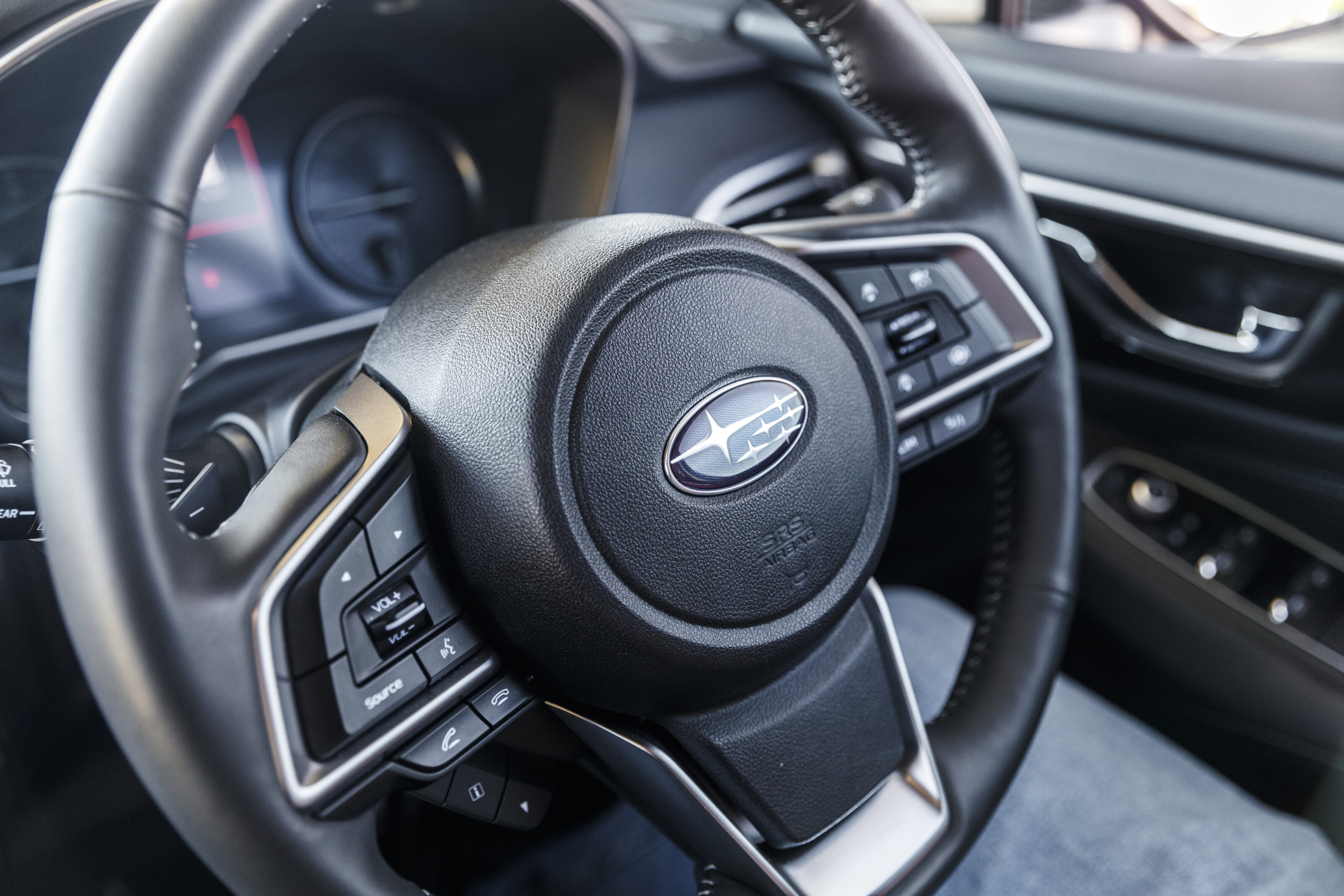
All Outbacks run a Tesla-aping, vertical 11.6-inch touchscreen, with Apple CarPlay and Android Auto (both need to be plugged in), paddleshifters, dual-zone climate control, self-levelling LED headlights and digital radio. Seventeen-inch alloys are standard, with a different design for each trim level.
All Outbacks run a Tesla-aping, vertical 11.6-inch touchscreen, with both Apple CarPlay and Android Auto.
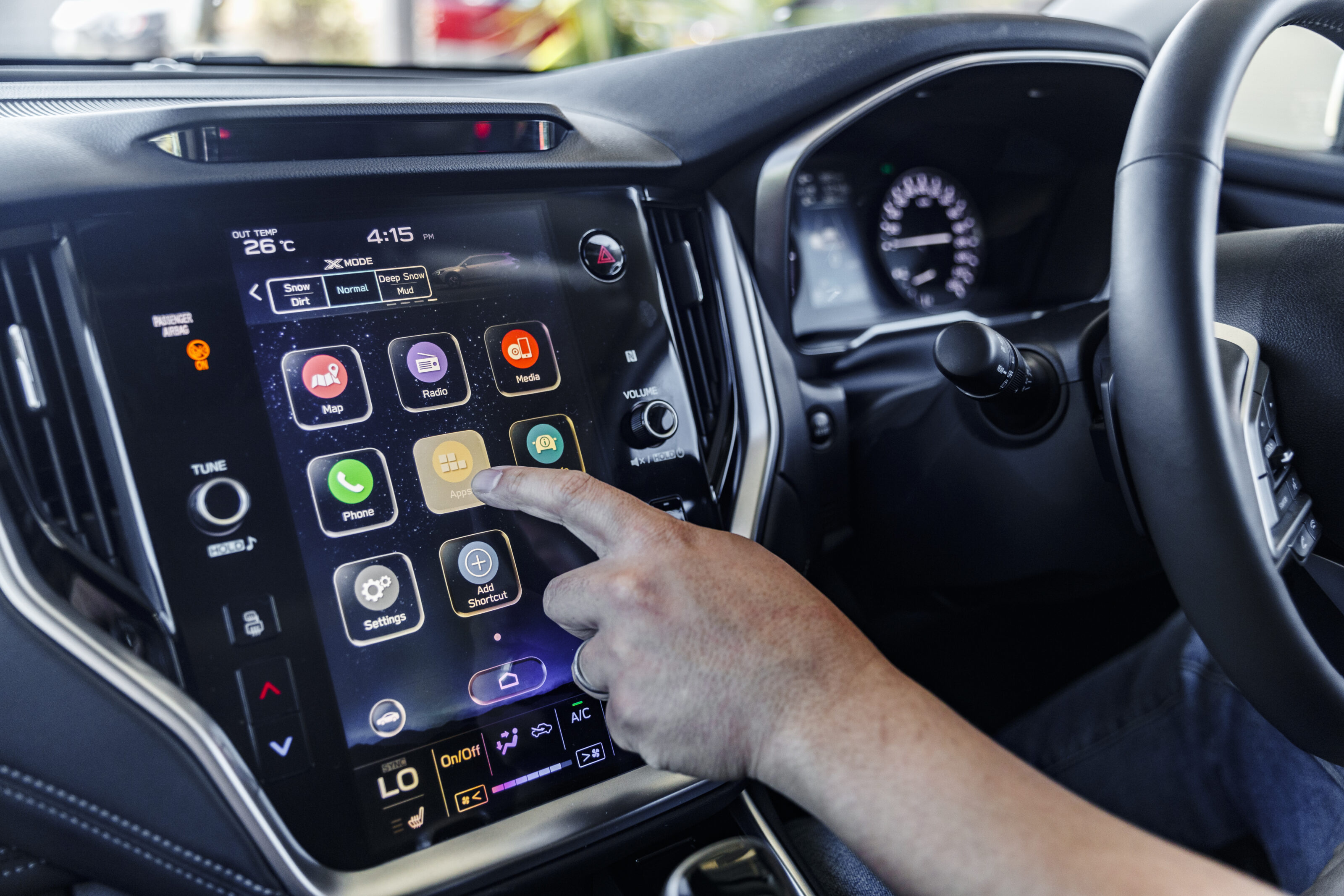
The Sport looks to be a good deal, adding heated seats for everyone bar the middle of the back row, but also a hands-free powered tailgate, sports pedals, water-repellent trim, sat-nav and front/side view cameras.
In terms of features exclusive to the Touring, the vegan Scientist cares not for the leather-accented trim but loves the clarity of the nine-speaker Harman Kardon stereo. We agree ventilated seats would be more useful in Aussie summers than the sunroof. The Touring also gets a heated tiller and an auto-dipping passenger-side exterior mirror, both of which we could do without.
Our first week or so with the Outback was a purely urban affair, including trips to the Lunar Drive-In and to the hellscape that is the Richmond Ikea car park. The latter gave the front and side view monitors a solid workout, but the addition of ultrasonic sensors and a bird’s eye view camera would be welcome in such a hostile environment.

That aside, our first impressions are that the Outback is comfy to sit in, has excellent vision and handles bumps, potholes and suburban traffic with calming aplomb.
The CVT with its eight faux gears is a slick match for the four-pot. And while the Outback is no rocketship, manually shifting helps the fun quotient. You may feel differently – I’m nothing if not easily amused.
Inside, the various features are fairly intuitive to nut out, with extra points given for manual volume and temperature controls. At the lights, the start/stop function is so unobtrusive that we barely notice it.
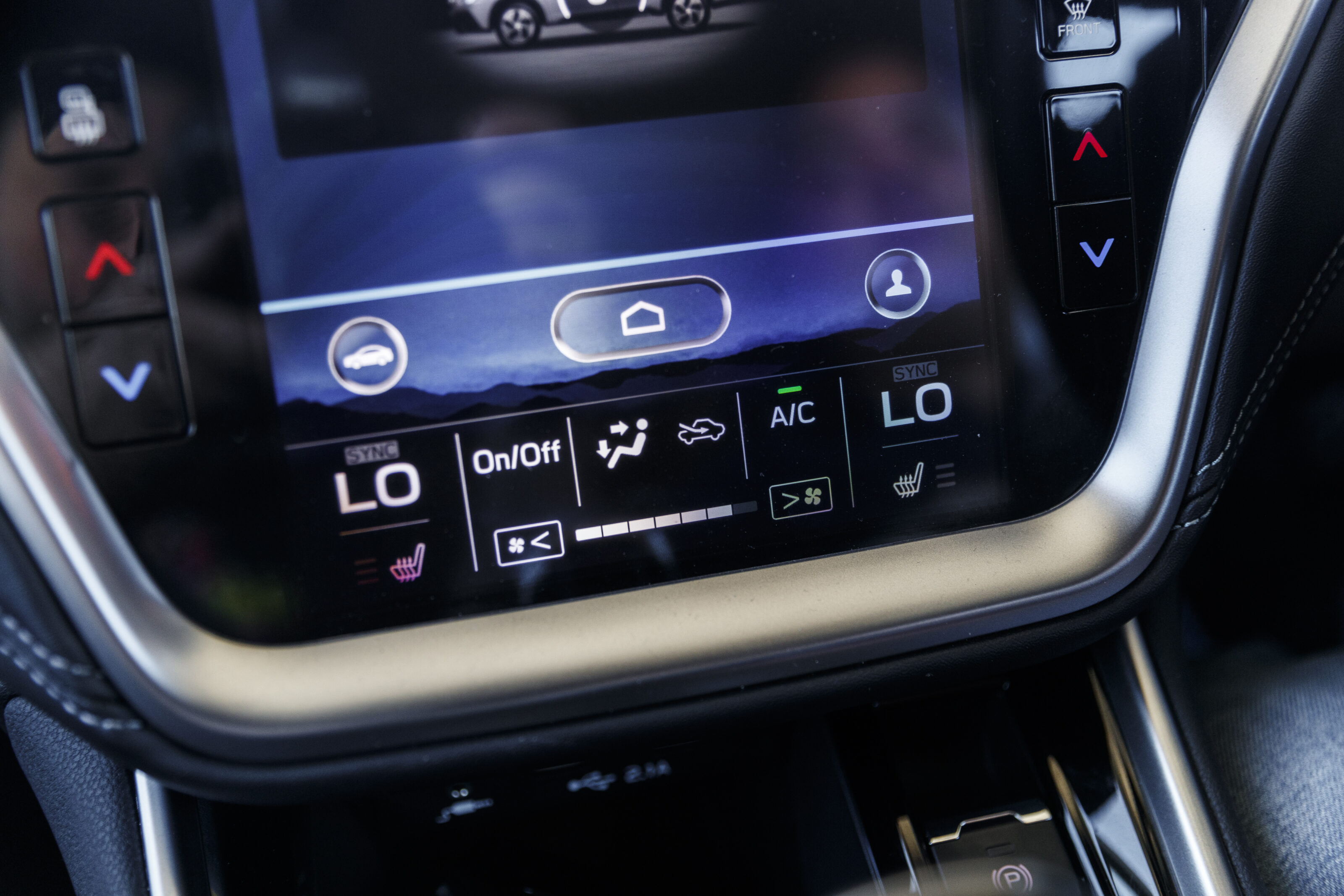
The Scientist couldn’t resist immediately trialling the adaptive cruise control with its semi-autonomous lane assist. She found that while the radar cruise control has so far done an admirable job, she did not make friends with the self-steering. “It won’t stay in the middle of the lane,” she reports. “It wants to put me right on top of the left-hand lane markings. The BMW did it much better.”
The BMW she refers to is a 750Li that has permanently raised her expectations of all new vehicles to preposterously high levels. However, I agree with her that the Subie’s self-steering isn’t worth the effort on Melbourne’s ring roads – perhaps it will fare better when we head up the Hume for Christmas.
Part two: Starlink Gazer
This month: 431km @ 10.1L/100km Overall: 692km @ 10.1L/100km
Guest author: Sebastian Quirit
See this here [slaps bonnet], that’s $50K worth of Japanese ingenuity,” I say as I try to convince my family to bat a collective eyelid at my loan chariot. My wife, unimpressed the Outback didn’t park itself, says, “Is this what you’d buy if I gave you $50K to spend?” I pause to contemplate the question. Does the Subaru really tickle my fancy, or should I try to ram my kids in the back of a Toyota GR86?
I won’t bore you by listing the three spec levels the Outback comes in, or the fact that under the identity-confused ‘Wag-UV’, is the same platform used by the XV, Forester and Impreza. But what I will tell you is that being a father of three kids does require a certain type of car, and the Outback does fit a round peg into the round hole.
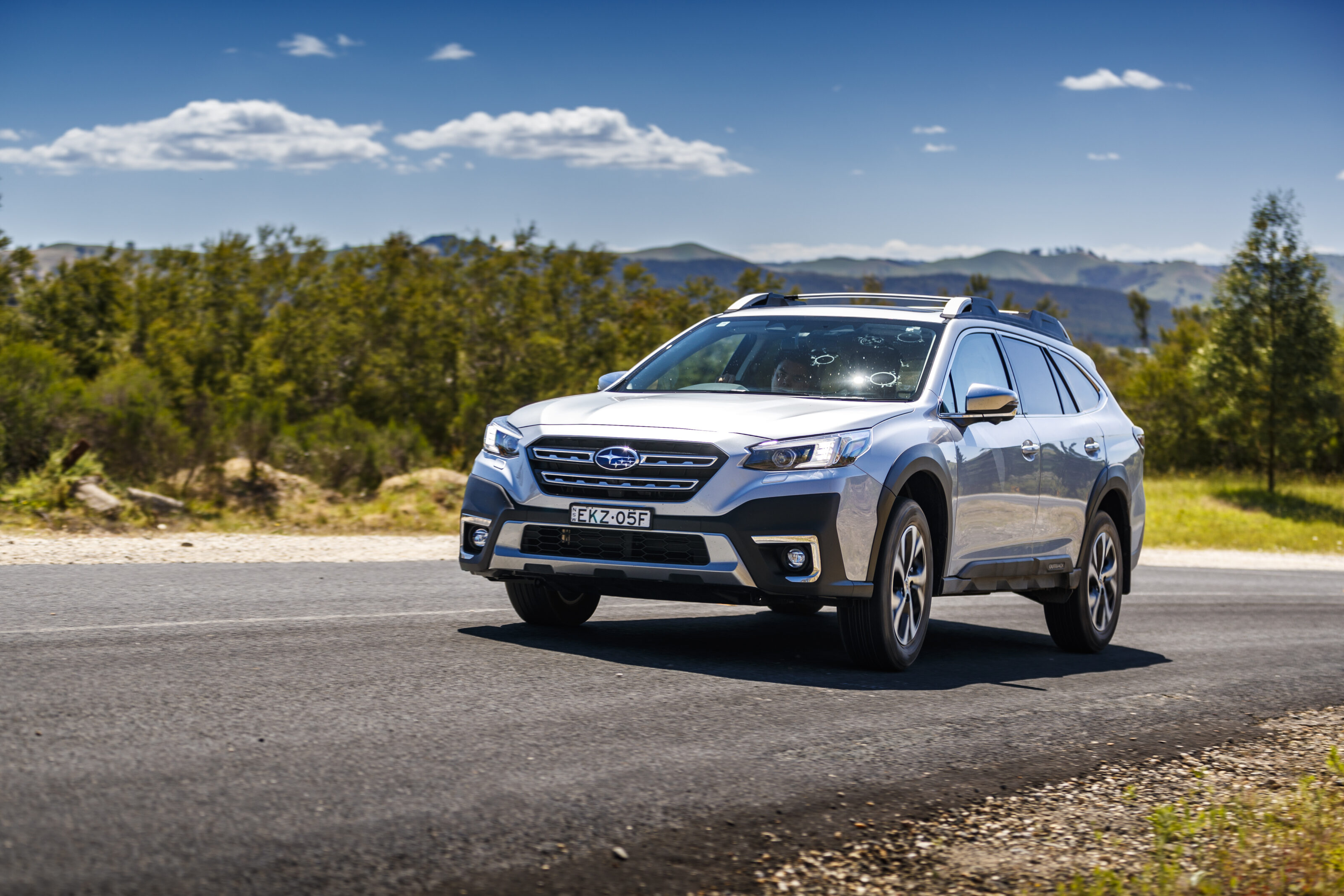
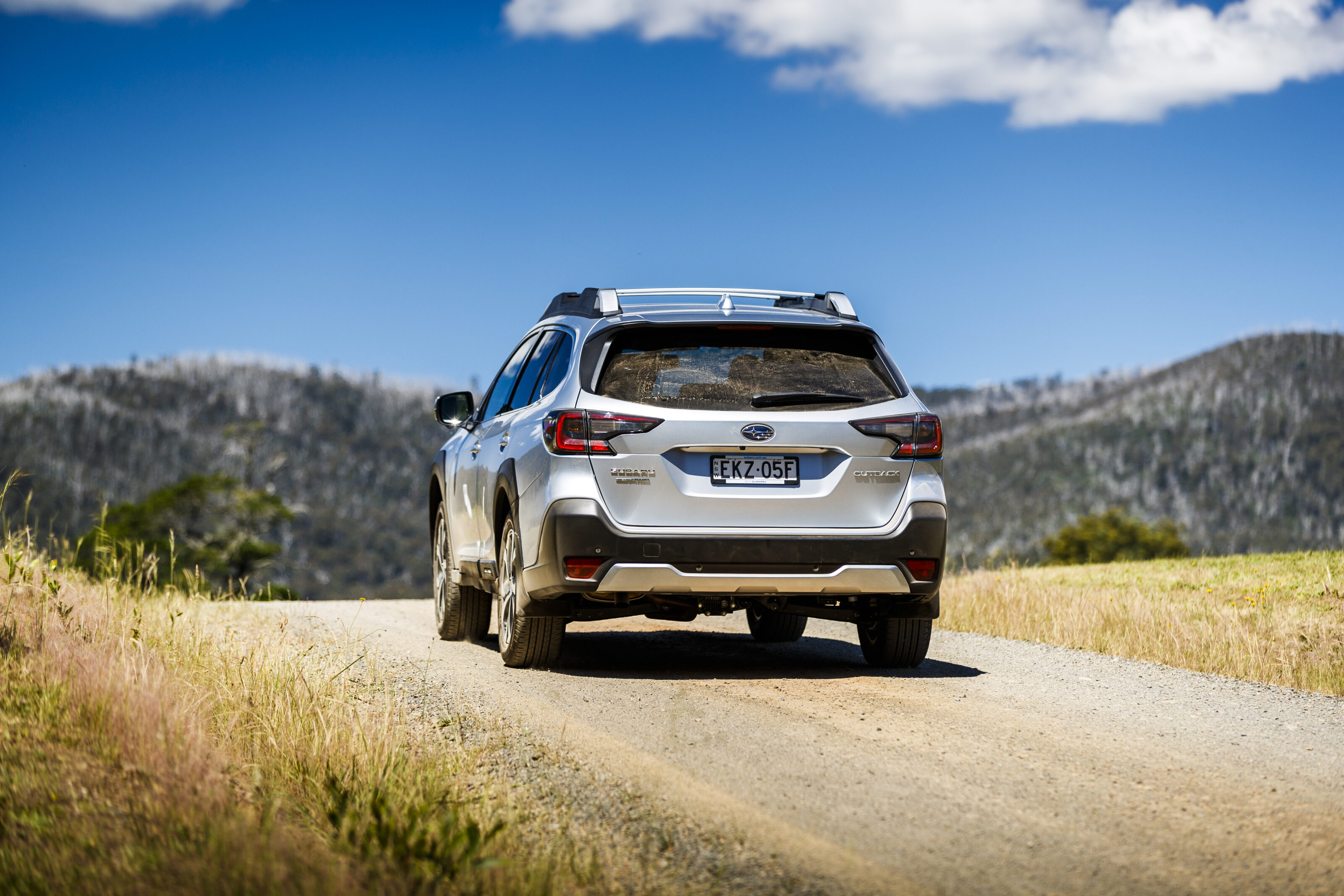
The Outback continues the ‘cross-country’ look with plastic faux flares and bumper trims that scream US-market. With that trim running the length of the car and into the lower door section, the sill panels taper inward, allowing entry into the cabin without transferring mud to your pant legs. A master stroke by the Subaru design team which can only be truly appreciated if you’ve ever soiled your formal slacks on the sill panel of a car.

But what happened with the roof racks? The trim sure looks great, but you won’t be able to say “that’s not going anywhere” if you can’t physically fit a ratchet strap around the roof rack due to the encroaching plastics. Completing the walk around, the Outback is crammed with all the things expected from a car built this side of the moon landing.
At the front, the daytime running lights double as indicators, auto LED headlights self-level, sense dusk and respond to steering inputs. At the rear, the LED tail-lights ensure you will never have to yell at your kid to “hold the torch still” whilst changing a blown globe.
Inside this Touring variant, Nappa leather seats resist poorly sealed Maccas cup spills and invite you into a deceptively spacious interior. Coming from a Toyota Kluger family bus, I was sure I was going to have to drive with my knees in the steering wheel, but the Outback passed with flying colours. I didn’t feel a single kick in the backrest from my giraffe-legged children.
Not to be confused with the satellite constellation, Subaru’s Starlink infotainment system is a blessing and a curse. The 11.6-inch screen unlocks control of all vehicle sub-systems with a slick-looking but cumbersome user interface. This is a common theme with Starlink. The intention is there but execution falls short, as does the in-built sat-nav by TomTom. If you’re a Google Maps user, skip straight to (wired) Apple Carplay or Android Auto. The GPS navigation is astonishingly primitive compared to the likes of Google.
On road the EyeSight Driver Assist System consists of two stereoscopic roof-mounted cameras serving as the car’s eyes. Subaru has nailed the EyeSight suite with a slew of collision-avoidance safeguards. Having all driver assists active makes the Outback a dream to drive once you understand what the limitations and intended uses are.
The adaptive cruise control is by far the most advanced system I’ve used. Set the desired speed and distance to the car in front and watch as EyeSight takes care of all throttle and braking inputs, from full highway speed down to a complete stop and back again. Add to that semi-autonomous steering and you have a system that has a marked effect on driver fatigue in stop/start traffic.
However, it does have its limitations, which can make for some bum-puckering moments. The system relies on road line markings to determine the car’s position. Try to engage self-steering in a lane that’s too wide and you’ll find yourself wandering from left to right perilously close to the lane markings, much closer than you or I would deem comfortable.
The semi-autonomous system was not designed to take away human decision making. Realising these features are designed to assist, rather than replace the driver, helps you frame your expectations.
True to Subaru’s WRC heritage, the Outback is still a satisfying car to hustle, even with three miniature Colin McRaes in the back seat. Whether navigating the dirt carpark of my local footy club, or taking the long route down a favourite road, I’m not left wanting anything more after a week of urban adventures. So with $50K in hand would I buy the Outback? Actually, I probably would…
-SQ
Part three: Subie lovin’
- This month: 551km @ 8.3L/100km
- Overall: 1443km @ 9.4L/100km
Seb was impressed with both the Outback’s ability to comfortably accommodate his brood, as well as the efficacy of the car’s EyeSight driver assistance tech. And as an avid club racer, he was also pleased to find the Outback is as entertaining in the twisty bits as one might hope a mass-market family car to be.
While I regained custody of the Outback for Christmas, Omicron nixed our planned jaunt up the Hume and we instead settled for a couple of weekend missions around regional Victoria. The relaxed pace gave us the time and headspace needed to get better acquainted with some of the car’s tech features – something we hadn’t got to while using it as a commuter.
Having recently received some unpleasant news in the mail from Victoria Police in the form of various infringement notices, the Scientist gently suggested I first suss out the speed-sign recognition and intelligent speed limiter systems.
The warning system is handy and gets the speed signs right most of the time, though I’d appreciate the option of an audible speed warning. Hell, I’d take a mild electric shock at this point.
The intelligent limiter is a neat alternative to cruise control when you’re in an area with regularly changing speed limits. You need to keep your foot on the gas to maintain forward progress, but the car will not respond to increased pressure on the go pedal once you reach the signed limit. Although if you really do need to get going in a hurry, flooring it will reset the system.
And sure enough, the car will bring you back from say 80km/h to 60km/h as the signs change. As with the visual warning, the system doesn’t always clock the right limit (and still slows you down for 40km/h school zones in the middle of the night), but reassuringly, it errs on the conservative side, speed-wise.
The limiter isn’t a cure for inattention or idiocy − rather, to make the system work its best, one needs to drive smoothly and pay attention. For anyone with the Sword of Damoclese hanging over their licence, it’s a handy tool. Think of it as the gamification of trying to keep your points.
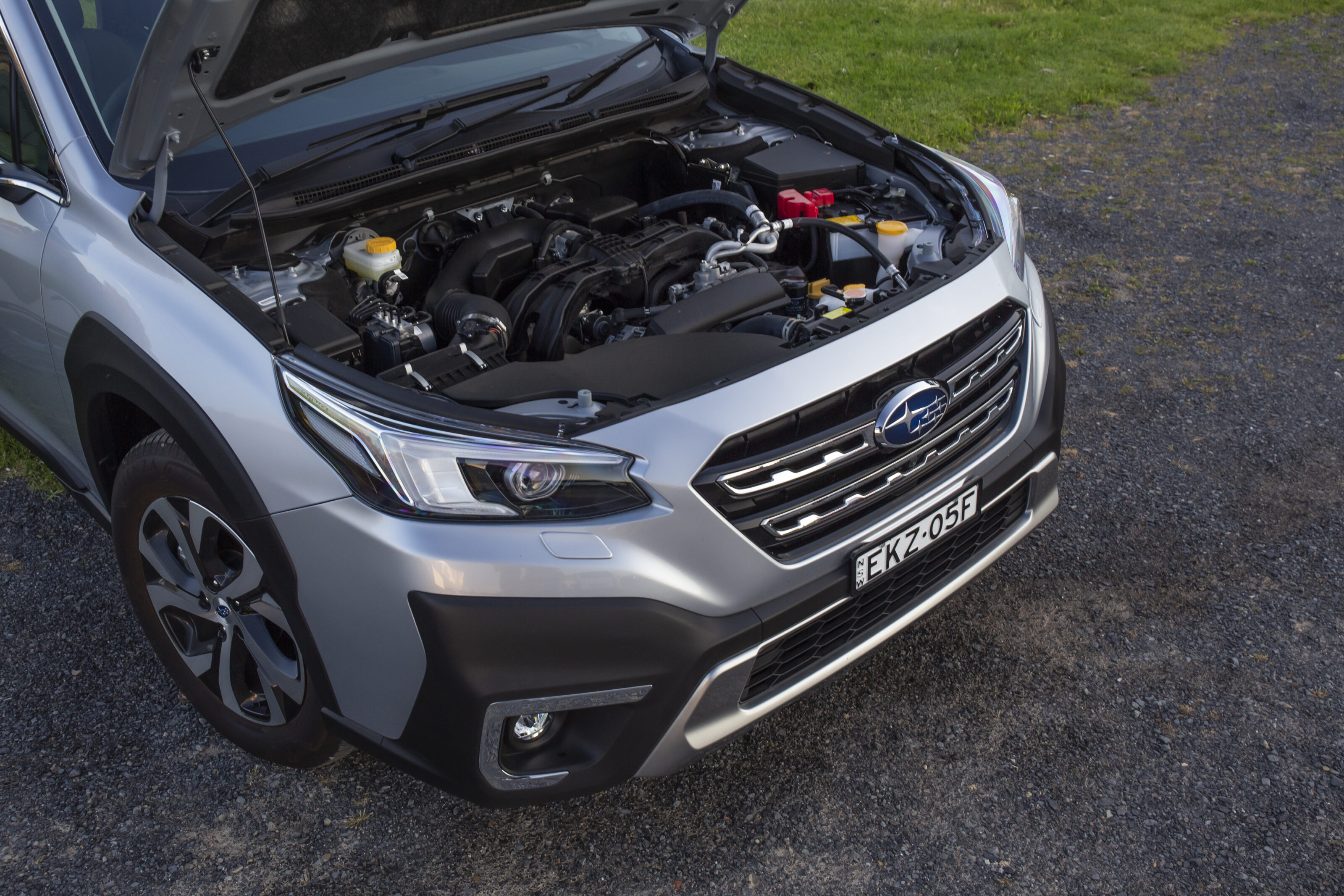
The same applies to the semi autonomous steering function. Around town, we’d found it a frustrating feature, which saw us fighting the car’s inputs and then turning it off. Out on the open road, I had a moment of Zen-like clarity and realised I needed to back off and let the car do its thing.
Driver inputs are still required − both to reassure the car that you still have your hands on the wheel and to make adjustments where necessary − but overall, the function is extremely easy to use.
The self-centering isn’t perfect though and tends to hug one side of the lane or the other. For us, the jury is still out on the usefulness of the feature, though you may find it helpful in reducing fatigue.
Our next task was to personalise a few key settings to suit our tastes.
For example, we found the Google Maps directions were a loud, painful interruption to our podcast consumption. After some suffering, the Scientist clicked through a couple of menus to discover that she could adjust it – and it stayed that way, too.

Same goes for the cruise control acceleration characteristics feature, which offers five levels between ‘eco’ at one end and ‘dynamic’ at the other. The ‘dynamic’ setting was great for dual carriageways, providing strong acceleration when we pulled out to overtake, while ‘eco’ was the setting of choice when traversing less-predictable B-roads.
The exception to the set-and-forget rule is the stop/start function – if you’re not a fan, you’ll need to turn it off each time you jump in the car.
Finally, setting up individual profiles via the Outback’s Driver Monitoring System was well worth it. Not only does it apply each driver’s personal seat, mirror and air-con preferences, but it also recognises which registered driver is behind the wheel and automatically pairs with the correct phone.
The moral of the story is, while neither the Scientist or I are big on reading instructions – we both like to figure things out on the fly – taking some time to get to know the Outback yielded some useful results and made us enjoy an already-impressive vehicle all the more. Fingers crossed we can get away for a longer trip, further off the beaten track next month.
Part four: Reporting for duty
- This month: 1243km @ 8.1L/100km
- Overall: 1945km @ 9.1L/100km
You see, the next issue is the Wheels Car of the Year edition. This year, the team headed down to the Australian Automotive Research Centre, located near Anglesea on Victoria’s Surf Coast. The AARC is a phenomenal venue, set in a spectacular setting.
It is a fair hike from Melbourne, though, and with 20 cars, six judges and a stack of content to be made, COTY is quite the operation, requiring plenty of additional personal and support vehicles. And so, my supremely practical Outback was commandeered by photographer Alastair Brook for the duration.
“I had the choice of a Ford Ranger Raptor and the Outback,” says AB. “They both had the room and dirt-road capability I was after, but for me the Subaru was the pick, because I’d rather do tracking shots out of the back of a wagon than a ute!”
Wise beyond his years, this lad.
With ‘my’ car pressed into COTY service, I stuck my hand up to help out as well and why not? Five days with the latest and greatest vehicles on the Aussie market, pushed to their limits on a stack of different surfaces by some of the best minds in the biz? It’s any inquisitively minded car lover’s dream.
Not that my brief was particularly glamorous. Most of my time at COTY was spent driving cars for transport stages or photography, lugging gear and helping to feed and water the editorial masses.
I also chauffeured Alastair around whenever necessary and spent some time in a silver Outback Touring that was part of the COTY testing.

The real bonus of all this was that I got to put the Outback through its paces on dirt roads. Given that I really enjoy hustling the Subaru on tarmac, doing the same on the gravel was even better. And when I did get the back end out too far, the ESP intervened and corrected me without fuss.
I even got to try a couple of full panic stops on the gravel. You can check out the actual COTY data on this next month, but for mine, on an unsealed surface, the Outback pulled up straight and as quickly as you’d like from a family car. While this was fun, I’m a mere novice on the rough stuff, so I lobbed the keys to 4×4 Australia Editor Matt Raudonikis for his feedback. Matt took the Outback for a burn on both the AARC’s 9km ‘second-class surface’ and on a twisty ribbon of hotmix, then reported back in.
“I’m surprised, it was better than I expected,” said Matt.

“The dirt road we were on mimics a quintessential Australian outback road and at speed, the Subaru is every bit as composed as something like a Toyota Prado. There’s not a lot of noise and it absorbs bumps better than some of the cars we’ve been testing for 4×4 of the Year.
“And on the twisty sealed section, it feels much more planted than a big 4×4 because it is so much lower to the ground.
“There was a time when people drove Holdens and Fords on outback roads like this every day of the week and I think the Australian family car should be made to do the same. For someone who needs to drive on dirt roads regularly, the Outback could fill that role really well. You might just need to look into finding a more durable tyre.”

High praise, but Matt does long for the character of Subarus of old:
“I think they’ve lost a bit of their character,” he reckons. “The boxer engine noise and the frameless doors were cool!”
And at the end of a long week, a weary photographer Alastair was glad he chose the Outback:
“I liked it. The road in and out of AARC is gravel and I was glad of the soft, compliant suspension. The driving position and visibility were both quite good. I liked the big screen and Apple CarPlay worked really well for me. The car moves around a bit in crosswinds on the highway, but the lane-keep assist helped there.

Any downsides? “I think it needs more power and a bit of attitude,” quoth Brook.
“The CVT works fine, but you want a bit more character in an ICE car, I think. Otherwise, you may as well get an EV. Turbo, please!”
And if you’re wondering why ‘my’ Outback has turned white, that’s because my usual ride was involved in a bingle recently and has been off having some minor cosmetic damage repaired. We’ll be reunited for more adventures next issue.
Part five: Sweet sorrow
- This month: 991km @ 9.8L/100km
- Overall: 2936km @ 9.3L/100km
Maybe Aussies are getting the message that a high-riding wagon can be a more practical and enjoyable option than the ubiquitous SUV?
This is, of course, the Baader-Meinhof phenomenon in full effect – otherwise known as frequency illusion. The theory goes like this: now that I’m interested in Subaru Outbacks, my brain is devoting more of my attention to spotting them. And each time I clock one, confirmation bias kicks in, telling me that the Outback is indeed becoming Australia’s Wagon.
Okay, maybe not quite. Subaru sold 1341 Outbacks in March – a sizeable 190 percent increase year-on-year – but it still hasn’t yet cracked the Top 20 models sold in Australia this year. A great success, but not yet a revolution.
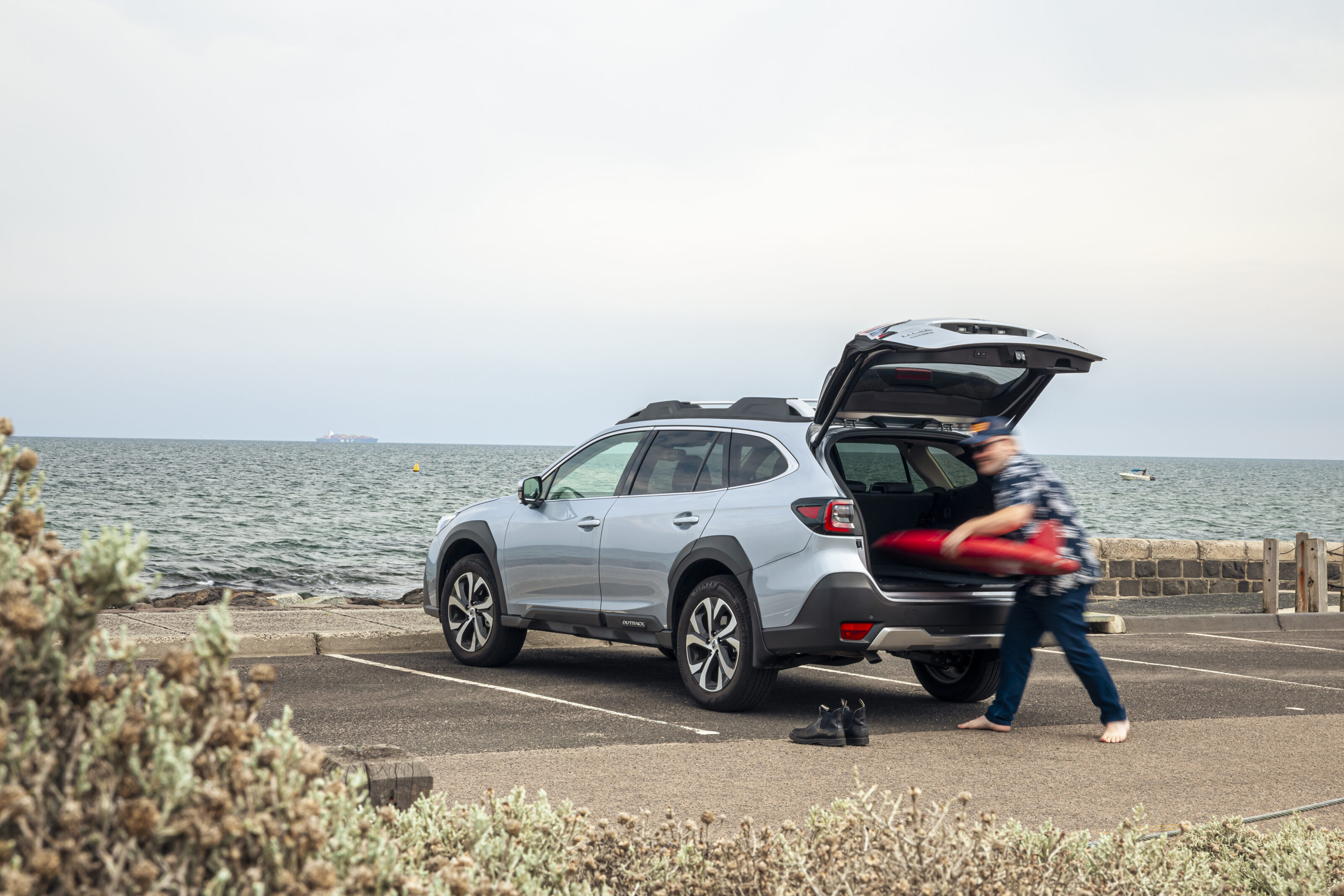
You can count my partner and I as converts though – so much so that we’re considering adding an Outback to our own fleet. Sure, we fall in love with many of the vehicles that grace our driveway each year, but the discussions are getting serious.
Consider the long list of attributes that we’re going to miss when I return the Outback to Subaru in a few short days. At the top of these is the car’s utility and versatility when carting people, stuff or both. With the rear seats down, it has swallowed almost everything asked of it, leaving the nifty roof racks to accommodate any excess. And with the rear seats up, we can chauffeur four or even five adults in comfort.
The Scientist gives a major tick to the Outback’s beautifully compliant ride over a variety of surfaces. And I’m going to miss pointing it into the wide sweeper that leads onto my local freeway onramp.
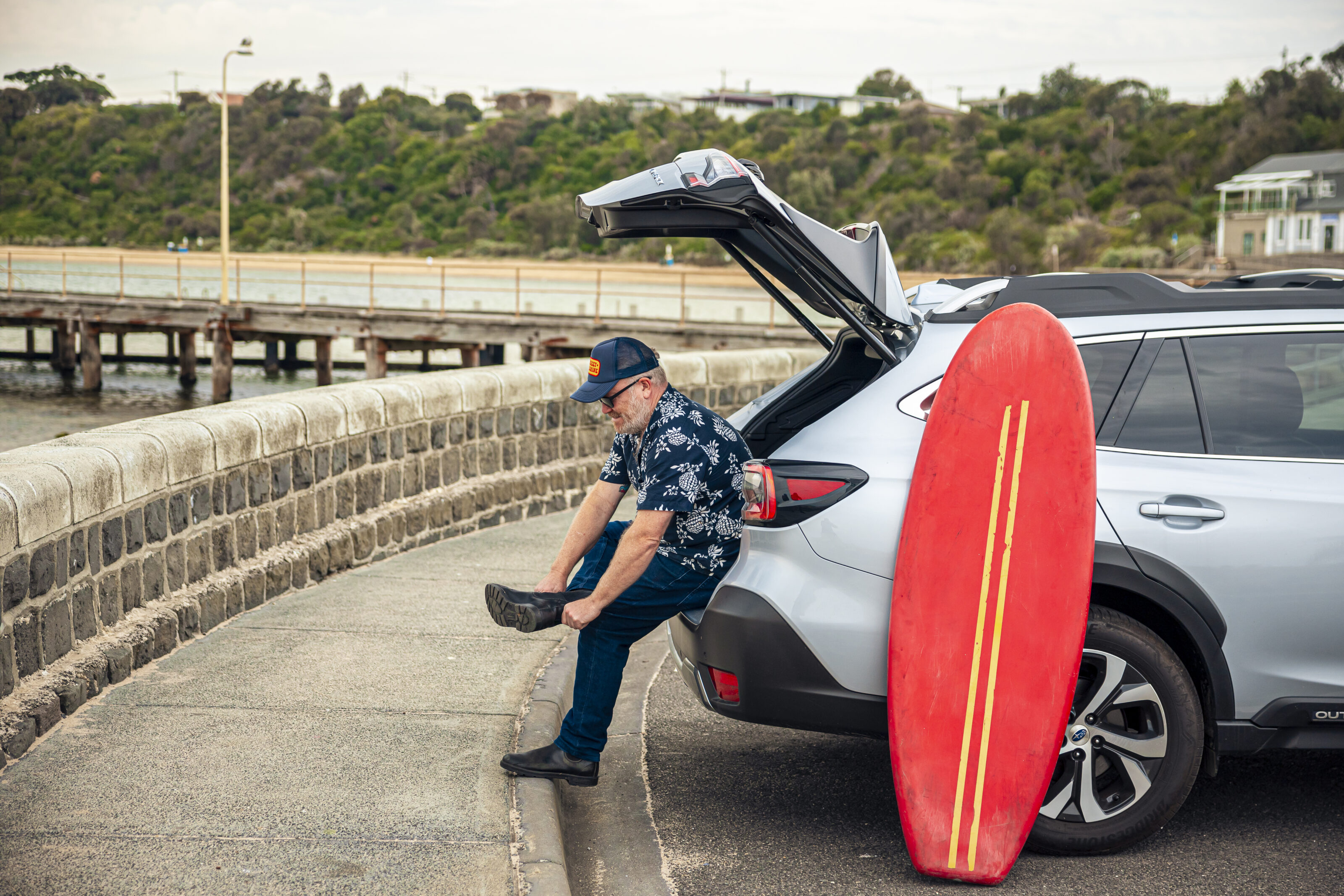
Ease of operation is the other biggie. Usually at this point of a relationship, quirks can easily turn into major irritations, but the only feature that bugs me is the seriously loud BONG that signals that you’re approaching a red light or speed camera. There doesn’t seem to be a way to turn it off or reduce the volume, but given the parlous state of my driver’s licence, I’ll cop it.
In fact, I give thanks everyday that the radar cruise control and intelligent speed limiter have helped preserve my remaining points. The safety systems also deserve a shout-out for helping to reduce fatigue, without being overbearing.
Quibbles? I’d love the option of ventilated seats and an overhead-view parking assist would be a boon for city folks. And while some more horsepower would be welcome, I doubt I’d go for a turbo version if it was offered, given the way fuel prices are.
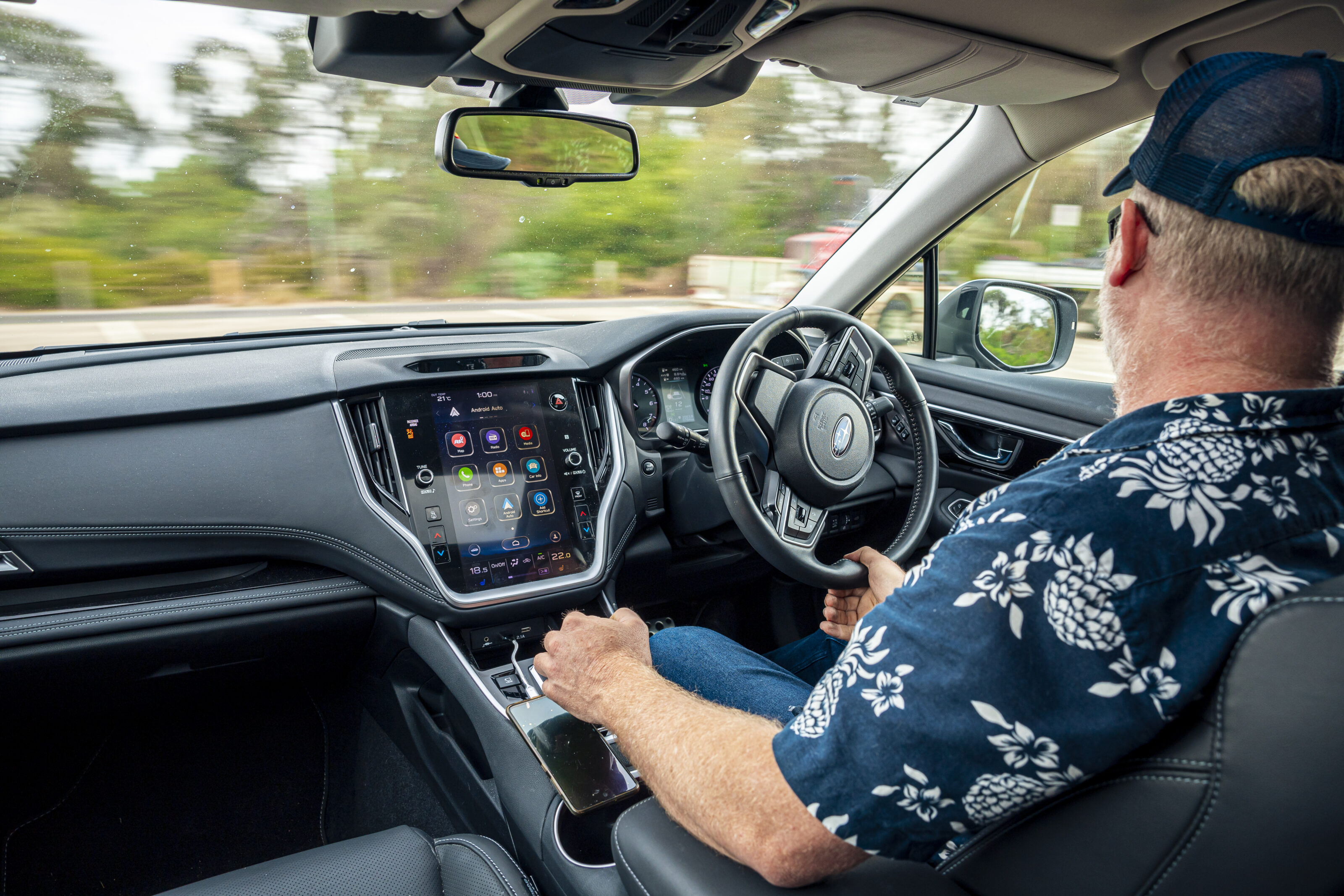
In terms of specs and options, I’d be mighty tempted to go for the base model Outback, even though it would mean we’d miss the front and side view cameras and powered tailgate. The value proposition is otherwise hard to ignore.
Finally, I’d option the swing-down factory tow bar. While the Scientist and I didn’t get a chance to test Subaru’s 2000kg maximum towing capacity claim, my colleague Dan Gardner did the job for me. Dan devised a serious load challenge and reported back thusly:
“Onto a 900kg trailer, a 950kg four-seat Polaris RZR Turbo was loaded. Adding to the payload punishment was a car-full of kit and three adults. The 2.5-litre atmo four-cylinder certainly needed to rev to find the necessary puff on hills but cruising was no problem at all.
The significant mass on the back couldn’t phase the Outback, with stable manners and good trailer control. Our only gripe would be a reversing camera and radar that doesn’t compensate for a hooked-up trailer.
The real surprise however was the Outback’s apparently unstoppable off-road ability. An intimidating steep climb on slippery mud couldn’t shake the Subaru’s traction despite the near-maximum haul. A little patience is required, but the Outback lives up to its moniker even with a trailer in tow.”
High praise indeed. Of course, if towing and mud play are regular activities for you, then something like an Isuzu MU-X or Ford Everest would be a more prudent (and expensive) choice, but for the occasional dabblers amongst us, the Outback’s abilities off-road and as a tow vehicle really add to its already broad appeal.
2021 Subaru Outback Touring specifications
| Engine | 2498cc horizontal 4cyl, DOHC, 16v |
|---|---|
| Max power | 138kW @ 5800rpm |
| Max torque | 245Nm @ 3400-4600rpm |
| Transmission | CVT automatic |
| Weight | 1661kg |
| Economy | 7.1L/100km (claimed) |
| Price | $47,790 MSRP |
Peugeot Australia is recalling its 2019 Boxer van over a steering fault.
Just three examples are affected by the recall, across all variants of the vehicle.
According to the Department for Infrastructure, the steering pivot joint bolts may not meet manufacturing specifications and may become loose.
If this happens, the steering may deviate from the driver’s desired trajectory and could increase the risk of collision, resulting in injury or death of vehicle occupants and other road users.
The three vehicles affected have the following VINs:
VF3YL3MFB12L55074
VF3YL3MFC12L72392
VF3YL3MFC12L75983
Peugeot is advising owners to contact their preferred authorised dealer to have the work carried out as soon as possible, free of charge.
To find a dealer, visit https://www.peugeot.com.au/dealers/ or call the brand’s customer service number on 1800 307 607.
Just how many of us are out there? By us, I mean drivers. Those who pore over maps, set early morning alarms on Sundays, see the potential for fun in almost anything four-wheeled and can lapse into a daydream about a particular corner apex at any given moment. The reason I ask is that I’m minded to think we might be a bit thinner on the ground than we might sometimes imagine.
It’s a different, yet often overlapping part of the Venn diagram to those who love cars. For some, actually driving a car is something that diminishes and tarnishes their prized possession and must be avoided wherever possible. This is not my tribe. For proper drivers, a performance car represents the means rather than the end.
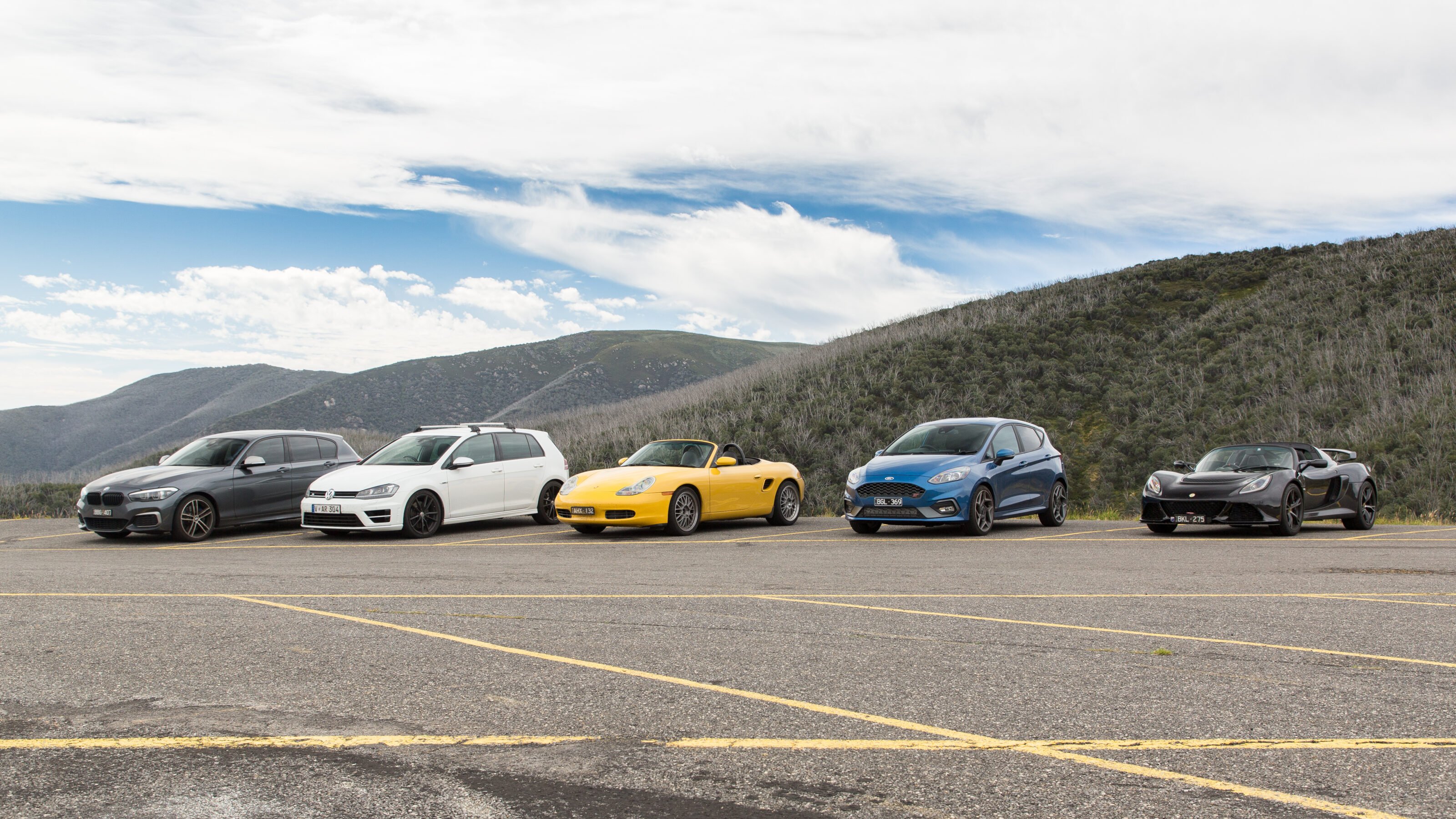
I had pause to ponder where all the drivers were a couple of weekends ago, on one of the greatest driving roads in Victoria. I expected to find a few kindred spirits, maybe getting their eye in a few days ahead of Targa High Country, but there was nothing but cicadas and wattlebirds for company. Where were all the Civic Type Rs, Hyundai N cars, AMGs, Ford STs, BMW M models, RS-badged Audis or the Porsche sports cars that swelled their Aussie sales figures in 2021? Not where the good roads were that day, that’s for sure.
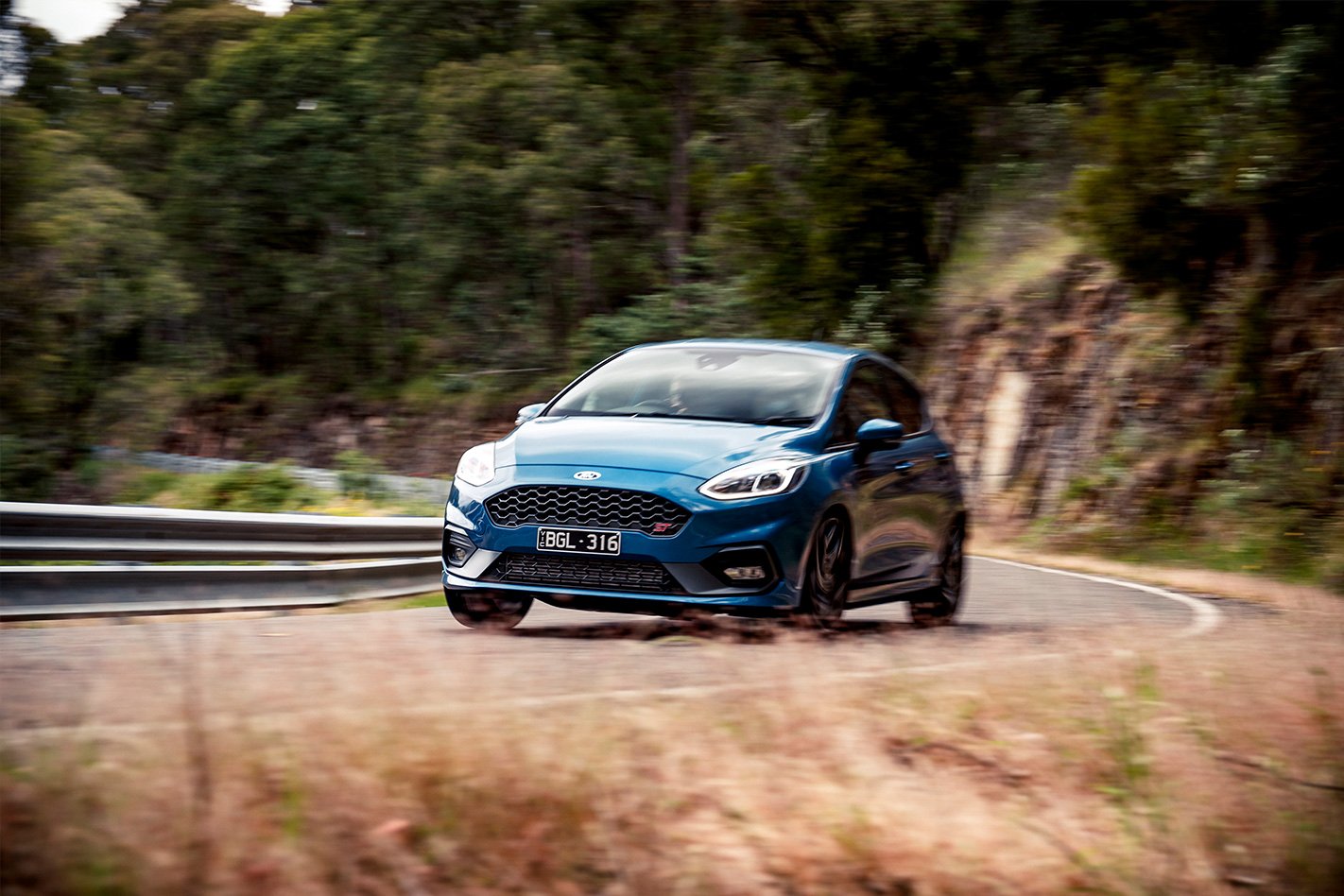
And then there it was; the sound of an engine being extended, a distant chirrup of tyre across the valley. It was a four-pot, not especially melodic and given the cadence of the gearchanges, the car certainly had three pedals. Lotus Elise maybe? And then it burst out of the corner nearest me in all its glory. A white 2020 Corolla. Pure vanilla on wheels.
The driver, a young lad just off his green P-plates, spotted me sitting by the side of the road with a box-fresh BRZ and leapt straight onto the picks, introduced himself and wanted to know everything about the new Subaru.
He asked if he could sit in the BRZ and I noticed his humble Corolla was riding on Michelin Pilot Sport 4 rubber, a significant step up in ability from the standard Bridgestone Ecopia low-resistance mediocrities. I asked him about the car and he said he’d upgraded the tyres and brakes, but had left everything else standard.
His dad had chosen the car for him as something that was safe, which handled well and which would teach him how to drive a manual car properly.
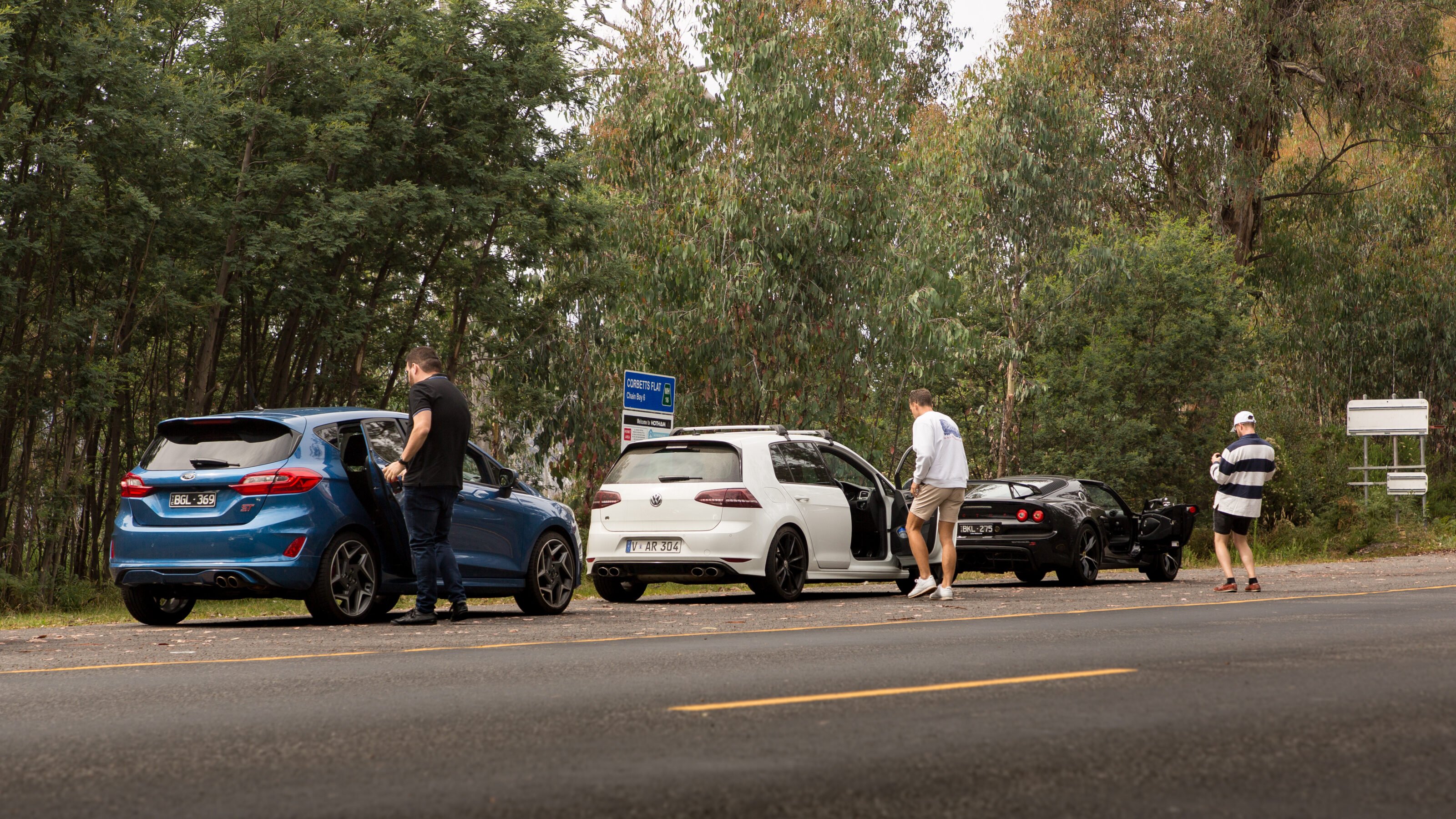
As he followed me back to Eildon, it was clear that dad’s investment had been a good one. Junior’s lines were tidy, he carried speed cleanly, his driving was courteous and he’d already got the hang of a very crisp heel and toe.
It turned out that dad used to modify his own circuit cars and had passed the genes along. Young Ryan admitted that what he really wanted was a Fiesta ST but that he’d probably wait a couple of years before taking the plunge.
I drove home encouraged to have met one person who got it. I stopped for fuel on the way back and encountered a group of blokes with shiny supercars at a servo who visibly sneered at the bug-spattered BRZ and was instantly reminded that there’s a whole group of car people who will never get it, for any number of reasons.
Perhaps it’s up to us to educate them, to help them understand the capabilities of what they have purchased. Or just possibly, they need to one day encounter an enthusiastic young lad in a wholly unexceptional Corolla and discover that the badge on your bonnet doesn’t always carry the day.
Snapshot
- Mercedes-Benz sold 1245 vehicles throughout February
- Year-on-year monthly sales drop of over 50 per cent put down to supply shortages
- Controversial agency model came into effect on Jan 1, ramifications yet to be seen
After enduring a tough start to 2022 in the automotive sales race, Mercedes-Benz’s Australian arm insists the drop in sales is down to a lack of supply, not the implementation of its agency model.
February was a tough month for the German manufacturer, delivering just 1245 units over the 28 day period – a drop of 1570 vehicles compared to the year prior, representing a 56 per cent decrease.
While doing slightly better year-to-date – closer to 32 per cent down on this time in 2021 (3561 vs. 5258 units sold) – it still remains a tough beginning of the year, especially given the lack of COVID-19-related restrictions across the country which hampered the industry over the last two years.
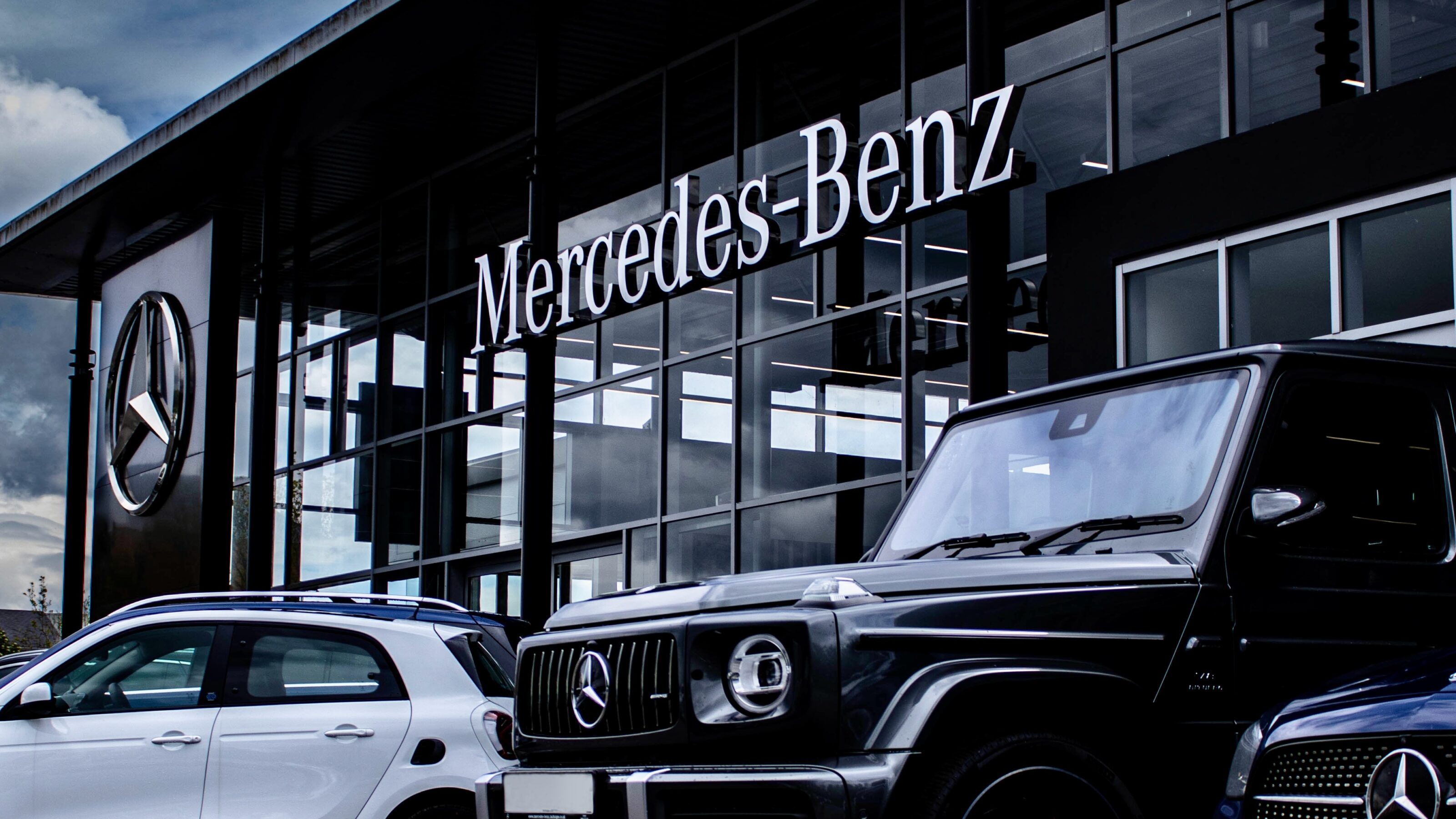
Although questions have been raised about the impact of Mercedes’s move to a fixed-price agency model as of January 1, 2022, the Australian arm of the brand told Wheels this was not a contributing factor to the drop in sales, rather a lack of stock coming from its overseas plants.
In response to Wheels asking for clarification about whether the effects of its agency model were behind the decline, a spokesperson for the marque said a strong majority of its current deliveries are for customers who made their purchases in the back end of last year, highlighting the delays for stock to arrive on Australian shores.
While not providing further comment regarding the agency model, the spokesperson reiterated Mercedes-Benz’s comments from last week when new car sales figures were posted for February.
“Our order intake is currently outstripping supply, as the volume of Mercedes-Benz vehicles arriving in Australia continues to be affected by ongoing semiconductor shortages,” they said.
“On top of this, delays in logistics have held up hundreds of vehicles from customer delivery. New Mercedes-Benz vehicles are currently caught in a bottleneck of port congestion and quarantine inspections at the border, and a number of vessels transporting our cars have been delayed.
“We thank our customers for their patience and encourage them to contact their local Mercedes-Benz agent for the most up-to-date information on their vehicle arrival.”
Despite being introduced in 2020, the GLB-Class was the brand’s best-seller last month, with 320 registrations recorded – more than any other model and a 13 per cent increase on the year prior.
While the low-volume S-Class and all-electric EQC were the only other Mercedes models to record higher sales than 12 months earlier (up 14 and eight per cent respectively), the various ‘G’ models all suffered a hard month, with the GLA, GLC Wagon, GLE and G-Wagen each dropping below 50 per cent of last year’s February figures.
Mercedes will be hoping sales of its popular C-Class sedan can improve throughout the year, with its February results slipping to 103 units (70 per cent down) – although with the 2022 update coming at a $12,000 premium over last year’s model, it’s unlikely the manufacturer is chasing sales volume.
The global shortage of semiconductor computer chips has been dealt another blow.
While many companies are scrambling to build new semiconductor manufacturing facilities, experts have pointed out critical ingredients used in three quarters of all chip production are sourced from Ukraine and Russia.
According to a report from market intelligence firm TrendForce, Ukraine is a major supplier of raw gases argon, krypton, xenon, and provides almost 70 per cent of the world’s neon – with a further 20 per cent produced by Russia.
With Ukraine’s economy currently shut down, and sanctions in place to isolate Russia’s, the lack of neon on the open market is expected to drive prices up significantly.
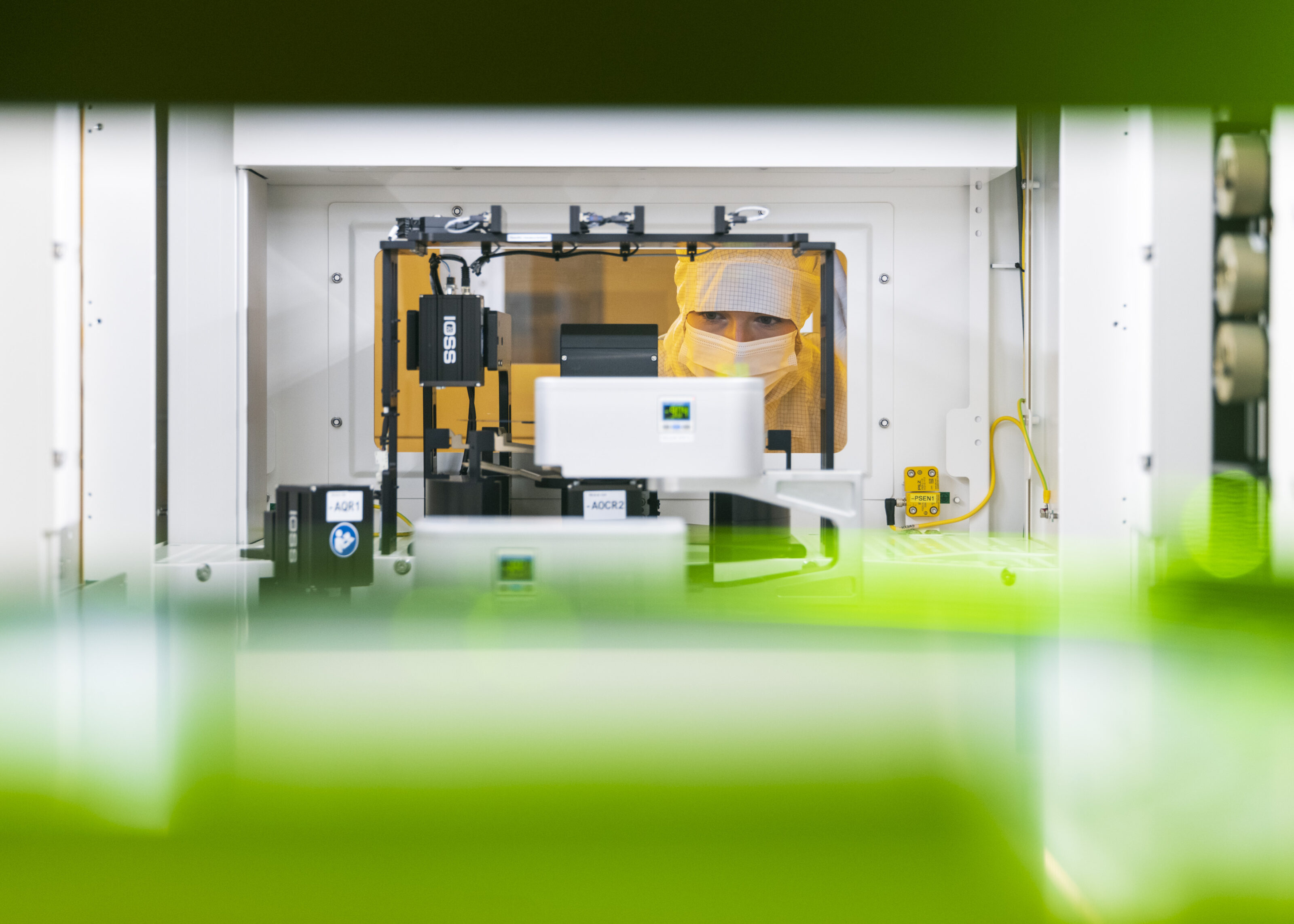
However, Dan Hearsch from AlixPartners says the impact of the Ukraine conflict won’t be felt immediately, as major microchip companies have been building up their supplies of neon in recent months.
“They saw this coming a little bit,” Hearsch told Automotive News Europe.
“After the last couple years, [they] decided we’re going to stock up on as much as we can.”
It’s possible neon supplies could encounter longer-term disruptions though, even if the hostilities come to a swift conclusion.
Materials supply-chain analyst firm Techcet says neon gas production is a byproduct of steel manufacturing, with the gas sourced from Russian steel mills and purified in Ukraine. Even in peace, business relationships may take some time to recover.
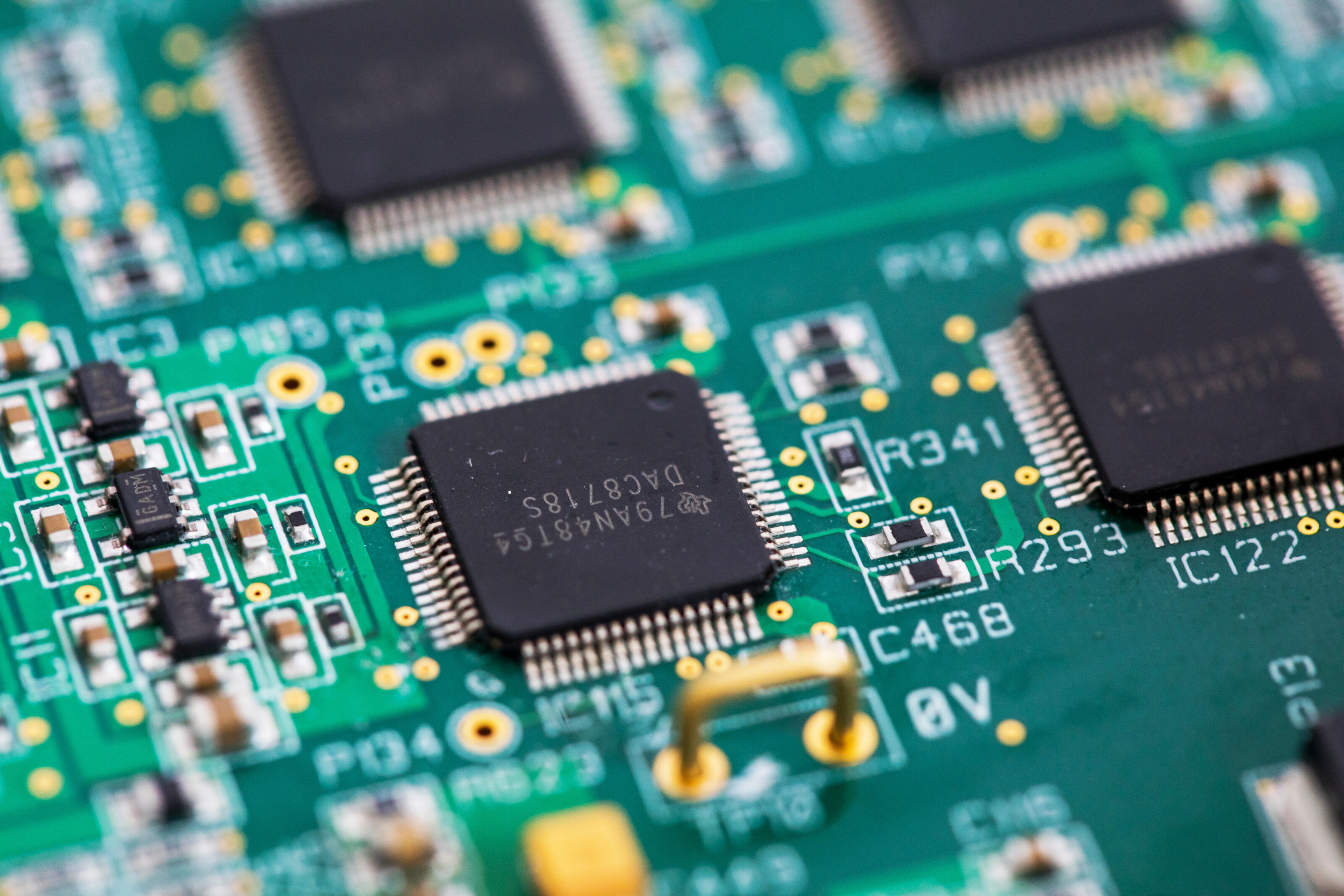
Carmakers have been struggling to meet demand for new cars in recent years, with a lack of semiconductors available to run the increasing number of computers and digital features found in modern vehicles.
Modern cars can use as many as 200 chips, while electric vehicles require as many as 3500.
Expanded functionality and features for Toyota’s Connected Services technology have now been implemented across the 2022 model range.
First introduced in 2020 for the Yaris Cross and rolled out in further models last year, Toyota’s 2022 TCS update sees functions such as automatic collision notification, SOS emergency call and stolen vehicle tracking become standard for the LandCruiser 300 Series, HiLux, Fortuner, Yaris Cross, Camry, Granvia and HiAce.
On top of the built-in safety tech, the myToyota Connect App has also been enhanced with a number of additional convenience features for some models, ranging from the ability to remotely check a car’s odometer, fuel level, remaining driving range and location to the status of lights, doors and keys.
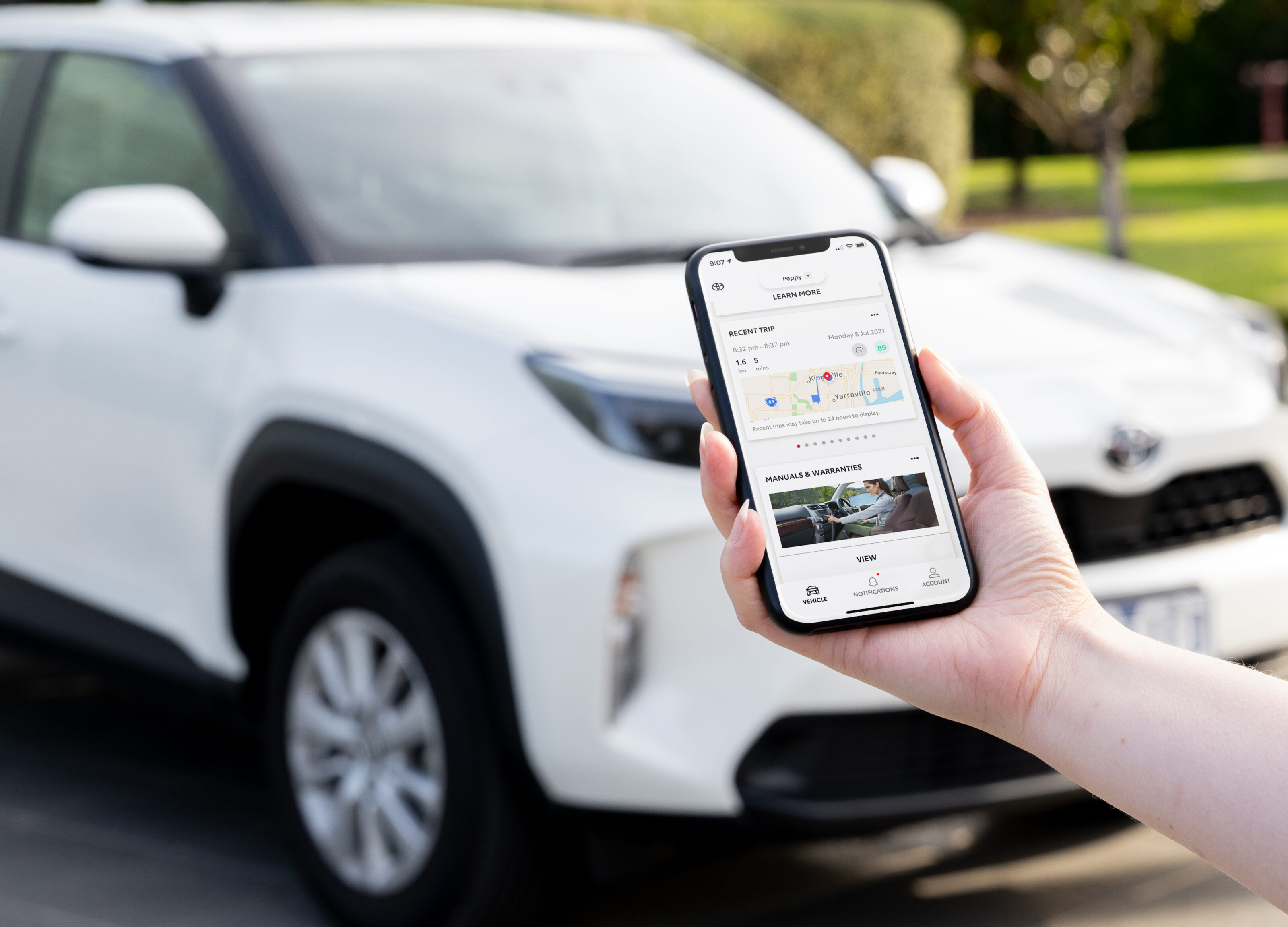
Excluding HiLux and Fortuner, all aforementioned models now also include “drive pulse”, a feature which measures the vehicle’s acceleration, braking and cornering to help improve a driver’s efficiency – in theory training them to save money over the long run.
Toyota Australia Vice President of sales, marketing and franchise operations, Sean Hanley, said the increased functionality of TCS would help to provide a more connected experience for Toyota owners.
“The launch of Toyota Connected Services in Australia saw us able to provide our customers in the small SUV segment with advanced connected safety features,” said Hanley.
“This expansion into more vehicles is another step in harnessing advanced connected technologies that not only help to deliver safer vehicles, but an enhanced ownership experience.”
The additional features will be included for all owners of the aforementioned models built from July 1, 2021 onwards, available for download across Apple and Android Smartphones, with Toyota offering complementary TCS for three years after the delivery of a new model.
Toyota Connected Services functionality
| Function | Yaris Cross | Camry | HiAce | Granvia | LandCruiser 300 | HiLux | Fortuner |
|---|---|---|---|---|---|---|---|
| Automatic collision notification | Y | Y | Y | Y | Y | Y | Y |
| SOS emergency call | Y | Y | Y | Y | Y | Y | Y |
| Stolen vehicle tracking | Y | Y | Y | Y | Y | Y | Y |
| Odometer reading | Y | Y | Y | Y | Y | Y | Y |
| Fuel level check | Y | Y | Y | Y | Y | Y | Y |
| Distance to empty | N/A | N/A | Y | Y | N/A | Y | Y |
| Vehicle location | Y | Y | Y | Y | Y | Y | Y |
| Recent trips | Y | Y | Y | Y | Y | N/A | N/A |
| Drive pulse | Y | Y | Y | Y | Y | N/A | N/A |
| Door status (Open / Closed and Locked / Unlocked) | N/A | N/A | N/A | Y | N/A | Y | Y |
| Hazard light status | N/A | N/A | N/A | Y | N/A | Y | Y |
| Window status | Y | Y | Y | Y | Y | N/A | Y |
| Bonnet status | N/A | N/A | N/A | Y | N/A | N/A | N/A |
| Vehicle alert/Forgotten notification: door, light, window, bonnet, key push notification | N/A | N/A | N/A | Y | N/A | N/A | N/A |
| Guest Driver Settings (location, speed, time, engine start) | Y | Y | Y | Y | Y | Y | Y |
Snapshot
- Production-spec Type 132 to be manufactured in China
- Set to be the first electric mass-production Lotus
- Official reveal set for March 29
Less than a month before its official reveal, the Lotus Type 132’s design has been leaked thanks to design patents surfacing.
Appearing on IP Australia’s website under Wuhan Lotus ownership, the patents give us a better idea of what the Chinese-owned British marque’s first SUV will look like.
UPDATE, March 30, 2022: Lotus has finally unveiled its new electric SUV, the Eletre. Get the full story at the link below.

The story to here
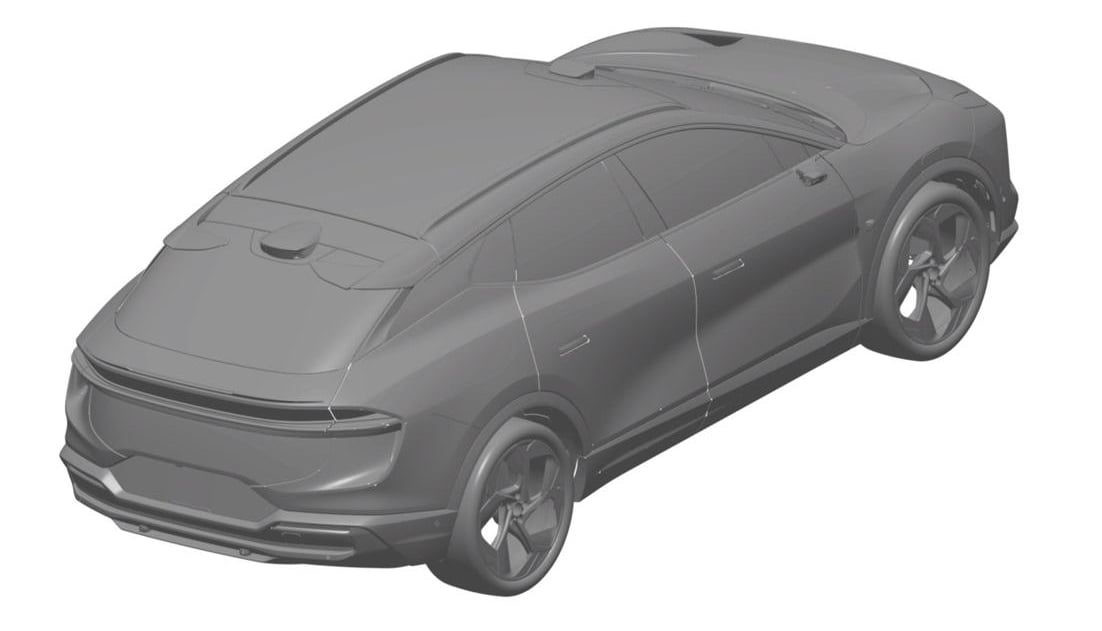
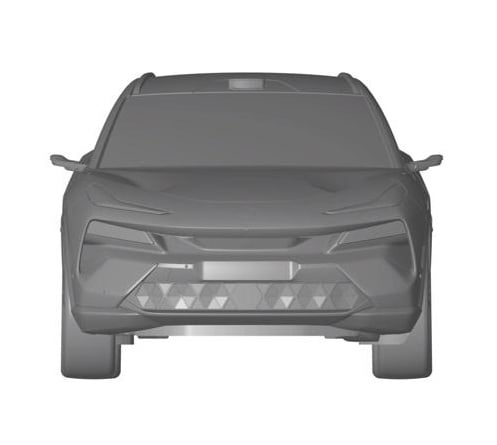
The electric vehicle borrows some inspiration from the Emira sports car and Evija hypercar but its overall design seems to mimic that of its internal-combustion-powered European rivals, such as the Lamborghini Urus and Porsche Cayenne Coupe.
Although official teasers from Lotus have shown the Type 132 to have thin LED lights at the front and rear, this is the first time we’ve seen details such as its door-mounted cameras in place of mirrors, the odd quarter-sized rear wing and pop-out door handles, sitting flush along the bodywork.
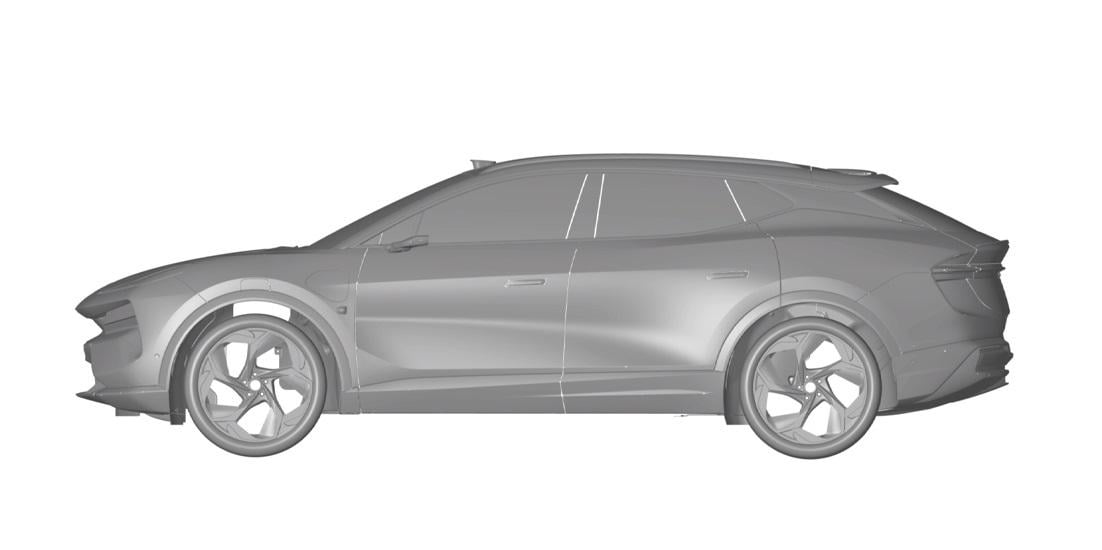
Despite the side shots showing what appears to be a sizeable rear overhang for an EV, the large C-pillar and small rear quarter window suggest the SUV will be a two-row, five-seater – unless third-row passengers aren’t afforded the luxury of a decent peripheral view out of the car.
Lotus has already shown off the Type 132’s active aerodynamics, from its rear wing to grille shutters, both of which will be implemented to reduce drag or increase downforce, depending on the situation.
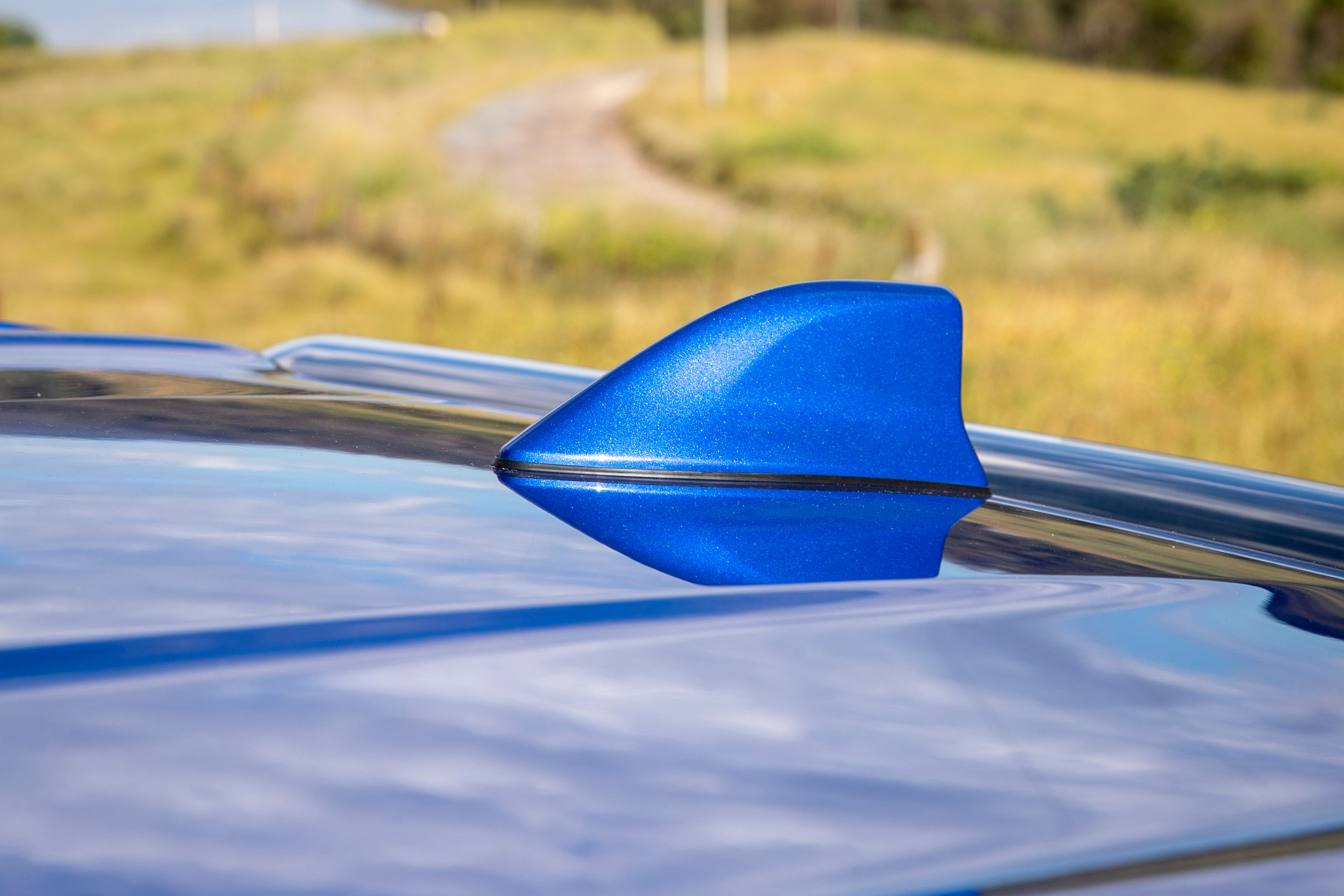
Level Three autonomous driving systems are also expected to feature on the Type 132 after earlier teasers included a roof-mounted Lidar scanner, stepping away from radar and camera-based systems such as those used by Tesla.
The official reveal of the Type 132 is slated for March 29, with Wheels providing updates for the unveiling of Lotus’s first electric SUV.
It’s tricky to pinpoint exactly when the world’s luxury car brands hit their respective panic buttons, upon realising the Tesla-inspired and emissions-influenced electric-car revival was neither another GM EV1 moment nor an industry anomaly.
Audi, BMW and Mercedes are all just about on an EV roll in the catch-up game, yet only now are we seeing the first battery vehicles from Lexus and Volvo.
The lateness of an electric Lexus is particularly surprising when you consider its parent company pioneered hybrid technology more than two decades ago.
Electrification seems a natural fit for a brand as wholesome as Volvo, too, and the Swedish company, after stating in 2017 it would offer a mix of variously electrified vehicles from 2025, has since declared all its cars will be fully electric from 2030. Lexus has even more recently stated its intention to adopt the same strategy from 2035.
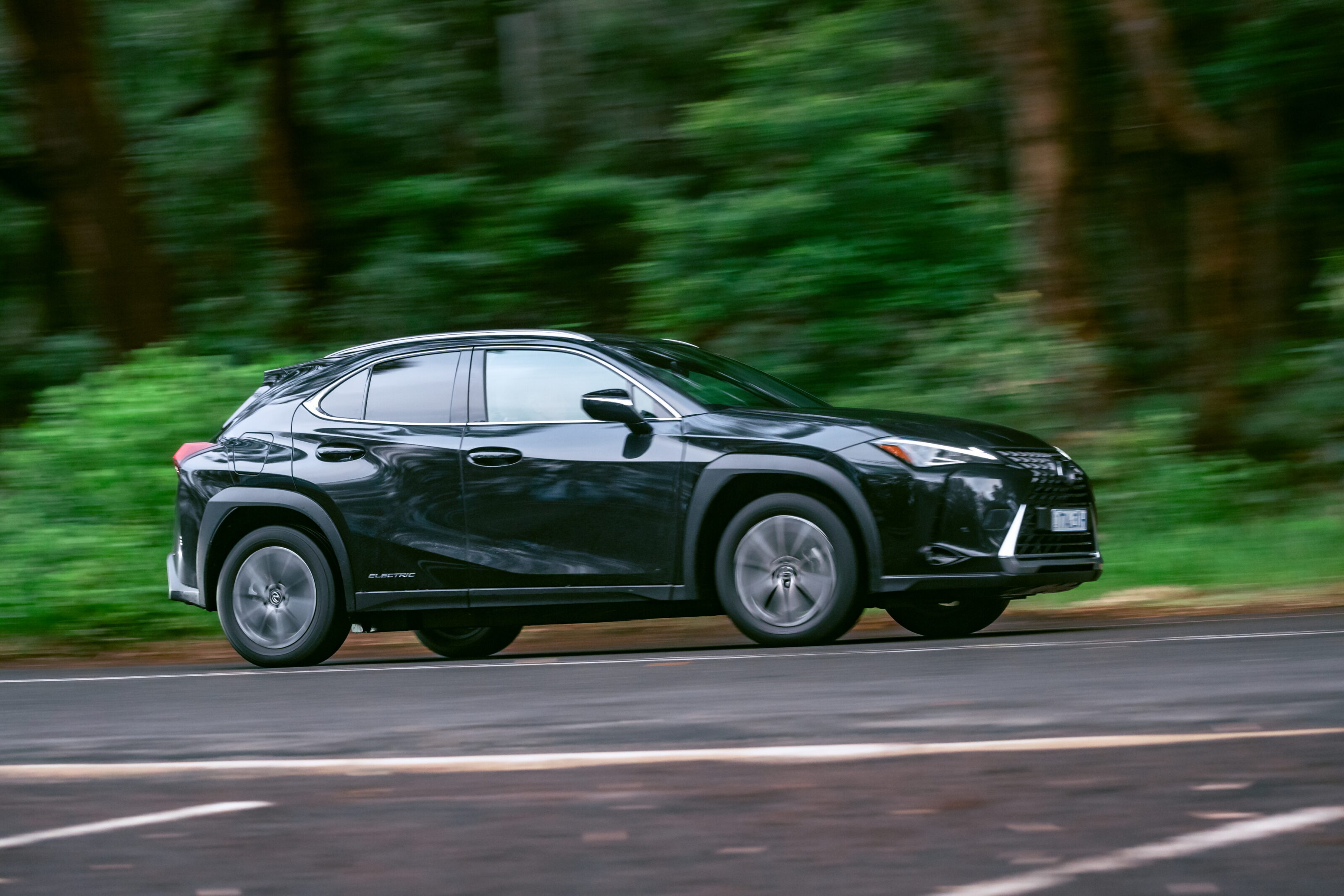
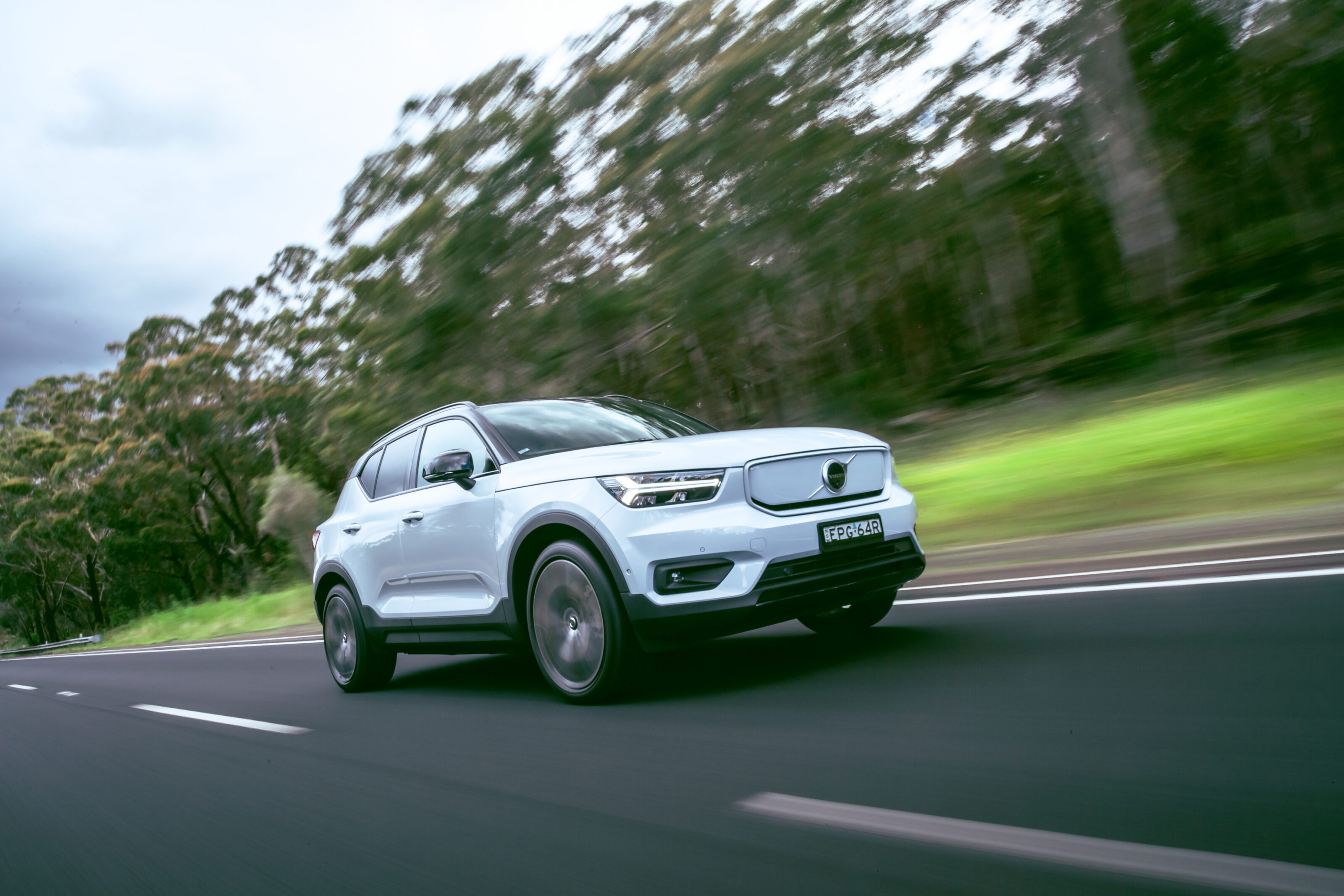
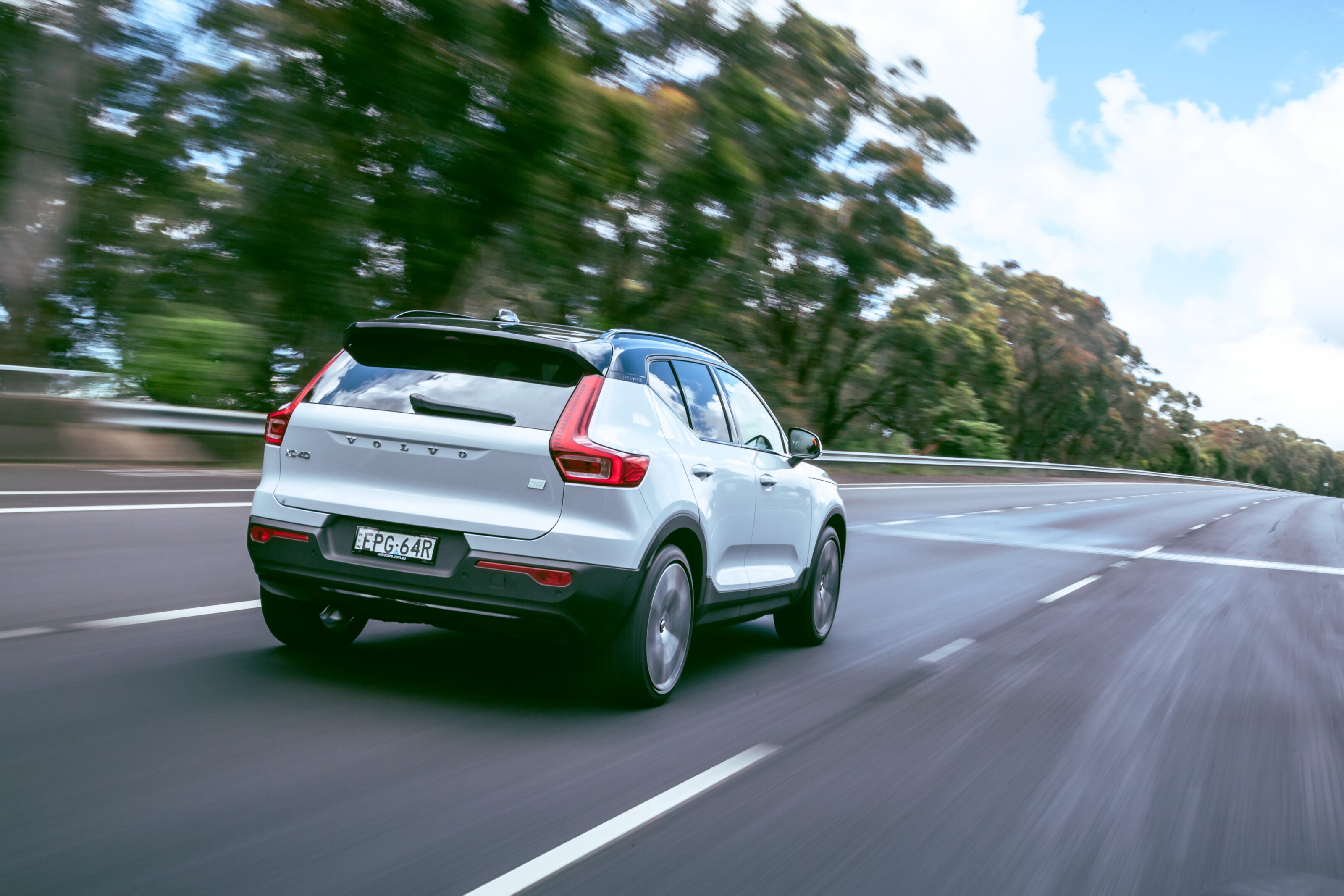
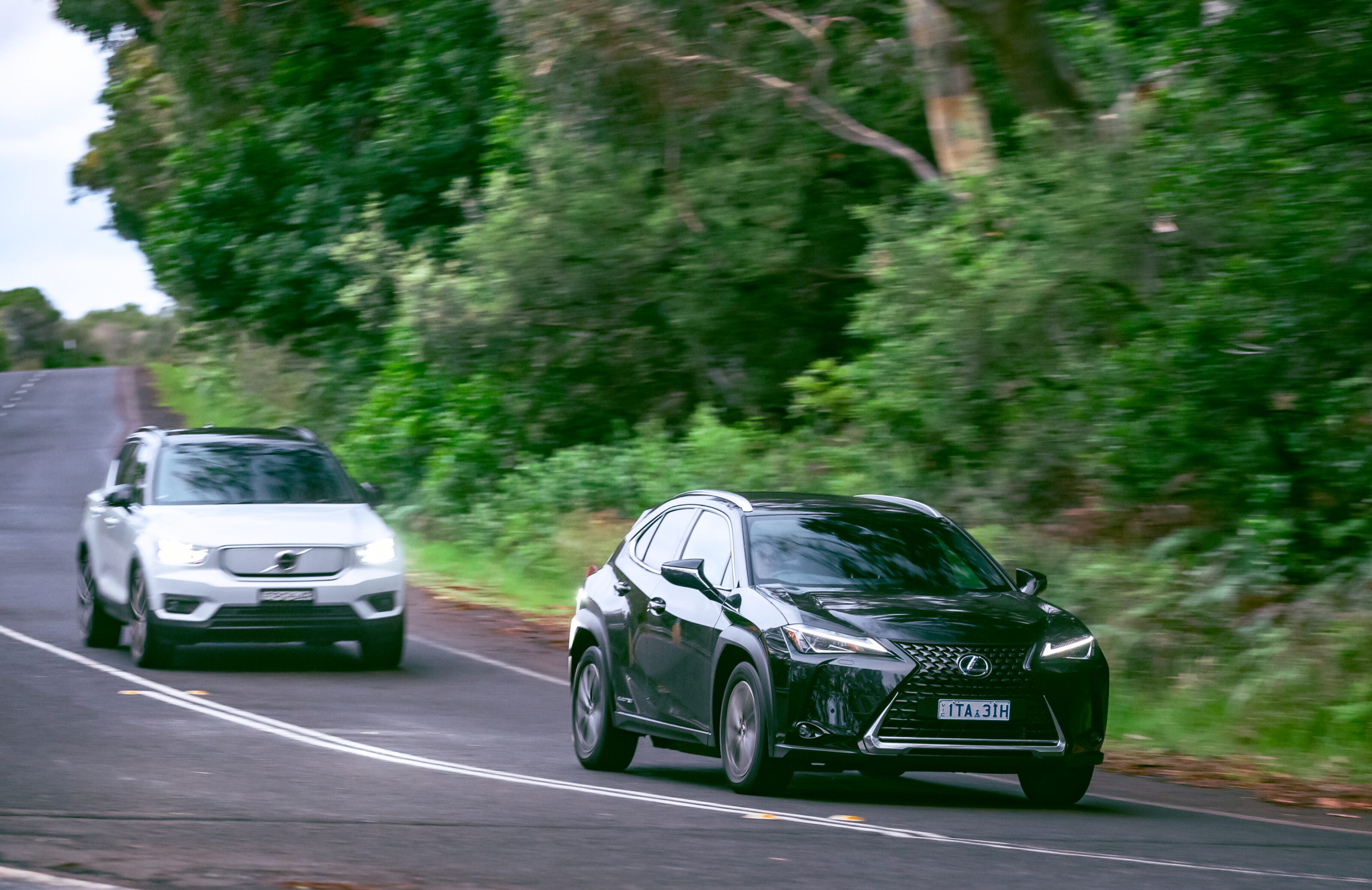
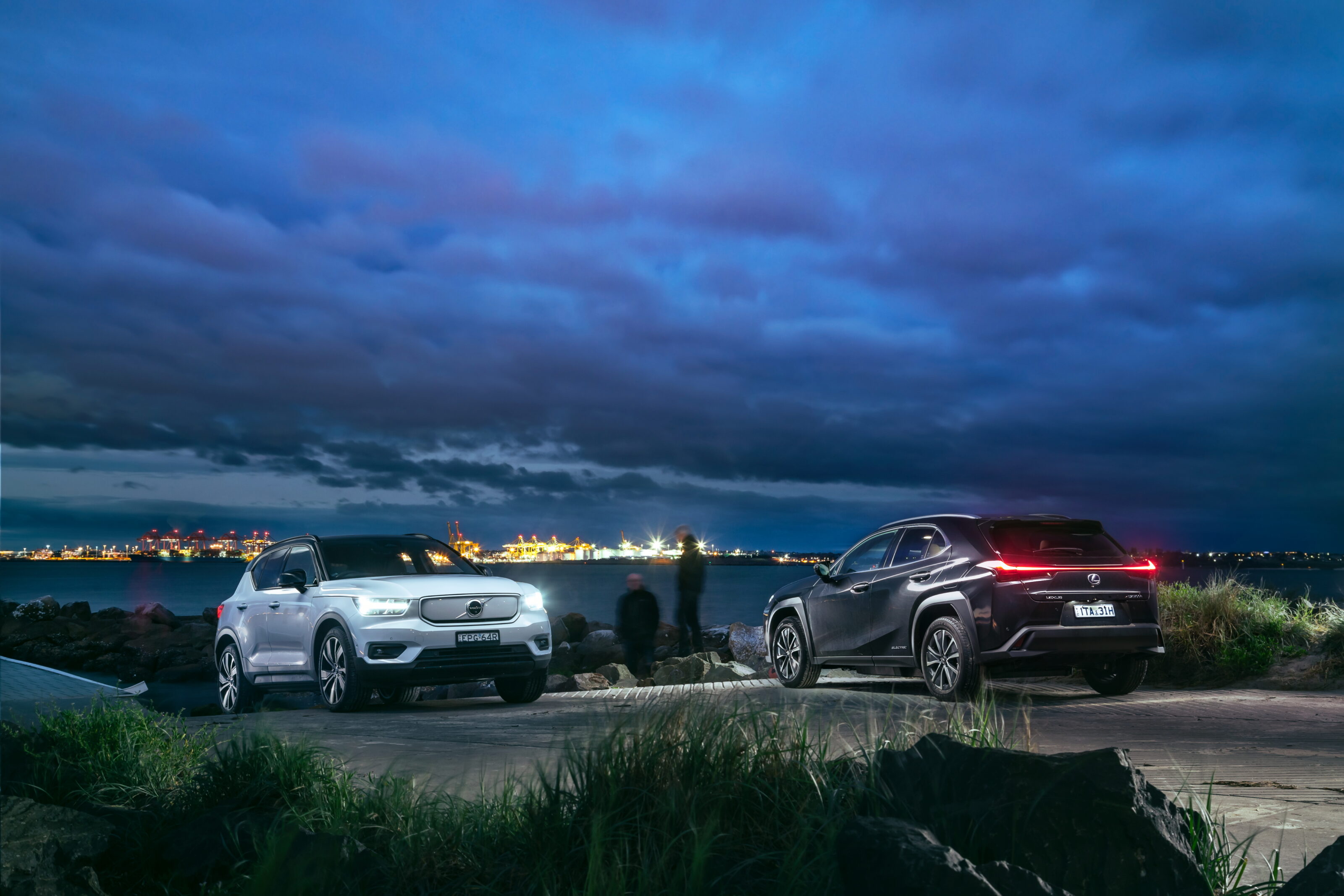
Their battery-powered debutants – the Lexus UX300e and Volvo XC40 Recharge Pure Electric – couldn’t be much closer in concept: compact luxury SUVs just under 4.5 metres in length; built on adapted platforms designed to initially accommodate petrol and hybrid drivetrains; fastest models in their respective ranges; flagships priced in the mid-$70,000 zone.
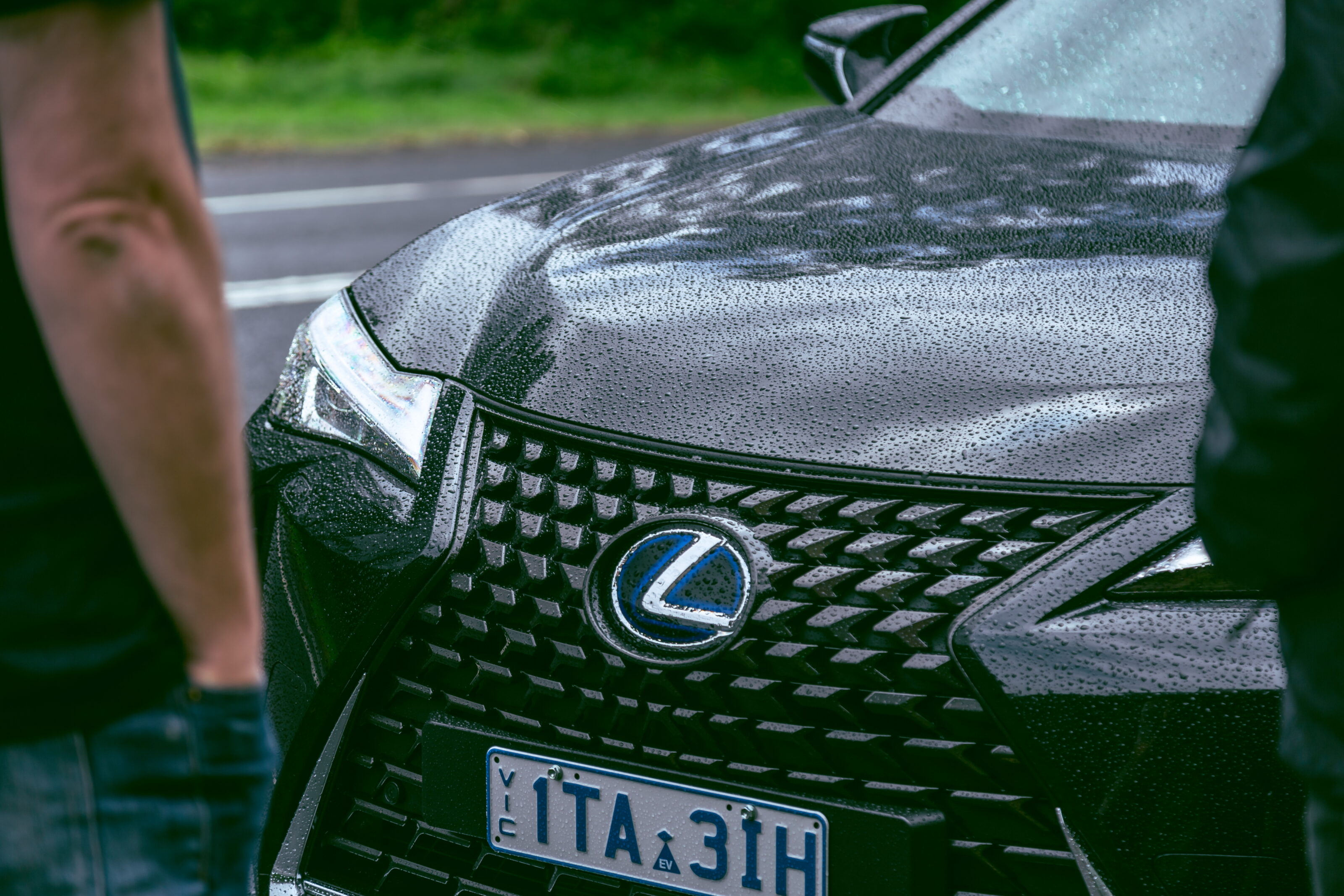
And each is differentiated visually from its petrol or hybrid siblings in subtle ways. Main giveaways are the ‘Electric’ badging applied to the UX300e’s doors, and the slab of plastic slotted into the spot where the XC40’s conventional grille usually sits.
Our high-specification, dual-motor XC40 Pure Electric was priced from $76,990 when tested, before an MY22 increase to $79,990 was announced in late December. This was accompanied by confirmation of an incoming single-motor variant that will cost $72,990 before on-road charges.
Lexus’s entry-grade UX300e Luxury starts at $74,000. That’s an important figure for NSW buyers because, unlike the revised Volvo price, it qualifies the Japanese SUV for stamp-duty reimbursement of about $3000 by sitting below the state’s $78,000 threshold. However, eight of the Lexus’s 10 exterior paints cost an extra $1750, where all Volvo colours are inclusive.
The XC40’s equipment list is also longer, with key upper-hands including a panoramic sunroof, surround-view camera, full-size digital driver display, and voice control. There’s also 20-inch wheels compared with 17s for the Lexus.
MY22 Pure Electric dual-motor versions will add pixel headlights with 84 individually controlled LEDs, though also ditch the current leather-accented seats for fabric upholstery – putting it on a vegan-friendly par with the UX300e Luxury that’s trimmed in artificial leather.
One-ups for the Lexus are limited to electric steering wheel adjustment and ventilated front seats. Upgrading to the $81,000 UX300e Sports Luxury gains genuine leather upholstery, 18-inch wheels, 360-degree camera, smarter LED headlights, head-up display, moonroof, and some higher-grade interior finishes.
Regardless of grade, Lexus throws in an extensive ownership package. Besides becoming the first Lexus to benefit from a factory warranty that lengthens from four to five years (matching Volvo), the UX300e comes with three years of complimentary charging via the Chargefox network, a free 7kW AC home wall charger, and three years of Lexus Encore Platinum membership that includes perks such as free loan vehicles (if limited to four occasions).
A 10-year/unlimited-km battery warranty is also longer than Volvo’s 8-year/160,000km backing (Lexus just stipulates annual battery checks after five years).
Servicing is Volvo’s main owner bonus – inclusive for three years/100,000km where Lexus charges $295 annually or every 15,000km – while it offers eight years of roadside assistance to Lexus’s five.
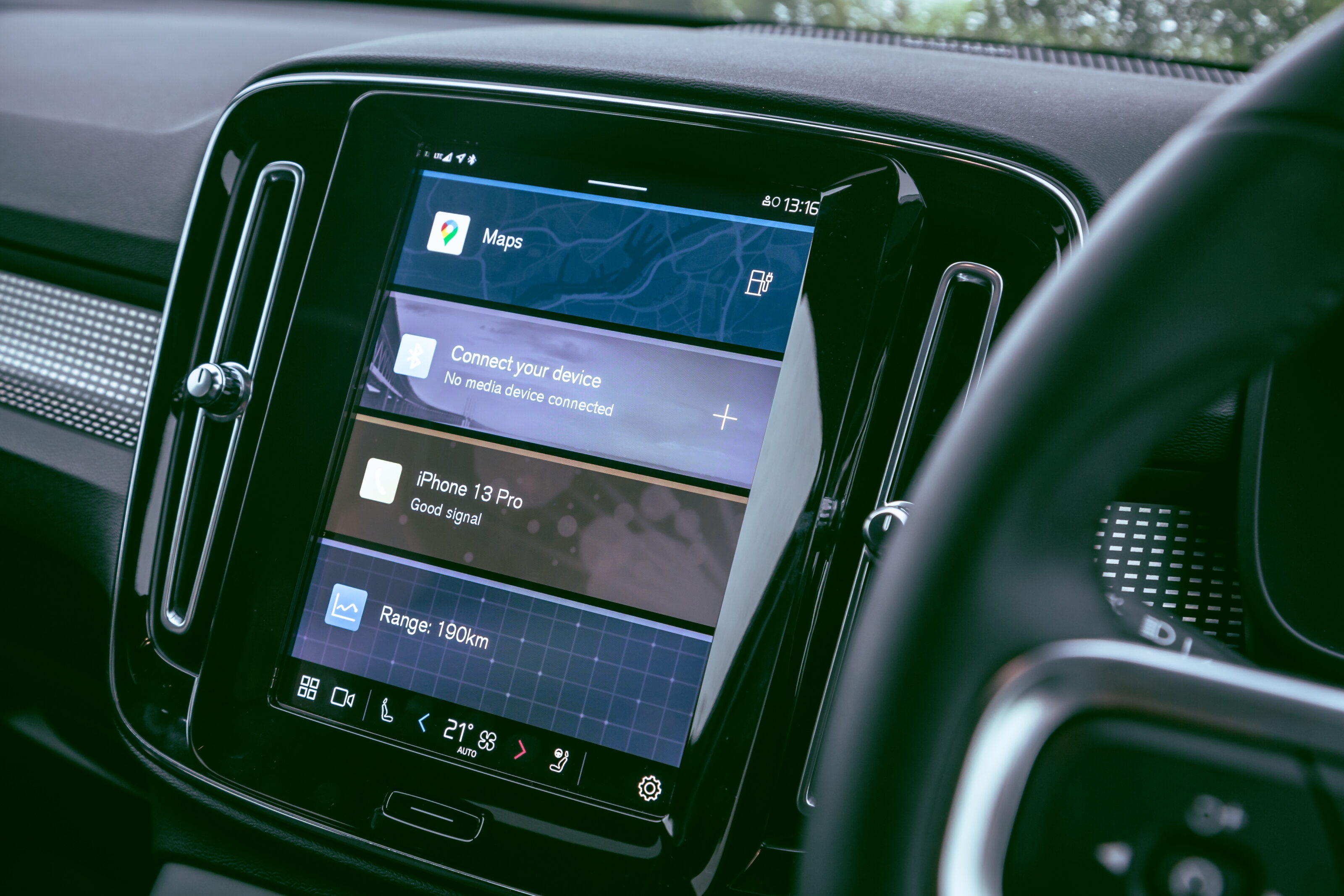
The Swedes also throw in a four-year subscription to a Digital Services package, which via an embedded e-sim delivers online services to Volvo’s new-generation, Android-based infotainment system that was co-developed with Google.
Advantage Volvo overall in our book, and that’s before factoring in the XC40 Pure Electric’s decisive technical edge.
Punching out 300kW/660Nm from its electric motors and providing a WLTP-rated range of up to 418km from its 78kWh battery, it leaves the Lexus looking like it belongs to a lower tier.
The front-drive UX300e serves up 150kW and 300Nm from its solitary motor, while the range from its 54.3kWh battery maxes out at a relatively short 305-315km. (No wonder Lexus Australia, somewhat disingenuously, quotes only the older-cycle NEDC figure of 360km.)
At full charge, each EV indicated an estimated real-world range below those lab figures (as is common): 350km for the Volvo and 267km for the Lexus.
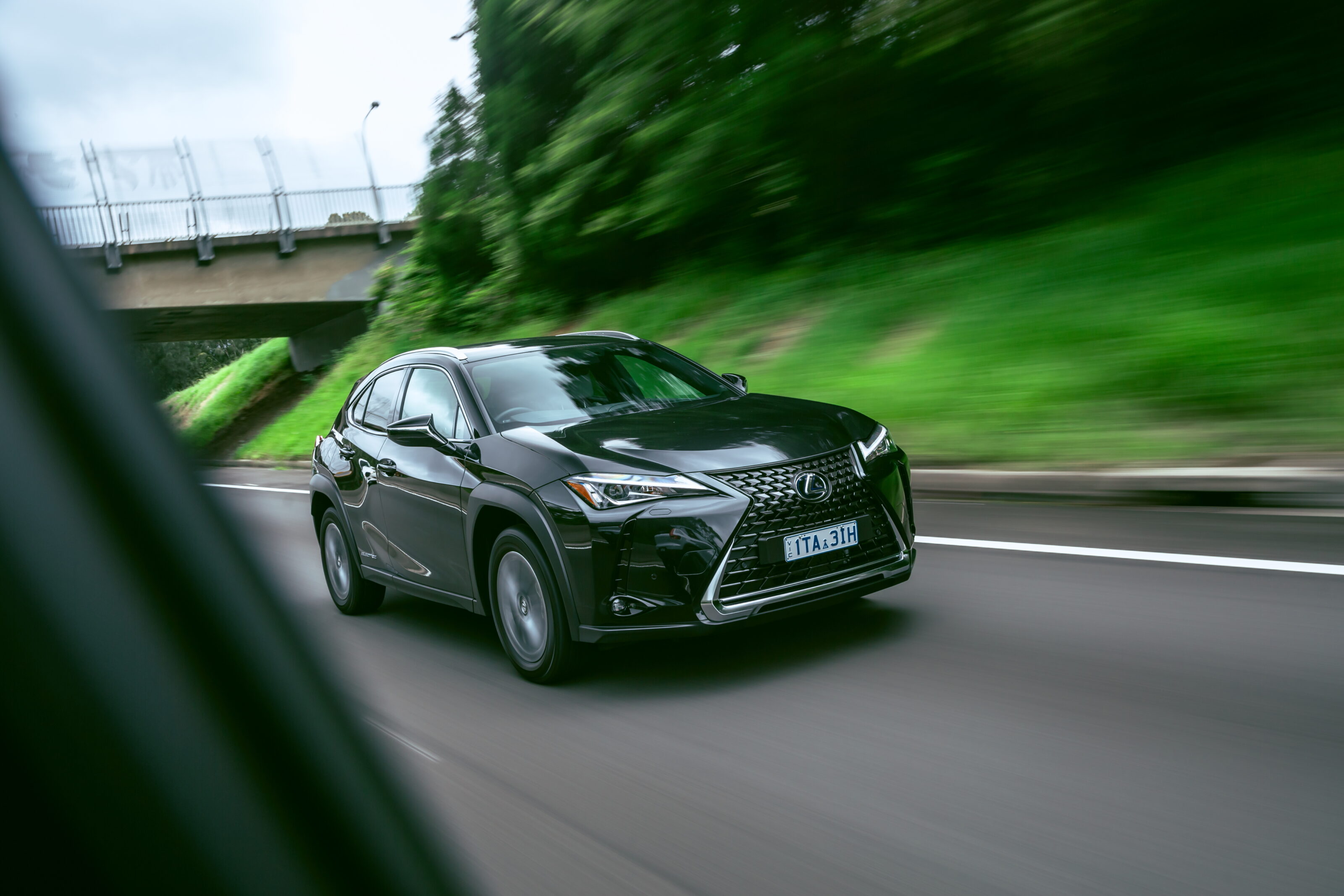
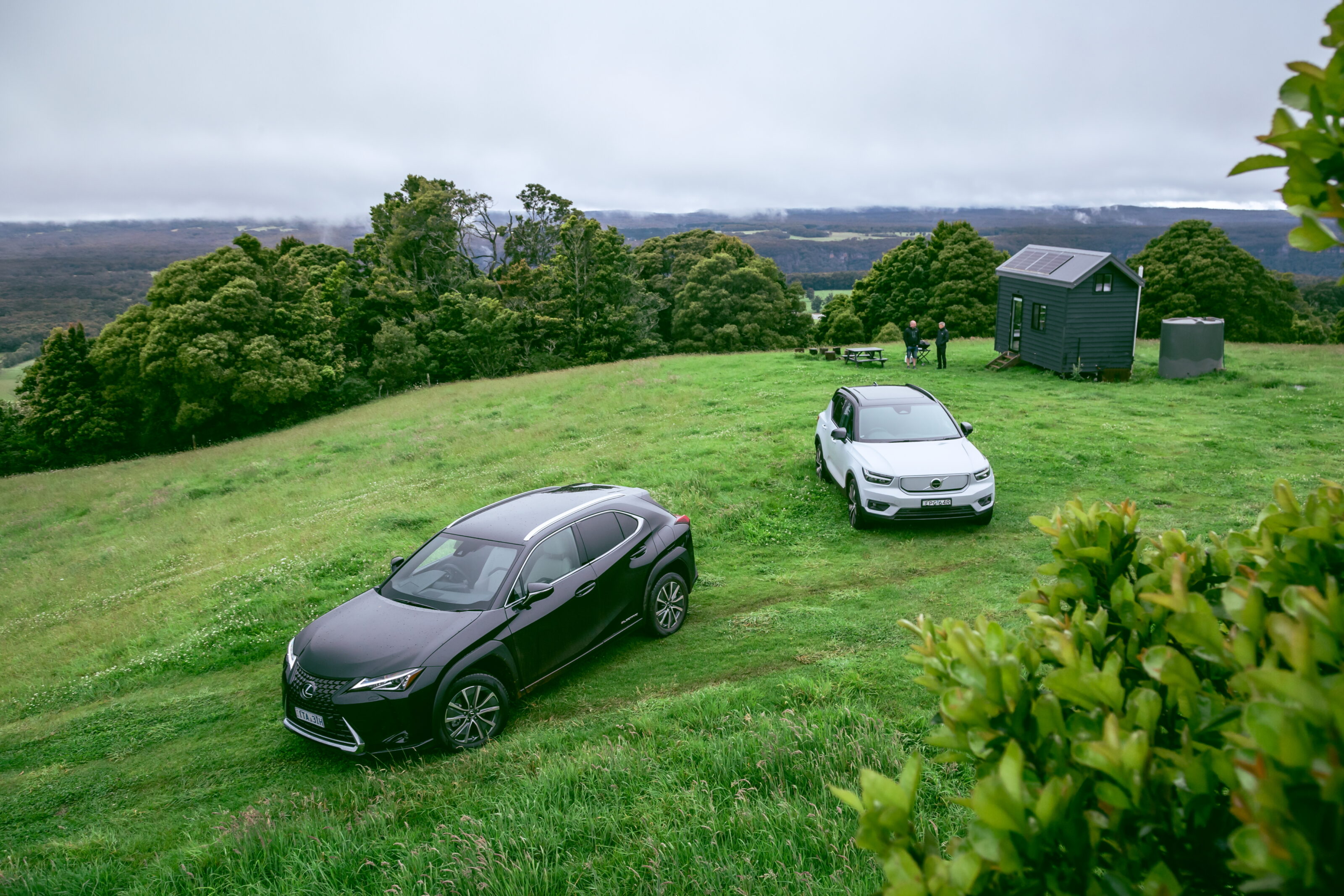
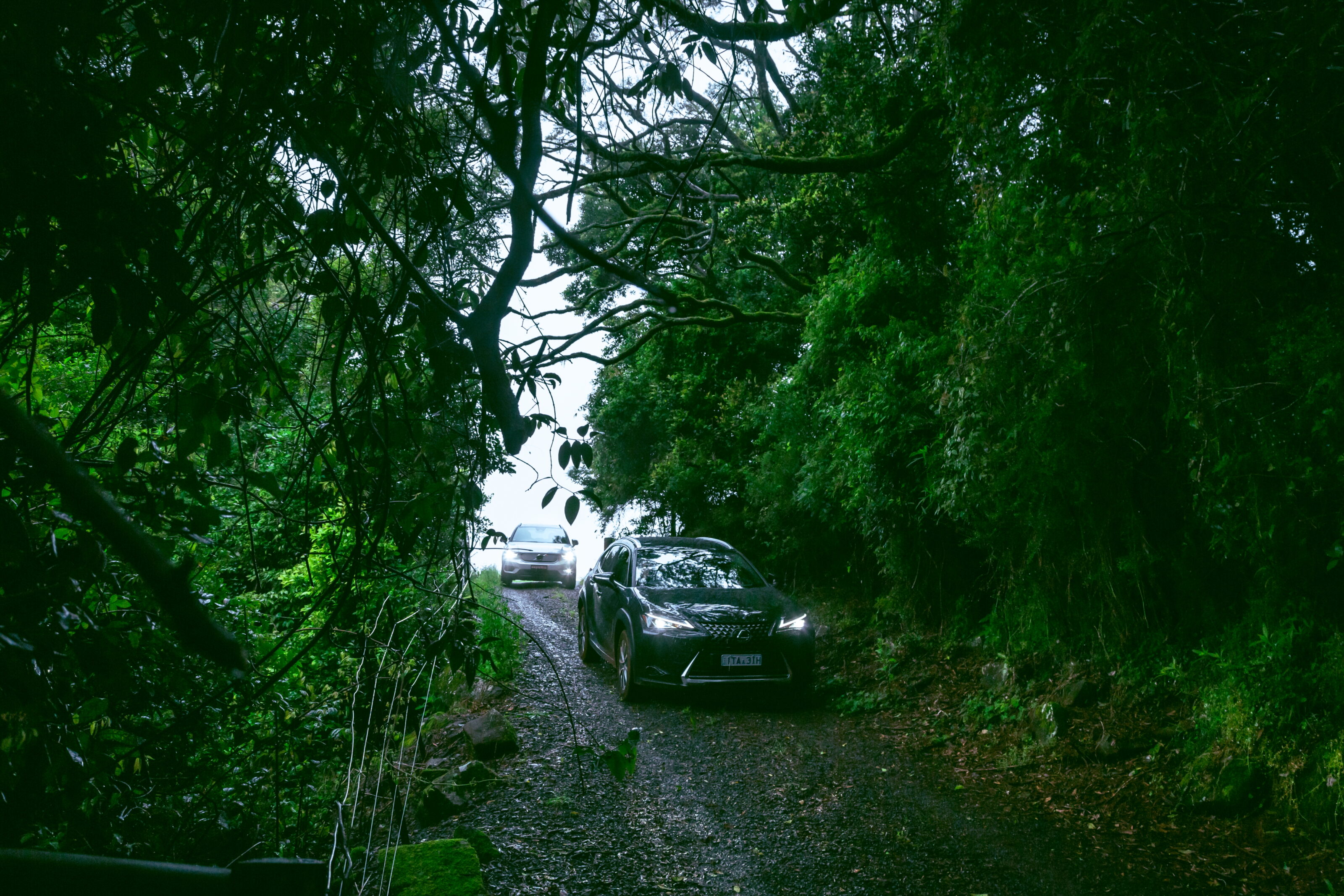
Plentiful range for weekday commuting and school runs, especially with home charging, though to test weekend-excursion credentials we set off for the countryside. Our destination sticks to the theme of sustainable compact luxury: one of those tiny, rentable off-grid eco houses popping up all over regional Australia.
‘Edmond’ lies just under 130km from our starting suburb in Sydney, making for a return trip that should be easily manageable for the Volvo but will task the Lexus with getting closer to its WLTP-rated range.
An immediate difference when getting underway: a starter button needs to be pressed to switch on the Lexus; in the Volvo you simply flick the gearlever into Drive.
Lexus’s front seats may be finished in artificial leather but they’re tactile, look posh, are supple and comfortable – you sink straight into them. They’re relatively low slung compared with the XC40’s seats.
Pampering is extended by the UX300e’s generally graceful low-speed ride, delivered by a combination of long-stroke suspension, small wheels, and chubby tyres. Only potholes and repair joins upset composure, with the bigger-wheeled XC40 surprisingly better at absorbing bigger hits.
The Volvo’s ride is noticeably stiffer, though – a consequence of its 20-inch rims and spring/damper rates that have been increased to compensate for the Pure Electric’s heavy battery components. There’s also unexpectedly sporty rubber. The Pirelli P Zeros generate more noise than the Lexus’s bespoke EV tyres, which are further insulated from the cabin with wheelarch liners.
The tables are turned slightly on the freeway, where the XC40’s suspension exhibits a more pliable nature while the UX’s dampers continue to inform you of larger bumps the Volvo’s ignore.
Wind noise is also more evident in the Lexus despite its acoustic-glass windscreen; and the chubby steering wheel isn’t as precise as the Volvo’s around the straight-ahead.
Volvo quotes 4.9sec for the twin-motor XC40’s 0-100km/h time – acceleration that puts this family EV in Golf R territory. It’s potent performance that forces your torso into the seatback under full throttle.
The regenerative braking is also quite forceful when One-Pedal Mode is activated. Most testers preferred to switch it off and instead rely on the brake pedal, which is wooden in feel but easier to modulate than the left pedal in the hybrid XC40.
Move the Lexus’s gearlever from D to B (Braking) and paddleshift levers can be flicked to alter the regen effect through four levels, though even in the highest setting the deceleration is quite weak when lifting off the throttle.
The brake pedal is always needed to bring the UX300e to a stop, a process made abrupt in the last part of travel by a slightly clumsy transition from regen to hydraulic braking.
A 7.5-second sprint time for the Lexus looks like a spectacular capitulation on paper, but it feels quicker than that. The electric motor’s ultra-smooth delivery and hushed operation also establishes it as the most natural drivetrain for a brand that used refinement to put itself on the automotive map.
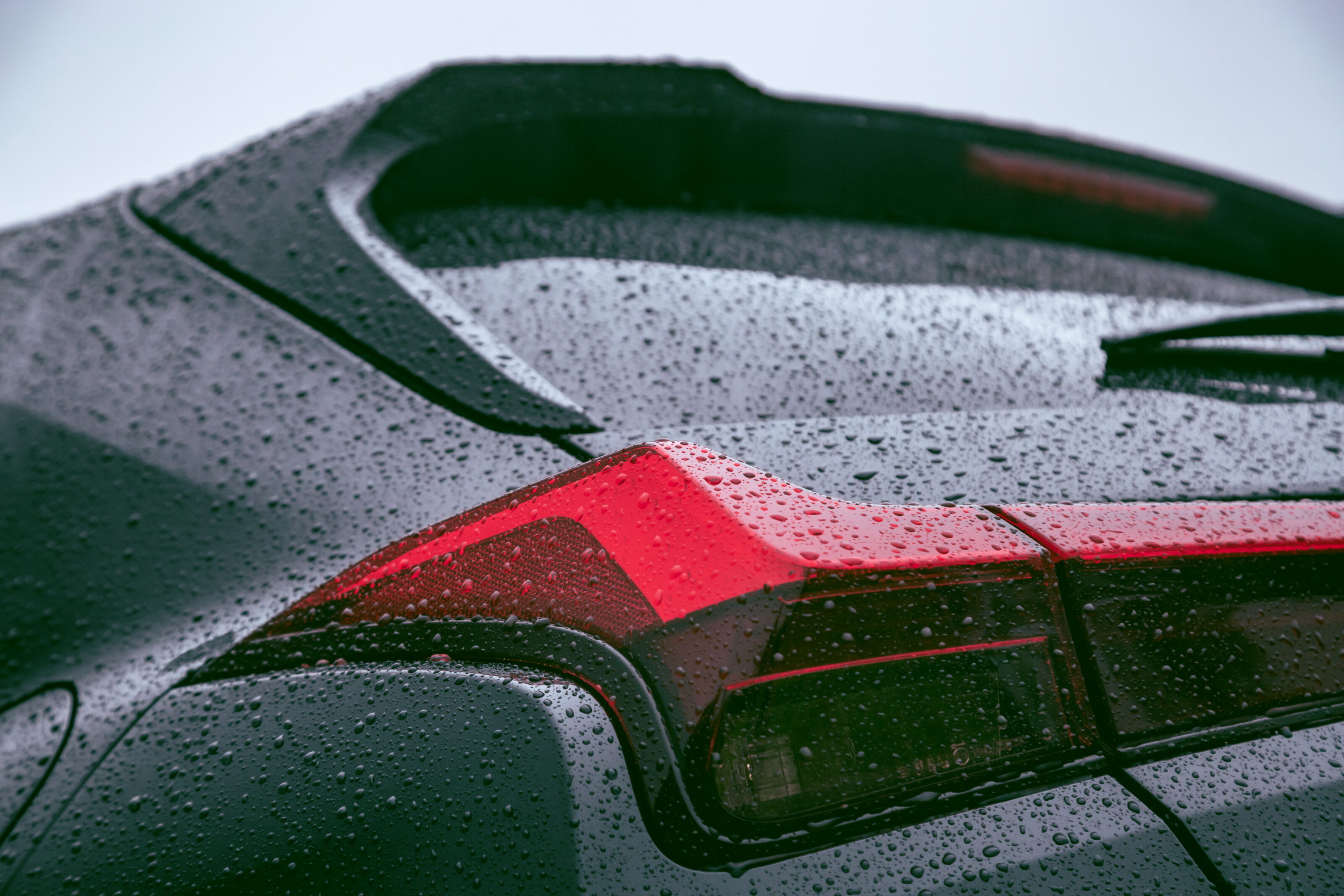
Uncouthly behaviour awaits in wet conditions, however, when even a modest squeeze of the throttle overwhelms the UX300e’s Dunlop Enasave eco tyres, sending the traction control warning symbol into a frenzy of flashing.
There’s also torque steer to contend with, further dulling our enthusiasm for exploring the UX300e’s promise of offering the lowest centre of gravity in the UX range and an 1840kg kerb weight that’s relatively light in an EV context.
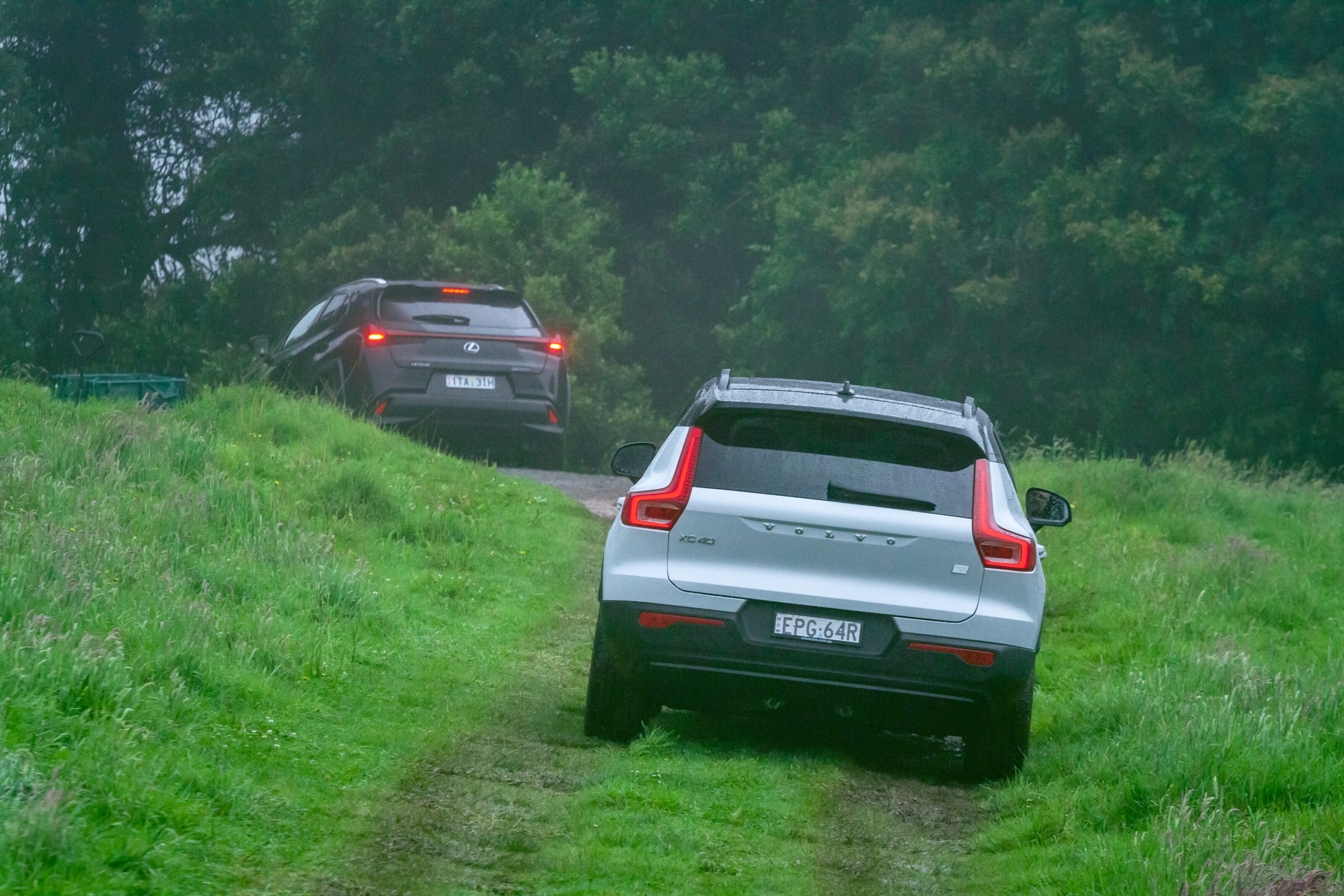
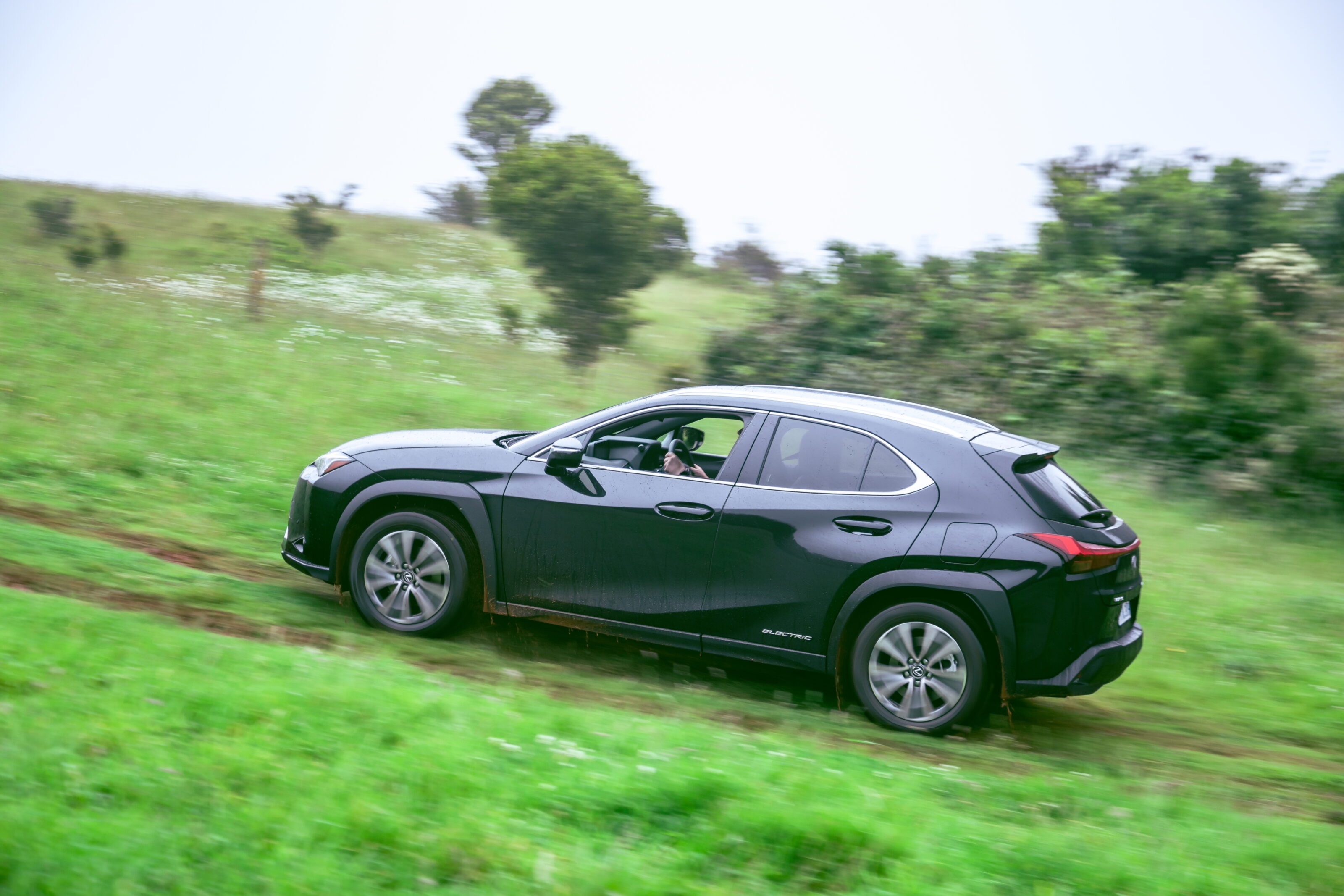
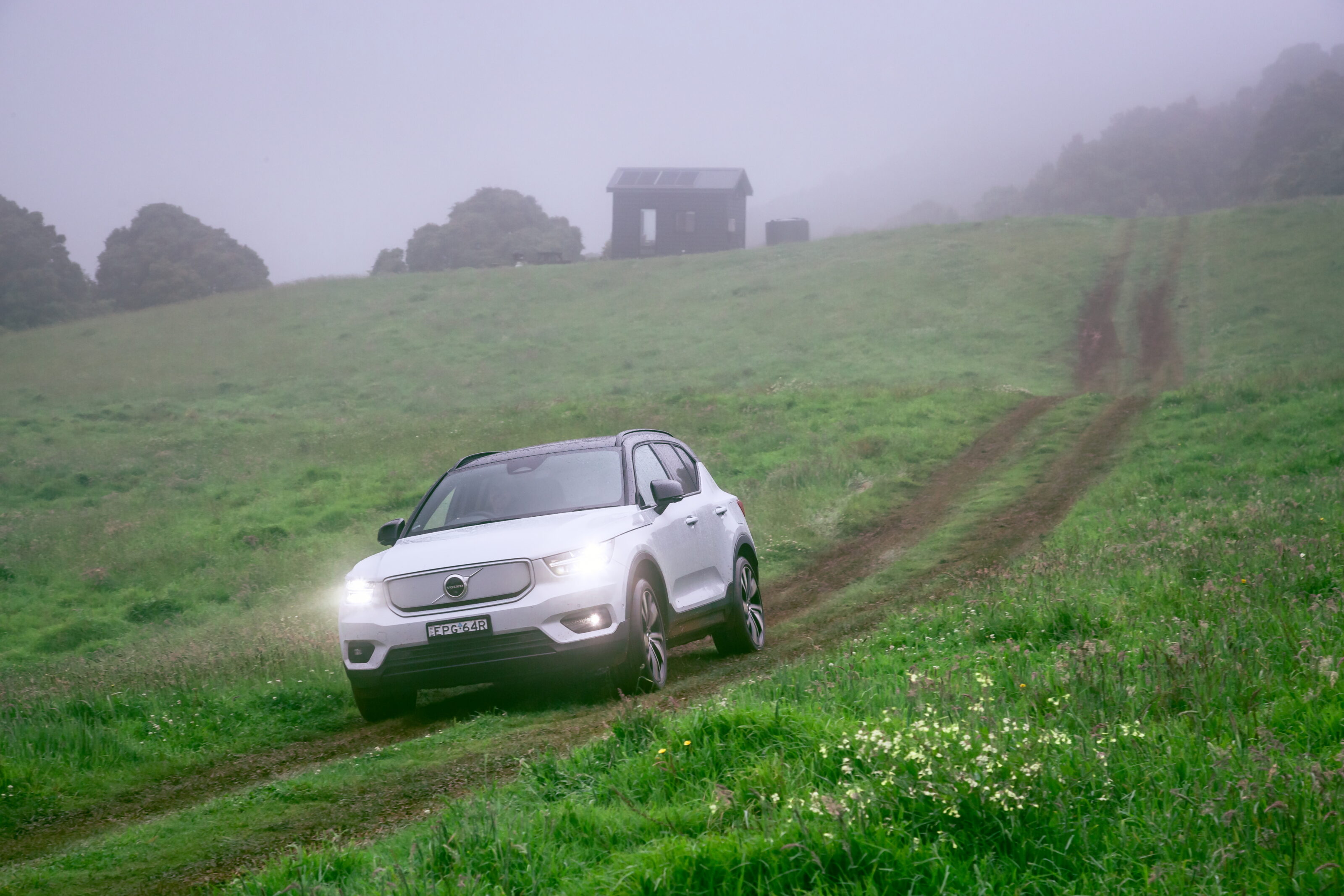
The Volvo’s agility is blunted by its 2158kg bulk, yet a collaboration of reasonably taut body control, all-wheel drive and wide (255mm) rear rubber contrives a confident, planted feel in corners. The Swedish EV also gets a second opportunity to prove that two motors – one per axle – is better than one, when tasked with climbing the wet, grassy hill atop of which sits our eco ‘house’. Where the XC40 breezes up first time, the UX spins its front wheels to failure twice before a third attempt – using a much longer run up – succeeds in the name of momentum.
‘Edmond’ packs a loft bedroom, lounge/dining area, kitchen, and bathroom into a dwelling that occupies a footprint smaller than your average garden shed, if taller. Power comes courtesy of solar panels and gas bottles. Water comes from a rain tank.
It’s a marvel of packaging efficiency the XC40 can respect. The compact SUV’s cabin will accommodate a quartet of six-footers without asking the rear passengers to become uncomfortably acquainted with seatbacks or headlining.
Transmission tunnels betray the absence of bespoke electric platforms here, ruling out the middle seat as a comfortable spot for adults.
The Lexus is the slightly longer vehicle, yet access through its rear doors is narrow and there’s less legroom inside. Toe space is almost nonexistent. Space above is less of an issue despite the stepped battery pack design lifting the electric UX’s rear hip point by 16mm.
Lexus Australia quotes 414 litres for the UX300e’s boot capacity, making it the largest in the range. Yet it’s trumped by the XC40’s 452-litre compartment. The Volvo’s boot also looks bigger and provides extra-practical features such as a ski port and a fold-up floor divider with bag hooks. Both SUVs offers some underfloor storage, restricting puncture-remedy duties to a repair kit.
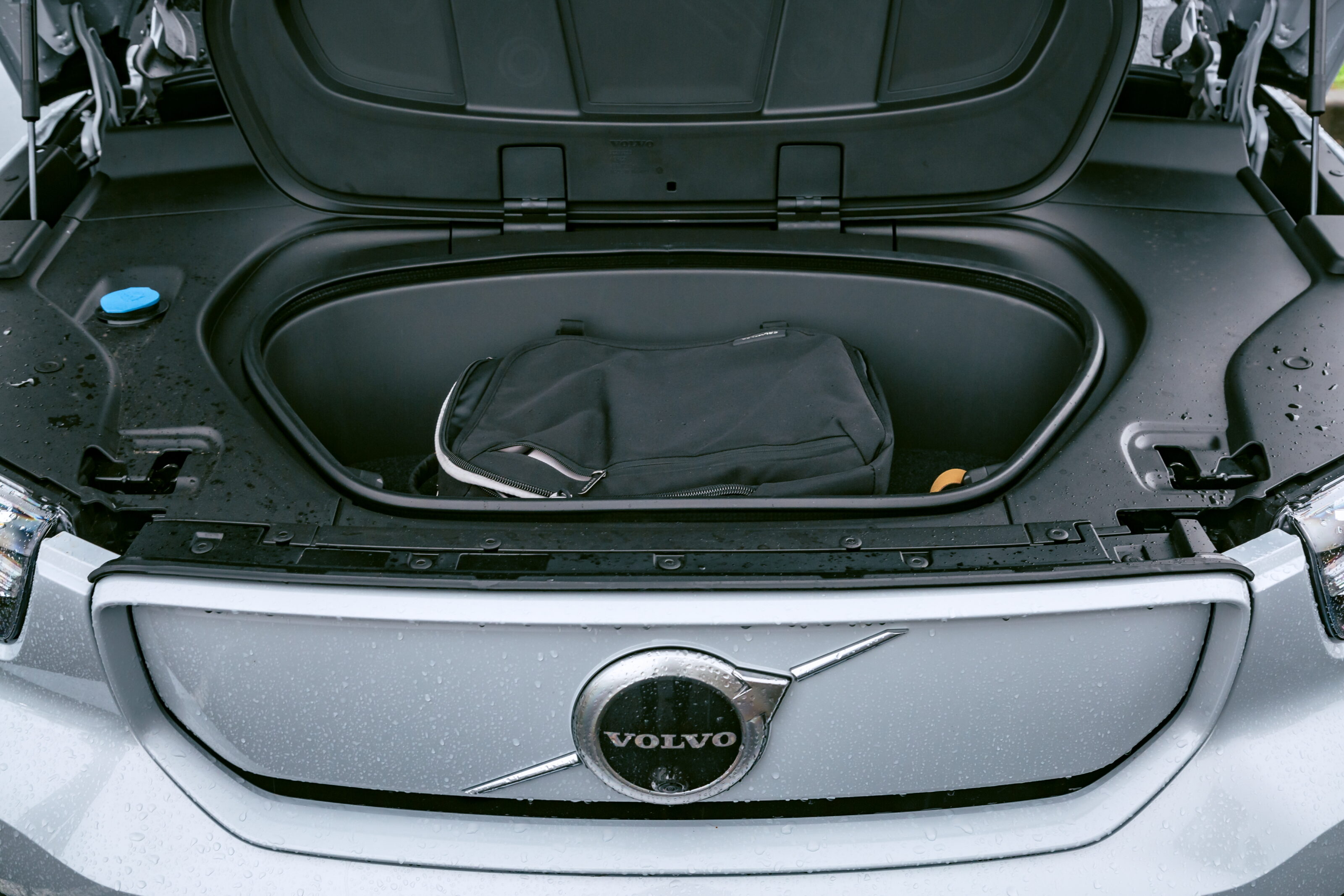
A 31-litre ‘frunk’ makes the Pure Electric the most practical XC40, a useful extra space large enough to stow a medium-sized holdall. The Lexus’s ‘engine’ bay is instead brimmed with complex plumbing and various components including the electric motor.
Still assembled in the middle of a muddy field, we need to get back on the grid. With just 92km left on the UX300e’s readout after some photography manoeuvres, a detour to a charging station in Mittagong is now mandatory.
No worries for the Volvo, which still has 180km available.
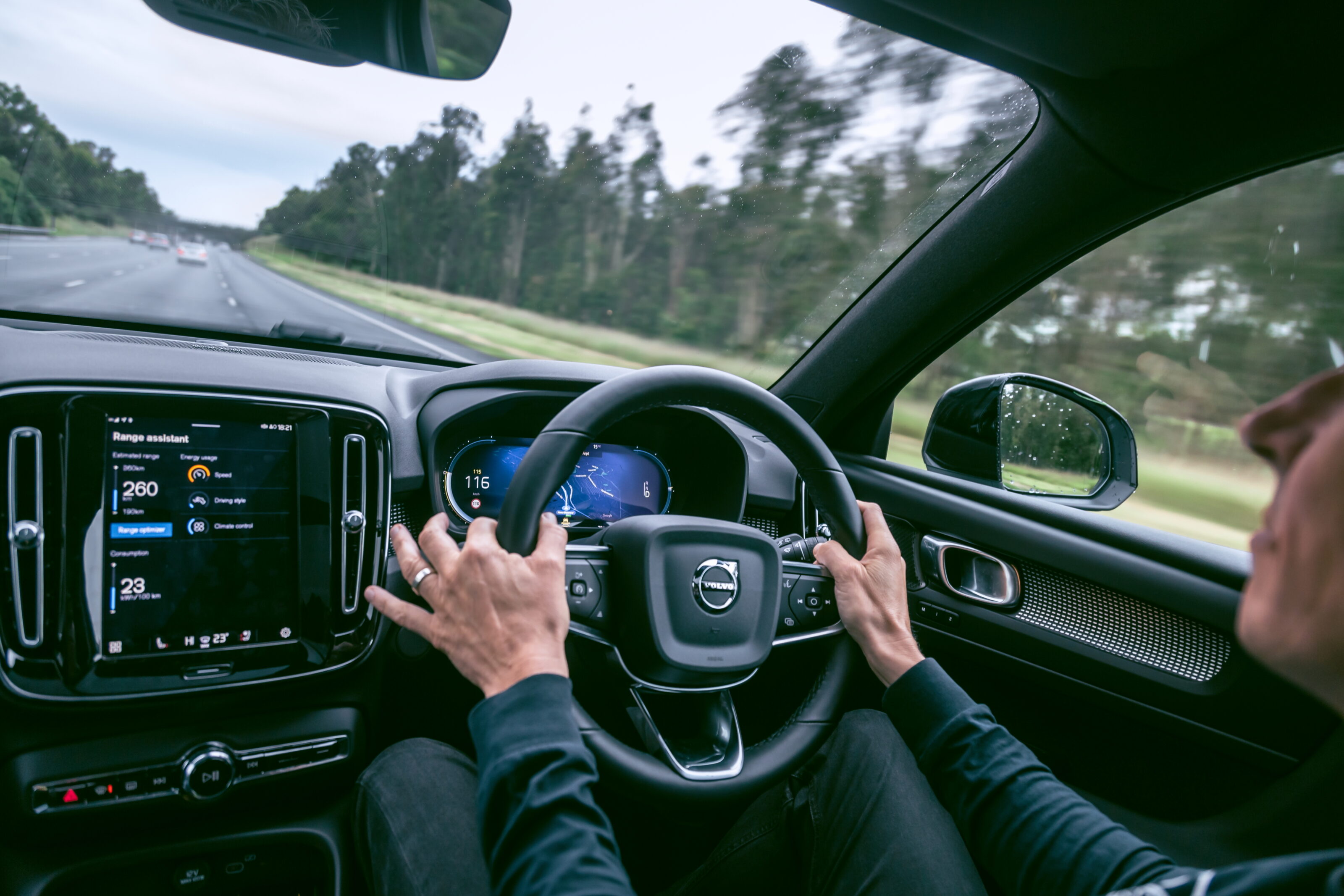
Curiously, and unlike its Polestar 2 twin, the XC40 Pure Electric doesn’t provide a constant distance guide in its driver display. It appears only once battery life has dropped to 20 percent and below. Owners can instead access a Range Assistant app in the central nfotainment screen, which provides estimated kilometres along with real-time energy consumption, energy-usage guide, and a climate-adjusting Range Optimiser function.
The app can be overly pessimistic, gradually correcting via its regular recalibration to confirm our wider experience that a fully charged electric XC40 should deliver more than 360km, if needing all variables in its favour to reach 400km.
The UX300e’s battery-range estimates were impressively accurate, though even with superior energy efficiency – hitting as low as 18.3kWh per 100km compared with a 20.7kWh/100km best for the Volvo – the smaller-battery Lexus never suggested it could achieve a 300km range.
DC fast-charging capability is also limited to 50kW where it’s up to 150kW for the Volvo, and the Lexus uses an older-school CHAdeMO plug (with a separate AC charging port on the opposite flank) rather than the more universal CCS Type 2 used by the XC40.
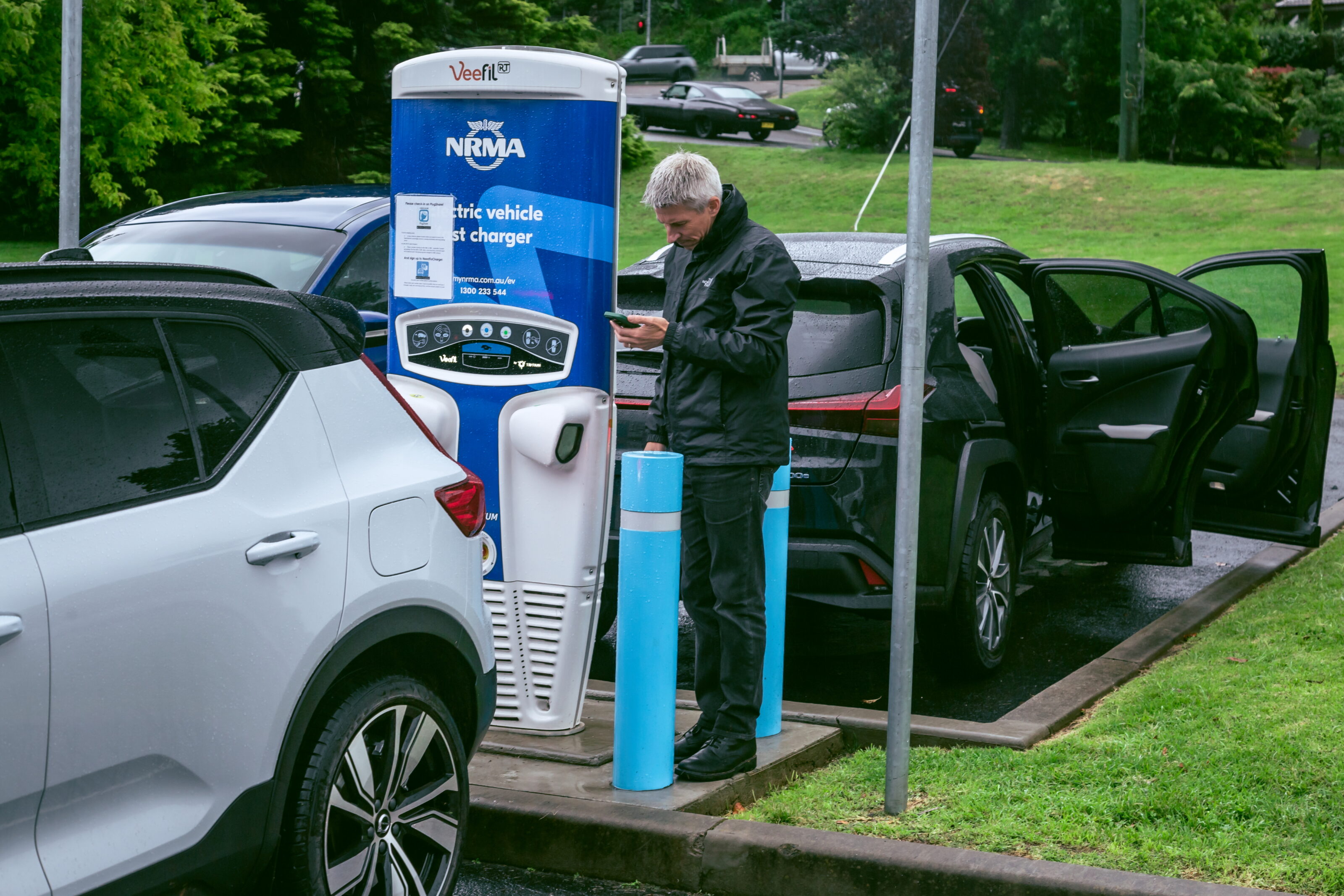
Not that this made a difference at the Mittagong station with its 50kW cap and both plug types.
Plotting the nav-course home, the Volvo reveals further advantages. Aside from the beautiful simplicity of Google Maps incorporated into an infotainment system also featuring Google Assistant, the XC40’s route display handily predicts end-of-journey battery life.
The Pure Electric’s driver display, as in other XC40s, can also be switched to a map mode, freeing up the infotainment screen for other functions.
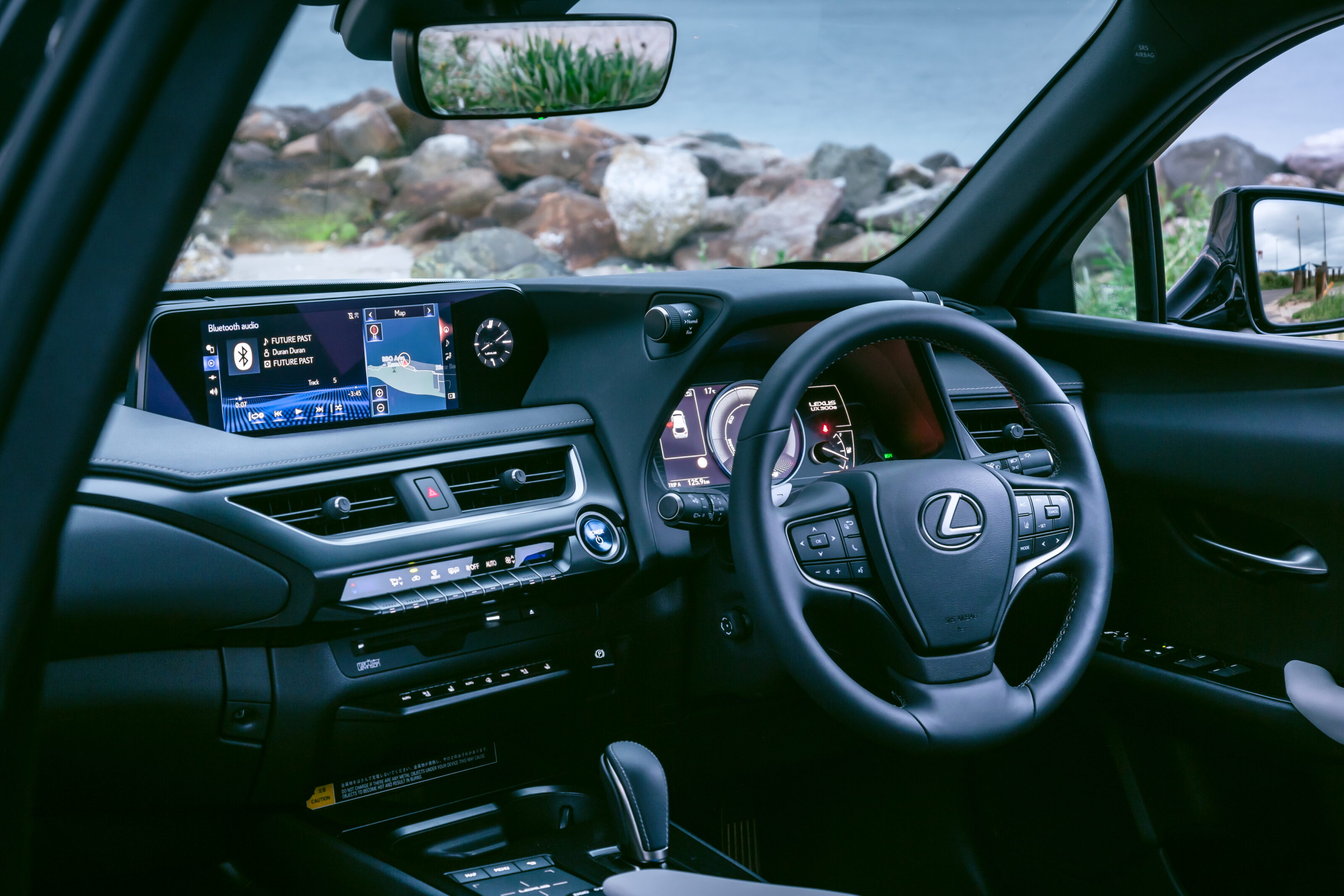
Lexus’s smaller, TFT driver display looks a couple of generations behind, as do the graphics of its infotainment screen. Combined with a laptop-style trackpad that can make function selections a fiddly process, the awkward interaction and below-par interface couldn’t be more ironic for a car badged UX (a common abbreviation for ‘user experience’ among app and website developers).
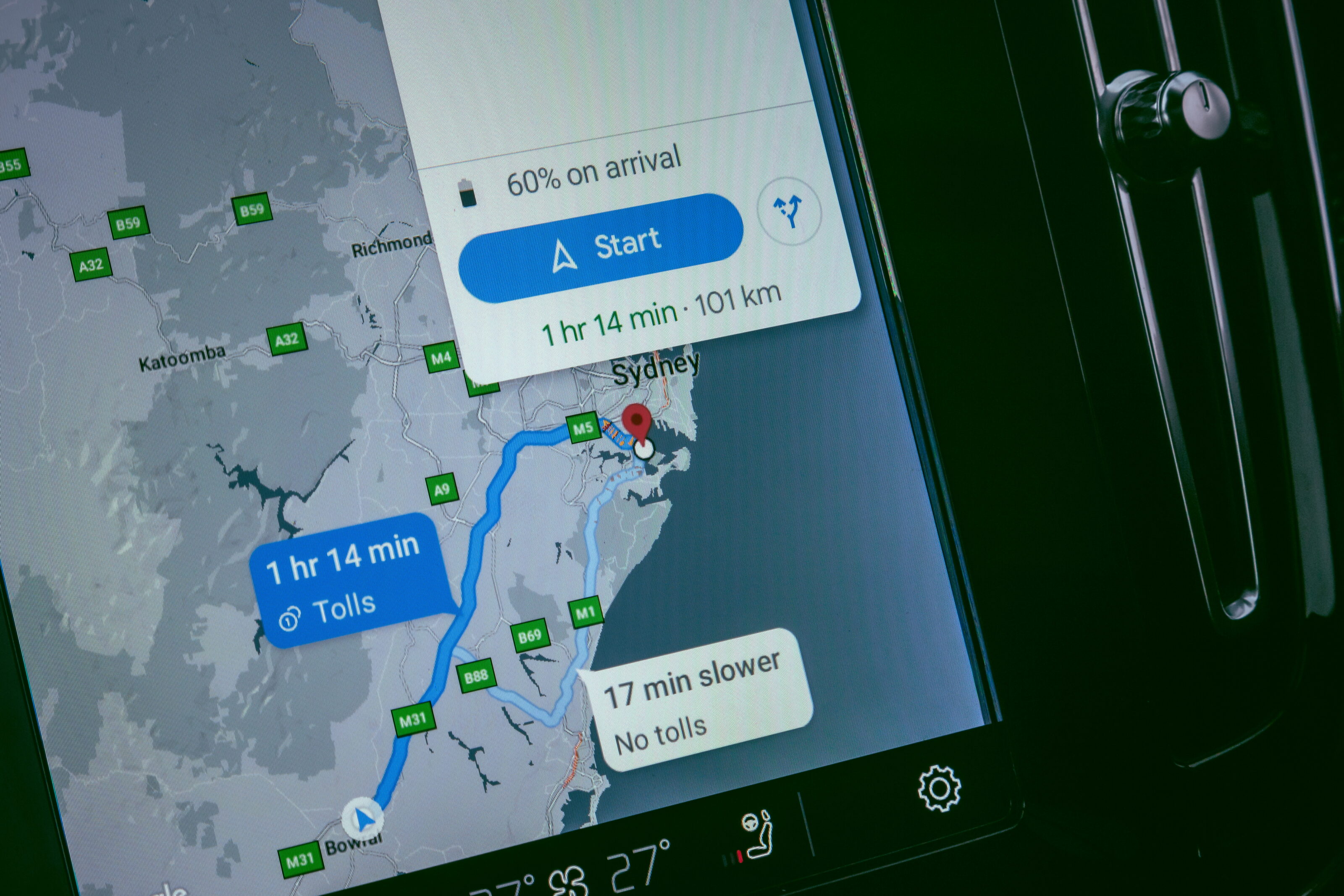
Volvo’s system isn’t perfect yet, with some issues being ironed out locally. Both our comparison car and another XC40 we had in Melbourne were afflicted by intermittent connectivity struggles and response lag. The radio also had a frustrating habit of switching off whenever a settings page was selected.
The XC40 Pure Electric will continue to be improved with automatic over-the-air updates, including further developments for the Range Assistant app (including distance-maximising coaching for drivers) that was itself a post-launch addition. No improvements are necessary to alter the result here, however.
The UX300e seems out of its depth at this price point. Its restrictive cabin significantly reduces its viability as a family vehicle, and its relatively limited range will rule it out for many single-car households.
Accept these compromises and the UX300e’s generally relaxing ride and smooth, silent electric motor make for the quintessential Lexus motoring experience. It’s also a vehicle that maintains, if not furthers, the Japanese brand’s reputation for customer care.
The XC40 Pure Electric’s efficiency could be better, its low-speed ride is firmer than ideal, and its regenerative braking system should offer greater level of adjustment.
But whether there’s urgent need for more interior space, more places to stash stuff, more performance or, most crucially, more range, the Volvo is the EV less likely to leave its owners feeling panicky.
Lexus UX300e interior details
1. Fuel-style battery gauge
Estimated driving range presented in digital form only, with the battery-life percentage represented by a gauge featuring a bowser symbol – but with a plug lead rather than fuel nozzle.
2. Climate management
Cabin-climate system works with the battery pack’s cooling system to help prolong battery life. If only the driver is detected on board, the dual-zone system automatically ignores the front passenger area.
3. Drive modes
As in other UX variants, stubby switches jut out of each side of the instrument binnacle. The left switch accesses Eco, Normal and Sport drive modes, with the latter bringing some extra response to acceleration and extra weight to the steering.
Volvo XC40 interior details
1. Innovative storage
Pure Electric shares clever cabin practicality of other XC40s, with features such as pull-out glovebox hook, removable centre console tub, and super-long door pockets that can accommodate large items such as laptops and umbrellas.
2. ‘Gear’ lever
Unlike other XC40s, the EV bypasses neutral so no need to double pull or push to select Drive/Reverse.
3. Portrait touchscreen
9.0-inch display is smaller than the 11.2-inch version found in the twin Polestar 2. Its Google-based system does have some glitches, but may be resolved with over-the-air (OTA) updates.
The next EV agendas from Lexus and Volvo
The next confirmed Lexus EV is the RZ450e, due to be unveiled in the first half of 2022. The RZ shares the e-TNGA platform with the Toyota b24X and, according to a senior Lexus executive, will deliver a circa-700km range and sub-2.0sec 0-100km/h acceleration.
Volvo, meanwhile, already has a second EV of sorts available in Australia – the Polestar 2 sedan from its spin-off brand. In late 2022, Volvo will add a coupe-roofed XC40 called the C40 Recharge while also unveiling a third-generation XC90 that will be all-electric and adopt a new name.
Mercedes EQA and Audi Q4 e-tron
The Germans itching to get in the mix
Mercedes-Benz’s $76,800 EQA250 would have fitted neatly into this comparison, though is currently unavailable for testing. The front-drive, GLA-based EV is slower than either the Lexus or Volvo with a 0-100km/h time of 8.9 seconds, but it also offers a longer range of up to 480km. From early 2022, customers will have the option to sacrifice some range for more speed with the all-wheel drive EQA350 4Matic.
Audi also has the potential to jump into the mix with its Q4 e-tron, with its arrival yet to be confirmed. The Q4 sits on the VW Group’s MEB electric platform and in Europe is offered in a variety of specifications including choice of battery size.
SCORING
- Volvo XC40 Pure Electric: 8/10
- Lexus UX300e Luxury: 7/10
Snapshot
- 2022 Renault Koleos Black Edition announced
- Only 400 vehicles available
- Priced from $42,000 drive-away
The 2022 Renault Koleos Black Edition has been announced as a new mid-range model, limited to just 400 vehicles.
Renault has positioned the Black Edition between the Zen and Intens variants within the Koleos line-up, priced from $42,000 drive-away.
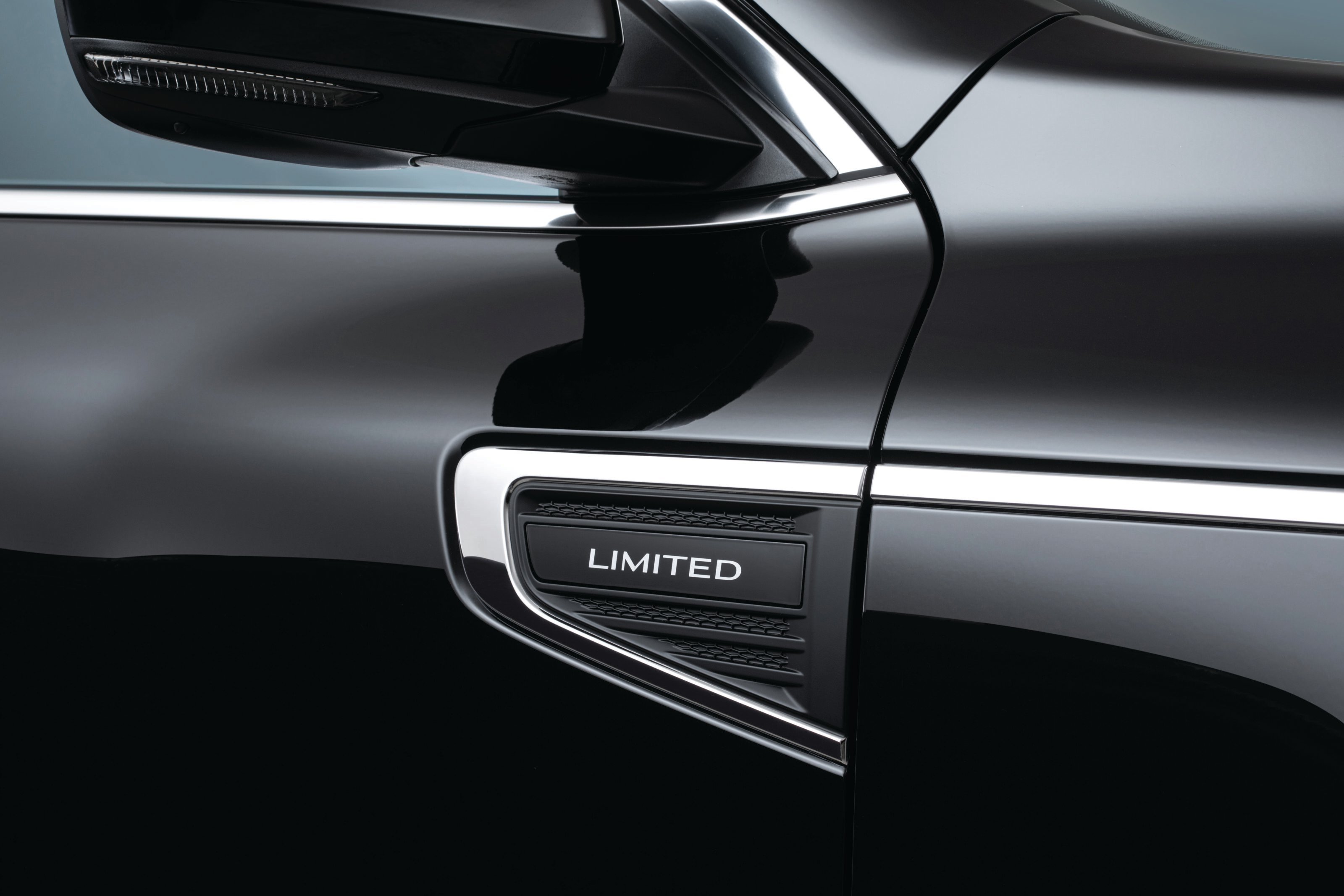
Adding to the Zen’s standard equipment, the Black Edition gains a hands-free powered tailgate, French flags on the B-pillar, sidesteps, gloss black exterior trims, special badging, 19-inch dark grey alloy wheels, and a paint choice of black, grey, or white.
Inside, owners get black synthetic leather upholstery with yellow contrast stitching, an 8.7-inch portrait infotainment touchscreen, matte carbon-look trim, and ‘Limited’ chrome door sills.

Buyers can also option the Easy Life Package for $2000 on the Koleos Zen, which adds the 8.7-inch screen and the hands-free tailgate.
Almost all variants in the Renault Koleos range use a 2.5-litre non-turbo four-cylinder petrol engine producing 126kW and 226Nm, powering the front wheels through an automatic continuously variable transmission. Only the flagship Intens model is available with optional all-wheel drive.
The Koleos Black Edition is on sale now.
2022 Renault Koleos Australian pricing
| Model | Price |
|---|---|
| Koleos Life FWD | $33,590 |
| Koleos Zen FWD | $37,390 |
| Koleos Black Edition FWD | $40,090 |
| Koleos Intens FWD | $43,890 |
| Koleos Intens AWD | $46,390 |
Note: All prices exclude on-road costs.
