
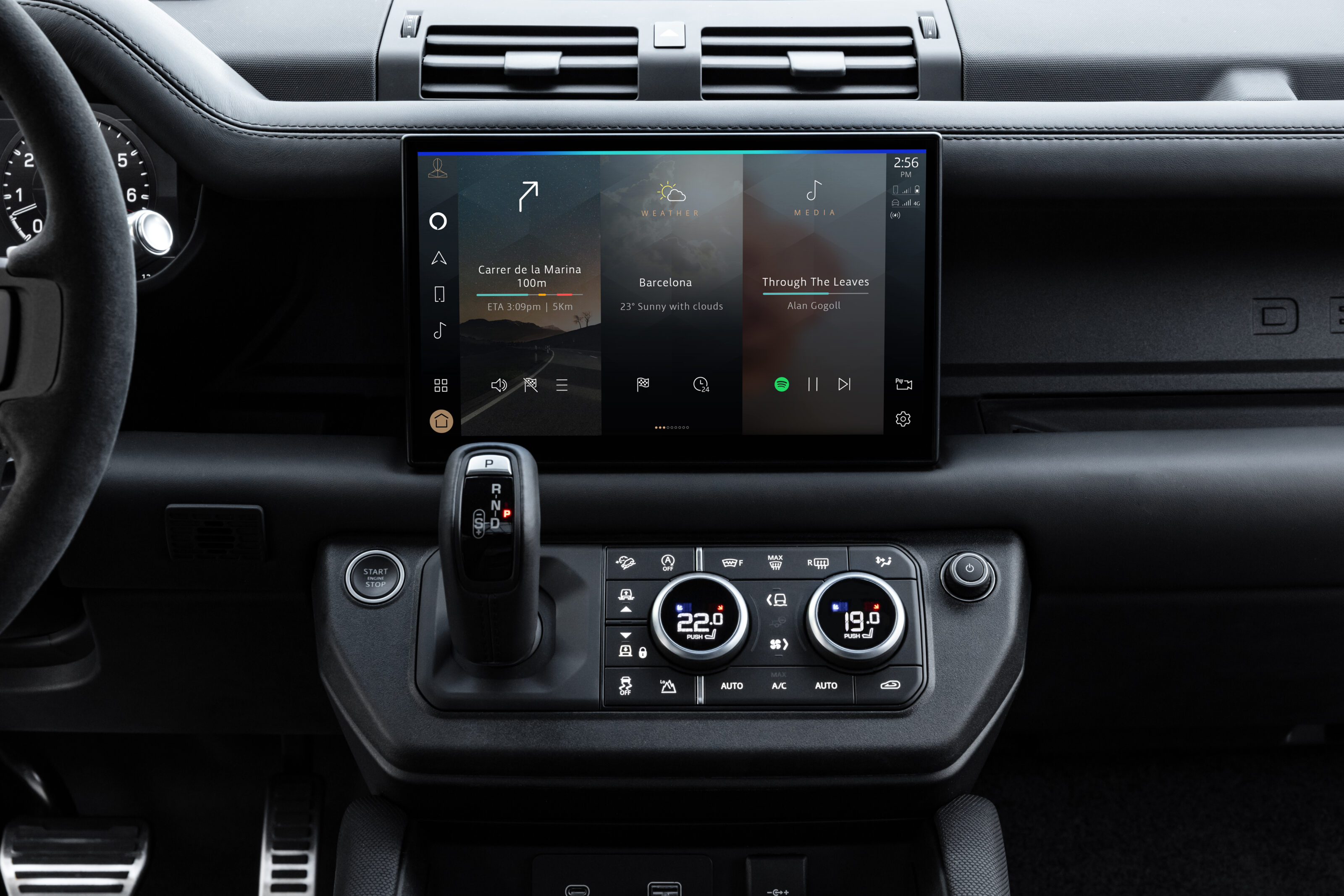
All Jaguar Land Rover models fitted with the marque’s Pivi Pro infotainment system will now come with access to Amazon Alexa, the company has announced tonight.
Alexa was first revealed on the new Range Rover, which launched in Australia last month ahead of a June arrival, but will now be offered across the full range of Jaguar and Land Rover vehicles.
More than 6400 owners of compatible vehicles will be able to use the technology, which will be made available via an upcoming over-the-air software update.
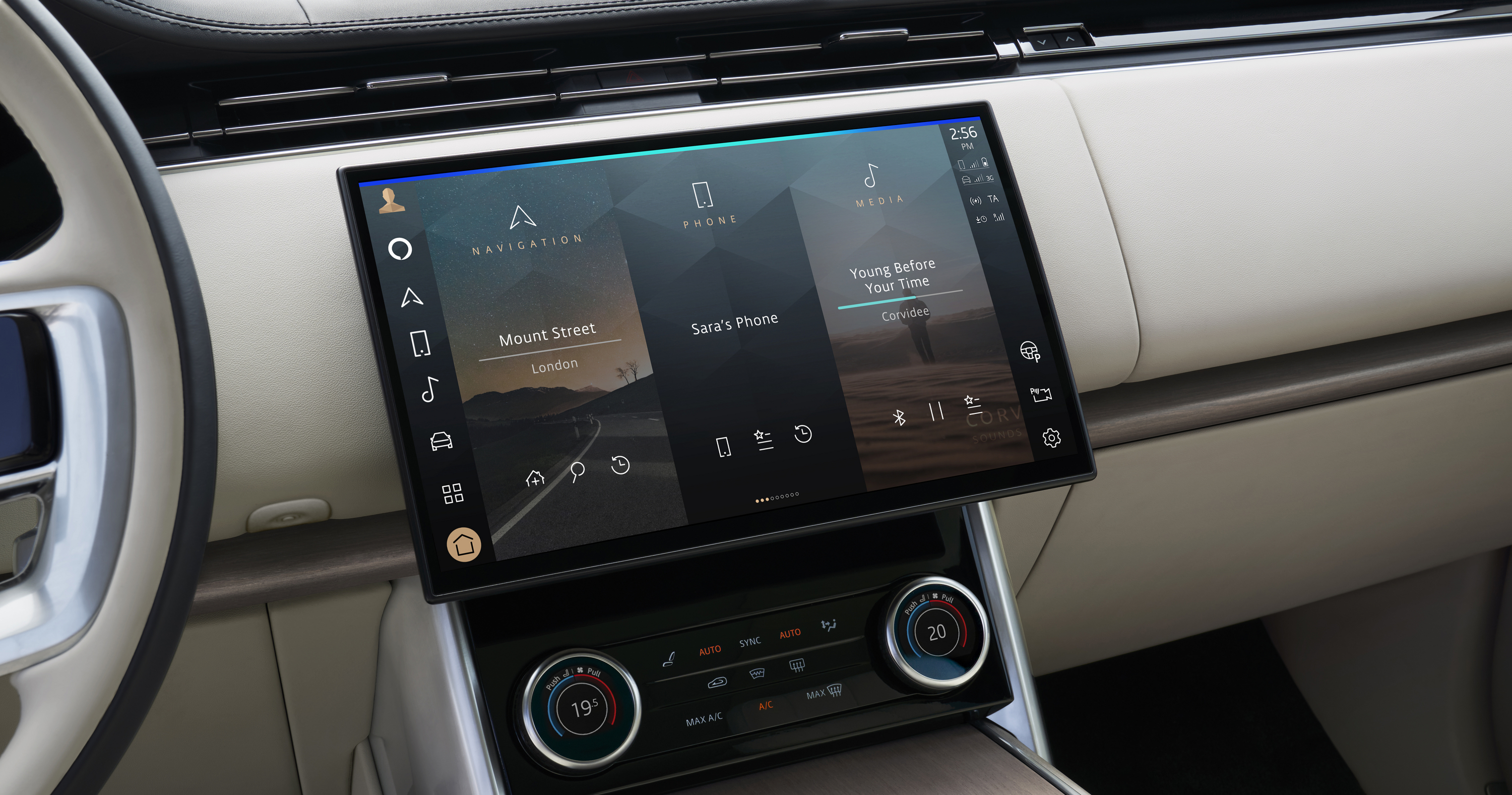
The British carmaker claims the addition will “deliver a modern luxury experience for customers” and provides a more “natural voice interaction” with its vehicles’ infotainment system, including improved access to navigation, media playback, phone calls, and compatible smart devices.
Requests such as ‘Alexa, navigate me to home’, ‘Alexa, play my chill-out playlist’ and ‘Alexa show me nearby coffee shops’ can all be done by voice, without the need to touch Pivi Pro’s touchscreen. Alexa also enables customers to check the news, the weather and manage their schedule or shopping list.
All owners have to do is link Alexa to their InControl6 account by scanning a QR code on the Pivi Pro touchscreen and then follow a few simple steps – with no need to visit a dealership.
“The seamless integration of Amazon Alexa with our Pivi Pro infotainment system gives customers simple, intuitive voice control of regularly used features, making the driving experience even more enjoyable,” Alex Heslop, director of electrical and electronic engineering, Jaguar Land Rover, said.
“The fact we can also offer this new feature to existing customers proves the value of our software-over-the-air-updates.”
Christian Mentz, Head of Alexa Automotive International, added: “Customers around the world interact with Alexa billions of times each week, making life easier, more productive, and more fun.
“We’re excited to deliver that same delightful, convenient experience to Jaguar and Land Rover customers – and because Alexa is always getting smarter, new features and capabilities will be added over time and delivered to their vehicles automatically.”
A quick scan of the spec sheet suggests the Range Rover Sport D300 HSE is the sweet spot Rangie. It isn’t the most powerful or most lavishly equipped of the current Range Rover Sport line-up. But on paper it seems to offer a solid combination of performance, efficiency and features at – in Range Rover terms, at least – a value price. And that’s pretty much how it shapes up on the road, too.
Launched in 2013, the second-generation Sport is now the oldest model in the Land Rover catalogue but it continues to be one of the brand’s strongest sellers, challenged only by the new Defender in terms of outright sales. And there are good reasons for that: The Sport is a little more athletic to drive than the full-size Rangie, rides on an off-road optimised platform, and in all but base D250 SE trim comes standard with a low-range transfer case. In other words, it’s a proper Range Rover.

The D300 HSE is powered by the mid-spec version of JLR’s new Ingenium 3.0-litre straight-six diesel, an engine that replaces the ageing Lion V6 diesel, a powerplant designed jointly by Ford and PSA in the early 2000s, and since used – in 2.7-litre and 3.0-litre form – to power hundreds of thousands of Land Rovers, Jaguars, Peugeots and Citroëns. Oh, and in the late, lamented Ford Territory, too.
In D300 spec the Ingenium diesel makes 221kW and 650Nm, exactly splitting the difference between the D250’s 183kW and 600Nm (this engine is only available in the entry-level SE) and the D350’s 258kW and 700Nm. All are mild hybrids, with a 48V integrated starter generator mounted between the engine and eight-speed automatic transmission.
The new straight-six is smoother than the old V6 on startup, and much quieter at idle … At cruising speeds, the Ingenium diesel is almost inaudible.
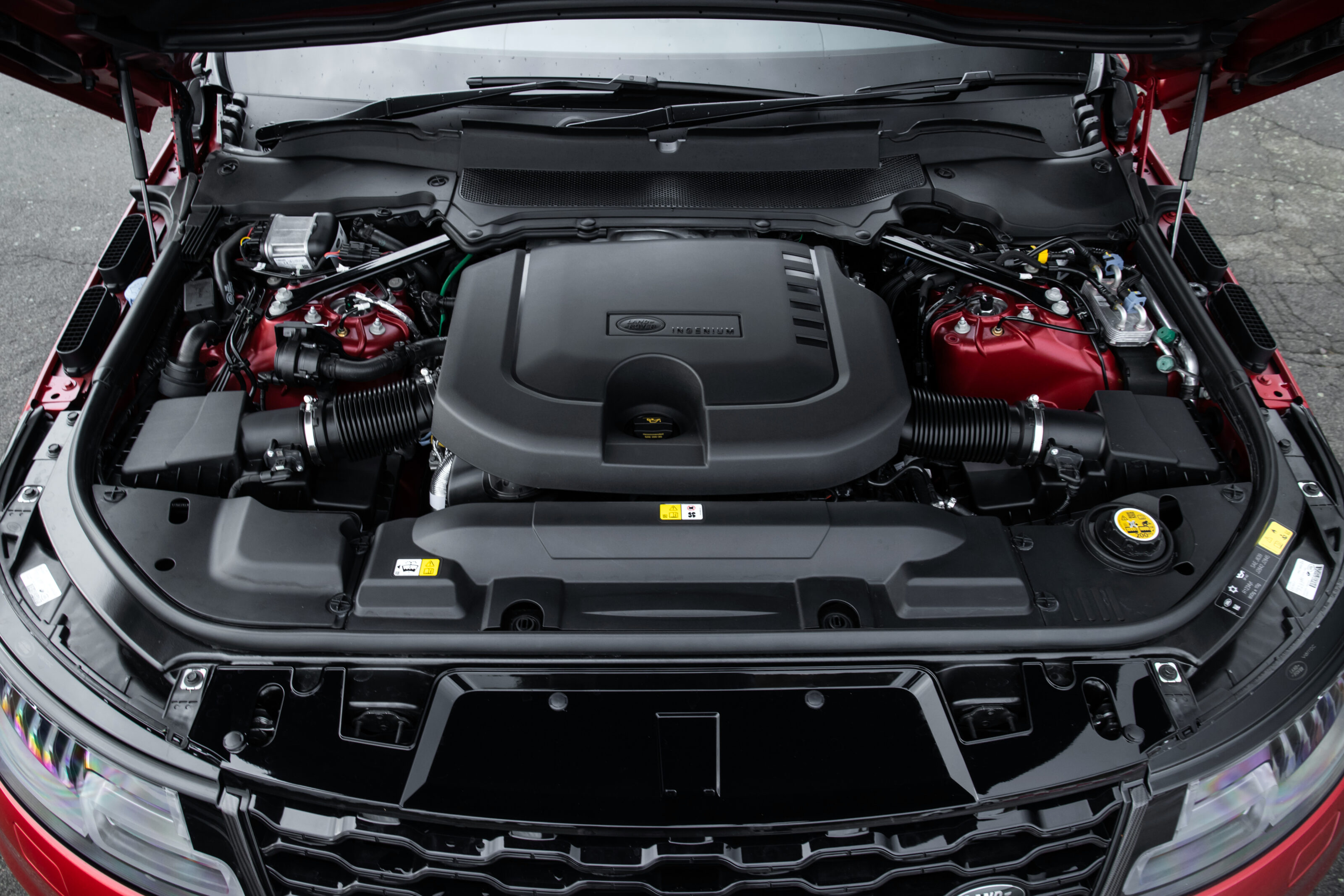
Land Rover claims a 0-100km/h acceleration time of 7.3 seconds for the D300 HSE, along with a top speed of 209km/h. The new straight-six is smoother than the old V6 on startup, and much quieter at idle. There’s none of the growl of the aptly named Lion when you squeeze the throttle to get the Range Rover rolling, either; the D300 merely purrs contentedly as the eight-speed automatic transmission works the torque. At constant-throttle cruising speeds, the Ingenium diesel is almost inaudible.
For that reason, the Sport D300 immediately feels a more relaxed and long-legged cruiser than the old Sport SDV6. But it’s not just down to the increased refinement: The D300 engine has more torque, and its delivery is much more seamless. The D300’s 650Nm is on tap across a broader rev range – from 1500rpm to 2500rpm, versus 1750rpm to 2250rpm for the SDV6’s 625Nm – and the 48-volt mild hybrid system provides up to 140Nm of instant-on torque when you get on the throttle. It’s a more alert engine than the V6, especially in traffic, and more responsive in hilly terrain.

It might be getting on in years, but the Range Rover Sport still boasts the best ride and handling of any comparable luxury SUV. It has a wonderfully measured gait at cruising speeds and even on 20-inch wheels, it soaks up road acne with aplomb. This Range Rover’s all-road, all-weather capability is second to none.
The Range Rover Sport D300 HSE costs $141,706, before on-road costs. That’s $16,700 more than an SE with the same engine. So, what does the extra money buy you?
It might be getting on in years, but the Range Rover Sport still boasts the best ride and handling of any comparable luxury SUV.

The big buck items are things like 16-way memory seats ($4750 on the SE), 20-inch alloy wheels ($2520) and matrix LED headlights ($2450). There’s also stuff that’s standard on the HSE that you simply can’t get on the SE, such as certain interior colour and trim combinations, configurable interior lighting and certain items available as options on the HSE, such as the superb 23-speaker, 1700W Meridian Signature Sound System, that can’t be ordered on the SE.
A bit of careful work on the Land Rover configurator will get you a D300 SE that’s close to basic HSE spec in terms of the hardware for about $3500 less. If you’re not fussed about things like leather colours and trim patterns, and don’t want a bunch of options, this might be the best value buy of the Sport range.

An all-new Range Rover Sport, built on the same MLA vehicle architecture as the recently unveiled fifth-generation Range Rover, is expected to make its debut in late 2022 or early 2023. This third-generation Range Rover Sport will be sharper-looking, more sophisticated to drive and will share its advanced technology stack with its big brother. It will also be offered with the six-cylinder Ingenium diesels.
For now, the D300 offers a tantalising taste of tomorrow’s Range Rover Sport.
Snapshot
- 620kW/1400Nm plug-in hybrid priced from $329,000 in the UK
- Mercedes-AMG releasing bright green special-edition for Europe
- Expected to start above $400k locally; will arrive in the second half
The 2022 Mercedes-AMG GT 63 S E Performance has gone on sale in Europe.
It is not only the first plug-in hybrid model from Mercedes-AMG, but also the most powerful production car ever offered by the performance marque.
To celebrate the occasion, Mercedes-AMG has unleashed a limited-time ‘Edition’ variant of the four-door sports car, which will be available in the aptly-named green hell magno colour.
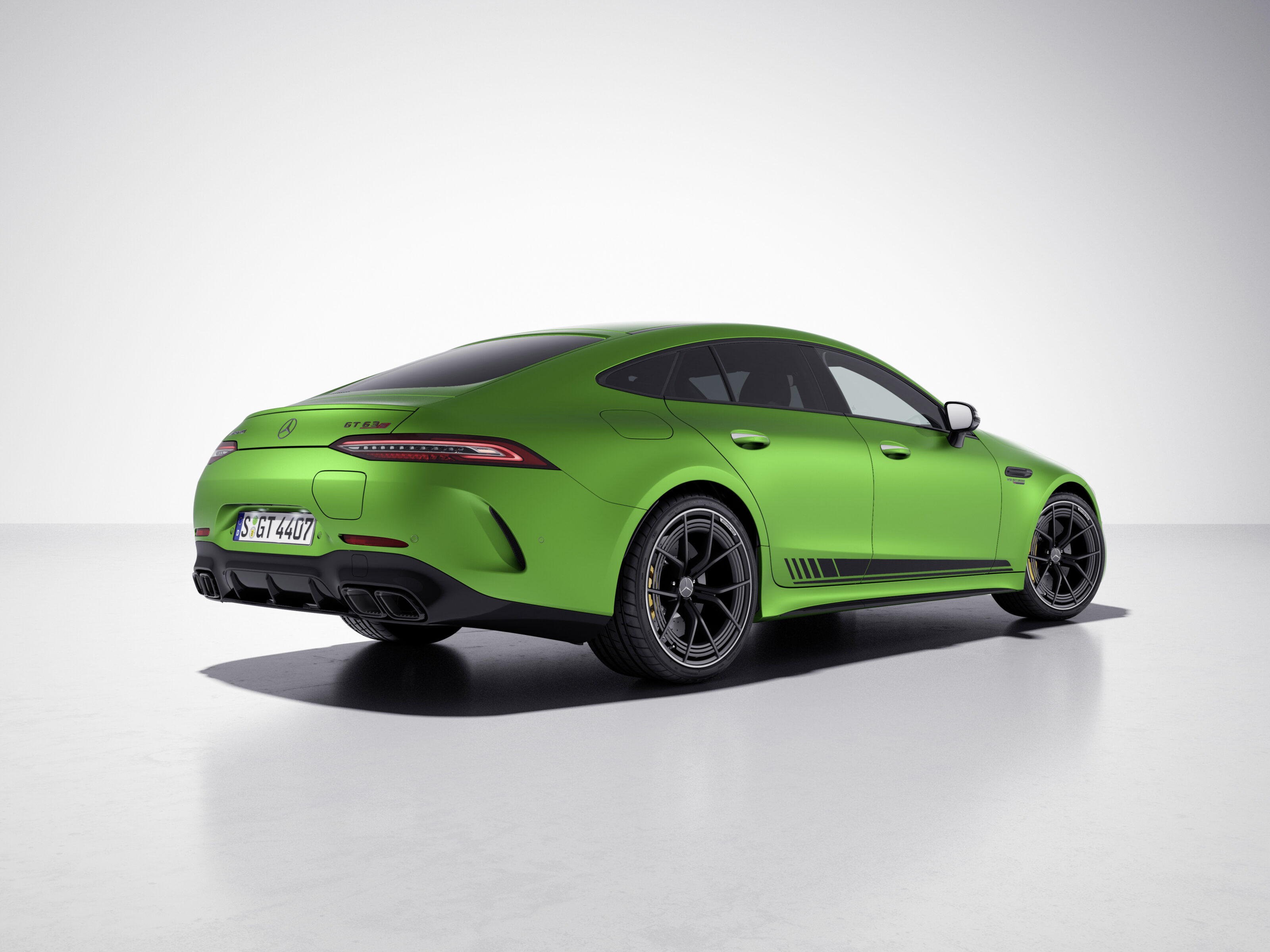
The bright matte finish debuted on the Mercedes-AMG GT R, and is contrasted by black 21-inch forged alloy wheels and the AMG Night Package as standard. It can also be had in rubellite red, with the black accents swapped out for high-gloss chrome and 21-inch wheels finished in silver.
In Germany, opting for the Edition adds an additional €21,777 (AU$34,420) to the list price.
Mercedes-Benz UK has confirmed it will not offer the special-edition variant, although it has announced local pricing for the GT 63 S E Performance.
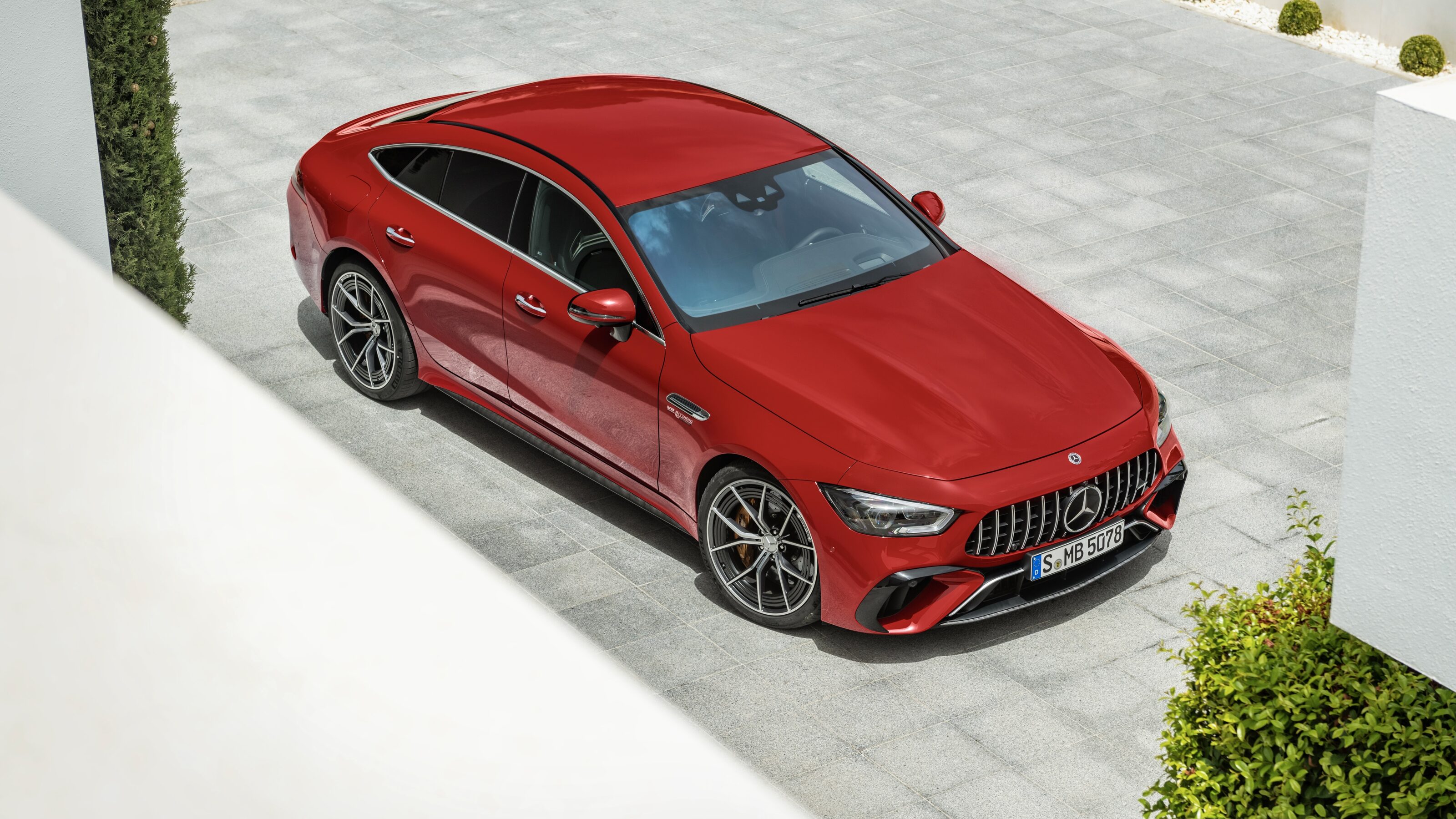
Across the channel, the four-door will incur a rough 20 per cent premium over the regular 63 S to start at £173,655 (AU$329k), with a similar increase also seen in its homeland.
With the GT 63 S priced from $363,576 before on-road costs in Australia, applying a 20 per cent increase would see the local price for the E-Performance push beyond $400,000 – second-only to the V12-powered Maybach S680 as the most-expensive Mercedes-Benz model currently on sale.
Just like the GT 63 S, the E Performance is fitted with a 4.0-litre twin-turbo V8, however, it is also coupled with a 150kW electric motor powering the rear axle.
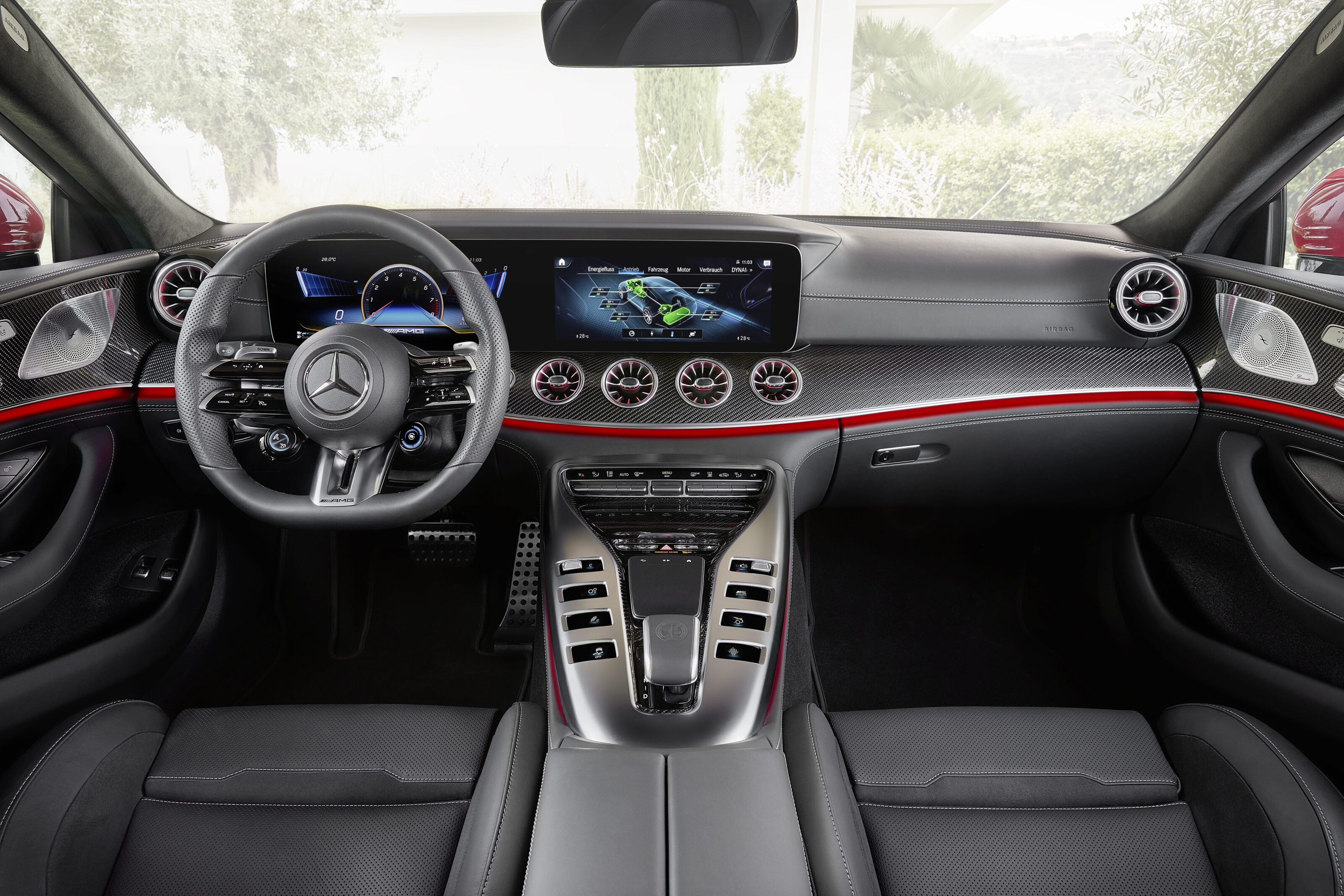
The addition of electric assistance combines total outputs to 620kW of power and more than 1400Nm of torque.
This wild performance will allow it to reach 100km/h from a standstill in just 2.9 seconds – a figure only bettered by the forthcoming AMG One hypercar.
Australian deliveries of the 2022 Mercedes-AMG GT 63 S E Performance are expected to arrive in the second half of 2022, with local pricing to be announced prior to launch.
Skoda has revealed it has three more electric models coming in the near future – and all are likely to be smaller in size than the Enyaq.
At the reveal of the new Enyaq Coupe on Monday, Skoda CEO Thomas Schafer said that the trio will provide “more customer value” and there is no plan yet to offer a seven-seat configuration in an EV, but also did not rule out bringing a three-row electric model to the market at a later date.
“The Enyaq is only the start of our e-mobility campaign,” said Schafer. “We already have three more electric vehicles on the way.”

The boss also said “never say never” in regards to a seven-seat electric model in the future, suggesting one would be quite a way off at this stage.
For the upcoming three new models, one might well be named ‘Elroq’ given the Czech company trademarked that name already. A play on the Karoq badge already produced as a conventional crossover, the Elroq could be an electrified version based on the Volkswagen Group’s MEB platform, with the possibility of the MEB Entry architecture being used for an even smaller EV.
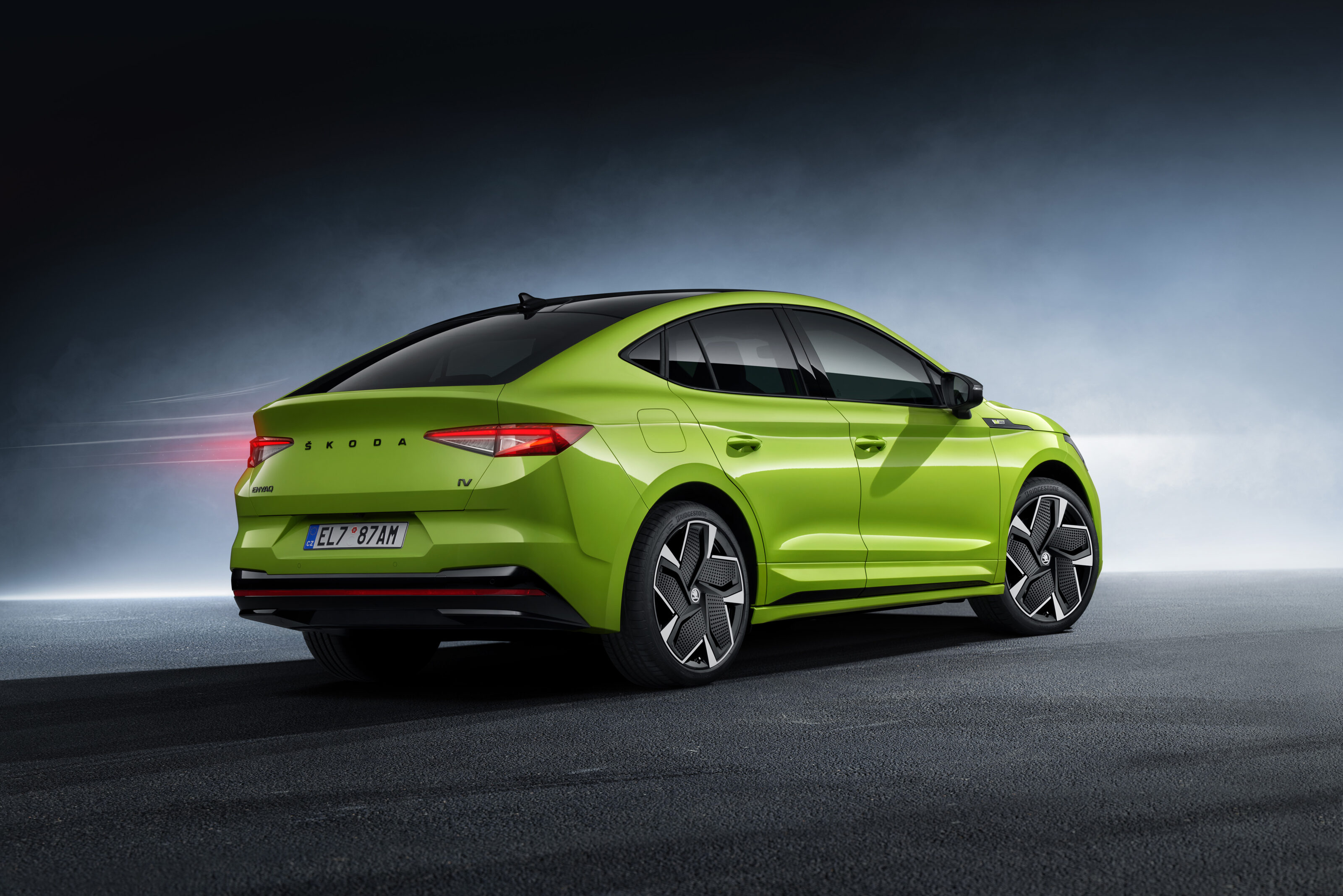
Skoda Australia is yet to confirm timing on a local launch of the Enyaq, but it will be the first electric model to arrive here. Over in Europe, the Enyaq has been on sale since 2021 and the Enyaq Coupe will soon be in the market. Skoda is also moving its sales model online in Europe, with an app that allows buyers to order digitally. The Czech marque believes it will be able to sell one in five new cars this way by 2025.
Unlike many other manufacturers with set goals to cease combustion-engine production, Skoda has not dedicated itself to a timeline, but has said it will reduce CO2 emissions across its production process.
Snapshot
- Jaguar announces new electric vehicle platform
- Expected to underpin all future EVs from the luxury brand
- Will share selected components with other JLR platforms
Jaguar has provided more detail on its shift to an all-electric line-up from 2025.
Jaguar Land Rover (JLR) CEO Thierry Bolloré confirmed the marque will utilise an electric vehicle platform designed in-house during a call with investors and the media earlier this week.
The company had previously considered looking externally to source an architecture suitable for Jaguar’s electric luxury cars.
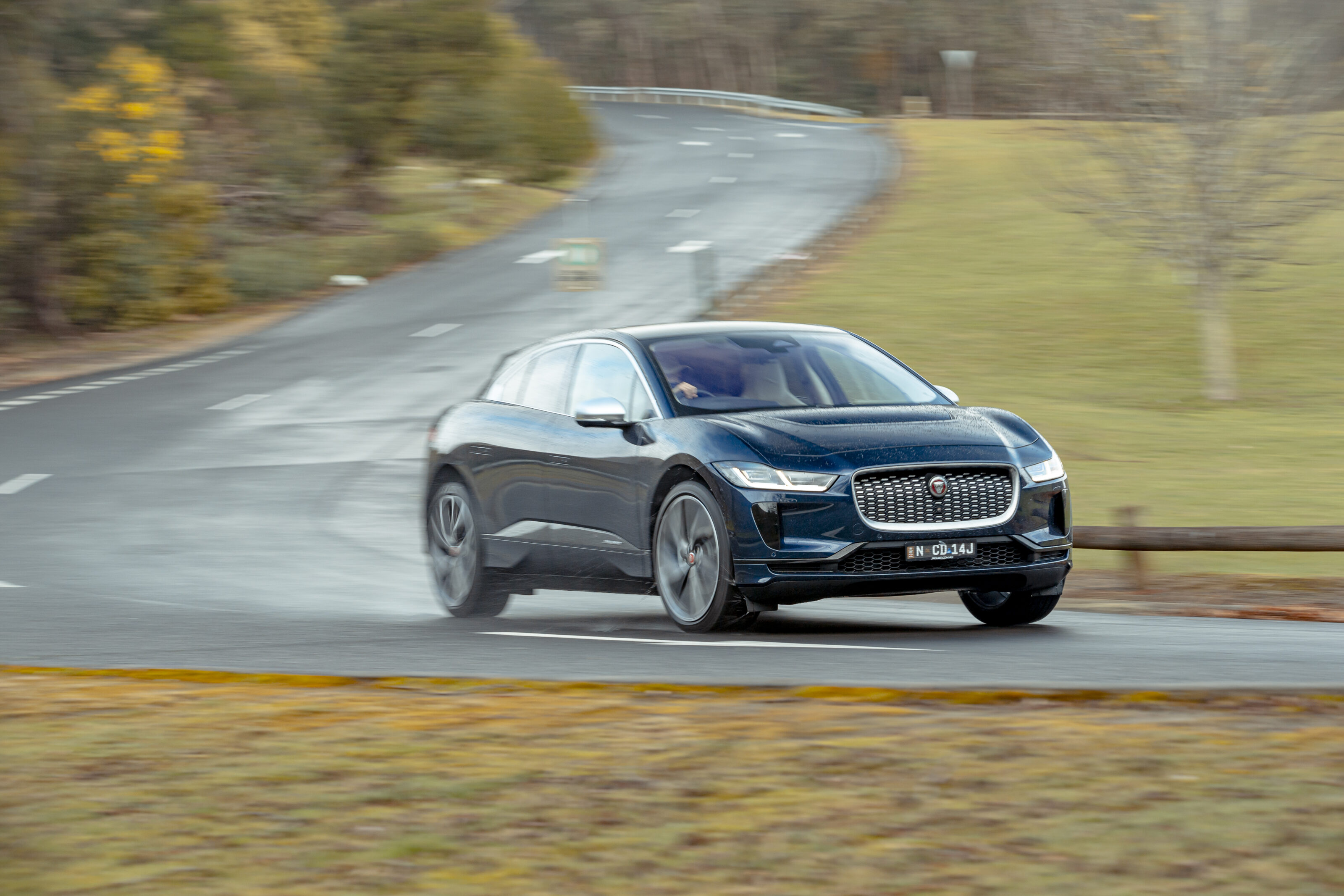
Bolloré claims both Jaguar and Land Rover require a unique platform, such as the MLA High architecture used on the new Range Rover and the future EMA platform for smaller models, to meet the design proportions and capabilities expected by its customers.
However – with plans for Jaguar to become more upmarket to target Aston Martin and Bentley, rather than Audi, BMW and Mercedes-Benz – the luxury marque will develop a unique platform, referred to as Panthera.
“Concerning a new Jaguar, we’re making unique proportion a priority. That’s the reason why at the moment we do it by ourselves,” Bolloré said.
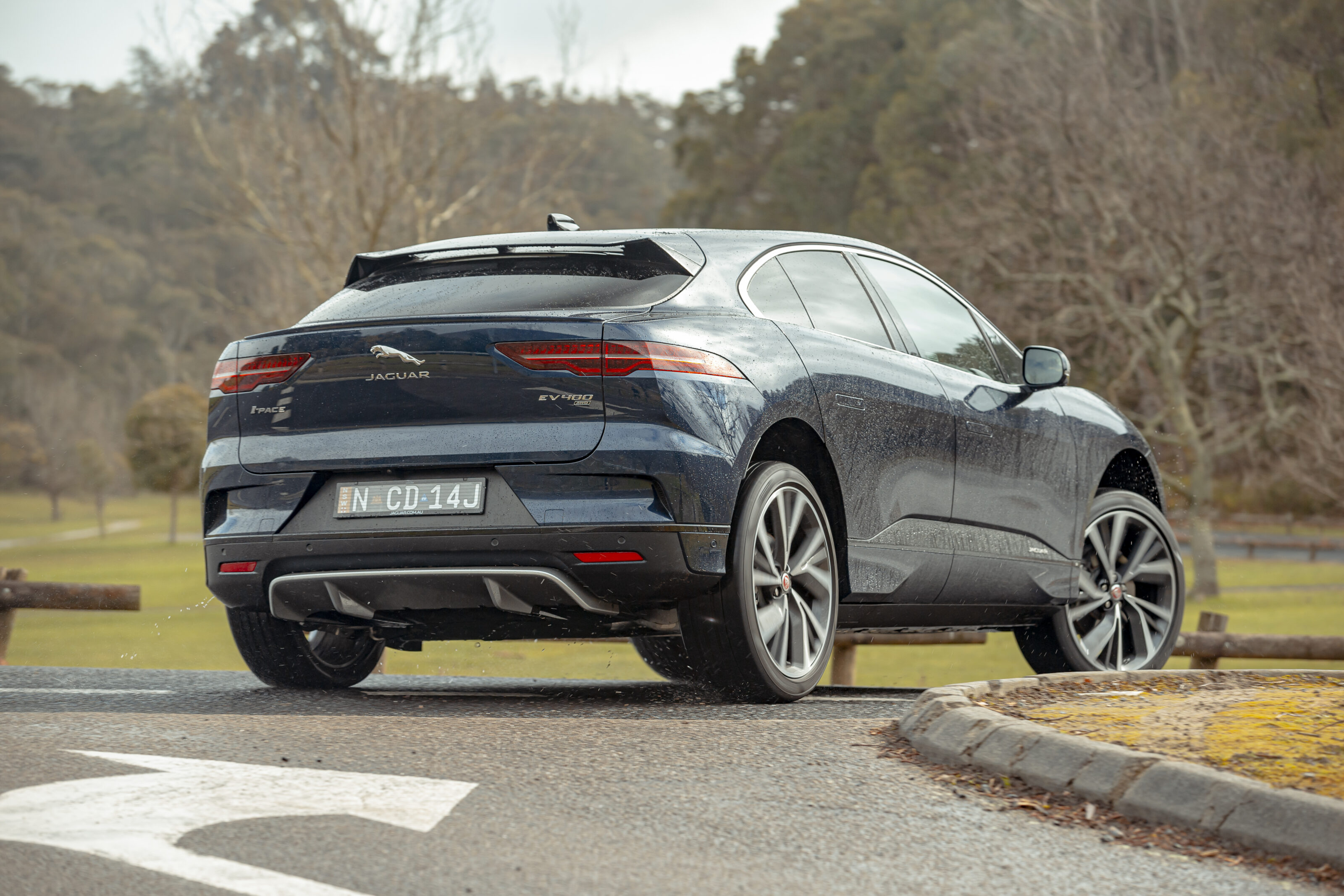
Panthera is the scientific name for the genus of large cats, including the jaguar.
While Jaguar will develop its specialised architecture, select components – such as the control points, batteries, electric motors and software – will be shared across all future JLR platforms to create “real scale”.
The news comes as JLR recorded a £9 million (AU$17m) loss for the third quarter of 2021, as the semiconductor chip shortage continues to wreak havoc across the automotive industry.
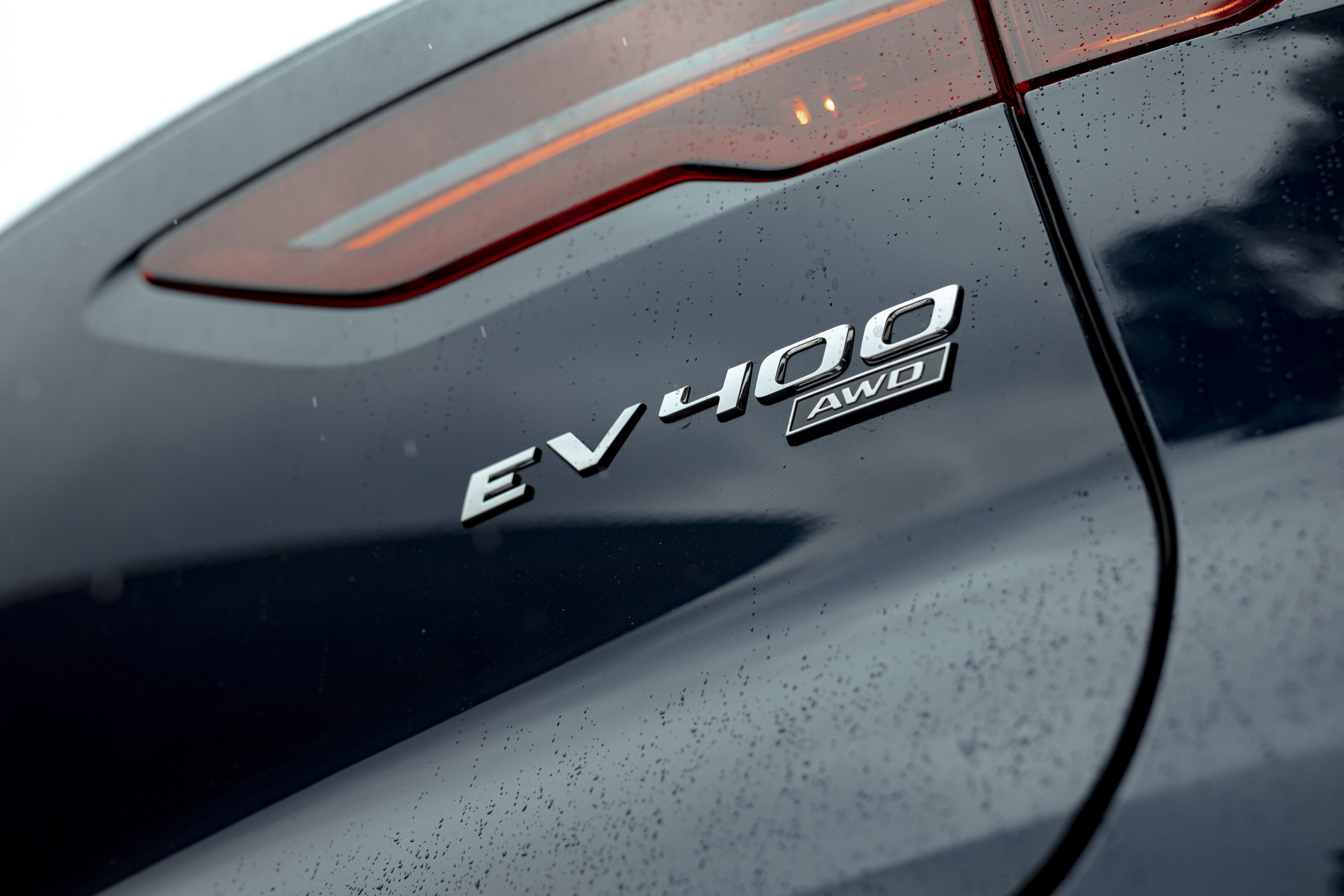
By the end of this decade, every single Jaguar and Land Rover model will be available in an all-electric form – with the Jaguar brand focusing entirely on EVs from 2025.
An electric version of the flagship XJ, which was already in development, has been scrapped in the process, with the ‘Reimagine’ plan released in 2021 calling for the axing of current model lines – excluding the I-Pace EV – in favour of a more-premium line-up.
In an interview with Autocar last year, Bolloré stated the future Jaguar range will be “really modern luxury cars that are the copy of nothing in style or design [and] the top of technology and refinement”.
During its third-quarter financial announcement, Jaguar Land Rover said that constraints in supply due to the semiconductor crisis hurt overall results for the group, recording a £9 million (AU$17m) loss for the quarter.
It compares unfavourably with the same quarter a year earlier when JLR recorded a pre-tax profit of £439m (AU$833m), although the British marque is not alone in being severely affected by a shortage in semiconductor chips that are vital for some technology features in modern cars.
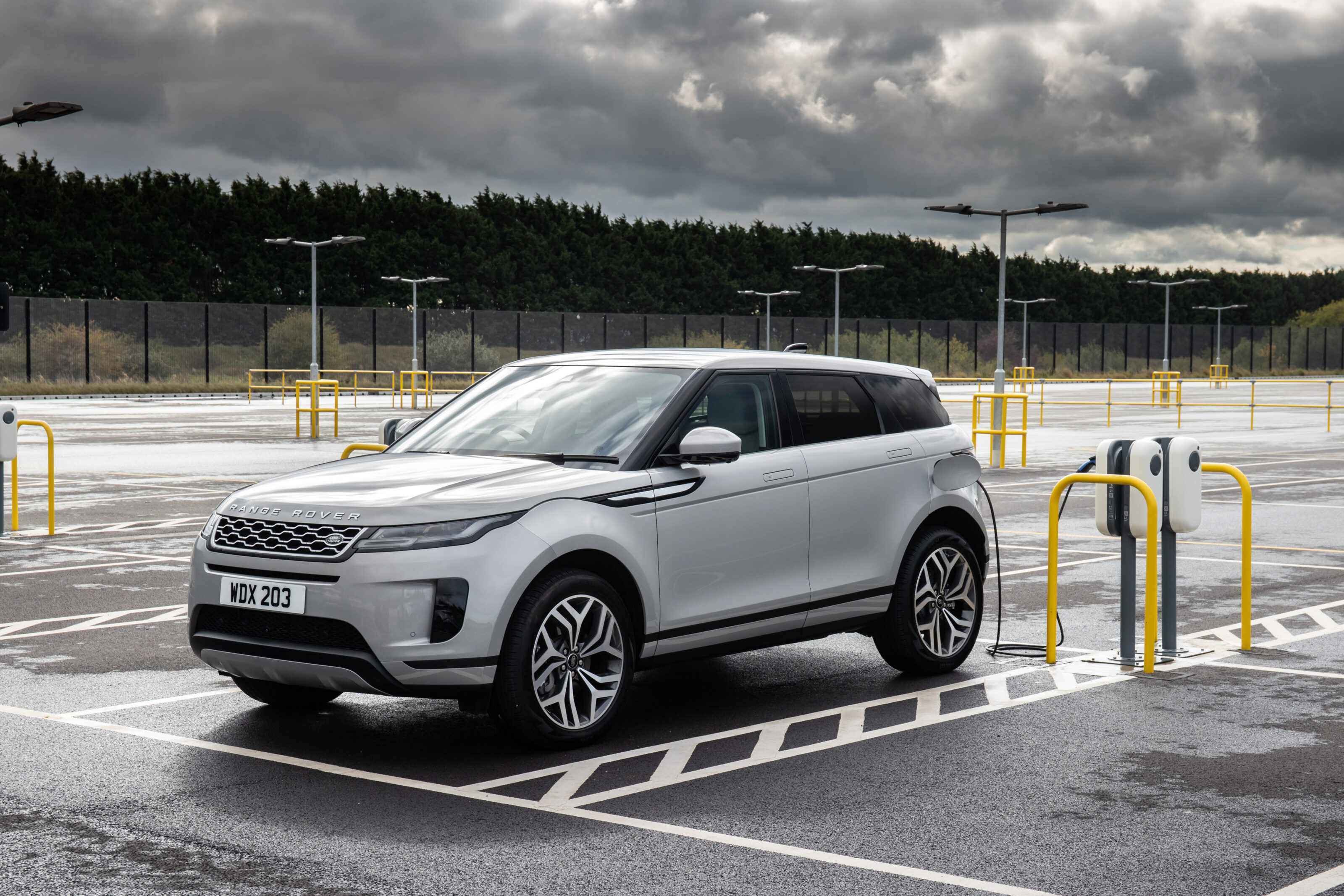
JLR said in a statement: “While production and sales remain significantly constrained by semiconductor shortages, the company continues to see strong demand for its products with global retail orders at record levels.”
The chip shortage has forced a number of manufacturers to remove features in some models or stop production altogether while waiting for supply bottlenecks to ease.
Overall, JLR said that revenues were up 22 per cent over its second-quarter result and production has increased 41 per cent, showing good signs for the group. It also currently has its largest order bank on record, likely thanks to the upcoming new Ranger Rover – which can be ordered now in Australia ahead of its arrival.
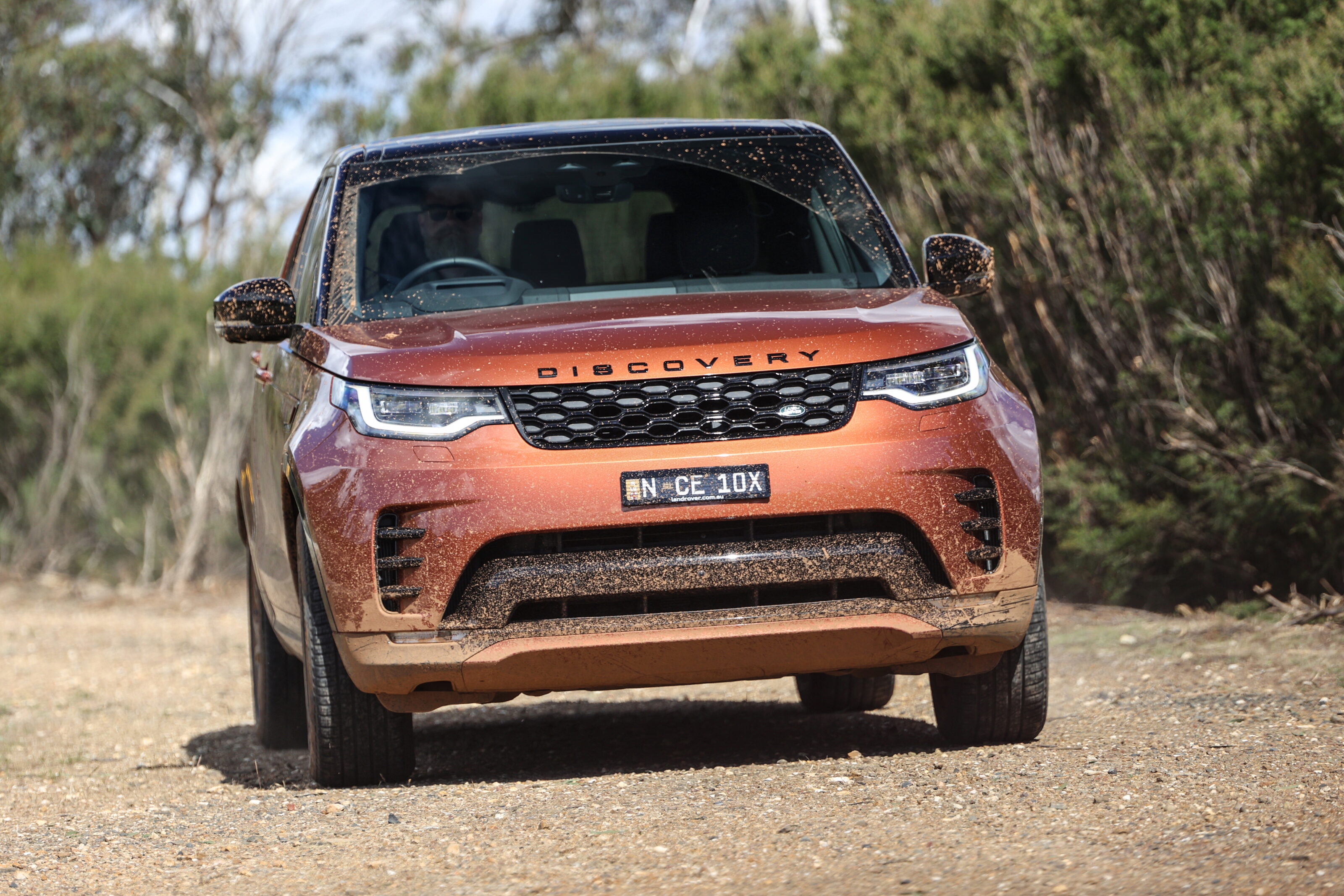
In all, JLR says that it already has 155,000 global orders for new cars across its range of models, although it is not optimistic about the delivery timeframe for production. The firm delivered 80,126 retail sales in the third quarter of 2021, which is down 13.6 per cent quarter on quarter and 37.6 per cent year on year.
“Whilst semiconductor supplies have constrained sales this quarter, we continue to see very strong demand for our products underlining the desirability of our vehicles,” said Jaguar Land Rover CEO Theirry Bollore.
“The global order book is at record levels and has grown an incredible 30,000 units for the new Range Rover before deliveries even start this quarter.”
Snapshot
- Electric MG hatchback spotted testing
- Could replace the current-generation MG 3
- RHD deliveries expected to commence in 2023
An electric MG hatchback has been spied testing in Hungary, ahead of its unveiling in the coming months.
The camouflaged EV was spotted undergoing evaluation by Hungarian Supercar Spotters, showcasing the vehicle that could replace the current-generation MG 3 – which has been in production in China since 2011.
It is poised to join the electric MG ZS, MG 5 and Marvel R in the brand’s global line-up, although Chinese state media claims it will feature both internal-combustion and electric powertrains.

Right-hand-drive deliveries of the new hatchback are expected to commence in 2023, reports Autocar.
The design will correspond with the MG 5 sedan – which is slated to launch in Australia in early 2023 – and the China-only One medium SUV with angular headlights and a large lower grille, while the sharp lower bumper is similar to the Cyberster concept.
Despite most details being hidden by camouflage wrap, a tapered roof design and steeply-raked rear window are clearly visible. The electric hatchback is also expected to feature slim LED tail-lights stretching into the lower bumper, much like the Kia EV6.
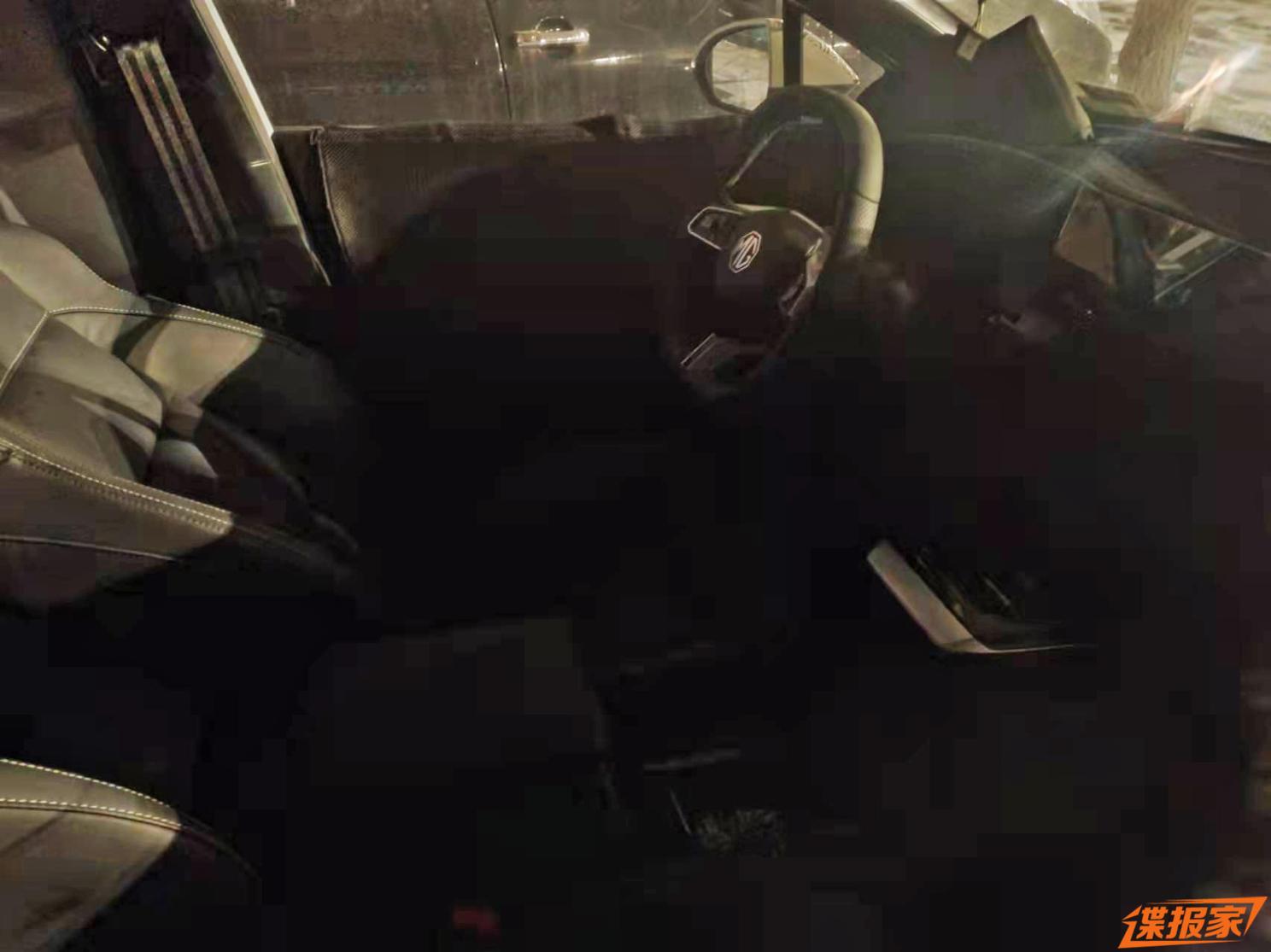
Images of the cabin published on Chinese social media show a large touchscreen and updated steering wheel design, with other details shrouded from view.
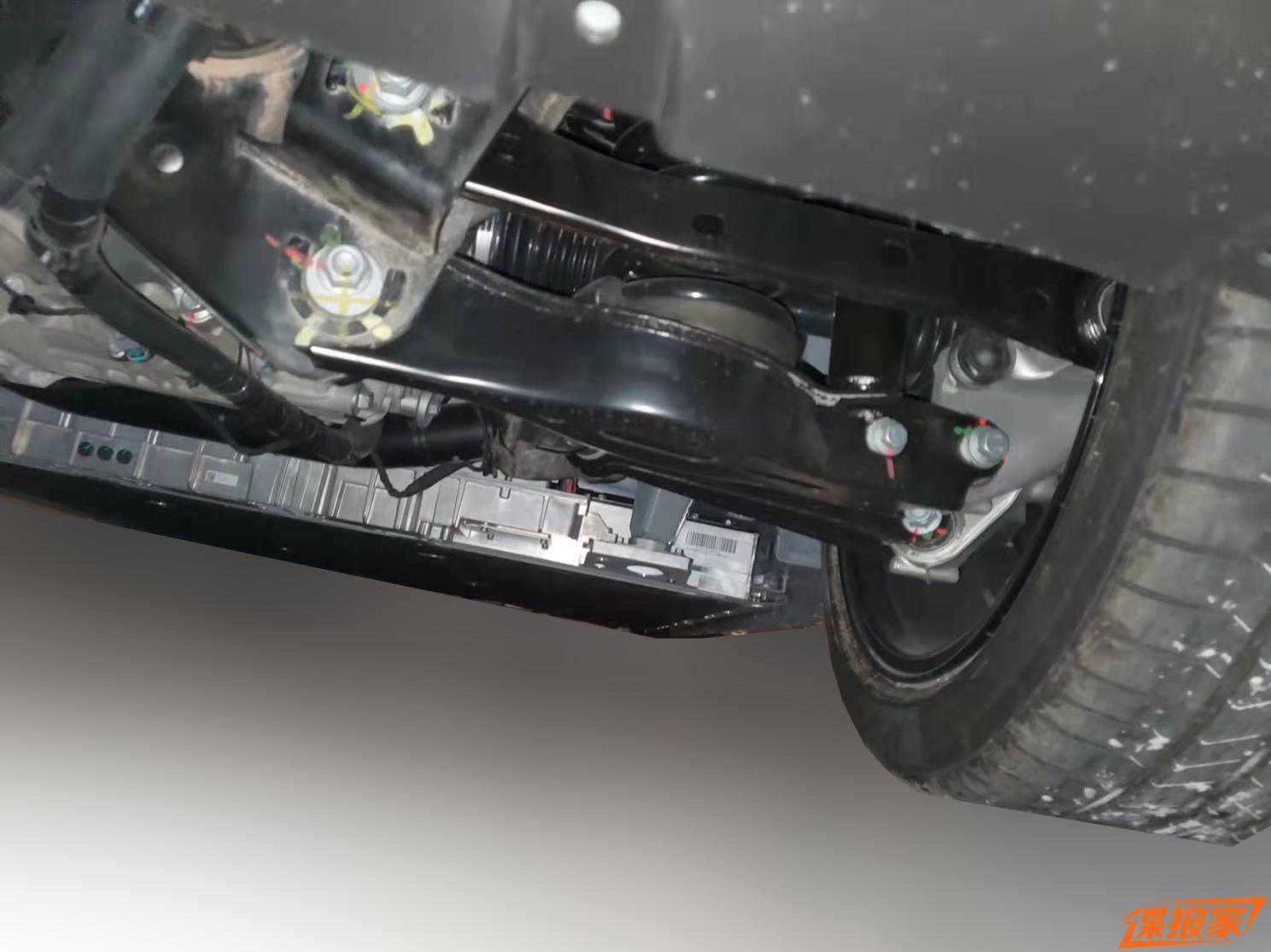
The battery pack – likely smaller than the 51kWh unit found underneath the facelifted standard range ZS EV – and independent rear suspension fitted to the test mule were also captured.
Although the front-wheel-drive electric hatch is expected to be less powerful than the ZS, which produces 130kW of power and 280Nm of torque, it will likely be lighter than the sub-1600 kilogram small SUV.
With UK sales anticipated to commence next year, it is probable the light EV would make the trip to Australia.
MG currently offers the cheapest electric car in Australia with the $44,990 drive-away ZS EV, although two other Chinese challengers – BYD and GWM Ora – are expected to price vehicles between $30,000 and $40,000 for the first time locally later this year.
This vehicle could be what the marque needs to reclaim the title.
The new Land Rover Defender has been given pumped-up styling courtesy of the Chelsea Truck Company.
CTC is known for its aggressive and sometimes flamboyant styling on vehicles, such as; the first-generation Land Rover Defender, Mercedes-Benz X-Class ute, Mercedes-Benz G-Wagen, and Jeep Wrangler.
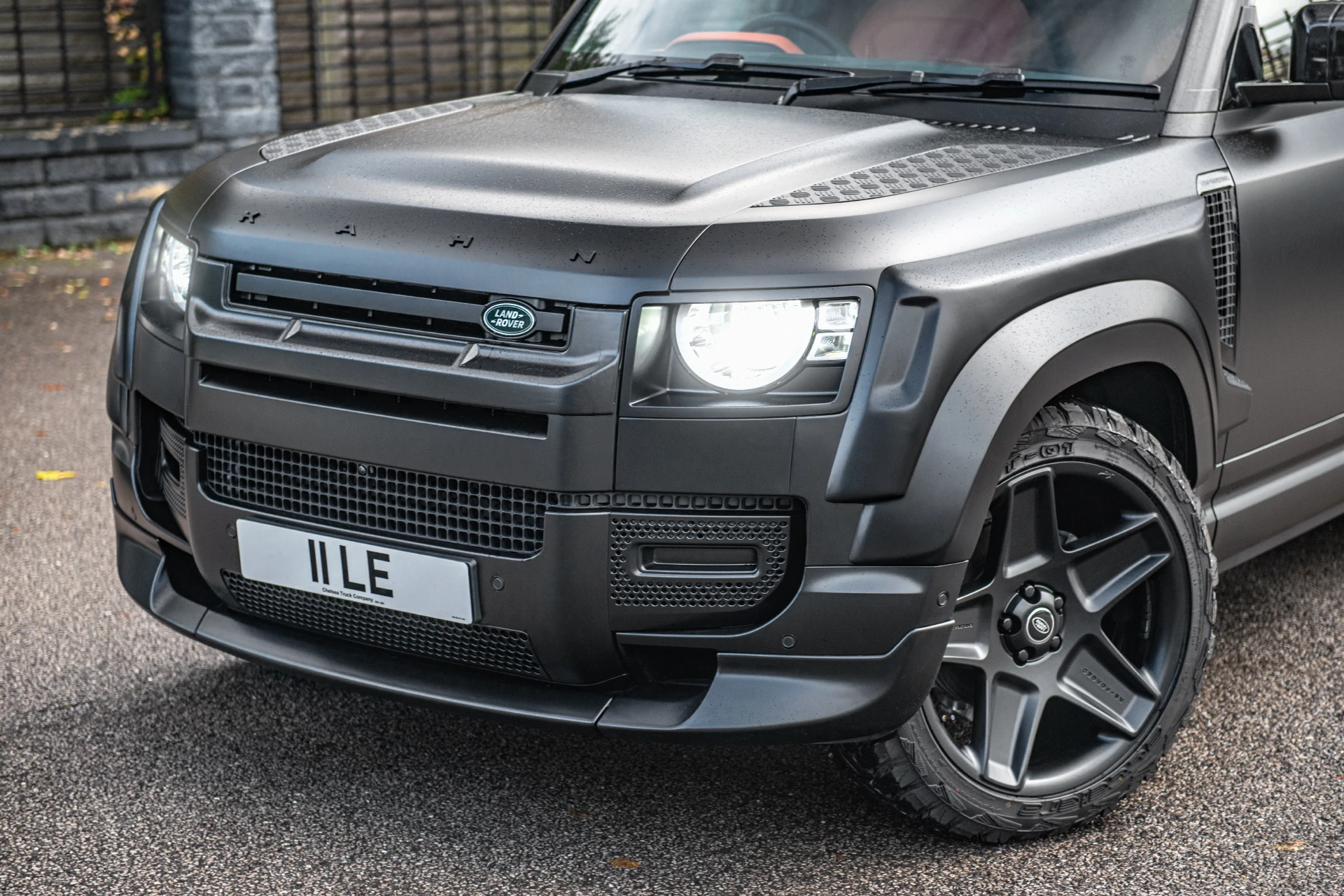
Both the three-door 90 and five-door 110 Defender can be equipped with the Wide Body styling package, featuring; 23-inch black Type 57 Kahn alloy wheels, twin-wing carbon fibre spoiler on the rear, front bumper with lip spoiler, side skirts, wheels arches, black headlight elements, covered black grille, and over-size mud flaps.
In addition to the bodykit are a stainless steel square quad exhaust and quilted leather interior. Differentiating the 90 and 110, the 90 gets red leather inside, while the 110 is fitted with ‘burnt orange’ cowhide. Outside, there is black paint on the 90 and ‘volcanic rock satin’ on the 110.
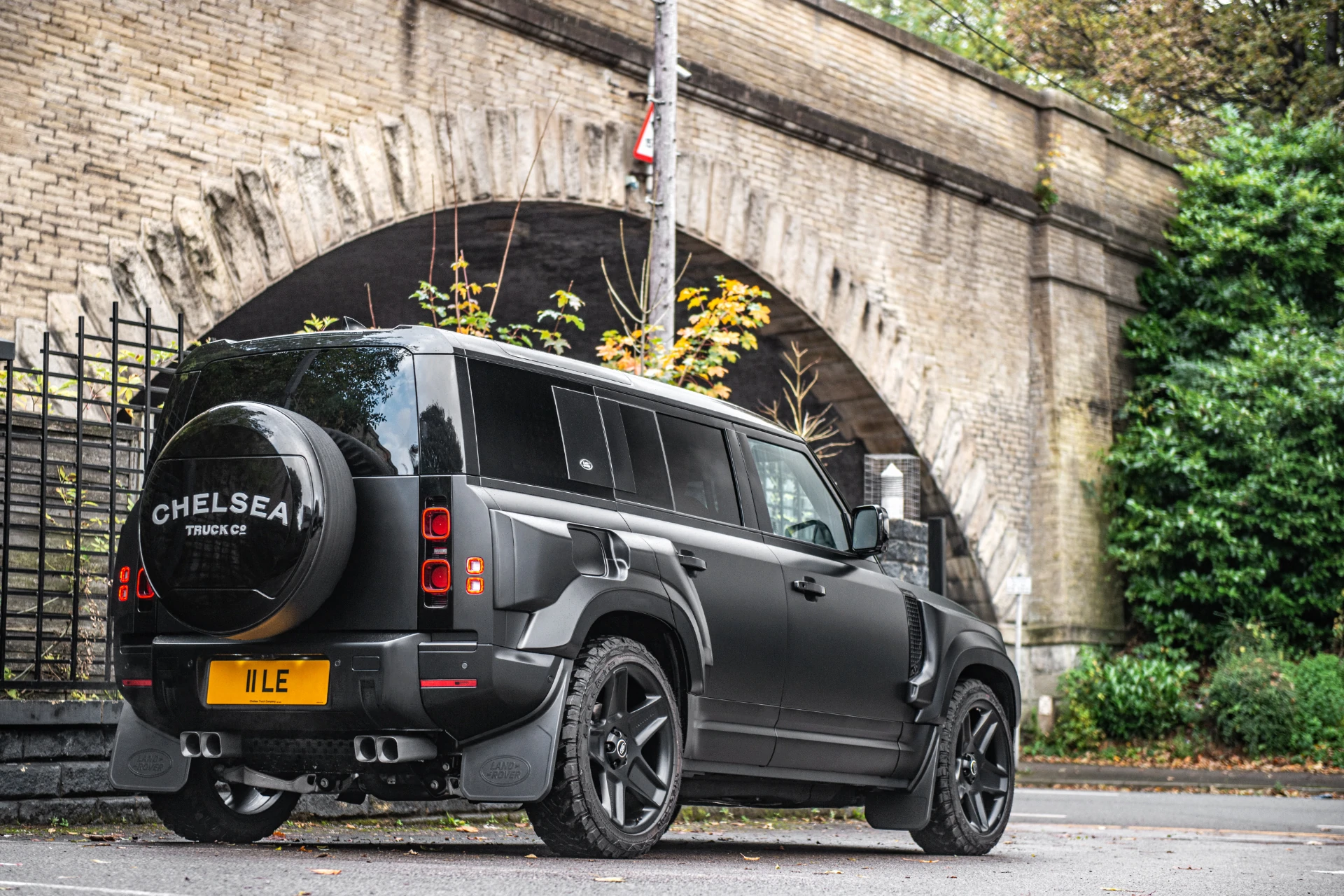
The unique alloys are named after Chelsea Truck Company founder Azfal Kahn, who also founded Kahn Automobiles over 20 years ago. While a UK-based company, there is also the Chelsea Truck Company in Australia, although details are yet to be confirmed.
In the UK, the Defender Wide Body is priced from £109,999 (AU$207,800) for the 110 and £114,999 (AU$218,200) for the 90 depending on specification, with buyers able to choose from petrol or diesel engines and factory extras such as the panoramic sunroof and heated seats.
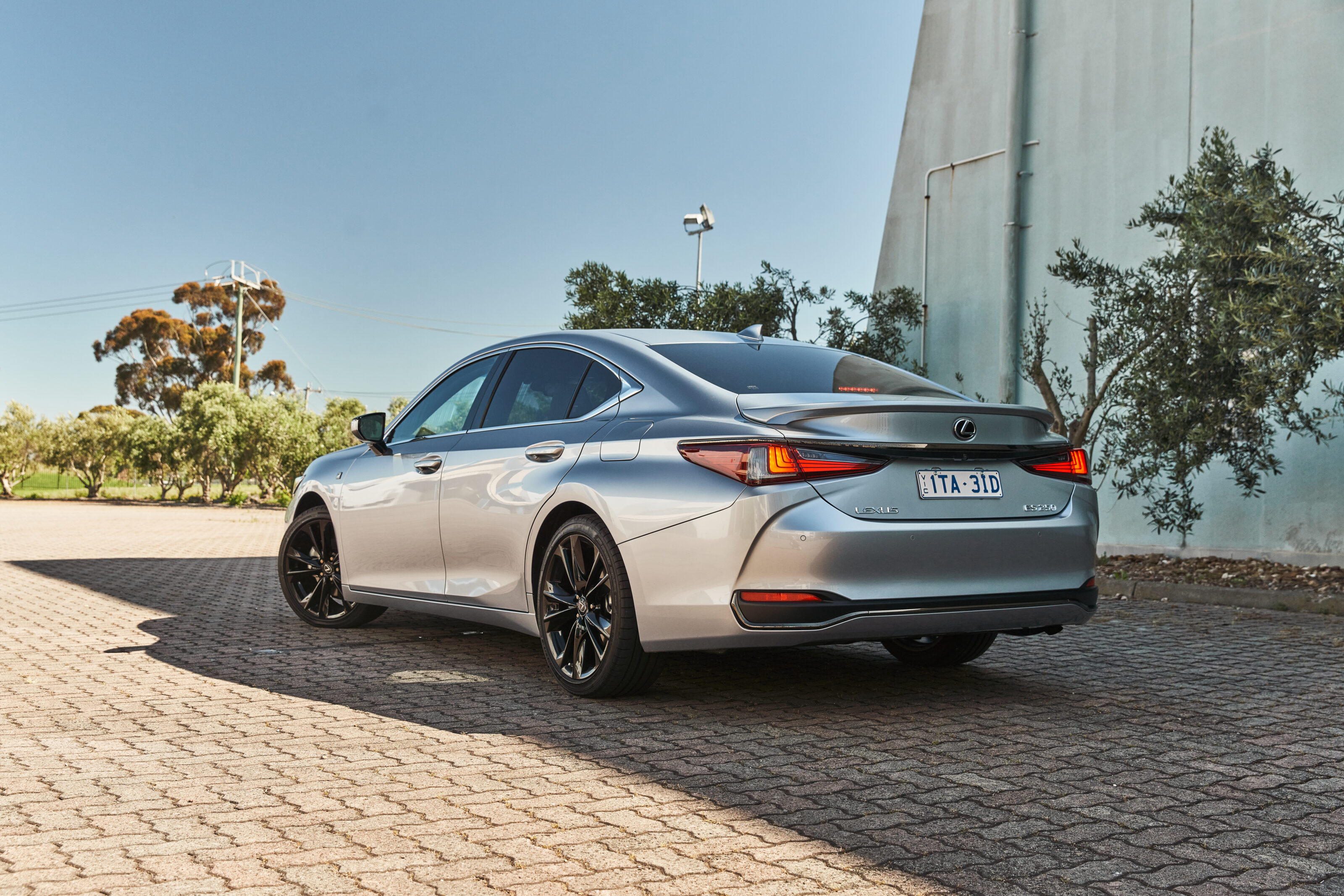
The 2022 Lexus ES 250 F Sport sits roughly in the middle of the brand’s medium sedan line-up, the F Sport badge denoting a sportier version of the relatively recent entry-level variant within the ES range.
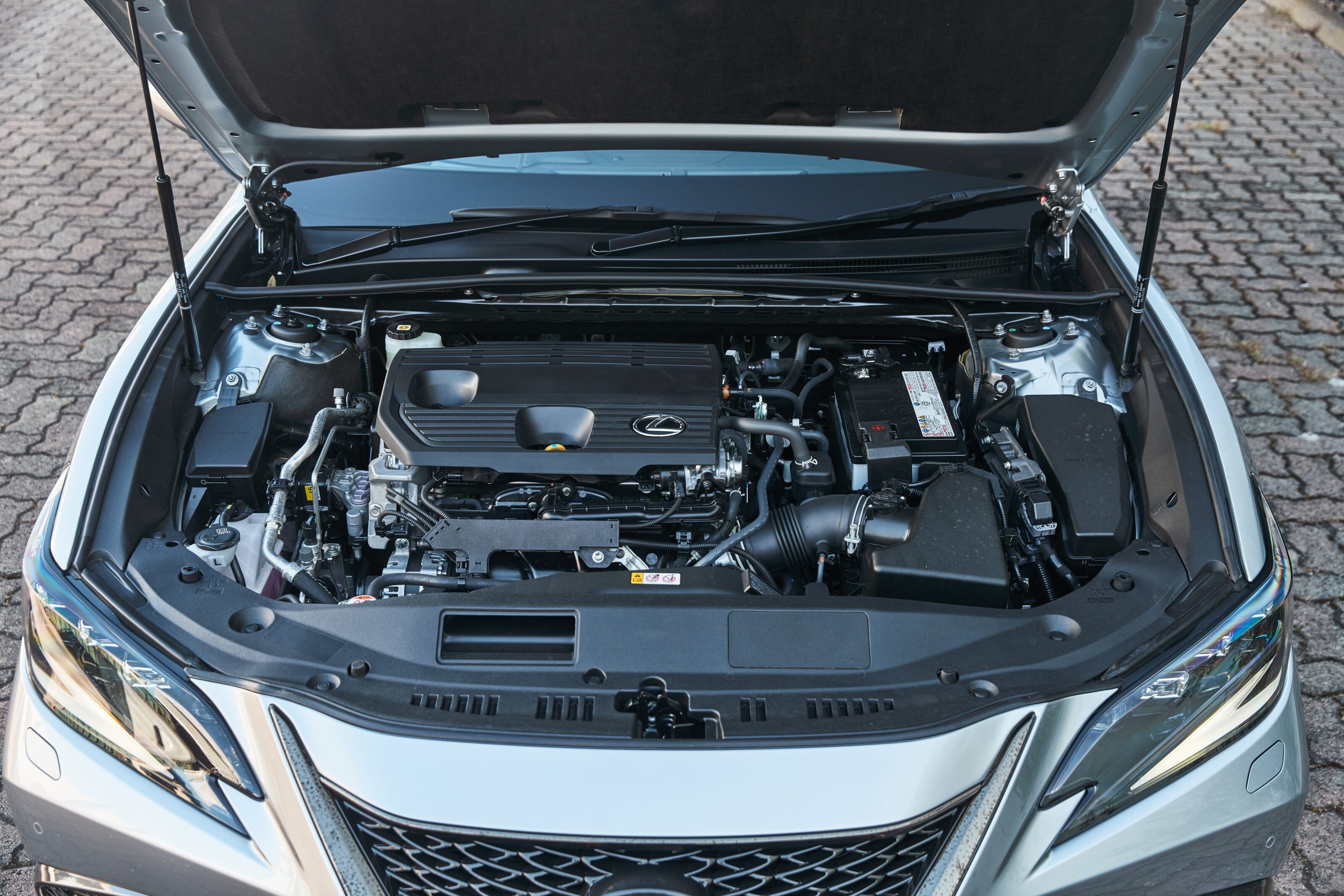
Priced from $70,860 plus on-road costs, the ES 250 F Sport is powered by a 2.5-litre non-turbo four-cylinder petrol engine, sending 152kW and 243Nm to the front wheels through an eight-speed automatic transmission. It’s a familiar powertrain, but we’ll get to that in a bit.
The F Sport is $9240 more than the entry-level ES 250 Luxury, for which you’re getting a sporty exterior with special badging, ventilated sports seats with embossing, 19-inch alloy wheels, sports suspension, a power rear sunshade, head-up display, power-adjustable steering column with easy access and LED headlights – among other additions.
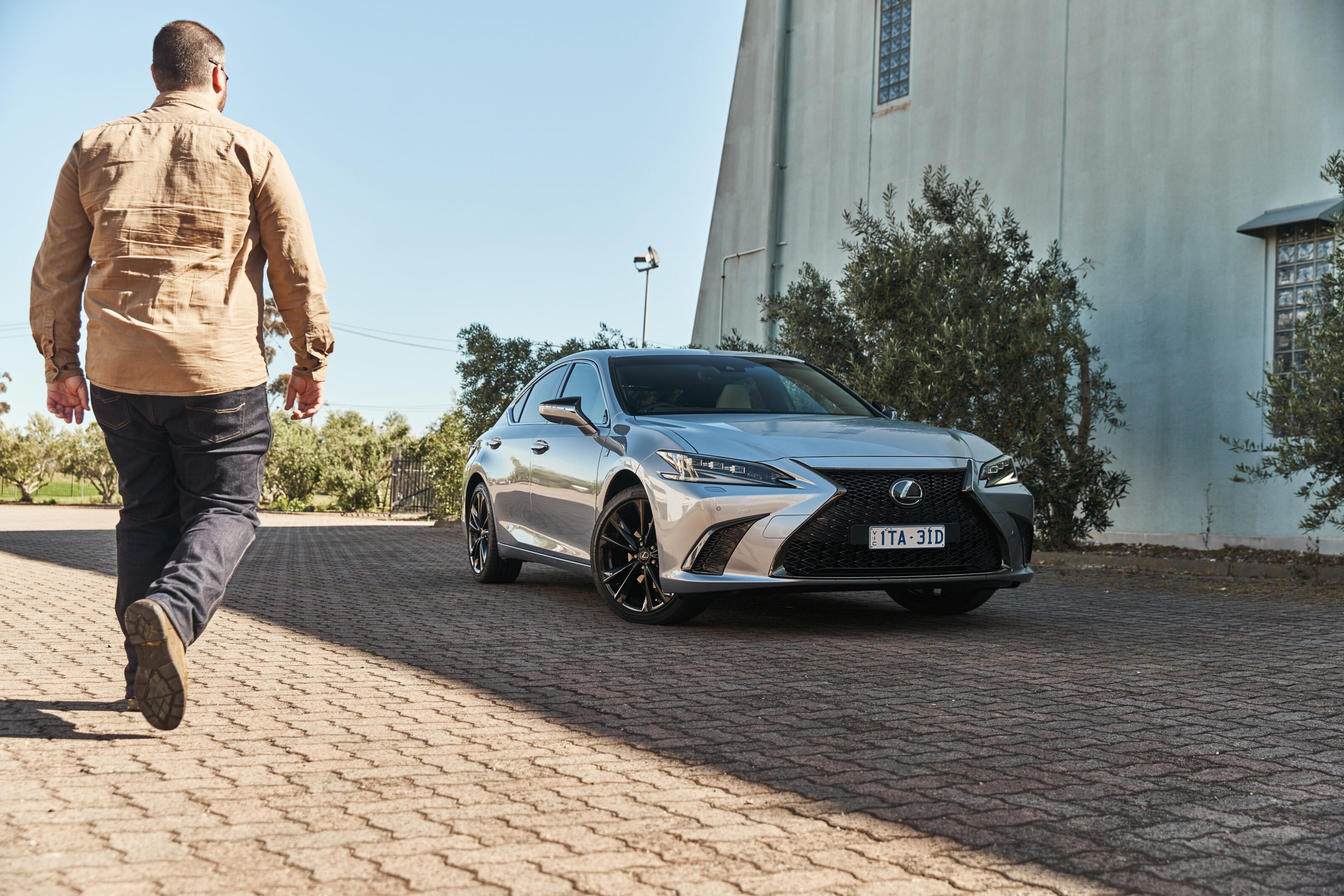
And it does look good. The F Sport cosmetic bundle lifts the exterior of the car (figuratively speaking), helping to emphasise its long, sleek appearance. Family, friends and neighbours all made positive comments about the ES during my time with it, and I received my fair share of confused looks from fellow road users – likely because I was driving a cool-looking Lexus but dressed like I couldn’t afford clothes.
But while Lexus calls the ES a mid-size vehicle – and it almost is when compared to its larger sibling, the LS – the sedan is a large vehicle by my eyes. The numbers tend to back me up too, the ES 250 being just 20mm shy of the Toyota LandCruiser Prado’s width and length – a vehicle placed firmly in the Large SUV category.
It does look good. The F Sport additions lift the exterior of the car (figuratively), helping to emphasise its long, sleek appearance.
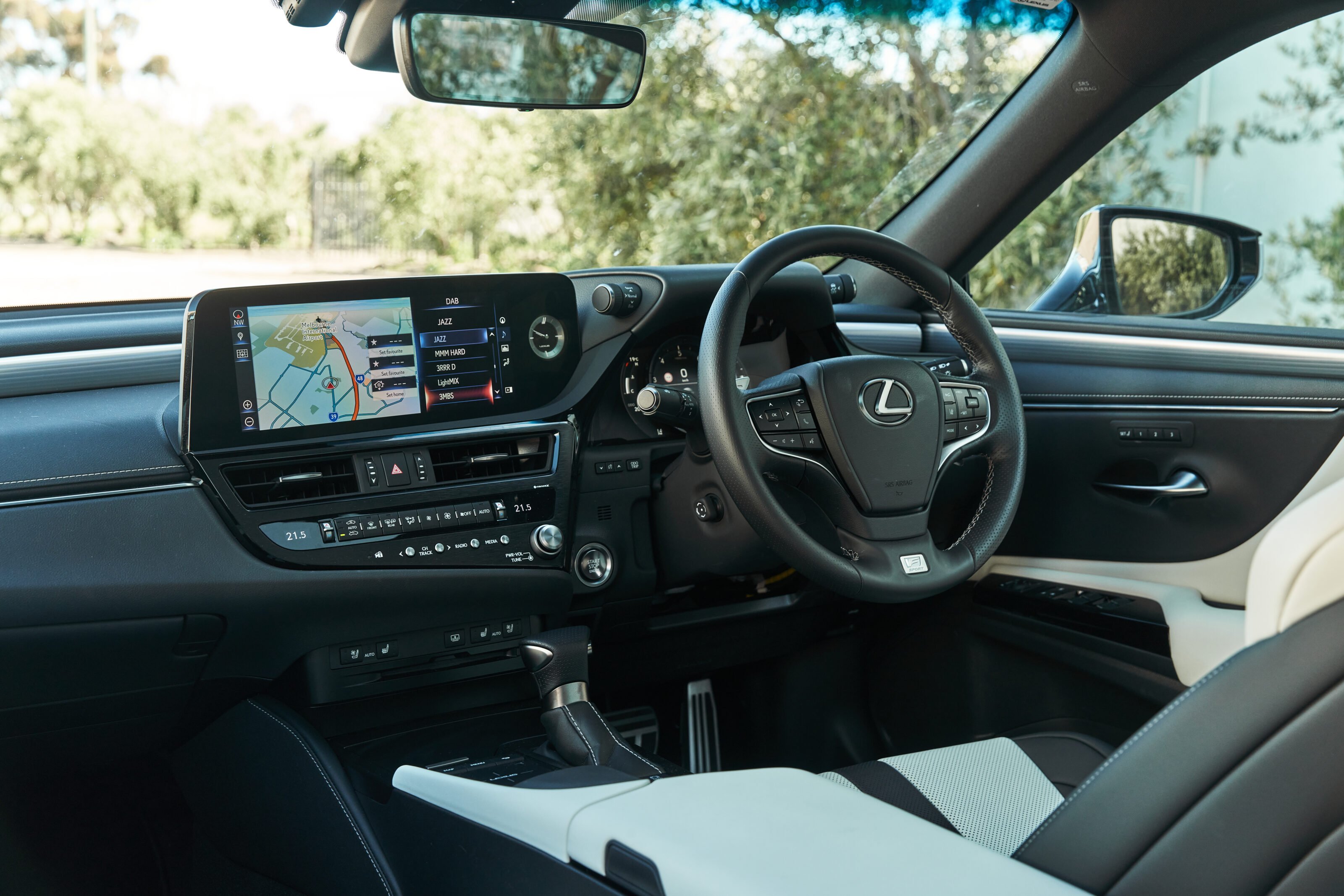
Inside, it has a good amount of useable space without feeling cramped or oversized, and there was a chorus of ‘oohs’ and ‘ahhs’ from my friends in the rear seats as I taxied them back to our accommodation at the end of a wedding late one night.
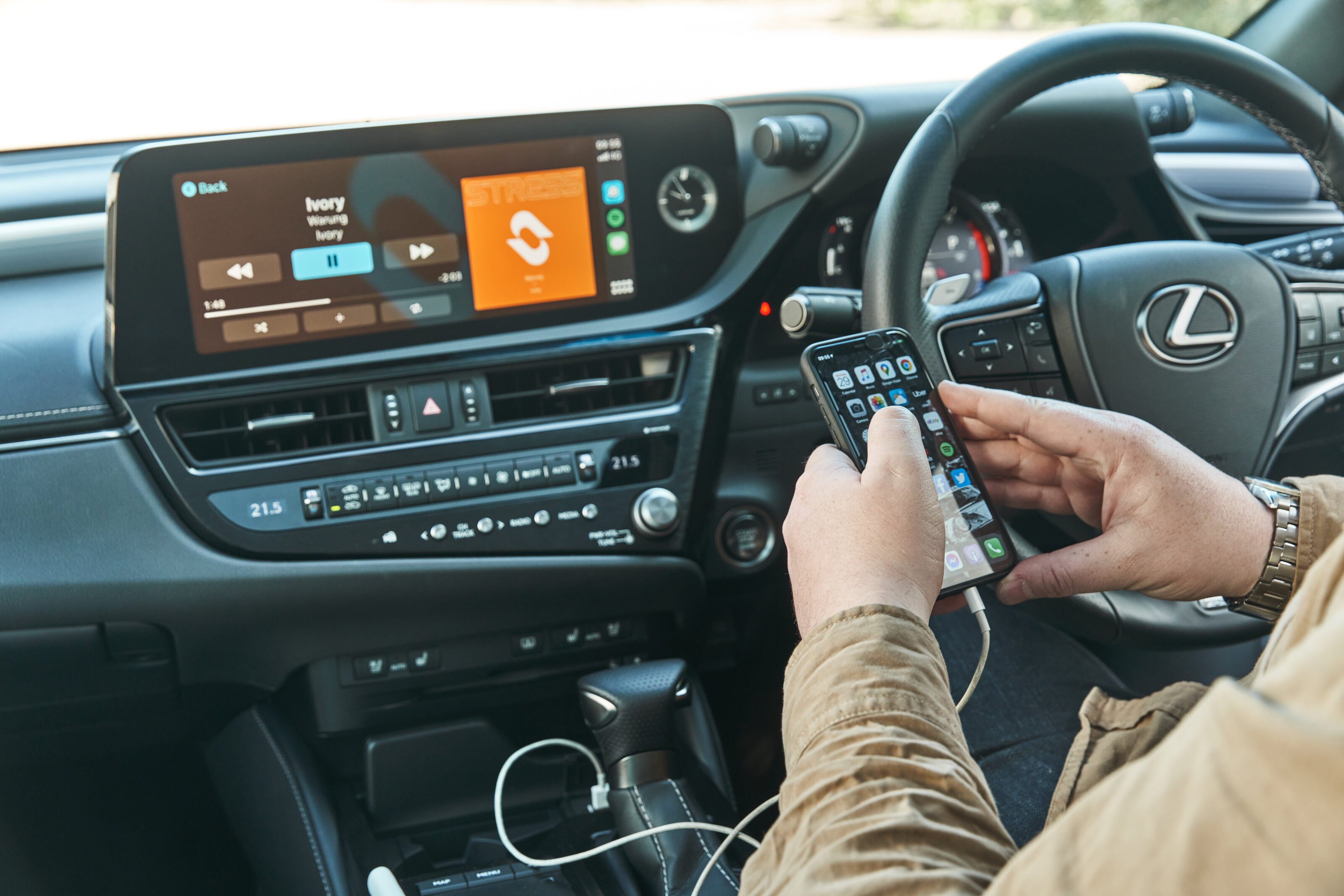
The 12.3-inch infotainment screen is big and easy to read, though the graphics from the native navigation and media screens look dated and it isn’t always the most intuitive to use. Thankfully the infotainment system utilises a touchscreen, so occupants aren’t forced to use the tiresome Lexus trackpad mounted next to the gear selector.
Curiously, the Apple CarPlay system doesn’t appear to have a dedicated Home button, but after some faffing about I discovered the ‘back’ button on the trackpad was the way to access the CarPlay main menu.
The dashboard buttons, however, were appreciated; throughout the interior are actual, real-life buttons – not a piano black panel covered in fingerprints that requires increased attention to use while driving, as is the norm in many new cars today. The dual-zone temperature control thumb levers might not be the quickest way to make things cooler or warmer, but they are easy to use and the high-definition temperature display graphics are a nice touch, so to speak.
Sound quality from the 10-speaker stereo is very good, as was the ability to use the physical volume knob. But we seemed to be using watts to overcome the road noise generated in the cabin when driving at speed, suggesting the car could use some more sound deadening. And while there are worse cars to eat the highway miles in, the constant noise meant a higher level of fatigue at the end of my seven-hour drive to the wedding.
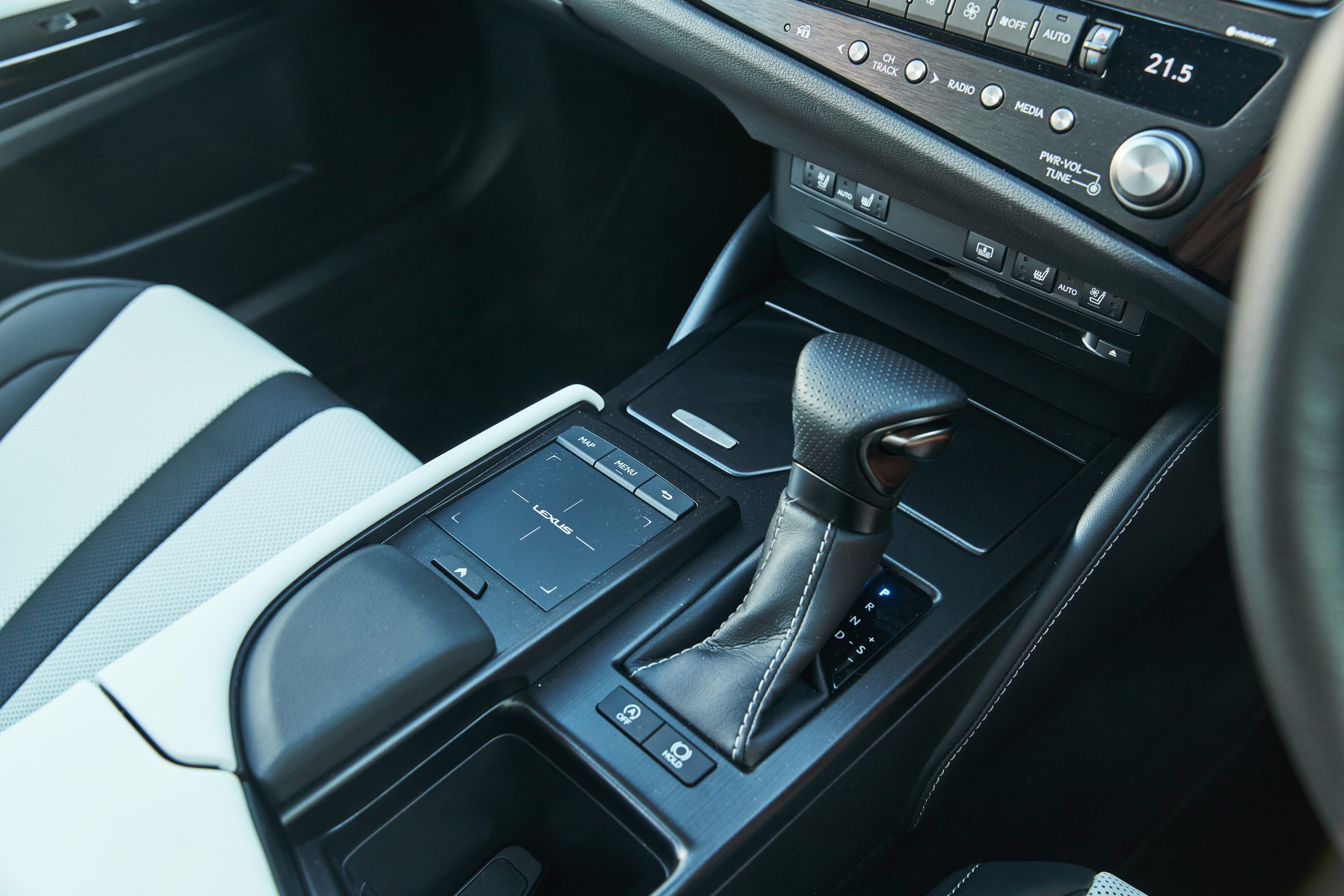
The ES isn’t overwhelmed with technology as with other cars in this segment – it has just the right amount of features and semi-autonomous driving tech, without making the driver feel as if they’re being forced to pilot the NCC-1701. It’s the right mix. On warmer days, I put on the seat ventilation, on cooler nights I enjoyed the seat heaters, while the electric boot opener allowed me to grab all my gear in one trip.
Lexus has done a good job of striking a balance between luxury and sportiness with both the exterior and interior. But on the road, that line becomes blurred.
Although the ES 250 and Toyota Camry share no interior or exterior panels, there is a lot in common underneath and the Lexus feels as such when driving.
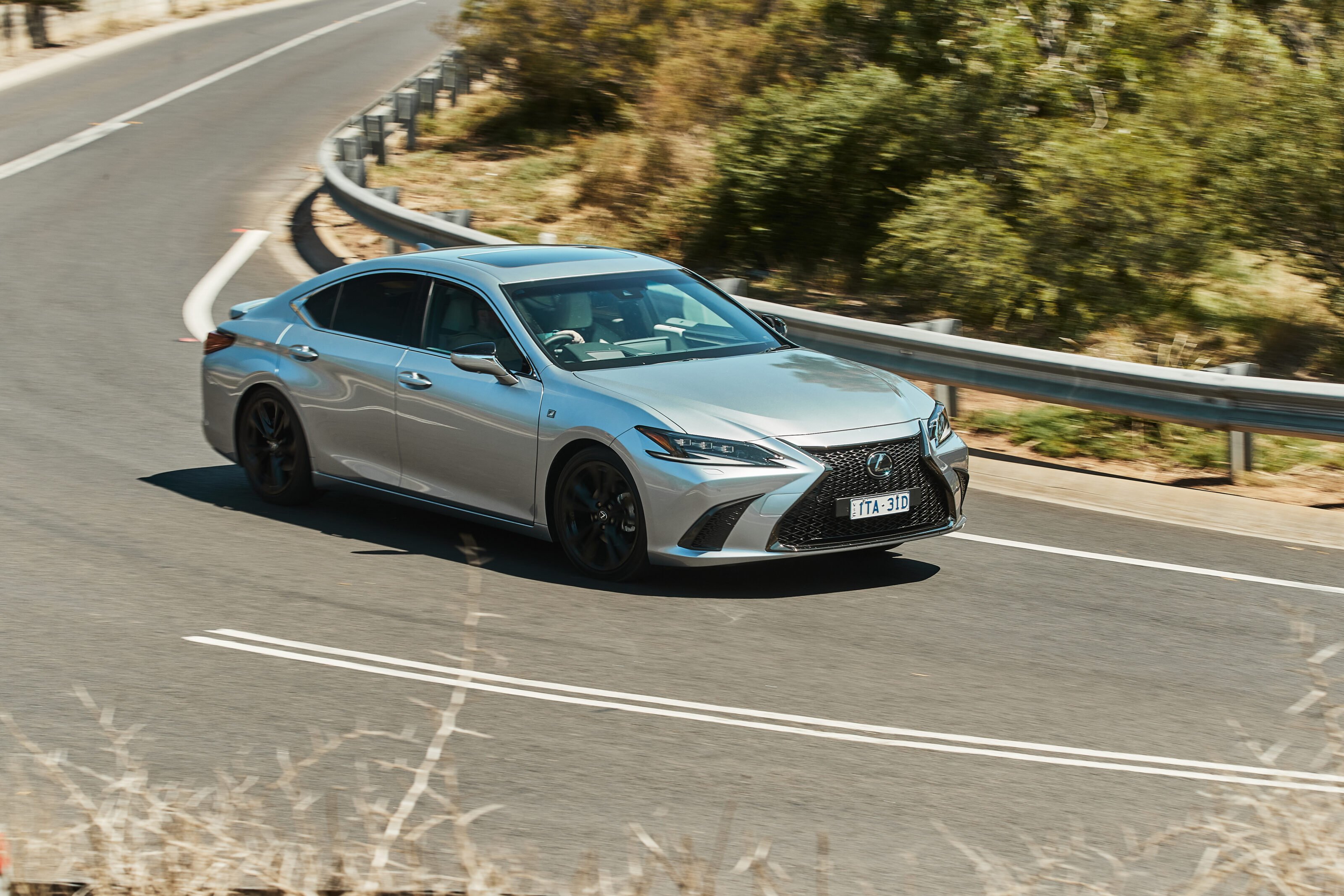
The ES 250 has a kerb weight of 1680kg, which is to say it’s heavy. The addition of sports-tuned shock absorbers and other suspension components as part of the F Sport package dials in a few degrees of firmness, and while never uncomfortable, it doesn’t ever ride as you would expect from a luxury car. Nor does the vehicle ever feel even remotely sporty.
Although the ES 250 and Toyota Camry share no interior or exterior panels, there is a lot in common underneath and the Lexus feels as such when driving.
Feeling like a Camry isn’t necessarily a negative, to be fair. As someone who held Diamond status as an Uber passenger before lockdowns forced me to stay home, I always rejoiced when a Camry driver was assigned to ferry me about. The Camry may drive beautifully for a vehicle that starts at $30,990 before on-road costs, but on a so-called luxury vehicle costing $70,860 plus on-roads, it might leave you wondering if you got the short end of the stick.
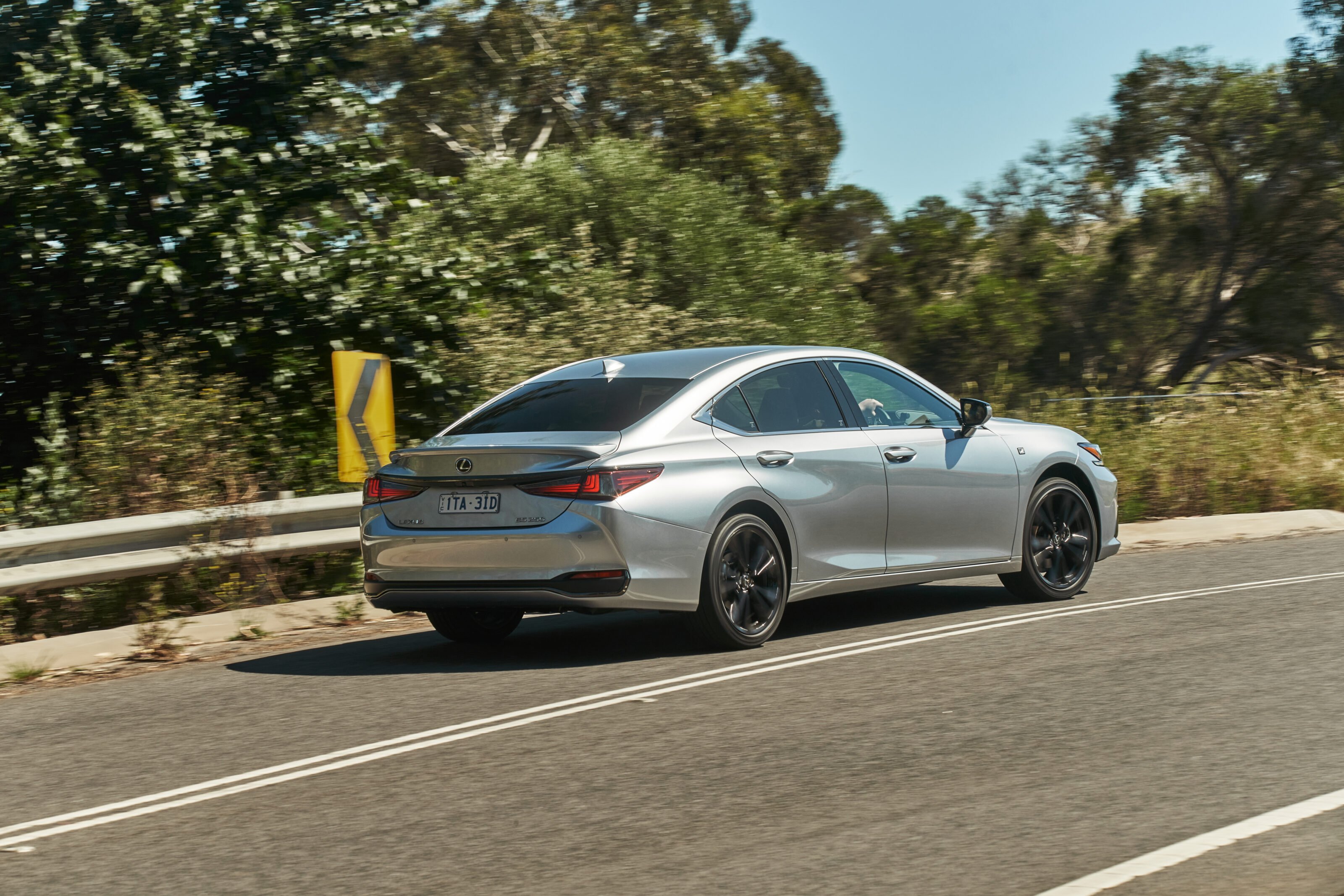
That isn’t where the comparisons end, as the Lexus ES 250 shares the exact powertrain with the base-model Camry Ascent. However, the Lexus has an additional 185kg of weight to haul around, making it both slower and less fuel-efficient.
As you ask the car to accelerate from a low speed, essentially nothing happens, forcing you to gradually squeeze the throttle until the car realises it doesn’t have the cajones to do what’s being asked of it, drops down two gears and suddenly you rocket off while your passengers question your driving abilities. Time and again, I’d feed the car more throttle around town, wanting to merely accelerate to 50km/h, and it would fail to deliver even that without an embarrassingly over-the-top gear change.
I’d personally much rather have a more powerful and under-stressed engine than the unit found in the Lexus that seems to always be one step behind. Either a turbocharger or the torque of an electric motor, such as that found on the ES 300h, would do nicely.
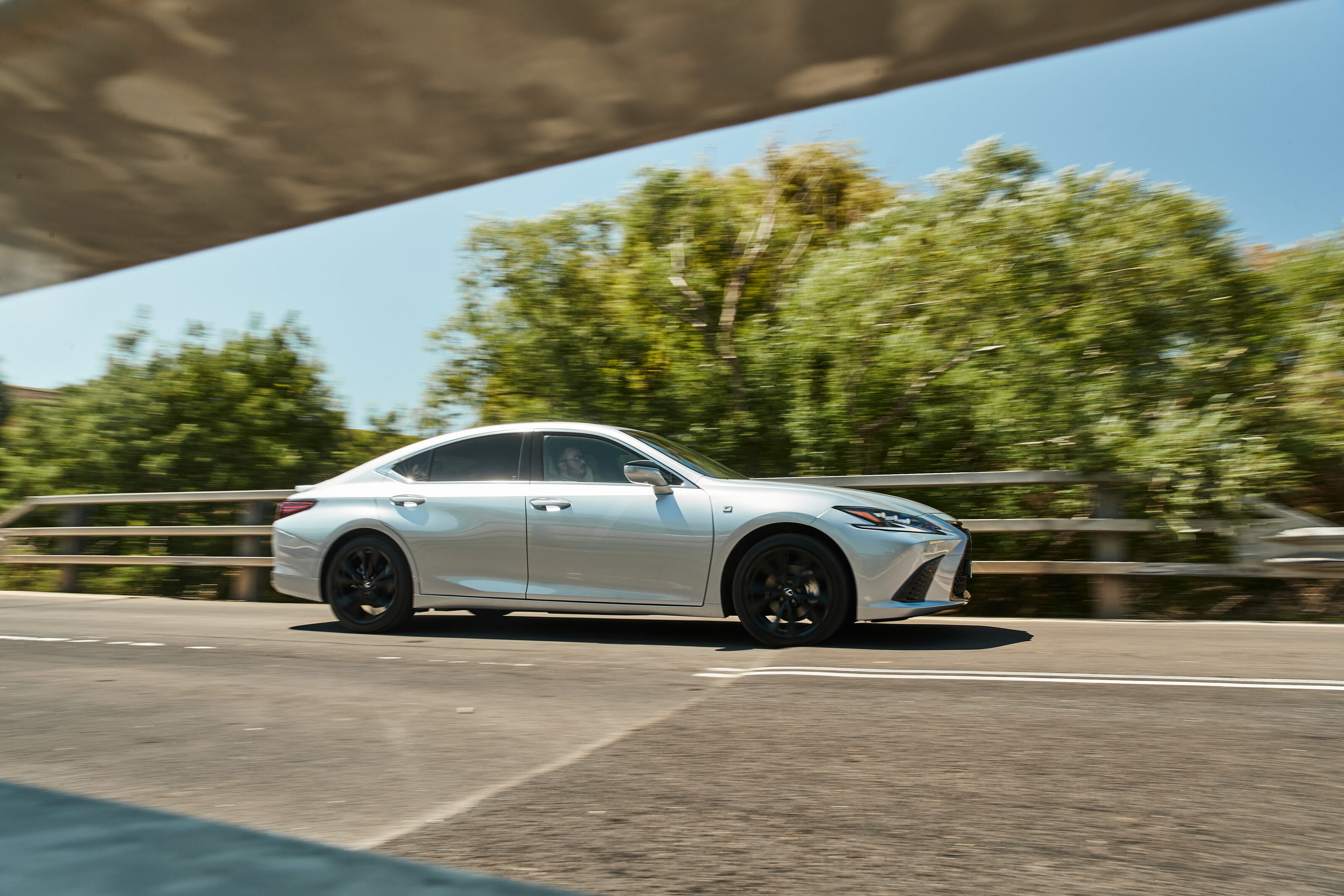
When driving in the city, I was using around 7.7 litres of fuel for every 100 kilometres covered, with that number falling to 6.8L/100km after a 14-hour round trip at freeway speeds, matching the company’s combined fuel consumption figure.
However, add the fact that the Lexus ES 250 demands premium unleaded petrol as a minimum, and the car’s running costs might be higher than what you’re expecting – unless maybe you’re stepping out of a V8 Statesman.
Servicing intervals are every 12 months or 15,000km, with prices capped at $495 for the first three years. From 2022, Lexus will offer a five-year/unlimited-kilometre warranty, bringing it into line with Toyota’s factory warranty period.
I’d rather a more powerful and under-stressed engine than the one found in this Lexus that seems to always be one step behind.
Unlike some other popular makes, the semi-autonomous lane-tracking assist and radar cruise control systems in the Lexus work well on the freeway and on country roads. The system follows the lane nicely, giving you a gentle reminder when you’re perhaps relying too much on the technology, and never feeling like it’s being overly invasive or bullying.
The system only intervened once during my time with it, when I was reversing to pick up our talented photographer Jayden Ostwald during the shoot and the car decided I was trying to run him over and slammed on the brakes. Can’t prove anything.
Ultimately, the powertrain is difficult to look past. It’s frustratingly underpowered, which does nothing but highlight the transmission’s shortcomings. There’s an obvious lack of mid-range torque from its Camry motor, made worse by nearly 200kg of extra weight.
There is a Jekyll and Hyde thing going on with the ES 250 – but it isn’t a struggle of good and evil, rather it’s a dichotomy of modern, sophisticated style versus an unsophisticated driving experience. The whole car feels like it deserves better, and perhaps the ES 300h is the remedy.
But while I found it uninspiring and lethargic, I can appreciate how the demographic of ES 250 buyers may find it perfectly adequate. Some may not want the complexity of a hybrid and will happily make do with a traditional internal combustion engine. For those who enjoy gently ambling up to somewhere adjacent to the speed limit, the Lexus does a fine job.
If you can look past the powertrain, the rest of the package is well executed and makes the 2021 Lexus ES 250 deserving of your attention.
2022 Lexus ES 250 F Sport specifications
Ford has shown a somewhat slightly creepy concept that brings the escape room experience to your car.
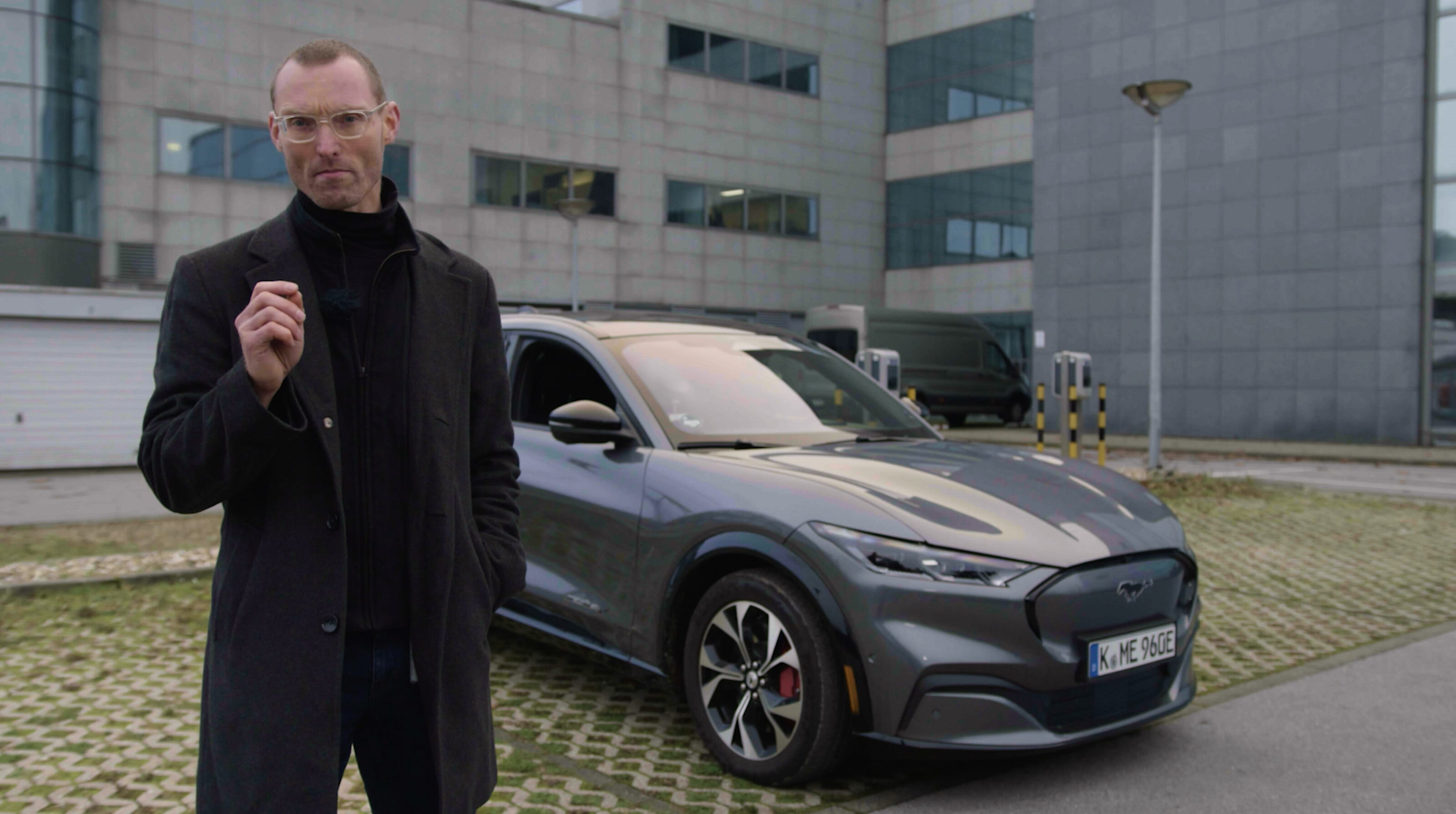
Programmed using Apple’s iOS and integrated with the software of the new Mustang Mach-E via Apple CarPlay, Ford has shown a short video of how the game works.
Essentially, it integrates features such as the infotainment, electric seats, tailgate, climate control, and more in individual tasks for the occupants to complete before they can deliver a package to a location. Beyond having some fun, Ford thinks that it could help owners familiarise themselves with their car.

The game is led by a slightly creepy-sounding voice asking the occupants to complete a word puzzle that unlocks a location they must drive to. They must then do further tasks, but these are only enabled once the car is stationary and only the heater and sound system are used when driving.
While this conceptual gamification of Ford’s Mustang Mach-E looks like fun, there is more that can be done with the idea according to Ford, such as educating drivers on how the car works and providing driver safety.
“This is a bit of fun that has a serious side, as it shows just what could be possible with the technology we have in cars today,” said Carsten Starke, technical expert interior materials and customer experience at Ford Research and Advanced Engineering in Europe.
“Having the ability to create interaction between vehicle and driver could open up new ways to explore other possibilities in the future, like an interactive owner’s manual or even driver coaching.”
The game was developed by Ford of Europe with the brand’s Software Enablement and Research team and the IOT group based at Palo Alto, California, and could be the first of more to come with manufacturers finding ways to keep EV drivers entertained while charging up. But most importantly for players is that they can exit the vehicle whenever they want (and thus forfeit the game), unlike a real escape room.
