
Snapshot
- Jim Rowan becomes Volvo Cars CEO, joining from the Dyson Group
- Hu00e5kan Samuelsson served as CEO since 2012
- Volvo aims to be fully electric by 2030
Swedish manufacturer Volvo Cars has appointed its new CEO, with Jim Rowan joining the fold from the Dyson Group to lead the marque into an electric future.
Before his time as CEO with the Dyson group between 2017 and 2020, Rowan had been the brand’s COO from 2012, having moved across from a similar role at BlackBerry.
Rowan said he has joined Volvo at the right time, as the manufacturer gears up to go all-electric by 2030 while pushing for carbon neutrality in the near future.
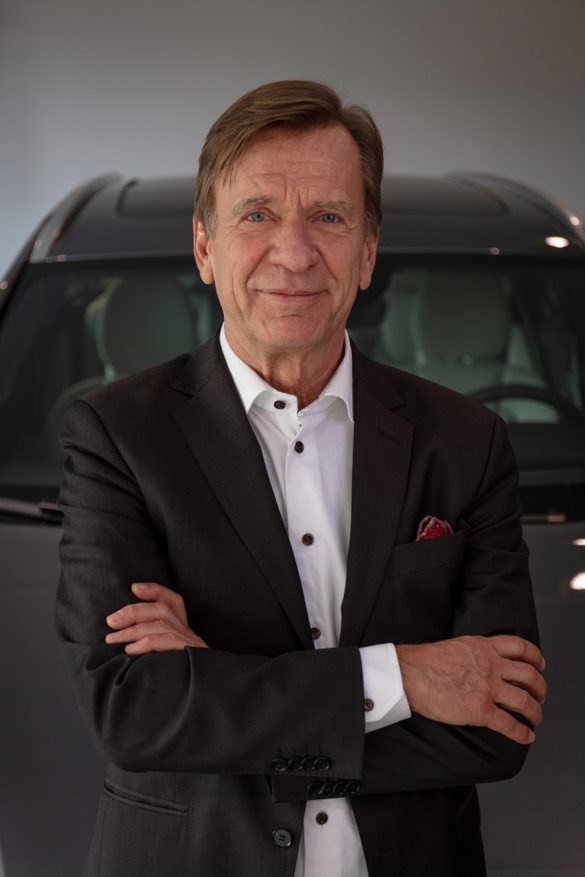
“I am delighted to join Volvo Cars at such an exciting time for the company and at such a transformational time for both the industry and consumers,” said Rowan.
“The strong track record of Volvo Cars across innovation, safety and quality, coupled with world-class talent and inspiring sustainability and technology capabilities, places it in the driver’s seat for the road ahead.”
Samuelsson welcomed his successor while paying tribute to the team he has worked with for over a decade, having been on the Volvo Cars board since 2010 before becoming CEO in 2012.
“I am pleased to welcome Jim to his new role to continue the great journey Volvo Cars is on,” said Samuelsson.
“I would also like to extend my thanks to all Volvo Cars employees for the incredible progress we have made together in the past 10 years – for not only making Volvo Cars one of the fastest-growing and most trusted premium automotive brands, but for always innovating and leading with purpose. I wish you all the best for the exciting years to come.”
UPDATE, February 21, 2022: We’ve now driven a near-production prototype of the ID Buzz, and you can read all about it at the link below.
UPDATE, January 7, 2022: Volkswagen boss Herbert Diess has confirmed the ID Buzz will officially launch on March 3, signifying a return of the microbus.
The Volkswagen CEO took to Twitter to tease the new-age van, set to be based on the MEB electric architecture which underpins the ID.3 and ID.4.
With covers coming off the new EV in just under two months, it’s anticipated to hit the roads in 2023 before a California camper-based version goes on sale two years later, truly bringing the microbus back to its humble, hippie beginnings.
The story to here
November 5, 2021: The new Volkswagen ID Buzz is set to be officially revealed in the coming weeks after a teaser was provided last night.
During Volkswagen’s launch of the new ID.5 and ID.5 GTX, the fully-electric ID Buzz was present towards the end of the video – finished off in a rainbow camouflage livery, which did little to hide its overall shape.
Underpinned by the same MEB platform from the ID.3, ID.4 and ID.5, the ID Buzz is tipped to feature autonomous driving capabilities, as was shown off at this year’s IAA Mobility Show in Munich with the ID Buzz AD.
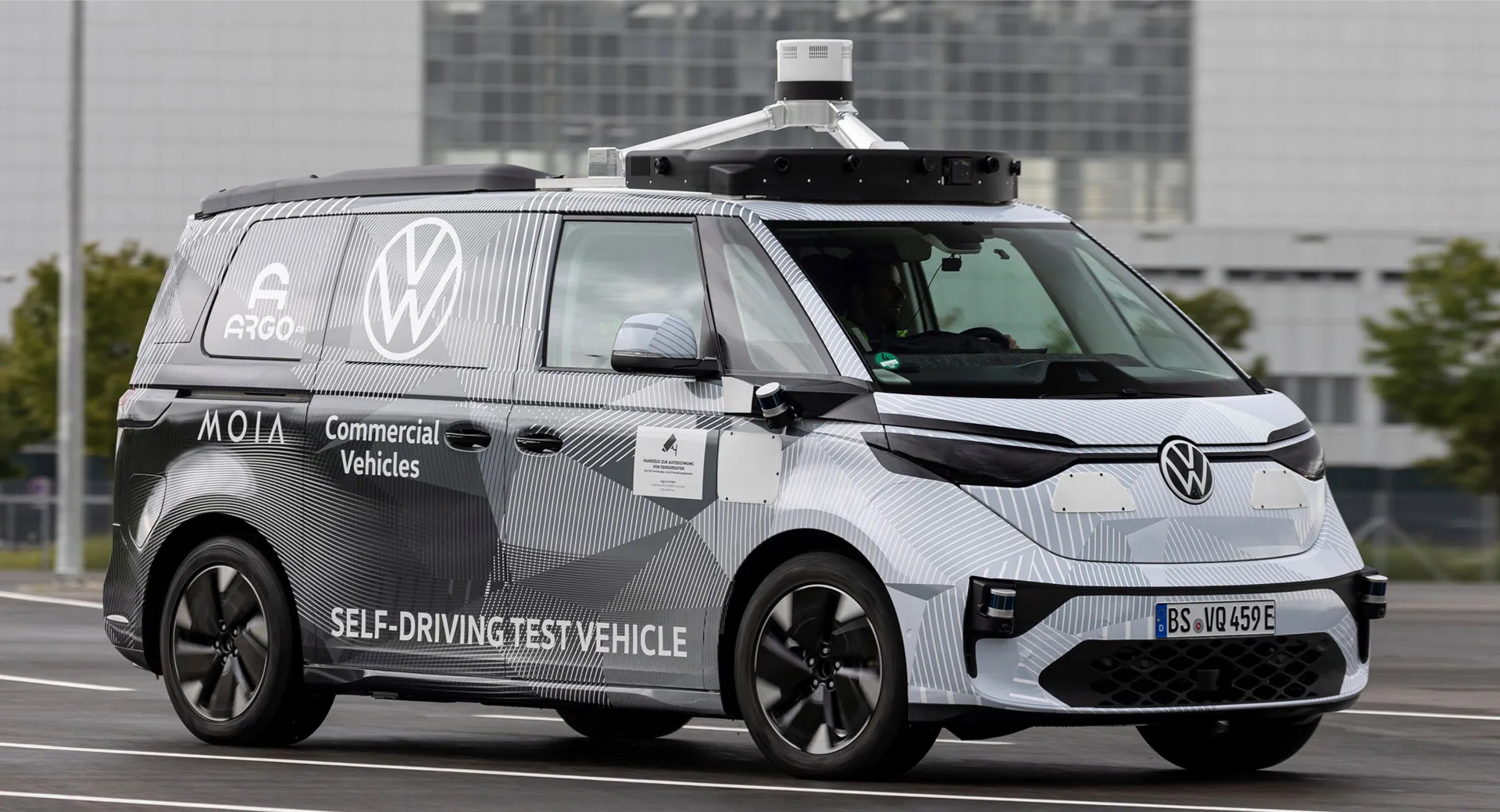
At the time, VW Commercial Vehicles’ (VWCV) head of autonomous driving, Christian Senger, said the ID. Buzz AD would debut as a part of a fully-autonomous shuttle service in Hamburg from 2025.
“We bring our expertise to the co-operation with Argo AI and VWCV, and will develop an autonomous mobility service in addition to our regular service,” said Senger.
“Cities all over the world want to make their traffic more efficient and more climate-friendly.
“Autonomous ride-pooling improves urban mobility, increases road safety and make cities more attractive. Hamburg will be the first city to offer it.”
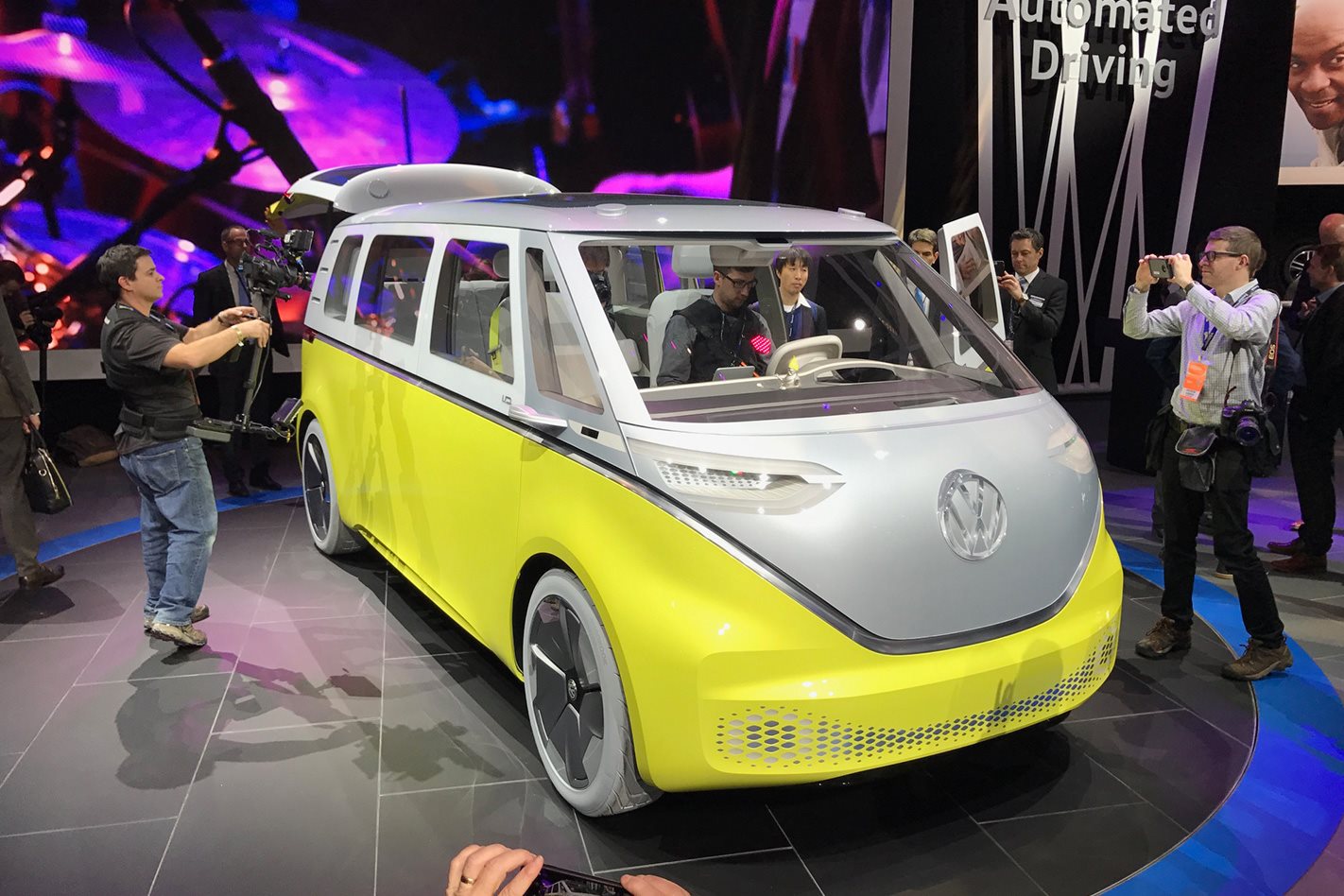
The ID Buzz has evolved significantly since its first public outing in 2017 at the Detroit Motor Show, having been done up as a modern interpretation of the classic Kombi – although Volkswagen could well and truly make a business case out of offering the electric vehicle in retro colours.
It’s understood the ID Buzz shown off will be the first of two variants to launch, with the short wheelbase expected to arrive in European showrooms next year, while a long wheelbase is set to be unveiled in 2023.
Snapshot
- Plant to be based in Wuhan
- Electric vehicles will be the main production output
- Facility to be largely automated
Honda Motor in China has announced it will be building a new vehicle plant in China with its joint venture partner, Dongfeng.
Closing in on 18 years in partnership with each other, the Dongfeng Honda Automobile facility will house a 630,000 square metre plant in the Hubei Province’s Wuhan Economic Development Zone.
Aimed at becoming the main production facility for Honda’s China-only electric vehicles, the manufacturer says it targets an annual capacity of 120,000 units to roll off the production line, potentially becoming operational as early as 2024.
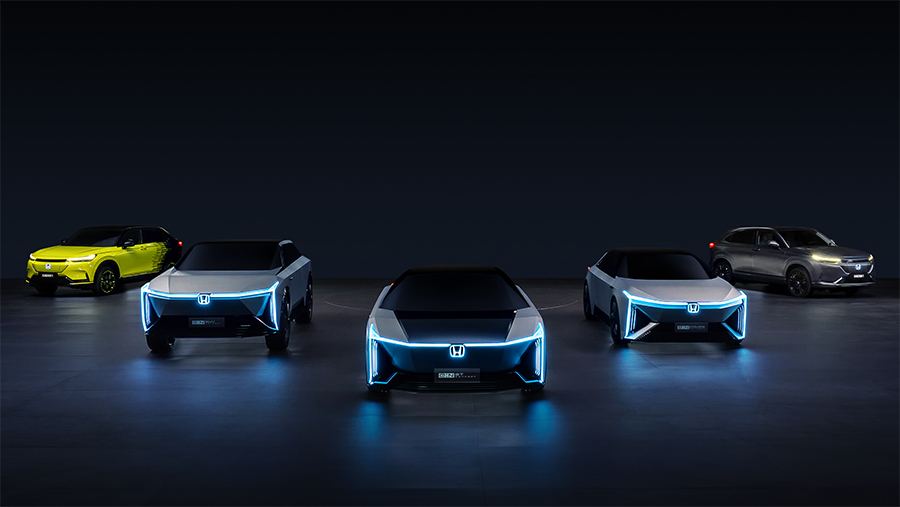
With its current annual production capacity of 720,000 units, the addition of the new plant will boost its output by just over 15 per cent, although as the manufacturer moves away from internal combustion engines, it could be a main facility for its EVs.
Looking to keep things in-house, the new plant will cover every stage of a vehicle’s production cycle from stamping, welding, painting and assembly to complete vehicle inspection.
It’s likely the facility will be the home of production for Honda’s recently announced e:NP1 – a fully-electric version of its popular HR-V small SUV, slated to launch around the same time as the new factory becomes operational.
Snapshot
- VF5, VF6 and VF7 unveiled at CES
- VF e35 and e36 renamed to VF8 and VF9
- Aspirations to open production sites in Germany and the United States touted
VinFast’s has used this year’s Consumer Electronics Show to unveil three new models.
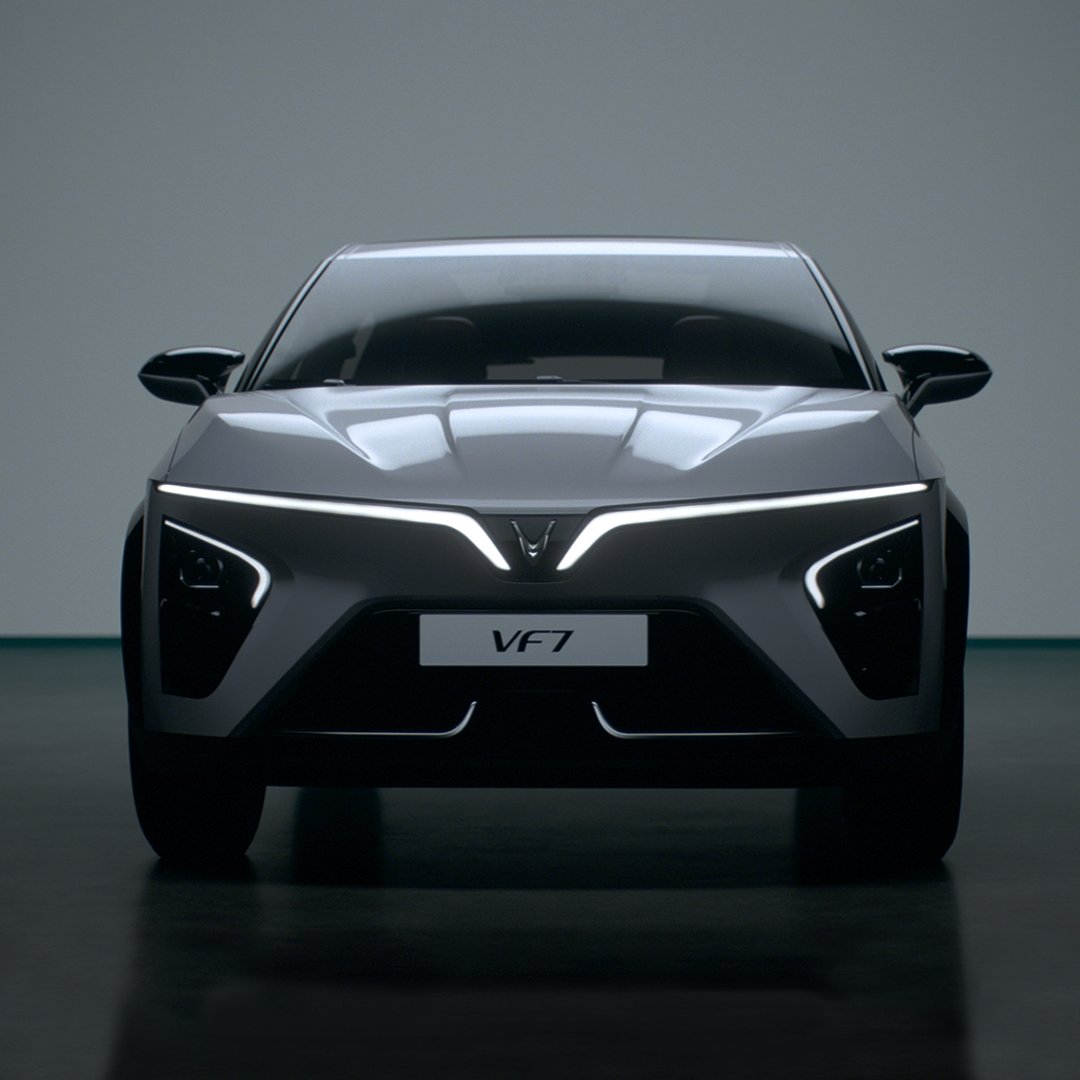
Dropping in below the existing VF e35 and VF e36 SUVs – now renamed VF8 and VF9 respectively – the VF5, VF6 and VF7 will expand the electric vehicle producer’s range, covering almost every segment in the EV SUV market.
No interior shots were shown off at the launch of the three models, nor were any specific details about powertrains, although it’s expected a range of Level 2 autonomous capabilities will be available in all variants of the five cars.
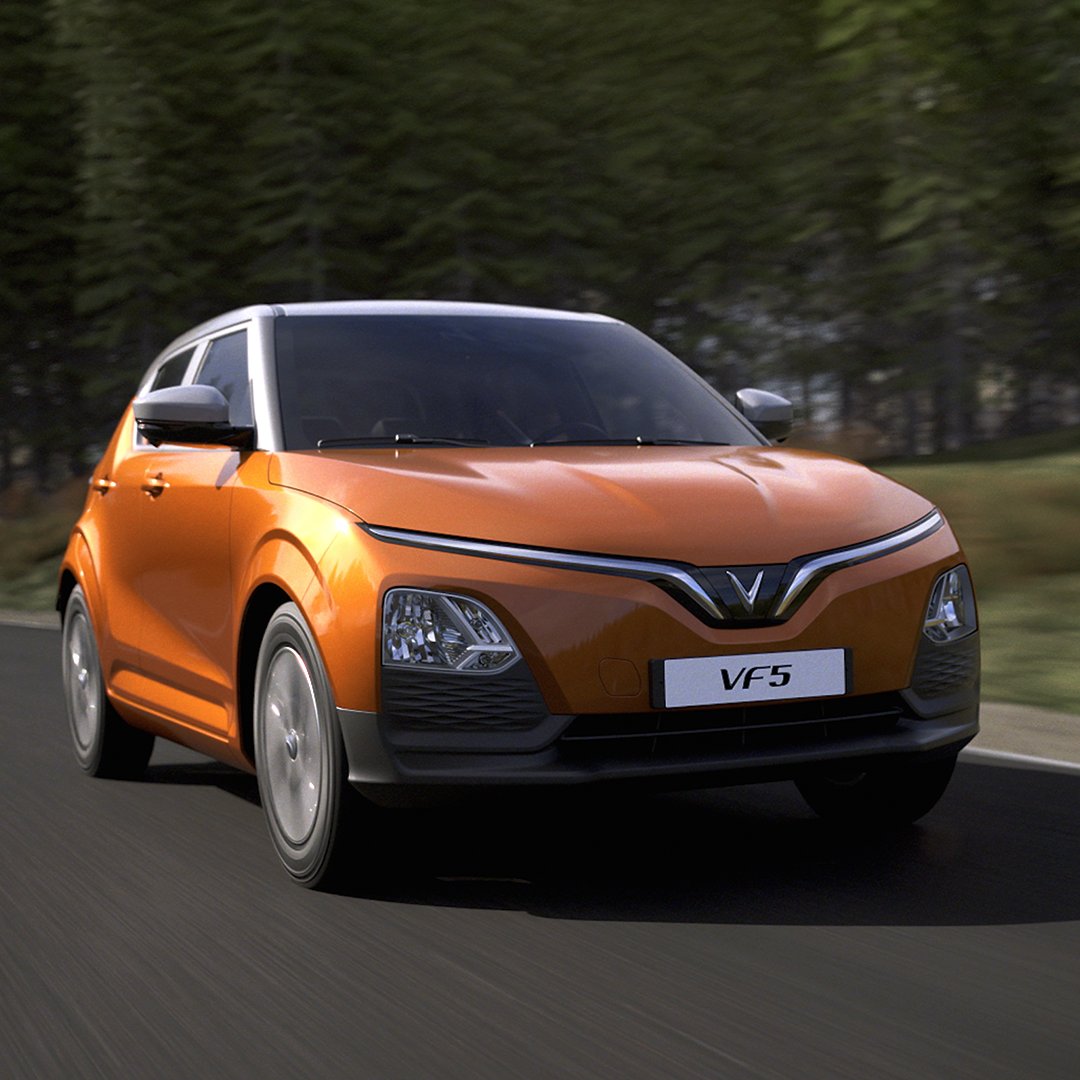
Alongside the unveiling of its new vehicles, VinFast announced pricing for the VF8 and VF9 – as well as offering more in-depth specifications of both models.
The VF8 will start at US$41,000 (AU$57,170), powered by dual electric motors producing up to 300kW and 640Nm, enabling it to complete the 0-100km/h sprint in just under six seconds and boasting a driving range of 510 kilometres.
The larger VF9 is underpinned by the same powertrain – although its higher weight and larger, six to seven seat capacity means it can only manage a 0-100km/h time of just over 6.5 seconds, although a seemingly larger battery pack stretches its driving range out to 680km.
Rather than sell customers their vehicles as a whole unit, VinFast offers a battery lease program which allows buyers to choose either a “Flexible” arrangement – allowing 500km a month at a fixed cost plus extra fees for longer distances travelled – or a “Fixed” plan with unlimited travel. Both of these cover maintenance costs and include a new battery once capacity falls below 70 per cent.
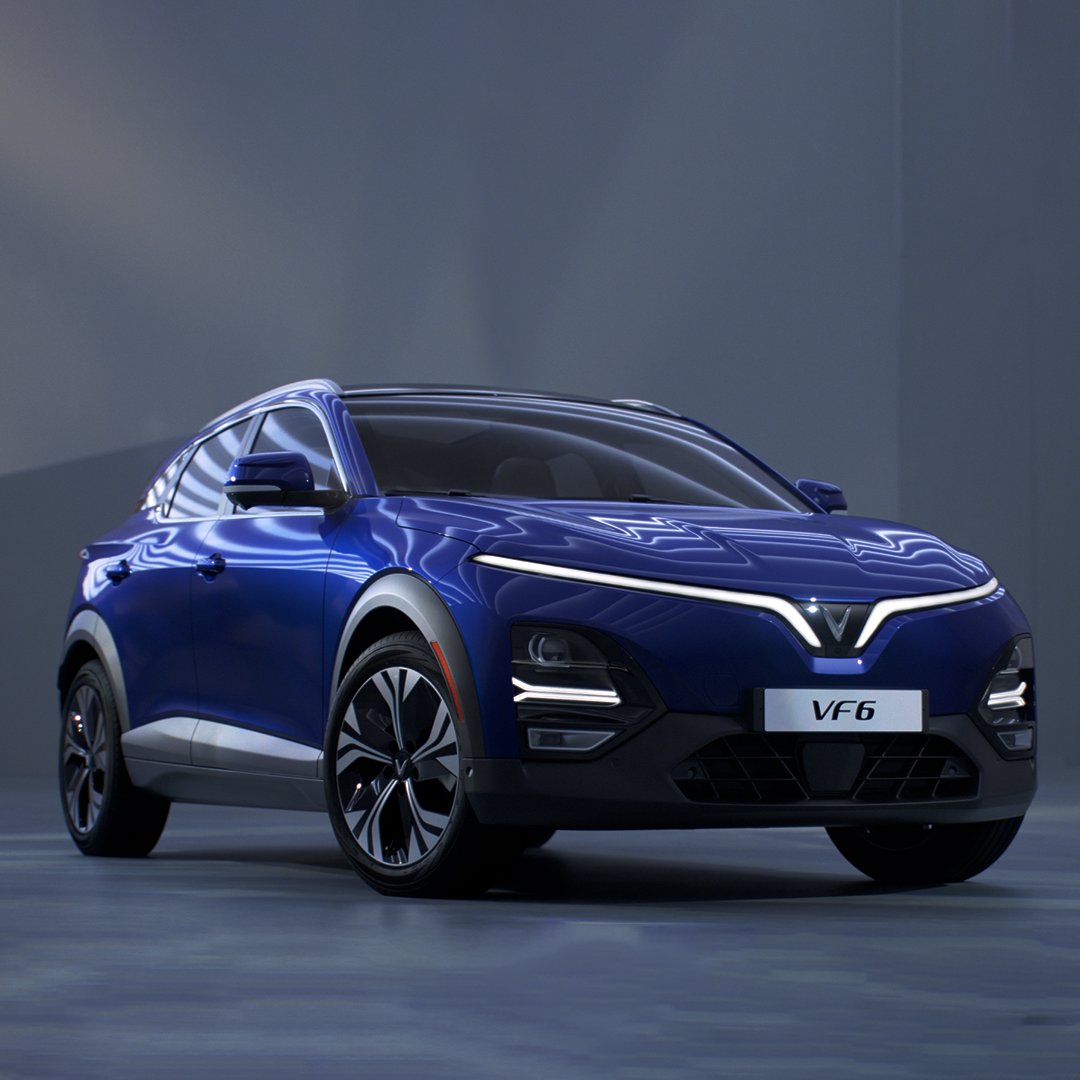
As its first vehicles get delivered to customers in Vietnam, VinFast is aiming to build a battery factory in the United States, with CEO Le Thi Thu Thuy telling Reuters its list of potential sites is getting shorter.
“We will build our gigafactory in the US as well,” said Thuy.
“We have narrowed down from, I think, over 50 sites to about three sites.”
It’s understood the manufacturer is also considering a move into Germany, currently liaising with Germany Trade and Invest to secure space for a European plant, according to Automotive News.
“The era of shipping cars around the world is over, especially since COVID-19. You must have the factory close to the market in order to win over your customers,” the boss said.
A US company is claiming it has tested a new battery which offers up to 1210 kilometres of driving range from a single charge.
Two-year-old startup Our Next Energy (ONE) – which enjoys backing from the likes of BMW and Bill Gates – fitted a prototype battery to a Tesla Model S, travelling more than 1200km before the battery required charging.
ONE’s achievement far exceeds Tesla’s own claim of 652km of range for the Model S, using a 203.8kWh battery pack created as a direct plug-in replacement for the car’s usual 100kWh battery.
The company says it wants to eventually eliminate nickel and cobalt from its batteries without giving up driving range.
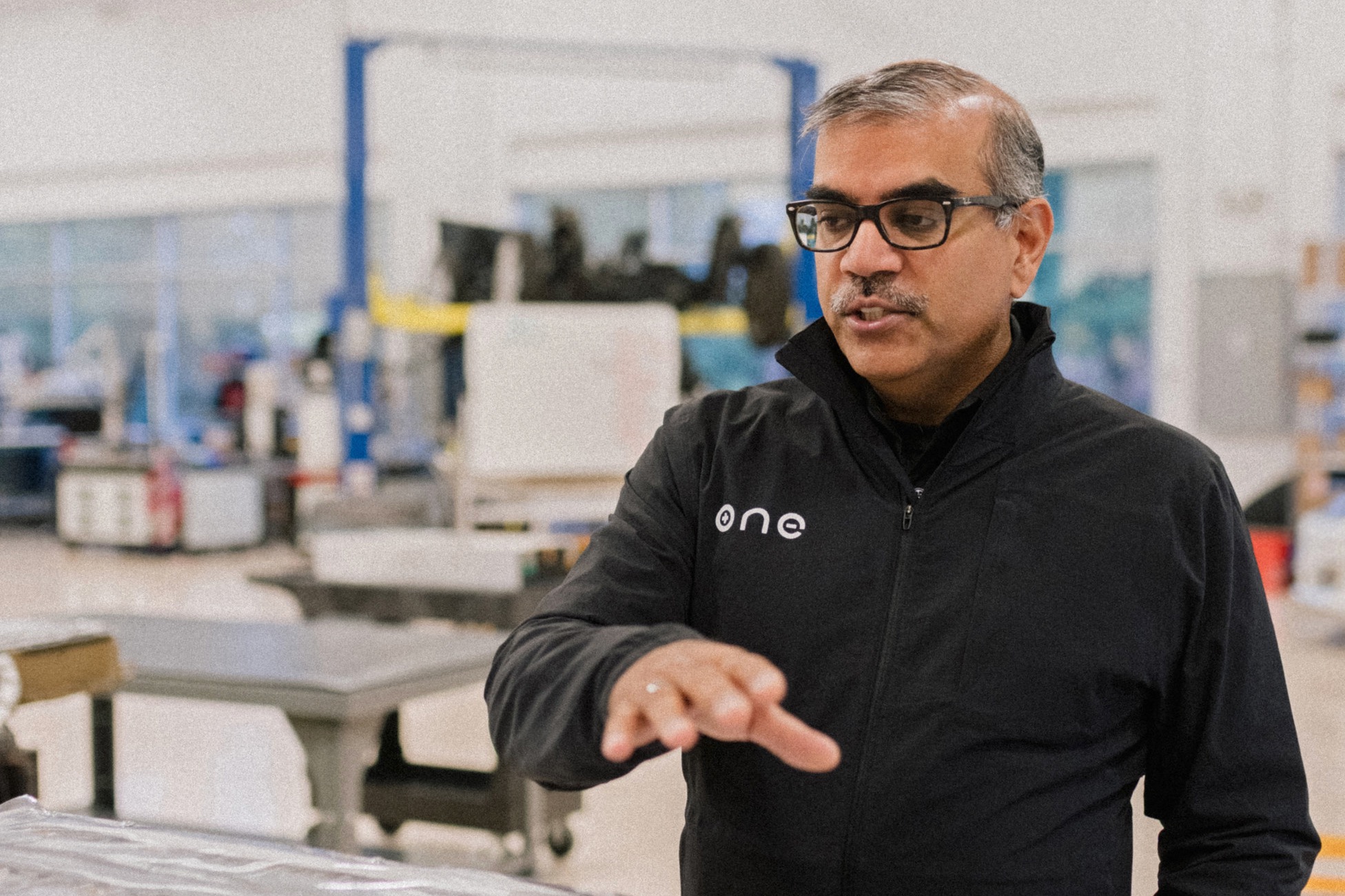
“We want to accelerate the adoption of electric vehicles by eliminating range anxiety, which holds back most consumers today,” said Mujeeb Ijaz, Founder and CEO of ONE.
“We are now focused on evolving this proof-of-concept battery into a new product called GeminiTM, which will enable long distance trips on a single charge, while improving cost and safety using sustainable materials.”
The Tesla Model S was chosen as a test vehicle as it is highly efficient and has a large area dedicated to the battery.
“The ONE Gemini battery aims to eliminate range as a barrier to electric vehicle adoption by doubling the available energy on board in the same package space,” said Ijaz, who is also a former Apple executive and has three decades of industry experience.
The company says a third party validated the results in a lab environment, where the vehicle was run on a dynamometer at a constant 89km/h and achieved a theoretical maximum driving range of 1419 kilometres.
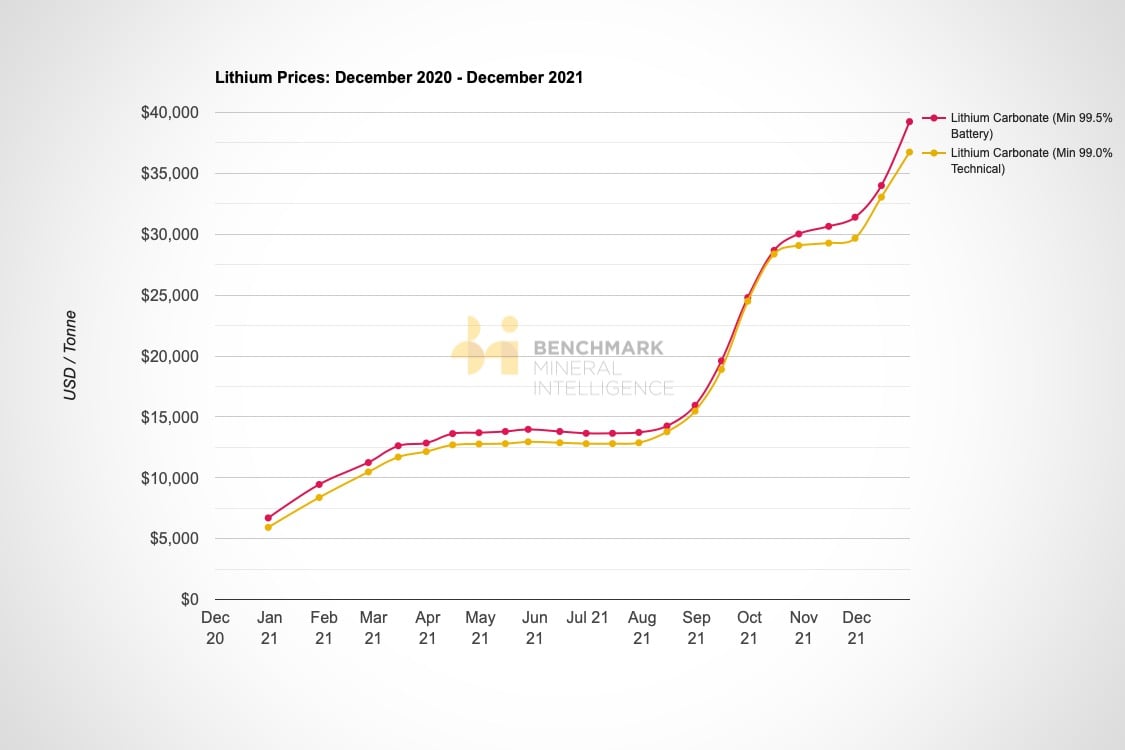
The price of lithium – a key ingredient of electric vehicle batteries – has surged in recent months, and could force the price of electric cars higher.
Over the past year, Chinese lithium carbonate prices have increased by more than 485 per cent, according to commodities analytics firm Benchmark Mineral Intelligence (BMI).
The metal has set a new record by breaking through US$40,000 per tonne, which BMI says is driven by “strong demand from the electric vehicle battery sector throughout 2021, compounded by seasonal restocking of lithium carbonate inventories ahead of Spring Festival 2022 in China”.
It’s not just lithium that has seen gains in 2021, with the Bloomberg Commodities Index increasing by more than 25 per cent over the past 12 months. While it’s good news for Australian lithium miners, it’s electric car buyers that could get stuck with the bill.
Unless there’s a significant pullback in the price of lithium, it’s likely the increased costs will trickle down to the showroom floor.
In recent days, Joe Zidle from global investment firm Blackstone named lithium as part of his annual list of surprises for the coming year.
“In a setback to its green energy program, the United States finds it cannot buy enough lithium batteries to power the electric vehicles planned for production,” Zidle wrote in his New Year predictions.
“China controls the lithium market, as well as the markets for the cobalt and nickel used in making the transmission rods, and it opts to reserve most of the supply of these commodities for domestic use.”
BMW has unveiled a car that can change colour at the touch of a button.
The BMW iX Flow featuring E Ink uses electrophoretic technology to change the car from white to black – in a similar way to liquid crystal displays (LCDs) or electronic paper.
Australian engineer Stella Clarke, head of project for the shade-flipping BMW, says the technology could be applied to vehicles in the future, allowing drivers to change their car to match their mood.

“This gives the driver the freedom to express different facets of their personality or even their enjoyment of change outwardly, and to redefine this each time they sit in their car,” Clarke said at the unveiling.
“Similar to fashion or the status ads on social media channels, the vehicle then becomes an expression of different moods and circumstances in daily life.”
But the technology could also be used to help deflect the sun’s rays in summer, reducing cabin temperatures when the car is white, or helping to heat the vehicle in winter by changing to black.

BMW says E Ink is also energy efficient, only using electricity current to change over, and doesn’t require any current to maintain its colour.
“Digital experiences won’t just be limited to displays in the future. There will be more and more melding of the real and virtual, “ BMW board member Frank Weber said.
“With the BMW iX Flow, we are bringing the car body to life.”
“If you know there’s change coming,” says Jochen Hermann, “you had better prepare for the change.” And that’s exactly what AMG’s new chief technical officer is doing.
Appointed to the position a little over a year ago, Hermann spent 2016 to 2020 as head of electric drive development for Mercedes-Benz’s parent company Daimler. In that role he was intimately involved in the creation of the company’s first purpose-designed EV platform, known as MEA (for modular electric architecture) and the stunningly efficient EQS that’s the first car to be based on it.
Now Hermann is tasked with engineering a future for AMG in a time where the bottled lightning of battery packs will gradually replace the thunder of the brand’s revered V8s. The time is coming when the AMG’s appeal will depend more on cell chemistries than cam profiles, and he’s is excited by the challenge.

Hermann studied aerospace engineering, and worked for a time in the sector in the US before remembering his childhood dreams and heading back to Germany to join Daimler in 1997. “When I was a young kid I read all these car magazines, so I made a decision [to leave] aerospace because I wanted to build cars.”
Our kind of executive, then…
I meet Hermann in a conference room above the Mercedes-Benz stand at the recent IAA Mobility expo in Munich. Below us two new electrified AMGs are appearing in public for the first time.
Hermann is tasked with the future for AMG. The time is coming when the AMG’s appeal will depend more on cell chemistries than cam profiles, and he is excited by the challenge
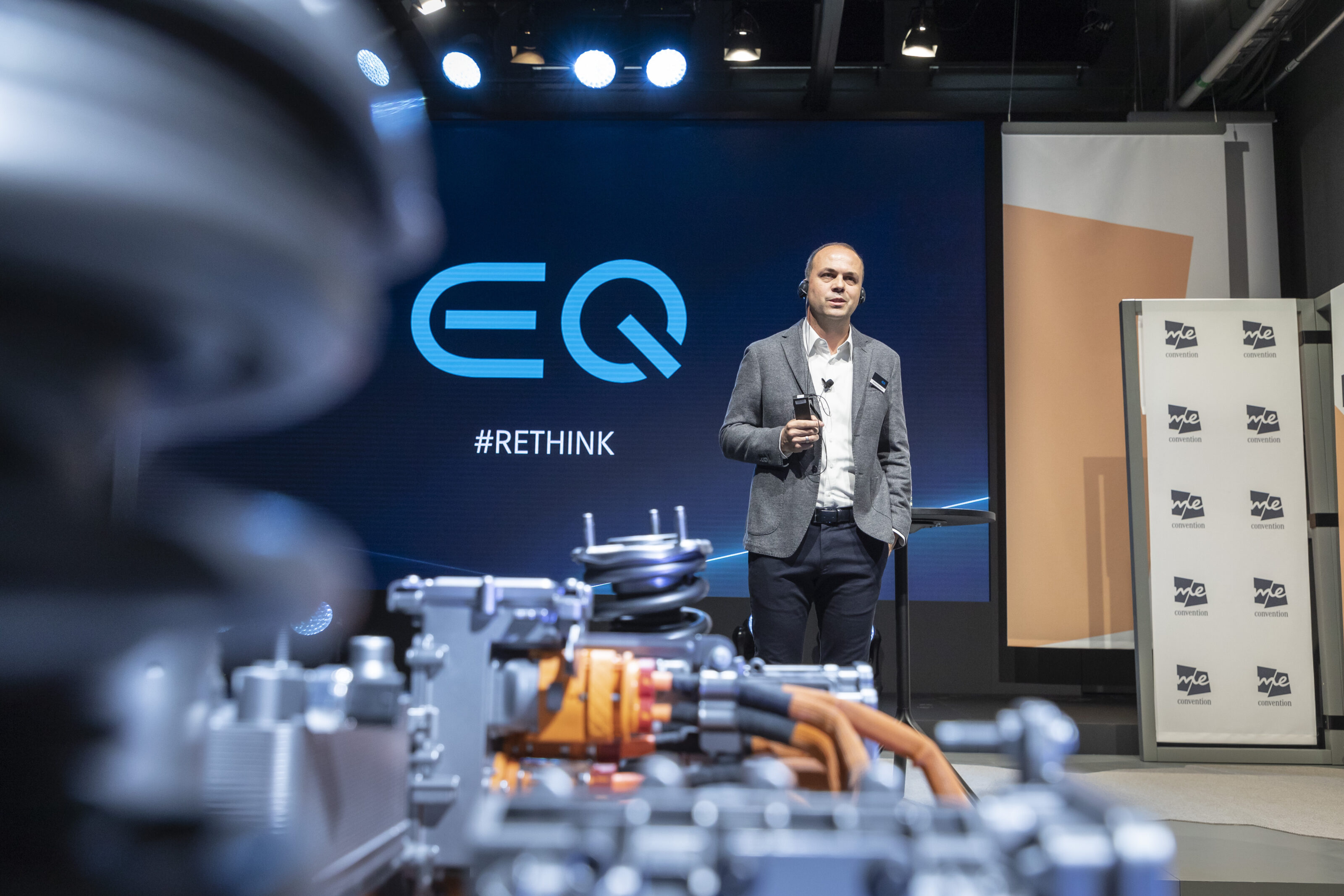
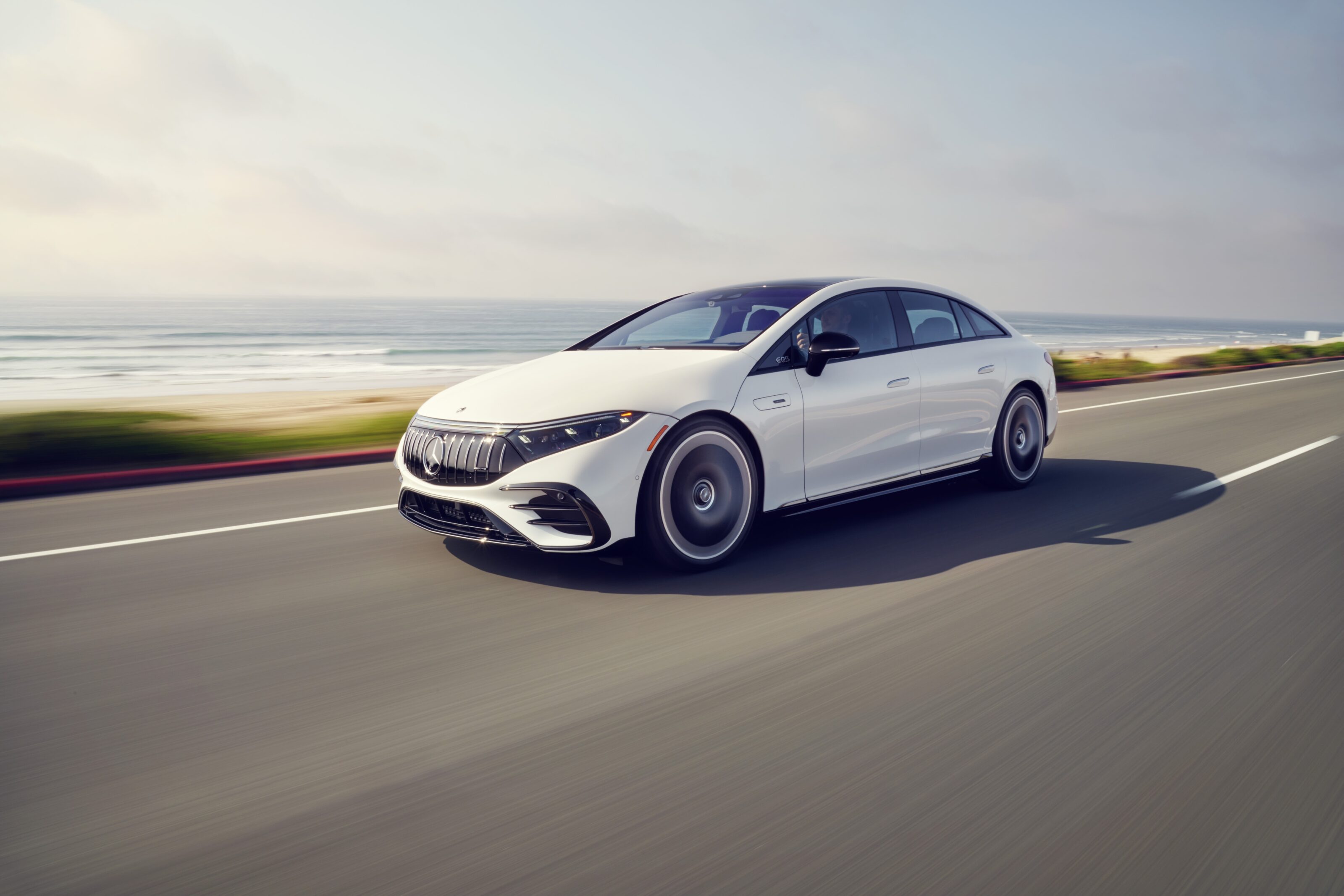
One of them is the battery-powered EQS53. This large luxury liftback has acceleration to beat almost any internal-combustion AMG ever made, so why doesn’t it deserve to be called EQS63?
“That was a discussion,” Hermann admits, “Saying, okay, is it a 53 or 63? For me it’s quite clear it’s a 53.” The reason? Anything called 63 has to be track capable, as he sees it. And the EQS53 isn’t…
“With the electric car, the easiest thing you can do is accelerate, but it’s still not a performance car from my perspective. Considering this, I’m not sure if a 63 will be based on this car…”
But does this also mean none of the coming models based on Mercedes-Benz’s purpose-designed MEA platform, including the EQE, will be 63-worthy? “You don’t hear me arguing with this statement…”
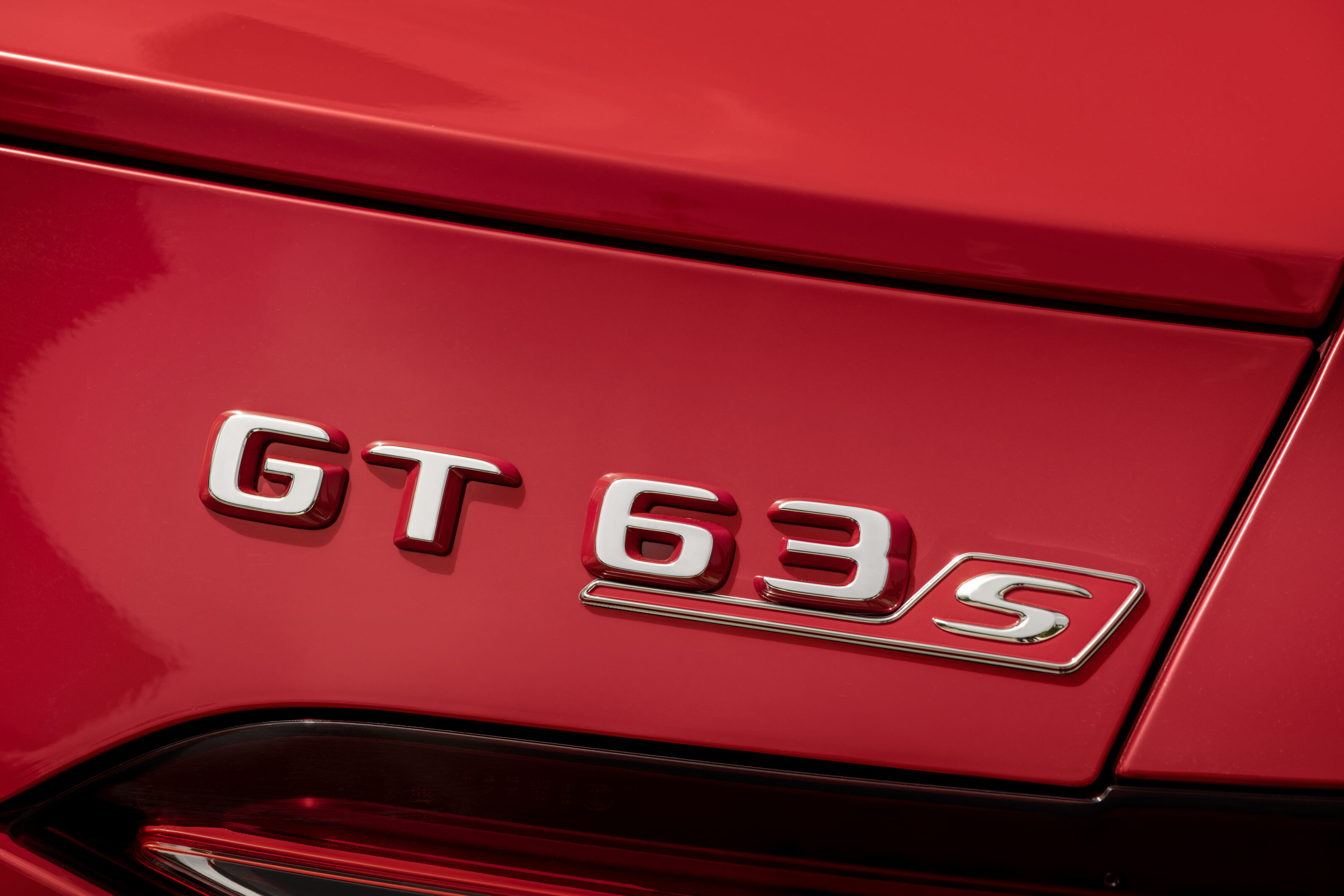
So what has to change for AMG to be able to create something worthy of the 63 badge? “I jump to the GT 4-door car,” Hermann begins, referring to the 63S E-Performance plug-in hybrid, the most powerful AMG ever produced, also on show in Munich. “That describes, I think, the future technical approach that we will see.”
“If you take a Mercedes plug-in hybrid and you look at the battery technology, the KPI [key performance indicator] the team was focusing on was energy density. So; gaining as many kilometres of electric range out of this battery, and still having enough space in the car for [ample] luggage in your boot.”
“With the GT 4-door E Performance car, we decided we don’t care about the electric range of driving for this performance hybrid,” he says emphatically.
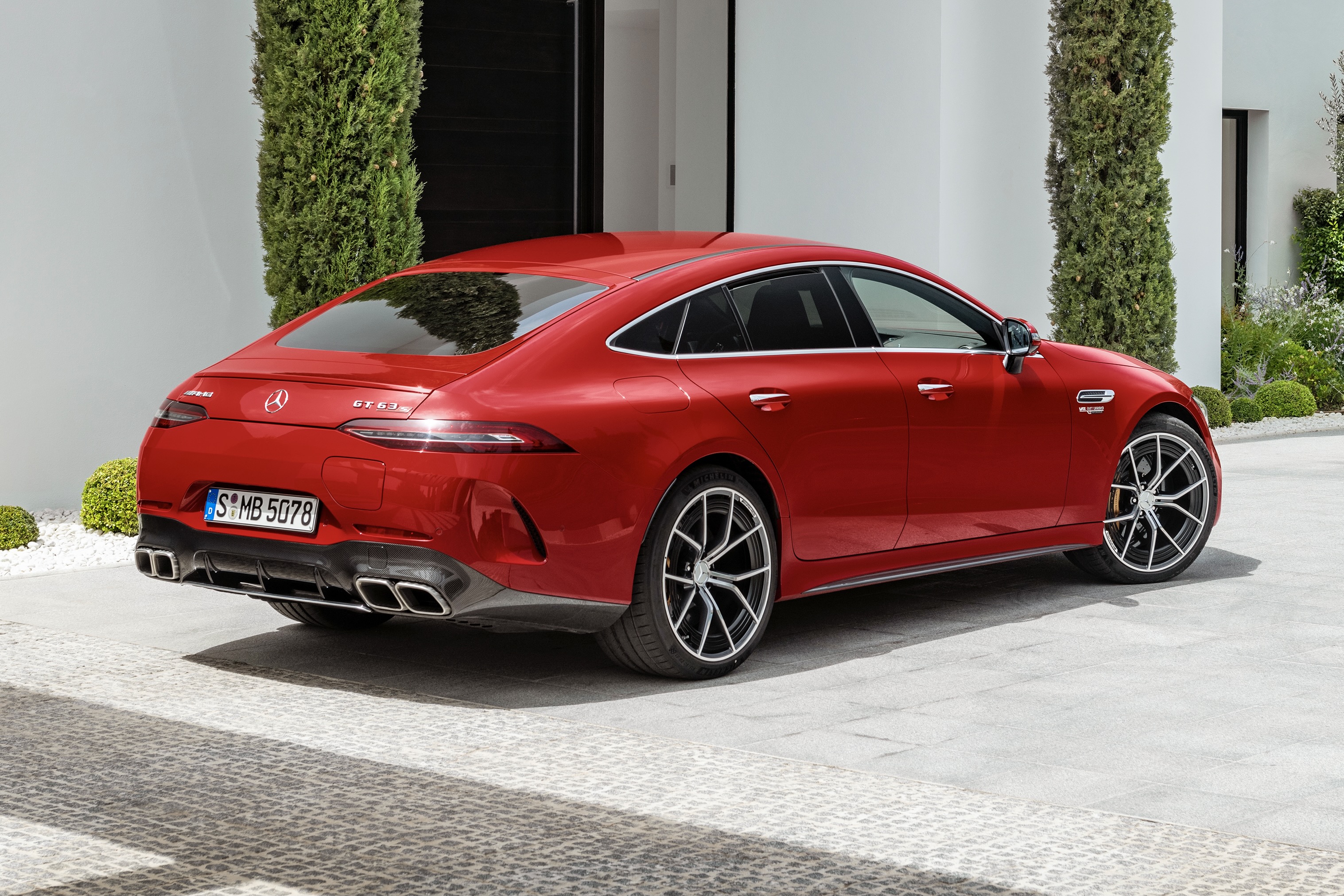
The AMG’s official electric driving range is a paltry 12km from a small 6kWh battery. But the pack can contribute 150kW to the car’s total power output for up to 10 seconds, or 70kW continuously, via an electric motor mounted on the rear axle.
“We came up with a battery with the most efficient power density,” says Hermann. “It’s energy versus power.”
The distinction is an important one. As Hermann points out: “If you look at the technical build-up of the battery, it starts with the cell technology.”
Prioritising battery pack power density does have benefits. Because they can charge as quickly as they put it out, they’re able to cope with massive power from regenerative braking
Energy density is a measure of kWh per unit of battery pack volume. More kWh equals longer driving range, but the kind of cell chemistries that deliver superior energy density aren’t able to deliver sustained high power outputs.
Power density, on the other hand, is a measure of kW per unit of battery pack volume. In other words, the ability to supply power-hungry, high-output electric motors with what they need. The trade-off is inferior energy density, again a consequence of basic cell chemistry.
But prioritising battery pack power density does have benefits. Because they can accept charge as quickly as they put it out, they’re able to cope with massive power inputs from regenerative braking. Even more important, they can do the same when charging from the grid.
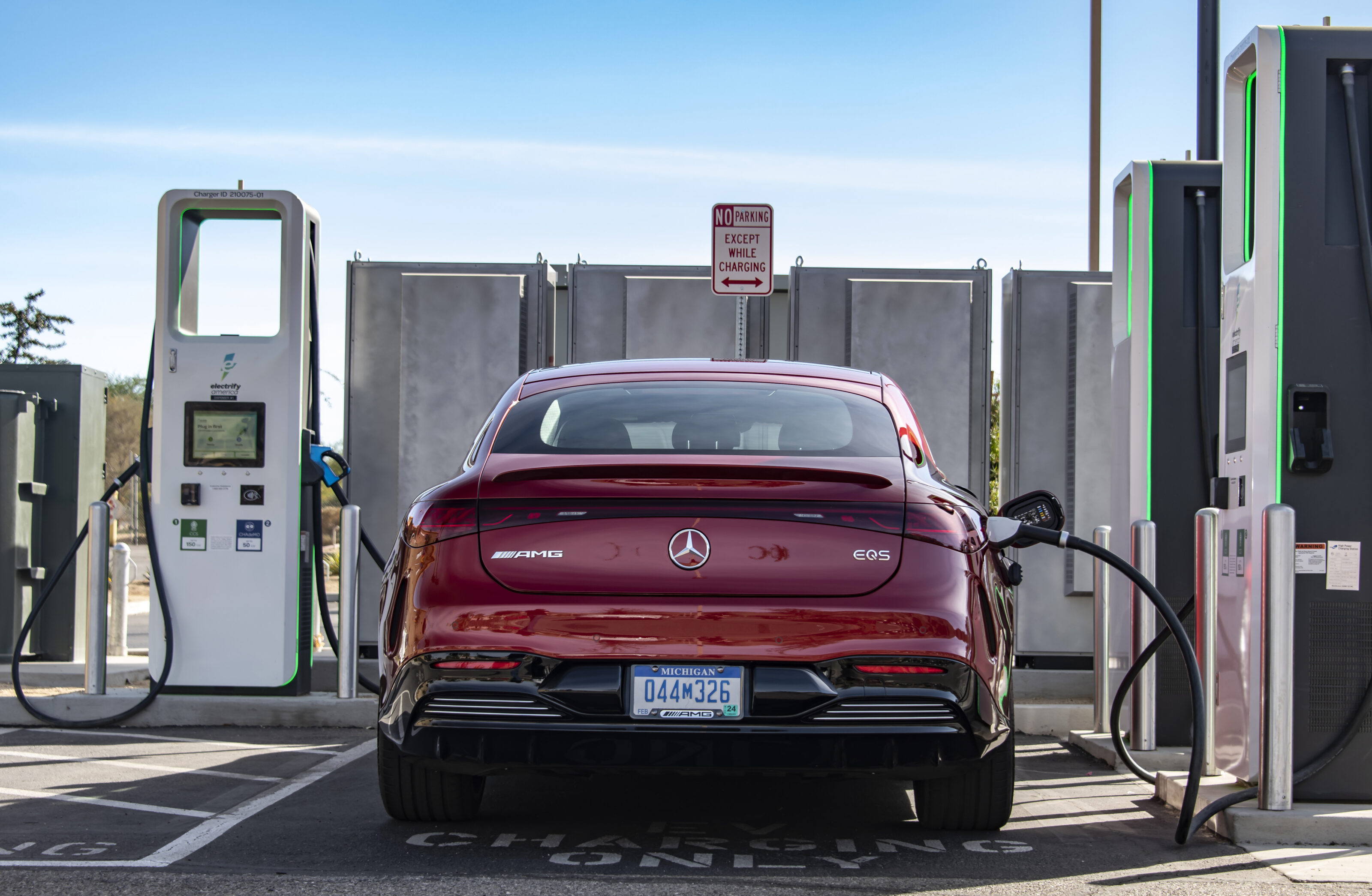
Hermann thinks power-dense battery packs are the logical choice for future electric AMGs. “In a performance driving situation, like using maximum power – because you want to accelerate all the time and [therefore] need to brake all the time and recuperate all the energy – if you install this into the car, the one thing you get for free is fast charging.”
“I’m not a believer in building the largest batteries into cars,” Hermann says. He believes it’ll take time, but all types of EV owners will come to understand how much driving range they really need on a daily basis. “People will learn from experience.”
So, as range-anxiety fades, the focus will shift to recharging rates, Hermann predicts: “I think fast charging would be something people would love to have in an AMG.”
Does that mean battery packs that can take advantage of the latest generation of 350kW fast chargers? “At the moment that’s the limit; what you have on a European Ionity fast-charging station. But why not more in the future?”
What this means is the potential for electric AMGs with recharge times to rival fossil-fuel burners.
What AMG won’t do is strive to compete on driving range. The Mercedes-EQ 450+, for example, is good for a WLTP-rated 780km. Around 500km will be enough to satisfy AMG EV customers, Hermann believes.
“I think you have to have a certain threshold for range; a comfort level that customers accept. Okay, this is the minimum range you would want to see in a car, no matter how performance-oriented the car is. So yes, I do think there’s a threshold that [we] can’t go beneath.”
What AMG won’t do is strive on driving range. Around 500km will be enough to satisfy AMG EV customers, Hermann believes
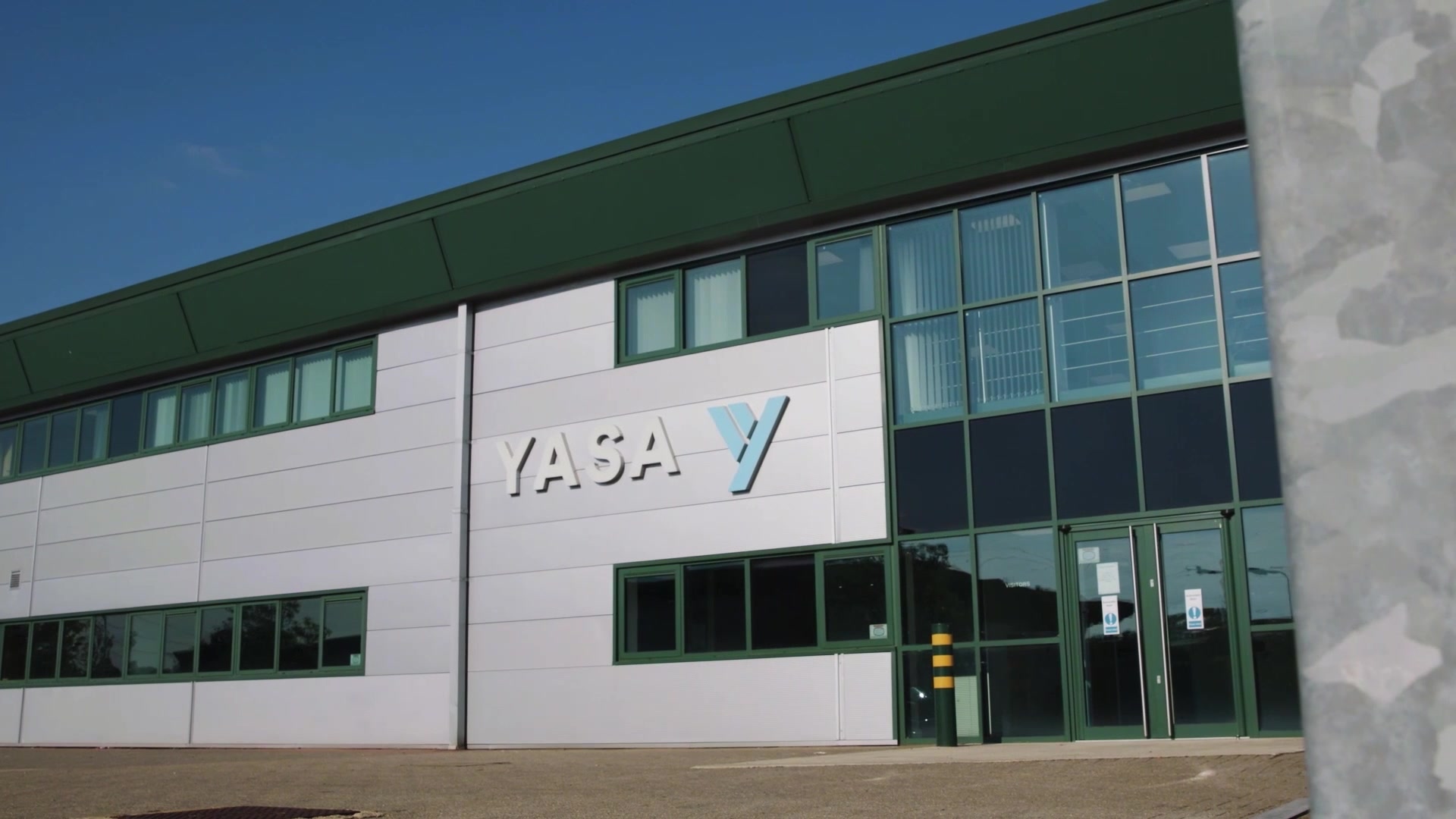
The other area where AMG is looking for an EV-era advantage is electric motor technology. “We bought a company called Yasa a few weeks ago,” Hermann says “Another company [Daimler] bought it for us, but AMG was the driver. This is the technology that would really be something valid for an AMG performance car.”
Before the Daimler deal was inked, UK-based outfit Yasa was practically unknown. It gained a little attention as the manufacturer of one of the three electric motors in the Ferrari SF90 Stradale, but that was it.
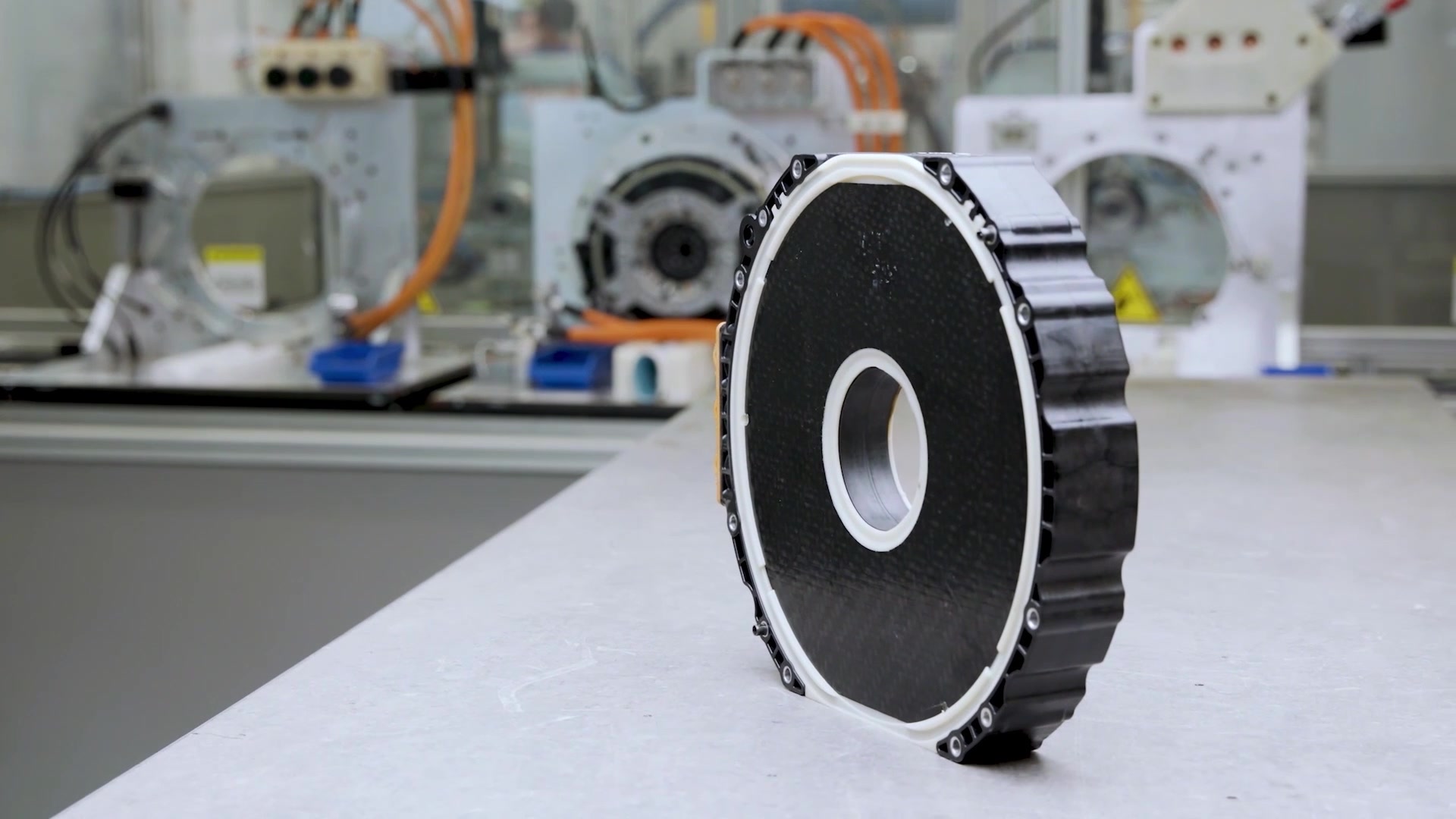
Founded in 2009, Yasa grew out of research by a bright student of Oxford University. Now employing round 250 people, it has a small factory on the outskirts of the city. The company’s specialty is axial-flux motors. They’re unlike the radial-flux motors currently used in pretty much all EVs.
To visualise the difference, think fast food. Imagine the fast-spinning rotor at the heart of an electric motor is the meat in your meal, and the stationary stator is some crusty or bready flour-based product. In this case a radial-flux motor is like a sausage roll, where as an axial-flux motor is more of a burger in a bun, tipped on its side.
Hermann sees tasty potential in axial-flux motors. They offer packaging advantages compared to radial-flux motors, he says. Though he evades a direct answer when asked if their shape makes them especially well-suited to in-wheel installations, he does hint that Yasa motors are an integral part of the plan for the new high-performance EV architecture under development at Affalterbach.
Hermann sees tasty potential in axial-flux motors. They offer packaging advantages compared to radial-flux motors
Known as AMG.EA, it’s one of the three new EV architectures announced by Daimler chairman and Mercedes-Benz boss Ola Källenius in July this year and due to appear from 2025. The others are MB.EA for medium and large mainstream Mercedes passenger products and Van.EA for light commercial vehicles.
AMG.EA will serve as the basis for the electric successors to the cars currently built on AMG-specific platforms – the GT and GT 4-door. As it does today, AMG will also produce Mercedes-based models in the electric age. “Both pasts will be put into the future,” is the way Hermann puts it. “And the AMG.EA will definitely be for the path for future full AMG cars only.”
And Hermann understands that the electric AMGs of the future must excite. “Driving a car, emotionally; it’s a holistic experience,” he says.“Even in an electric car you have to give something to your eyes, like something happening in front of you while doing a race start. Rattling. Shaking. Even sound. Not an artificial V8 sound, but something underlying and experienced through all your senses: ears, eyes, hands, your back, your chest; every part of you that’s connected to the car.
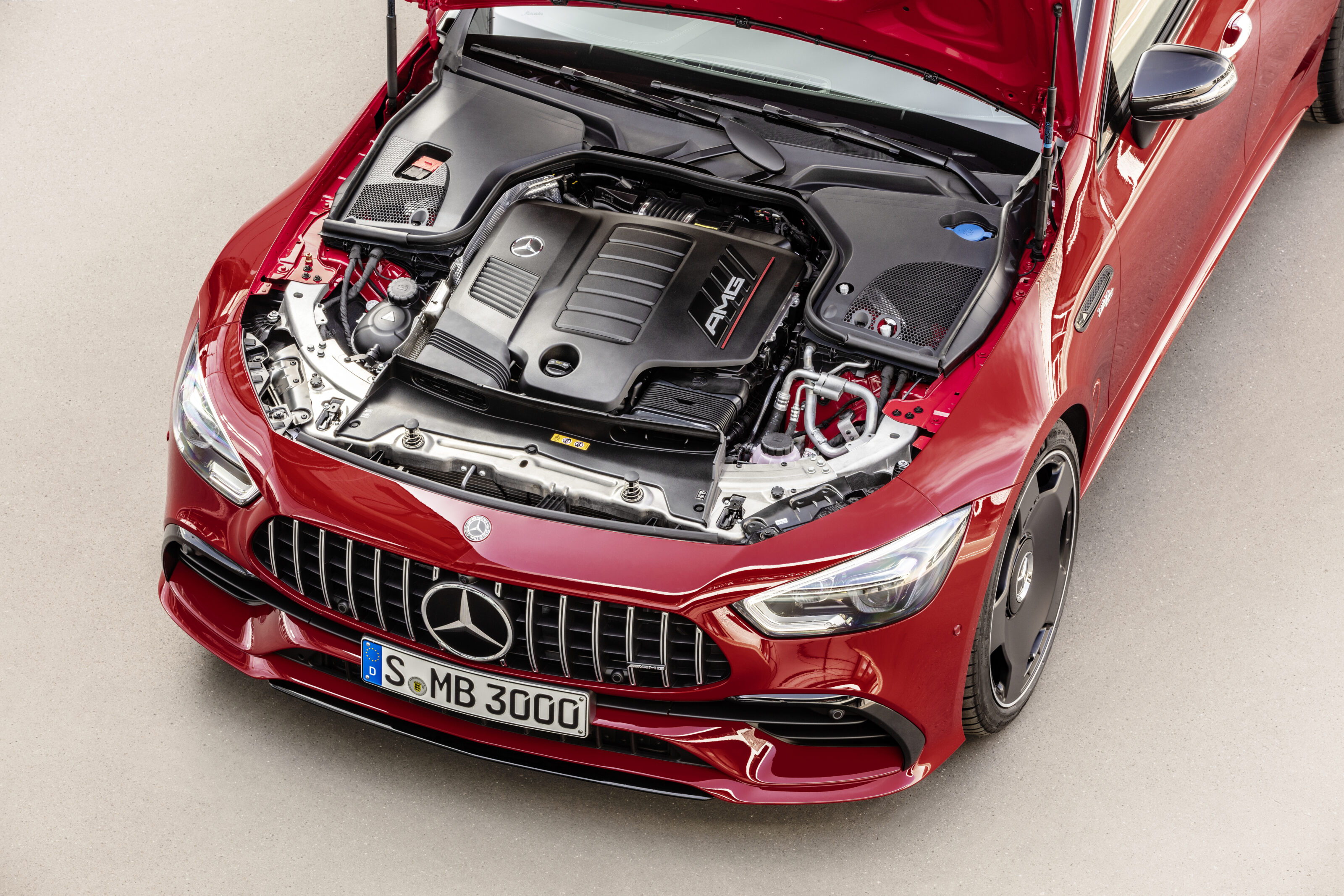
“These are the senses we will use for making an electric driving experience close to what people know today. Of course, today when they say sound, actually what they mean is a V8 or a high-performance four-cylinder. Once this is gone, you have to come up with something. I think sound will be something still important for AMG…
“I’m not really nervous about the future. I think the pure DNA of AMG – like vehicle dynamics, the software, the aerodynamics, the tyres, the brakes; all these things that make a perfect car – this [stands to] play an even more important role in this new electric drivetrain era.”
Even so, Hermann doesn’t foresee AMG’s thunder road being turned into a pedestrian precinct any time soon. “Looking into the next 20 years for a V8, how many years do we have? I think quite a few…”
But the end is definitely coming, he acknowledges. “Is everything solid forever? No! Nothing is, you know. Everything can change.”
Project One and Only
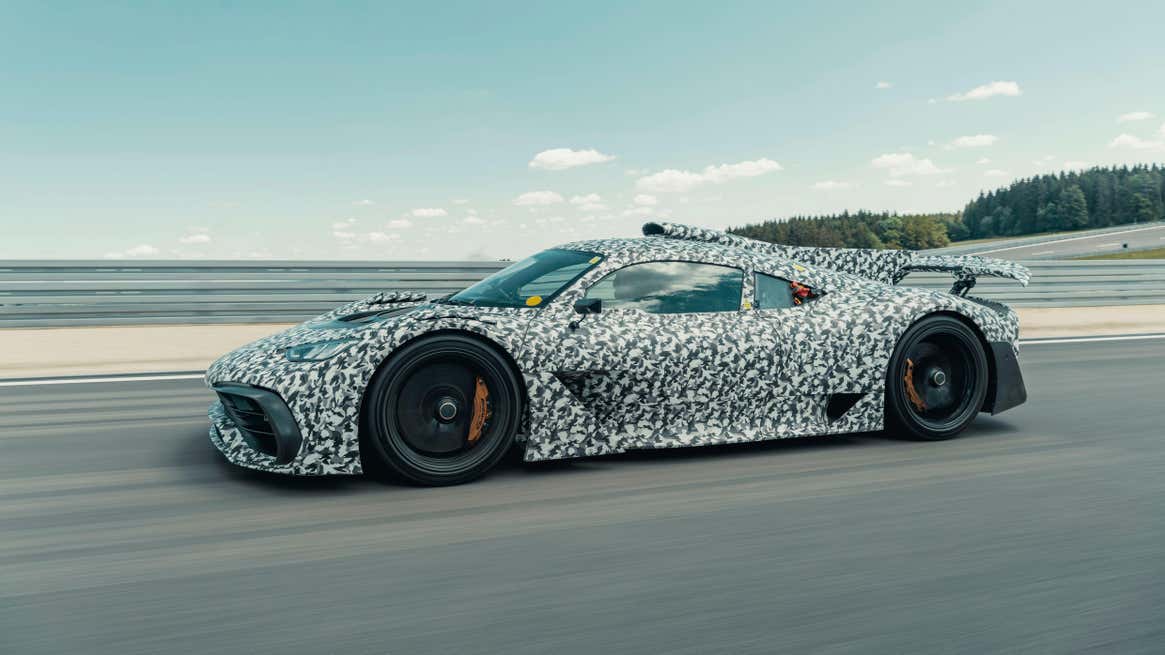
Project Two? No way. “I can tell you 100 percent Mercedes will never do another street-legal Formula One car,” says Jochen Hermann.
The AMG chief tech officer admits the company bit off more than it could chew with Project One.
“Seriously speaking, this is the most complex powertrain anybody can think of. I hate myself. I can remember the meeting room when the idea came up. You know, when ideas come up, and you have a bunch of crazy people, you never talk about the downsides, right?”
“I’m really excited that we did the car, because it really pushed us as a company. I also think it pushed us as a brand. We learned so much, and I think it’s a technological historical object.”
“And, yeah, apologies to all our customers…”
The Cooling Guys
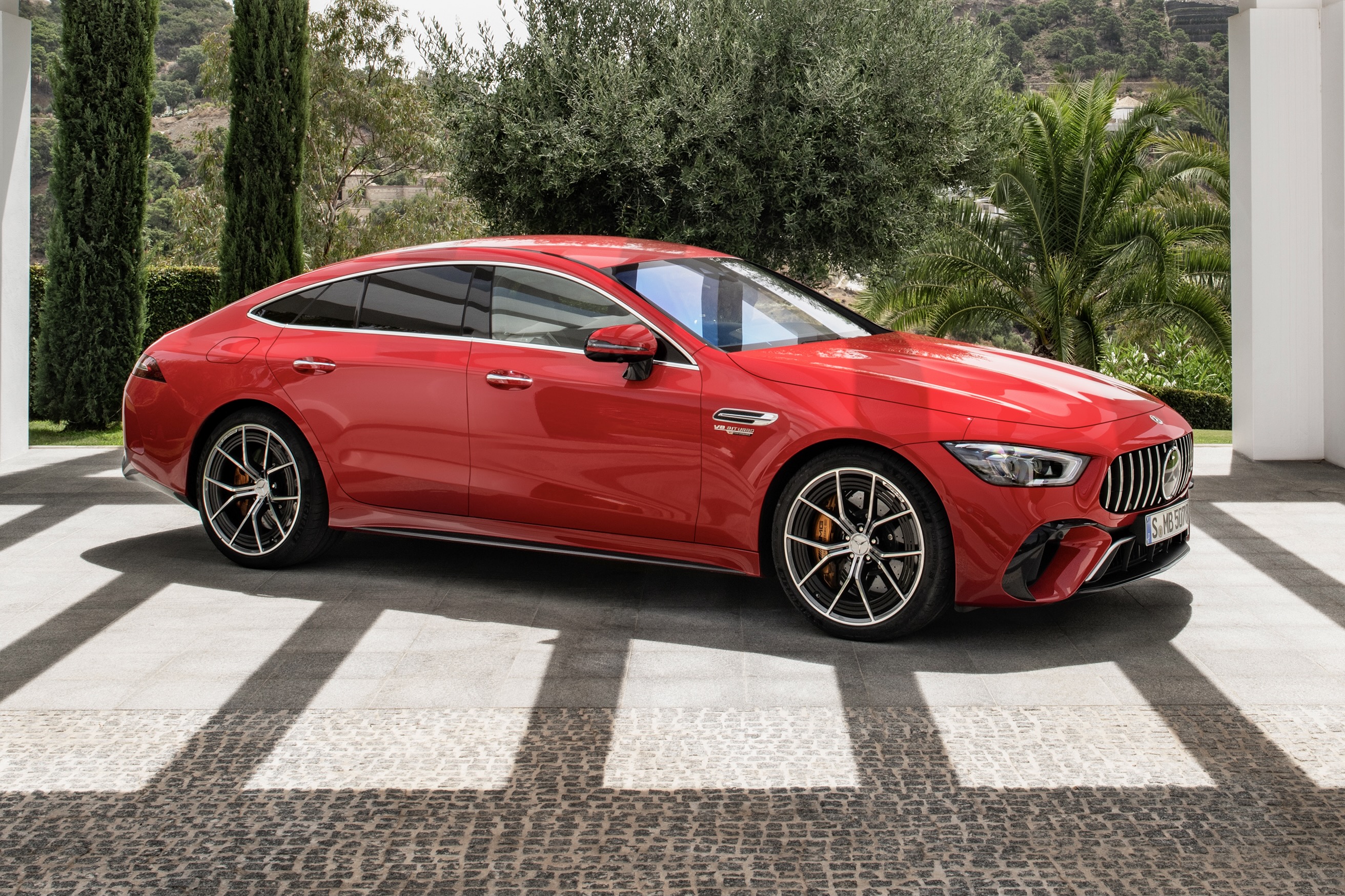
The power-dense pack of the new GT 4-door 63S E-Performance plug-in hybrid doesn’t only point to AMG’s favoured future strategy for EV batteries, it also taps into established Affalterbach expertise.
The pack’s 560 F1-derived cylindrical battery cells are bathed in a special non-conductive coolant that’s pumped through a heat exchanger. This pack’s power density would be much reduced without this innovation, so far unseen in other plug-in hybrids and EVs.
The five AMG engineers who developed the pack are also responsible for the company’s combustion engine cooling systems. To Jochen Hermann the jobs are almost identical: “If you look at the battery housing, I mean, what is it? It’s cooling; a tight housing with seals and liquids.”
It was another challenging year for car manufacturers as lockdowns and a major microchip shortage once again played havoc with the market.
But as the Australian new-car market returned to one-million-plus sales in 2021, which were standout brands for the right and wrong reasons?

Winner: Ford Australia
Ford came within less than 1500 units of taking the bronze medal in the battle of the brands, just missing out on third place to Hyundai.
A total of 71,380 sales represents a healthy 20 per cent increase on 2020. The company probably doesn’t care that the Ranger ute accounted for a staggering 70 per cent of its sales – or 82 per cent if you add the Ranger’s SUV twin, the Everest. Its other SUVs, the Puma and Escape, should be doing more, though.
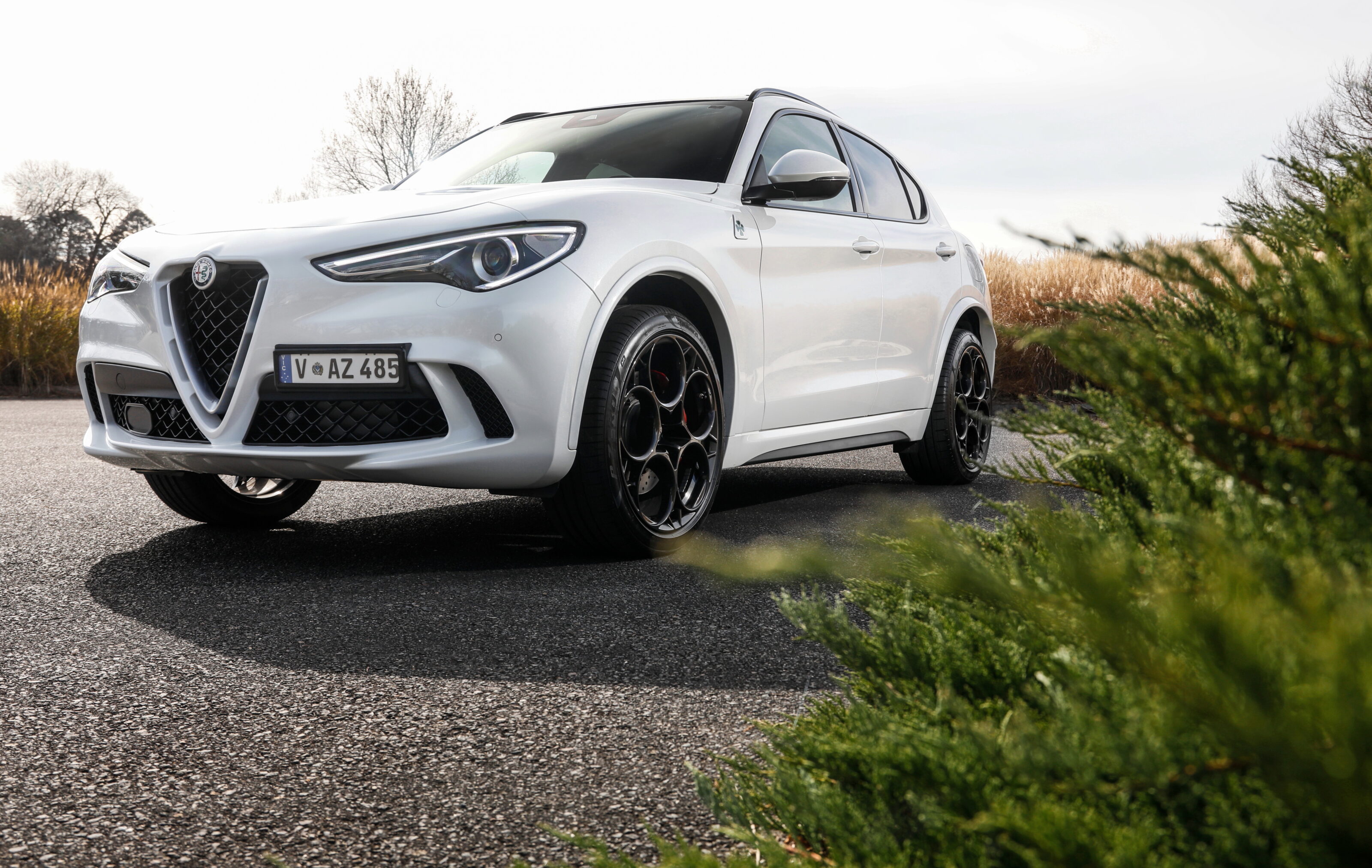
Loser: Alfa Romeo
The wait for the Italian brand’s revival goes on.
Alfa sales dropped for the third consecutive year locally, with just 618 cars shifted in 2021.
Neither the end of production for the 4C sports car or the discontinuation of the Giulietta hatchback were crucial here – it came down to a poor performance from the Stelvio SUV, a critical model that fell from 414 sales in 2020 to 192 last year.
The facelifted Giulia was a positive, at least, climbing 67 per cent to 323 units.
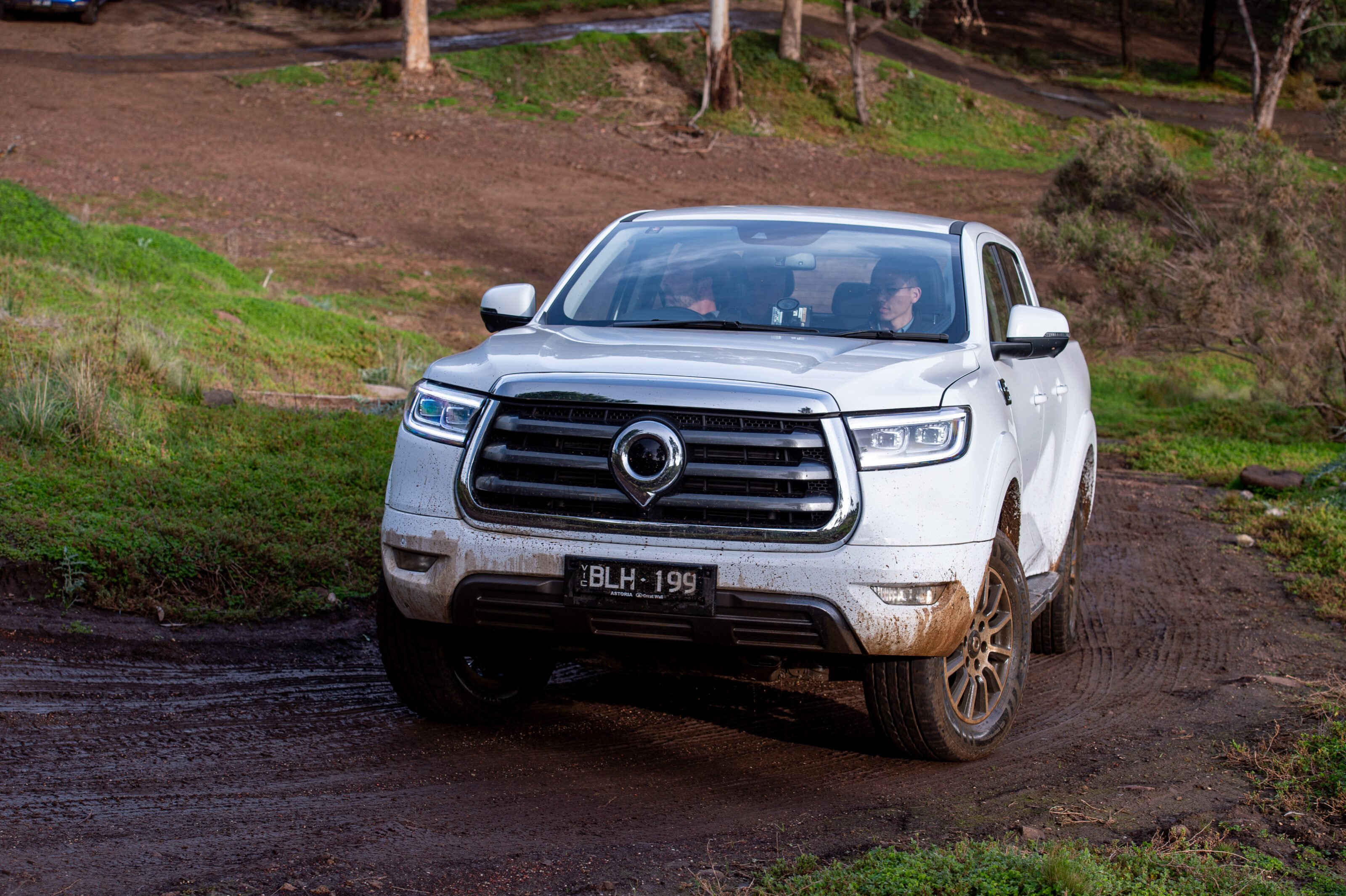
Winner: GWM
Great Wall and Haval were listed as separate brands in 2020 but grouped for 2021. Regardless, sales grew a stunning 251 per cent year on year – or by 13,149 vehicles.
More than half those are accounted for by the GMW Ute, but the Haval Jolion compact SUV (4069 units) and Haval H6 mid-sized SUV (3635 units) were also key contributors.
Special mention to Genesis, Hyundai’s spin-off luxury brand, which also achieved more than 200 per cent growth – just from a much lower base than GWM.
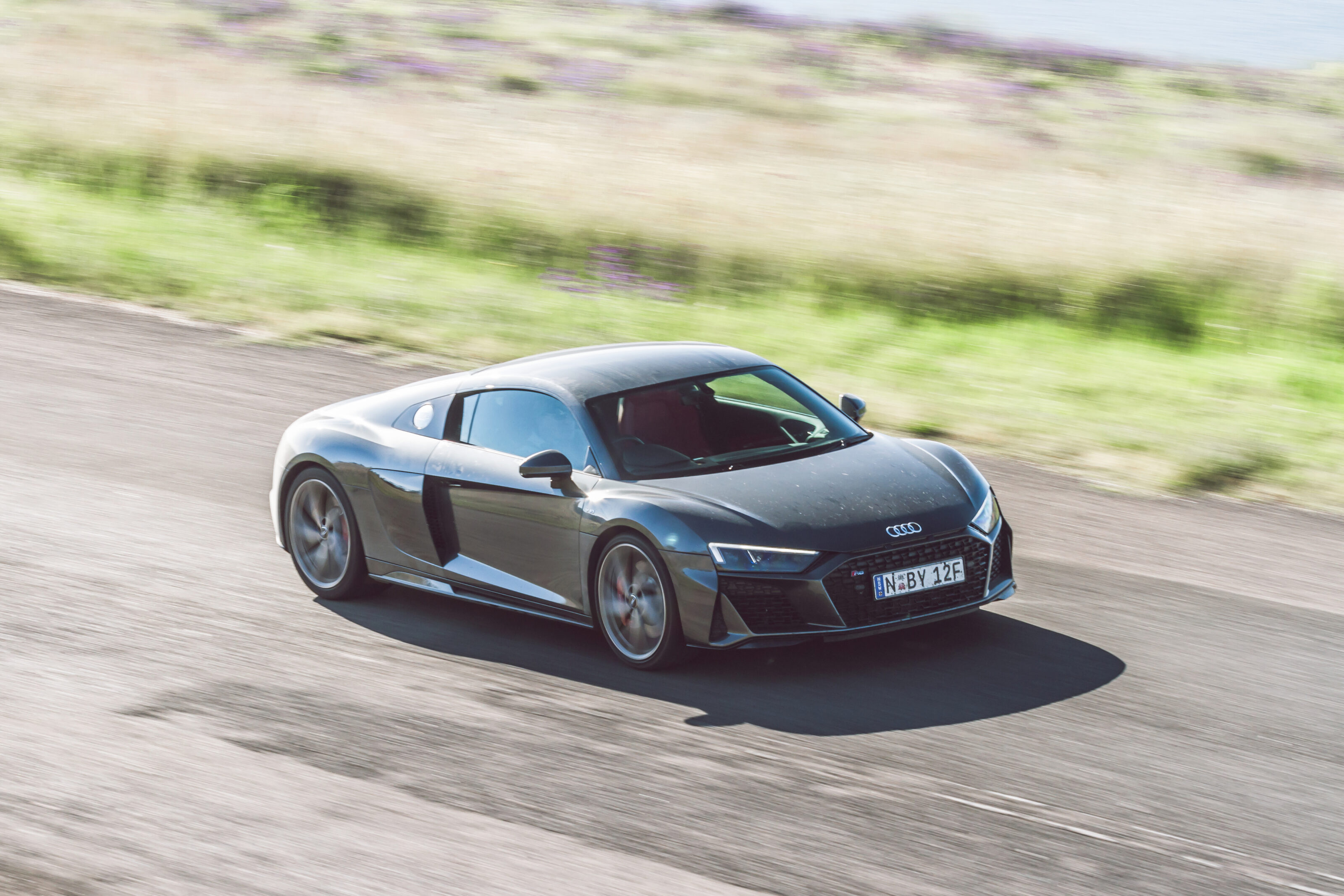
Loser: Audi
Audi didn’t lose sales in 2021 but it barely gained any, either – adding just 135 cars to its 2020 tally for a 16,003 total – well behind BMW (24,891, up six per cent) and Mercedes (33,034, down nine per cent).
The German brand was hurt significantly by the phasing out of the older-generation A3 small car, with sales plummeting by 92 per cent to just 220 units. The all-new A3 arrives in early 2022.
Most models otherwise posted growth, including key vehicles such as the Q3 (up 40 per cent) and Q5 (up 21 per cent).

Winner: Isuzu
A remarkable ongoing story: Isuzu Ute offers just two models yet continues to be one of Australia’s most popular brands.
The company was aided by the introduction of new-generation versions of both its D-Max ute and the related MU-X large SUV – which grew 67 and 51 per cent, respectively, for combined sales of 35,735.
Isuzu wasn’t far off finishing in the Top 10 Brands list for 2021, with Subaru not far ahead in 10th on 37,015 units.
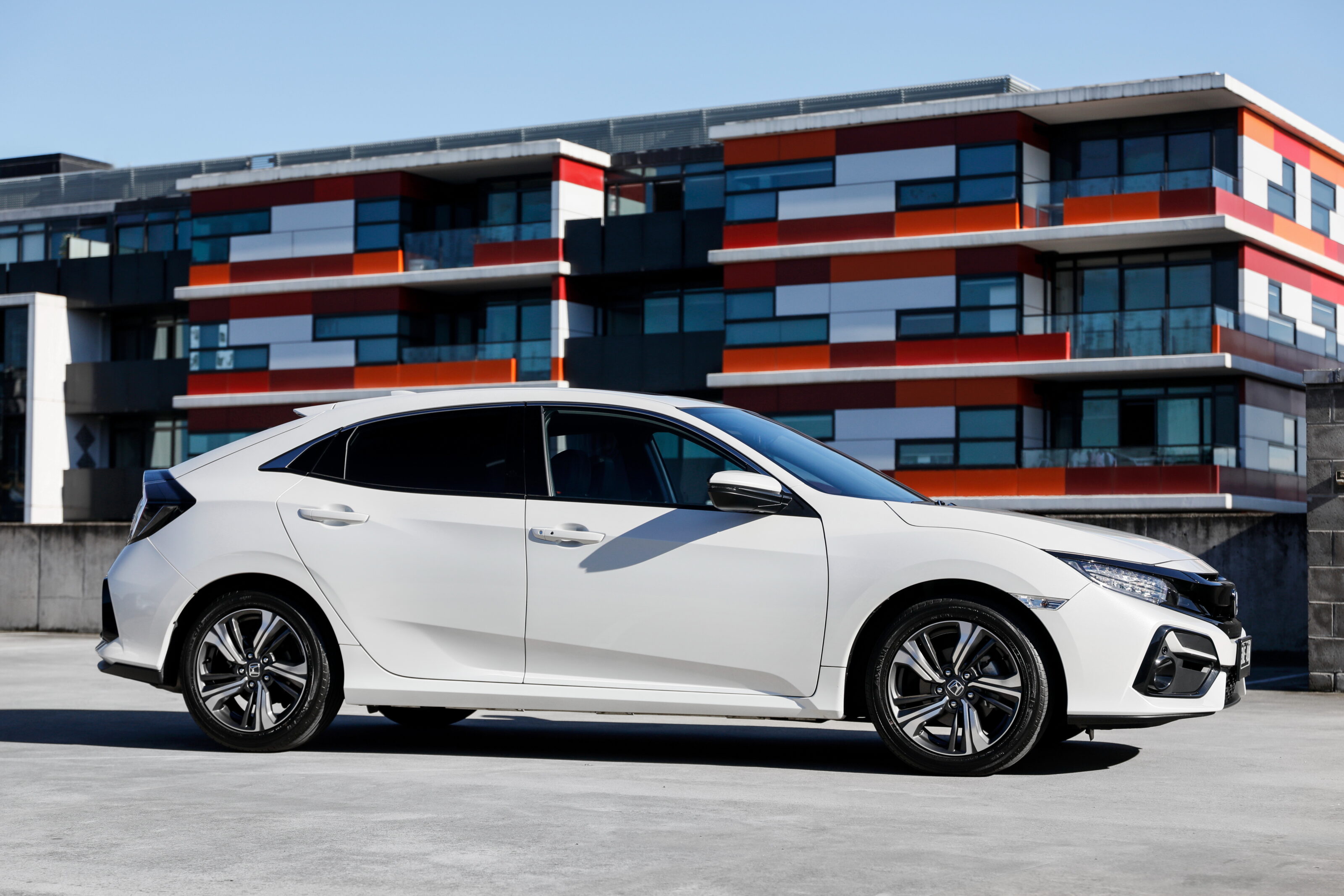
Loser: Honda
The Japanese brand switched to a fixed-pricing agency model just after mid-year and so far, not so good.
Honda has had a year to forget, with sales down a huge 40 per cent in a year when most car makers recovered ground after the struggles of 2020.
The clever Jazz city car has been culled, along with its sedan relative the City, a new Accord is doing little, and the future of the Odyssey people-mover – once a segment benchmark – is uncertain.
A new-generation Civic has been introduced but in just one trim grade and an expensive one at that. With the HR-V and CR-V SUVs both in decline that adds up to a tough year.
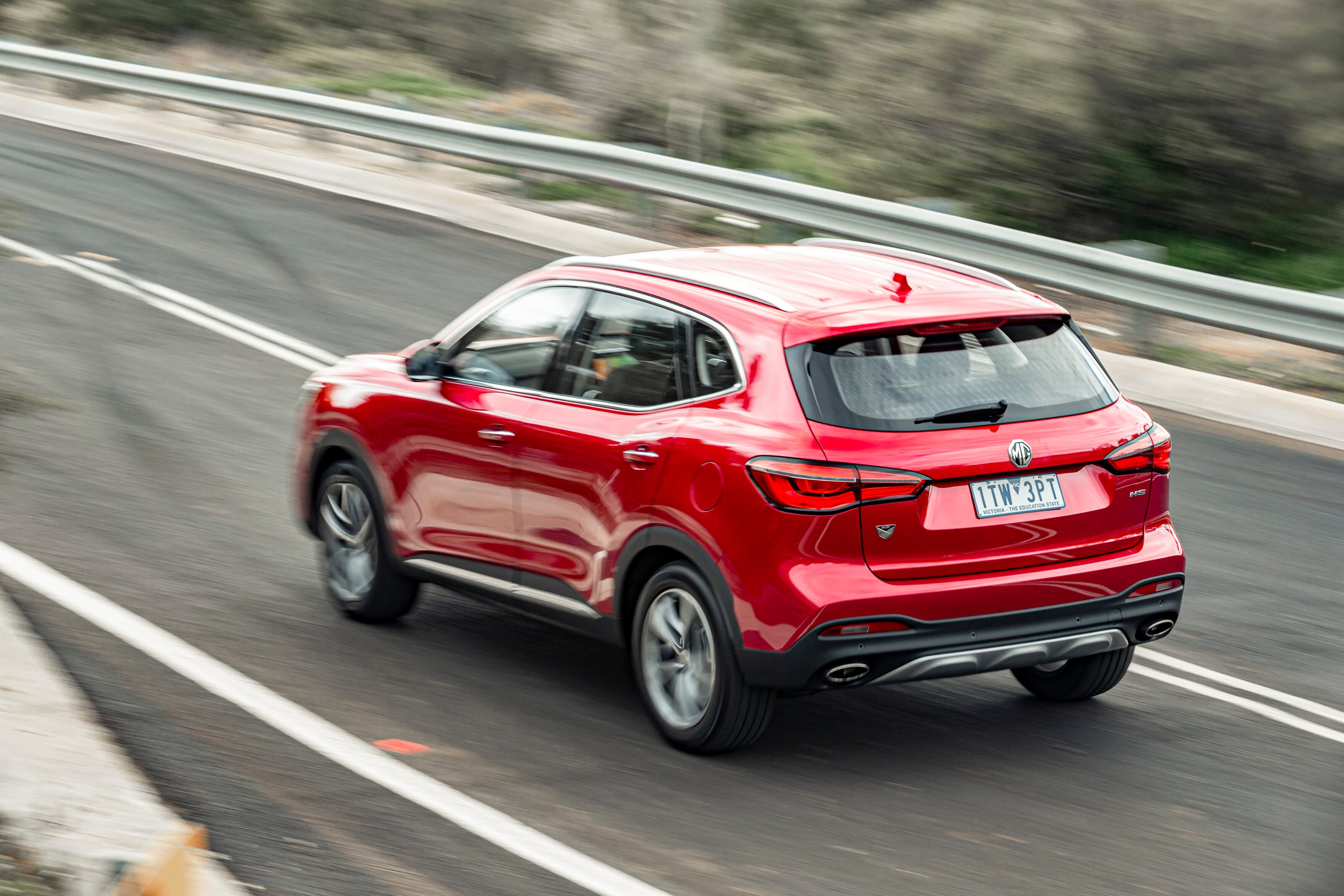
Winner: MG
Chinese brand MG had a strong 2020 with 83 per cent growth, yet it took its sales to another level in 2021 with a 156 per cent increase – the equivalent of 23,772 vehicles.
MG, which offers just three models, first made a shock appearance in the Top 10 Makes list in February, and May would be the only month it was budged from there.
Its ZS compact SUV was the lead performer, helped by the late-2020 introduction of a turbocharged ZST variant.
The MG3 city car also dominated its class, putting the Toyota Yaris in the shade with 13,774 sales. There was also a 163 per cent increase for the midsized HS SUV.
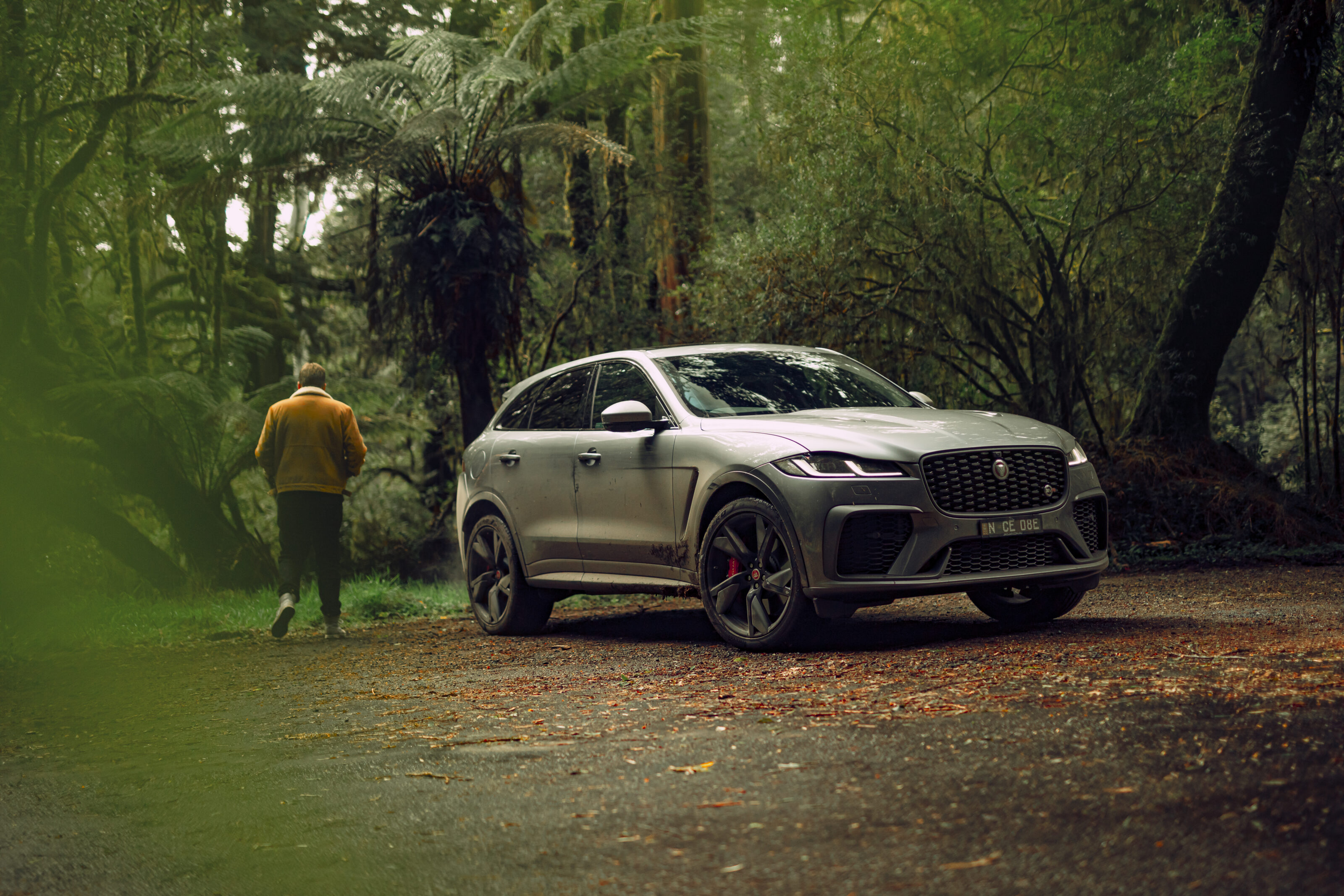
Loser: Jaguar-Land Rover
The British sister brands are entwined in disappointment after each enduring a tricky 2021.
Jaguar sold just 22 cars in December, with overall sales of 1222 down eight per cent on 2020.
The 4WD side of the business at Land Rover fared only slightly better, with a two per cent increase – all thanks to the new-generation Defender, the only model to go up in sales.

Winner: Peugeot
It’s a tale of two French brands within the PSA stable. While Citroen continues its fight for relevance in the Australian market – registering just 175 sales last year – its stablemate Peugeot lifted sales by 32 per cent.
The excellent 3008 midsized SUV led the way, while the new 2008 compact SUV has added healthy numbers.
With 2805 units for 2021, Peugeot has plenty of work to do if it wants to catch compatriot Renault, which sold 7099 vehicles for a three per cent increase.
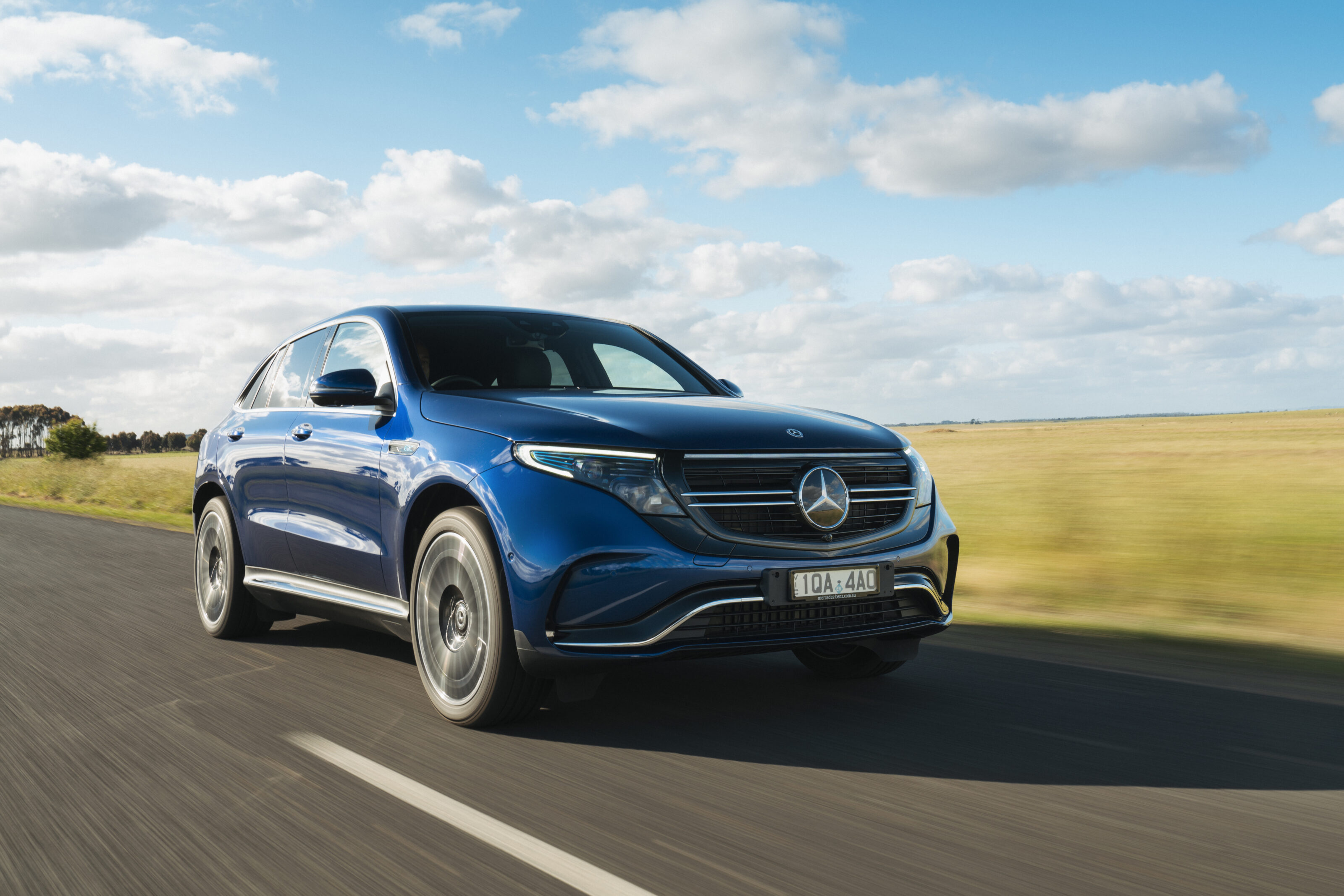
Loser: Mercedes-Benz
German car maker Mercedes saw its Australian sales drop by nearly 10 per cent in 2021, though the axing of the X-Class ute is the main contributor to the decline.
Passenger car and SUV sales were still down four per cent – mainly a consequence of notable declines for volume cars such as the A-Class (down 37 per cent) and C-Class (down 16 per cent).
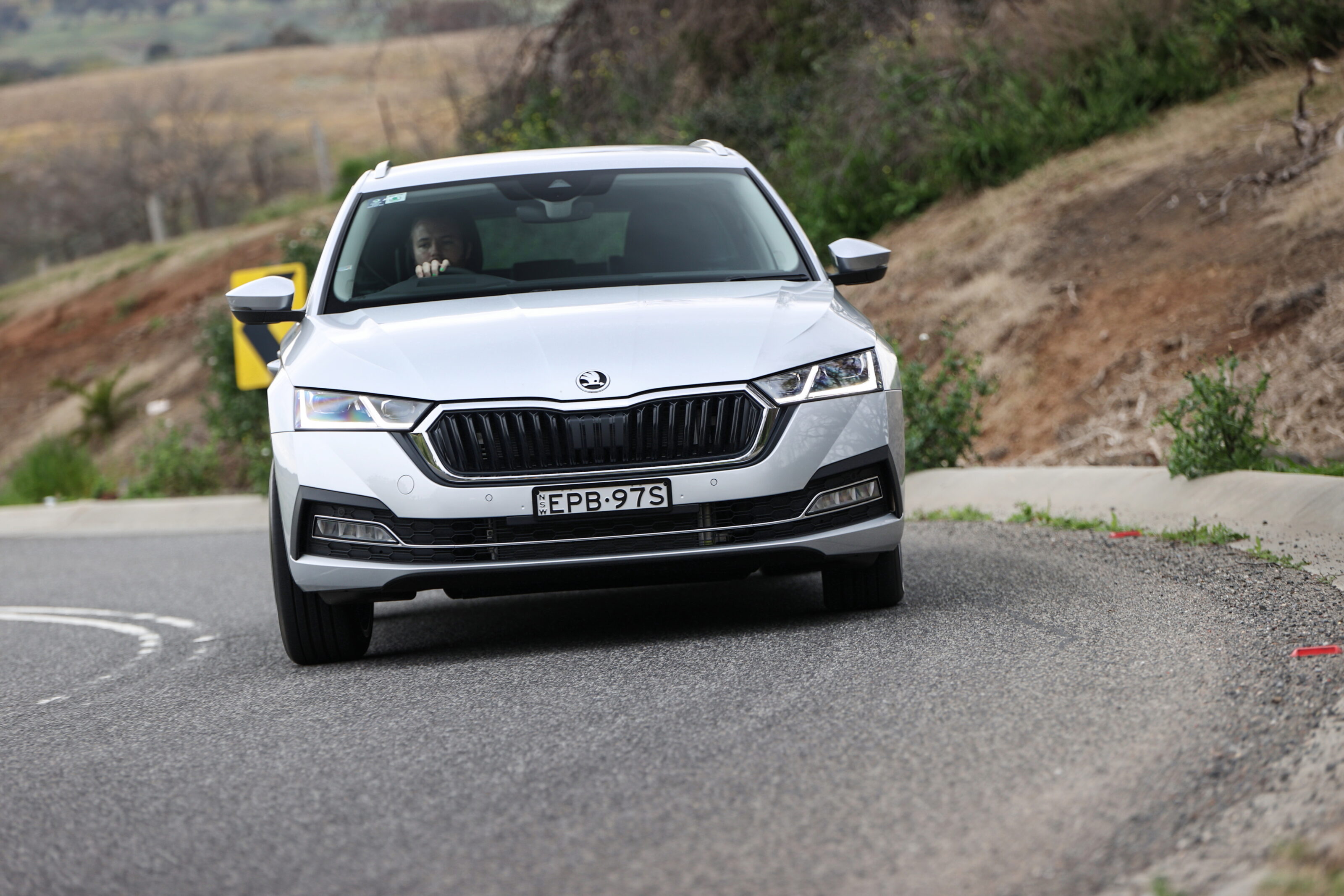
Winner: Skoda
VW’s Czech brand enjoyed a successful 2021, with sales jumping 39 per cent to 9185 units.
One of its newest vehicles, the Kamiq, established itself as the most popular Skoda in Australia, while sales of the larger Karoq grew 37 per cent and the Superb large car went up by 120 per cent.
The only disappointment was the Octavia, down 39 per cent. The introduction of a new-generation version later in 2021 seemed to disrupt sales of what has been traditionally the best-selling Skoda locally.
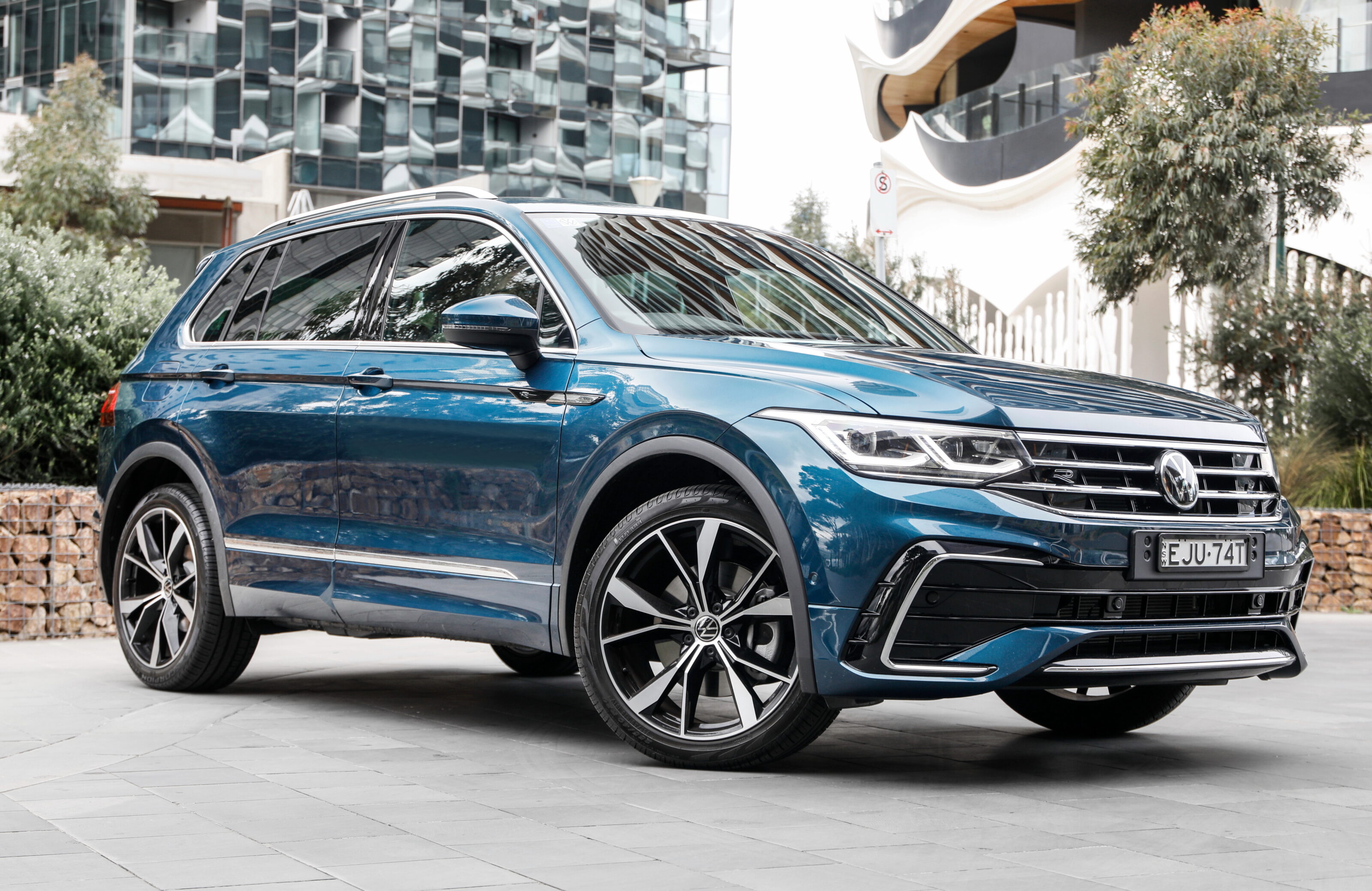
Loser: Volkswagen
On face value, not such a good year for Skoda’s parent brand – with minimal growth of just four per cent.
Two models are chiefly responsible for holding VW back last year – the Golf and Tiguan.
Although a new, eighth-generation model was released in 2021, supplies of the famous hatchback have been hit dramatically by the microchip shortage.
Where VW sold more than 10,000 Golfs in 2020, about a fifth of that number – 1926 units – left showrooms last year.
Tiguan sales, similarly suffering owing to the popularity of higher-grade models most affected by supply issues, dropped by a third.
The company can otherwise point to multiple success stories: Amarok ute (up 22 per cent despite its age); Multivan (up 233 per cent); Passat (up 67 per cent); Polo city car (up 42 per cent); Transporter van (up 197 per cent); T-Roc compact SUV (up 284 per cent).
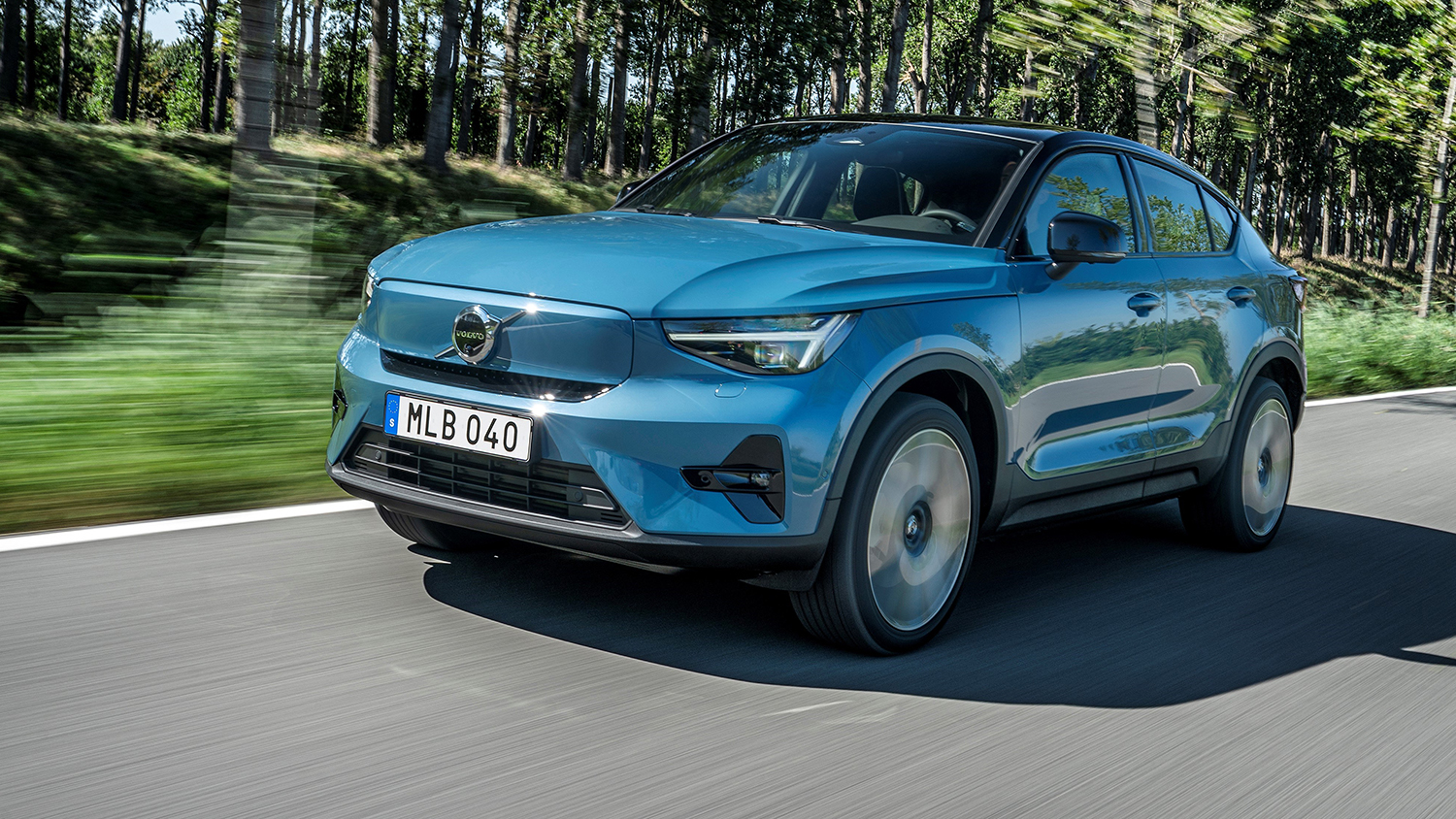
Winner: Volvo
For much of last year, the Swedish brand was well on track to hit its declared target of 10,000 sales in Australia.
The microchip-shortage supply issues bit it harder in the latter stages to leave it short, yet Volvo still set a local sales record as early as October – leaving it with a new benchmark of 9,028 registrations by the end of the year.

Loser: Ferrari
The prancing horse sold more supercars than any other brand in 2021 (194 units) but it was also the only high-end brand to post negative growth – down five per cent.
Aston Martin sales rose 52 per cent, McLaren jumped 40 per cent, and Lamborghini increased showroom output by 18 per cent.
Snapshot
- 2022 Ford Escape, Transit and Transit Custom range list price raised by $500
- Market conditions cited as contributing factor
- Each model holds a share of under 10 per cent in each segment
Ford Australia has increased the list prices of its 2022 Escape, Transit and Transit Custom, as each model struggles in their respective segment.
Every variant of the two models – including the front-wheel-drive-only Transit Custom – has gone up by $500 between its last price update at the back end of 2021 into 2022, with the Blue Oval not giving any of the vehicles more equipment to reflect the price changes.
Instead, a Ford spokesperson told Wheels the changes are attributed to evolving market costs, with exchange rates and parts supply also becoming factors.

“The price adjustment is consistent with the evaluation of market conditions we regularly undertake across our product portfolio, which take into consideration a number of different external factors such as currency and material cost considerations.”
Of the 71,380 Ford vehicles sold in 2021, the Transit, Transit Custom and Transit Bus account for just 3919 units shifted from showrooms, just over five per cent of Ford’s yearly total.
The Escape has also been struggling, with its 1673 sales to the end of 2021 making up only 1.1 per cent of the new sub-$50,000 medium SUV segment – one of the most competitive categories in the new car market.
Ford will be hoping the arrival of its fully-electric E-Transit and Escape plug-in hybrid (PHEV) can help it get back into the fight in the respective segments, as it targets at least five electrified models to arrive on local shores by 2024.

2022 Ford Escape Australian Pricing
Prices exclude on-road costs.
| Model | Price (exc. on-road costs) |
|---|---|
| Escape | $36,490 |
| ST-Line FWD | $38,490 |
| ST-Line AWD | $41,490 |
| Vignale FWD | $47,090 |
| Vignale AWD | $50,090 |
| ST-Line PHEV | $53,440 |

2022 Ford Transit Custom Australian Pricing
Prices exclude on-road costs.
| Model | Price (exc. on-road costs) |
|---|---|
| 340S SWBu00a0 | $44,090 |
| 340L LWB | $46,090 |
| 320S Sport SWB | $50,390 |
| 340L DCiV | $51,890 |
| 320L Sport DCiV LWB | $55,390 |
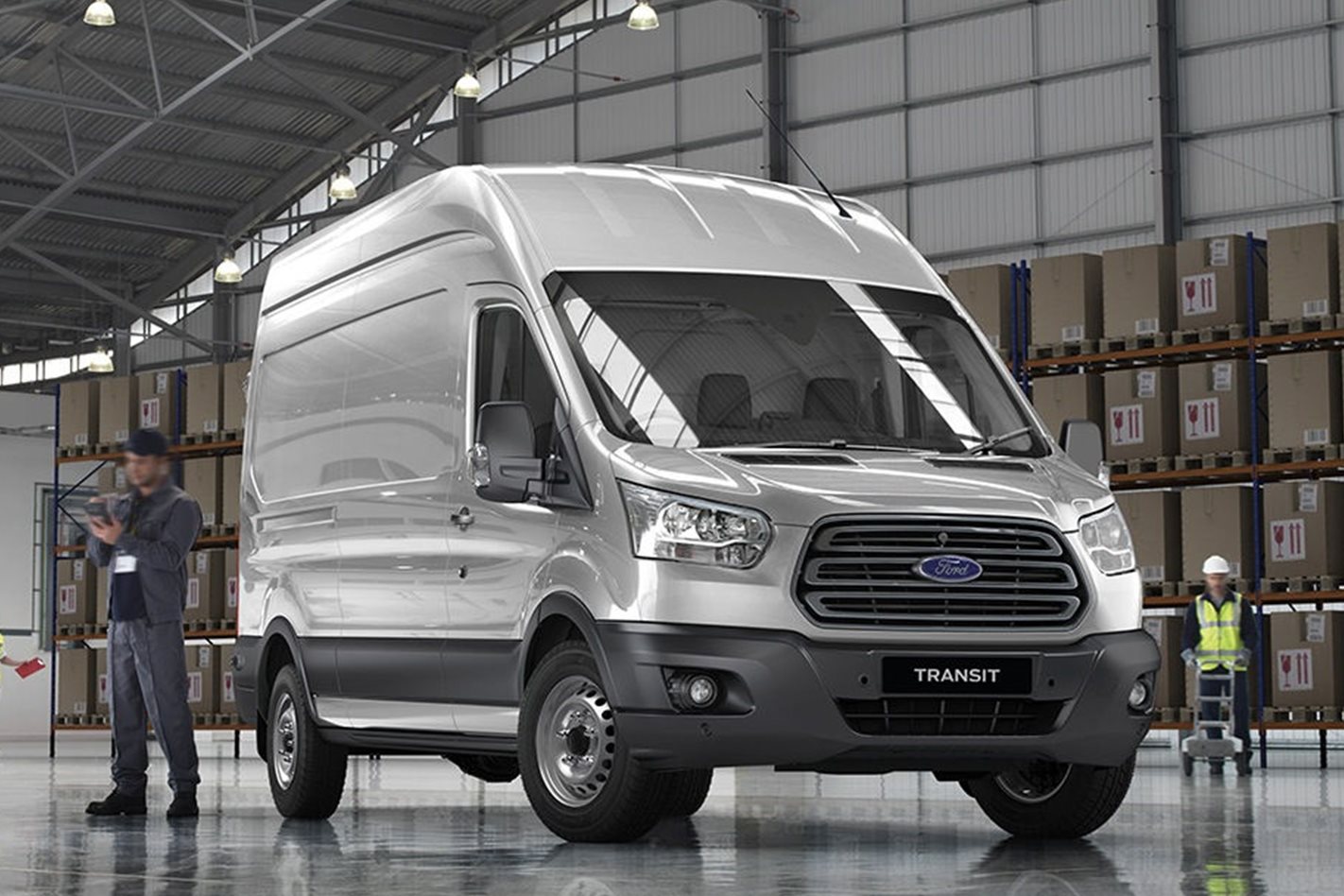
2022 Ford Transit Australian Pricing
Prices exclude on-road costs.
| Model | Price (exc. on-road costs) |
|---|---|
| 350L RWD | $52,590 |
| 350L FWD | $55,090 |
| 350E Jumbo RWD | $56,090 |
| 430E RWD | $62,090 |
| 470E Jumbo Dual Wheels RWDu00a0 | $59,090 |
| 410L 12 seat | $64,690 |
