
Celebrating Nissan’s 35 years of production in the UK where it once built the Bluebird, the carmaker has blended the old model with the future, creating an electric restomod concept car.
The reason for choosing the Bluebird from the Japanese maker’s back catalogue? It was the first model to come down the line at its Sunderland production site in 1986.
To create a heritage electric car, Nissan used the 40kWh battery pack and electric motor from the Sunderland-built Nissan Leaf, fitting the drivetrain into a used Bluebird.
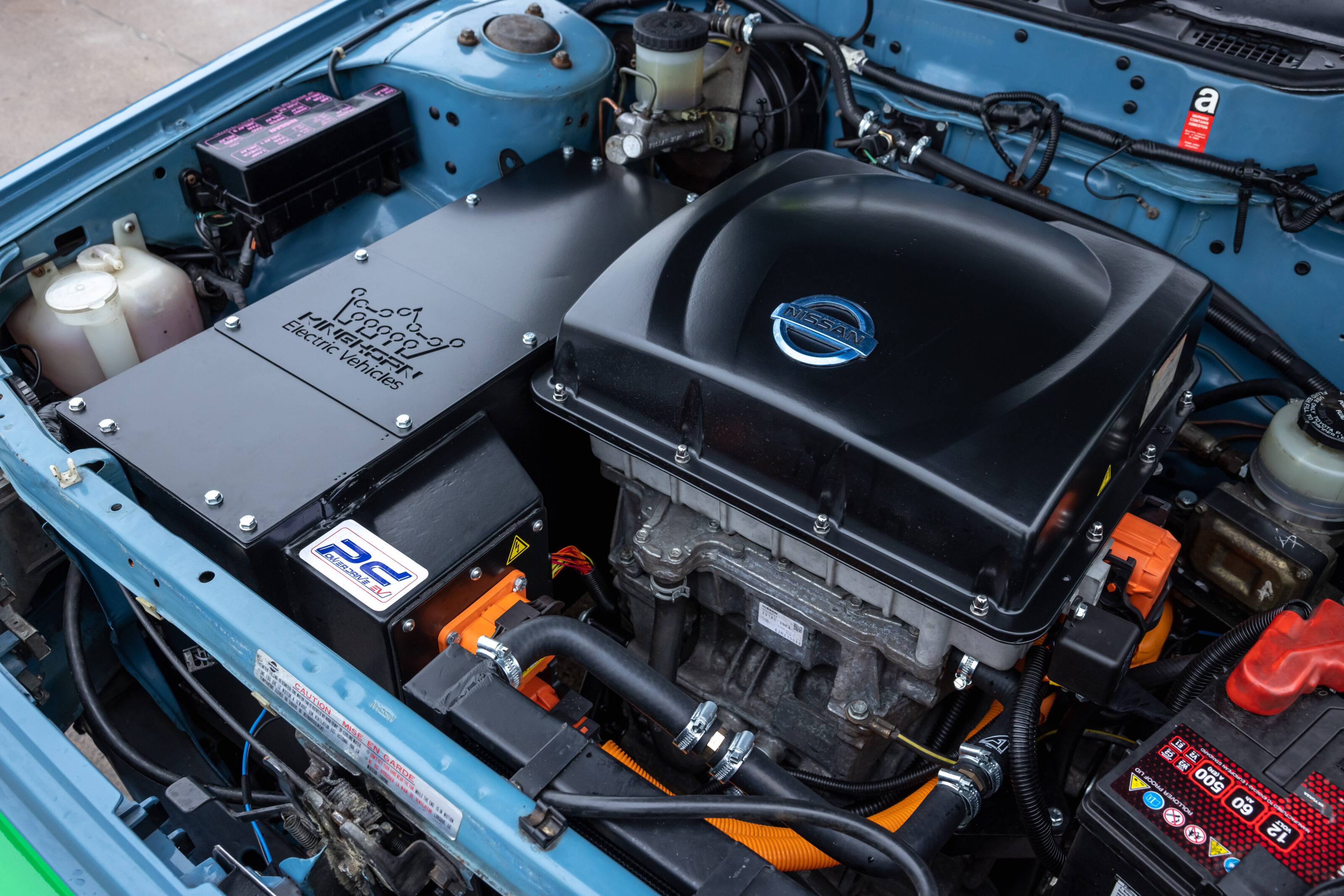
Given the unique nature of the build – completed by Kinghorn Electric Vehicles nearby – the battery pack had to be split into two parts and mounted in the engine bay (where the engine was removed) and boot. This gives better weight distribution than having all of the batteries in one location.
The charging socket is tucked away behind the car’s fuel filler door and has a maximum charging rate of 6.6kWh, with the charge shown on a small screen where the original fuel gauge was.
Despite the new powertrain, performance isn’t lightning quick. Nissan says the Leaf’s electric motor gives the Newbird a 0-100km/h time of 15 seconds, although the driving range of 210 kilometres is reasonable.
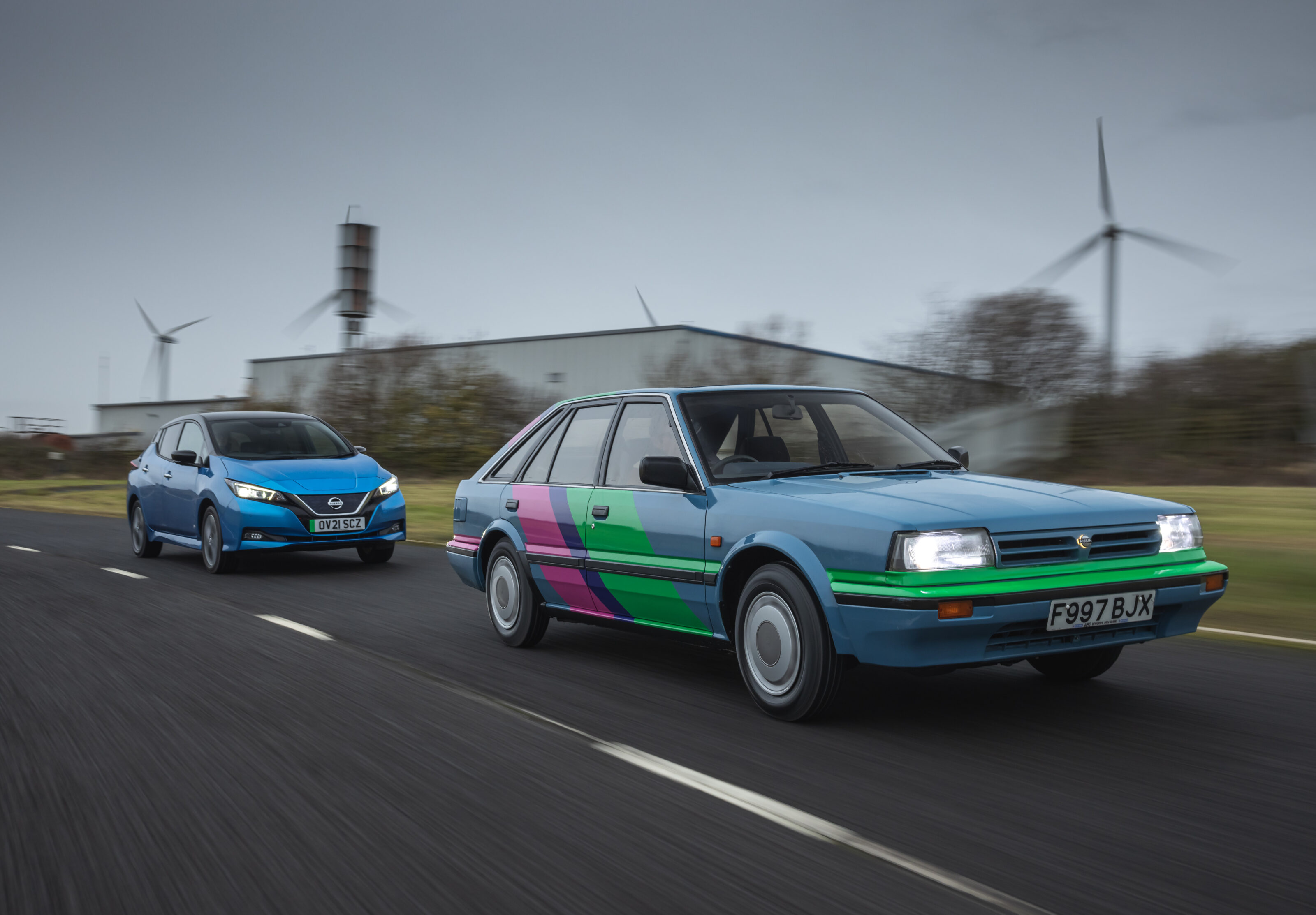
Nissan also made a few cosmetic tweaks, including the bright eighties-themed graphics inspired by the design cues of 1980s consumer technology. A nice touch is the backlighting to the car’s front badge, which is rather contemporary.
While region-specific in its celebration, the Newbird helps the greater brand highlight Ambition 2030, which sees Nissan launch 15 new electric vehicles by 2030.
The first four of those concepts includes a lifestyle adventure SUV (Hang-Out), electric ute (Surf-Out), a single seater sports car (Max-Out) and the Chill-Out crossover.
Since 1986, Nissan’s Sunderland plant has produced more than 10.5 million cars. Staff numbers have grown from just 430 to over 6000, with 19 current team members remaining from when the original Bluebird rolled down the line.
Australia and South Korea have signed a new deal which sees the two countries co-operate on clean energy technology and critical minerals.
It’s expected this will result in materials such as cobalt and nickel – key ingredients used in the production of batteries – being sourced from Australia for use in electric cars from Korean carmakers such as Hyundai, Kia, and SsangYong.
It solidifies a partnership agreed on at the COP26 Summit in Glasgow last month – the same event where some Australian states and territories (though not at a federal level) agreed to axe new sales of internal-combustion vehicles by 2040.
“Australia, and particularly Western Australia, has significant reserves of the critical minerals that will be essential to future technologies – not just in energy, but across a range of industries,” Prime Minister Scott Morrison said.
“More and more countries are realising the untapped opportunities we have right here for critical minerals exports, and this partnership isn’t just about developing those, but also helping secure those essential supply chains.”
Hyundai and Kia are both working on bringing a new line-up of zero-emissions vehicles to Australia, with 23 pure-electric models expected to debut by 2025.
Last week, WhichCar revealed SsangYong was bringing it’s first battery-powered car to Australia in early 2022 for evaluation.
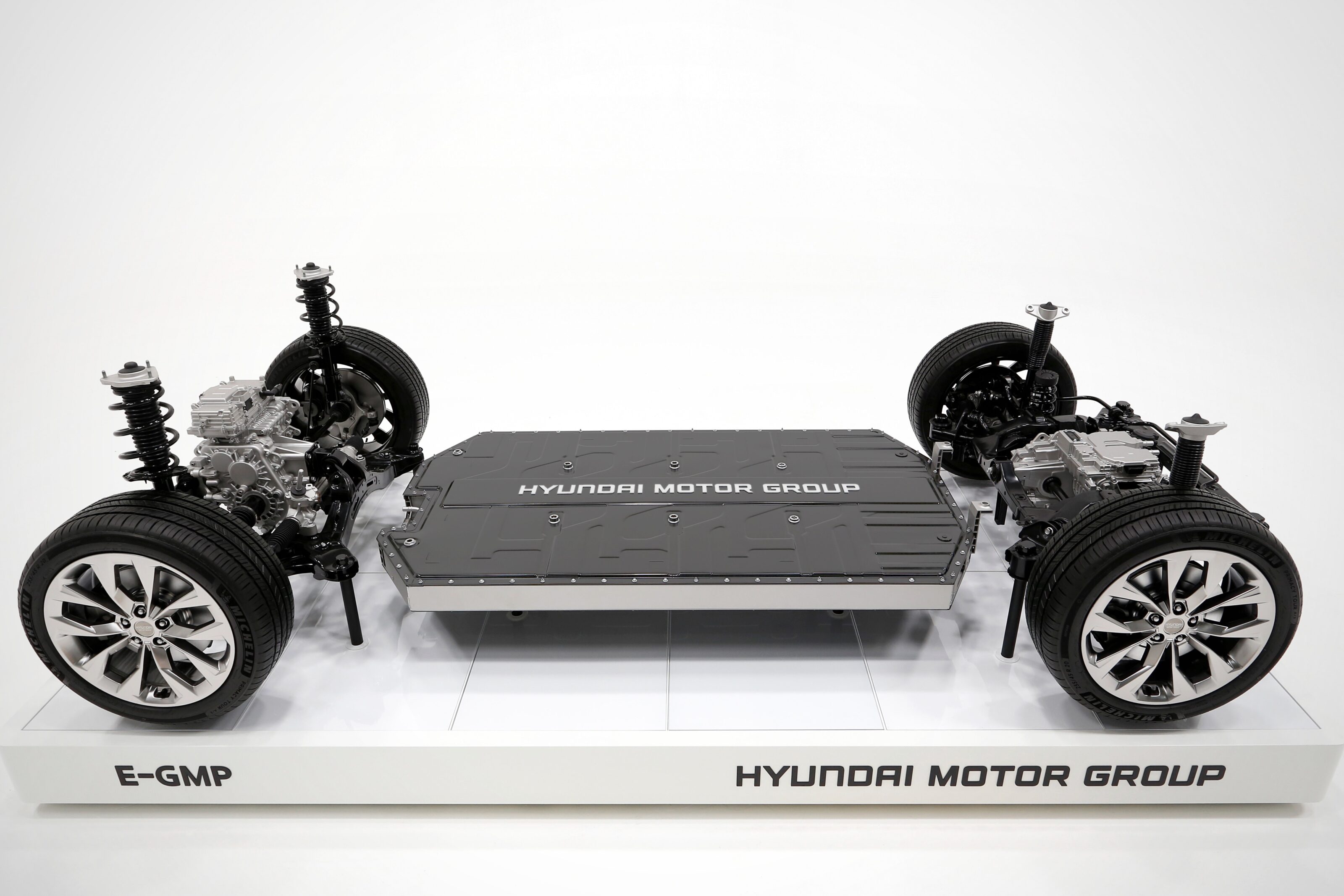
Australia’s Pilbara region currently supplies the majority of steel used in Hyundai Motor Group vehicles.
This latest deal came as South Korean President Moon Jae-in visited Australia this week, where he met with a number of leaders from local metal mining companies.
“Commercial co-operation and investment from the Republic of Korea in Australian critical minerals will create new jobs across Australia, particularly in regional areas,” Minister for Science and Technology Melissa Price said at the announcement.
“Australia is blessed with strong reserves of critical minerals, and these precious resources will drive the new energy economy into the future.”
Hyundai Australia is recalling all variants of the 2021 Palisade over a fault with the brake fluid.
In total 217 cars are affected by the issue.
According to the Department for Infrastructure which issued the notice, the brake fluid may be contaminated, which could cause the master cylinder inner cup seal to expand resulting in a reduced braking performance.
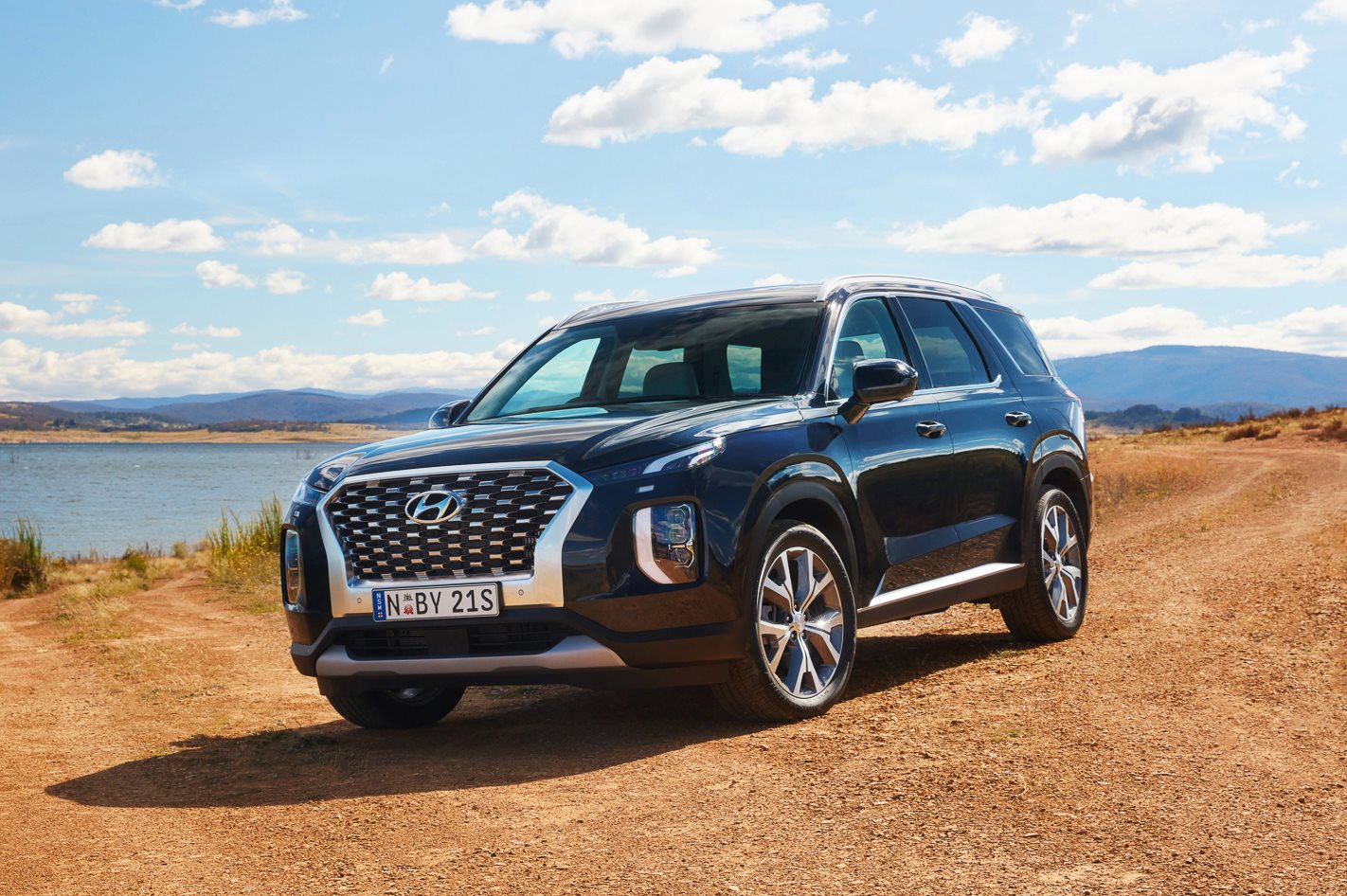
Owners can contact their local Hyundai dealer to replace the master brake cylinder and brake fluid, free no charge.Until the repair is carried out, Palisade owners are advised to pay attention to any abnormality in the brake pedal feel and be conscious of the vehicle stopping distance.
A list of VINs for the affected vehicles is available here.
Hyundai can be contacted on: 1800 186 306.
Key Points
- Next-generation BMW X2 rumoured to launch in 2024
- All-electric iX2 will join regular internal-combustion options
- Set to follow the related X1 and iX1 due in 2022
The next-generation BMW X2 due in 2024 could gain an all-electric option, new rumours suggest.
According to BMWBlog, the all-new X2 – codenamed ‘U10’ – will reportedly commence production in late 2023 with both petrol/diesel and electric options on offer.
Set to join the BMW i sub-brand, an iX2 would likely share its foundations with the smaller iX1 – an electrified version of the related 2023 X1.

Both the new X1 and X2 will be underpinned by the marque’s latest front- and all-wheel-drive FAAR platform – an evolution of the current UKL architecture – with support for internal-combustion and electric powertrains.
Like the larger iX3, the pair of electric crossovers are set to look mostly identical to the standard X1 and X2 – albeit with small changes, such as a closed-off front grille, aerodynamic wheels and blue accents.
Further details surrounding both the next-generation X2 and the iX2 are thin, however we can expect to discover more information as time moves closer to an unveiling date, which will likely occur in late 2023 ahead of a market launch in 2024.
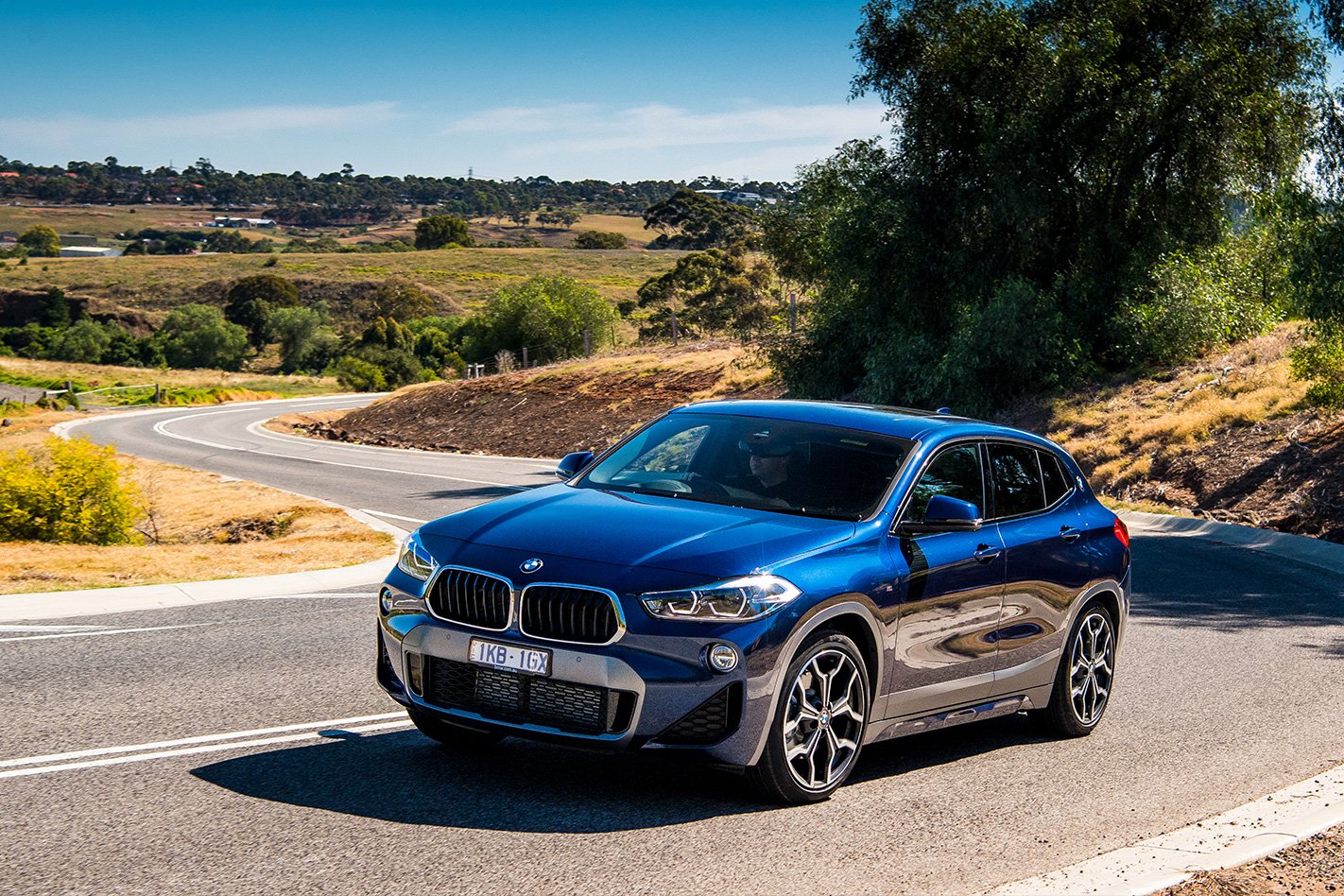
What we do know is the all-electric iX1 will be introduced next year, alongside the regular internal-combustion model.
BMW confirmed the smaller vehicle in a recent announcement for a goal to deliver two million battery-electric cars to customers around the world by 2025, with less-expensive EVs likely to significantly help the manufacturer in achieving this plan.
While there are plenty of positive attributes for the Genesis GV70 that will assume the biggest responsibility for growing Genesis sales in Australia and around the world, both performance and fuel economy were left wanting in our first drive of the Genesis GV70 2.5T AWD.
The 2.2D AWD carries a $3000 premium over that equivalent four-cylinder turbo-petrol, priced from $71,800 before on-road charges. Both models are sandwiched by a $66,400 rear-wheel-drive base model and an $83,400 flagship 3.5T AWD with a twin-turbo petrol V6.
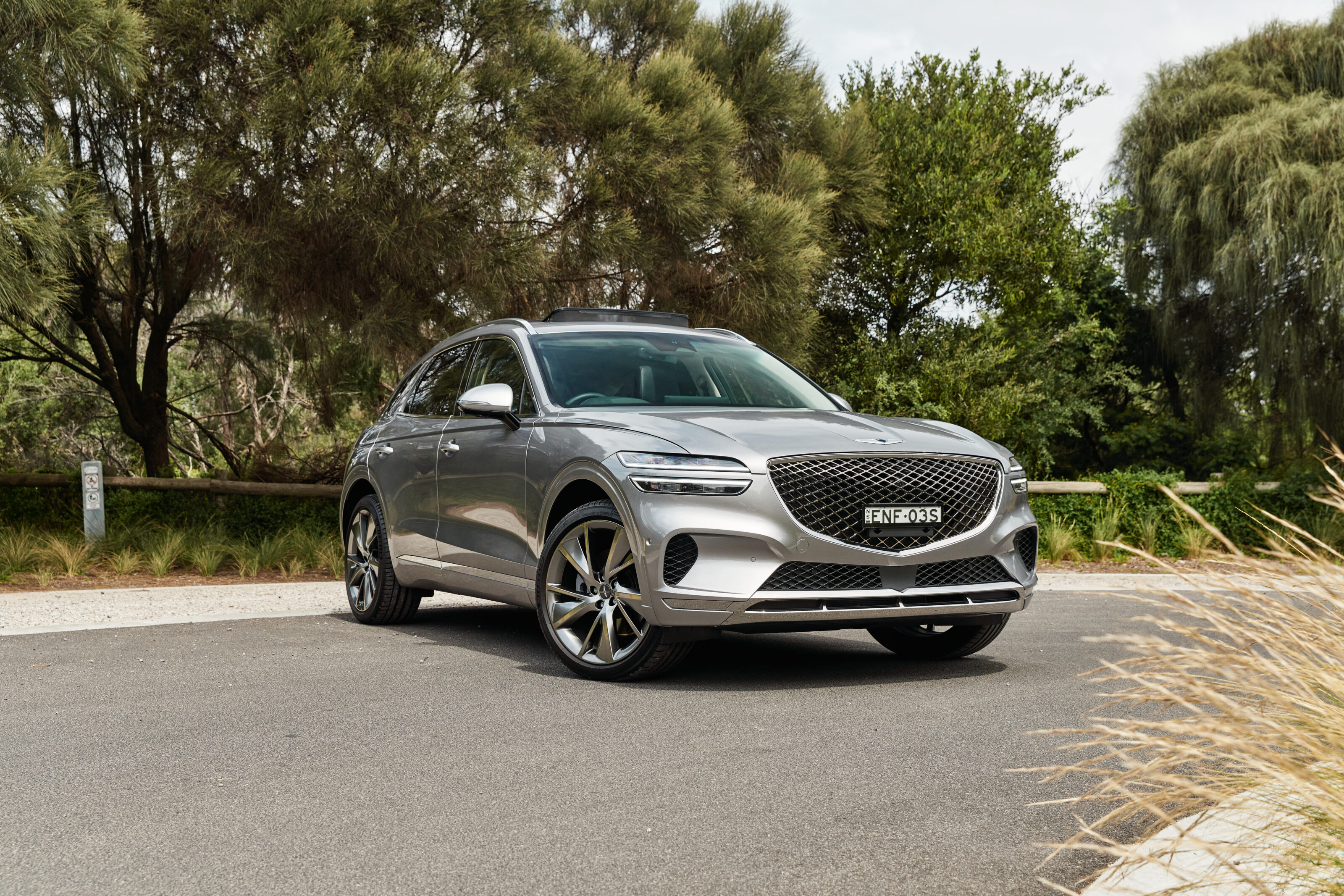
Genesis expects the diesel to be the third most popular GV70 variant, with its 20 per cent model-mix forecast behind the 2.5T AWD (45 per cent) and 3.5T (25 per cent).
Diesel offerings are certainly thin on the ground in the premium medium SUV segment – it’s very much a petrol or mild-hybrid petrol world. The GV70 2.2D’s only direct rivals are the Audi Q5 40TDI and BMW X3 20d.
The entry 40TDI undercuts the Genesis, though the GV70 is otherwise the more affordable option and not short on standard equipment.
All GV70s, for example, are fitted out with a panoramic sunroof, leather-appointed seats, electric steering wheel adjustment, electric front seats with heating/ventilation and driver memory, 3D surround view, fingerprint authentication, second-row window blinds and 14.5-inch infotainment display with augmented reality.
Without question, the GV70 joins the G80 limo in proving Genesis is not planning to make the same mistake Nissan made with Infiniti.
Nine out of 10 buyers, however, are tipped to add one of two option packs. Two out of five buyers will grab both.
A $4500 Sport Line Package adds various sporty aesthetics inside and out (and is standard on the 3.5T range-topper; an $11,000 Luxury Package ($6600 on the 3.5T) goes full tilt with luxury and convenience features.
Combining both on the four-cylinder models costs $13,000 to save some money, though unlike a Q5 it’s not possible to purchase individual options or cheaper option packs.
The Luxury Package – fitted to our test car – is also needed to match the tri-zone climate control and 12.3-inch fully digital driver display that are standard on a Q5, while additions such as head-up display, high-end audio system and the most advanced LED headlights are available on the Audi via a $4308 Technik Pack.
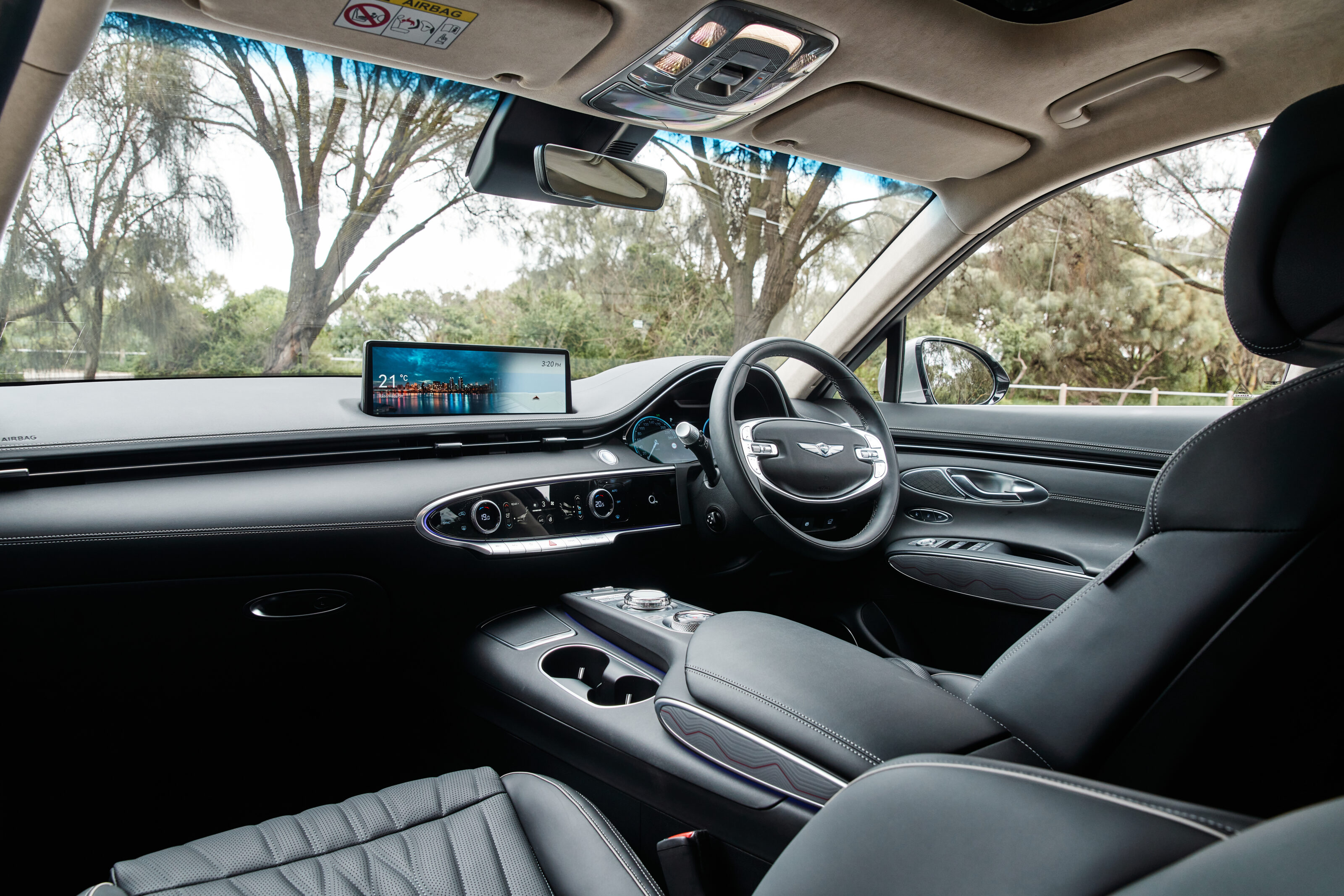
However, there’s also a quality elevation for the GV70 with the Luxury Package, which upgrades the upholstery to full quilted Nappa leather and covers the headlining and pillars in suede.

Without question, the GV70 joins the G80 limo and GV80 large SUV in proving Genesis is not planning to make the same mistake Nissan made with its Infiniti models (and even Toyota, in some Lexus cases).
The cabin experiences have the requisite design and quality to distance them from those of its mainstream parent brand.
Soft materials are in abundance, including stitched partial leather for the doors and dash, and even extend to the lower doors.
There’s artistry to the way the instrument binnacle and air vent curve and blend seamlessly into the doors, as well as the oval-shaped climate control panel that is intersected by the steering rack and features a chrome/LED surround.

Lovely details include stainless steel upper door speakers, knurled toggles on the centre console and steering wheel, the soft open/close lid for the wireless charging slot, and an ornate centre console section featuring dual rotary dials.
The rotary transmission selector looks particularly posh with knurled edges topped by a translucent disc.
Even after a week of ‘ownership’, however, we found it easy to accidentally reach for the infotainment dial rather than the close-proximity rotary gear selector.
The infotainment dial is also essential for controlling the central display as, while it’s a touchscreen, you would need arms like Mr Tickle to reach it comfortably.

Front-seat comfort is excellent, though, with the Luxury Package not only adding additional electric adjustment but also a massage function.
Rear passengers aren’t treated as lesser occupants. While a chunky transmission tunnel rules the middle seat out for adults, the outer seats are perfectly cushioned, supportive and include recline adjustment.
They are complemented by a good amount of legroom, while headroom clearance is good even with the panoramic sunroof. ISOFIX points feature in the outboard seats.
Storage options are plentiful, too, and include smart-looking coathanger pins on the B-pillars.

Quoted boot space of 542 litres is barely any smaller than the 550L capacities of both the X3 and Q5 (and bigger than the 510-litre Q5 Sportback). It’s a useful size that can be further expanded by pulling the release levers to lower the 60:40 seatbacks completely flat.
A cargo blind can be secreted under the boot floor, which comes with a separate carpet mat.
For buyers with country-touring aspirations, there’s disappointment under the boot floor: the addition of an Adblue tank means the diesel has a tyre mobility kit rather than the temporary spare wheel provided with petrol models.
The GV70’s driveline gains additional refinement measures such as semi-active engine mounts and a thicker sound-deadening barrier.

The diesel engine isn’t the Genesis-exclusive 3.0-litre inline six-cylinder found in the GV80 but instead a tweaked version of the 2.2-litre four-cylinder found in the likes of the Santa Fe. (Not unusual in the luxury segment; the Q4 40TDI shares its engine with VW, for example.)
There are both tuning differences and technical differences – such as a water-to-air intercooler rather than air-to-air as in the Santa Fe – while the GV70 gains additional refinement measures such as semi-active engine mounts and a thicker sound-deadening barrier between engine bay and cabin.
The upshot is a slightly more hushed diesel experience than in the Santa Fe – or significantly so if comparing Hyundai’s Staria people mover. Even at idle, there are no vibrations through either the brake pedal or seat, which is impressive. A stop-start system that shuts the engine off completely at traffic lights might still have been appreciated by some owners.
Working nicely with Hyundai’s in-house eight-speed auto, the drivetrain fits the luxury bill.
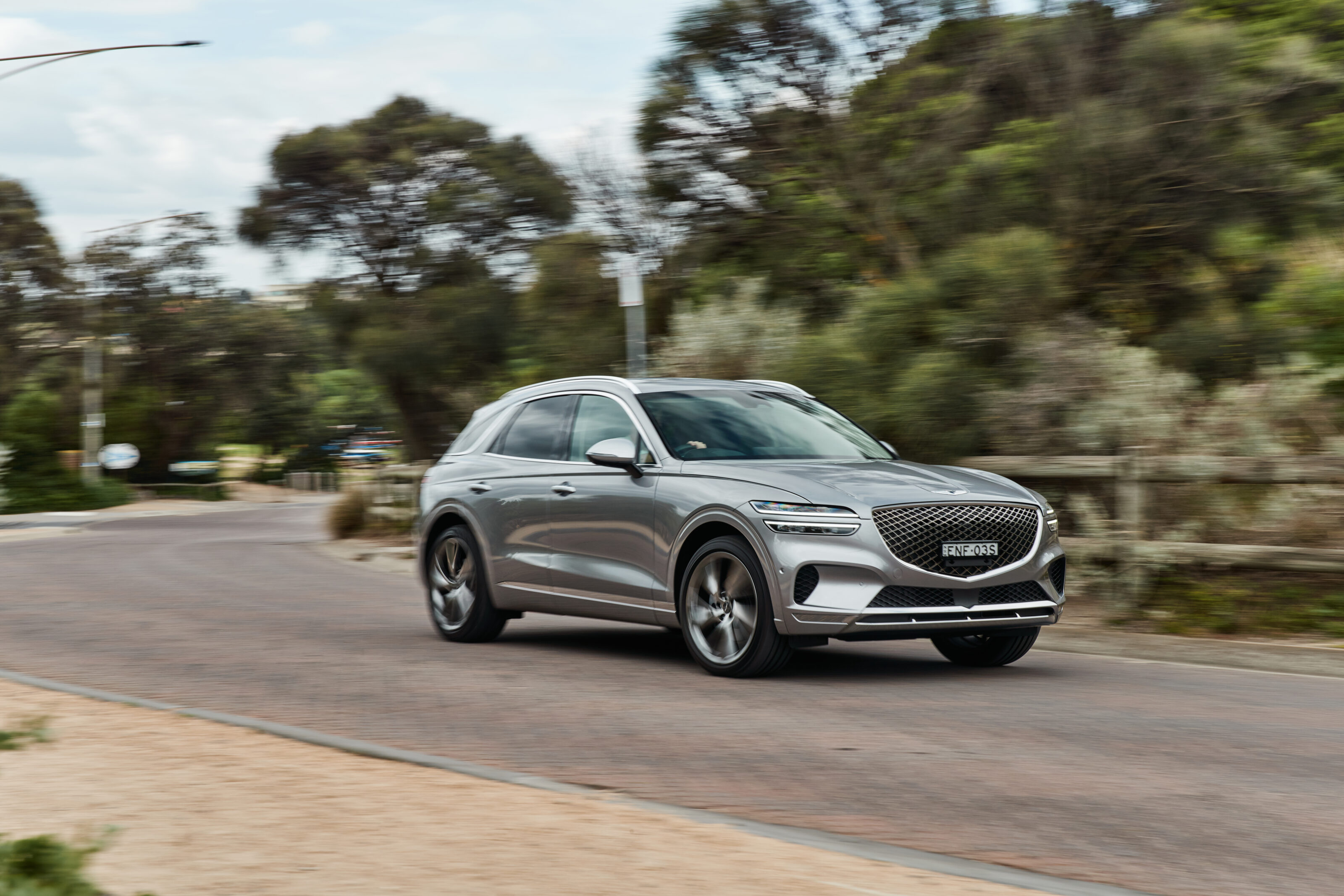
It just lacks the performance punch perhaps expected in the segment. Easily the slowest model in the GV70 pack, the 2.2D’s 0-100km/h claim of 7.9 seconds may be a tenth quicker than a BMW X3 20d but is slower than the 7.6sec Q5 40TDI.
The GV70’s issue isn’t so much outputs as weight. Where its 154kW and 440Nm compare well with the Audi’s 150kW/400Nm and BMW’s 140kW/400Nm, the Genesis weighs two tonnes where the Germans are, respectively, 1880kg and 1840kg.
Add those option packages, and the GV70 diesel also starts to get close in price to six-cylinder diesel versions of the Q5 and X3 that deliver serious acceleration – well below six seconds in the benchmark sprint.
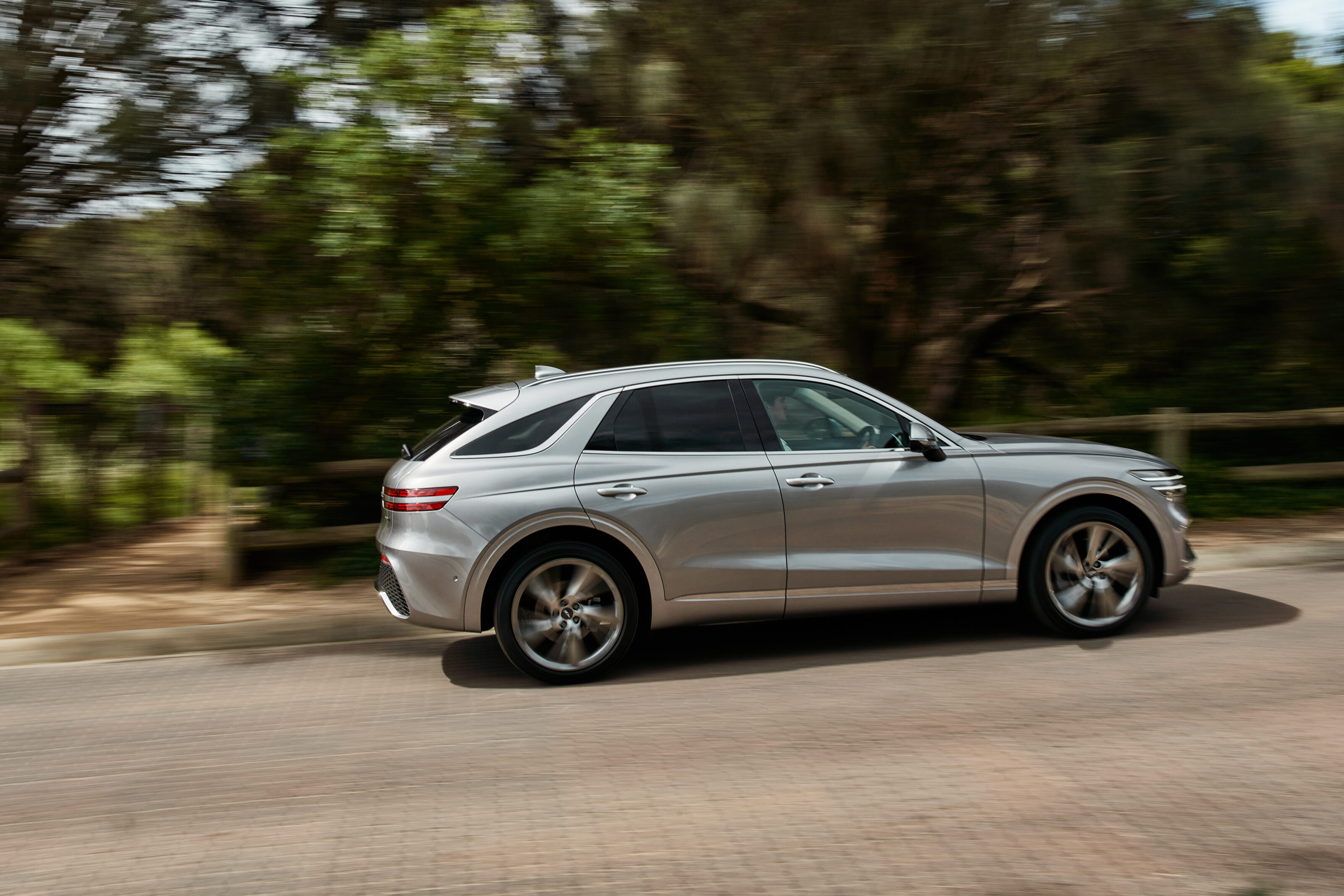
A Sport mode increases engine response but the GV70 doesn’t feel any quicker and only becomes noisier.
It’s an engine that suits a more relaxed approach to motoring, and one arguably unlikely to be picked by keener drivers who will favour the petrols.
And if fuel economy is a priority, you won’t go wrong with the diesel. Our mixed-roads testing produced an indicated 6.9 litres per 100km – better even than the official 7.8L/100km (and despite that aforementioned lack of stop-start). Official combined figures for the petrols range from 9.8L/100km to 11.3L/100km.

The GV70’s ride isn’t always in step with luxury driving, however. The suspension works well on freeways and pothole impacts are cushioned effectively despite the Luxury Package’s 21-inch wheels, but the Genesis is fidgety on both suburban and country roads.
It’s not a trade-off for brilliant handling that would make a BMW X3 prospect think twice. While there’s more than a modicum of roadholding proficiency, mid-corner bumps upset the GV70’s composure and the steering could be more direct and precise.
The brake pedal is also a touch too sharp on initial application.
We’re yet to drive a 2.2D on standard 19-inch wheels, or the 3.5T that comes with adaptive suspension, to assess how either factor might influence the driving experience.
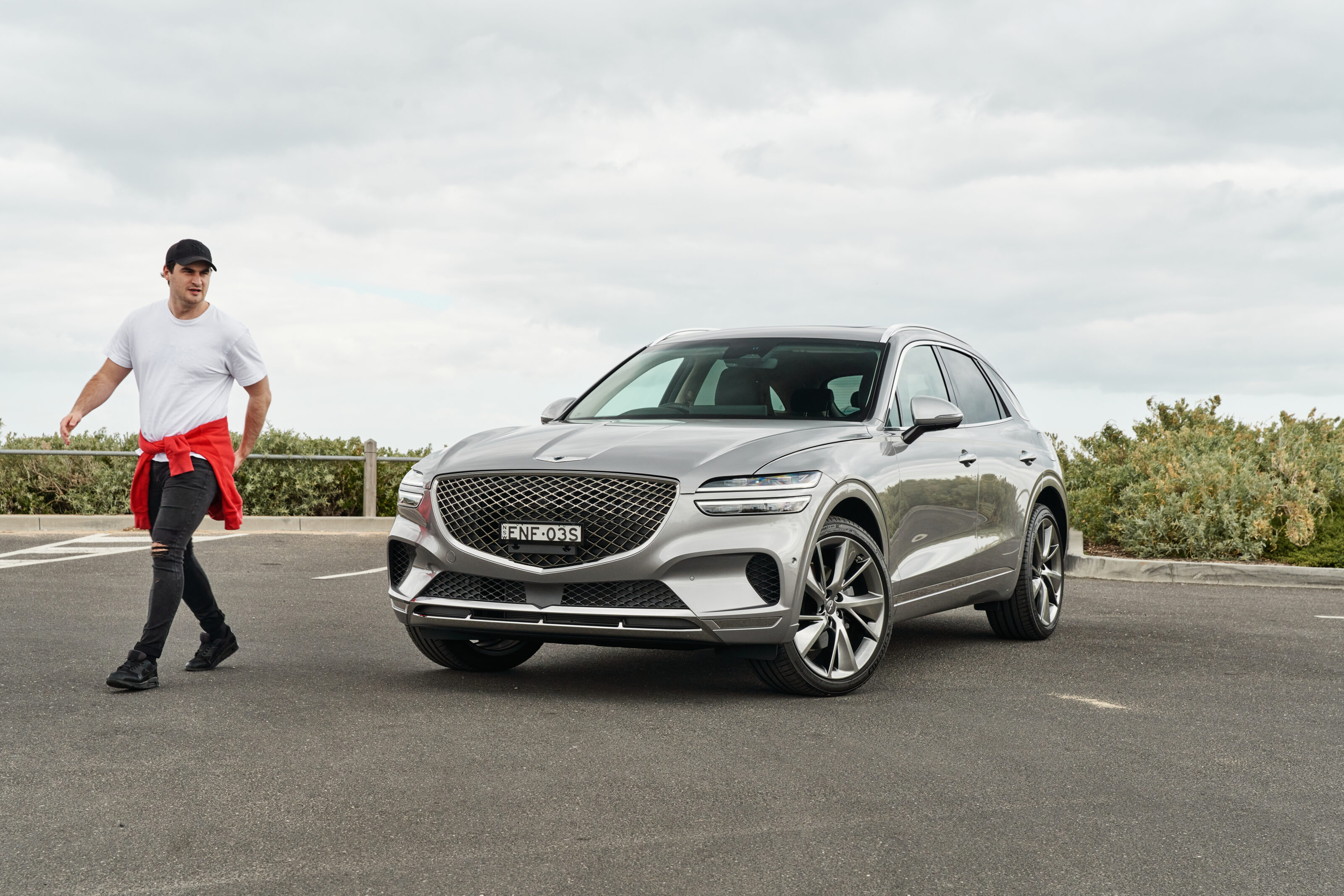
A test drive of the GV70 is most recommended for buyers to ensure ride comfort and performance meet their hopes and expectations. And Genesis will even bring one to your door – as a way of compensating for the current dearth of dealerships but also demonstrating its intention to deliver a luxury experience beyond the vehicle.
Moreover, the GV70’s general refinement, interior quality, and cabin comfort are ready to surprise those willing to try an alternative to the usual premium suspects.
2021 Genesis GV70 2.2D specifications
Welcome to the MOTOR Awards 2021, where our team offer a tip of the hat to those that displayed automotive excellence in the last 12 months.
Most Exciting New Car Winner: Nissan Z
Yes, 2022 promises more exotic, more powerful and more technologically advanced performance cars than the Nissan Z, but once in a while a car is launched that whether by accident or design, lands in a neglected spot in the market and is all the better for it.
Sub-$100k sports coupes aren’t exactly thick on the ground and the ones that offer a manual gearbox can be counted on the fingers of one hand. Your choice comes down to the Z, a Mustang, an MX-5 RC, or an 86/BRZ. And if you then want the easy tuning potential of forced induction, the Nissan finds itself in pole position.
It has to be said that part of our anticipation is based on intrigue. We hope that it won’t steer like the old Infiniti Q60 Red Sport, with its vague Direct Adaptive Steering. The initial signs appear promising.
Nissan has ditched the lazy old auto ‘box and offers a Mercedes-sourced nine-speed auto, but it’s a fact that sports coupes might be halo products but they often aren’t big contributors to a company’s bottom line. Let’s keep ‘em crossed that Nissan has made smart decisions on how to bring the Z to market cost-effectively.
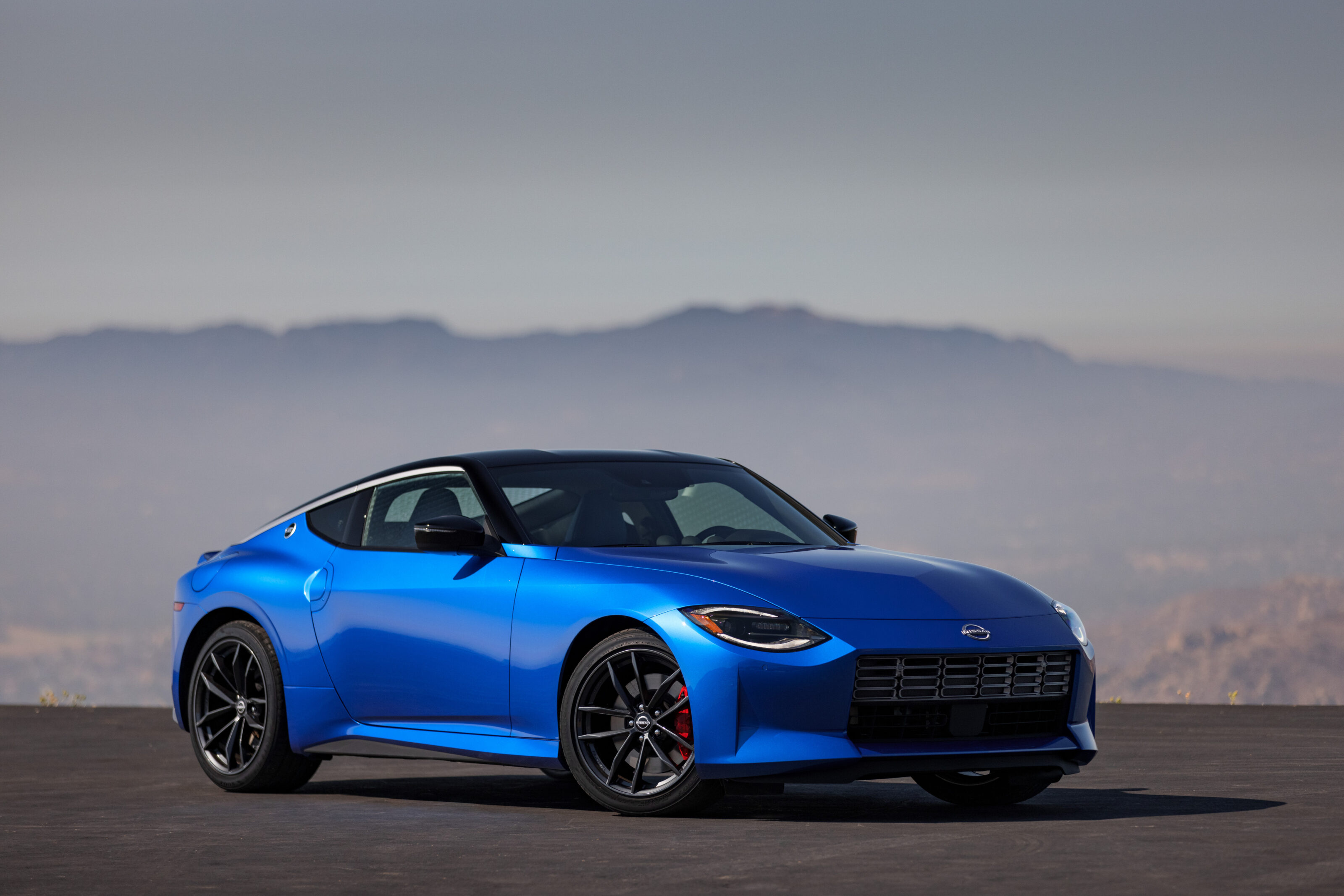
There’s potential here for a cracker of a sports coupe. The fixes are easy to identify and the bare bones of the car, while old, are solid. The 298kW VR30DDTT engine is tough and well-proven and let’s not forget that even the outgoing 370Z can deliver a level of entertainment and immersion that can shame many newer rivals.
If only the rest of the package had moved with the times. In many ways, the new Z needs to take on the work of two model generations and that is a very big ask.
Performance fans of every colour will be hoping that Nissan succeeds and with an industry-wide development push towards electrified drivetrains, those years of benign neglect could, serendipitously, put Nissan into a position that few other manufacturers could replicate.
Manual gearbox, rear-drive chassis, pure-ICE powerplant and delivered at an aggressive price: you have to wonder which car makers have the ability to launch a car like that these days?
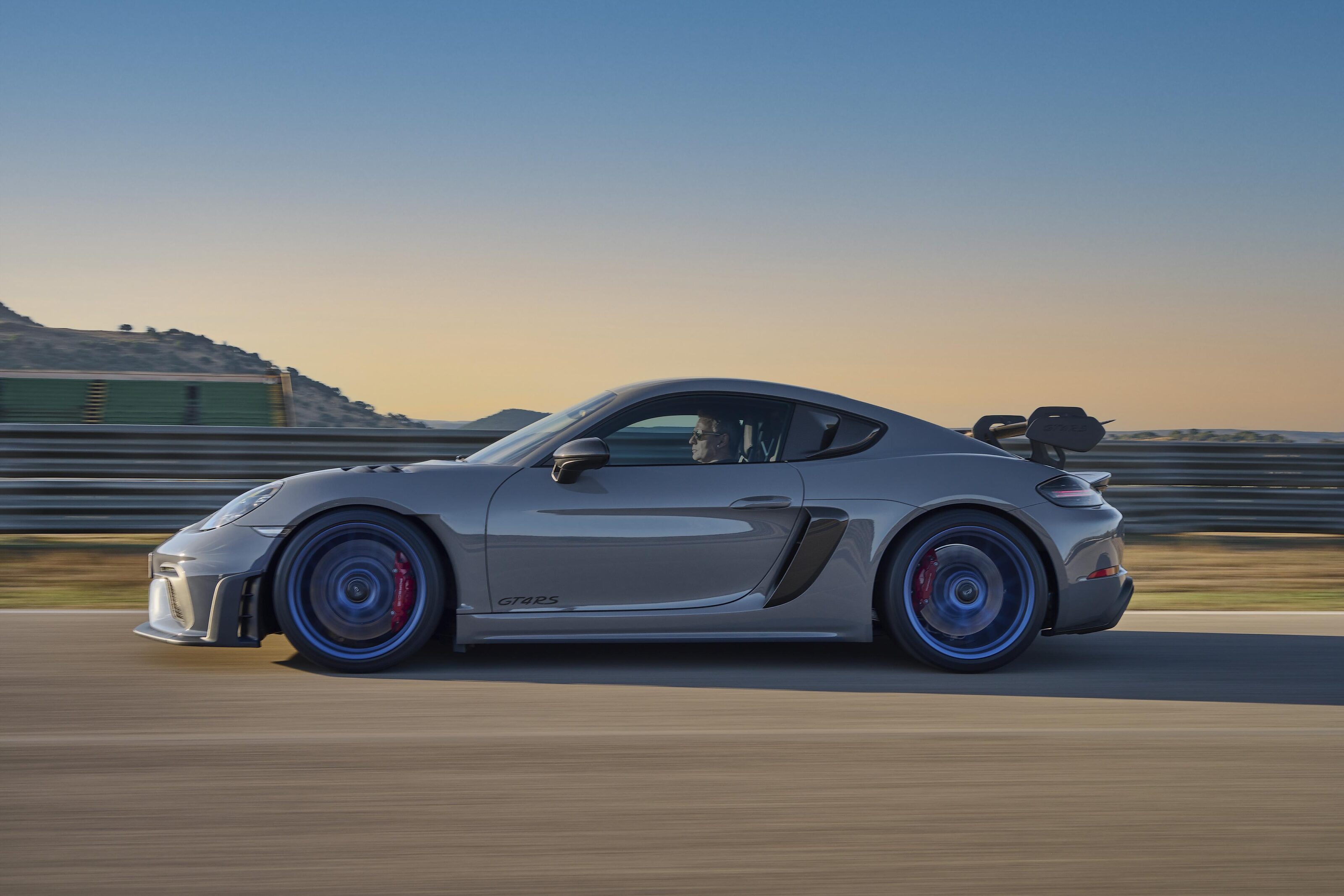
Honourable mention: Porsche Cayman GT4 RS
Finally Porsche uncorks the Cayman. Anything that can lap the Ring in 7m09s is an absolute weapon. That’s pretty much on par with bona fide supercars like the McLaren 600LT and is quicker than the current 992 Turbo S. If you want to dominate at a track day and then drive home in the same car, the GT4 RS should be near the top of your list.
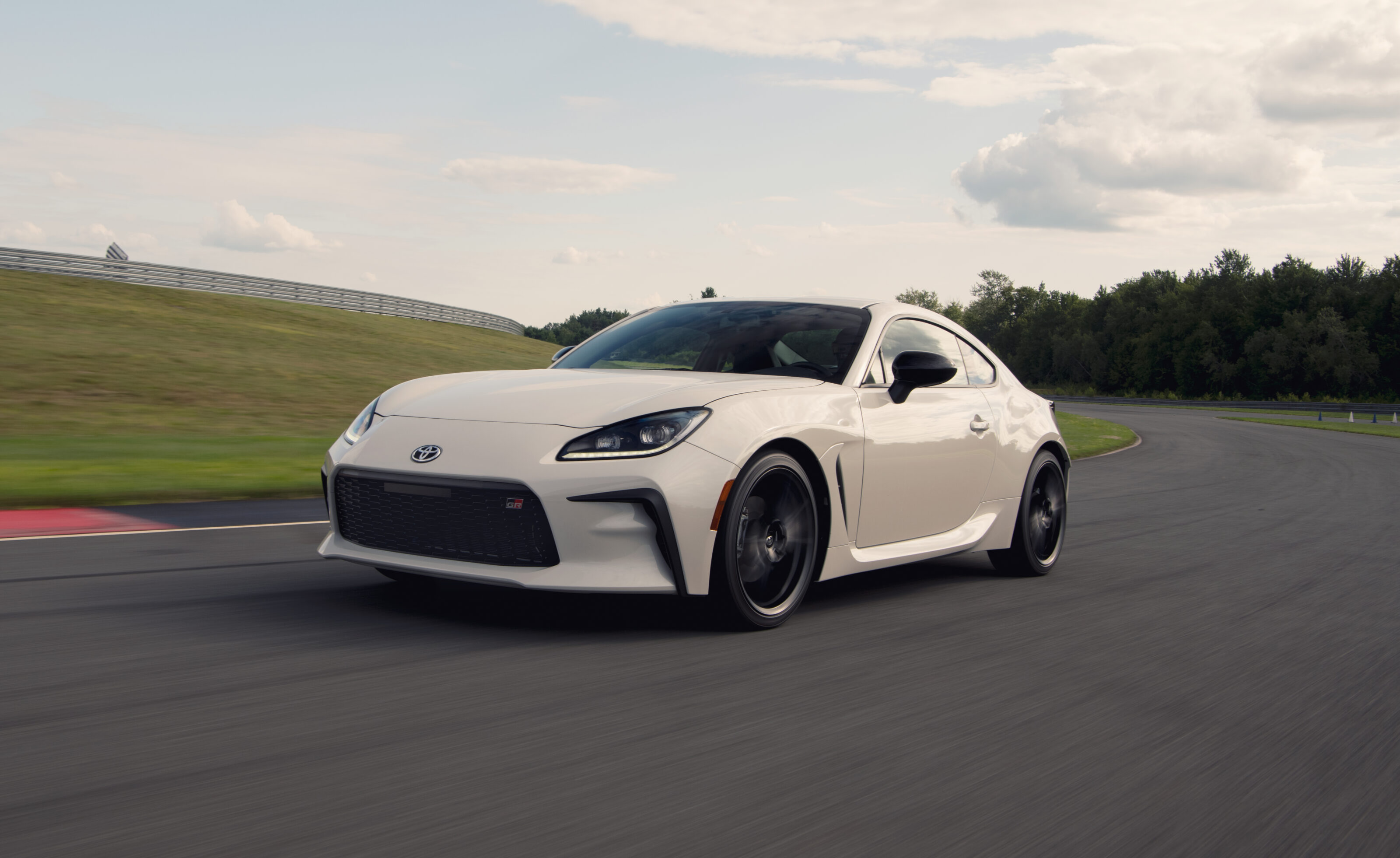
Honourable mention: Toyota GR86
There wasn’t much wrong with the old 86/BRZ. Dial in more torque, fit some decent tyres, pay a little more attention to interior quality and that’s about it. Three from three on that score. It’s up to Toyota and Subaru to keep on top of development through its life cycle.
Snapshot
- Outback Premium Special Edition added to 2022 range
- New wheels and exterior colours available
- Outback Touring scores ventilated seats
Subaru has provided its high-riding Outback wagon with a minor update for 2022, bringing a new variant to the fold on top of revised equipment at all levels.
The Outback Premium Special Edition will drop between the base Outback and the Outback Sport in both price and features, going on sale from $44,190 before on-road costs.
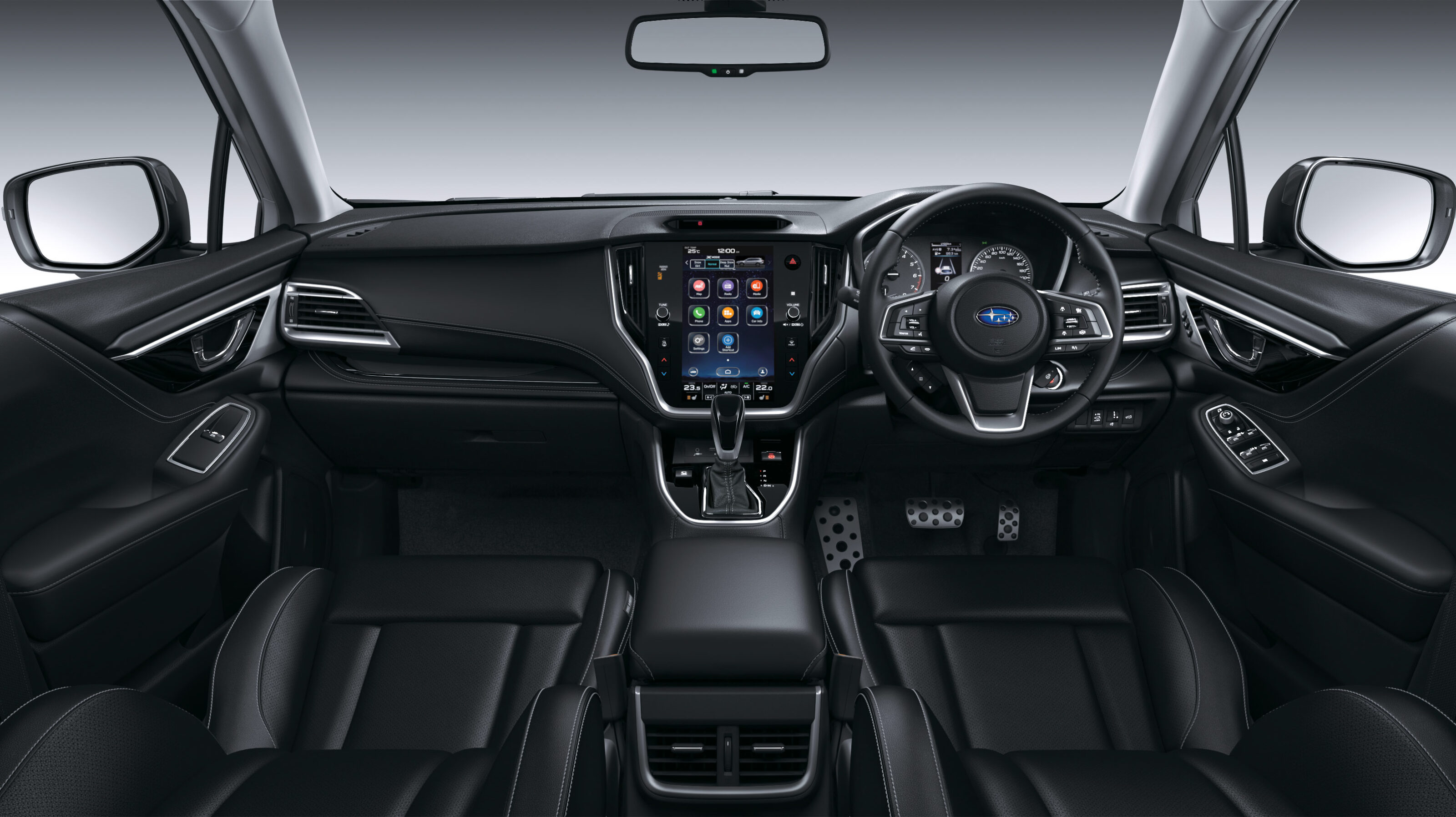
For the extra $3500 on top of the entry-level Outback, the Premium variant gains black Nappa leather seat accents, heated front and rear outboard seats, satellite navigation and a hands-free powered tailgate.
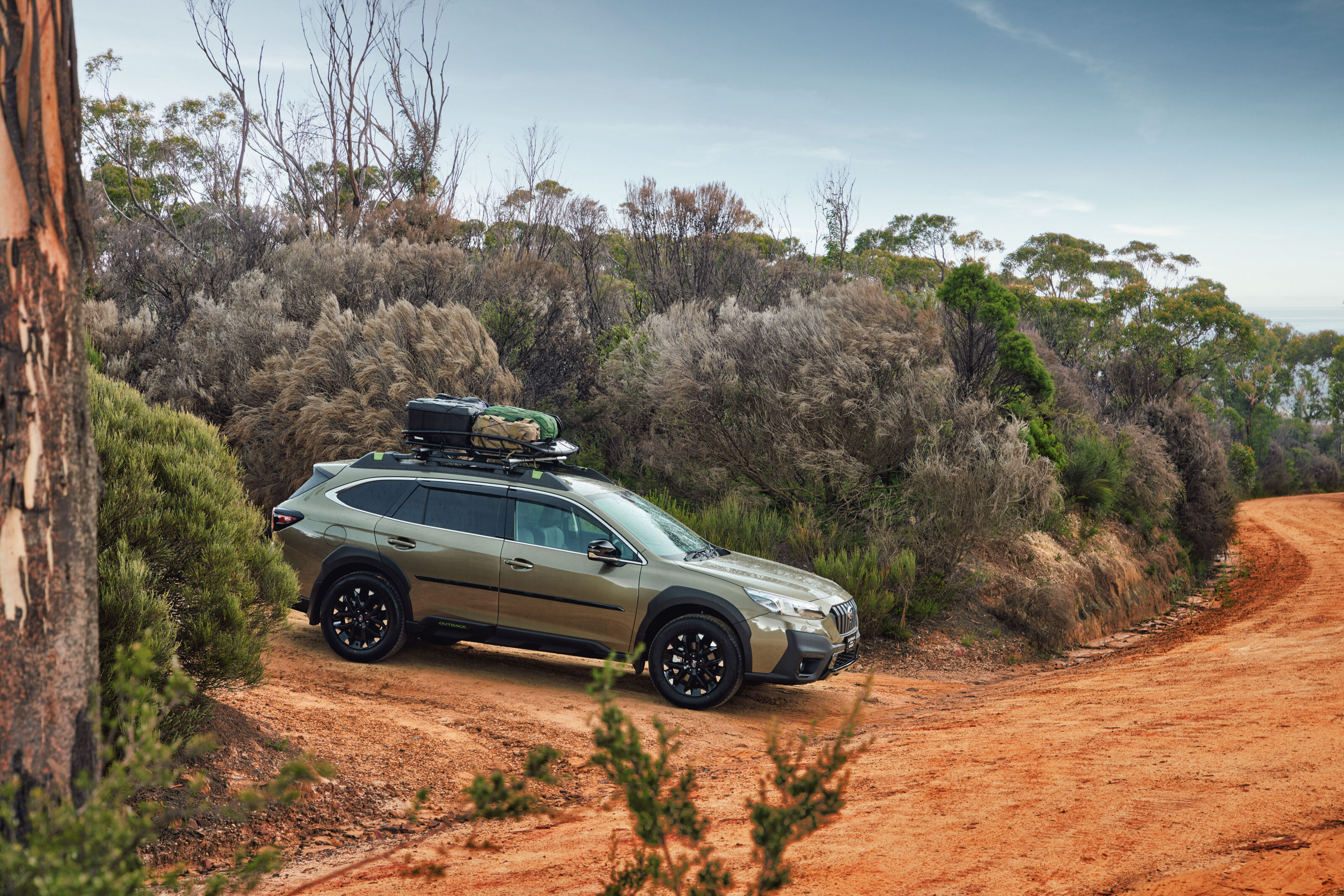
The new grade is available to be ordered in a number of paint finishes including Crystal White Pearl, Ice Silver Metallic, Autumn Green Metallic, Crimson Red Pearl, Magnetite Grey Metallic and Sapphire Blue Pearl, the latter of which has now replaced Dark Blue Pearl across the Outback range.
On top of the new variant joining the family, Subaru has given a slight overhaul to the existing Outbacks, with those from the base trim upwards now gaining a revised seat back pocket design and 18-inch alloy wheels with black centre caps.
The range-topping Touring benefits from additional upgrades, now featuring ventilated seats for the driver and front passenger while the driver’s seat now has a manually-adjustable thigh support extender.
2022 Subaru Outback Australian Pricing
Prices exclude on-road costs.
| Model | Price |
|---|---|
| Outback | $40,690 |
| Outback Premium Special Edition | $44,190 |
| Outback Sport | $45,190 |
| Outback Touring | $48,990 |
Snapshot
- 1365 vehicles affected
- Only WorkMate and SR cab-chassis on notice
- Toyota will rectify the issue for free
Toyota Australia has issued a recall for a handful of its 2021 HiLux models, with a potential airbag system failure triggering the notice.
Affecting a total of 1365 vehicles made between late August and late October 2021, it only covers WorkMate and SR cab-chassis variants, both of which are two-door, two-seat grades.
According to Toyota, an improper setting of production equipment means the front passenger airbag may not deploy in the event of a collision, potentially injuring the occupants further.
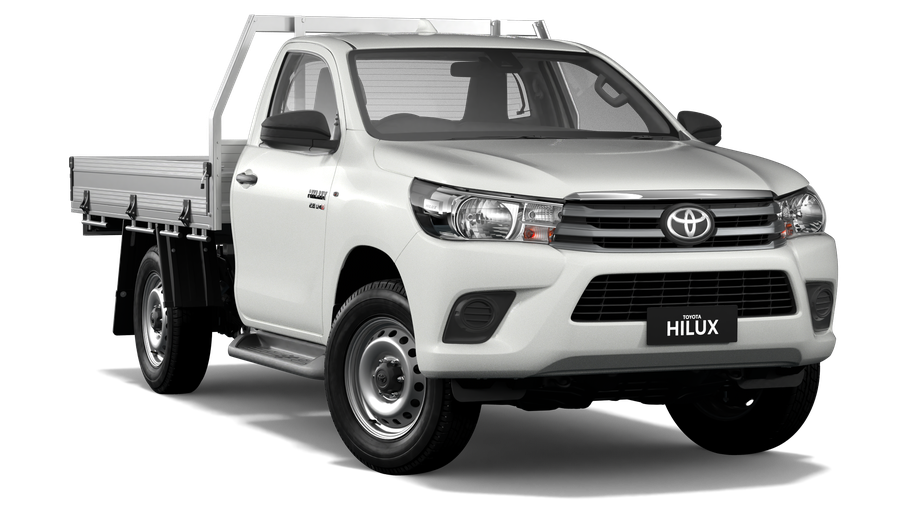
Due to the fault being a system error, Toyota says this fix will only require the recalibration of its occupant classification systems, something which can be done in around 30 minutes and free of charge.
In addition to asking owners to keep their contact details up to date with Toyota, the manufacturer has asked anyone with further enquiries to either contact their preferred dealer or the Toyota Recall Campaign Helpline on 1800 987 366 (Mon-Fri 8.00am-6.00pm AEDT), quoting their 17-digit VIN.
A list of VINs affected is available below.
| Model Name | Model Code | Model Year | WMI | VIN range | Production Period | |
| VDS | VIS | |||||
| HILUX | GUN125 | 2021 | MR0 | DB3CB# | 04000184 – 04000193 | August 23, 2021 u2013u00a0October 27, 2021 |
| GUN126 | MR0 | KA3CB# | 01130841 – 01131091 | |||
| GUN135 | MR0 | CB3DB# | 05661347 – 05661687 | |||
| TGN121 | MR0 | CX3CB# | 04325136 – 04326992 | |||
Snapshot
- Arrival unveils final design for the Car
- UK-based firm worked in partnership with Uber drivers to develop the EV
- Will assist Uber in going all-electric in London by 2025
British electric vehicle company Arrival has unveiled the final design for its specialised ride-sharing car.
Simply known as the Arrival Car, the automaker plans to begin testing the vehicle next year following a quick six-month development process.
The firm used technology from the existing Van and Bus to scale up development work, with engineers also working in partnership with Uber drivers to create the bespoke taxi.
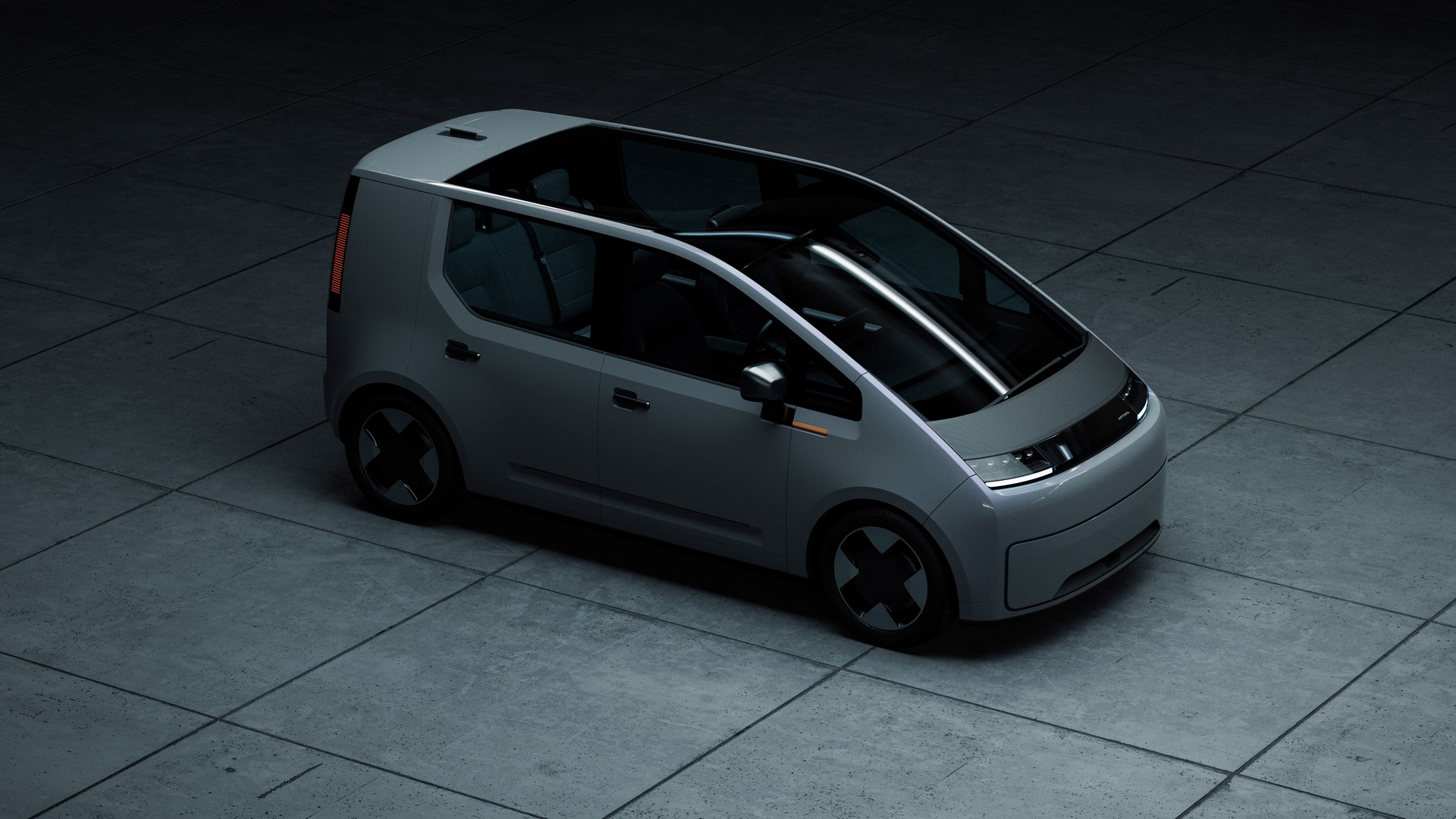
It will support Uber’s plan to go full-electric in London by 2025, with production expected to commence over the next two years.
By specifically catering to the ride-sharing experience, Arrival has designed the Car with visibility and comfort in mind.
For instance, the exterior features an expansive windscreen that flows into a panoramic sunroof, along with massive side windows. The boxy shape will also assist with passenger space, especially in relation to headroom and getting in and out.
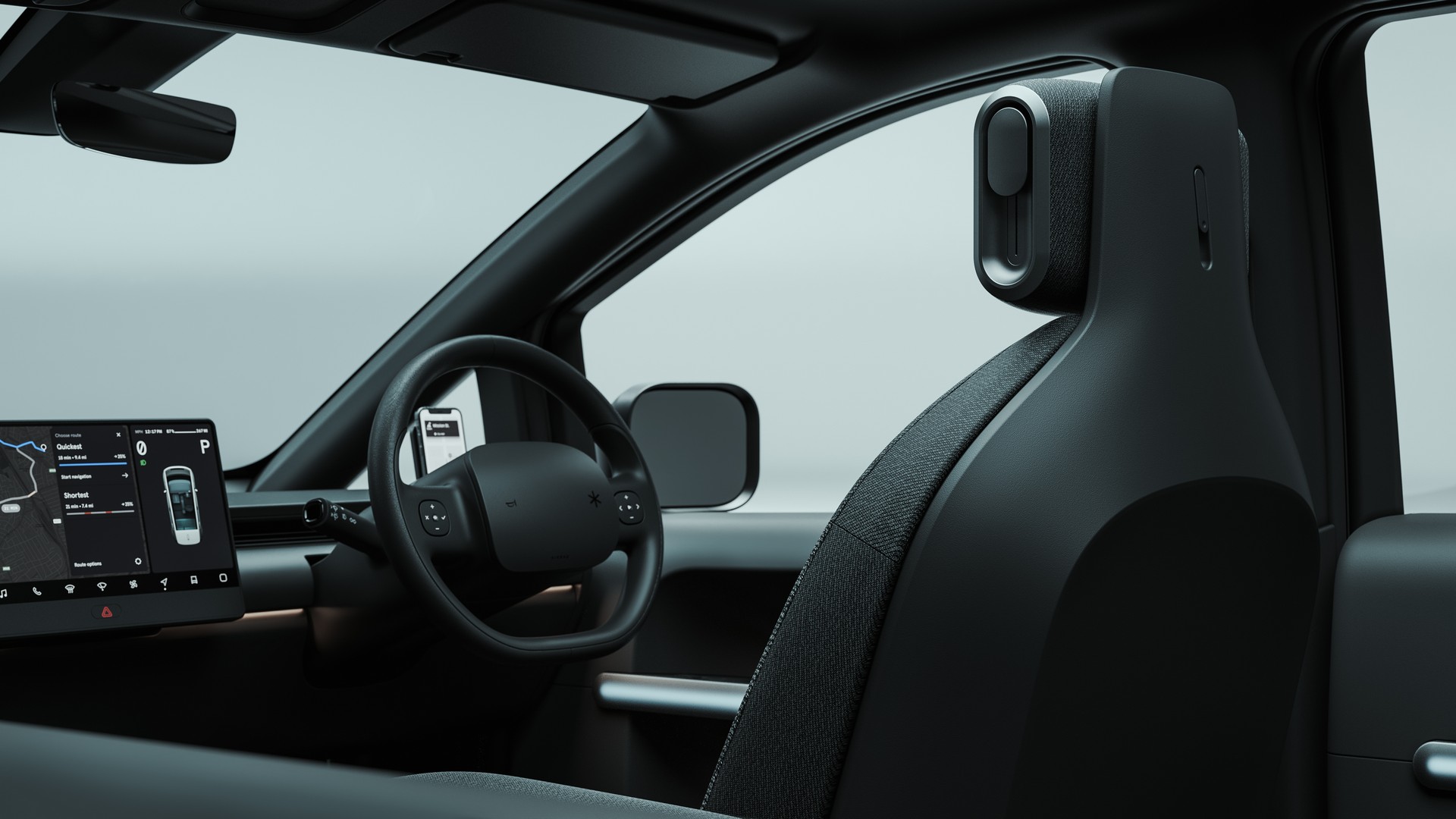
The vehicle is equipped with aerodynamic wheels and sports a van-like almost vertical front end.
Occupants are also set to enjoy expansive rear legroom, which is claimed to be twice as large as an average car of the same length.
Much like the Tesla Model 3, the Car is devoid of most physical switchgear, including a traditional instrument cluster for the driver.
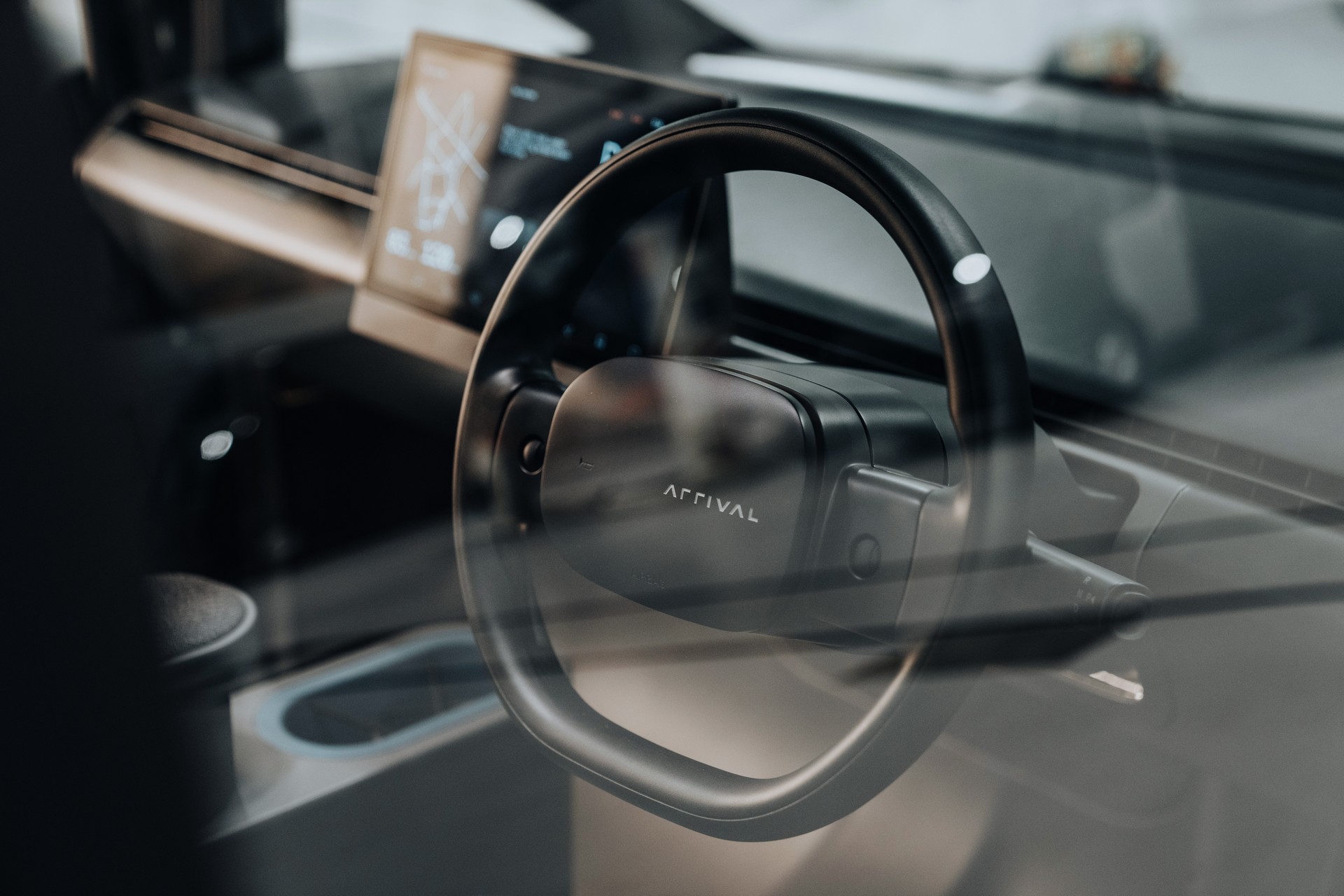
Instead, there’s a simplistic two-spoke steering wheel with scroll wheels to control various functions, as well as a large central touchscreen.
“Uber drivers have been working with Arrival to provide feedback on the design of the first purpose-built, fully-electric car for the ride-hailing industry,” said Jamie Heywood, regional general manager for Northern and Eastern Europe at Uber.
Further information, such as dimensions and powertrain details, are being kept secret for now, with more expected to be known throughout 2022 and into 2023 as the company works towards series production.
Snapshot
- 2019-2021 Tesla Model 3 recalled due to a suspension issue
- The lateral links could disconnect from the sub-frame over time
- Unconnected to Model Y fault
Tesla has recalled a total of 106 examples of the 2019 to 2021 Model 3 due to a potential issue with the vehicle’s suspension.
According to the recall notice published by the Department of Infrastructure, the fasteners connecting the lateral links to the sub-frame may loosen over time, causing the components to disconnect.
The issue could result in the wheels coming out of alignment, which may “adversely impact vehicle controllability and increase the risk of a collision,” the recall reads.
It’s believed the issue is unrelated to another suspension recall issued in recent days for 20,000 Model Y vehicles in China.
Tesla Australia will contact affected owners, but the company can be contacted directly by calling 1800 646 952 or visiting a dealership, found here.
You can check a list of all 106 VINs related to the recall by clicking here.
