
Key Points
- Genesis to release G70 Shooting Brake in base and Sport Line trim
- Long-roof variant to be sold with 2.0-litre, turbo four-cylinder engine only
- List price starts at $79,000
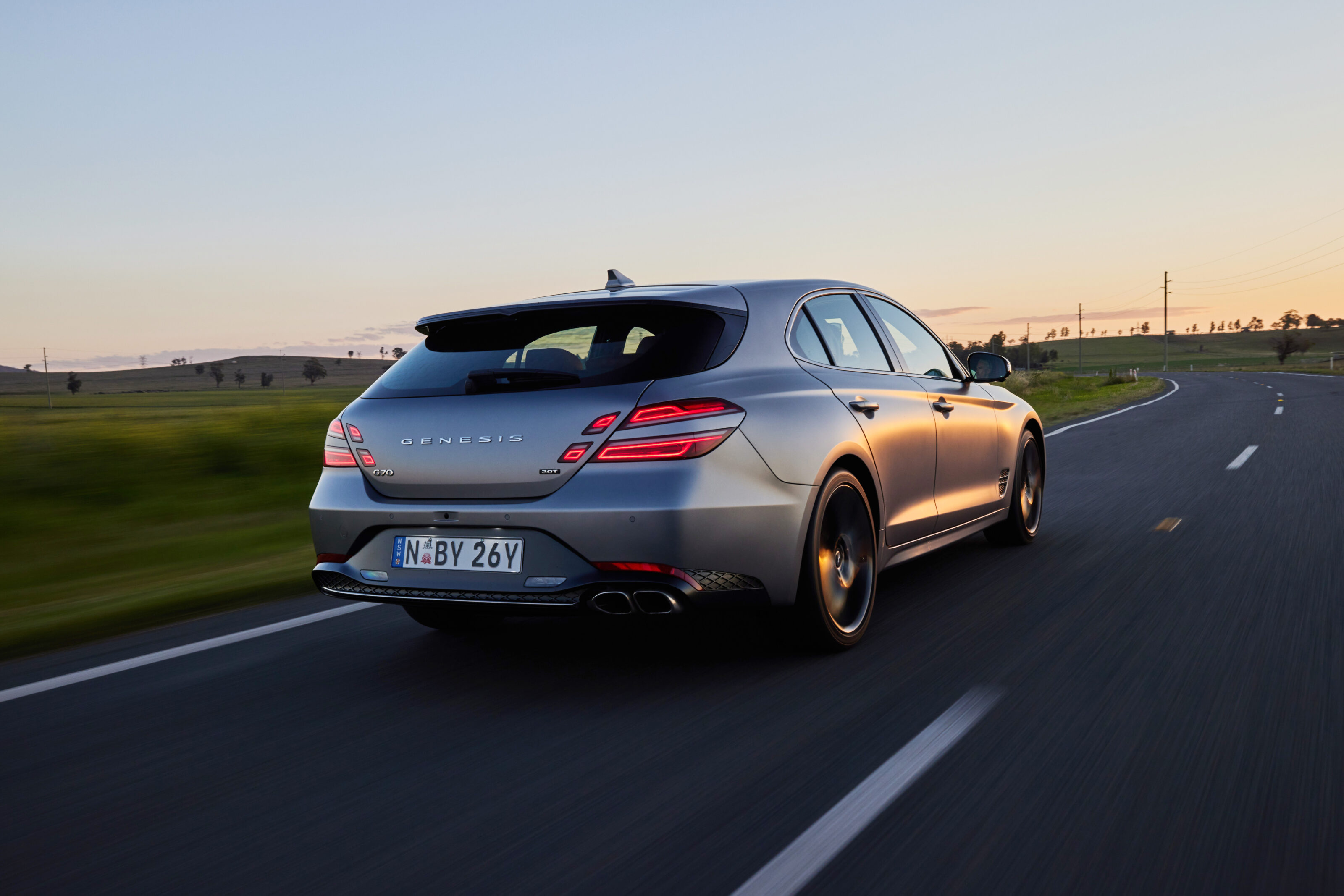
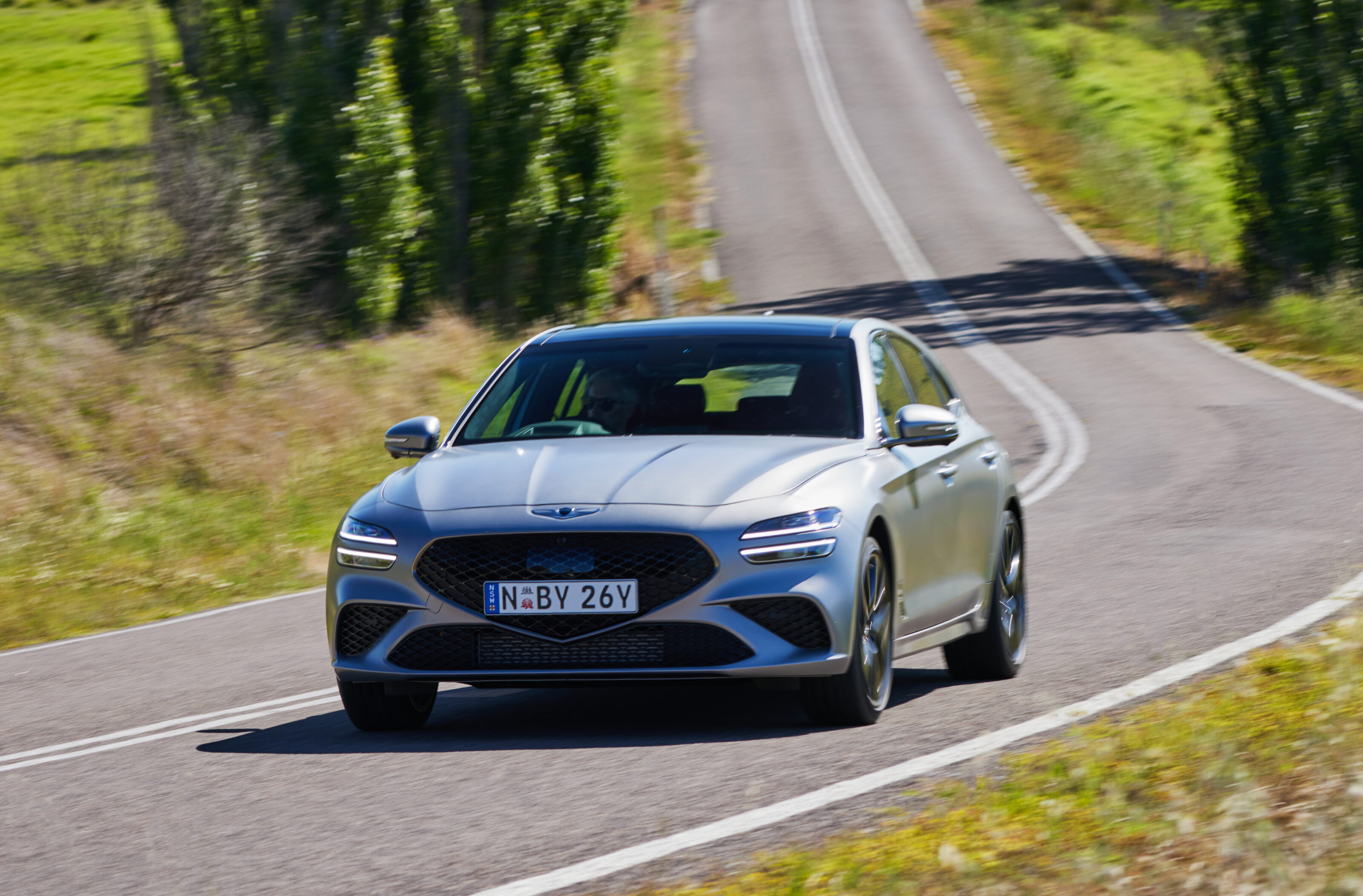
The Genesis G70 Shooting Brake is set to go on sale in Australia, launching at just under $80,000.
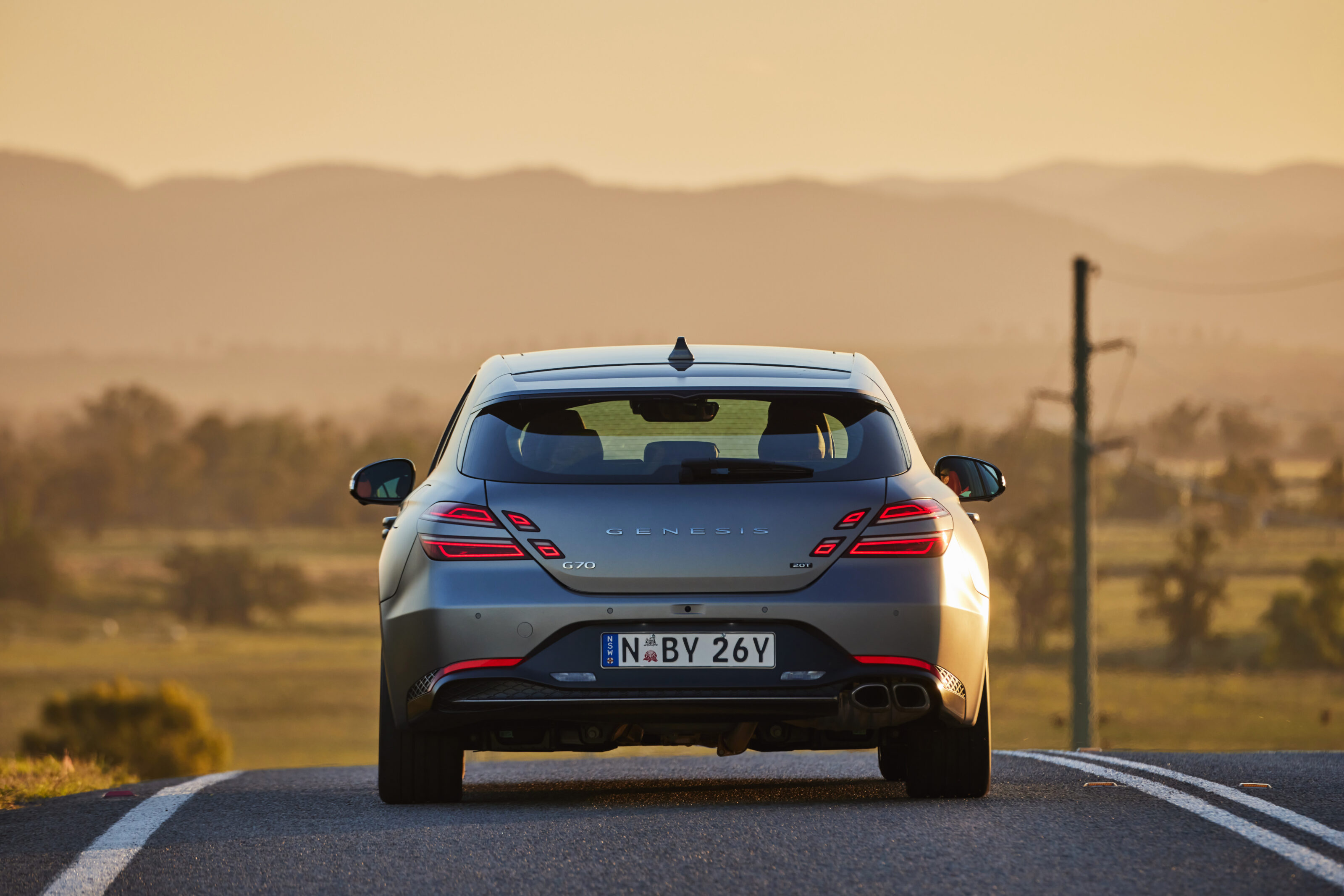
As the long-roof version of the luxury Korean manufacturer’s G70 sedan, the Shooting Brake comes in with high expectations, combining the four-door’s eloquent style with wagon practicality.
Genesis has confirmed just two variants will be offered, with the “base” G70 Shooting Brake equipped with the same level of features and tech as the Luxury variant of the sedan, as the Sport Line package is now available as a no-cost option.
Pricing
Comparing the Shooting Brake to its sedan equivalent, the G70 Luxury, the wagon incurs a $6000 premium, starting at $79,000 for both variants, putting it at the top of the four-cylinder G70 price range.
Prices exclude on-road costs.
| Variant | Priceu00a0 |
|---|---|
| G70 2.0T | $63,000 |
| G70 2.0T Sport Line | $67,000 |
| G70 2.0T Luxury | $73,000 |
| G70 2.0T Sport Line Luxury | $77,000 |
| G70 2.0T Shooting Brake | $79,000 |
| G70 2.0T Shooting Brake Sport Line | $79,000 |
| G70 3.3T Sport | $76,000 |
| G70 3.3T Sport Luxury | $86,000 |
Features
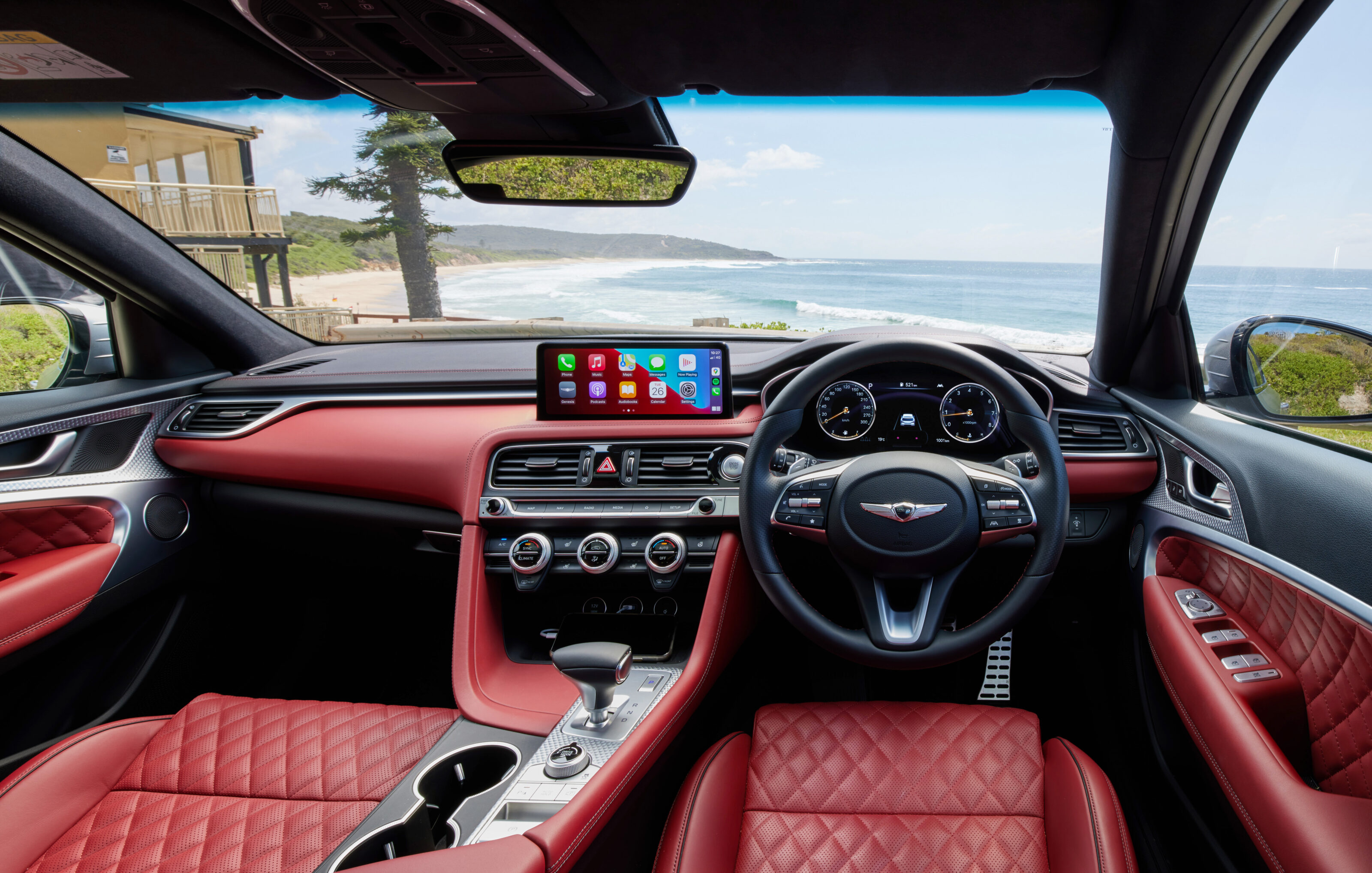
With equipment carrying across from the G70 Luxury sedan, the Shooting Brake has a large range of features as standard, including:
| Panoramic sunroof |
| Electro-chromatic side mirrors |
| 10.25″ touch screen display |
| Nappa leather |
| Driver’s memory seat |
| Heated steering wheel and rear seats |
| Heated and ventilated front seats |
| 15-speaker Lexicon premium sound system |
| Head-up display |
| Power operated rear tailgate |
| 19-inch alloy wheelsu00a0 |
| 225/40 front, 255/35 rear Michelin Pilot Sport 4 tyres |
| Brembo brake package |
| Limited slip differential |
On top of this, the no-cost option Sport Line package adds:
| Sport Line interior interior quilting |
| Swirl patterned aluminium trim inserts |
| Sports pedals |
| 19-inch twin five-spoke dark finish alloy wheels |
| Sport grille |
| Dark chrome exterior highlights |
Engine, drivetrain and fuel economy
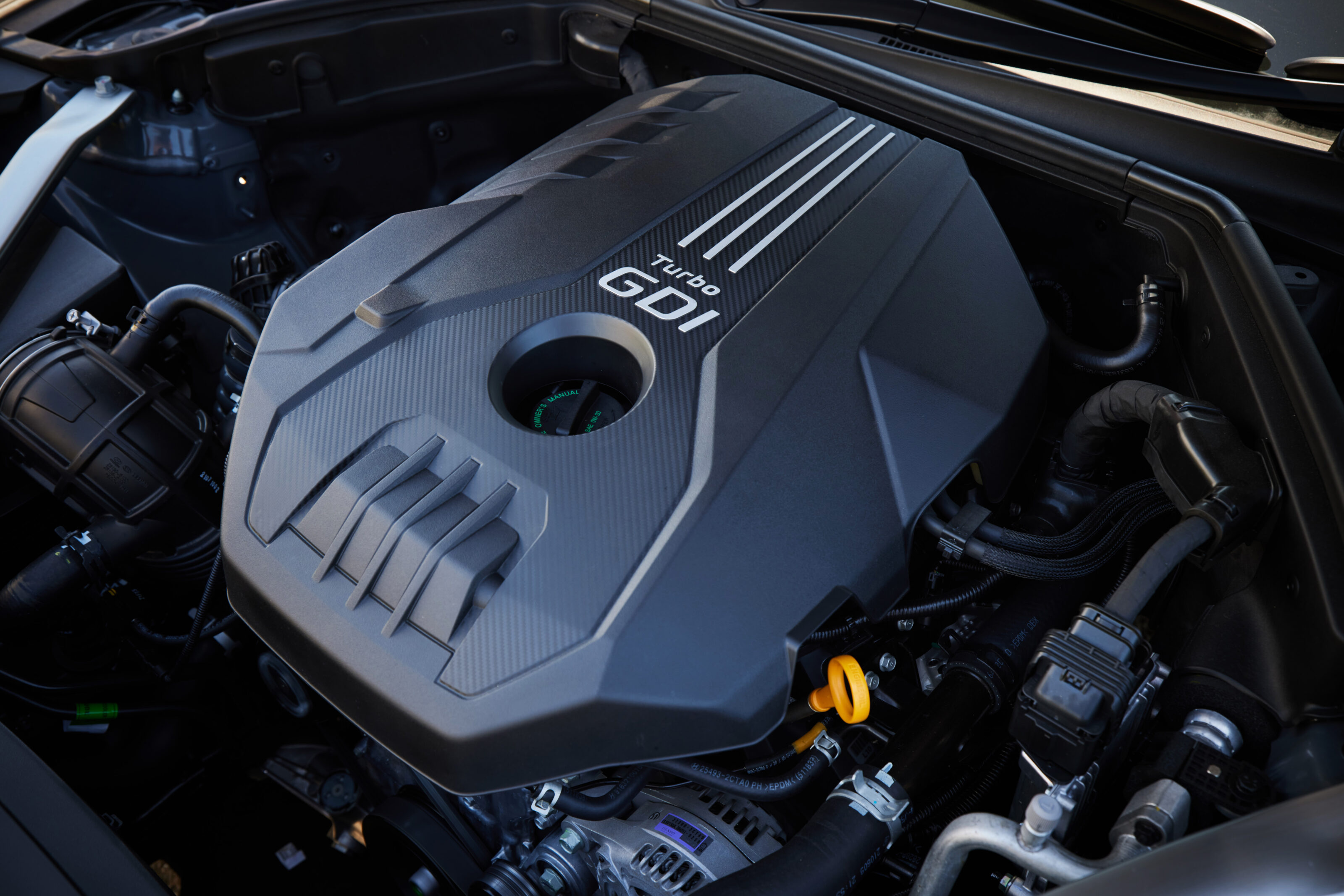
Just one engine will be on offer for the G70 Shooting Brake locally, the 2.0-litre, turbocharged four-cylinder petrol also found in the sedan.
Producing 179kW and 353Nm, the four-pot’s power is delivered to the rear wheels through an eight-speed torque-converter automatic transmission, with fuel economy expected to be around the 9L/100km figure achieved by the equivalent sedan.
Disappointingly, Genesis has dropped its flagship 3.3-litre, twin-turbocharged V6 from the G70 Shooting Brake line-up, with buyers missing out on the 274kW and 510Nm engine which powers sedan variants – as well as the Kia Stinger.
Dimensions
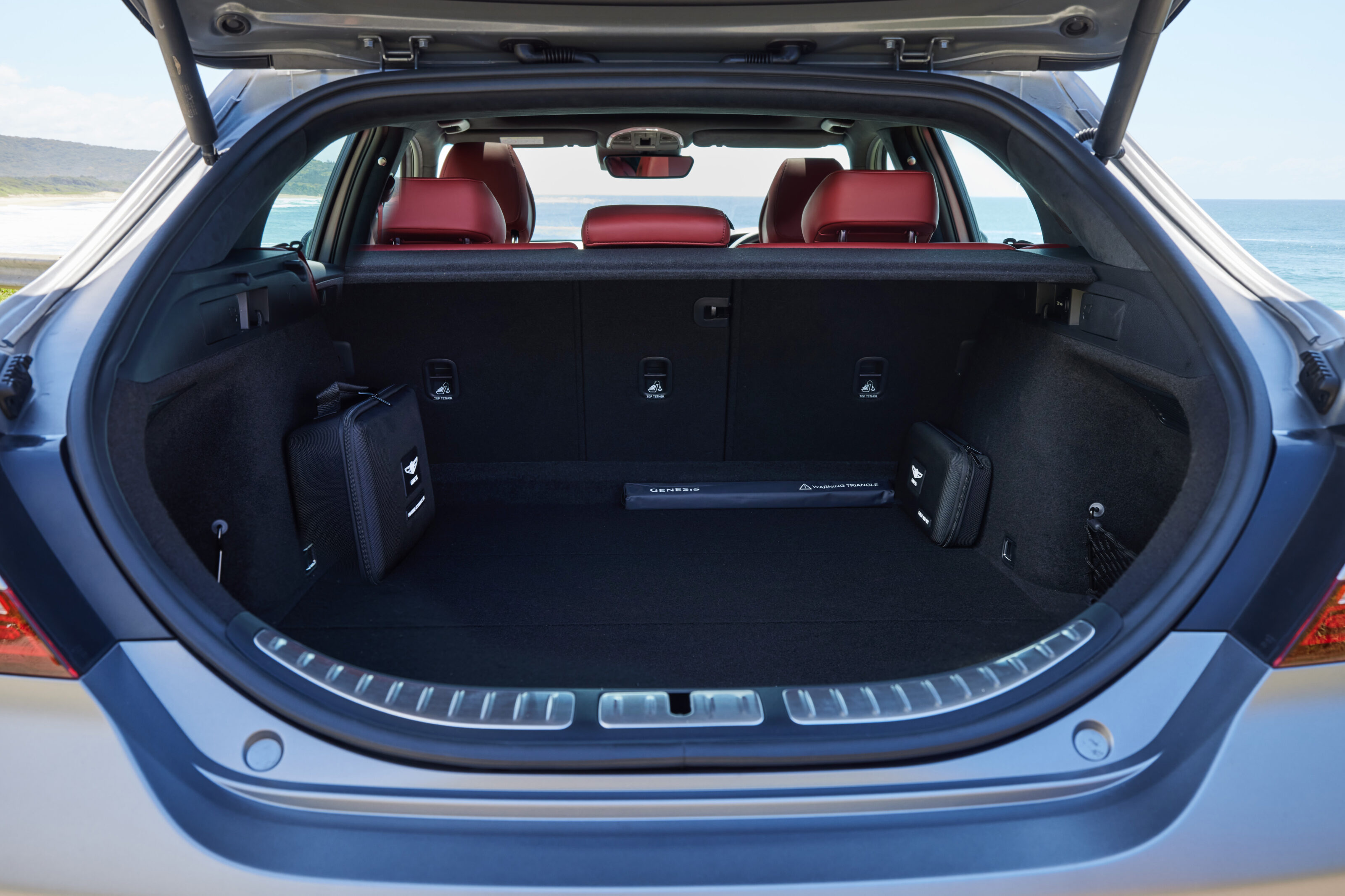
Despite the extended roof, the external dimensions of the Shooting Brake are identical to the sedan, measuring up at 4685mm in length, 1850mm wide and 1400mm tall, while riding on a 2835mm wheelbase.
Boot space has grown by just over 40 per cent, up from the sedan’s 330 litres with back seats up to 465 litres – slightly down on the BMW 3 Series wagon which boasts a 500 litre capacity.
Safety
In addition to its 10 airbags and a five-star ANCAP safety rating, the G70’s range of safety technology includes:
| Forward attention warning (FAW) |
| Driver attention warning (DAW) with leading vehicle departure alert (LVDA) |
| Forward collision-avoidance assist (FCA) with junction turning function (FCA-JT) |
| Rear cross-traffic collision-avoidance assist (RCCA) |
| Blind-spot collision-avoidance assist rear (BCA-R) |
| Smart cruise control including stop & go function (SCC w/ S&G) |
| Blind-spot view monitor (BVM) |
| Lane keeping assist (LKA) |
| Lane following assist (LFA) |
| High beam assist (HBA) |
| Intelligent front-lighting system (IFS) |
| Surround view monitor (SVM) |
| Multi collision brake (MCB) |
| Safe exit warning (SEW) |
| Rear occupant alert (ROA) |
Warranty and servicing
As with other Genesis models, the G70 Shooting Brake includes a five-year/unlimited-kilometre warranty, also receiving the Genesis-To-You concierge/courtesy vehicle service, valet service and 24/7 roadside assistance.
Also included in the purchase of a G70 is free scheduled logbook servicing in the first five years or 50,000km of ownership, covering labour and parts when services are undertaken at a Genesis dealer.
Availability
The Genesis G70 Shooting Brake is on sale now in showrooms across Australia.
Key Points
- Flagship model scores major facelift for 2023
- Extra long wheelbase variant likely to be revealed in the future
- Twin-turbo V6 expected to be the only engine available
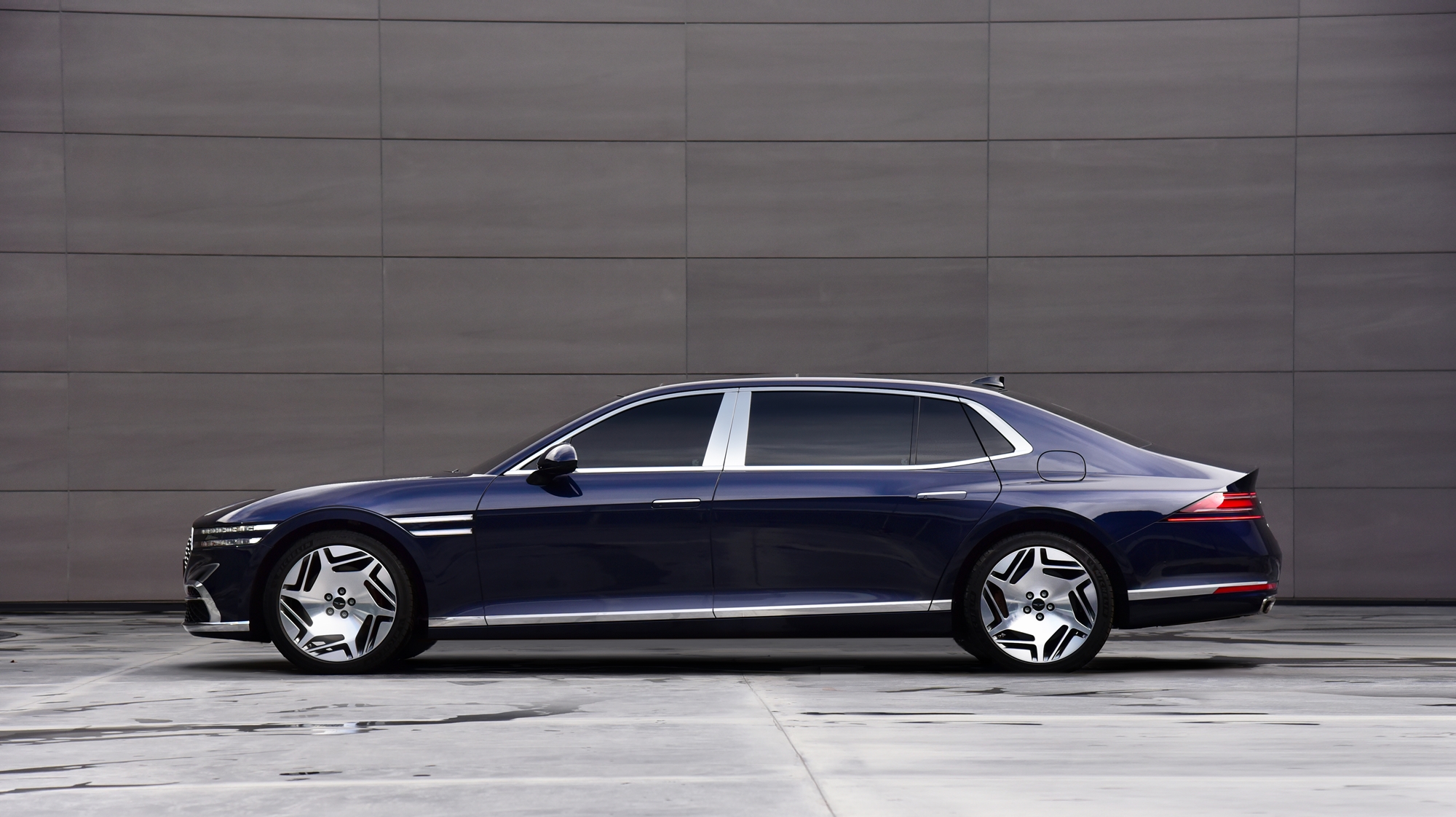
The next iteration of the Genesis G90 has been revealed, as the flagship model receives a major update for 2023.
After first being launched in 2016, a minor facelift was provided in 2018, culminating in the dramatic change we now see – featuring the twin-line front Matrix LEDs which are a mainstay of the luxury manufacturer’s line-up.
While the headlights of other Genesis models stop at the edge of the bumper, the G90’s – including the indicators – stretch around the front quarter panel to the leading edge of the first set of doors, only broken up by the wheel arch.
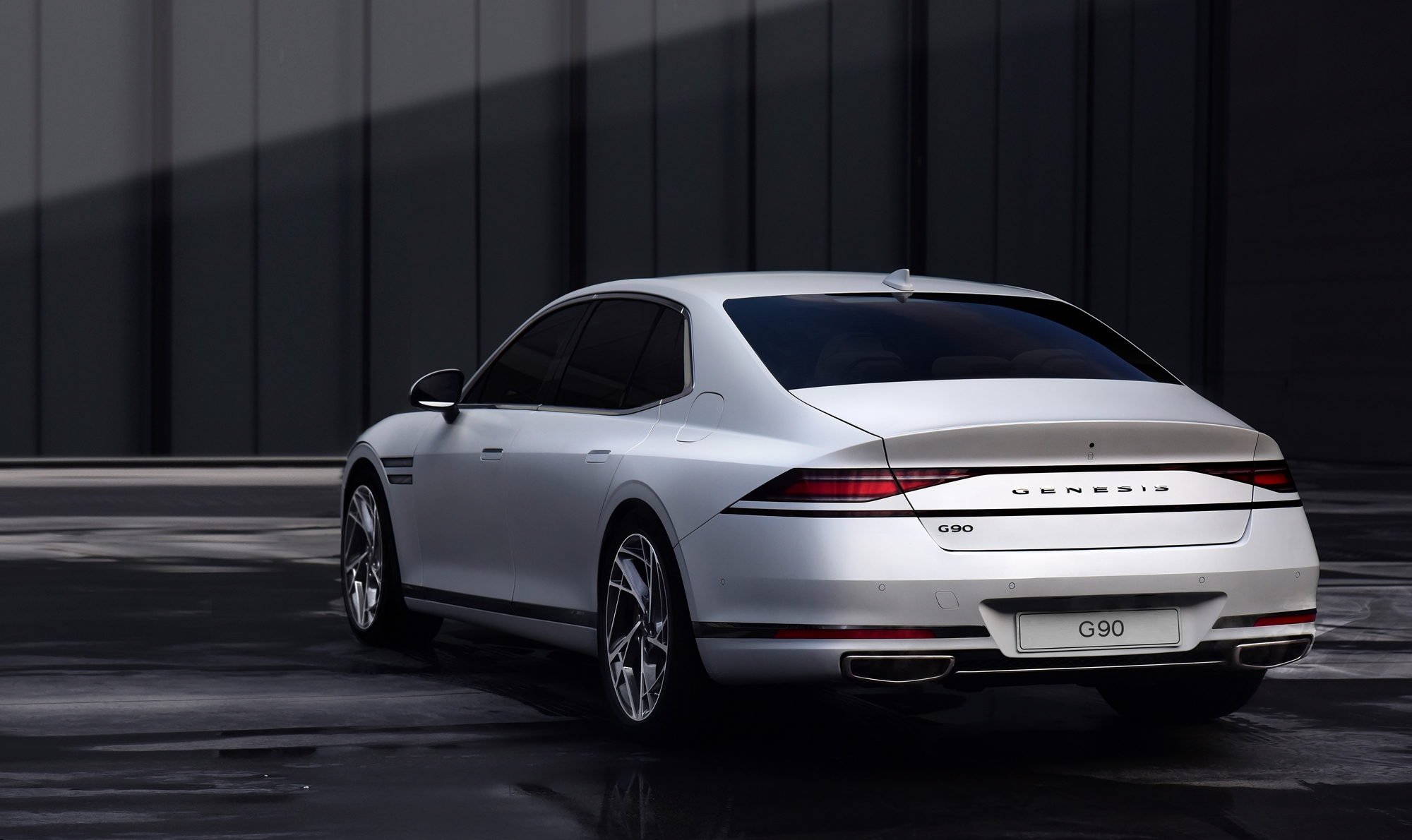
The side profile features a number of sharp, horizontal lines, from the crease over the rear quarter panel to the slowly ascending trim highlight, which extends all the way from the grille to the rear bumper.
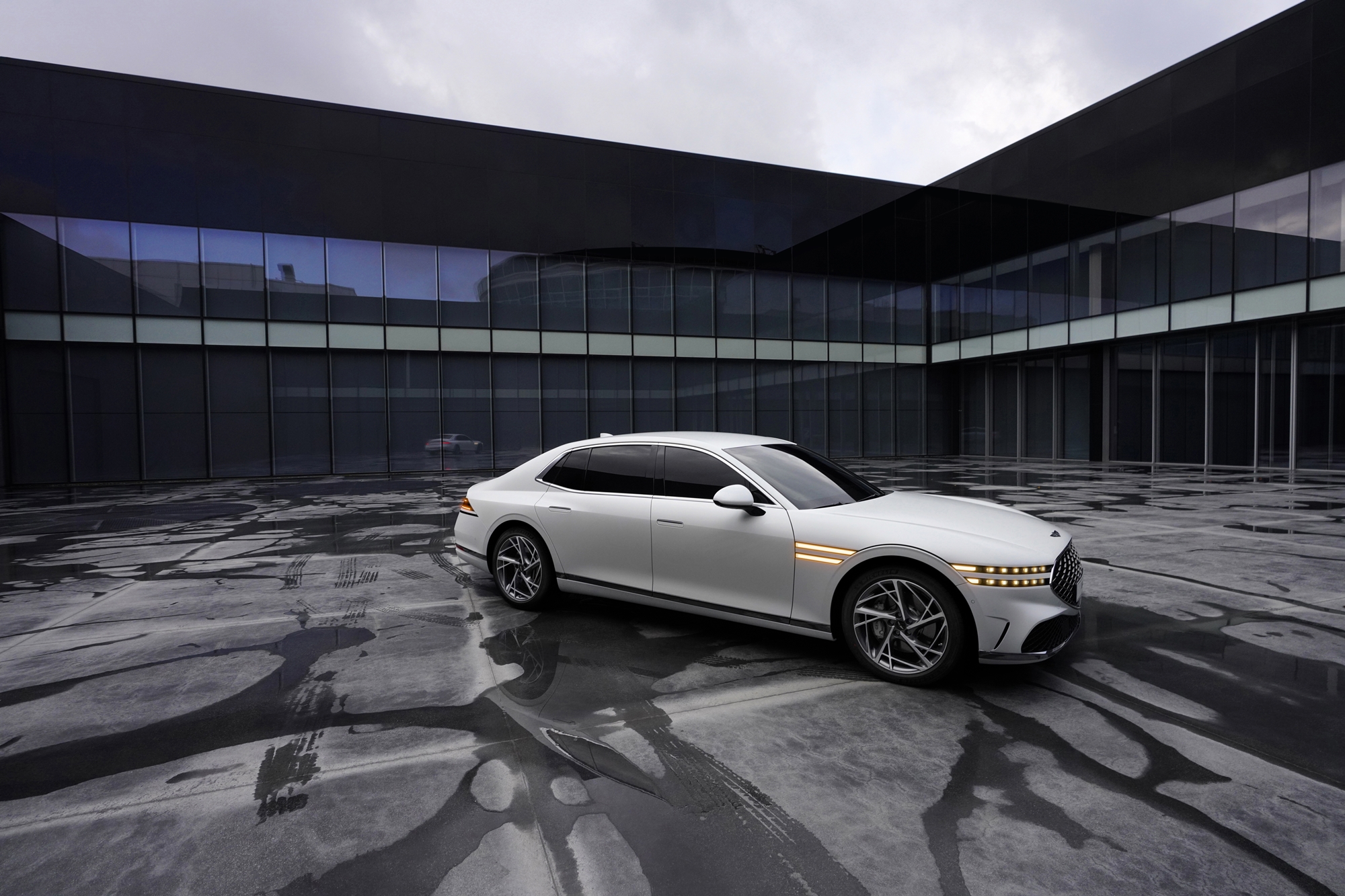
Despite being a sedan, the sloping nature of the G90’s design is reminiscent of those usually seen on a sportback, with the small ducktail spoiler adding an edgy detail to the rear end.
Nearly every surface is sharp and straight, with the rear bumper design in particular featuring a number of highlights, from its angular tail-lights to the low-mounted numberplate holder.
A long-wheelbase variant will also eventually become available, adding as much as 20 centimetres to the G90’s length for a first-class, opulent experience to rival its European competition.
While the G90 is currently available with a 5.0-litre V8 alongside the 3.3-litre, twin-turbo V6 found in other Genesis models, it’s understood the bent-eight is set to be dropped in line with the facelift.
Unfortunately, Australia looks set to miss out on the G90 again, having to make do with the other five models offered by Genesis locally.
Mitsubishi has reintroduced the Ralliart badge, launching three sports-themed variants in Thailand.
Ralliart was previously the company’s performance arm – much like AMG is to Mercedes-Benz – born from success in rallying, but eventually being responsible for Mitsubishi’s performance models.
For the time being, Ralliart appears to be limited to styling packages for rear-wheel-drive versions of the Mitsubishi Triton ute and the Pajero Sport, available in either black or white.
Ralliart models gain red bumper garnishes, branded floor mats, black exterior highlights, large decals, and iconic red branded mud flaps. The Pajero Sport Ralliart also adds LED headlights with auto-levelling.
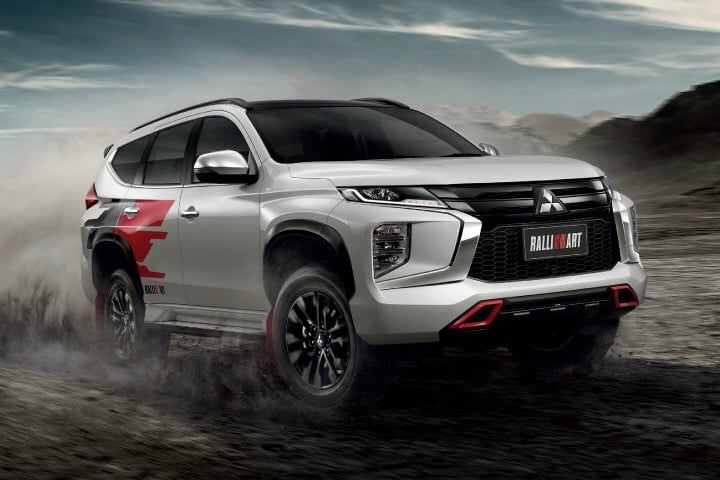
It seems Mitsubishi is resurrecting the brand to help fight the Toyota HiLux GR Sport and Fortuner GR Sport – vehicles introduced to the Thai and Japanese markets in recent months.
A spokesperson for the company’s local arm told Wheels the Ralliart packages were limited to Thailand, but said the carmarker is “considering some exciting initiatives around the Ralliart [name], and we at [Mitsubishi Australia] can’t wait to see what the future holds”.
Mitsubishi announced it would be reviving the performance brand back in May, with plans to enter motorsports under the Ralliart banner.
Key Points
- Tesla has withdrawn its state aid application
- Aid from the German Government was expected to total $1.8 billion
- Musk says battery plants shouldn’t be subsidised
American electric vehicle manufacturer Tesla has withdrawn its application for assistance from the German Government to build its latest battery plant.
Currently under construction just outside Berlin in Gruenheide, the gigafactory is set to be Tesla’s European hub for manufacturing, with the European Union approving the manufacturer’s request for state aid in January.
Initially expected to be valued at €1.14 billion (AU$1.8bn), Reuters reports Tesla has now turned away the funding, which was allocated to ‘Important Projects of Common European Interest’ by the European Union, although it still plans to press ahead with the Berlin plant.
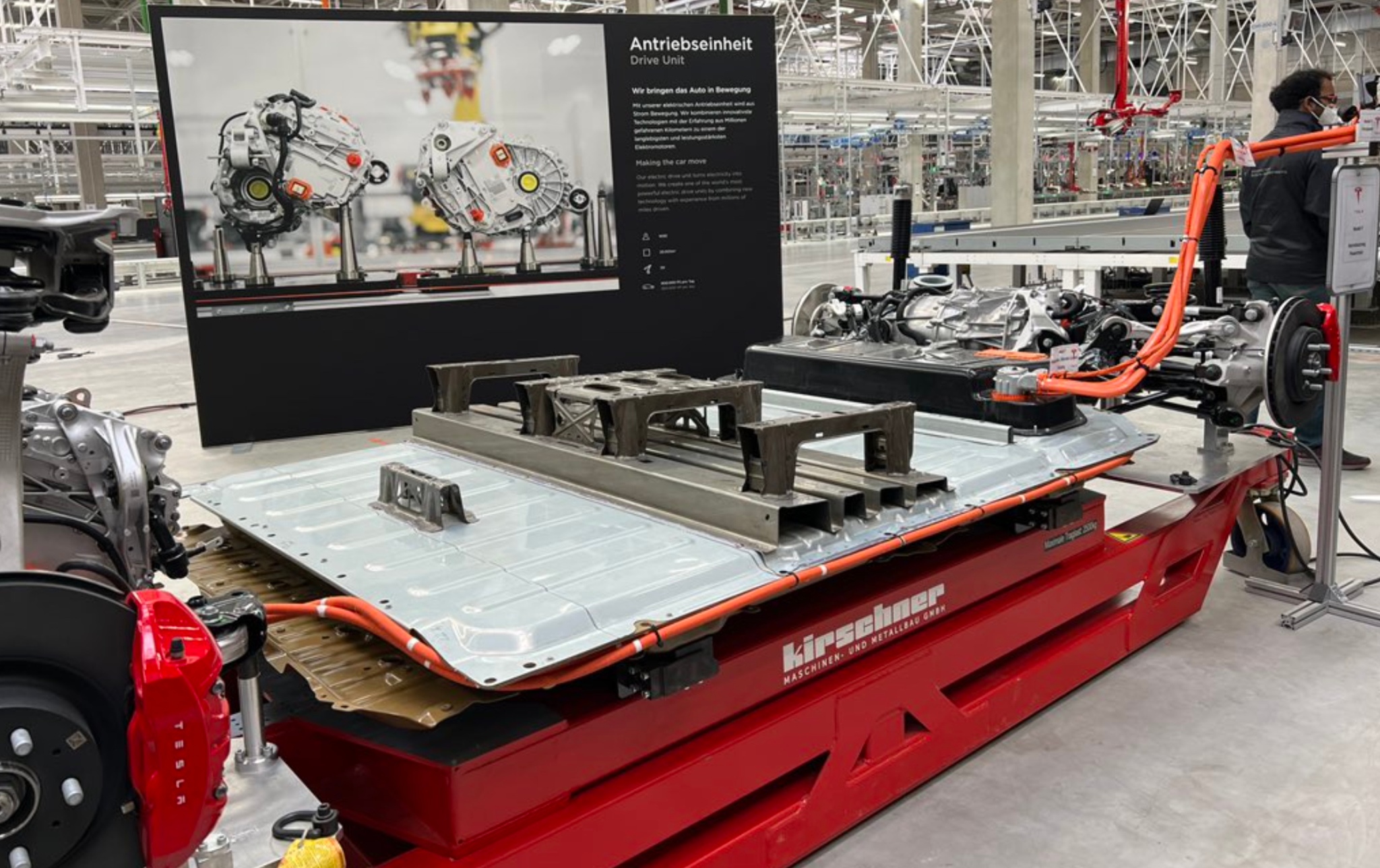
A Tesla spokesperson told the publication: “Tesla has informed the Federal Ministry of Economics and the Brandenburg Ministry of Economics… it is withdrawing its IPCEI application for state funding for the battery factory in Grünheide.”
Responding to another Twitter user reporting the news, Tesla CEO Elon Musk said his company’s view is subsidies shouldn’t exist in the industry – not just for EV manufacturers.
“It has always been Tesla’s view that all subsidies should be eliminated, but that must include the massive subsidies for oil and gas,” tweeted Musk.
“For some reason, governments don’t want to do that.”
The new Gigafactory Berlin has seen roughly €5 billion (AU$7.87bn) invested by Tesla and other partners, although it has missed its scheduled opening date, pushed back from July to November and now the first quarter of next year.
It’s been a big year for Tesla, having posted its third consecutive record quarter for July to September, taking in US$1.6 billion (AU$2.15bn) in profit, which was a 480 per cent increase over the year prior.
The motoring world is mourning the loss of Sir Frank Williams, one of the last true privateers in Formula One.
Founder of Williams Grand Prix Engineering in 1977, Sir Frank’s team has won seven drivers’ championships and nine constructors’ championships in the upper echelons of motorsport.
Critically injured and rendered tetraplegic after rolling a Ford Sierra hire car in 1986, the crash did anything but turn Williams away from the sport he loved – instead leading him to double down to become the most successful team of the 1990s.
While we will all remember Sir Frank for his legacy in Formula One, there’s a side to Williams which could easily be forgotten, with a handful of vehicles you may not know were created by his company.
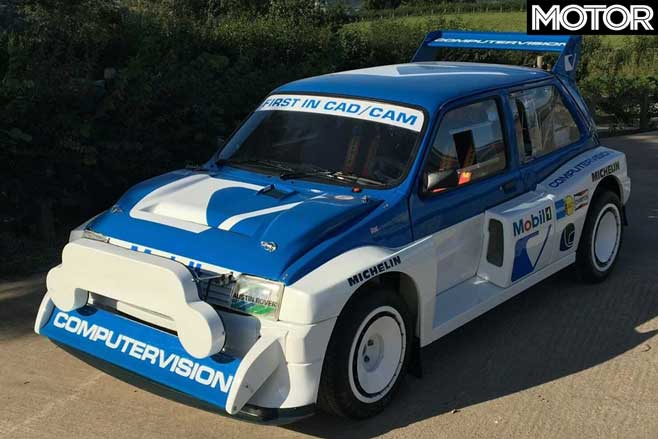
MG Metro 6R4 Group B
Developed right when the Williams team was about to hit the peak of its powers in Formula One, MG decided it wanted to take on the mad world of Group B rallying with its Metro city car. As you do.
As with most modern racecars, the Metro 6R4 (for V6, Rear engine, 4-wheel drive) shared very little with its road-going counterpart, save for the front and rear lights.
The bespoke 3.0-litre, V6 engine was loosely based around the Cosworth DFV V8 which had already powered Williams to two F1 titles, but it was significantly down on power compared to the turbocharged monsters from Audi, Peugeot, Lancia and Ford.
When Group B came to an end, some 6R4s ended up taking part in rallycross instead, while the V6 engine eventually found its way into the Jaguar XJ220 with a pair of turbochargers, becoming the fastest production car in the world.
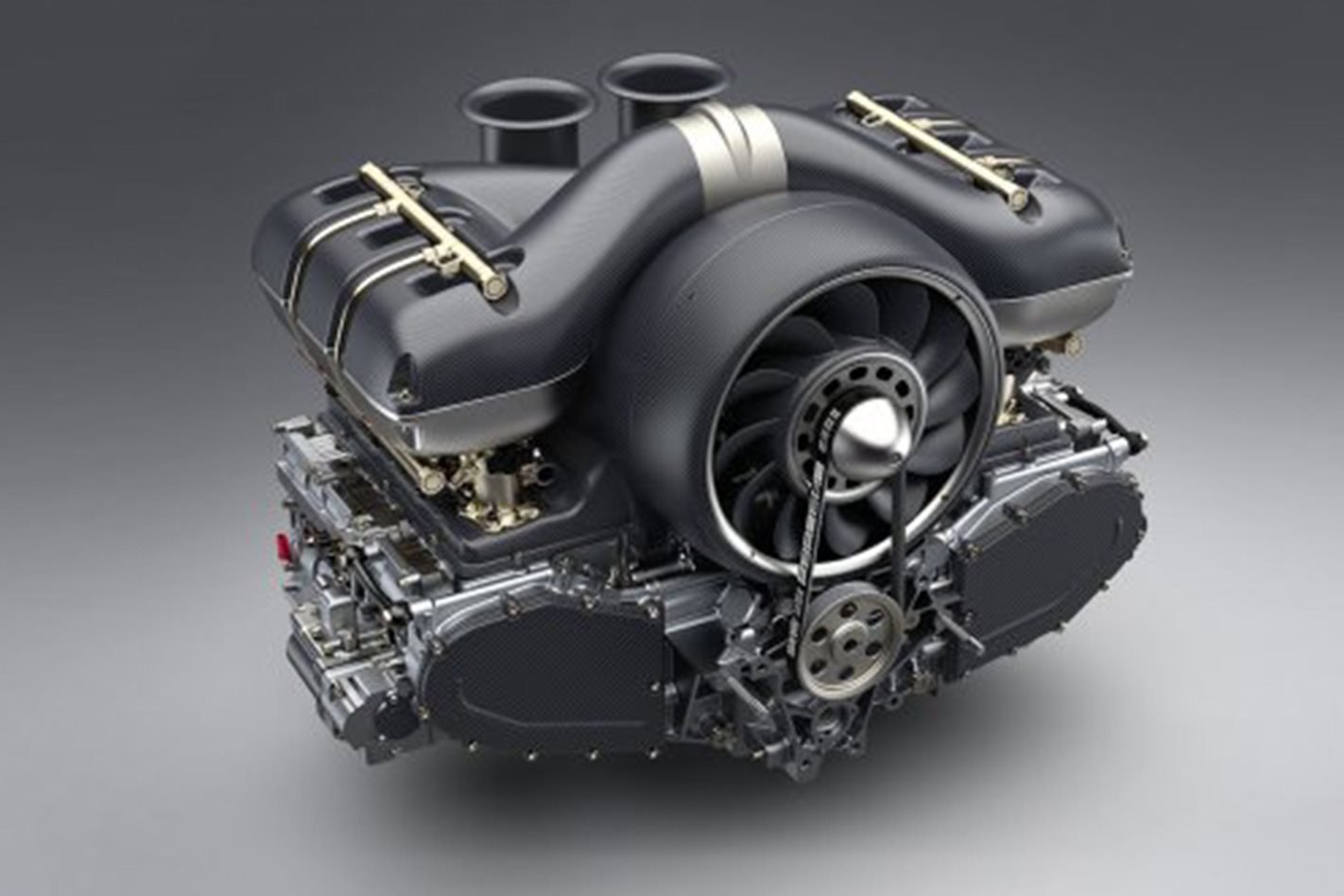
Singer DLS
The aftermarket purveyors of all things Porsche and plaid, Singer’s reimagined 911s have gained a cult following and the company’s popularity has seen some cool brands come on board.
The niche American upstart shocked the motoring world in 2017 when it announced Williams Advanced Engineering had helped it to create the ultimate flat-six engine, taking a Mezger-designed 3.6-litre flat-six and taking it out to 4.0-litres.
Four valves per cylinder, dual overhead camshafts on each bank, titanium conrods and exhaust – as well as a carbon fibre intake which gets its air from the rear quarter windows – make this a very special version of one of the best sounding engines ever made.
The atmo 373kW engine was one of the big talking points of Singer’s Dynamics and Lightweighting Study (DLS), combining with a six-speed manual gearbox, Michelin Pilot Sport Cup 2, Brembo brakes and a 990 kilogram kerb weight – resulting in Porsche heaven.
Jaguar C-X75
The late 2000s and early 2010s were like a fever dream for concept cars.
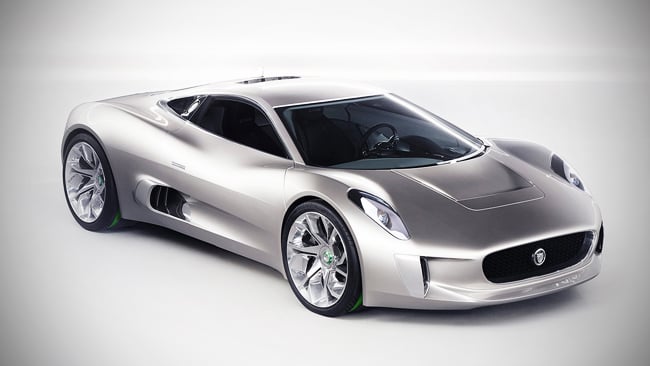
Somehow, Williams got roped into the show after Jaguar revealed its radical C-X75 in 2010 – a car which was initially meant to be powered by gas turbines, only for the idea to be scrapped in favour of the more traditional combustion engine.
Based on a carbon-fibre chassis and with a 0-100km/h time of under three seconds, Jag said it would enlist the help of Williams to put the car into production from 2011, targeting 250 units which could all run for up to 50 kilometres on electric power – thanks to motors with the axles.
As you can guess by virtue of the car being on this list, it never made it into production, having been cancelled due to its high costs both for the manufacturers and customers.
If there is a legacy of the C-X75, its design cues found their way into the much-loved F-Type and it did end up on the silver screen, featuring in the James Bond film, Spectre. All of these cars were based on World Rally Championship-spec spaceframe chassis with V8 engines.
Renault Laguna BTCC
Those into touring cars will know all about this, but those unaware might question why a French mid-size sedan makes this list.
The mid-1990s were the peak for touring car racing in Europe, with the Super Touring formula taking your everyday family car and turning it into a fierce racecar.
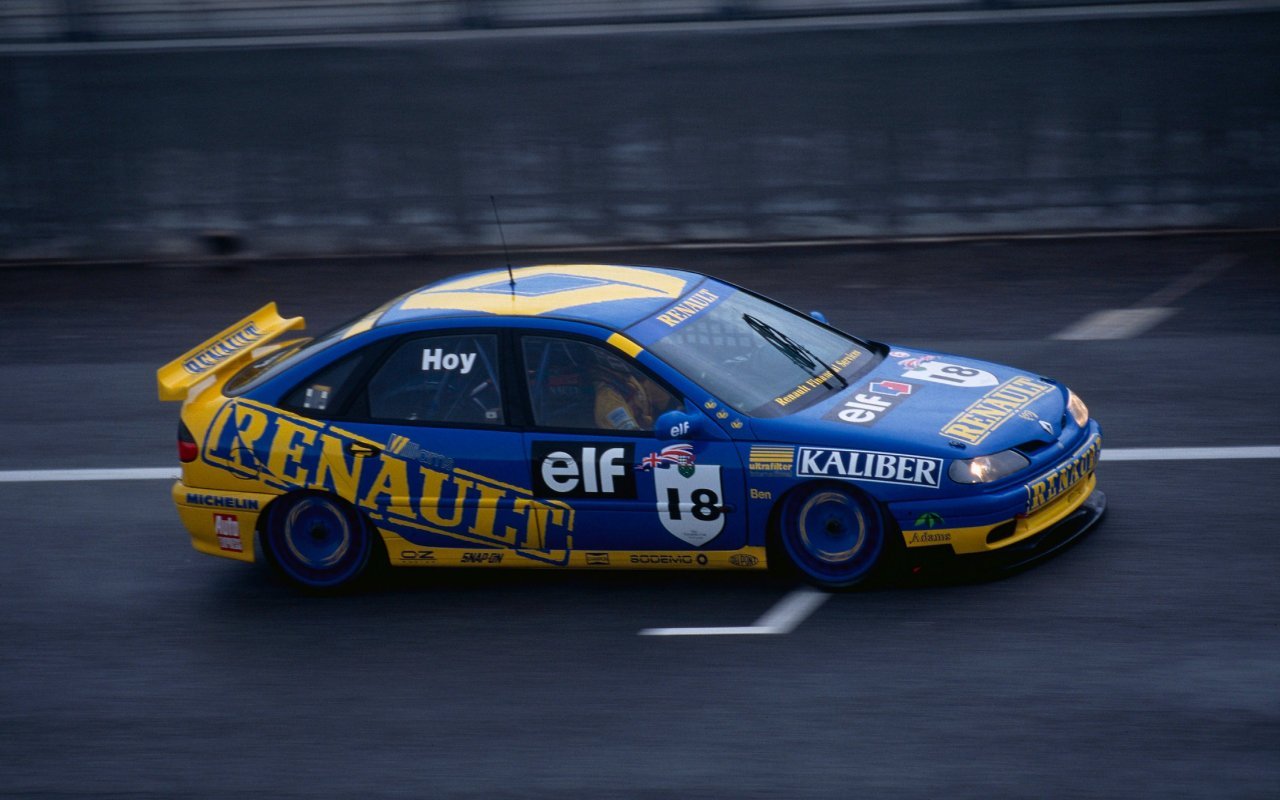
In 1995, Williams brought its F1 nous to the British Touring Car Championship in partnership with Renault, the French manufacturer which had supplied the engines for its 1992/93/94 title winning cars.
Throughout its first full season of competition, the Renault Laguna BTCC car won 10 of the 25 races at the hands of Alain Menu and Will Hoy en route to winning the team’s title.
While 1996 was tough due to the strength of the all-wheel drive Audi A4s, the team bounced back in 1997 to take 14 wins from 24 races, with Menu breaking through for the title win while team-mate Jason Plato finished the season in third.
The Laguna even took on Bathurst in 1997, with Williams Renault Dealer racing taking a crack at the AMP Bathurst 1000. Despite Menu and Plato starting second, the car retired after 114 laps – or 76 more than team-mates Graham Moore and 1980 F1 World Champion, Alan Jones.
Spiralling costs eventually saw the demise of the Super Touring regulations, but the Laguna left a lasting legacy in the motorsports world, capturing the hearts and minds of everyone who longed for a 208kW naturally-aspirated engine in their road car.
Renault Clio Williams
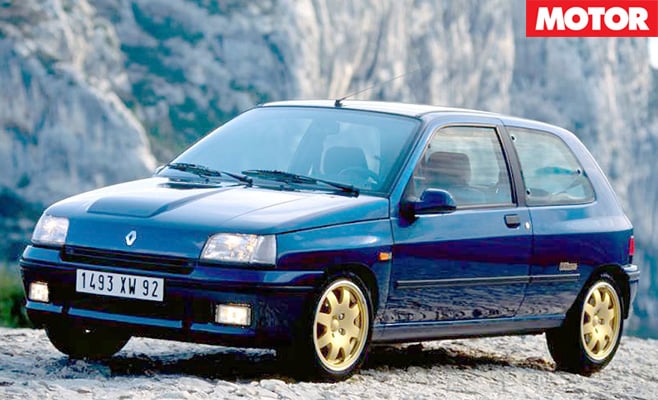
We’re including the first-gen Clio here due to its interesting back story, as well as the slightly tenuous link to the Williams name.
It’s 1993 and the French are on a high. Alain Prost is dominating in his F1 return aboard the Williams FW15B, powered by a Renault engine – which included a win on home soil at Paul Ricard. C’est magnifique!
To celebrate, Renault decided to make a hotter version of its Clio hatchback – complete with gold alloys, dark blue paint and a 108kW four-pot engine, among other things.
Initially planning to launch just 5400 units, demand saw supply expand by an extra 6700 over its production run, with a solid number of those built turned into rally cars, competing in front-wheel drive Group N classes.
The “forgotten” part about this Williams car is the British firm had nothing to do with it apart from supplying its logo – everything about it was developed or manufactured by Renault Sport, not the team from Grove.
Eventually the Clio evolved into the Renault Clio Williams MAXI, taking part in the kit-car class of the World Rally Championship with massively flared guards, a sequential transmission and a 2.0-litre engine.
Renault is digging into its past as it looks towards the future.
Following its ‘Renaulution’ event in January, the French carmaker is continuing to trademark logos and phrases, providing an insight into the ways in which it plans to restore its competitiveness.
According to French publication L’argus, Renault has filed trademarks relating to the Renault 4, Renault 5, hydrogen, and electric technology – alongside a number of events the carmaker has planned.
One of the logos has already been shown as part of the AIR4 flying car revealed earlier this week – a celebration of the Renault 4’s 60th anniversary – while the ‘4 Ever Paris Tour’ suggests an event will be taking place, possibly to show off the 2024 Renault 4.
The company has also registered ‘Fourgo’, hinting at a variant or spin-off model to the upcoming Renault 4.

Perhaps the most curious trademark is the ‘Renault Plug-Inn’ – clearly a reference to electric vehicles, but the filing also falls under the trademark class for ‘communications services’, such as an online forum or television broadcast.
Also registered recently was a golden ‘E’ which resembles a conventional domestic electrical plug, but borrows its shape from Renault’s diamond logo.
As part of the Renaulution event in January, the carmaker announced it would be introducing 24 new models by 2025 – 10 of which will be fully-electric – all based on three vehicle architecture platforms shared across Renault and its sub-brands: Alpine, Dacia, Lada, and Mobilize.
It is no exaggeration to say that this year’s Bathurst 1000 will be one of, if not the, largest motorsport event ever held in Australia. The scale of the event is unheard of.
Spread across six days of competition, ten categories will take to Australia’s most famous stretch of bitumen to round out a racing season devastated by COVID lockdowns. The almost week-long event will culminate with the Bathurst 1000 – an event so beloved that its almost a religious holiday for Australian racing fans.
Yet, mixed with the elation of the racing season ending on a high are pangs of trepidation that Motorsport Australia, Supercars and ARG will be taking further advantage of the most undervalued members of the racing community – marshals.
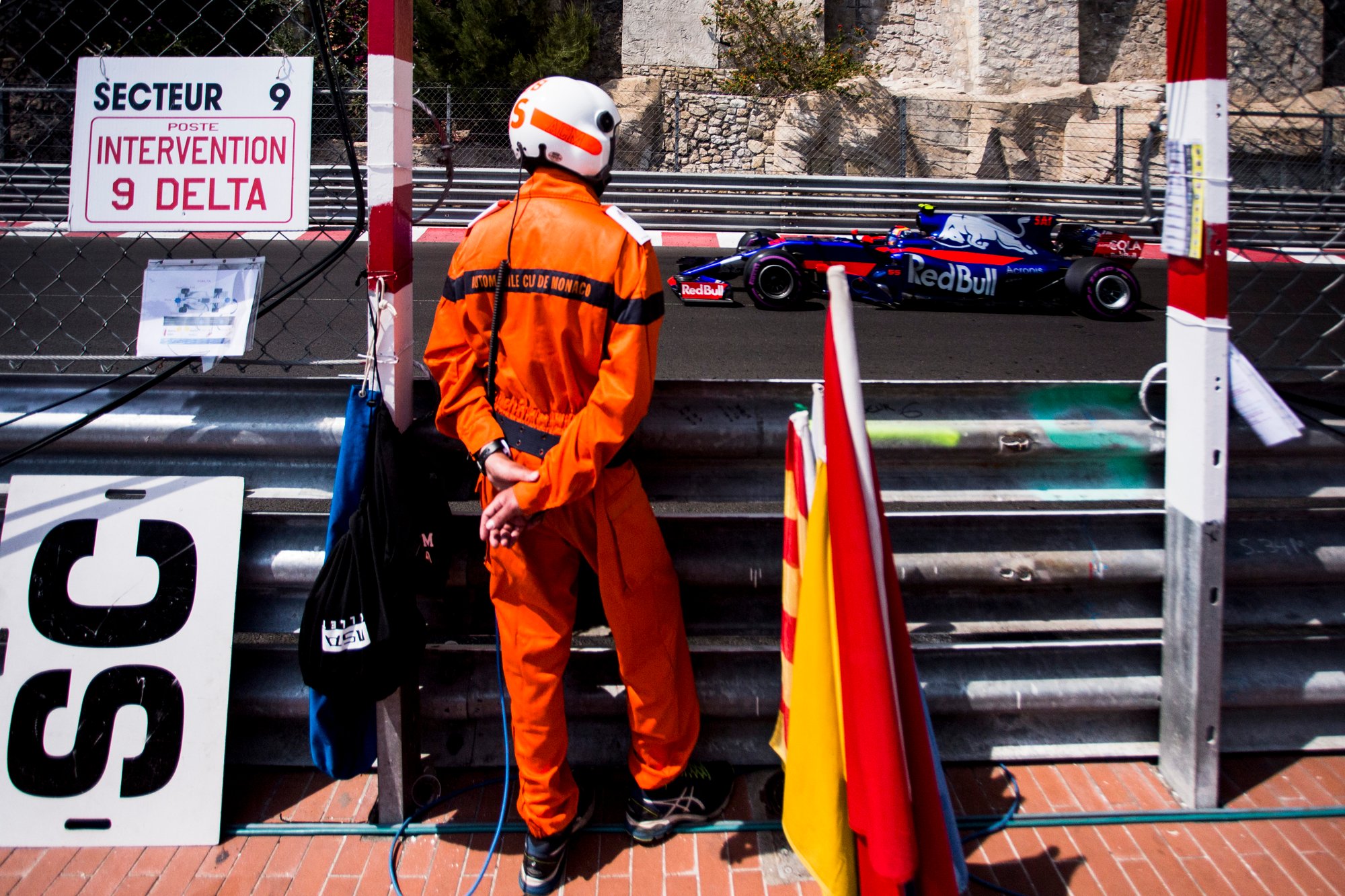
It might surprise those not closely involved in motorsport to know the people you see standing at the side of the track waving yellow flags during cautions are not paid for their time. Each and every one of them are volunteers doing a job so critical that without it, running an event would be impossible.
Being a marshal is not easy. The conditions are tough, days long, and the risks high. That last point was tragically underlined earlier in the year when a marshal working at Brands Hatch in the UK was killed as a direct result of an on-track accident. It was a dark day for motorsport globally. A man was volunteering his time to keep drivers safe, and paid the ultimate price.
“These volunteer marshals are what makes racing possible, they are heroes,” Lewis Hamilton wrote at the time. He is right. Marshals make racing possible. Without them, from grassroots to blue riband events, nothing would happen. The part they play in keeping competitors and spectators alike safe is often understated, and the danger they face while doing so not insignificant.
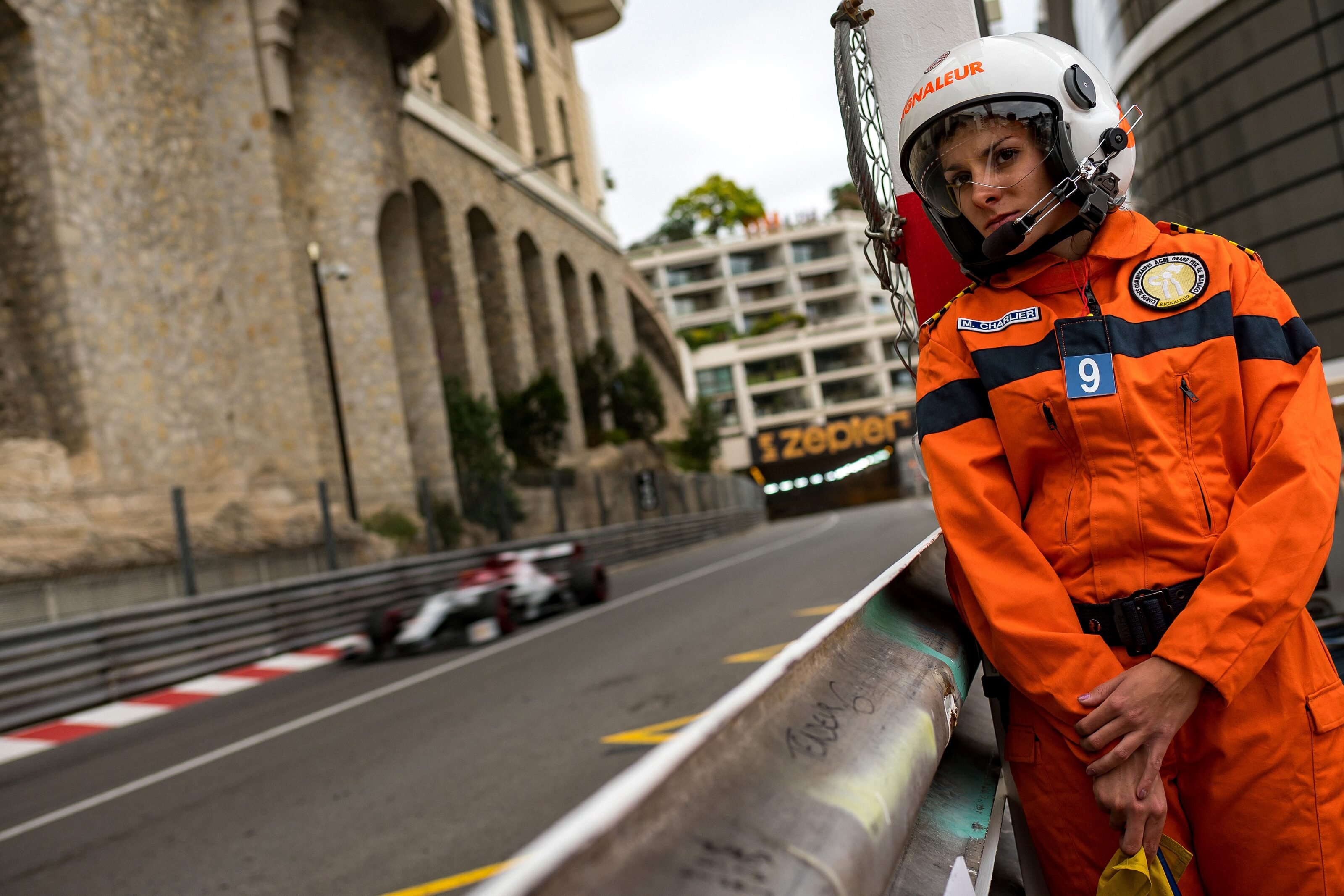
Why aren’t they being paid to take on that risk?
Unfortunately, that’s a taboo question to ask in motorsport circles, and there doesn’t seem to be any reasonable answer. There are some half-hearted arguments to be made against paying for marshals, but they don’t stand up to heavy scrutiny.
If the motorsport community is honest with itself for a moment, it’d realise that the men and women doing this work are being taken advantage of. The real reason being a marshal at some of the biggest sporting events in the world is a volunteer position? People are willing to do it for free. Frankly, that’s not good enough.
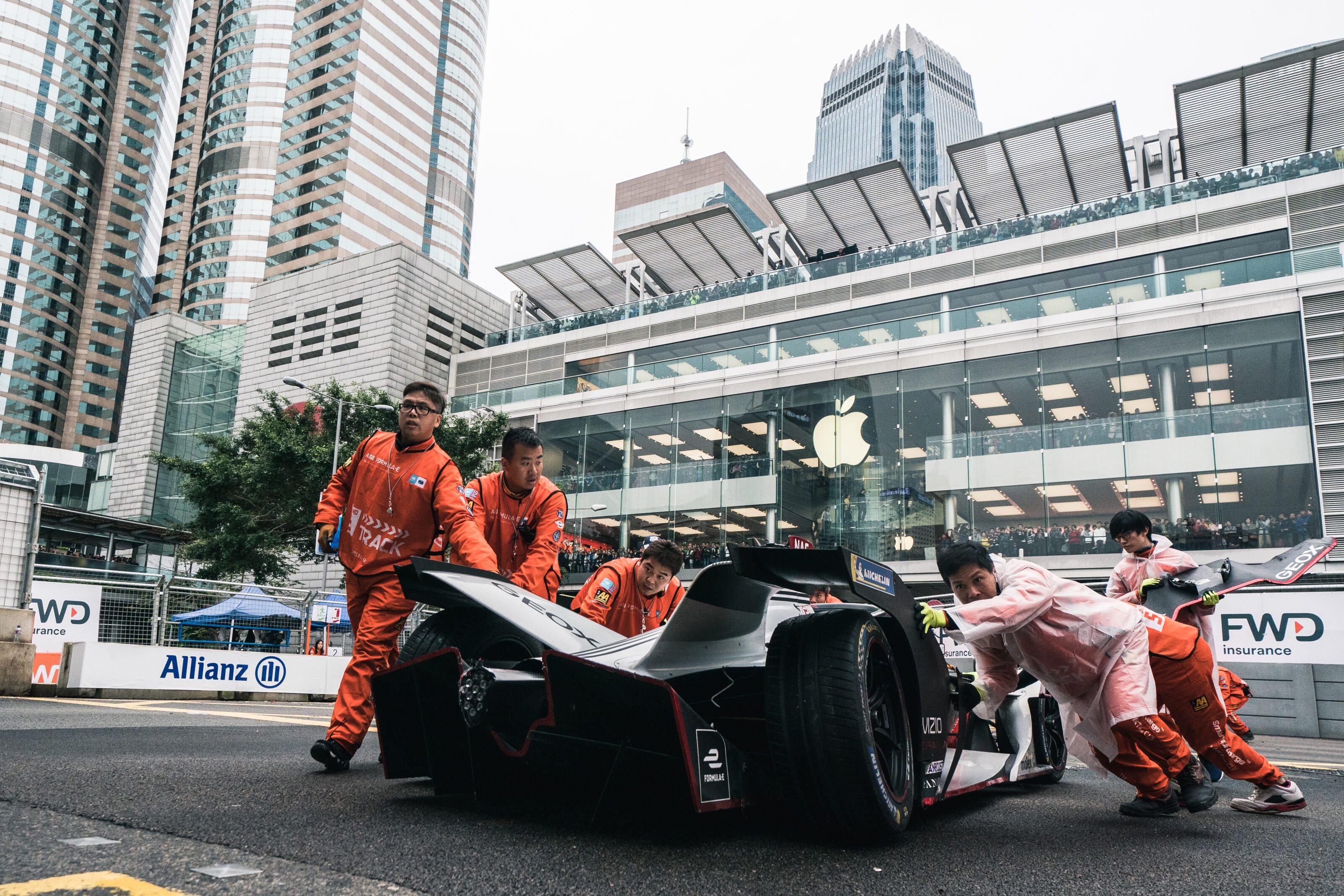
Some claim that by having marshals work for free means that it weeds out the slackers just wanting to get close to the action. But paying people doesn’t result in poor performances. I don’t think a surgeon is going to do a half-baked job because they know they’ll be cashing a healthy pay cheque regardless of the outcome. Try telling your favourite racing driver to do the job for free, because if you paid them, they wouldn’t try as hard to win. Doesn’t really make sense, does it?
And before teams start complaining about the added entry costs that paying marshals would entail, it’s worth reminding ourselves that the change in annual budget would be a rounding error for most. Many supercar teams built brand new chassis this year, knowing full well at the time Gen3 replacement regulations were due in 2022. Cost saving? Yeah, right.
It’s high time top level categories around the world do the right thing, and begin paying marshals. Not every category would require the use of professionals, but it’s not unreasonable to expect the likes of Supercars, F1, NASCAR, IndyCar, WRC, WEC, and Formula E to reach into their pockets.
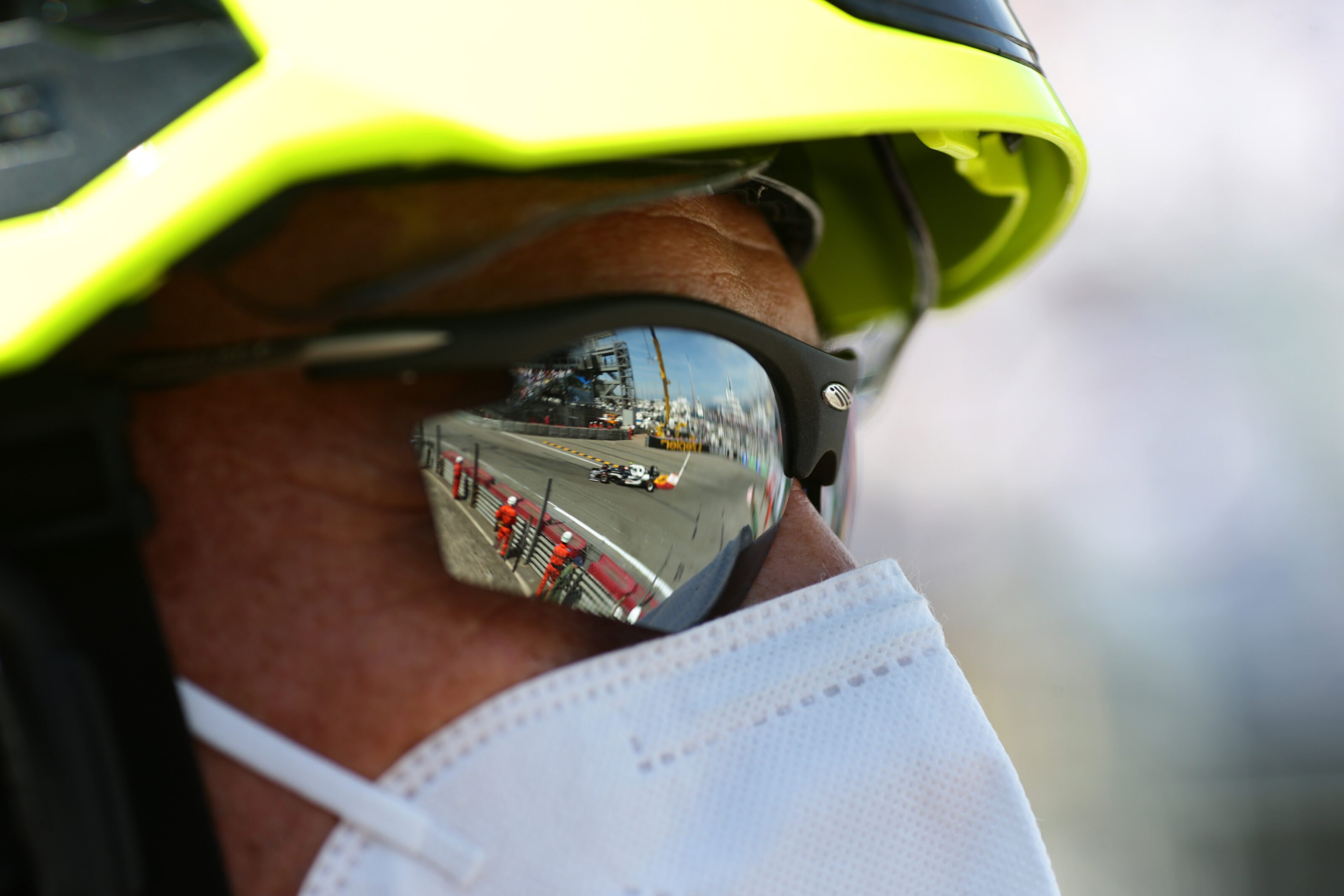
If we put a proper price on the value of the work conducted by marshals, it’d far outstrip the cost of paying a reasonable wage for their time.
Motorsport is steeped in cash. At its upper echelons, the mind boggles at the amount of money being spent by teams, drivers, sponsors and organisers. It’s time paying marshals was added to the balance sheet. Should the ambitious Bathurst 1000 plan become a reality, I’ll be watching those six glorious days of racing knowing it is happening atop the backs of volunteer marshals.
And after the victory champagne is sprayed, TV deal payments received, and performance bonuses paid out, not one red cent will be used to reward the marshals that made it all possible.
UPDATE: Honda has priced a Hybrid variant for Australia
Honda has confirmed pricing and specification for a Hybrid Civic, dubbed the e:HEV LX.
The Civic Hybrid is priced from $55,000 driveaway in Australia and will go on sale from the first of December.
It’s a $7800 upcharge over the petrol, but it also brings leather upholstery, a bigger digital driver’s display and connected services.
The story to here
November 29 2021: Honda Civic pricing and features revealed for Australia
Key Points
- New Civic VTi LX to launch with CVT only
- e:HEV and Type R expected to launch in the next year
- National drive-away price of $47,200
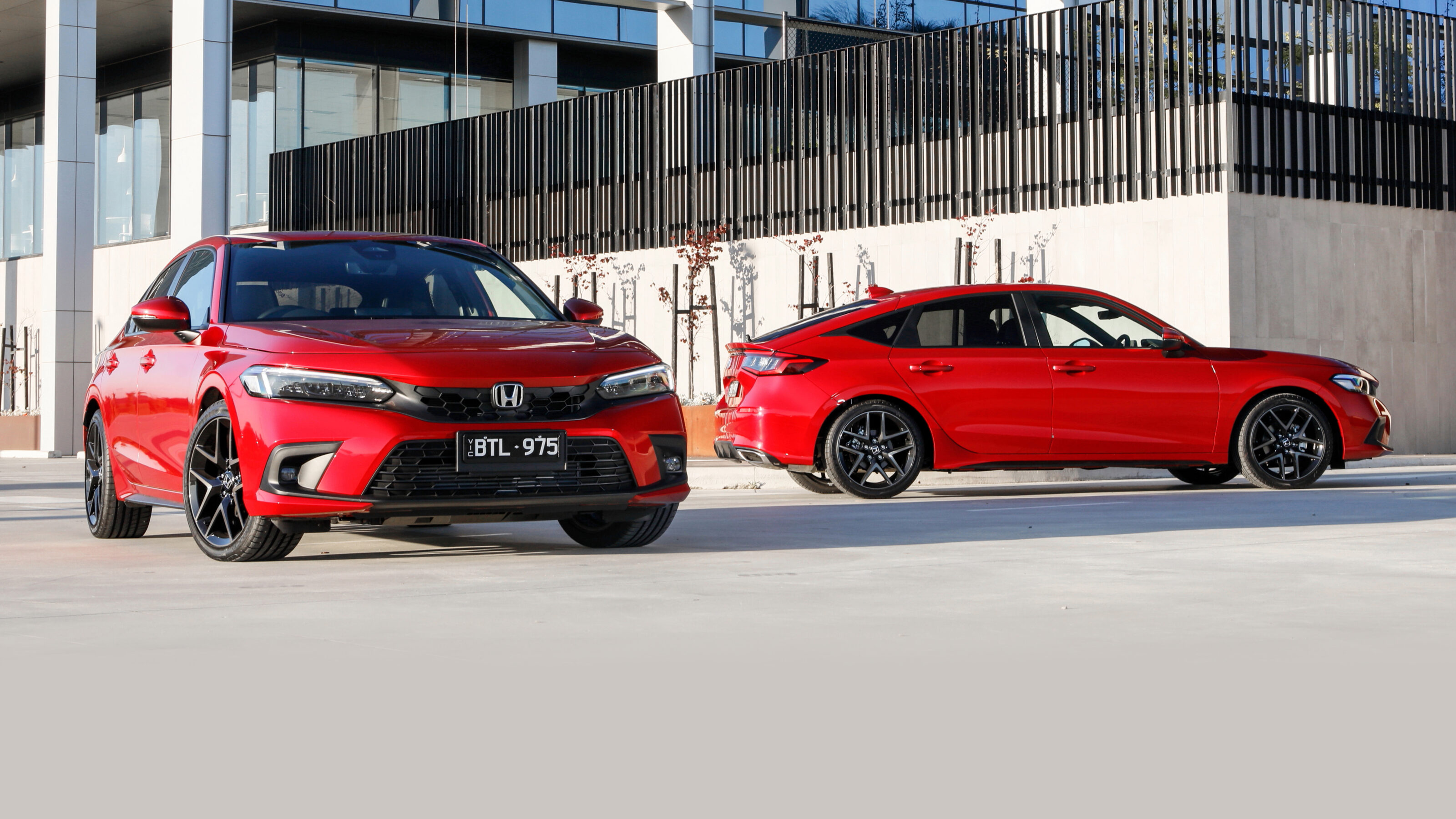
Local pricing and features have been confirmed for the new 2022 Honda Civic, set to land in Australian showrooms next week.
Launching with the VTi LX as its sole variant, the 11th-generation Honda Civic will enter the market with a 1.5-litre turbocharged engine, continuously variable transmission (CVT) and high level of safety equipment when it lands locally.
Pricing
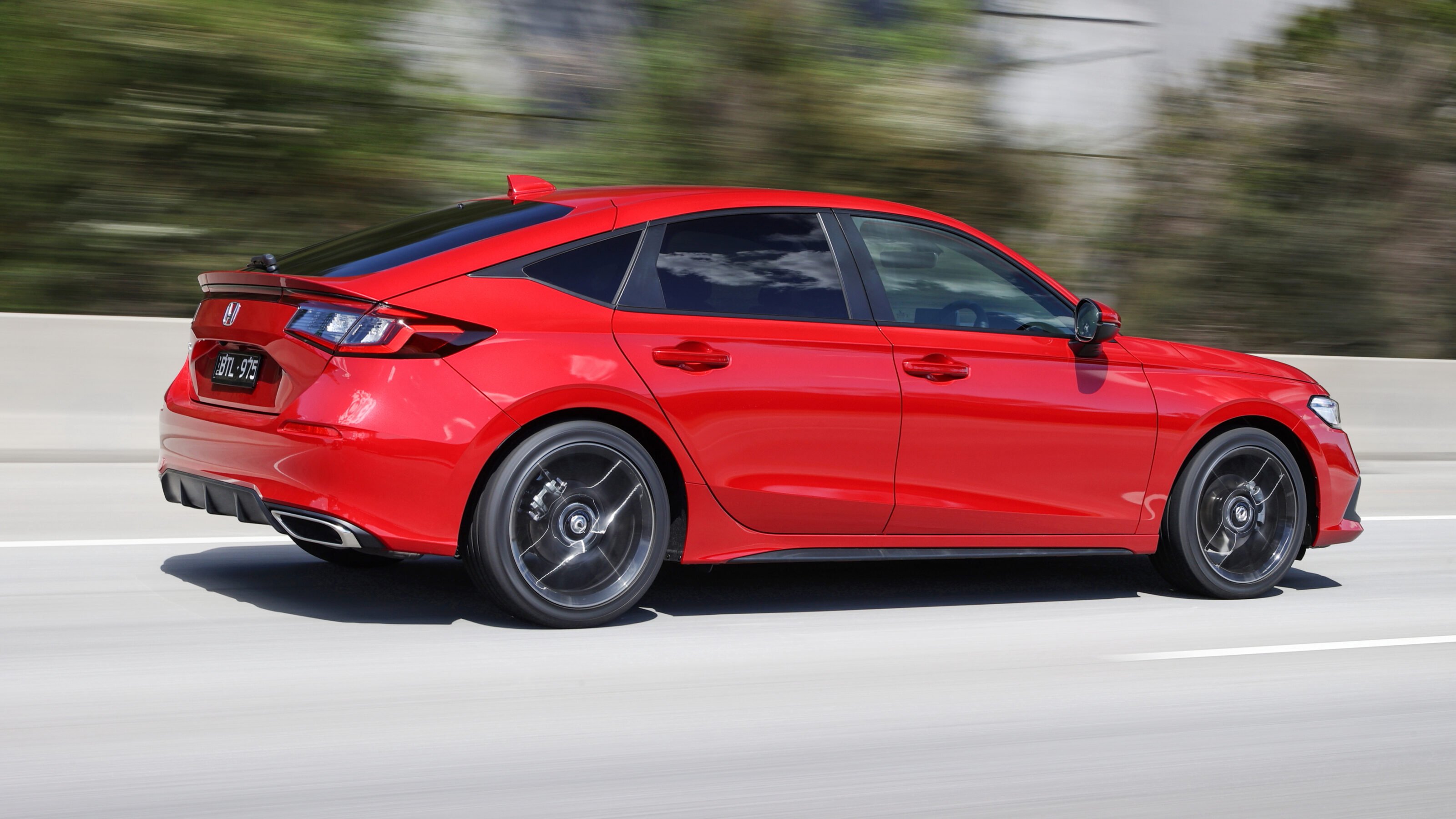
The 2022 Honda Civic represents a substantial jump in price over the outgoing model, with its drive-away price of $47,200 representing a $7600 increase on top of its predecessor’s flagship grade, the RS.
It’s important to note this price is fixed and will apply across all Honda dealers nationwide after the manufacturer moved to its fixed-price agency model earlier this year.
Features
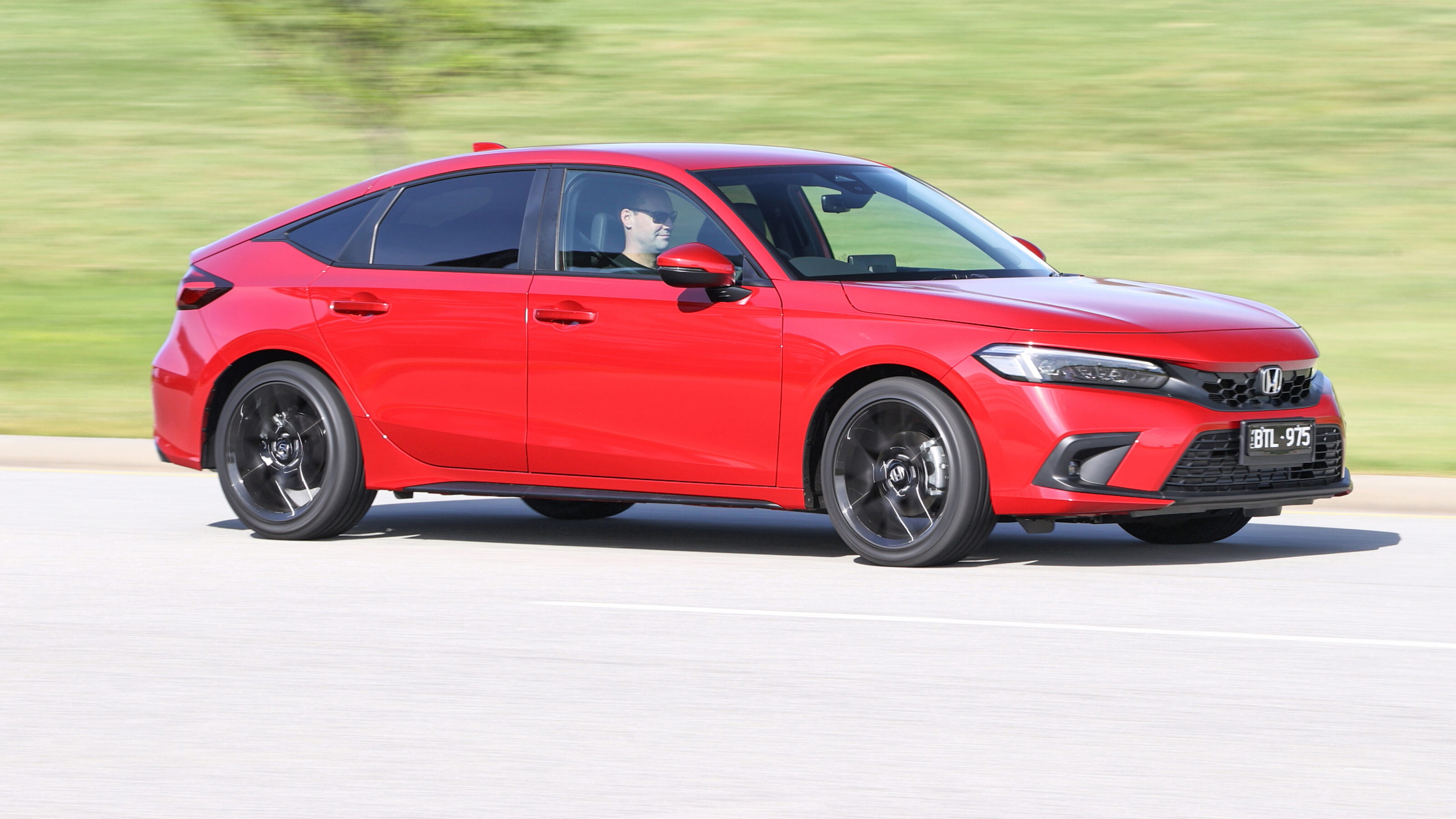
It’s not yet known whether Honda will bring any additional variants of the Civic to Australia, although the VTi LX offers a wide range of equipment as standard, including:
- 18-inch wheels with 235/40 tyres
- Power folding and heated mirrors
- Acoustic windscreen
- Auto rain-sensing front wipers
- LED foglights
- Auto-levelling LED headlights, daytime running lights
- LED tail-lights
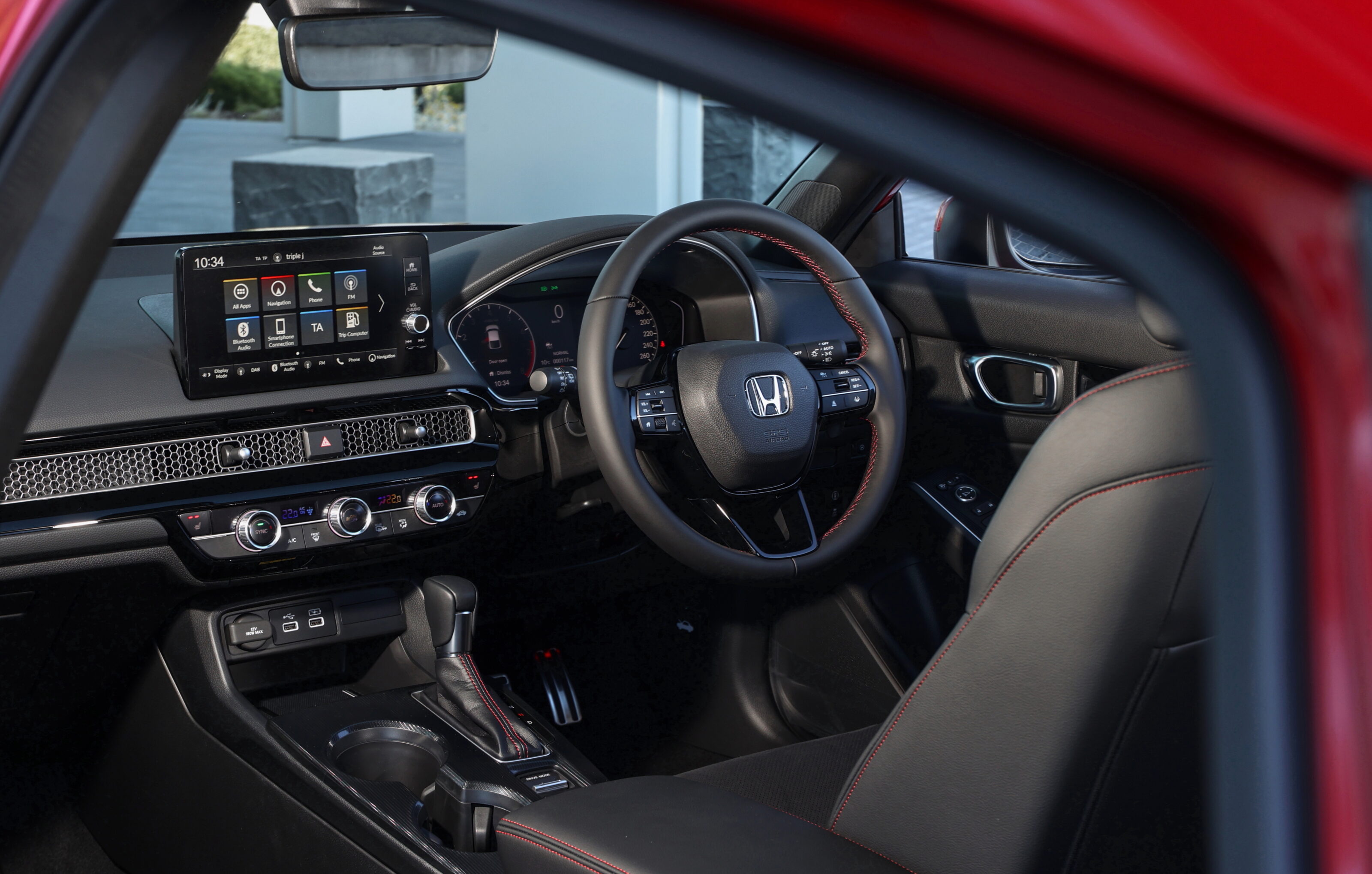
- Analogue gauges with LCD driver information display
- Wireless smartphone charger
- Dual-zone climate control with rear vents (new)
- Rear privacy glass
- Auto-dimming rear view mirror
- Keyless entry
- Synthetic leather with red accented suede (all seats)
- Eight-way power adjustable driver’s seat – heated
- Four-way power adjustable passenger’s seat – heated (new)
- 60/40 split fold rear seats
- Leather-wrapped steering wheel and gear knob
- Nine-inch infotainment touchscreen (largest in a Honda)
- Android Auto with Google Assistant
- Wireless Apple CarPlay with Siri Eyes Free mode (new)
- Bluetooth
- DAB+ radio
- Alps Alpine satellite navigation
- Over-the-air functionality (new)
- 12-speaker Bose premium sound system (new).
Engine, drivetrain and fuel economy
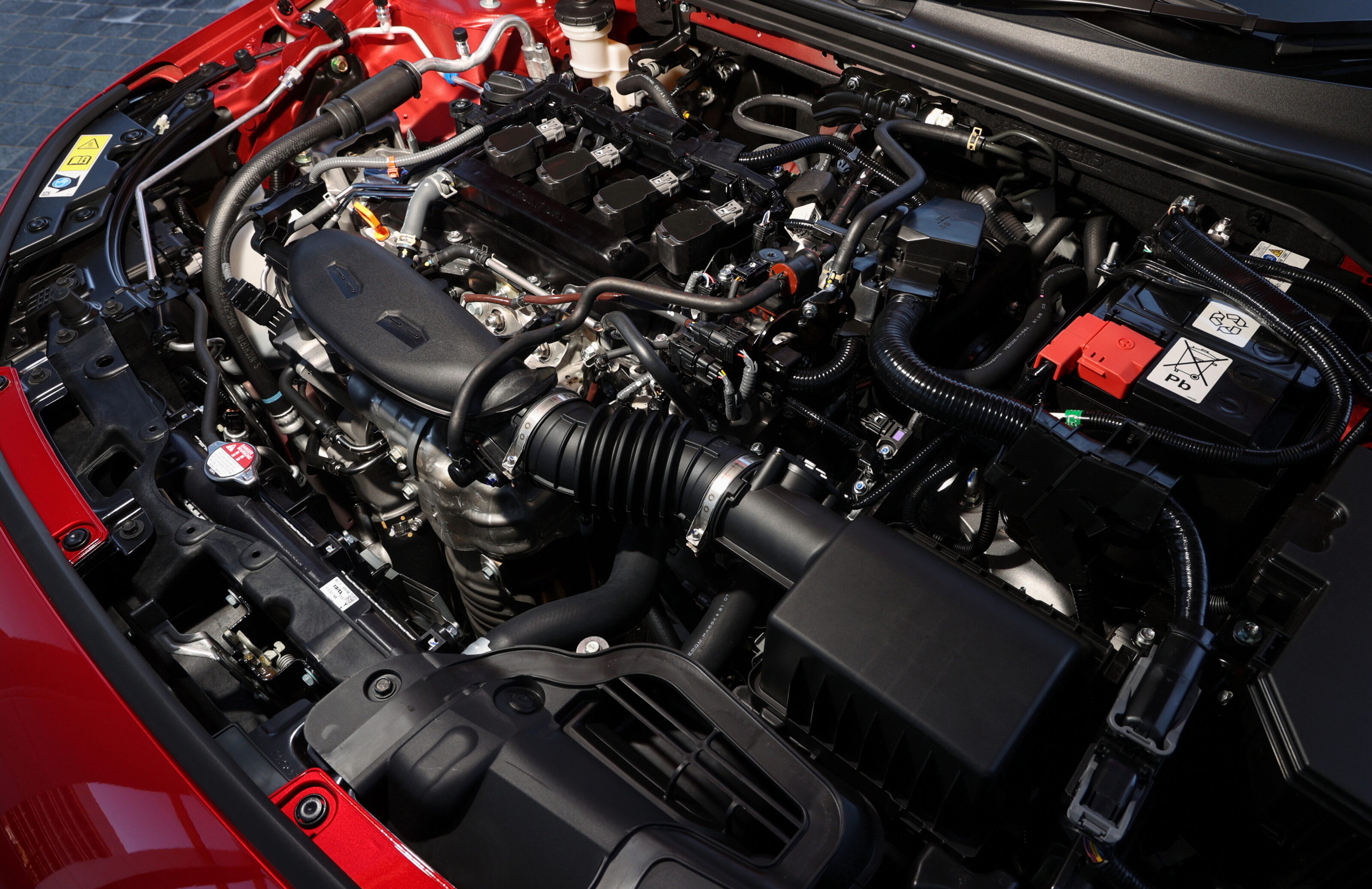
As previously mentioned, only one engine will be on offer for now, the 1.5-litre, turbocharged four-cylinder which is also used in the current model, with some minor tweaks to come for the new car.
While the outgoing Civic’s engine produces a maximum output of 127kW at 5500rpm and 220Nm between 1700-5500rpm, the upcoming model scores a 4kW and 20Nm increase – with its 131kW delivered slightly higher at 6000rpm and peak torque trailing off slightly earlier, pushing out 240Nm between 1700-4500rpm.
Just like its predecessor, the only gearbox on offer is a continuously variable transmission (CVT), sending the power to the front wheels. Drivers are given wheel-mounted paddle shifters to simulate the feeling of a traditional automatic or manual – although neither will be offered in the near future.
Despite its slightly higher weight (see below), the new Civic’s fuel consumption is lowet than that of the outgoing RS, now down to 6.3L/100km combined (down 0.1L/100km).
Dimensions
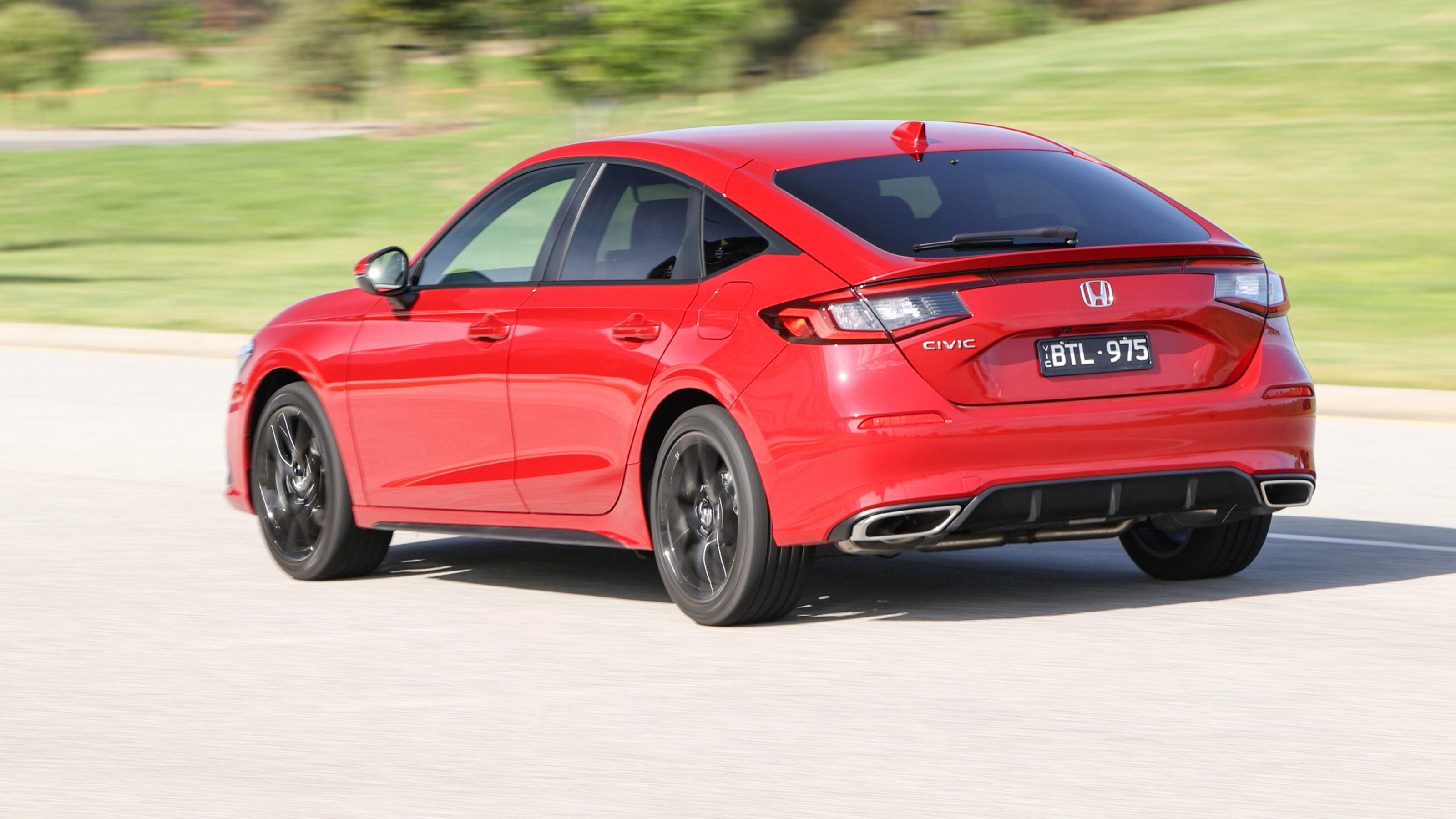
Compared to the car it replaces, the 2022 Civic is longer both in its body and wheelbase – its overall length measuring up at 4560 millimetres (+45mm), width is now 1802mm (+3mm), height stands at 1415mm (-6mm), with the wheelbase now out to 2735mm (+35mm).
The front track has decreased by 10mm to 1537mm while the rear track is pushed out to 1577mm (+14mm), however unladen ground clearance has remained the same at 134mm.
One of the highlights of the outgoing Civic was its boot space, with the capacity of 519 litres putting larger-class vehicles to shame. However, the smaller exterior dimensions of the new model have compromised this, now dropping to 449L, with 45L coming from the under-floor space.
Safety
The new Civic hasn’t received an ANCAP safety rating as yet, but it does include the full suite of Honda’s driver-assist technology:
- Adaptive cruise control (ACC) with low-speed follow (LSF)
- Electric parking brake with brake hold function
- Collision mitigation braking system (CMBS)
- Lane departure warning (LDW)
- Lane keep assist system (LKAS)
- Traffic jam assist (TJA)
- Road departure mitigation system (RDM)
- High-beam support system (HSS)
- Anti-lock braking system (ABS)
- Agile handling assist system (AHAS)
- Blind spot information system (new)
- Brake assist system (BA)
- Electronic brake-force distribution (EBD)
- Emergency stop signal (ESS)
- Hill start assist (HSA)
- Driver attention monitor (DAM) (new)
- Straight driving steering assist
- Traction control system (TCS)
- Vehicle stability assist (VSA)
- Multi-angle reversing camera
- Rear cross traffic alert (RCTA) (new).
- Eight airbags (front, side front, full-length curtain, knee)
- Three anchorage points
- Two ISOFIX points.
Warranty and servicing
As with the rest of Honda’s Australian model range, the Civic is covered by a five-year/unlimited-kilometre warranty, which includes six-year rust perforation cover.
Service intervals for the 2022 Civic are every 12 months or 10,000 kilometres, with the manufacturer offering five “low price services” for the first five years/50,000 kilometres of ownership, all for just $125 each.
Availability
The new Honda Civic will officially go on sale on Monday, December 6.
Key Points
- Renault marking 60 years of 4 model
- AIR4 uses carbon fibre body on four propellers
- Will be shown in US over 2022
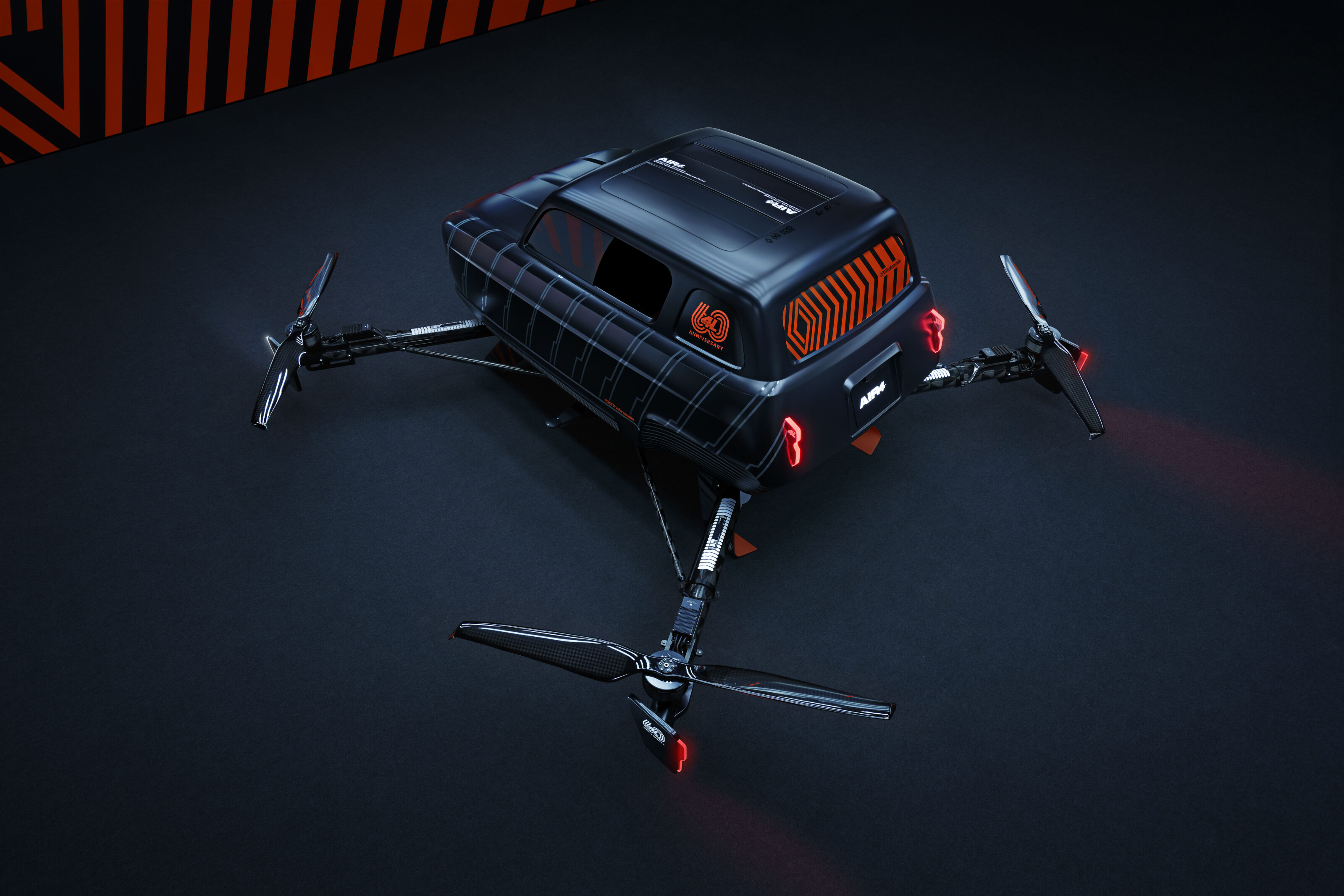
Renault has celebrated the 60th birthday of its iconic 4 model by unveiling its first-ever flying car concept.
The AIR4 is described as a “futuristic and offbeat reinterpretation” of the 4, which sold more than eight million cars worldwide between 1961 and 1994.
“AIR4 is a symbol of independence and freedom,” says Renault, “born out of the realisation that traffic is compounding, lives are grinding to a halt, and the world above us is unhampered.”
The French carmaker collaborated with US design house TheArsenale to assemble the one-off vehicle, with design, engineering, and assembly conducted in the Sophia Antipolis technology park.
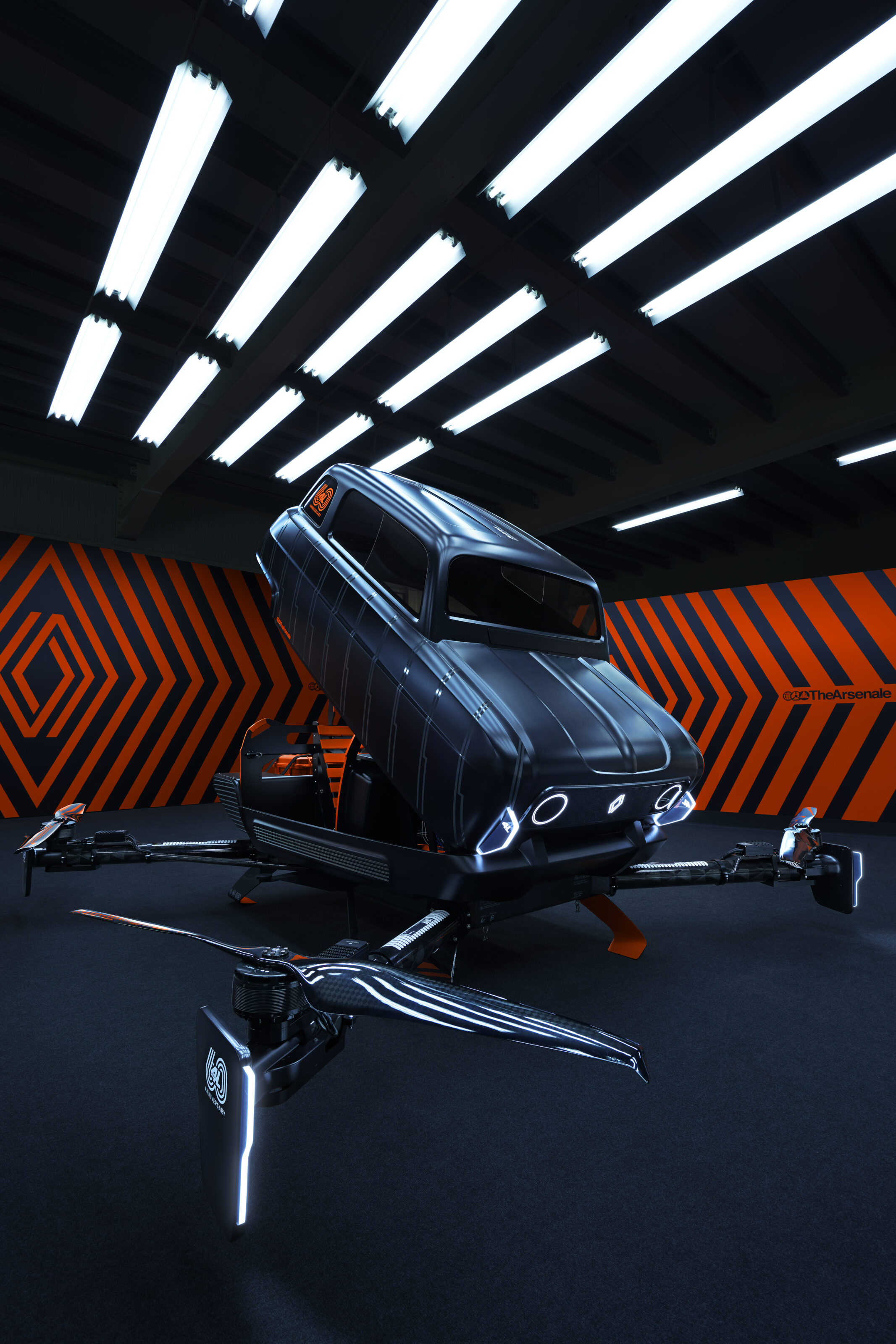
A Renault 4-inspired carbon-fibre body rests atop a four-propeller chassis, evoking the image of a giant drone. The passenger compartment has been redesigned with flight forces in mind, and hinges at the front end for pilot entry. Unlike some designs, the AIR4 lacks wheels — potentially stretching its definition as a flying car.
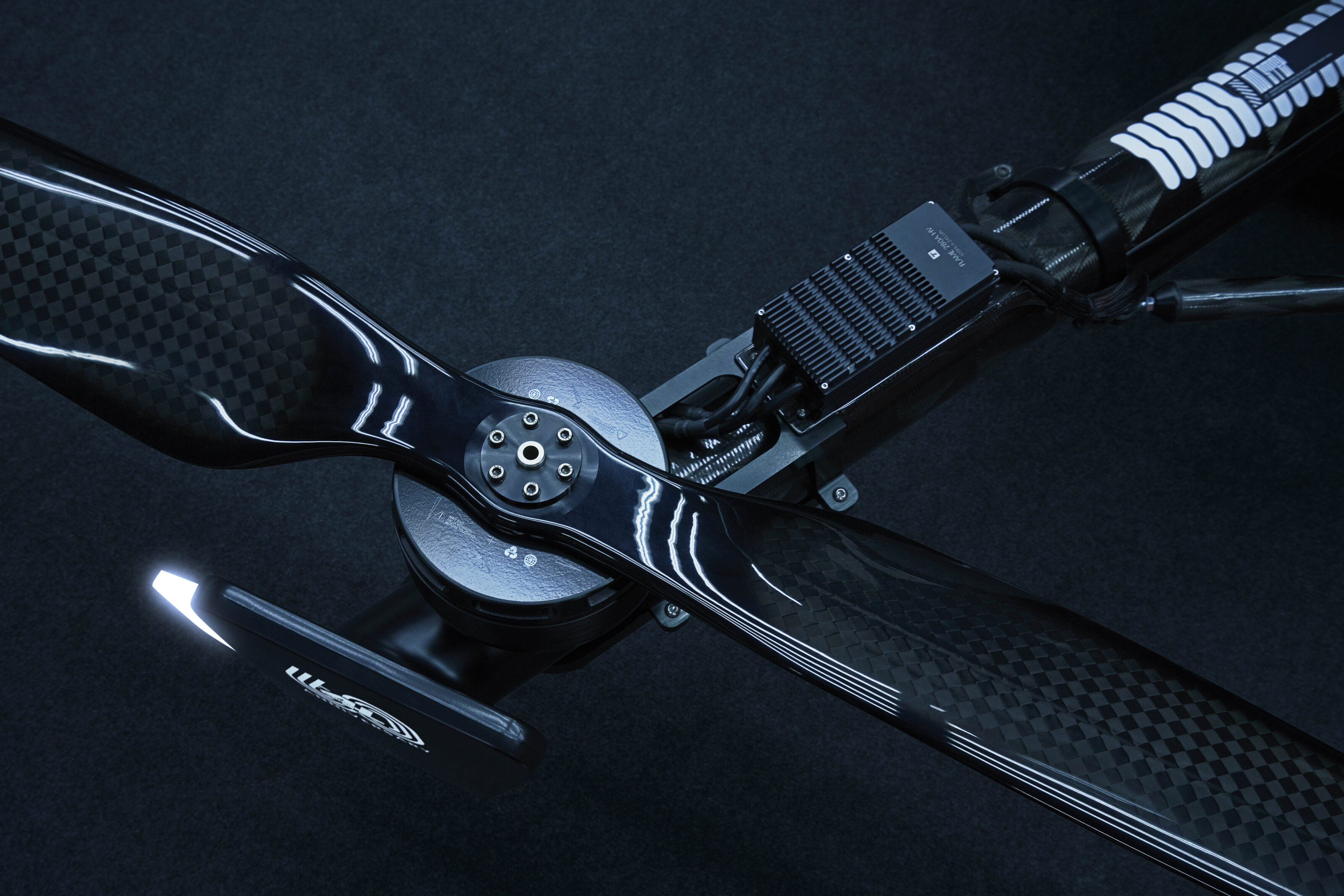
Power comes from several 22,000mAh batteries for a total capacity of 90,000mAh. Top speed is listed at 26m/s (about 93km/h) at a 45-degree incline, with a flight ceiling of 70 degrees. Total vectoral thrust is 380 kilograms.
Renault says TheArsenale’s Road to Air division used AI technology to refine design concepts, “even before starting the first real-world trials”. The AIR4 does appear to fly, albeit at low altitudes and presumably under remote control.
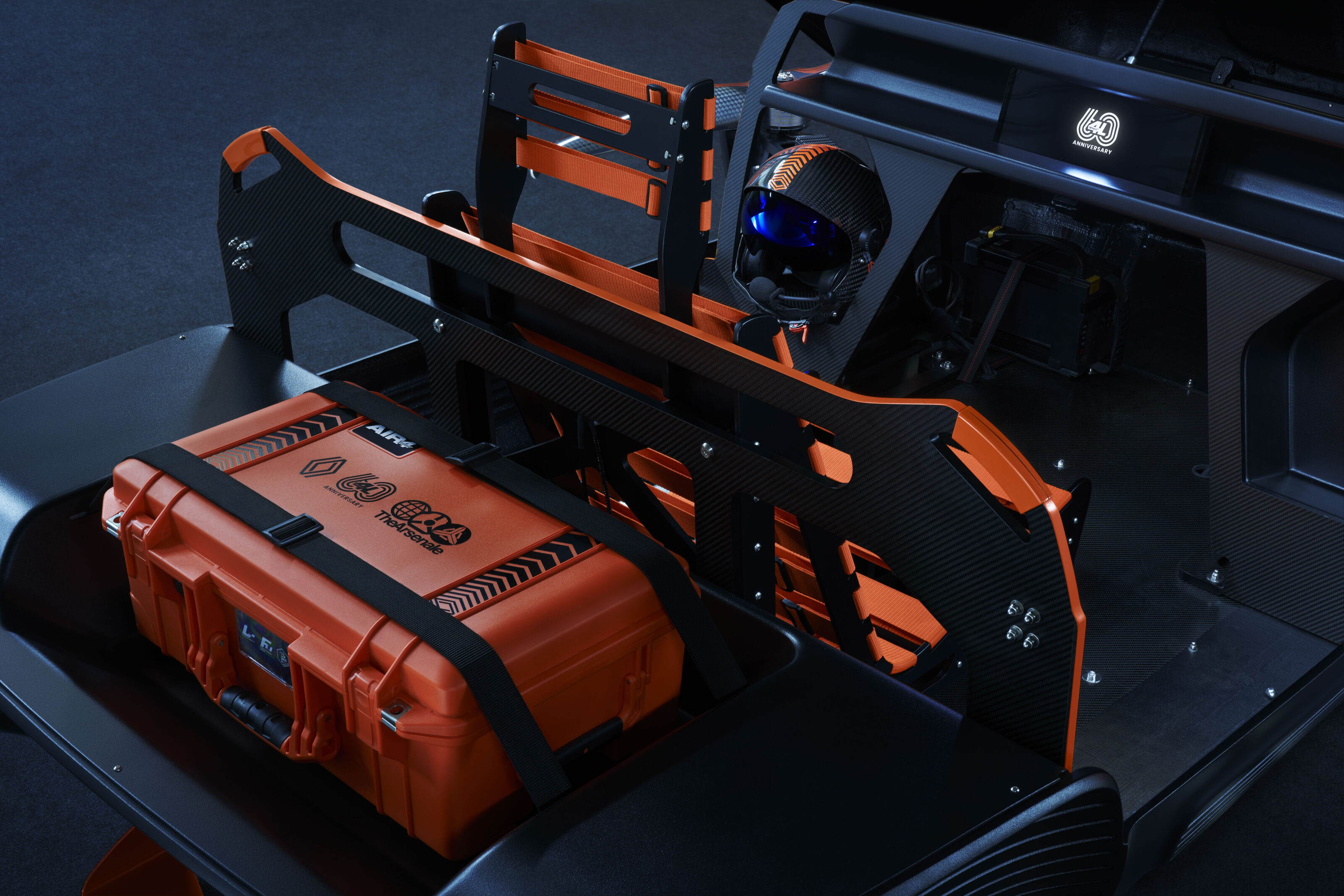
The company hasn’t revealed details on the AIR4’s controls, with little more than a single seat, tablet-like screen, and storage box visible under the bodyshell.
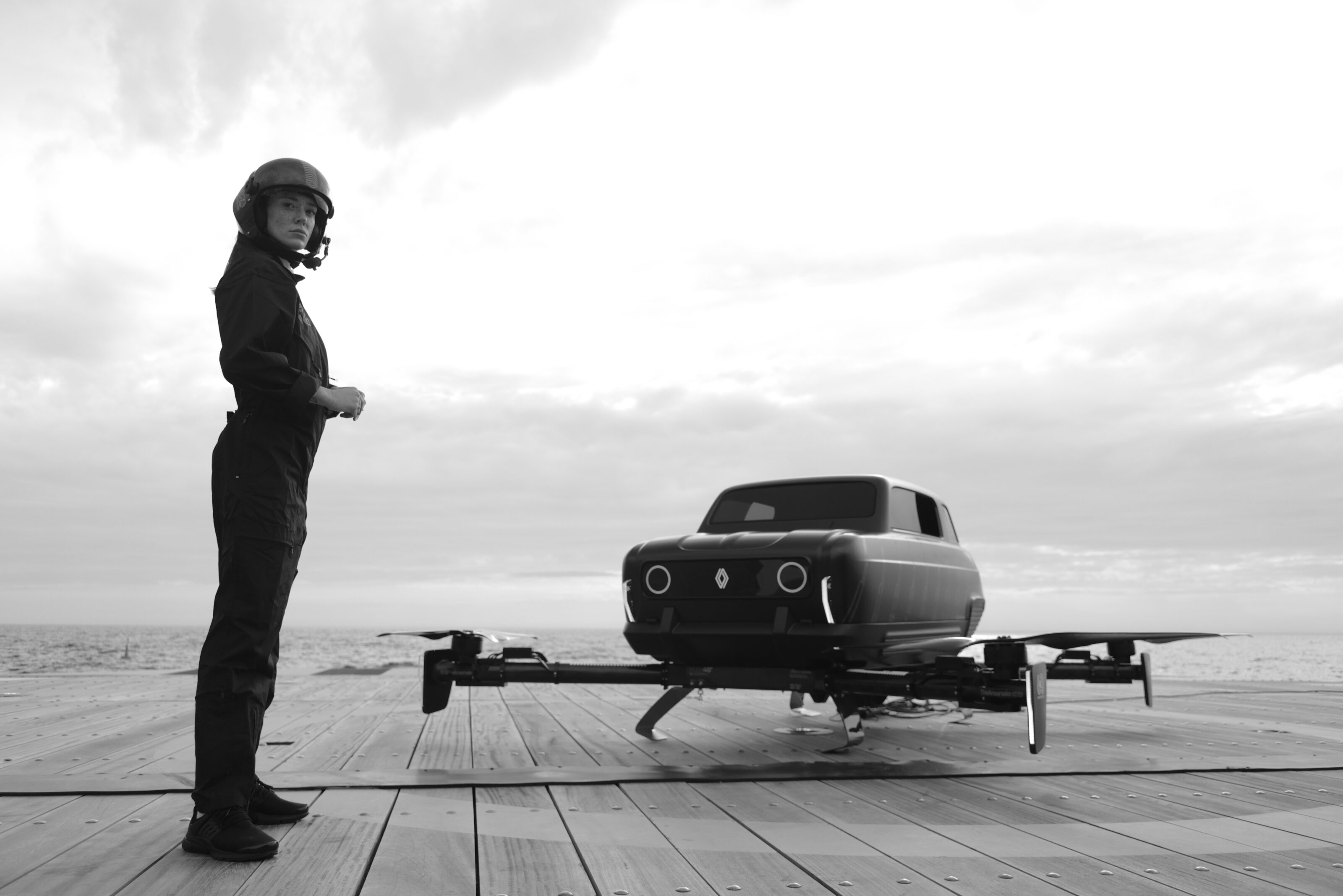
Despite the vehicle’s actual flight capability, it will remain a showpiece for the foreseeable future.
The AIR4 is now on display at Paris’s Atelier Renault venue. It will also be shown in Miami, New York, and Macau next year.
Key Points
- Carbon-ceramic brake kit to be available in the US from mid-2022
- Priced at AU$28,000 u2013 exclusively for 21-inch wheels
- No word on Australian availability
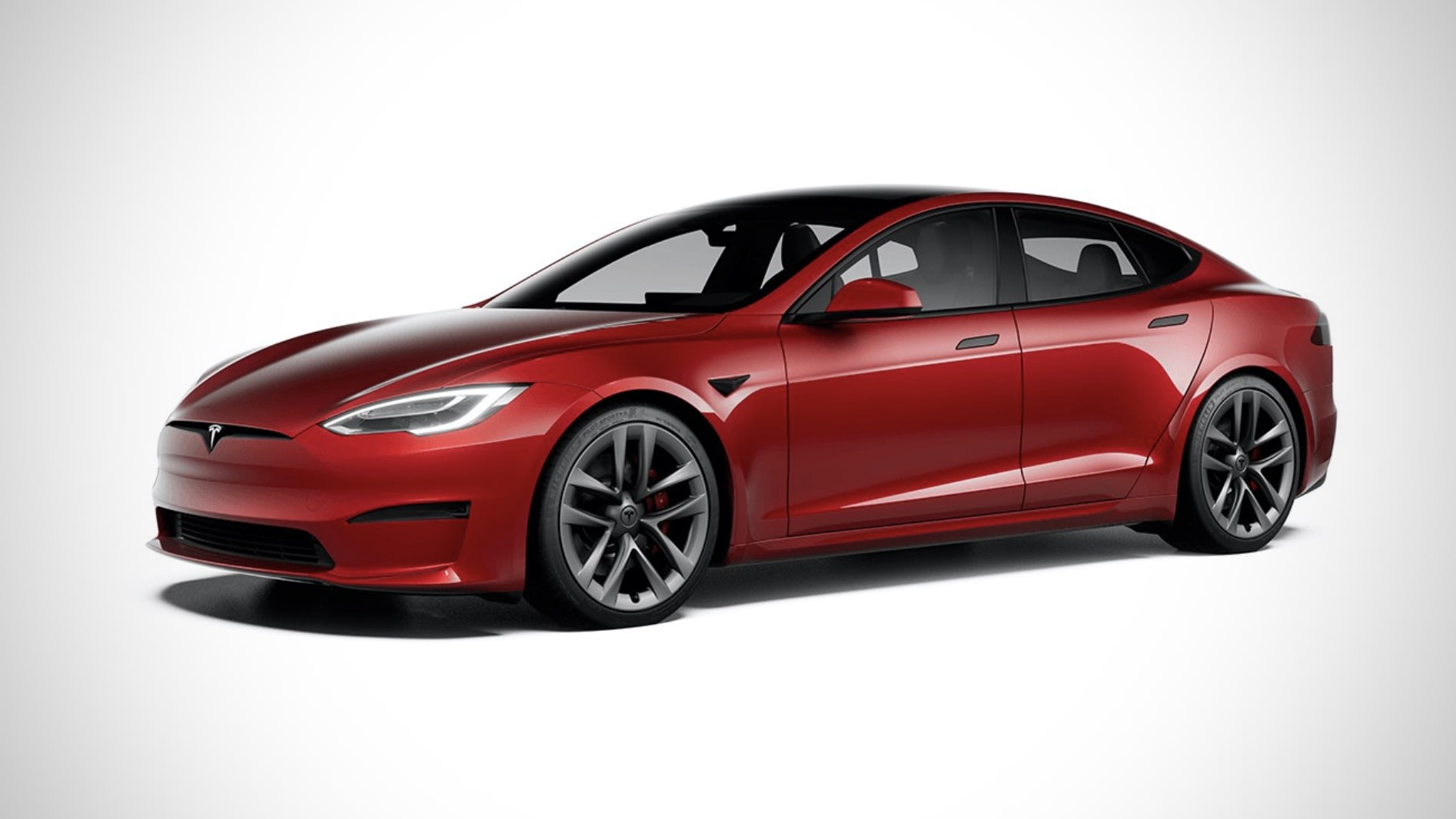
Tesla has announced optional carbon-ceramic brakes will be available for its rapidly-accelerating flagship 2023 Model S Plaid from mid-next year in the United States.
The addition of the brake kit is likely in response to performance issues surrounding the stock brakes found in the high-performance 761kW electric sedan, which many reviewers have found to be inadequate in bringing the bulky 2196 kilogram vehicle to a stop during on-track testing.
Priced at US$20,000 (AU$28,000), the option is a hefty investment for owners – with the Model S Plaid starting from US$129,990 (AU$180,000) before options. Additionally, the brake kit is exclusive to the optional 21-inch wheels, which add another US$4500 (AU$6190) to the total price of the car.
Offered via Tesla’s website, the package includes 410 millimetre carbon-silicon carbide front and rear rotors (with thicker 40mm discs up front and smaller 32mm units on the rear wheels), six/four piston forged front and rear calipers respectively, and two improved caliper-mounted integrated parking brakes.
The kit also features a set of high-performance brake pads and a bottle of high-temperature fluid.
Although the factory-installed cast-iron brakes on the Model S Plaid are more than sufficient for legal on-road driving, the limitations of steel discs for modern performance cars has caused many manufacturers to shift to carbon-ceramic versions – all in a bid to assist with heat management and improve durability under high-temperatures.
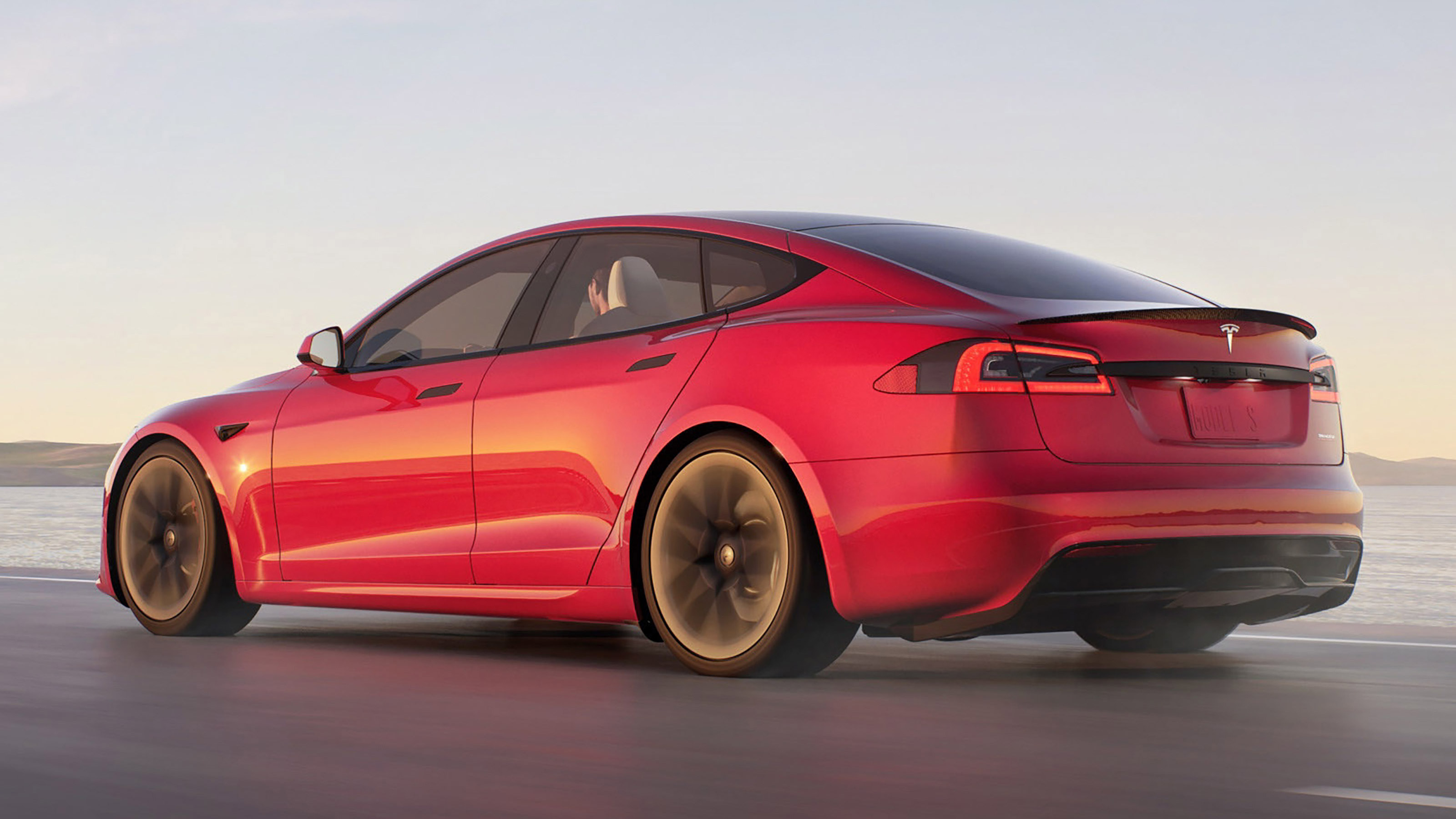
In September, Tesla CEO Elon Musk announced a heavily-modified Model S Plaid had recorded an unofficial Nürburgring lap time of 7:30.909 – some 12 seconds quicker than the record-setting Porsche Taycan Turbo S – with the addition of a more-capable braking system likely to see this number drop.
Tesla was also recently spied lapping the track in a Model S Plaid kitted out with an active spoiler, meaning additional changes could be in the works to improve the aerodynamics of the ultra-fast sedan in an effort to overtake Porsche’s official ‘fastest production electric car around the Nürburgring’ accolade.
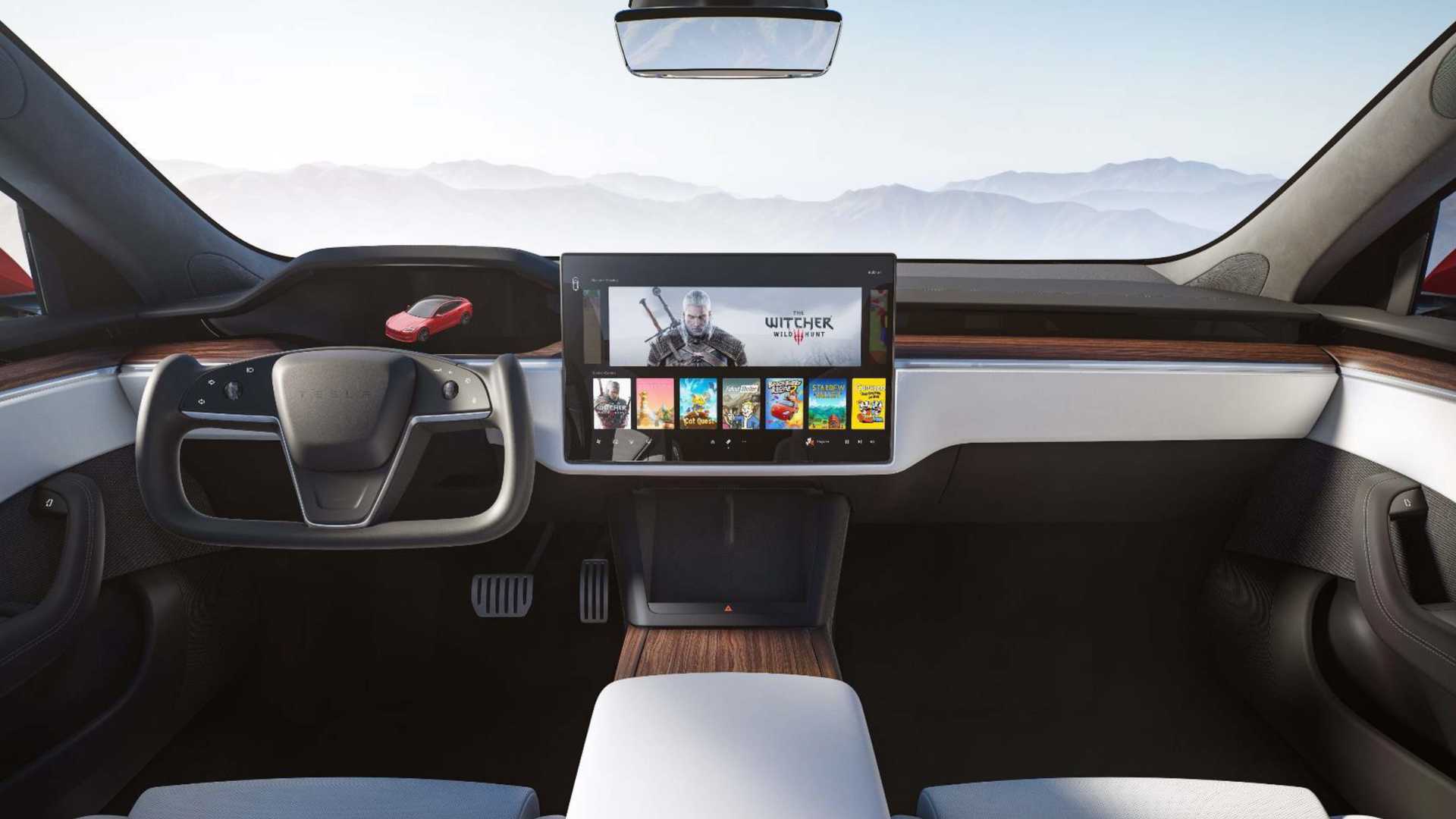
The 2023 Tesla Model S Plaid is set to launch in Australia in late-2022, priced from $231,434 drive-away in Victoria (before options).
There is currently no word on if the carbon-ceramic brake option will be offered on Australian examples of the Model S Plaid. This article will be updated if more information surrounding local availability arises.
