
Electric vehicles should be going great guns at the moment – we’ve all been trapped in the country (and mostly our states) for months, there’s nothing to do and for some reason we’re paying pre-GFC prices for our petrol.
While power isn’t cheap in our privatised power nirvana our politicians were so keen to sell us, it is increasingly moving to renewable sources.
With our Prime Minister embarrassing himself at COP26 by walking down the steps from his plane waving a piece of paper guaranteeing net-zero by relying on technology that is either discredited (carbon capture and storage) or non-existent (TBA), it’s up to the states to make electric vehicles appealing.
Best Electric Cars Under $65k: Affordable EVs Rated
Welcome to part one of three price-based EV buying guides, this one focused on the most affordable electric cars available in Australia today
Or is it? In the end, all the states can do is lead a punter to a beer, it’s up to the product makers to make one nice enough to drink. It’s time for car companies to step up and offer us some product that we all know would fly off the forecourts.
In this story we’re looking at EVs that exist today that we miss out on. There’s no dreamland Ford e-Ranger or Toyota e-HiLux talk here because they don’t exist yet– and we already know whoever gets to the dual-cab ute market with a sensibly-priced electric version could end up ruling the world.
Rivian
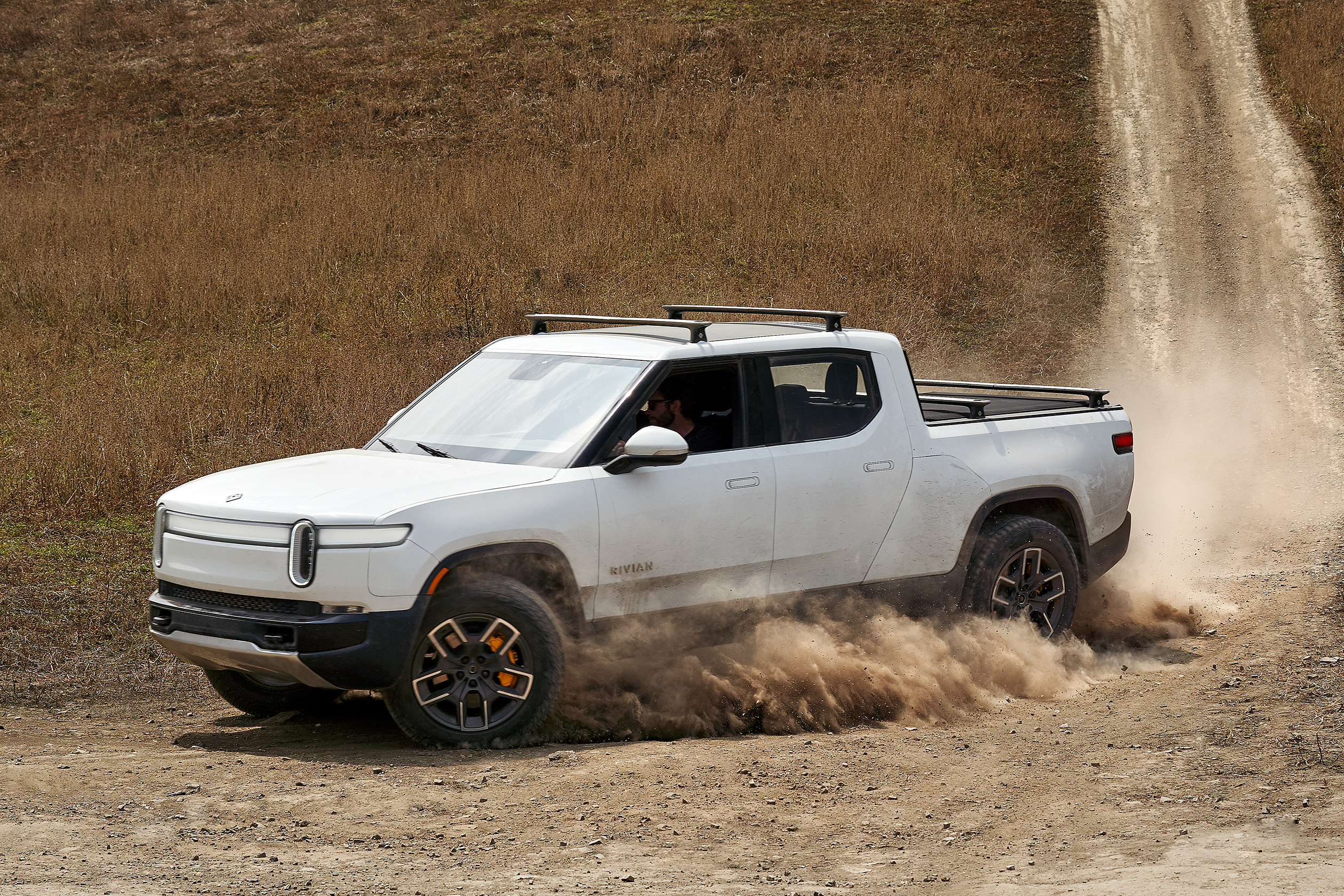
Rivian has two giant electric trucks, which will upset people who don’t want these massive things bearing down on them, and the company says it has strong interest from local buyers.
The four motor R1T ute starts at under 70 grand in the US and would probably still be competitive after the usual taxes, charges and Government obstacles were cleared – most likely walloping buyers around $150k in local trim. Or the same as a specced-up V8 Ram.
Alongside the truck is the R1S, an attractively boxy SUV starting at around seventy grand in the States, so probably a $160,000 bet here. With seven seats (that’ll be popular, don’t you think?) a claimed 500 kilometre driving range (optimistic EPA number) and a ton of features, Rivian would struggle to meet demand, as it is already in its home market.
Ford
Ford’s first EV locally – at least as far as we know – is a shrewd pitch to the tradespeople of Australia. The Blue Oval is keen to woo those who carry gear around for a living and knows that these folks are offended by the cost of fuel. As a result, Ford Australia’s first electric car is going to be a van, the e-Transit.
But Ford has more. First, there’s the Mustang Mach-E, a car that made so many people incredibly mad until they started selling like mad (for an EV). The GT versions pack a staggering dual-motor set up with 358kW and either 814Nm or 860Nm.
The Mustang nameplate has been a giant success for Ford locally, and once buyers got over the high-riding SUV vibe of the Mach-E, I reckon we won’t be able to get enough of them.
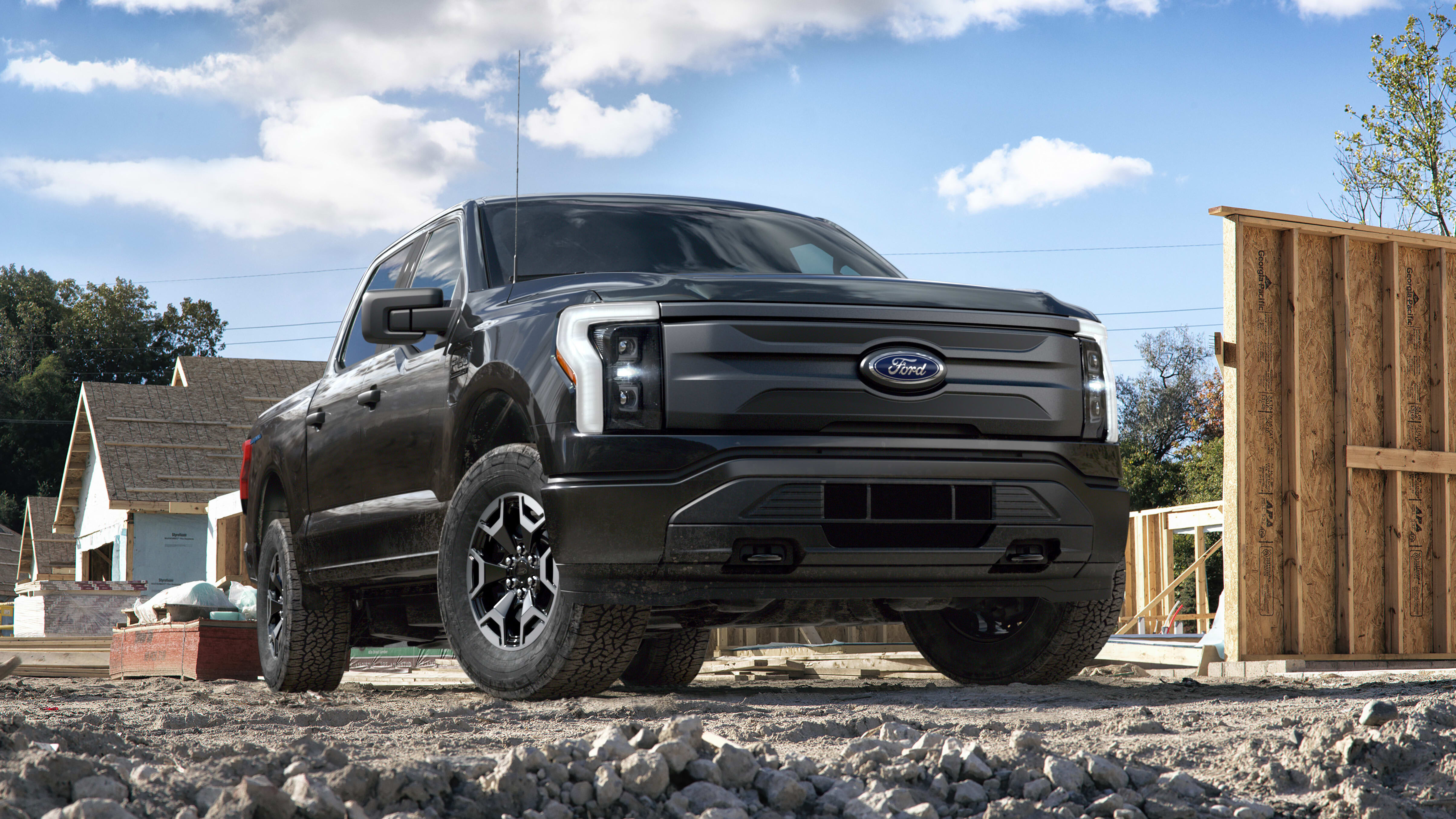
Similar to the Rivian, the Ford F-150 Lightning would surely go off here too. You can whine all you like about the size, but large American trucks are selling here even after expensive right-hand drive conversions. The Lightning would appeal to tradies and adventurers with a solid (if unspectacular) driving range, but its clever vehicle-to-load setup will make work and campsites much easier places to be.
And who doesn’t want to see F-Series based ambulances again?
Citroen
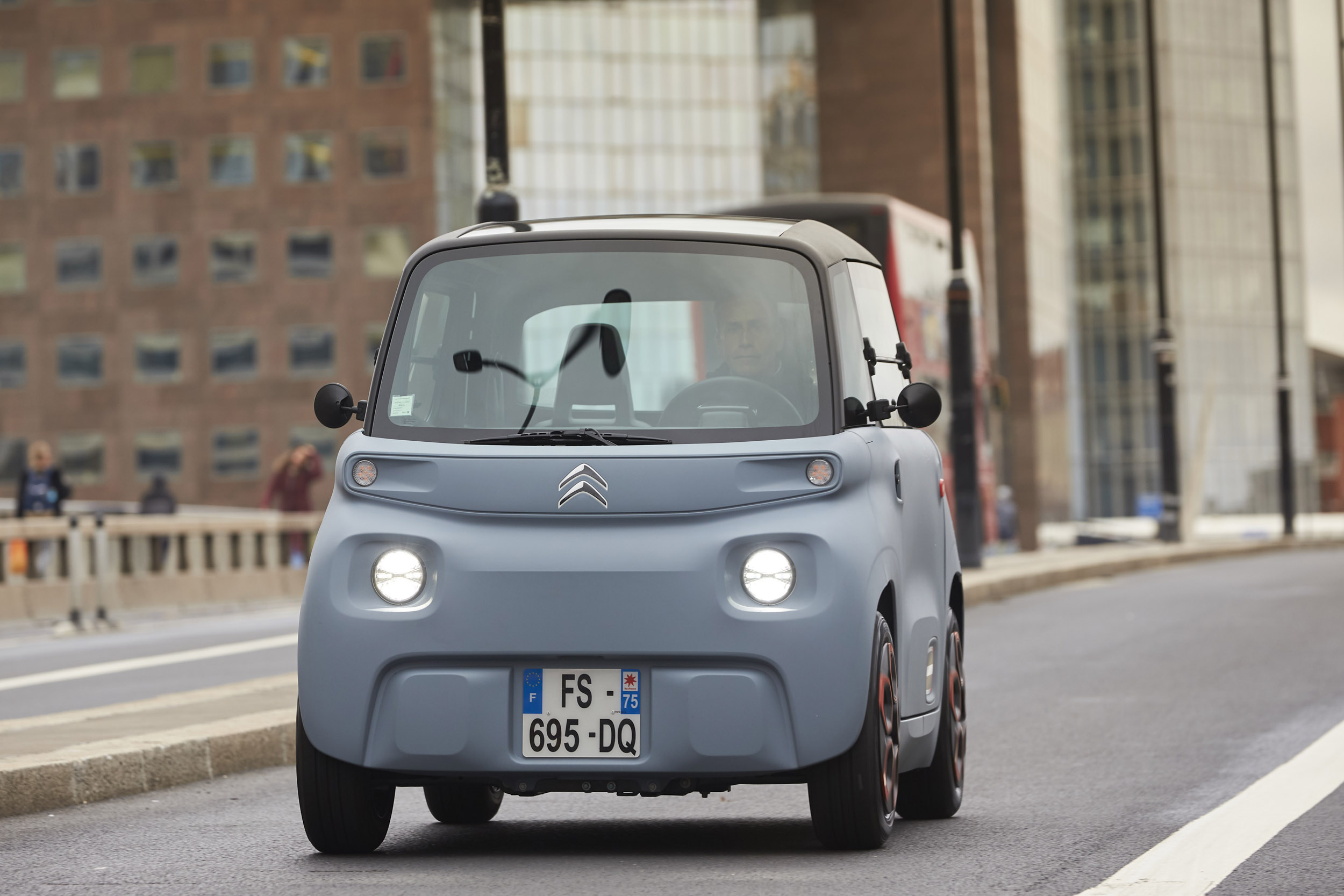
Now, hear us out on this one. Yes, the Citroen Ami is a quadricycle like the pilloried and terrifying Gee Whiz, but it’s made by a proper car company – Stellantis.
The battery is barely bigger than your phone’s at 5.5kWh and the top speed roughly comparable to jogging, but if you’ve seen Sydney or Melbourne Saturday traffic – 45km/h is a distant dream. For short trips to the shops and back, the Ami is the perfect city runabout and might get a few belching dungers off the streets.
On top of that, there’s a cargo version, which would be brilliant for the suburbs. It would also ward off one of the Ami’s drawbacks – it’s left-hand drive only. But with a parcel shelf right next to the driver, they can just pick what they need, swing open the door and step straight out onto the pavement.
This one is a proper long shot, but we stand by it, no matter what you say – even if it is entirely reasonable.
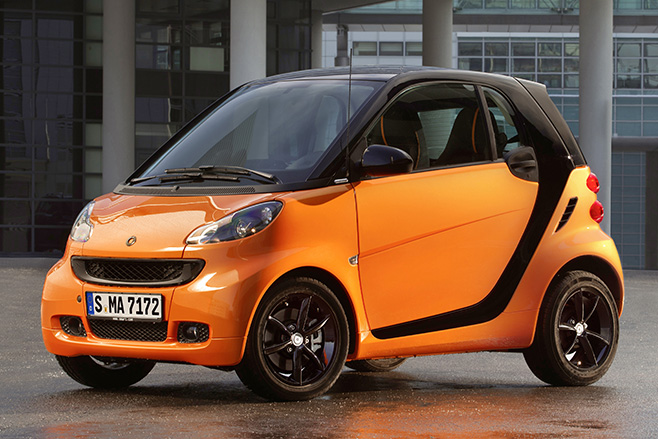
Smart
Slightly more substantial than the Ami, and rather more expensive, is Smart’s ForTwo and ForFour – which could probably land here well under forty grand. They’re both short on driving range and in the ForTwo’s case, size, but these are resolutely urban vehicles.
They’re not cheap though, and here in Australia suffered from a bit of a Tiddly Cars from Toy Town image. Which, again, in the case of the ForTwo is not completely unfair.
The ForTwo is about £19,000 in the UK which could translate to a low to mid-$30k price tag. The ForFour is somehow slightly cheaper, so would cost about the same.
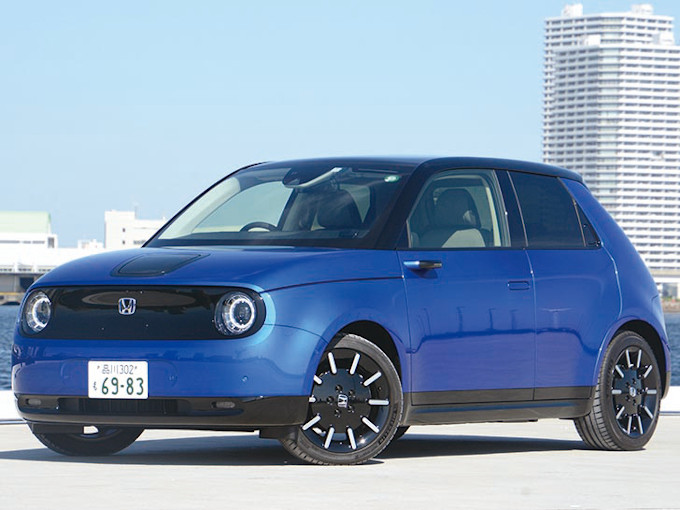
Honda
You already know where this is going – the Honda E.
We’re obviously not privy to the behind-closed-doors discussions that go on at car companies, but the local arm’s decision to pass on one of the coolest cars on the planet, EV or not, is bizarre.
You can get one through the usual JDM importers for not-insane money, but without factory backing, life might be difficult if the battery needs recalling etc.
Nissan
Nissan’s Leaf is the company’s only electric passenger car here in Australia and our suggestion here is not going to add to that list.
If you’re stuck in a lift with us for long enough we will start trying to convince you that EV uptake will not be led by private buyers, but by tradies and small business.
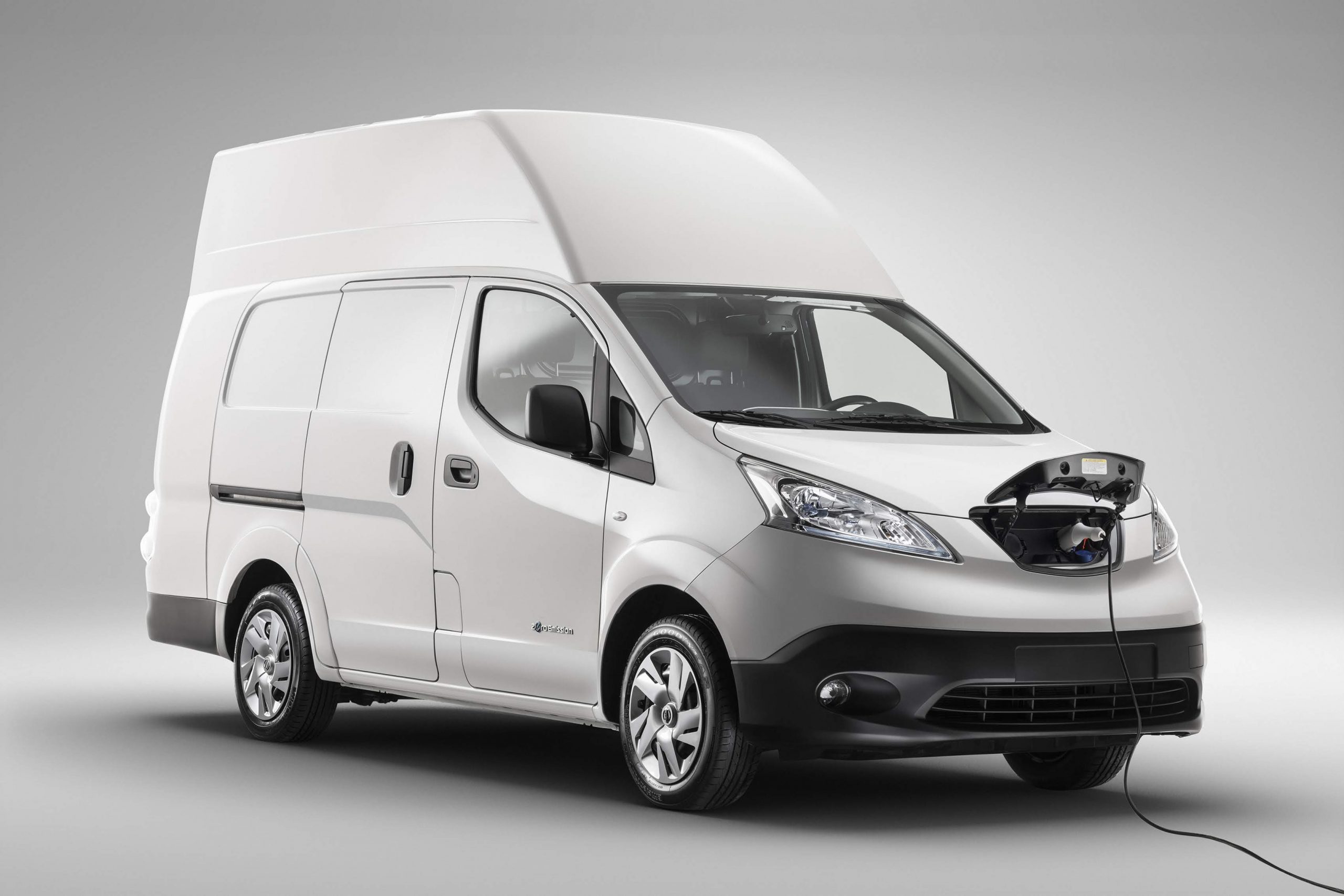
The Nissan E-NV200 might not be much of a looker, but on paper it’s a brilliant city van like the Peugeot Partner or VW Caddy. With a modest 80kW, but reasonable 280Nm, the E-NV200 would be extremely cheap to run.
With the 40kWh battery, it has a healthy city driving range of up to 300km, which is probably a week’s driving for a good number of businesses. Bit of a slam dunk this one.
Volkswagen
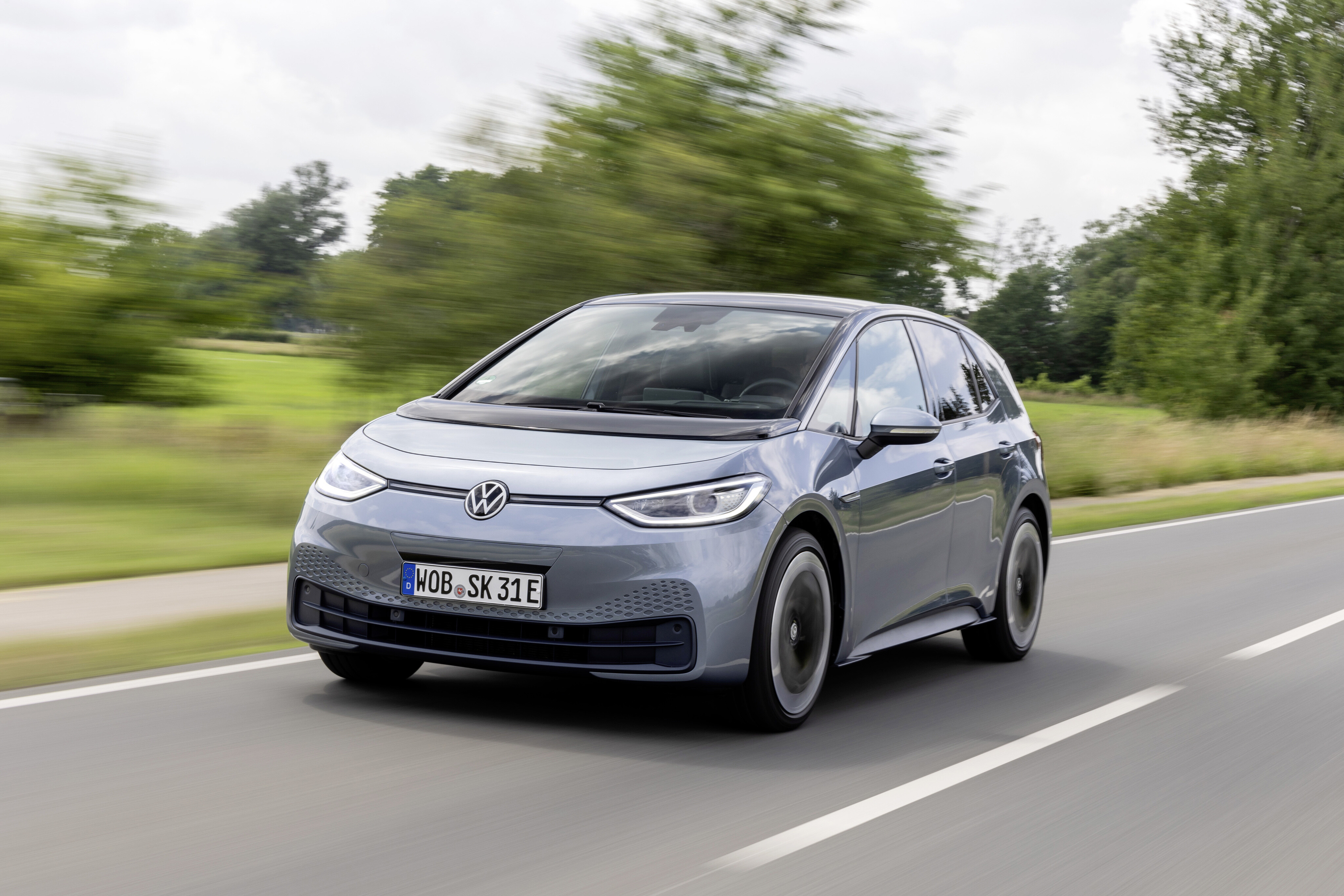
VW is so far resisting calls to bring the Golf-sized ID.3 here to Australia, citing Government policy as a blocker. Bizarrely, it’s the EV we’re most asked about after Tesla, despite its much lower profile. The ID.4‘s SUV-like approach is also likely to play well with Australians, and we know it’s already coming – so one imagines the local business just doesn’t think the ID.3 will resonate with Australian buyers.
The e-Crafter van would be a good idea too if it wasn’t left-hook only. We could live with sitting on the wrong side of the Ami, which is barely wider than the Renault Twizy, but driving on the wrong side of a massive van would be no fun at all.
And, like any good motoring journalist, we will insist that not only must the VW Up! microcar return to our shores, but it should be in e-Up! form, despite all indications pointing to its untimely end.
Renault
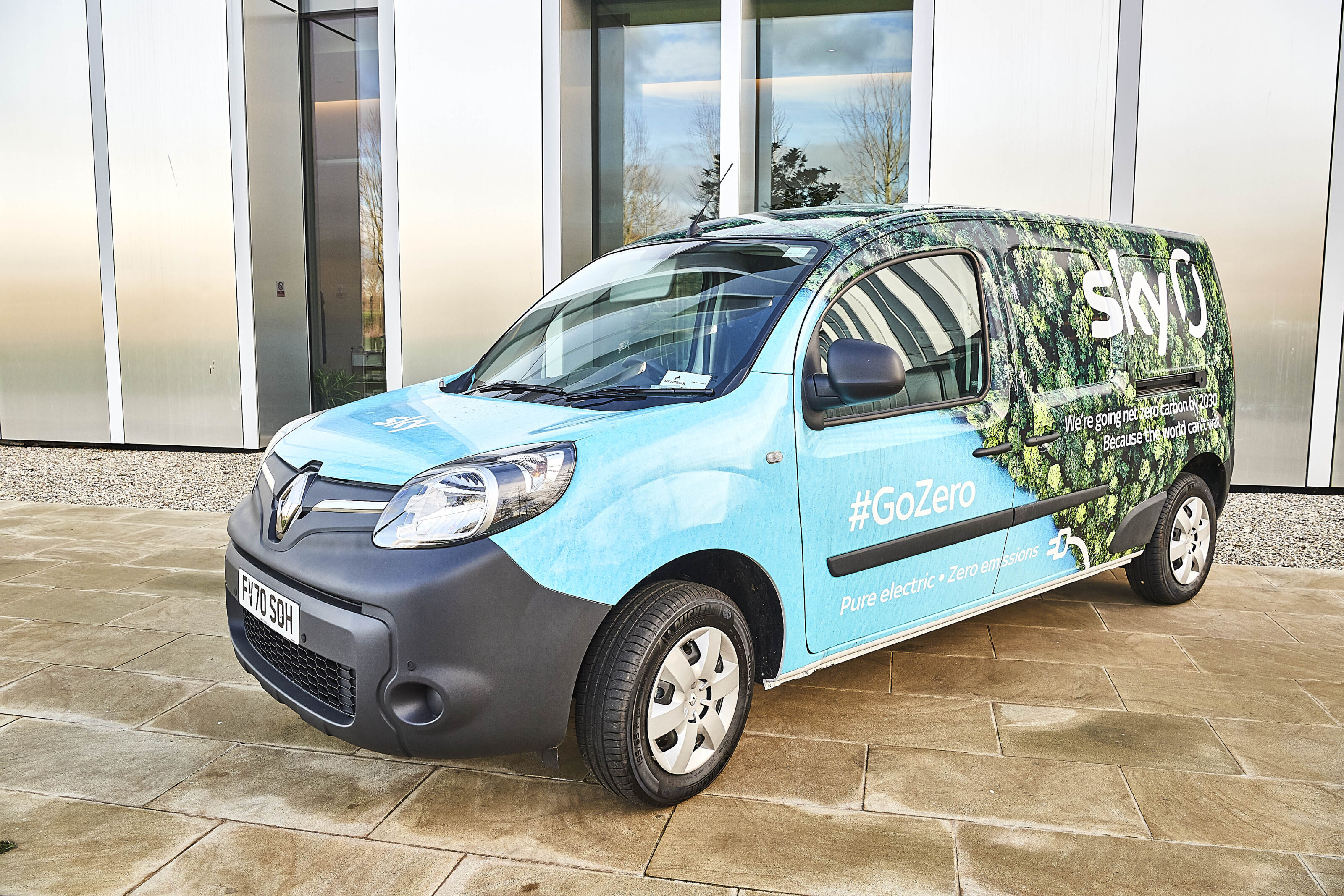
Renault had a go with the Kangoo Z.E. electric van, but we can’t for the life of us remember if we’ve ever seen one in the wild.
Perhaps the local arm should consider Ford’s idea of a much larger unit, the Master Z.E.? The Master is a versatile panel van, available as either a platform cab or cab chassis, with a ton of space and a usable city driving range.
It wouldn’t be cheap, but the Master’s reputation for being loud when fitted with a diesel might tip a few buyers over the line.
Peugeot
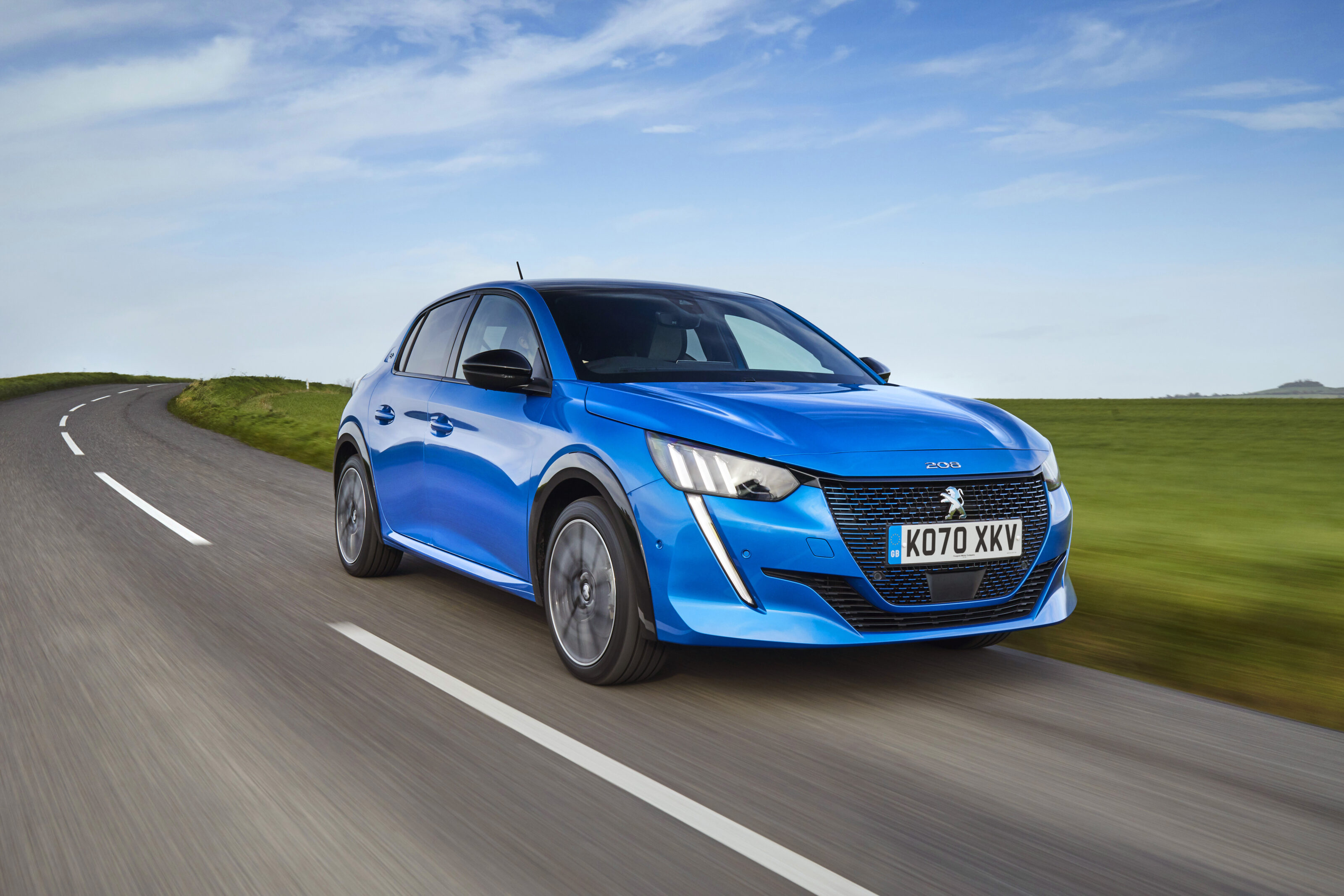
We already know the e-2008 compact SUV is on its way but the French car’s importer remains cagey on the e-208.
Lots of people ask why there aren’t any small EVs on the market (we quickly explain there are several), and the talk quickly turns to price. Which is probably holding back the funky hatchback from a local release in electric form, just as it’s hugely unlikely we’ll ever see the ICE 208 here. A shame, but if it could land at a mid-$30k price point, French car fans are just mad enough to do it.
The Peugeot e-Expert has a silly name and isn’t much to look at, but has an impressive driving range for a commercial vehicle (330km WLTP) and decent power and torque. Being a compact van, it’s not too big so would be good for the urban cut and thrust.
There are more out there…somewhere…
Of course there are more out there and many of them will come from China. We don’t mean the $4500 Wuling Hongguang Mini EV that Youtube dutifully trotted out as a Tesla killer in the last couple of months, but a whole bunch of Geely Group cars wearing various badges – including Lynk & Co.
Get in the comments and let us know which ones we missed – or how wrong we were about the ones we haven’t.
Only a couple of years ago, the way we bought our new cars in Australia hadn’t drastically changed for decades – you’d go to a dealership, haggle for a better price and walk away with a deal.
Yet that’s starting to change, and not everyone is happy about it.
As a relatively new player in the automotive world here, Tesla already uses a fixed-price model to sell its vehicles. Largely dispensing with bricks and mortar dealerships, it flogs its wares online with just one price available and no bartering.
Similarly, Volvo off-shoot Polestar, which arrives on our shores next month, will use ‘Spaces’ such as shopping centres to promote its models, before directing potential customers to its website to make the purchase.
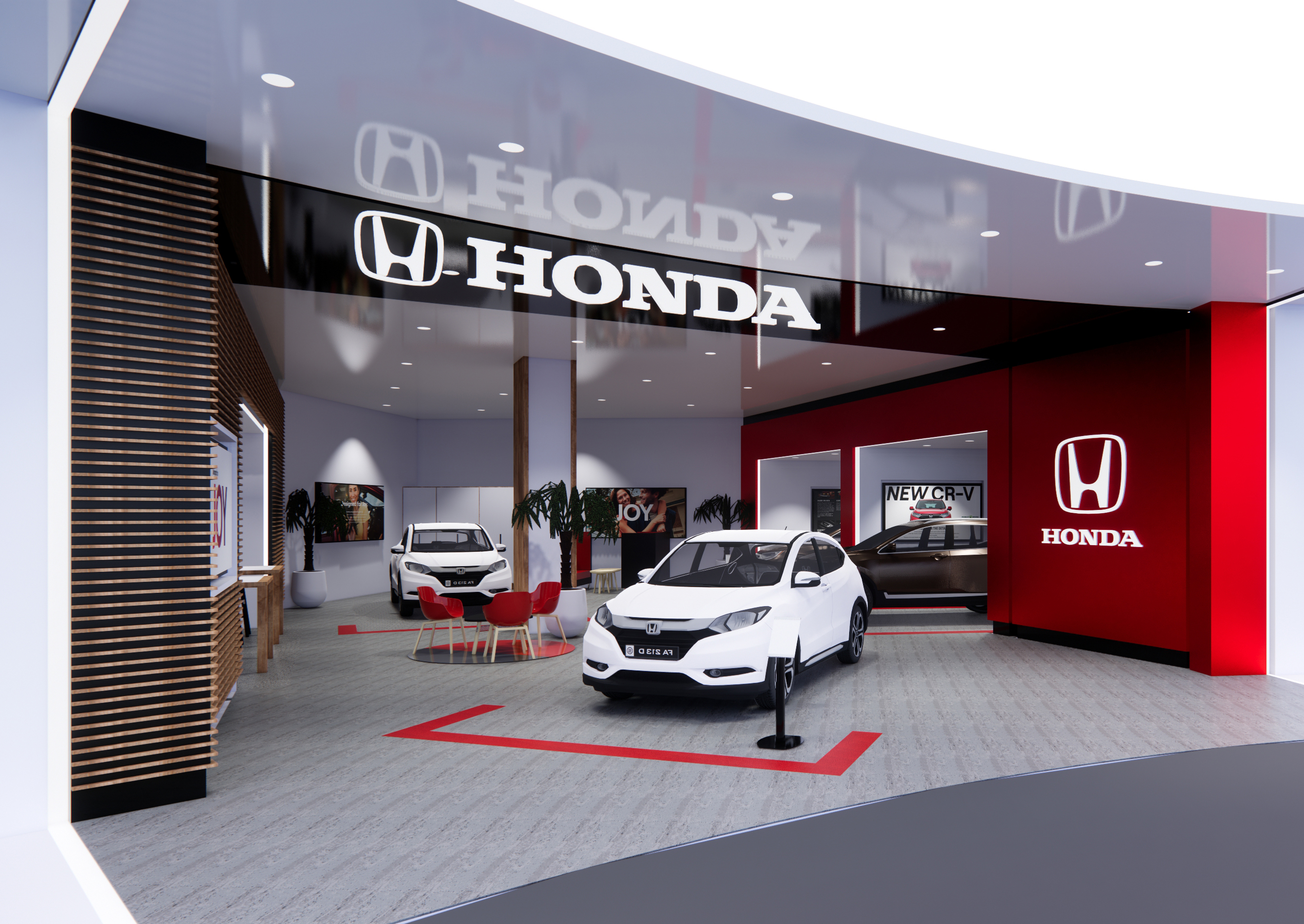
It’s not just these EV upstarts changing the way things are done – from July 1 this year, Honda moved to the ‘agency model’ whereby the company owns and controls its vehicle stock instead of selling to dealerships, and there’s fixed, national drive-away pricing, no haggling or discounts on the showroom floor.
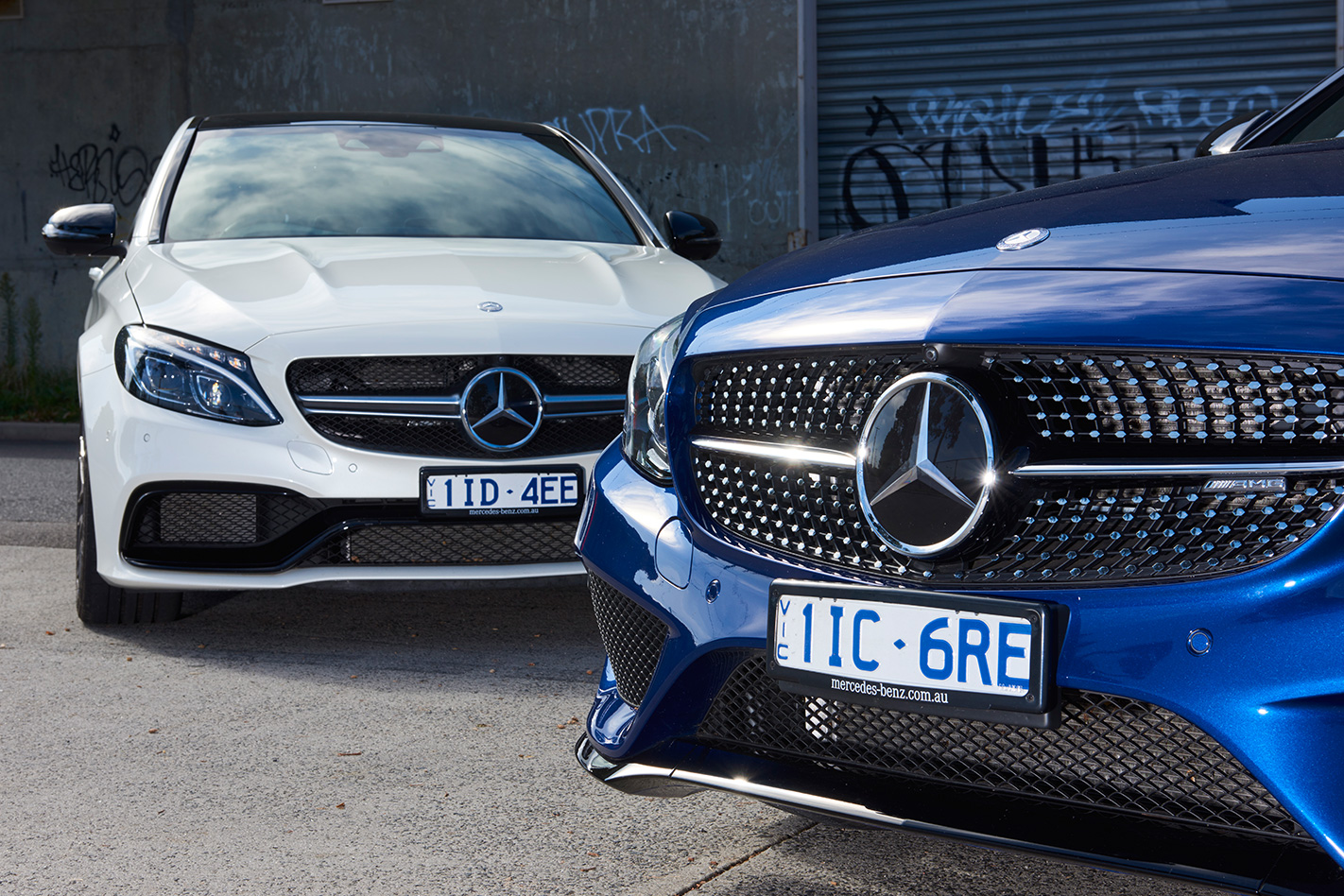
Hot on Honda’s heels is Mercedes-Benz, which plans to introduce its own agency model from January 1, 2022 – causing the German marque to come under extreme heat in recent days, with around 40 out of 50 dealers joining forces to take the company to court claiming they’ve been forced to accept the changes against their will and seeking $650 million in compensation.

What is the agency model?
Agency models, while varying between brands and markets, typically include the carmaker owning the vehicle stock instead of selling to a dealership, which then of course on-sells to the consumer.
The second major component is a standardised national price on each and every model in a company’s line-up, bringing an end to ‘haggling’ and negotiation on how much someone wants to pay.
Agency models are already prevalent in retailing – think of Apple or Miele for example, where high-end products are not price adjusted by retailers.
Across the globe, the use of this sales strategy in the automotive industry is more widespread. Indeed, in New Zealand, Toyota operates via an agency system, while Honda has also employed the strategy there since 2001.
Mercedes-Benz itself has already introduced agency models in markets including South Africa, Austria, Sweden and in the coming years will transition to one in Germany as well.
What does it mean for me?
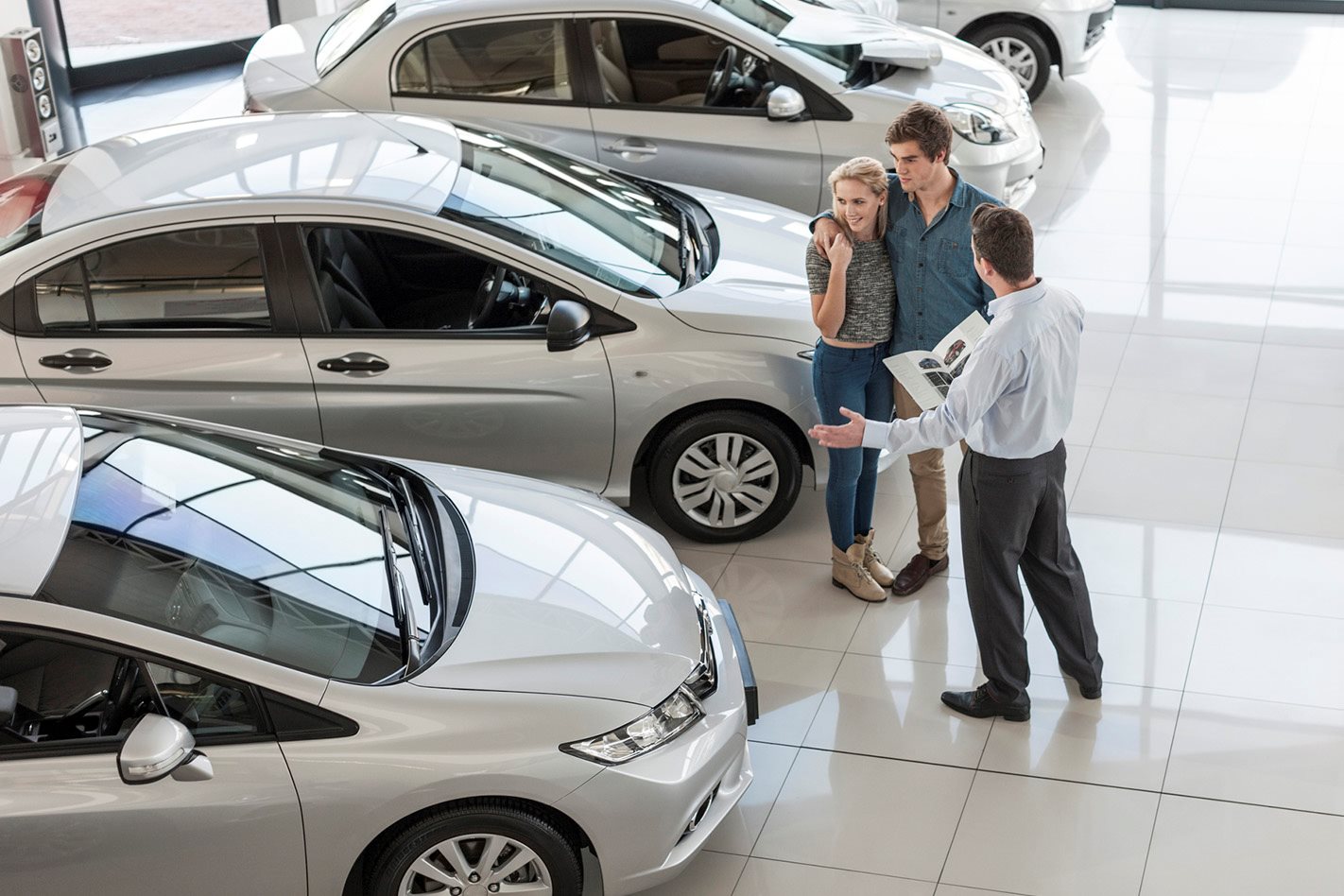
Essentially it means paying the same price for the same car no matter where you buy it.
According to Honda Australia, which made the switch in July this year, there are significant advantages for the customer – first and foremost being the consistent, national drive-away pricing.
“What it means for customers is that transparency and ease of buying the vehicle,” said Stephen Collins, Honda Australia’s Managing Director.
“It’s not just about one price, it’s about having the configurator on the website, and having full transparency of the car, the [cost] of the accessories [and showing] – this is the number that you will pay.”
Honda calls it the one-price-promise, and Collins explains that it’s about a smoother, better purchase experience.
“Our own research shows that 90 per cent of our customers don’t like to haggle. The majority of people don’t like it, don’t want it and don’t like the lack of transparency,” he says.
“Again, some people love it, but what will ultimately determine whether someone buys our car or not is a whole multitude of factors; what value we provide, the service costs through the life of the car. If we’re not providing good value, then people won’t buy our cars.”
That’s something that Mercedes-Benz Australia echoes, too, with its agency model for 2022 including standardised national pricing.
“There’s a number of reasons this helps customers,” said a Mercedes-Benz Australia spokesperson. “[They] won’t need to go to multiple dealerships to find the so-called best price and won’t need to rely on their negotiation skills to get a ‘good deal’.”
In terms of overcharging, think of high-demand niche models such as the Toyota Yaris GR, or the Ford Mustang Bullitt – dealers were free to add whatever market-driven mark-up they wanted regardless of the brand’s wishes.
Under an agency model, it isn’t about who can pay the most for models like these – it’s based on vehicle availability.
According to the manufacturers, that’s where the next advantage to both dealers and customers comes in – access to a much larger pool of vehicles all owned by the car company itself.
This puts an end to dealers pushing old models onto customers and also means carmakers are less likely to force that same stock onto dealers (at the dealer’s expense and often to inflate sales figures or pass on the cost of stowage).
In fact, dealers will no longer be responsible for shipping, insuring and the cost of each vehicle in their showroom under Honda and Mercedes’s strategies.
“[Under the agency model], you walk in and if you want a blue car with a white interior, provided it’s in the national stock, you’re going to get it,” says Mercedes.
“The dealer doesn’t own the stock, it doesn’t sit on the yard for 12 months – none of that. If you are a regional dealer or a city dealer, a regional customer or city customer, you will have access to exactly the same vehicles.”
Ultimately, the agency model is seen as part of the luxury buying experience for Mercedes – haggling and spending your time shopping around to cut a deal is not how it feels its customers want to spend their time.
As a result of the changeover, the company believes its customer experience should improve, and the dismantling of sale-focussed pressure will mean that perhaps walking into a new-car dealership will be far less intimidating and tense for many Australians.

That sounds great, what’s the catch?
The elimination of haggling and heading to another dealership within the same brand for a better deal is something the Australian Automotive Dealers Association (AADA) believes is not good news for consumers.
“If there’s a fixed [cost] and there’s no intra-brand competition, what’s the incentive to lower prices?” says CEO James Voortman.
“That’s going to be a significant challenge, especially for those loyal customers who’ve potentially been buying a Mercedes-Benz from the [same] dealer for years and might feel that they’re entitled to some kind of discount,” he adds.
“So we see challenges in the showroom in explaining this to the customers and, you know, some of those dealers will rightfully feel that they’ll be vulnerable to competitor brands who are able to offer discounts.
“We frame it as taking away the option for a discount. We know that consumers like discounts, and while there might be a proportion who don’t like the haggle or negotiation – it is not something dealers force consumers into, it’s something that’s initiated by the consumer.
“I just don’t think a monopoly pricing system has ever served anyone well and I think that the agency model has traits of that.”
While dealerships are forbidden by law to set pricing, an OEM is able to as it owns the entire stock of new vehicles in the country.
Honda disagrees, it says brands can’t afford to price themselves out of the Australian market.
“We have to provide good value – great value – because there’s 60-odd brands fighting for 1.1million units,” says Aussie boss Collins.
There’s also the question of how it works to trade in your old car or service it under this system.
Trade-ins and servicing will remain the same under both Mercedes and Honda’s agency models. In New Zealand, Honda’s approach also applies to its parts business – but that won’t happen here.
“When a new car is sold in a dealership, often that transaction involves the trade-in of another vehicle,” says Voortman. “I don’t know if it’s possible to have a true fixed-priced model when so many trade-ins are involved, because it just shifts the negotiation onto the trade-in.”
What about the dealers?
While the AADA is not outright opposed to an agency approach, it’s not exactly in favour of it either.
“We’re pretty open-minded on agency models,” says CEO James Voortman. “It must be said that not all are the same and we’ve already seen differences between the ones presented by Mercedes and Honda.”
However, the organisation believes its members know best what the customers want.
“The main thing is, and this isn’t a criticism of manufacturers, it’s just a different skillset manufacturing a vehicle to retailing [one],” says Voortman.
“And we’ve seen brands try it in the past and there’s just too much of a disconnect between the factory and the customer.”
“It’s not so much the introduction of another business model,” says MTAA (Motor Trades Association of Australia) CEO, Richard Dudley. “It’s how you choose to introduce that business model, how it impacts and what you’re required to do under the relationship you’ve had, in many instances for up to 50 years.”
New regulations surrounding dealer franchisees and the working relationship with manufacturers came into effect in July 1, 2021.
It’s important to remember that dealerships that operate agency models are in many cases still franchises; an agency model does not change this.
Yet neither Mercedes nor Honda say they are looking to take over the job of retailing, and dealerships remain extremely valuable as the face of an OEM’s brand – a human touchpoint.
“The incentive isn’t about selling more cars, it’s about a better customer experience,” says Mercedes’s spokesperson.
“I think there’s a lot of misinformation going around,” adds Honda boss Collins.
“We’ve still got showrooms, we’ve still got service facilities, we’ve still got test-drive cars, we’ve still got people in the dealerships doing a great job.
“The whole human element is just massively important, whether it’s agency or franchise. We’re not selling every car online – all that sort of rubbish is just not true.”
Dudley says the agency model can work like any relationship – provided there’s mutual trust, recognition and obligation between the franchisor and franchisee.
“Some brands out there seemingly are not swayed by the agency model, they prefer the dealership model, and there are new entrants into the market that are saying they’ll have a hybrid of both.
“A lot of people have misinterpreted that this is about preserving the status quo of the dealership model – it’s not. The agency [strategy] can serve a purpose, provided the relationship that underpins it is as strong as [it is at] most dealerships.”

What’s the legal stoush between Mercedes and its dealers?
Mercedes-Benz Australia is facing legal action from its dealer network, the majority of whom are looking for compensation over the implementation of an agency model.
Dealers rejected Mercedes’s fixed pricing model during negotiations on new franchise agreements going forward; the fact that Mercedes will implement them in January 2022 regardless has prompted the dealer’s legal bid.
It suggests that many of the brand’s 53 dealers signed the new agency agreement under duress, and that Mercedes-Benz Australia didn’t act with ‘goodwill’ after failing to reach an agreement on compensation for the model.
What do the numbers say?
According to the Federal Chamber of Automotive Industries (FCAI), which has 99 per cent of Australian car dealers among its members, only four per cent of profit is from new-car sales. That’s from its 2019 pre-COVID data of the top 30 per cent of new car dealers in the country.
That’s still a significant slice of income for dealers – especially in the case of AP Eagers, which is the largest dealer network in the country with more than 30 brands and 9.2 per cent of the market. Its 2020 revenues were $8.7 billion.
The FCAI data also showed used cars as making up eight per cent of profits, finance and insurance at 20 per cent, parts at 22 per cent and servicing the most lucrative at 45 per cent. This means that dealers – or agents – will maintain the most profitable parts of the business and will still be paid for each new-vehicle sale, too.
“Innovation and competition are kings across the retail landscape. Despite this, some car dealers want to immune themselves from change, even when customers are crying out for new ways to do business,” said FCAI Chief Executive, Tony Weber.
“Efficient, effective markets rely on innovation, transparency and flexibility – the new car market is no different.”
What’s the upshot?
In the end, consumers will decide what works best, as Australians typically will simply vote with their wallets.
Buying a new car is a hugely emotional purchase, and a significant financial outlay for most people, whether using an agency model or otherwise, every carmaker and dealership needs to keep Australian buyers happy or they’ll lose out to rivals in one of most competitive markets in the world.
Key Points
- UK pricing to start around u00a325,000 (AU$45,555)
- Driving range up to 420km
- First European deliveries expected next year
The Ora Cat 01 will begin to roll out across Europe from the beginning of next year, as pricing and features of the Chinese electric vehicle have been confirmed.
The Cat 01 is GWM sub-brand Ora’s first attempt at an EV, based on a dedicated electric architecture with a front-mounted motor.
With a starting cost of around £25,000 (AU$45,555) in the United Kingdom, the small five-door could land locally close to the price of Australia’s cheapest EV – the MG ZS EV – which is $44,990 before on-road costs and incentives.
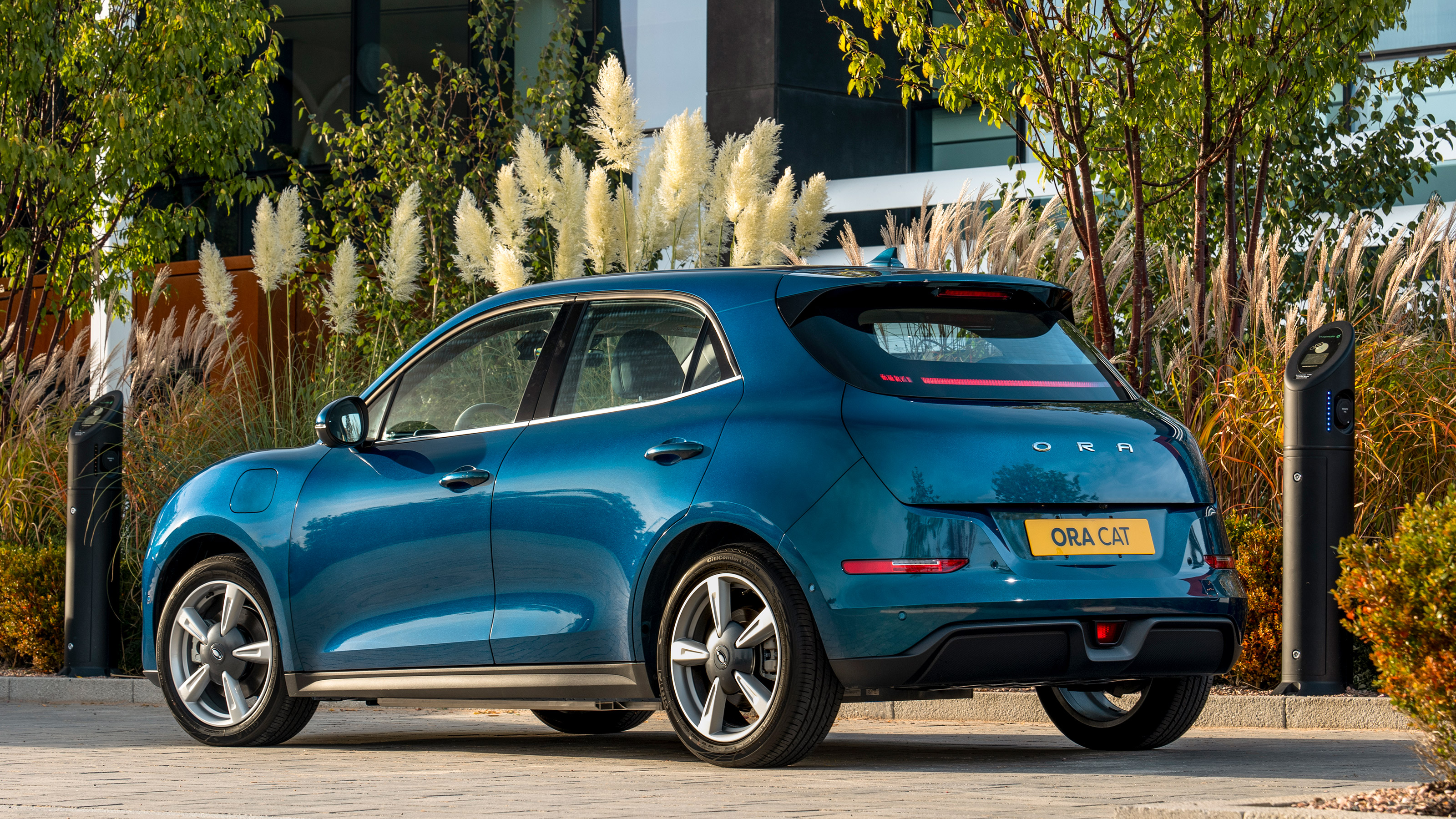
Powering the Ora Cat 01 to a 0-50km/h time of 3.8 seconds is a 126kW/250Nm electric motor, supplied by a choice of 48kWh and 63kWh battery packs which provide a claimed driving range of 336km and 420km respectively.
Fitted with an 80kW charger, the battery packs can be taken from 10 to 80 per cent charge in around 40 to 50 minutes respectively, while AC charging will allow for a slower overnight cycle.
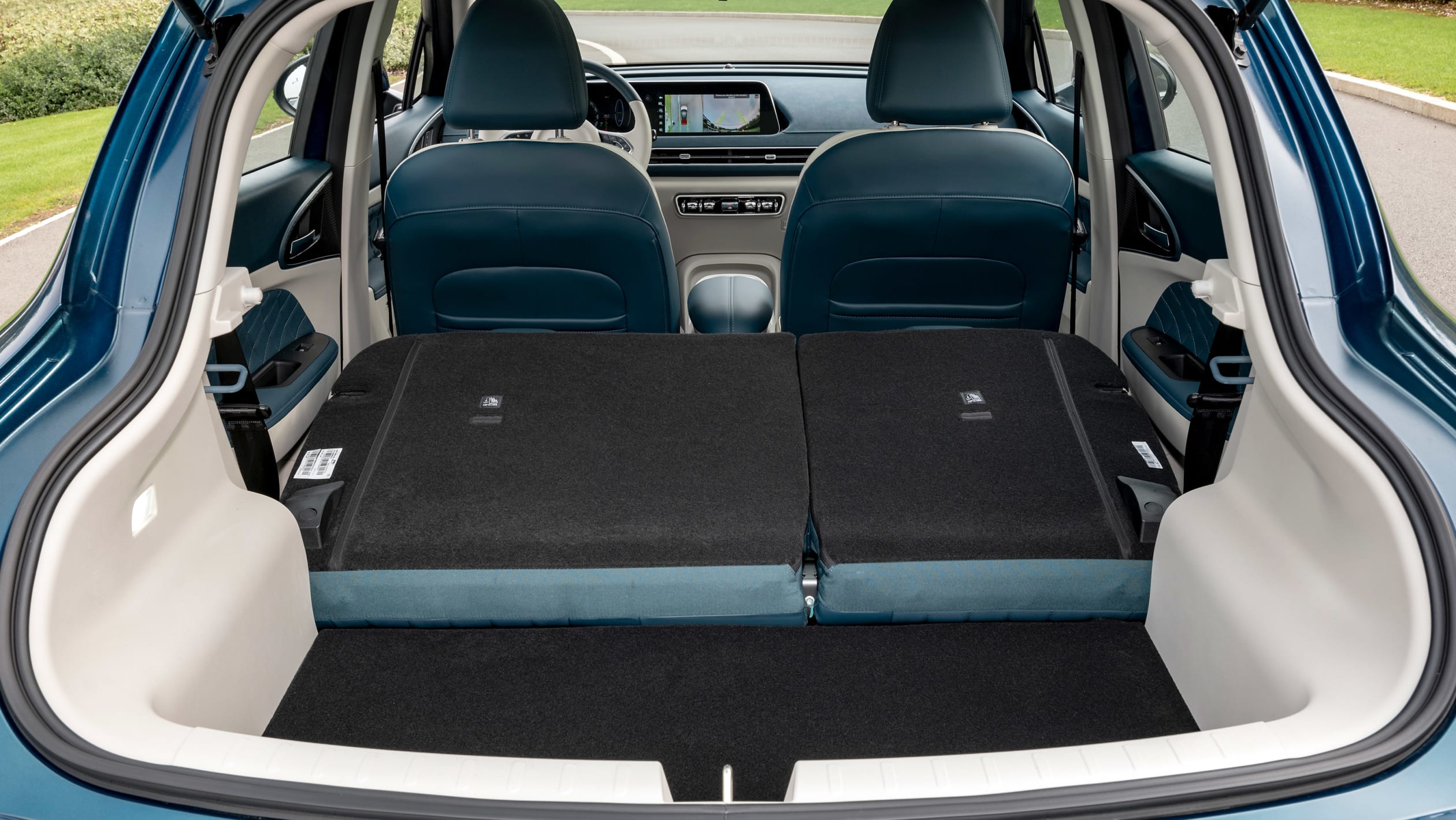
The Ora Cat 01 is similar to a Volkswagen Golf in its exterior dimensions, standing at 4235mm in length, 1825mm in width and just over 1600mm high, giving it a boot which has a capacity of just 228 litres.
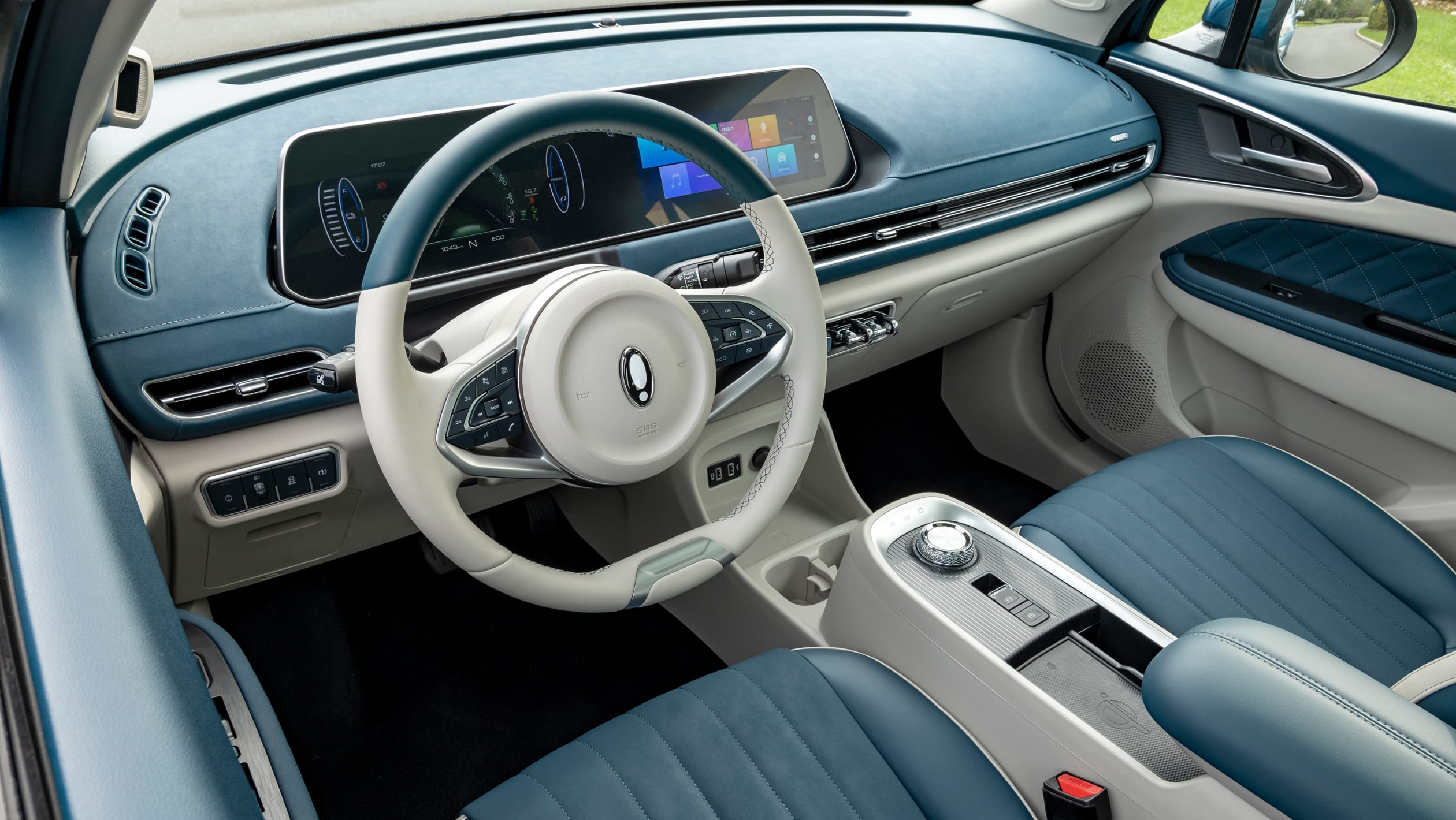
According to British publication Auto Express, a host of safety tech such as autonomous parking, lane assist and driver fatigue monitoring are standard, while 12 ultrasonic radar sensors and cameras gives the Ora Cat 01 some semi-autonomous capabilities.
In the cabin, a 10.25-inch digital dash and 10.25-inch infotainment screen are linked atop the dashboard, providing Apple CarPlay and Android Auto – as well as over-the-air updates.
The Ora Cat 01 won’t be the first Chinese-built EV available in Australia, as its main MG rival and the benchmark Tesla Model 3 are both assembled in Chinese plants – although with little brand recognition it will be interesting to see how the Great Wall-owned brand performs.
Snapshot
- EV tax pushed back from July 1, 2022 to July 1, 2027
- $3000 subsidy for 6000 buyers
- Bill passed by State’s Parliament
South Australia’s State Parliament has passed the Motor Vehicles (Electric Vehicle Levy) Amendment Bill 2021 in order to grow electric vehicle uptake.
The Bill, which builds on the $18.3 million Electric Vehicle Action Plan announced as part of the 2020-21 State Budget, will provide three years free rego for EVs purchased prior to June 30, 2025 and a $3000 subsidy for the first 7000 purchased.
A road-user charge, which will come into effect on July 1, 2027 or when EV uptake hits 30 per cent, was also agreed on by Parliament as part of the plans.
Tony Weber, Chief Executive of industry body the Federal Chamber of Automotive Industries (FCAI), welcomed the news.
“This Bill will set the course for the continued growth of electric vehicles in South Australia through infrastructure investment, tax relief and consumer incentives. The South Australian Government has recognised the shift in consumer preferences towards EVs and has introduced policies to fuel this growth,” he said.
The story to here
August 26: South Australia has put plans for an electric vehicle tax on ice – pushing back its introduction from 2022 to 2027, mirroring plans recently set out by New South Wales.
In the Motor Vehicles (Electric Vehicle Levy) Amendment Bill introduced to SA’s Parliament today, the state sets out plans to delay the road user charge’s introduction by five years. Originally it had been due to come into effect on July 1, 2022.
However, in terms identical to those of NSW’s plans, SA has stipulated the charge could come in sooner if sales of EVs in the state hit 30 per cent before July 1, 2027. It’s a case of whichever comes first.
“We have consulted widely with industry, manufacturers and other interest groups and, as a result of that feedback, have decided to extend the introduction of the proposed Electric Vehicle Road User Charge by up to five years (up to July 1, 2027),” said Treasurer Rob Lucas.“Currently, drivers of zero and low emission vehicles pay little or no fuel excise.“But ultimately as the State transitions towards a higher concentration of zero and low emission vehicles, there will be a corresponding reduction in the number of motorists paying fuel excise which contributes to vital road funding to help maintain and improve the state’s road network.“A road user charge is necessary to ensure that all vehicle owners, regardless of what car they drive, contribute to the upkeep of our roads into the future.”
South Australia is also to join its counterparts in offering a subsidy to buyers of new electric vehicles as part of an $18 million package to encourage take-up over of zero and low emission vehicles.
Announced on Thursday, the state is to offer 6000 subsidies worth $3000 once the Bill has passed through Parliament – although Mr Lucas said he thinks the chances of it happening are “unlikely”.
Under the proposals, the offer would be knocked off the price of a fully-electric vehicle at the point of sale, but only available for a limited time.
Mr Lucas said the Marshall Government had already made the single largest investment in electric vehicles in the state’s history through its $18.3m Electric Vehicle Action Plan, announced in the State Budget 2020-21 – and this new subsidy package would bring to $36m the total level of Government support for EVs.“We are committed to investing to help drive the take-up of environmentally friendly zero and low emission vehicles while ensuring there is a long-term sustainable model for critical road funding,” said Mr Lucas.
“Our proposed new $3000 State Government-funded subsidies for new full electric vehicles are expected to provide a further incentive for those motorists who may be considering a purchase of this type.“The subsidies, which are consistent in value to those offered in Victoria, are contingent on the Bill passing the Parliament and would be introduced at that time. While we accept that looks unlikely at this stage, we remain hopeful.”Modelled on similar schemes in New South Wales and Victoria, the road user charge would be calculated at 2/km km for plug-in hybrid vehicles, and 2.5 c/km for any other electric vehicles.The road user charge would be calculated and billed in arrears as part of the vehicle registration process and based on the distance travelled since the last renewal.
This means that for those who pay their registration annually, the first road user charge payment will not occur until a year or more after the relevant commencement date.
The Federal Chamber of Automotive Industries welcomed the announcement, praising SA for acknowledging now is not the right time to be introducing an EV tax.
“The approach of the Government is consistent with actions being taken across the world to support the introduction of new vehicle technologies that reduce CO2 emissions and meet the mobility needs of a growing number of motorists,” said FCAI Chief Executive Tony Weber.
“The proposed customer subsidy of $3000 for electric vehicles provides a positive signal to customers and car companies that this emerging technology is a key part of our transportation future.”
Mr Weber also acknowledged the Government’s recognition that reform of road user charging – regardless of the vehicles being driven – was a key part of future financial arrangements as revenue from fuel excise reduces over the longer term.
“The FCAI is a strong advocate for the reform of outdated, inefficient and burdensome taxes and charges to be replaced with one efficient road user charge that can apply to any type of vehicle,” Mr Weber said.
“The proposed user charge for electric vehicles is consistent with the charge proposed in other states which provides a platform for national consistency in the absence of a Federally-led approach.
“The timing of the introduction of the charge in 2027, or when EVs represent 30 per cent of sales, will allow some time for the market to adjust. This will result in low emission vehicles taking a greater share of the overall automotive market.”
However, while Behyad Jafari, CEO of the Electric Vehicle Council of Australia, was disappointed SA has decided to stick with its plans to charge EV owners.
Writing on Twitter, he said: “SA has today re-introduced its EV Tax. The good news is they’ve listened and the rest of Australia has now rejected the Victorian model of premature new taxes on EVs.
“However this plan is far from complete. I urge the Treasurer to keep listening. To his credit, the Treasurer has taken time to talk to everyone while redeveloping his plan.
“NSW has shown how this can be done well. Let’s learn from that. Within all this, we should also remember RUCs [road user charges] are meant to apply to all cars, with an added charge for pollution.”
According to a recent study by leading think tank The Australia Institute, seven out of 10 South Australians say the State Government’s proposed road user charge makes them less likely to buy an EV.
However, The Australia Institute survey of 599 South Australians did not find that overall support for electrification was lacking – with many showing support across the political spectrum for incentives to reduce the upfront cost of an EV.
While all the states and territories are investing in a charging station boom of some kind, all of them are now also offering a draw of some sort for Aussies to make the move from ICE to electric.
But, and it’s a big but, three of them now following today’s announcement – NSW, VIC and SA – also want to charge EV owners for driving on the roads.
Victoria has come under considerable heat for implementing its tariff from July this year, whereas NSW won’t begin charging EV owners until 2027, or when 30 per cent of the state’s vehicles are electrified – whichever comes first.
One such outspoken critic of VIC’s strategy is Volkswagen Group Australia.
Speaking about the announcement today, the Group said SA’s proposal served to emphasise the “inertia of the federal Government” when it comes to EV policy.
“The states and territories are left to pursue individual policies on the most profound change to personal mobility in 100 years,” said VGA managing director Michael Bartsch.
“NSW has devised a world class strategy to encourage uptake of zero-emissions vehicles. Nor would South Australia implement a road user charge on EVs until 2027, or until these comprise 30 per cent of sales.
“Lack of federal leadership, however, has allowed the Victoria Government to go rogue with a plan predicated on taxing EVs before they comprise even 1 per cent of the market. Victoria’s token rebates do not change the fact new plug-in hybrids are double taxed [paying both the road user charge and fuel excise] – while antiquated 1990s ‘self-charging’ hybrids are exempted.
“Unlike its eastern neighbour, but very much like NSW, the Marshall Government has sought expert advice and considered these representations, and we ask that it continues in this vein.
“There is, of course, more to a mature EV policy than taxation or incentives. Widespread adoption of EVs has broader societal and environmental benefits, not least the reduction of emissions and reliance on fossil fuel.”
Just days after the 2022 Mercedes-AMG SL was unveiled, the German carmaker has confirmed there is a new GT on the way – with promises it will be more of a track-oriented high-performance model.
Speaking to Road & Track, Mercedes‘ design boss Gorden Wagener explained the SL isn’t intended to replace the GT in the Mercedes-AMG stable – but rather offering a more luxurious grand-tourer in the tradition of the SL nameplate.
Wagener said AMG will offer a new-generation GT based on the same architecture as the SL in the future, but suggested it will enjoy a more aggressive character than its sibling.
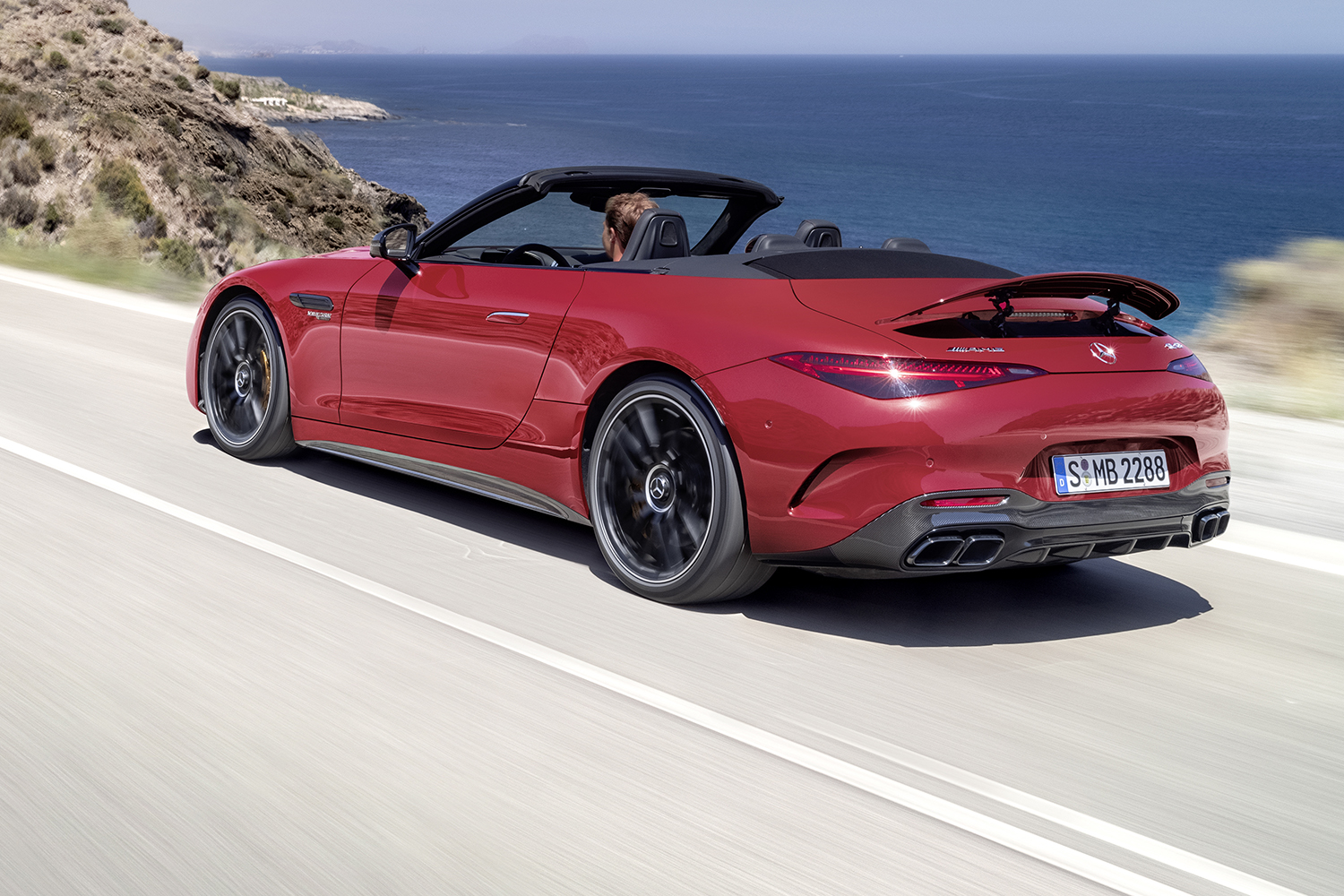
“The GT of course obviously is more of a race car or sports car,” Wagener told R&T. “And, I mean, this new SL is a true sports car, definitely. But also I mean with air suspension and all the possibilities you have, you can turn it from a cruiser to a race car with the click of a button.”
Wagener also noted the current GT was too track-focussed for some owners who wanted to drive their car every day – an issue alleviated with new active suspension systems on the SL 55 and SL 63.
Despite the SL and GT being cut from the same cloth, Wagener says the purpose of each model will be distinct within AMG’s line-up.
Key Points
- Ford’s net income fell by 23 per cent from 2020
- General Motors profits dropped 40 per cent
- Chip crisis identified as main factor behind slump
America’s automotive manufacturers continue to struggle amidst the ongoing semiconductor shortage, with Ford and General Motors reporting third-quarter revenue drops.
The chip crisis has affected GM the most, as the highest-selling manufacturer in the United States reported a 40 per cent drop in profits on 2020 levels – now at US$2.4 billion (AU$3.19bn) to the end of September.
According to Automotive News, GM’s annual earnings should finish up around US$13.5bn (AU$17.97bn), a solid result given the shutdowns at its plants throughout the year thanks to the semiconductor shortage.
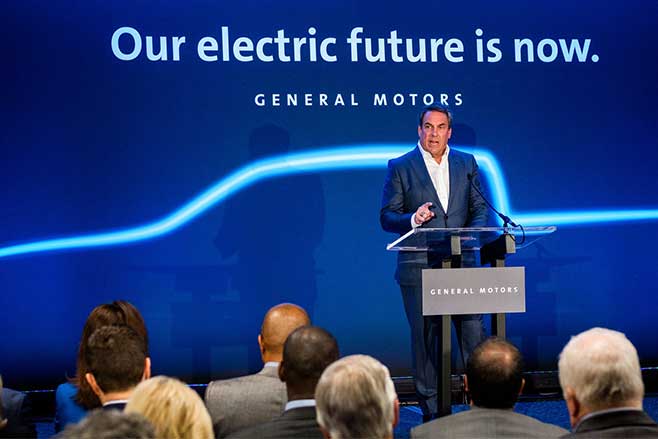
Ford has fared slightly better, with its net income falling by just 23 per cent from the same point in 2020, with the Blue Oval so far taking in US$1.83bn (AU$2.44bn) so far this year.
Overall revenue has dropped by five per cent from 12 months ago, now standing at US$35.68bn (AU$47.49bn), although the situation could be far worse given US sales have fallen by 27 per cent in the third quarter of 2021 – unfortunate given it’s the manufacturer’s native and most successful market.
The Associated Press reports the average price for a new Ford was more than US$51,000 (AU$68,000) – a 13 per cent increase over 2020 levels, helping it to claw back money after supply shortages.
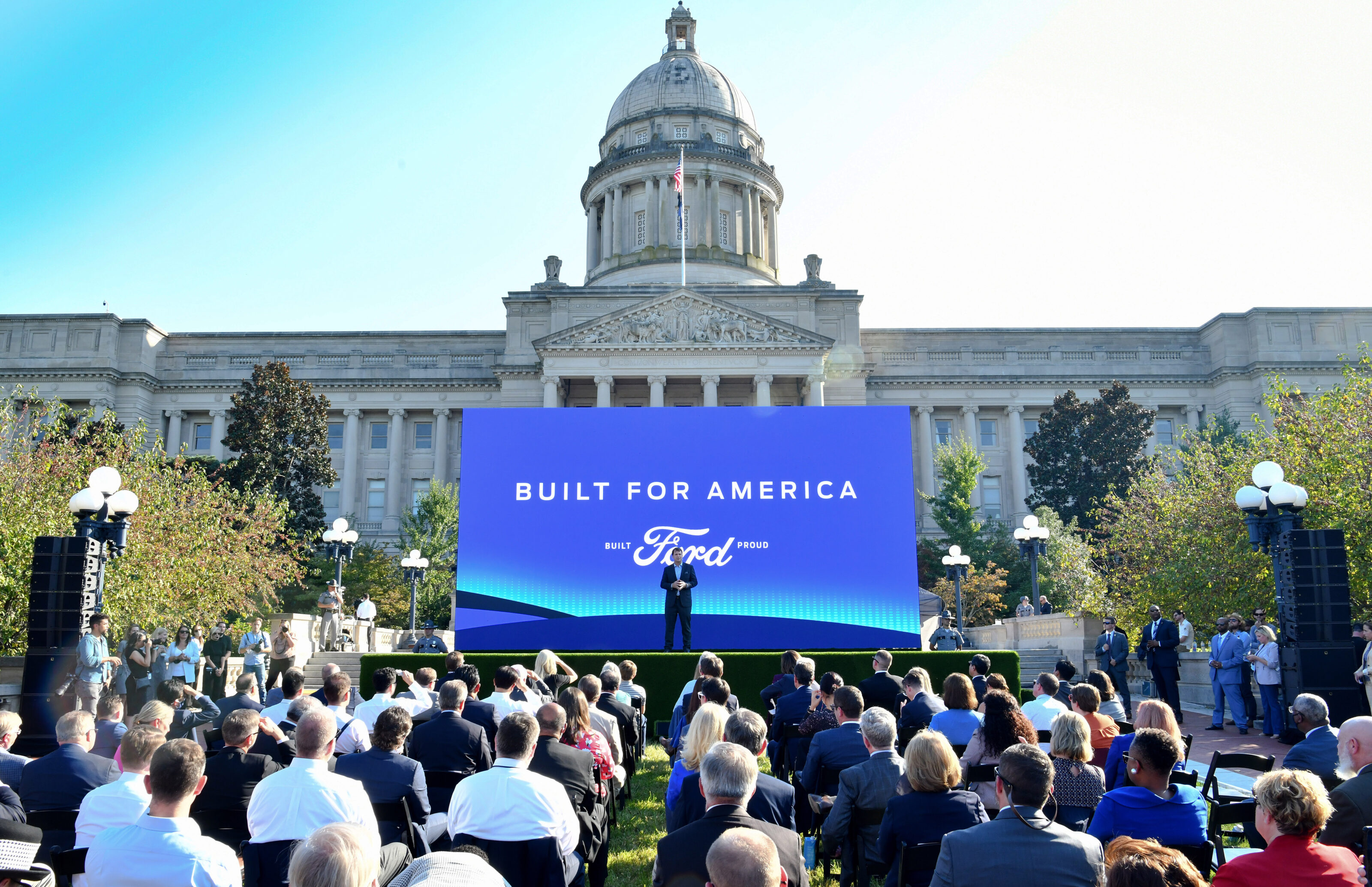
For the first time since the start of the coronavirus pandemic, Ford will pay shareholders a 10-cent quarterly dividend from the start of the fourth quarter, costing the company roughly US$400m (AU$532.45m) per quarter.
It’s been a heavy few months of investment from both manufacturers, as both seek to introduce electric pick-up trucks to the American market from 2022, coming in the form of Chevrolet’s Silverado and Ford’s F-150 Lightning.
Autonomous vehicles are an inevitable part of our motoring future and should be encouraged, not shunned, according to a new report from the University of New South Wales.
A study conducted by a team of engineers from UNSW has found drivers of autonomous vehicles, as well as other road users, will benefit from the former being given their own lanes on freeways as it will ease congestion and increase safety.
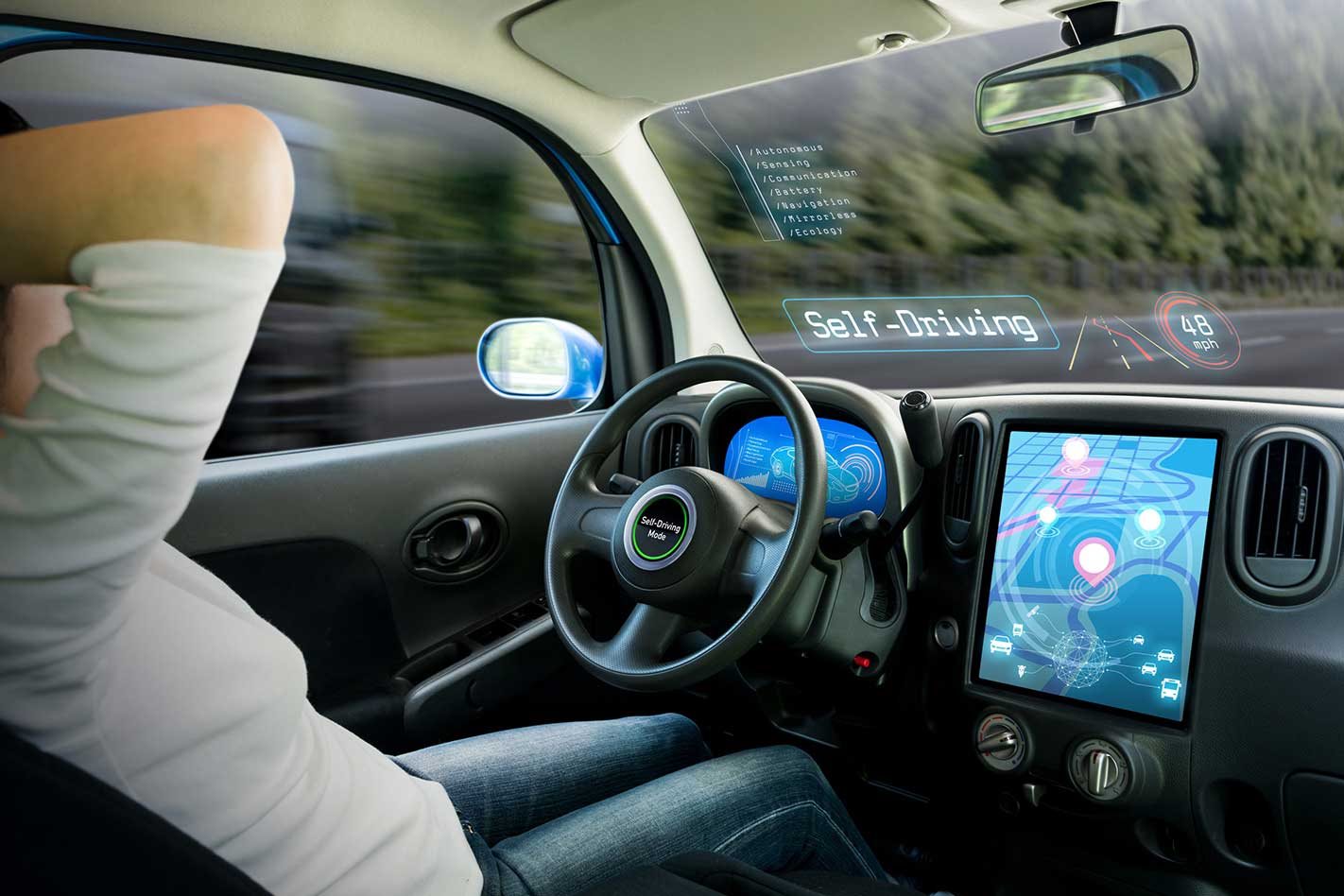
Dr Shantanu Chakraborty, lead author of the report from UNSW School of Civil and Environmental Engineering, said the cost of introducing an autonomous-only lane would offset the current impact congestion makes to the economy.
“Traffic congestion costs the economy billions of dollars every year in all the extra time spent commuting,” said Dr Chakraborty.
“The proposed model will help minimise interaction with legacy vehicles and reduce overall congestion on the road.
“The mix of autonomous and legacy vehicles will cause issues on the road network unless there is proper modelling during this transition phase.
“If we get caught out and we’re not ready, we won’t reap the full benefits of the technology.”
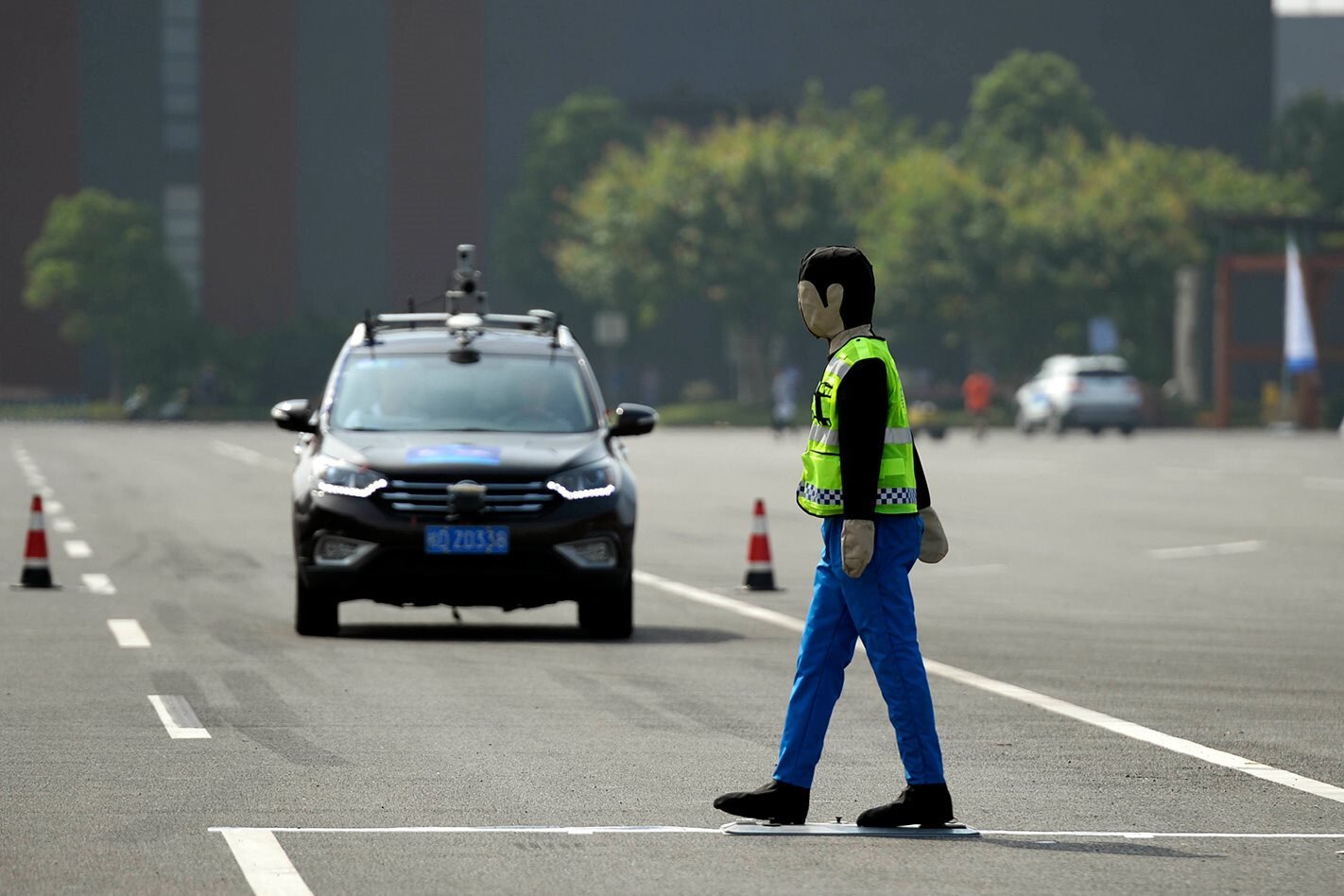
“The possibility of introducing an autonomous-only lane would come at the cost of one existing lane on the nation’s freeways,” Dr Chakraborty continued.
“If you look at our existing network, we already have something similar with dedicated bus lanes – so we’re not reinventing the wheel here.
“Freeways are also the best network of car lanes to trial as they have dedicated entry and exit points where drivers can automatically switch on and off their automated features.
“Our modelling accounts for changing traffic conditions. For example, during non-peak hour times when we don’t need a lane for autonomous vehicles, we can have all lanes open for legacy vehicles.
“Due to the minimal infrastructure, our proposed model also has the potential to design ramp metering for freeway networks to help regulate the flow of traffic during peak hour.
“Similar to existing high-occupancy lanes, for example, transit lanes or T2 or T3 lanes, we can apply a fine when drivers of legacy vehicles enter lanes dedicated for autonomous vehicles. Like any other road rules, we can only trust that drivers obey the signs and road rules.”
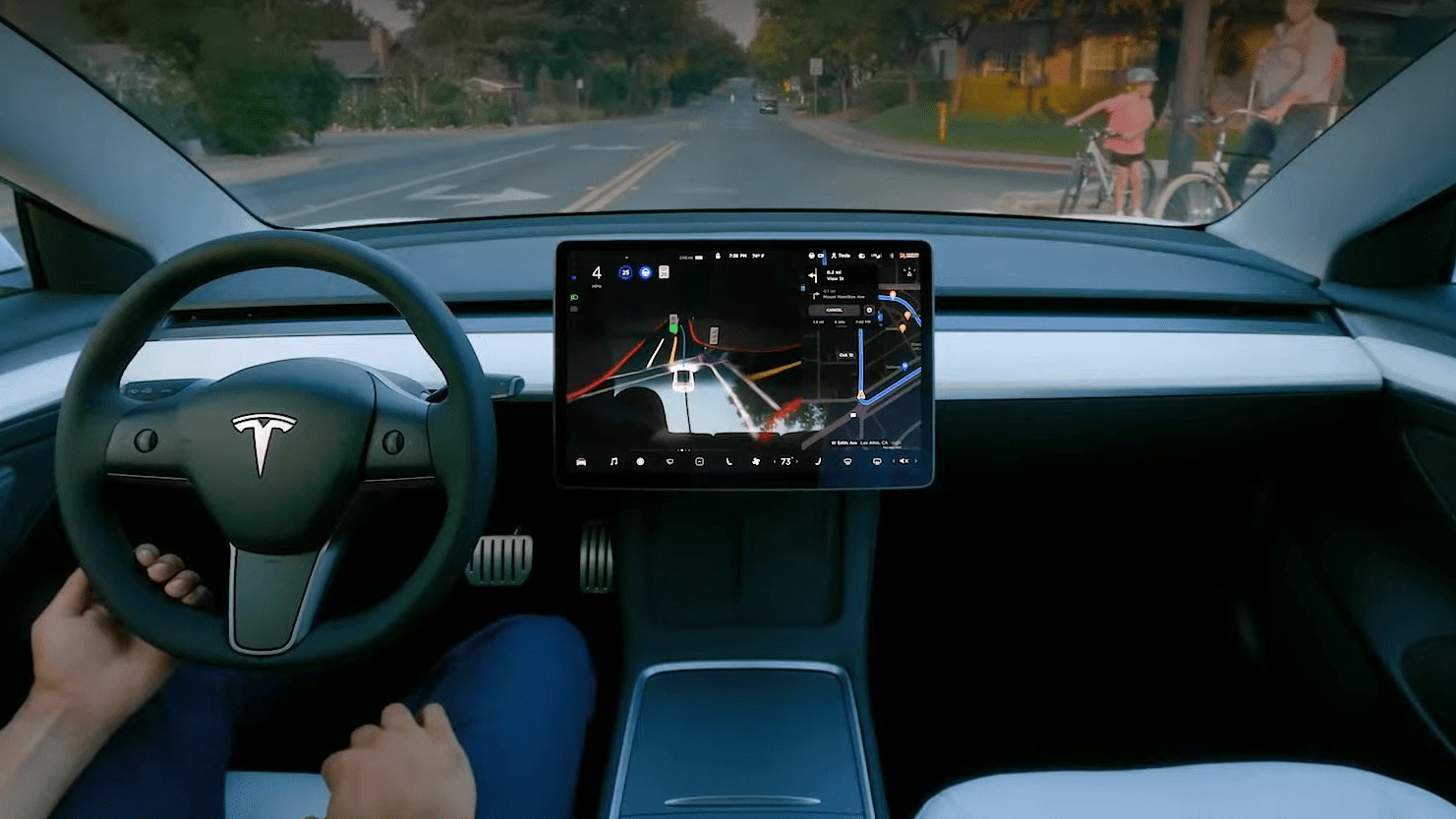
A large number of new vehicles include semi-autonomous capabilities, such as adaptive cruise control and lane keep assist, although Tesla’s Autopilot and Full Self-Driving systems are currently the closest technologies to fully-autonomous available on the market.
However, after being launched last month, the FSD system has incurred issues in its Beta phase, with Tesla rolling out multiple updates as it refines the system on the fly from user-generated data.
Its original Autopilot system is also in the spotlight overseas, having been attributed to at least 11 crashes in the United States with emergency vehicles, triggering an investigation by the National Highway Traffic Safety Administration.
Key Points
- Plants in Dresden and Reutlingen expanding
- Dresden facility opened in June this year
- New test centre to be built in Penang, Malaysia
As the automotive industry continues to struggle through the ongoing chip crisis, parts manufacturers are doubling down on production.
Bosch is one of the world’s largest electronics suppliers to automotive manufacturers and, as such, the pausing of production at its European plants last year thanks to COVID-19 restrictions had a significant part to play in the semiconductor shortage.
However, the supplier is now looking to double down on its road to recovery, announcing it will spend an extra €400 million (AU$615.45m) to expand its existing production facilities – aiming to get on top of the shortage and prevent it from happening again in the future.

Having recently opened a new, €1 billion (AU$1.57bn) semiconductor factory in Dresden, Germany, Bosch plans to spend a majority of its investment on the new plant, targeting increased production in 2022.
Roughly €50m (AU$76.93m) will be spent on the fabrication plant in Reutlingen, with up to €150m (AU$230.79m) to be invested between 2021 to 2023 on additional clean room space across all factories.
On top of the investments in its German plants, Bosch also plans to build a semiconductor test centre at its Penang facility in Malaysia – although this isn’t expected to become operational until 2023.

Bosch chairman Dr Volkmar Denner said the recent shortages and effects on the industry have forced the company to keep more production in-house.
“Demand for chips is continuing to grow at breakneck speed,” said Dr Denner.
“In light of current developments, we are systematically expanding our semiconductor production so we can provide our customers with the best possible support.
“These planned investments demonstrate once again the strategic importance of having our own manufacturing capacity for the core technology of semiconductors.”
Hyundai has announced it has entered a partnership with Factorial Energy to test and develop solid-state batteries for its future electric models.
While Factorial has been working on solid-state battery technology for the past six years, under the Joint Development Agreement, the US-based company will receive a financial investment with the aim to integrate the tech into Hyundai and Kia cars.
All major carmakers are rushing to bring solid-state batteries to market, as they are considered an important and significant next-step in the progression of electric vehicles – improving driving range, weight, charging times, and safety.
“Our partnership with Hyundai is yet another validation of our solid-state battery technology, and we look forward to demonstrating its market readiness in Hyundai vehicles,” said Factorial Energy CEO Dr Siyu Huang.
“We can help unlock mass adoption of electric vehicles – and the resulting environmental benefits – through our safe and long-range batteries.”
Factorial is led by former senior executives from Mercedes-Benz, Ford, and Panasonic, as well as a senior advisor to the Obama Administration’s Presidential Task Force on the auto industry.
In January, Business Insider Germany reported Martin Winterkorn Jr – son of the former Volkswagen boss of the same name who resigned at the height of the Dieselgate scandal – had turned down a job at Apple to work at American solid-state battery company QuantumScape, with financial backing from Volkswagen Group.
Meanwhile, Ford and BMW have put their combined force behind Solid Power, and Mercedes-Benz has partnered with Canadian company Hydro-Québec as it trials buses powered by the batteries.
In early September, Toyota showed a short video of a concept car powered by solid-state technology, as part of an announcement of US$13.6 billion (AU$18bn) investment in battery development this decade.
Volvo Group’s electric performance brand Polestar has defended its decision to make several safety features part of an option pack for its debut car in Australia.
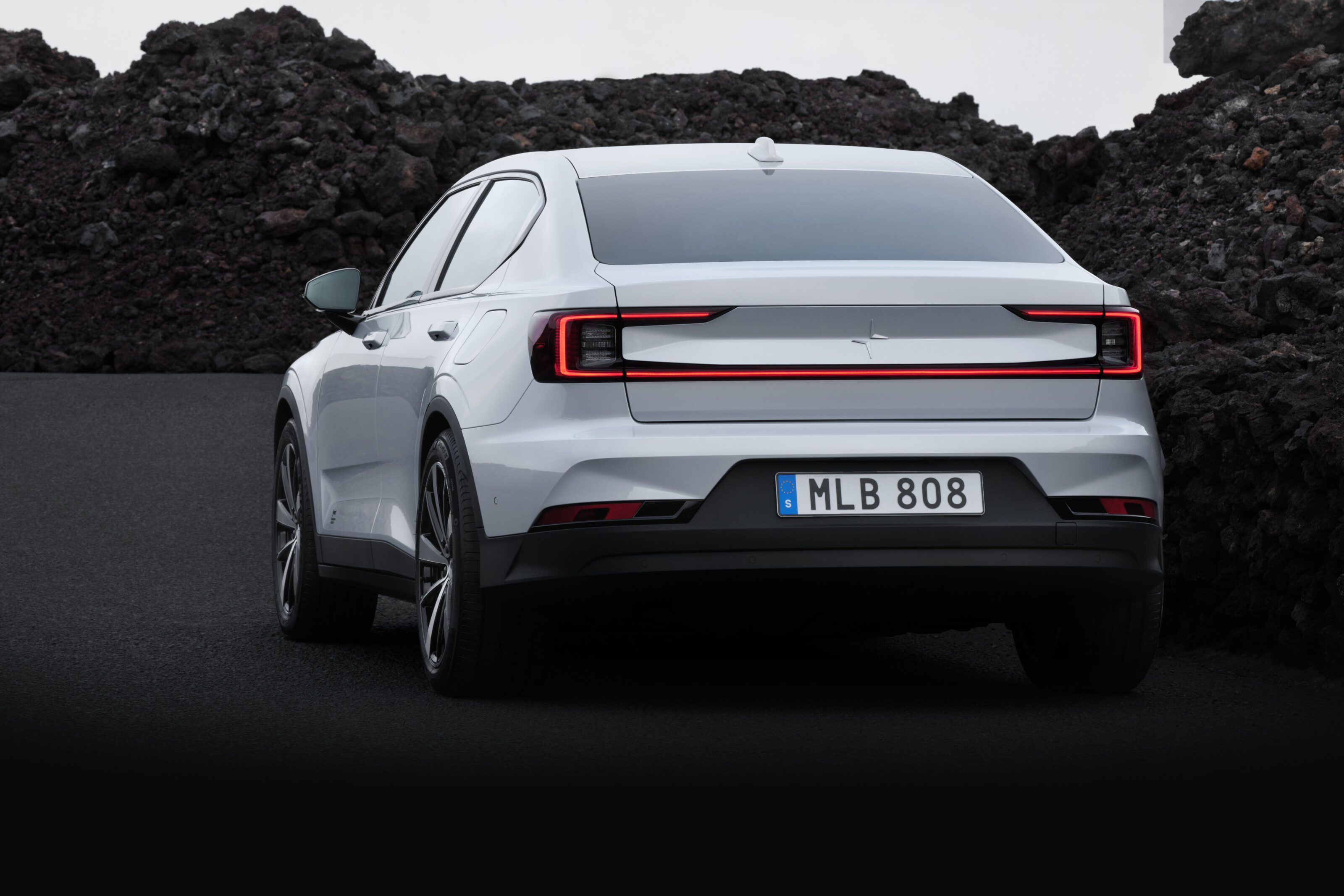
The Polestar 2 sedan launching this week ahead of a January release has been priced from a sharp $59,900 – matching the starting cost of its targeted rival, the Tesla Model 3.
Buyers, however, are required to purchase a $5000 Pilot Pack to add features that are common on much cheaper cars – as well as all versions of the related Volvo XC40 SUV.
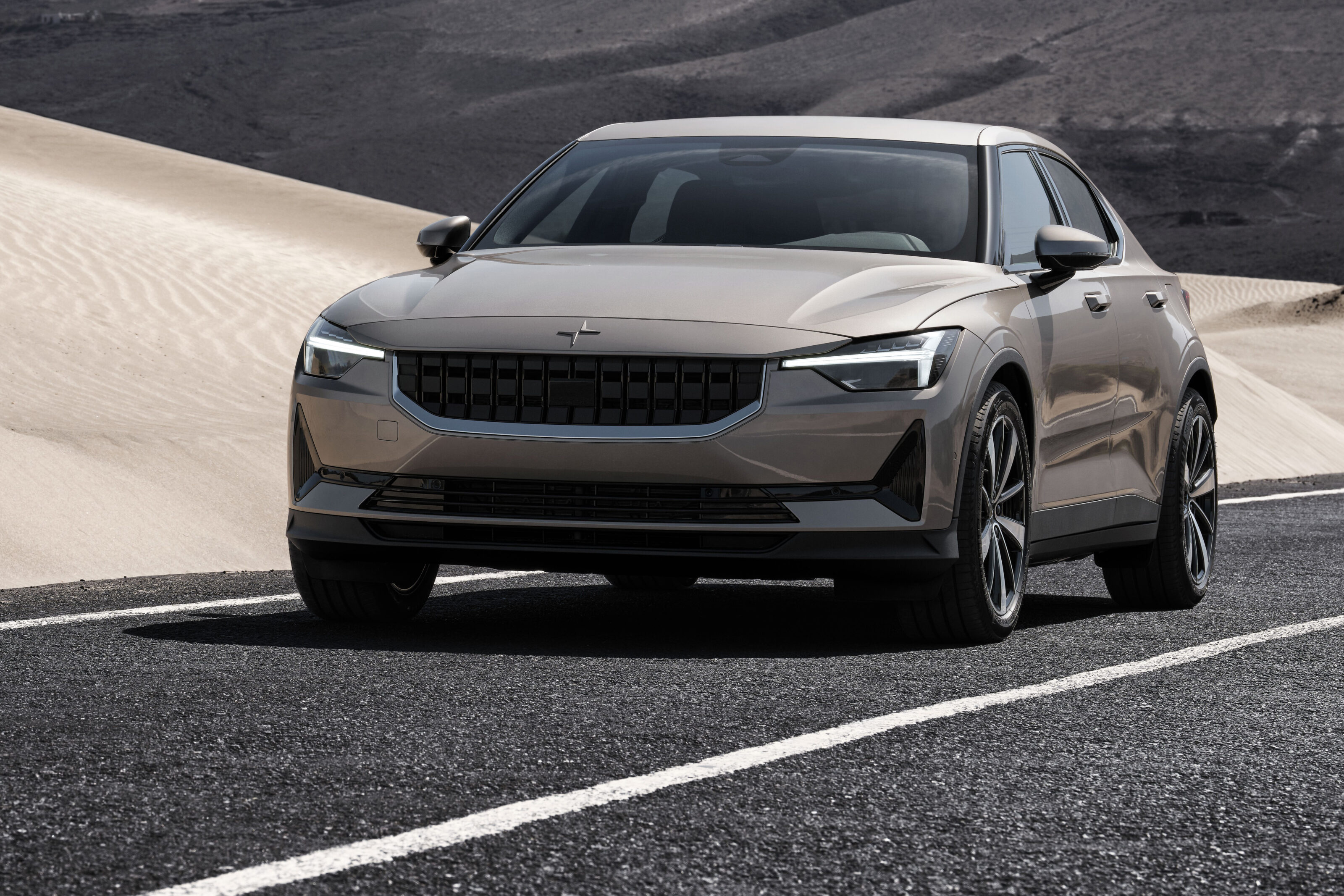
These include; adaptive cruise control, auto high beam, blind-spot monitoring and rear cross traffic alert. The Pilot Pack also adds the likes of 360-degree camera, Pixel LED headlights and LED cornering fog-lights.
Volvo invented the blind-spot information system, along with the three-point seatbelt, as well as several other innovations, which for decades have made the Swedish brand synonymous with automotive safety.
Polestar Australia said the company was following the brand’s global approach with the packs and argued the Polestar 2 was still equipped with a significant amount of standard safety equipment.
“There’s a lot of safety in the Polestar vehicles. The additional [Pilot Pack] features top up that,” said Polestar Australia boss Sam Johnson.
“Some people want that, some don’t. Some just want to drive the cars themselves [without driver aids]. What we do is we give people the choice; we make these EVs accessible [in price].
“[Polestar 2] has a plethora of safety systems: there’s run-off road mitigation, oncoming lane mitigation, post-impact braking, there’s connected safety, and more.”
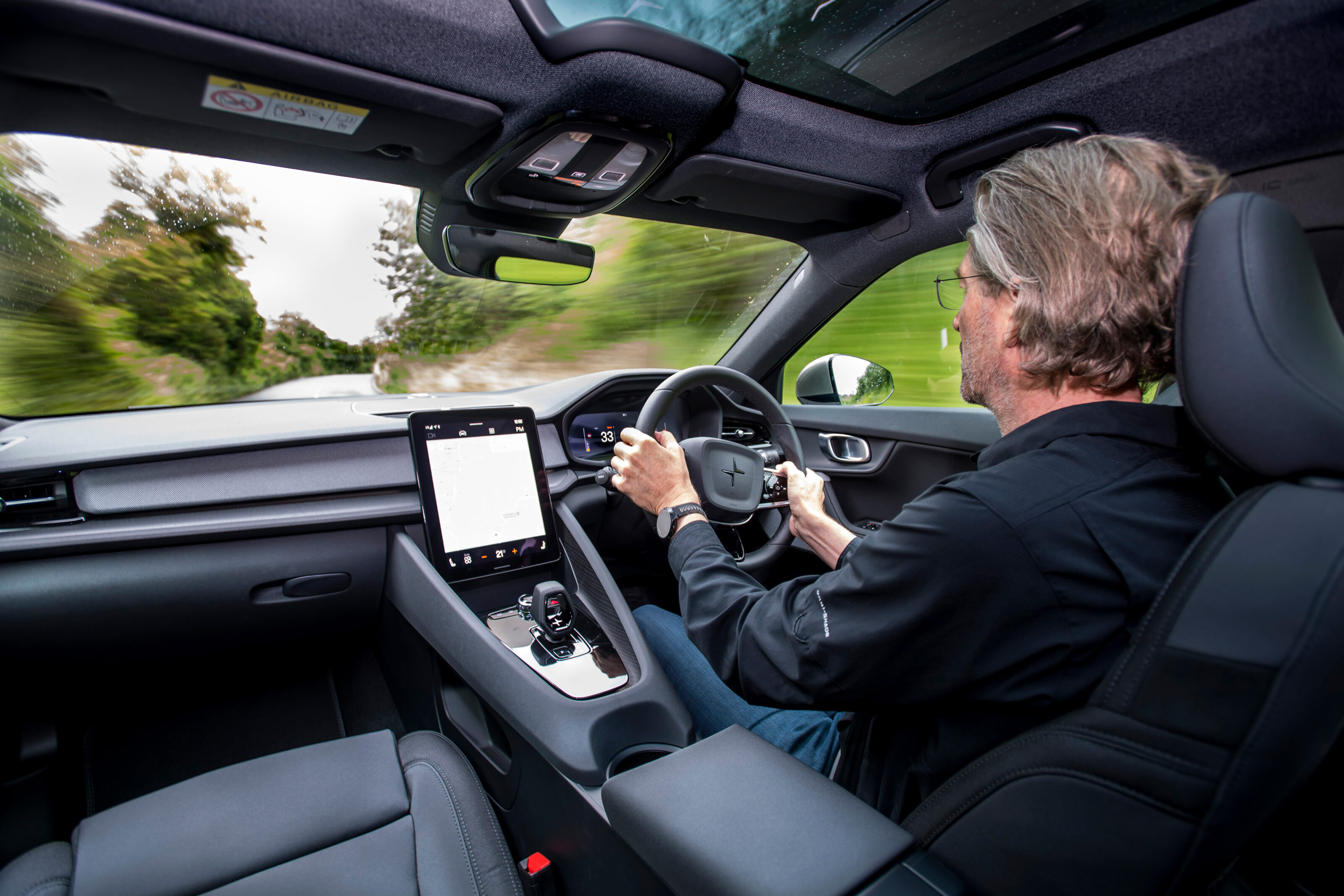
Polestar Australia says comparisons should be made in an overall safety context as many of these features aren’t offered in rival electric vehicles.
In addition to systems designed to help the driver avoid collisions, mitigate the severity of a loss of vehicle control, or fall asleep at the wheel – the Polestar 2 includes eight airbags including inner side airbags for protecting the heads of front occupants in the event of a side impact, as well as speed-limit notification and whiplash protection for the front seats.
All Tesla Model 3s, as well as the new Hyundai Ioniq 5 that’s priced from $71,900, include adaptive cruise, blind-spot monitoring, lane keep and departure assistance, and auto high beam as part of their standard safety gear.
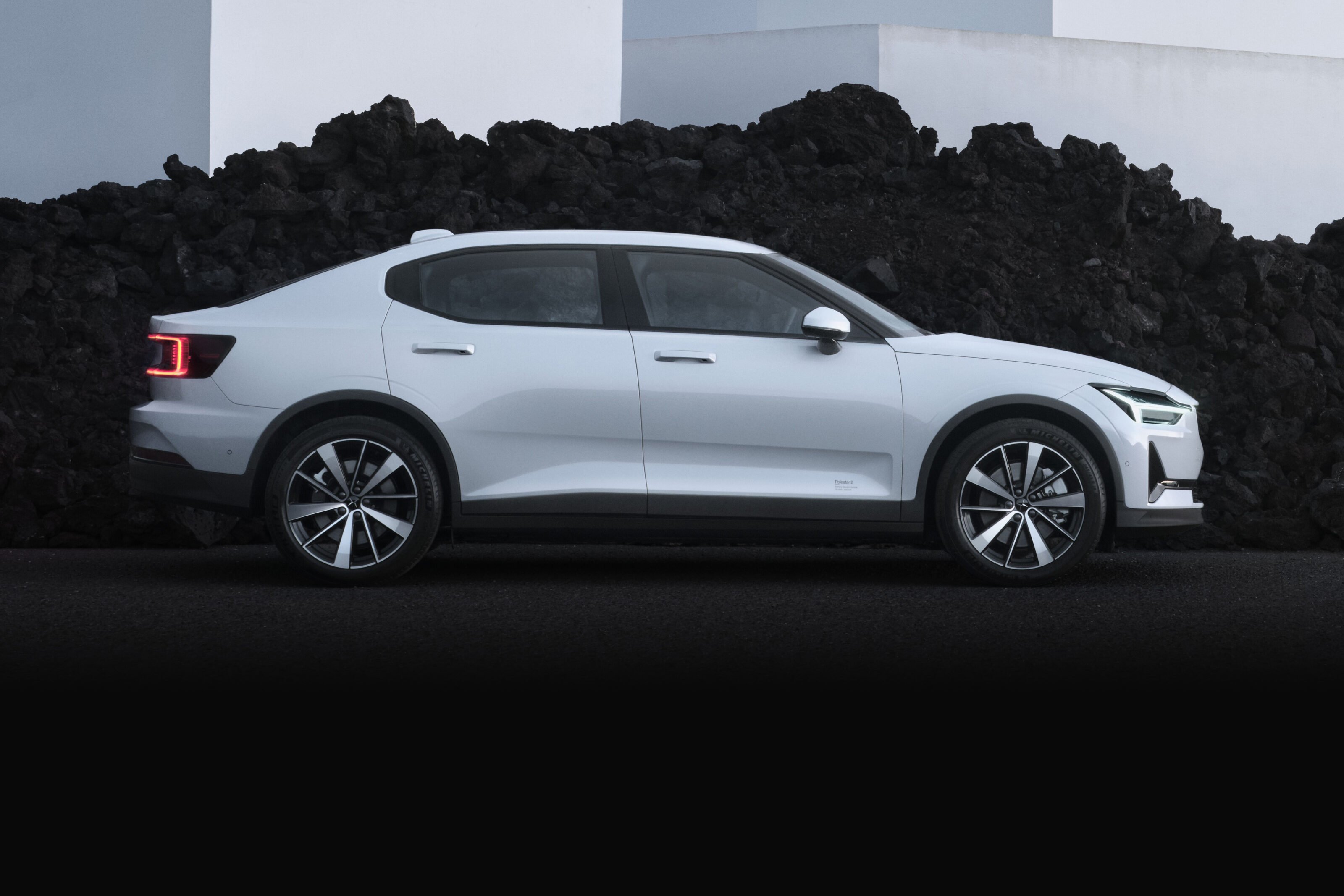
The option packs allow the Polestar 2 to undercut its EV twin, the XC40 Recharge Pure Electric, which costs from $76,900.
Polestar 2 customers would need to purchase the $69,900 flagship Long Range Dual Motor and spend $11,000 on the two option packs to match both the electric XC40’s technical and features specification.
The pricing structure for the Polestar 2 makes the base and mid-range versions of the fastback sedan eligible for some of the best EV incentives offered by state governments.
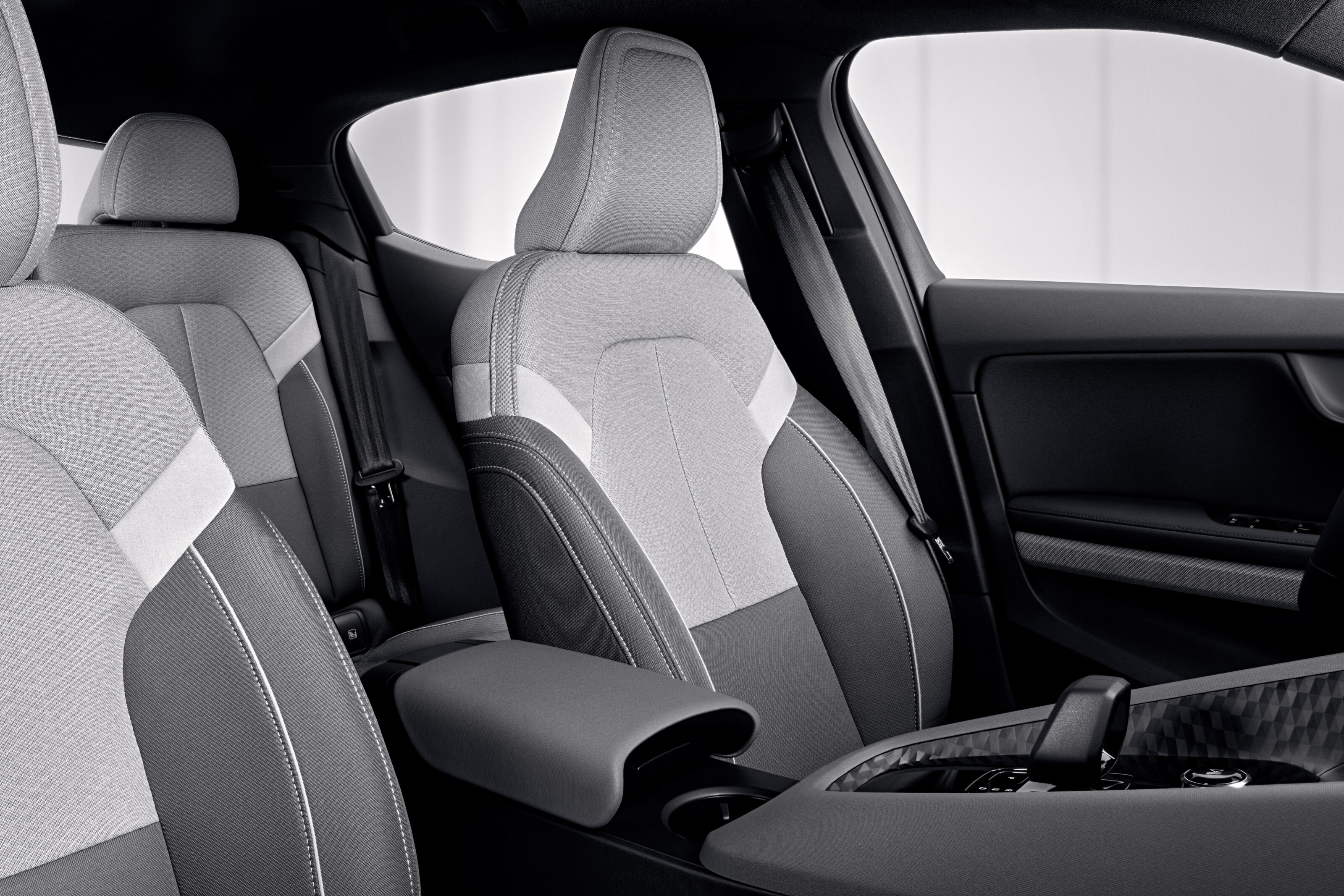
NSW, which offers the most generous incentives, applies a “dutiable value” limit of $68,750. Victoria has an almost identical limit of $68,740 for a $3000 rebate, though has also introduced an EV road tax.
Polestar’s extra performance focus gives it another contrast to parent company Volvo. Where the latter has imposed a maximum 180km/h speed limit on its vehicles, the Polestar 2 has no such restriction.
While the Standard Range Single Motor and Long Range Single Motor variants are limited to 160km/h purely through technical limitations, the Long Range Dual Motor model has a top speed of 205km/h.
