
UPDATE, September 13: Apple will be recruiting from within – with Vice President of Technology Kevin Lynch said to be taking over the lead role on the Apple car project.
A report from Bloomberg says Lynch joined the Apple car project in July, following his work on the Apple Watch.
The appointment appears to confirm that technology will be the focus of the new autonomous electric car, rather than on more traditional aspects.
The story to here
September 8: The man responsible for leading Apple’s autonomous electric car project has jumped ship.
Ford CEO Jim Farley announced Doug Field has been hired by Ford to take on the role of chief advanced technology and embedded systems officer.
Prior to working as vice president of special projects at Apple, Field held the title of senior vice president of engineering at Tesla, but began his career in the 1980s at the Blue Oval.
“Doug is one of the world’s most respected engineering and product design leaders and has been a driving force behind breakthrough products across auto, tech and mobility – including at Apple, Tesla and Segway,” Farley said.

The move signals Ford’s commitment to developing autonomous vehicle technology in its future models, and will provide the US car giant with valuable intelligence regarding Apple’s plans, which are expected to shake up the new-car market.
Apple has yet to announce a replacement, and it’s not clear how the change will impact the tech giant’s automotive ambitions.
While Apple has been tight-lipped about its electric car project, leaks from potential suppliers has caused a flurry of rumours over the past year.
In the last week, reports have emerged suggesting Apple had purchased Chrysler’s former proving grounds in Arizona for US$125 million (AU$168 million), while Asian media revealed Apple executives had travelled to South Korea and Japan to meet with representatives from the auto industry.
Sydney residents will now be able to get up to 7kWh of charge for their electric vehicles, thanks to a new kerbside station.
Opening in the Northern Beaches suburb of Mona Vale, the electric vehicle (EV) kiosk provides 7kWh of electricity for free each day, taking roughly 15 minutes to charge and equating to around 45 kilometres of driving range.
It’s the first of many kiosks being rolled out across the city, with common streetside electricity ‘green boxes’ being converted into recharging stations – thanks to a collaboration between electricity company Ausgrid and energy firm Jolt Charge.
“We’re using existing, essential electrical infrastructure on the street to provide a free service for the community and hopefully to help accelerate the transition to electric vehicles in Australia,” Ausgrid Chief Customer Officer Rob Amphlett Lewis said at the launch.
“People will be able to pull up, plug in and be on their way in 15 minutes.”
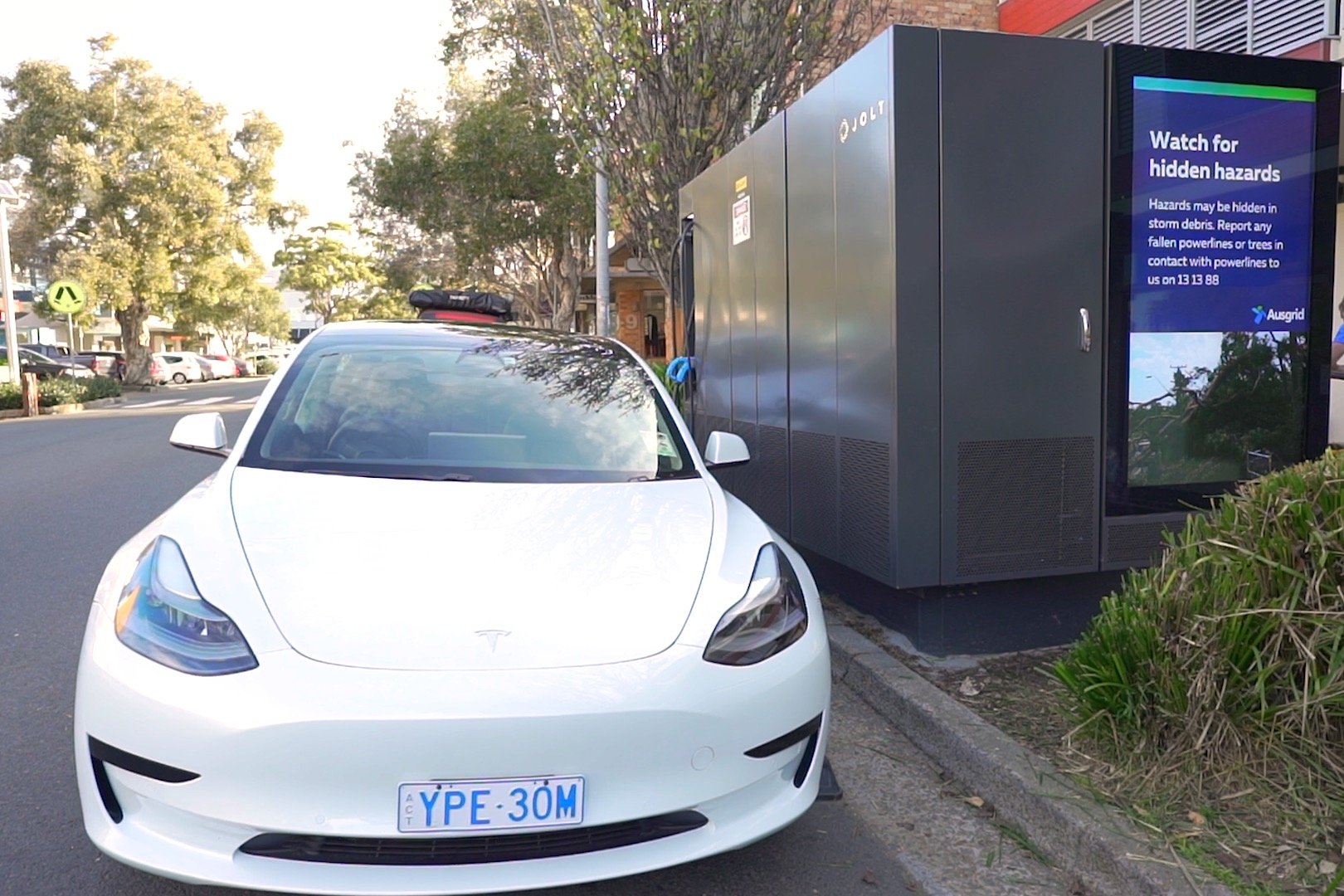
Jolt CEO Doug McNamee says it could save drivers more than $1000 annually.
“Jolt’s partnership with Ausgrid helps solve the major barriers affecting the uptake of EVs, including access to charging, cost and range anxiety,” McNamee said.
“In the last 12 months, EV ownership has skyrocketed, almost doubling to 23,000 new registrations, representing the second year in a row where the total number of electric vehicles has almost doubled.”
In August 2021, BlackRock – the world’s largest asset management business – acquired a stake in Jolt Charge, with $100 million of capital being provided to help fund 5000 new free charging kiosks across the country.
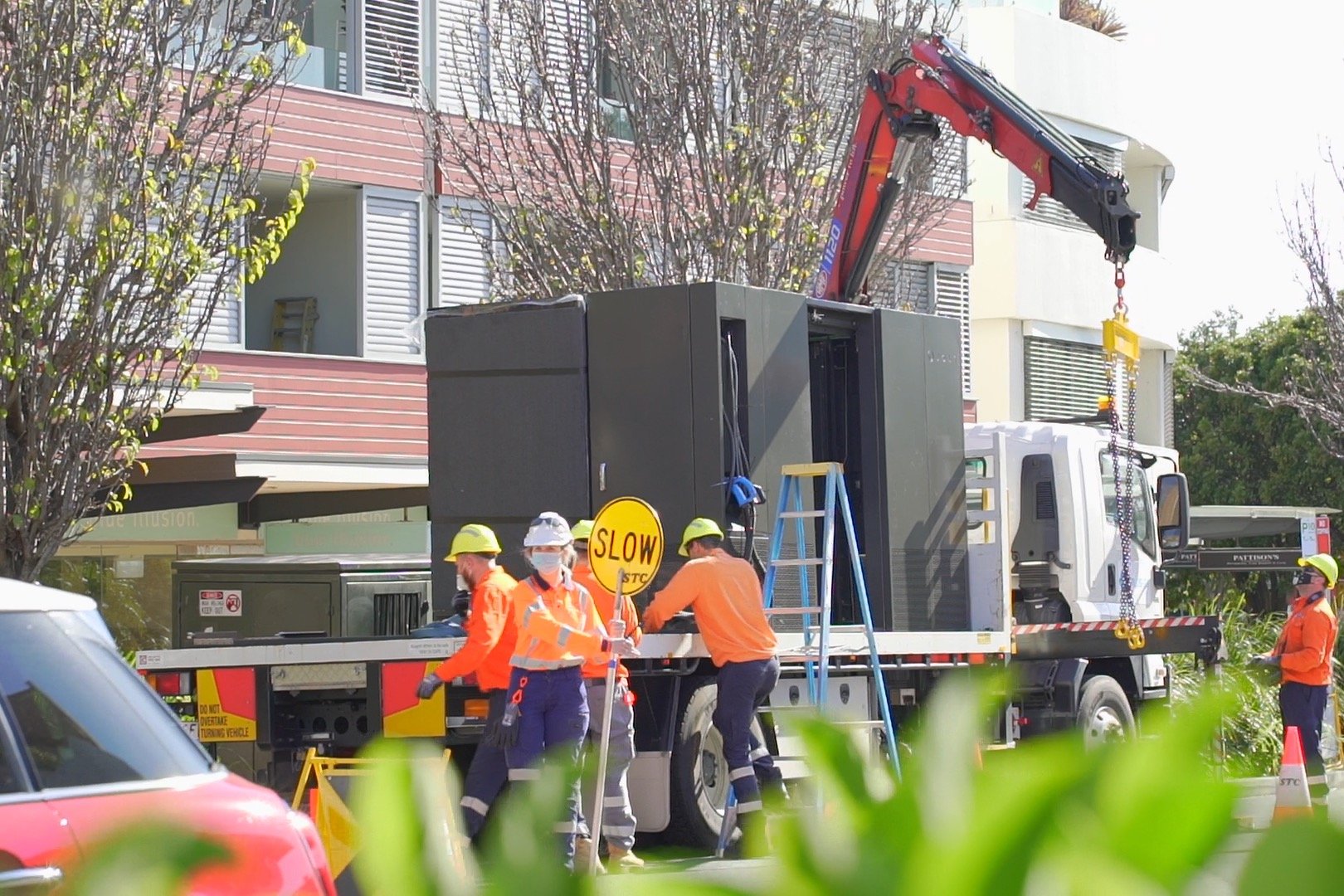
It’s understood the agreement is the largest corporate investment in EV infrastructure in Australia.
Jolt says it’s just the beginning, with the company promising $500 million will be invested in its nationwide charging network in the coming years.
The new EV kiosk is located on Bungan Street, Mona Vale, with 7kWh provided for free each day to customers that sign up to the Jolt smartphone app, with additional charge available to purchase.
Jolt says the next station will open in Strathfield, and will be followed by sites in Randwick and Hornsby.
Snapshot
- Enyaq not previously confirmed for Australia
- Timing still unclear for local arrival
- NSW EV policy appears to have influenced European decision-makers
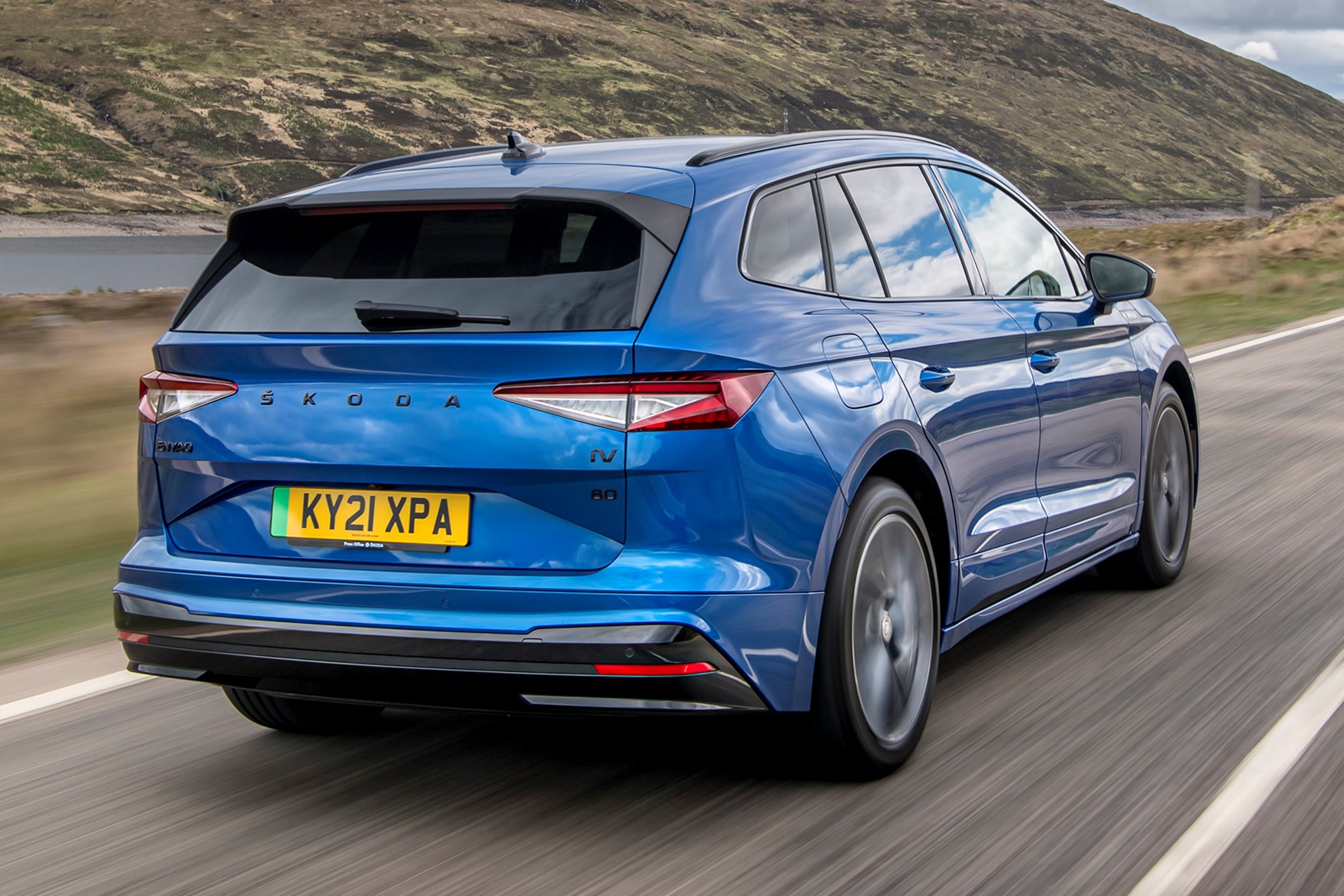
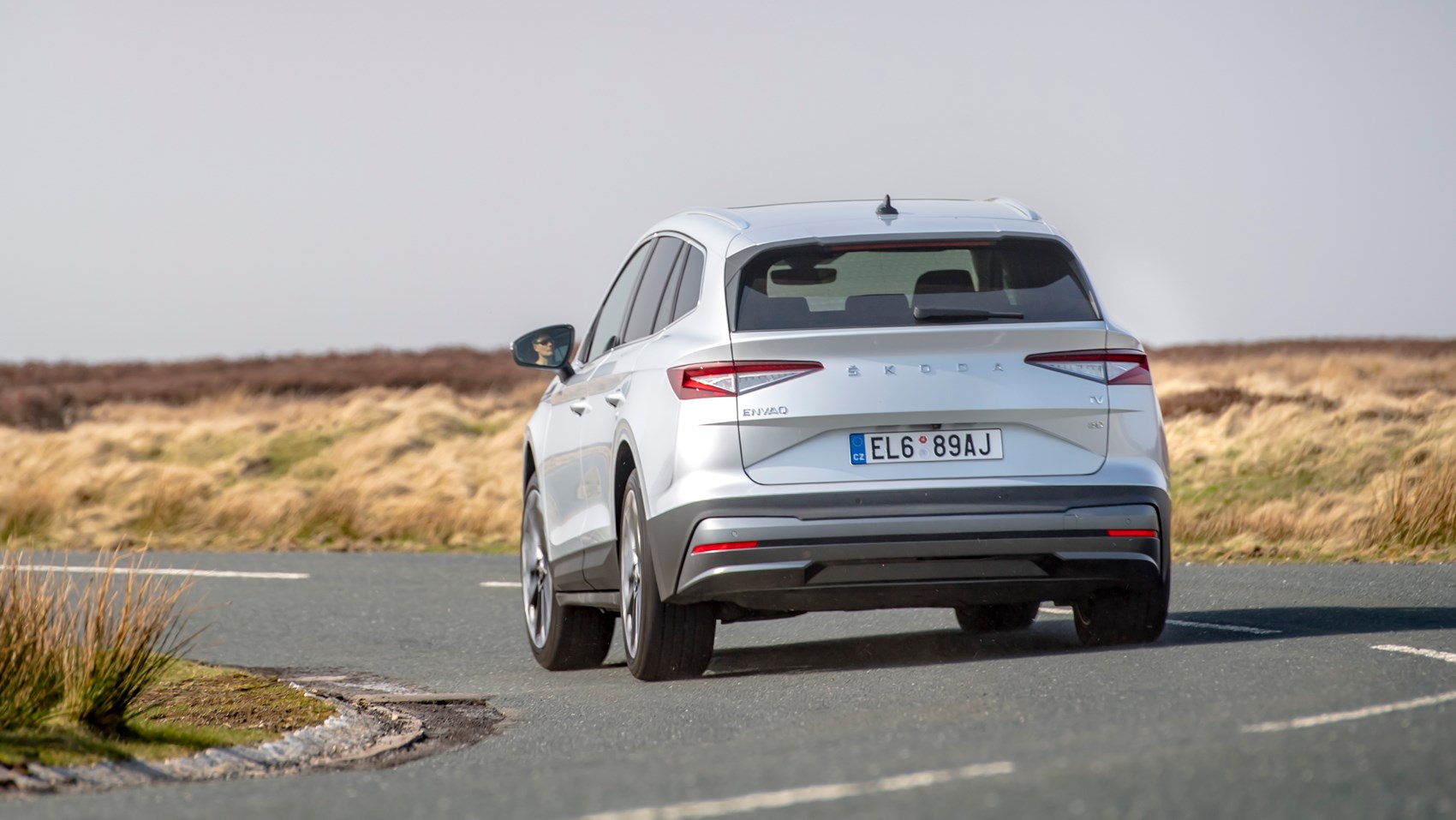
Skoda is set to bring its Enyaq iV electric SUV to Australia – with its arrival being a case of “when” rather than “if”.
According to a representative of the Czech marque’s local arm, the model, which previously hasn’t been confirmed for our market, is on the cards and an announcement is likely to be made in the coming months.
Announcing the brand’s limited-time only offer of a seven-year warranty on new cars bought before December 31, a spokesperson said: “Electrification is firmly on the agenda. Next year we hope to announce timing for the introduction of the Enyaq, which has been resoundingly successful in Europe.”
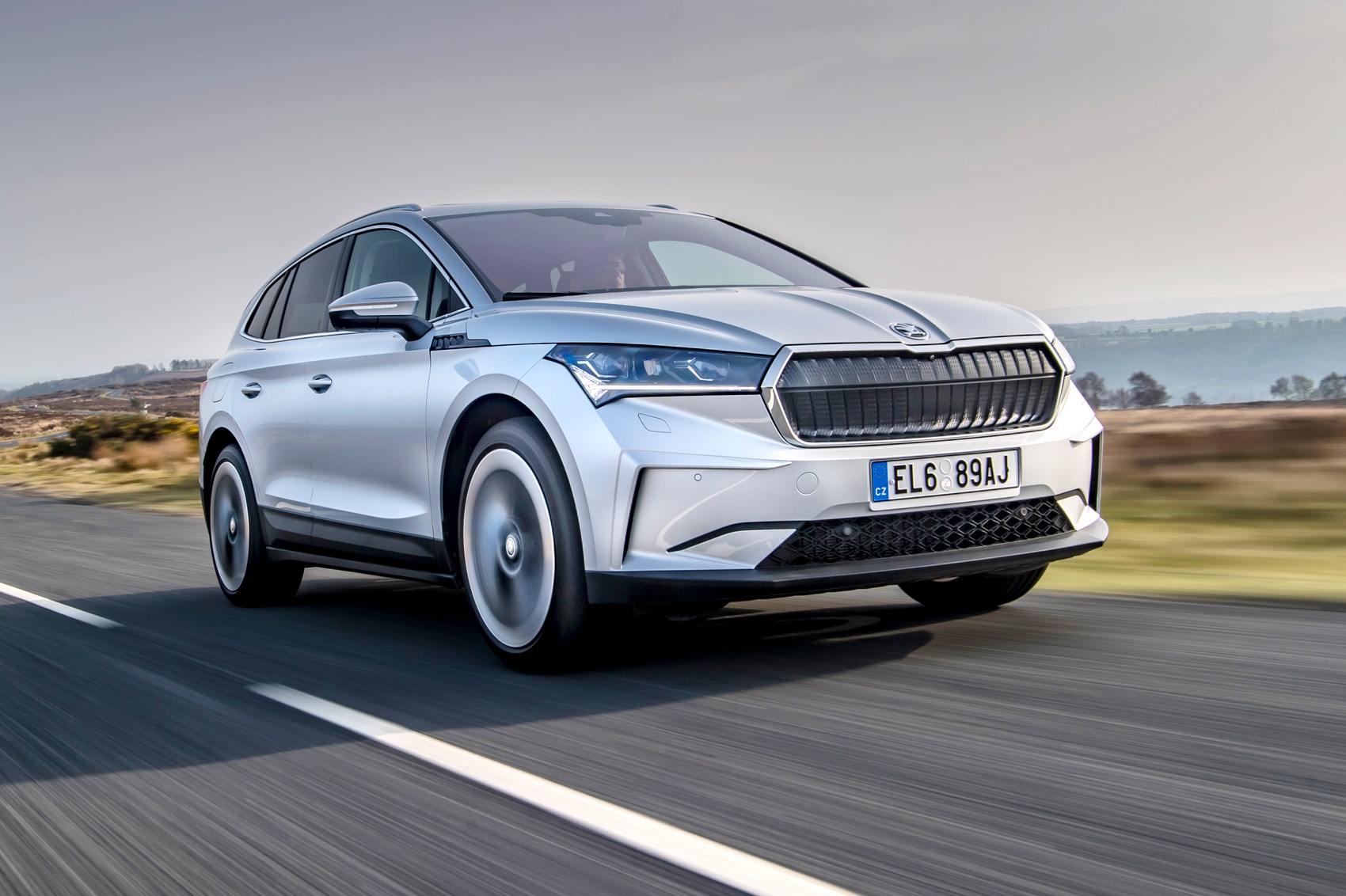
However, when asked by Wheels if that meant the Enyaq was definitely destined for our shores, they added: “The Enyaq has been discussed in the last week or so, and we are very confident that next year we will be able to say when it is coming.
“All the [Volkswagen Group] brands are working hard on EVs, but being a [right-hand-drive] market and at the end of the supply chain, we are struggling – but are determined to forge ahead.”
While official timing has yet to be confirmed, this is the strongest suggestion yet that the model will form part of Skoda’s local line-up in the relatively near future.
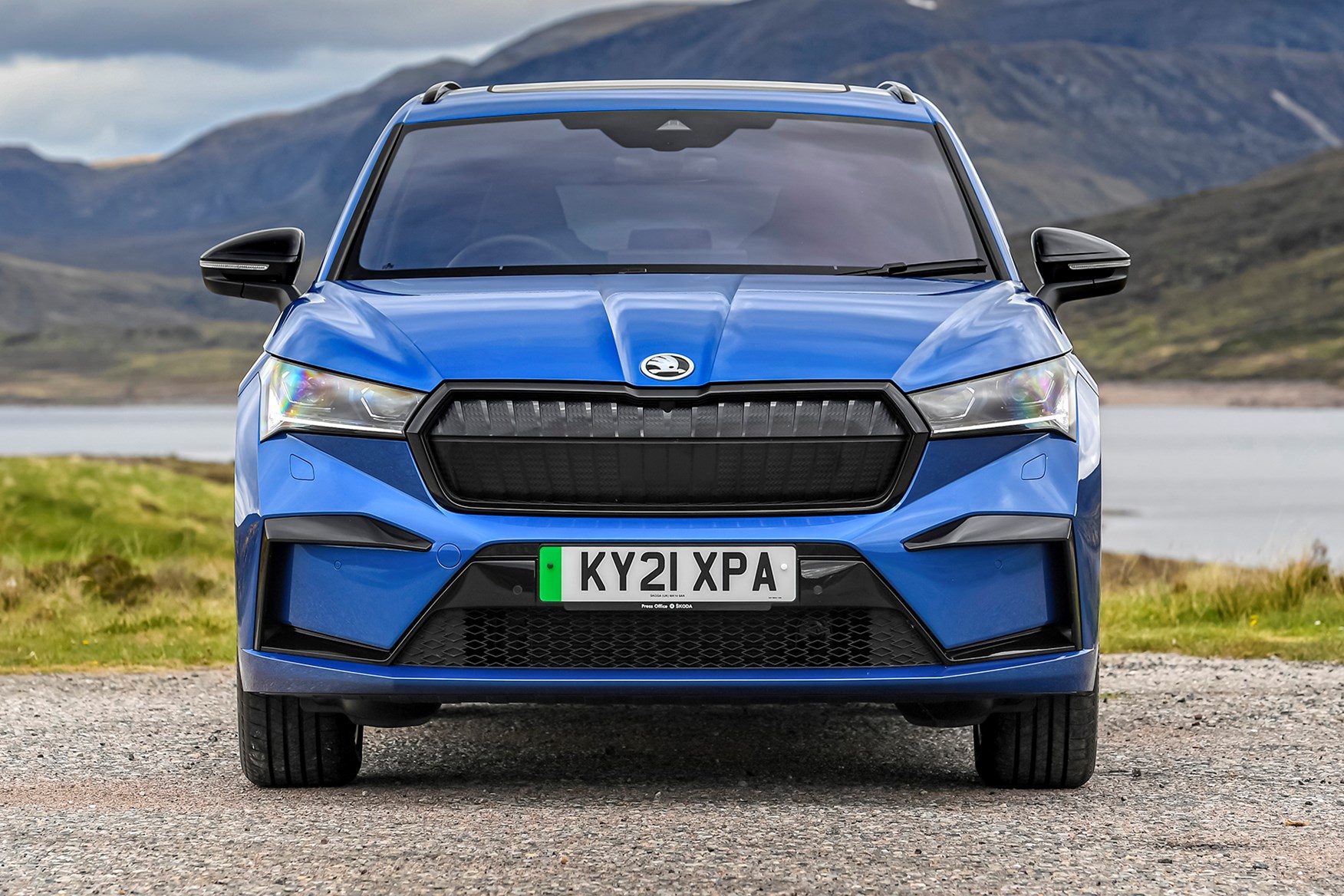
Although it’s not yet known which variants could come here, in the UK it is offered in five guises – starting from the entry-level Enyaq 60 producing 132kW/310Nm and a maximum driving range of 507km for around $60,000 before on-road costs, and topping out with the Enyaq 80X Sportline capable of 150kW/310Nm, able to travel 684km and priced at $87,500 excluding ORC.
In June this year, the carmaker told Wheels the Enyaq was “not on our radar officially”.
“As you probably know, our problem is production, which currently prioritises markets with emissions targets and governments that aren’t hostile towards the technology,” a spokesperson said at the time.
However, since then there has been a significant shift towards electrification brought about by the states and territories making big policy announcements, including those regarding taxes and incentives for purchasing electric vehicles.
Volkswagen Group Australia has been an avid supporter of the New South Wales Government’s EV policy, describing it as the “model to drive Australia out of the automotive third world” – a slight aimed at the Federal Government’s failure to introduce European-style emissions regulations.
Speaking at the time of NSW’s announcement, which was also in June, VGA boss Michael Bartsch said: “While the Federal Government has resolved to address Australia’s third world fuel quality, until it and the other state governments emulate the vision of NSW, our country will remain a dumping ground for technology that cannot be sold in advanced countries.”
While the company has maintained in recent months and years that it cannot bring its most fuel-efficient engines to Australia for this reason, it seems the tide is beginning to turn, with a spokesperson stating in August, when South Australia revealed its own EV approach:
“The announcement of NSW’s progressive policy has enabled our Group to make representations to the factories for EV prioritisation.”
The Volkswagen ID.4 is expected to be the first of the carmaker’s electric vehicles to reach Australia, but even that compelling family EV isn’t expected to get here before 2023.
Snapshot
- Ten production lines across nine plants to be paused
- Projected impact of 70,000 vehicles in September
- A total of nine million units are still expected to be made annually
Automotive manufacturing giant Toyota and sub-brand Lexus have announced more production disruptions will occur over the next two months due to the semiconductor shortage.
On top of its confirmation last month of up to 17 local plants pausing production throughout September, the Japanese marque extended this today saying a further 10 lines in nine plants will be frozen this month and next.
Compromising just over a third of its production lines, Toyota says a total of 30,000 vehicles will be impacted in Japan, while overseas stoppages will hamper the production of a further 40,000 units, over the rest of September.
This is in addition to the estimated 360,000 vehicles originally anticipated to miss production this month.
The drop will be compounded by a further 330,000 expected to be affected in October, taking the total for both months to around 760,000.
Despite the shortages in semiconductor chips and the immediate effect it’s having on production, Toyota still anticipates it will be able to manufacture nine million units in a 12 month period – ending on March 31, 2022, although this figure is down from its original projection of 9.3m vehicles.
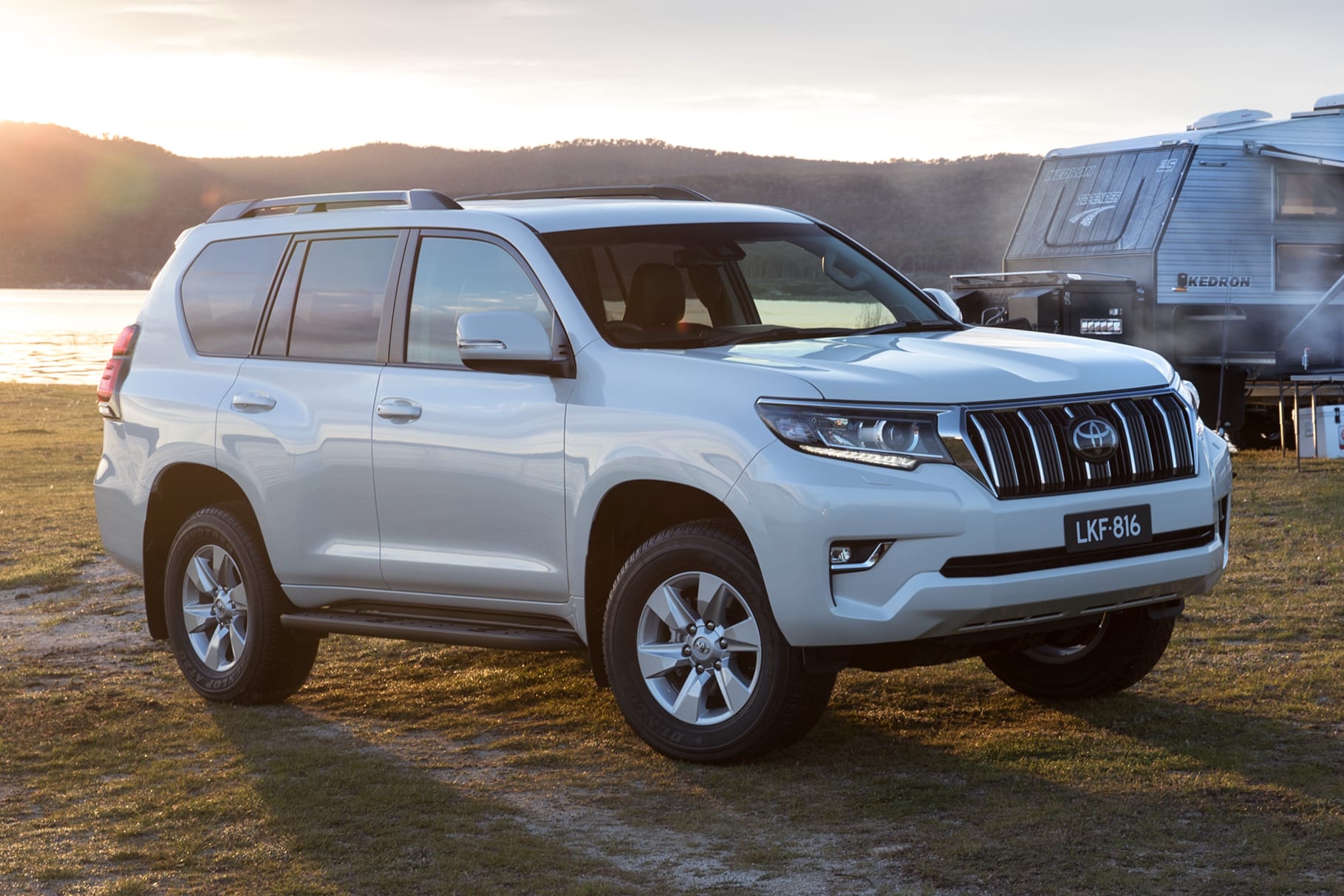
Toyota models affected include the Corolla, Camry, LandCruiser Prado, Yaris, Yaris Cross and LandCruiser 70, while luxury arm Lexus is also caught up in the shortage – with the ES, NX, CT, UX and RX all set to be delayed.
The announcement comes off the back of Toyota shifting just under 20,000 units in Australia throughout August, accounting for 25 per cent of all new car sales locally.
The traditional three-box sedan design – an icon of the Mercedes-Benz range for years – is quickly reaching the end due to the rapid shift to electrification, says the company’s chief design officer Gorden Wagener.
Speaking with Top Gear, the head designer said electrification will kill the sedan body style for a number of reasons.
“Aero is one. Secondly, with a six-inch battery pack a three-box sedan simply doesn’t look good, it looks shit. You have to do something that visually digests the height,” said Wagener in an interview with the publication.
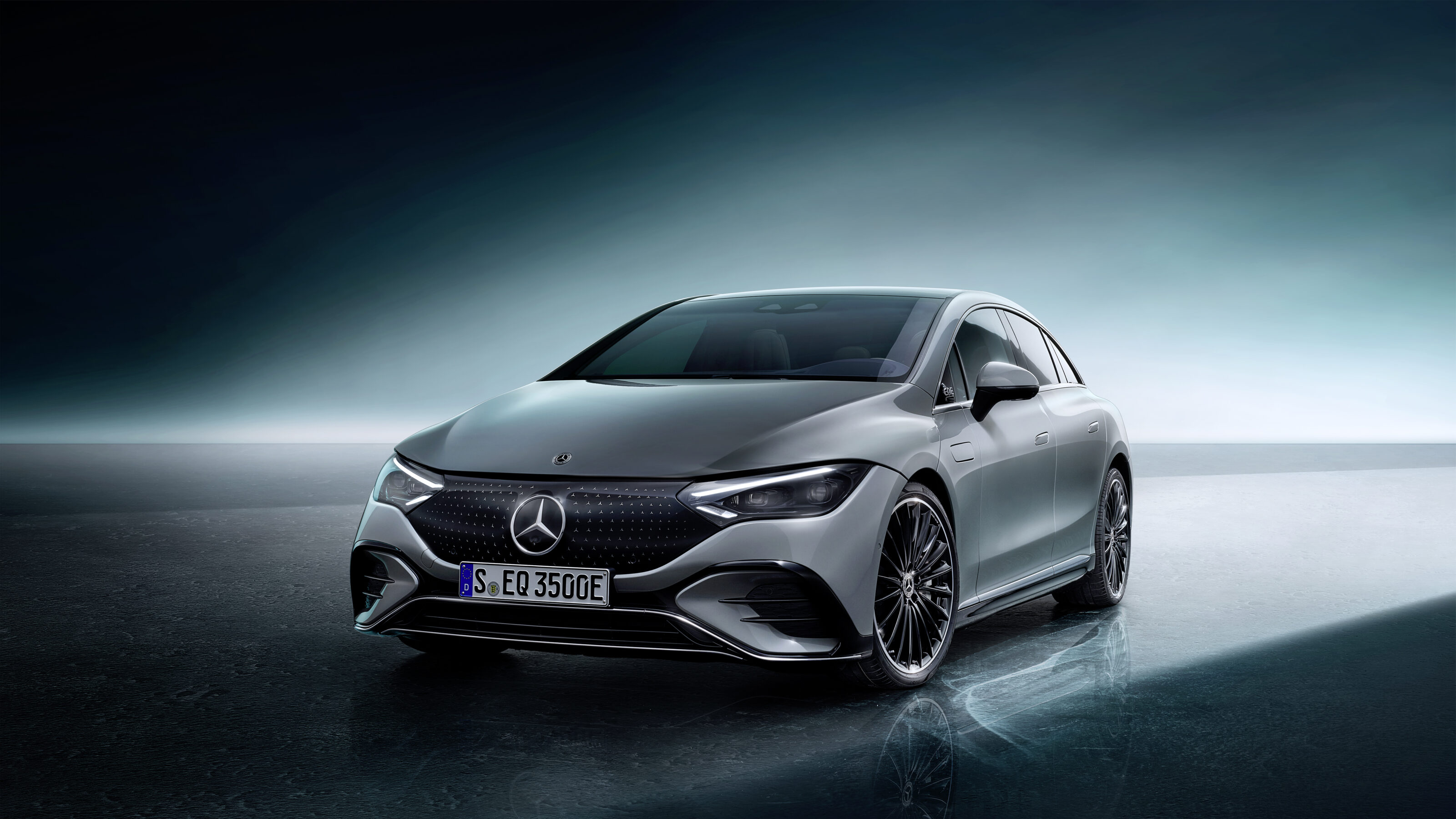
“That’s why we came up with that bold design with the EQ models, because it looks stretched, it looks stylish. So that [electrification] will change the proportions of cars.”
The evolving use of electric powertrains and advanced technology in vehicles will also have wider implications on vehicle design, he said, stating vehicle designers around the world might need to move away from more-aggressive car designs in favour of technological inspiration.
“Maybe as driving becomes more regulated, and when the car becomes the driver, it has to look more like a computer and less like an aggressive animal or so.”
However, Wagener believes it is important for vehicles to have a face – no matter how futuristic they look.
“What you see with electrification is that the grille is moving away. All these new startups, they don’t have a grille – they’re faceless front ends, a bit anonymous. They’re all very much alike. Do they look aggressive? No. They want to look more like a supercomputer on wheels.”
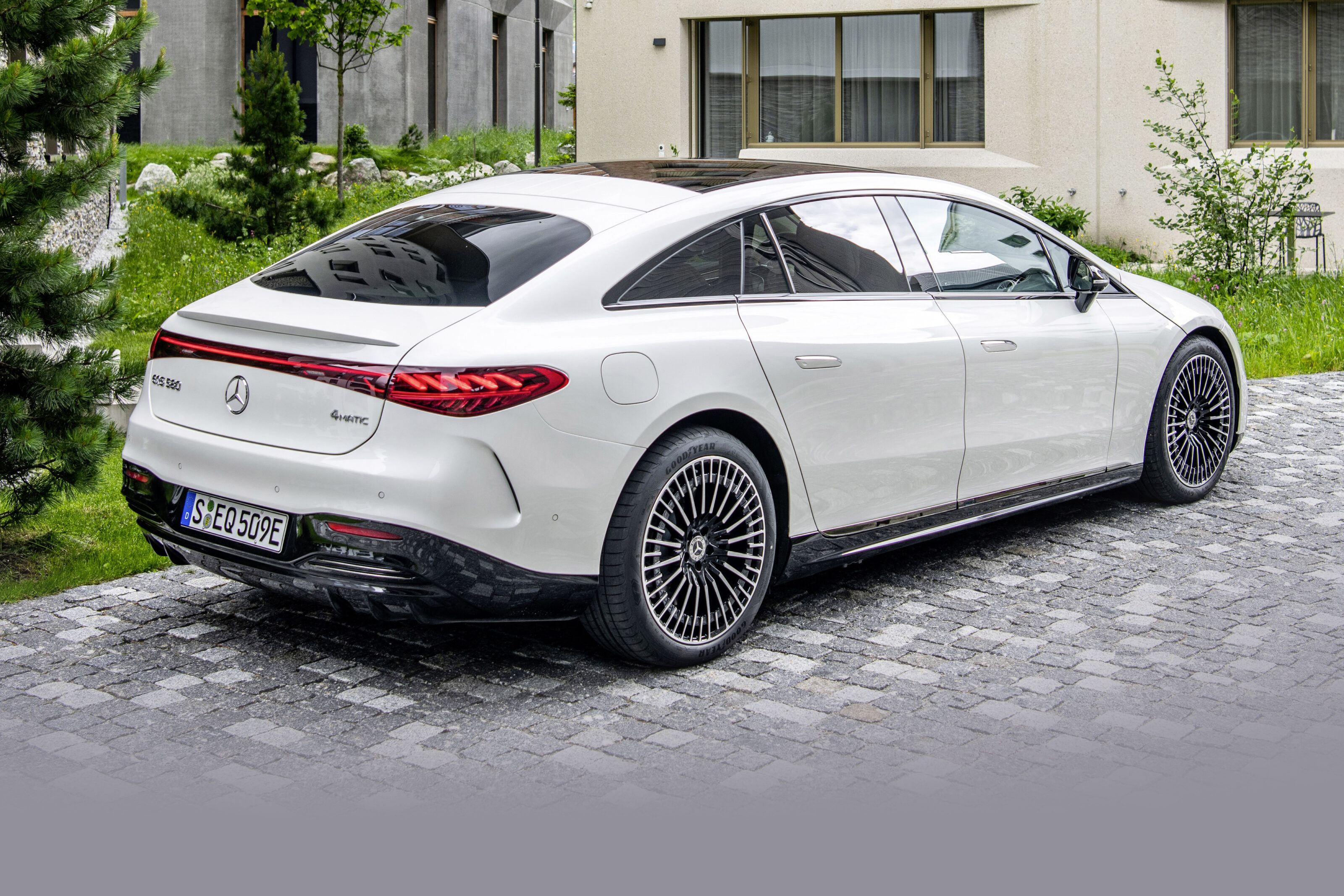
The front designs of the Mercedes-Benz EQ range – recently bolstered by the swoopy EQE and AMG EQS 53 sedans at last week’s IAA 2021 – are dominated by large ‘faux’ grilles.
Likewise, the face of the Mercedes-Maybach EQS SUV concept – also unveiled at the same show – is claimed by Wagener to demonstrate “physiognomics, you know—facial expressions, or body sculpture in the car that makes it similar to humans. And that’s something that doesn’t change”.
Despite a move away from a design that has been such a staple of the Mercedes-Benz range, Wagener said he would not mourn the death of the three-box sedan, declaring the shape “is actually the most difficult car to design” in comparison to the likes of a sports car.
“I always like it when there’s something more futuristic coming. That’s why electrification is a great chance to change stuff, and change is always good.”
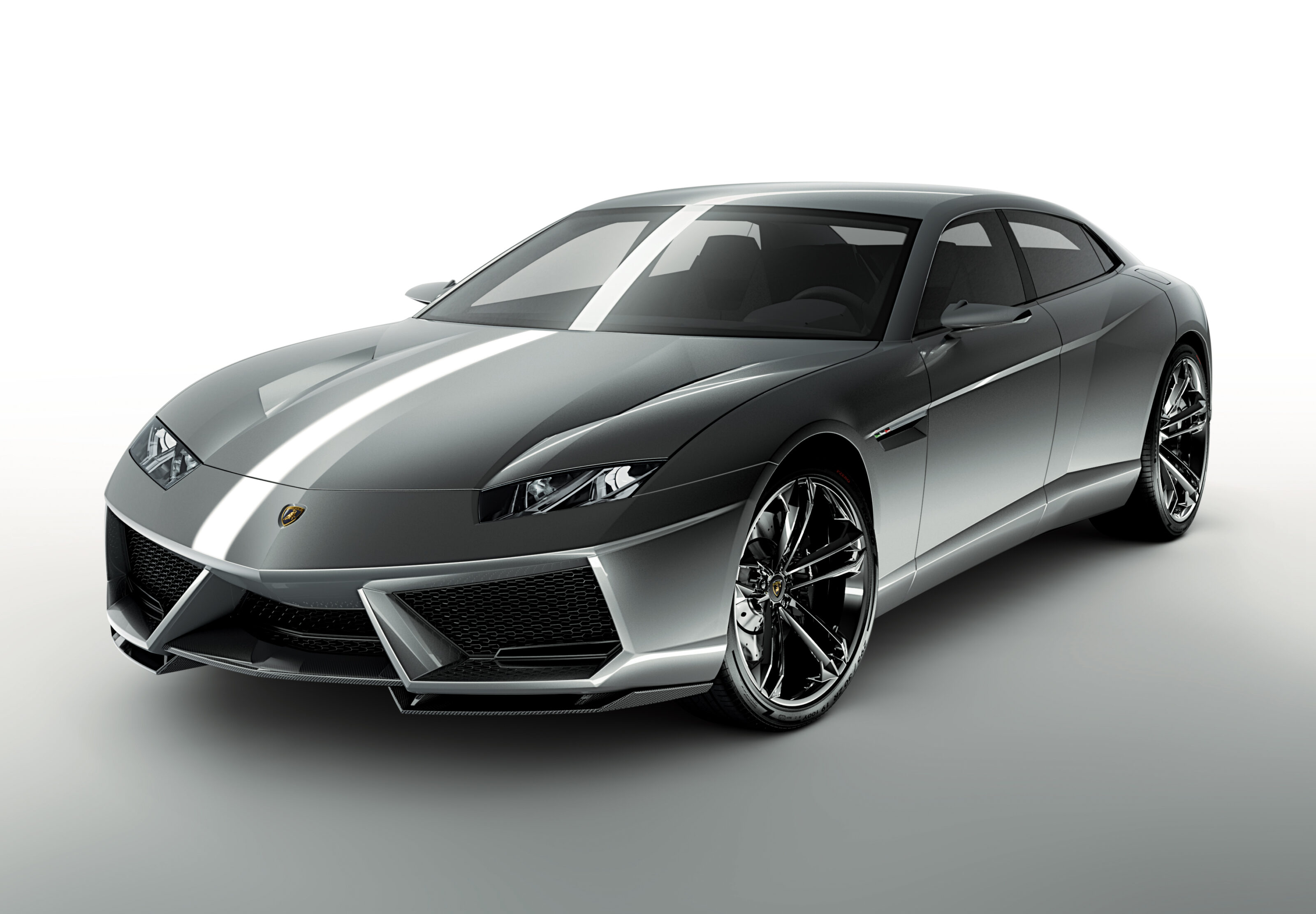
The Lamborghini Estoque crashed and burned. Unveiled in 2008, Sant’Agata’s high performance sedan was culled at birth, Stephan Winkelmann playing the Herod role to the sleek front-engined four-door. Yet the Estoque is a car that, in terms of exterior design at least, appears utterly contemporary.
Whether it’s the triangular LED rear lights, the neat Italian tricolore that adorns the flank vents, the negative return at the rear end, the staggered 22 and 23-inch wheels or the trapezoidal intakes, the design language is shockingly contemporary for a car penned 14 years ago. It’s not just Lamborghini either.
The 991 generation of Porsche’s 911 was first seen at the 2011 Frankfurt Show before morphing into the cosmetically almost identical 992. That’s a decade of development and the 992 will probably be in production until 2026. Now consider that in the same fifteen years, the 911 moved from the 911 SC to the Carrera 3.2, introduced all-wheel drive with the 964, multilink rear-suspension with the 993 and then on to the first designs of the water-cooled 996. That’s at least four very distinct shapes.
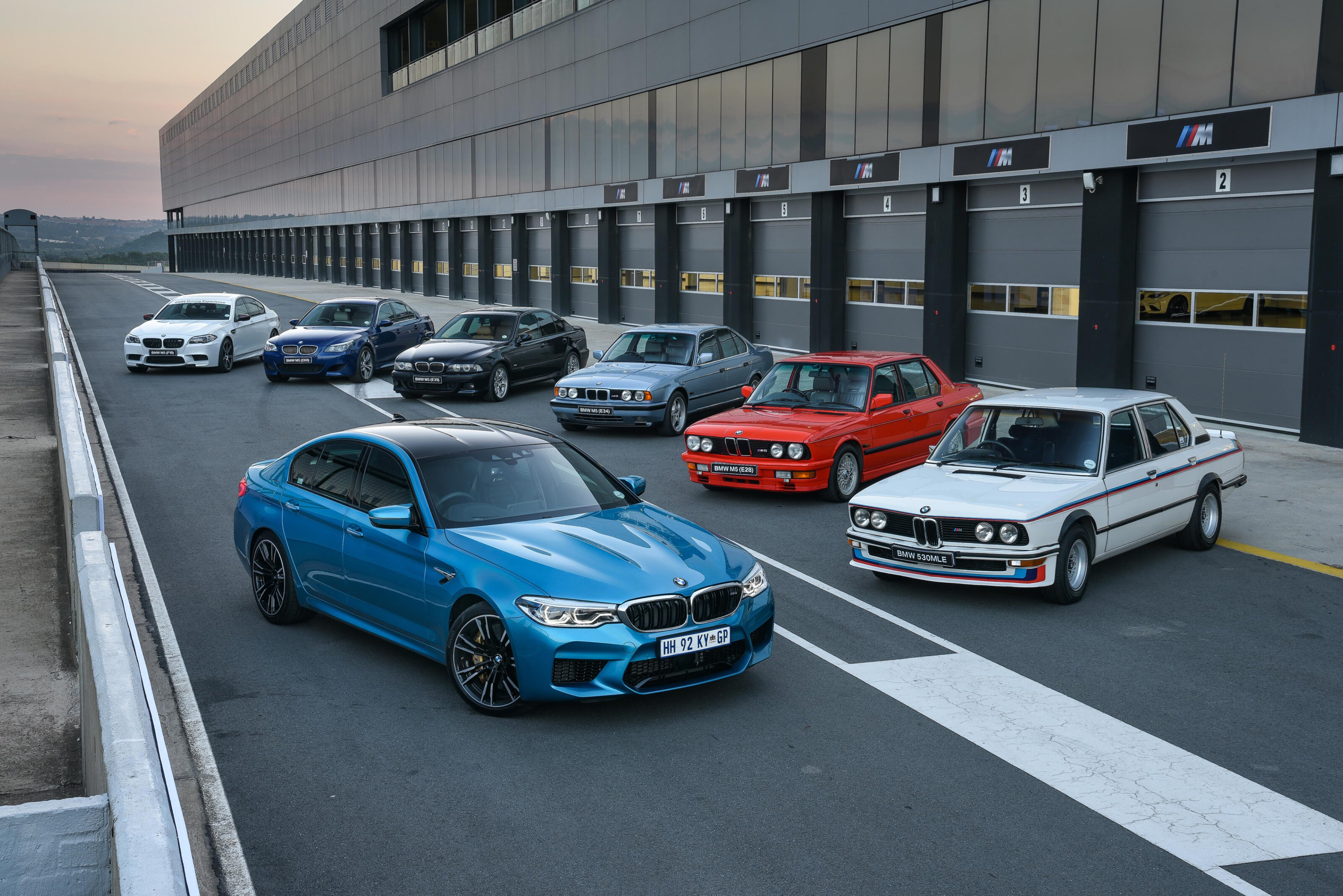
Without recourse to Google, could you name the external difference between a current G30 BMW 5 Series and its 2010 predecessor, the F10? I’m certain you’d be able to talk at length about the difference between an E28, an E39 and an E60. Each of these cars look so radically different.
But, I hear you say, that’s what happens. Designs mature around a winning form factor. Look at mobile phones. There were, initially, all shapes and sizes until Jony Ive designed the iPhone and that became the template for ever more minuscule exterior design changes. Until, that is, something genuinely genre-busting comes along. Maybe that’s Samsung’s latest generation of flip phones. Where’s the innovation in car design?
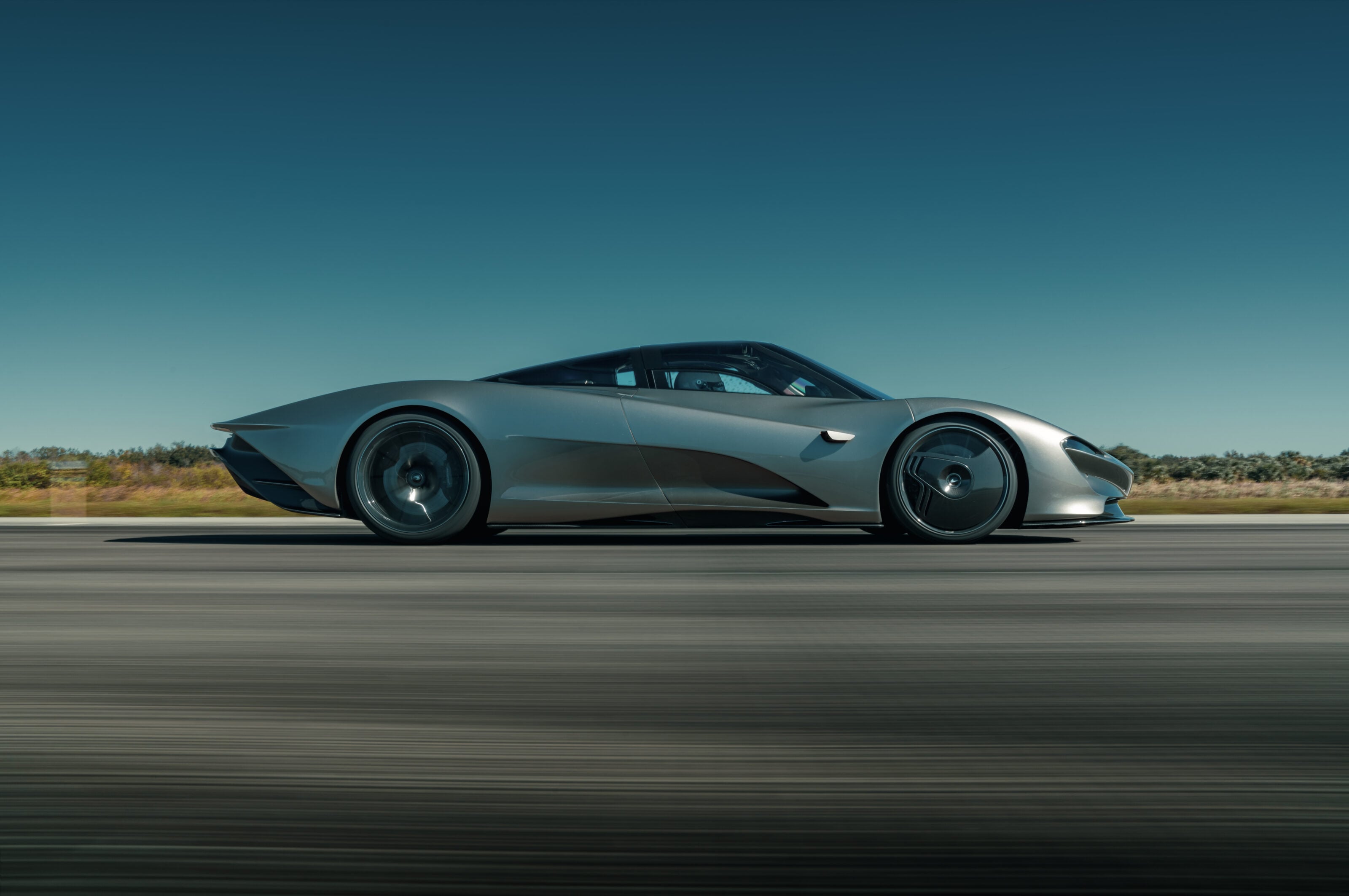
We’ve seen little of promise of late. McLaren’s Speedtail was something fresh as was Tesla’s vapourware Cybertruck, although largely for the wrong reasons. Neither had any real impact on modern car design. The last vehicle I can think of that had a genuine impact on a decent-sized slice of the market was the 2009 Nissan Qazana Concept, which became the production Juke, which in turn popularised the notion of the supermini SUV, for better or worse. Tesla has tried, but it’s slightly depressing that the company’s best-resolved shape dates to 2012.
In the performance car sector? Pickings have been surprisingly thin. Name one meter-moving car launched in the last decade that has translated to commercial success? Has there been a better-looking supercar launched since the Ferrari 458 Italia in 2009? I know that there’s an element of subjectivity to all of this and that safety legislation has had the effect of making cars less elegant, but challenges are there to be overcome.
Looking at Lamborghini’s Estoque now, it’s easy to see how many of its features were inflated to become the Urus’ fat suit. The subtly bulging rear guards, the squinty headlamps, the body sculpting above the sills and the V-shaped prow all carried over into the Urus.
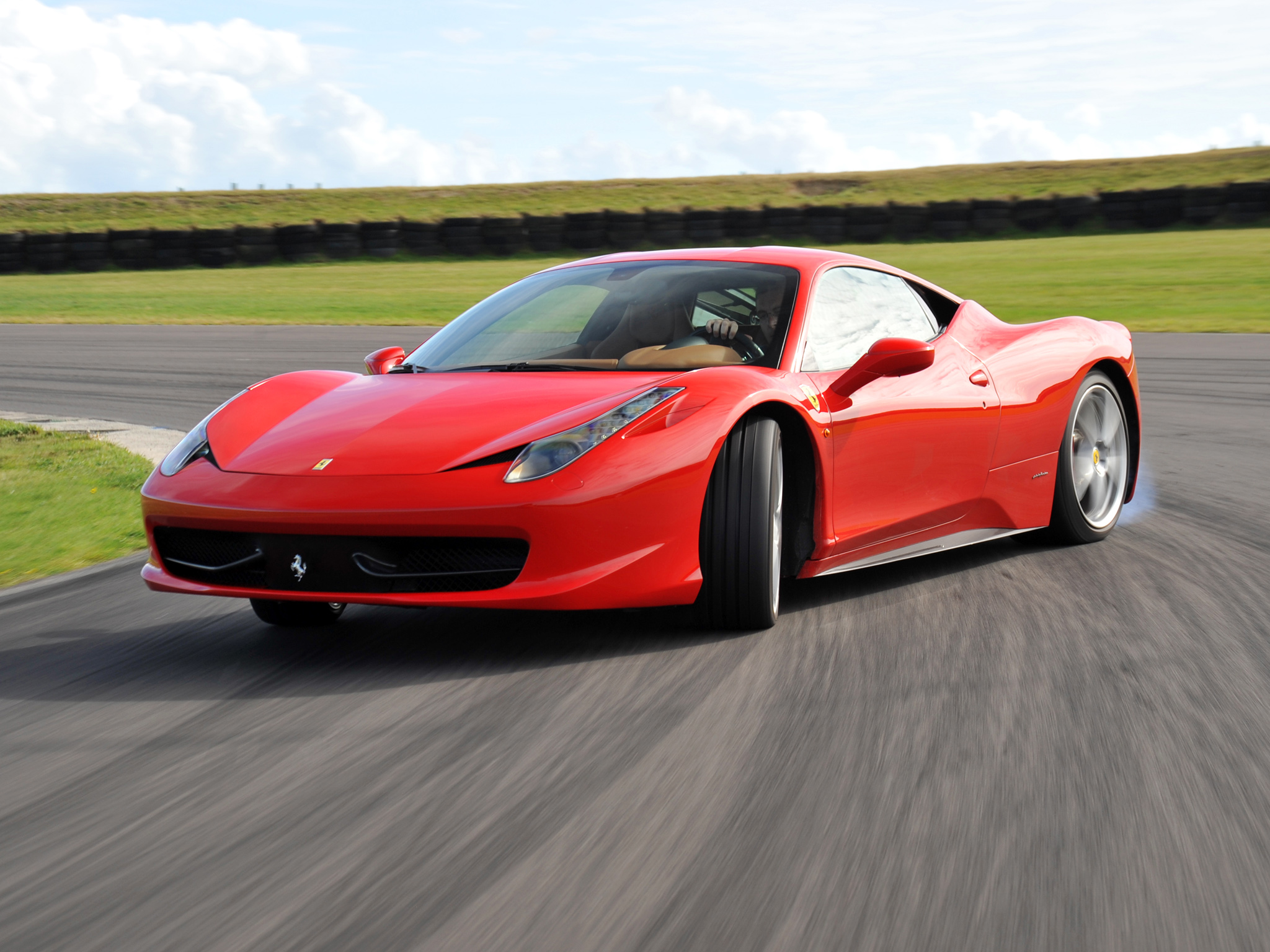
It’s a shame that at a time when changes beneath modern car’s skins are accelerating at a dizzying pace as ever, the exterior presentation has stagnated. I’m not saying that modern cars are ugly. They’re just unadventurous. And that needs to change.
Life moves pretty fast in the large SUV market. Just a few weeks ago I was making fun of how old the Kluger was and then we had a whole new one land. With a hybrid driveline, no less. Kia’s new Sorento arrived in 2020 and the new Hyundai Santa Fe arrived in 2018.
Wait. A new Santa Fe arrived in 2021. Right? Well, yes, because it seemed that Hyundai were so keen to keep up that it gave its large SUV a hefty facelift inside and out to incorporate some new technology, new transmission for the diesel and up here in the Highlander, a whole new dash architecture.
So, as ever, Hyundai is not doing things by halves.
Pricing and Features
At $65,200 before on-road costs, the Highlander diesel clears the front-wheel drive petrol V6 by a stout $3500. You get 20-inch alloy wheels, a big 10.25-inch touchscreen, 12.3-inch digital dashboard, 10 speakers, sat nav, powered front seat adjustment (they’re also heated and cooled), wireless phone charger, keyless entry and start, front and rear parking sensors, active cruise control, panoramic sunroof, auto LED headlights and auto wipers and a full-size spare.
For 2021, the Santa Fe picked up a number of safety upgrades. You get six airbags, ABS, stability and traction controls, forward AEB (10-65km/h for pedestrians and cyclists, 75km/h for cars), turn assist, rear cross traffic alert, rear AEB, lane keep assist and blind spot monitoring.
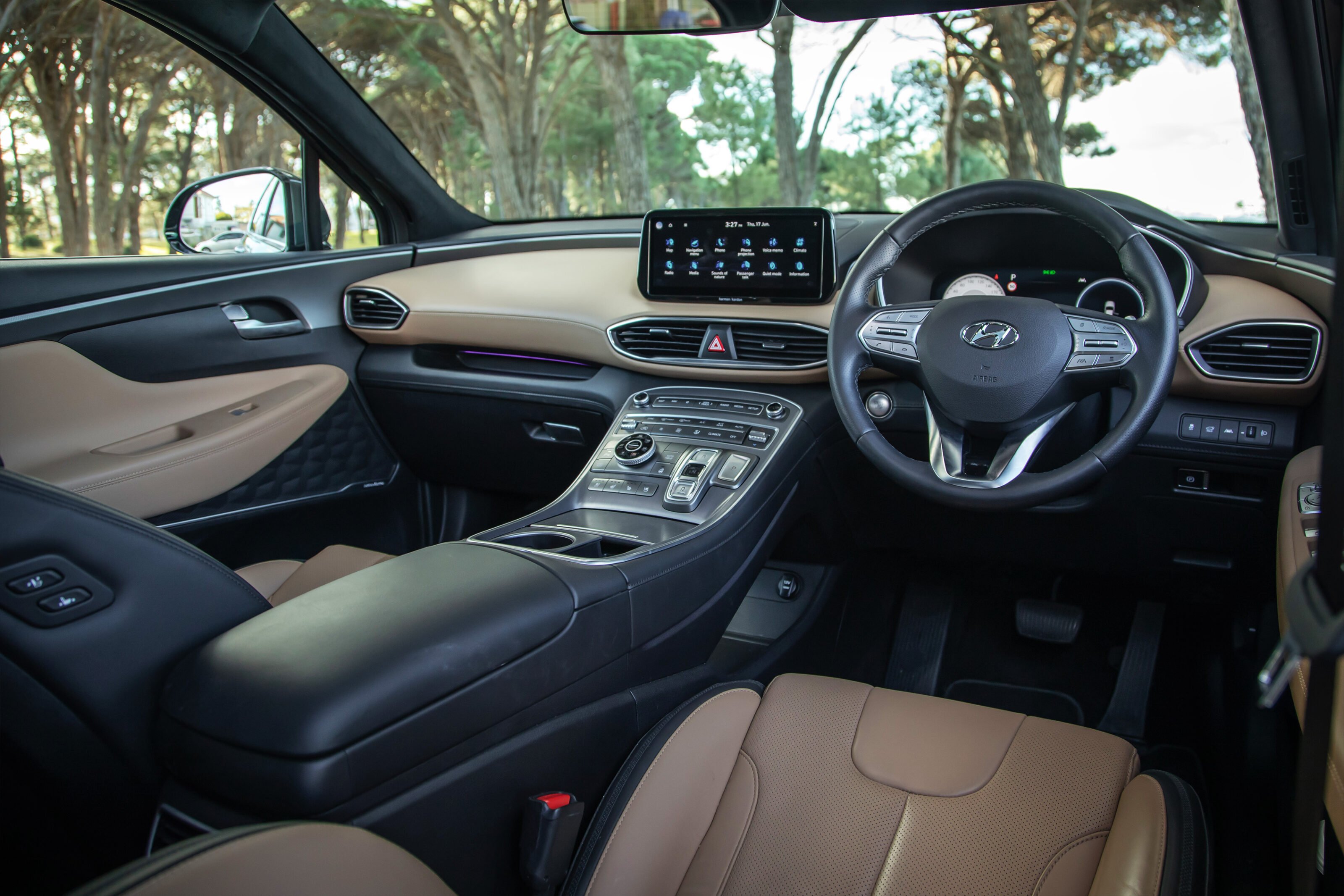
The fully digital dashboard includes Hyundai’s blind spot vision tech. There are cameras on each side of the car that send a view of what is happening down the side of the car to match the direction of your indicators. It’s very useful and makes the digital dash worthwhile rather than just a reproduction of an analogue layout that can change colour.
You also get two sets of ISOFIX points and three top tether mounts in the middle row but none in the third. One of the upgrades it didn’t get was to ensure the curtain airbags reach all the way to the third row, so it’s probably just as well.
The five-star ANCAP rating carries over from the 2018 result.
Comfort and Space
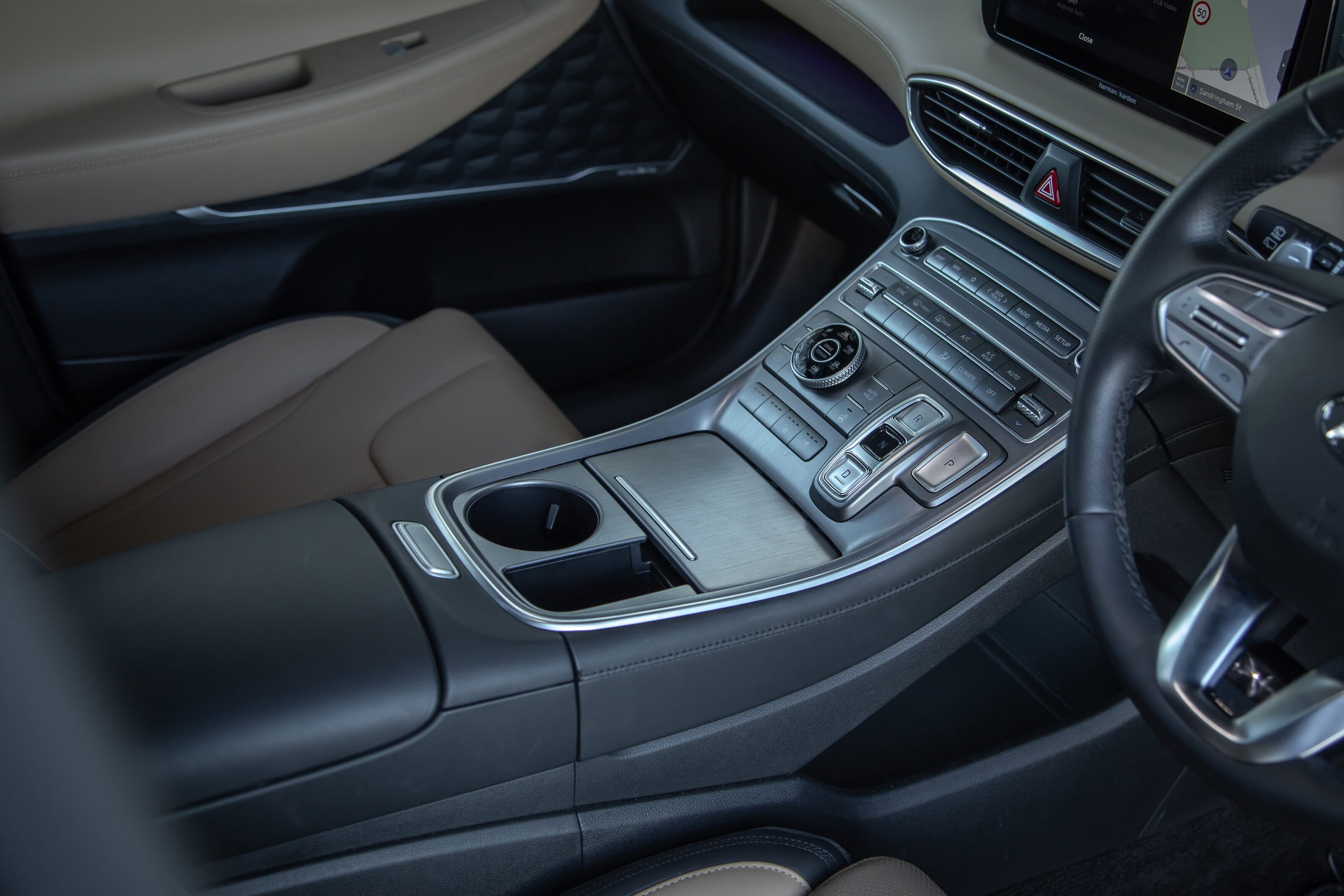
The Santa Fe is, obviously, gigantic although not as massive as its big brother, the Palisade. I deliberately mention the Palisade because the Highlander features its flying console layout.
Due to the push-button transmission selector requiring no mechanical connections into the engine bay, the space between the footwells has been opened up for a large tray into which you could put a small backpack or handbag.
Also up front are two cupholders, a console bin and two bottle holders in the doors. There is also a very clever slot into which you deposit your phone and if you put it in the right way, it’ll charge against the wireless charging pad. A little spring-loaded door holds it in place and for some reason, this makes me very happy.
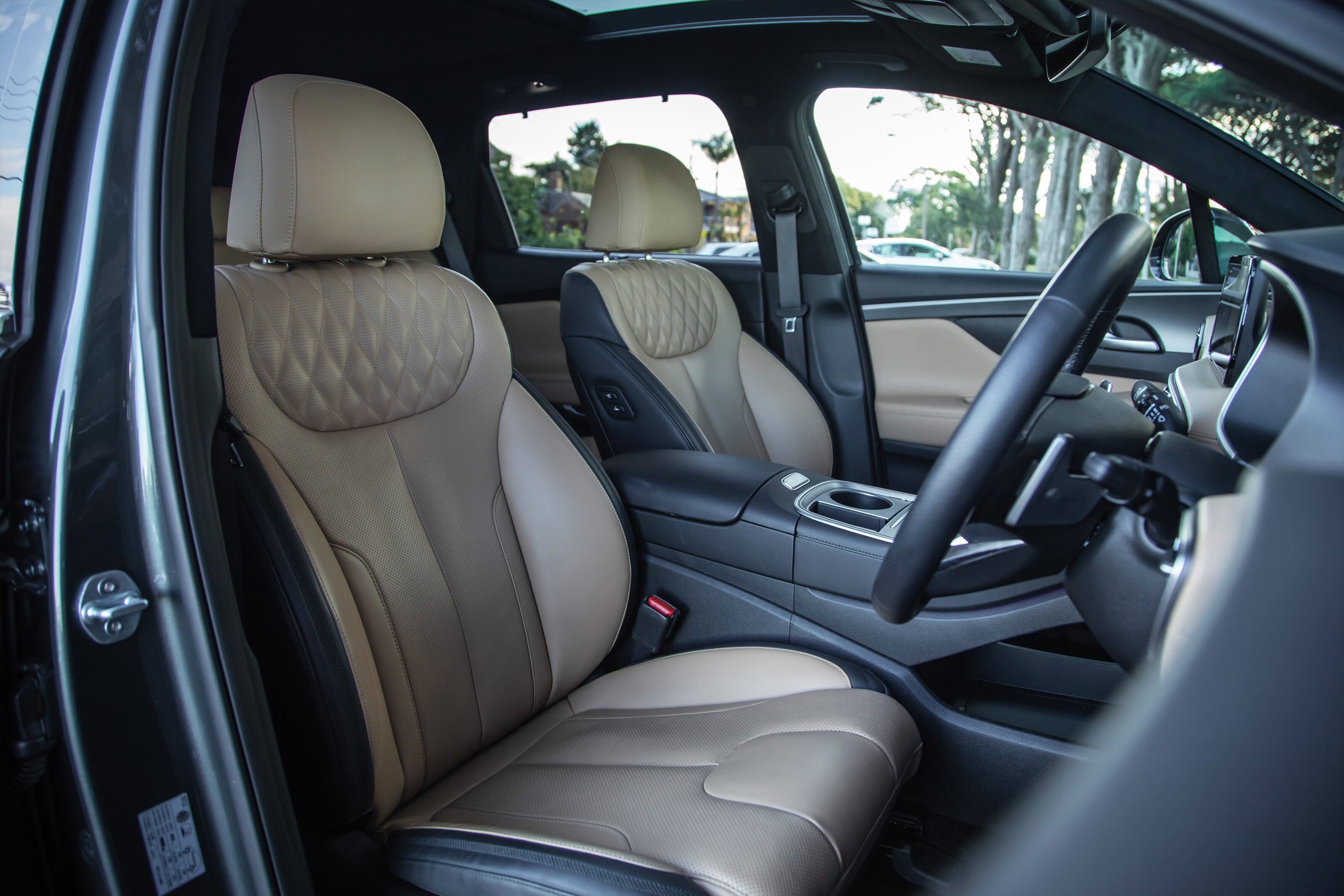
The middle row is very useful in that it’s well-shaped and comfortable for outboard passengers and has tons of legroom. You can change the amount of legroom by sliding it back and forth in the 60:40 split sections and the backrests recline. The armrest has two cupholders and at the rear of the centre console are two USB ports. If that isn’t enough, the outboard seats are heated and the windows have roll-up sun shades.
To reach the third row you pull a latch that flips the middle row forward and slides. It’s not the most graceful access but I’ve seen much worse. Once in, it’s fairly tight for me at six foot tall but you can get reasonably comfortable if your hips flex and you don’t mind your knees in your face, so it’s fine for small kids.
The problem is the gap between booster seat-sized kid and uncomfortable kid is probably a bit short. It’s not really a lot more than an occasional use proposition. If you want a regular-use third row, wait for the Staria people mover, get a Palisade or defect to the Kia Carnival. If you are trapped back there, you get a further two cupholders and a slot to put some odds and ends.
The seats are covered in very nice Nappa leather, too, which makes them even more comfortable and nice to touch.
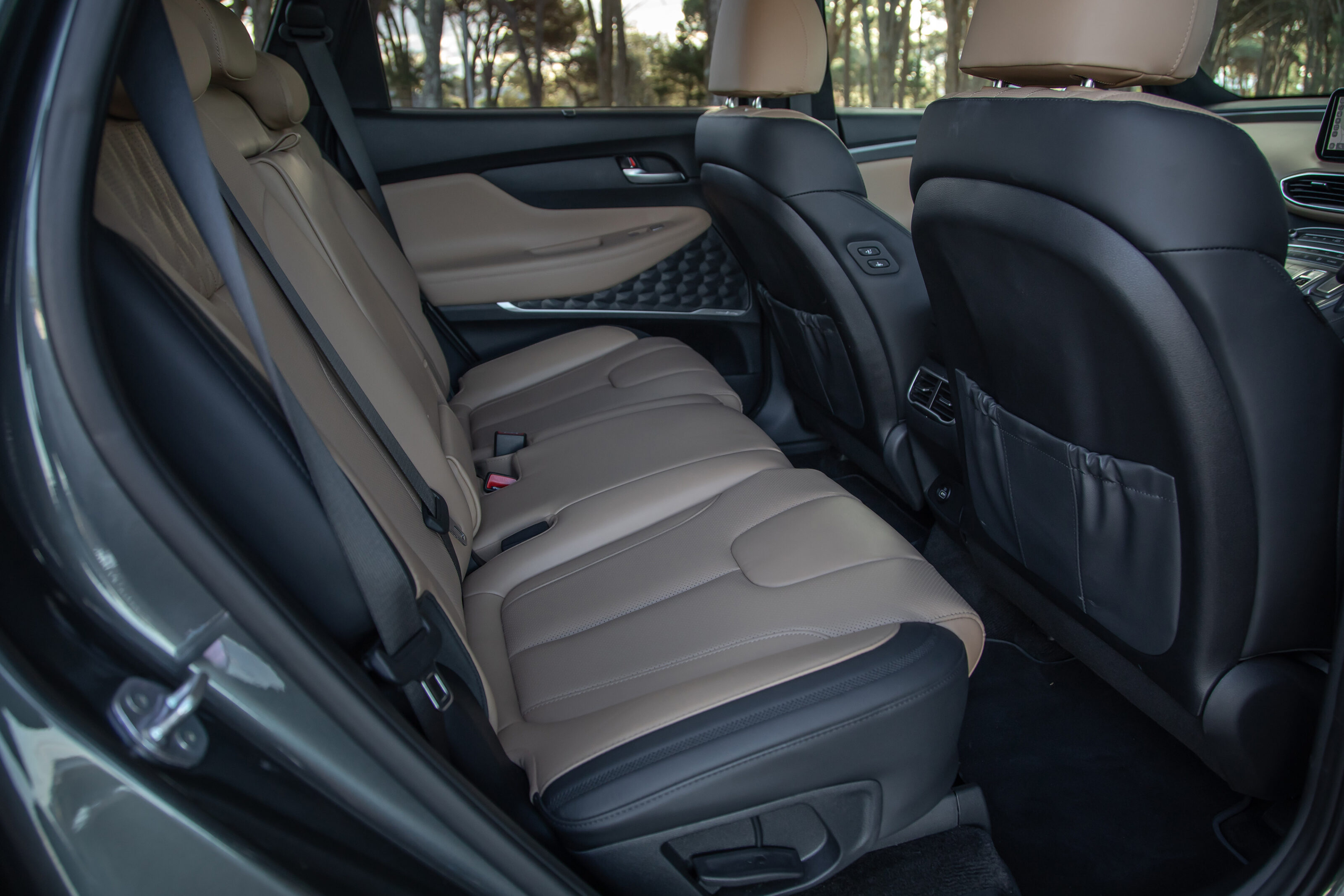
The boot starts at 130 litres with all seats in place. Push the third row down and you have between 571 and 782 litres. For some reason, Hyundai doesn’t give a figure for total capacity with the middle row folded down but I can tell you it’s a fantastically huge space with a flat floor.
The carpet that you can lay over the wagon portion of the boot is handy, stopping you from snagging things on the third-row seatbacks and the whole shebang is accessible via the powered tailgate.
Towing capacity is rated at 2500kg for a braked trailer, 750 unbraked and a maximum towball load of 200kg.
The Santa Fe is, obviously, gigantic although not as massive as its big brother, the Palisade.
On the Road
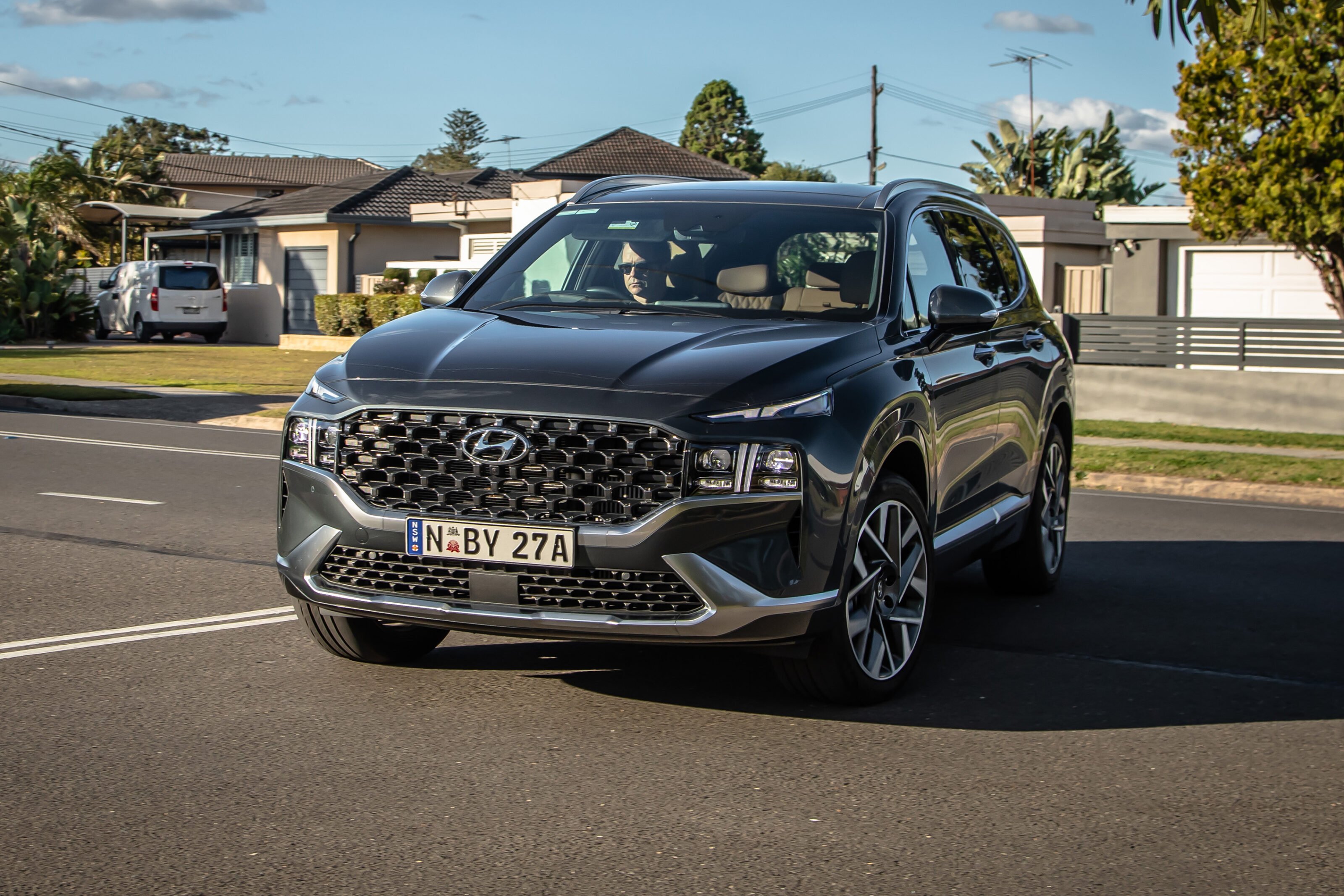
While the 2.2-litre diesel has been around forever, the new eight-speed dual-clutch transmission already seen on the Sorento is not. It’s an absolute belter of a gearbox with seemingly few of the traditional drawbacks of the genre.
I thought it was a bit weird that Hyundai committed to twin-clutch as the Europeans abandon it, but it seems like it was the right decision. It shifts quickly and positively and it’s almost impossible to pick it as a dual-clutch. That’s a pretty decent win.
The engine produces a modest 148kW at 3800rpm and a handy 440Nm in a narrow 1750 to 2570rpm band. That’s where the eight-speed is especially useful, keeping the engine in the torquey sweet spot, making it feel overqualified to shift nearly two tonnes of all-wheel drive SUV.
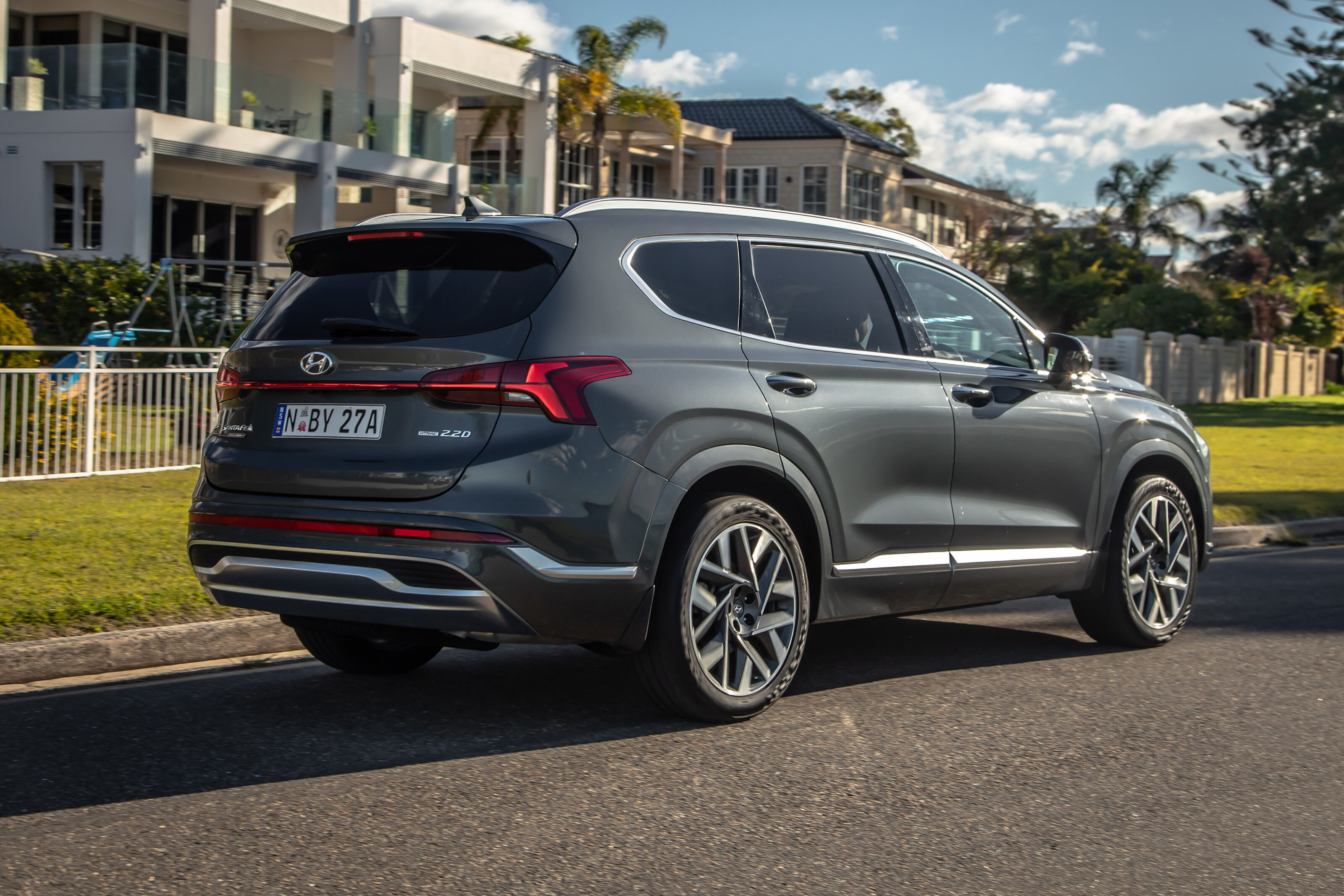
When this car first launched in 2018, I was a big fan of the handling. That made for good copy but it did sometimes render the ride a bit firmer than most customers were completely happy with. The new suspension tune is a global setup, while the previous car was signed off by the local team for Australian Santa Fes.
It’s a bit softer and more comfort-biased, which is probably for the best, and that local team naturally still had a good hand in it. The 2021 car rides the bumps as well as before but with less vertical movement. There is a little more body roll than before, but it still grips and the steering is still very well-judged for the type of car it is. So yeah, I’m still a fan.
It’s very quiet out on the motorway and was the perfect companion for a run up my usual route loop to the Blue Mountains. It climbed the hills without drama or hunting through the gears and even the garbage surface on the westernmost end of the M4 didn’t produce the usual roaring from the tyres. Well, it probably did, but it didn’t get into the cabin.
There is a little more body roll than before, but it still grips and the steering is still very well-judged for the type of car it is. So yeah, I’m still a fan.
Ownership
Hyundai’s pace-setting five-year/unlimited-kilometre warranty does fall short of compatriot Kia’s seven years, but it’s still good going. Maintenance costs no more than $459 per service for the first five years and you have to return to the dealer every 12 months or 15,000km.
VERDICT
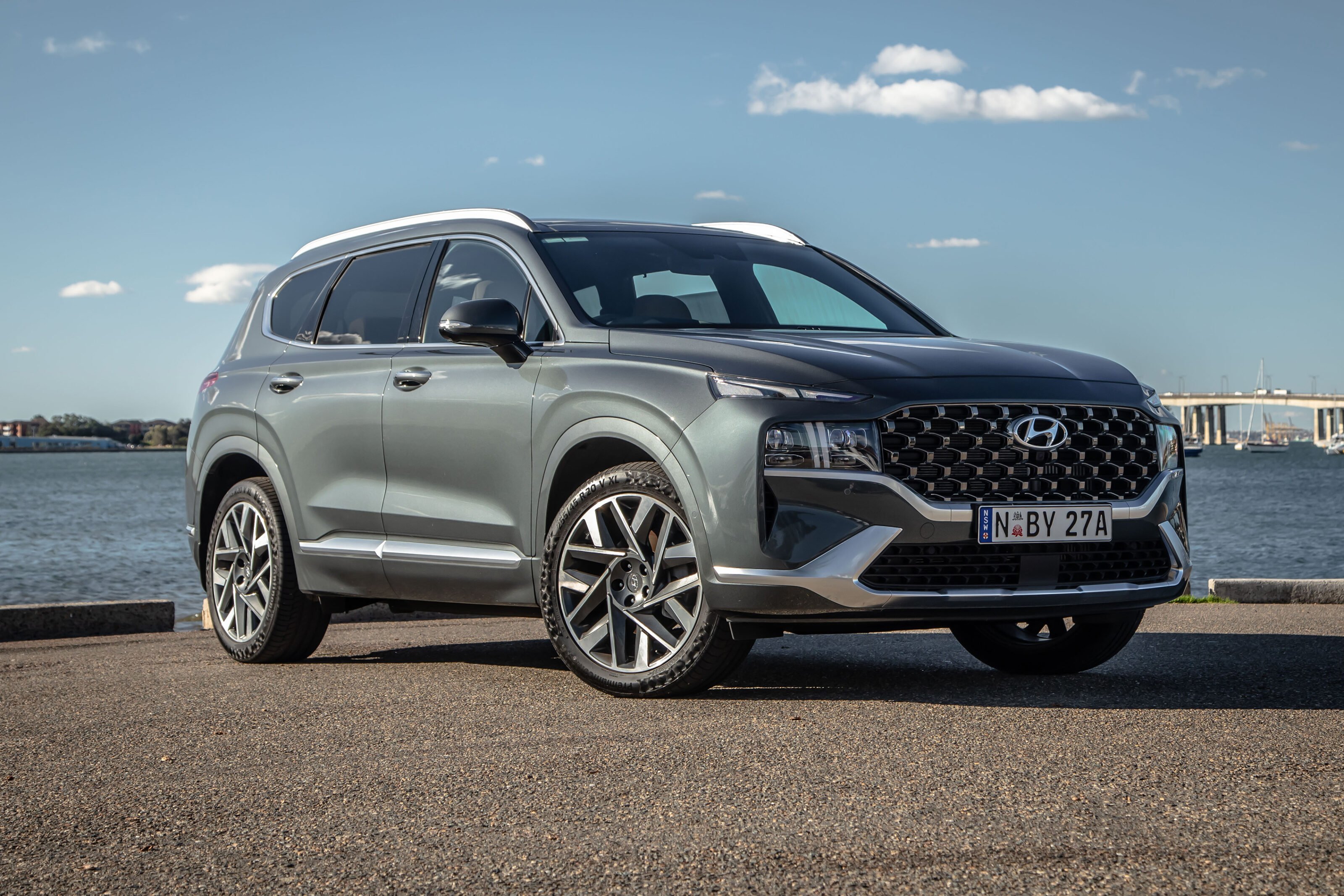
It seems weird to think a car needed a facelift so soon, but as the Santa Fe launched out of sync with everyone else, it probably had to happen.
A lot of good stuff has made its way into the Highlander and despite the extra price, the diesel is the one to have as you get all-wheel drive, a more relaxed drive and torque to haul your brood and their stuff to where you want to go.
The new cabin tech is great, the facelift looks suitably aggressive and it’s here to take the fight to the new Kluger while snapping at the heels of the Europeans with equivalent tech but better pricing. The only big downside is that you can’t get yourself a hybrid.
2021 Hyundai Santa Fe Highlander specifications
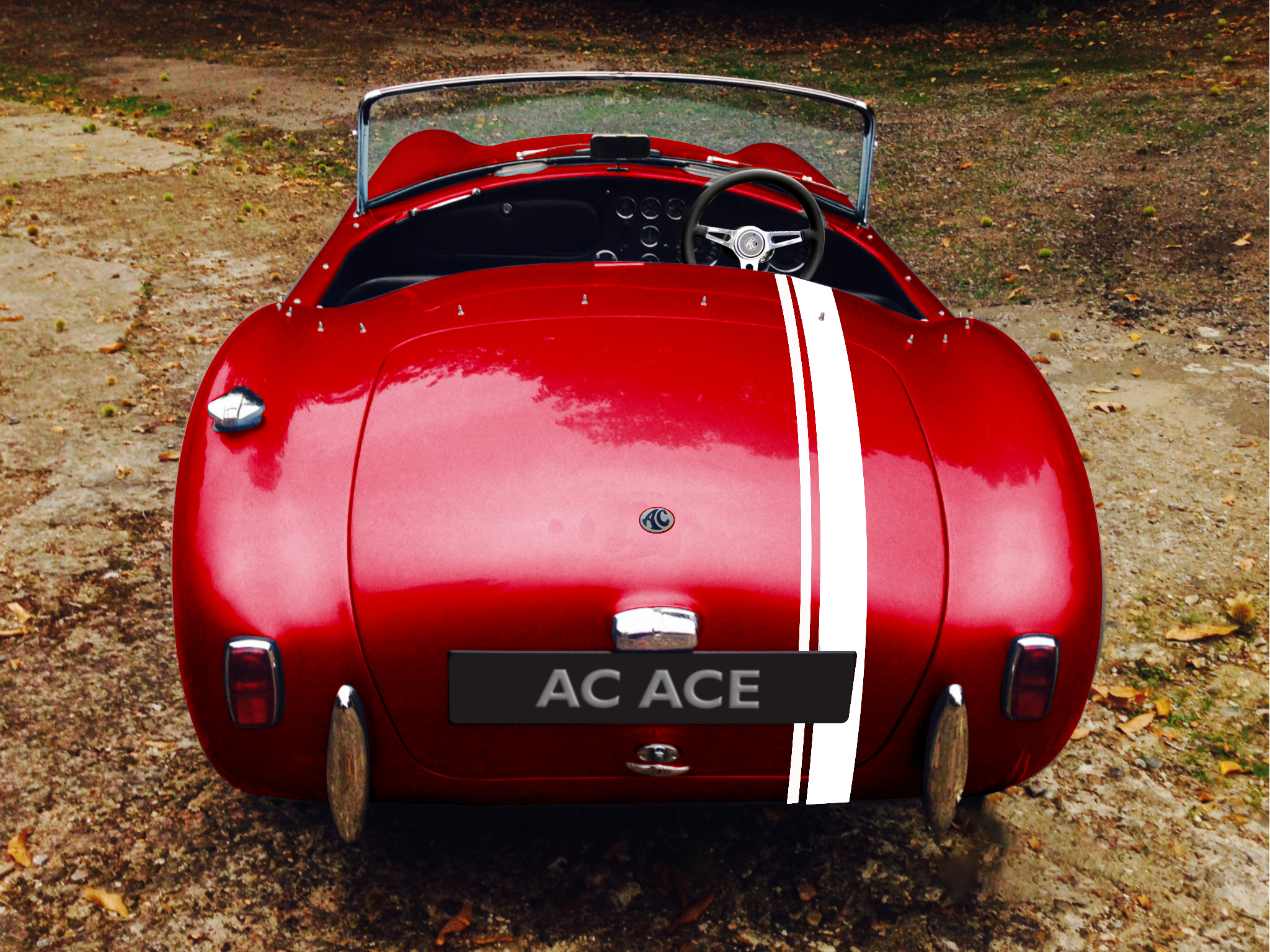
AC Cars has unveiled a new take on its iconic Ace RS with a twist, as the one of the oldest British vehicle manufacturers continues a transformation to electric power.
Known as the AC Ace RS EV, the new vehicle comes decades after the model ended production. As a brand-new version, reservations for the retro sports car are open now – with first deliveries to begin in late 2022 for the UK market, priced from £129,500 (AU$243,242).
However, it’ll be strictly limited with just 37 cars available in a sole ‘Founders Edition’ specification.
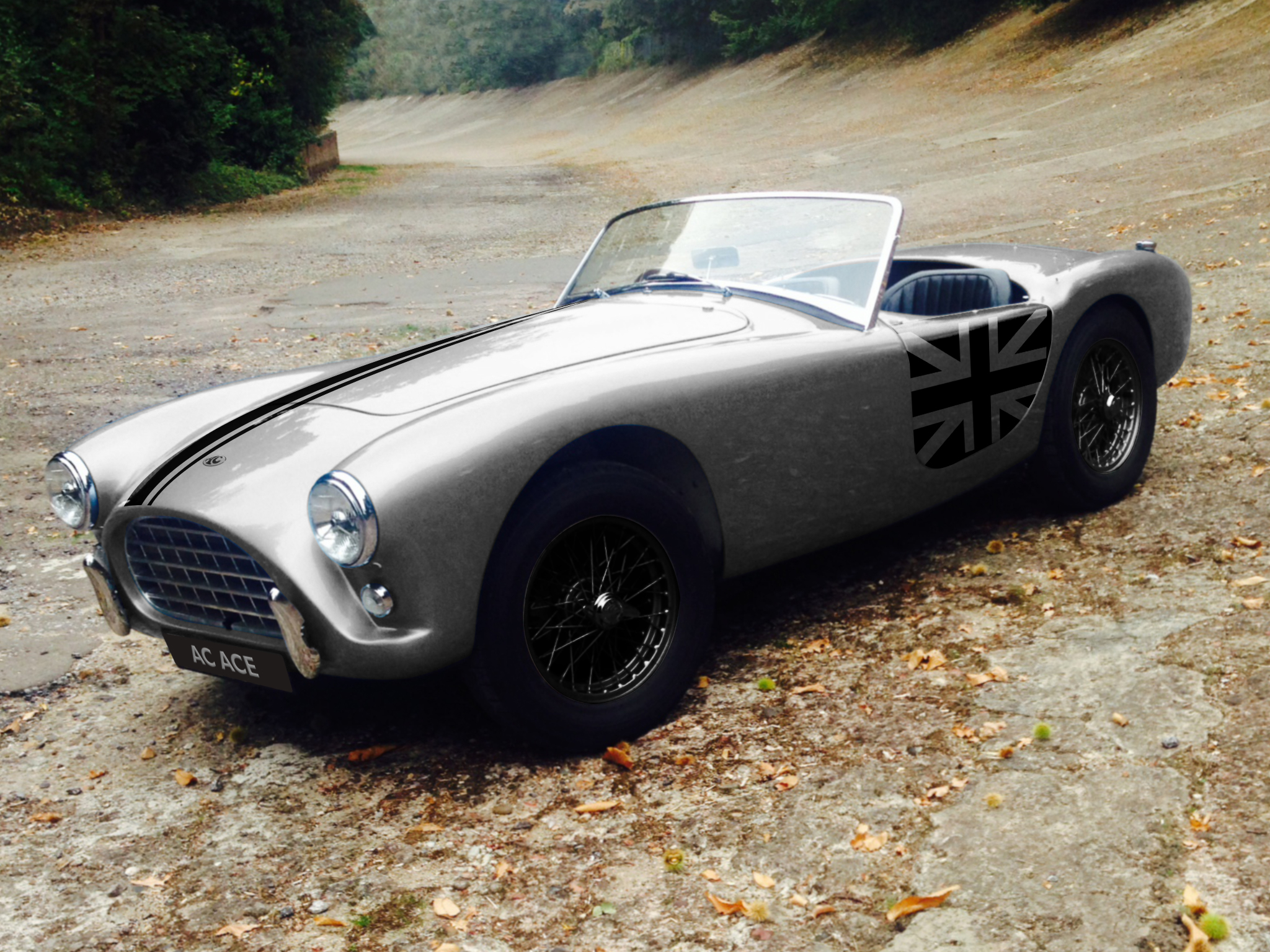
Combining hand-built craftsmanship with a zero-emissions powertrain, the Ace RS EV is propelled by an electric motor producing 230kW/250Nm, with 500Nm of peak torque on offer. The electric powertrain has been developed by Falcon Electric, a UK-based company specialising in EV conversions.
Featuring a 38kWh battery, the Ace RS EV is good for an approximate driving range of 322 kilometres on a single charge. It will sprint from 0-100km/h in a claimed 5.5 seconds – a figure similar to the Tesla Model 3 Standard Range Plus – largely thanks to its lightweight 1050kg mass.
Alan Lubinsky, current owner of AC Cars, said the shift to electric power will allow the vehicles to be “undeniably historic in character, yet thoroughly modern in their powertrain and performance.”
The Ace RS EV is the third electric vehicle to be introduced by AC Cars, following the launch of the Cobra Series 1 Electric – which is soon to enter production – and the Cobra Series 4 Electric revealed in June.
Snapshot
- Seven-year warranty until December 31
- Service pack offer remains
- Skoda’s best performing year after only eight months
Skoda Australia has launched a new seven-year warranty – but for a limited time only.
From today until December 31 this year, the Czech marque is offering an extra two years on the warranty of every new vehicle it sells, having been the first European carmaker in Australia to introduce the now standards five-year warranty.
In addition it is offering a 7 Year Service Park option, which provides the first three services at no cost, though this will remain available beyond the end of 2021.
The marque has sold 15,000 service packs to date, with 60 per cent shifted this year alone.
“These are seven years of full cover without common exclusions such as infotainment systems or starter batteries,” Skoda Australia Director Michael Irmer said.
“We remain intent on becoming a leading brand in the sphere of lifetime ownership experience, with service and maintenance subscription being a no commitment, ‘pay as you go’ offer complemented by the popular service packs.
This news follows the company achieving 7120 sales year-to-date til the end of August – surpassing its previous best full year of 7001 in 2019 after only eight months.
Mr Irmer, who has led Skoda Australia since 2013, said that the brand’s sales growth – despite the unavailability of some current variants and impending production delays due to the global shortage of semiconductors – reflected Skoda’s “emergence from its earlier niche status”.
“While I still see us very much as a challenger brand, there is growing awareness of Skoda’s unique qualities,” he said.
“I think we have shown that value does not have to be built on a budget price sticker. Our customers have typically selected highly specified variants, which we make easy for them by bundling a wide array of options into attractive packages.”
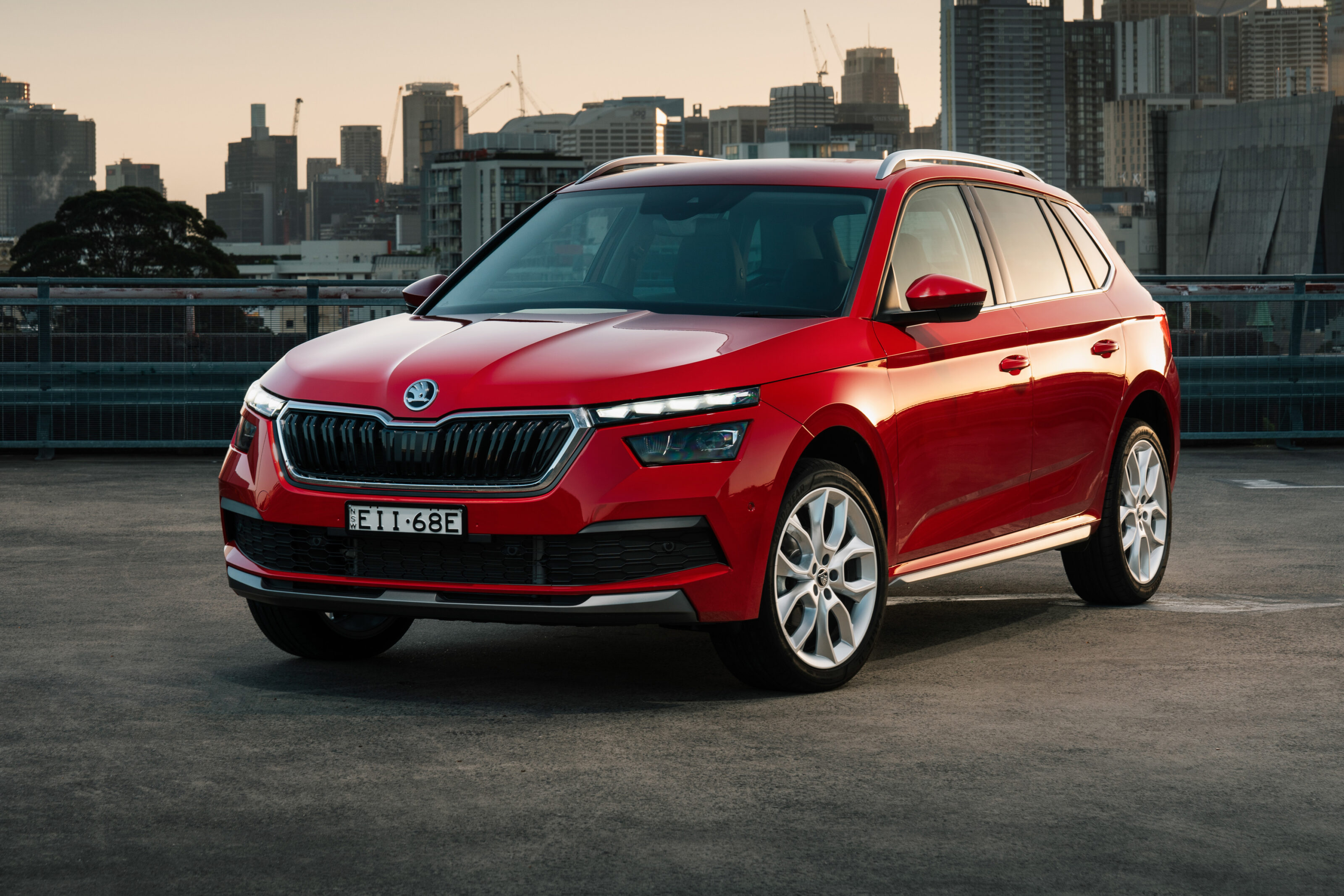
Mr Irmer said that while production issues – notably of the award-winning Kamiq 85TSI – had curtailed an even better year-to-date result, Skoda remained the “fastest growing European brand”.
“We have proven adept at finding solutions to supply, for example introducing the Kamiq 110TSI while we await the renewed availability of the 85TSI,” he added.
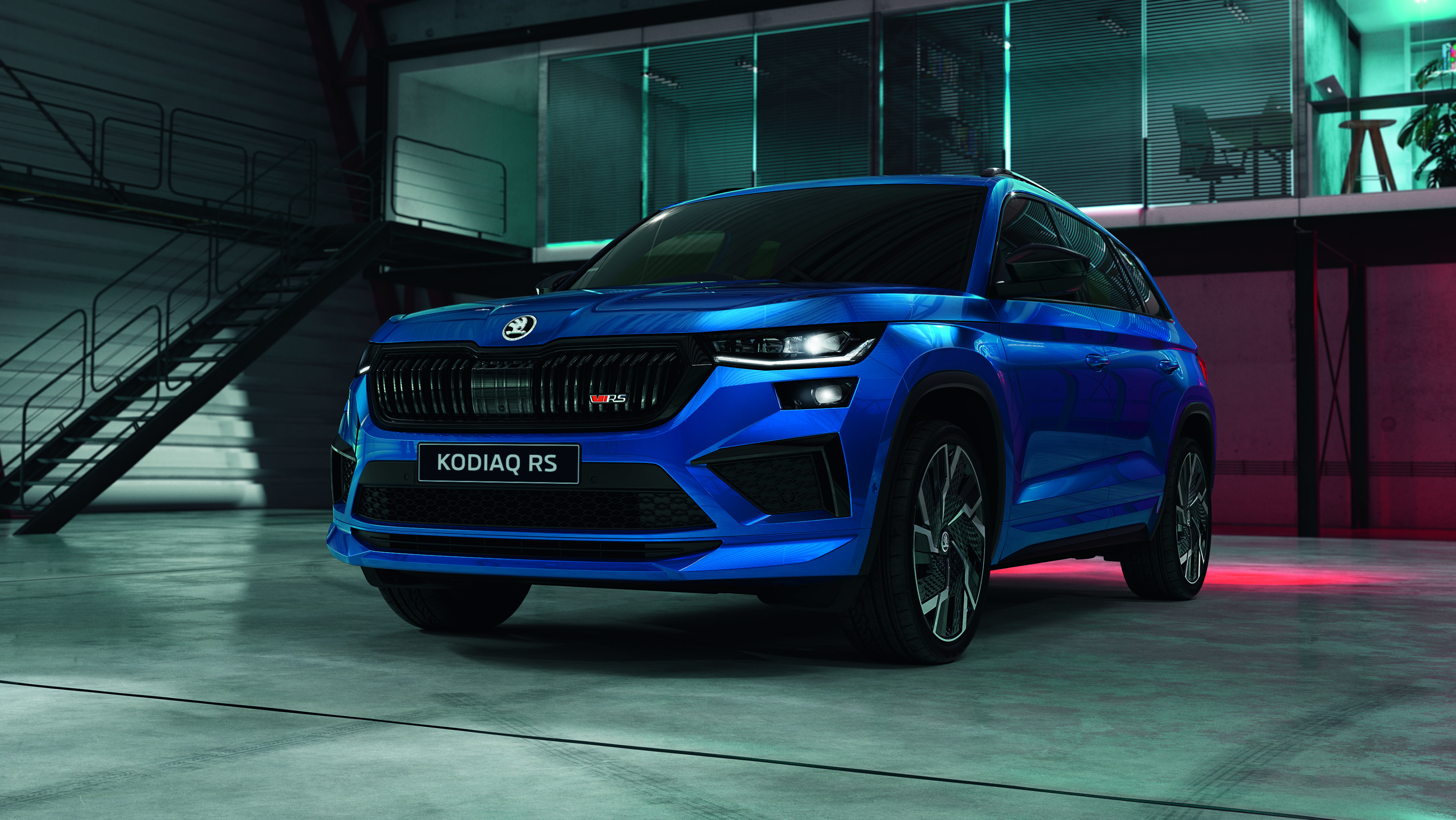
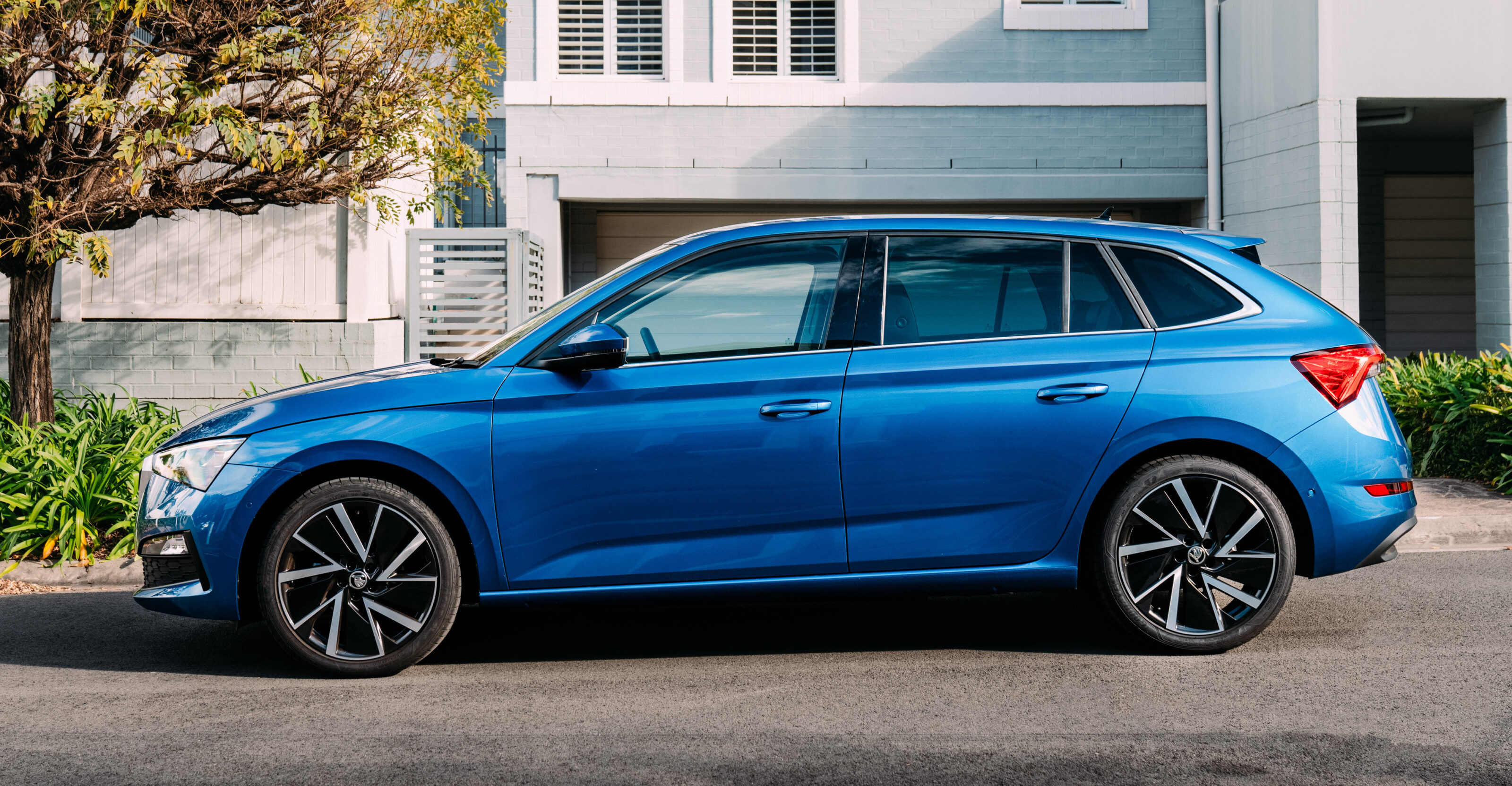
“We hope to have the refreshed version of the Kodiaq SUV before year’s end with the new petrol version of the Kodiaq RS early in the new year. The Fabia, which has continued to be a successful entry point to the brand, arrives in a new generation during 2022.
“Electrification is firmly on the agenda. Next year we hope to announce timing for the introduction of the Enyaq, which has been resoundingly successful in Europe.”

Skoda 7 Year Service Pack pricing
Prices compared to 5 Year Service Pack.
Fabia – $2100 (up $600)
Rapid – $2100 (up $600)
Kamiq – $2100 (up $600)
Scala – $2100 (up $600)
Octavia – $2400 (up $850)
Karoq – $2400 (up $850)
Superb – $2700 (up $900)
Kodiaq – $2700 (up $900)
Octavia RS – $2900 (up $900)
Superb (Sport and Scout) – $2900 (up $900)
Kodiaq RS – $2900 (up $900)
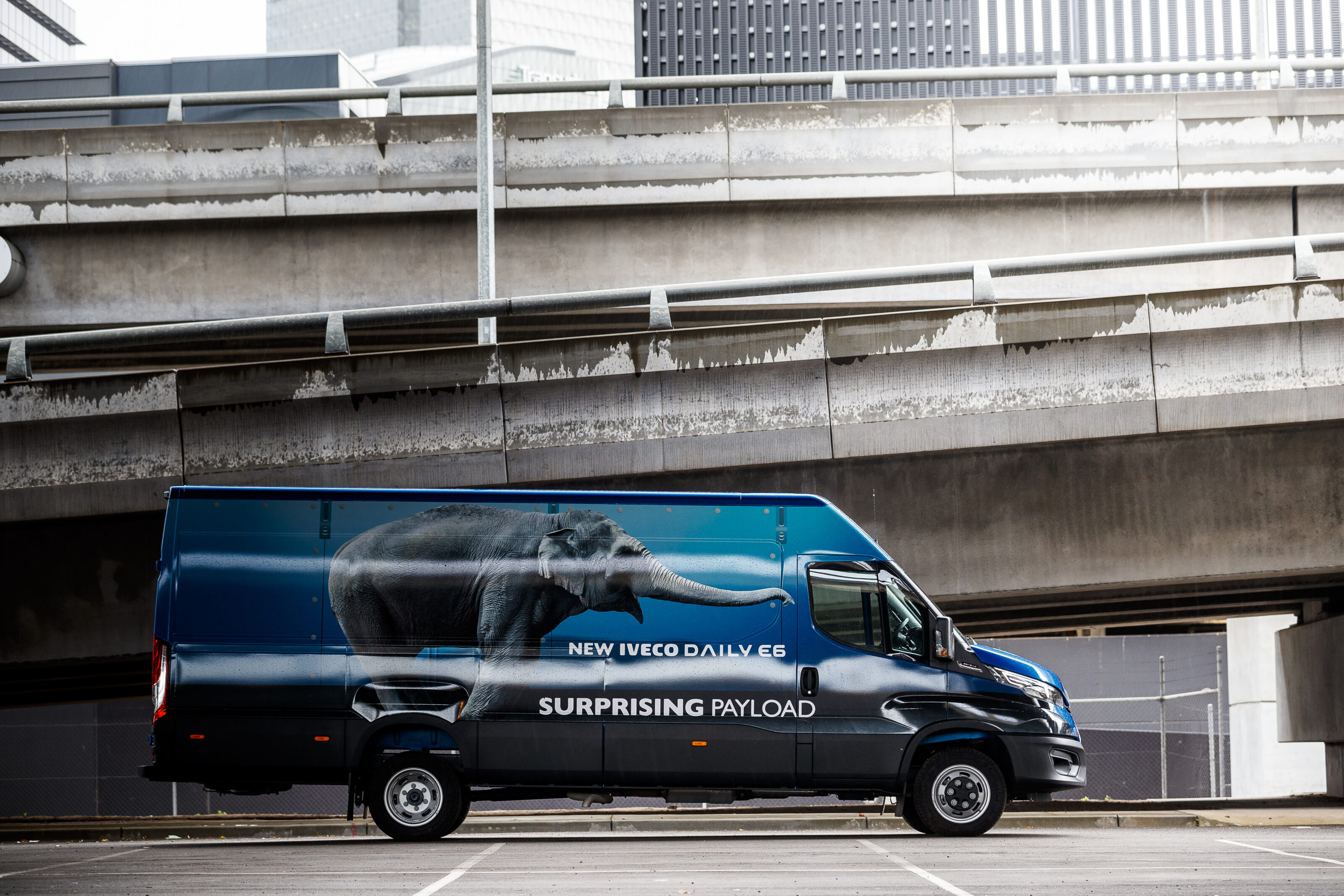
When it comes to spruiking what Iveco’s refreshed large van named the Daily E6 can do, the Italian brand is not ignoring the elephant in the room.
In fact, Iveco has embraced the animal, going so far as to wrap the image of one on the van it’s lent to us for testing, stressing that the Daily E6 offers a surprising payload.
Although you might struggle to find an adult elephant that could fit in the back of any van, the model’s sixth-generation facelift – which includes more safety tech, a new face and a fresh interior – still offers plenty of body sizes.
Our 50C sits in the middle of the Daily E6’s three-step model range, between the smaller 35S and larger 70C. Regardless of spec, all wear a new three-piece front plastic bumper and updated fountain grille.
How does the 50C differ? The Gross Vehicle Mass of the 35S is rated at 3800kg, while the larger 70C boasts a 7000kg GVM. The 50C takes the middle road with a GVM of 4495kg, thanks to four rear tyres. Meanwhile, it can be upgraded to 5200kg if you have a heavy vehicle licence.
As for payloads, the E6 50C can swallow 1806kg worth of stuff in its cargo area. And that’s in the ballpark of other long-wheelbase rear-wheel drive vans like the Renault Master, Volkswagen Crafter, Mercedes-Benz Sprinter and Ford Transit.
Within the 50C’s range, Iveco offers four body sizes – so bear with us for just a while longer. There are two wheelbases, three body lengths and two internal cargo roof heights. We’re in the second option, using the longer 4100mm wheelbase, middle 7274mm body length and higher 1900mm roof. It adds $4004 to the price of a standard size E6 50C.
A spacious cargo area, measuring 16 cubic metres, is towards the upper end of the segment against similar-spec rivals.
Parked up, the 50C is a lot to visually drink in. That 2.1m rear overhang is significant, and at 2.75m tall, the E6 begins to look more bus-like than a regular van. But the upside to this is a spacious cargo area, measuring 16 cubic metres – which is towards the upper end of the segment against similar-spec rivals.
The cargo area is accessed through a sliding door on the kerb side or rear barn doors that open to 270 degrees. They move easily on their tracks but close with an unconvincing softness. It’s worth mentioning you can option a sliding door on the road side and windows on any door. You can also tint and heat the rear windows for extra again.
Plastic grab-handles assist entry into the load bay. However, they’re black so hard to spot in low light and flex under load. Metal handles in a brighter colour would be more helpful, especially at night.
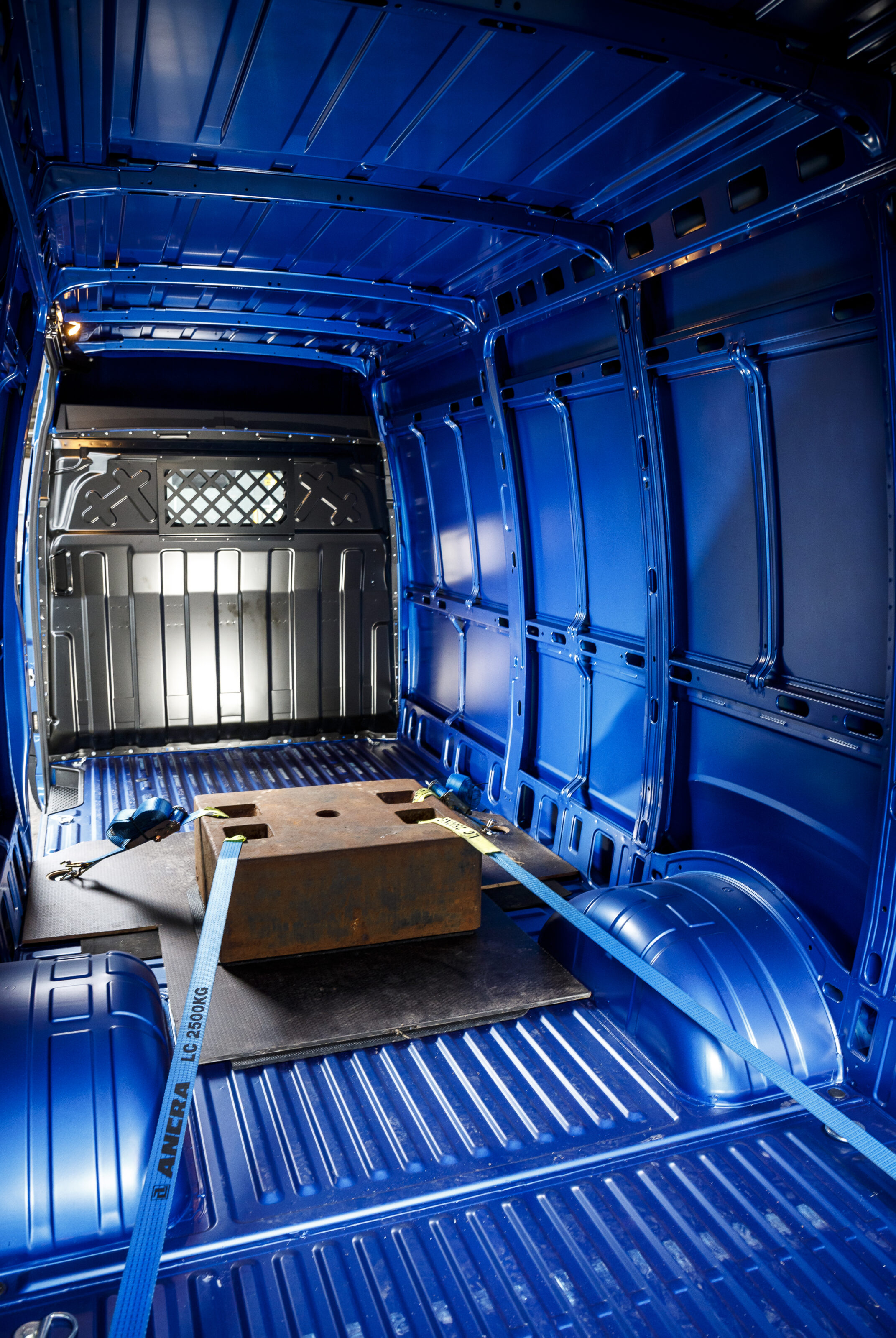
Space wise, the Daily E6 50C in this size offers a cargo area that measures 1740mm wide and 4680mm long. Sliding something along the floor? The rear load sill sits 774mm high above the rear differential. The rear doors open 1530mm wide, while the side door opens 1260mm. Both doors are 1800mm tall.
Inside, load space is narrow, but the floor is at least 130mm longer than any of its rivals. Meanwhile, the distance between the wheel arches is just 1032mm – thanks to the four rear tyres – so you will have to load a pallet through the side door.
Iveco carries over the Daily’s four-cylinder 3.0-litre turbo-diesel engine that was revamped to comply with Euro 6 regulations back in 2017.
Outputs are 132kW/430Nm, sent through a six-speed manual gearbox. But for $2805 extra, you can upgrade to 155kW/470Nm and then add an eight-speed ZF torque-converter automatic for another $4565, as is the case with the 50C on test here.
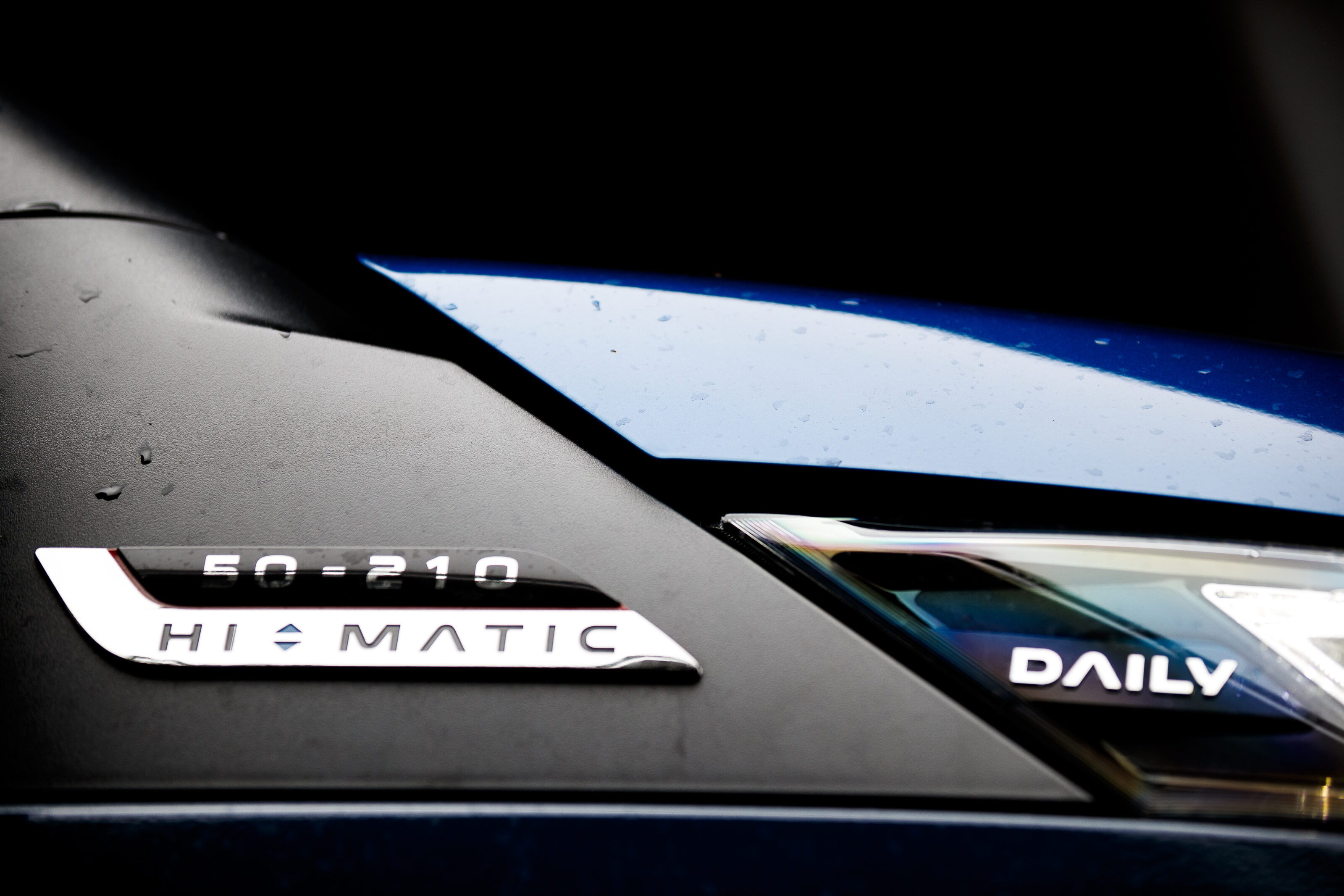
All powertrain options are formatted with rear-wheel drive, helping the 50C offer a 3500kg braked towing rating across its range – something only the Ford Transit 450L RWD among its rivals can match. It contributes to a 7995kg Gross Combined Mass rating that accounts for a full payload, kerb weight and towing load.
A standard-fit bulkhead separates cabin from cargo. It can be deleted, but it’s well insulated. The cabin of this updated Daily also adds new features to the standard and optional equipment list.
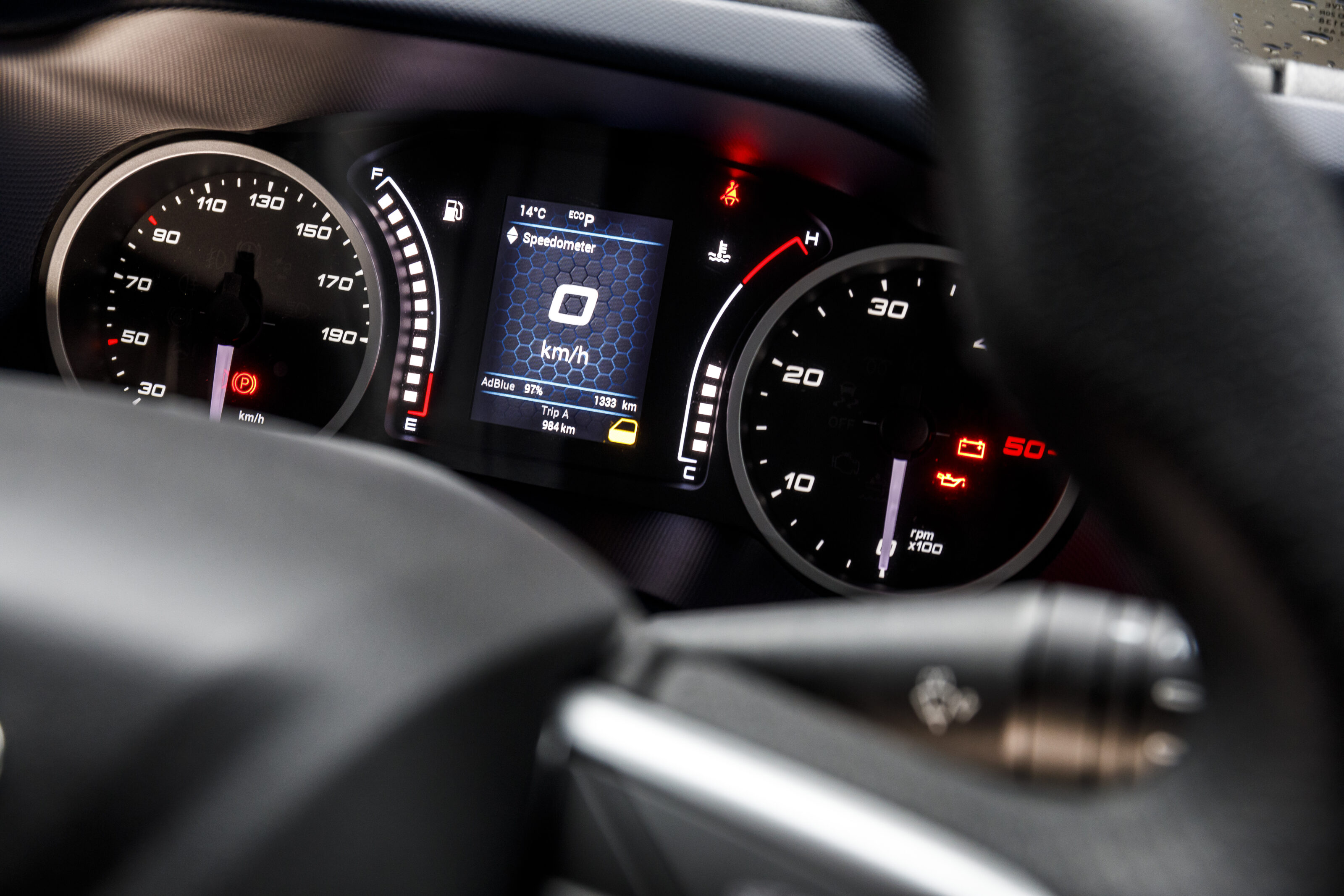
Every Daily E6 now has a new cluster with dials trimmed in silver rims. Iveco has also introduced a new 3.5-inch colour LCD screen that boosts visibility while displaying your speed in a large readout.
There is also a new electronic park brake. It’s a strange choice for a workhorse like the Daily E6 but works fine in practice, as you’re able to load up the torque converter for smooth getaways on steep hills.
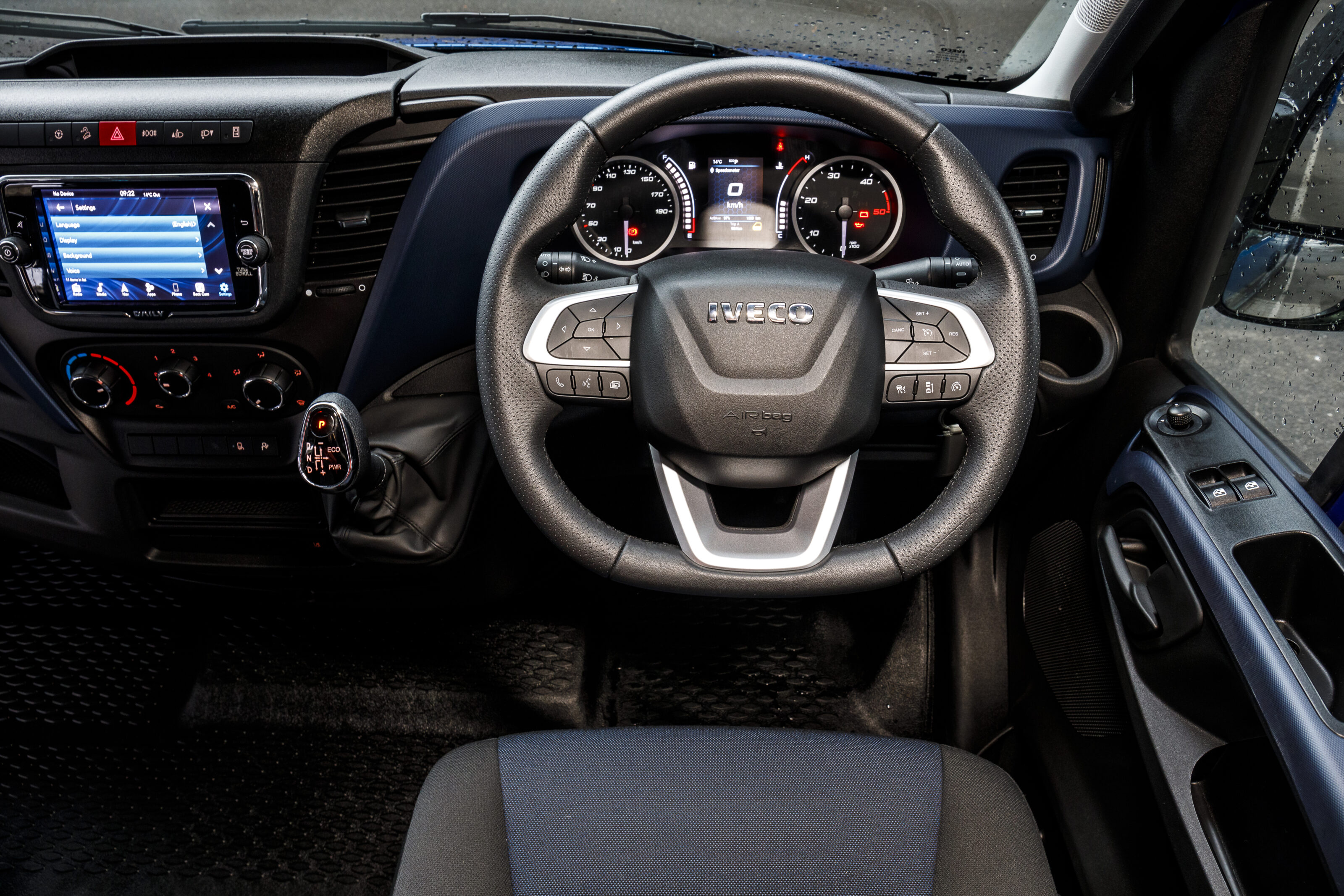
Overall, the interior layout and workstation are spacious and ergonomically sound, with plenty of storage for tape measures, clipboards and large drinks bottles. And drivers using a manual transmission might miss a manual handbrake – as there’s a lot of room between each seat for one.
Downsides? It’s hard to reach the volume dial, the seat padding is thin, and a middle bench seat would be handy as a makeshift desk or keeping items off the floor and away from the pedals. You might also need to option a lot of features before the place feels well equipped.
Our tester was fitted with a $1320 Hi-Comfort Pack. It adds a leather-wrapped steering wheel, tyre pressure monitoring system, auto wipers, auto lights and automatic climate control.
Is it worth it? The new D-shaped steering wheel is vastly more modern looking and functional and the tyre pressure monitoring system reads all six tyres accurately, but strangely our tester’s climate control was manually adjustable rather than automatic as the brochure claims.
At the same time, the central infotainment screen is upgraded on Daily E6s fitted with the $2310 Hi-Business pack. The pack also comes with front fog lights, a reversing camera and wireless phone charging. The reversing camera is handy when towing, given it allows you to monitor rear traffic for 10 seconds at a time while on the move.
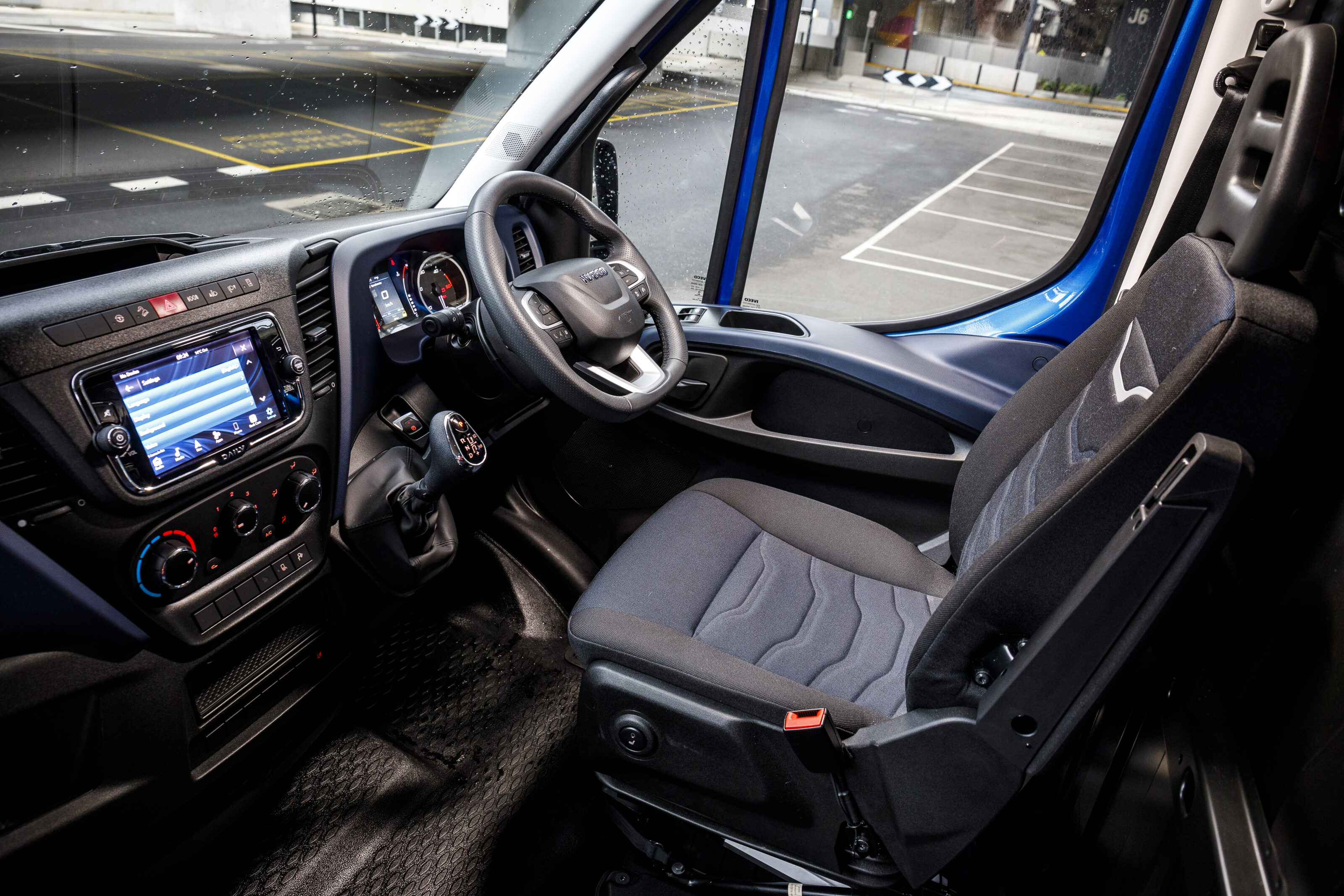
But the highlight of the interior remains the standard air-suspended driver’s seat. It’s adjustable for your weight and feels strange at first, jiggling you about as the seat deals with disturbances on urban roads.
As time goes on you appreciate the technology more. Especially when the cargo is unladen. The leaf-sprung live rear axle tends to buck over bumps, but the seat filters out the shock transfer to your body, reducing fatigue.
We also had the chance to test the 50C loaded with 900kg, or half of its payload, strapped down using four of the 14 tie-downs in the cargo area. As expected, the load improves ride comfort, particularly at the rear axle, while failing to burden the powertrain and suspension.
The 3.0-litre diesel pulls hard, relying on the turbo’s variable turbine geometry to deliver its full 470Nm from as low as 1500rpm, which gets it off the line more convincingly with 900kg on board than some dual-cab utes do with 500kg.
Our tester’s ZF transmission coped well with heavy-duty work, shifting smoothly during both full- and part-throttle. The software mapping is good but it can sometimes be overeager to upshift and drop revs when you need mid-range tractability. At other times, it will helpfully drop gears on descents to provide engine braking.
Iveco’s efforts to qualify the engine for Euro 6 emissions compliance pays dividends at the bowser. During our testing, the 50C E6 drank 11.07L/100km of diesel while laden with 900kg. Unladen, that figure dropped to 7.97L/100km. Pretty decent for a 2689kg van that looks as aerodynamic as a shipping container.
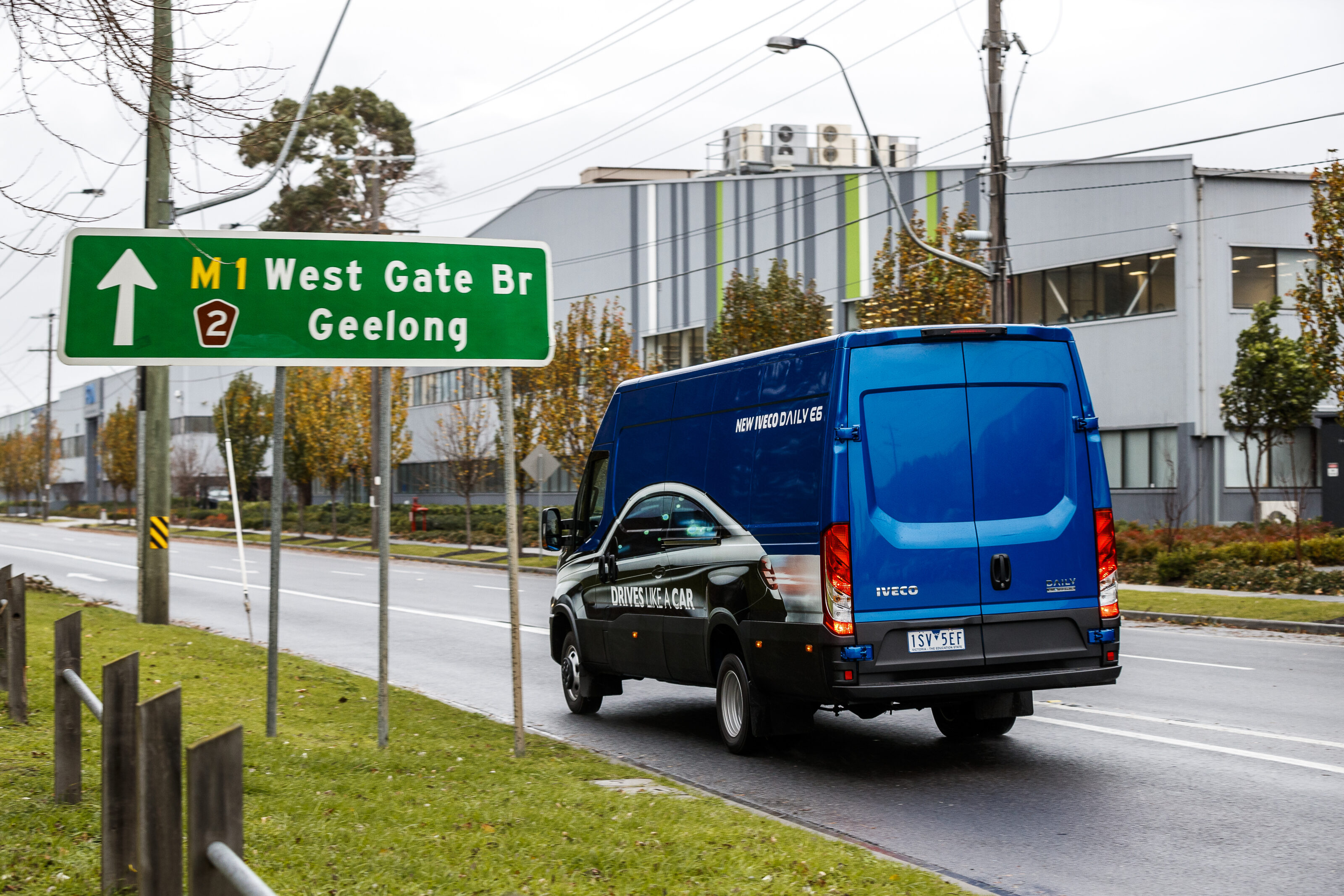
Speaking of aerodynamics, Iveco claims you should be confident to venture through high winds. The Daily’s safety package has been upgraded with software including crosswind assist, car-to-car AEB and adaptive cruise control.
And, through some of the strongest winds Melbourne has seen in recent memory, the Daily E6 felt stable on the highway for most of the time. Only once did a forceful gust push its nose off course.
Some of the Daily’s other safety systems were less consistent, though. The adaptive cruise control would sometimes be unavailable, as well as the AEB, while the lane departure warning remained on and overzealous.
Although the Daily’s AEB misses out on pedestrian detection, which contributed to a poor score with Australia’s safety watchdog ANCAP before this recent update, the van is easy to pilot through urban settings.
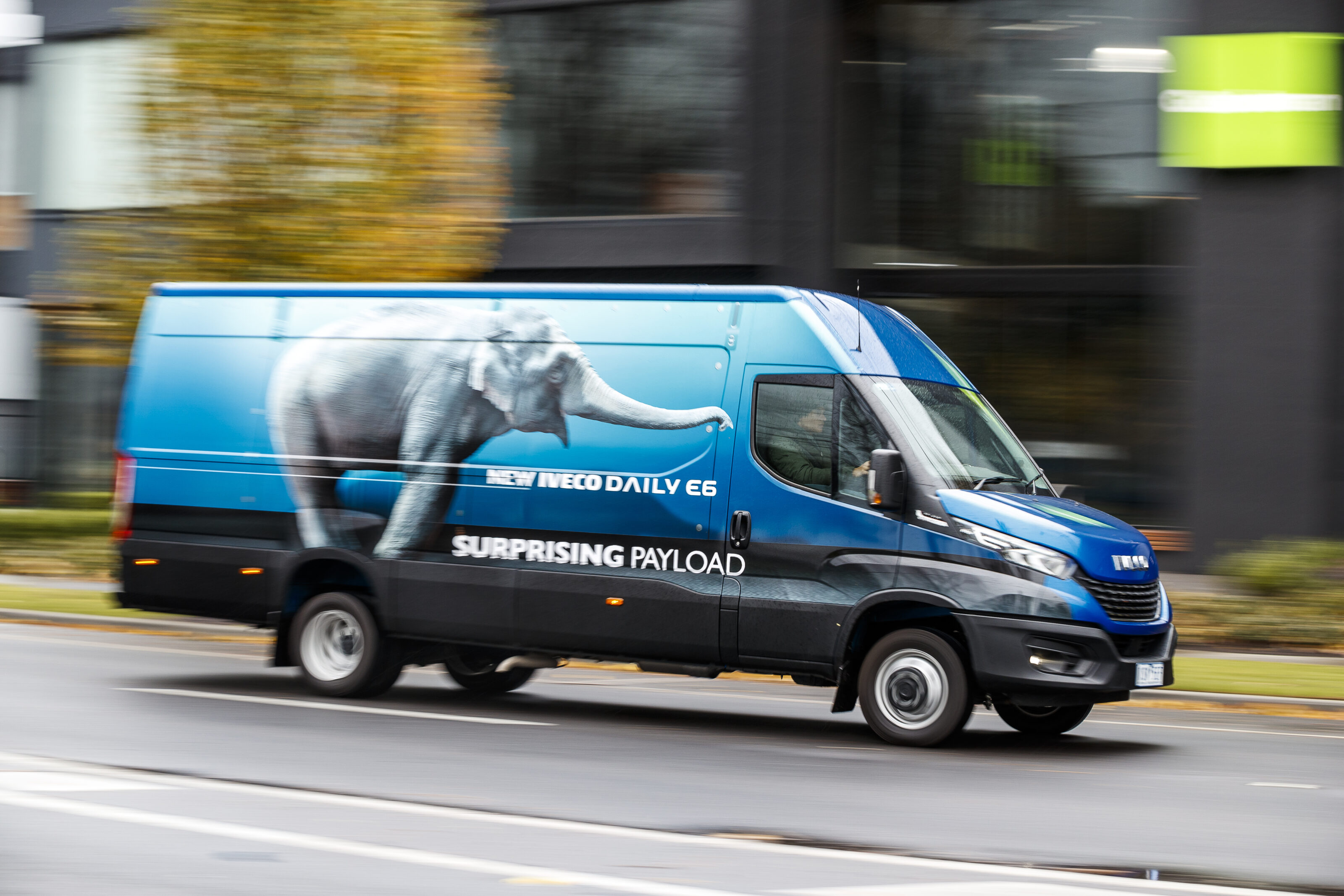
The steering does become particularly heavy mid-corner but remains easy to use, needing only 2.6 turns to go from one lock stop to another. And despite the awkward shape of the steering wheel, three-point turns are easy to complete.
Switching between drive and reverse is also a cinch, thanks to the shift pattern on top of the lever being easy to read, and the automatic transmission responding quickly to inputs.
You’ll have to give the van’s long dimensions consideration through tight corners, though, a fact that along with the air-suspended seat and the steering column being adjustable for height but not reach, stresses the Daily’s commercial origins above its aspirations to drive like a car.
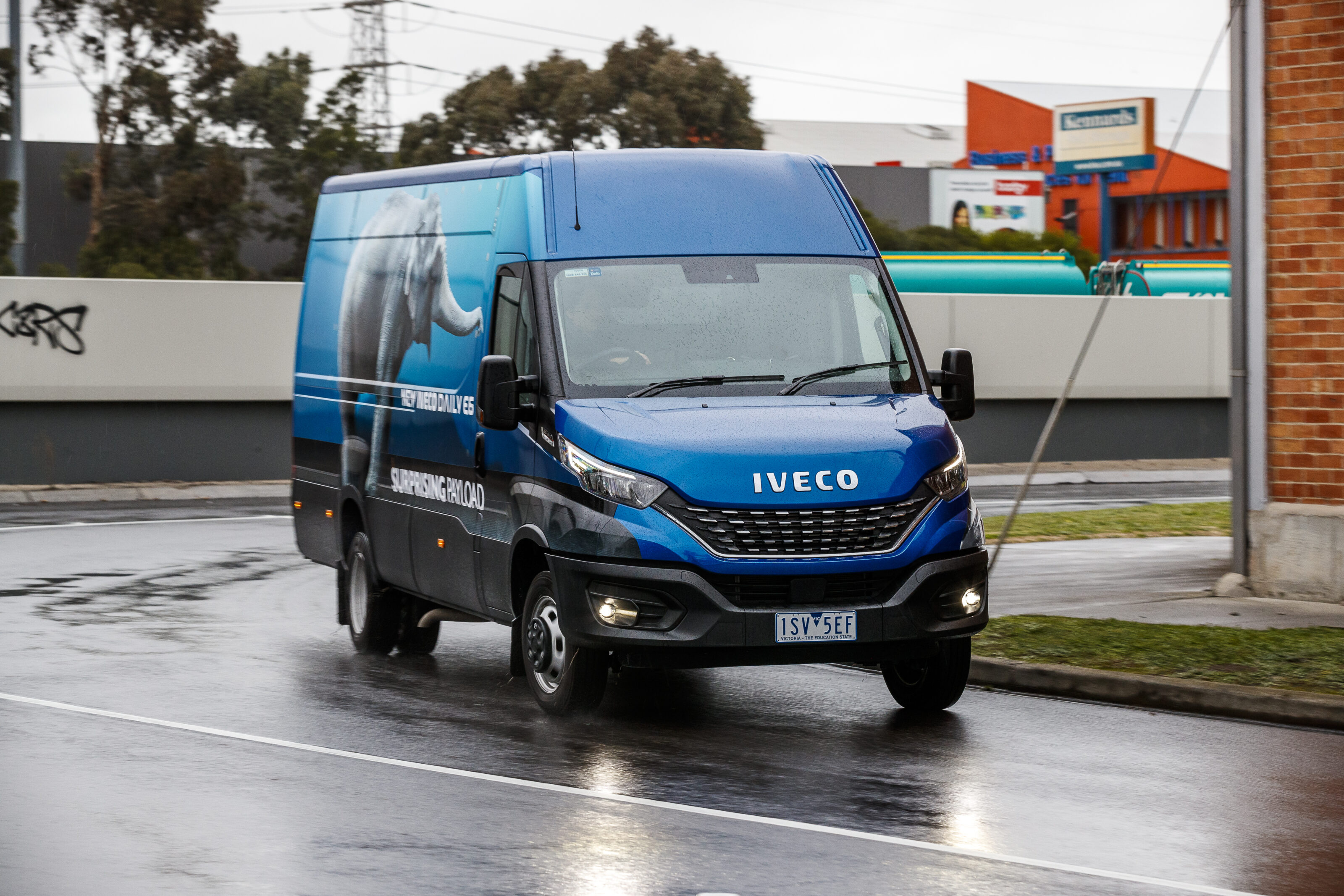
Thankfully the Daily E6’s side mirrors also come with concave lenses for a broadened field of vision. The mirrors can generate a bit of noise at high speeds, but they’re nothing compared to the climate fans, which loudly blow air even when they’re supposedly switched off.
Overall, there’s a lot to like about the Daily E6 50C. It’s a rugged workhorse at its core, with a strong engine and sturdy ladder-chassis construction that allows it to haul cargo without a flinch.
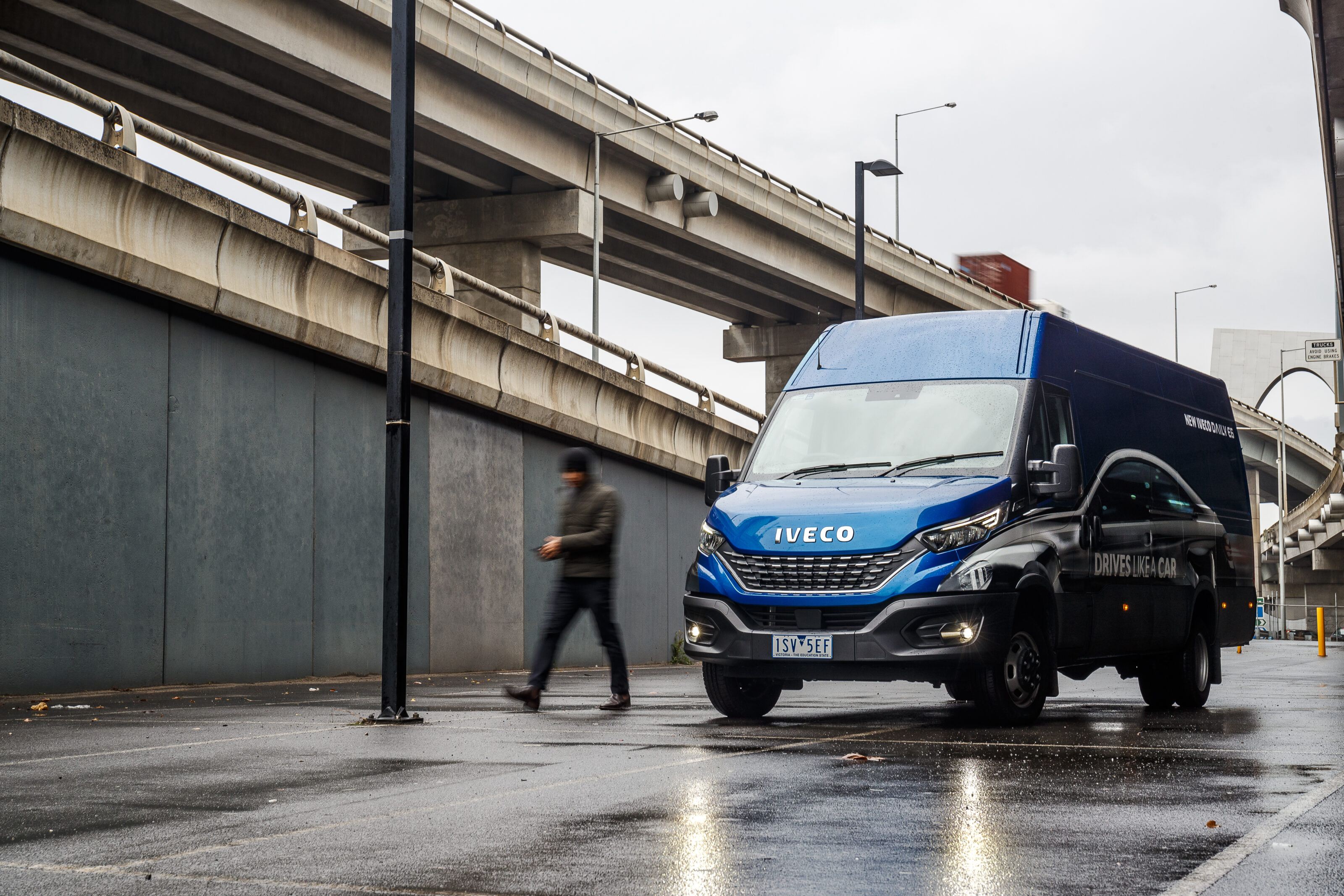
Iveco has worked hard to soften off its edges, as well, and the Daily E6 is something you’d enjoy driving, well, daily – with comfy suspended seats, decent handling and a functional interior.
You do pay for it, however. At $70,843 before options or on-roads, the 50C is expensive even without our tester’s option packs, upgraded engine and automatic gearbox. And that’s with a three-year 200,000km warranty that lags behind Volkswagen, Ford and Renault’s five-year options.
In the end, though, the Daily E6 remains a meaningful option worth considering in the hard-fought large van segment, even if it won’t swallow a full-size elephant.
2021 Iveco Daily E6 50C21V specifications:
| Body | Five-door van |
| Drive | Rear |
| Engine | 3.0-litre inline four-cylinder, turbo, diesel |
| Power | 155kW @ 3500rpm |
| Torque | 470Nm @ 1500rpm |
| Power-to-weight | 58kW per tonne |
| Transmission | Eight-speed automatic transmission |
| Weight | 2689kg |
| Suspension | double wishbone, dampers (f); live axle, anti-roll bar, dampers, leaf springs (r) |
| L/W/H | 7274mm/2010mm/2752mm |
| Wheelbase | 4100mm |
| Tracks (f/r) | 1724mm/1542mm |
| Steering | Hydraulically assisted rack and pinion |
| Brakes | 290mm ventilated discs, sliding calipers (f); 290mm ventilated discs, sliding calipers (r) |
| Wheels | 16 x 5.0-inch (f/r) |
| Tyres | 195/75 R16 |
| Price | $70,843 MRLP |
| As tested | $89,312 MRLP |
