
Ever since the 1960s, the Mini hatchback has been seen as a trendy, chic vehicle which has featured on the silver screen worldwide as something of a style icon.
In the process of wanting to revive its past image, the British manufacturer collaborated with designer Paul Smith to create this – the Strip.
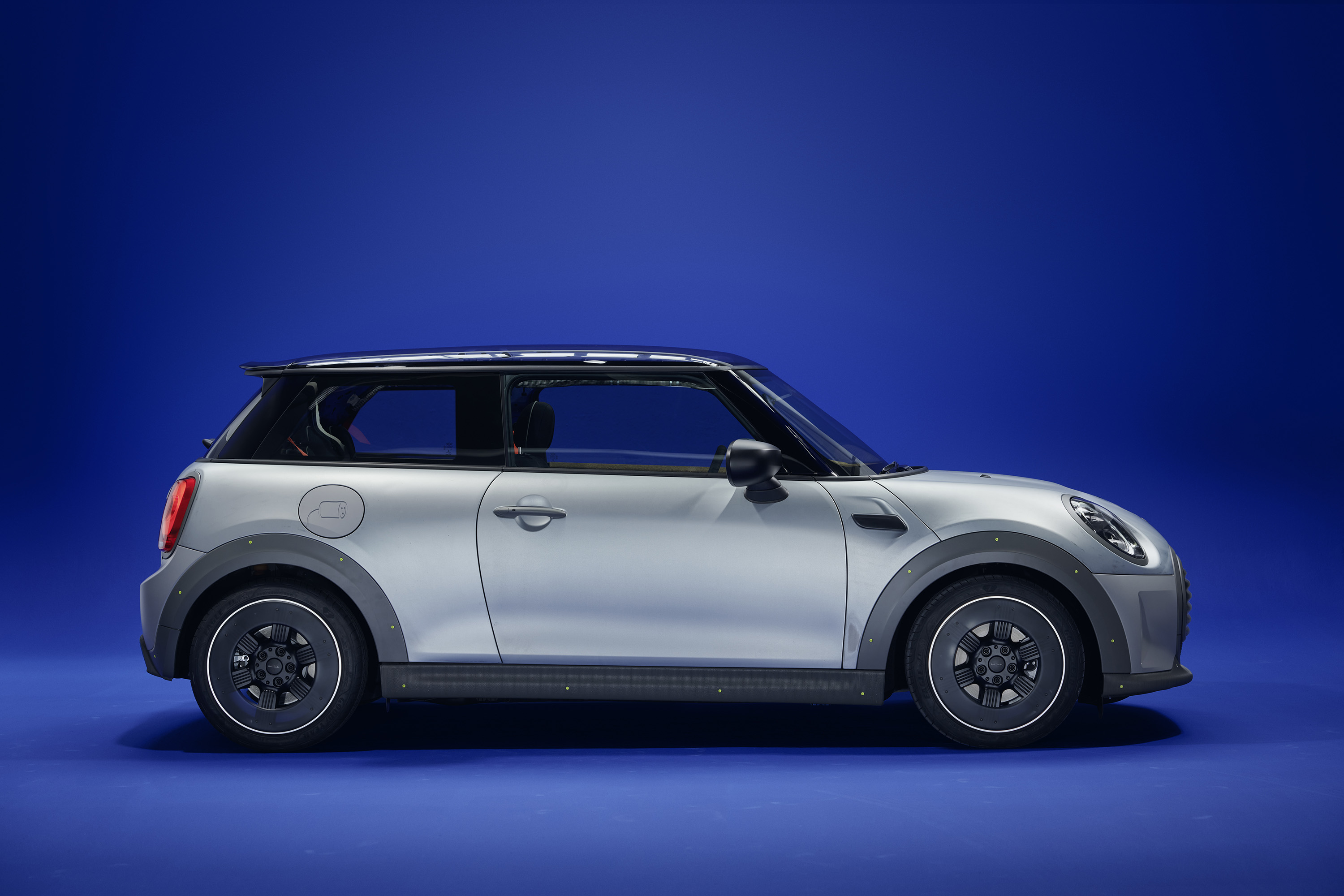
Based on the electric Hatch, the Strip is a one-off creation to showcase how the company can be more sustainable moving forward, adopting a more back-to-basics and raw approach to deliver a Mini like no other.
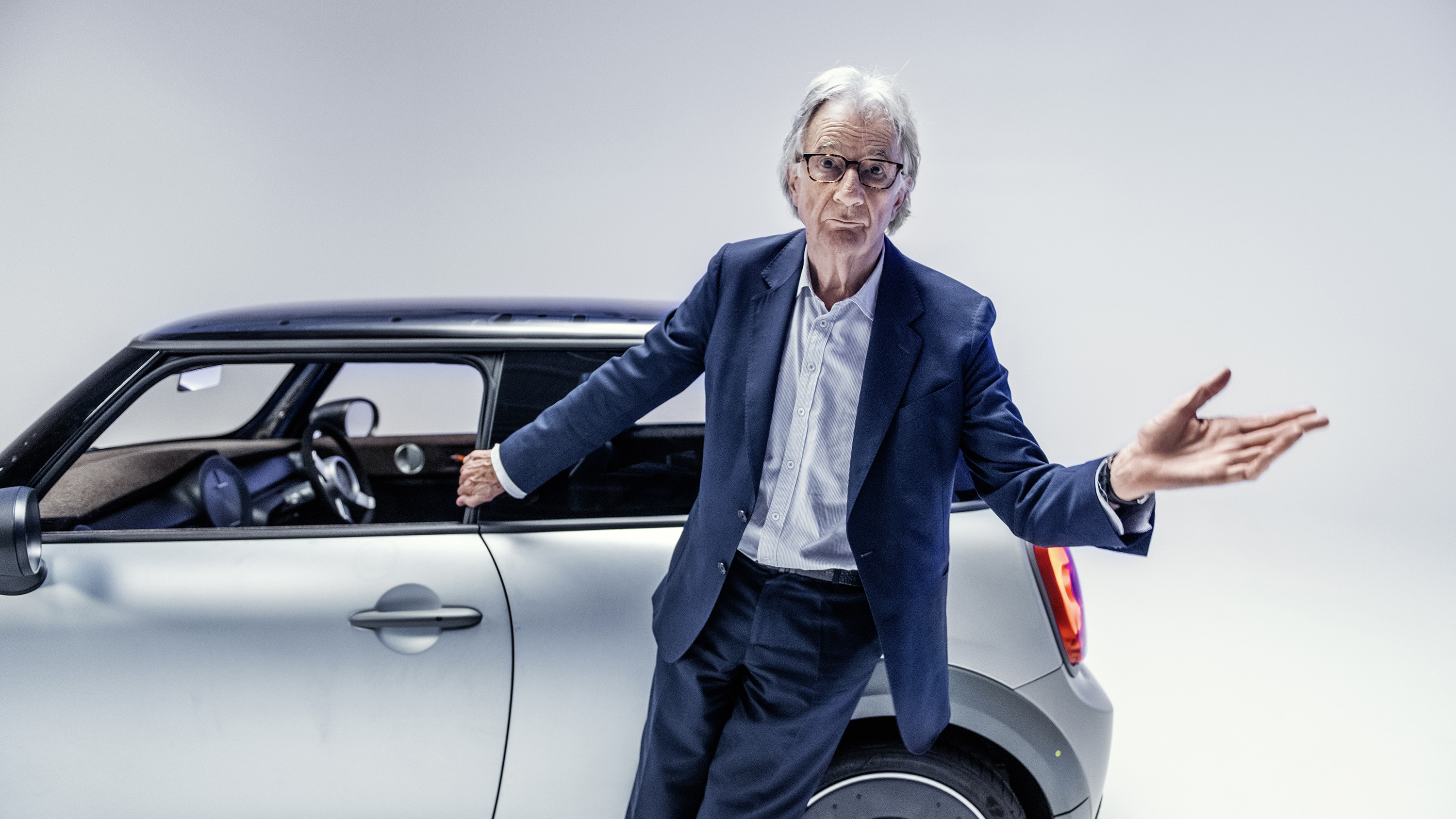
For example, you might notice there’s no paint, rather a thin application of clear coat to protect the bare shell from the elements, allowing observers to see the unaltered pressed steel which still has grinding marks left on it from the manufacturing process.
Gone is the usual Union Jack roof and in its place sits a shaped piece of recycled perspex, leaving the bare frame exposed to show those who are able to see it from above. The material was also used for the grille and as aerodynamic covers on the wheels, potentially cutting drag and increasing range.

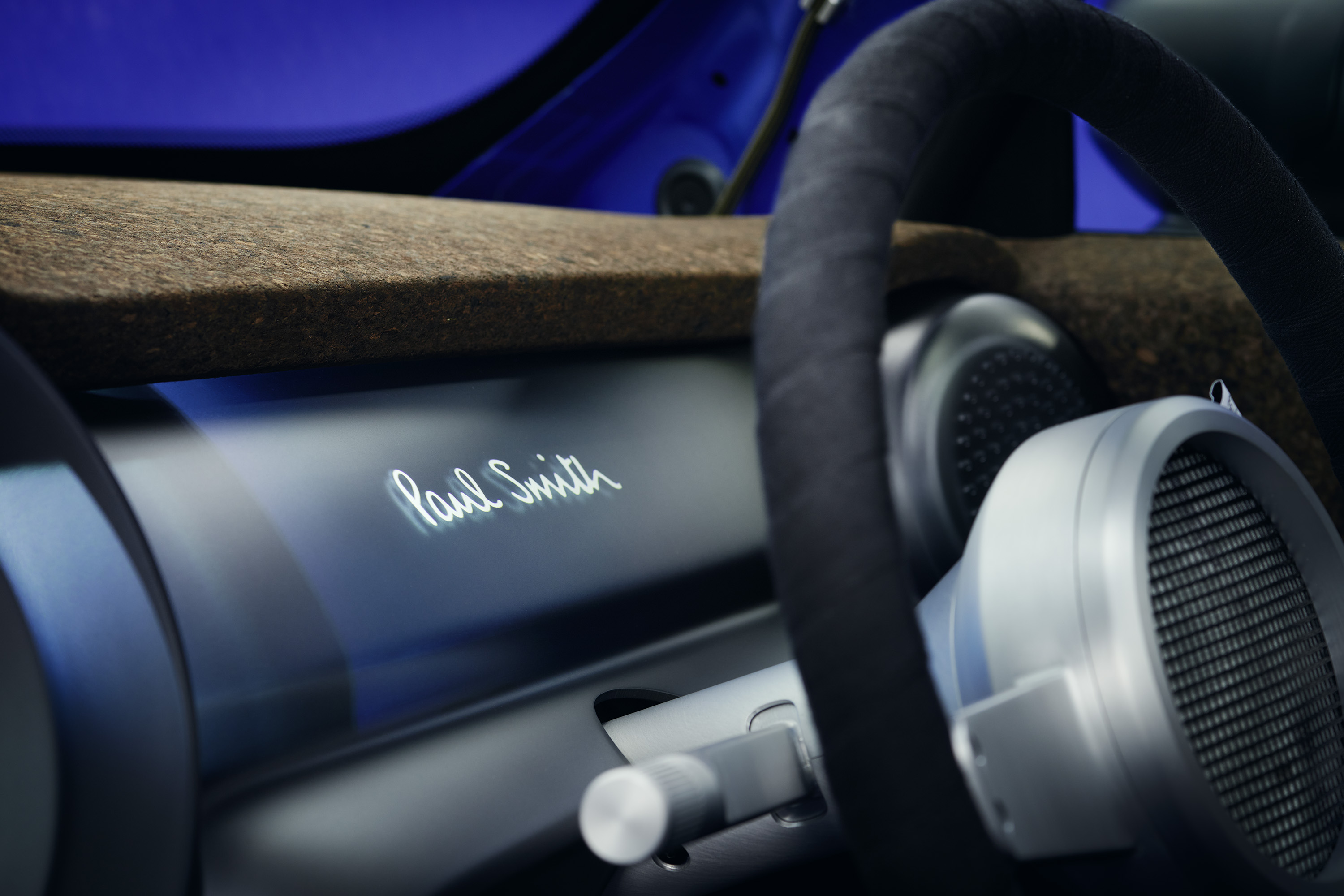
On the inside it’s much the same story – what some might define as unfinished, Smith calls it “perfect imperfection”. Aside from the dashboard and parcel shelf, not a whole lot of interior trim remains, turning the car’s shell into a design feature.
While the dashboard is now just one large piece of glass, the iconic Mini centre instrument cluster is gone, with phone mounts implemented instead – automatically connecting to the car to become the infotainment system.
Also missing are luxury materials such as leather and chrome, instead recycled knitted fabric adorns the seats while recycled rubber is used for the floor mats – both materials are also fully recyclable.
An avid cyclist, Smith utilised handlebar tape from a road bike to cover the steering wheel which has a mesh fabric covering the airbag, as do the doors in place of regular panels.
Smith said he was thankful to Mini for allowing him to put his own twist on the British classic.
“I’m incredibly grateful for the opportunity to rethink the iconic Mini,” said Smith.
“I know and love the existing car, but by respecting the past and looking to the future we have created something very special.
“I feel very privileged that the Mini team has given me the confidence and freedom to think laterally about the approach to the design of the car.
“Together I think we have created something truly unique, by going back to basics, reducing things down and stripping the car.”
For buyers without the budget for the forthcoming Kona N performance compact crossover, Hyundai offers a more affordable yet still sporty alternative in the line-up.
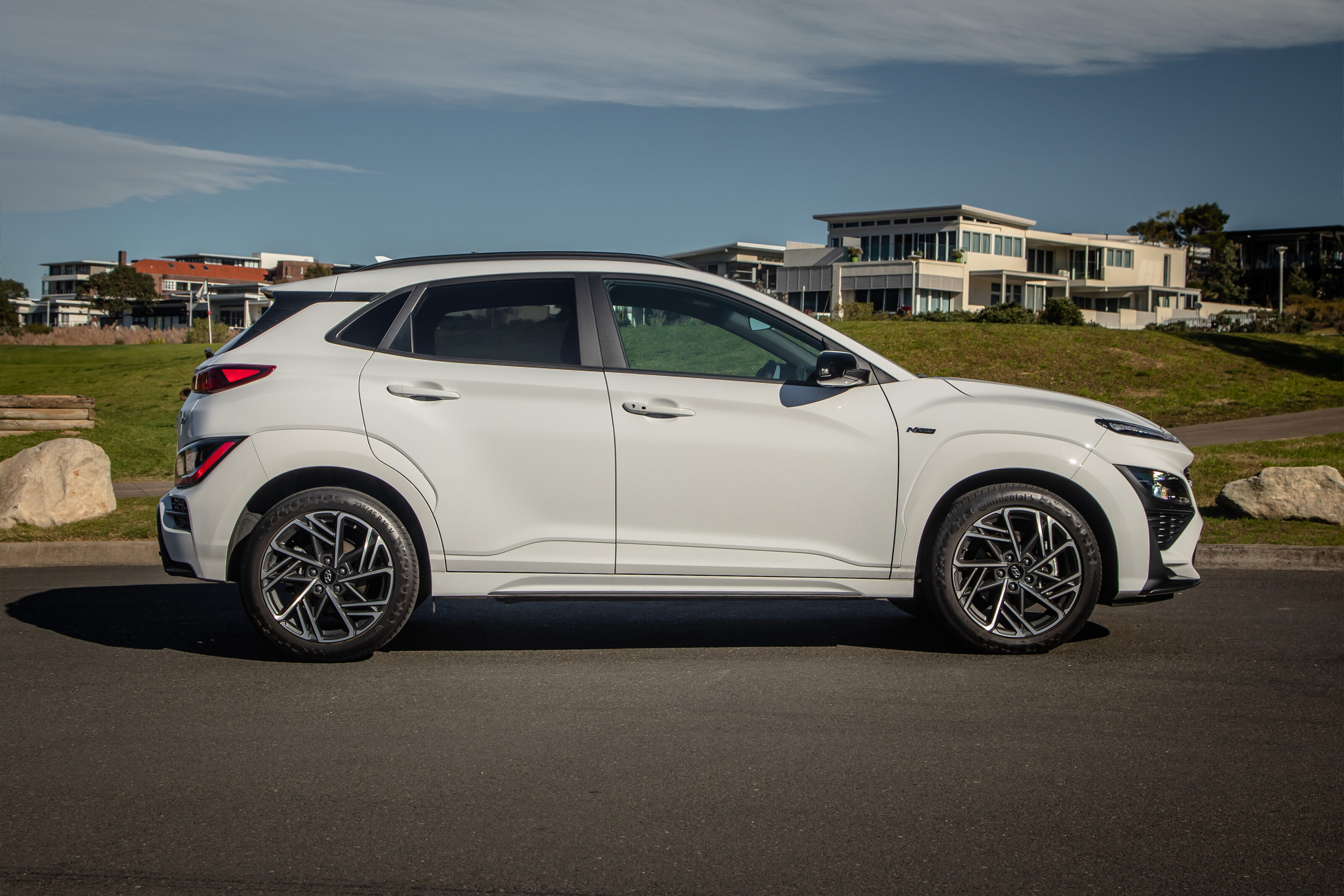
The Hyundai Kona N-Line was introduced this year as part of a mid-life refresh for a model that has been highly popular since launching in late 2017.
Priced from $36,300 before on-road costs, the N-Line is a mid-level variant sitting almost equidistant between the $26,600 base Kona and the $47,500 flagship N.
While the Kona N-Line misses out on the N’s 206kW 2.0-litre four-cylinder turbo engine, among other things, it has more power than all other variants – albeit thanks to some product-planning orchestration.
Hyundai Australia has essentially robbed the 1.6-litre four-cylinder turbo previously available as an option on Elite and Highlander models and made it exclusive to N-Line variants (which also include the more heavily featured, $42,400 N-Line Premium).
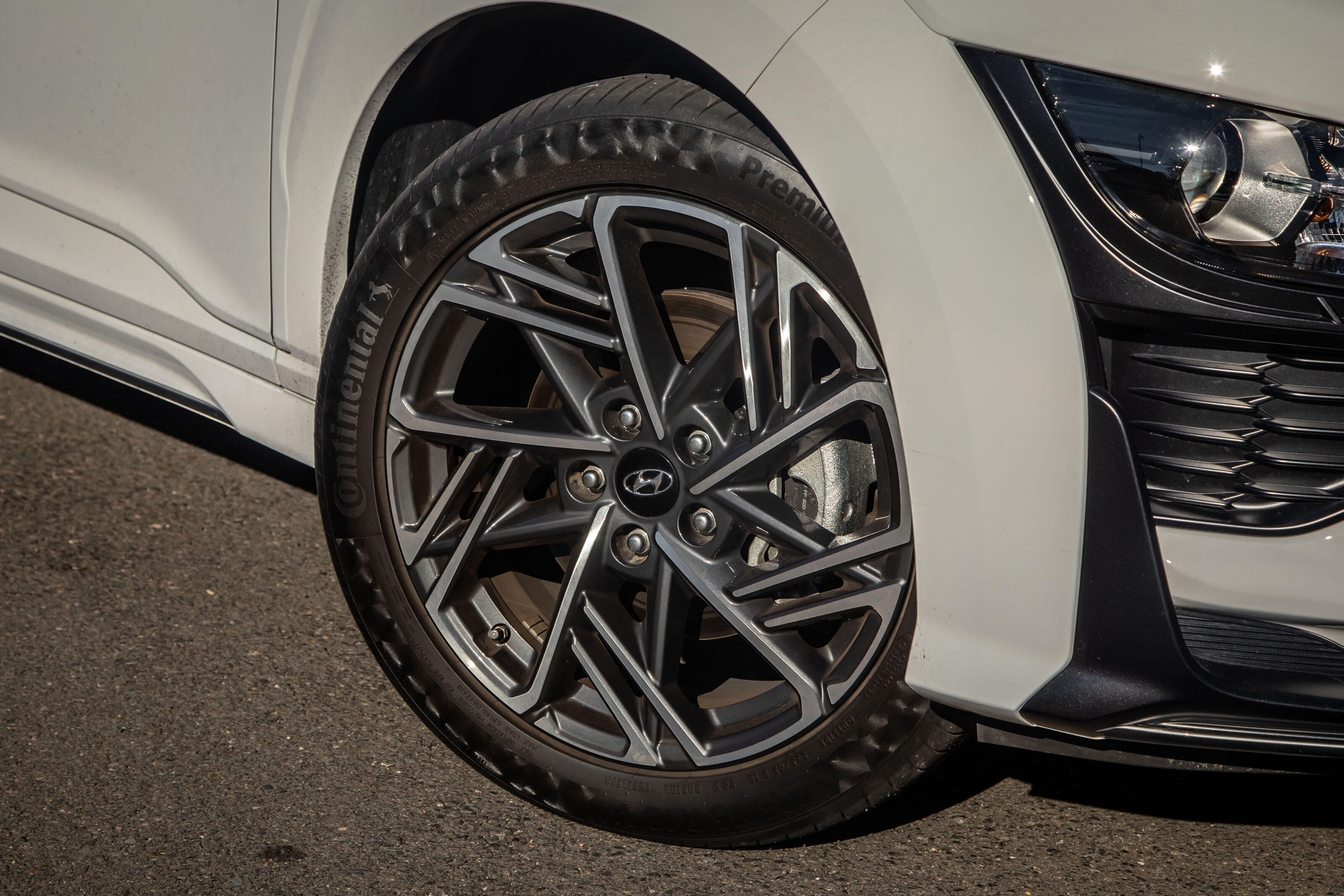
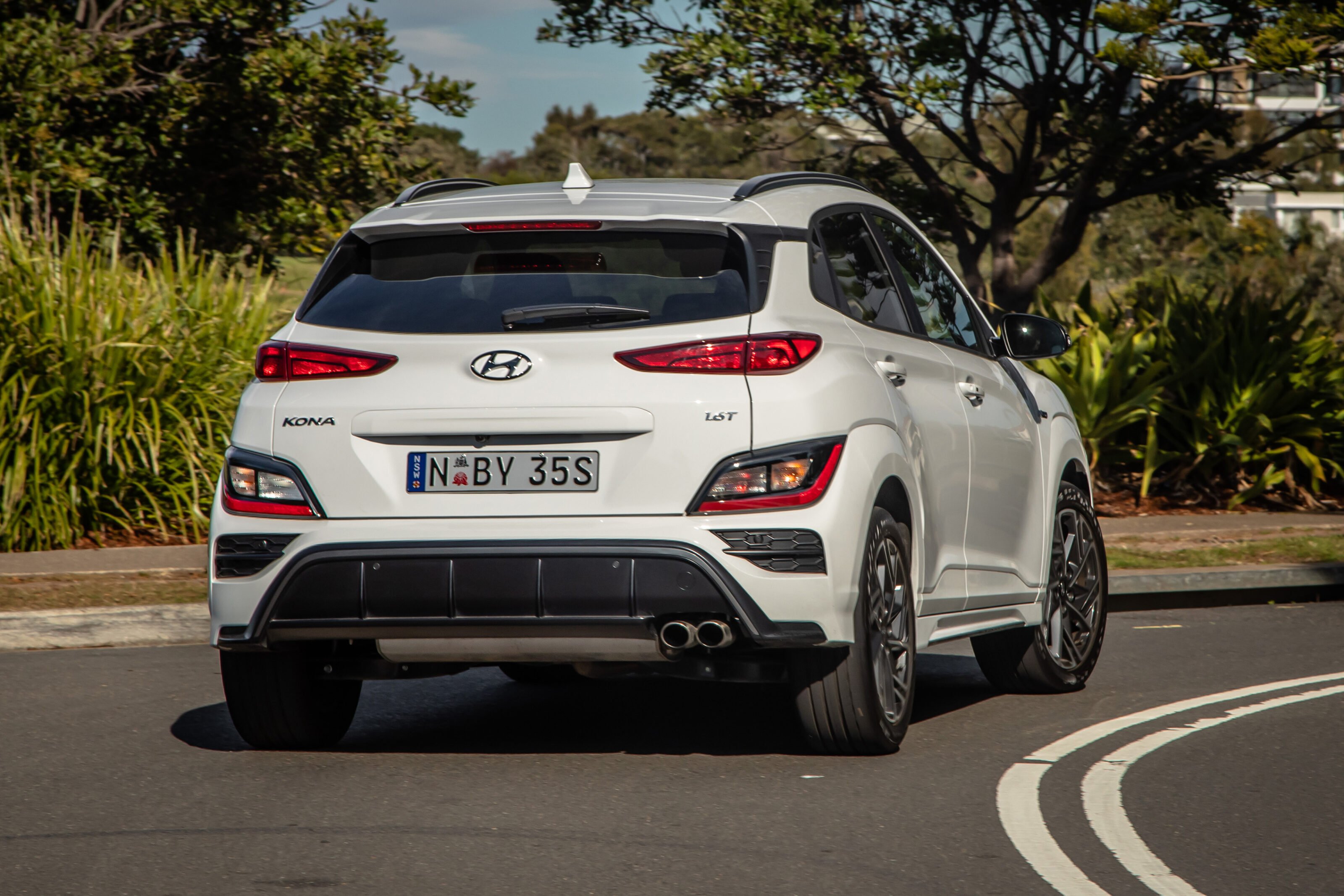
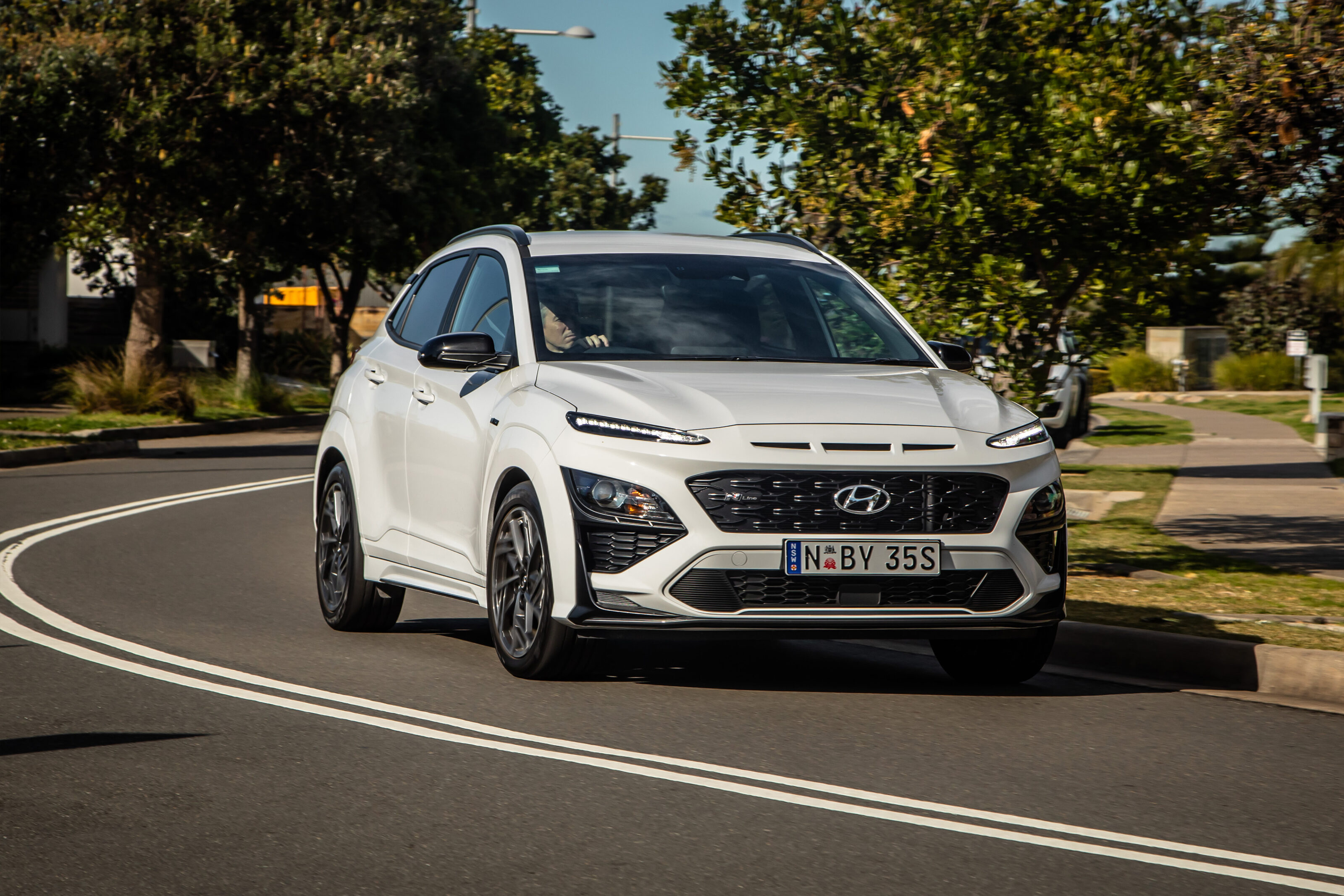
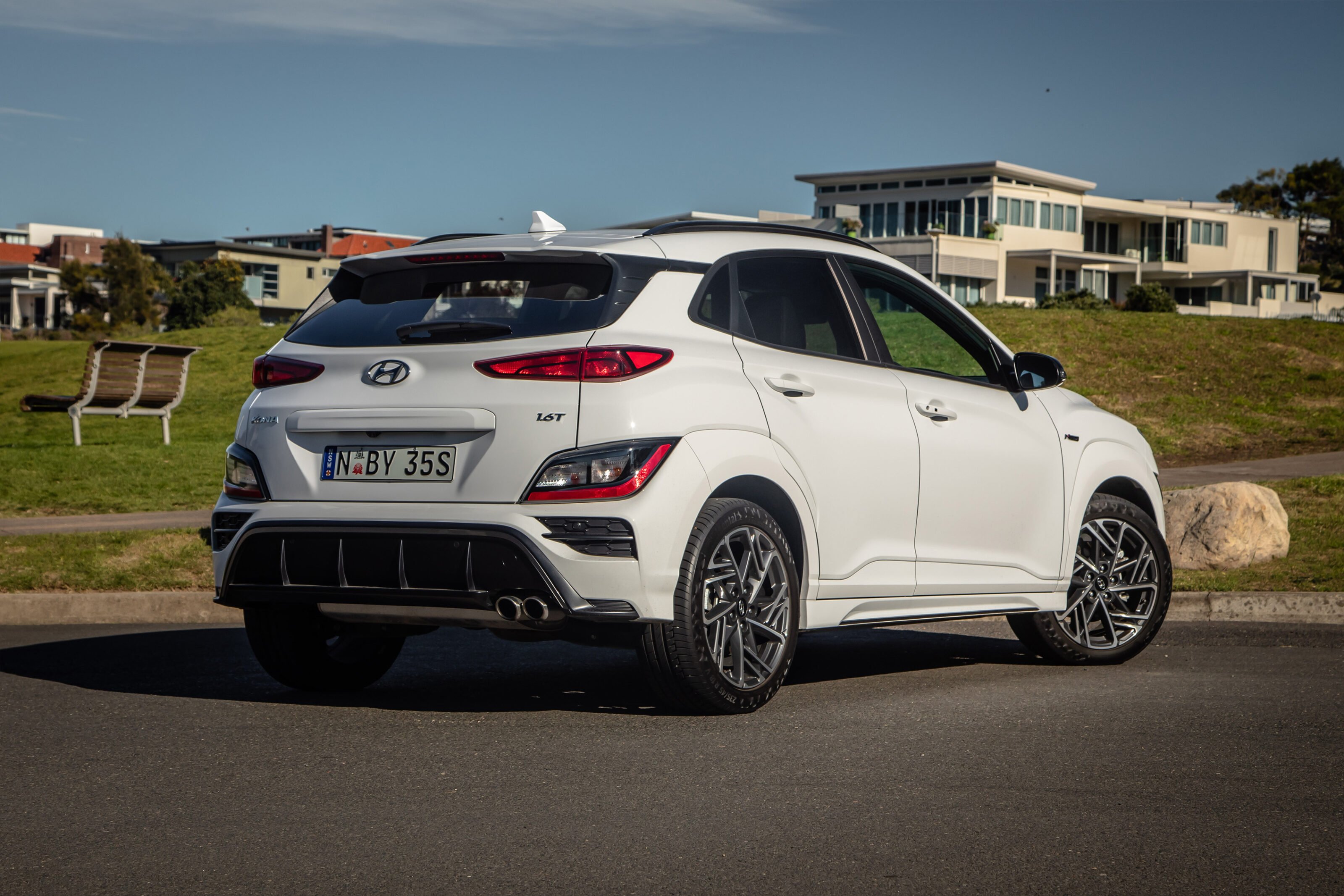
As with the i30 small car on which the Kona is based, N Line labelling brings a sports body kit comprising unique bumpers, side skirts and dual tailpipes. The Kona N-Line also wears 18-inch alloy wheels with a distinctive, intricately detailed rim design.
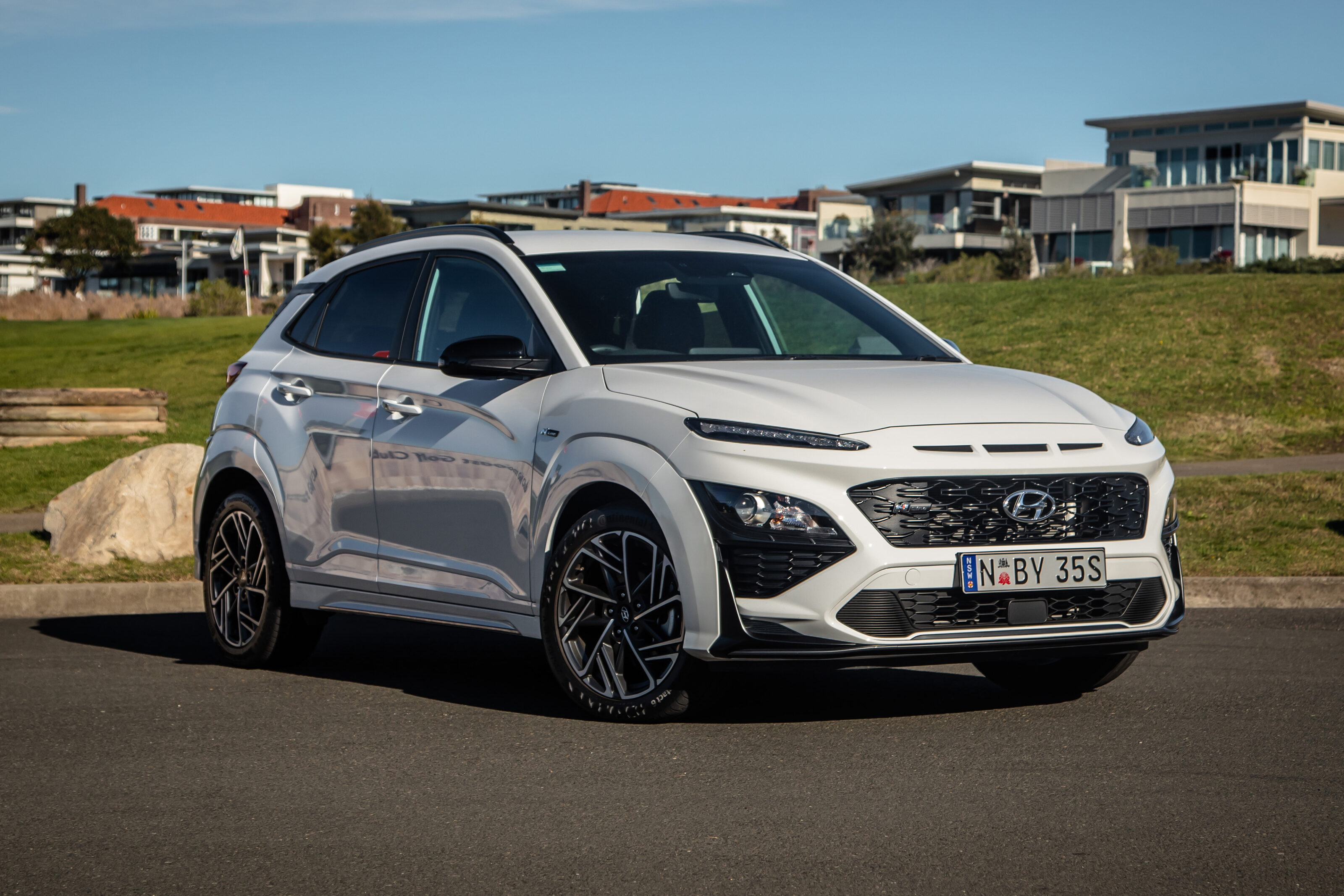
The overall look, in our view, achieves a good visual balance between the plainer (though not unattractive) regular Kona models and the more aggressively styled N. The sportier styling of N-Line variants is helped immensely by ditching black lower-body plastic cladding.
Our test car is finished in white paint that, along with red and turquoise exterior colours, is a no-cost option. It’s an extra $595 for black, dark grey or blue premium paints. N-Line models are also available with a black contrast roof for no additional cost.
The Kona N-Line’s blind spot and rear cross-traffic monitoring, as well as Safe Exit door-opening warning and parking guidance for the rear-view camera are absent from the i30 N-Line, while the SUV has a fully digital driver display, larger (10.25-inch) central touchscreen and a Harman Kardon audio, compared with the all but identically priced i30 N-Line Premium ($36,200) that has the same infotainment display and an Infinity sound system.
Inside, the Kona misses out on the red seatbelts of the sporty i30s but otherwise has a similarly liberal amount of red garnishing. There’s red stitching for the sports seats and steering wheel, plus anodised red for the gear lever and vent directors.
They’re all welcome highlights in what is otherwise an all-black interior.
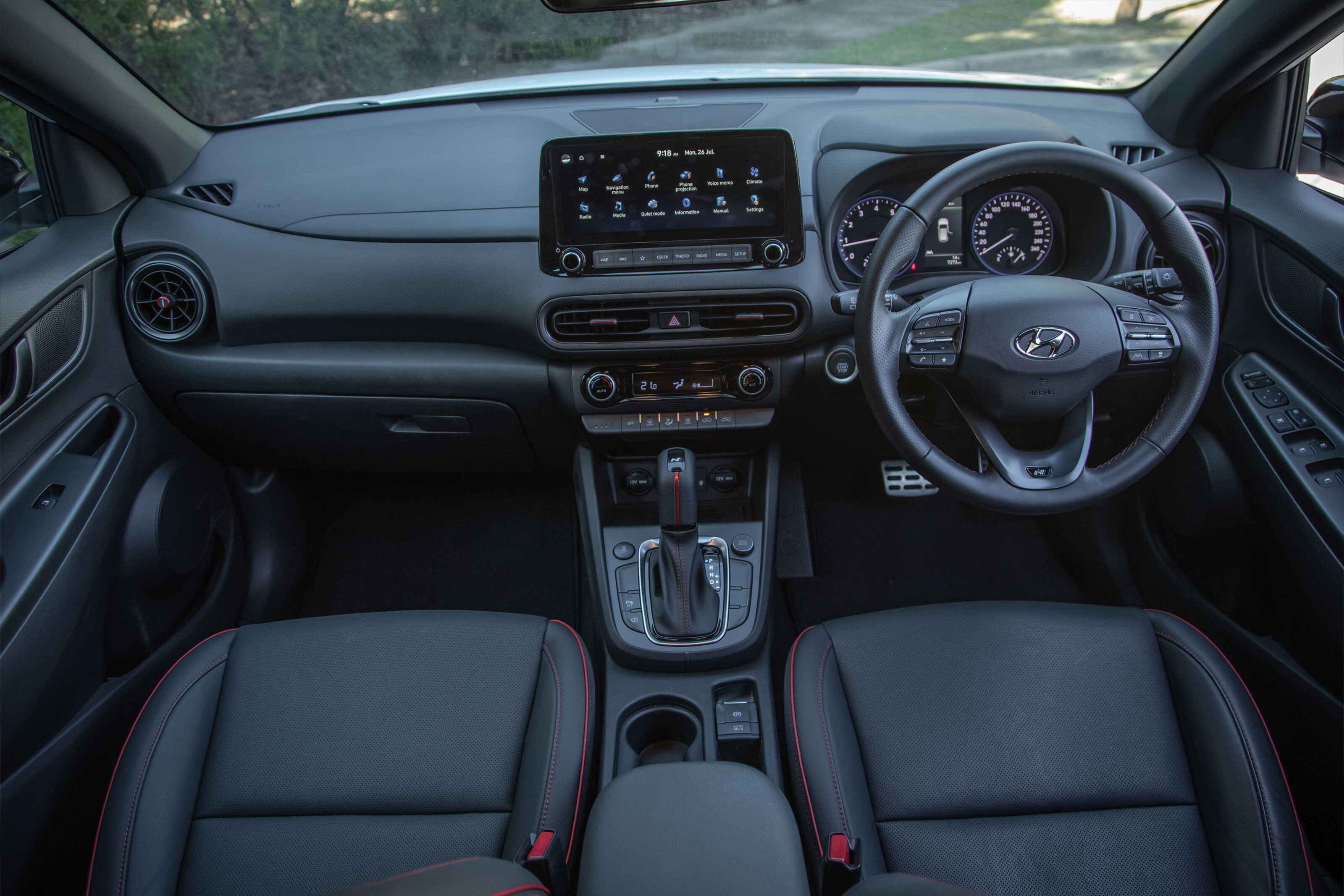
N logos also feature on the gear lever, steering wheel and backrests.
There’s less use of softer materials in the Kona compared to its hatch cousin, most detectable around the doors. The quality of the SUV’s headlining is also disappointing.
No such question marks against actual build quality, with plenty of solidity to the cabin’s construction and consistency to the various joins.
No question marks against the Kona’s build quality, with plenty of solidity to the cabin’s construction and consistency to the various joins
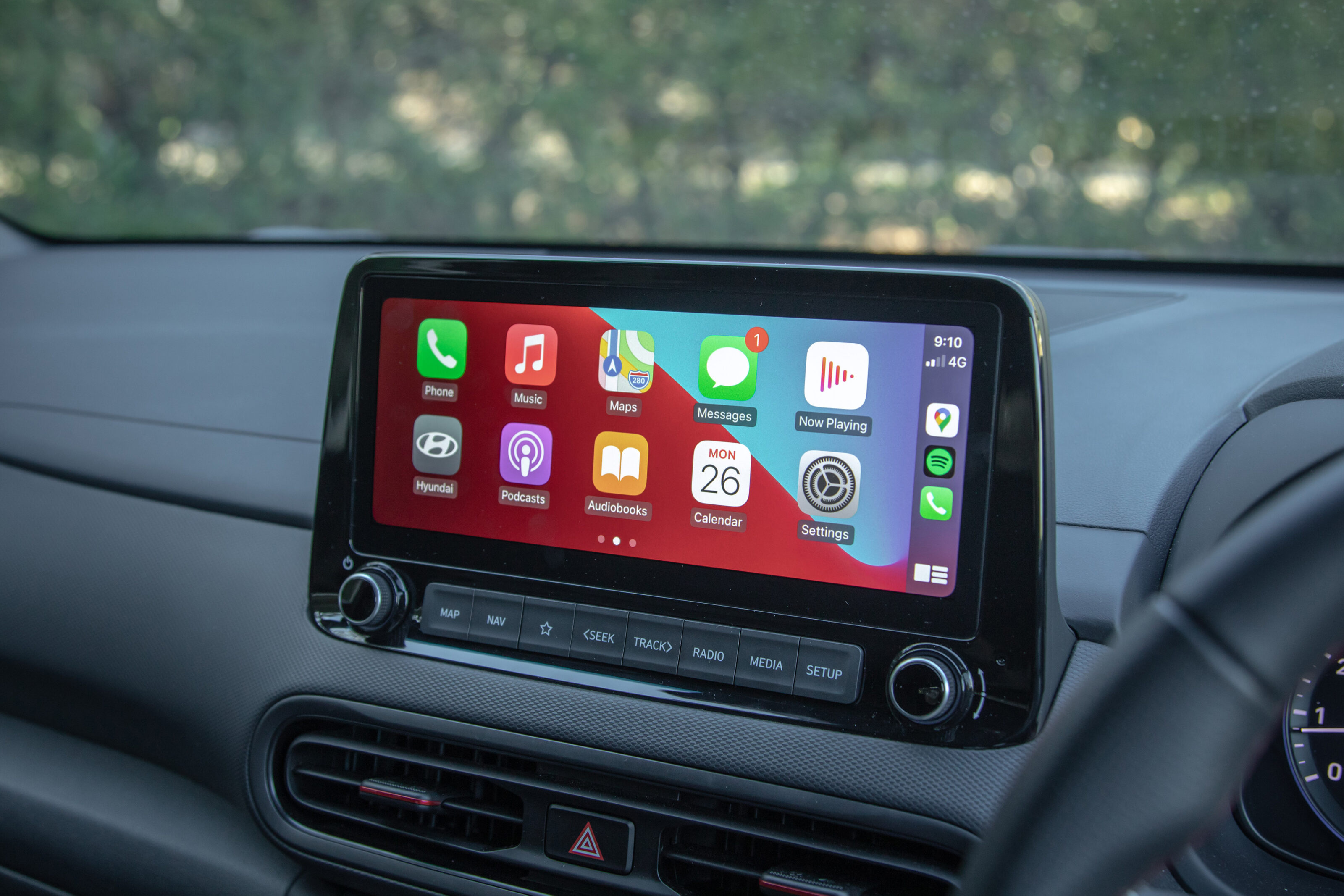
Ergonomics are generally excellent, too, extending to the infotainment interface that is simple to use and neatly presented via the wide touchscreen display.
The screen size allows for a helpful split-screen option for the integrated navigation, though the N-Line Premium goes one step better with its fully digital instrument display that can offer map guidance more directly ahead of the driver.
Owners can plug in for Apple- or Android-style interfaces – and apps such as Waze and Spotify – via CarPlay and Android Auto, respectively.
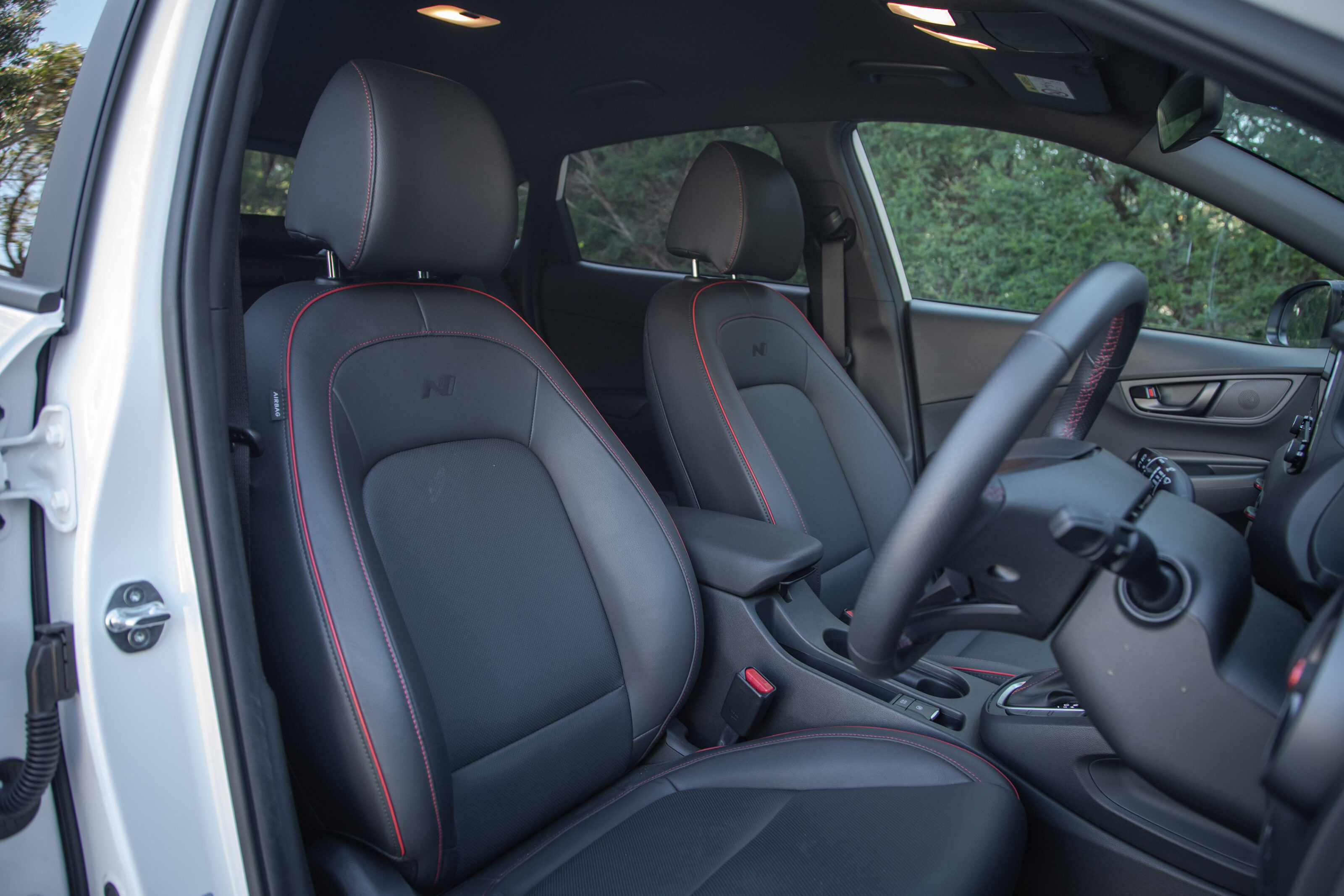
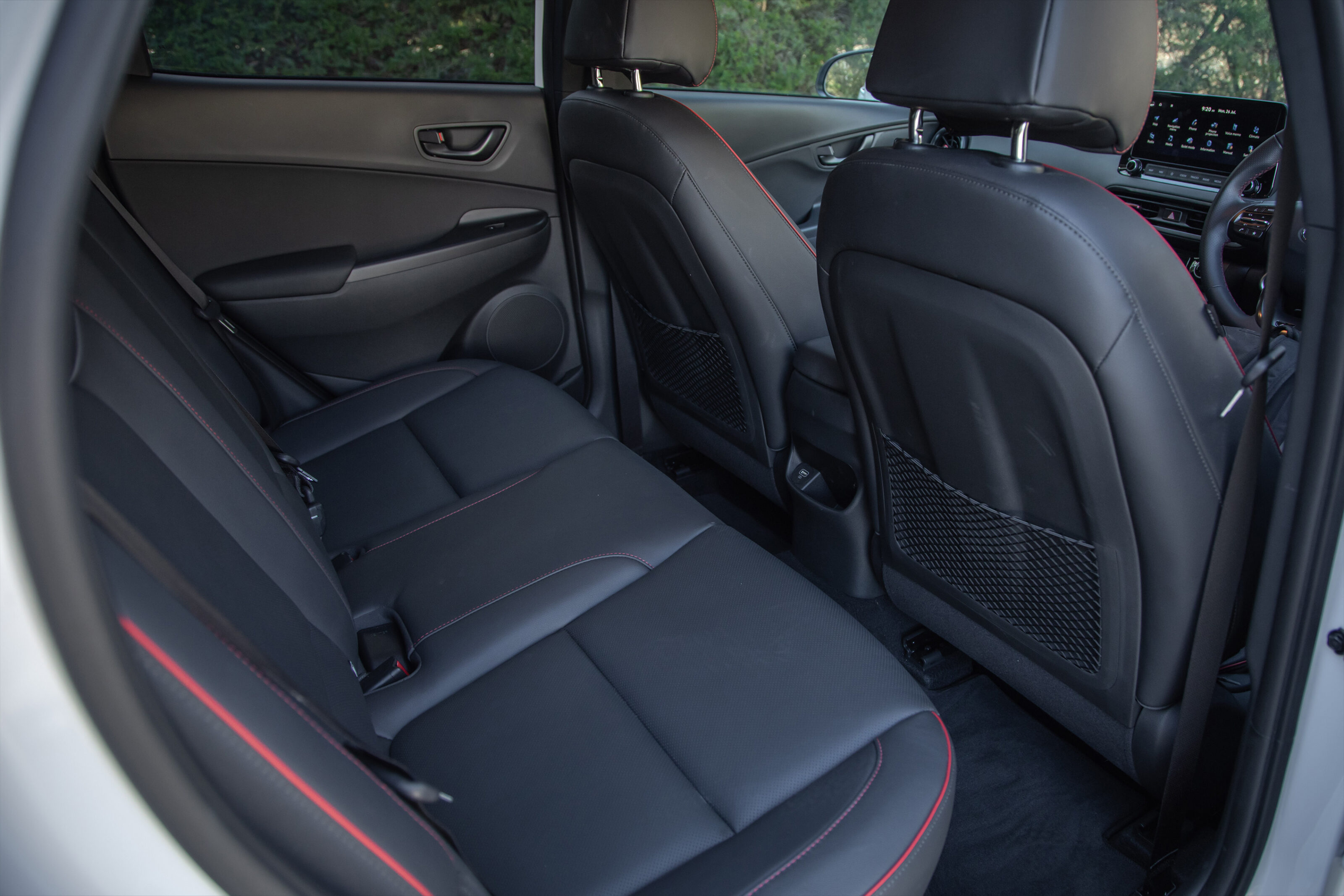
The leather-appointed seats have the requisite sporty look with their red piping/stitching and prominent bolsters, and most importantly they’re easy to relax into while offering good support.
Electrically adjustable front seats with ventilation and heating functions, plus a heated steering wheel and head-up display, are reserved for the N-Line Premium despite powered driver’s seat adjustment and heated/cooled front seats being standard on the i30 N-Line.
Passengers will also appreciate the comfort of the rear bench (also heated in the outboard positions in the N-Line Premium). There’s surprisingly limited legroom for adults, however, not helped by a wheelbase that’s 50mm shorter than the i30’s.
Headroom is down 16mm on the i30 despite the Kona’s SUV status, though will be sufficient for most adults. Foot space is also plentiful.
Unlike the i30, the Kona lacks proper rear vents at the back of the centre console, instead relying on floor ventilation.
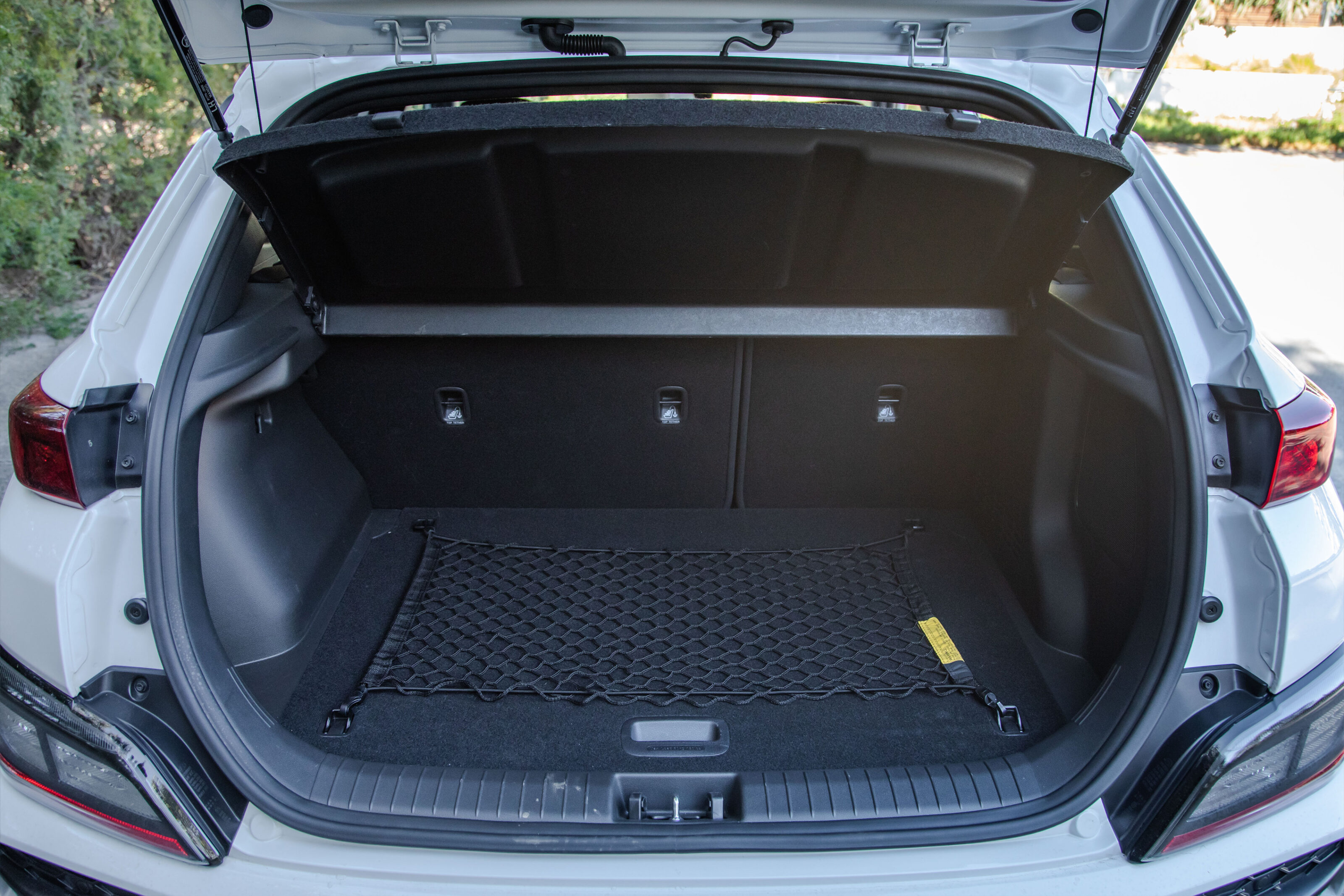
The Kona’s boot is also less practical than the i30’s. Its 374-litre capacity, just 21 litres short of the hatchback’s volume, doesn’t sound bad on paper yet the shallowness and shortness of the crossover’s boot makes it trickier to fit a pram or suitcases compared with the i30.
While the 60:40 rear seats fold completely flat for expanded cargo space, plenty of rival compact SUVs offer bigger boots and greater versatility: Kia’s twin Seltos is bigger at 433 litres, Ford’s Puma ST-Line V has a multi-level floor with a useful under-floor storage tub, and VW’s T-Cross has a sliding rear bench that allows owners to adjust the balance of rear legroom and boot space (up to 455 litres).
An automatic tailgate isn’t available, even with the Premium.
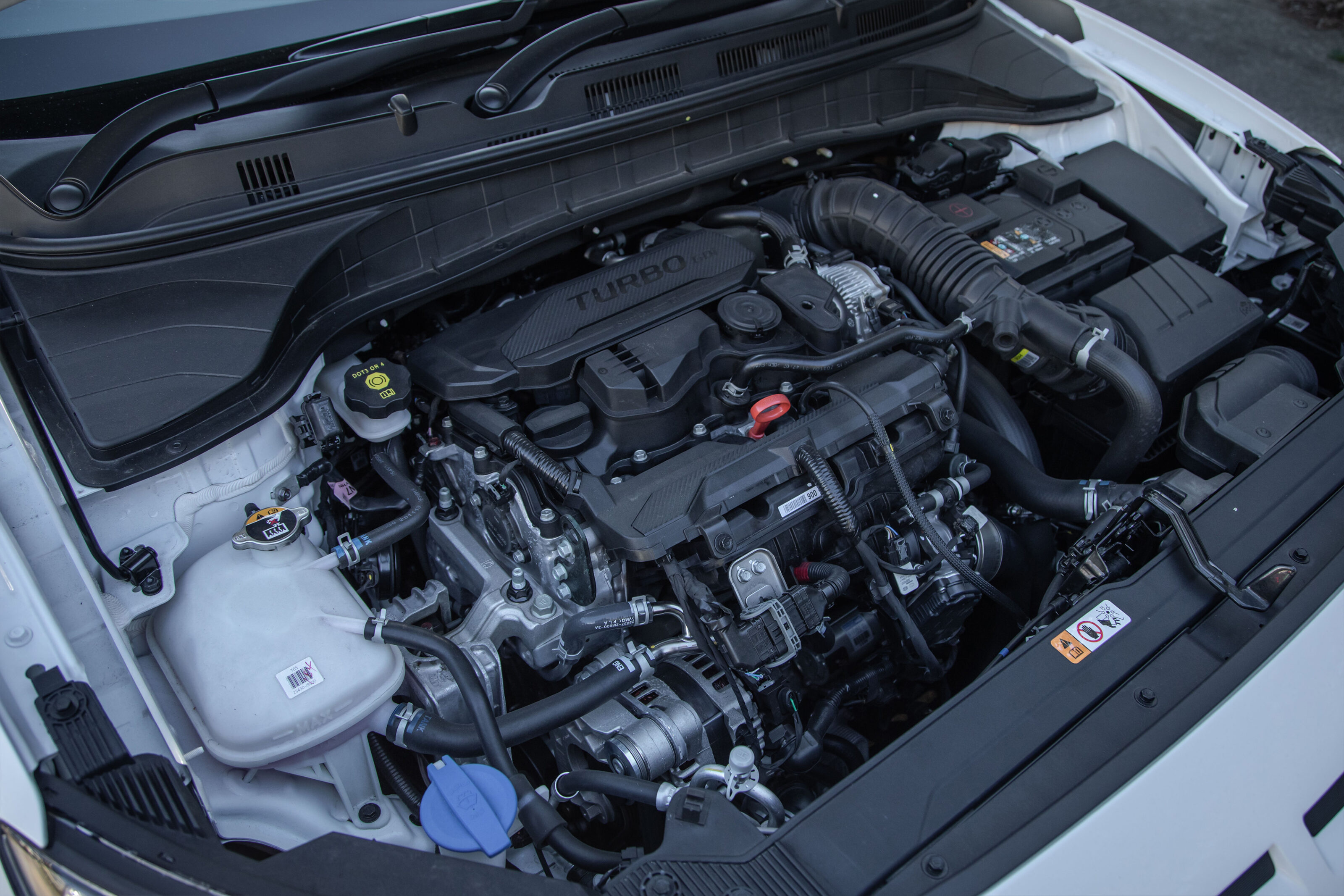
An N-Line badge sits on the flanks of the Kona but not the tailgate, which instead adopts a ‘1.6T’ insignia to denote the turbocharged 1.6-litre four-cylinder engine under the bonnet.
As in the pre-facelift Elite and Highlander models, the engine produces 146kW and 265Nm to offer more than the 110kW/180Nm of the 2.0-litre four-cylinder found in other regular Kona variants (including the MY21 Elite and Highlander).
The turbo engine also sticks with a seven-speed dual-clutch auto, whereas the unassisted 2.0-litre now comes with an automatic CVT (continuously variable transmission).
A dual-clutch is thankfully a more natural pick for a model with increased sporting intent, with its inherently faster-shifting nature and real (rather than simulated) gear ratios.
Unlike some similar-tech gearboxes, it also gets the Kona underway from standstill quickly and cleanly.
It’s just a shame the N-Line’s auto has been calibrated with fuel economy in mind, as the crossover’s above-average performance is not always obvious.
With the auto’s habit of keeping revs below 1500rpm – just below the start of peak torque – the engine can feel lazy, prompting a firmer press of the accelerator pedal.
Response improves greatly with a rotation of a centre console drive-mode dial, from the default Comfort to Sport.
A dual-clutch is thankfully a more natural pick for a model with increased sporting intent, with its inherently faster-shifting nature and real (rather than simulated) gear ratios
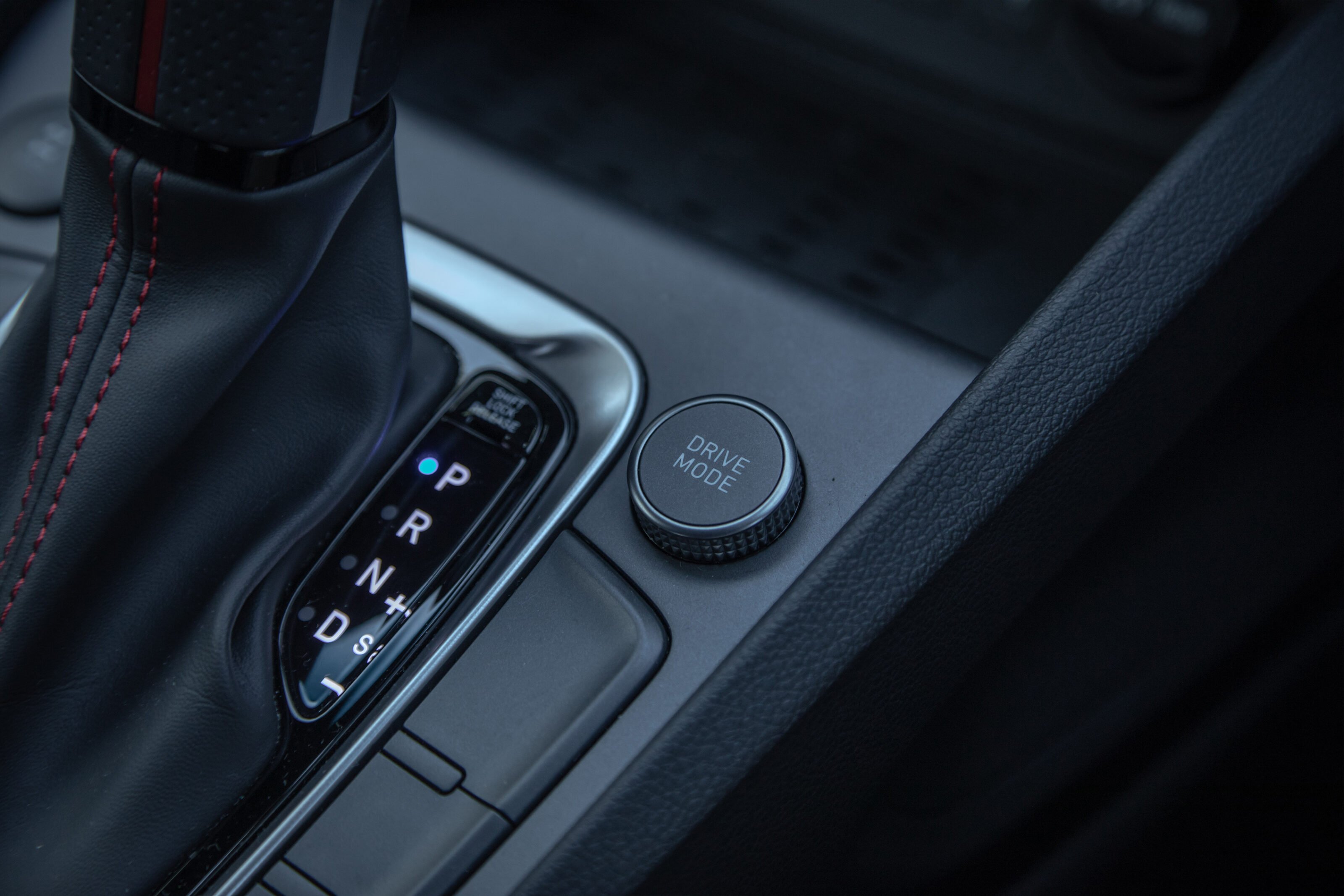
Here, revs are increased to give the driver more immediate access to the Kona N-Line’s strong mid-range performance that’s enjoyable, if lacking the punchiness of the 140kW/320Nm 2.0-litre turbo found in Volkswagen’s $40,990 T-Roc 140TSI Sport.
The Kona also misses out on paddleshift levers offered by the VW as well as the i30 N-Line.
Using a mix of driving modes and a variety of roads, we registered an indicated average fuel consumption figure of 7.6 litres per 100km – which compares favourably with the Kona N-Line’s official, lab-derived 6.9L/100km. The engine can also run on regular unleaded petrol.
That makes the Kona N-Line slightly more efficient than the i30 despite being heavier and providing on-demand all-wheel drive over the front-drive hatch.
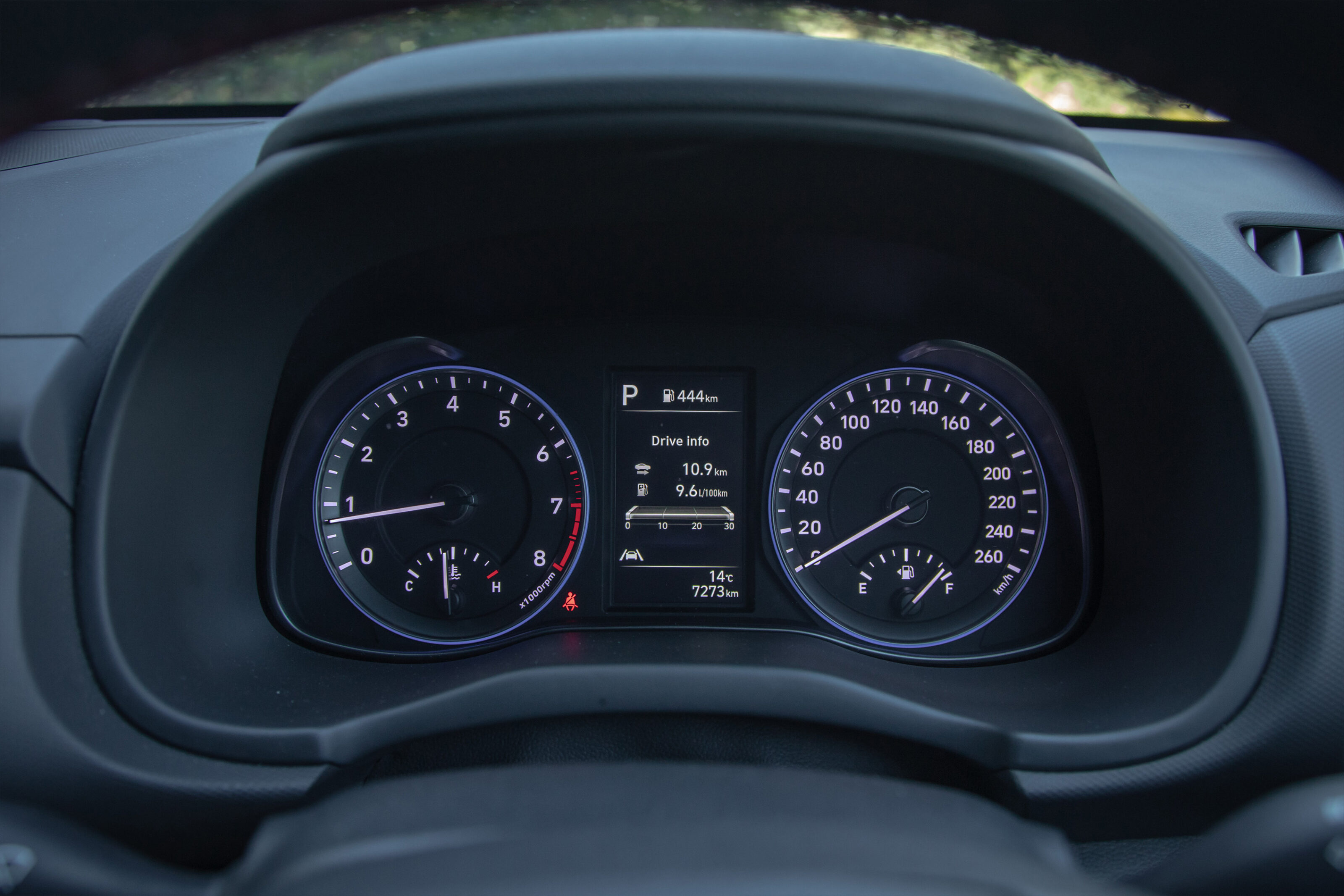
The Kona’s 178mm ride height is also 38mm higher than the i30, though is best suited for easy off-road trails rather than anything too taxing despite the inclusion of a 50-50 AWD Lock.
Sticking to regular roads, the Kona N-Line’s suspension strives for a balance of soothing and sporty – and largely succeeds.
The front suspension can jar ever so slightly when encountering particularly poor road surfacing, but on most roads the Hyundai is unlikely to prompt any non-petrolhead partner to question why you didn’t buy a less-sporty version.
Its pay-off is handling that, while not a match for the class-leading Puma, is highly assured on country roads and aided by predictable steering response.
The Kona N-Line’s steering has a lightness that serves drivers well around town, too – making the Hyundai easy to manoeuvre in concert with its compact dimensions and good turning circle.
To be consistently smooth, though, drivers need to switch off Lane Keep Assist (via a button on the steering wheel). This driver aid can otherwise interfere with the steering above 60km/h, as it attempts – over-enthusiastically – to keep the Kona between lane markings, making small, niggling movements of the steering wheel even when the vehicle seems sufficiently centred.
It’s a common issue across many Hyundai (and Kia) products, and a recalibration for the future would be welcome.
The bigger issue for the Kona is that its value looks weak compared with the bigger i30 that is cheaper, more practical, and better equipped.
This may well explain why the hatchback still comfortably outsells the crossover despite the market dominance of SUVs.
And elsewhere in the segment for similar money, there are stronger options: the Ford Puma ST-Line V is properly fun to drive and has a better boot; the mechanically matched Kia Seltos Sport+ is roomier, and the Skoda Kamiq Monte Carlo is seriously spacious for this class and a bit more upmarket in its presentation.
The bigger issue for the Kona is that its value looks weak compared with the bigger i30 that is cheaper, more practical, and better equipped
2021 Hyundai Kona N-Line specifications
| Body | 5-door, 5-seat crossover |
|---|---|
| Drive | AWD (on demand) |
| Engine | 1.6-litre turbo four-cylinder |
| Transmission | 7-speed dual-clutch auto |
| Power | 146kW @ 6000rpm |
| Torque | 265Nm @ 1600-4500rpm |
| Bore/Stroke | 75.6mm x 89.0mm |
| Compression ratio | 10:1 |
| 0-100km/h (claimed) | N/A |
| Fuel consumption (combined) | 6.9L/100km (91 RON) |
| Weight | 1396-1504kg |
| Suspension | Front strut; rear multi-link |
| L/W/H | 4215/1800/1560mm |
| Wheelbase | 2600mm |
| Brakes | 305mm (f); 284mm (r) |
| Tyres | 235/45R18 |
| Wheels | 18-inch alloy |
| Price | $36,300 + ORCs |
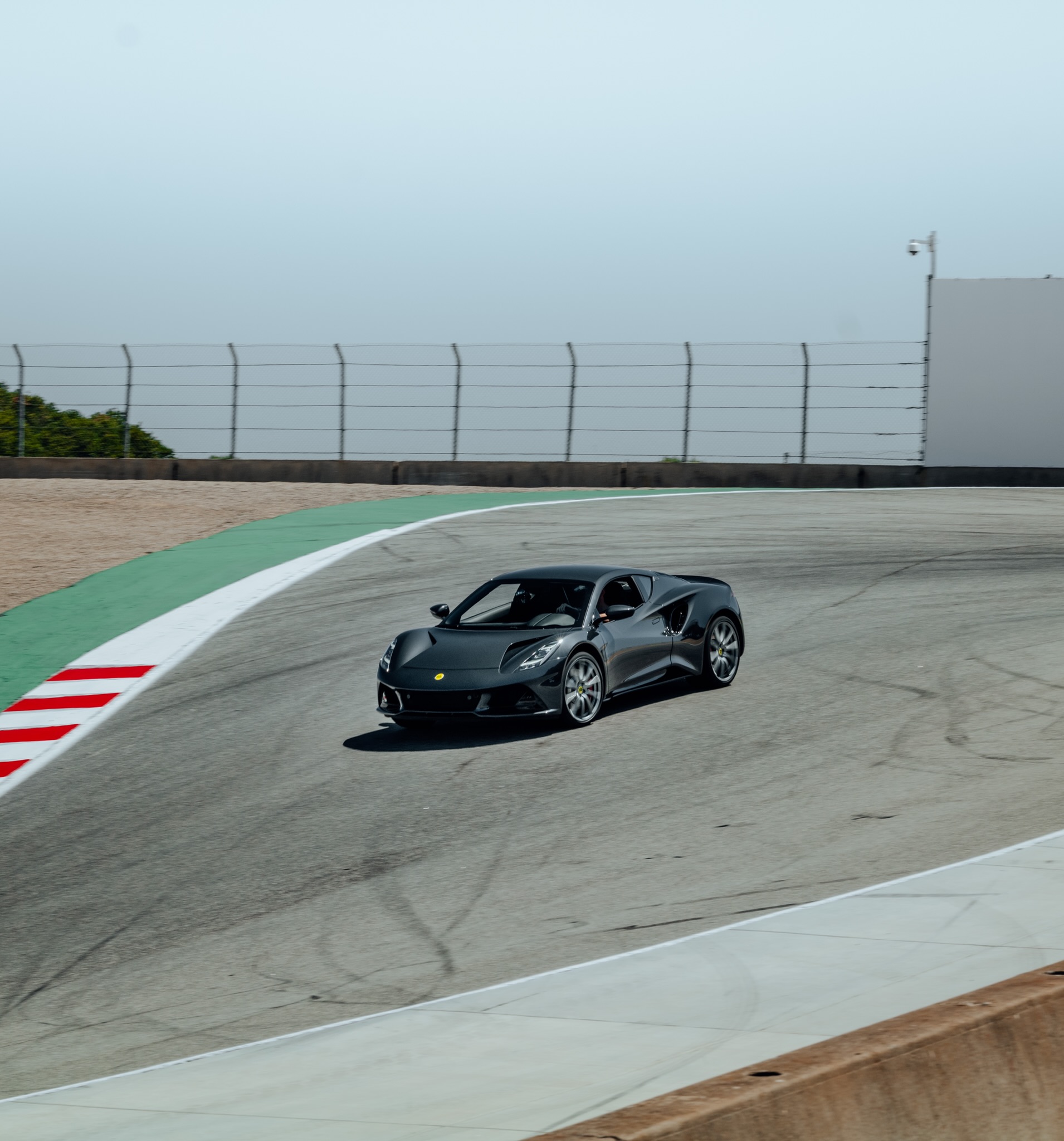
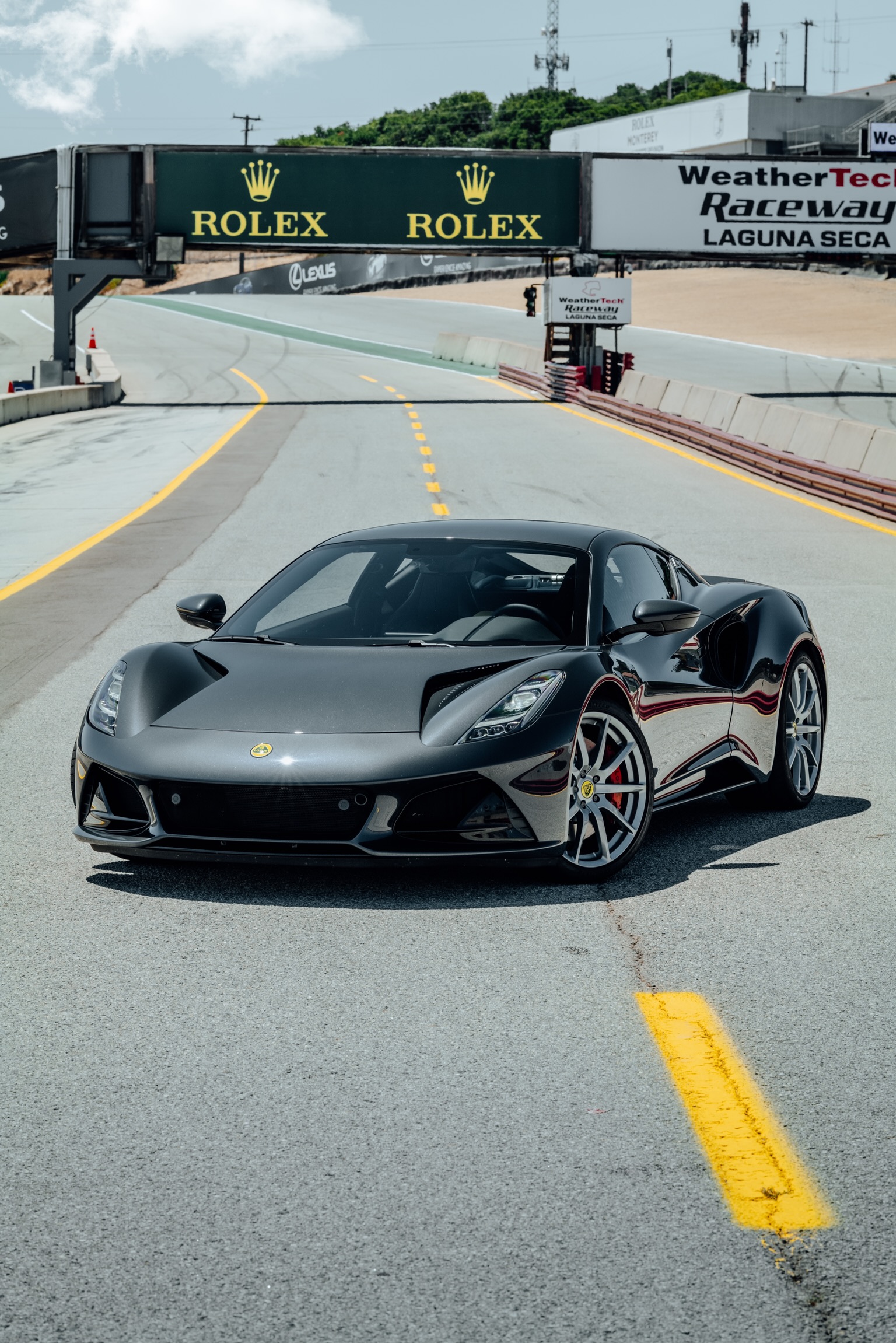
As a part of the Monterey Car Week celebrations, English manufacturer Lotus and brand ambassador Jenson Button decided to head to Laguna Seca for the new sportscar’s American debut.
Revealed last month, the Emira will be the final internal combustion engined sportscar from the famous British marque – featuring a choice of either an AMG-developed 2.0-litre turbocharged in-line four cylinder, mated to an eight-speed dual-clutch auto, or a 3.5-litre Toyota supercharged V6 engine, available as a six-speed manual or automatic.
While Button was unable to push the Emira to its limits, the Lotus crew were teased the Toyota-derived V6 engine’s new exhaust note, sounding slightly different from the Evora which shared the same engine.
The 2009 Formula One champion recently joined Lotus as an ambassador and helped launch its Radford-built Type 62-2 restomod, based on the Lotus Evora, as a tribute to the original Type 62 racer from 1969.
Set to be shown alongside the Type 62-2 and the Evija hypercar, the Emira will be a part of Lotus’s ‘The Quail: A Motorsports Gathering’ event at The Quail Lodge and Golf Club, one of many automotive events in the Monterey Car Week.
Isuzu probably couldn’t believe its luck with the old MU-X. Despite being as old as the hills and having to labour with its association to Holden’s Colorado 7/Trailblazer, it forged a far more devoted fanbase than the General could. I found the MU-X a bit puzzling on paper. I’m not a big fan of SUVs with ute underpinnings, it was missing a lot of safety features and the only obvious benefit was a price sharper than Jimmy Carr’s tongue.
But Isuzu knew all those things too, pitching the car at adventurous families – or at least families who saw themselves as such – and even when COVID slammed into the good ship Australian Car Market, Isuzu had by far the most sensible stay-at-home ad of them all. I think that’s because the company seemed acutely aware that a bit of brand-building was an opportunity not to be missed in the MU-X’s second-biggest market after Thailand, where it’s made.
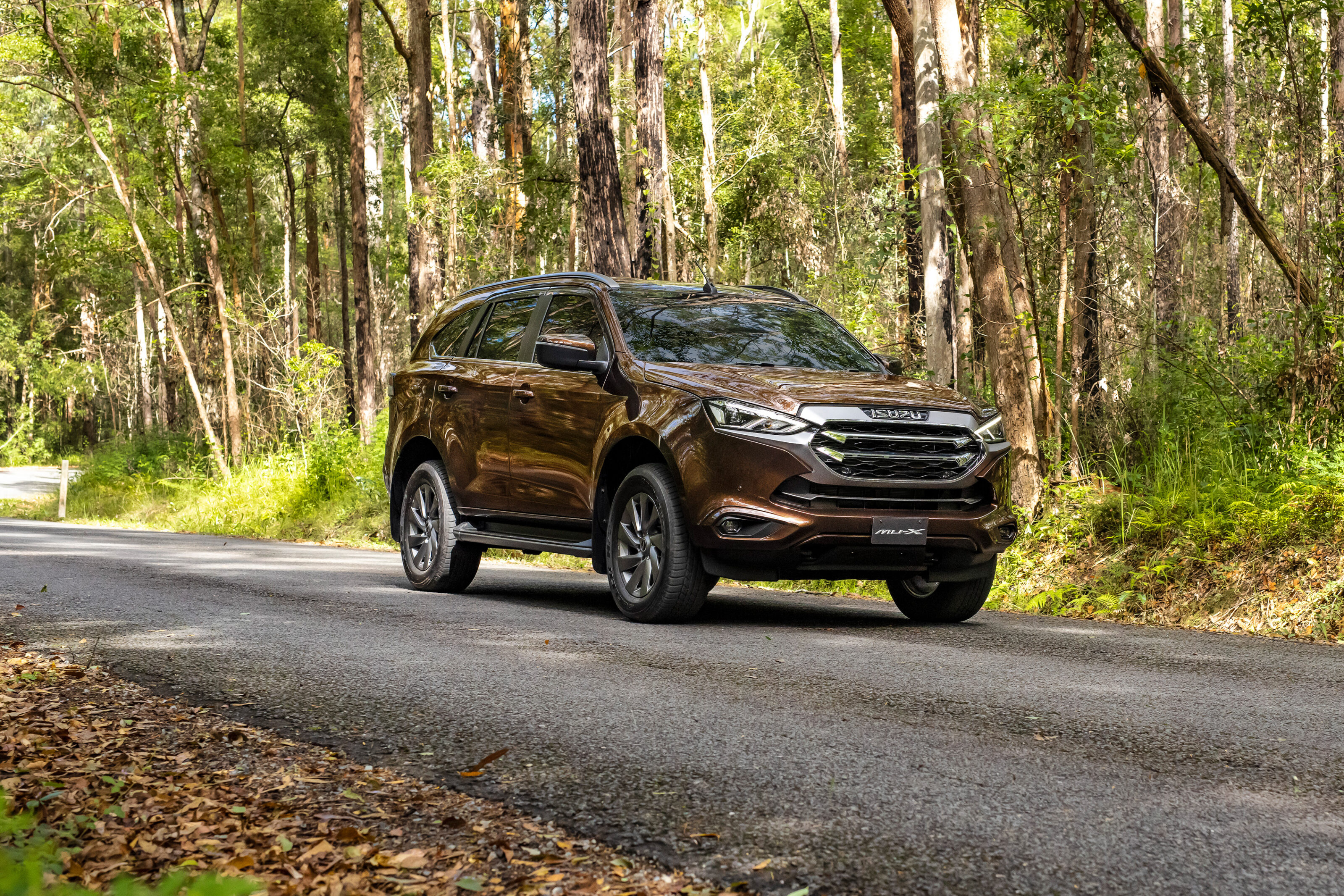
And so we come to the new, second-generation MU-X, fresh off the boat from the Thai factory from whence the D-Max and Mazda BT-50 also spring. The bare spec sheet is now covered in a lot more meat, so prices are up. But it’s clearly a more sophisticated machine ready to take on Pajero Sport and Toyota’s triple threat in the large SUV market.
Pricing and Features
There are three specification levels in the new MU-X range, all of which are offered with a choice of 4×2 and 4×4 drivetrains.
The top of the range LS-T 4×4 is now a healthy $65,900 before on-roads. At its introduction, you can grab one for $63,900 drive-away, which is pretty good going compared to the list price. One step down is the LS-U and I’m thinking that this is probably the sweet spot of the range at $59,900 for the 4×4. You can save six grand if you get a 4×2 but I’m not entirely sure what would be the point of that, however it’s there if you need it.
On the LS-U you get 18-inch wheels, a 9.0-inch media screen, LED interior lighting, leather wheel and shifter, cloth seats (underselling it slightly – the cloth seems very durable), dual-zone climate control, front and rear parking sensors, reversing camera, keyless entry and start, remote start, sat-nav, auto-locking, auto-levelling bi-LED headlights with auto high beam, auto wipers and a powered tailgate.
I can’t in all honesty say that the gap between the LS-U and LS-T is worth six thousand dollars (list price, anyway), so have a really, really good look at the spec sheet and decide whether leather seats and 20-inch rims (and some other bits and bobs) is worth the extra.
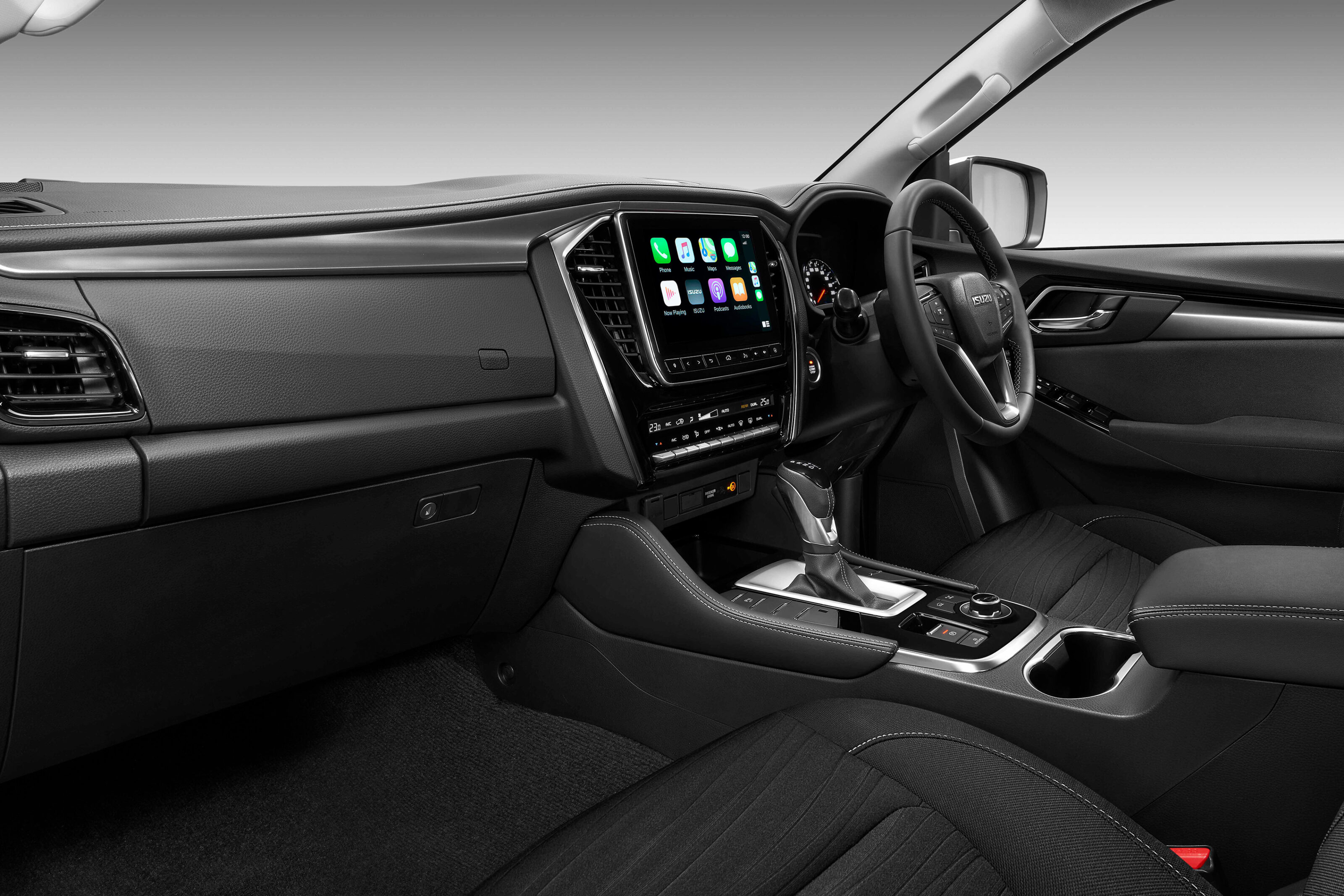
I can’t in all honesty say that the gap between the LS-U and LS-T is worth six thousand dollars, so have a really, really good look at the spec sheet.
The stereo and media system features eight speakers, Android Auto (via USB) and wireless Apple CarPlay, but no wireless charging pad. It also has DAB+ which is great if you live in a city without tunnels.
Perhaps the most impressive change over the old MU-X is the huge list of safety features. By the time it finally bowed out, the previous model was very skinny on that front. Isuzu calls the safety pack Isuzu Intelligent Driver Assistance System (IDAS) and it packs eight airbags (the curtain reaching all the way to the third row), the usual stability and traction controls, forward AEB with turn assist, forward collision warning, post-collision braking (which stops you having a second accident with a wall or another car), traffic sign recognition, misacceleration mitigation (decides whether you really wanted to prod the throttle), lane departure warning, lane-keep assist, lane departure prevention, driver attention detection, blind-spot monitoring, rear cross-traffic alert, hill descent control, trailer sway control, rollover mitigation, reversing camera and tyre pressure monitoring.
It’s a massive and commendable improvement on the old car and explains a lot of the price rise.
Only the middle row features child seat anchoring, with two ISOFIX points and three top-tether points.
ANCAP is yet to throw the MU-X at a wall, so there isn’t yet a safety rating.
Comfort and Space
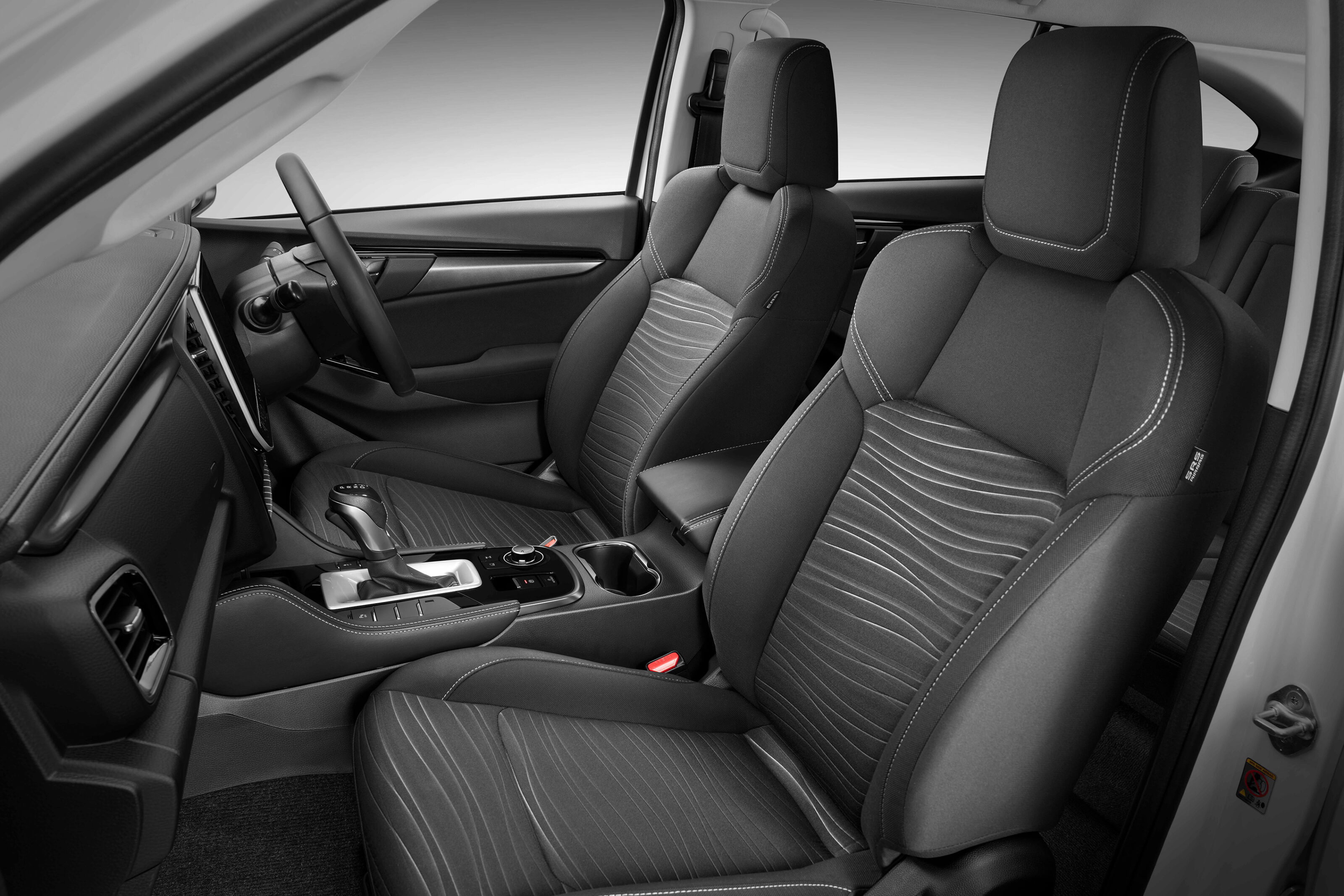
It’s a monster unit and with that comes a ton of space. The previous car distinguished itself among its competitors by having a third row that was not only easy to get to, you could actually survive further than a trip to the shops. And so it is with the MY22.
The middle row flips and tumbles with the pull of a lever and once you’ve hoisted yourself up into the car, it’s reasonably easy to step into the back row and choose one of the two seats. Both seats score cupholders, a bit of storage and air vents and rather crucially, there’s a footwell so your knees aren’t right up in your face. It is – whisper it – actually comfortable.
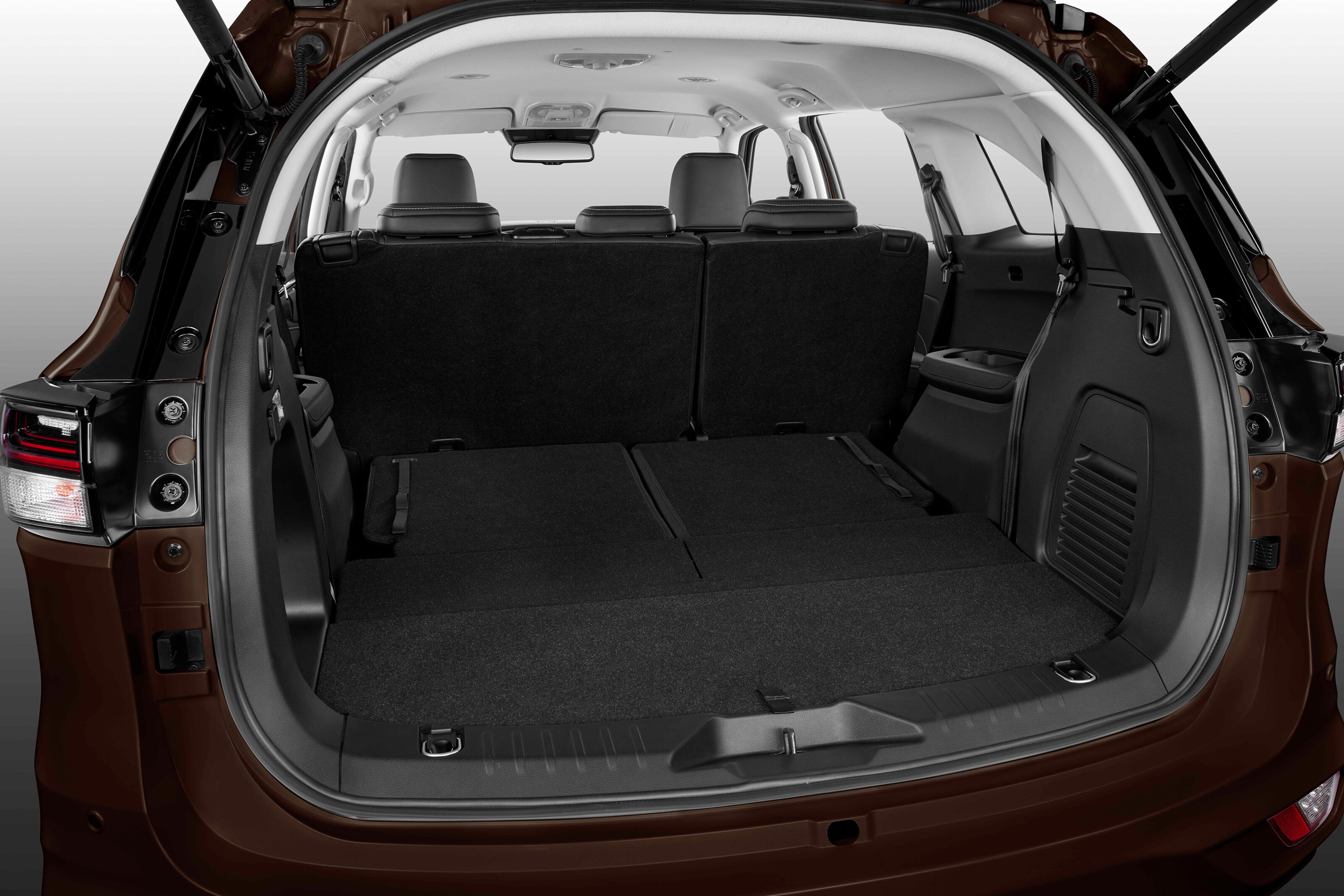
With the third row in use, boot space is up by 25 litres to 311, which is larger than many small hatchbacks. And some compact SUVs, come to think of it. Folding the third row is easy – pull the tapes on the seatbacks and they flip forward and hinge down to create a flat floor and 1119 litres, 68 more than before. There is also a storage box under the aft section of the floor at the loading lip, which is afforded by the spare being slung underneath.
Fold everything flat and you have 2138 litres, 24 fewer than before, but you won’t miss them given a) that’s a colossal amount of space and b) you’d have to have built up a very specific need for those 24 litres in the old car. I mean, I’m not judging, but hopefully you’ll be okay.
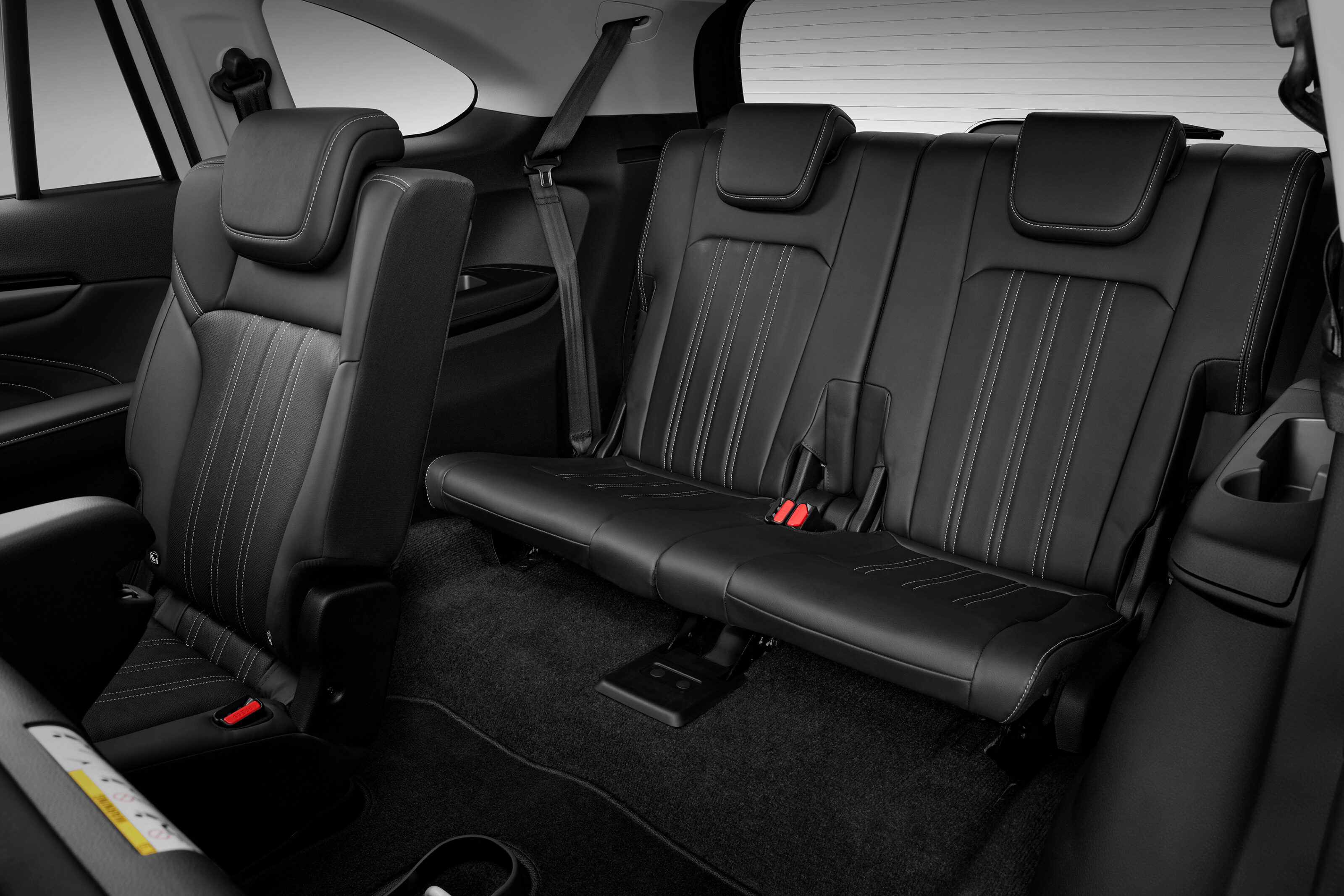
Middle row seating is pretty firm but you get cupholders in the armrest and bottle holders in the doors, as well as air vents and hefty grab handles. There are actually 12 cupholders in the car, so you’ll be doing lots of toilet stops on long trips if my experience of making liquids available to children is anything to go by.
One of the things I really didn’t like about the old car was the awkward positioning of the middle row. Despite a nice big opening, the middle row was set too far forward in relation to the B-pillar, so getting in was more of a mission than it should have been and felt a tad claustrophobic. The new car appears to have solved that problem and there’s a better feeling of space because your nose isn’t in line with a big chunk of metal.
Front seat passengers also share a pair of cupholders and perch on comfortable – and firm – seats. You still sit high enough to be a danger to aviation if you flip the bird at someone, an old school affectation that has remained in place for this second generation.
The new dash architecture is far more appealing than the seriously dated old car. It was old looking the day it launched and failed to age well along with some pretty scratchy and cheap plastics and cabin materials. The new car is a big step up from that. It’s hardly avant-garde – and the blingy signature air vents either side of the touchscreen remain – but it’s more contemporary if totally unadventurous.
On the road
One thing that really stood out to me with the old car was the engine. I quite liked its niche specification – a 3.0-litre four-cylinder engine, a configuration it shares with the Porsche 968. Well, sort of, they’re actually completely different given the MU-X is a turbo-diesel and the 968 a 30-year-old sports coupe, but it’s kind of fun to think about things that way when you’re dealing with a giant SUV.
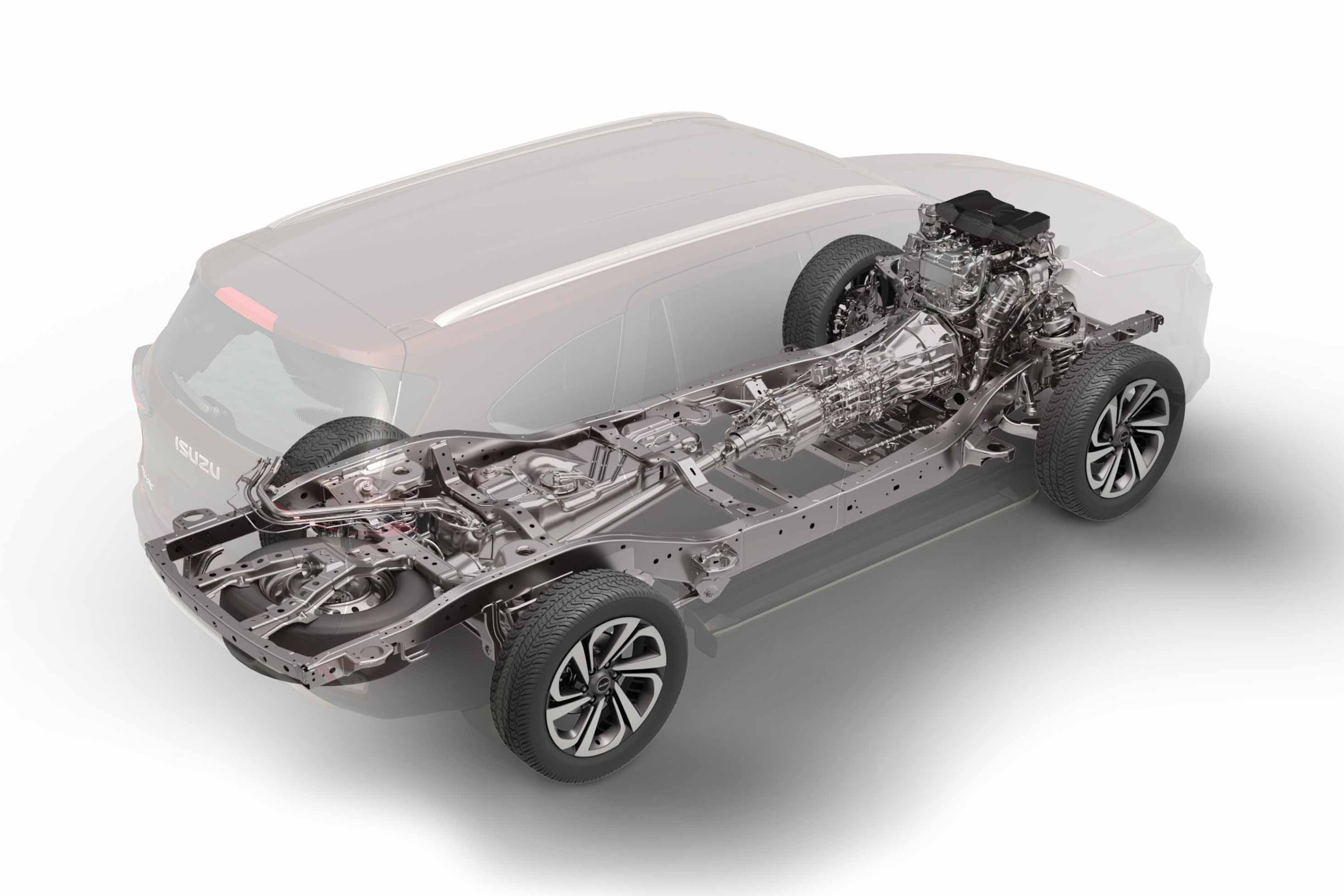
The engine is closely related to the 4JJ1 of the older car and that’s reflected in the name, 4JJ3-TCX. Power is up by 10kW to 140kW (arriving at 3600rpm) while torque is up by 20Nm. There’s already 300Nm at 1000rpm, 400Nm at 1400rpm (and it doesn’t fall below that figure until 3250rpm) while peak torque of 450Nm is available from 1600 to 2600rpm. It’s lazy in the good way you want when you’re hub-deep in mud with low-range engaged or you’re dragging an oversized boat behind you like you’re in a television ad for the car.
Isuzu says that there’s a new engine block, cylinder head, crankshaft and aluminium pistons as well as a new intake system. The new engine also has a lean NOx trap and a new catalytic converter to reduce NOx and hydrogen sulphide emissions and there’s a maintenance-free particulate filter.
So how is it? On a cold start, it’s still really noisy, surprisingly so. We’re not talking semi-trailer idling at 5 am noisy, but it’s a bit of a shock to the system after the procession of quiet Korean and European diesels I’m more used to. Even the Pajero Sport has more decorum. As before, once you’re on the move the sound basically disappears making it a quiet, long-legged cruiser, with barely a peep from the big wing mirrors. It’s not quick off the line, even with a determined prod of the throttle and with the 2H engaged, removing any extra friction in the drivetrain. It gets on with the job of forward motion without getting too bothered about 0-100km/h nonsense. The Aisin six-speed automatic has had some work done for the transition to the MY22, with quicker shifts (yep) and smoother shifts (also yep).
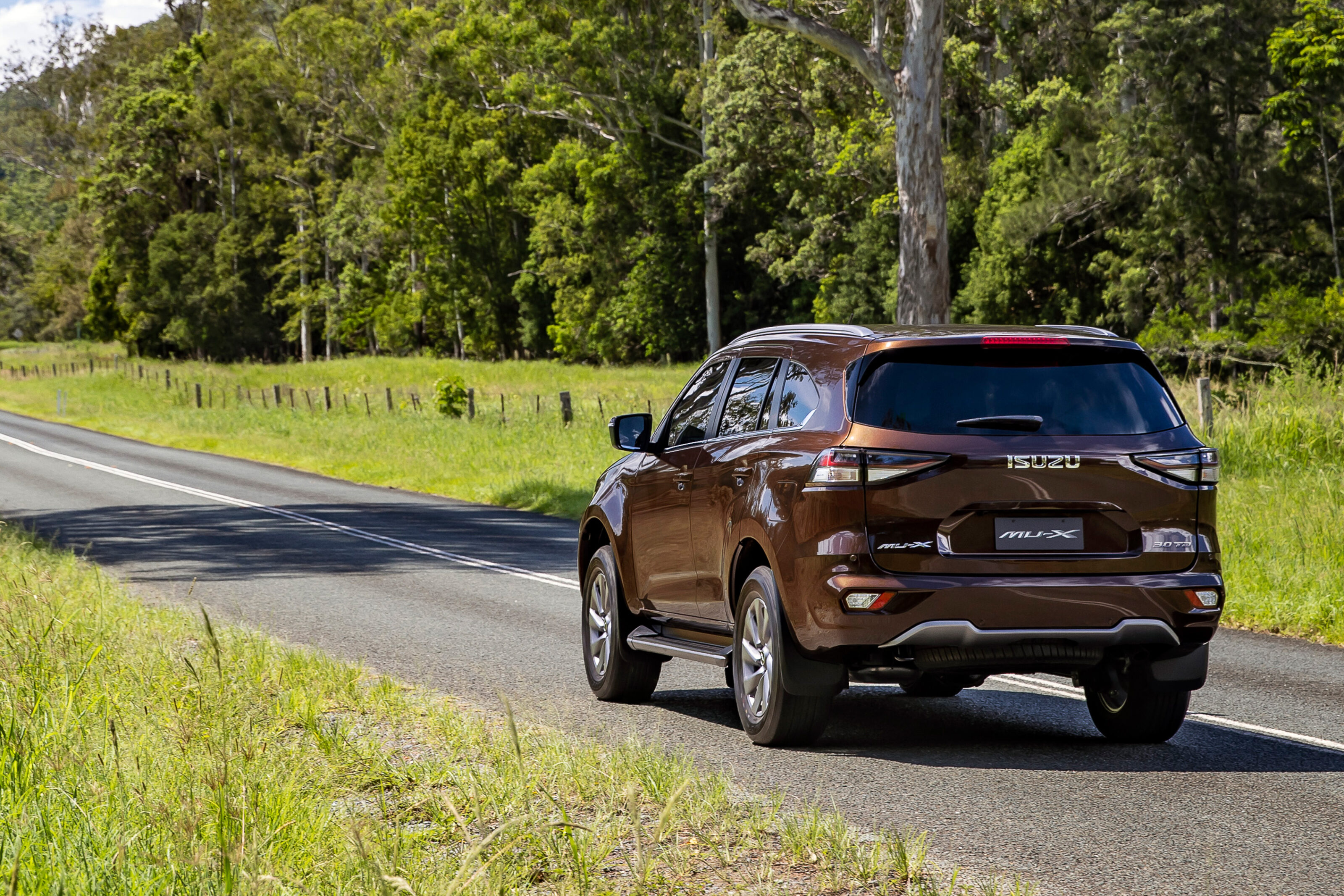
A lot of the new MU-X’s ladder-frame underguts are shared with the D-Max, which arrived late in 2020. The MU-X’s rear subframe is different, though, with a multi-link rear end delivering a much better ride than the old car and will tow 3.5-tonnes of braked load. Isuzu says over half of MU-X owners actually tow stuff and go touring rather than just dragging jet-skis down to the boat ramp, which I’ve seen done with a VW Polo.
The front end’s double wishbone suspension has also come in for an overhaul which, again, is clear by the way the car rides and is much better at change-of-direction stuff and a lot less wallowy. This is courtesy of stiffer springs and general revisions of bits and pieces. It’s much happier on the road than the old car and feels far less like an old bus. On turn-in, the new MU-X is more responsive and the decrease in body roll means that this isn’t a liability. It felt way nicer on the motorway than the old car and more amenable to being thrown around on the back streets through roundabouts and a series of awkward intersections. The bigger front brakes helped here, too.
All these suspension and towing improvements mean the GVM is up by 100kg to 2800kg while the GCM is a whopping 5900kg, up from the already impressive 5850kg. Front axle load is up by 100kg and the rear can cop another 50kg. You could almost take an Instagram influencer and all their gear across the desert with this kind of payload.
Steering is a bit woolly, though, and achingly slow when you’re doing a three-point turn, but again, given owners actually do muddy, filthy stuff with an MU-X, it’s the right choice for the car. Speaking of muddy stuff, you can also fit the car with a snorkel that feeds into a pre-fabbed induction pathway. Isuzu again says this is all for us here in Australia and should result in cheaper fitting costs.
A new 80-litre fuel tank extends the on-paper range, too, with a combined cycle average of 8.3L/100km. If you can get the highway figure of 7.3L/100km, you can comfortably get between Sydney and either Brisbane or Melbourne on a tank. 4×2 versions use about half a litre less in each measurement cycle. The week I had the car I managed a pretty impressive 8.5L/100km in a 50:50 highway and suburbia split.
The vital off-road stats are 285mm of ground clearance, 29.2-degree approach, 23.1 ramp over and 26.9 departure angles. The 4×4 offers 2H, 4H and 4L, a rear diff lock and rough terrain mode and none of the endless surface selection nonsense of some other cars. Underneath you’ll find 1.5mm-thick steel and 5mm-thick poly composite underbody armour and the fuel tank is wrapped in aluminium shielding.
Ownership
Isuzu offers a six-year/15,000km with up to seven years roadside assistance if you return to an Isuzu dealer for servicing and they want you back every 12 months or 15,000km.
Capped-price servicing covers the first seven services and totals $3373 over that period, coming to an average of $481 per service. The cheapest is the 75,000km service at $299 and the most expensive is $749 for the 90,000km service.
Isuzu says that due to a variety of changes (including maintenance-free sealed front wheel bearings), the new MU-X is 12 per cent cheaper to maintain over seven years.
VERDICT
Basically, it’s a much better car than before. Apart from the clattering engine when it’s cold, the driving experience is a vast improvement.
My wife still doesn’t like it, but the complaints were far less bitter over the old car. She is a famously hard marker, so that’s a good result for the MU-X.
We’re about to find out if buyers are going to cop these big increases to the price of admission. While the old MU-X was a bit of a cow-pusher, it was a heap of car for the money and came with the kind of reputation some of its rivals could only dream of.
With a bit more money on the table, buyers’ eyes might wander a bit more determinedly. But with all that extra safety gear, improved cabin and dead-set ruggedness, it’s a compelling proposition.
| Body | five-door large SUV |
|---|---|
| Drive | AWD |
| Engine | 3.0-litre four cylinder turbodiesel |
| Transmission | six-speed automatic |
| Power | 140kW @ 3600rpm |
| Torque | 450Nm @ 1600-2600rpm |
| Bore stroke (mm) | 95.4 x 104.9 |
| Compression ratio | 8.3 : 1.0u00a0 |
| 0-100km/h | 11 sec (estimate) |
| Fuel consumption | 8.3L/100km (combined) |
| Weight | 2155kg |
| Suspension | double wishbone (front) / multi-link (rear) |
| L/W/H | 4850mm/1870mm/1825mm |
| Wheelbase | 2855mm |
| Brakes | 320mm ventilated disc (front) / 318mm solid disc (rear) |
| Tyres | 265/60R18 Bridgestone 684II HT |
| Wheels | 18-inch alloy wheels (full-size spare) |
| Price | $59,900 + ORC |
Have you got an opinion you are just itching to share? Then get on your soap box and send us a letter!
Each month we give the best letter a 12-month subscription to the magazine, while all of the honourable mentions get published for the world to read.
The magazine subscription for this month is going to be awarded to the reader who writes in and describes their most entertaining moment of mechanical ineptitude. We’ve all been there. We want consequences here. Best letter wins a MOTOR subscription for 12 months and bucketloads of heartfelt empathy from the team.
Go on, send us a rant (or something nice) at [email protected], you know you want to.
Read on to digest what your fellow MOTOR fans have to say.
What’s the big idea?
It occurred to me the other day that here in Australia we have a penchant for building big things. There’s the Big Prawn in Ballina, the Big Stubbie in Tewantin, the big Rocking Horse in Gumeracha and the Big Banana in Coffs Harbour. Buffaloes, cassowaries, chooks, crocs, galahs and guitars, you name it, Aussies have built a strangely distorted giant representation of it.
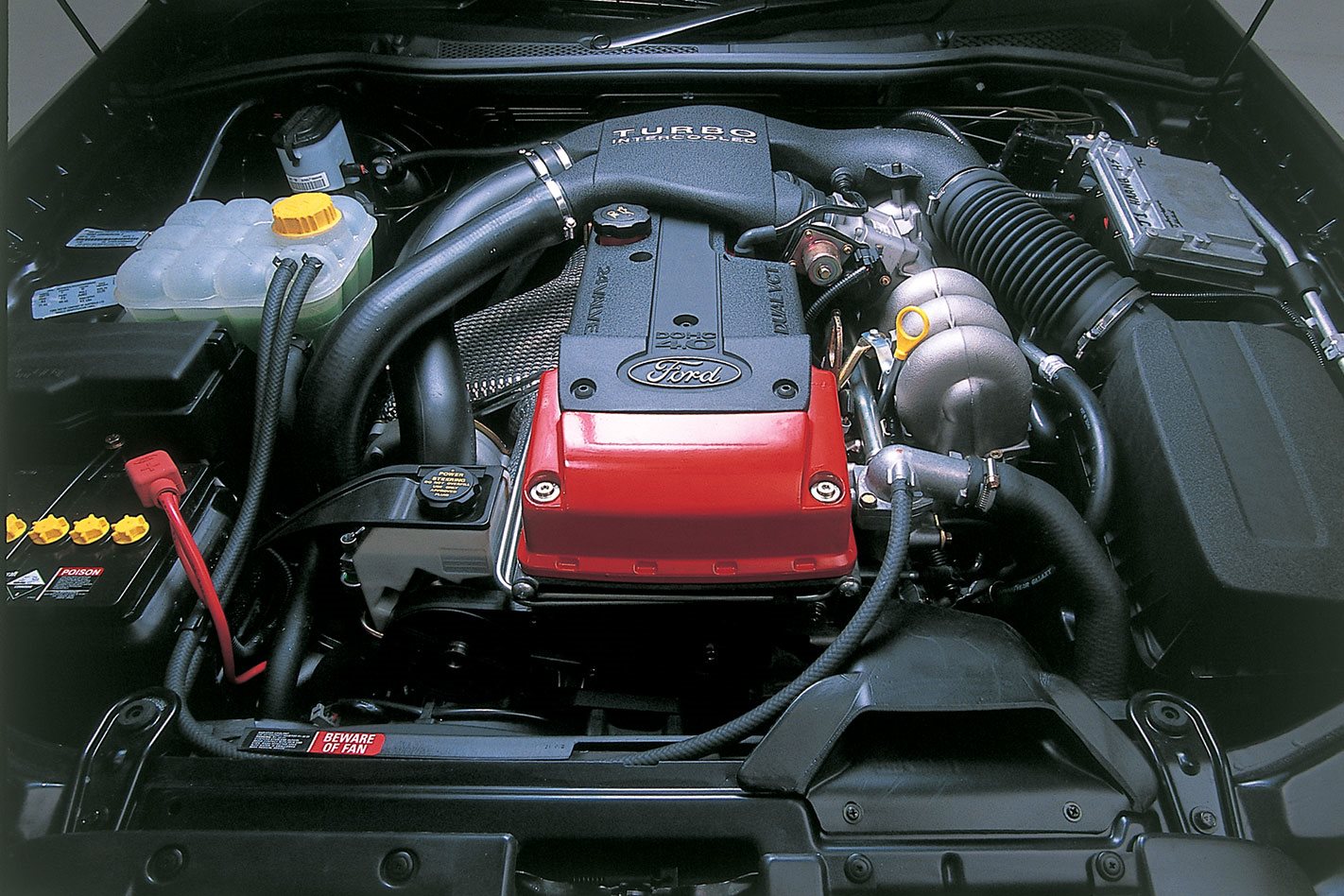
Problem is, we haven’t ever built a Big Barra. No, I’m not talking about the fish, I’m talking the finest engine ever built on these shores. There could be no better cultural tribute to the fine men and women of Geelong than driving into town past a 20-metre tall Barra 325T which, in correct conditions could make 370kW on overboost.
So how about it? Let’s put Geelong on the map for something other than Barry Crocker and Gary bloody Ablett.
Shane Wilson, Waurn Ponds
This is simultaneously the dumbest and yet most magnificent idea that has ever been floated across my desk here at MOTOR. Now you’ve just got to hope the good folk of Fishermans Bend don’t beat you to the punch with a 30-metre Big Alloytec. – Ed
One track mind
On the subject of Kirby’s column on overrated race tracks, I’ve been waiting to be posed this question for ages. Historic or new, some tracks just don’t stand out as overly good. Watching races at these tracks isn’t always boring, but most of my opinion will be from driving them on sims. The one that immediately comes to mind is Silverstone. While standing out to many, I just can’t get engaged. Having been to Bathurst on non-race weekends and driving around in a commuter car, I find elevation change on race tracks fascinating. This doesn’t work in Monaco and I agree with Kirby, that Monaco is god awful for racing, But I feel there is another tight street circuit that is coincidentally scheduled directly after Monaco.
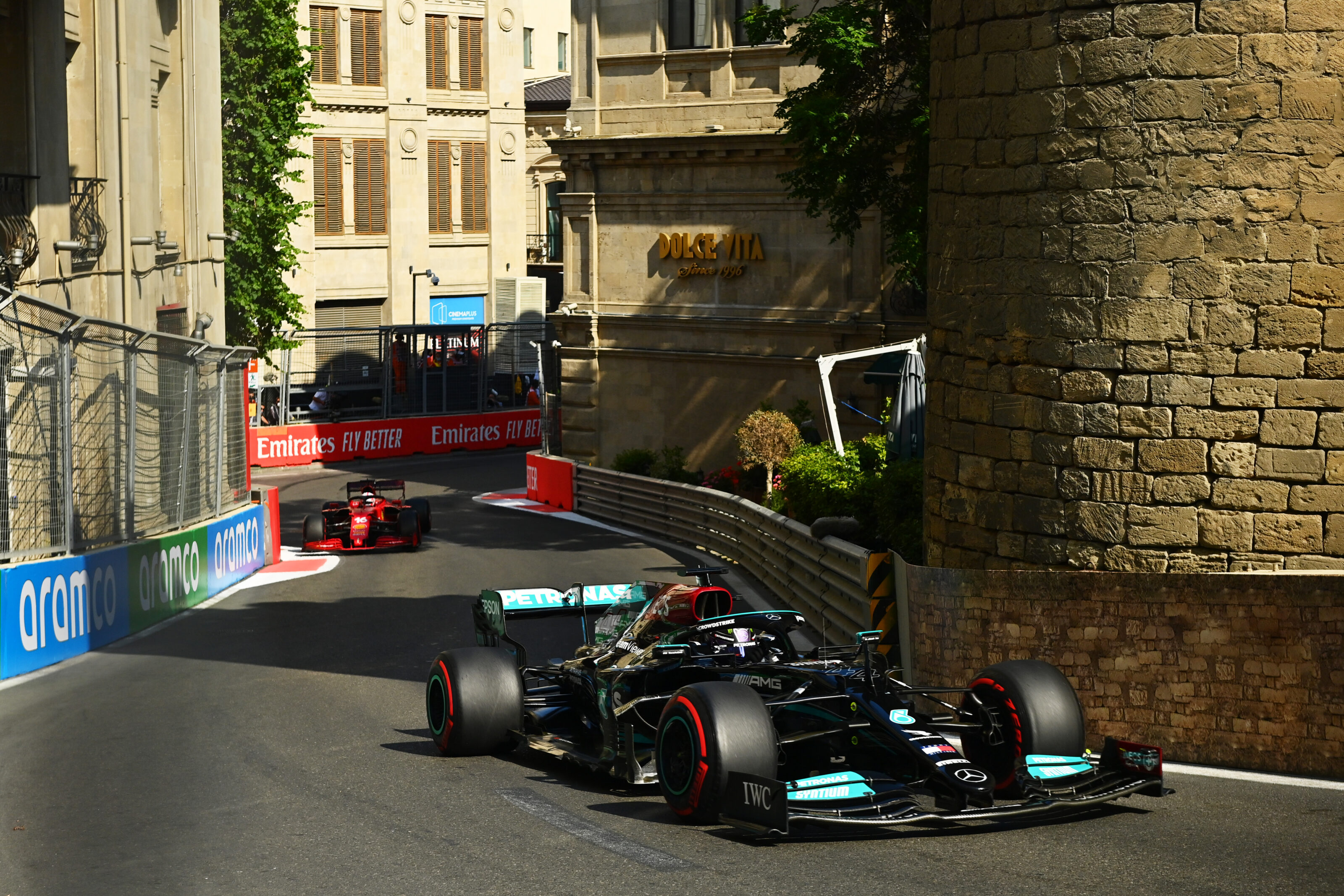
The Azerbaijan grand prix circuit is what Monaco wishes it could be. The straights and tight turns are balanced perfectly for actually engaging racing full of overtakes. The same can be said of the Highlands race circuit in New Zealand. I find the bridge and long, tree surrounded right hander fascinating, especially when going 250 km/h! I’m interested to see other peoples response to this question. Maybe top 10 favourite race tracks in the future? I’d read it!
Samuel Sporry, via email
Top 10 race tracks? I reckon that’d start a fight in this office – Ed
Smarts to spare
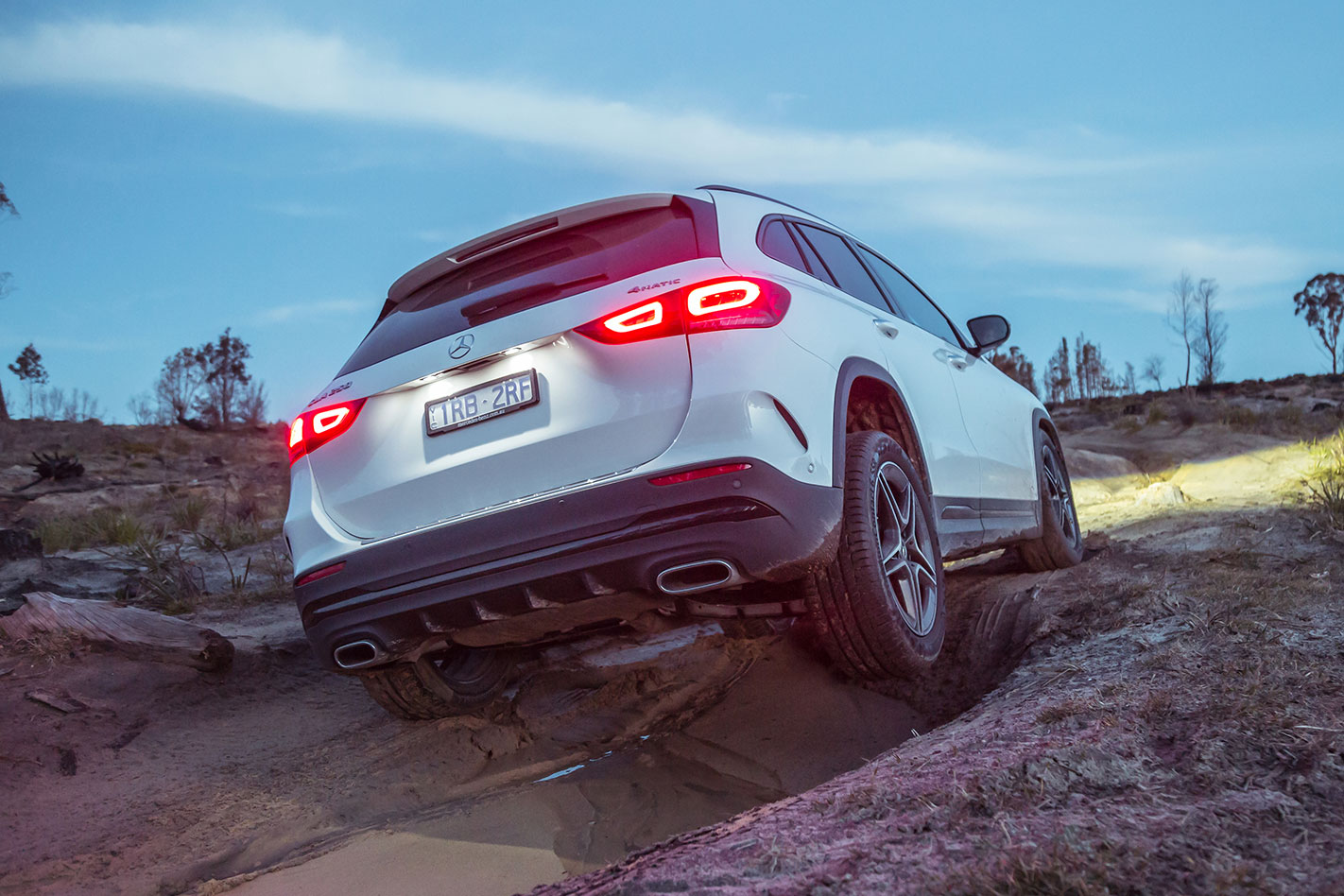
I have just received my new GLA 250 4Matic and as I live in Darwin and do trips to Adelaide and back I need a full-size spare. This is my fifth Mercedes Benz, and each time I purchase a wheel that fits (not original) and have a cover made. I was lucky as my previous Merc was a GLA 250 4Matic and the wheel fitted my new car, I only had to change the tyre profile. The wheel can be secured by running a strap through the D shackle in the rear corner and through the baby seat fixing point on the rear of the back seats. The only car that I needed to buy and original wheel for was my C43 Estate.
Ian Harlow, via email
Kirbs is now older and wiser, Ian, Many thanks for the tips – Ed
Classic fix?
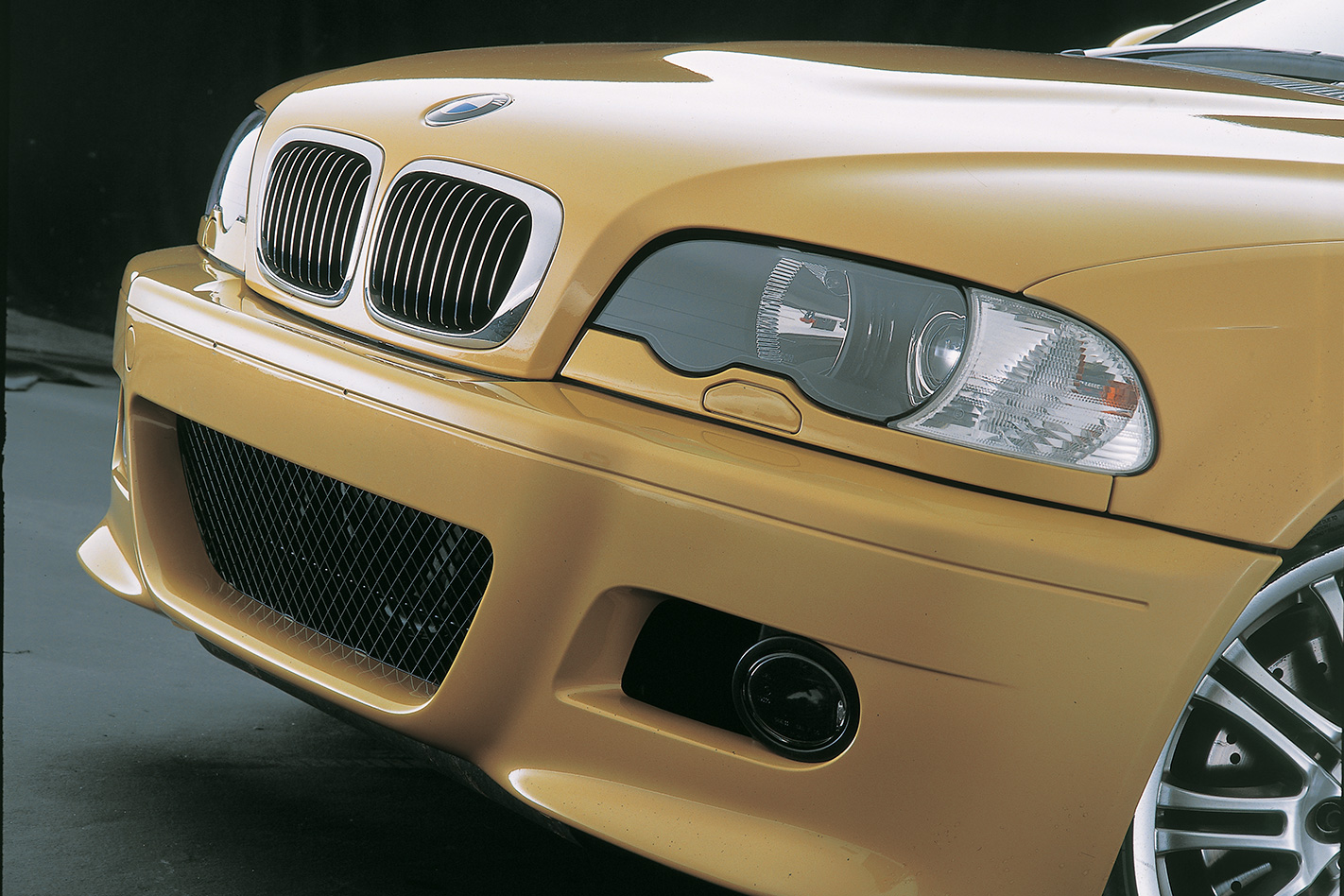
I sympathise with Gordon Batt (Ripped off, Front End June 2021) as a fellow BMW E46 M3 owner which covers sub 3000 kms per year.
The “classic-car registration”, better known as historic or club permit registration under various names in different State and Territories, was devised to help keep our motoring heritage on the roads, legally. The basic deal is a greatly reduced annual fee for limited use (45 days per year, only on club sanctioned events or some similar restriction), the lower use poses a reduced third party insurance risk compounded, usually, by a higher desire to look after the car.
As with the federal relaxation on import safety rules (which is set at 25 years) there is a risk that some will flout the rules and use the car pretty well as a daily driver. The theory is that the older the car the less likely this will happen. Hence the 25 or 30 year limit. The internationally agreed “classic car” age is 30 years.
So, there is little chance of getting the age reduced. Quite the contrary, in fact. There are talks to push to 35 years or maybe even older.
There is, however, another option to cater for the multiple car owner – called single transferable plate.
One special registration plate is issued for use on up to 10 nominated cars all owned by the same person. One full registration fee is paid for the first car plus a modest admin fee for each of others.
With a special holding frame (with a index number which forms a part of the completed registration number) attached to each vehicle the special plate could be moved from vehicle to vehicle but only used on one at a time. It does away with age limits and all that and allows modern classics (even brand new ones) to be used economically without over-recovering the third party insurance costs.
Sounds doable but there is very little interest in such a scheme. Unless we all make a fuss!
Lawrence Glynn, via email
R90CK hard
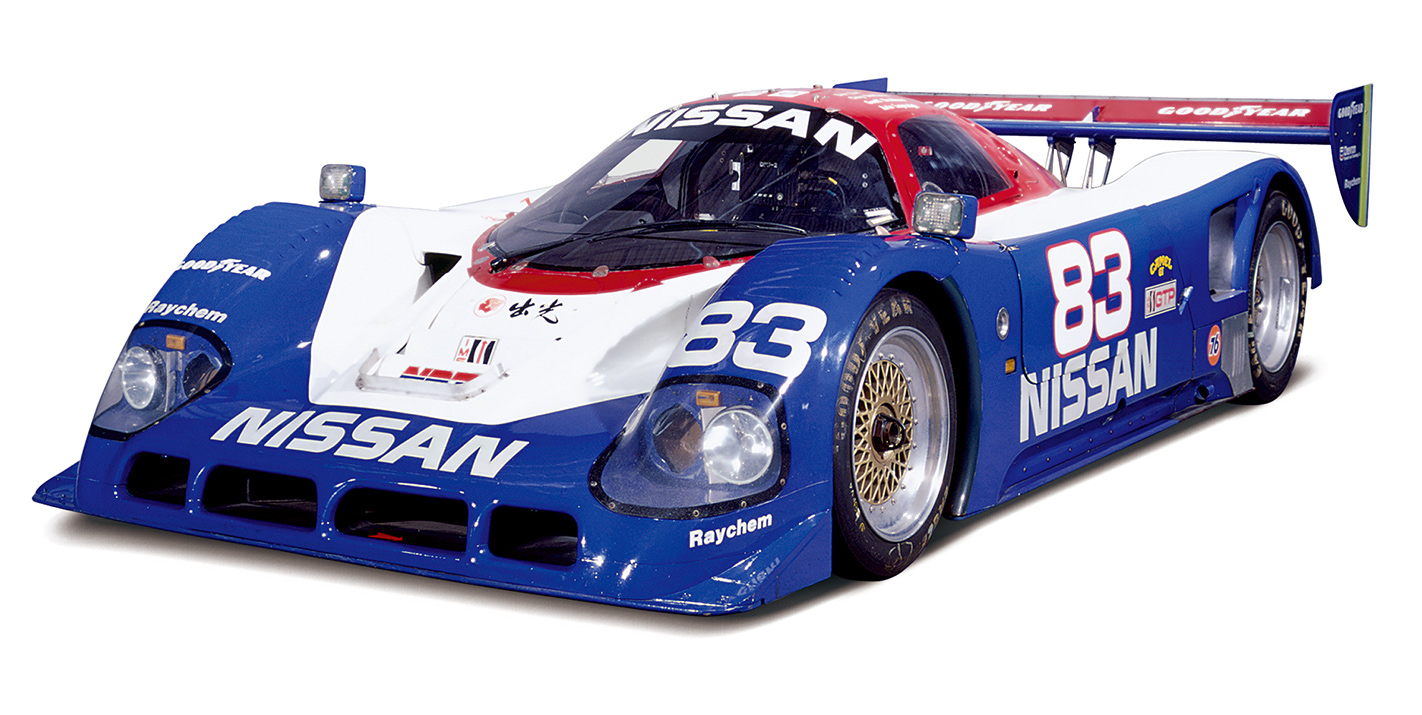
Scott Newman’s video list has an omission: Mark Blundell’s 1990 lap of Le Mans in the Nissan R90CK.
I can’t find a decent quality version of it, but the wastegates had jammed on Blundell’s Nissan and he was wrestling with 1100bhp. He said that he thought the car was trying to kill him for half of the lap.
The icing on the cake for me is that the absurdly baby-faced chap removing his headphones and grinning broadly at the end is my mate Steve, who was the engine guy. He went on to manage the engine of the Skaife/Richards Skyline the following year.
Nick Short, via email
It’s truly astonishing. At most points of the lap it looks as if Blundell’s arms are about to be ripped out of their sockets and in some corners he’s catching about six separate slides. That year was the first year with chicanes on the Mulsanne Straight, and Blundell was still logging 383km/h between the two chicanes. Blundell said “for about 50 per cent of the lap, I felt on the verge of a massive accident.” – Ed
¿Por qué?
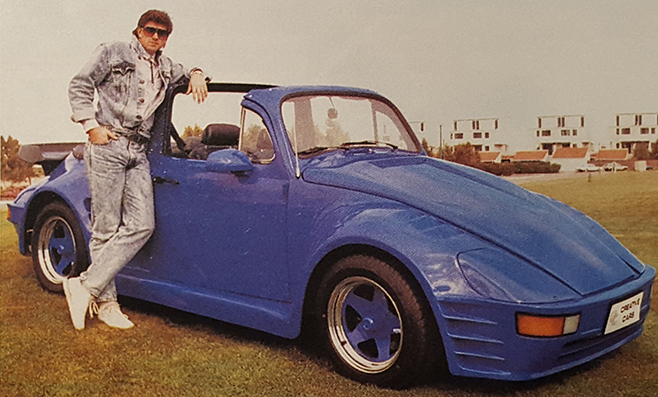
I am writing this email as I have been doing a lot of research on the VW Poraga kit car that was built by creative cars in South Australia.
Morley wrote an article in your magazine about the company in 2017 and I was just trying to find out if he has any more information or pictures etc. about the company.
I live in NZ and have spent the last 12 years bringing back to life one of their VW Poragas. I have also given it a six-inch windscreen chop so it has a far better profile and looks good.
Ian Harris, via email
It’s an interesting looking thing, isn’t it? I’ll let the readers Google it – Ed
Size matters
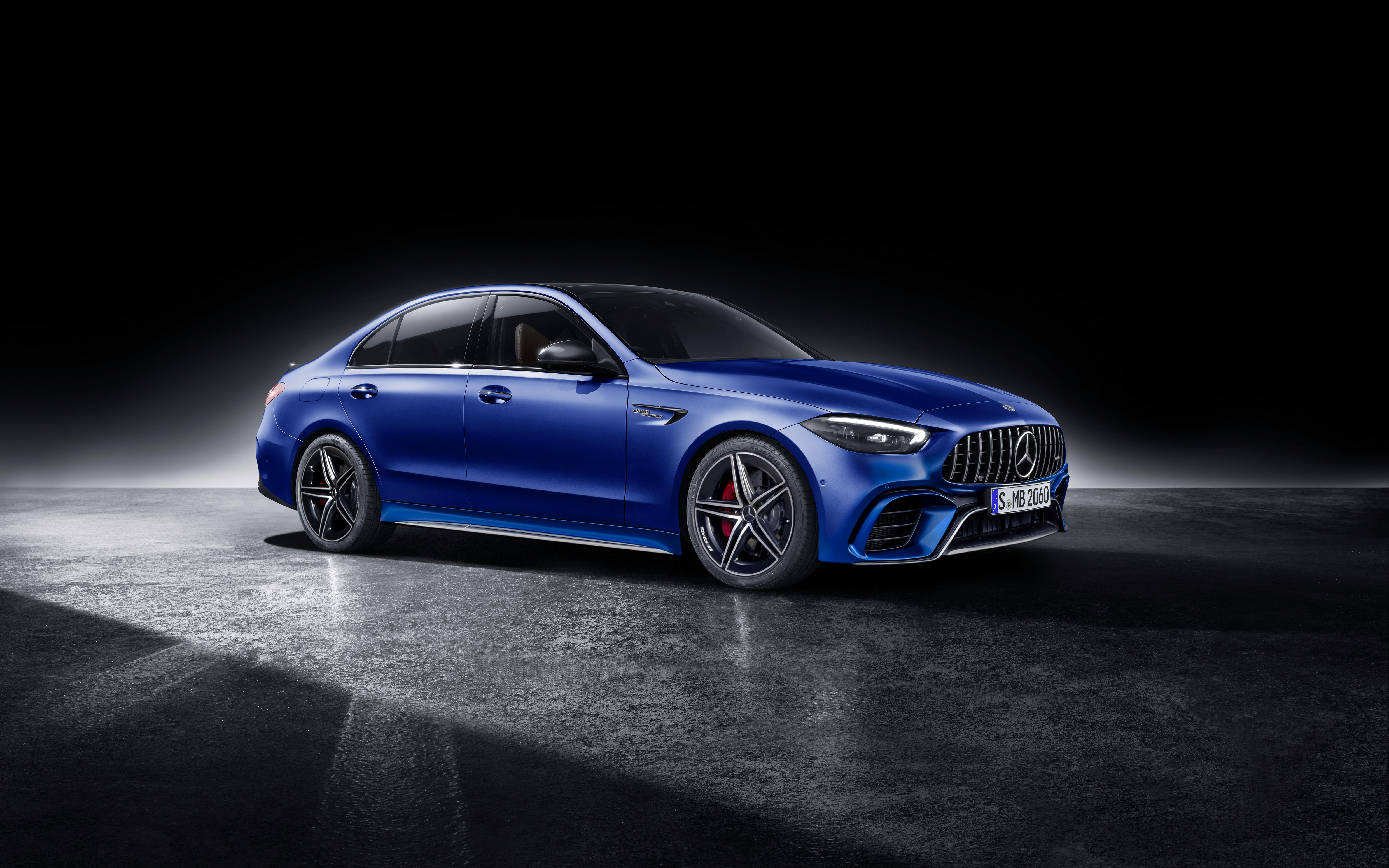
I’m really struggling with the whole trend to downsized engines. While I’m across the reasons that car makers are putting ever smaller engines into performance cars, I feel that there’s an element of ignoring the bloody obvious.
They’re just not as good. Call me old school but is there really any substitute for cubes? I even call into question whether, in the real world, and not in the lab of some gerrymandering Germans, a small turbo engine is as efficient as a bigger naturally aspirated one?
I could just about stomach Mercedes ditching the 6.2-litre V8 and going to the 4.0-litre twin-turbo engine, but in-inline four? Give me strength! People buy these cars for the emotional response that they create and you can’t get that with a small engine. Yes, it might be quick, but if the only way you can make your car feel as if it’s earning its keep is to drive the wheels off it, then I’d argue it’s not a very practical car, for Australia at the least.
Ian Sims, via email
Ask any child what they think the most special car brand is and most will provide the same answer – Ferrari.
The Prancing Horse has long evoked passion in car lovers young and old, through the success of its past road cars such as the F40, to racers like the 250 GTO.
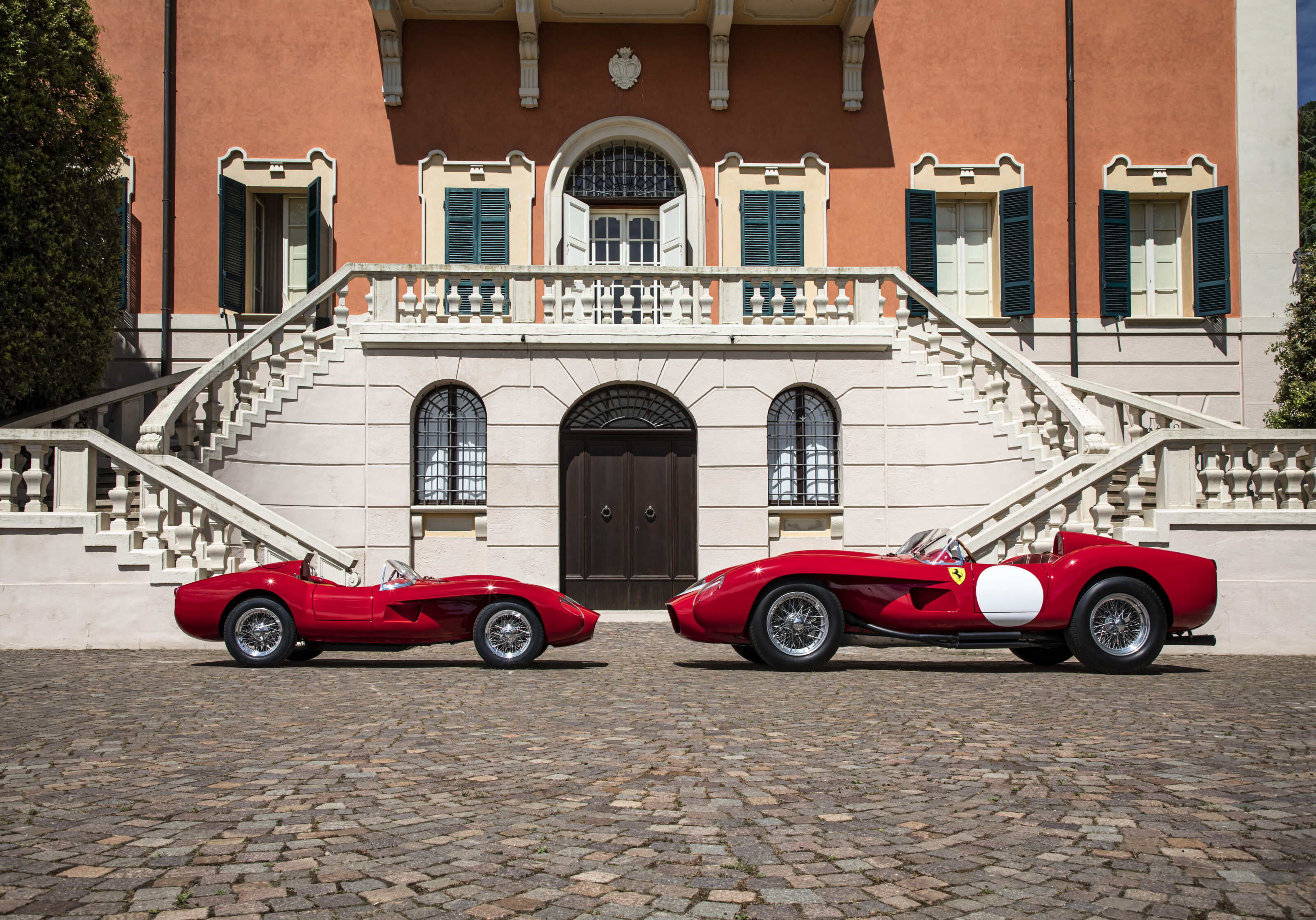
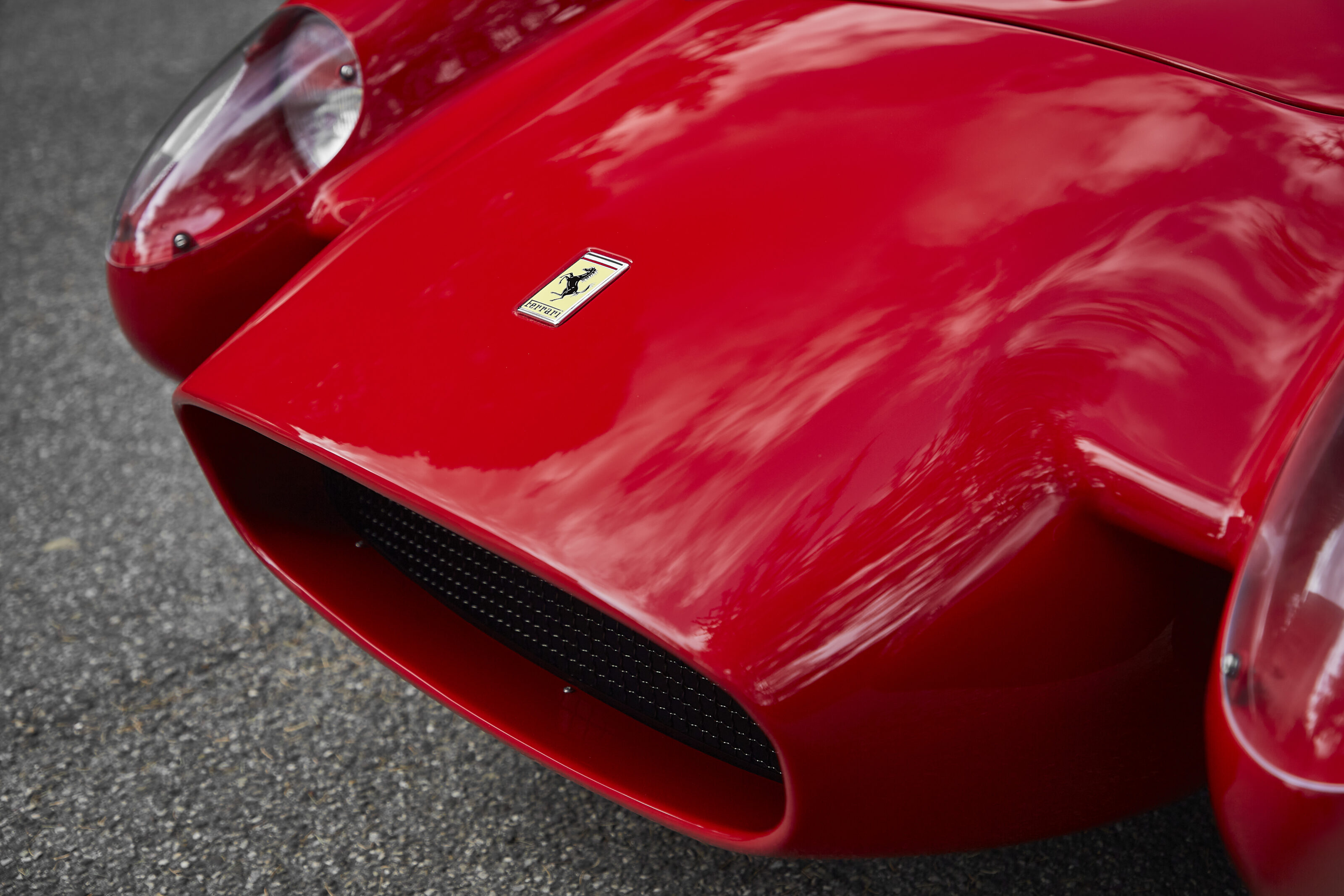
Although its cars traditionally aren’t designed for young members of the Tifosi, Ferrari has rectified this by creating a 75 per cent scale replica of its 1957 250 Testa Rossa, dubbed the Testa Rossa J – for Junior, of course.
Gone from under the bonnet is the 3.0-litre, 60-degree Tipo 128 V12, instead this recreation is powered by an electric motor with three batteries providing up to 90km of driving range combined.
As with Ferrari’s current range, the driver can choose from four different driving modes which deliver varying levels of power. Novice is capped at 1kW with a top speed of 45km/h and Comfort bumps output up to 4kW with an increase to 45km/h, while both Sport and Race let the Testa Rossa J achieve speeds of over 60km/h – although power figures aren’t provided.
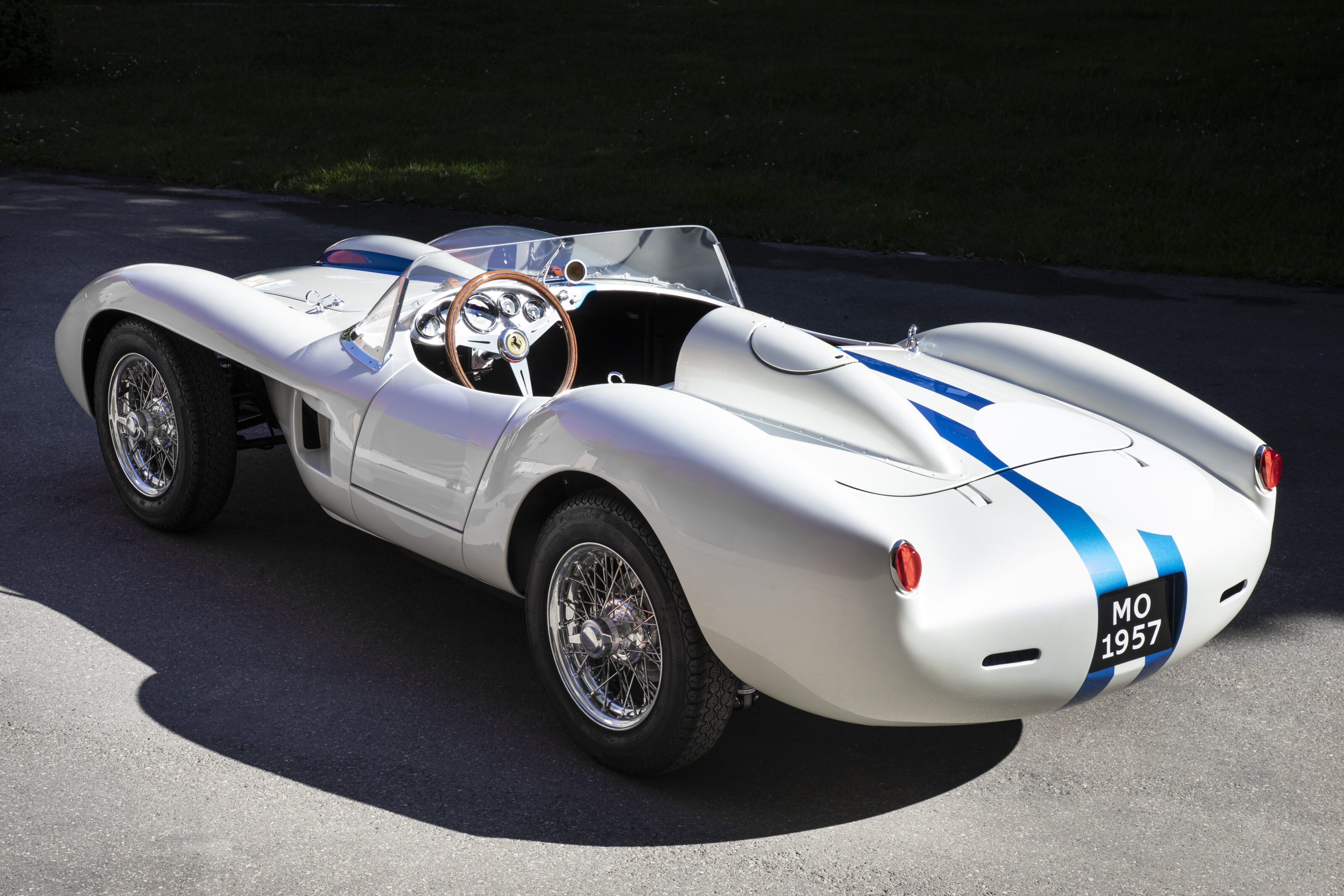
The exterior has been styled around the original 250 TR, designed by Scaglietti as a ‘barchetta’, which translates to little boat – earning the ‘pontoon fender’ nickname due to its distinct front quarter panels.
A true three-quarter scale replica, the exact exterior portions have been meticulously crafted from hand-beaten aluminium, allowing the suspension geometry to remain identical to the original car.
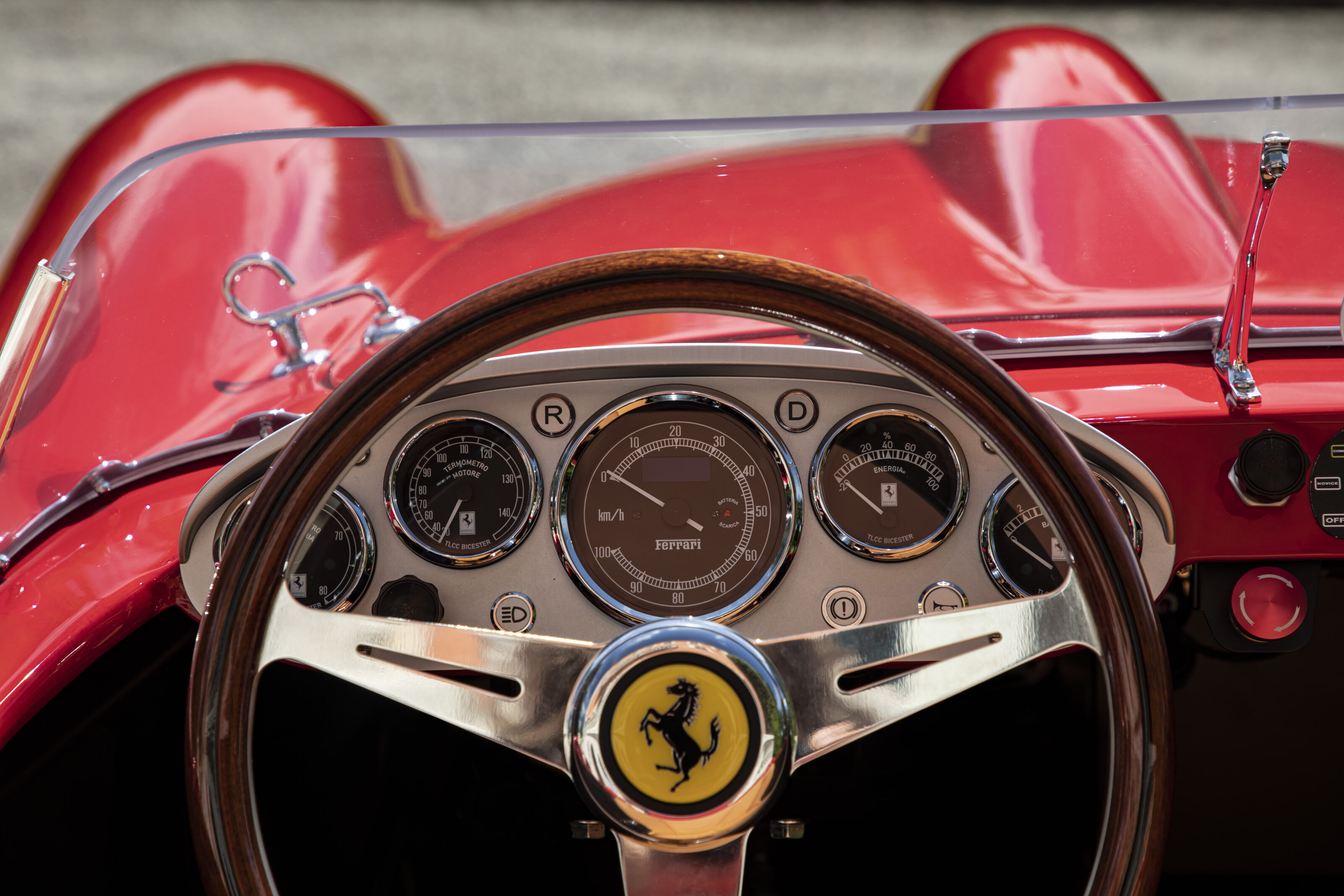
Inside the cockpit it’s a throwback to 1957 with Nardi again providing the car’s steering wheel, matching up to the repurposed dials which now include temperature gauges for the electric motor and batteries in place of the original’s water and oil temps. Meanwhile, the fuel gauge now shows the battery’s charge levels as the old tachometer has been repurposed as a speedometer.
Ferrari’s current operations influenced the TRJ’s creation too, with the pedals sourced from the F8 Tributo, while tyres come from technical partner Pirelli, wrapping the handmade 12-inch wire wheels.
If you think this was all just slapped together and has no Ferrari pedigree, you’d be wrong – it also under went testing at the Prancing Horse’s Fiorano test track, its Bilstein coilover suspension receiving the tick of approval from Maranello’s test drivers.
With just 299 Testa Rossa Juniors set to be produced, prices start at €93,000 (AU$175,000) which excludes taxes, shipping and optional features excluded. Ferrari offers it in a range of 14 historical liveries and 53 bodywork colours, as well as providing the option to special order personalised racing decals.
Designed for an extremely niche market of drivers over 14 years old but not yet old enough to obtain a driver’s licence, the Testa Rossa Junior is not homologated for road use. However, if you’ve got a 75 per cent scale Le Mans circuit at home and want your child to replicate Ferrari’s four wins in the 24 Hour race, this is the product you’ve been looking for.
Snapshot
- Australian Pathfinders built at Smyrna plant
- Model not likely to be affected here as not coming until 2022
- US shutdown from August 16-29
A Covid-19 outbreak at a semi-conductor chip factory in Malaysia has forced Nissan to temporarily halt production at its assembly plant in Tennessee, USA.
The brand’s US arm has confirmed the plant will shutter vehicle manufacturing at the facility from August 16 to August 29 inclusive, with a scheduled resumption on August 30, Automotive News reports.
The Smyrna, Tennessee factory – home to approximately 6700 employees – produces the Nissan Maxima, Pathfinder, Leaf, Rogue, Murano and the Infiniti QX60.

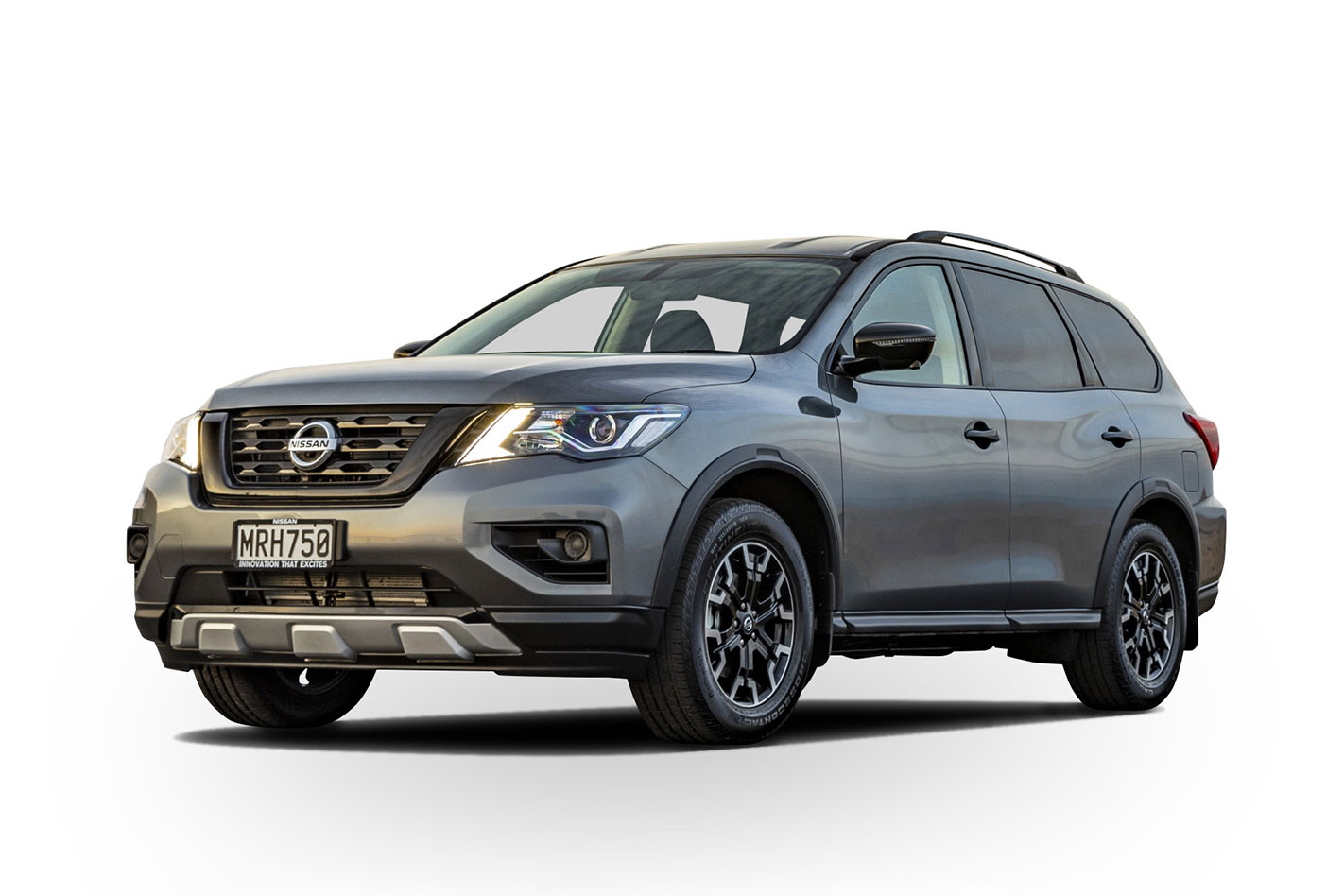
While these models remain largely exclusive to the North American market, examples of the Australia-bound Nissan Pathfinder are produced at the Smyrna plant.
However, with the large SUV currently on hiatus as the brand awaits the launch of a new-generation model at some point during 2022, the shutdown won’t have any impact on the local Nissan range.
“Nissan will further adjust its North American production schedules in August due to a Malaysia-based supplier that has shut down because of an outbreak of new Covid-19 cases,” a US spokesperson for the carmaker said.
“All production lines at our Smyrna, Tennessee facility will be down the weeks of August 16 and August 23, with production expected to resume the week of August 30. We continue to work closely with our supplier partners to assess the impact of supply chain issues and minimize [sic] disruption for vehicle deliveries to our dealers and customers.”
The news adds to the widespread semi-conductor chip shortages facing the automotive industry, an issue which is expected to continue through the end of the year and into the New Year.
In recent days, the semi-conductor chip shortage also hit General Motors, with the company announcing it will temporarily stop production at three of its full-size pick-up truck production facilities in North America.
As WhichCar recently revealed, the chip shortage – fuelled by Covid-19 slowdowns and subsequent demand for consumer electronics in response to the pandemic – has seen significant delays or specification changes for a vast majority of manufacturers in Australia, with some consumers reportedly forced to wait months to pick up their new car.
Snapshot
- Largest Forza Horizon map so far
- Draws on real-world Mexico
- Expect over 450 cars
Playground Games has revealed its latest open-world racing offering, Forza Horizon 5, will have the largest map yet when it drops later this year.
Based on real-world Mexico, developers have confirmed via Twitter the environment is 1.5x larger than Horizon 4’s. That map was around 71 square kilometres in total, meaning the new one should exceed 100 square kilometres.

If you’re unfamiliar with the Microsoft-exclusive Horizon series, it’s an arcade-style counterpart of the more serious Forza Motorsport games.
Each Horizon game offers a freely-explorable map rather than closed circuits, which makes for a player-guided experience. So far the instalments have been set in Colorado, Southern France/Northern Italy, Australia, the UK and now Mexico.
This time around, there’s a diverse range of biomes to be driven: Canyon, tropical coast, farmland, arid hills, jungle, living desert, rocky coast, sand desert, swamp, urban city of Guanajuato, and volcano.

Some of the new map’s notable features include a huge volcano, with snaking mountain roads topped with both drift-ready asphalt and dirt perfect for rallying.
Alongside tightly-wound street circuits in Guanajuato, there are rolling sand dunes for Baja racing and an airstrip ready for drags. There’s also a massive highway cutting through the middle for top-speed runs.
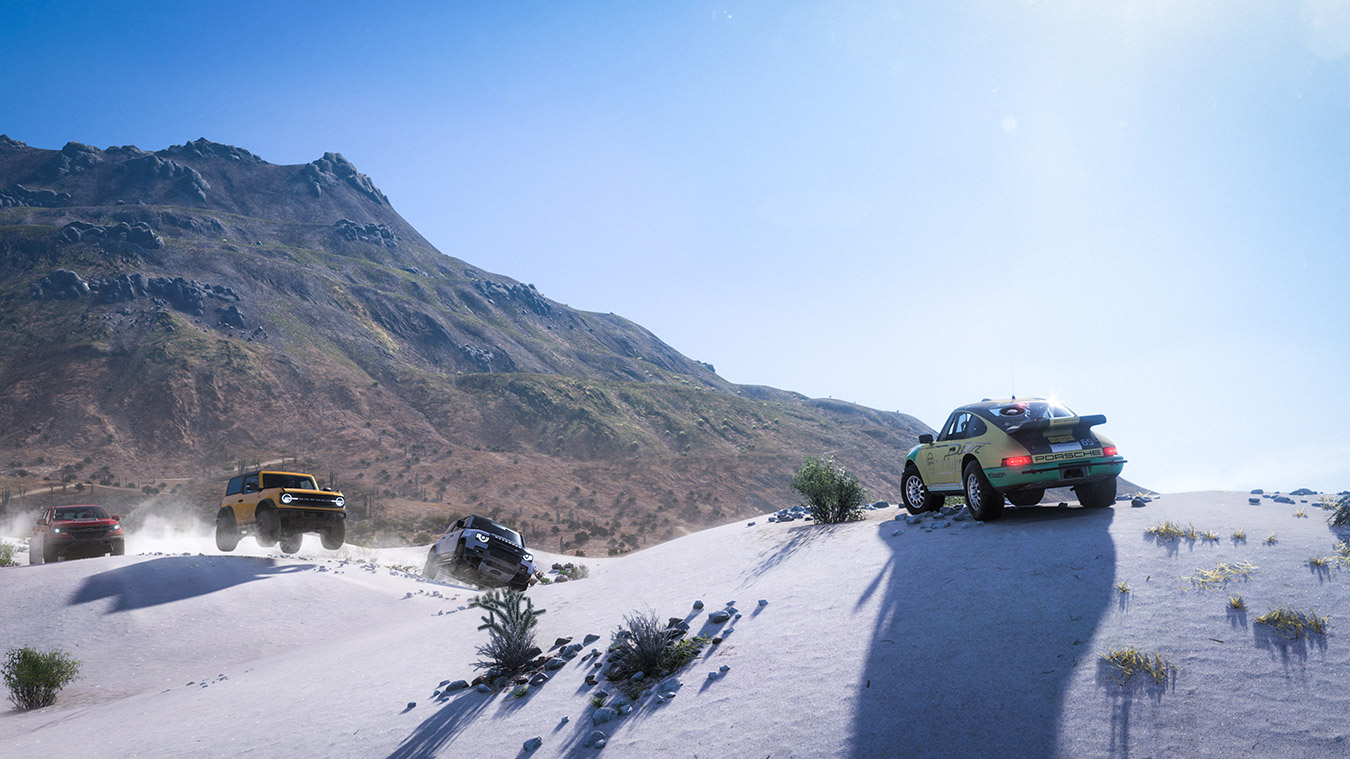
Other real-world locations include oasis town Mulegé, the beachside Playa Azul, and numerous ancient landmarks including Uxmal, Tula, and Teotihuacan – which appears to be used as a drag strip. One Reddit user identified a staggering 734 separate roads across the map – though its your choice if you want to take the beaten path or go overland.
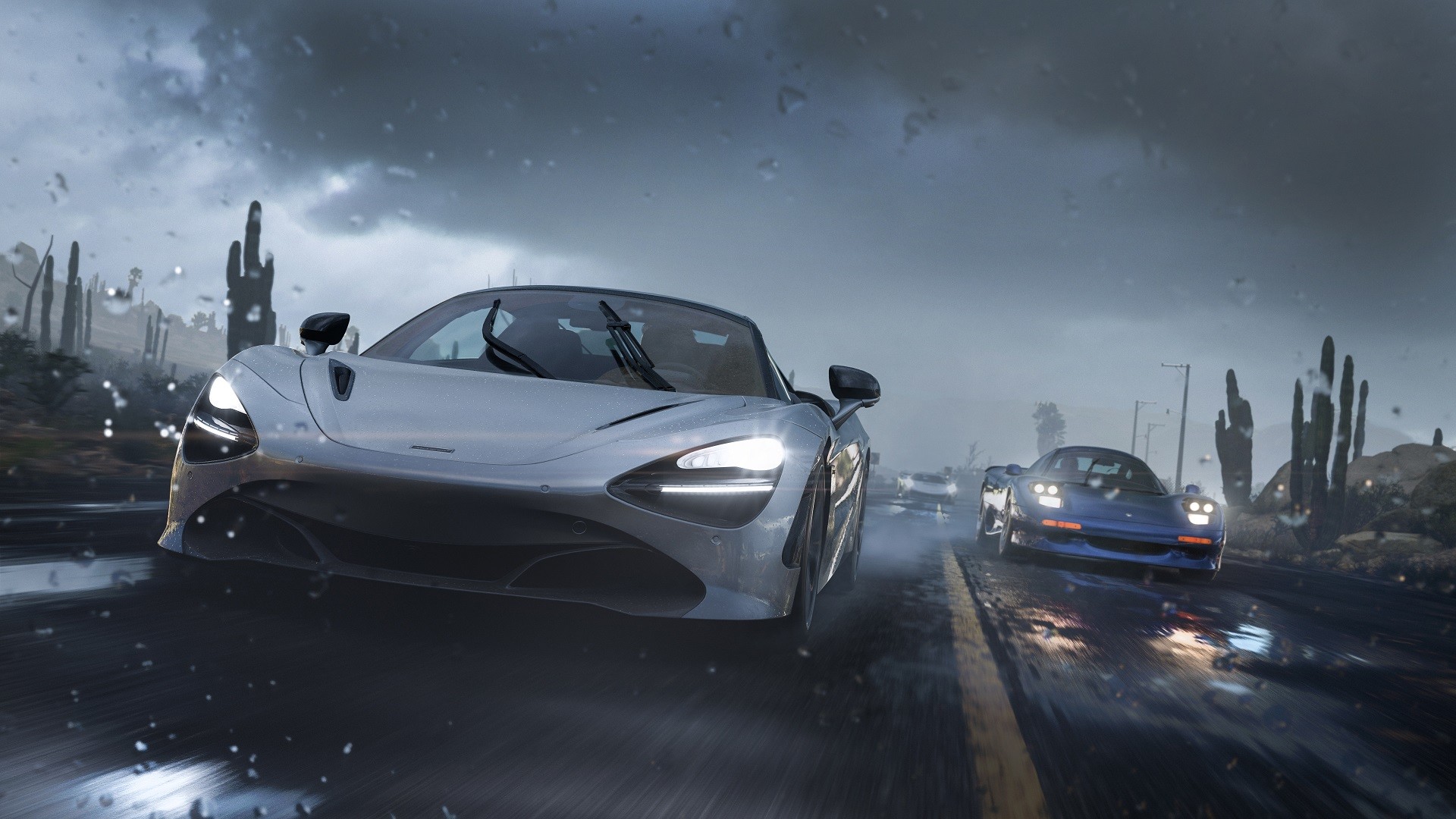
Like Horizon 4’s condensed United Kingdom, the map’s conditions will change depending on the in-game season. Expect rain and luscious greenery during the wet season, followed by arid dry spells.
Since the game’s announcement in March, about 50 cars have been confirmed through trailers and promotional material, including several never before seen in a Horizon instalment.
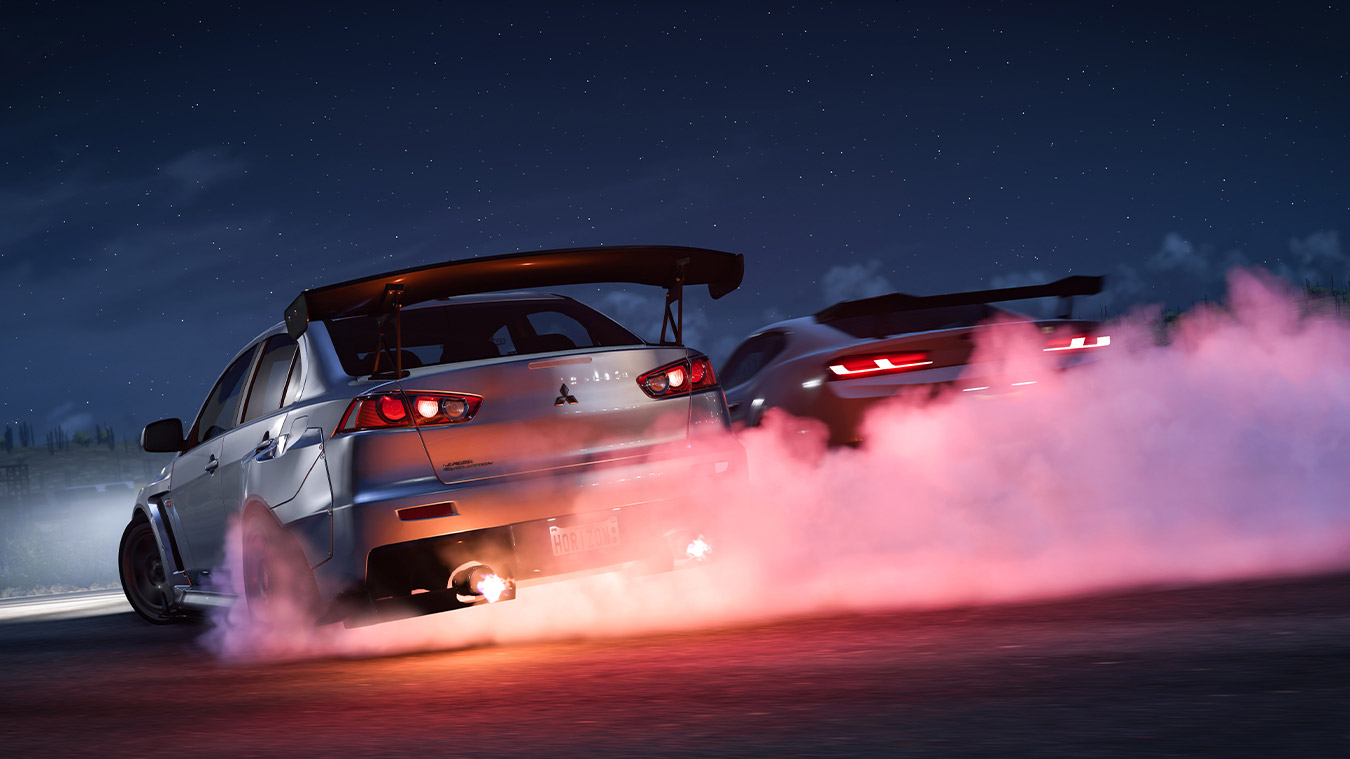
Horizon 4 boasted 450 cars upon its 2018 release, which has now been bumped up to an eye-watering 750. With that in mind, it’s a safe bet the new game will have at least 450 cars when it’s released on November 9.
Forza Horizon 5 will be available on Xbox One, Xbox Series X and Series S, and PC.
COUNTACH! Some fifty years after the iconic Lamborghini supercar was revealed at the 1971 Geneva Show, Sant’Agata has revived the nameplate for a limited run of 112 homage models based on the underpinnings of the Sián FKP37 hybrid hypercar.
Due to be revealed at The Quail motorsport gathering at Pebble Beach this year, credit for the styling of the Countach LPI 800-4 goes not to Marcello Gandini, but to Mitja Borkert’s team at Lamborghini Centro Stile.
“The first Countach has been present in our Centro Stile as a model for some years now”, explains Borkert.
“Whenever I look at it, it gives me goose bumps and it serves as the perfect reminder for me and the entire design team to design every future Lamborghini in a visionary and futuristic way.
“This is an unnegotiable part of our DNA, the essence if you so will. The first Countach shaped the Lamborghini design DNA like no other car; the new Countach translates that unconventional and edgy character into the future.”
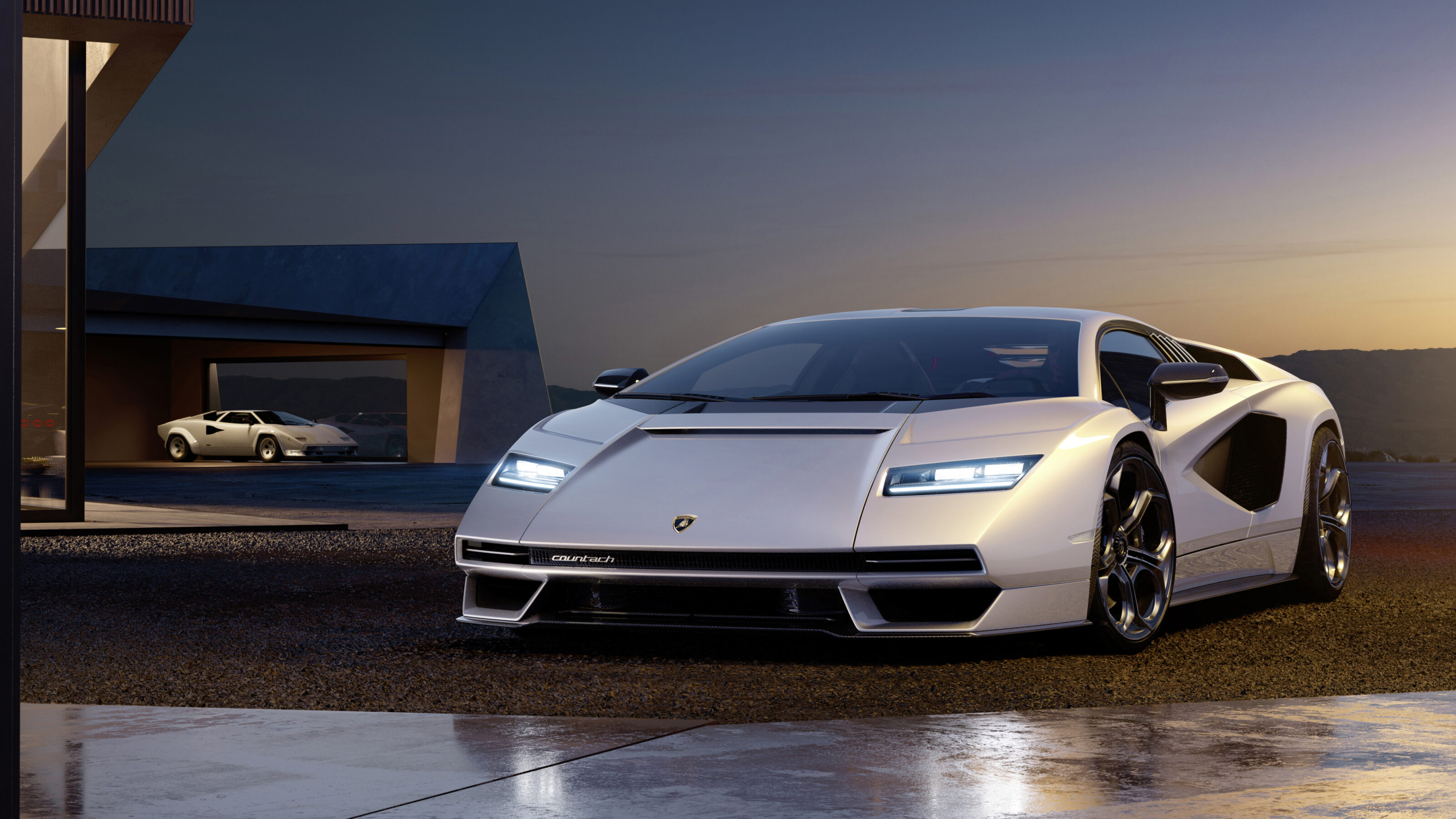
Given that the hard points are shared with the Sián, it’s unsurprising that some of the proportioning looks similar. The Sián already carried over a number of design cues redolent of the Countach such as the trapezoidal bonnet feature line, the scissor doors, the sculpting of the roof that paid tribute to the original persicopio and six-point rear light graphic. The nuovo Countach extends that theme still further.
Retaining the distinctive silhouette with the instantly recognisable fly line, the car’s front end hints at a secondary set of pop-up lamps with an indented detail line, while slatted box intakes on the rear haunches, vast side intakes (we won’t call them NACA ducts because they aren’t) and quad exhaust tips.
The wheels are interesting, their five-hole theme tipping the hat to the original’s Campagnolo alloys without being an overly literal recreation. It would have been easy to source a set of lookalike Vossen LC-103 forged alloys but Lamborghini clearly didn’t want to go too far down the retro path.
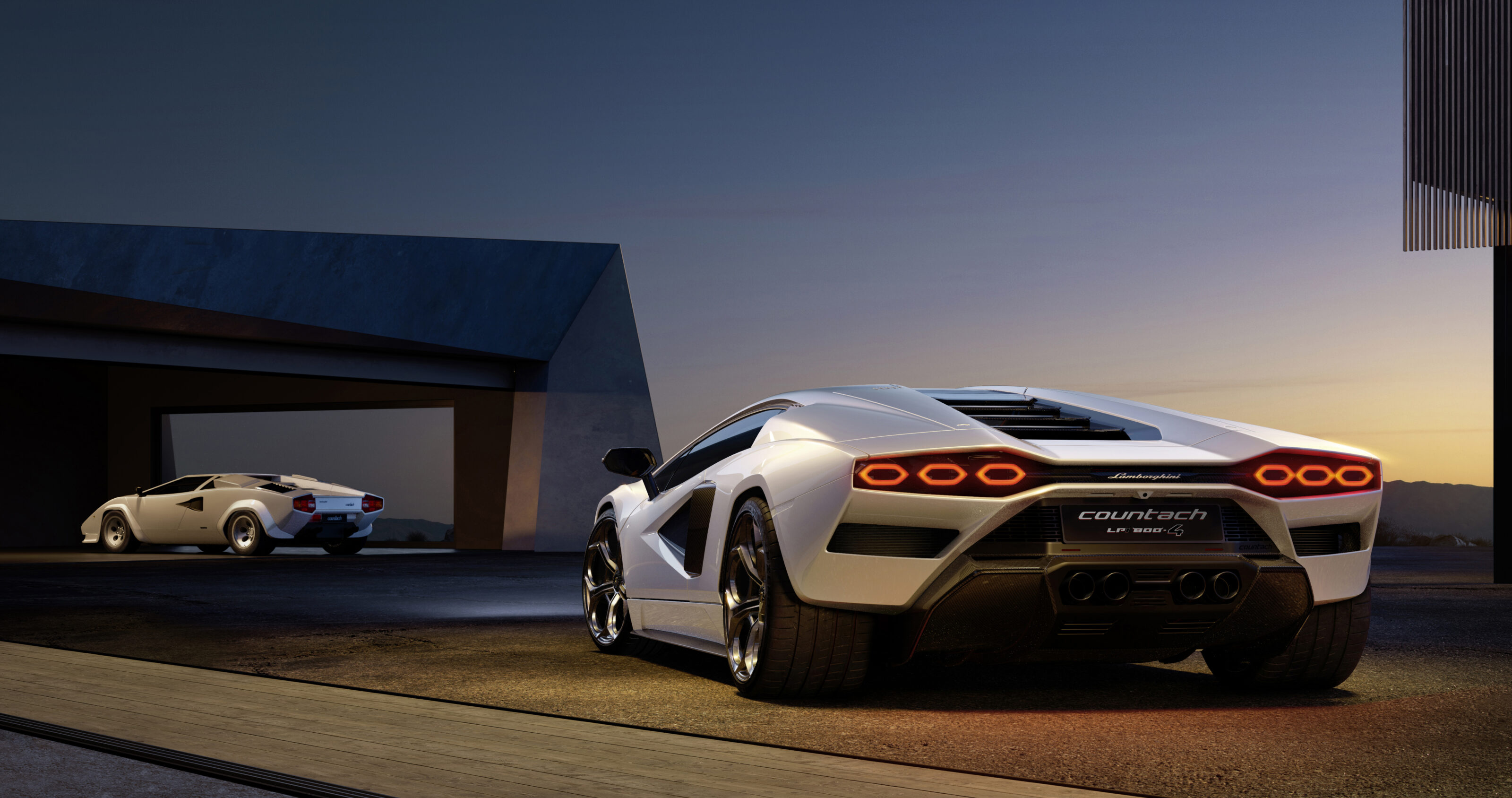
“The Countach LPI 800-4 is a visionary car of the moment, just as its forerunner was,” says Automobili Lamborghini President and CEO Stephan Winkelmann.
“The Countach LPI 800-4 pays homage to this Lamborghini legacy but it is not retrospective: it imagines how the iconic Countach of the 70s and 80s might have evolved into an elite super sports model of this decade. It upholds the Lamborghini tradition of looking forward, of exploring new design and technology avenues while celebrating the DNA of our brand.”
It’s fairly understandable that Winkelmann would take that tack, having painted himself into something of a corner after the unveiling of the 2006 Miura concept by saying, “The Miura was a celebration of our history, but Lamborghini is about the future. Retro design is not what we are here for. So we won’t do the Miura.”
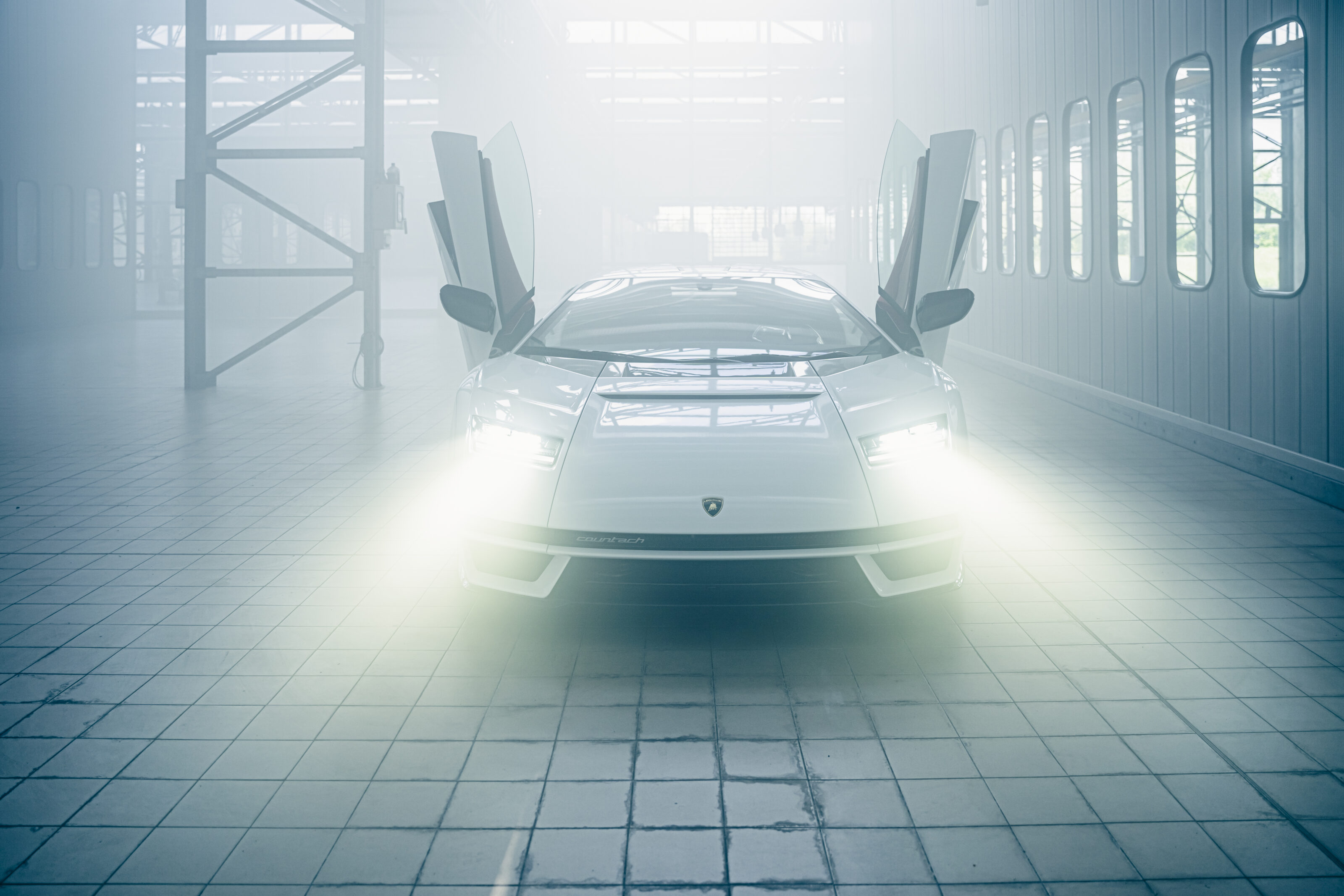
But here we are 15 years later with a car with at least one toe in the past. Peer under the skin, however, and there’s a foot in the future. Where the last of the Countach Anniversary models generated a peak power figure of 335kW and torque of 500Nm, the new car can do a bit better than that.
It’s good for 599kW as a combined system output, with 574kW coming from its 6498cc V12 normally-aspirated powerplant and another 25kW from its supercapacitor-powered 48v electric motor mounted directly on the seven-speed single-clutch gearbox. Peak power arrives at 8500rpm, while the peak torque figure of 720Nm is available at 6750rpm. So it’ll need some revs.
Lamborghini quotes performance figures of 2.8sec to 0-100 km/h, with 200km/h arriving in 8.6 seconds en route to a top speed of 355 km/h. By contrast a Countach QV could achieve 200km/h from standstill in 17.0 sec, which means the new Countach’s 0-200 time is to the old one what the old one’s is to a Fiesta ST’s. That’s progress for you.
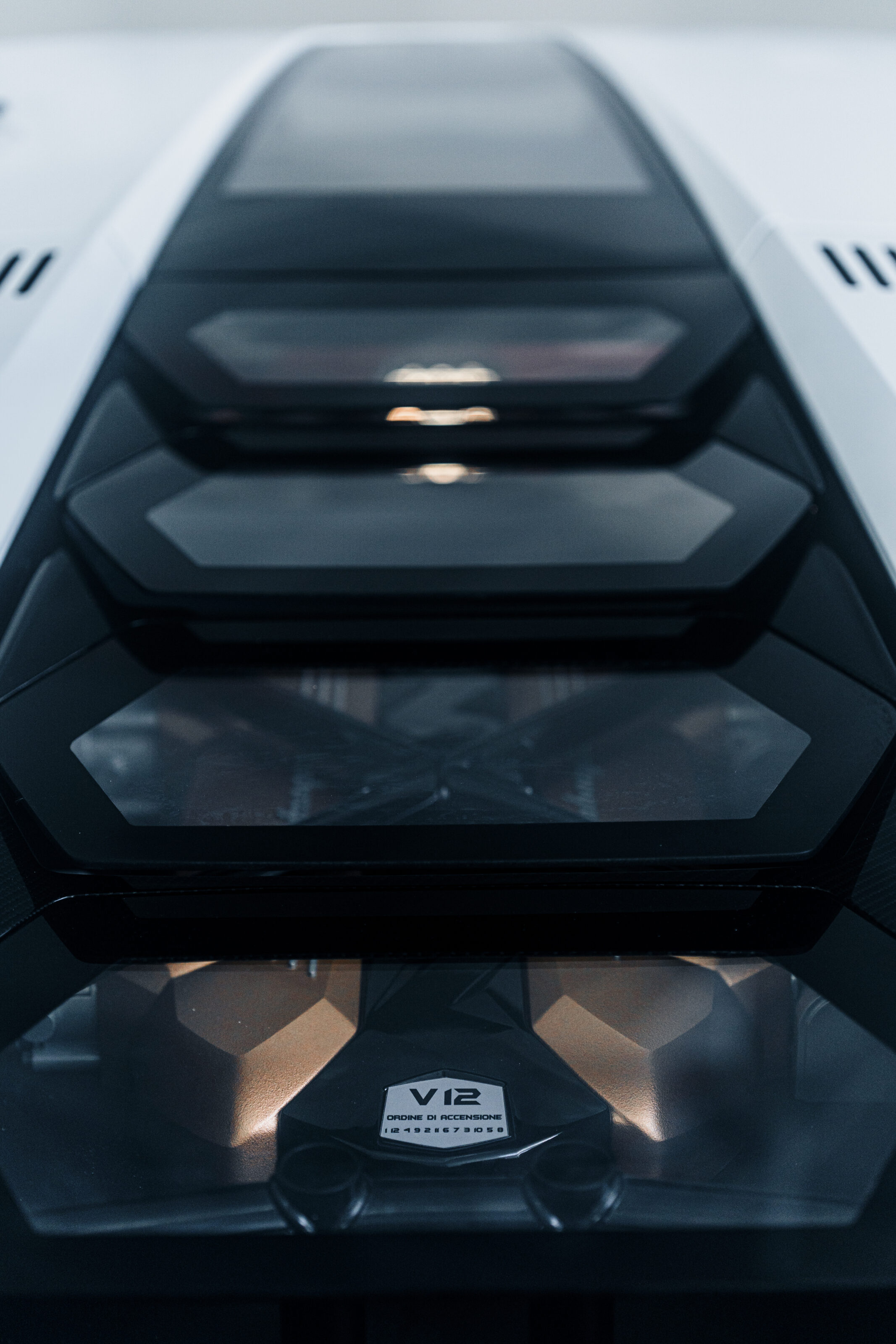
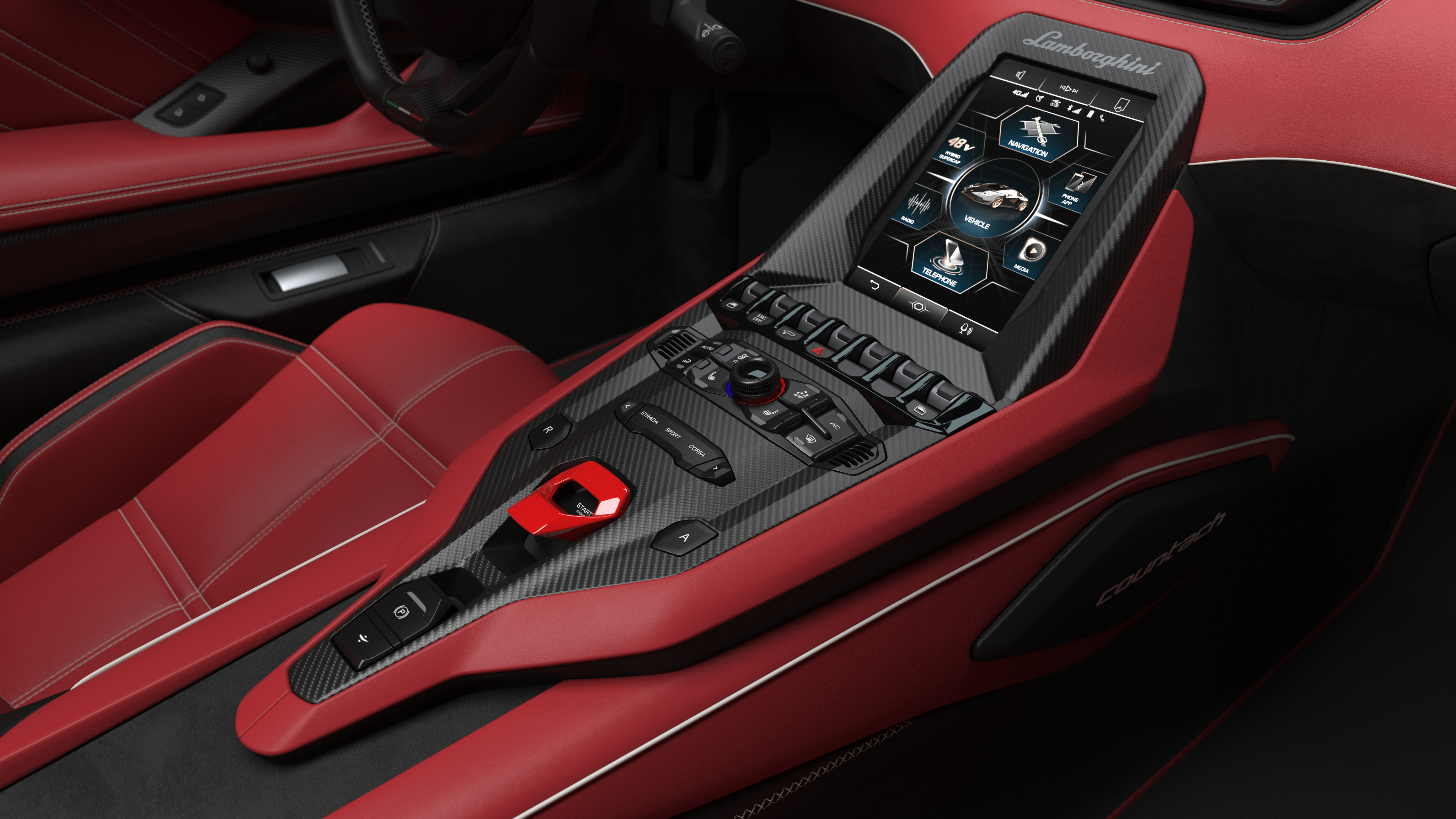
The cabin is a good deal more sophisticated than its slightly crude forebear and, at first glance, the dash layout is almost indistinguishable in layout from that of the Sián. Look a little closer at some of the detailing and there’s a nod to the past.
The old Countach’s box section binnacle gets a hat tip in the seat design, with bold box sections stitched into the comfort seats, with that square stitching theme extending onto the dashboard. Press the ‘Stile’ button on the 8.4” HDMI centre touchscreen and the system explains the Countach design philosophy.
Lamborghini is offering a wide range of heritage paint options, mostly in solid colours, such as the iconic Impact White, Giallo Countach yellow and Verde Medio green. Should you prefer a more contemporary paint finish there are hues such as metallic Viola Pasifae or Blu Uranus.
The show car at The Quail, and which is pictured here, is painted in an ultra-subtle shade of pearlescent blue called Bianco Siderale. The factory claims that this in itself is a hat-tip to Ferruccio Lamborghini’s own Countach LP 400 S, complete with red and black leather heritage interior. Given that Ferruccio’s car was a white 1980 low-body vehicle with a solid black interior, that’s perhaps a bit of a stretch, but Lamborghini always fond of a tall tale or two.
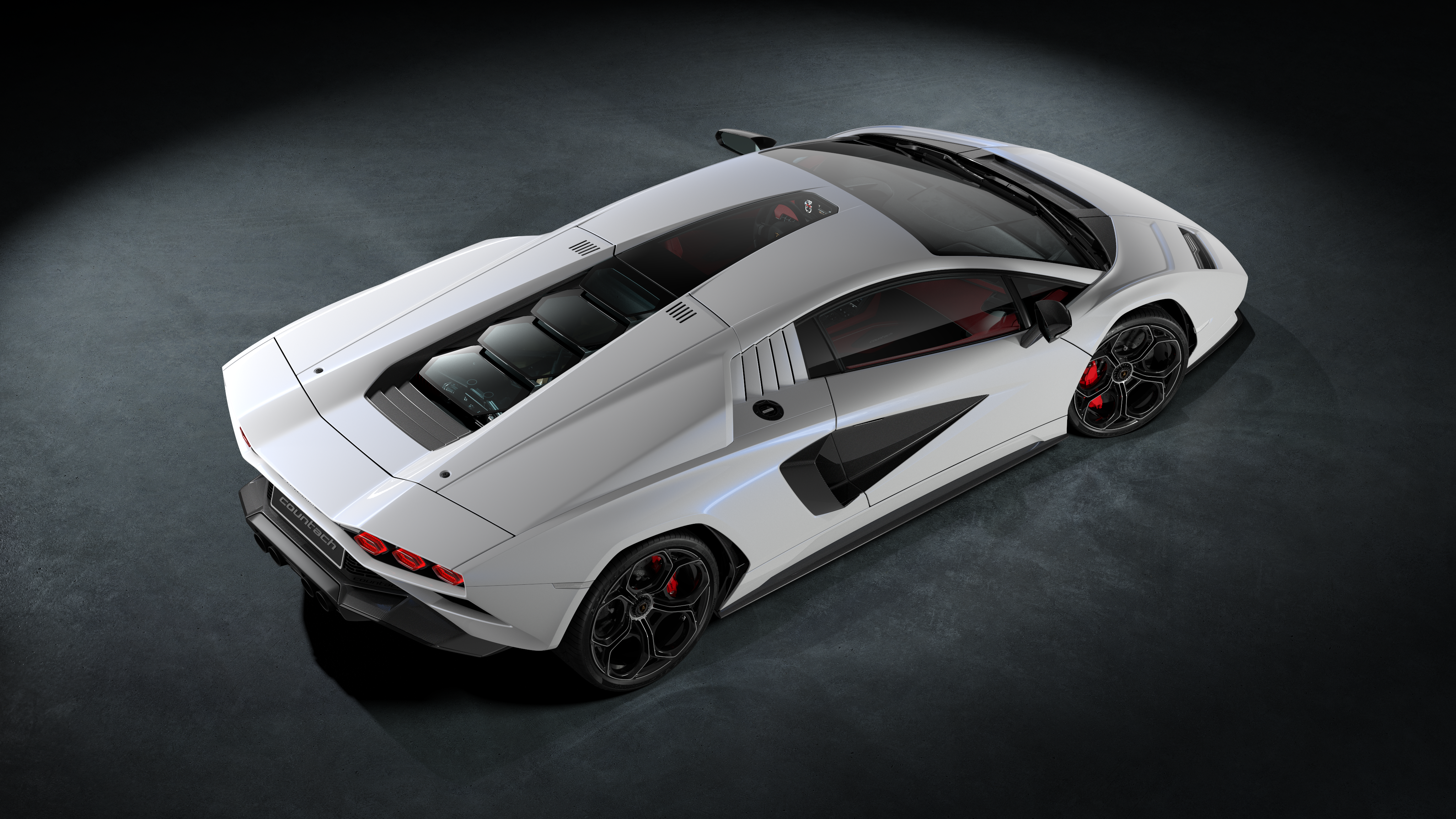
The 112-car production run is another nod to the heritage of the Countach, the number a tribute to the ‘LP 112’ internal project name used during the Countach’s development. The fortunate few buyers will take delivery from quarter one of next year.
Pricing? Nothing has been officially revealed just yet, but given that the Sián commanded $3.9m, it’s fair to assume the LPI 800-4 isn’t going to be too far off the mark.
While celebrating half a century of Countach is a worthy endeavour, it’s hard to reprise a legend. There will be some who feel that Lamborghini should have left well alone, that delving back into the archives to revive the Countach badge can only ever result in a pale shadow of the original’s impact and legacy.
But while the Countach LPI 800-4 now plays in a pool of many rather than one, there’s no doubt that if you’re ever lucky enough to chance upon one of the 112 cars, it’ll be memorable.
Hit or miss? Let us know what you think in the comments below.
LAMBORGHINI COUNTACH LPI 800-4 specs
| u00a0Engine | 6498cc V12, DOHC, 48v |
|---|---|
| u00a0E-Motor | 48V, 600A, supercapacitor powered |
| u00a0Power | 599kW @ 8500rpm |
| u00a0Torque | 720Nm @ 6750rpm |
| u00a00-100km/h | 2.8sec |
| u00a0Weight | 1595kg (dry) |
| u00a0Price | $3.5m (est) |
| u00a0Like | Styling; performance; clever technology; V12 soundtrack; that badge |
| u00a0Dislike | Suspicion that this is a Siu00e1n FKP37 done over lightly; price; rarity |
I have an admission to make. I really don’t like modern cars all that much. I’m not into hybrids, I don’t need turbos or AWD and I certainly don’t want an EV. In fact I want a Nissan 370Z Nismo. Or I thought I did. I’m now wondering if a Mustang GT is a better idea? -Dave R
Crikey. There are old cars and then there’s the Nissan 370Z, a vehicle that was first shown at the 2008 LA Auto Show. That said, it’s an oldie but a goodie and we can never quite wipe the grins off our faces when we get a pedal in Nissan’s feisty rear-driver.
It’s not completely devoid of tech either, being the first manual production car to offer rev blipping on downshifts. Switch SynchroRev Match off and the 370Z will still let you heel and toe with the best of ’em.
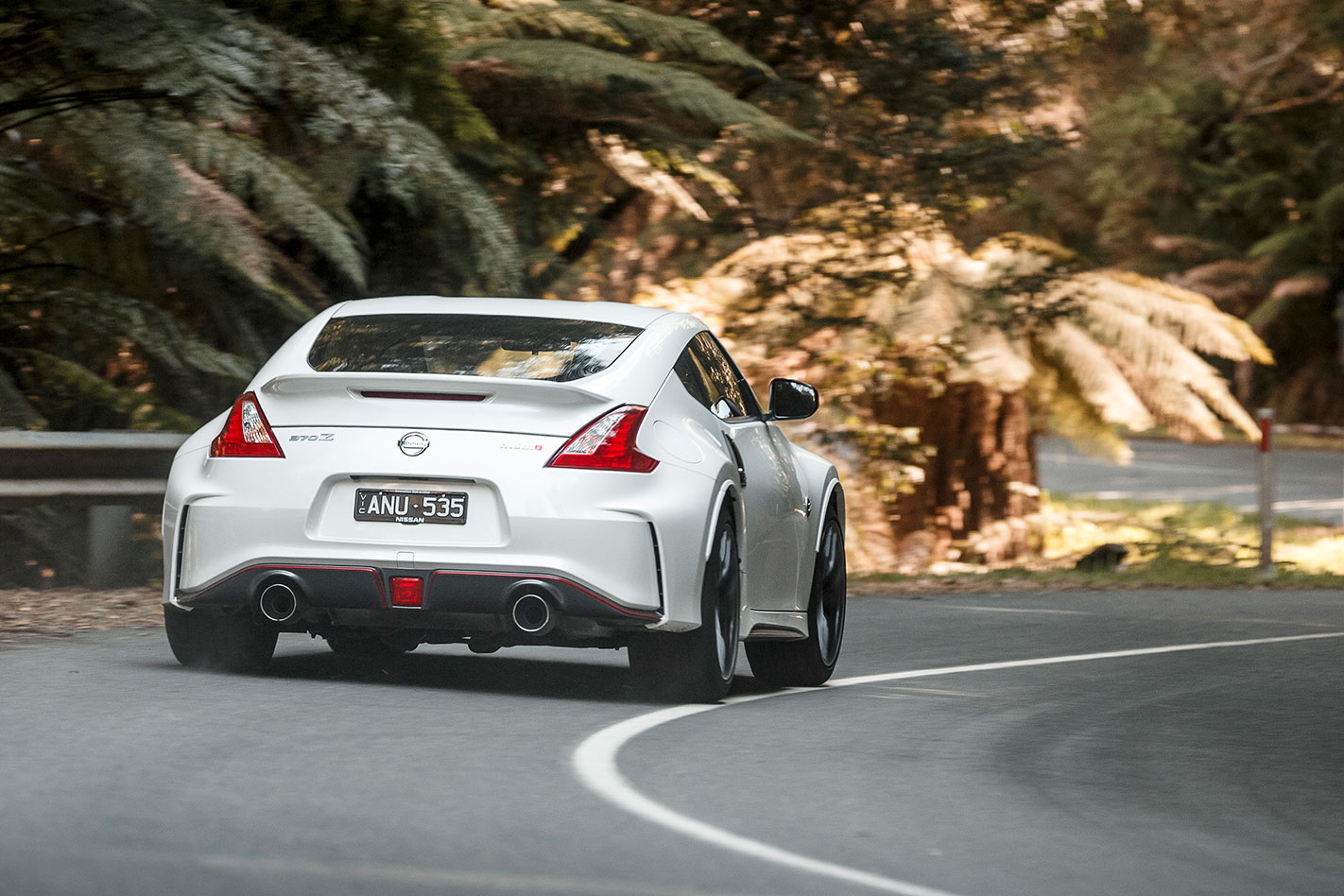
While 253kW doesn’t seem a whole hill of beans by today’s performance car standard, accessing it is real fun. You’ve got a viscous rear diff, hydraulic steering and a kerb weight of 1467kg, which is reasonably light by modern standards.
That’s a massive 265kg less than the Mustang to accelerate, brake and steer. That counts for a lot on a twisty road.
It also means that despite the Mustang’s 339kW power figure, the power-to-weight ratios are closer than you’d expect; 172kW/tonne for the 370Z and 196kW/tonne for the GT. In other words, it’d take a well driven Mustang GT to shake the Nissan on track.
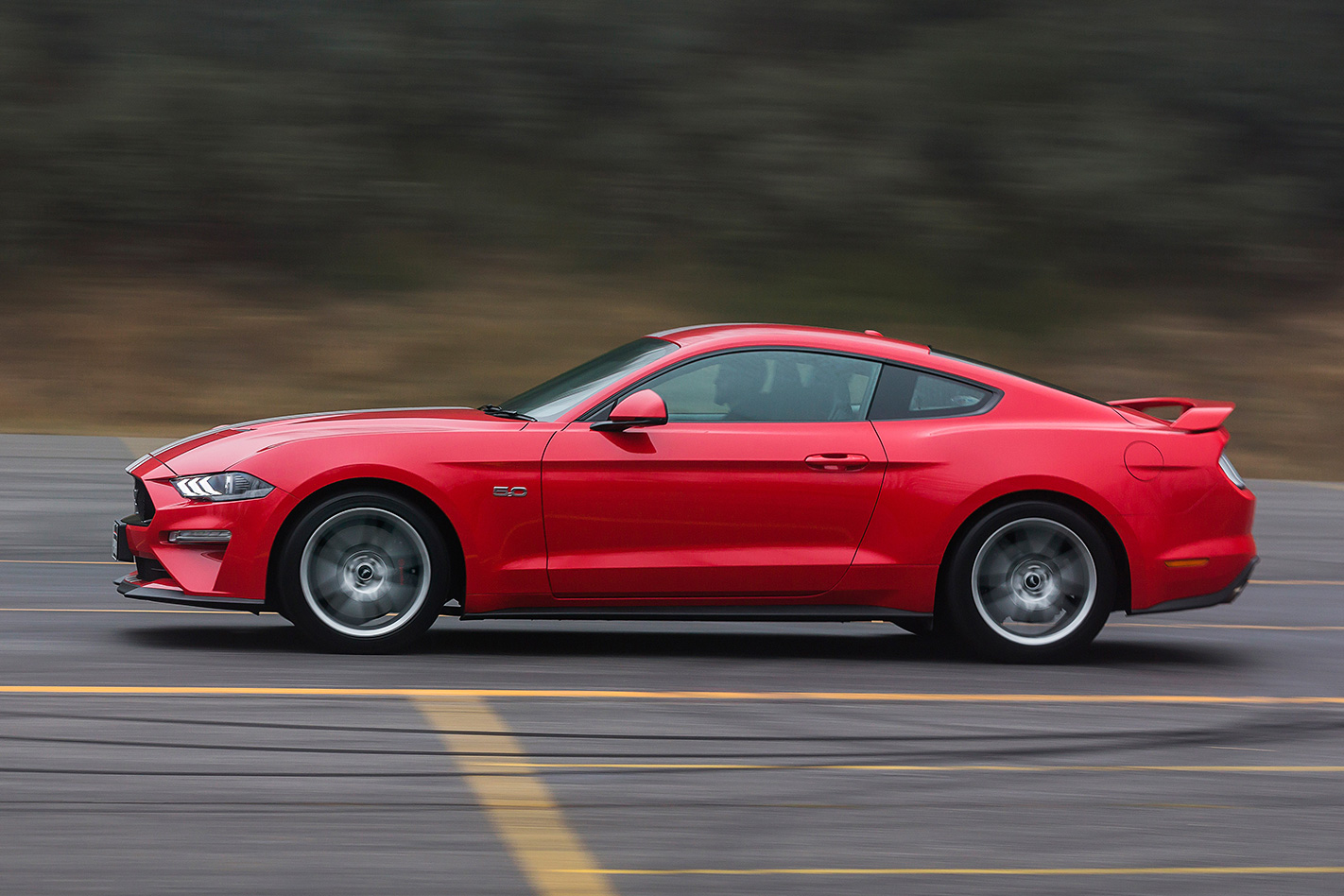
The Mustang’s a great new car choice insofar as Ford has done a great job of incorporating new tech but retaining an authentic-feeling muscle car vibe.
Were we handing over money for new, we’d choose the Ford. With the new Nissan Z incoming, however, a used or runout 370Z Nismo could prove a real bargain. – AE
| u00a0 | u00a0Ford Mustang GT | u00a0Nismo 370Z |
|---|---|---|
| u00a0Engine | 4998cc V8, DOHC, 32v | 3696cc V6, DOHC, 24v |
| u00a0Power | 339kW @ 7000rpm | 253kW @ 7000rpm |
| u00a0Torque | 556Nm @ 4600rpm | 363Nm @ 3000-4000rpm |
| u00a0Weight | 1732kg | 1467kg |
| u00a00-100km/h | 4.53sec (tested) | 5.87sec (tested) |
| u00a0Price | $63,690 | $61,990 |
