
The all-new Land Rover Defender 110 introduced in 2020 proved doubters wrong – able to conquer scorching deserts and frozen tundras just like its legendary predecessors.
Technically, the newly arrived 90 version should be even more capable in the rough stuff. It shares the bigger Defender’s hardware, mechanicals, super-stiff monocoque platform and generous ground clearance but brings shorter dimensions, a superior breakover angle, and a tighter turning circle.
Yet, the 21st-century ‘Shorty’ is also aiming to be better equipped for those daily expeditions into the suburban jungle – the one terrain where the new Defender’s predecessors were challenged by their cramped cabin, bouncy ride, unwieldy steering and wide turning circle.
Land Rover believes most hardcore off-roaders will opt for the 110, as well as families, expecting the 90 to account for one in five Defender sales and appeal mostly to wealthy, design-loving urbanites.
And wealth is particularly useful, as even this more affordable version of the new-era Defender is far from cheap.
Where the last of the old Defenders cost from about $43,000 in 2016, entry to the 2021 model starts from $74,516 before on-road charges. Or more than $210,000 if you want the V8 version.
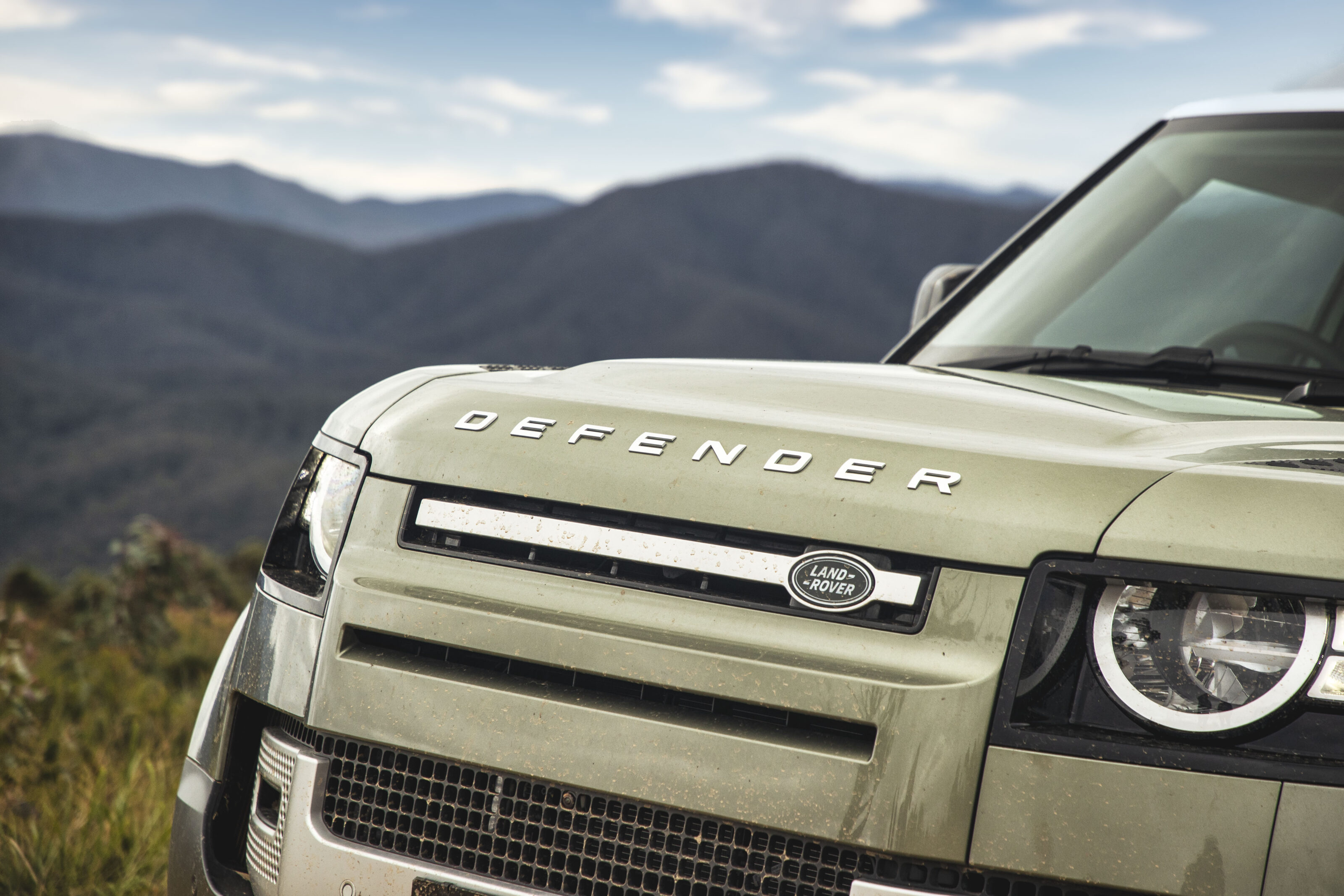
Across the range, the 90 is only $3000 less than an equivalent 110 that gives buyers another half-metre of car and two extra doors.
It could be argued that starting costs for this vehicle are almost irrelevant. The company says buyer interest in add-ons for the Defender is triple that of any Land Rover.
Beyond the choice of six trim grades (one less than the 110 range), there are about 170 individual options plus an array of option packages and accessories.
If you’re interested in the Defender, expect to spend plenty of time with the online configurator. You may well solve a Rubik’s Cube faster than determining the final spec of your vehicle.
(It’s also worth noting that the world’s microchip shortage means a potentially long wait for your Defender, particularly if it’s a model with lots of high-tech gear.)
Our test car for this launch review is a D250 S. D250 denotes a new, inline six-cylinder twin-turbo diesel engine that joins a lower-powered D200 four-cylinder, with both replacing four-cylinder diesels offered when the Defender 110 was released. The more powerful D300 engine is available only with the 110.
Neither will be as popular as the P300 four-cylinder or P400 six-cylinder petrol options, according to Land Rover Australia, while the range tops out with the P525 V8.
Engines, however, are restricted to specific trim grades.
If you’re interested in the Defender, expect to spend plenty of time with the online configurator
With a healthy set of options added, our D250 S’s $90,326 RRP is transformed into an as-tested $108,388 (still before on-road costs). Go crazy with almost every conceivable option and you can comfortably exceed $150,000.
If the 90 is the Defender that more naturally invokes the design of the original, 1948 Land Rover, our test car’s exterior spec takes the imitation even further: Pangea Green paint, white contrast roof, white-painted steel wheels and even a safari-style folding fabric roof (all are cost options except the wheels).
The new Defender 90 is certainly sized more aptly for the city than the five-door 110 that stretches beyond five metres when including the tailgate-mounted spare wheel. The 4.3m-long 90 is slightly shorter than a Toyota Corolla hatch if you don’t count its rear-mounted spare, or just under 4.6 metres if you do.
Of the 43.5cm difference in length between the 90 and 100, every millimetre comes in the wheelbase. Both models share ridiculously short overhangs that are super-helpful when it comes to tackling hills.
The inevitable reduction of interior space in the 90 is most obvious in the boot. Where the 110 has 646 litres of luggage capacity measured up to the waistline in five-seat form (464L in 5+2 guise), the 90’s boot space is a tiny 240 litres (or 397L measuring up to the roof).
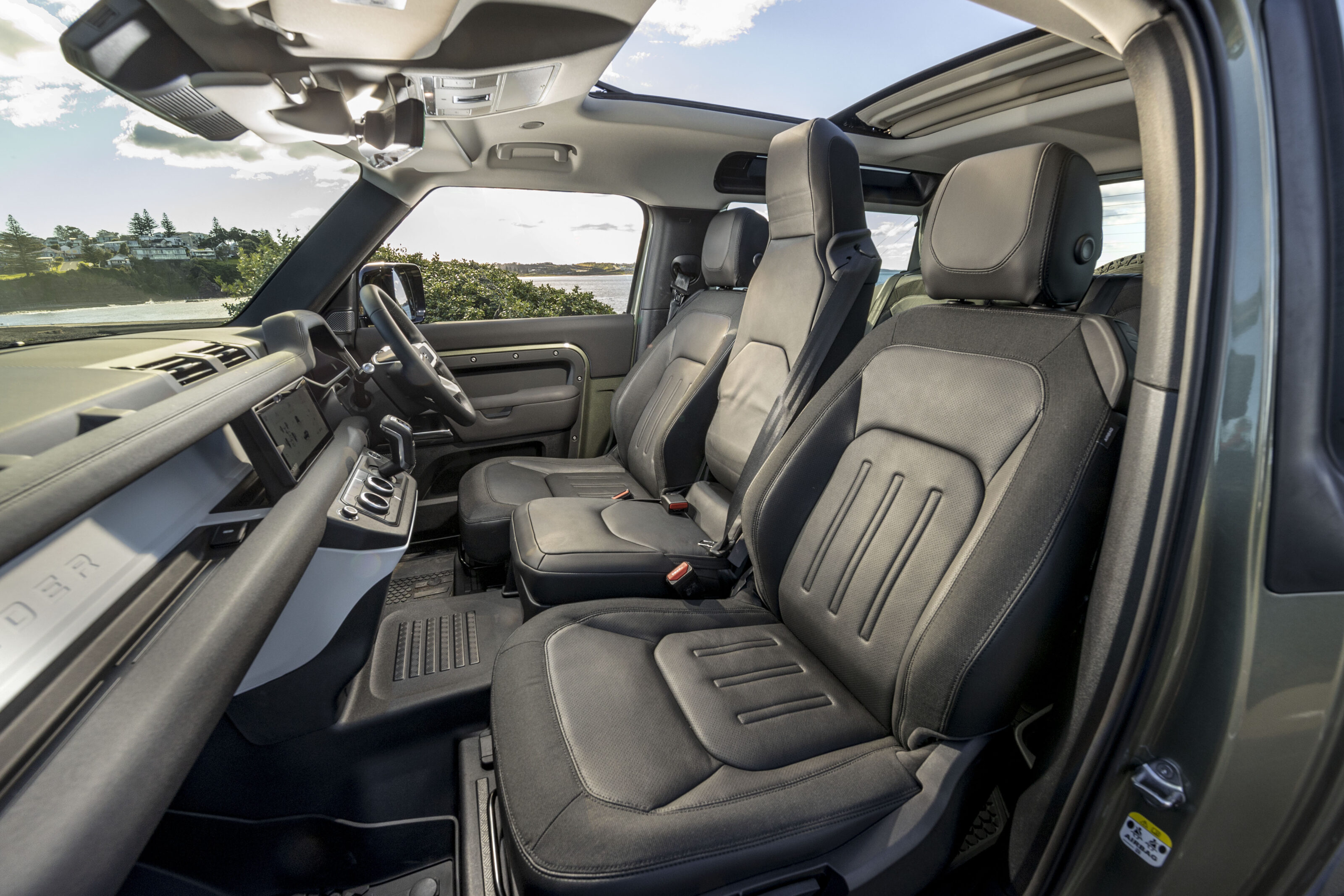
And while it shares a 40-20-40 rear seatback arrangement with the five-door Defender, the 90’s seats don’t lie flat and there’s a big step left when the seats fold.
The set-up will still be useful for lifestyle buyers without kids, and a full-sized racing bike, for example, can fit inside without having to remove its front wheel.
It’s a bit of a reach to pull the seats back into an upright position – and of course there are no rear doors to make the process easier.
The side-hinged tailgate is assisted for opening, making it less of a potential danger compared with the previous Defender, though the spare wheel ensures it feels heavy to close.
Access to the rear seat comes via tilt/slide front seats that are unique to the 90. The aperture is a bit squeezy for adults, though a sidestep and internal hand grip would be more helpful. (Side steps are available as an accessory.)
There may be less legroom compared with the 110, but the 90’s rear accommodation is not remotely cramped. Headroom with the folding fabric roof is just not as generous as you might expect for such a tall vehicle.
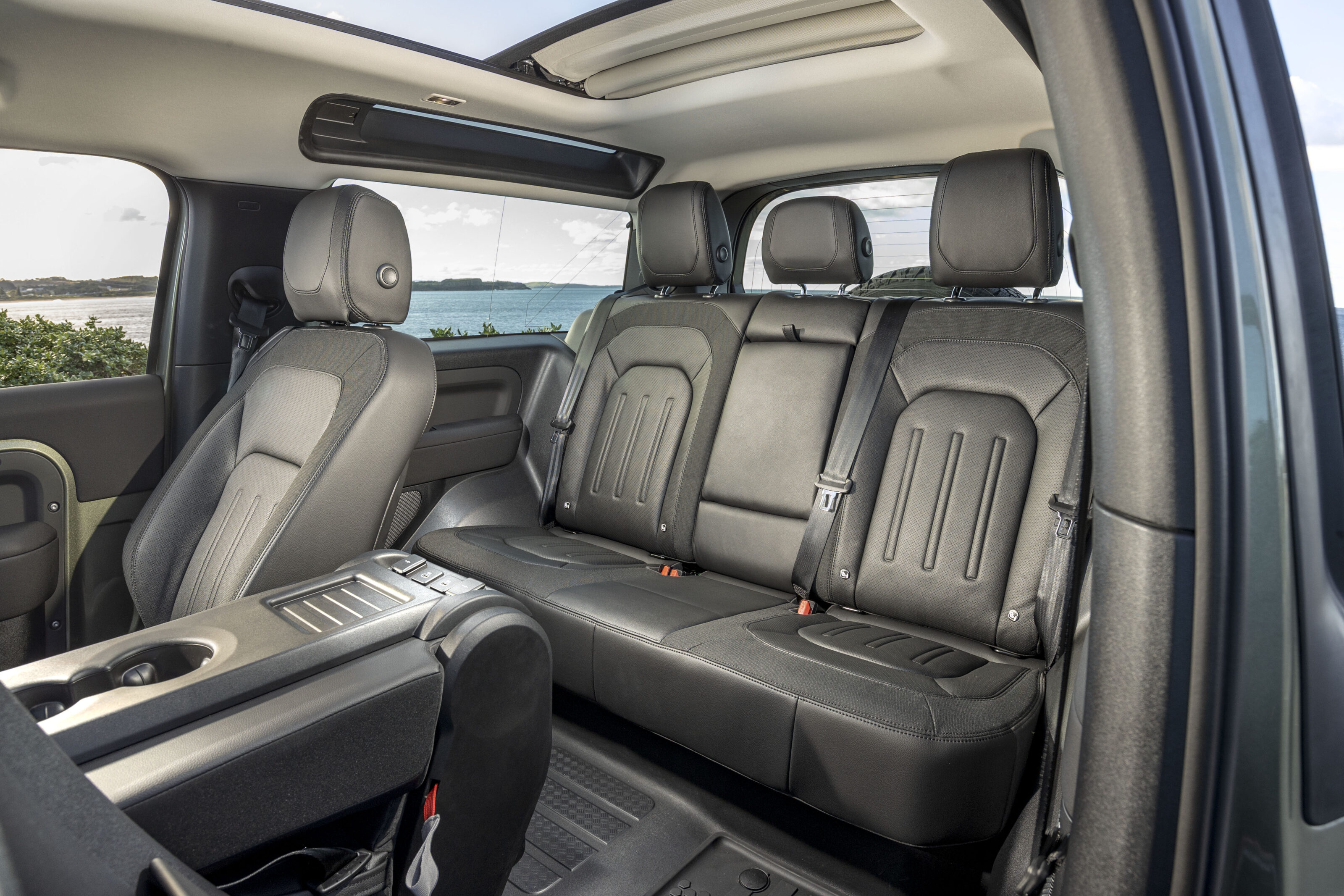
A near-flat floor and the wide cabin make it realistic to squeeze three adults into the back, though the bench is rather flat with a lack of cushion support so bums will shift around even in the outboard seats.
The floor areas by both outer seats feature a bottle holder and storage tray, while the centre armrest adds another couple of cupholders.
There are sockets galore. The rear console has two 12-volt and two USB ports; the seatbacks have another 5V USB port as well as Land Rover’s Click and Go attachment point for accessories such as mini-tables and tablet holders.
Jump into the driver’s seat and all looks more familiar from the 110 cabin experience – and an interior design that has far less in common with predecessors than the exterior.
The new Defender delivers a brilliant marriage of toughness and luxuriousness. There’s lots of squidgy yet rugged-looking plastics, while retro touches – including exposed screw-heads and visible paint – aren’t overdone.
And fully digital driver display and 10.0-inch centre touchscreen (or its 11.4-inch cost alternative) are anything but 1940s vintage.
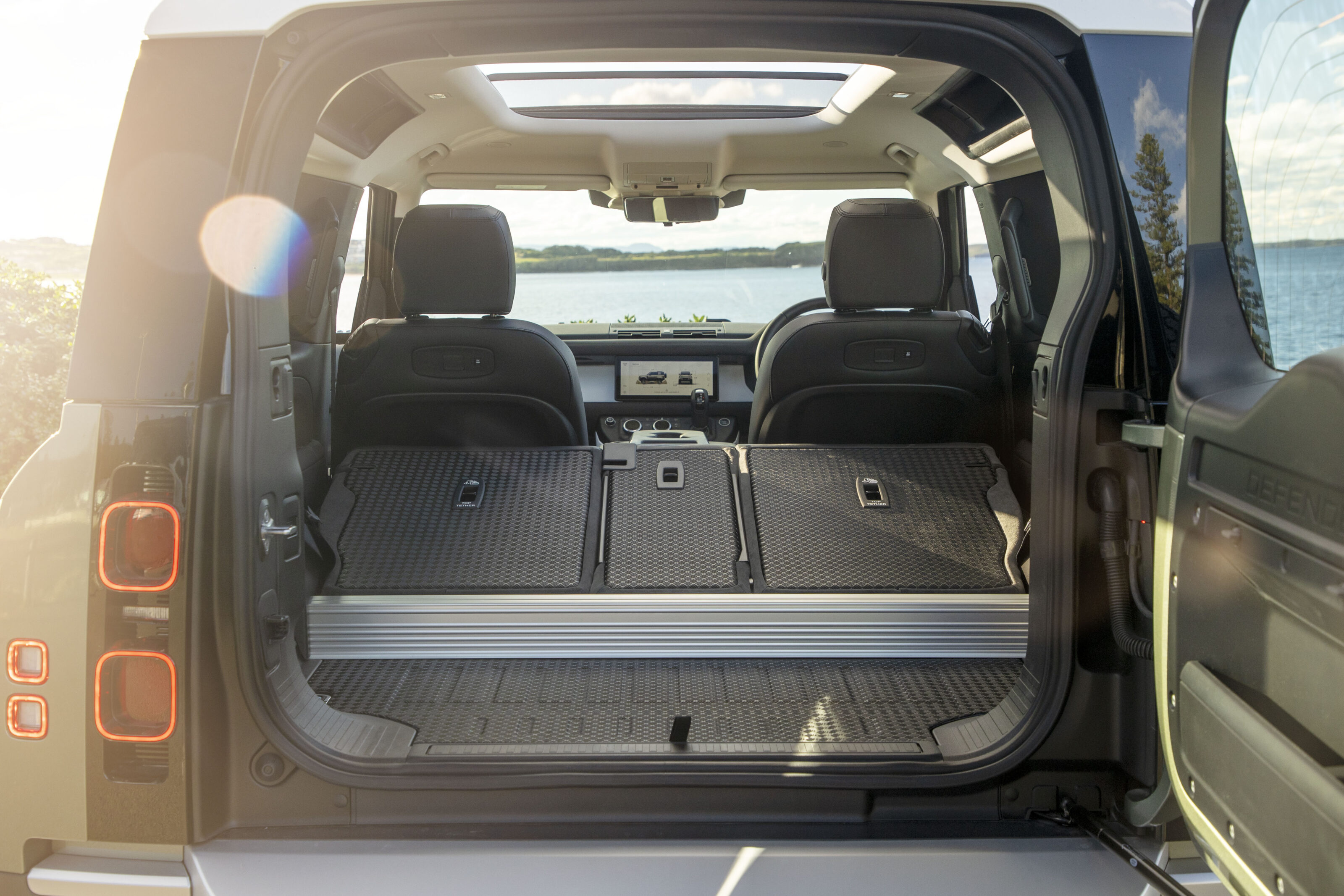
Land Rover’s Pivi Pro infotainment display and interface also improves upon the company’s stylish but flawed Touch Pro. Presentation, response, resolution and intuitiveness are all key areas better than before.
The digital instrument cluster can be customised, including the option of a full-screen nav-map option. Accessing information and changing layouts, done via steering wheel buttons, just seems a more complicated process than it needs to be (or is done by the likes of Audi and Volkswagen, for example).
The new Defender is about 20cm wider than before and the extra shoulder room in the cabin is noticeable. This also makes the optional front jump seat fitted to our car a viable spot for a passenger, if ideally a shorter one as the central floor area is very high.
When not in use, it simply folds down to act as a (rather bulky) centre console with two cupholders and shallow tray. A proper centre console is standard, and there’s also the other option of a walk-through set-up.
The jump seat’s skyscraper headrest blocks rear vision, which is probably why it’s not available without another option: JLR’s Clearsight rear-view mirror. Flick the tab that would usually dip the mirror to avoid dazzling and it turns into a video feed using a rear-facing camera integrated into the roof antenna. Clever.
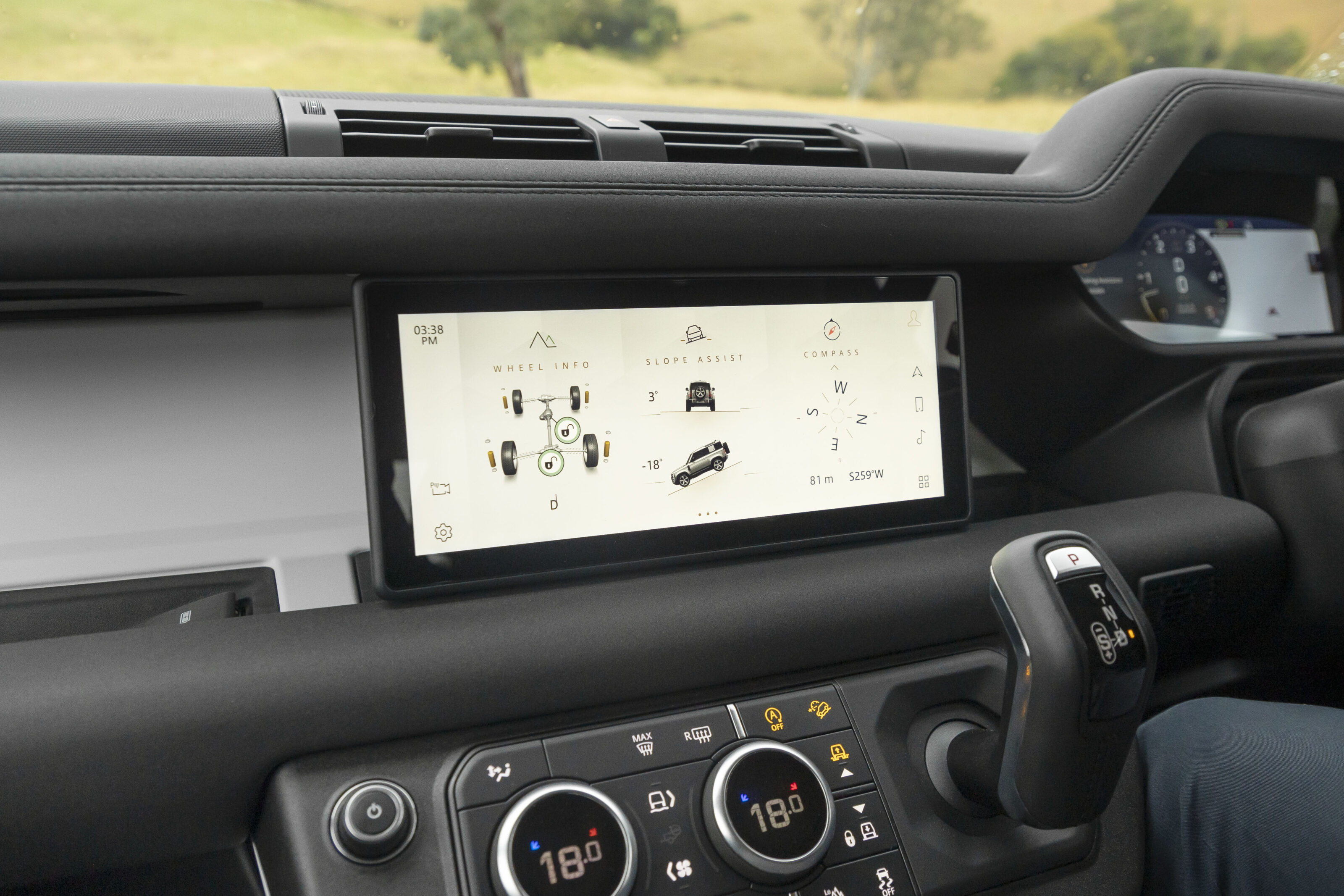
This also helps if the rear of the Defender is loaded with gear. Otherwise, the tailgate spare doesn’t excessively block the view out the back.
The view forward is surprisingly good despite chunky windscreen pillars and blocky side mirrors.
And while the bonnet looks huge up front, the Defender’s seating position is extremely elevated.
There are some obvious differences between the 90 and 110 on the road.
The shorter Defender, while far from a lightweight at 2.3 tonnes, feels more agile both around town and on a country road, and feels that bit keener to turn into corners if still exhibiting plentiful body roll.
While there are plenty of SUVs that display greater poise, the 90 shares the 110’s planted feel and accurate steering through bends that will seem totally alien to those who’ve driven a Series III or a 1990-2016 Defender.
Multi-storey car parks that could strike fear into those owners, too, but they’re a breeze to navigate in the 90, thanks to a relatively tight turning circle and steering that – like the 110’s – doesn’t require armfuls of wheel twirling.
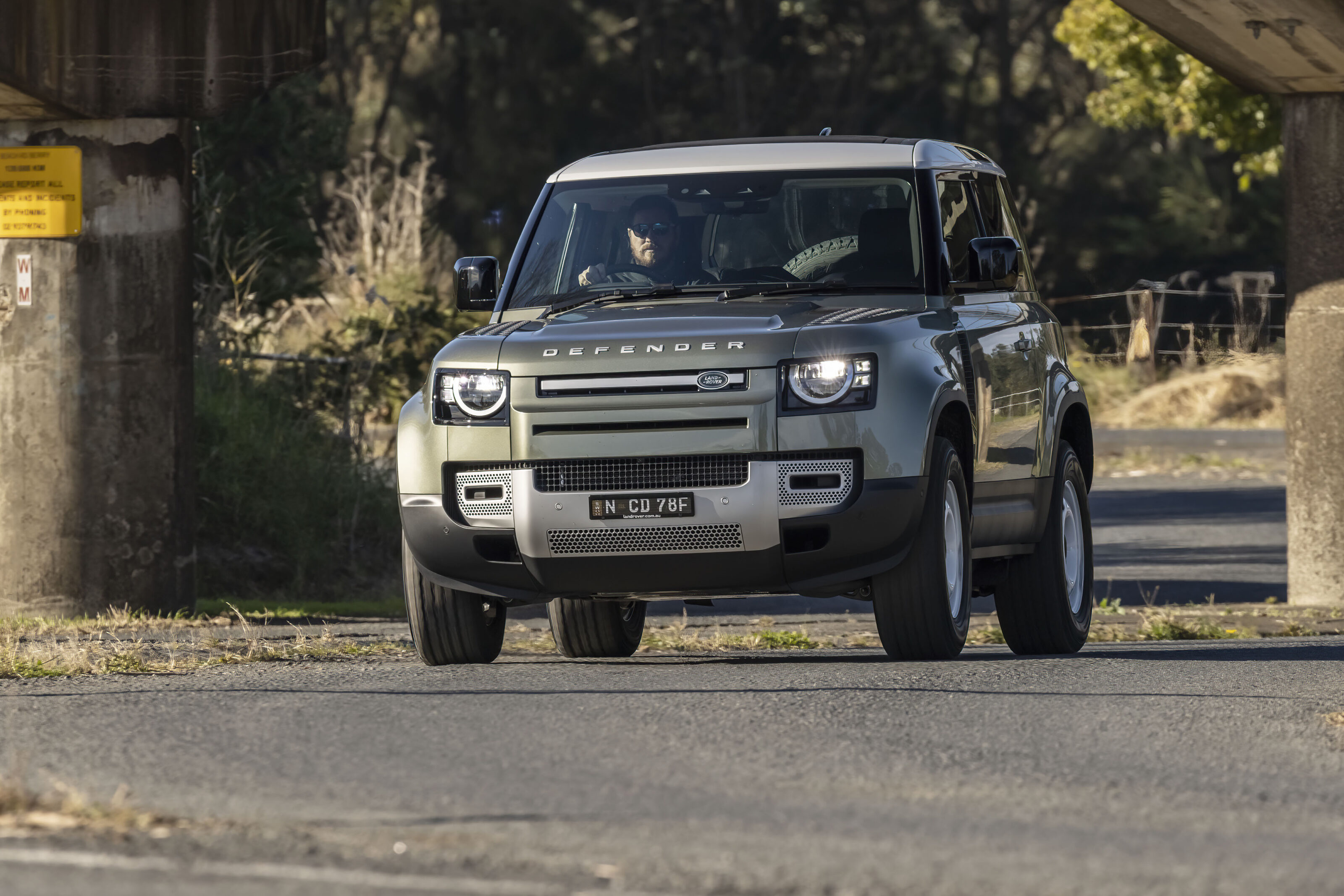
Our test car was fitted with optional adjustable air suspension over the standard coil springs, and as with the 110 it seems like a sensible pick for the advantages it brings in ride comfort and off-roading. (Air springs are standard on higher-spec Defenders.)
The 90 generally provides a comfortable ride if not quite as impressively compliant over bumpier roads as the 110, and there’s a more prominent forward/backward pitching motion that’s an inevitable consequence of its shorter wheelbase.
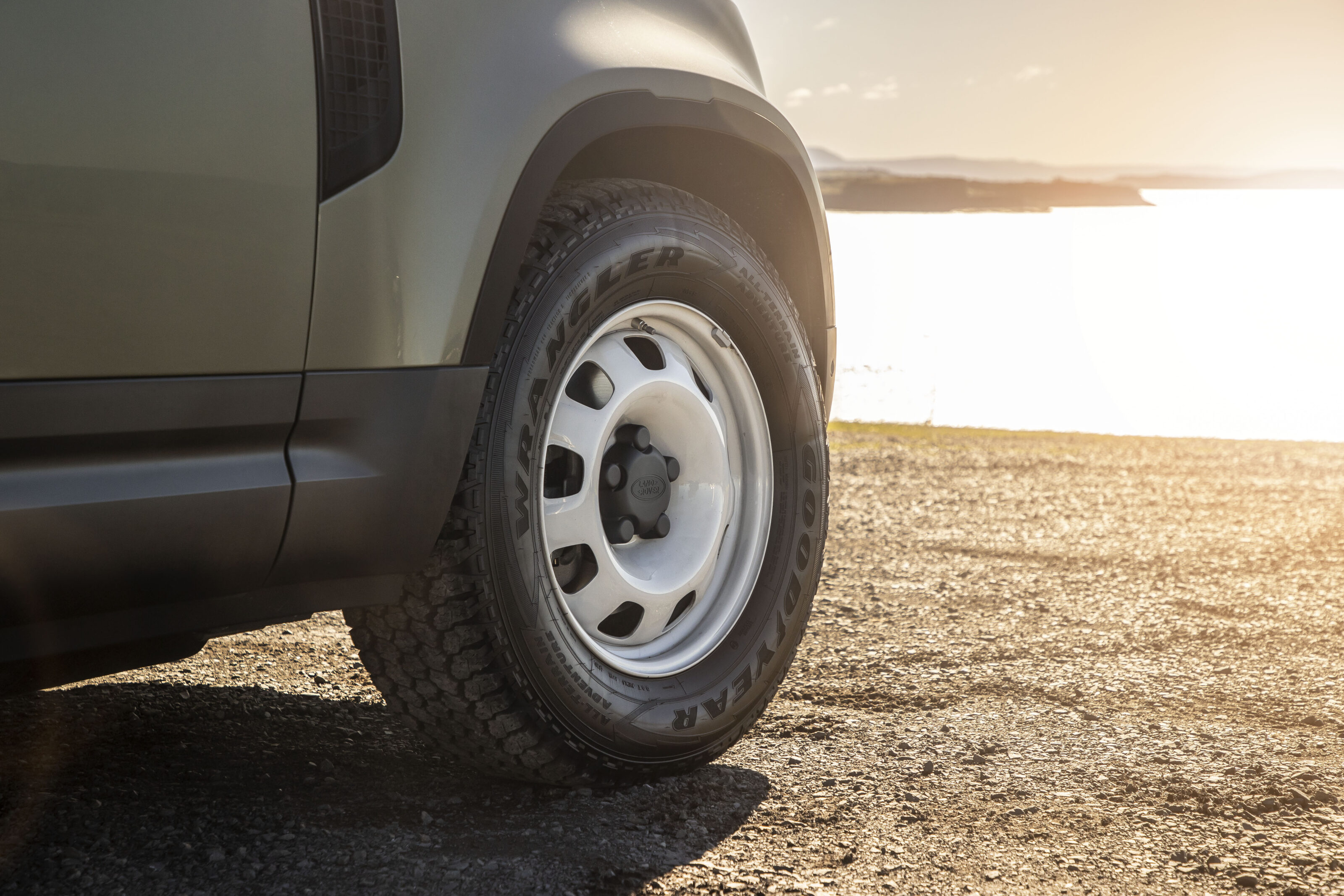
And a natural result of the Defender’s upright design is fairly intrusive wind noise, particularly on freeways, though our test car’s Goodyear Wrangler All-Terrain hybrid tyres were commendably quiet.
Noisy engines (and poor sound deadening) are also consigned to history.
The D250 straight-six twin-turbo diesel makes a worthy alternative to the cracking P400 petrol equivalent.
It’s not only surprisingly hushed for a diesel but provides an enjoyable combination of smoothness, response and grunt. Further differentiating it from your typical off-roader diesel, it sounds better the more you rev it.
With 183kW and 570Nm, there’s an extra 36kW/70Nm over the D200 entry diesel six and a near two-second gain in acceleration: 8.0sec v 9.8sec for the 0-100km/h sprint. All without using any more fuel based on official lab figures: both 7.9 litres per 100km.
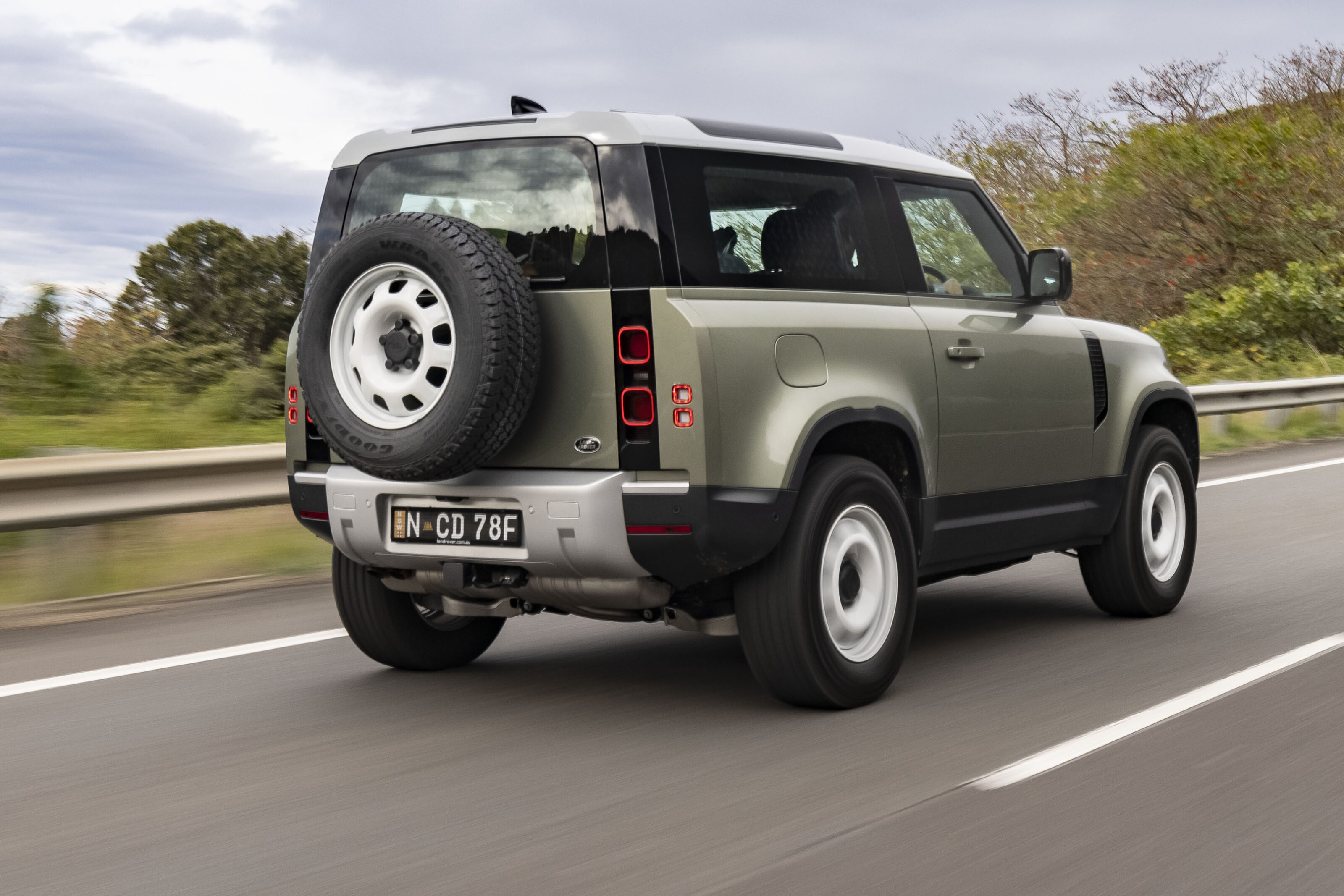
Both engines share mild-hybrid technology based around a 48V battery that helps to boost the D250’s low-rev response as well as aiding the stop-start system.
If lag isn’t eradicated, it’s certainly minimised. The eight-speed auto – smarter-witted than the nine-speed auto found in a Range Rover Evoque or Jaguar E-Pace – is excellent at shuffling gears swiftly to keep the engine on its toes.
All petrol engines, including the P300 four-cylinder, make the Defender quicker – up to 5.2 seconds for the 0-100km/h run if you choose the V8-powered P525.
They’re also thirstier and highly unlikely to match the commendable indicated 8.7L/100km we achieved in the D250 during testing.
Curiously, the smaller and (relatively) lighter 90’s ADR/81 fuel figures are identical to those of the 110 (the V8 variant is even a fraction thirstier, owing to the fitment of a petrol particulate filter).
With no fuel economy difference out of the buying decision process and minimal difference in price, it leaves a simple choice between the 90 and 110 Defenders.
Do you want the version with the superior ride comfort and significantly greater practicality, or do you want the ‘Shorty’ that’s nimbler around town and the strongest modern-day interpretation of Land Rover’s icon?
Or maybe it’s not so simple, as we’re torn.
2022 Land Rover Defender 90 D250 S specifications
| Model | 2021 Land Rover Defender 90 D250 S |
|---|---|
| Body | 3-door SUV |
| Drive | AWD (permanent) |
| Engine | 3.0-litre inline 6-cylinder turbo diesel |
| Transmission | 8-speed auto |
| Power | 183kW @ 4000rpm |
| Torque | 570Nm @ 1250-2500rpm |
| Bore/Stroke | 83.0/92.3mm |
| Compression ratio | 15.5:1 |
| 0-100km/h (claimed) | 8.0 seconds |
| Fuel consumption (combined) | 7.9L/100km |
| Weight | 2303kg |
| Towing capacity (braked) | 3500kg (350kg max towball weight) |
| Suspension | Front strut, rear multi-link |
| Length/Width/Height | 4583/2008/1969mm |
| Wheelbase | 2587mm |
| Brakes | 349mm front, 325mm rear |
| Tyres | Goodyear Wrangler 255/70R18 |
| Wheels | 18-inch steel |
| Price | $90,326 + ORC |
Polestar has launched a new video series which offers fans a look behind the curtain to see how a new concept car is conceived and crafted.
UPDATE, AUGUST 5: Below are the details of the series and the car itself, being crafted and engineered by the EV-only manufacturer, which is now largely back in the hands of Volvo – its Swedish parent company regaining shares in its performance sub-brand.
The second episode of the series features Nahum Escobedo, Polestar’s senior exterior designer, as he oversees the development of the Precept from sketches and CAD drawings to a physical clay model, being shaped by the Gothenburg design team.
Polestar’s clay modellers detail the importance of using the material to allow changes and revisions on the fly, as well as showing off the ability to convert a slab of shapable substance into something which resembles a car, all of which can be watched below.
The story to here
JULY 12: Focusing on the Precept concept revealed in February 2020, the series will show interviews with designers and craftspeople, along with ‘behind the scenes’ footage of the concept’s journey from sketches to clay modelling.
Importantly, with the Precept concept also confirmed for a full production future, the series will show fans what to expect as the sleek electric car nears its market debut.
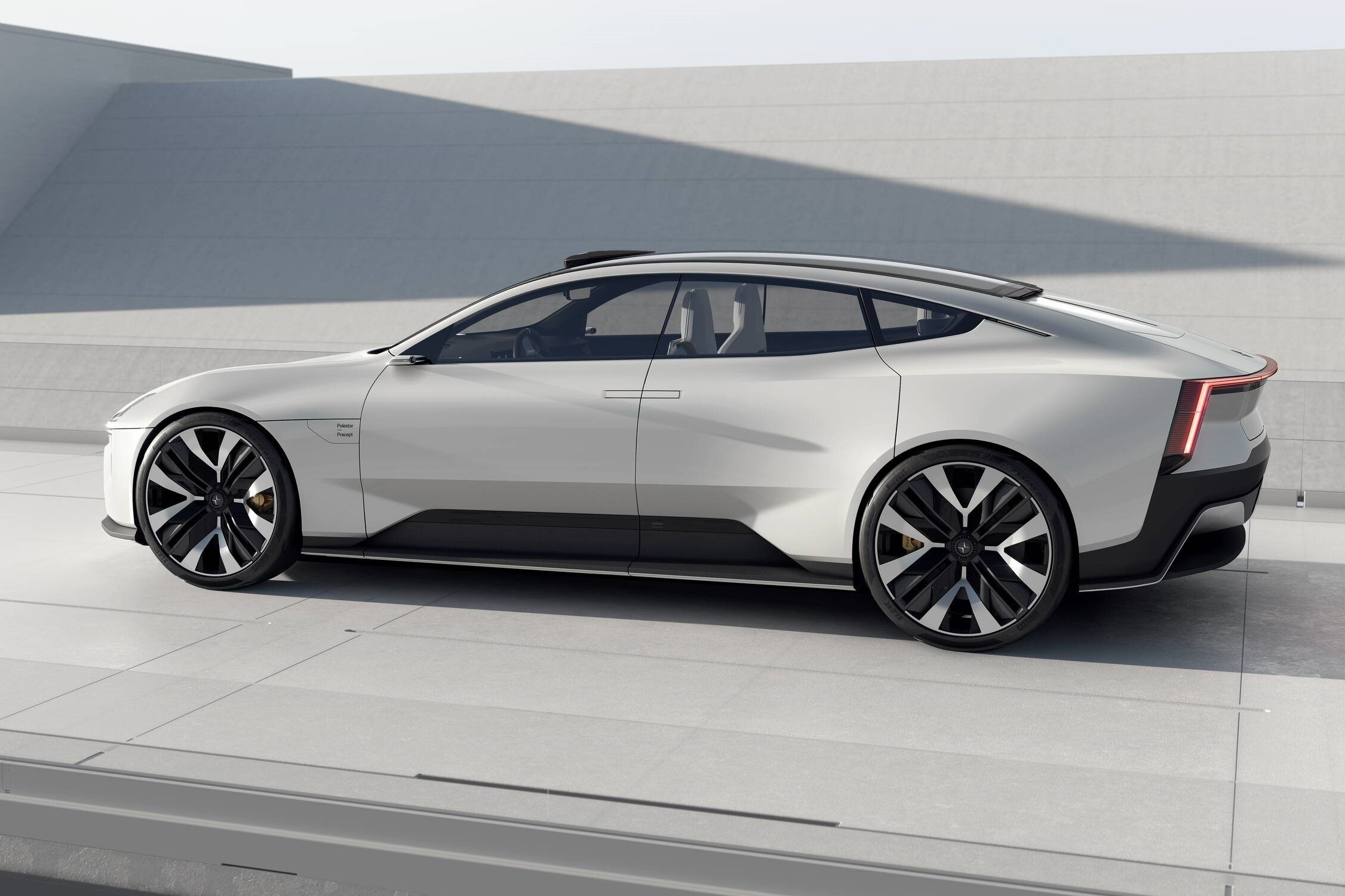
The first episode of the series aired on the EV brand’s Youtube channel last week (watch it at the bottom of this story), and it will run “through the entire development phase”.
“We wanted to open up and show what goes on behind the scenes in this fascinating process,” says Maximilian Missoni, Head of Design at Polestar.
“The documentary series will show how we work, the challenges we face and how we overcome them, first in producing the amazing show cars we built in 2020, and of the real production vehicle starting to take shape.”
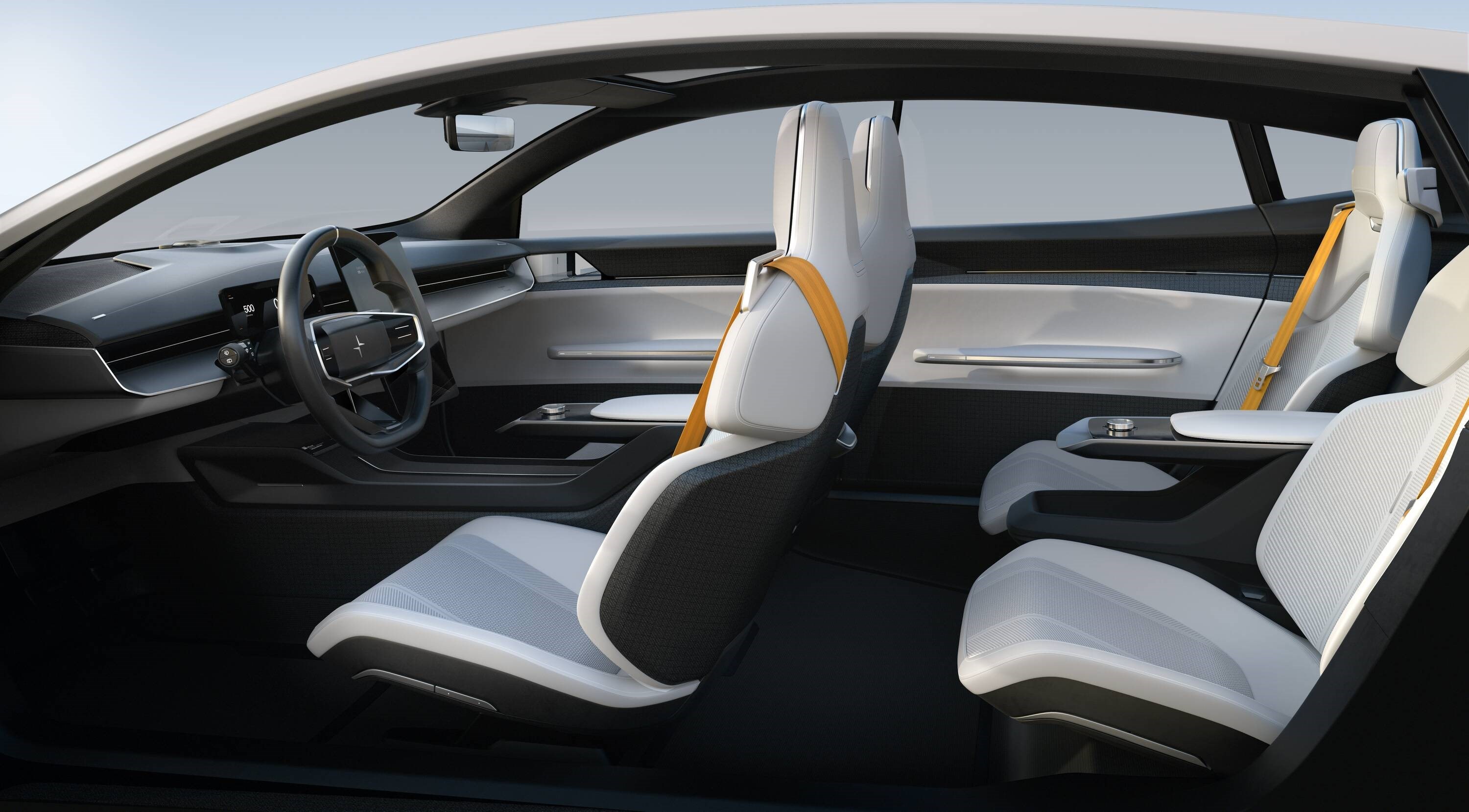
As a concept, the Precept debuted with a four-door coupe design, while introducing a look that sets the Polestar brand’s styling on its own course – away from, if still clearly related to, Volvo’s familiar themes.
Technical specifications have still not been revealed for the Precept, although we could expect to see its production version share the upcoming Polestar 2’s 300kW/660Nm dual-motor system and its roughly 500-kilometre (WLTP claim) driving range.
As for the Polestar itself, the Chinese-owned Volvo spin-off will make its Australian debut in November 2021, forming part of a new expansion plan.
You can read more about Polestar’s Australian plans in our earlier story here.
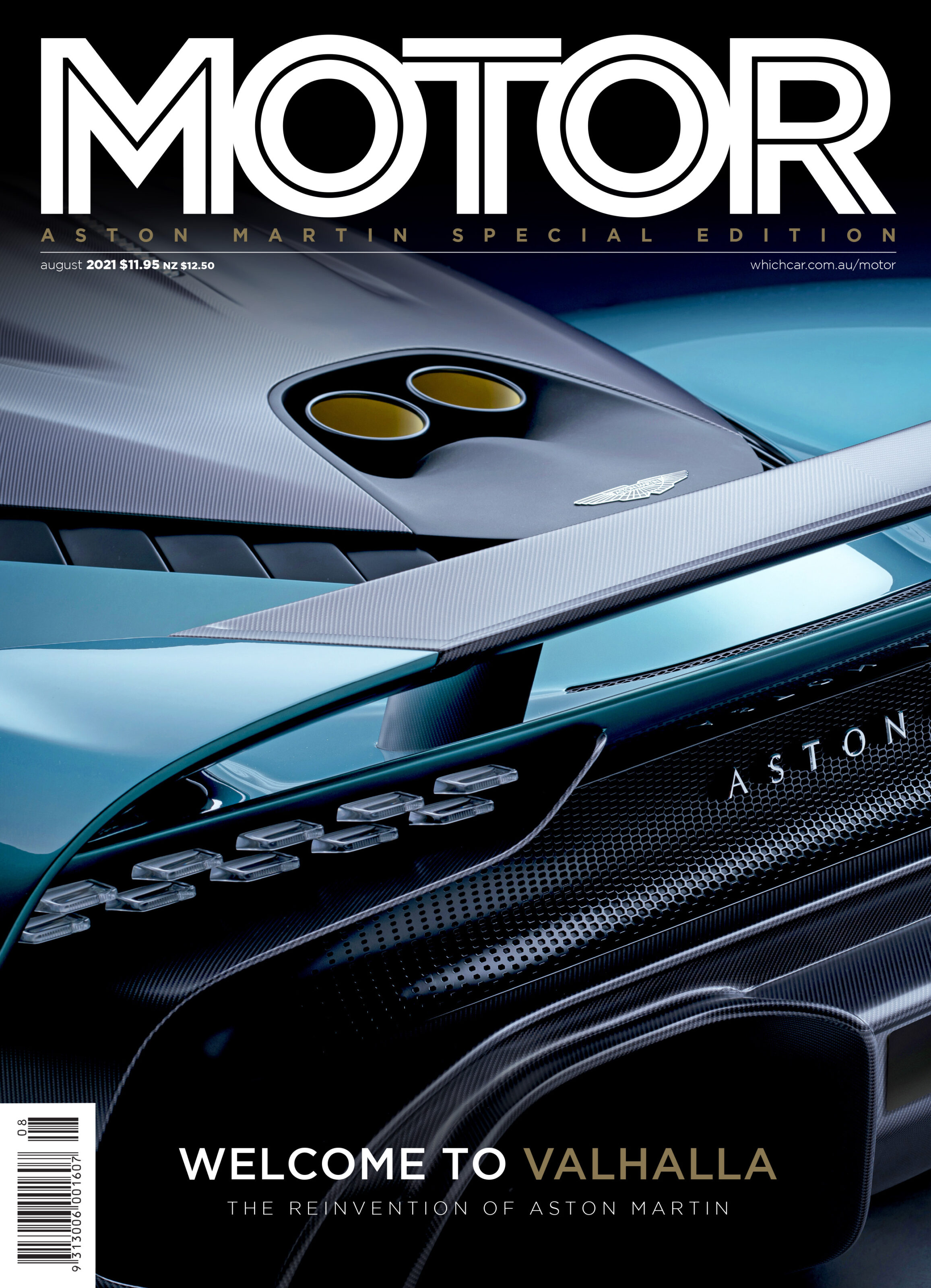
A new era is dawning at one of the oldest car manufacturers in the world – Aston Martin.
The team at Gaydon has just ripped the covers off its latest creation, the Valhalla, which heralds a bold new path for the iconic manufacturer.
Now in its production ready guise, the hybrid supercar will use an AMG-sourced twin-turbo V8 engine– and possibly find its way onto a Bond film set.
With Tobias Moers now at the helm, Aston Martin has ditched its own V6 program for a powertrain predicted to produce 700kW and 1000Nm.
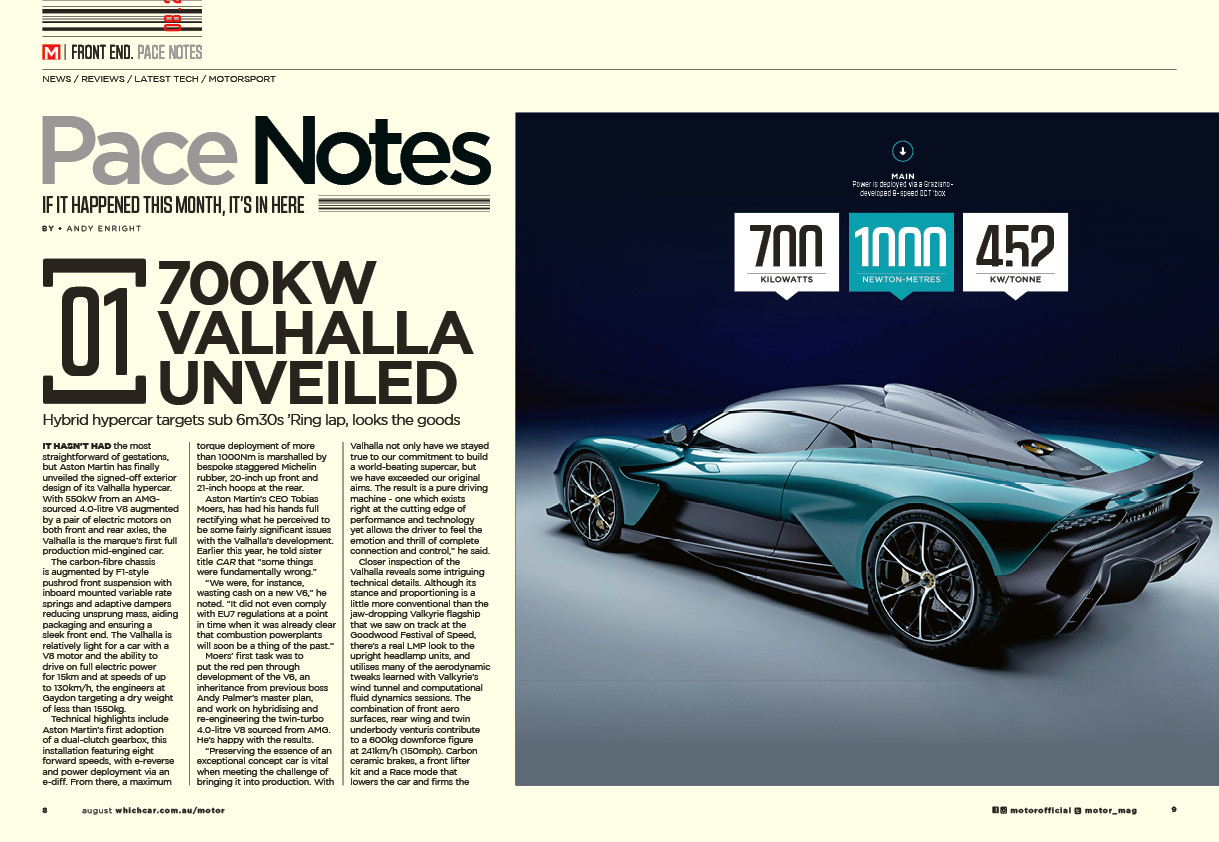
But if you want to know all the details released so far, pick up the latest edition of MOTOR, which is on sale now!
However, it’s not the only Aston you can read about in this special-edition issue. We brave the Scottish countryside in the Speedster, a two-seater sans roof and windscreen. The DBX comes along as a rear-gunner for good measure. After all, fast company is required when chasing a V12.
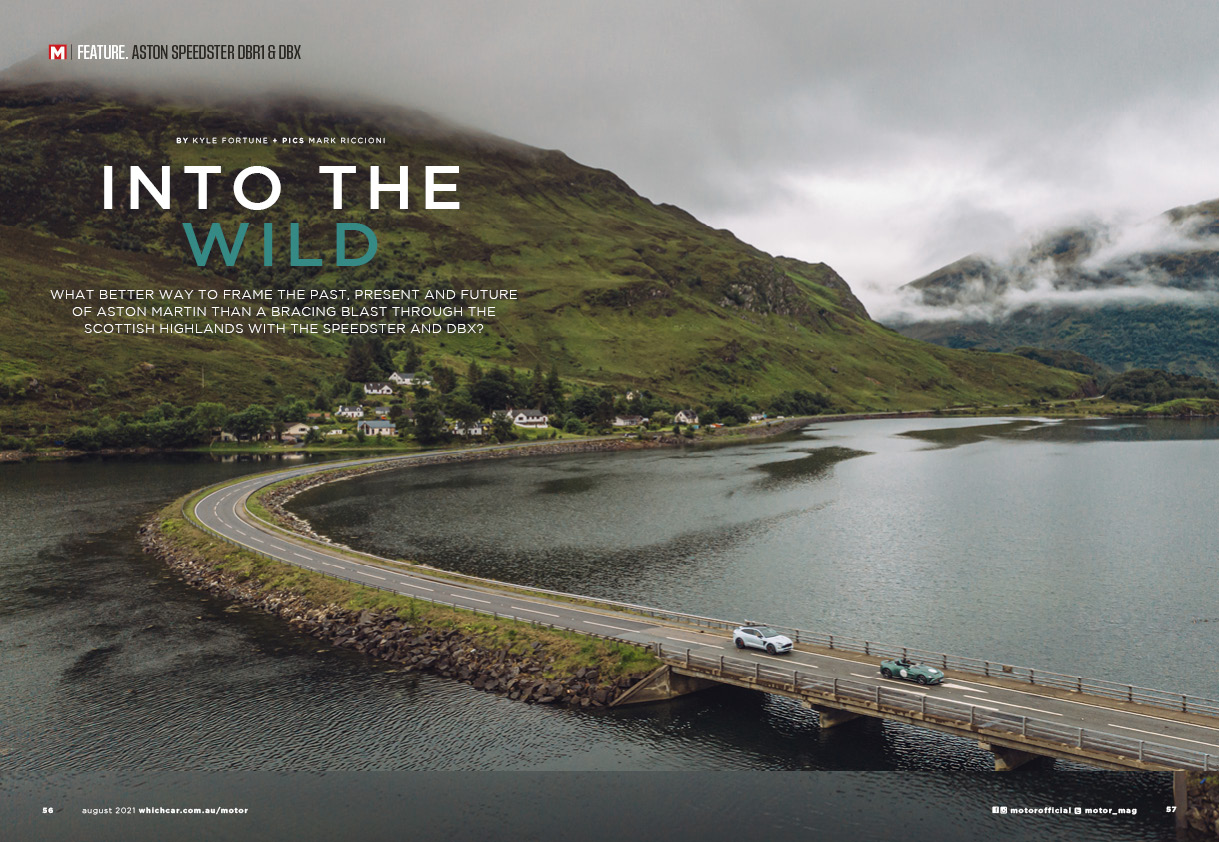
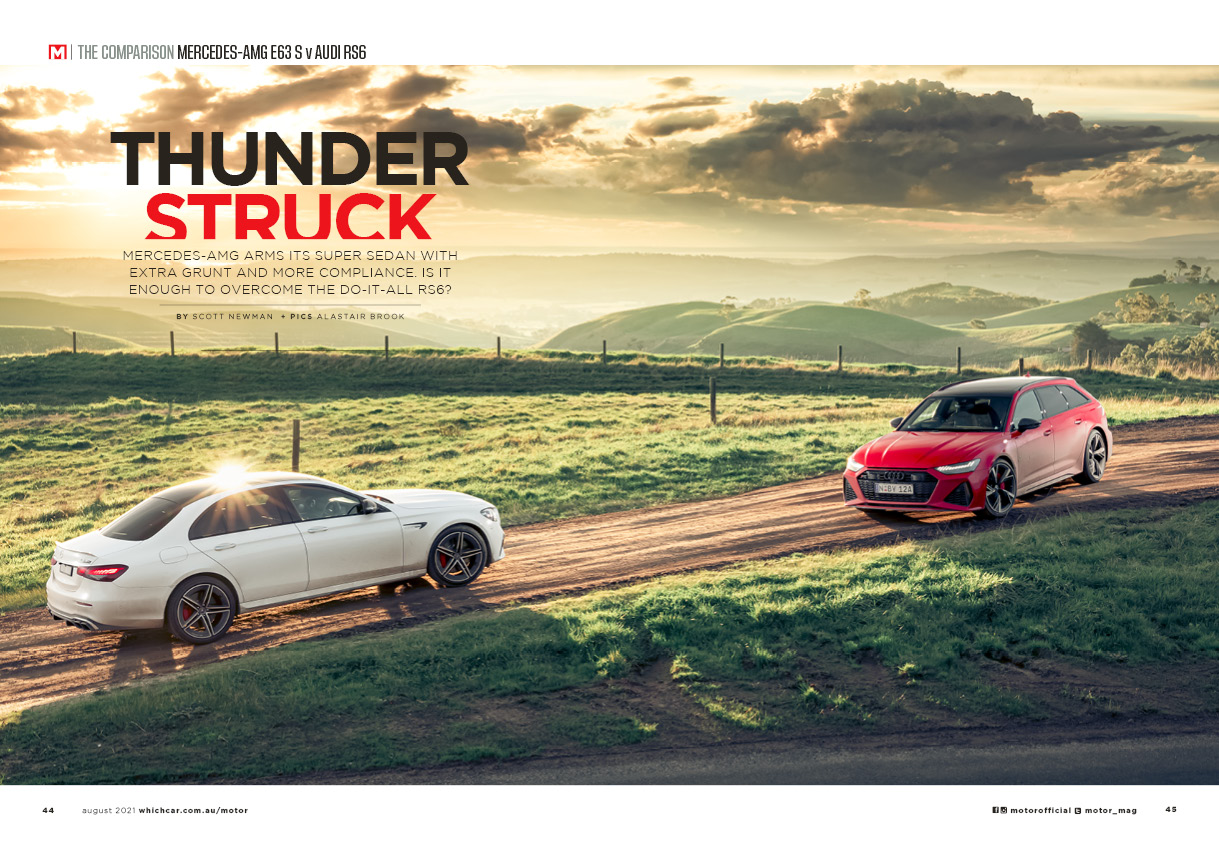
If Aston Martin isn’t your jam, we pit the refreshed, and powered-up, Mercedes-AMG E63 S against the venerable Audi RS6 to see which V8 brute is best. Or, for something more affordable with half the cylinders, the Hyundai Sonata N Line fronts up to the rear-drive Kia Stinger for an interesting in-house stoush.
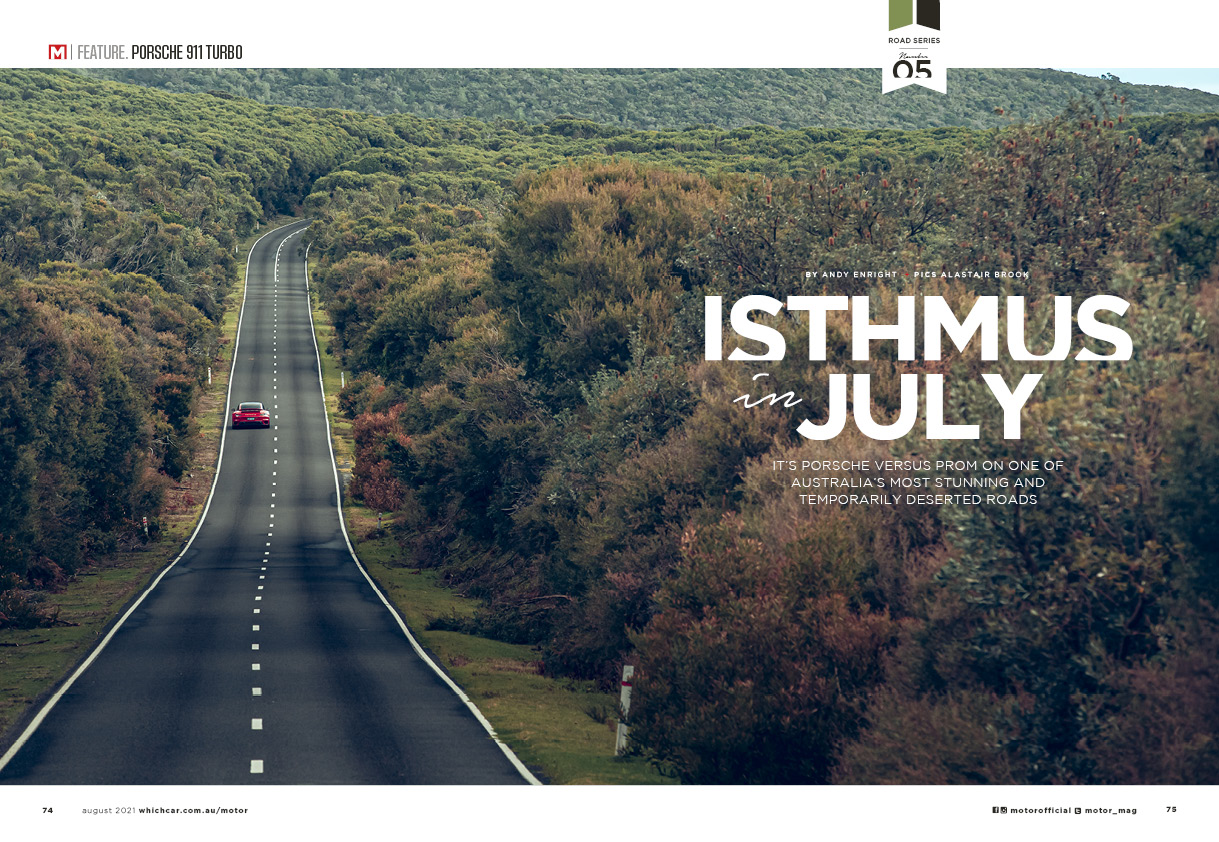
If you’re dealing with lockdown blues, we take Porsche’s 992-generation 911 Turbo to a beautiful section of Victoria. The Turbo tackles the usually tourist-littered Wilsons Promontory Road with ease and we definitely don’t park it on a beach…
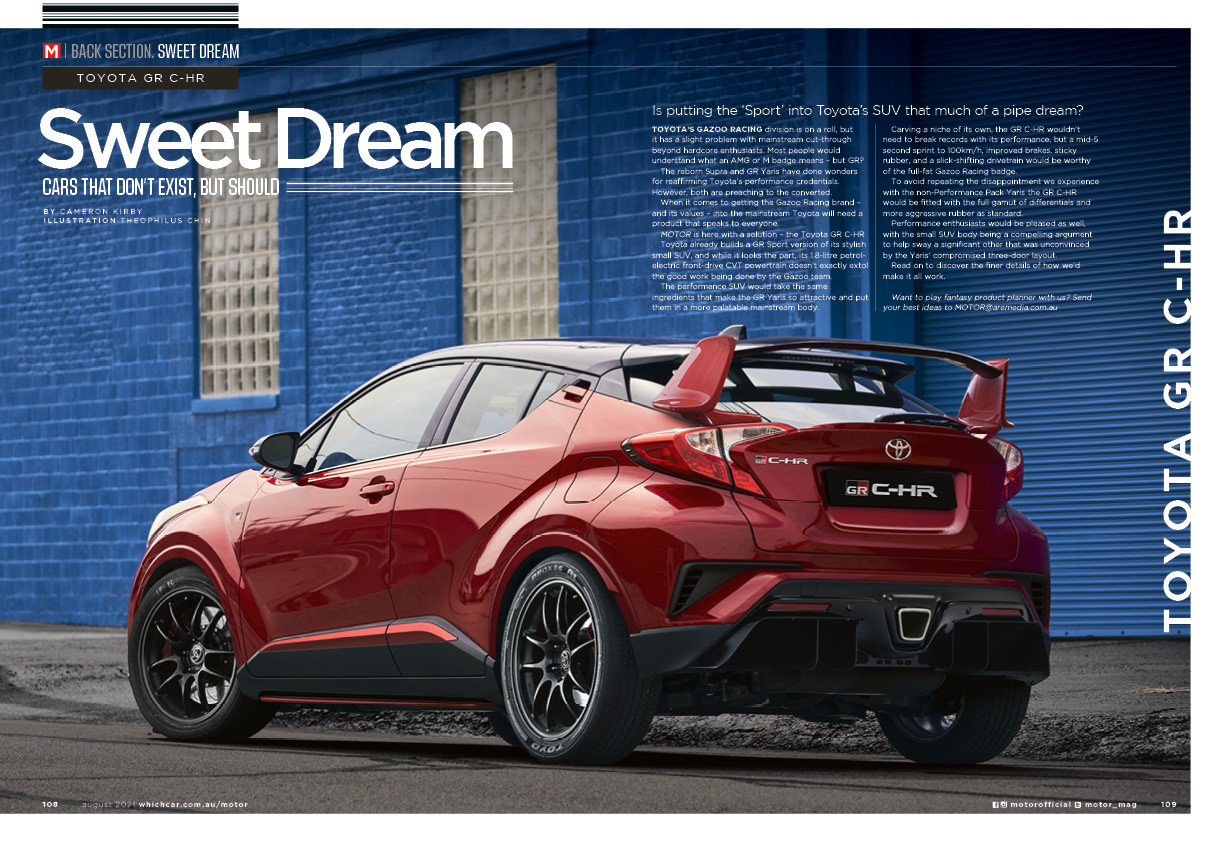
For this month’s edition of Sweet Dream, we imagine what a GR-fettled C-HR would look like if Toyota made one. Australia offers a GR body kit, but how cool would the turbo triple, all-wheel drive and a manual gearbox be in the already dynamic small SUV?
We also gain a first taste of the upcoming Cupra Formentor (it’s a SEAT, just don’t call it one), the wingless Porsche 911 GT3 Touring, updated Renault Megane RS300 Trophy and special edition Aston Martin Vantage F1. You can also read about the Lotus Emira, a car touted to be the company’s final ICE offering.
It’s been action stations within the MOTOR garage with the Audi RS3, Kia Stinger GT and Mercedes-AMG GLA 45 S all exiting the building as we welcome Lexus’s limo, the LS500 F Sport. You can also read all the regular columns and more.
Find the August edition of MOTOR Magazine in stores now, or take advantage of our subscription deals – you can save up to 48% at motor.subscription.com.au
Snapshot
- Faulty fuse can cause the low pressure fuel pump to fail
- 2979 vehicles affected
- Volvo already contacting owners
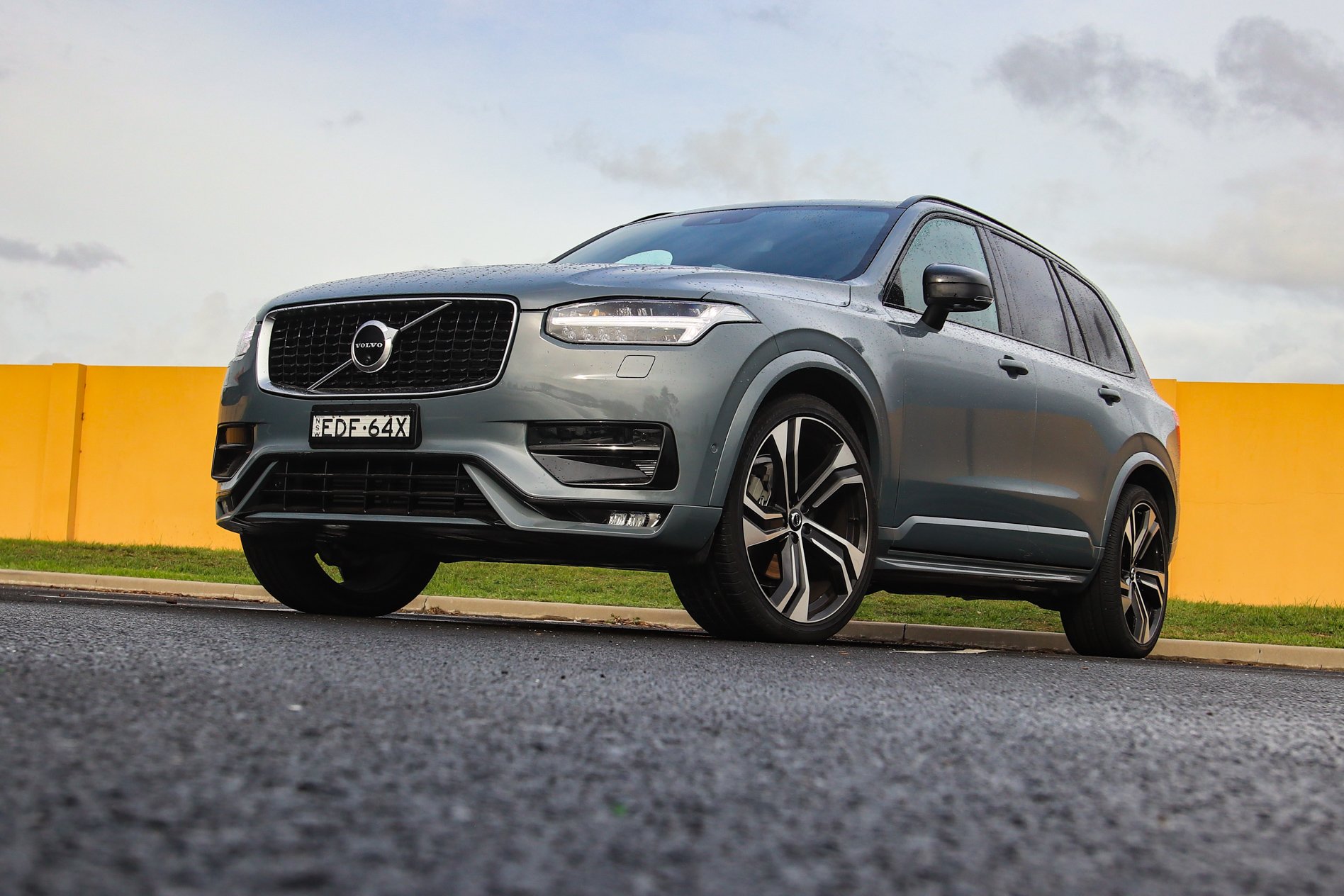
Volvo has issued a recall for almost 3000 S60, V60, XC60 and XC90 models built in 2019 – 2020 due to an electrical issue with the fuel system.
Specifically the notice affects the fuse for the low pressure fuel pump, which could blow and stop it from working and therefore starve the car of fuel – making it unable to start again.
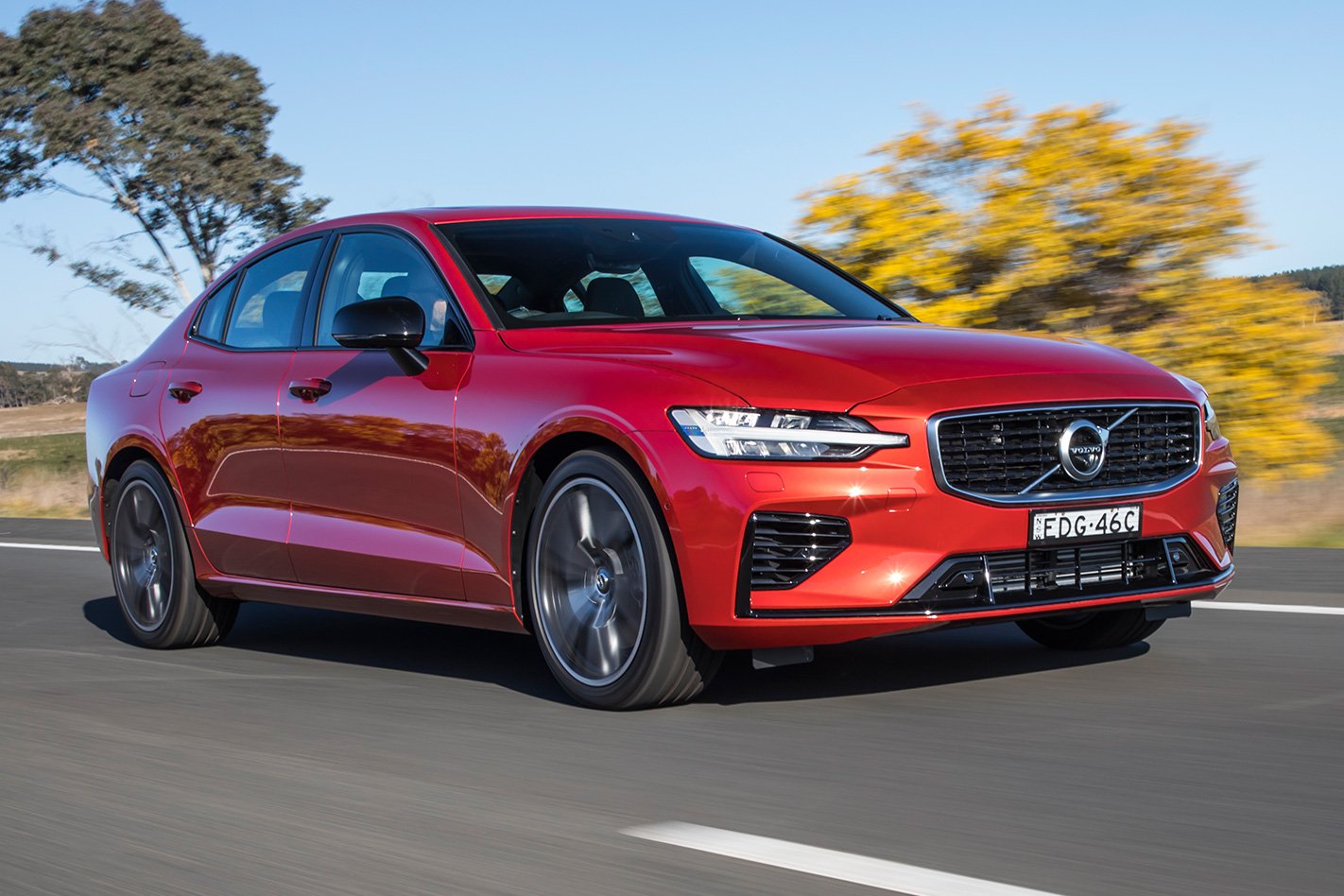
Volvo says 2979 vehicles are affected by the fault here in Australia, in both internal combustion engine and hybrid models, and it is already in the process of contacting owners to amend the issue free of charge.
According to Consumer Reports, the same recall has been in place in the US since early June with more than 85,000 vehicles affected.
Owners should contact Volvo on 1300 787 802 or at [email protected] for further information.
A full VIN list of effected vehicles here.
Snapshot
- Developers have withdrawn from the project
- Facility to include an FIA grade 3.6km circuit with multiple layouts
- Council now seeking a new tender for the project
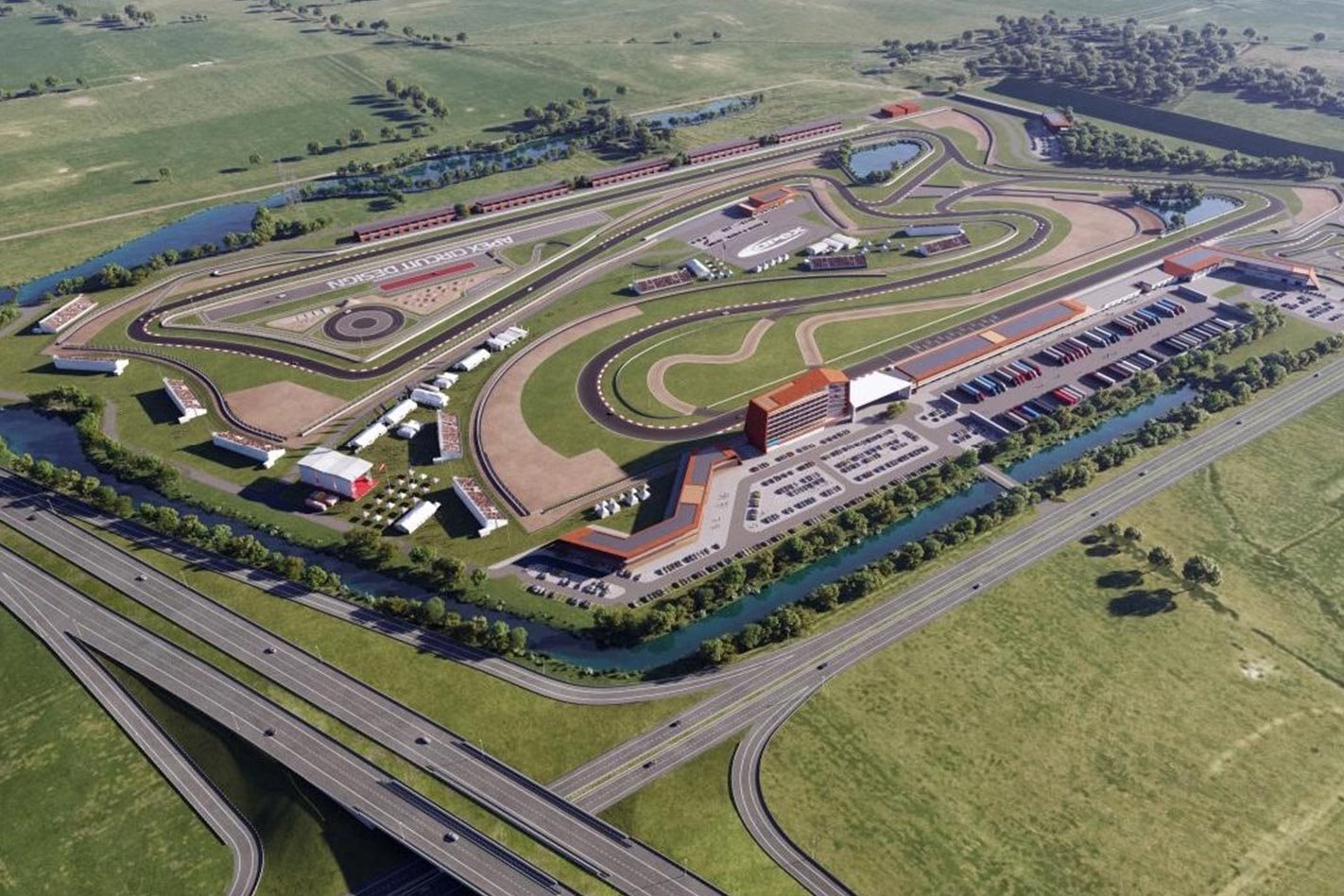
Progress for a world-class race track and motorsport facility in Pakenham has hit a major roadblock, with circuit developers Podium 1 withdrawing from the project.
According to the Pakenham Gazette, Cardinia Mayor Brett Owen says the council will now begin the process of searching for a new tender to redevelop the The Cardinia Motor Recreation and Education Park.
“The council remains committed to facilitating the development of the Cardinia Motor Education and Recreation Park,” said Mayor Owen.
“We know how excited the Cardinia Shire and broader motorsport community is for this project to get up and running,” he said.
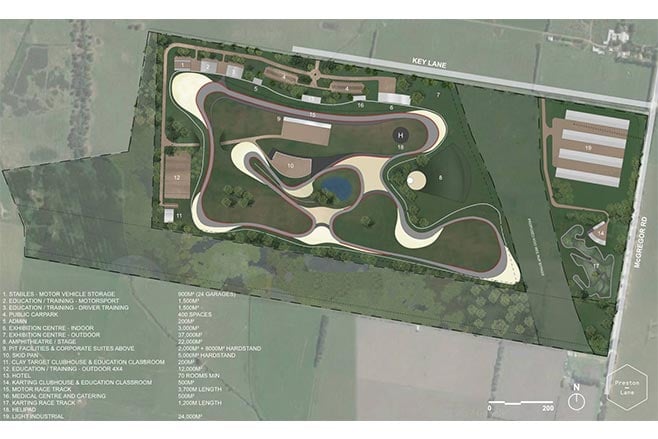
The news is a real blow for motorsport in Melbourne, after permits had already been approved in August last year for stage one of the project.
The initial plans included a 3.6km track which has FIA Grade 2 approval and could be split into two separate circuits of roughly 1.8km, with hopes of hosting motorsport activities from karting all the way through to the Supercars Championship.
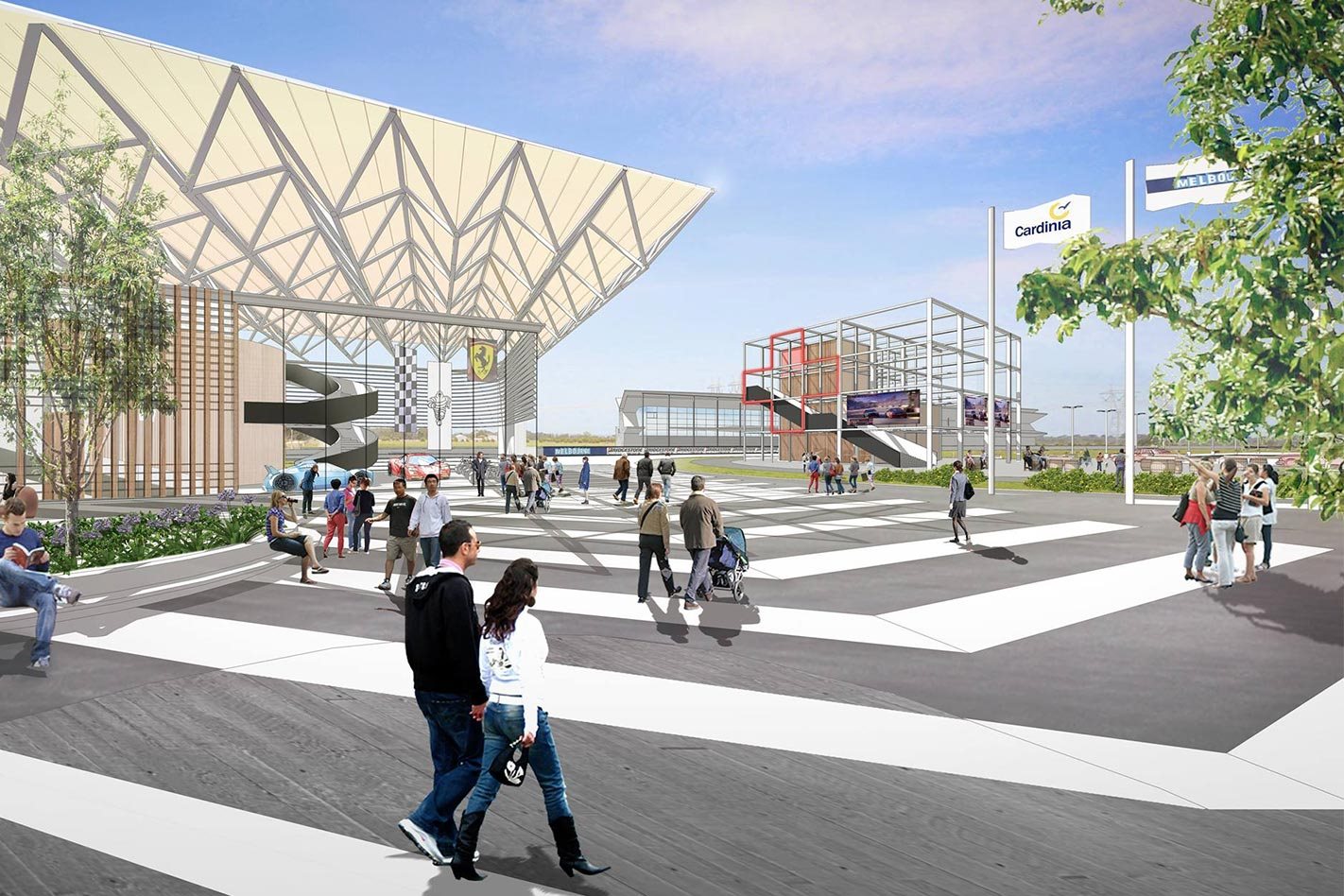
Pit buildings with 33 garages, viewing deck and hospitality facilities were also approved as part of the plans.
There was also rumours of a drag strip being built alongside the circuit, but when Motor first reported on the approval of the stage one plans in August last year, the firm Apex which designed the facility told us there was no room to build a strip and meet the necessary safety measures on the same land.
Podium 1 has yet to comment on its withdrawal.
Snapshot
- Brand new people mover due in showrooms this month
- Available with a 3.5L petrol or 2.2L diesel engine
- Prices start at $48,500
UPDATE, September 17: The 2022 Hyundai Staria is now on sale in Australia, and we’ve driven it. Find our reviews here.
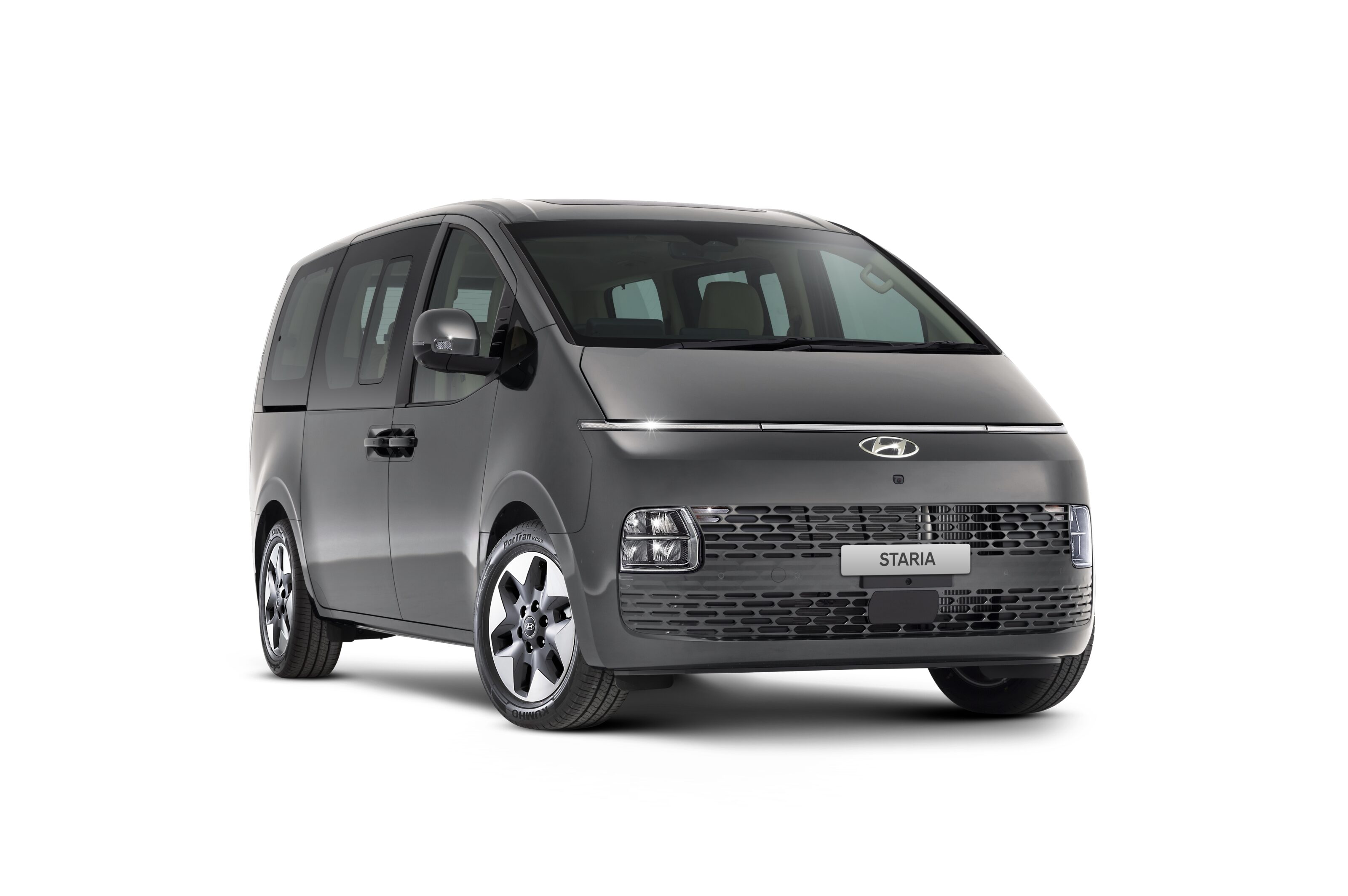
The all-new Hyundai Staria is set to launch in Australian showrooms this month, replacing the iMax as the South Korean manufacturer’s people mover offering.
Revealed to the public in April, the Staria provides eight seats across three rows while also offering all-wheel drive in diesel guise, a first for Hyundai’s people movers.
Available in three trims with a choice of two engines, prices for the Staria start at $48,500 before on-road costs before topping out at $66,500 for the top-of-the-range variant.
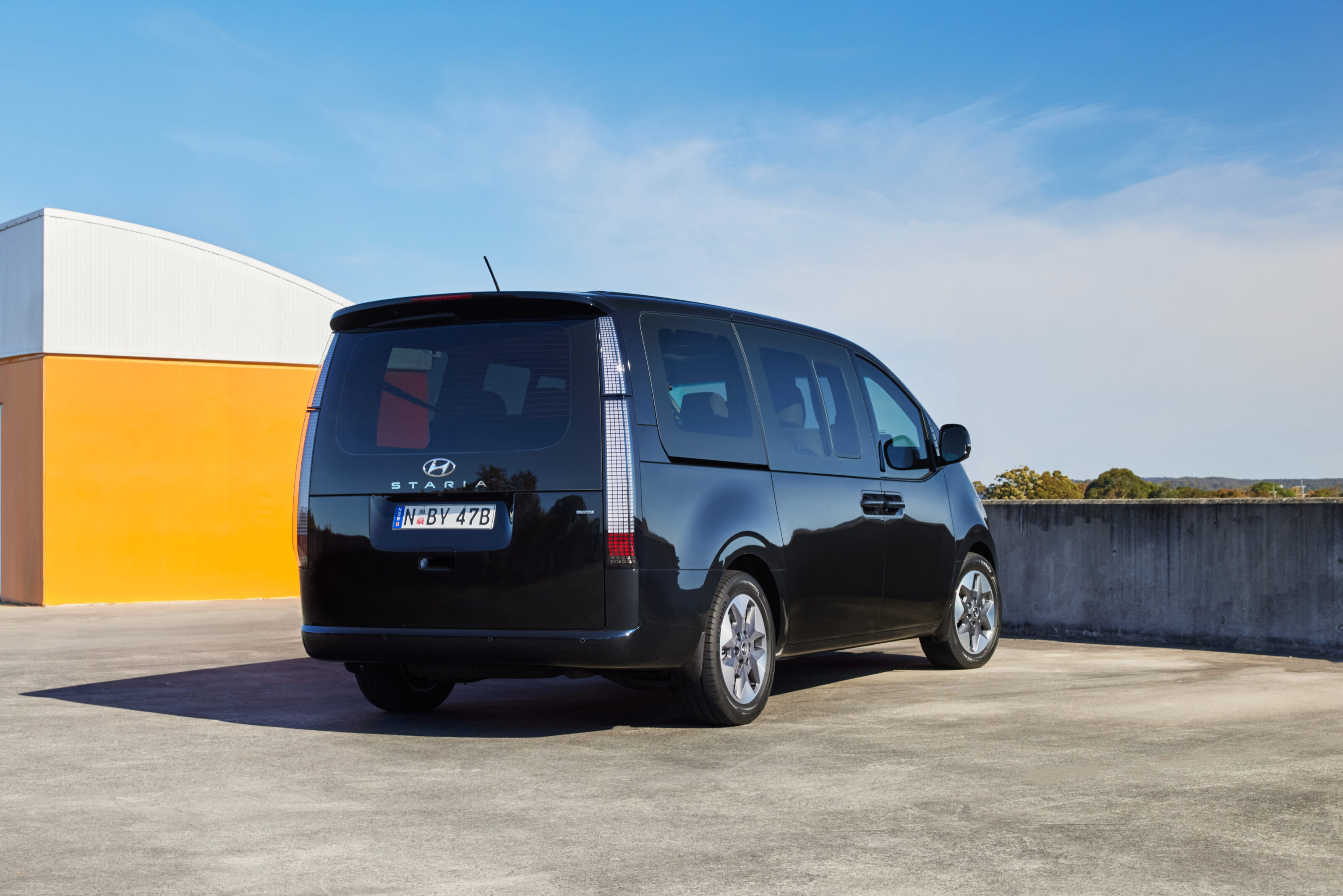
UPDATE, September 9 2021: This story has been updated with Australian photography.
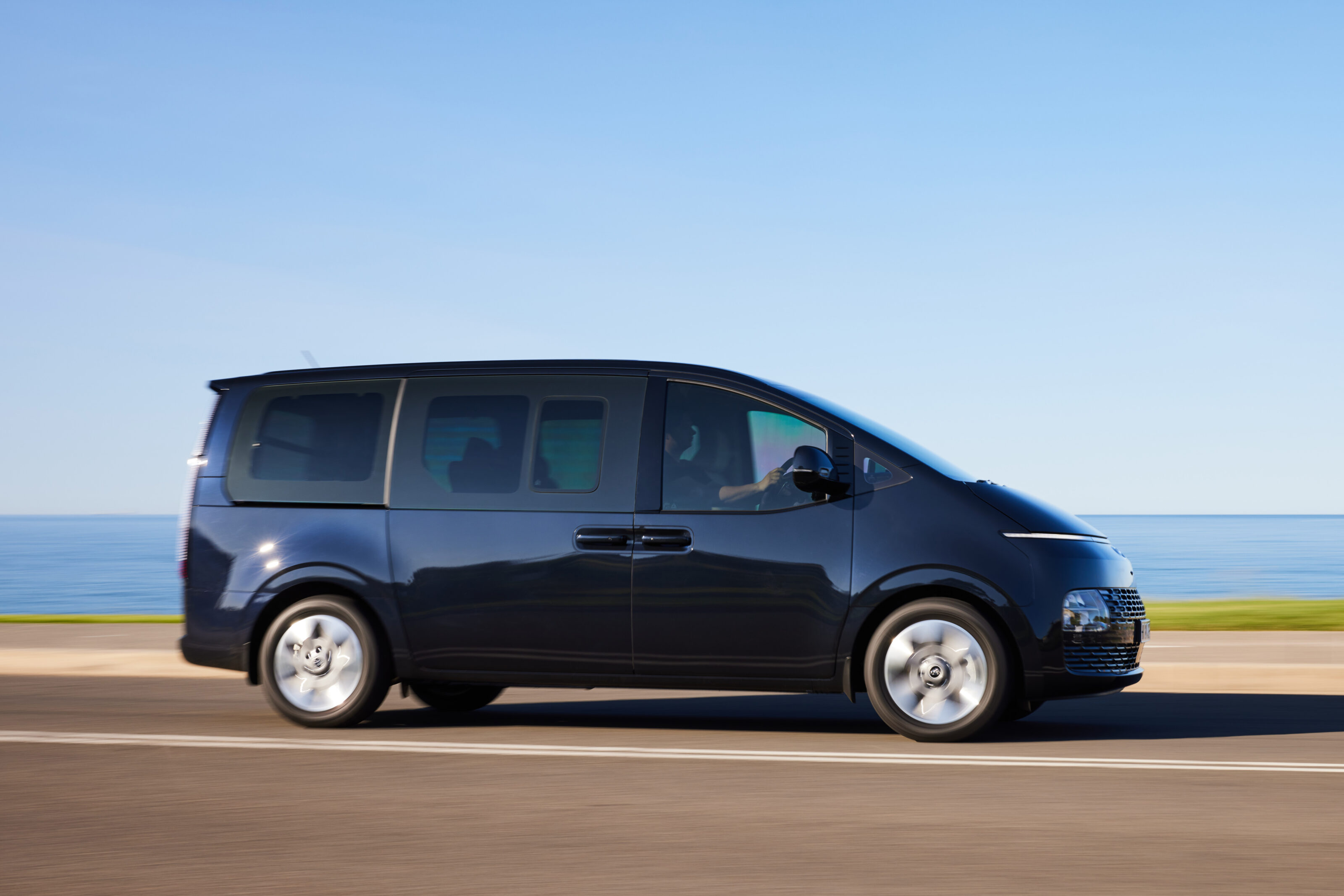
Pricing
As the Staria features newer engines and is based on a new platform with a higher level of standard equipment than the outgoing iMax, a higher base cost is to be expected, with the base trim setting back buyers $3570 more while the Elite now incurs a $7020 premium.
Below are the prices of the 2022 Staria range before on-road costs:
| Staria 3.5 MPi FWD | $48,500 |
| Staria 2.2 CRDi AWD | $51,500 |
| Staria Elite 3.5 MPi FWD | $56,500 |
| Staria Elite 2.2 CRDi AWD | $59,500 |
| Staria Highlander 3.5 MPi FWD | $63,500 |
| Staria Highlander 2.2 CRDi AWD | $66,500 |
Features
The single name Staria serves as the entry-level trim of the range but still offers a wide range of equipment, such as:
| Shift by wire with paddle shifters |
| Keyless entry u2013 with remote window open/close |
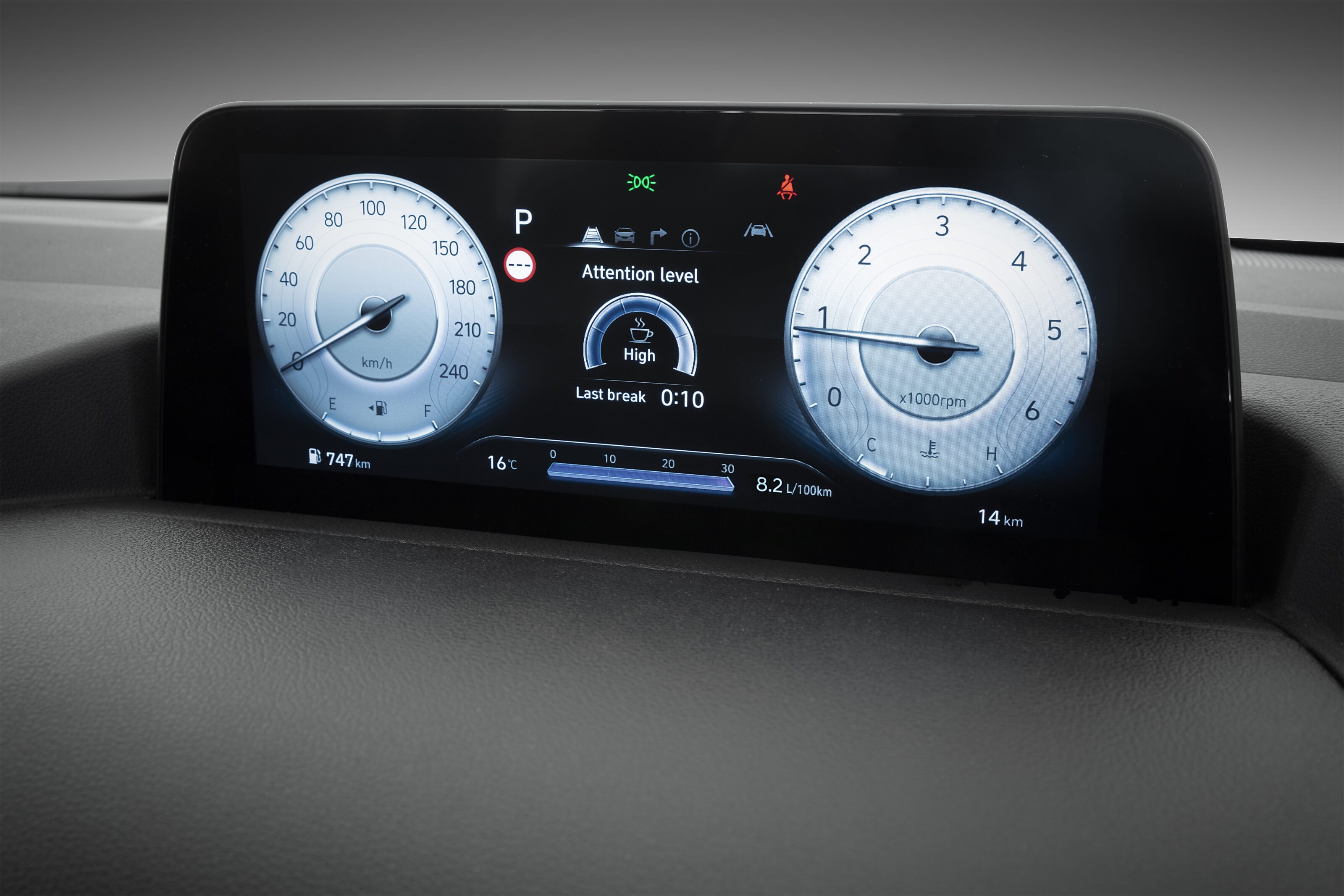
| 4.2-inch supervision cluster |
| Heated & power folding mirrors |
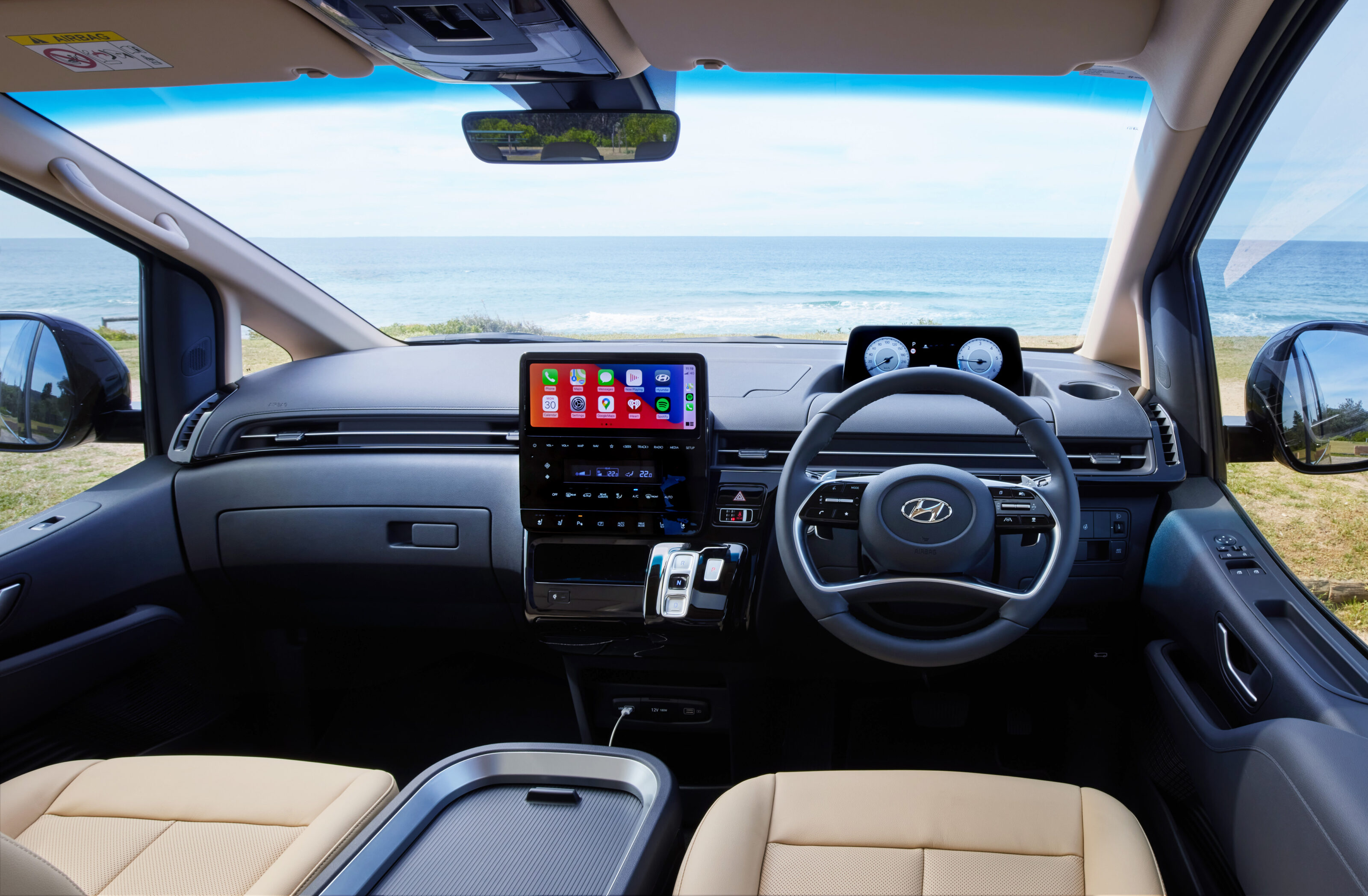
| 8-inch infotainment with wireless Apple CarPlay/Android Auto |
| Radio Data System (RDS) |
| Bluetooth multi connection |
| 6 speaker audio |
| Manual air conditioning system |
| Rear climate controls with lockout |
| Cabin air filter |
| Cooling/heating diffusion type roof air vent – 2nd & 3rd rowsCooling/heating vents 3rd row floor |
| Leather appointed steering wheel |
| Qi wireless charger |
| 4x rear USB ports |
| 16 cup/bottle holders |
| Second and third row pop out windows |
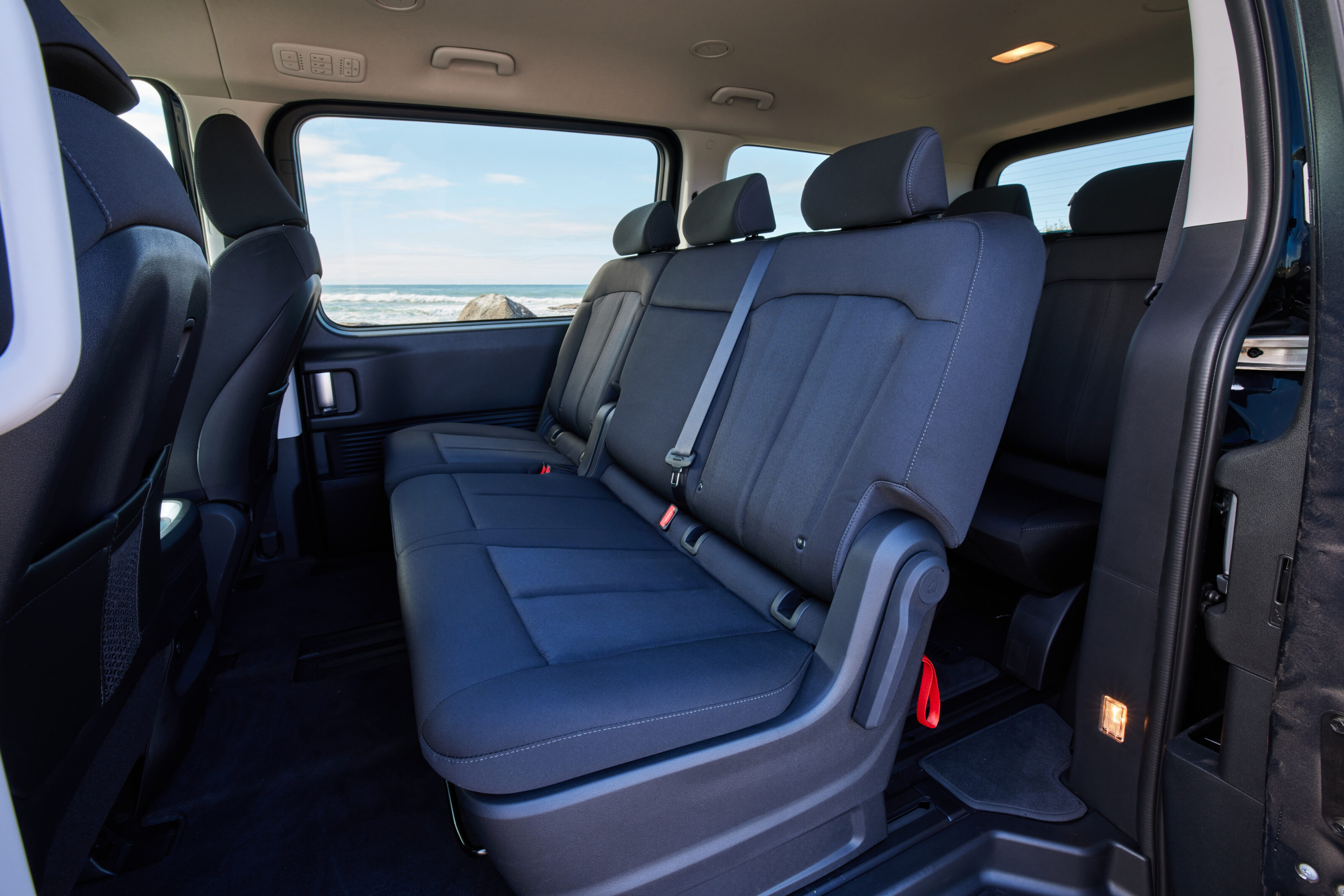
| Flat folding second and third row seats |
| Third row tip up and slide function |
| Auto up/down front windows with anti-pinch safety |
| Black cloth seats |
| Auto dusk sensing LED MFR headlights |
| LED daytime running and positioning lights |
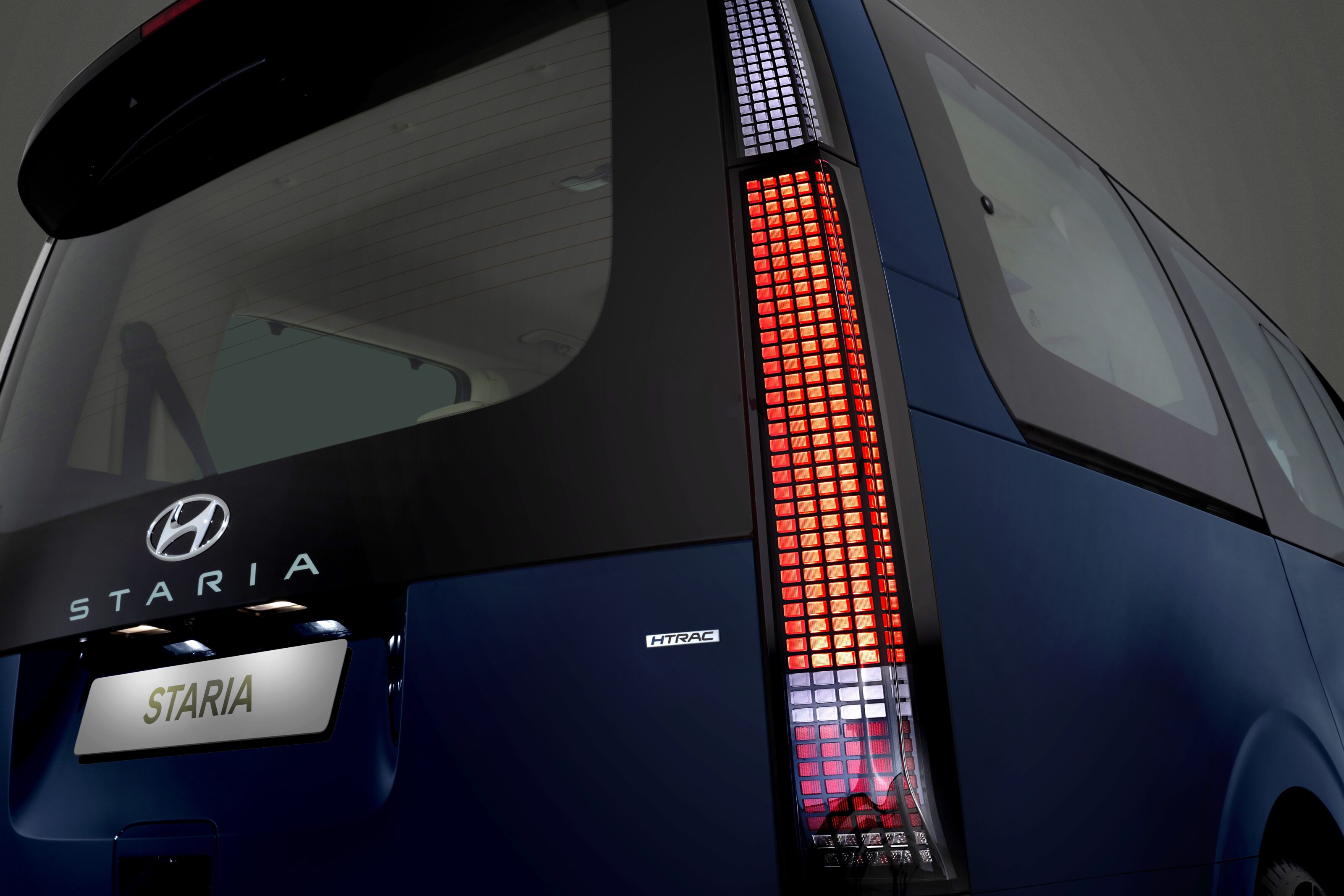
| LED rear combination lamps |
| Roof mounted spoiler integrated rear wiper |
| 18-inch grey steel alloy wheels |
| Full size spare alloy wheel |
Elite
Moving up to the Elite, the second-tier variant includes:
| Smart power sliding doors |
| Smart power tailgate with auto close |
| Safe exit assist |
| Smart key with push button and remote start |
| Driver profiles (three settings) |
| Leather appointed seats |
| 12-way power driveru2019s seat |
| Second row flush sliding windows |
| Second and third row window curtains |
| Automatic climate control u2013 front and rear zones u2013 with auto defog & tunnel mode |
| 10.25-inch infotainment display with navigation |
| Live Traffic Updates (RDS-TMC) |
| Wired Apple CarPlay/Android Auto |
| Digital Radio (DAB+) |
| Surround view monitor |
Highlander
And finally the Highlander, which adds:
| Dual power sunroof |
| Heated and ventilated front seats |
| Heated steering wheel |
| LED room lights and map lights |
| 10.25-inch LCD instrument cluster |
| Blind spot view monitor |
| Rear passenger view monitor |
| Cloth headlining |
| Dashboard multi-boxes |
| Beige or blue interior colour options ($295 extra) |
Each of the three variants can also be optioned with premium paint colours: Graphite Gray, Moonlight Blue, Olivine Gray or Gala Brown, all for $695.
Engine, drivetrain and fuel economy
Departing with the iMax is its 2.5-litre, four-cylinder turbo diesel engine which made 125kW/441Nm and had a combined fuel consumption of 8.8L/100km, replaced by a choice of petrol or diesel engines in the Staria.
The 3.5-litre V6 petrol is the cheapest of the two engines, producing 200kW and 331Nm to achieve a combined fuel economy of 10.5L/100km, sending power to the front wheels through an eight-speed torque converter automatic transmission.
At a $3000 premium over the petrol across the range is the 2.2-litre, four-cylinder turbo diesel unit, a direct replacement for the outgoing 2.5-litre engine, boasting higher outputs of 130kW and 430Nm. The diesel sends power to all four wheels through an eight-speed auto to bring fuel consumption down to 8.2L/100km.
Dimensions
The incoming Staria is larger than the outgoing iMax across all measurements, now standing at 5293mm (+143mm) long, 1997mm (57mm) wide, 1990mm (+65mm) high and with a wheelbase of 3273mm (+73mm).
Boot space behind the third row has been slightly reduced, now down to 831 litres from 842 litres, although with the movable third and second row seats, the volume can increase to 1303 litres, a feature not available on the iMax.
Safety
The 2022 Staria hasn’t undergone ANCAP safety testing as yet so does not have a star rating but it includes a range of safety features which provide a higher level of protection than the four-star iMax:
| Seven airbags including front centre |
| Second row ISOFIX restraints and top tether child restraint anchors (2x) |
| Blind-spot collision avoidance assist |
| Driver attention warning |
| Forward collision avoidance assist |
| Haptic warning function |
| High beam assist |
| Intelligent speed limit |
| Lane following assist |
| Lane keeping assist |
| Leading vehicle departure alert |
| Rear cross-traffic collision avoidance assist |
| Rear occupant alert |
| Safe exit warning |
| Smart cruise control with Stop and Go |
| Surround view monitor |
| Tyre pressure monitoring system |
Warranty and servicing
As with the rest of Hyundai’s models, the Staria is covered by a five-year/unlimited-kilometre warranty.
Service intervals are for every 12 months/15,000-kilometres, at a capped price of $360 per service for both drivetrains, lasting for the first five years/75,000km.
Availability
The 2022 Hyundai Staria will be available through dealers this month.
2022 Ford Everest spotted
- Camouflaged large SUV believed to be next-generation Everest
- Wrap design consistent with recently spied Ranger mules
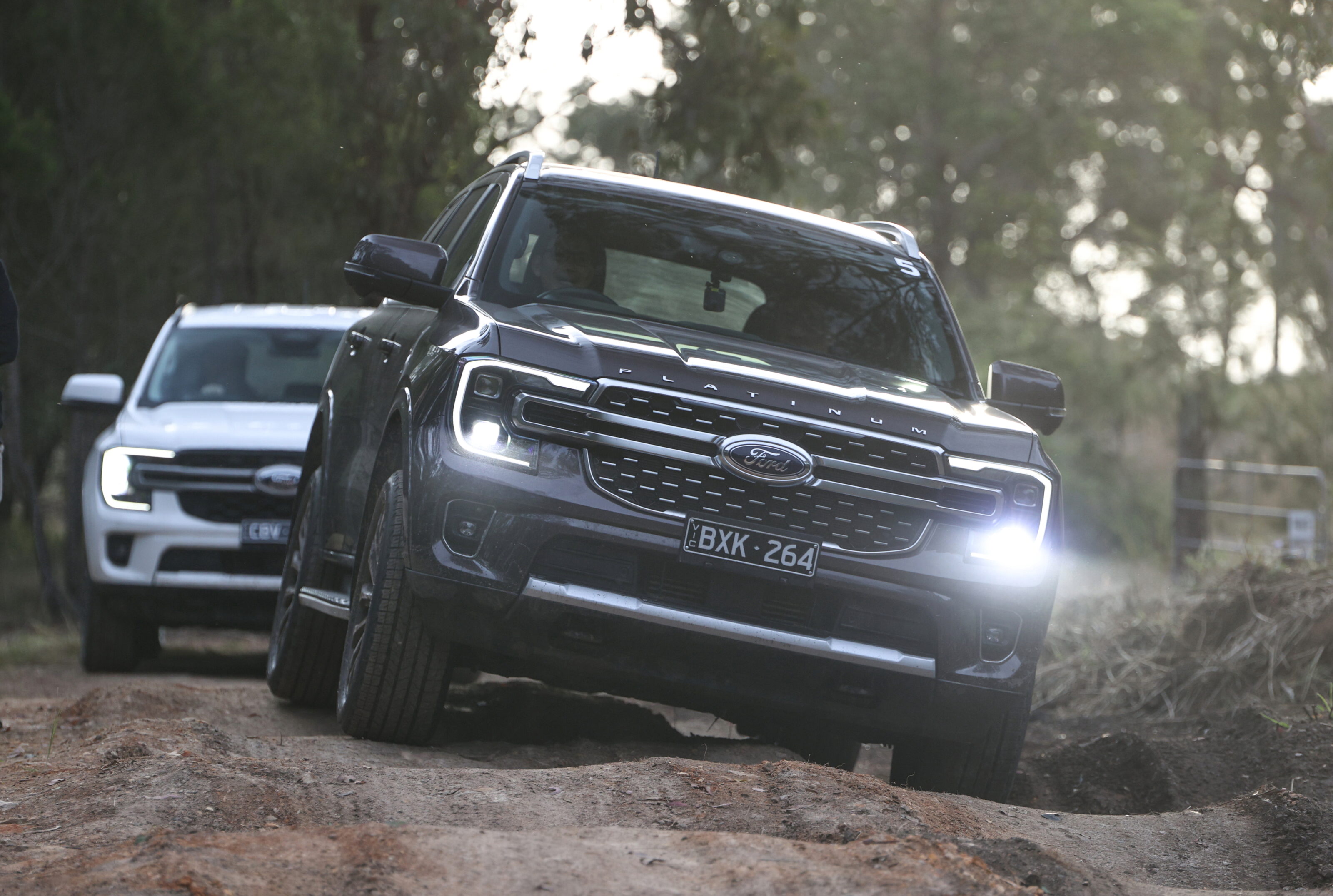
UPDATE, September 13, 2022: New Ford Everest on sale, and we’ve driven it!
The new-generation 2023 Ford Everest is finally on sale in Australia, and our man Matt Raudonikis has driven it. Get the full story, and our first-drive video, at the link below.
The story to here
August 5, 2021
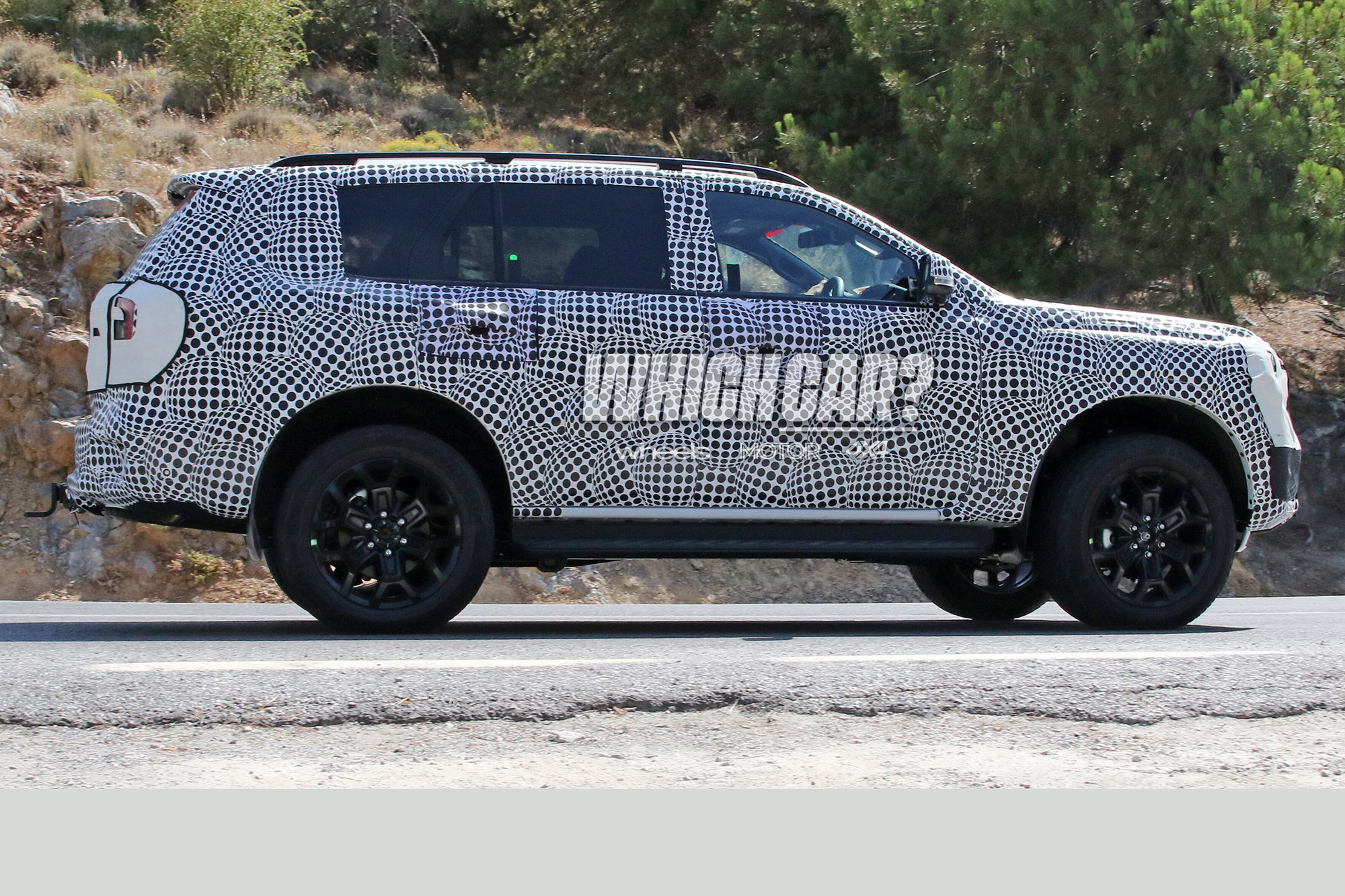
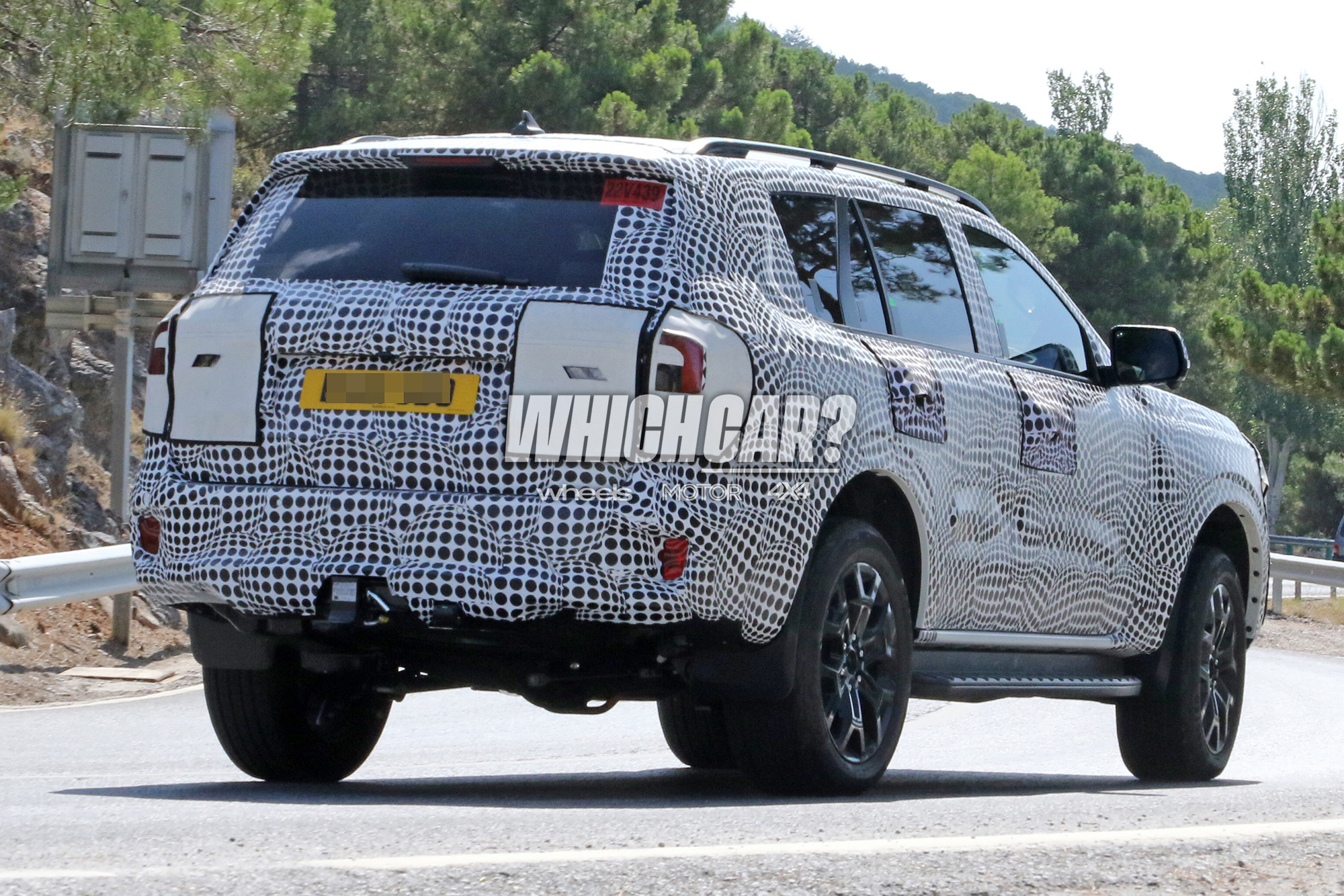
The incoming new 2022 Ford Everest has been spied once again, this time in Europe.
As our earlier photos confirm, we can expect the new Everest to wear a boxier and more American look than the current model – and it’s a style that will see it sit neatly alongside the new Ranger that only Wheels has seen.
See the new photos below and in our gallery (click any photo), and continue with our developing story further down.
UPDATE, MAY 31: Spy shots of the 2022 Ford Everest test mule continue to surface, and these latest shots snapped by an eagle-eyed Wheels Australia reader provide a closer look at the looming off-roader’s side profile.
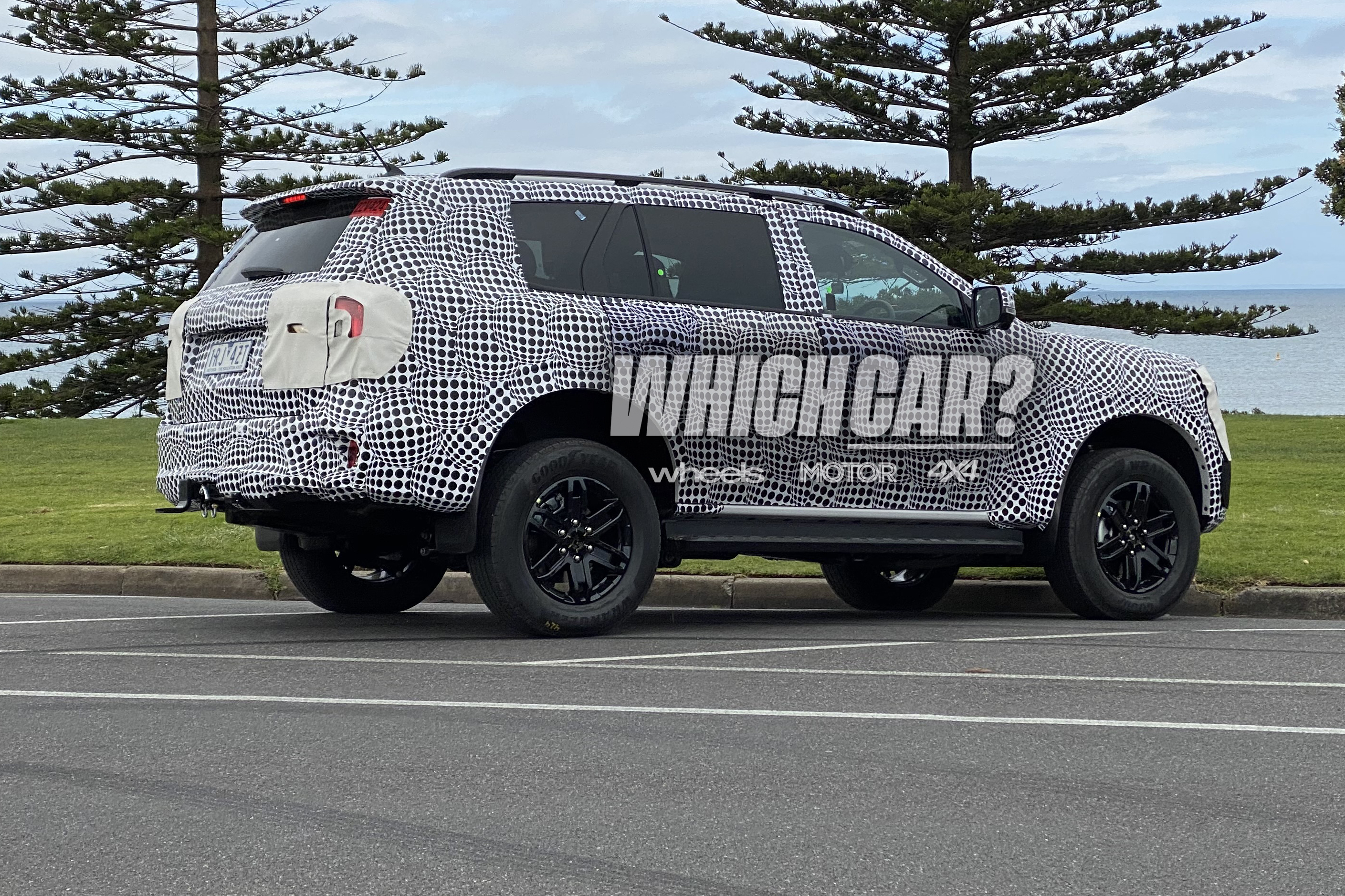
MAY 20: A mystery mule believed to be the 2022 Ford Everest has been spotted in heavy camouflage on the streets of Corio, Victoria.
Although details for the next-generation Everest – expected in 2022 alongside the new Ranger – are scarce, as Ford says it has no news to share on Everest at this time, the photos reveal plenty of clues pointing towards this development mule being the new Ranger-based SUV.
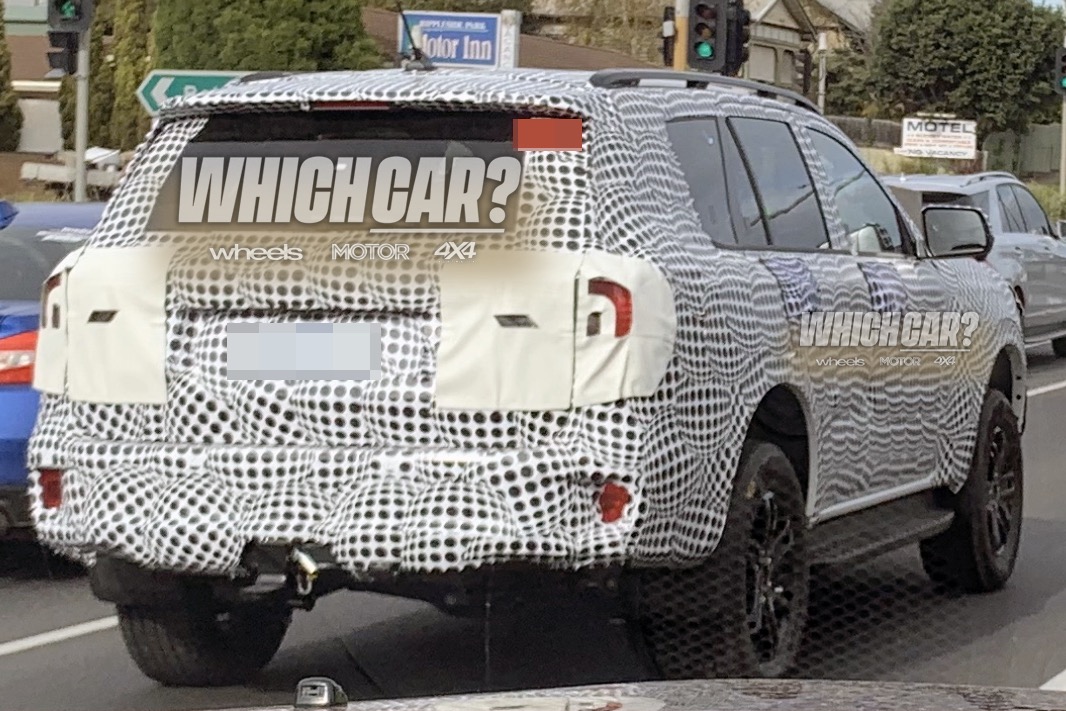
Those small diameter wheels are similar in size and spoke design to those on the current Ford Ranger Raptor.
Meanwhile, the rear window shape, C-pillar design and a tracking-rod attached to the rear diff housing also ape the current Ford Everest.
Then there’s the fact its registration plate, which returns a false reading on the VicRoads checker, is only one digit different to the Ranger mules recently spied during development in NSW.
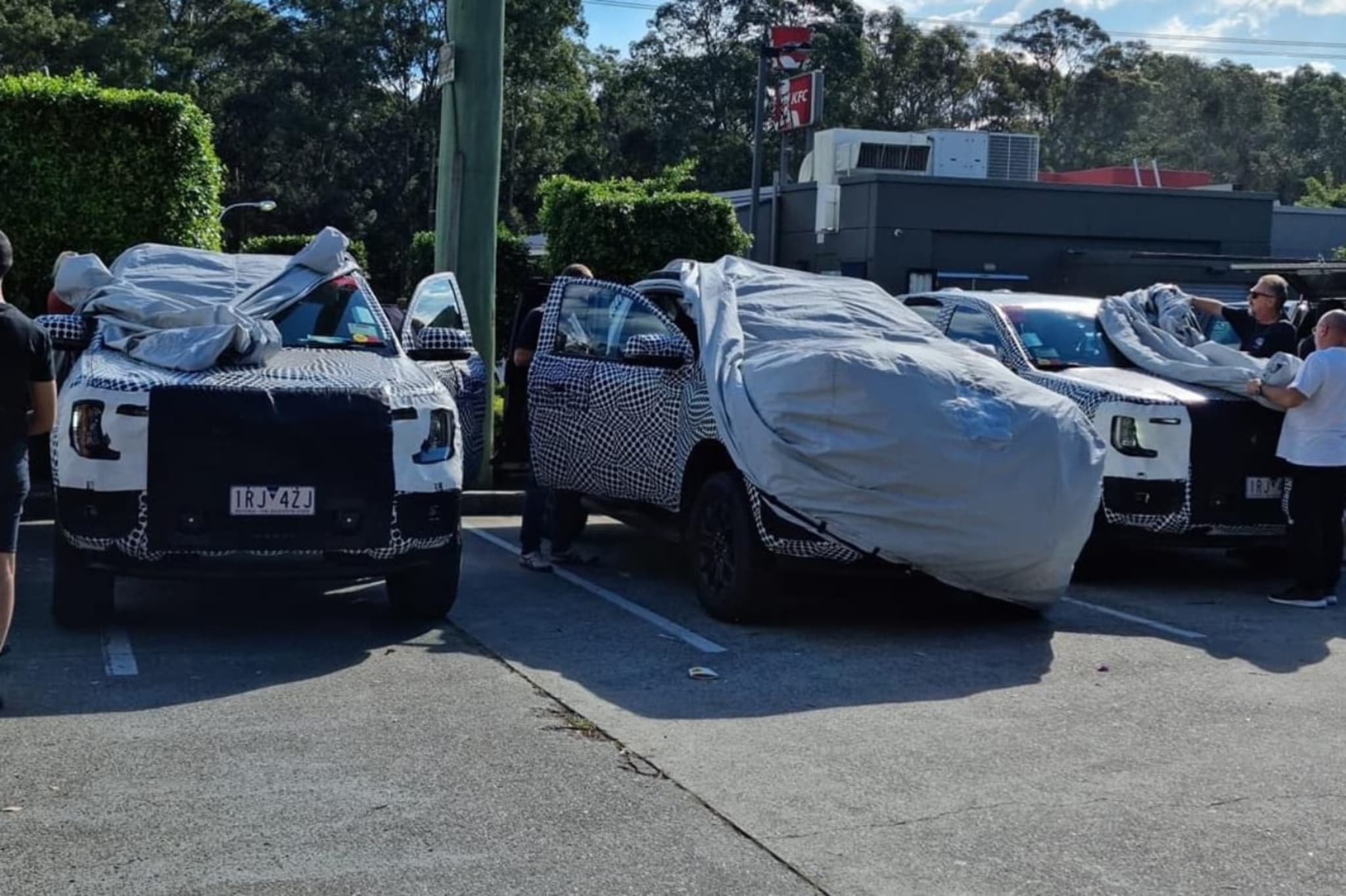
The Everest mule also features the same style of camouflage wrap pattern as those spied Rangers.
As well as this, the photo taken of the Everest comes from Corio near Geelong. The suburb is only 20 minutes drive from Ford’s You Yangs proving ground, which Ford currently uses to develop internationally built vehicles.
The Ford Everest is a seven-seat off-road SUV based on the Ford Ranger chassis and powertrains. Sister title 4×4 Australia crowned the Ford Everest its 4×4 of the Year in 2016.
It’s reported the next-generation Everest will mimic the incoming Ranger on specification.
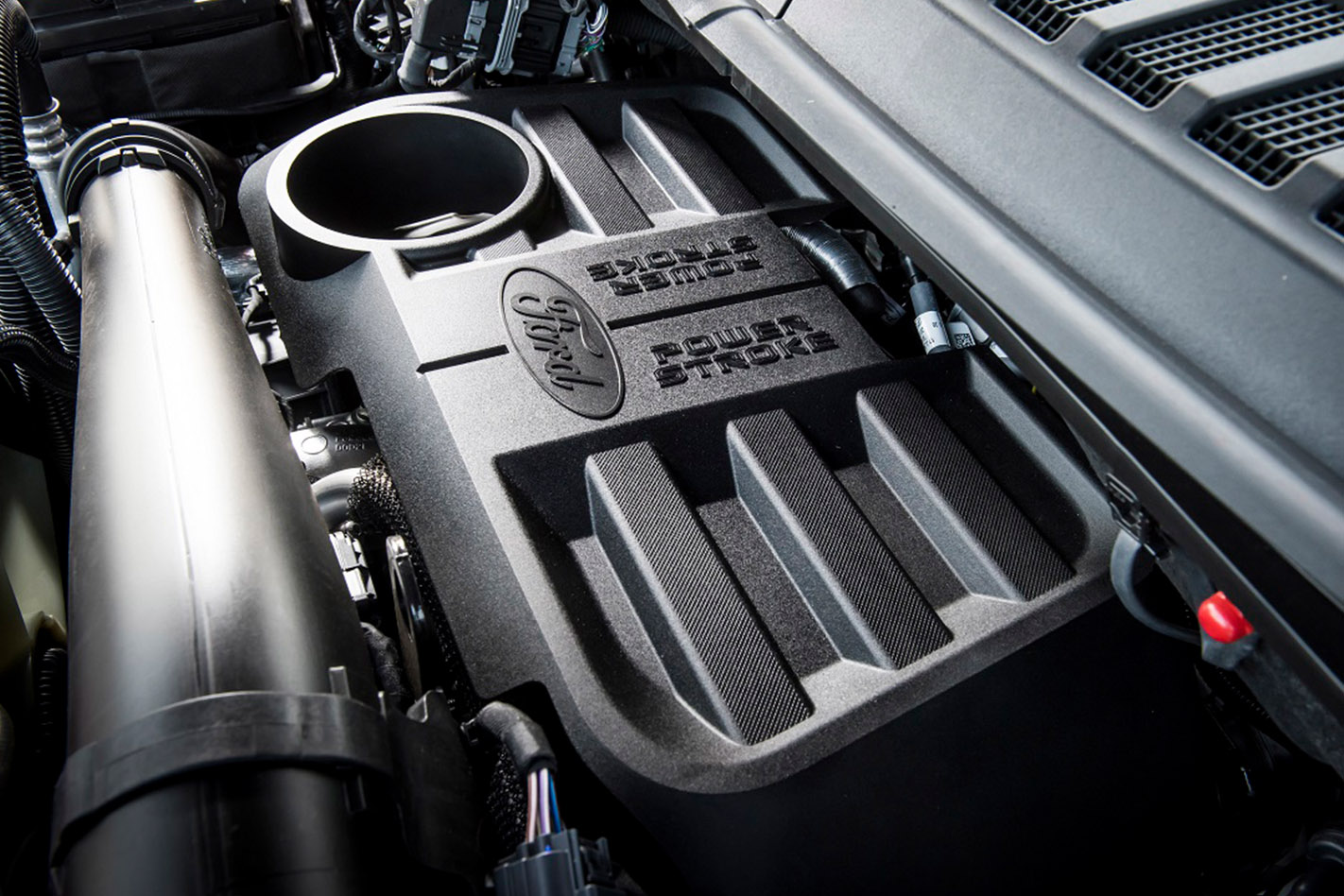
Expect a 3.0-litre turbo diesel V6 and 2.3-litre four-cylinder hybrid petrol powertrain alongside a standard 2.0-litre twin-turbo four-cylinder diesel mated with a 10-speed automatic transmission.
When asked, Ford would not specifically comment on these pictures or a new Everest.
It did, however, take the opportunity to remind us that its engineering facilities in both Campbellfield and Geelong play a central role in the development of internationally-sold vehicles, as well as the current Everest model.
Stay tuned.
Snapshot
- Newest addition to Santa Fe range in the US
- Trim level adds exclusive black accents and trim
- No plans to add to the Santa Fe range in Australia
The 2022 Hyundai Santa Fe range has a new addition in the US with the Rugged XRT.
Hyundai says the Rugged XRT is a trim level with a “new look for enthusiasts,” and is available on all internal combustion variants of the Santa Fe.
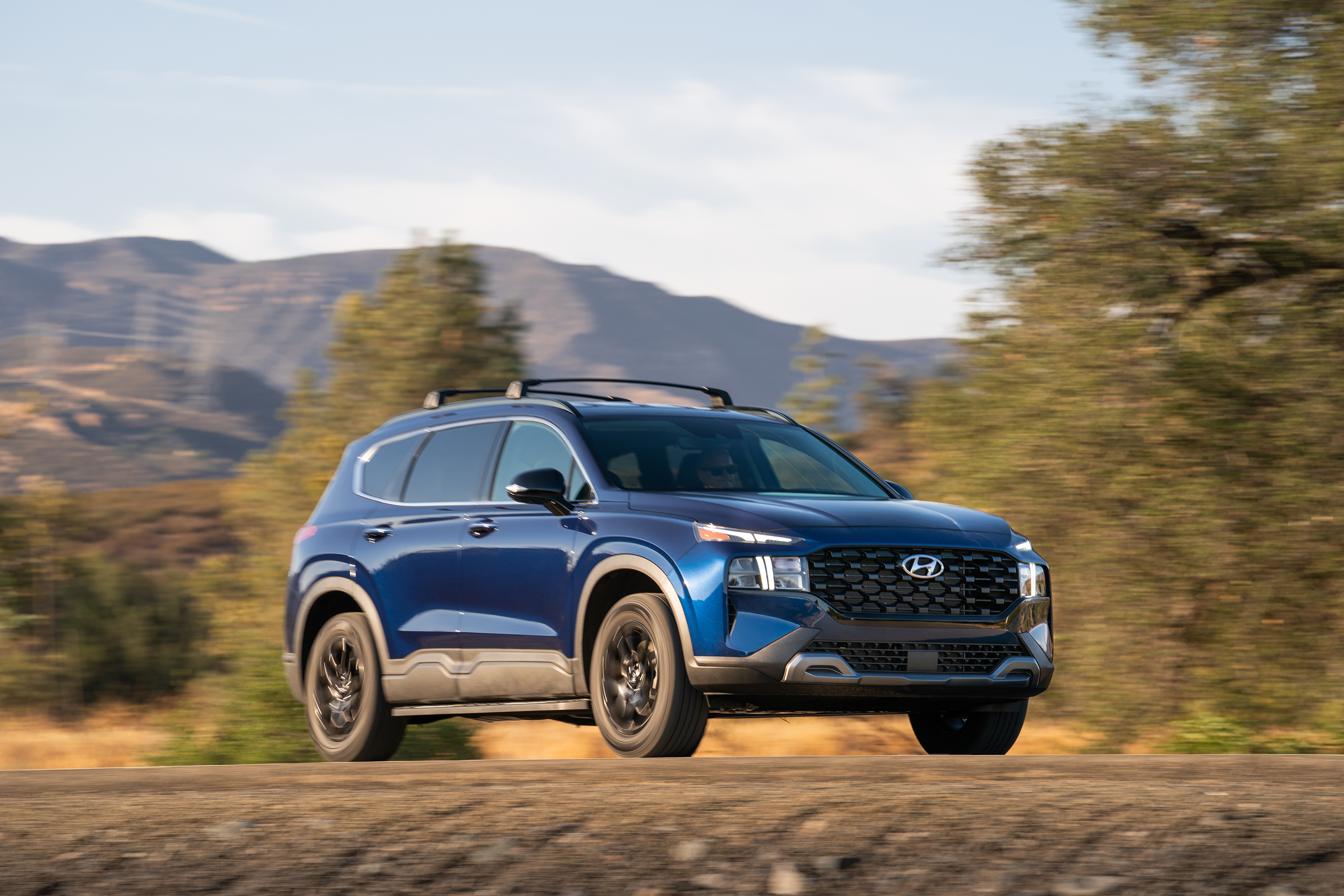
The differences between the Rugged XRT and the rest of the Santa Fe range are purely cosmetic, the package includes 18-inch dark alloy wheels, a matte-black grille, black mirror covers and other exclusive black accents and trim.
The Rugged XRT’s other additions are for more off-road oriented buyers, with dark silver front and rear skid plates, black side steps and black roof racks.
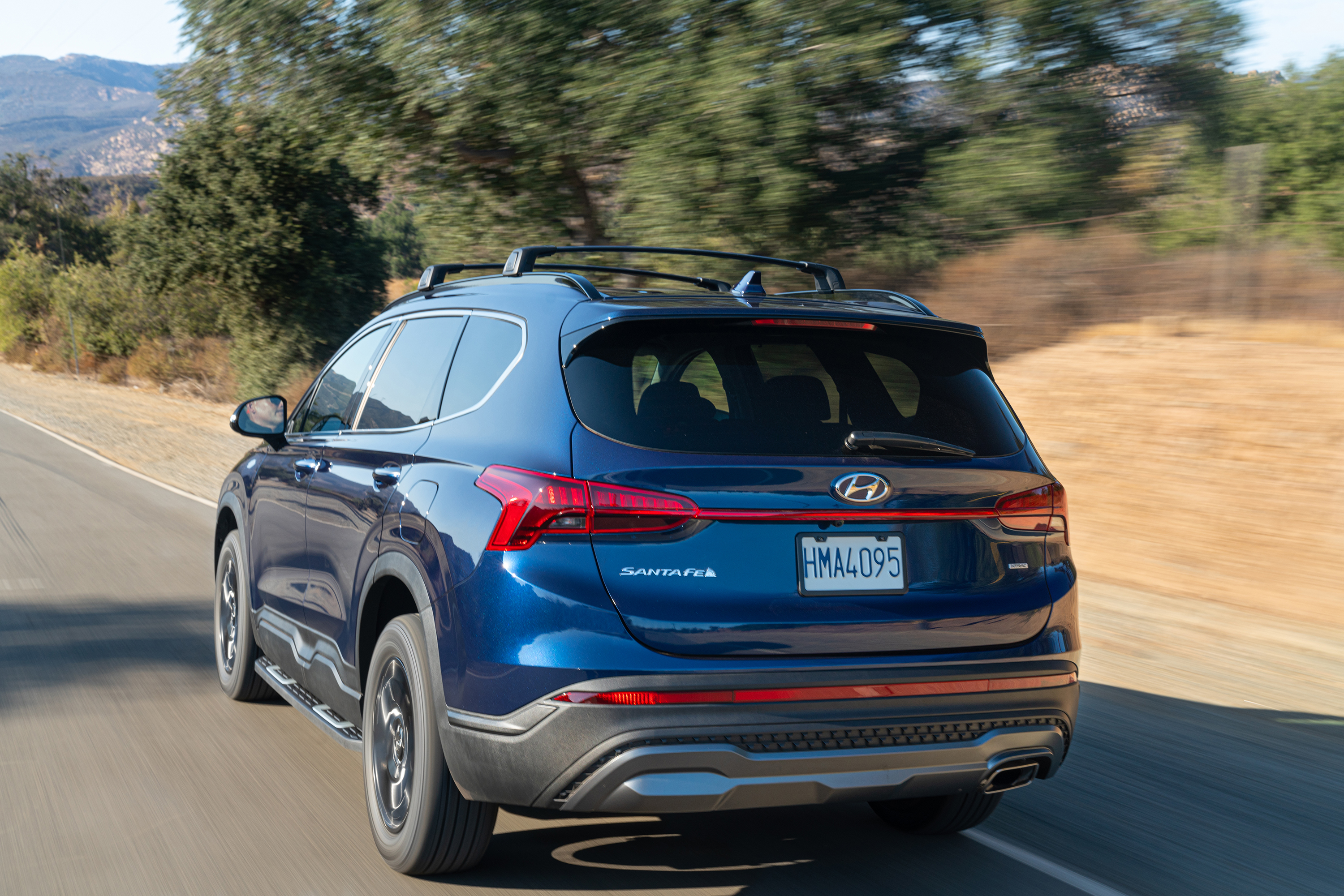
Hyundai Australia told Wheels the new trim level is exclusive to the US and there are no plans to offer it in Australia at this stage.
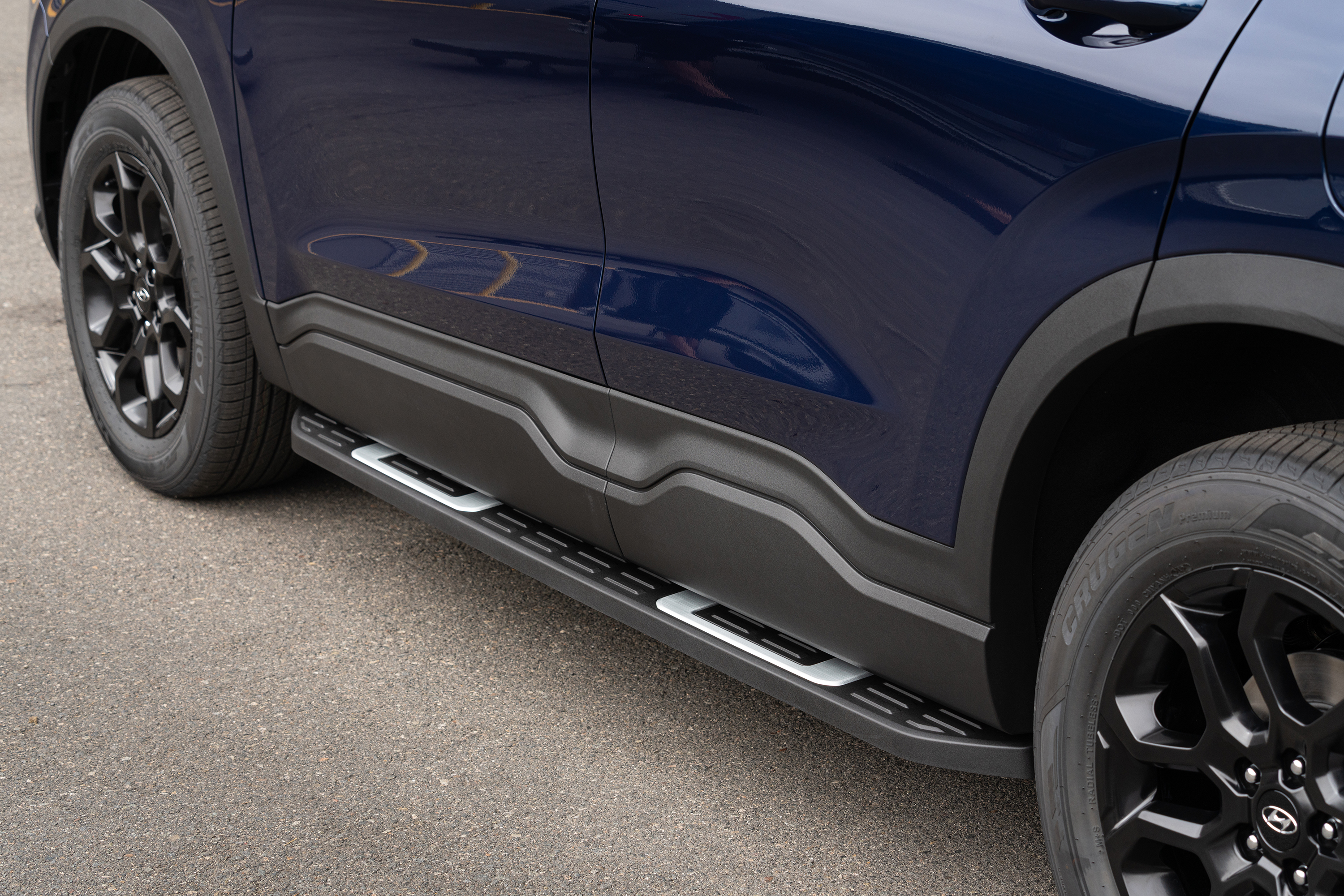
The Rugged XRT is already available for order in the US, and can be had in either AWD or FWD layouts.
Pricing starts at US$32,300 (AU$43,761) for the FWD, and US$34,000 (AU$45,933) for the AWD.
EV start-up Alpha has put its range of six vehicles up for reservation online in the US.
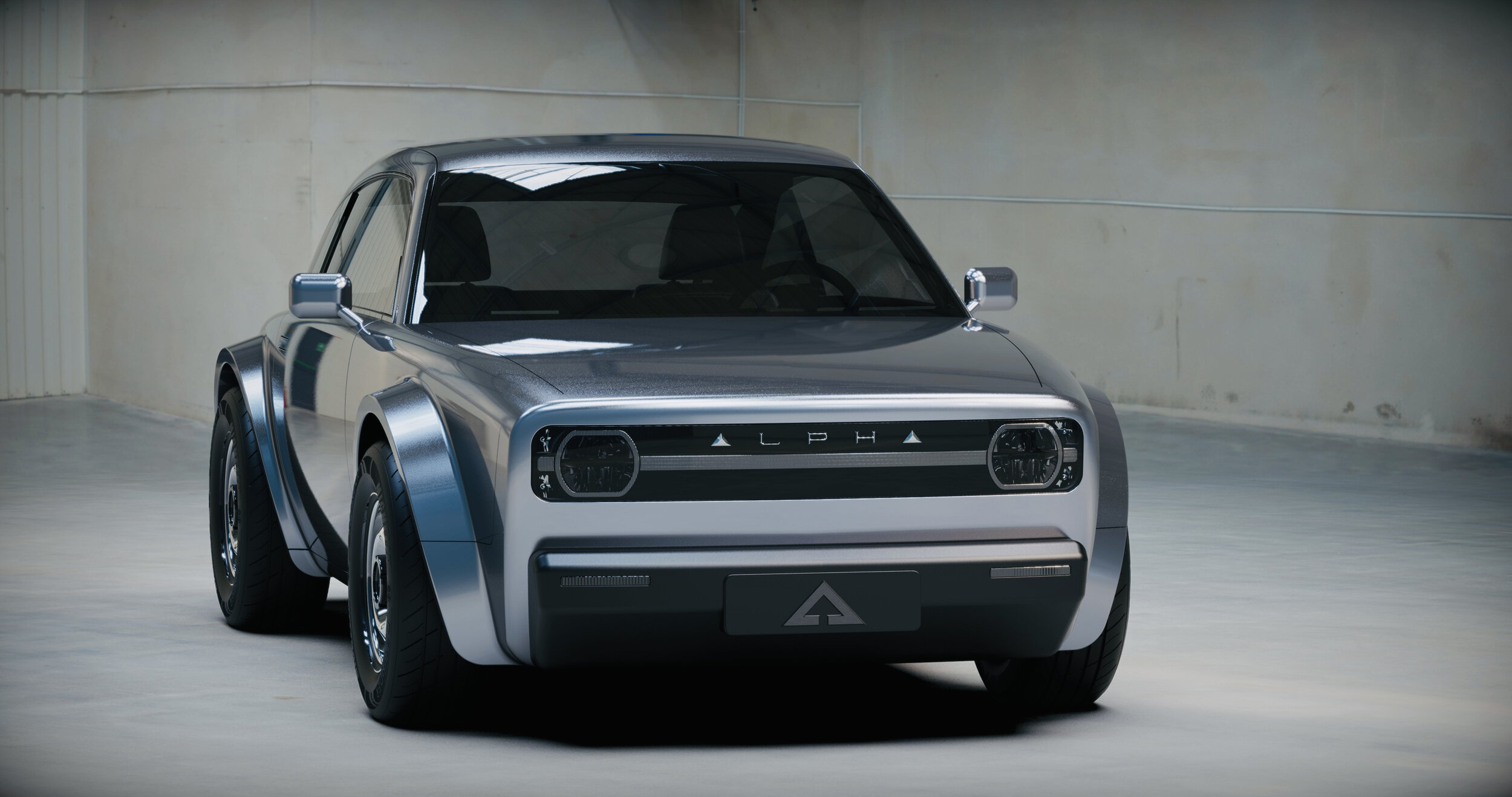
Although no cars have actually made it past renderings, the reservations list starts out with the US$32,000 (AU$43,240) Alpha Standard Coupe, or ACE – a two-door, rear-wheel-drive vehicle which has a claimed driving range of more than 400km.
A performance variant of the ACE is also available, this time with dual motors to give it all-wheel-drive and featuring a front splitter, rear lip spoiler and fender flares – lowering 0-100km times from six seconds to a touch under five seconds.
A price for the higher powered ACE has yet to be confirmed.
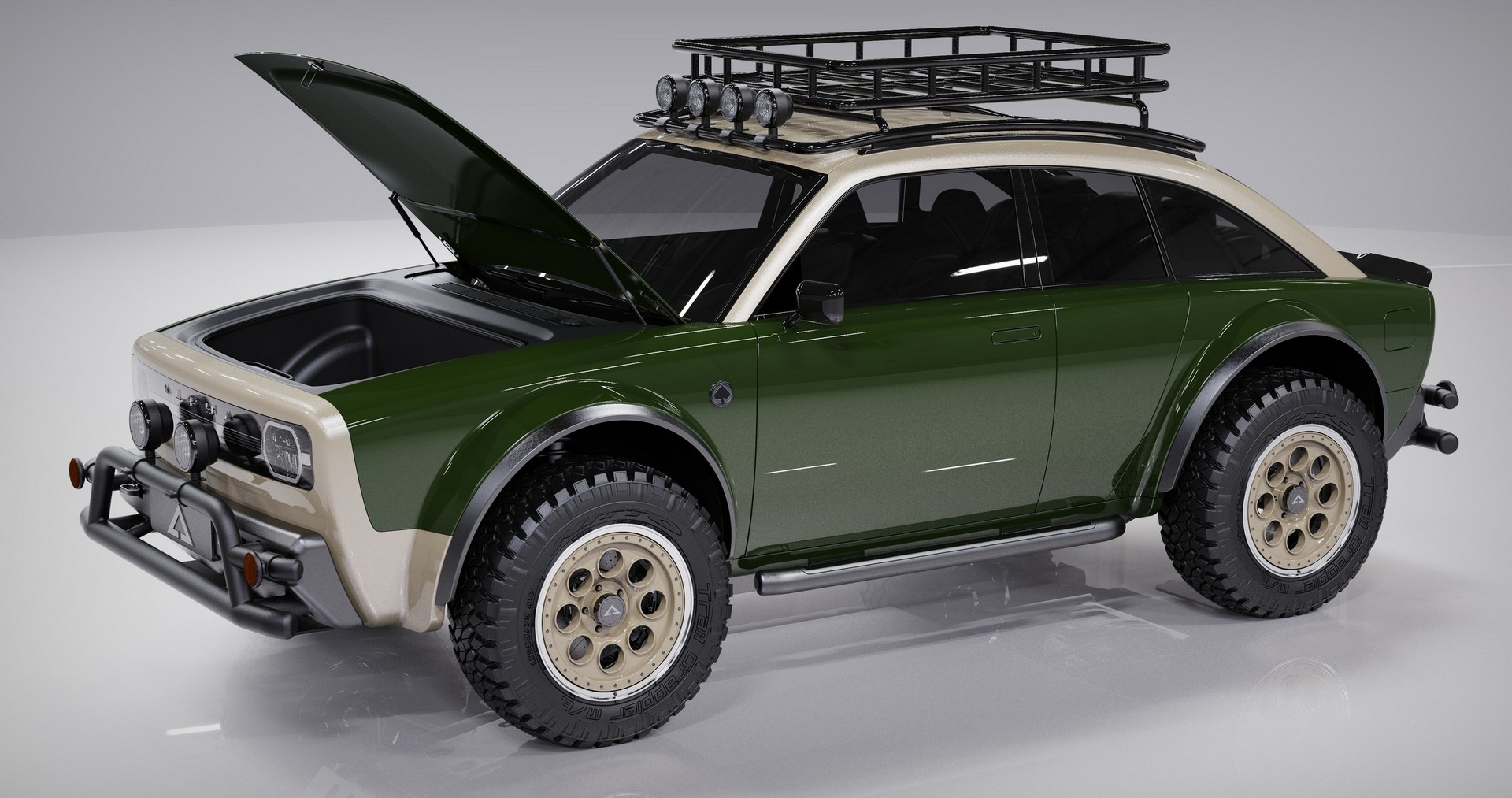
Next is the Jax (Junior All-terrain Crossover) which is loosely based on the ACE but is very much designed to go off-road, with its tall sidewall, deep tread tyres, roof box, front and rear bash bars and rally-spec spot lights.
All the extra kit comes at a cost, starting at US$38,000 (AU$51,350) for the front-wheel-drive version but going up for the all-wheel-drive powertrain, each capable of travelling up to 400km on a single charge.
Finally, the Wolf truck range, is available in three different body shapes and motor configurations to suit buyers with differing needs.
Firstly, the standard Wolf begins at US$36,000 (AU$48,650) for the single front motor variant, or can be specced up with dual motors to send power to all four wheels – boosting the theoretical towing capacity to 1360kg.
On top of the Wolf, buyers can opt for the Wolf+ which features a crew cab design, retaining the same bed as the base model but with a second row of seats which are accessed through a pair of suicide doors. Featuring a motor on the front and rear axles, the all-wheel-drive’s starting price of US$40,000 (AU$54,050) is just US$4000 (AU$5400) more than the entry-level Wolf.
Last but not least, the Superwolf takes things to the extreme – pumped out guards are made to fit the significantly larger off-road tyres, while this variant gets an extended cabin with a full second row of seats, complete with traditionally-opening doors.
With a US$48,000 (AU$64,860) price tag, the Superwolf boasts a larger driving range than its other Wolf-related siblings, able to go more than 400km on a single charge while retaining the Wolf+’s 3050kg towing capacity.

Snapshot
- Fatalities are up year-on-year despite Covid-19
- Fines from mobile speed cameras up by 1500 per cent
- u201cSigns worku201d says Transport Minister
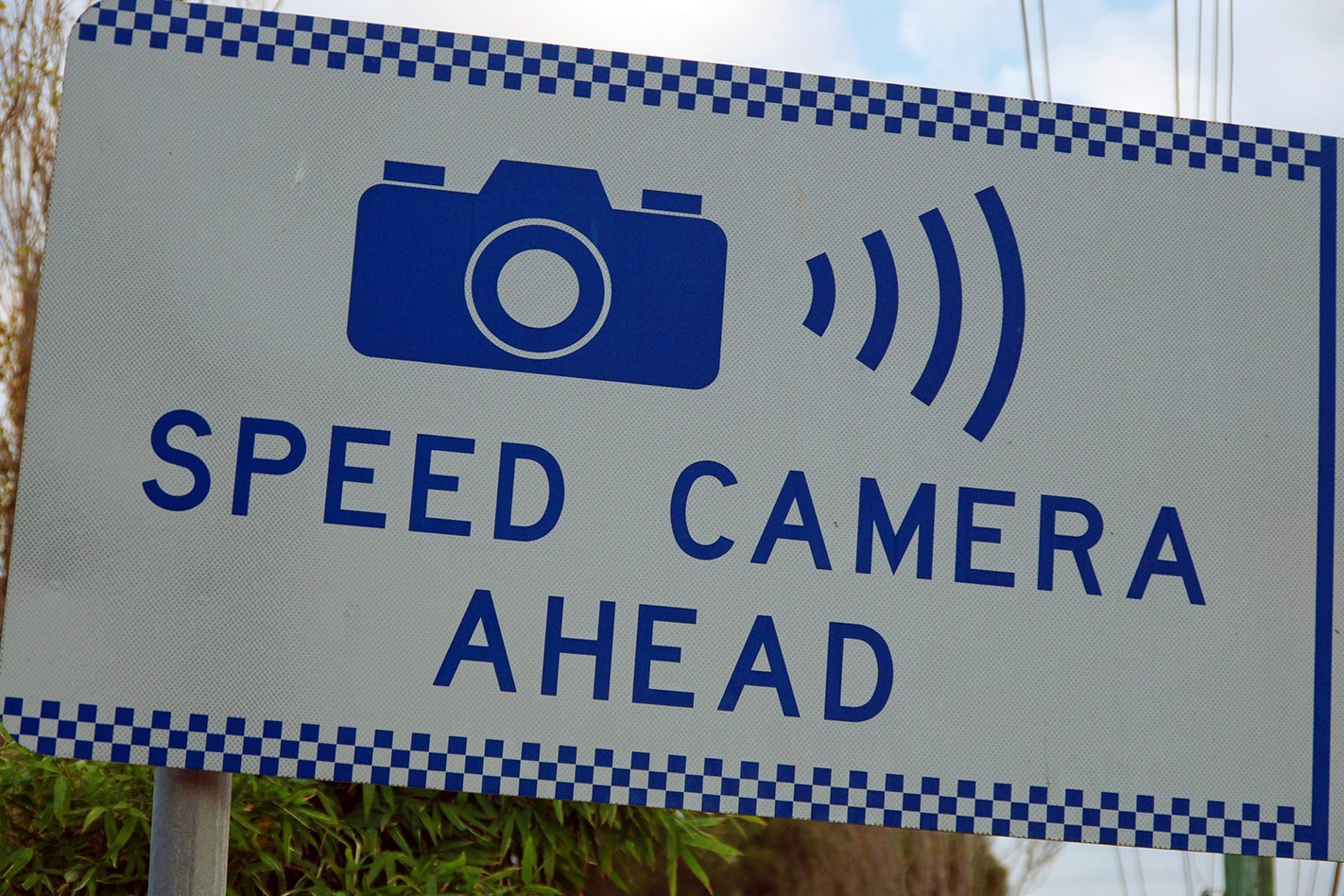
New South Wales is to install more than a thousand speed camera warning signs after the State Government faced a public outcry for previously having them removed.
The new directive follows November 2020’s removal of the signs across the state and a significant jump in low-level speeding offences captured by the devices. Mobile speed cameras are privately operated in NSW, which means the rise in revenue not only benefits the Government but private operators as well.
Along with 1000 permanent roadside signs, an additional 360 digital signs will remind motorists that the units can be found “anywhere, anytime”, according to Transport Minister Andrew Constance.
“[It] is the biggest killer on our roads, with almost 50 per cent of fatalities last year caused by someone travelling at an inappropriate speed,” said Constance. He also noted related fatalities were down to 40 per cent.
In February 2021, five drivers were caught going too fast for every hour of enforcement (meaning for every hour a mobile camera was set up, it caught five drivers). Constance says this figure fell to 3.5 drivers in June, although it’s unclear what caused the drop.
NSW Opposition Leader, Labor’s Chris Minns, called the announcement a “partial backflip”, citing the high number of low-level fines handed out in May 2021, which he claims amounted to a revenue of $4 million.
“The data is showing clearly that warning signs work to change driver behaviour and the fact the Government is now putting signs back up is proof of this,” Minns said.
NSW road fatalities have risen in 2021, a point not lost on the NRMA’s Peter Khoury. “We’ve got two issues here. The first is that the Government is fining more people in a month than what they were in a year, and the second issue is the road toll this year is worse than it was last year.”
This is also against the backdrop of lower traffic volumes as a result of Covid-19 restrictions and an ongoing reluctance of many workers to return to offices.
However, even though the Government has seemingly U-turned on their removal, the signs themselves aren’t warnings of specific active mobile sites, instead just telling motorists there are cameras generally operating in the area.
