
The BMW Group has set itself some big targets to reduce its CO2 emissions over the next decade – including putting 10 million electric vehicles on the road and halving the carbon footprint of its batteries.
At the company’s Annual General Meeting (AGM) on Wednesday, the Bavarian carmaker revealed its new green strategy: Re:Think, Re:Duce, Re:Use, Re:Cycle.
The marque stated that as part of its plan, it is going to avoid its manufacturing process spewing out more than 200 million tonnes of CO2 by 2030 – the equivalent of a city the size of Munich – by reducing its vehicles’ carbon footprint throughout their lifecycles.
To achieve this, everything from raw material extraction, through production and customer use, to end-of-life recycling will use fewer resources.
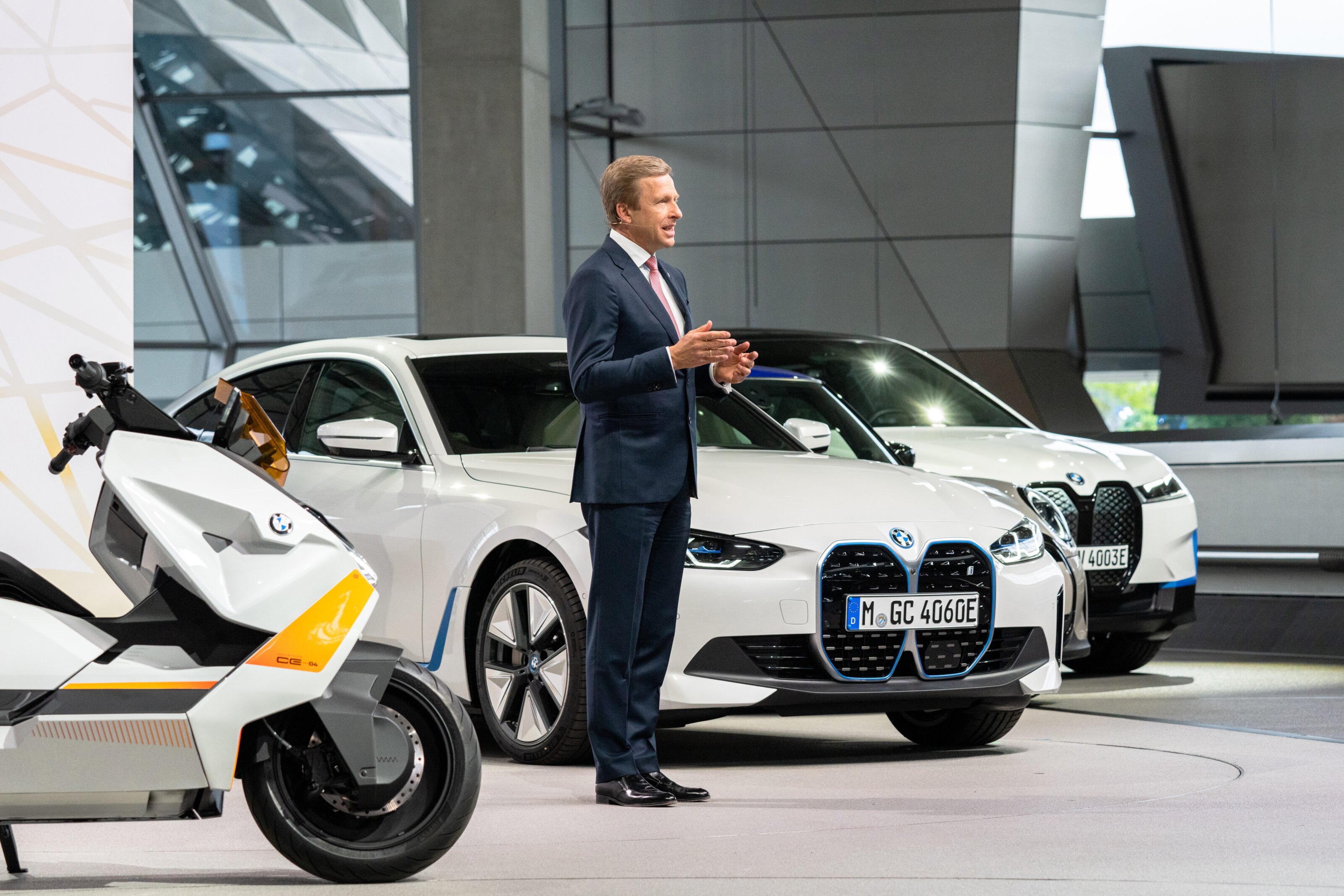
“A climate-friendly car is not created solely by using green power. We must design our vehicles for sustainability from the very first day of development: reducing the amount of material used to manufacture them and, above all, planning for reuse and recycling from the very beginning. In the face of rising raw material prices, this is not just an environmental, but also a business imperative,” said Oliver Zipse, Chairman of the Board of Management of BMW AG.
BMW’s aim is to substantially increase the percentage of secondary material it uses in its cars – such as recycled steel and plastics, as well using solar power in the future to produce aluminium and investing in carbon-free steel production.
From this year the business’s goal is to make its entire production process and locations net carbon neutral. The carmaker has been sourcing 100 per cent green power since the end of 2020 and starting this year is also offsetting its remaining CO2 emissions through various measures, including for its company cars and business trips.
Battery
According to BMW, the process of manufacturing its battery and producing battery cells is extremely energy-intensive. Therefore, with the next generation to be introduced, in what it calls the “Neue Klasse”, the aim is to reduce the carbon footprint to less than half its current value.
One method it will use to achieve its goal will be by using recycled materials in the battery cells and battery as a whole. For example, the housing in the BMW iX already contains up to 30 per cent secondary aluminium and up to 50 per cent secondary nickel in the battery cell.
At the same time, the BMW Group is also limiting its use of critical raw materials in the current generation of battery cells and reducing the amount of cobalt in the cathode material to less than 10 per cent. Additionally, the electric motor no longer requires the use of rare earths.
More EVs on the way
In Wednesday’s meeting the company reaffirmed its commitment that at least 50 per cent of global sales will be EVs by 2030. Although headed in the right direction, other car brands including Audi, Jaguar, Volvo and Bentley have gone further pledging to go all-electric by the same date.
Earlier this year rival Audi went even further and said it is ending development of new combustion engines immediately, while in contrast BMW said it wasn’t done with the internal combustion engine just yet.
BMW sees reason to continue its research and development into combustion engines, despite intentions for sub-brand Mini to go electric-only from 2030.
While BMW says it won’t abandon petrol and diesel engine development for now, it’s obvious the brand sees the future as electric.
The German marque will offer five fully-electric models by the end of this year – the BMW i3, the MINI SE and the BMW iX3, as well as its two EV flagships, the BMW iX and the BMW i4.
Up next for the manufacturer will also be fully-electric versions of the high-volume BMW 5 Series, X1, 7 Series, the successor to the MINI Countryman and other models.
By 2023, the BMW Group says it will have at least one fully-electric model on the roads in 90 per cent of its current market segments.
CO2 Emissions and consumption for BMW EVs:
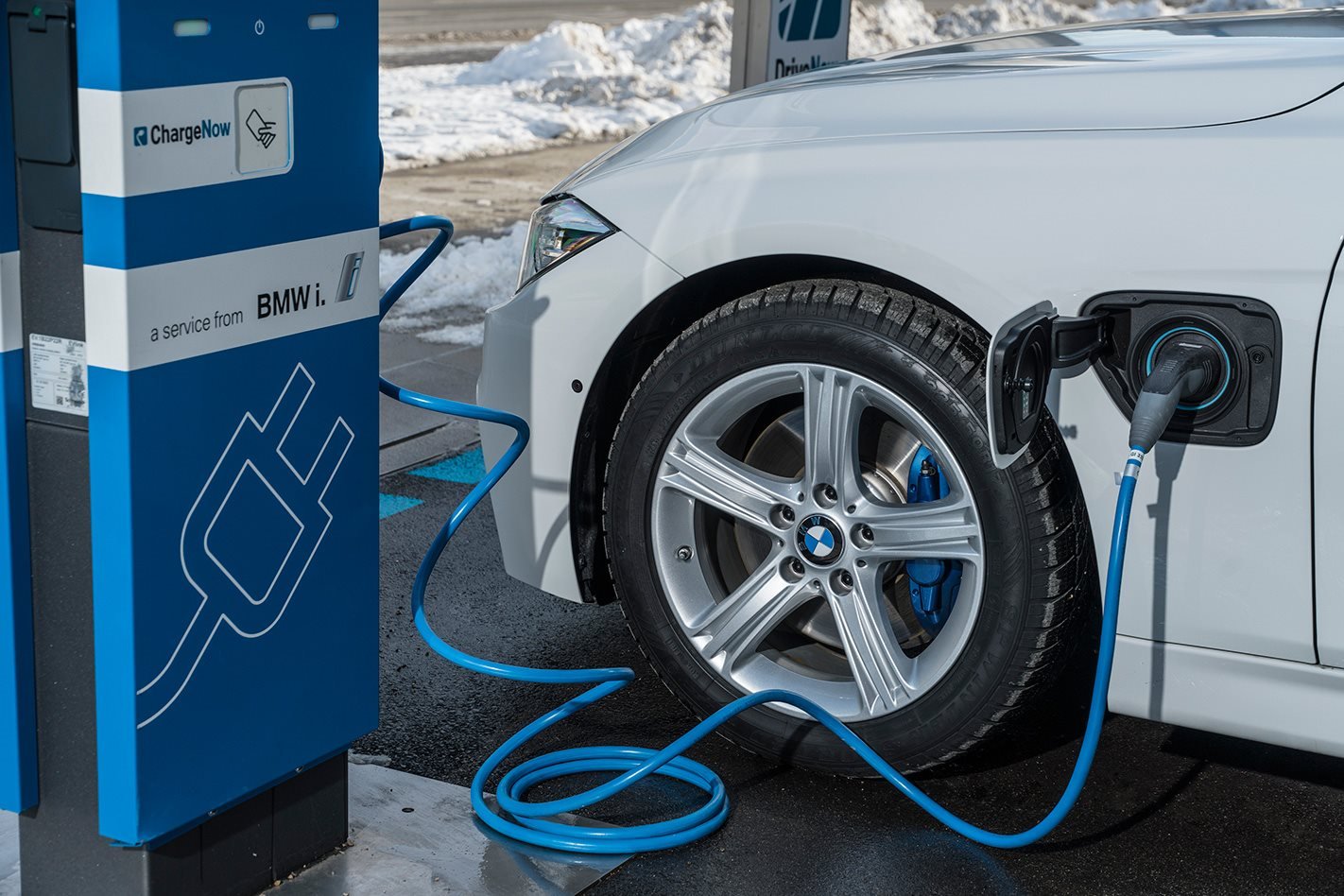
BMW iX: Power consumption in kWh/100km: 22.5-19.5 WLTP. Data is preliminary and based on forecasts.
BMW i3 (120 Ah): Power consumption in kWh/100km combined: 13.1 NEDC, 16.3-15.3 WLTP.
BMW i3s (120 Ah): Power consumption in kWh/100km combined: 14.6-14.0 NEDC, 16.6-16.3 WLTP.
MINI Cooper SE: Power consumption in kWh/100km combined: 16.9-14.9 NEDC, 17.6-15.2 WLTP.
BMW iX3: Power consumption in kWh/100km combined: 17.8-17.5 NEDC, 19.0-18.6 WLTP.
BMW i4: This is a pre-production model, no figures are available yet.
Got a tip-off for a story? Get in touch: [email protected]
Talking points
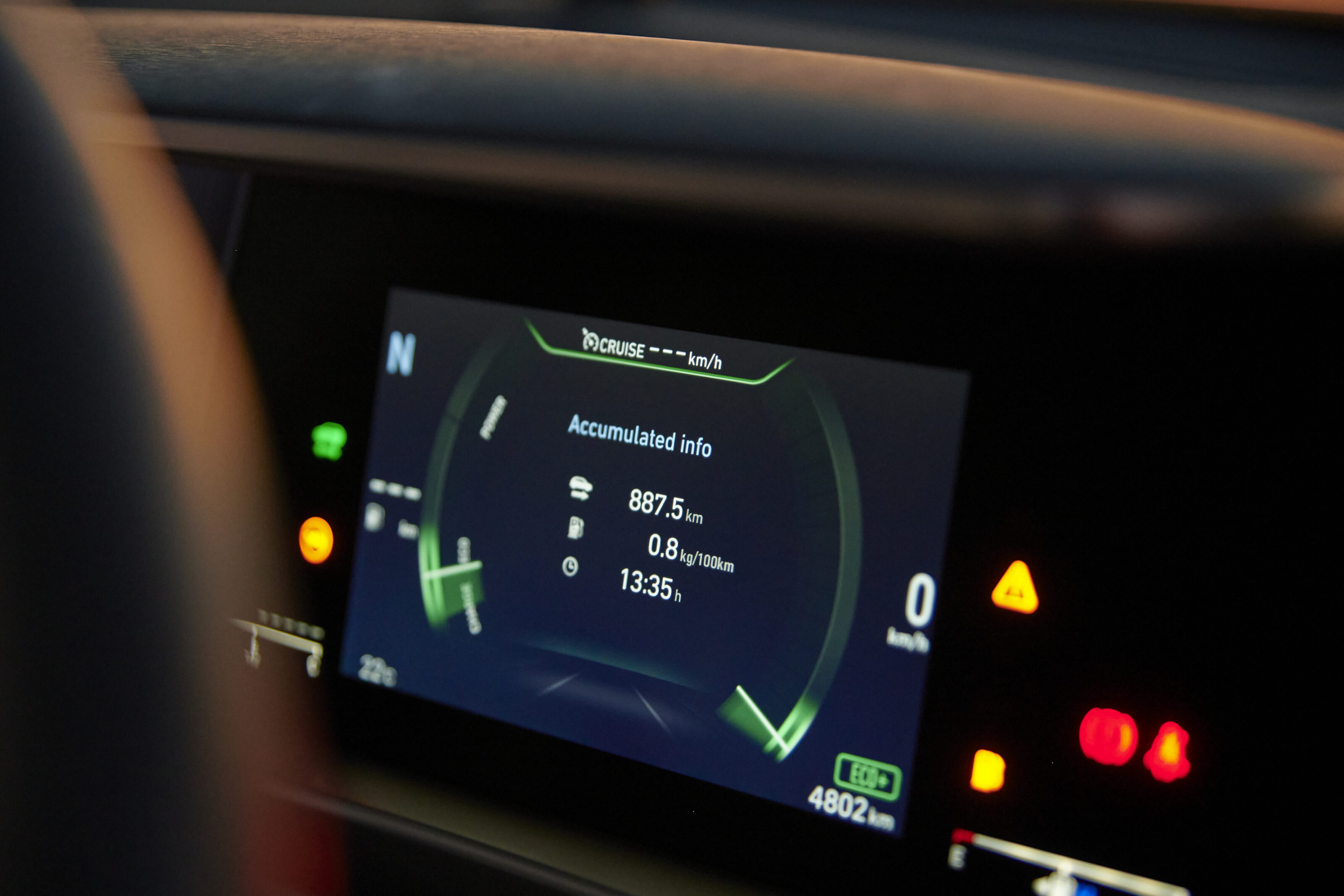
- The unmodified Nexo travelled 887.5km on a single tank
- The Nexo’s official range is 666km
- The previous world record, set in France, was 778km
An Australian team driving a Hyundai Nexo fuel cell electric vehicle (FCEV) has broken the world record for the longest distance travelled in a hydrogen-powered vehicle on a single tank.
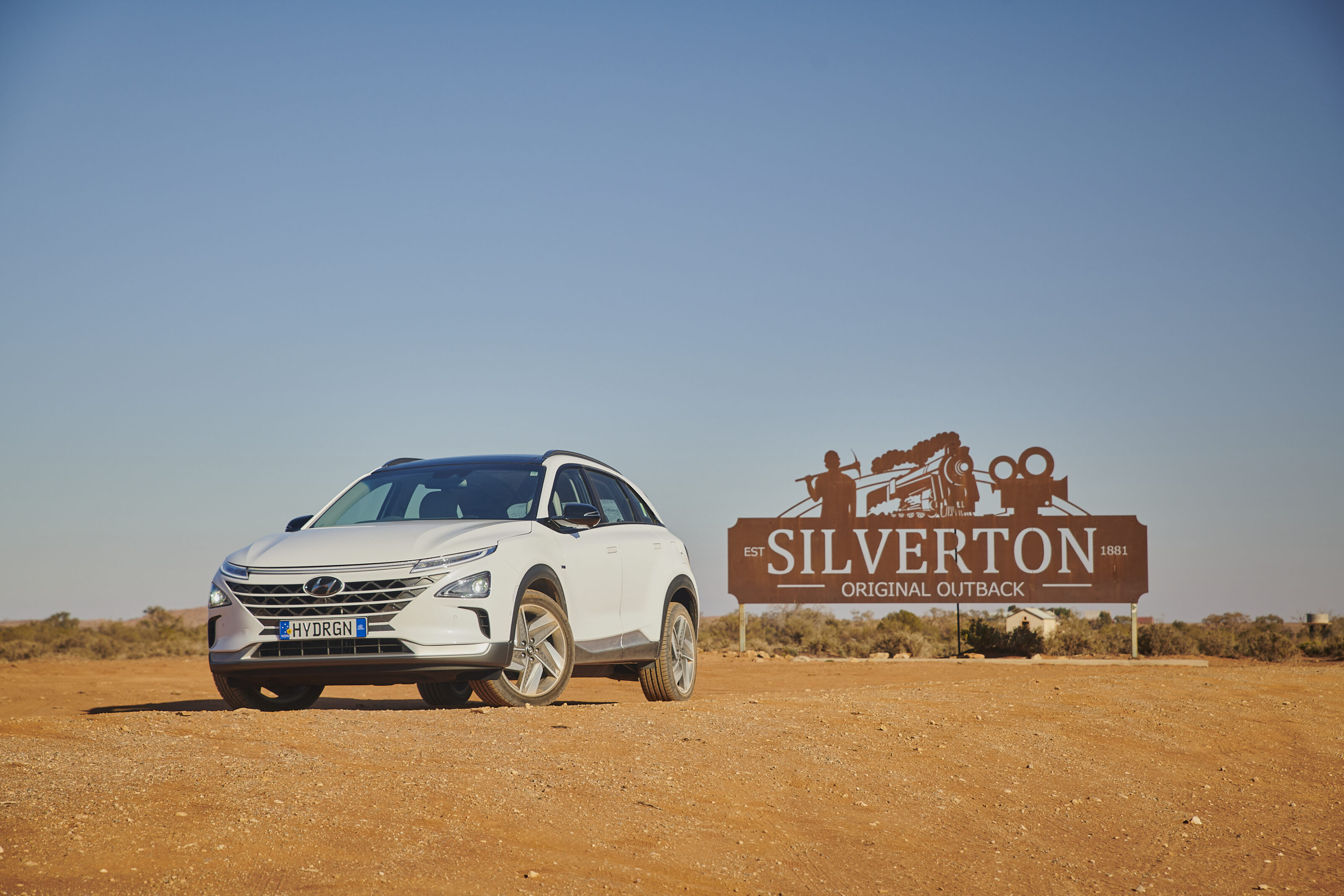
Australian Hyundai rally driver Brendan Reeves drove the unmodified Nexo 887.5km from Essendon Fields in Melbourne to Silverton, near Broken Hill.
The journey smashed Nexo’s official WLTP range of 221.5km, and convincingly beat the previous records of 778km set by French aeronaut Bertrand Piccard, also at the wheel of a NEXO, on his journey across France from Sarreguemines to Le Bourget.
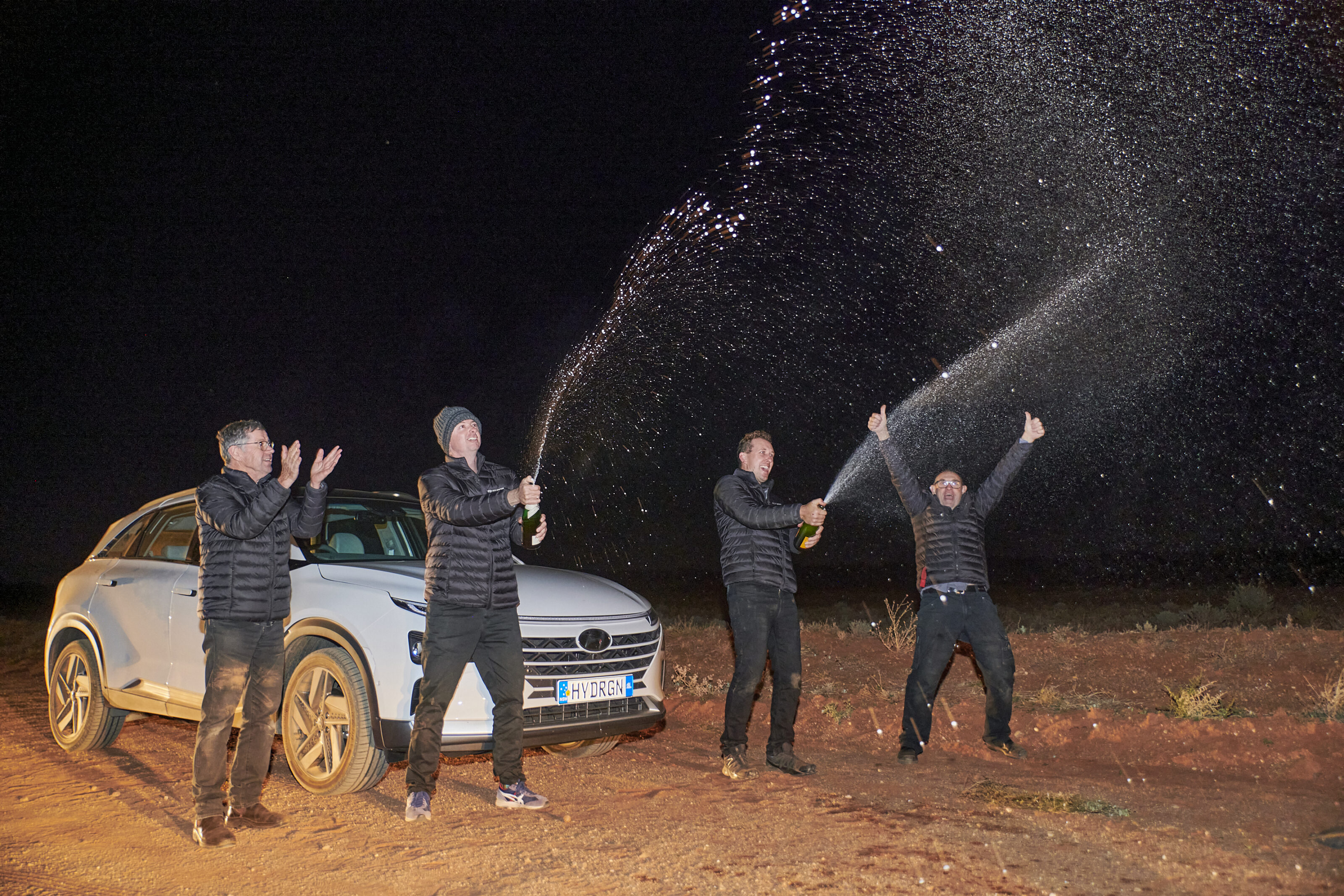
After 807km of efficiency-focused driving, Reeves arrived in Broken Hill with plenty of range still showing on the vehicle’s trip computer.
He continued to Silverton, an outback town on the outskirts of Broken Hill best known as the setting for Mad Max 2, and the car then travelled some 60km beyond before the NEXO’s hydrogen tank was depleted on the Wilangee Road beyond Eldee Station.
The trip took 13 hours and six minutes at an average speed of 66.9km/h.
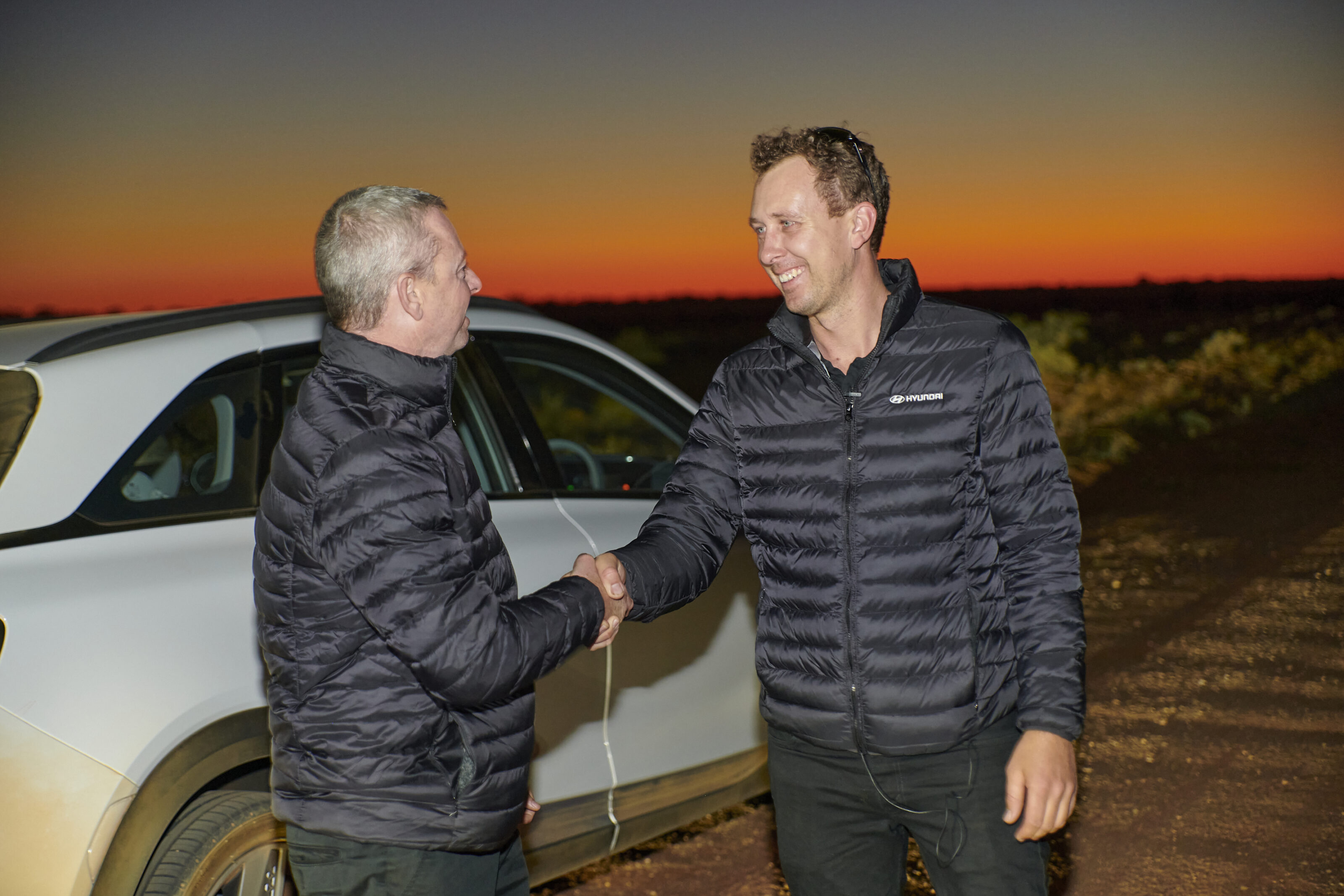
A representative from the RACV was on hand to seal the NEXO’s tank at the start of the journey, and an NRMA representative confirmed the validity of the tank seal at the end.
The NEXO’s low fuel warning first lit up at 686km, with more than 200km of range left from that point. The fuel light started flashing after 796km, with 90km of real range remaining.
The Nexo technically travelled more than 900km – the isolated GPS unit onboard registered 903.4km, while the Google Maps distance showed 905km travelled.
However, for the purposes of the test, the NEXO’s own trip computer was used as the official distance recorder.
Reeves said, as a rally driver, he always wanted to achieve a world record but never guessed it would be this way.
“I was constantly checking the Nexo’s efficiency readout to maximise the distance I was getting per kilogram of hydrogen. I found that by using techniques from rally driving, such as looking as far down the road as possible, as well as tips I have learned from my dad for driving a truck efficiently over long distances, it’s actually possible to go way beyond Nexo’s official range.”
The Nexo’s trip computer showed it consumed a total of 6.27kg of hydrogen during the trip, at a rate of 0.706kg/100km.
It purified 449,100 litres of air on the journey, enough for 33 adults to breathe in a day and its plastic exhaust pipe emitted only water in vapour and droplet form throughout the trip.
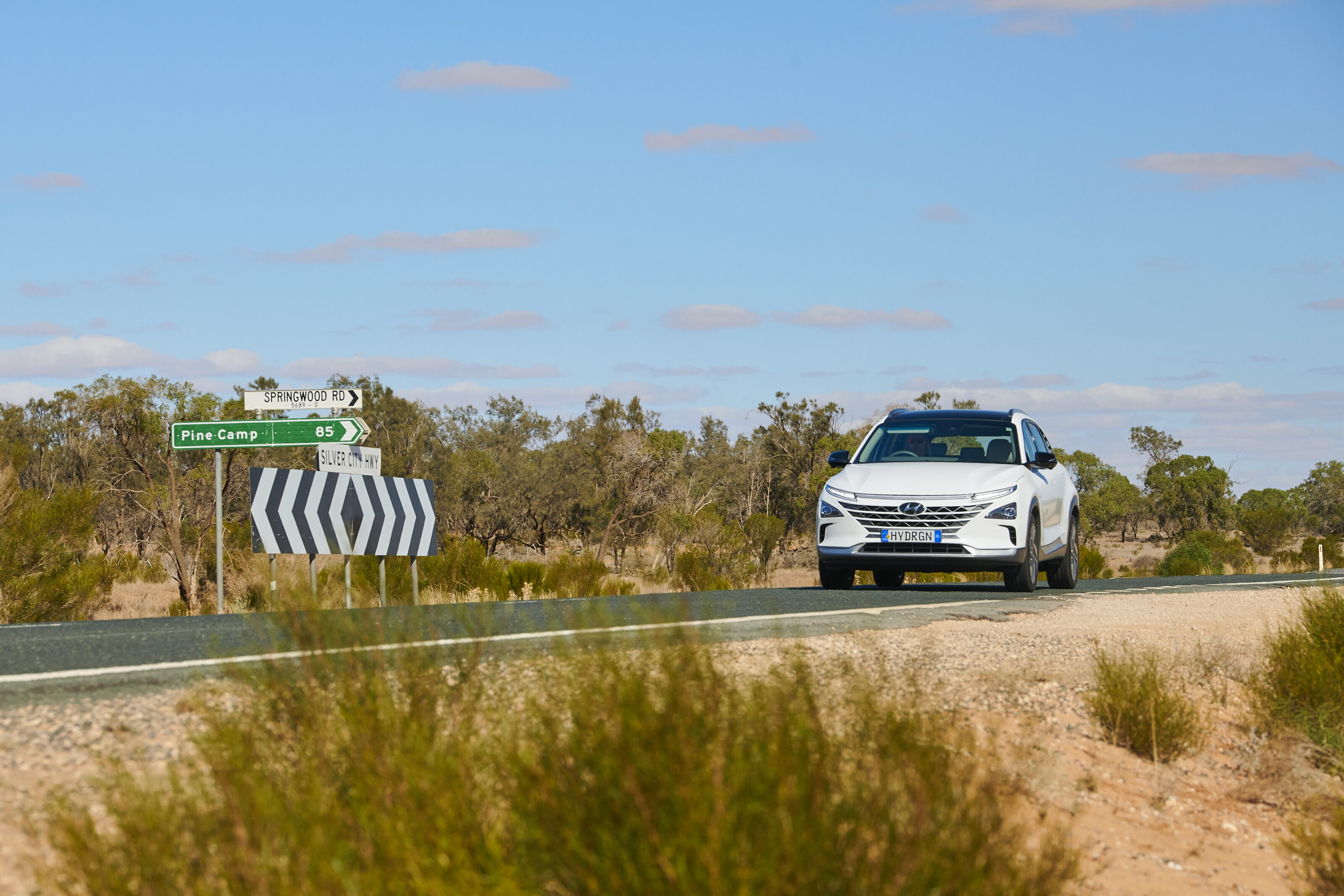
According to Hyundai it emitted zero CO2, while a standard Internal Combustion Engine vehicle would have emitted about 126kg of CO2 over the same distance.
Hyundai recently imported the first 20 second-generation Nexo FCEVs into Australia, which are now deployed in a variety of roles with the ACT Government.
Talking points
- Five-door Jimny expected for 2022 launch
- New turbo/hybrid powertrain expected
- Jimny Long will be produced in India and Japan
Suzuki is readying for an unveiling of its next Jimny installation – the five-door ‘Long’ variant.
Reports from Japanese publication MOTA and Autocar India suggest the stretched SUV has been in development for some time and will be launched in 2022.
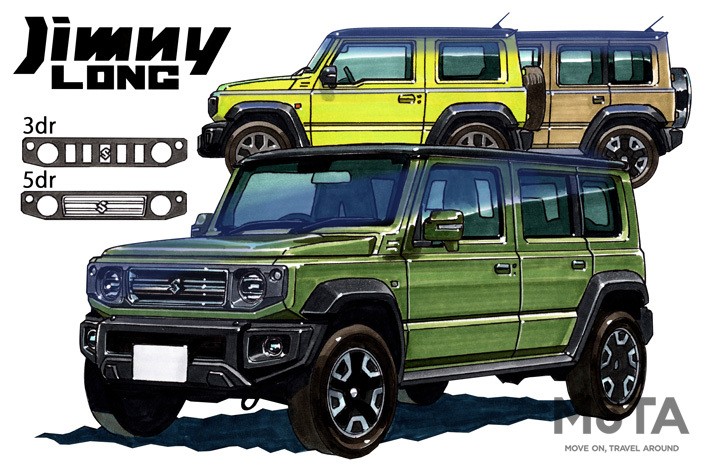
The reports also suggest that the new Jimny could be scoring a turbocharged four-cylinder petrol engine and hybrid combination which produces more power and torque than the current N/A 1.5-litre four-cylinder found in the three-door variant.
How much more will the turbo/hybrid powertrain produce? It’s tricky to say, but MOTA claims the added performance is more than enough to overcome the Long’s weight gain, which is rumoured to be around 100 kilograms (up to 1190kg from 1090kg).
We reckon, given the 1.5-litre four-pot produces an asthmatic 75kW and 130Nm, that a turbo and hybrid boost could easily push power above 100kW and almost double the N/A donk’s torque figure.
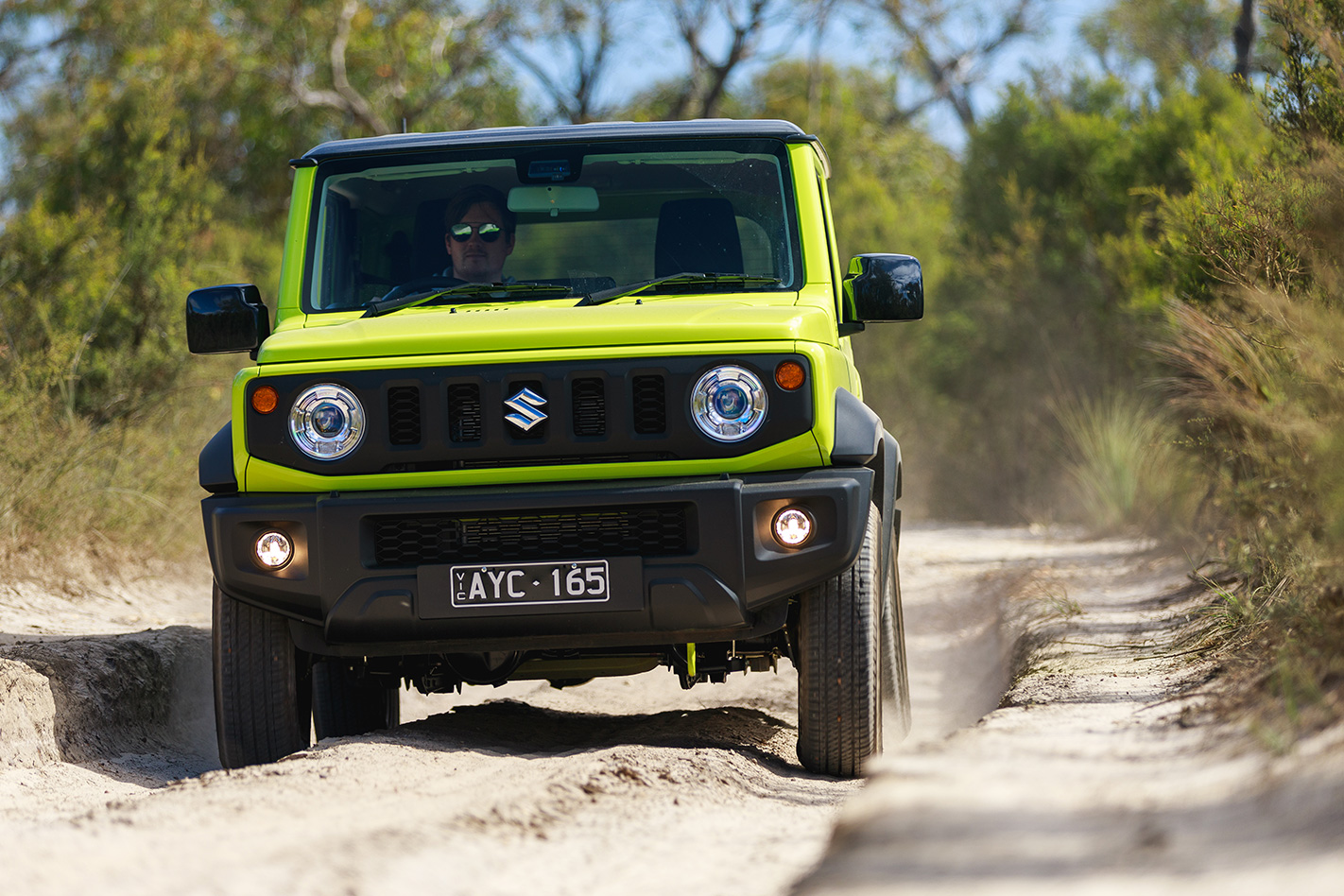
According to Autocar India, the five-door Jimny Long will measure 3850mm in length, 1645mm in width, 1730mm in height, and its wheelbase will span 2550mm.
That’s a 300mm increase in both the length and wheelbase over the standard three-door mini SUV.
Those are significant gains. However, the report also suggests the Long will have the same 210mm of ground clearance as the regular Jimny.
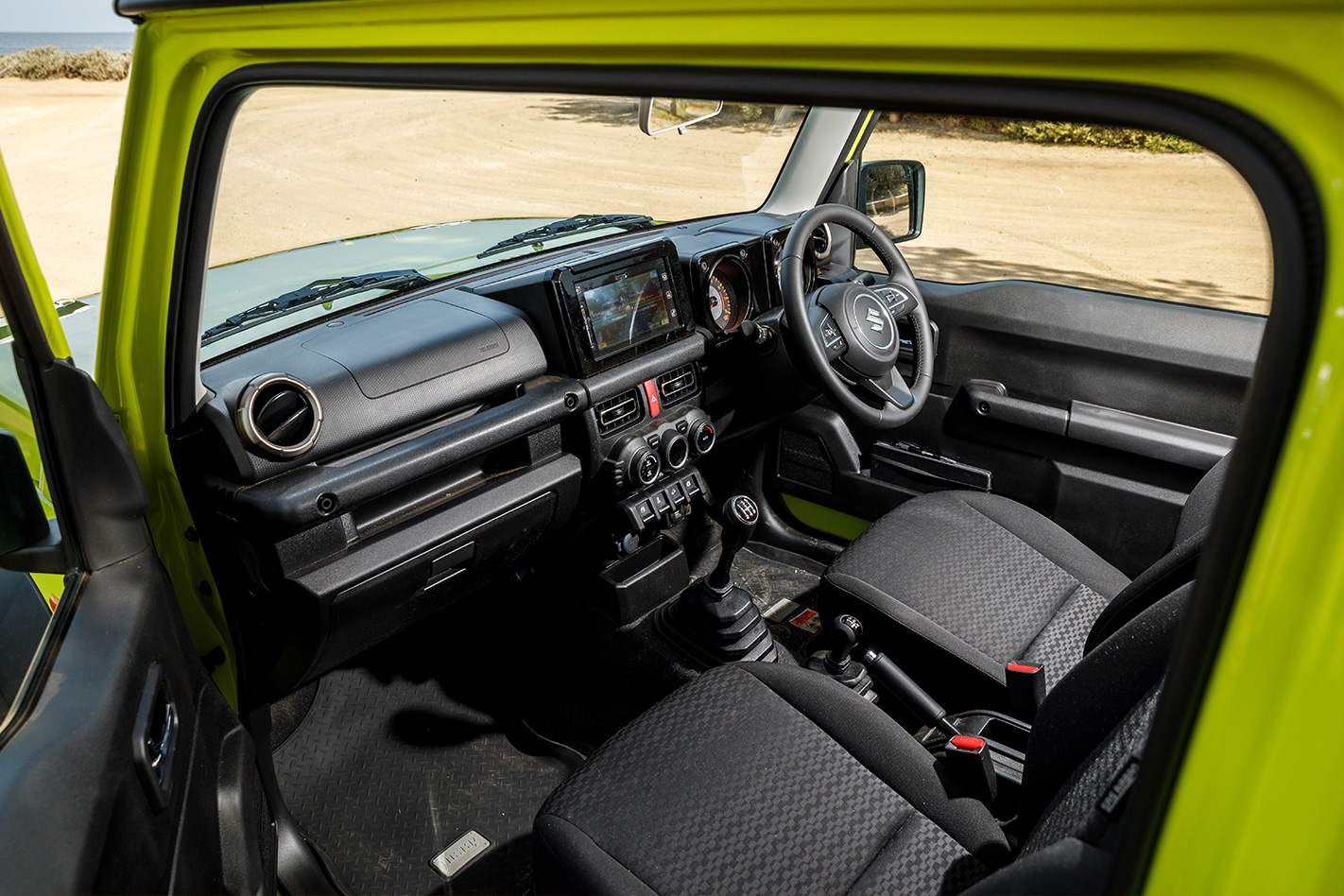
As of January 2021, the Jimny’s production has been ramped up significantly, now being produced by Maruti Suzuki in its Gurgaon plant in India, as well Suzuki’s Kosai factory in Japan.
It’s believed the new Long will be built in both locations, which should mean delivery times for both the three and five-door variants will be shorter than the current 12-month waiting list most Aussie buyers are enduring.
Of course, that’s assuming the Jimny ‘Long’ is coming to Australia.
The five-door obviously hasn’t been confirmed for our local market yet, but Suzuki Australia boss Michael Pachota has previously said that if an elongated Jimny ever became available, the Japanese automaker’s local arm would definitely register its interest.
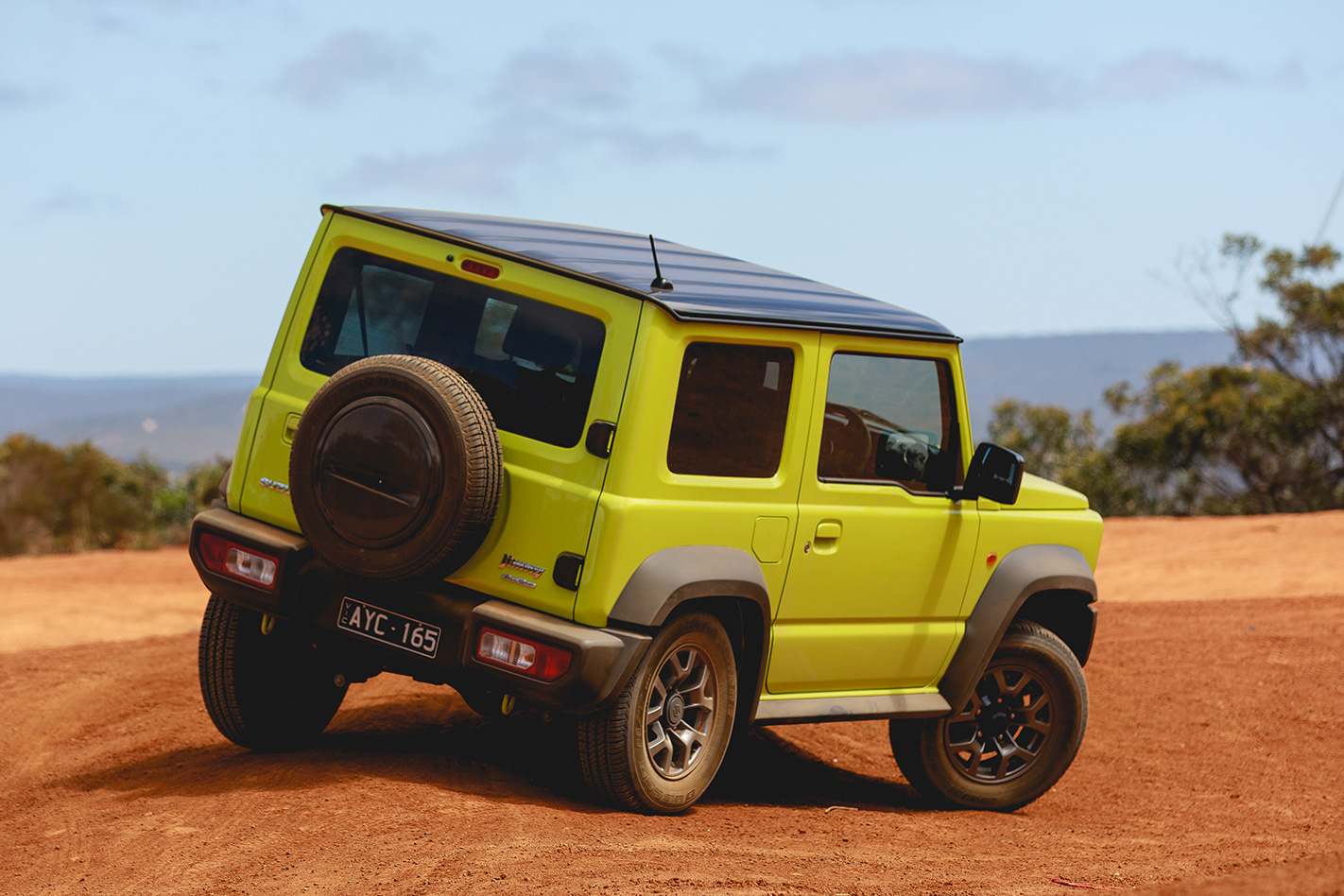
MOTA claims the new Jimny Long will set buyers in Japan back ¥300,000 (roughly AU$3500) more than the three-door equivalent.
Given that the Jimny has just received another price increase Down Under, now costing $28,490 plus on-road costs for the base GLX manual and $29,990 plus on-road costs for the top-shelf GLX automatic, we’d hazard a guess the new five-door could be nudging over $40k drive-away.
WhichCar has reached out to Suzuki Australia for comment.
Got a tip-off for a story? Get in touch: [email protected]
Ever since the Toyota GR Yaris failed to thrill the judges at MOTOR Performance Car of the Year 2021, we have had a burning desire to get our hands on the improved Rallye variant to see if it makes up for the standard car’s shortcomings.
Well, we have some good news, as MOTOR recently had both the Rallye and base GR to ourselves for a week.
As such the task is a simple one: do the modifications fix the GR Yaris’s handling issues and, if so, are they worth the extra coin?
To ascertain this we’ve decamped to the tight, twisting and heavily undulating Bryant Park hillclimb circuit, a favoured venue for testing performance cars that have at least one foot in the real world.
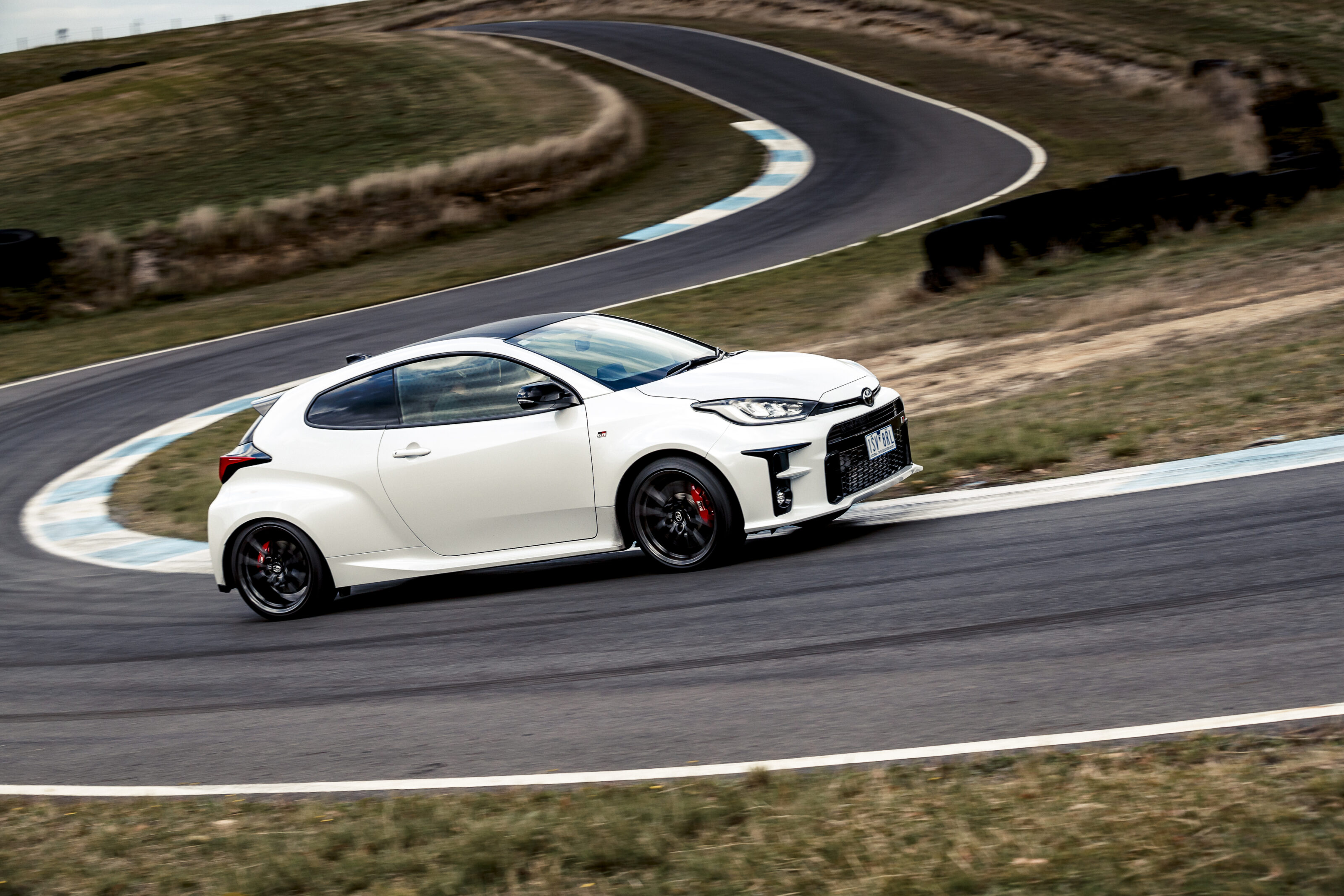
It’s essentially a miniature tarmac rally stage, so should be perfect for providing the answers we need. First I drove the GR Yaris to set both a time and experiential benchmark, then followed suit in the Rallye.
You can watch the video above to see how things fared, but the stopwatch reveals the extent of the improvement.
Whereas the standard car was a frustrating wrestle over seven or eight laps in an attempt to coax a tenth or two from the package, the Rallye immediately goes 3.1sec quicker on its first flyer, increases that to 3.2sec on its next two before a final, tidier lap nets a 1:01.8sec result for a total gain of 3.4sec.
That is massive on what is essentially a 60sec circuit and just a tenth behind the time recorded by the Mercedes-AMG A45 S earlier this year.
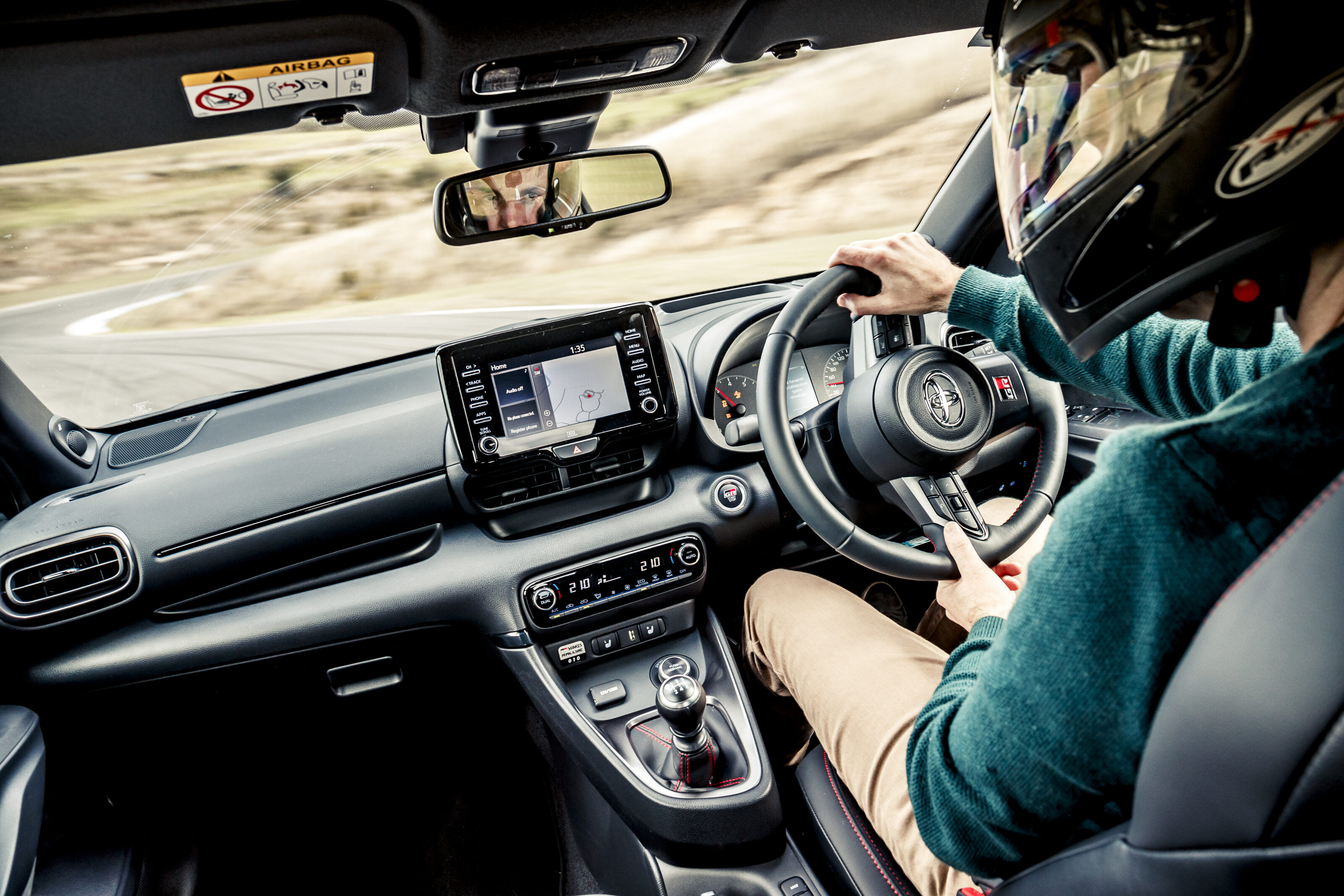
A look at the data makes it immediately obvious where time is being made – everywhere.
In a lot of corners the actual minimum speeds aren’t a million miles apart – sometimes only two or three km/h – but whereas the standard car’s traces are a pronounced ‘U’ the Rallye’s are a nice ‘V’ courtesy of it getting in and out of corners so much more efficiently.
A lap of Haunted Hills comprises 15 corners and, given what we know of the lap times, the Yaris GR is 5.5 per cent slower than its Rallye sibling.
We sampled speeds at 15 waypoints around the circuit and the Rallye was quicker in 14 of them, sometimes dramatically so.
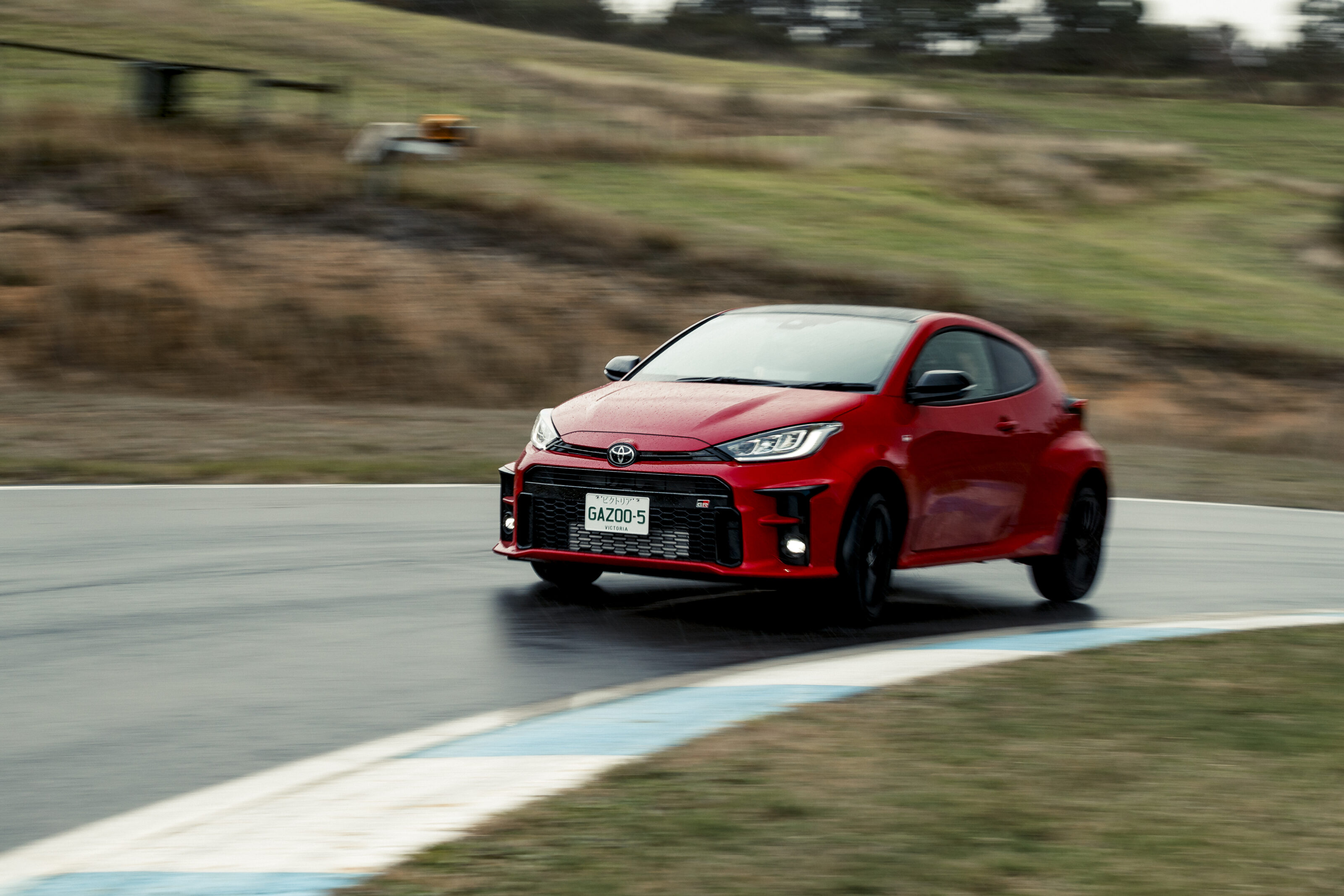
In most of the slower corners of the circuit the gap was marked at apex. At the descriptively titled ‘Oh Shit!’, the bottom hairpin, the Rallye’s superior turn-in saw it carrying 8.5 per cent more speed at apex.
The steep uphill scrabble of a left-hander onto the back straight is almost perfect for bleeding drive through an open diff and here the Rallye realises a 12 per cent speed advantage, which then levels to a 5.8 per cent advantage at peak speed along that ascending straight.
The final corner, a long right-hand hairpin with no runoff, sees the Rallye cornering 2.9km/h (or 6.3 per cent) quicker at apex, and hooking up better for the lunge to the line.
At the end, the best the standard GR Yaris could manage was a 1:05.20, while the Rallye improved the benchmark to 1:01.80.
Want to read the full rundown of how the Rallye compares to the standard GR Yaris? Make sure to pick up the most recent issue of MOTOR, on sale now!
For more great performance car videos, make sure to subscribe to our YouTube channel.
Snapshot
- Ralliart Triton likely to be the first new model from the revived performance brand
- Ralliart parts for Mitsubishi customers
- Japanese automaker will return to the world of motorsport under the Ralliart banner
Mitsubishi has quietly announced that it’s reviving its iconic Ralliart performance brand for the first time in 11 years.
The news came from the Japanese firm’s 2020/21 financial year report, and although nothing is concrete yet, it appears the rebooted performance arm’s first product will be a hotted-up version of the Triton.
How hotted up? That’s up for debate, but judging from a teaser image released by the automaker, it appears the sideways Triton could be a lightly breathed on, mostly cosmetic upgrade made to compete against the likes of other utes like Ford’s Ranger Wildtrak.
Weirdly though, the teaser image does show the Ralliart Triton sitting a fair bit lower than the standard variant of the work ute, which goes against the grain of other brands in the segment which have leaned into a tougher off-road specification.
Mitsubishi also announced that it would be creating a bespoke line of Ralliart parts, which will likely be a set of additional cosmetic upgrades for those wanting to inject their car with an extra hit of testosterone.
Speaking about the performance brand’s reintroduction, Mitsubishi CEO Takao Kato explained that Ralliart was being brought back for fans of the brand.
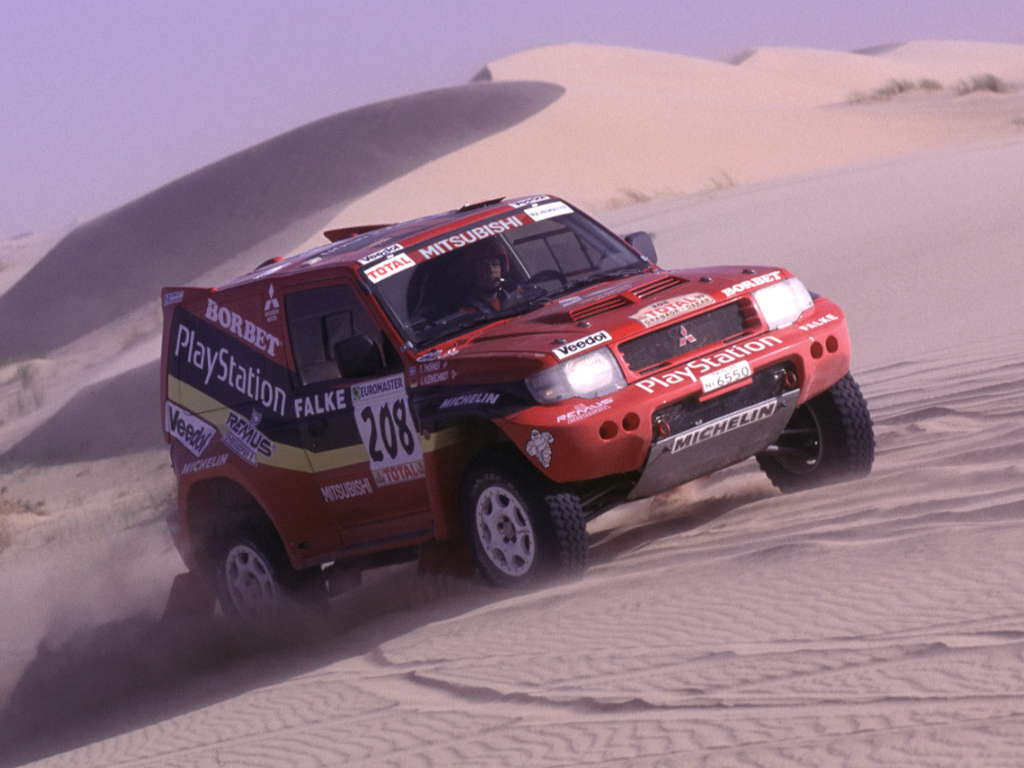
The CEO also said Mitsubishi would be returning to the world of motorsport under the long-dormant Ralliart name.
“For customers who wish to experience our Mitsubishi-ness, we will launch custom-made accessories for our model line-up as well as re-entering motorsport events around the world.”
It’s unclear at this stage what motorsport events the Tokyo outfit will be entering, but a return to the Dakar Rally is definitely on the cards – given Ralliart’s last effort, the Mitsubishi Pajero Evolution, is the most winning car ever entered in the gruelling event.
And obviously, given the company is already entered in it, a Ralliart Triton on the grid of the Haltech V8 SuperUte Series seems like a no-brainer.
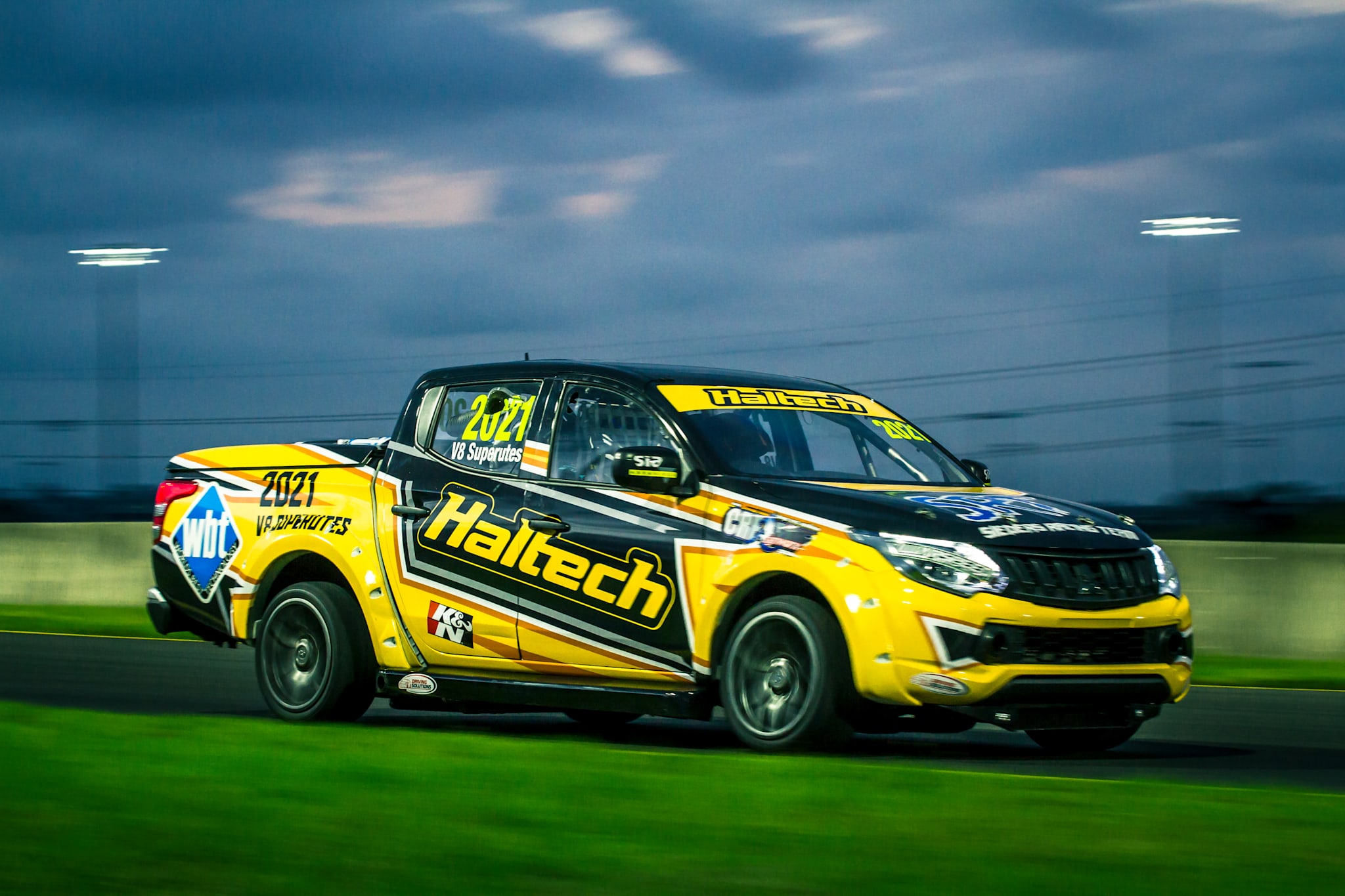
When could we see a return of the Ralliart brand to Aussie shores? Well, that remains unclear. WhichCar has reached out to Mitsubishi Australia for comment.
Got a tip-off for a story? Get in touch: [email protected]
Snapshot
- Based on the jointly developed e-TNGA/e-SGP electric vehicle platform
- Confirmed for Europe, China, Japan, and US markets
- Expected to be released in 2022
Subaru’s first fully electric vehicle, co-developed with Toyota, has officially been named the Solterra.
The EV has also been teased in a single image on the automaker’s various social media platforms, and it looks to be similarly sized to its petrol-powered sibling, the Forester.
Bound for release in 2022, the Soltera moniker is a new one for the brand, and its etymology stems from a combination of the Latin word for sun (solis) and earth (terra).
This goes against previous reports and rumours that the first fully electric Subaru would be donned the ‘Evoltis’.
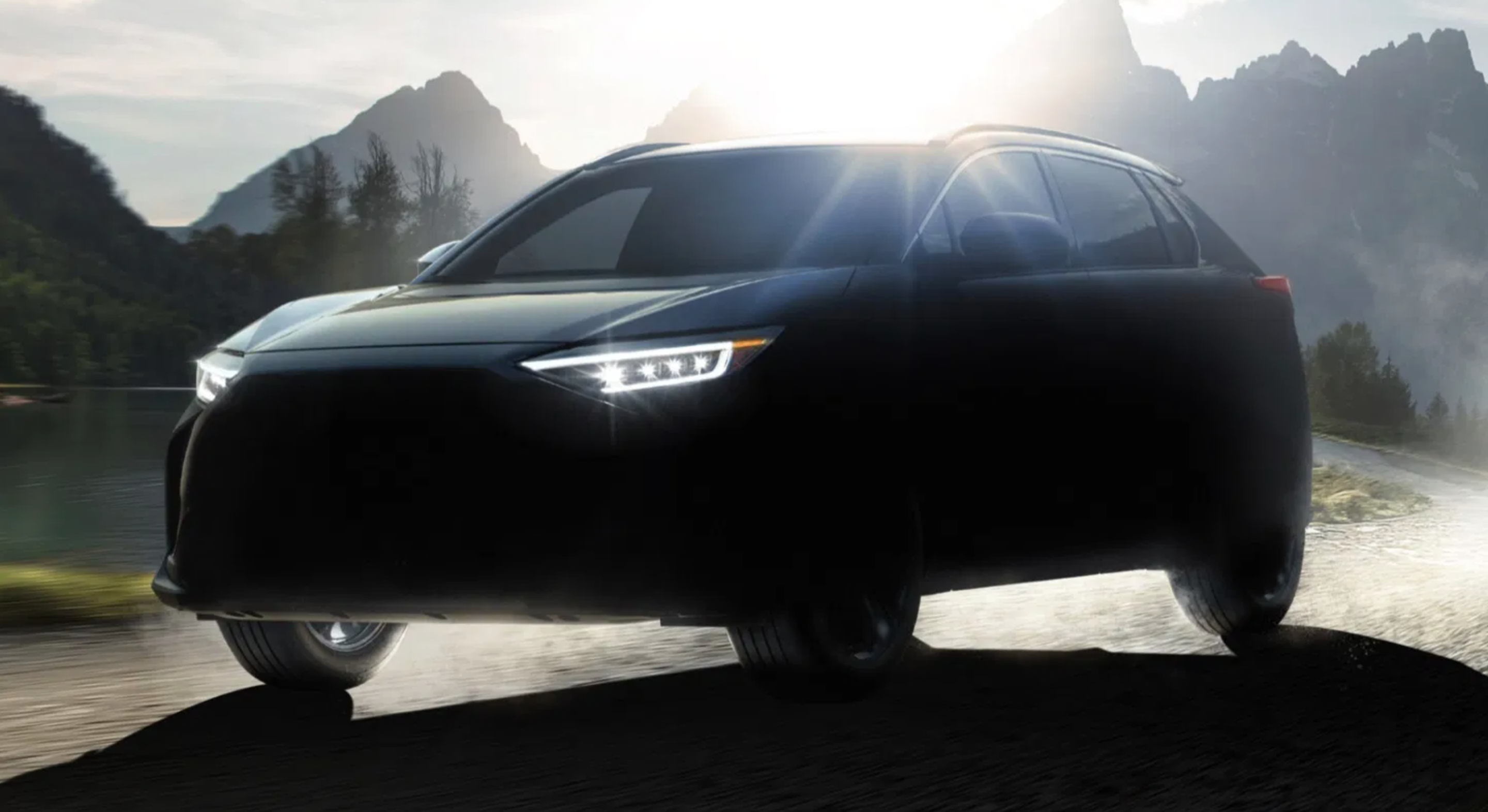
The Solterra will be based on the collaboratively created e-TNGA EV platform that we’ve already seen forming the basis for Toyota’s recently unveiled bZ4X concept electric SUV.
However, Subaru has given its version of the skateboard-style electric chassis architecture a different name – the e-Subaru Global Platform (e-SGP).
Those left wondering what the new EV could look like should pay close attention to the electric concept Subaru unveiled back in December 2020, as it is likely the Solterra will borrow much of the aesthetics seen on the angular design study.
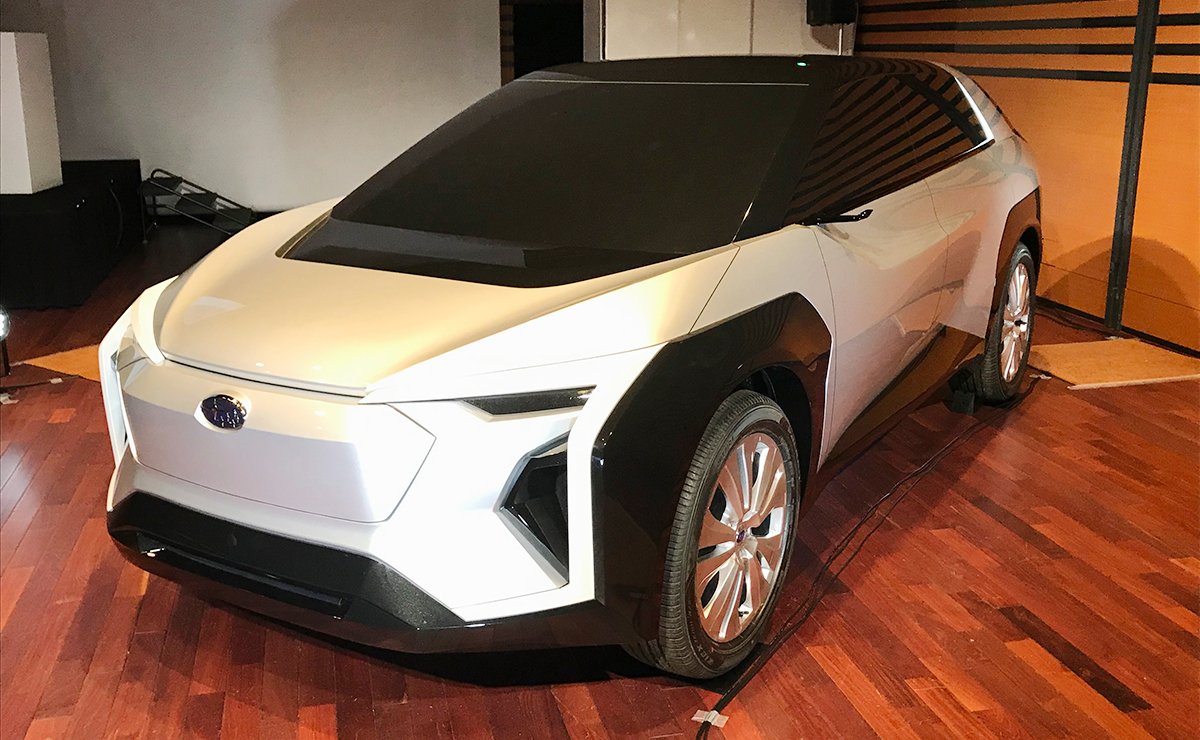
It’s unlikely this will be the only new electric vehicle spawned from Subaru’s e-SGP platform, as the chassis architecture is, like most pure EV platforms, modular.
e-SGP will also be able to support several different electric motors, including ones that can be mounted over the rear axle, meaning that the Solterra could be offered in two-wheel or four-wheel drive, or both.
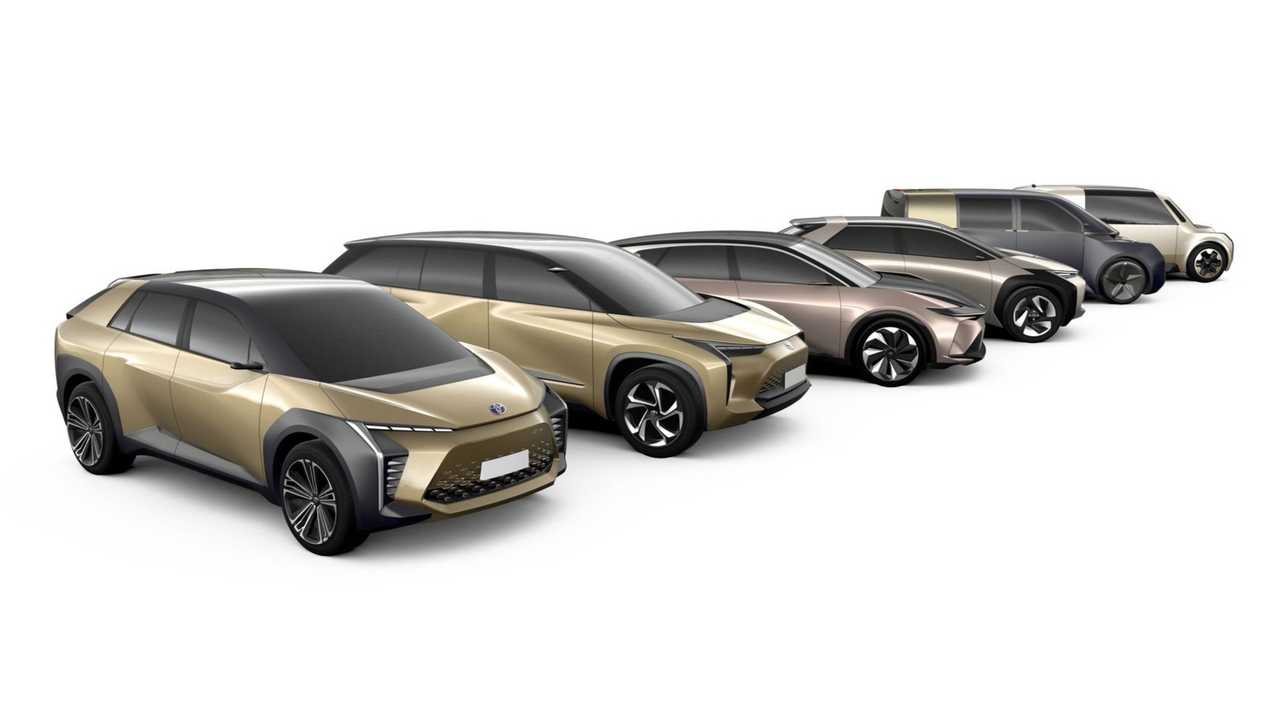
Subaru’s electric SUV has been confirmed for several markets across the globe already, including Europe, China, Japan, and the US.
Unfortunately though, at this stage, there are no plans for the Solterra to make its way Down Under, with a representative from Subaru Australia telling WhichCar: “The Subaru factory in Japan has confirmed that there is no timeline for the electric Solterra vehicle in Australia.
“However, future electric vehicle projects form part of an ongoing dialogue between Subaru Australia and the factory.”
Got a tip-off for a story? Get in touch: [email protected]
Ford Ranger utes purpose built with “prisoner pods” on the back are to replace the Holden Colorado as Victoria Police’s fleet of divisional vehicles.
Ford Australia is supplying police with the specially built vans which are based on the Ranger XLT Super Cab and the Ranger XLT Dual Cab.
More than 200 Rangers each year will take up the blues and twos as the force renews its existing fleet over the next two years, with the first batch taking to the road from next week.
“Our 2,500-strong team of designers, engineers and auto specialists have the expertise to not only lead the development of global vehicles like Ranger, but also tailor them to meet the unique requirements of organisations like Victoria Police,” said Andrew Birkic, President and CEO of Ford Australia and New Zealand.
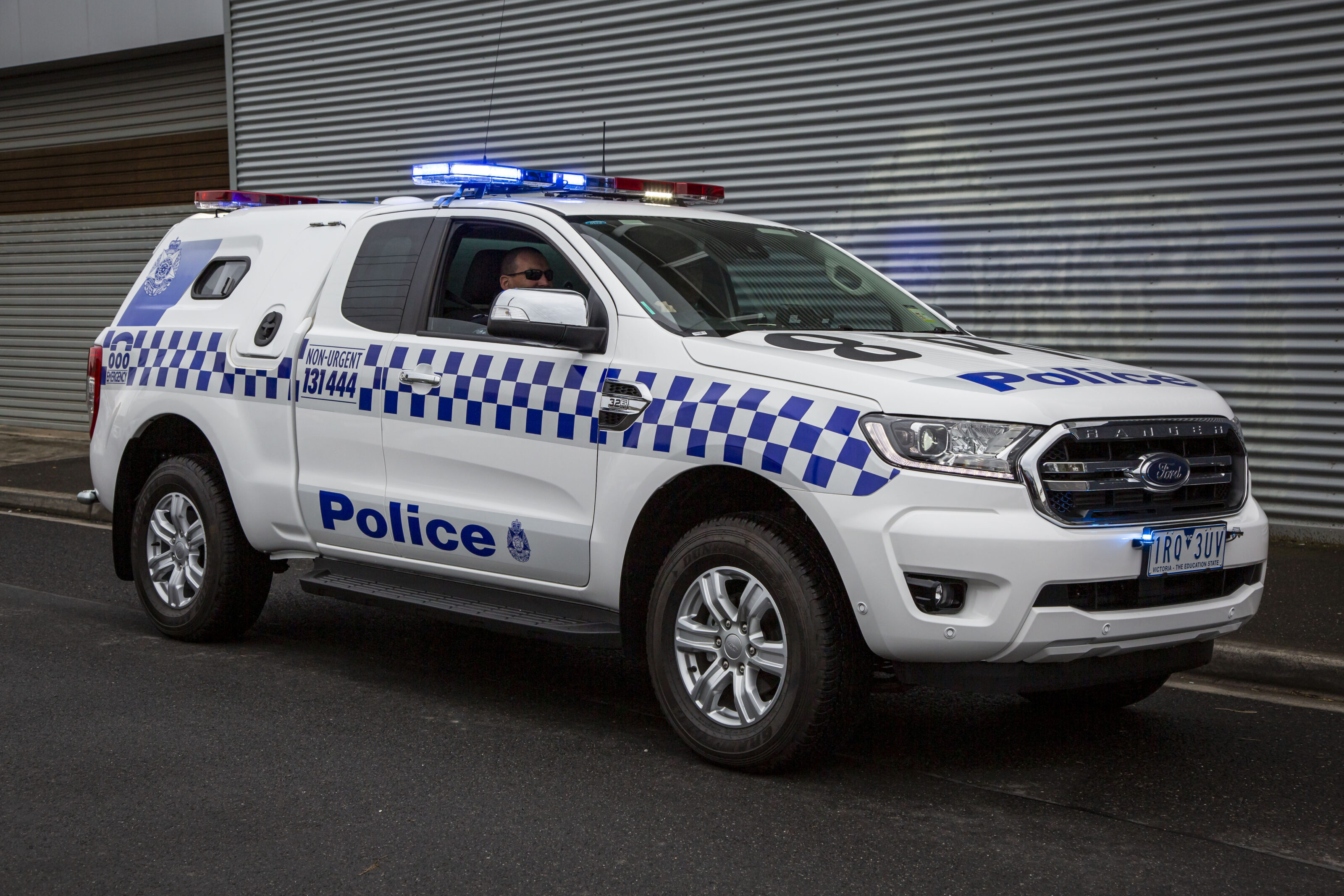
The vehicles, developed by Ford’s Special Vehicle Engineering (SVE) team, replace the current Colorado models which have been first responder vehicles for frontline officers since 2018.
The initial order of 200 vehicles this year consists of general duties divisional vans, with the majority of units based on the Ford Ranger XLT Super Cab.
The XLT Dual Cab will also be utilised as a divisional van fitted with a modified prisoner transfer capsule, capable of holding two offenders, in some parts of the state.
The pre-existing, self-contained pods featuring both air-conditioning and video cameras, have been redesigned by third party manufacturer, Centaur.
Ford has adapted the Ranger to have an “impressive ride height (237 mm of ground clearance)” and also improved visibility.
It has also included some key safety features including Pre-Collision Assist – AEB with Pedestrian Detection, Lane Keeping Aid, and six airbags.
Once the design work was complete, Ford SVE subjected the new divisional vans to rigorous testing at its You Yangs Proving Ground near Geelong to ensure it was fit for purpose, including both brake and handling tests.
In addition to the general duties Ranger vans, Ford SVE is working with Victoria Police on the design and development of Ranger 4x4s for off-road operational use, as well as other vehicles for specific operational duties.
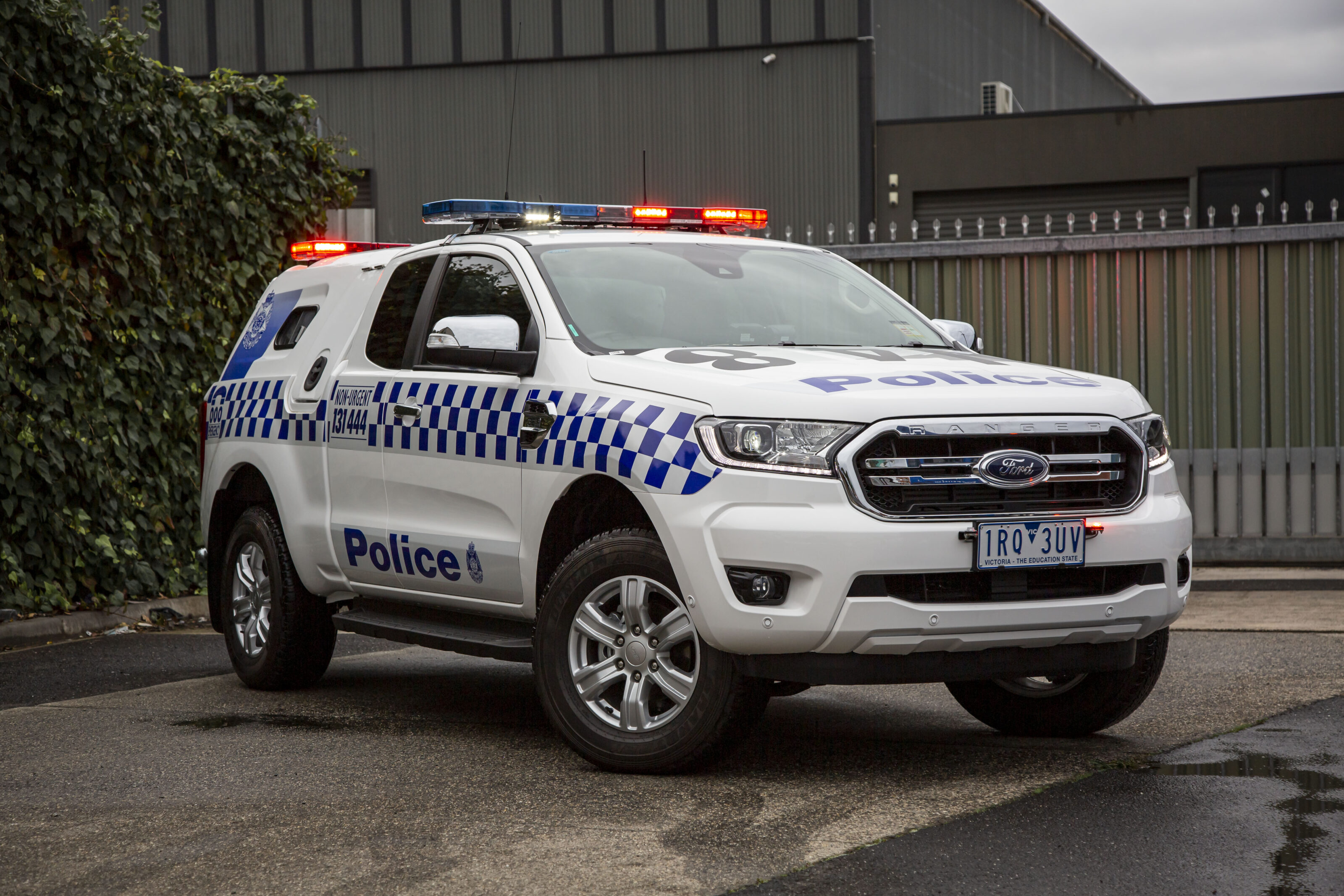
Acting Assistant Commissioner for Road Policing Command, Deb Robertson, added: “Our frontline officers rely on divisional vans to provide the safest mode of transport for their duties, be durable and equipped for modern policing.
“We were pleased to find a manufacturer that could make major enhancements and modifications to one of their vehicles to purpose-build them for our operational use and to also met our fleet safety policy.”
This is not the first time the two have paired up to produce emergency vehicles. Ford’s relationship with Victoria Police stretches all the way back to the 1959 Ford Mainline divisional van.
As a result of the partnership, cops in Victoria join their counterparts in New South Wales, who have used a mix of Ford Ranger and Holden Colorado utes for the past five years.
Got a tip-off for a story? Get in touch: [email protected]
Snapshot
- G70 wagon gets sporty looks and sporty Shooting Brake name
- Powertrains still to be confirmed, but there’s a 2.0-litre unit in there at least
- Australian debut expected for sometime in the third quarter
The anticipated 2022 Genesis G70 Shooting Brake wagon has been revealed today, giving the Korean premium brand a rival to wagon options in the 3 Series, C-Class and A4 lines.
No surprise, Hyundai’s upmarket spinoff brand has prioritised the wagon-loving European market with this new offering, but – good news for starved local long-roof fans – an Australian debut is confirmed.
The G70 Shooting Brake’s big reveal comes after the new variant was first spied, wearing heavy camouflage, in early 2020. Those prototypes were followed by the official unveiling of the facelifted G70 sedan in October.
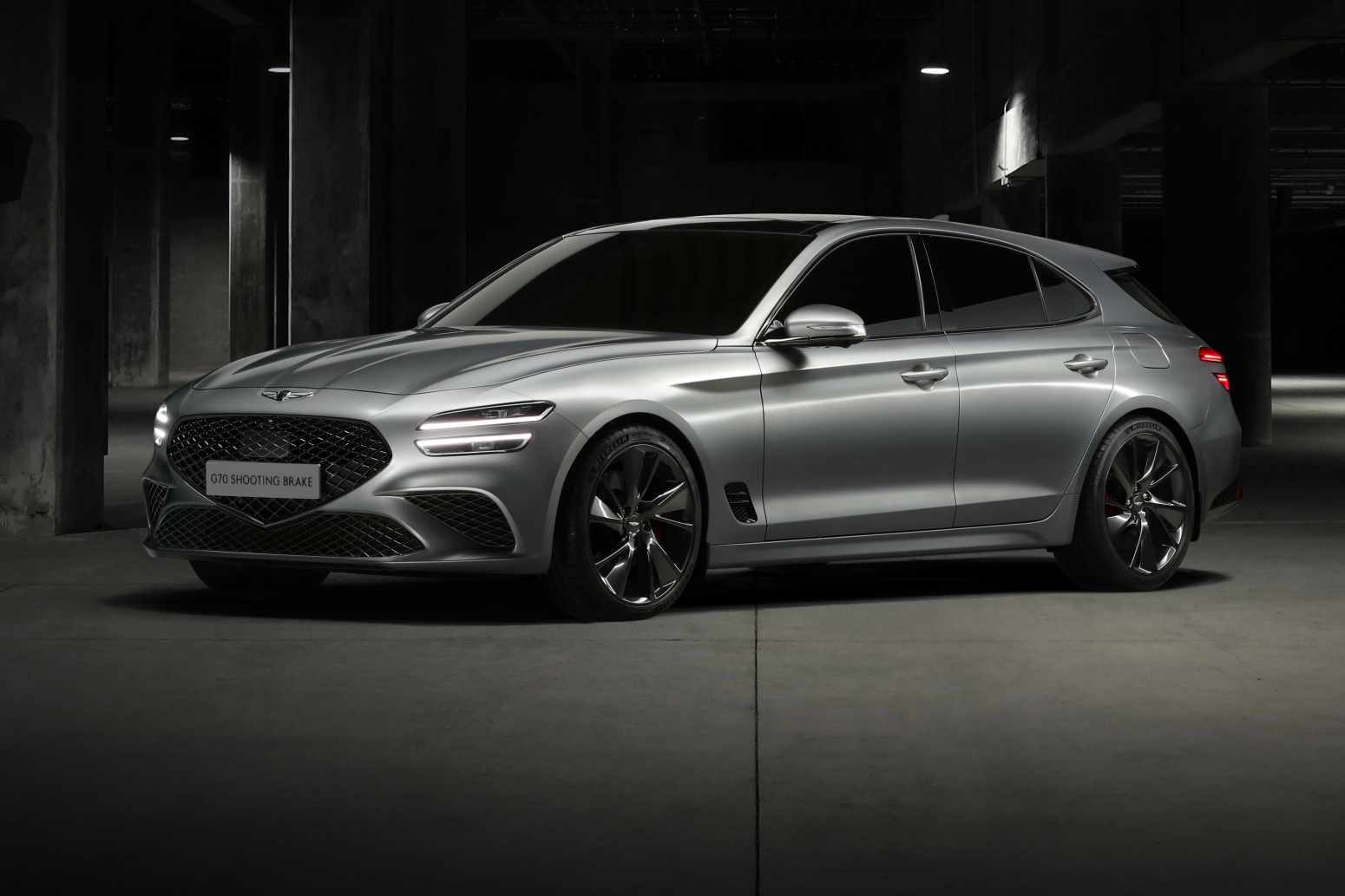
On the styling front, the G70 wagon is identical to its sedan sibling until you get past the front door.
From there, it’s a longer tapered roofline, new rear doors and glasshouse, and a unique C-pillar that takes a little inspiration from SUVs like the Mercedes-Benz GLE (and the M/ML generations before it).
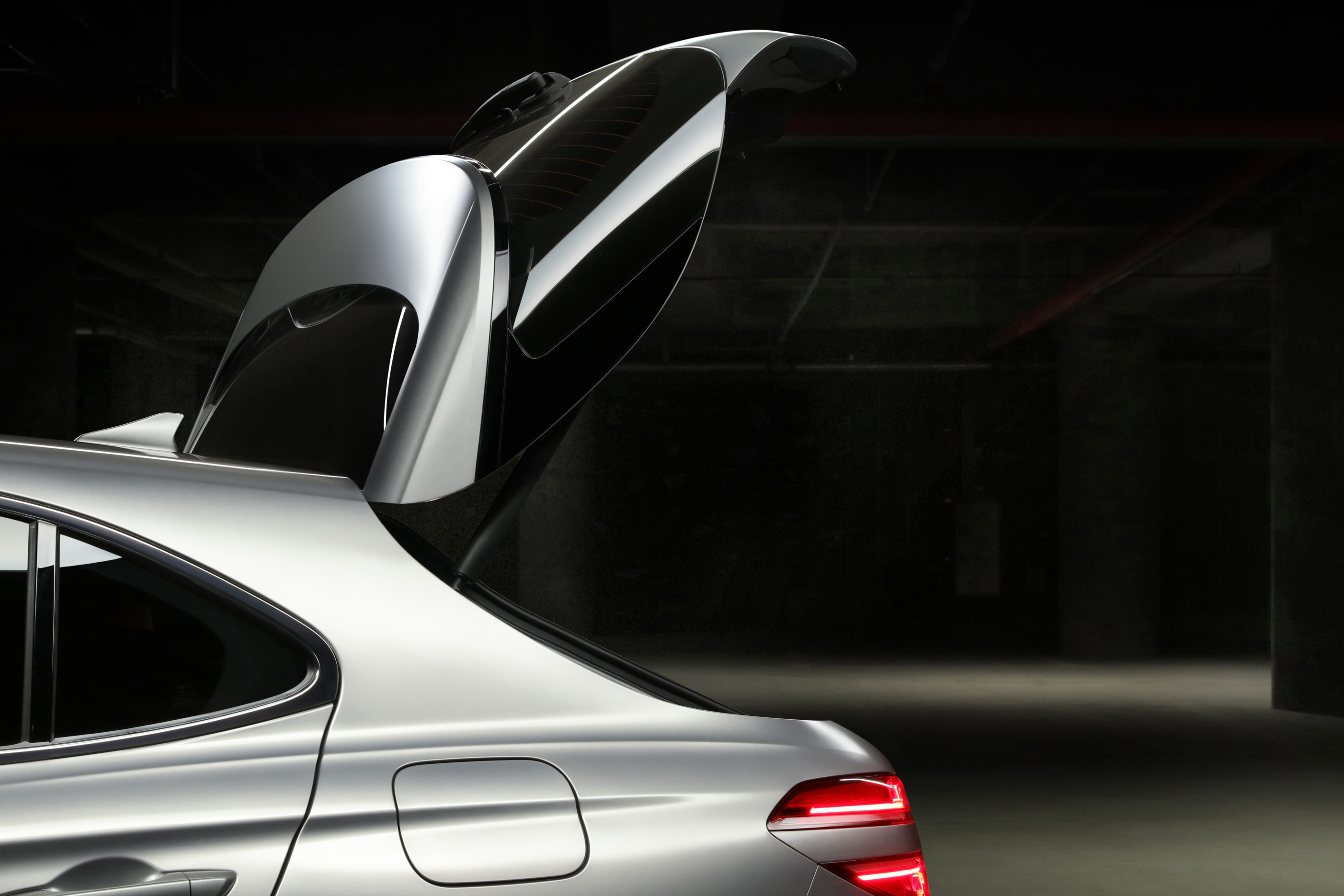
The rear of the Shooting Brake is set apart from the G70 sedan by not only its proper wagon tailgate design, but also the addition of inboard lights that see the wing-inspired tail lamps extend into the hatch panel. You won’t find that on the sedan.
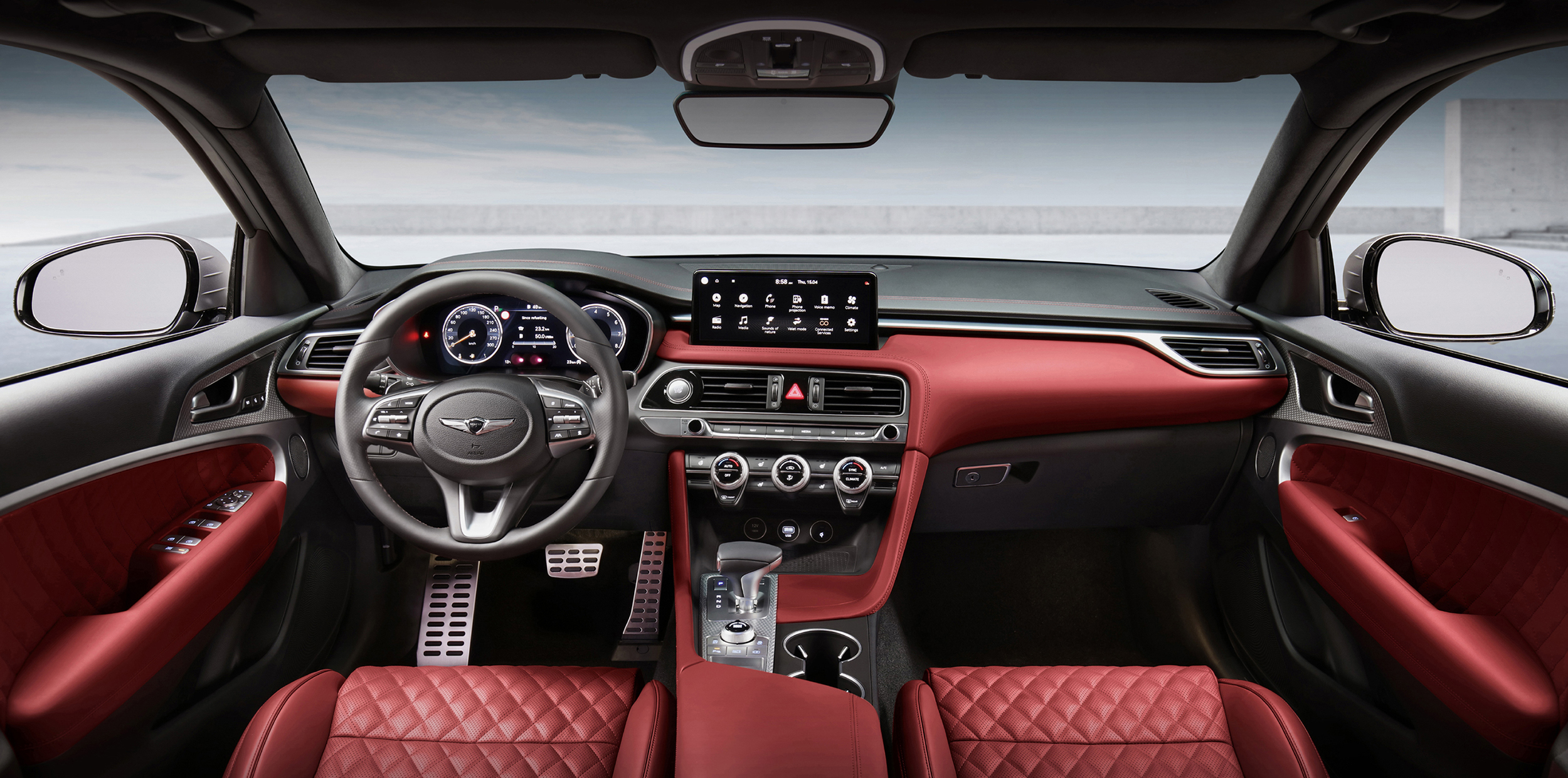
Inside, the G70 Shooting Brake features the same cabin look as in the sedan, with last year’s update bringing a lightweight makeover that focused largely on a wider new infotainment display and Hyundai’s new-generation interface.
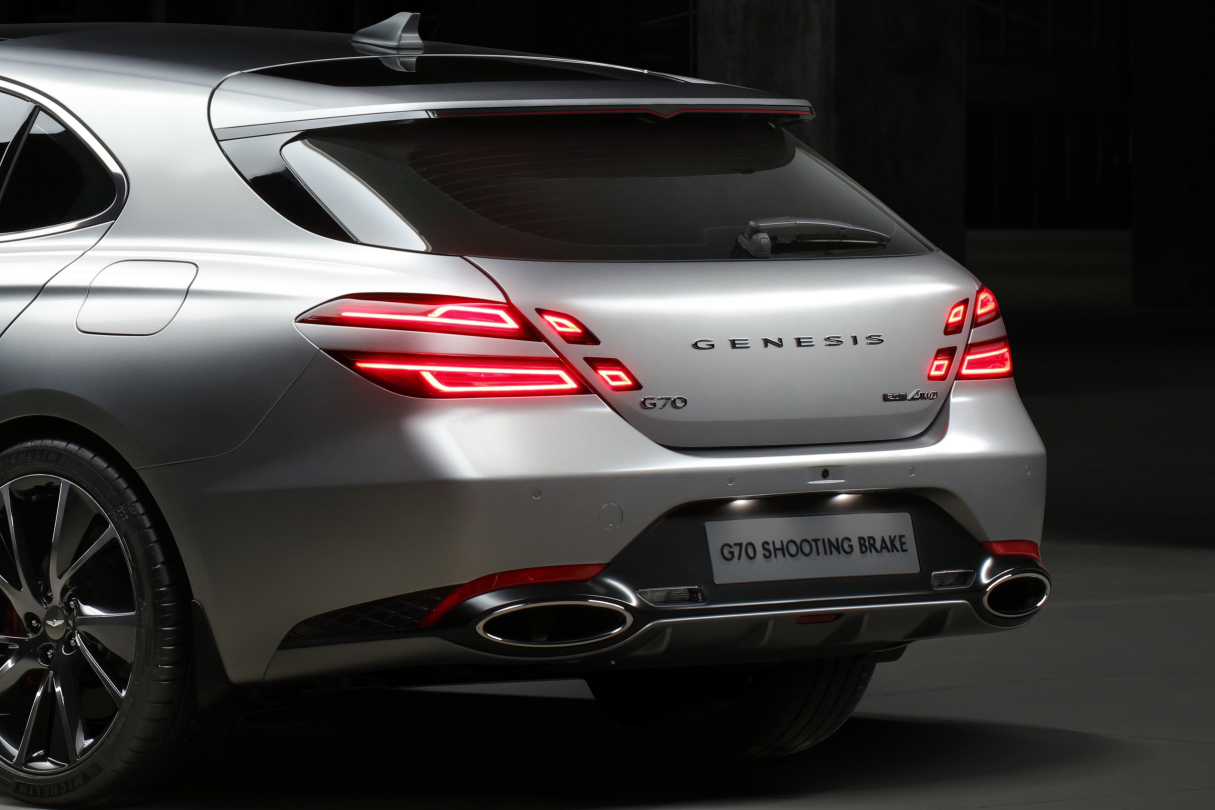
The new wagon’s key dimensions are a match for the four-door model, measuring in at the same 4685mm long, 1850mm wide and 1400mm tall, while riding on a 2835mm wheelbase. By comparison, the new BMW 3 Series wagon is 4709mm long, 1827mm wide and 1440mm tall, on a 2851 wheelbase.
Genesis says the G70 Shooting Brake affords owners more boot space – as you’d expect – and while specific numbers haven’t been offered yet, storage capacity is claimed to be up 40 per cent over the sedan, which offers 330 litres in its boot. That should bring the wagon to around 460 litres with its rear seats upright.
Again, by comparison, the 3 Series sedan claims 480 litres, while the wagon grows that to 500 litres. Genesis buyers may, however, be prepared to compromise on boot space for the Shooting Brake’s more lifestyle-focused looks.
As with the sedan, Genesis describes the G70 Shooting Brake as a more sports-oriented offering than most wagons – which typically prioritise load-hauling.
“The G70 Shooting Brake combines the type of athletic exterior design that reflects Genesis’ design identity with the practicality of the Shooting Brake,” said a Genesis official. “We look forward to meeting the needs of European customers with this strategic model that caters to the preferences of the market.”
Powertrains for the wagon are still to be detailed, but the photos show Europe will at least get the line-up’s 2.0-litre turbo petrol four-cylinder engine. That mill offers 179kW in Australian trim, and around 185kW overseas. Europe will also get all-wheel drive.
A 3.3-litre twin-turbo V6 is also offered with the Australian-market sedan, producing 272kW – or 274kW if picked up with the optional sports exhaust.
In Australia, the sedan is offered in rear-wheel-drive form only, matched to an eight-speed torque converter automatic.
Exactly which specification we’ll see for the G70 Shooting Brake in Australia is still to be confirmed, but with a local debut set to occur in the third quarter, details should be revealed soon.
Talking points
- Release expected by 2025
- Will be based on the new Mini Hatch, which is set to go on sale in 2023
- EV Convertible will be built in China by Great Wall, as part of the ‘Spotlight’ joint venture with BMW
Mini has announced that its next-generation hatch will spawn an all-electric convertible variant, and it’s slated for a 2025 release.
That means the EV drop-top will hit the road two years after the next-generation Mini hatch goes on sale, in 2023.
Not much is known about the new Mini at this stage, but the British automaker has previously said that its next hatch will be the most important since BMW took ownership of the iconic marque back in 2001.
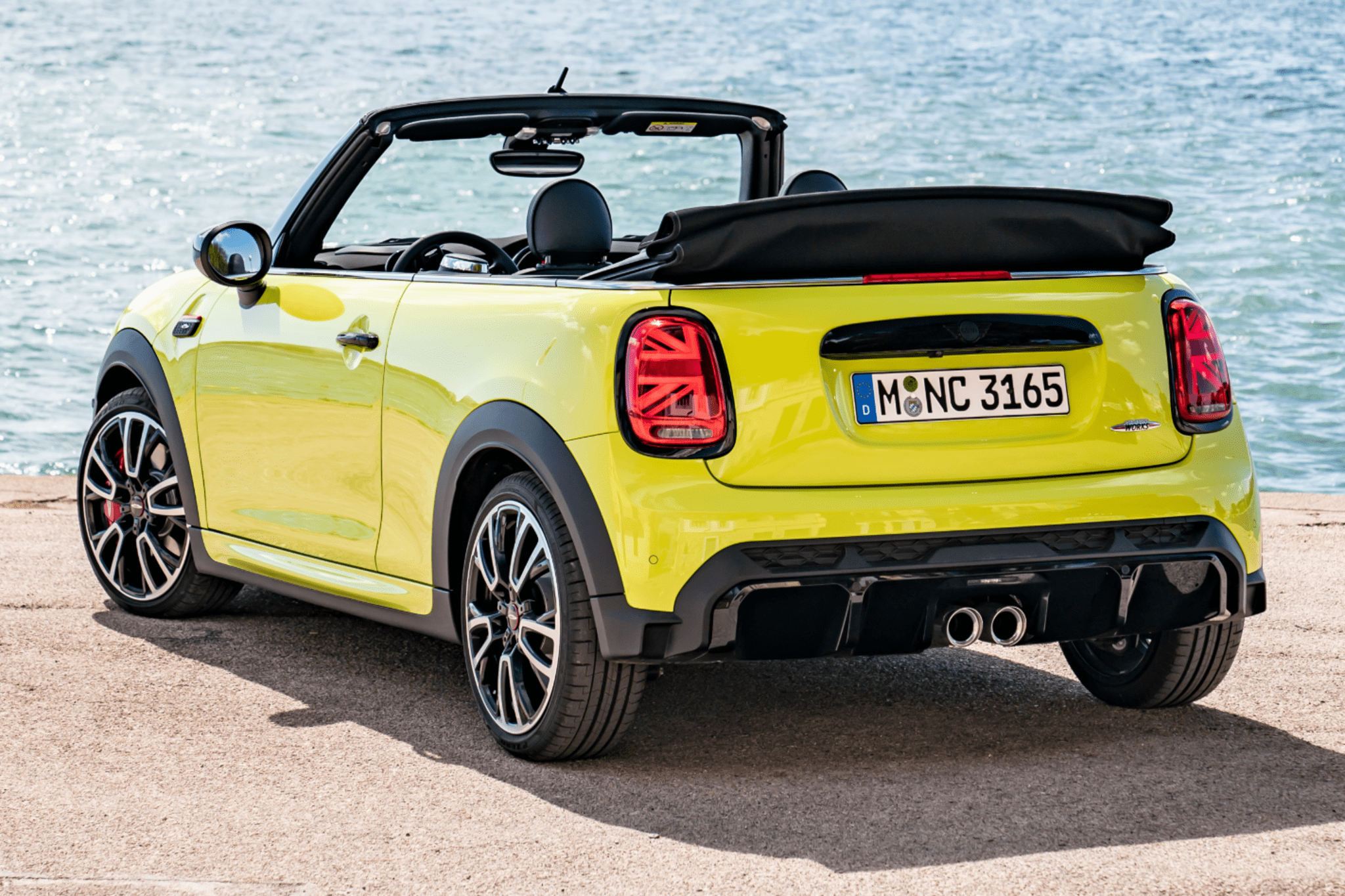
Both petrol and electric power options are expected for the next edition of the moniker, however, while details about its platform remain a mystery, it’s thought that the chassis architecture could be the brand’s first that’s been designed primarily for battery power.
2023 is also the same year that Mini will start producing all of its electric vehicles in China, as part of the ‘Spotlight’ joint venture between BMW and Chinese automaker Great Wall.
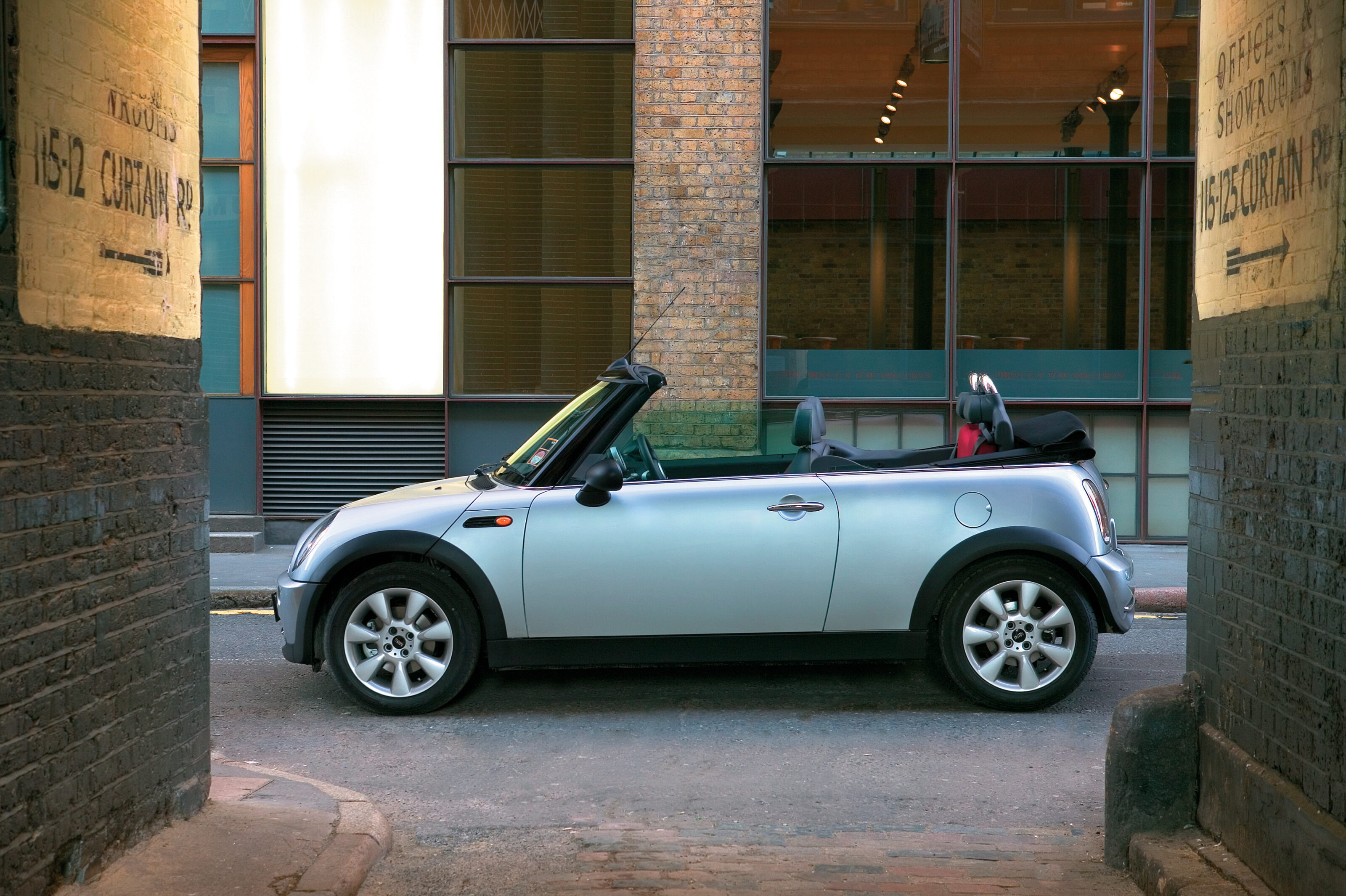
Since its initial unveiling as the Cabrio at the Geneva Motor Show back in 2004, the topless Mini has been a popular niche in several markets across the globe, at times accounting for up to 20 per cent of all mini sales.
Therefore, it makes total sense that the ever-vogue open-top cruiser would be fitted with the most vogue powertrain of the moment.
And who knows, if the chassis architecture of the new Mini features a skateboard-style set-up with the batteries located on the floor, the new Convertible may have a whole lot less chassis flex than its current namesake.
Got a tip-off for a story? Get in touch: [email protected]
Talking points
- In-house restorations possible for all Porsches made prior to the 996 generation of the 911
- New vehicles added to the Porsche Classic umbrella
- Bespoke, model-specific performance and lifestyle products now available
Porsche is launching a Performance Parts upgrade programme so more owners of both old and new models can customise their vehicles with genuine parts and accessories.
As an extension of the Porsche Classic division, cars ranging from the first generation Cayenne to the 996 911 – both of which have been added to the Classic line-up – and even the iconic 959, can be taken to official Porsche workshops to upgrade components to modern equivalents.
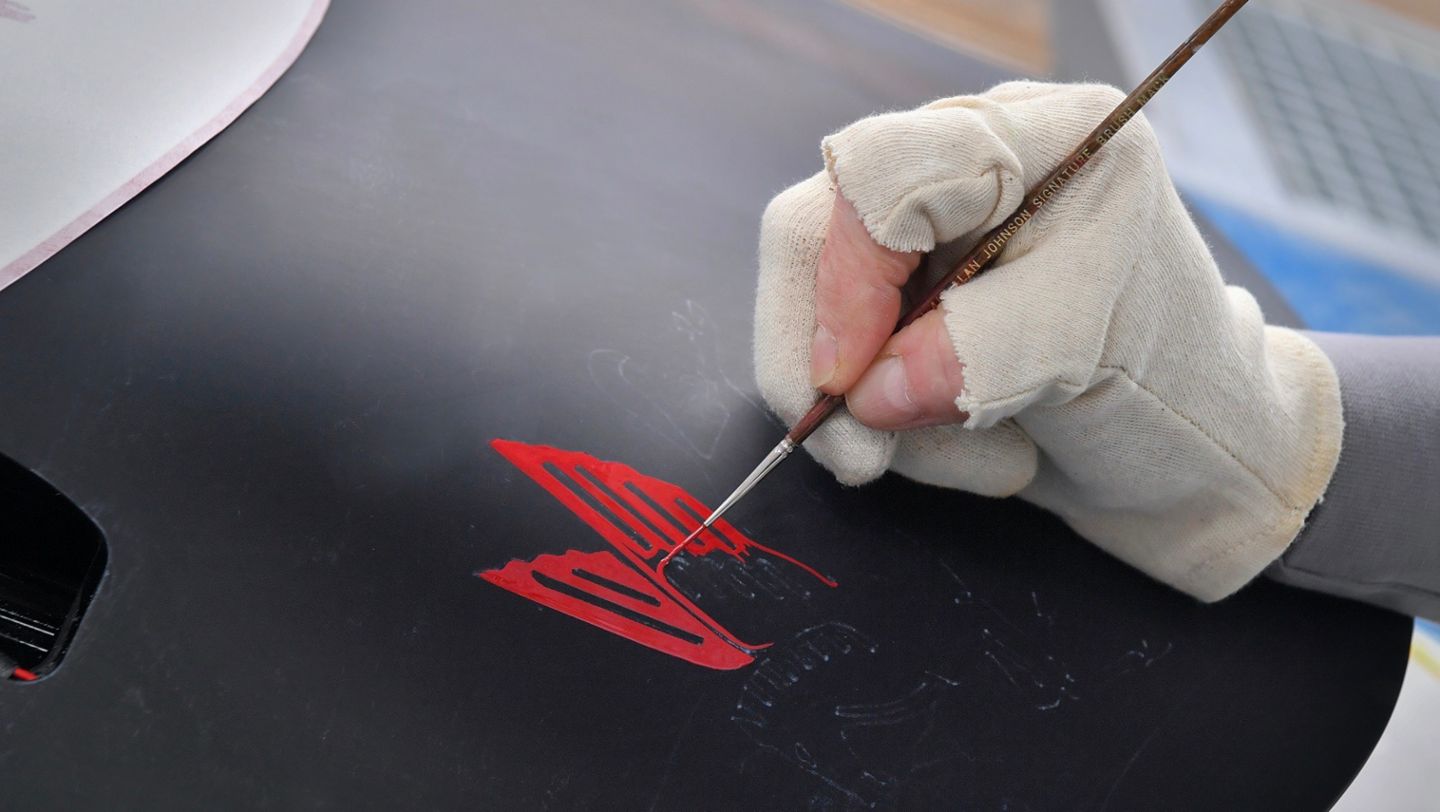
Owners of Mk1 Cayennes can now purchase wild, factory fitted parts such as a Dakar-style off-road kit – complete with off-road wheels, bash plates, roof-mounted LED flashlights, and even a tent.
996 owners will too be able to purchase performance-oriented parts to make their 911 better on and off the track, as well as new lifestyle-enhanced features and accessories.
Anyone who owns a Porsche built before the 996 911 will also be able to bring their vintage Porker to be restored in-house by the Classic team.
Alongside the expansion of its Classic division, the Stuttgart firm says it’s reintroducing its ‘Sonderwunsch’ (special request) programme. The scheme, which ran in the late 70s, commissioned completely bespoke, one-off vehicles to be made.
Through the programme, buyers will also be able to replicate previous limited-edition vehicles, such as the 992 911 Targa 4S Heritage Design Edition.
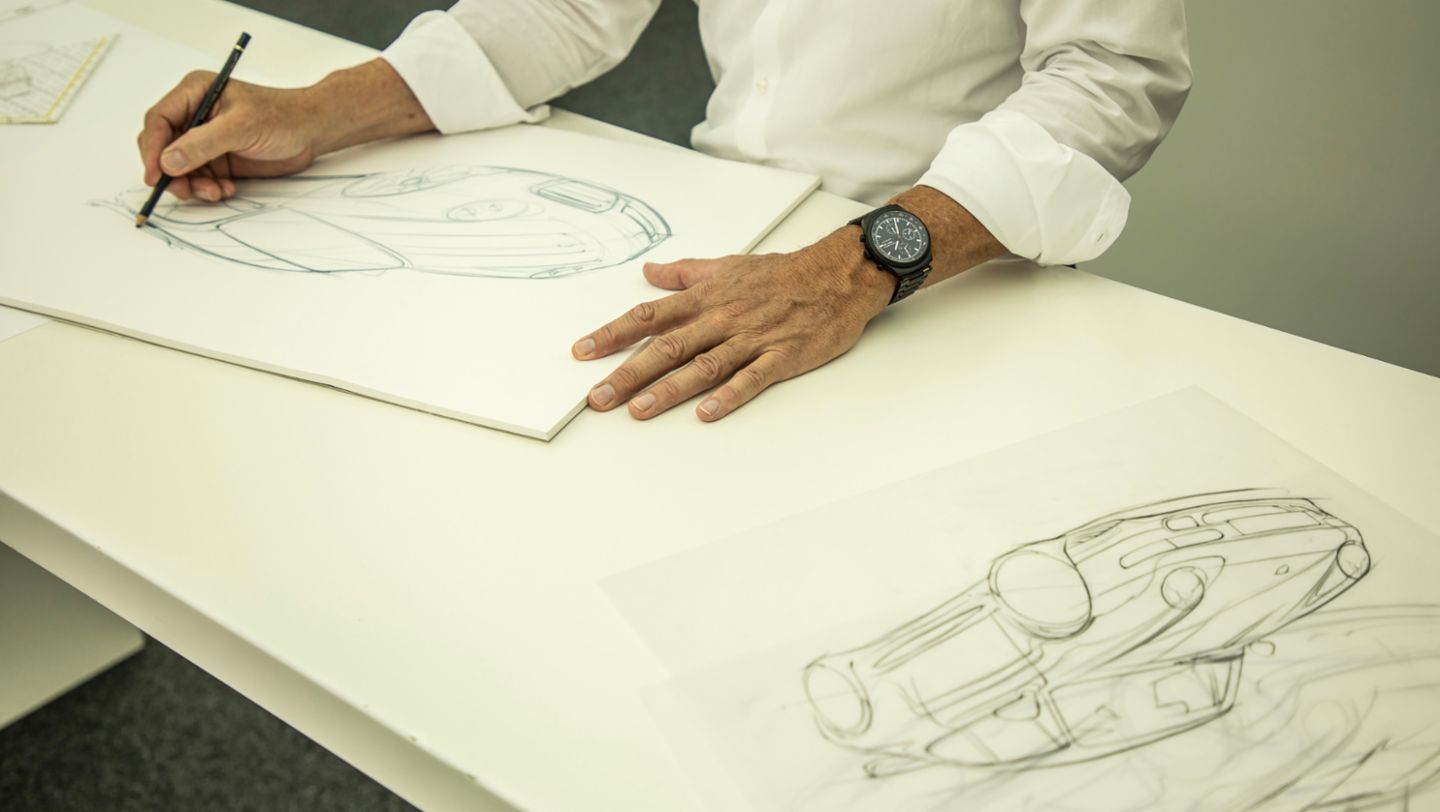
Meanwhile, buyers of newer Porsches will be able to individualise the exterior of their cars with kit like unique wraps, starting number decals, floor mats, illuminated door entry guards, and even logo projectors in the doors.
Inside, for example, the leather-covered centre console can be embossed with the customer’s own signature if desired.
Even buyers with near-new models can purchase freshly designed, bespoke parts for their Porsche.
Most notably, modern Weissach models like the 991.2 GT2 and GT3 RS can now be fitted with bespoke aero and performance parts.
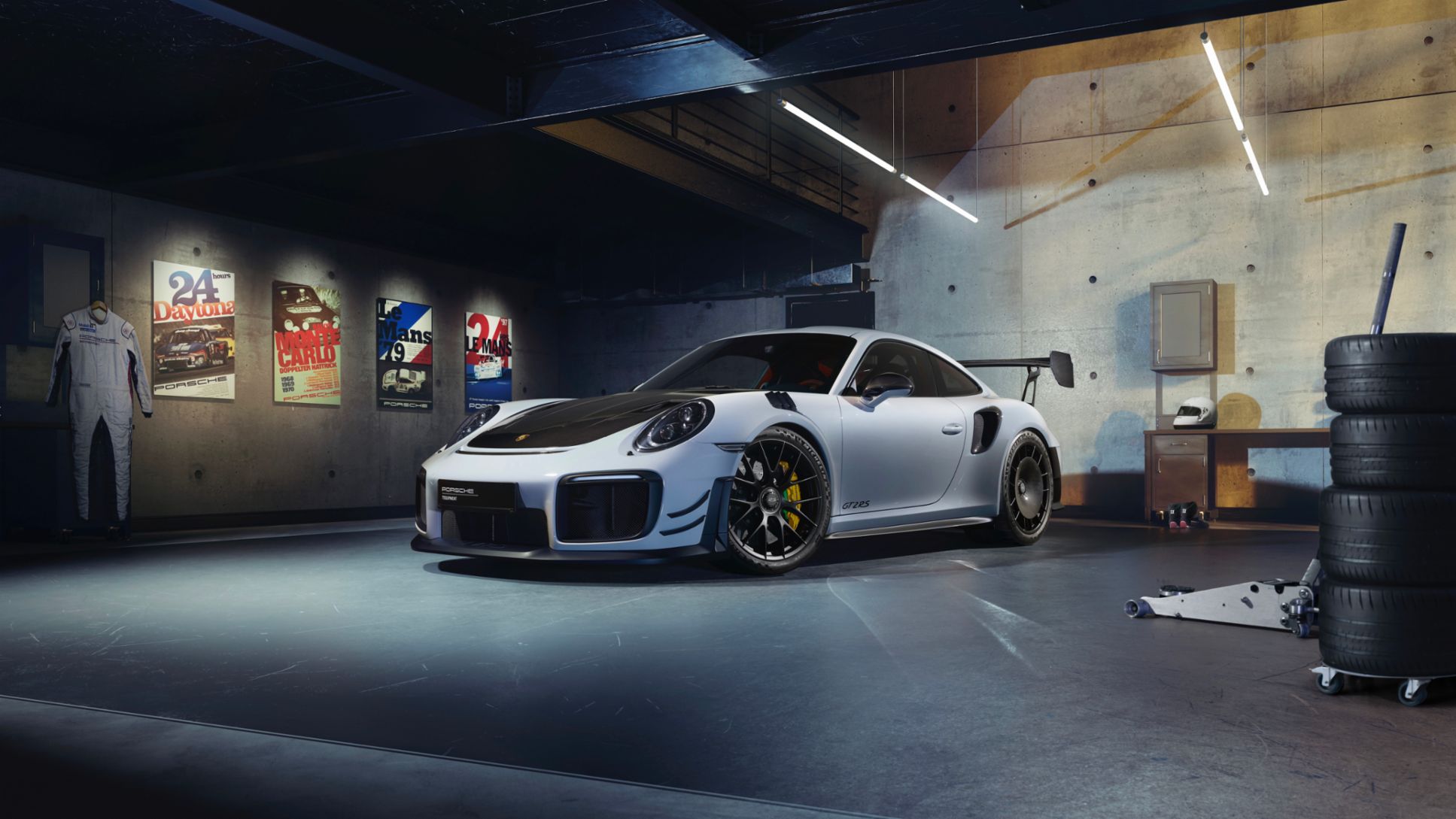
Porsche has yet to release a date for when this will be available to Aussie customers – and more importantly how much it will cost – but the Performance Parts upgrade programme will launch in Europe this month.
Got a tip-off for a story? Get in touch: [email protected]
