
Reports suggest Toyota has delayed the launch of its anticipated 86 replacement, the GR 86, due to the model needing further development.
According to the Japanese motoring website Best Car Web, Toyota president Akio Toyoda was concerned the GR 86 would drive too much like the new Subaru BRZ and told his engineers more needed to be done to differentiate the sports car from its twin sibling.
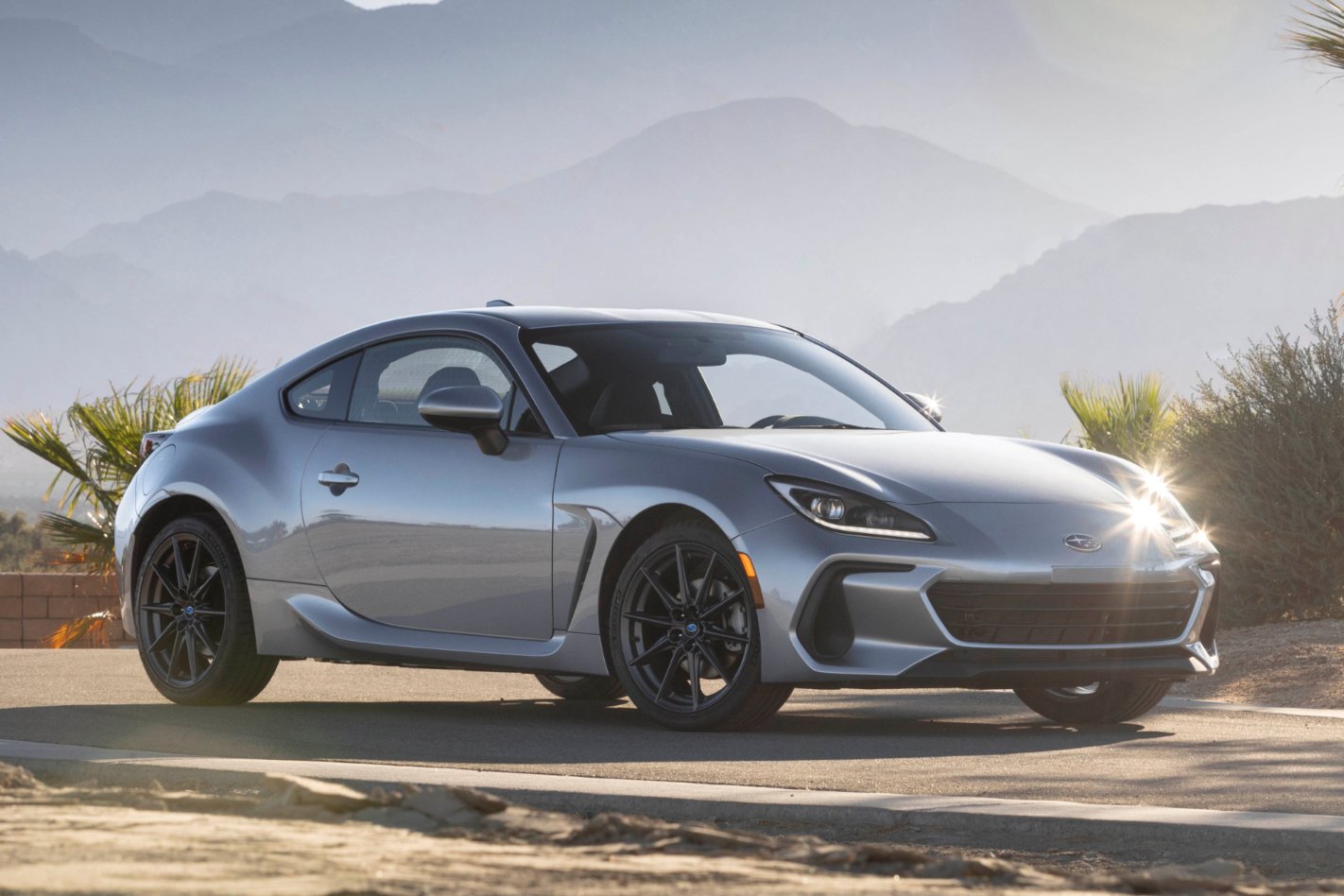
How big are the reported changes? Well, Toyota is rumoured to be looking into a completely bespoke engine tune for the 2.4-litre boxer four-cylinder and is even considering different gear ratios for the six-speed manual transmission.
Other likely changes could include a unique chassis tune, different interior and exterior styling, and aero tweaks.
If all these changes sound like they could take a while to get right – they might. Best Car Web also reported the GR 86 may not be unveiled until the end of 2022, a full year behind its expected release.
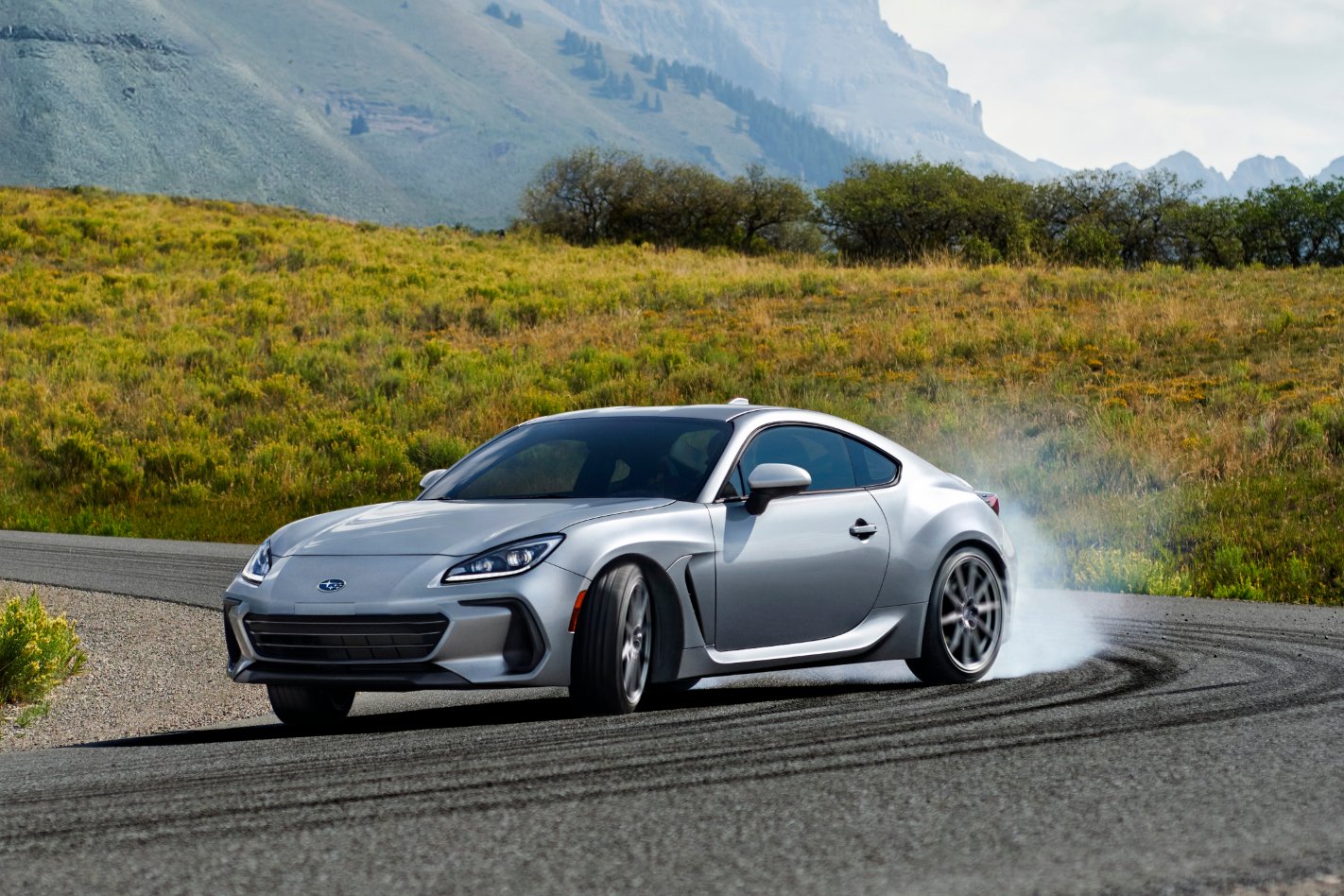
WhichCar reached out to Toyota Australia for comment regarding any updates on the new GR 86, however, a spokesperson for the company said there was nothing to confirm.
This could leave the already diminished sub-$60k sports car market wide open for Subaru for nearly a full year, as the new BRZ is expected to land on Aussie shores before the end of 2021.
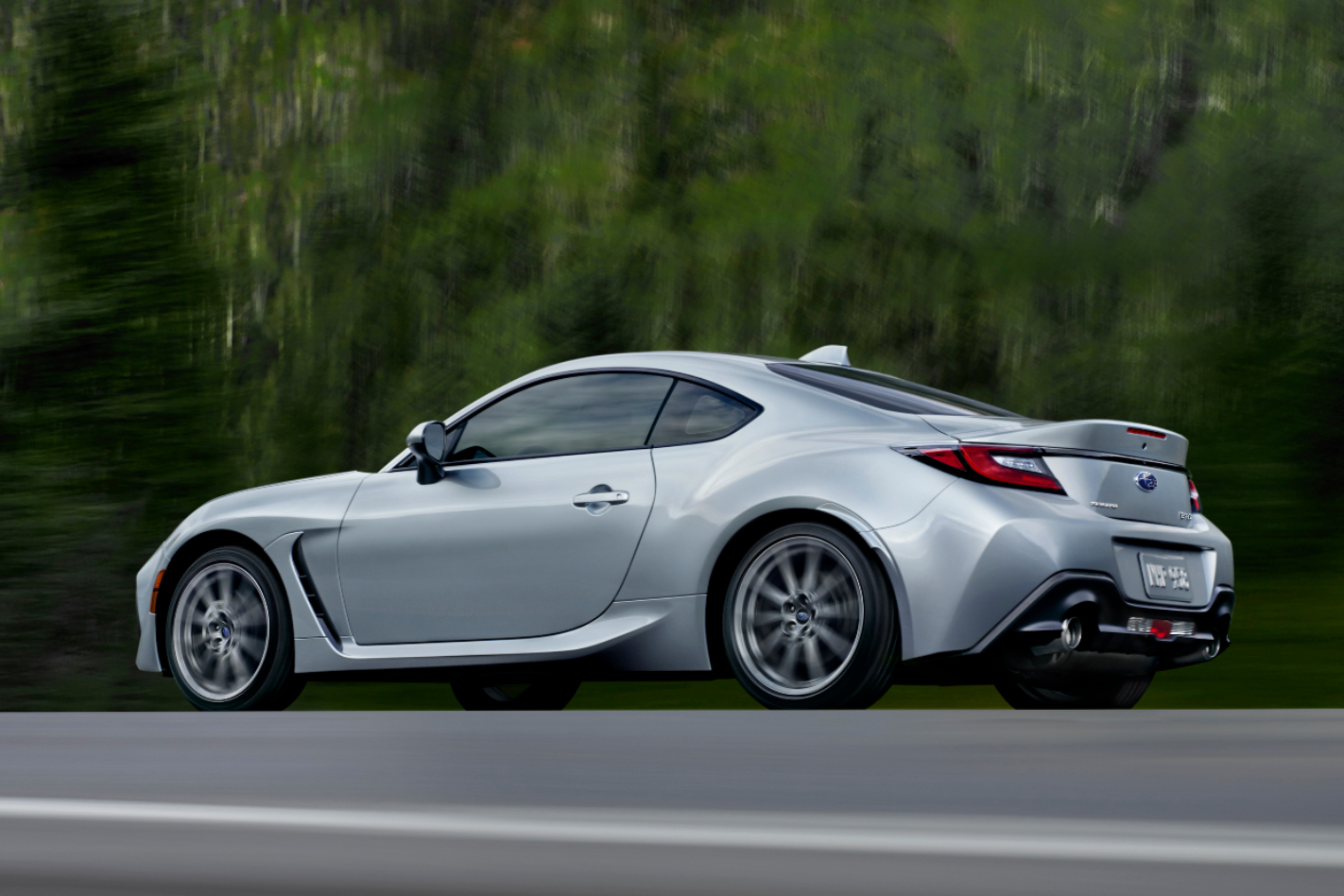
The sharp-looking new BRZ, based on Toyota’s TNGA architecture, is said to address a number of its predecessor’s issues.
Perhaps most notably, Subaru’s somewhat breathless 2.0-litre four-cylinder boxer engine and its meek 152kW output has been bolstered to 2.4 litres and now produces 170kW and 250Nm.
The extra grunt is also said to be more evenly spread through the engine’s rev-range, ending the old 2.0-litre unit’s frustrating torque trough.
MORE: 86 Stories MORE: All Toyota stories
Snapshot
- Customers deliveries have begun
- W580 and W580S will sprint from 0-100km/h in just 7.3 seconds
- Prices start from $71,990 plus on-road costs
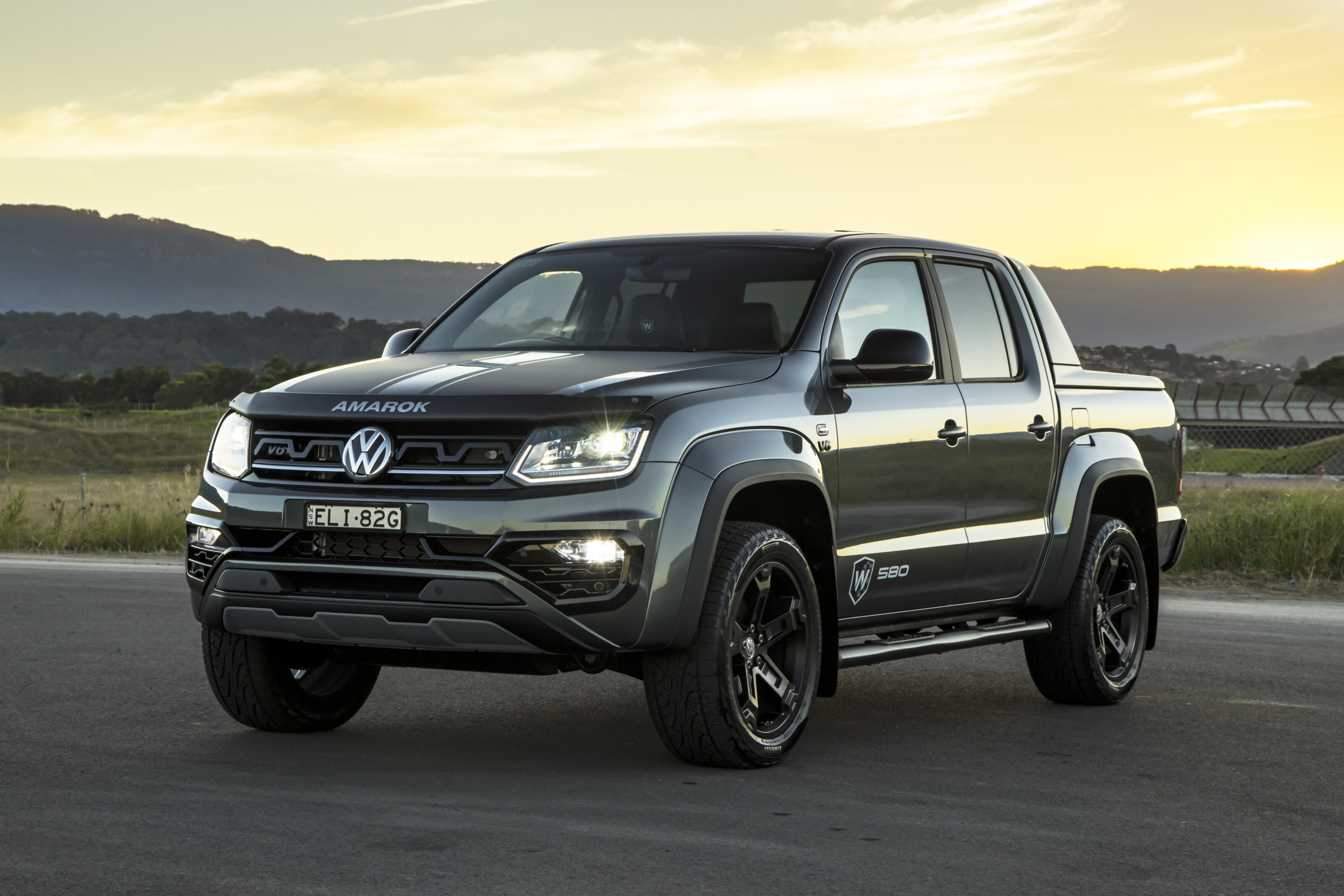
Volkswagen and Walkinshaw Performance has announced that its hotted-up W580 and W580S utes are rolling off the production line at Walkinshaw’s facility in Clayton.
Just 48 examples of the Walkinshaw Amaroks are being created in this first batch, with lucky buyers ordering their utes back in December 2020.
Aside from scoring the fastest dual-cab on sale today, these owners will also be treated to a walkthrough of the Walkinshaw factory and a Walkinshaw Andretti United factory track day.
The W580 and W580S are based on VW’s top-shelf Amarok TDI580 Aventura, with bespoke components fitted first at the Amarok’s manufacturing site in General Pacheco, Argentina, and then again locally by 25 dedicated staff at Walkinshaw’s Clayton plant.
Now in its final two years of production, VW and Walkinshaw are hoping to sign off the current generation Amarok with as many of these special utes as possible.
The Amarok’s successor, which is being co-developed with Ford, is scheduled to be released in 2023.
Pricing and model variants
The Volkswagen Amarok Walkinshaw performance utes are available in two guises – W580 and W580S.
The W580 will set buyers back $71,990, while the range-topping W580S costs $79,990, both plus on-road costs.
Engine, transmission and fuel economy
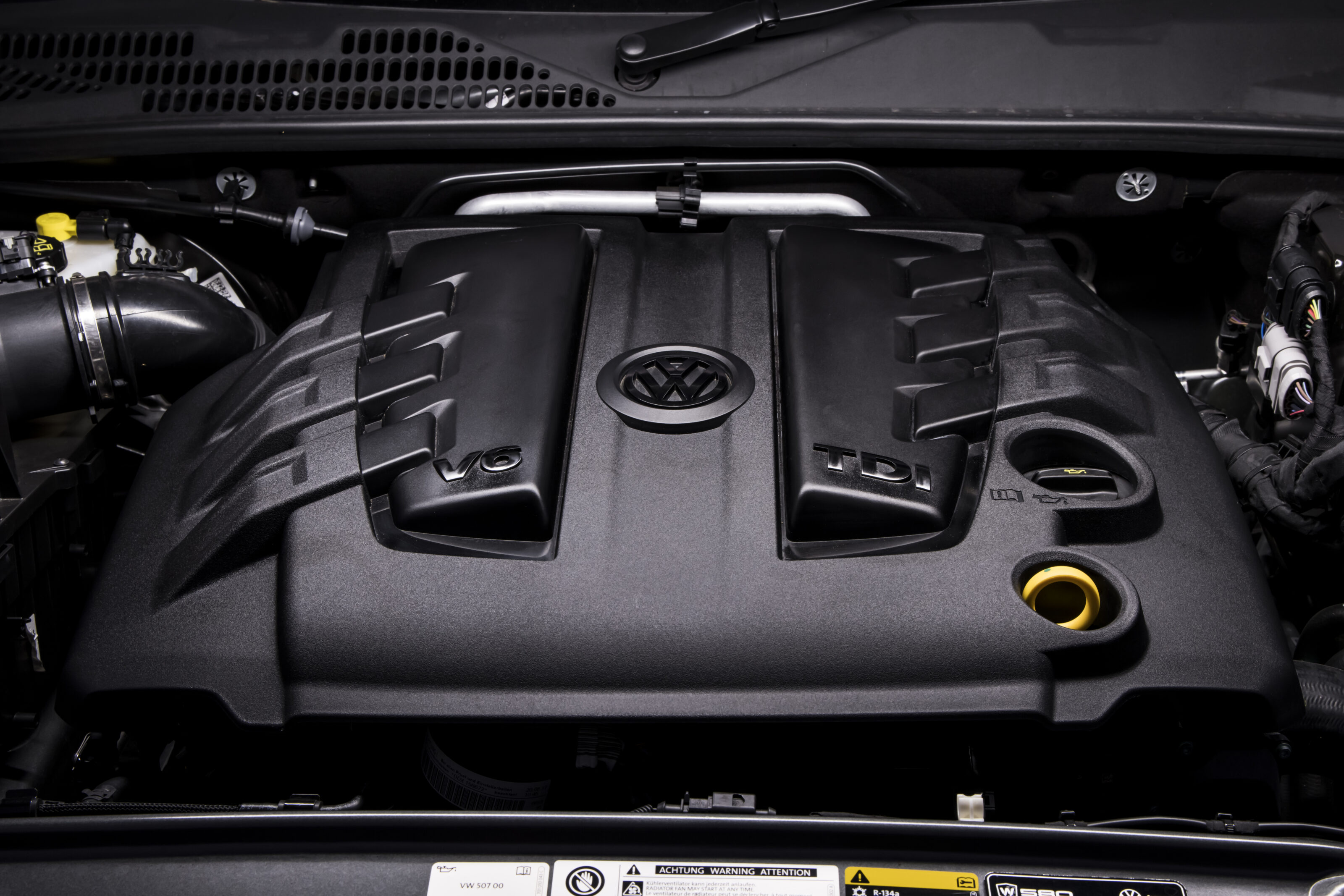
The W580 and W580S come equipped with the same 3.0-litre six-cylinder turbo diesel engine found in the TDI580 Aventura.
Power figures remain the same as the Aventura, with the diesel donk producing 190kW (200kW on over-boost) and 580Nm.
Drive is sent to all four wheels through Volkswagen’s 4MOTION permanent all-wheel drive system and ZF’s eight-speed automatic gearbox.
0-100km/h takes just 7.3 seconds, making the W580 and W580S the fastest accelerating dual-cab utes on sale in Australia.
The performance of the turbo-diesel six-pot does come at a cost though, with the Walkinshaw utes returning an ADR combined fuel economy rating of 9.5L/100km. Both variants are fitted with an 80-litre fuel tank.
Features
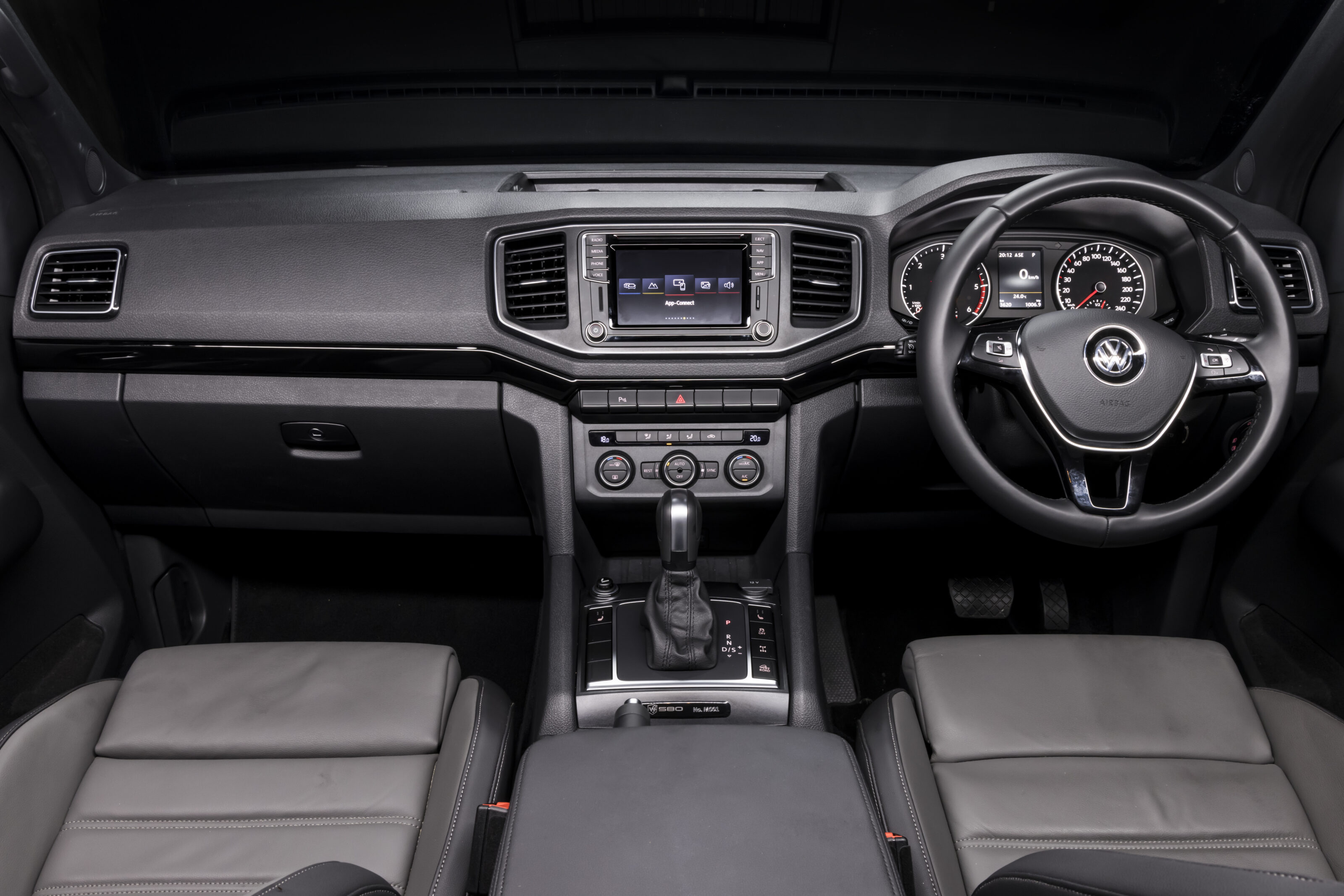
Representing two of the highest-spec Amaroks on sale today, both the W580 and W580S come well equipped, with the W580 offering:
- 20×9-inch alloy ‘Clayton’ wheels
- Pirelli Scorpion AT-R tyres (275/50 R20)
- Flared wheel arches
- Bespoke front and rear suspension dampers
- Unique front upper grille design
- New lower bumper inserts and fog lamp surrounds
- LED front fog lamps
- Walkinshaw branded headrests
- W580 tailored carpet mats
- Bonnet protector
- Side door decals
- LED fog lamps with cornering function
- Sail plane styling bar
- Front underbody styling element
- Five-piece protective tub liner
- Bonnet decals
- Vienna leather interior seats with WAG headrest branding
- Powered and heated 14-way adjustable Ergo Comfort front seats
- Electric folding mirrors
- Sattelite navigation
- Tuned twin exhaust with WAG branded tips
Safety
When it was tested a decade ago in 2011, the Volkswagen Amarok received a five-star ANCAP safety rating.
However, due to its age, the Amarok doesn’t come equipped with modern safety features such as:
- Adaptive cruise control
- Autonomous emergency braking
- Lane-keeping assist
- Speed sign recognition
- Driver attention detection
- Side curtain airbags in the first or second row
- Blind-spot monitoring
- Reversing camera
- Stability and traction control
- Front driver and passenger airbags
- ABS brakes
Dimensions and towing capacity
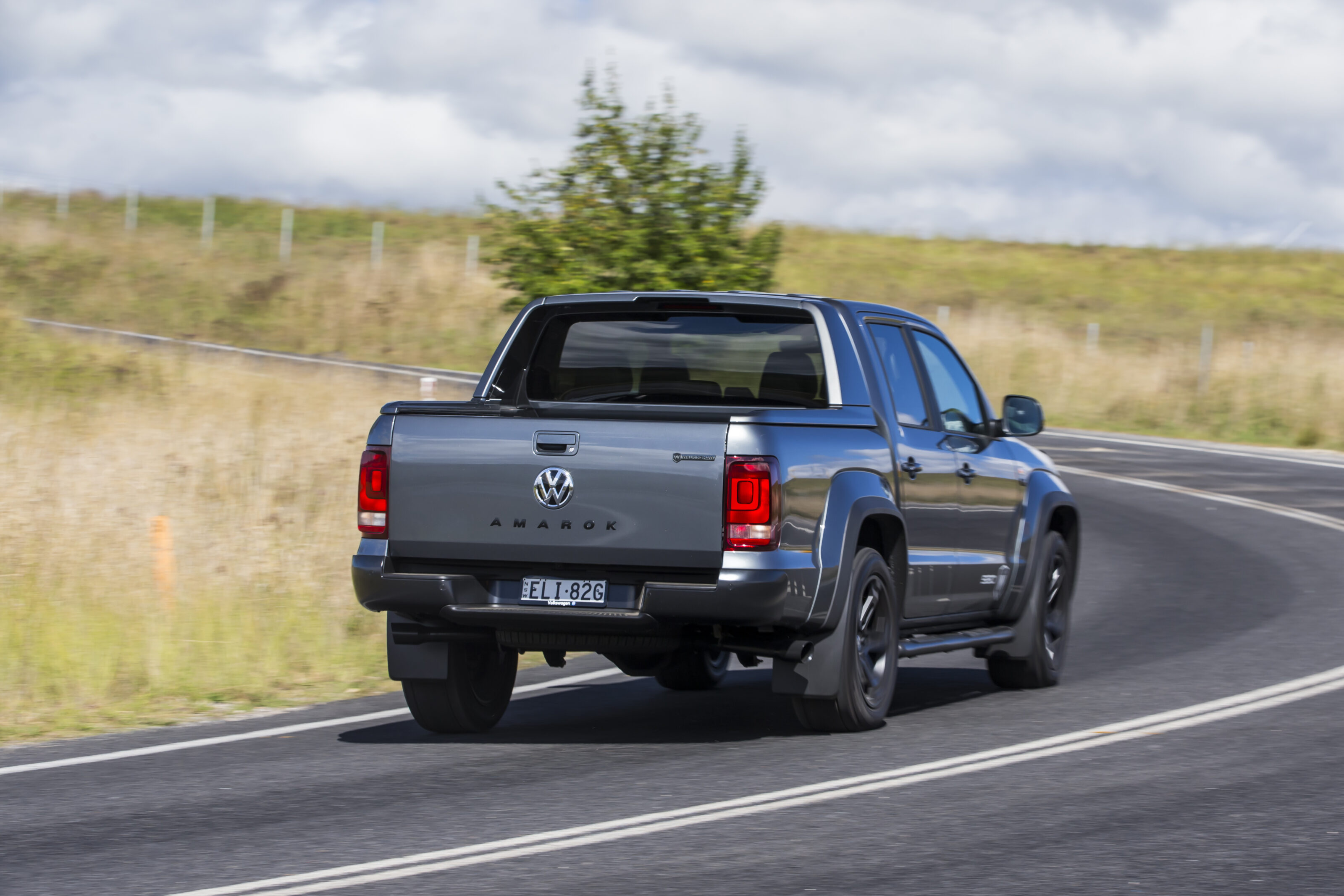
The Volkswagen Amarok Walkinshaw W580 and W580S are 5254mm long, 2019mm wide, 1882mm tall, and have a wheelbase that measures 3095mm. Braked towing capacity is rated at 3500 kilograms.
Warranty and servicing
Like all VW models, the Amarok Walkinshaw W580 and W580S come with a five-year/unlimited-kilometre warranty and one year of Volkswagen roadside assist.
Volkswagen offers three and five-year servicing plans for all of its models.
Availability
The 2021 Volkswagen Amarok Walkinshaw W580 and W580S are available to purchase now at authorised dealers across the country.
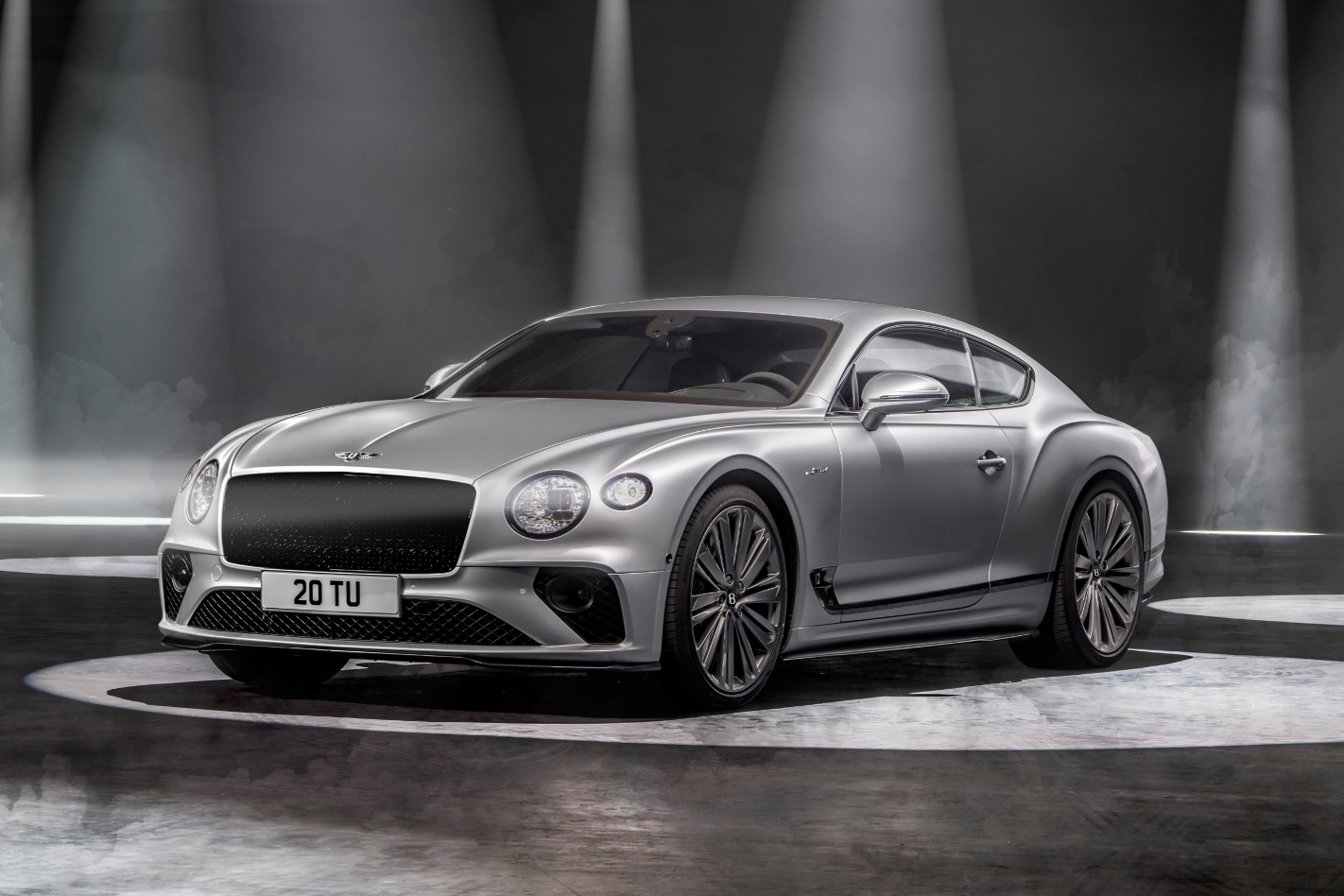
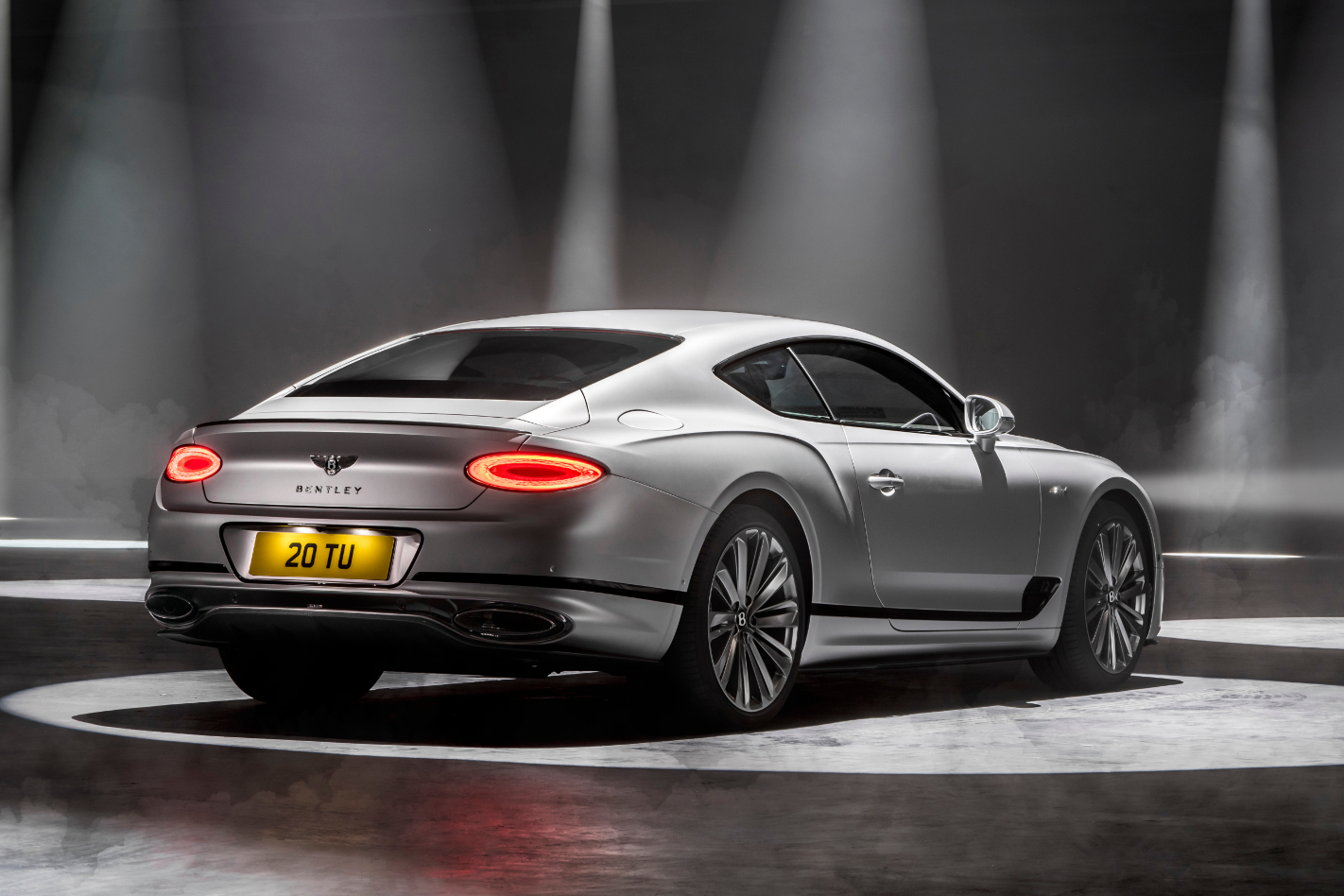
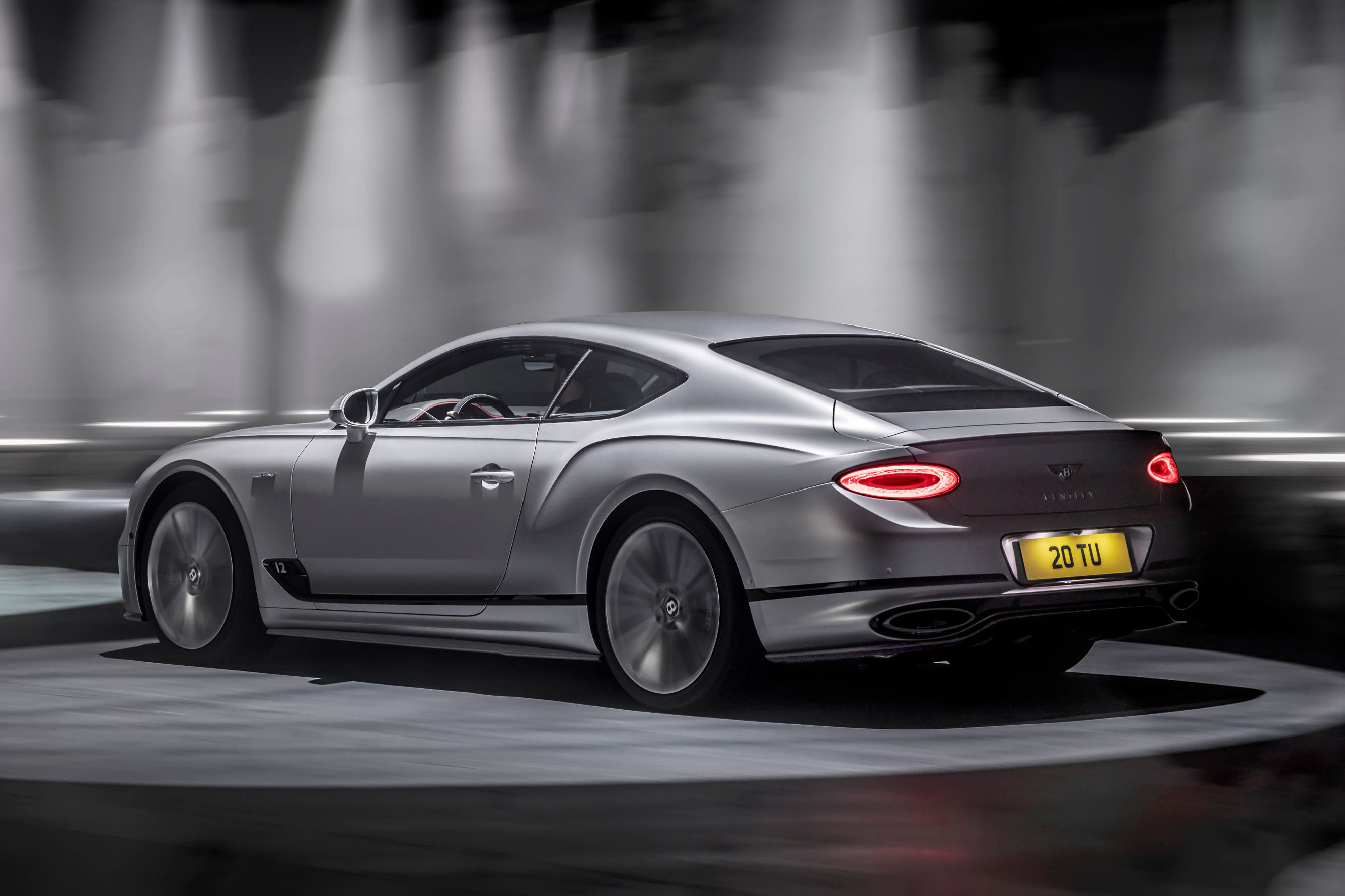
Bentley has unveiled its all-new Continental GT Speed, and is claiming it is the “most capable, performance-focused Bentley ever.”
The Crewe outfit has placed a real emphasis on the way the new car handles compared to its regular Continental sibling, with the chassis engineers throwing the veritable kitchen sink at the GT Speed to ensure it can attack a twisty road in a manner that belies its 2244kg kerb weight.
A suite of chassis technologies aimed at improving the car’s dynamics have been introduced, and Bentley believes the sum of all these new parts is a car that lives up to the name.
There’s a new four-wheel steering system and a recalibrated, quicker steering rack that is said to drastically improve the car’s agility.
At slow and medium speeds, the rear wheels steer in the opposite direction to the fronts, effectively shortening the wheelbase and increasing reactiveness.
At high speeds, the rear and front wheels steer in the same direction, improving high-speed stability.
These two features work in conjunction with another of the GT Speed’s new party tricks – an electronic limited-slip rear differential.
This is the first time a Continental has been fitted with an eLSD, and according to Bentley, the differential has “increased lateral capacity, improved longitudinal stability, enhanced on-throttle adjustability and delivers better traction in adverse road conditions.”
The manufacturer also says that in “Sport” mode the GT Speed’s eLSD starts paying dynamic dividends, drastically improving turn-in on corner entry and helping to get the power down on corner exit.
Bentley’s three-chamber active air suspension with adaptive damping makes a return in the GT Speed, as does “Bentley Dynamic Ride”, a technology first introduced on the Bentayga and regular Continental GT.
This 48V active anti-roll control system utilises electric motors located within each anti-roll bar to help to fight against body roll. In its firmest setting, the motors inside the roll bars can produce 1300 Nm of rigidity in 0.3 secs, ensuring the car stays flat and composed when cornering.
A newly calibrated Electronic Stability Control (ESC) System takes advantage of all these new features and depending on the mode, it will allow the driver to extract as much performance as possible from the vehicle while still providing a safety net.
The GT Speed isn’t just about handling though, Bentley has also turned up the wick of the car’s thumping 6.0-litre twin-turbo W12, which now produces 485kW and 900Nm (18kW more than then regular Continental GT).
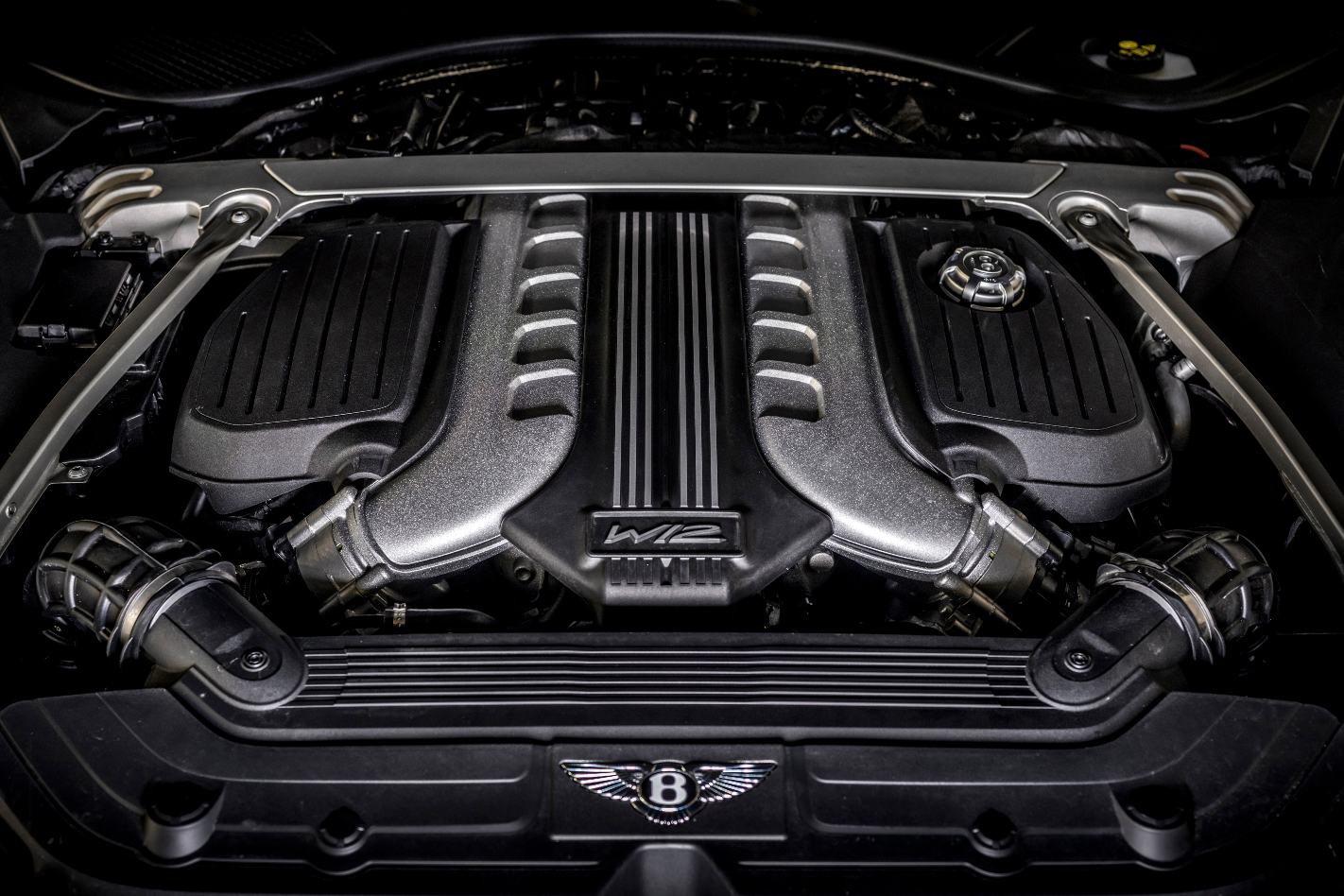
This gargantuan power is sent to all four wheels via an eight-speed dual-clutch transmission that shifts gears twice as quickly as the regular Continental GT, which uses the same gearbox.
And depending on the mode, the colossal grunt from the motor can be deployed differently across the front and rear axle.
In Comfort mode, power is distributed evenly across the axles, with an emphasis placed on grip and stability, while in Sport mode, kilowatts are sent rearwards, which could make for a whole lot of fun.
Bentley claims the culmination of this stonking power, AWD grip and fast-shifting gearbox is a set of performances figures that sound more akin to something red from Maranello.
0-100km/h is taken care of in just 3.5 seconds, and if you can find a stretch of road long enough, the GT bruiser will continue charging on to a top speed of 335km/h.
The engineers haven’t forgotten about stopping either, and to help reign in some potentially mega speeding fines, the GT Speed scores a set of massive carbon-ceramic brakes, with whopping 10-piston callipers up front and four-piston callipers at the rear.
Wrapping around the huge brakes is a set of bespoke 22-inch “Speed” wheels finished in bright silver. However, the option of a dark tint or black gloss finish is also available.
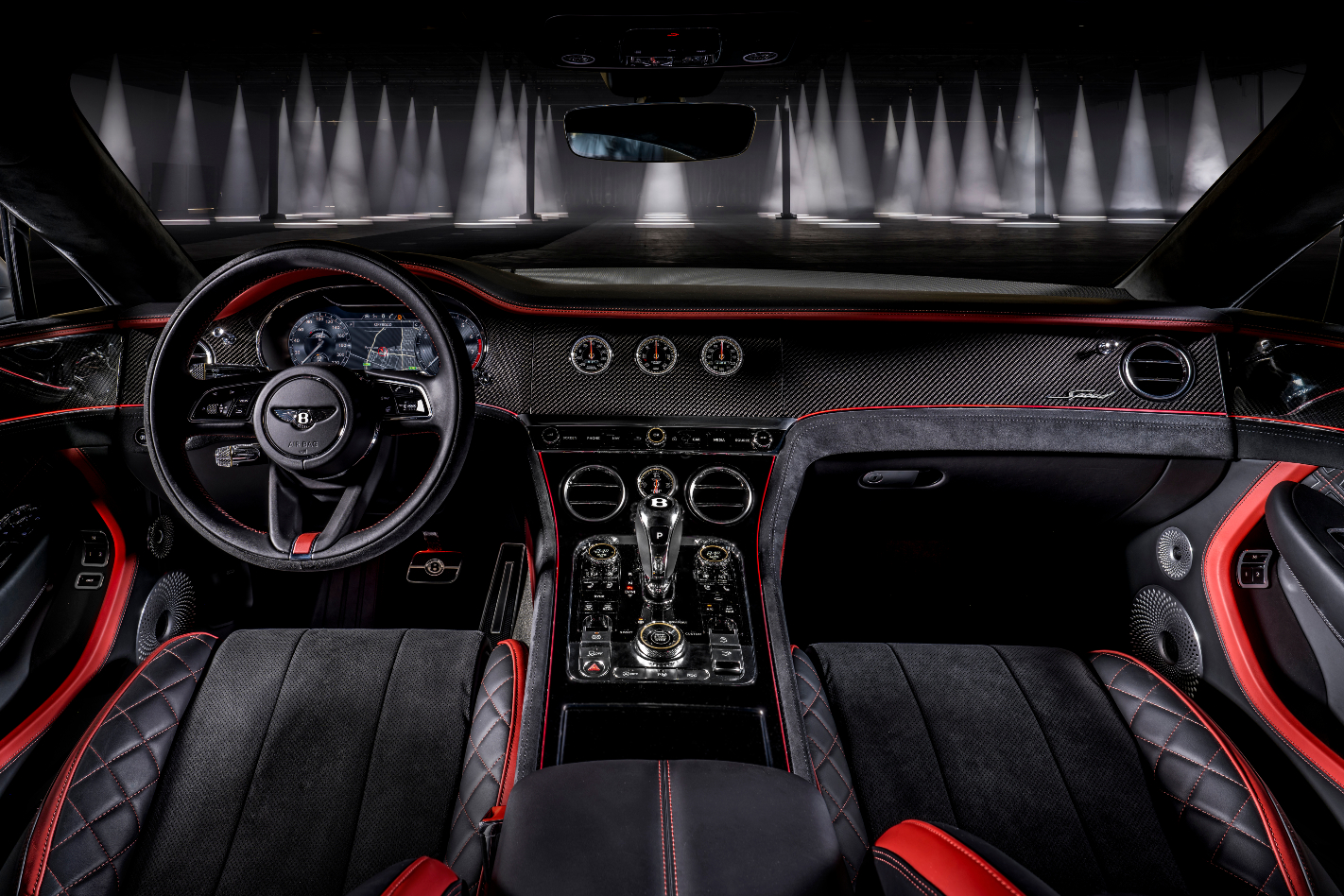
Inside, the interior of the GT Speed is exactly what you’d expect of a Bentley – endlessly opulent and eminently customisable.
The press photos show a car with gorgeous red and black leather and Alcantara seats, carbon and piano black accents, and an Alcantara-wrapped steering wheel.
However, we’re almost certain the interior and exterior specification of just about every GT Speed ordered will be different from the next.
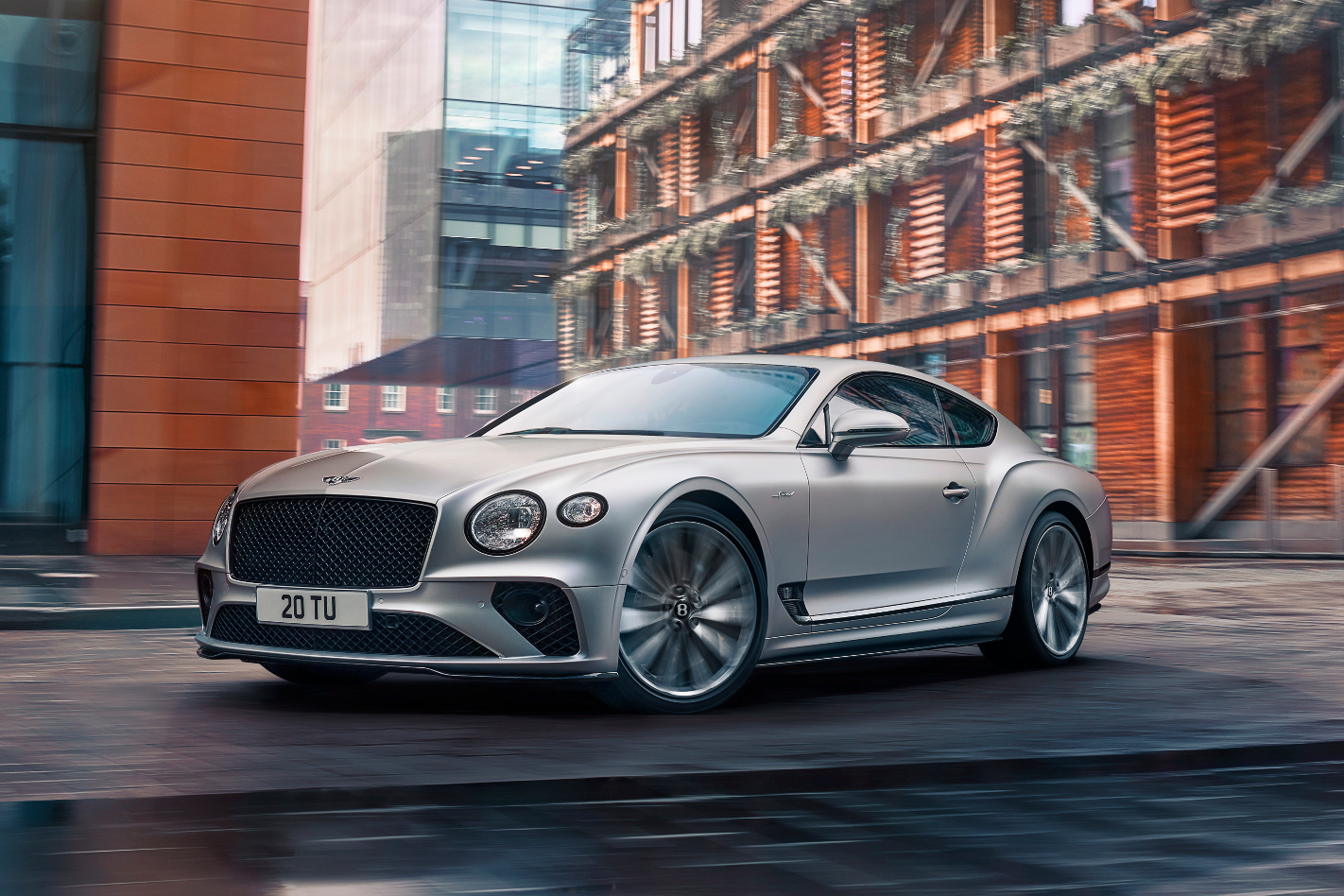
Local pricing and availability for the Bentley Continental GT Speed are yet to be announced, and there’s no word on when the rapid GT will be landing on Aussie shores.
But with the car expected to be going on sale in Europe in Q3 of this year, we reckon a local launch before the end of the year is possible.
MORE: Continental GT stories MORE: All Bentley stories
Aston Martin has taken its Vantage sports car and stuffed F1-inspired upgrades into it to create the Aston Martin Vantage F1 Edition.
Said to mark the first time in more than 60 years that the British marque has tied its name to the Formula 1 category, the Vantage F1 Edition is promised as the most “track-focused production Vantage to date.”
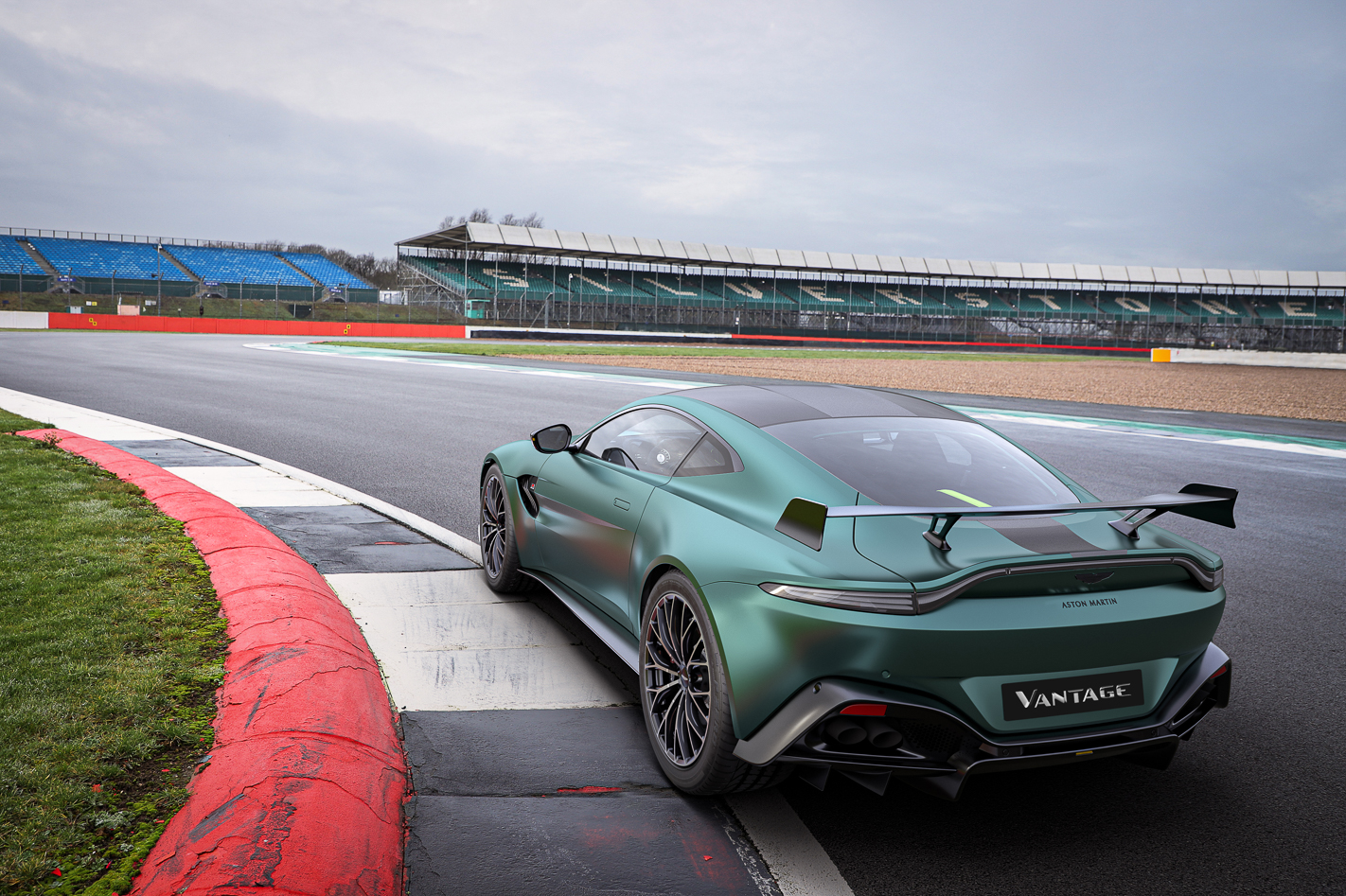
In addition to being the first core model to be directly overseen by new chief executive Tobias Moers, the Vantage F1 edition is effectively a road-going version of F1’s new Aston Martin Vantage safety car. Aston will offer the F1 edition in both coupe and convertible guises.
It features more power and a new aerodynamics package with a large rear wing and an uprated chassis.
Power is still sent to the rear wheels from a Mercedes-AMG-derived 4.0-litre twin-turbo V8 that now outputs 393kW/685Nm (18kW improvement over the standard Vantage) through a quicker-shifting eight-speed automatic transmission.
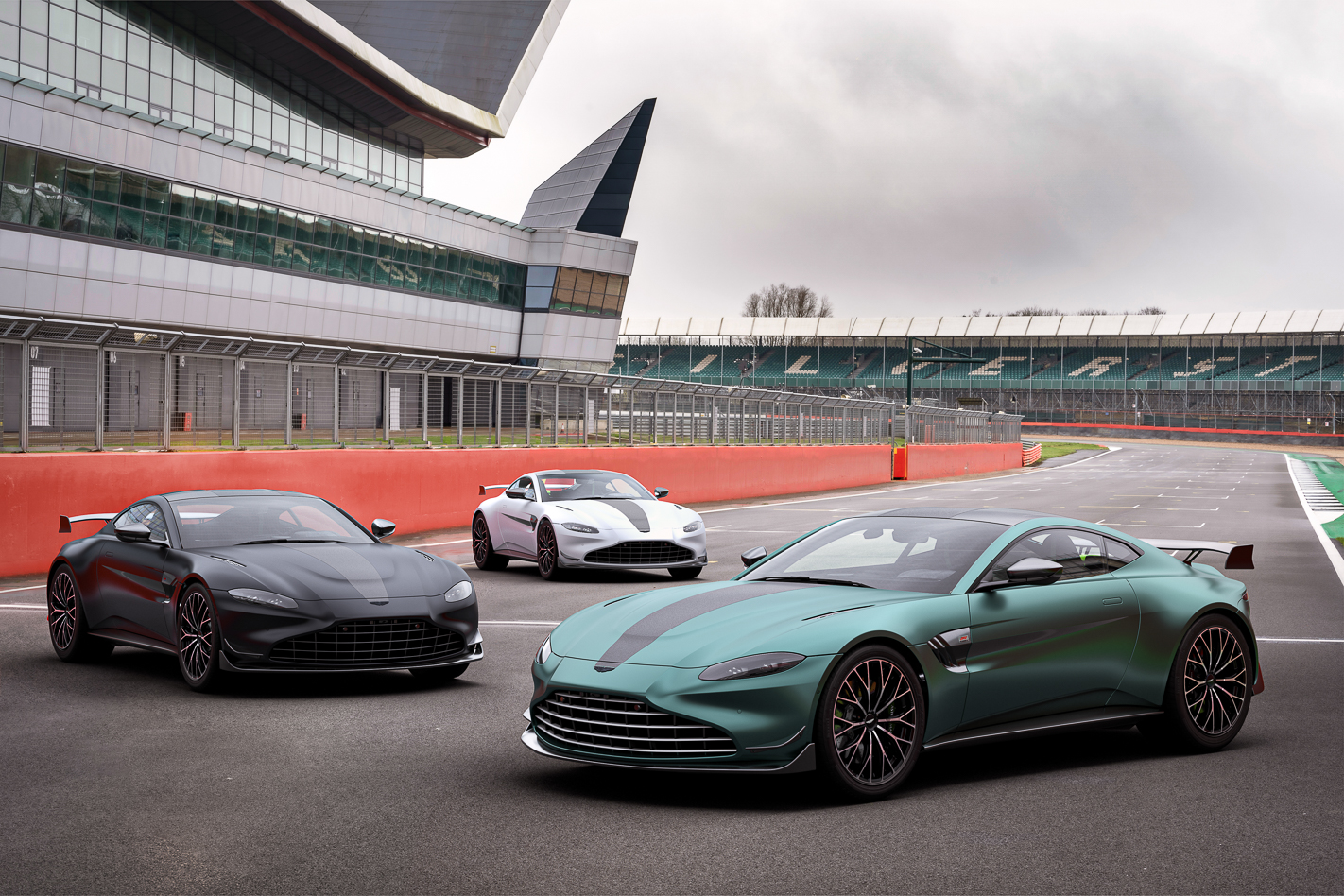
0-100km/h takes 3.6 seconds for the hard-top, while the same run takes 3.7 seconds for the Roadster.
Tweaks to the underbody are said to improve front structural stiffness for a sharper turn-in and handling profile, while damper and spring rate changes are expected to provide a flatter cornering ability and better traction.
It scores 21-inch wheels fitted with low-profile tyres developed specifically for this car with Pirelli.
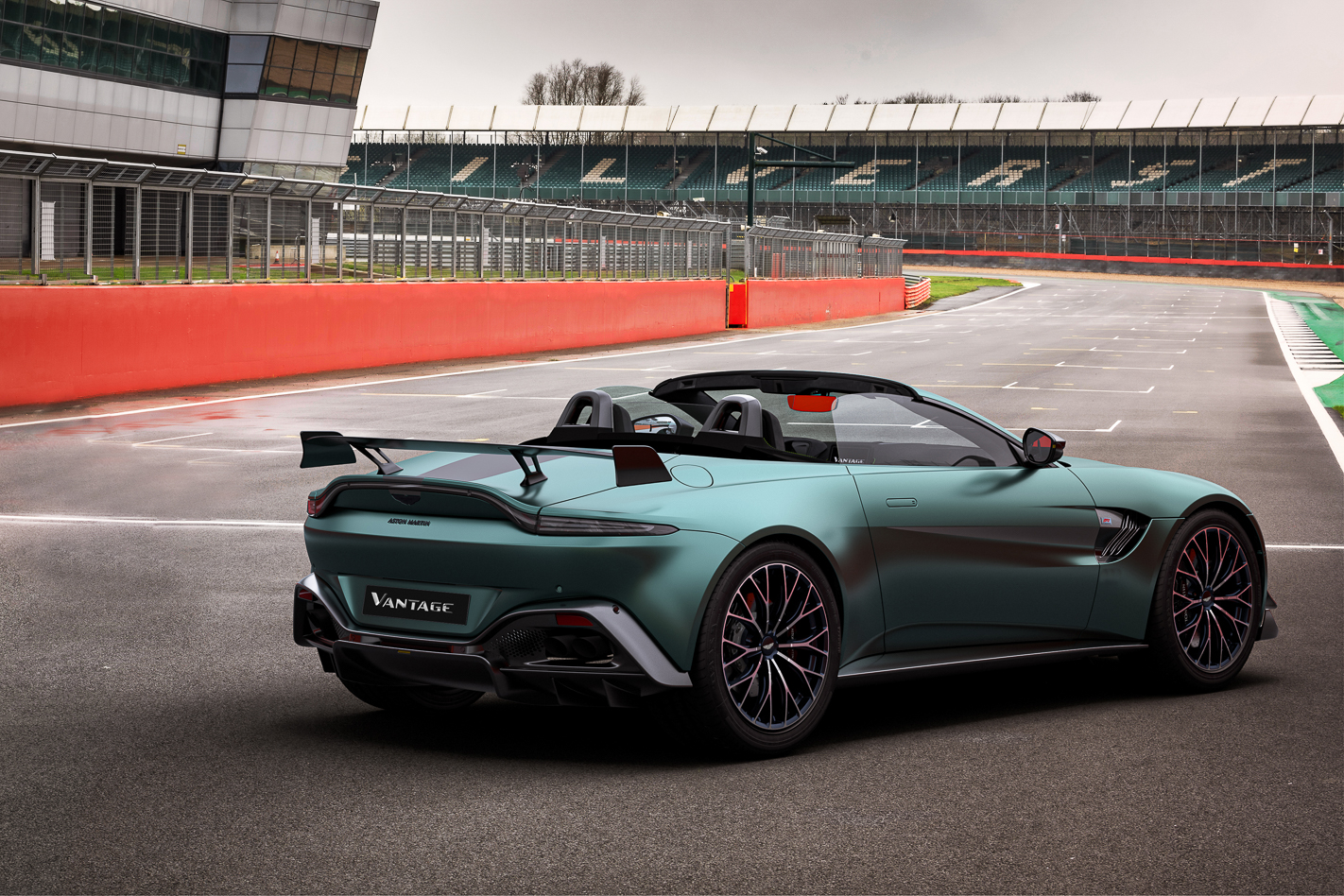
Rounding out performance upgrades is an aero kit that includes a rear wing, front splitter, front dive planes and underbody turning vanes that provide extra downforce.
Adding onto the eye-catching aero kit, the Vantage F1 Edition is distinguished by unique graphics, carbon fibre trim, quad exhausts, vaned grille and a range of new colour schemes.
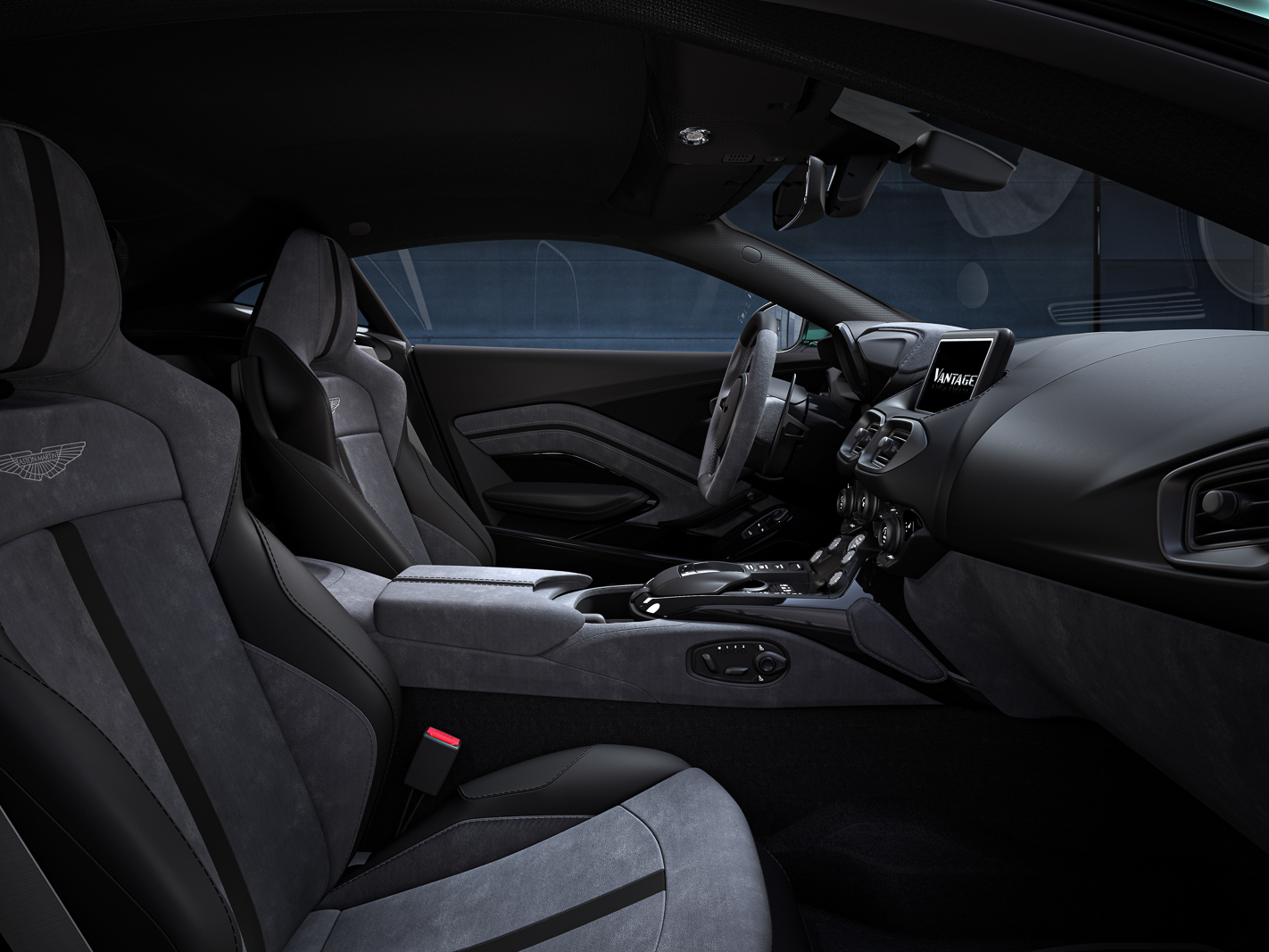
Inside, the Vantage F1 Edition features new Obsidian Black leather and Phantom Grey Alcantara upholstery and trim, with a choice of Lime Green, Obsidian Black, Wolf Grey or Spicy Red contrast striping and stitching.
Aston’s local arm has already confirmed Australians will get a go in the special edition from the fourth quarter of 2021. The Vantage F1 Edition is priced from £142,000 (AU$256,000) in the United Kingdom, though Australian pricing will be revealed closer to the car’s launch.
The Hyundai Nexo Fuel Cell Electric Vehicle (FCEV) has formally launched in Australia, making it the first hydrogen-powered vehicle certified for sale here.
Now available by special order through Hyundai, the Nexo medium SUV comes ready to take on Australian roads with locally tuned suspension and up to 666km driving range between visits to hydrogen fuel stations.
Potential customers should note, however, that the Hyundai Nexo purchase process isn’t as straightforward as fronting up to your local dealer; it is currently offered as an all-inclusive loan programme, covering service and maintenance.
Think of it as a leasing arrangement, and you’ll need to reach out to Hyundai directly to apply. In terms of costs, Hyundai wouldn’t offer specific numbers because of the various factors involved in the all-inclusive deal – but we were told to think of it as being equivalent to leasing a large SUV.
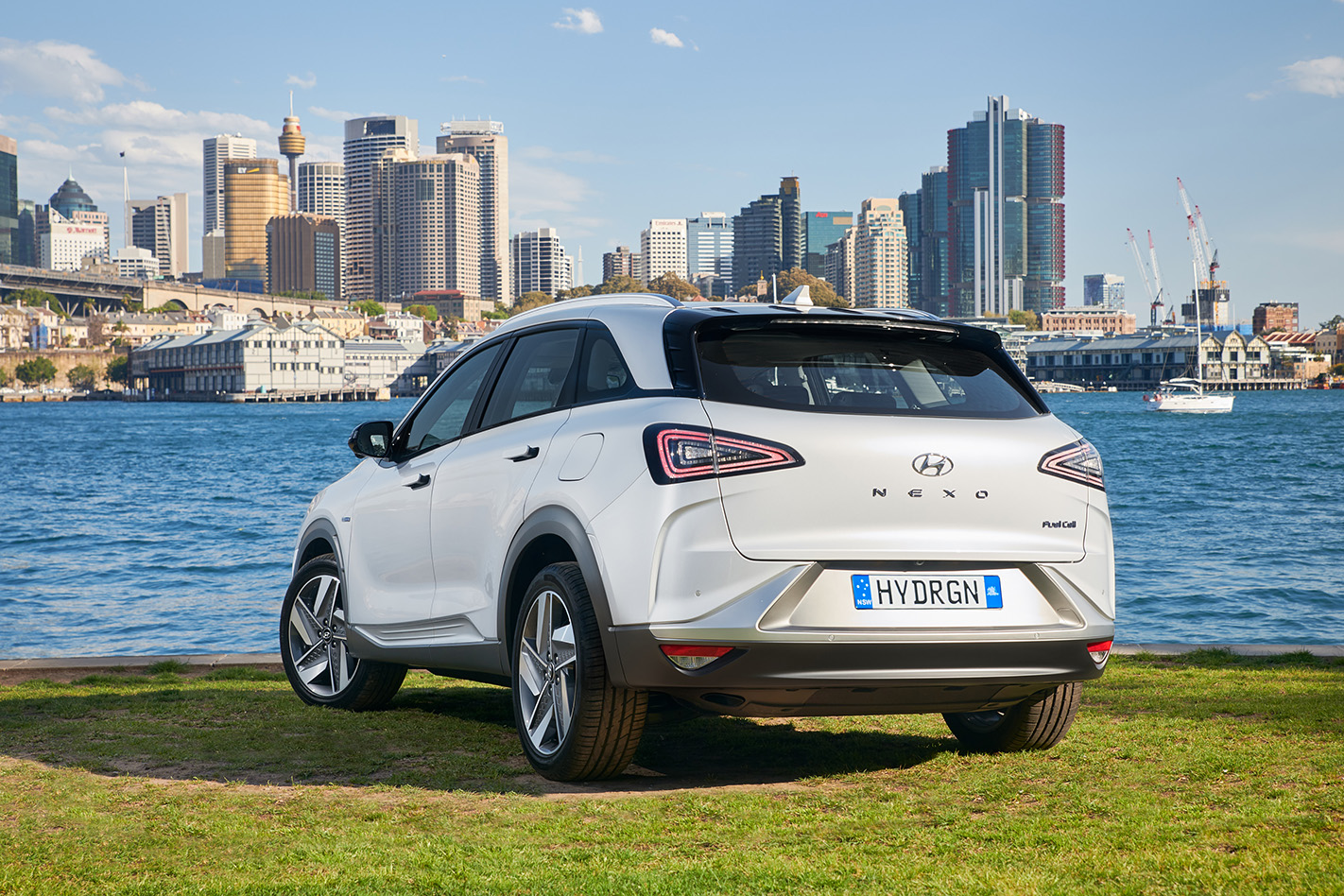
For those who take up the deal, Hyundai promises spirited performance through the Hydrogen Fuel Cell powertrain, which features a 120kW/395Nm electric motor drive and a lithium-ion polymer battery, with Shift by Wire gear selection and paddle shifter control for the regenerative braking system.
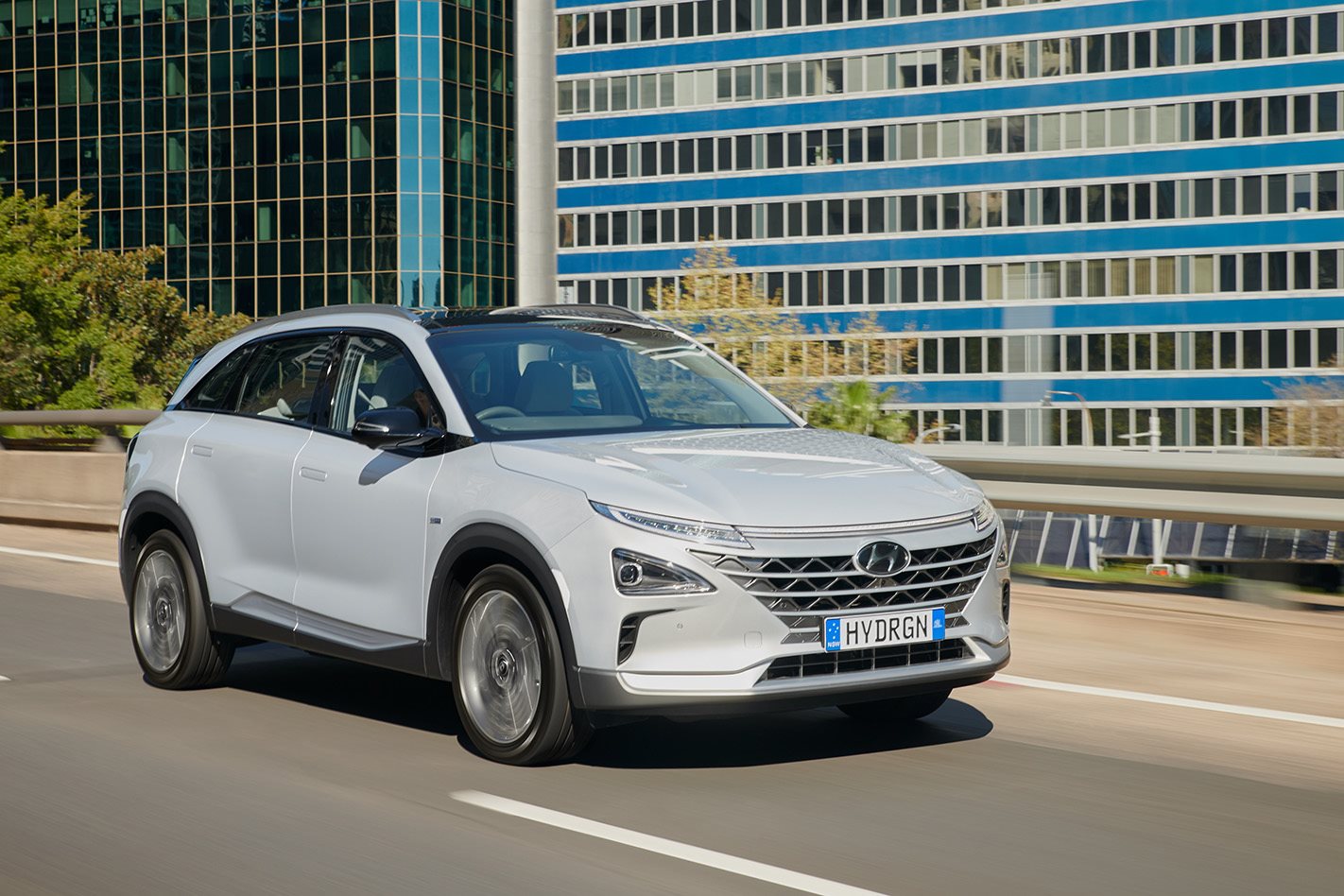
With an aerodynamic form that embraces design cues from Hyundai’s LE Fuel Cell Concept, the Nexo stands out with LED headlight design that runs across the entire front end.
Practical design elements to aid efficiency include underbody air-guides and deflectors that run along the full length to regulate clean airflow, while numerous air-guides and smooth surfaces have been applied to the body.
Hidden aero wipers are used at the front and rear, a Hyundai first which will flow on to other products.
The door handles and 19-inch alloy wheels have also been designed with efficiency in mind, with all aero measures combining to give the NEXO a co-efficient of drag of 0.32 – which represents a 10 per cent improvement over Hyundai’s first hydrogen vehicle, the ix35 FCEV.
The Nexo is available in four exterior colours, with White Cream Mica and Dusk Blue Metallic teamed with a Stone Grey two-tone interior, and Cocoon Silver and Copper Metallic teamed with a Dark Blue interior.
Stepping inside
The Nexo’s futuristic theme continues indoors, with the interior produced mostly from bioplastics, 34kg of which are applied in the form of the trims, carpet, headliner, door trims, seats and console.
Vegetable oil-derived bio-paints are also used throughout the cabin, along with bio-fibres made using corn and sugarcane waste material.
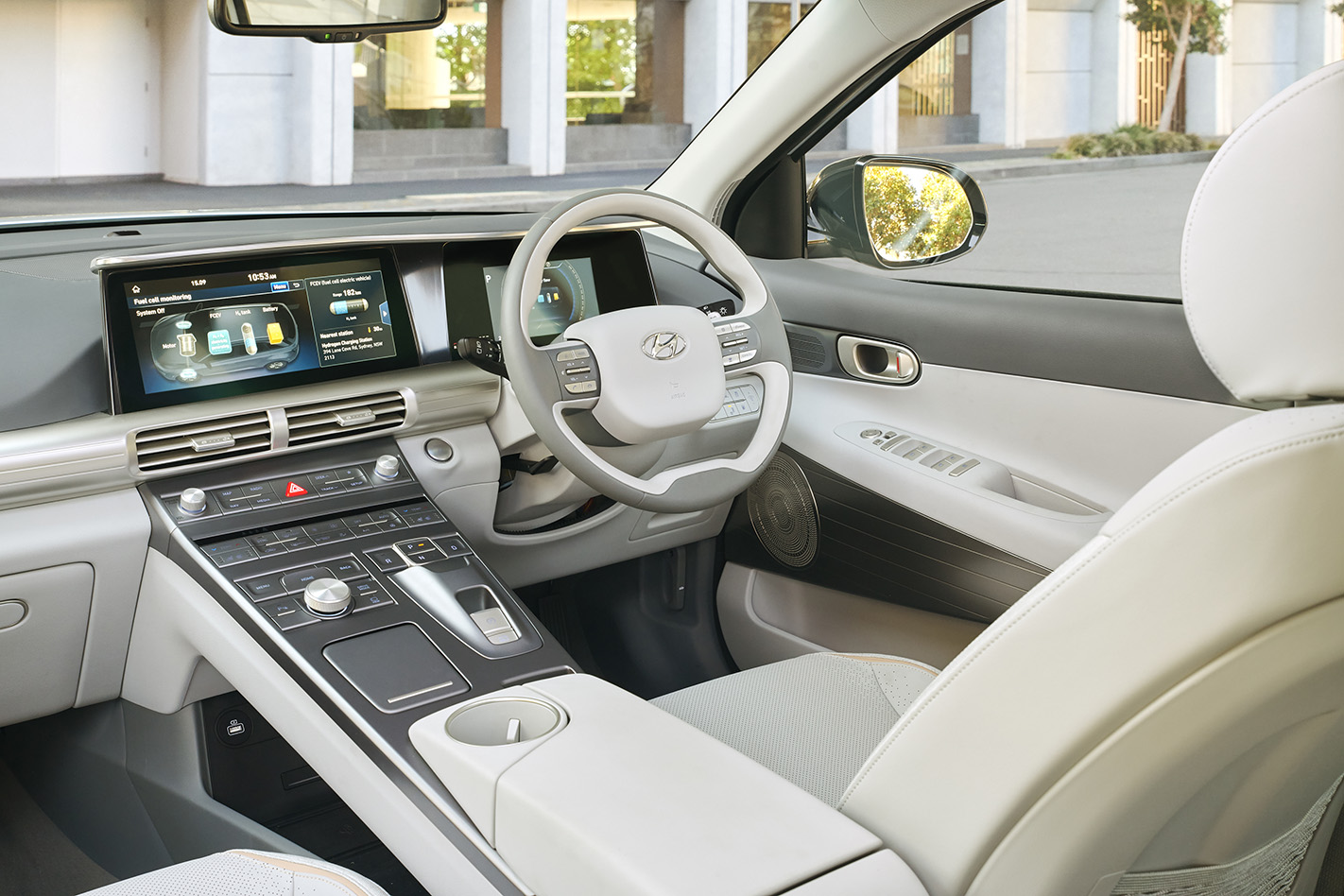
According to Hyundai, the use of bio materials contributes to a 12kg reduction in CO2 per vehicle during manufacture.
The interior design is dominated by wide, integrated displays and an ergonomic high-mount bridge-type centre console.
Available here in a single premium-specification grade, the Nexo is equipped with a panoramic 12.3-inch satellite infotainment that runs into a 7.0-inch digital driver display.
As well as in-built satellite navigation, 360-degree parking monitor, vehicle systems and synced content via Android Auto or Apple CarPlay, the multimedia system tracks eco-driving performance and will direct you to hydrogen refuelling stations via the in-built sat-nav, allowing route planning and range calculation as you drive.
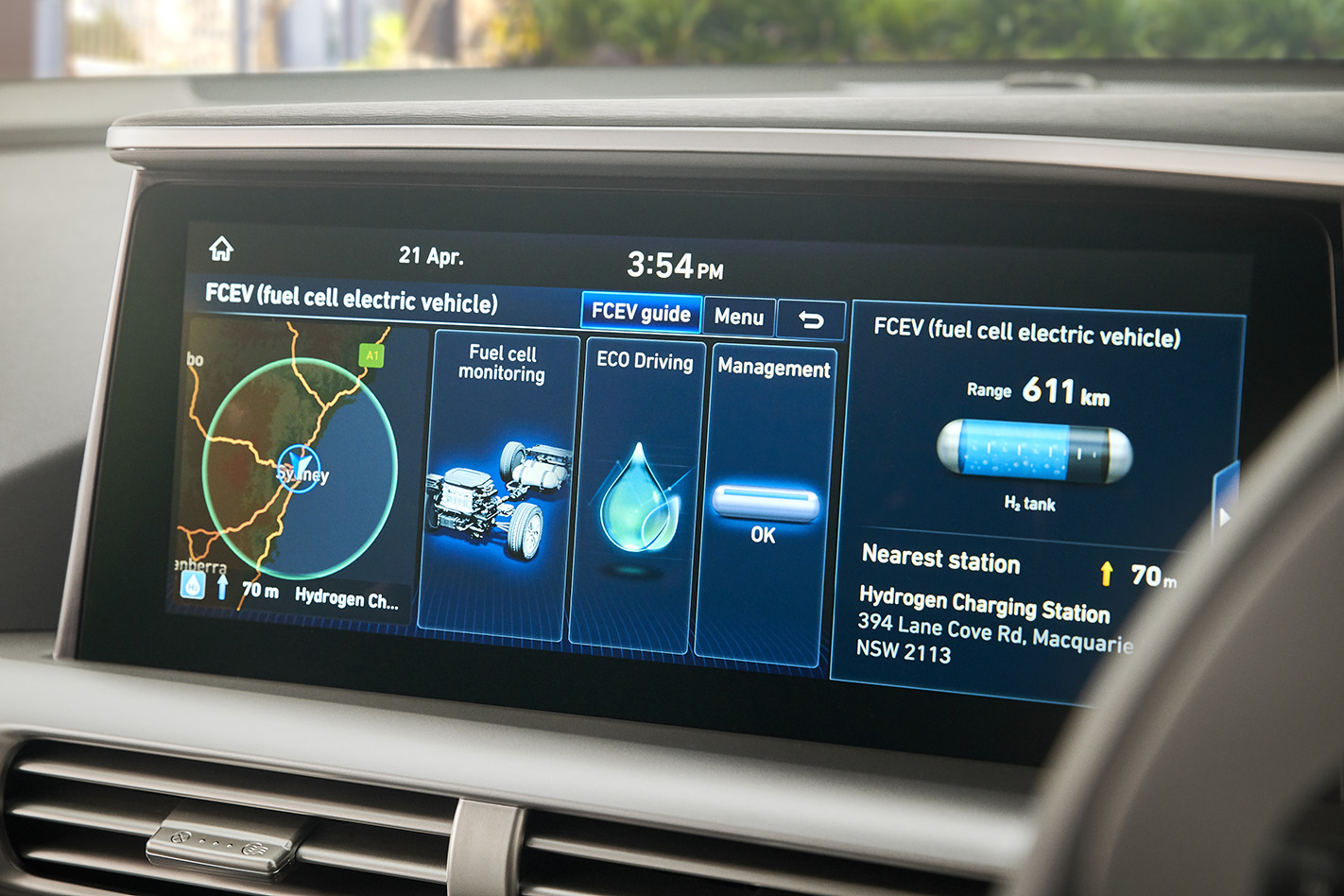
It will even play a video that explains how the FCEV powertrain works.
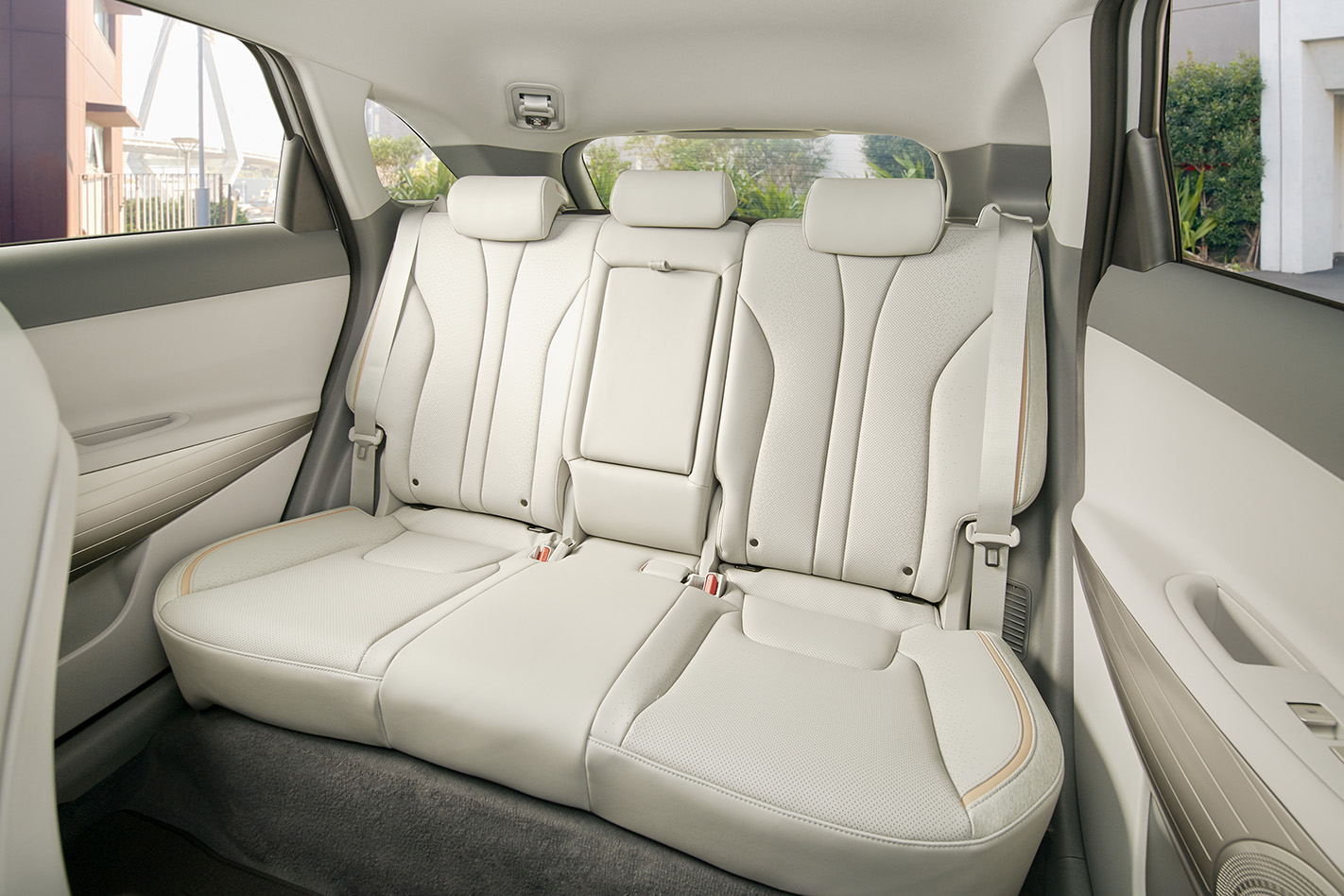
Other interior features include leather-appointed upholstery, power-adjustable front seats, dual-zone climate control, heated and ventilated, heated rear outboard seats and a heated steering wheel, Krell premium audio system, full-width glass sunroof, wireless smartphone charger.
Creature comforts include leather appointed interior, power adjustable front seats, dual-zone climate control, heated and ventilated, heated rear outboard seats and a heated steering wheel.
It also comes with a full arsenal of Hyundai’s ‘SmartSense’ active safety suite, including autonomous emergency braking, driver attention warning, a radar-based blind-spot collision avoidance assist system, lane-keeping assist, rear cross-traffic collision-avoidance assist, and adaptive cruise control with ‘Stop & Go’.
The Nexo also has remote smart parking assist system (RSPAS) that uses ultrasonic sensors, allowing it to be moved in and out of parking spaces from outside the vehicle, using controls on the Smart Key.
Once parked using RSPAS, the vehicle can be shut down and locked without the need to re-enter the cabin.
Hydrogen powertrain
The Nexo’s FCEV powertrain consists of an electric motor that draws motivation from a 95kW fuel cell system, which harnesses energy created by the hydrogen fuel reacting with oxygen across a catalyst to send a sustained 135kW of power to the motor.
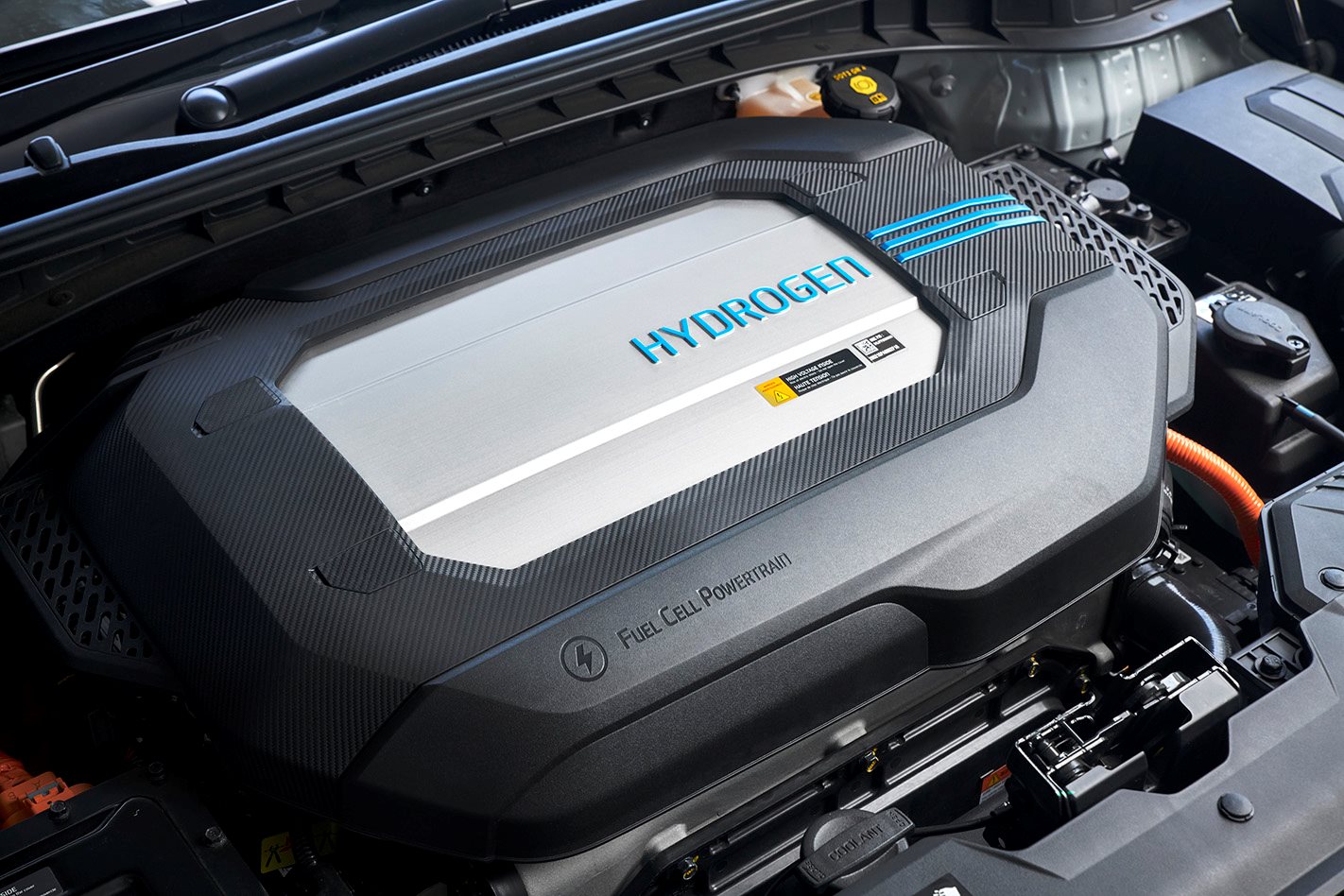
As well as producing electricity, the fuel cell produces pure water and purified air – the only tailpipe outputs – which allows the exhaust system to me made from light plastic.
Excess electric energy – and electric energy recuperated during braking – is stored in a 240V, 1.56kWh lithium-ion polymer battery that, unlike battery electric vehicles (BEVs), does not power the motor, with the electricity used to run the Nexo’s on-board 12-volt systems.
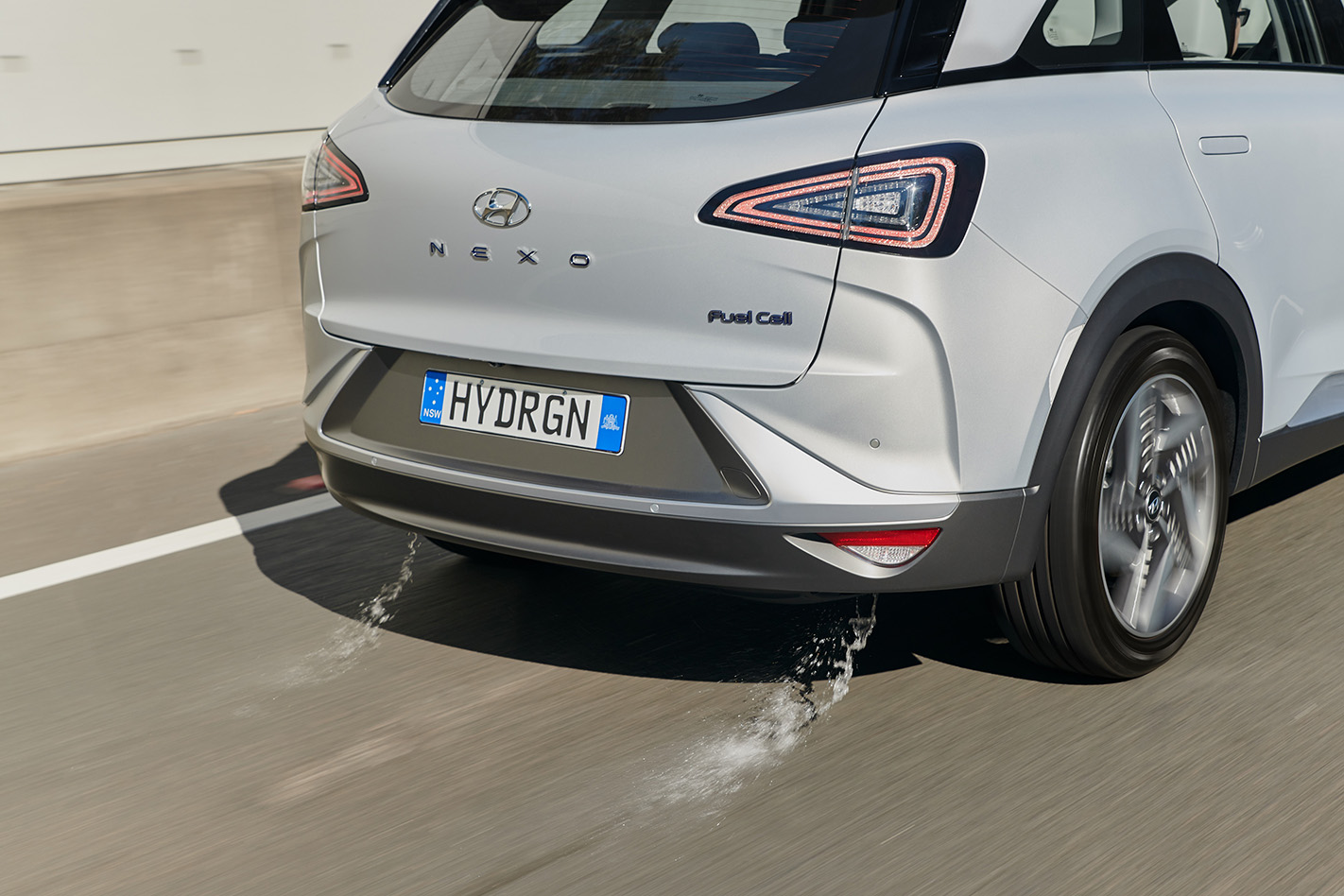
The battery is packaged flat and low in the rear of the Nexo to allow a flat floor storage area, which allows for 461-litre boot space.
The hydrogen is stored in three high-pressure fuel tanks built into the rear of Nexo, with a combined 156-litre capacity and the ability to hold up to 6.33kg of hydrogen at a pressure of 700 bar.
According to Hyundai, the high-strength, lightweight advanced carbon composite tanks are tested to ensure they maintain structural integrity in the most challenging conditions, including collisions.
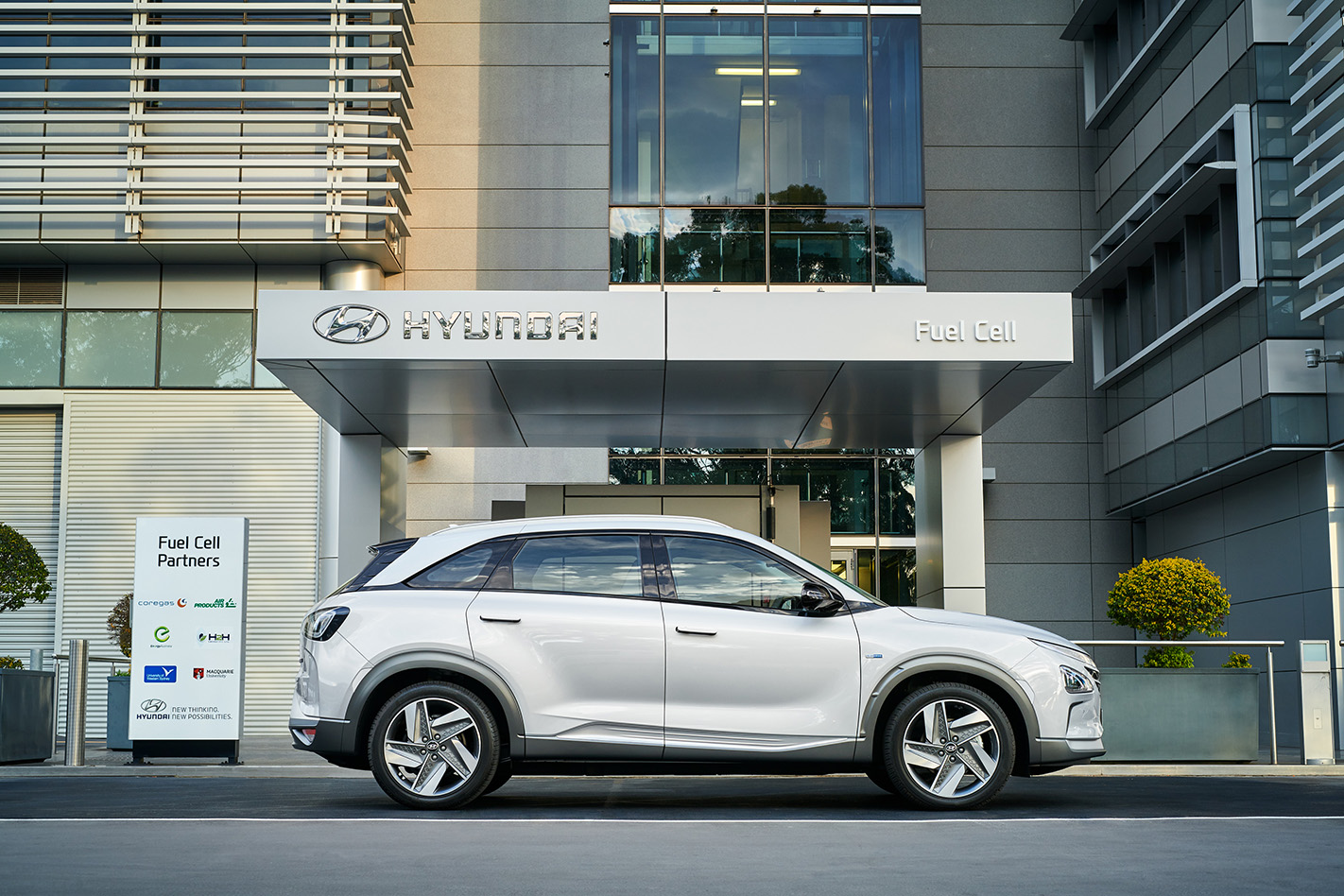
The tanks can be refilled in minutes at a hydrogen refuelling station, allowing users to experience the same down-time between drives as with petrol and diesel vehicles.
The Nexo is built on lightweight underpinnings that include an aluminium bumper beam, front knuckles, rear wheel carriers and front lower control arms, which Hyundai says bring improved dynamics and efficiency.
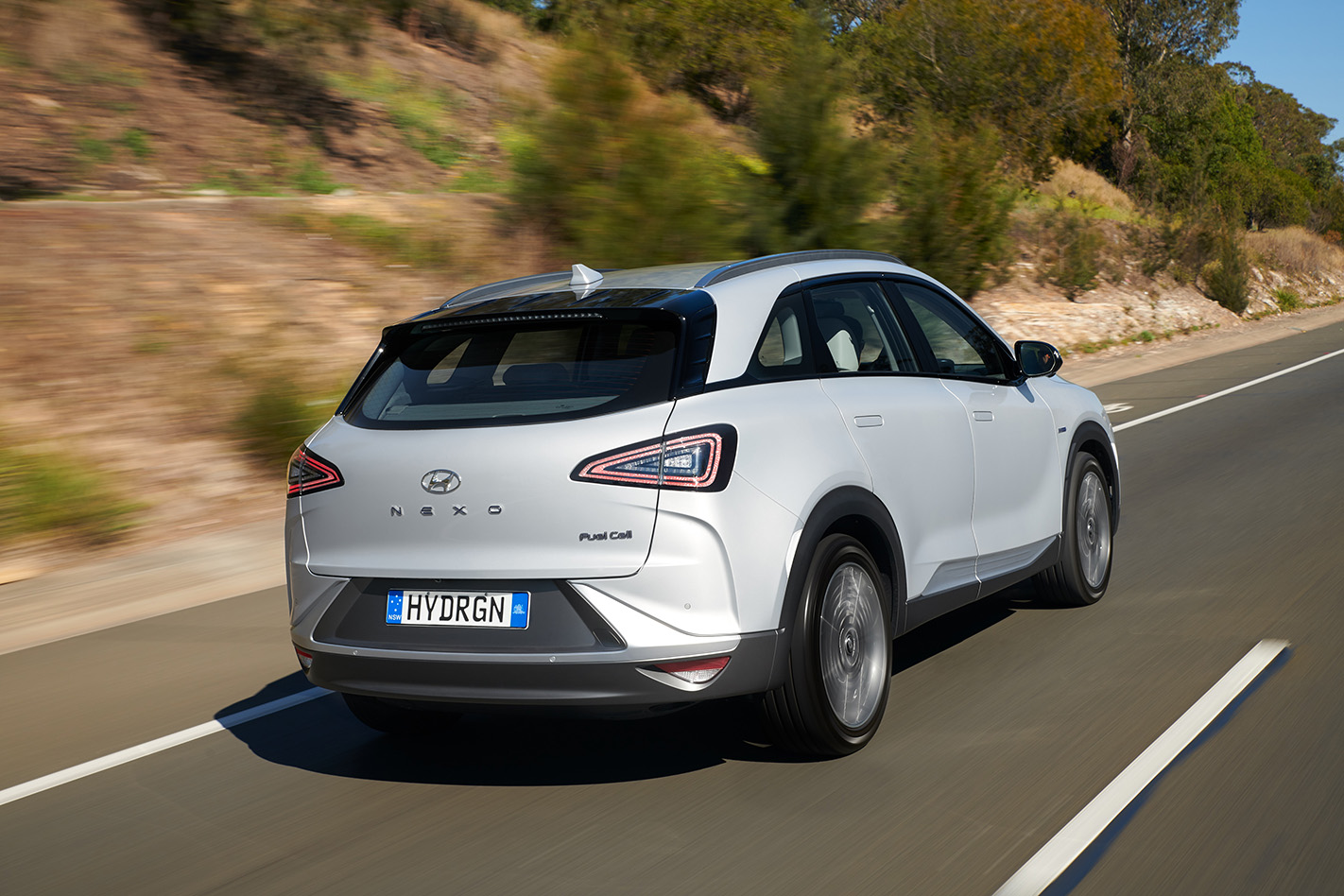
In addition, the lightweight suspension components bring reduced cabin noise and improved ride and handling characteristics that have been further enhanced to meet the demands of Australian city, highway, country and gravel roads.
For more on the Nexo’s capabilities, watch for our review to land later this week.
In 1992 McLaren, then only a race team with seven F1 constructors’ titles to its name, unleashed the F1 road car on the world, changing the supercar game forever.
Nearly two decades later, in 2011, having not even thought about building another production car in the intervening years, McLaren Automotive dropped the MP4-12C cat among the established supercar pigeons. Now, another 10 years on, a third chapter is being written into the Book of Woking with the Artura.
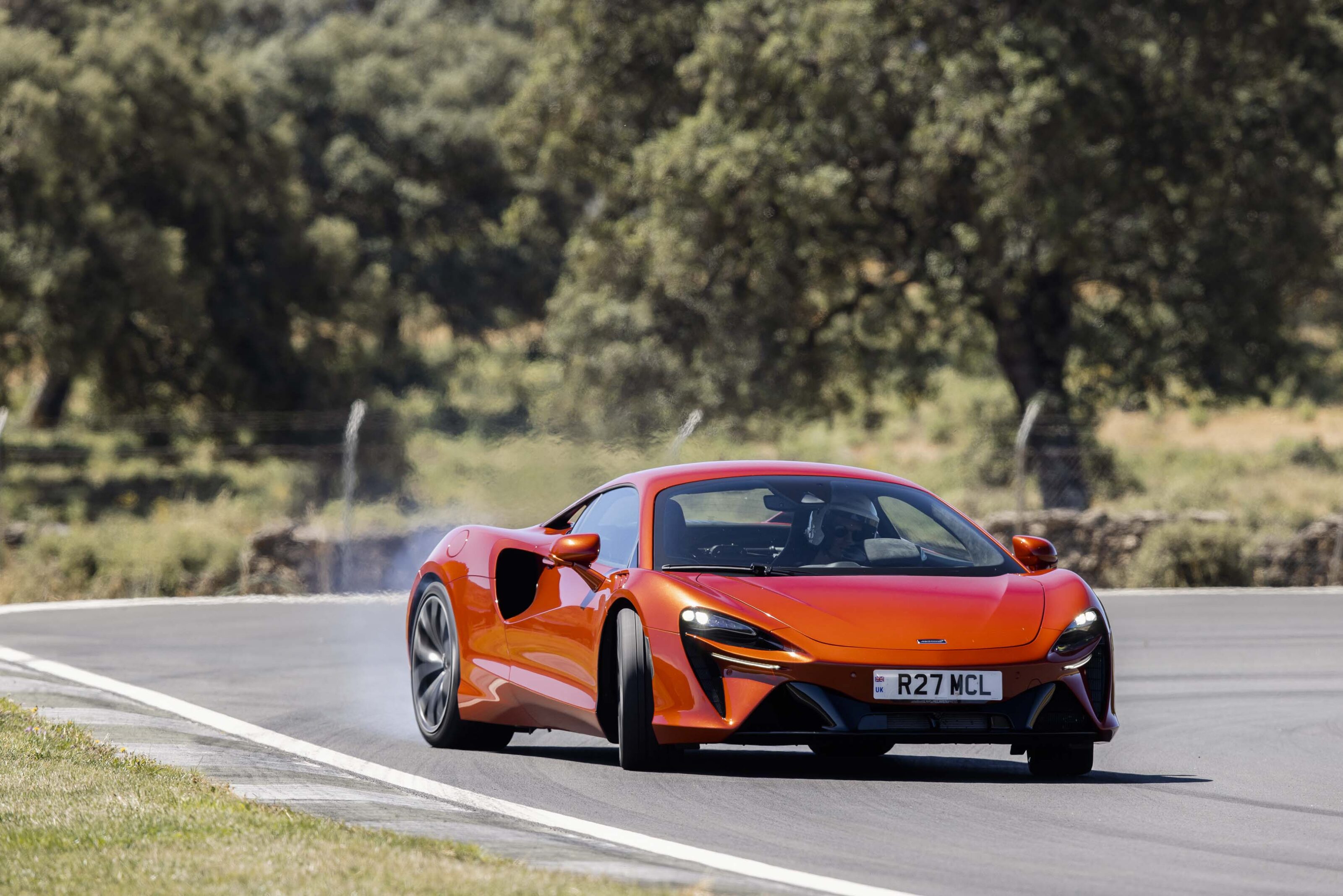
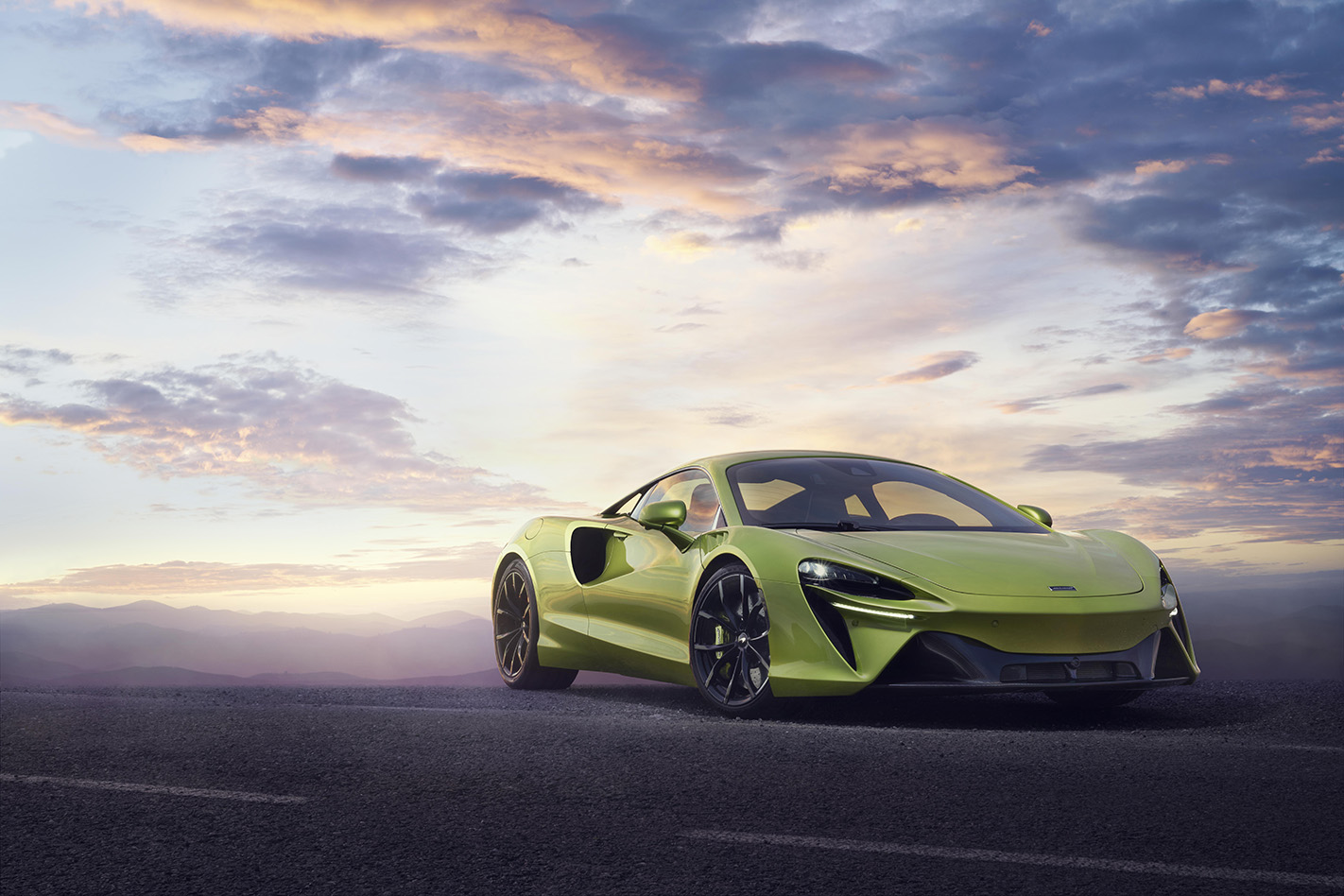
Visually, it is all McLaren; sharing the almost predatory, bodywork styling that favours function over form – similar to the 720S. Underneath that skin it is all change, even down to the infotainment system. New chassis, new engine, new gearbox, new electric motors. The Artura re-establishes McLaren’s ethos and spirit for a new, electrified, era.
UPDATE, June 2022: Artura driven!
We’ve finally driven the new McLaren Artura, and it’s quite a thing. Catch our review at the link below.
The Artura I’ve just driven is still a work in progress. A car that’s not yet finished. Let me explain.
The story to here
Every McLaren since the MP4-12C has been powered by a 3.8- or 4.0-litre twin-turbo V8, which itself is based on Nissan’s VRH design used in various motorsport applications in the ’90s. The Artura brings Woking’s engines into the 21st century, with a unique 120-degree V6 developed by Ricardo. Revving to 8500rpm, the 3.0-litre capacity unit is 40kg lighter than the V8 it replaces, and 150mm shorter, while introducing new-to-McLaren tech like direct injection and petrol particulate filters. Burning hydrocarbons alone it produces 430kW and 585Nm, though a 7.4kWh battery placed beneath the fuel tank sends 70kW and 135Nm through an e-motor within a new eight-speed dual-clutch transmission for a total system output of 500kW and 720Nm.
Don’t expect to see a non-hybrid version of the new engine any time soon either (save perhaps in GT racing versions), with Artura chief engineer Geoff Grose telling MOTOR “our intention is for this to be an integrated powertrain, it is not a bolt-on thing, it is built in harmony. Our turbo size for example, is based on the fact that we are going to fill in loads of torque with the e-motor.”
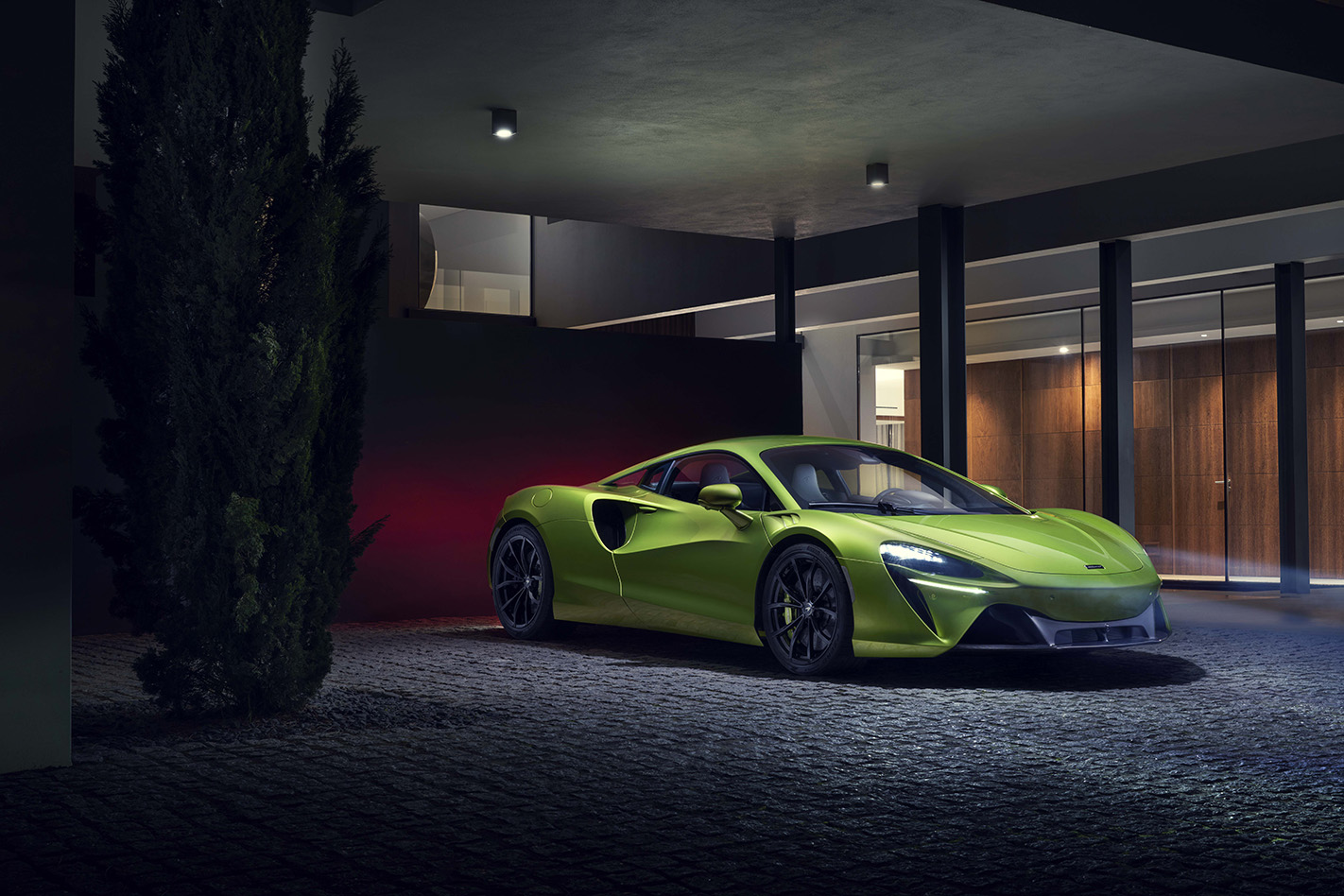
A simplistic view of the Artura’s place within McLaren’s established family tree marks it as a replacement of the 570S. That isn’t the case. The Artura treads its own path, with a higher level of performance. As a result, the Sports Series model line is now dead, with the Artura sitting alongside the 720S and 765LT, above the GT, and below Ultimate Series models like the Speedtail.
The V6 supercar’s straight-line numbers speak to this; 0-100km/h in 3.0 seconds, 0-200km/h in 8.4sec, and a top speed of 330km/h. That’s Porsche 911 Turbo S levels of performance, and Woking wants this to be the starting point for the Artura line. Everything going forward from this point will be faster still.
The hybrid powertrain allows the Artura to travel up to 30km on battery power alone – a figure that McLaren decided on after some intense internal discussions according to Chief Operating Officer Dr. Jens Ludmann.
“We looked at customer usage, and what their expectations are on range, and in a plug-in it is relatively small, they don’t expect much,” he tells MOTOR. “Then we looked at global regulations, is there any benefit from having certain ranges.”
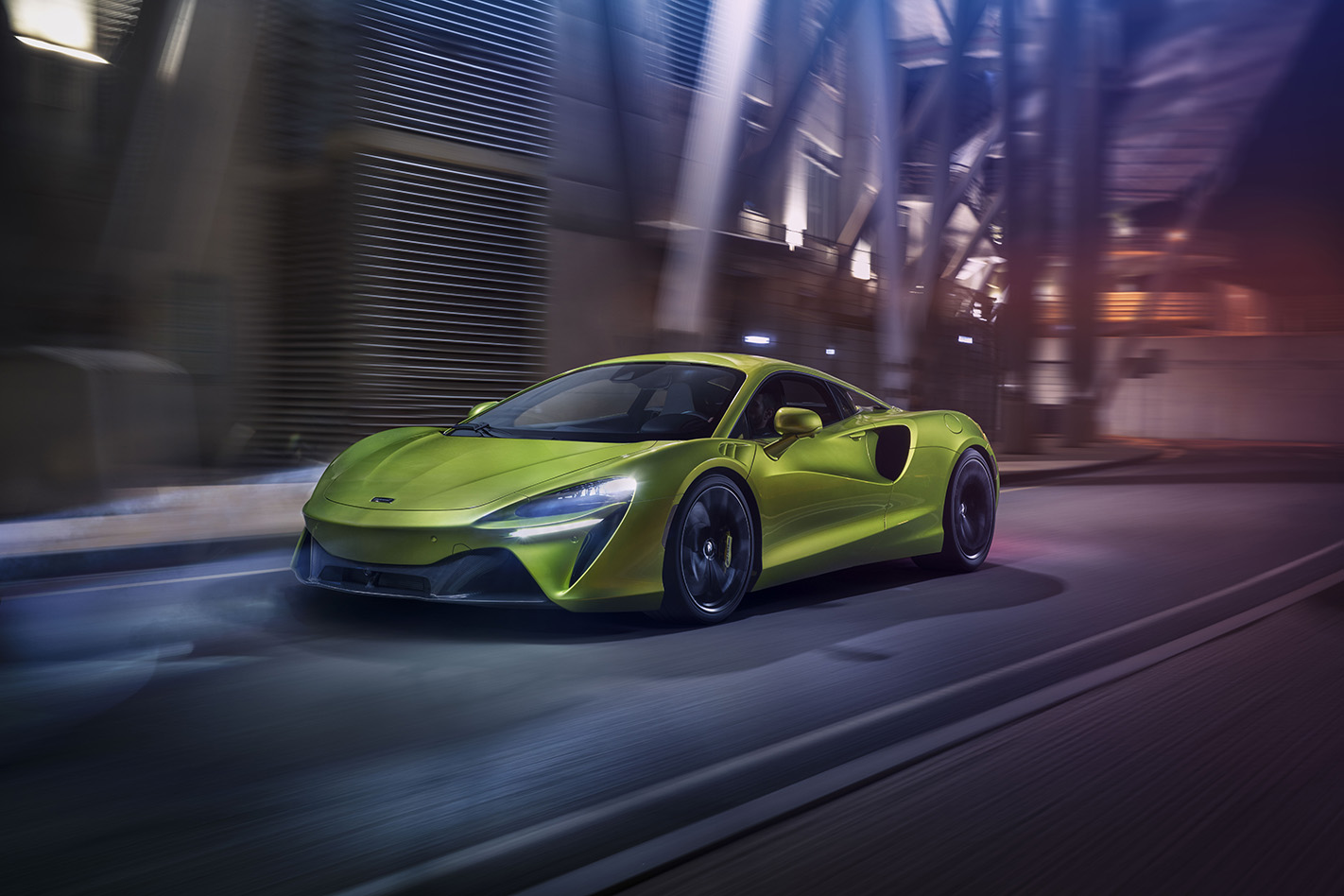
While the Artura isn’t the first hybrid McLaren has produced, it is the first built in serious numbers (by supercar standards), and Ludmann says the company’s technical efforts in that area have improved significantly in just eight years.
“The e-motor for the Artura is only 15.4kg,” he explains.
“That has a multiple of performance improvement over the McLaren P1, which had a e-motor that weighed 38kg. It is a substantial weight reduction on a single component, and the power density has also improved significantly.”
This leads nicely into the core ethos of the Artura’s development. Despite its on-trend hybrid V6 powertrain, the Artura remains a vanguard for performance purity. Power is still sent exclusively to the rear wheels, the Sports Series’ brilliant hydraulic steering has been retained and McLaren has worked hard at keeping weight gain to an absolute minimum – to the point that its engineers and executives have focused on it above all else. Balance that with the fact that a hybrid powertrain (and its associated extra kilos) is now an absolute necessity to meet emissions regulations and you begin to understand why McLaren has gone to such extreme lengths to save weight.
Tipping the scales at 1498kg, the Artura is 43kg lighter than the non-hybrid F8 Tributo and weighs 155kg less than the Lamborghini Huracan Evo. Compared to the similarly V6-powered hybrid Honda NSX, the Artura saves 227kg, making power-to-weight ratio the McLaren’s significant trump card.
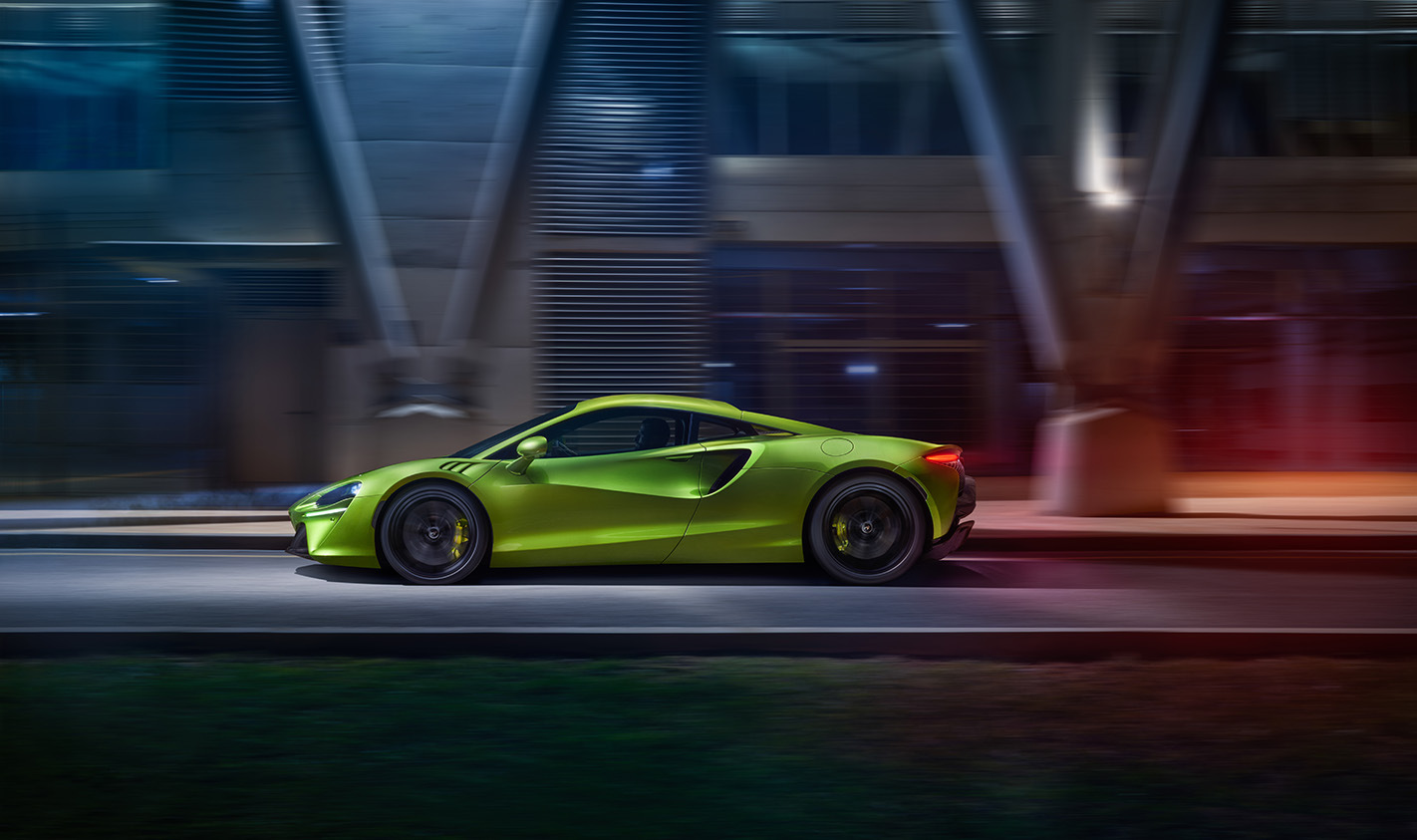
According to Grose, the all-new carbon-fibre structure – named MCLA – is the “heart of our car”, and it is where the core of the lightweight fascination begins. The new design is lighter, stronger and stiffer than the one it replaces, naturally, but it is how it is built that brings the biggest benefit. McLaren’s previous generation carbon tub was designed by Woking, but built by suppliers, whereas this new structure is constructed in the new McLaren Composites Technology Centre in Sheffield before being trucked 280km to the Woking HQ for the entire vehicle’s assembly.
“This has allowed us to be a lot more precise with the design,” Grose explained to MOTOR. “It is still a one-piece moulded part, but we’ve changed the feed in processes, along with the way we lay up the preforms of carbon. Now we are integrating and doing that ourselves and it gives us a lot of potential for optimising further with that structural development.”
Knowing that almost every new McLaren that will be put into production in the future would be electrified in some way, shape or form allowed the engineers to place core pieces of the hybrid system where they would be best suited, without compromise.
“The battery is right behind the driver on the floor level, the panel that the cells mount to is a carbon structure that is actually part of the monocoque,” Grose adds. “It bolts up and closes off a section, so it contributes to the strength and stiffness of the car.”
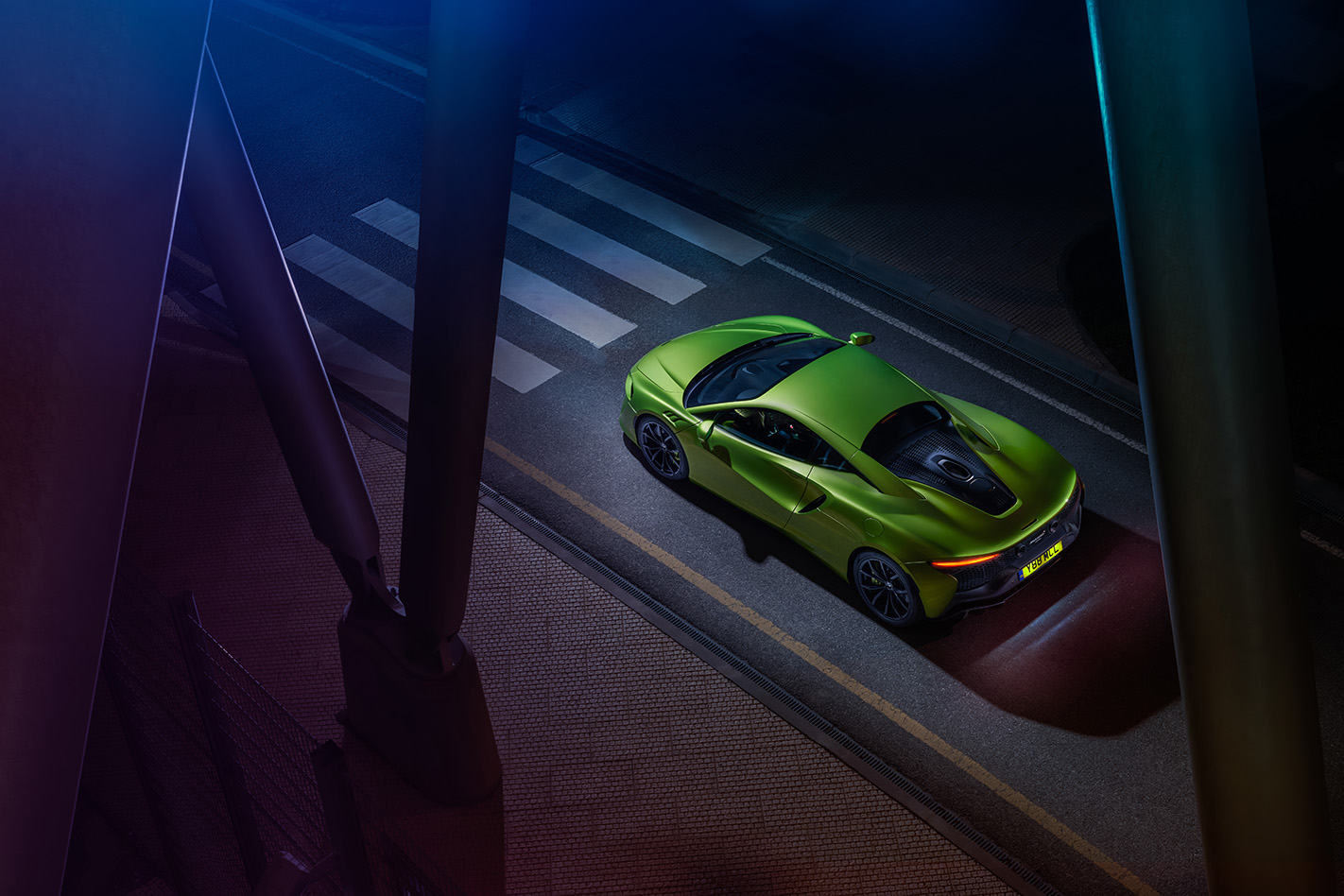
Instead of placing the electric motor on either of the axles, McLaren has slotted it into the middle of the drivetrain between the gearbox and engine, sitting directly on the transmission input shaft inside the bellhousing. As a result the eight-speed dual-clutch doesn’t need a reverse ratio, with the transmission and combustion unit de-clutching as the electric motor spins backward to perform that function. This saves space and, you guessed it, weight.
“All-wheel drive is an option, but we don’t want a heavy hybrid – we want to keep the weight of the car down,” says Grose. “We don’t need four-wheel drive on this car we felt, we know we can deliver the necessary performance from the rear axle, and integrating the e-motor into the drivetrain.”
Space was second on the engineer’s priority list with the Artura. Despite overall length being 10mm longer than the 570S (thank the designers for that), the wheelbase has shortened by 50mm. Everything ahead of the driver was already pushed to its maximum optimisation, so McLaren engineers focused on finding improvements in the back half of the car.
“We fought for every millimetre along that path from the engine to the rear axle,” Grose says.
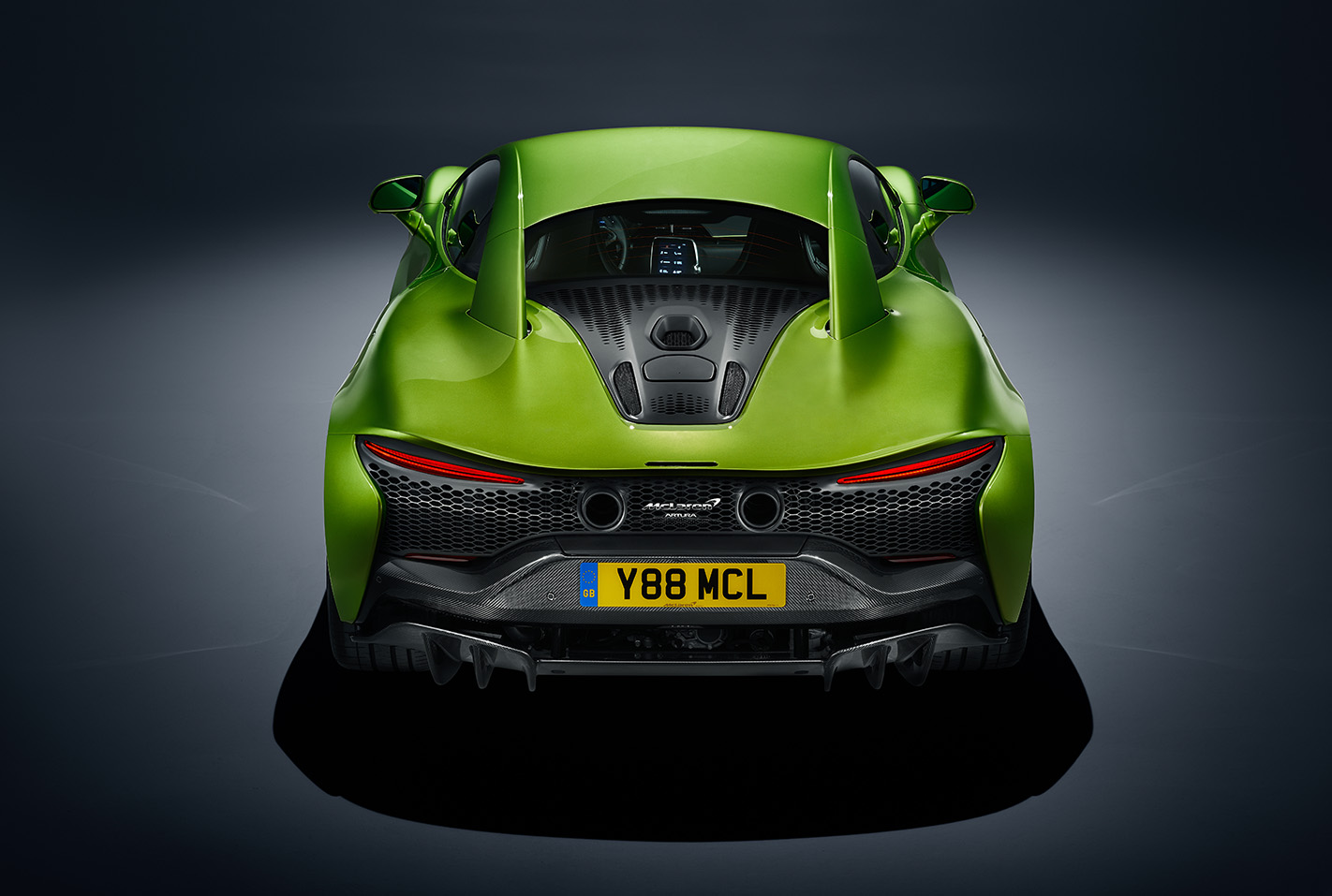
Perhaps surprisingly, finding the optimal vee angle for the new engine was integral in this space-saving endeavour.
“One of the challenges of a narrower design is it pushes the engine height up, and we are trying to keep the engine really low. Going with the 120-degree angle means you can share a crank pin between two opposing cylinders which helps shorten the length of the crankshaft and ultimately the length of the engine,” Grose explains.
“It still needs to be compact enough to fit in the middle of the car, so it can’t be too wide either. We have really squeezed down the gap between the cylinders and pushed in the dimensions from every direction.”
The flow-on effect of the shortened engine is McLaren’s engineers were able to rework the Artura’s rear suspension design to better improve control in high-speed bends.
“The top link is wishbone, while the bottom is now a broken wishbone, it is two separate links to bring the pivot point further outboard,” adds Grose. “We also moved the toe control arm, which was previously at the back of that arrangement, forward so it is anchoring right into the heart of the frame. The control of the toe stiffness of the rear corners is massively increased, but not by adding a load of weight, just changing the way we use the mechanical advantages. We also have a slightly longer lever arm on that toe link.”
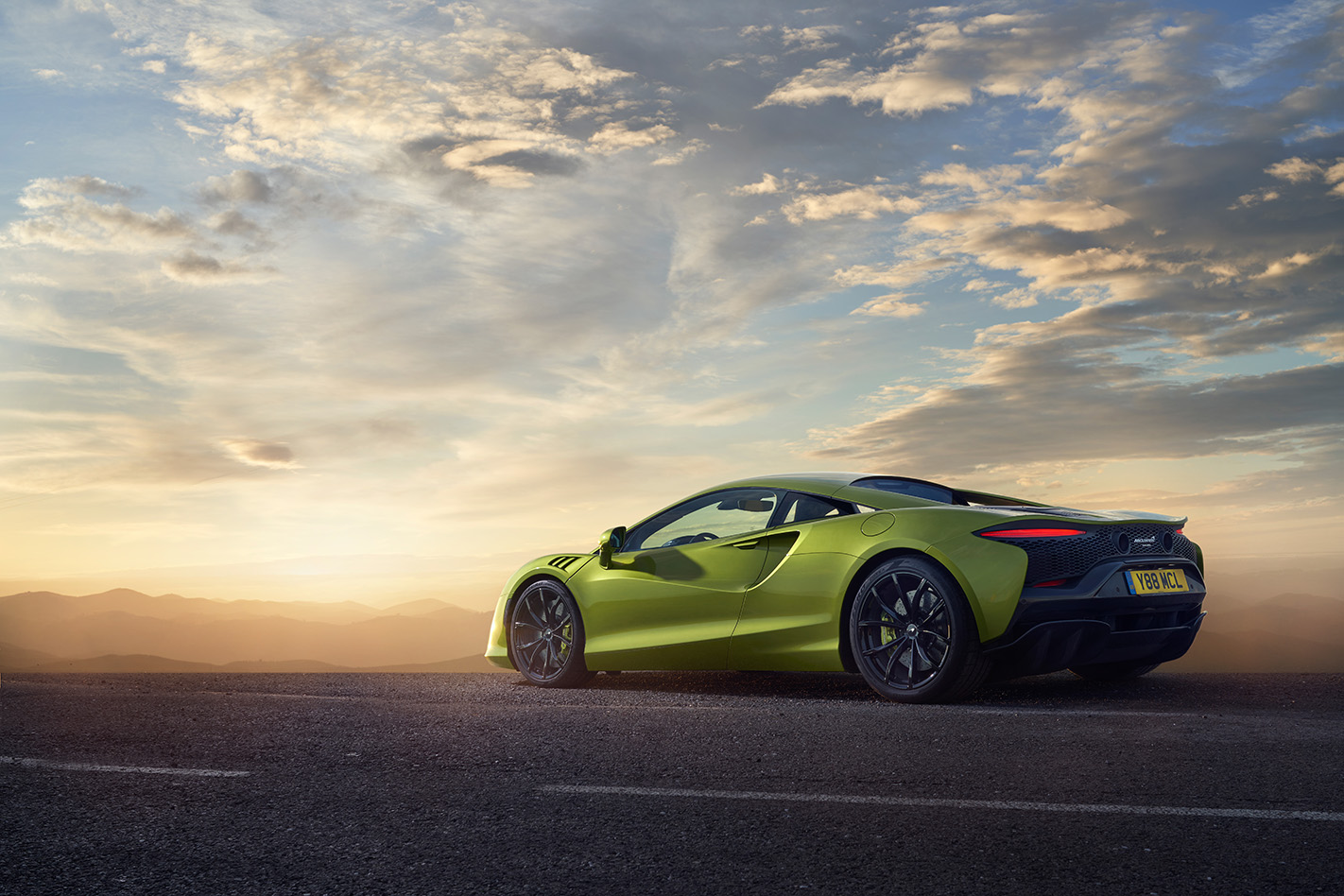
The individual pieces that make up the Artura are just the start. Everything being built from a clean slate has allowed improvements in production efficiency – the entire engine, transmission, intake, and exhaust assembly is installed into car as a single piece. Previously with the M8389T V8 parts of the exhaust were assembled on the production line separate to the engine installation. While that doesn’t necessarily improve the final dynamic product, it speaks to the granular level of detail that McLaren worked at to develop the Artura. Nothing was left untouched in what was less the development of a supercar, but the revitalisation of a company solely dedicated to building thrilling supercars.
If successful, the Artura will allow McLaren to snub its nose at bottom-line boosting SUVs just a little bit longer.
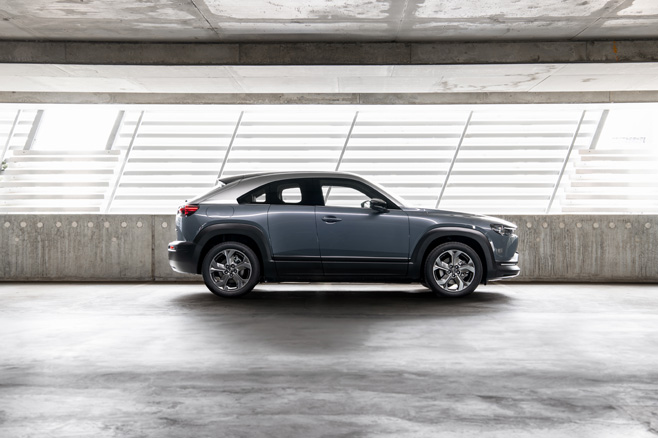
Traces of old-school Mazda sports-car DNA are to be found in the new MX-30 compact crossover.
Namely freestyle doors, a la RX-8, and news of an electric version down the track with, yes, a rotary range extender.
The funky MX-30 is based on the same small-car architecture as the Mazda3 and CX-30, and will come in both mildly-hybridised petrol-electric and full electric versions.
The latter, Mazda’s EV debut, is the one we’re focusing on here.
Mazda’s first all-electric model uses a single motor producing a modest 107kW/271Nm, sending power to the front wheels only.
That combination is mated to a relatively compact 35.5kWh battery pack, promising ‘just’ 224km of claimed range.
Fitting a smaller battery minimises cost and weight, and helps packaging, with Mazda betting that most city-dwelling owners will never need more range between charges.
If they do, they can buy the petrol version – or hang on until said range-extender arrives possibly next year, although Mazda Oz is yet to crunch the numbers on local viability.
The MX-30 shares the exact same dimensions as the CX-30, but is 10mm taller. It also runs a torsion-beam rear end, and in EV guise, weighs 1654kg, or 160kg more than the petrol version. All of that weight is, of course, positioned low in the car.
Mazda says its new EV can be charged from 20 to 80 percent in three hours from a 6kW charger, or 36 minutes from a 50kW one.
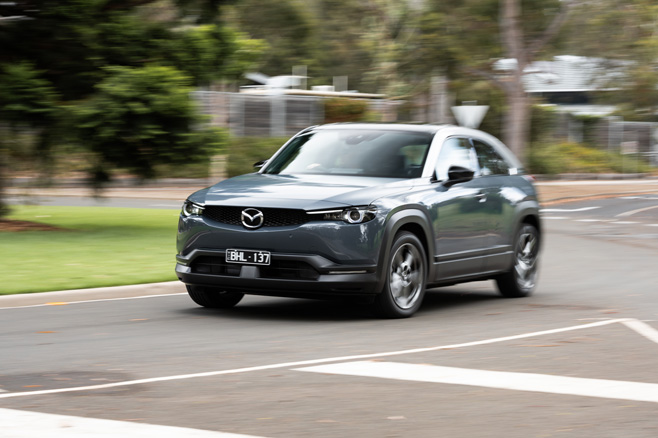
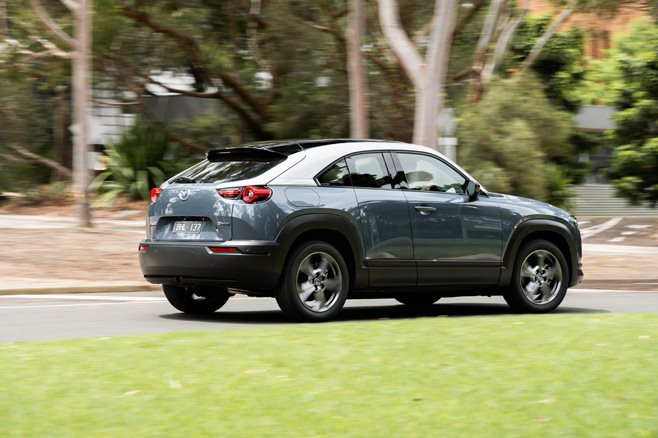
With its quirky chopped-roof proportions, squared-off wheel arches, 18-inch wheels, (optional) tri-tone paint, bigger and prouder Mazda badge up front and 3D-style tail-lights, Mazda says the MX-30 previews an “evolved” Kodo design language and is aimed at young, white-collar couples.
Drive impressions
We only had a brief drive of a pre-production MX-30 EV around a proving ground, but we will have a more in-depth drive as soon as we can, where we’ll also test the range.
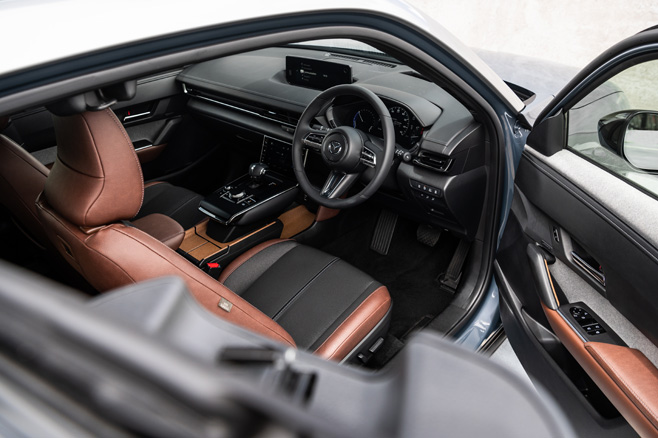
Getting into the MX-30, you’re immediately struck by an interior ambience and quality that feels a notch higher, even by Mazda standards. They’ve done a great job; it’s even more ‘Japanese BMW’ than our reigning Car of the Year, the CX-30.
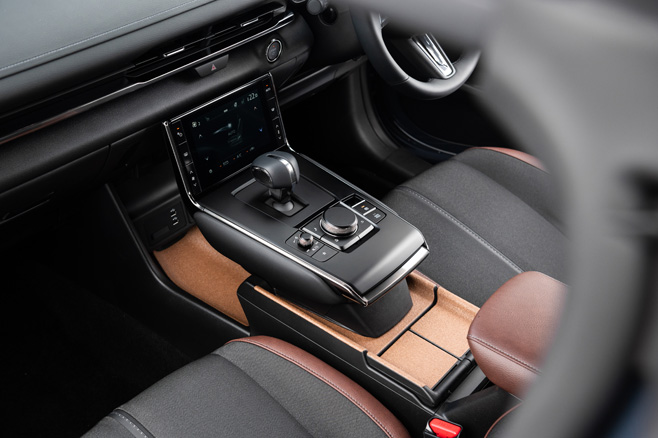
A semi-floating centre console channels a little Volvo, and interesting use of cork inlays and a felt-like material on the door-cards remind us of the BMW i3.
While the motor hardly musters Porsche Taycan levels of acceleration, it does offer pleasing and punchy instant torque, buttery-smooth refinement and calming, near-silent operation (save for some buffeting from the mirrors around 110km/h and a very artificial, odd Jetsons-like acceleration noise).
Indeed, the EV’s best driveability attributes make the petrol MX-30, which we drove the same day, feel breathless at low revs, loud and unrefined. The EV version feels a lot more ‘expensive’. Ride quality is also very good.
While it feels tall and has noticeable body roll, the MX-30 has all the best handling and driving attributes we’ve come to know from Mazda of late. It hides its extra mass well, the heavier EV taxing its tyres a little more than the petrol versions, but it’s still quite a spirited drive. It’s just not particularly quick. There’s no word on whether more powerful models may follow.
There are five levels of re-gen ‘aggressiveness’, adjustable via steering paddles, like other EVs.
Space and comfort
Elsewhere, despite that sloping roof, the EV MX-30 manages 311 litres of boot space compared to a petrol CX-30’s 317L. The price for style, however, is poor rear three-quarter visibility (although there are blind-spot monitors) and compromised rear entry.
While rear ingress/egress is good, you have to open the front doors before you can open the rears.
Rear passenger visibility is pretty machine-gun pillbox and headroom is cosy, but there are no AC vents or USB ports. You do get a centre fold-out armrest, at least.
Certainly, anyone with offspring is better off buying something with more practical rear doors, and not just because it’s likely to cost less.
With the hybridised, atmo 114kW 2.0-litre MX-30 on sale first (in April), Mazda has not announced MX-30 pricing or specification for either versions. But style and quirkiness will likely come at a fair premium.
Mazda MX-30 E35 Astina specifications
Motor single AC synchronous (front axle) Battery 35.5kWh lithium-ion Max power/torque 107kW/271Nm Transmission single-speed reduction Weight 1654kg 0-100km/h 11.0sec (estimated) Price $60,000 (estimated) On sale mid-year
This is a high stakes game. The latest generation Hyundai i30 has consistently ranked among Australia’s favourite cars.Take out the Ford Ranger and Toyota Hilux utes and this humble hatchback was Australia’s fourth most popular car in 2020, second most popular in 2019 and third most popular in 2018. This suggests the recipe is working; conversely, straying from that recipe is fraught with danger.
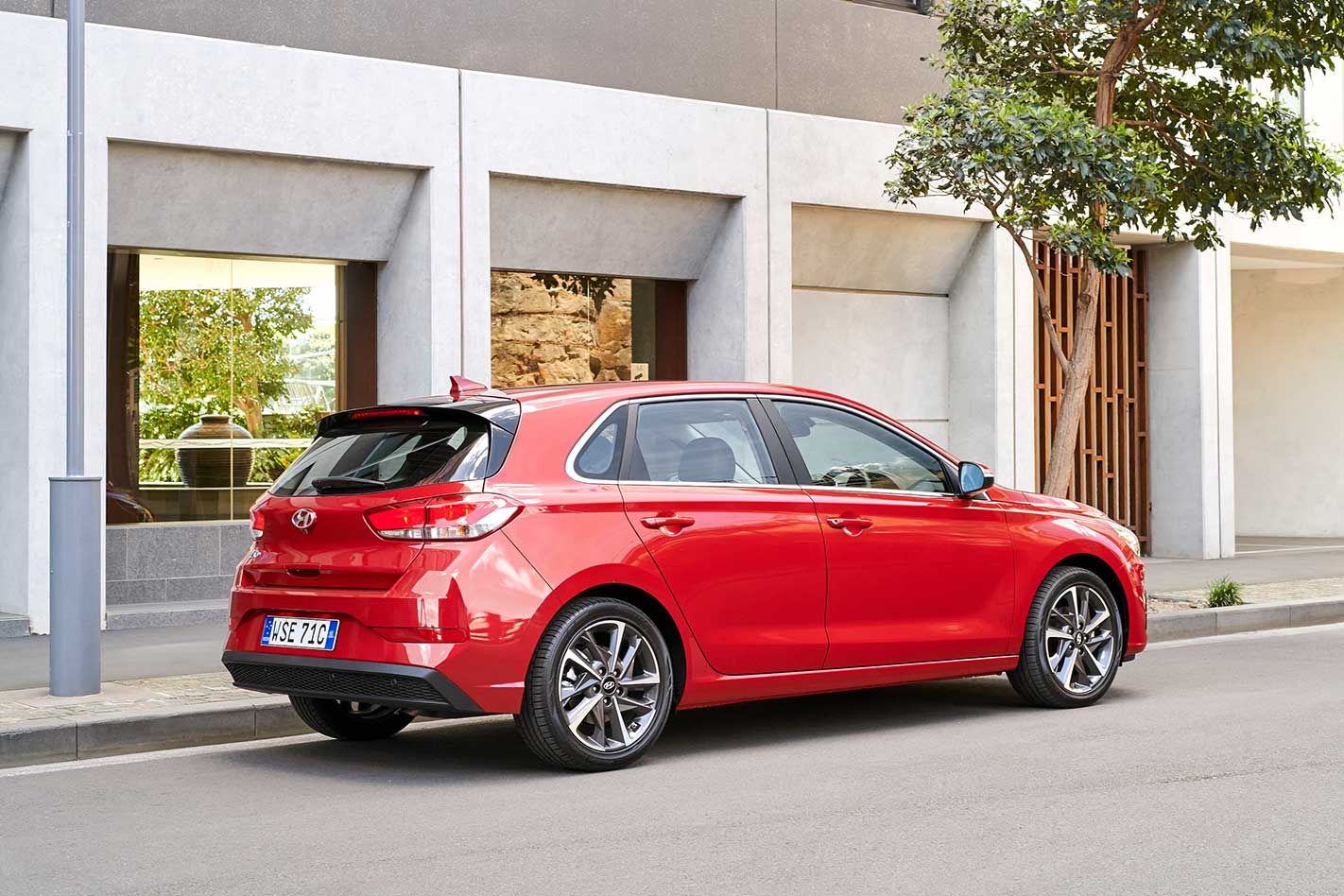
Every i30 scores a five-year unlimited-kilometre warranty and Hyundai offers pre-paid servicing, with three years quoted at $777, four years $1136 and five years $1395.
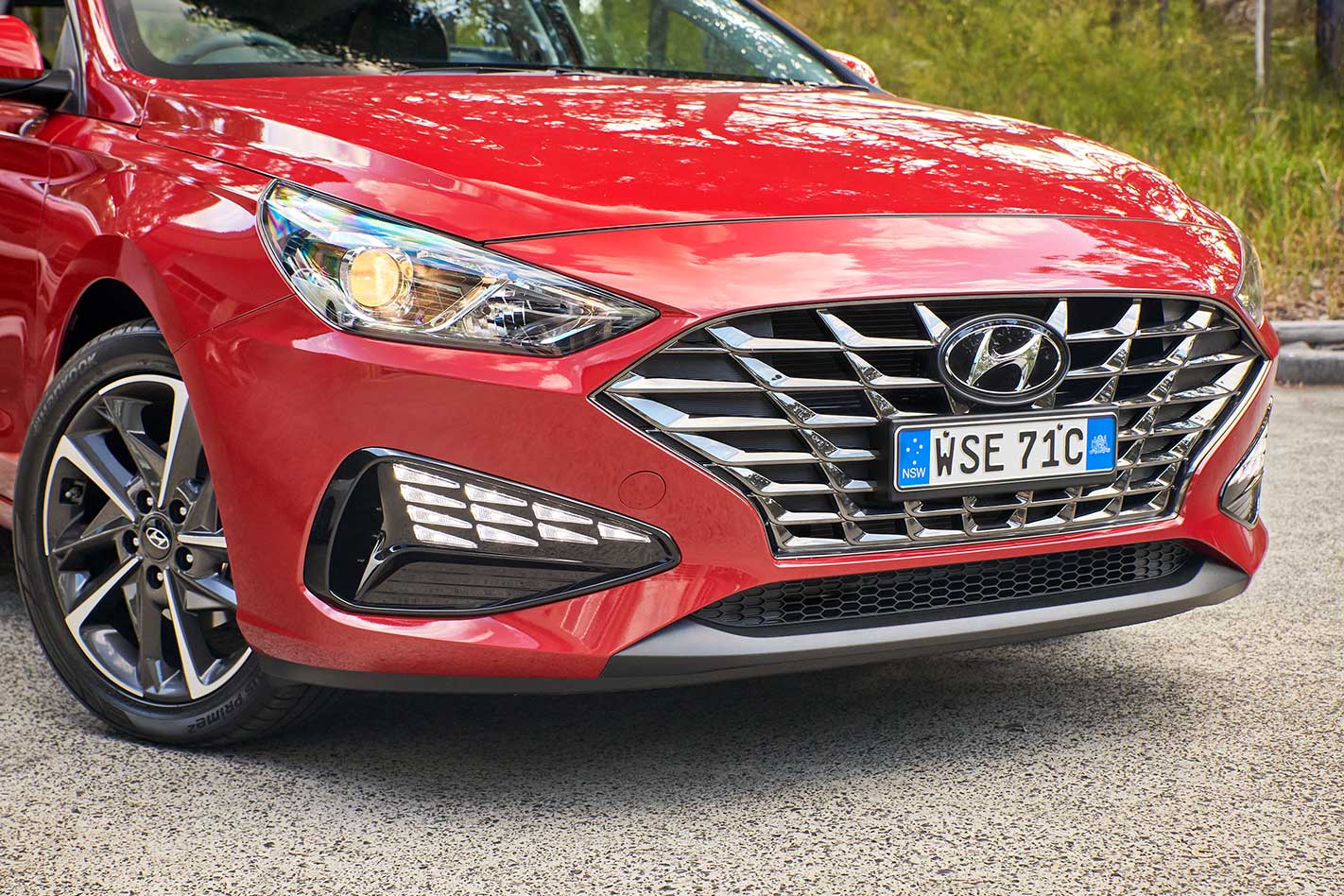
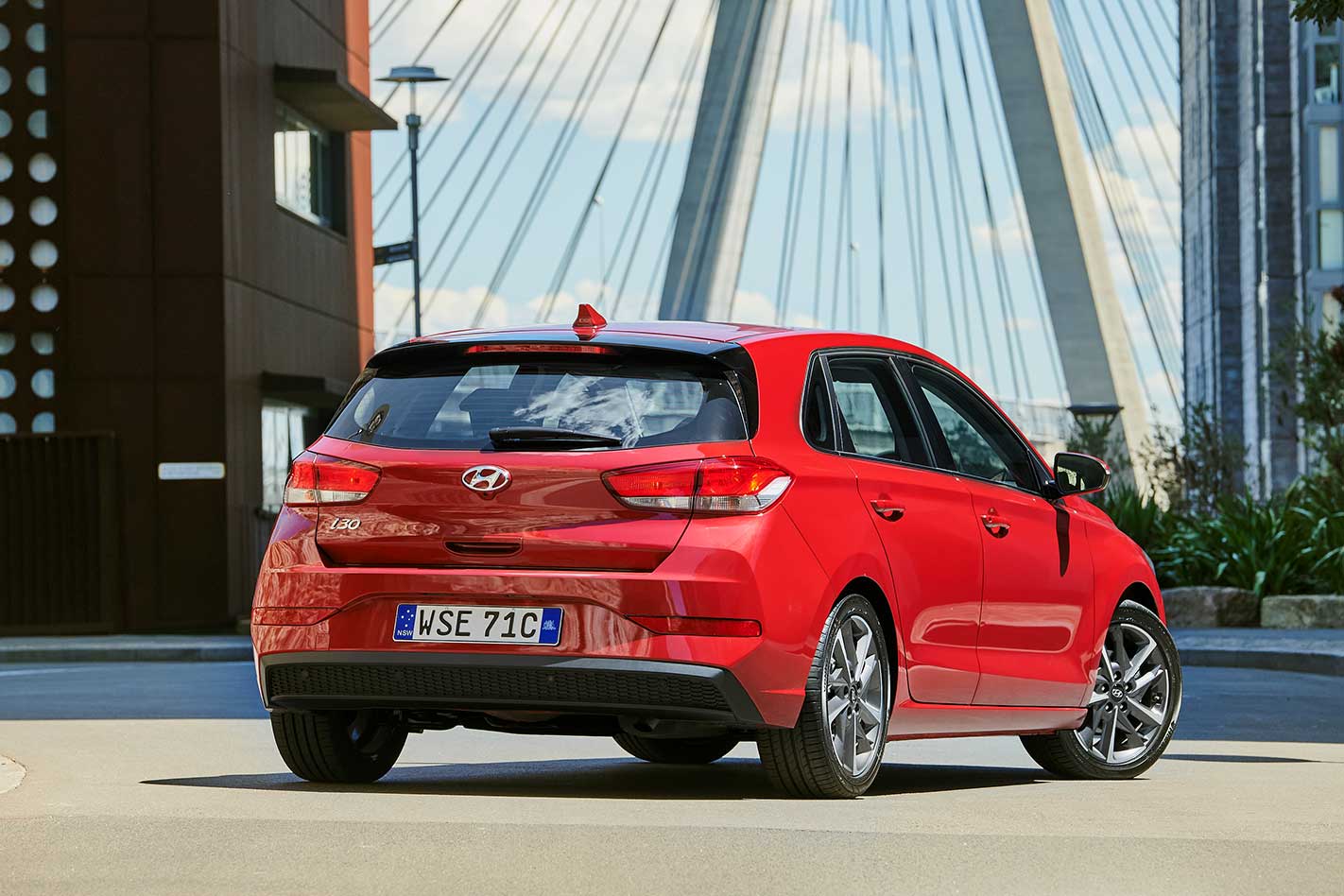
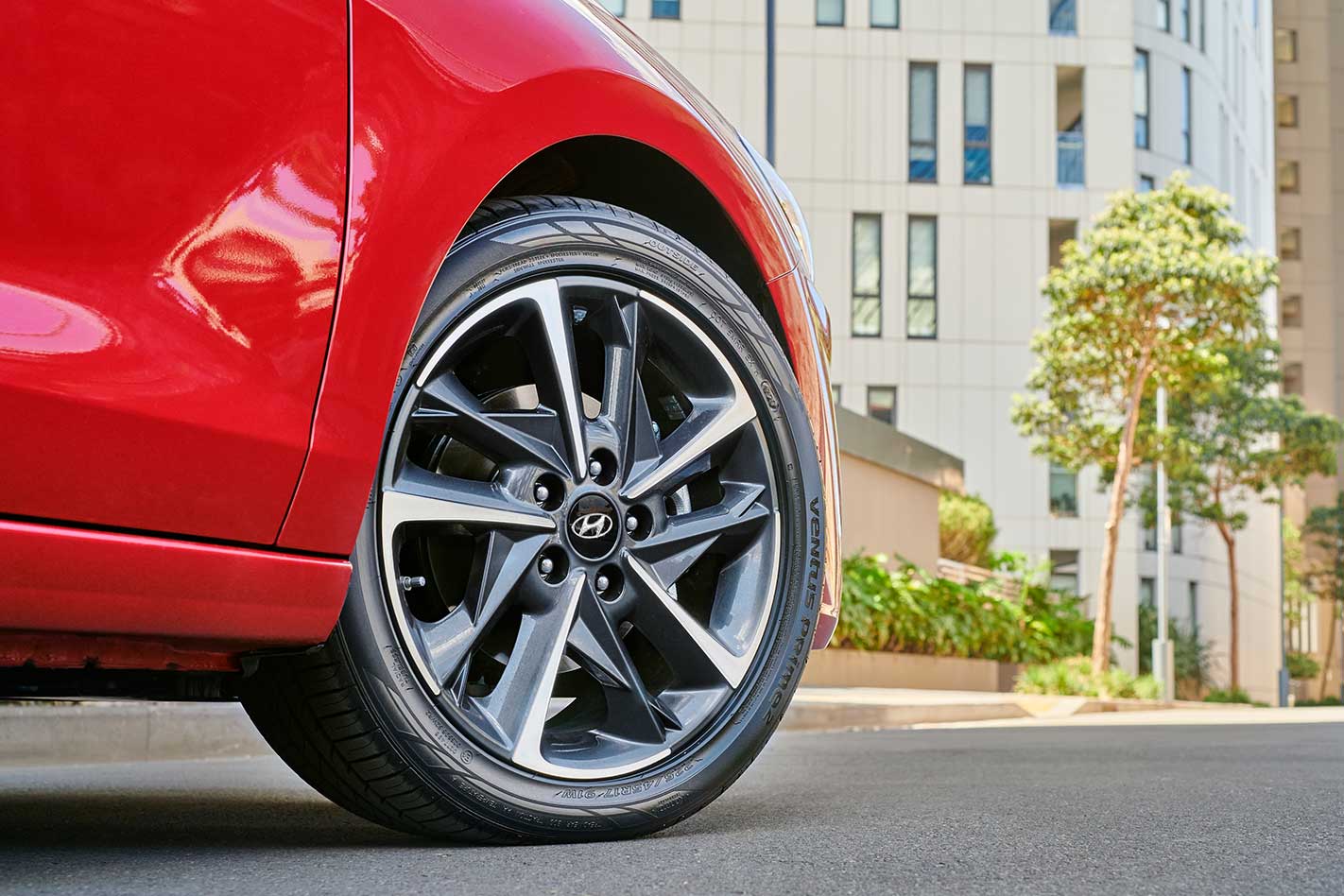
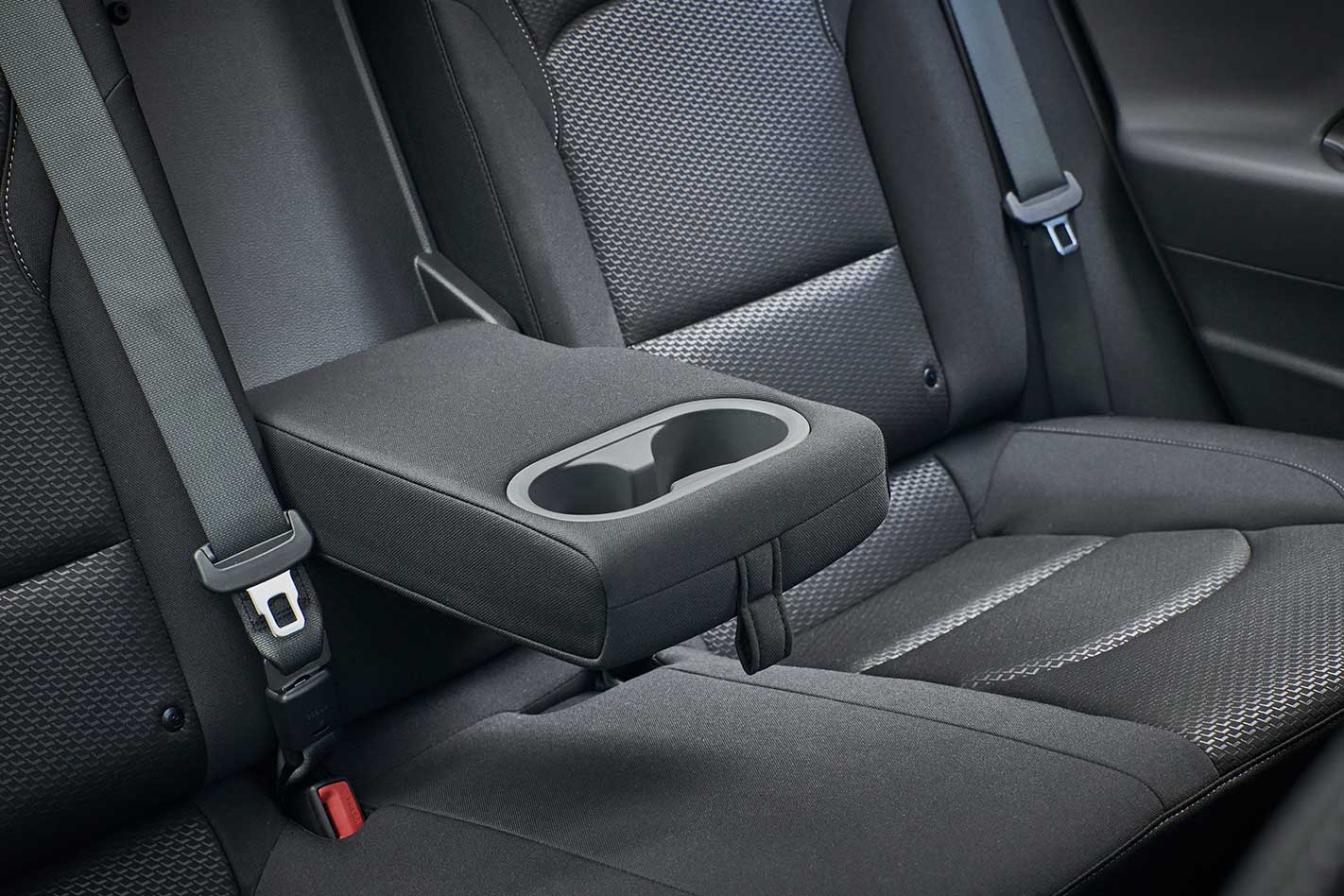
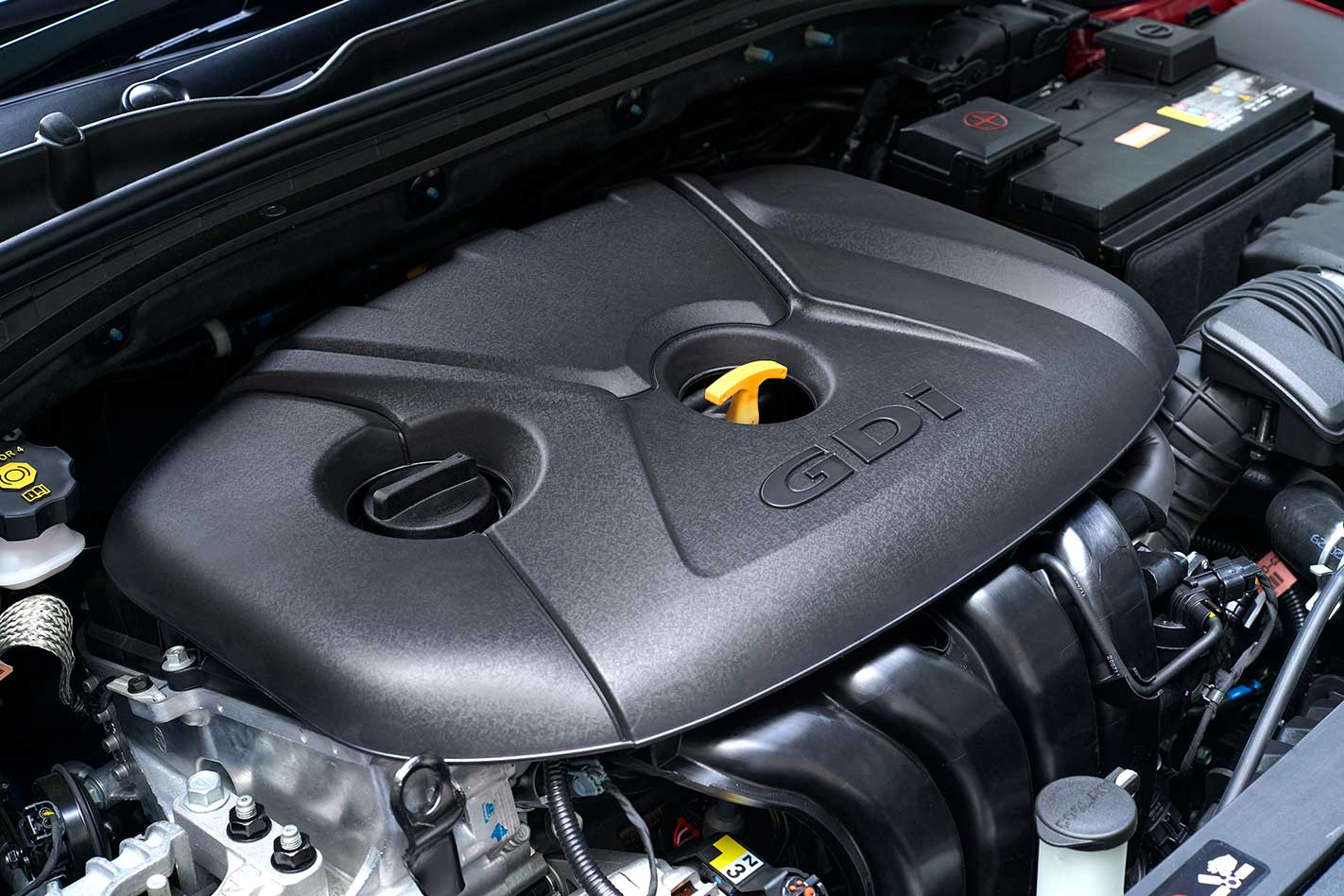
However, it now has a touch of surprise-and-delight to it, too, with greater design flair, improved interior material quality, more equipment and added safety.Hyundai might have been playing a high stakes game but it’s played it well and come out smiling.Verdict: 8/10Likes: improved interior; more equipment; practicalityDislikes: entry price has risen; fussy new dials; a couple of active safety omissionsSpecificationsBody: 5-door, 5-seat hatch Drive: front-wheel Engine: 1999cc inline-4cyl, DOHC, 16v Bore/stroke: 81.0 x 97.0mm Compression: 11.5:1 Power: 120kW @ 6200rpm Torque: 203Nm @ 4700rpm Fuel consumption: 7.4L/100km (combined/claimed) Weight: 1276kg Power/weight: 94kW/tonne Transmission: 6-speed automatic Suspension: struts, coil springs, anti-roll bar (f); torsion beam, coil springs, anti-roll bar (r) L/W/H: 4340/1795/1455mm Wheelbase: 2650mm Tracks: 1559/1568mm Steering: electrically assisted rack-and-pinion Brakes: 280mm ventilated discs, single-piston calipers (f); 284mm solid discs, single-piston calipers (r) Wheels: 16 x 6.5-inch (f/r) Tyres: 205/55 R16 91H (f/r); Kumho Ecowing Price: $25,420 ($27,490 driveaway)
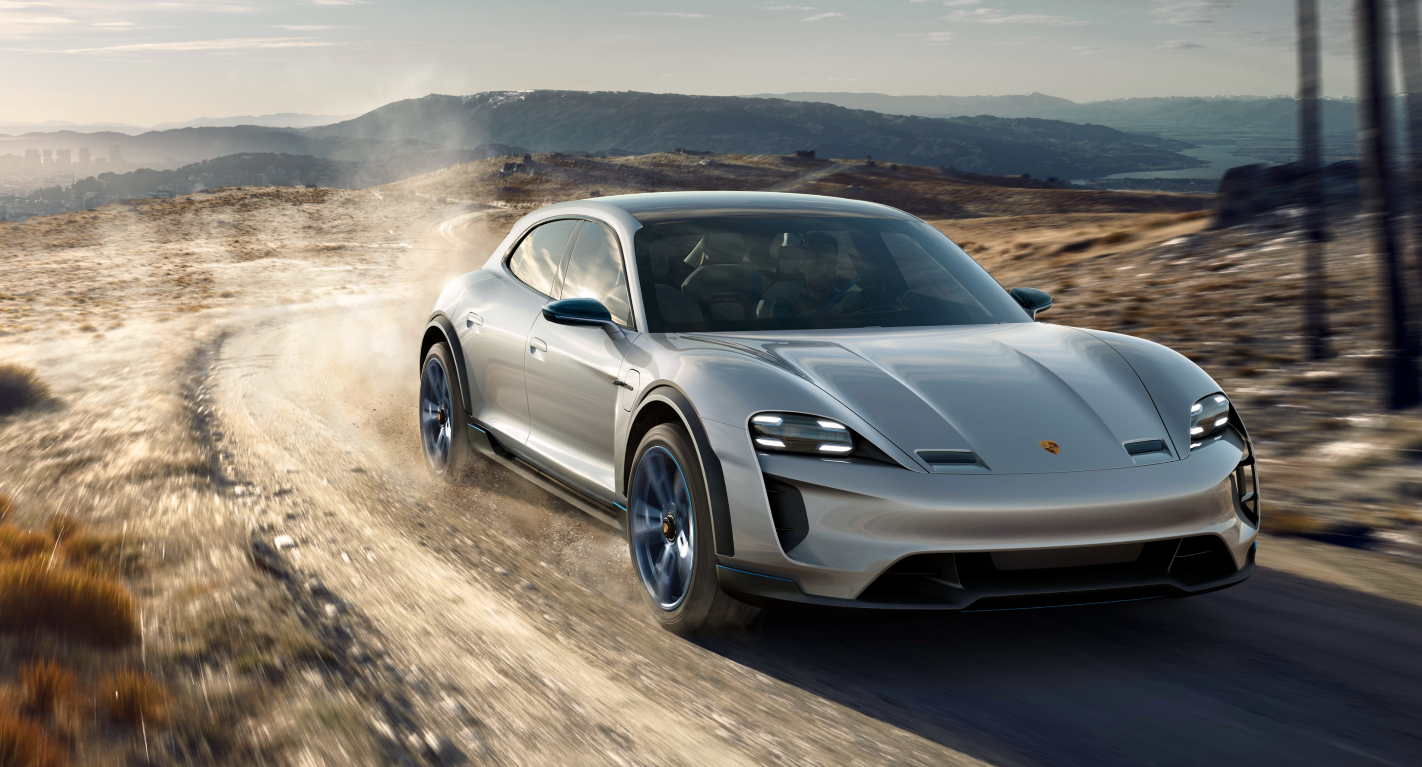
Porsche Boss Oliver Blume has confirmed the Stuttgart outfit is considering an all-electric path for the next 718 Boxster roadster and Cayman coupe models.
According to Auto Express, Blume said the twins’ new powertrain had been under deliberation for more than a year, and while nothing definitive had been decided, the possibility of an EV future for the enthusiast cars was on the cards.
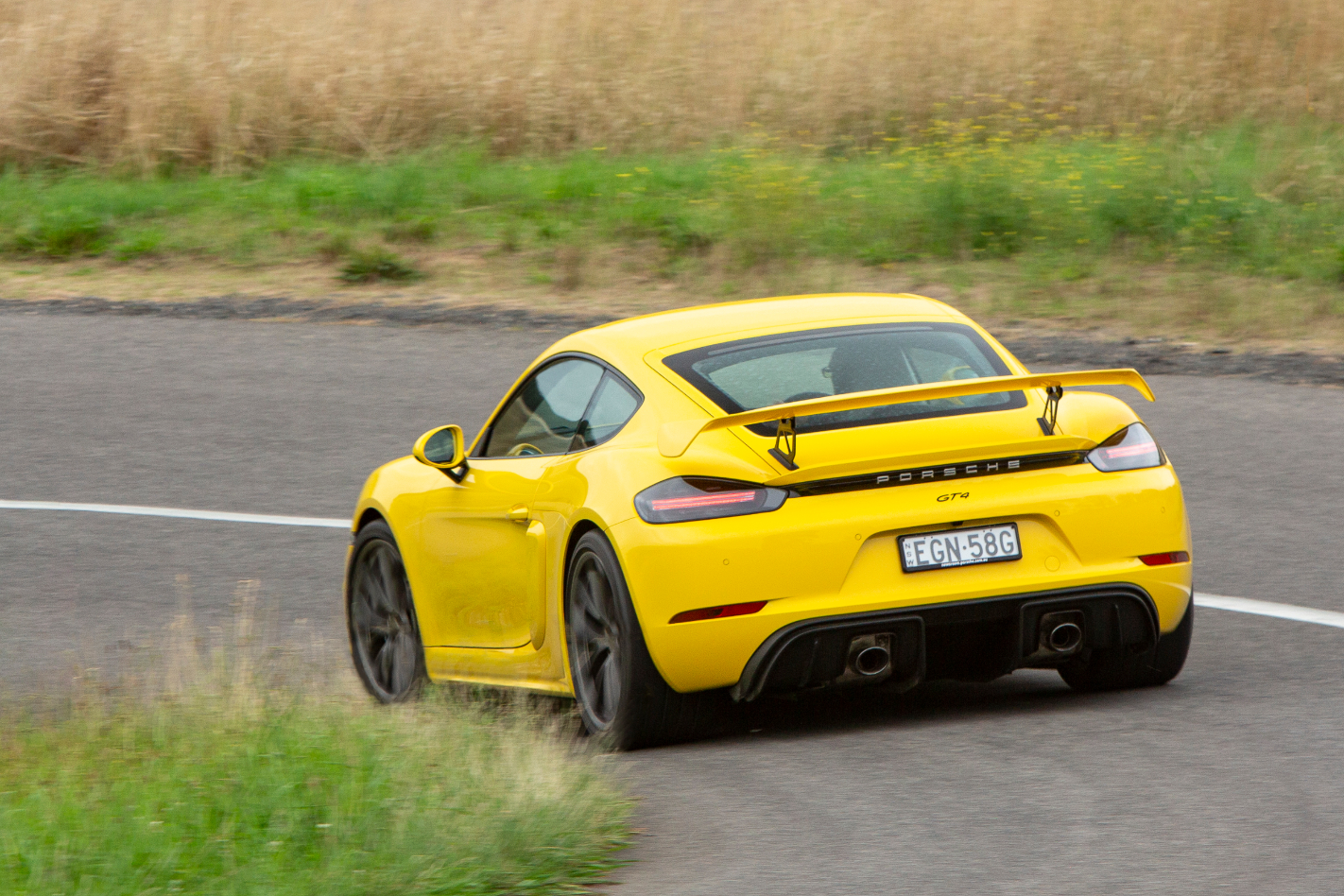
“There is an opportunity that we will do the 718 electric but we are still in a concept period, where we haven’t decided yet,” Blume said.
“To go electric now we need future battery evolution.
“We will wait a couple of months more before we decide which concept we will use. But I think there is a positive potential to do this, and when we do the 718 electric it should be driven like a 911 and all the other sports cars.”
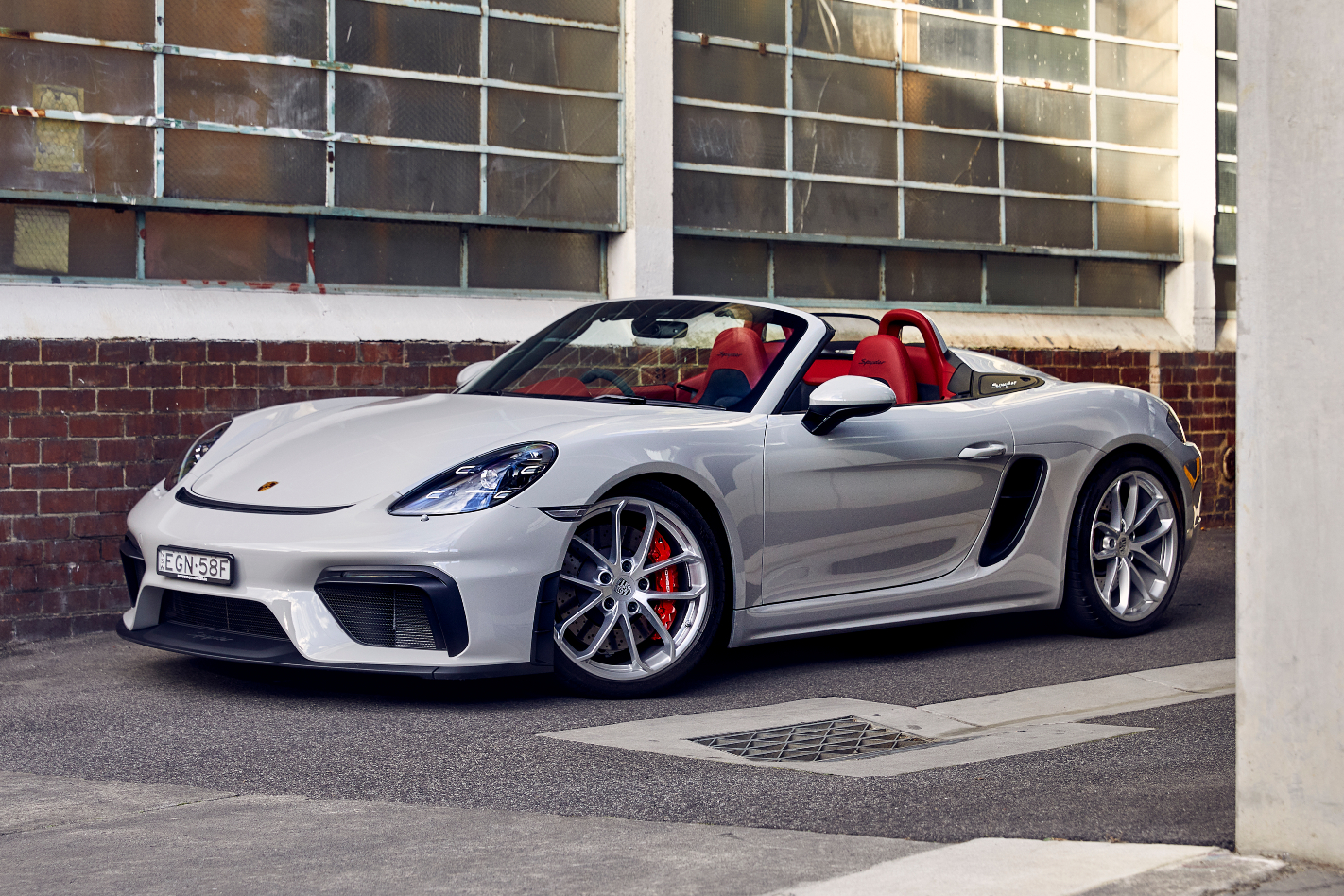
Despite uncertainty over the future of conventional engines powering the celebrated models, Blume suggested solace should be taken in the fact Porsche was still planning on building a new generation of Boxster and Cayman, which will keep the 718 designation.
“We will continue with the model range of the 718,” he said. “That is clear. If it’s combustion engine or electric isn’t decided yet.”
The news comes as Blume, speaking at Porsche’s Annual Press Conference last week, also posited that 80 per cent of all Porsche products will either be fully or hybrid-electric by 2030.
“The long-term future will be electromobility and I think drivers who have already driven electric cars are very convinced,” he said.
“I think we can convince the community as well, especially as we did it with the Taycan. We have much more ideas for our future electric cars. Our future electric cars are 100 per cent Porsche.”
However, Blume stopped short of saying everything in Porsche’s line-up would one day be EV-only, adding the 911 may never be without a conventional engine.

“We will continue to build the 911 with a combustion engine,” said Blume
“The concept of the 911 doesn’t allow a fully electric car because we have the engine in the rear. To put the weight of the battery in the rear, you wouldn’t be able to drive the car.”
MORE: Cayman stories MORE: Boxster stories MORE: All Porsche stories
Australia Post has celebrated the golden age of Holden automobiles the only way it knows how – by printing some commemorative stamps.
The retrospective collection is dripping with nostalgia, and fans of the Iron Lion are sure to like the way these stamps honour the automaker.
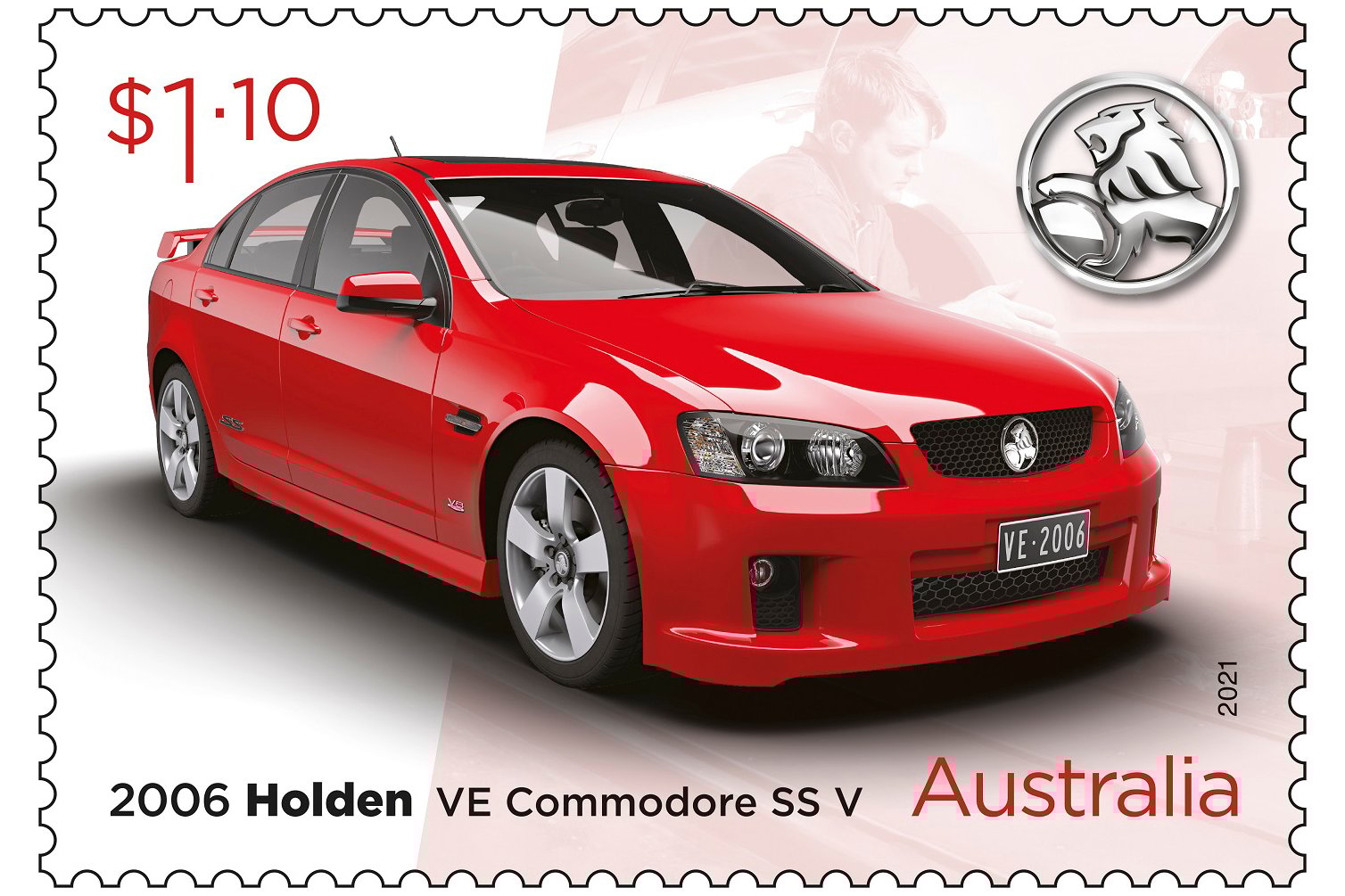
Shining a light on five of the brand’s most iconic models, the special set has tried to honour Holden cars that spanned the company’s 69 years of producing Aussie-made cars.
The 1948 Holden 48-215 sedan, Australia’s first locally-designed and built car, is featured, as is a 1963 Holden EH Premier, 1968 Holden HK Monaro GTS 327, 1971 Holden HQ Kingswood Ute, and a 2006 Holden VE Commodore SS V.

Nicole Sheffield, Australia Post executive general manager community and consumer, said the Lion Brand stamp set would appeal to enthusiasts and stamp collectors alike, but also the broader Australian public.
“Through our stamp releases, we’re in a unique position to highlight and honour important Australian icons and this stamp issue recognises the incredible impact that Holden had on the Australian cultural fabric,” she said.
“For generations, Holden vehicles were a constant presence in key industries, such as farming and law enforcement and a much-loved part of many Australian households.”

Marc Ebolo, managing director of GM Australia and New Zealand, said he was delighted Australia Post had chosen to honour the iconic Australian automobiles.
“It’s an absolute privilege to have this incredible heritage recognised in such a way by Australia Post,” Ebolo said.
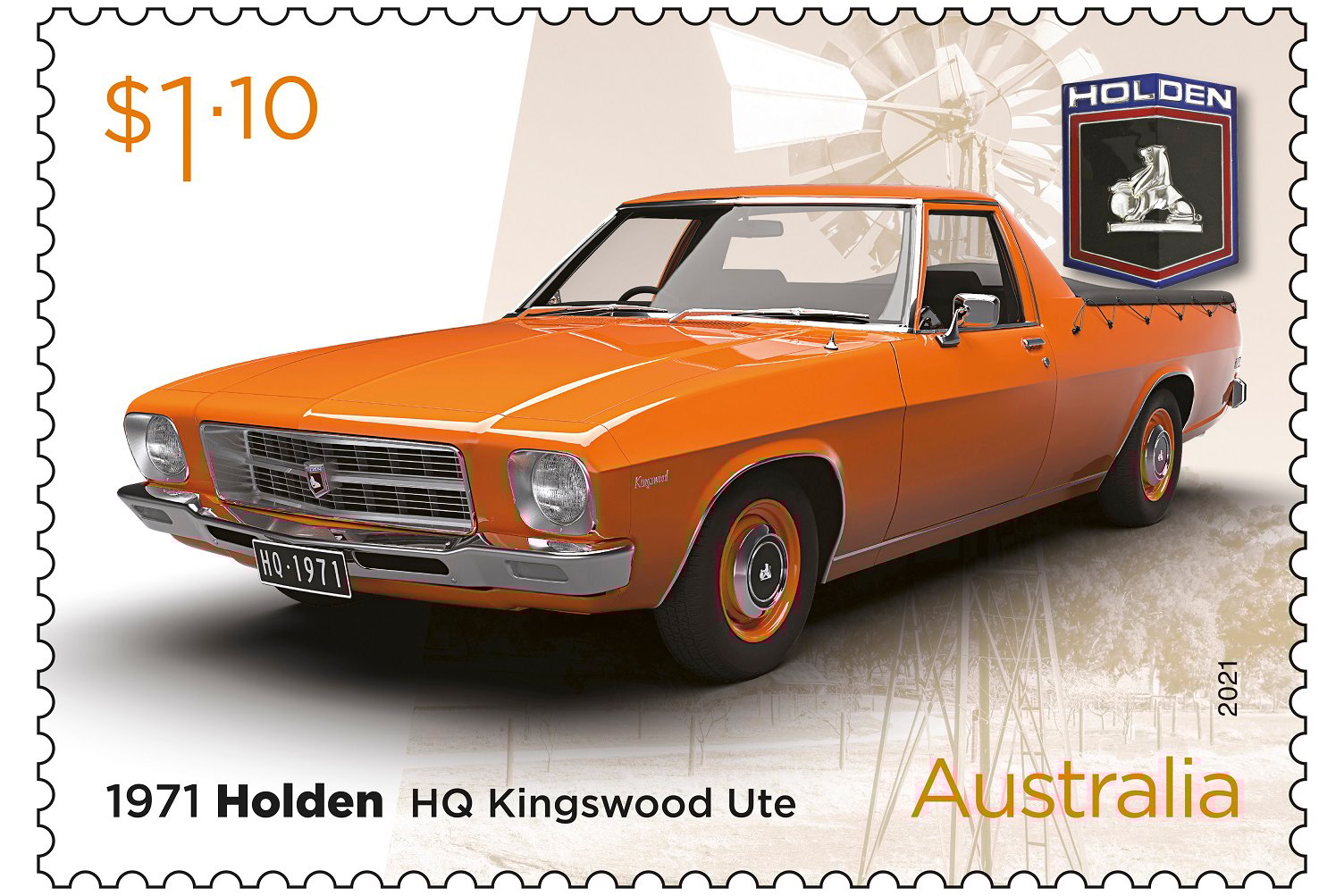
“These five stamps feature iconic vehicles which encapsulate the passion people have for the brand, whether they be past employees who helped develop these vehicles or those who purchased them.”
The five stamps will cost $1.10 each, and associated products such as a first day cover, stamp pack, maxicards, minisheet and medallion covers will also be available.
According to Australia Post, anyone interested should act quickly, as the stamps are only available while stock lasts.
