
UPDATE: March 17 2021 – The Victorian Government is pushing ahead with its contentious EV tax, announcing it is tabling legislation into Parliament to introduce the new charging framework.
As announced in the 2020-21 Victorian Budget, a distance-based charge will apply for Victorian registered zero and low emission vehicles (ZLEVs) from July 1, 2021, with a 2.5c/km charge applying to electric and other zero emission vehicles, including battery-electric and hydrogen vehicles, and a 2.0c/km charge will apply to plug-in hybrid-electric vehicles.
According to the Government, electric vehicle owners will pay on average an additional $330 a year in distance-based road usage charges and plug-in hybrid-electric vehicles owners will pay an additional $260 a year – though this figure does not seem to take into account the petrol excise that PHEV drivers also pay.
It added that by comparison the average internal combustion engine vehicle owner paid almost $600 in fuel excise.
“These reforms ensure all motorists pay their fair share to use our roads while we continue to incentivise the use of zero or low emissions vehicles.” said Victorian Treasurer Tim Pallas.
“Introducing a road usage charge now, before take-up increases substantially, ensures that everybody pays a fair and sustainable charge for the use and the wear and tear on our road network and that means safer roads.”
One of the tax’s most vocal critics, EV Council CEO Behyad Jafari, said he was dismayed the Andrews Labor Government was going ahead with the plan without consulting with the EV sector.
Jafari, who had likened the EV tax to making up for declining tobacco excise by taxing nicotine patches, said on Twitter: “This morning the Victorian Government has announced it will introduce its electric vehicle tax to parliament. After [two] years of asking the Treasurer for a meeting, he has finally agreed to meet… a week from now.
“I haven’t seen the detail of this bill yet, while the Treasurer has had plenty of time to meet with other lobbyists, he’s been too busy to meet with the EV sector. Depending on detail, I’ll be asking his parliamentary colleagues to give him the gift of more time and send it back.”
In defending the tax, Pallas said the Victorian Government was providing other incentives to back the take-up of electric vehicles to achieve net zero emissions by 2050.
“We are providing confidence to new electric vehicle owners with a massive boost to our charging network, funded by the distance-based charge, which will reduce range anxiety as a key barrier to take-up.”
Liberal MP calls to scrap EV taxes
News of Victoria’s decision to go ahead with its EV tax comes two days after an unlikely call from within the Federal Coalition Government or EV taxes to be scrapped.
Liberal MP for North Sydney Trent Zimmerman called on his government to cut its Luxury Car Tax and for states to offer lower registration charges and scrap tolls for electric vehicles.
Zimmerman told Parliament on Monday said this must be a focus of the government’s work if it is to achieve zero emissions by 2050, pointing out that 19 per cent of Australia’s greenhouse gas emissions come from the transport sector.
“The average age of cars on the road today is just over 10 years,” he said. “Working back from 2050 means that, to reach net zero, we need to adopt the goal of reaching close to 100 per cent electric or other low emission vehicles in the new car market by the mid 2030s.”
NOVEMBER 23, 2020 – Motoring and environmental groups have condemned the Victorian and New South Wales governments for following South Australia’s lead in imposing a tax on electric vehicles.
The Victorian Government at the weekend announced its Zero and Low Emission Vehicles (ZLEV) Road-User Charge as one its Budget measures, which imposes a 2.5c/km charge on electric and other zero-emission vehicles, including hydrogen vehicles, and a 2.0 cent/km charge to plug-in hybrid-electric vehicles, despite PHEV owners already contributing to the federal fuel excise.
The New South Wales government had earlier announced a similar plan but has yet to make it official.
The decision to tax electric vehicles at a time when governments around the world are offering considerable financial incentives to speed up their uptake has predictably raised the ire of motoring and environmental groups, including the Electric Vehicle Council [EVC], which claimed Victoria’s EV tax “slams the brakes on the State’s transition to a cleaner, healthier urban environment”.
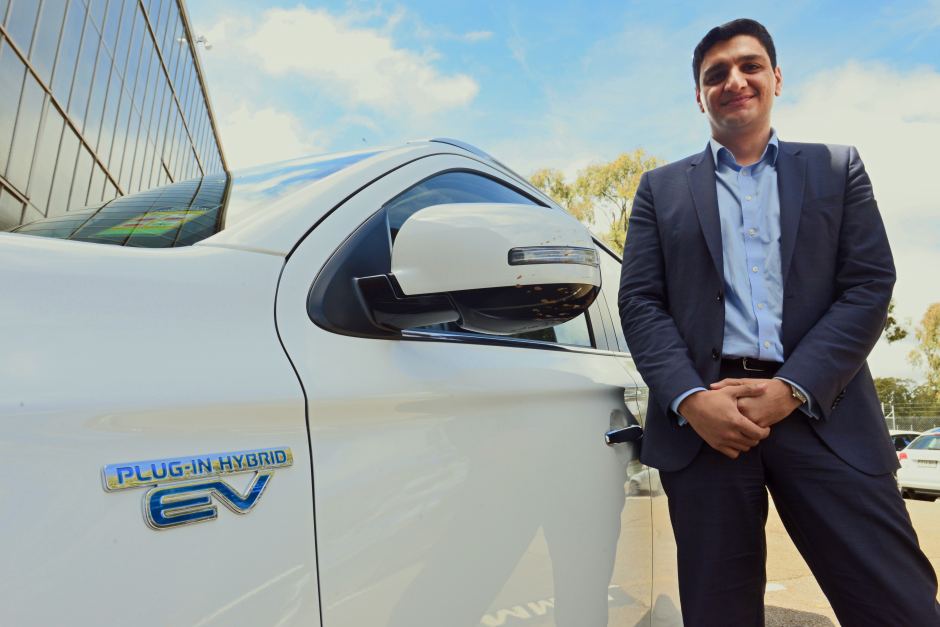
EVC chief executive Behyad Jafari (below) said the decision was perplexing given the State’s aspiration to reach net zero emissions by 2050.
“Victoria simply won’t reach its goal of net-zero carbon emissions by 2050 if it taxes electrical vehicles. This is deeply counter-productive and makes very little sense.
“No other nation on Earth has thought it sensible to apply a special new tax to electric vehicles.
“Why would we slow the transition to cleaner and healthier air by imposing a new and unnecessary tax?”
Jafari’s comments were echoed by the Federal Chamber of Automotive Industries (FCAI)’s chief executive Tony Weber, who said Australian state governments want to kill EV technology at its infancy.
“Once again, we have a state government in Australia trying to destroy the path to a greener and cleaner motor vehicle fleet for this and future generations,” Weber said.
“Don’t worry about health outcomes, don’t concern yourself about the environment – short-term revenue collection comes first.
“Other countries bend over backwards to increase the use of EVs and other low emission vehicles, because they recognise the benefits.”
Unlikely support
The Australian Automobile Association supports the EV tax, saying the Victoria’s decision to join South Australia and possibly New South Wales to introduce a new charging regime for zero and low emission vehicles is “another step in the right direction.”
But AAA managing director Michael Bradley warned there needed to be a new national model for funding transport projects from revenue raised from motorists.
“The technological shifts we’re seeing in the car market are good for consumers and the environment, but they are also going to significantly undermine the federal budget and its reliance on fuel excise revenue to fund transport projects,” he said.
“The Federal Government must step in and ensure tax changes are nationally consistent, equitable, and progressed in a manner that does not disincentive technological transition.”
Weber agreed that the decline in fuel excise revenue and the taxation of motorists and their vehicles was a long-term issue that needed to be addressed.
“However, such a transition needs to be undertaken in a holistic and nationwide manner, recognising the importance of EVs and other low emission vehicles. Let’s not kill EVs in their infancy,” he said.
But Jafari said charging a tax on EVs because they don’t contribute to the fuel excise “was like replacing declining tobacco excise with a new tax on nicotine patches”.
“They are madness,” he said.
“Fuel excise income is not quarantined for roads and will drop in the long run. But as we shift away from petrol and diesel, diseases linked to air pollution and other costs associated with climate change will also decrease.
“Why would you tax a technology that will drive profound savings and economic benefit? Now is the time to be encouraging EVs, not holding them back with a new tax.
“We have been seeking a meeting with the Victorian Treasurer [Tim Pallas] to explain all of this for the past year. Unfortunately, he has repeatedly declined. This is a shame as we would love the opportunity to explain how electric vehicles can support his Government’s excellent carbon reduction targets.”
‘Fair and sensible’
A Victorian Government spokeswoman told WhichCar the EV tax, which will apply from July 1, 2021, was a fair and sensible change that makes sure all Victorian motorists pay their fair share for the record investments in our roads network.
“It’s not fair that a tradie driving a ute is paying to maintain our roads, but someone driving a Tesla is not.”
The spokeswoman did add, however, that tomorrow’s Victorian Budget will include funding for measures that help accelerate the take-up of electric and low emissions vehicles, ensuring Victoria pushes towards a clean energy future.
WhichCar also asked the Victorian government how it will determine the kilometres travelled by an EV to charge the tax and how it will be applied, but has yet to receive an answer.
How Victoria’s EV tax compares to fuel excise
Whenever you add petrol or diesel to a car you pay a fuel excise of 42.3c per litre. This works out to be about 2.5 cents per kilometre for a car that consumes 6.0L/100km.
This means EV drivers in Victoria will end up theoretically paying more than the excise for drivers of small cars and crossovers that have an official combined fuel economy below 6.0L/100km such as the 2.0-litre Mazda 3, Toyota C-HR Hybrid and Suzuki Vitara Turbo.
Of course, most drivers don’t really notice they’re paying the fuel excise because it’s paid in instalments whenever they fill up.
However, it remains to be seen how and when EV owners will pay the road tax, which at 2.5c/km will attract a maximum $375 levy if travelling the average 15,000km per year.
UPDATE, March 2023: Defender 130 driven ahead of Australian launch
Before it gets to Australia, Wheels editor Enright has been out in the Middle East to test the new Defender 130’s mettle. Read about it at the link below.

The story to here
March 2021: Upcoming Defender 130 imagined in new rendering
Land Rover’s new Defender will soon become an even more practical proposition for the upwardly and adventurously mobile, with some suspiciously good renderings of the yet-to-be-unveiled Defender 130 popping up on Russian website, kolesa.ru.
These pictures come only days after Automotive News Europe first reported that Jaguar Land Rover executives had officially confirmed the elongated Defender will be unveiled in the next 12-18 months.
Details about all three variants of the new Defender – the 90, 110 and 130 – had previously been leaked back in 2019, but JLR had never commented or acknowledged the information spill.
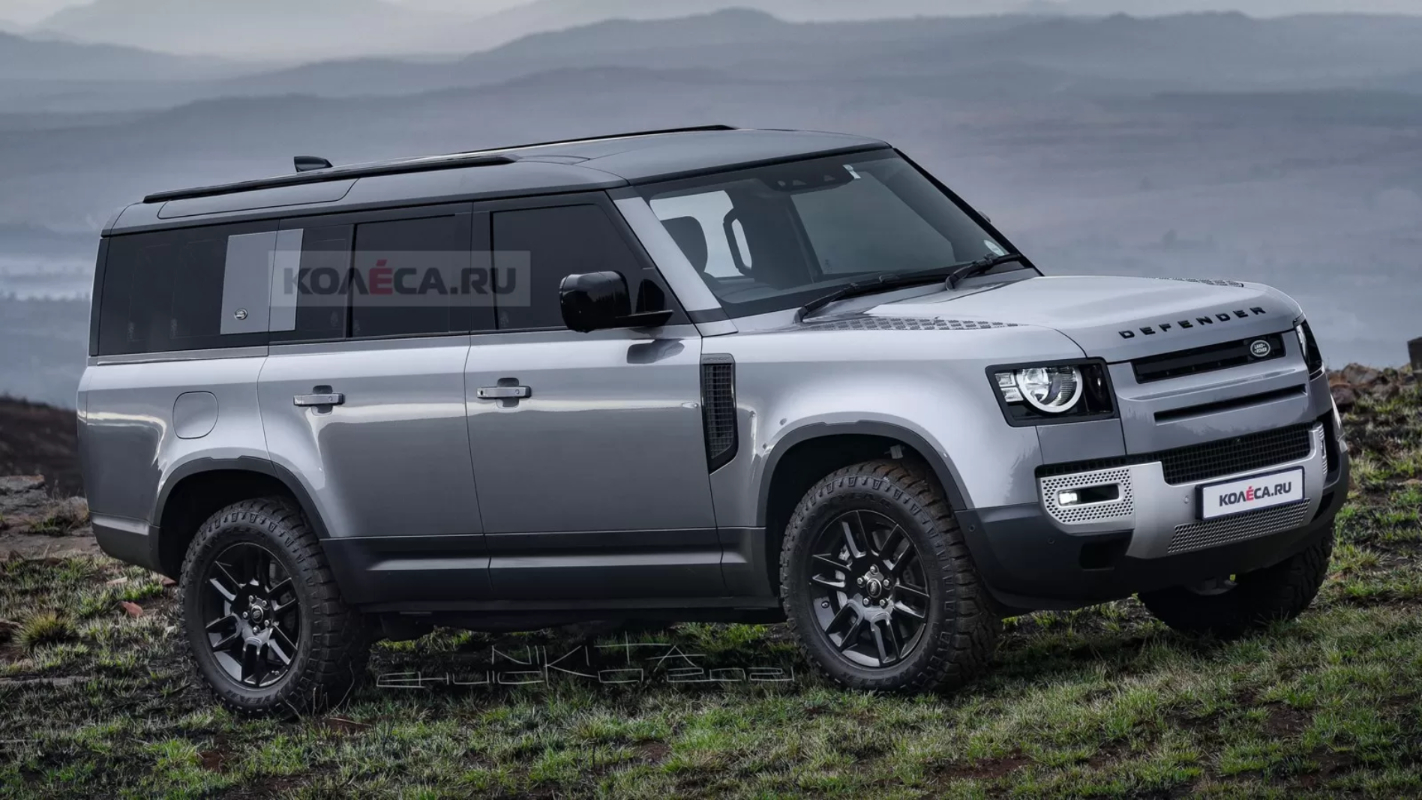
These speculative images show an elongated body with a larger overhang at the rear of the vehicle, which supports information that the next 130 will sit on the same wheelbase as its smaller 110 sibling, but gain 340mm-plus of additional length, measuring 5100mm.
Like the 110, the 130 is also said to come equipped with a three-row, eight-seat configuration, so the extra expanse of the body should come in handy for passengers seeking more leg room and greater boot space.
JLR officials reportedly believe the big new Defender variant will cater to a wider range of audiences in key markets across the globe including China, North America and the Middle East.
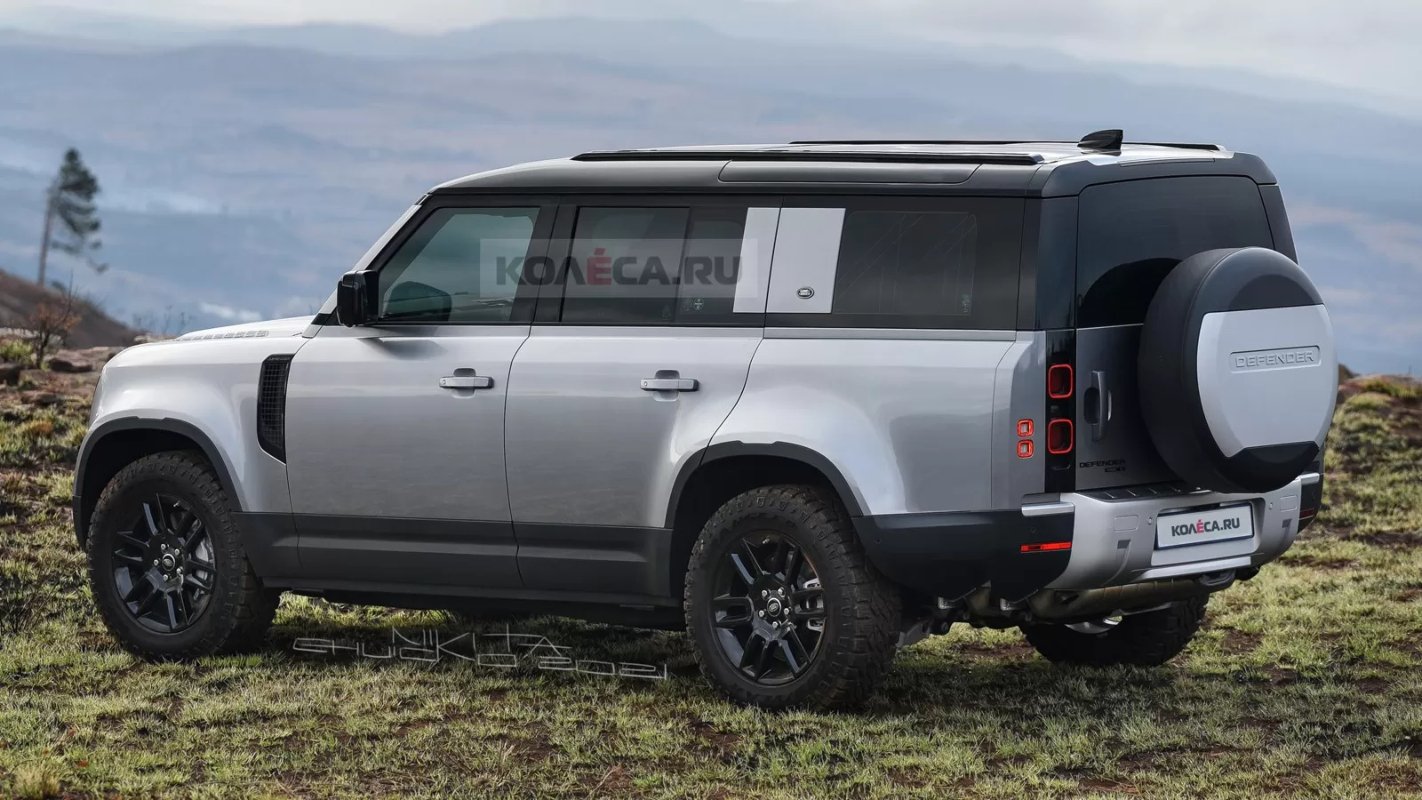
There’s also reports the new 130’s extra length will enable JLR to create the rumoured Defender pick-up truck – which, according to the UK’s Autocar, has been seriously considered by the automaker’s top execs.
Of course, with the launch of the 130 still at least a year away, there’s obviously nothing solid about potential powerplants for the lengthy off-roader.
However, given JLR has been pushing its new 3.0-litre inline six cylinder, turbocharged plug-in hybrid into most of its new releases, there’s a strong possibility it will find its way into the 130.
We wouldn’t rule out the British marque’s herculean 5.0-litre supercharged V8 finding its way into the 130 either, considering recent news that both the 90 and 110 Defender have been bestowed with the sledgehammer donk.
MORE: Defender stories MORE: All Land Rover stories
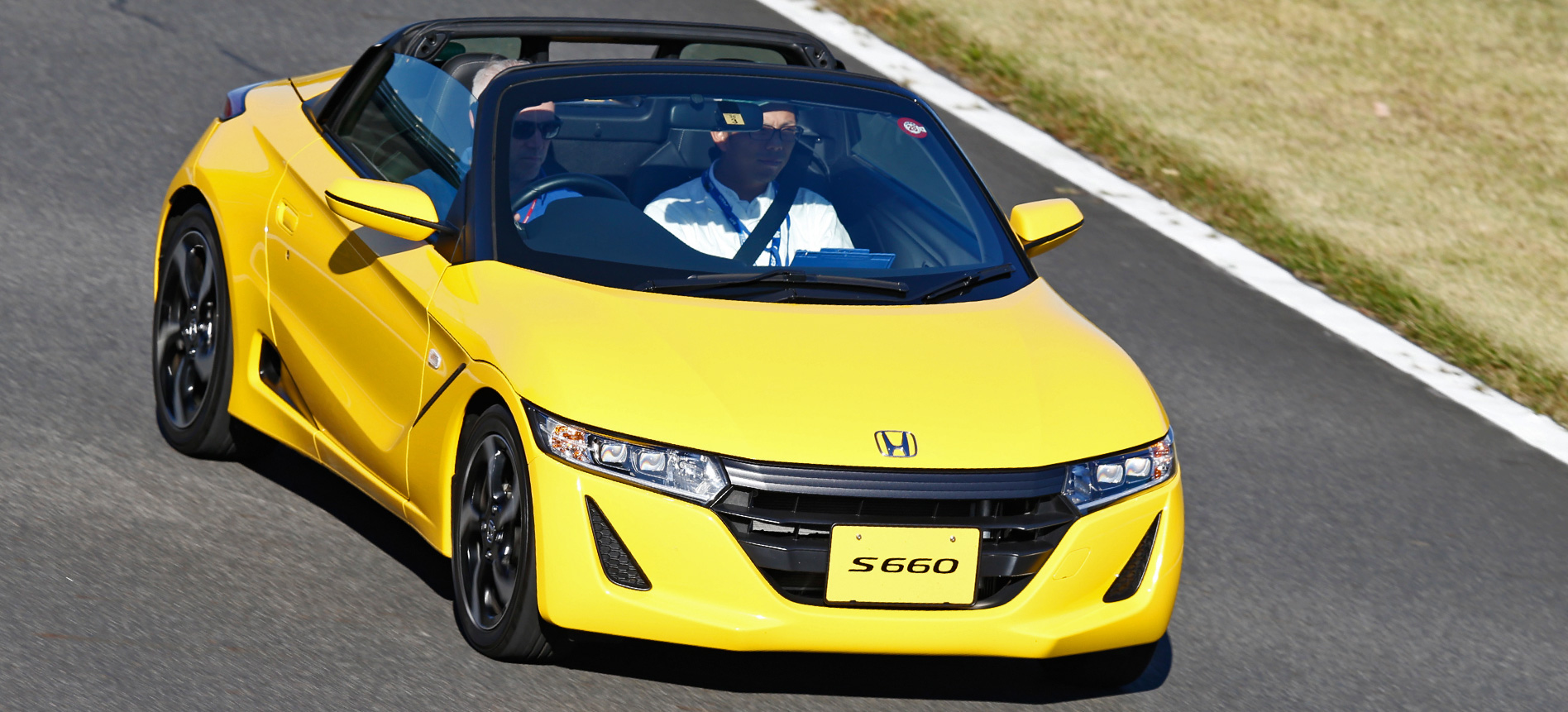
The Honda S660 kei car was never officially available in Australia, but sadly Honda is ending production of the little roadster after a final run of Modulo X Version Z final editions.
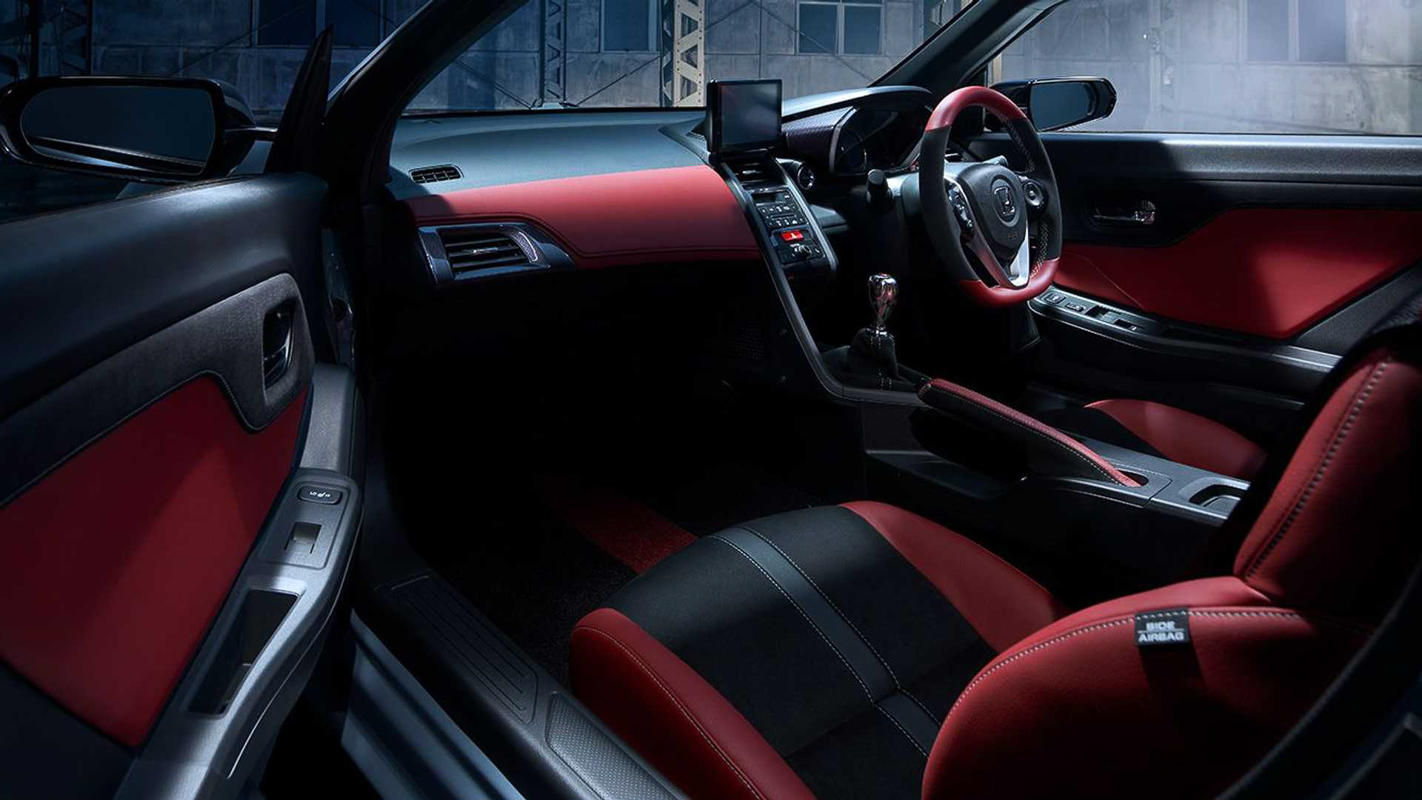
The final send-off edition is based on the regular S660 Modulo X, but wears a new Sonic Grey pearl paint colour. As an alternative, Premium Star White pearl is available. It also stocks 16-inch black alloy wheels, a black rear spoiler, Bordeaux Red fabric roof and upholstery and dark-tint emblems.
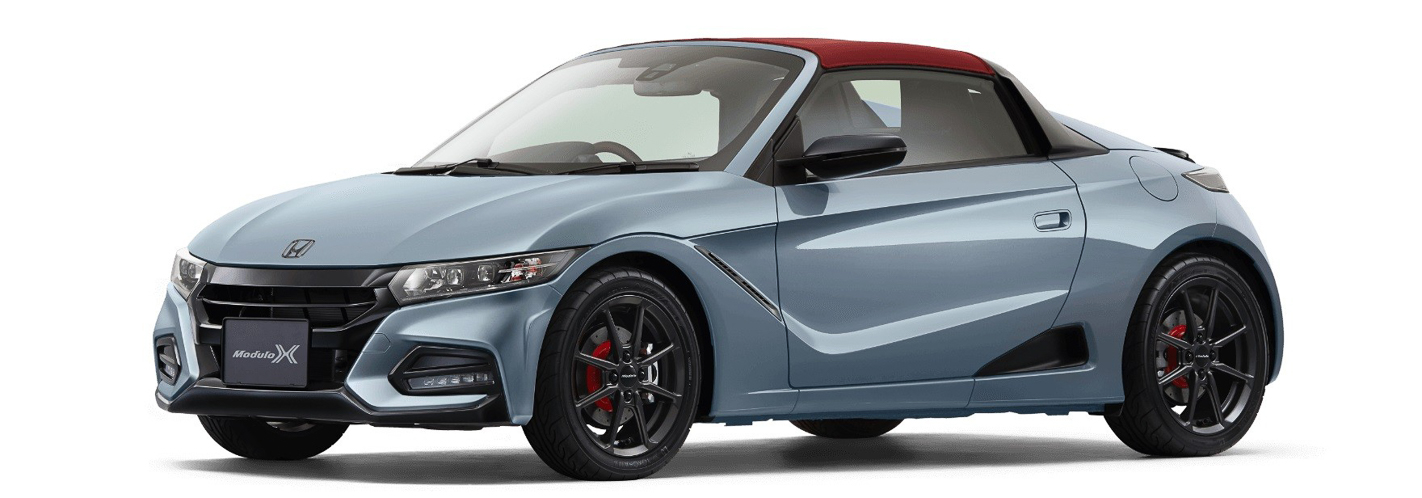
No changes are mentioned for the powertrain, retaining the 658cc turbocharged three-cylinder engine which produces a cute 47kW and 104Nm. While other versions of the S660 use a continuously variable transmission, the Modulo X Version Z only comes with a six-speed manual transmission that drives the rear wheels.
That mightn’t sound like a lot of shove for a ‘sports car’, though the S660 only weighs 830kg – making for a spritely go-getter. Its top speed is 140km/h. That said, its 0-100km/h time of 11 seconds isn’t much to write home about.
Honda announced it would discontinue the S660 line in March 2022, without giving a reason, although theories in the media suggest changing Japanese regulations would make it economically unviable.
Since it was launched six years ago, Honda has sold over 30,000 S660s.
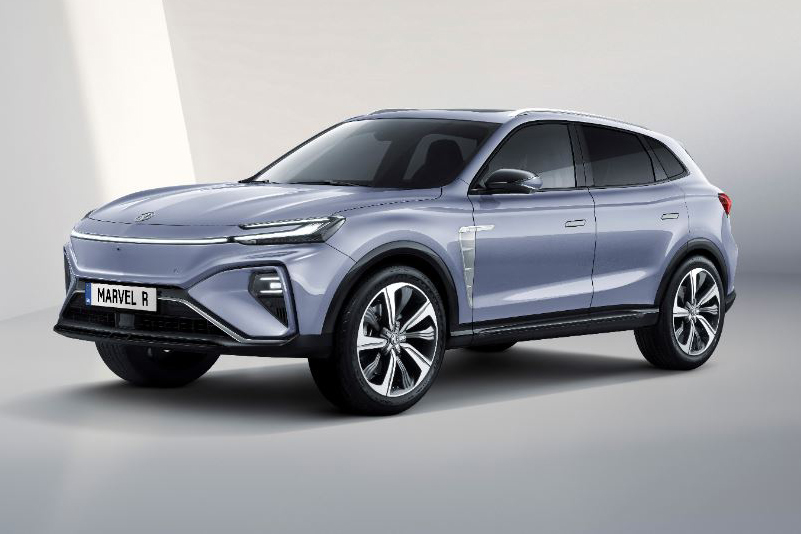
MG has officially unveiled its stylish new Marvel R Electric SUV, a car it hopes will take the European market by storm – but not, it seems, Australia.
The Marvel R was first revealed online as a Roewe-badged concept last May – at the height of the COVID-19 pandemic, leading most western media to miss it.
The concept debuted as a futuristic reimagining of the Roewe/MG Marvel X that entered production for China and India in 2018, being built in both countries to suit their respective markets.
In this new form, the electric SUV made its Chinese-market debut in February this year. For its upcoming European debut, MG claims the Marvel 5 will “raise the bar even further in terms of design and appeal.”
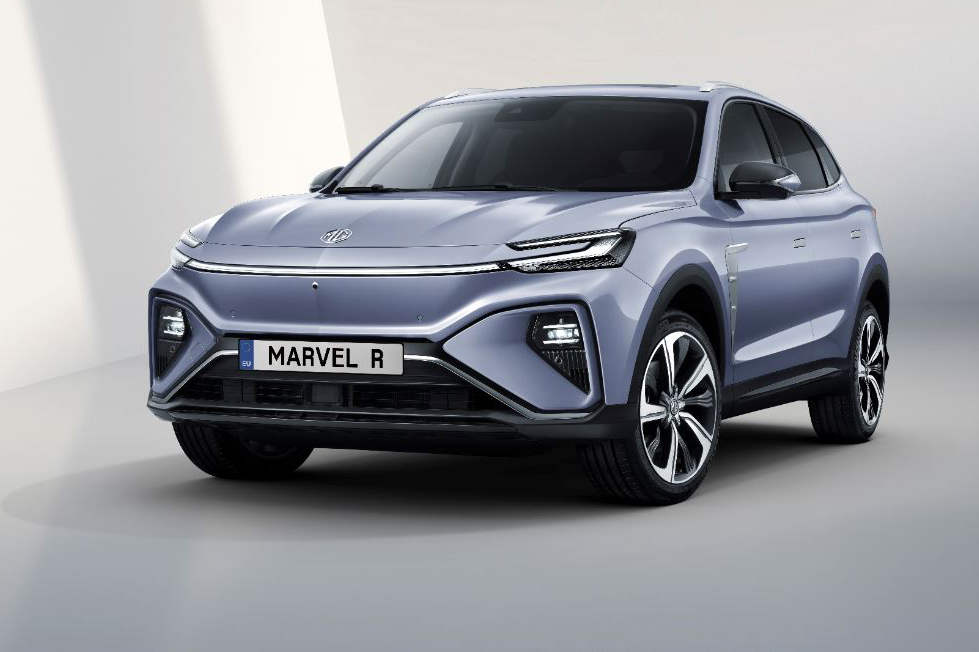
The MG Marvel 5 launches what the company is referring to as its “second generation” of design language, one defined by contemporary “Tech Style”.
The new-look SUV’s front features a slim LED daytime running light along its leading edge, while matrix-style headlights are tucked into large apertures on either side of the car’s angular front grille.
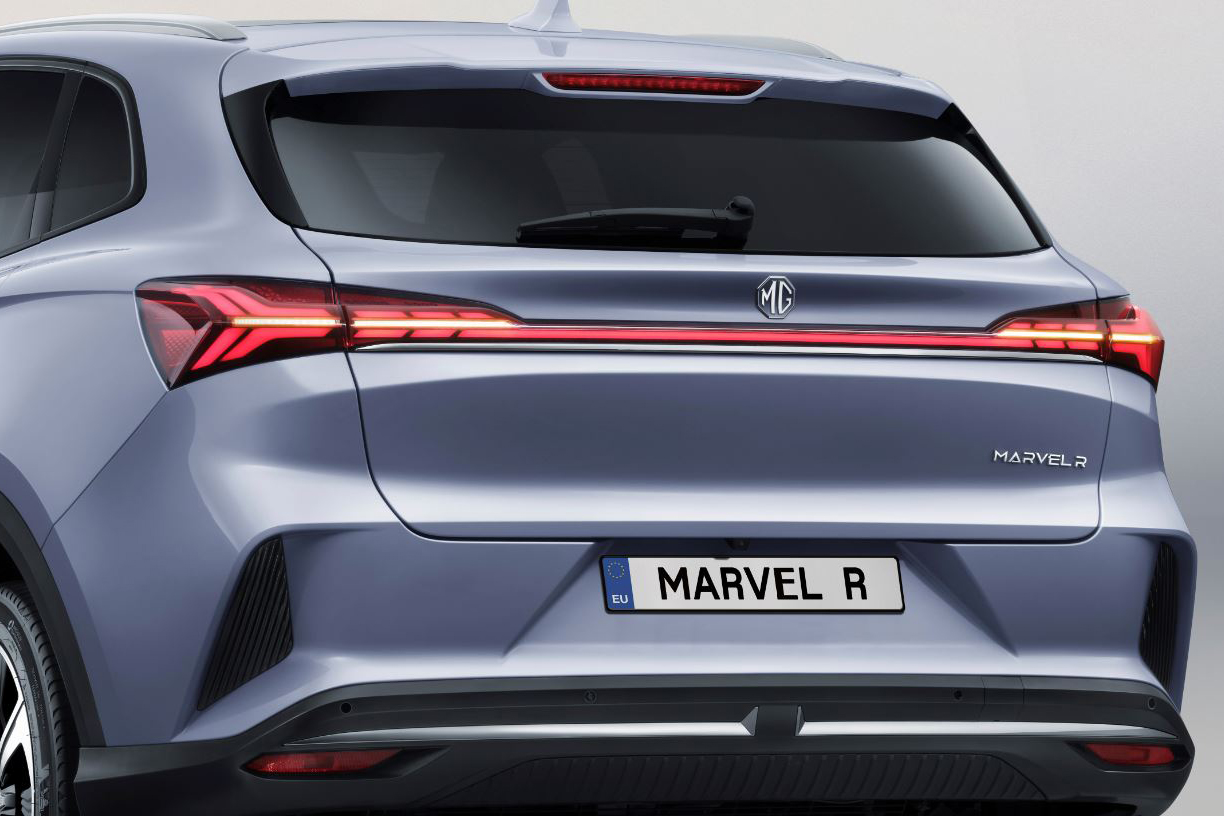
That looks continues at the rear, with slender tail lamps connected by a thin LED band, set amongst deeply creased character lines. A pair of deep vents, likely cosmetic items, are set at the corners of the rear bumper.
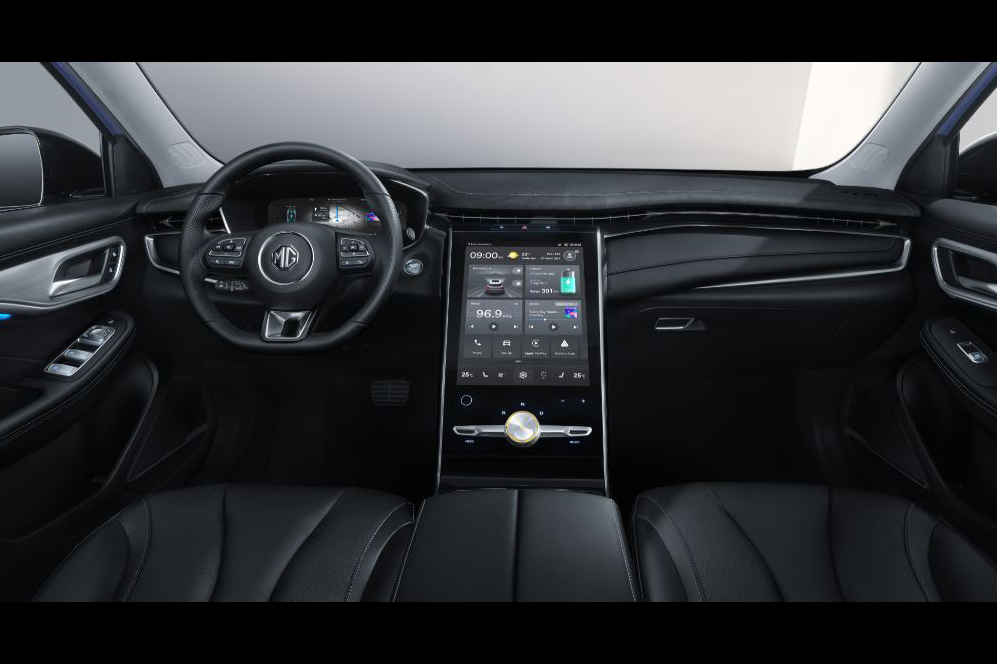
Inside, the Marvel 5 boasts a premium look matched to suitably modern technology – including a 19.4-inch touchscreen and a 12.3-inch digital instrument panel.
Over and above its Marvel X predecessor, the Marvel 5 also benefits from a development plan that saw MG parent SAIC work with compatrior Huawei to develop critical 5G technology, enabling future-ready self-driving and communications capabilities.
Power and range
Spearheading the launch of the Marvel R’s drivetrain configuration will be a “tri-motor” all-wheel drive system, which will employ two electric motors on the rear axle and one of the front.
According to MG, the combined power of all three motors equates to 212kW and 665Nm, which is enough get-up-and-go to hurtle the SUV from rest to 100km/h in just 4.9 seconds.
Driving range is rated at 400km (WLTP), and thanks to the use of an 11kW on-board three-phase charger, MG says owners will be able to fast charge the Marvel R’s batteries to 80 per cent full in just 30 minutes.
A V2L (vehicle-to-load) system, which allows for external devices to be charged by the car’s lithium-ion battery, will also feature on the Marvel R.
Towing capacity is rated 750kg unbraked, and the AWD variant will offer 357 litres of rear boot storage, or 1396 litres with the rear seats folded down.
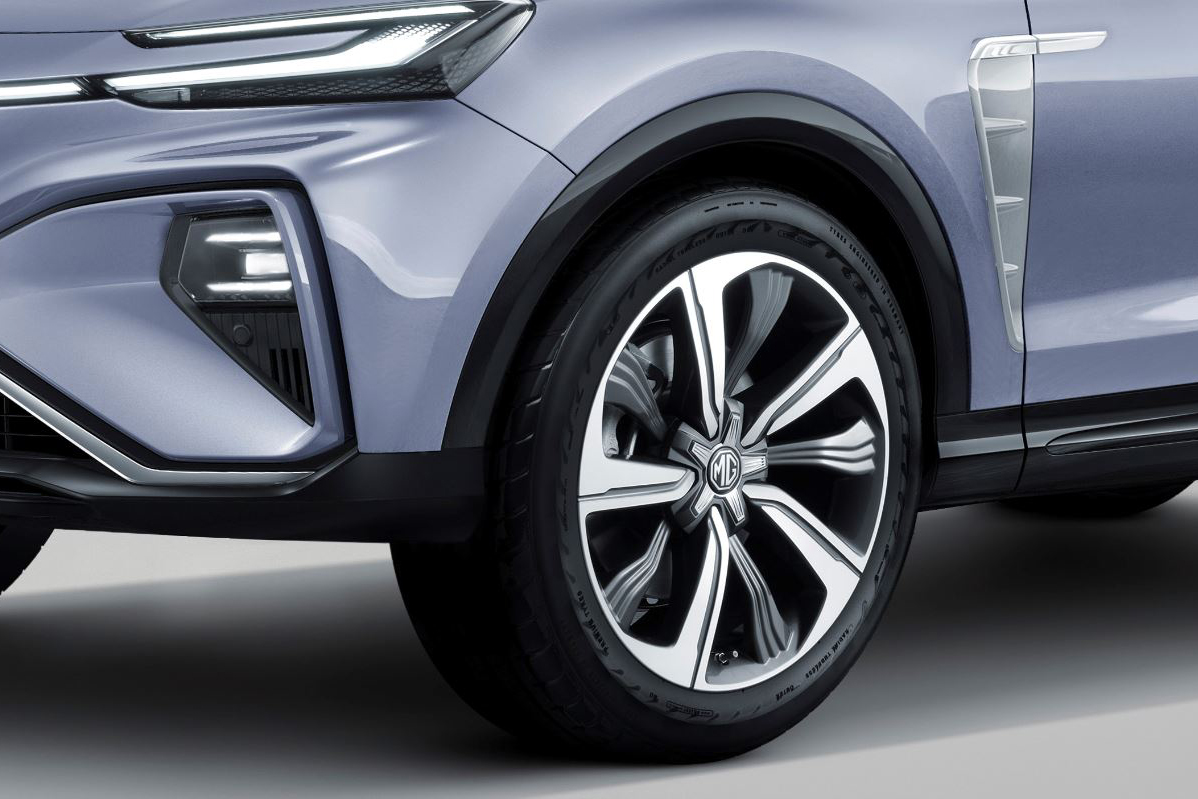
A rear-wheel drive version of the Marvel R will also be made available to European customers, which increases luggage space by a further 150 litres, thanks to an additional front storage area (frunk).
The mid-sized SUV will come equipped with a number of safe driver systems including MG Pilot driver assistance and i-Booster braking assistance.
Will the MG Marvel 5 come to Australia?
Alas, no, at least not in the near future. MG Australia has confirmed there are no current plans to bring the Marvel 5 here, although it says it will be monitoring availability.
“We’re excited to see the potential of the MG Marvel R and its performance would certainly excite Australian buyers,” a spokesperson for MG Motor Australia says.
“There are currently no plans to introduce the Marvel R to the local MG line-up, but it’s one we’re watching with interest.”
The Marvel R is due to go on sale in Europe from May 2021.
Toyota has released yet another teaser of its mid-size electric crossover, but more importantly, scheduled a worldwide reveal date for April 19.
The Japanese manufacturer says this latest glimpse is of the “preview” concept. It’s draped in a blue sheet and next to no detail can be seen.
Toyota is staying quiet on the matter, but we imagine that whatever is under the cover will be Toyota’s long-promised first electric vehicle – a battery electric mid-size SUV that shares similar dimensions to the Toyota RAV4.
It’s not known yet whether this latest teaser relates to the previously-teased X Prologue. The SUV’s unveil is scheduled for March 17 – we expect it to preview the full production example of the forthcoming April 19 reveal.
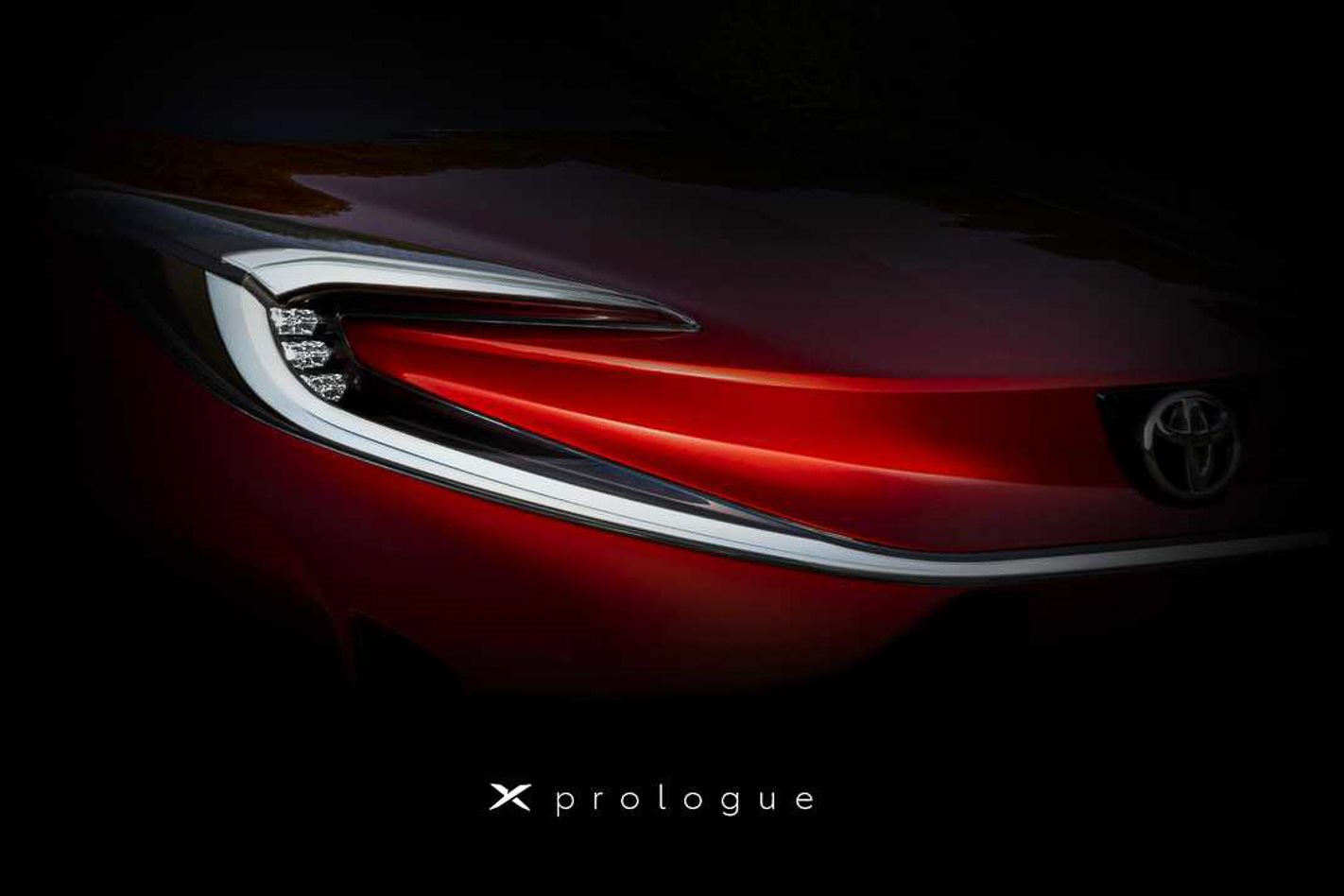
Unveiling a design concept and subsequently revealing a production example (at the Shanghai show) a month later wouldn’t be unheard of.
Previous sneak peeks show a stylised light signature with stacked LED headlights, as well as a swoopy daytime running light that will likely extend all the way from one headlight to the other.
While it’s not cut-and-dry, it looks as though the front end is covered off without a grille, likely indicating an electric vehicle.
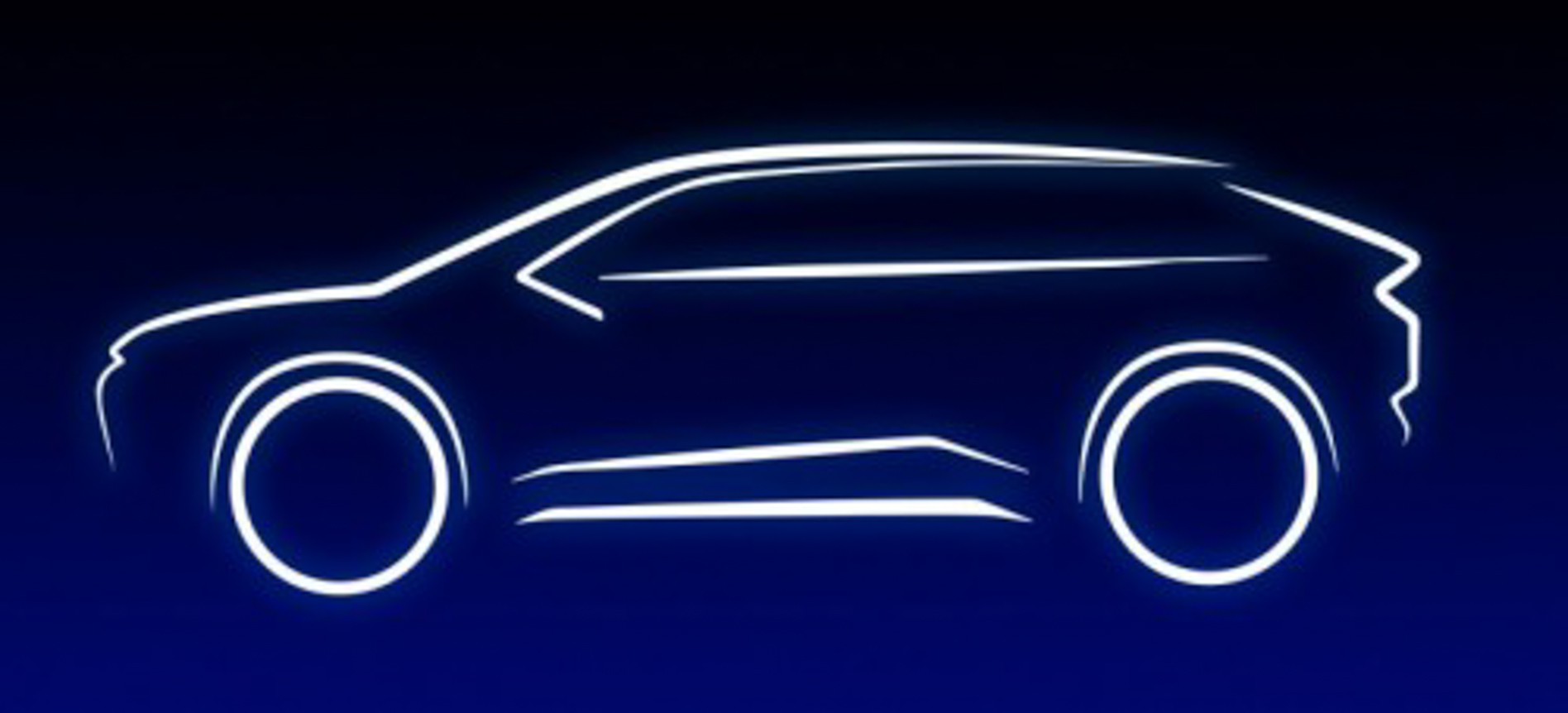
Little else is known until the X Prologue debut, which is set for a full reveal on March 17. A further teaser supplied with the image reads “X Prologue – ‘a small’ preview of what’s next.”
Timing could point towards the X Prologue being the European-focused RAV4-sized electric vehicle the company previously said was on the way. That model will be the first Toyota to be based on the all-new bespoke e-TNGA architecture.
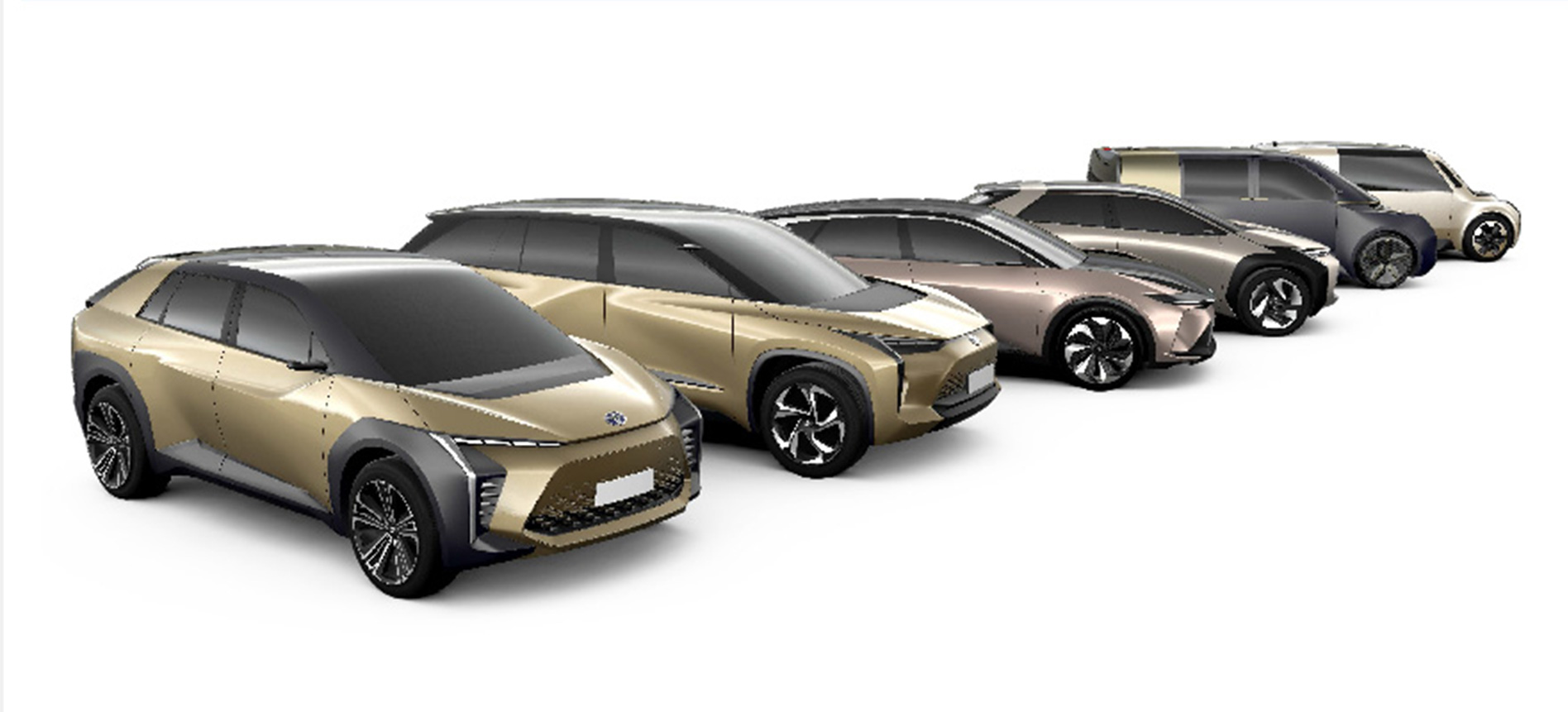
Planned models include a small crossover SUV, mid-size crossover SUV, larger SUV, sedan and minivan.
Each will receive a different name unrelated to Toyota’s existing line-up, while design is expected to be wildly different to what we’ve come to expect from the Big T.
Stay tuned as we learn more after the car’s reveal later this week.
Gordon Murray Automotive has revealed in a YouTube video that Gordon Murray himself has already piloted a bare carbon prototype of his hotly anticipated T.50 supercar around the track.
The design legend, responsible for cars like the fabled McLaren F1 and numerous World Championship-winning Formula 1 cars such as Ayrton Senna’s McLaren MP4/4, has been working on his revolutionary new supercar for years now. Things finally look like they’re starting to come together.
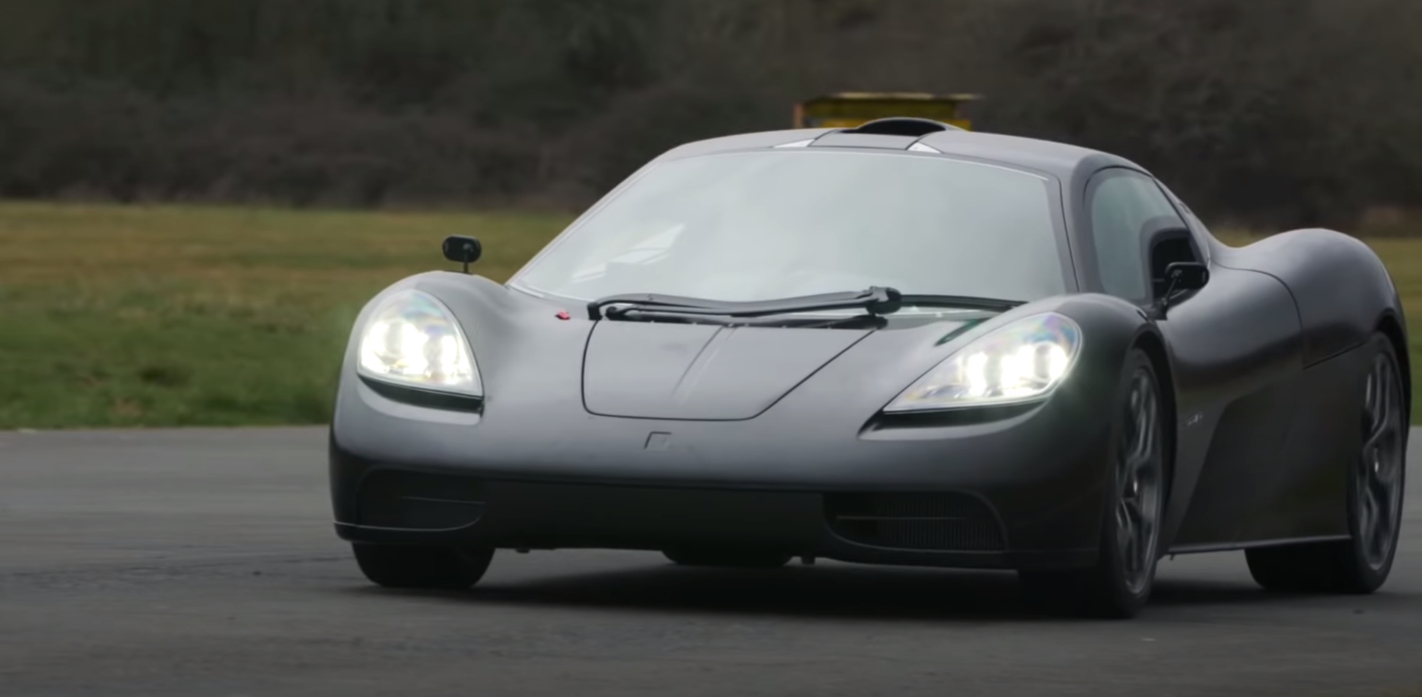
We’ve previously seen videos of Murray walking journalists around static prototypes, and heard a three-cylinder test mule of the T.50’s glorious Cosworth-built, naturally aspirated V12 engine, but this is the first time anyone has seen the car on the move.
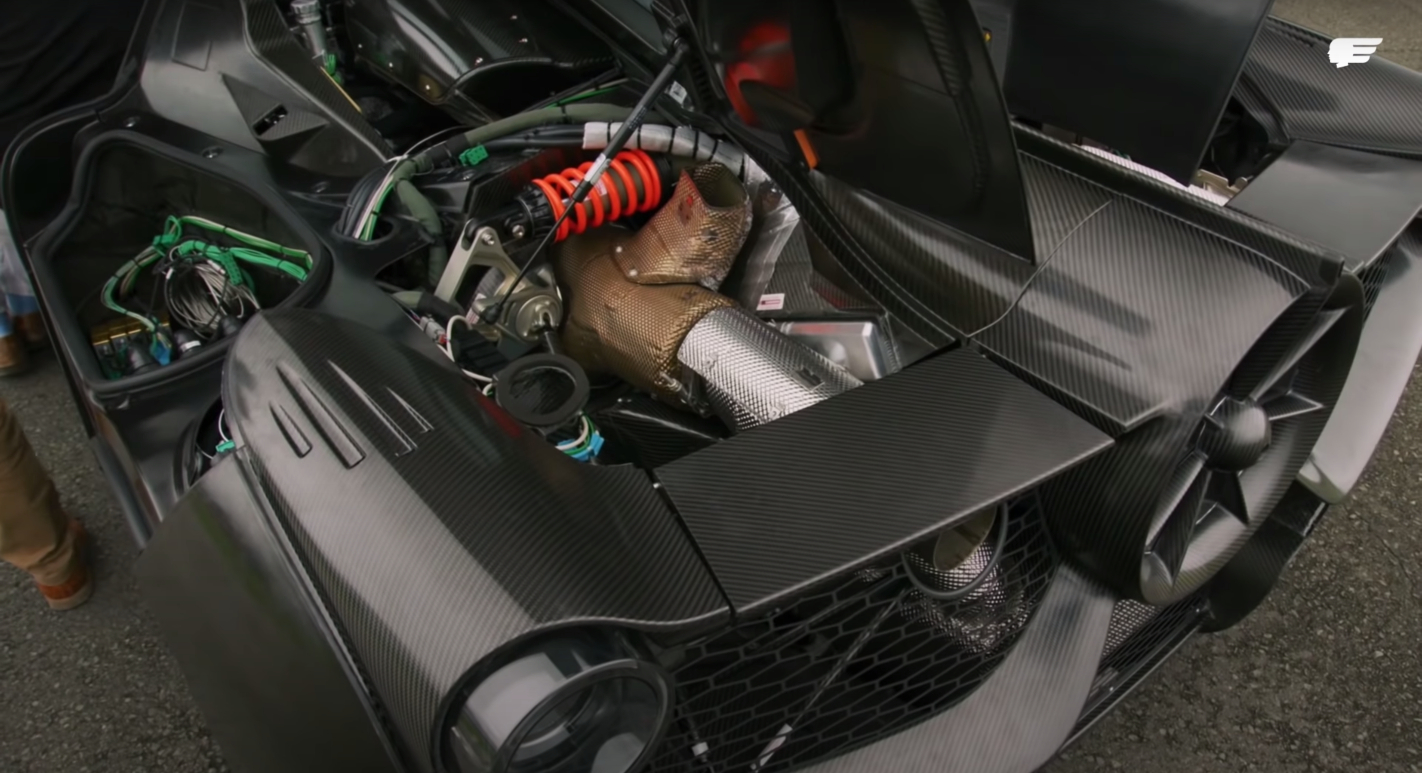
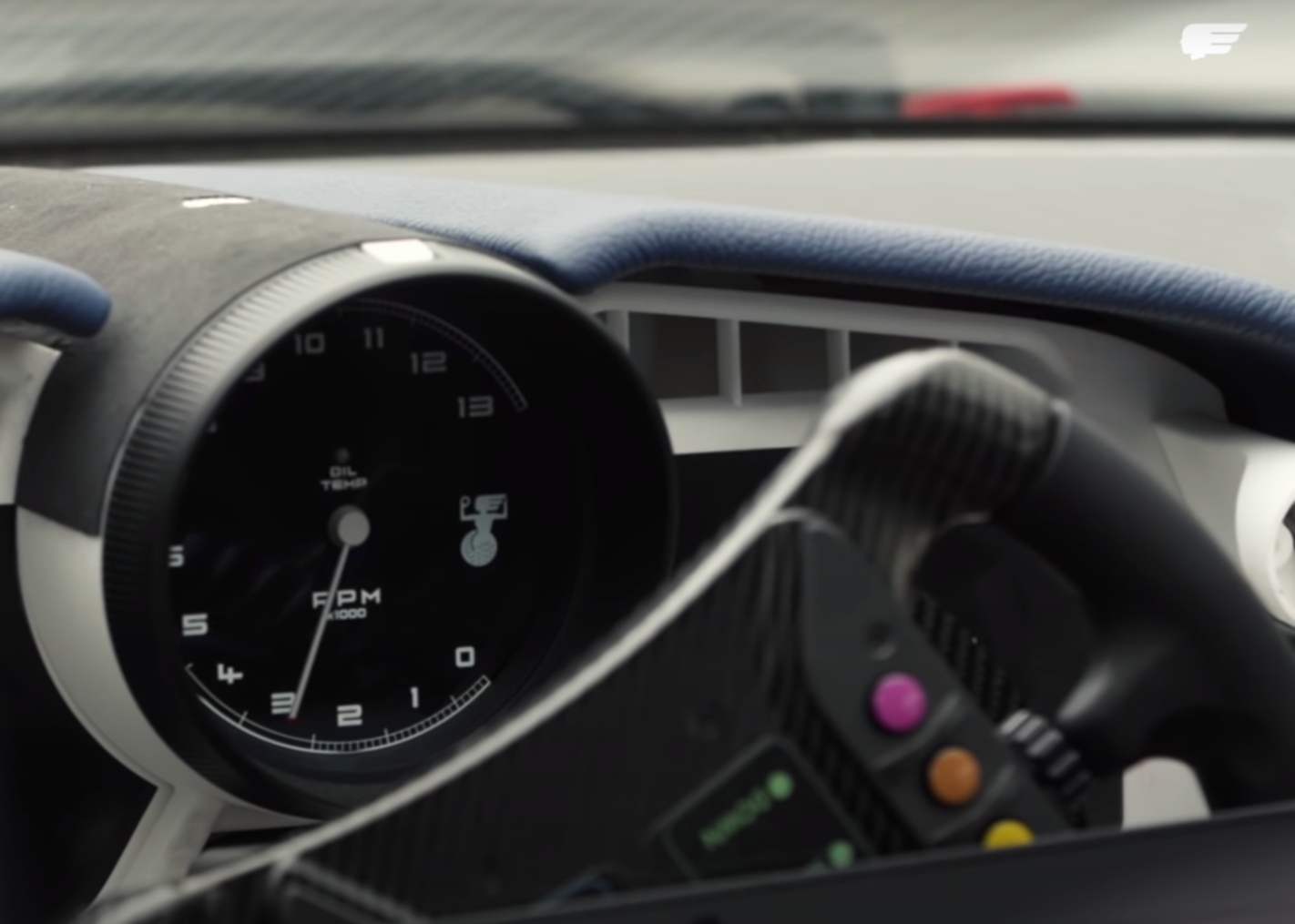
Rather annoyingly, not long after the video begins, we see that a 3000rpm artificial limiter has been placed on the prototype’s glorious 485kW 12-cylinder. It does spoil the fun somewhat, especially when there’s an additional 9100rpm left unheard.
But despite the V12’s 3000rpm leash Murray said the T.50 still felt potent, commenting that the response of the engine was “ridiculous”. Murray joked he even managed to “chirp” the rear wheels a few times.
Perhaps the most compelling thing about the video was just seeing the T.50 on the move.
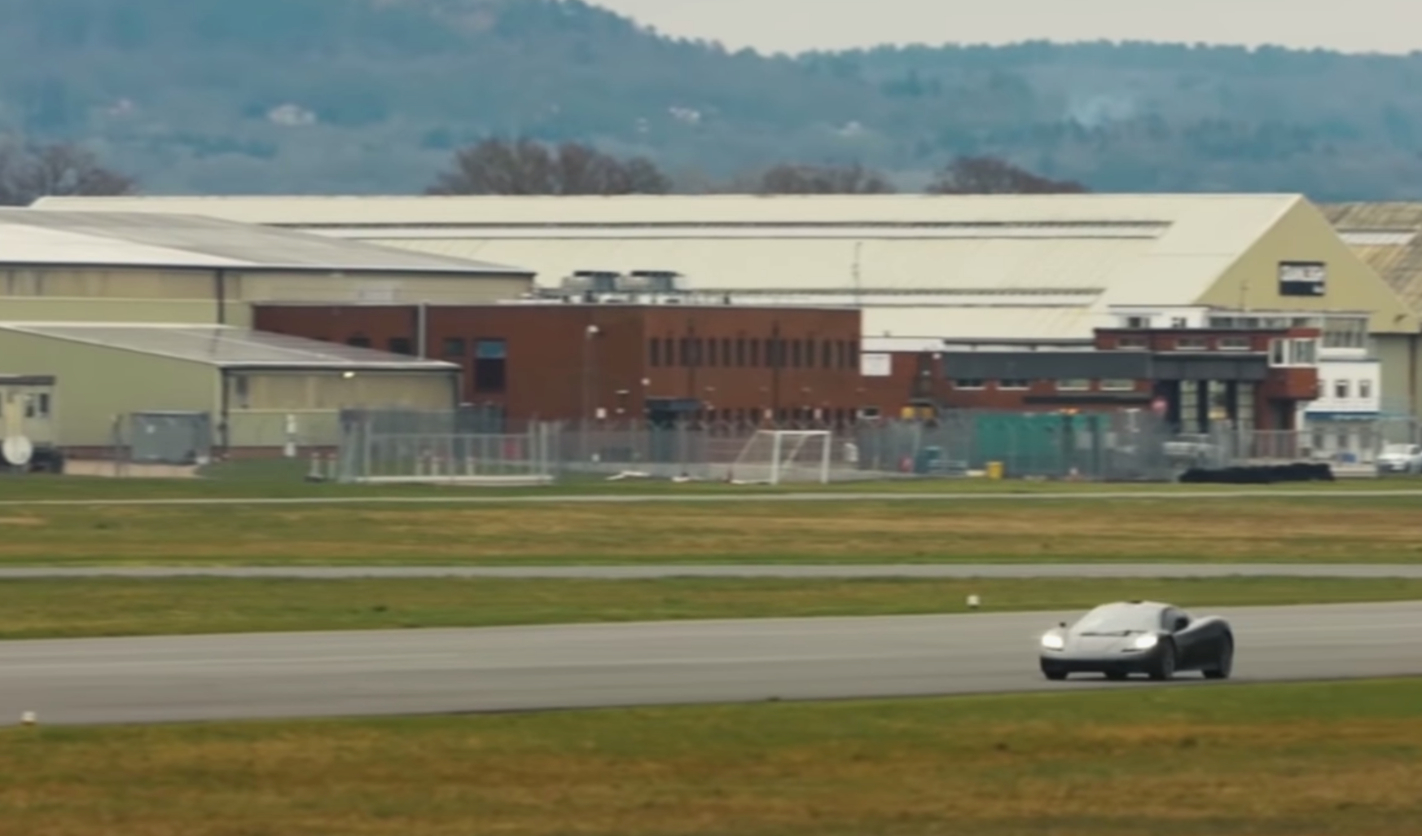
Murray has previously stated the overall width and length of the T.50 (1850mm and 4380mm, respectively) was borderline identical to that of a Porsche Boxster, and the video definitely backs up that claim. The car looks diminutive, especially on a track as large “Top Gear’s” Dunsfold Aerodrome.
It was also strange to see the prototype utilising the racing-style steering wheel that will most likely be used in the track-only T.50s Niki Lauda variant.
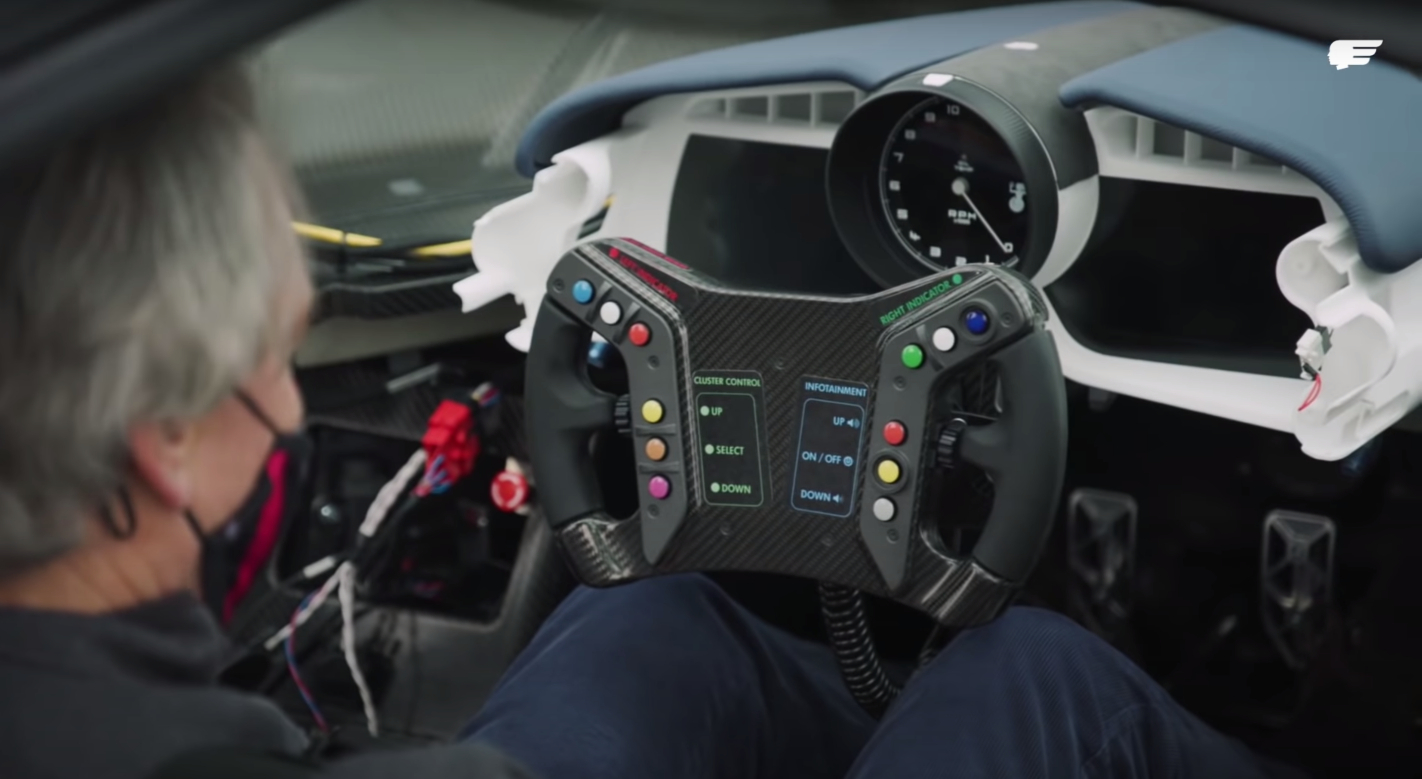
Not much else can be ascertained from the video, and until we see the car being driven a bit quicker, we’re not going to be able to witness the genius of Murray’s fan car aero technology in action. But, the designer did look thoroughly buoyed by his prototype’s first ever shakedown.
“You can tell when a car’s going to be good, you know it [the T.50] just feels so good already,” Murray said.
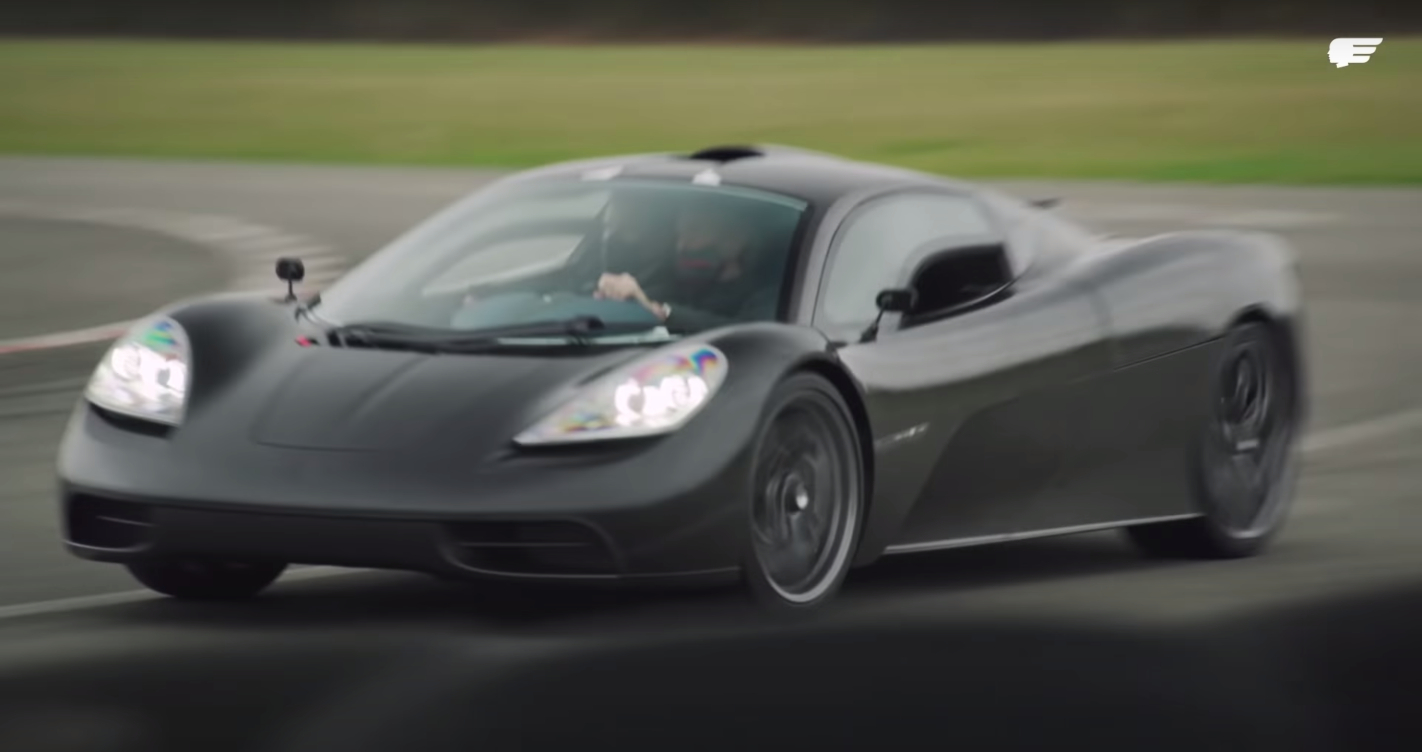
Customer deliveries of the GMA T.50 are expected to begin in the first half of 2022, so expect more videos from the automaker in the coming months.
More digits than an international mobile number
For straight-line testing on Winton’s central strip (which is fairly grippy) we run each car as many times as necessary to get the best number we feel it has in it.
A very finely tuned bum-o-meter helps, as does quite a plump bag of tricks, from which gear to start in, to tyre temp, pressure, you name it. Conditions were sunny, approximately 25-30 degrees and, of course, dry.
Here’s what we test for at Performance Car of the Year.
0-400m
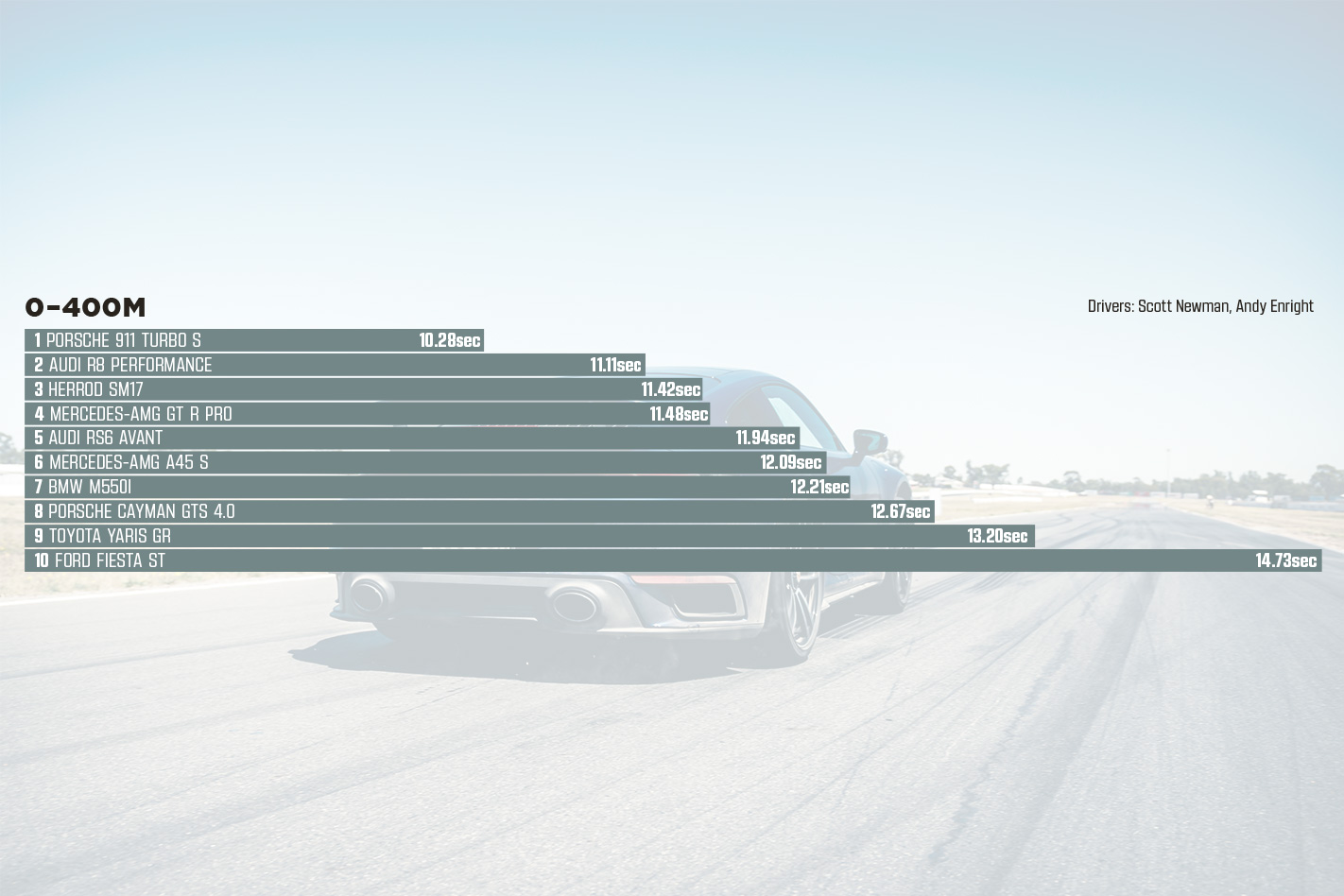
This test benchmarks each car on how it tackles the quarter-mile in its factory setting. Porsche’s 911 Turbo S, the fastest car we’ve ever performance tested in PCOTY history, blitzed the field with a 10.28 second pass – which is almost enough to get you kicked out of a dragstrip and told to come back with parachutes.
0-400m V-MAX
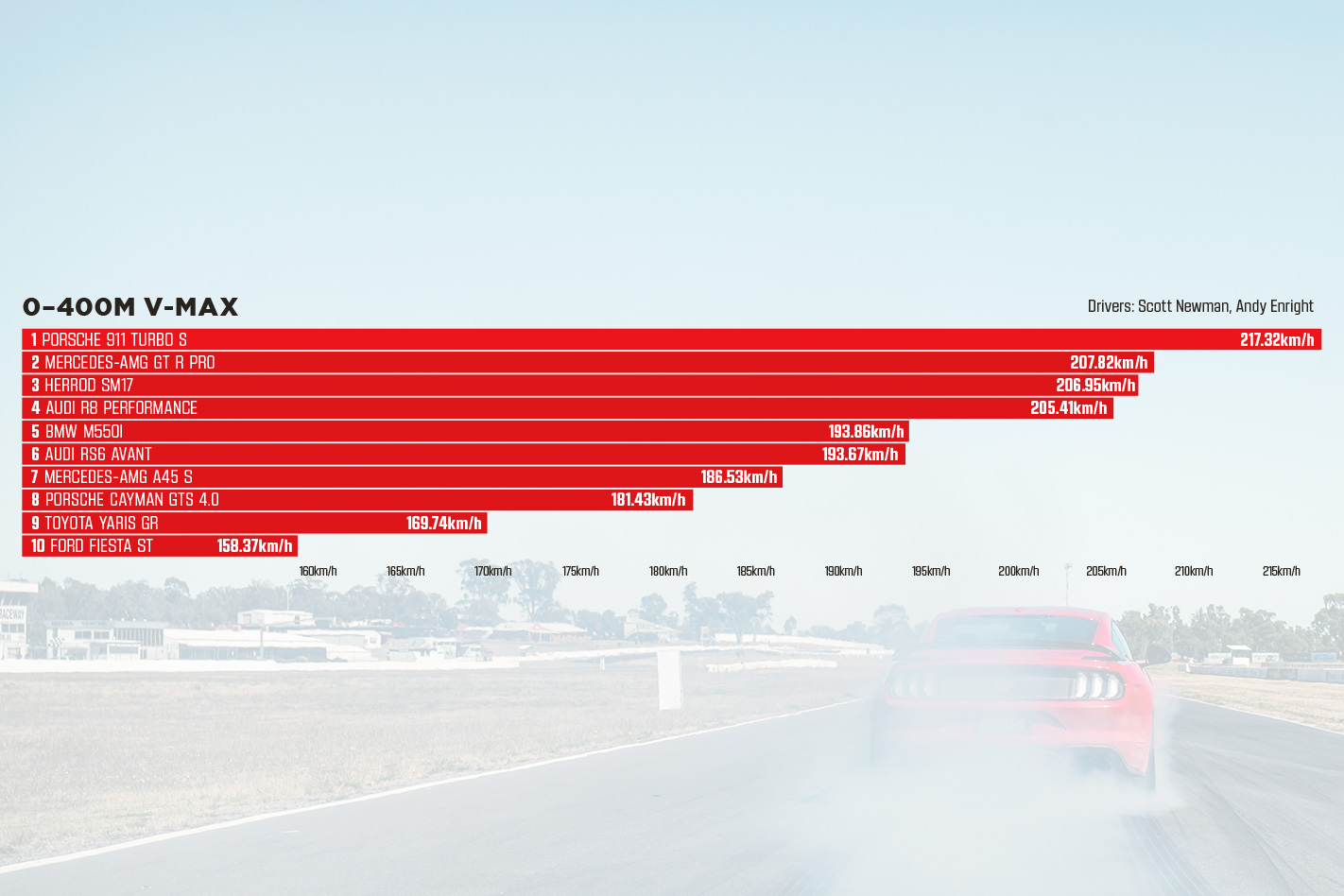
This metric measures the trap speed achieved as each competitor passes the flags at the end of quarter-mile testing. Again, Porsche’s ballistic Turbo S rose head and shoulders above the field, although the AMG GT R Pro – which finished fourth in the 400m sprint – clocked the second highest V-max.
0-100KM/H
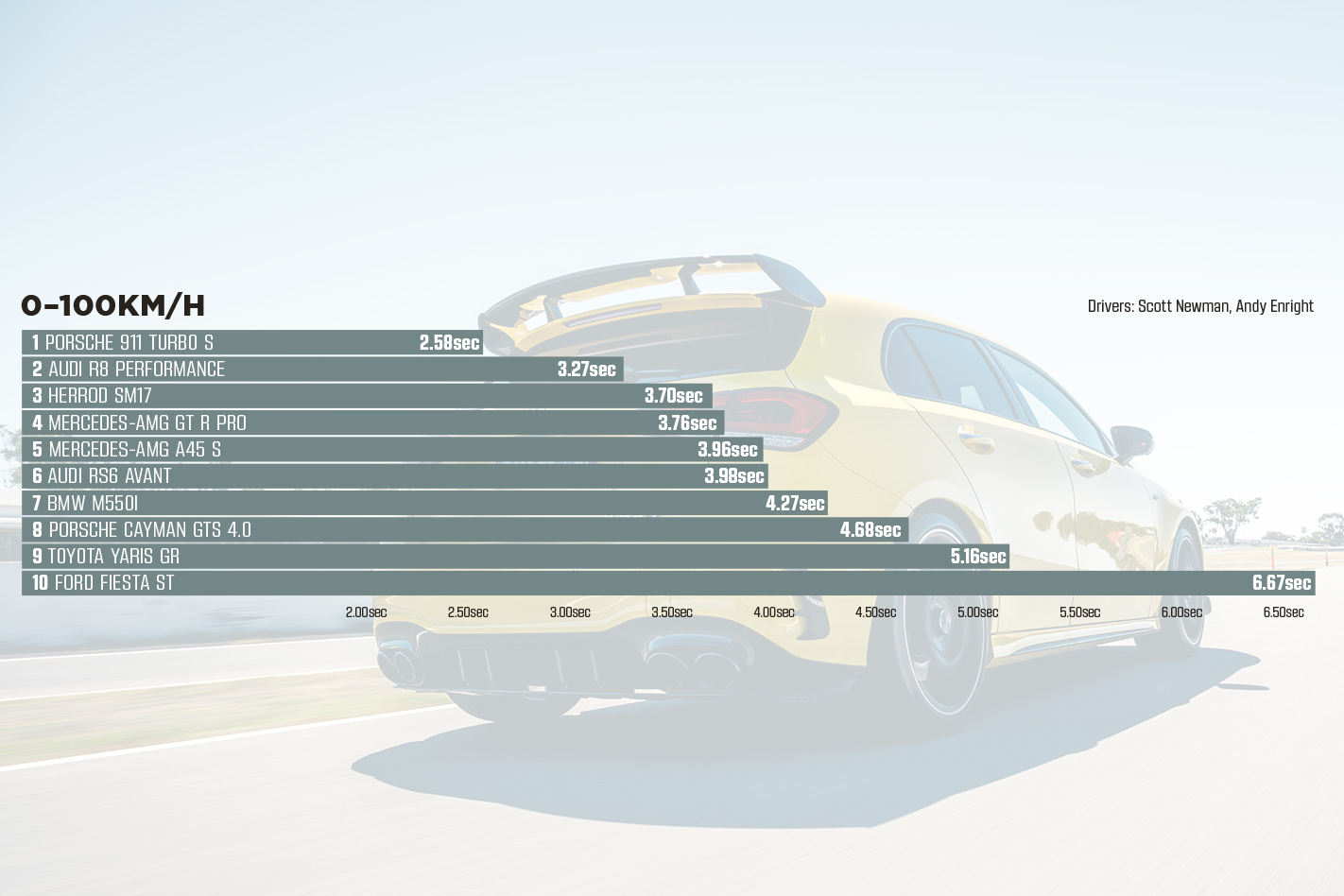
We also independently measure the 0-100km/h capabilities of each of our PCOTY contestants to see what figures are able to be extracted in the real world. This also handily allows us to gauge which OEM’s are sandbagging their figures, and which are being modest with their factory claims.
100-0KM/H
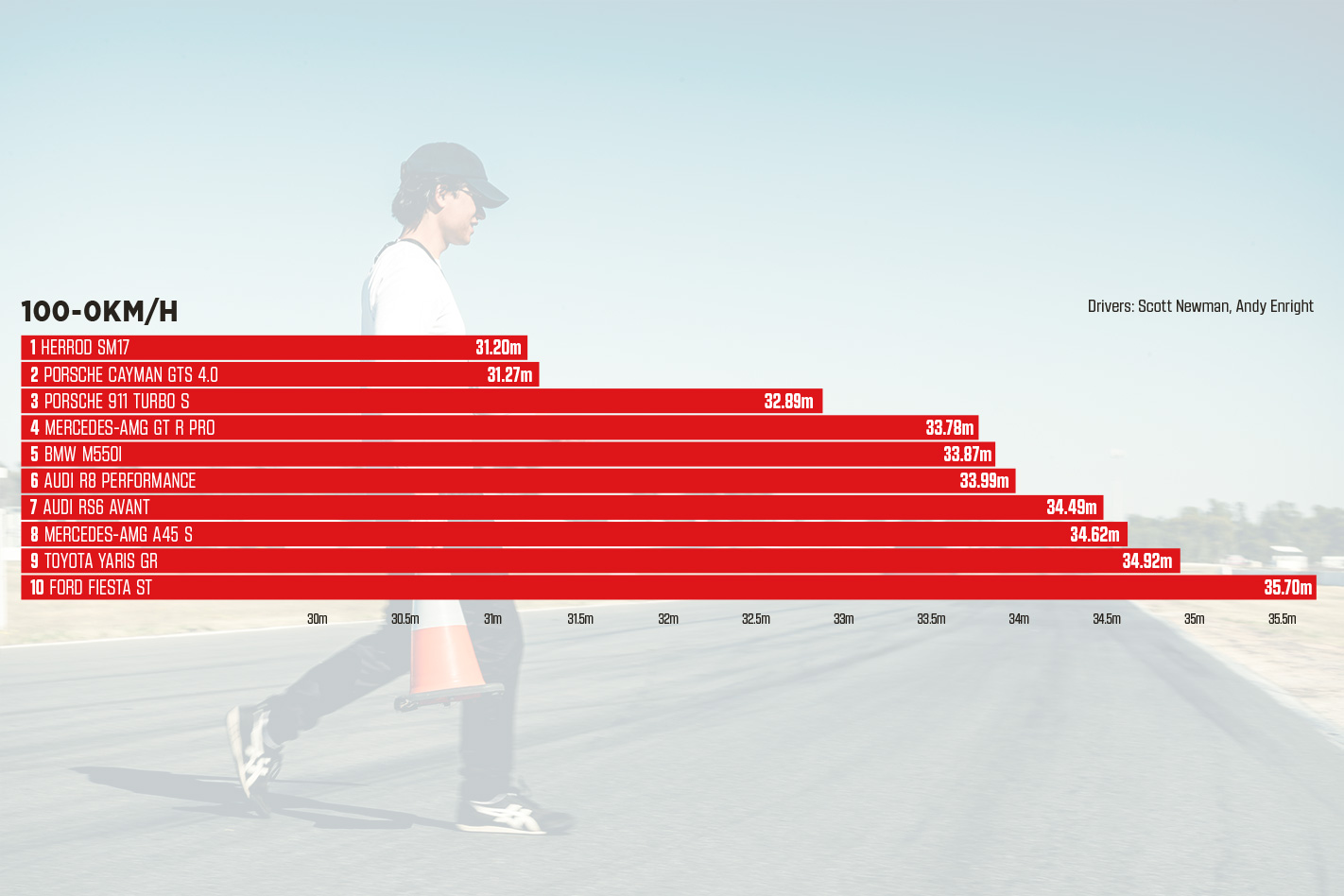
Braking performance is also a crucial metric, for dynamic assessment as well as real world safety. We measure the stopping distance required by each contender from a cruising speed of 100km/h, standing on the brakes as we pass the markers. It was Herrod’s SM17 Mustang and its 380mm six-piston Brembos which pulled up stumps the quickest.
LAP TIME
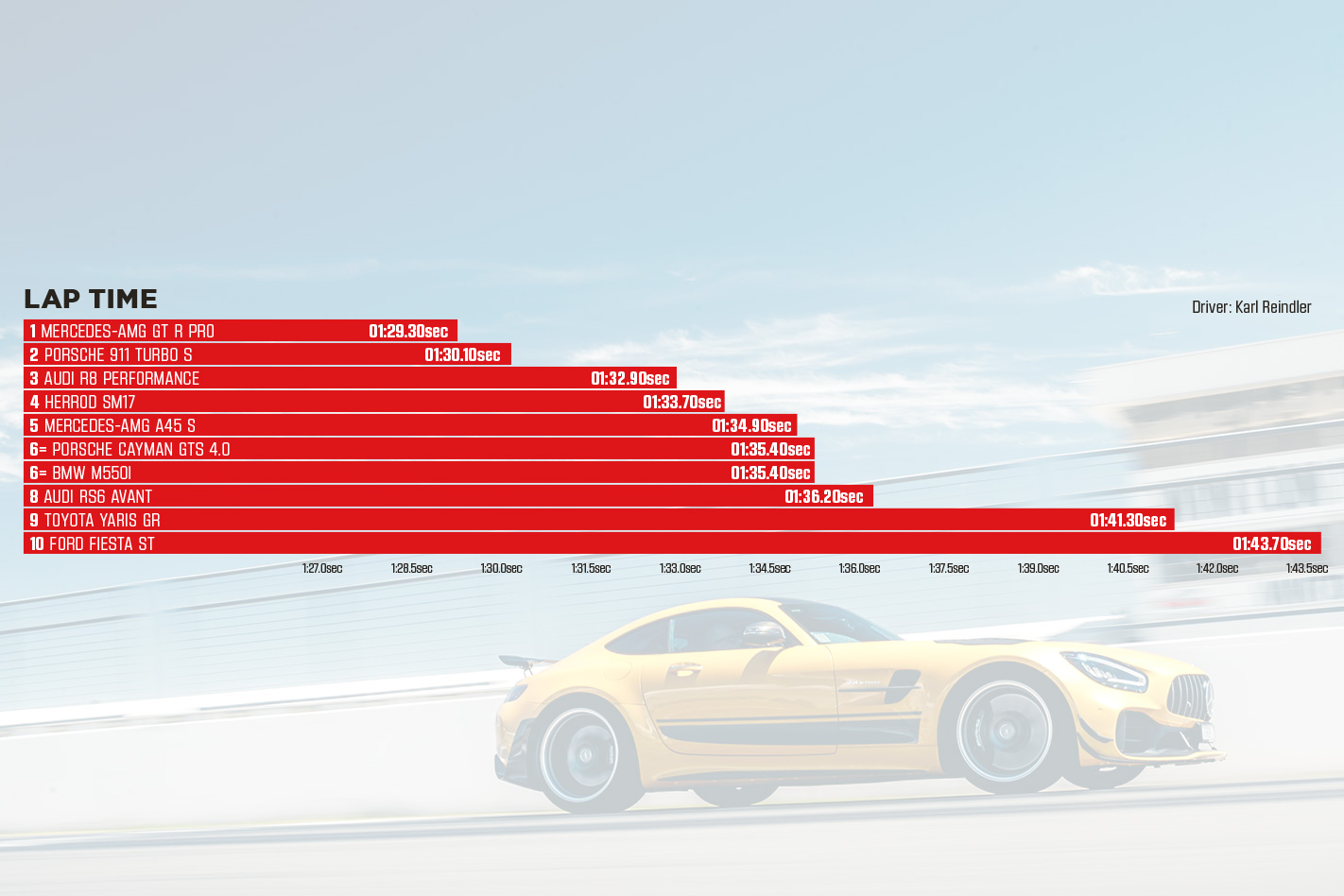
The hot lap component provides an essential lens through which each car’s talents can be inspected; with a professional racing driver unearthing inherent dynamic shortcomings, or highlighting the remarkable technical abilities befitting today’s cream of the crop. The Mercedes-AMG GT R Pro proved revelatory, positioned in the mid-field in power output, yet scorching the Winton production car lap record in its wake.
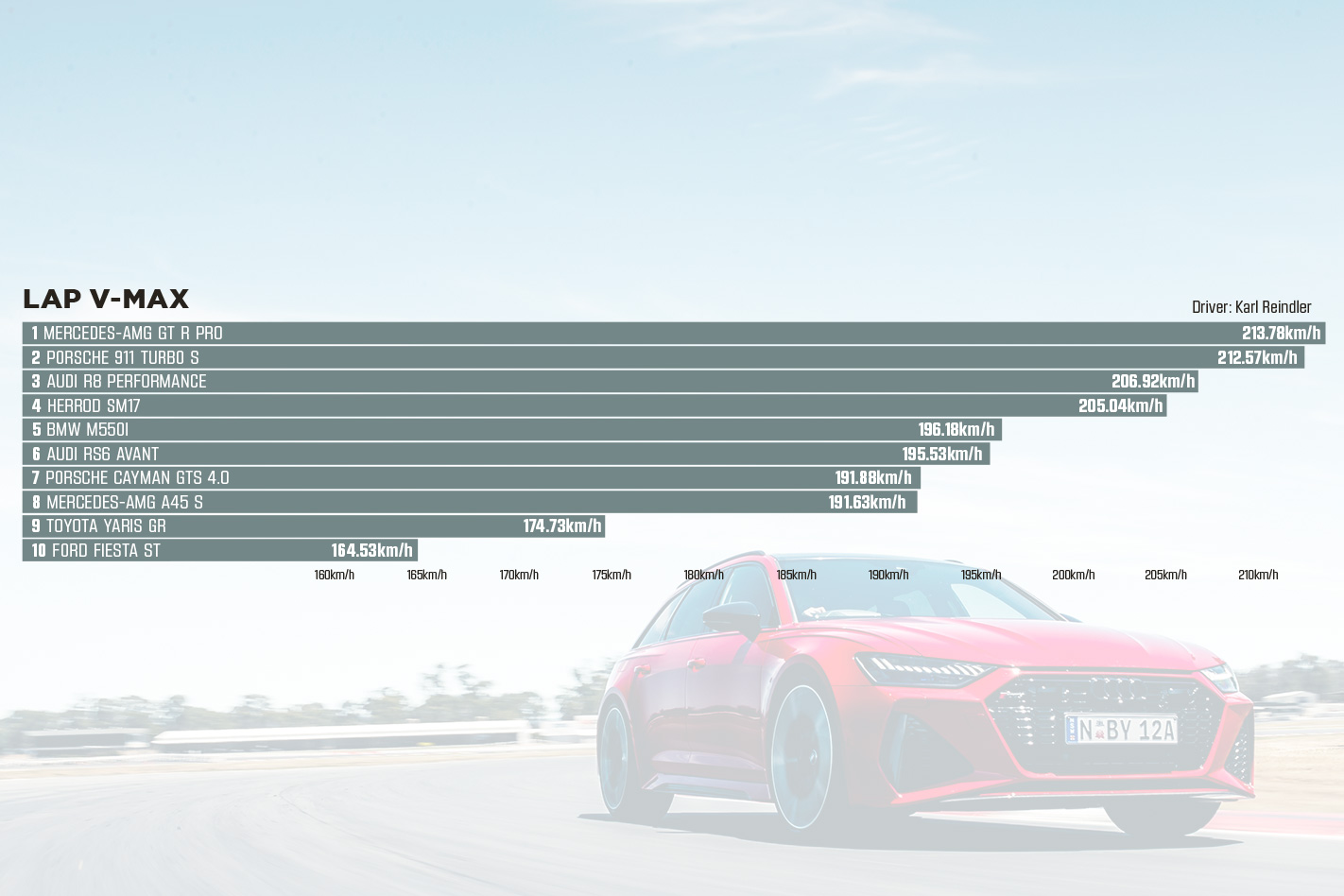
LAP V-MAX
Tying into the data gathered from our circuit telemetry, terminal velocity registered in each car’s flying laps shows how deftly our competitors deploy their talents on the race track. The 911 Turbo S and its prodigious performance figures devoured Winton’s straightaways as expected, but the AMG GT R Pro achieved a higher terminal velocity thanks to its comprehensive aero package and trick suspension – despite yielding a 48kW deficit to the Porsche.
The remark from one judge on the Ford Fiesta ST sounded as casual as it was controversial. “I reckon,” he said between swapping cars on the road loop, “that Fiesta ST might have the best steering here.”
Granted, this was before we got stuck into the big-money stuff, but the claim gave us something to chew. How could a turbocharged front driver that costs $32,490 come anywhere near the purity, purchase and feedback found in cars that cost so much more?
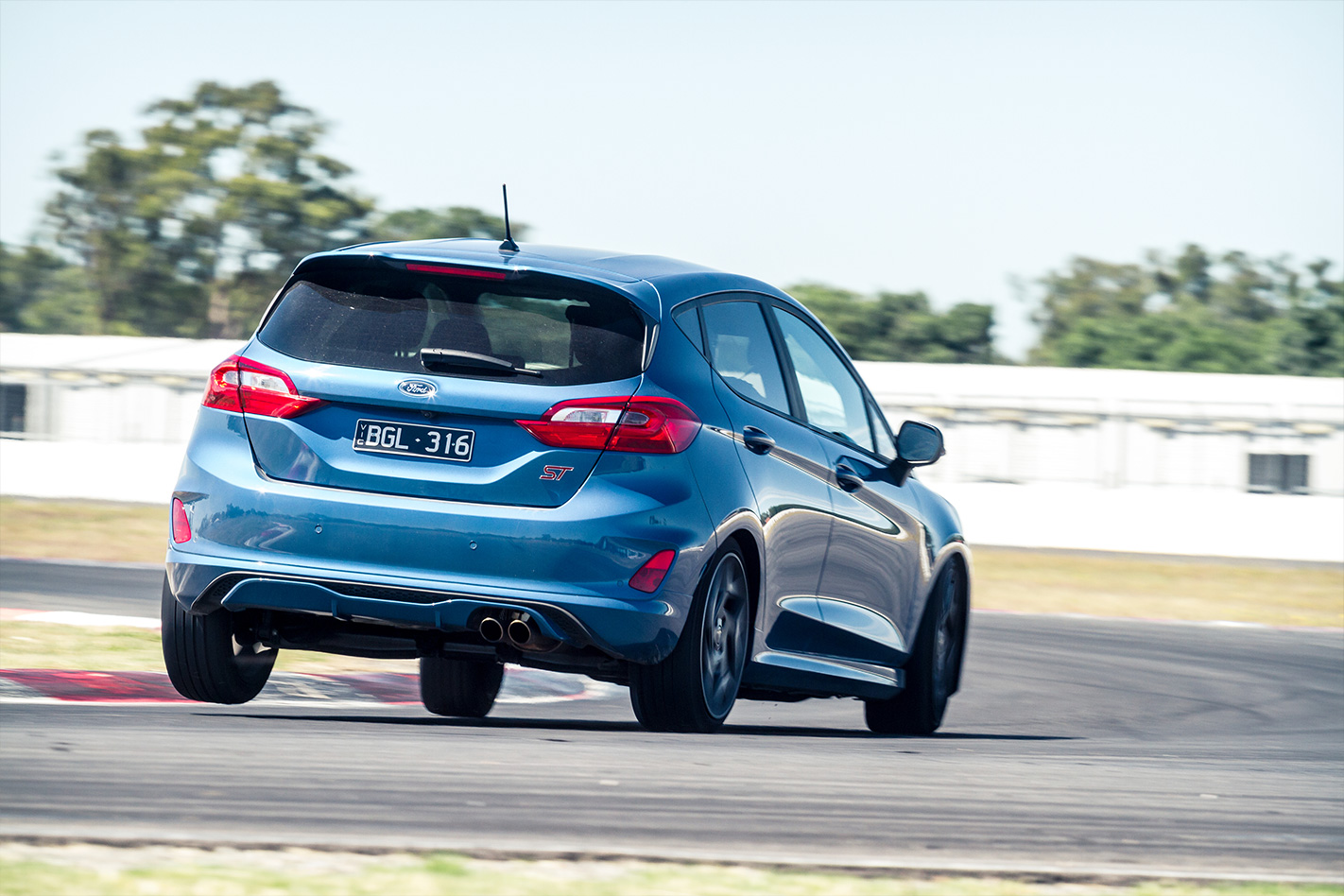
You can only strap into its chunky Recaro seats to find out. After all, figures would never do a car like this justice, so it needs to enchant you in other ways. But boy, does it deliver from the front seat.
Back to the topic, the steering is ultra-fast, locking on to your target with an almost instinctual immediacy. It’s also accurate, but it’s the action, linear in how it loads in weight and texture, which feels like your palms are dragging along the ground.
Throttle no longer corrupts the front-wheel-drive experience as much, either, now that a new Quaife ’slipper keeps grunt in check. Mind you, 147kW and 290Nm aren’t much, even among rivals outside of PCOTY, and the Fiesta ST was the slowest car by every measure. But the turbo three-cylinder makes meaningful progress and felt adequately geared to keep much faster cars in view on our road loop.
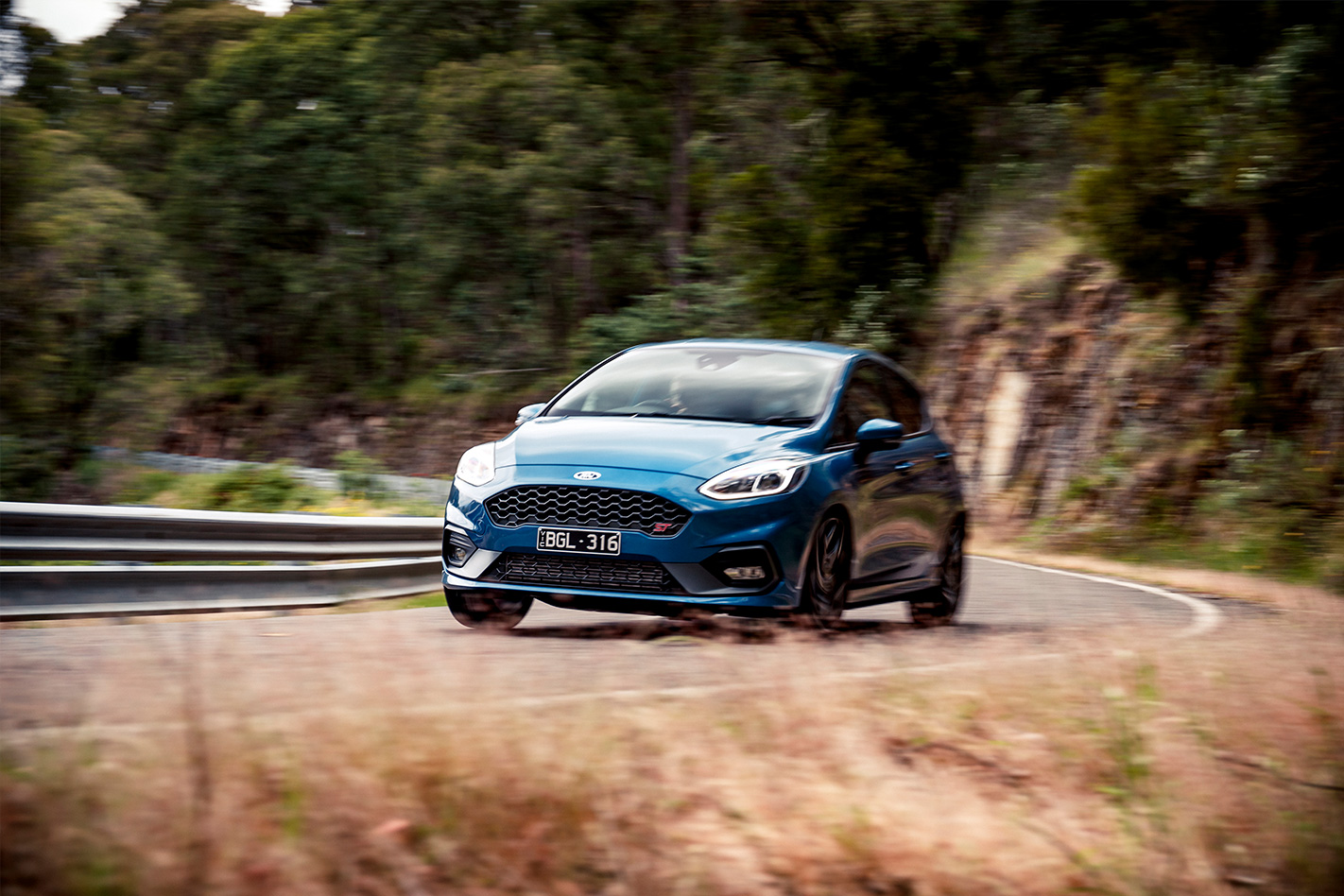
Crucially, it’s how the steering and throttle communicate with the Fiesta ST’s chassis that enlivens the recipe. The torsion-beam rear setup still loves to activate, rotating the ST nicely when you’re sending it into corners, but it’s so much more progressive and soft-handed than before.
The six-speed manual shifter, as well, only engages you more, and while it’s not the last word in slickness, it’s vital to feeling integral in the whole effort.
You’re never in danger of the ST doing something unexpected, which goes a long way to building a rapport you can exploit on winding roads. And it’s this improvement on accessibility compared to its predecessor that speaks volumes on how it’s dispatched a Porsche Cayman GTS 4.0 and Audi R8 V10 this year.
Yes, the Ford Fiesta ST still rides with the absorbency of bricks on 18s and sounds under-baked from the outside, but it is a car you ‘get’ by the first corner and every one after that. Long may it live. – LC
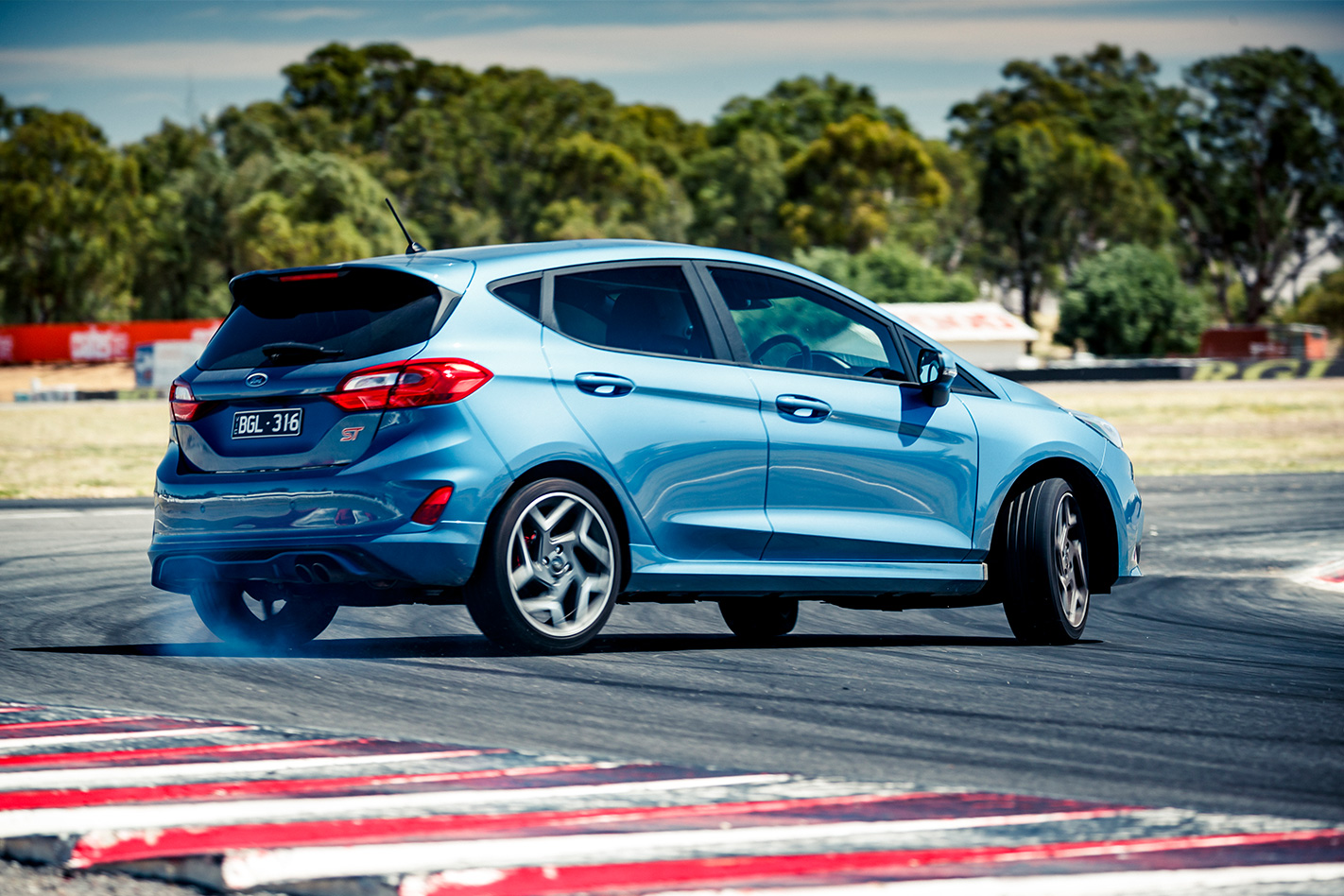
THE NUMBERS
0-100km/h: 6.67 sec 0-400m: 14.73 sec @ 158.37km/h Lap Time: 1:43.7
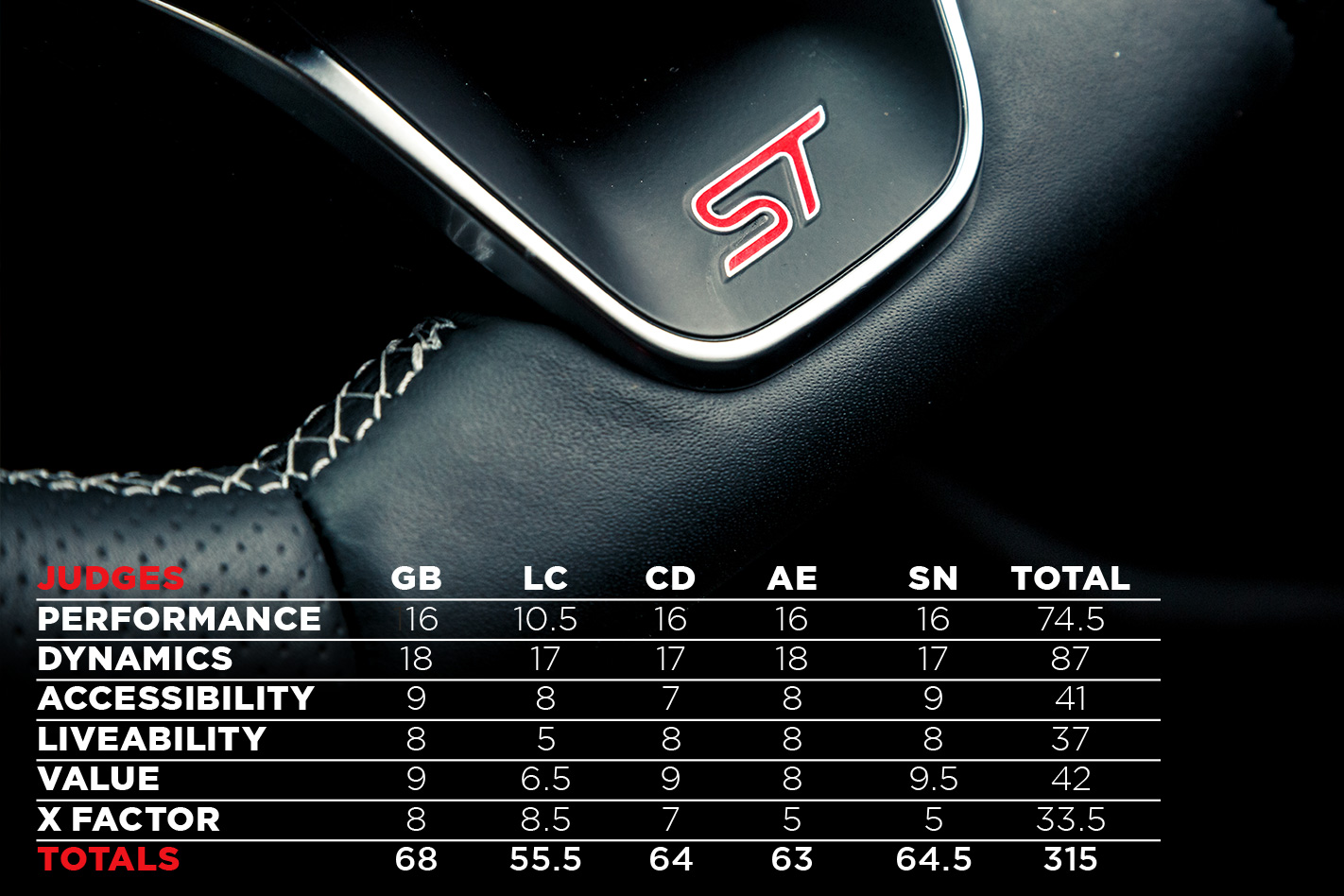
JUDGE’S RANK
Butler 3rd So much fun in such a small package
Cordony =5th Will dent some big egos on mountain roads, and rattle bones on bumpy ones
Dupriez 5th Little firecracker delivers everywhere that’s expected. Old school hot hatch ethos and is genuinely quick. Bravo
Enright =4th Throws the Yaris’ shortcomings into stark relief. Adjustable, eager and gets better the harder you push it – $32K well spent
Newman 3rd Brakes aside, a triumph. All the car many could need or indeed want
McLaren has just unveiled the 720S GT3X, a hardcore, unhinged variant of its GT3 racer that does away with regulation compliance in favour of more… just about everything.
It promises to be a compelling weapon on track, as the standard GT3 is an already potent machine, and a proven race winner in the various series the model competes in across the globe.
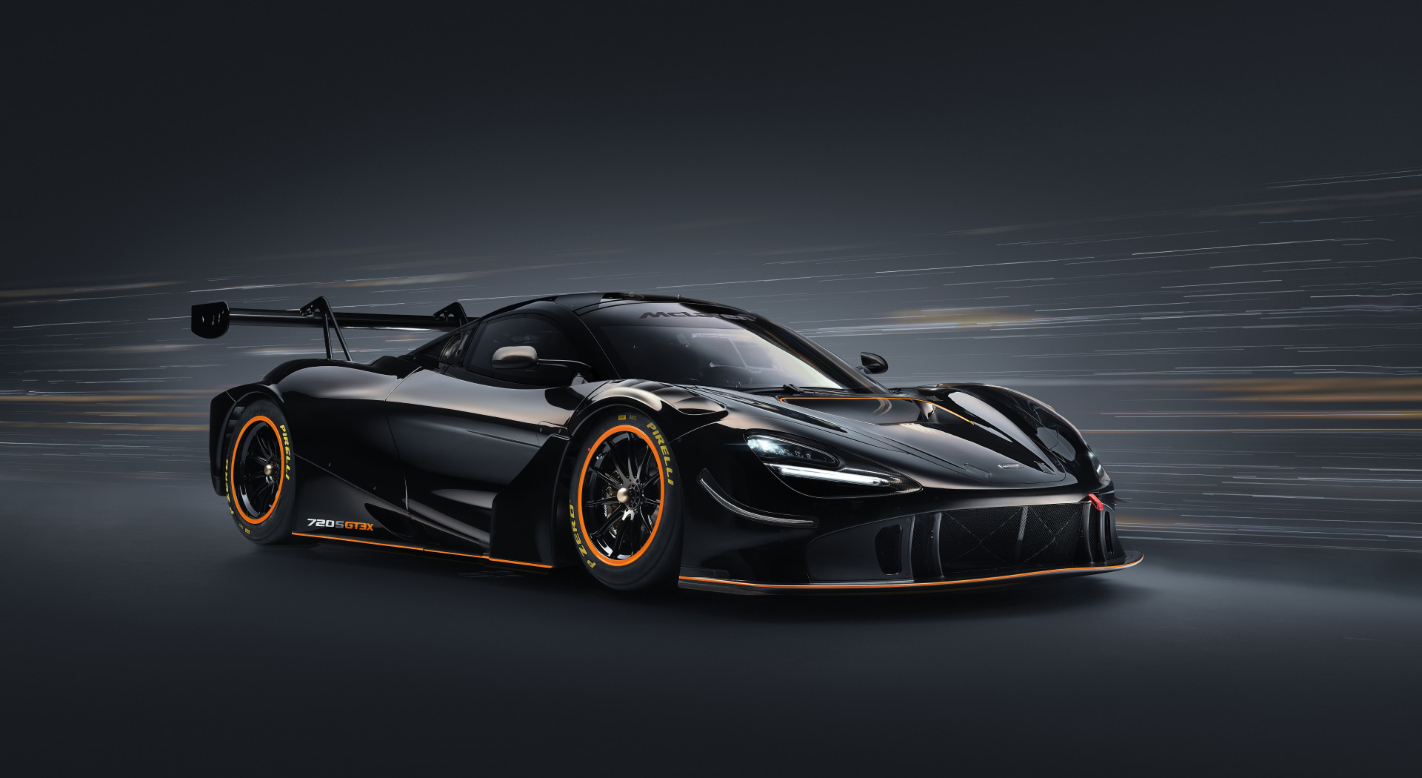
The engine is the same ricardo-built 4.0-litre twin turbo V8 found in its racing sibling, but the GT3X has had the pesky restrictor tossed in the bin, and it’s also been fitted with larger turbochargers and a new manifold.
The result of this fettling is an engine that produces a whopping 530kW, around 160kW more than the regular GT3. Customers will also be able to use a “push-to-pass” style button that will temporarily give the car 23kW more power for up to 30-seconds.
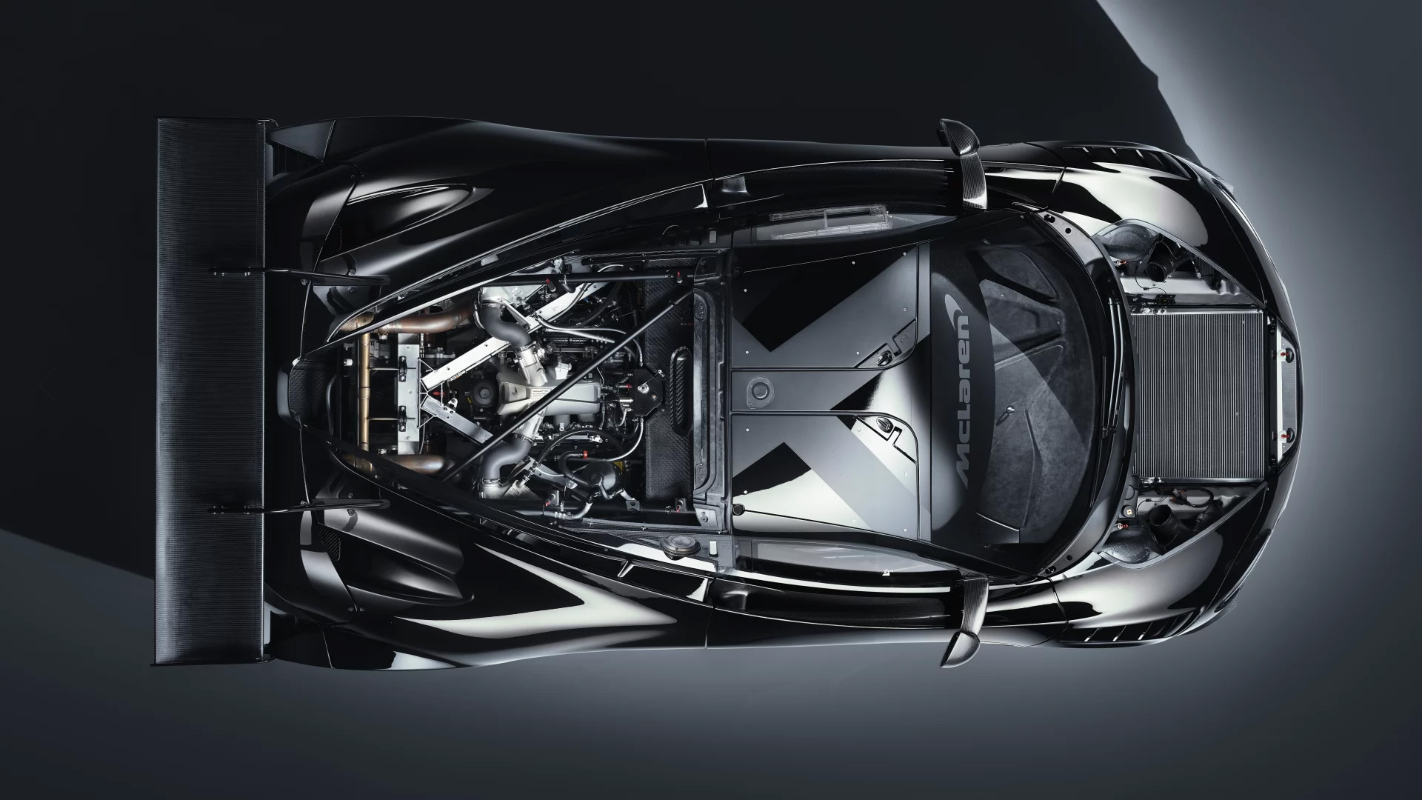
Beefier Alcon brakes also mean this extra oomph can be reined in, which is a good thing in a car that will easily top 300km/h.
Aerodynamically, without FIA-mandated rules stifling creativity, the GT3X has been gifted with a bigger rear wing, a redesigned front splitter and new dive planes.
According to McLaren, these aero advancements are significant and have led to a profound performance gain on the track.
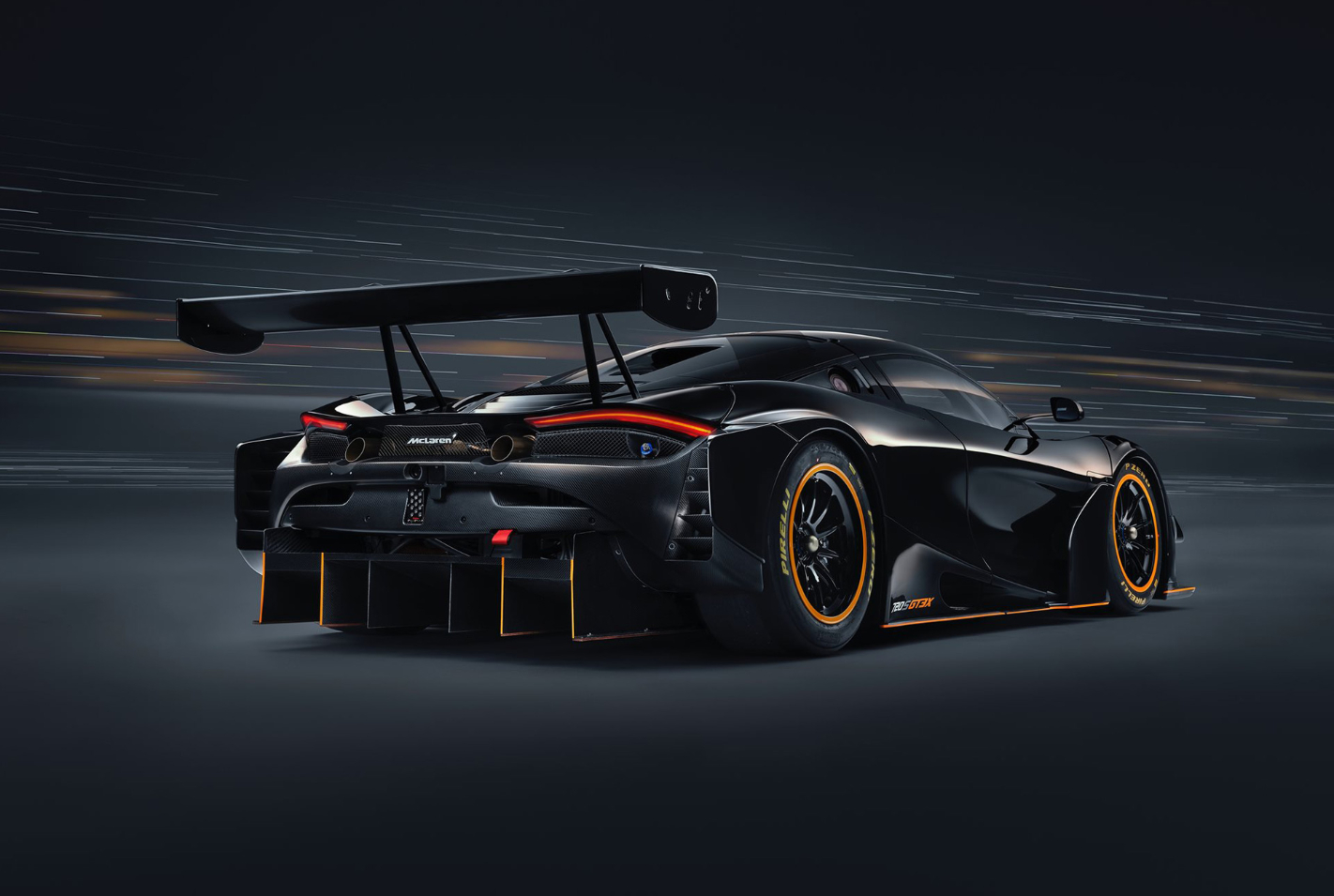
The British supercar manufacturer even went so far as to say the GT3X represents the pinnacle of the track-based 720S line-up.
The race car’s cockpit has also been changed slightly, with a redesigned roll cage allowing for a wider selection of racing seats to be installed, which may better suit a wider range of owners.
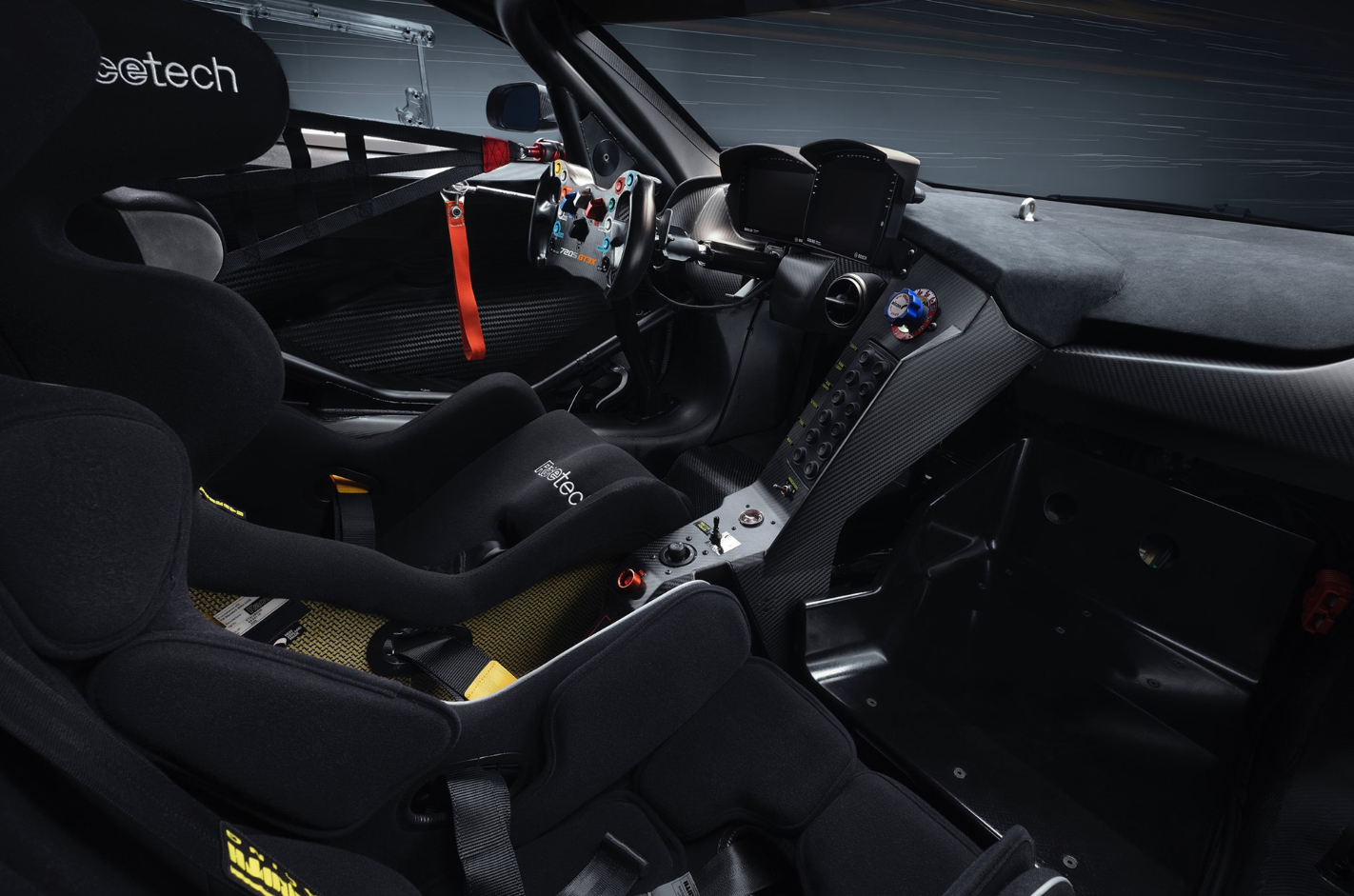
There’s no word as to what this epic race car’s RRP may be, but it will no doubt appeal to keen McLaren aficionados and the well heeled world of gentleman racers.
MORE: 720S stories MORE: All McLaren stories
BMW has officially announced its iDrive version 8 – the new operating system that will be used in every new car from the brand, starting with the all-electric iX SUV.
Naturally, the new OS is full of buzzwords designed to move the brand’s technology forward – it’s more connected in various ways, offers a more sophisticated voice assistant and offers more personalisation.
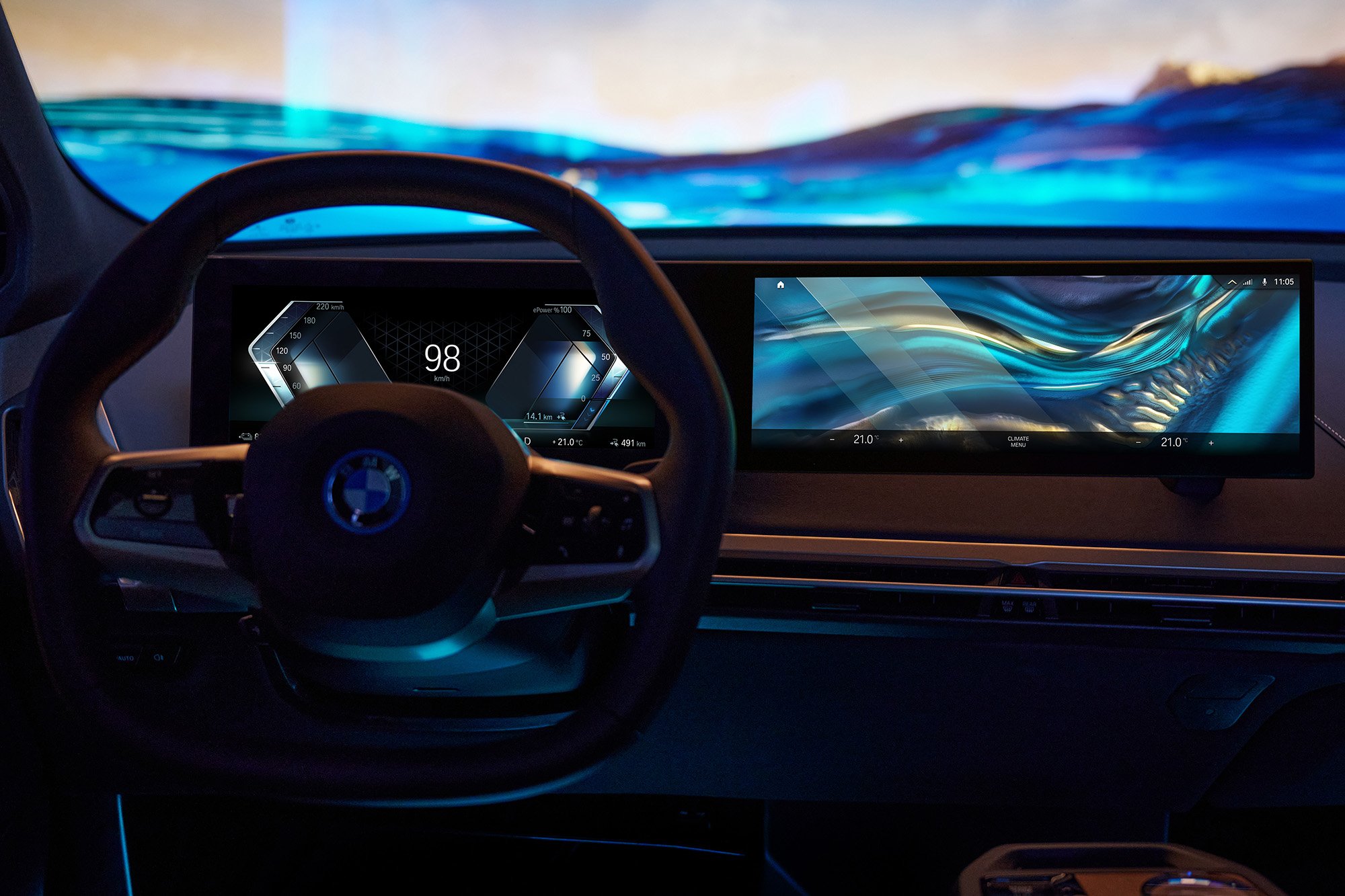
What is it all based on?
BMW’s new curved display – again, first seen on the new iX. Sizing of the screens may differ in future models but, for the iX, the display is essentially two screens linked together – a 12.3-inch one for the instruments and a larger 14.9-inch one used in the centre.
Frank Weber, head of development at BMW, says the new iDrive 8 has five “super-brains” controlling the software, which allows between 20 and 30 times the processing power of iDrive 7.
One of the key benefits of this new system is better over-the-air update capabilities, with Weber pointing out that BMW will have the largest fleet of updateable cars on the roads by the end of 2021 – more than 2.5 million.
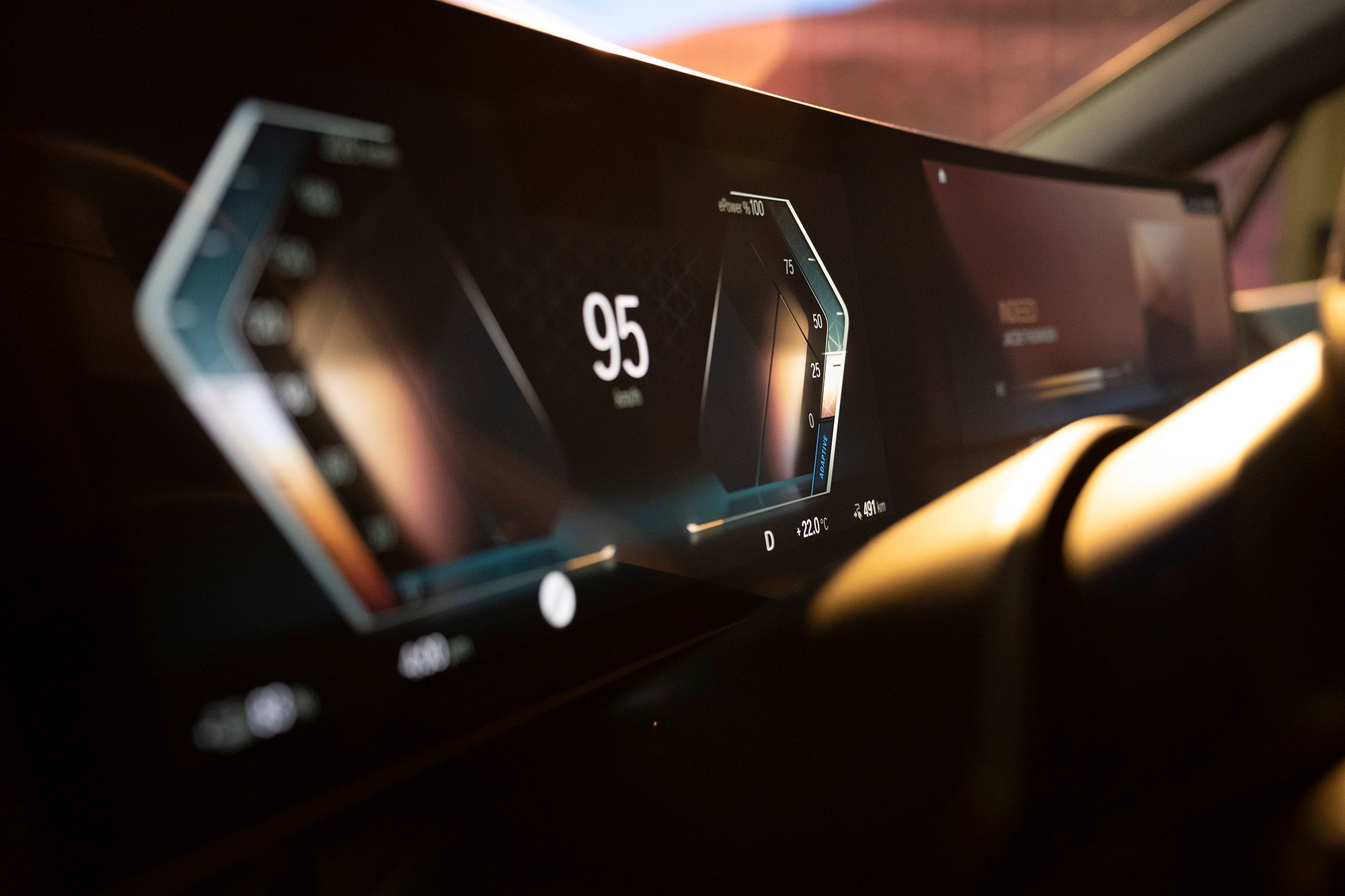
I still spot a rotary controller…
One of the few things that remains from previous generations, the iDrive’s tactile rotary controller lives on. But more functions have been moved to the screens, including the air-con. BMW says that it thinks users actually use ventilation controls so infrequently that it can get away with not incorporating separate switchgear for the ventilation controls.
While individuals can set these controls via the screen, BMW also points out that iDrive 8 will actually automate as much of the climate control as it can, based on data from more than 400 million journeys around the world in BMWs. If it’s cold, the seat, steering and air heating will turn on automatically, for example.

How else can I control it?
By voice, for a start. That in itself is nothing new, but BMW says it has developed a new, more natural voice assistant akin to Merc’s MBUX. You can name the assistant whatever you like, and appears like a bunch of orbs on the screen when it’s awake. It distinguishes who is asking it and from what seat of the car, and respond to that area more accurately.
Gesture control, a gimmick of iDrive 7, has taken a back seat, with Weber saying it’s “not a primary way” of controlling the car and only useful for certain functions. You’ll still be able to twiddle your fingers to turn up or down the audio volume, or answer a call with it, but BMW is focusing more on voice control here.
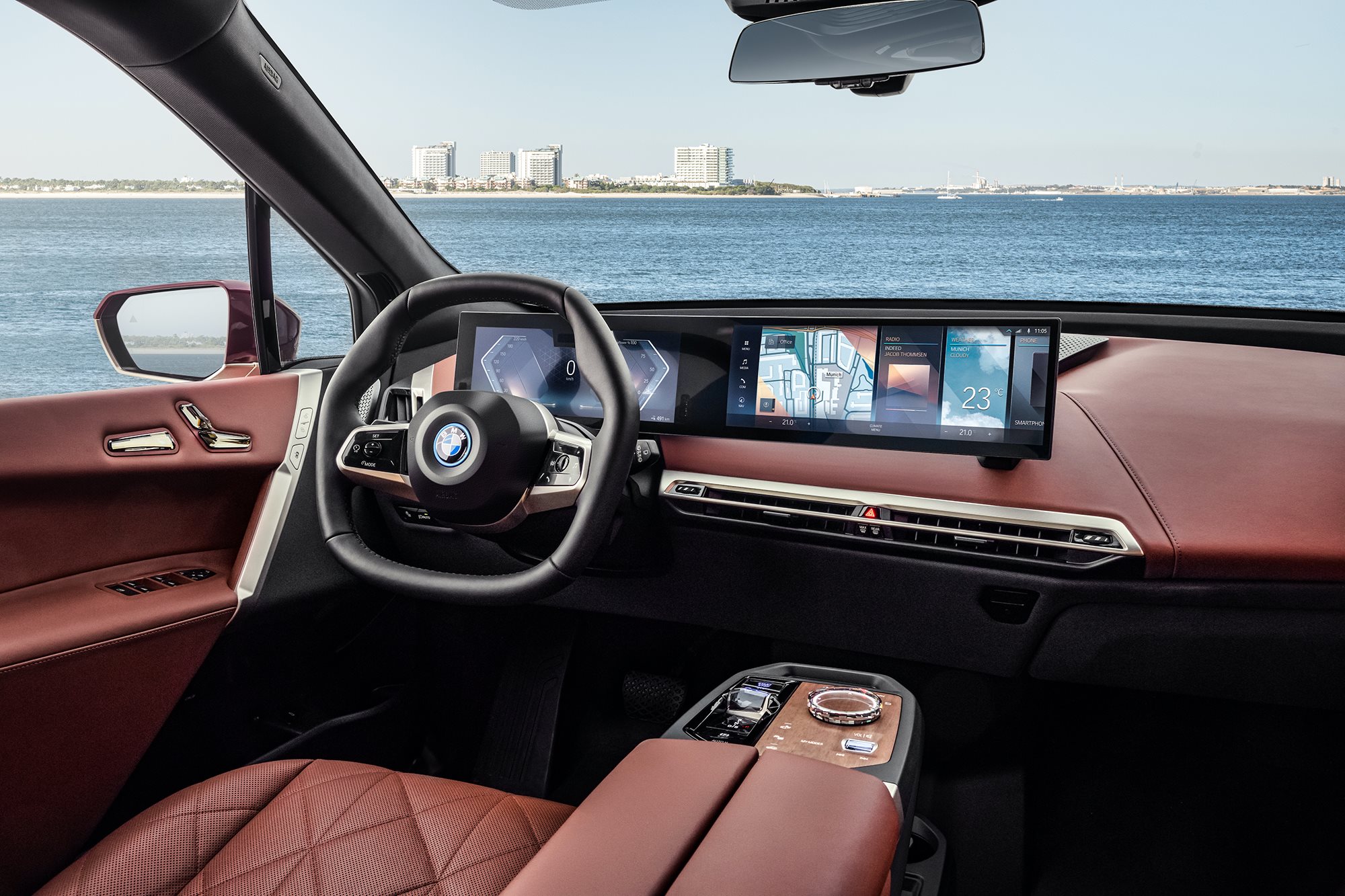
How is it more personal?
On top of the voice assistant recognising individuals, the new OS introduces BMW ID, locked via a PIN. The account is set up via the My BMW app, and the car responds personally to each person with an ID account. When they get in the car, their personal settings (like climate preferences) are applied.
There is also something called “Great Entrance Moments”. Ultra-wideband radio tech means the car will unlock when you get within 1.5 metres of it, slowly switches on both the exterior and interior lights and activates the climate control to your personal preferences.
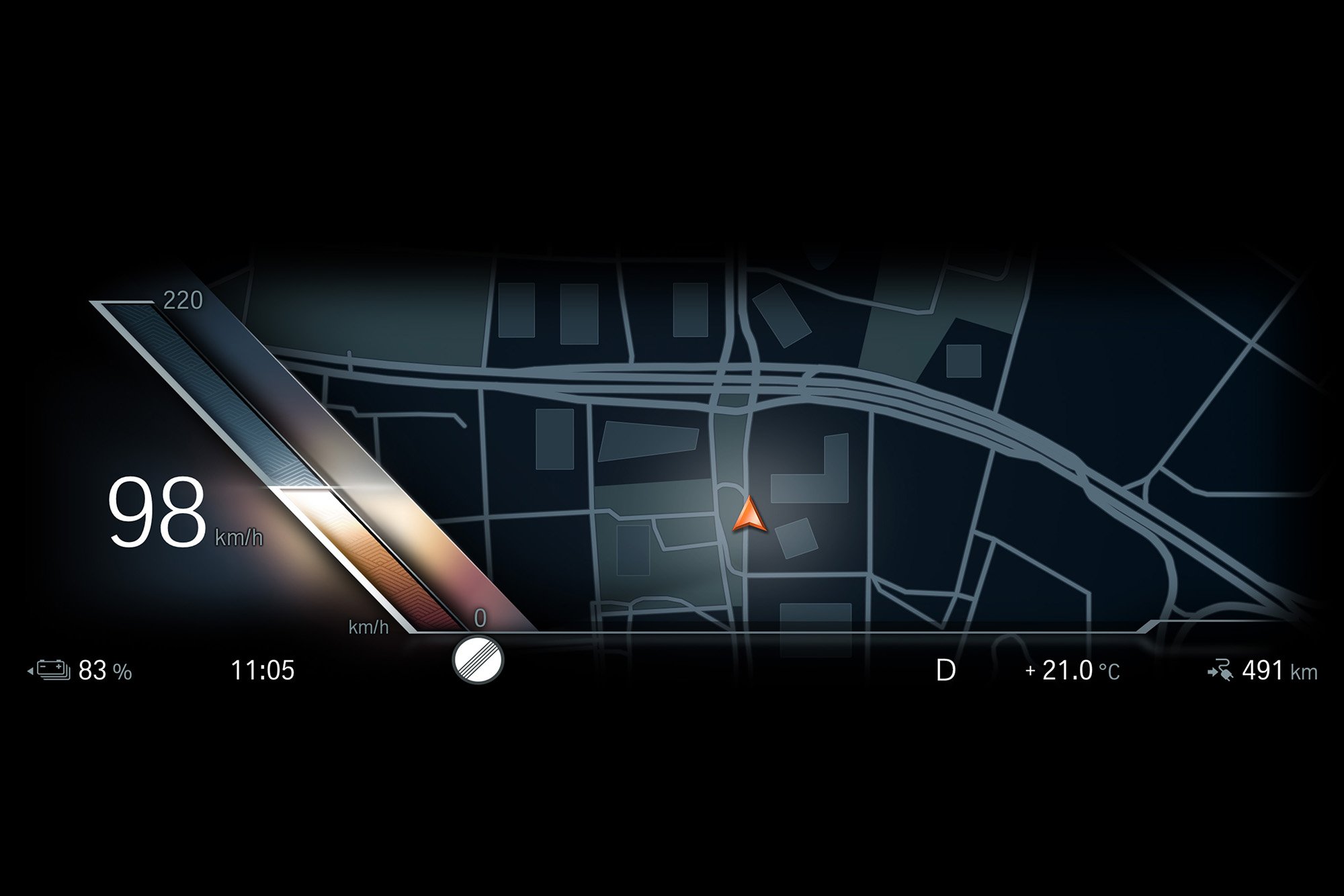
Along with this, iDrive 8 introcudes My Modes. Gone are the usual BMW drive modes of EcoPro, Comfort and Sport, replaced with Efficient, Sport and Personal. They still work roughly the same way; Efficient will be designed to maximise fuel and/or electric range, Sport is for driving situations that require sharper handling dynamics and Personal allows you to tweak parameters to your liking.
This story was originally published at carmagazine.co.uk.
