
Join us as we announce the winner of Wheels 2021 Car of the Year.
Testing narrowly survived lockdowns and took place at the Australian Automotive Research Centre proving ground and on the roads around Torquay, Victoria, over five days in early December, 2020.
Ten contenders were shortlisted from an initial list of 52 new models released in the 12 months prior to testing.
This year’s COTY wannabes are the Audi e-tron, BMW 4 Series, Ford Escape, Ford Puma, Genesis GV80, Kia Sorento, Land Rover Defender, Mazda CX-30, Mercedes-Benz GLB and Toyota Yaris.
Five judges evaluated the cars against the COTY criteria of Function, Technology, Efficiency, Safety and Value. Wheels Car of the Year testing has taken place continuously since 1963.
After the announcement, the March 2021 issue of Wheels, containing our full COTY coverage, will go on sale at all good retailers immediately.
You can also catch up on all the COTY 2021 extras here on our website.
We’ll be publishing the full story and video on the winner and finalists, shortly after the announcement. Check back on Tuesday, March 2, and Wednesday, March 3, to read our full COTY coverage.
Wheels Magazine Editor Dylan Campbell and other journalists from the judging panel will be available to answer any questions you might have, so make a Disqus account in the comments section below – if you don’t already have one – and get posting on the COTY articles as they’re published.
In the meantime, read our Wheels Car of the Year 2021 preview here to see the cars in contention.
Mercedes-Benz has issued a product safety recall for a number of model-year 2018 and 2019 Sprinter vans to address an error that may cause the driver to incorrectly apply the transmission’s park position.
According to the recall advice, an error in the user manual incorrectly states that park is automatically applied if the driver removes their seatbelt or when getting out of the seat, while the vehicle is at a standstill or moving at very low speed.
However, Mercedes has confirmed the P position is only engaged automatically if the engine is switched off in transmission positions D or R, or if the driver’s door is opened in these transmission positions, while the vehicle is at a standstill or moving at very low speed.
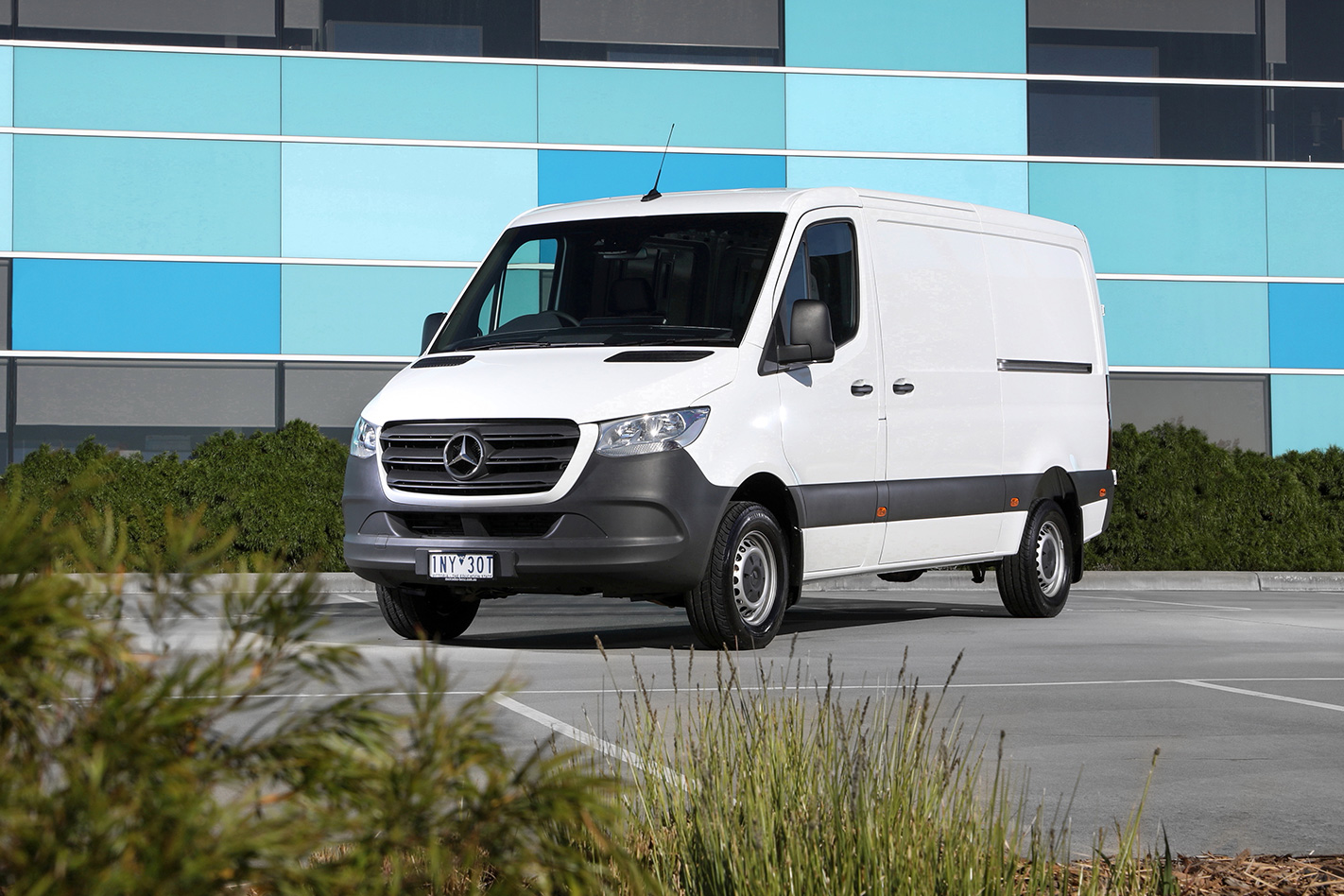
If the incorrect instructions are followed, and under certain circumstances, there is a risk the vehicle can roll away presenting an obvious and potentially serious hazard.
Mercedes is contacting registered owners and keepers of affected vehicles to arrange remedial action. Concerned owners can also find out if their vehicle is subject to the recall by visiting the Australian Competition and Consumer Commission (ACCC) product safety website where a full list of vehicle identification numbers (VIN) is available.
Unlike almost all other recalls, the Sprinter requires no mechanical repair, software update or component replacement, with a correct owner’s booklet the only action necessary. Customers who believe their Sprinter is affected can also contact Mercedes to arrange a replacement or supplementary booklet.
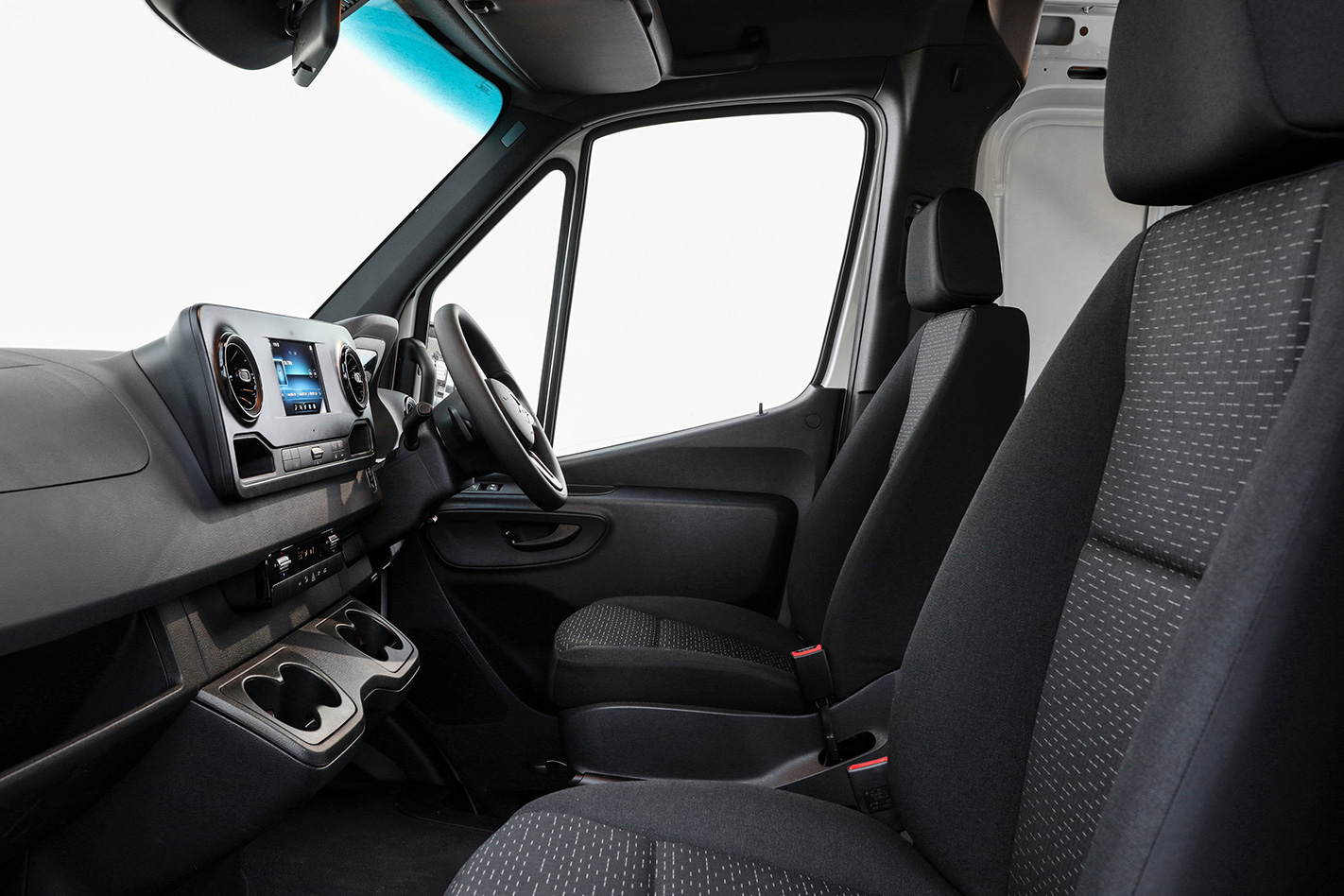
Sprinters sold between August 28 2018 and December 23 2020 are potentially impacted, with 4176 vehicles believed to be requiring the replacement manual which will be supplied at no cost to the customer.
A list of national Mercedes-Benz dealerships can be found here.
Dear readers,Last week our service was impacted when Facebook turned off our page with no warning whatsoever. Who to blame is beside the point, but the fact is, unless you follow us on other platforms, we could no longer give you your daily fix of Australian-centred car news and reviews.Our Facebook page continues to be inactive, although it seems posts prior to February 18 have been reinstated. As of today, February 22, we cannot post publicly to the page.We know many of you use Facebook for your automotive news. To avoid interruptions like this in future, we strongly encourage you to take control of how you receive your content by making sure you’re subscribed to us on other channels.This also helps us A LOT. Unlike other publishers, we are a reader-funded business. You’re our number one customer.Even online, that gives us a degree of independence we have enjoyed ever since we published the first issue of Wheels way back in 1953. We can’t undersell the importance of this.But we need your support in order to keep it that way. Make sure you are doing these six things:
- Subscribe to the magazine. Get the latest from the car world in a beautiful, glossy, monthly magazine. Well-researched writing that’s better than watching any video, punchy photography, no screens, information curated by people (not some shitty algorithm). This is the best way you can support us. We are investing heavily in our magazine and you should definitely jump onboard for the ride. Home delivery is free, too. https://wheels.subscription.com.au/
- Subscribe to our email newsletter to get a snapshot of the week’s hottest and most popular stories straight to your inbox. Scroll to the bottom of this article and and you’ll see the Sign Up box.
- Check our website regularly. We update the homepage multiple times per day with the latest stories. Add it to your bookmarks, if you’re still living in 1999 using Netscape www.whichcar.com.au/wheels
- Follow us on Twitter where we post our news and reviews daily. www.twitter.com/wheelsaustralia
- Follow us on Instagram where we post the best images from our magazine, daily. www.instagram.com/wheelsaustralia
- Follow us on YouTube where we have really started ramping up our video output with some really cool stuff coming down the pipeline. www.youtube.com/wheelsaustralia
The all-new 2022 Mercedes-Benz C-Class has been leaked online before its official debut later this week.
Images posted to social media reveal the next-generation W206 C-Class that’s set to take the fight to newer rivals like the BMW 3 Series, Audi A4 and recently-facelifted Lexus IS premium sedans.
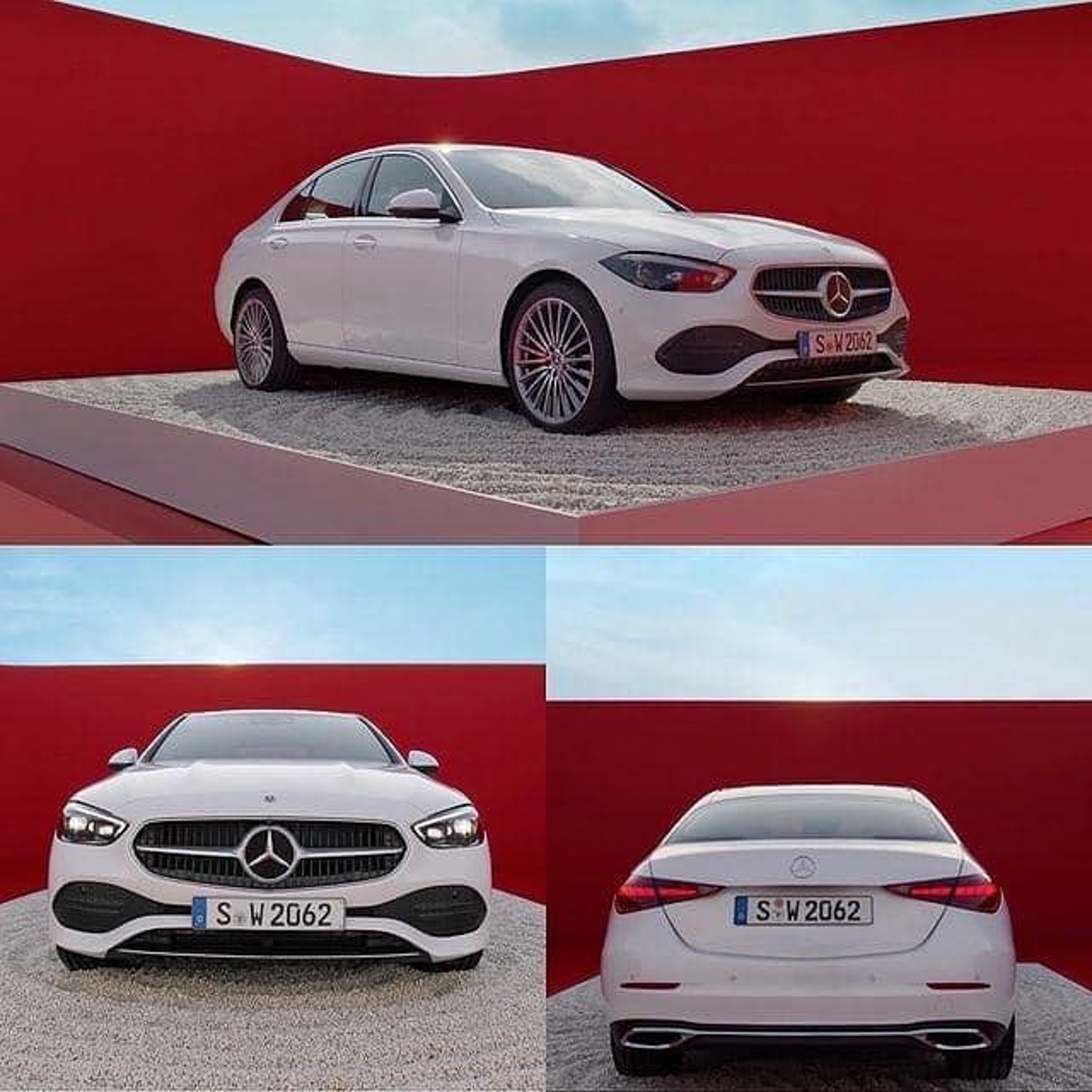
Design attributes obviously follow the S-Class and E-Class, featuring similar slim headlights to the two flagships, a high waist line down the side and the triangular-shape tail lights that have become commonplace on newer Mercedes designs.
Photos of both the standard styling package and the AMG Line can be seen, with the AMG stepping up the looks through the use of a more aggressive front apron and sportier wheels.
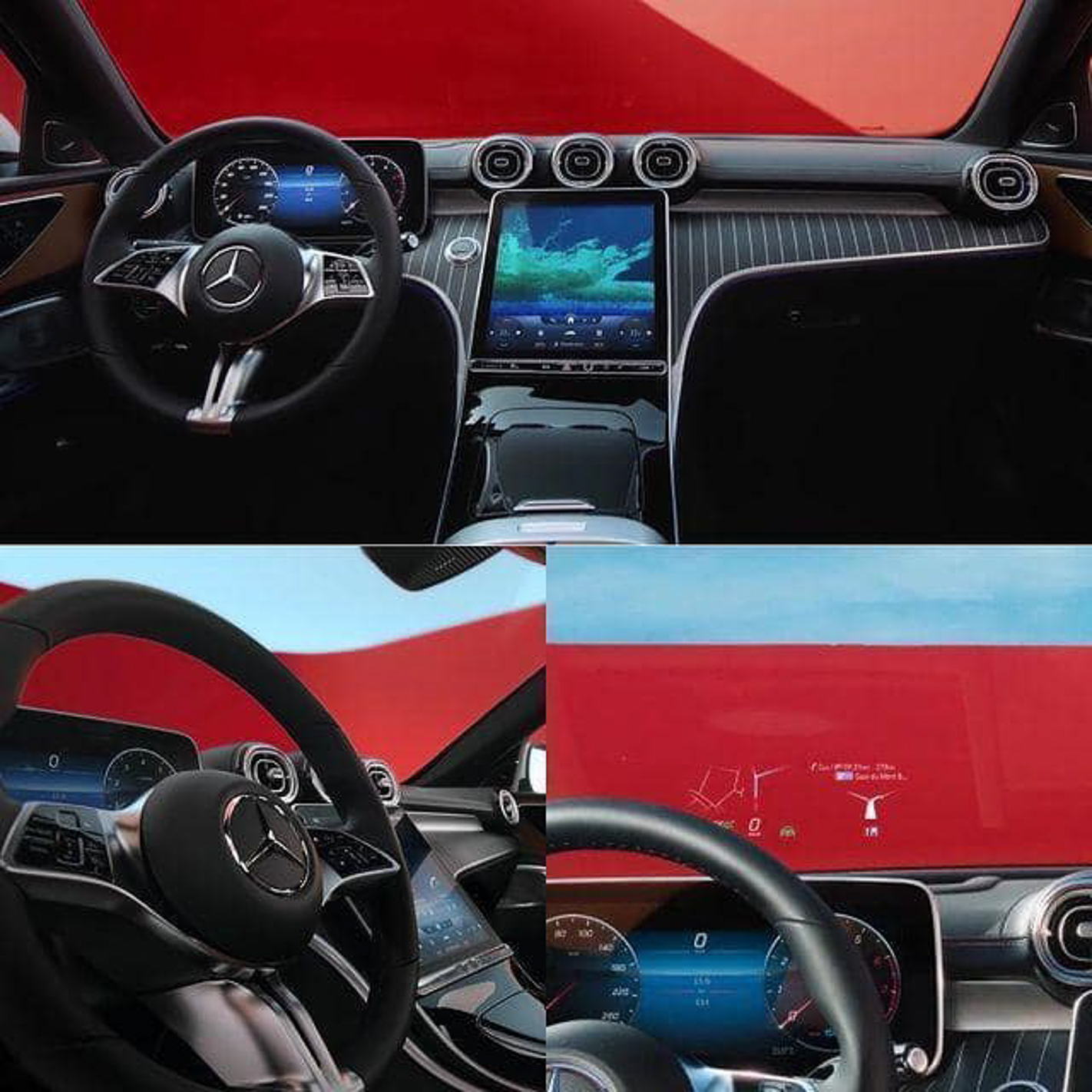
The 2022 C-Class sports a very similar interior design to that of the new S-Class, with the ‘waterfall’-look dash descending down into the centre console.
A large portrait-mount infotainment screen takes pride of place, doing away with the physical dial controller of the previous generation.
A new thin three-spoke steering wheel can be seen equipped with touch-capacitive buttons.
The dash also features some interesting pin striping, expected to be one of many choices as part of interior design options.
All models will now receive full-digital instrument clusters instead of physical dials.
While we can only make out what the 2022 C-Class looks like in this leak, we know that the entire range will drop six- and eight-cylinder engines and rely on turbocharged and electrified four-cylinder power going forward.
Full details will be known once the 2022 Mercedes-Benz C-Class is officially unveiled on February 24.
More than 600 Toyota Hilux ute and LandCruiser 200 4WD SUV vehicles are involved in an unusual recall surrounding incorrect information on their compliance labels.
Found on all new vehicles, a compliance label is required to certify the vehicle meets Australian Motor Vehicle standards. The affected Toyota vehicles display incorrect information due to an administrative error.
While the issue does not present any apparent hazards to vehicle occupants, owners will have to take the vehicles to a Toyota dealer to have the labels replaced.
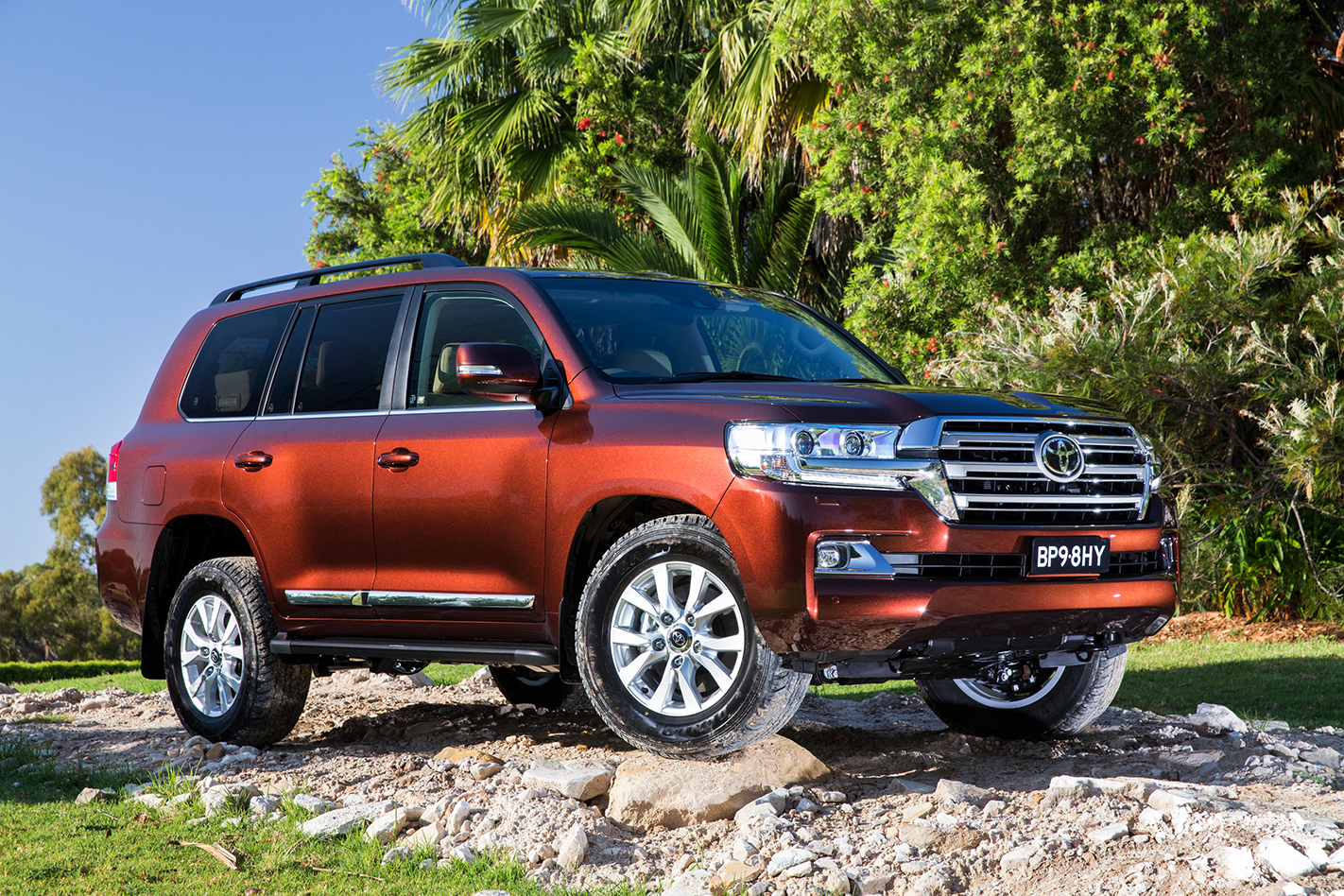
The affected models include 400 LandCruiser 200 Sahara Horizon variants, produced for the Australian market from December 2019 to January 2020, whose labels show the incorrect category of ‘MV’ instead of ‘MC’. MC is the correct code for an off-road vehicle that seats up to nine people including the driver.
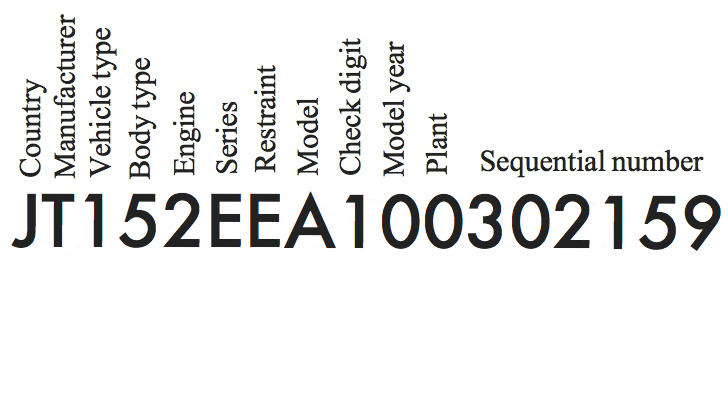
Affected Sahara Horizons have Vehicle Identification Numbers (VIN) ending between 04297668 and 04301657 (the last eight digits of the VIN label).
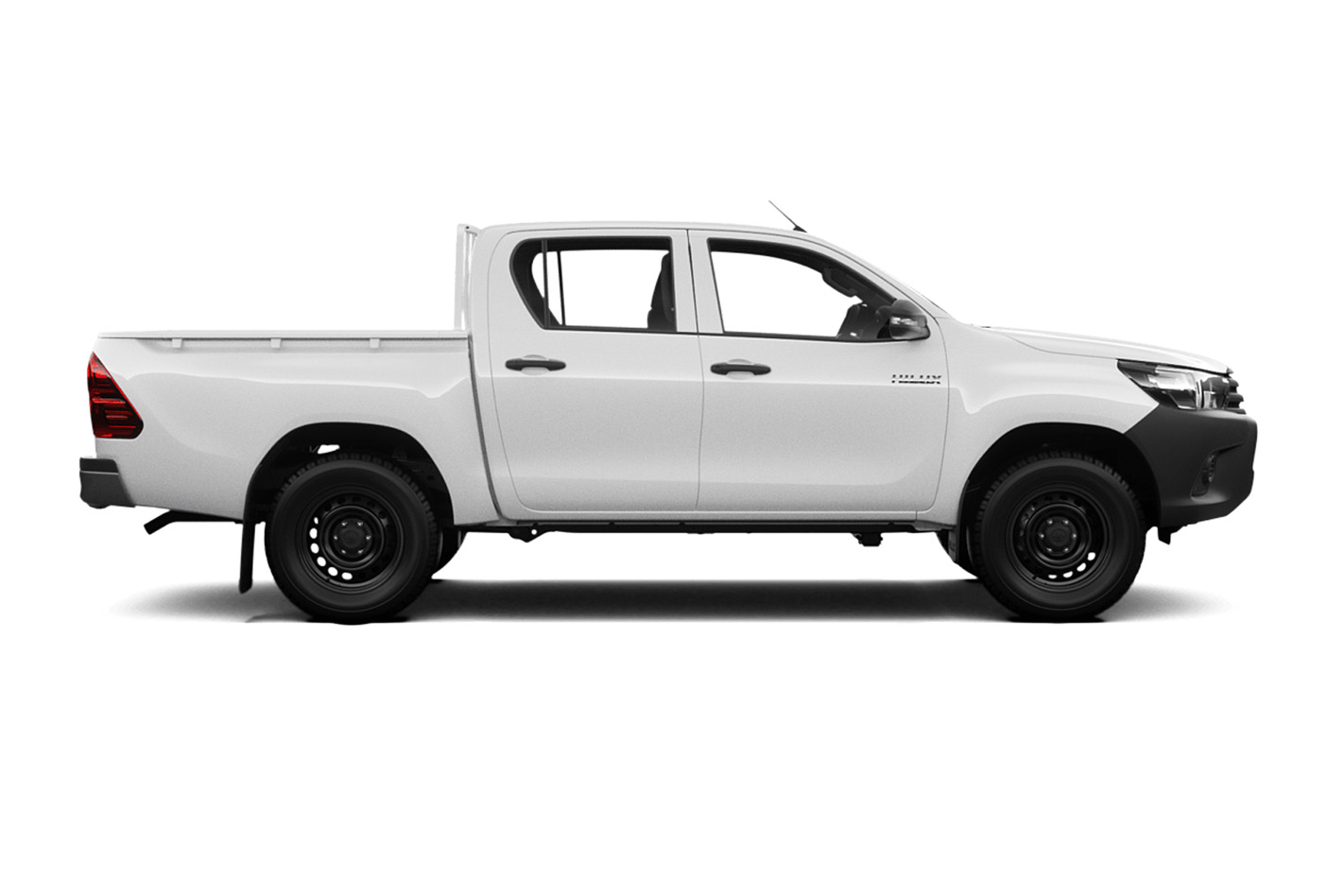
Finally, 74 HiLux Workmate Hi-Rider utes, produced for the Australian market between April 2019 and May 2020 show an incorrect Gross Vehicle Mass (GVM) of ‘2850’ instead of ‘3050’ kg.
Look for a VIN code within 00550251 and 00550420 (vehicles produced between May 2019 and 2020), or the number 00570018, which is on a vehicle produced in April 2019.
While all the affected SUVs and utes are within the above VIN ranges, not all vehicles in these VIN ranges are involved or were sold in the Australian market.
Owners whose vehicles could be affected or anyone with additional questions can contact their local/preferred Toyota Dealer in the first instance or the Toyota Recall Campaign Helpline on 1800 987 366 (Monday to Friday, 8:00am-6:00pm AEDT).
Owners will need to quote their 17-digit Vehicle Identification Number (VIN).
What happens next?
Toyota dealers will replace the compliance label on the vehicle free of charge.
It is expected that replacement will take approximately 30 minutes, though depending upon the service centre’s work schedule, it may be necessary for the owner to make the vehicle available for a longer period of time.Toyota Australia will endeavour to notify all owners of involved vehicles by SMS, email and/or mail to their last known address and phone number. Owners can update their contact details here.
It’s said that a rising tide lifts all boats so, in the context of car sales, posting decent numbers in boom times is rarely that tricky. Setting records when the market is struggling is another matter altogether, which is why the numbers generated by for 2020 are, on the face of it, remarkable.
The bald stats make interesting reading. While BMW’s global sales slumped by 8.4 per cent overall in 2020, line item BMW M saw its numbers rise by a chunky 5.9 per cent versus 2019. That translates to 144,218 vehicles worldwide, the healthiest annual figure that the M division has ever recorded, directly in the middle of a global pandemic and its consequent squeeze on discretionary spending.
What will particularly please the burghers at Garching is that the rise in the M division’s fortunes comes on the back of some more market-conventional figures from its rival from Affalterbach, Mercedes-AMG, which recorded an almost mirror-image slump of 5.3 per cent versus 2019, with 125,129 vehicles sold. That comes after a 2019 when the two sub-brands were almost lineball, BMW M shifting 135,829 units compared to 132,136 sales registered for Mercedes-AMG.
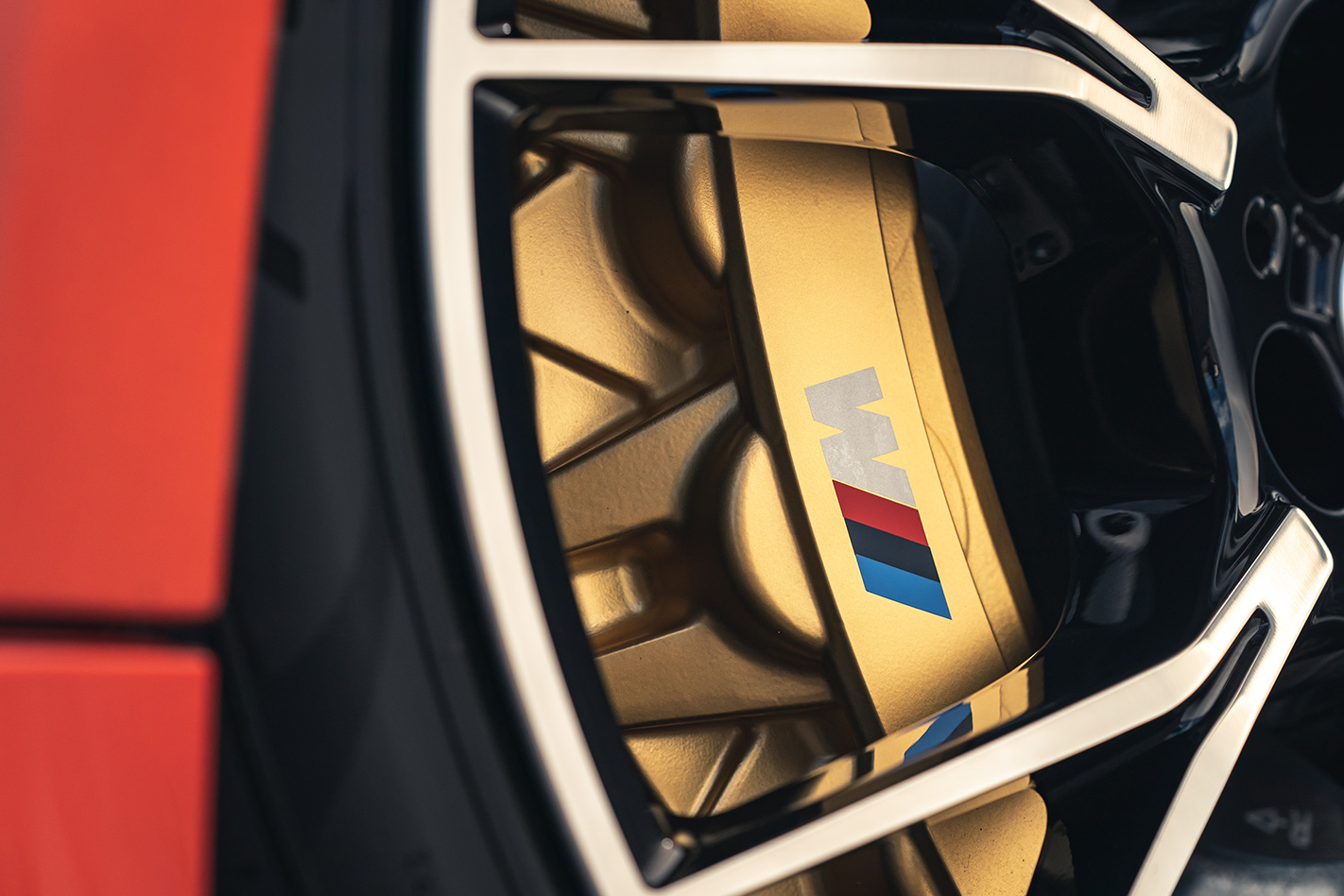
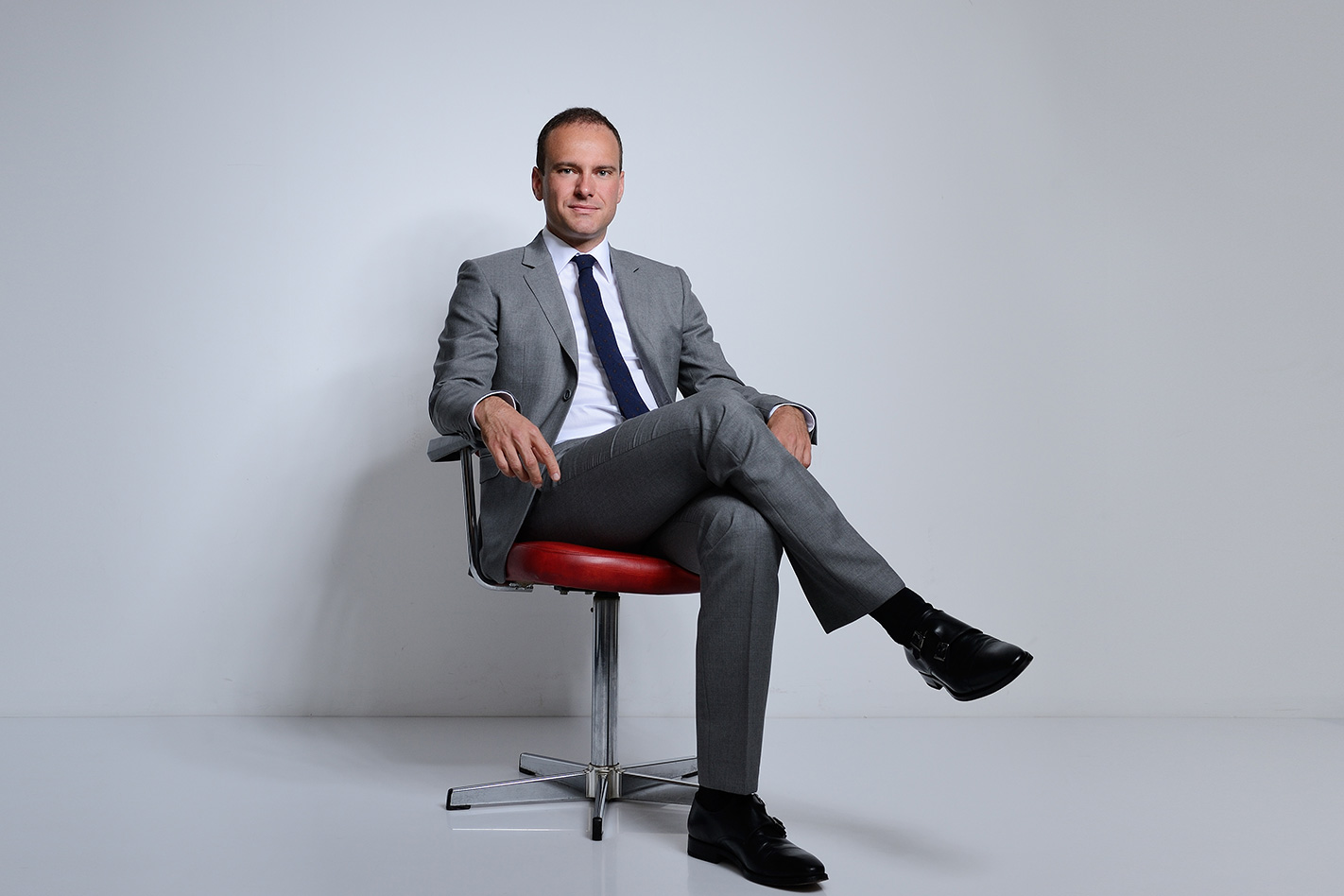
But whereas an M car was once a genuine halo product, of which there may be only three or four scattered across the entire BMW product range, now they’re everywhere. Boss of the M division, Markus Flasch claimed in 2019 that nearly 50 per cent of all BMWs wore an M badge or are an M trim line, so analysis of the numbers would seem to suggest that rather than a huge increase in the popularity of existing M models, that uptick in sales for BMW M comes largely on the back of product proliferation.
Put bluntly, consumer tastes appear to be shifting away from a base-model optic. Flasch is sanguine when it’s put to him that this creeping spread of ‘M everything’ means that the sub-brand is gradually morphing into a default shorthand for BMW. “M has never been a competing brand to BMW,” he says, shrugging. “M is the exaggeration of what BMW stands for, in terms of driving pleasure. M supplements BMW and it’s going to remain this way.”
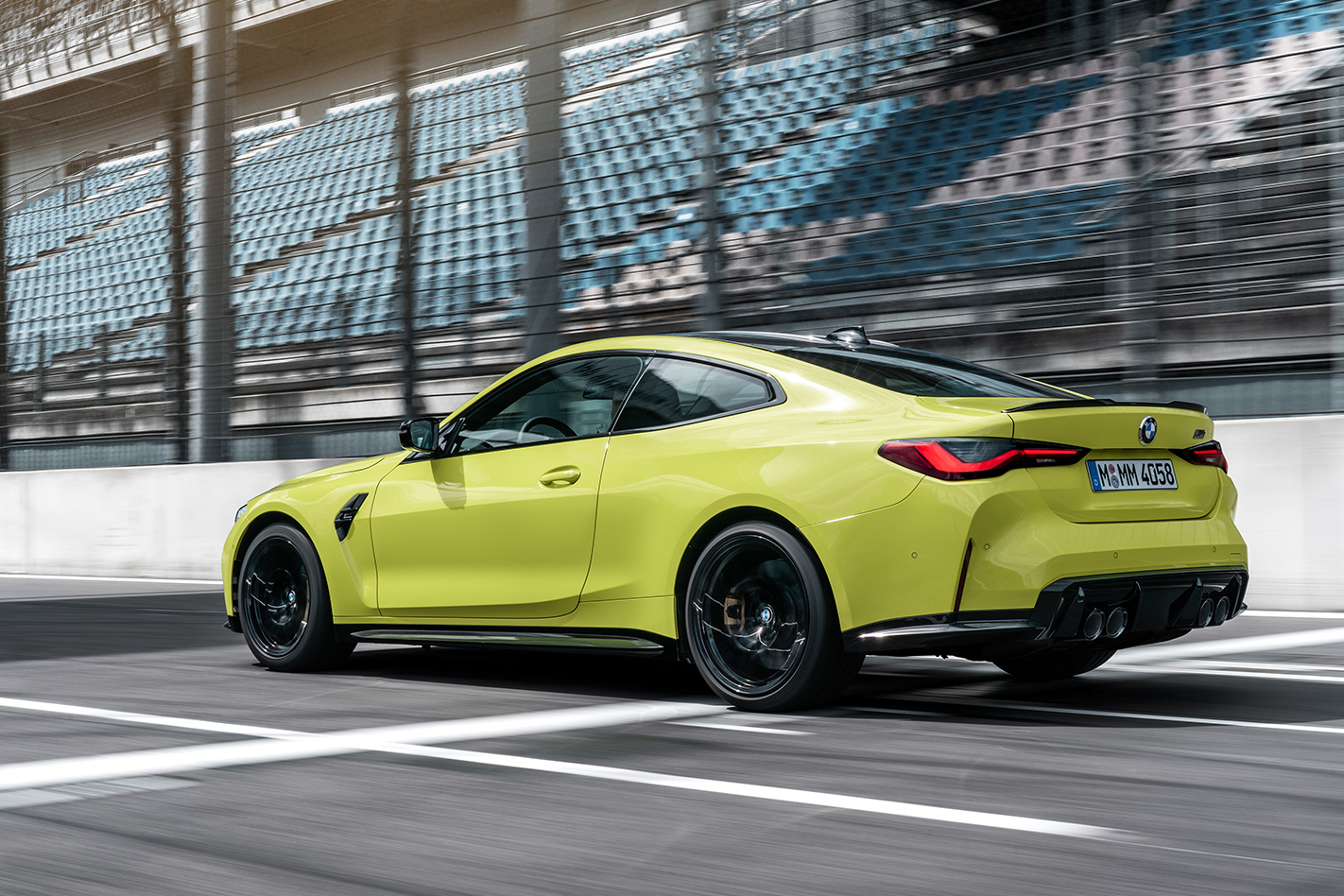
Nevertheless, it’s instructive to examine quite how many M cars or M-line models are listed in BMW’s product portfolio in Australia. In 2001, some twenty years ago, there were three: Z3 M Roadster, Z3 M Coupe and E39 M5. Ten years later, that total had doubled to six models, E90 M3 sedan, E92 M3 coupe, E93 M3 convertible, E63 M6, plus the E70 X5M and E71 X6M. This year it currently stands at 32 models, notwithstanding the fact that there’s no representation from the traditional lynchpin of the M range, the M3 or, come to that, M4, which will appear in quarter 1 of this year, with a start of production back at the end of 2020.
Here in Australia, BMW M even beat that global average, underscoring a local predilection for high performance and high equipment models. The 4659 M-badged vehicles recorded in 2020 was a local record, stepping up a hefty 7.9 per cent on 2019. The introduction of the powerhouse X5M Competition and its coupe-backed sibling, the X6M Competition in early 2020 added considerably to the bottom line.
First full year sales for their junior equivalents, the X3M and X4M Competition models (introduced mid 2019) also swelled the pot, as did “triple digit” percentage growth on M135i xDrive, M340i xDrive and the range-topping SUV, the X7 M50i. One of the most encouraging things for BMW M is that certain developing markets have managed to make Australia’s 7.9 per cent growth in sales look distinctly pedestrian. As well as record sales in the key markets like the US, China, Italy and the UK, sales stepped up by better than 60 per cent in South Korea and Russia.
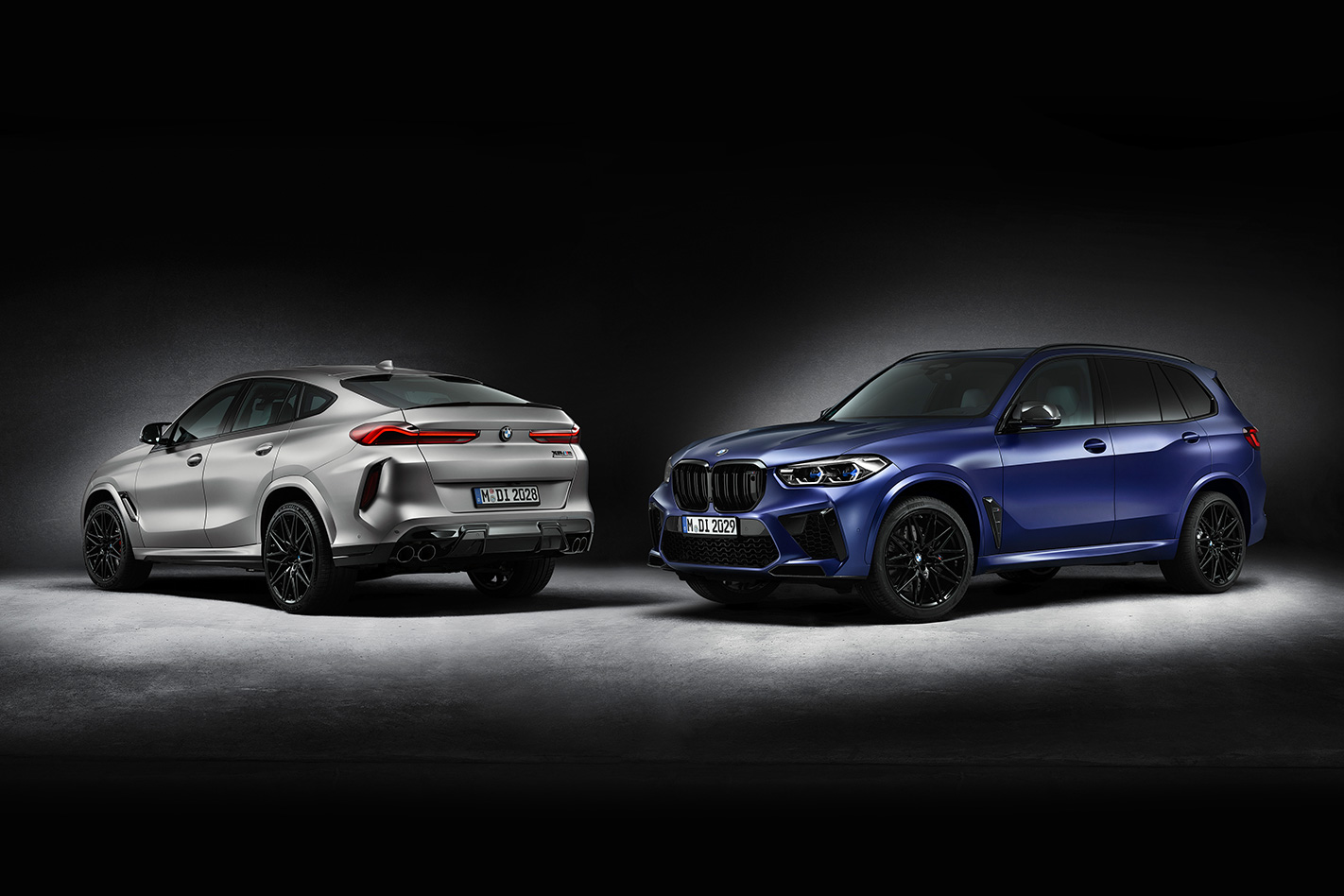
BMW has a product offensive in store for this year, with Australian buyers taking deliveries of M3 and M4 Competition in rear drive as well as the manual non-Competition versions this month. Those looking for an M3/M4 Competition with all-wheel drive will have to wait until Quarter 4. That’s on top of M5 CS, and X5M and X6M imports. The M division risks becoming a victim of its own success, however, as an increasing focus on group CO2 targets brings the wisdom of migrating customers to more powerful and, as a direct consequence, more emissive models into question.
“The increase of market share of M models does not compromise the role you do. Our models are very efficient, and secondly, we are well experienced in balancing our portfolio,” argues Flasch. Those of a more cynical disposition might well feel that balancing the portfolio is perhaps a euphemism for short-term profit-taking on conventional ICE models while BMW still can, but Flasch hasn’t been able to achieve this without a financial commitment to an electrification roll-out plan for the M division.
“Success has to be better than the predecessor’s character. We won’t mess around or compromise the distinct character that our M cars have today,” he says. “An electrified car, whether it’s plug in the wall, battery electric, has to take it up with the predecessor, and I know that there are physical limits, but within physical limits of working dimensions, we are going to make it happen.”
“It is remarkable that it was possible to achieve the new sales record even before the launch of our most important models,” Flasch claimed. “The new BMW M3 and BMW M4 generation offers us the promise of dynamic growth in 2021 as well.” The M division is set to present an electrically powered performance car for the first time this year as part of its “Power of Choice” strategy.
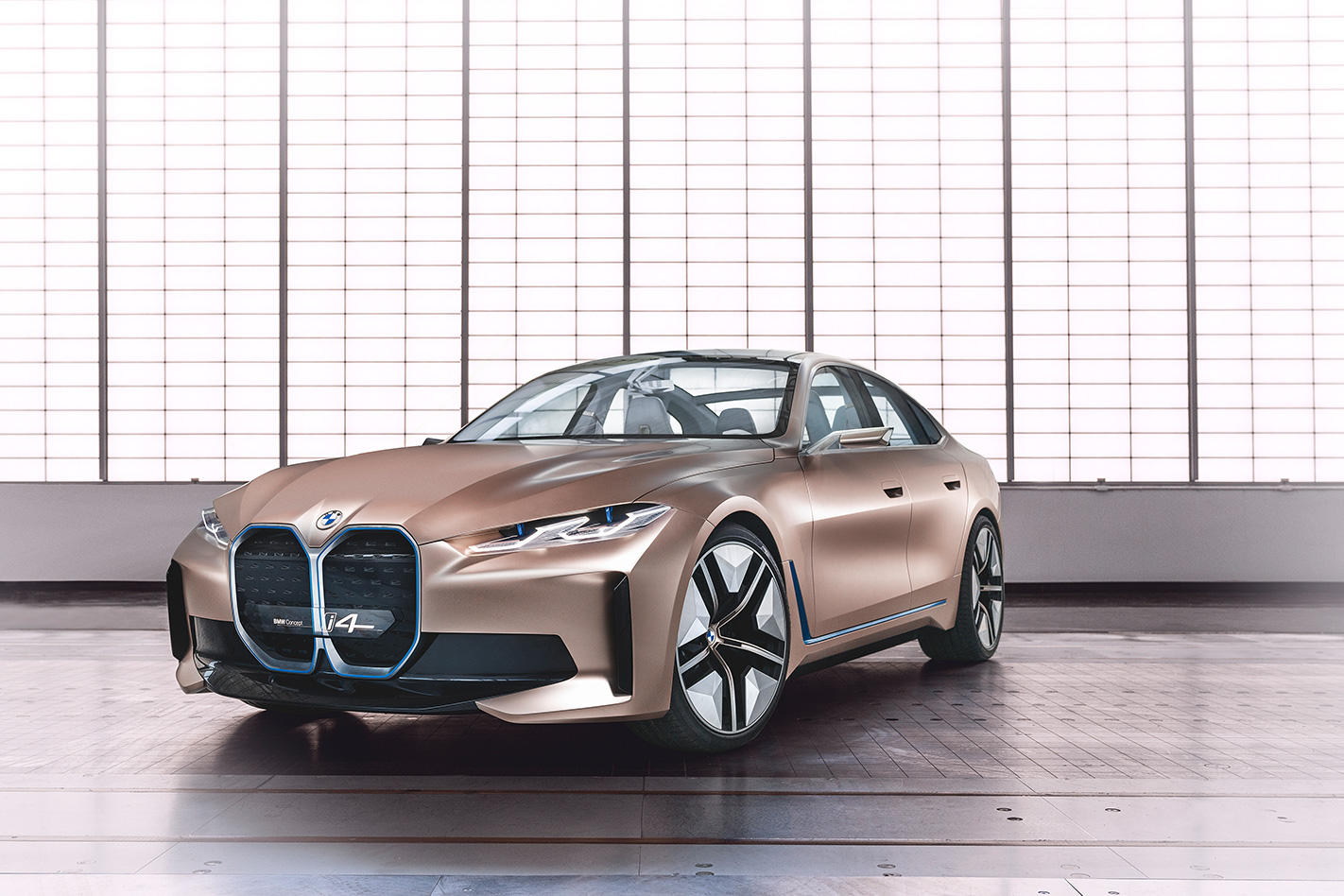
There’s due to be an M-Performance variant of the i4 electric sedan, a Tesla Model 3 rival which BMW confirmed would have a beefy 390kW powertrain, enough for a 0-100km/h time of sub-four seconds and a promised range of nearly 600km. Expect that drivetrain to then sit beneath an M-Performance version of the electric iX SUV. Flasch is also conditioning buyers for what he says will be “a year full of surprises” in 2022 to celebrate M’s 50th anniversary.
The year is 2040. Some of the world’s largest and most powerful jurisdictions are now enforcing a ban on the sale of new combustion-powered vehicles.
For traditional enthusiasts and the comments section, it is doomsday. A death knell for all combustion-powered vehicles, they decry. While the pearl clutching might be overblown – you’ll still be able to drive your petrol-powered car, much like you can still ride a horse to work if you really wanted to – the motoring industry will need a more environmentally friendly approach to ensure the combustion engine’s survival. Enter synthetic fuels.
The cliff notes sound too good to be true; a petrol alternative which can be created in a carbon-neutral process, that burns clean, can utilise existing infrastructure, and could be used in any combustion-powered vehicle without modifications.

First, how is it made? To create synthetic fuel, water is separated into its two core elements – hydrogen and oxygen – using renewably sourced electricity (traditionally solar or wind). Carbon dioxide is then sourced from the air, and filtered through the hydrogen, creating a methanol, which can then be turned into fuel that is chemically similar to what is pumped into every car at a service station. In short, synthetic fuel takes the lengthy natural process of creating hydrocarbons, and replicates it with a rapid man-made procedure. The end result is nearly identical in its make-up to traditional fuels, but created in a renewable process.
Unlike hydrogen, synthetic fuel can be transported in the same way as regular petrol or diesel, and distributed in the same manner. This means there is no need to build new infrastructure, with existing service stations only requiring a simple retrofit similar to the change from leaded to unleaded petrol. Aiding the transition from regular to synthetic fuel is the fact that any car on the road today could use it without serious modifications. Every car, truck, plane, or boat that currently runs on petrol or diesel could transition to a synthetic alternative almost overnight. Considering the global passenger car fleet currently tallies around the 1 billion mark, that’s potentially a huge reduction in CO2 emissions.
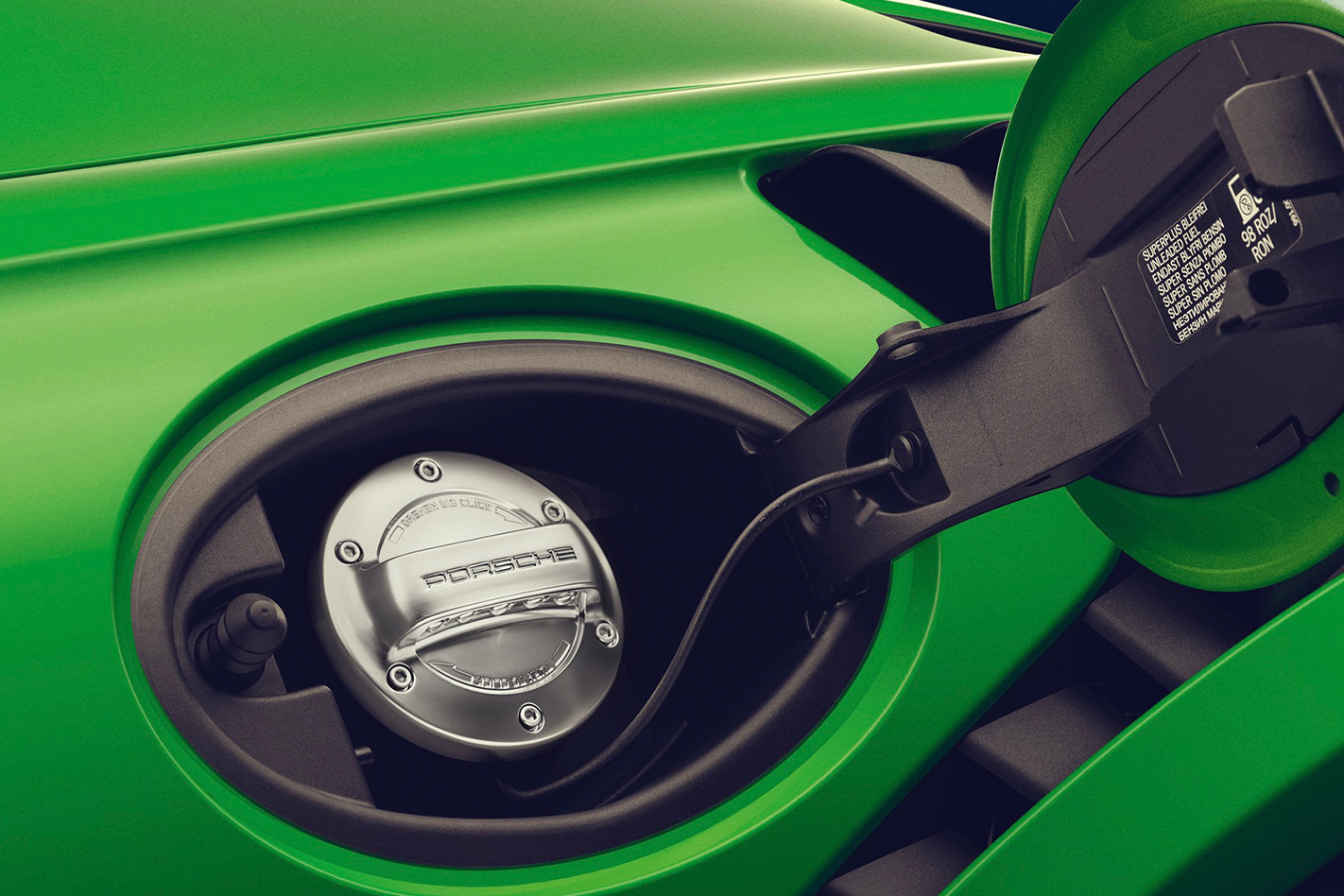
Porsche is investing in synthetic fuels, because as its CEO Oliver Blume points out, 70 percent of all vehicles it has built are still on the roads today. The German manufacturer has partnered with energy company Siemens on something called the Haru Oni project, which will result in a full-scale commercial refinery. One of the first roadblocks to synthetic fuel becoming mainstream is scale. The Haru Oni project aims to produce 55 million litres of the stuff by 2024, increasing to 550 million litres by 2026. For context, Australian passenger vehicles consumed more than 19 billion litres of fuel last year, so the 2024 target would fuel Australia for just over a day.
The next is price. Currently Porsche estimates the synthetic fuel in its prototype program costs $13.24 a litre to produce. Fill a 992-gen Turbo S fuel tank, and you are looking at a bowser cost of near enough $900. Blume believes the petrol alternative needs to cost in the region of $5.30 to be viable. Not cheap, but then neither is an electric car.
One area where those two factors aren’t a problem is the world of motorsport. Formula E holds exclusive rights with the FIA to be the only fully-electric world championship until 2039, with the possibility of an extension on top of that. If Formula 1 wanted to go fully electric before then, it would need Alejando Agag’s permission, something that is unlikely to be granted anytime soon. Synthetic fuel gives motorsport’s most prestigious category a carbon neutral alternative to full electric competition. Porsche’s new 911 GT3 Cup car is able to run on synthetic fuel, and the company has openly stated the technology will form the backbone of any future combustion motorsport endeavours – including possibly Formula 1.
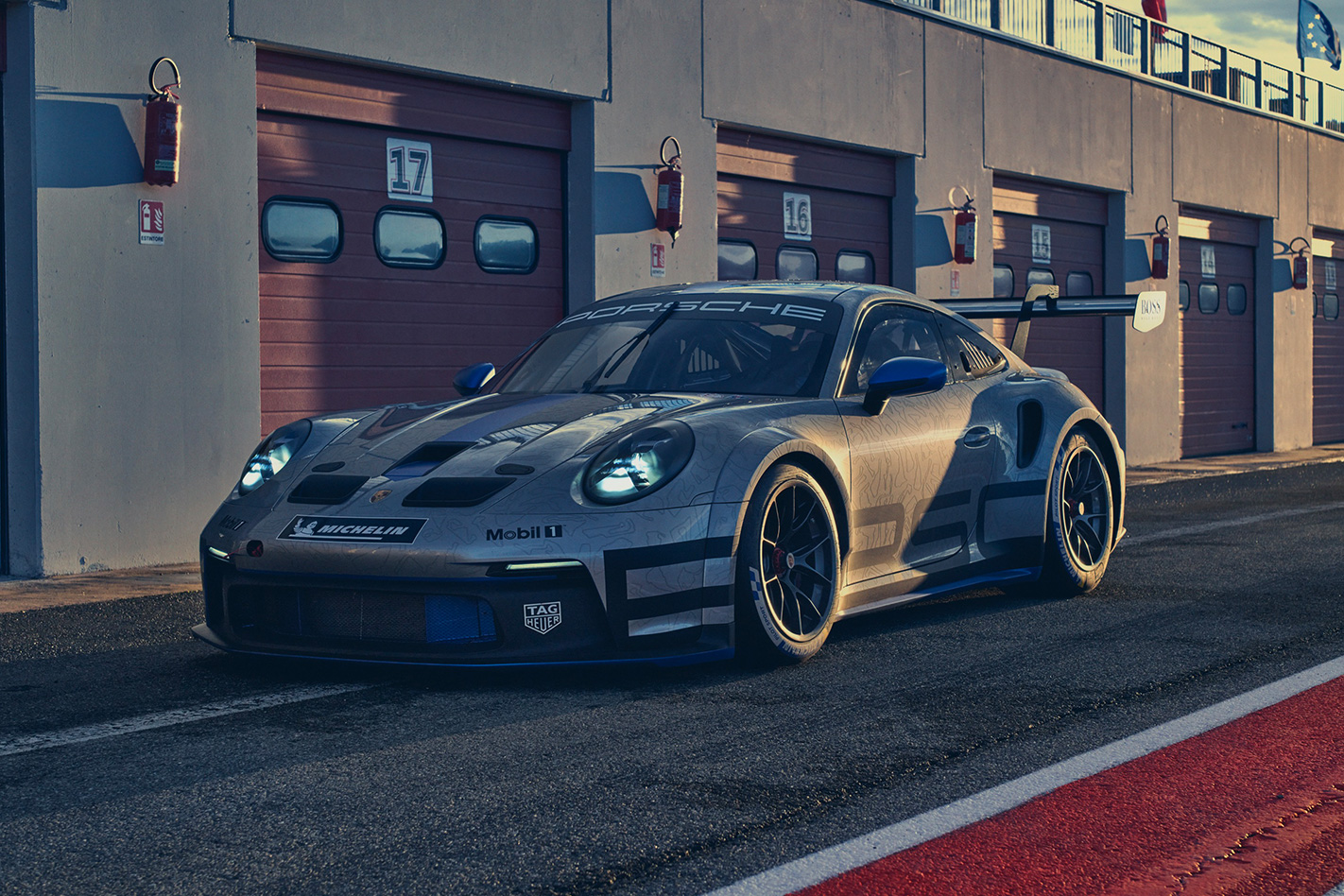
Synthetic fuel is a make-or-break technology for continued use of combustion-powered vehicles in an electric future, but it needs to be produced at a large enough scale, and cheaply enough, before it becomes a mainstream possibility.
No need to hoard
Carbon capturing will be a term you’ll here more of in the coming years. The UN’s Intergovernmental Panel on Climate Change stated that every year we wait to take serious action on climate change, the more we will need to use the carbon-capture process to remove carbon dioxide from the atmosphere. Synthetic fuels allow carbon dioxide captured to be repurposed, instead of simply stored in the ground.
Backyard science
The Haru Oni pilot plant is being built in southern Chile because of its naturally occurring windy climate. To create carbon neutral (or negative) synthetic fuel, renewable energy is used to separate the hydrogen and oxygen. This means that areas with large amounts of wind, or solar energy, are best for synthetic fuel refineries. Now, where would we find somewhere like that?
Fossil backing
Synthetic fuel currently has some serious backers from the fossil fuel industry. FuelsEurope, which represents nearly every petroleum producer on the continent, says synthetic fuel could reduce CO2 emissions by 100 million tonnes by 2035. Handy, as the European Union has a target of climate neutrality by 2050.
True efficiency?
The elephant in the room with synthetic fuels is the vast amount of energy that goes into creating them. There’s a 72% efficiency pathway in using that electricity to power battery-electric vehicles versus 16% efficiency for synthetic fuel generation and combustion. Priorities, priorities…
Jeep has issued a recall for nine of its Gladiator dual-cab utes which were sold without a bumper closeout and tow hook cover.
This renders these Gladiator examples non-compliant with Australian Design Rule 92/00, which relates to external protrusions.
Affected Jeep Gladiator JT cars bridge the 2020-21 model year, with a full list of affected VINs below.
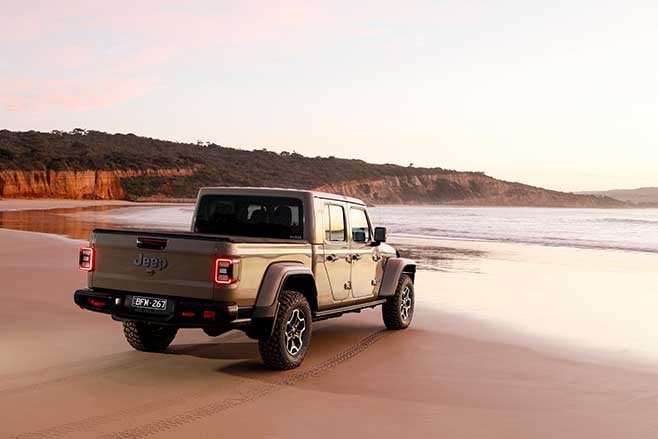
Jeep says these vehicles were sold in the period 1 June 2020 – 20 January 2021.
Product Safety Australia listed the recall on behalf of Fiat Chrysler Australia, noting that if the front bumper “does not have a closeout and tow hook cover, there is an increased risk of serious injury in the event of an accident.”
The recall states that Jeep representatives will contact each of the affected customers to arrange for a replacement front bumper to be fitted, free of charge.
Jeep Gladiator owners who want to get on the front foot can contact Fiat Chrysler Australia 1300 133 079 or contact Jeep on its website.
Affected Jeep Gladiator VINs
- 1C6JJTDG0LL198597
- 1C6JJTDG1ML520505
- 1C6JJTDG3LL198559
- 1C6JJTDG3LL204196
- 1C6JJTDG4LL203431
- 1C6JJTDG4LL205194
- 1C6JJTDG5LL205320
- 1C6JJTDG5ML520457
- 1C6JJTDG8ML509694
Four-time Formula 1 champion Sebastian Vettel is selling a number of collectible Ferraris in the wake of his exit from the Scuderia Ferrari F1 squad.
Eight of the cars in his collection are located in Switzerland, but will be sold through dealership Tom Hartley Jnr in the UK.
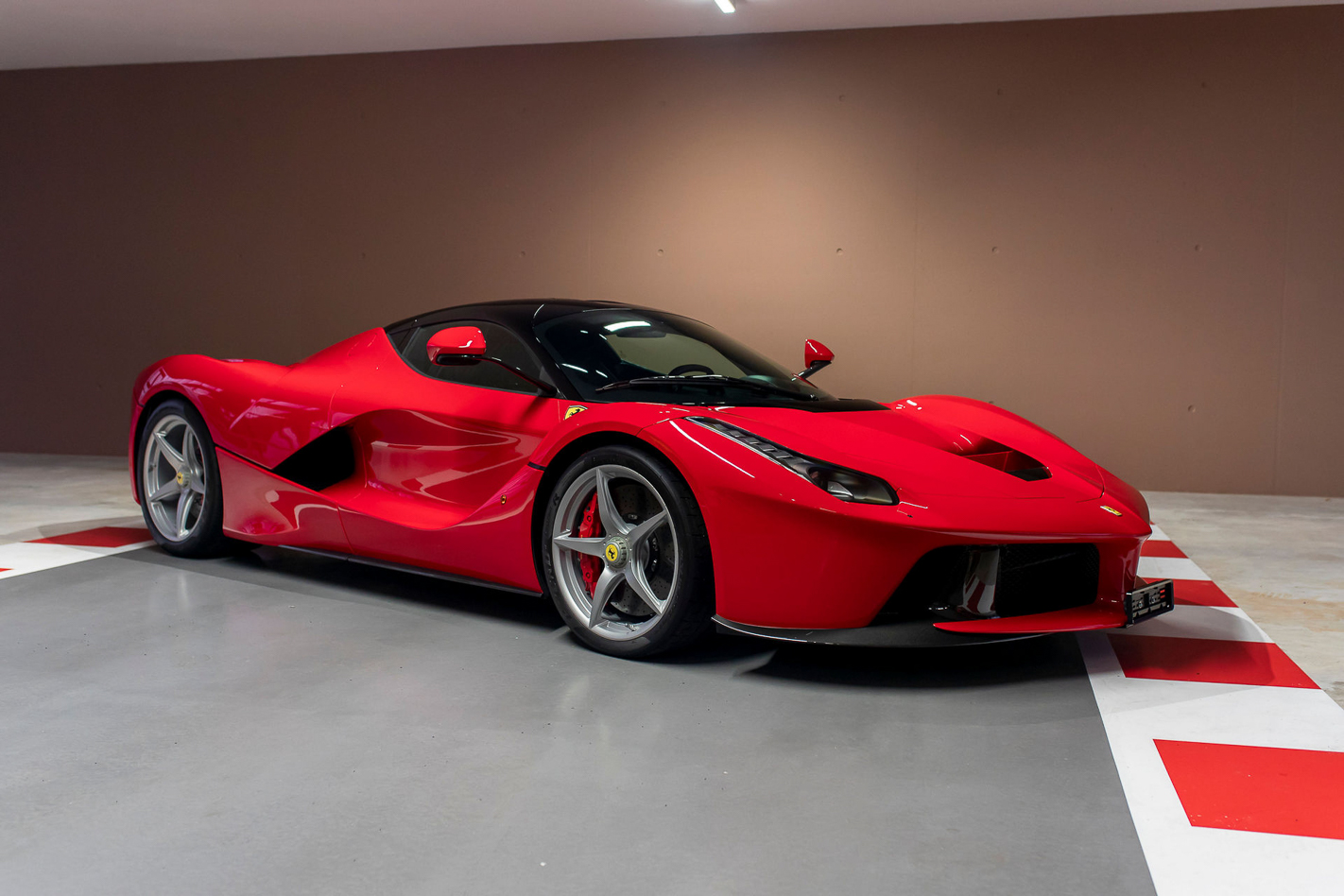
The impressive cache of vehicles includes a 2004 Ferrari Enzo, 2016 Ferrari LaFerrari as well as a 1996 Ferrari F50 – all of which are red and are currently under offer or have been sold.
All three of the ‘big five’ Ferraris are low-kilometre examples which have been certified by the Ferrari Classiche programme – meaning all are original cars with matching numbers. The best of the best you can buy, effectively.
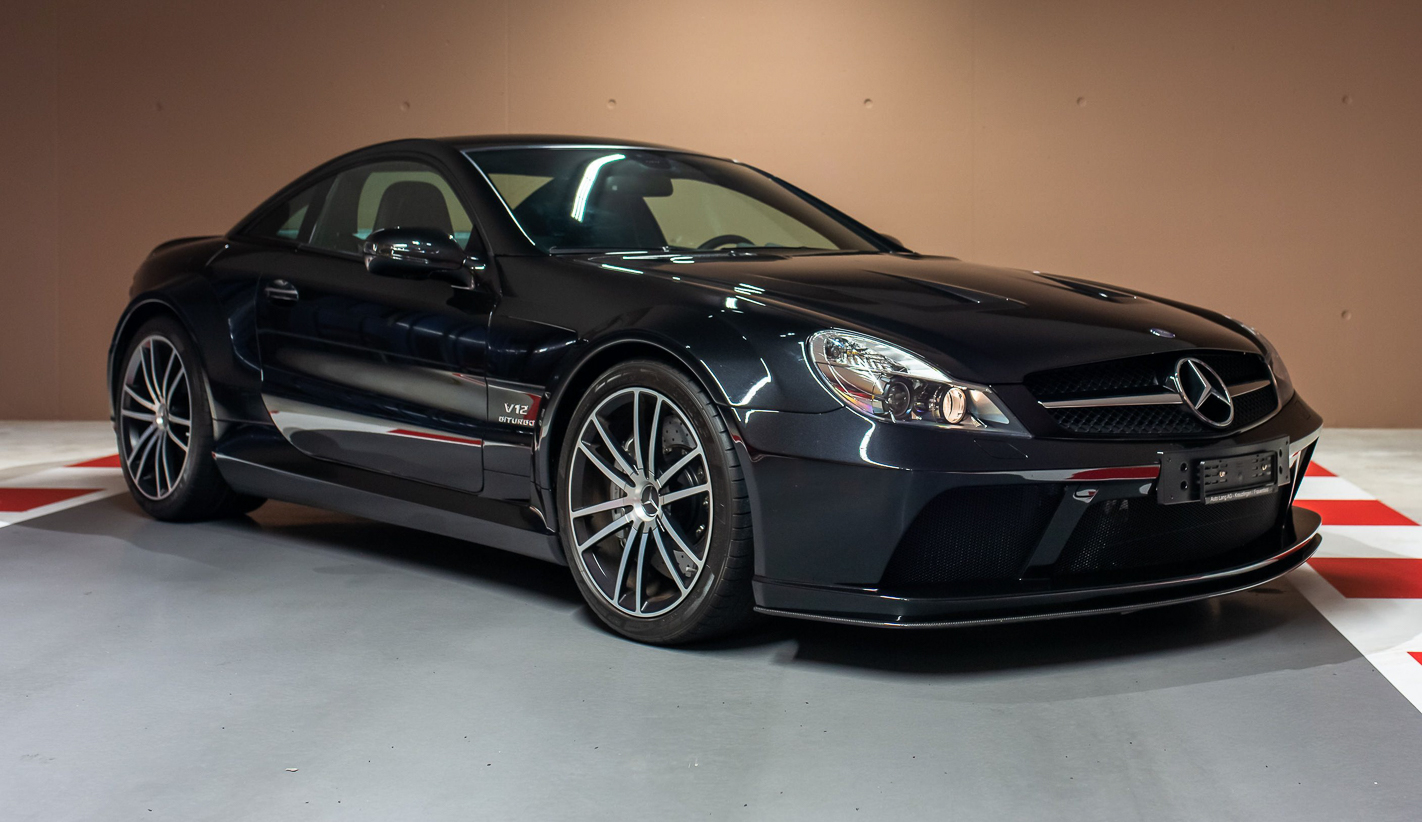
Others cars being sold by Vettel include a triple-layer yellow Ferrari F12 TDF, a black Ferrari 458 Speciale, a silver 2010 Mercedes-Benz SLS AMG, a 2009 Mercedes-Benz SL65 Black Series and a 2002 BMW Z8 roadster.
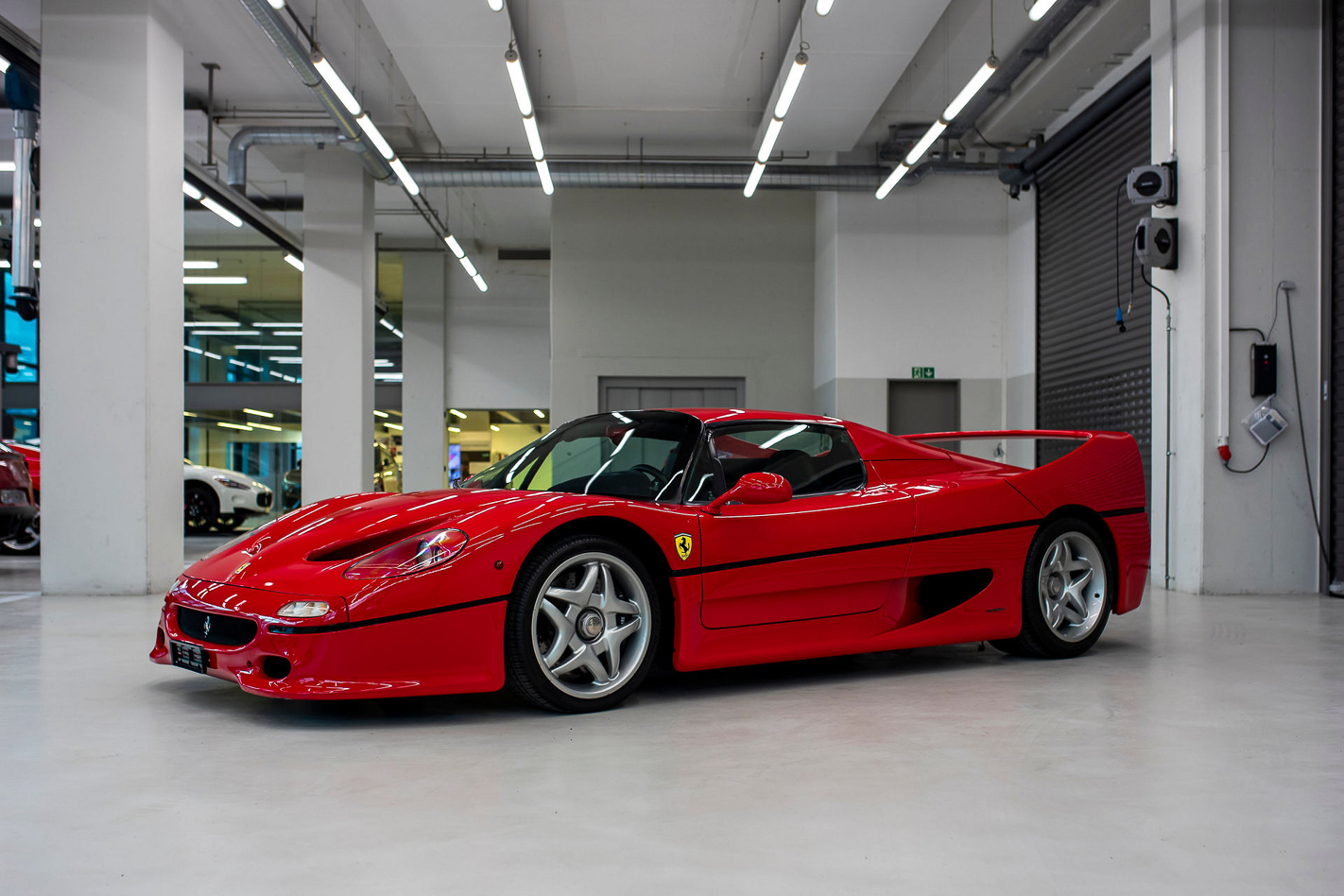
The Ferrari F50 was first delivered new to Denmark and subsequently purchased by Vettel in 2015, his first year at Ferrari. It’s showing just 4312 miles from new, and comes with all the extras such as flight case, hard top, luggage and Ferrari car cover.
Meanwhile, the Mercedes-Benz SL65 AMG Black Series was gifted new to Vettel after he won the first-ever Abu Dhabi Grand Prix in 2009.
No prices are listed by the dealership, with interested parties instructed to enquire for pricing.
However, there is no doubt that these highly-desirable cars won’t be on the market for long.
Italian firms Easyrain and Italdesign have partnered with German component manufacturer Bosch to develop a new AIS (Aquaplaning Intelligent Solution) system designed to help make driving in the rain safer.
Ordinarily focused on the design of cars like the Italdesign GTR-50, the design house has turned its hand towards safety. The three companies jointly-developed a smart system that prevents vehicles from losing traction when hitting large puddles of water on roads.
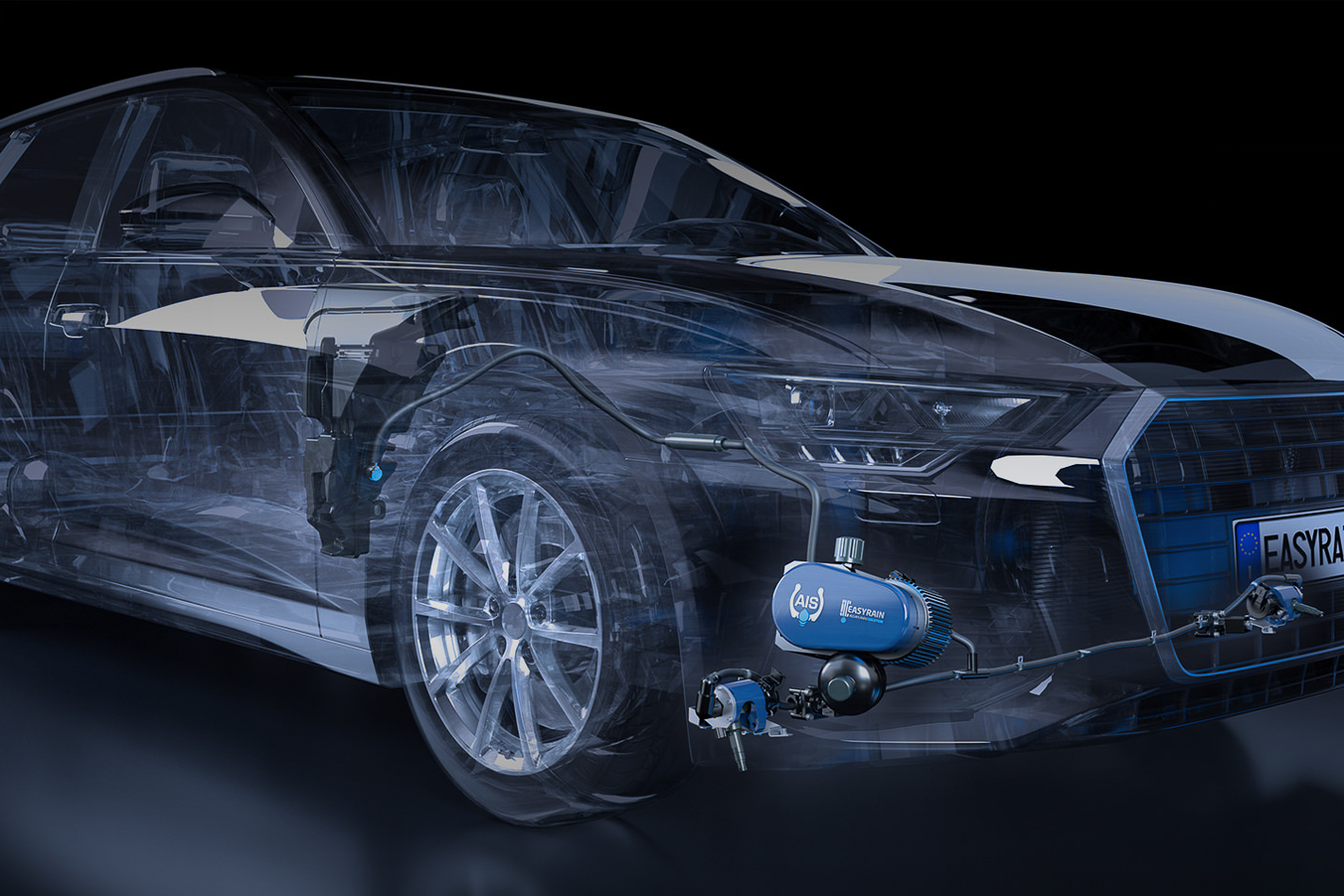
The active safety feature works by using sensors to detect the onset of aquaplaning. Once the software identifies potential hydroplaning, a washer jet sprays water ahead of the front wheels.
This is said to dissipate the “excessive layer of water on the asphalt that the tires [alone] cannot.”
The result is a greater contact patch area for the tyres and, subsequently, the car’s ability to regain control.
Its effectiveness can be witnessed in the side-by-side comparison video above, which is slowed down to show the subtle differences in tracking line between the two conditions.
The Audi A6 without AIS can be seen losing traction immediately after hitting standing water, while the AIS-equipped version regains control for a safer outcome.
Easyrain says its system is able to improve vehicle aquaplaning performance by 35 per cent on a straight, and by 30 per cent when cornering. However, importantly, it is 100 per cent repeatable.
AIS is the first aquaplaning solution of its kind available to all vehicles, including autonomous ones or electric vehicles.
There’s no word on when this technology will become available in future models, although the three companies will continue working on the project to ensure its adoption.
